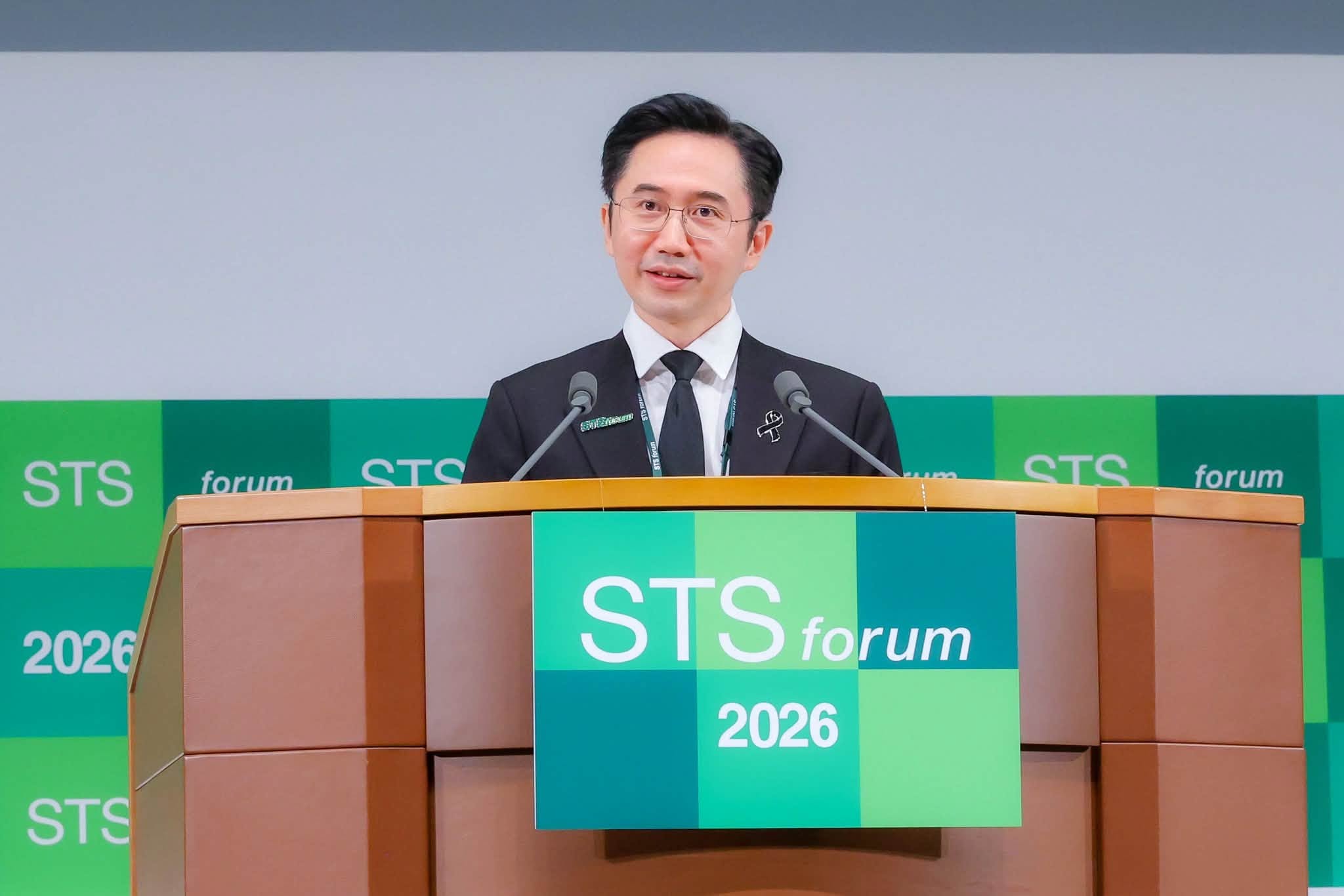
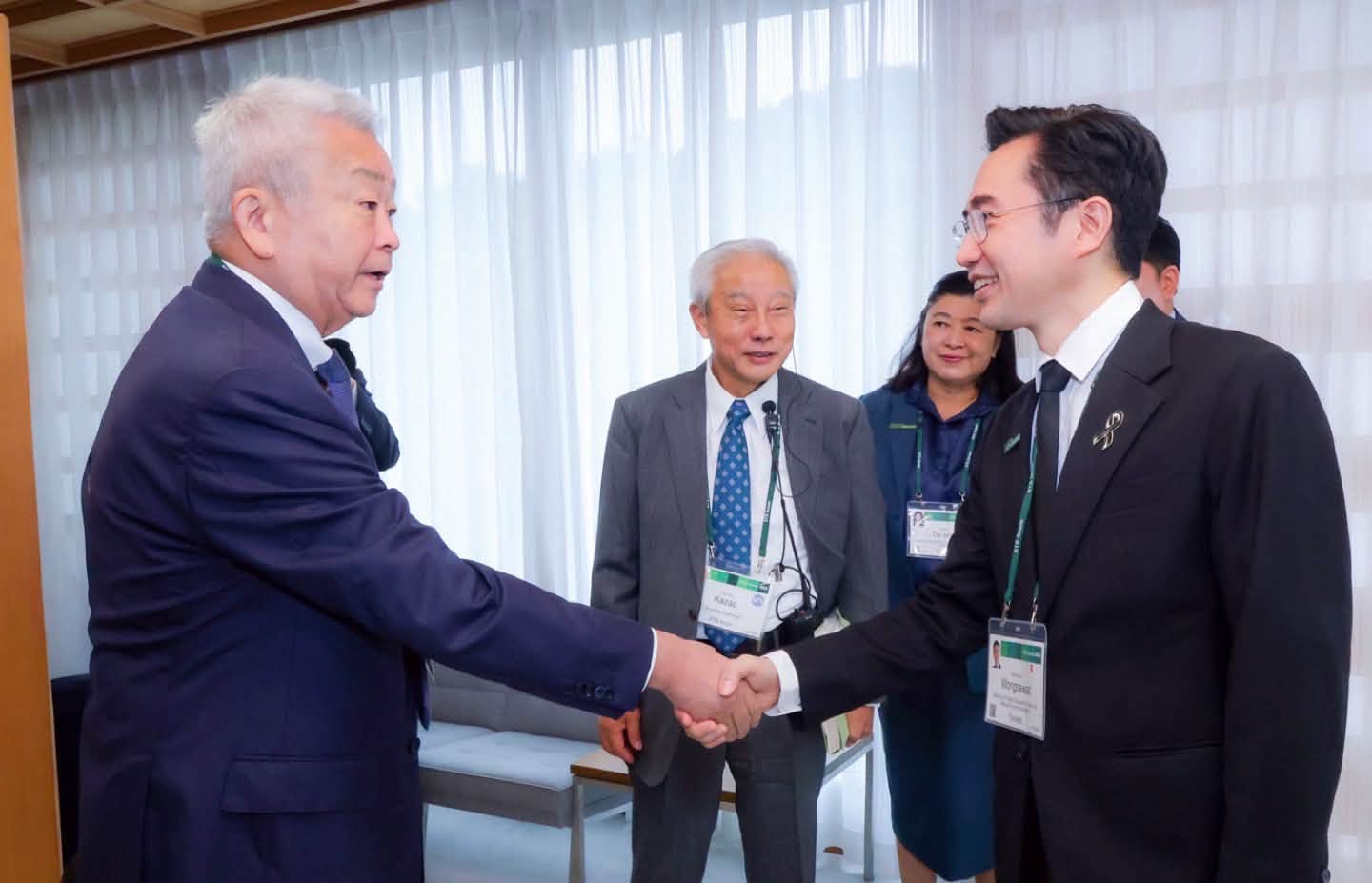
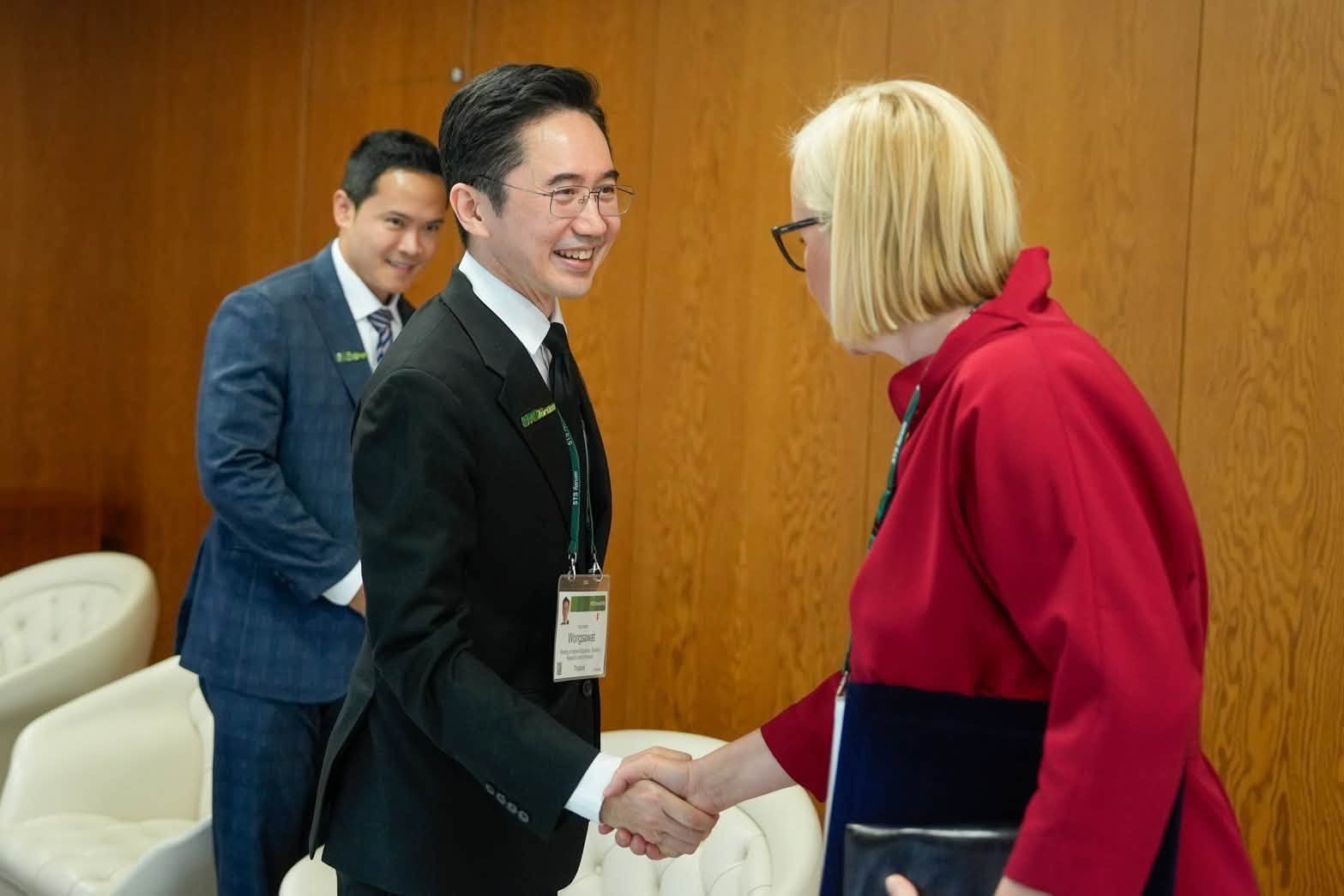
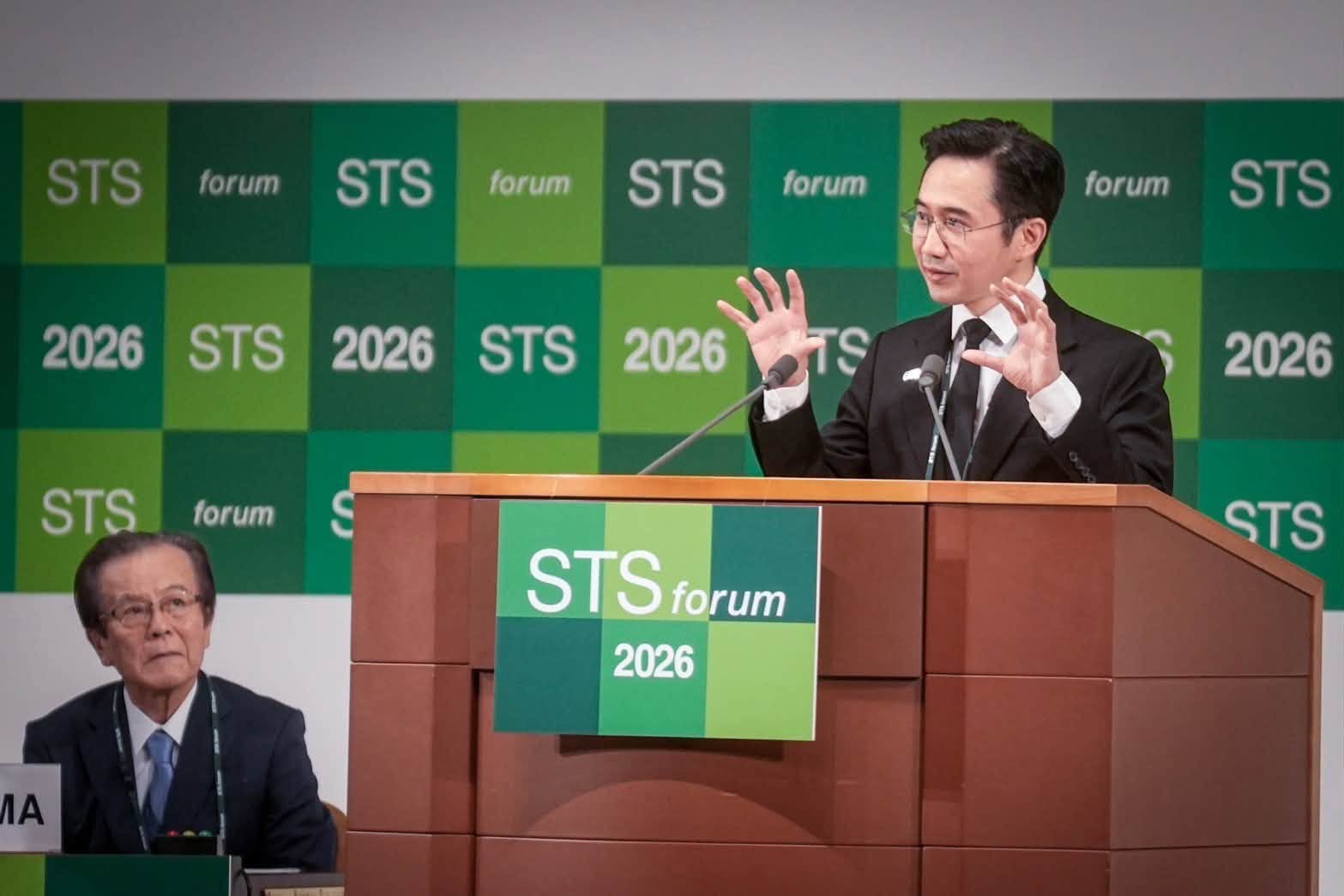
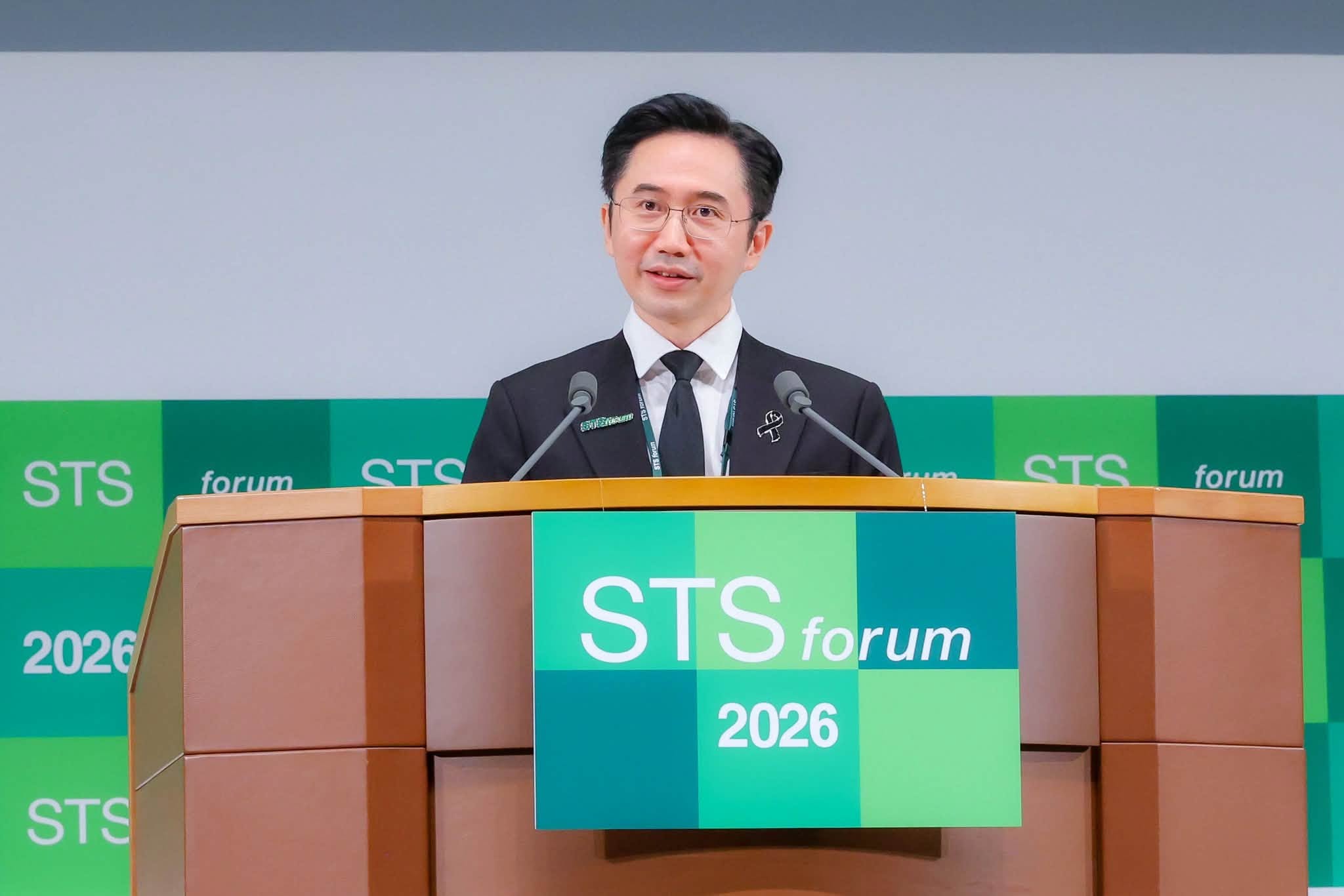
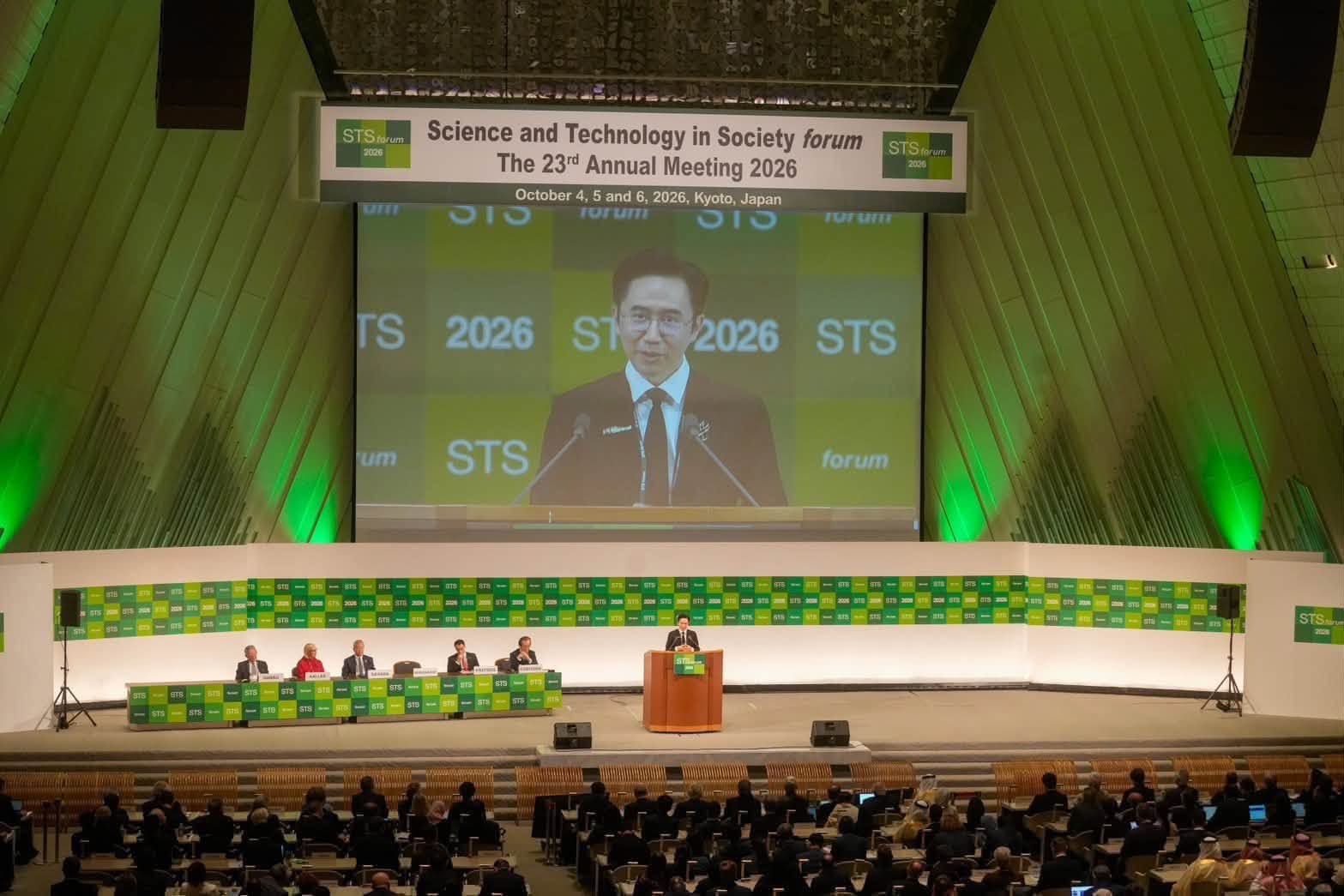
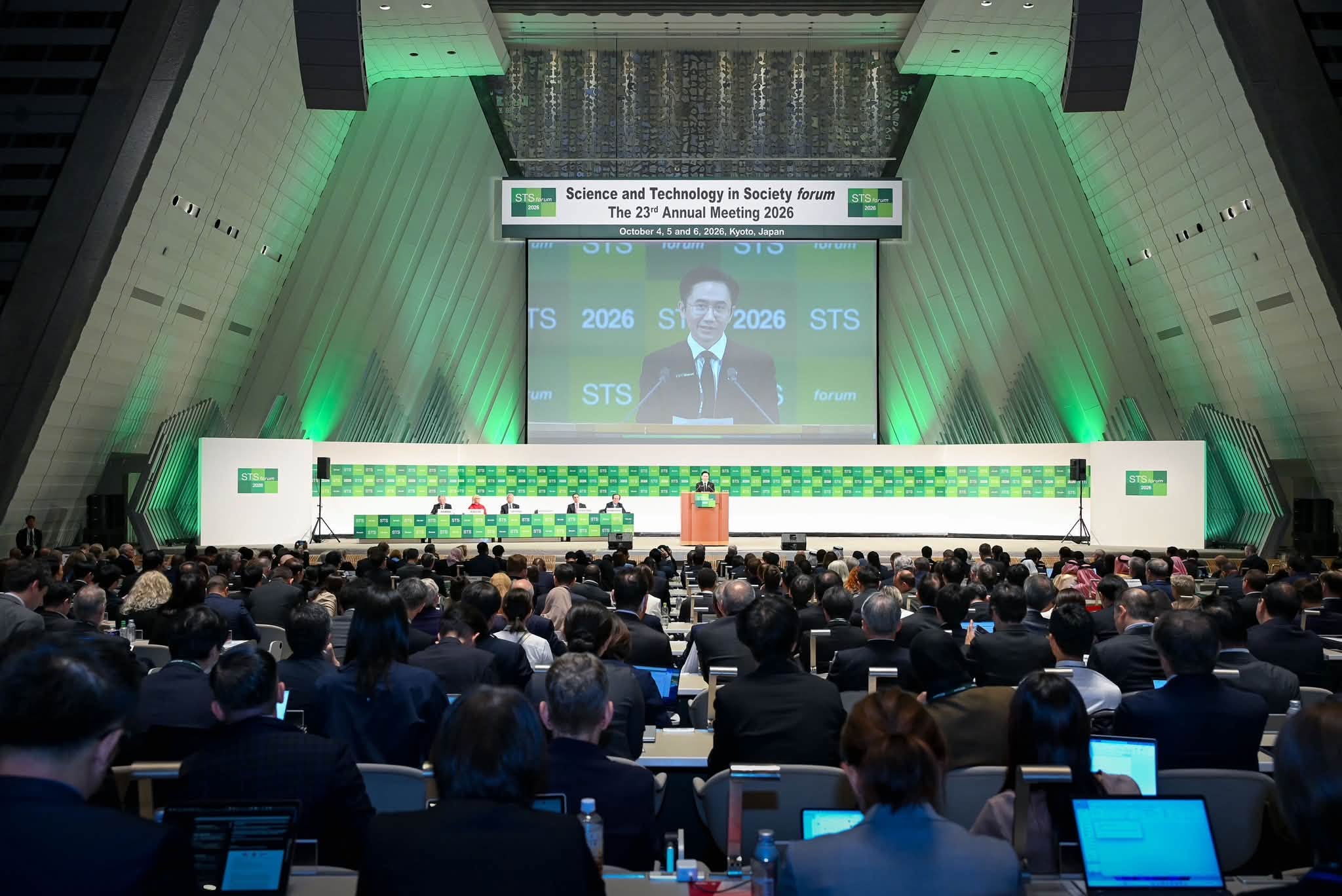
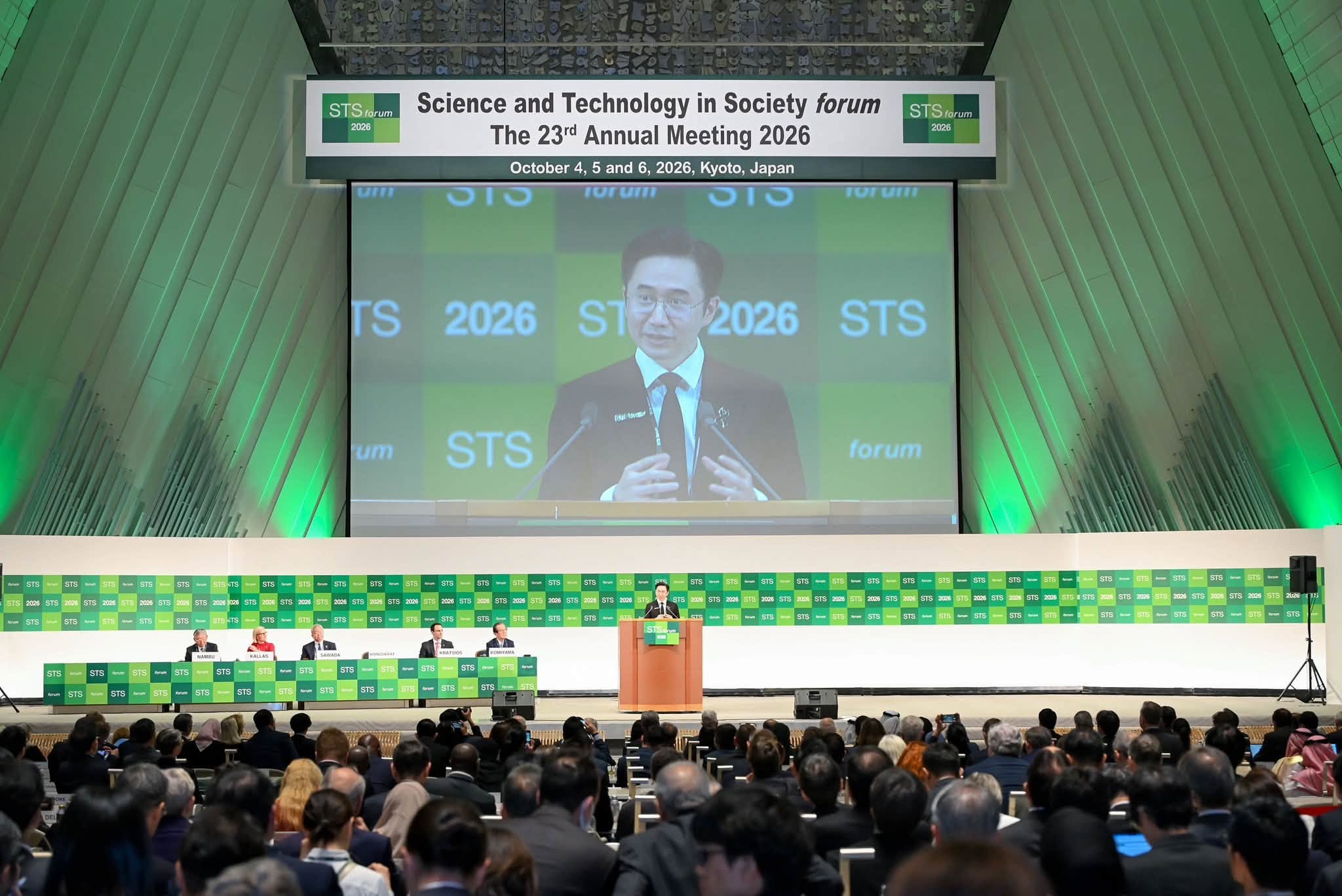
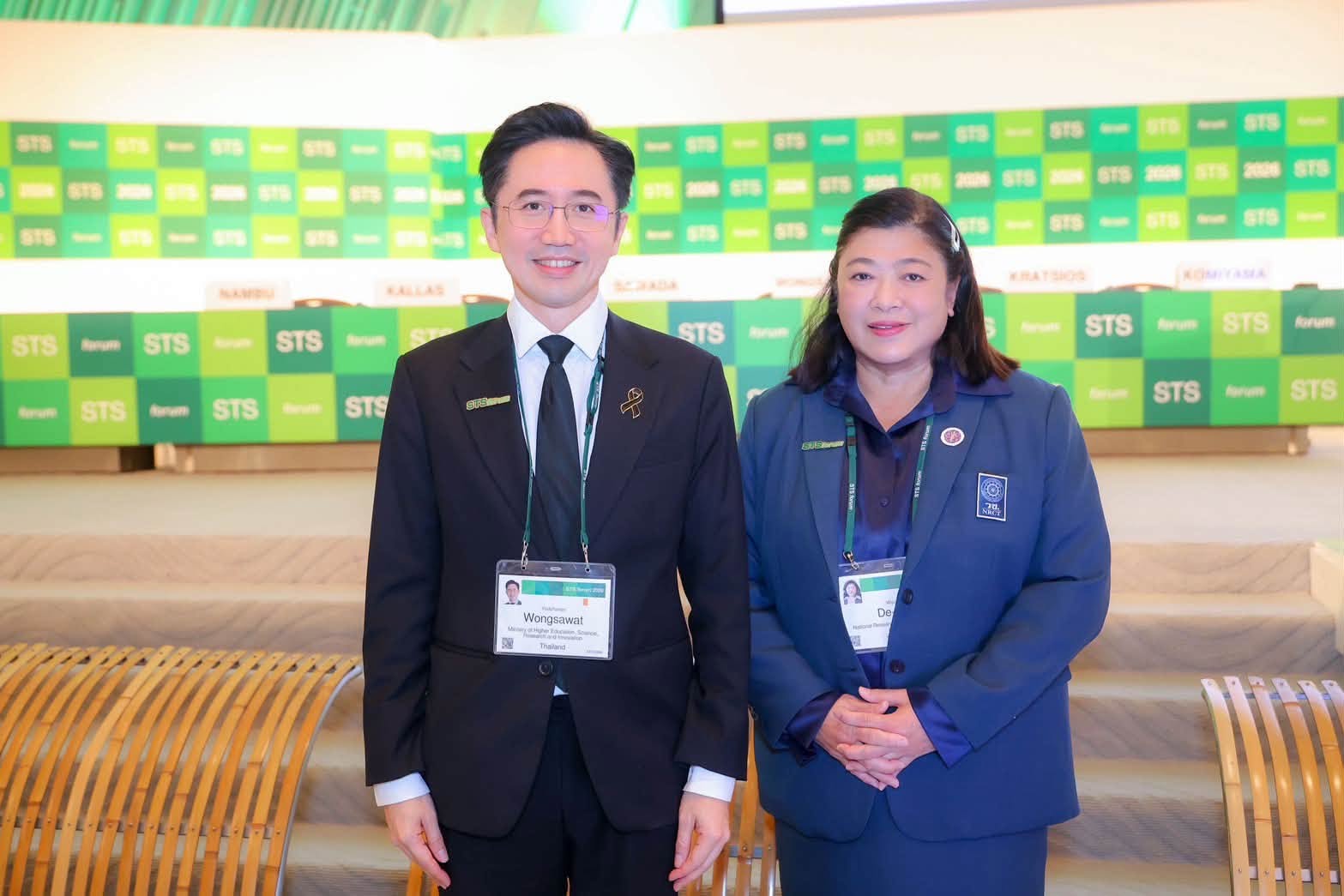
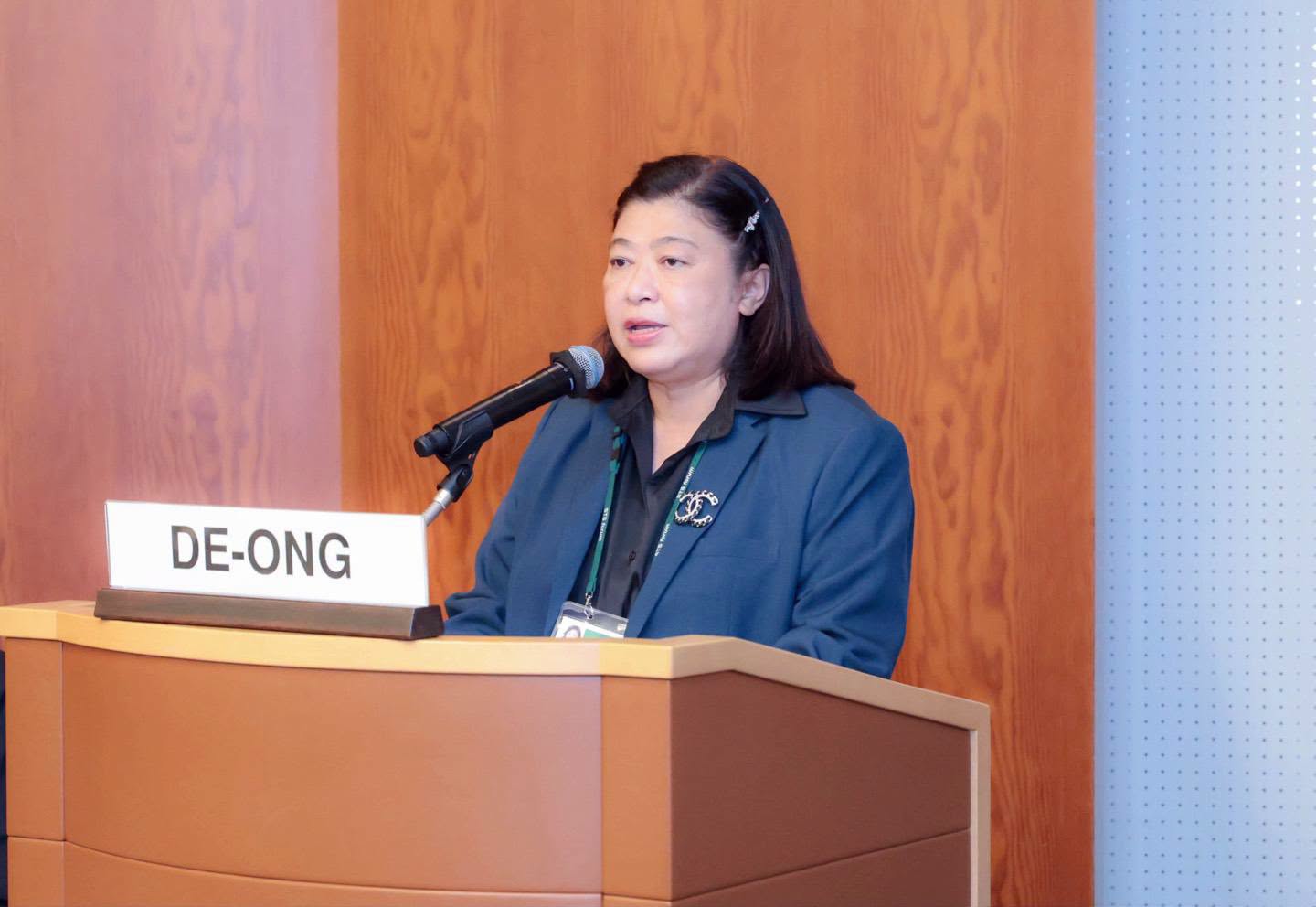
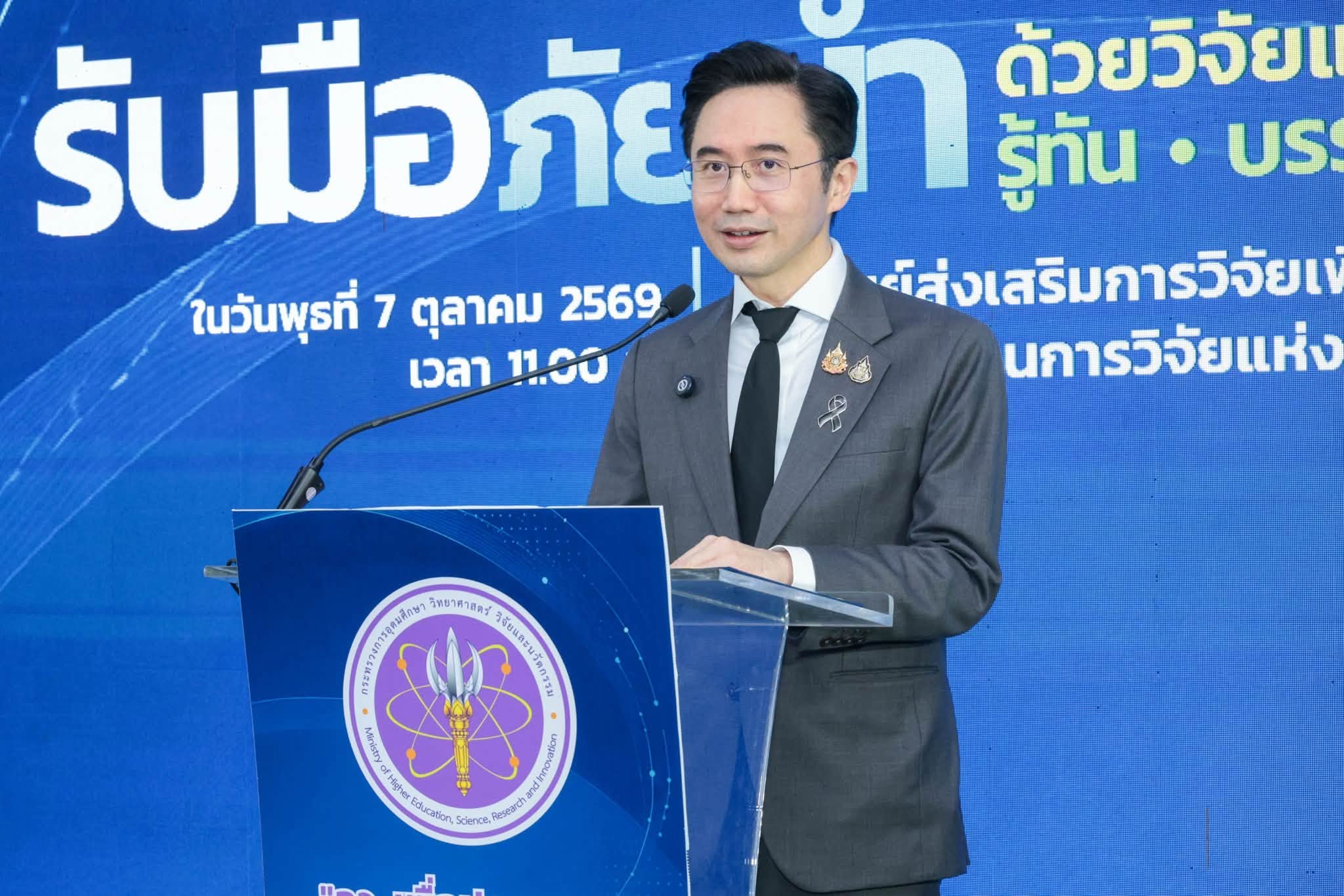
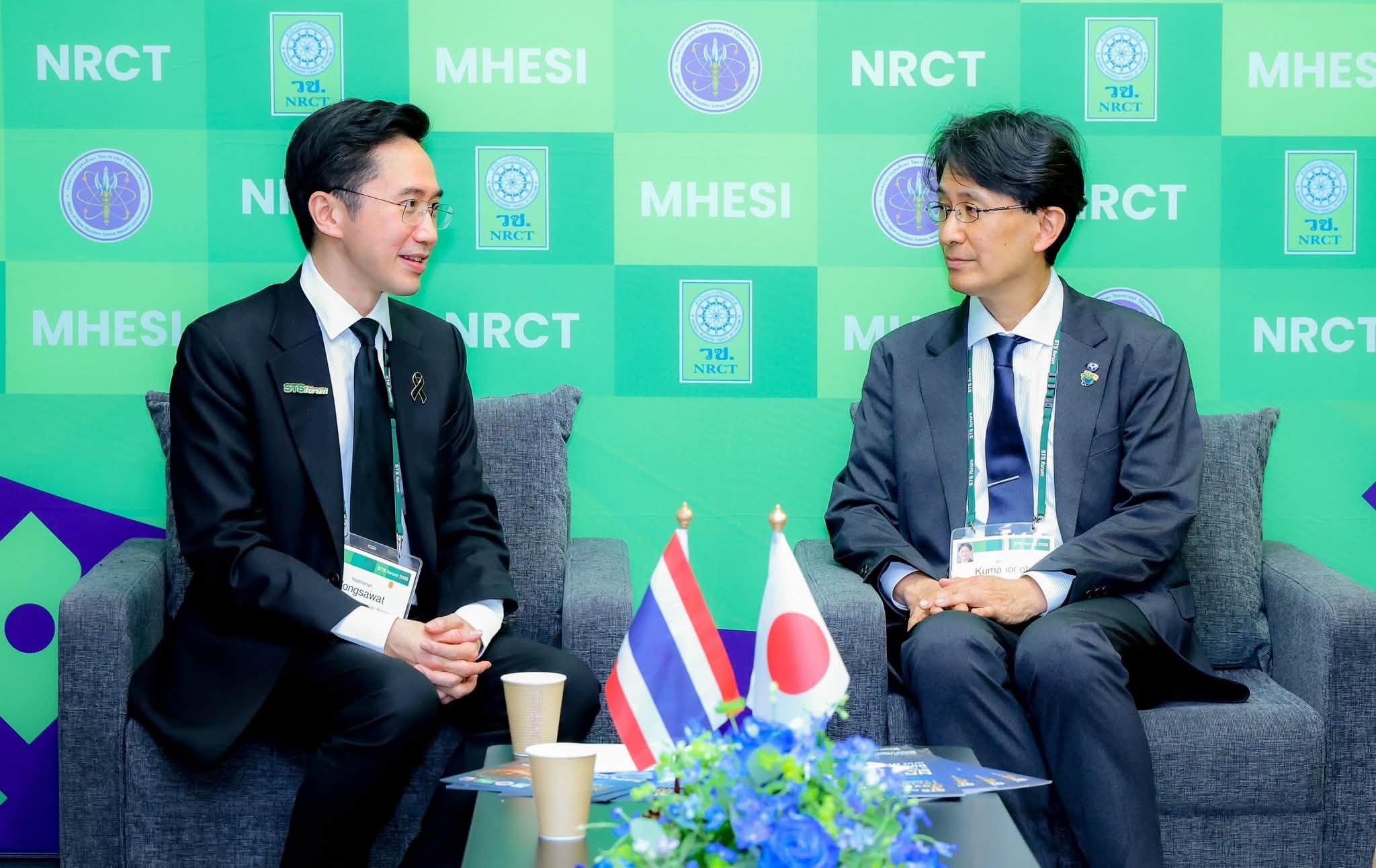
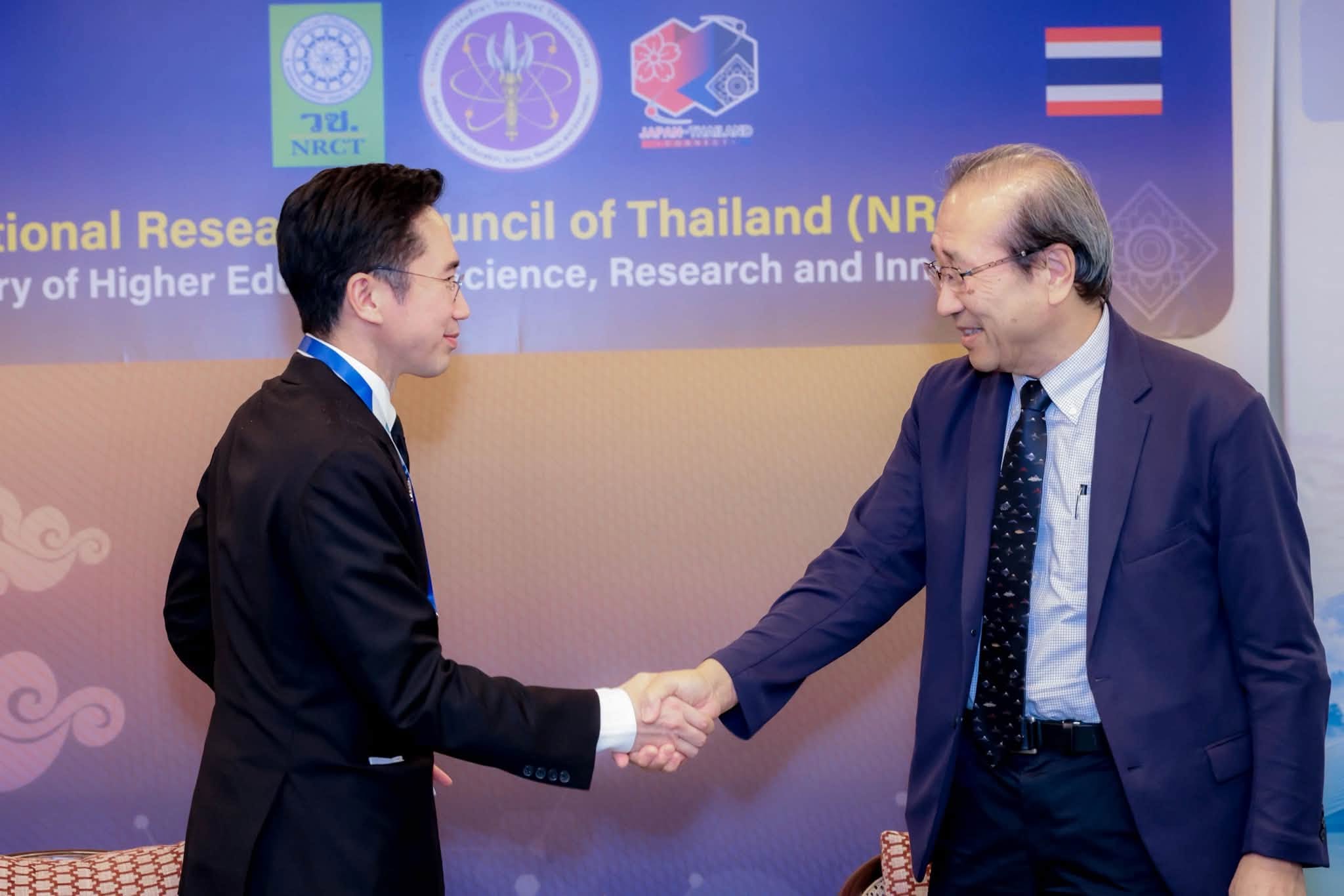
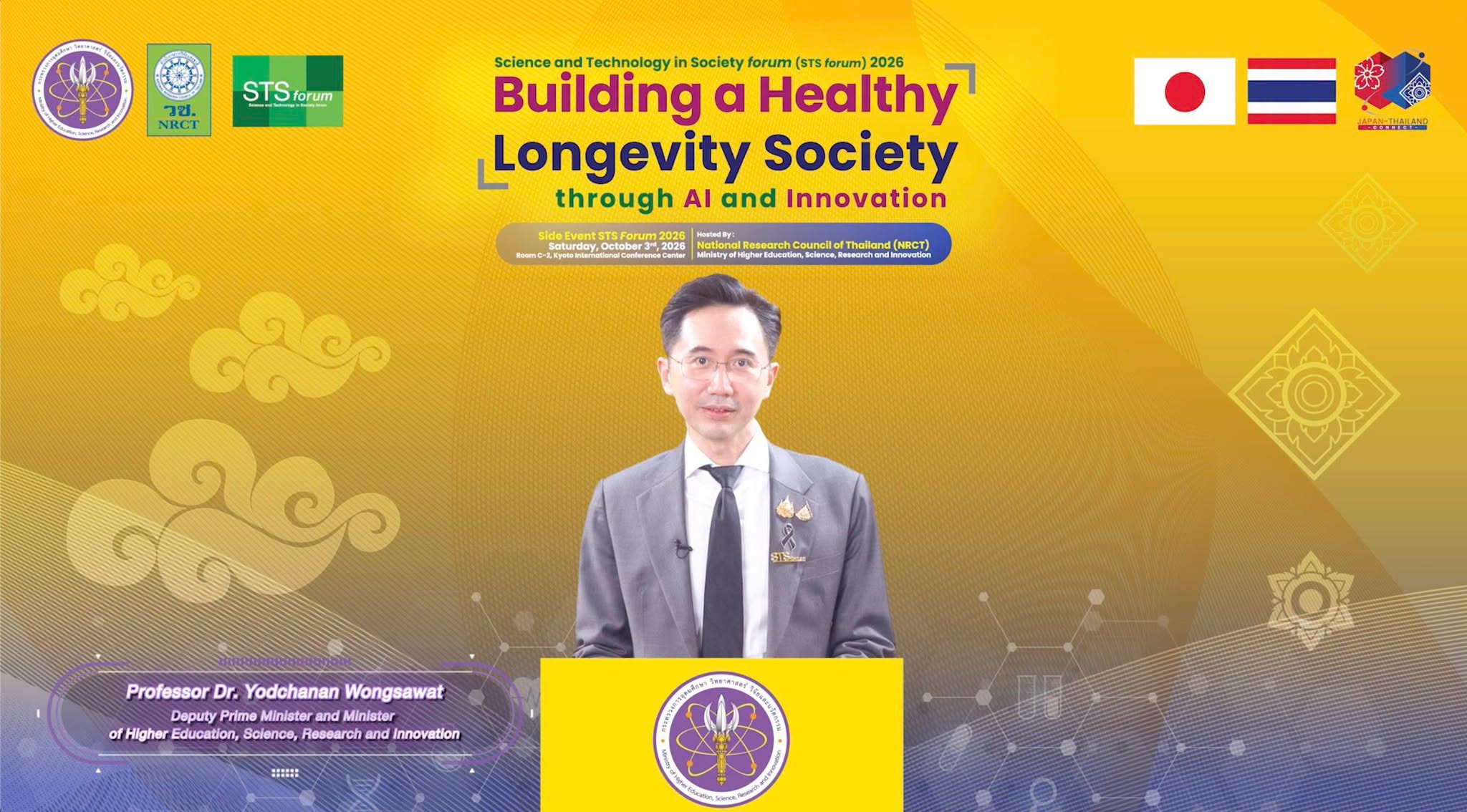
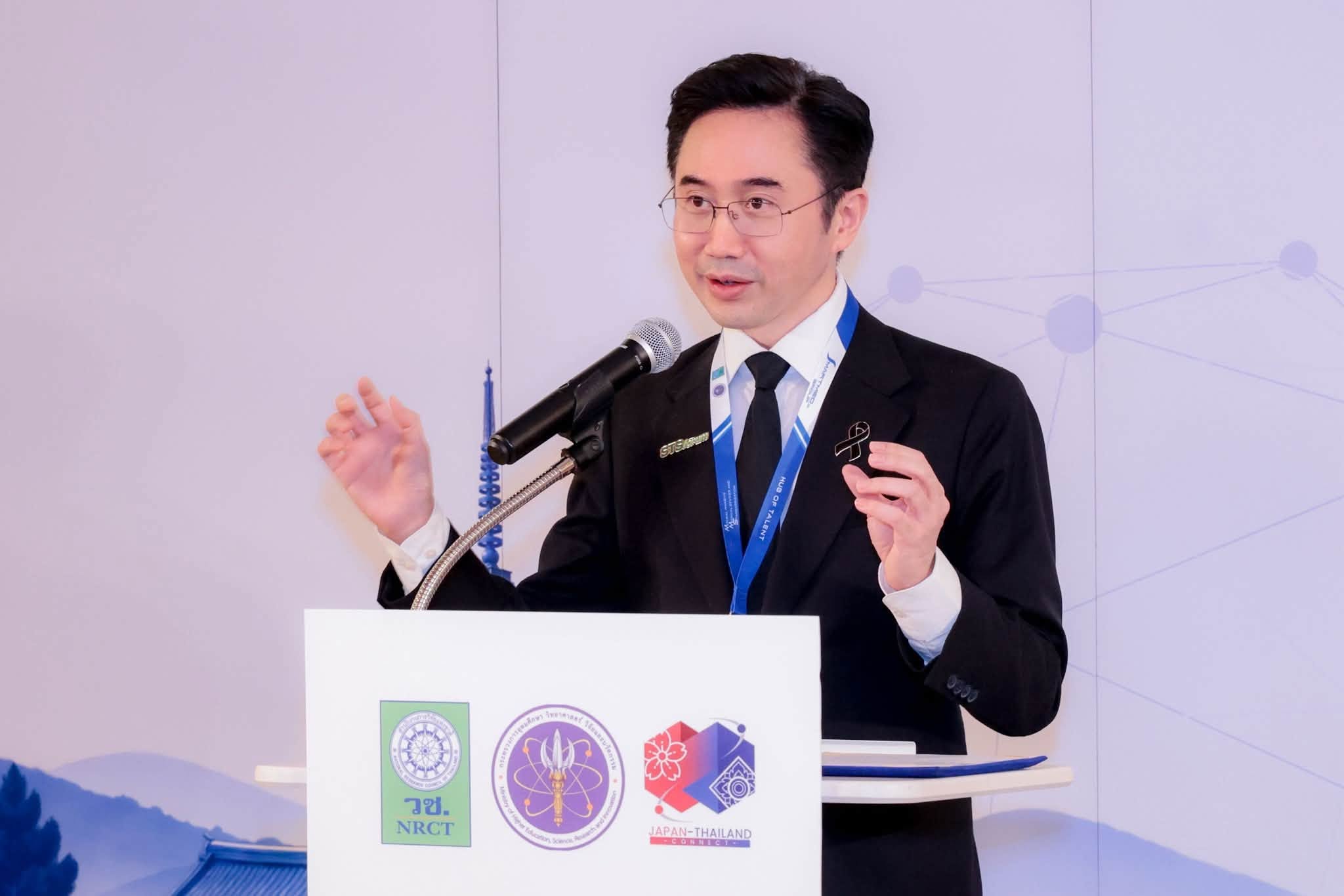
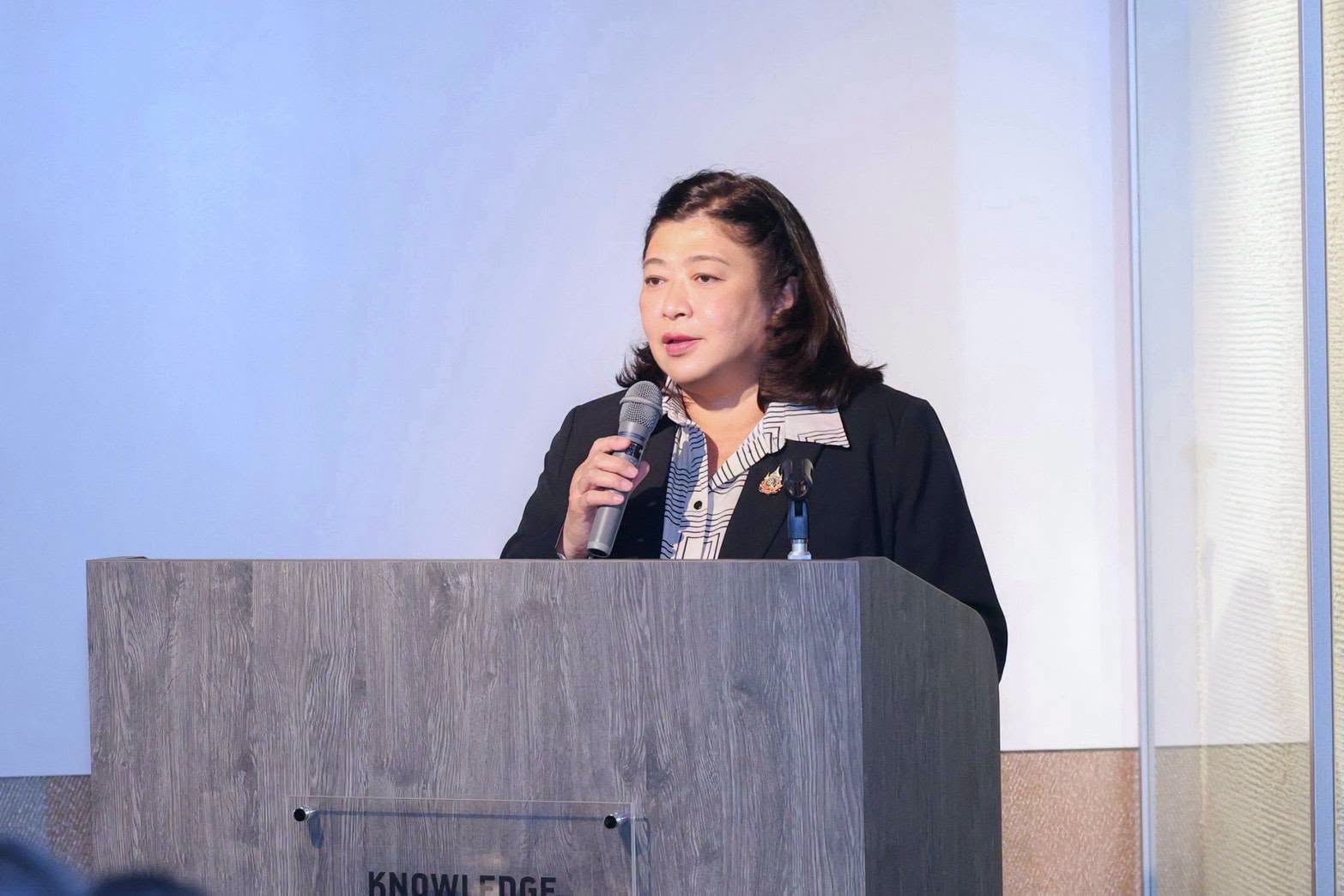
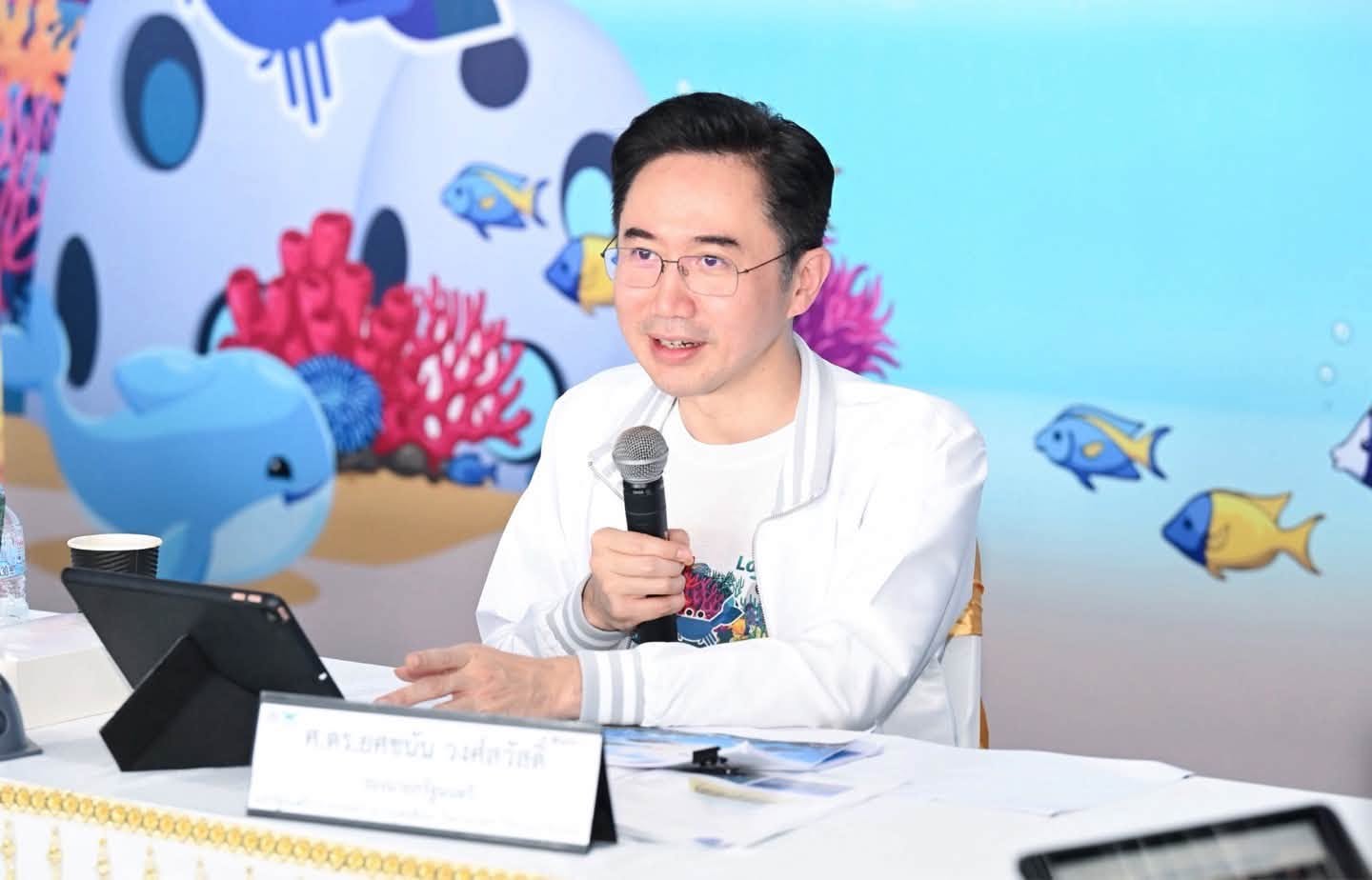
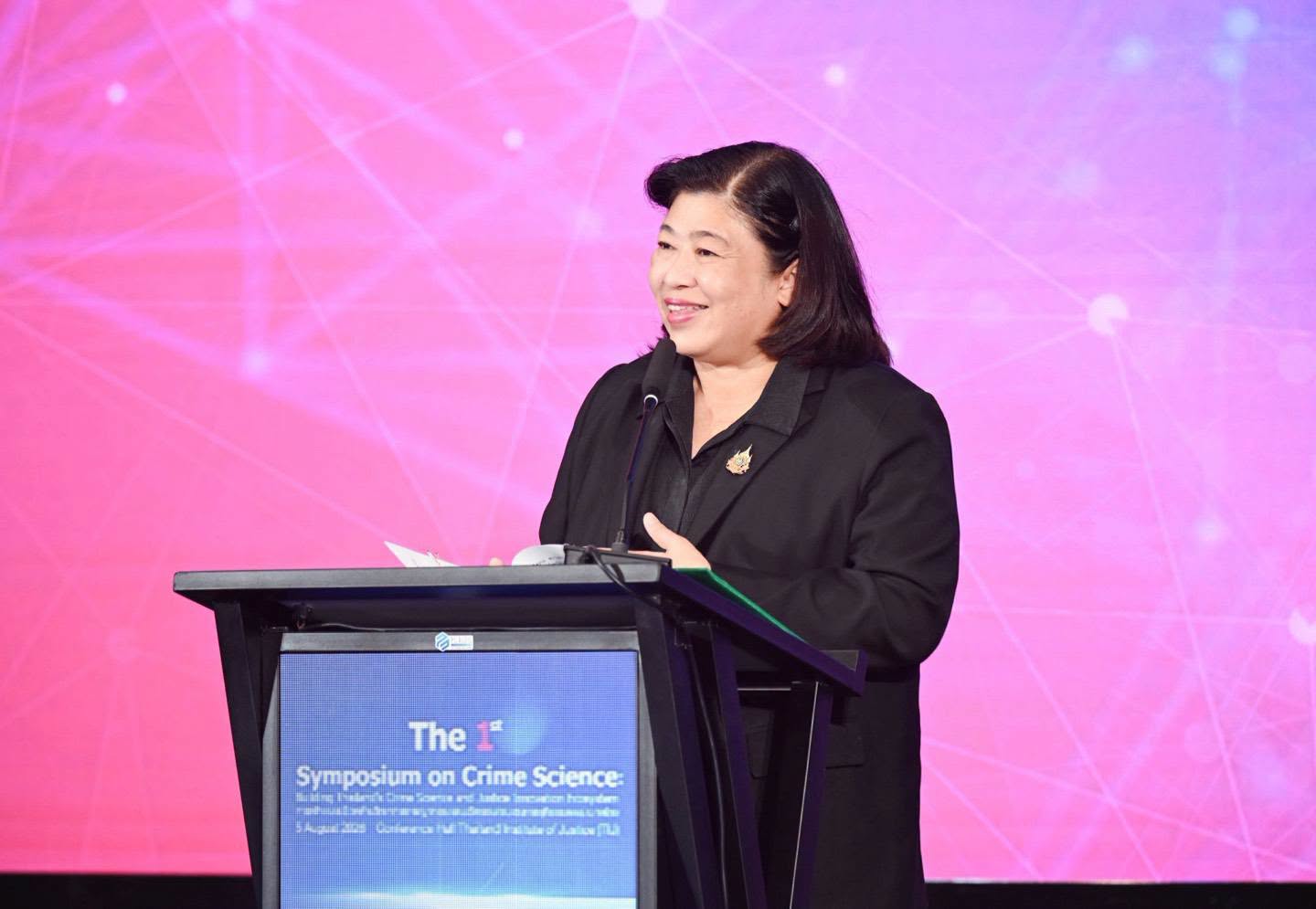
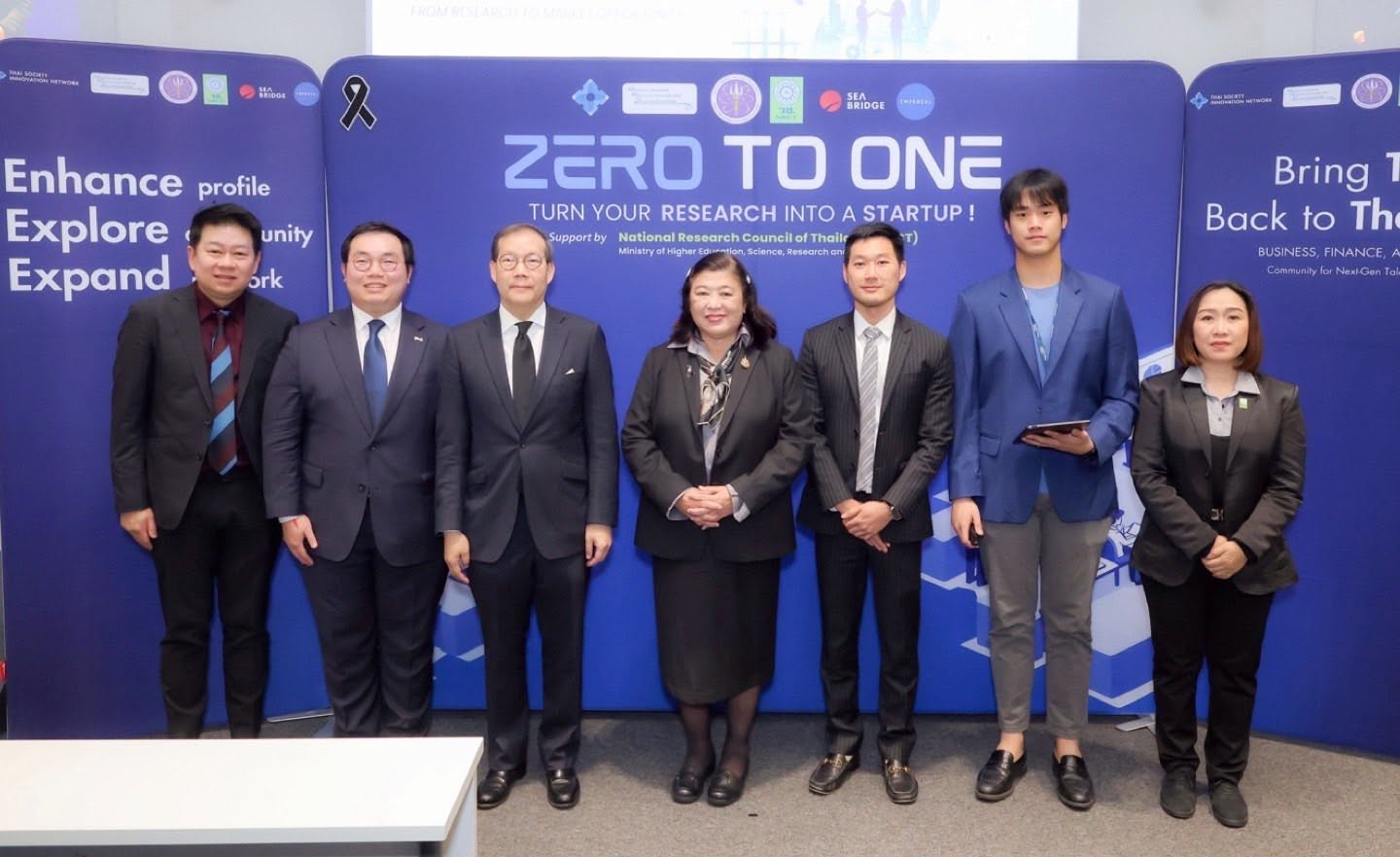
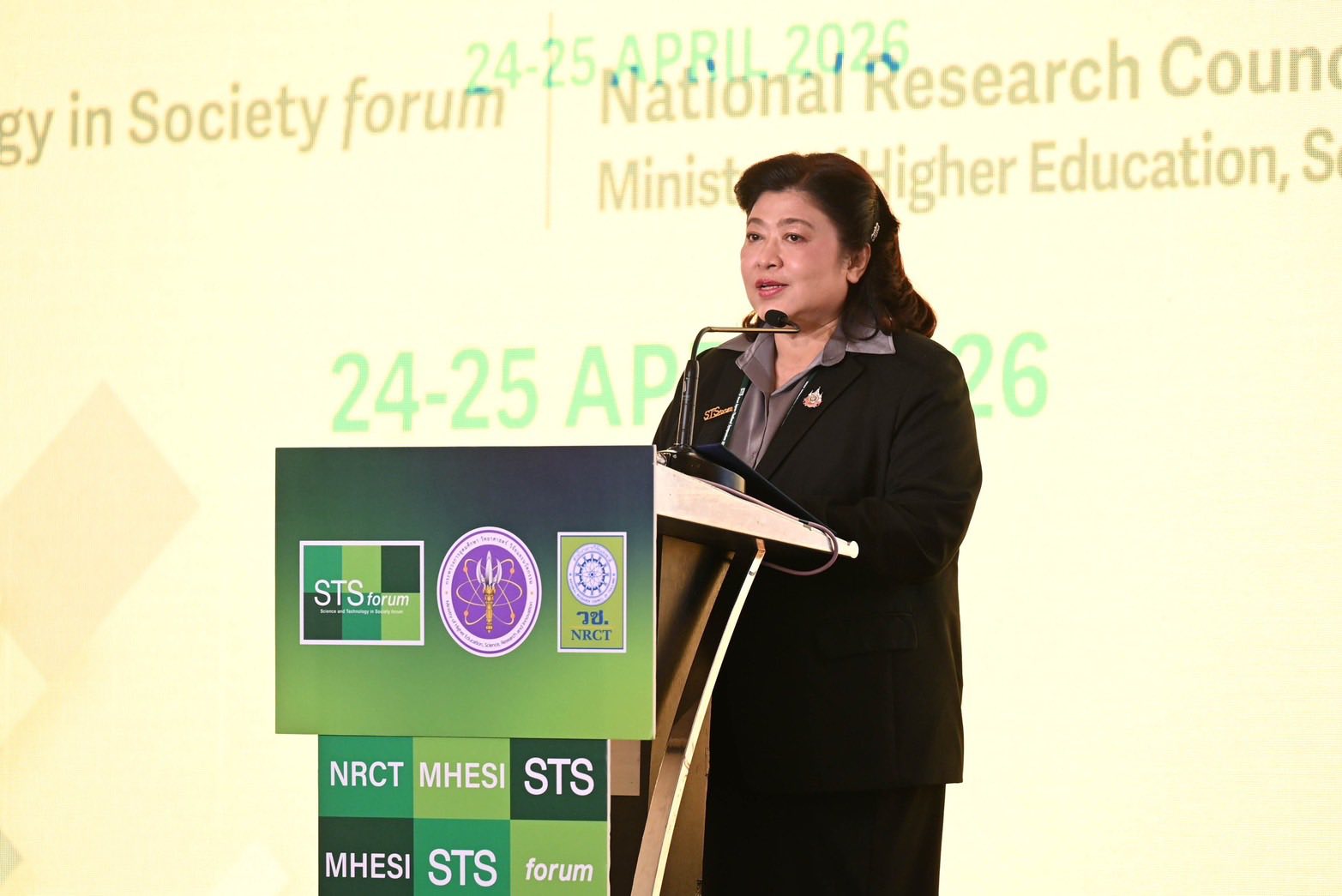
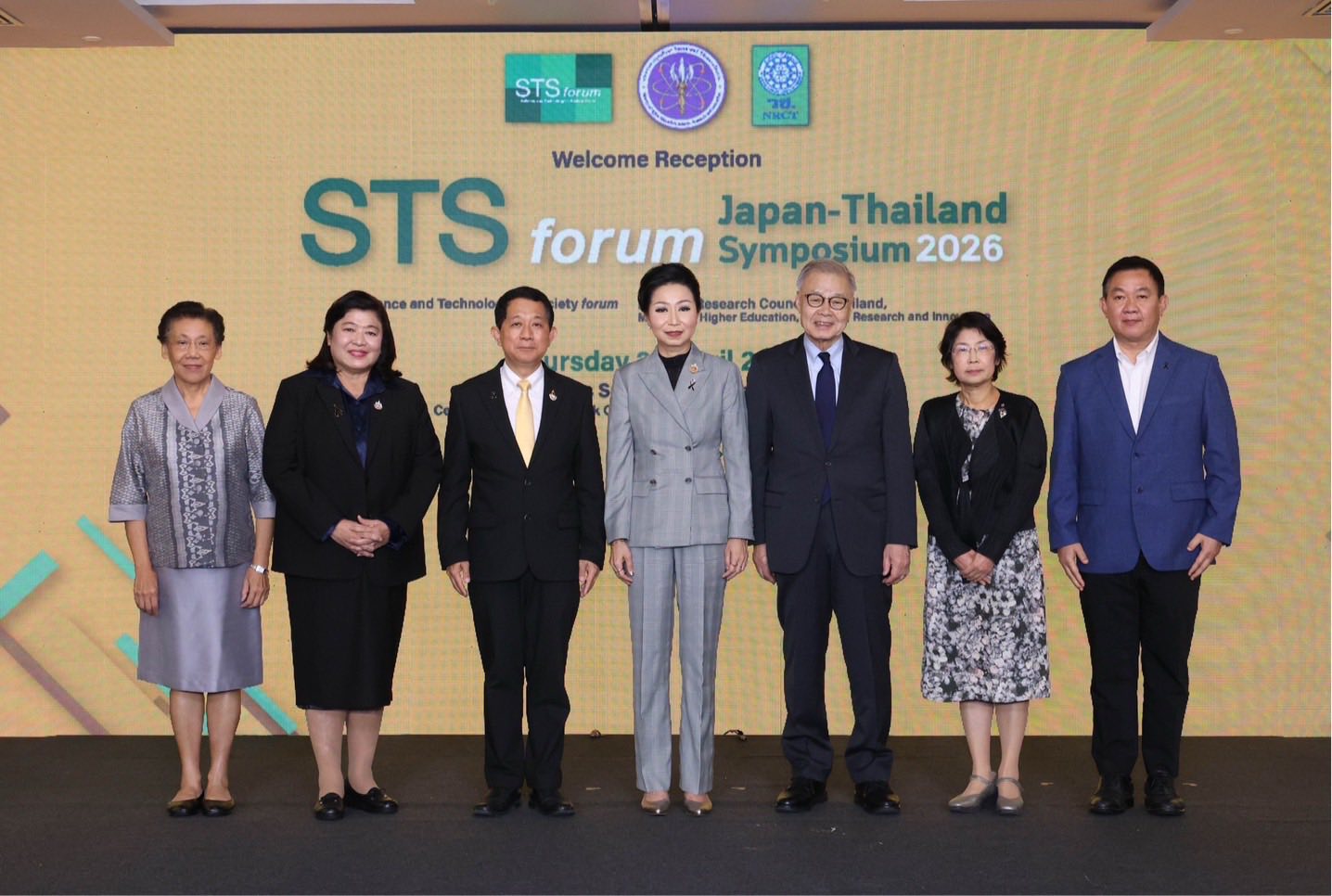
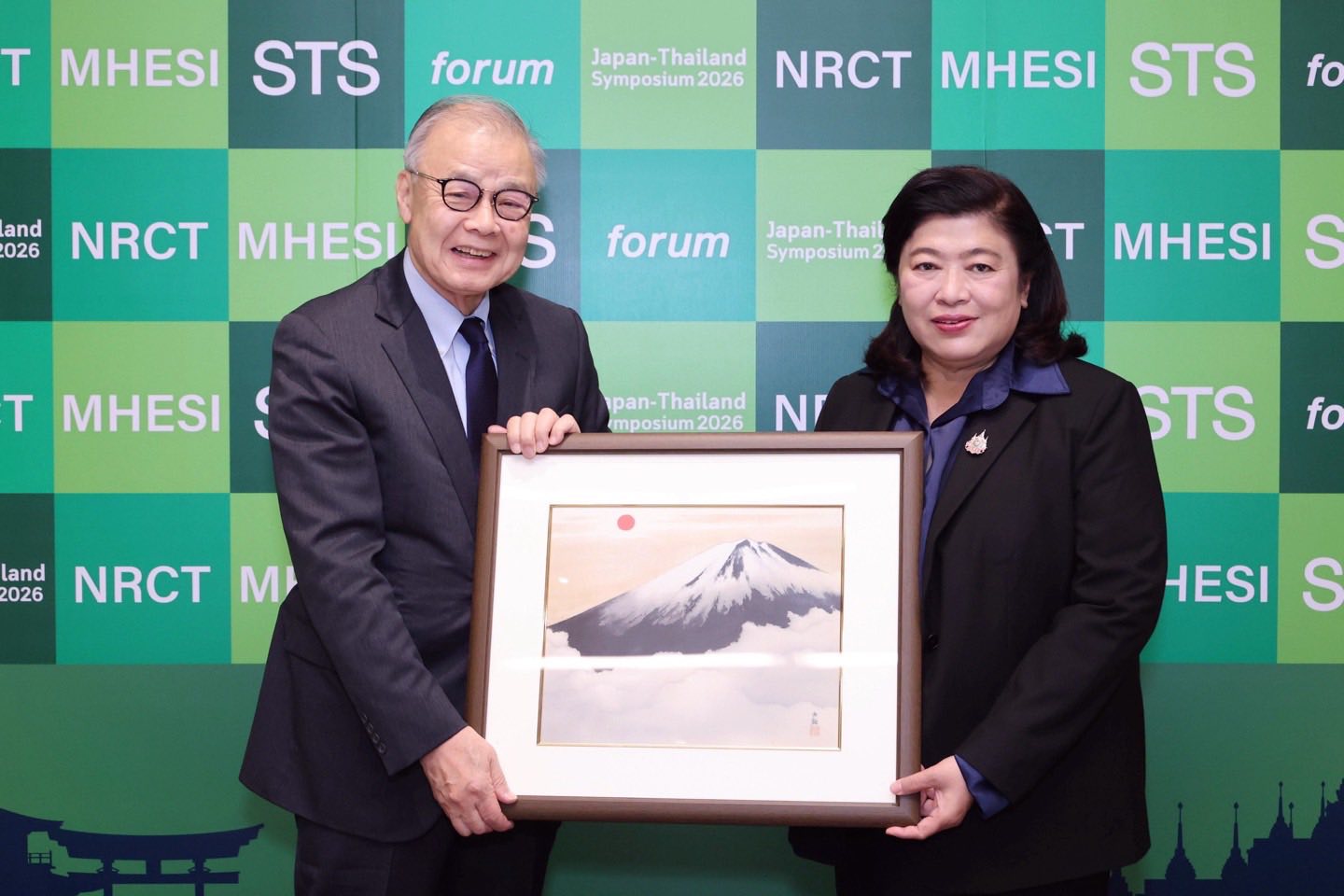
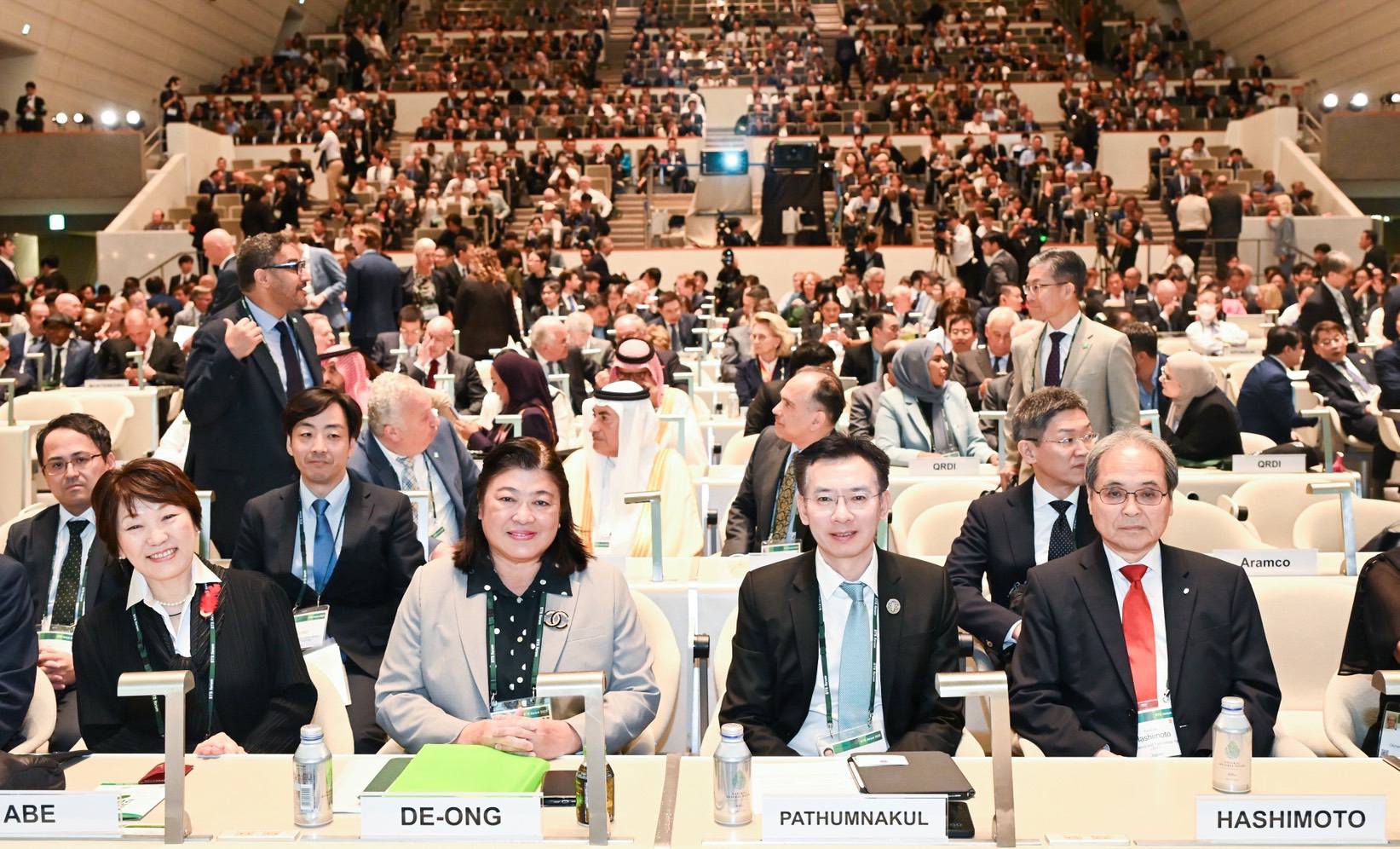
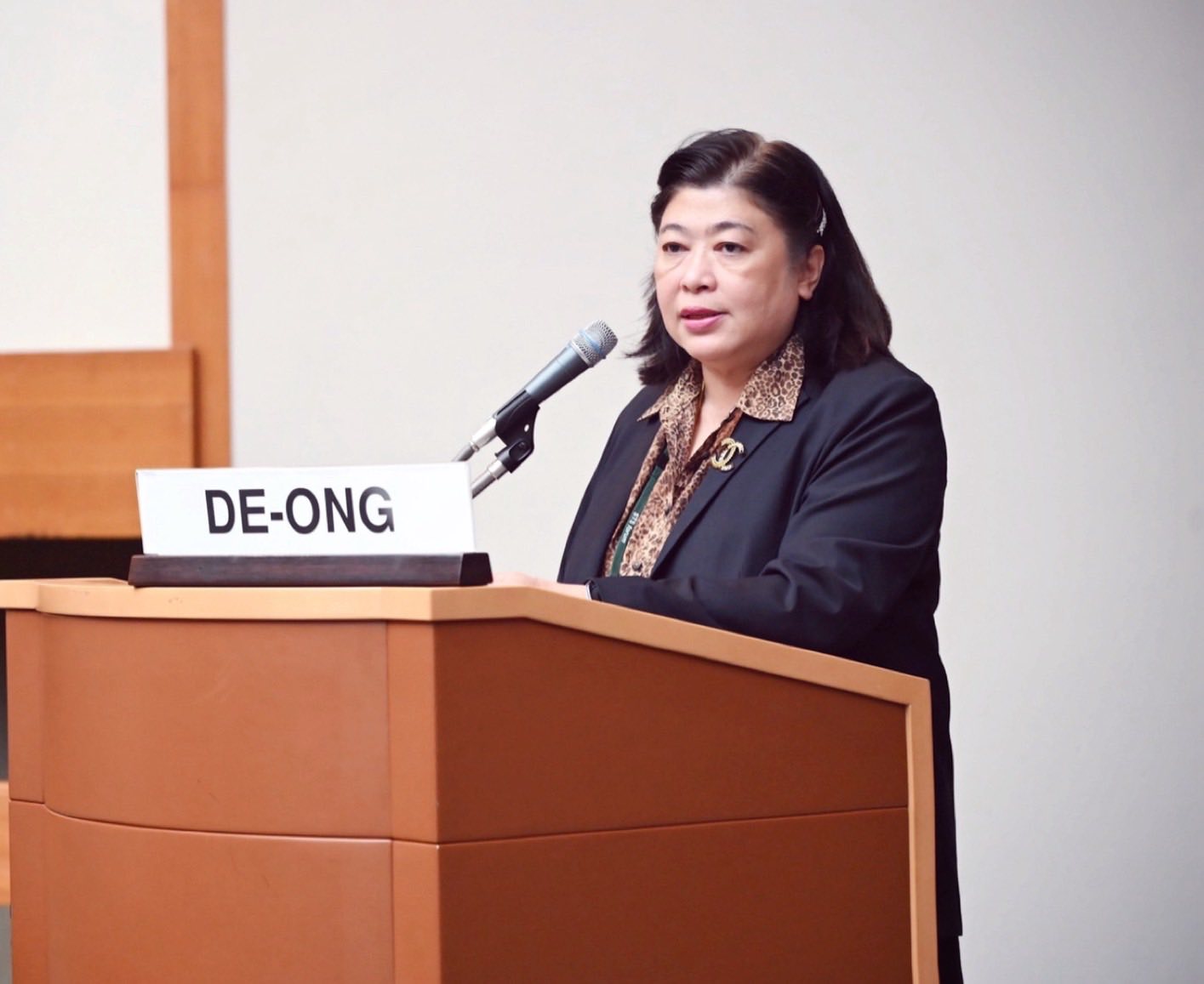
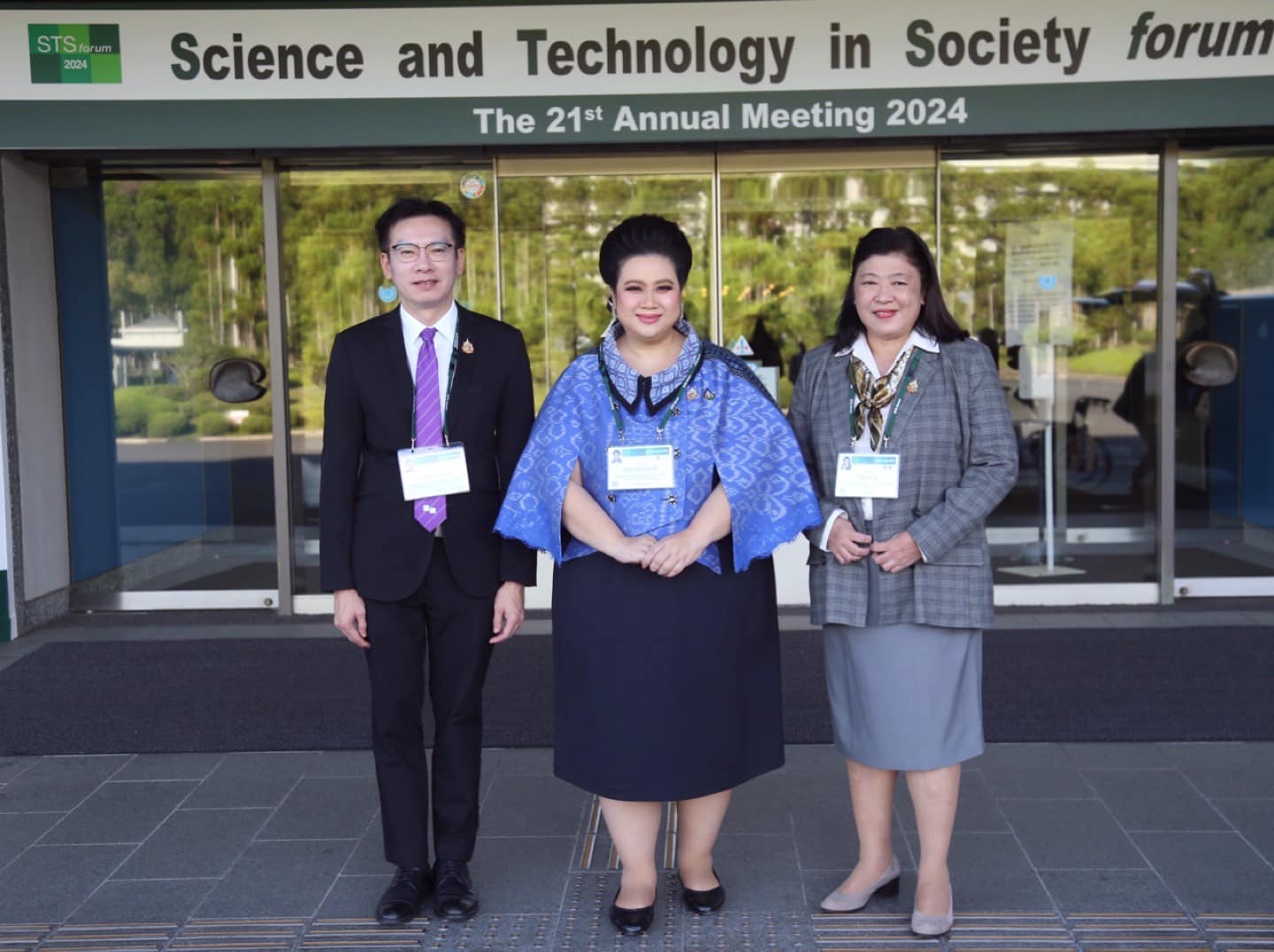
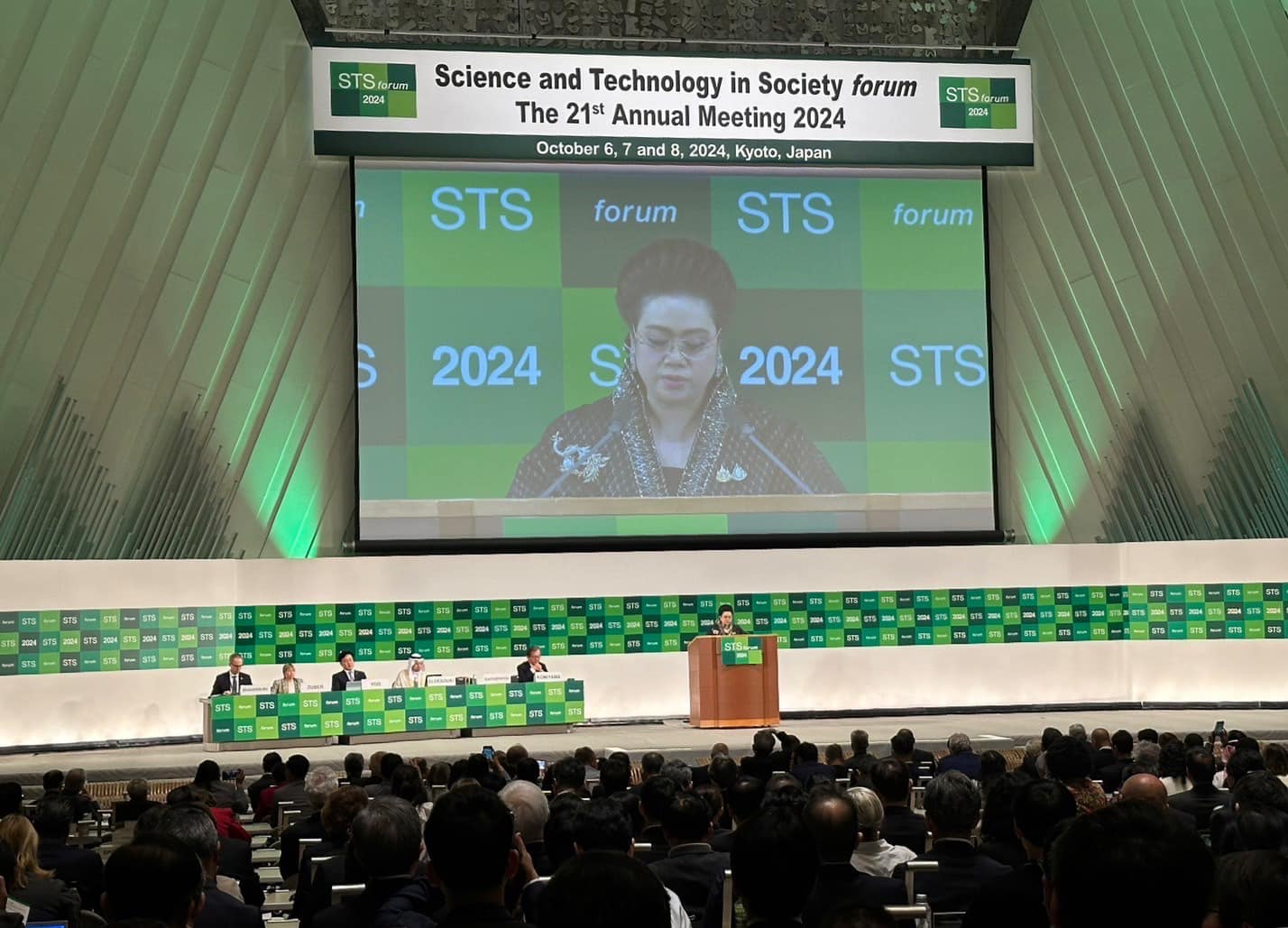
On 4 October 2026, in Kyoto, Japan, Professor Dr. Yodchanan Wongsawat, Deputy Prime Minister and Minister of Higher Education, Science, Research and Innovation of Thailand, delivered a keynote address at the opening ceremony of the Science and Technology in Society Forum 2026 – The 23rd Annual Meeting (STS Forum 2026). He presented the concept of *Natural Capital Financing*, which focuses on developing financial mechanisms to conserve, restore and enhance the value of natural resources. The approach aims to integrate natural capital into investment frameworks and promote sustainable economic development.
Professor Dr. Yodchanan emphasized that addressing future environmental challenges requires moving beyond carbon credits and Net Zero targets. Greater attention must also be given to biodiversity, forests, water resources and ecosystems as forms of natural capital that generate environmental, economic and social value. He highlighted Thailand’s rich biodiversity as an opportunity to develop a model that demonstrates how nature conservation can go hand in hand with investment, economic value creation and sustainable development.
The concept underscores Thailand’s potential to apply science, research and innovation to new development approaches, particularly by establishing mechanisms that recognize the value of natural resources and ecosystems within economic and investment systems. Such mechanisms could encourage government agencies, the private sector, investors and local communities to participate in nature conservation and restoration while generating long-term economic and social benefits.
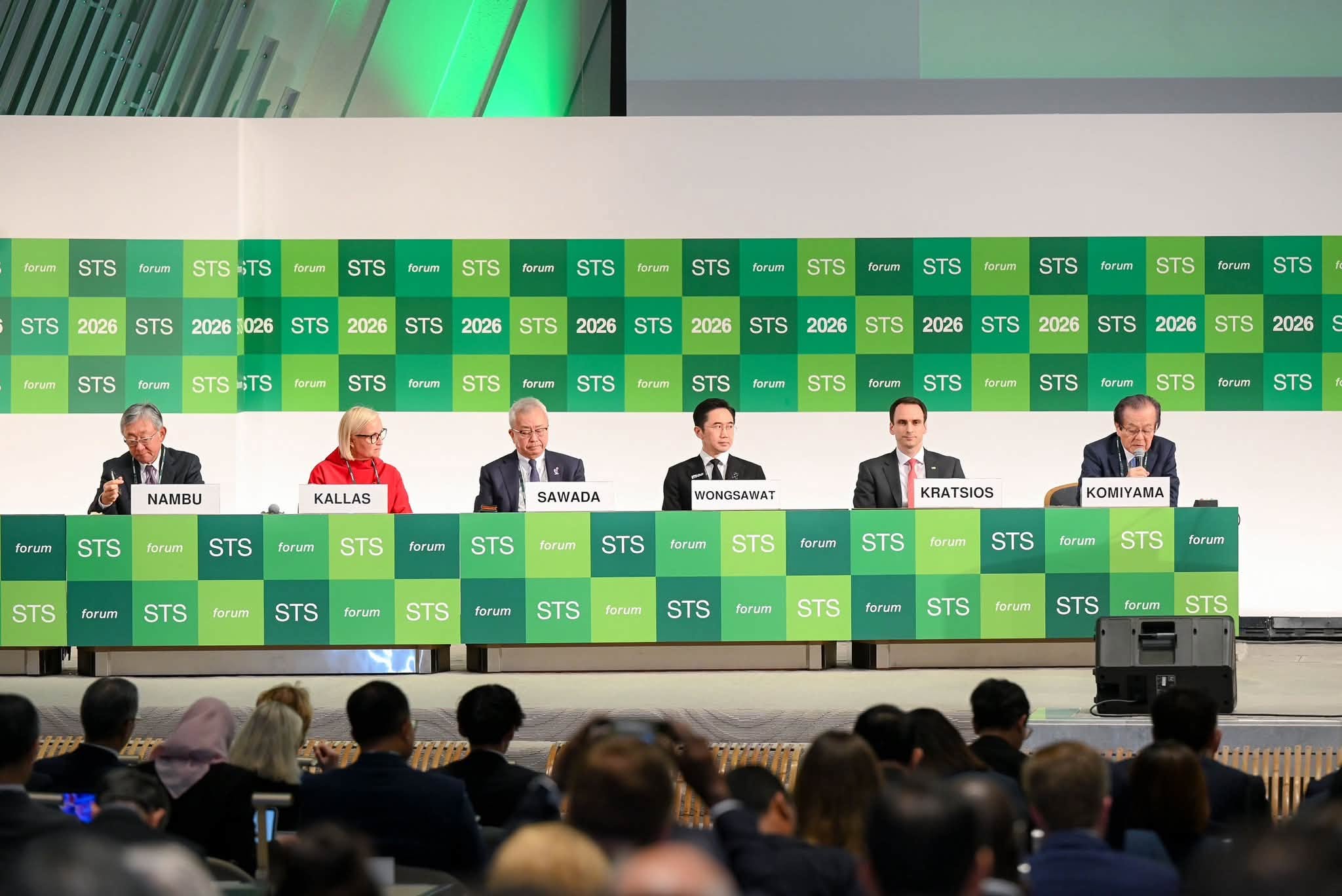
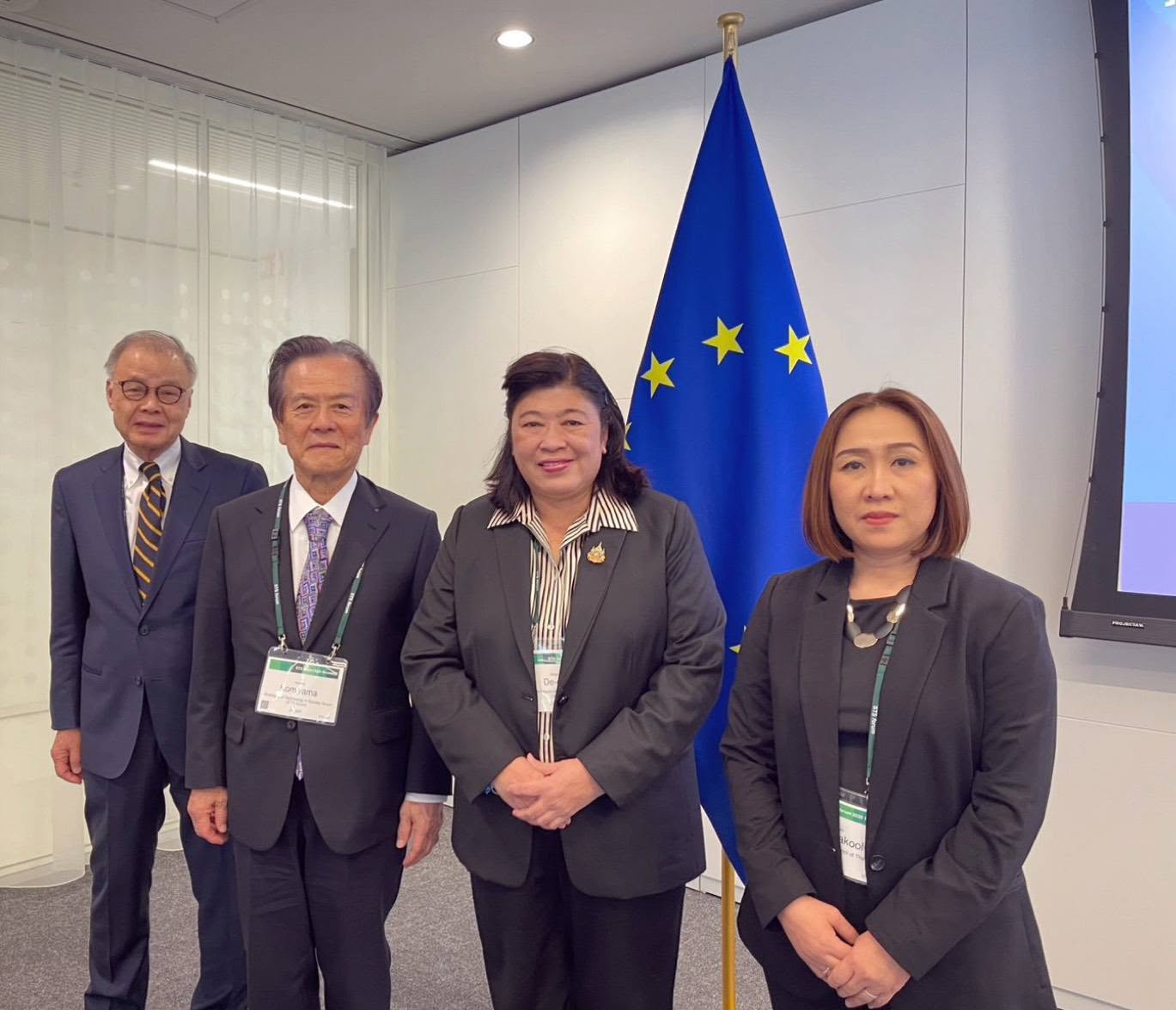
At the opening ceremony, Professor Hiroshi Komiyama, Chairman of STS Forum, highlighted the major turning point facing the world as interconnected challenges involving energy, food, water, health, inequality, ageing societies and climate change become increasingly complex. He emphasized the need for “Holistic Design” that integrates science, technology, institutions, markets and human values. He also noted that artificial intelligence (AI) can connect knowledge and support decision-making, but must be accompanied by appropriate governance and a human-centred approach. International cooperation and participation across all sectors are essential to shaping a better future.
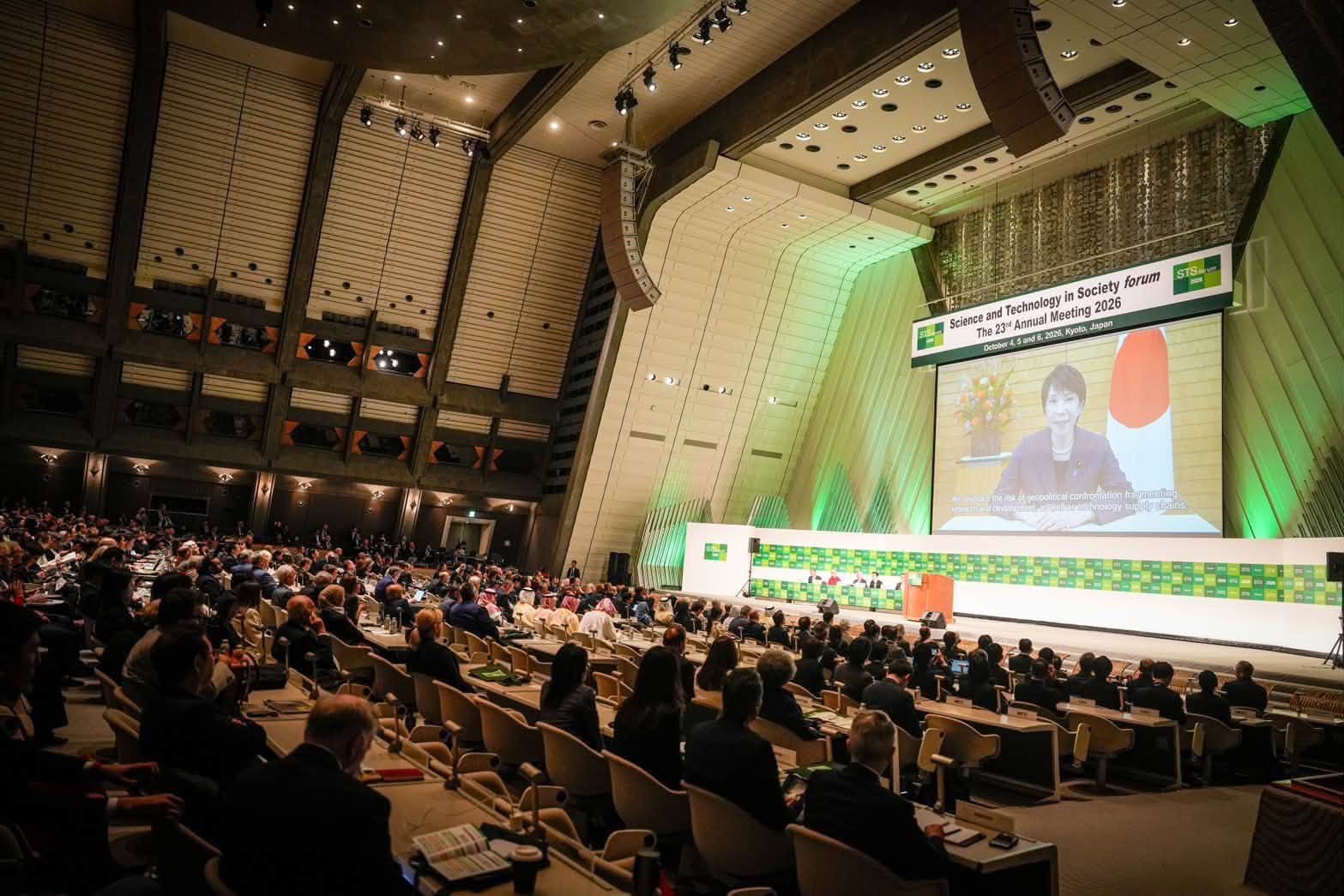
In a message delivered at the opening ceremony, H.E. Ms. Sanae Takaichi, Prime Minister of Japan, highlighted the rapid advancement of AI and geopolitical changes affecting research and development, as well as global technology supply chains. As science and technology become increasingly important to economic growth, national security and competitiveness, international cooperation and coordination are essential. Japan aims to harness science, technology and innovation to address societal challenges while promoting economic growth, contributing to a sustainable and secure society with a high quality of life.
Mr. Michael Kratsios, Assistant to the President and Director of the White House Office of Science and Technology Policy (OSTP), United States, presented his vision for a “New Golden Age of Science.” He emphasized the importance of more flexible research funding systems, greater access to advanced technologies for scientists and early-career researchers, and the use of AI to accelerate scientific discovery. Describing AI as a tool for enhancing human capabilities, he also introduced the “Kyoto Vision for a Golden Age,” which seeks to advance research systems and international cooperation in the application of emerging technologies to scientific discovery and innovation.
Mr. Jun Sawada, Executive Chairman and Member of the Board of NTT, Inc., and Vice Chairman of the Japan Business Federation (Keidanren), discussed the industrial sector’s role in driving economic growth through investment in research and development (R&D) and human resource development. As generative AI rapidly transforms the relationship between people and technology, he stressed the importance of maintaining human values and a clear sense of purpose alongside technological progress. He also introduced the concept of a “Multilayered Society of Values,” which embraces diverse social values and promotes the responsible use of science and technology to create a better future for humanity.
Dr. Kristina Kallas, Minister of Education and Research of Estonia, discussed how AI and emerging technologies are reshaping global knowledge creation, alongside the growing role of private-sector investment in research. She stressed that research should not be driven solely by commercial returns, as major challenges facing humanity—including antimicrobial resistance, climate change, biodiversity loss and rare diseases—may not offer clear financial incentives. Maintaining a balance among government, universities and the private sector is therefore essential. She also emphasized the importance of preserving knowledge as a public good and ensuring that society has a voice in shaping the direction of science and technology.
Mr. Toshikazu Nambu, Vice Chairperson of the Japan Association of Corporate Executives (KEIZAI DOYUKAI) and Director and Vice Chairman of Sumitomo Corporation, emphasized that addressing global challenges requires close collaboration among academia, government and industry. Industry plays a vital role in connecting research with societal needs, facilitating the effective use of data and translating knowledge into practical solutions that can be implemented at scale. Such collaboration helps ensure that scientific discoveries deliver tangible economic and social benefits.
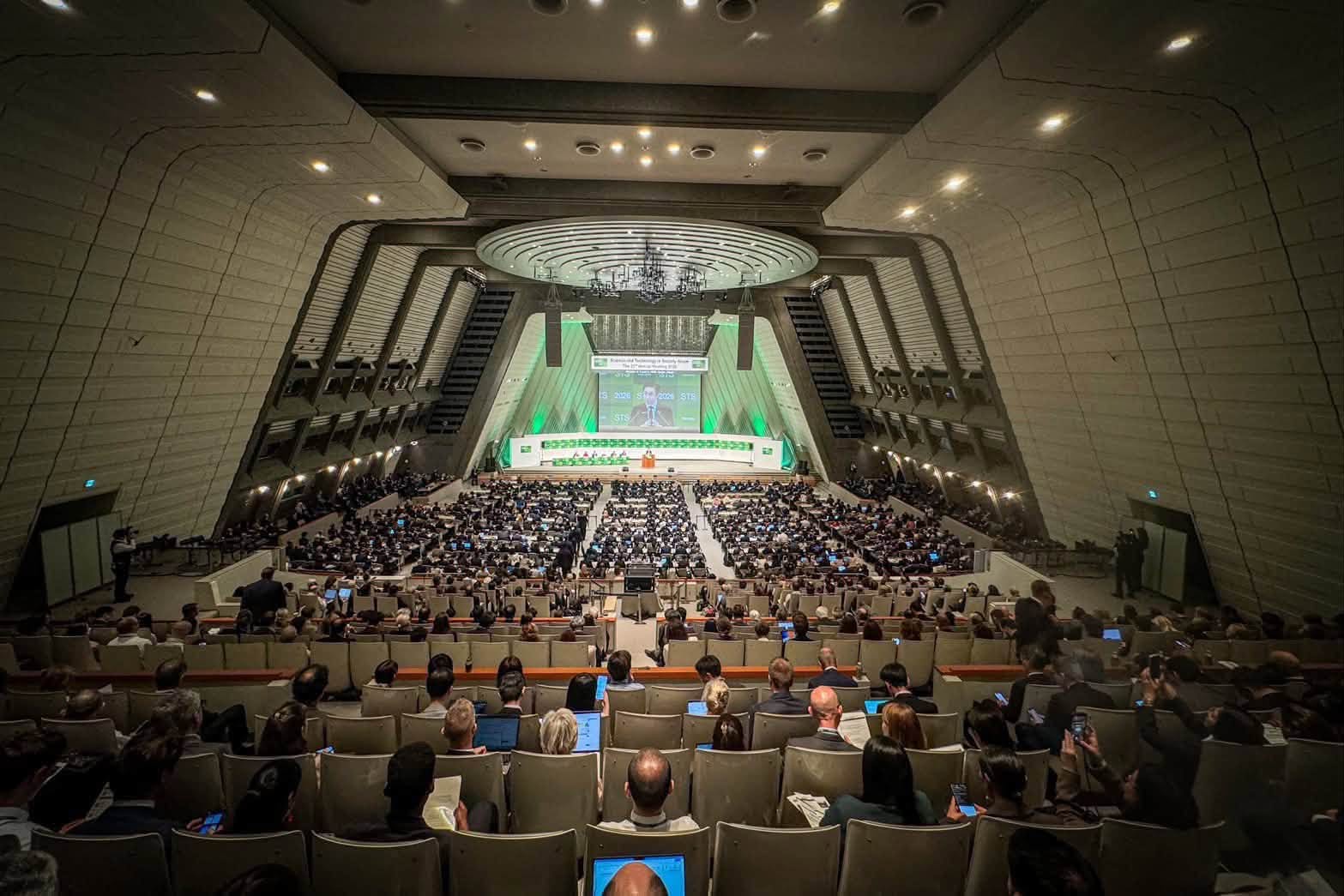
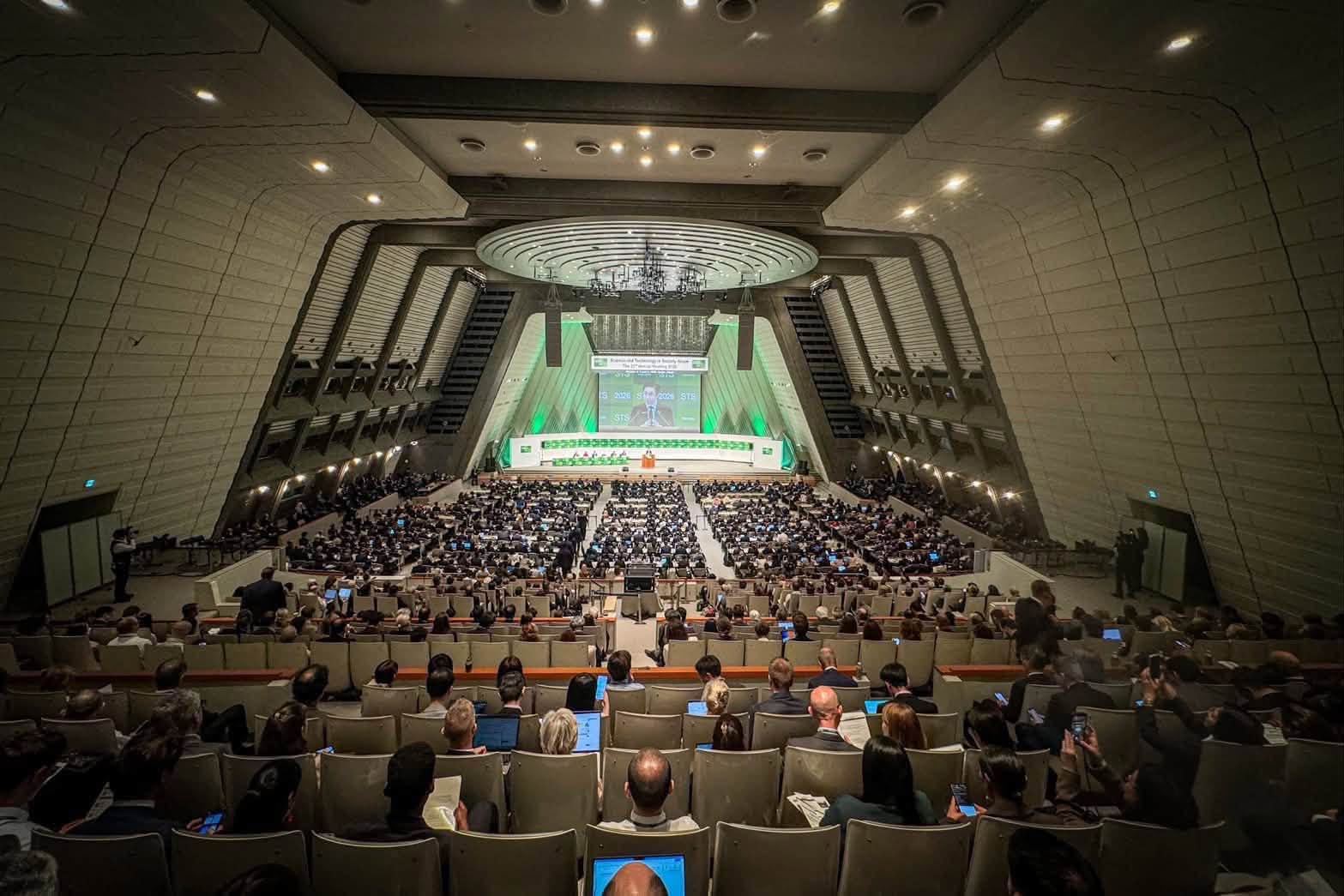
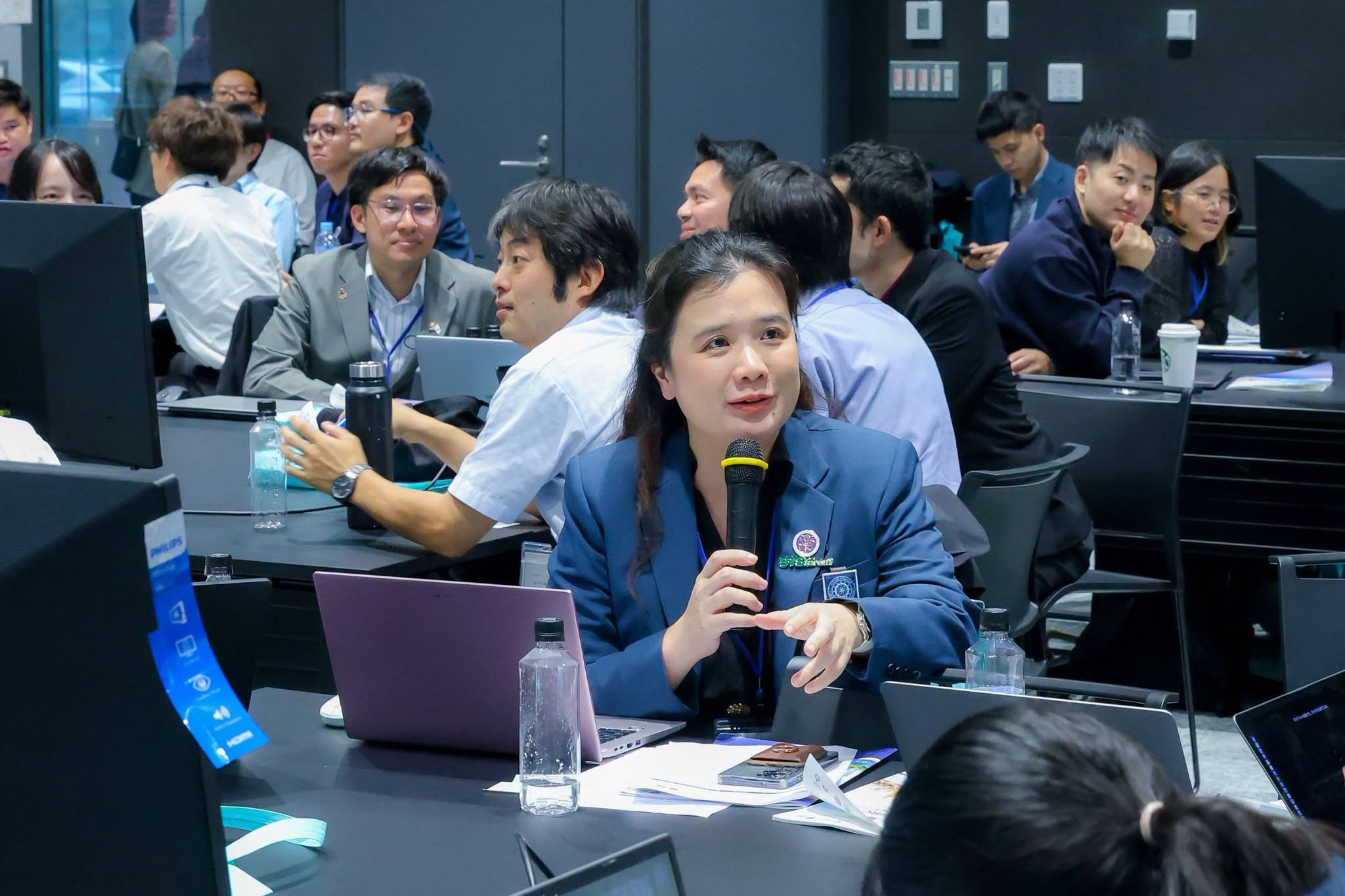
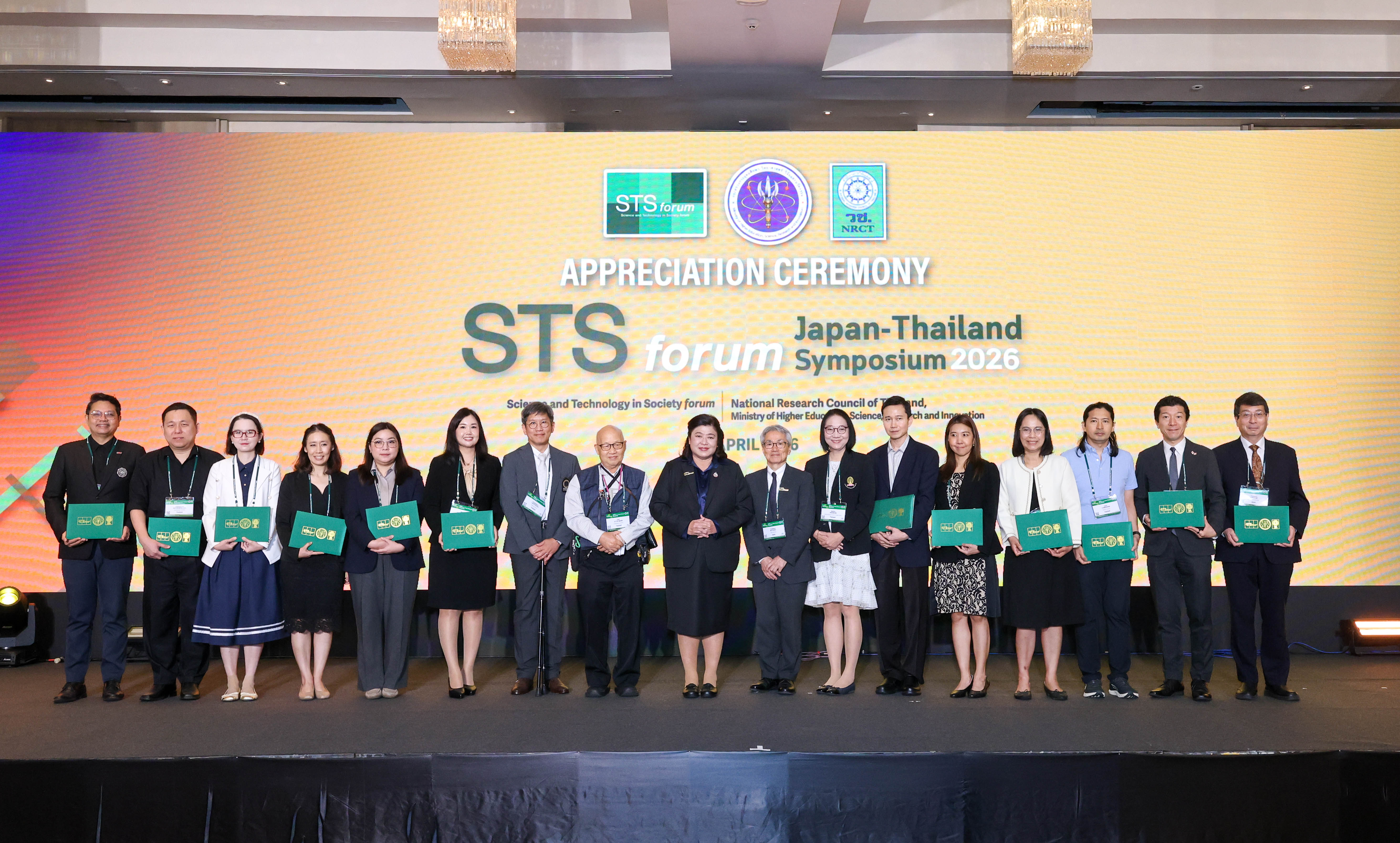
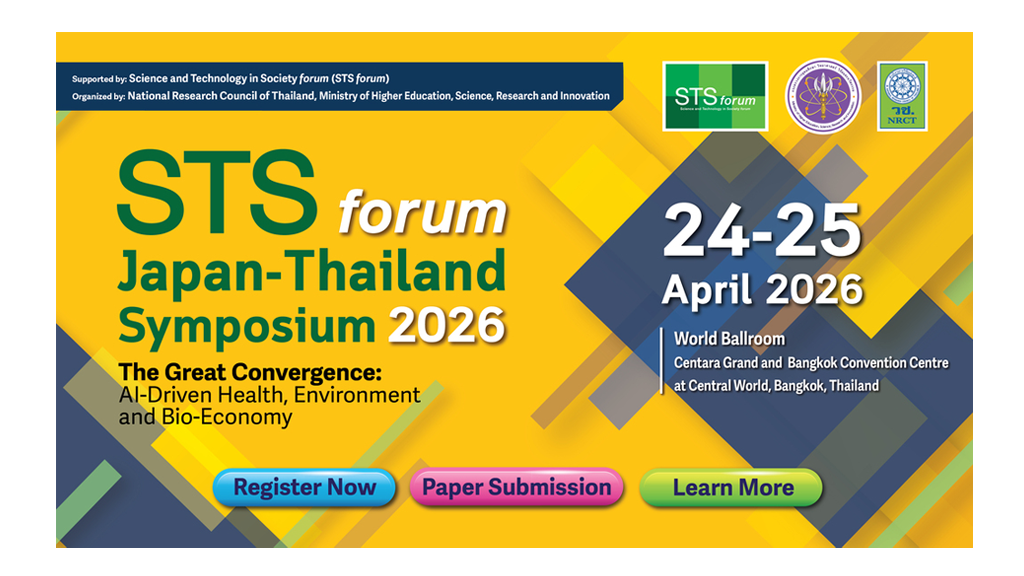
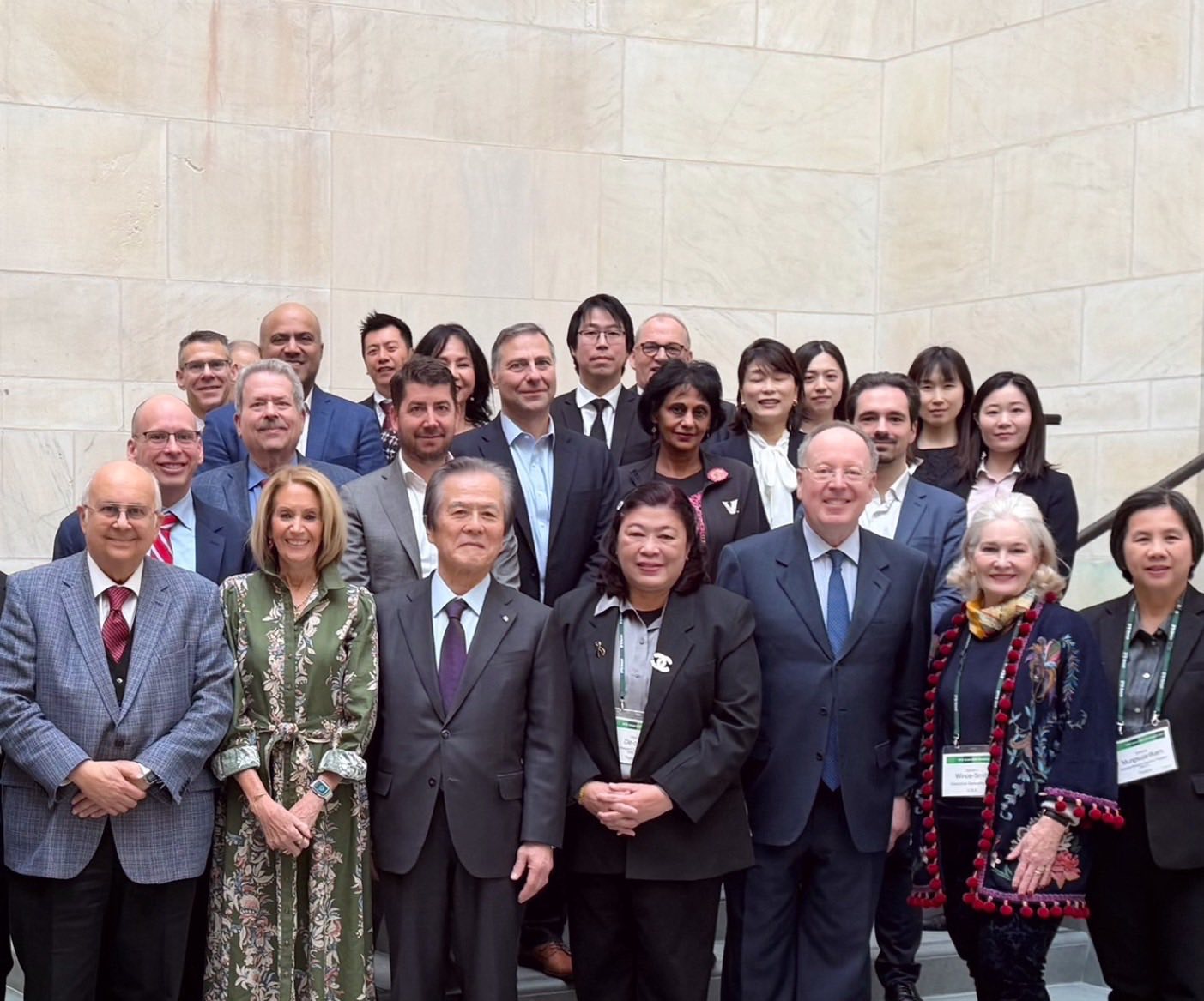
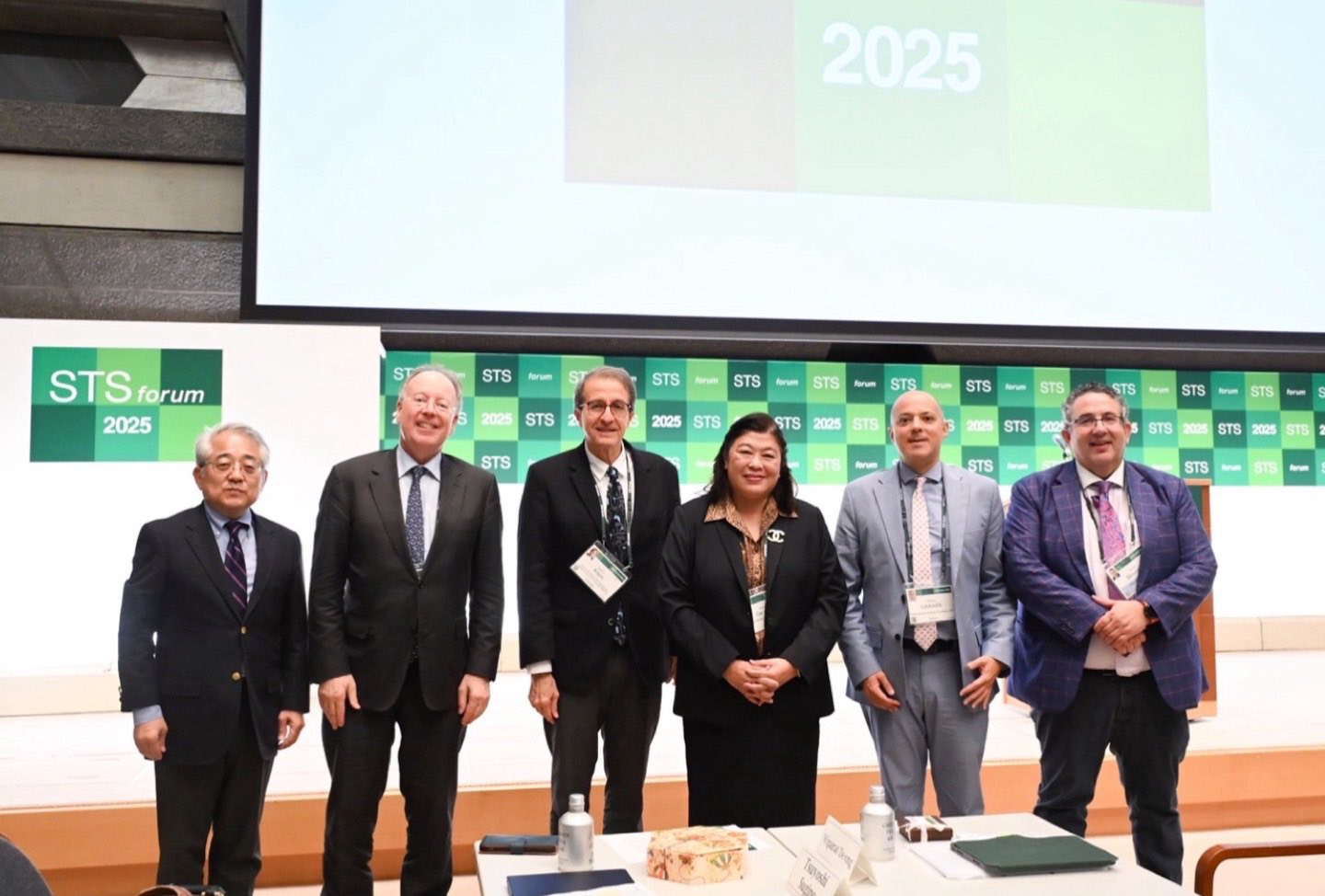
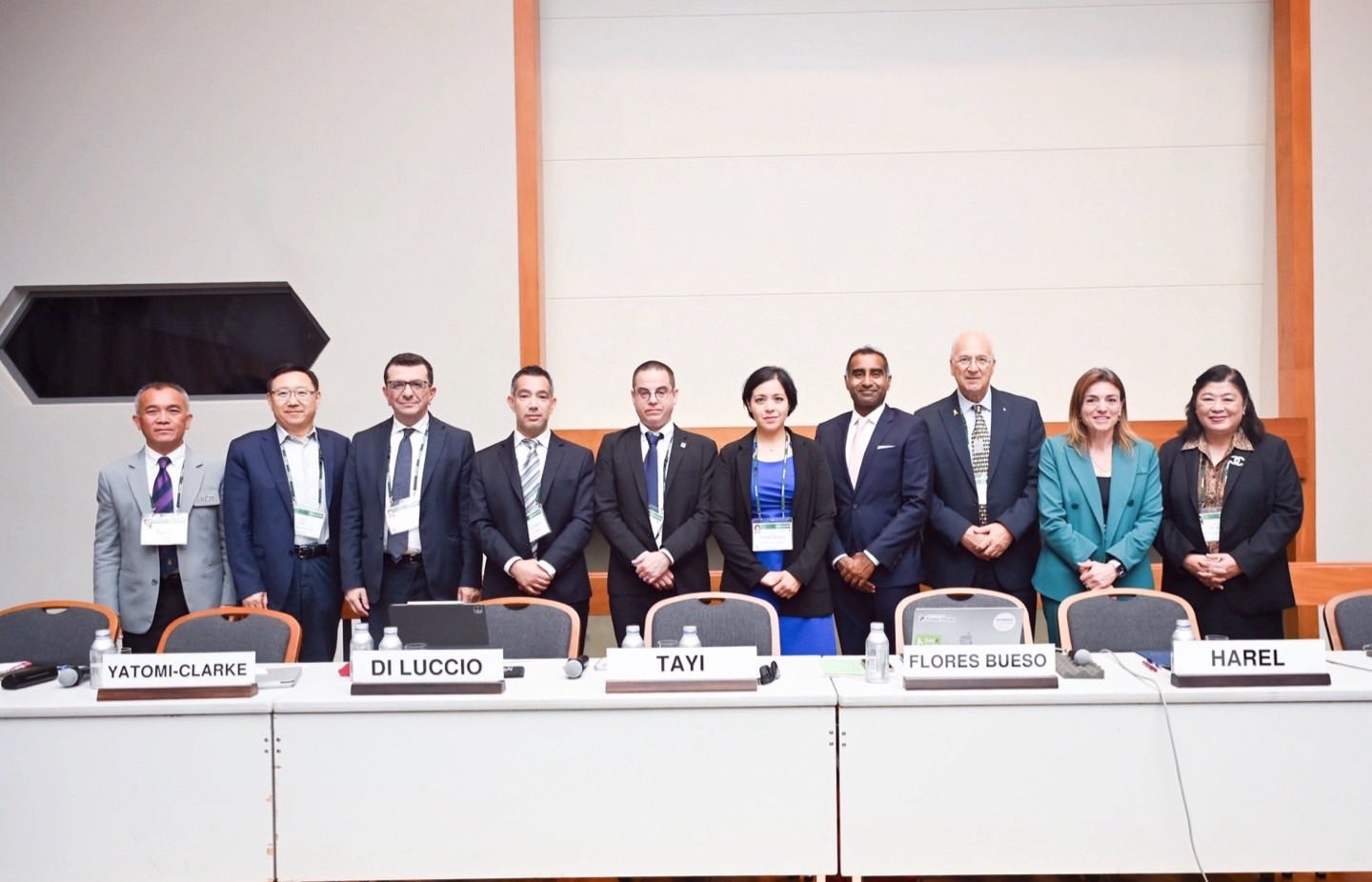
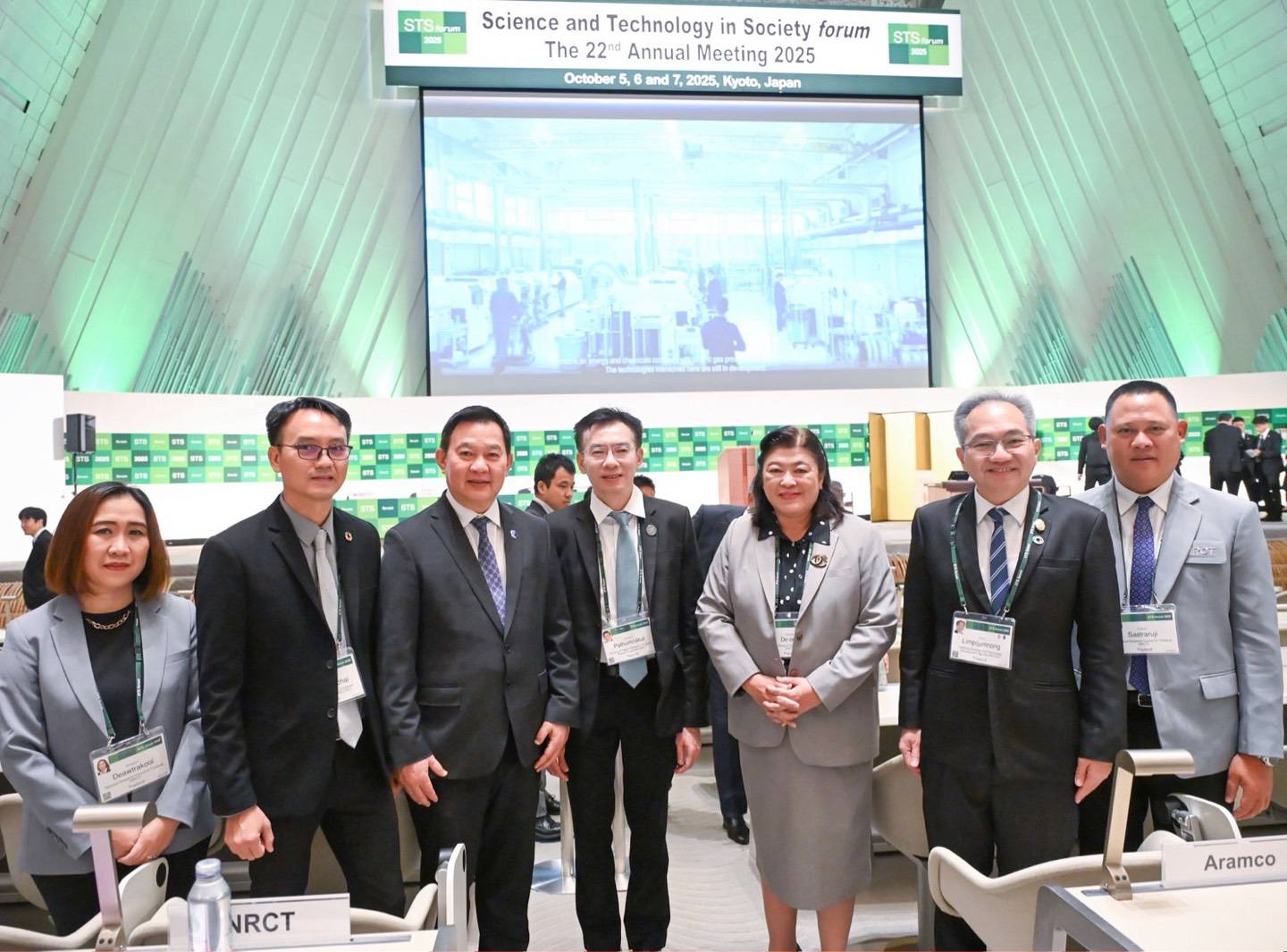
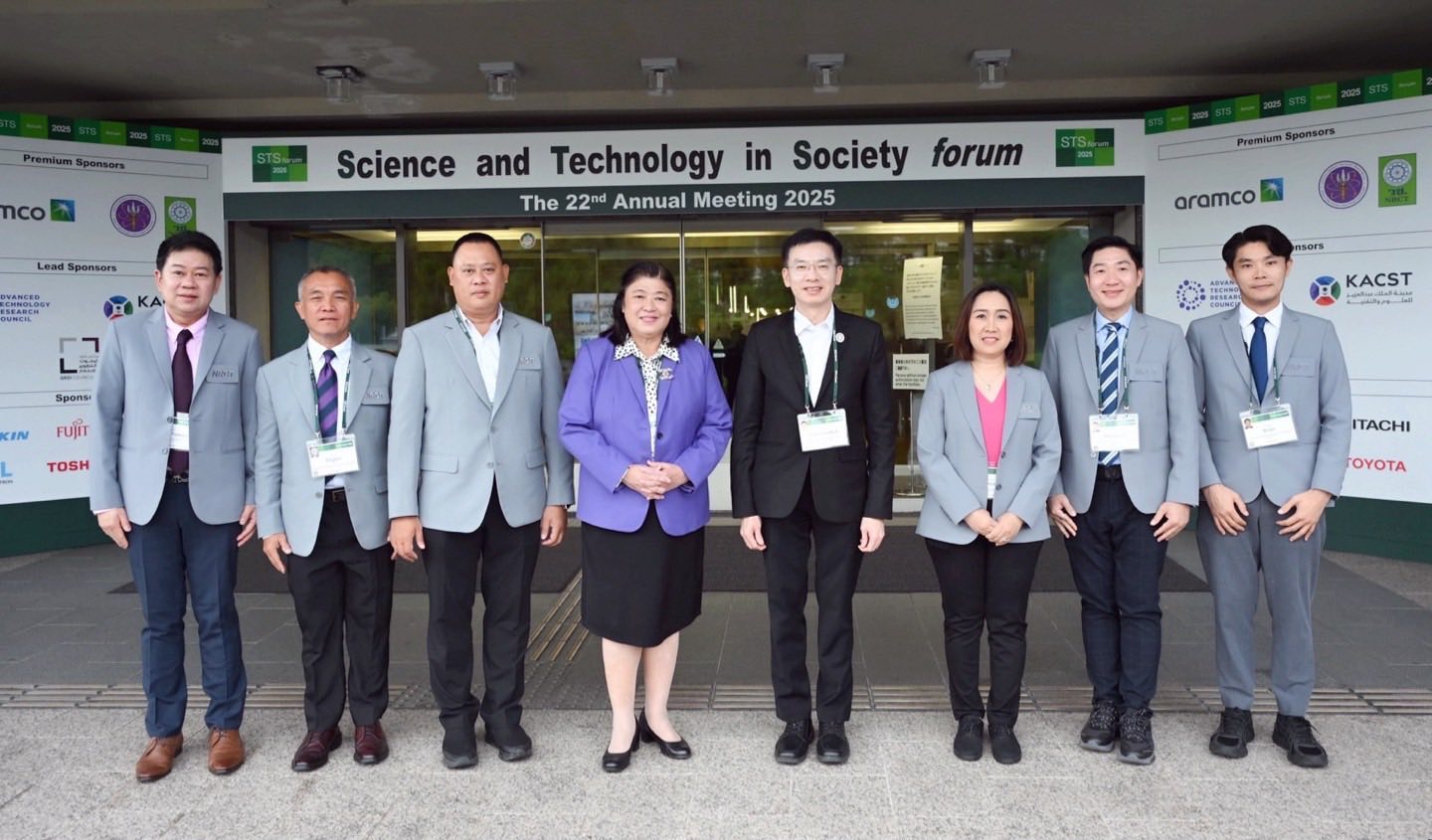
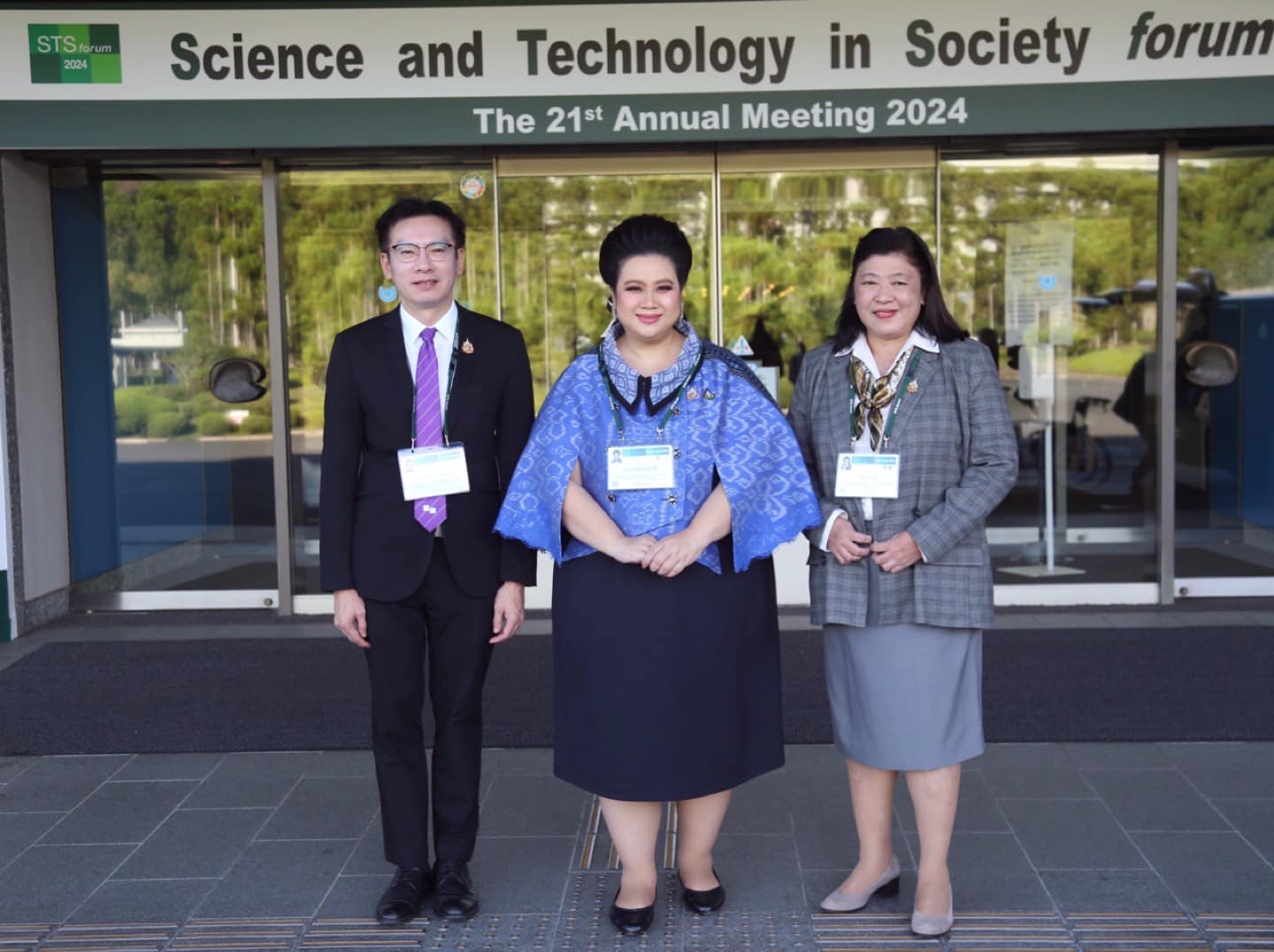
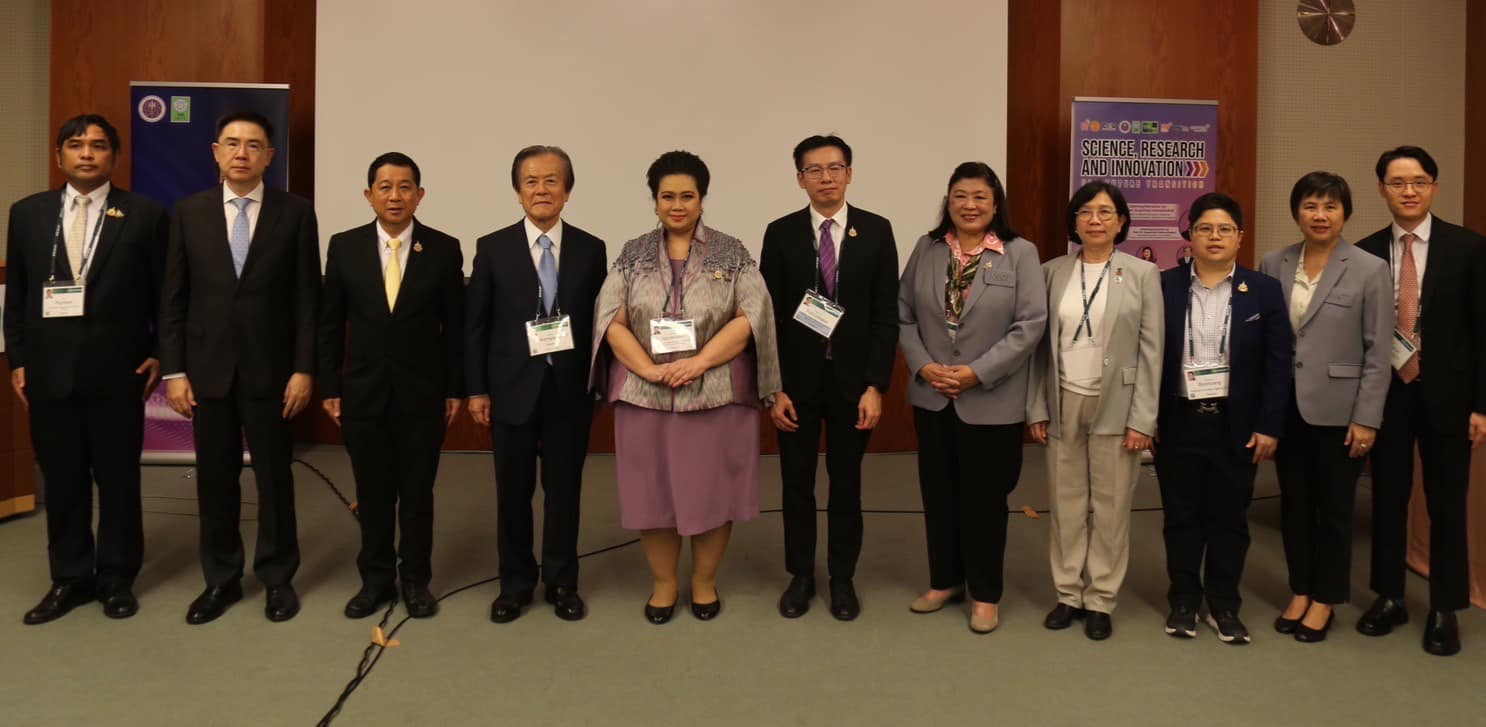
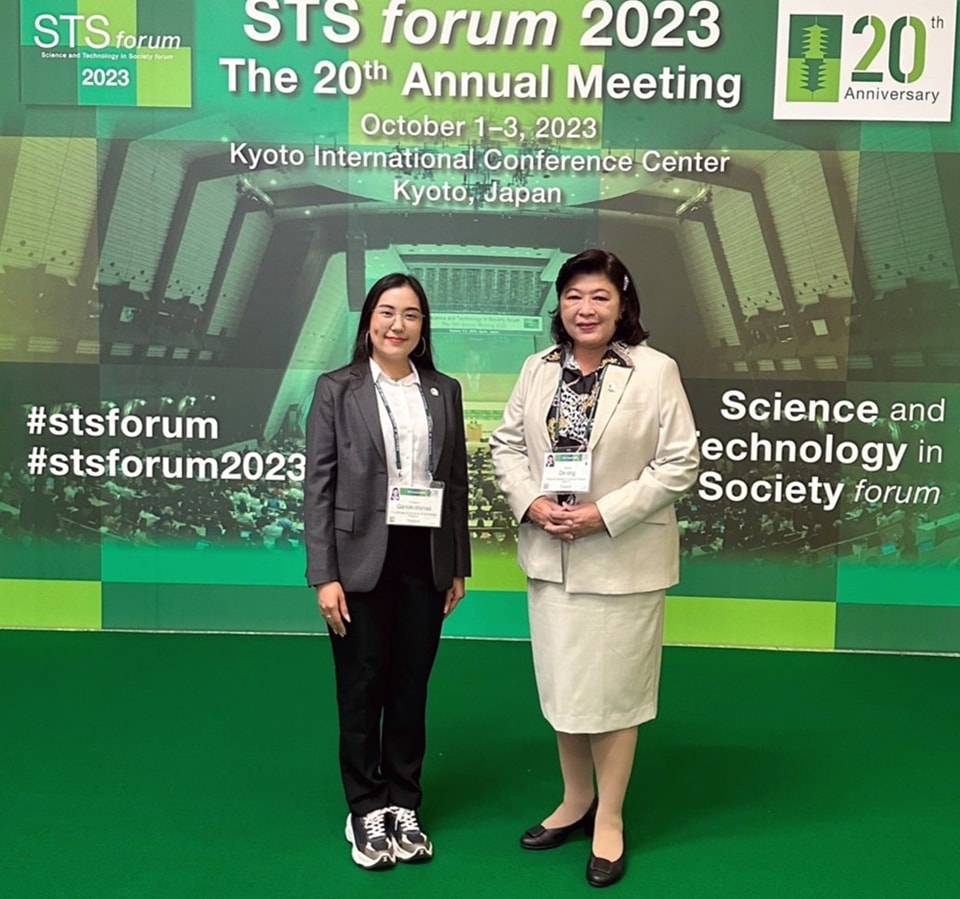
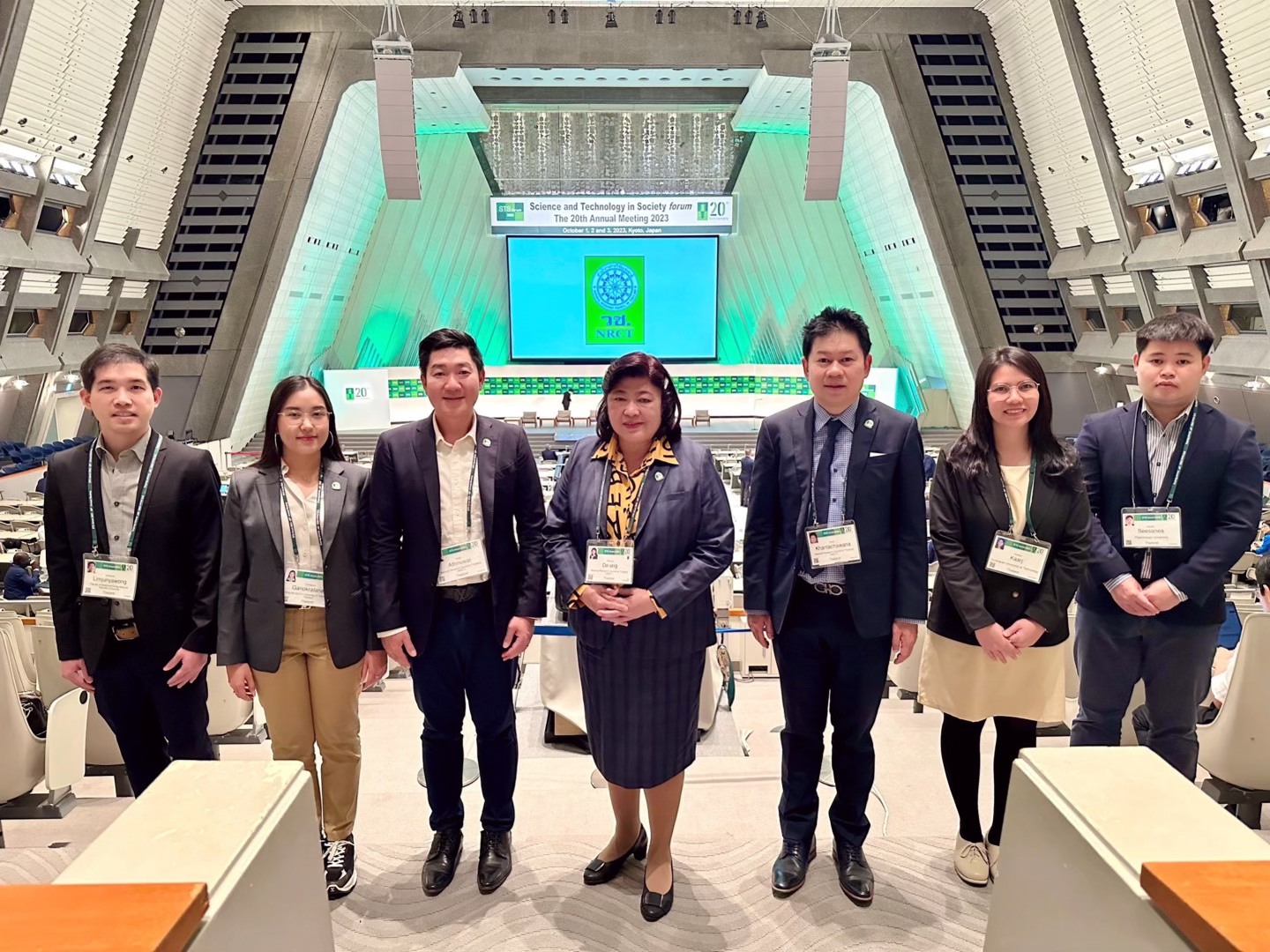
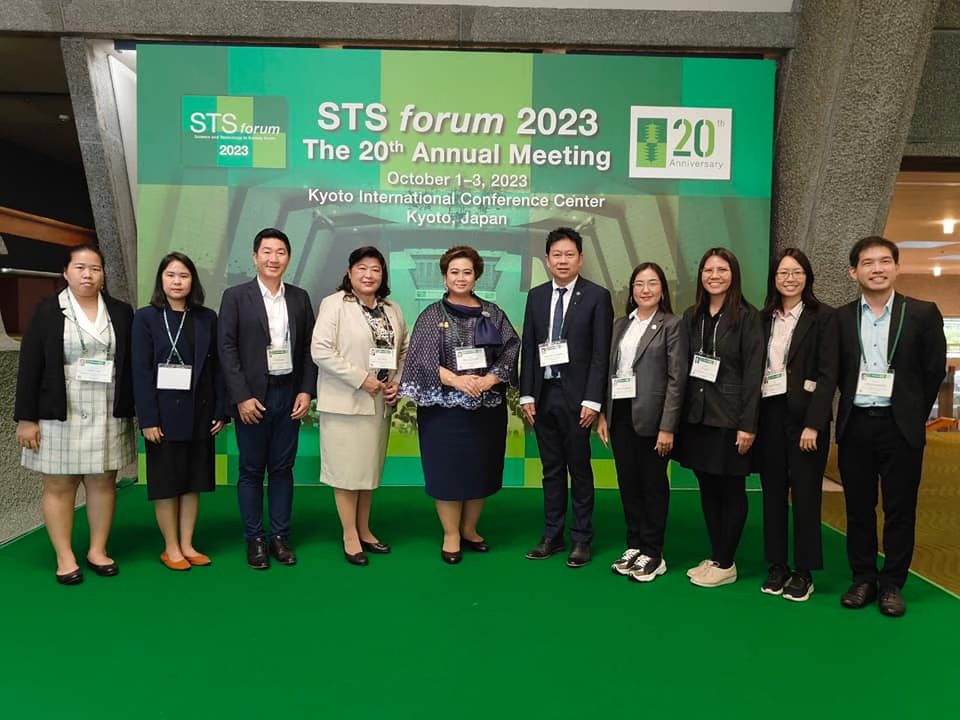
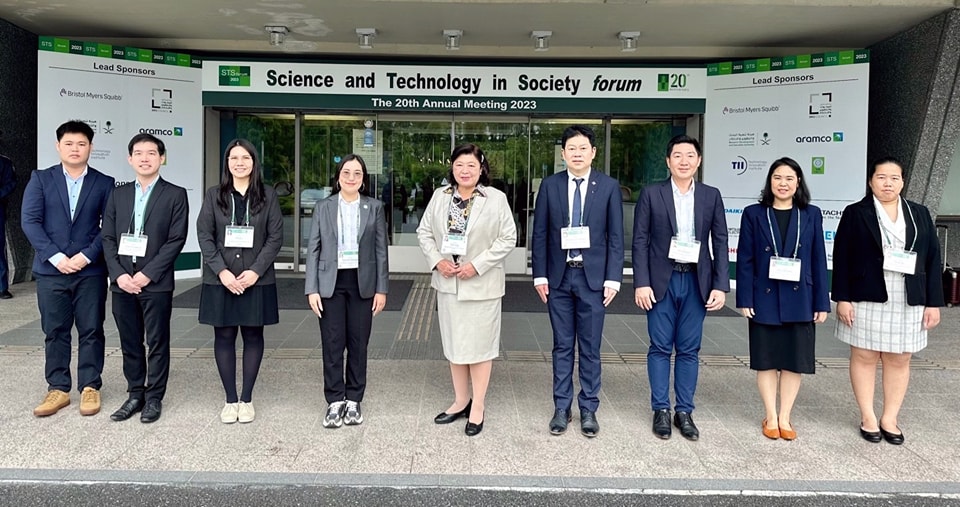
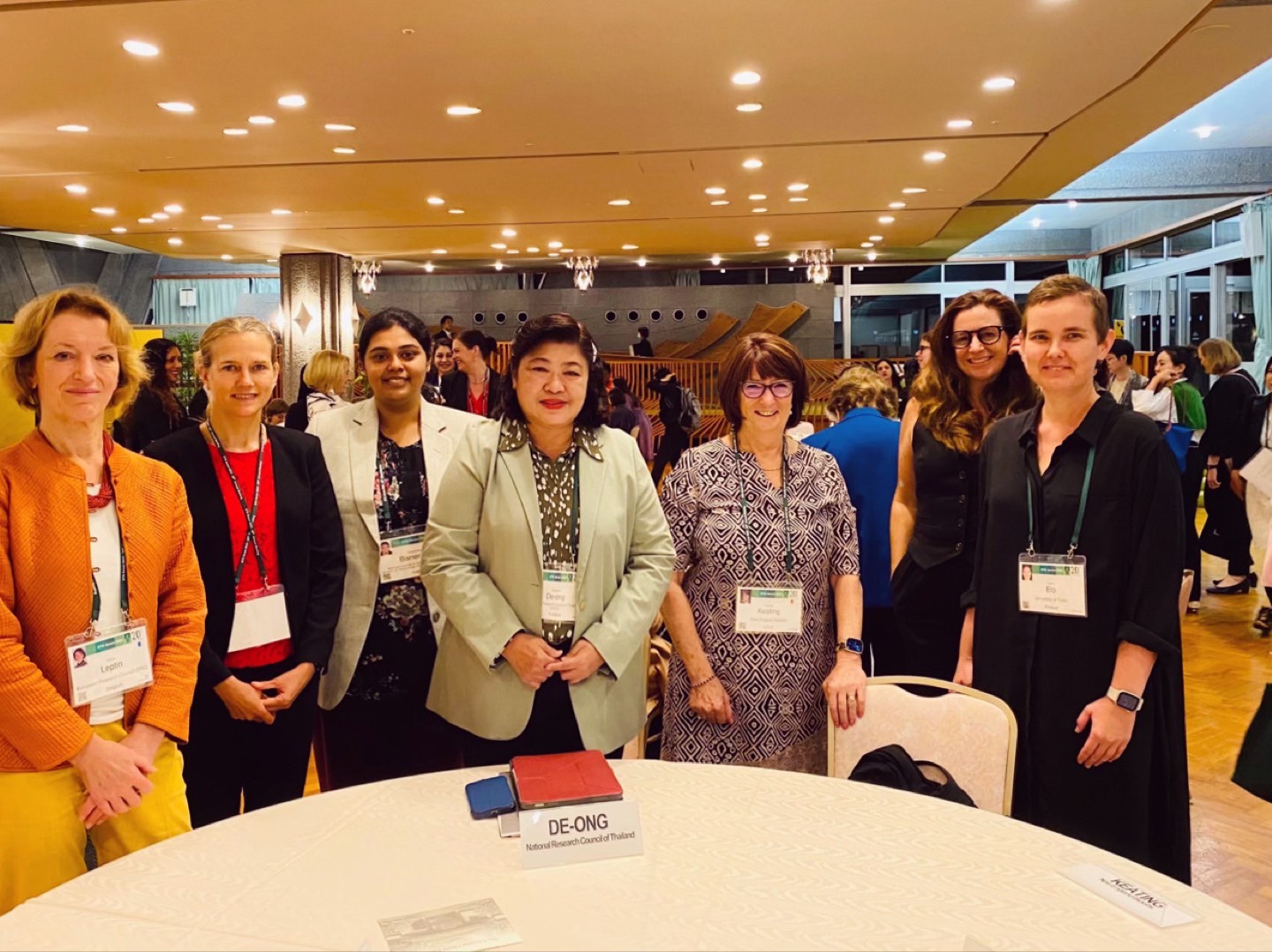
STS Forum 2026 – The 23rd Annual Meeting was held from 4 to 6 October 2026 at the Kyoto International Conference Center (ICC Kyoto) in Kyoto, Japan. The global forum brought together leaders from government, academia, science and technology, industry and international organizations to exchange perspectives on major global challenges and foster networks and partnerships that harness science, technology and innovation to advance sustainable development.
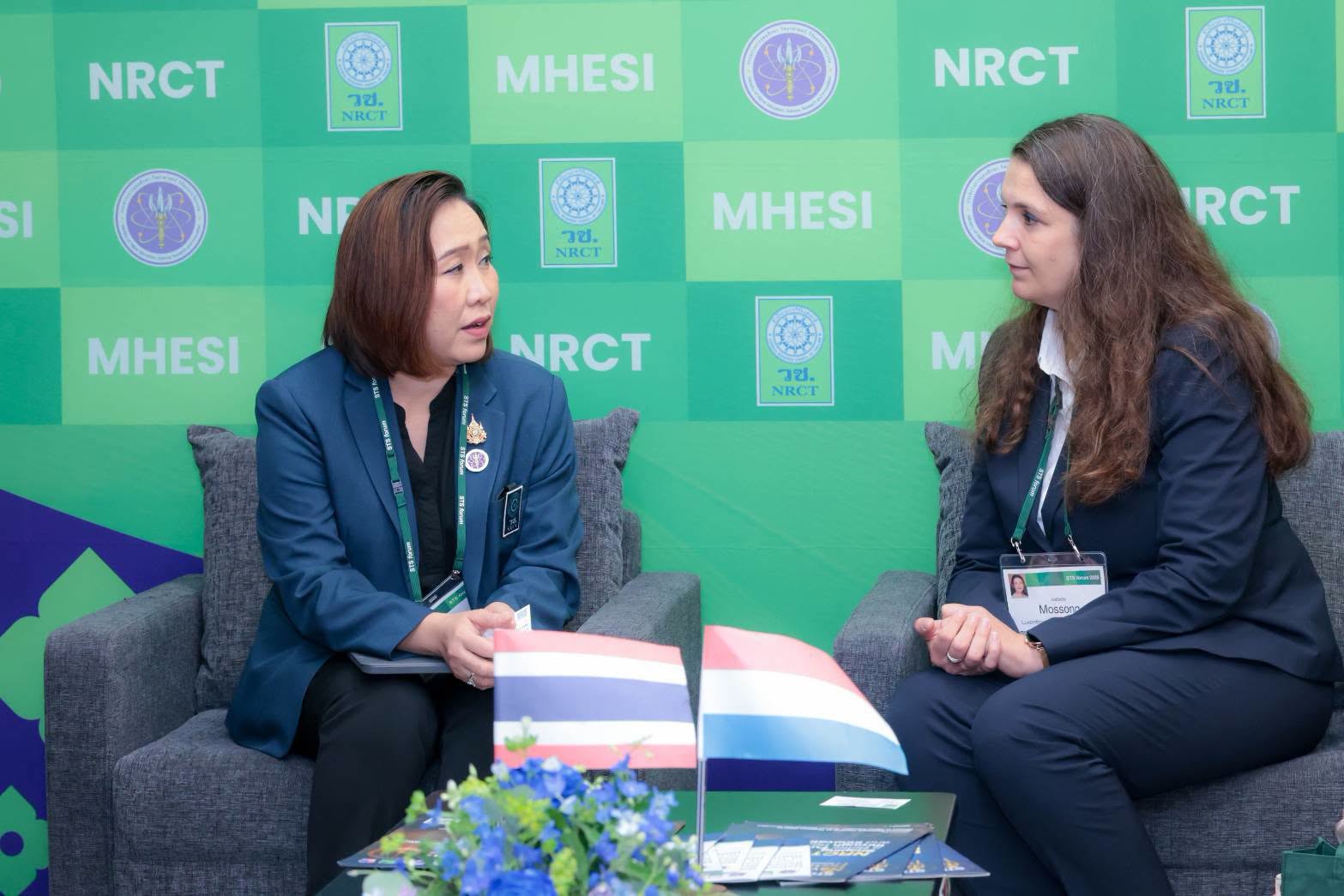
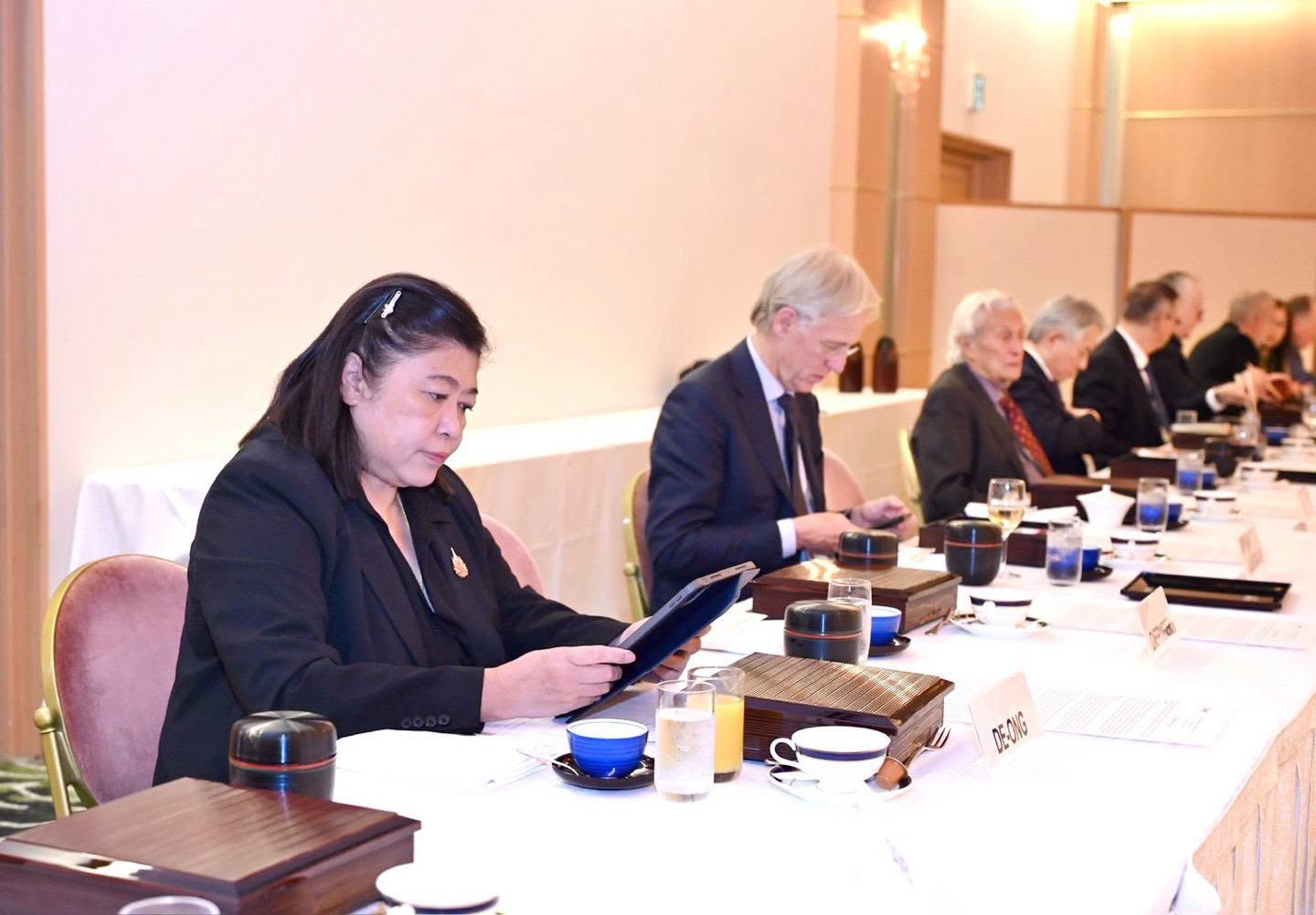
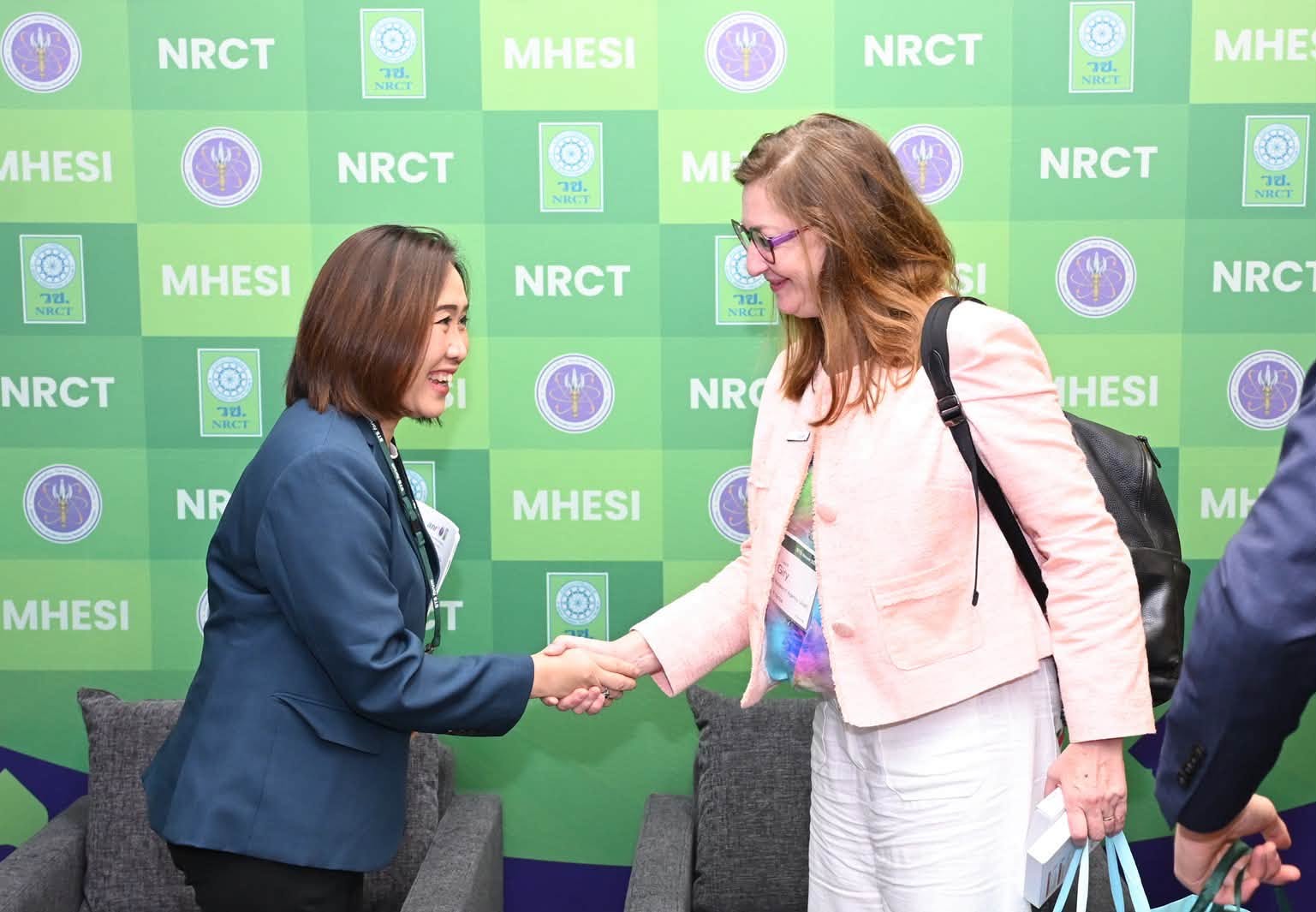
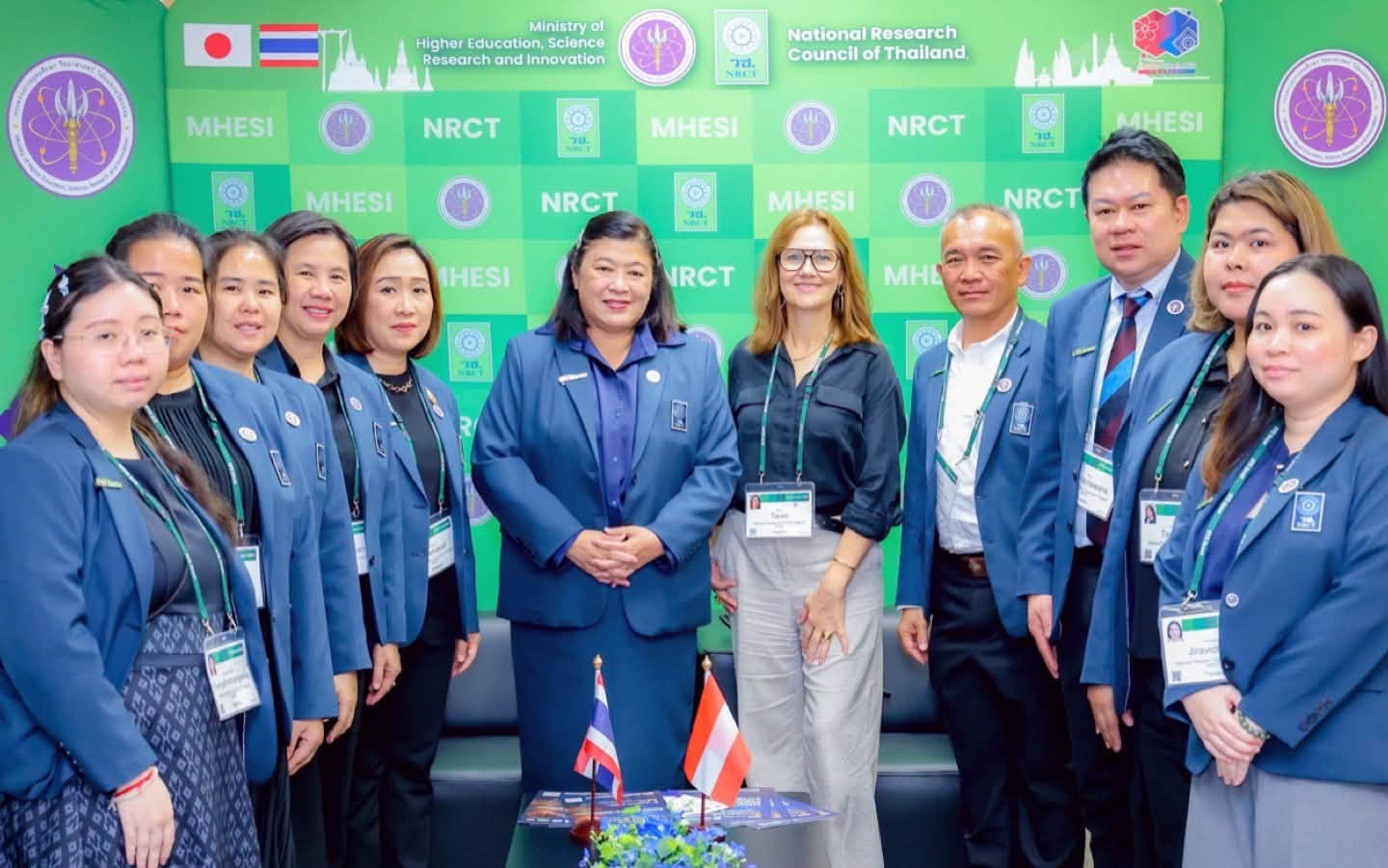
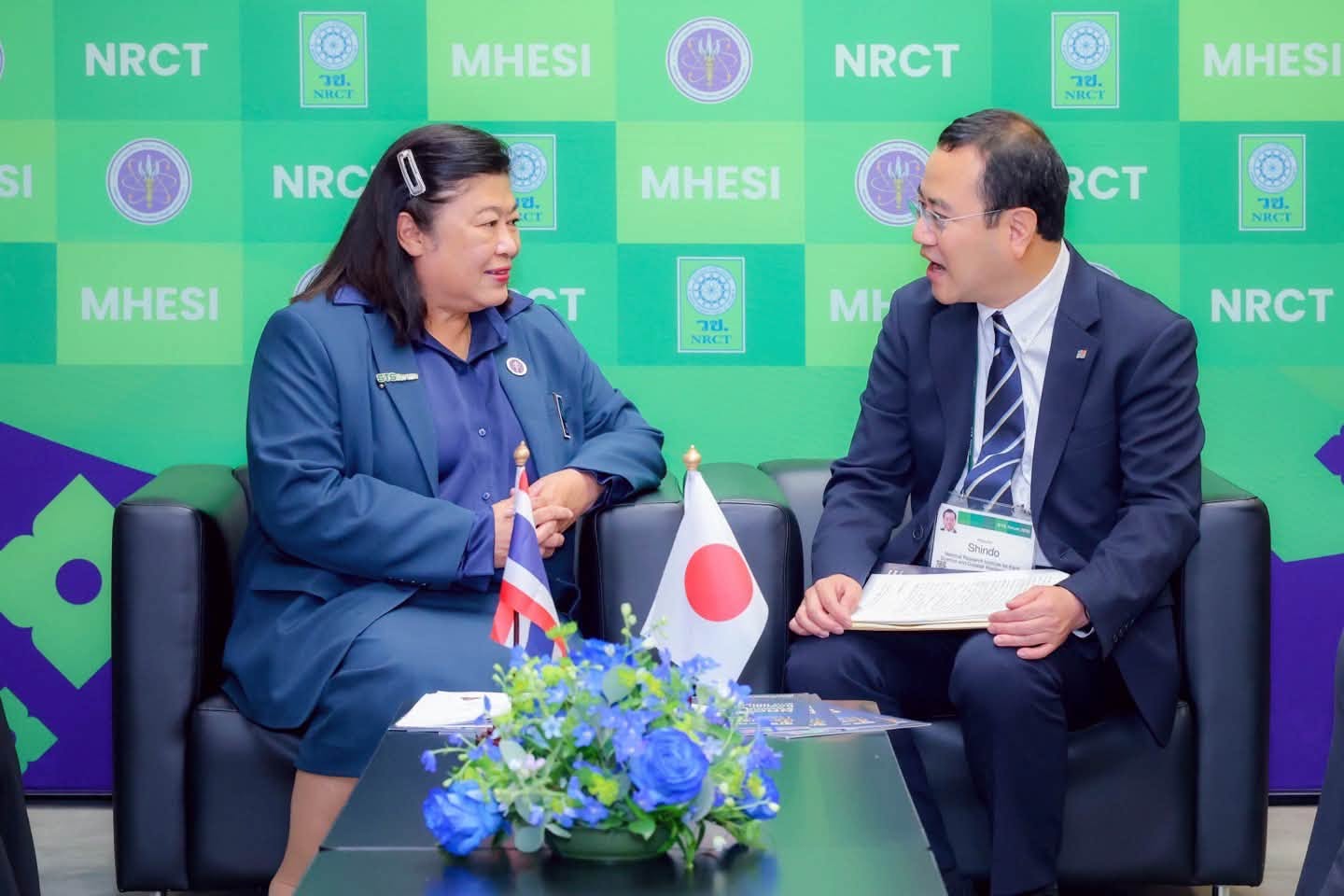
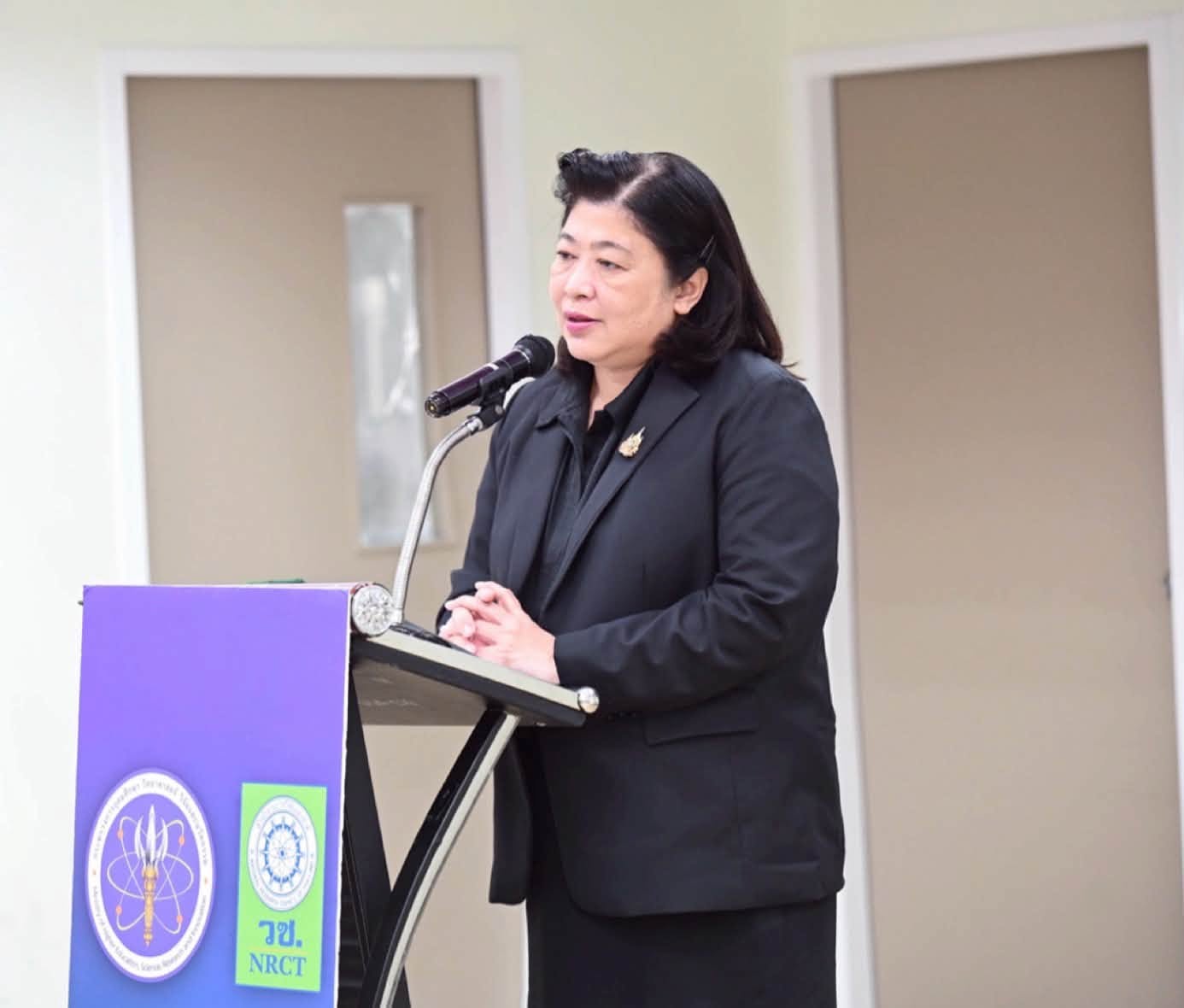
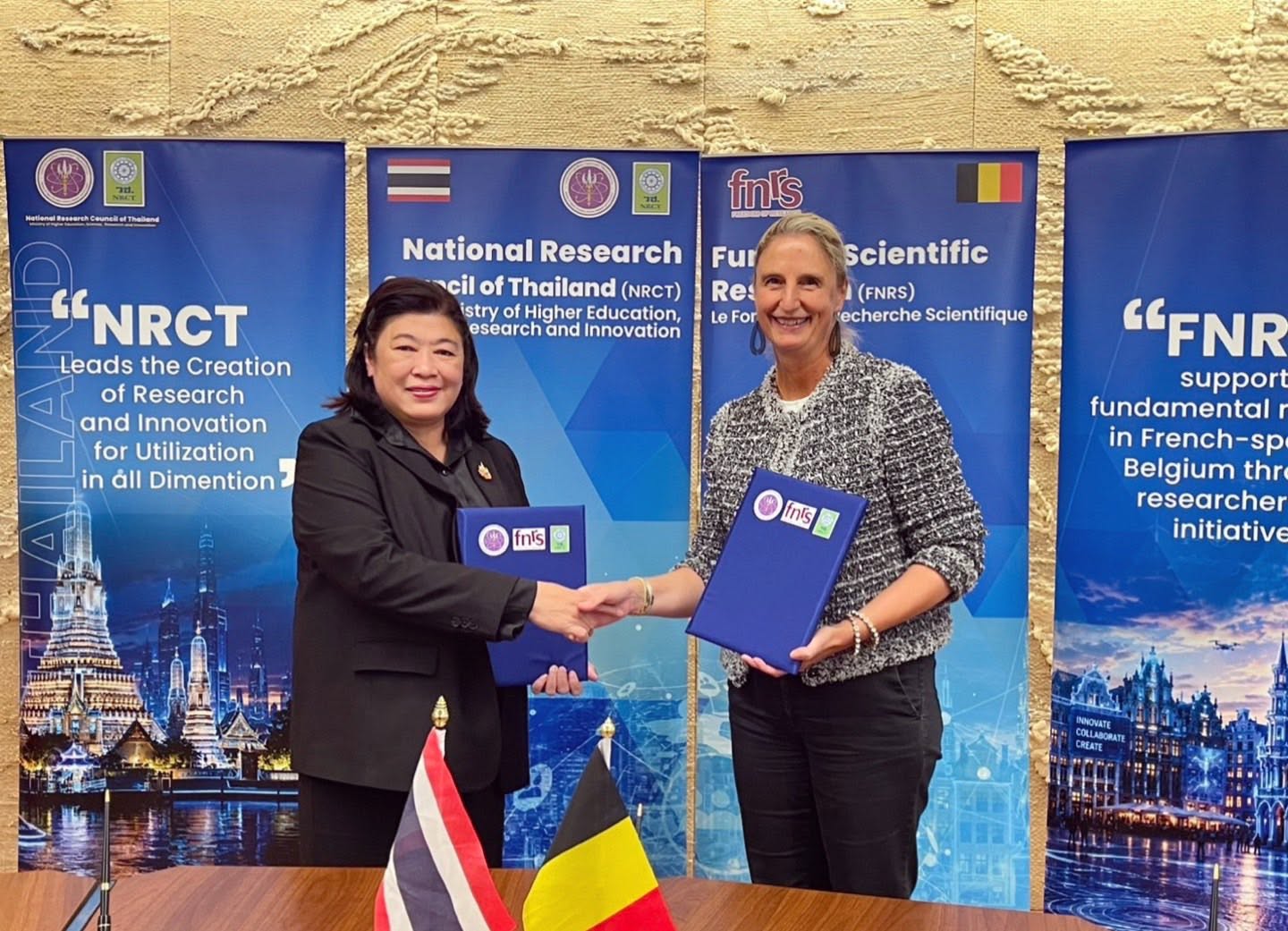
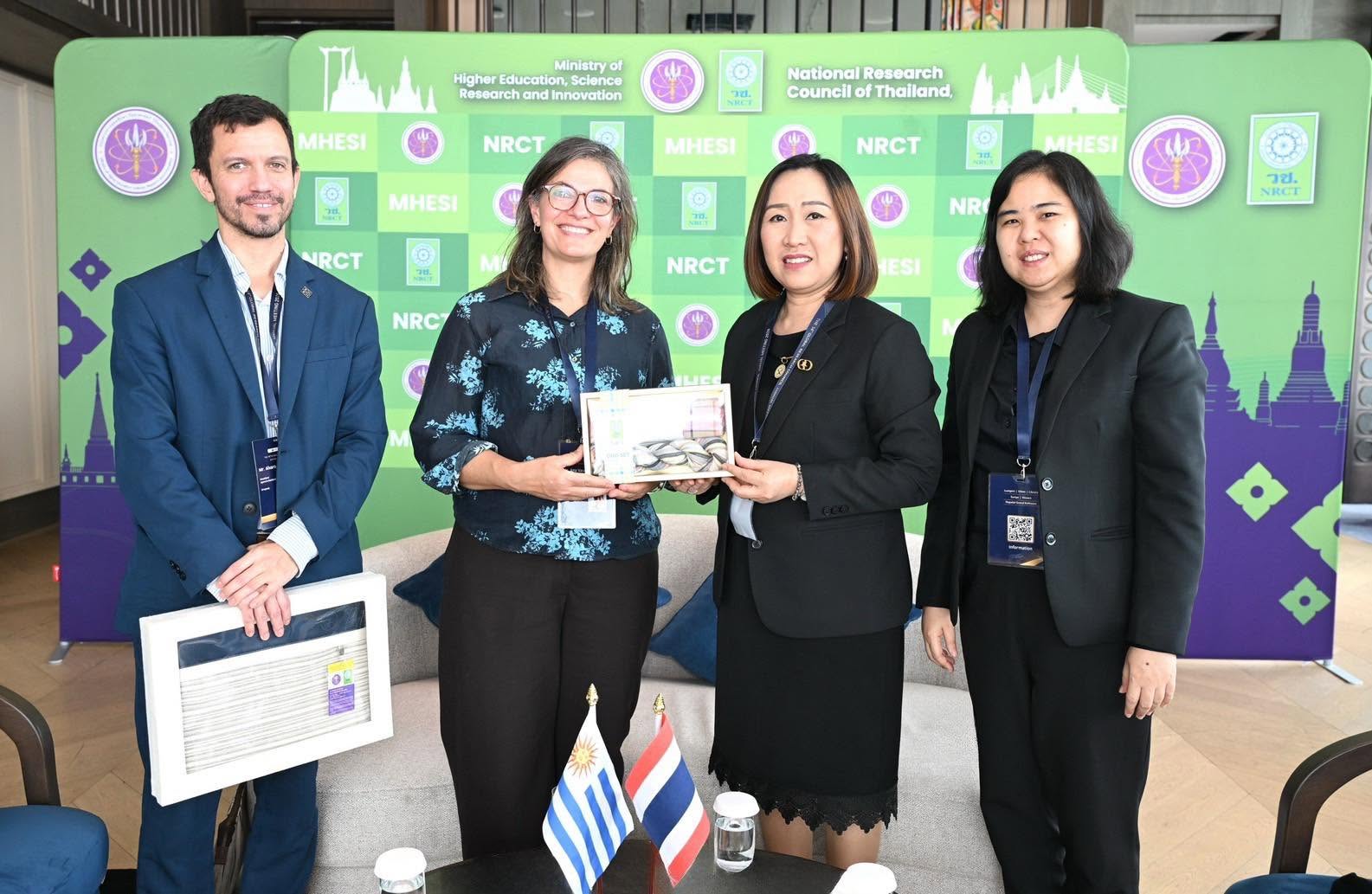
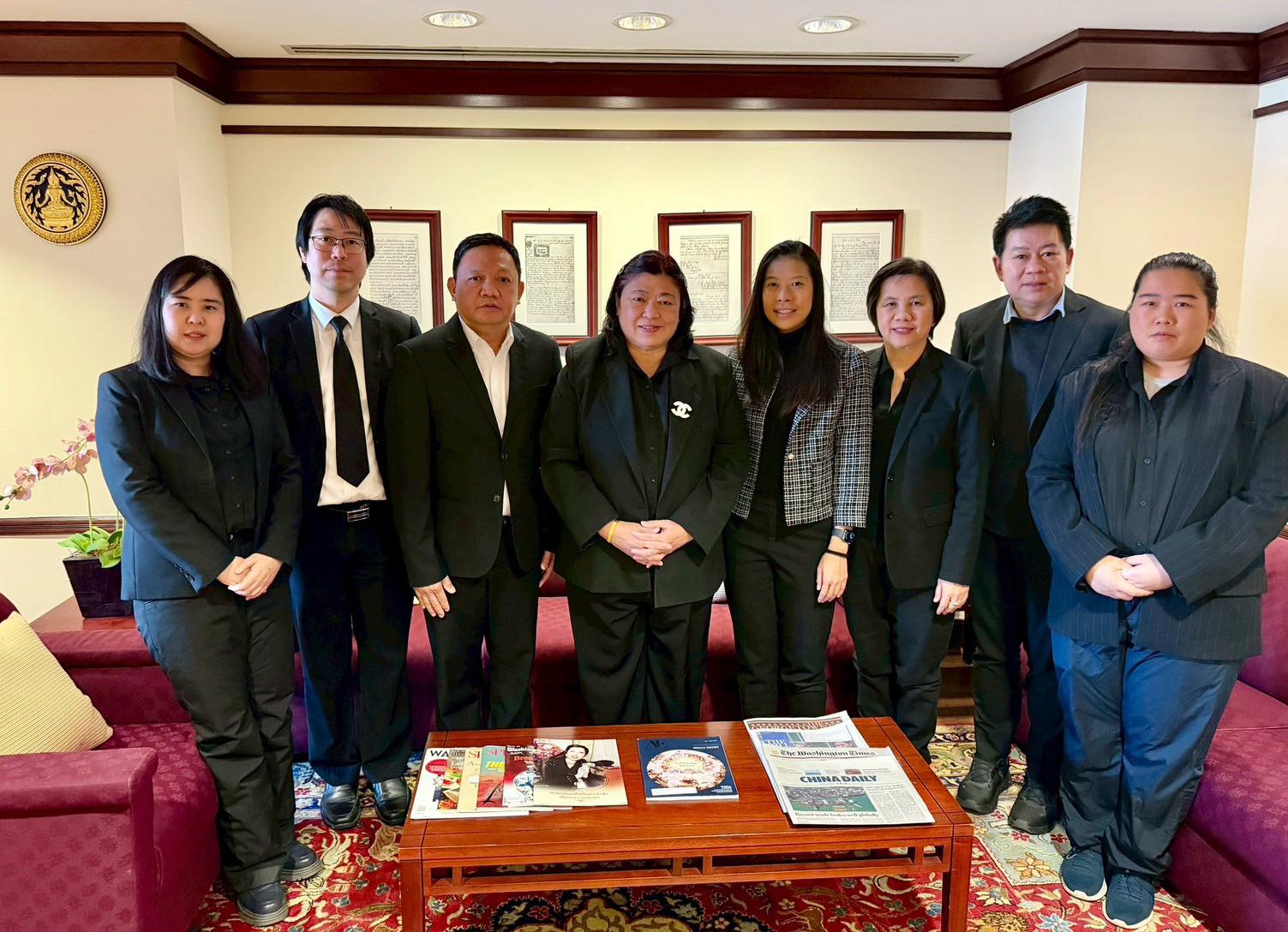
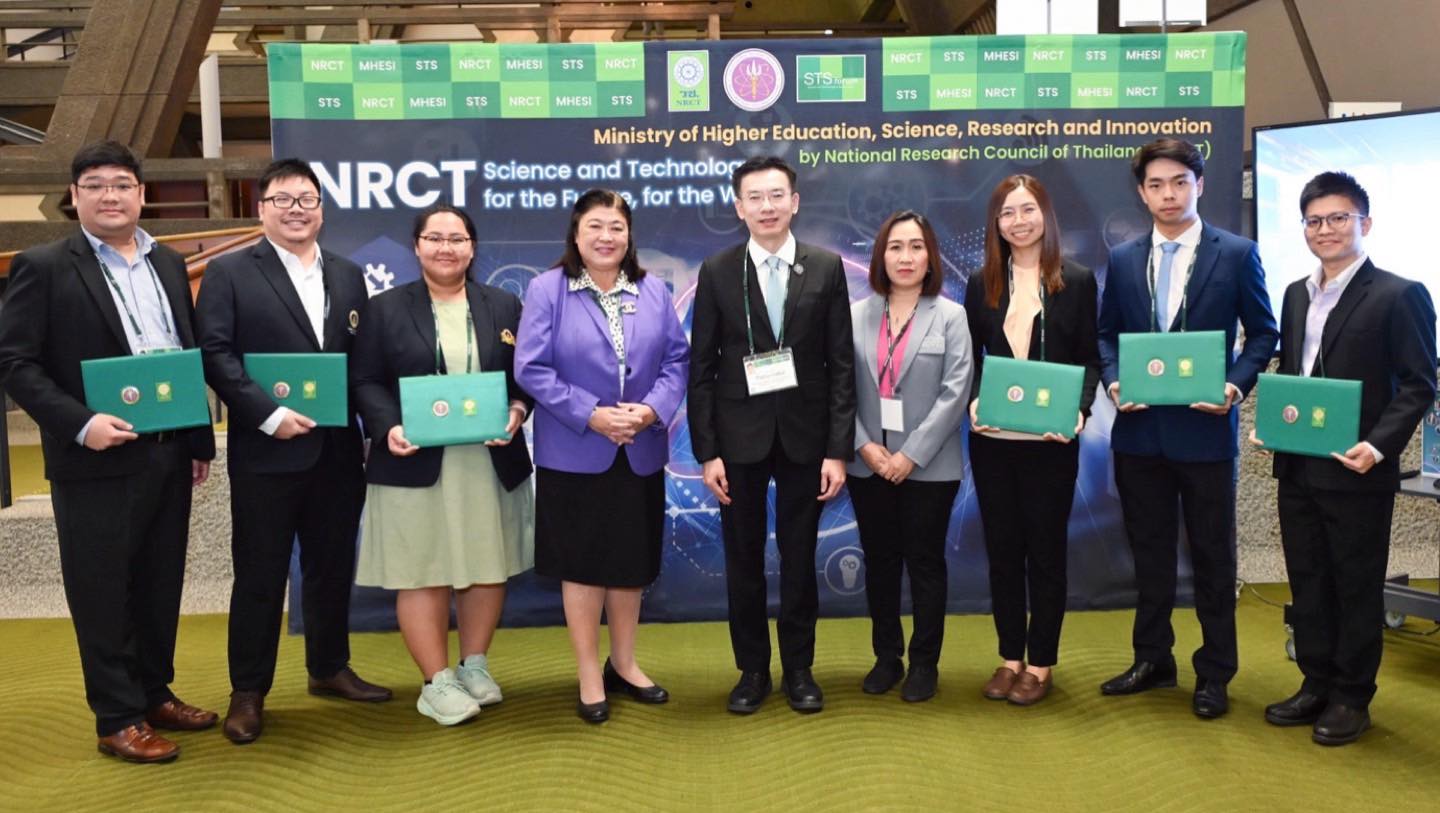
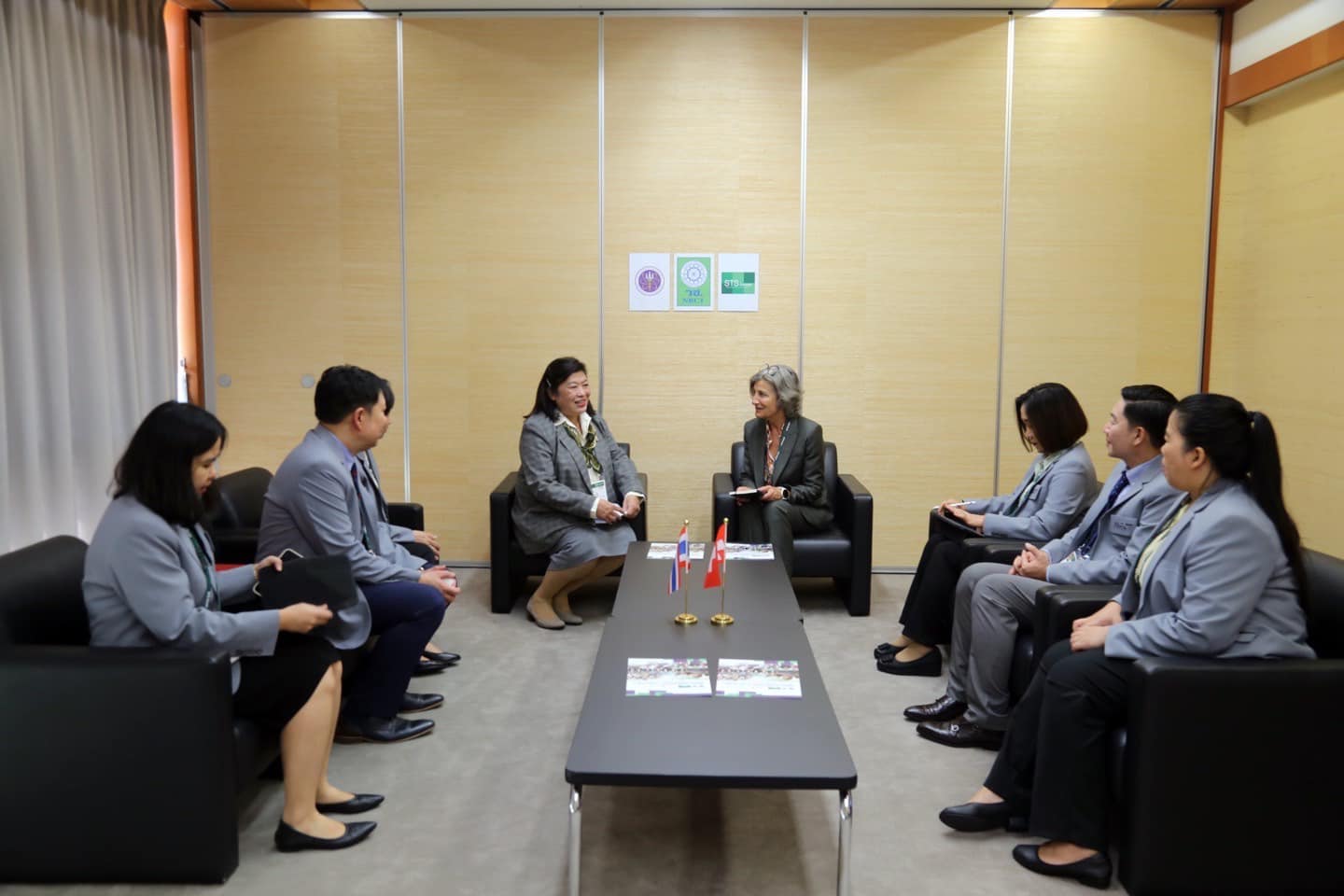
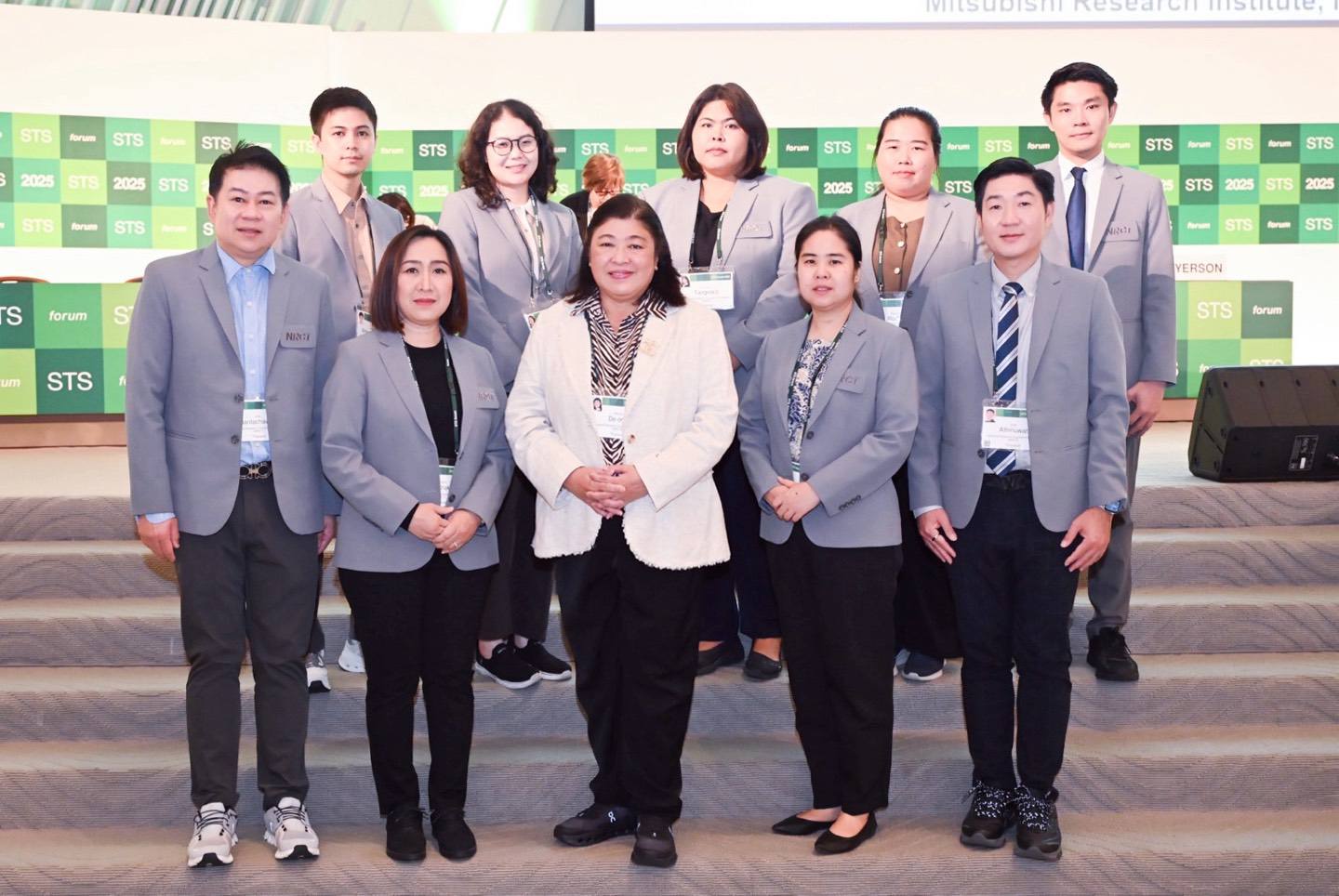
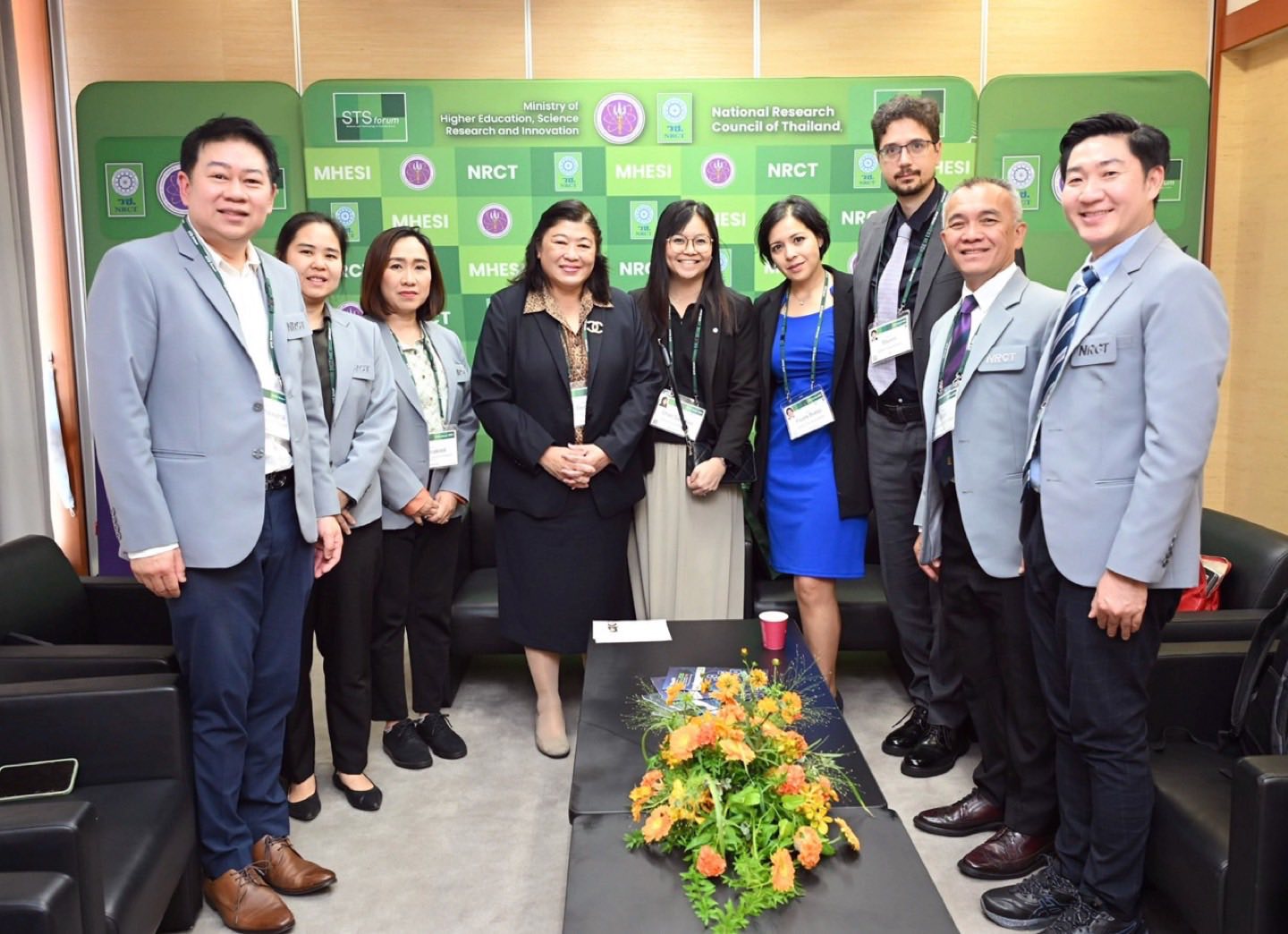
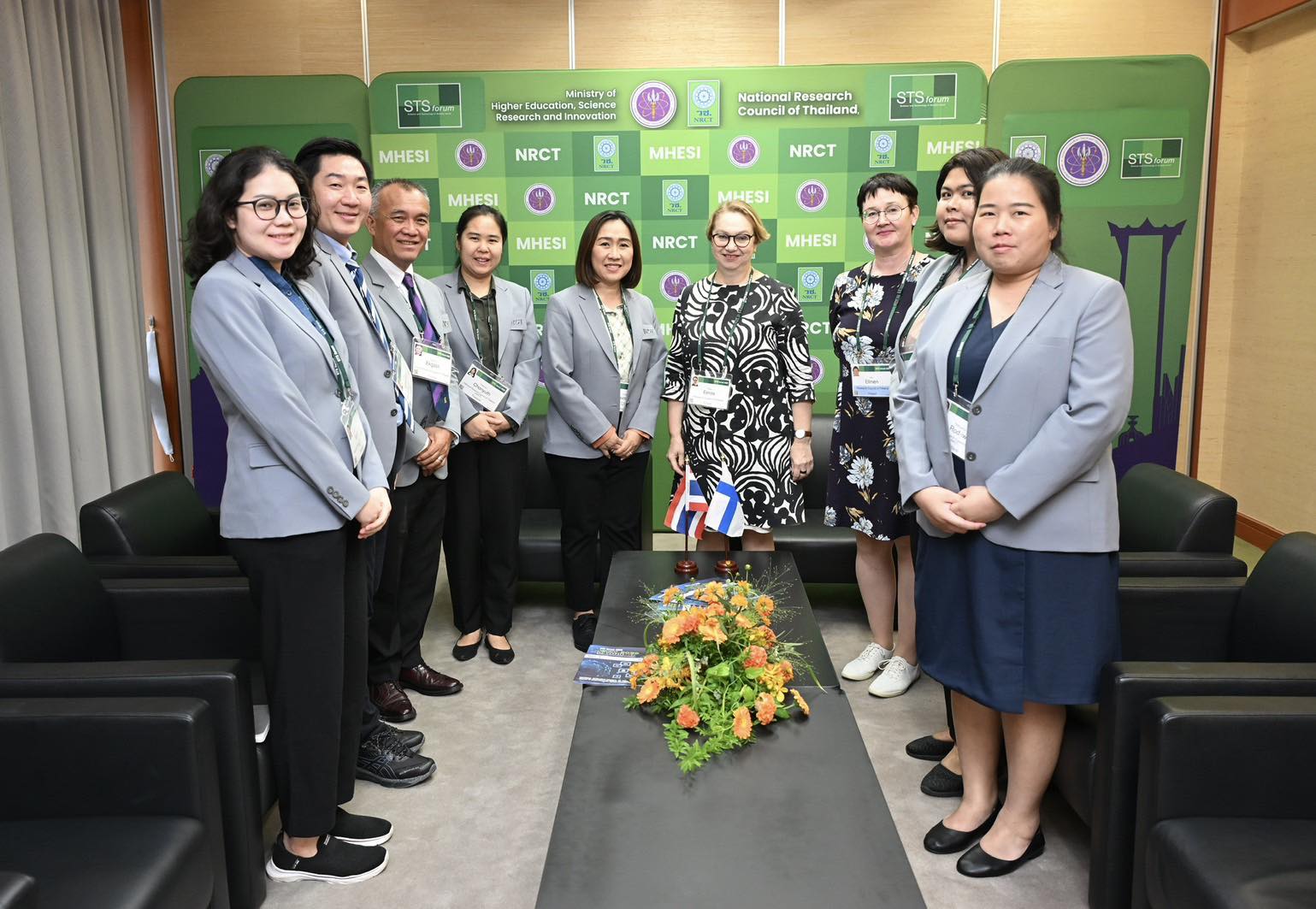
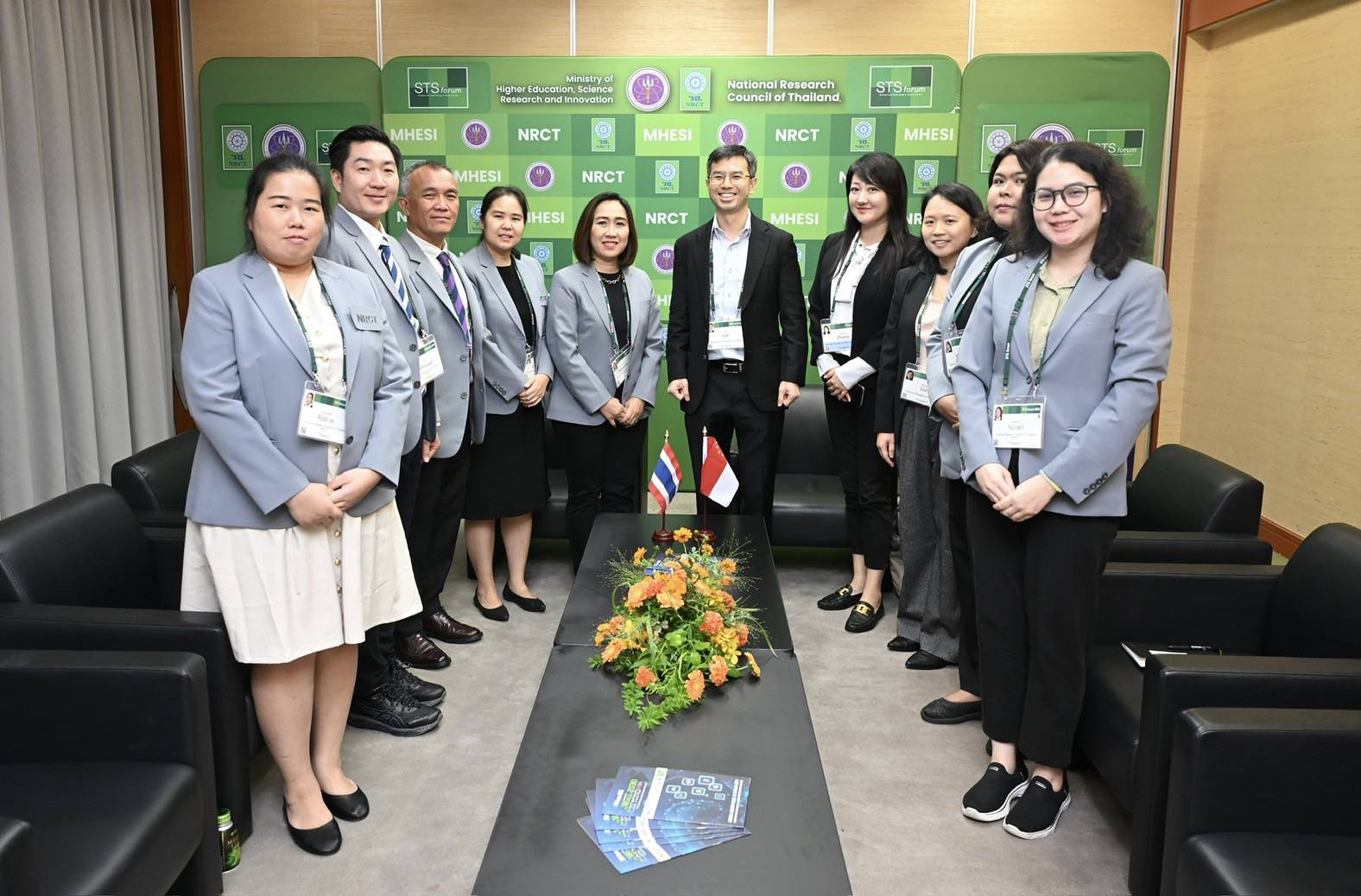
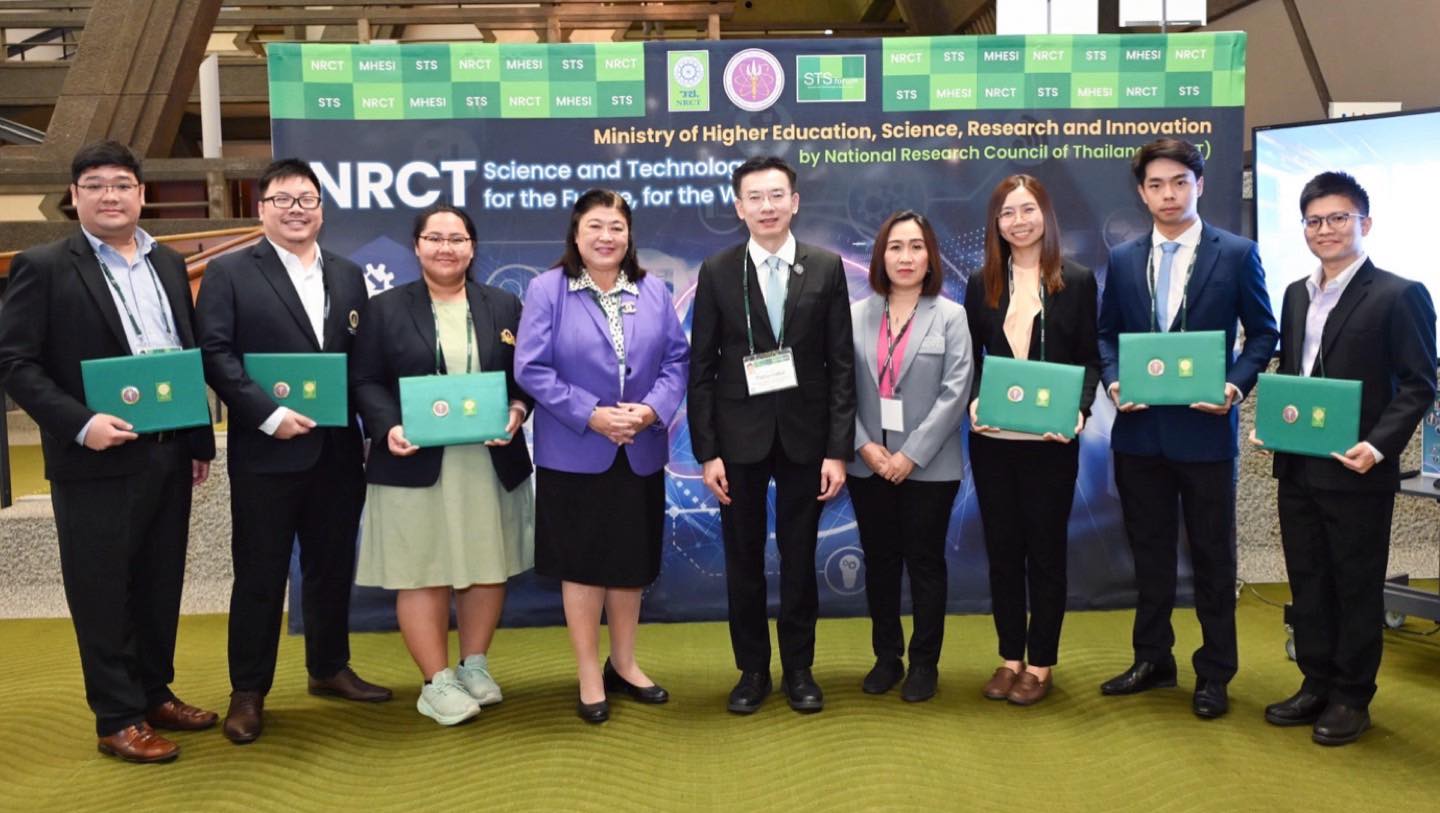
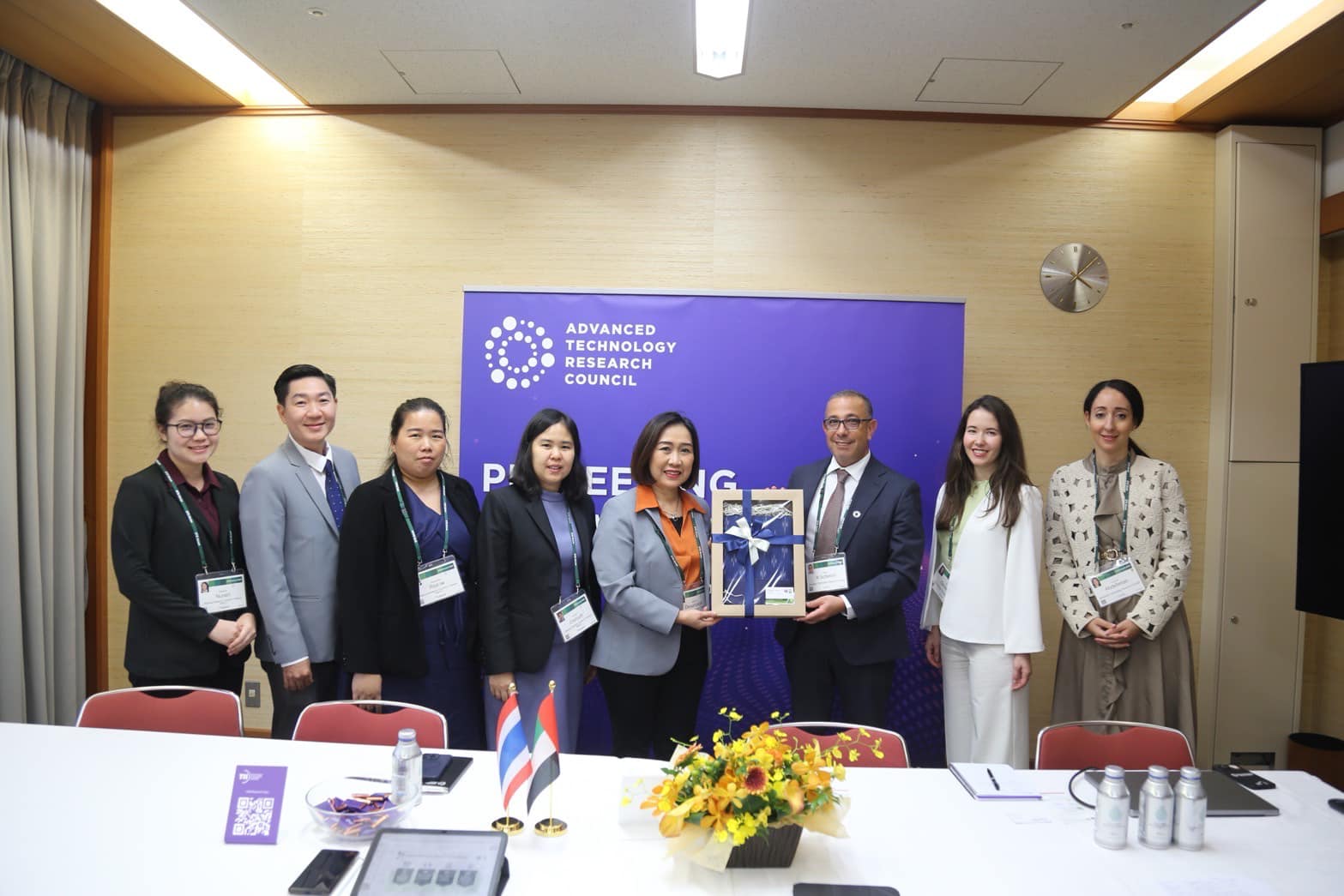
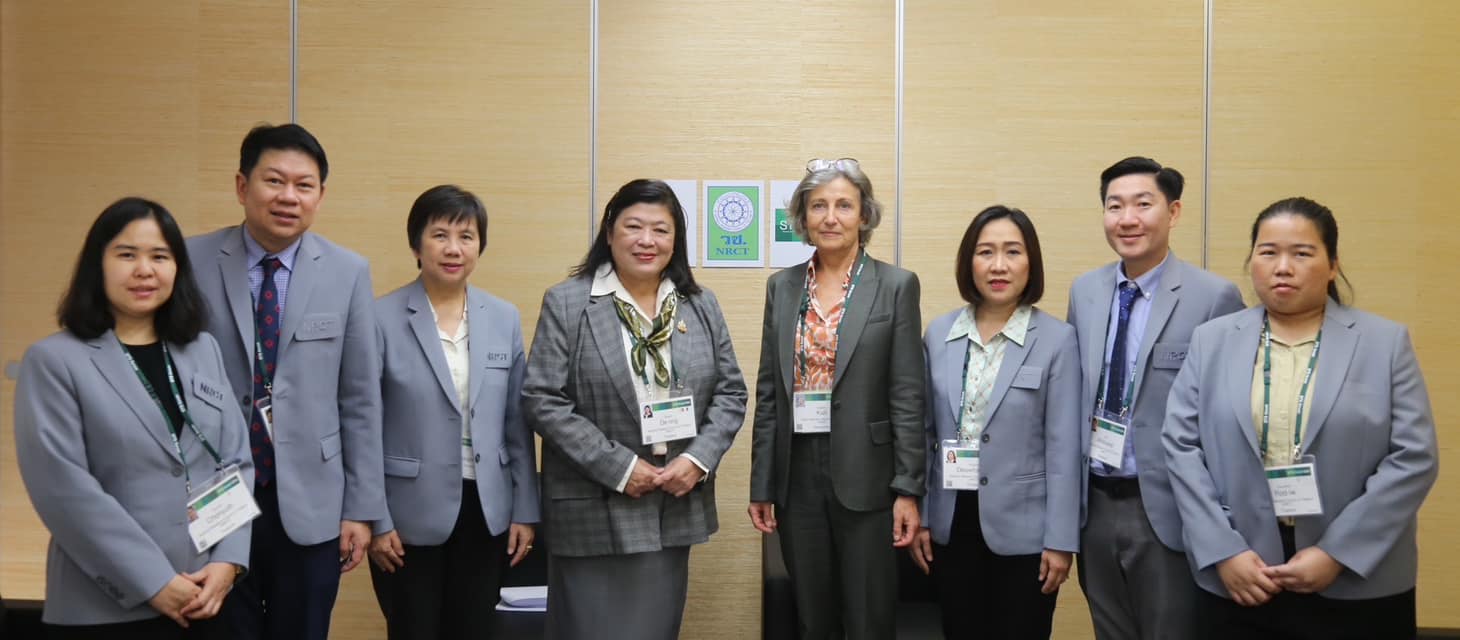
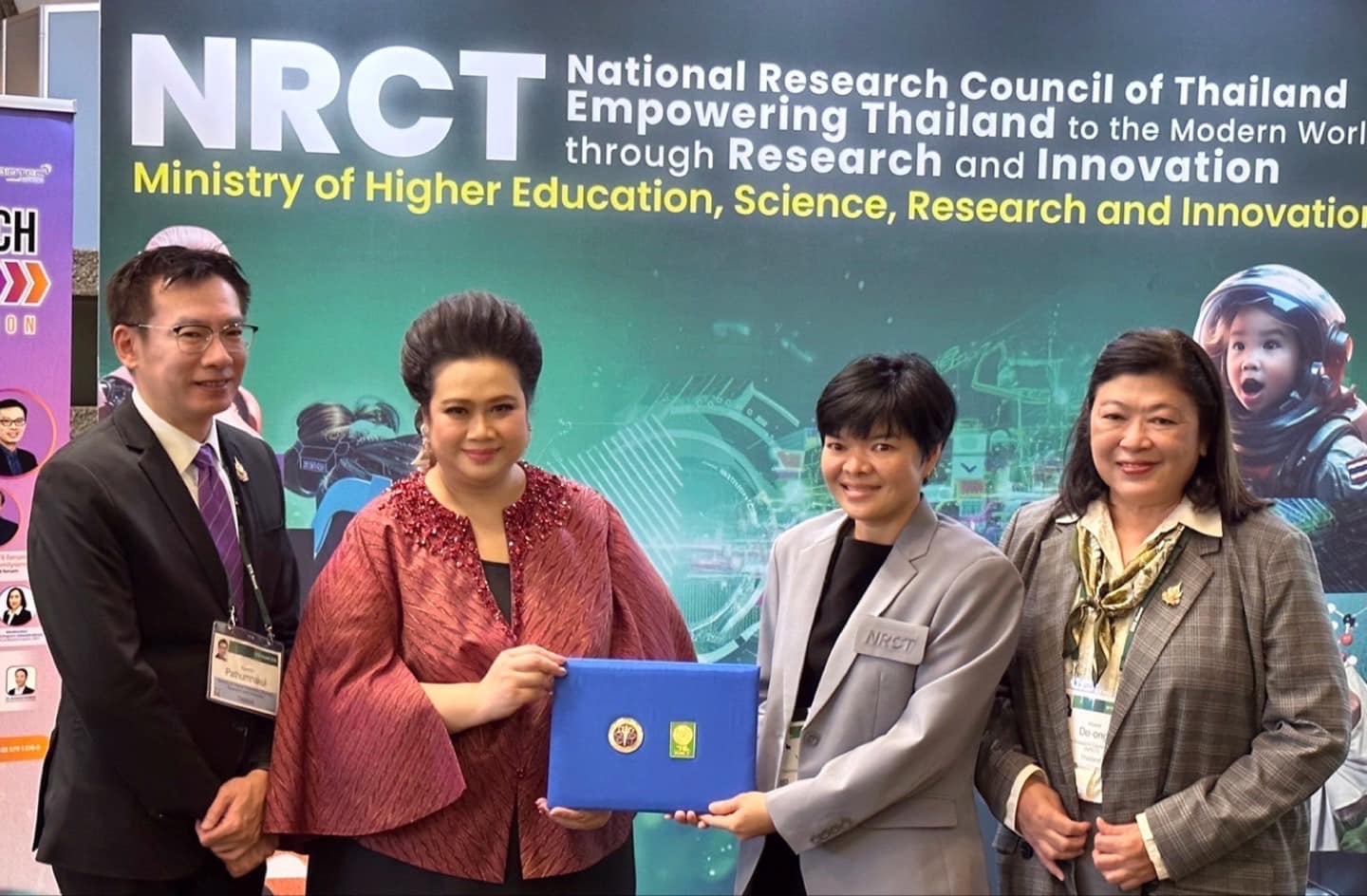
As an agency under the Ministry of Higher Education, Science, Research and Innovation (MHESI) and a Council Member of STS Forum, the National Research Council of Thailand (NRCT) plays an important role in connecting Thailand with global leaders and networks in science, technology, research and innovation. NRCT also works to expand international research cooperation, develop research talent and strengthen international researcher networks. These efforts help translate knowledge, technology and innovation into practical applications that enhance Thailand’s research and innovation capabilities while supporting sustainable economic, social and environmental development.