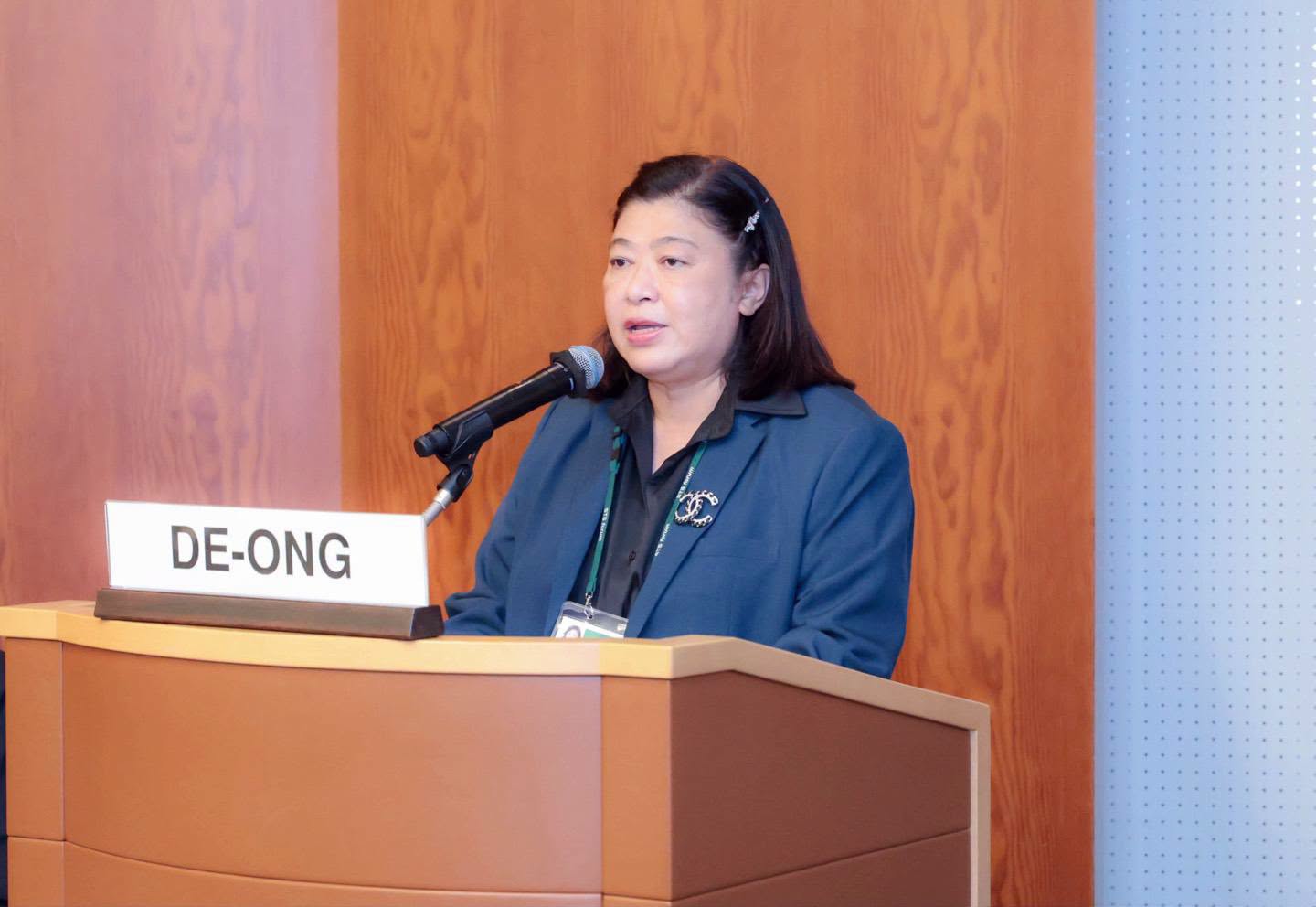
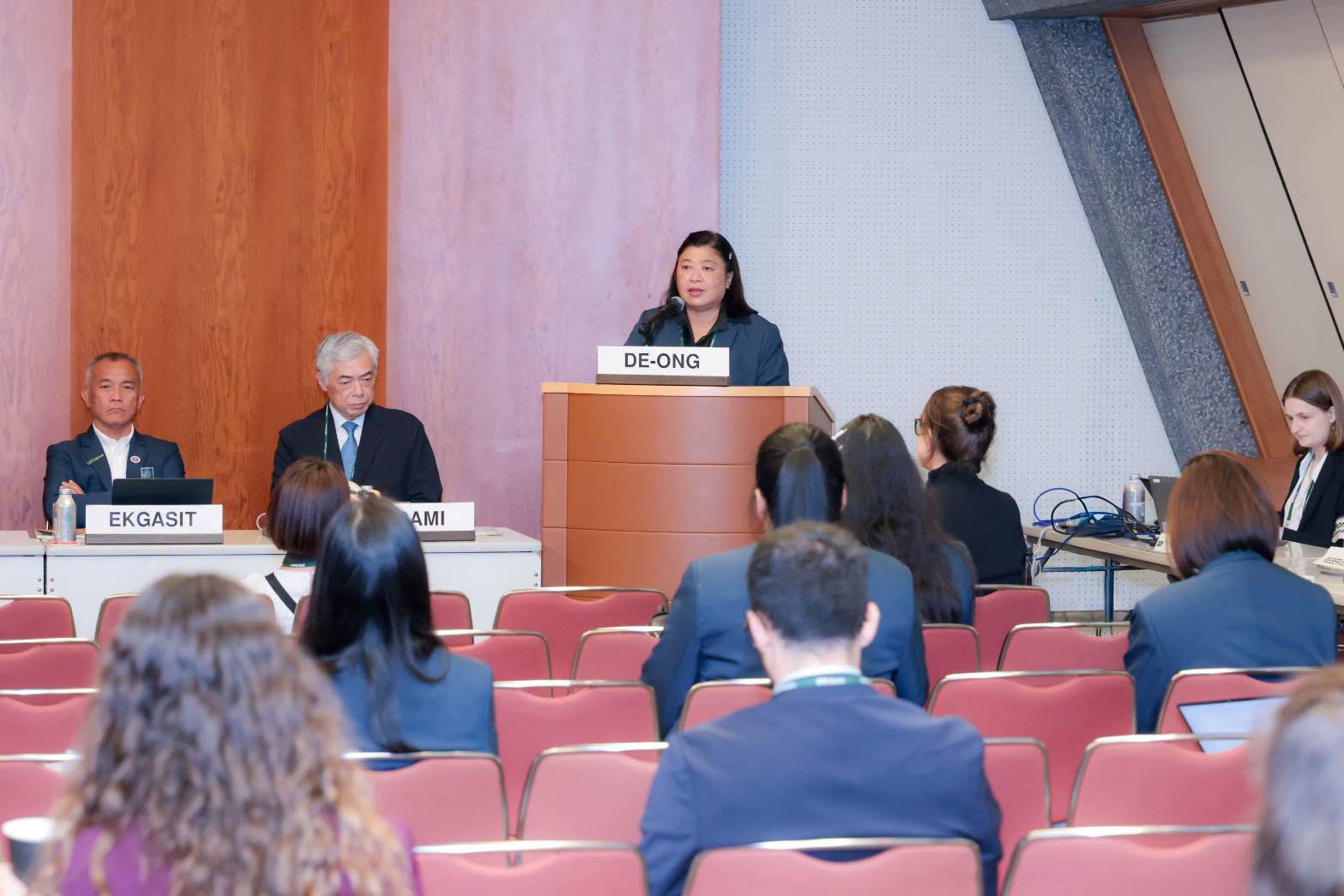
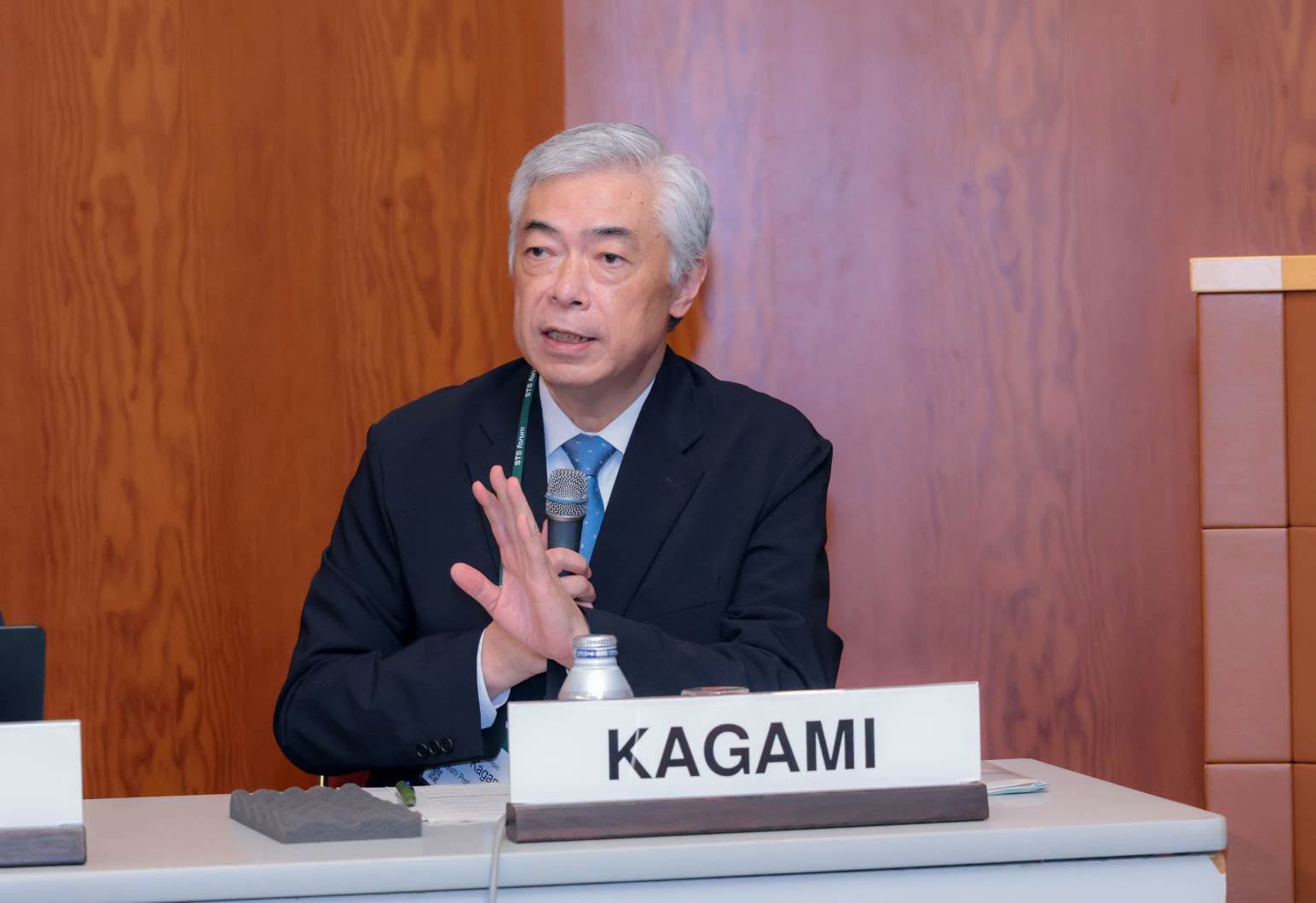
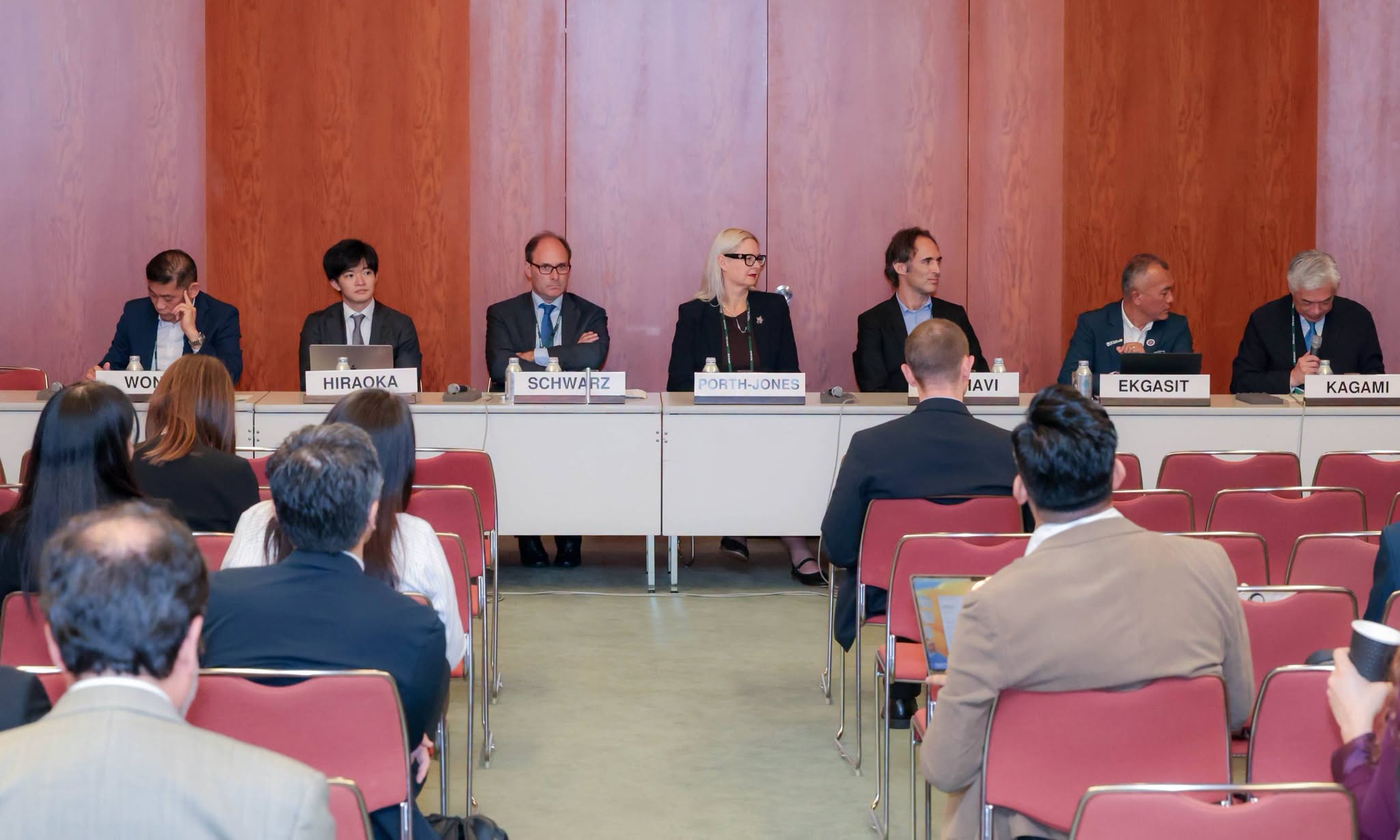
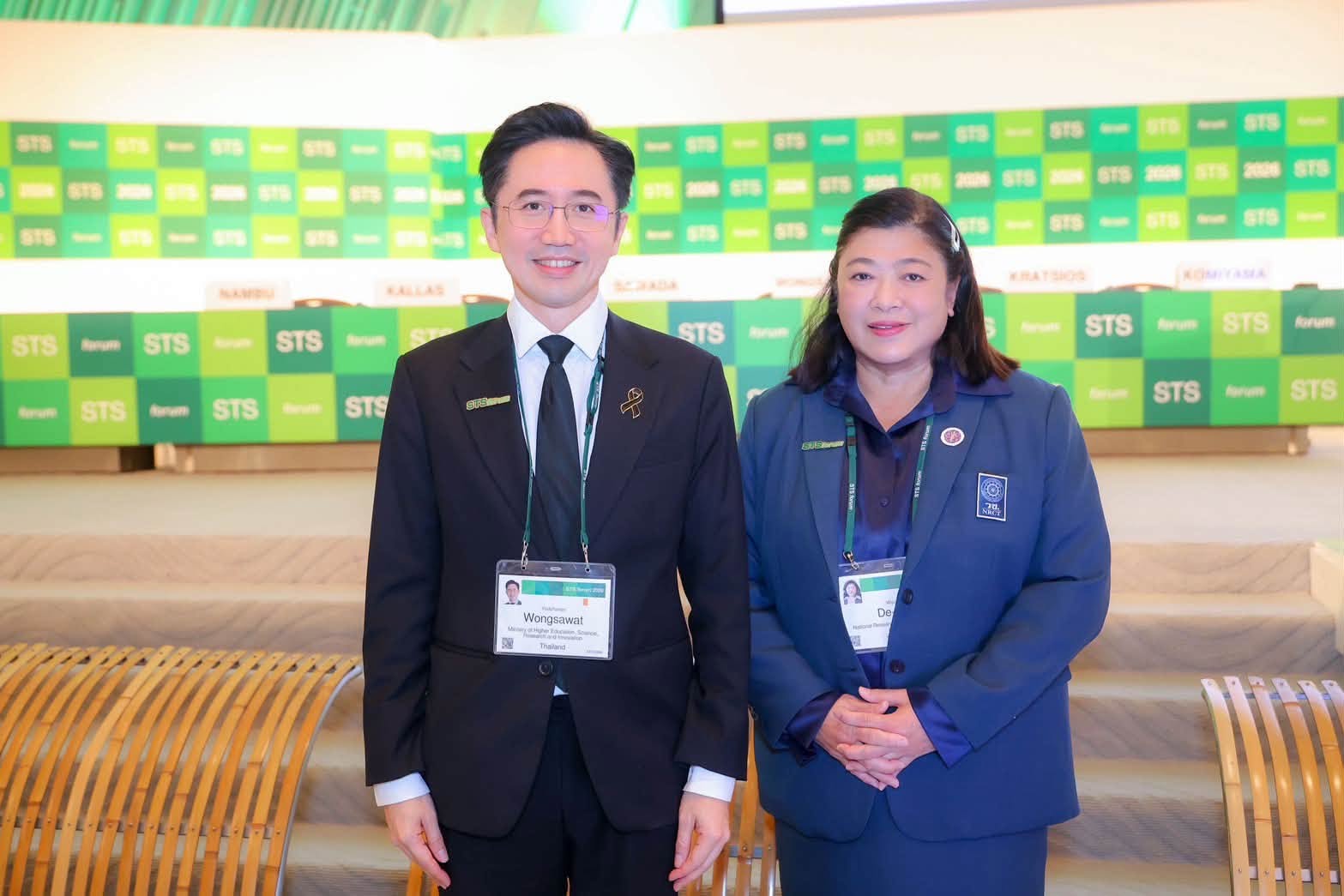
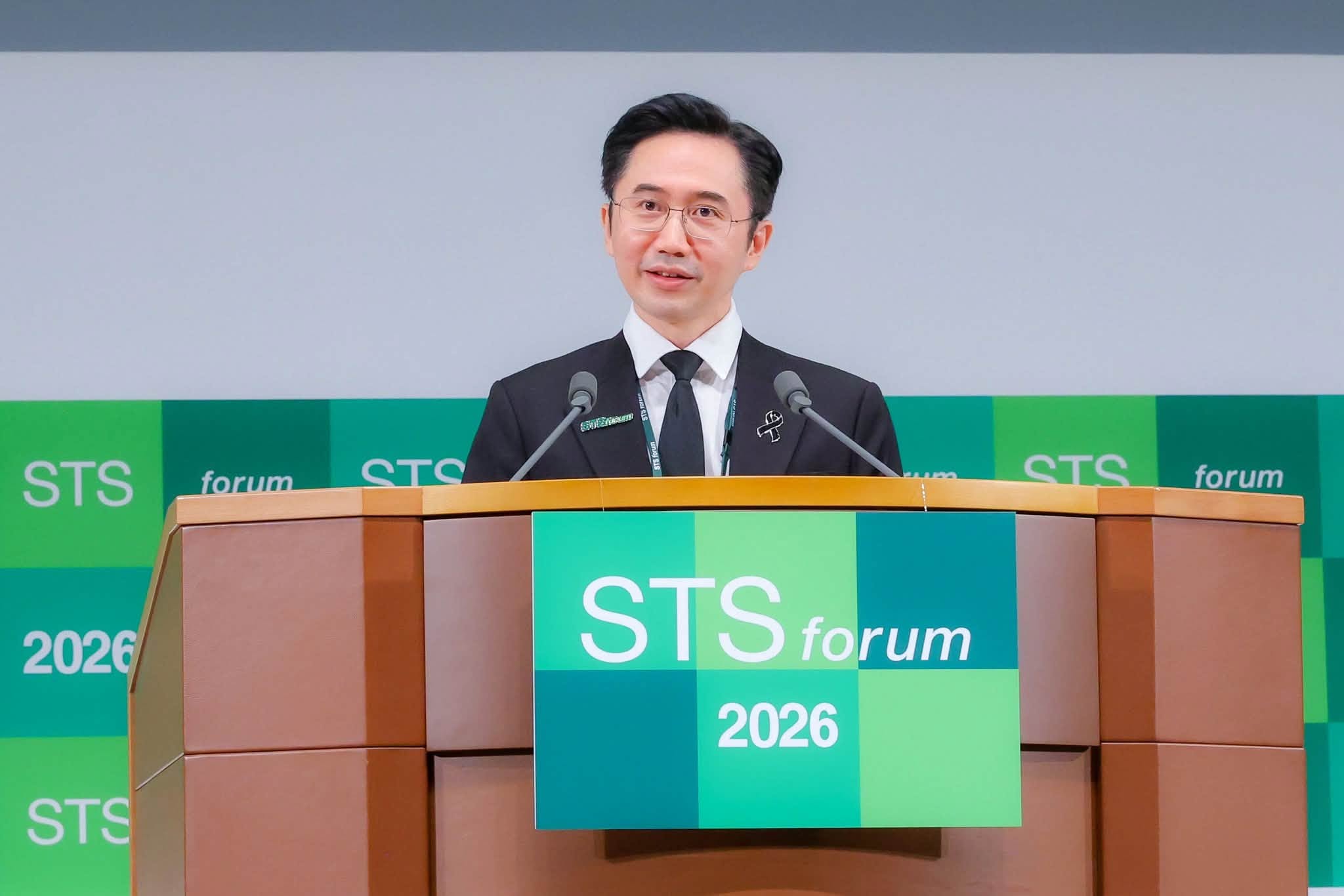
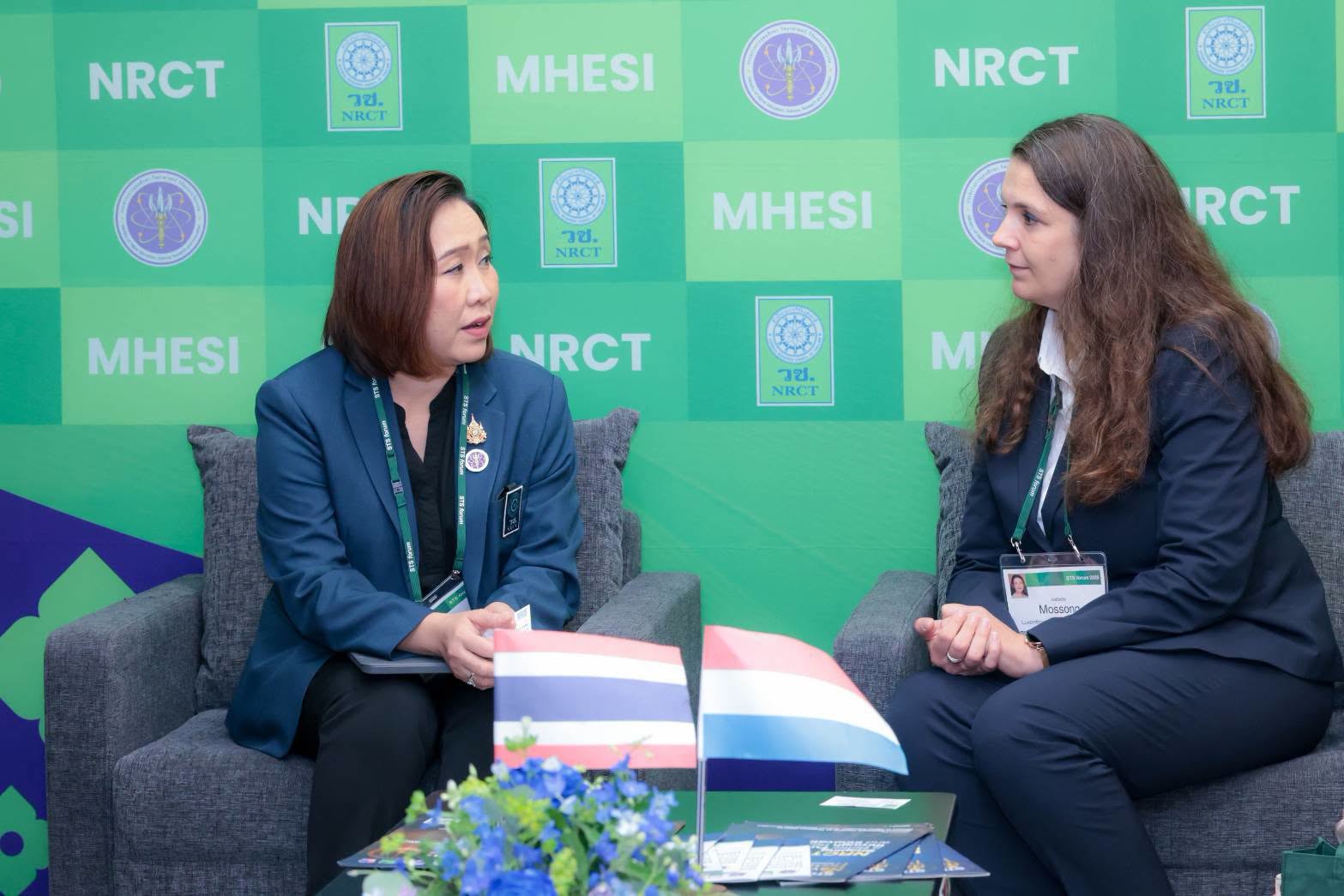
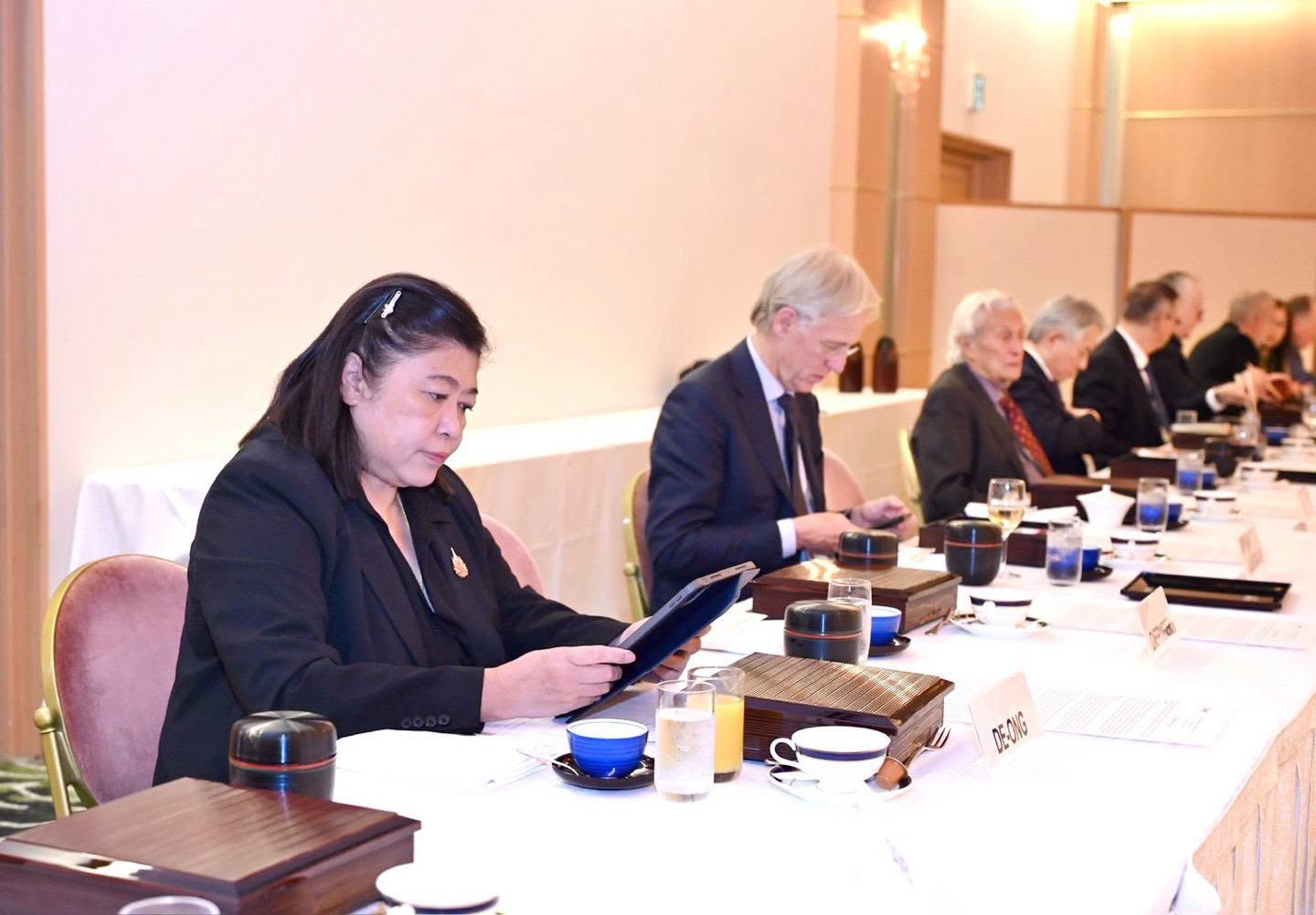
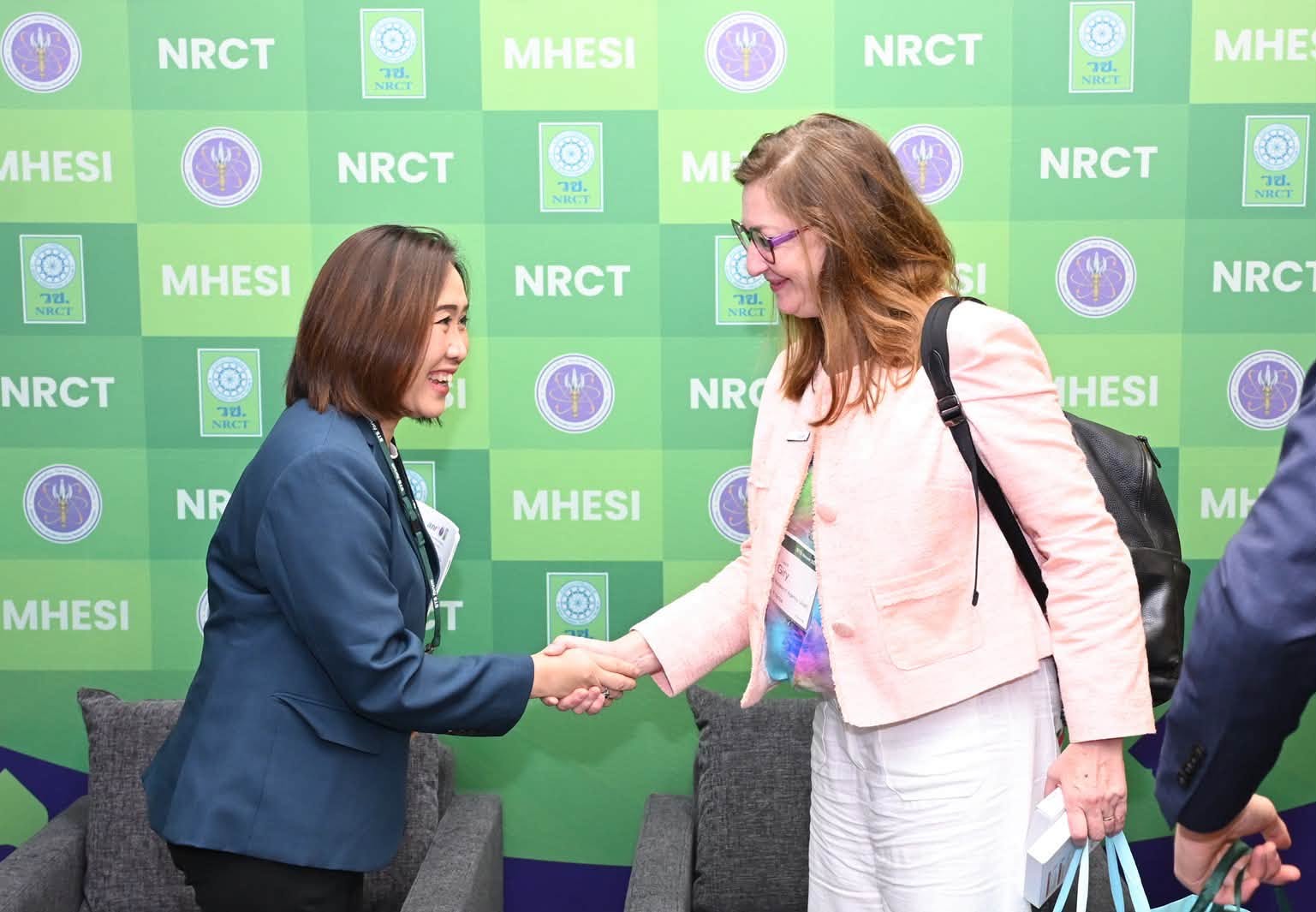
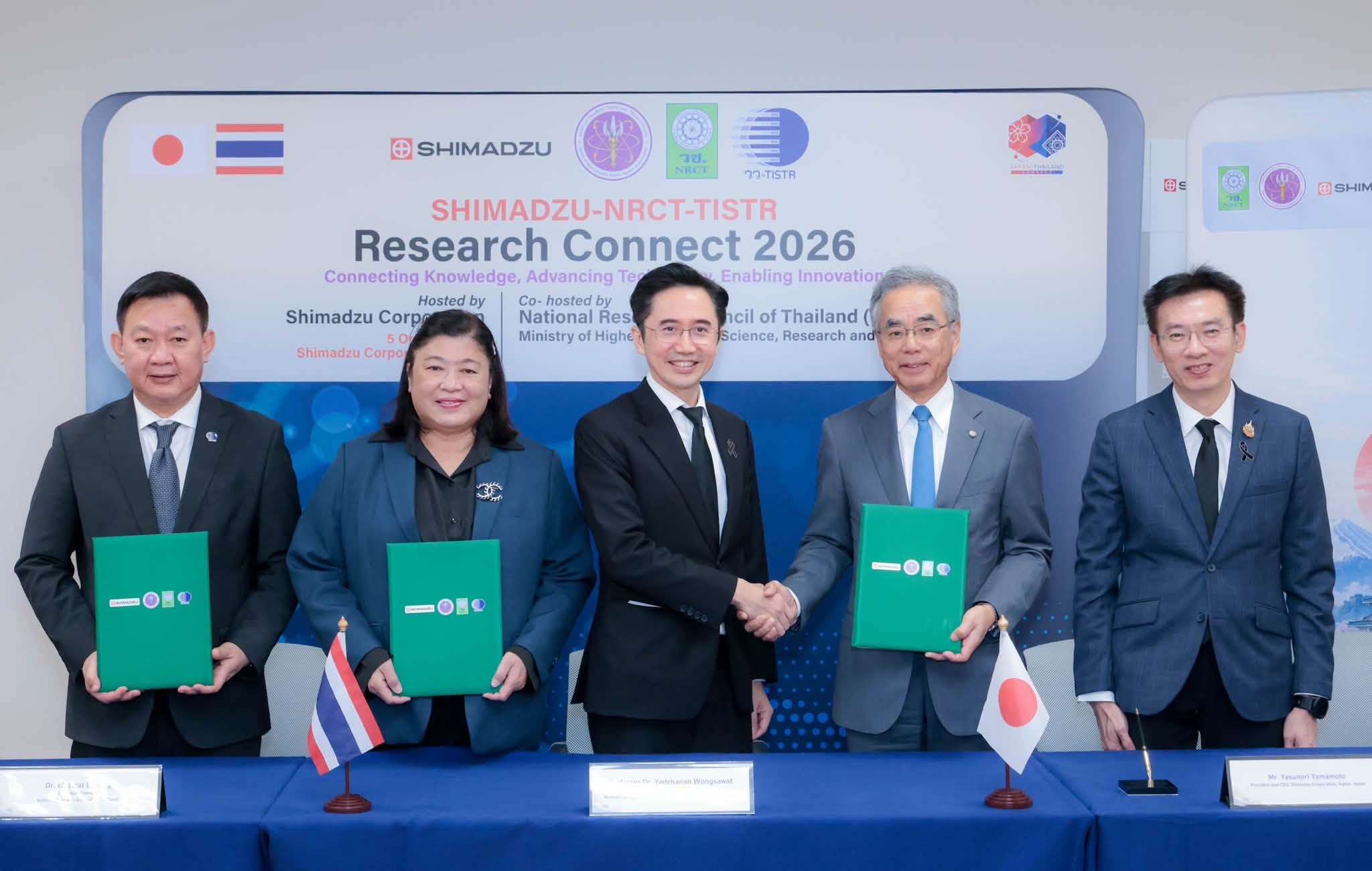
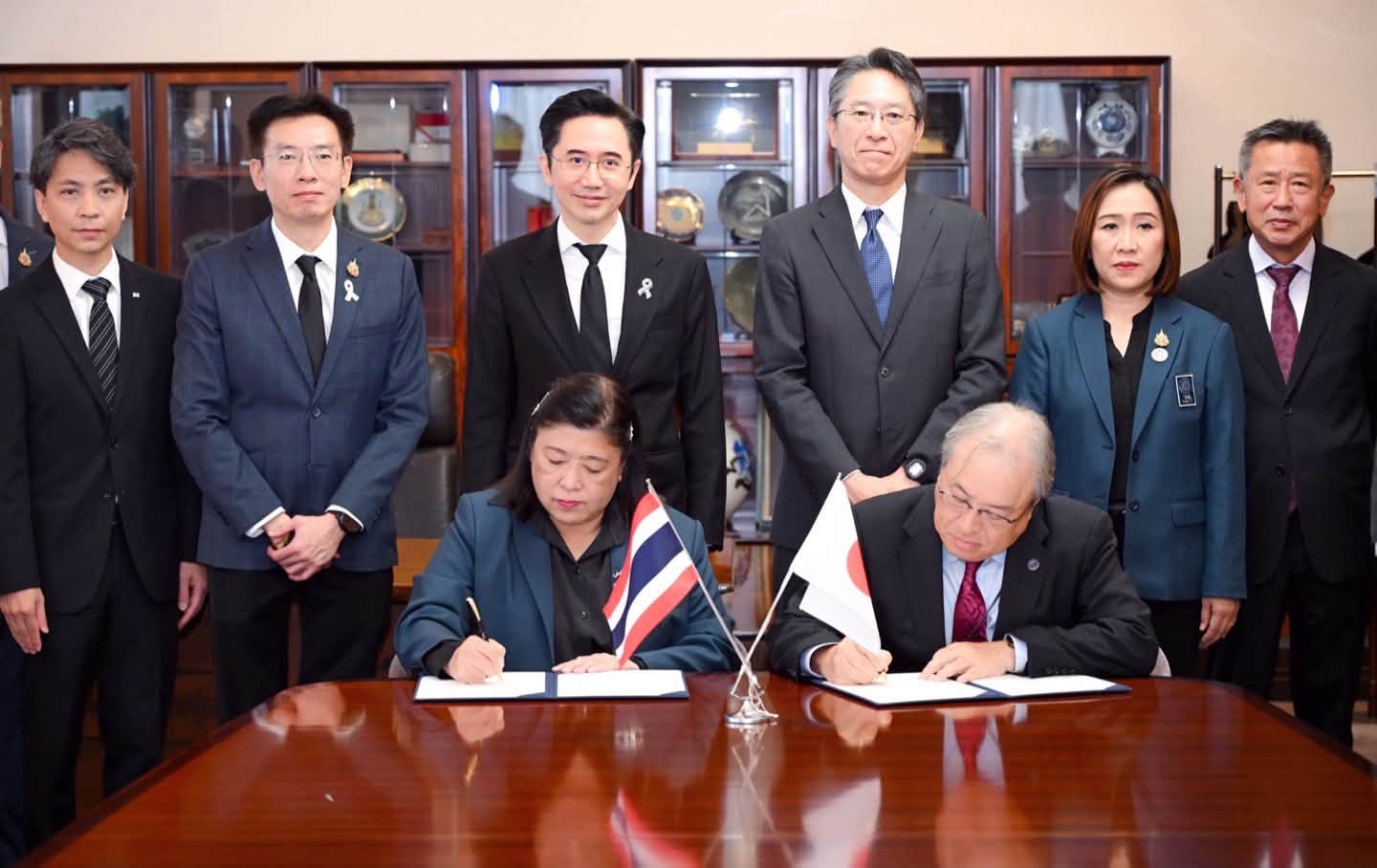
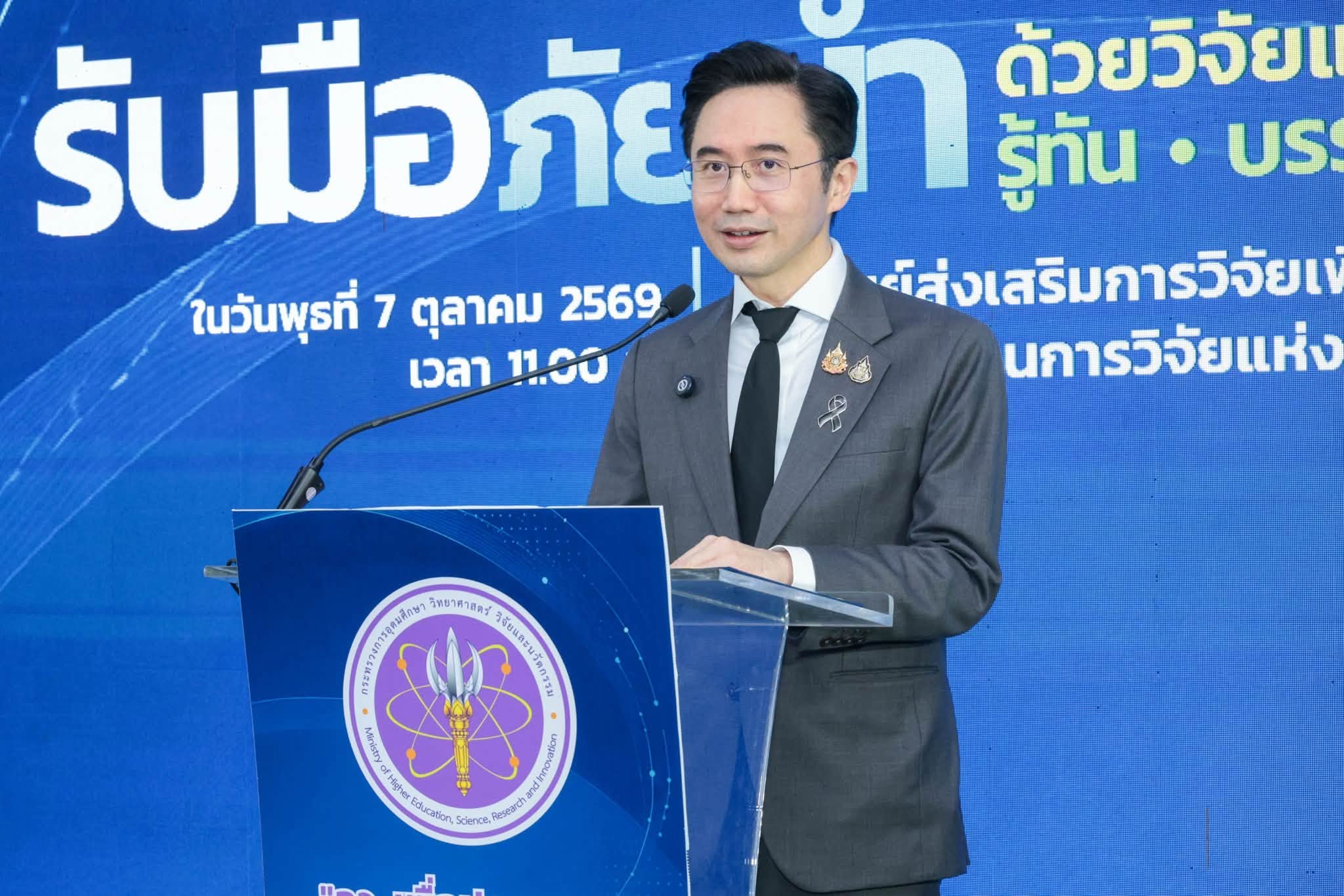
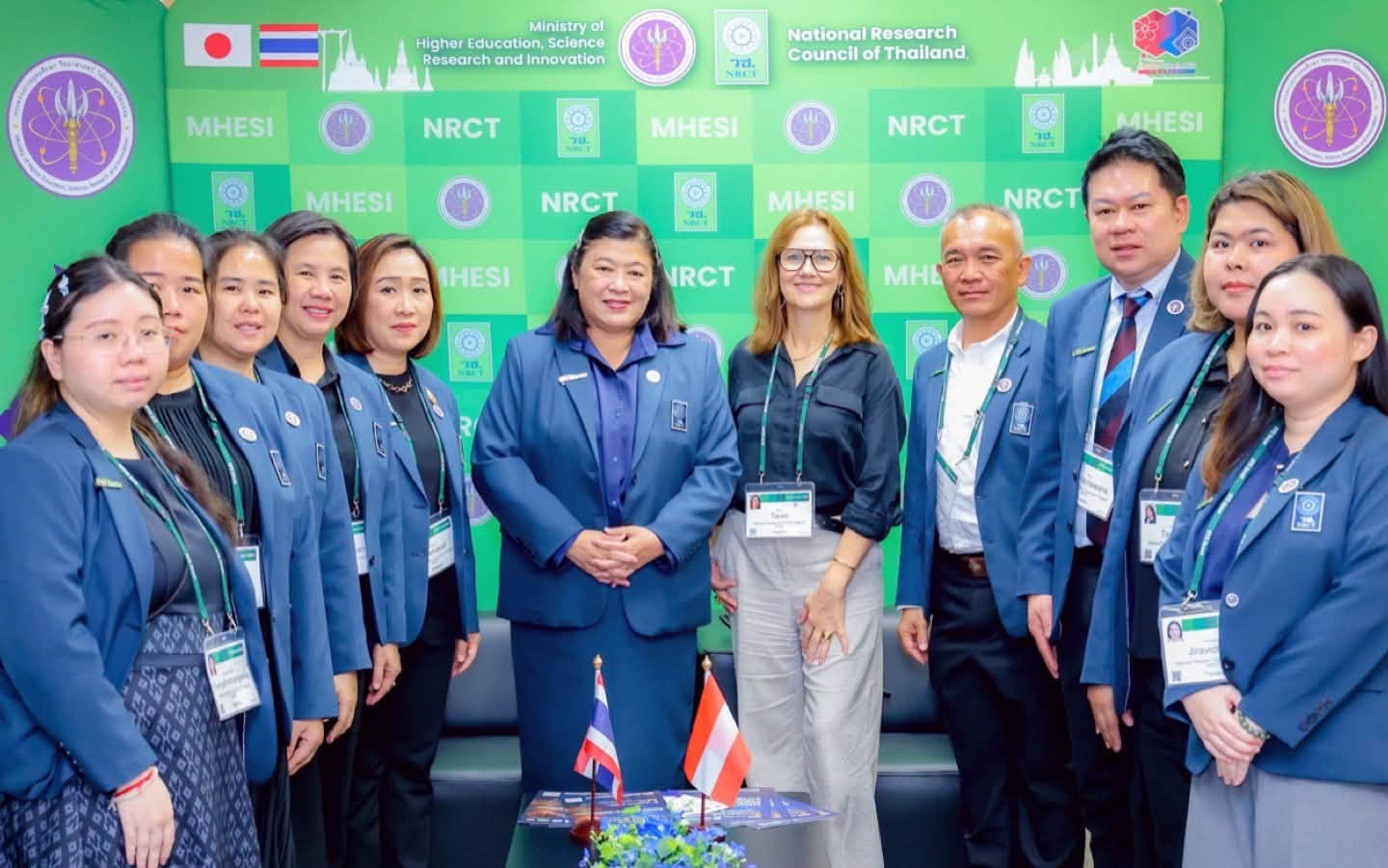
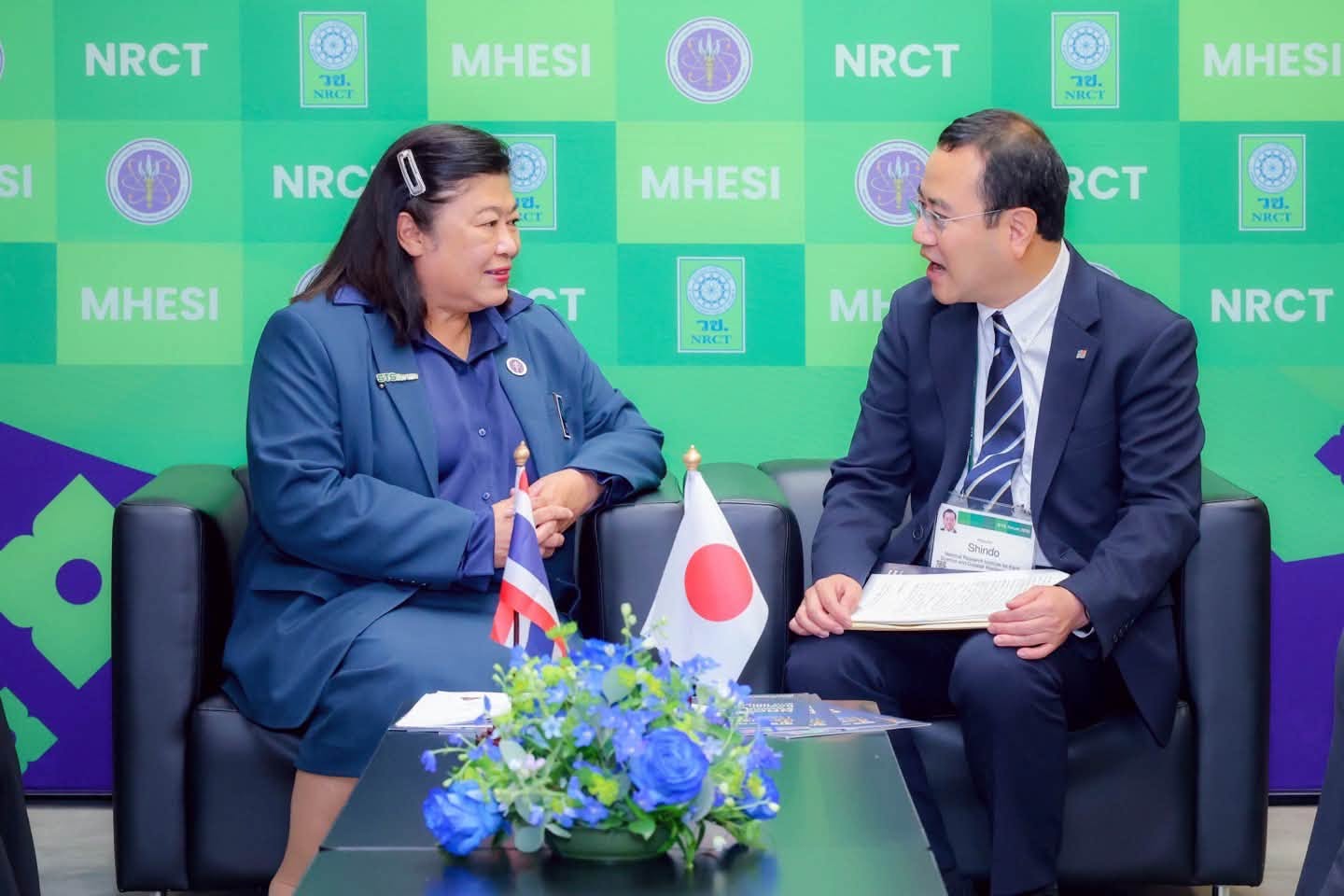
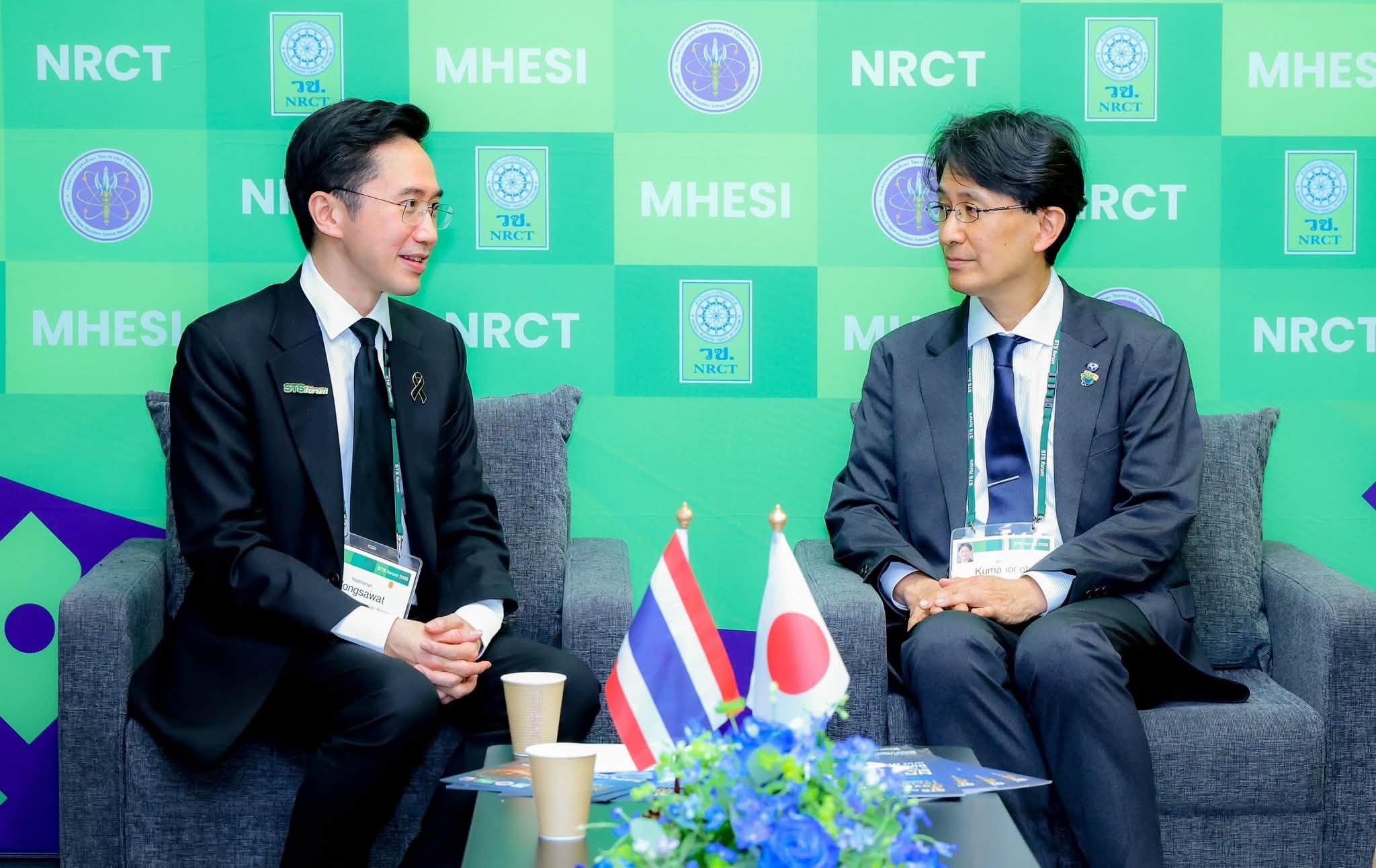
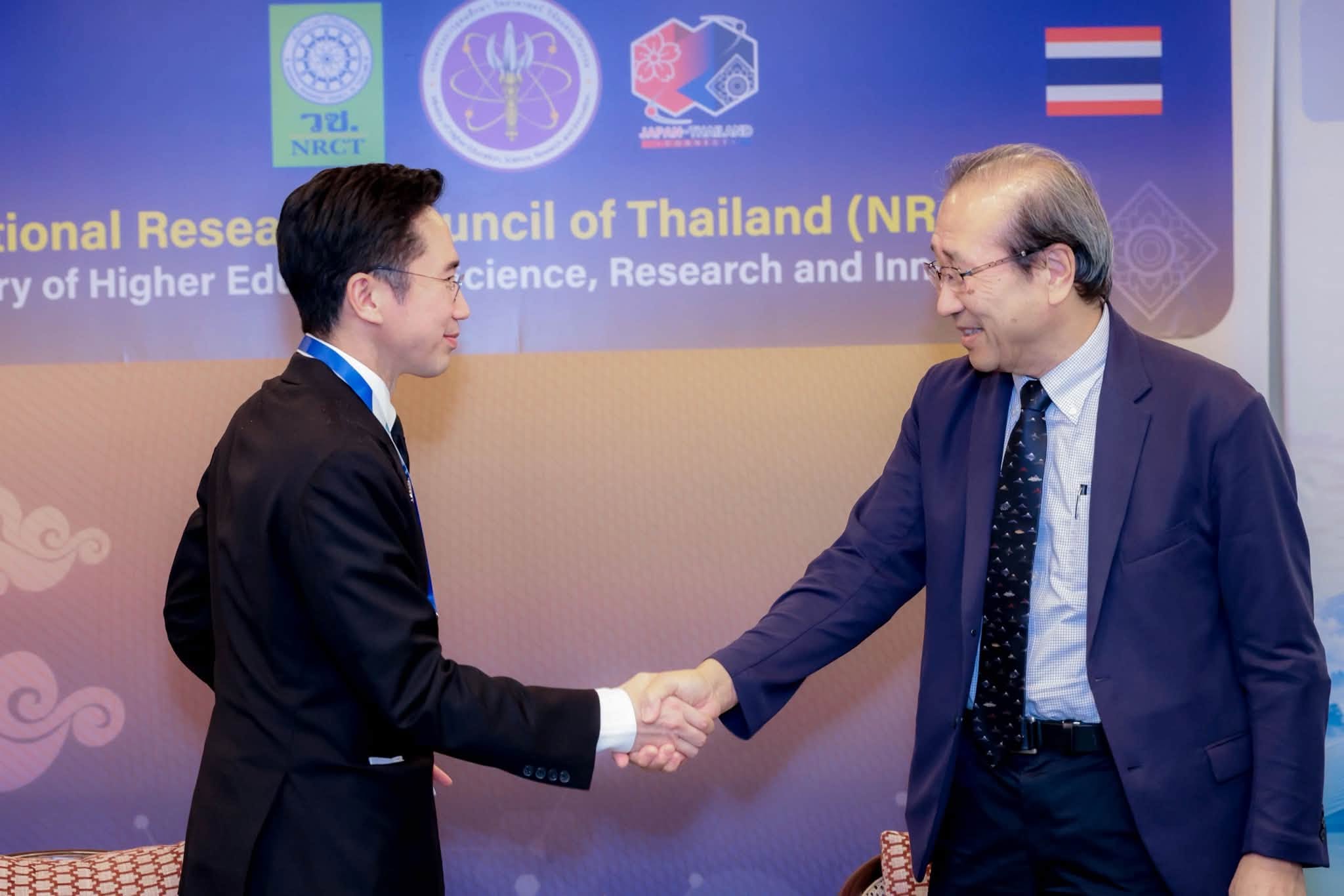
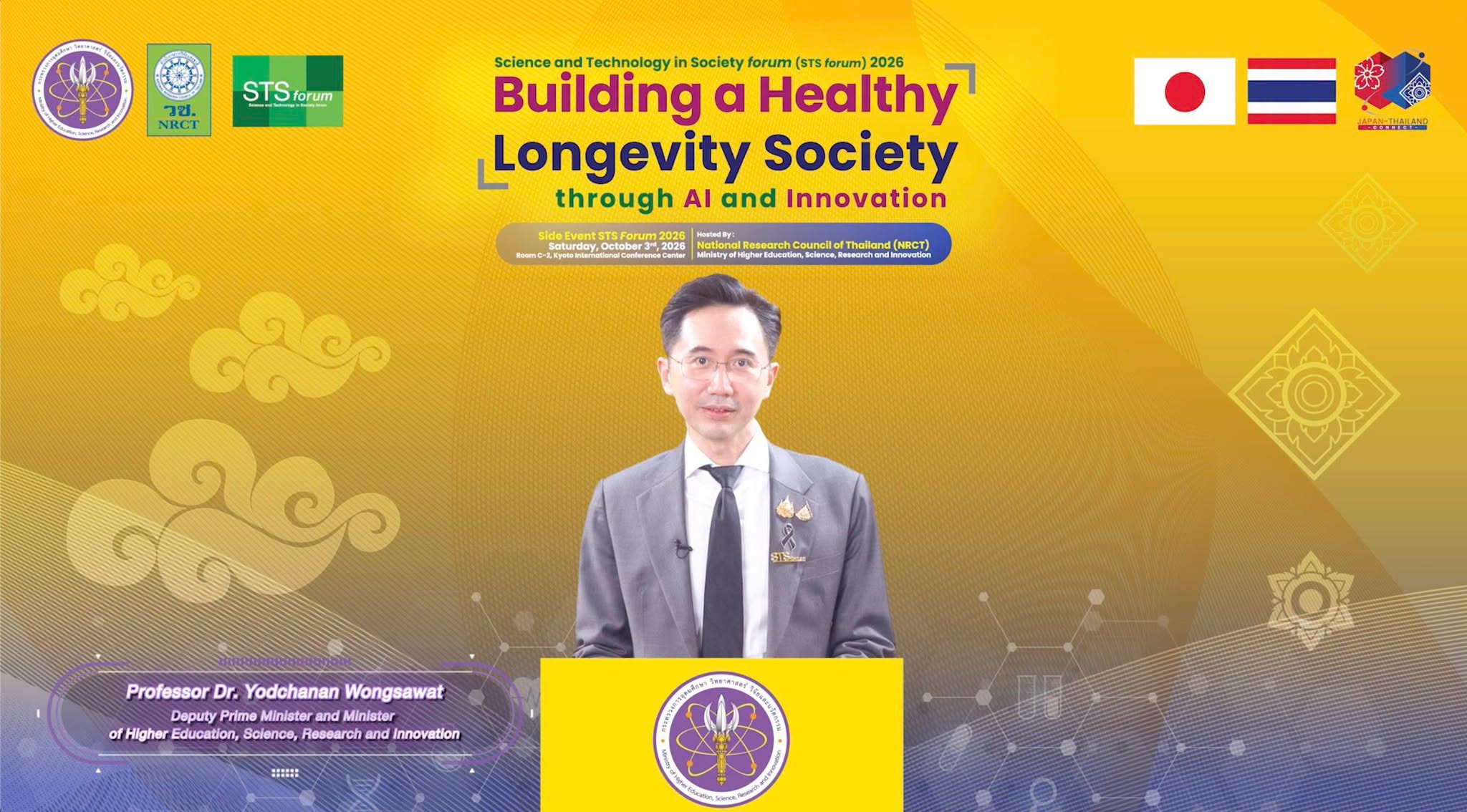
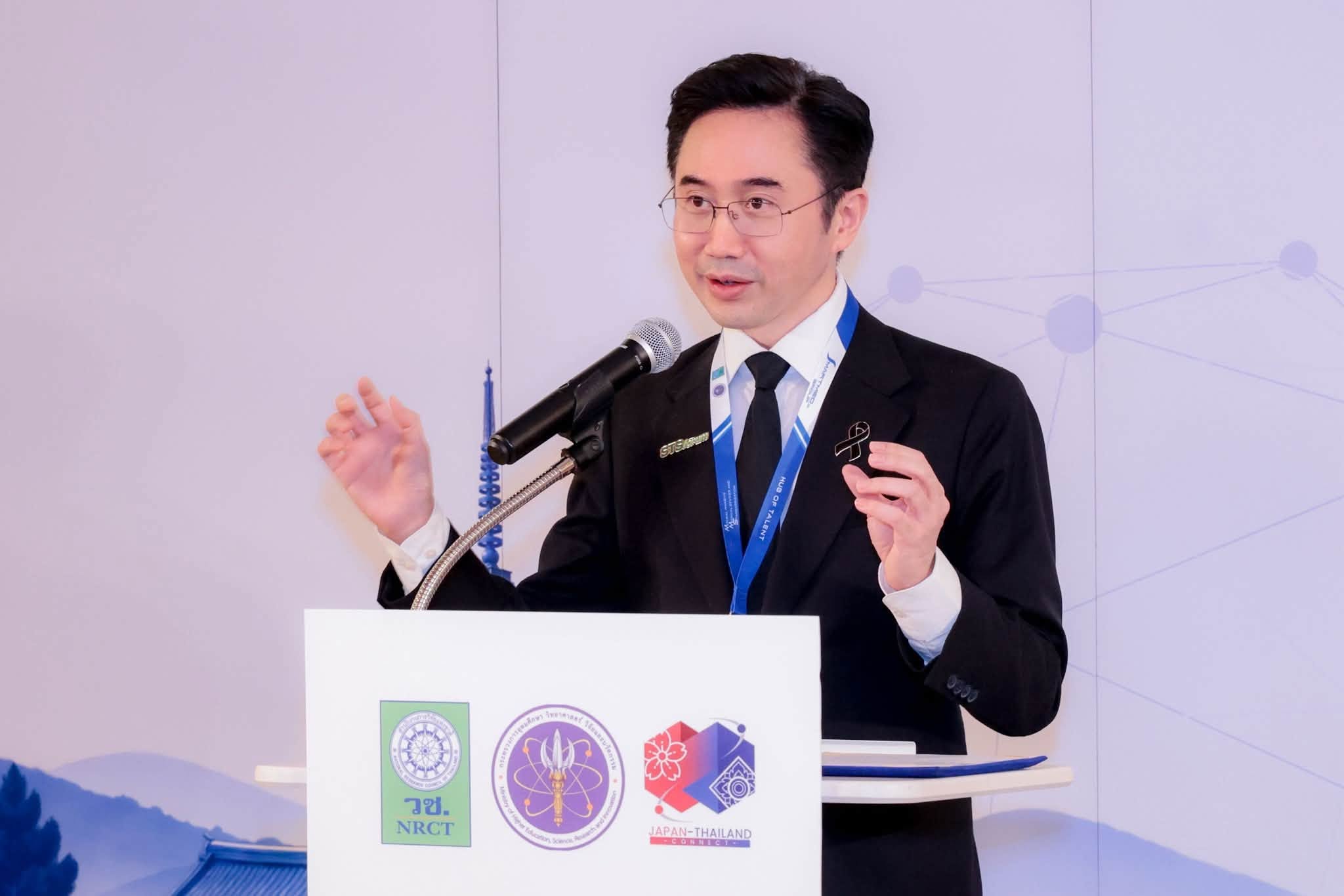
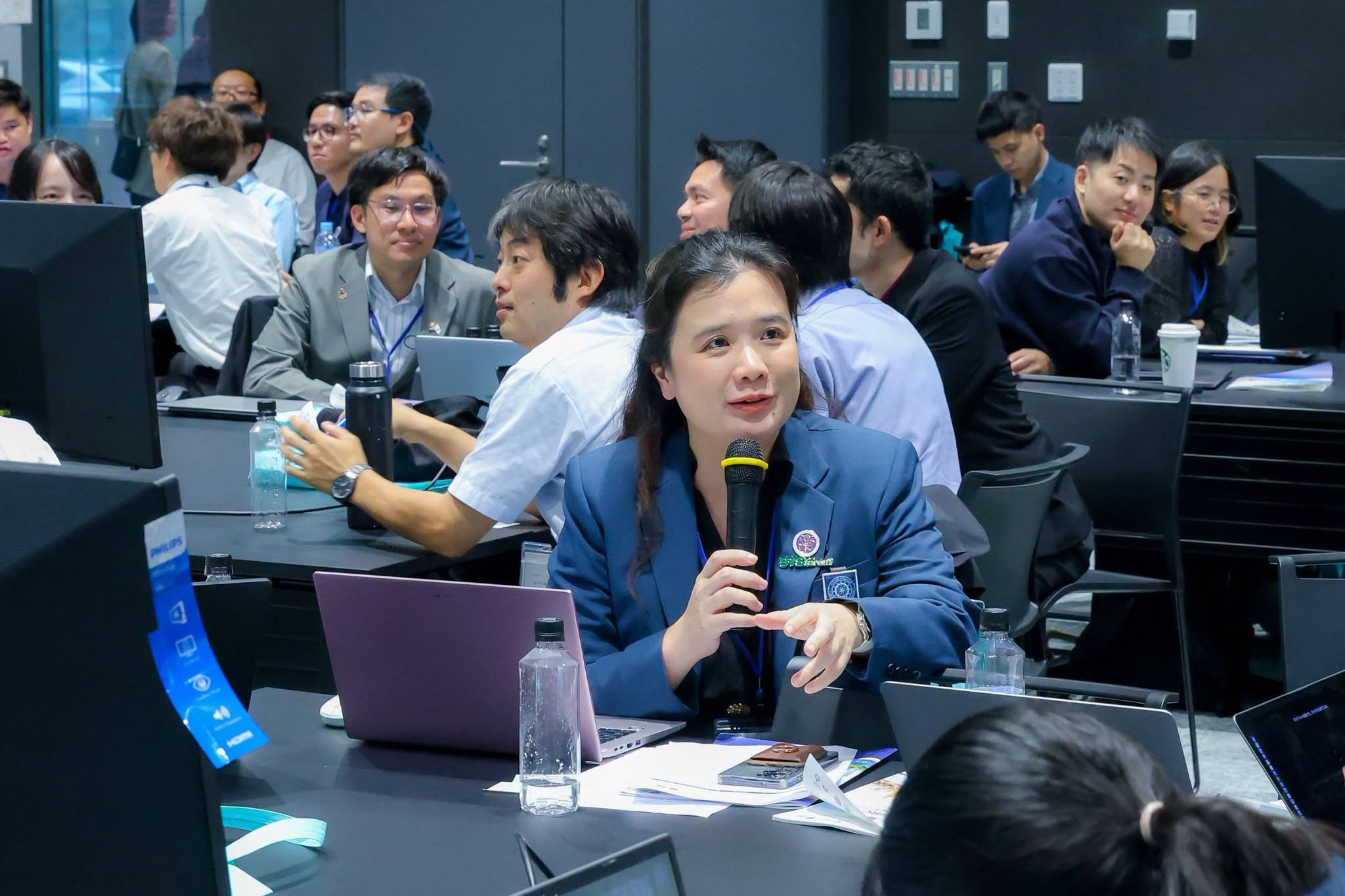
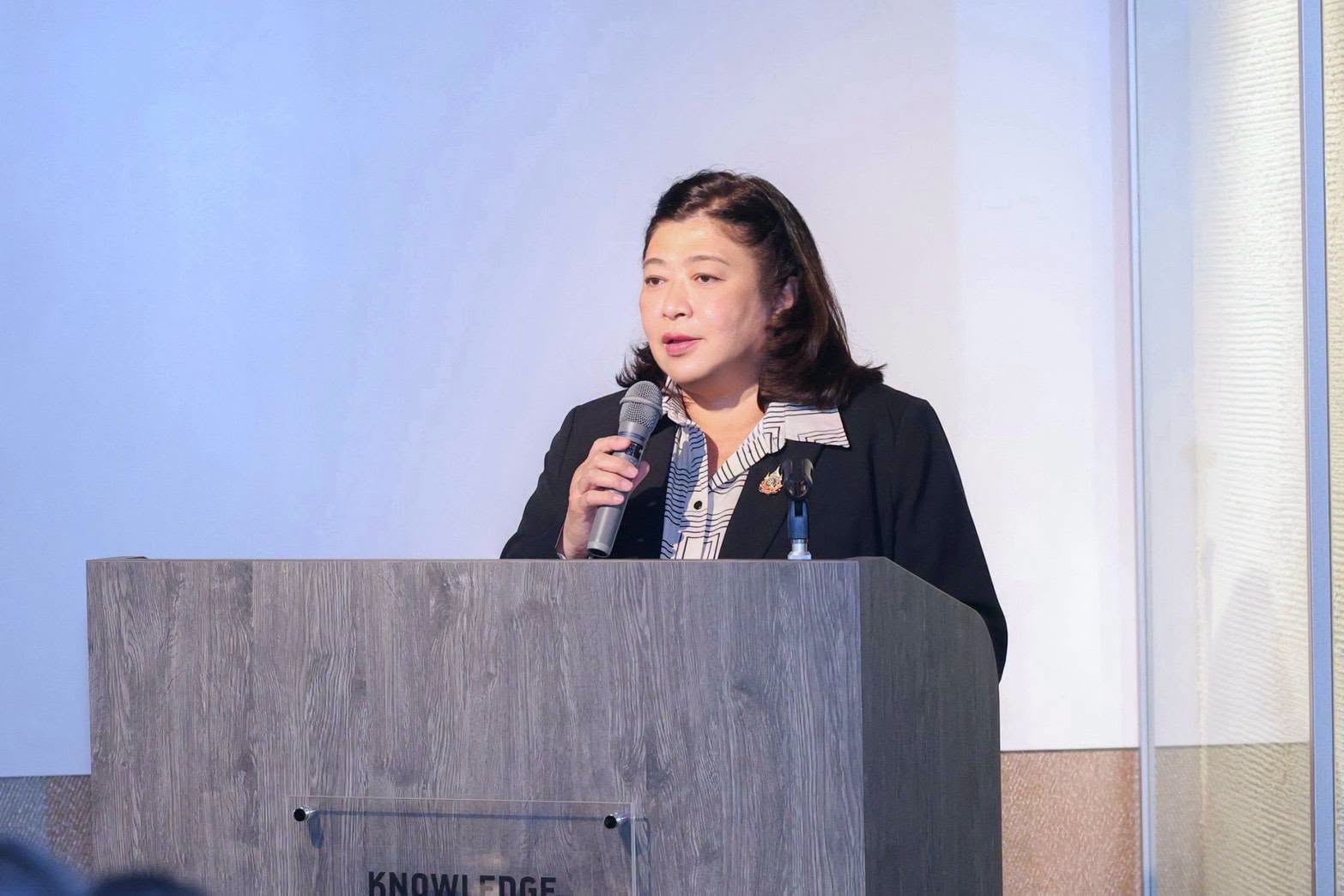
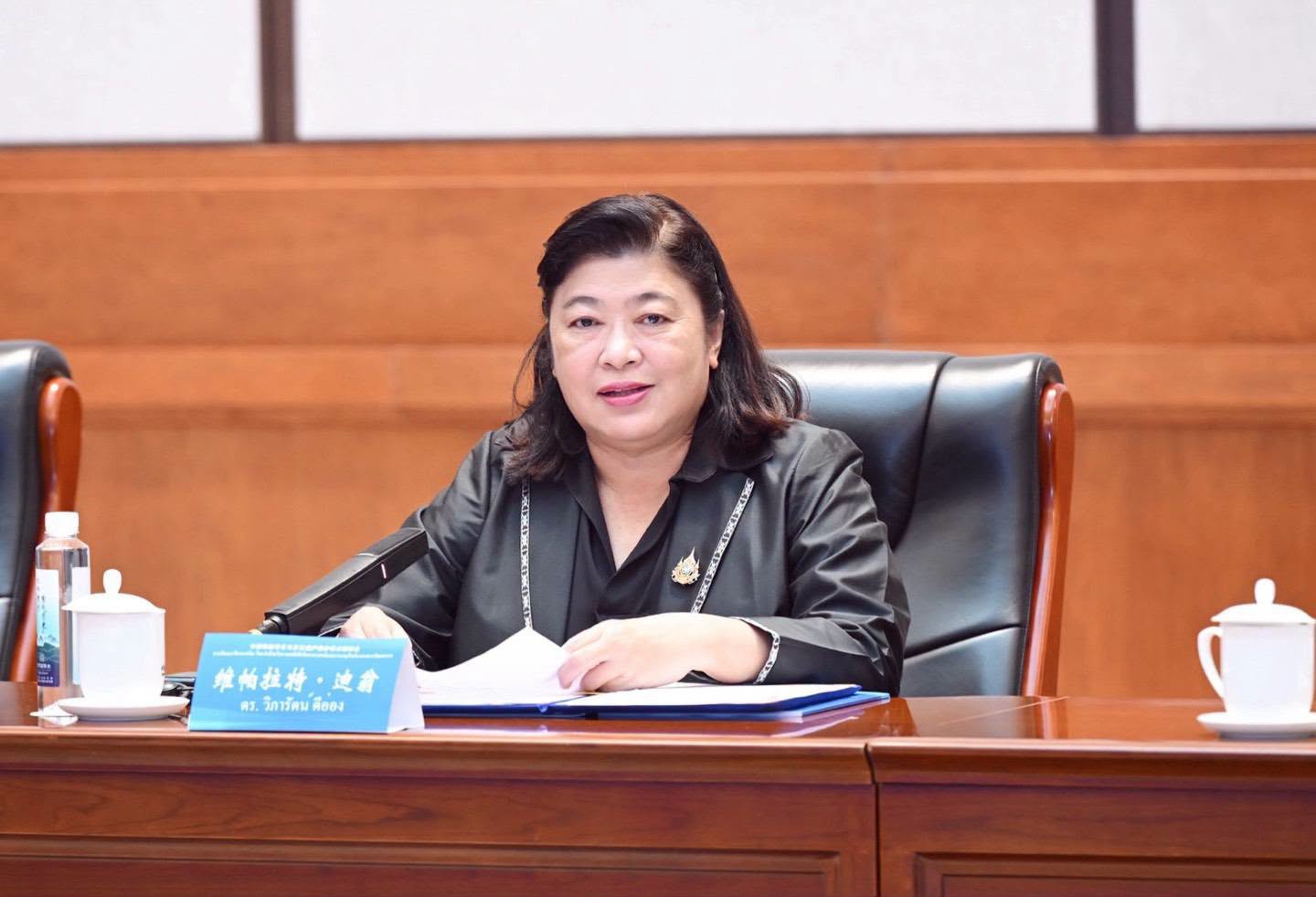
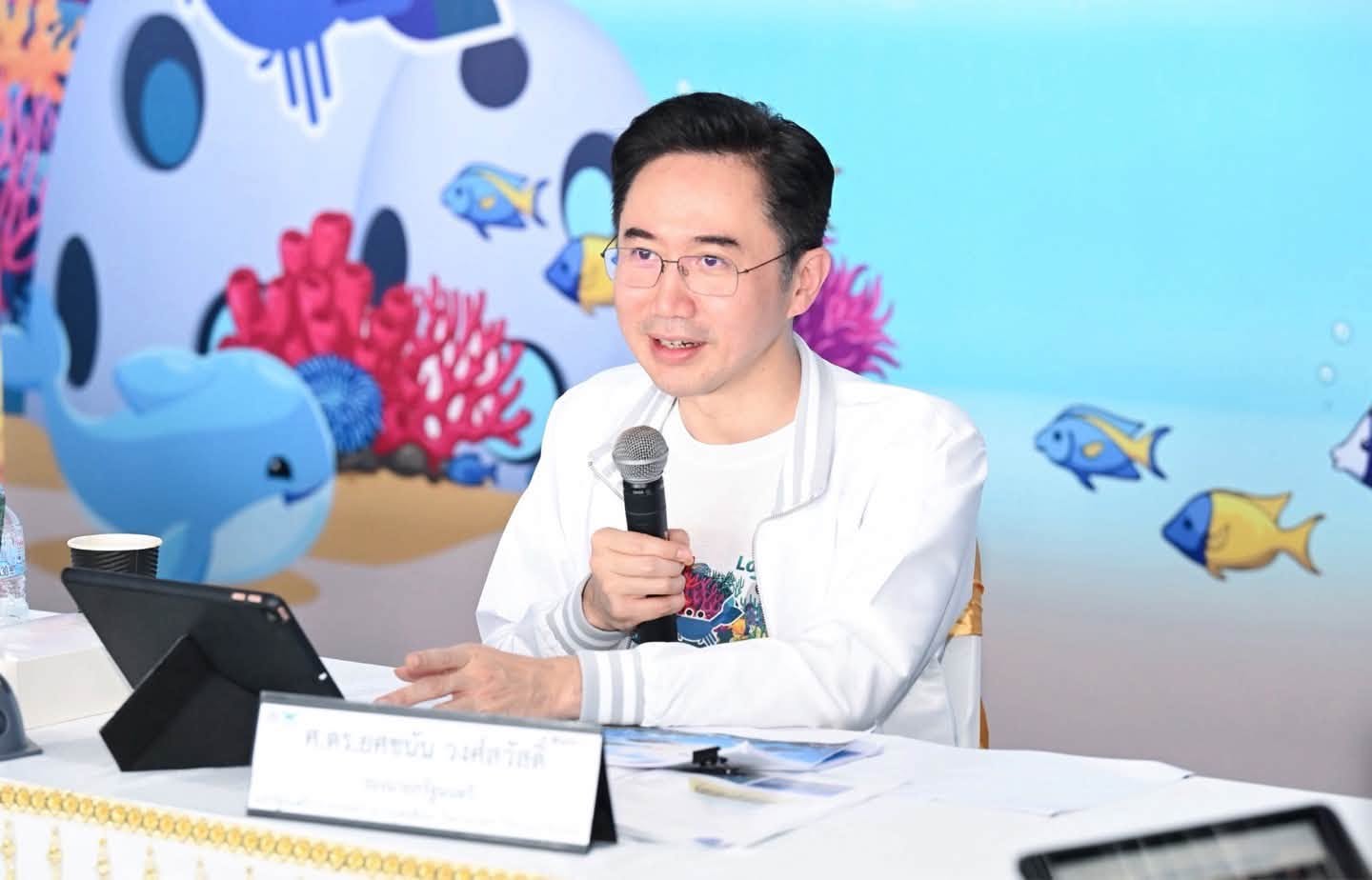
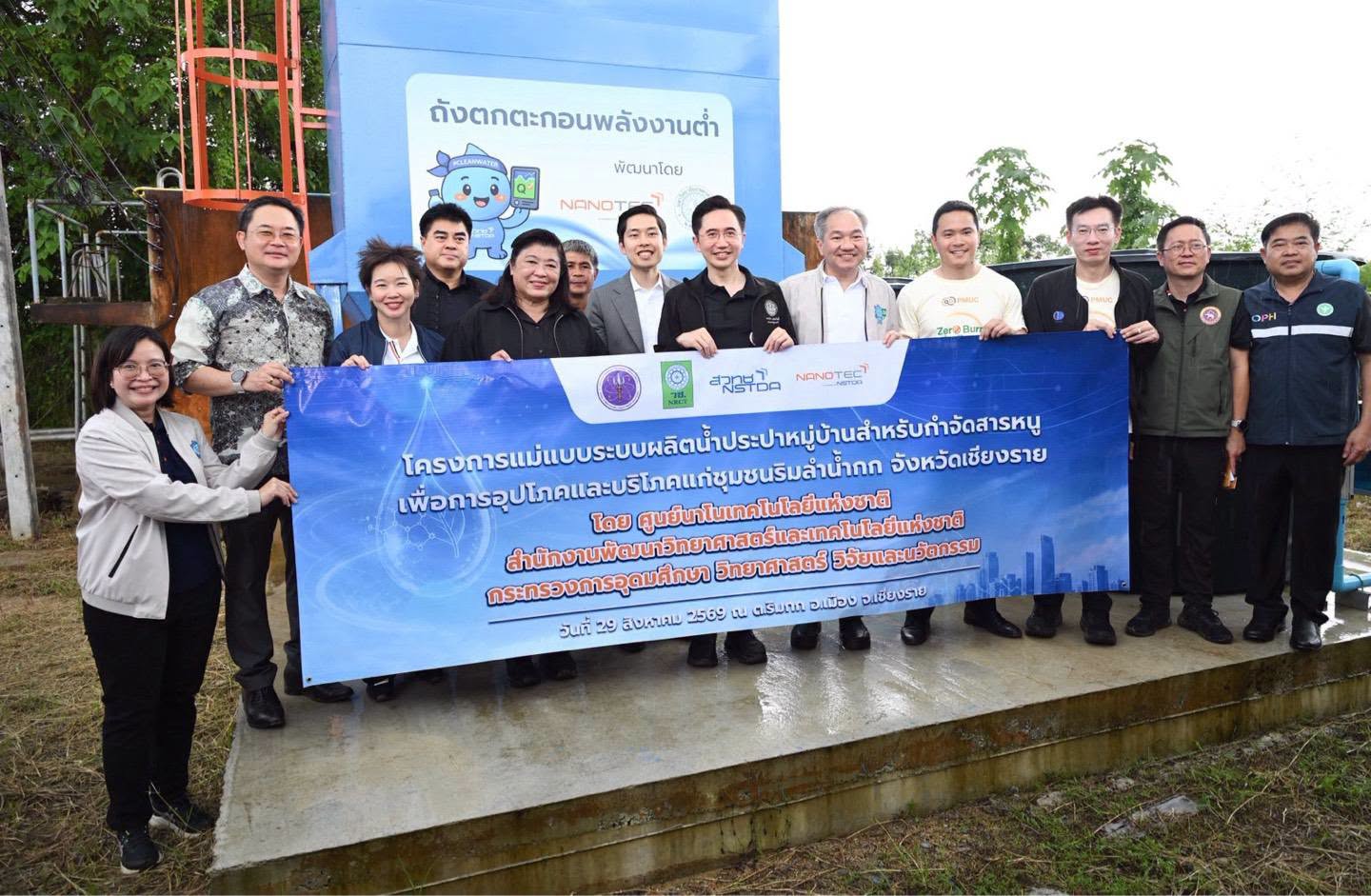
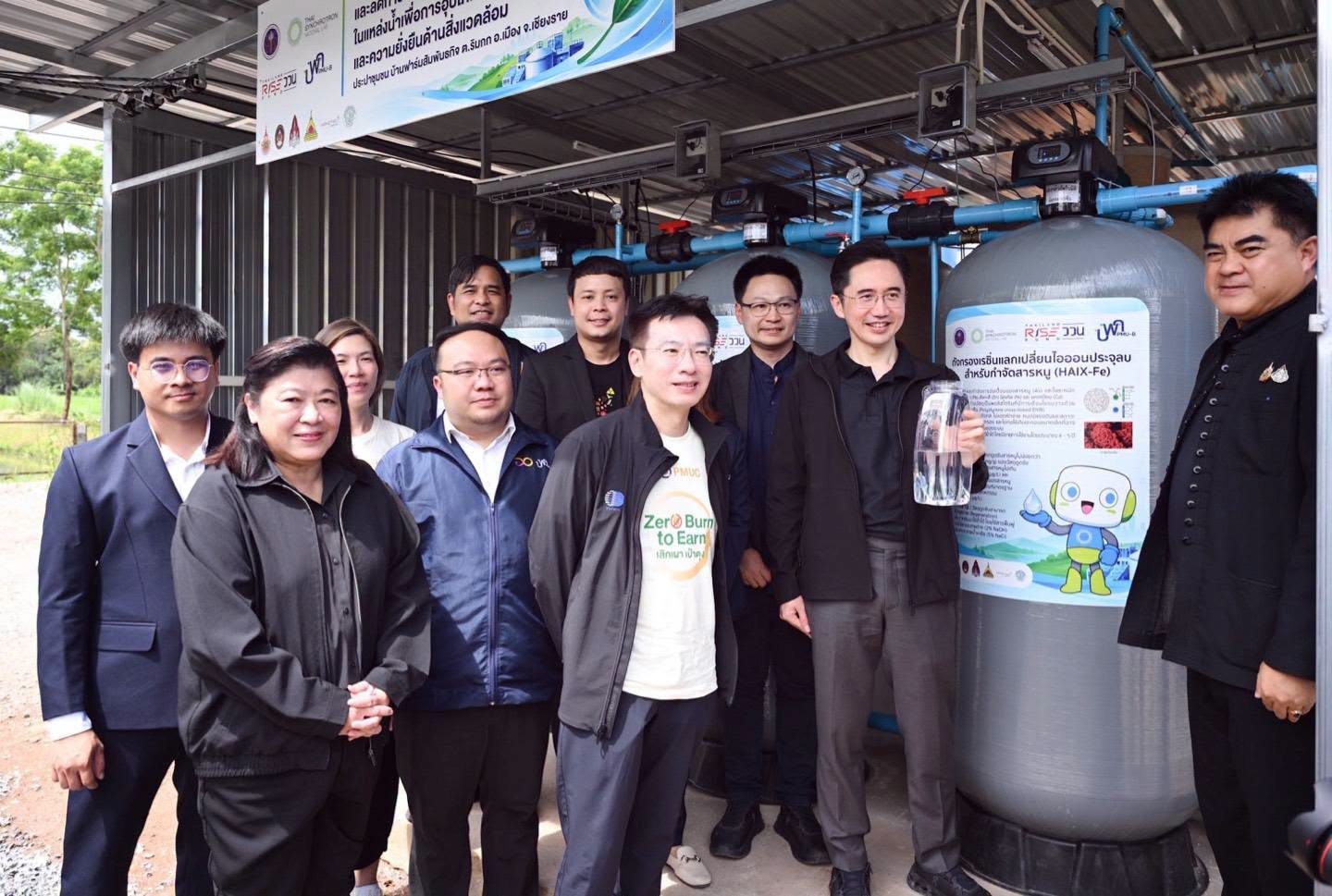
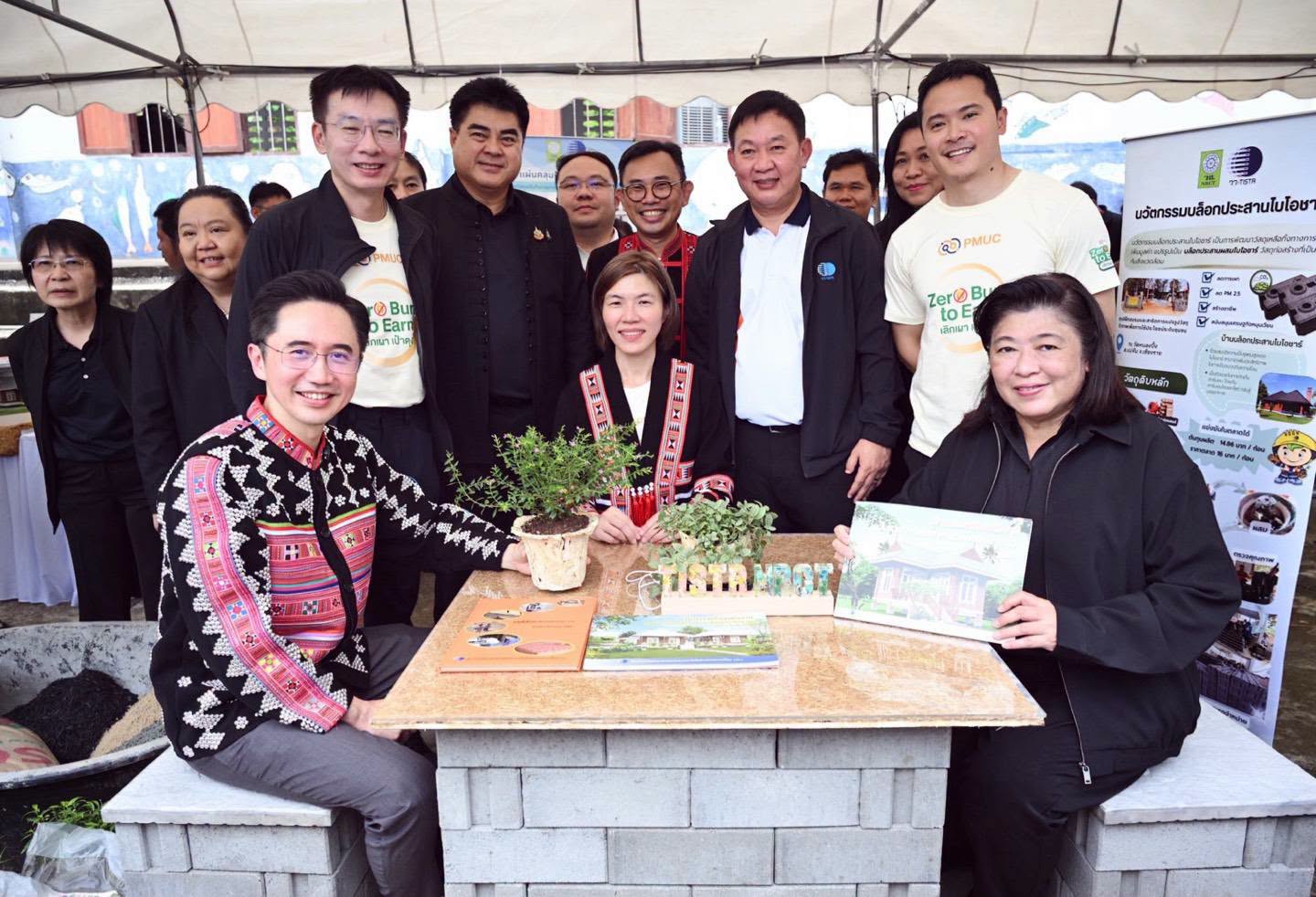
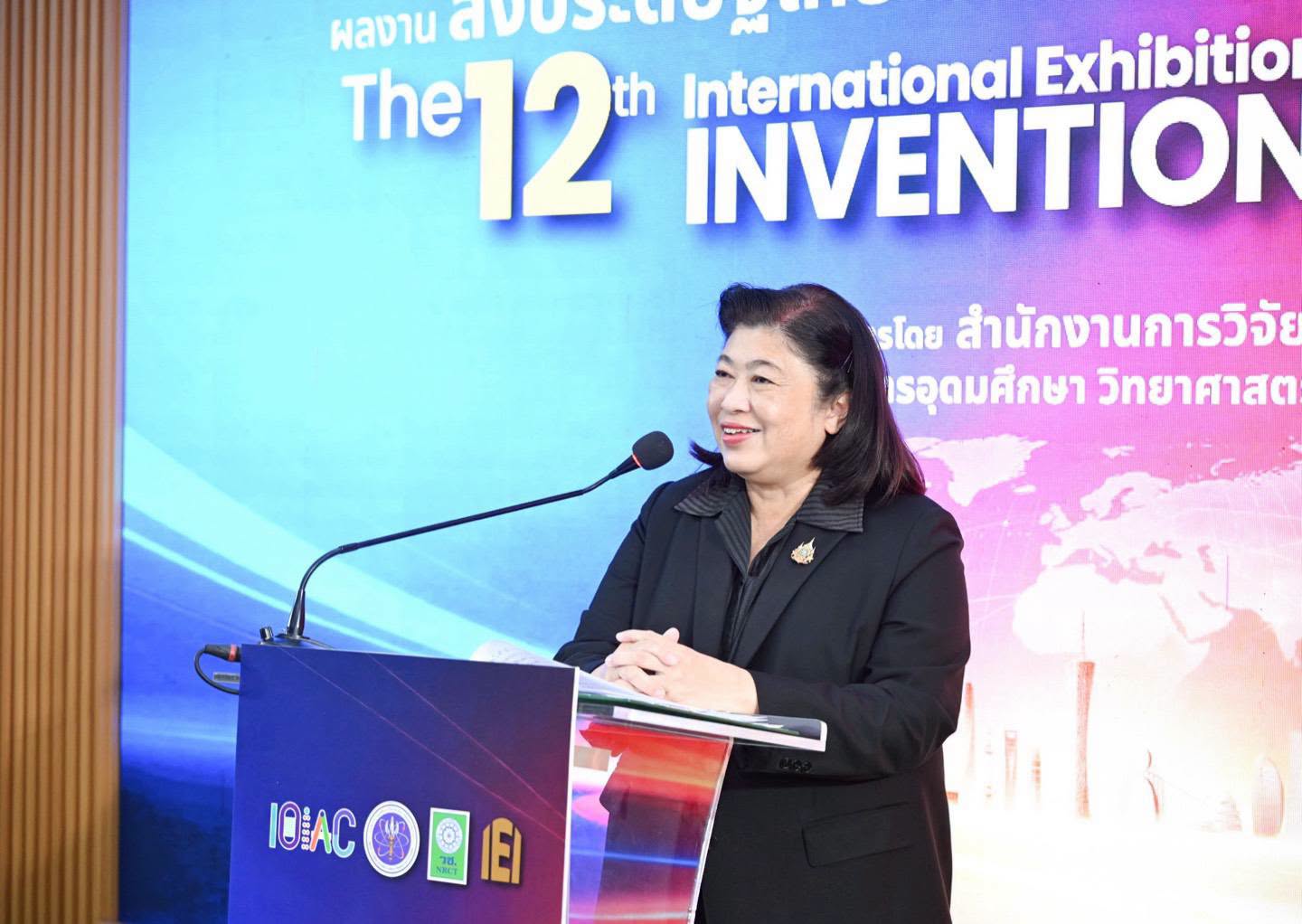
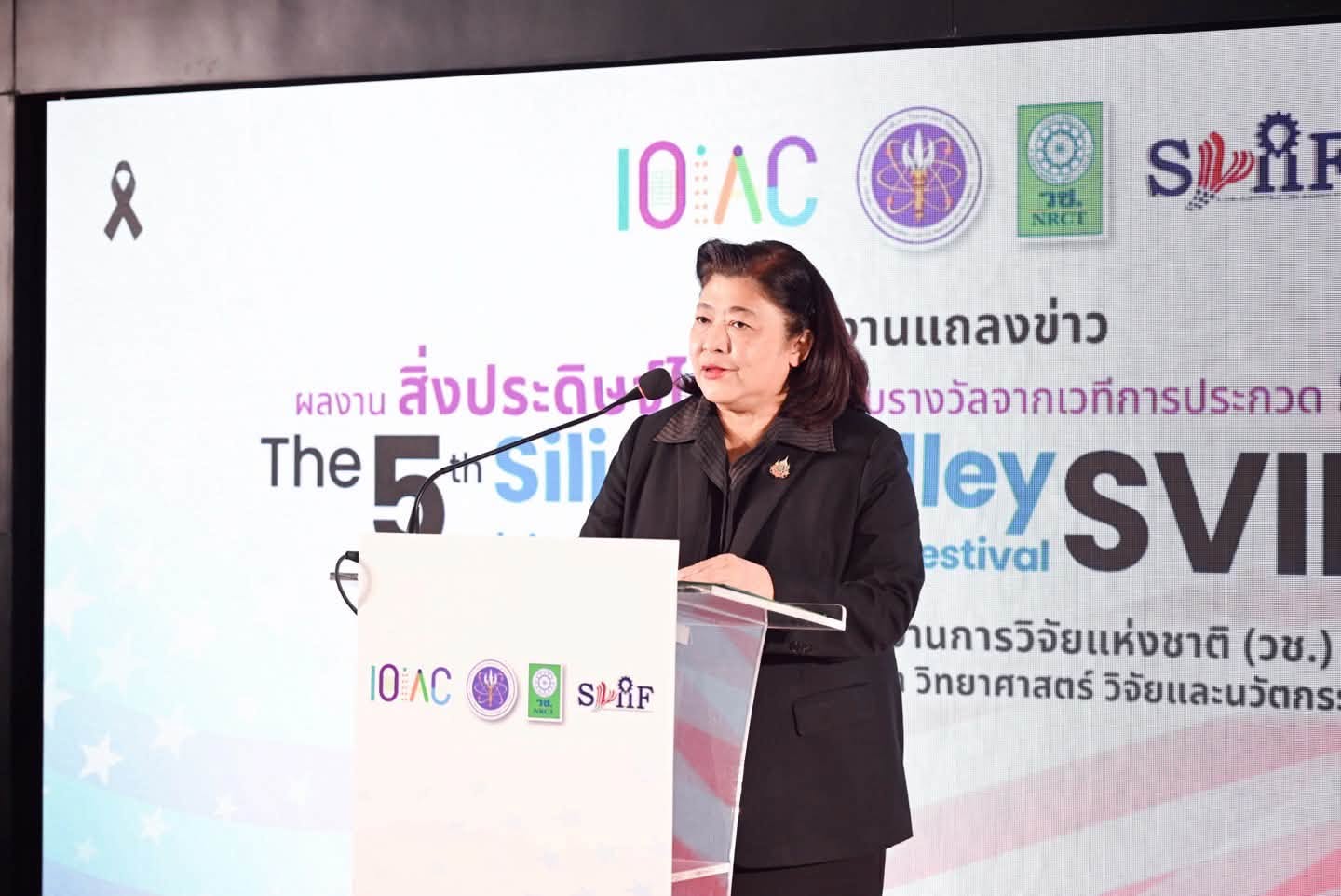
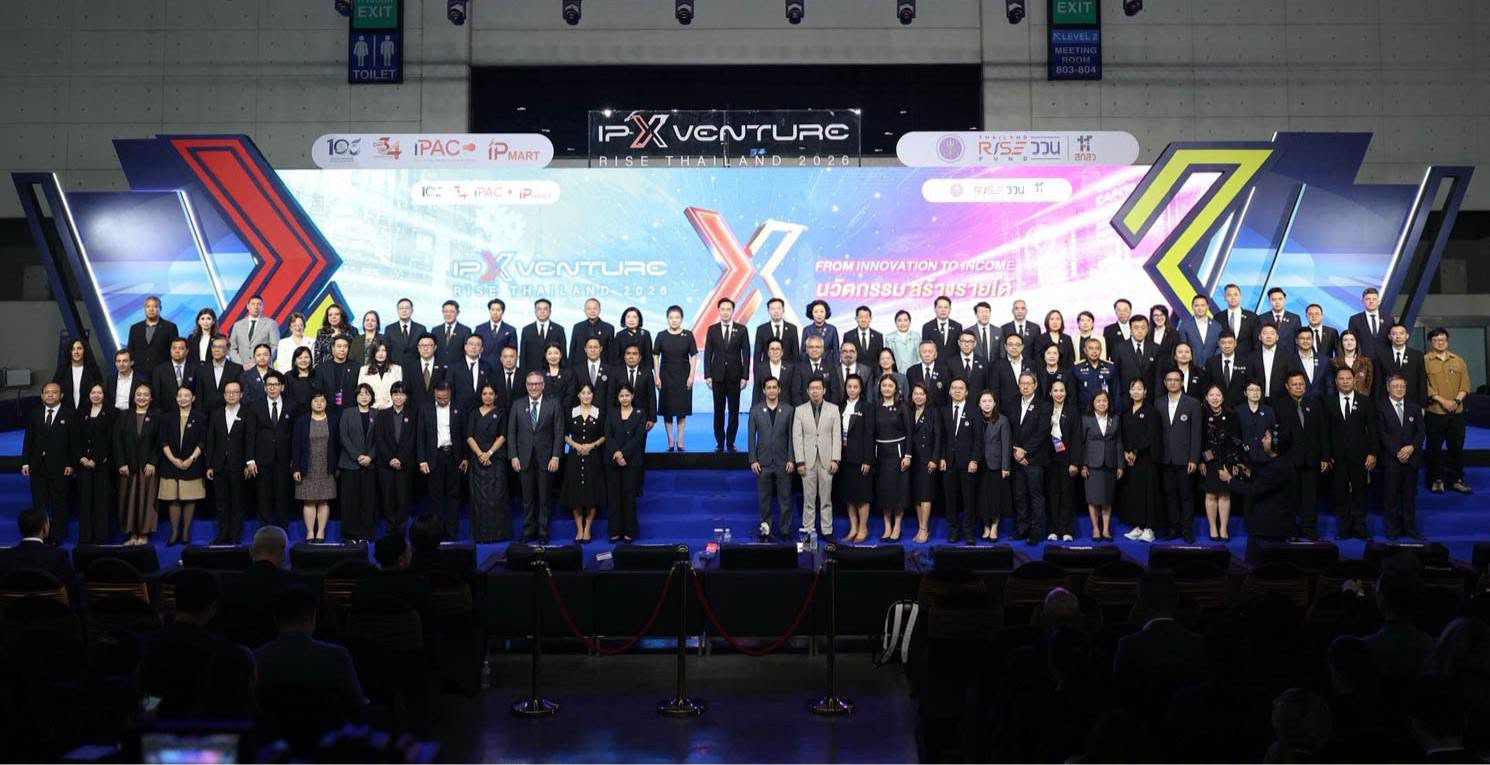
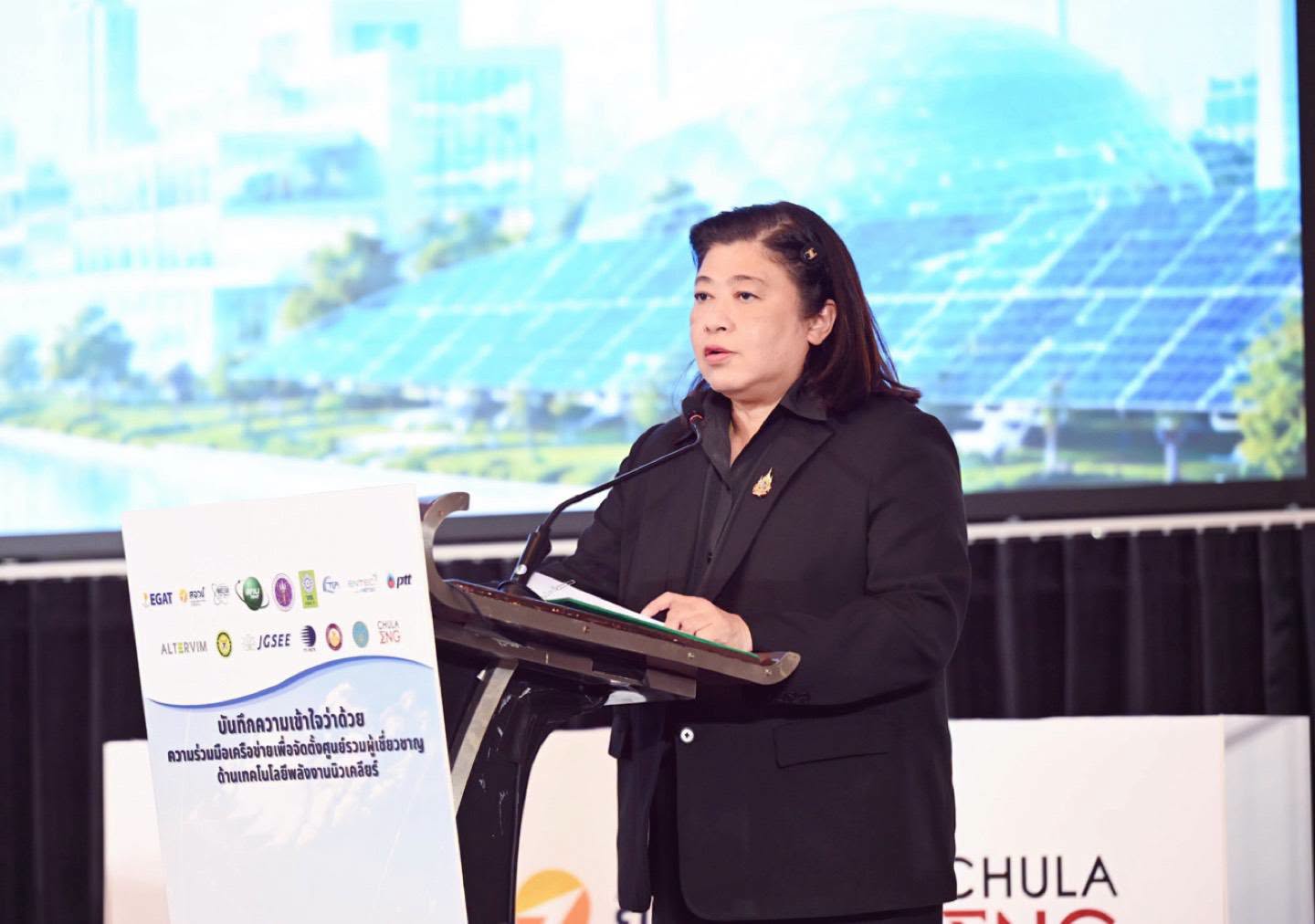
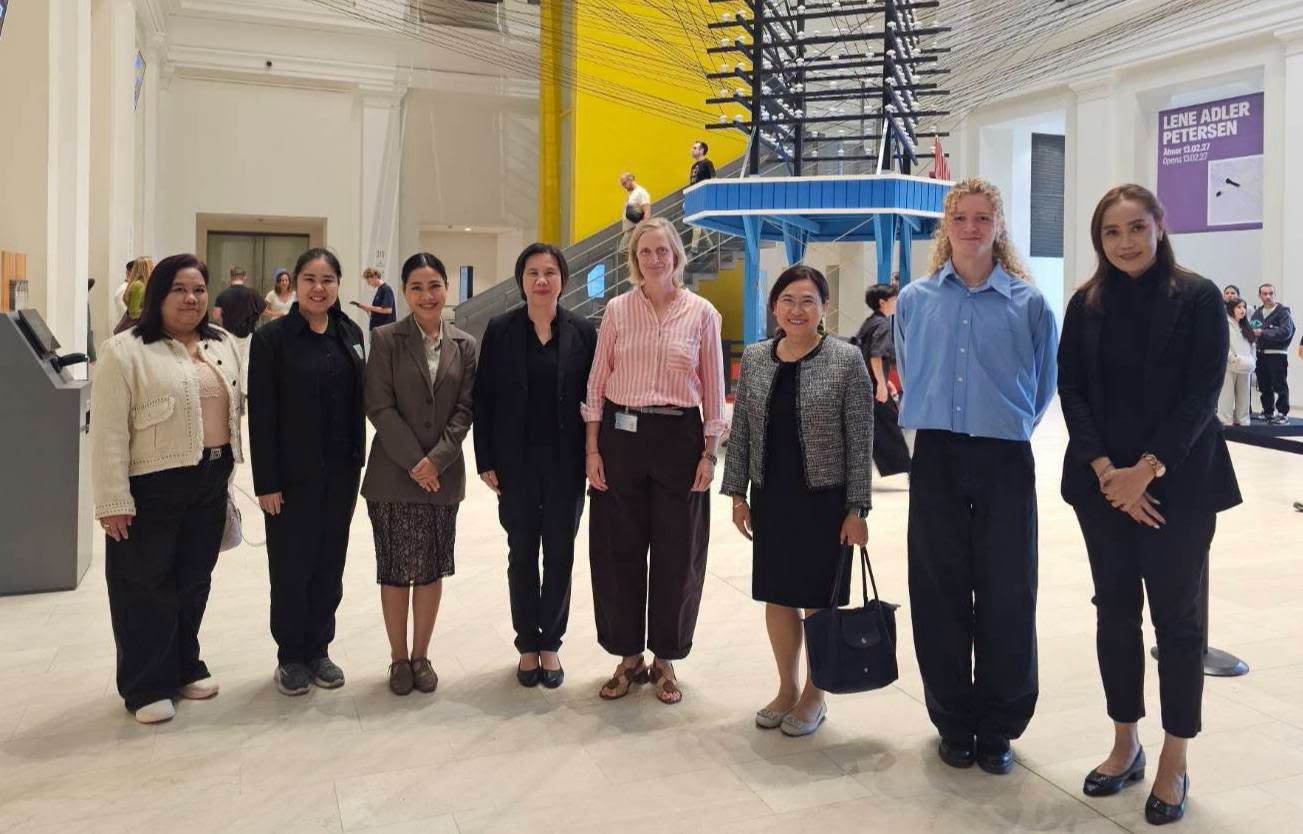
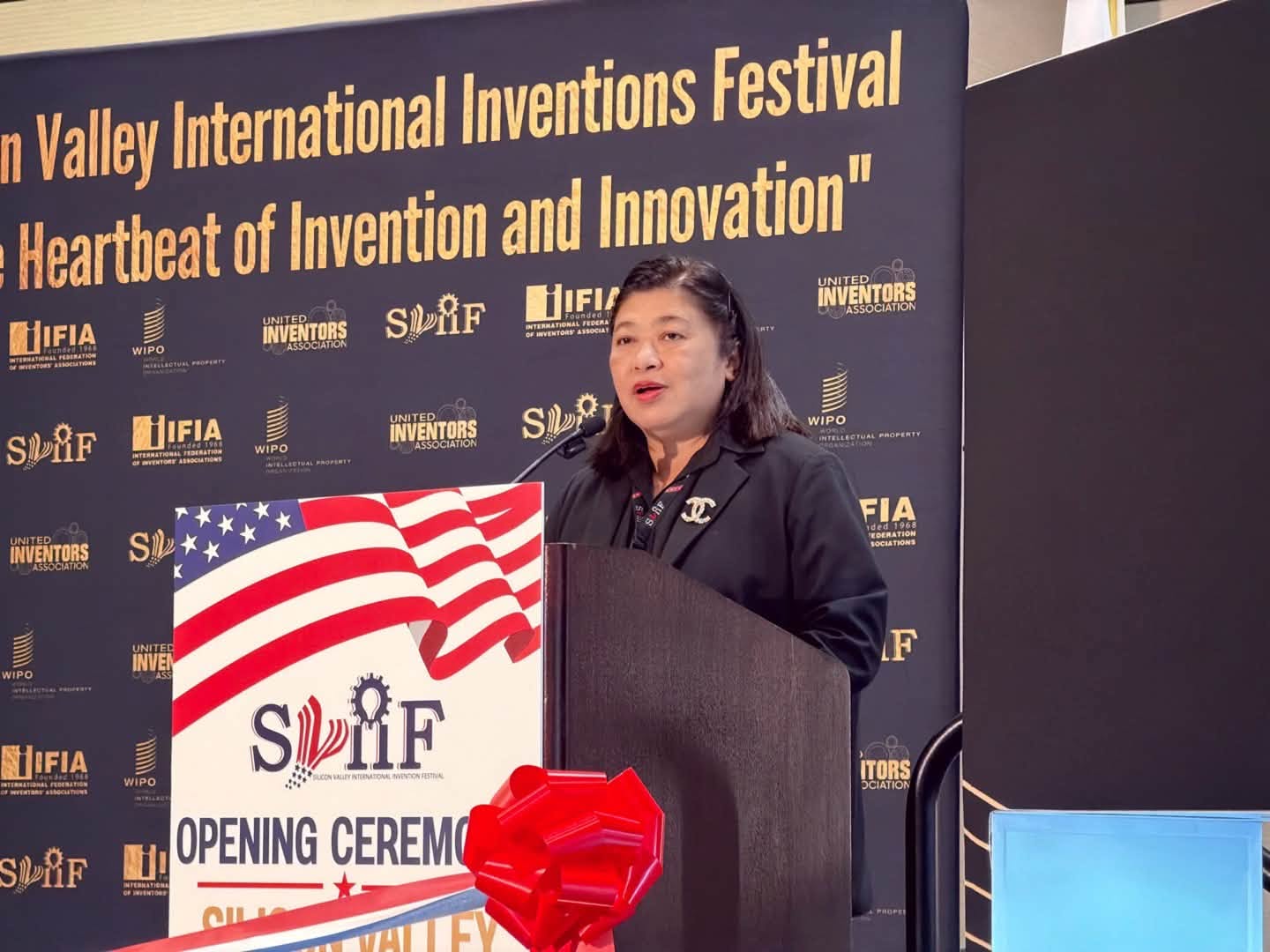
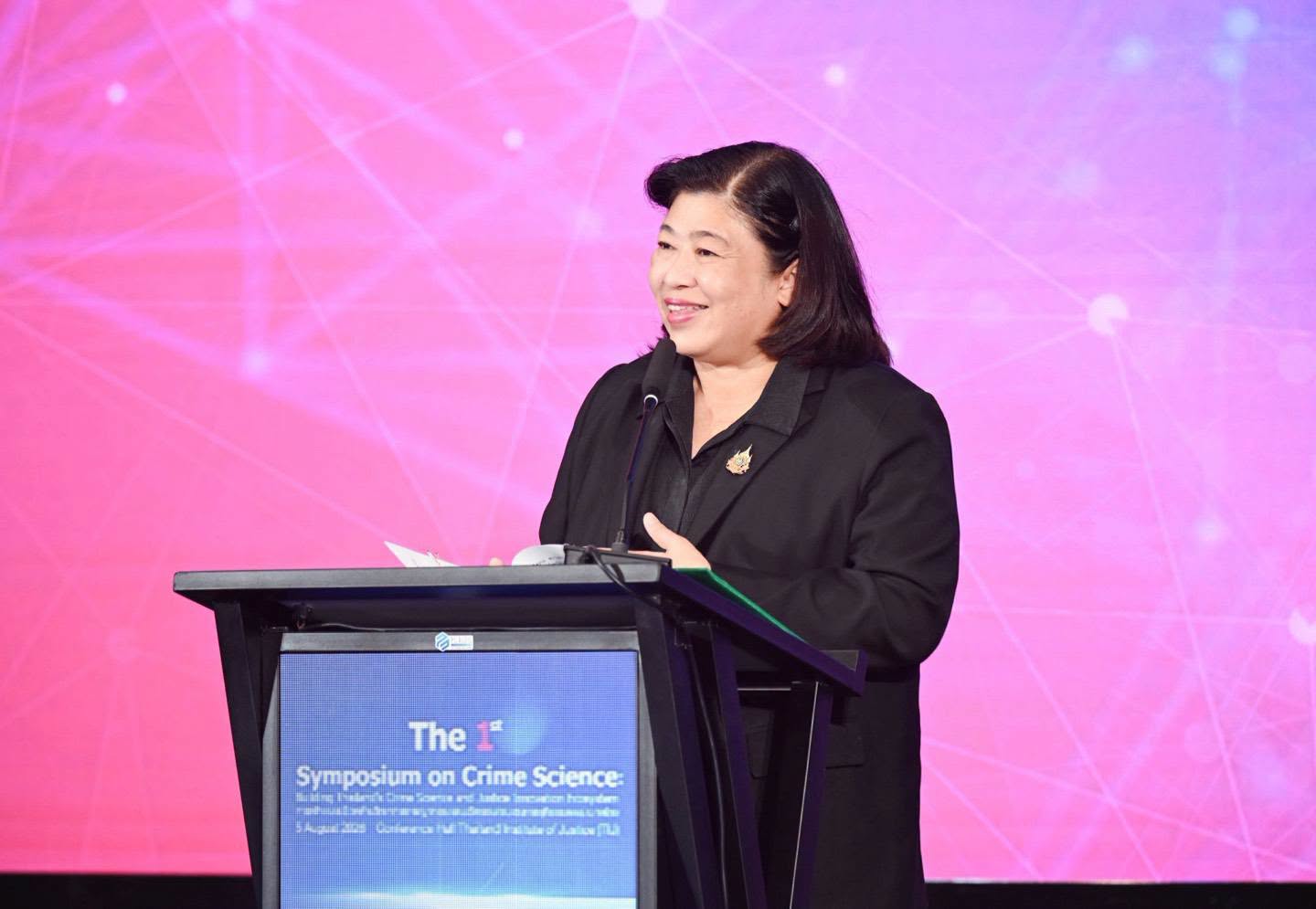
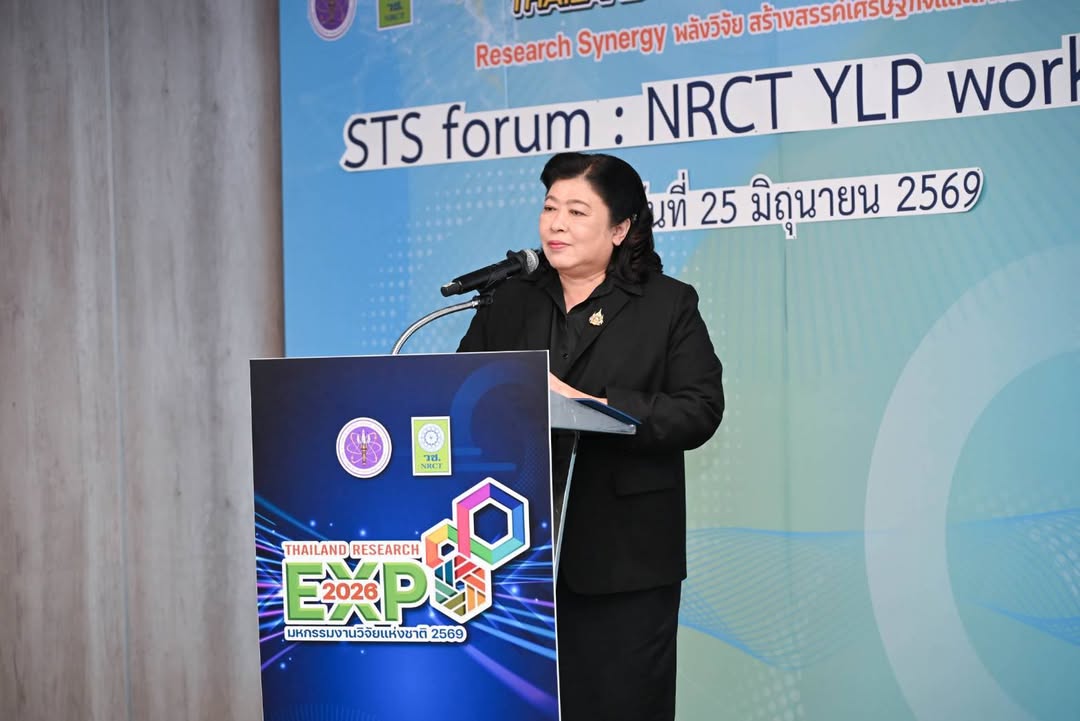
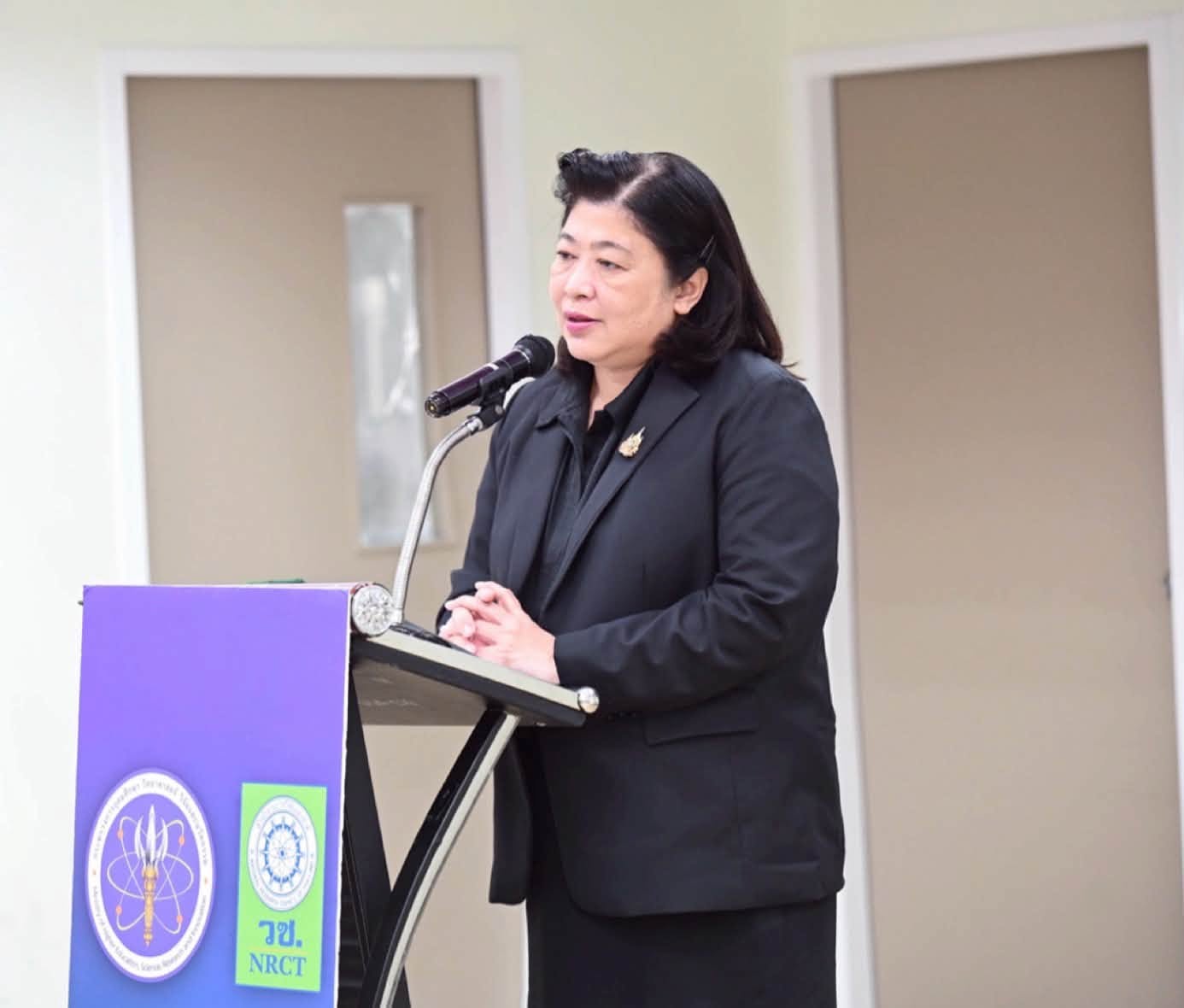
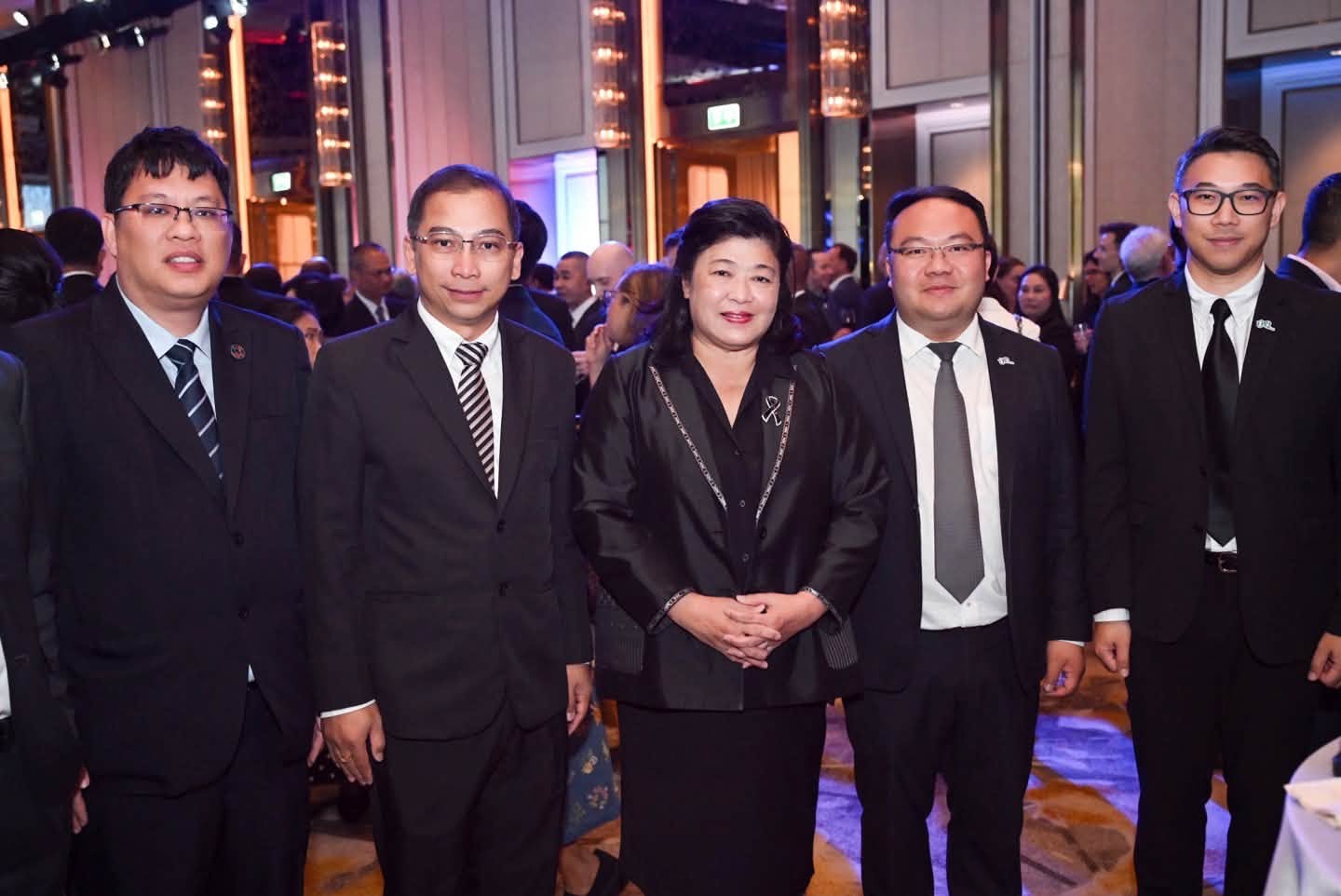
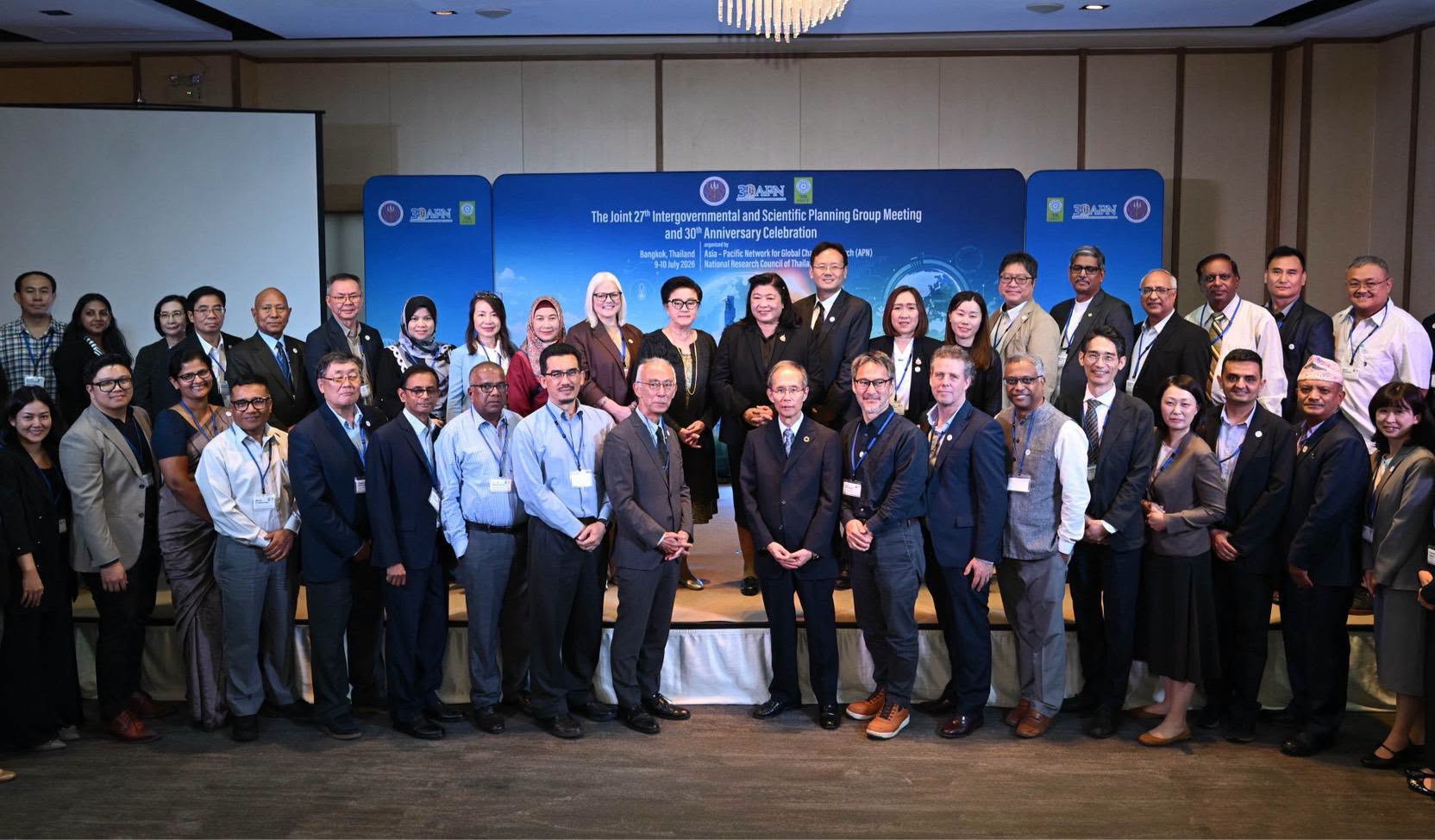
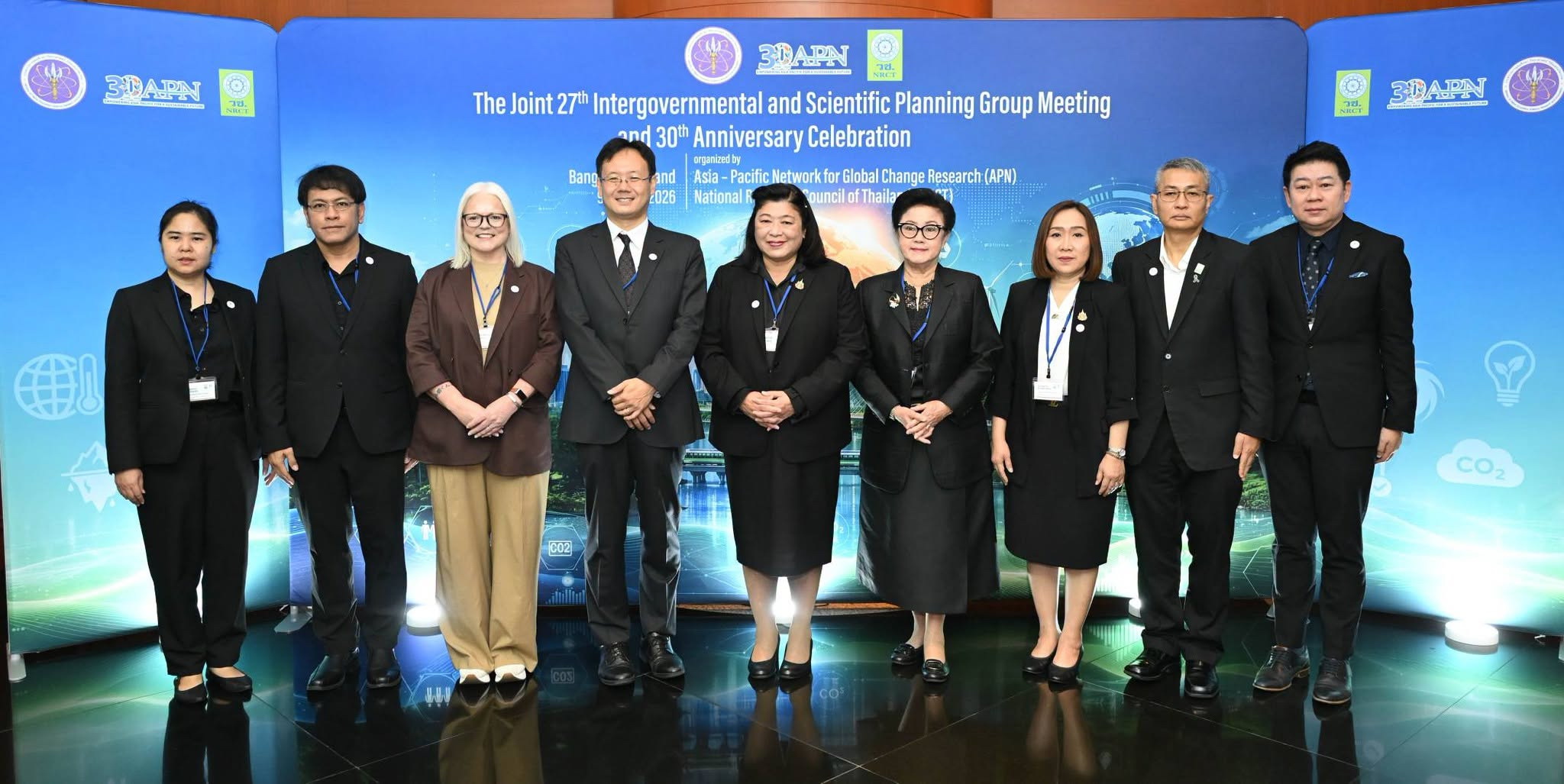
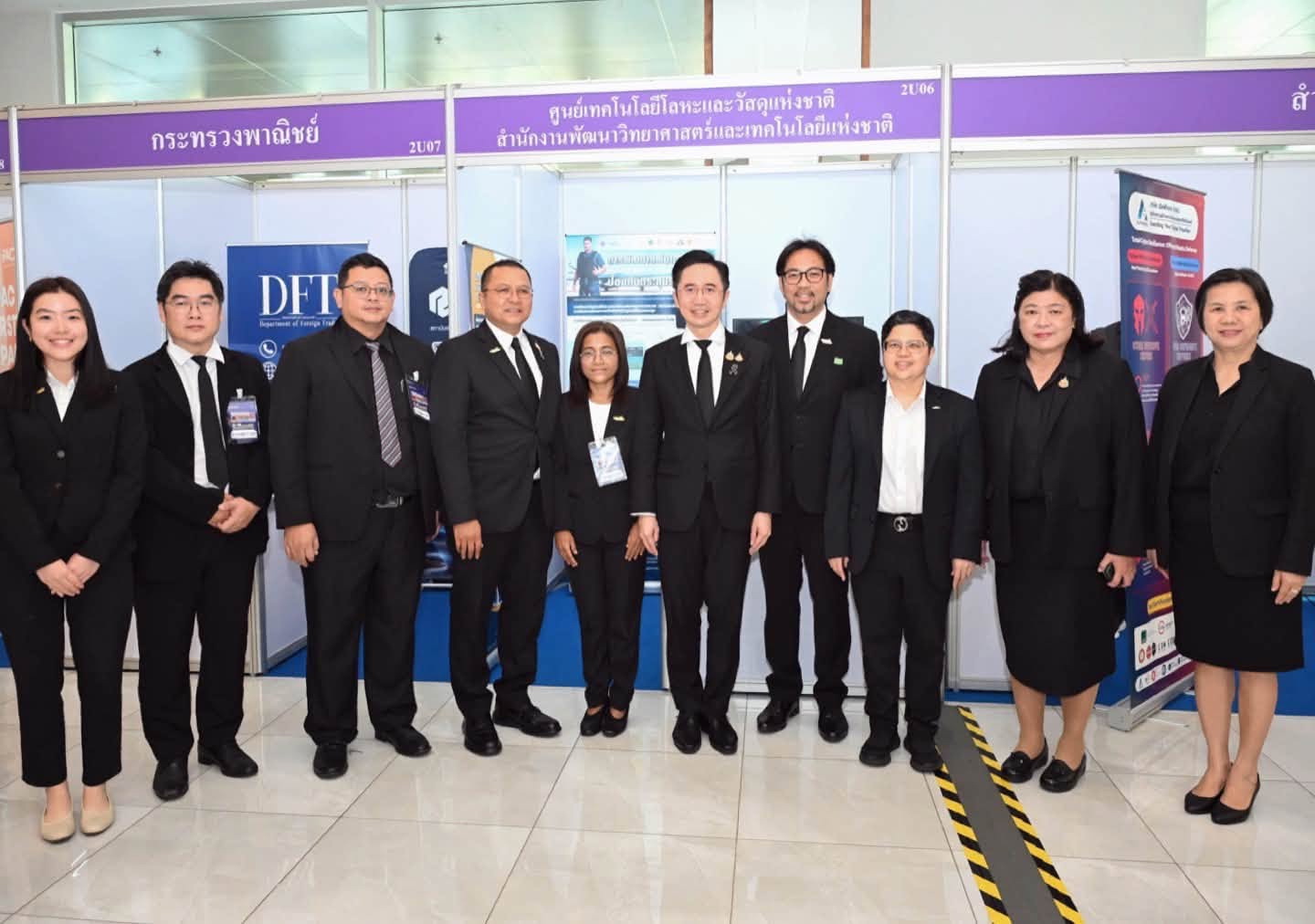
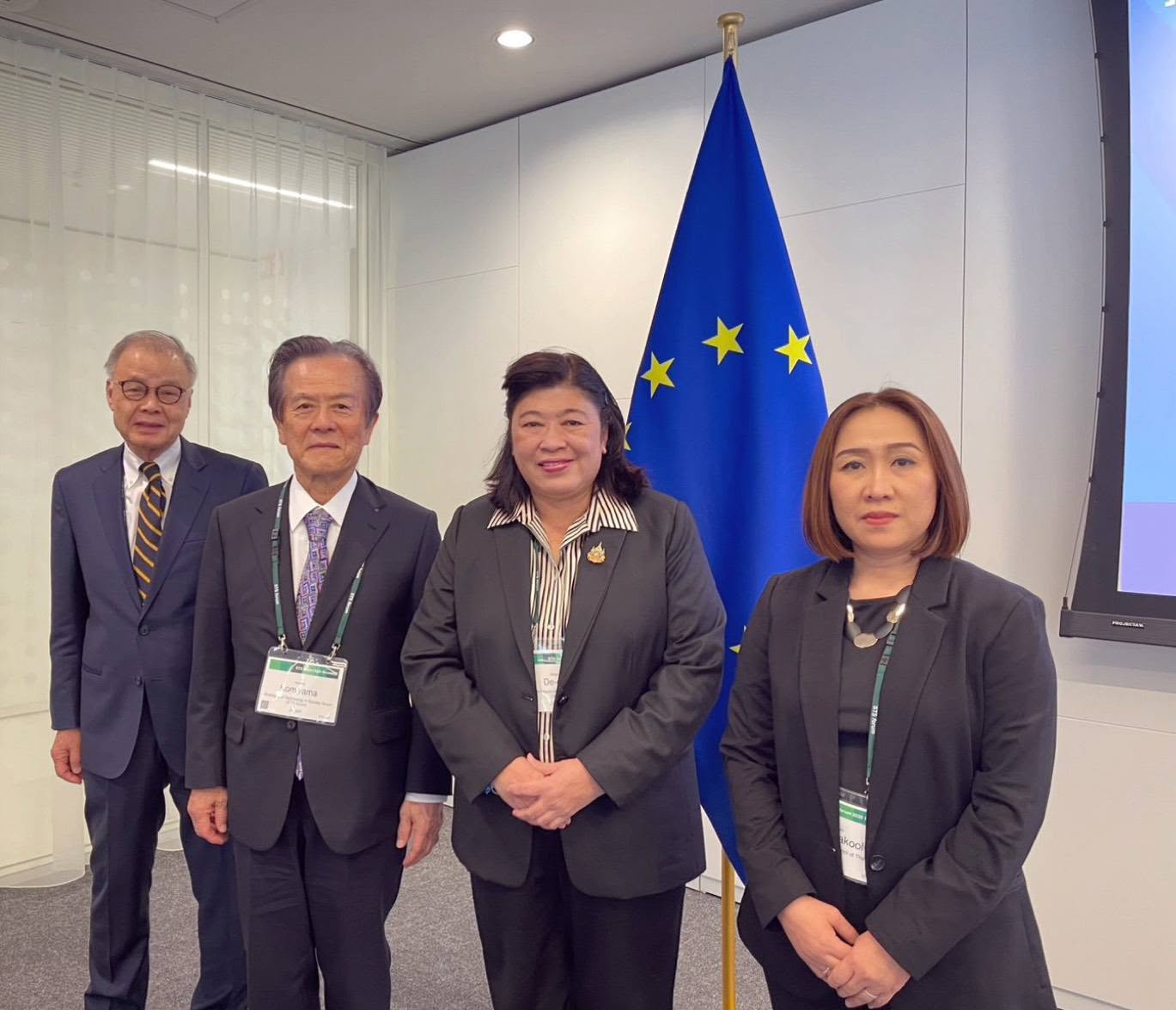
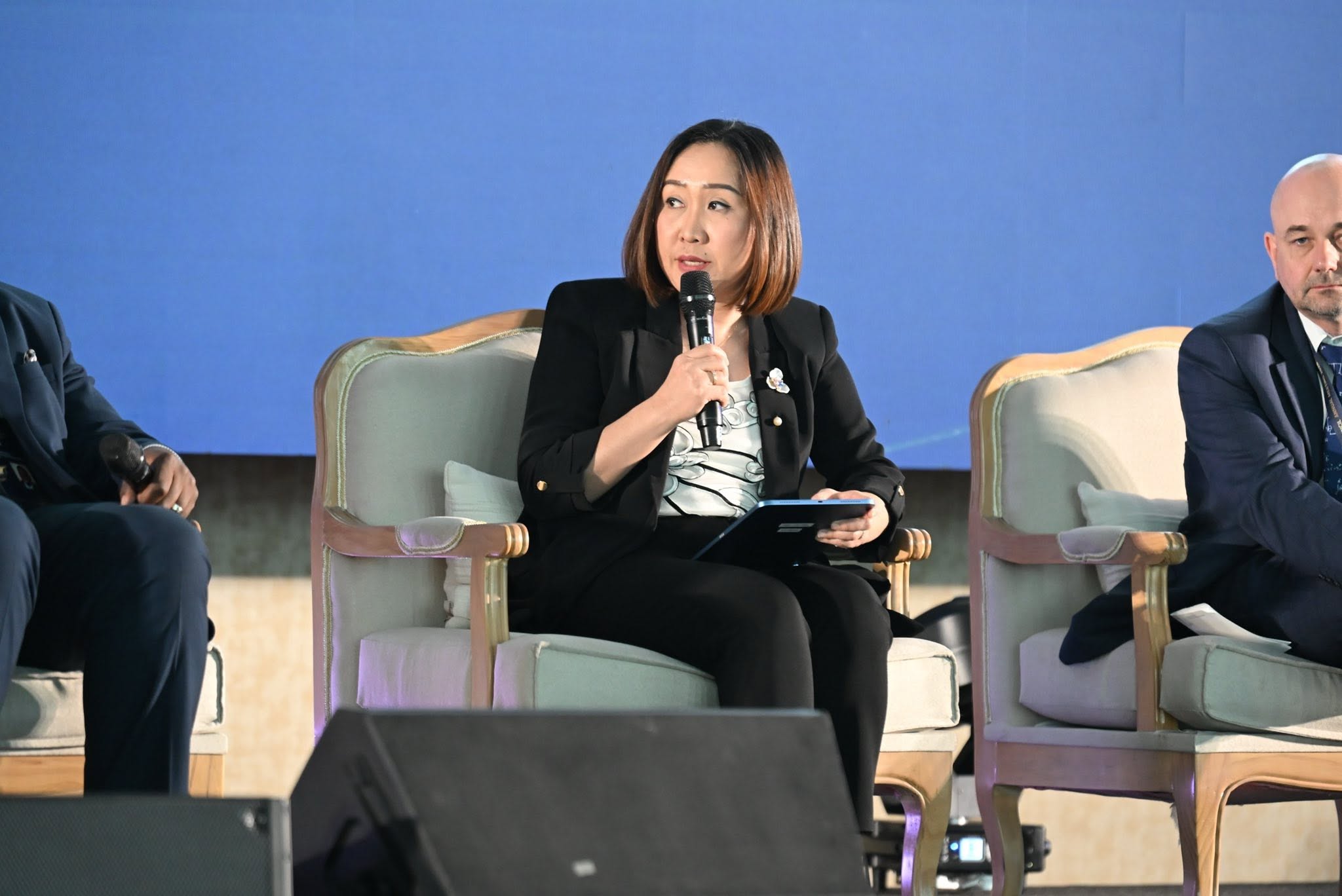
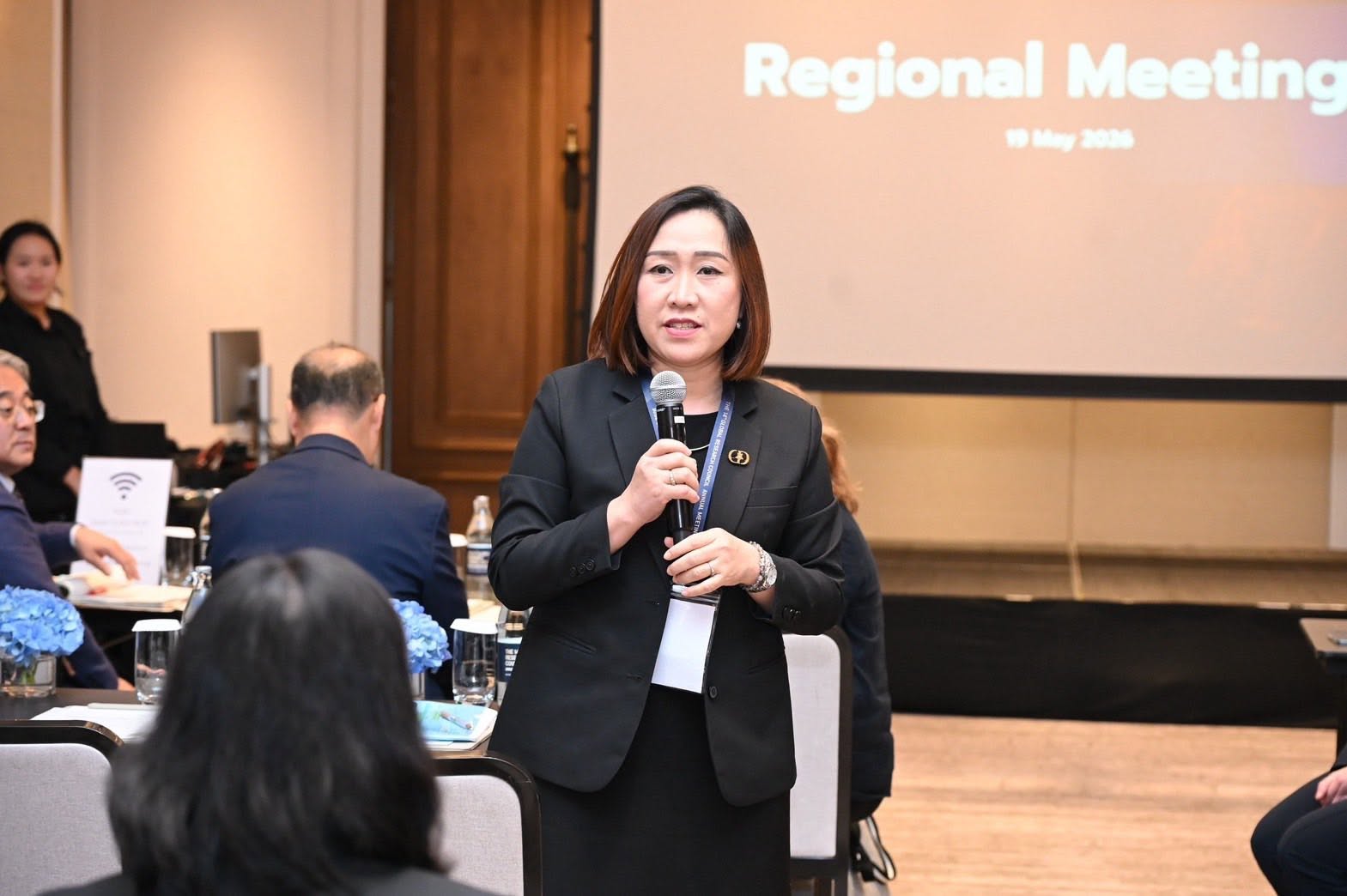
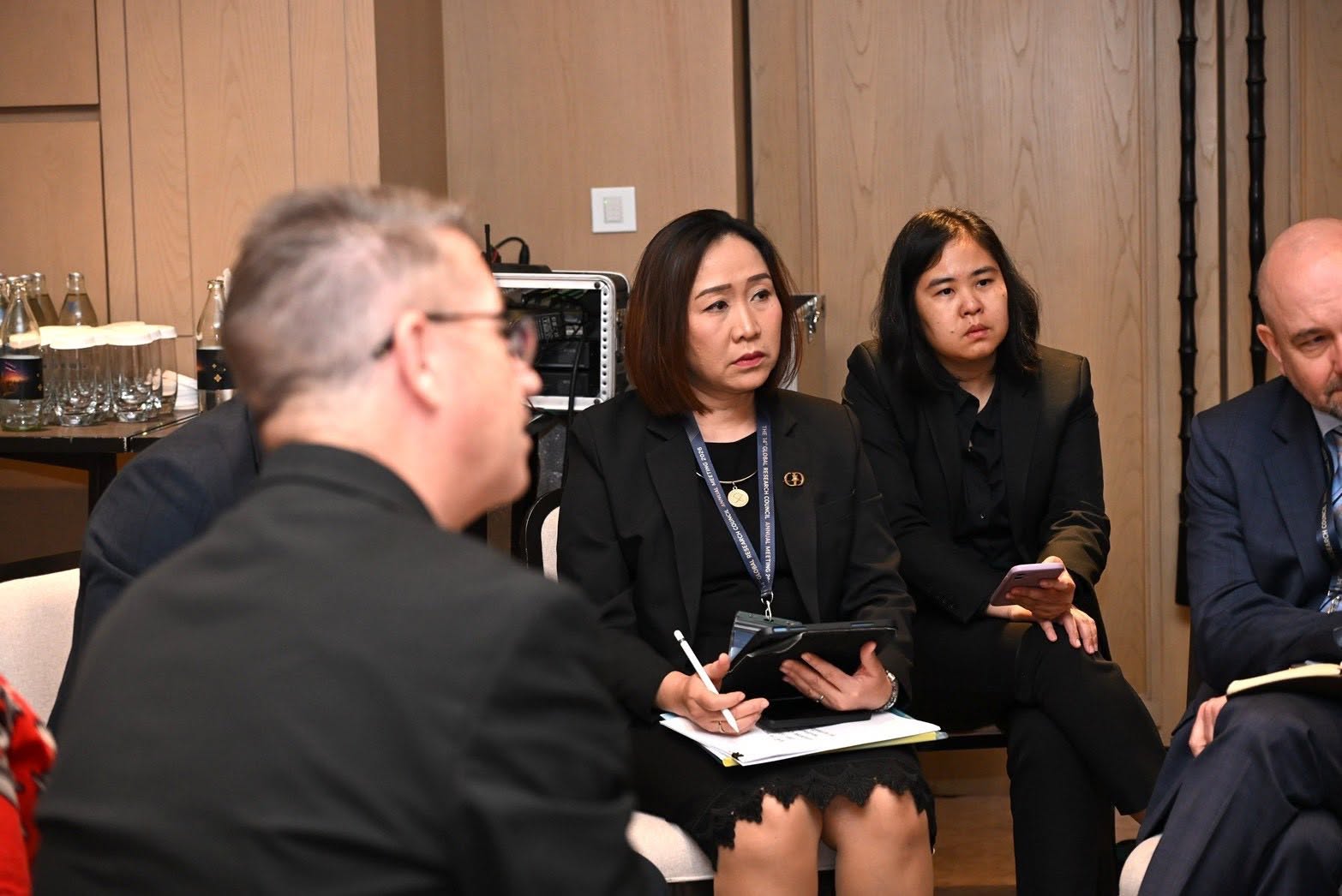
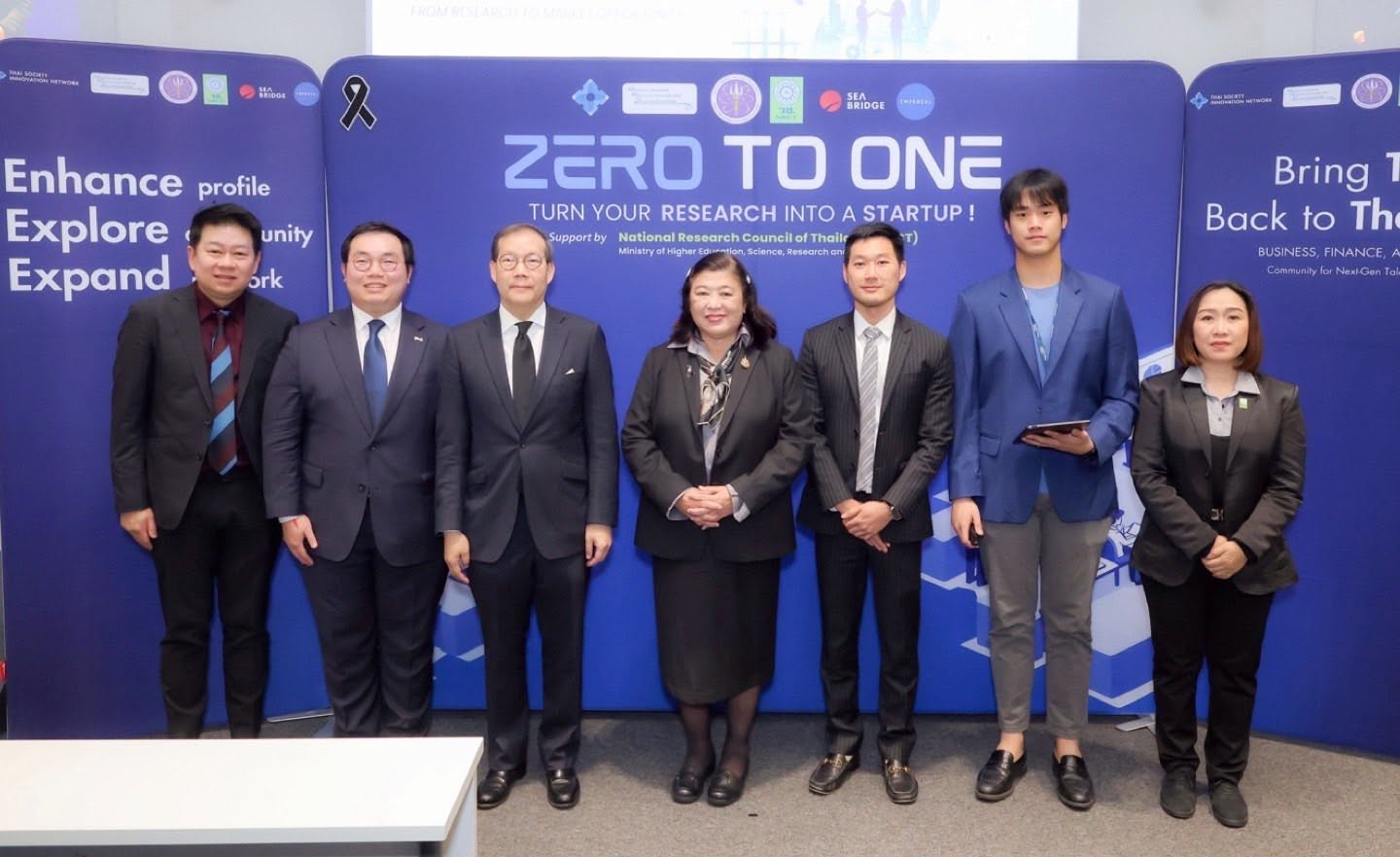
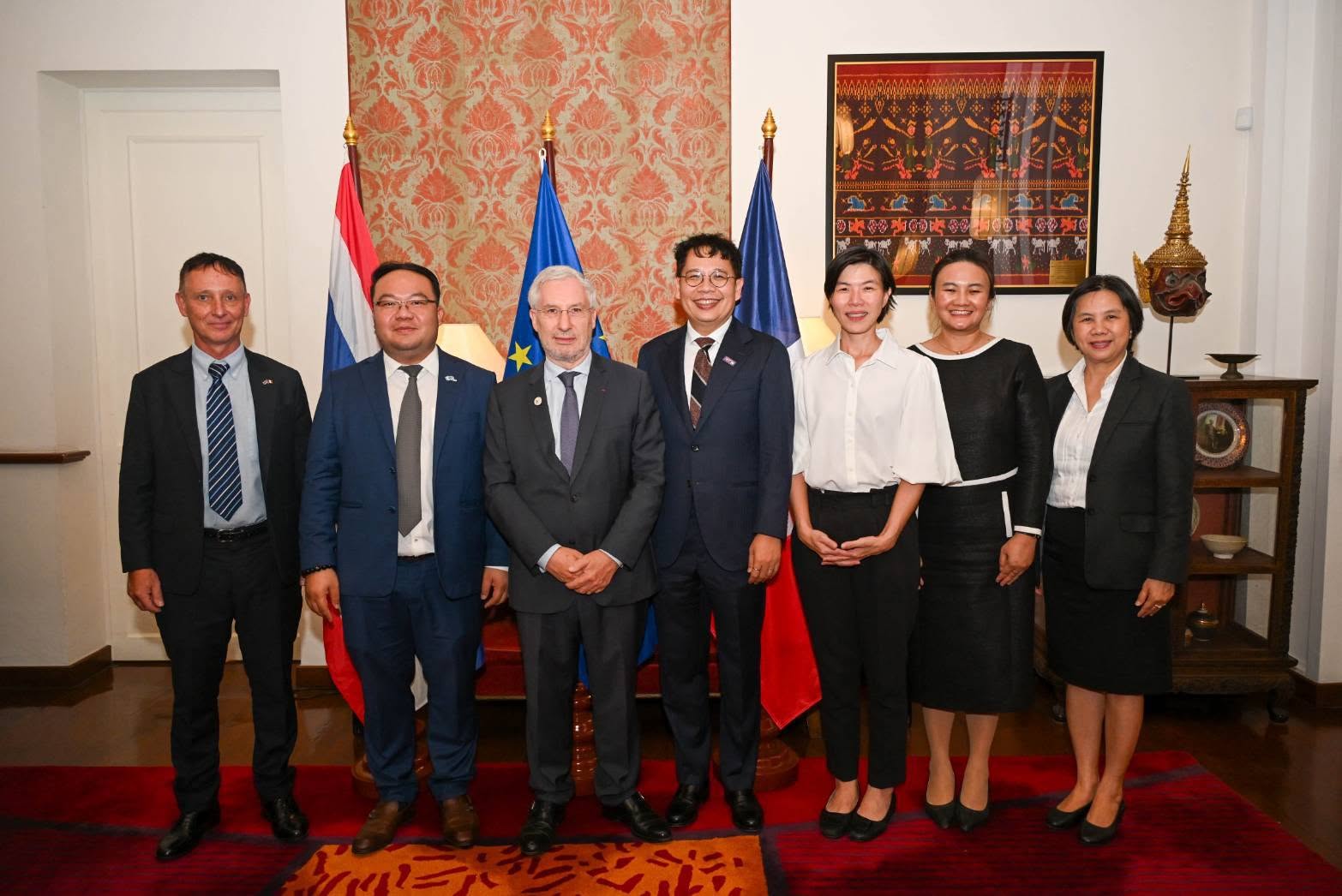
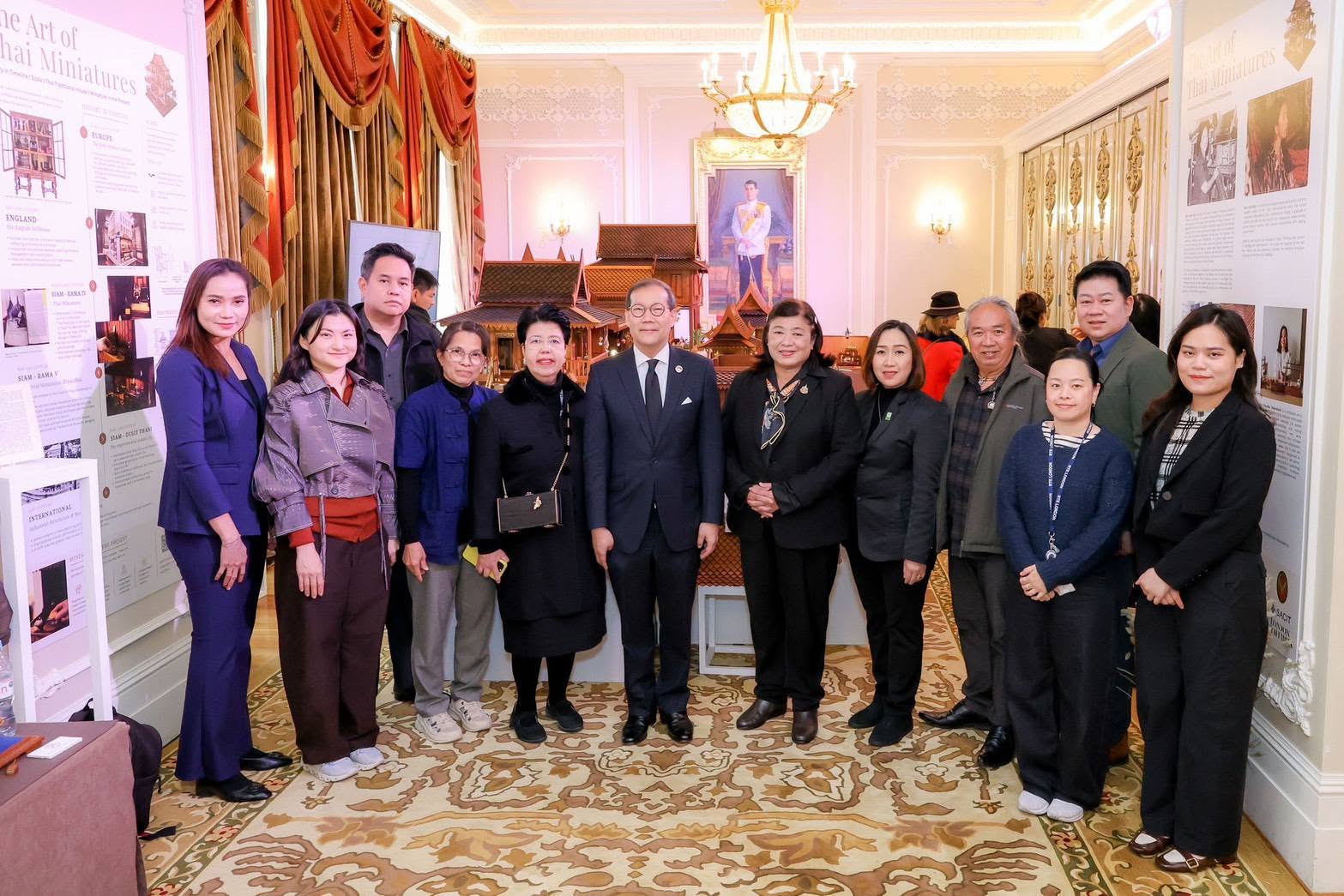
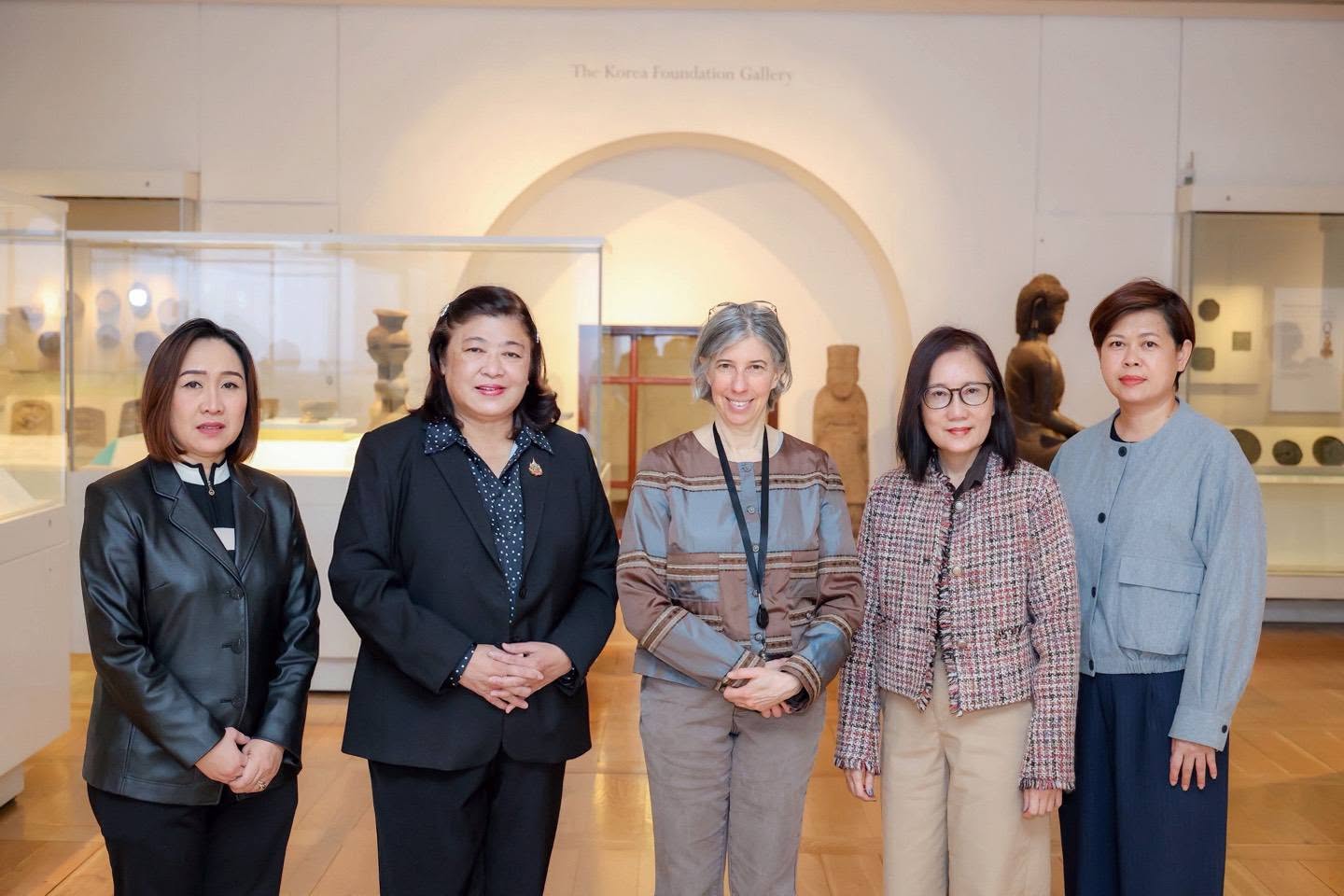
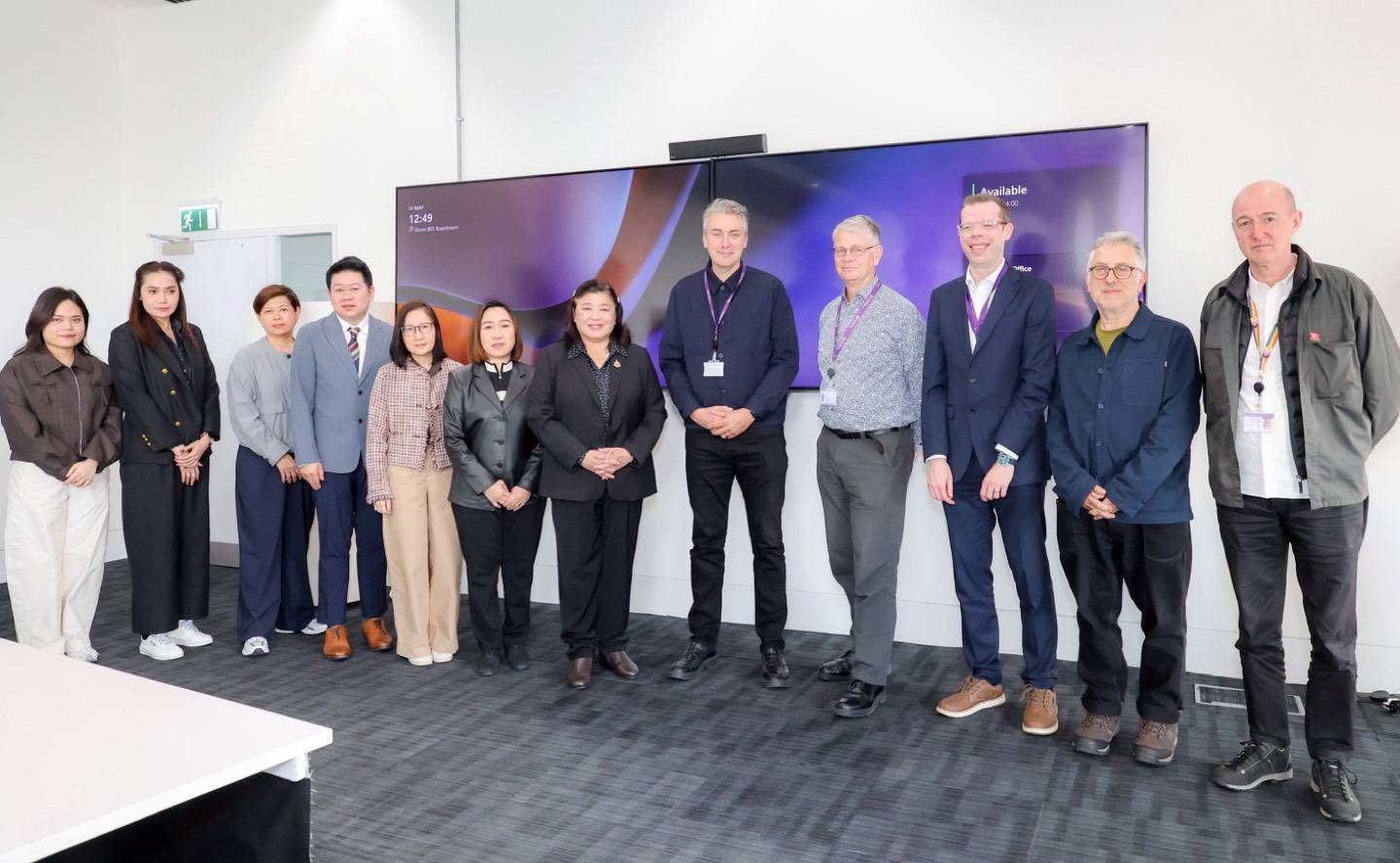
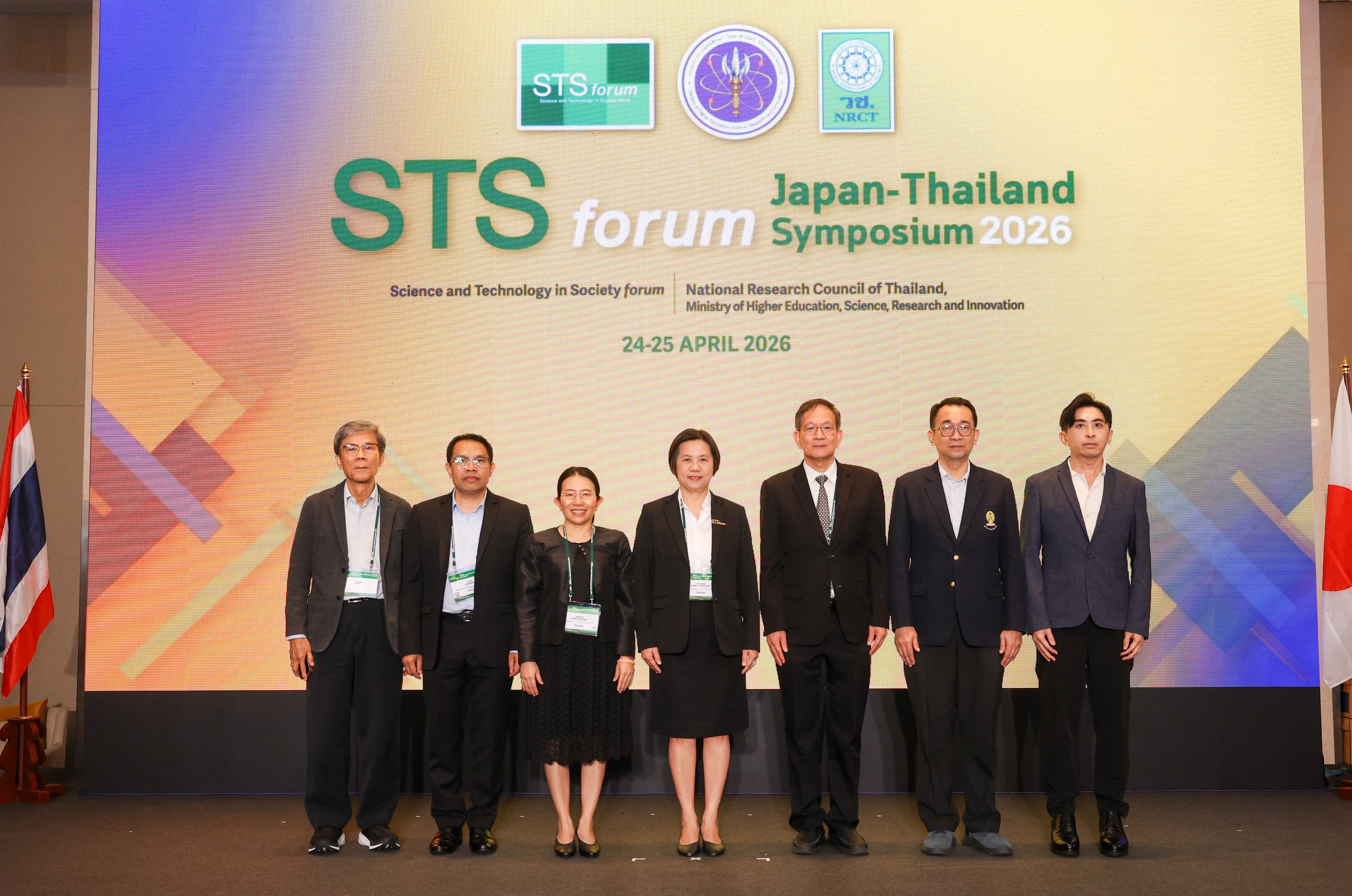
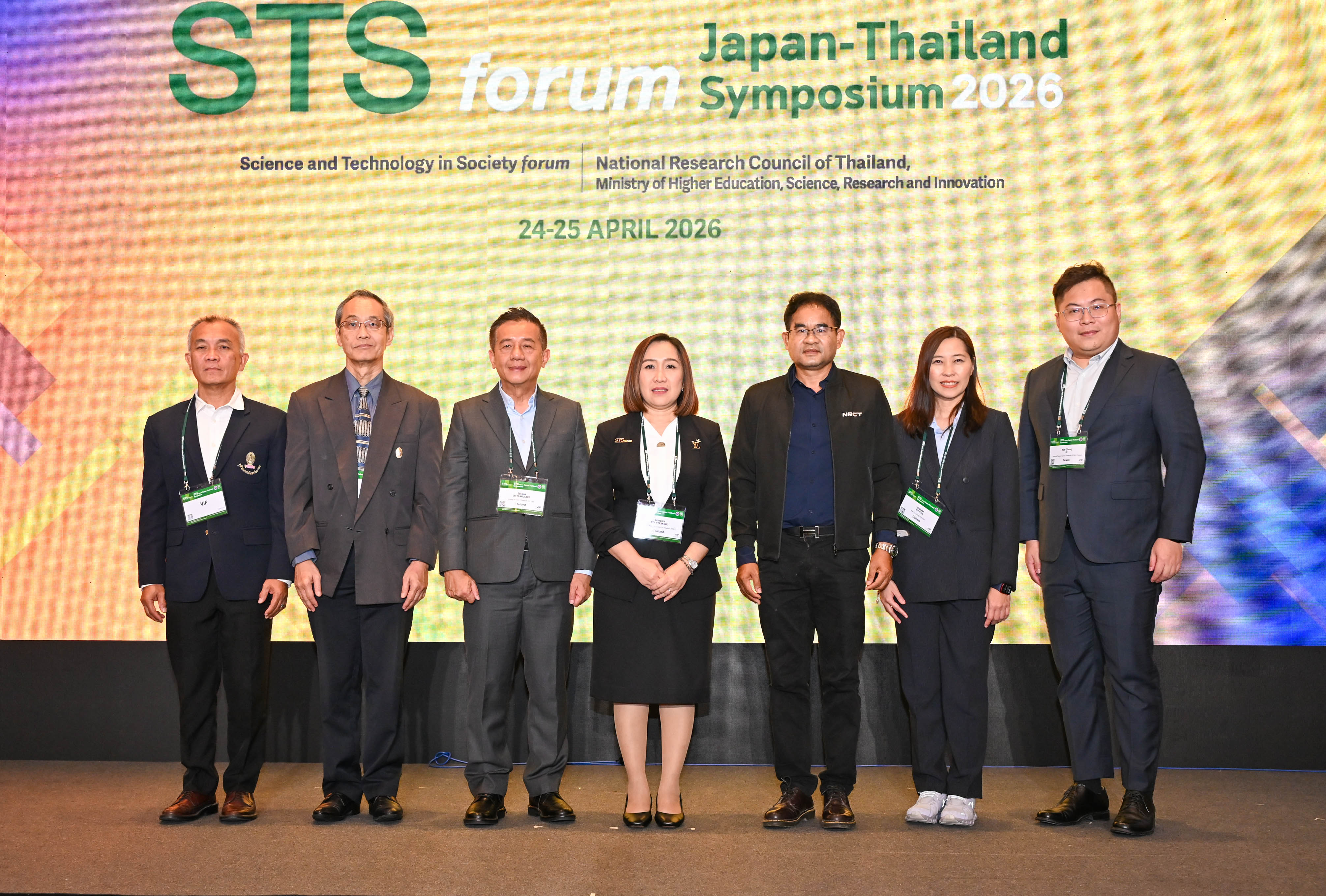
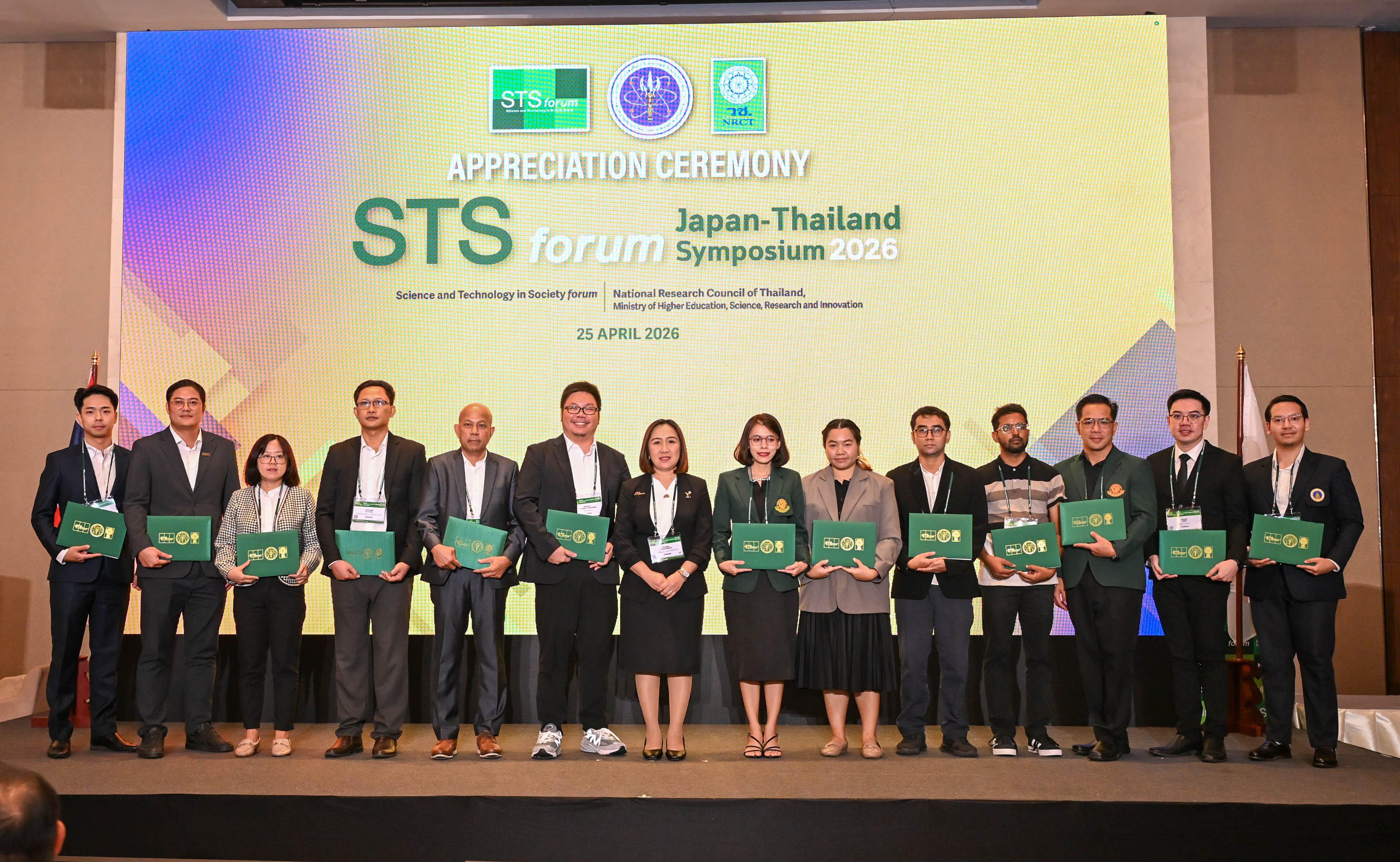
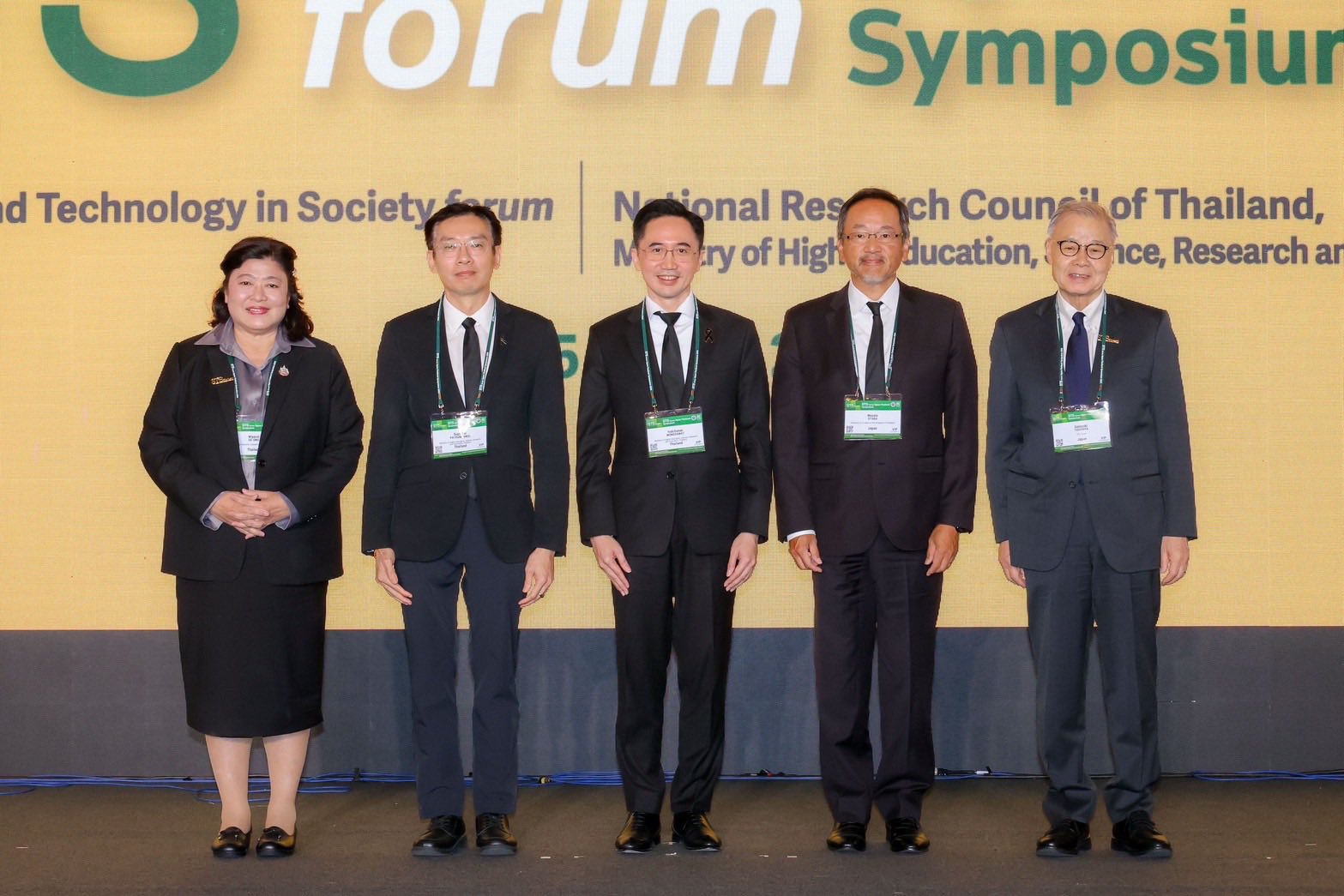
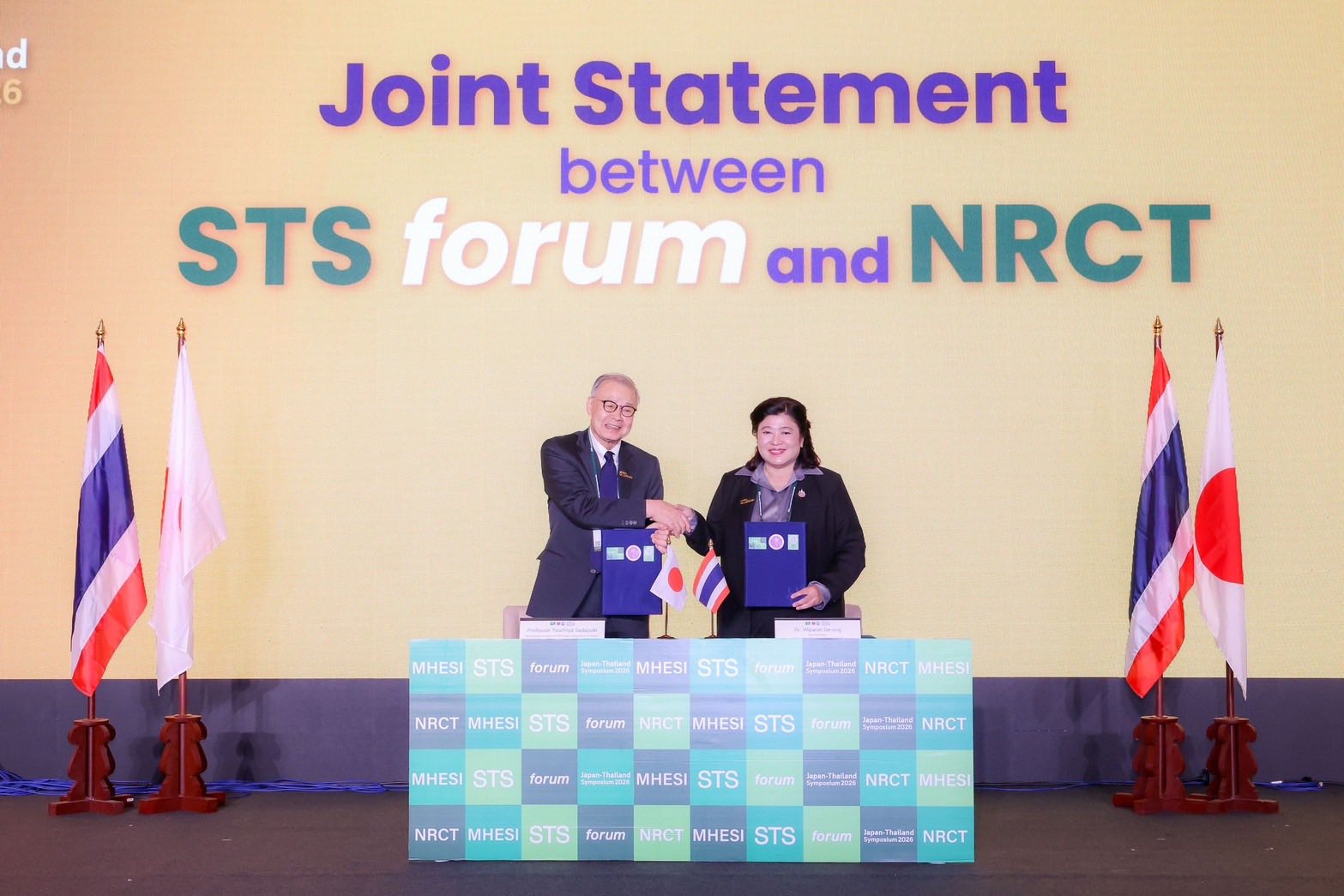
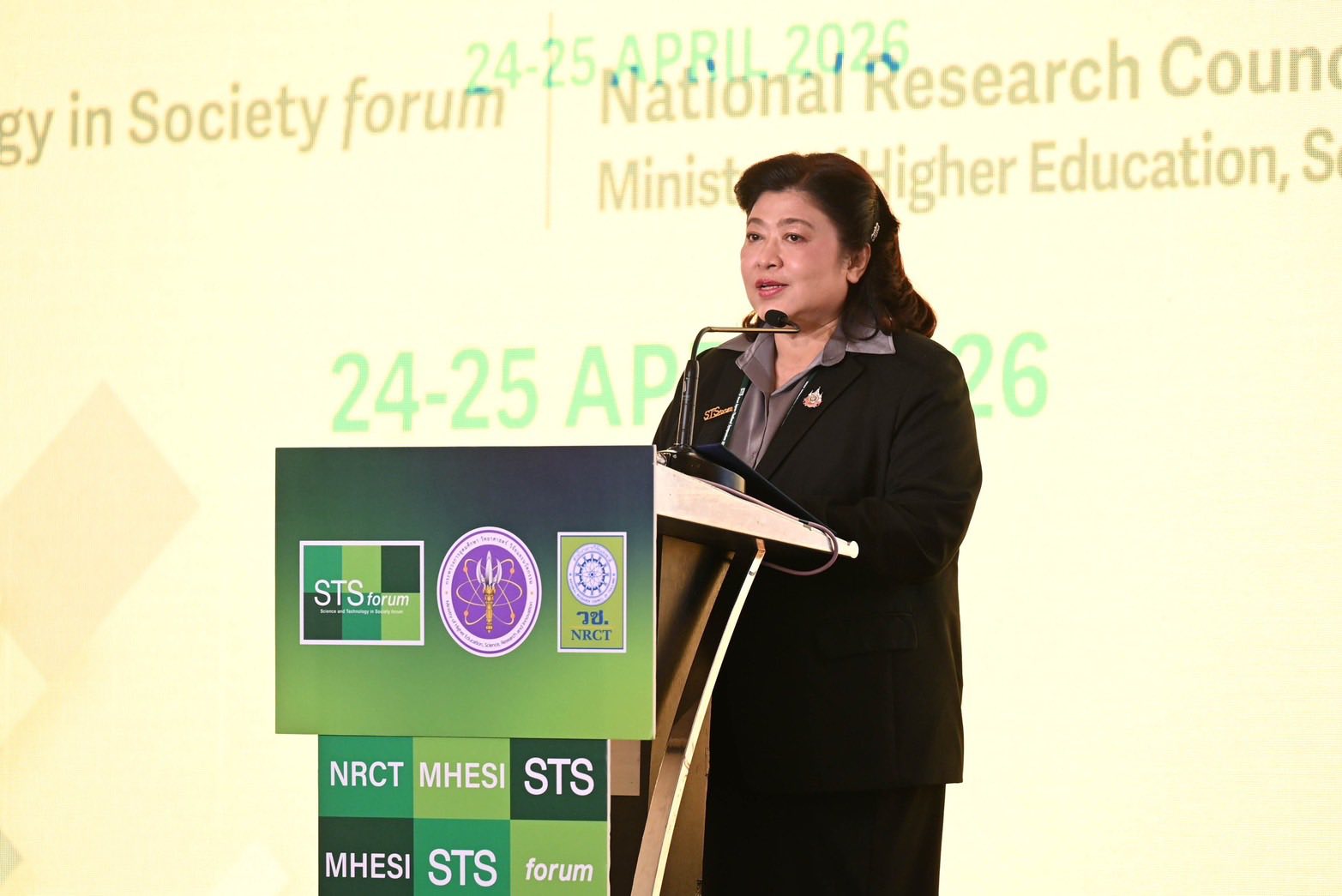
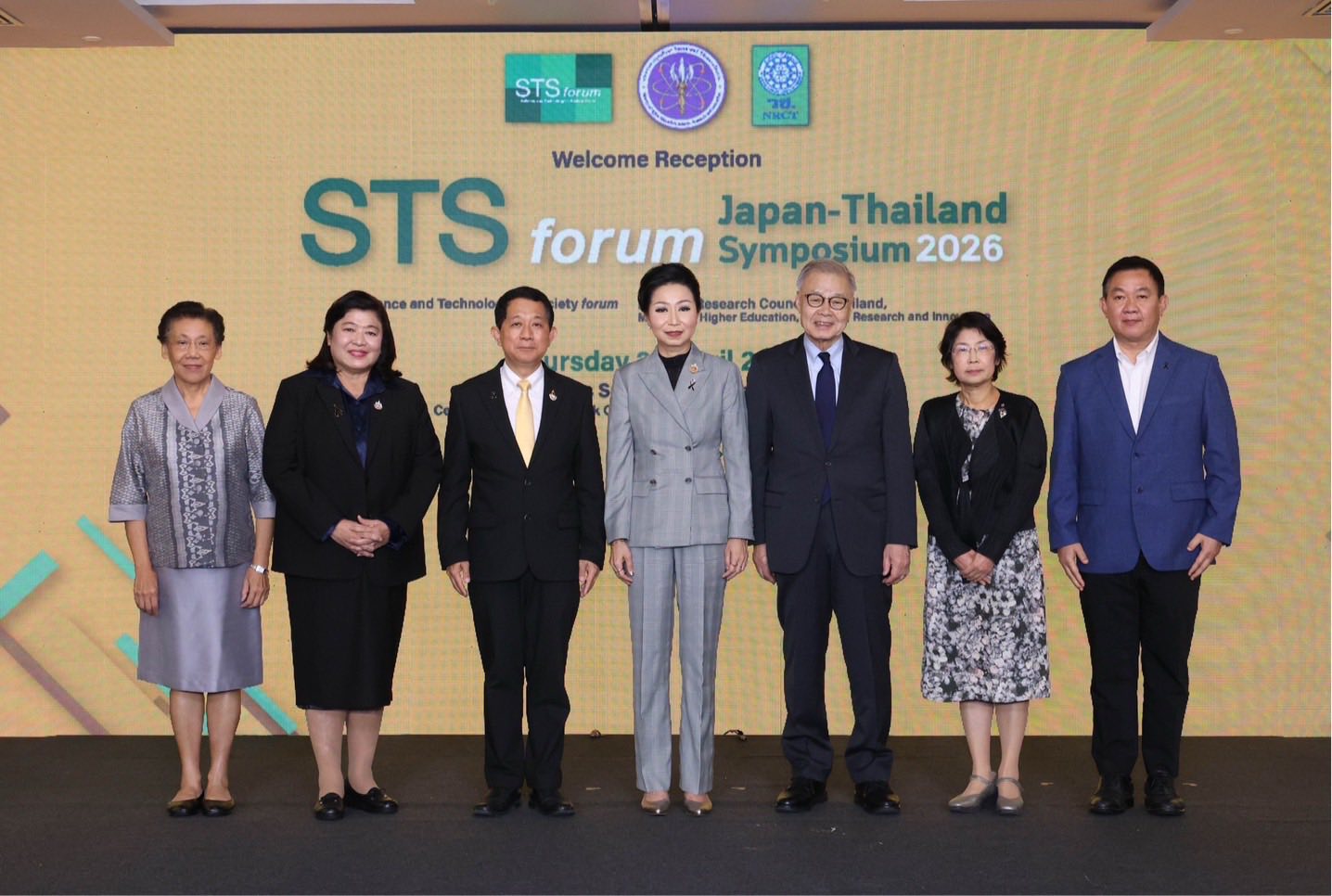
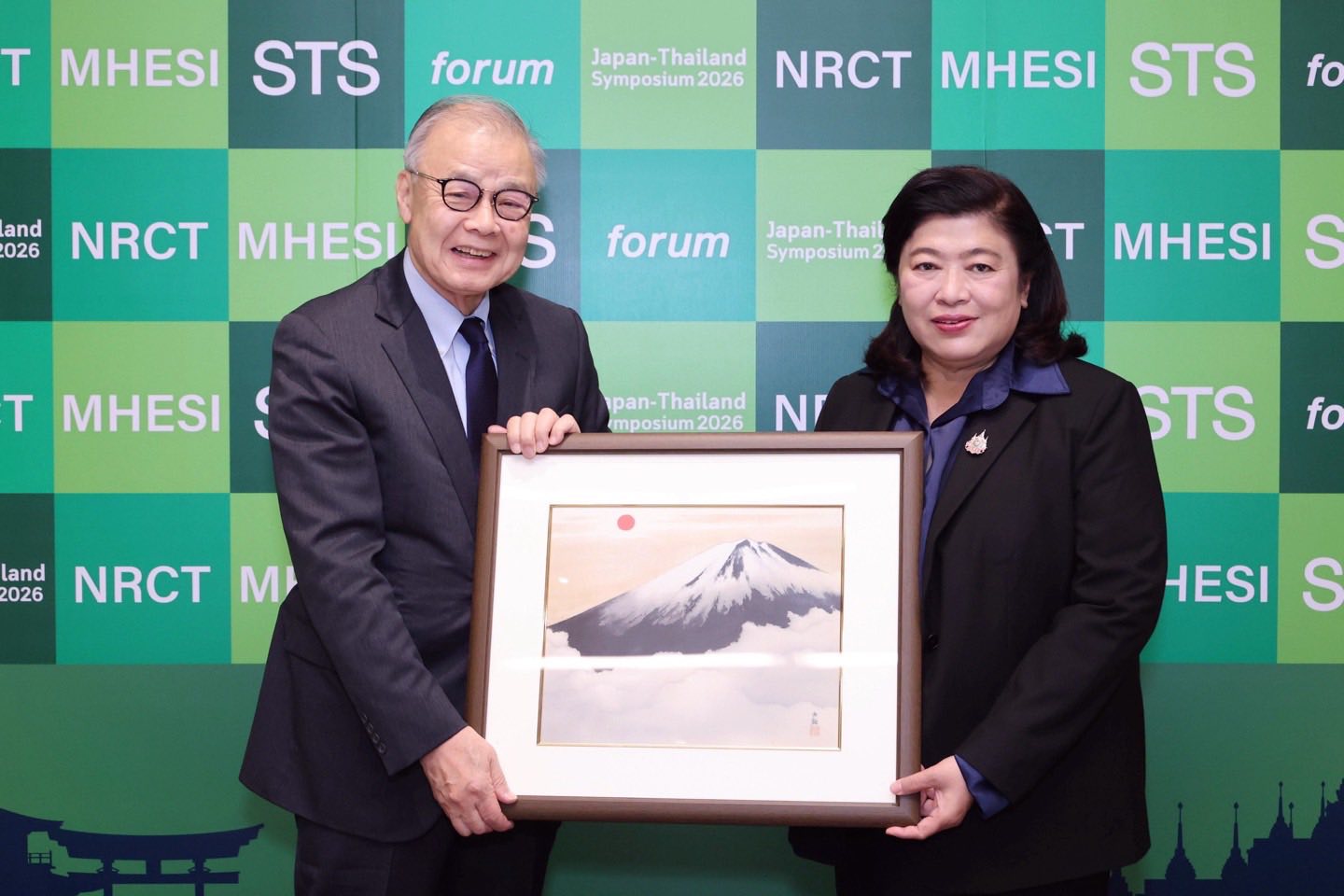
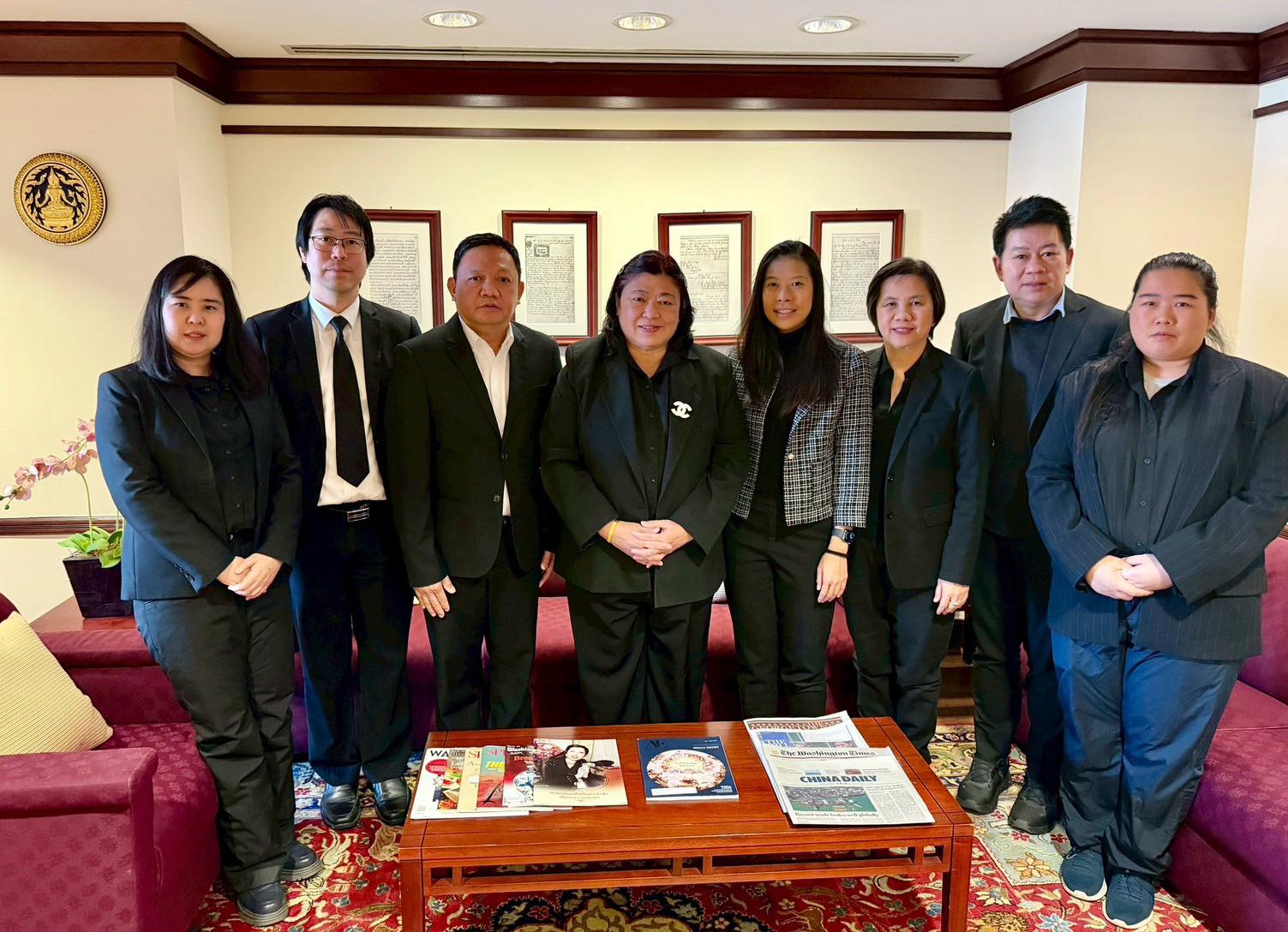
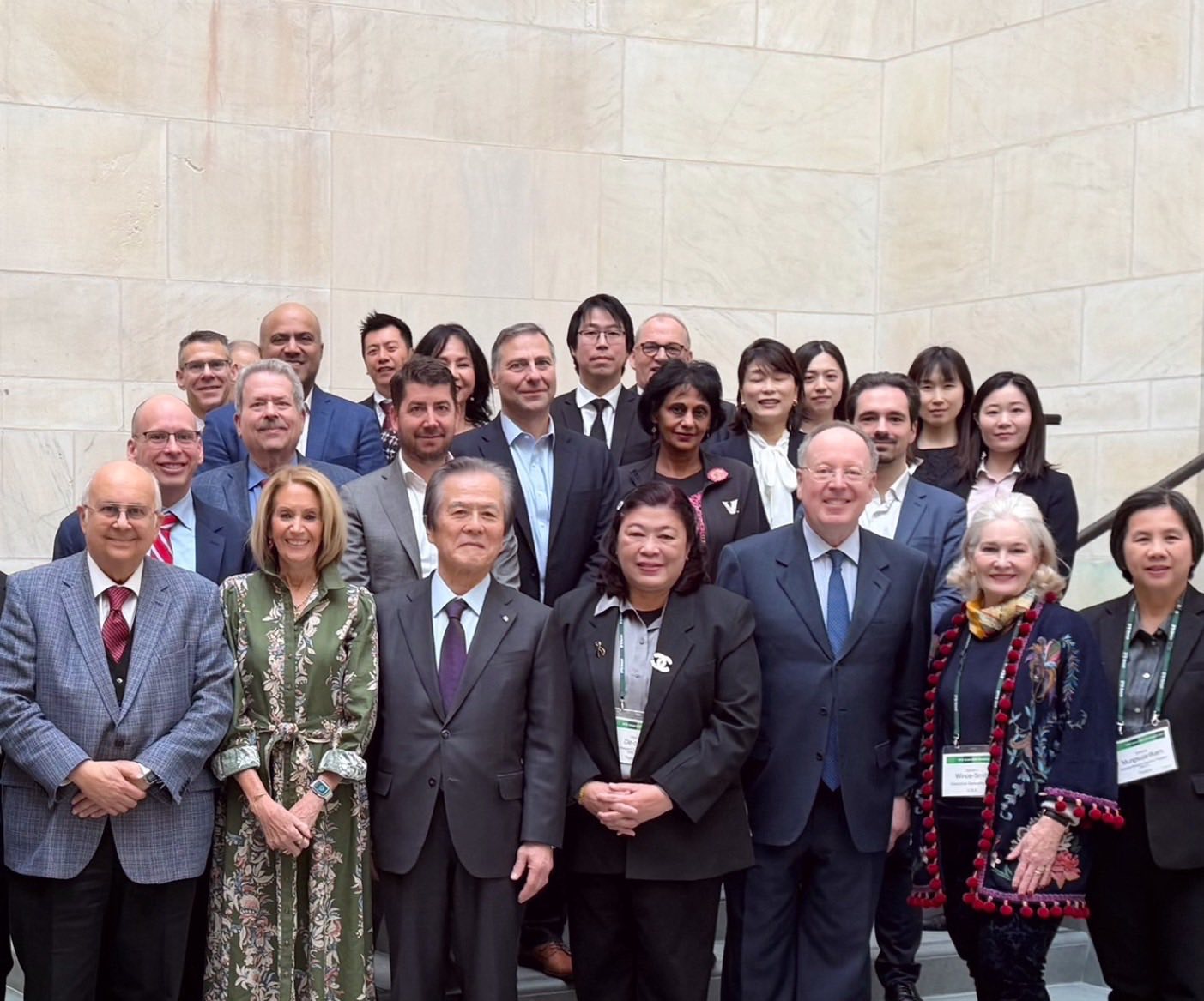
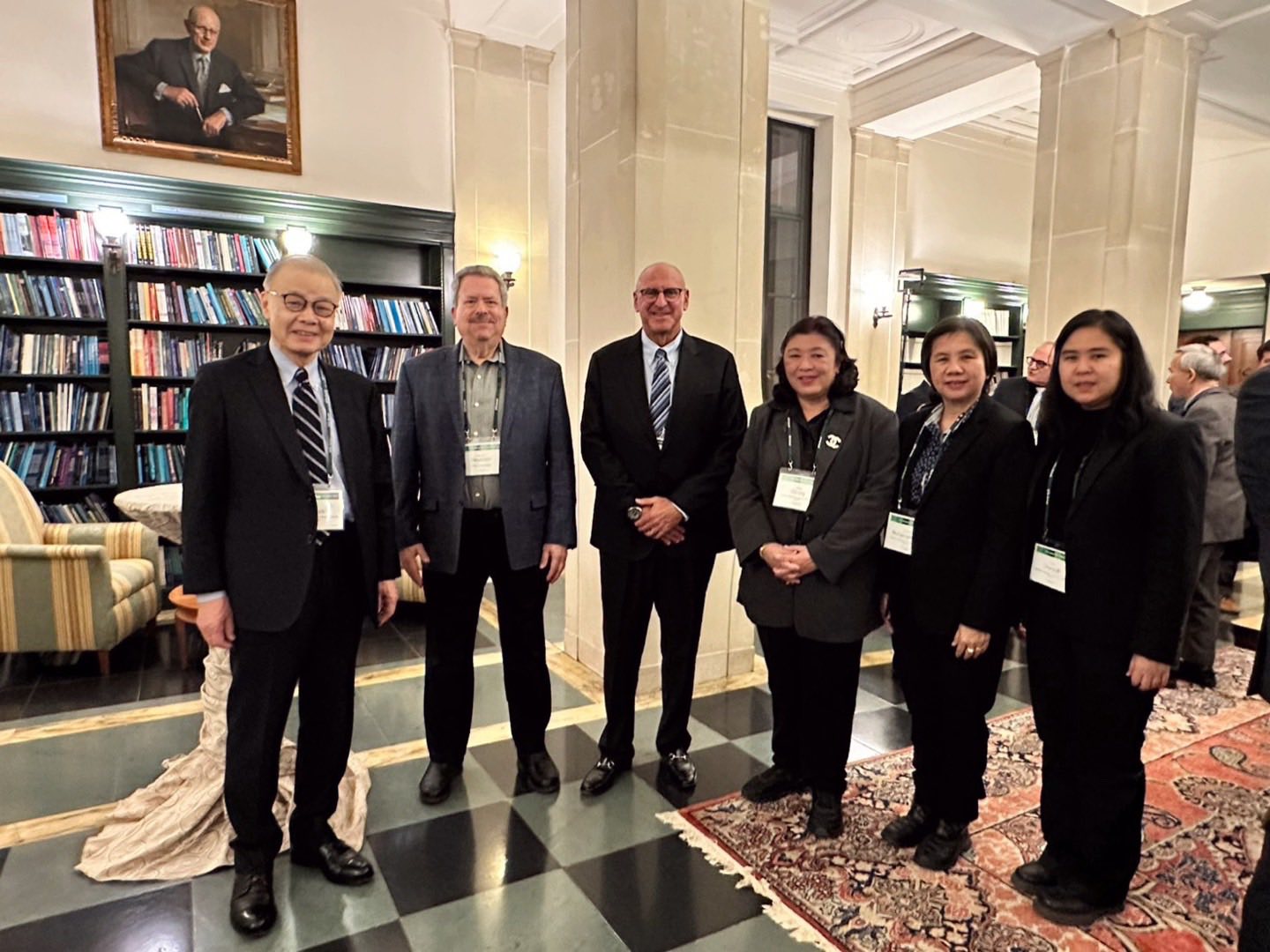
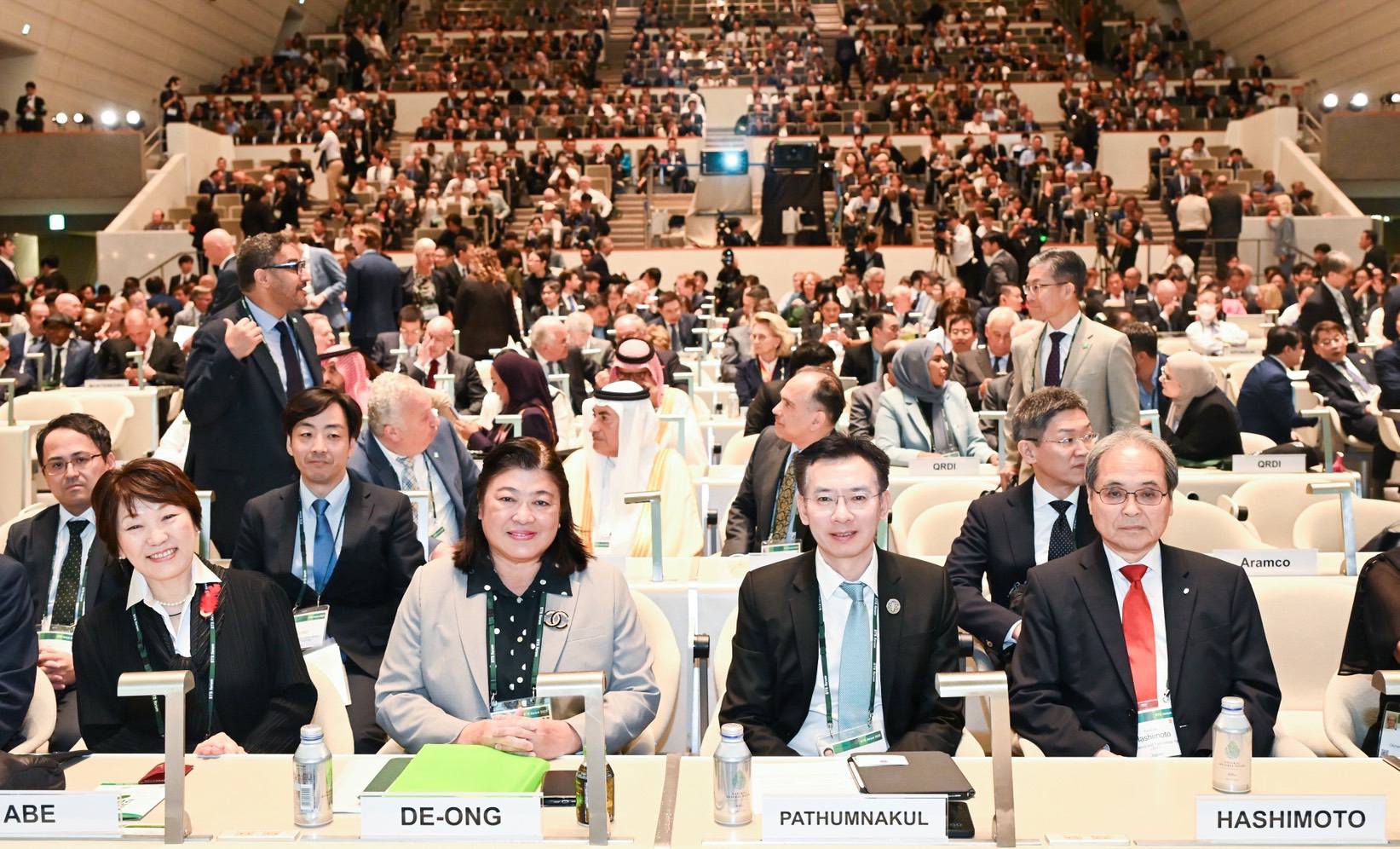
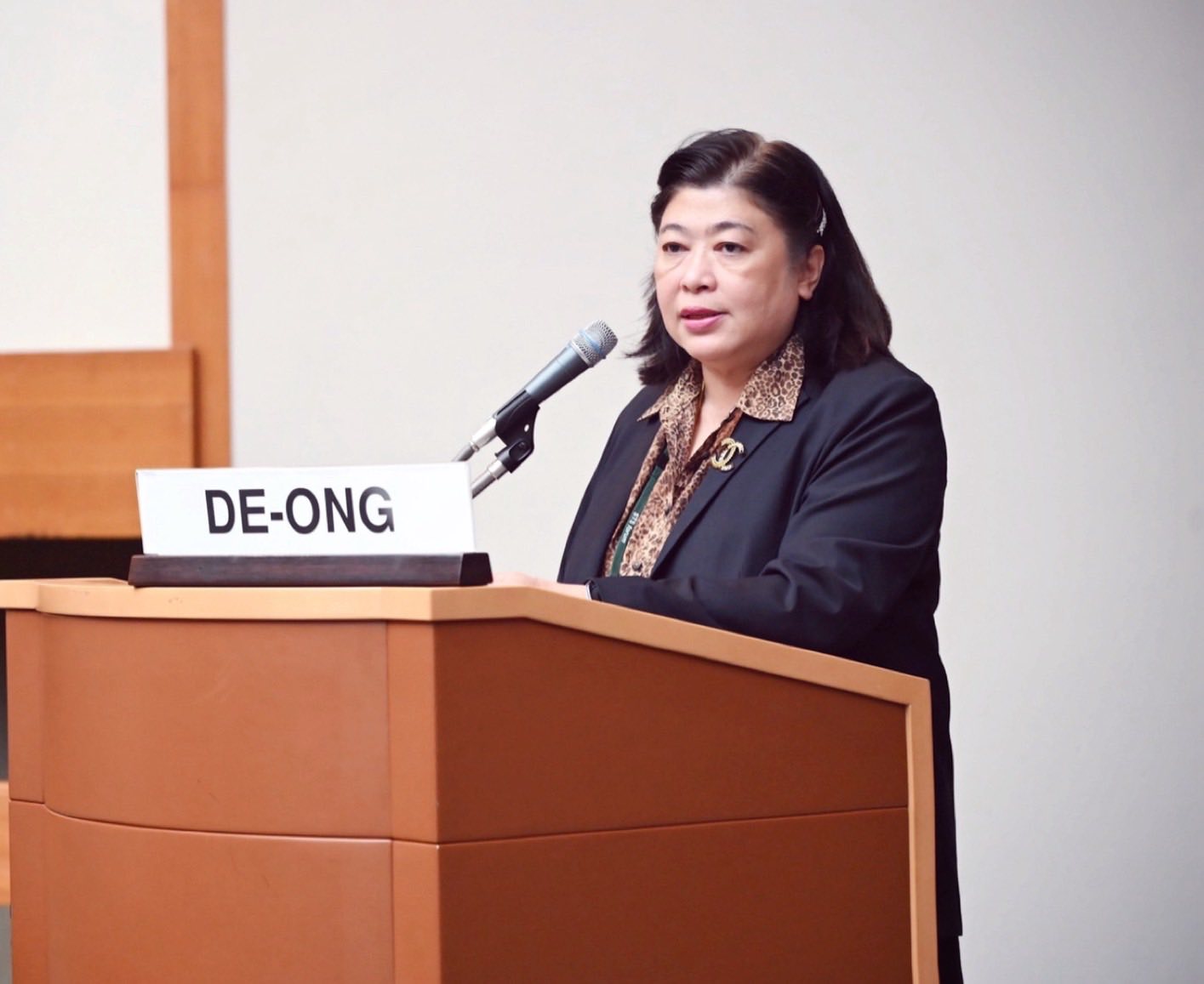
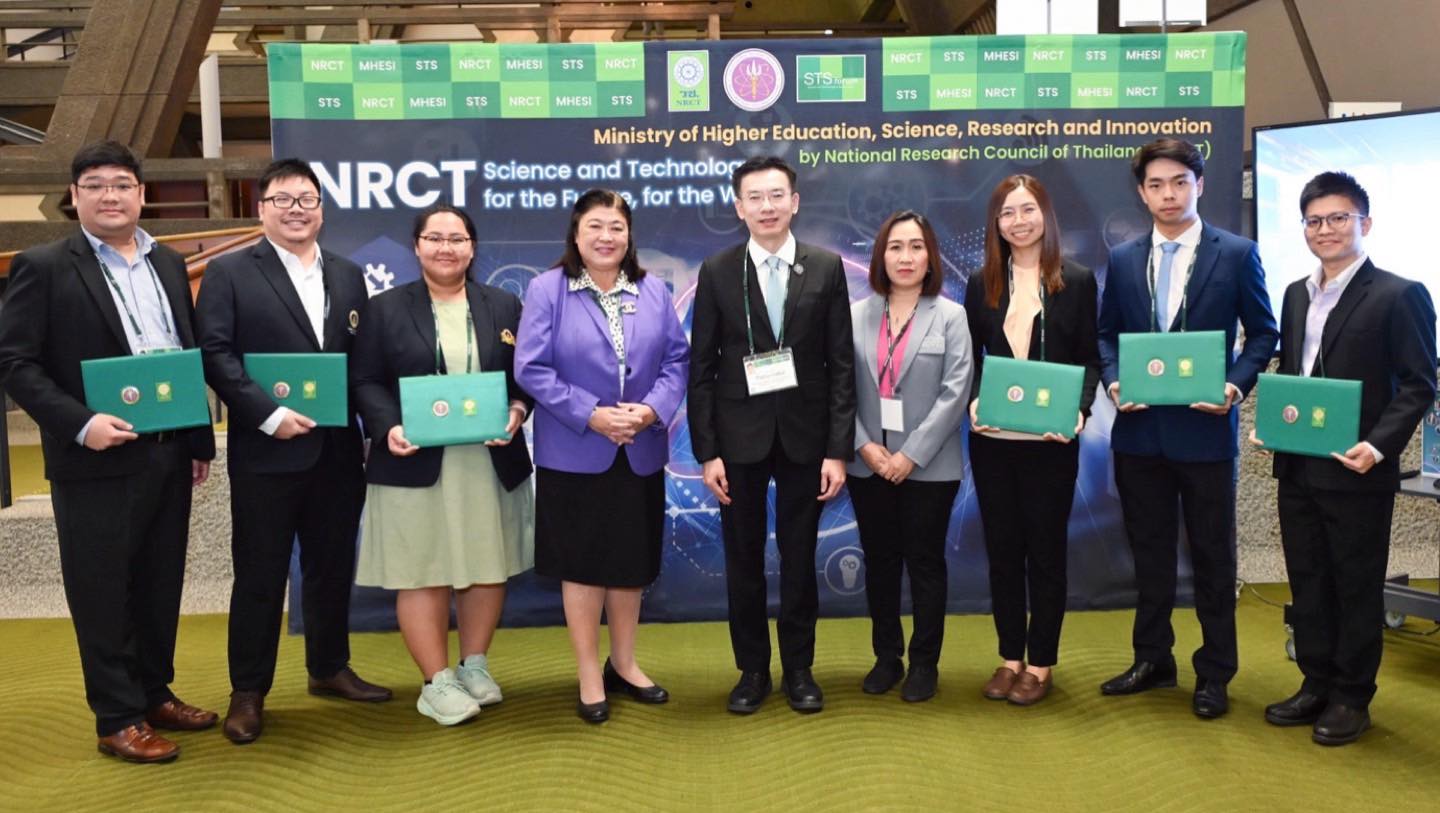
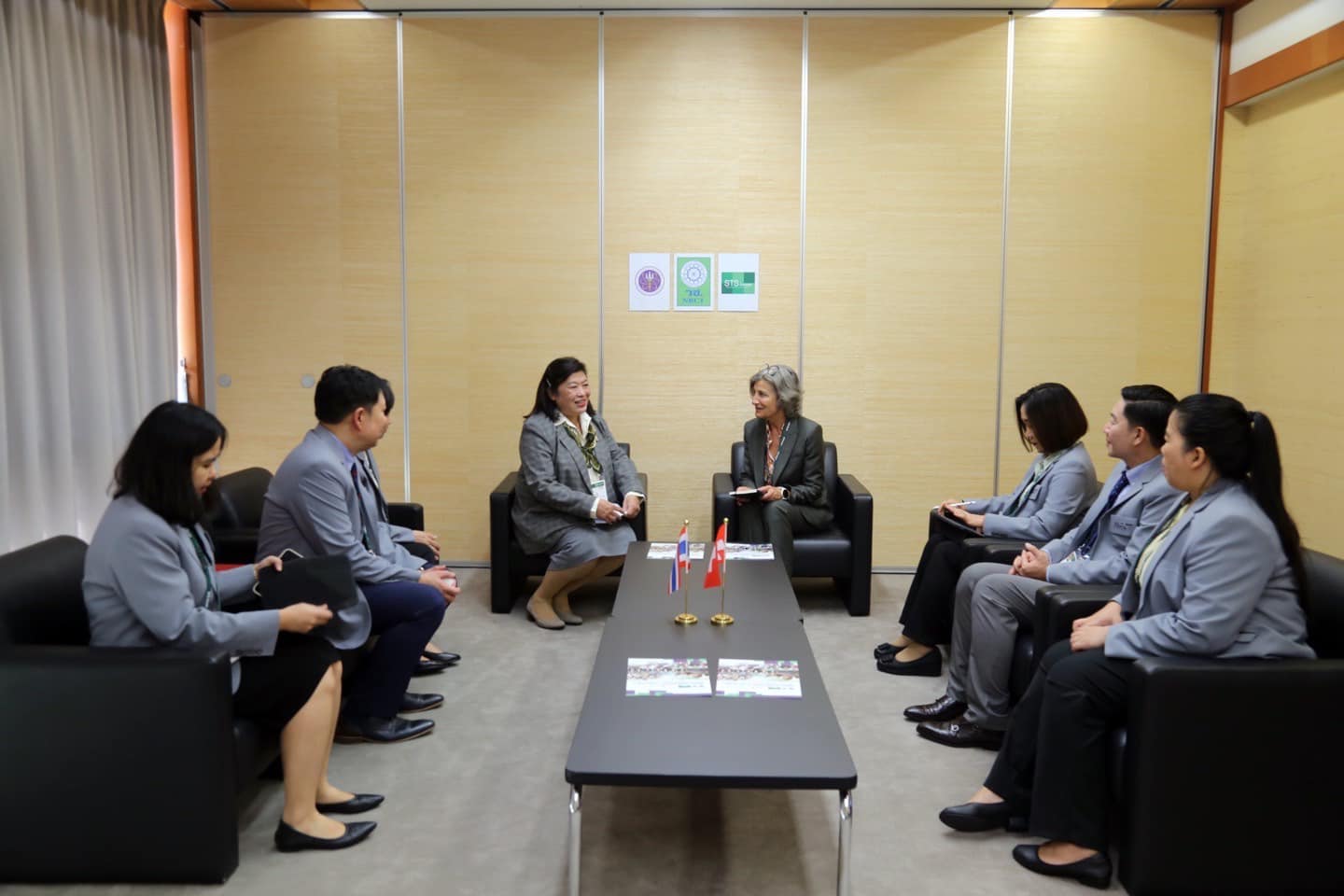
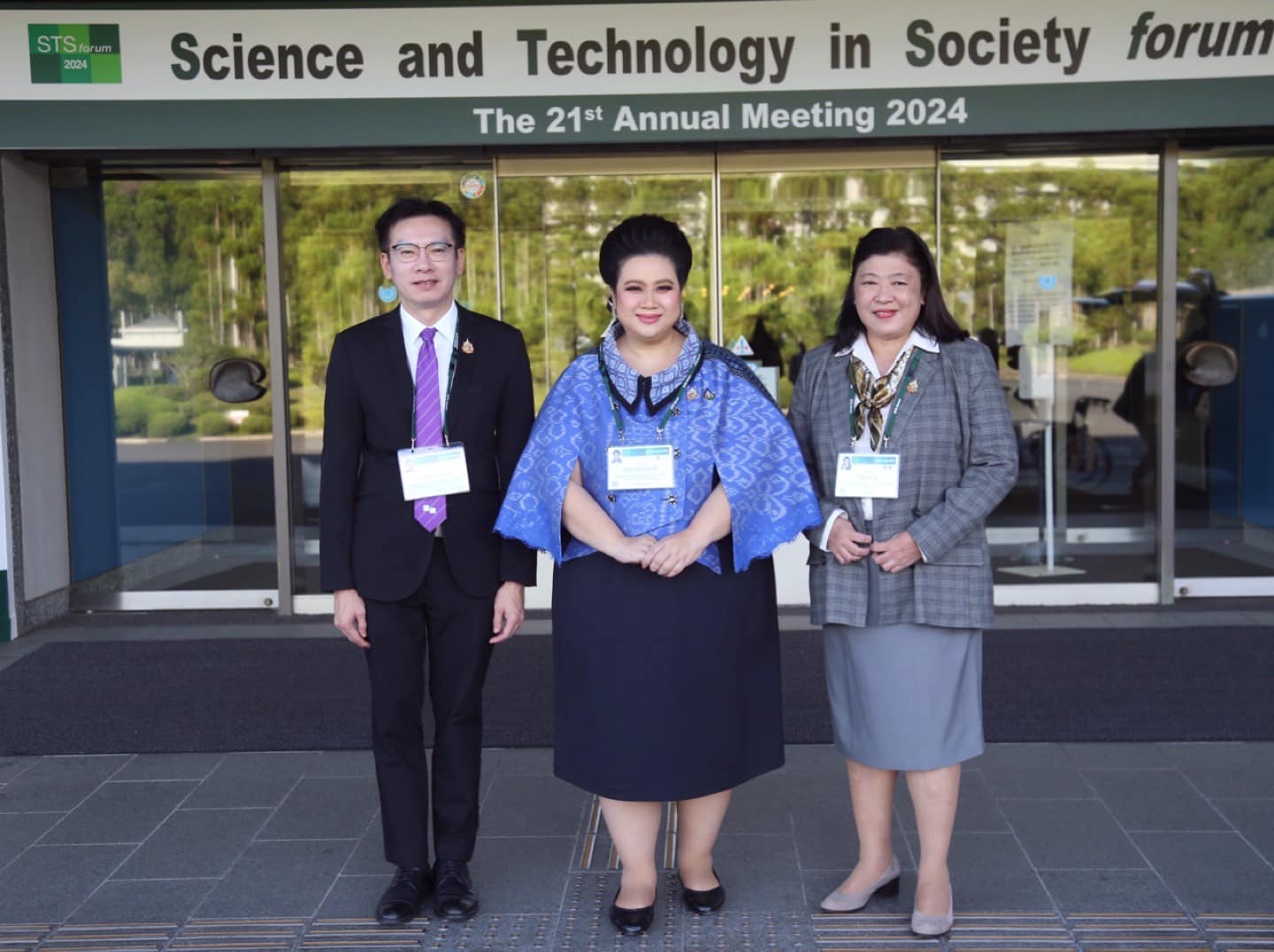
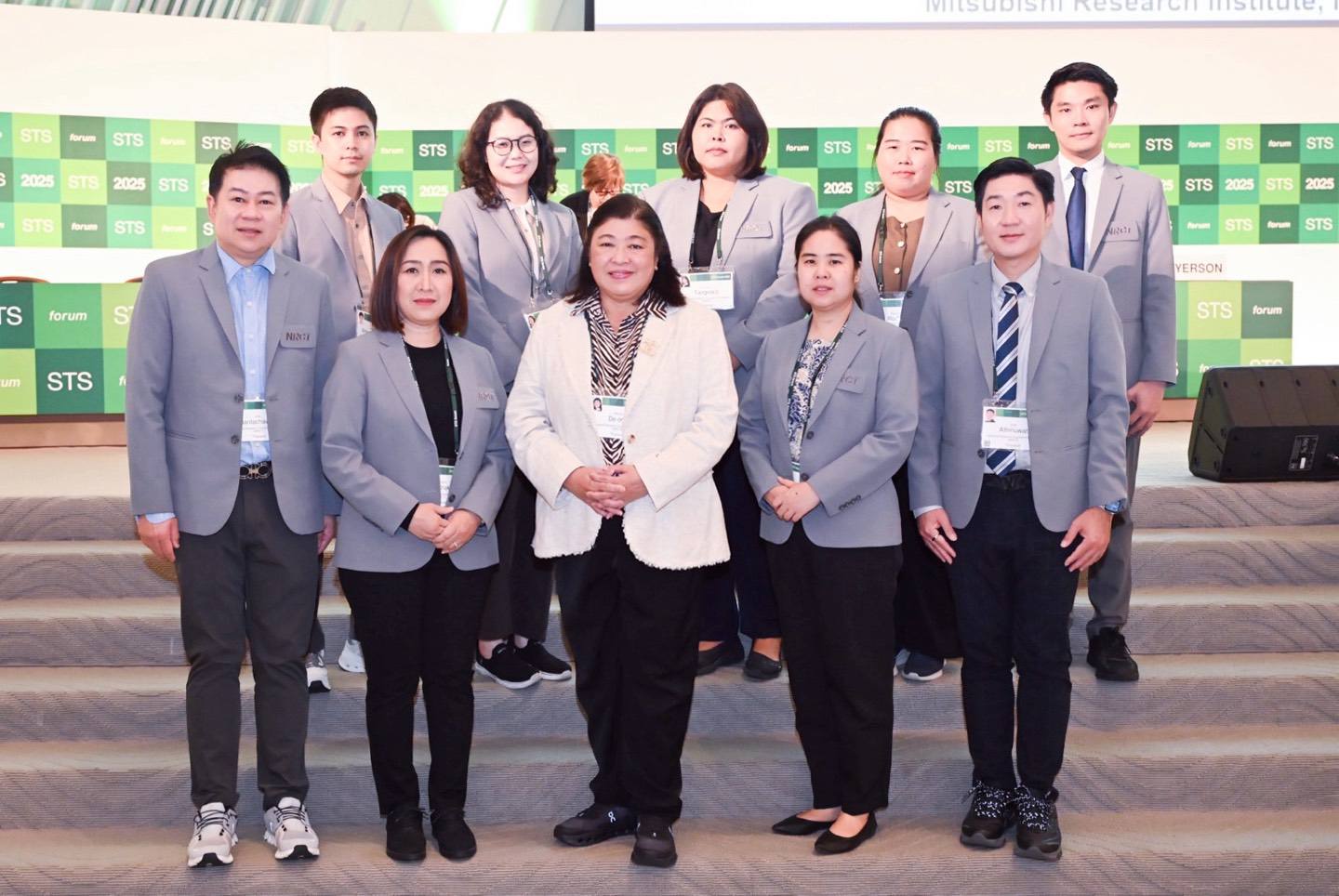
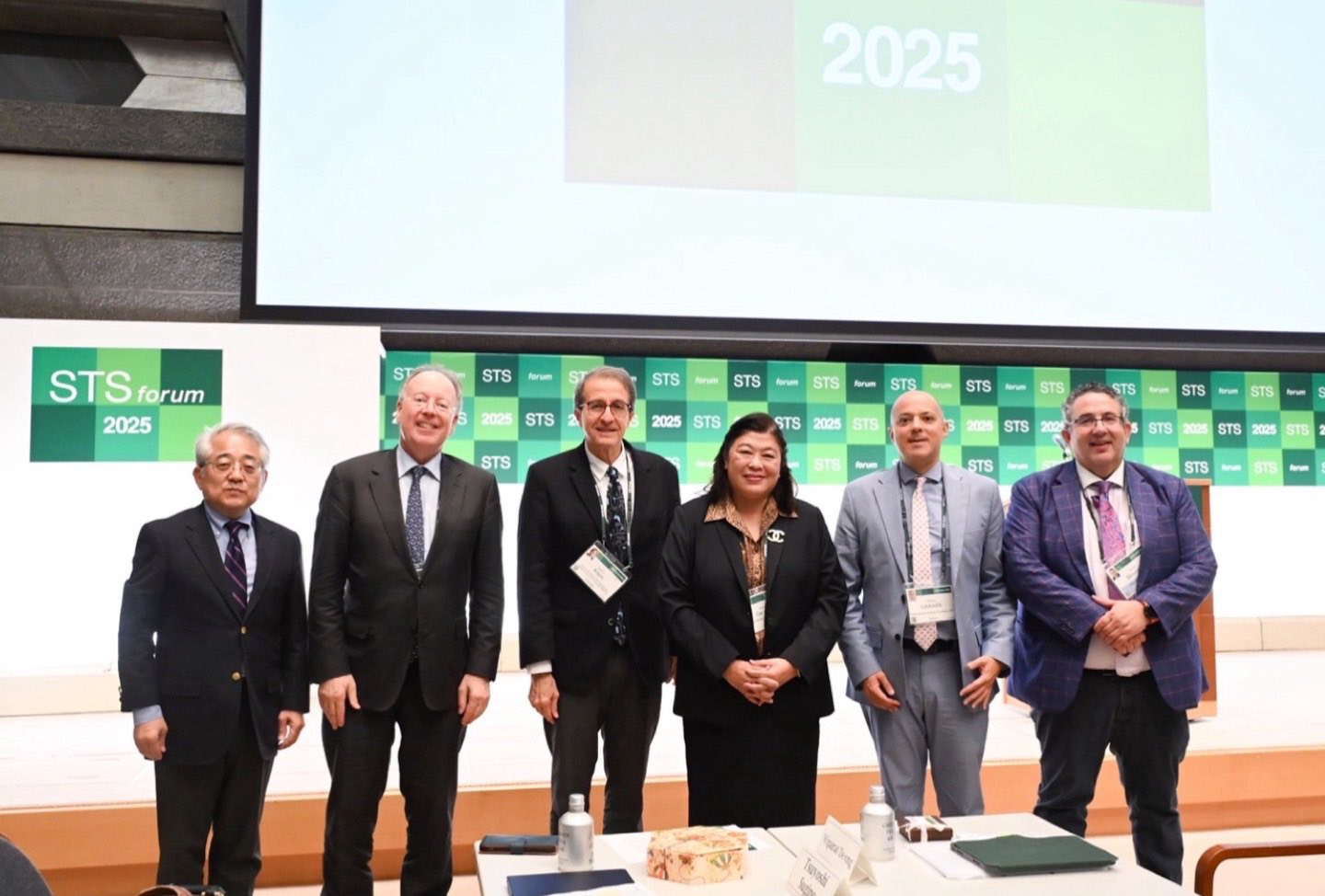
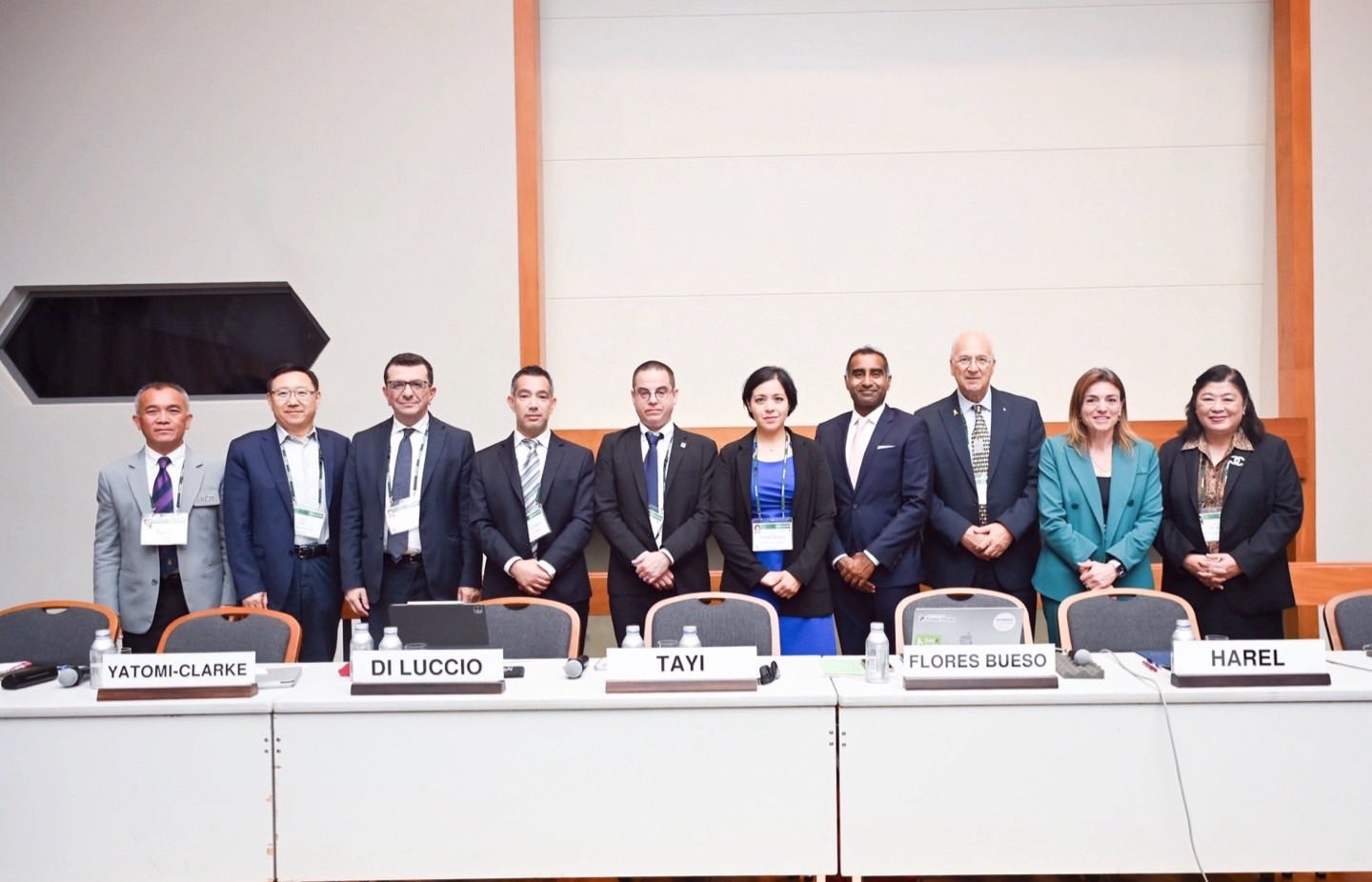
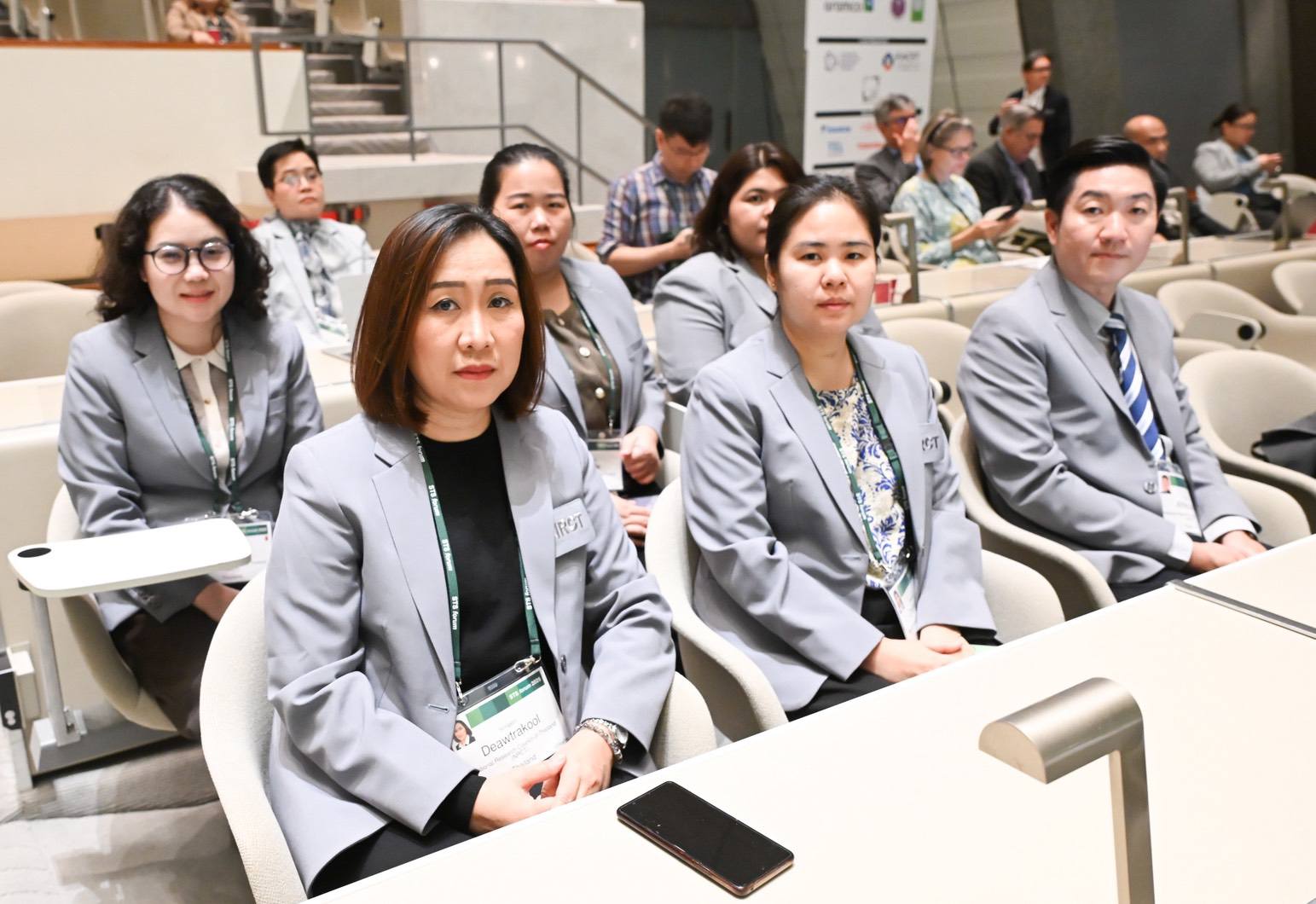
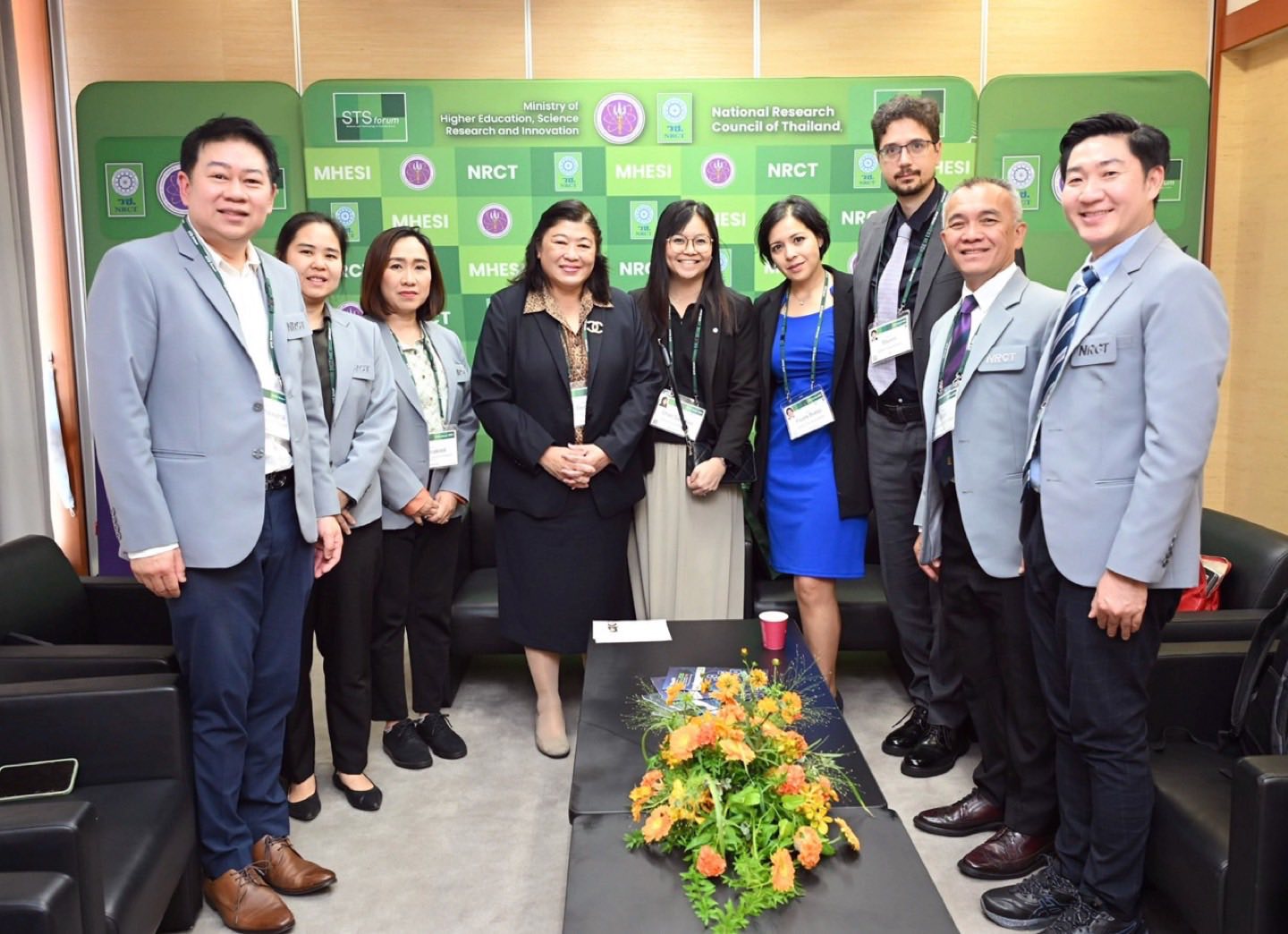
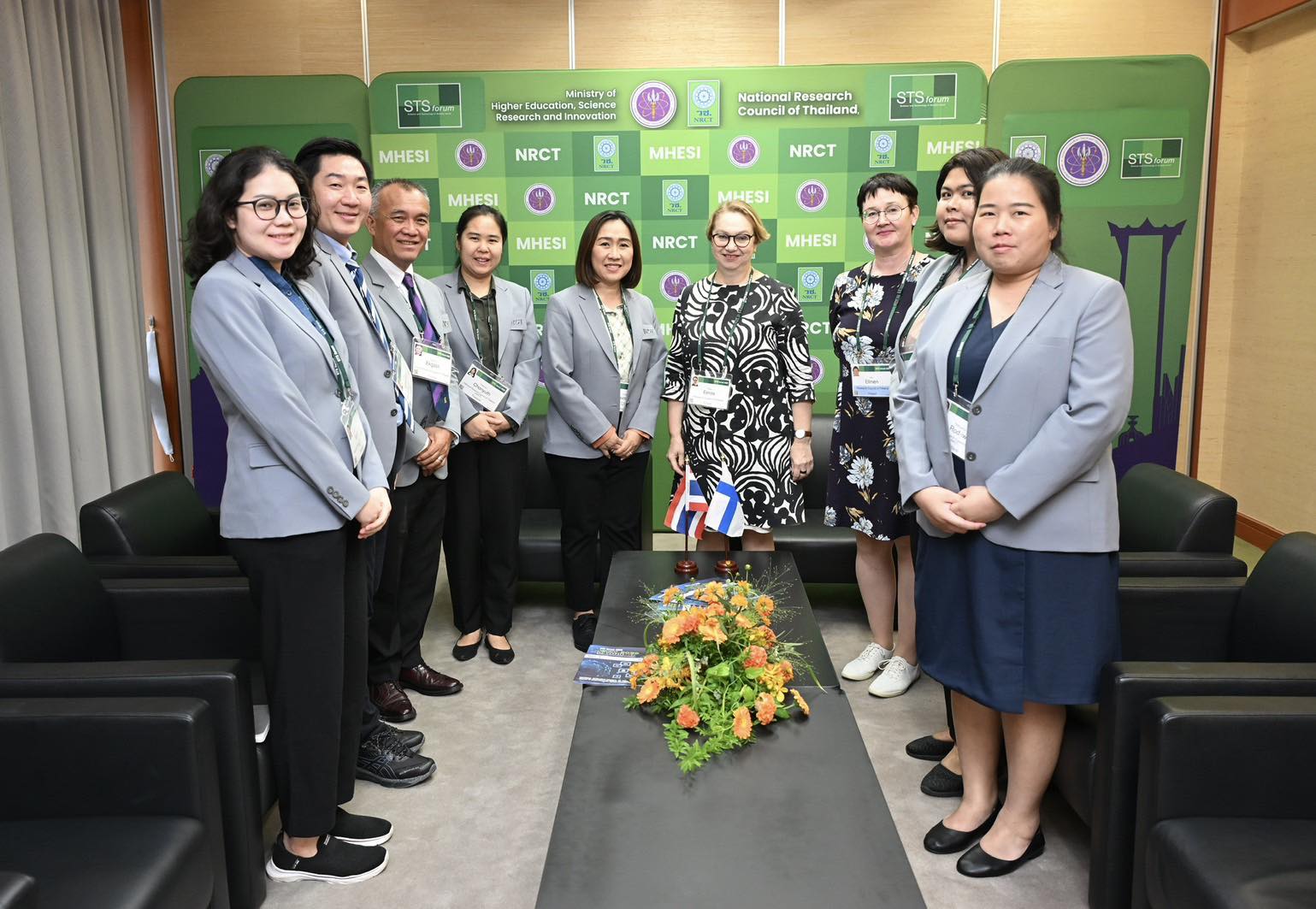
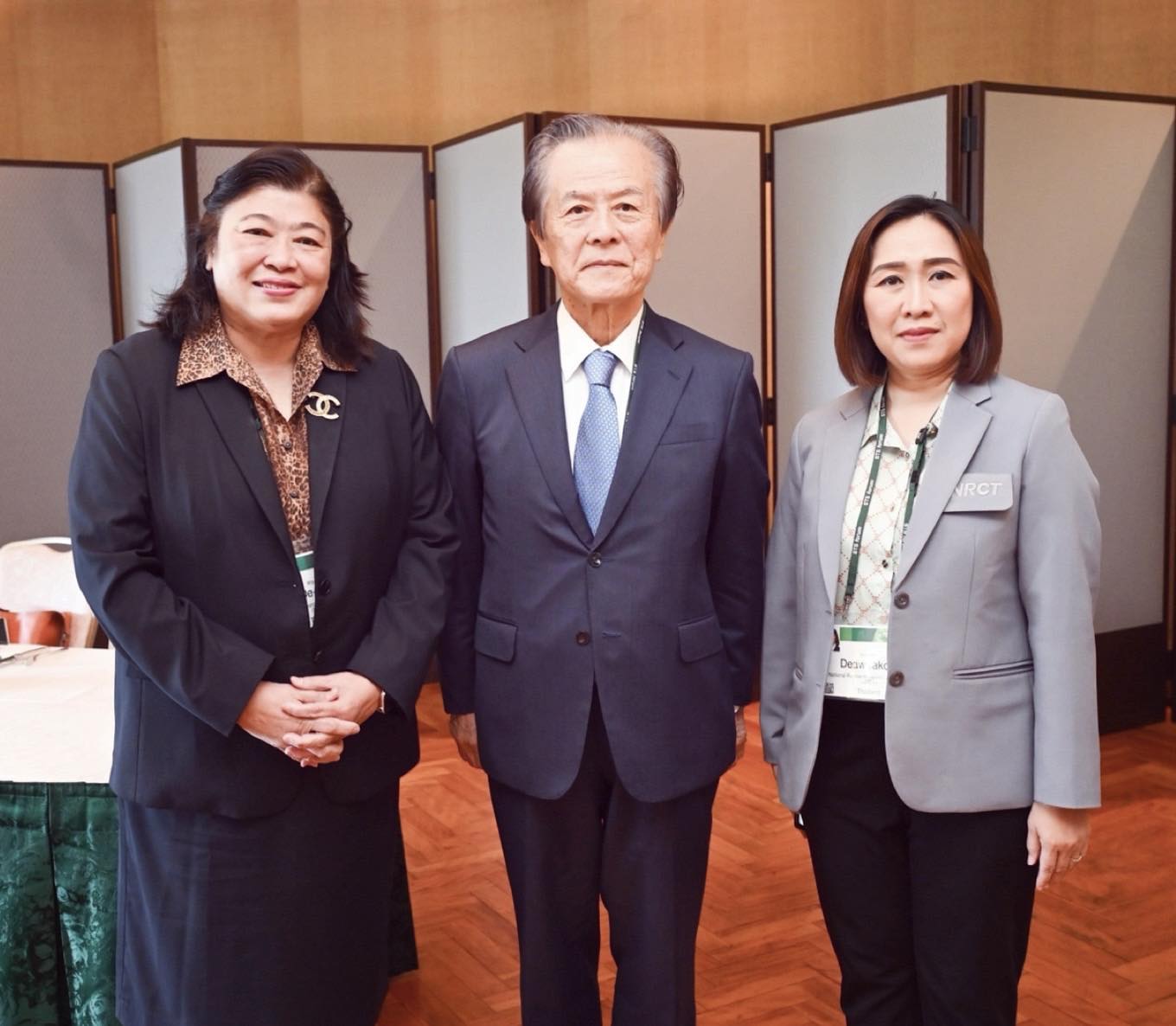
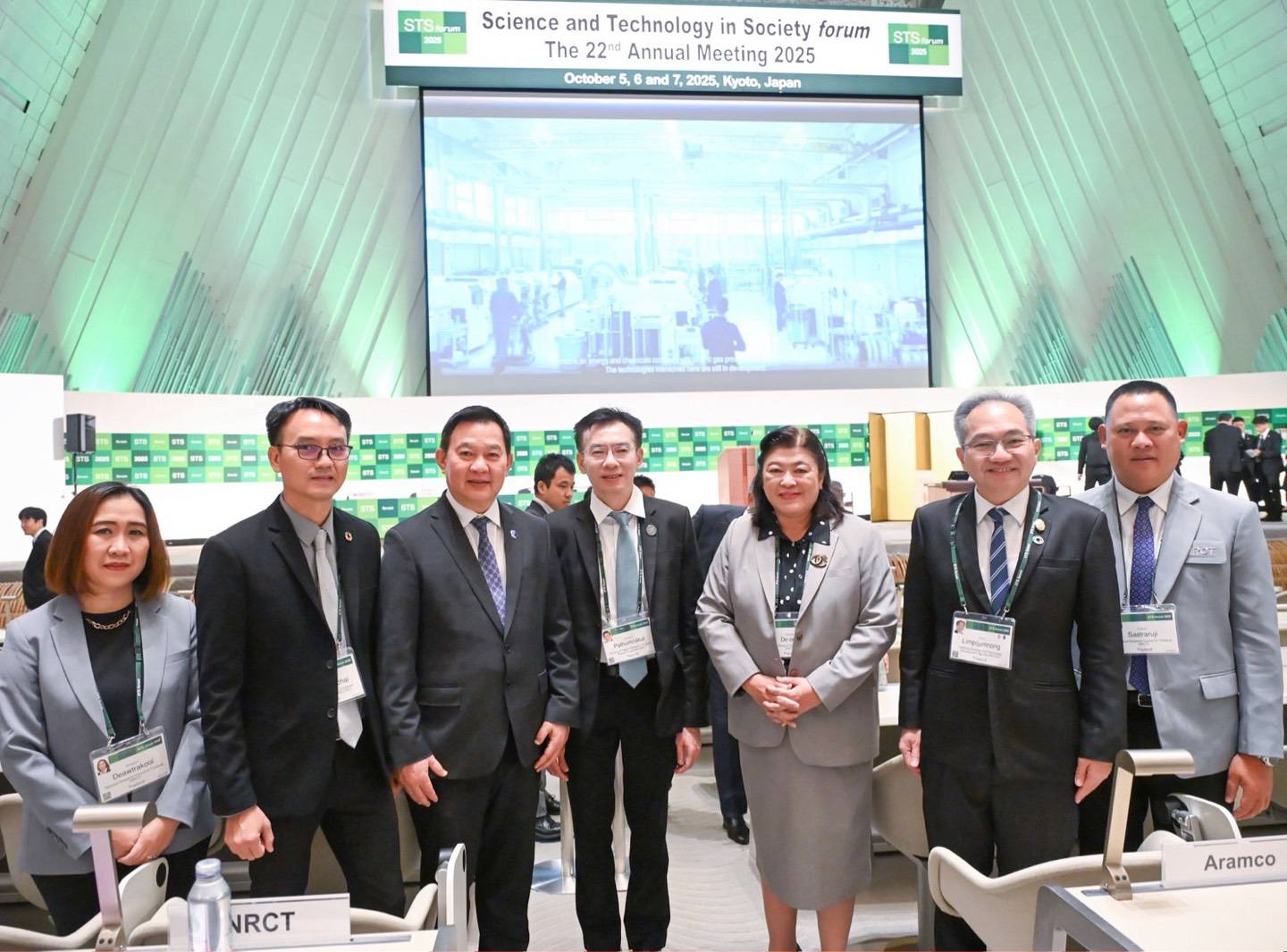
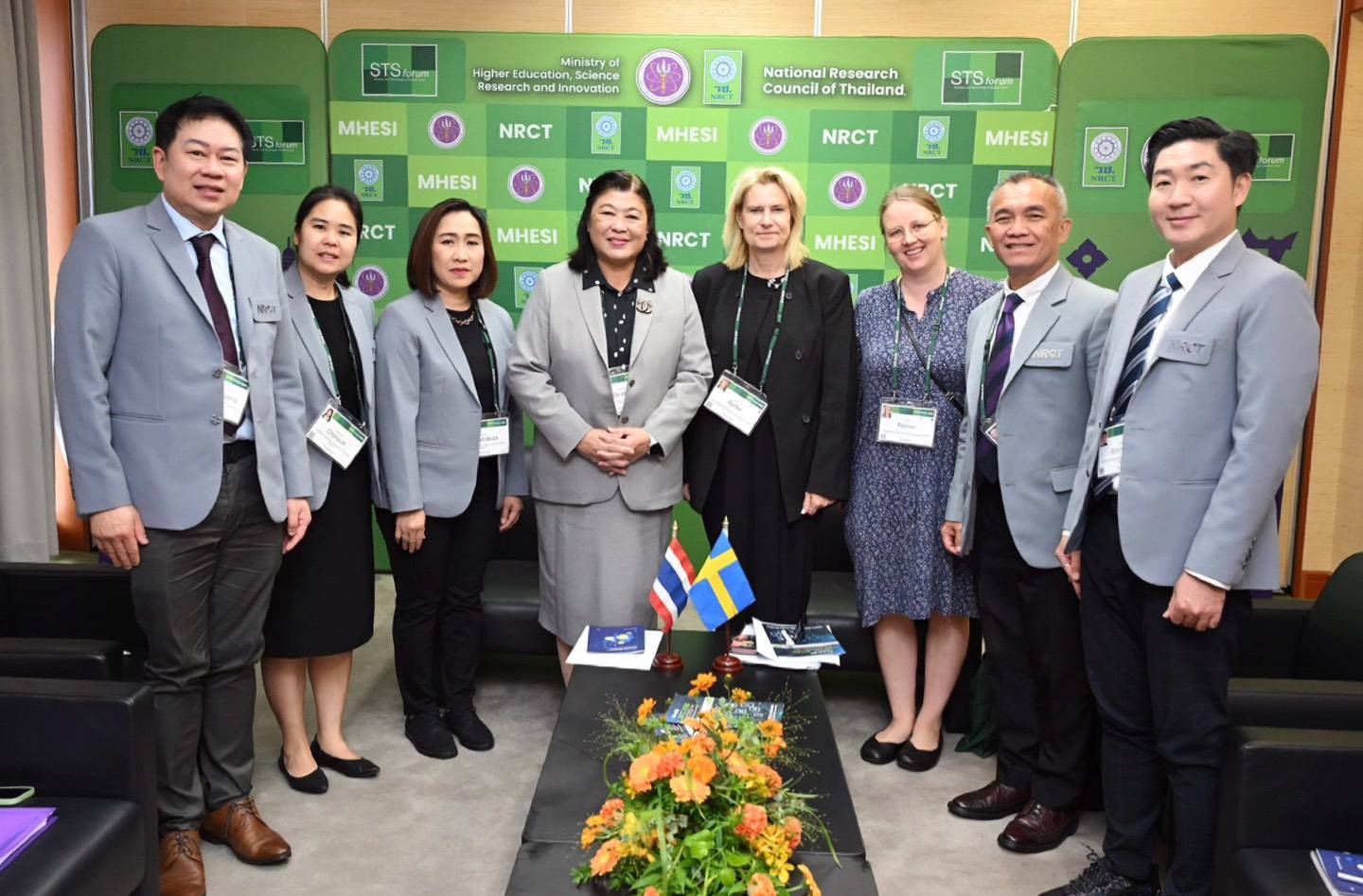
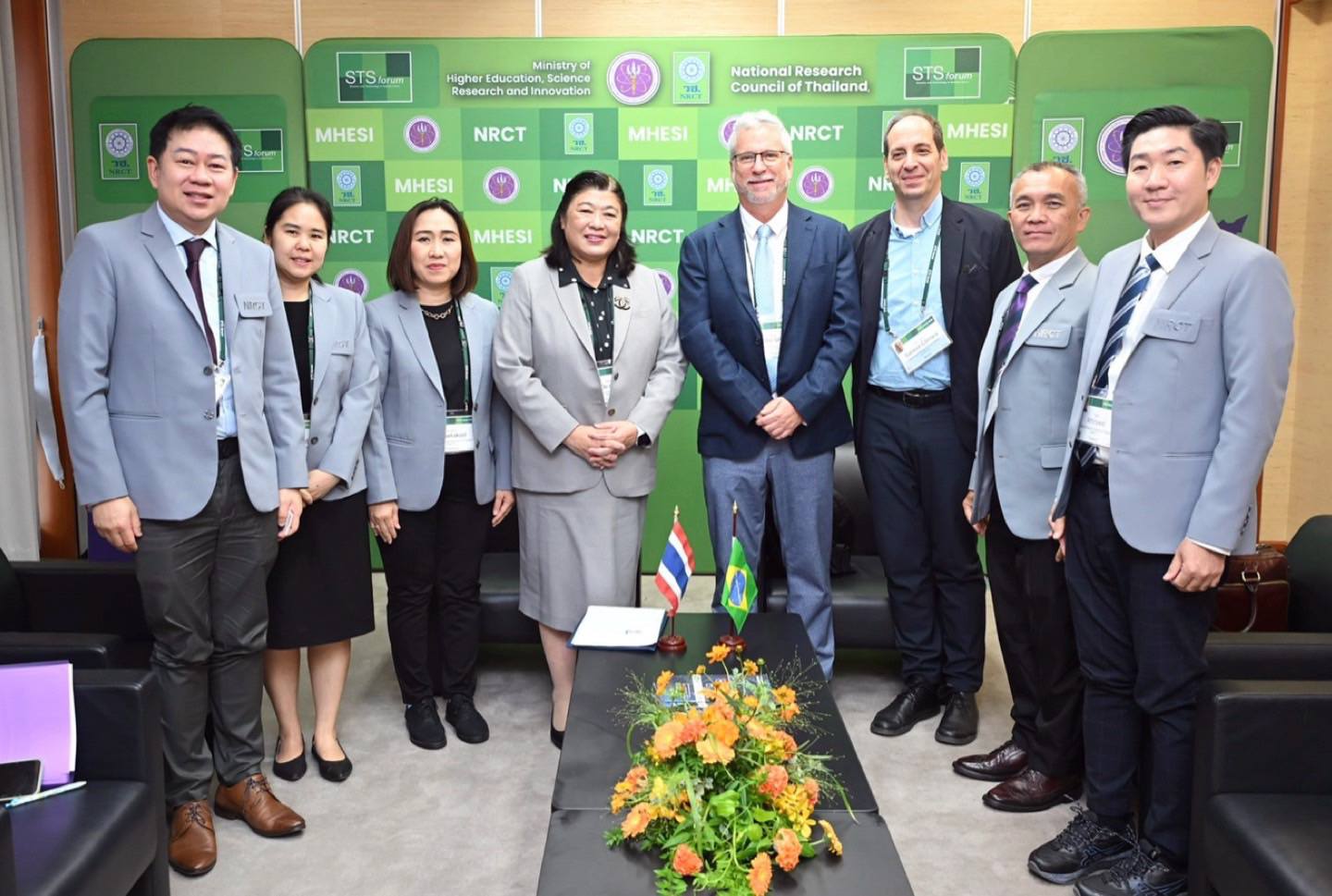
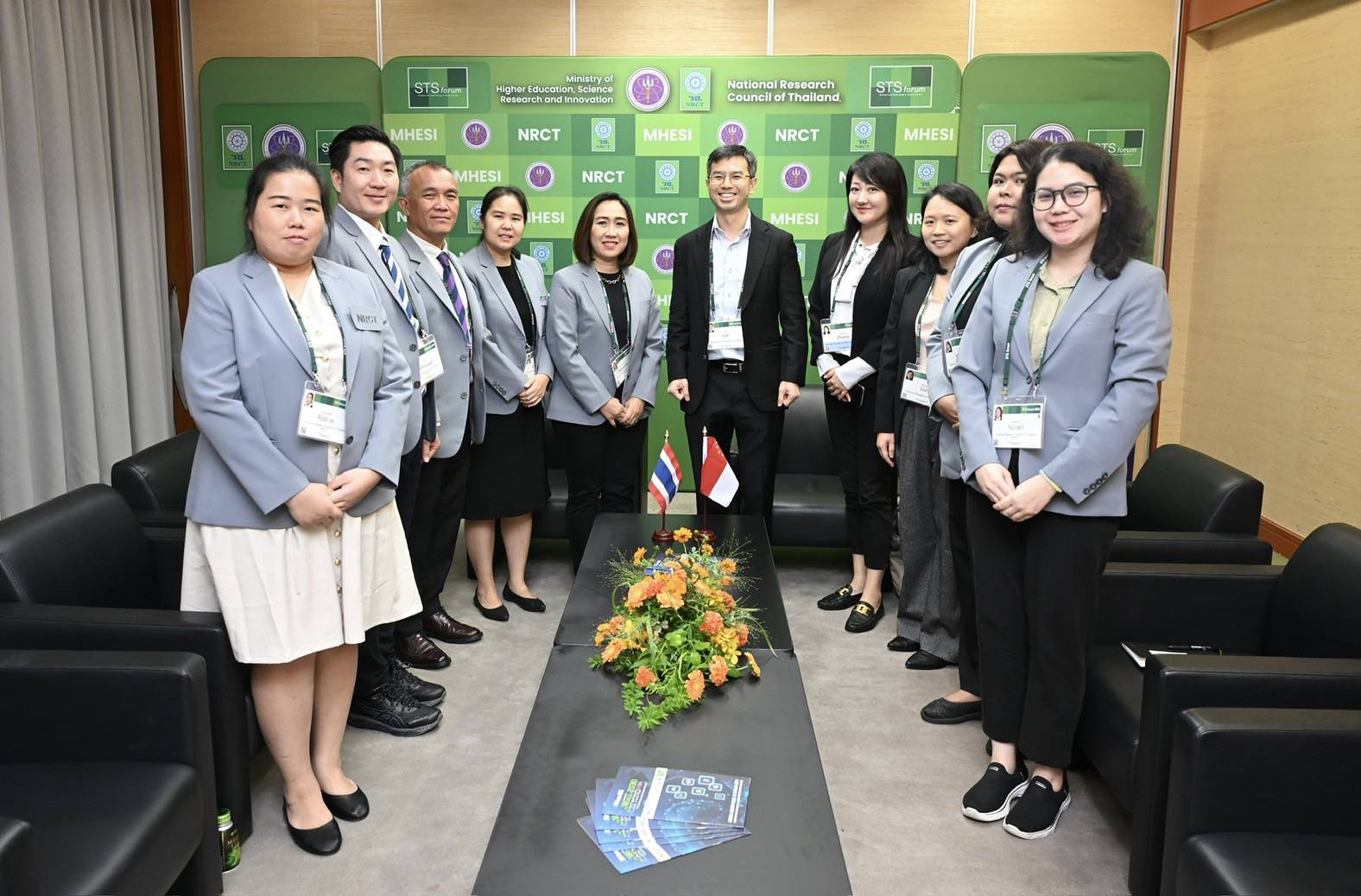
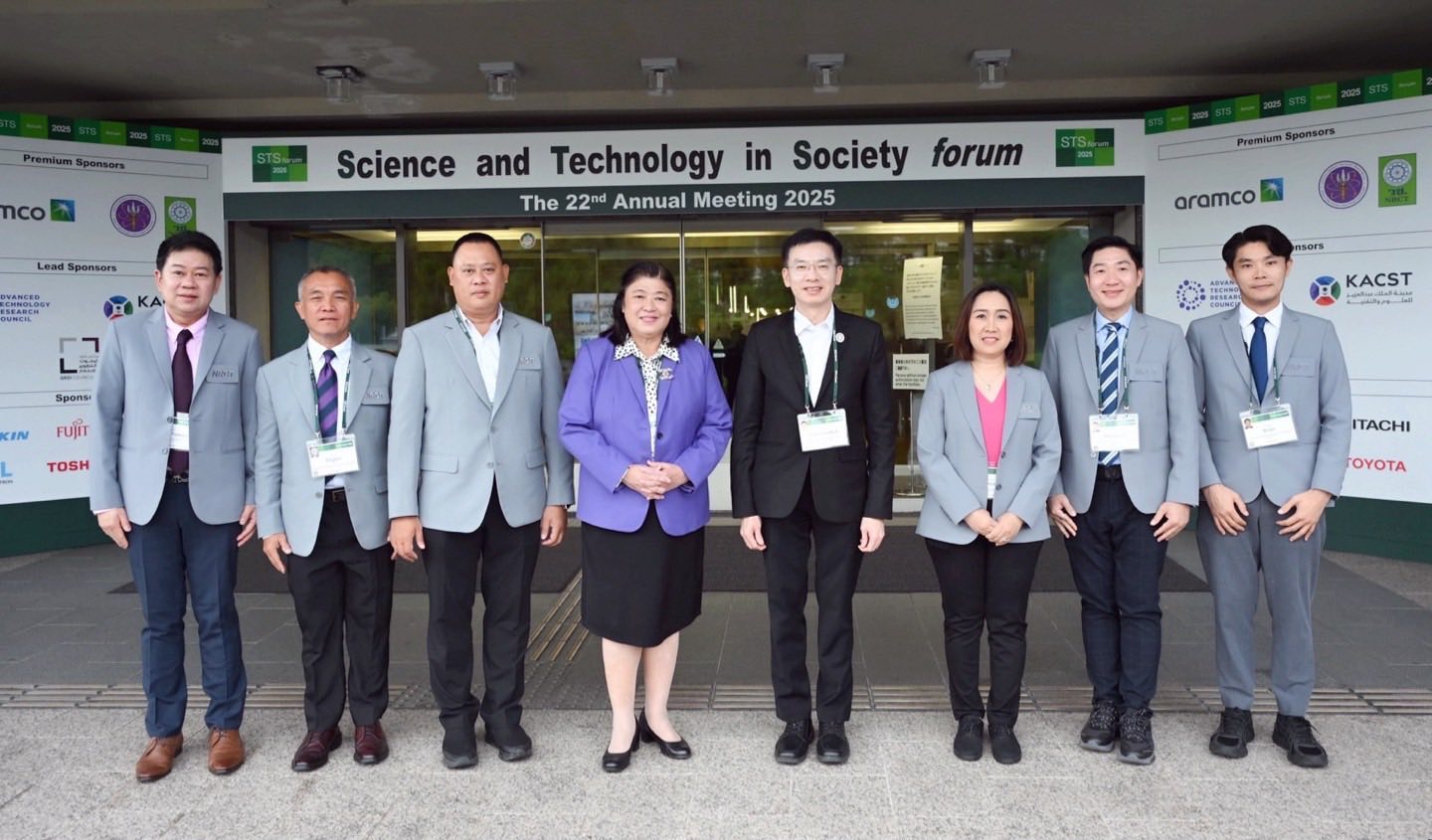
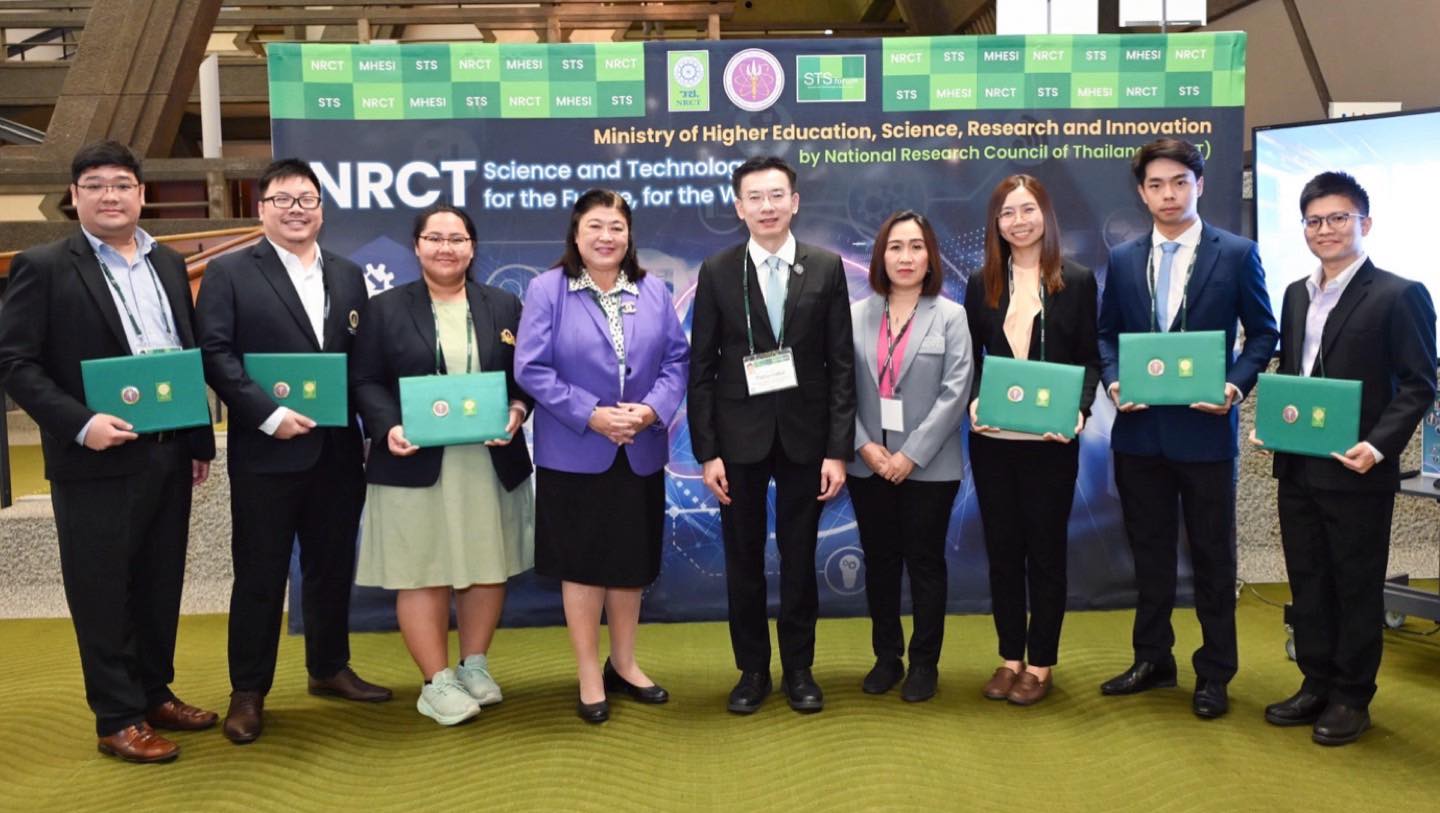
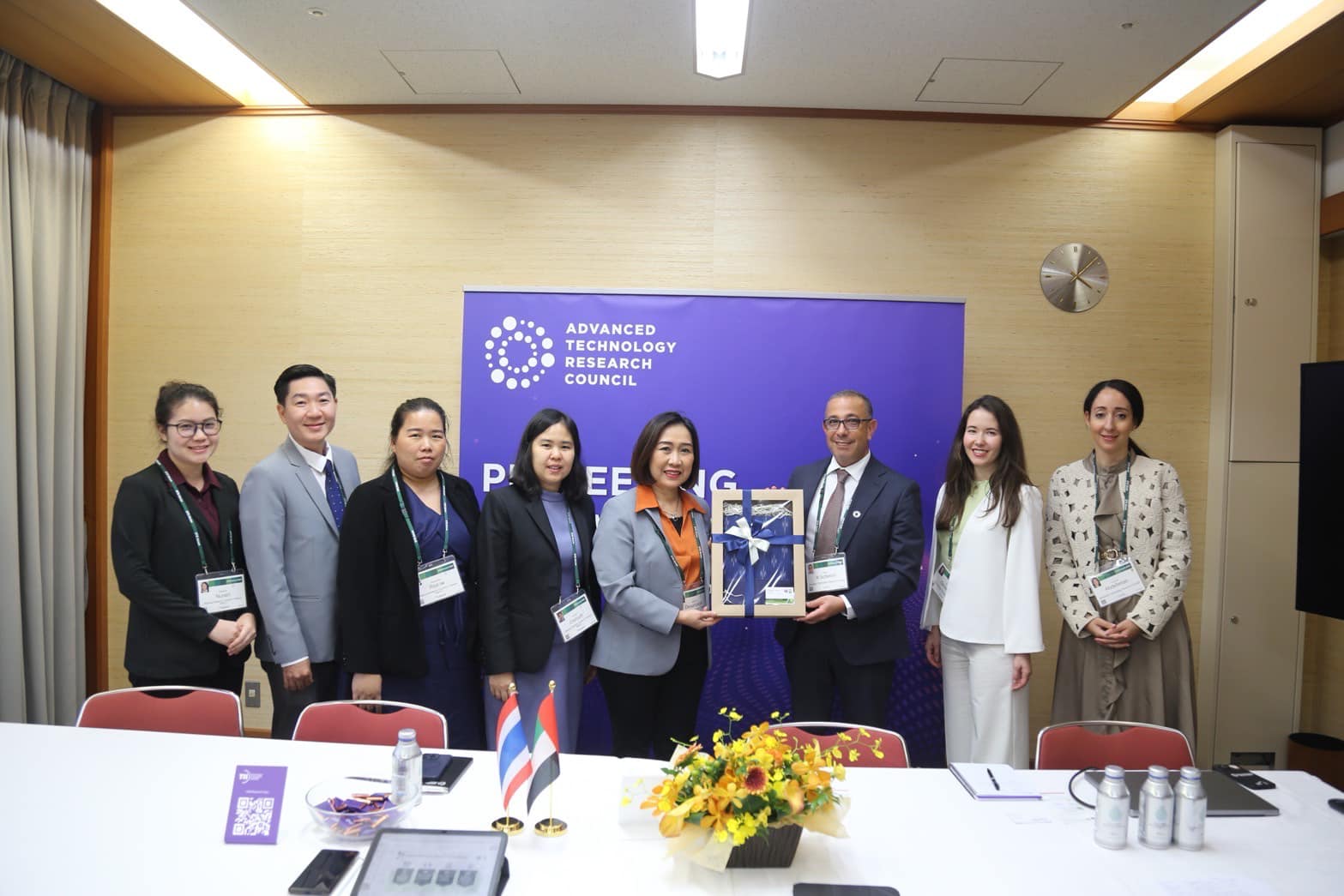
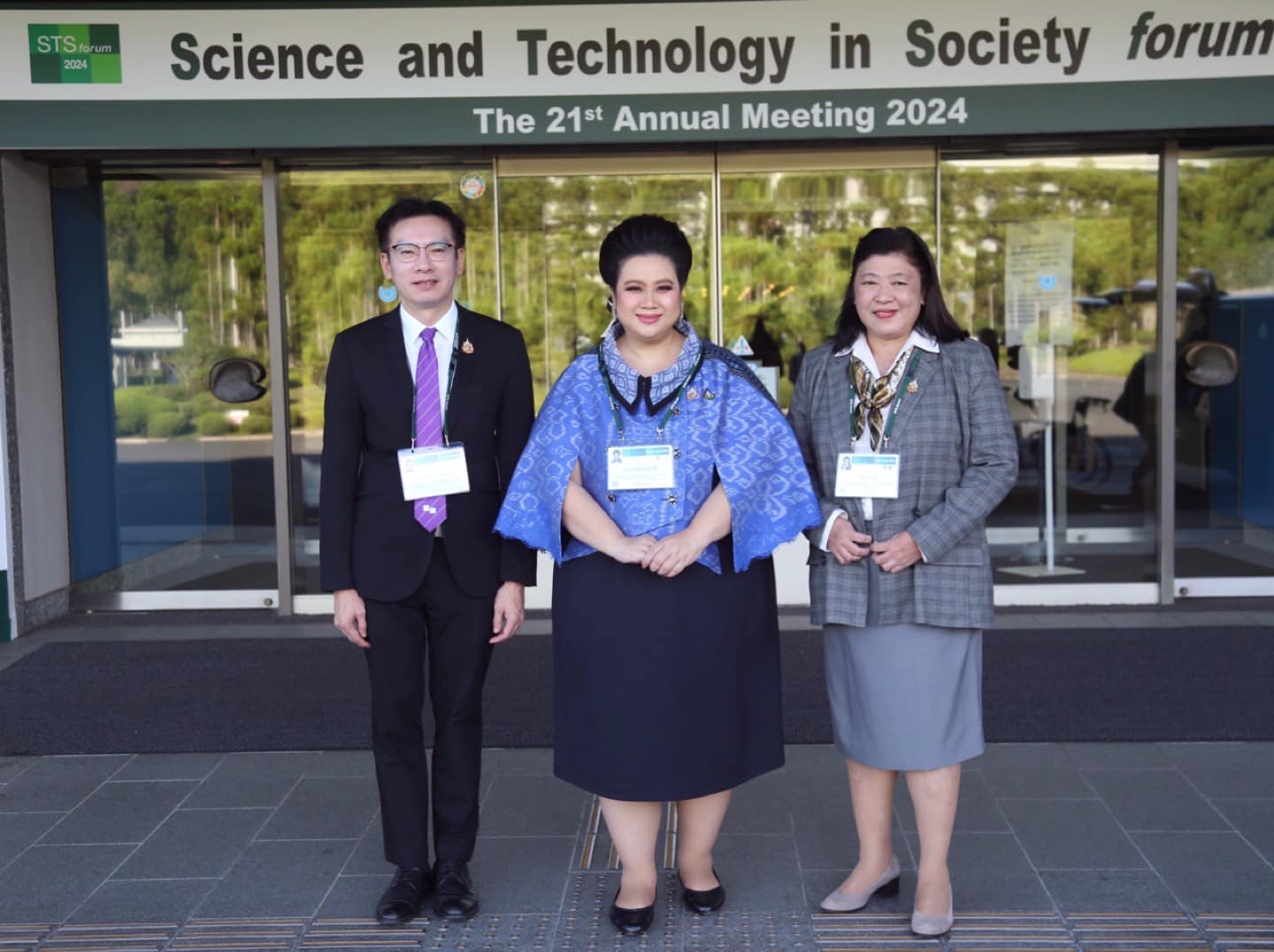
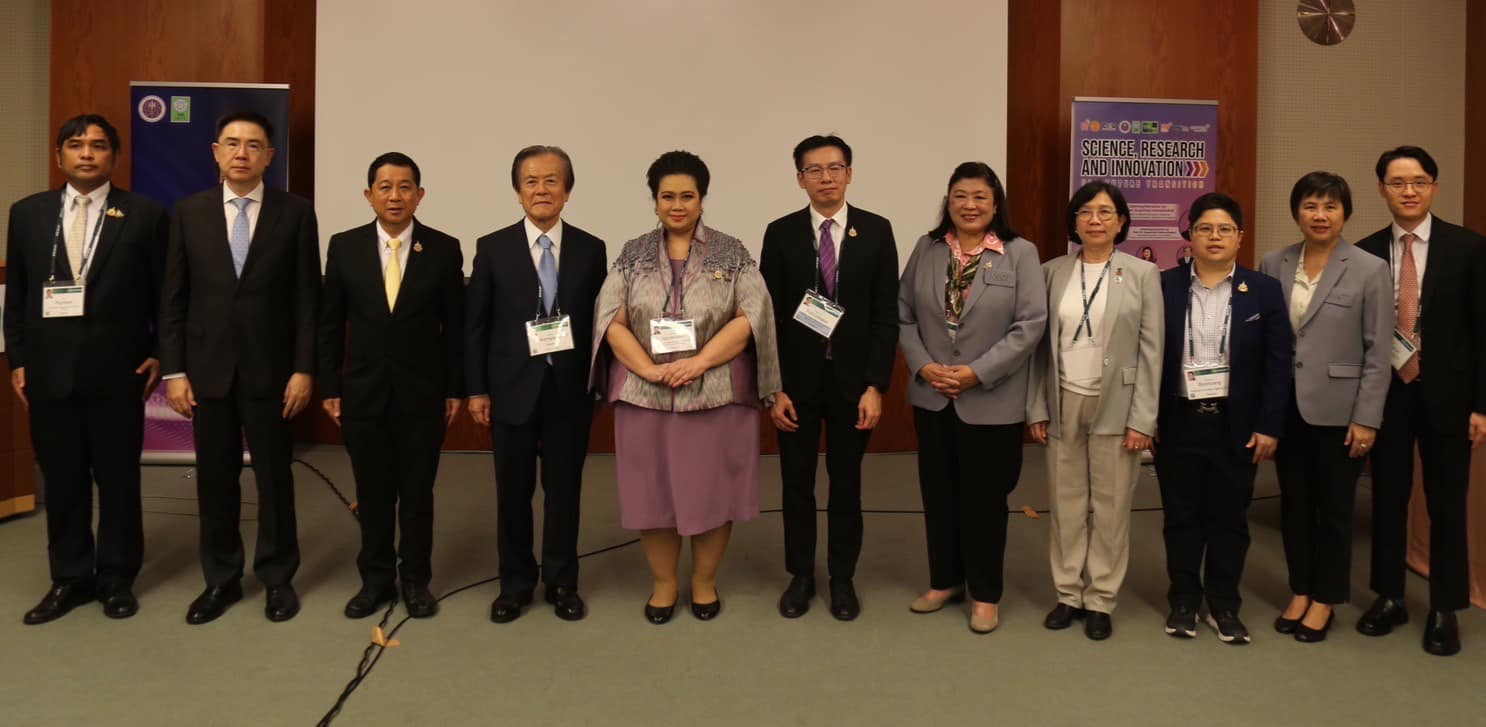
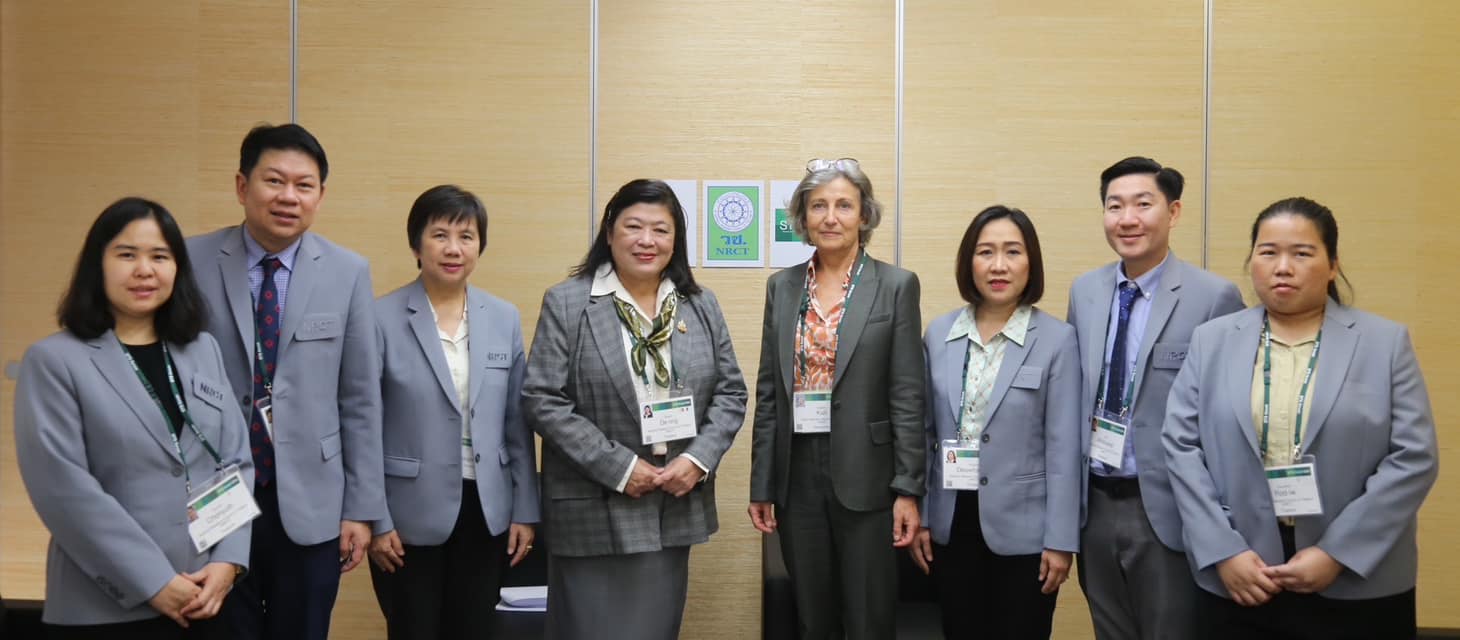
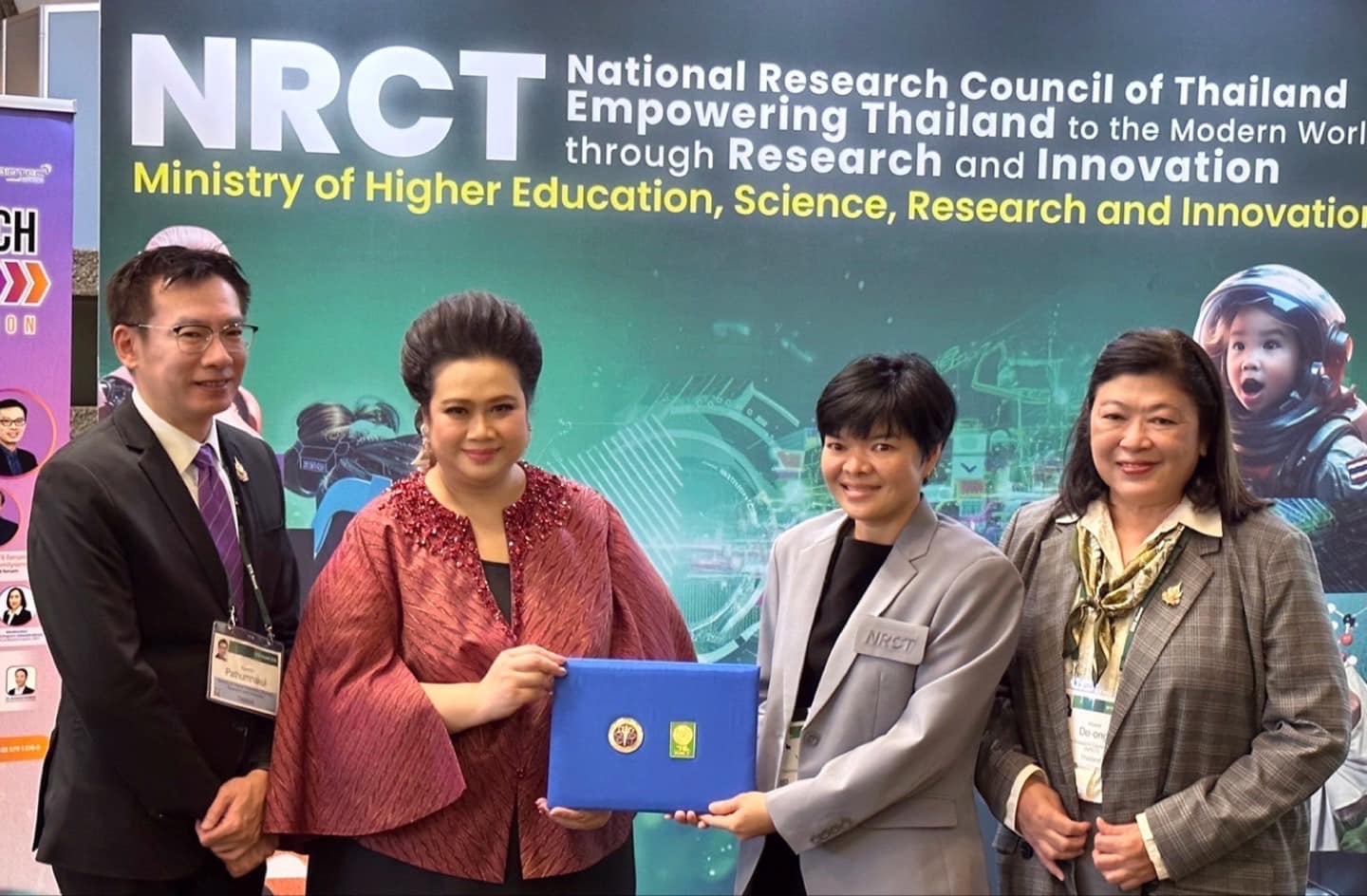
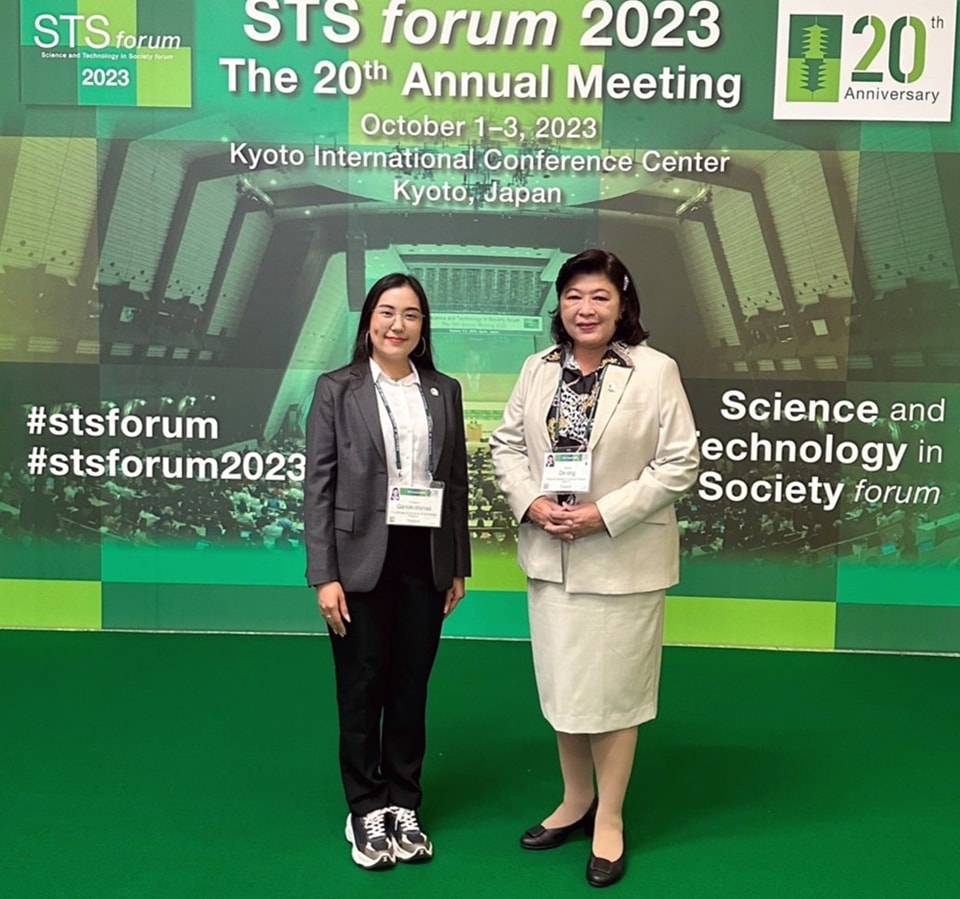
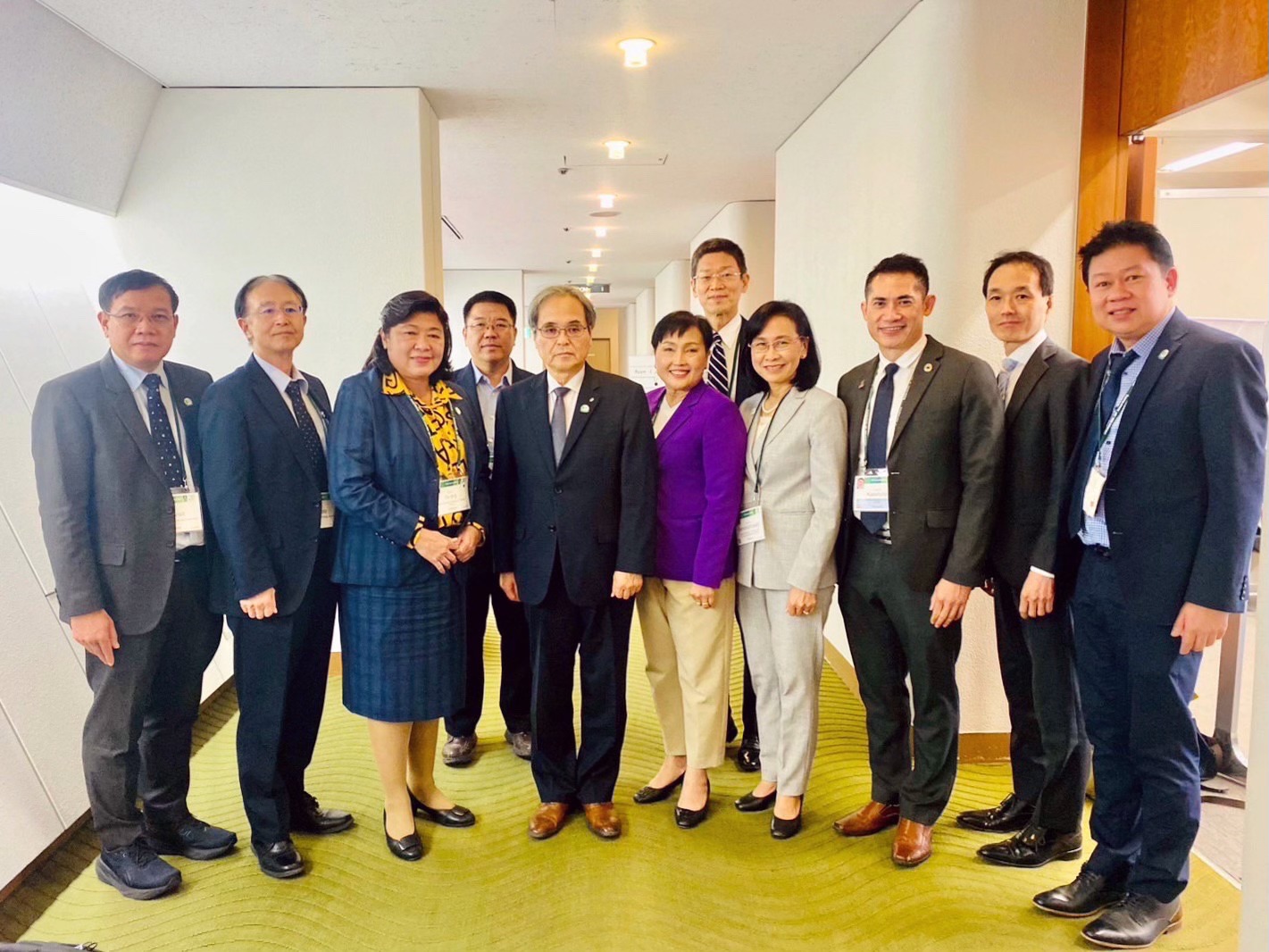
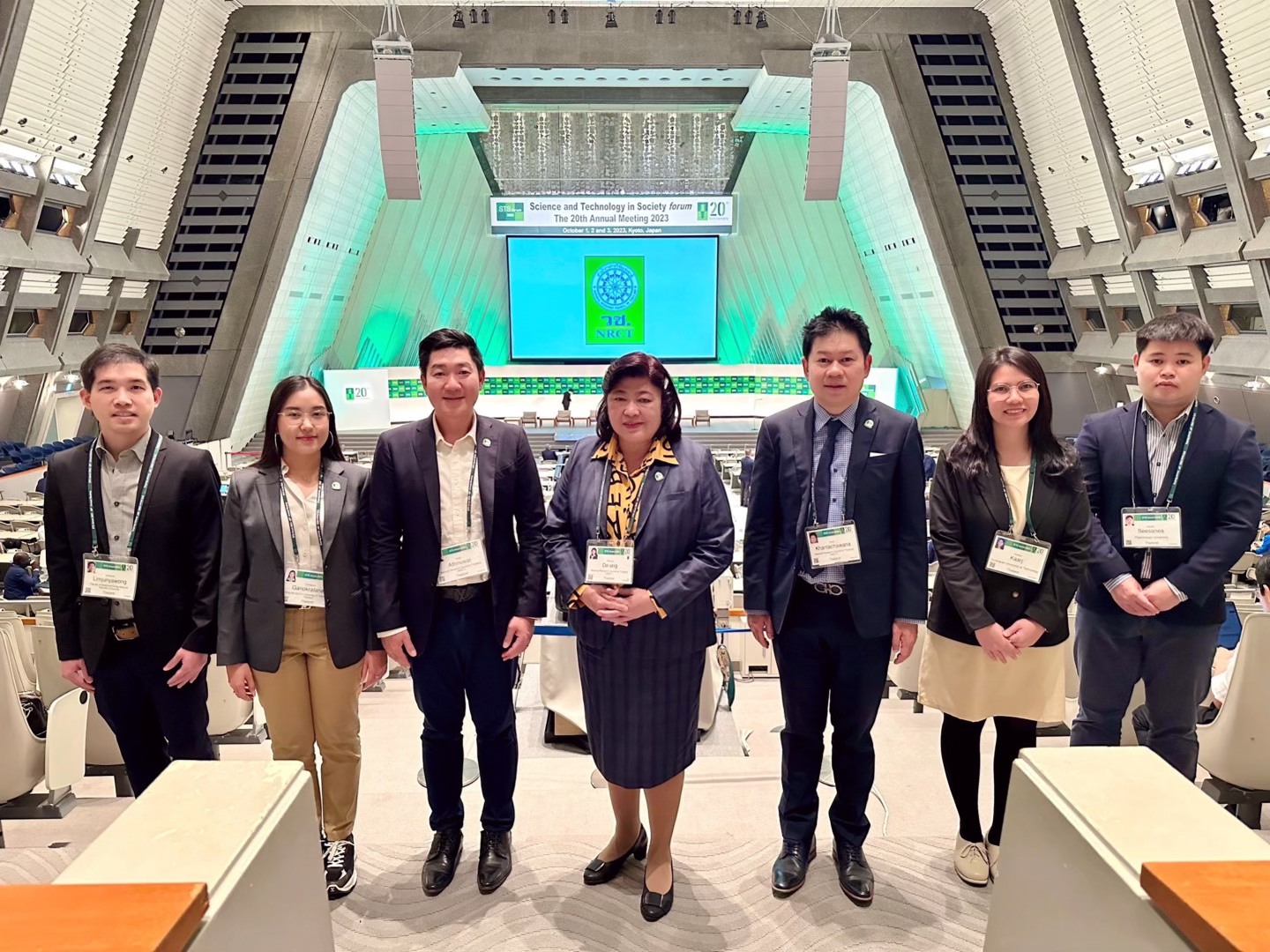
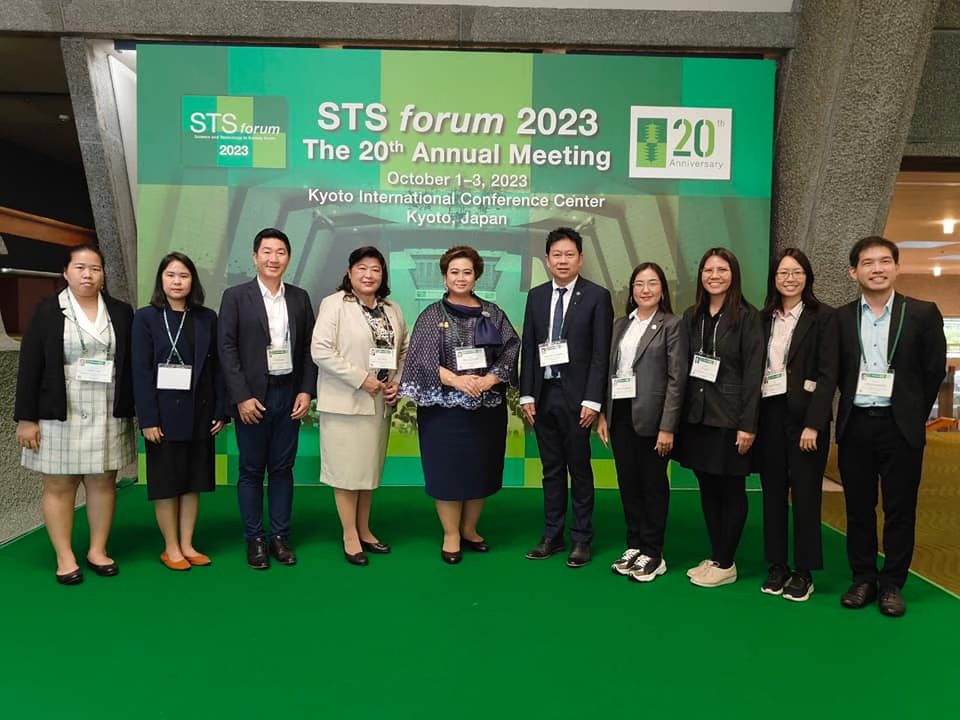
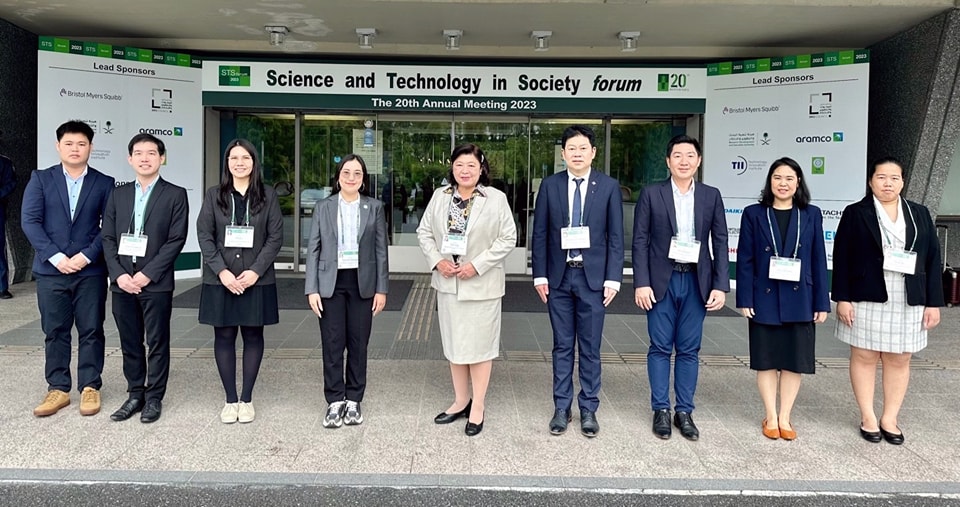
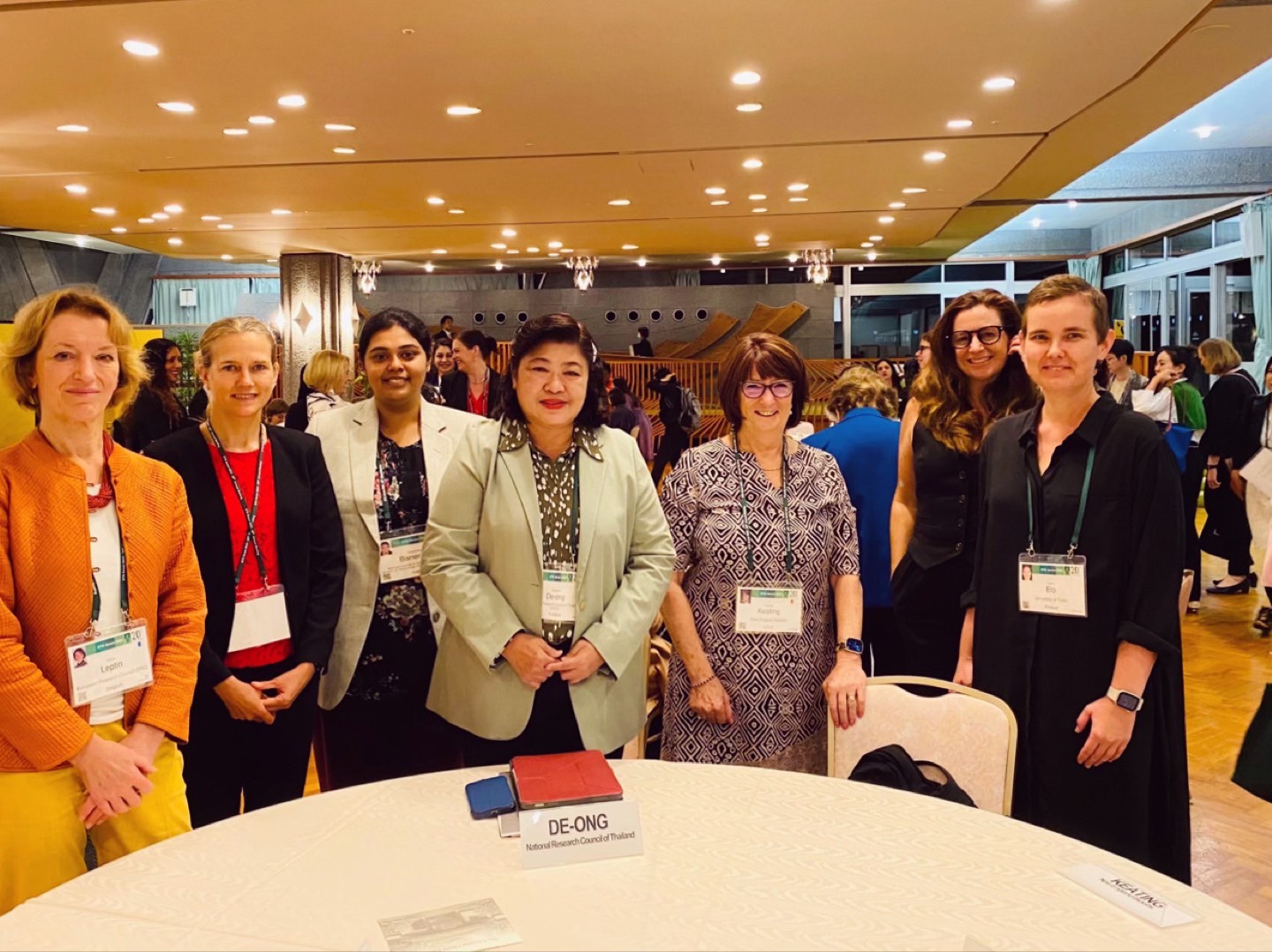
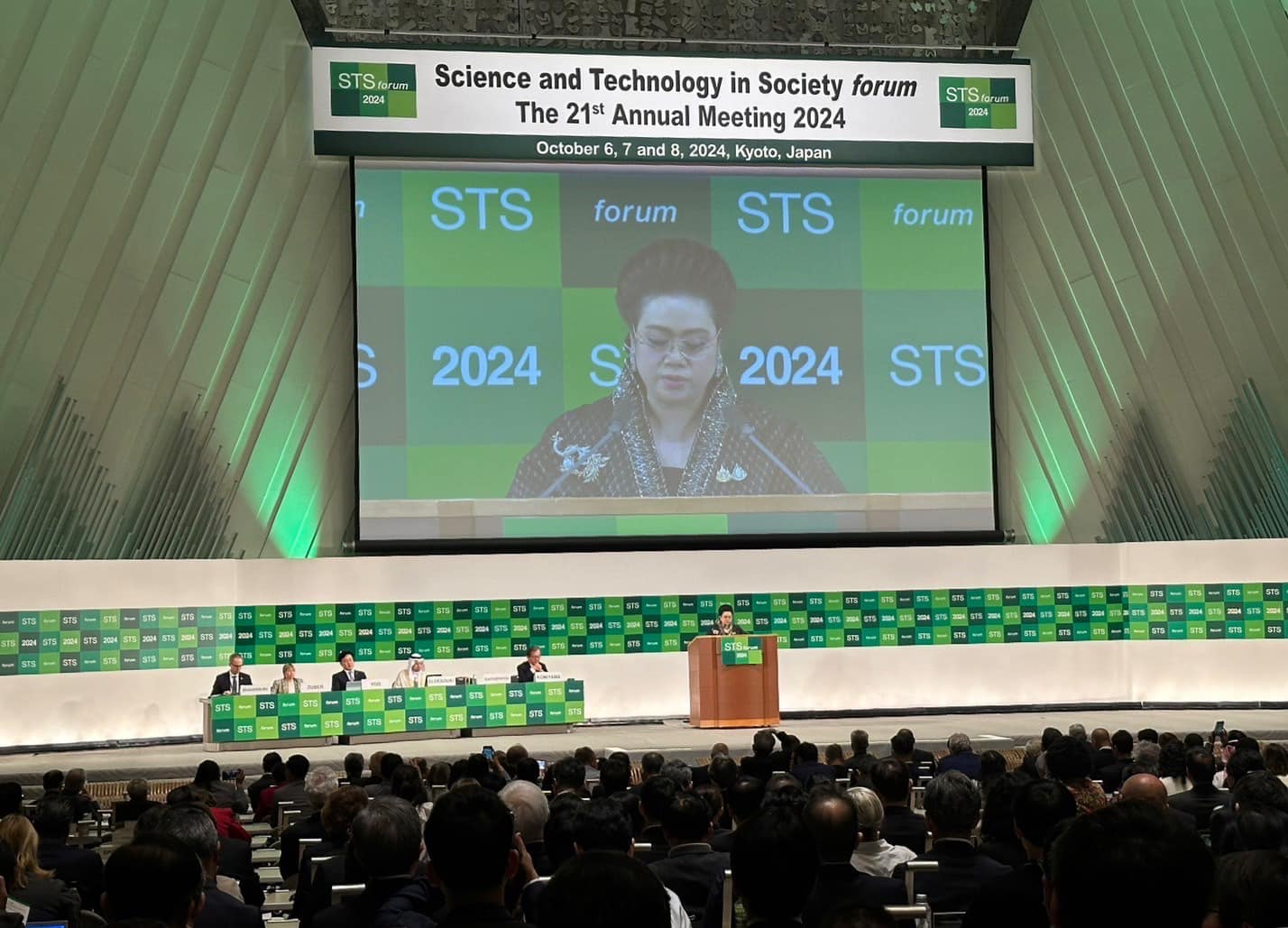
On 5 October 2026, Dr. Wiparat De-ong, Executive Director of the National Research Council of Thailand (NRCT), under the Ministry of Higher Education, Science, Research and Innovation (MHESI), delivered a keynote address at the concurrent session “Nurturing Innovation-based Startups” during the Science and Technology in Society forum 2026 (STS forum 2026), held at the Kyoto International Conference Center in Kyoto, Japan. The session was chaired by Prof. Shigeo Kagami of the University of Tokyo.
Dr. Wiparat De-ong emphasized that research funding agencies play an important role in creating an environment in which innovation-based startups can grow. Support should extend beyond research funding to cover the entire innovation journey, from research and technology development to testing, prototyping, practical application, commercialization, and market expansion.
She further highlighted that startups based on science, technology, and advanced innovation often require long development periods and face significant risks. Therefore, these startups need sustained support tailored to each stage of growth, alongside stronger connections among researchers, universities, industry, investors, government agencies, and end users. These connections can help promising research move from the laboratory to the market, creating economic value and positive social impact.
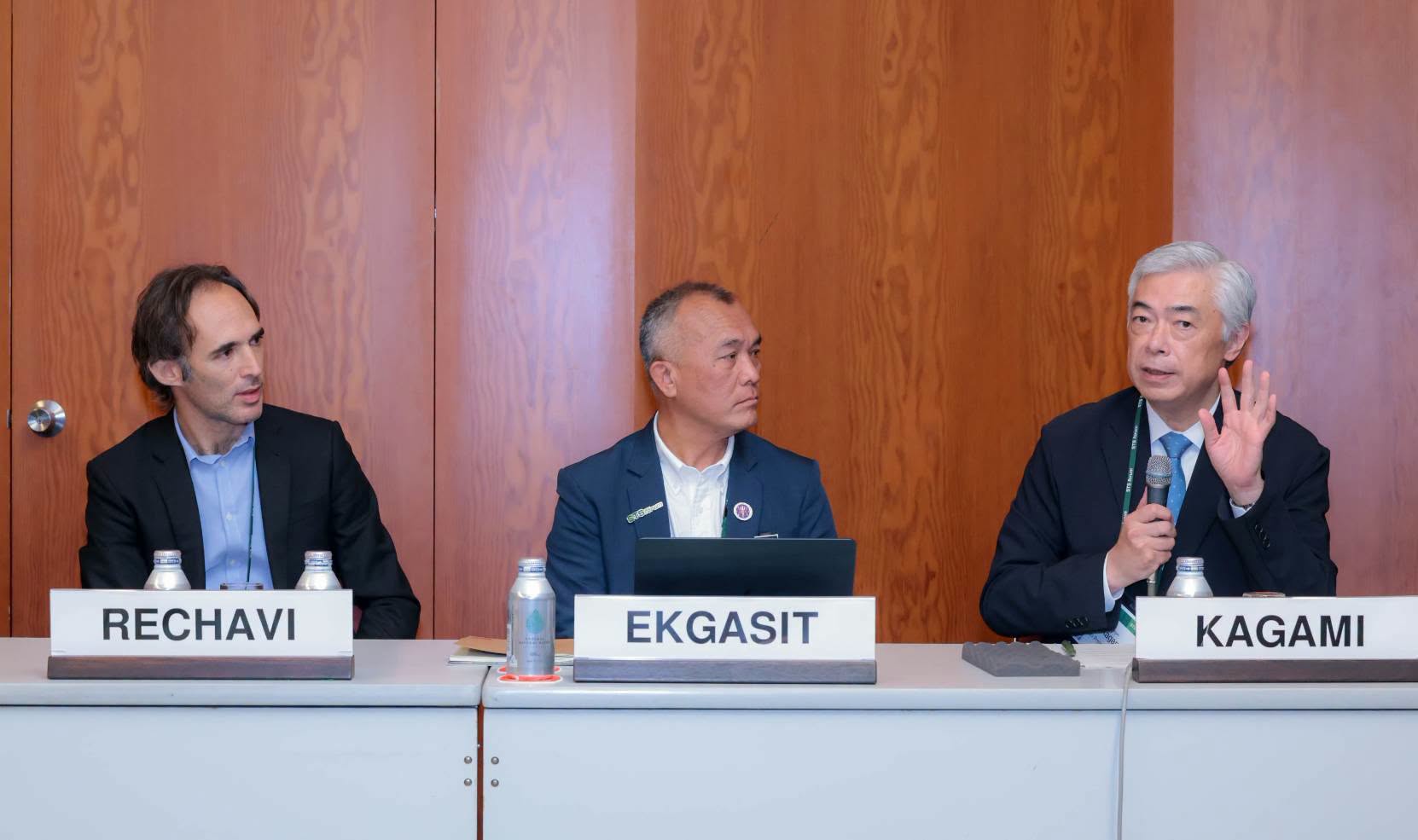
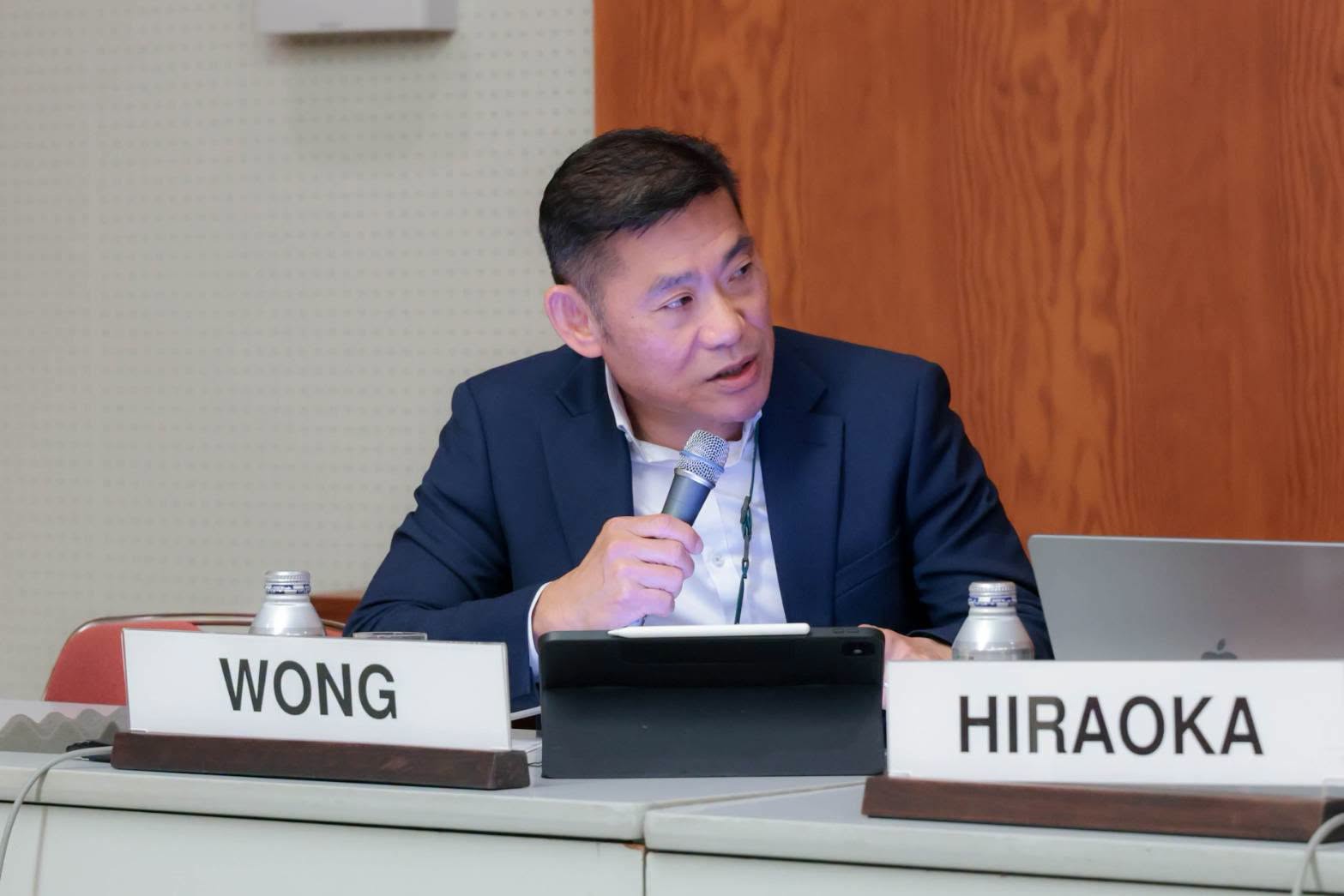
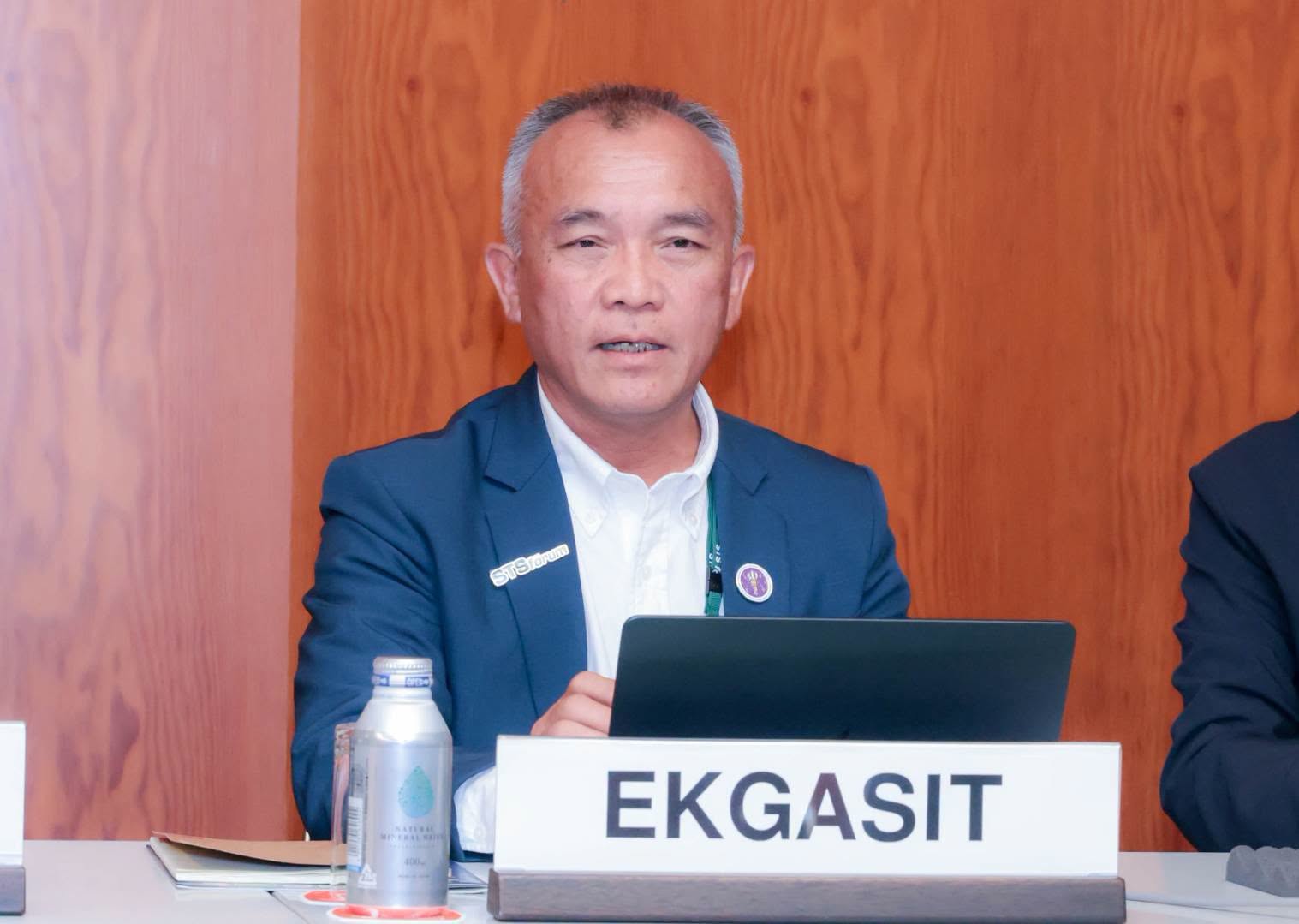
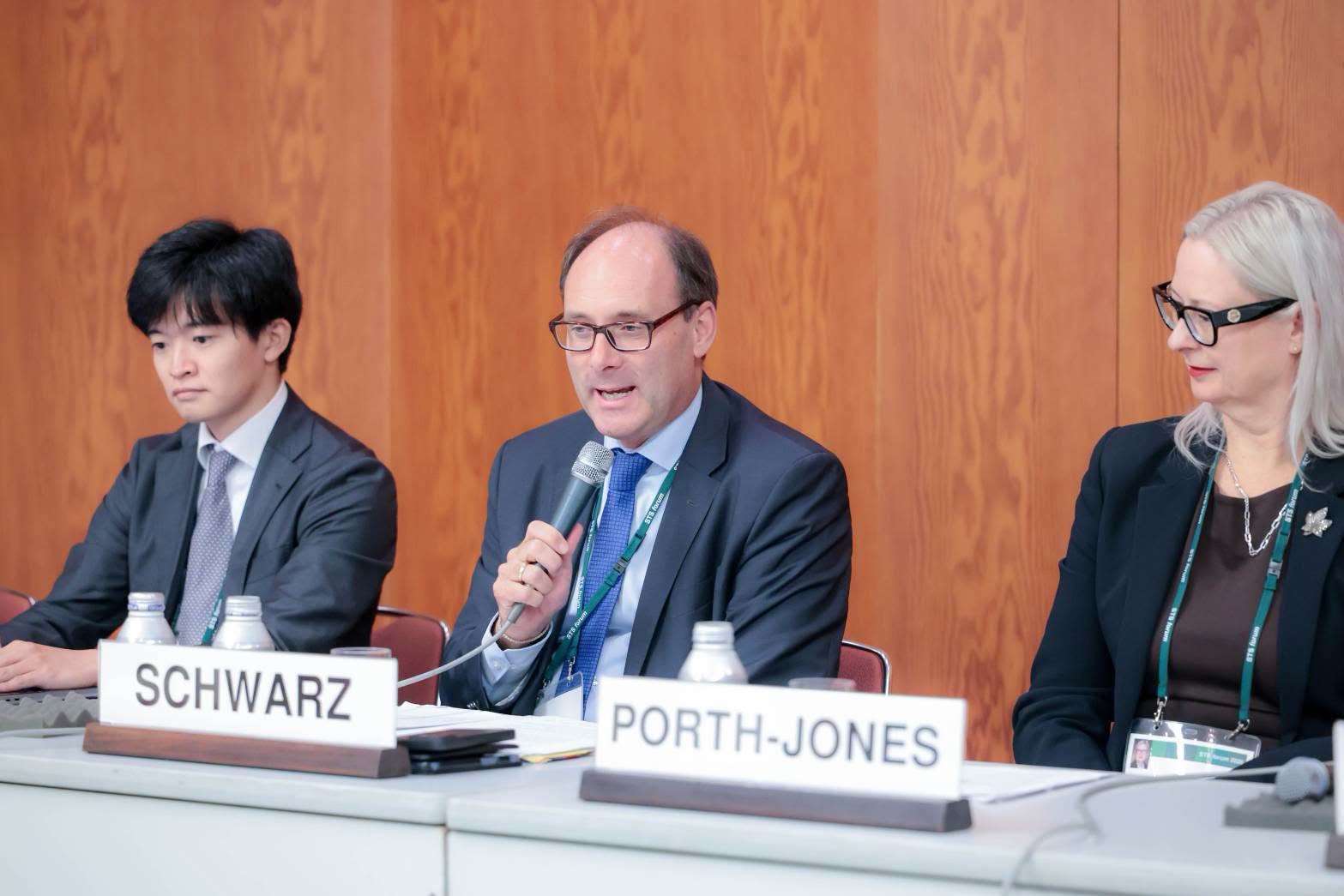
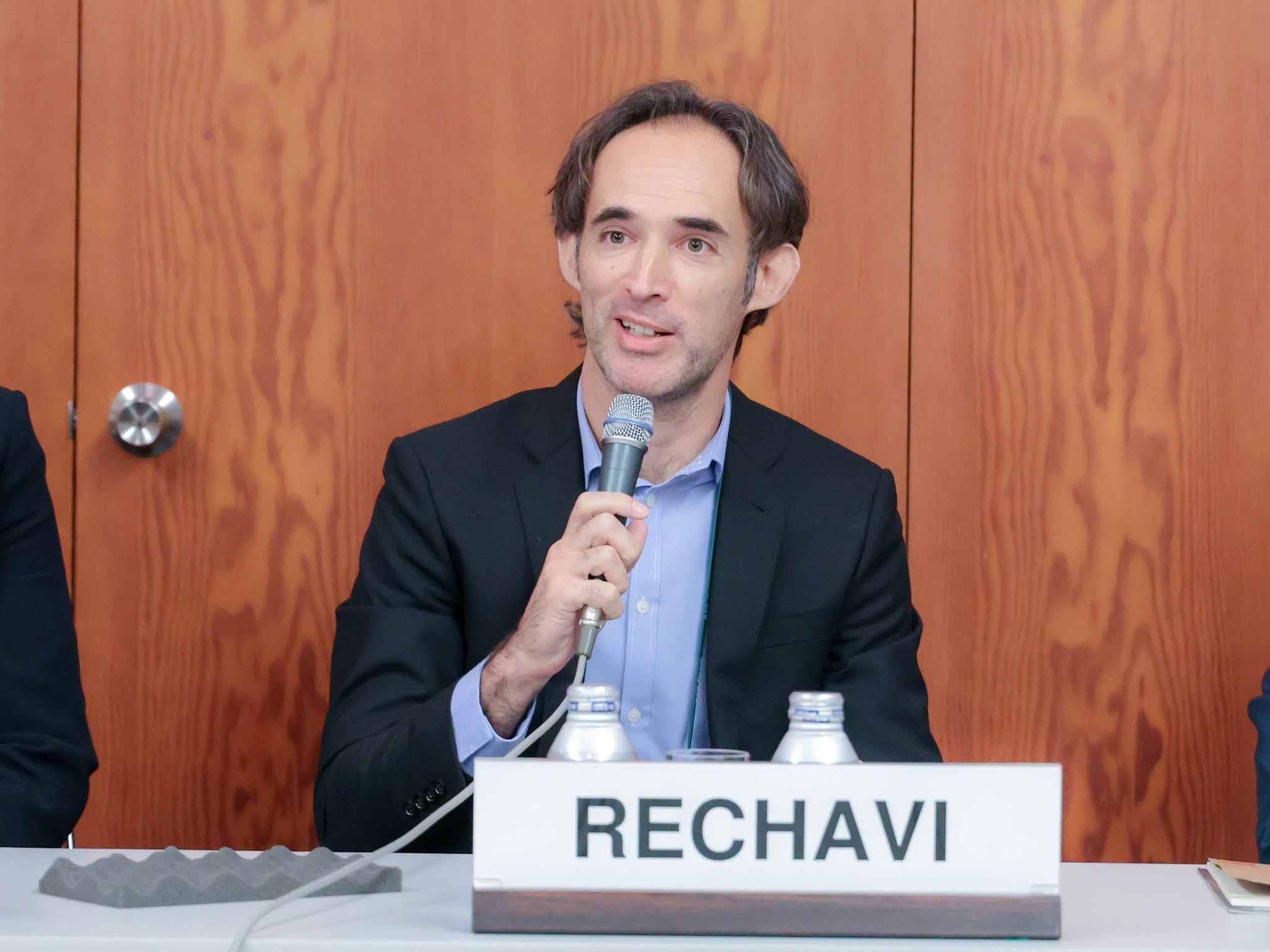
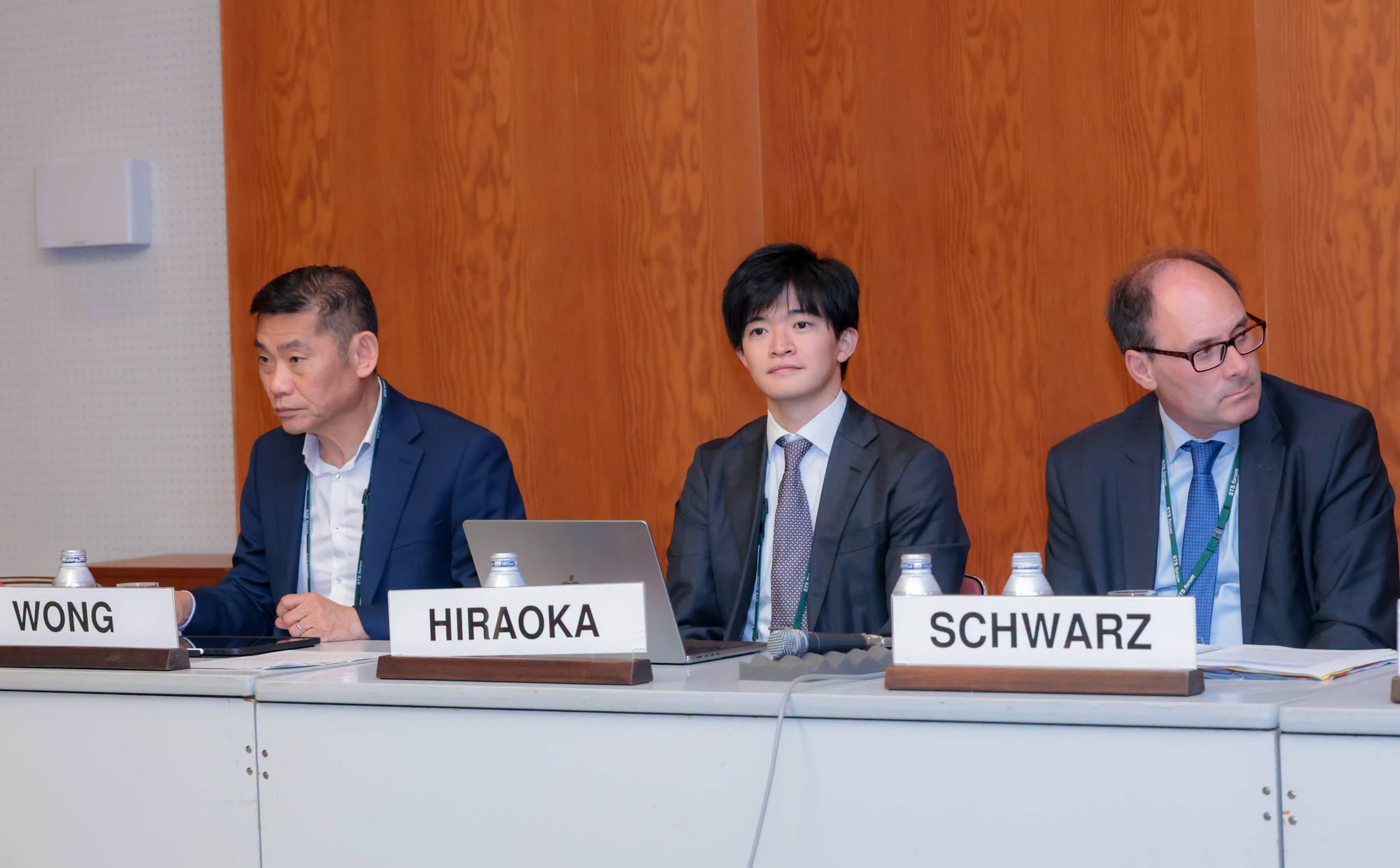
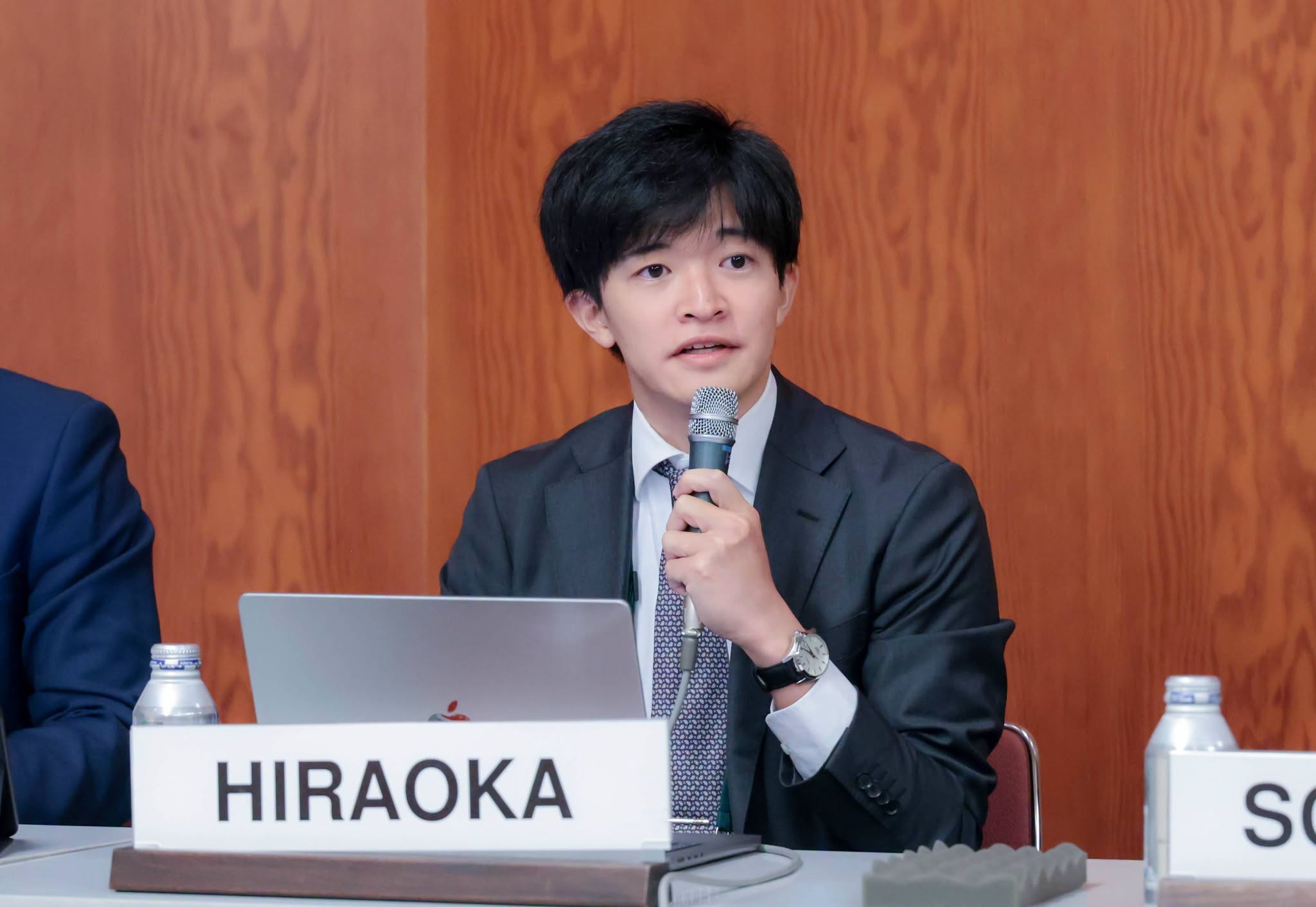
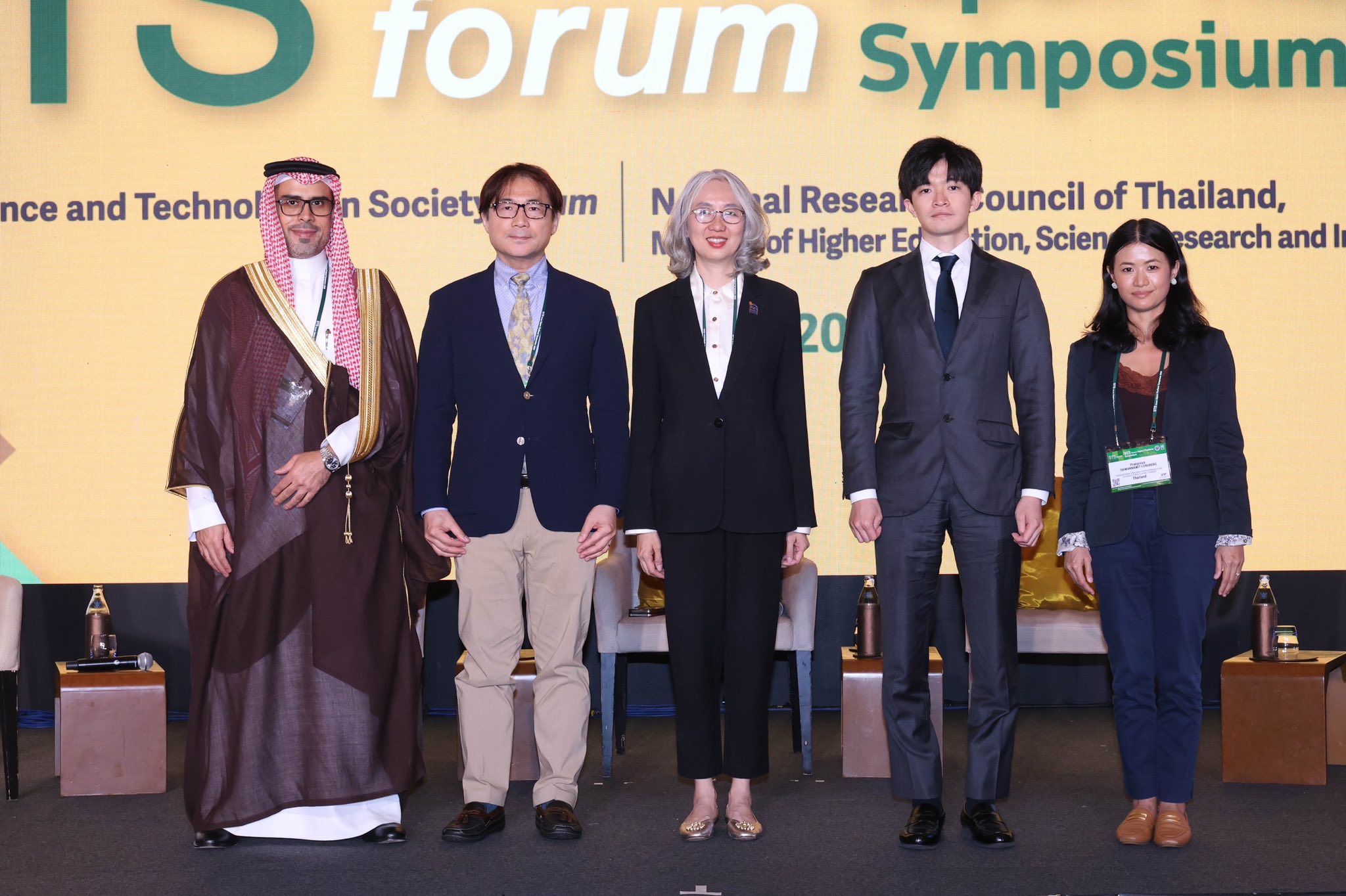
Prof. Dr. Sanong Ekgasit, an academic advisory committee at NRCT, also participated in a panel discussion with five international experts and representatives: Dr. Yu Hiraoka of GramEye Inc. and The University of Osaka, Japan; Ms. Laural Porth-Jones of the National Research Council Canada; Prof. Dr. Oded Rechavi of Tel Aviv University, Israel; Dr. Andreas Schwarz of the European Commission; and Mr. Kee Wong, Founder and Managing Director of e-Centric Innovations Pty Ltd, Australia.
Prof. Dr. Sanong highlighted NRCT’s commitment to investing in people alongside research. Researchers are central to innovation and startup development, and NRCT therefore supports capacity building at every stage, from young people and students to early-career and senior researchers. Its support spans basic and applied research, prototype development, practical application, and commercialization.
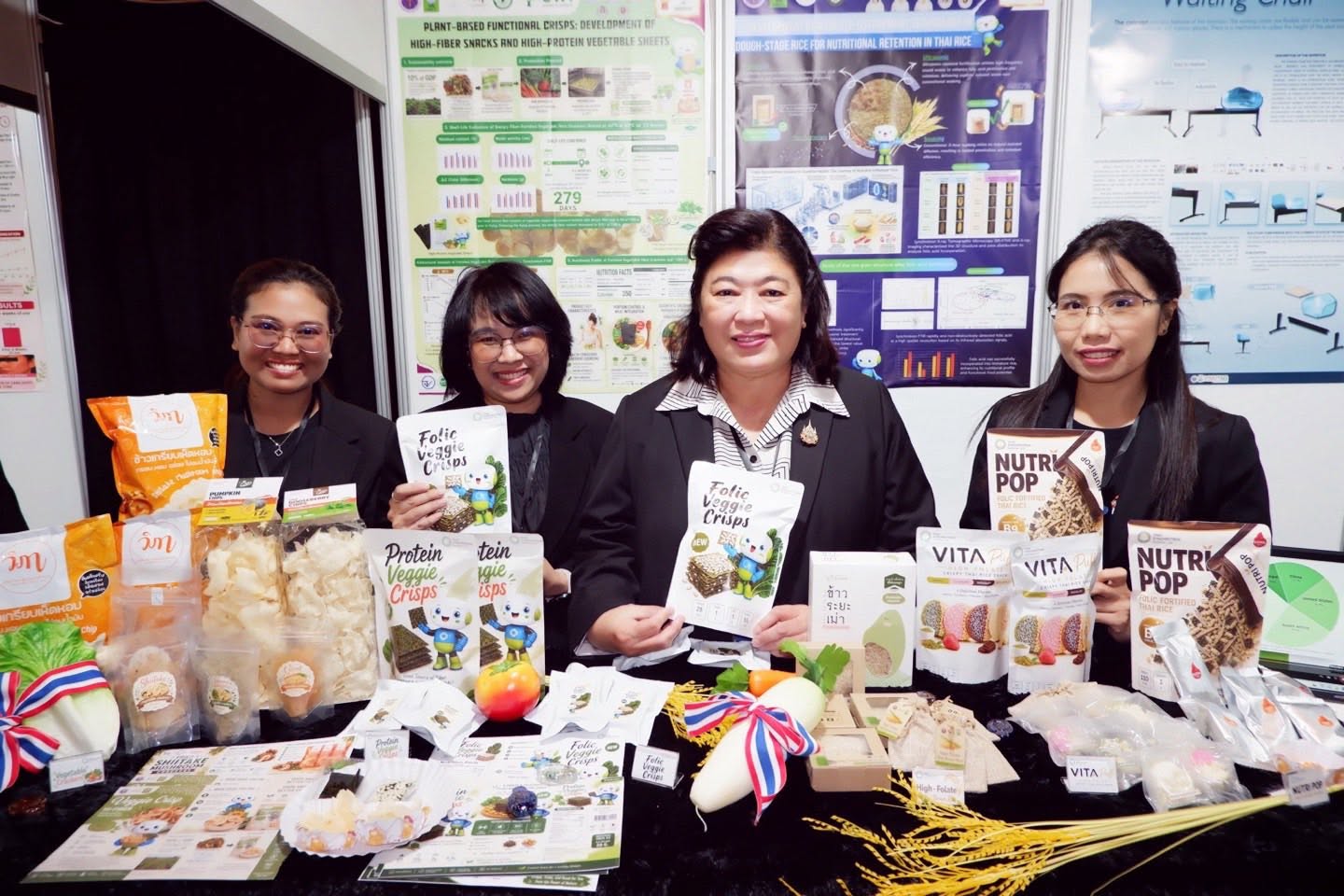
He also presented examples of NRCT-supported research that had progressed from initial research concepts into products and startups. These cases demonstrate the importance of long-term support, strong networks, and connections among researchers, industry, investors, and domestic and international partners. Opportunities for young researchers to meet experts, exchange ideas, and build international networks can help transform current research into future innovations and businesses.
The panel discussion also addressed key factors in developing innovation-based startups, including creating pathways from research to commercialization, strengthening the skills of researchers and entrepreneurs, improving access to long-term funding for deep-tech startups, and building innovation ecosystems that connect government agencies, universities, industry, investors, and entrepreneurs. Other important topics included developing supportive policies and regulatory frameworks while maintaining public trust, as well as helping startups expand into international markets and connect with global innovation networks.
NRCT’s participation at STS forum 2026 reflects its role in supporting not only the creation of research knowledge but also its practical application. Through talent development, network building, and support for innovation ecosystems, NRCT aims to help Thai research progress from the laboratory to the market, strengthen competitive innovation businesses, and generate economic and social benefits for the country.