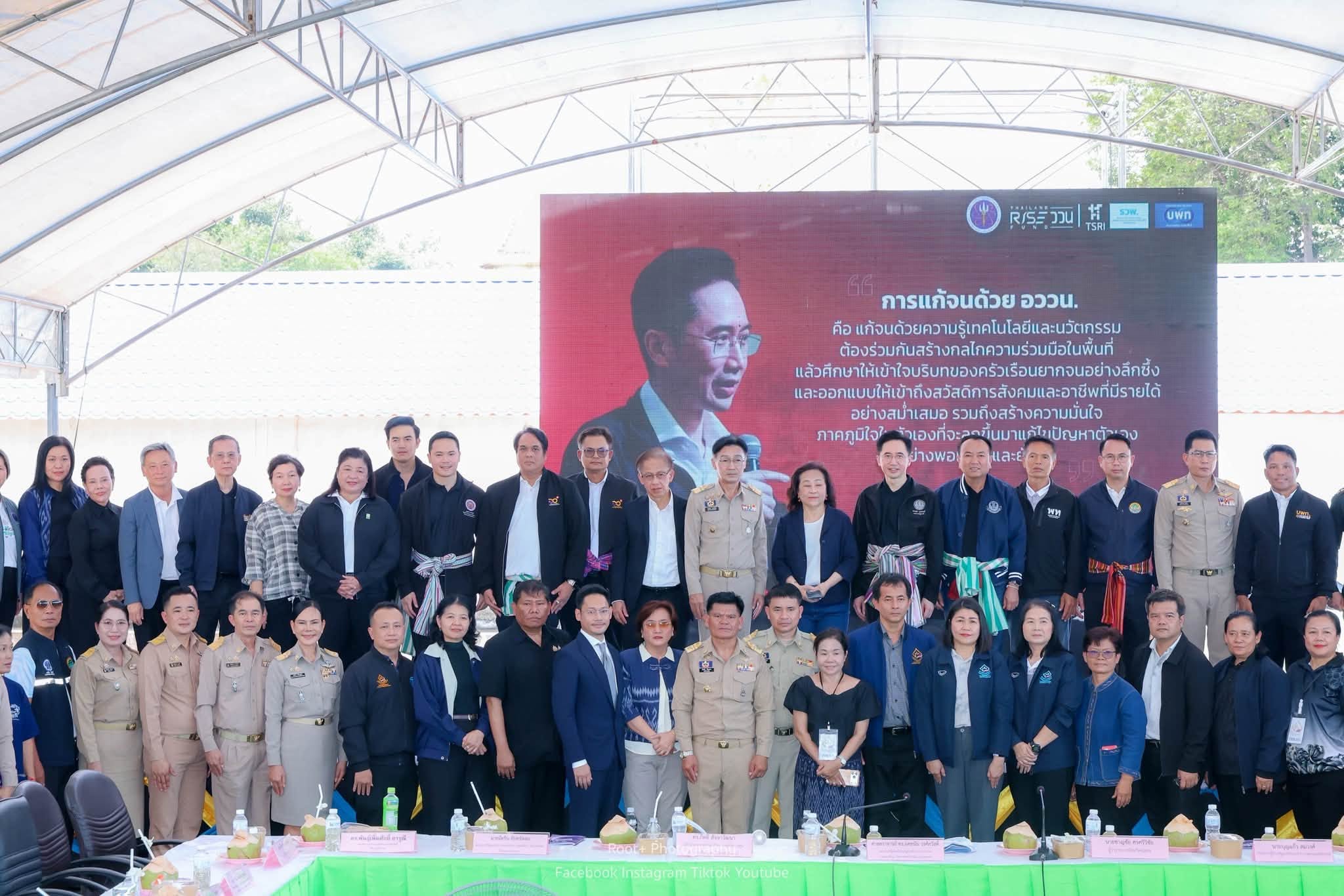
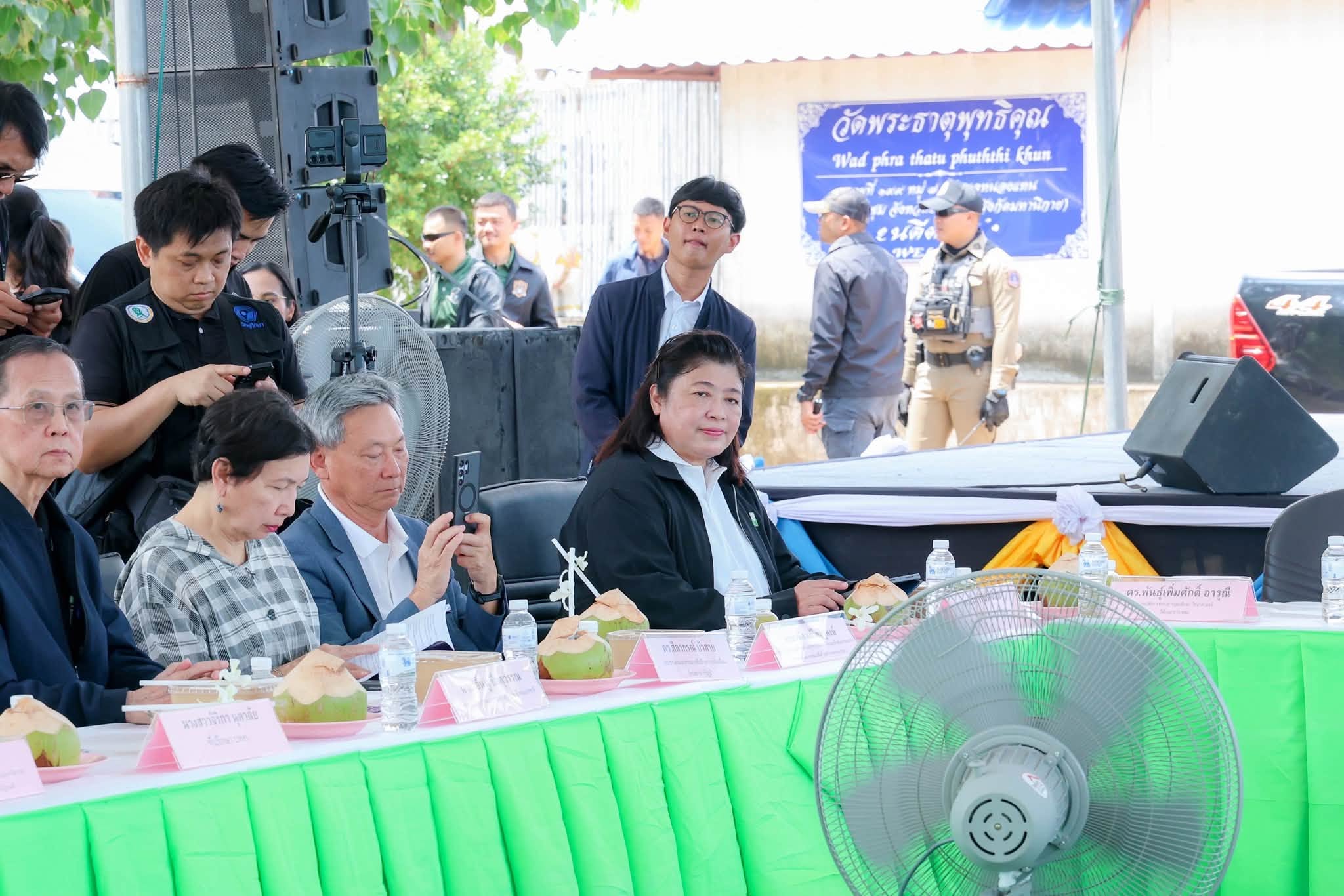
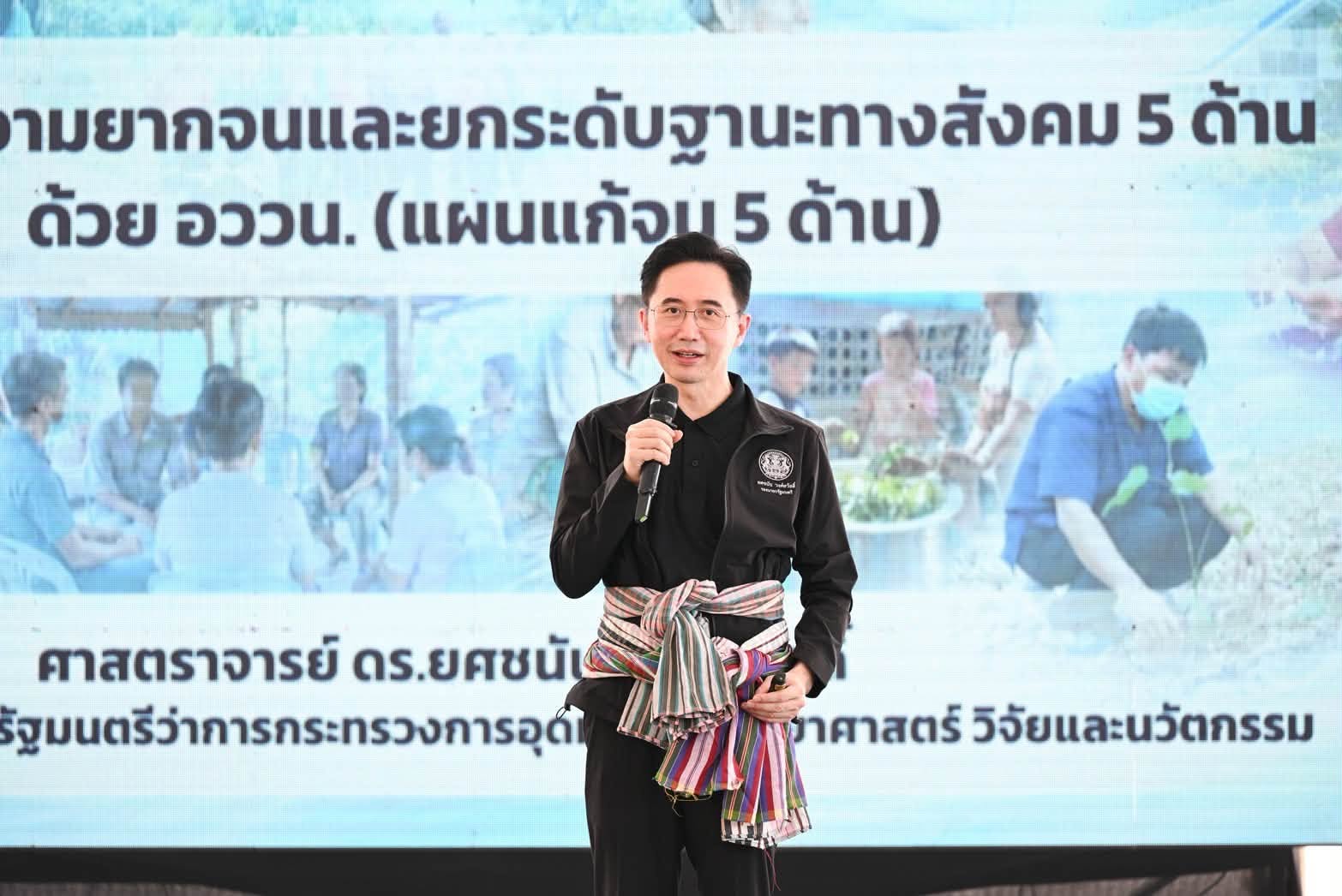
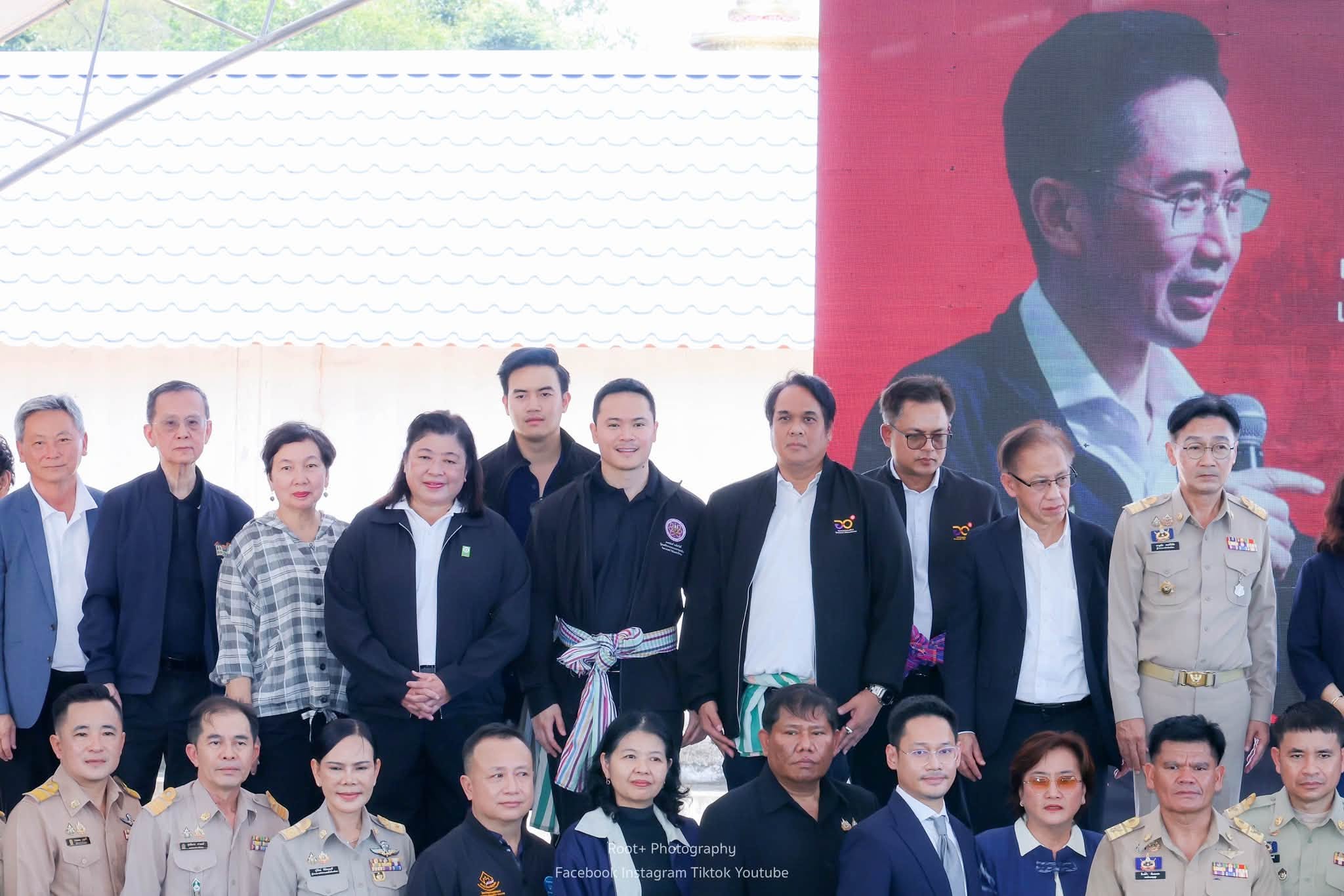
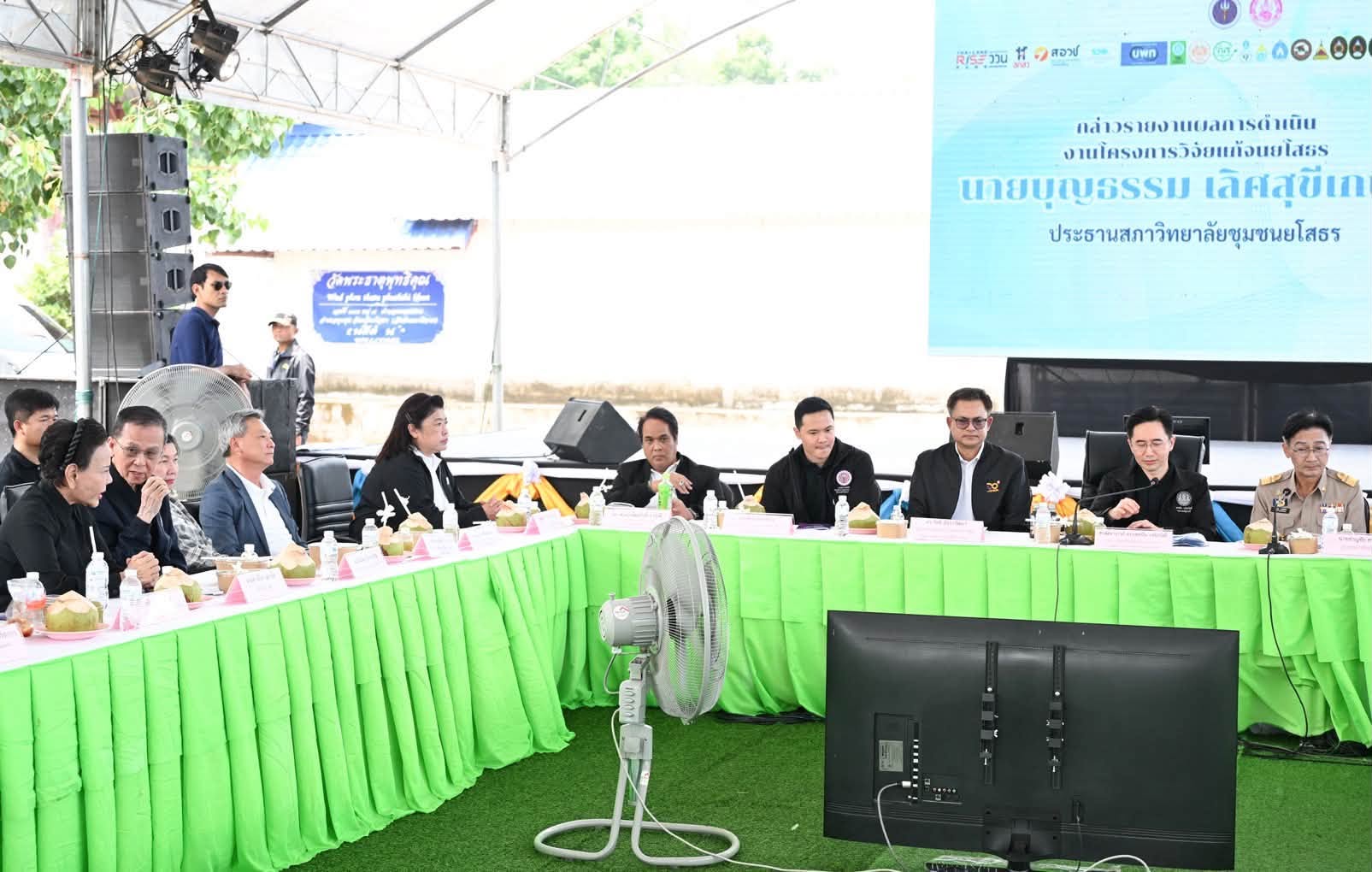
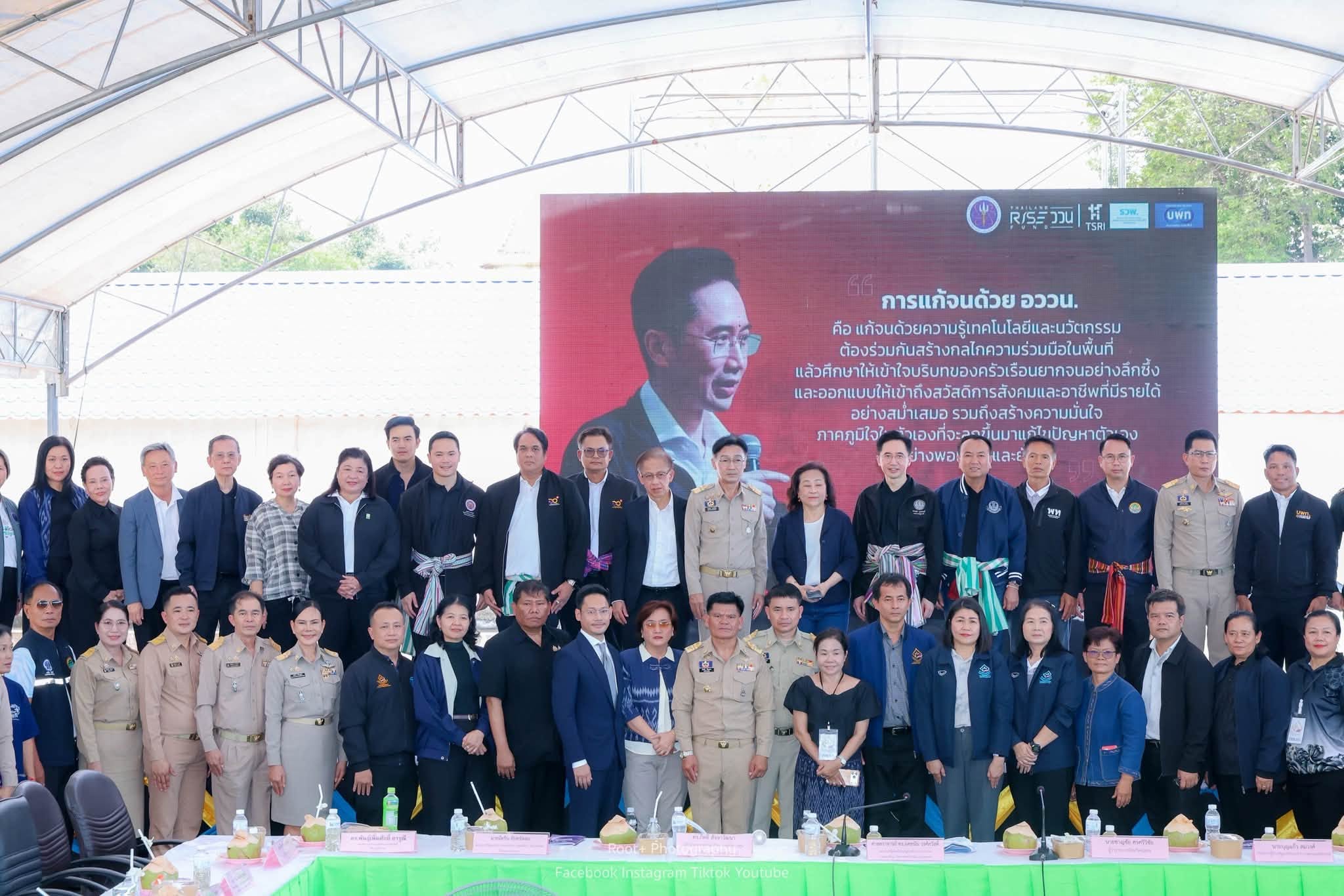
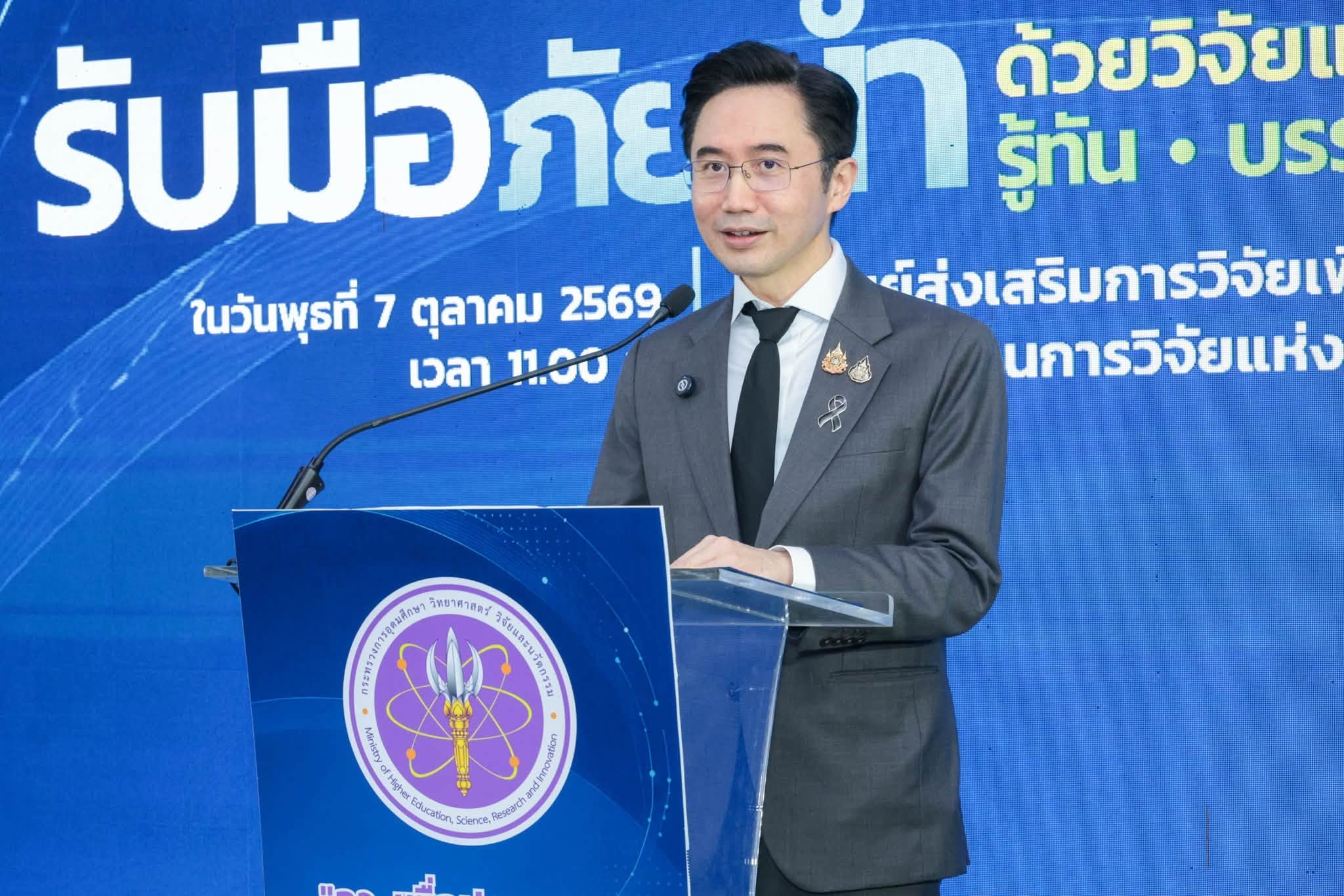
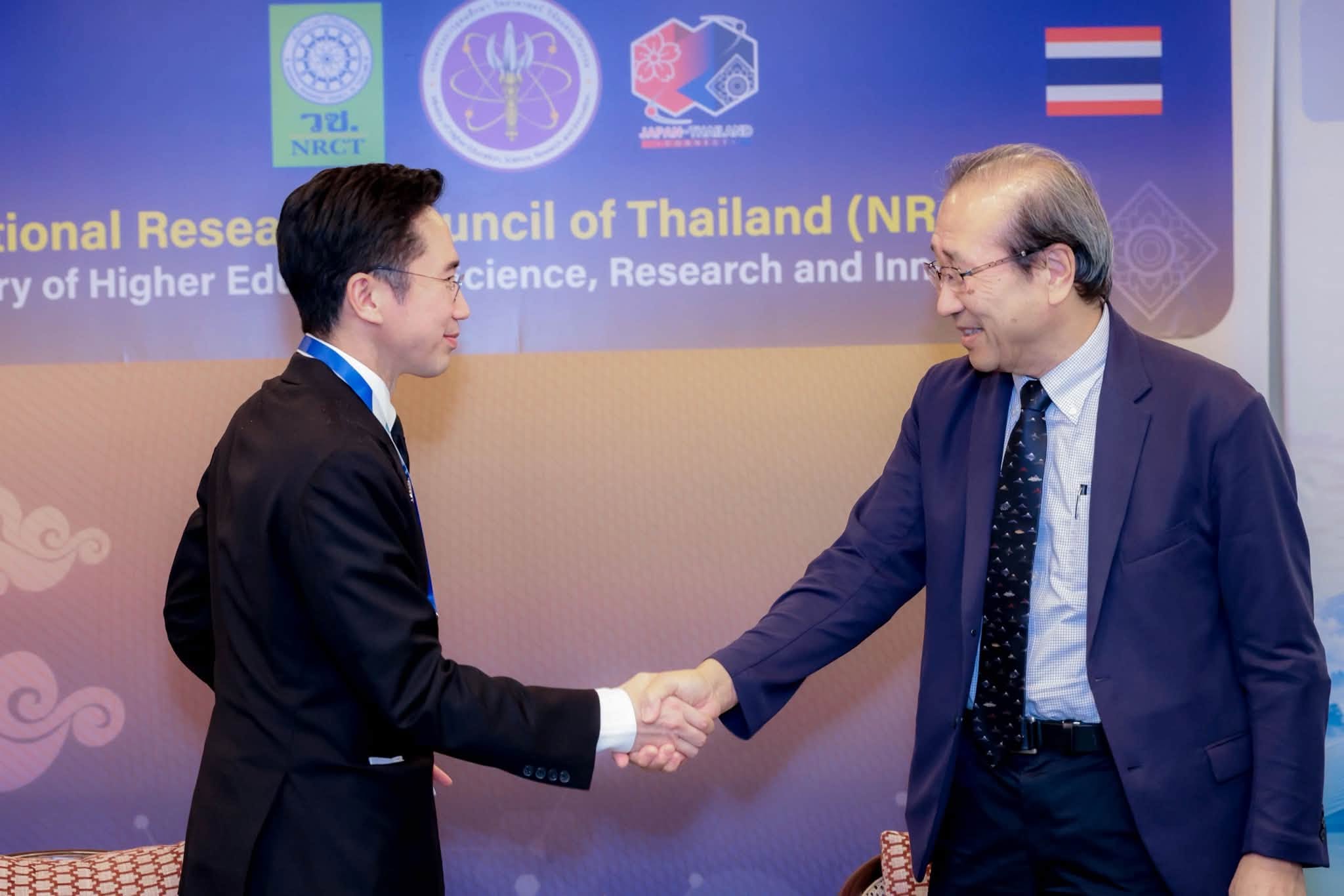
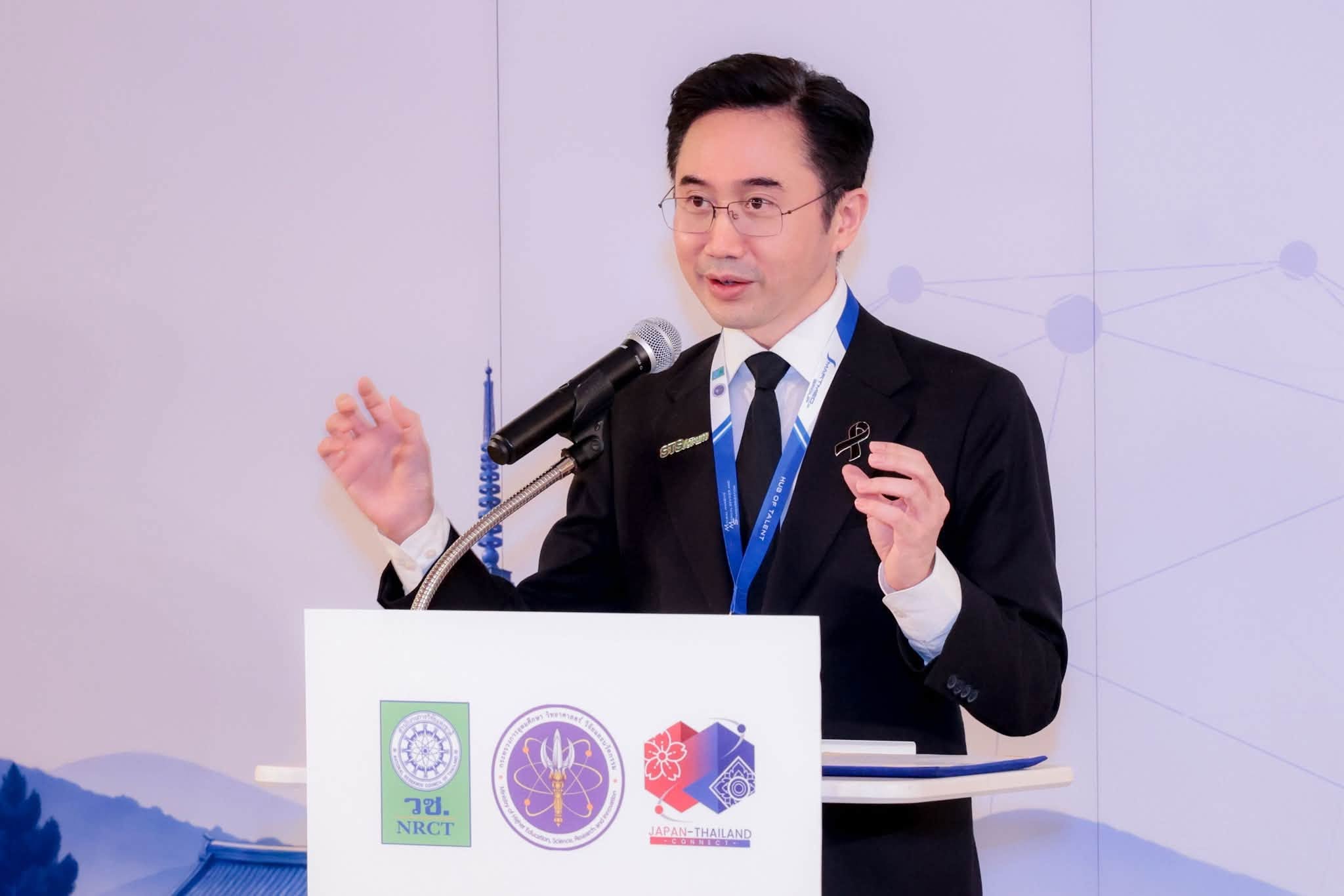
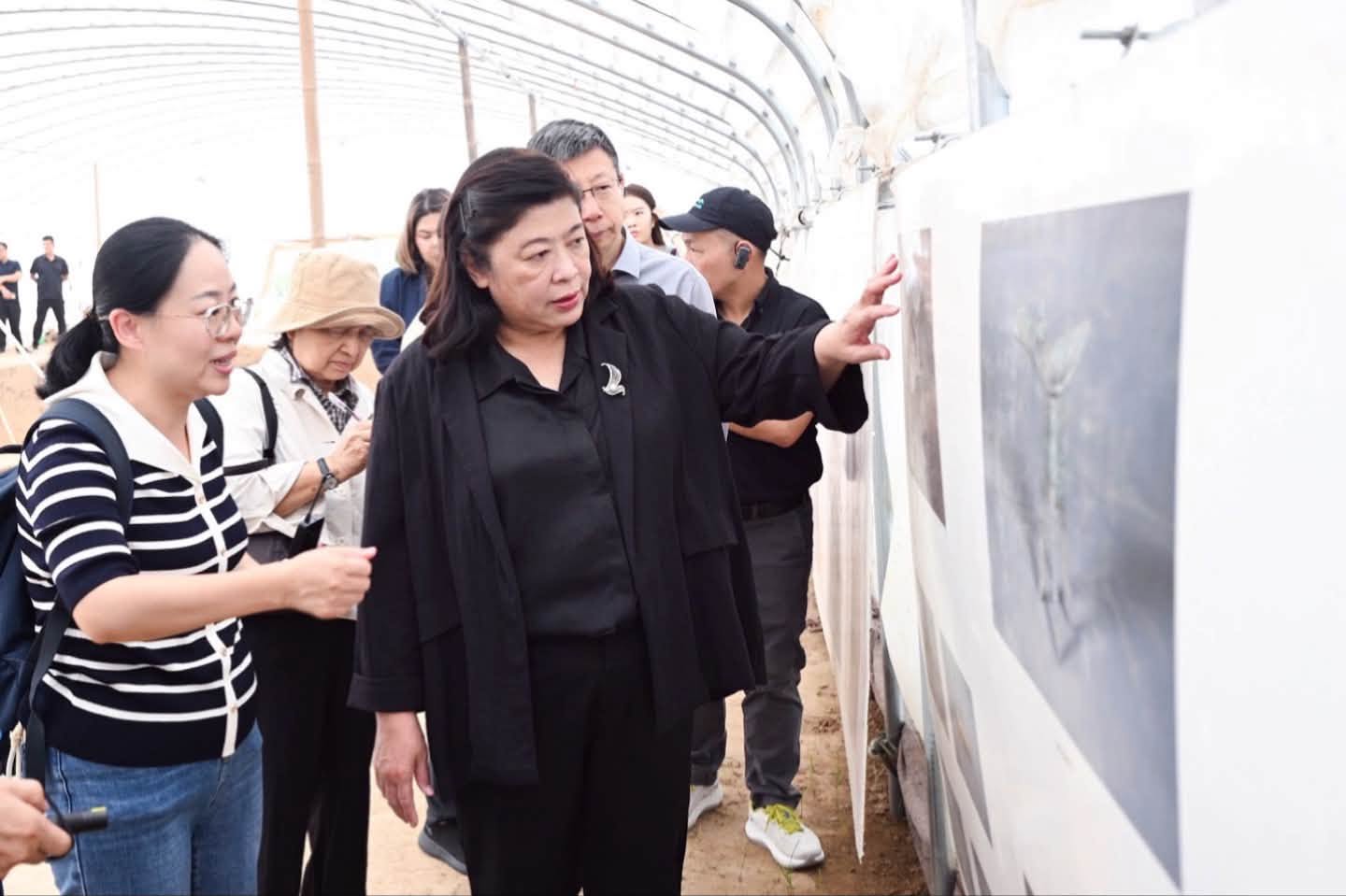
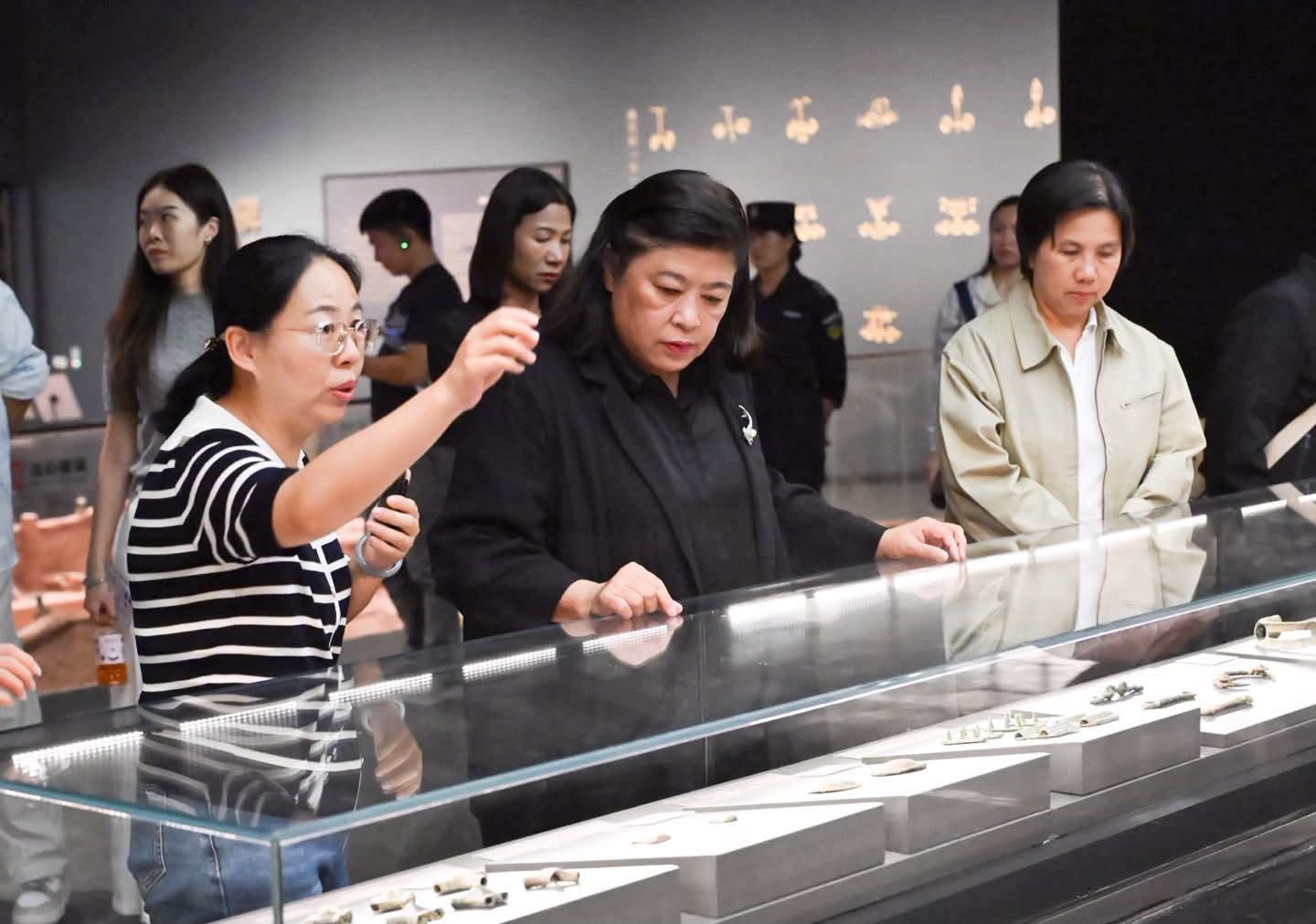
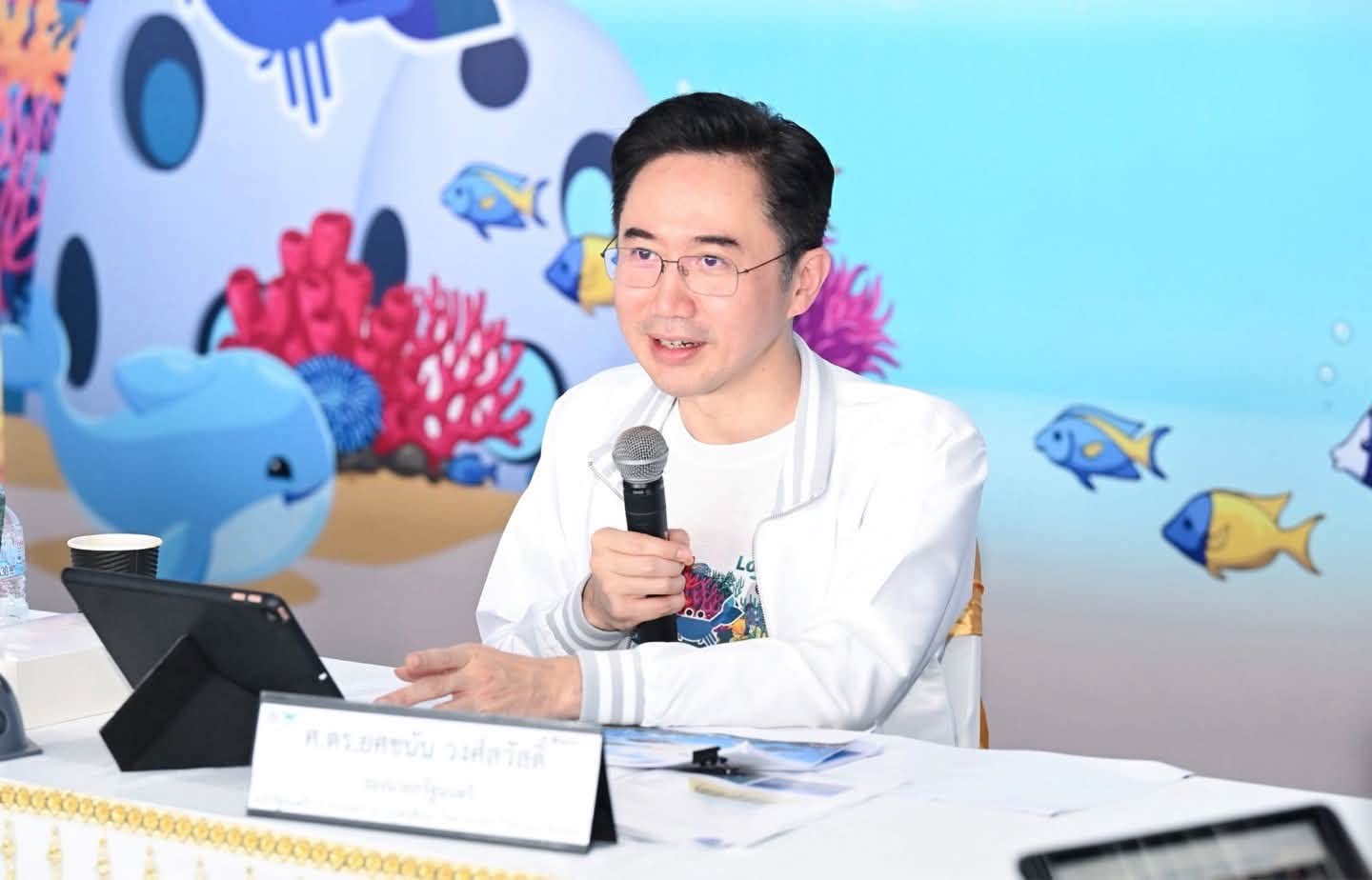
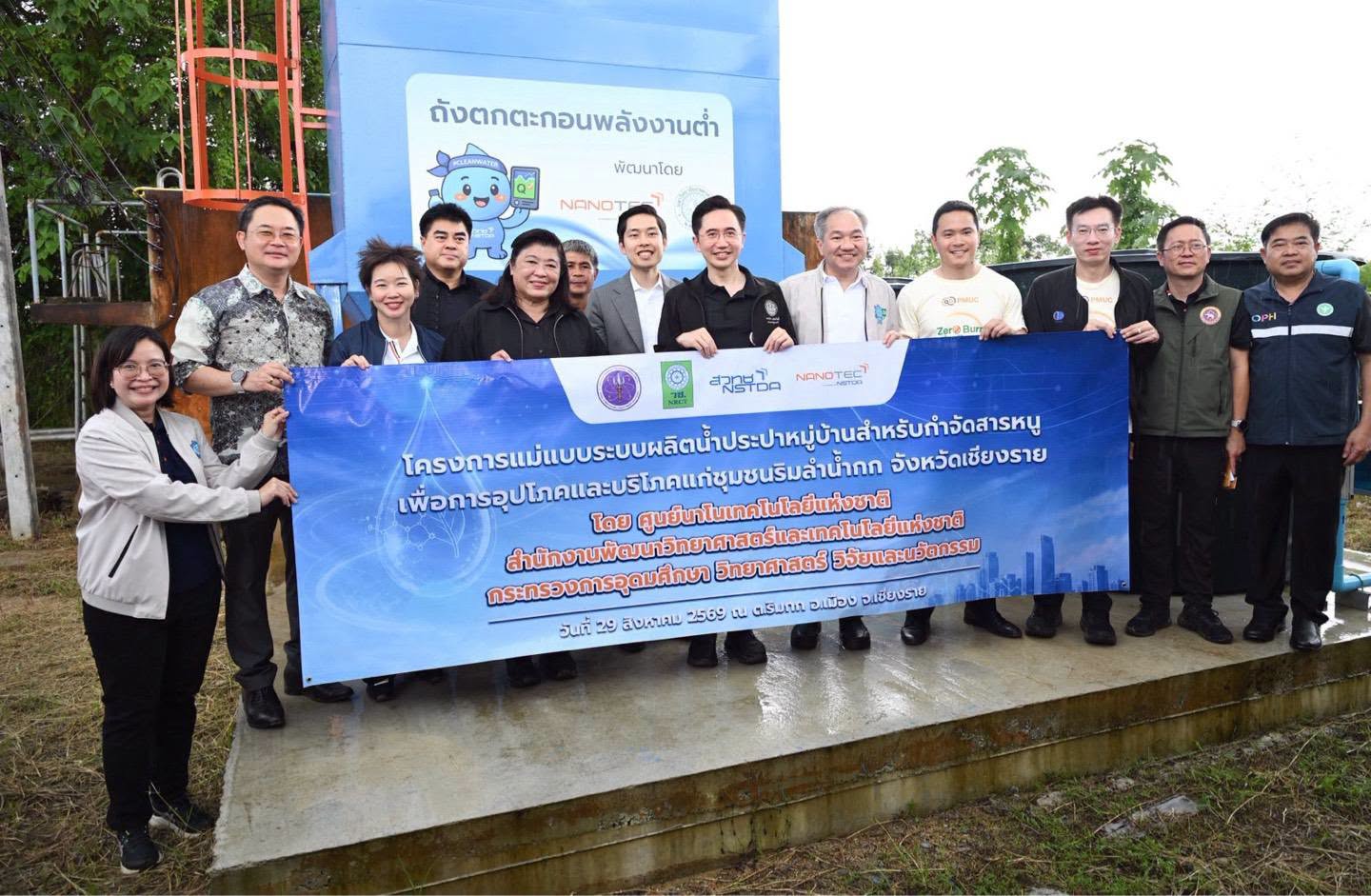
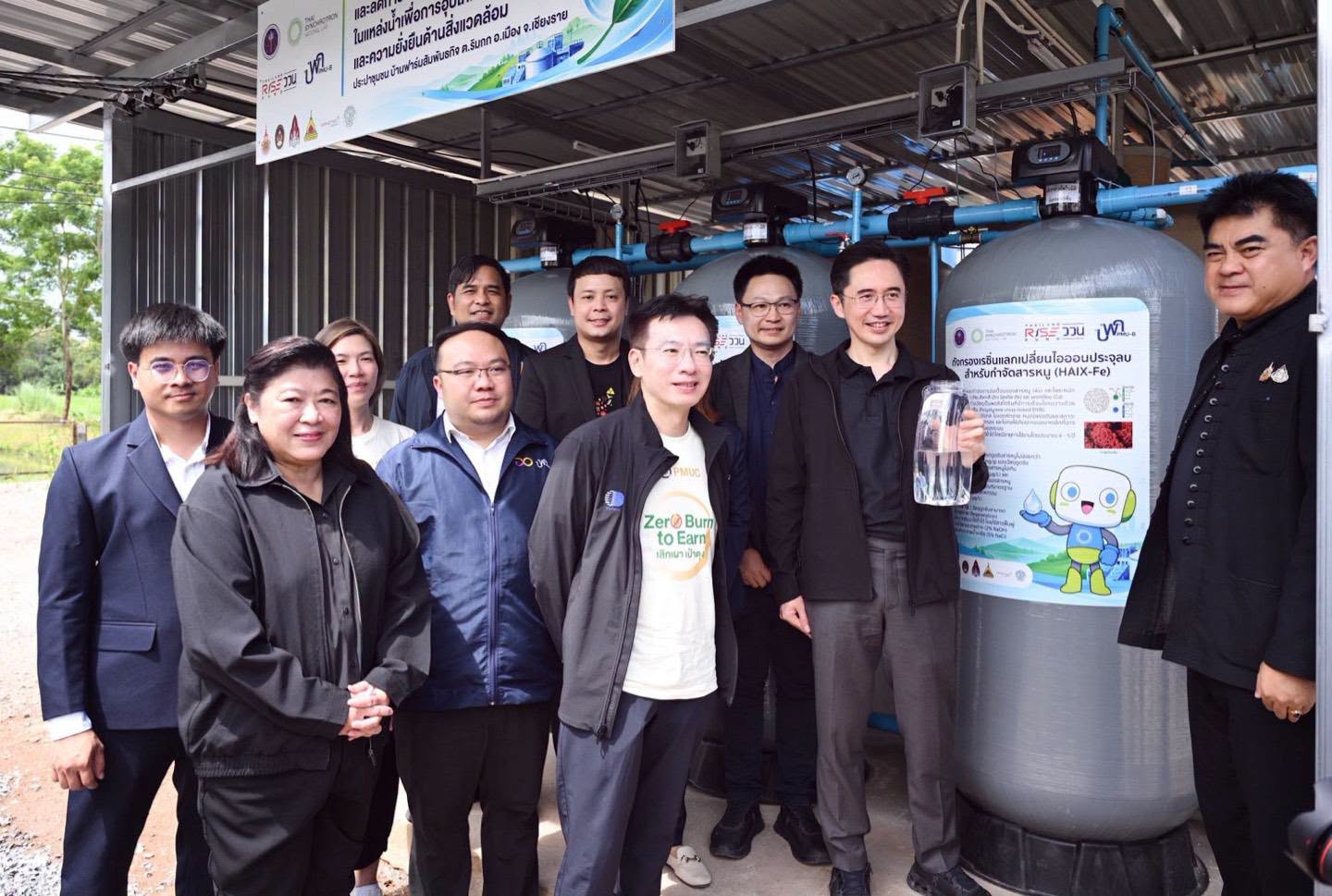
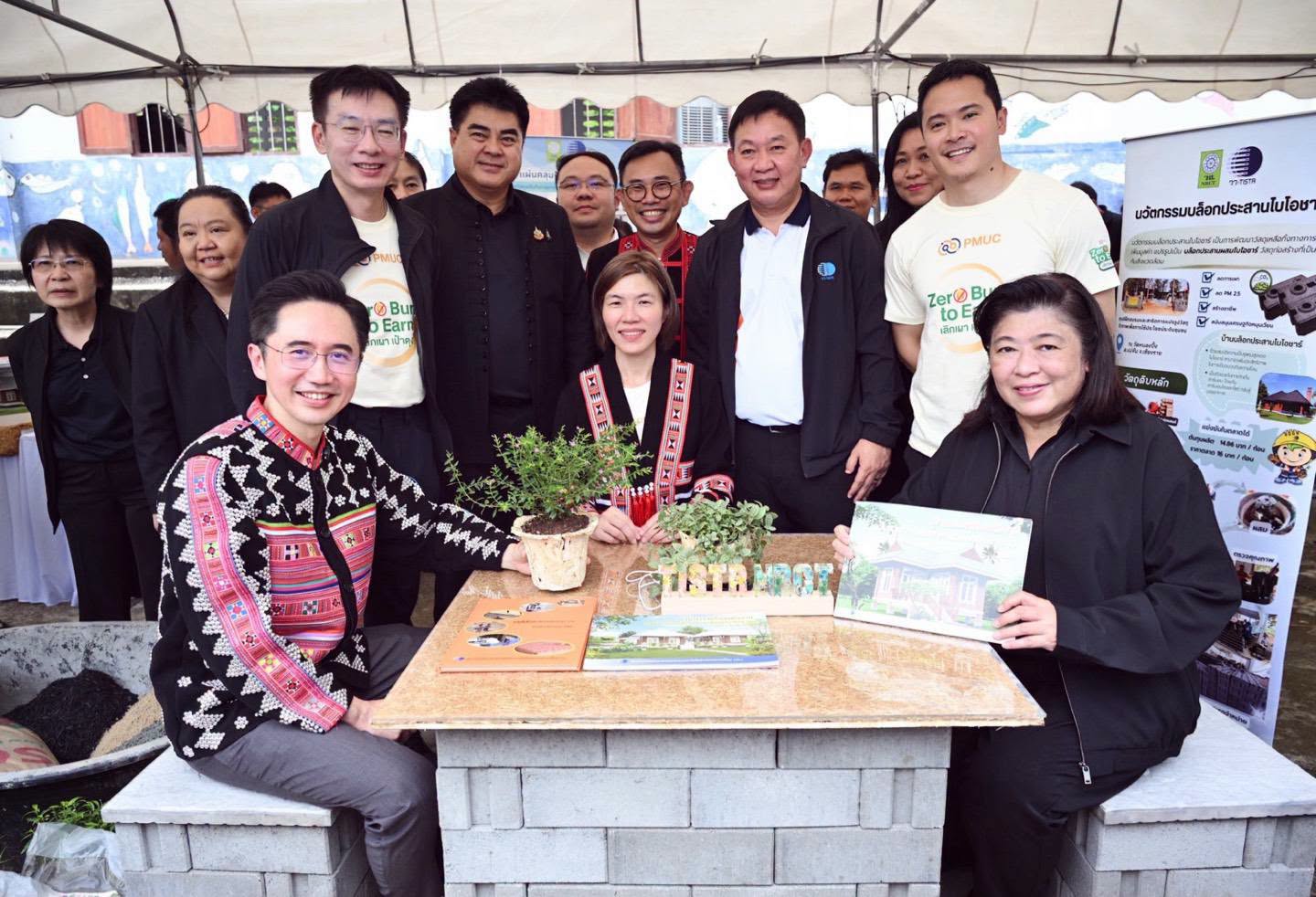
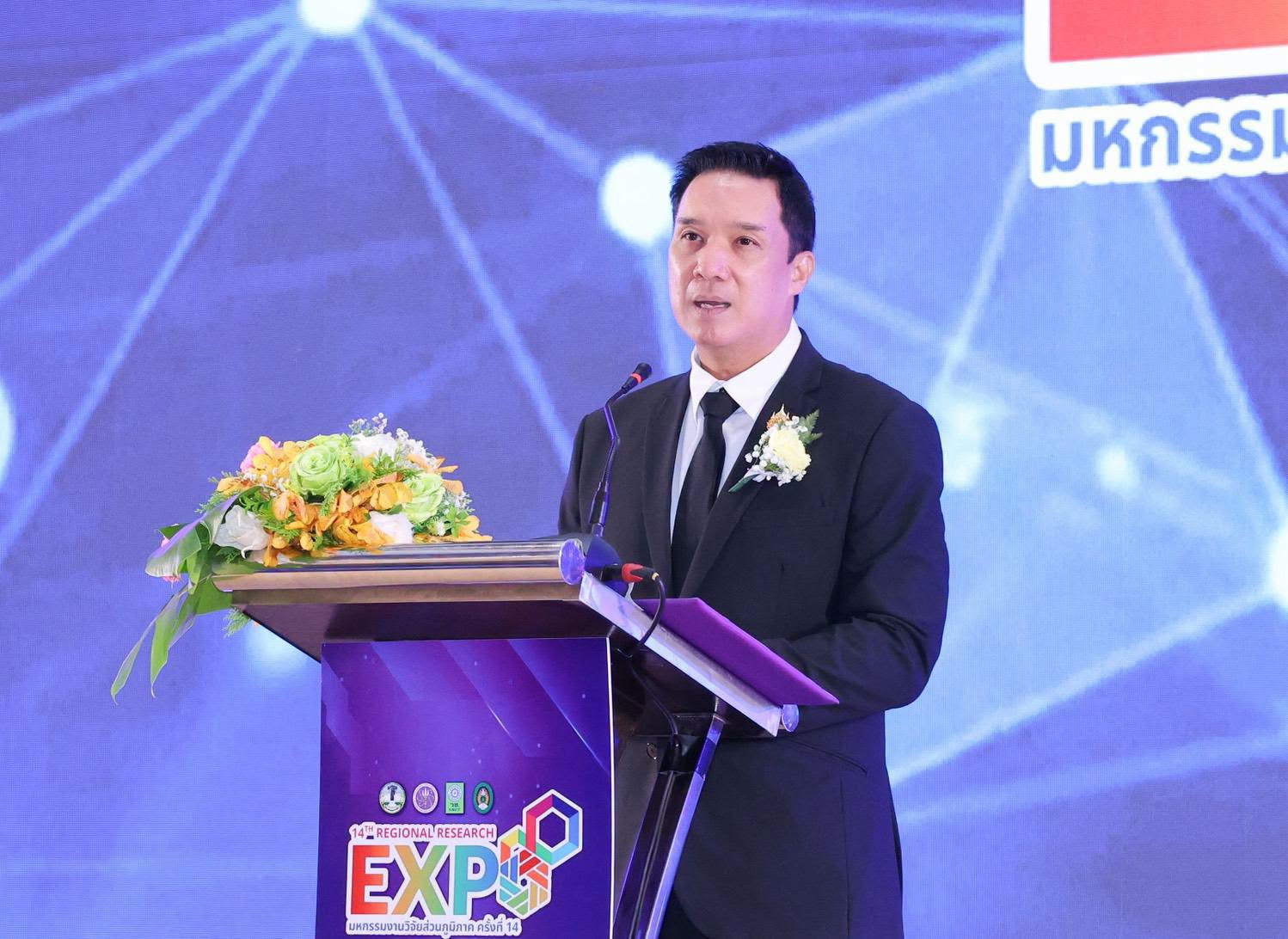
YASOTHON, Thailand – 19 July 2026 – Prof. Dr. Yodchanan Wongsawat, Deputy Prime Minister and Minister of Higher Education, Science, Research and Innovation (MHESI), visited Yasothon Province to monitor poverty alleviation and community development initiatives. During the visit, he outlined MHESI's policy of integrating research, technology, and innovation into sustainable local development. Senior executives from agencies under MHESI, together with government officials and local partners, joined the field visit in Kut Chum District, Yasothon Province.
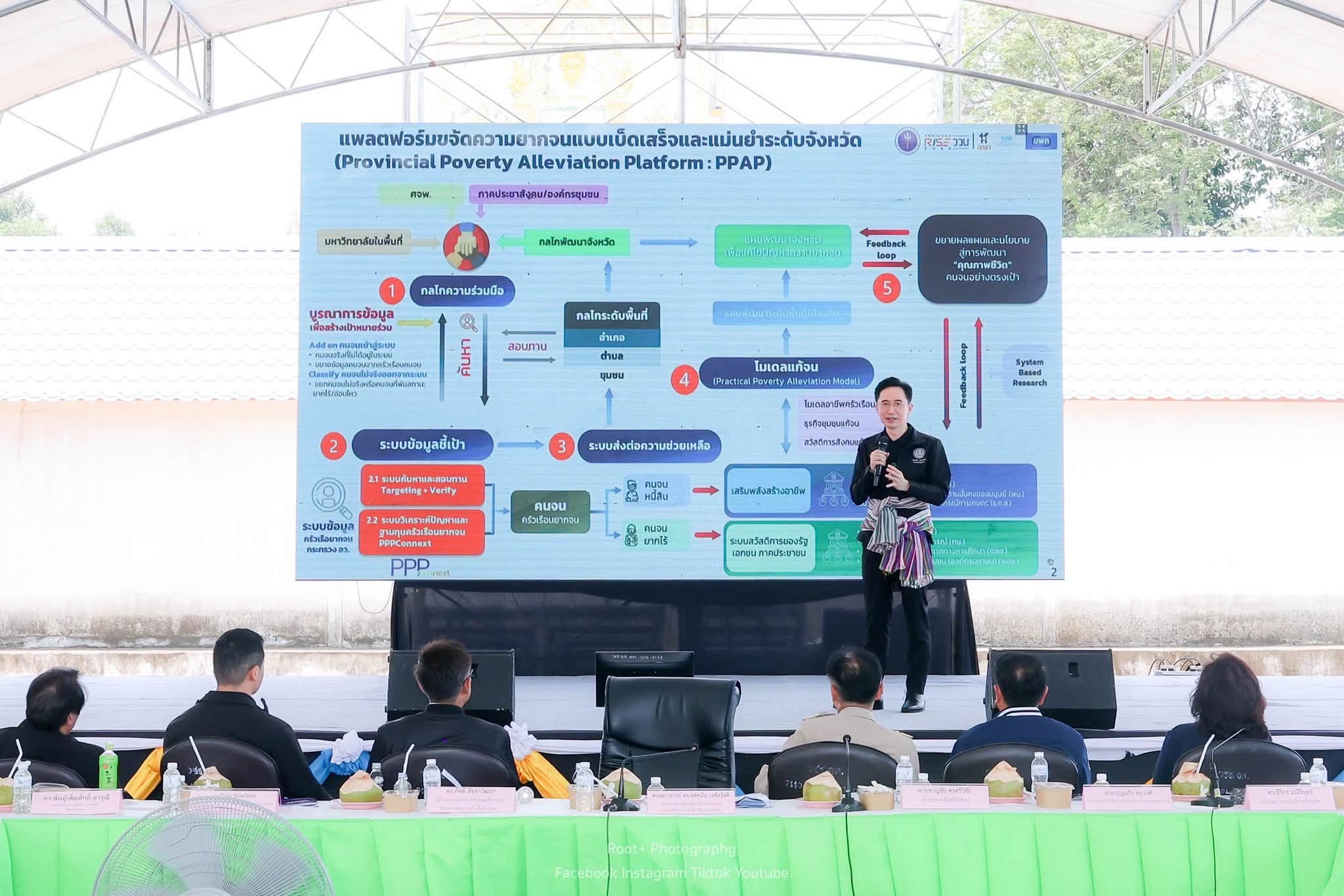
During the visit, the delegation reviewed the progress of the Comprehensive and Precision Poverty Alleviation Project, which is funded by the Program Management Unit on Area-Based Development (PMU-A) and implemented by Yasothon Community College. The project applies a Participatory Action Research (PAR) approach alongside information systems and Artificial Intelligence (AI) technologies to identify and support vulnerable households that have been excluded from existing social welfare systems.
The delegation also visited a model community for poverty alleviation and the Khok Nong Na Learning Center, which demonstrates how research-based knowledge, technology, and innovation can be applied to generate employment opportunities and increase household incomes.
Prof. Dr. Yodchanan emphasized that sustainable poverty alleviation requires close collaboration among all sectors, with research and data serving as key tools for analyzing the root causes of poverty. He noted that knowledge, technology, and innovation developed by research organizations—including the National Research Council of Thailand (NRCT) and PMU-A—should be utilized to provide upskilling opportunities tailored to the needs and potential of individual households. Such efforts help increase incomes, reduce production costs, and improve people's quality of life in a sustainable manner.
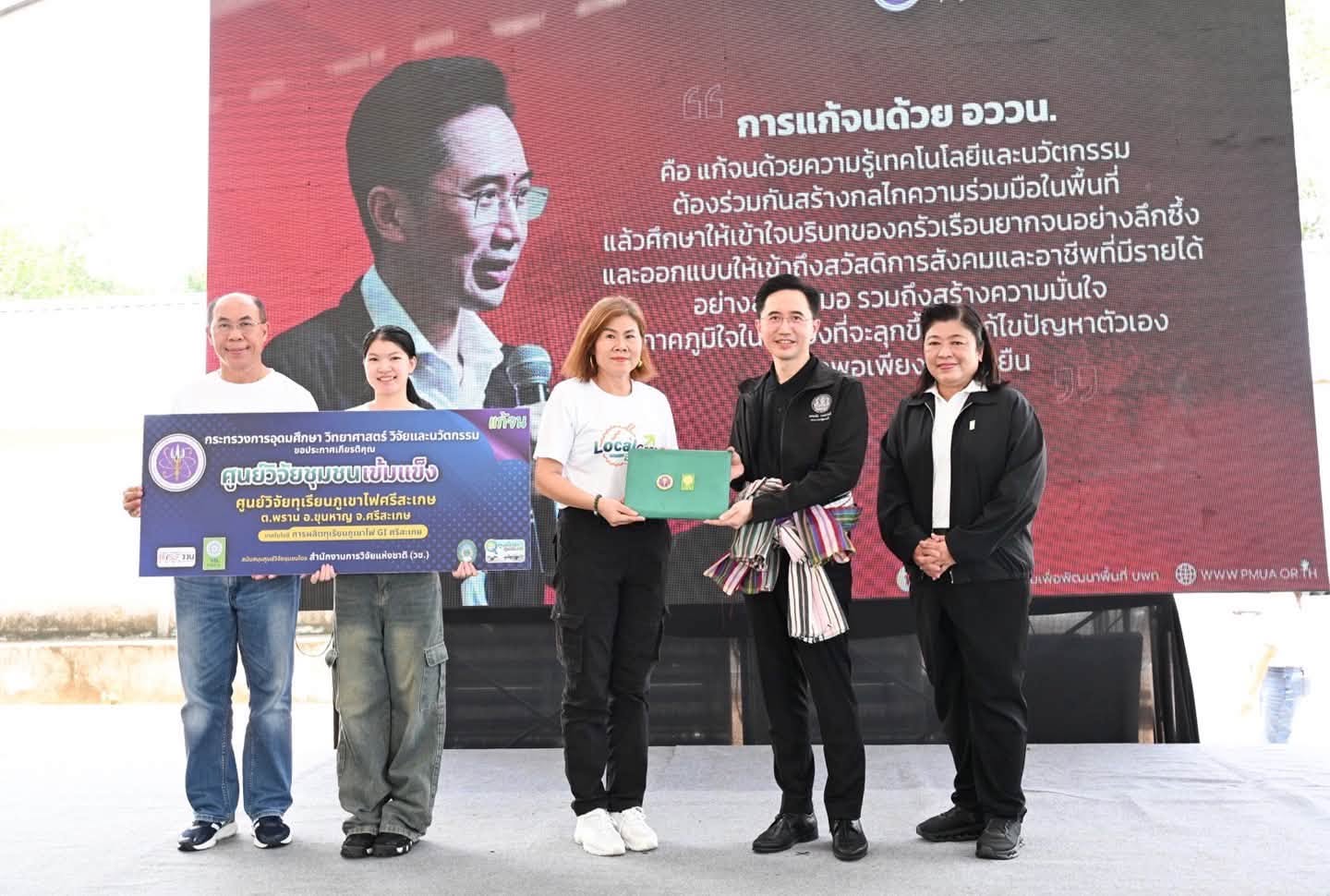
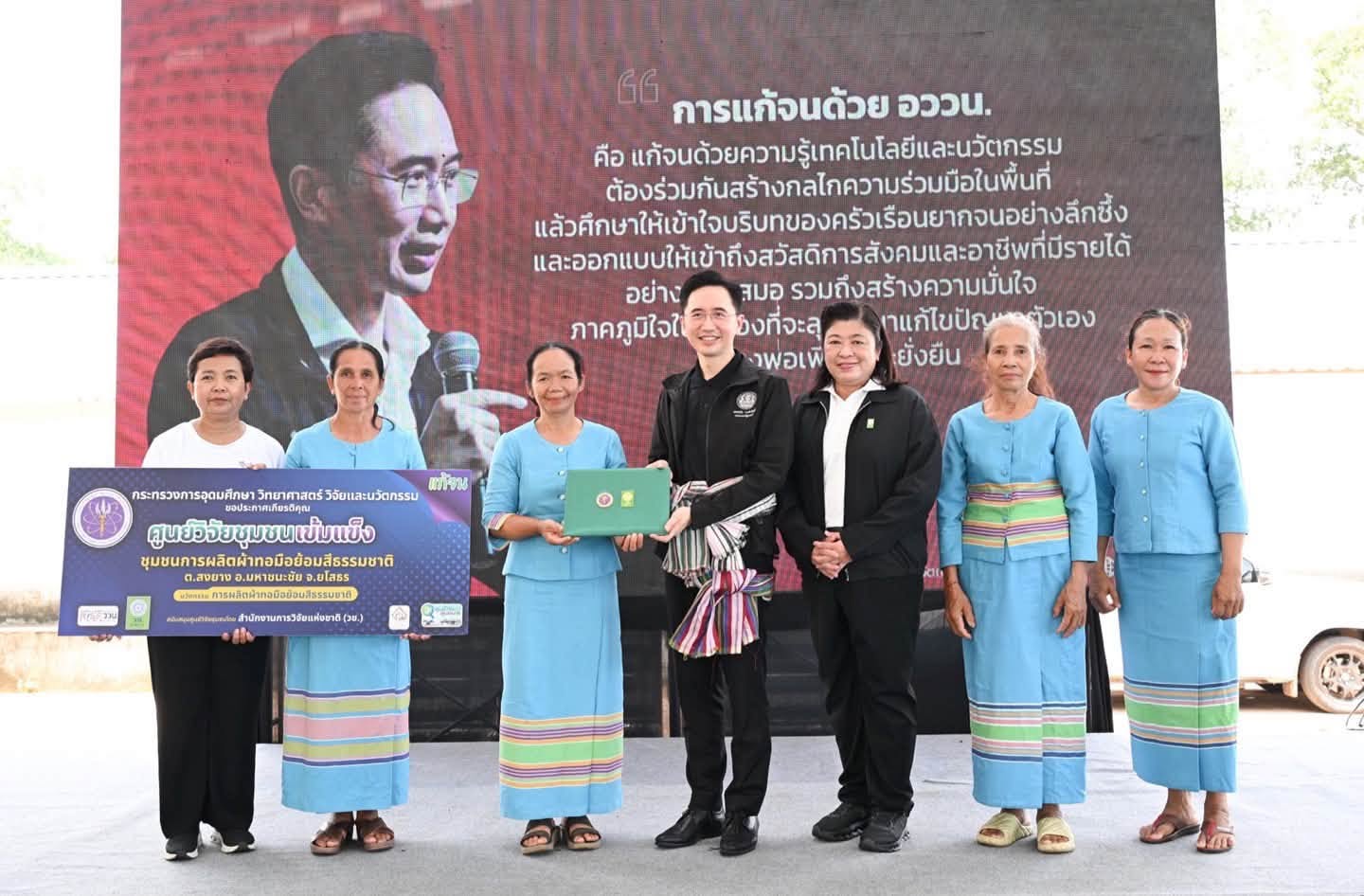
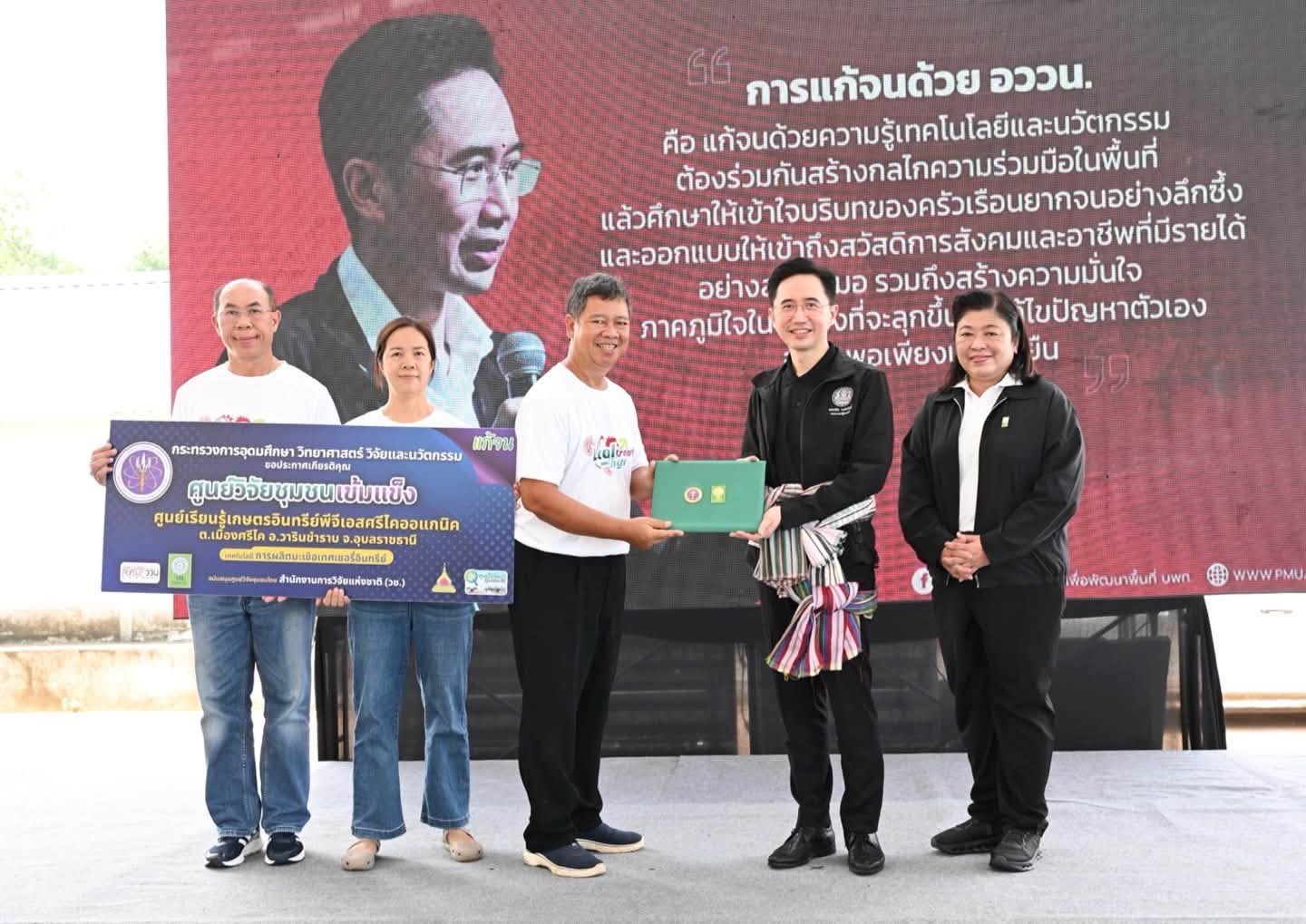
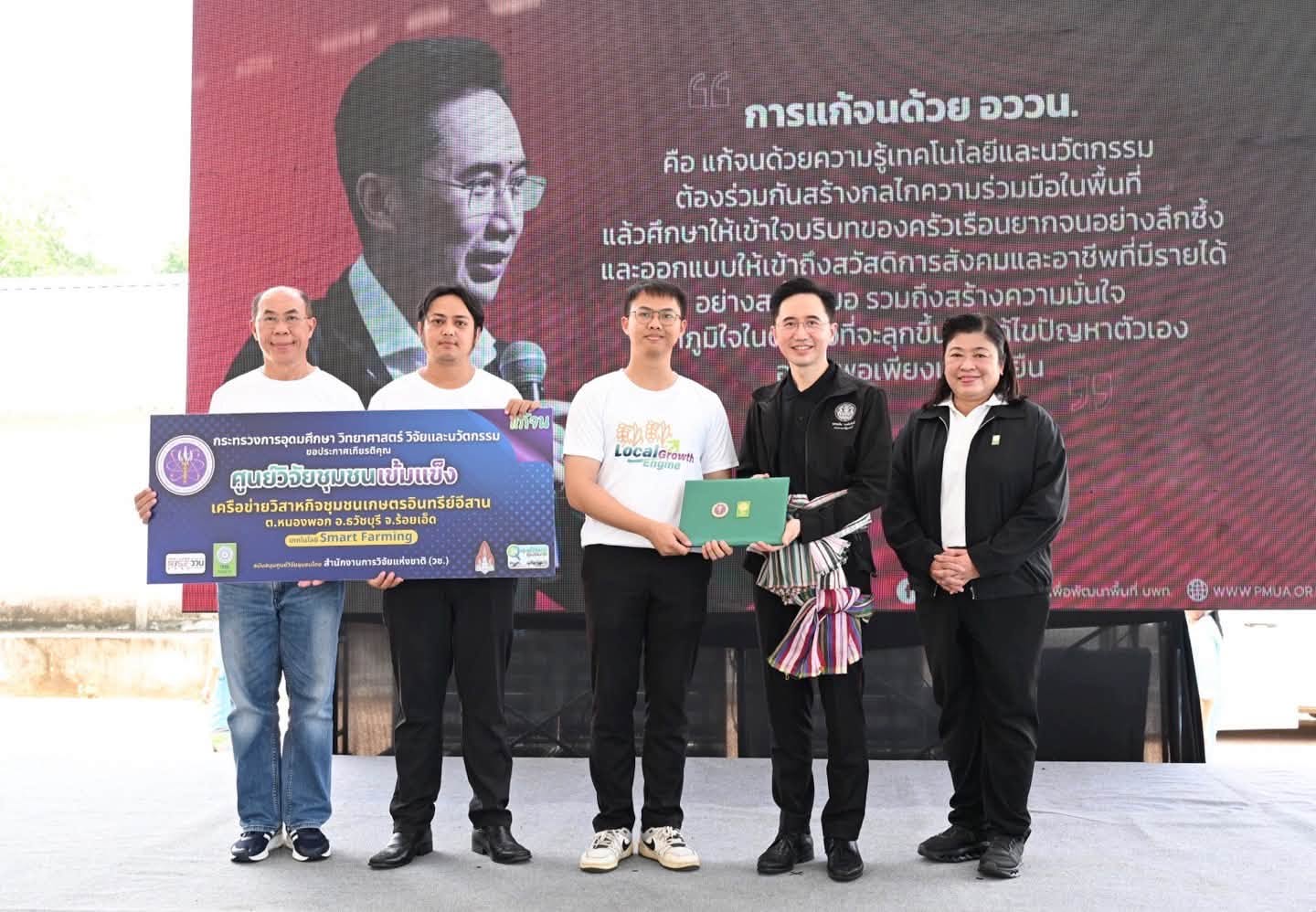
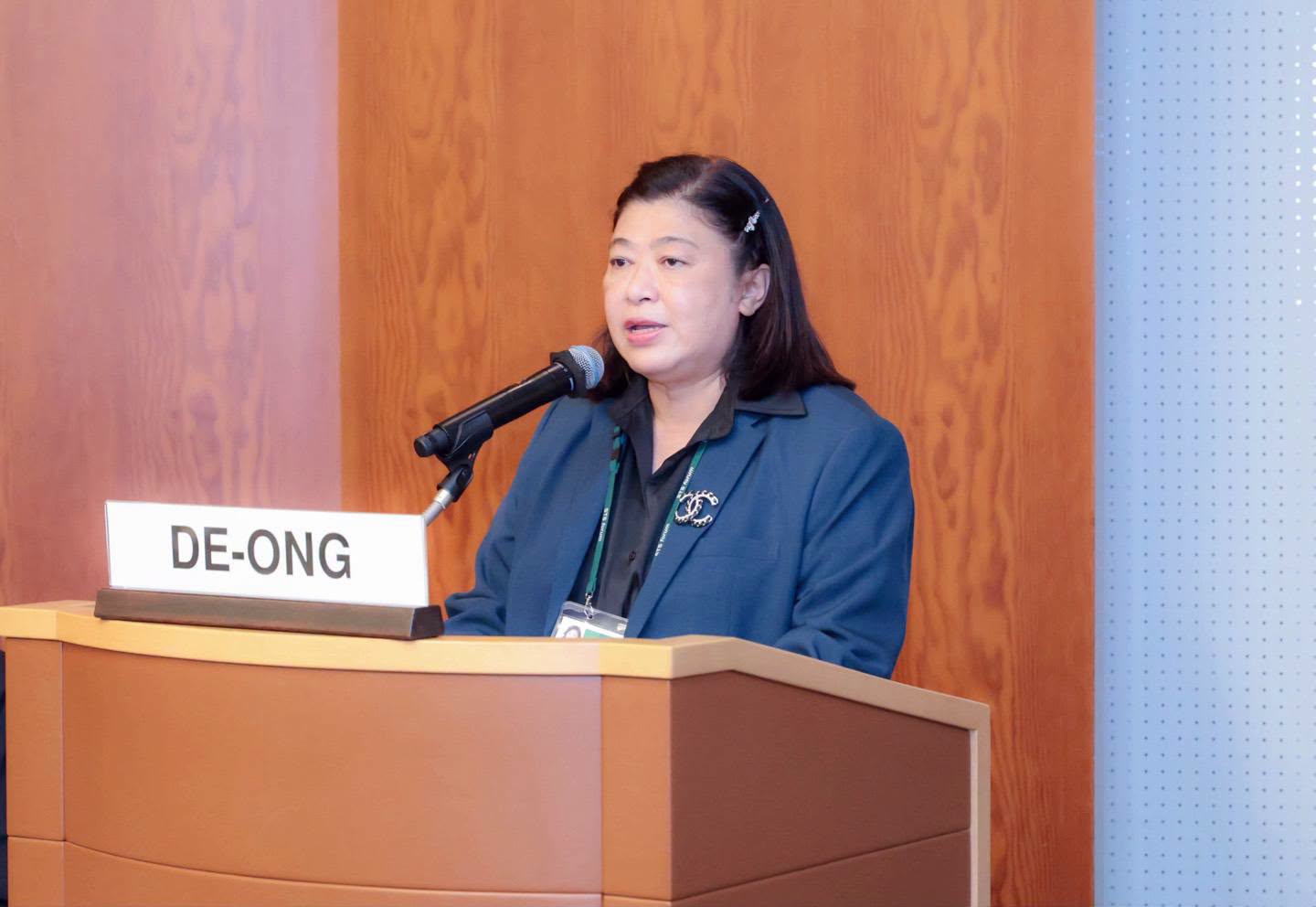
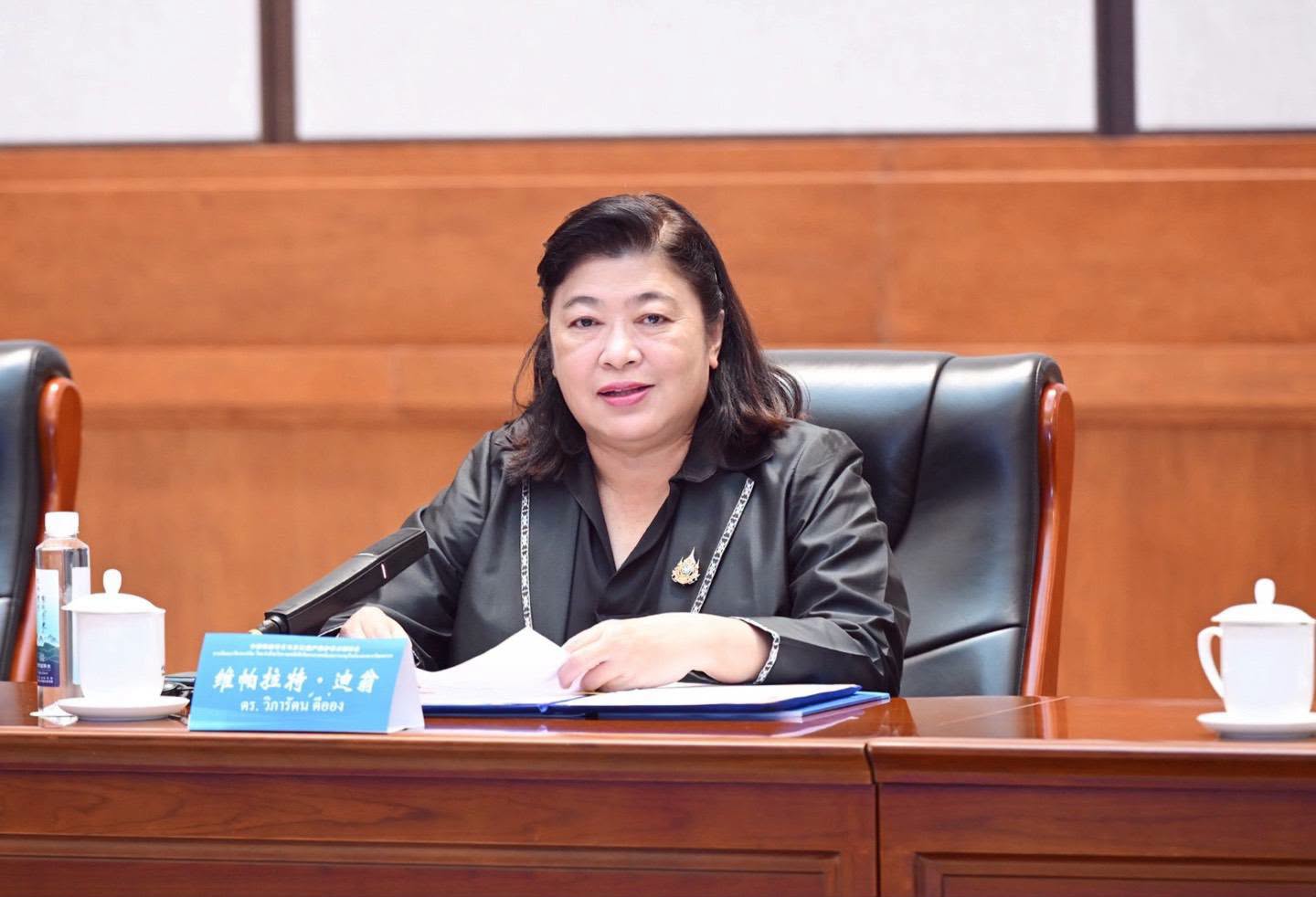
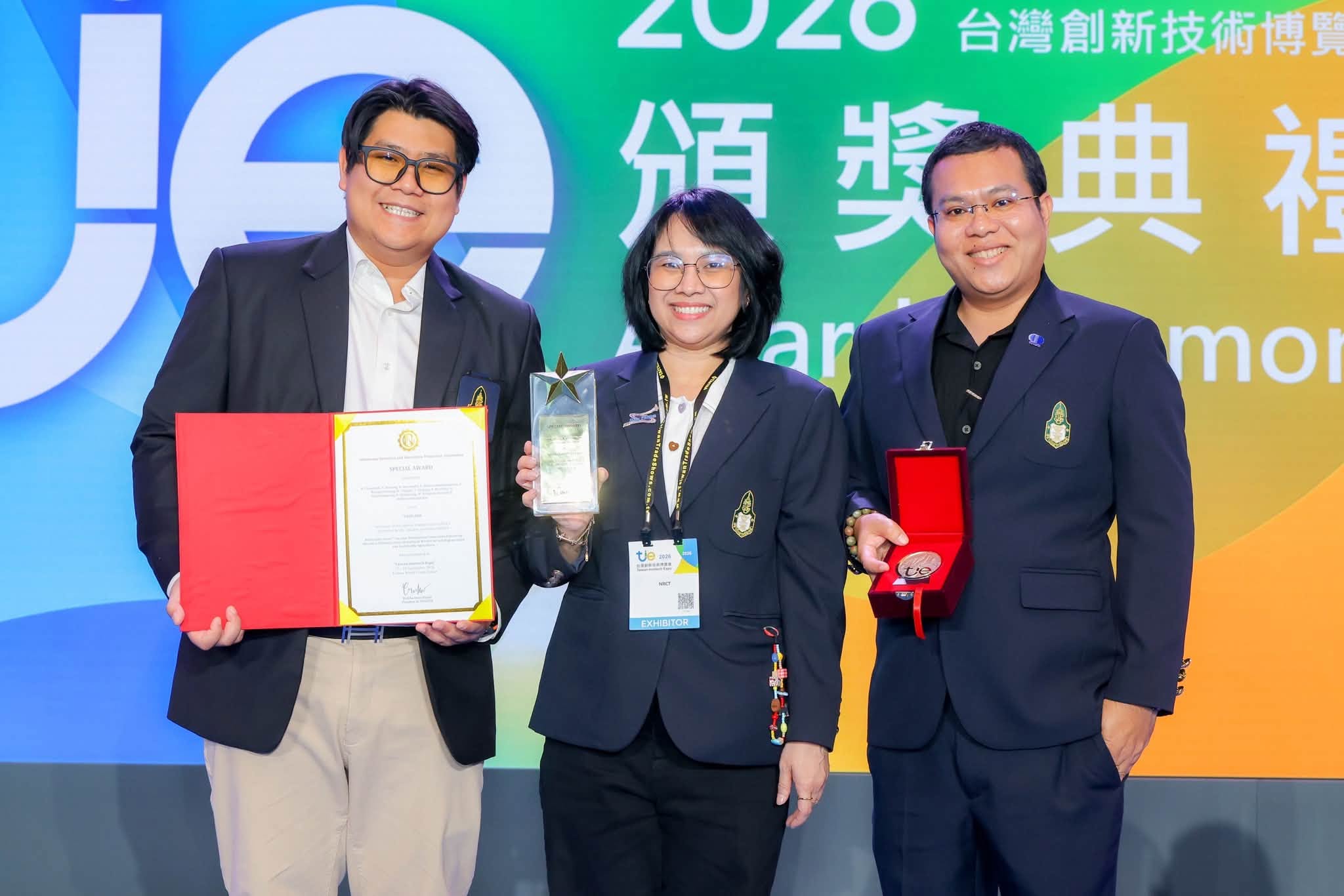
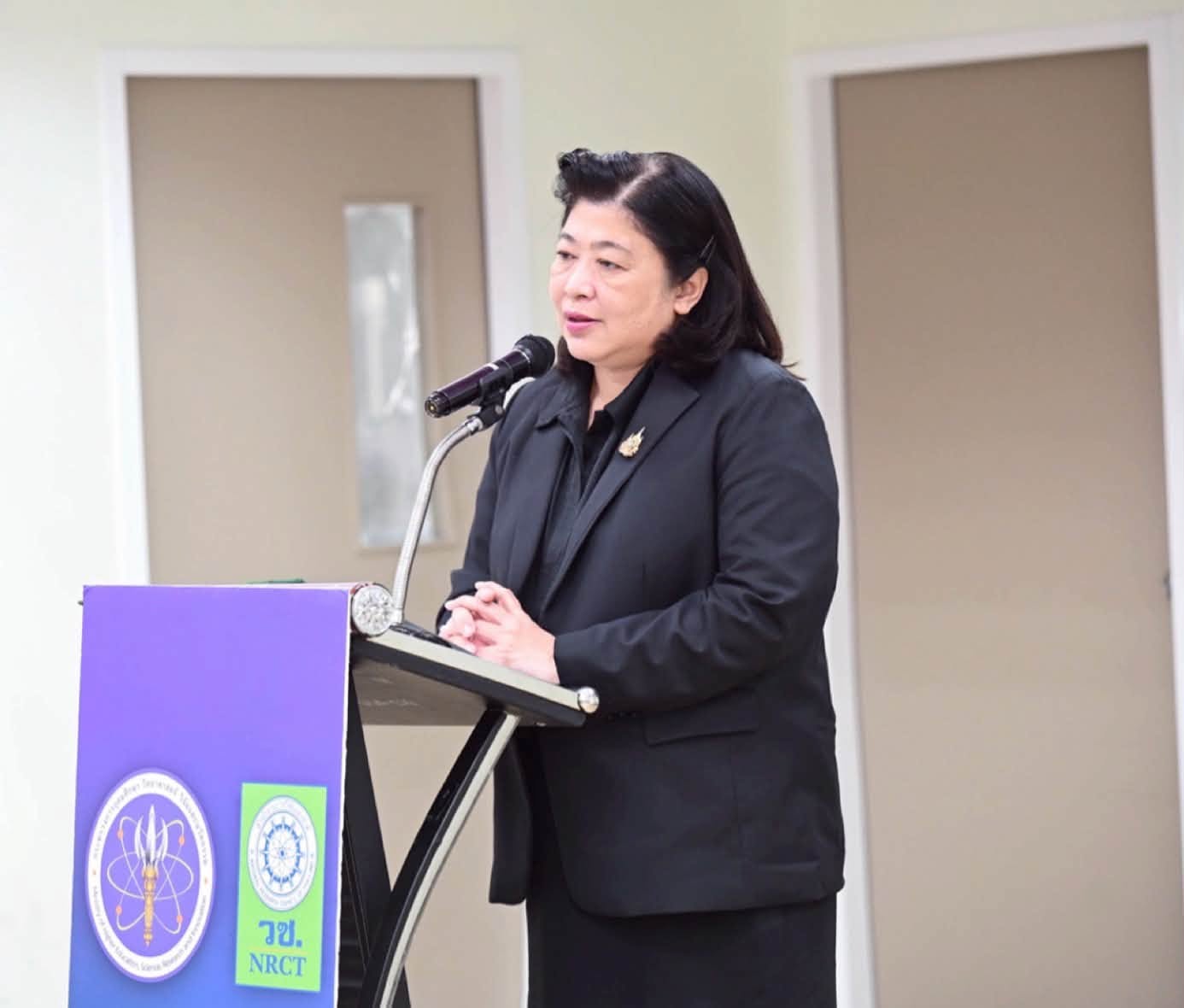
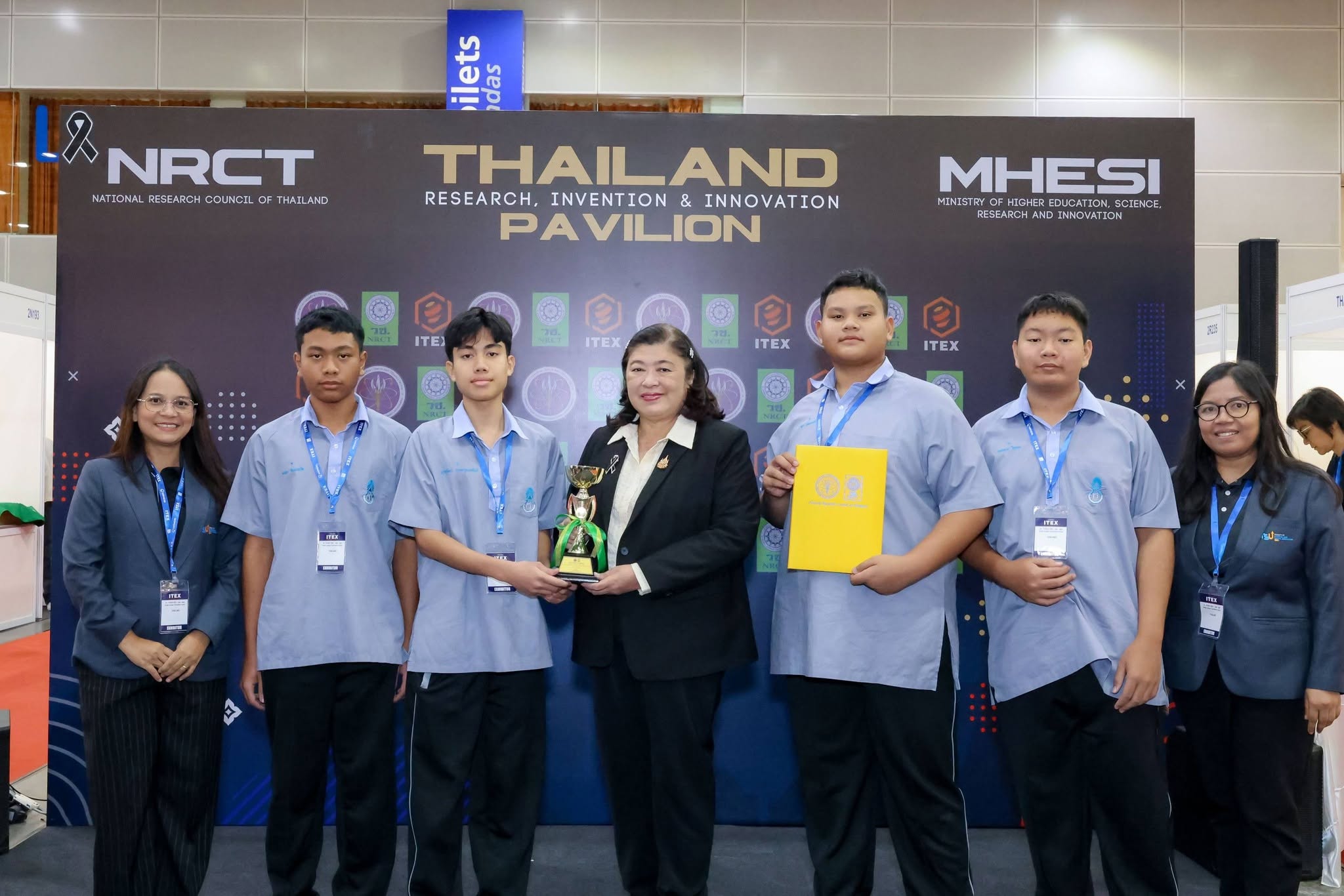
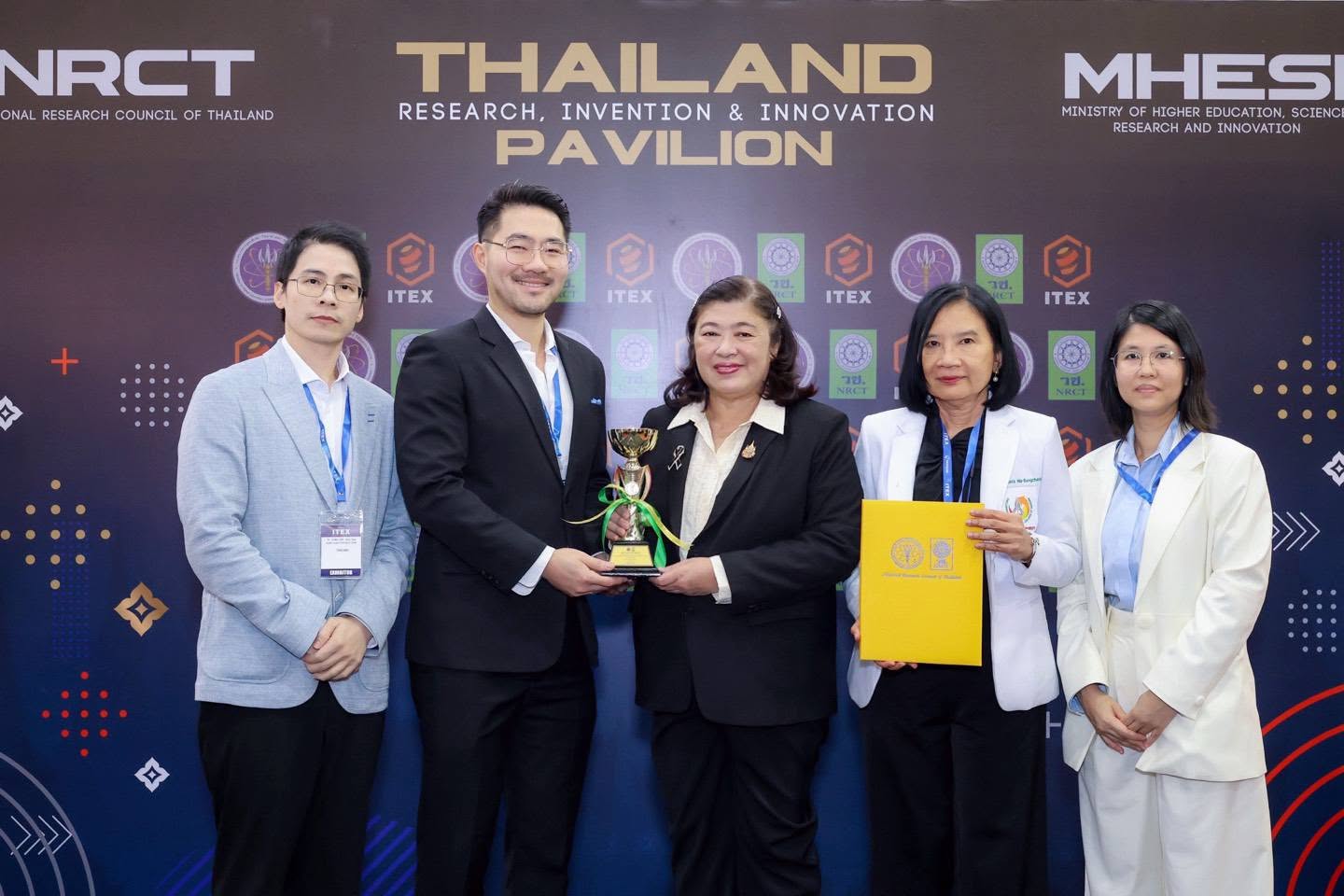
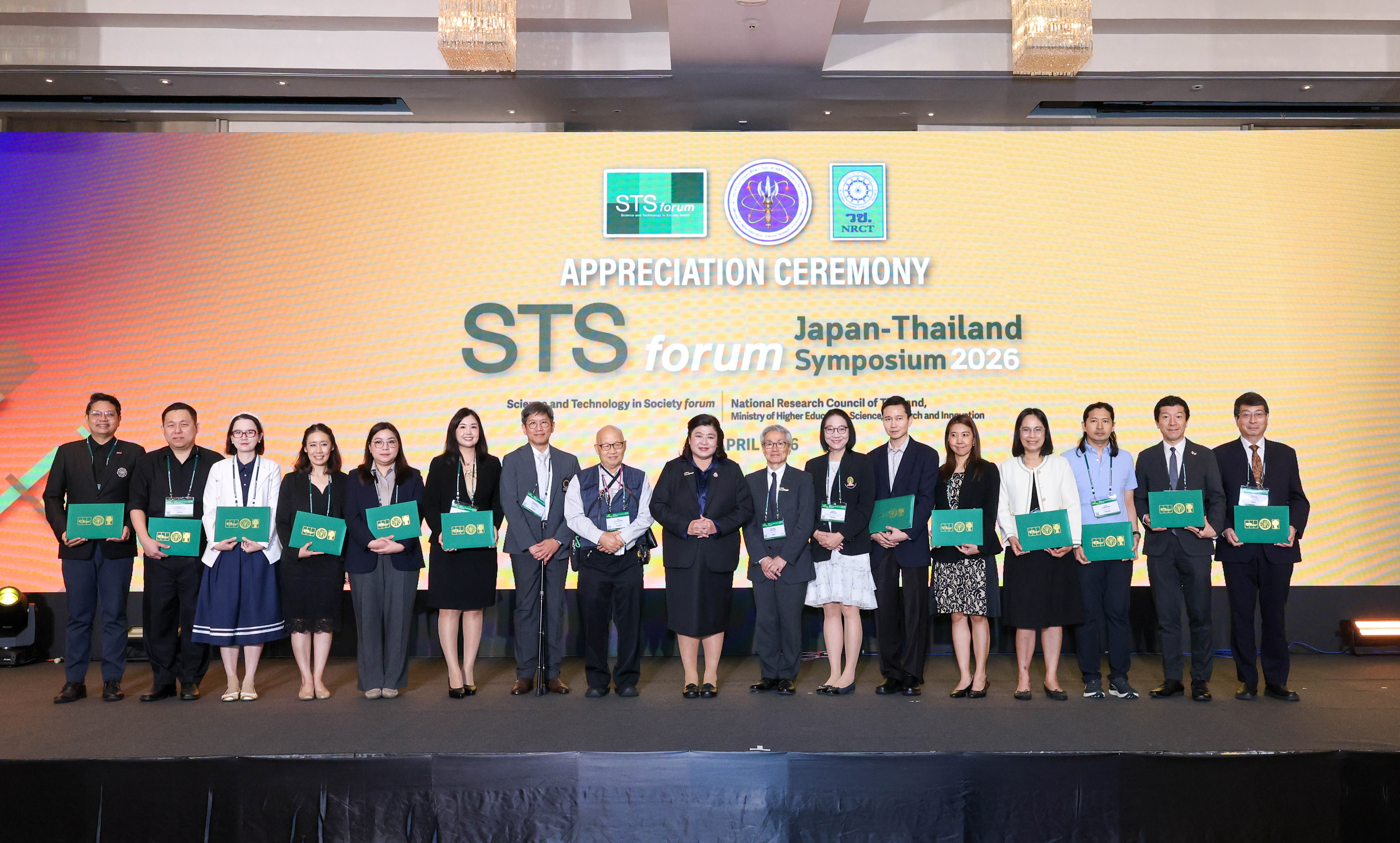
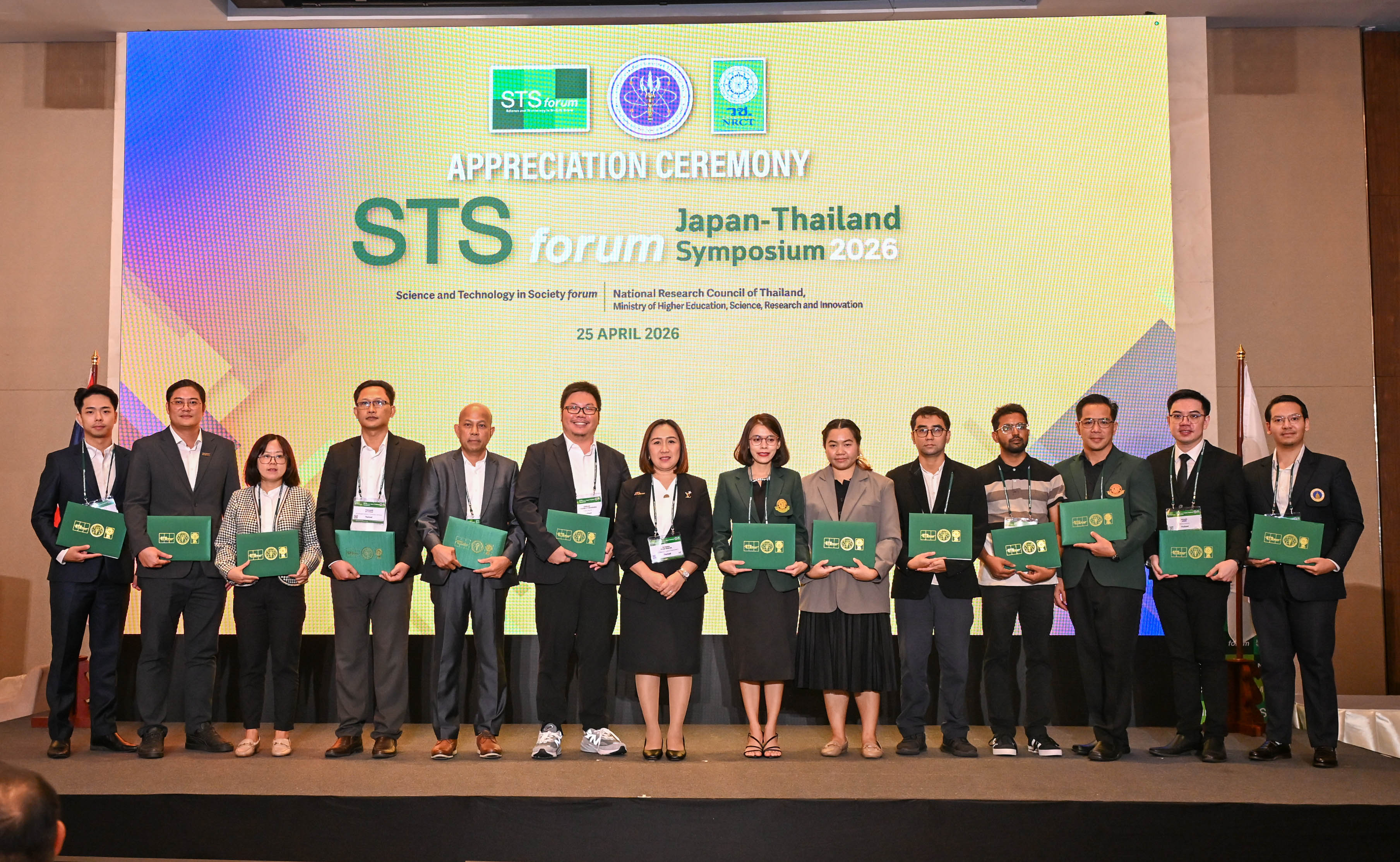
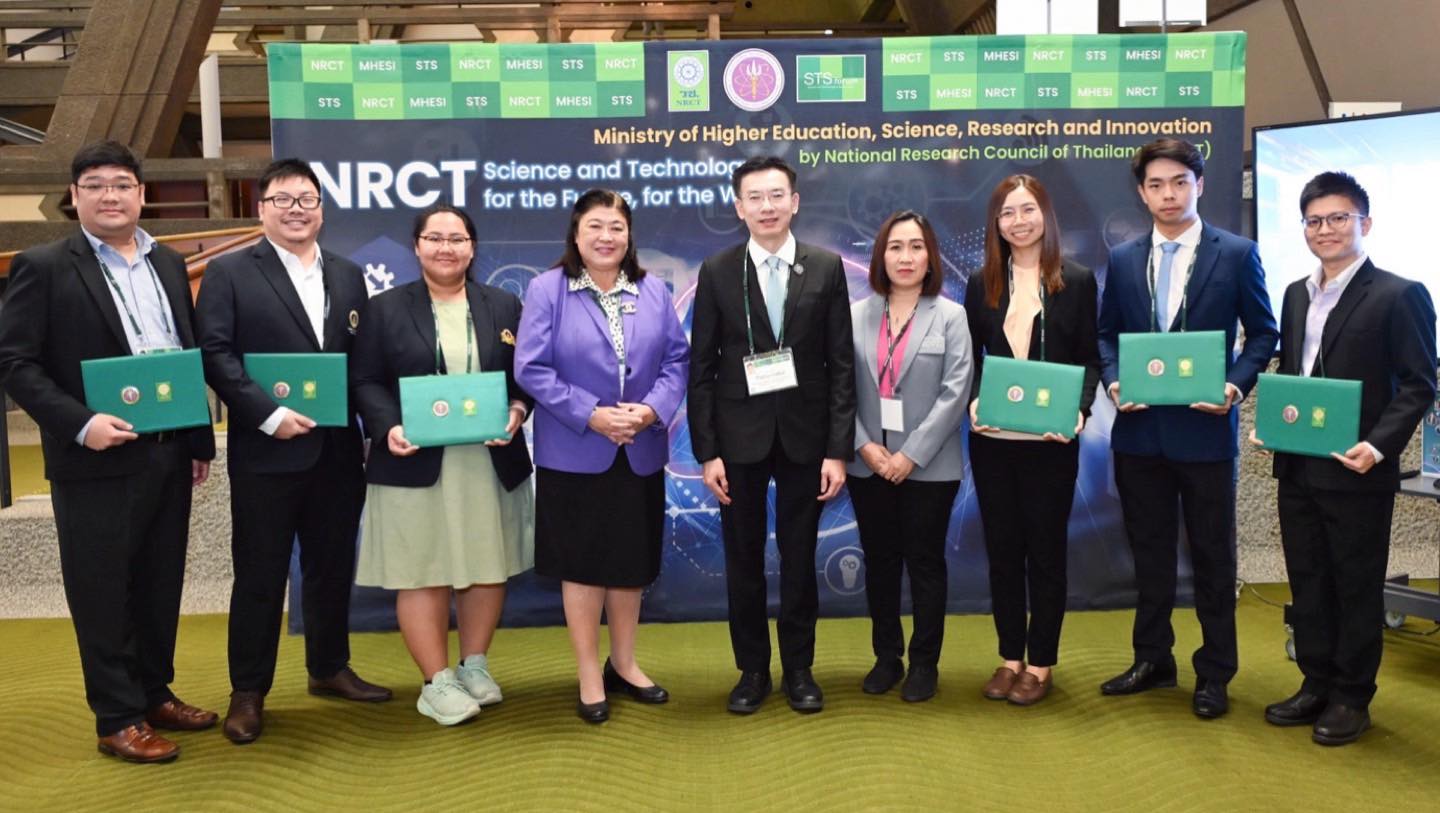
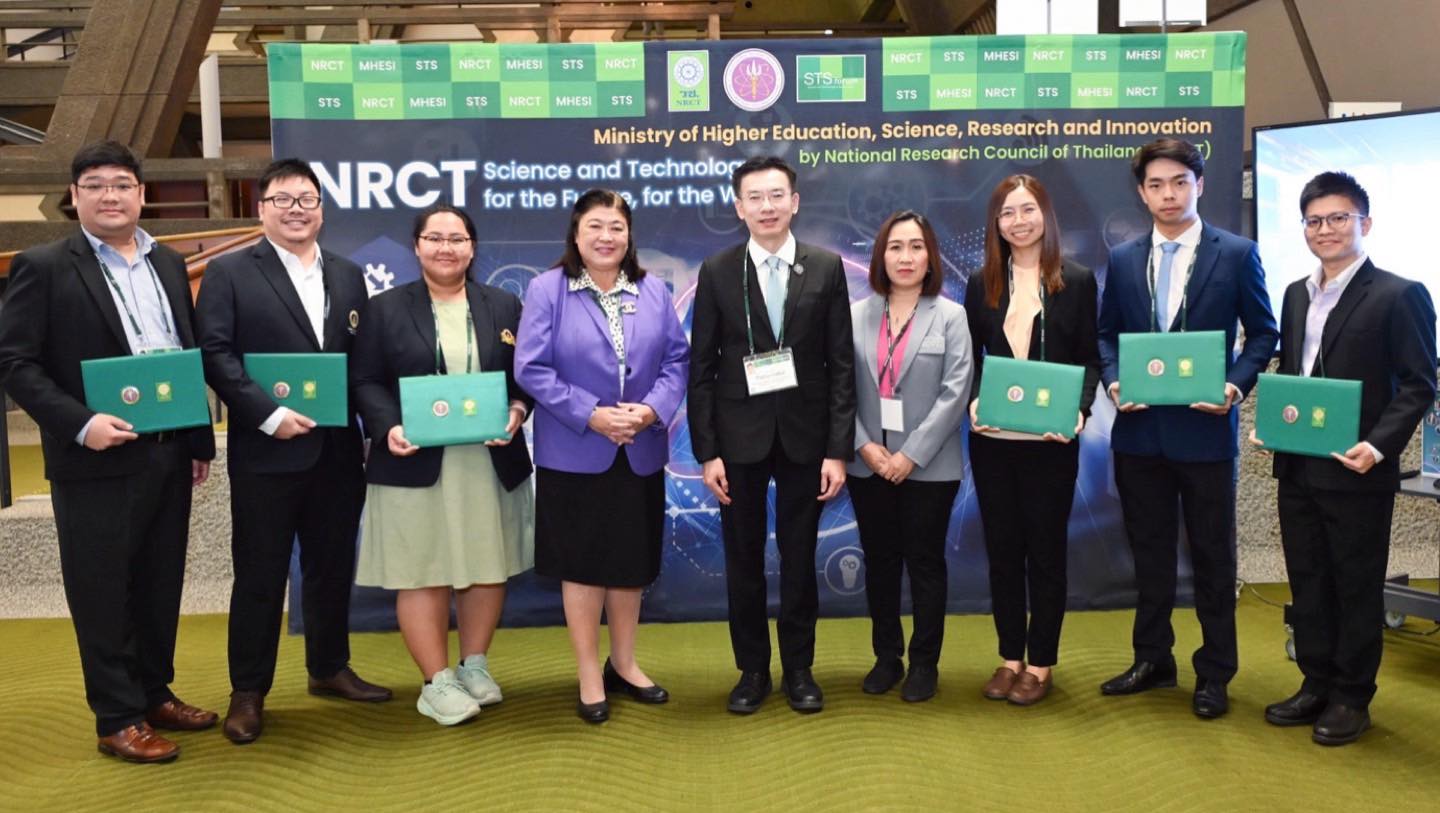
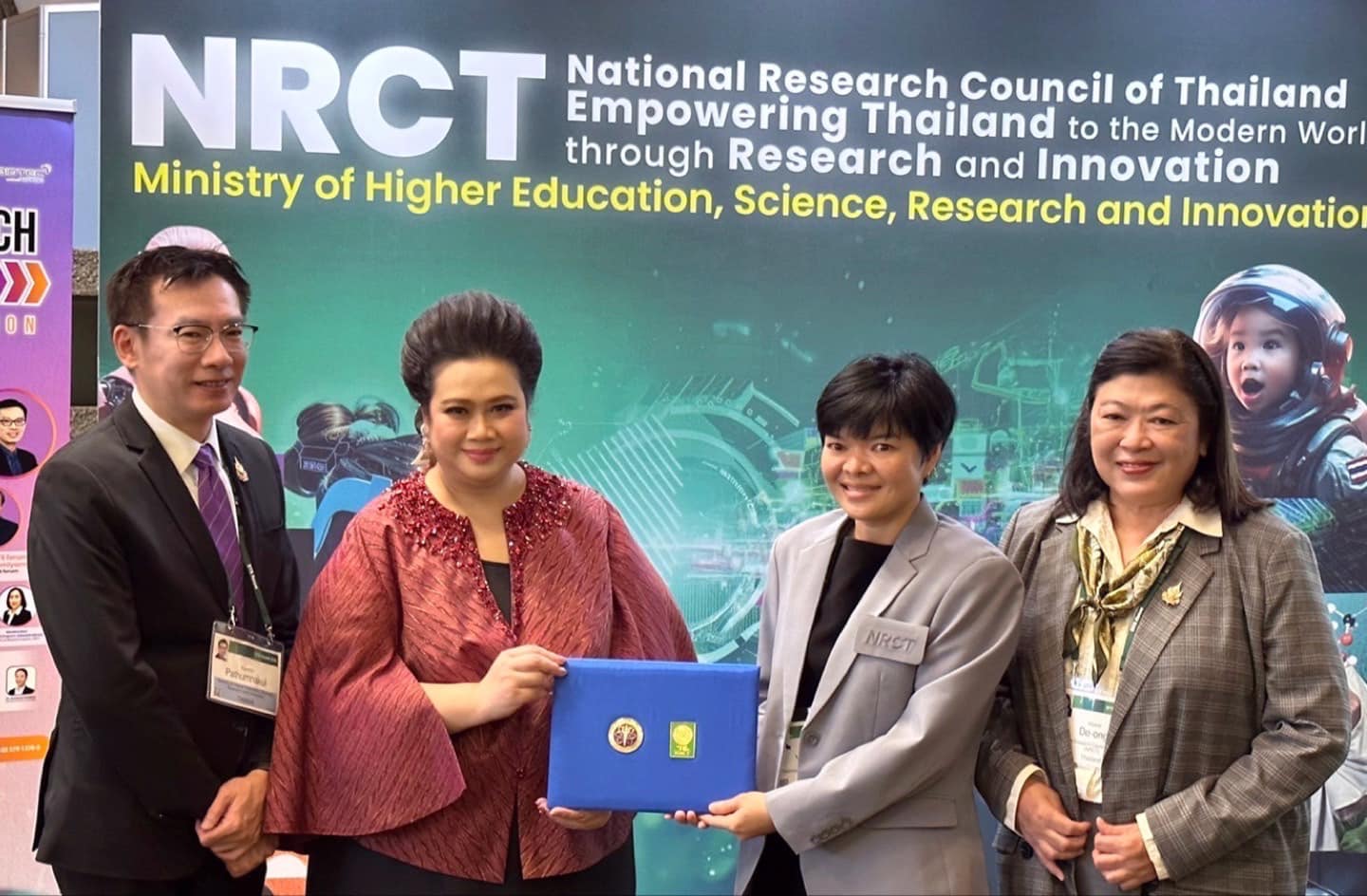
On this occasion, Prof. Dr. Yodchanan presided over the ceremony to present technologies and innovations aimed at enhancing community livelihoods and income generation. He also presented certificates of recognition to four Strong Community Research Centers, which have received research grants from the National Research Council of Thailand (NRCT). Dr. Wiparat De-ong, Executive Director of NRCT, joined the ceremony to congratulate the award recipients.
The four recognized Strong Community Research Centers are:
Community Research Center for Natural Dye Handwoven Textile Technology Transfer, Song Yang Subdistrict, Maha Chana Chai District, Yasothon Province, which has developed innovative natural dye handwoven textile production techniques to enhance product quality and increase the value of local woven fabrics.
Community Research Center of the Northeastern Organic Agriculture Enterprise Network, Nong Phok Subdistrict, Thawat Buri District, Roi Et Province, which has developed Smart Farming technologies for organic jasmine rice production to improve productivity, reduce production costs, and raise agricultural quality standards.
Sri Kai Organic PGS Learning Center, Mueang Si Kai Subdistrict, Warin Chamrap District, Ubon Ratchathani Province, which transfers technologies for organic cherry tomato production to create added value and strengthen organic agriculture in the region.
Sisaket Volcanic Durian Community Research Center, Phran Subdistrict, Khun Han District, Sisaket Province, which has developed technologies covering the entire value chain of Geographical Indication (GI) volcanic durian production—from improving fruit quality and production efficiency to processing and value-added product development—to enhance the competitiveness of local farmers.
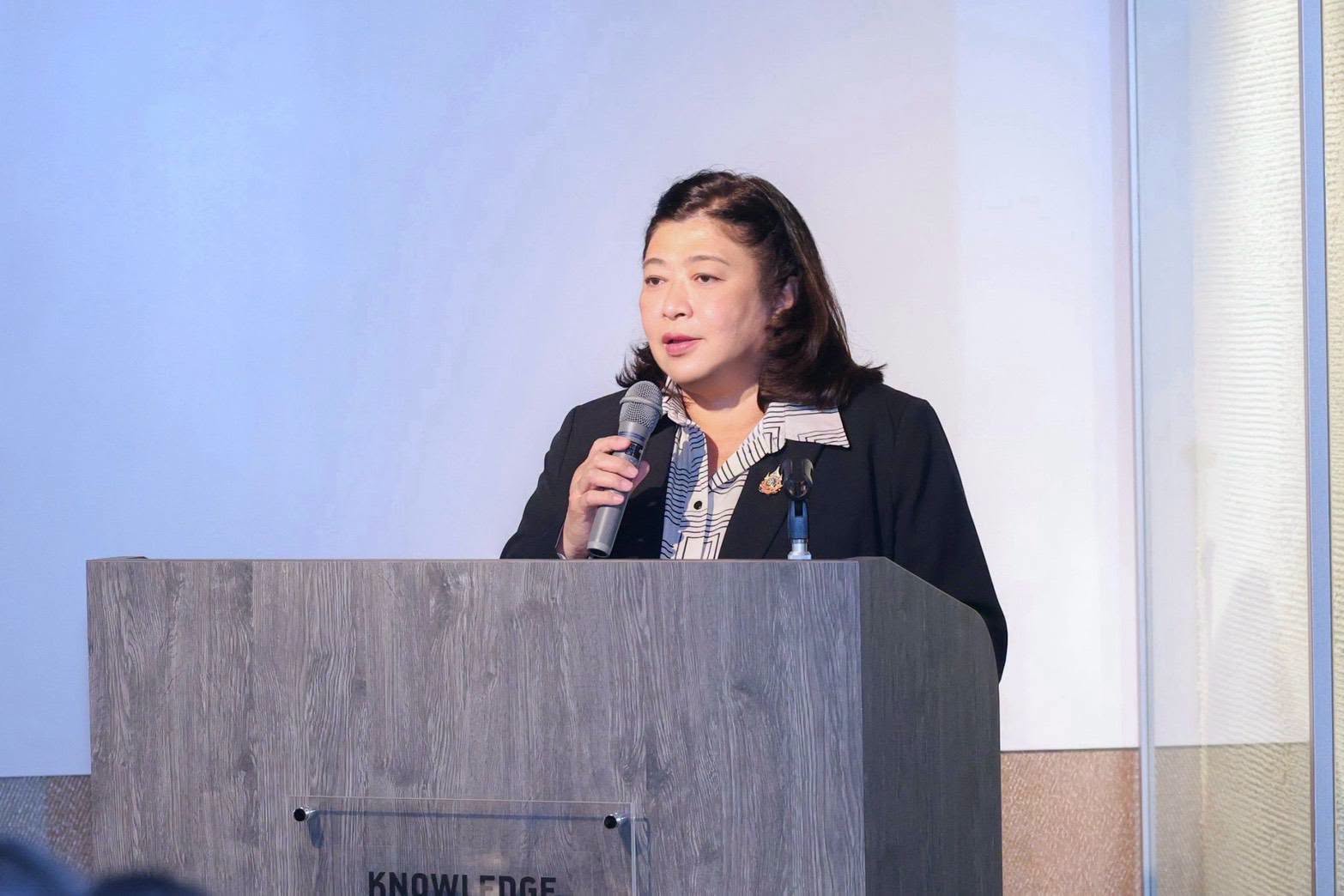
Dr. Wiparat De-ong stated that NRCT is committed to supporting research and innovation that deliver tangible benefits to society. A key priority is strengthening Community Research Centers as mechanisms for transferring knowledge, technology, and innovation to local communities, enabling them to create employment opportunities, increase household incomes, and build strong and sustainable local economies. These efforts are aligned with MHESI's policy of leveraging science, research, and innovation to reduce inequality and improve the quality of life of people across all regions of Thailand.
During the field visit, NRCT also showcased its Strong Community Research Center mechanism as an important component of the Local Growth Engine, which aims to accelerate the practical application of research and innovation at the local level. Through collaboration among government agencies, higher education institutions, and local communities, the initiative seeks to develop scalable models for community-based development that can be replicated nationwide, contributing to sustainable poverty alleviation and long-term national development.