MHESI Promotes SRI to Develop Defence Technology and Industry—NRCT Showcases Security Innovations at THAIDEF-EX 2026
8 July 2026


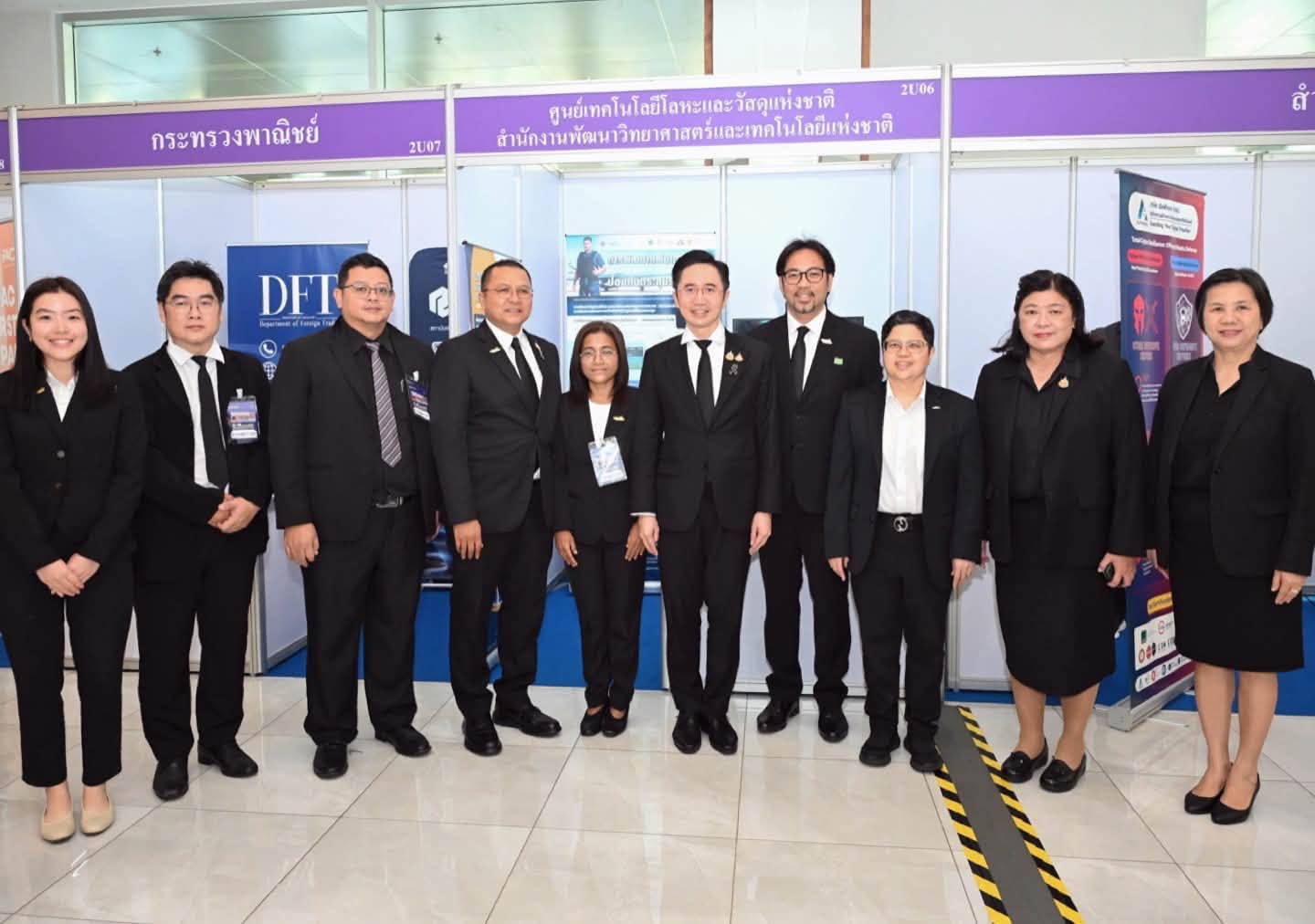
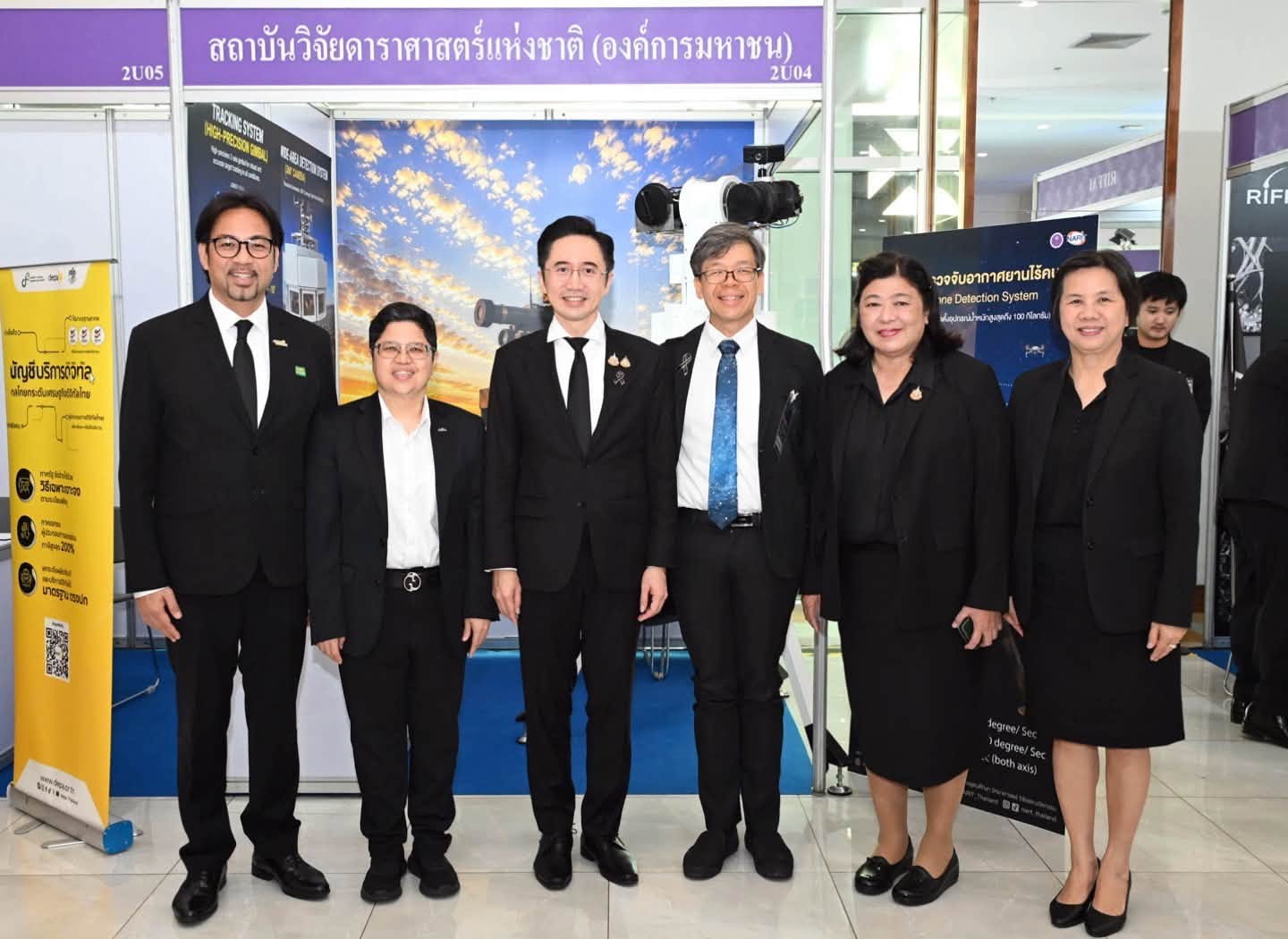
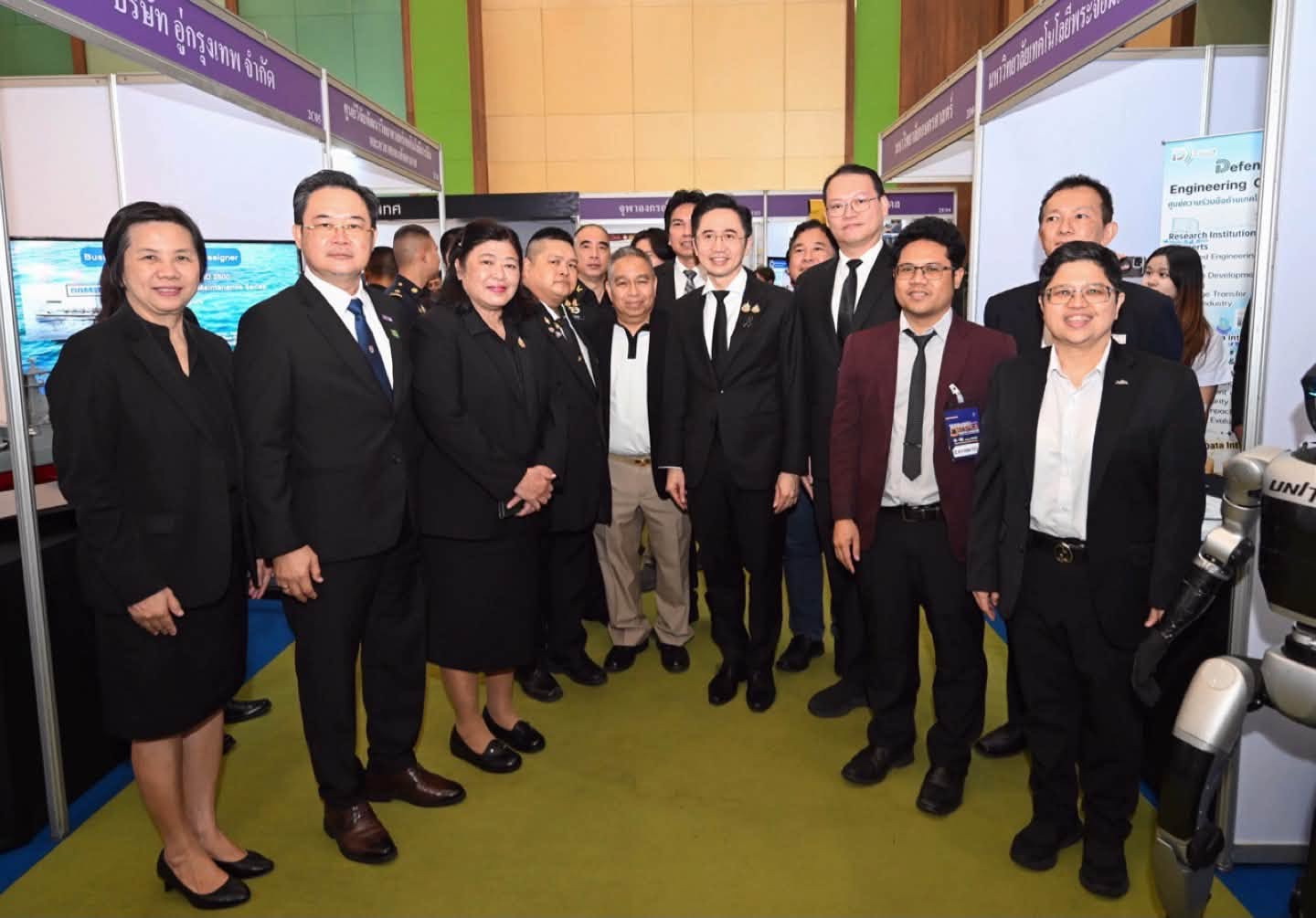
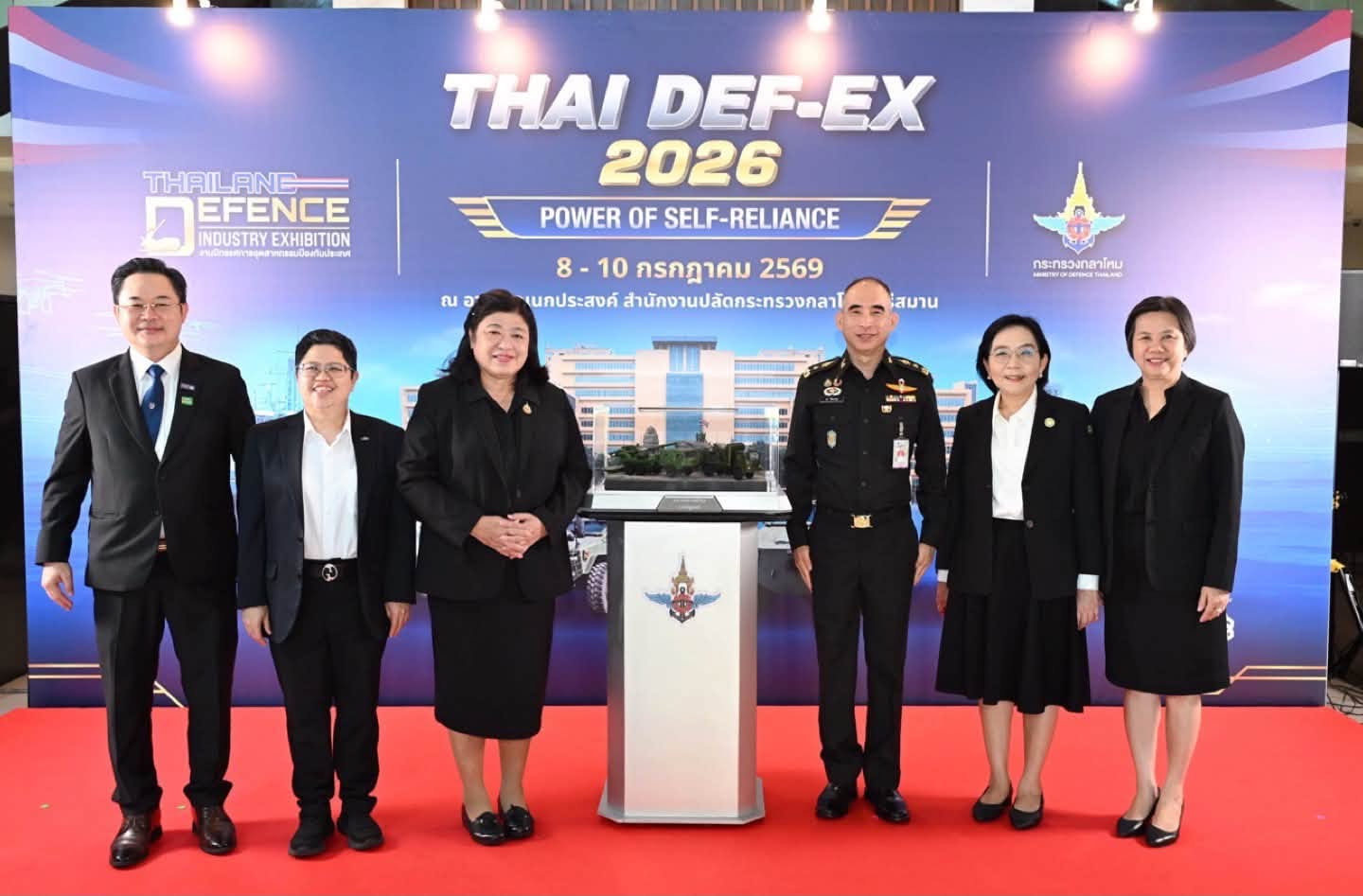
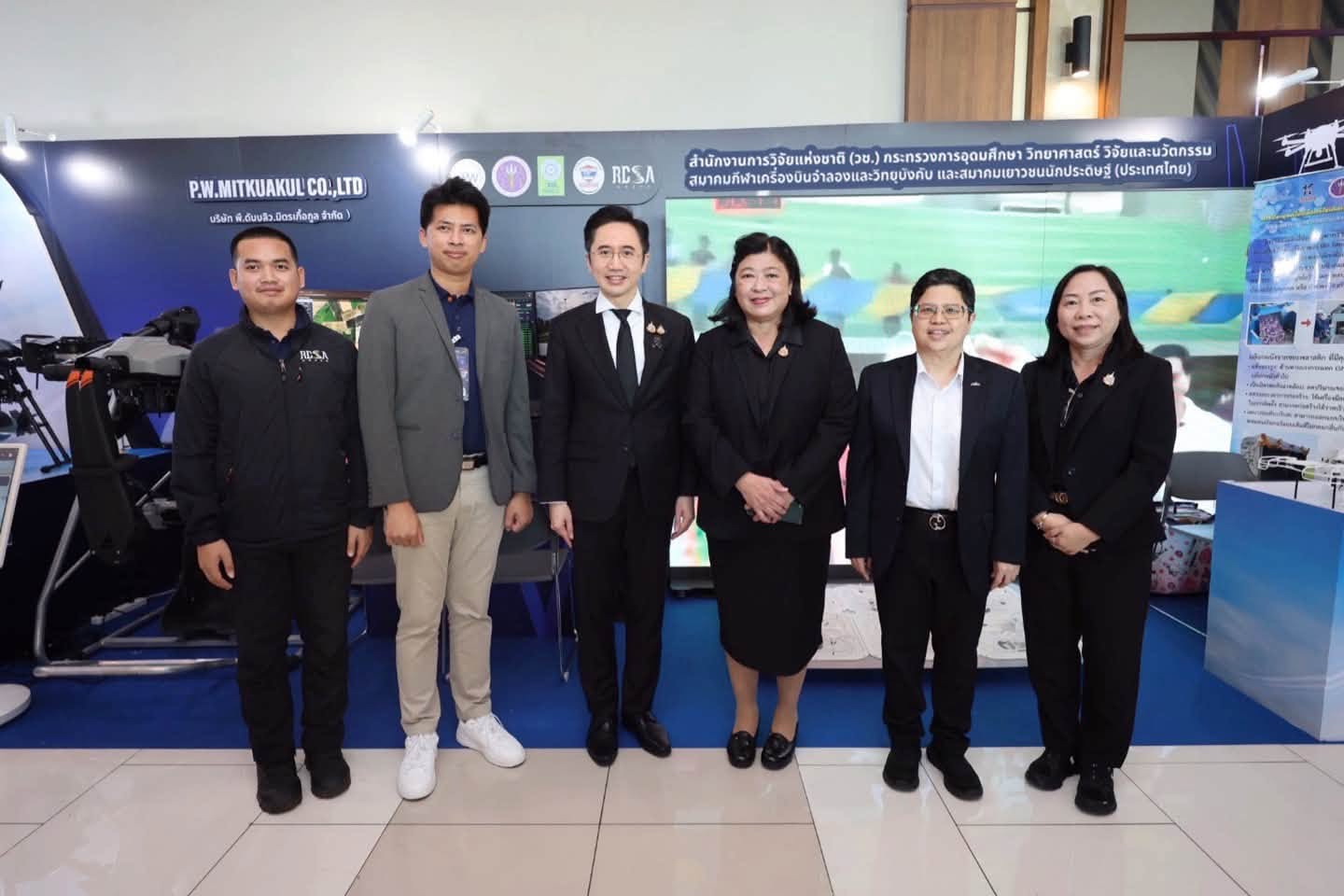
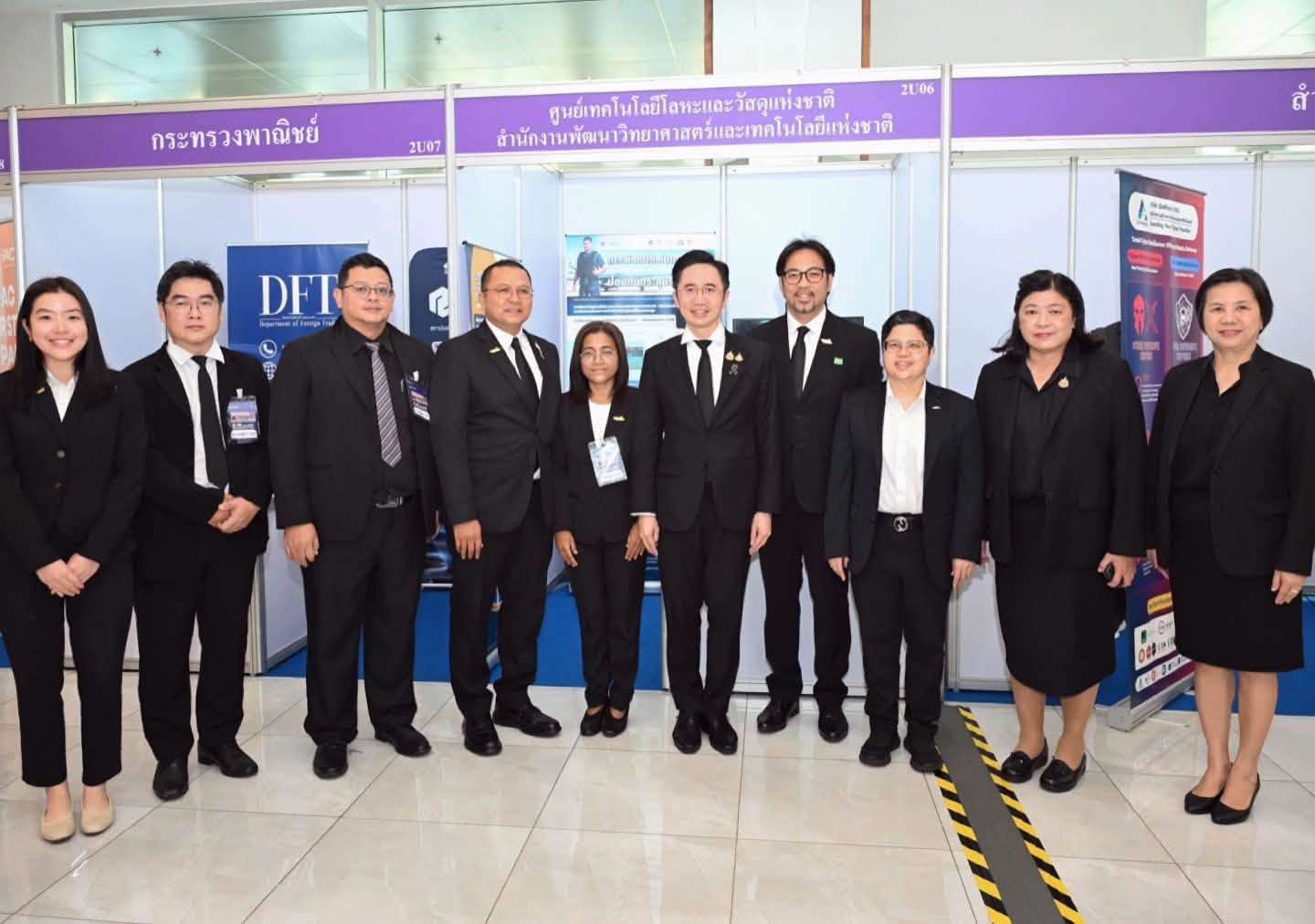
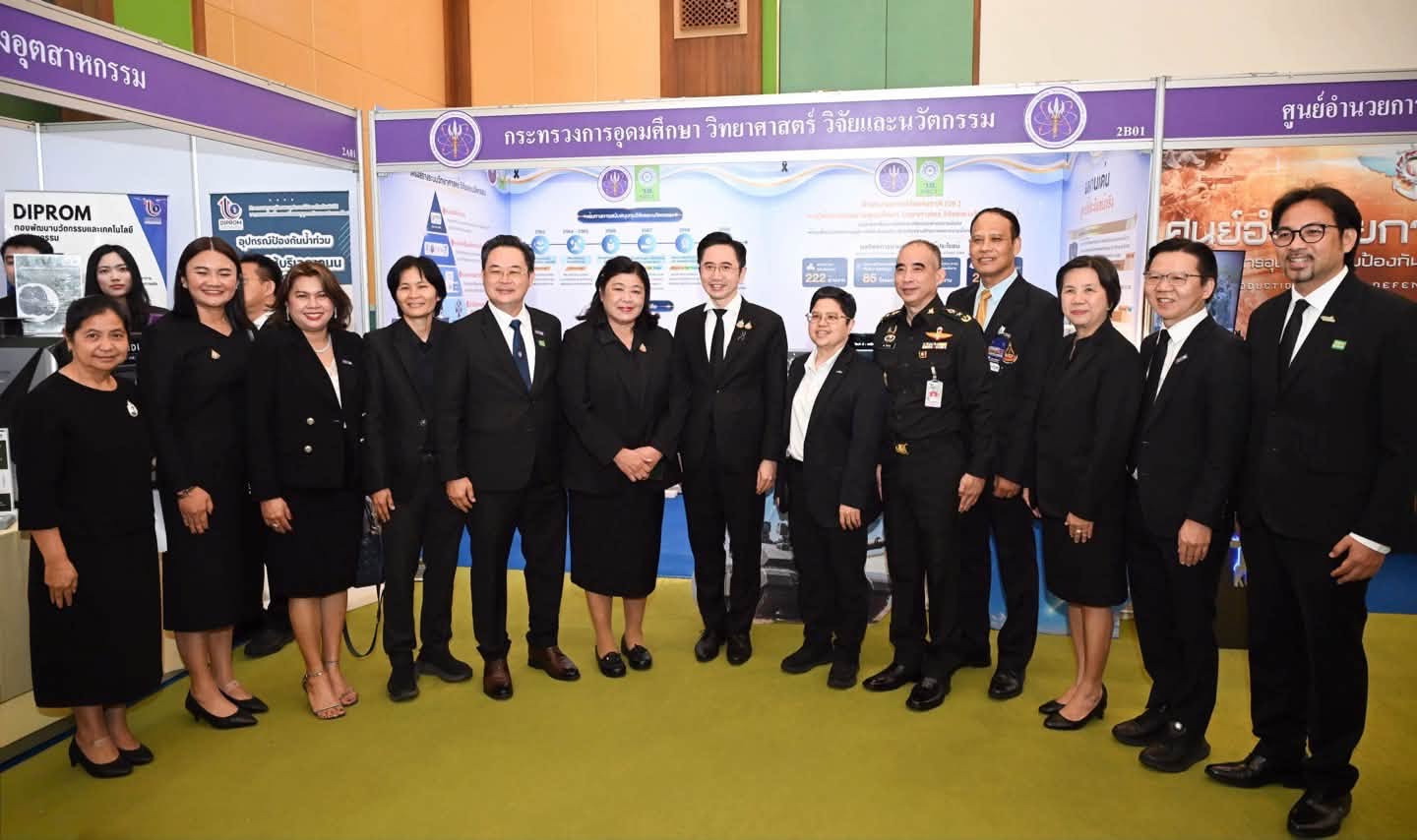
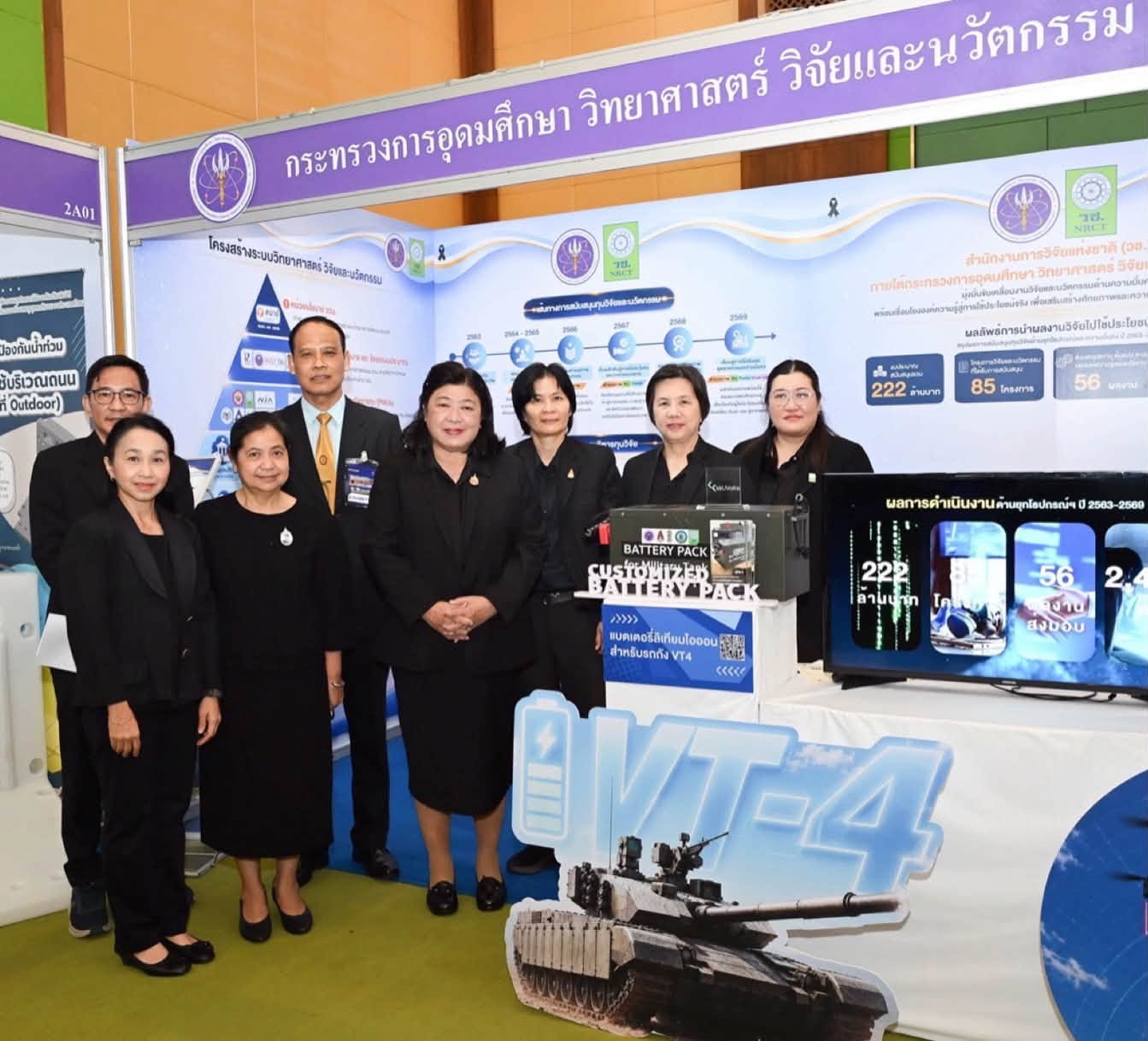
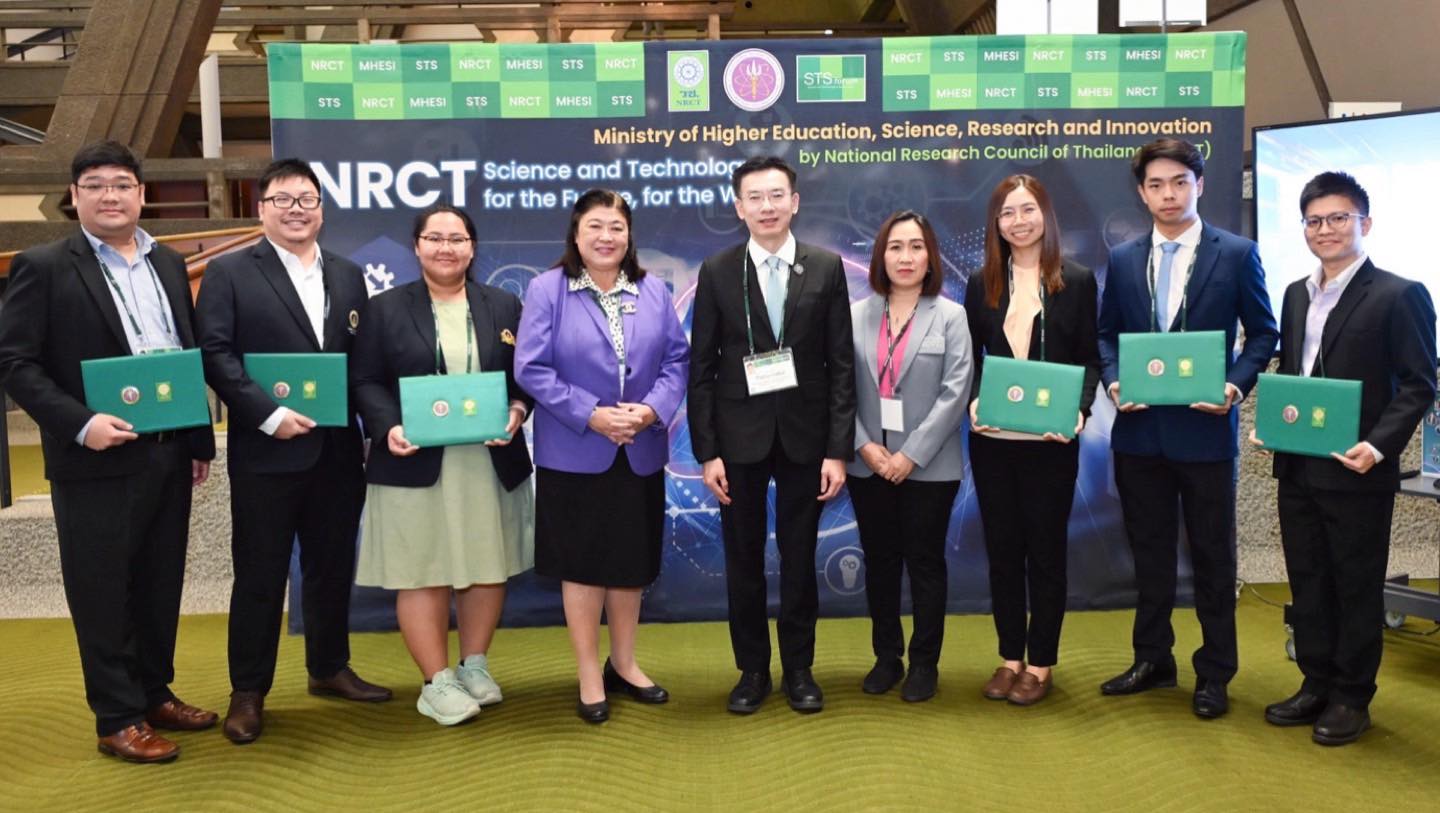
On July 8, 2026, the National Research Council of Thailand (NRCT) under the Ministry of Higher Education, Science, Research and Innovation (MHESI) collaborated to showcase the ministry's technology and innovations at the Thailand Defence Industry Exhibition 2026 (THAIDEF-EX 2026). Held under the theme “Power of Self-Reliance,” the exhibition featured NRCT-supported security research and innovations capable of practical application. The objective is to elevate the capabilities of the defense industry, reduce reliance on foreign technology, and tangibly strengthen the nation's self-reliance.
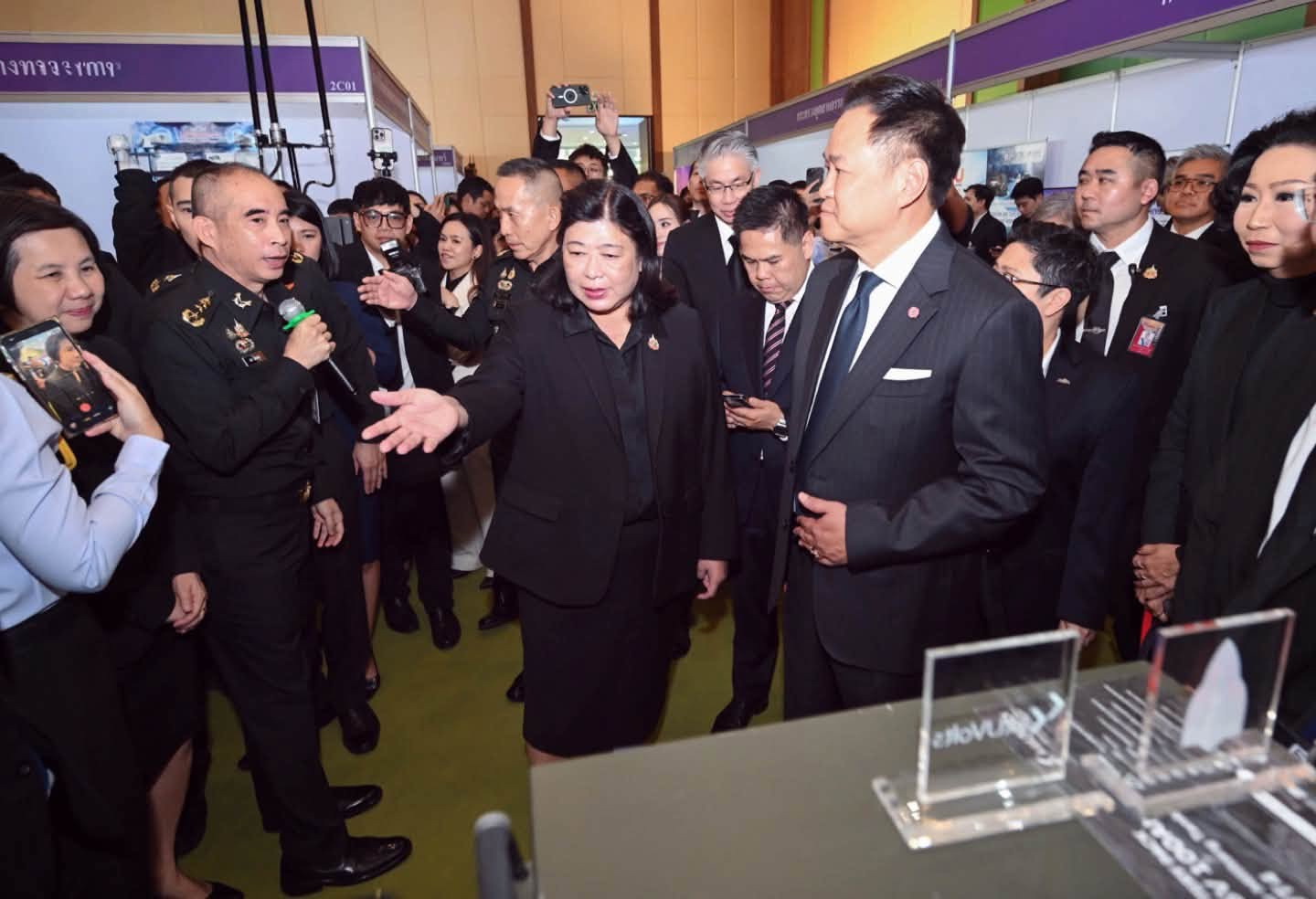
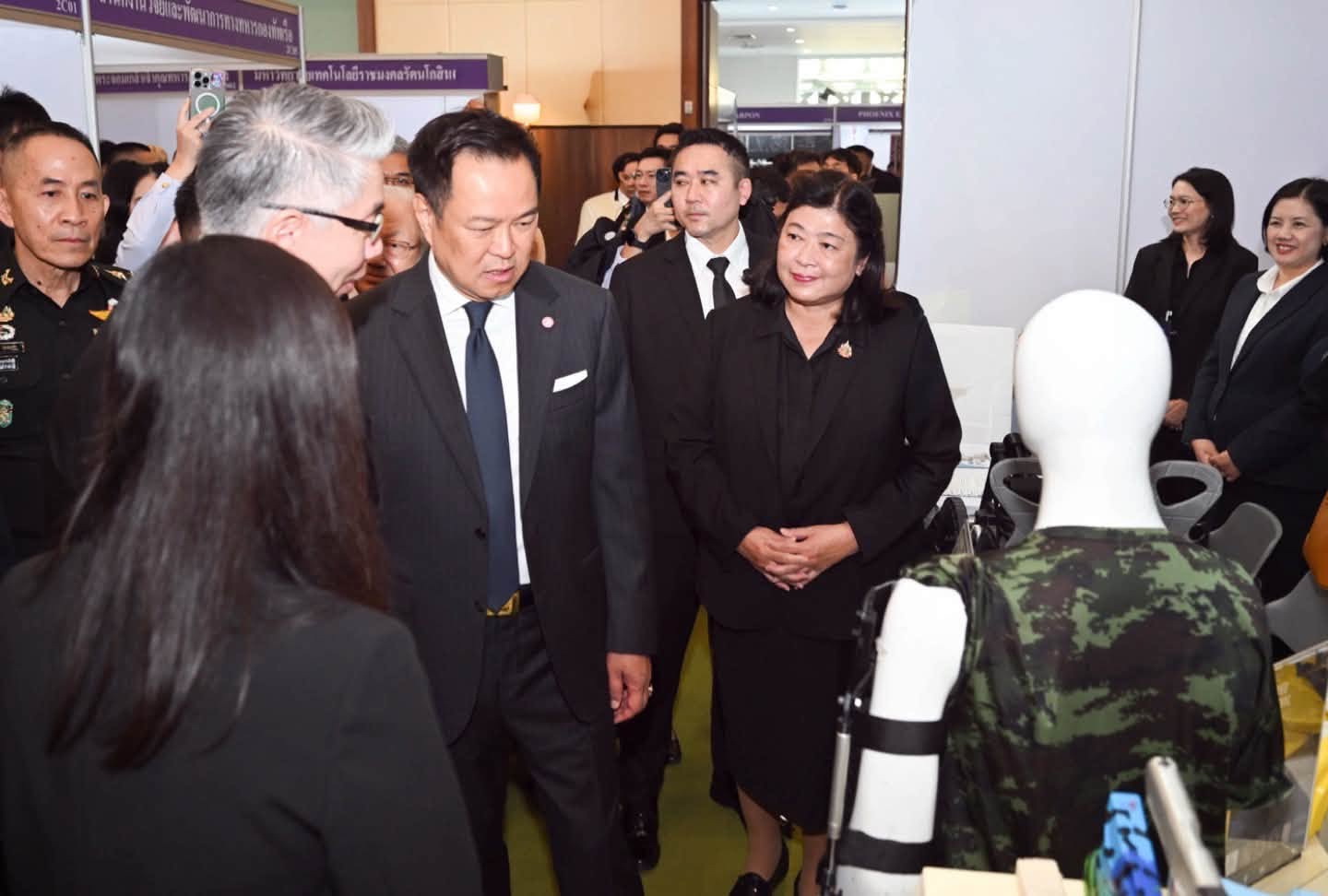
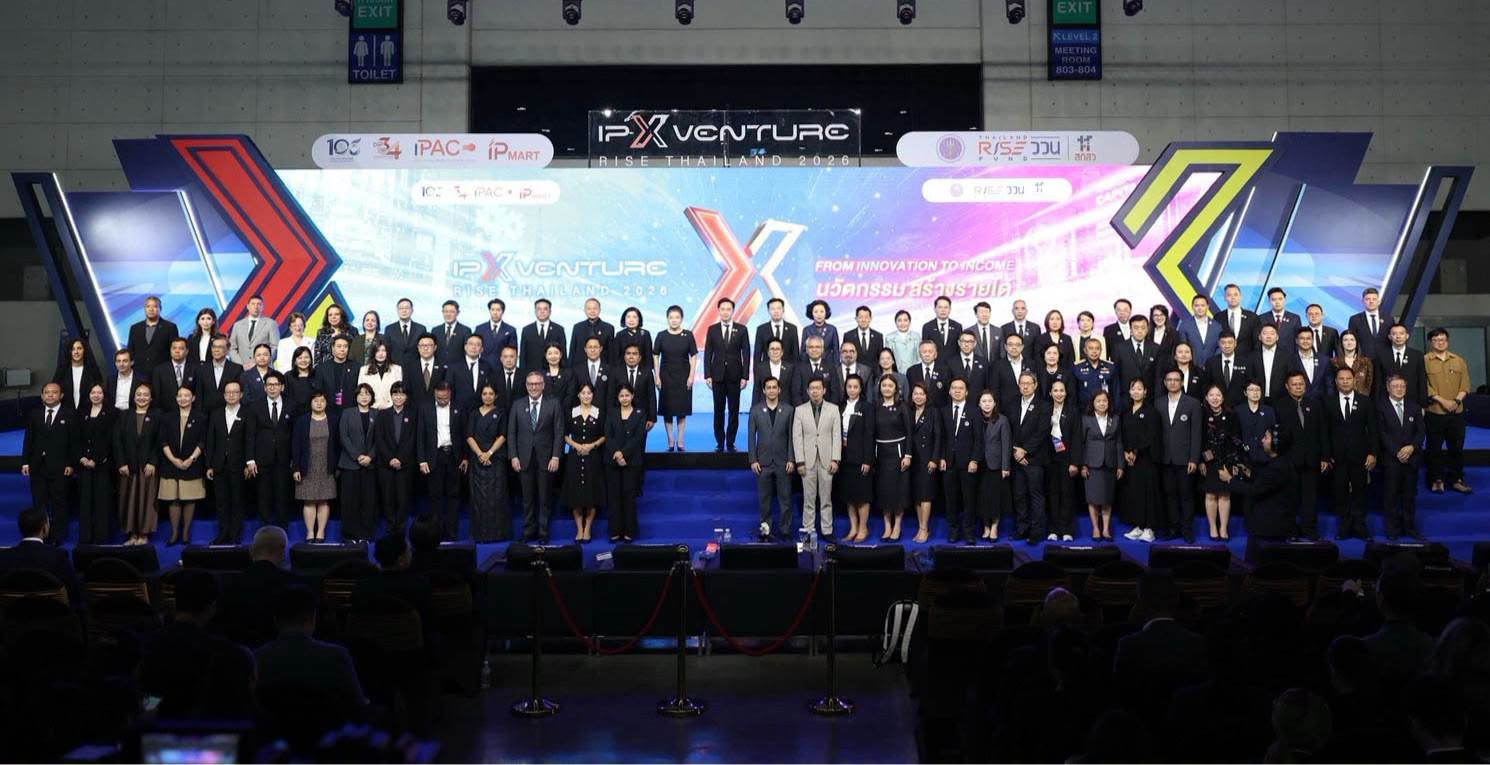
Prime Minister Anutin Charnvirakul officially presided over the opening ceremony. He was joined by Prof. Dr. Yodchanan Wongsawat, Deputy Prime Minister and Minister of MHESI; Mrs. Suphajee Suthumpun, Deputy Prime Minister and Minister of Commerce; Lt. Gen. Adul Boonthamcharoen, Minister of Defence; Mr. Varawut Silpa-archa, Minister of Industry; and executives from relevant agencies. The delegation toured the exhibition at the Srisaman 2 Conference Room, Multipurpose Building, Office of the Permanent Secretary for Defence (Srisaman) in Nonthaburi Province.
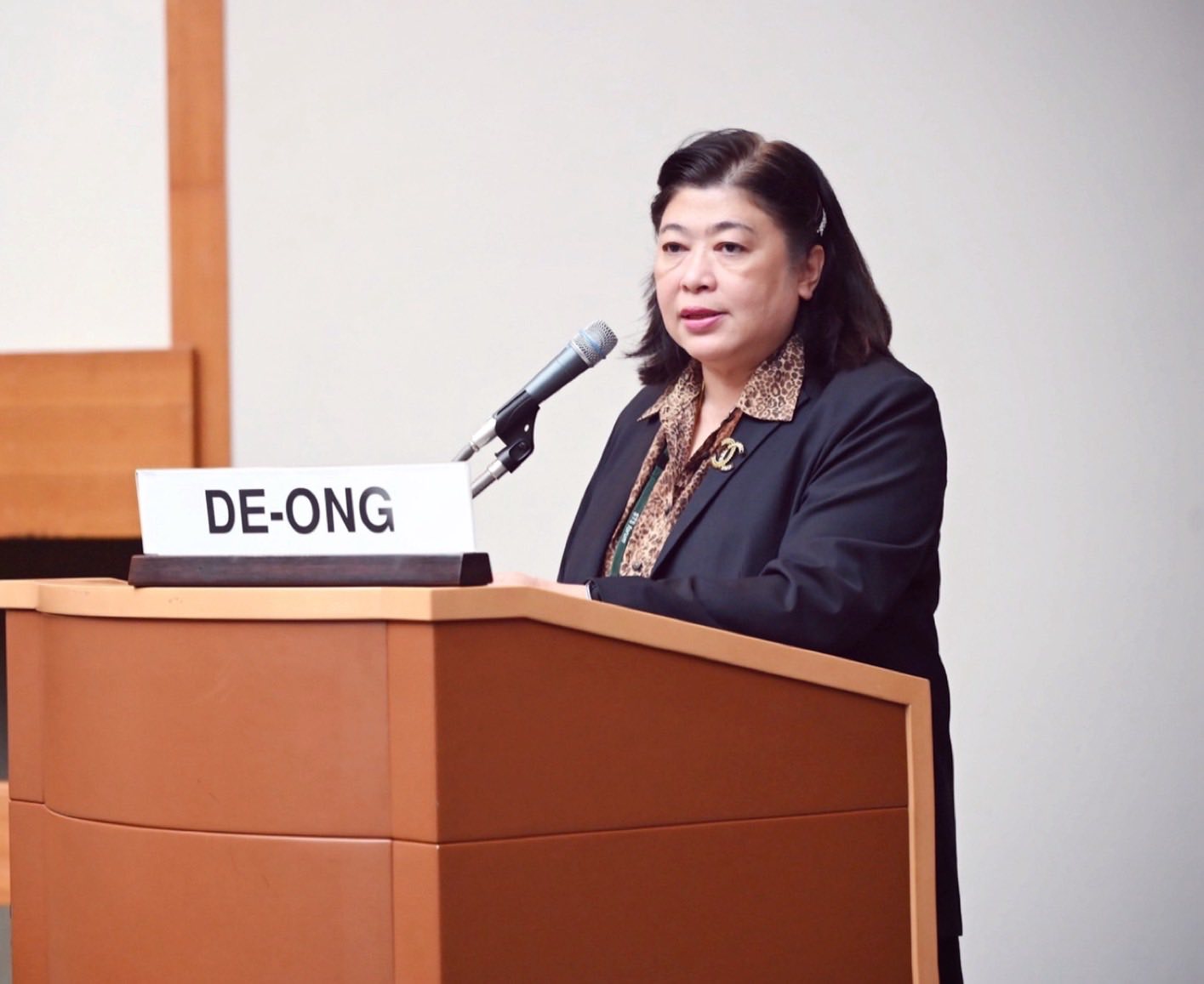
Dr. Wiparat De-ong, Executive Director of the NRCT, presented the operational results and research achievements in military equipment and security. She stated that MHESI is committed to utilizing Science, Research, and Innovation (SRI) as a key mechanism for driving national development and enhancing security. The ministry has assigned the NRCT to act as a research funding management agency, bridging government policies with researchers, educational institutions, and end-users to develop technologies and innovations that meet the country's needs while pushing research outcomes toward practical application.
Over the past seven years (2020–2026), the NRCT has funded research and innovations in military equipment and security under four key programs:
Maintenance of military equipment
Pushing research toward practical utilization
Development of radar technology and surveillance systems
Dual-use Technology
The NRCT has provided financial support to 85 research and innovation projects, resulting in various ready-to-use solutions in the security sector and developing over 2,400 researchers, personnel, and military staff. This reflects the successful impact of investing in science, research, and innovation that can be scaled for practical use.
At the exhibition, the NRCT presented funded research and innovations that have been successfully implemented. These cover the maintenance of military equipment, surveillance systems, threat defense, personal weapons, and technology for the rehabilitation of military personnel. Outstanding innovations include:
Lithium-ion Batteries for VT4 Tanks: Developed to replace imported batteries, these are lightweight and have a lifespan four times longer. They reduce maintenance costs, increase operational readiness, and have already been installed for actual use by the Royal Thai Army.
FMCW Radar System for Unmanned Aerial Vehicle (UAV) Detection: Capable of 360-degree target detection in all weather conditions, this system enhances area surveillance efficiency and reduces reliance on foreign radar systems. It is already installed for practical use.
DR-172ADV Radar Processing and Display System: Upgrades the existing radar system to meet military standards, extending its service life by another 15 years and reducing import costs by more than 500 million baht per unit.
Air Filters for Gas Masks: Passing international standards, these filters can protect against six types of hazardous toxins. Prototypes have been delivered to the Royal Thai Army to support security missions and public assistance.
9mm Assault Rifles: Certified to the Ministry of Defence's equipment standards and produced domestically, this reduces procurement costs by at least 20,000 baht per rifle. Delivery to government agencies for active use has already begun.
Biosignal-Controlled Smart Robotic Arms: Utilizing muscle signal detection technology to control movement, these assist in rehabilitating veterans and arm amputees, enabling them to return to a high-quality daily life and resume working.
The research and innovations exhibited on this occasion demonstrate the potential of Thai researchers in developing technologies that meet the needs of security agencies. These can be practically extended to both security missions and Dual-use Technology. This reinforces the roles of MHESI and the NRCT in driving science, research, and innovation to elevate the country's capabilities, reduce reliance on foreign technologies, and support sustainable self-reliance in the defence industry.