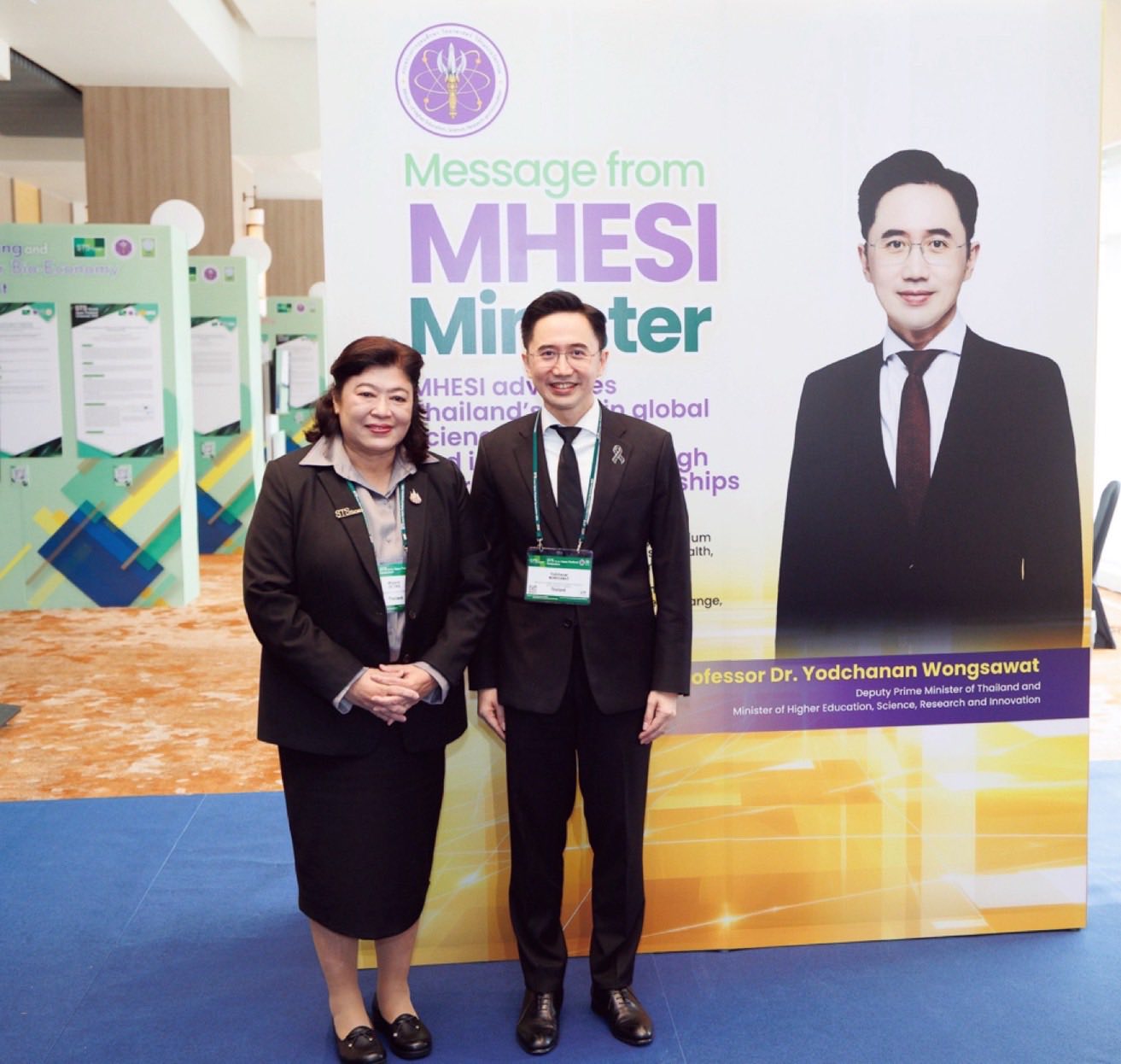
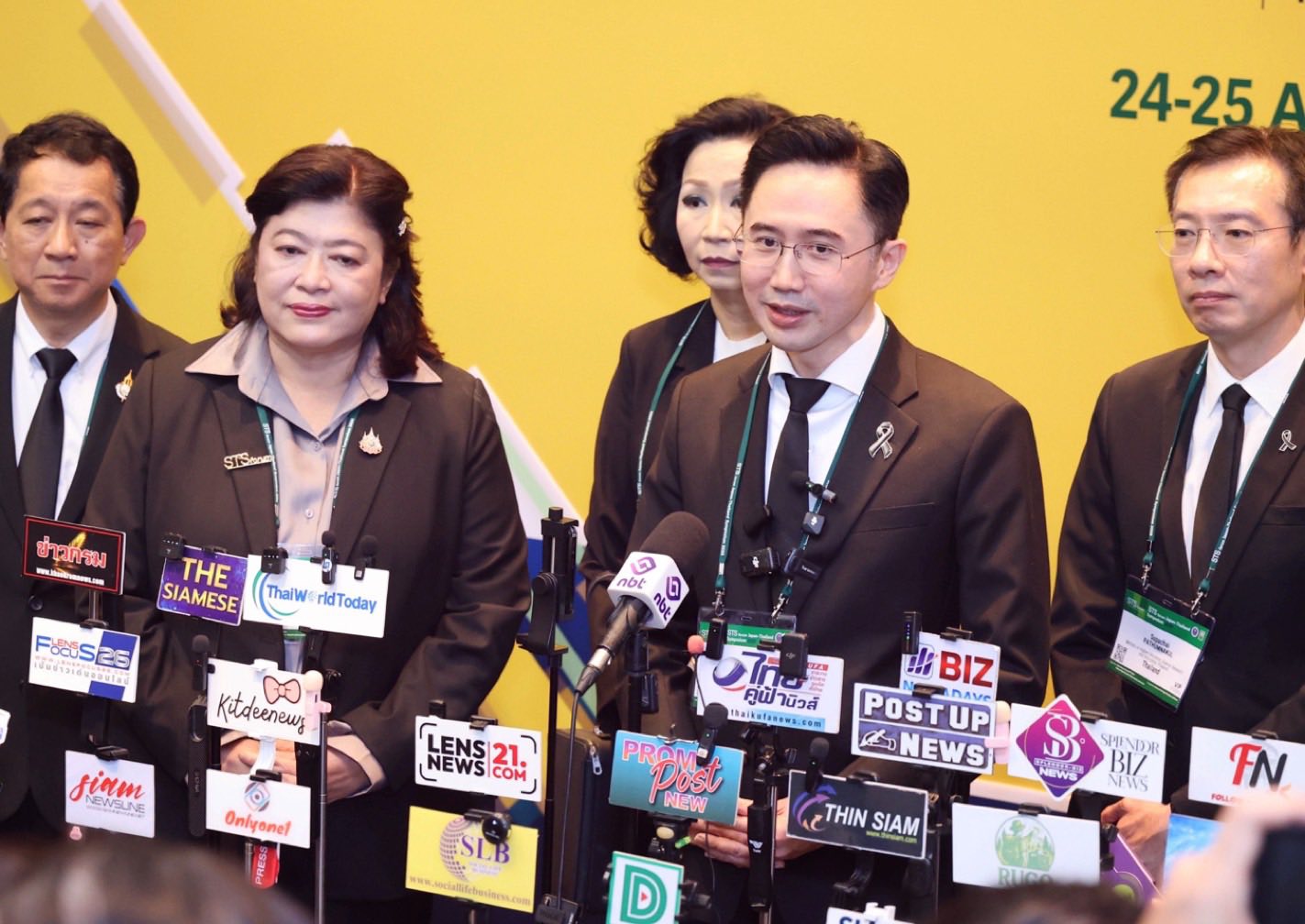
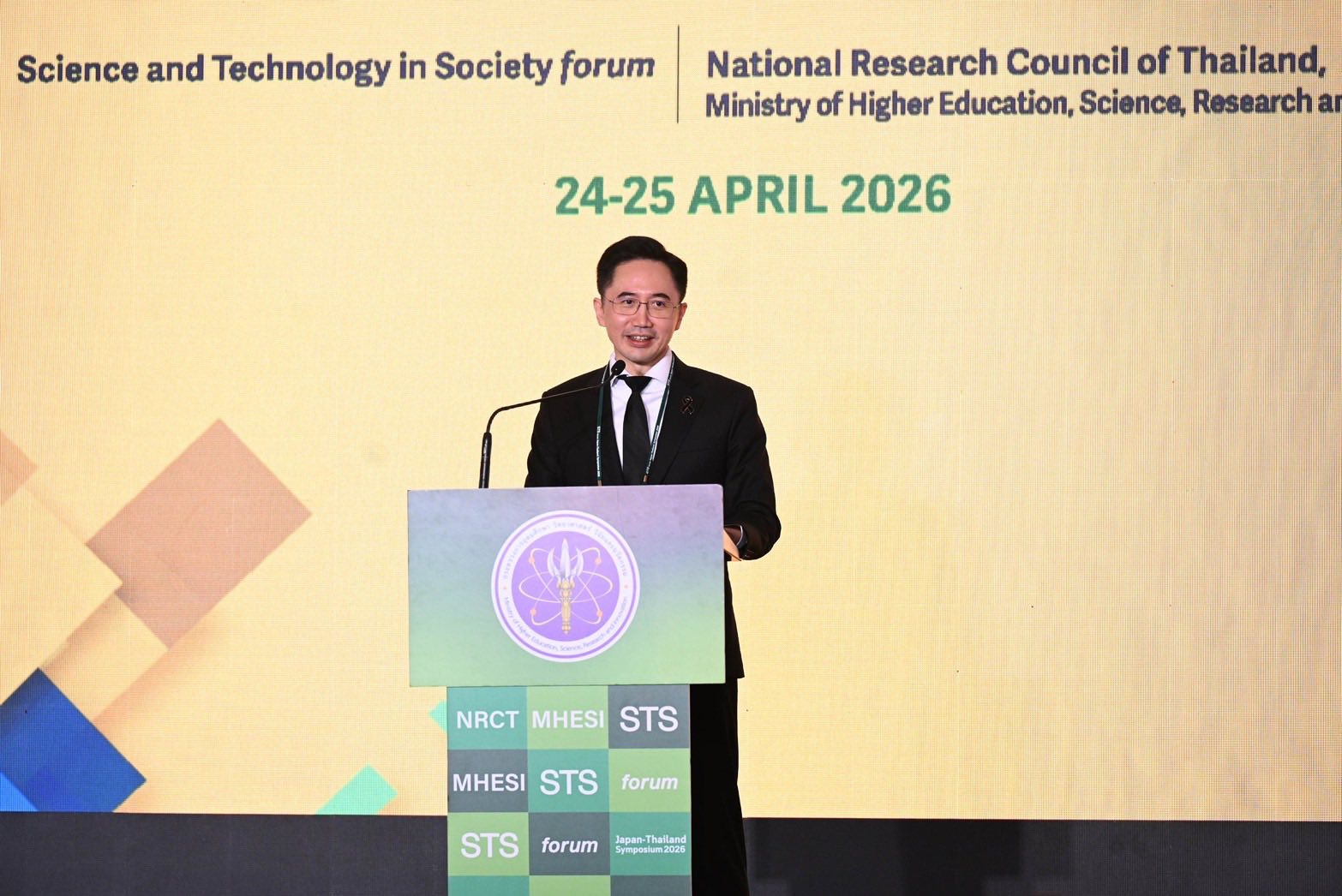
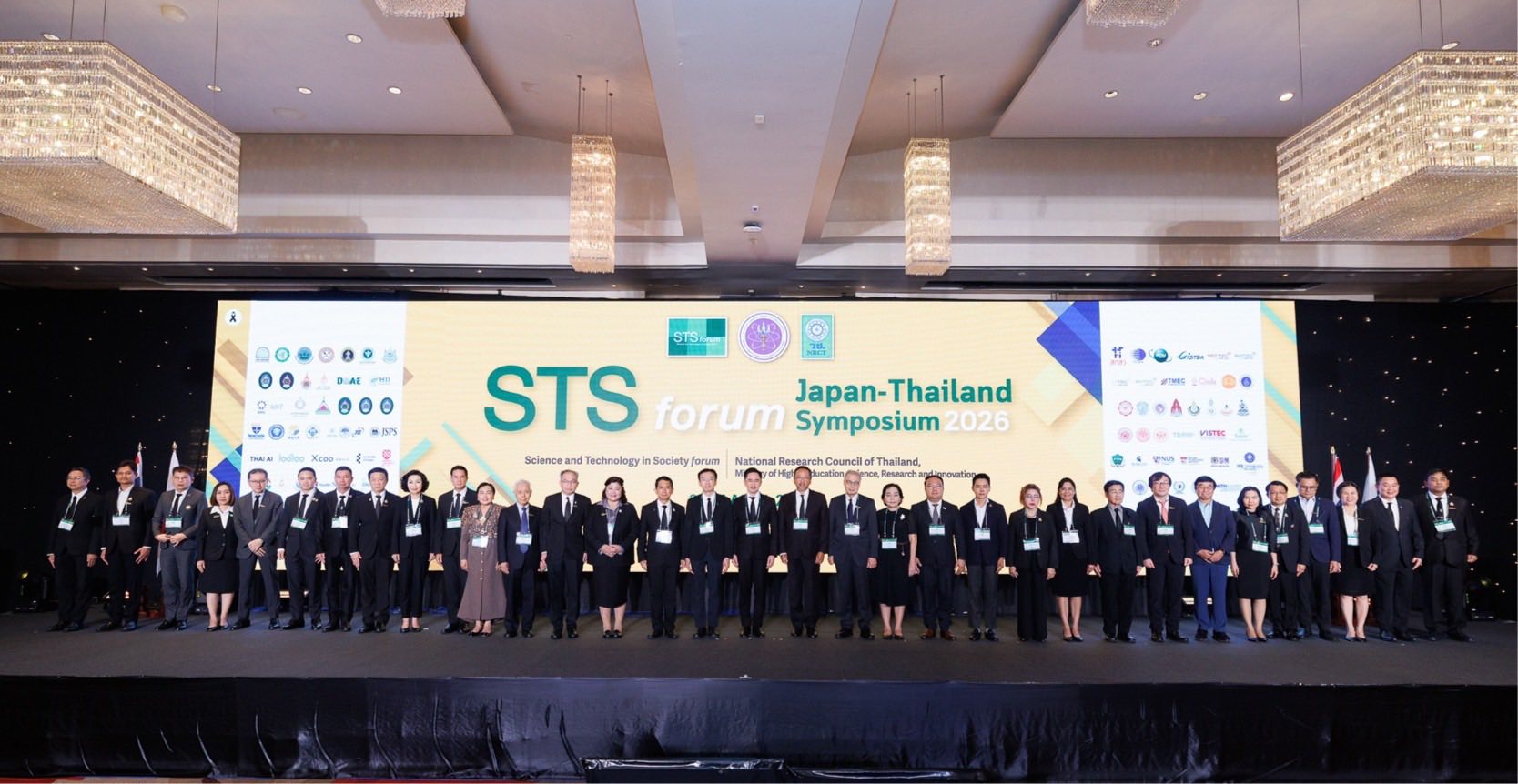
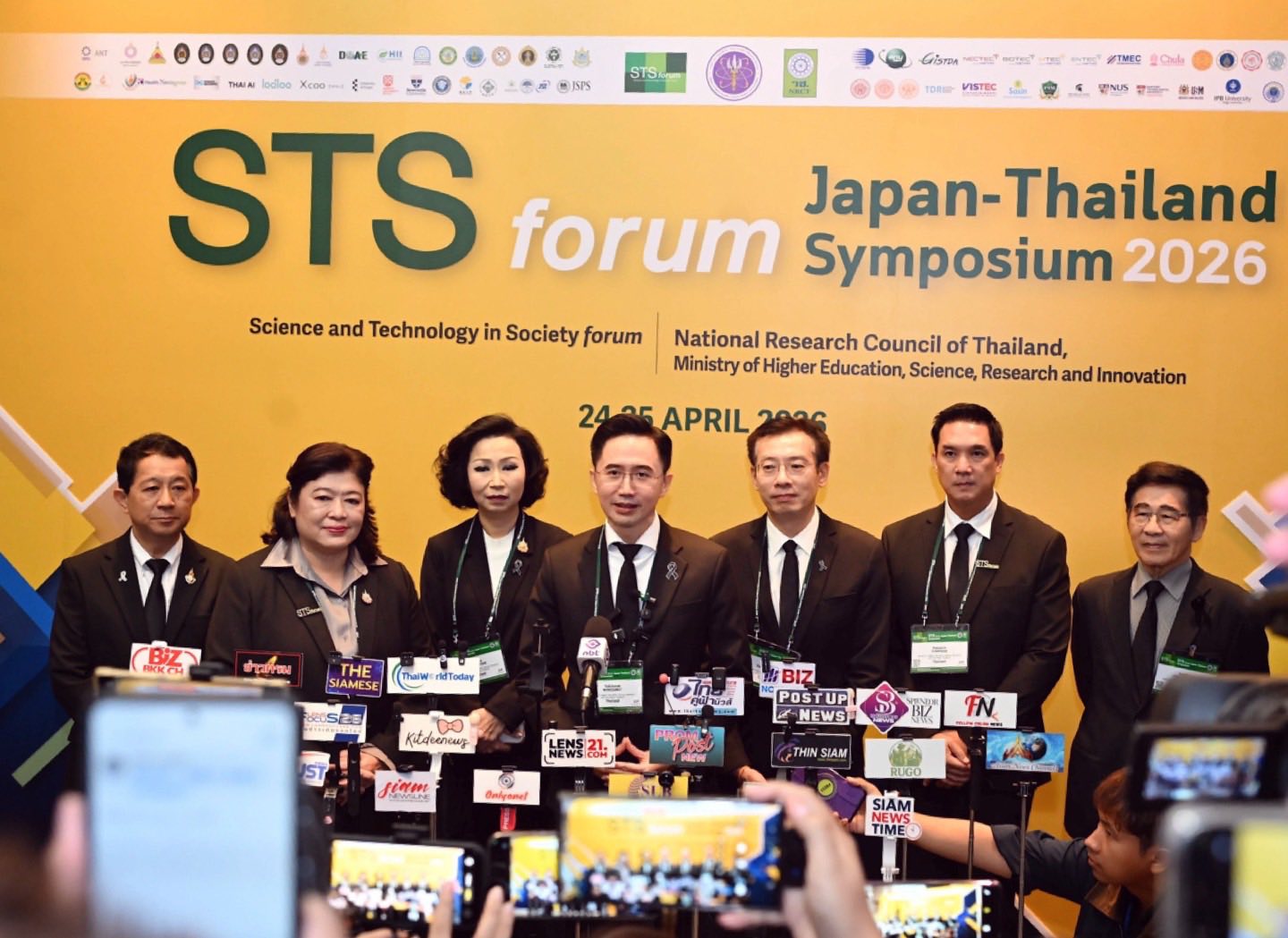
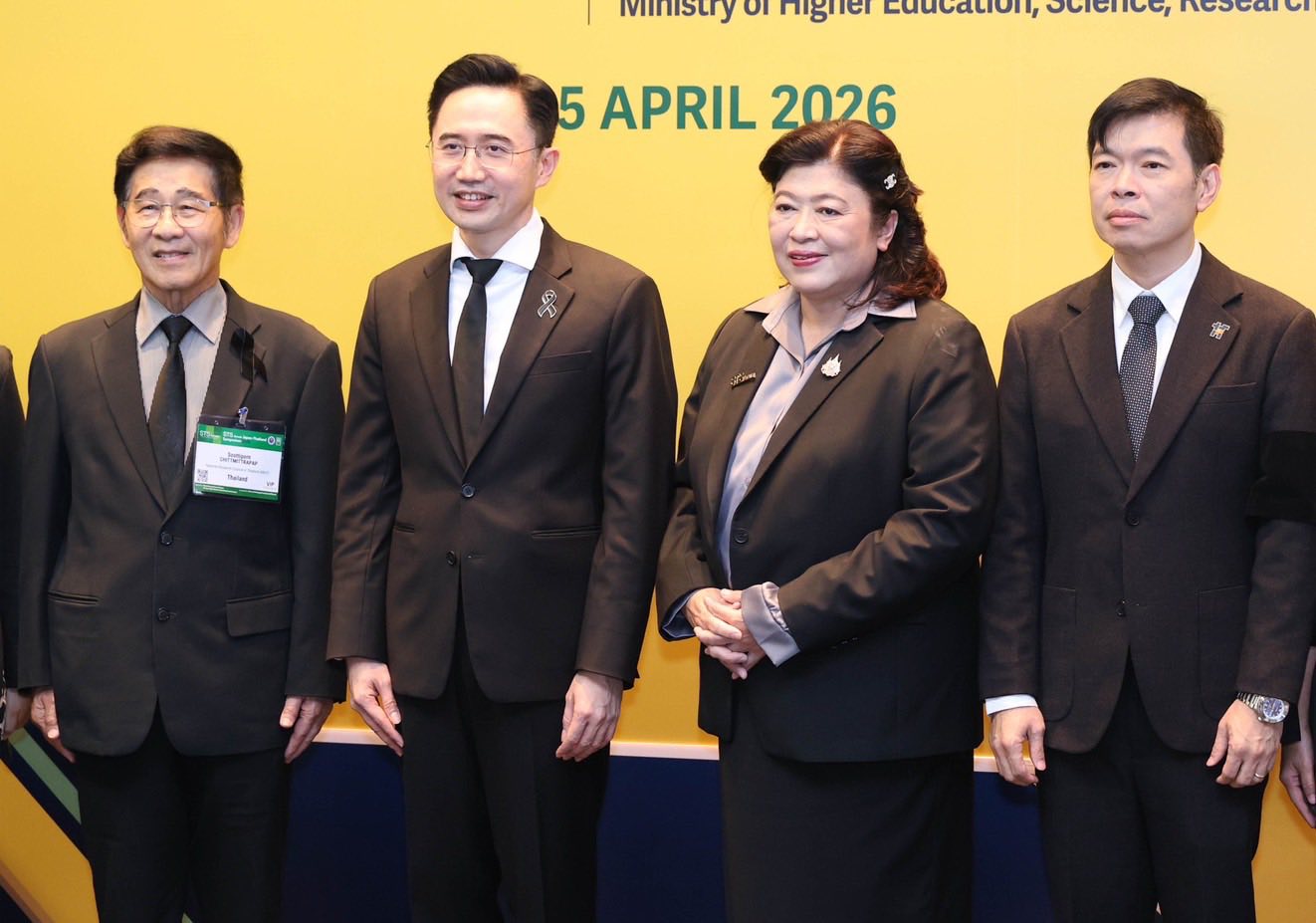
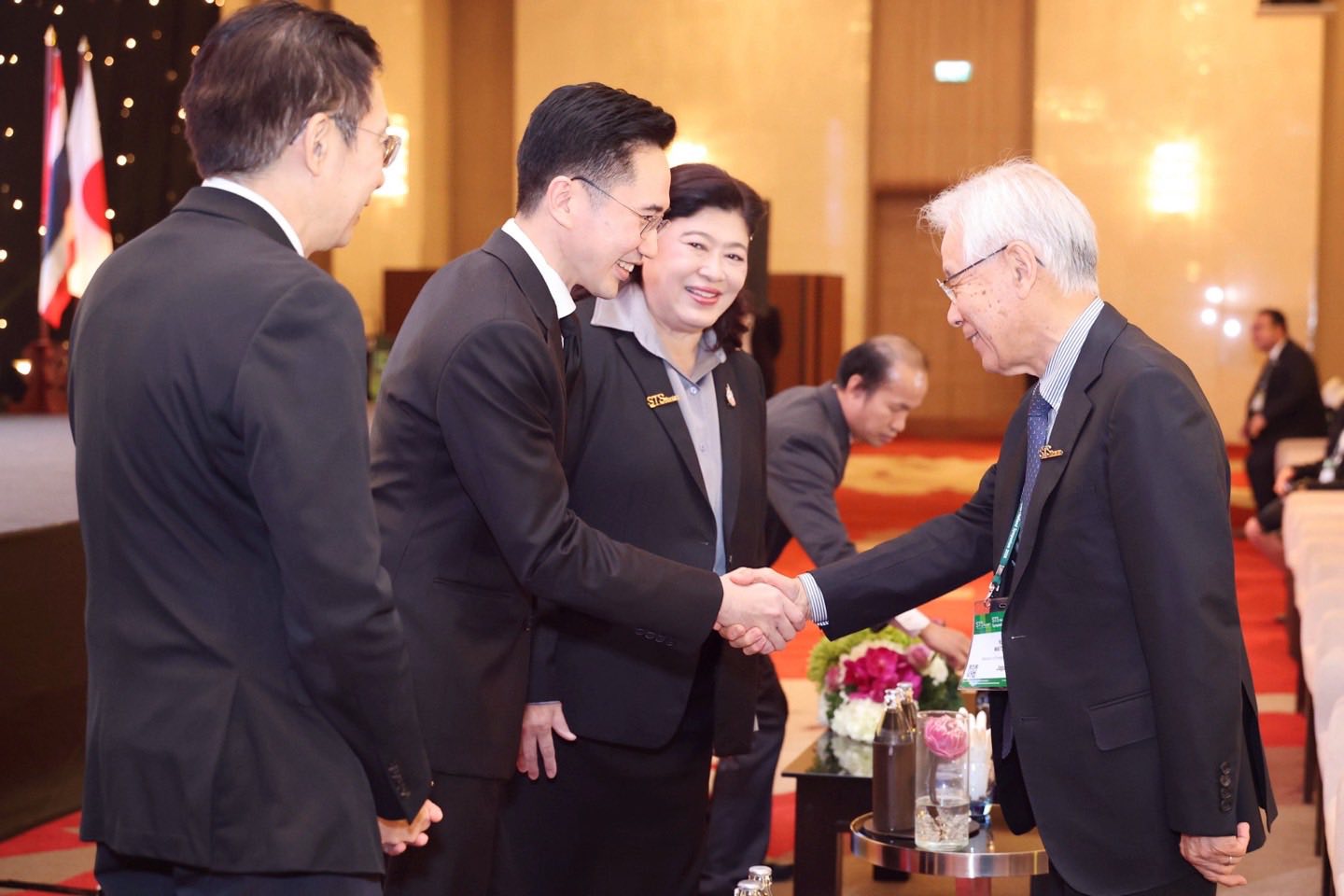
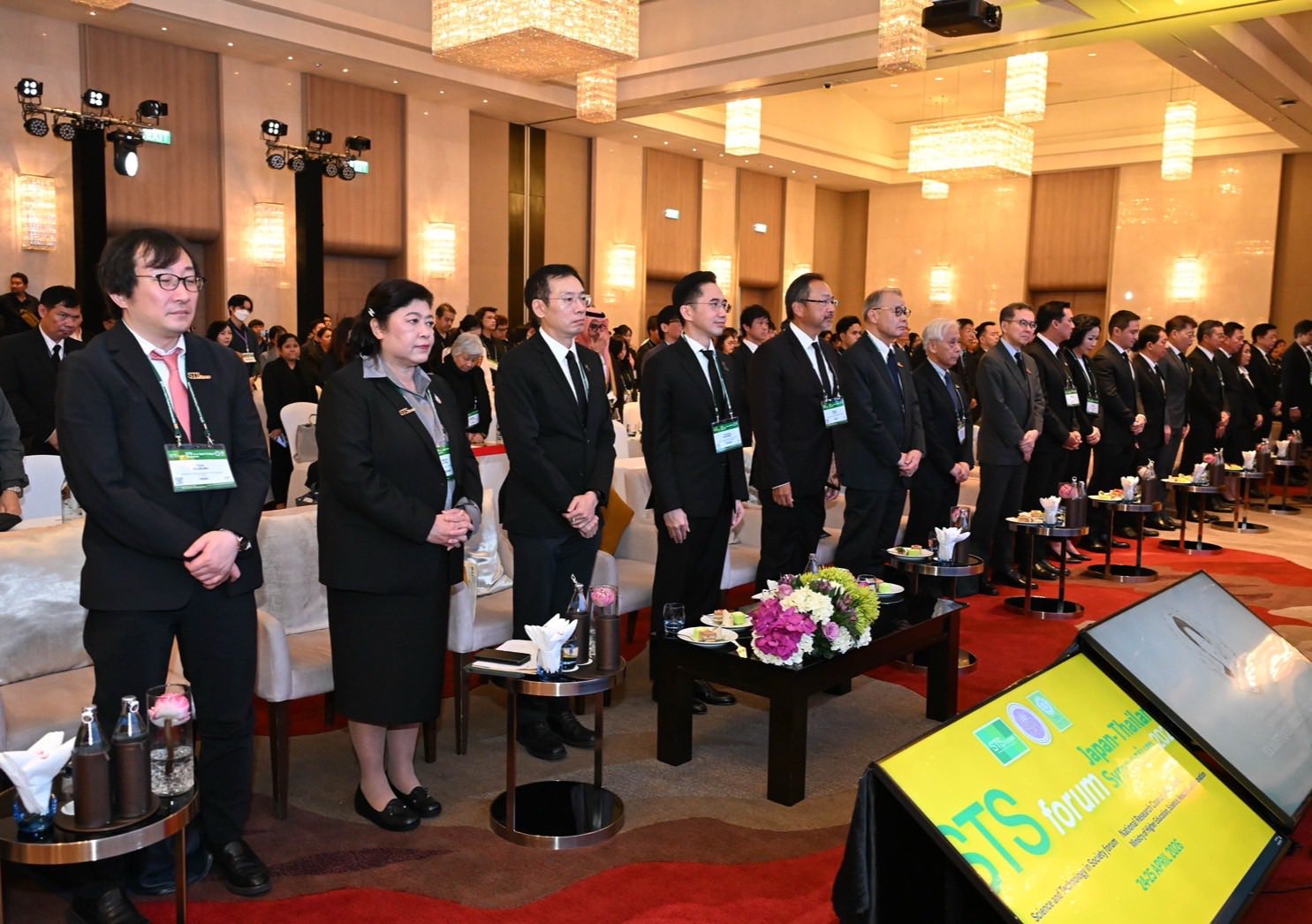
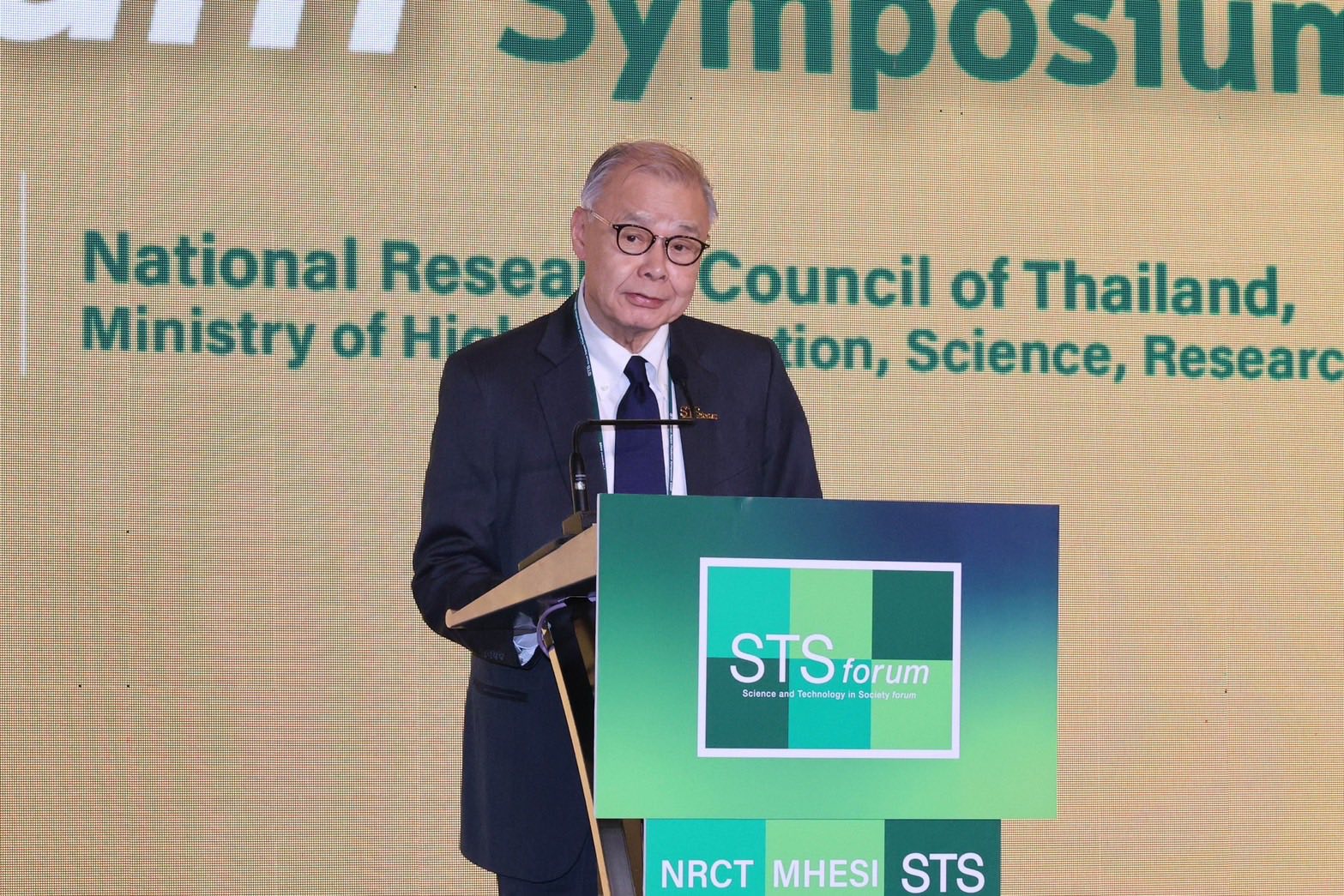
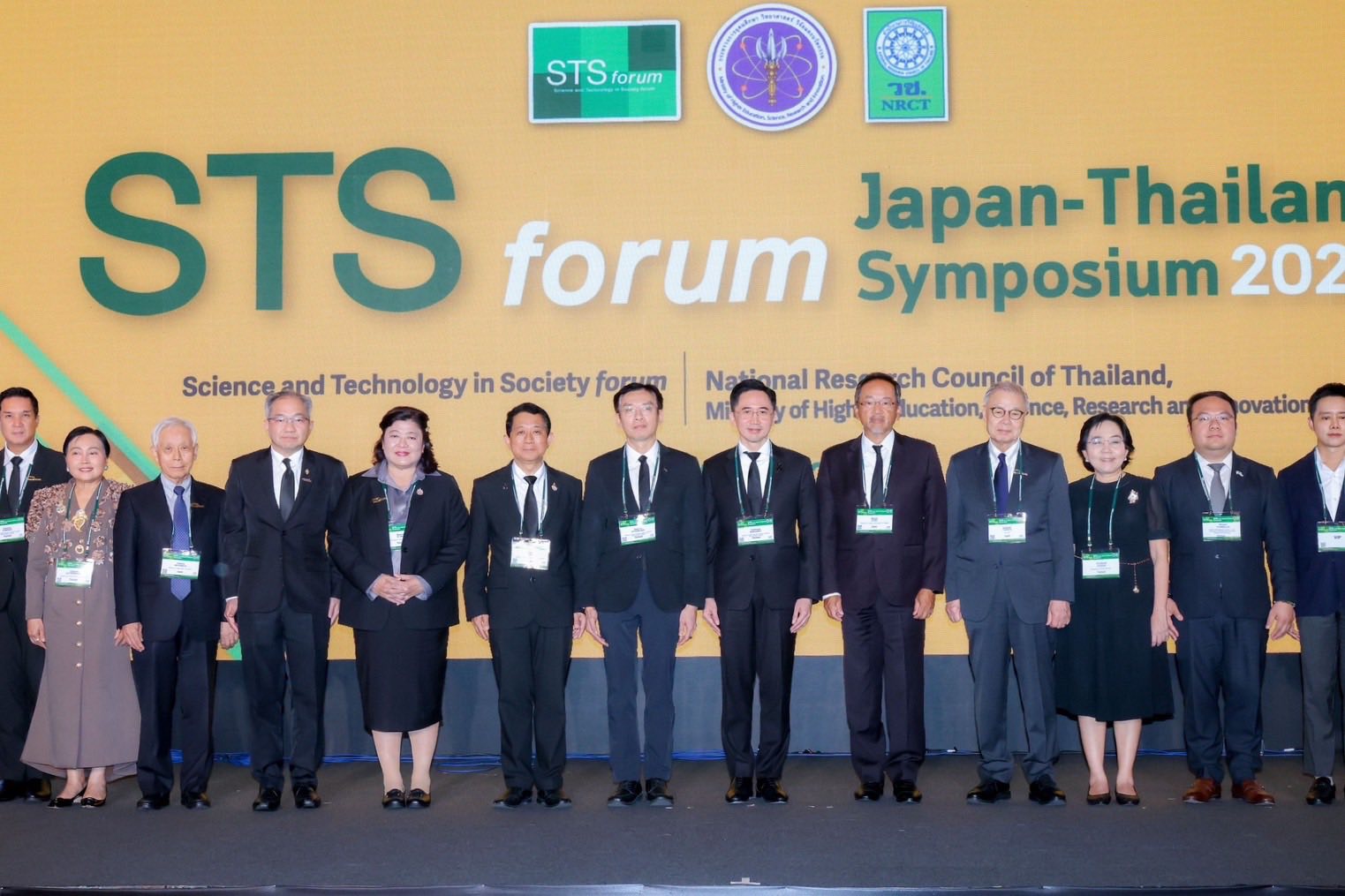
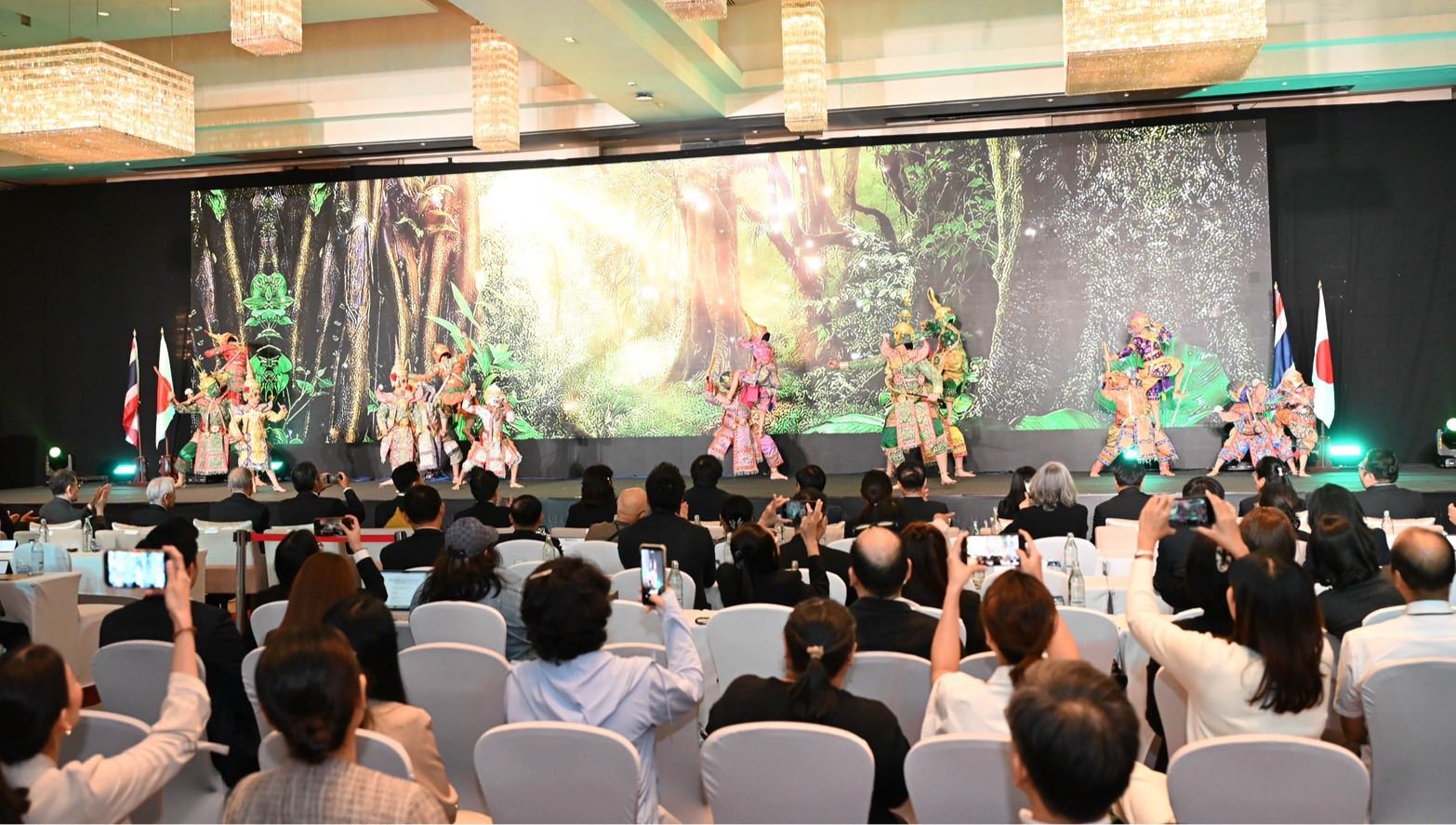
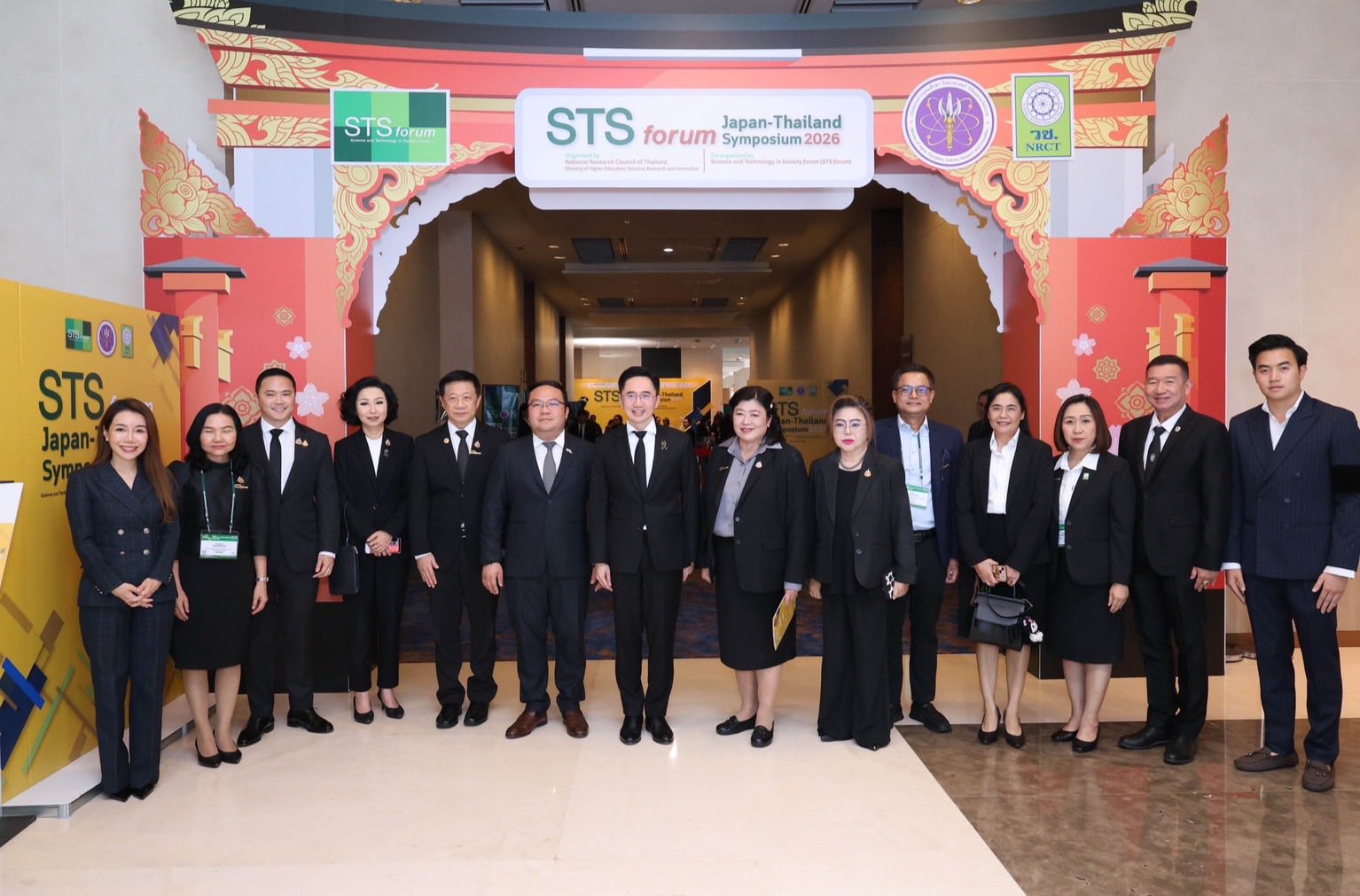
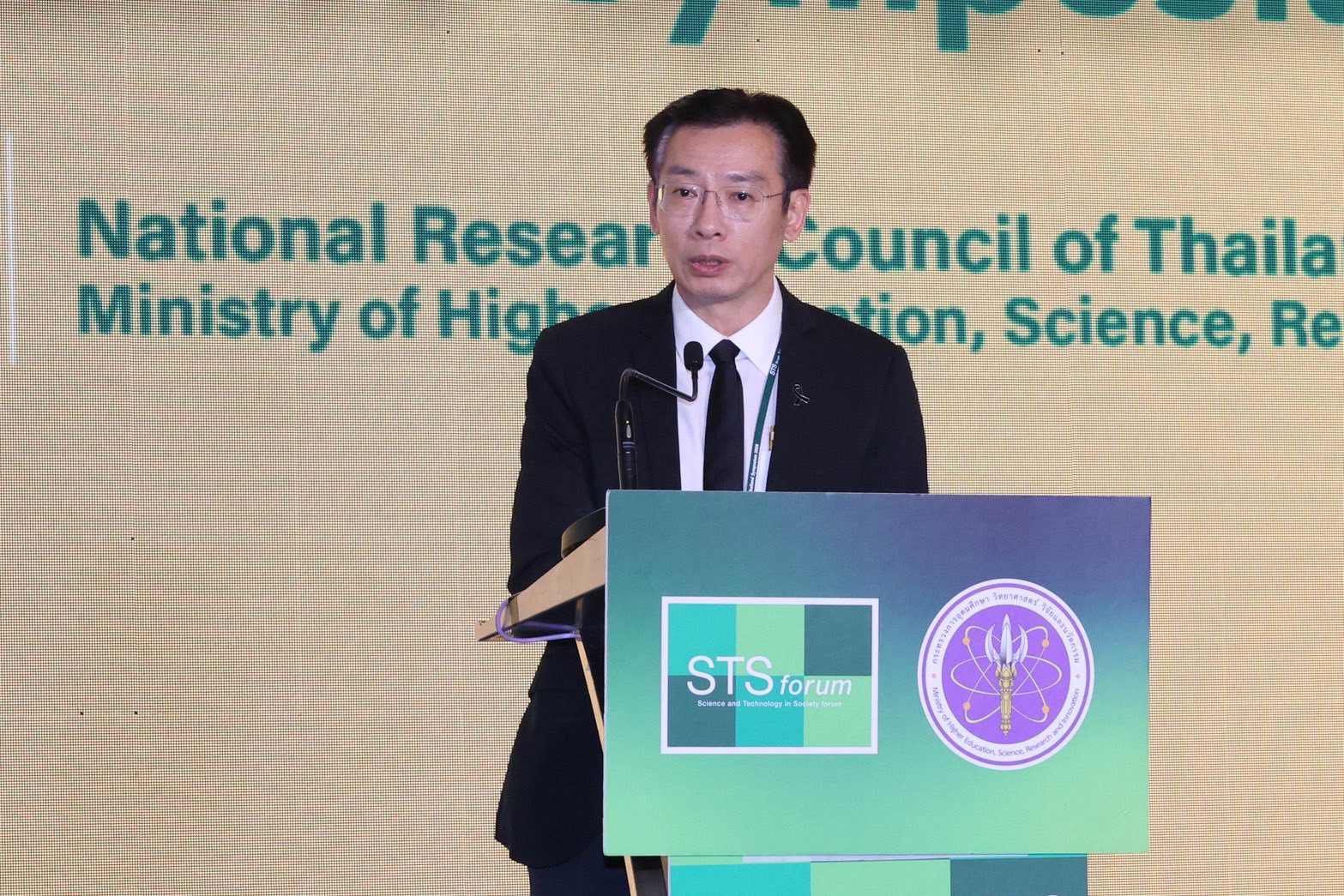
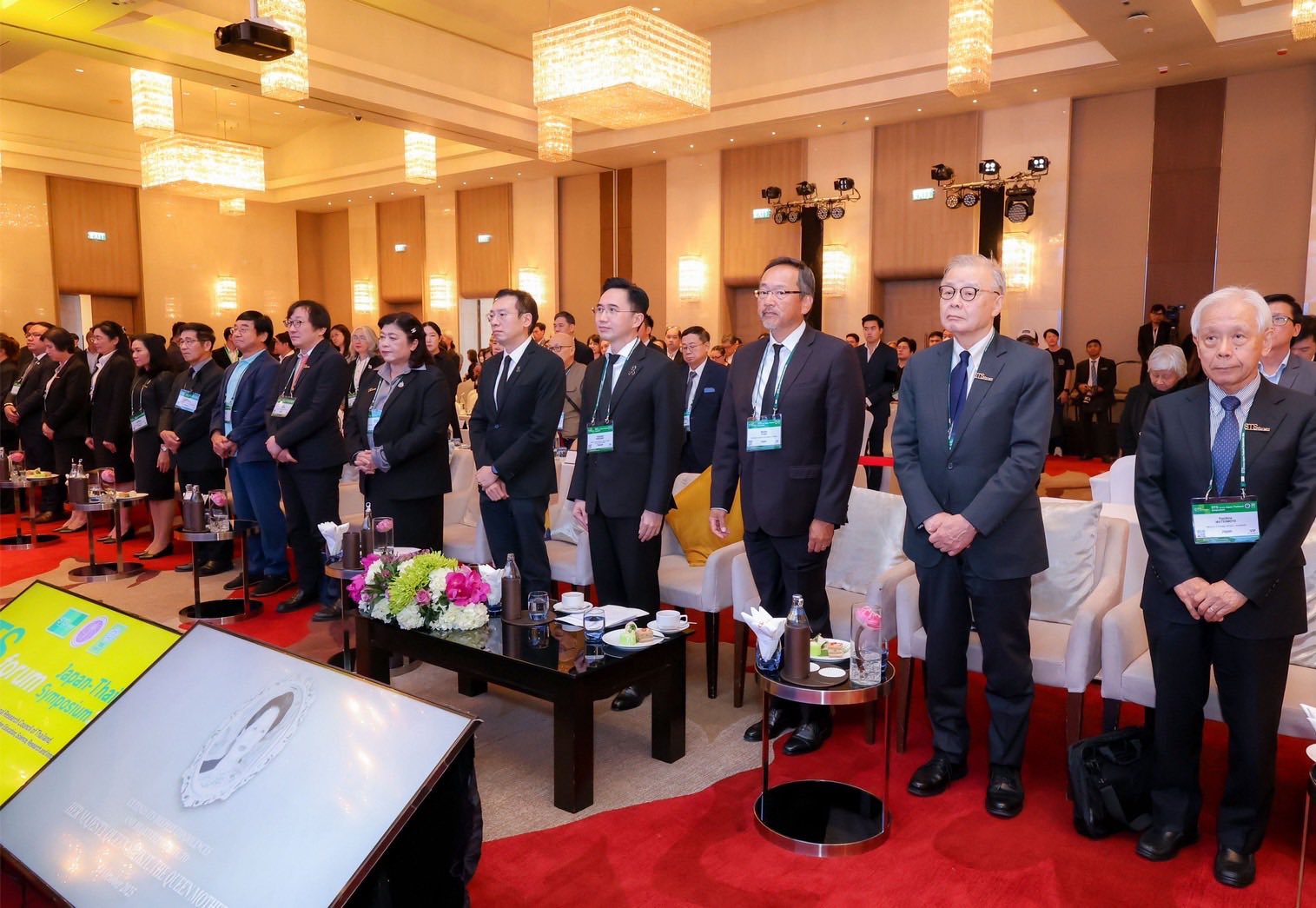
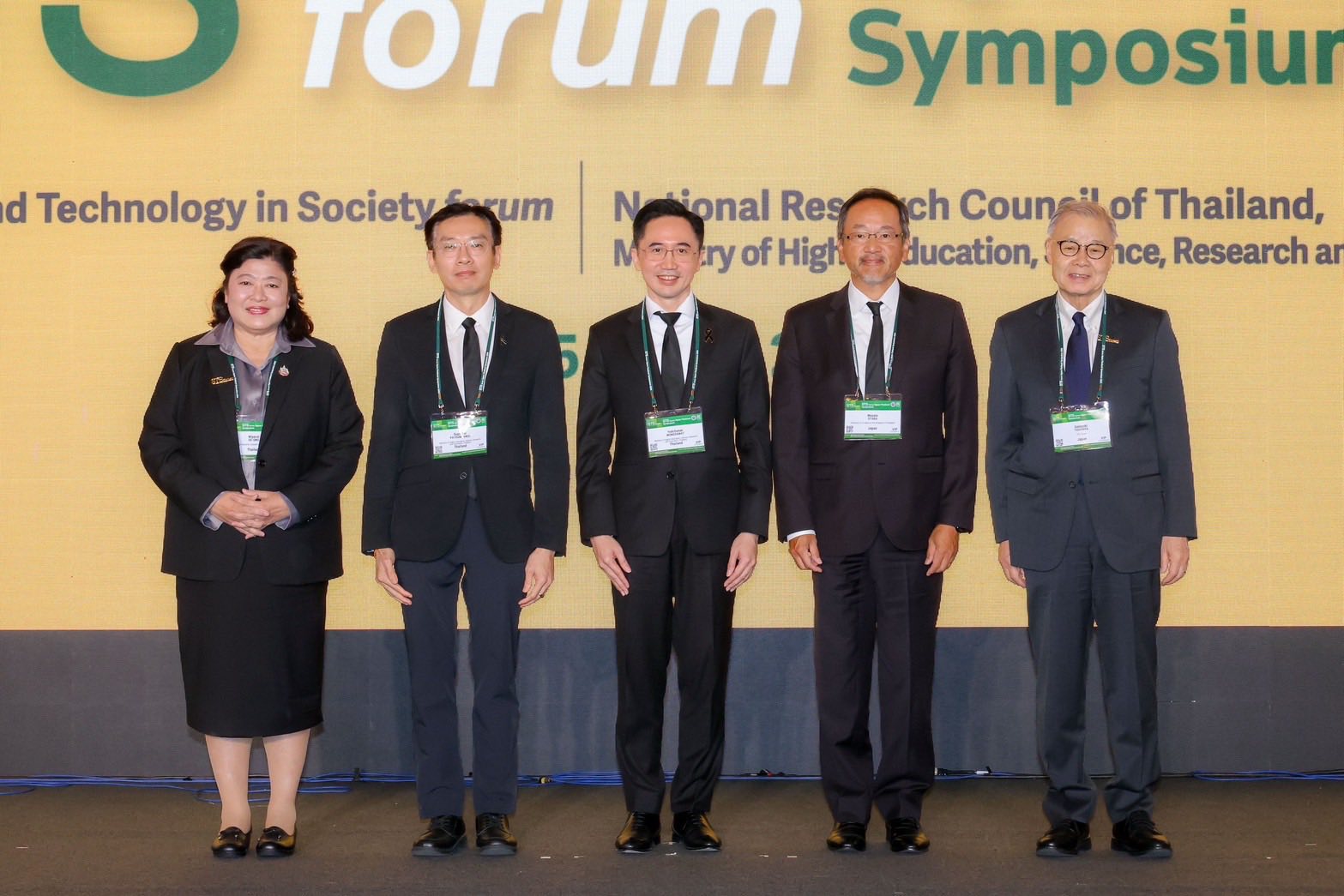
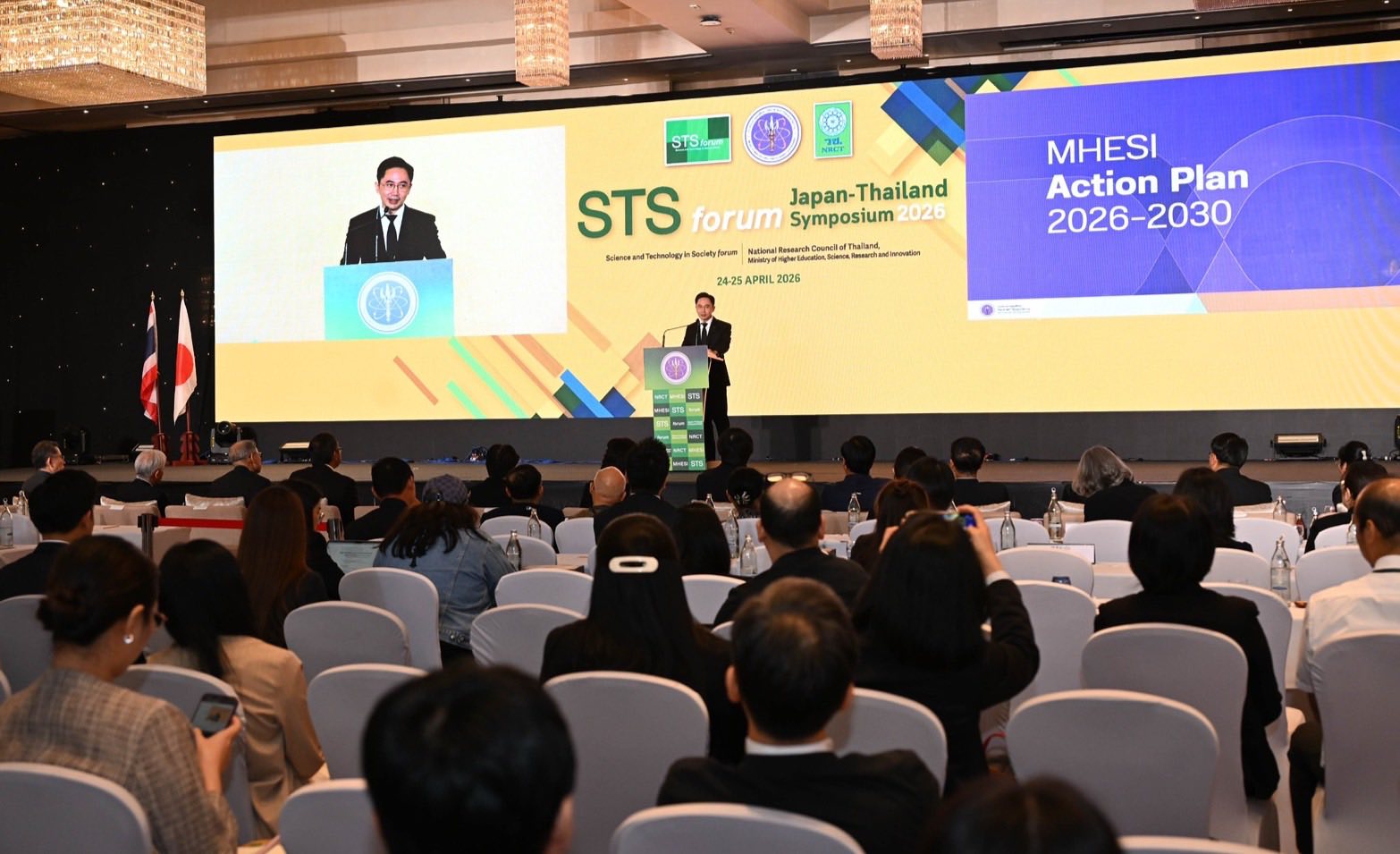
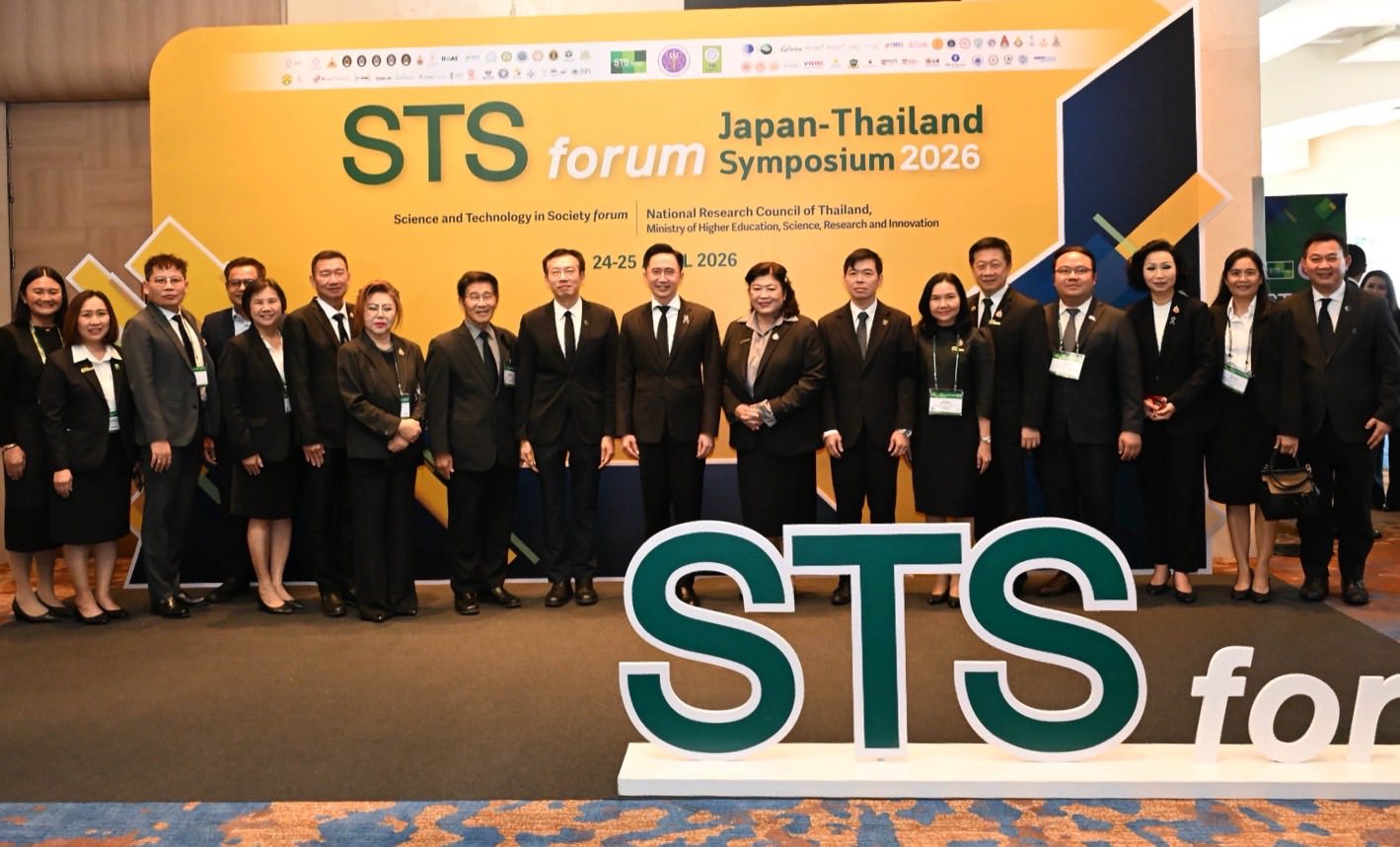
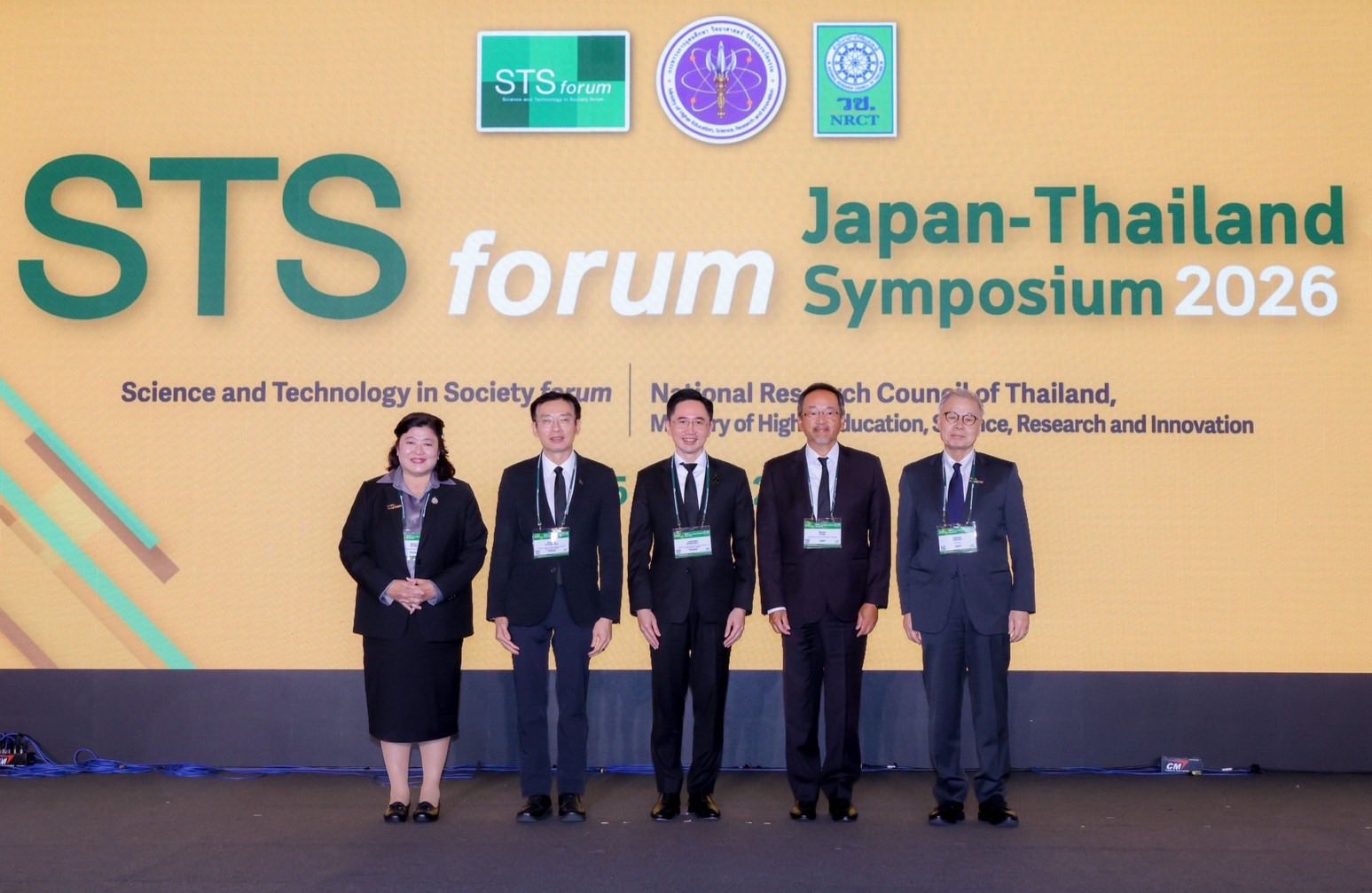
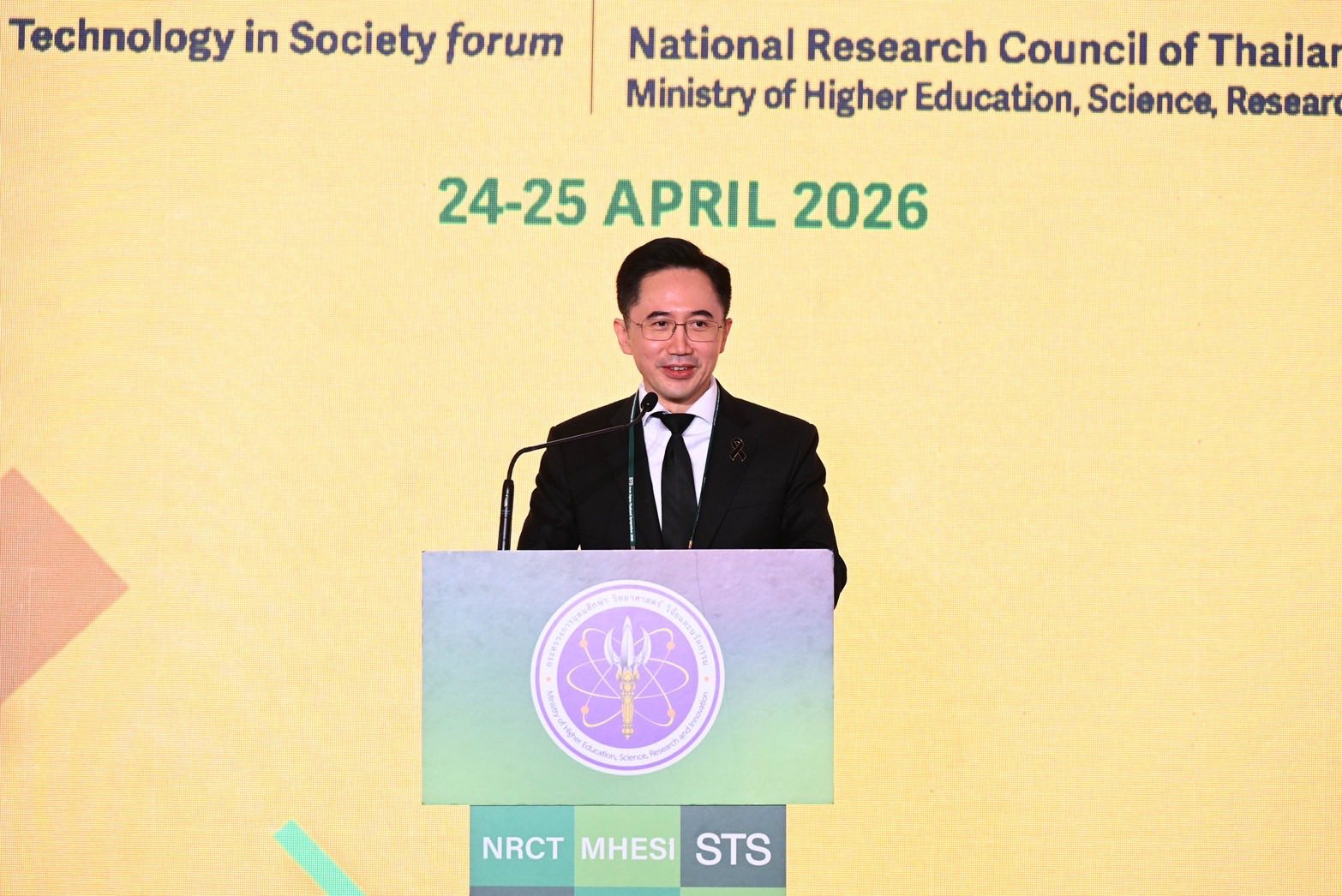
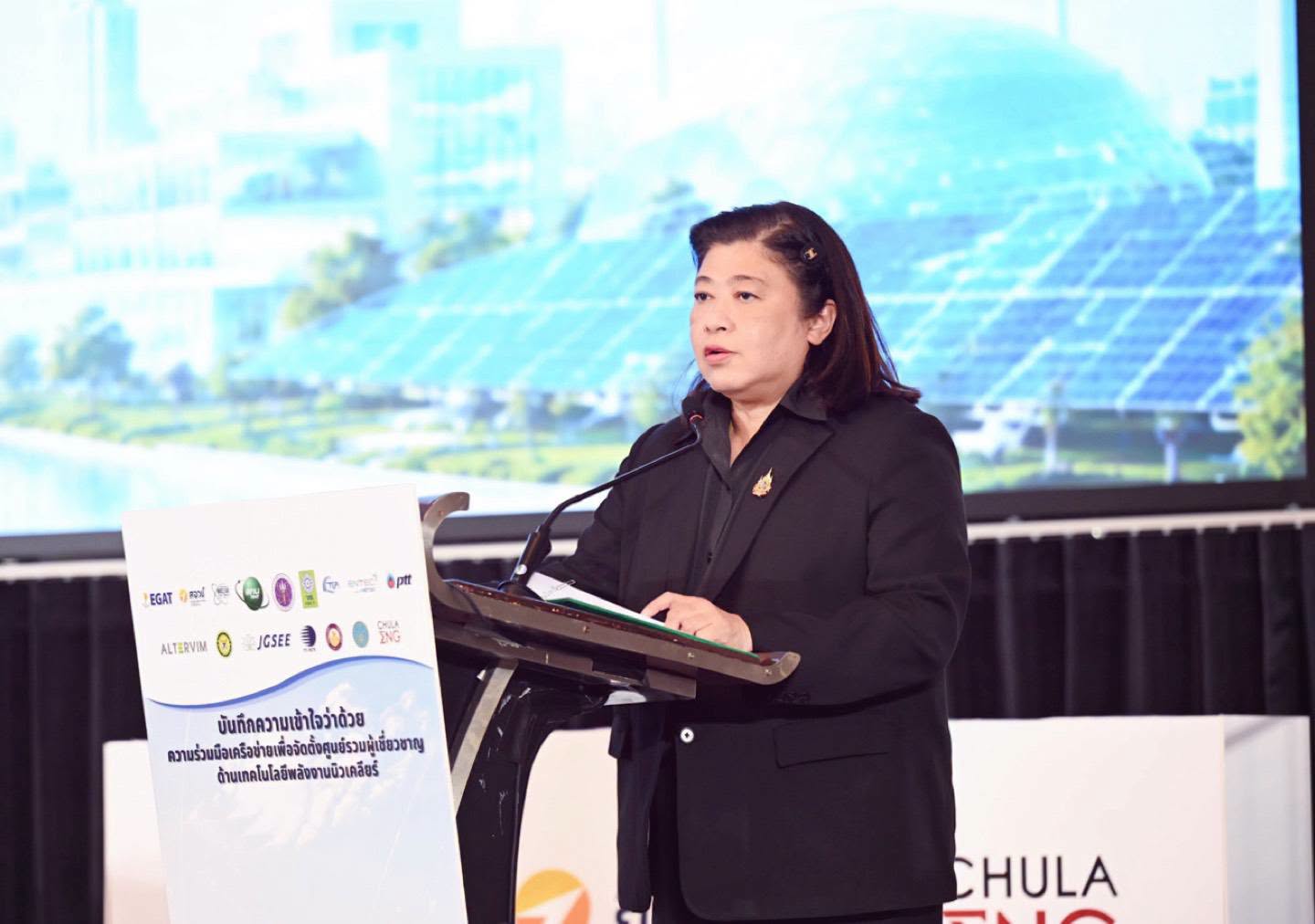
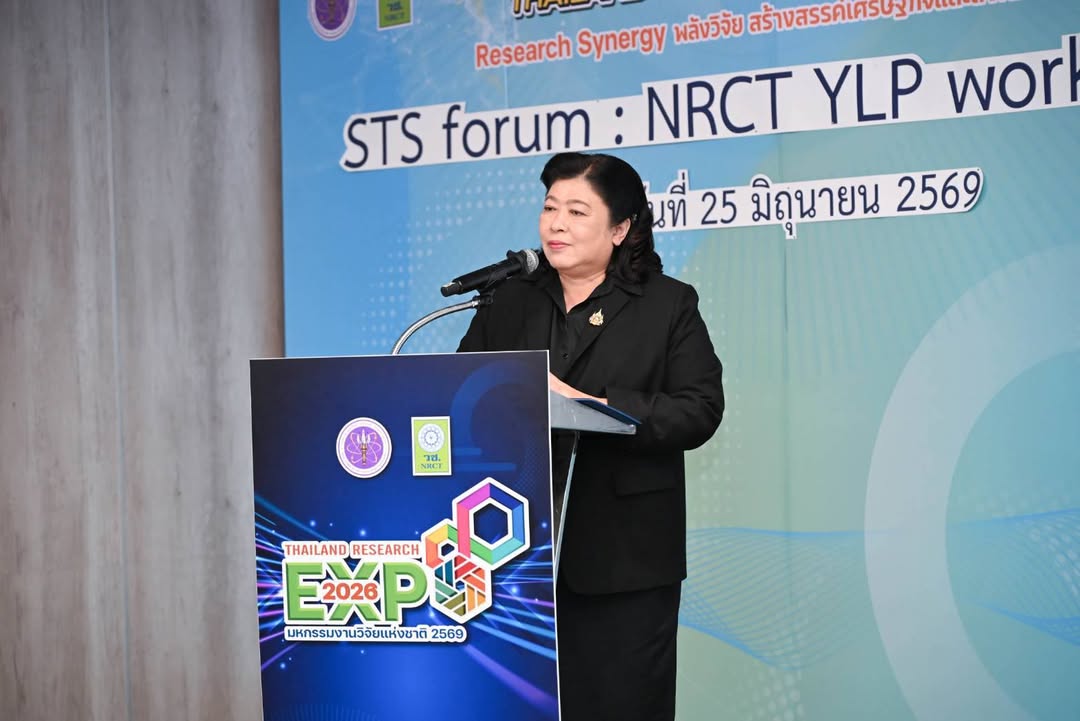
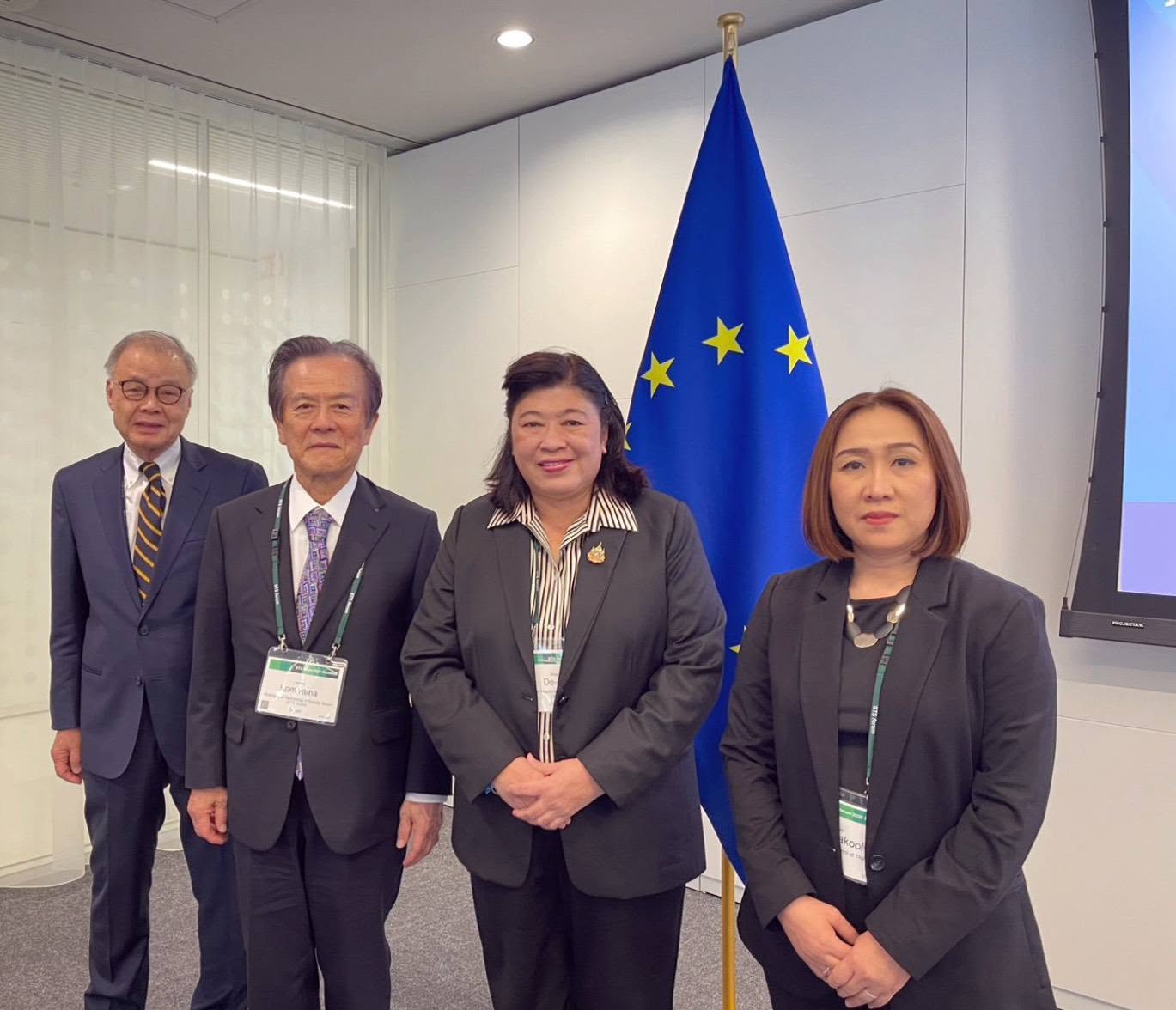
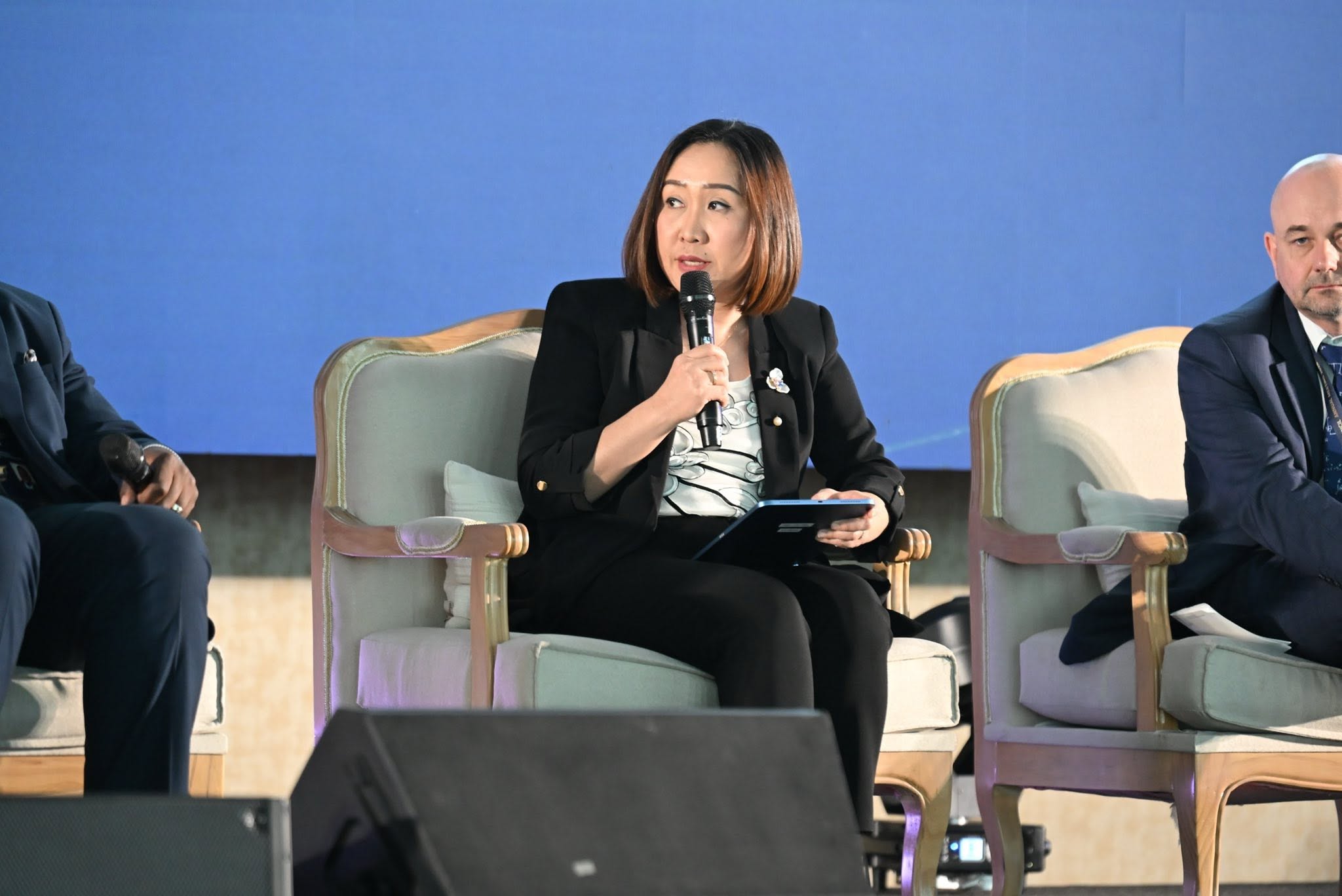
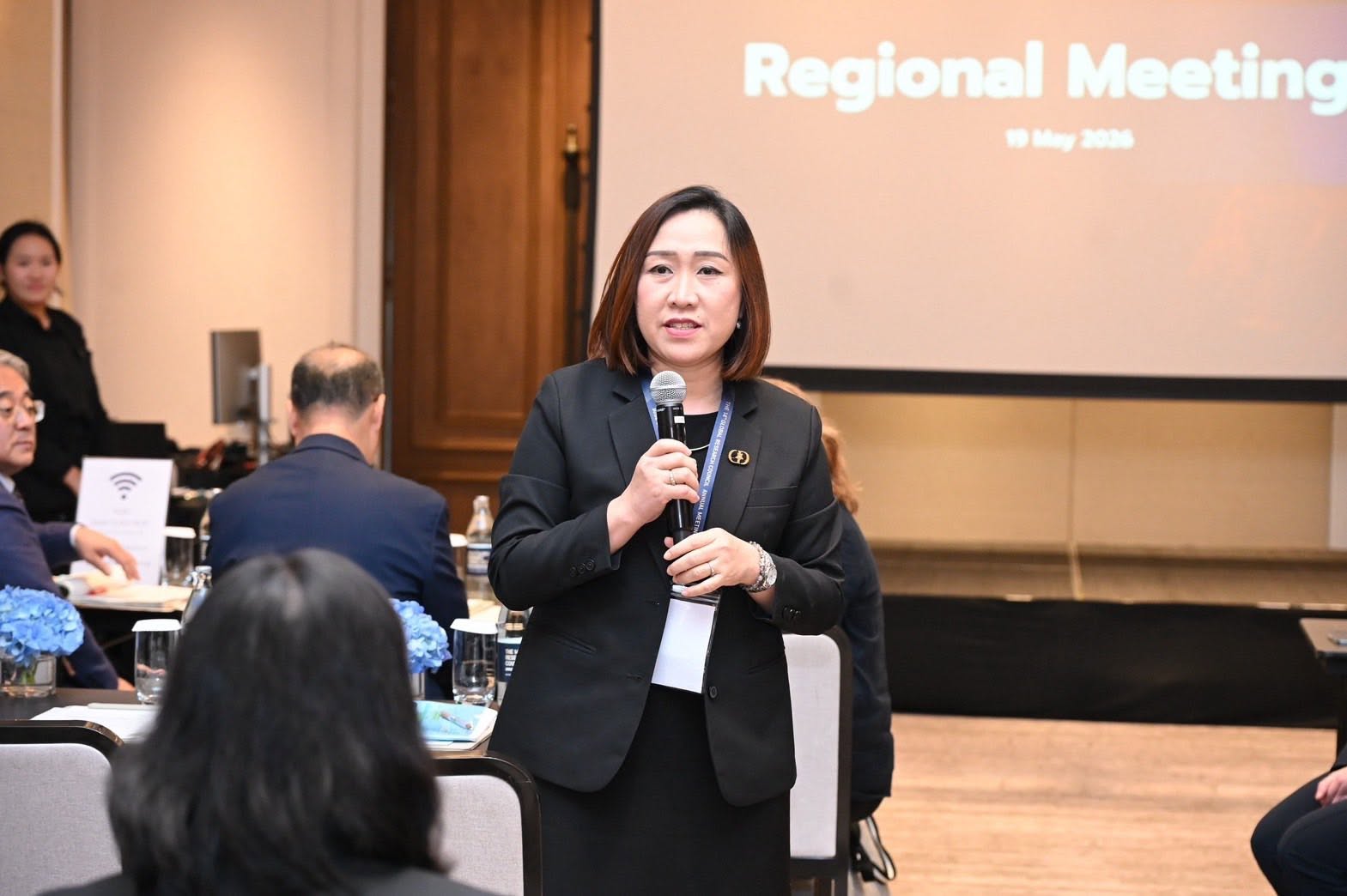
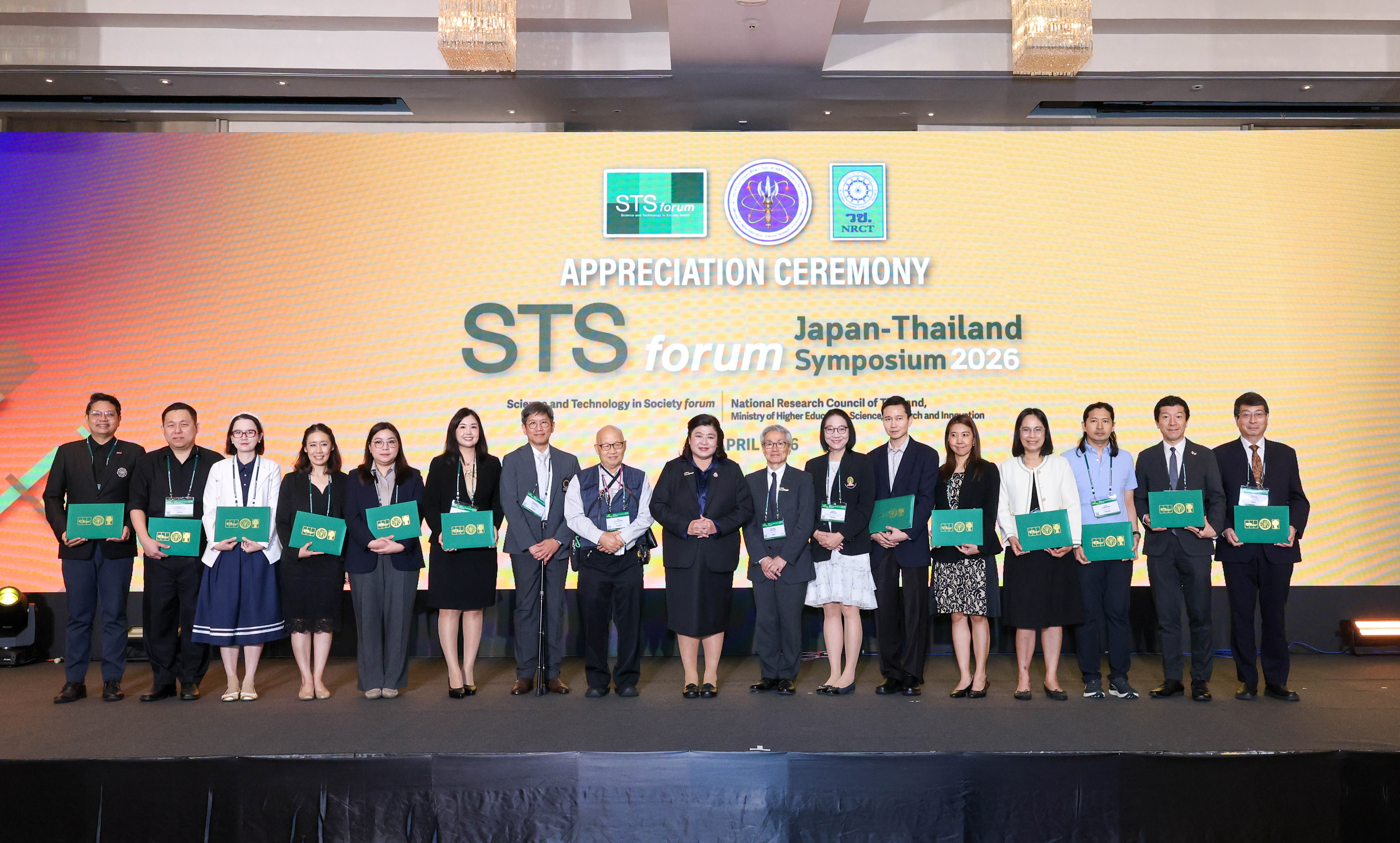
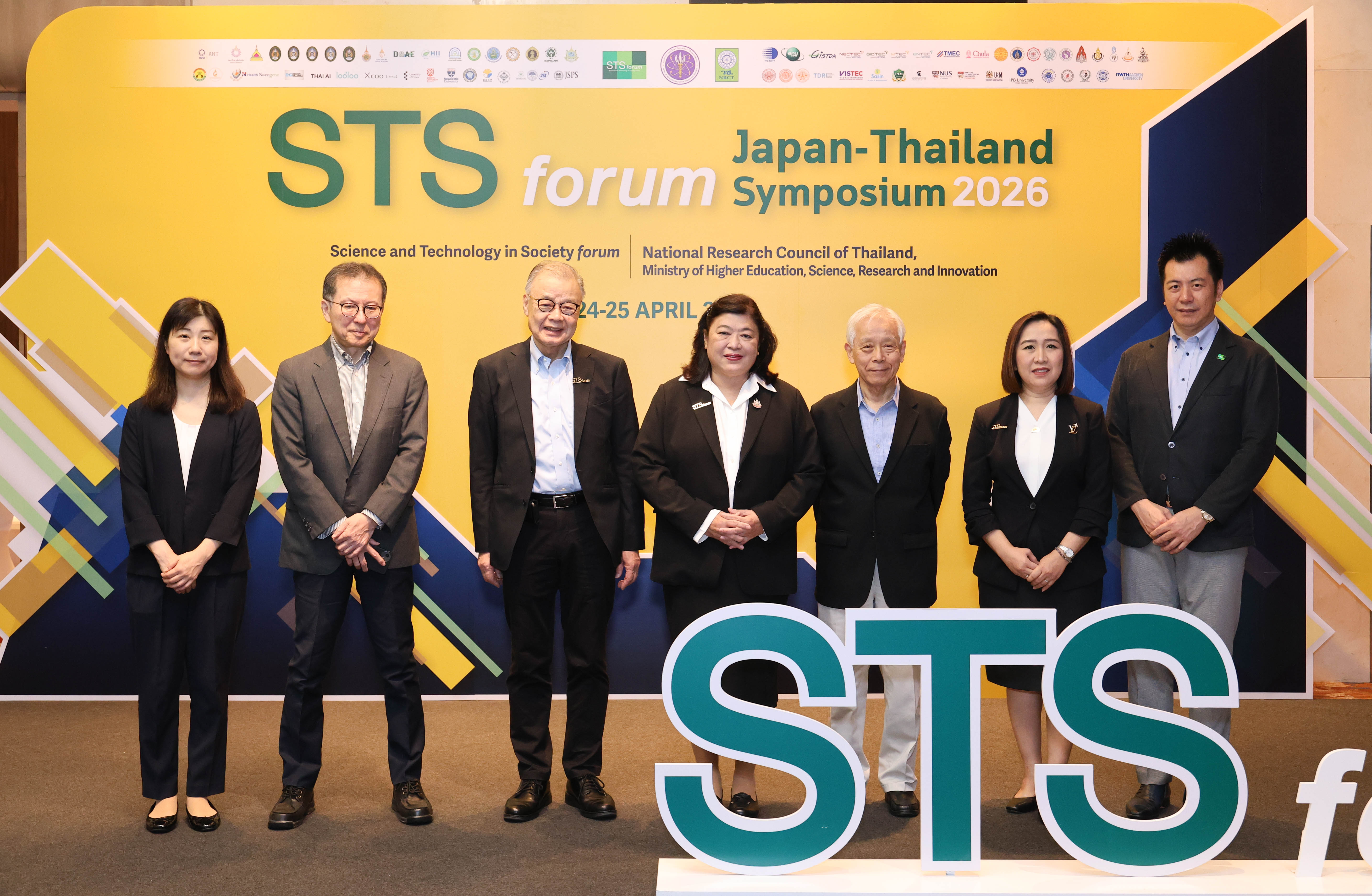
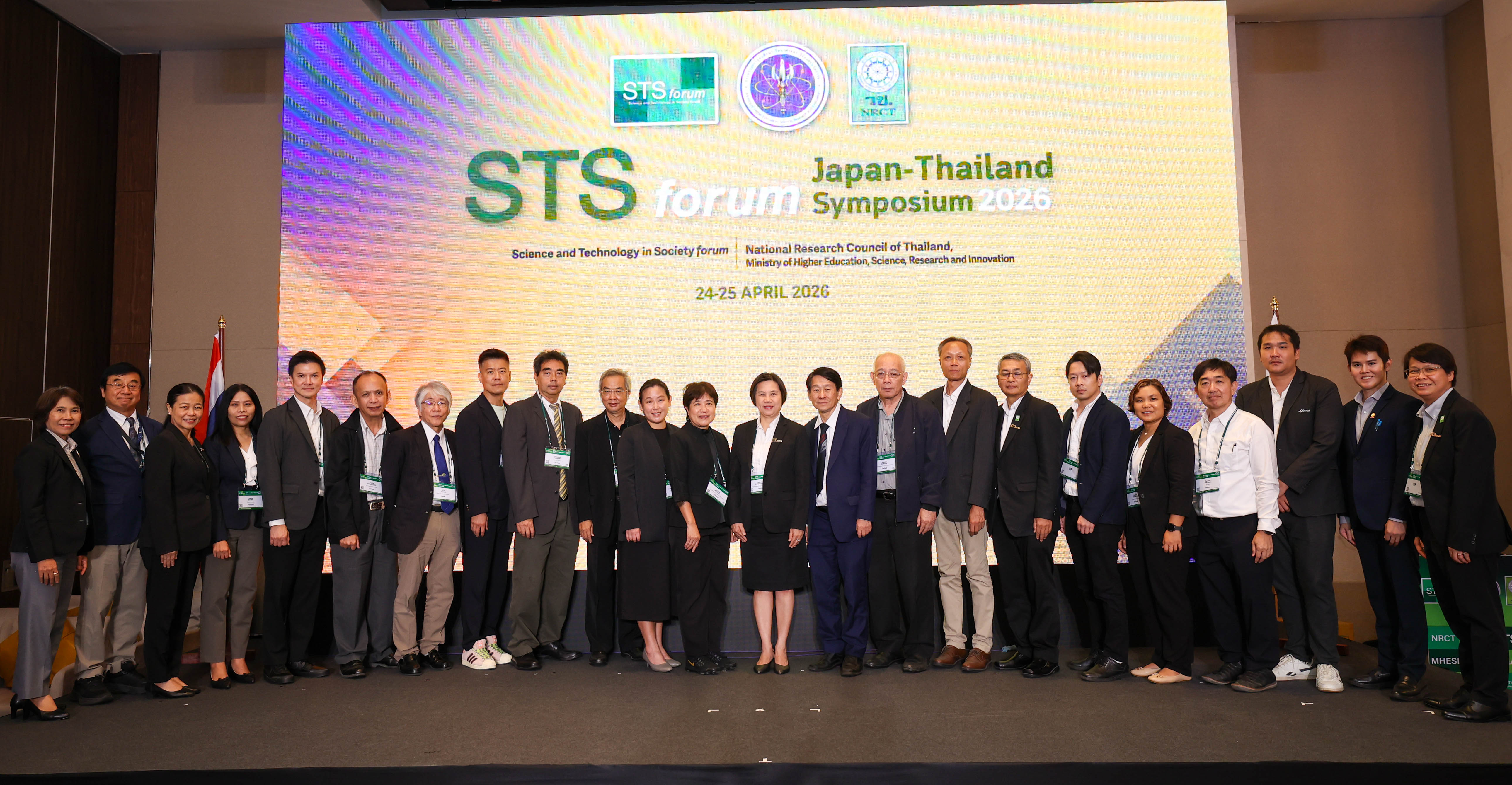
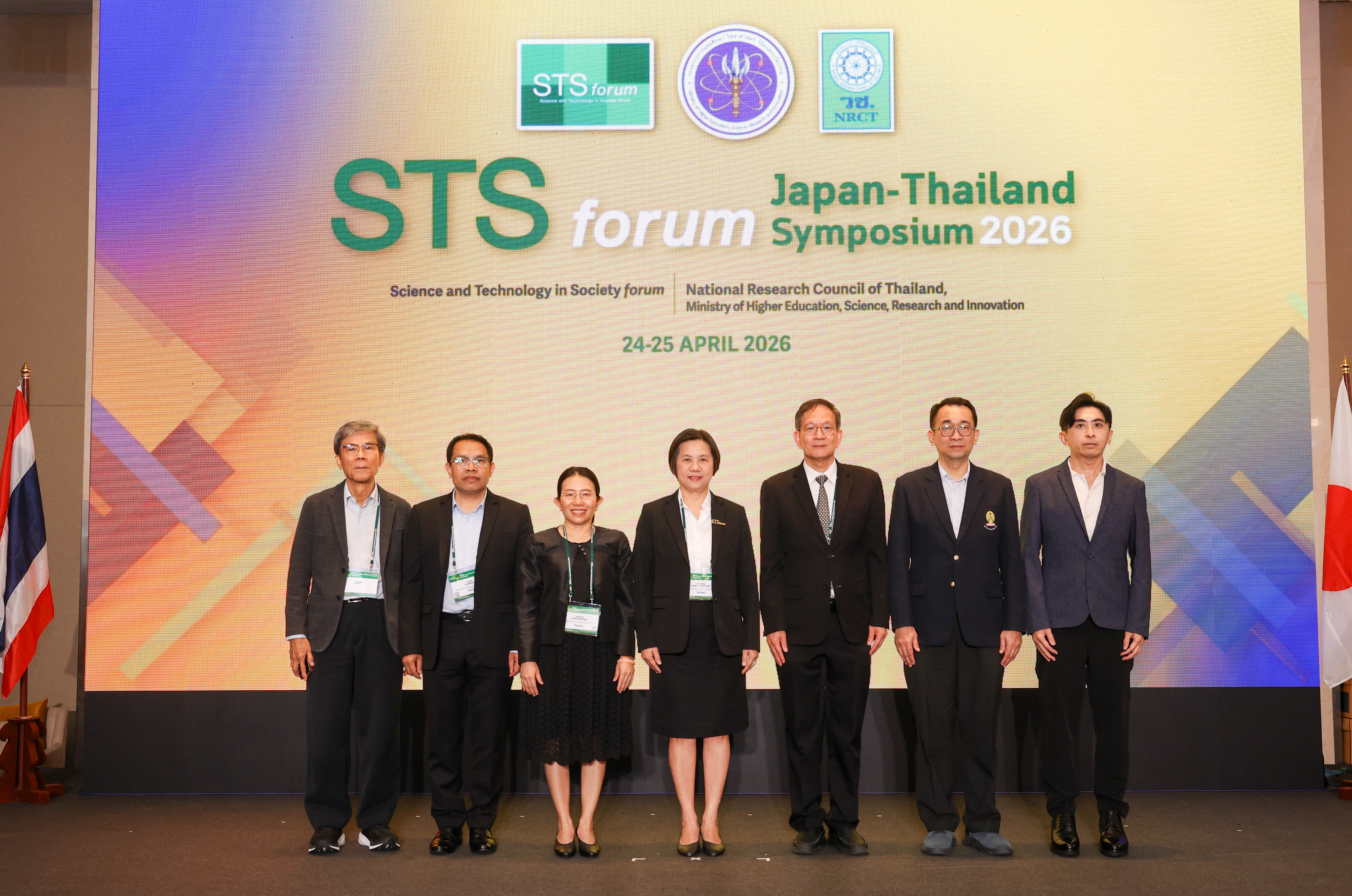
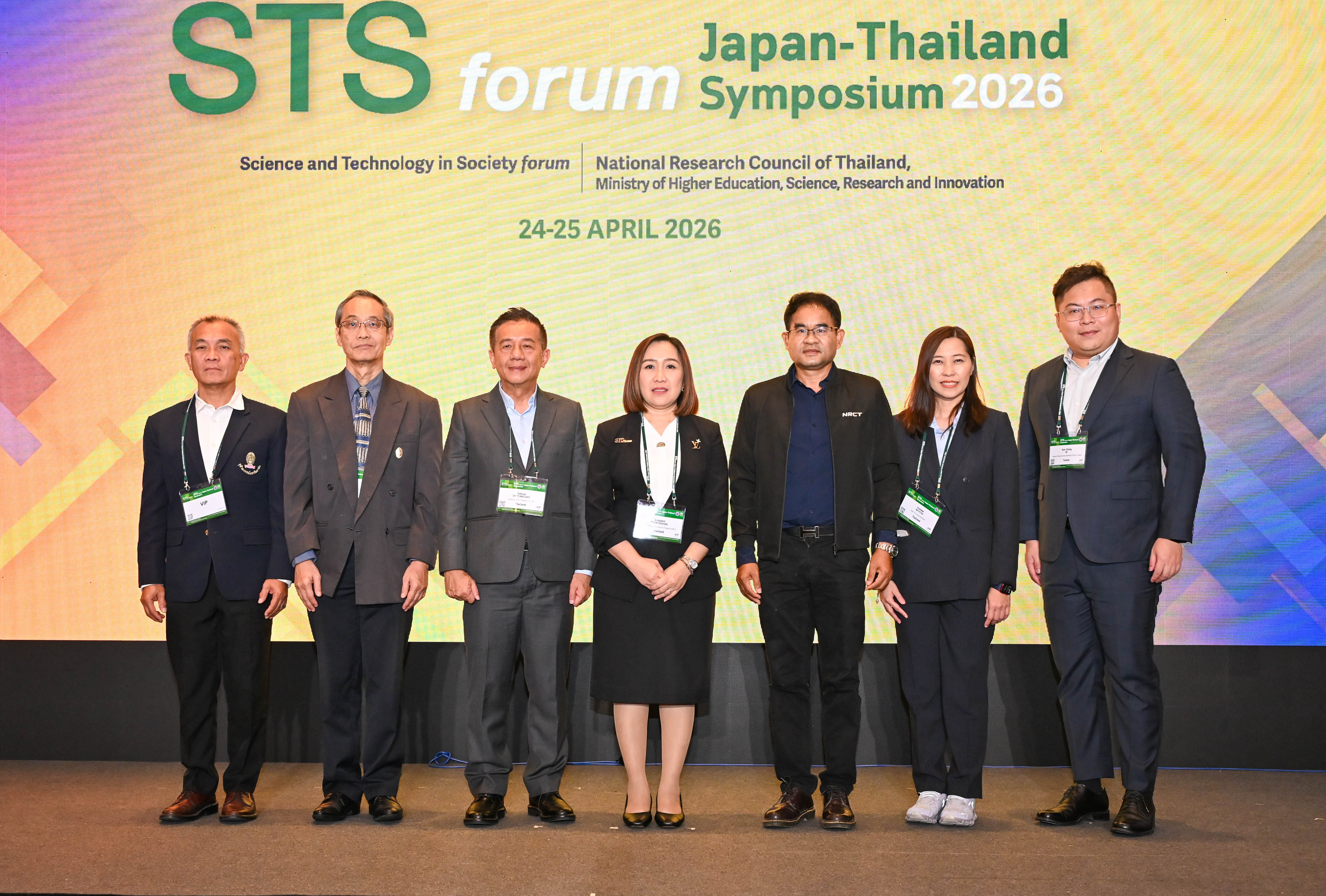
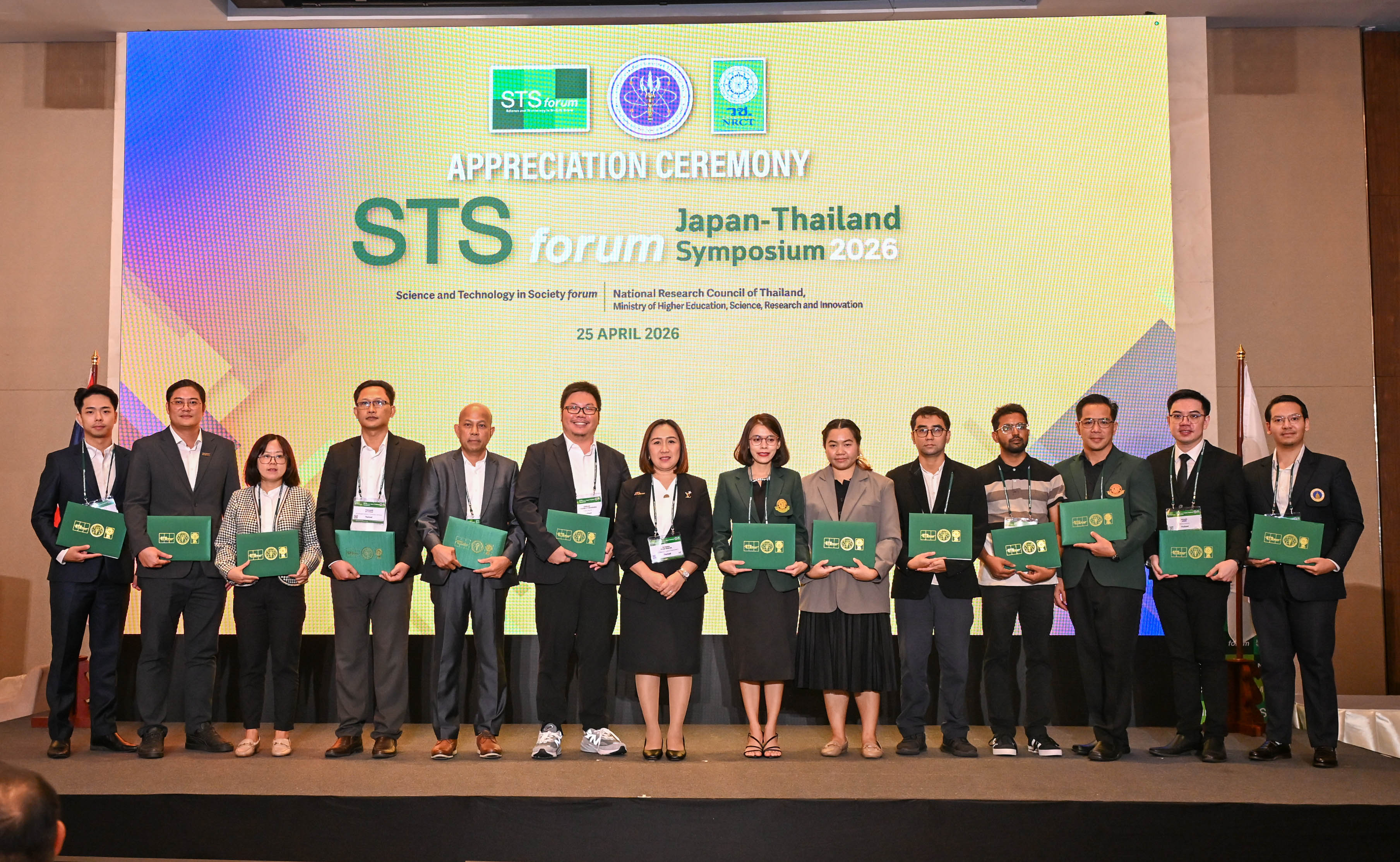
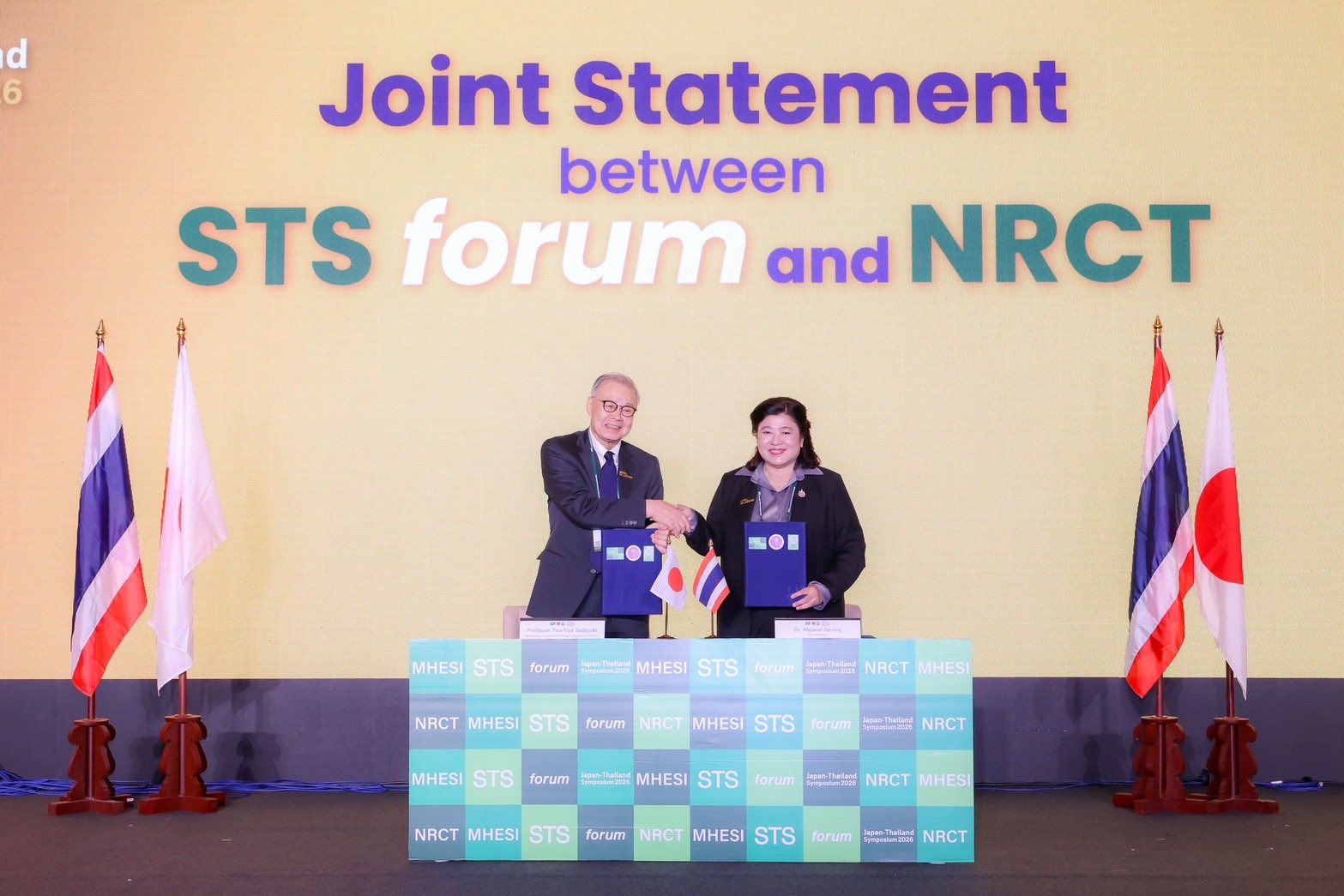
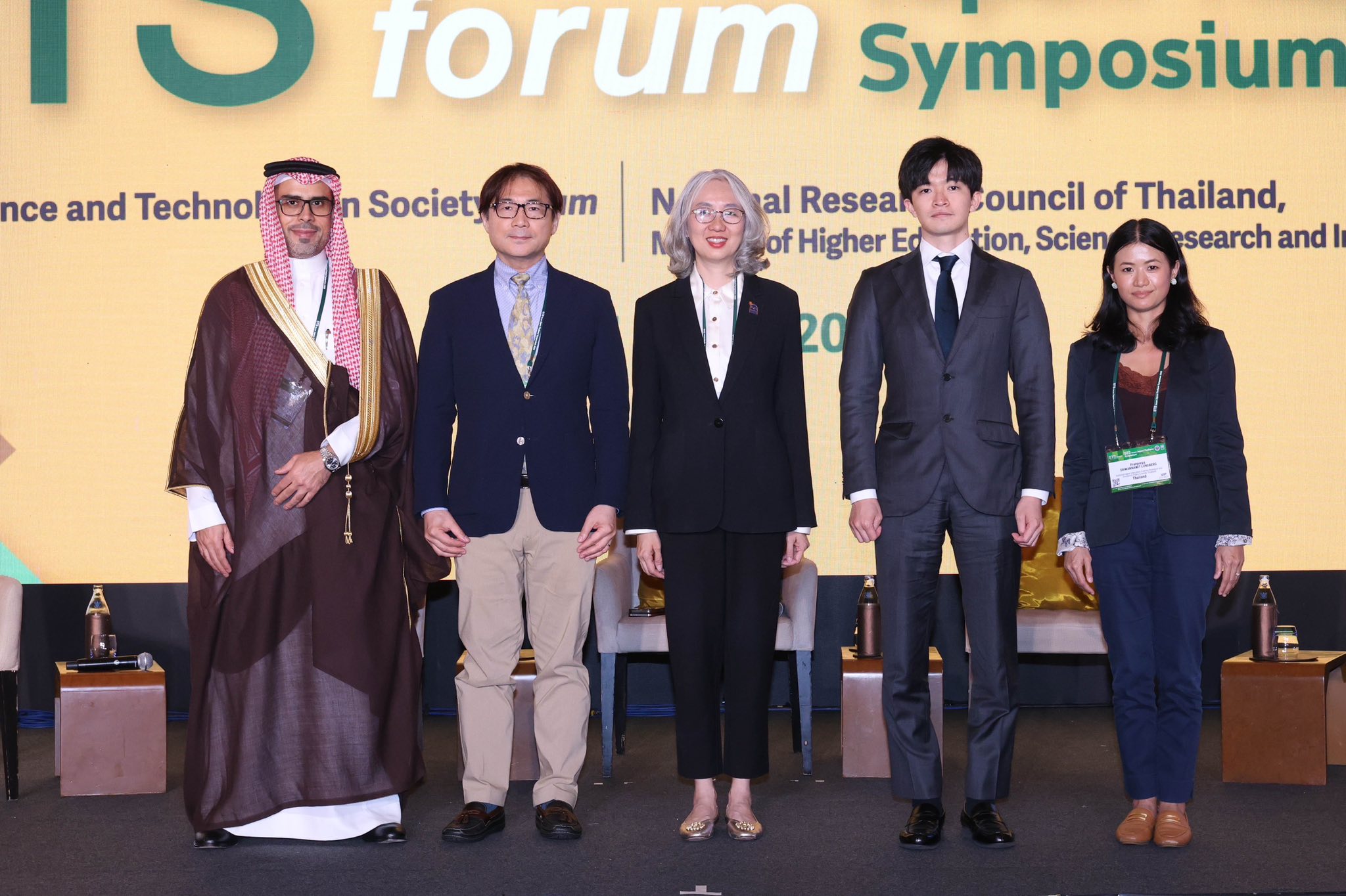
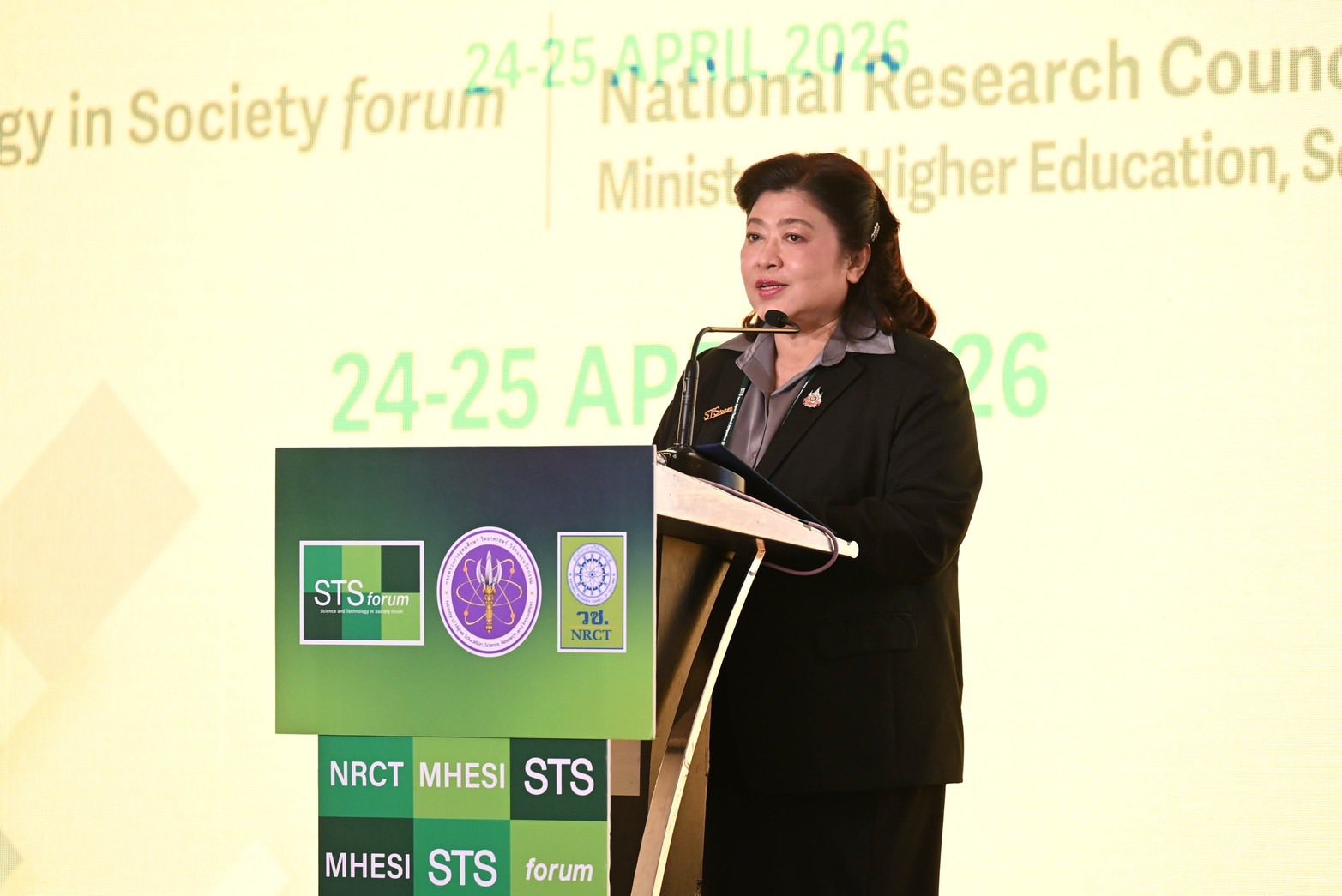
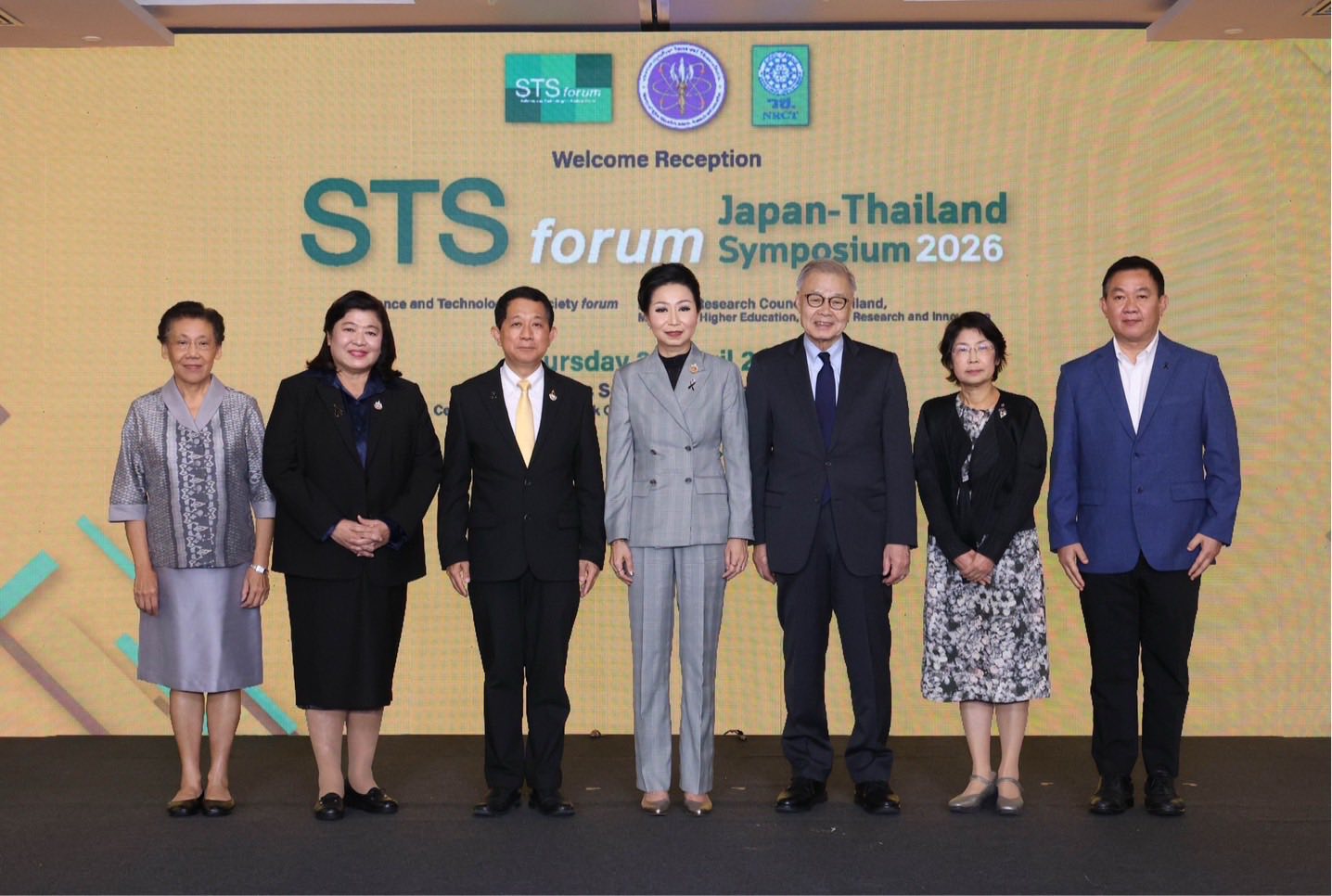
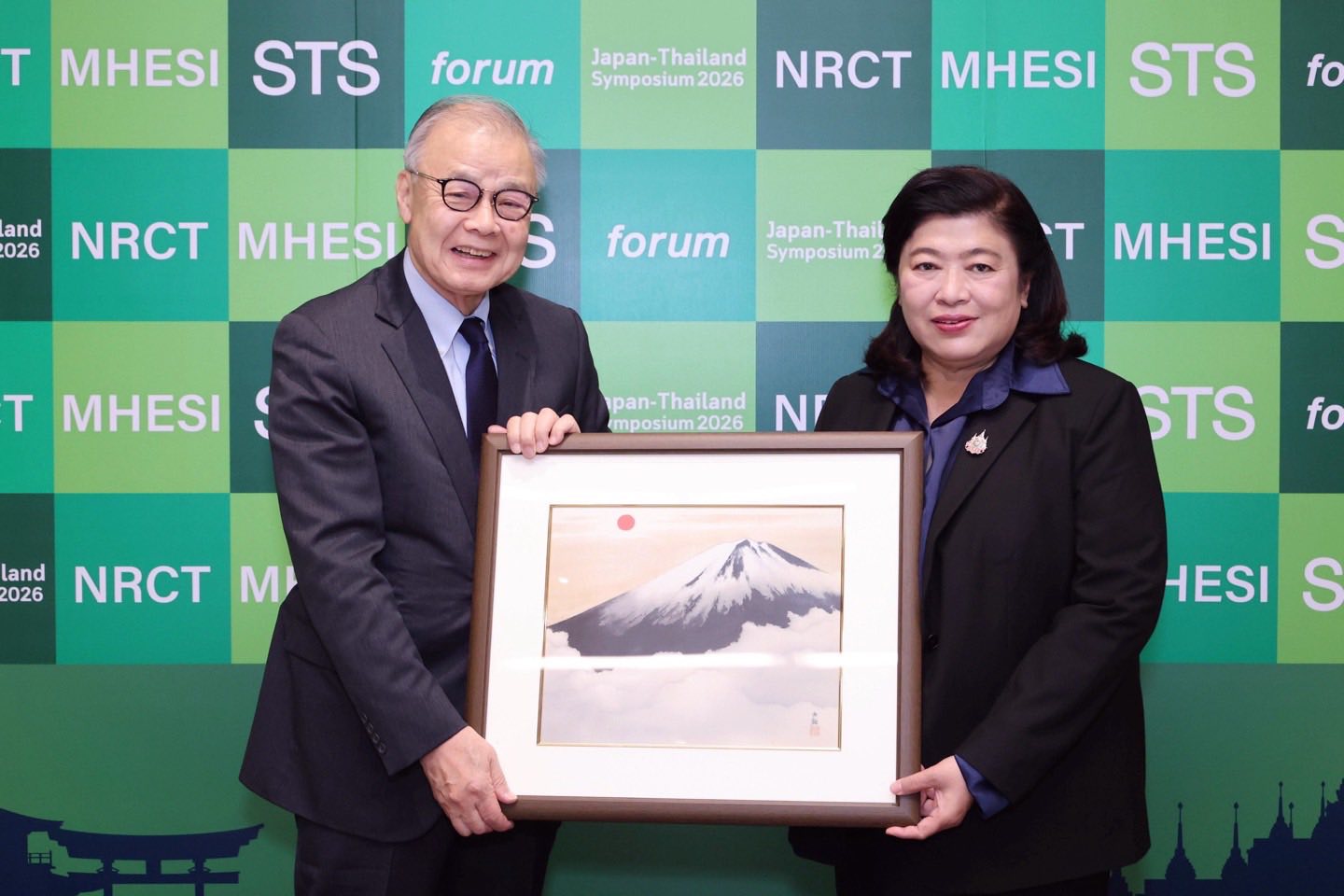
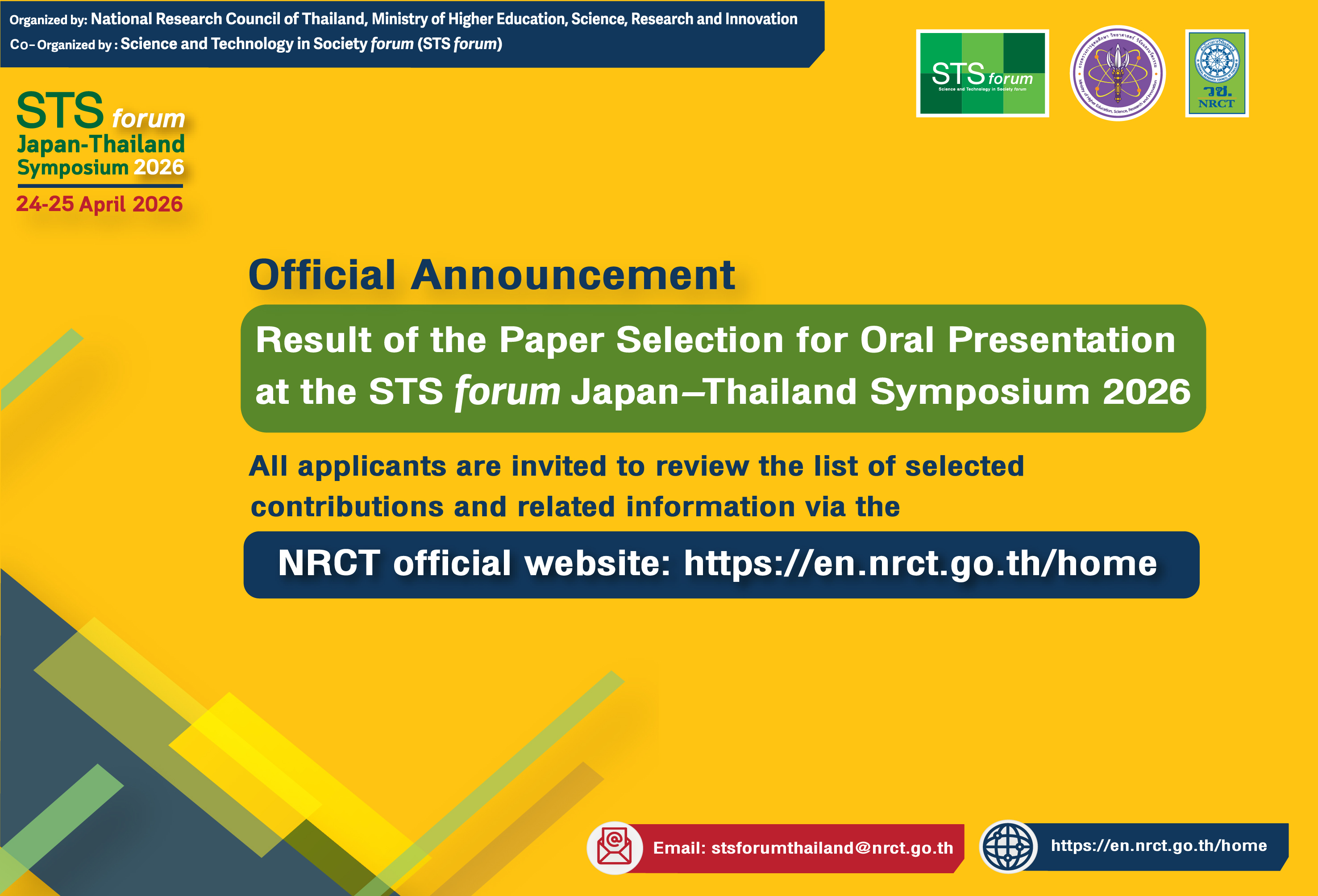
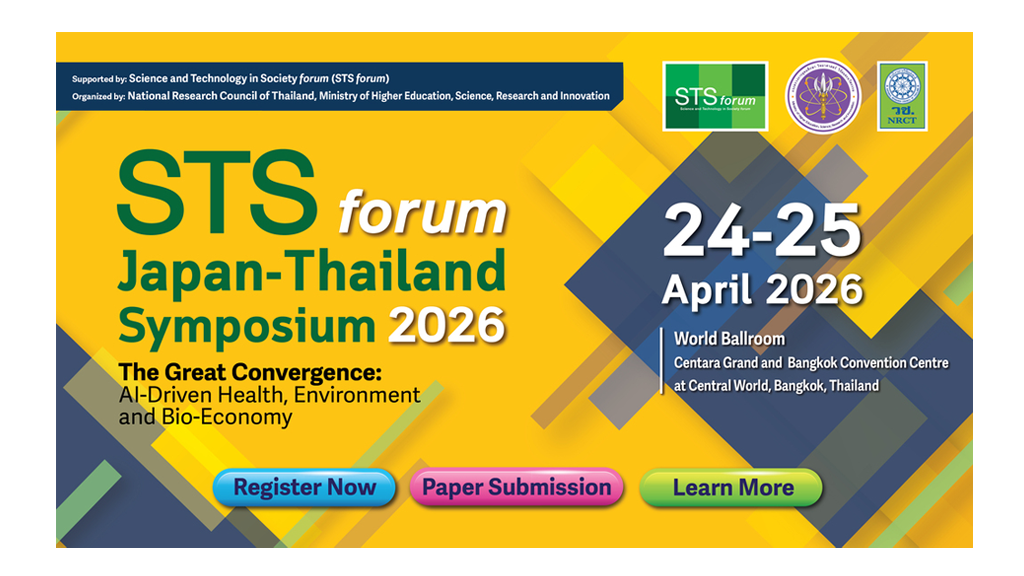
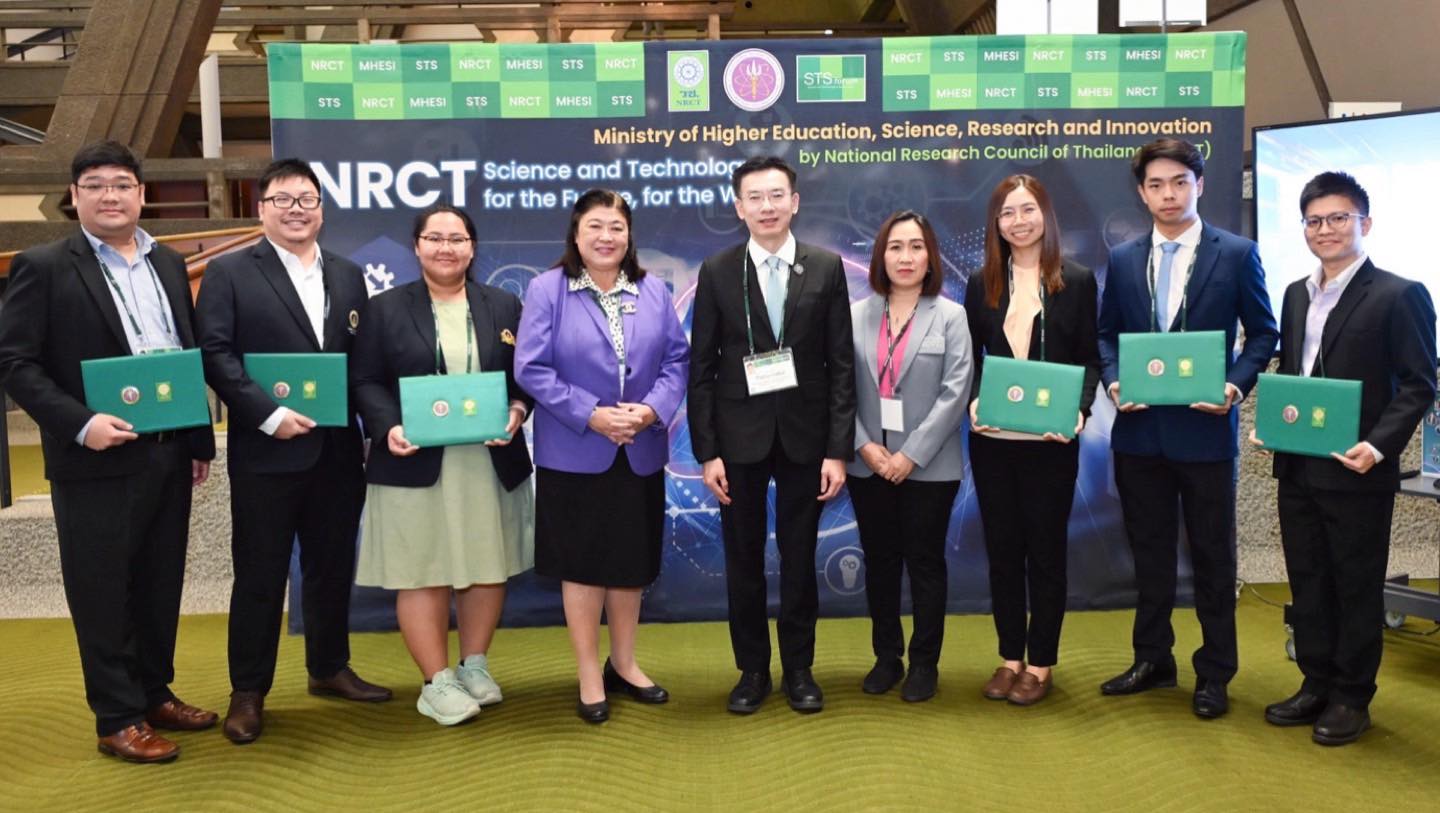
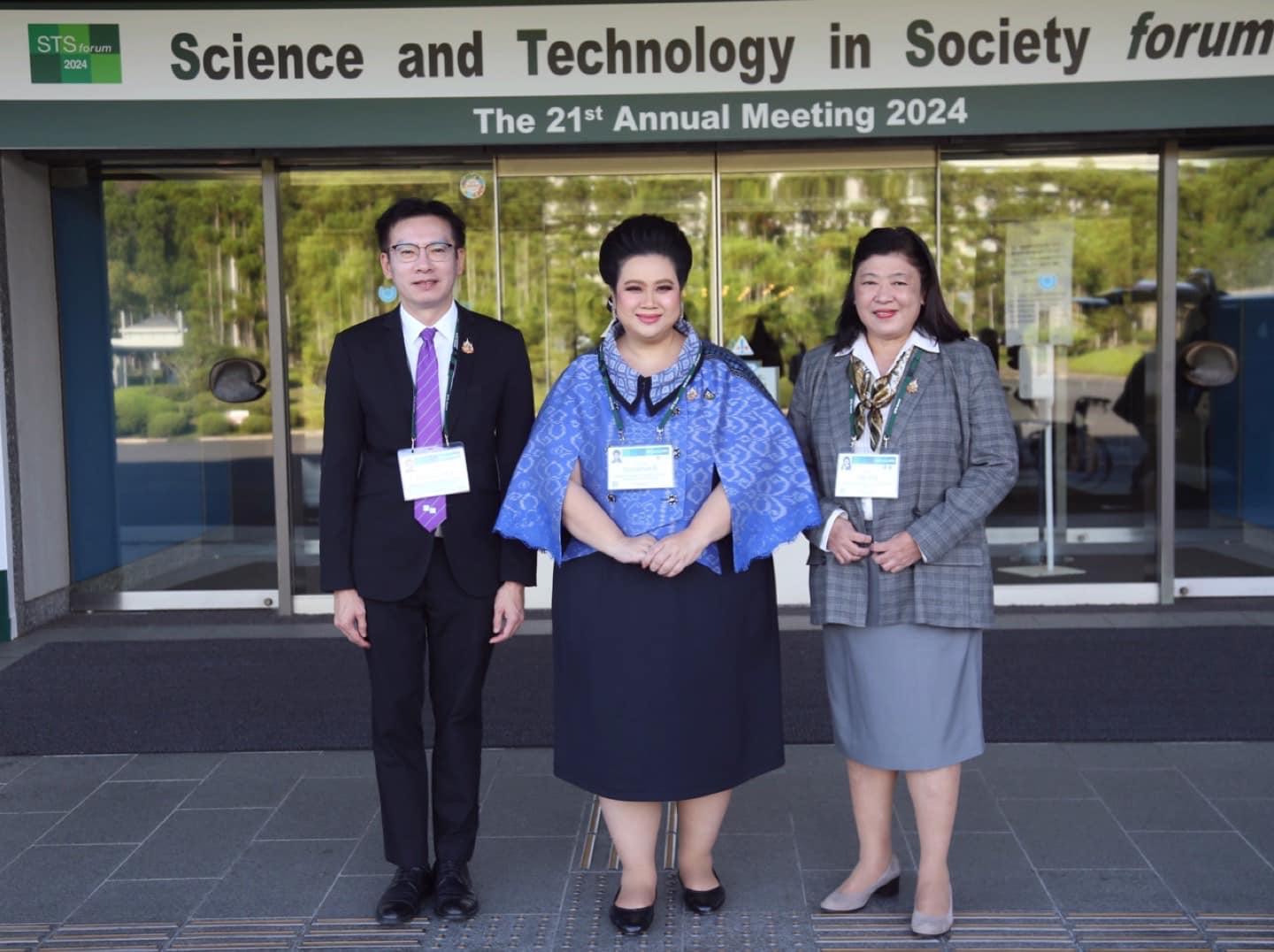
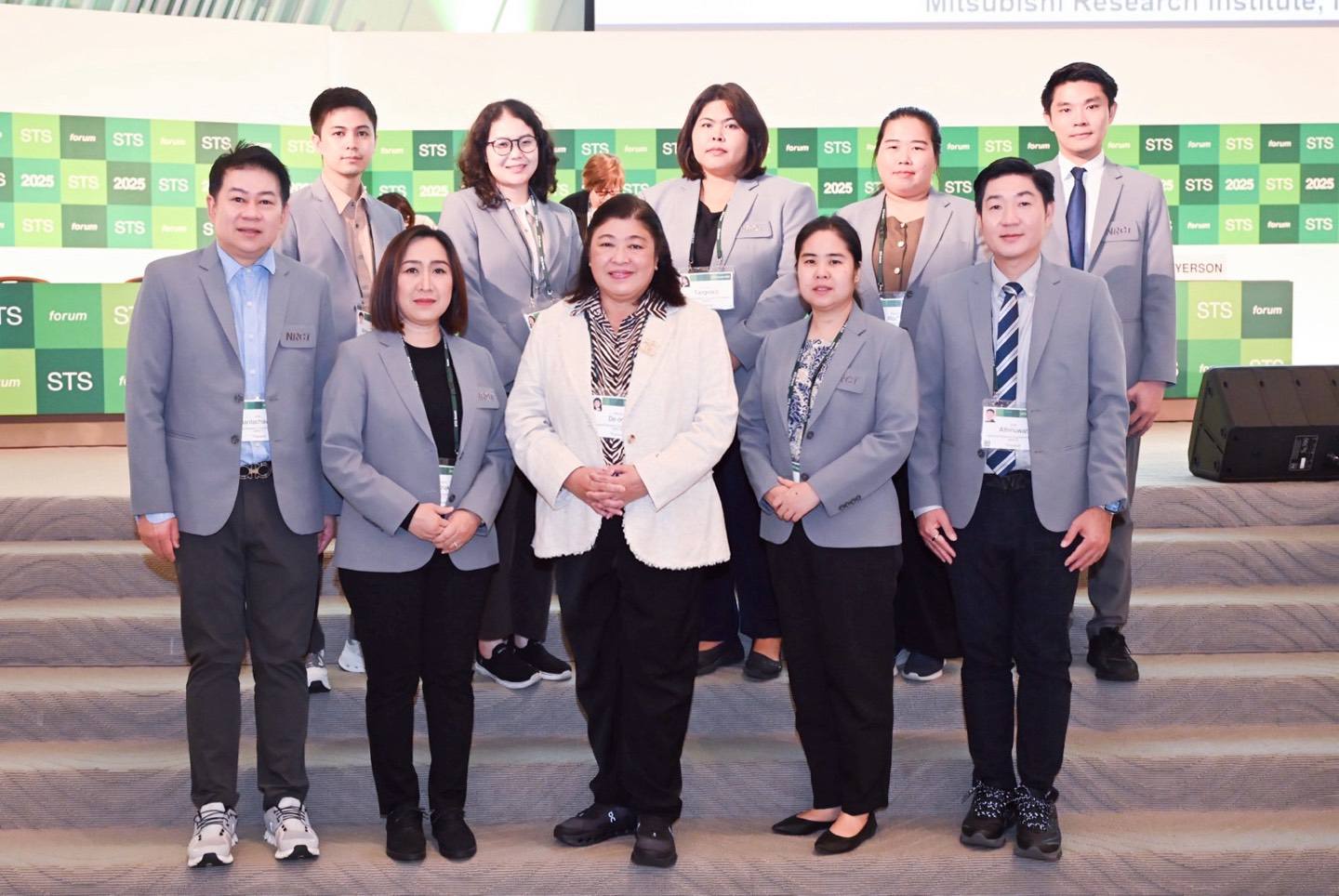
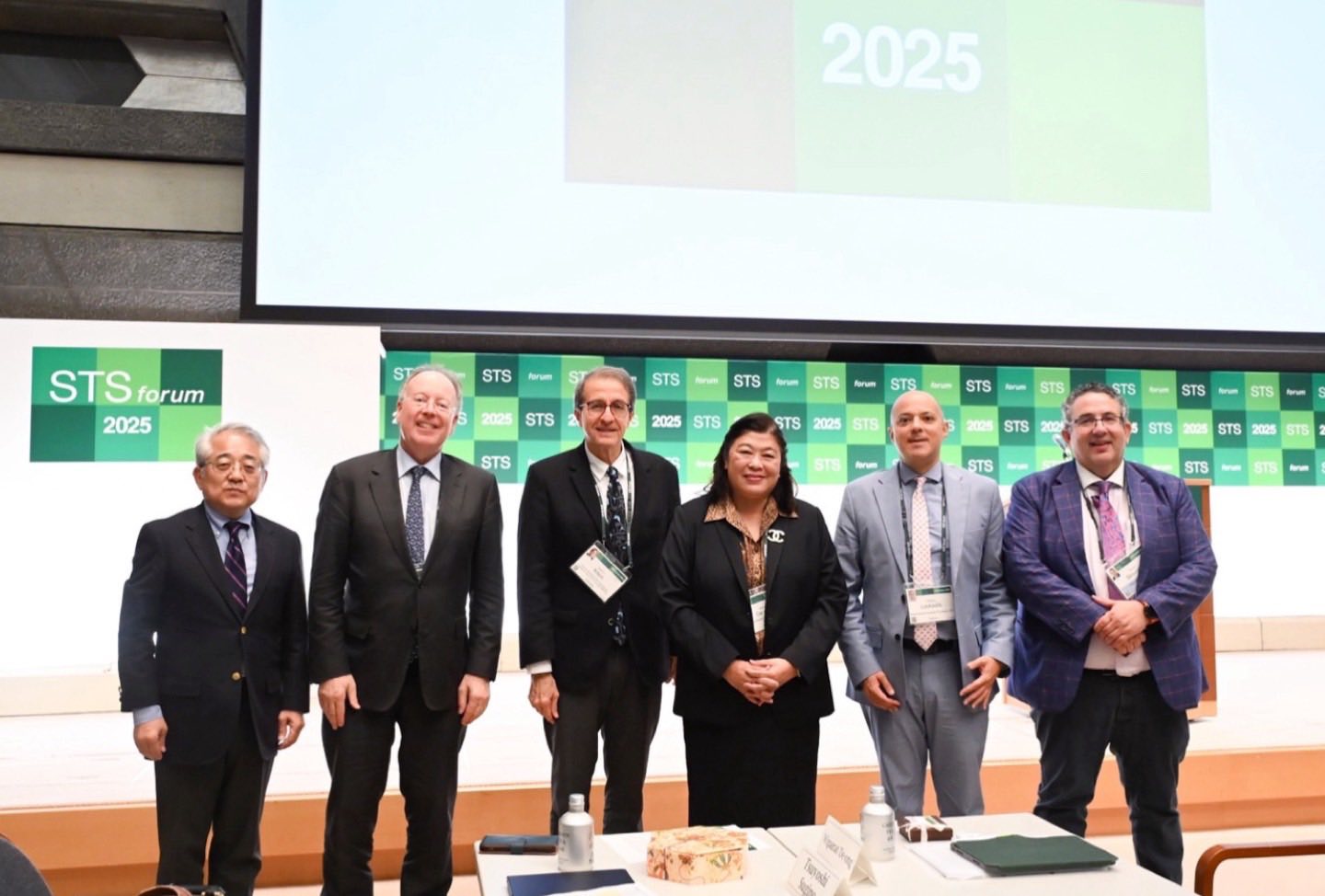
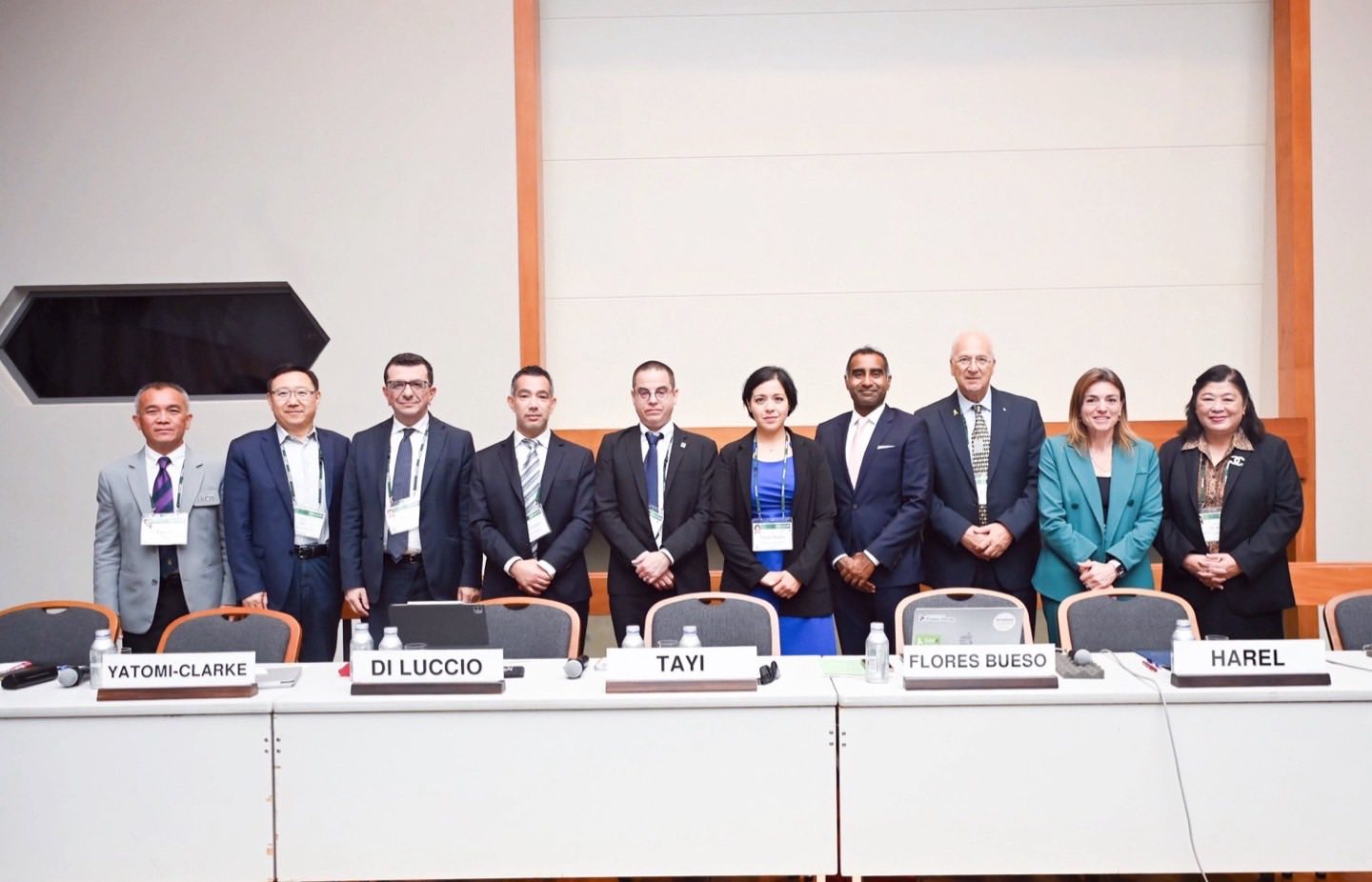
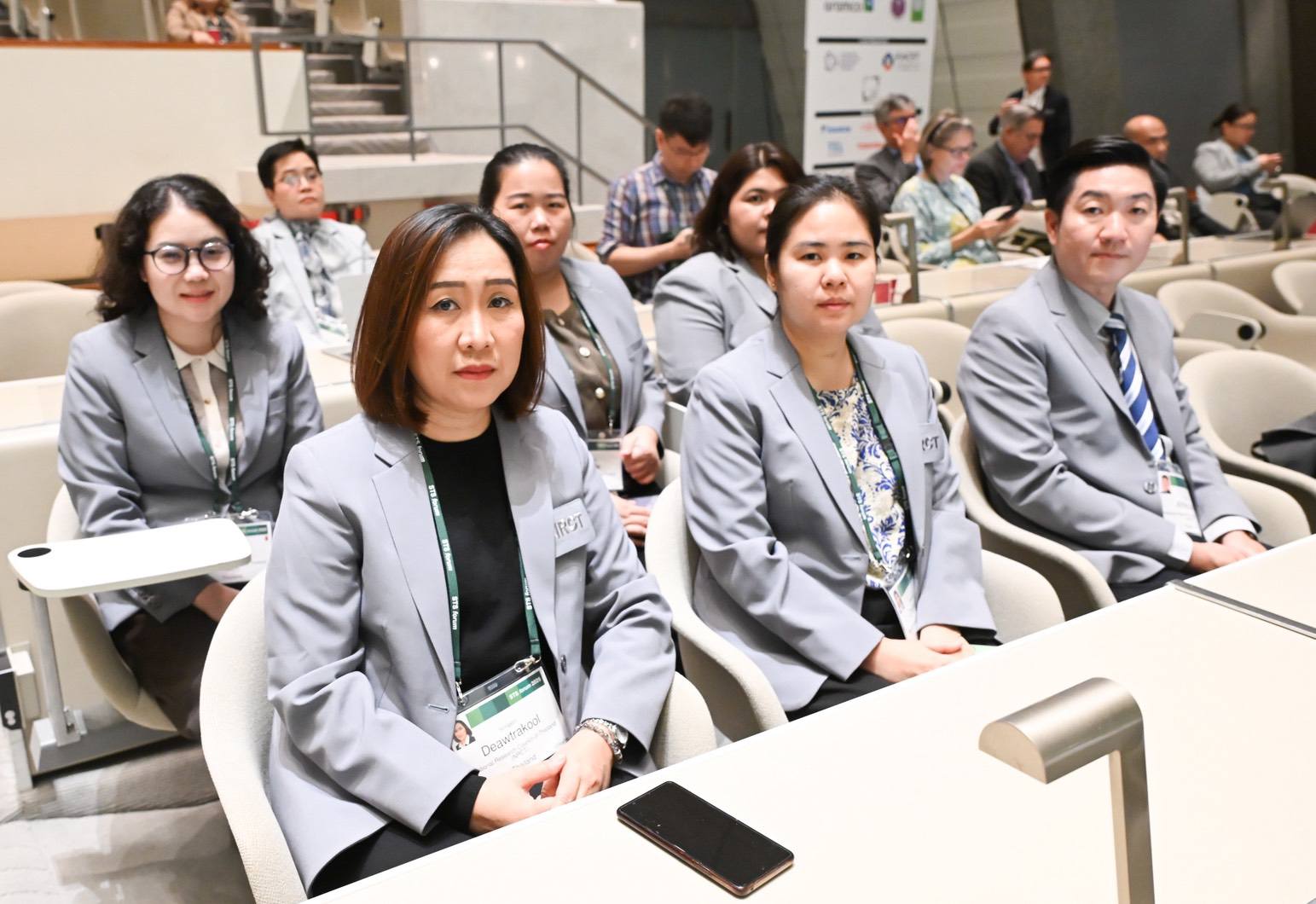
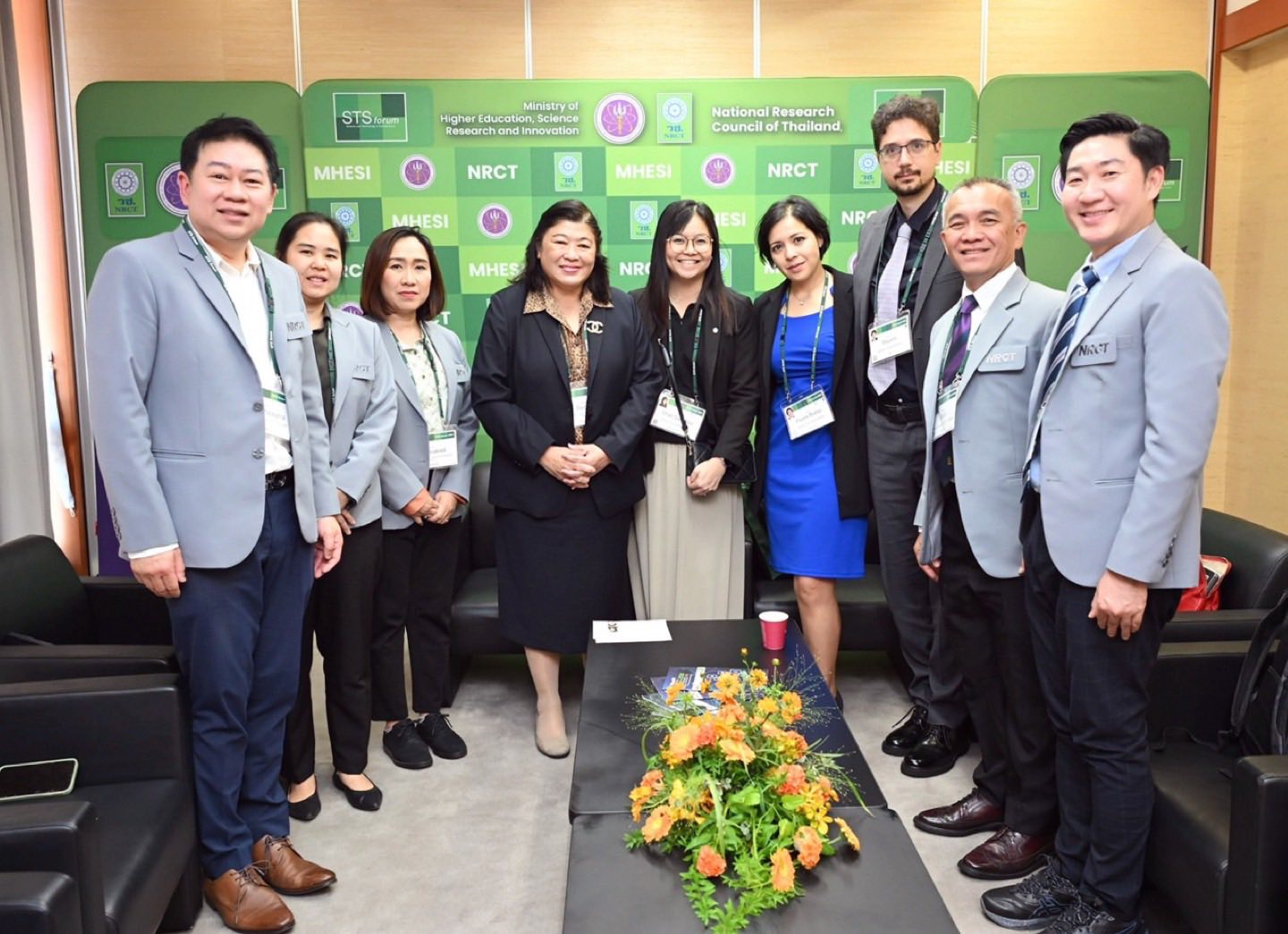
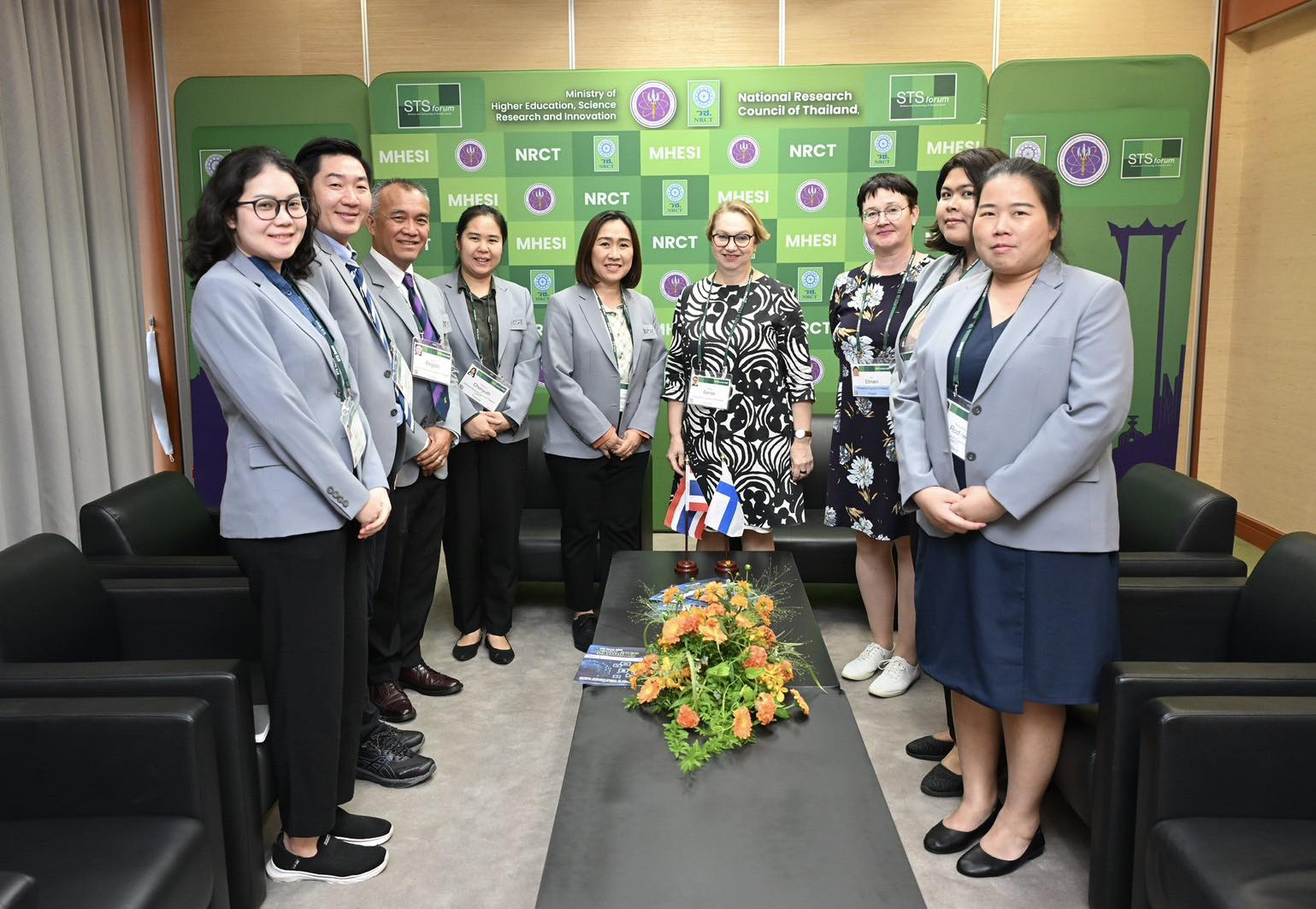
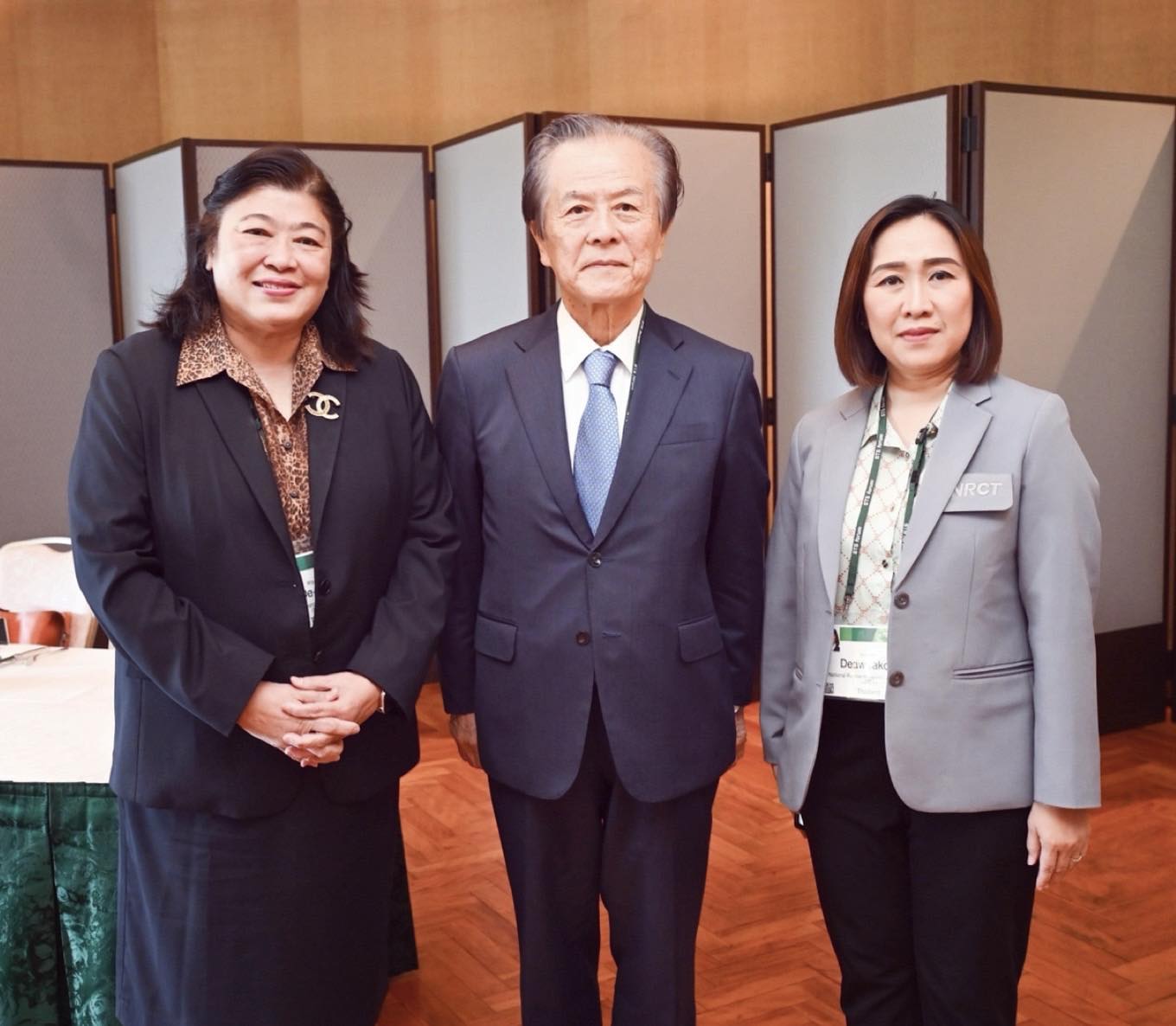
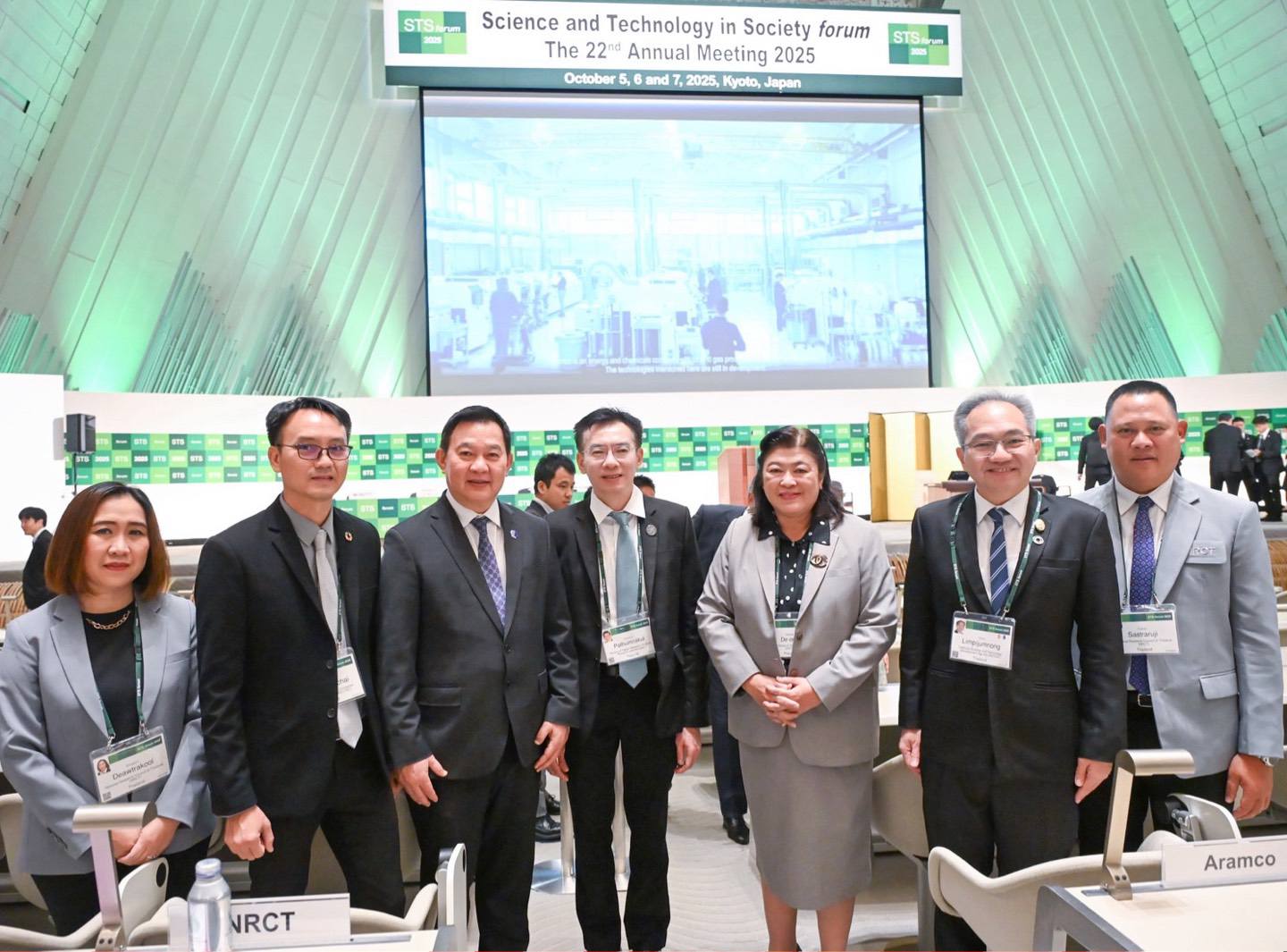
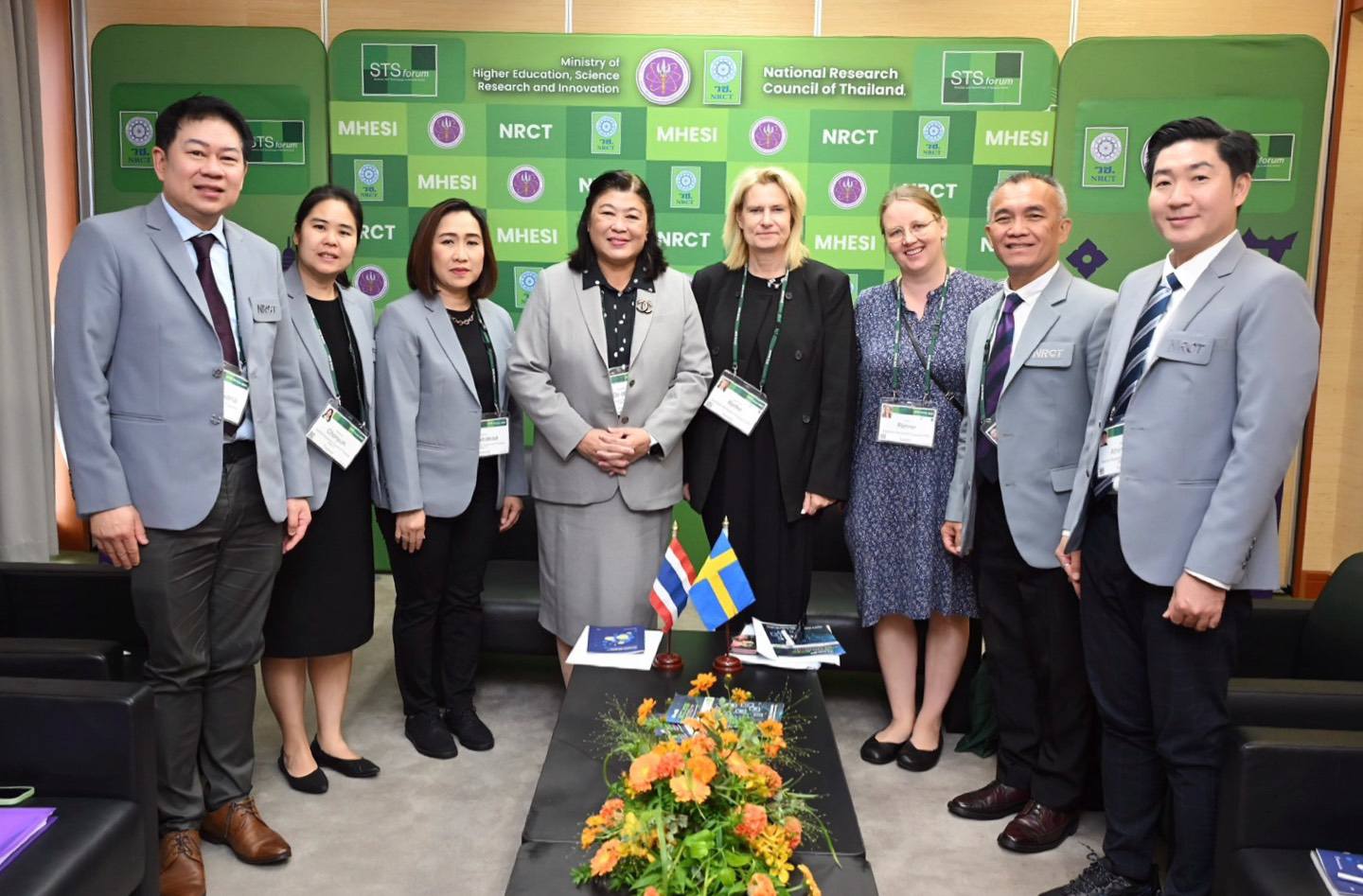
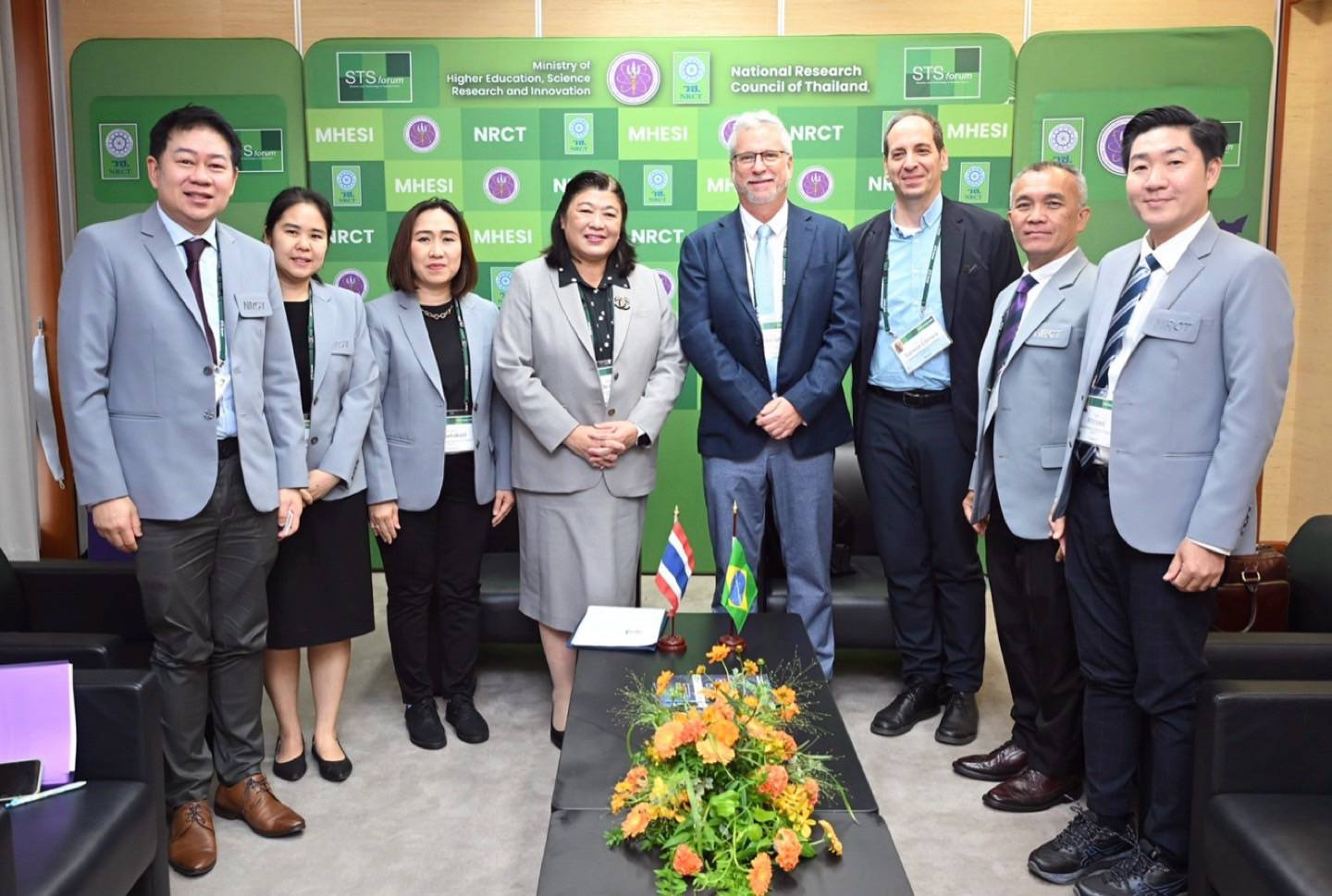
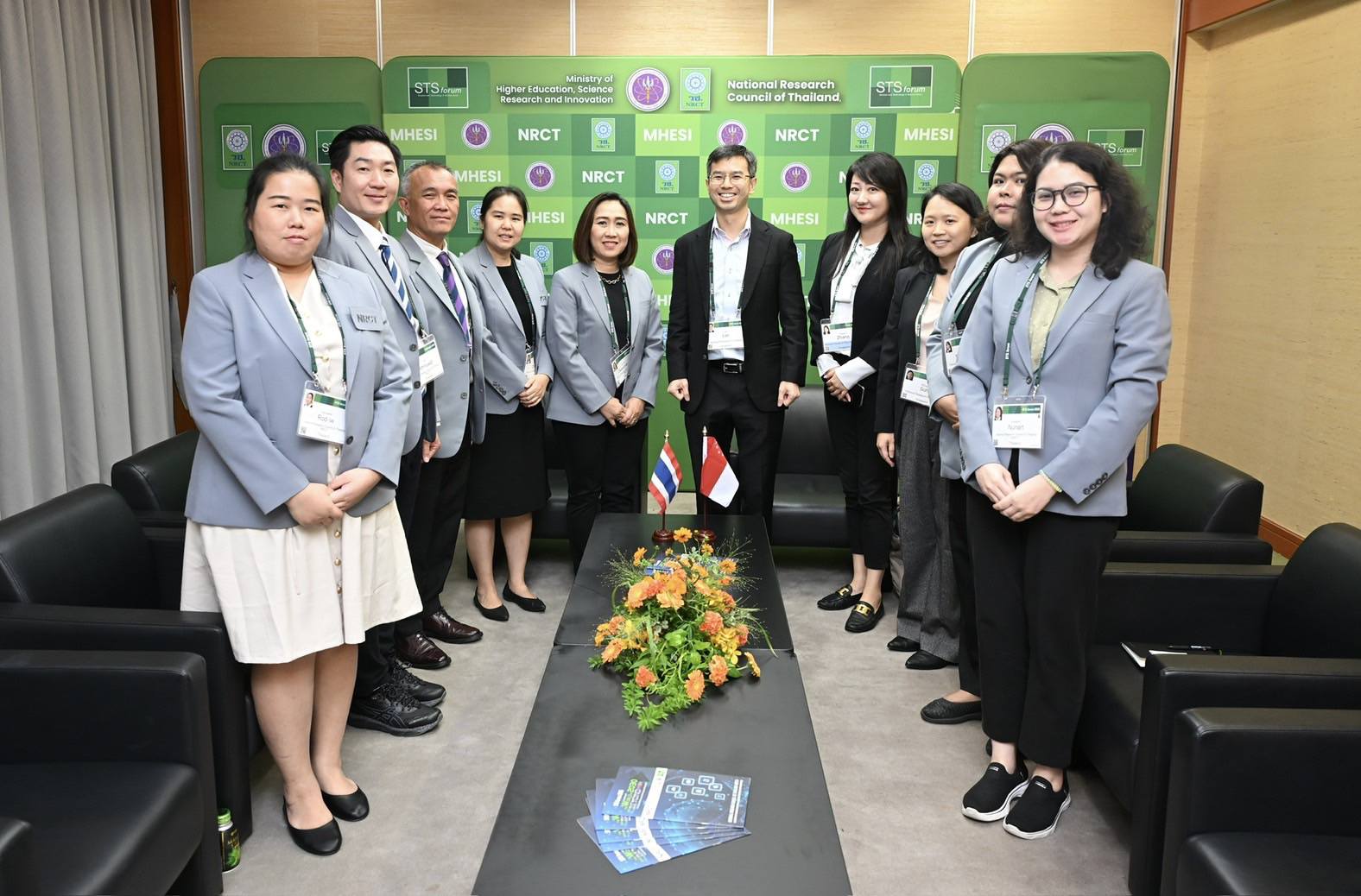
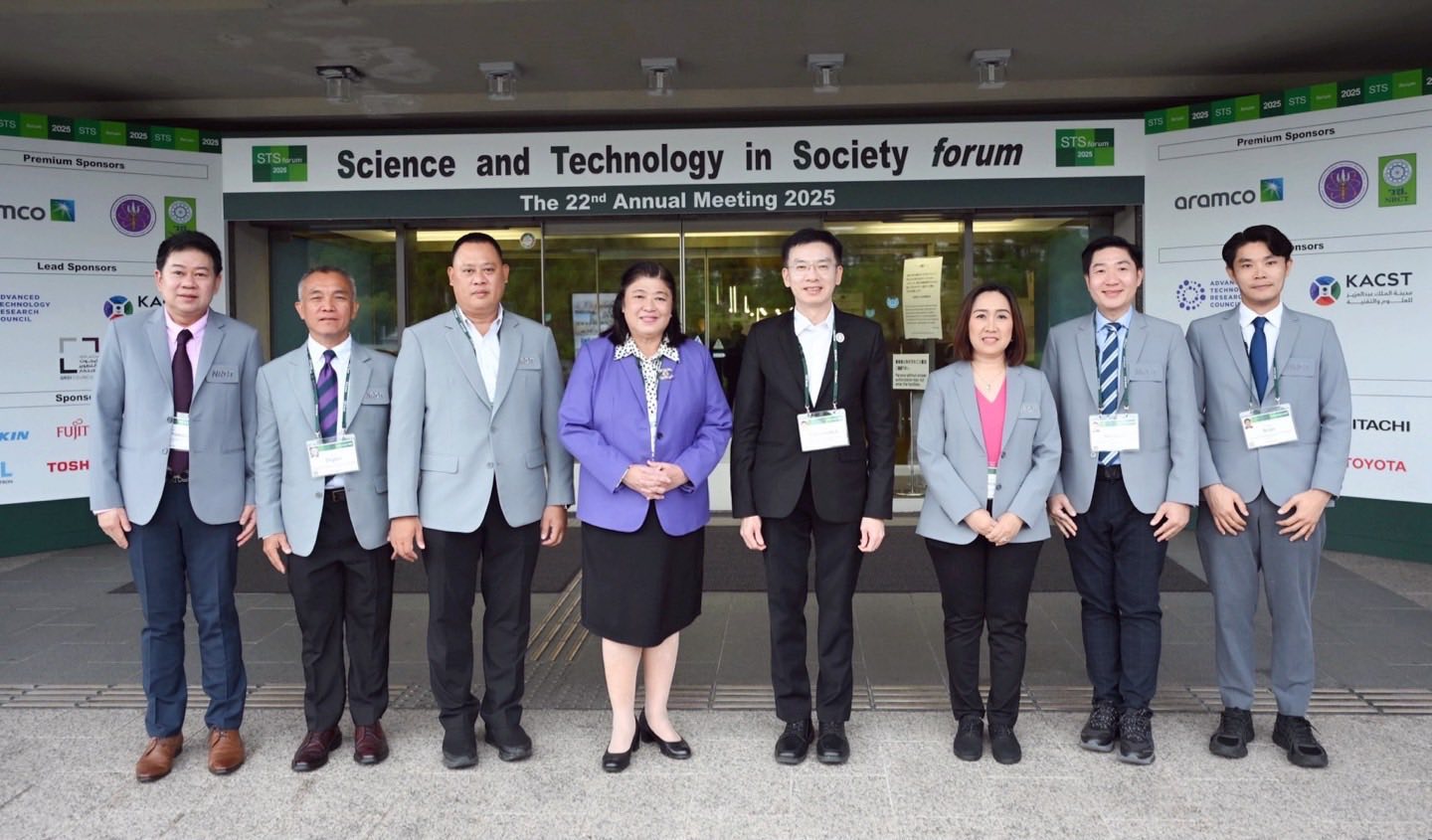
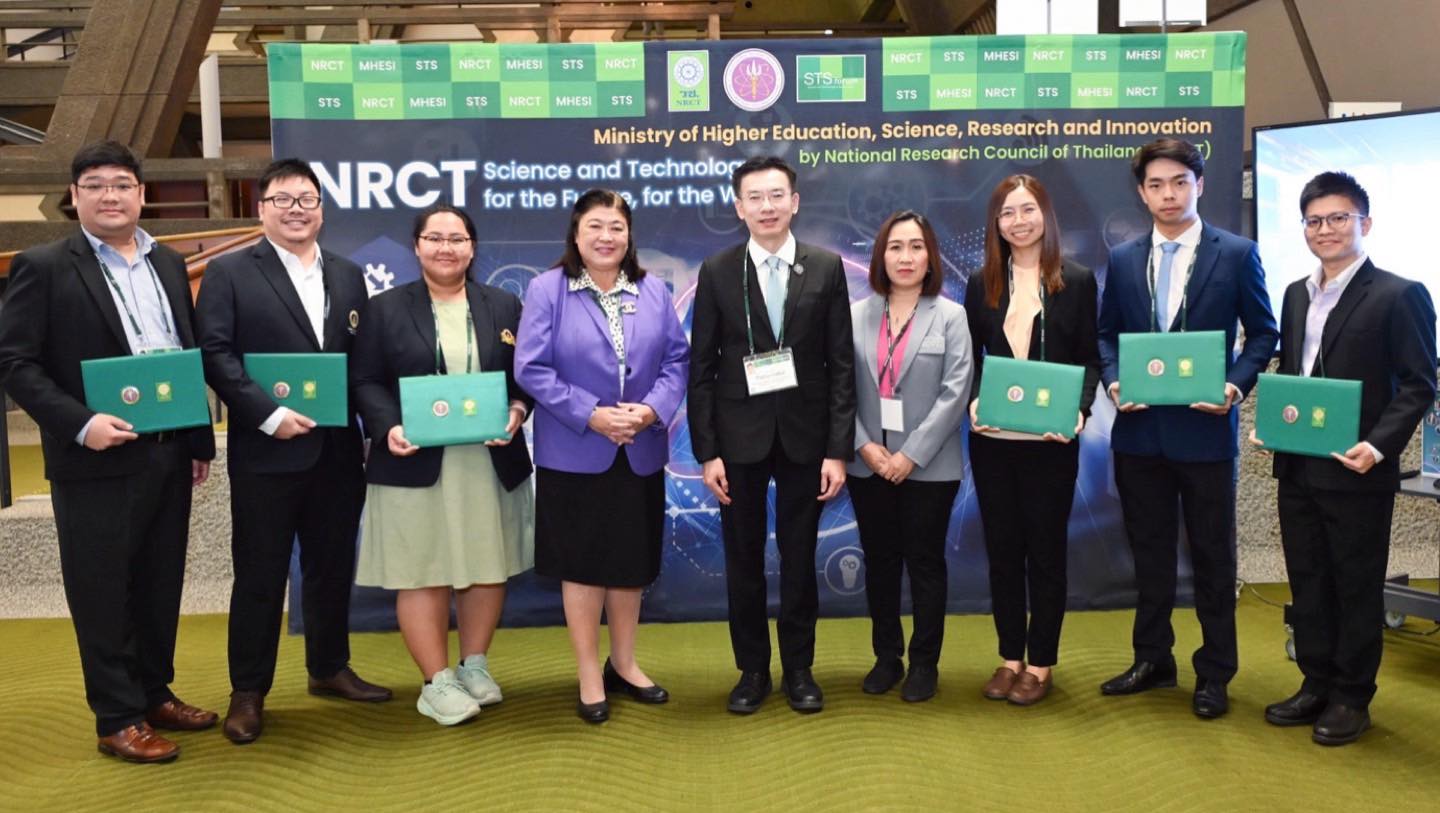
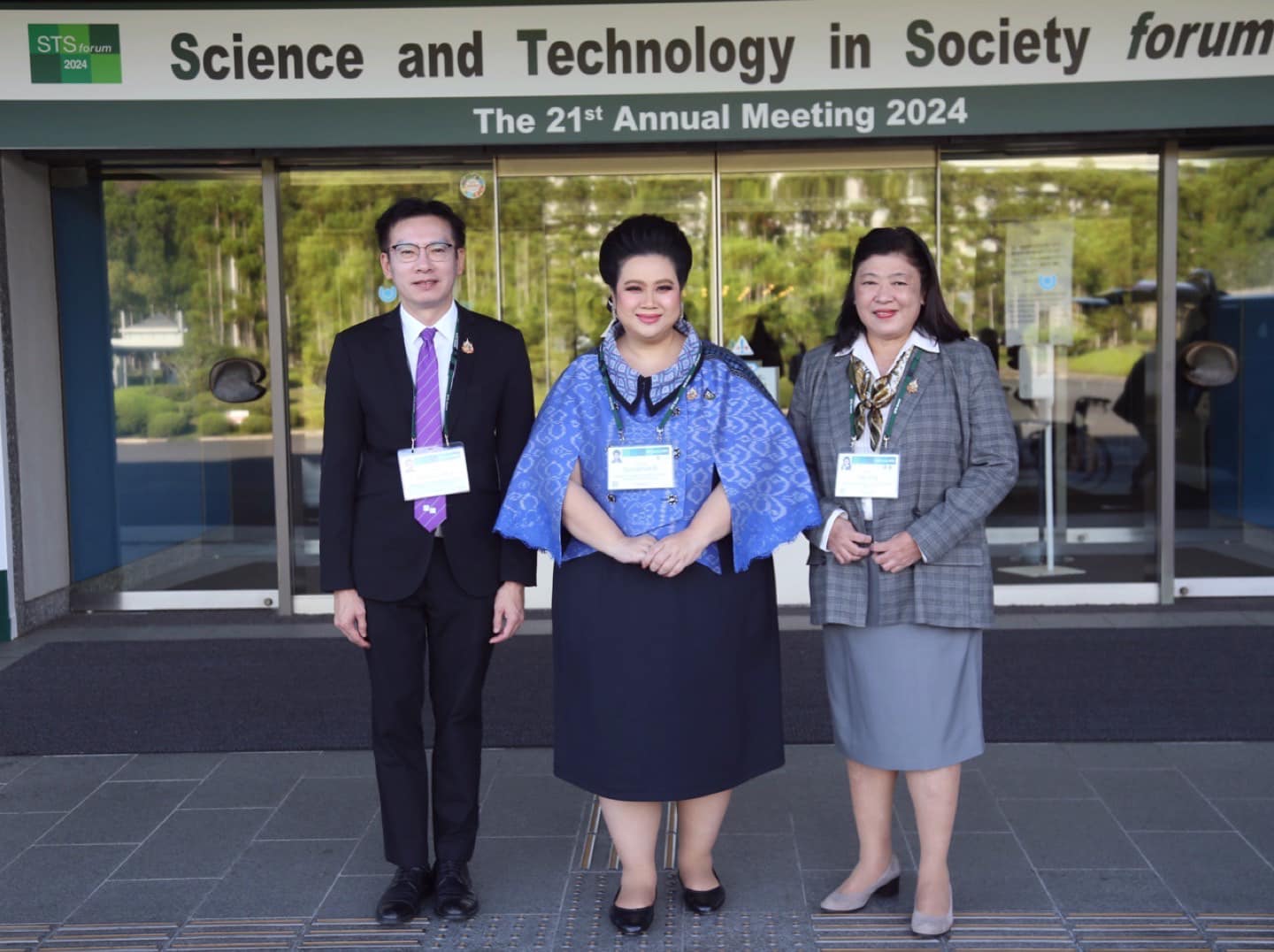
On April 24, 2026, Professor Dr. Yodchanan Wongsawat, Deputy Prime Minister and Minister of Higher Education, Science, Research and Innovation (MHESI), presided over the opening ceremony and delivered a keynote address titled “Global Challenges and Emerging Trends in Research and Education in the 21st Century” at the STS forum Japan-Thailand Symposium 2026.
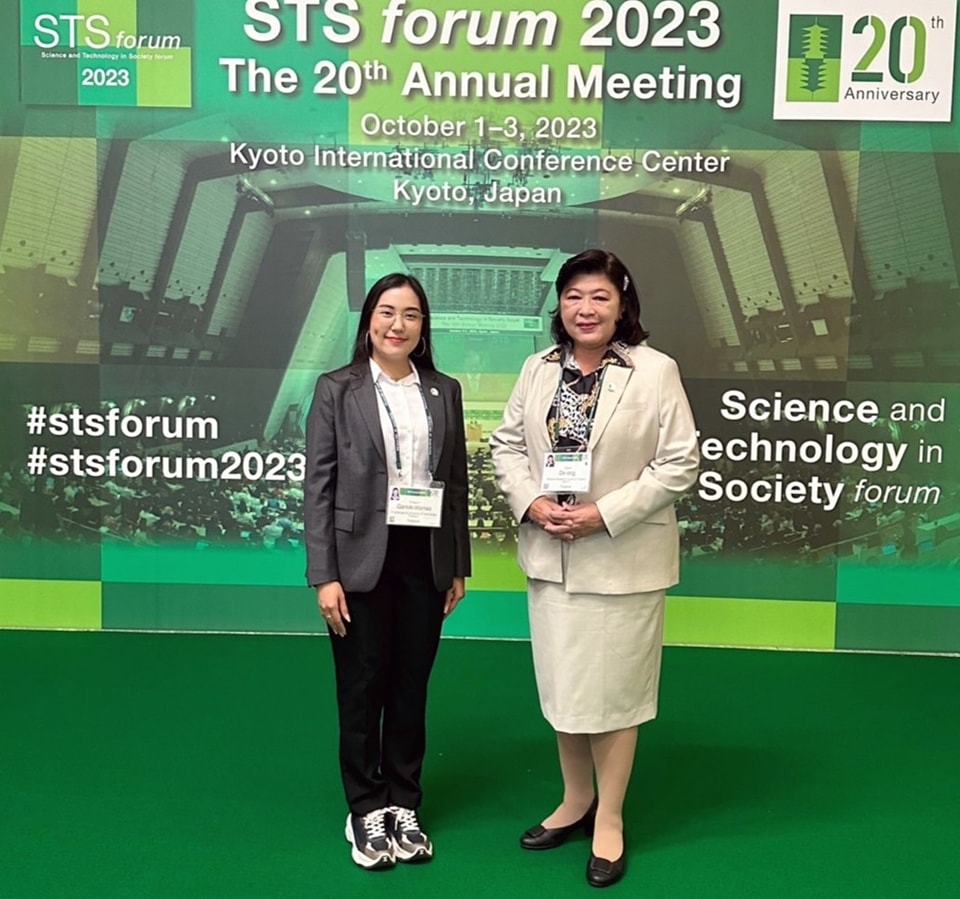
The symposium was held for the first time in Thailand under the concept “The Great Convergence,” which emphasizes the integration of knowledge to create positive global impact across all dimensions. The event was organized by the National Research Council of Thailand (NRCT).
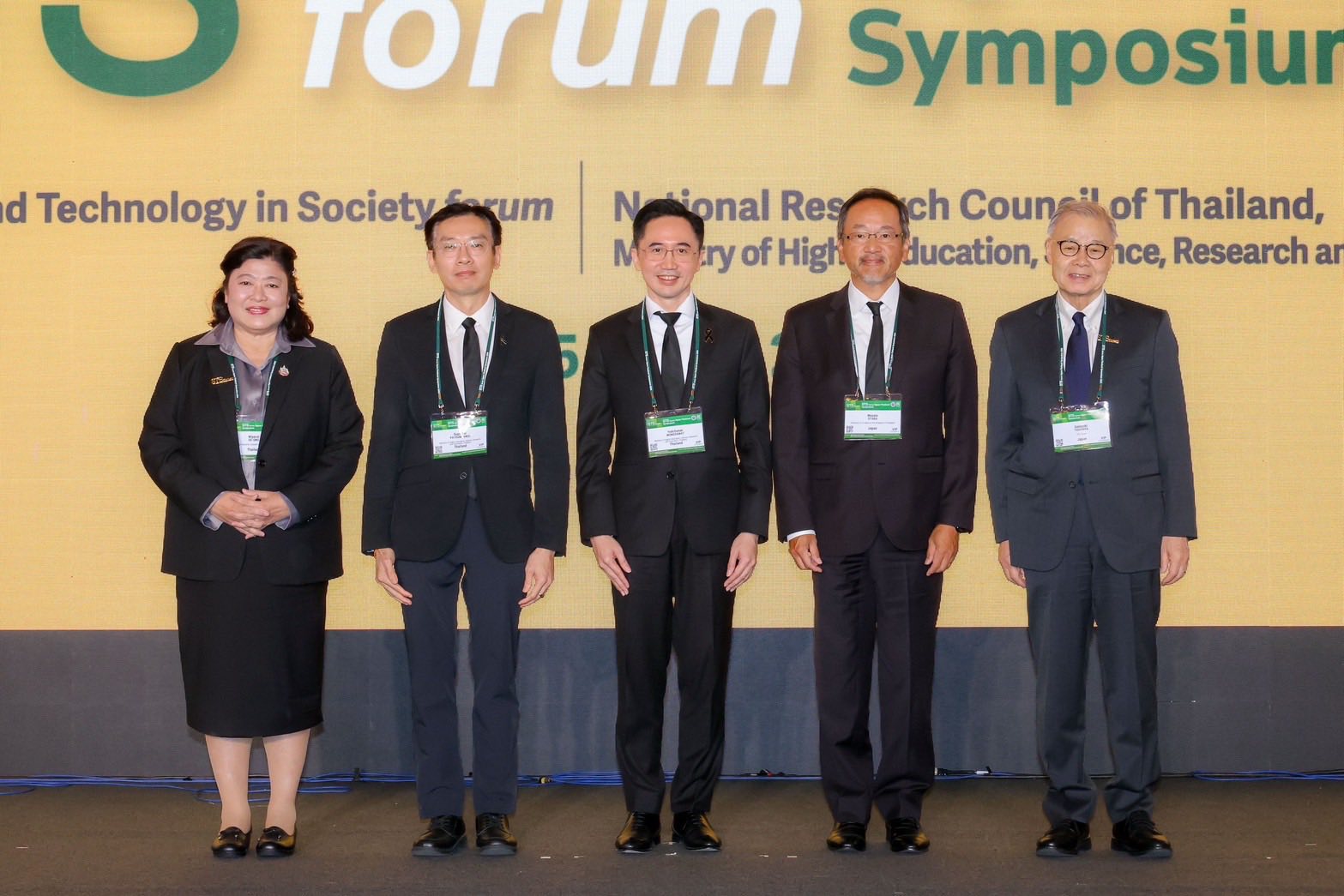
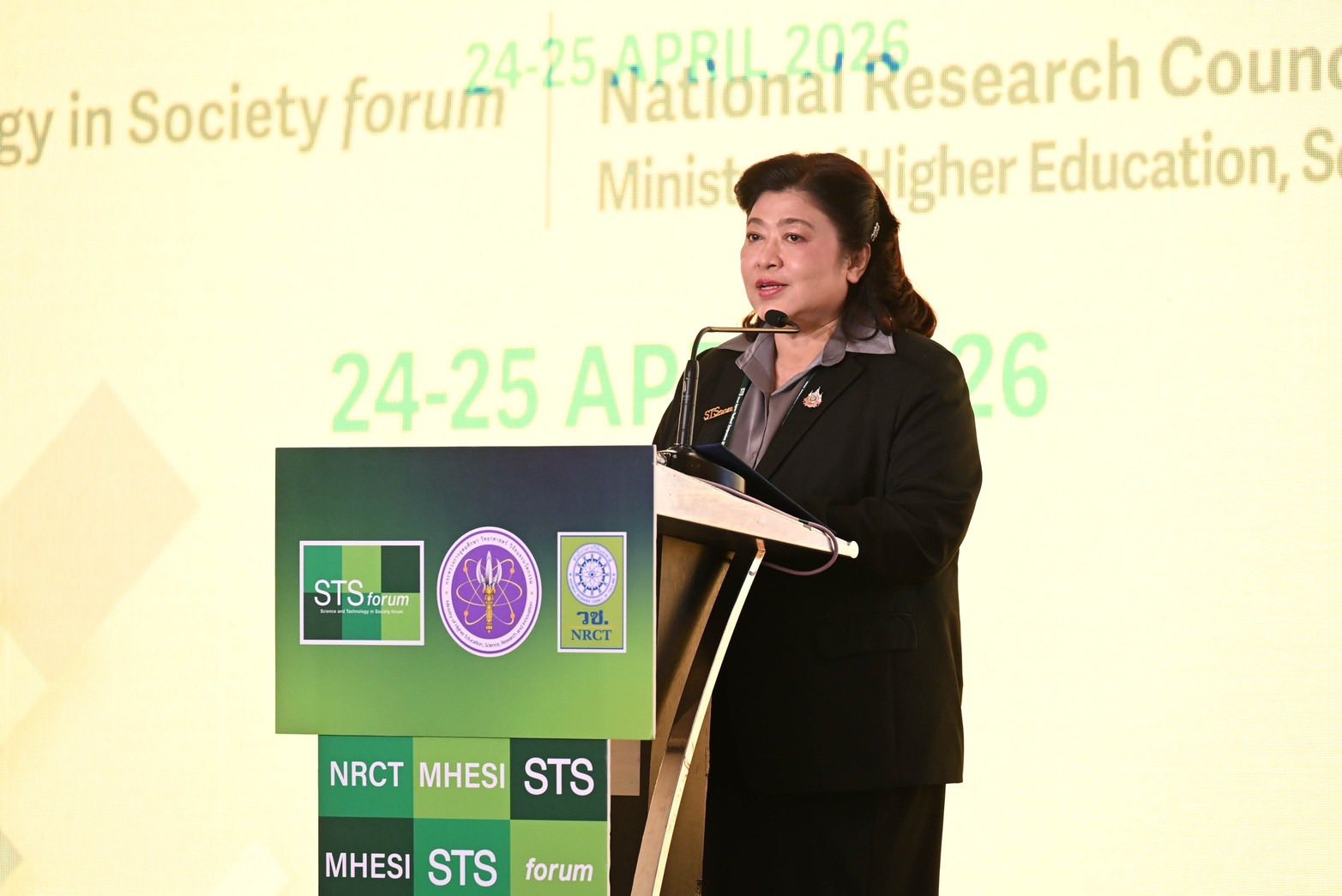
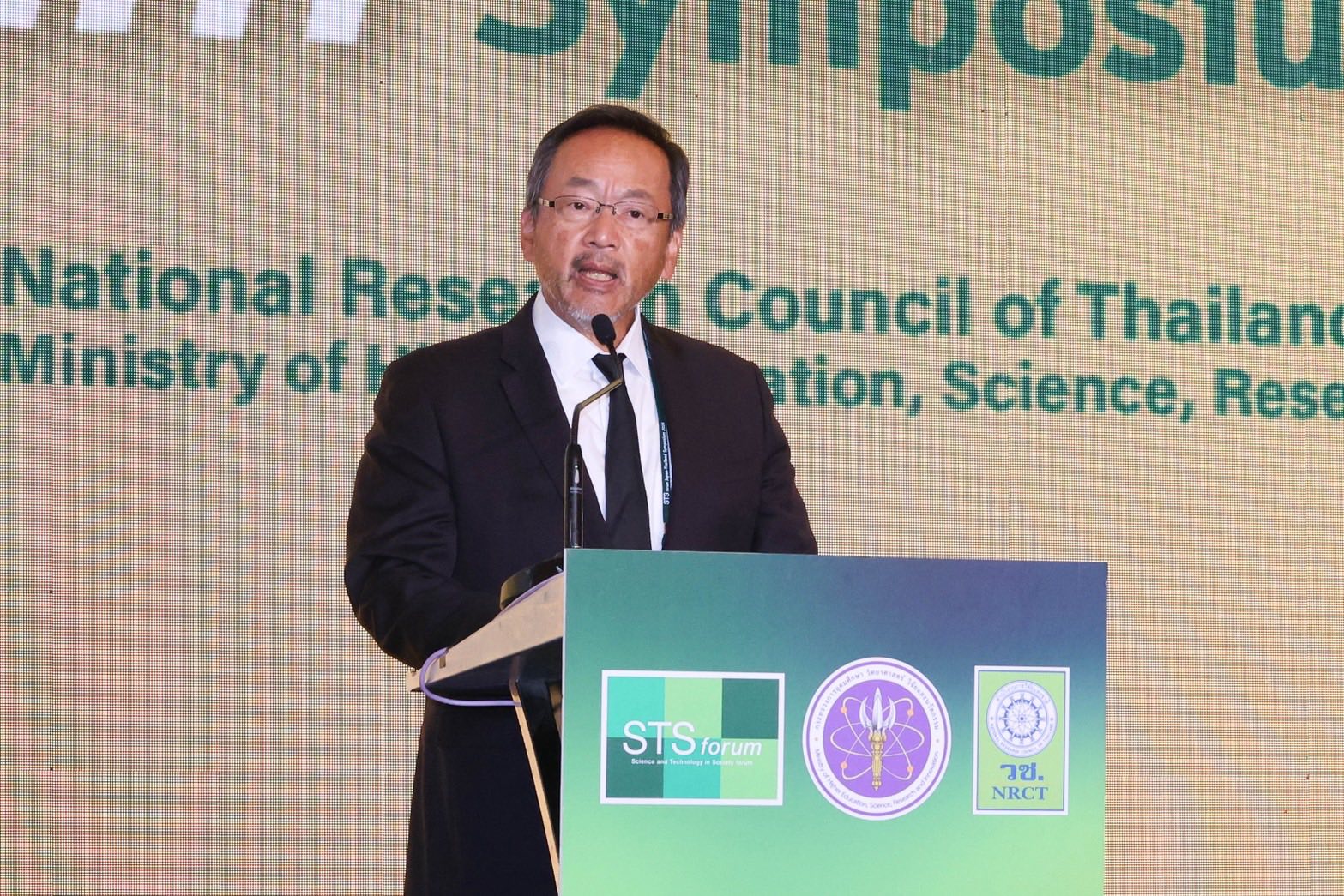
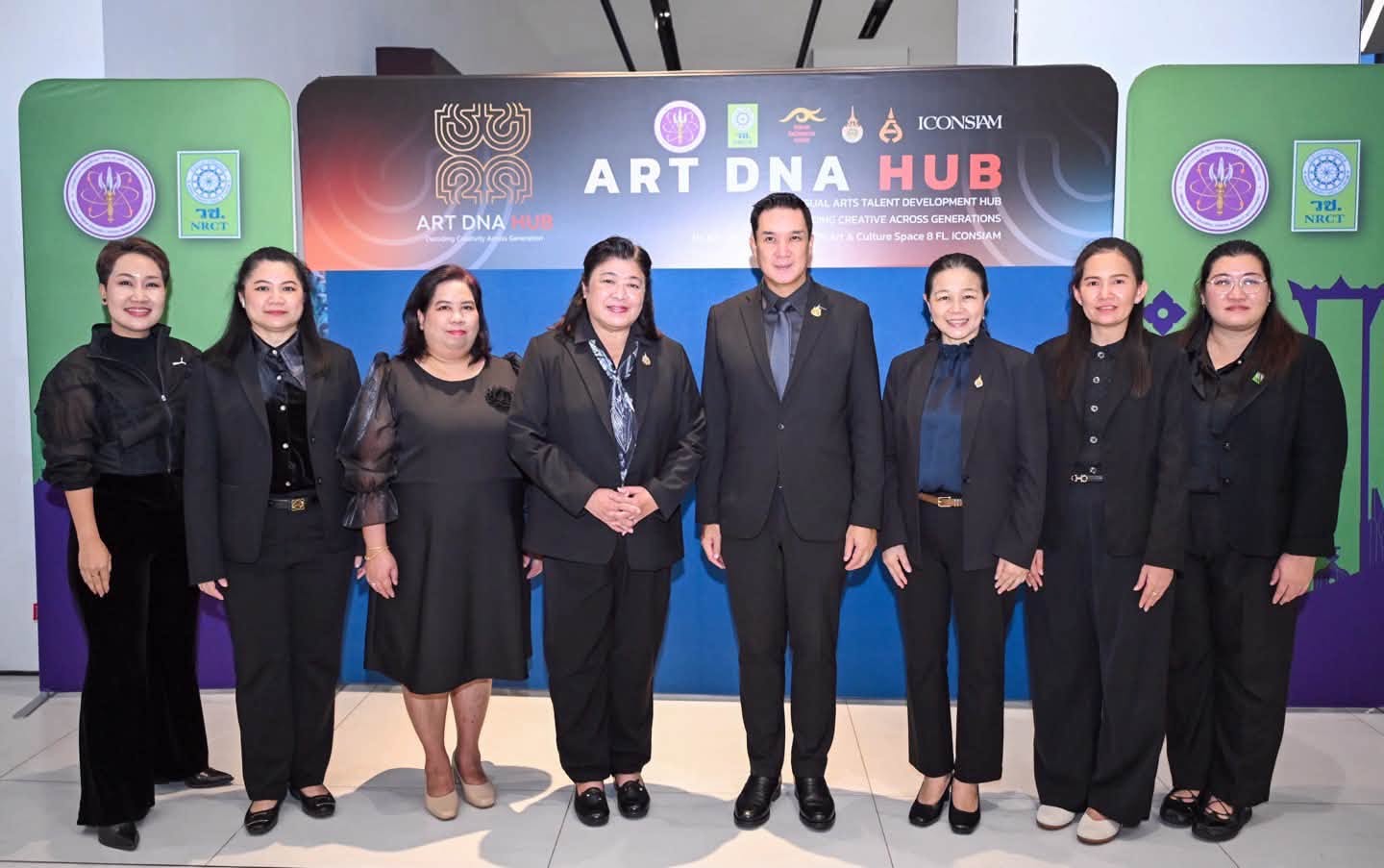
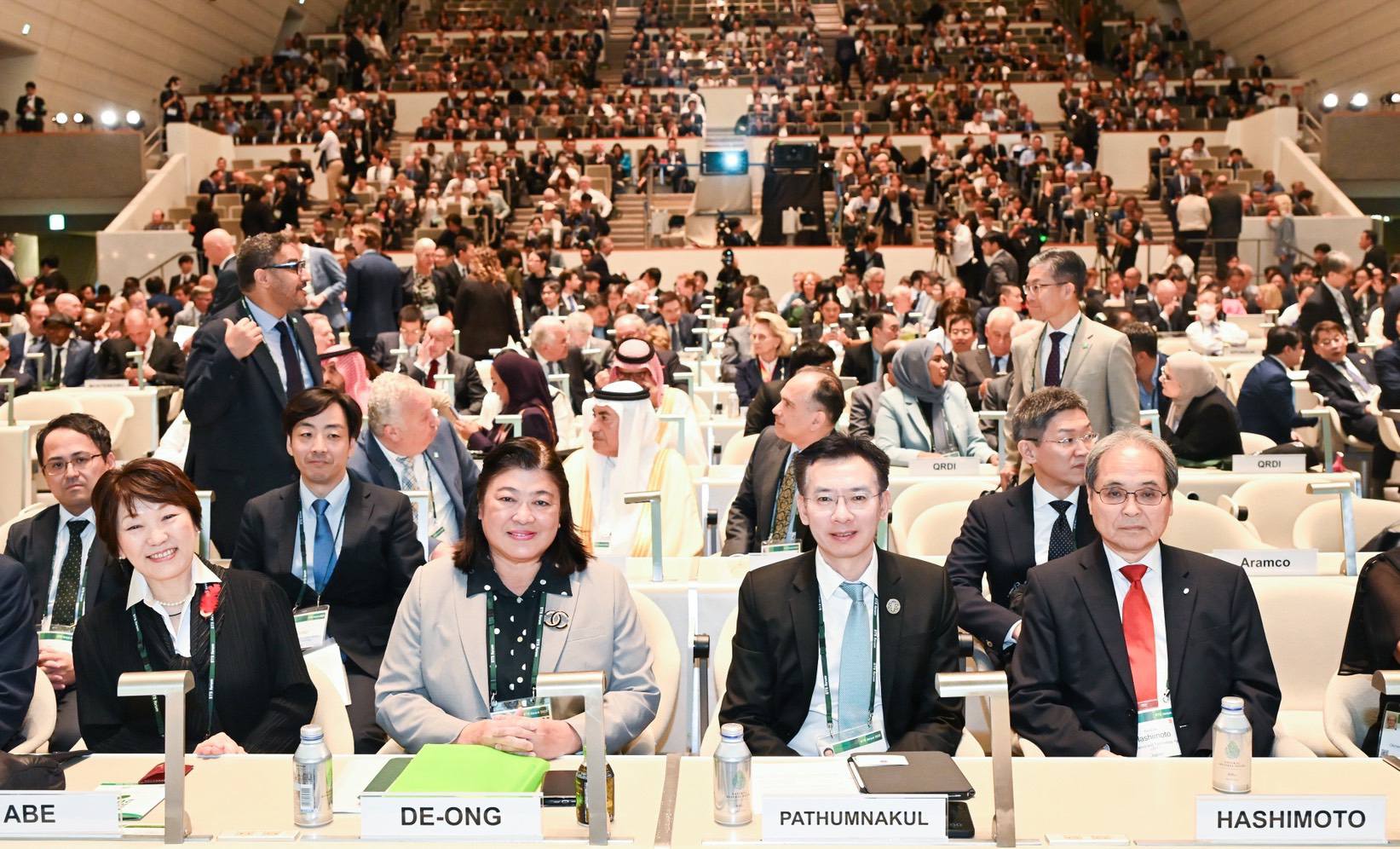
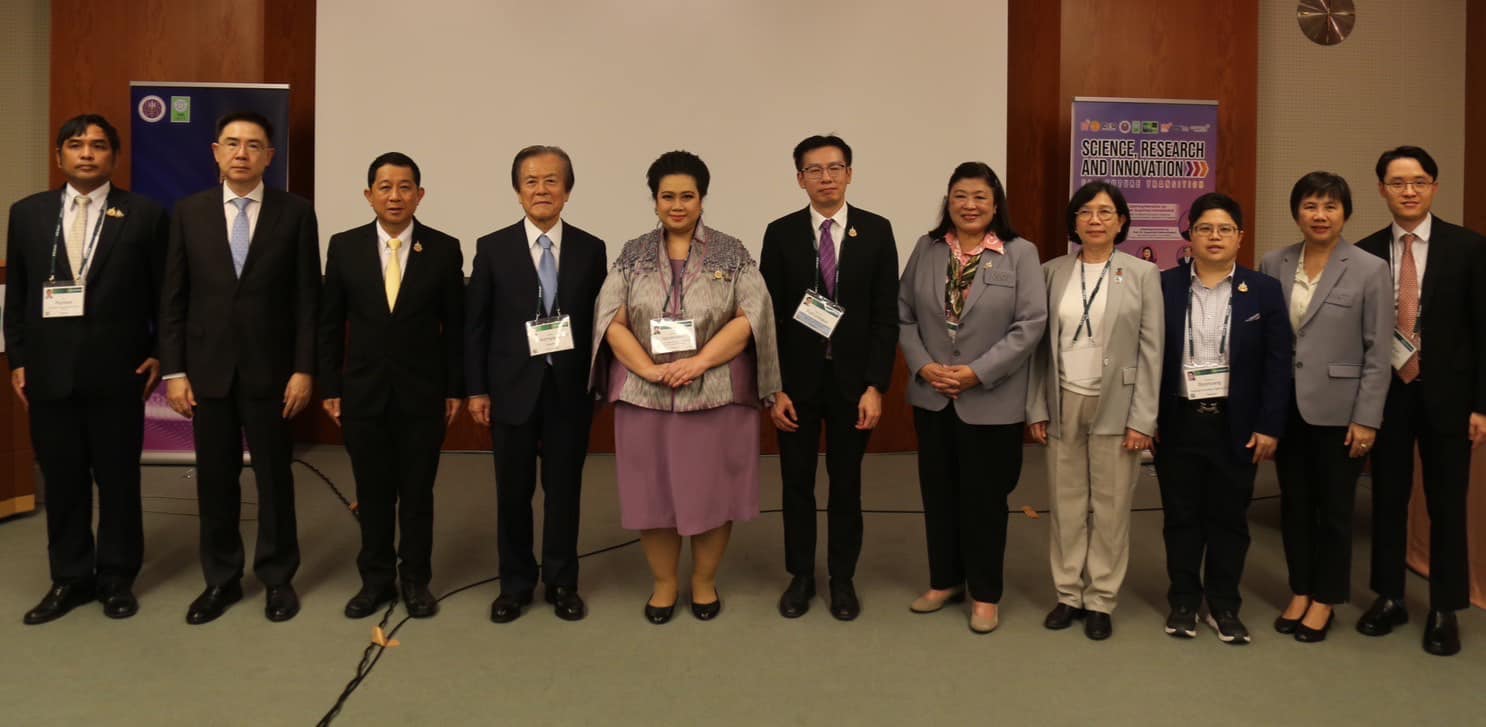
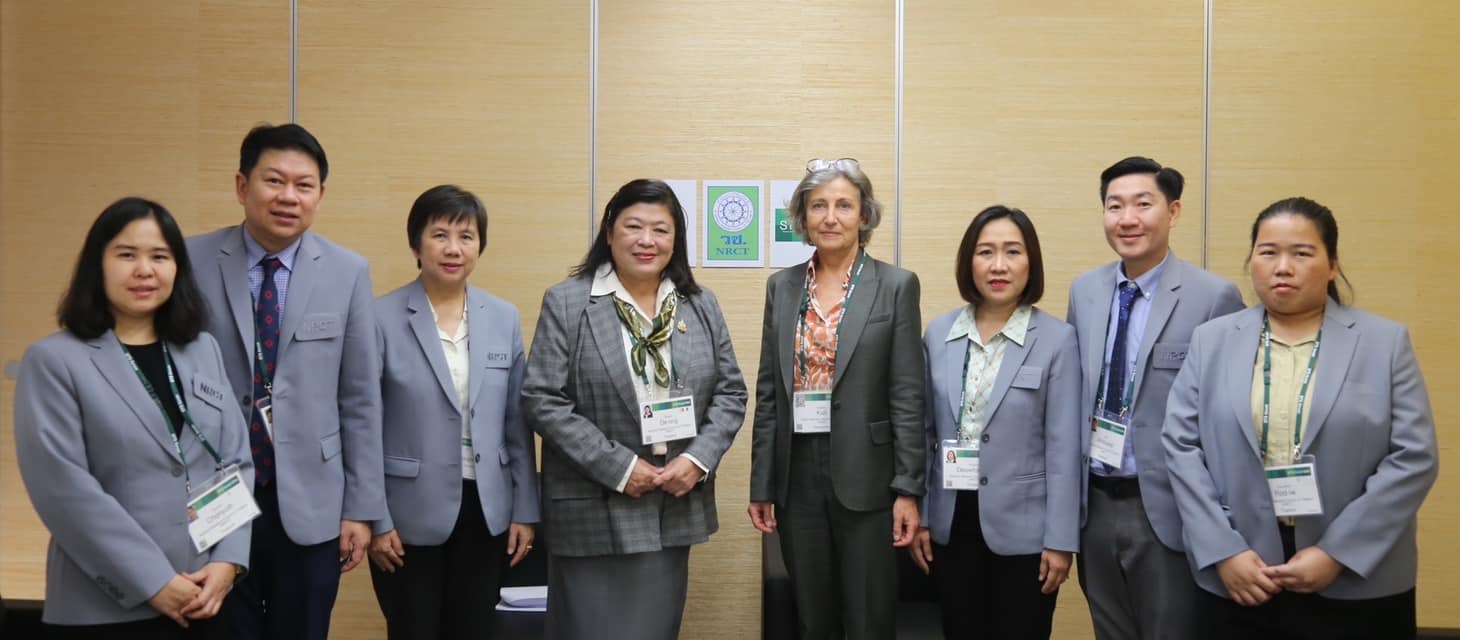
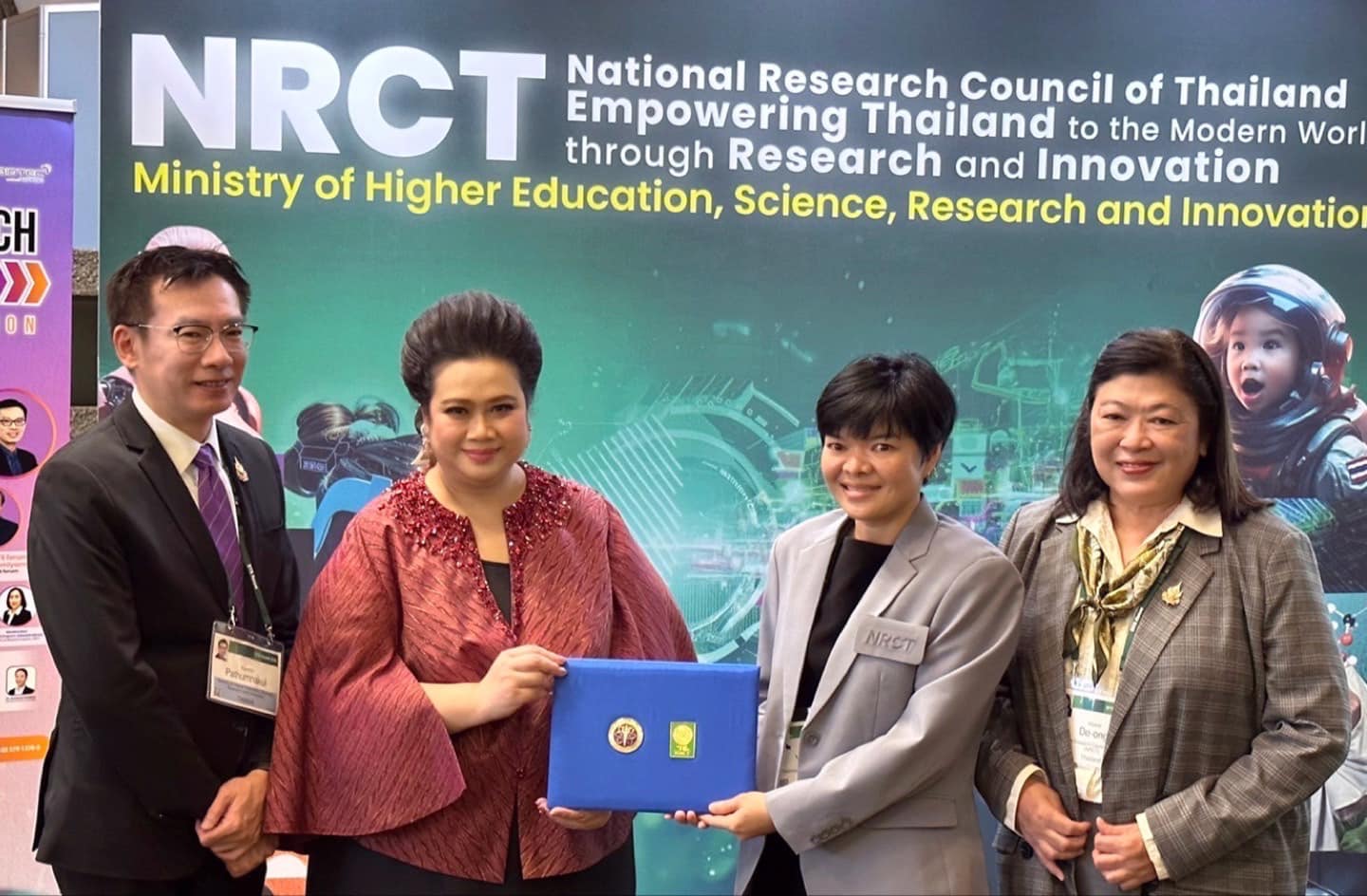
The ceremony was attended by Dr. Sriyada Palimaphan, Advisor to the Minister of MHESI; Mr. Chattarin Chanhom, Secretary to the Minister of MHESI; Professor Dr. Supachai Pathumnakul, Permanent Secretary of MHESI; Dr. Wiparat De-Ong, Executive Director of NRCT; senior executives of MHESI; and international partners from various countries. The event was held at World Ballroom, 23rd Floor, Centara Grand & Bangkok Convention Centre at CentralWorld, Bangkok.
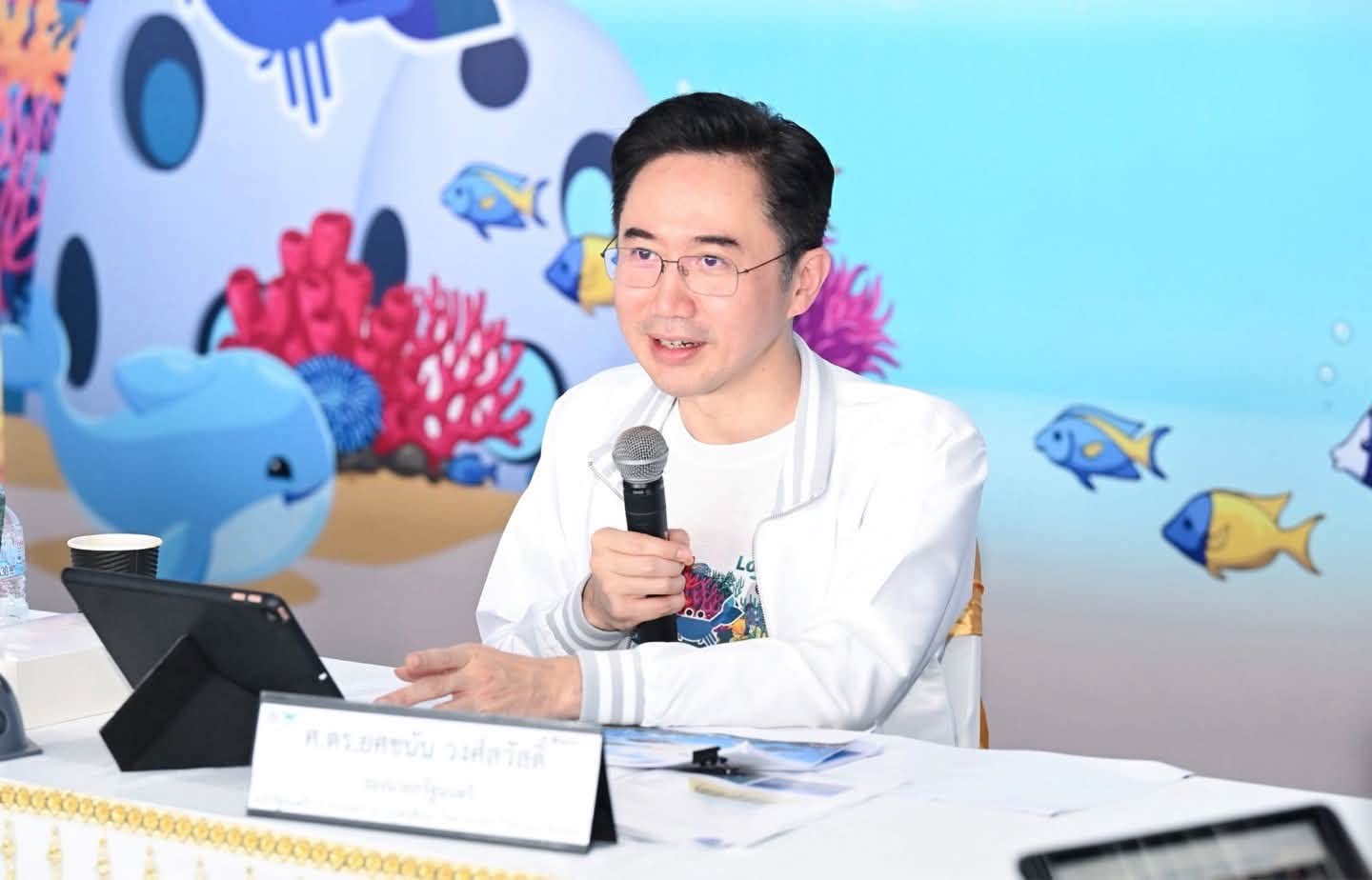
Professor Dr. Yodchanan Wongsawat stated that the STS forum Japan-Thailand Symposium 2026 serves as a platform that brings together experts from all disciplines and fields to exchange knowledge and develop solutions to address global challenges. He described it as an “Asian equivalent of the Nobel platform,” highlighting Japan’s leadership in connecting global knowledge networks. He noted that this aligns with his policy direction to advance the Ministry of Higher Education, Science, Research and Innovation (MHESI) toward becoming a World-Class University system, where academics and researchers are expected to operate at a global level. This requires cross-disciplinary and cross-sector collaboration, linking researchers with practitioners, industry stakeholders, and government agencies to drive impactful and practical outcomes.
The Deputy Prime Minister and Minister of Higher Education, Science, Research and Innovation further stated that the symposium highlights a model for developing world-class universities that emphasizes balance among education, research, and innovation. He noted that research should not remain confined within academic institutions but must be advanced toward creating real economic value. A key element of this approach is the engagement of investors and entrepreneurs as critical enablers in providing funding and driving research toward commercialization. This will help transform research outputs into products that generate positive societal impact and meet global market demands.
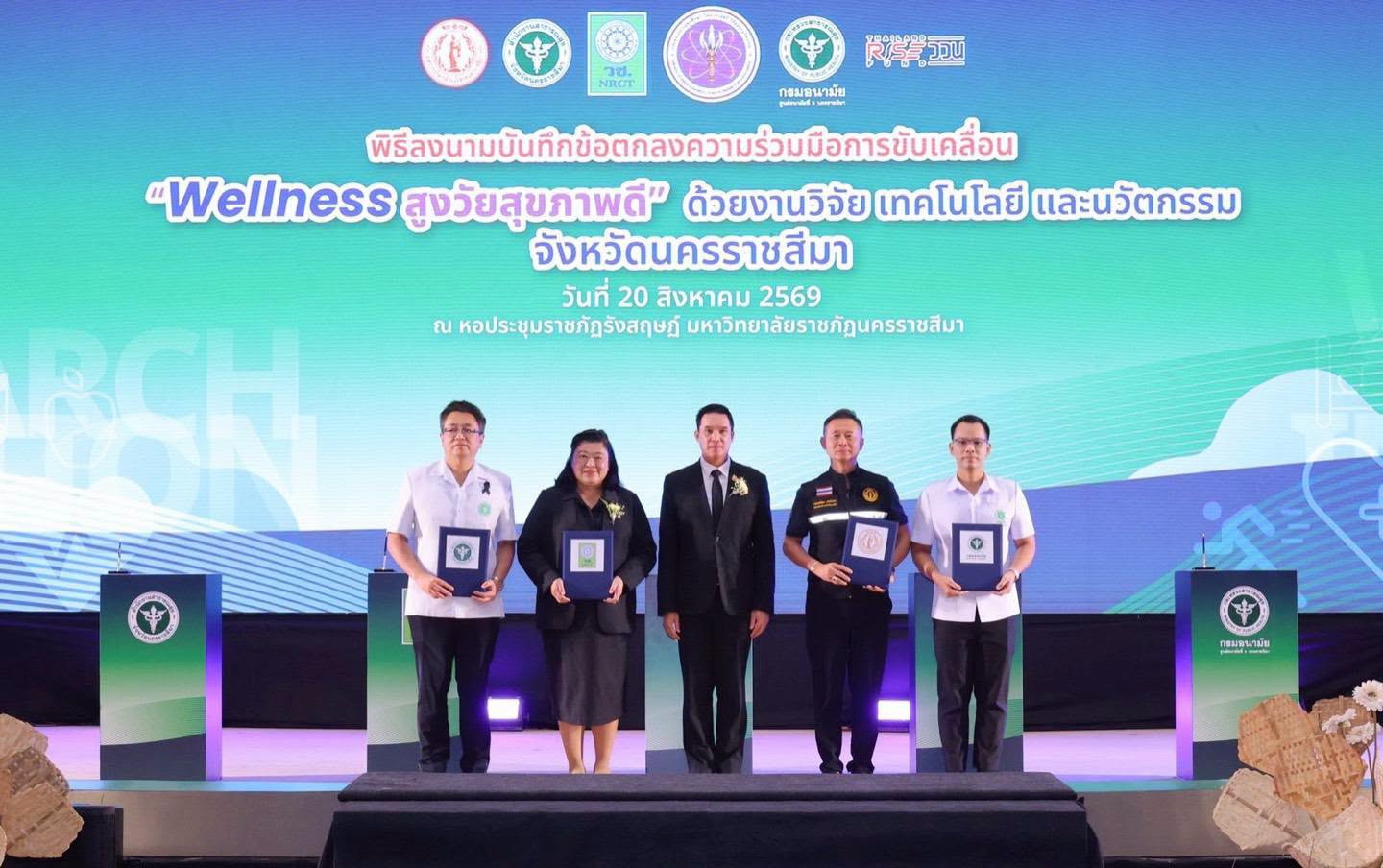
Professor Dr. Yodchanan stated that the Ministry of Higher Education, Science, Research and Innovation (MHESI) aims to drive key target industries, particularly the Wellness Economy, by integrating the agriculture, industrial, and service sectors to further develop high-value medical and wellness tourism.
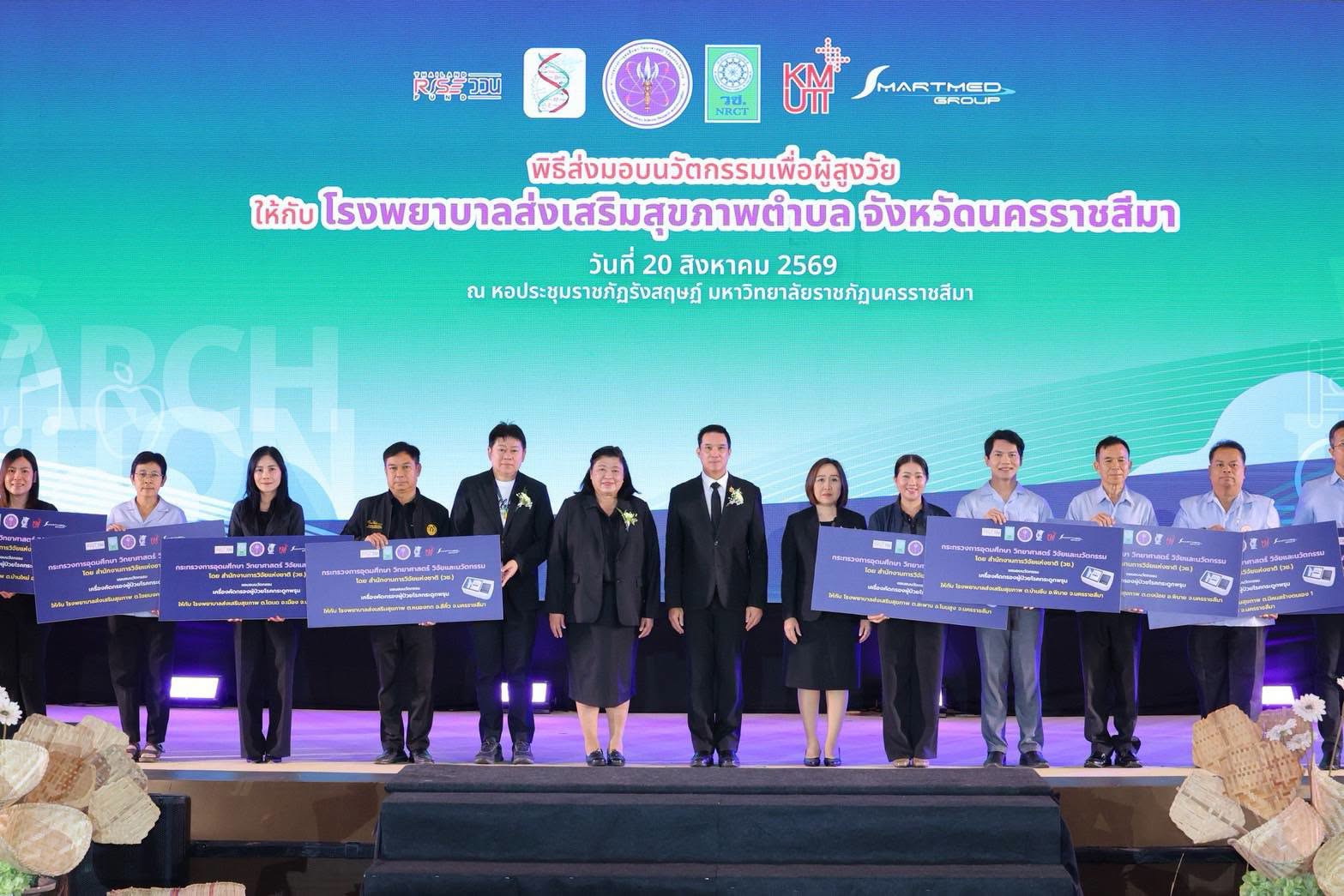
He highlighted plans for the development of medical devices in collaboration with companies from Japan, introducing advanced technologies for practical applications, as well as accelerating health research from prototype development to clinical trials.
In addition, significant emphasis is placed on the semiconductor industry, with efforts to engage Thai researchers in global supply chains in collaboration with Japan’s chip manufacturing base in Thailand, thereby fostering tangible economic growth. He also underscored the importance of supporting young researchers, with assistance from the National Research Council of Thailand (NRCT), to enable Thai researchers to participate in global platforms and engage with Nobel Laureates—an initiative expected to inspire breakthrough innovations capable of transforming the world.
He further added that the collaboration between academia, the private sector, and investors will not only enhance quality of life and support an aging society, but also extend to the application of advanced technologies such as Digital Twin technology. This will enable simulation and response to climate change crises, leading to sustainable economic and social development in all dimensions.
Professor Dr. Supachai Pathumnakul stated that the STS forum Japan-Thailand Symposium 2026 emphasizes the role of Artificial Intelligence as a key mechanism in driving national development and addressing global crises. Under the concept “The Great Convergence,” the symposium focuses on integrating AI with health, environment, and the bio-economy. He noted that the Ministry of Higher Education, Science, Research and Innovation (MHESI) is advancing efforts to build an innovation ecosystem, promote interdisciplinary research, and drive the practical utilization of research outcomes. He emphasized that international collaboration is essential, while Thailand is well-positioned in both the public health and bio-economy sectors to contribute meaningfully to these efforts. He added that this platform serves as an important space to connect collaboration among government agencies, researchers, and the private sector, in order to shape future development directions.
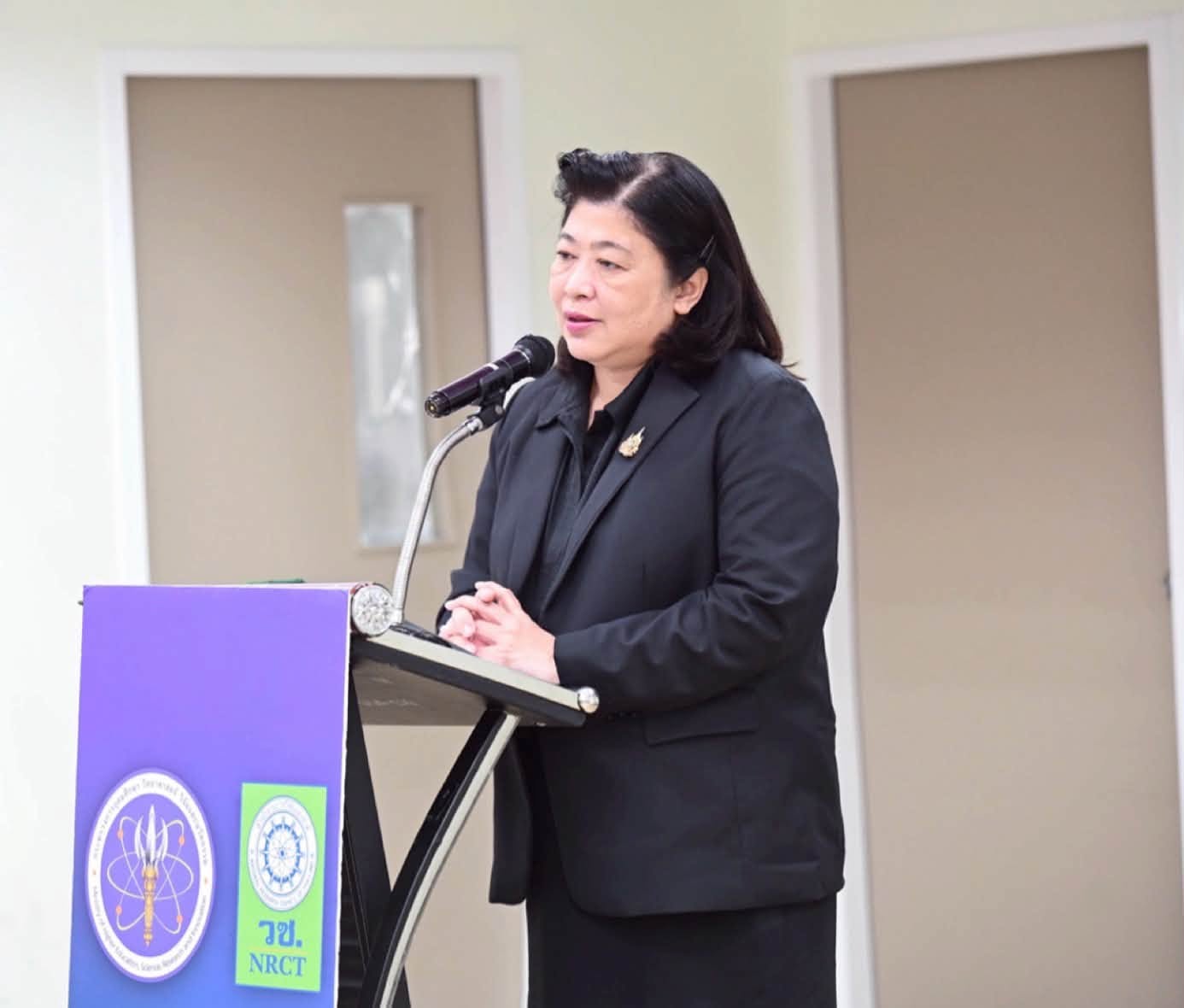
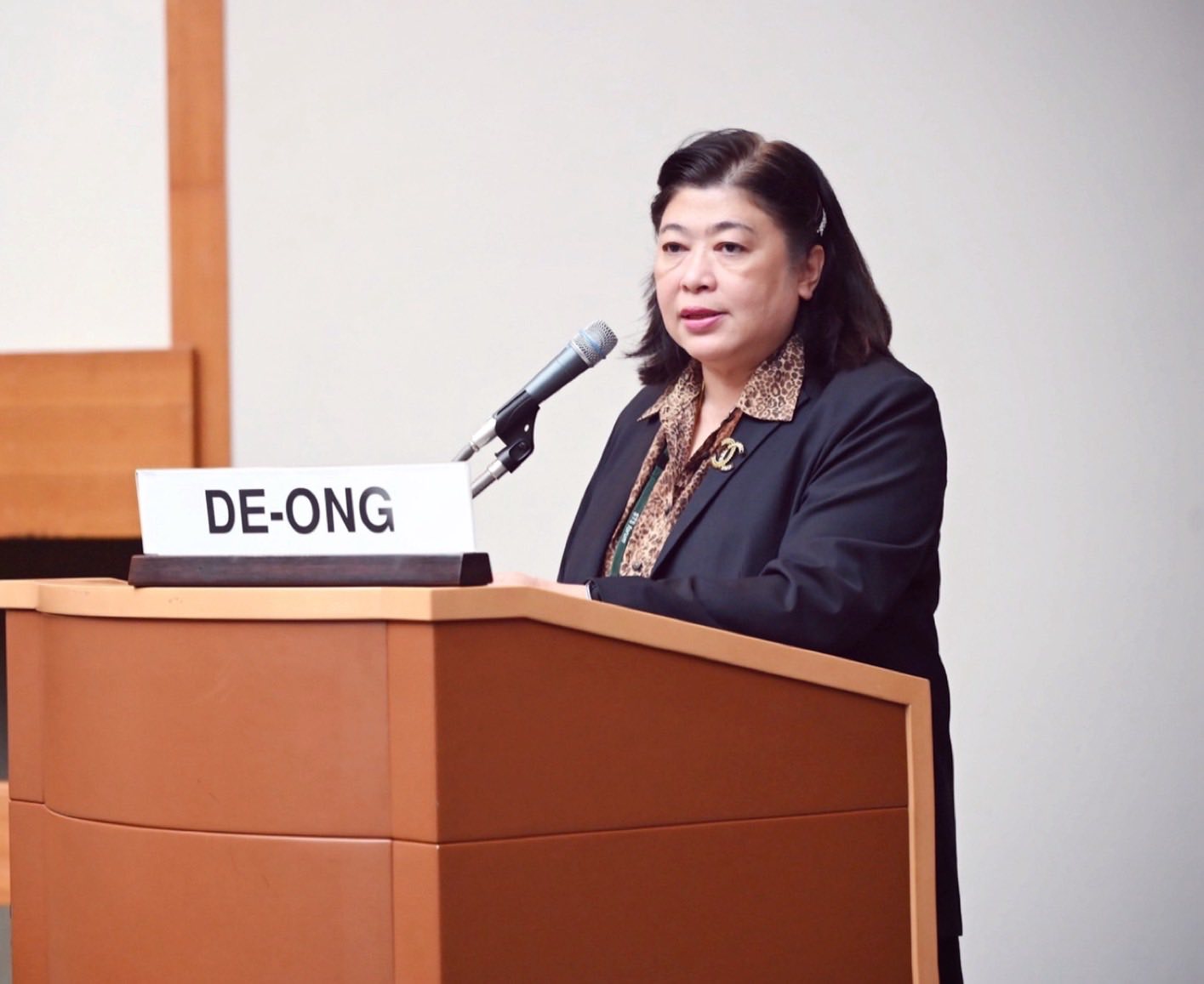
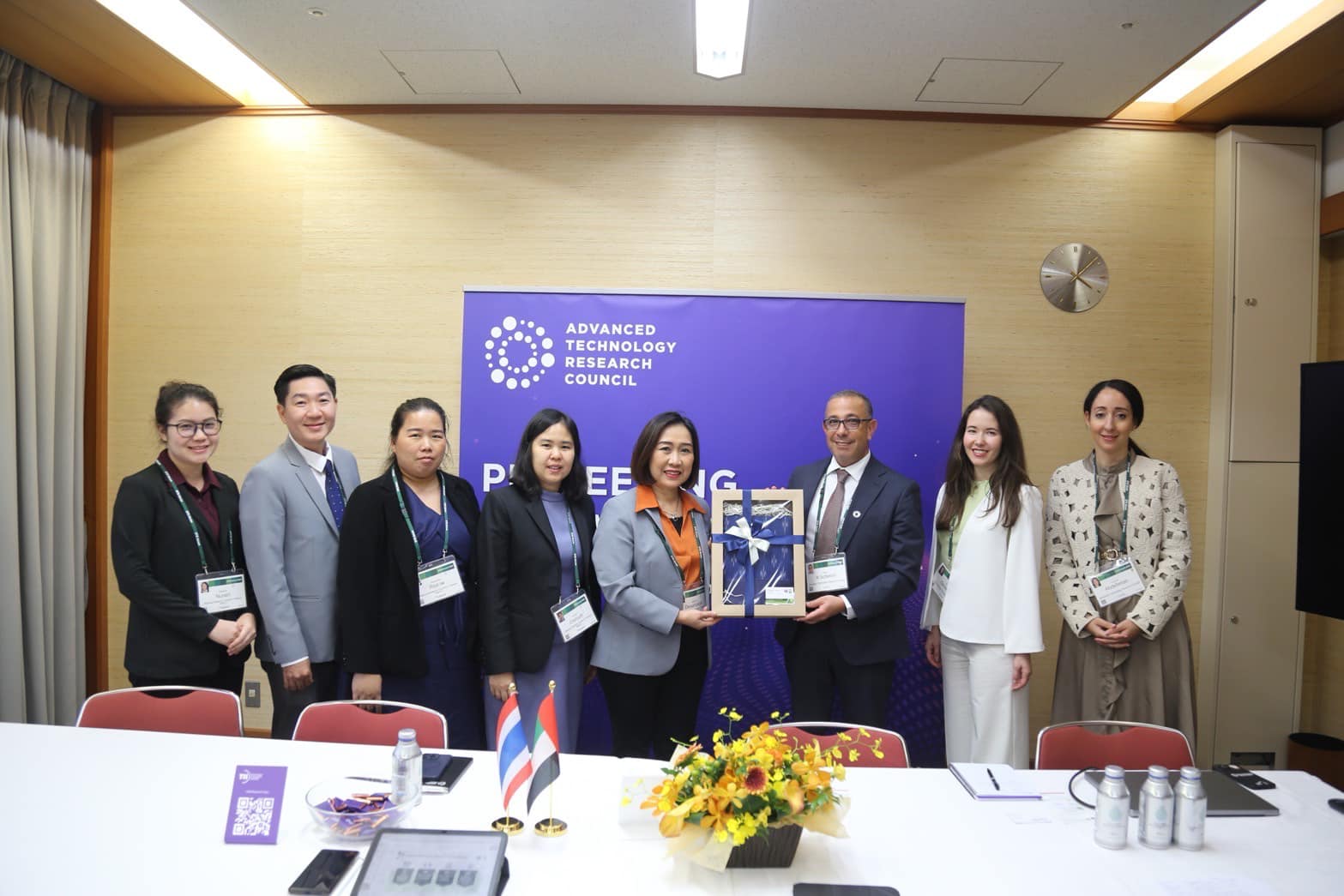
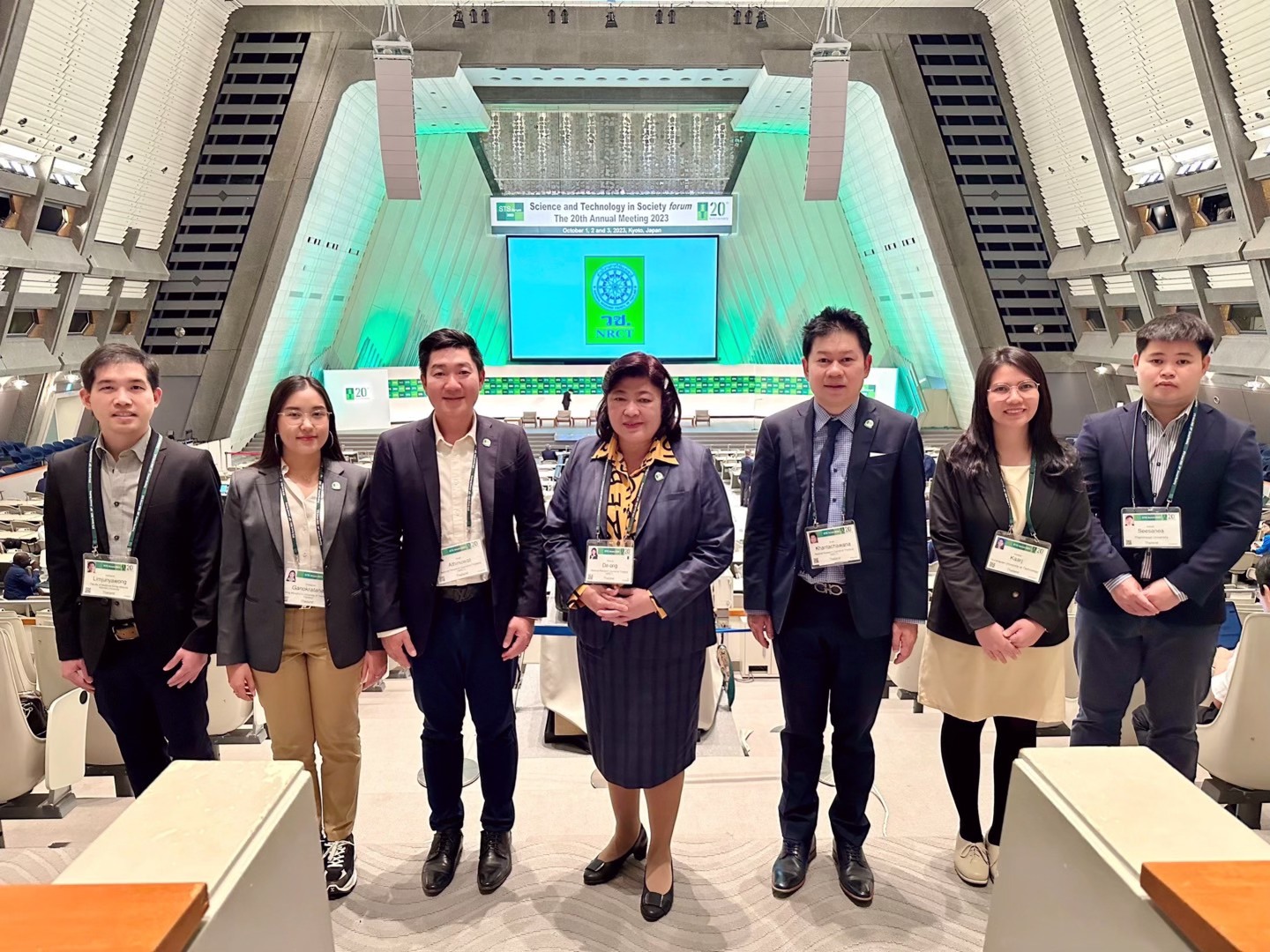
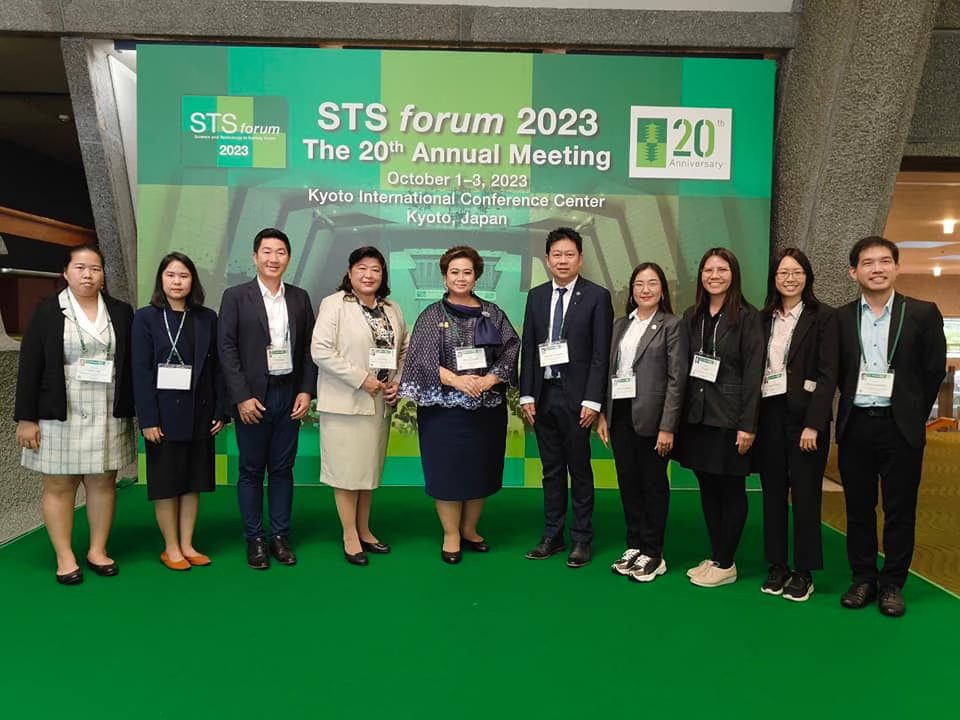
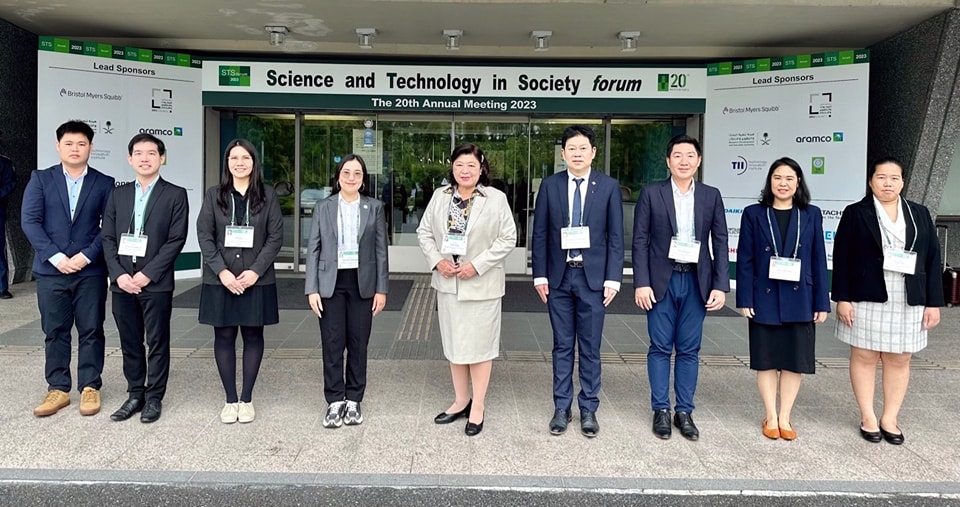
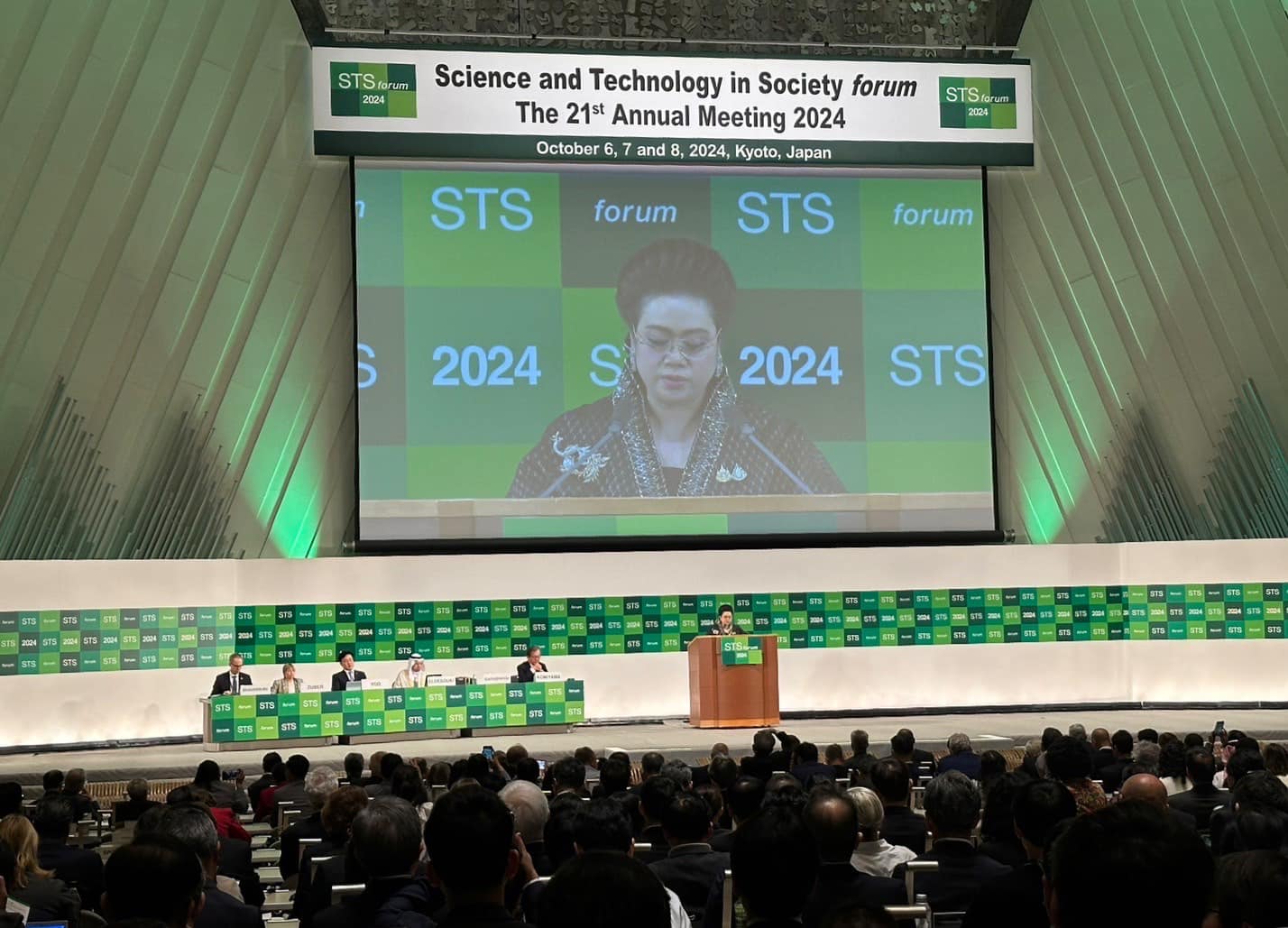
Dr. Wiparat De-Ong, Executive Director of the National Research Council of Thailand (NRCT), stated that this symposium is a collaboration between NRCT and the Science and Technology in Society forum (STS forum), aimed at addressing increasingly complex and interconnected global challenges, including public health, climate change, environmental sustainability, energy, and global competitiveness. She noted that Thailand, through NRCT, has been actively engaged with STS forum since 2017, promoting the participation of Thai researchers in international platforms. This long-standing collaboration has led to the organization of this symposium, which integrates policy dialogue and academic exchange through keynote lectures, panel discussions, and breakout sessions. She emphasized that this event represents a significant step toward strengthening future collaboration between NRCT and STS forum.
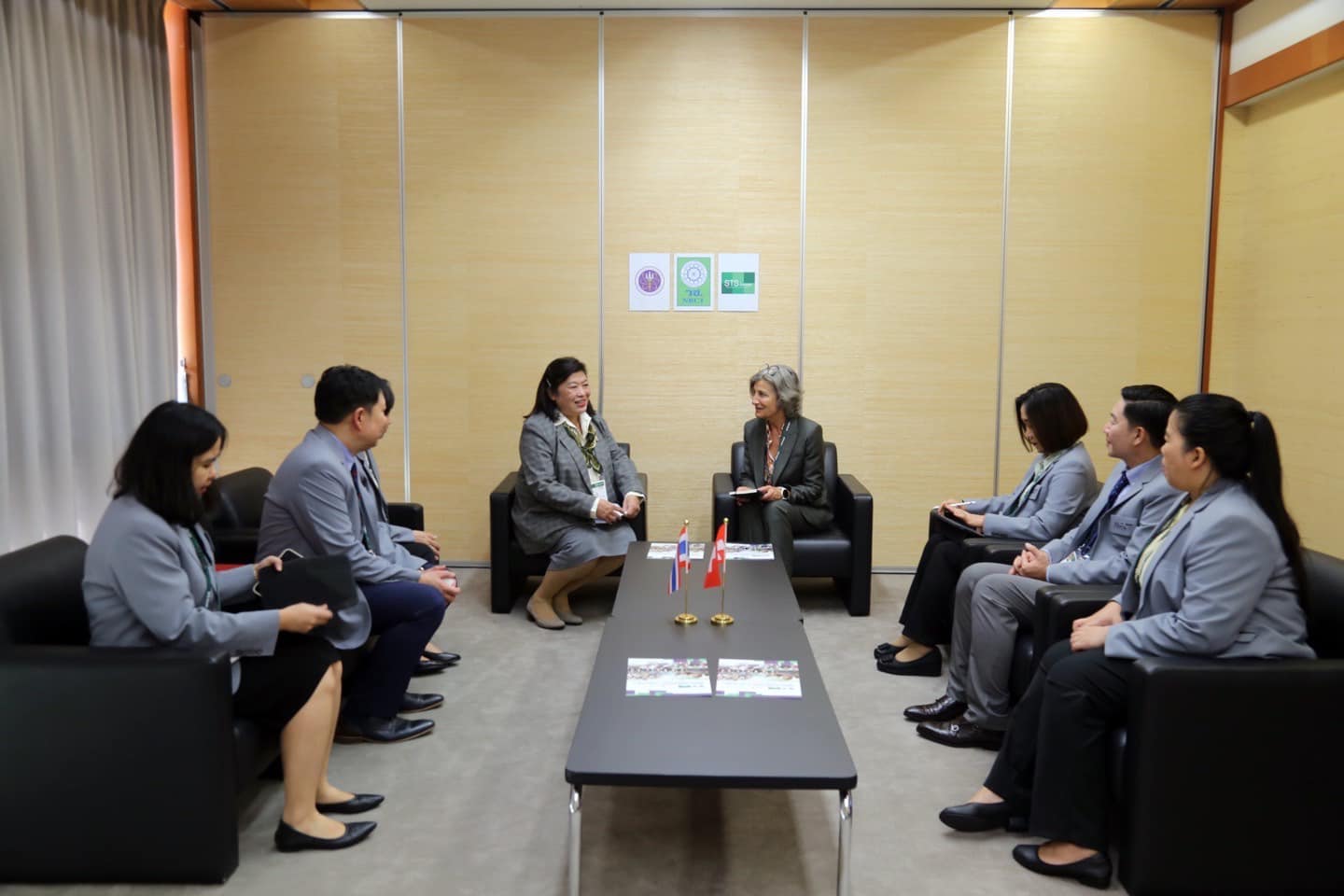
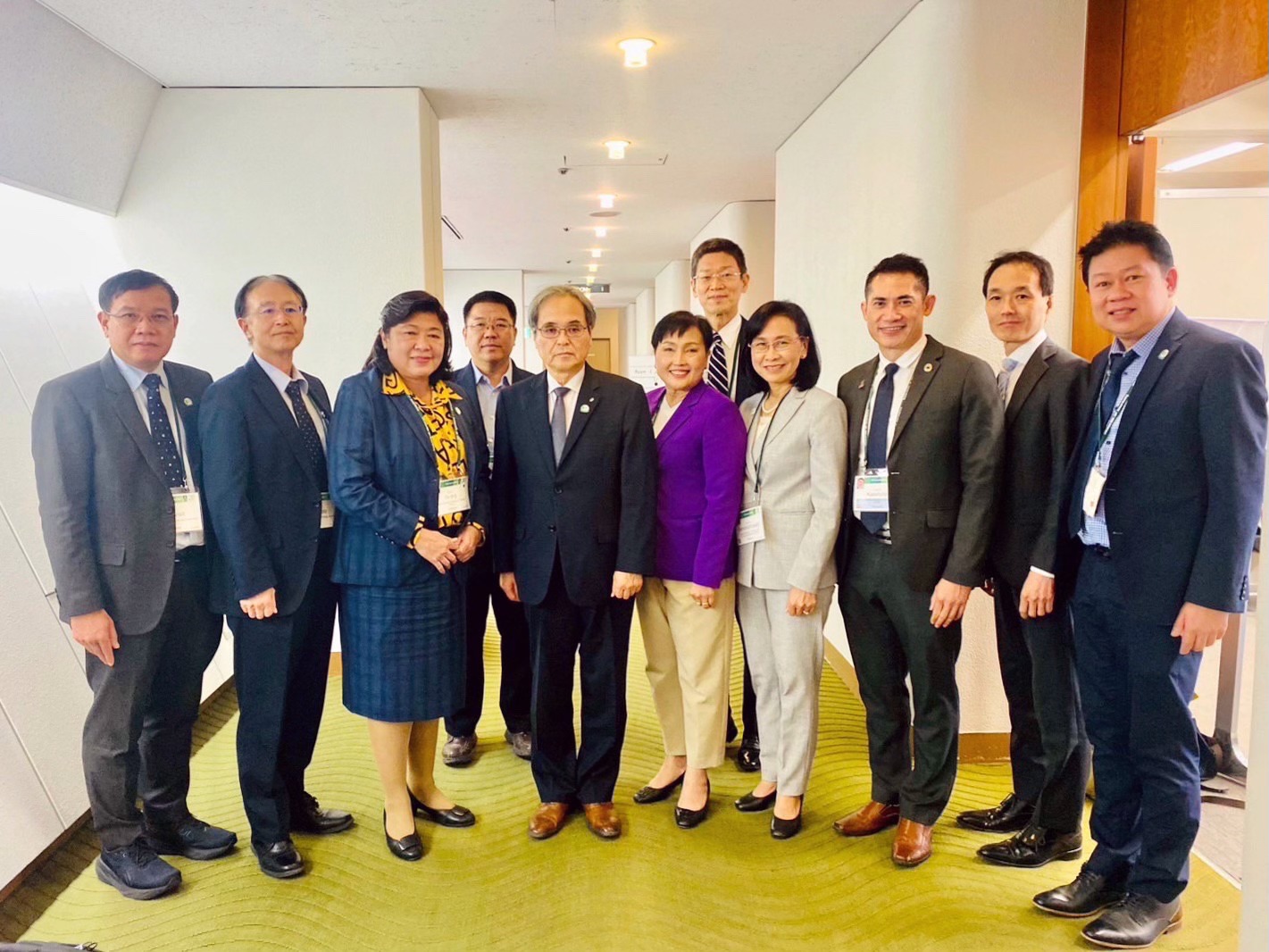
The “STS forum Japan-Thailand Symposium 2026” received congratulatory messages on the occasion of its successful organization from distinguished international figures, including His Excellency Mr. Masato Otaka, Ambassador Extraordinary and Plenipotentiary of Japan to the Kingdom of Thailand; Professor Hiroshi Komiyama, Chairman of the Science and Technology in Society forum (STS forum); and Professor Sadayuki Tsuchiya, Executive Director of the STS forum.
Their messages of congratulations reflected strong support for the event and underscored the importance of continued collaboration between Thailand and the international community in advancing science, technology, and innovation for shared global progress.
The symposium comprised key activities, including plenary sessions, panel discussions, and breakout sessions, covering important topics such as the future of science and technology, sustainable energy, smart healthcare, and the role of Artificial Intelligence in driving the bio-economy and environmental sustainability. These discussions were held under the concept “The Great Convergence,” which emphasizes the integration of knowledge to create positive global impact across all dimensions.
The STS forum Japan-Thailand Symposium 2026 serves as a significant platform for advancing international cooperation in science, technology, and innovation. It strengthens in-depth collaborative networks and translates discussions into tangible outcomes for both countries and the global community. The symposium also reinforces Thailand’s role as one of the regional innovation hubs, ready to move forward toward a stable and sustainable future.