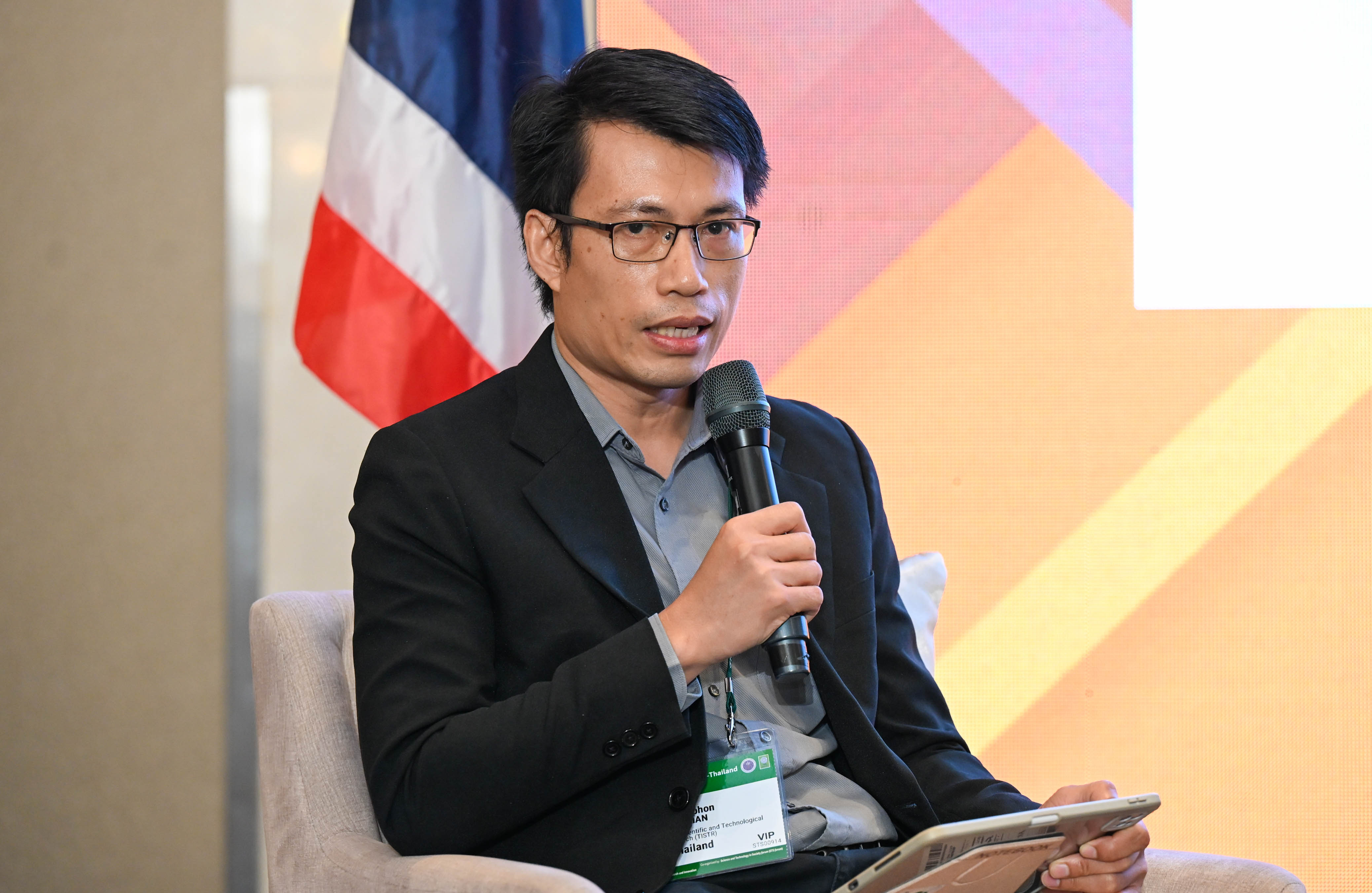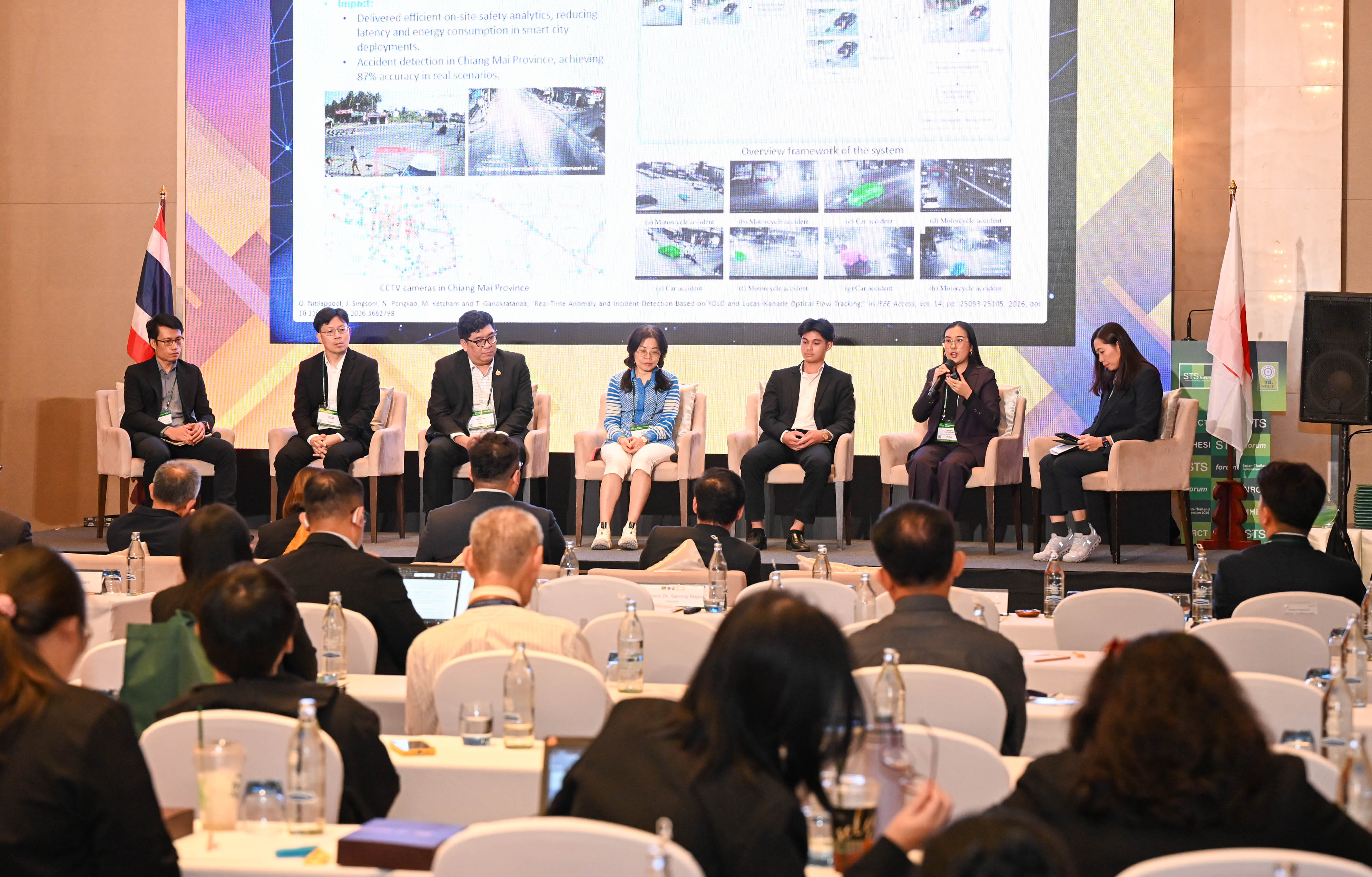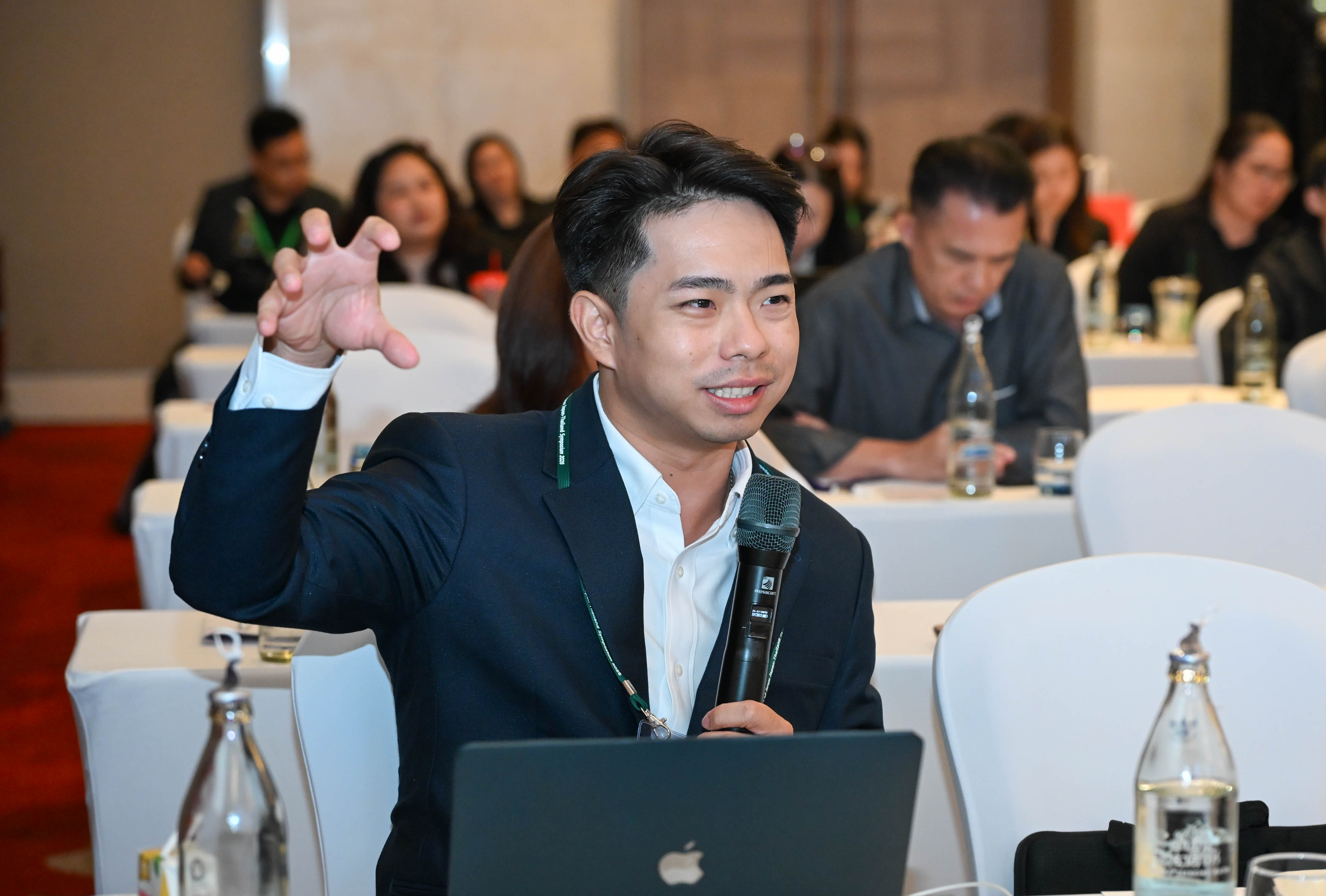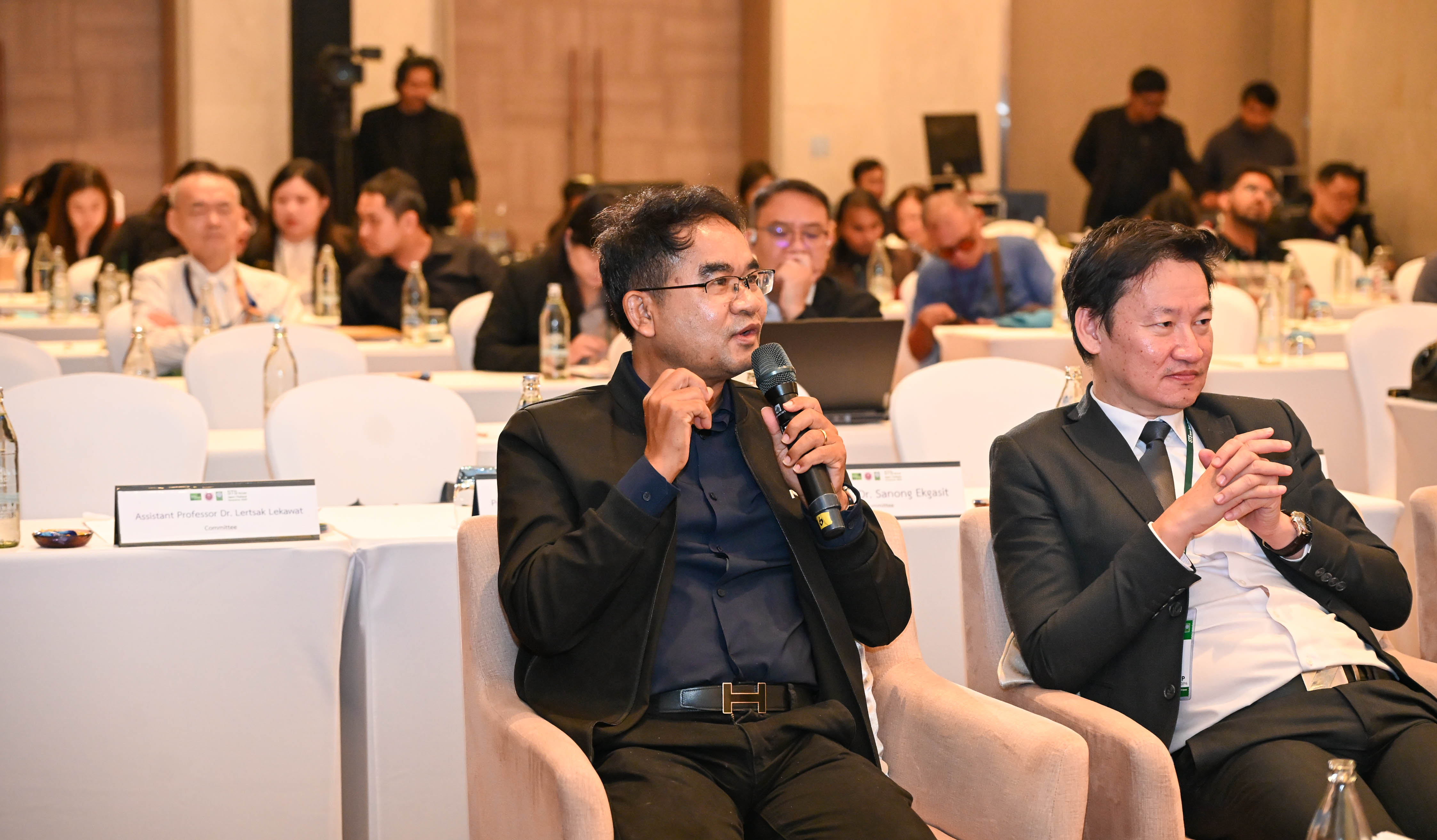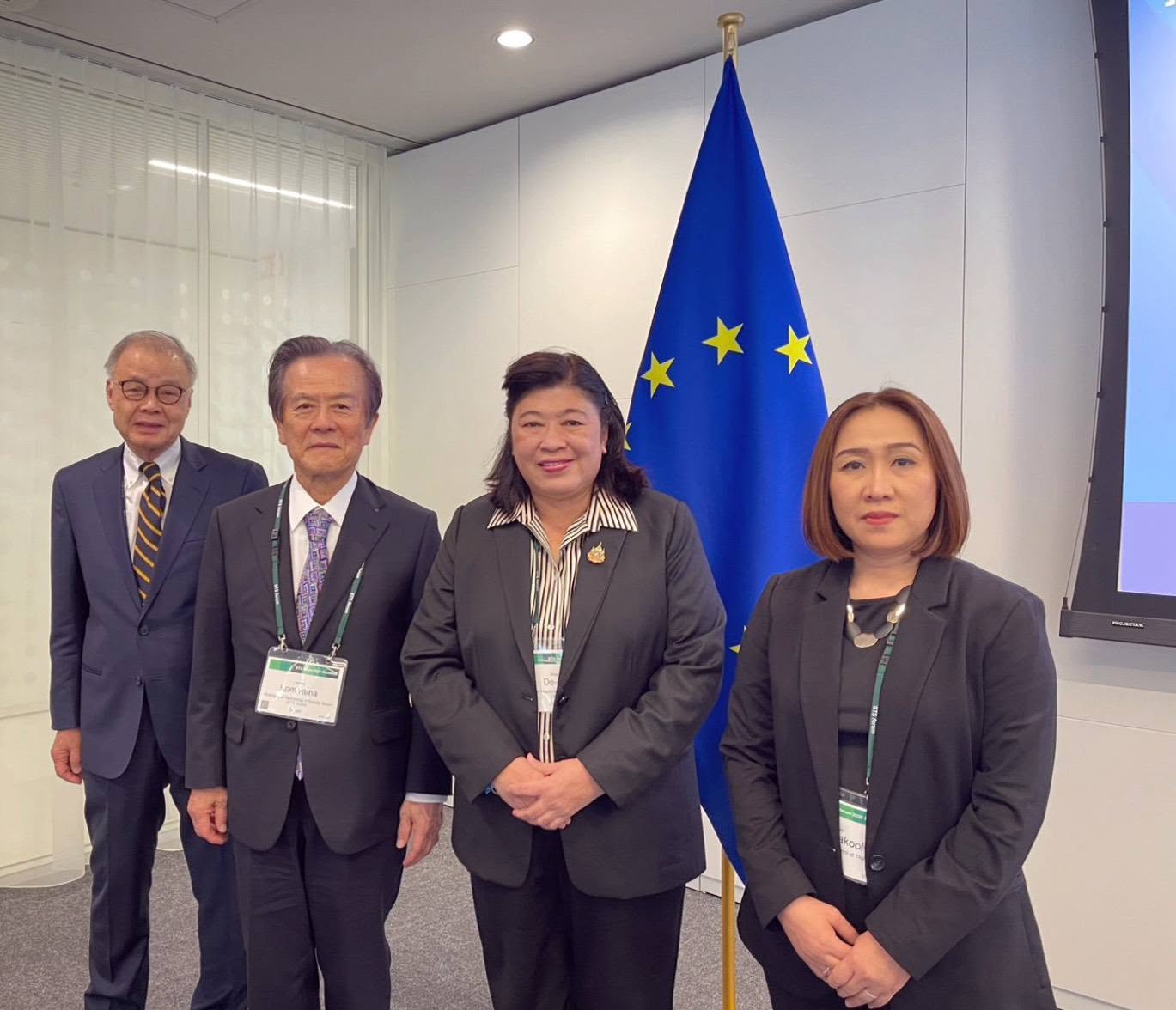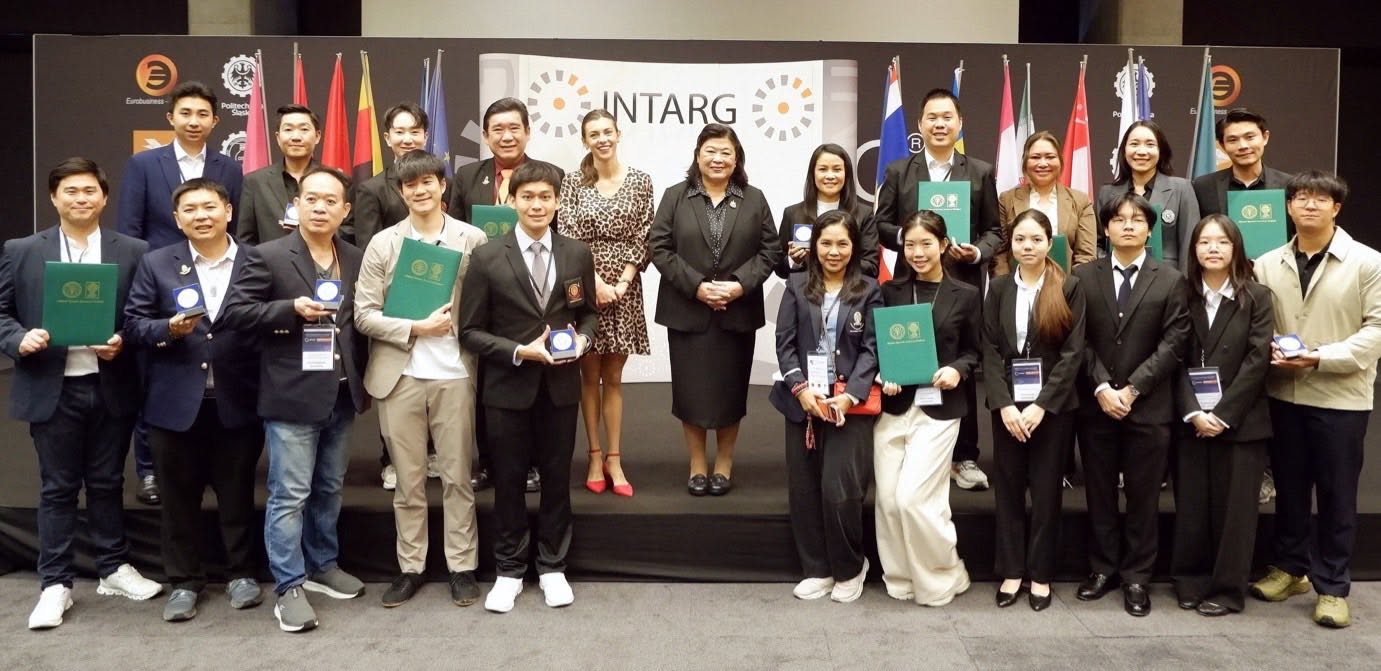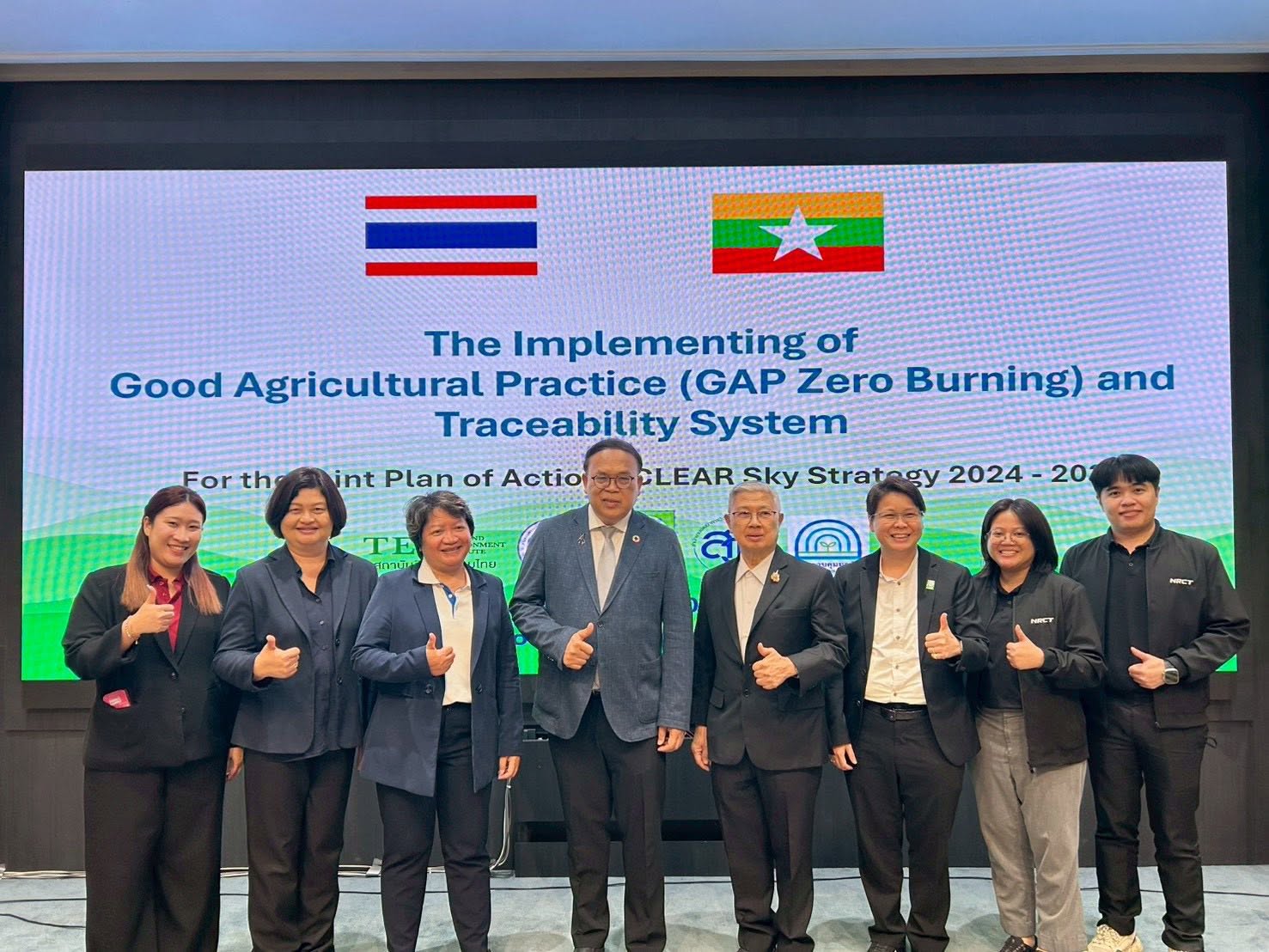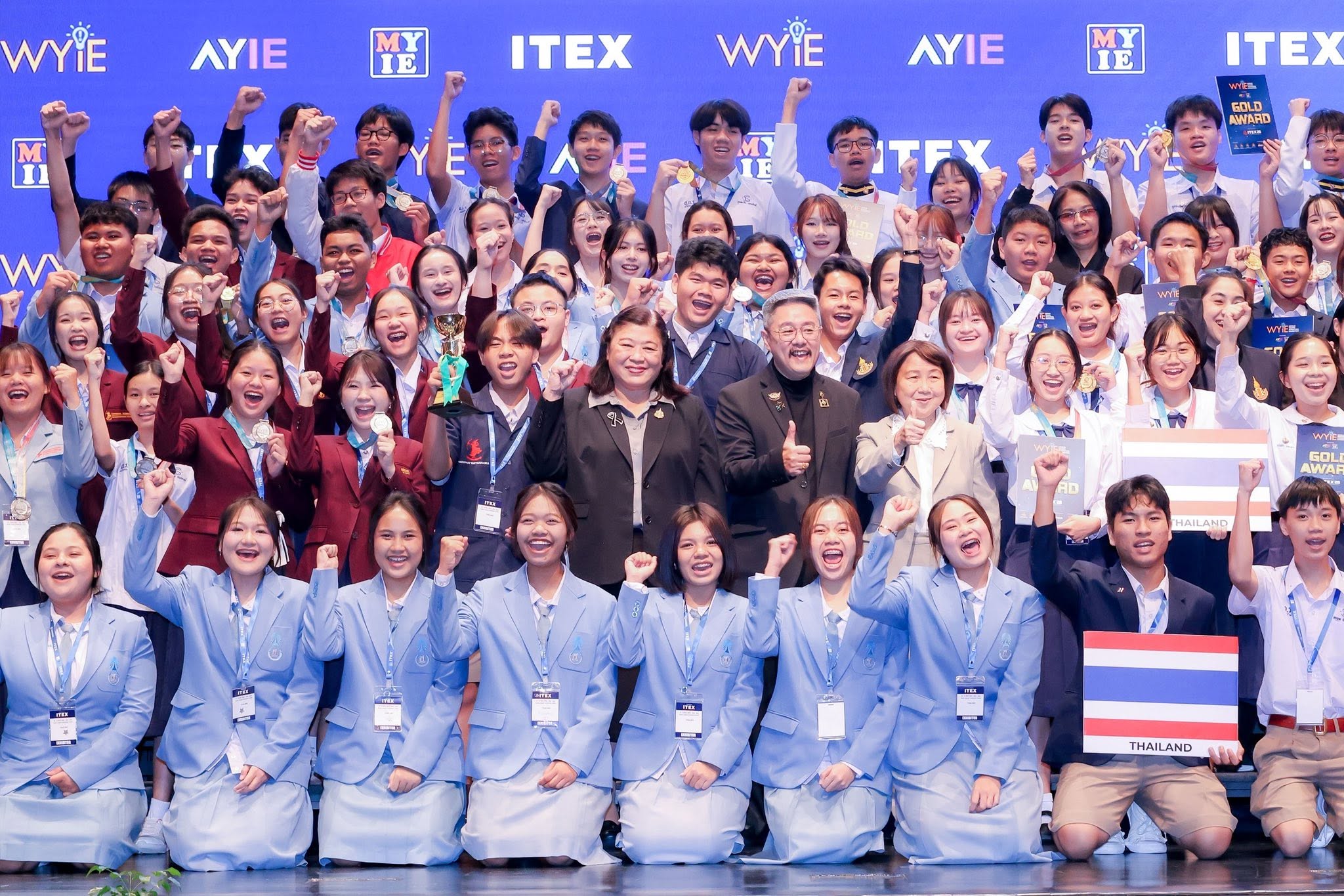
The National Research Council of Thailand (NRCT), in Collaboration with the Science and Technology in Society forum (STS forum)
25 April 2026


The National Research Council of Thailand (NRCT), in Collaboration with the Science and Technology in Society forum (STS forum), Hosts the “AI-Enabled Microelectronics” Session to Advance Global Smart Technology Collaboration at the “STS forum Japan-Thailand Symposium 2026”
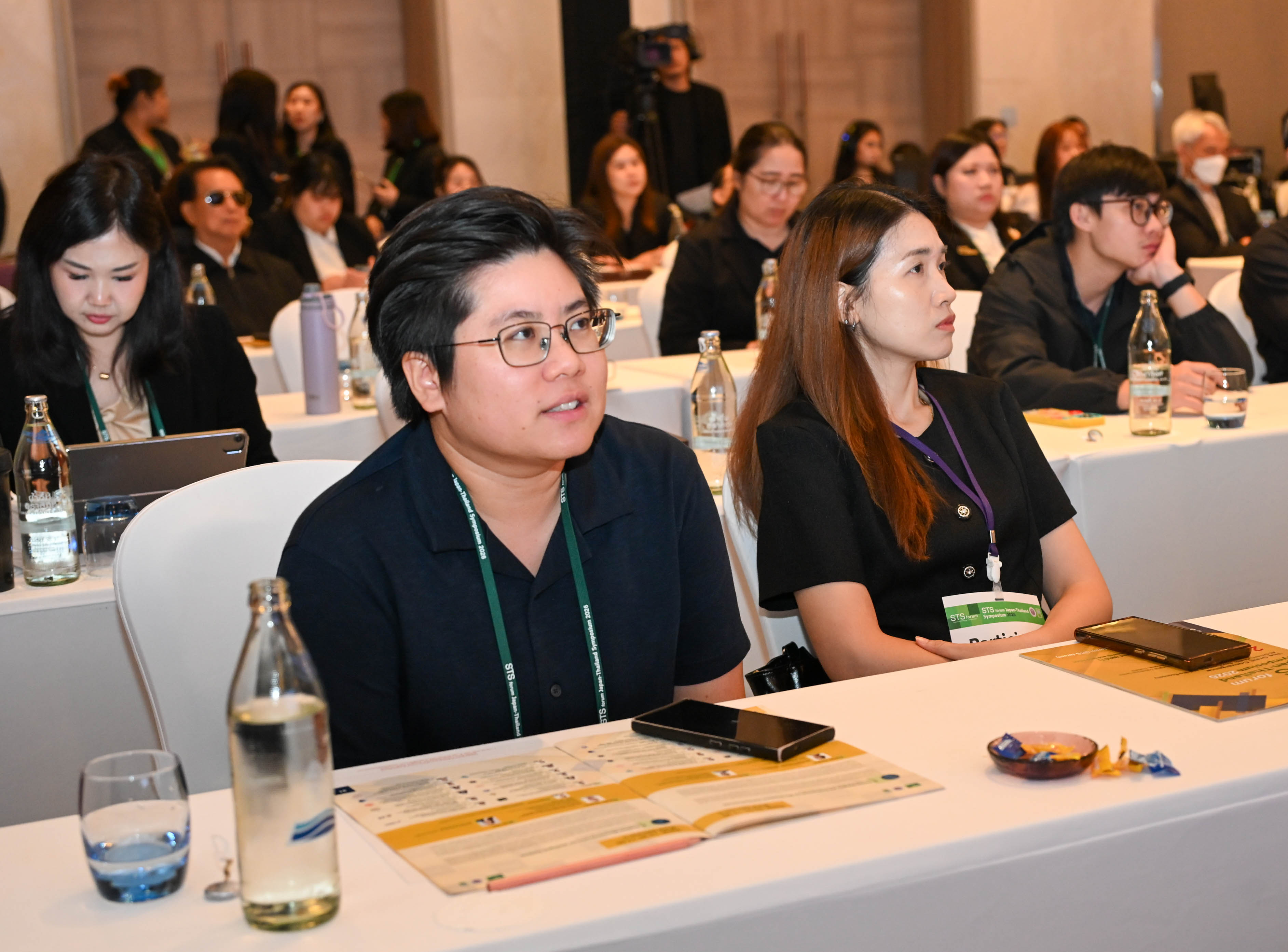
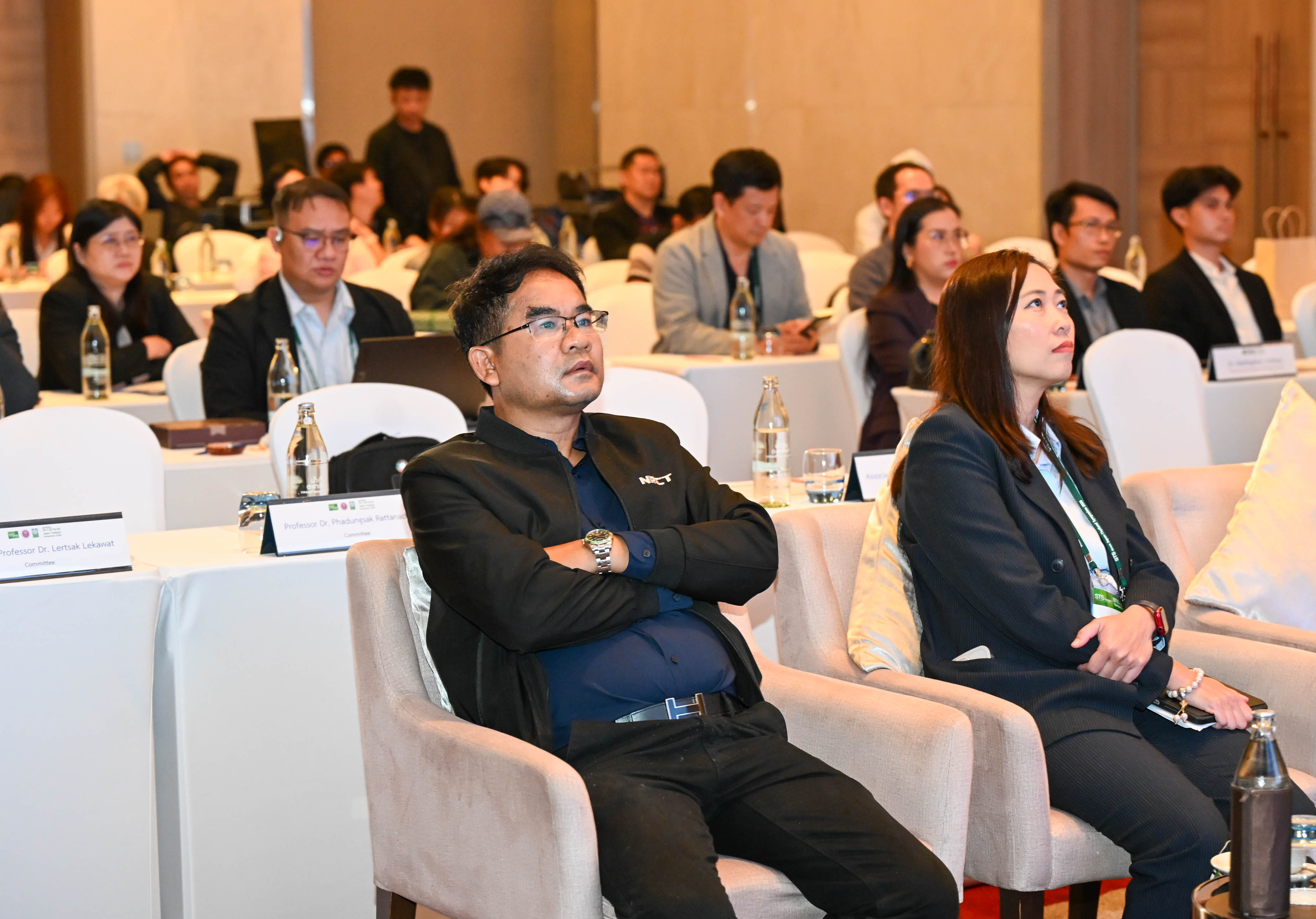
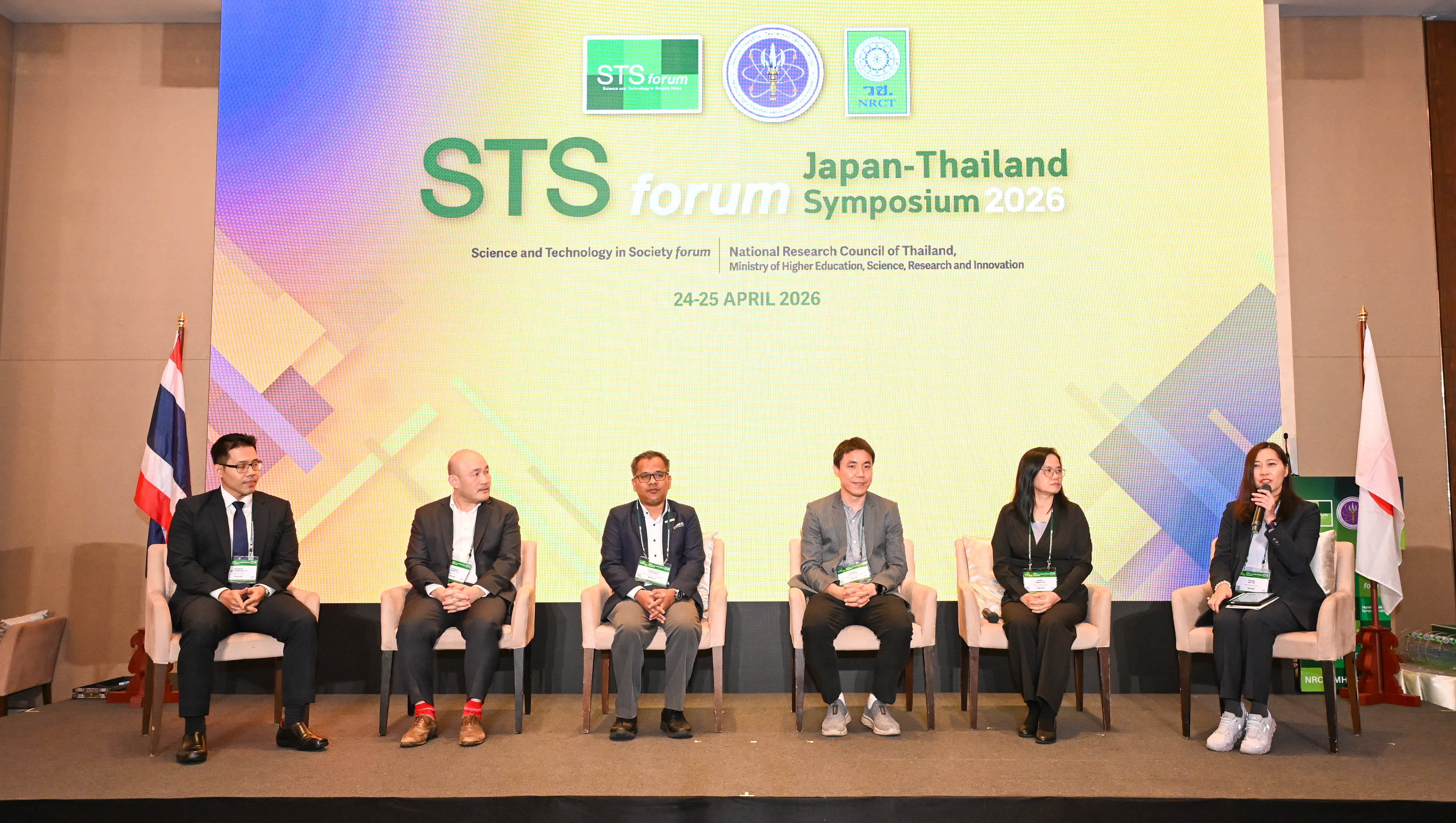
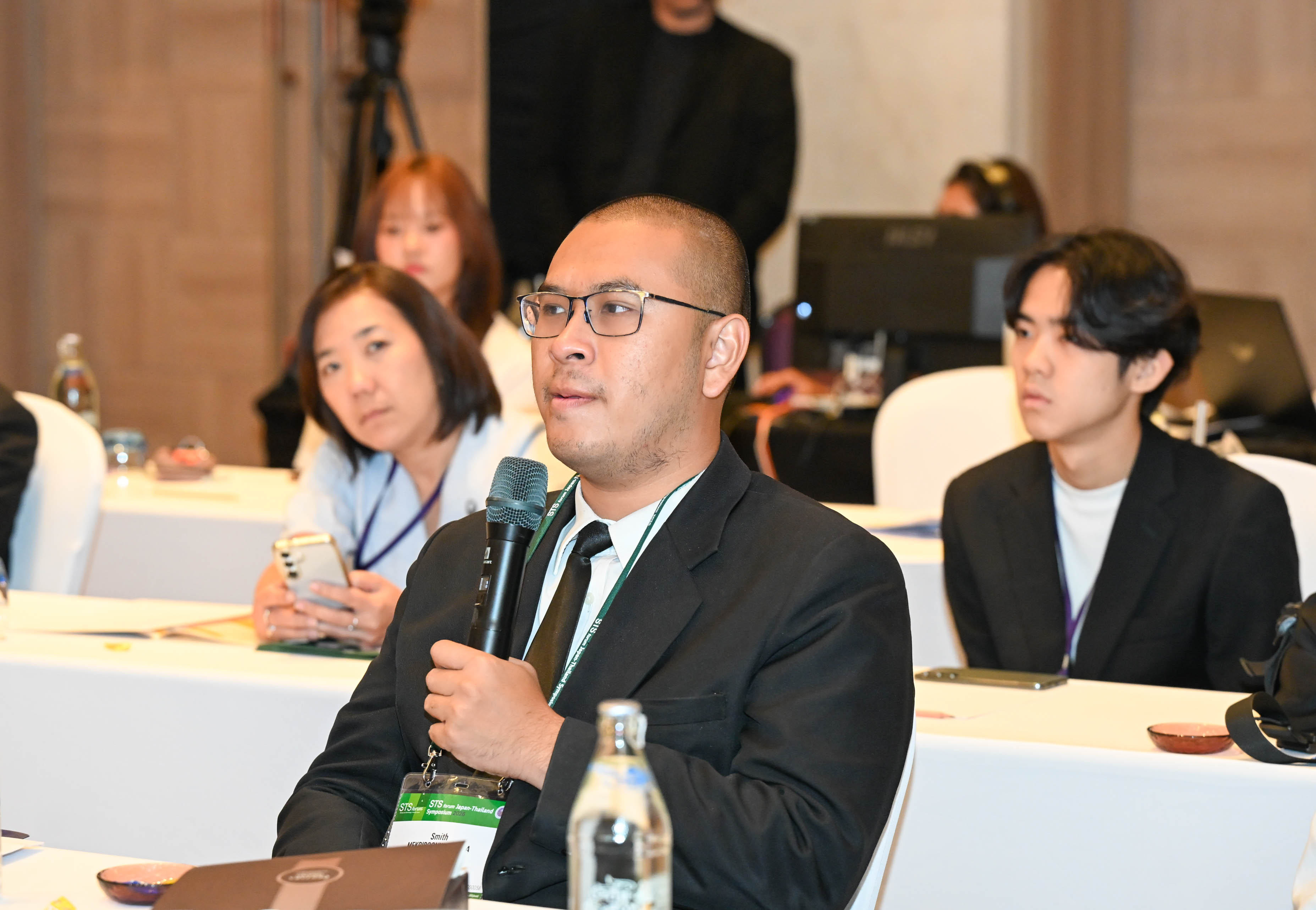
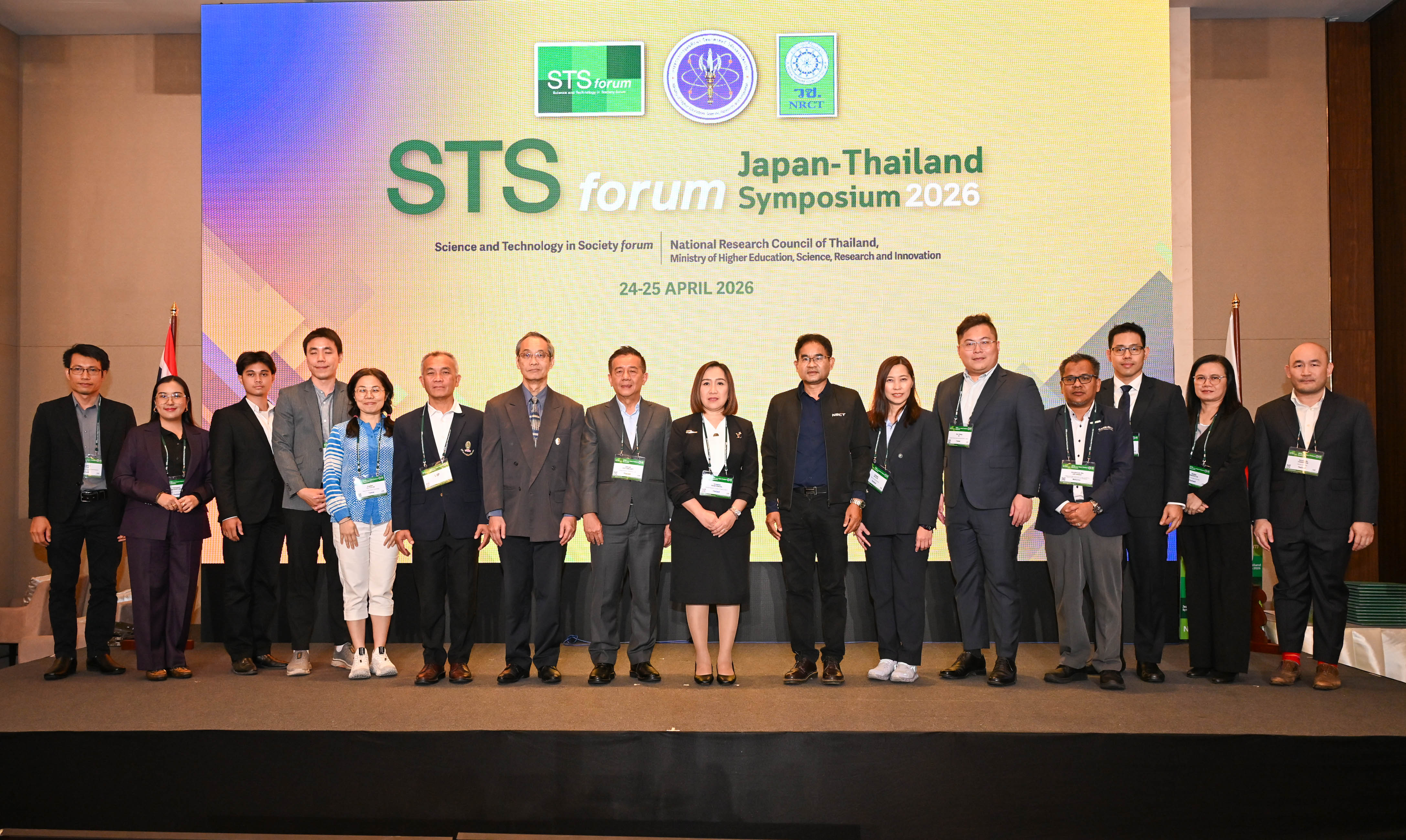
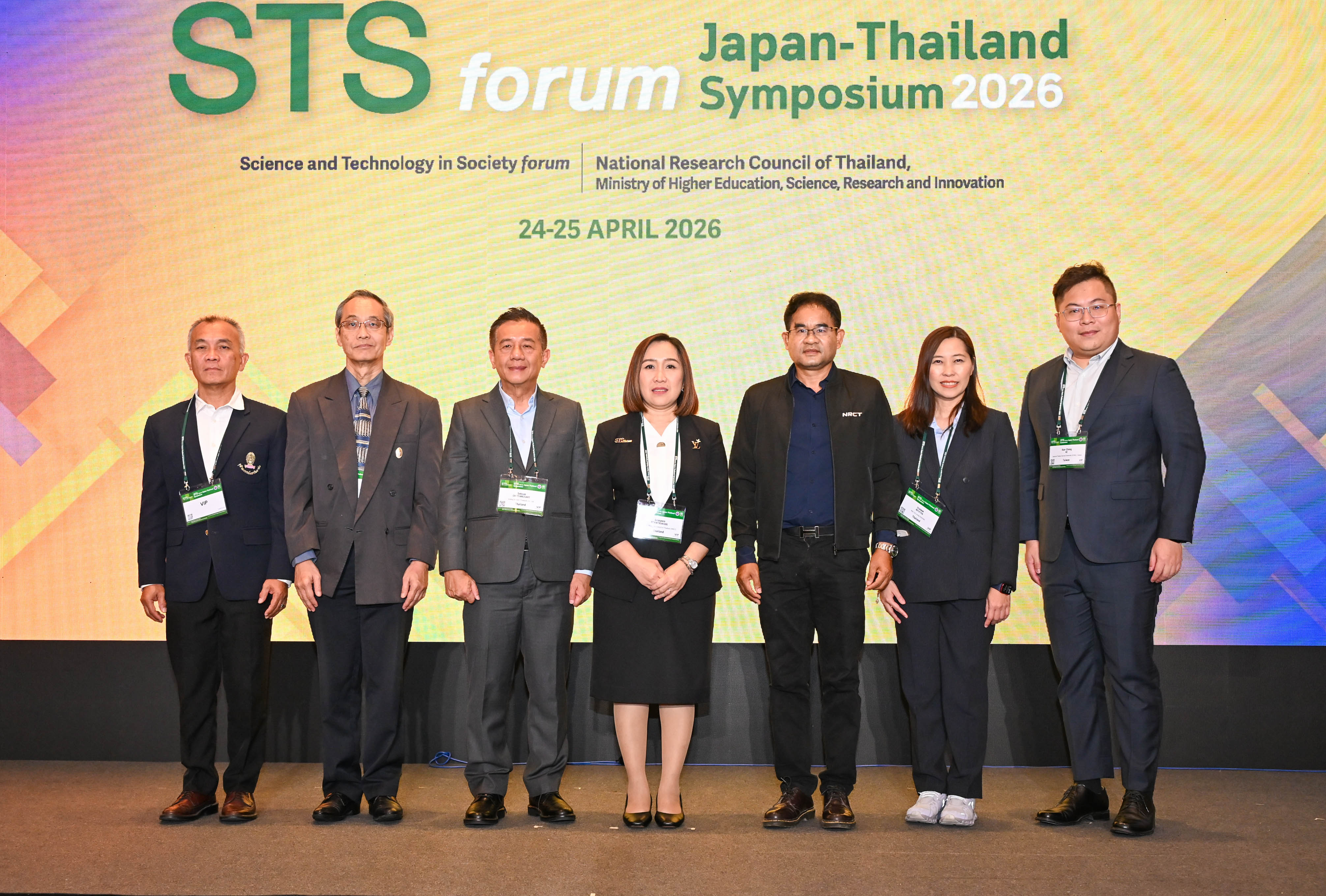
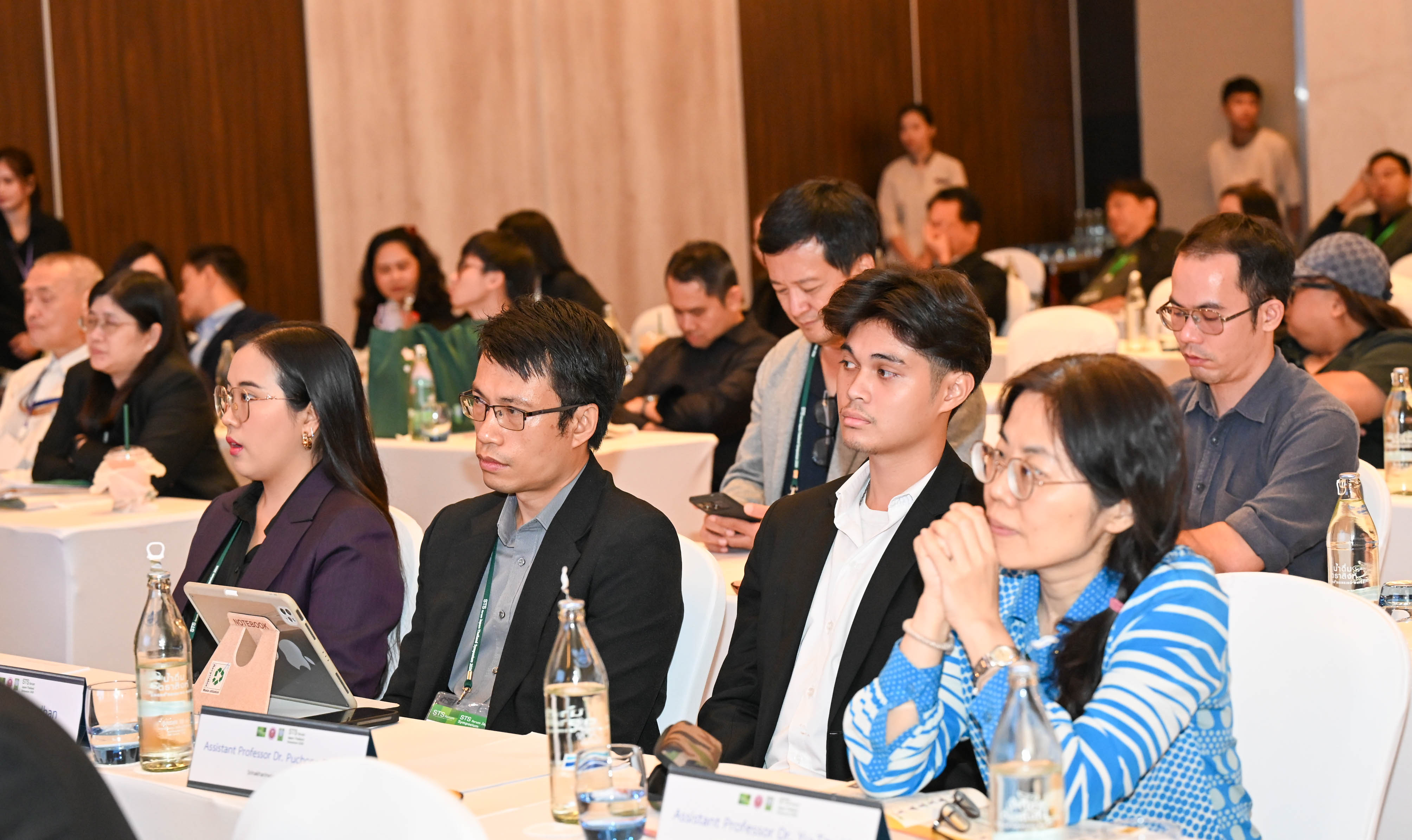
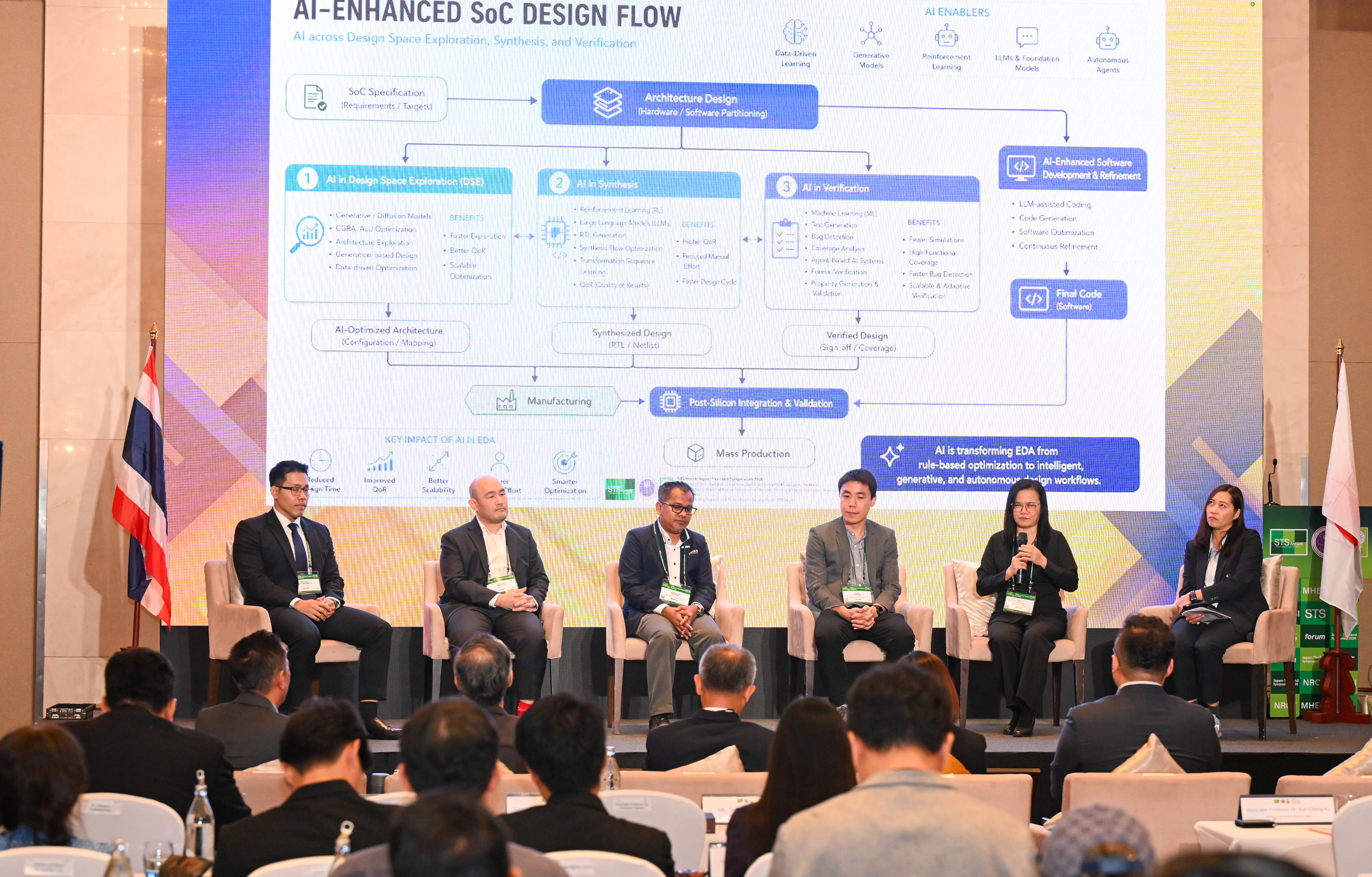
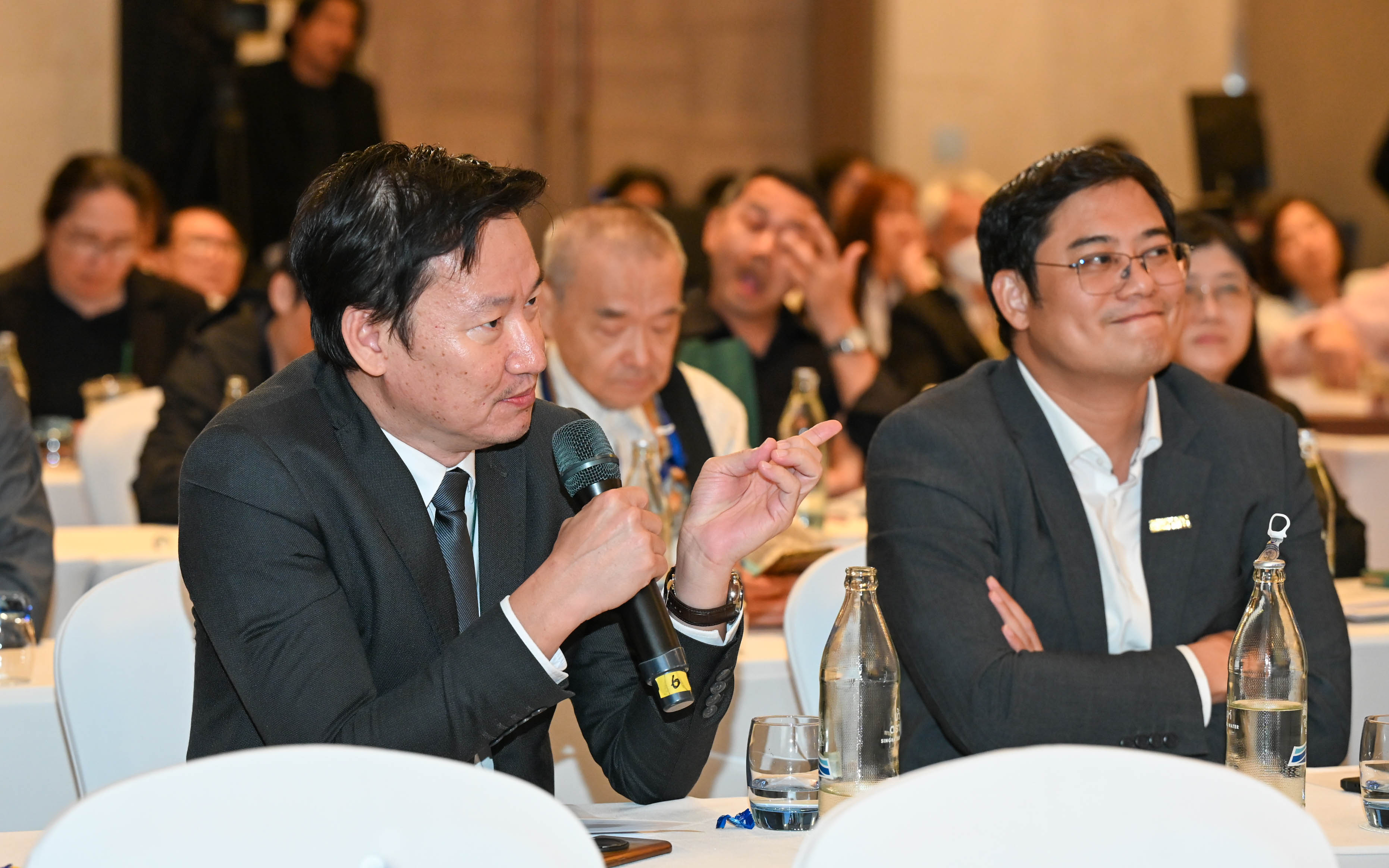
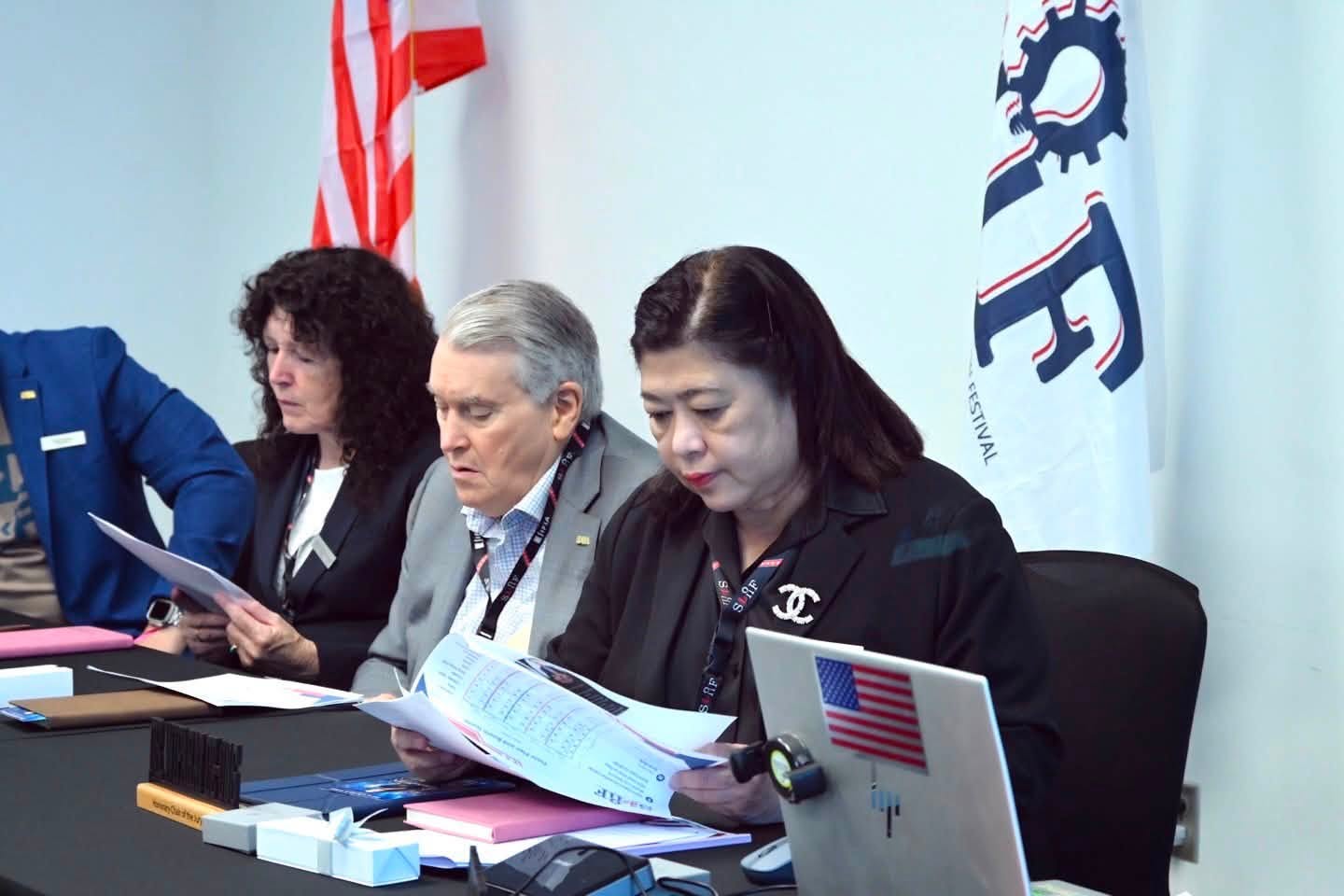
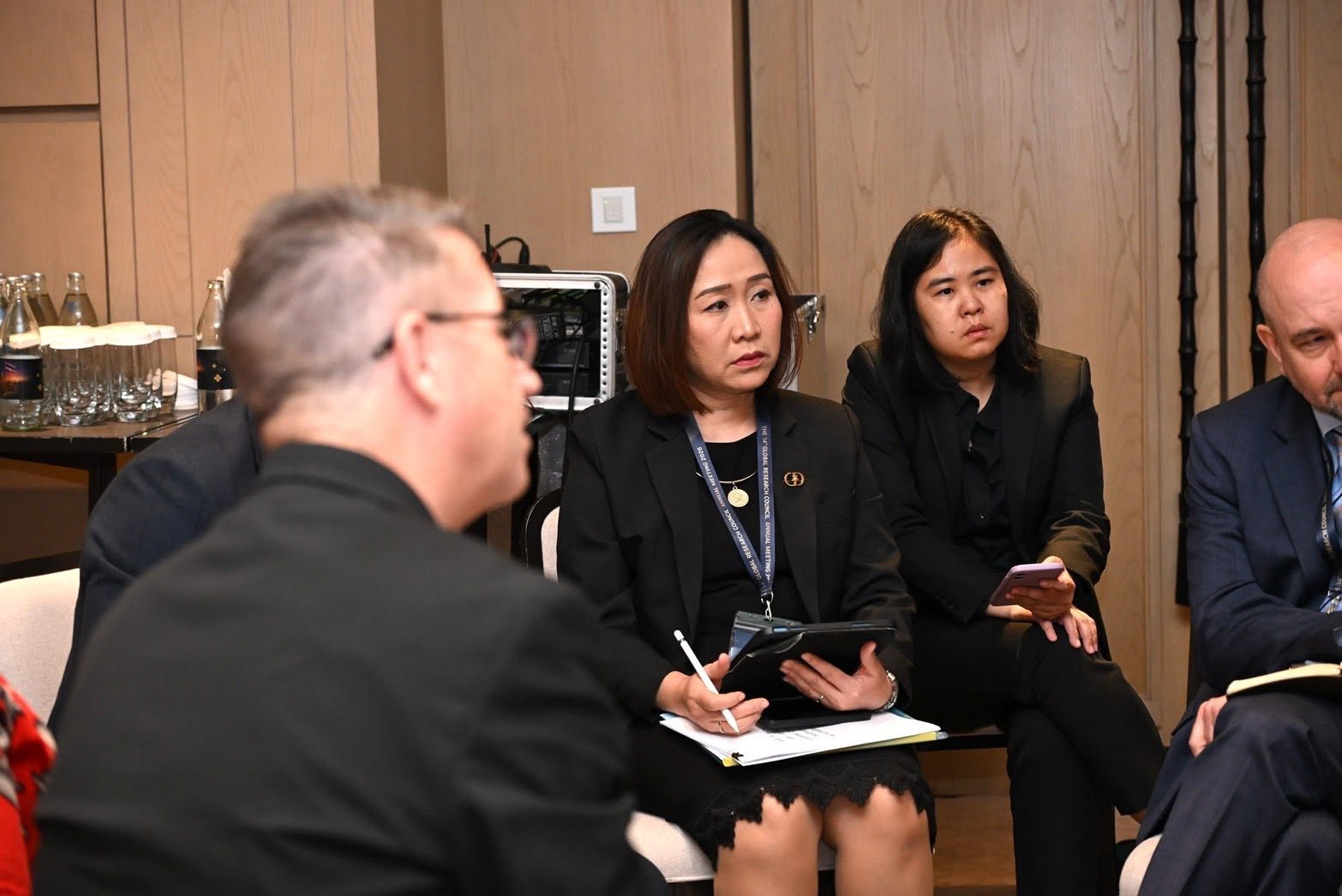
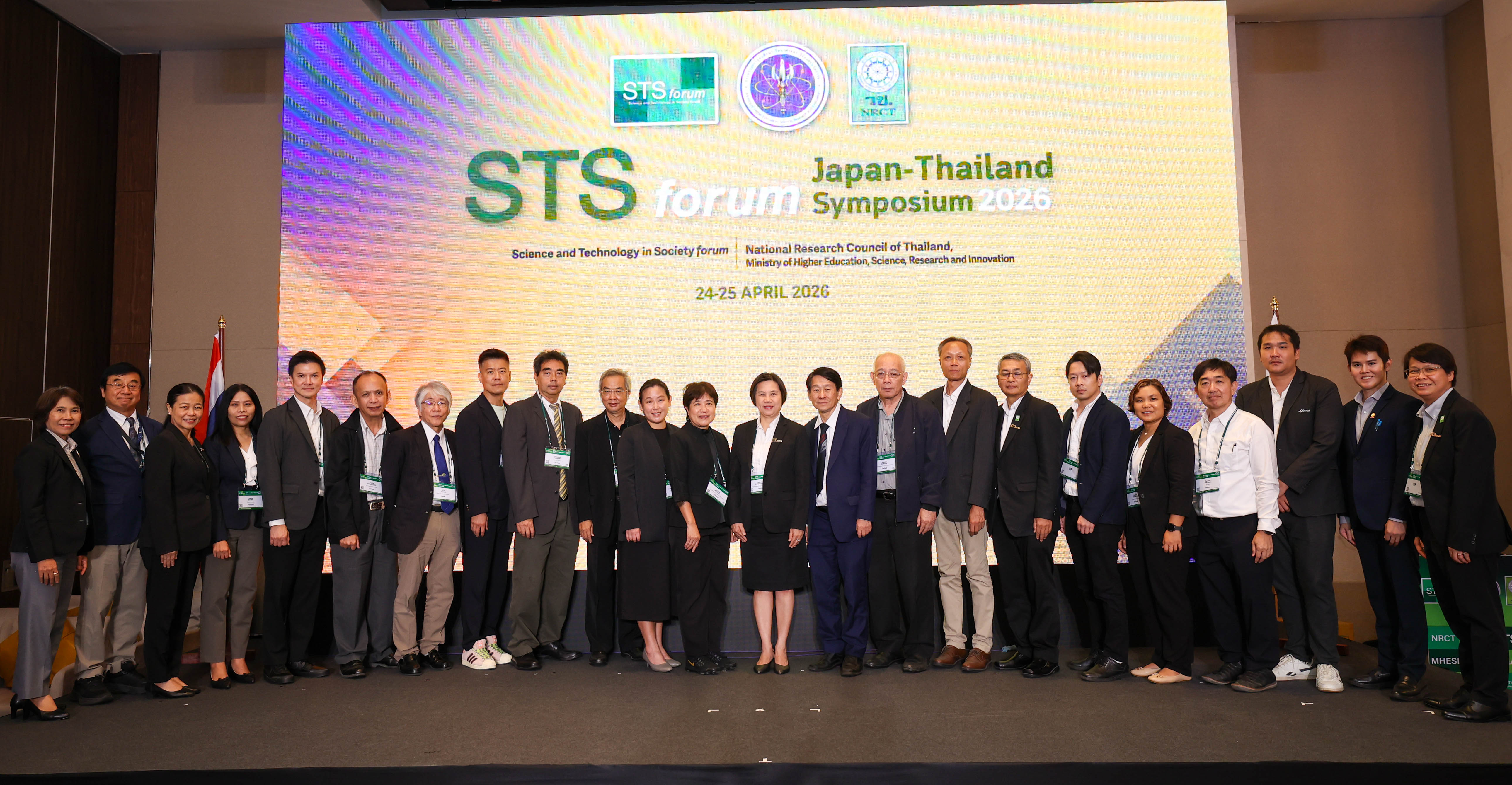
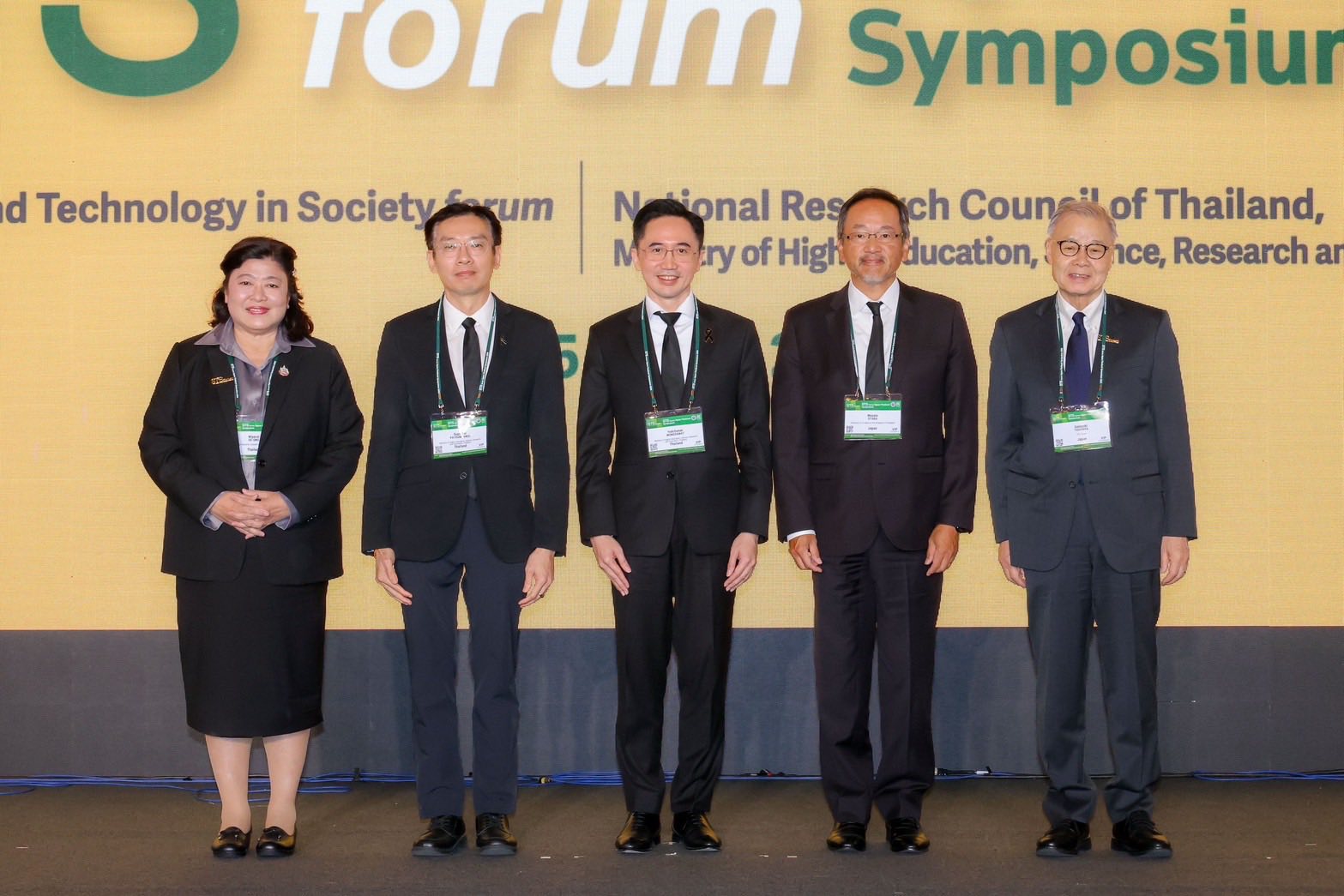
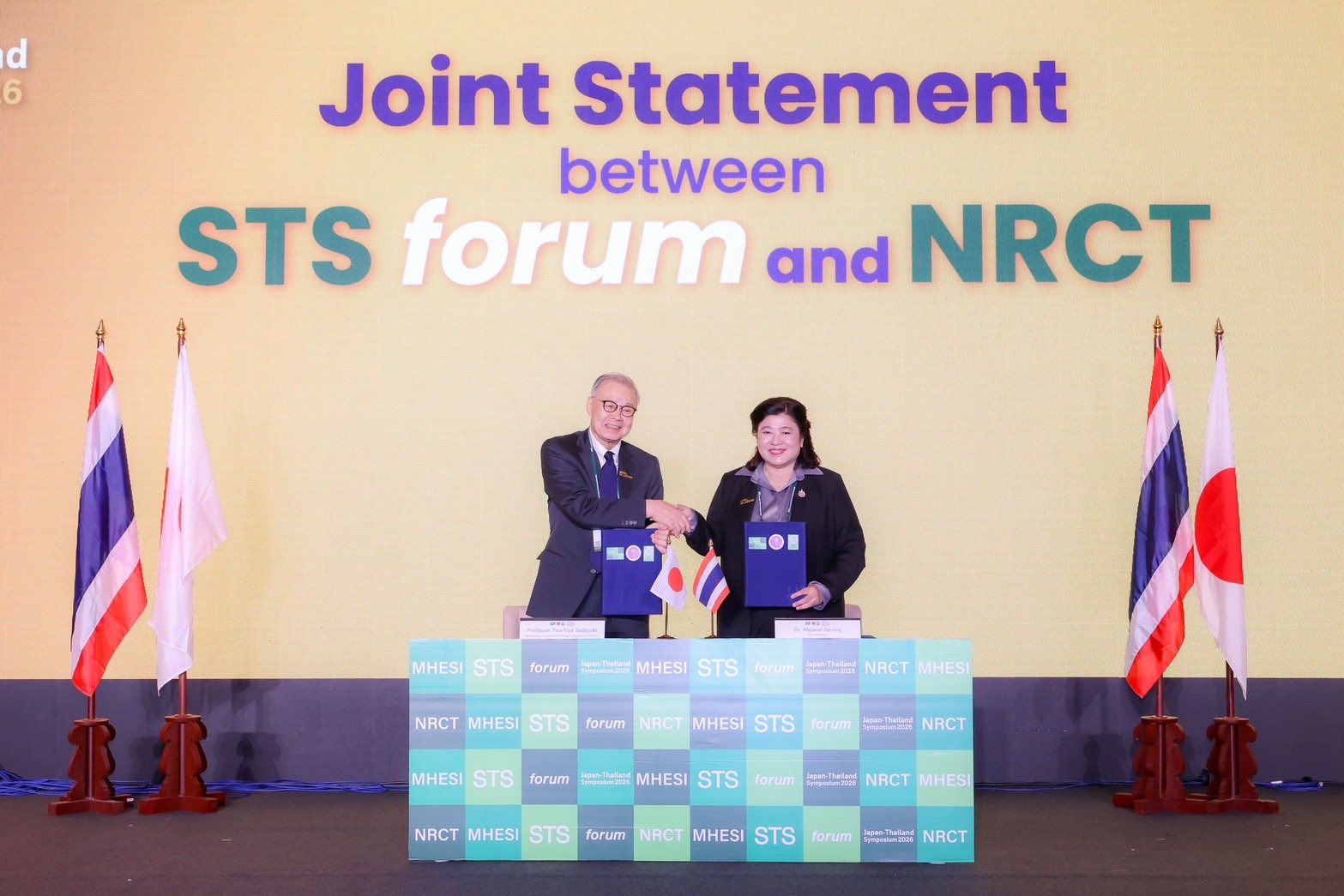
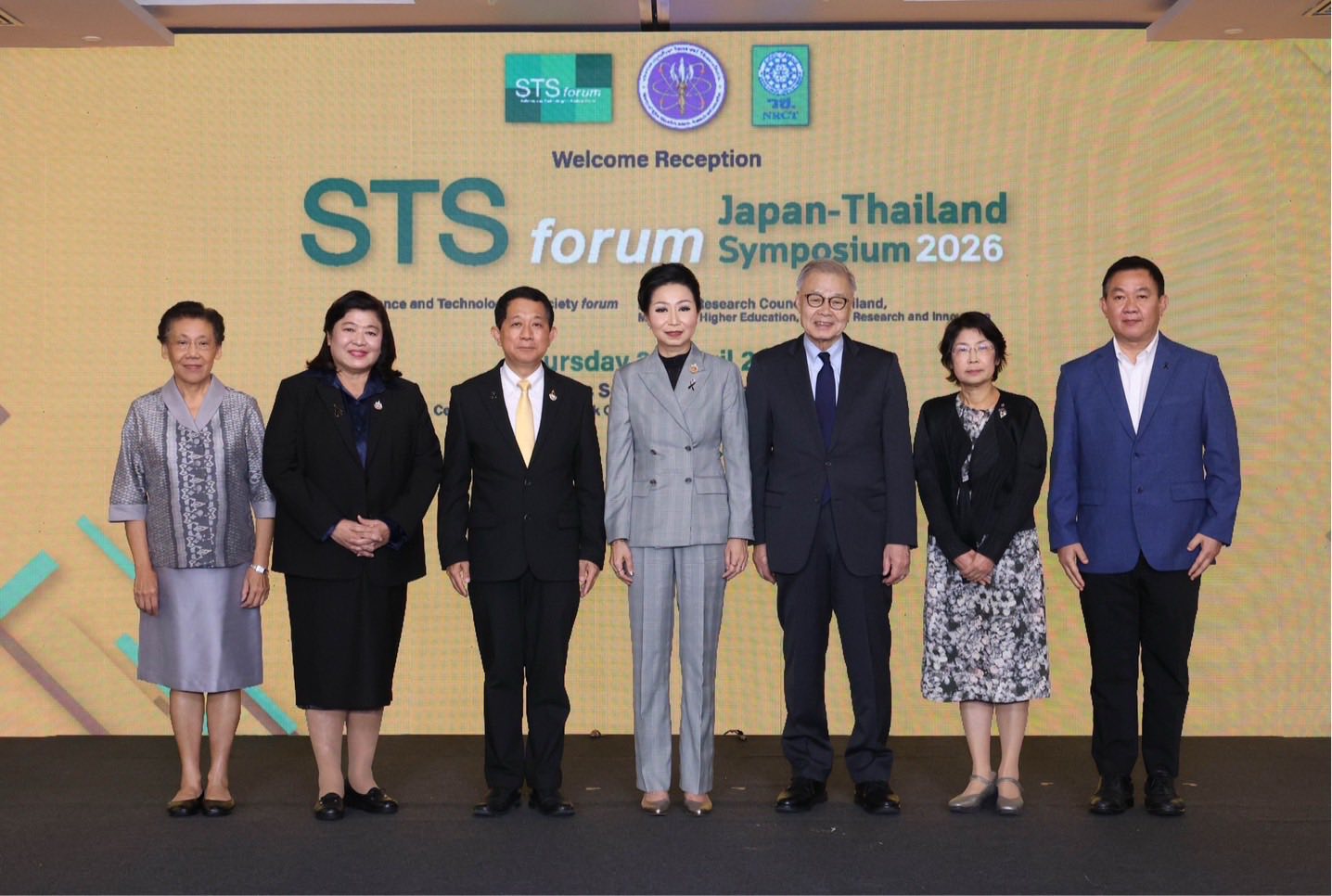
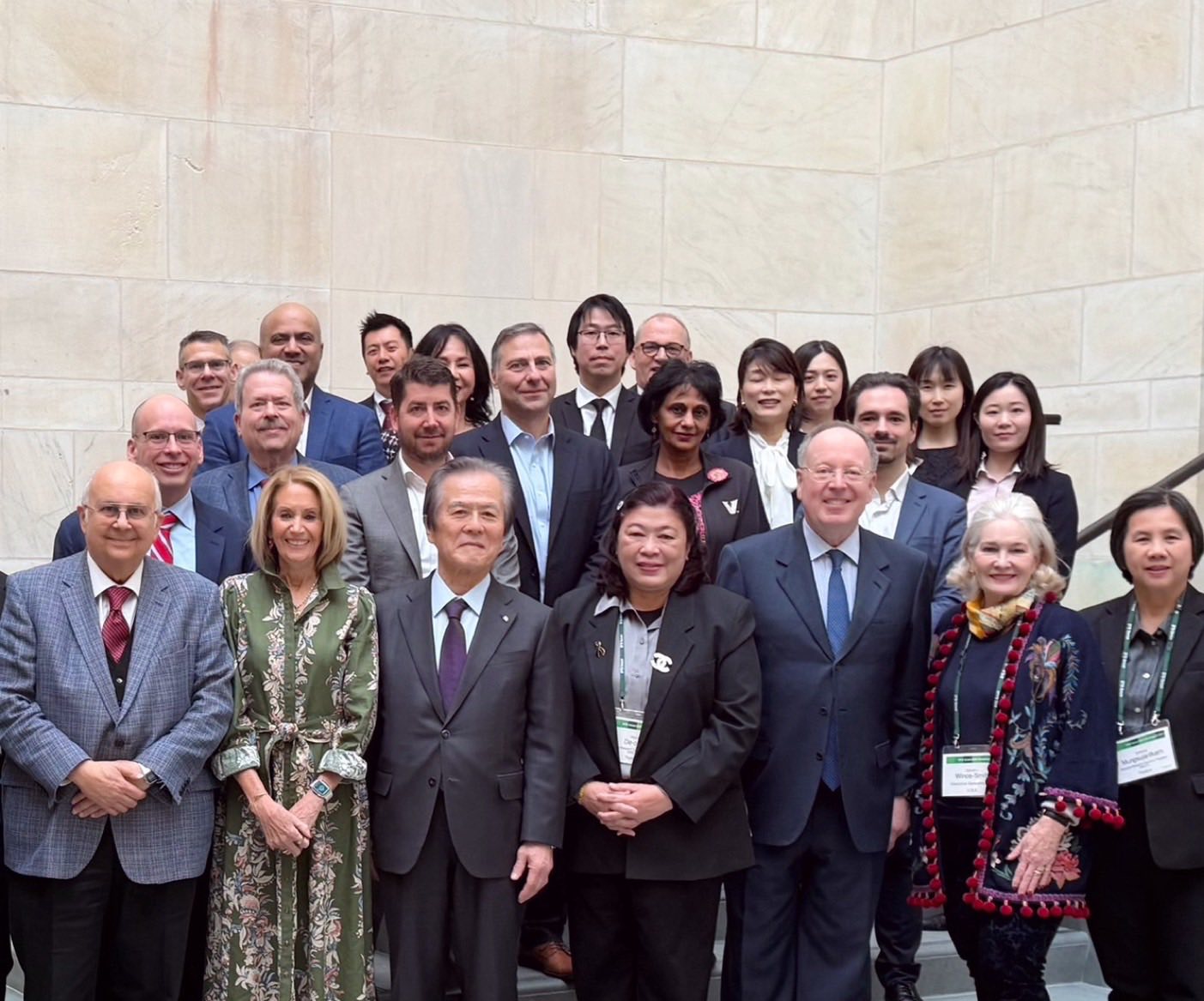
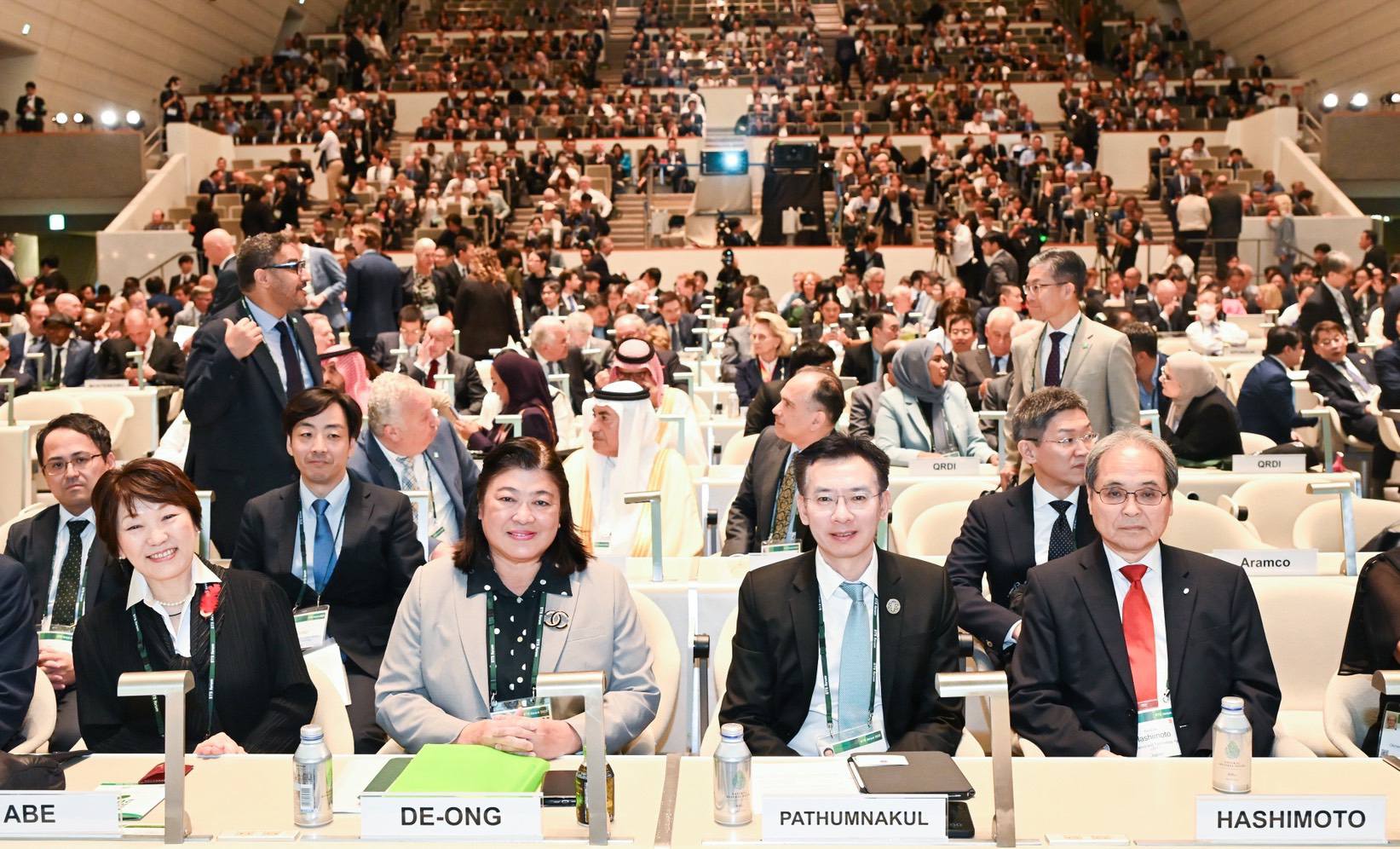
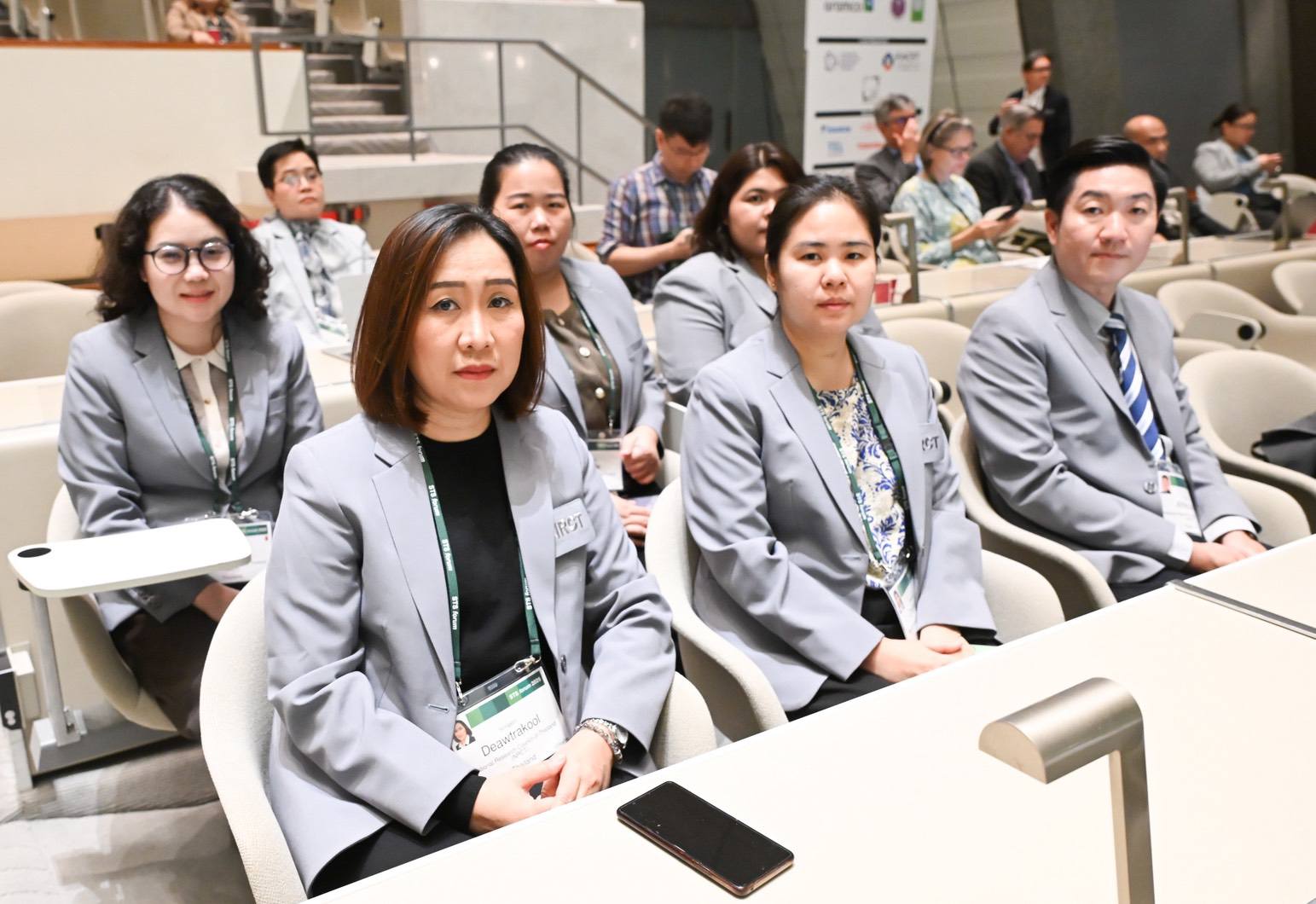
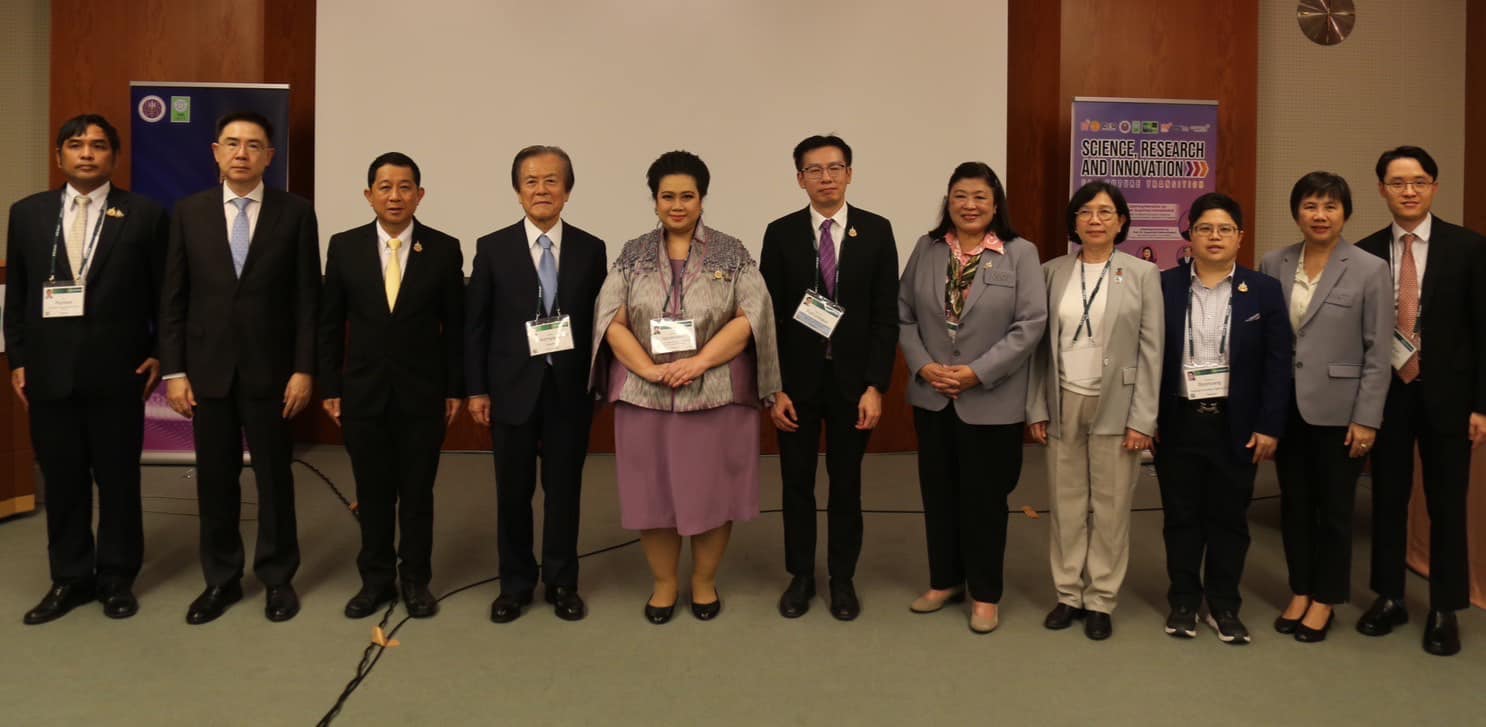
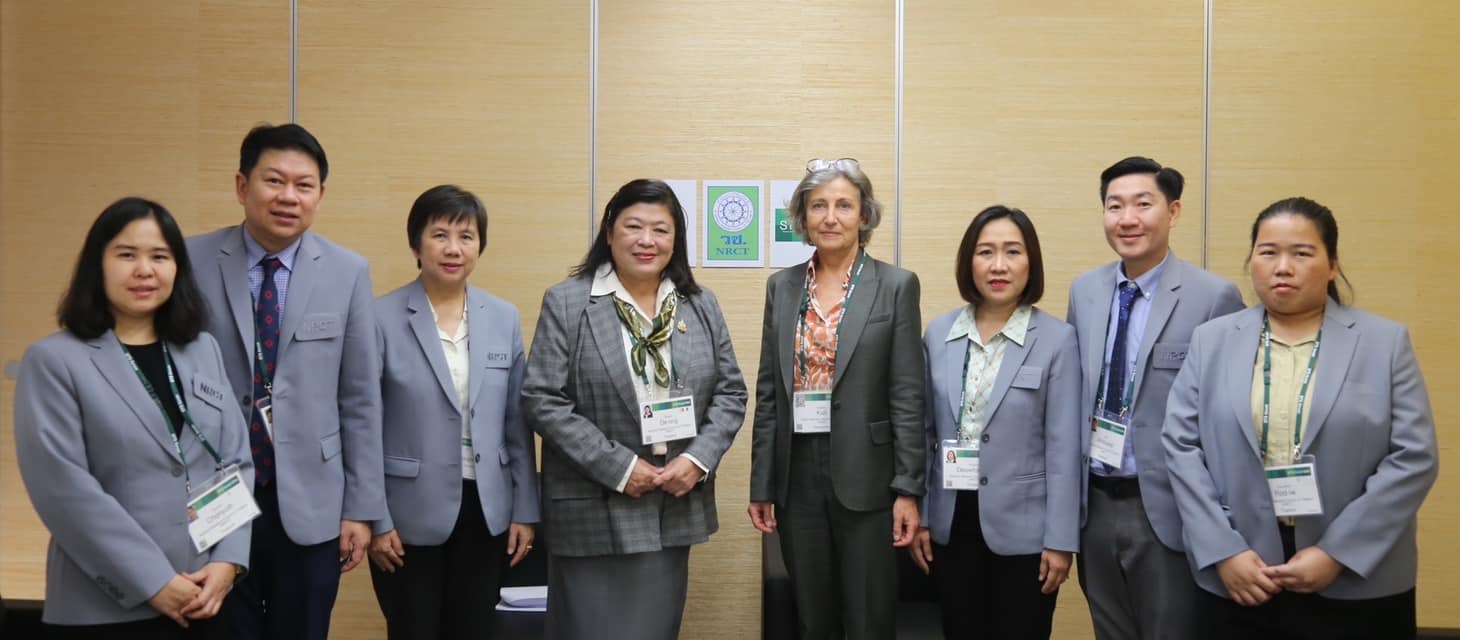
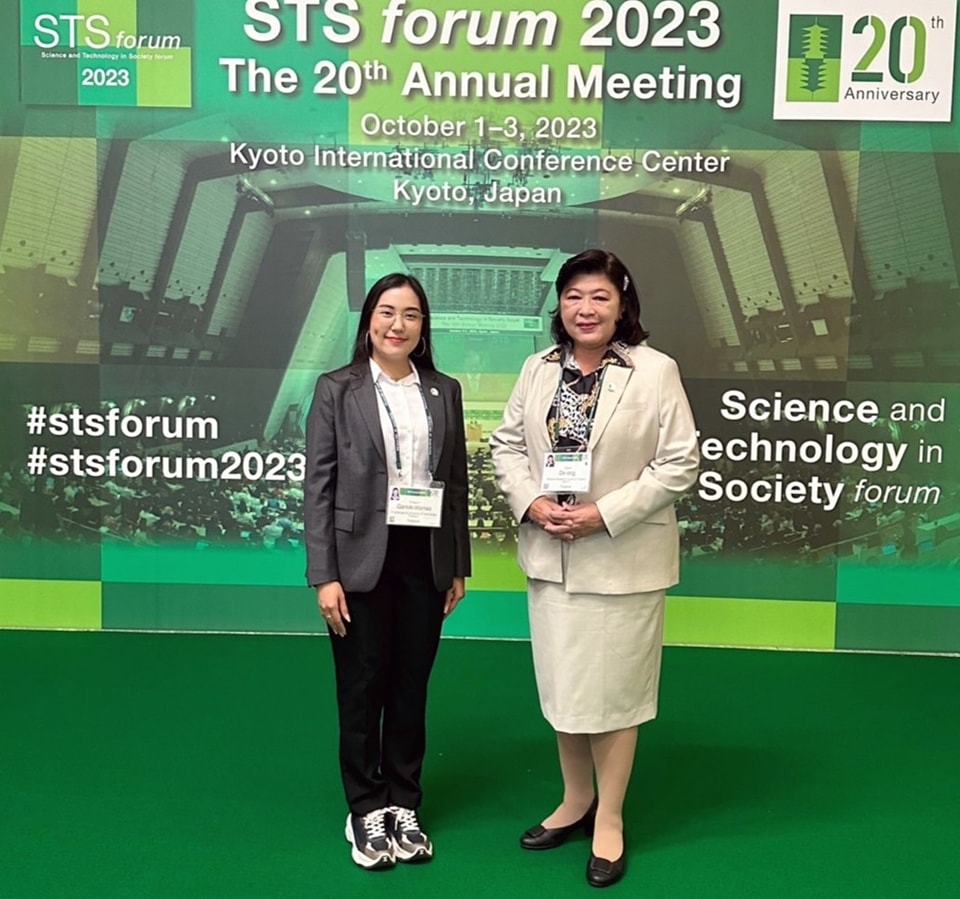
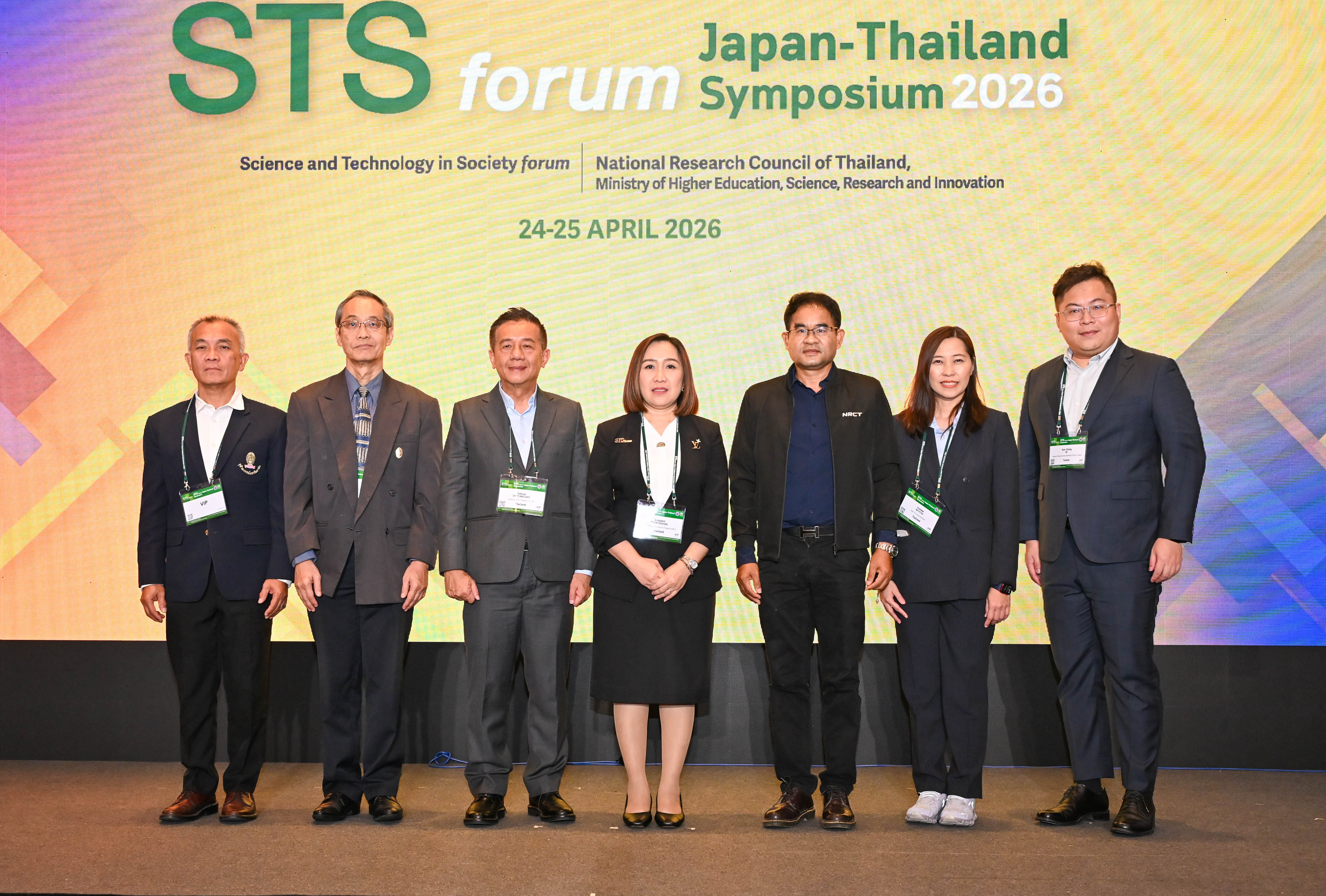
On April 25, 2026, the National Research Council of Thailand (NRCT), under the Ministry of Higher Education, Science, Research and Innovation, in collaboration with the Science and Technology in Society forum (STS forum), Japan, organized an academic presentation on the topic “AI-Enabled Microelectronics for Intelligent Systems” as part of the STS forum Japan-Thailand Symposium 2026. The session was held at World Ballroom C, 23rd Floor, Centara Grand & Bangkok Convention Centre at CentralWorld, Bangkok. The objective was to strengthen strategic collaboration and facilitate the exchange of advancements in semiconductor and microelectronics technologies at the international level.
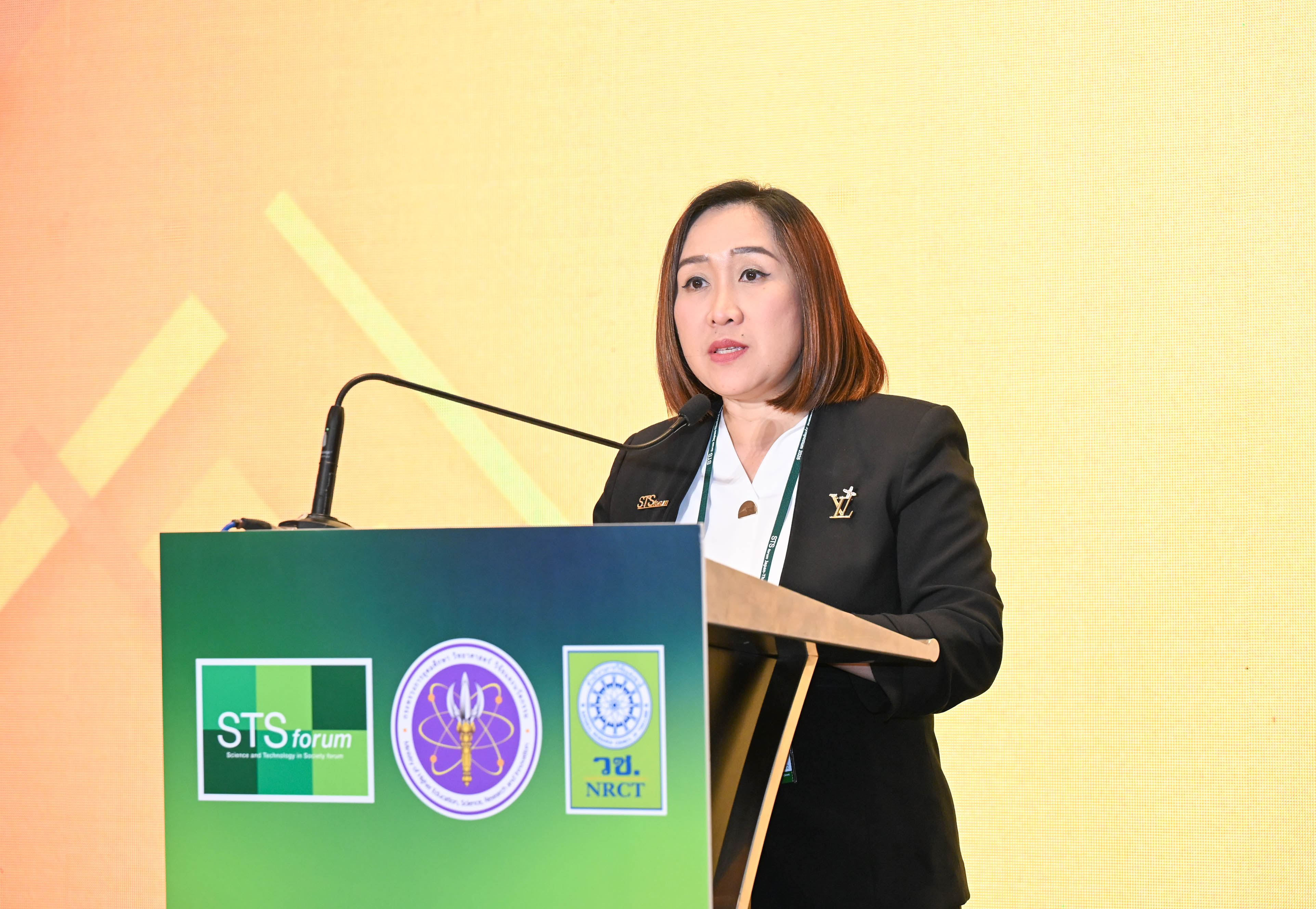
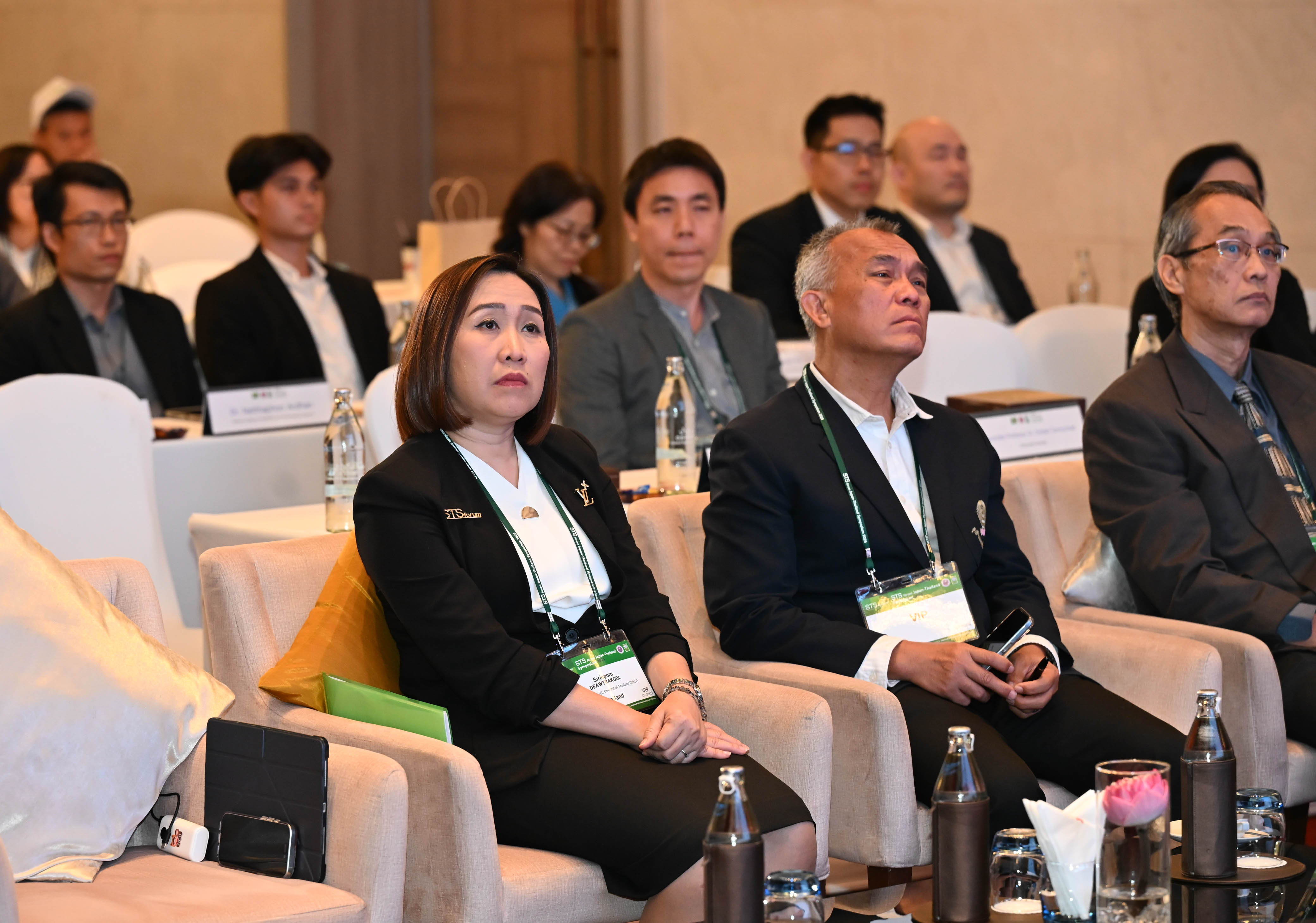
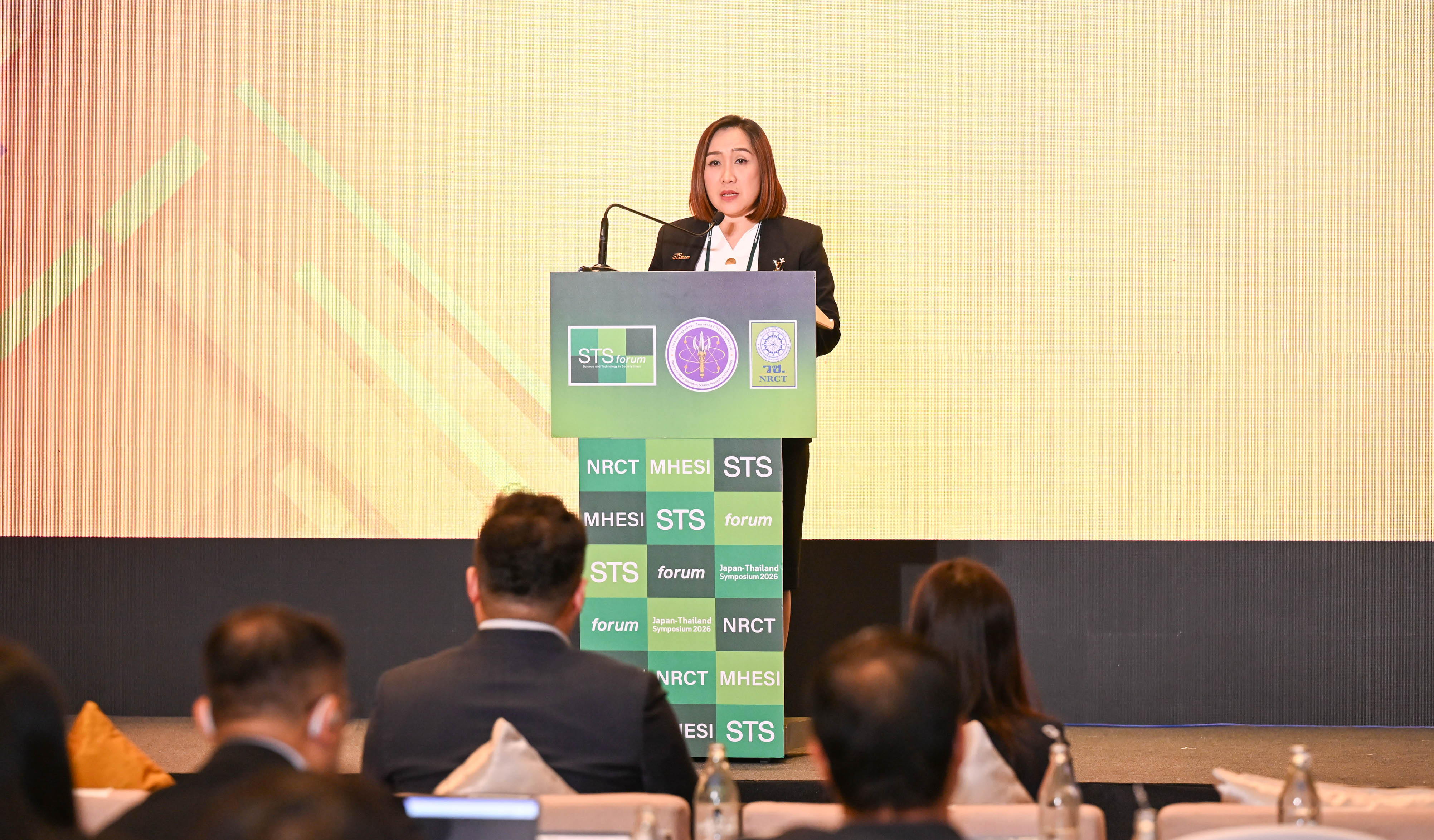
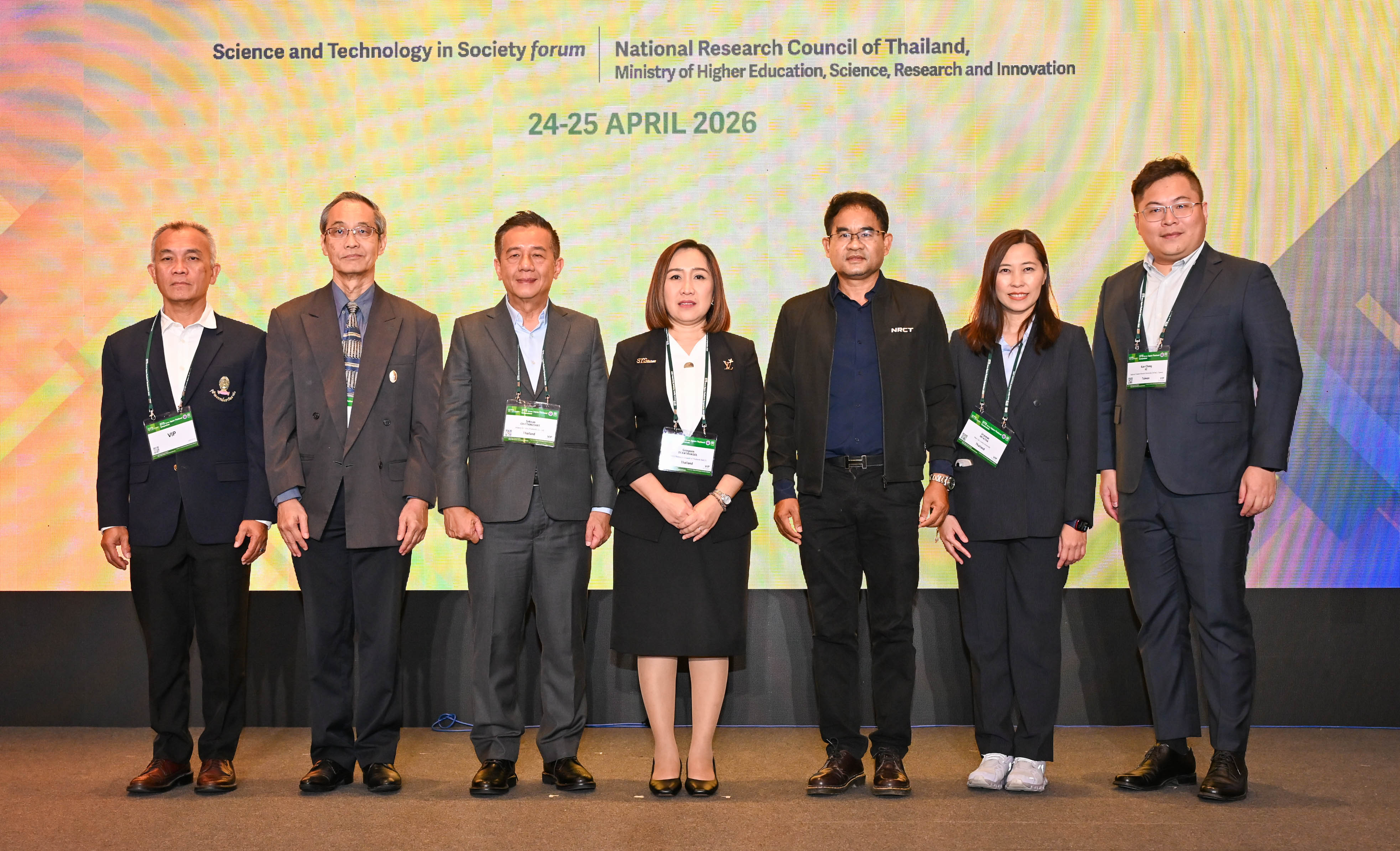
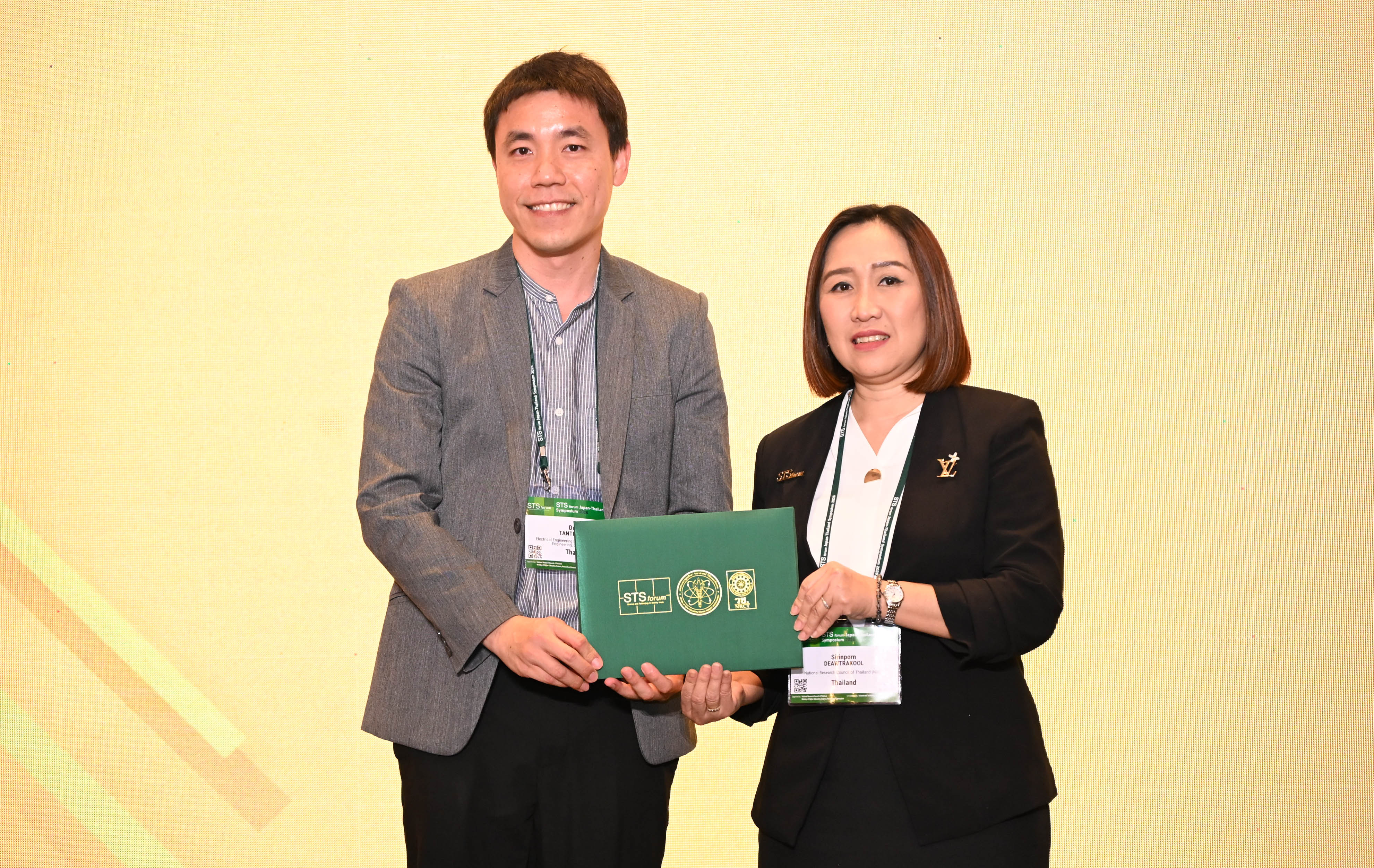
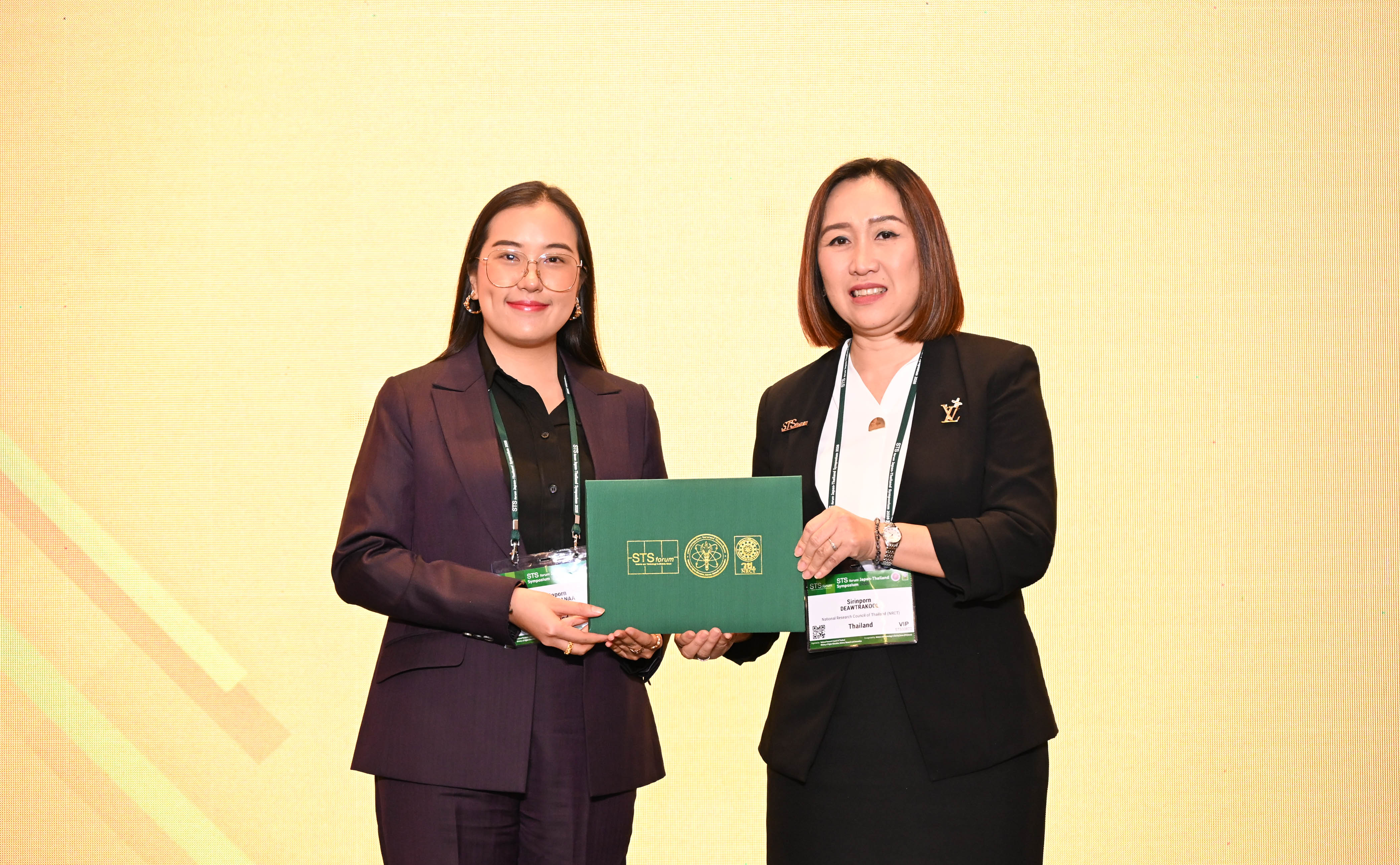
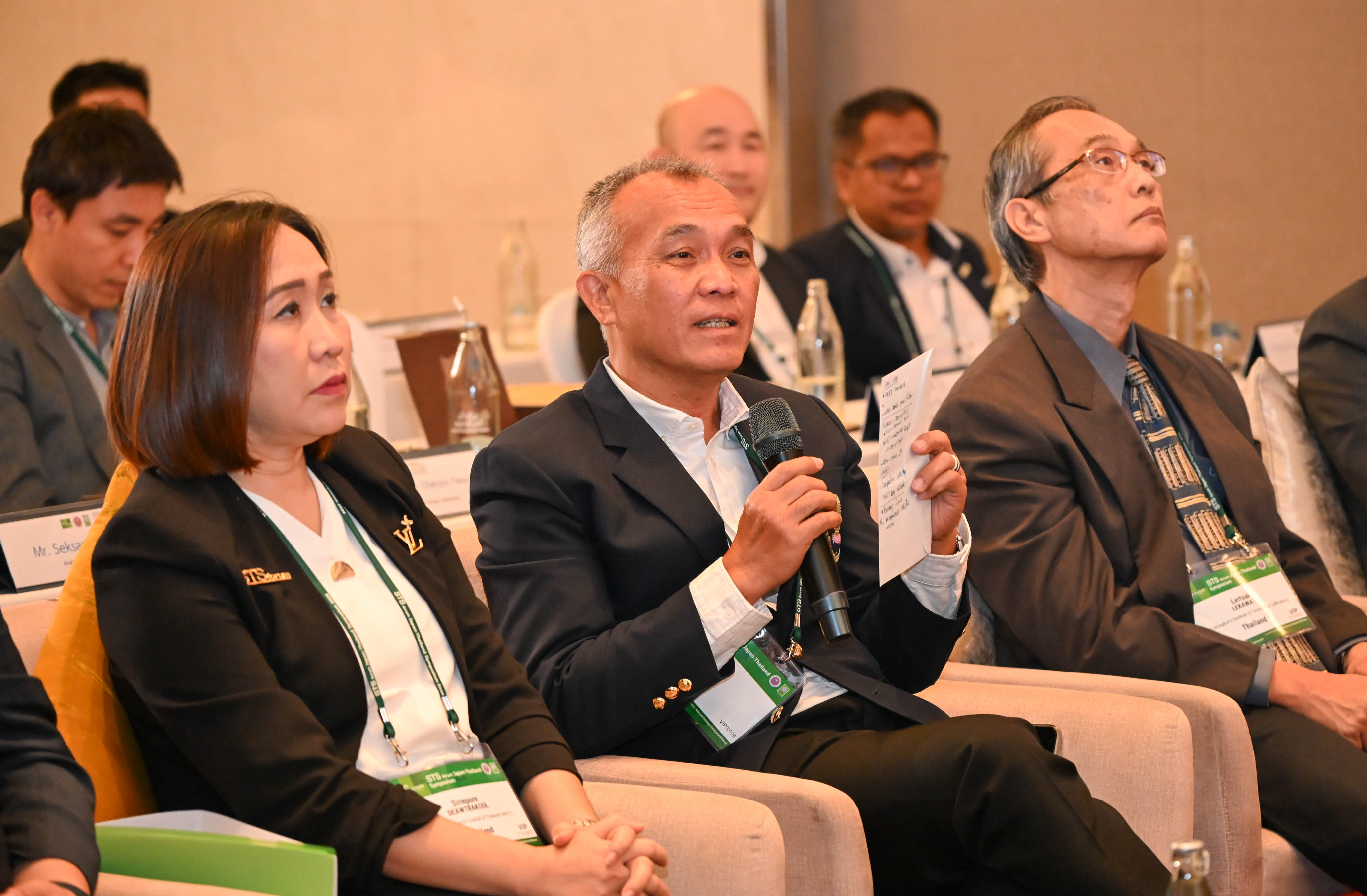
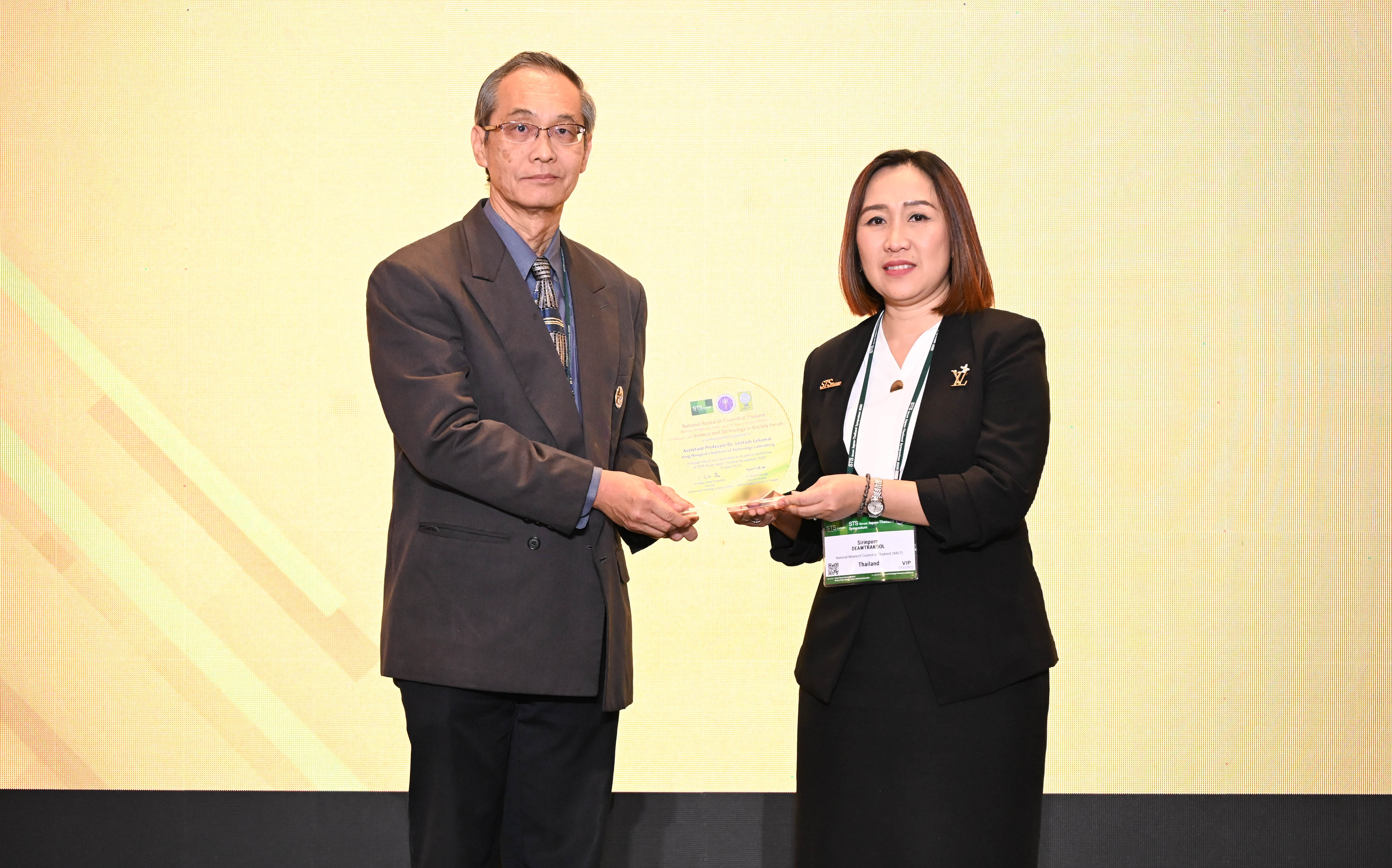
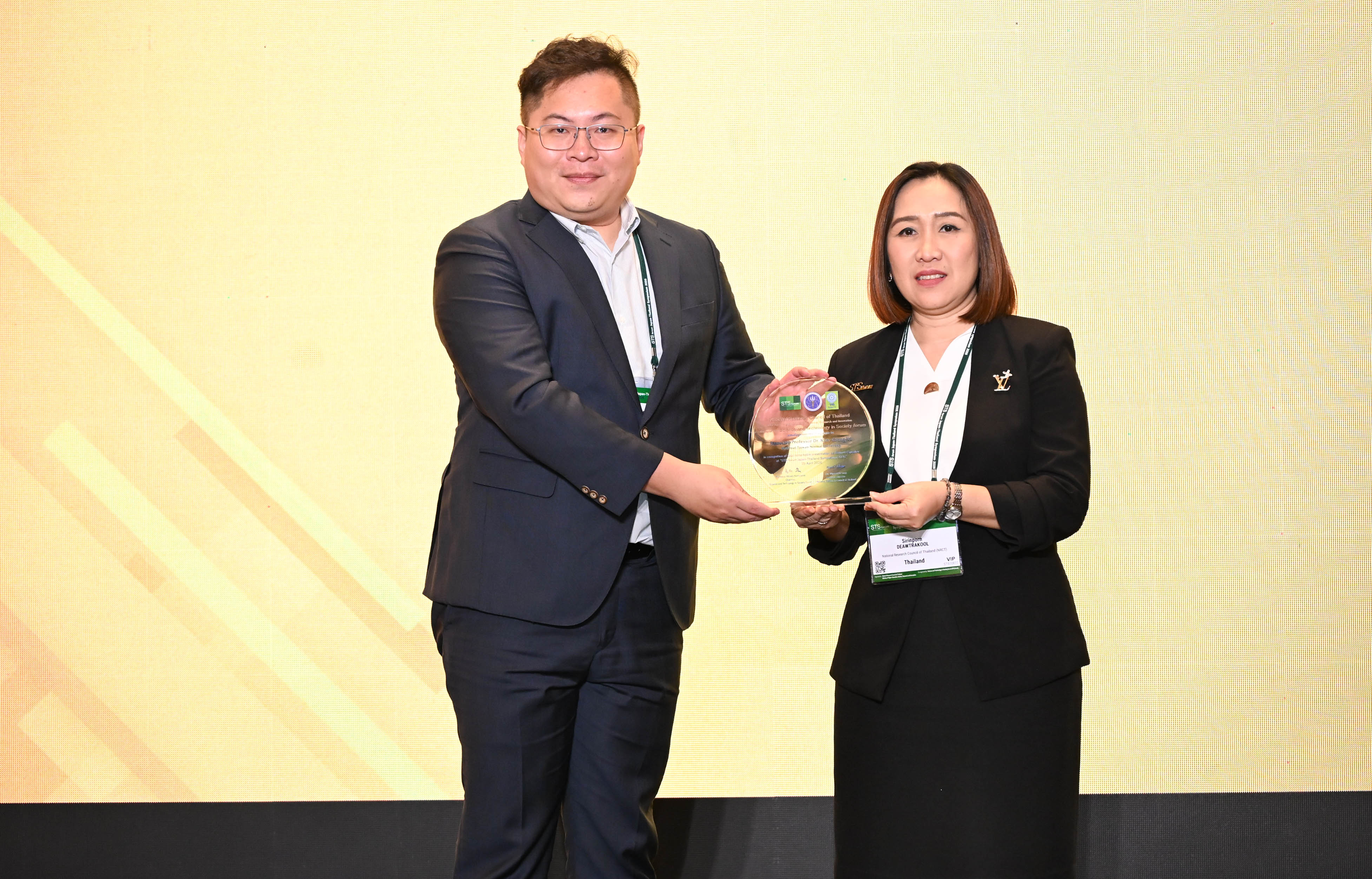
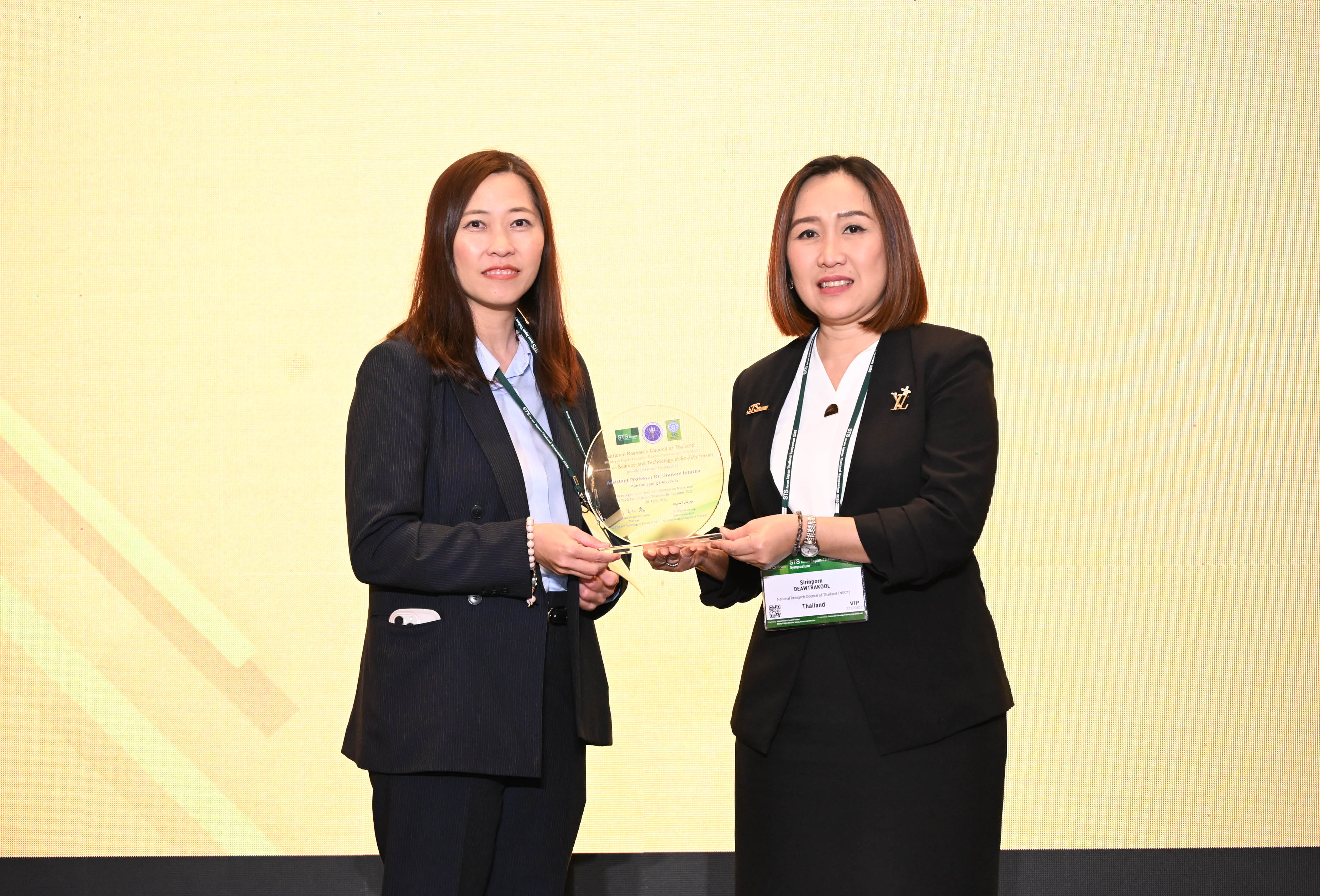
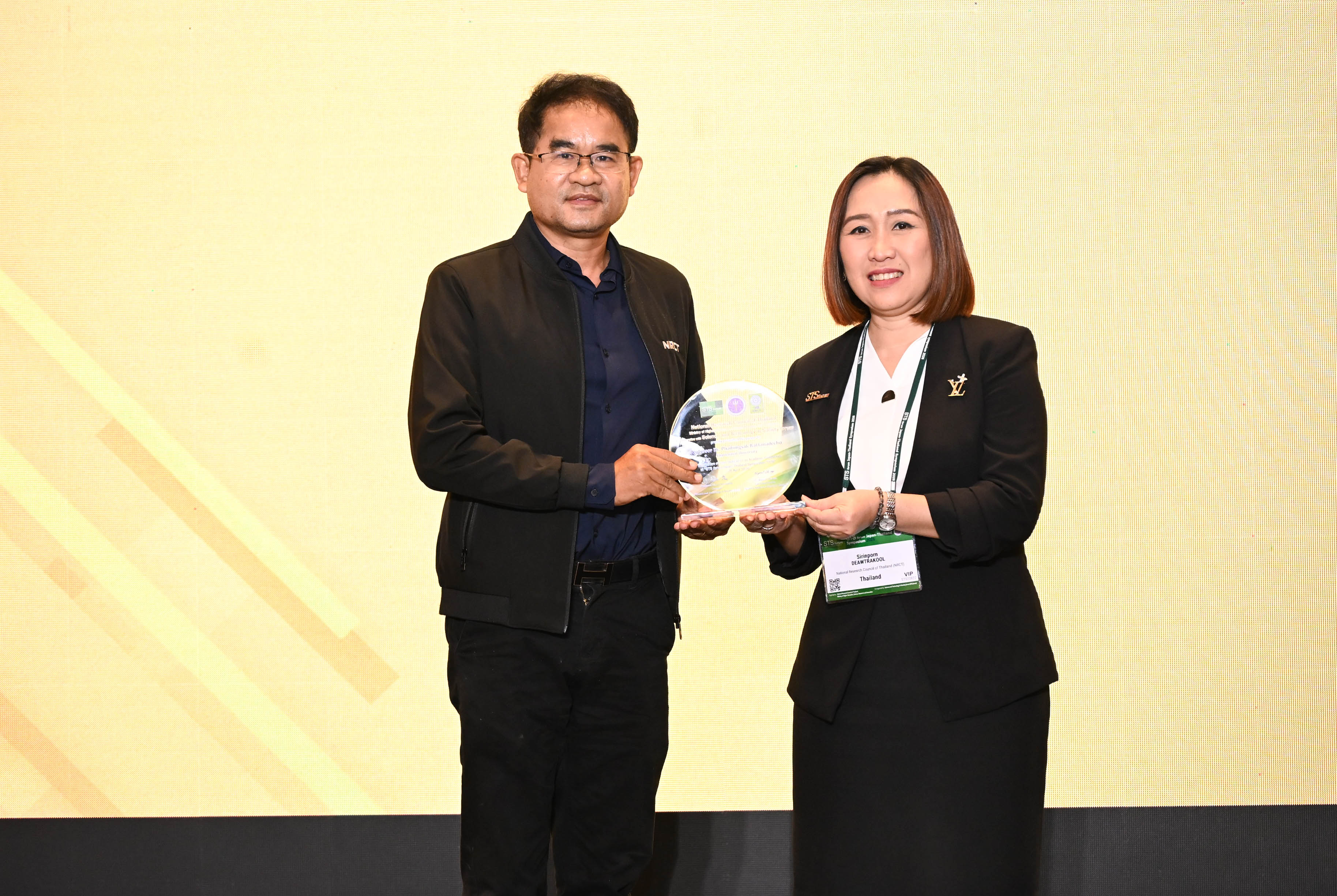
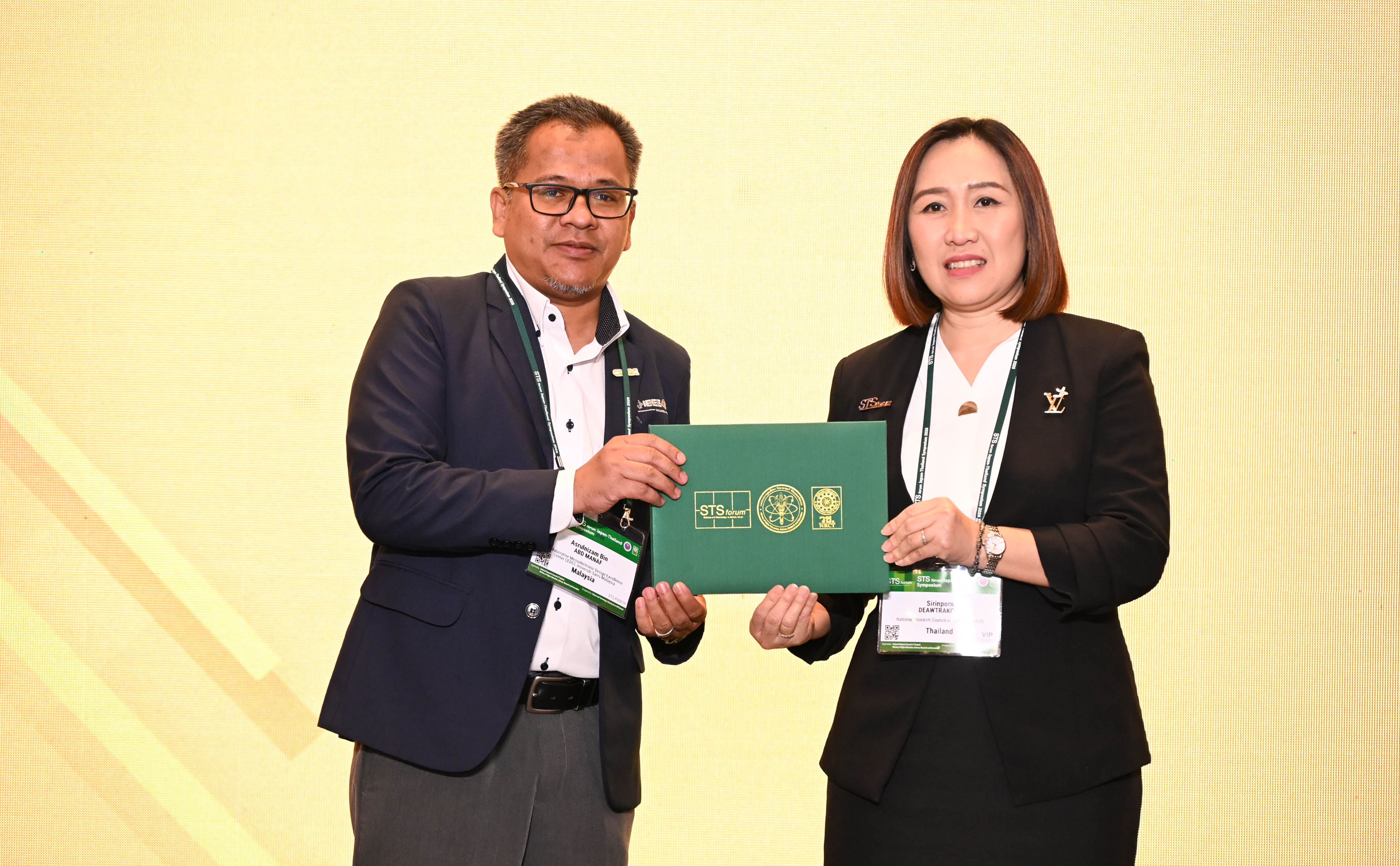
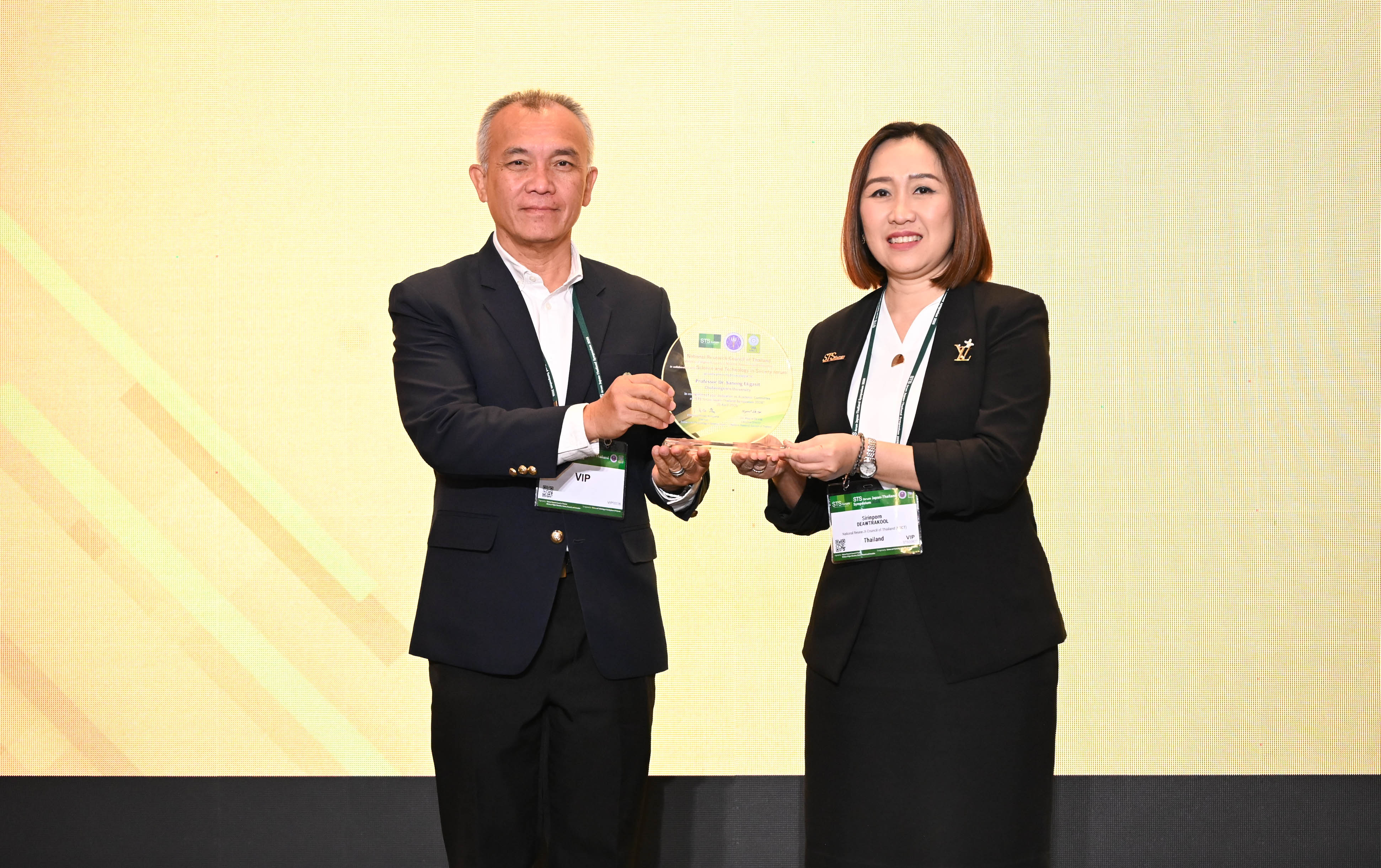
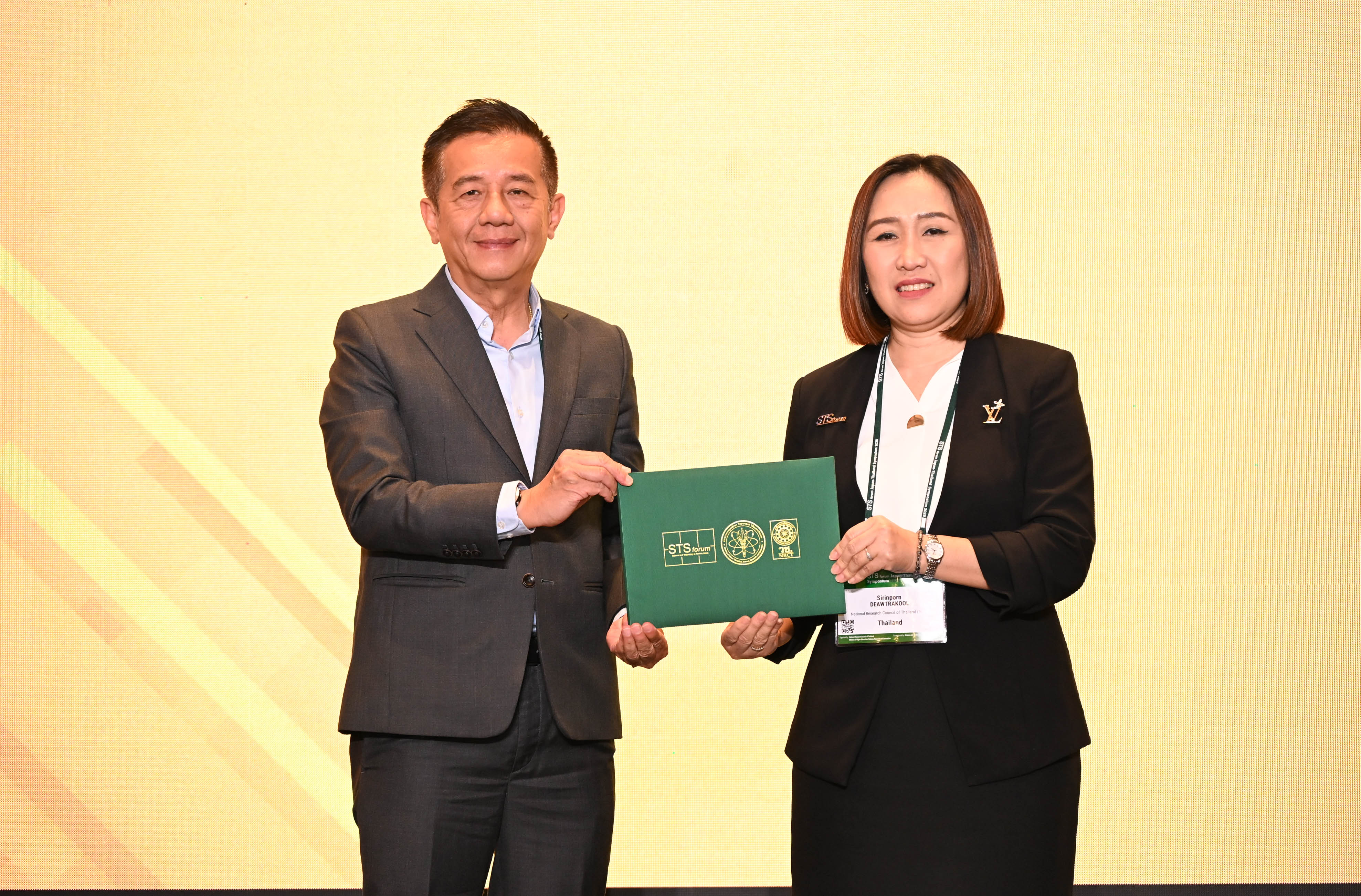
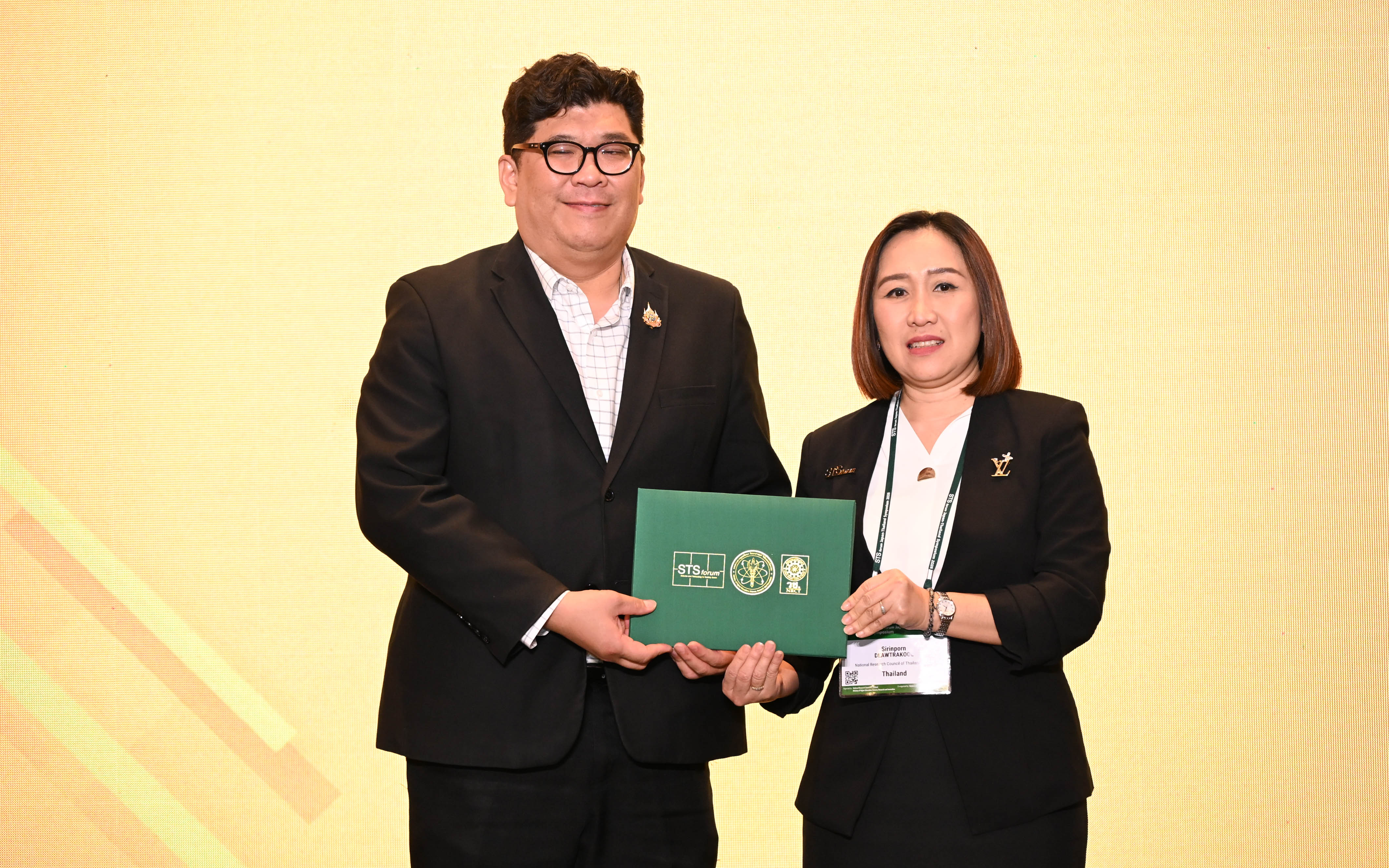
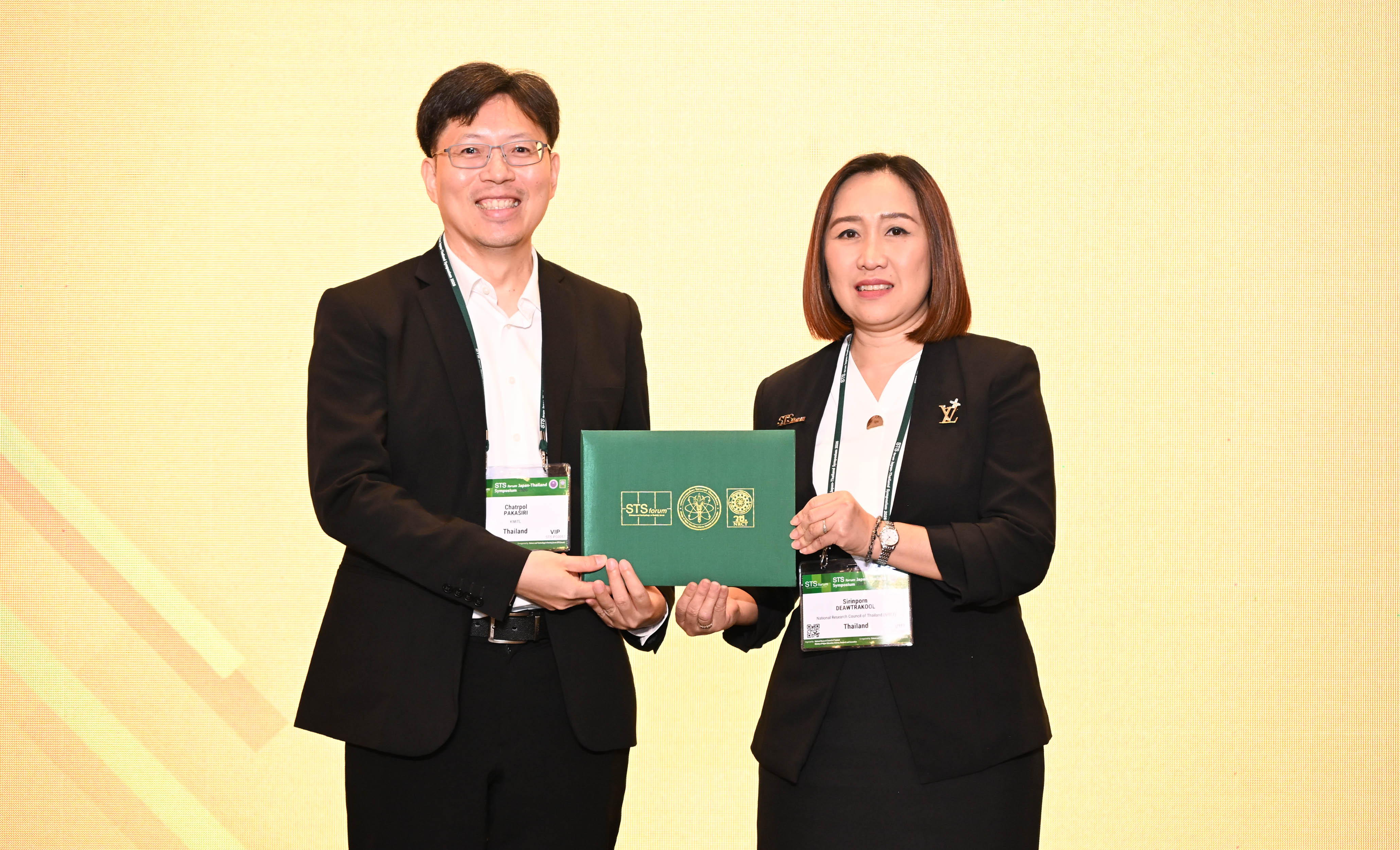
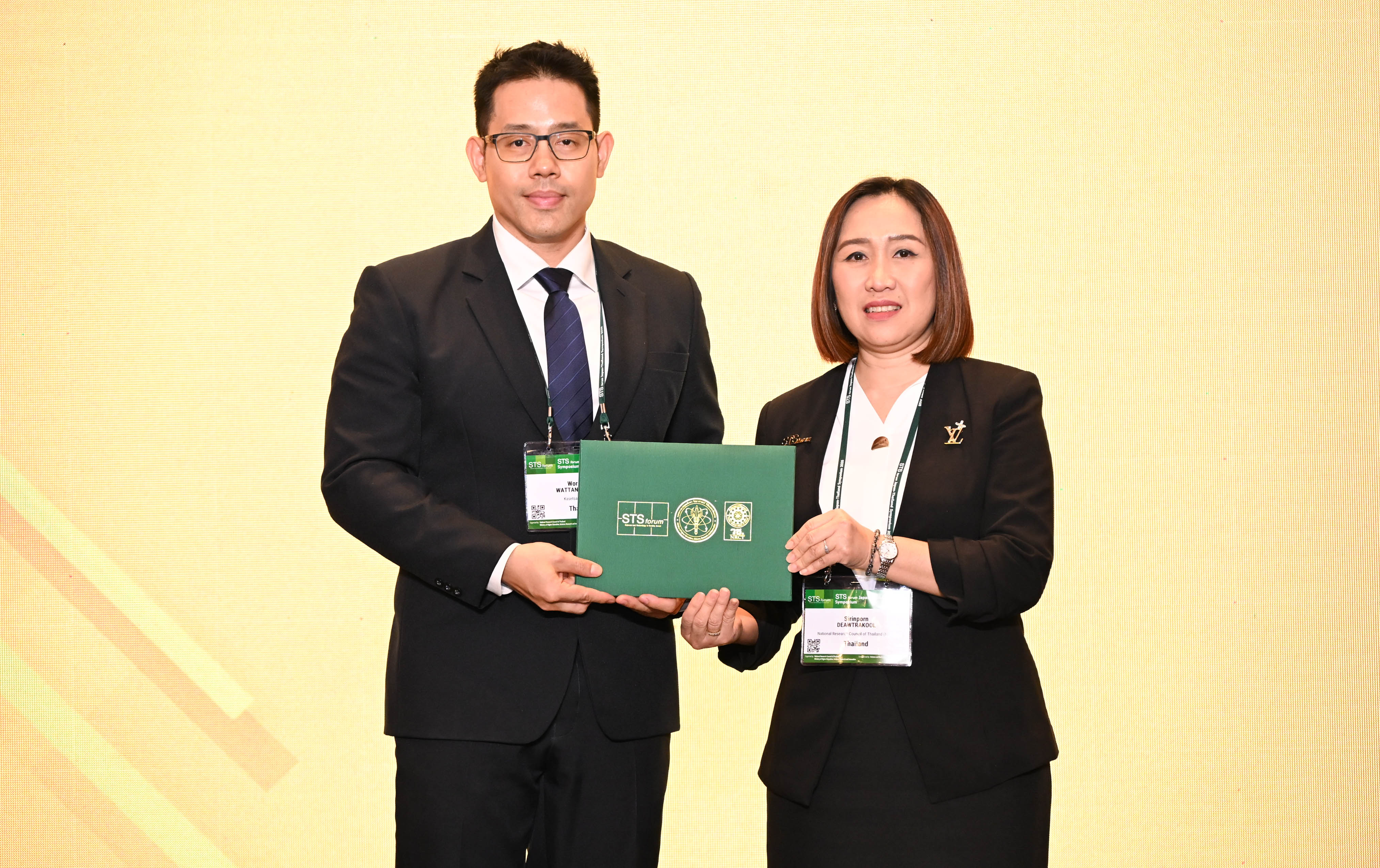
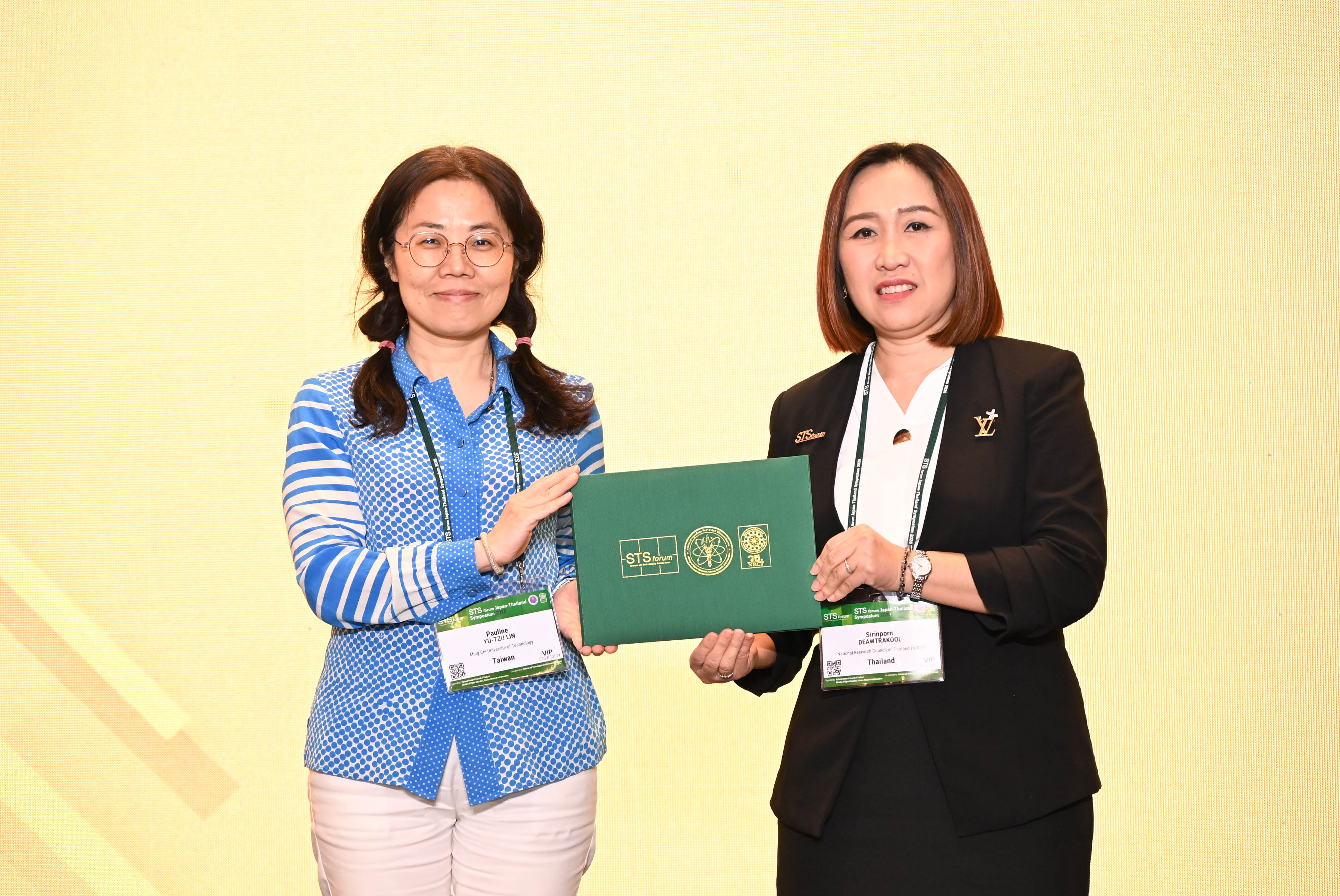
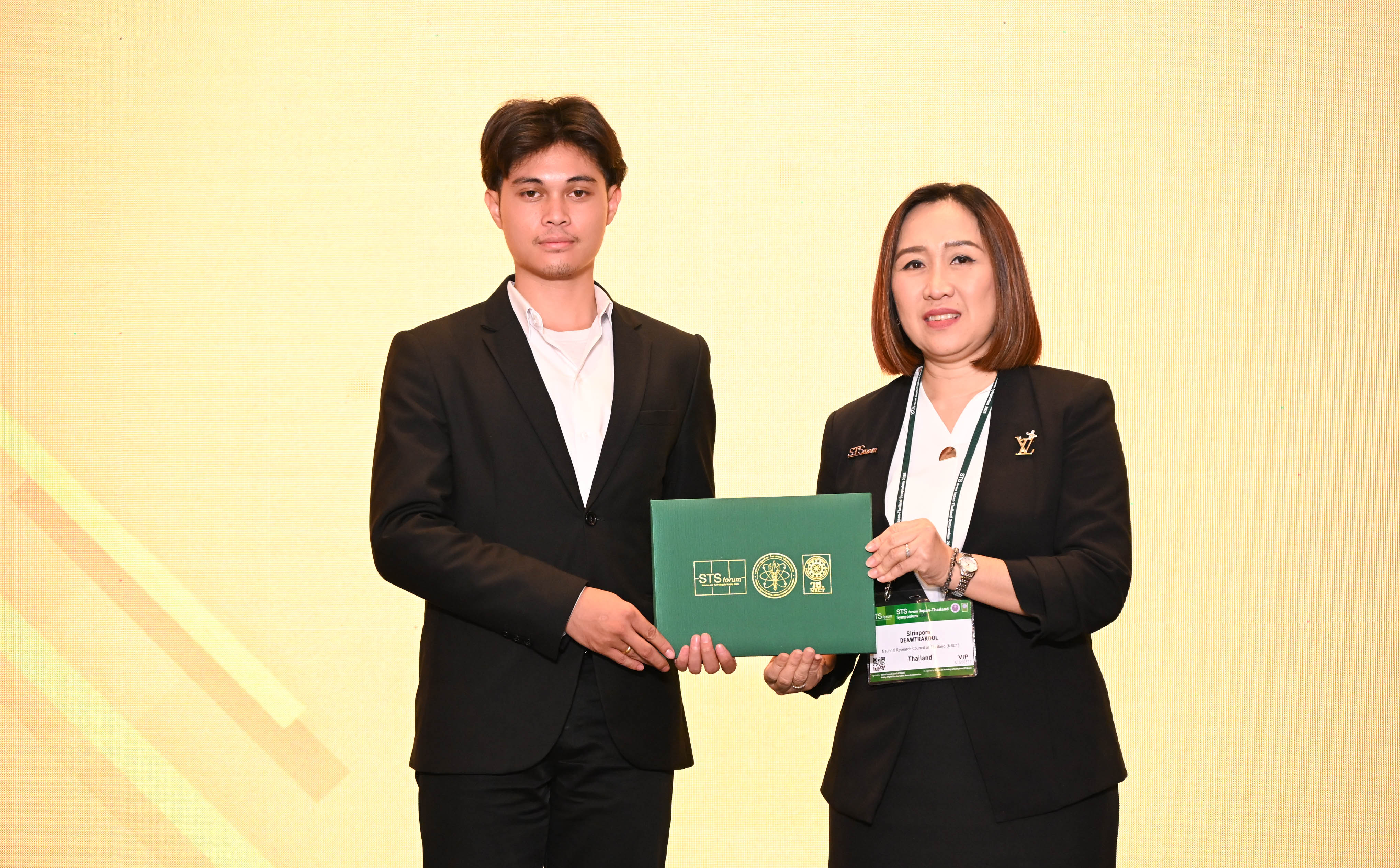
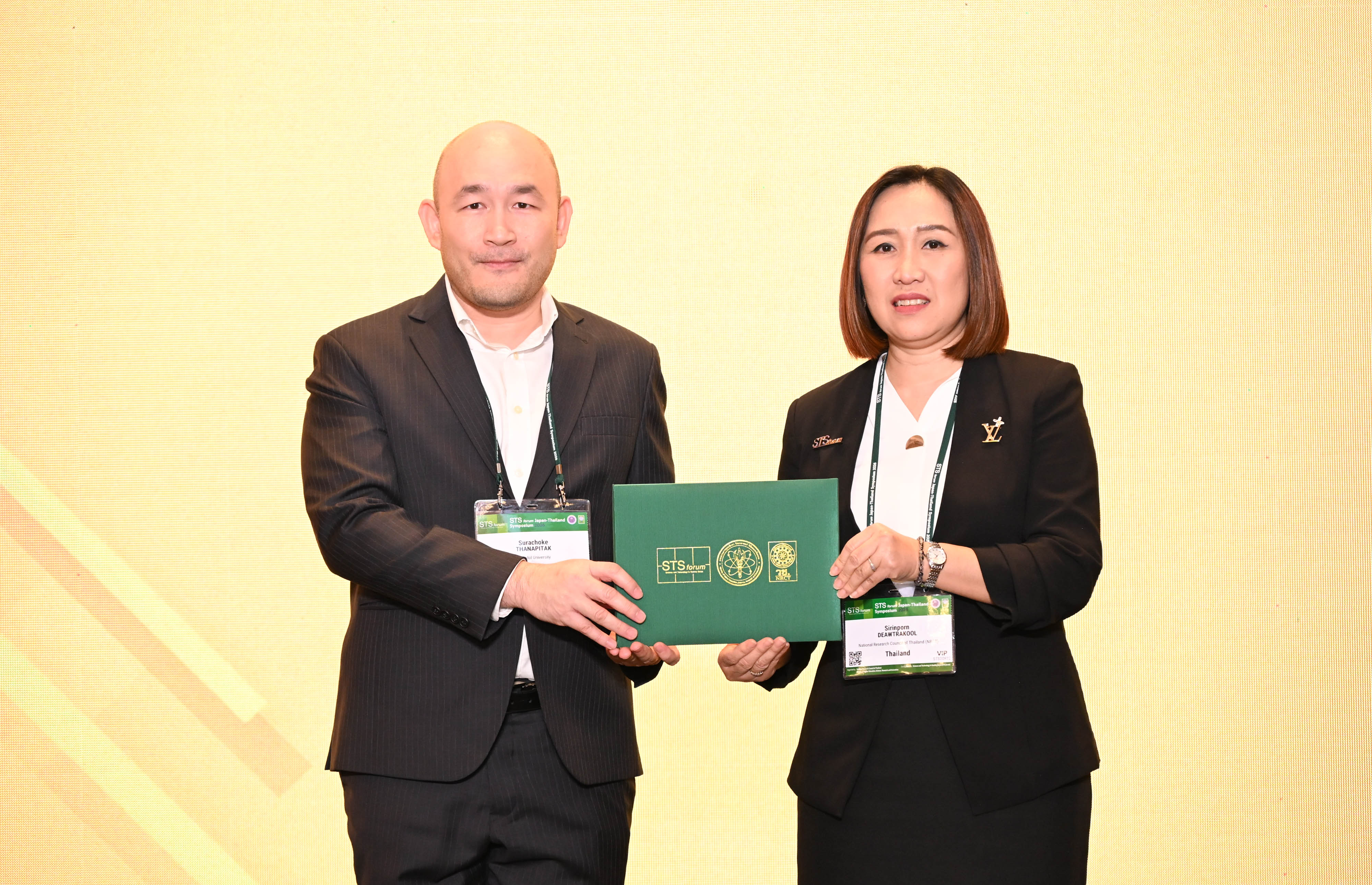
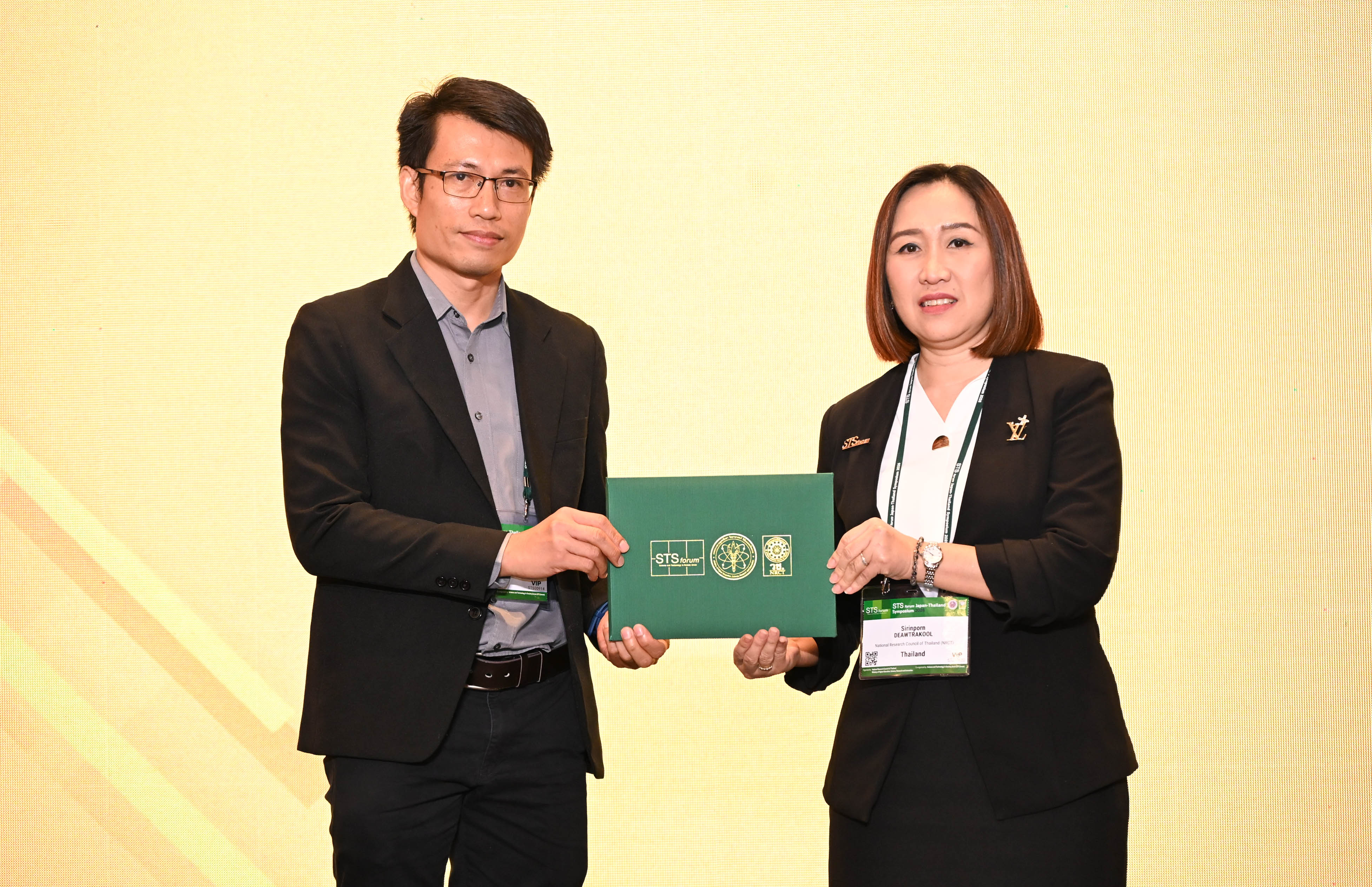
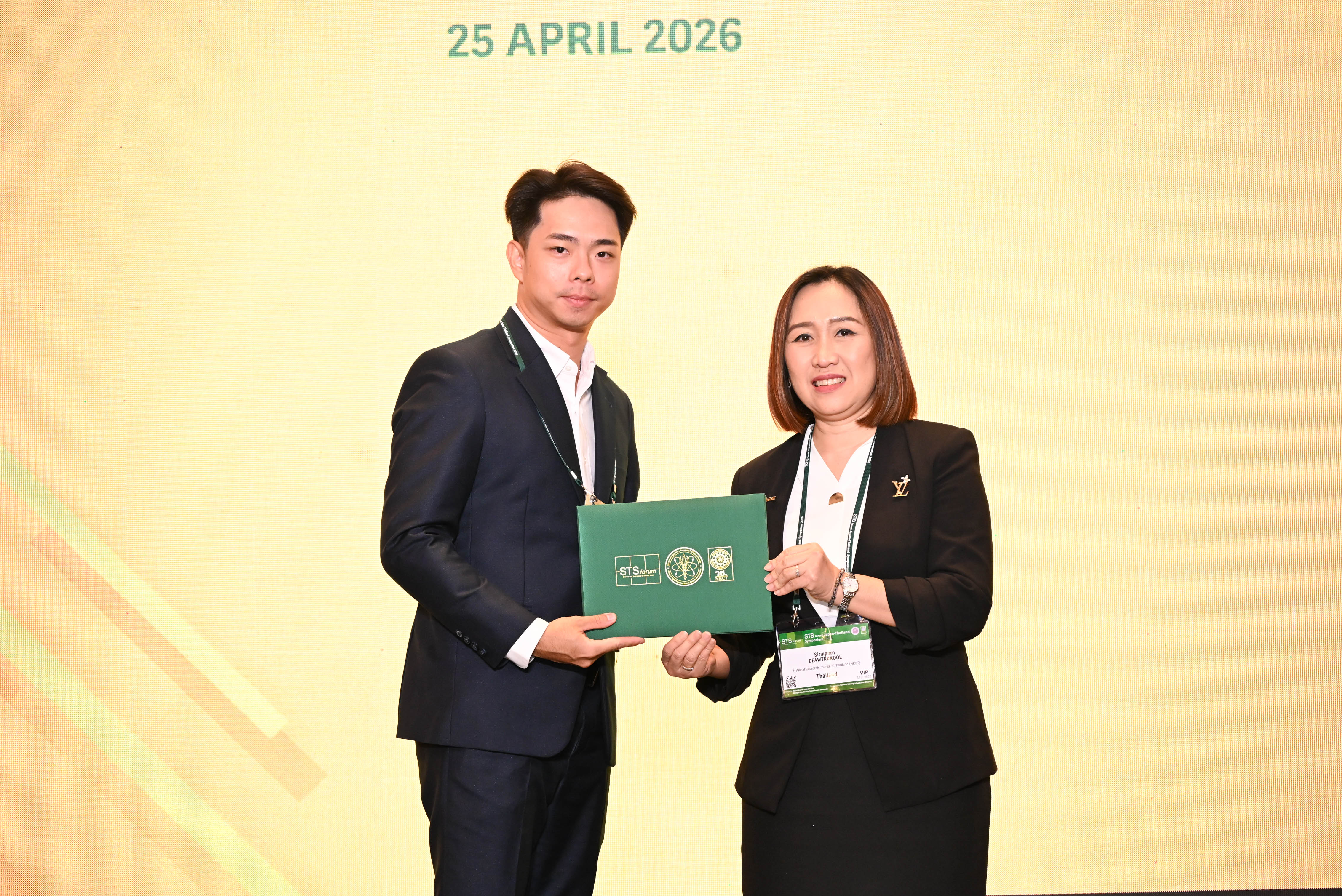
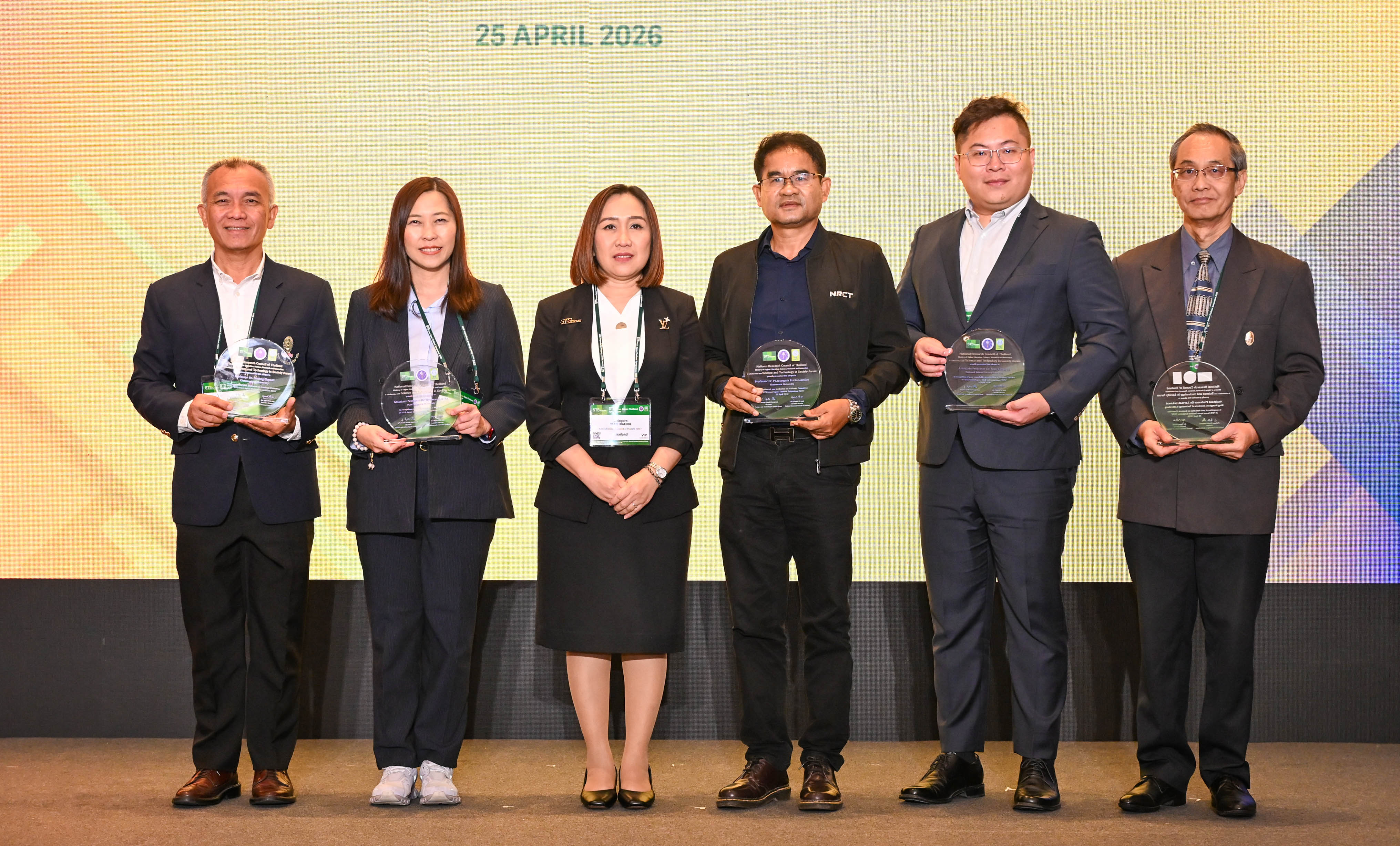
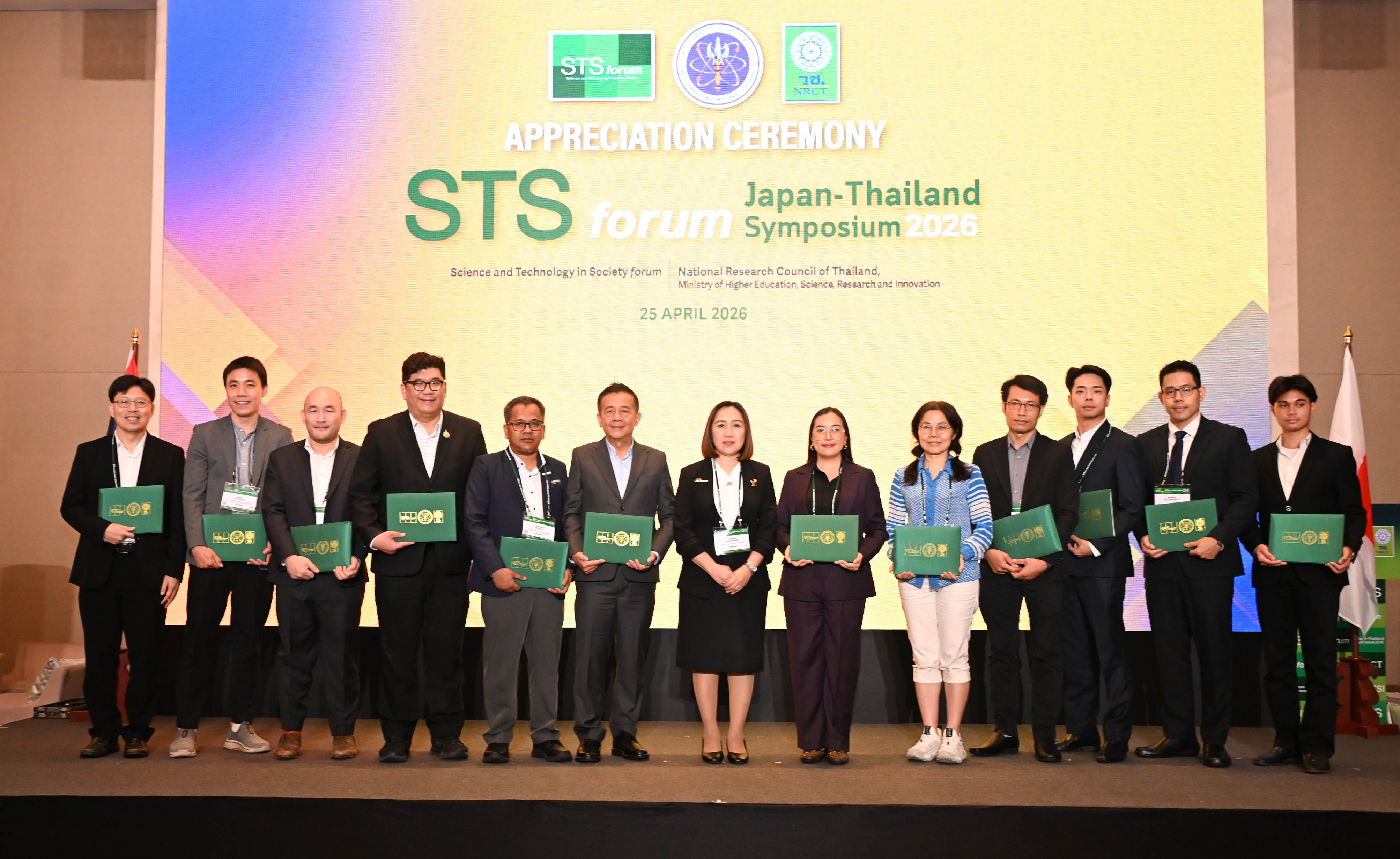
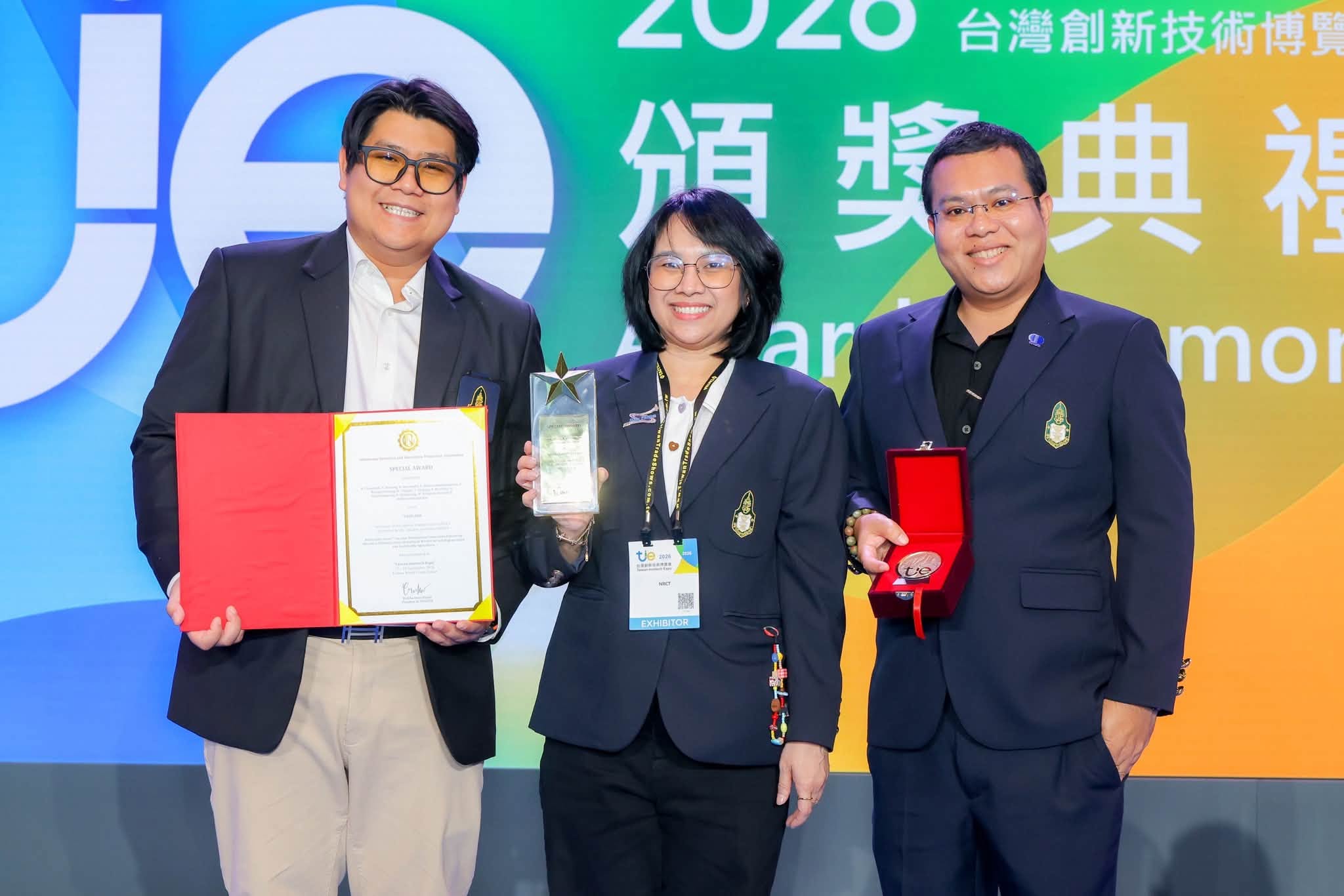
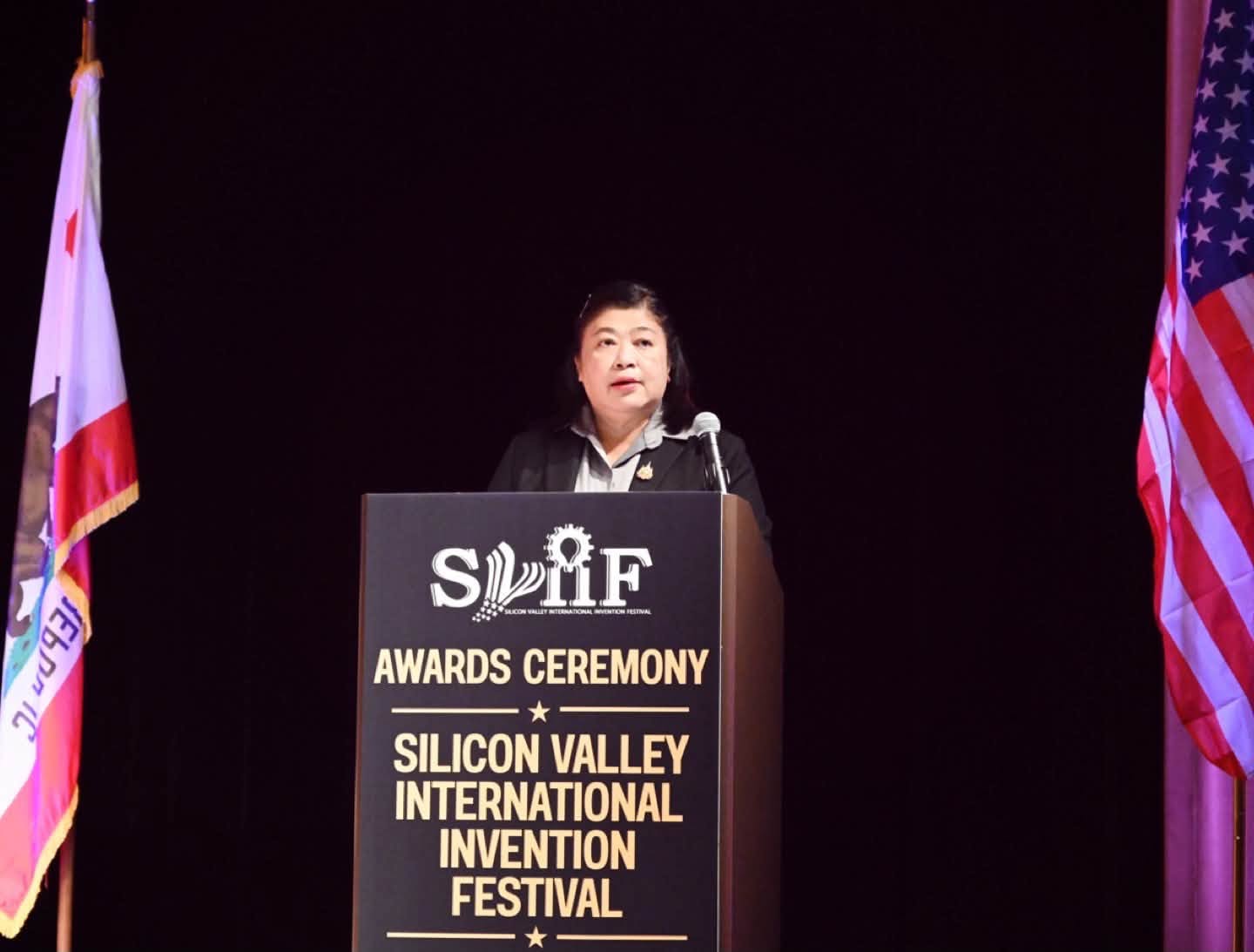
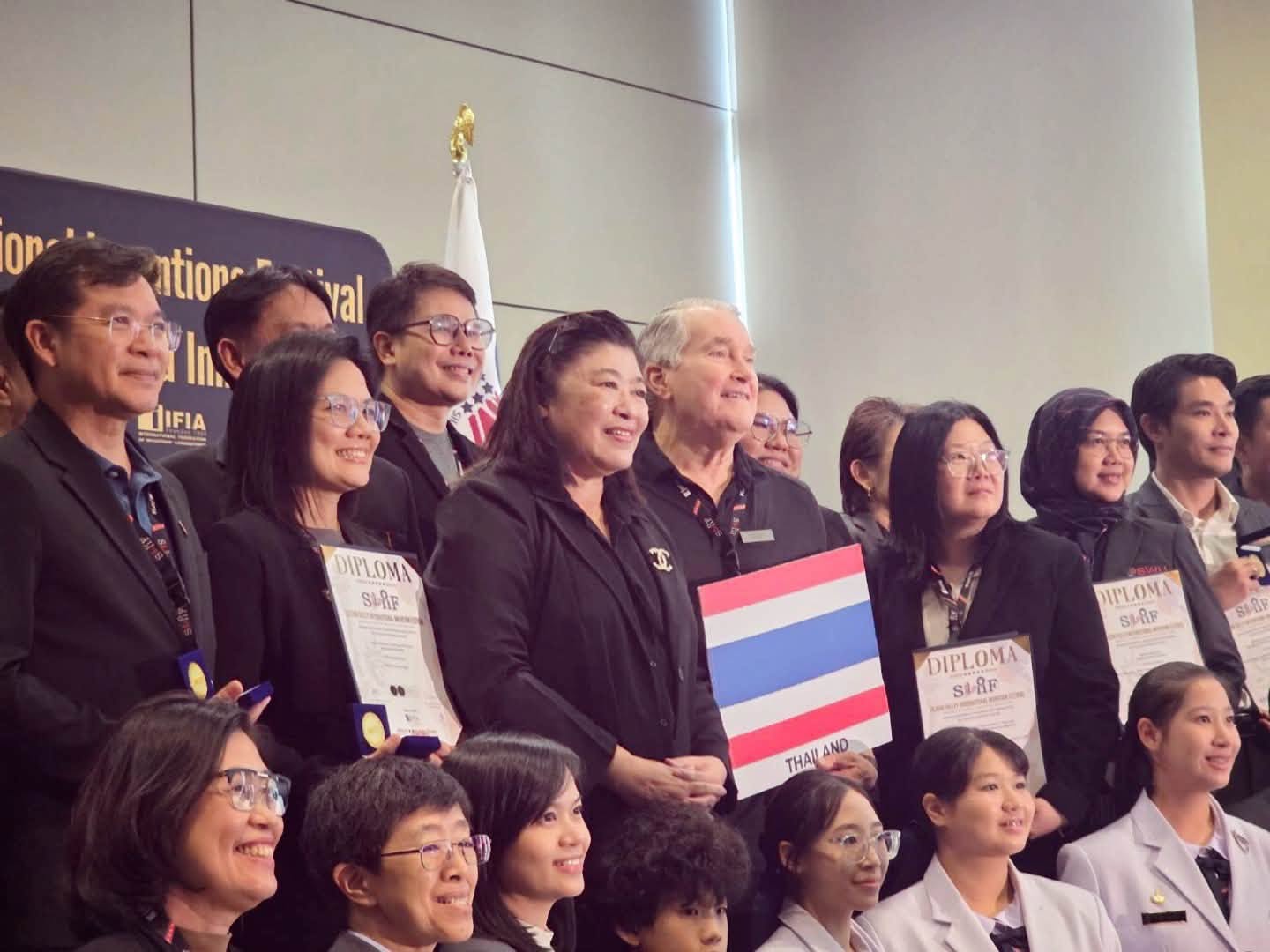
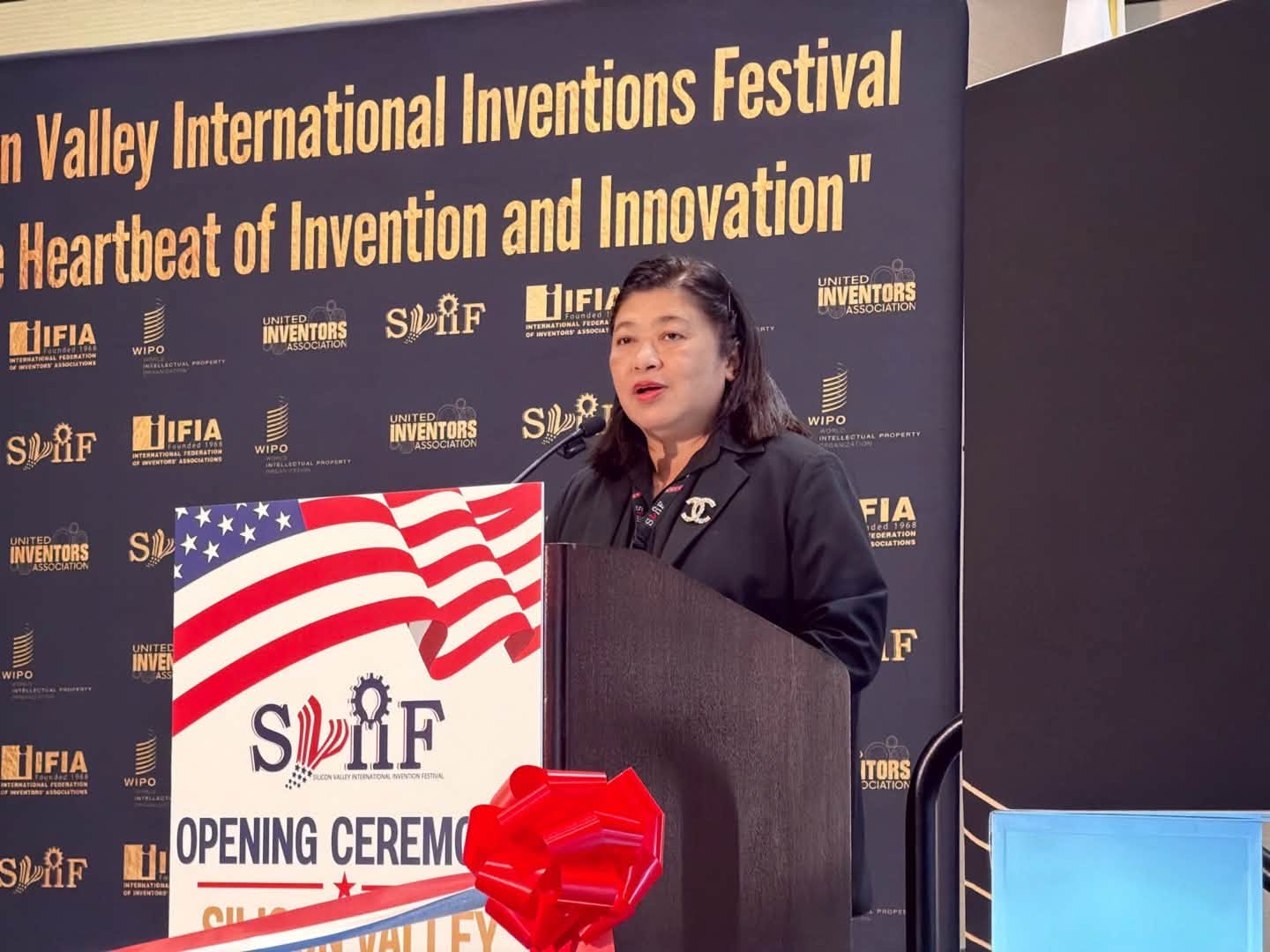
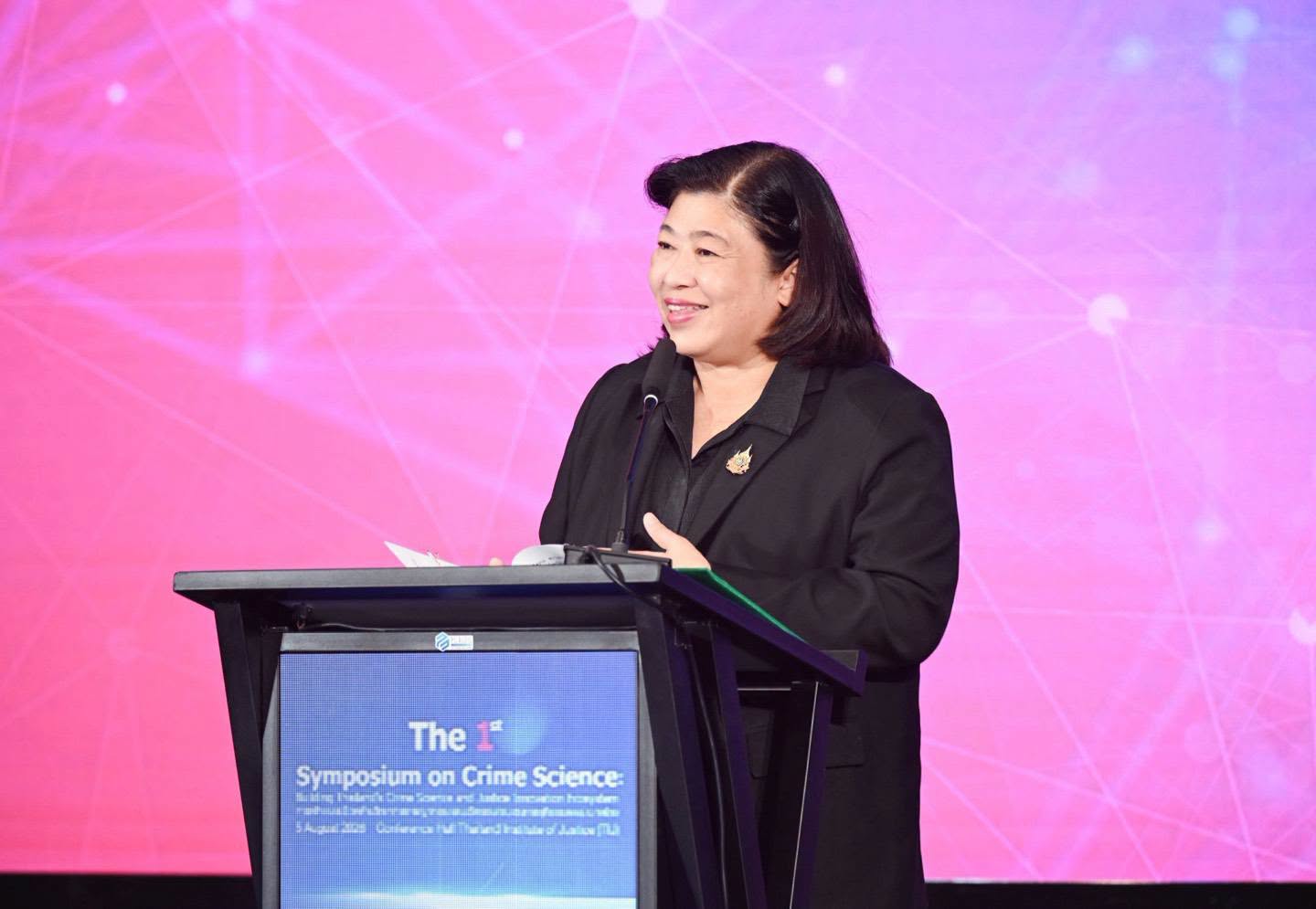
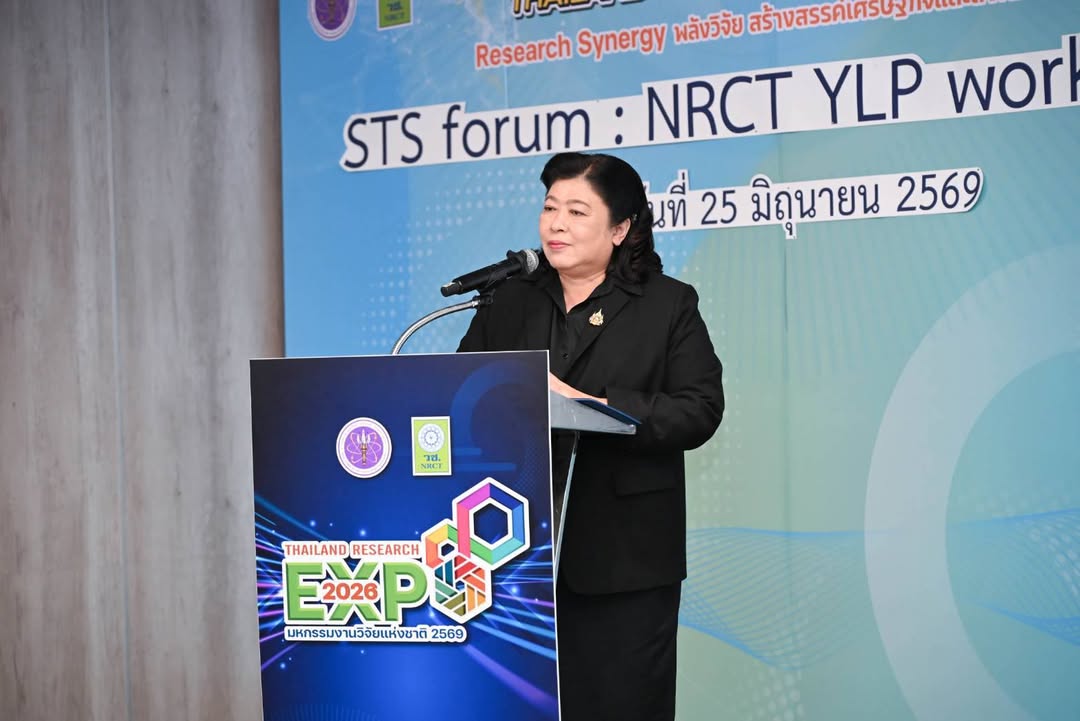
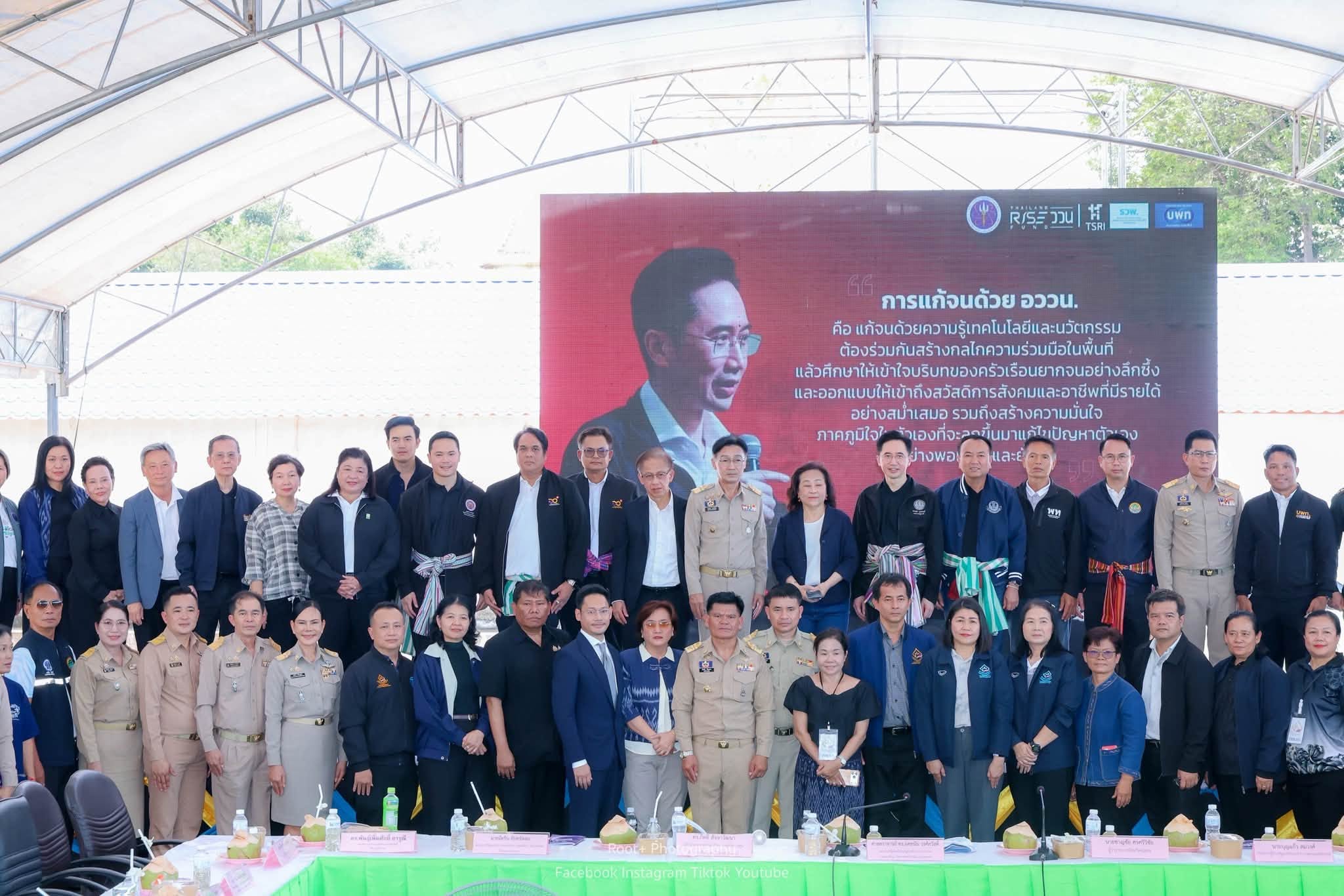
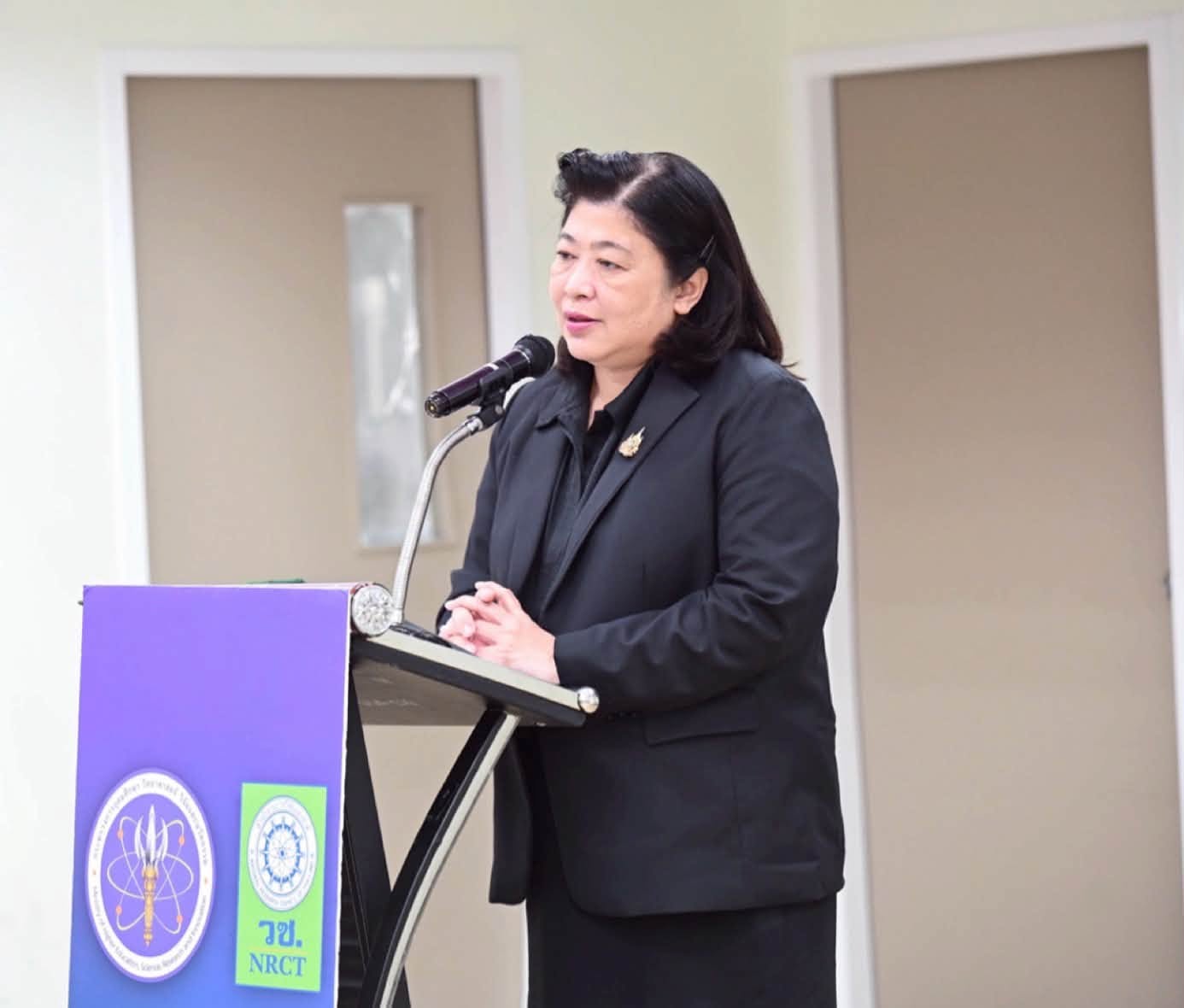
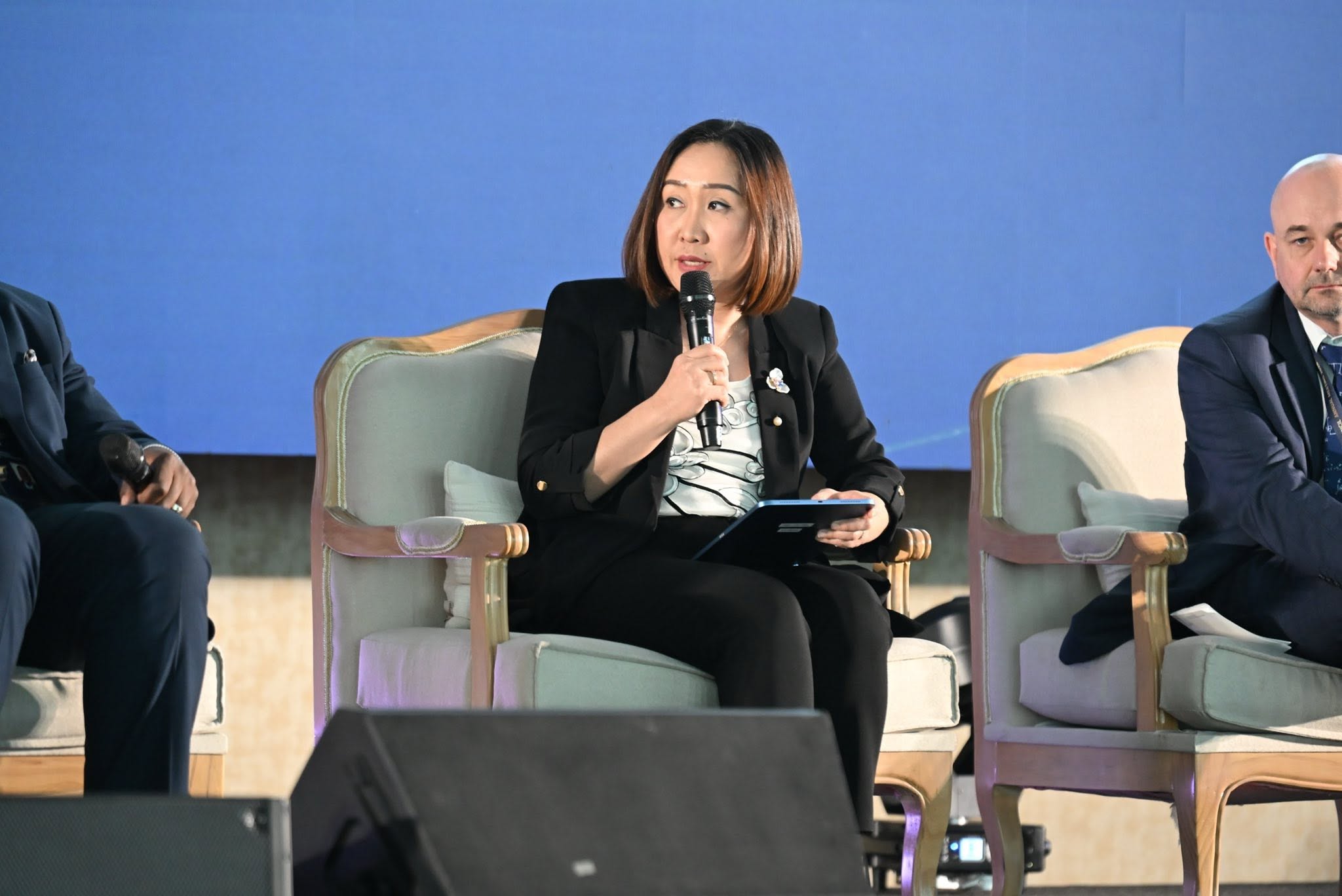
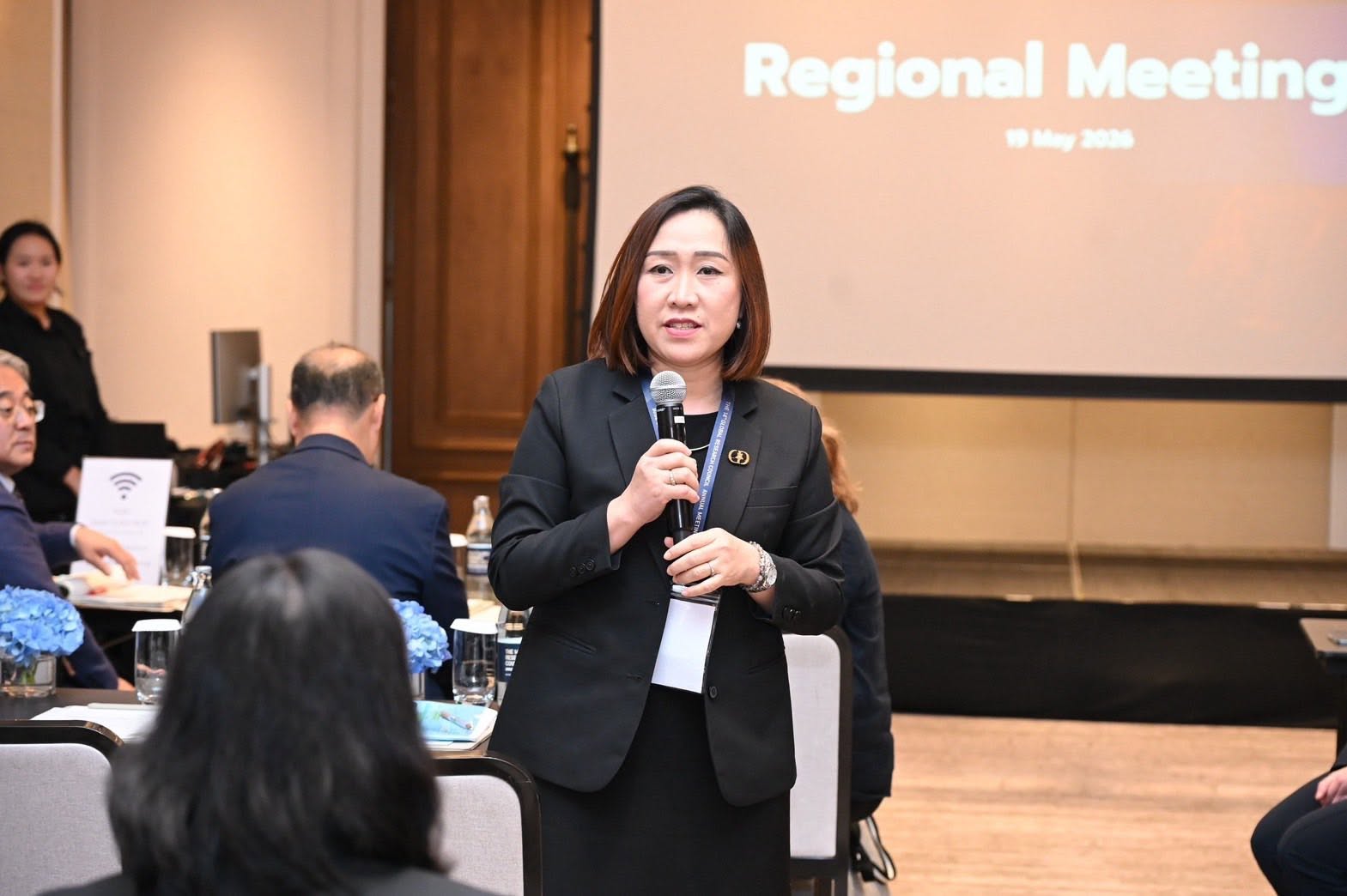
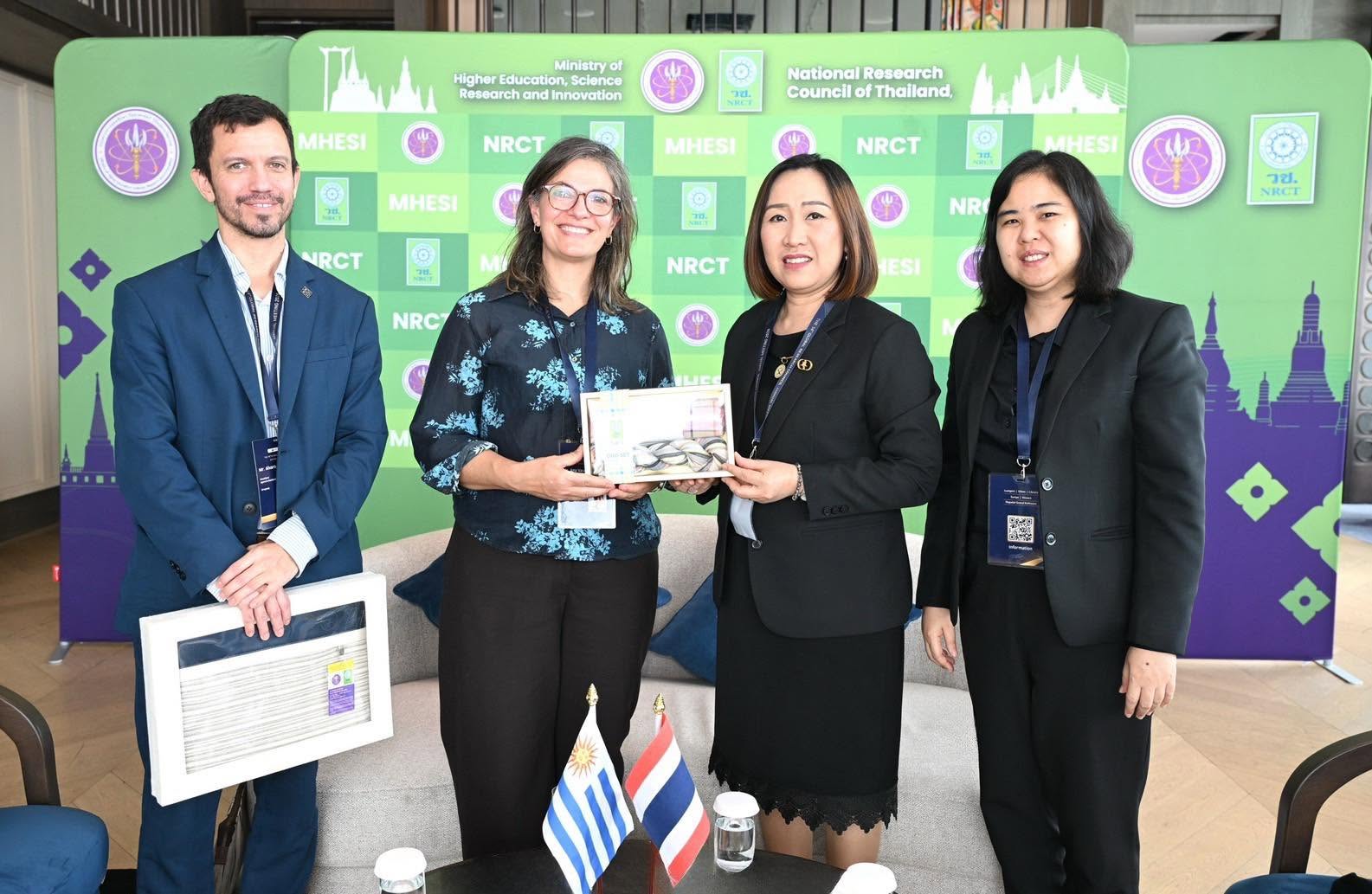
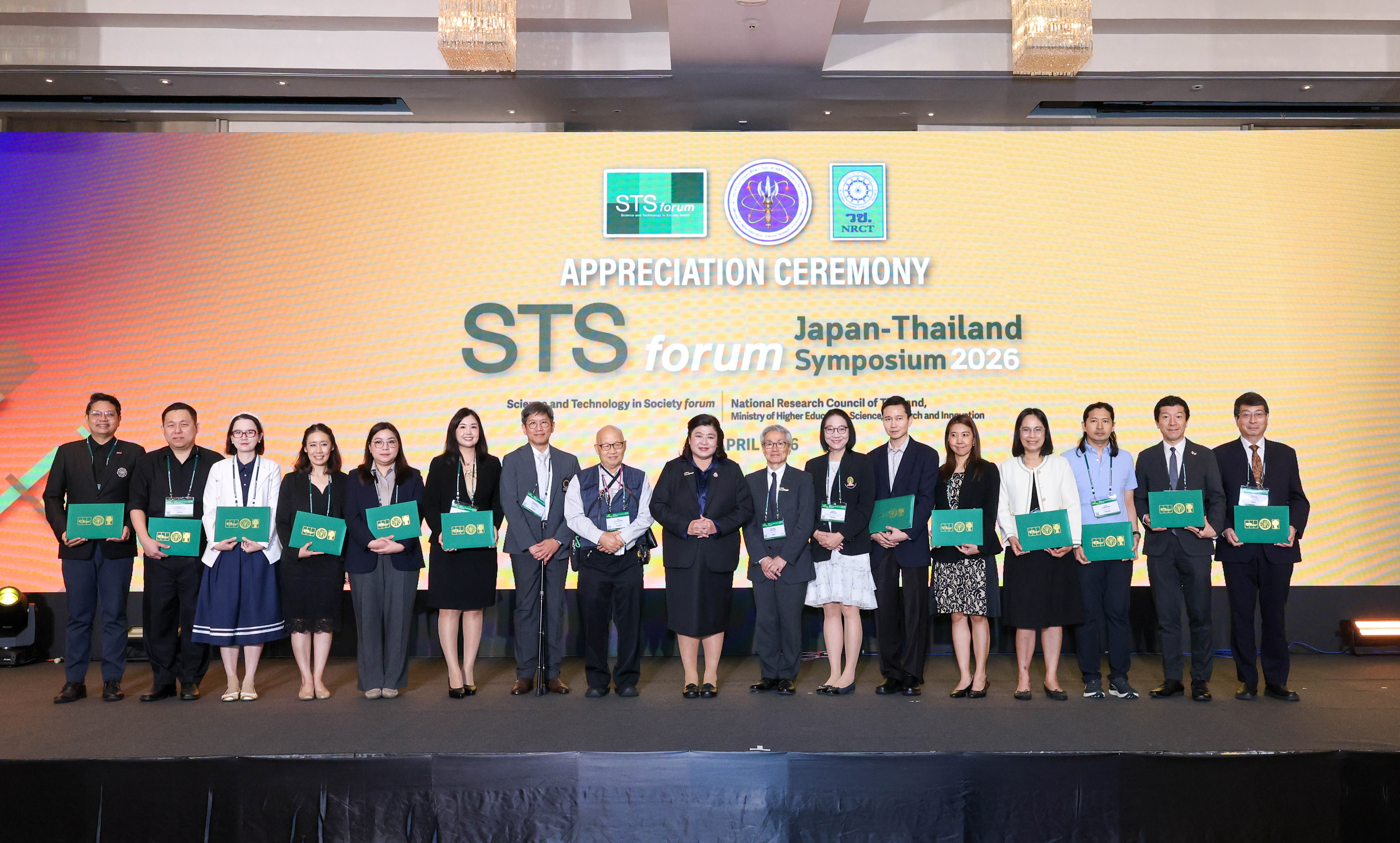
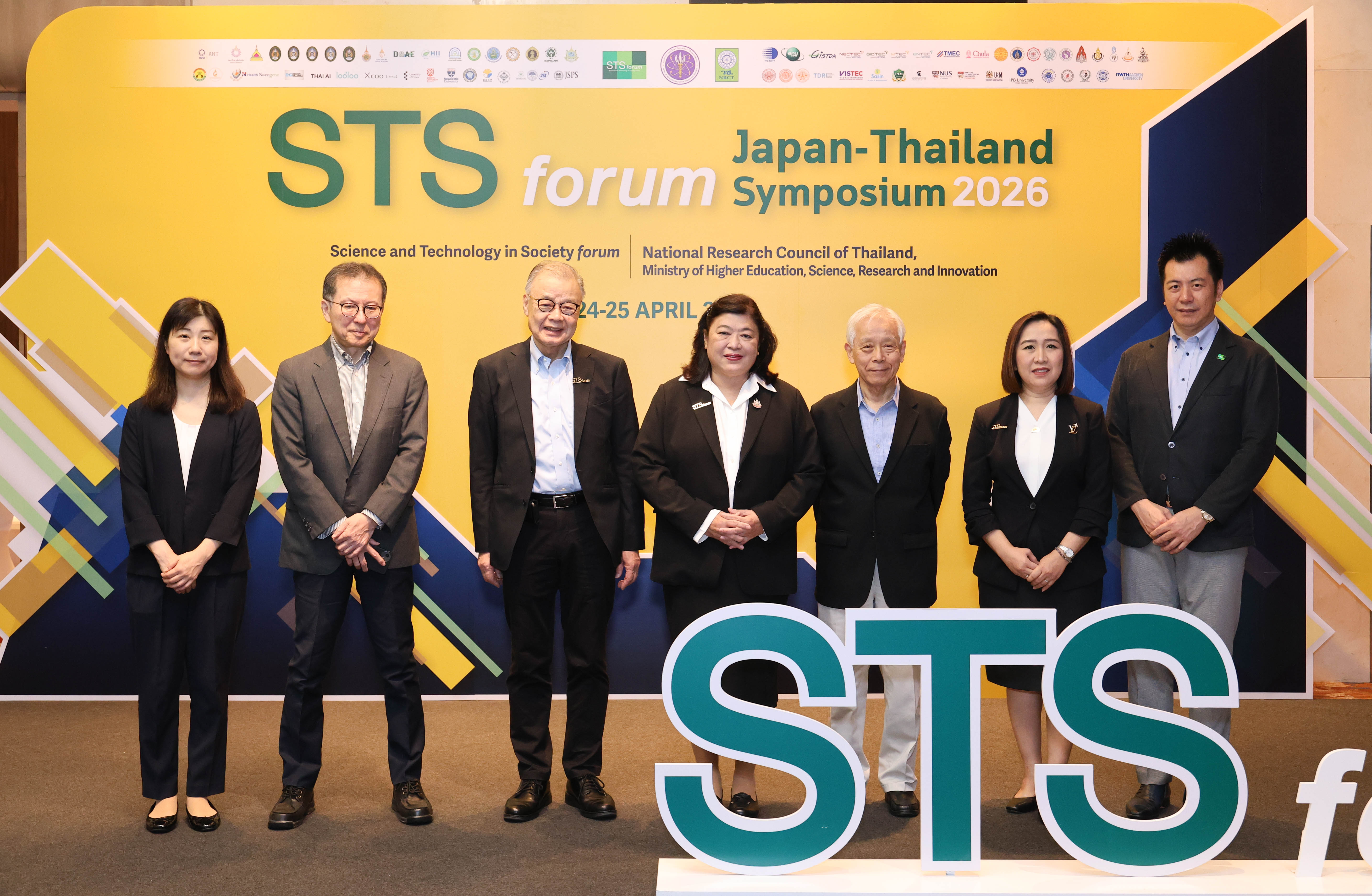
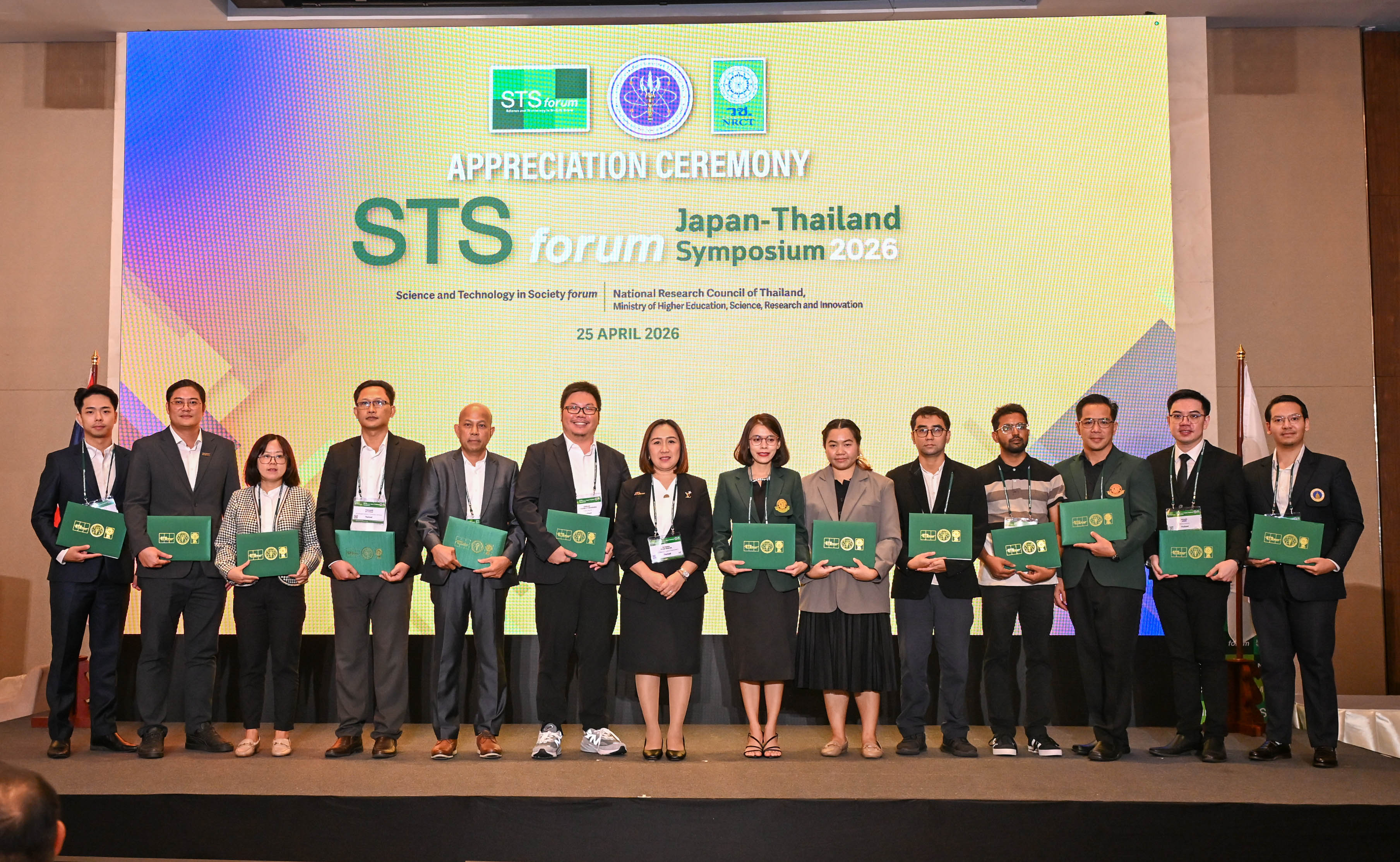
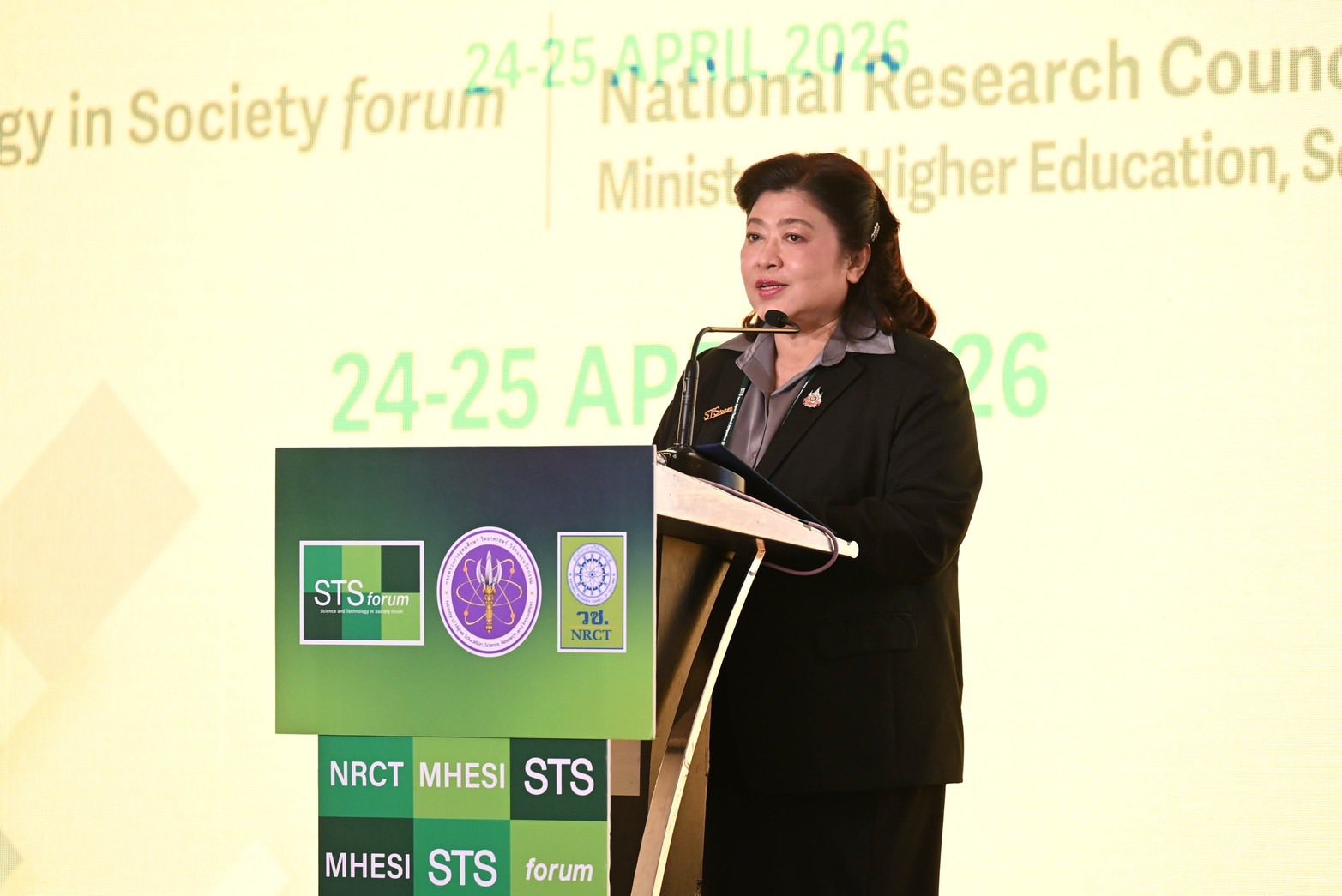
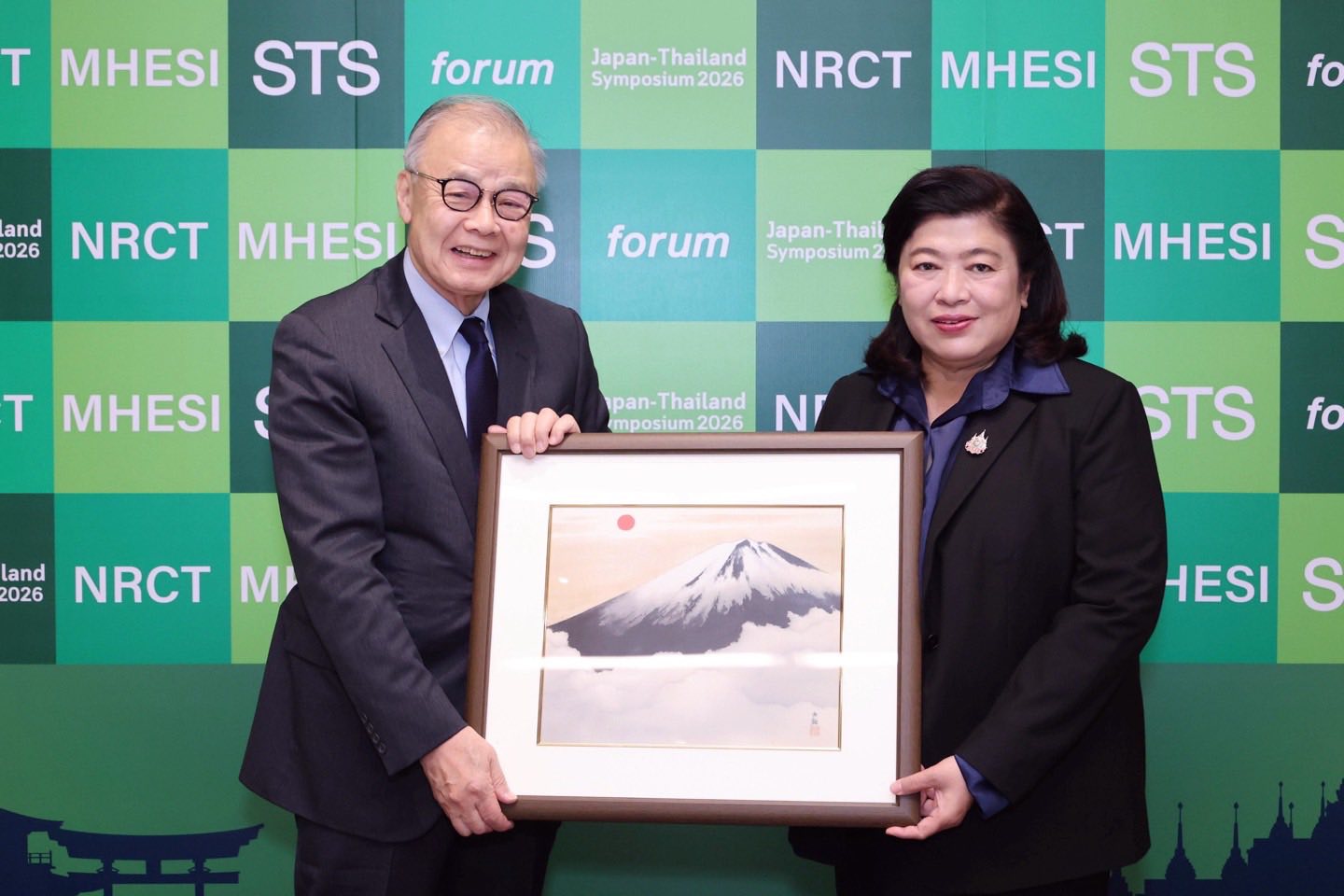
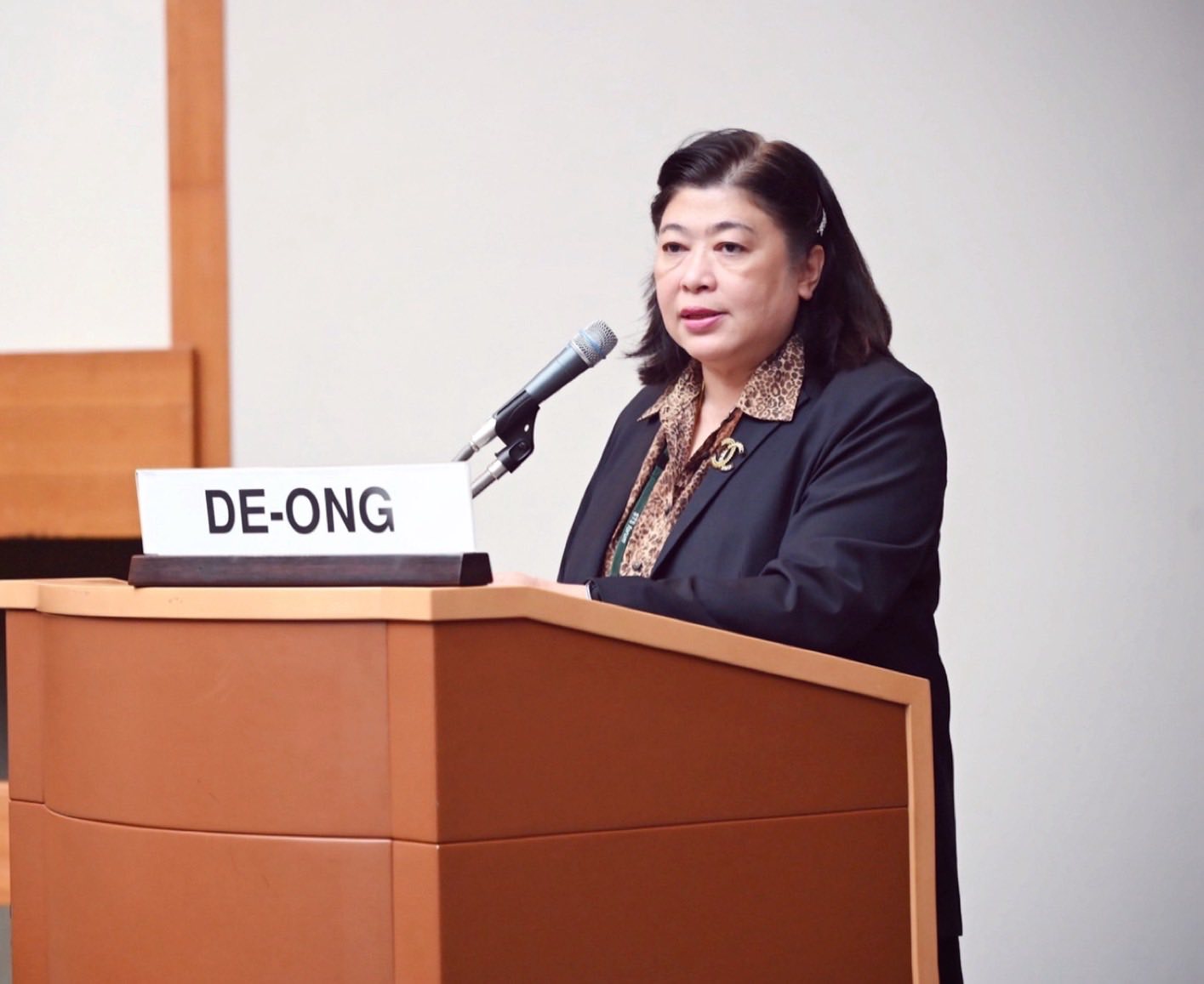
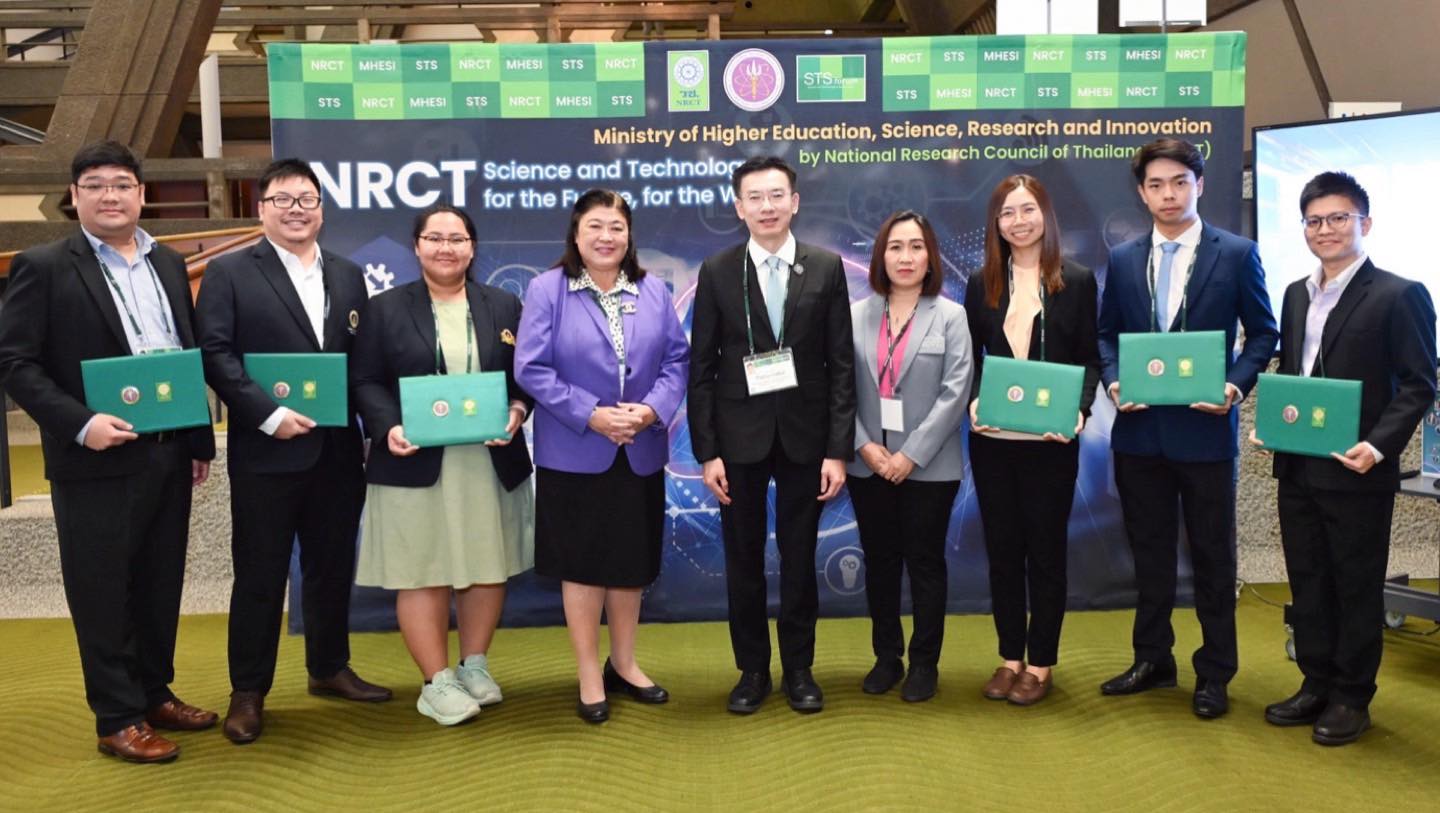
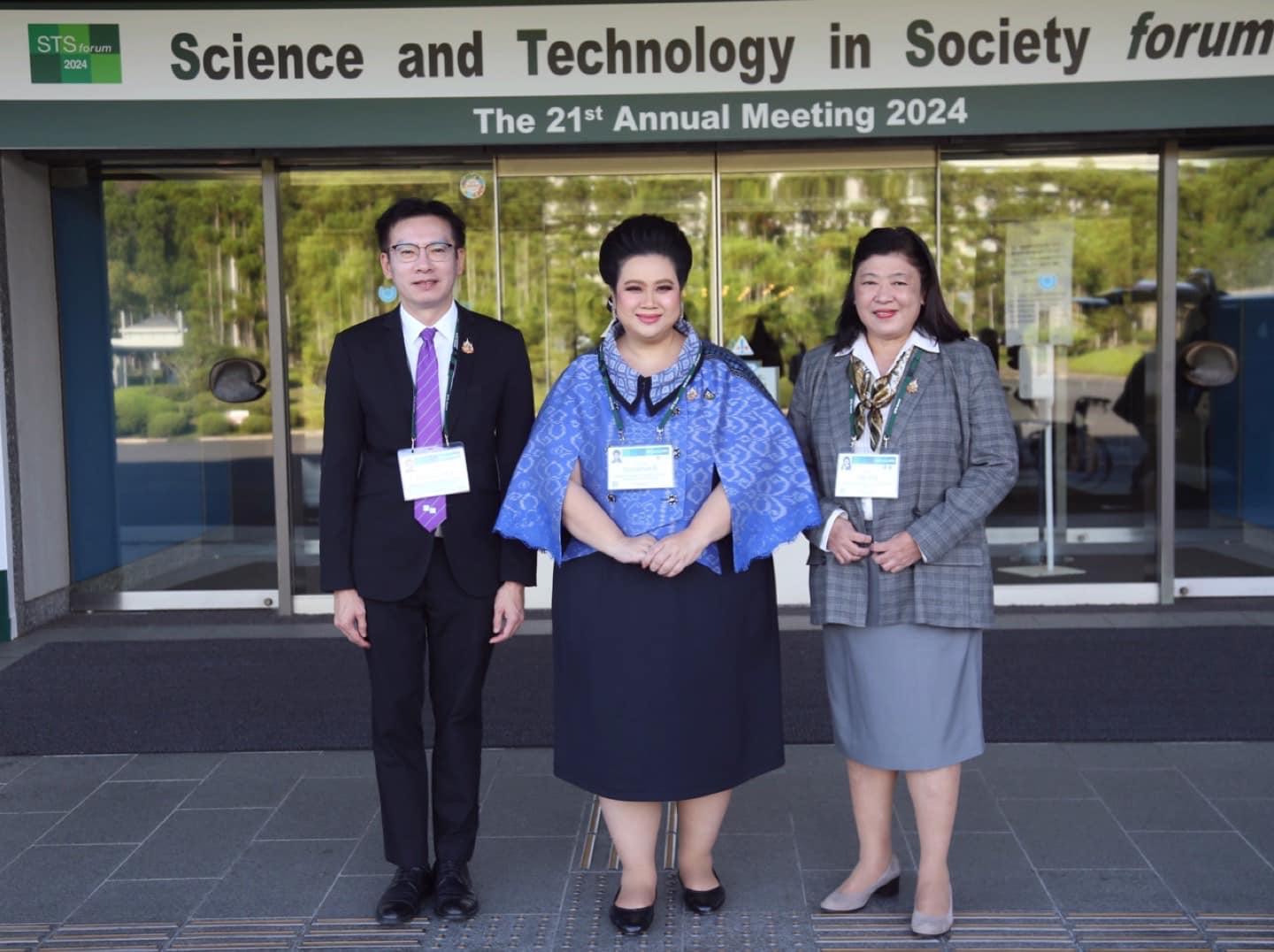
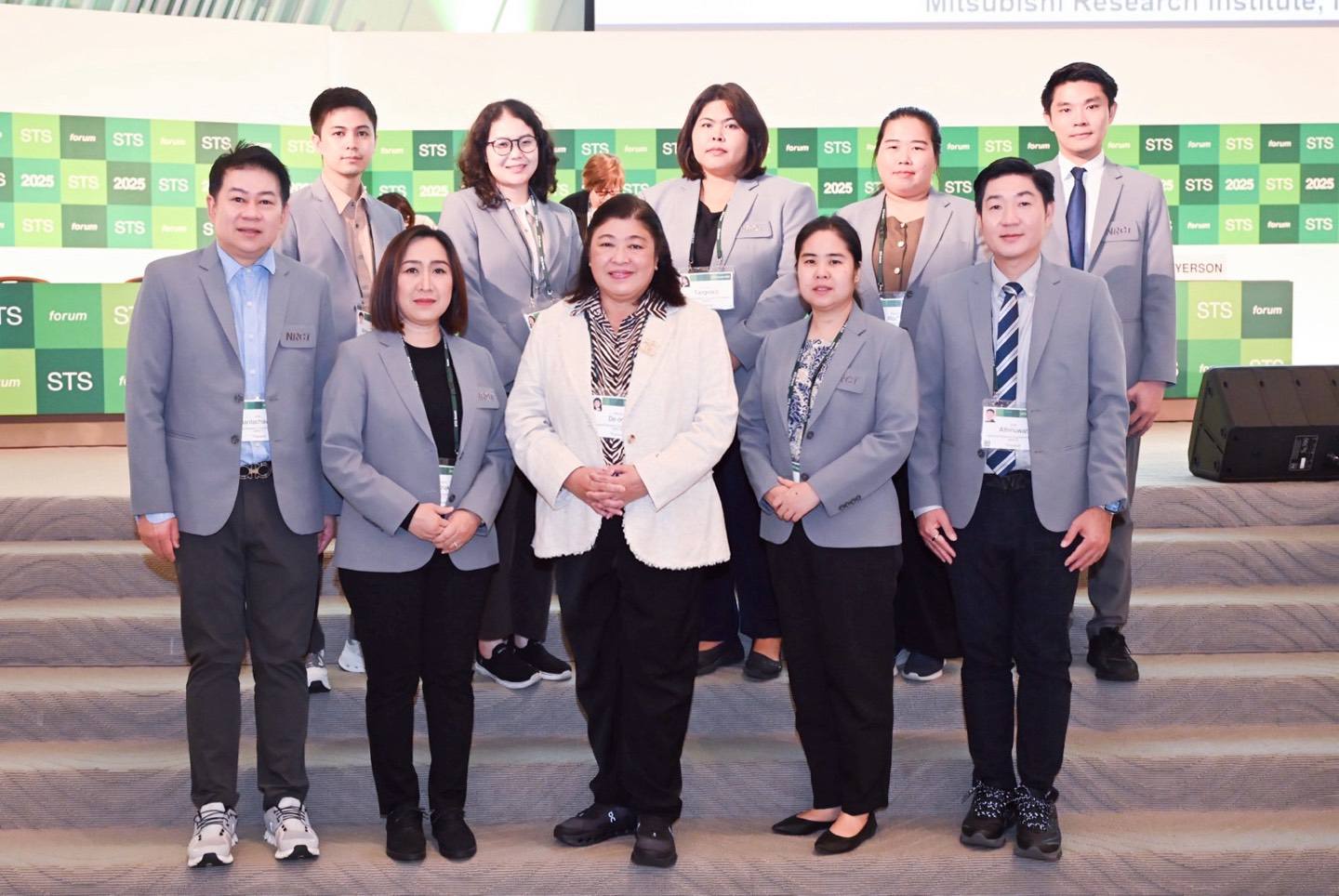
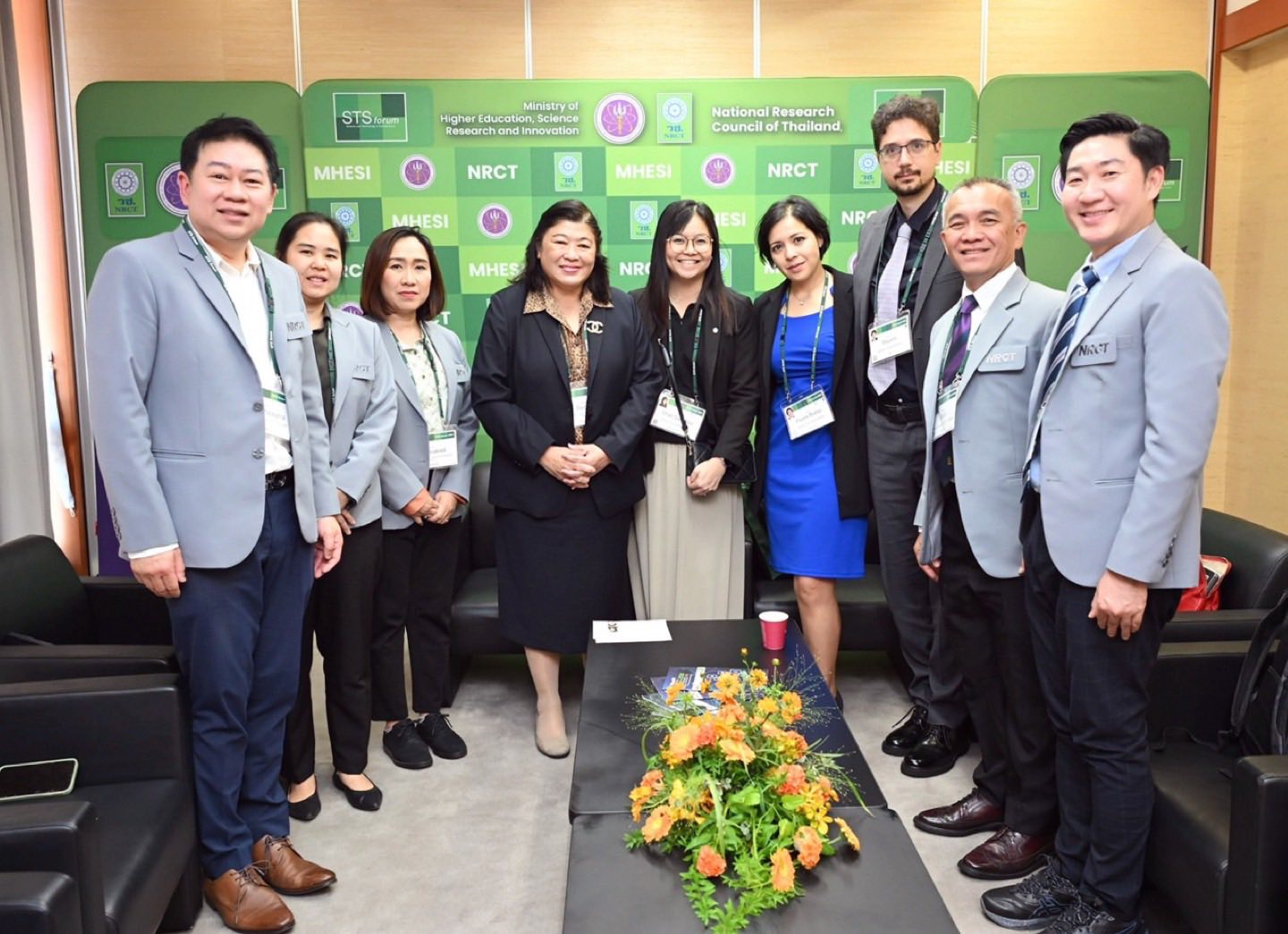
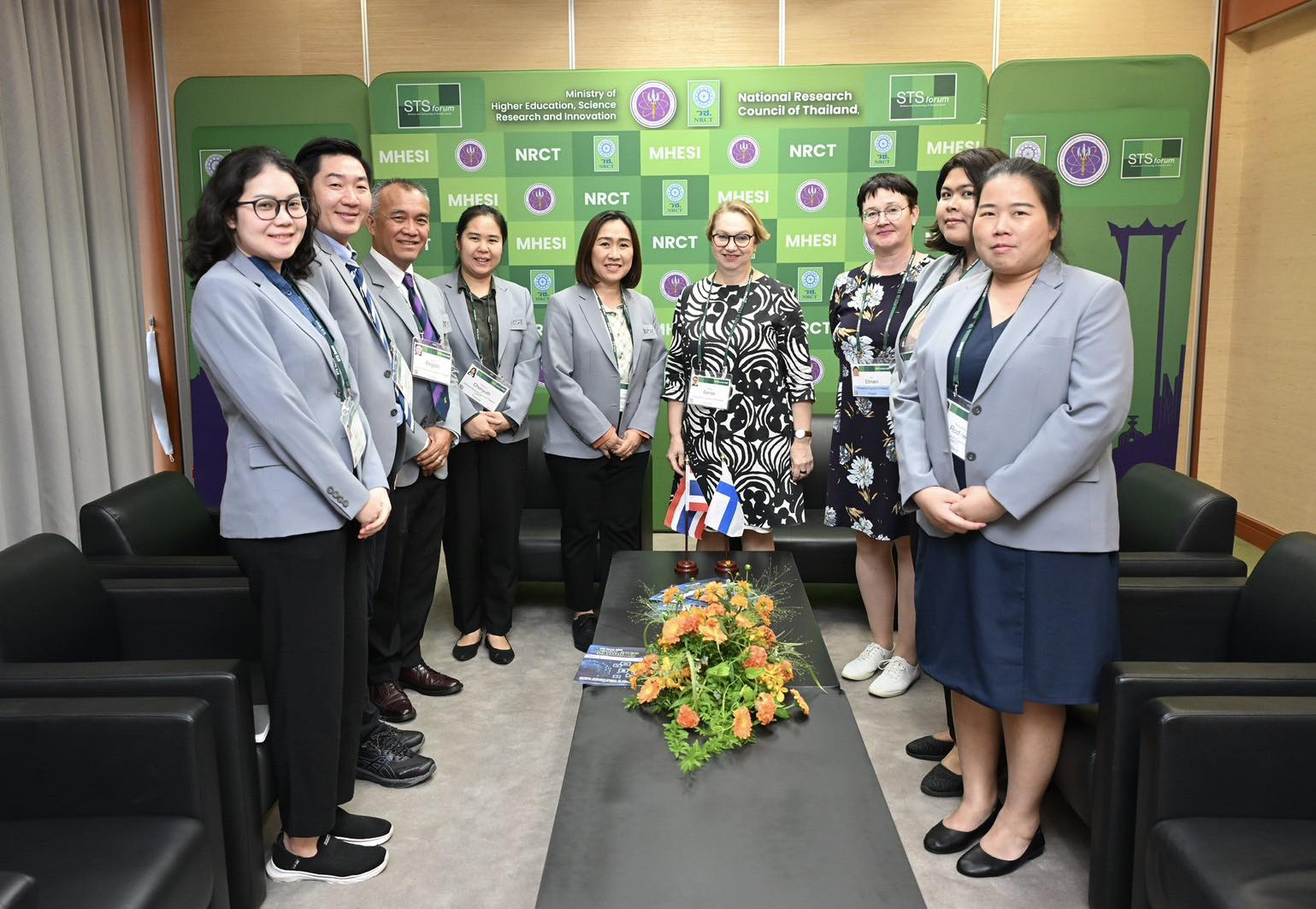
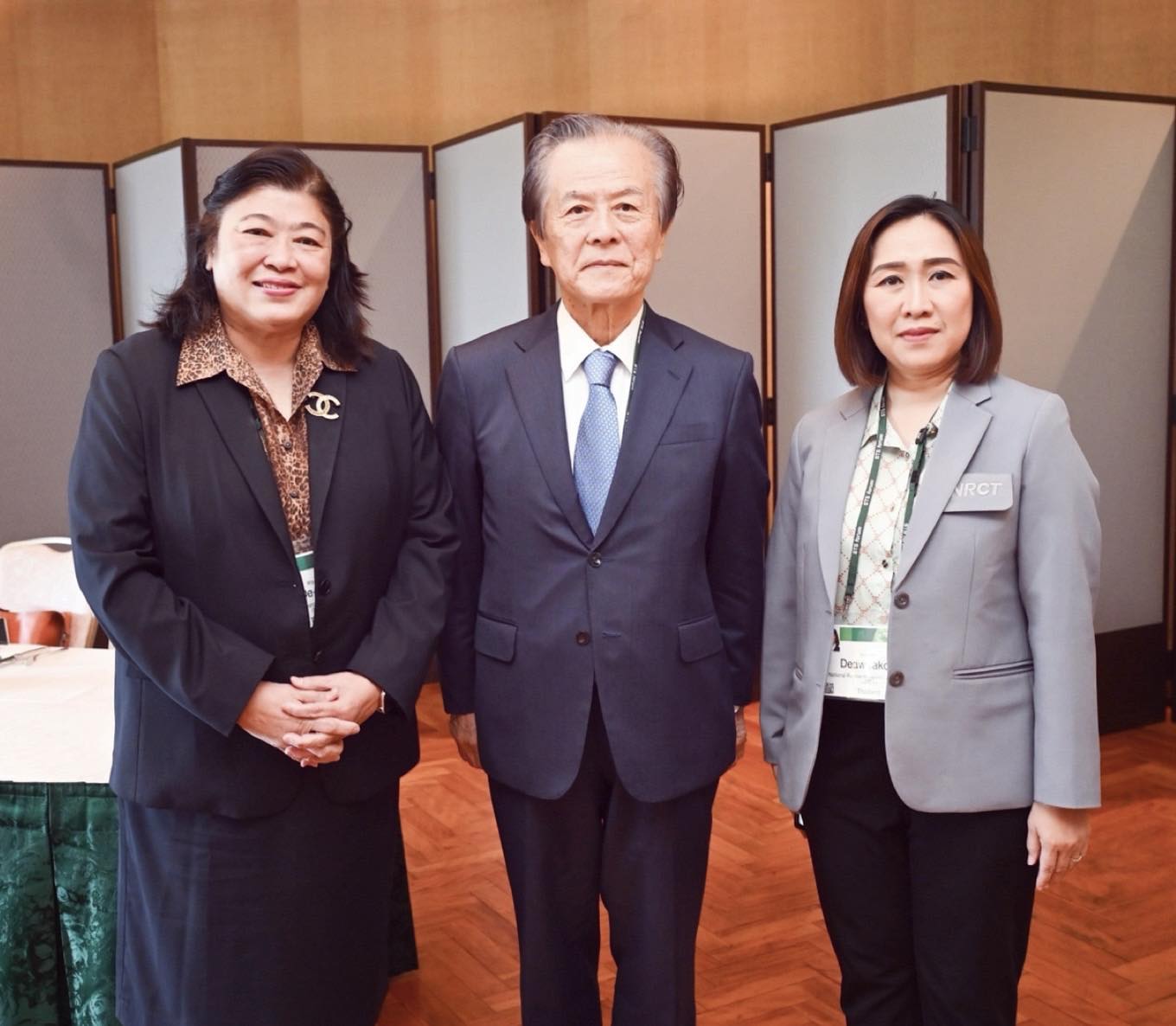
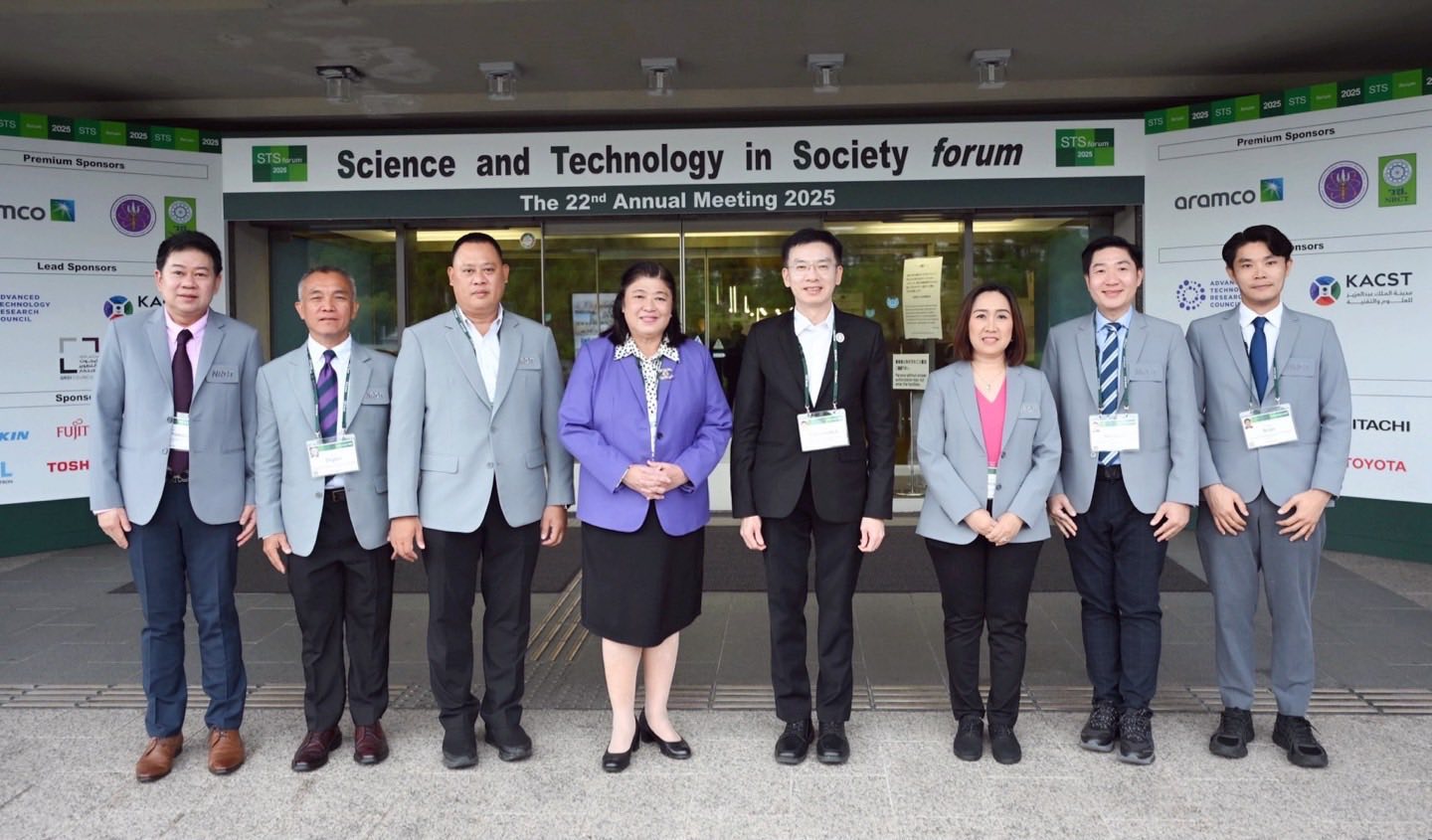
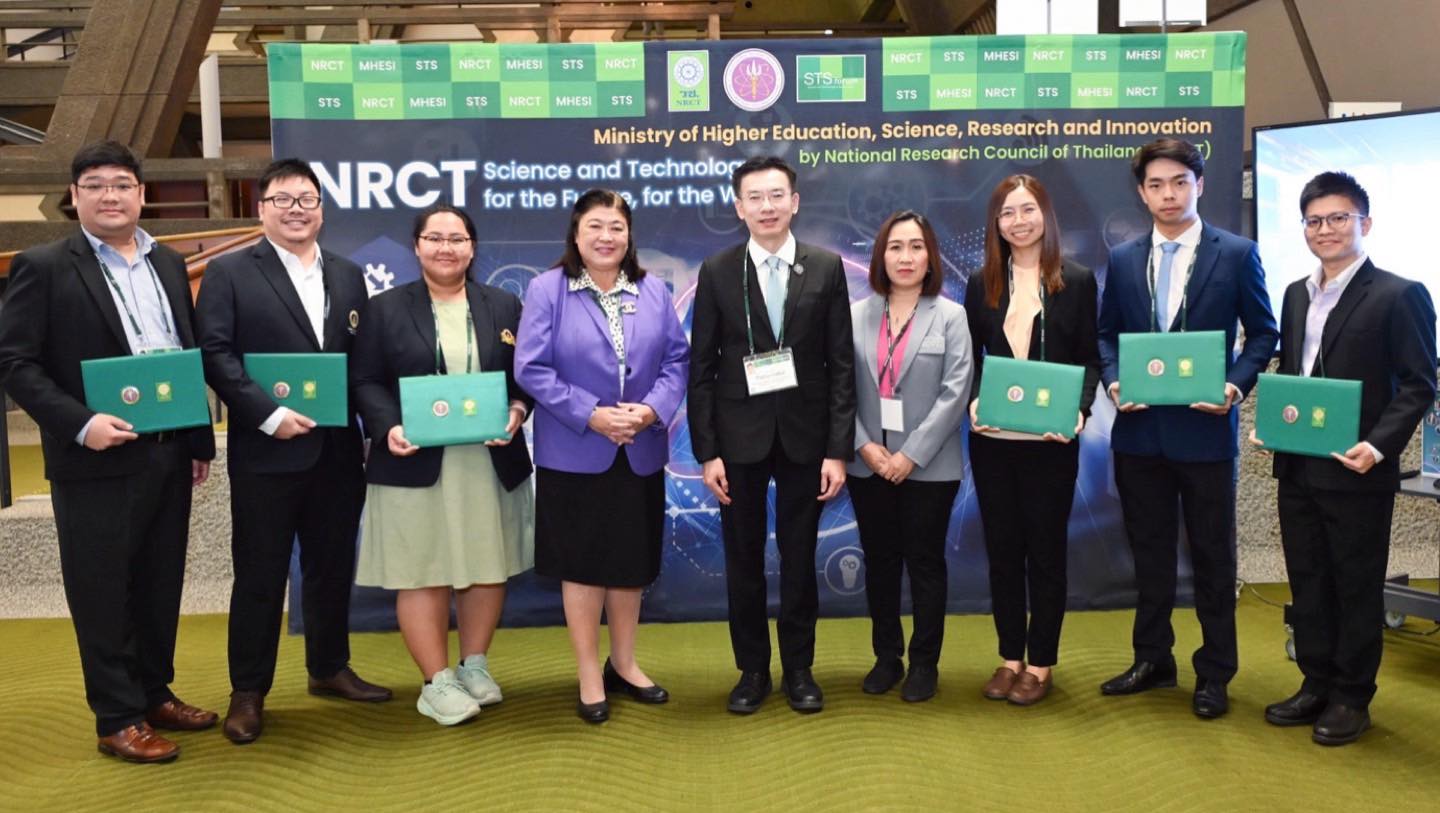
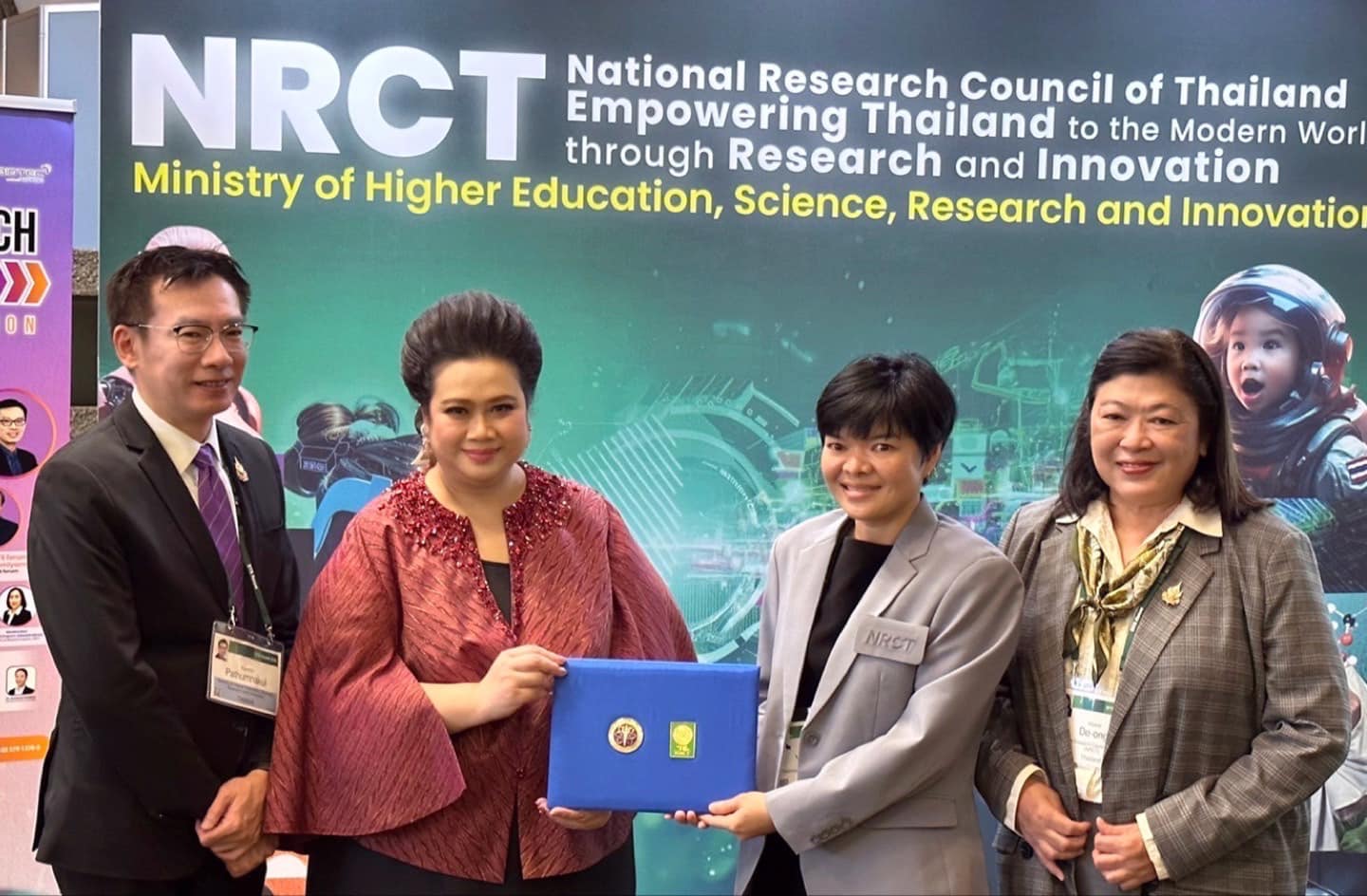
On this occasion, Dr. Wiparat De-Ong, Executive Director of the National Research Council of Thailand, assigned Ms. Sirinporn Deawtrakul, Deputy Executive Director of the NRCT, to preside over the opening ceremony and present commemorative plaques and Certificates of Appreciation to the academic committee members, keynote speakers, and co-presenters of the research works.
Ms. Sirinporn Deawtrakul, Deputy Executive Director of the National Research Council of Thailand, stated that the world is currently facing complex and interconnected challenges across health, climate change, and energy systems. Addressing these challenges requires advances in science, together with the integration of knowledge and collaboration from all sectors. She emphasized the importance of leveraging modern technologies—particularly Artificial Intelligence, sensing systems, and data-driven platforms—to create new opportunities in research development, policy formulation, and practical applications.
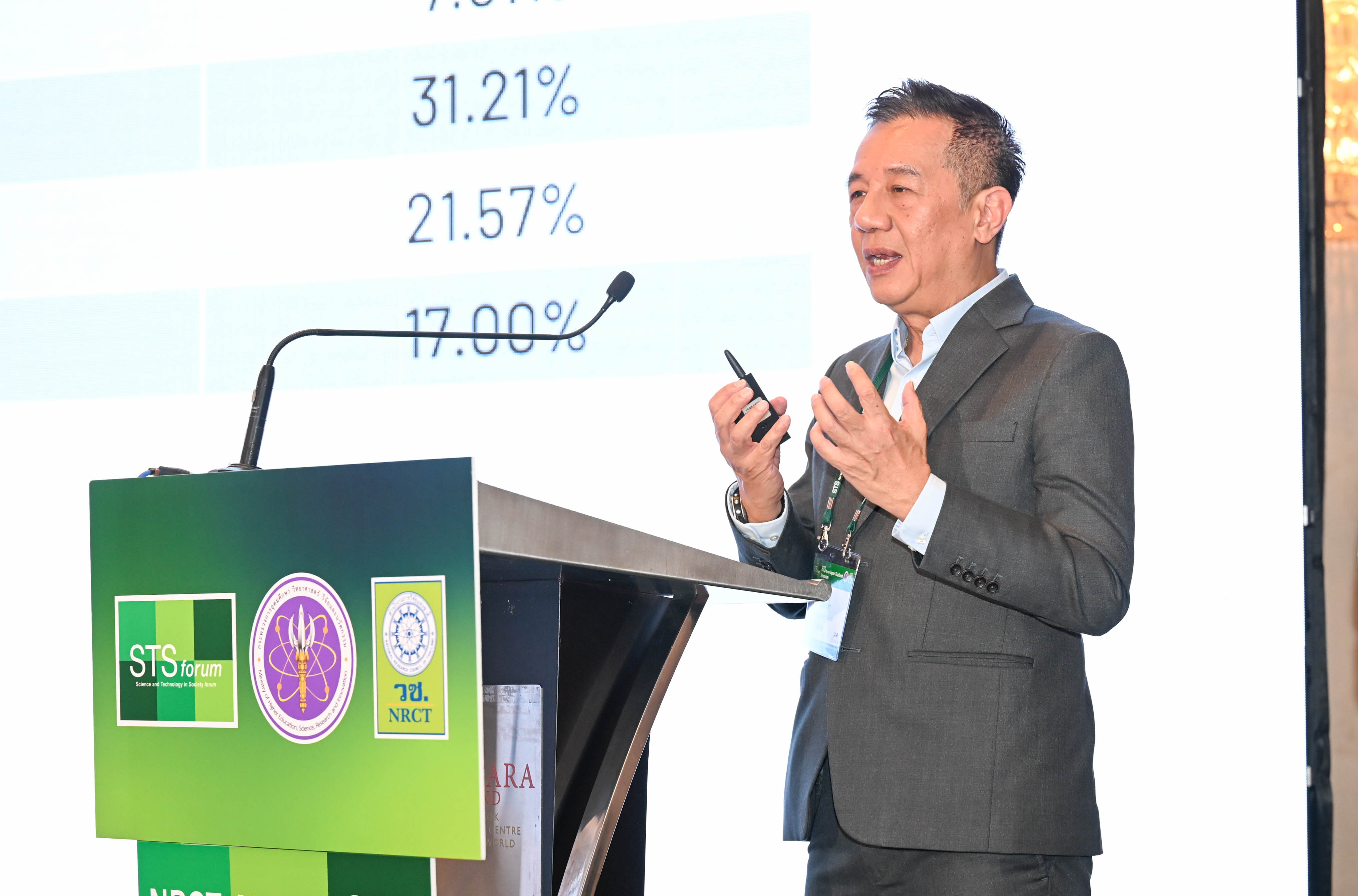
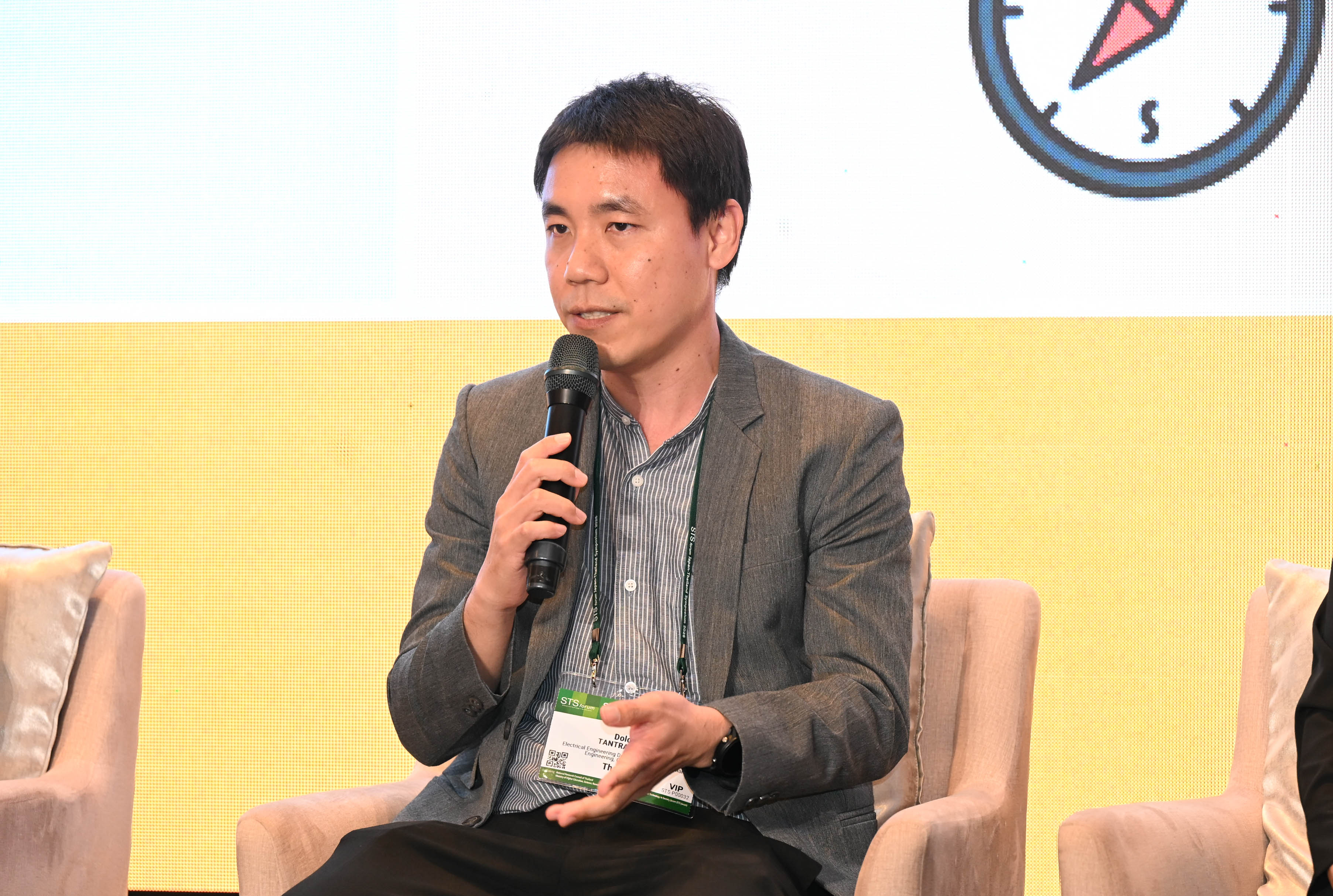
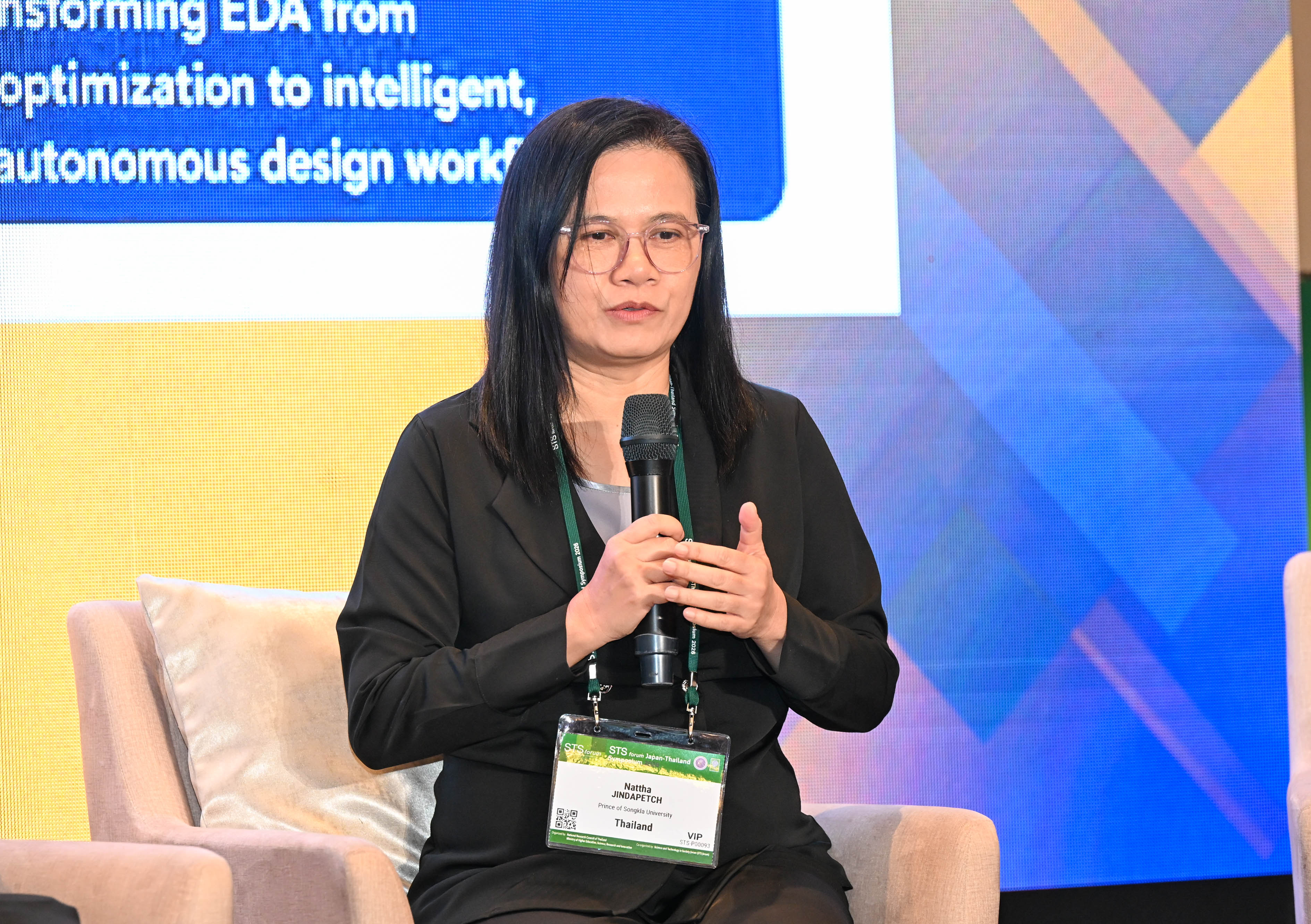
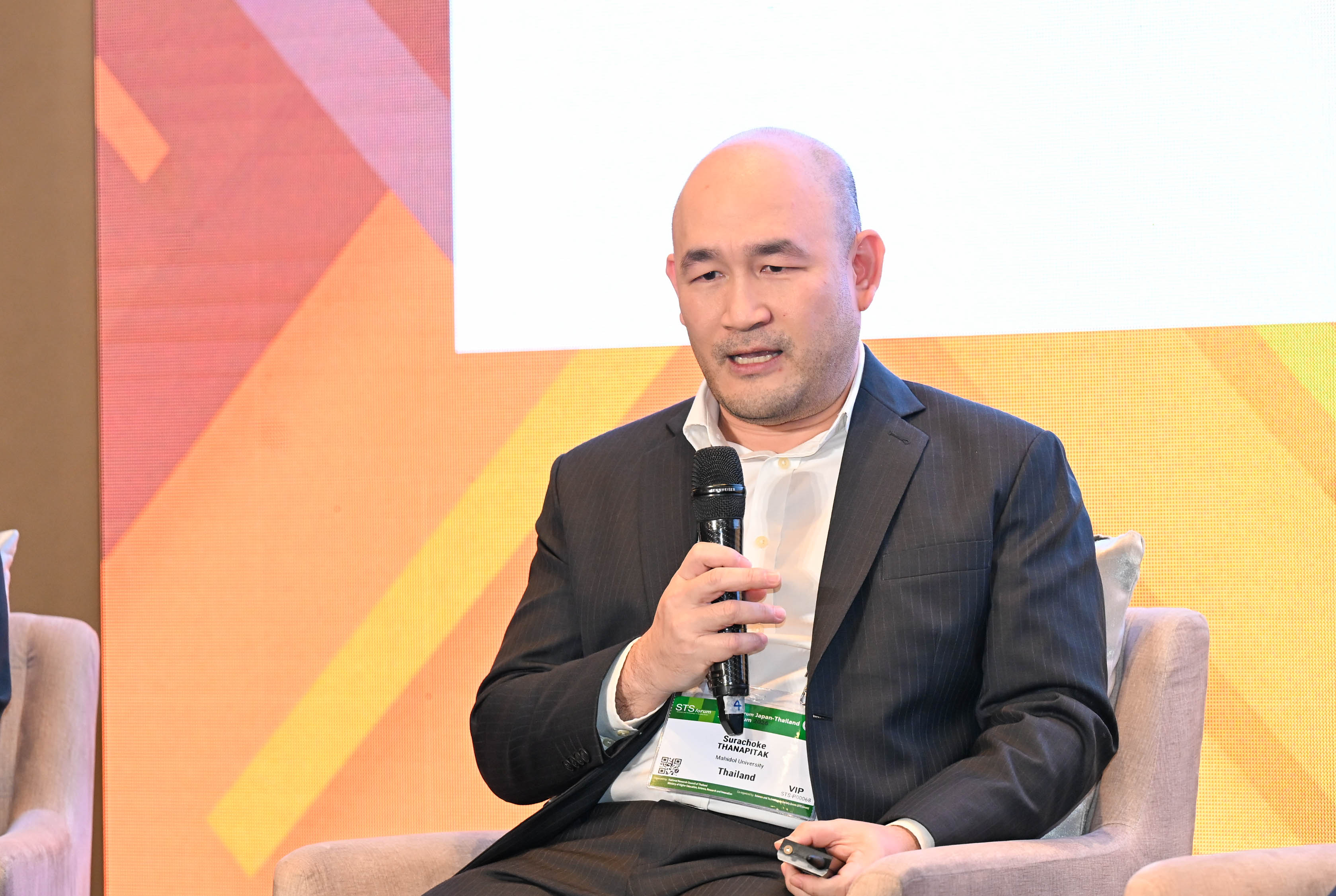
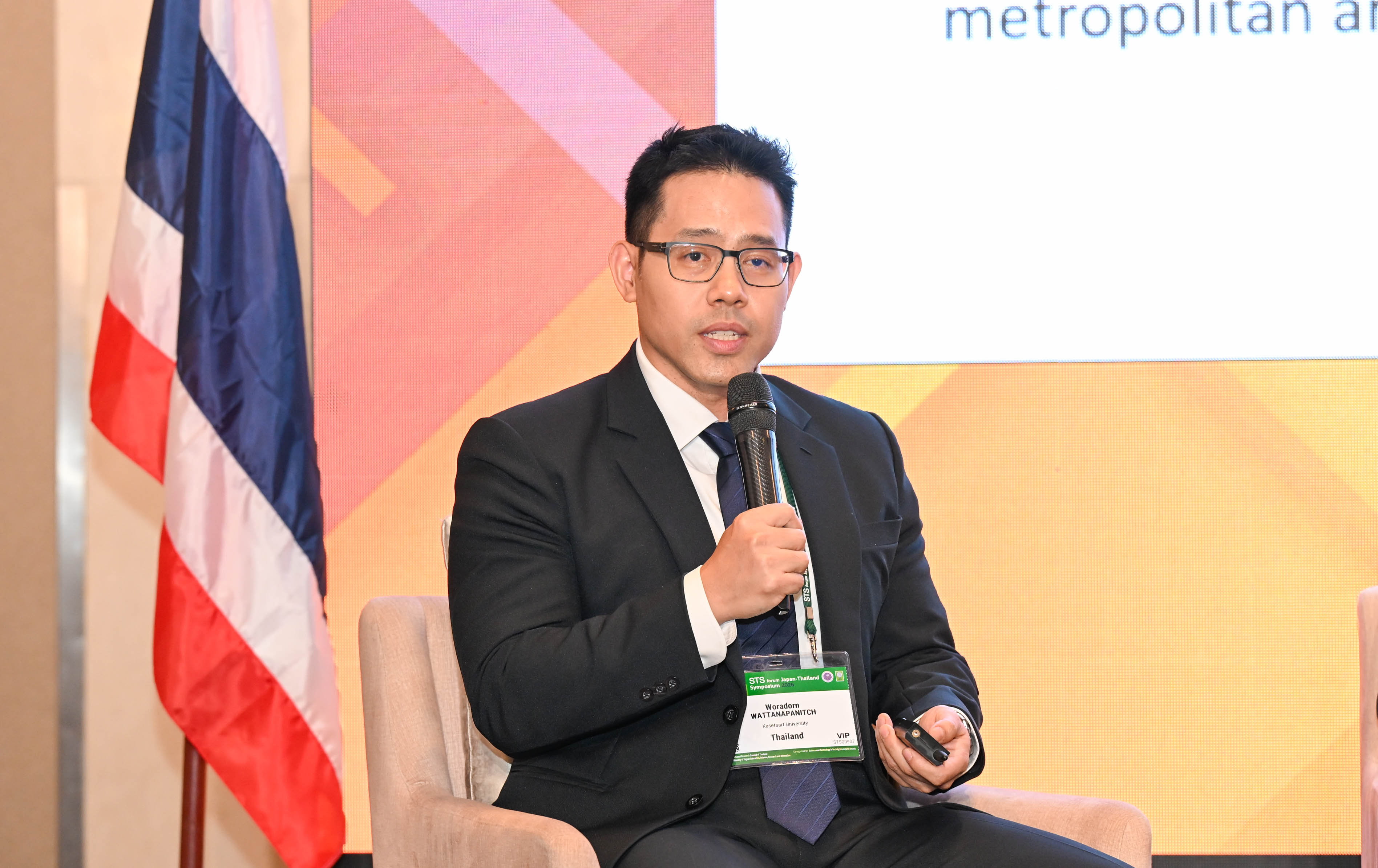
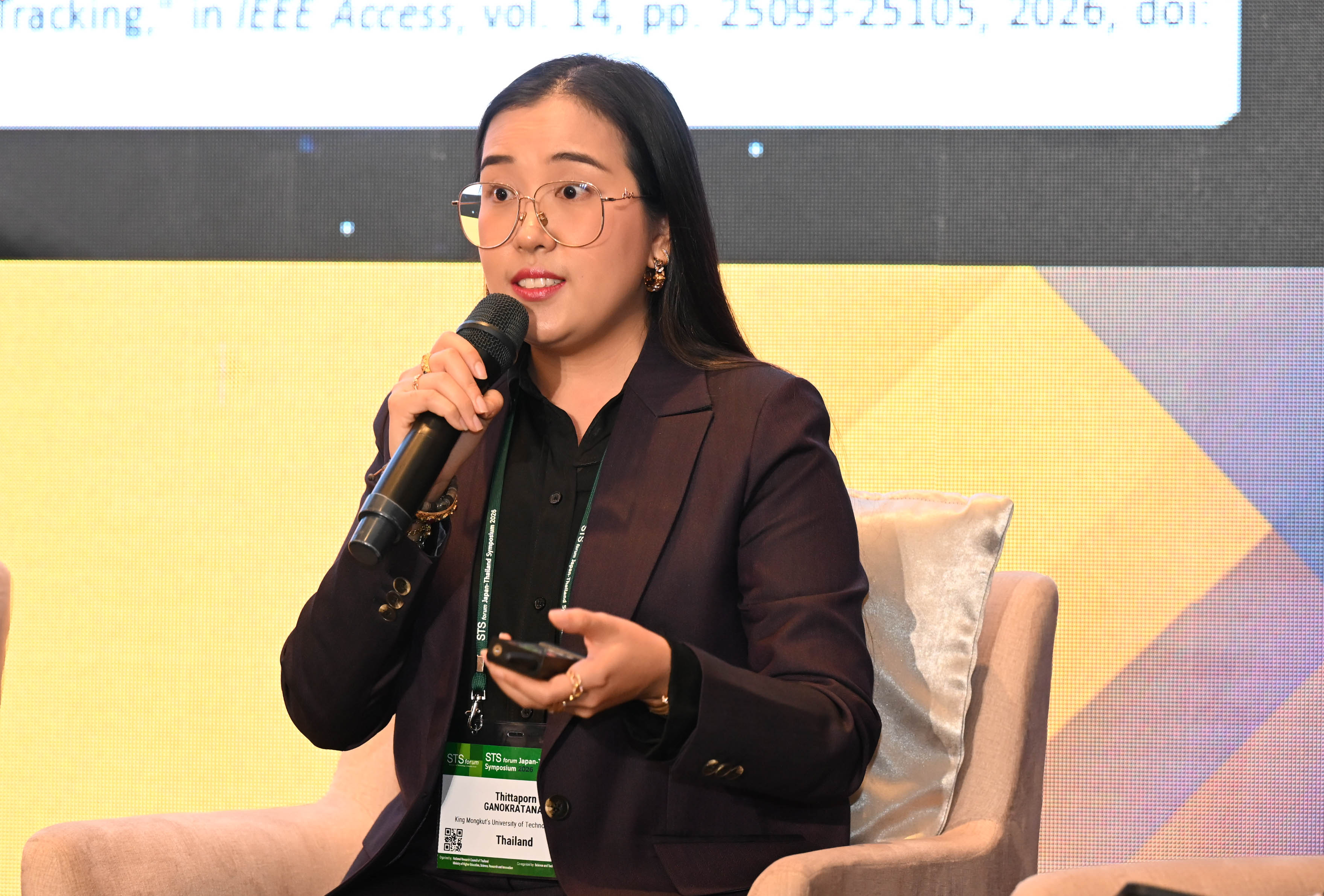
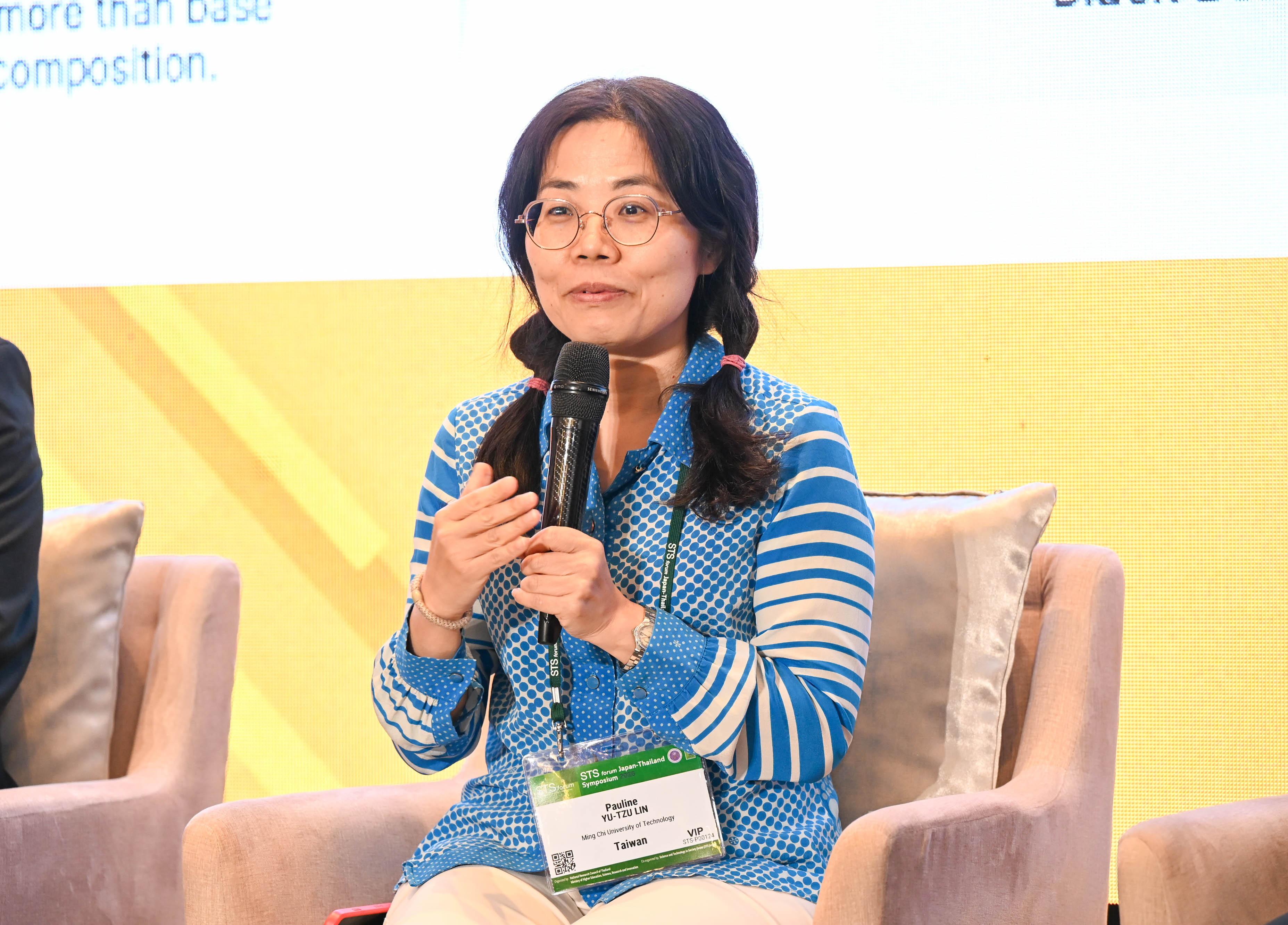
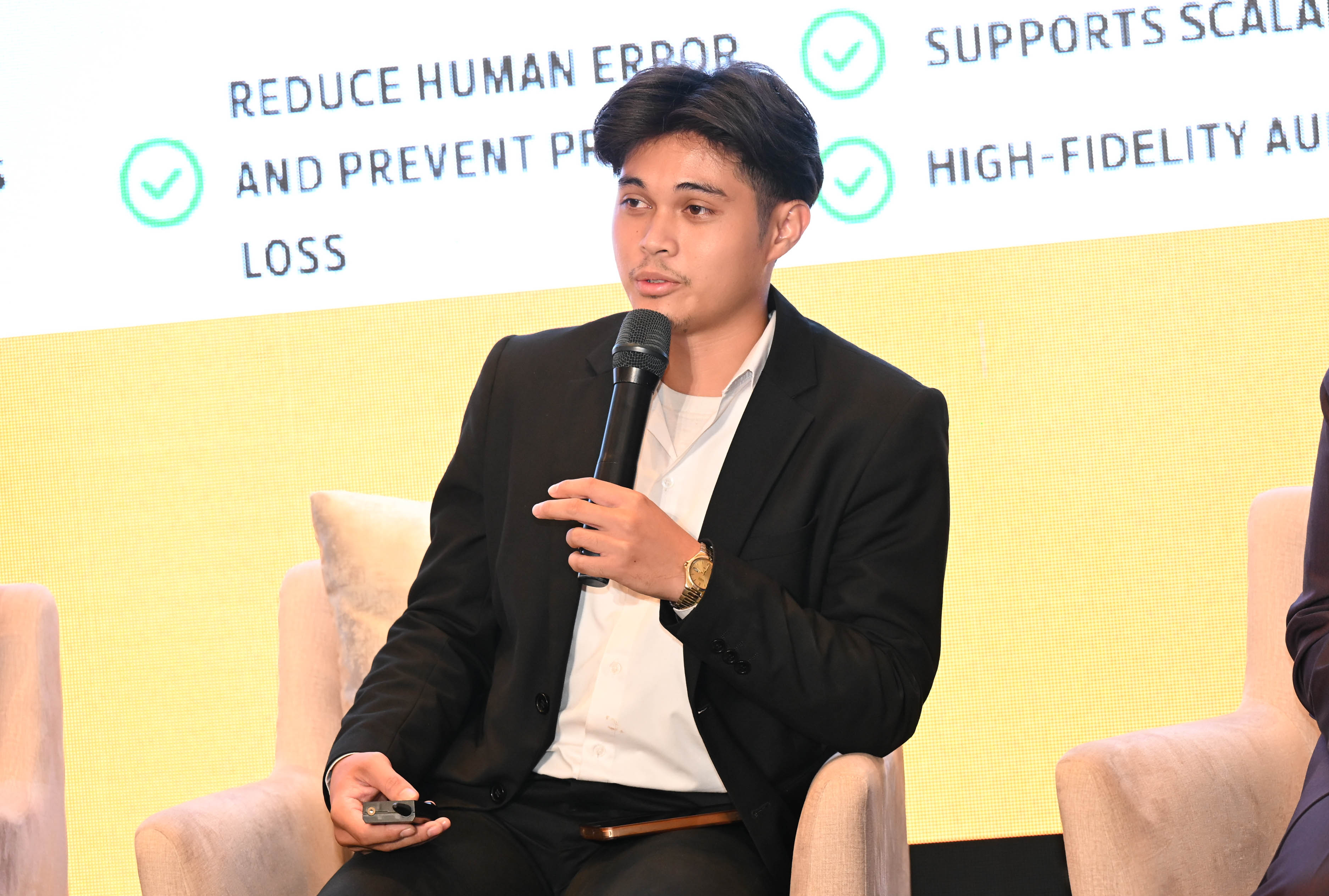
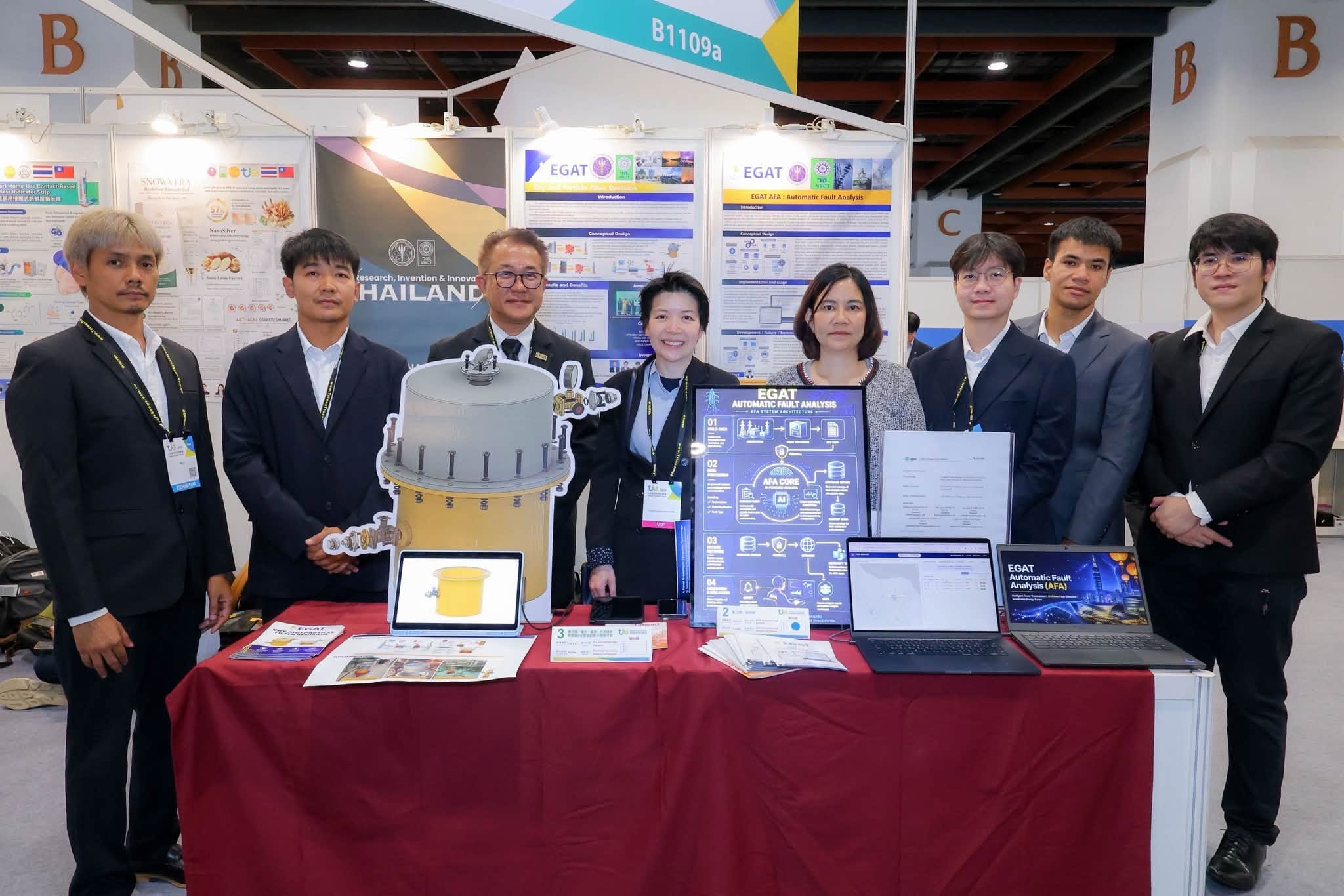
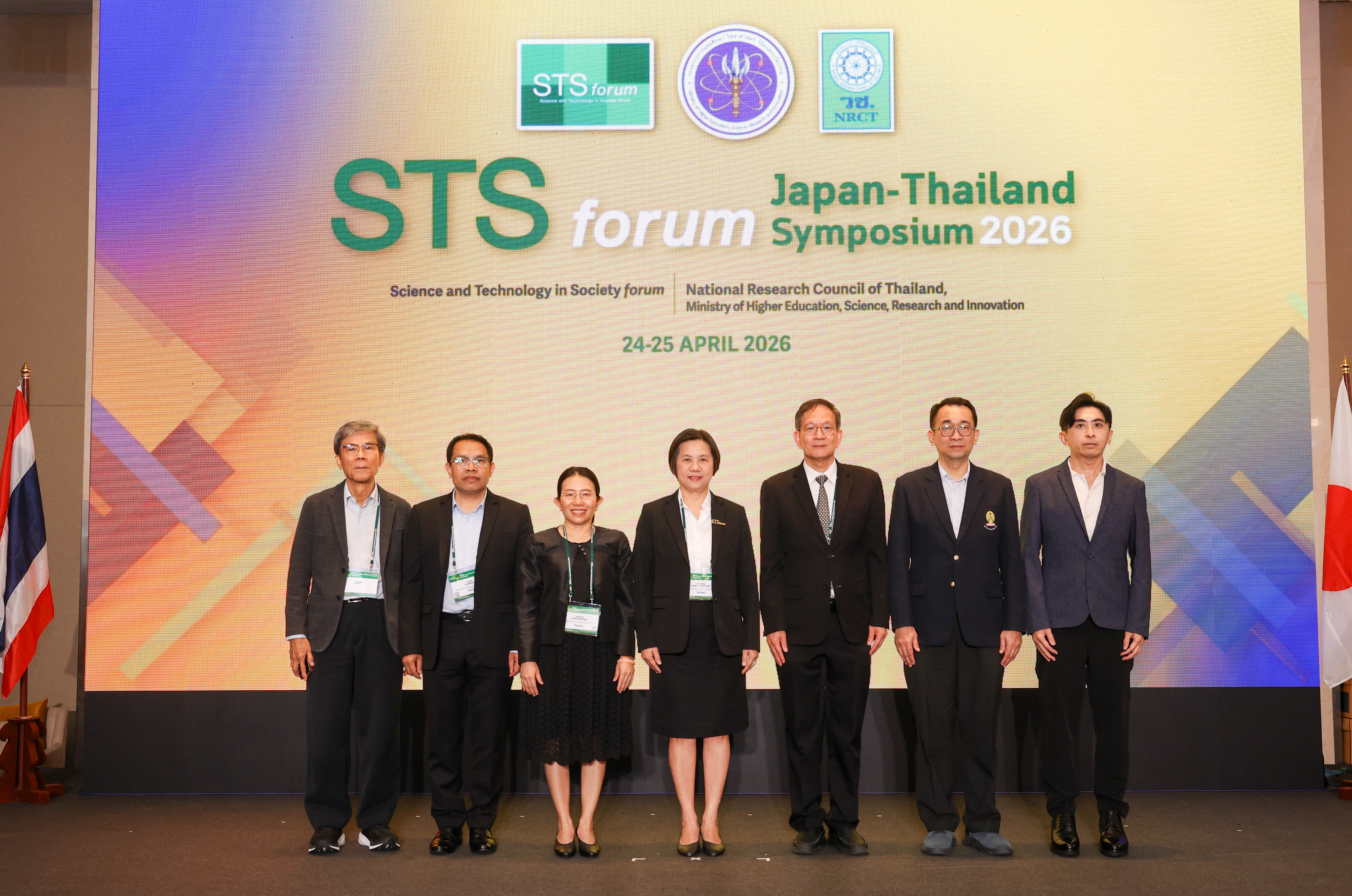
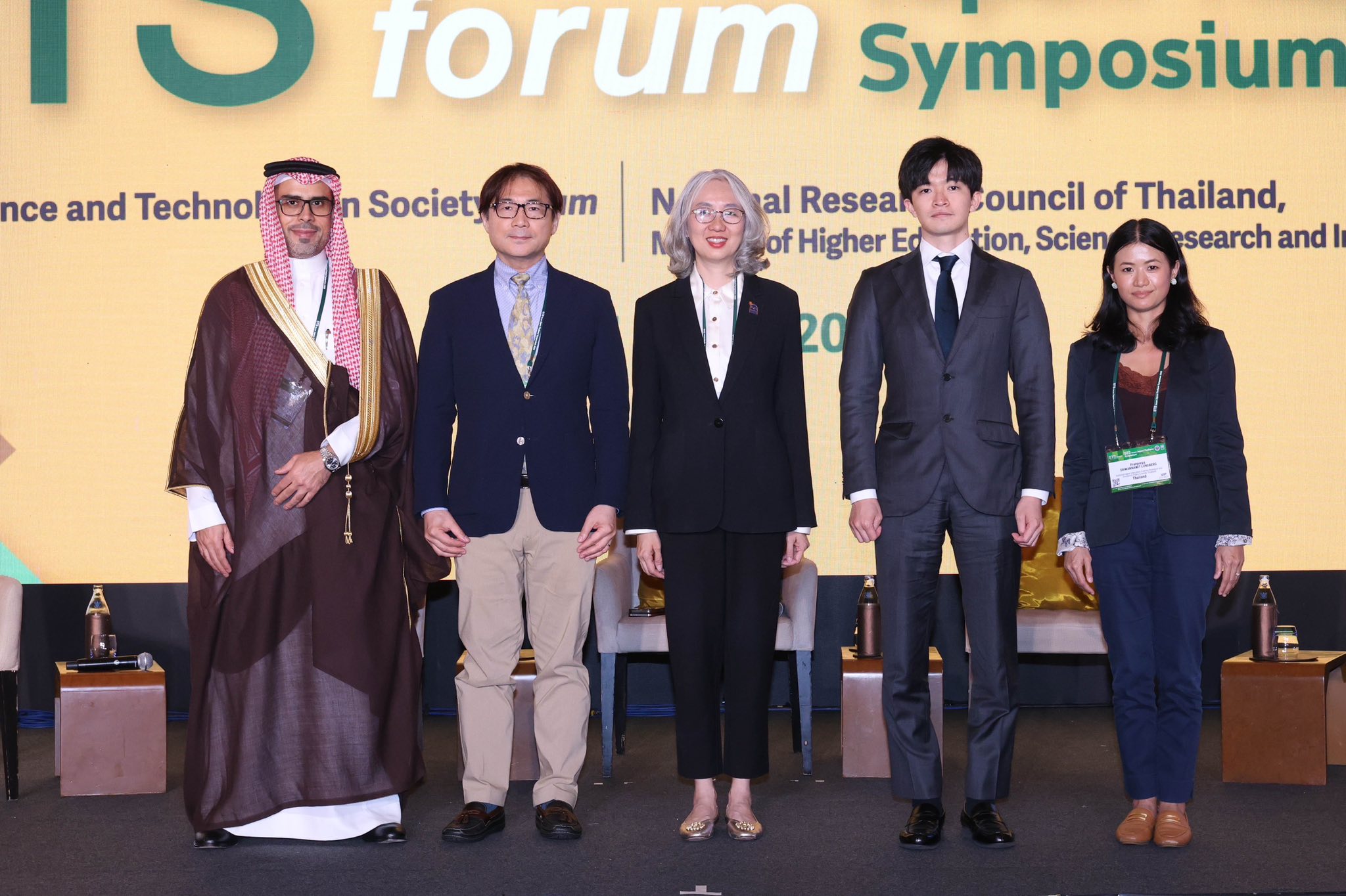
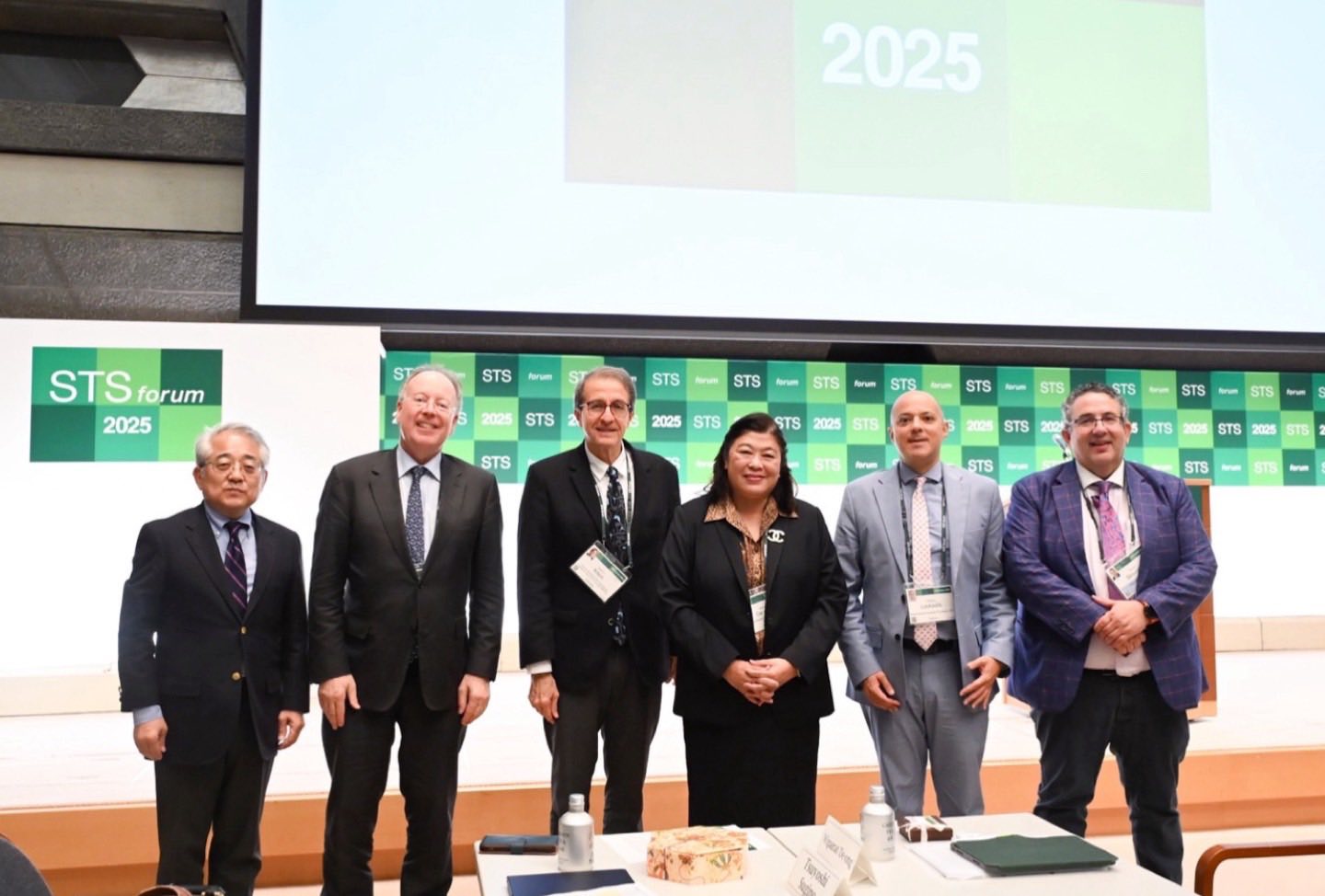
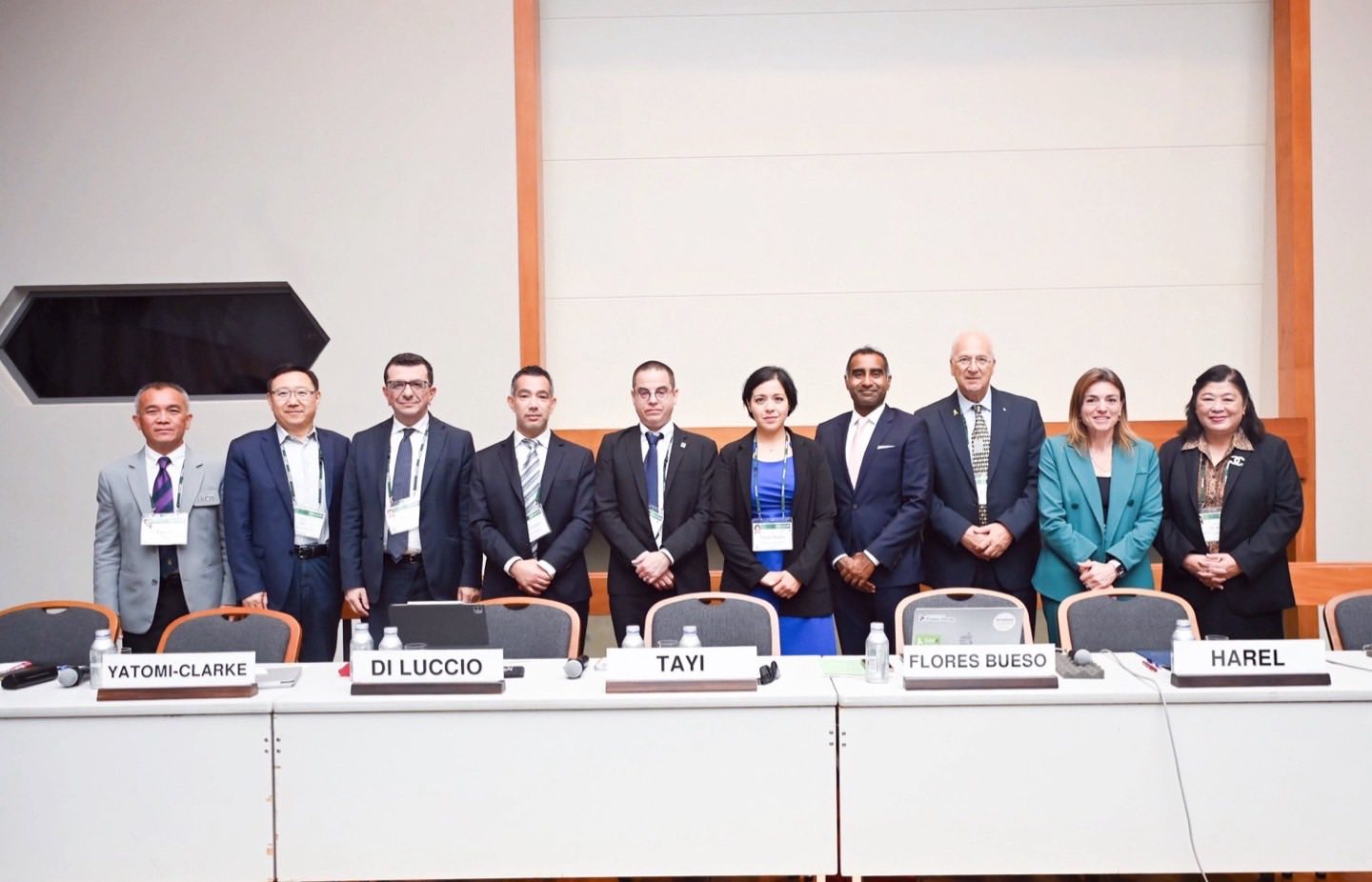
The session featured a special lecture by Associate Professor Dr. Kun-Cheng Ke from National Taiwan Normal University, Taiwan, and Mr. Seksan Chittanusart from Analog Devices (Thailand) Co. Ltd.. This was followed by 11 academic presentations by Thai and international researchers under the theme “AI-Enabled Microelectronics for Intelligent Systems.”
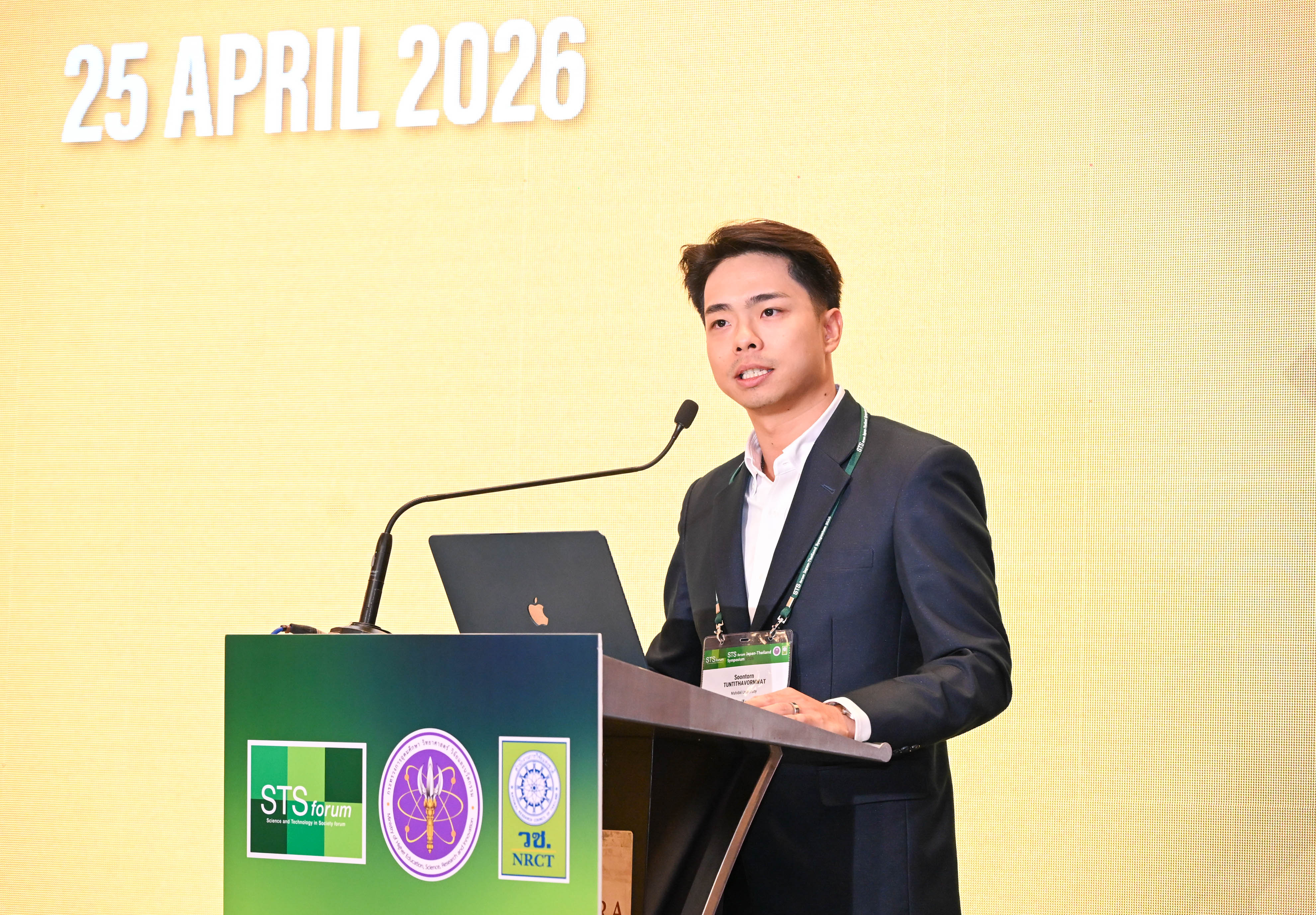
The session was moderated by Assistant Professor Dr. Uraiwan Intatha, while the concluding summary was delivered by Assistant Professor Dr. Soontorn Tuntithavornwat of Mahidol University, a participant selected by the National Research Council of Thailand to join the STS forum Young Leader Program 2025.
A total of 11 academic presentations were showcased under the theme “AI-Enabled Microelectronics for Intelligent Systems,” including:
- A Review of AI-driven Methodologies for System – on - Chip Design and Verification
- TCAD to Machine Learning: Accelerating the Design of Next Generation Microelectronics
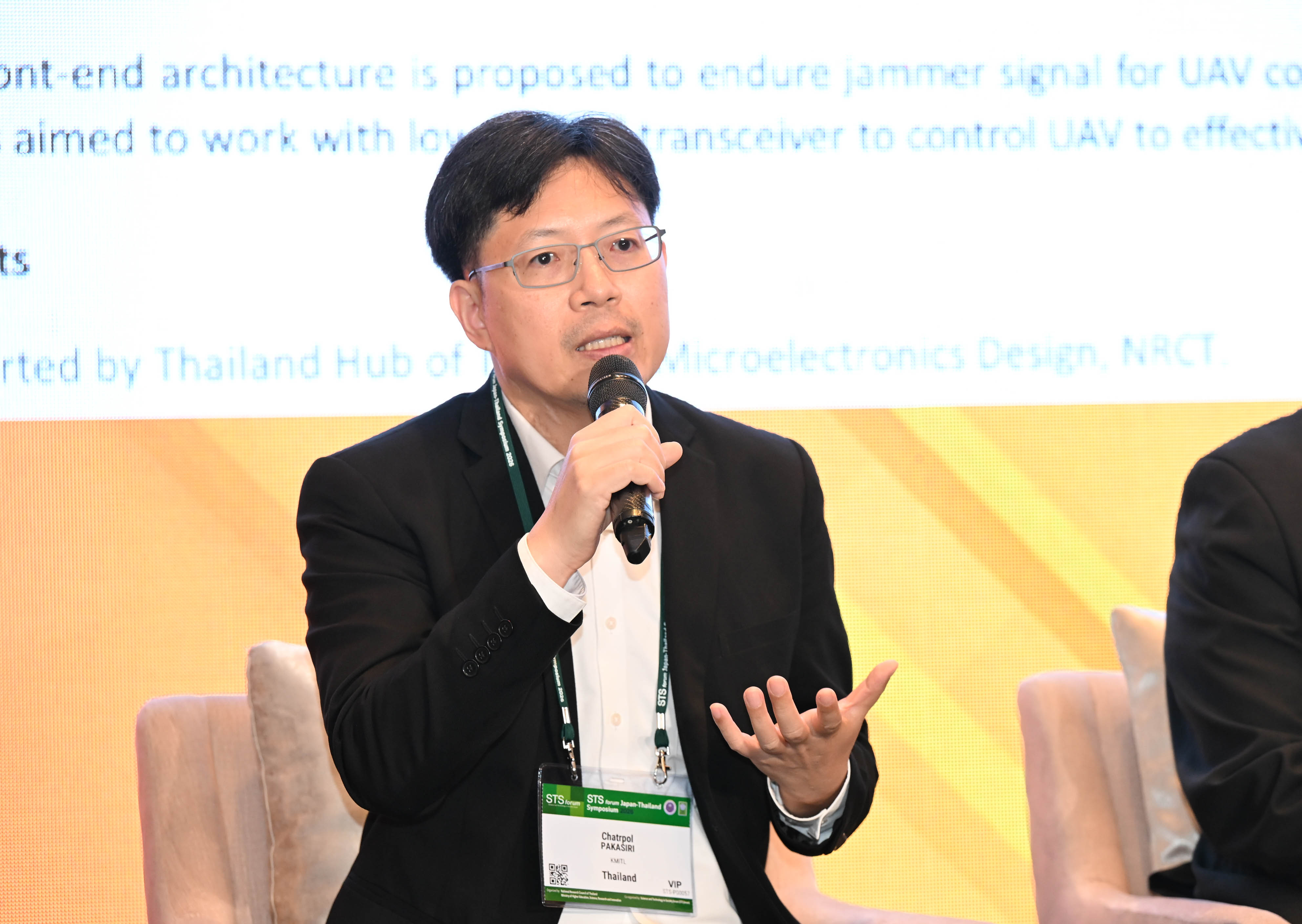
- Anti-Jammer RF Front-End for Unmanned Aerial Vehicle (UAV)
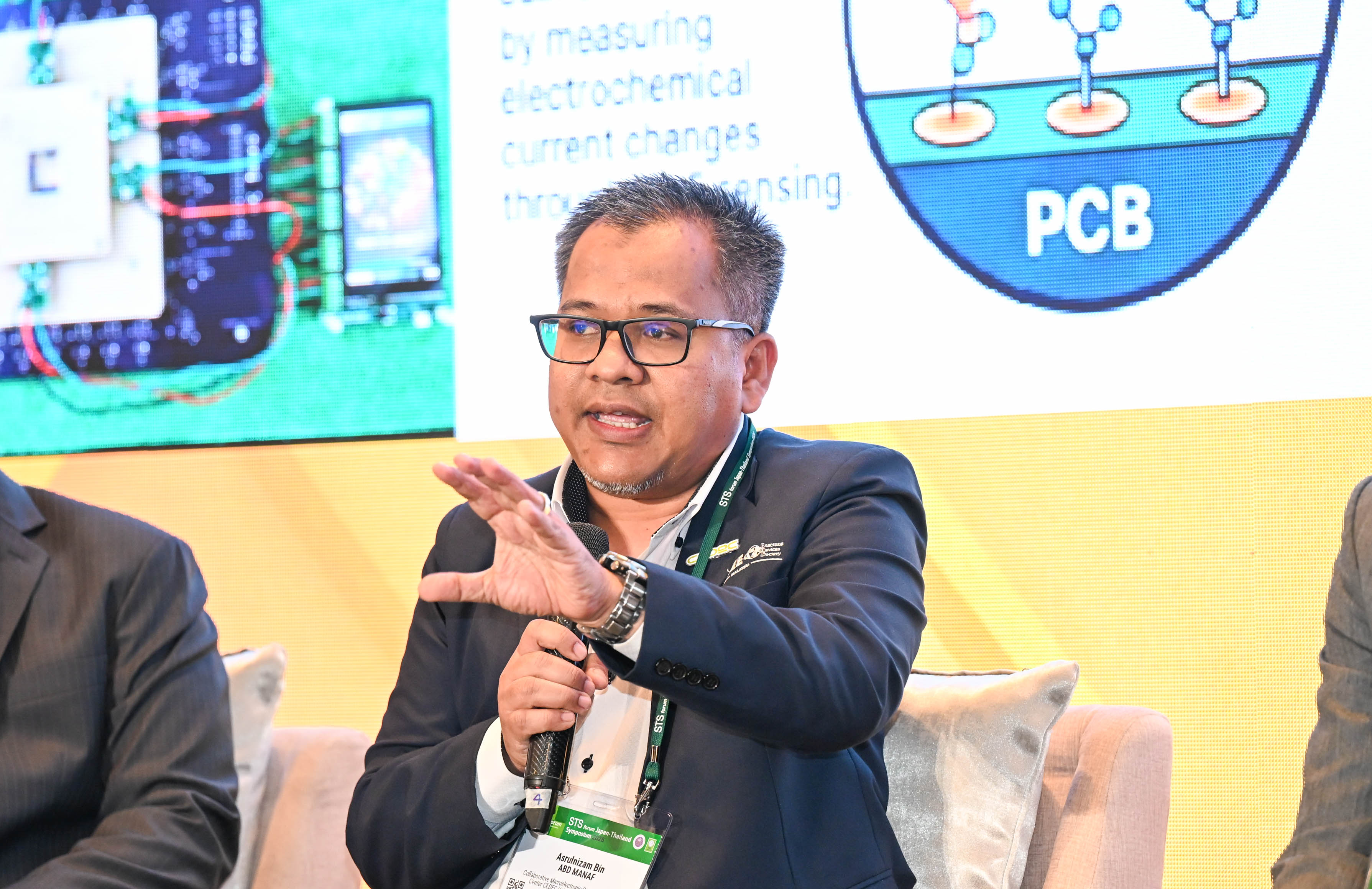
- Microelectronic Enablers for AI-Driven Sensing and Deployment in Bio-Economy and Environmental Systems
- Low Power IC Design Meets Edge AI: Toward Smarter Wearables
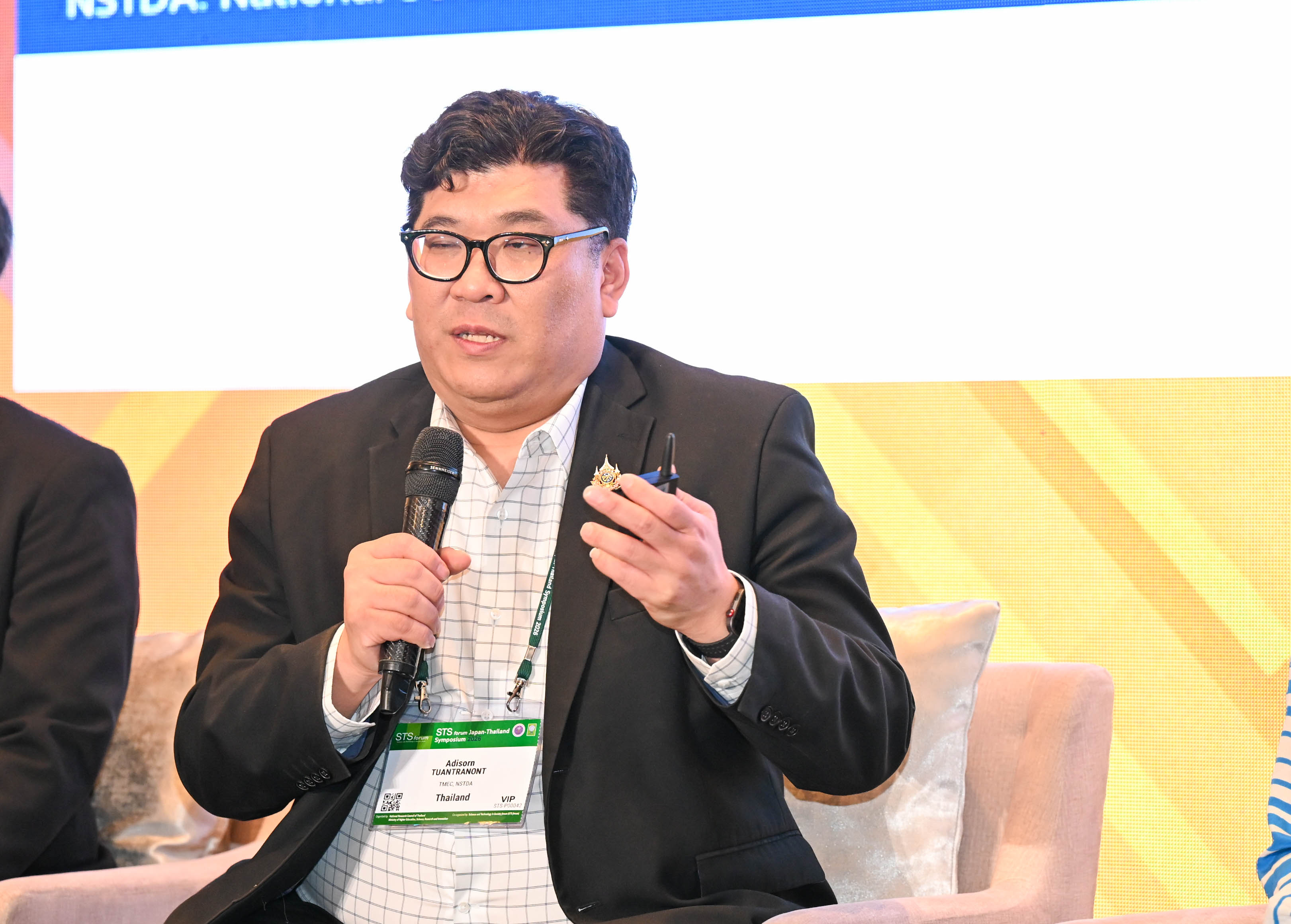
- Perspective of Thai Microelectronics Center (TMEC) on the Semiconductor Industry and Workforce Development in Thailand
- Intelligent Lab-on-PCB Platform Integrating Digital Microfluidics, Electrochemical Aptasensor, and Support Vector Machine for Automated Salmonella Typhi Detection
- AI-Driven Prediction and Generative Design of High-Power Thermal Dissipation Materials
- Real-Time Anomaly and Incident Detection Based on YOLO and Lucas–Kanade Optical Flow Tracking
- Prototype Development of Data Analytic Platform for Forecasting and Managing PM2.5
- Development of Smart Workshop Management Innovation 4.0 through Identity Verification Technology via IoT Cloud Architecture
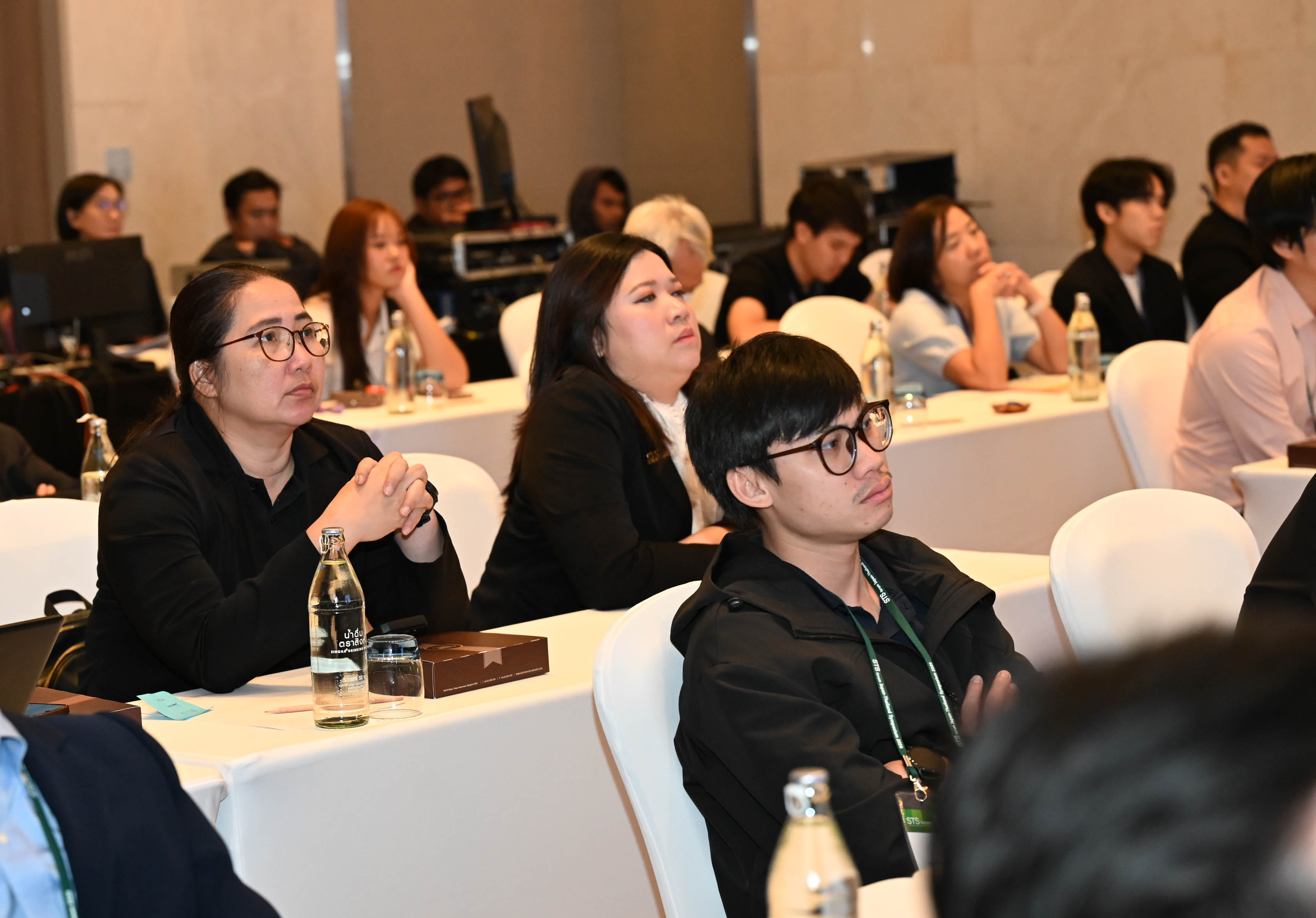
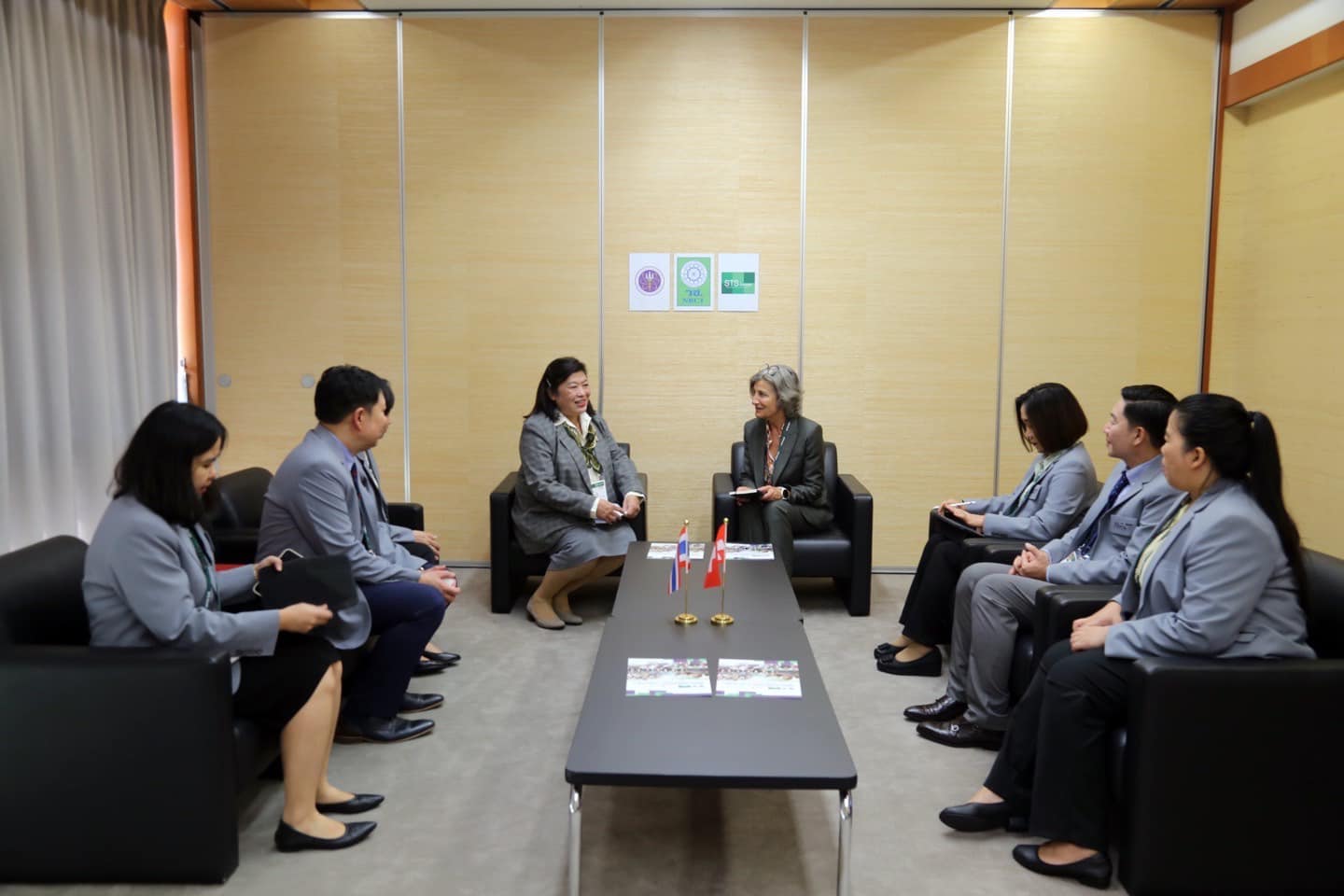
This session aimed to serve as a platform for knowledge exchange and to strengthen collaboration between researchers and industry stakeholders at the international level. It also sought to promote the advancement of microelectronics and Artificial Intelligence technologies toward real-world applications, in order to drive the development of intelligent systems and sustainably address future global challenges.