NRCT and NSTDA Lead TAIST-Science Tokyo Students on Study Visit to Environmental Engineering and Concrete Structures Laboratories, Strengthening Thailand–Japan Research Collaboration
12 November 2026


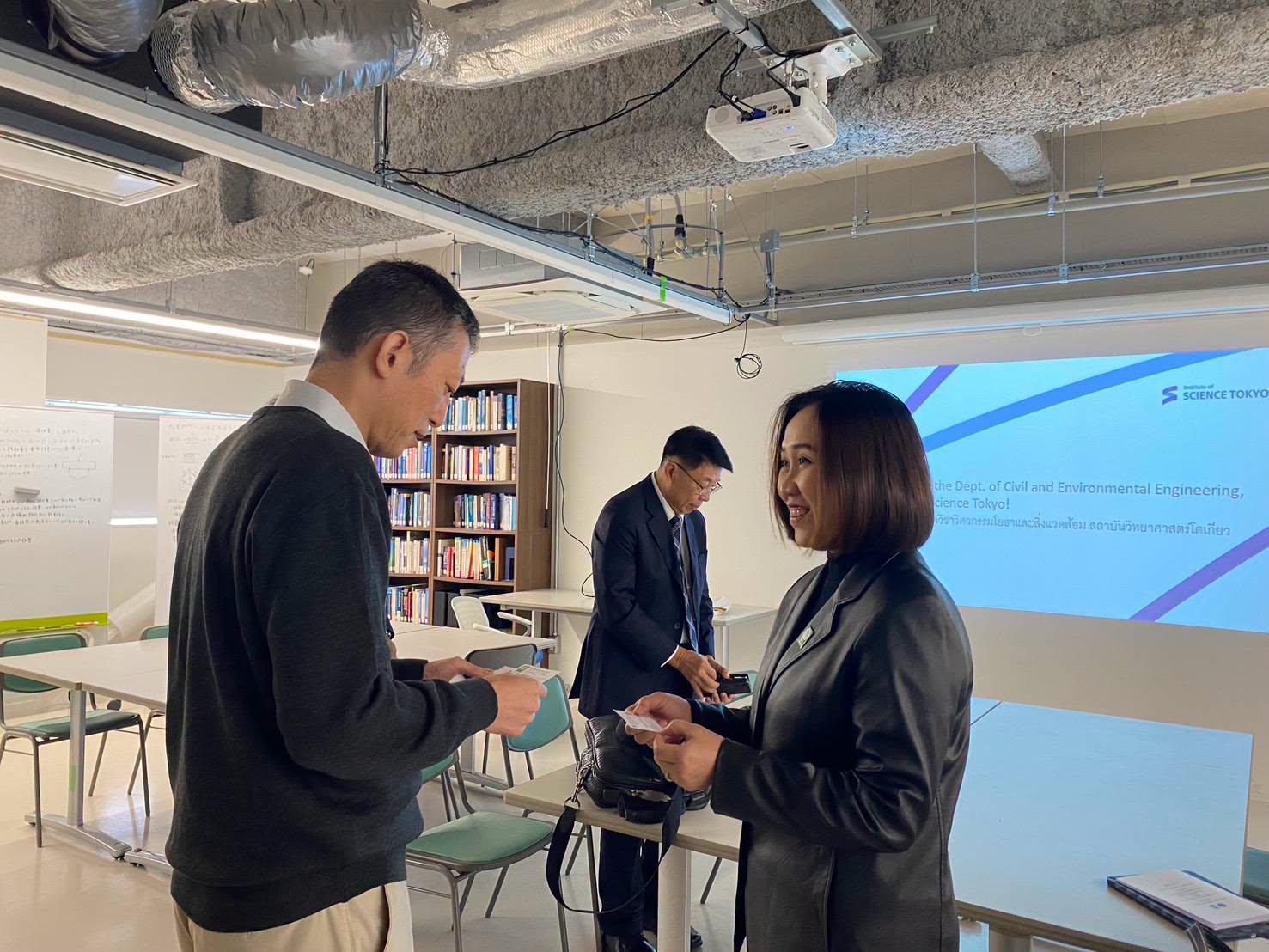
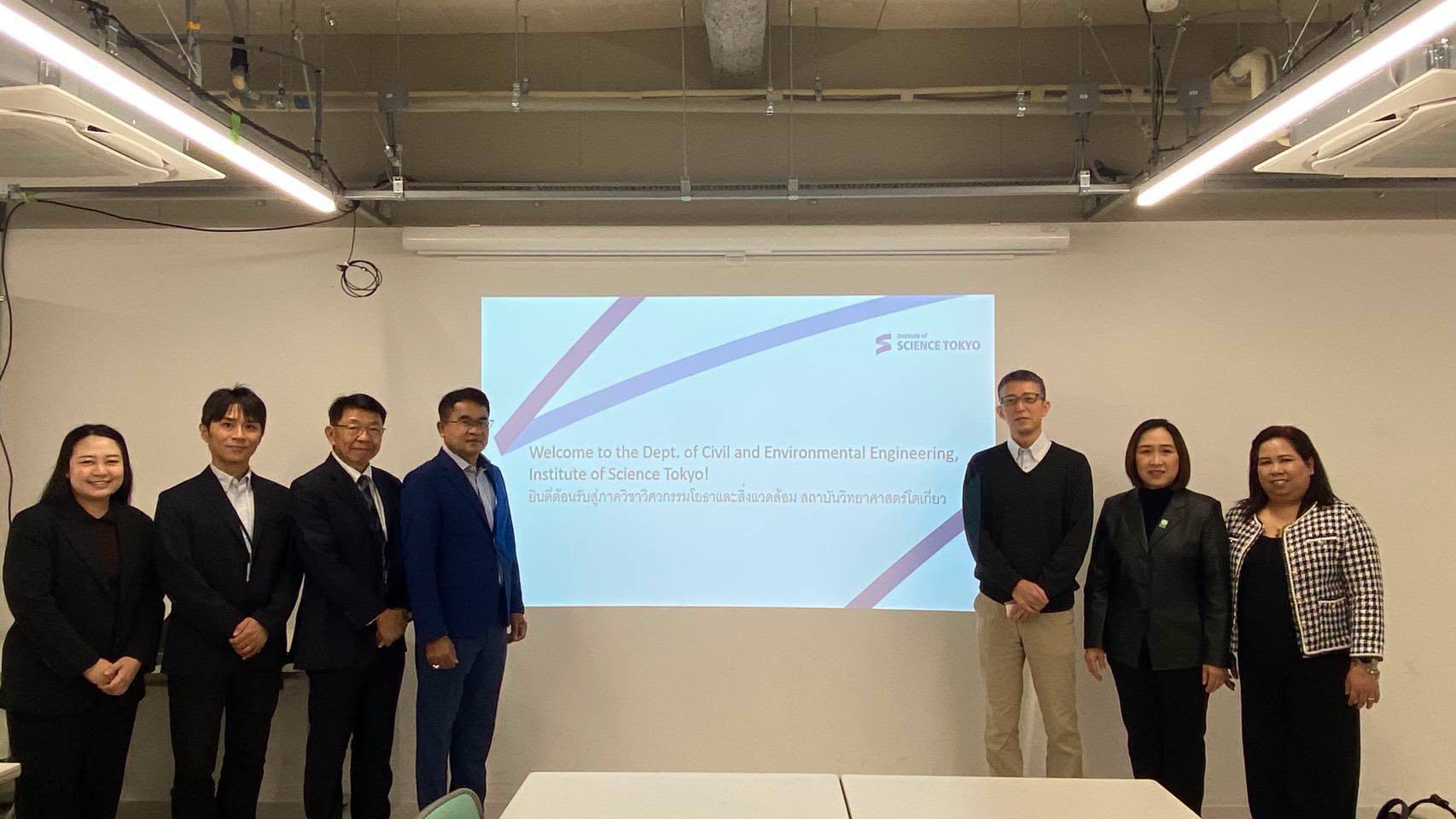
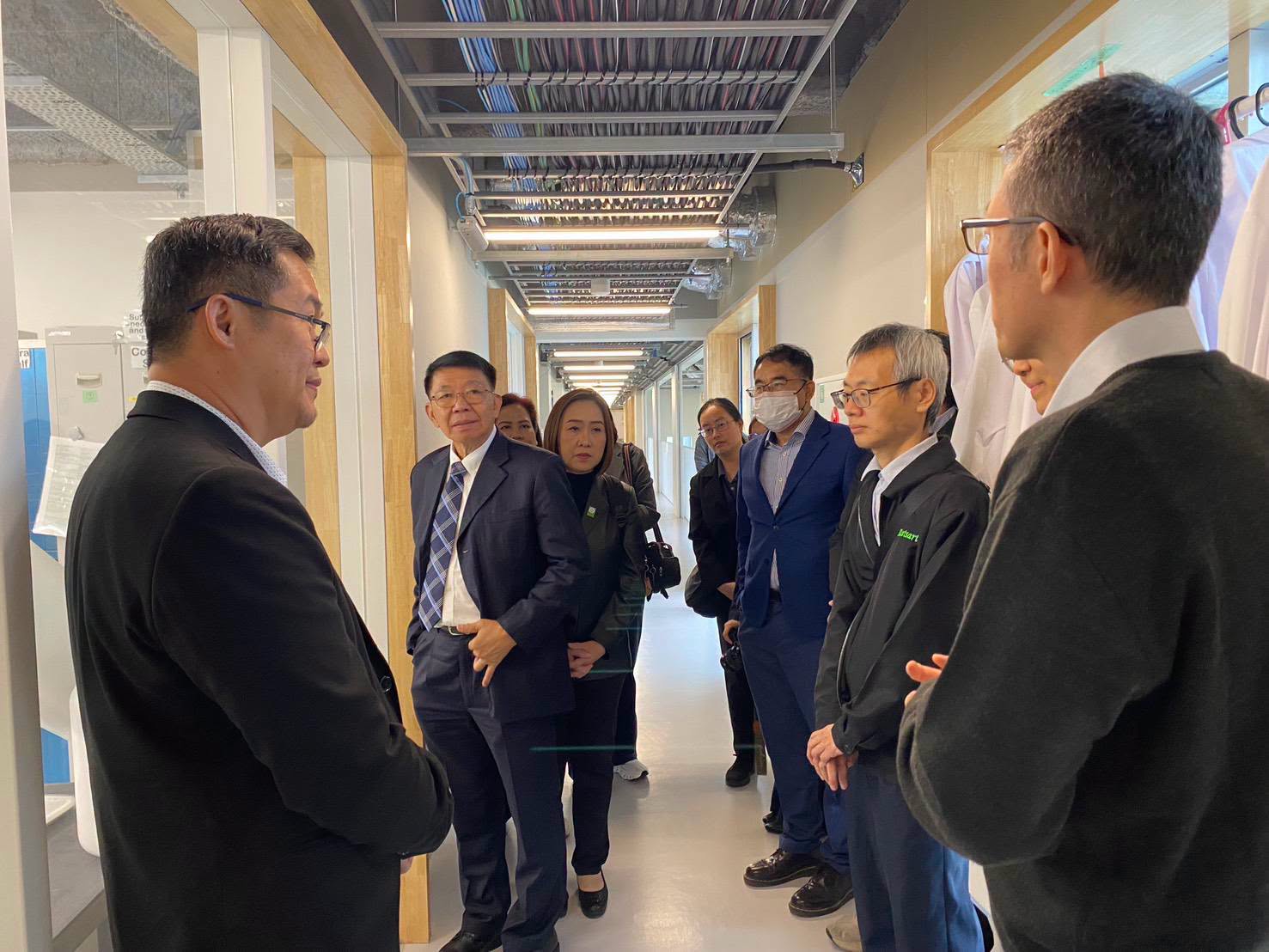
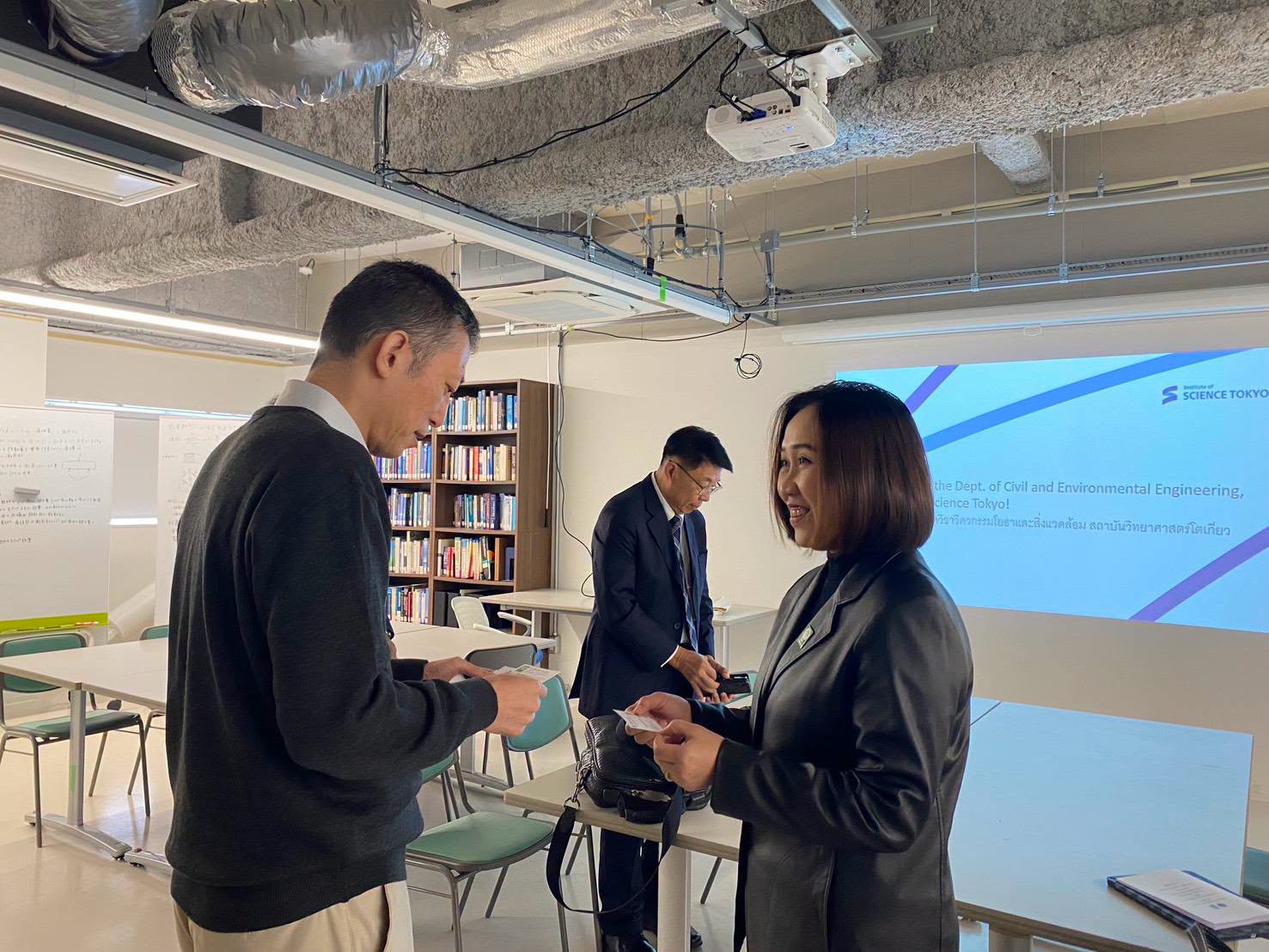
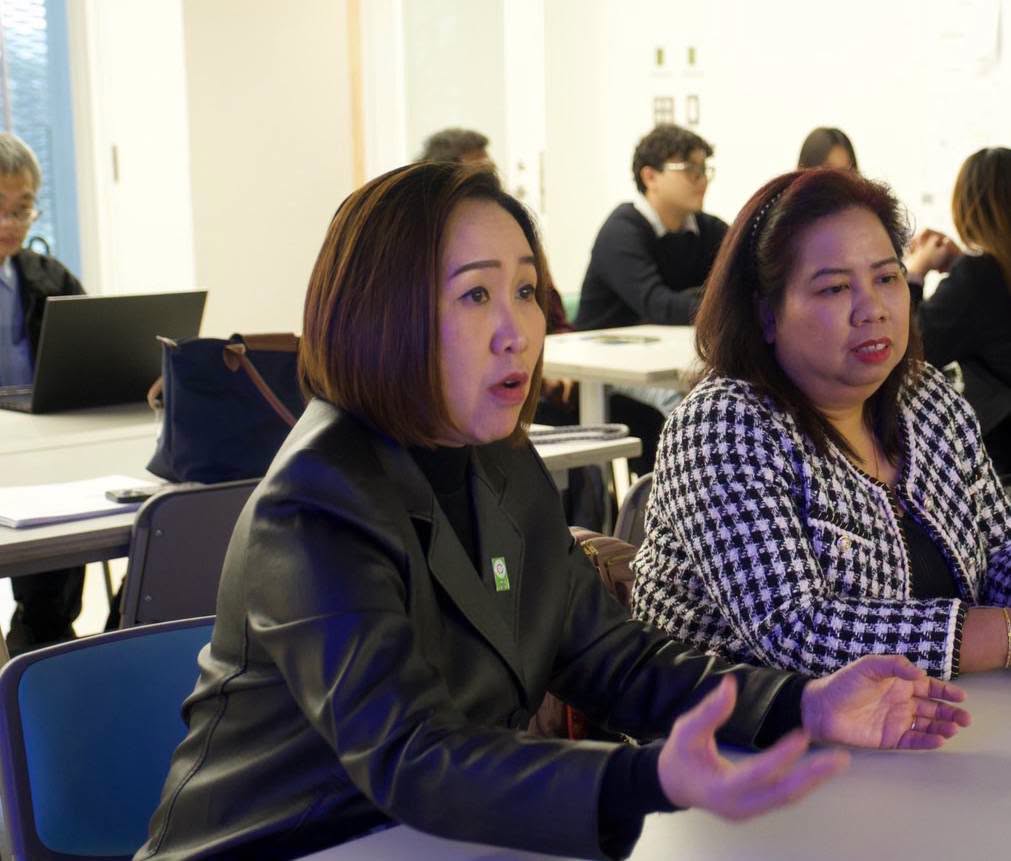
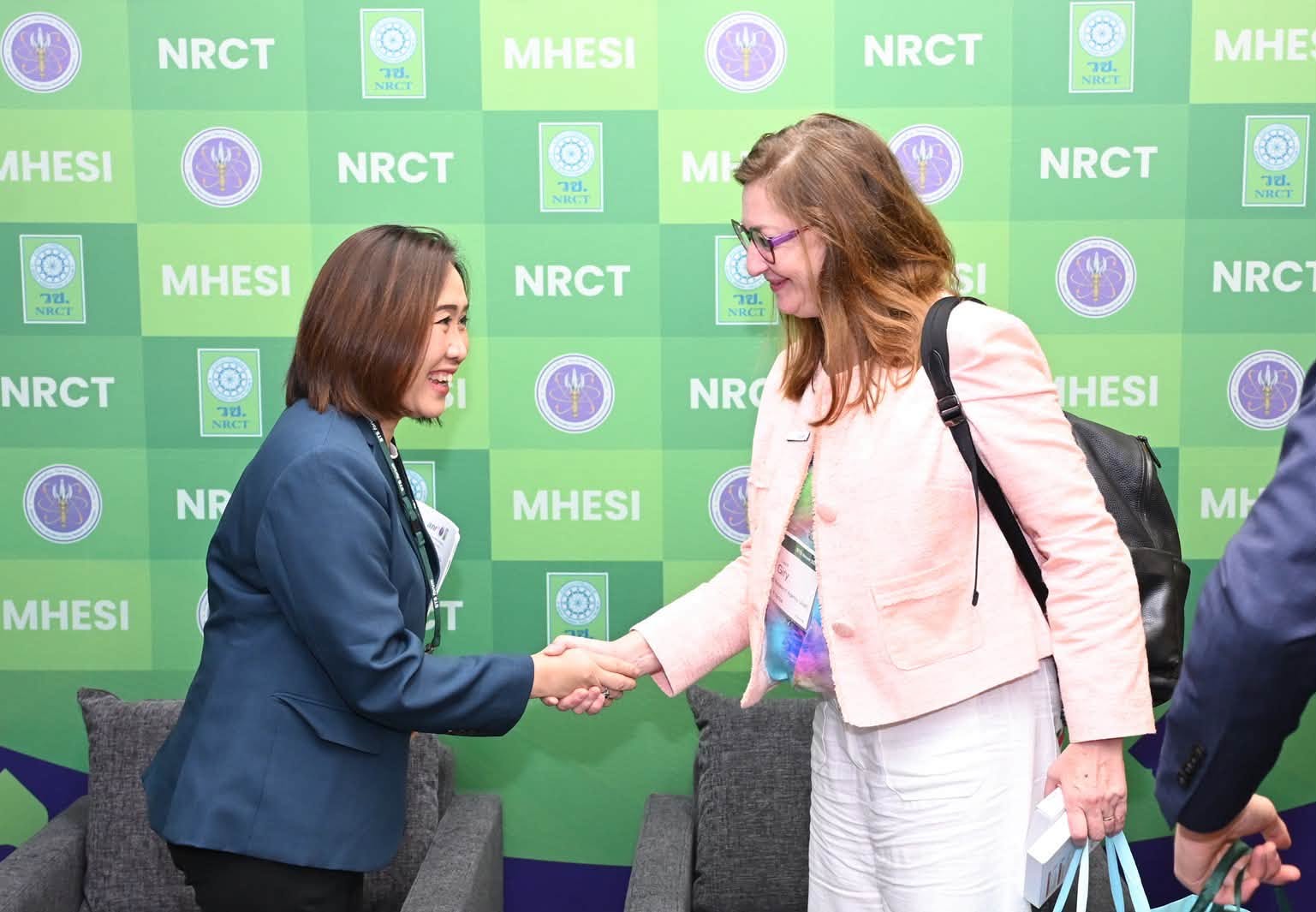
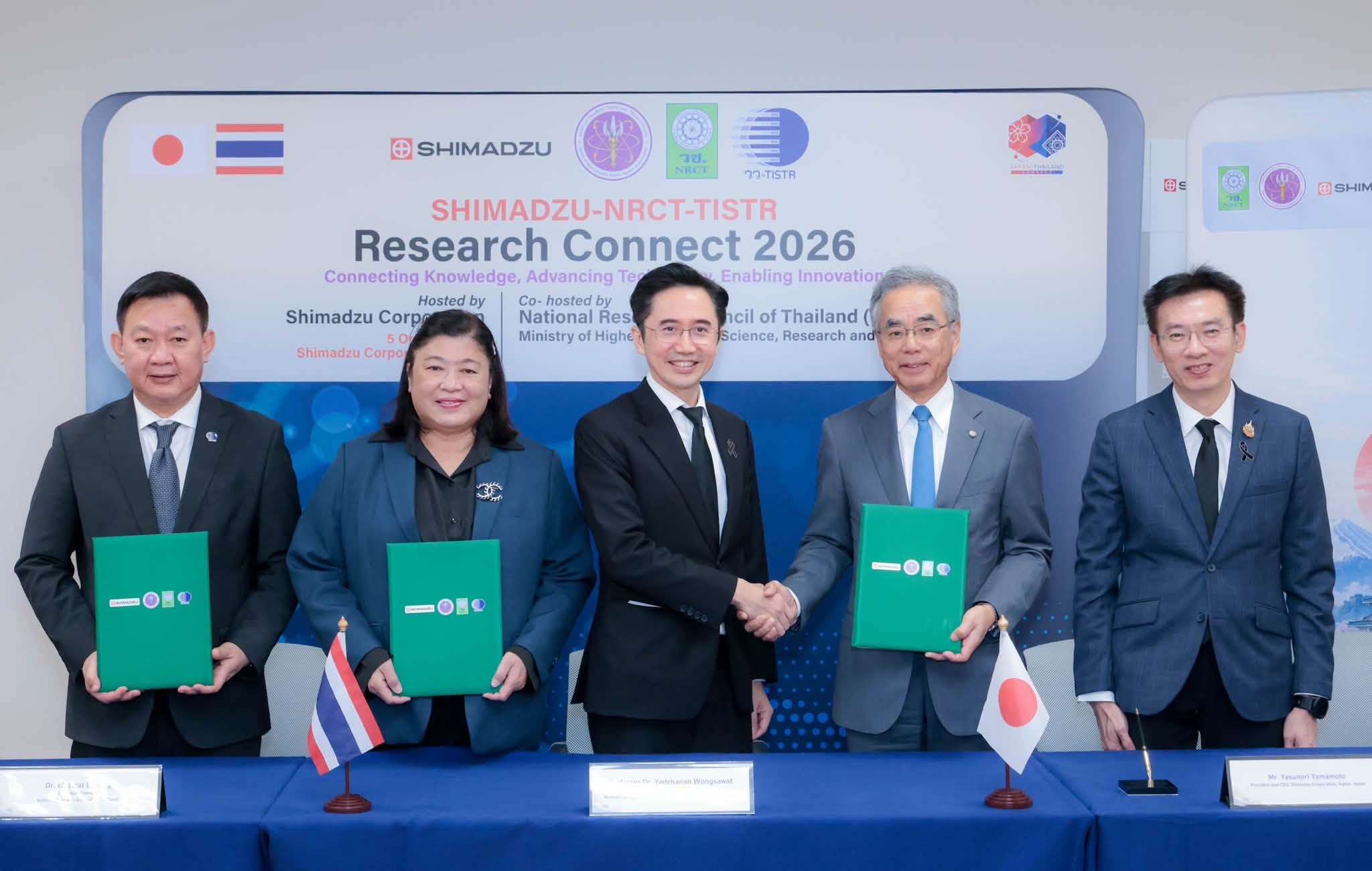
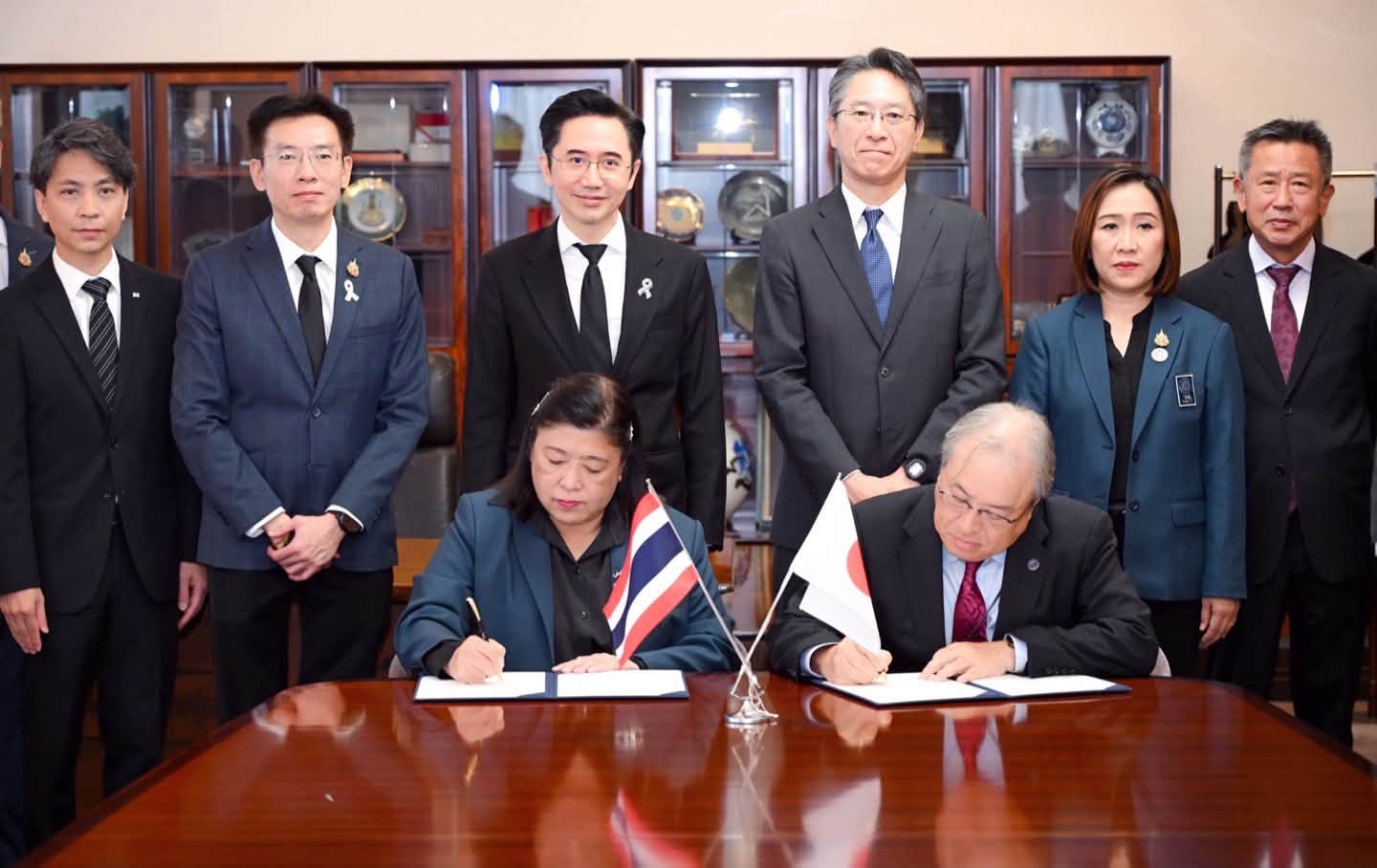
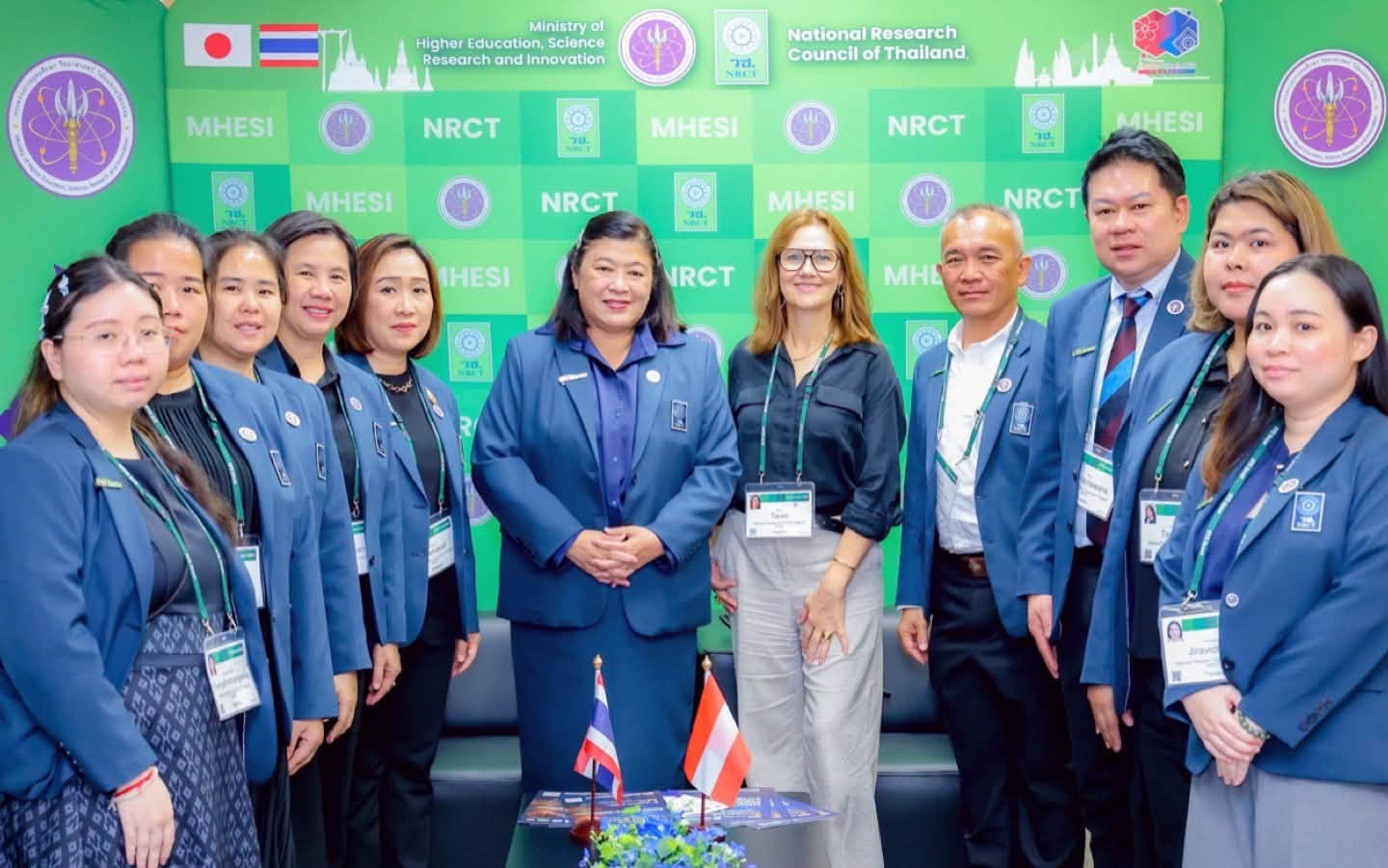
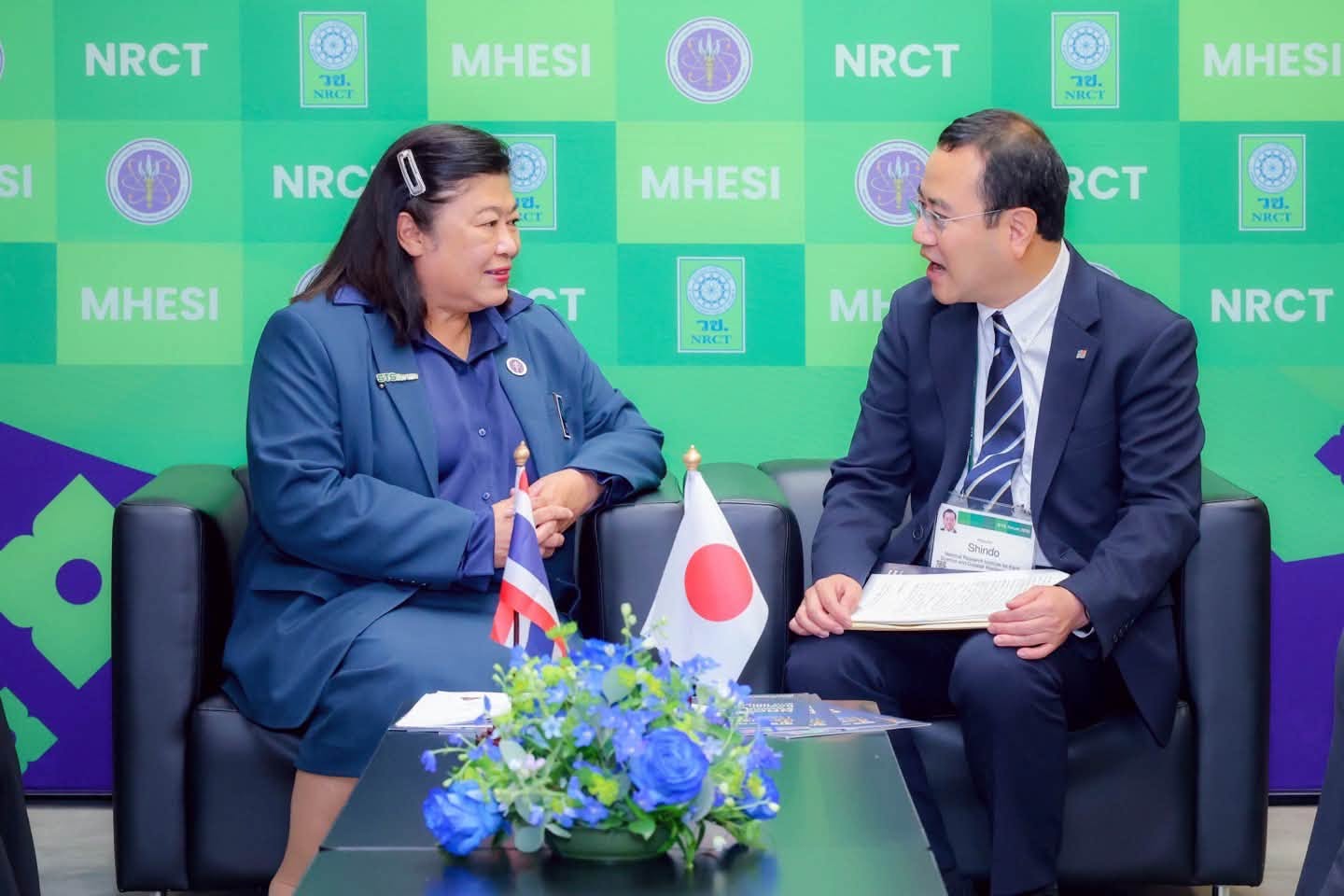
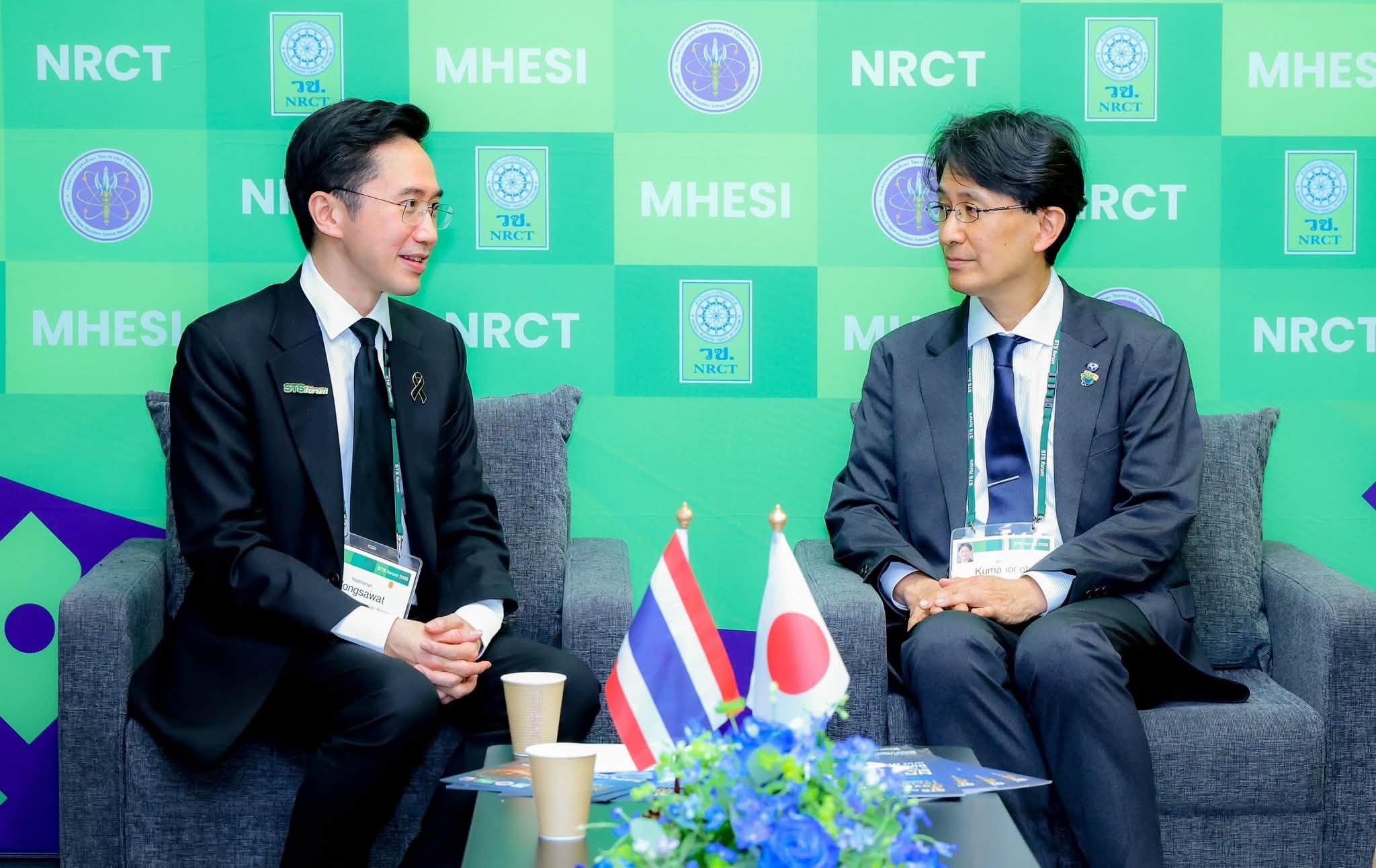
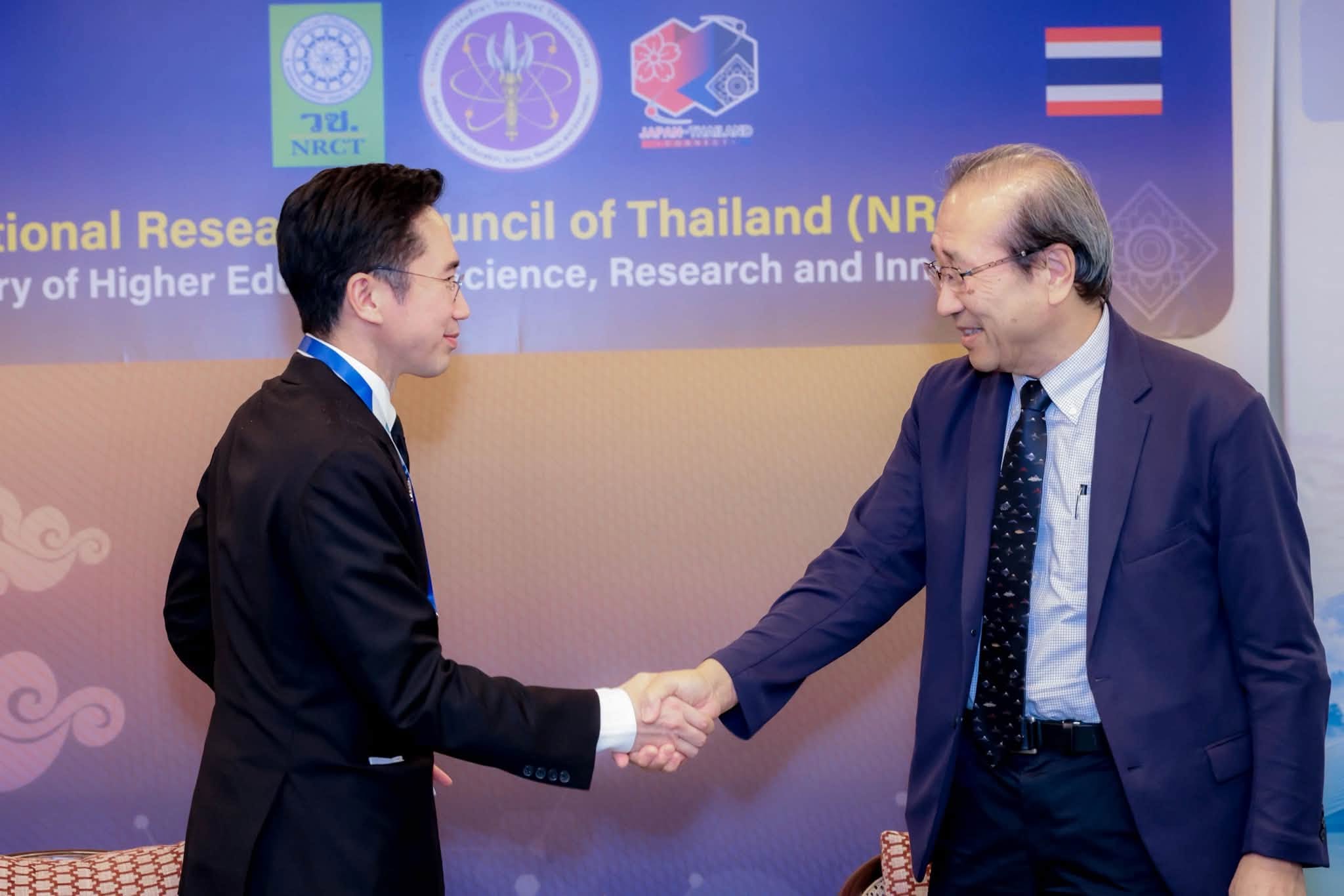
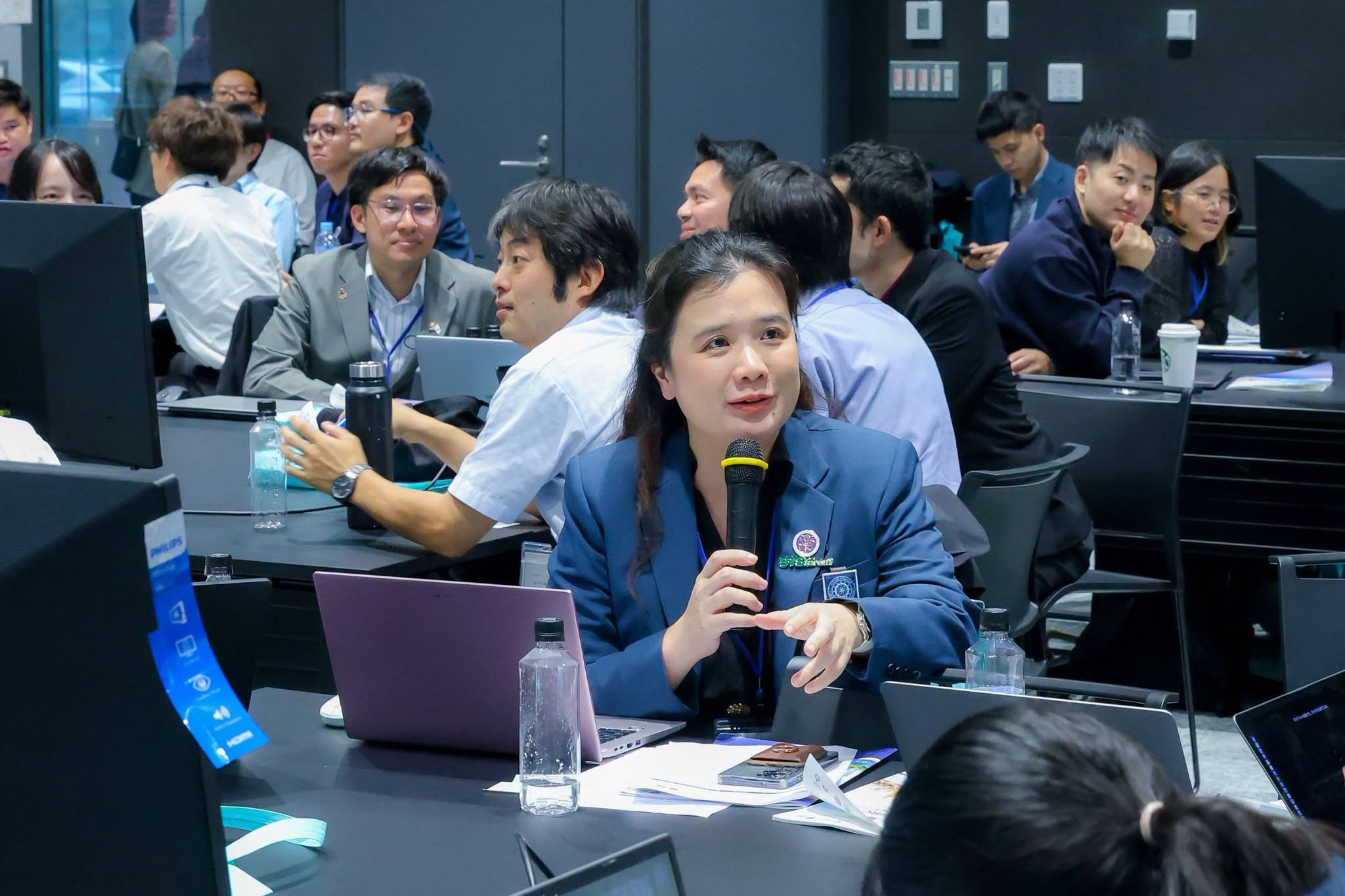
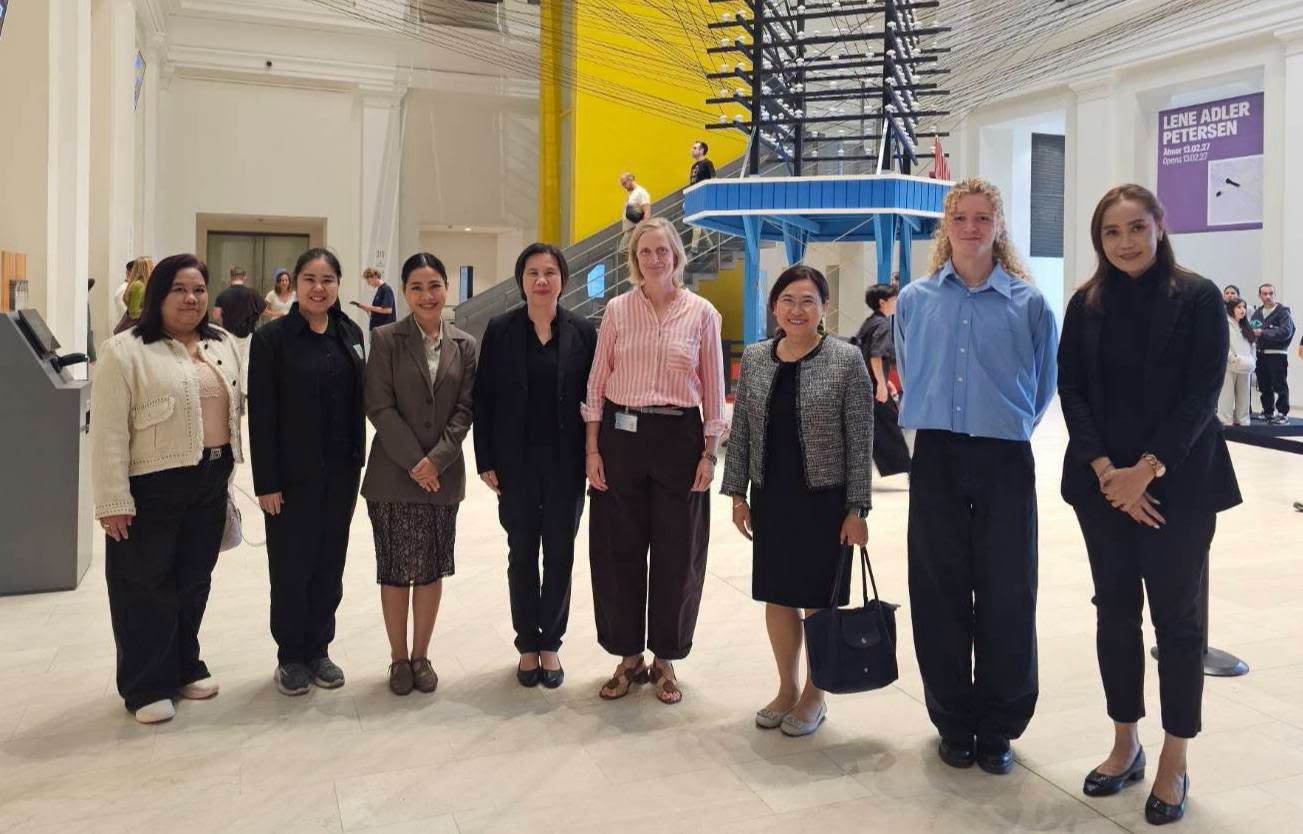
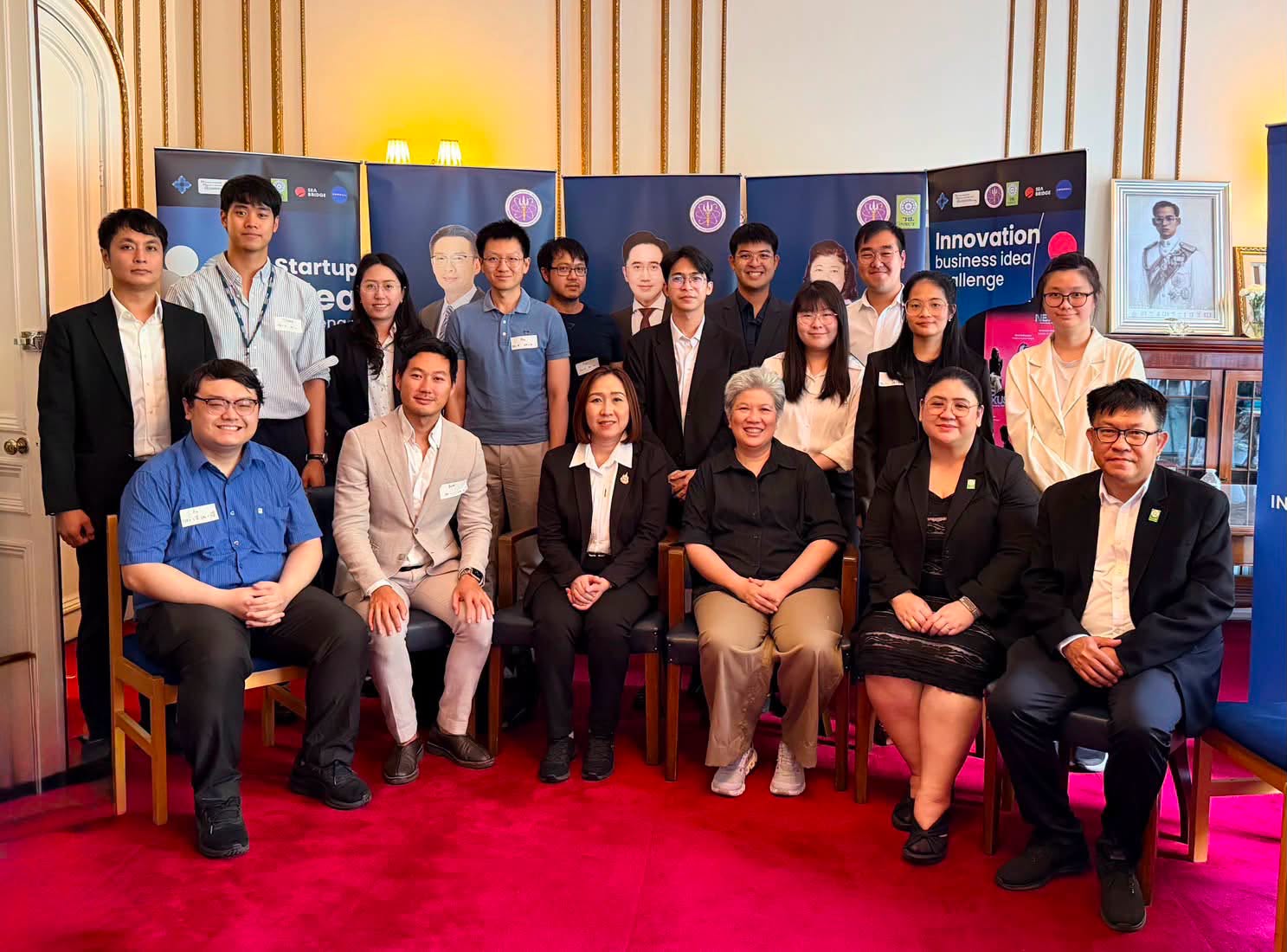
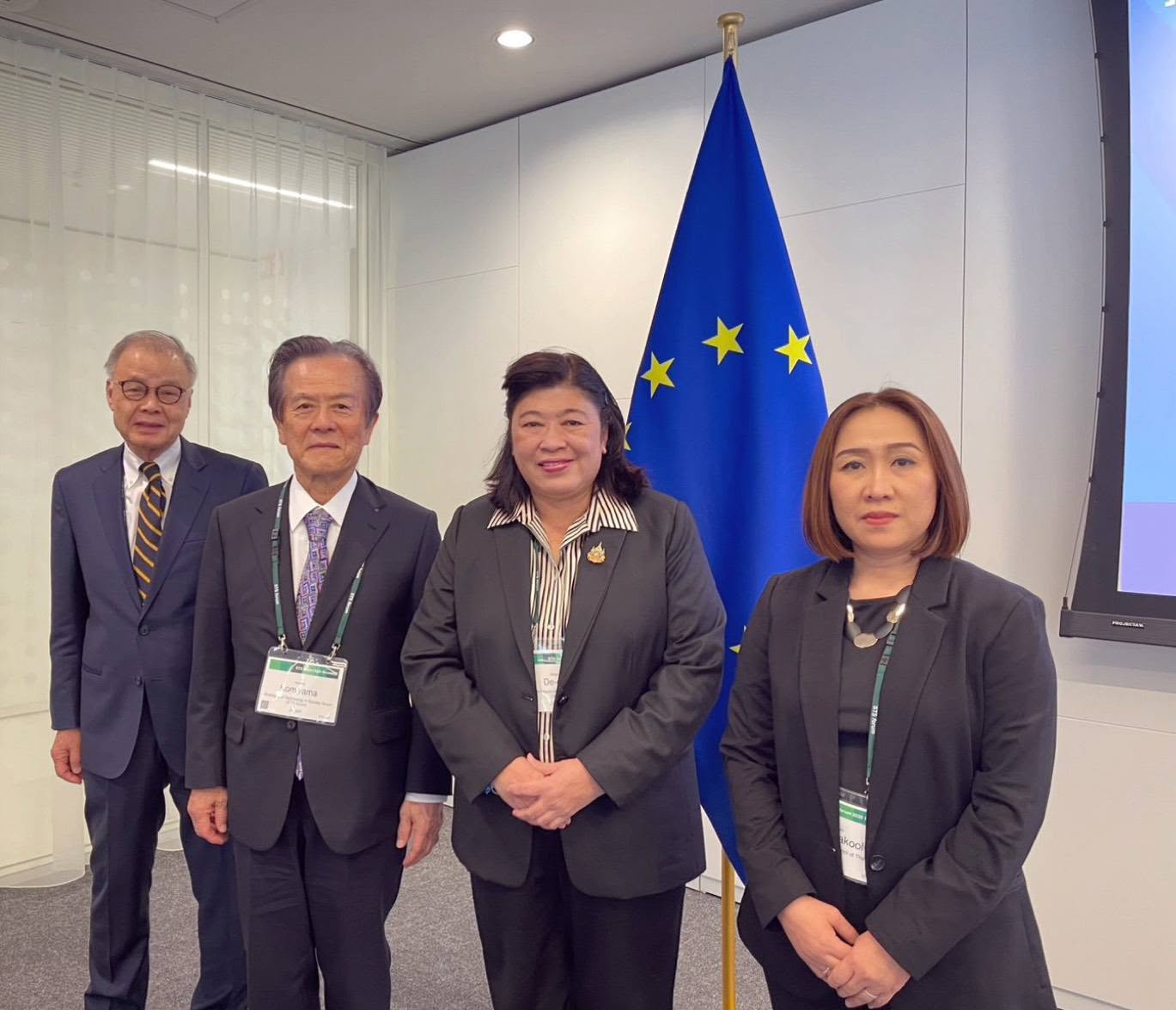
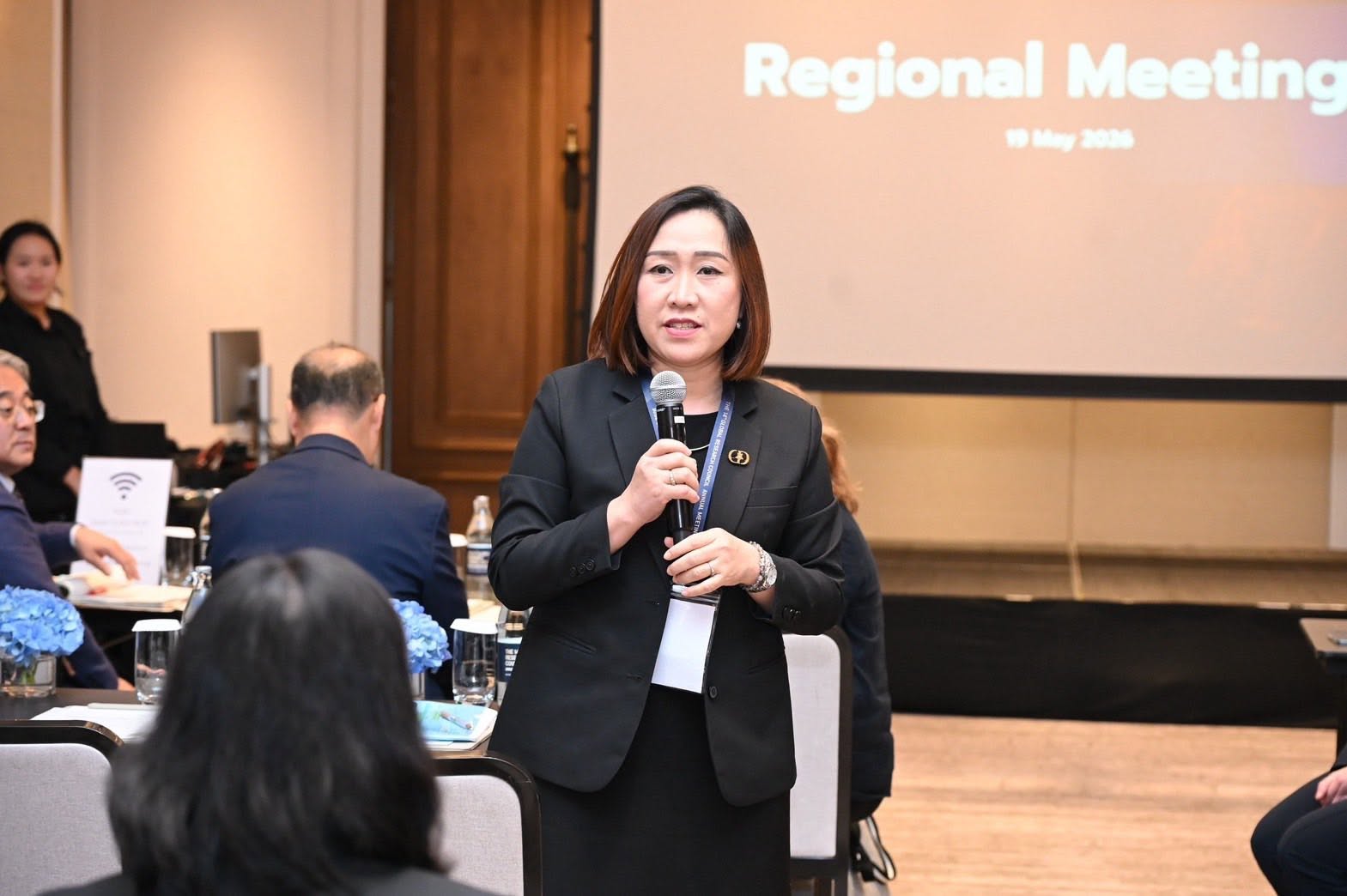
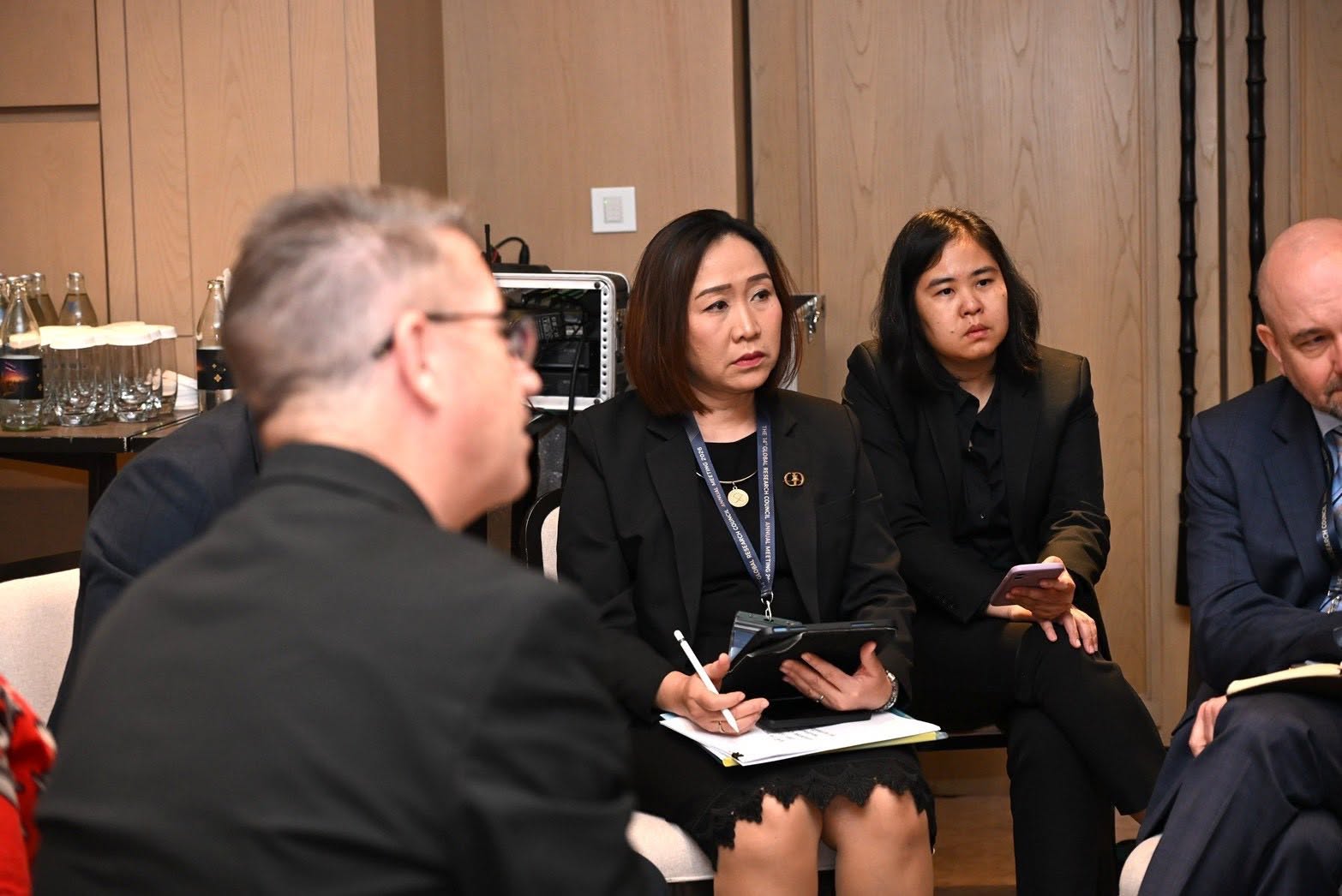
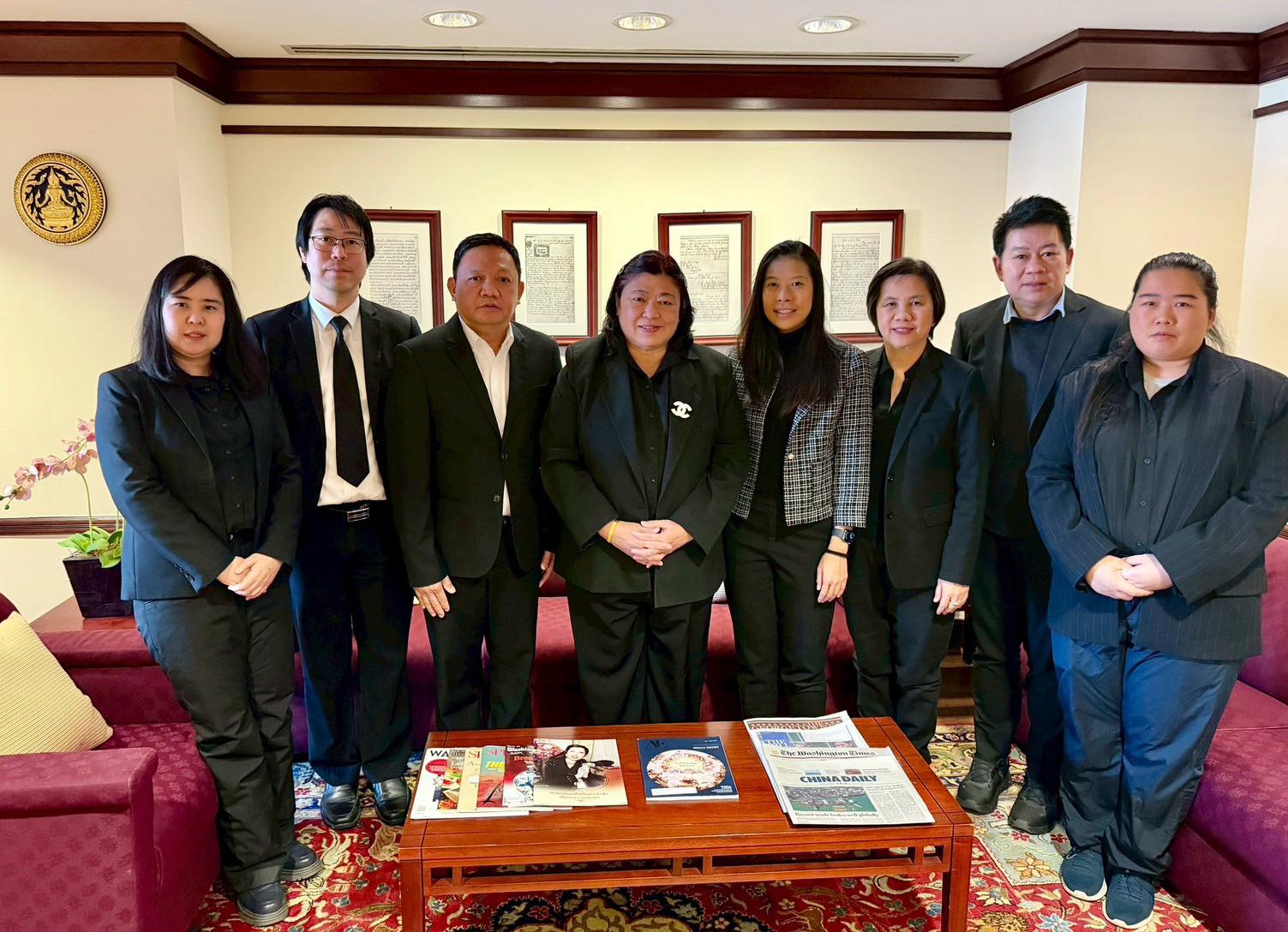
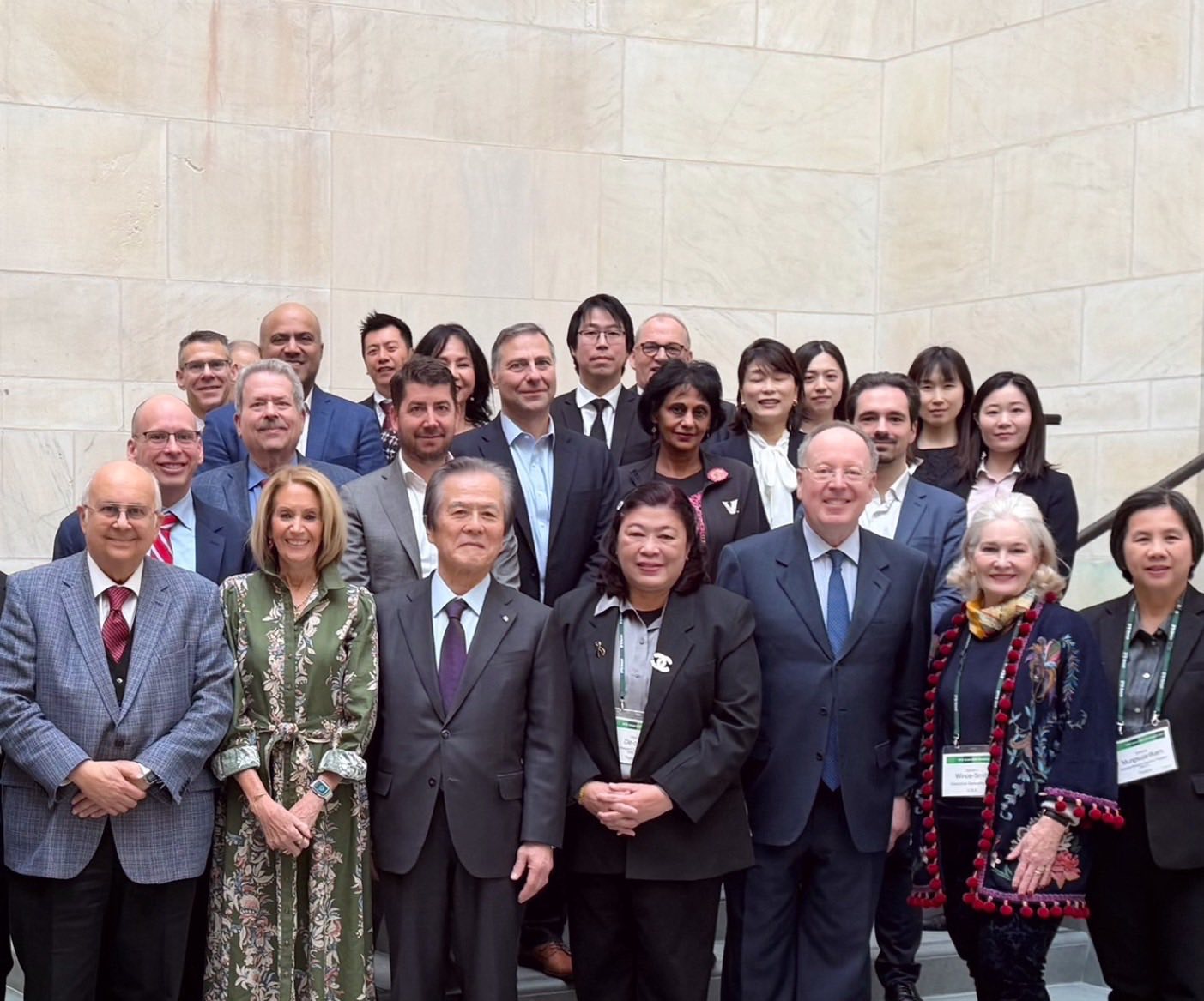
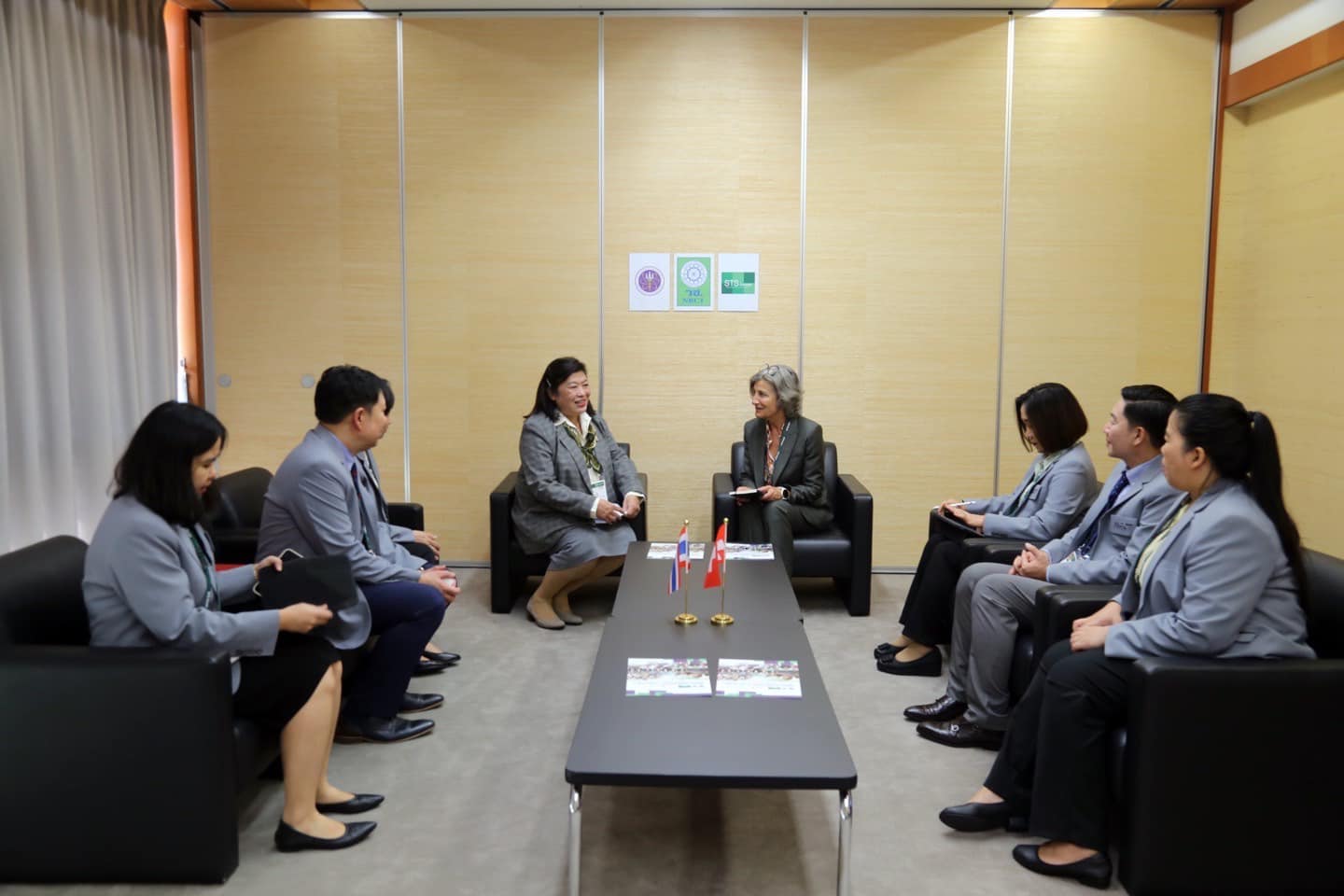
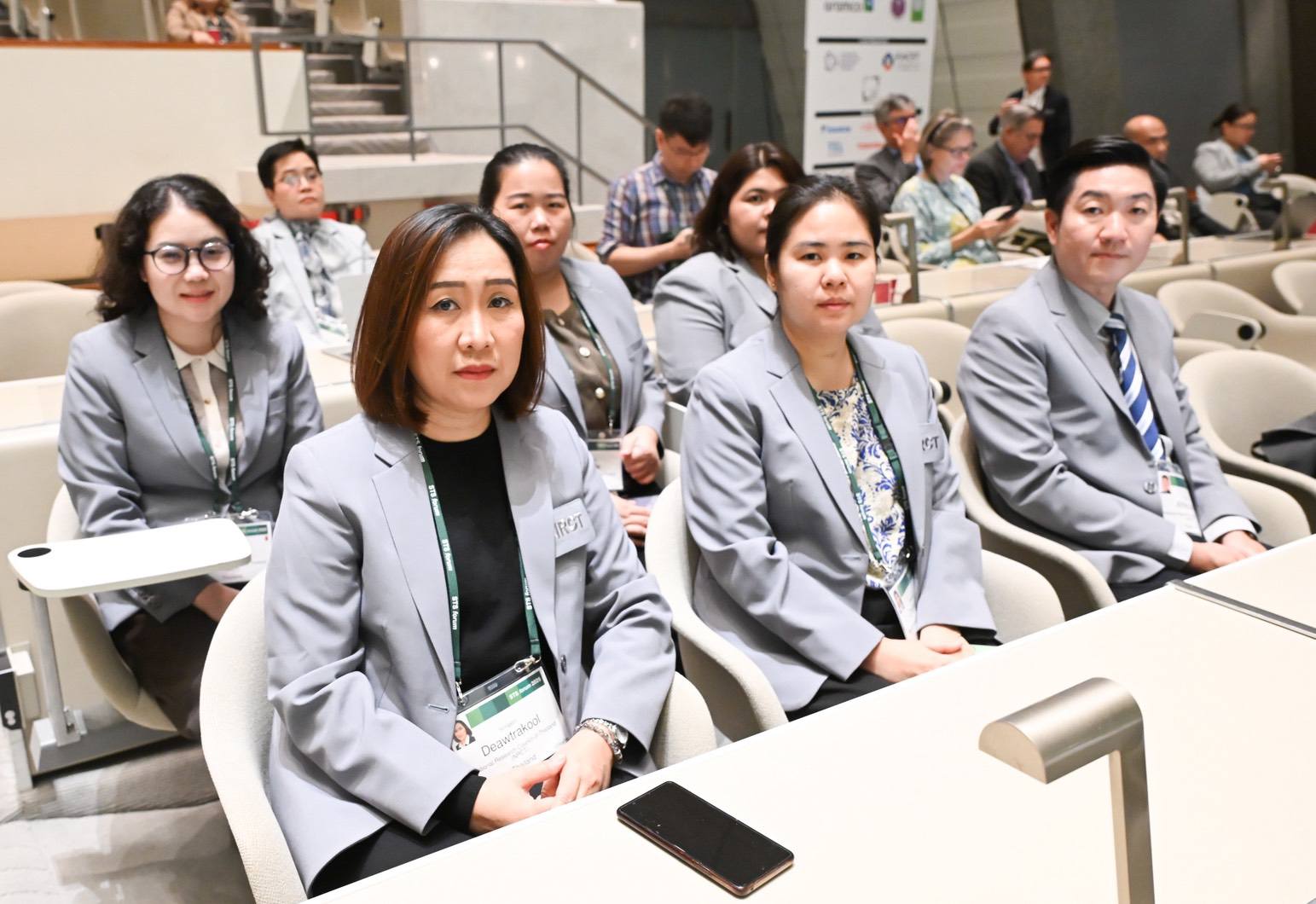
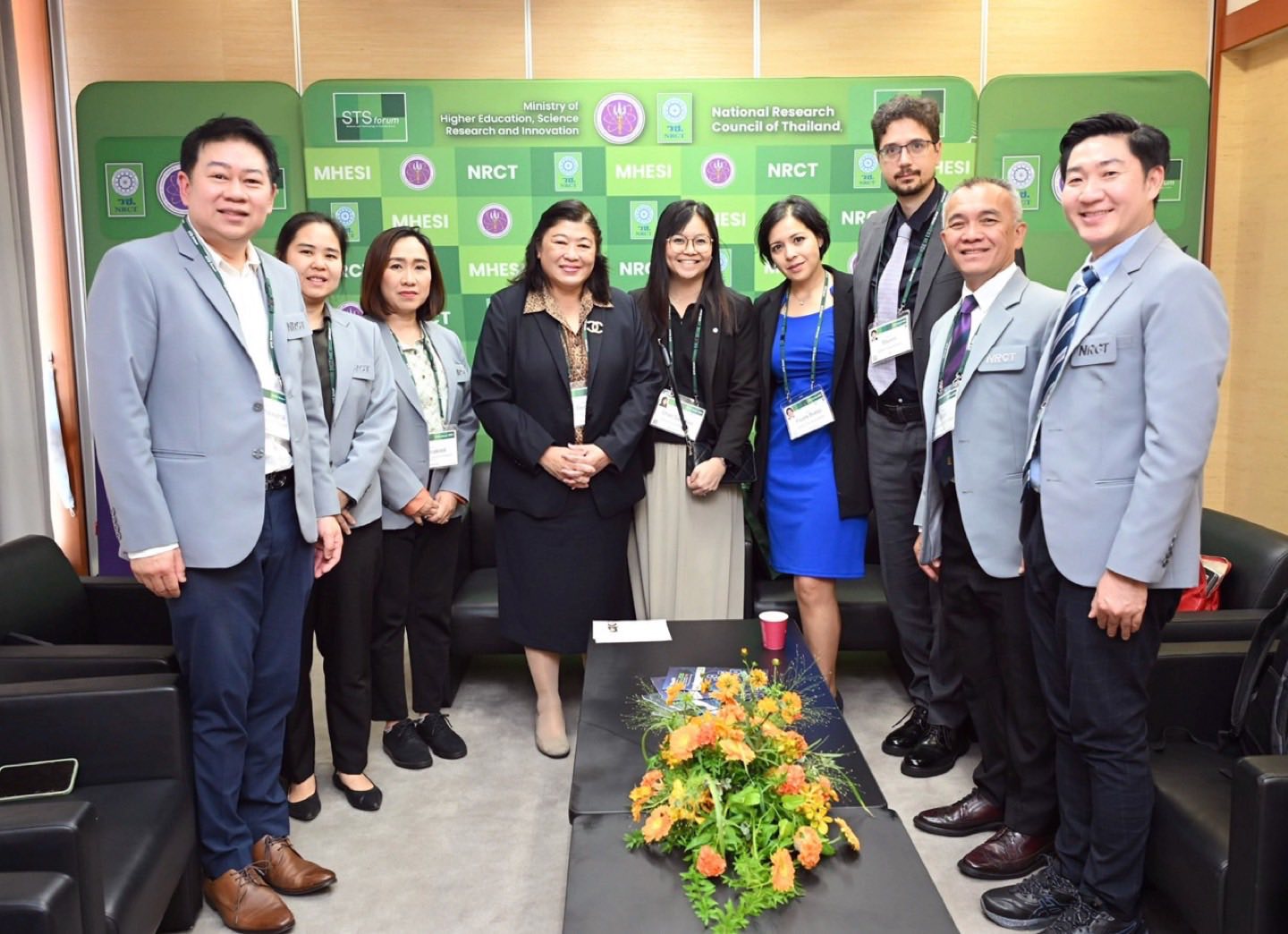
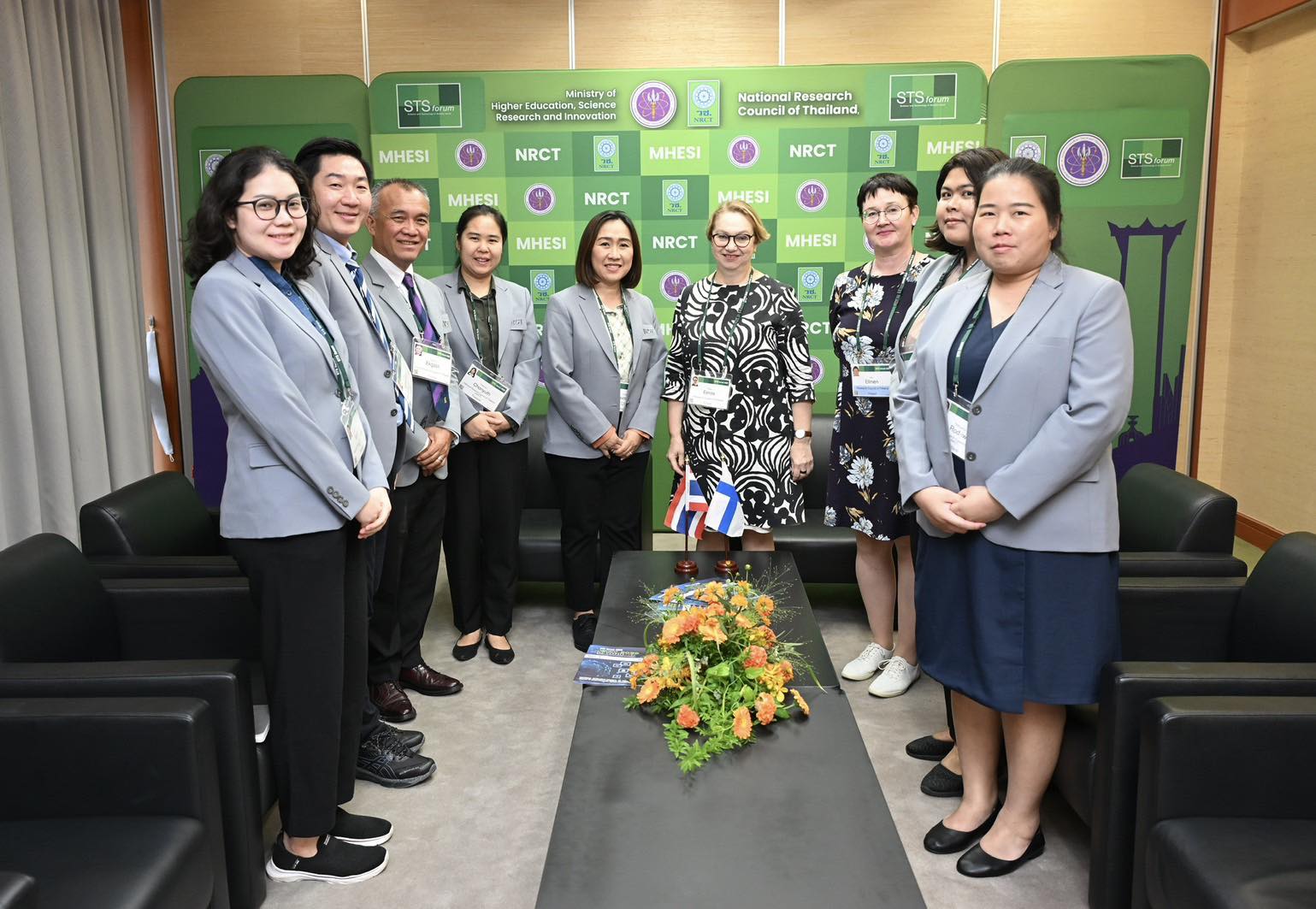
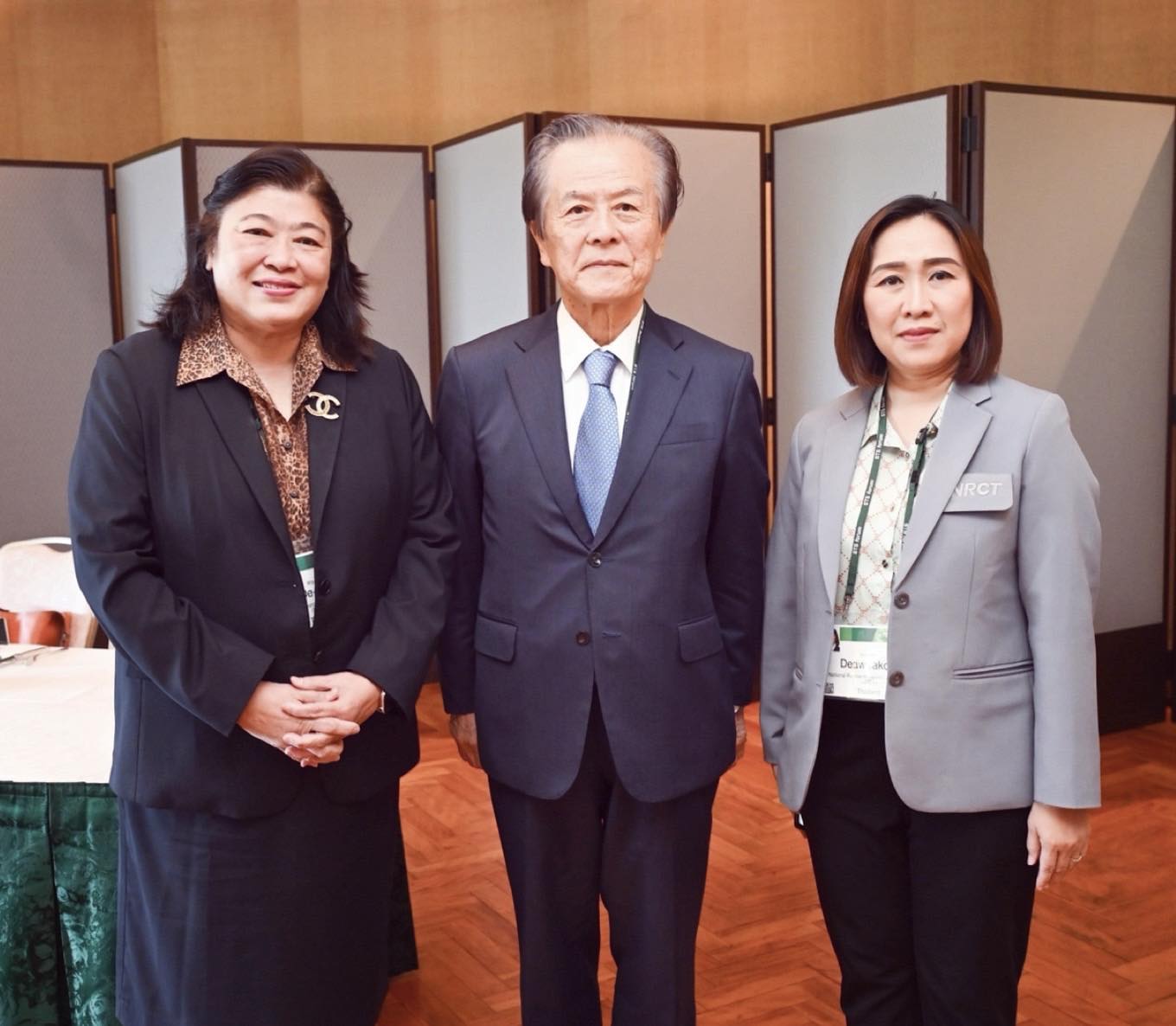
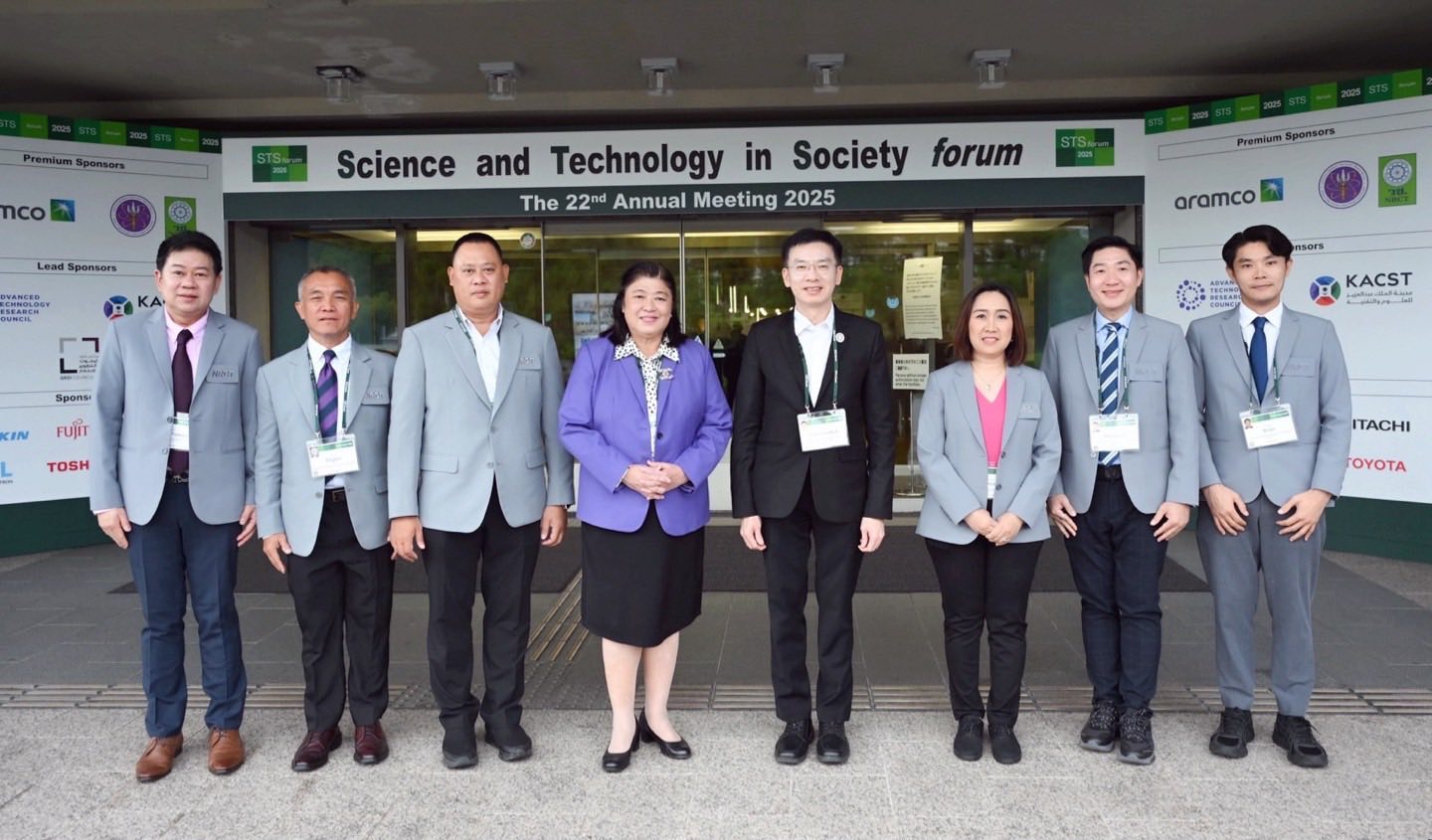
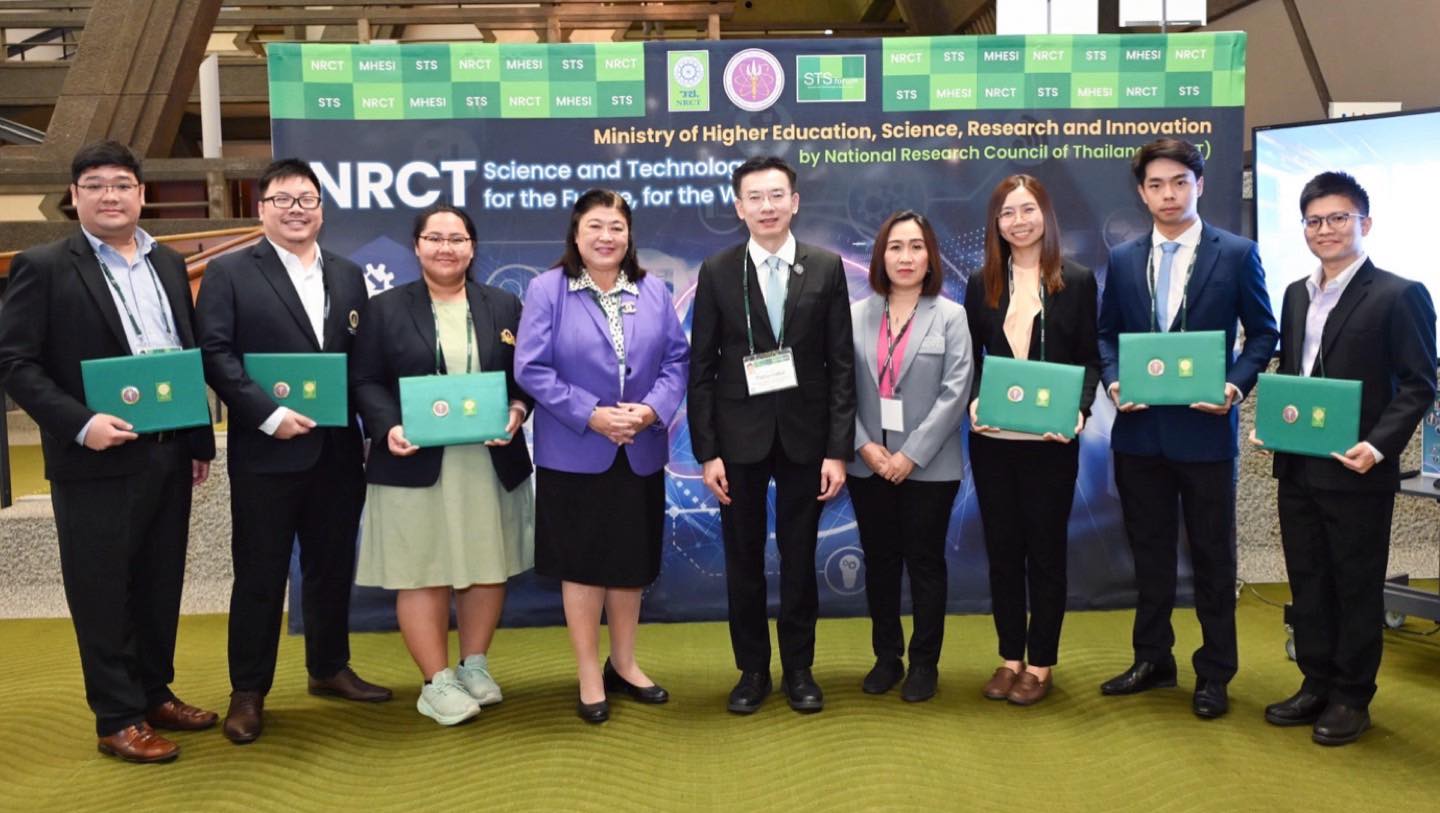
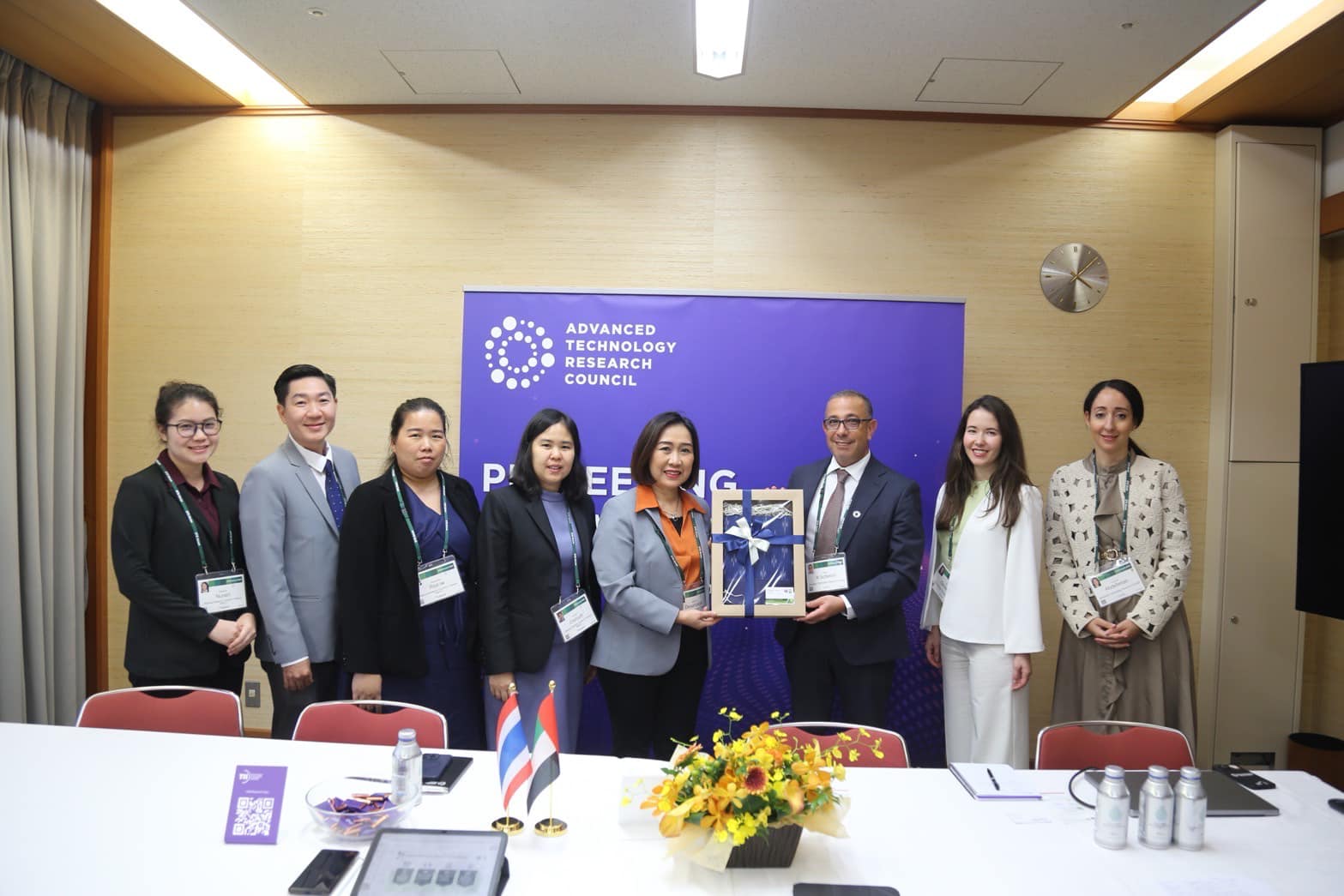
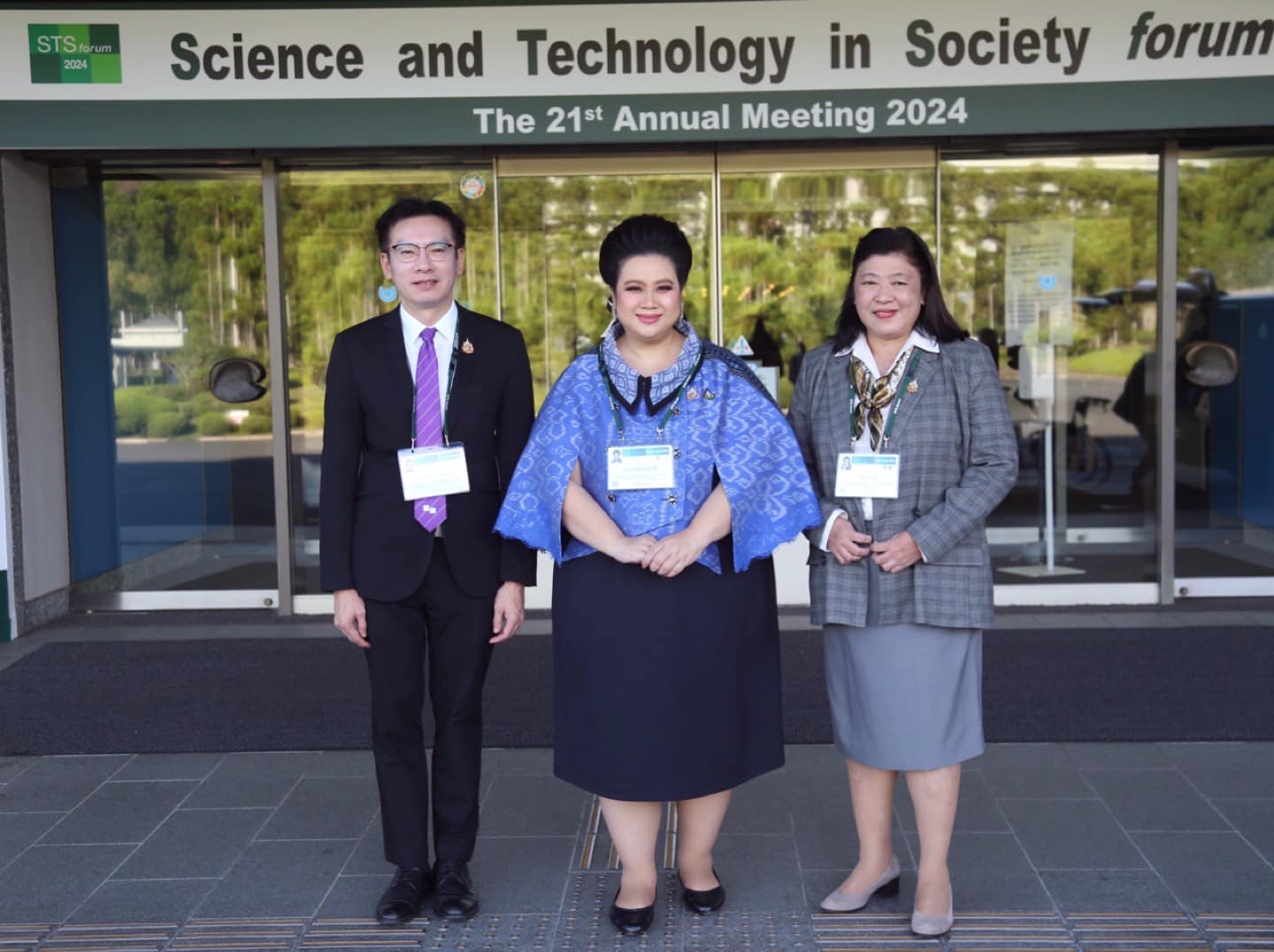
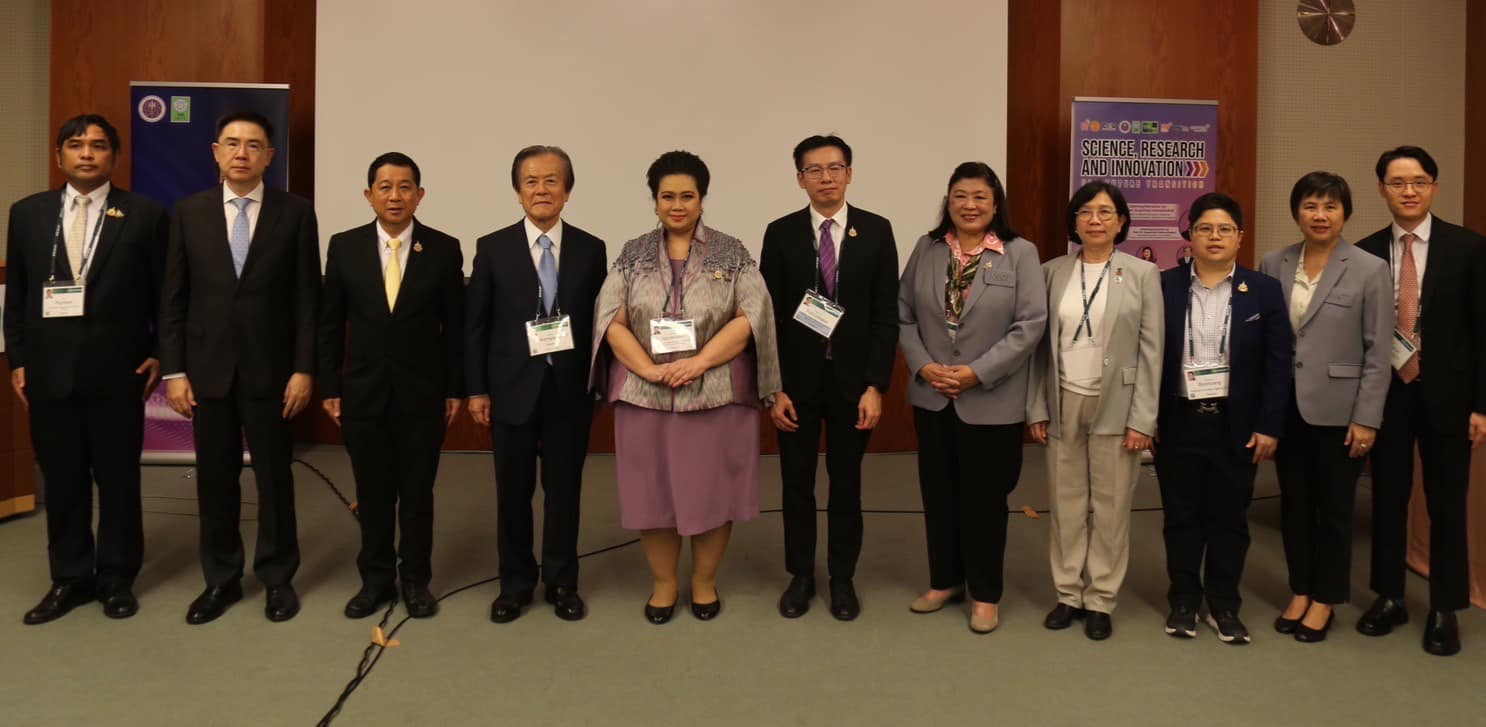
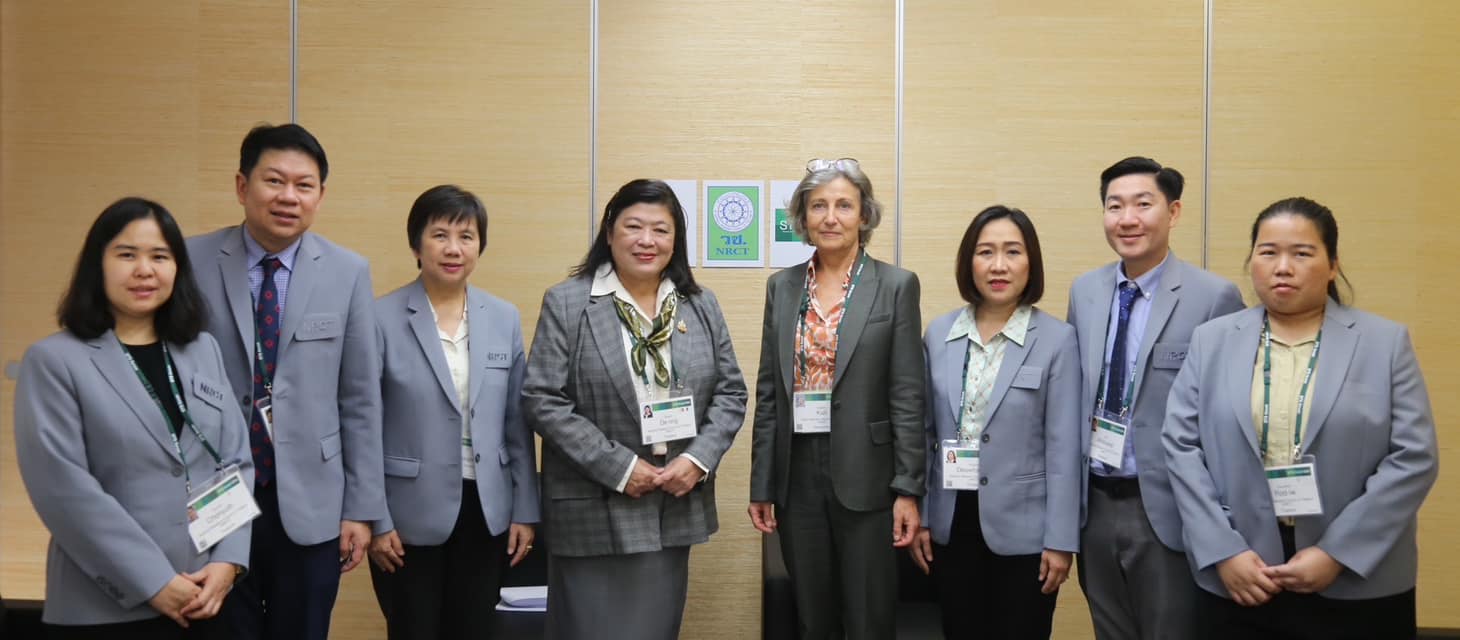
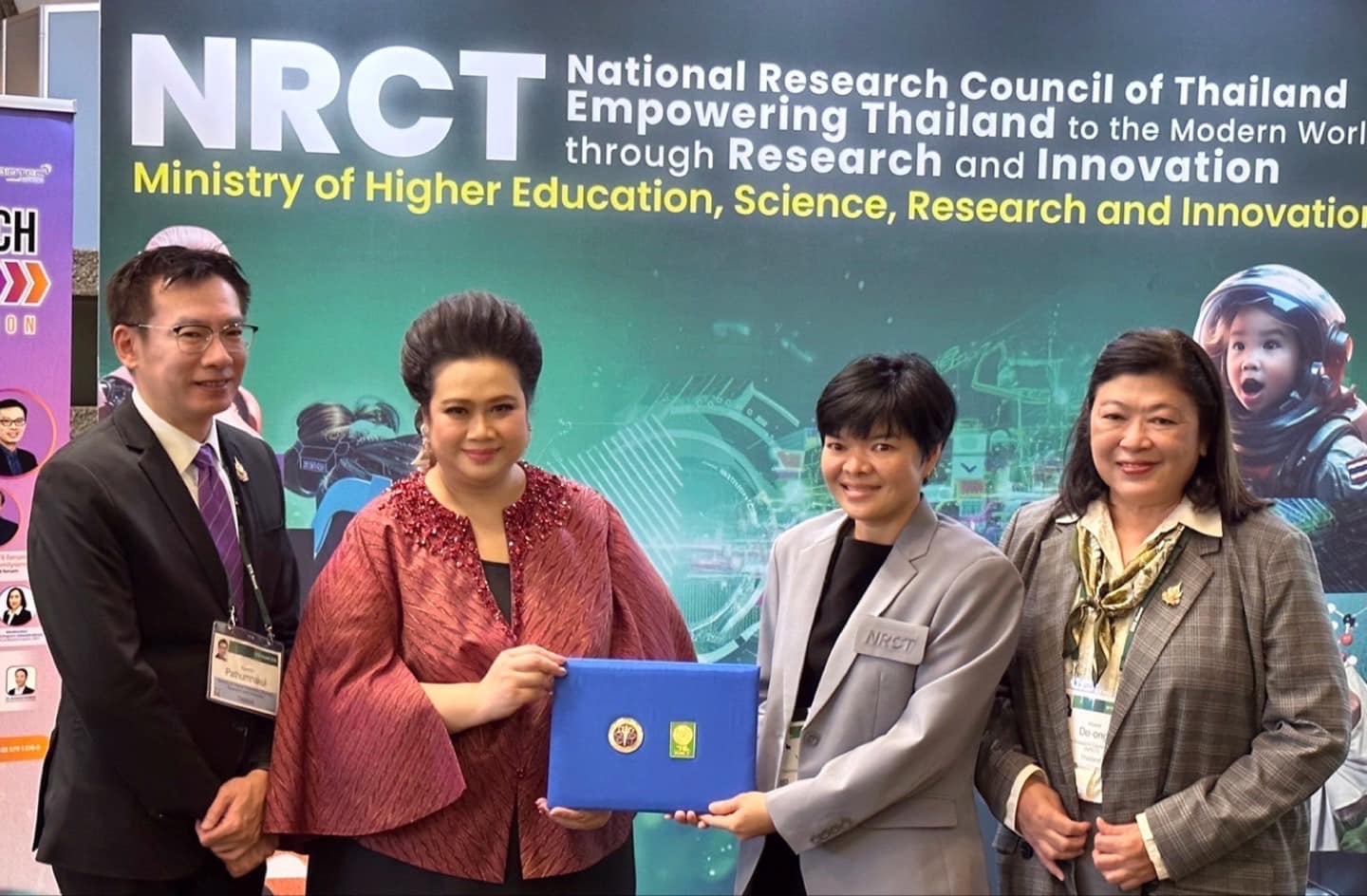
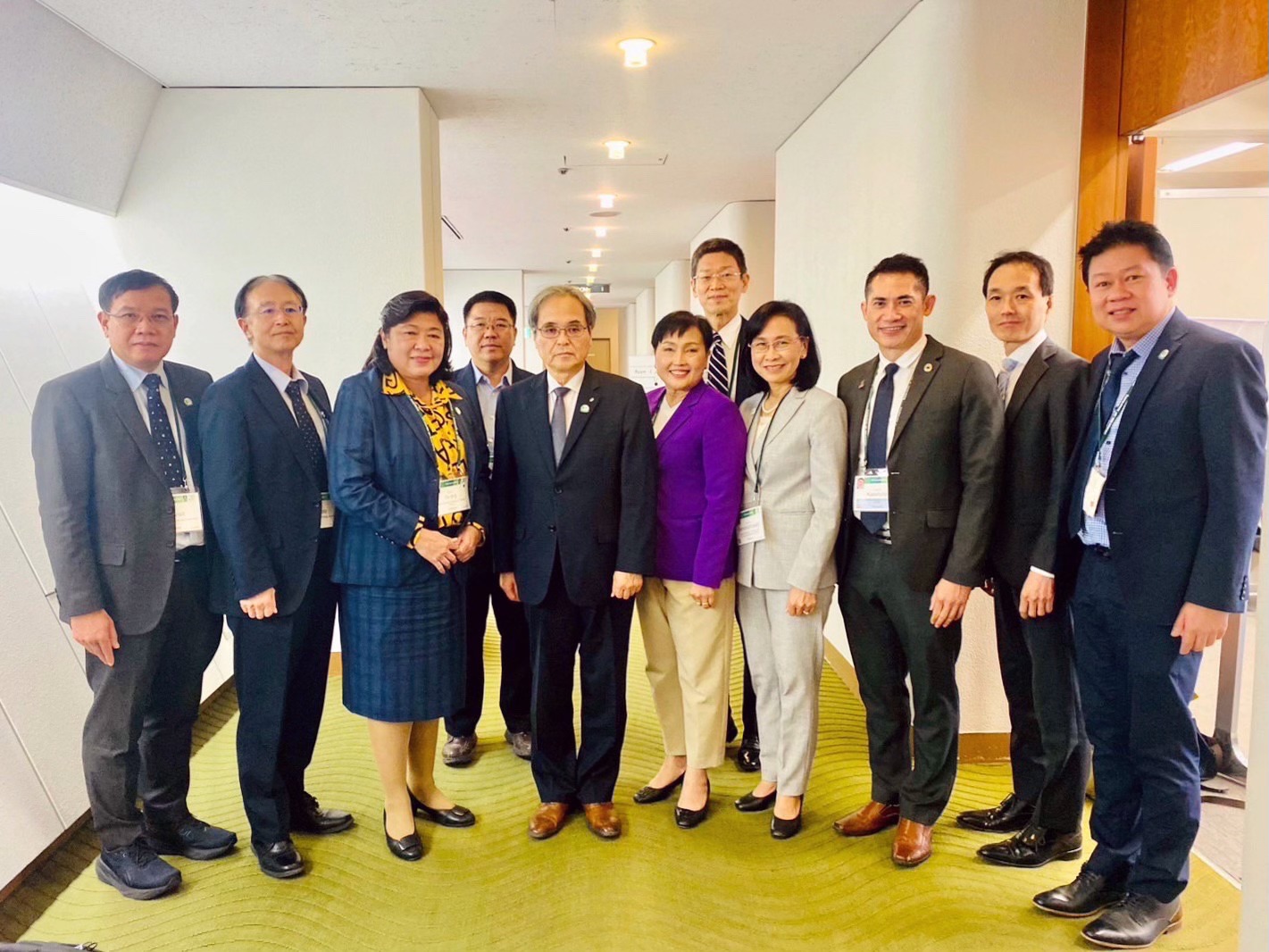
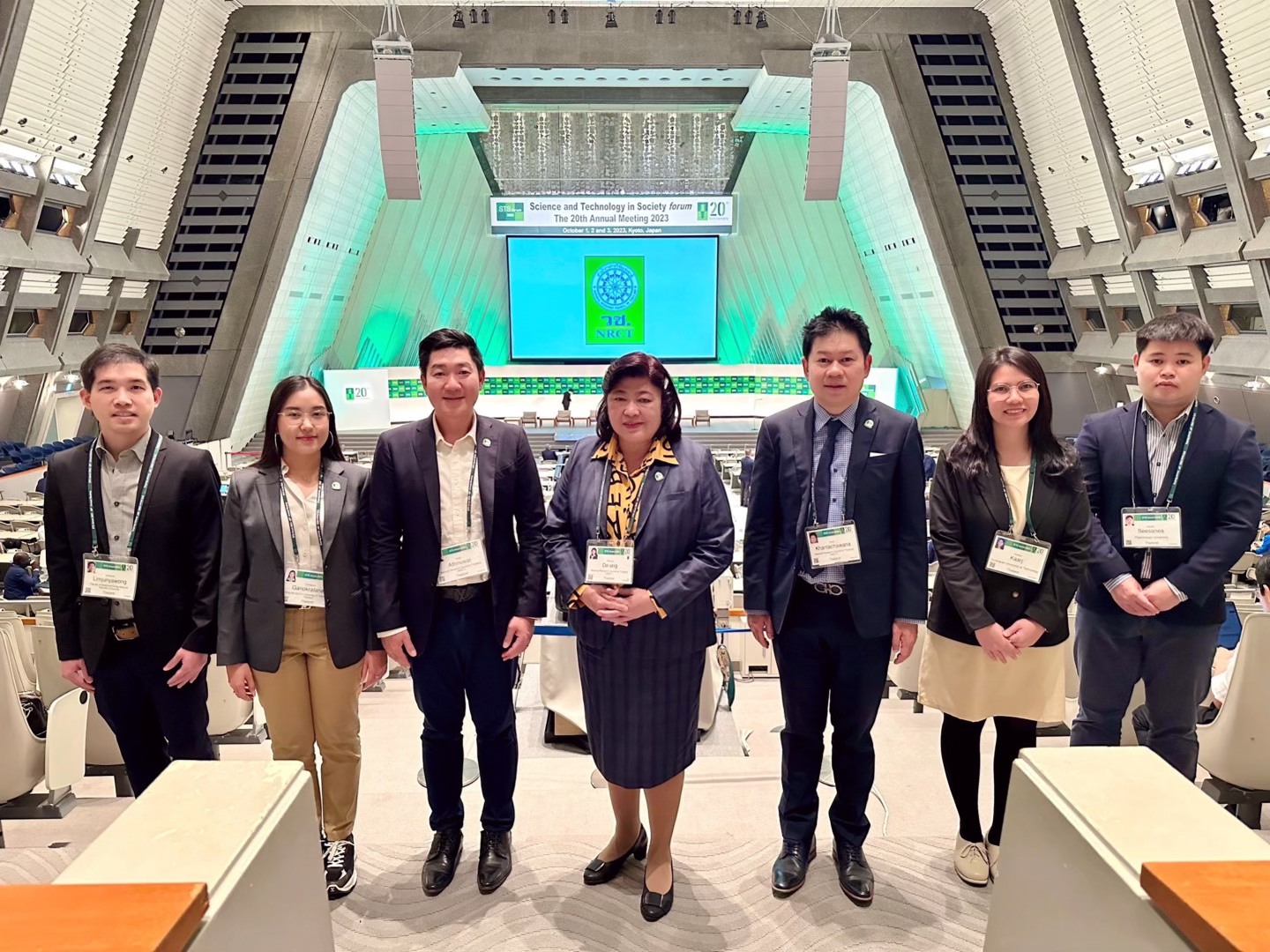
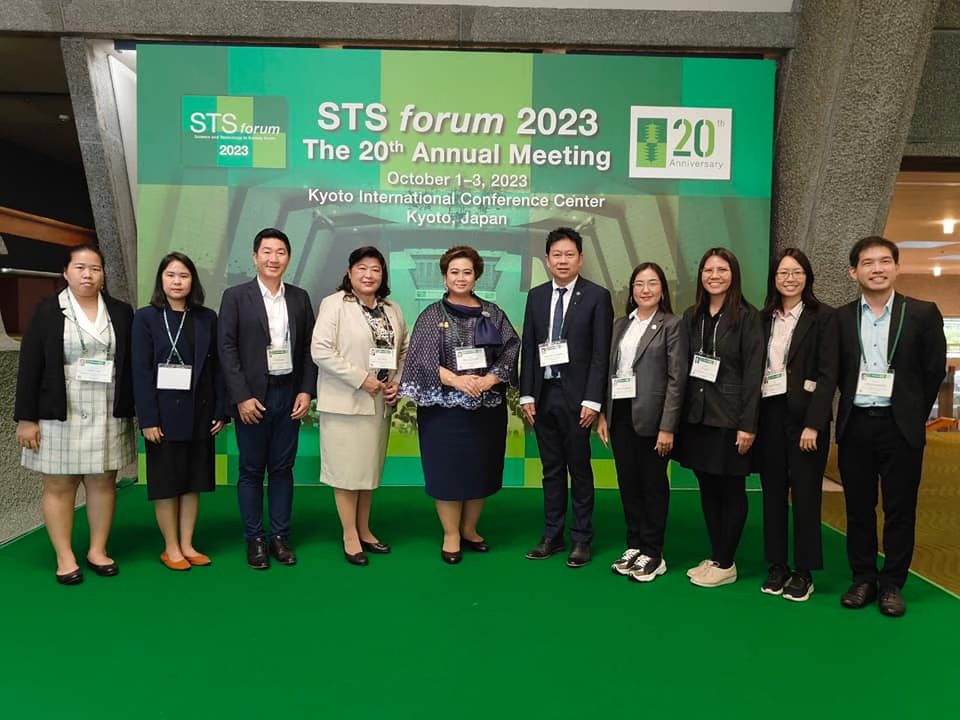
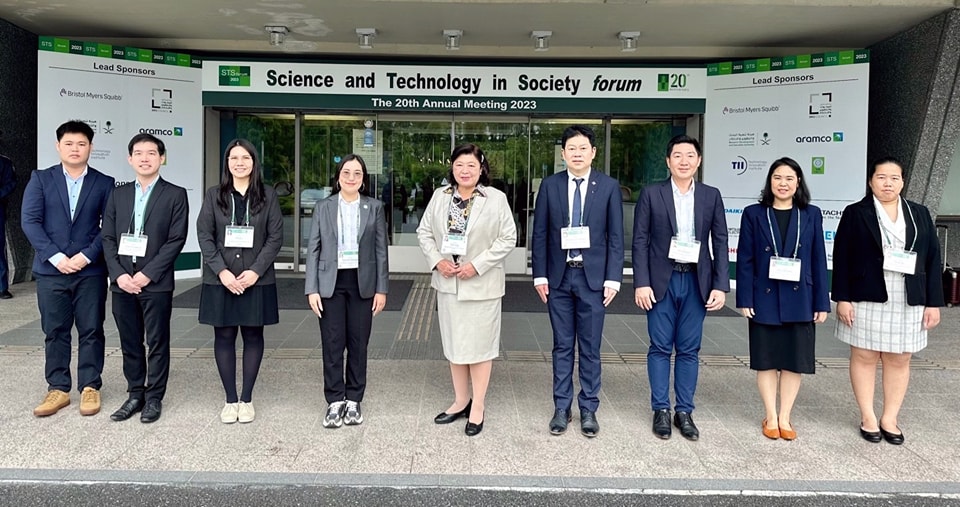
On 2 November 2026, Dr. Wiparat De-ong, Executive Director of the National Research Council of Thailand (NRCT), assigned Dr. Sirinporn Deawtrakool, Deputy Executive Director of NRCT, to lead a delegation comprising NRCT distinguished experts and officials, executives and staff from the National Science and Technology Development Agency (NSTDA), as well as faculty members and students from the TAIST-Science Tokyo program, on a study visit to the environmental engineering and concrete structures laboratories at the Institute of Science Tokyo (Science Tokyo), Ookayama Campus, Japan. The visit also included discussions on the proposed Joint Workshop 2027, aimed at strengthening research collaboration and advanced human resource development between Thailand and Japan.
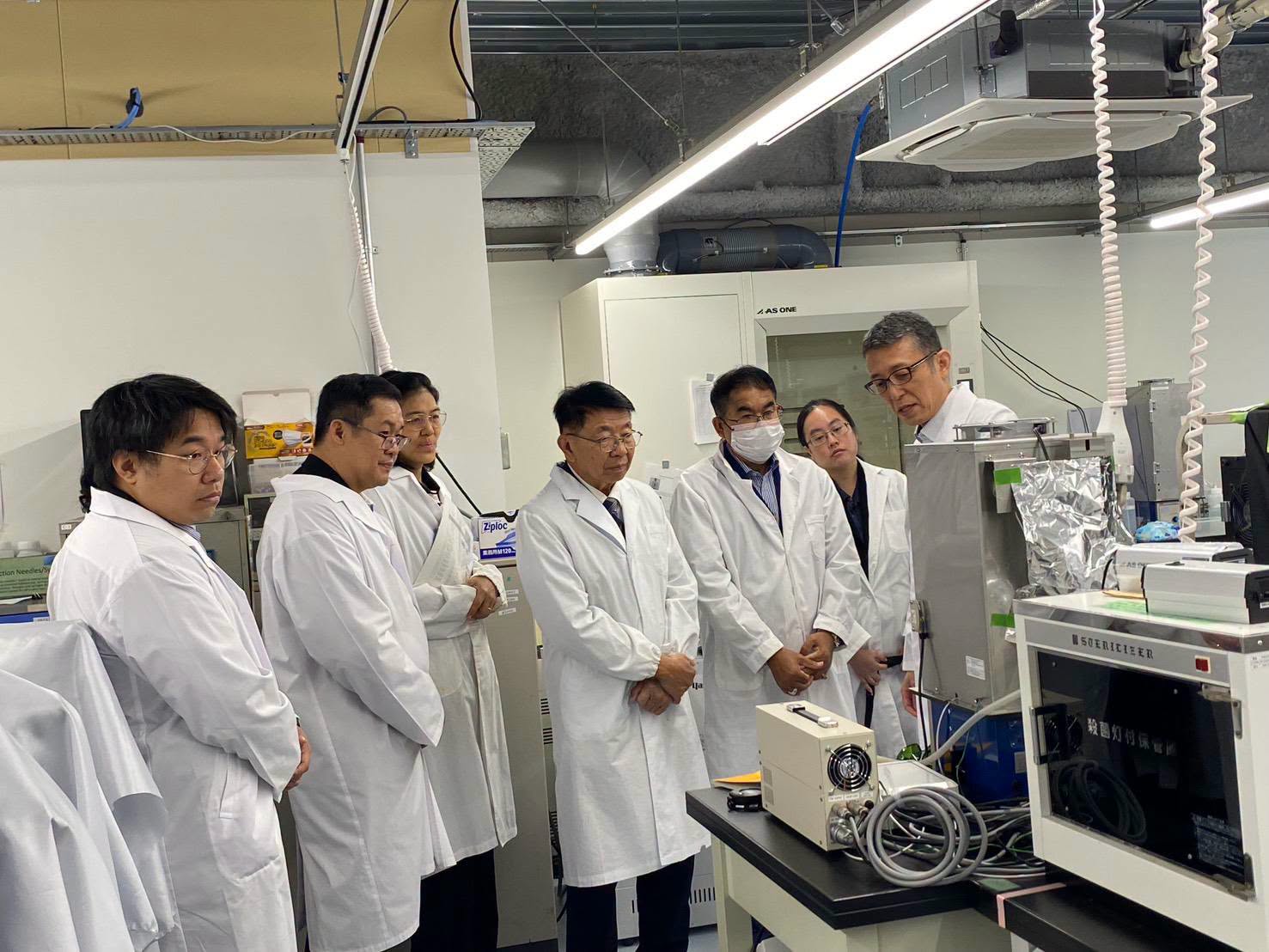
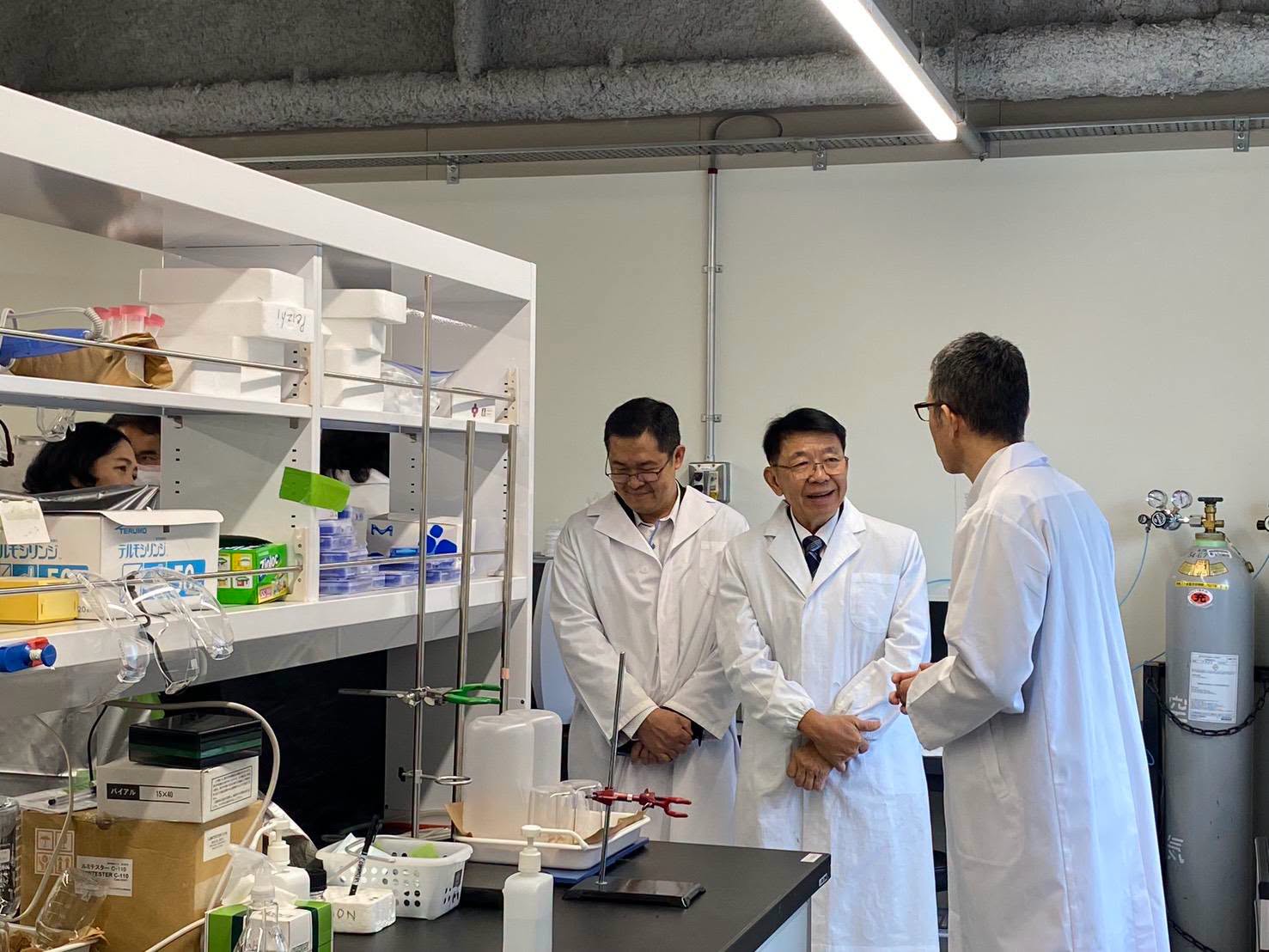
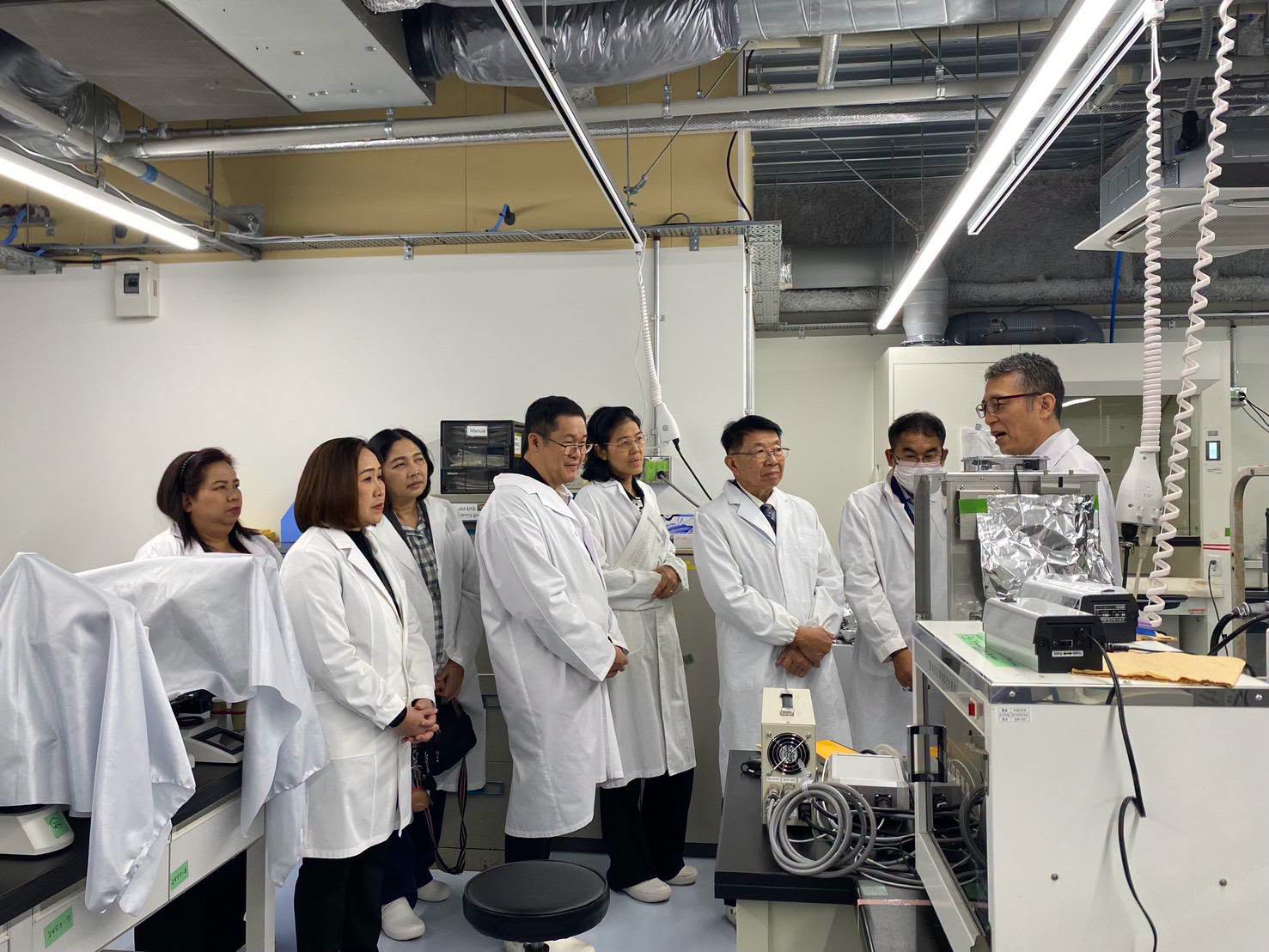
During the visit to the Environmental Engineering Laboratory, researchers presented studies on photochemical reactions in aquatic environments, the management of persistent environmental pollutants, particularly per- and polyfluoroalkyl substances (PFAS), and carbon fixation processes. The delegation also observed a demonstration of a solar simulator used to study photochemical reactions, as well as research involving the use of titanium dioxide (TiO₂) as a photocatalyst in combination with microalgae to remove pharmaceutical and antibiotic residues from wastewater. This integrated approach offers potential applications for sustainable water management.
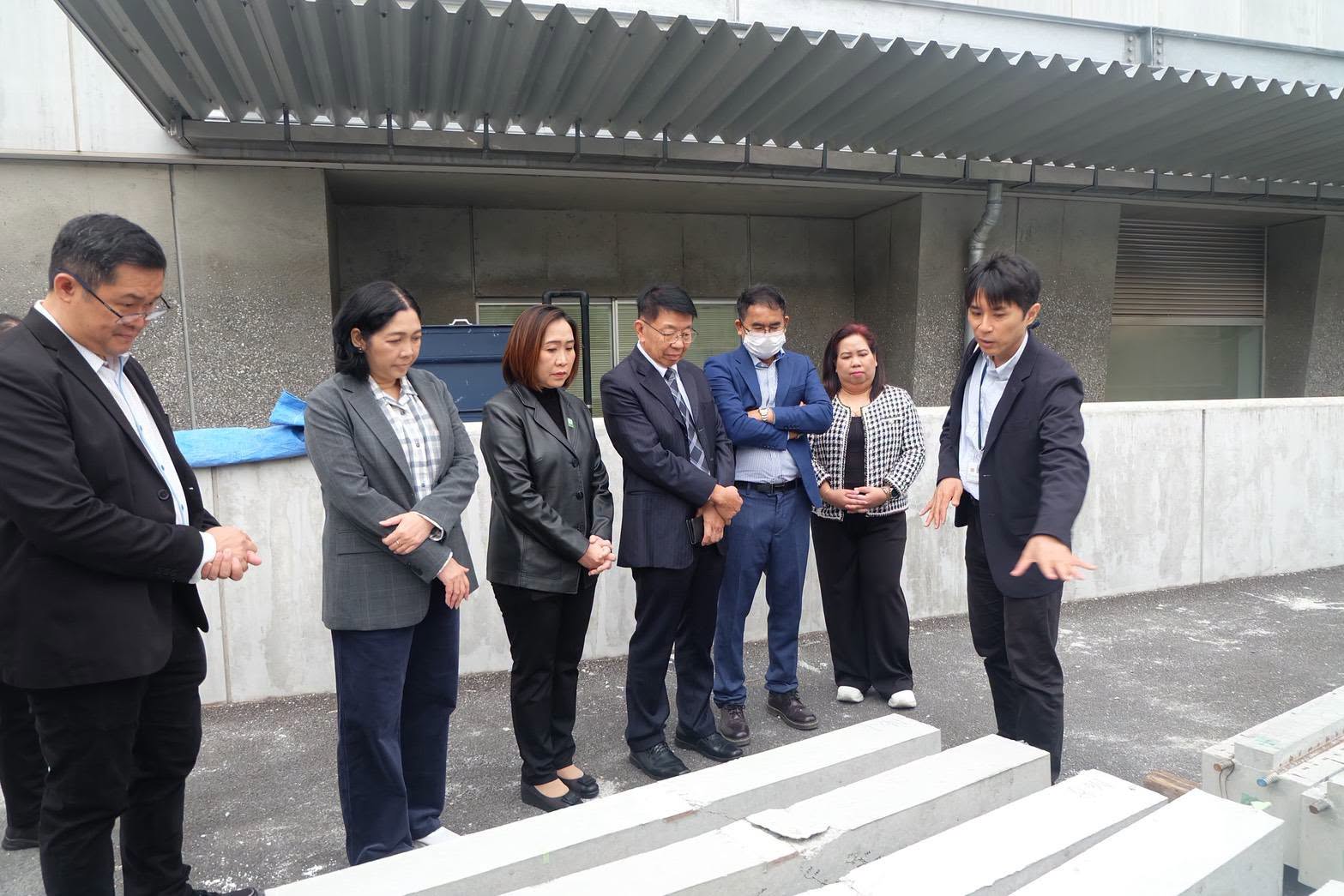
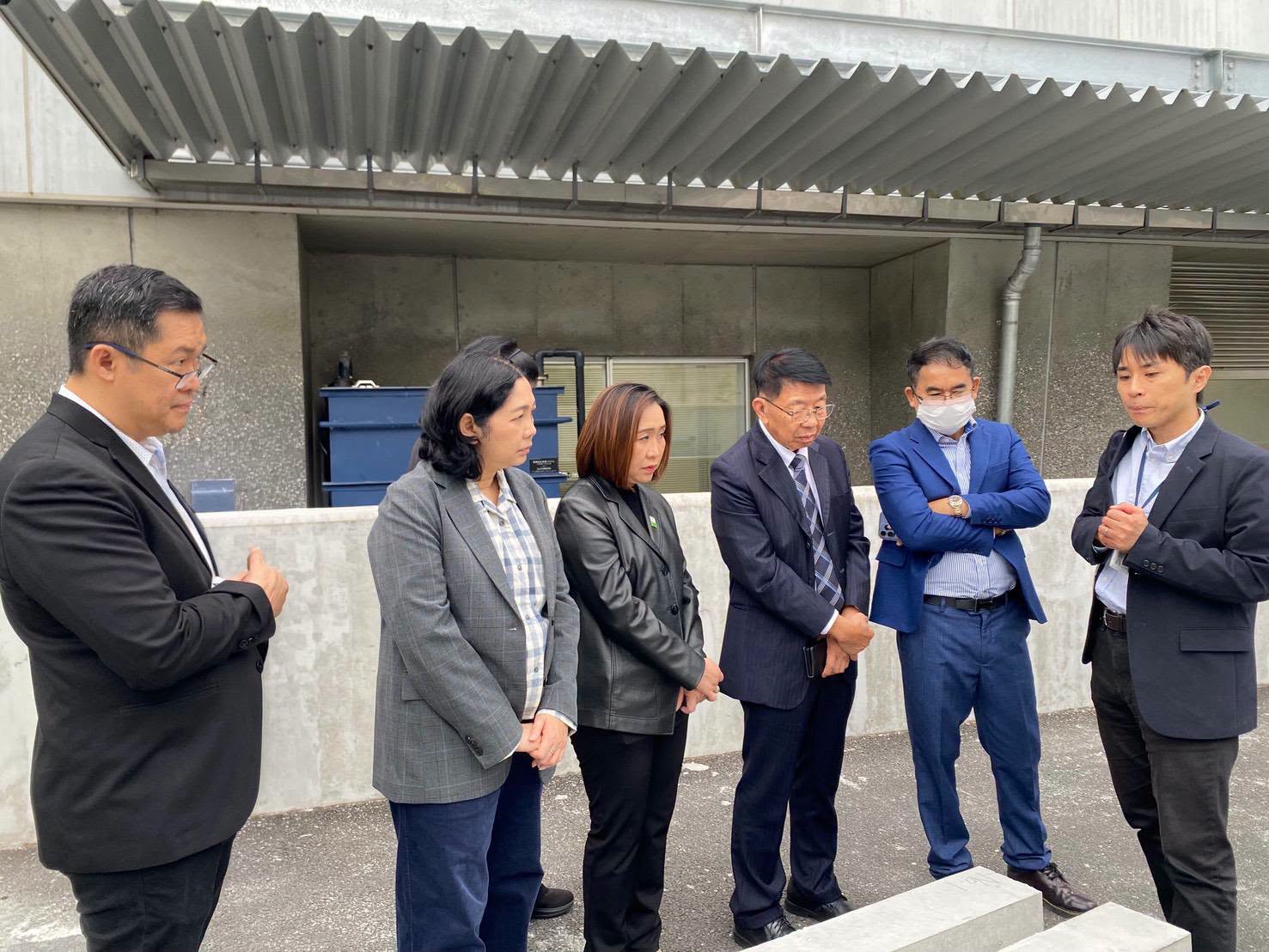
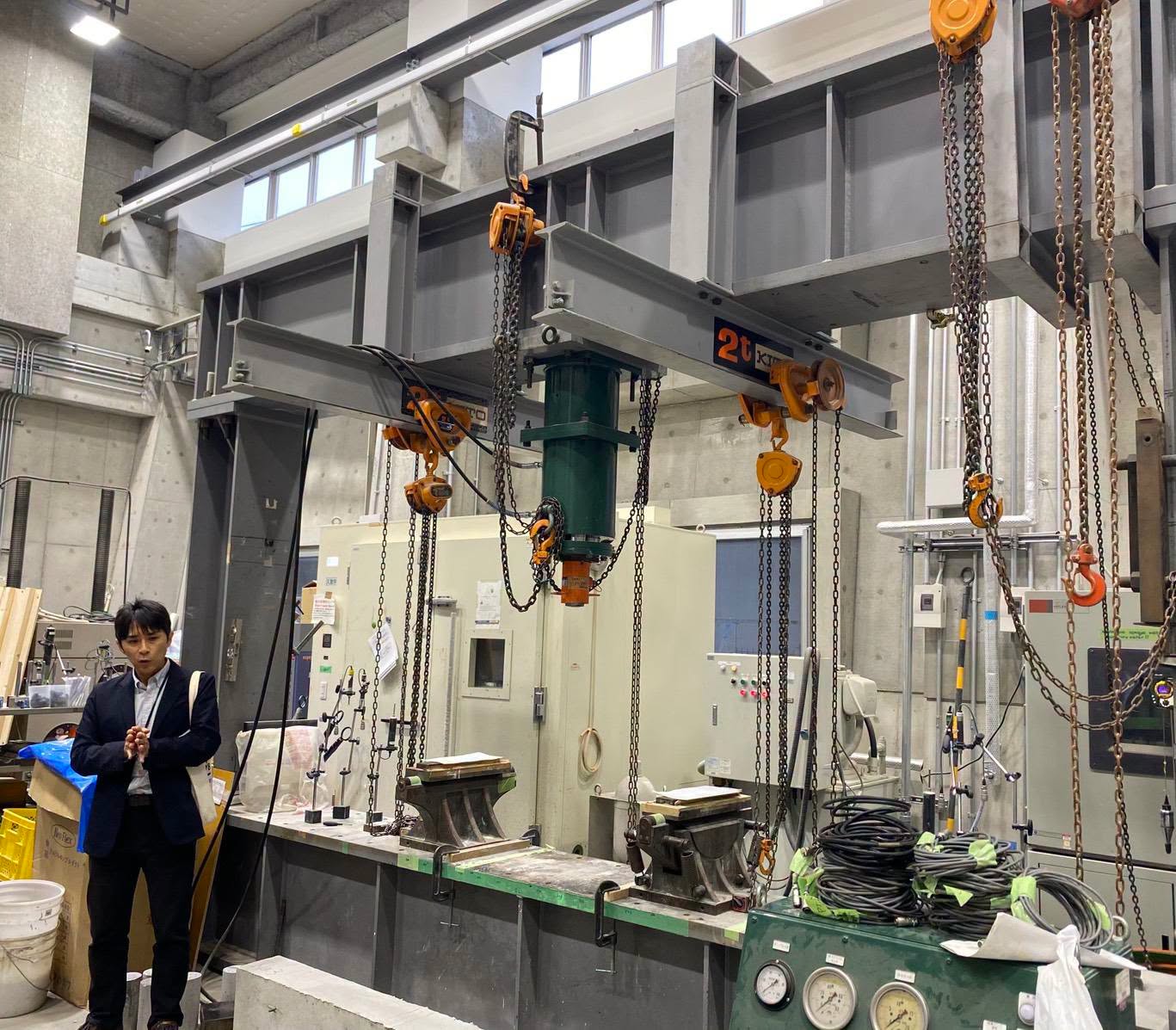
The delegation then visited the Concrete Structures Laboratory, where researchers introduced teaching and research activities focusing on the behaviour of concrete materials and structures, ranging from the microscopic level to full-scale structural systems. The research covers structural design, specimen casting, and flexural and shear testing to examine failure patterns and apply the findings to improve structural design and safety, including earthquake resistance.
The study visit and discussions provided an opportunity for participants to exchange knowledge and research experiences in environmental engineering and infrastructure, while strengthening research networks between Thailand and Japan. NRCT will draw on the knowledge gained and potential areas of collaboration to further support national research and human resource development. It will also coordinate with NSTDA, academic institutions, and the industrial sector to strengthen research collaboration and promote the practical application of research outcomes.