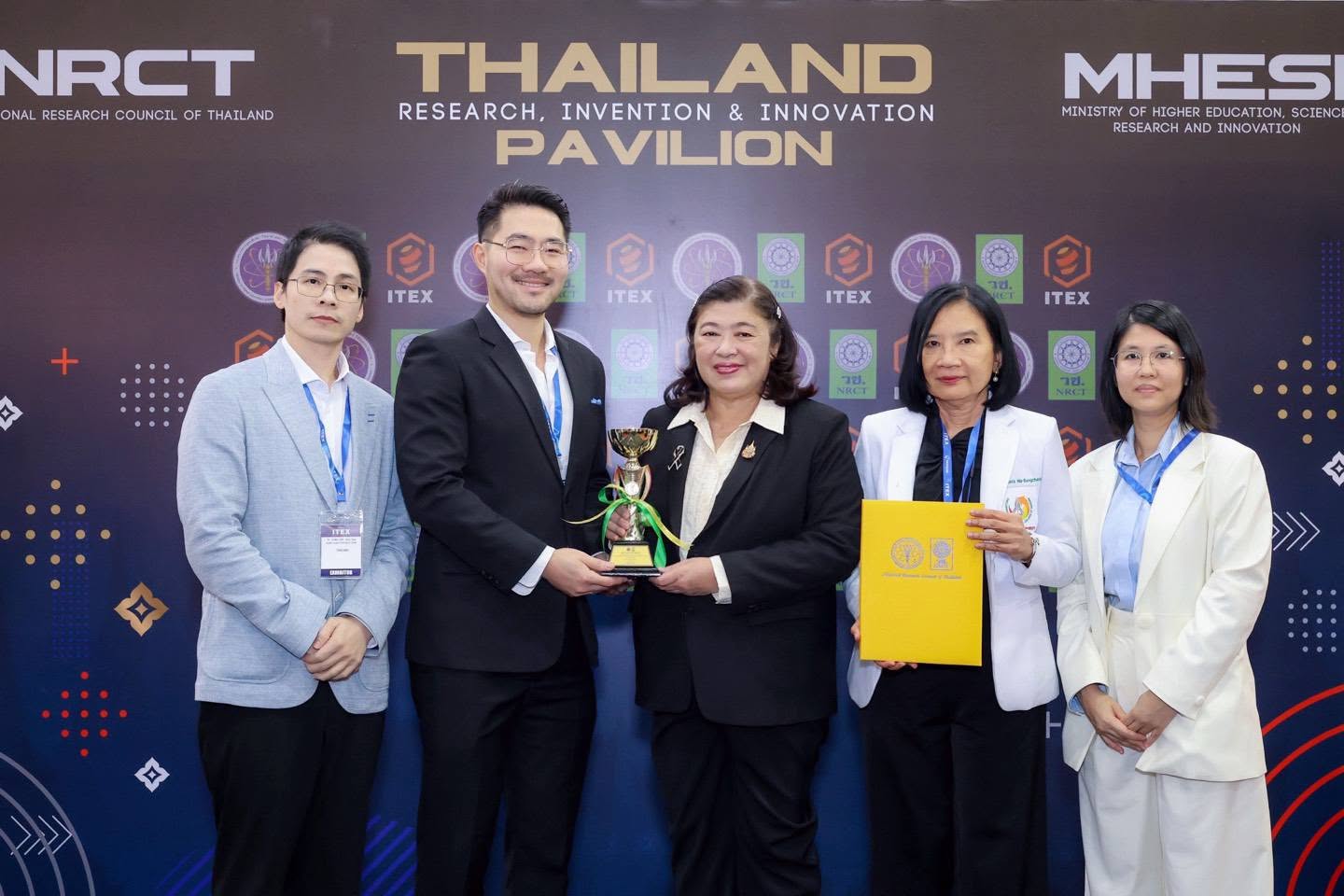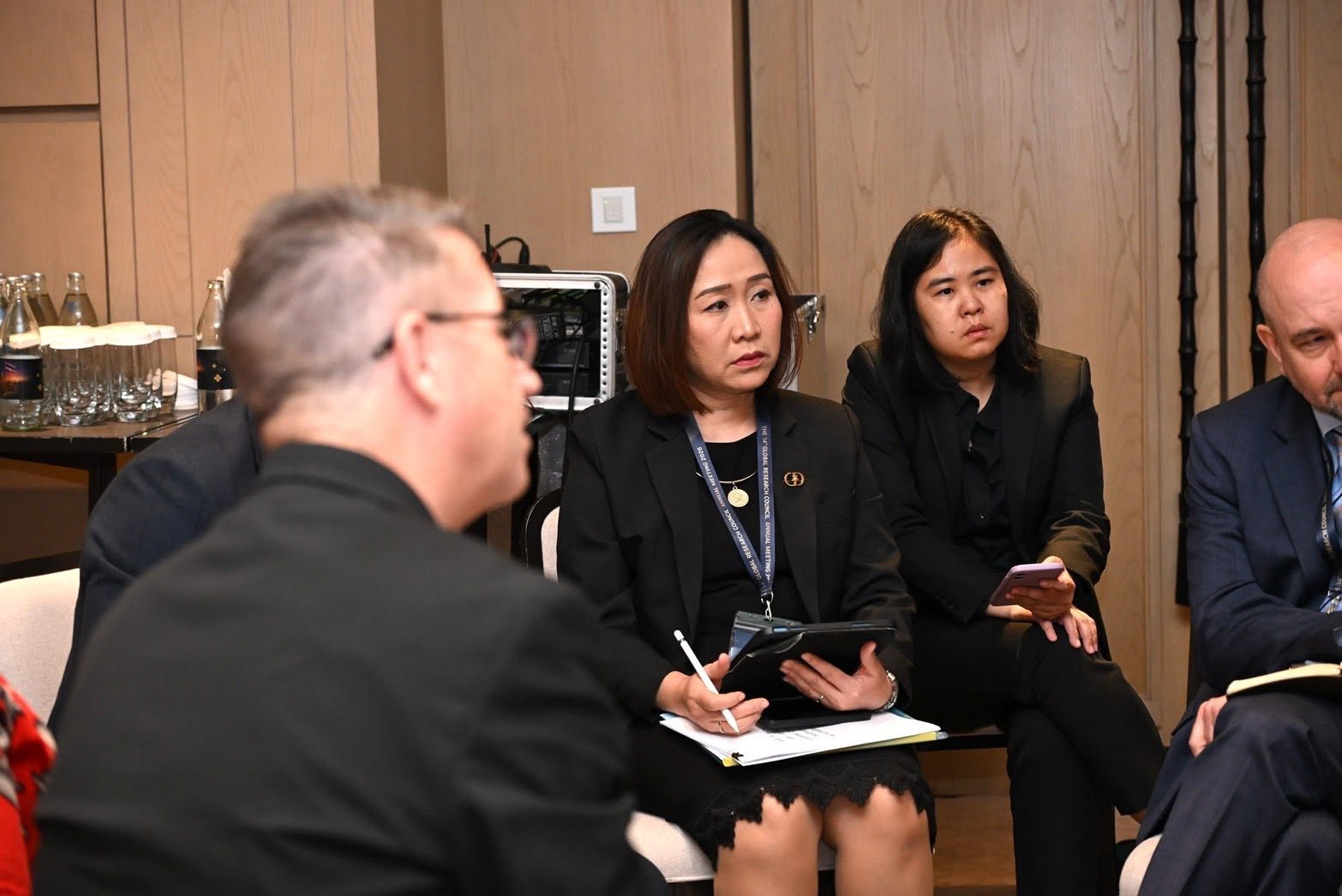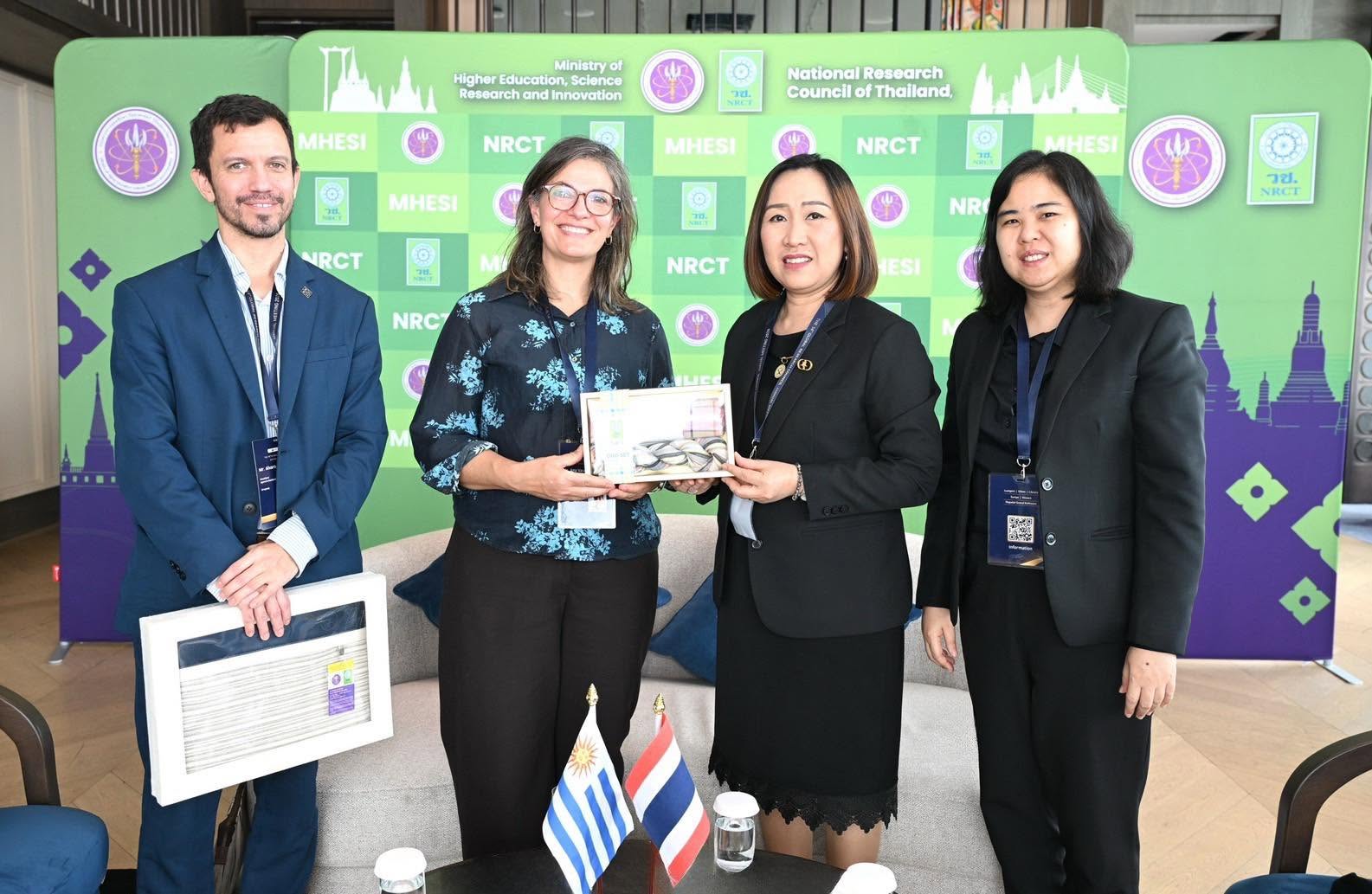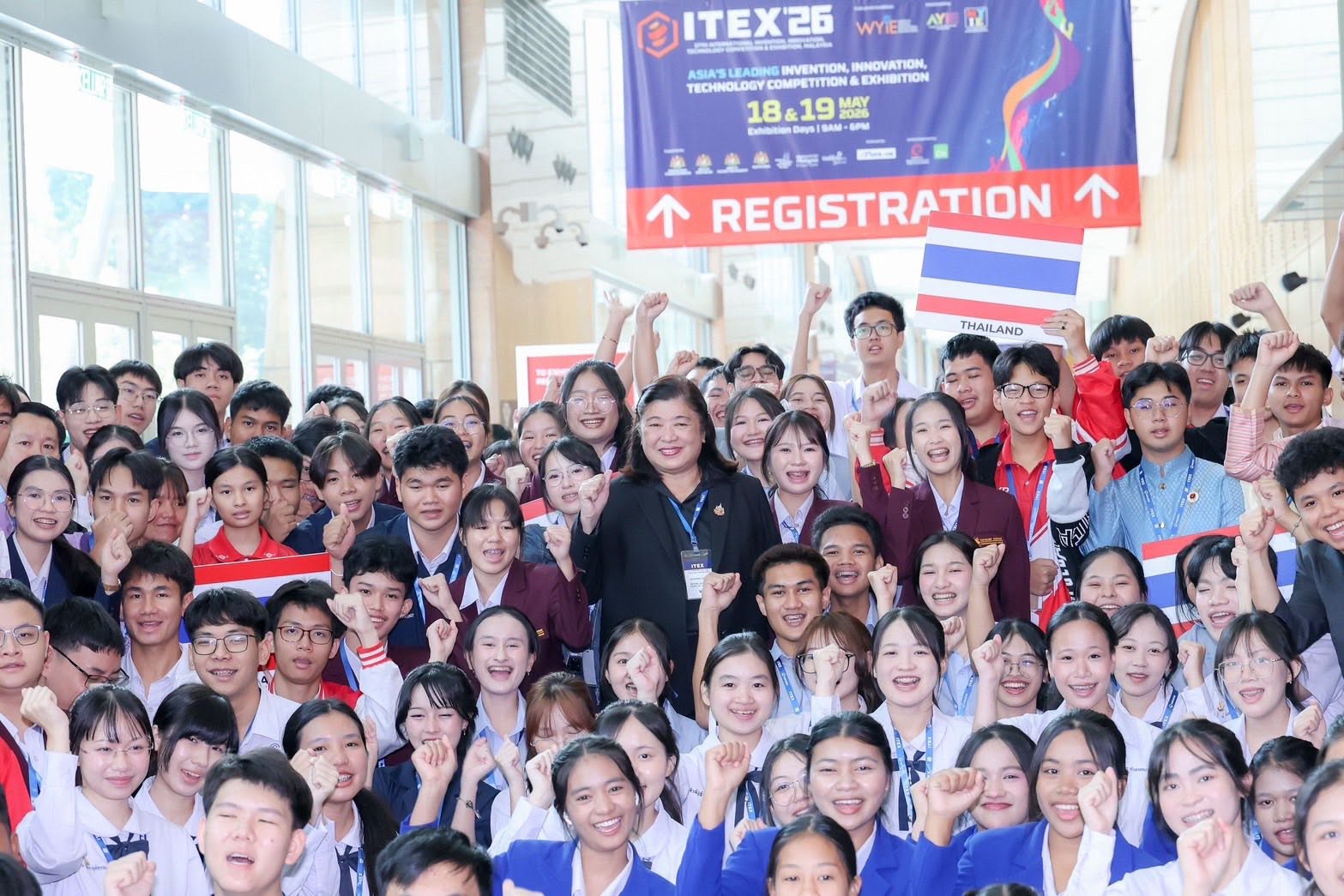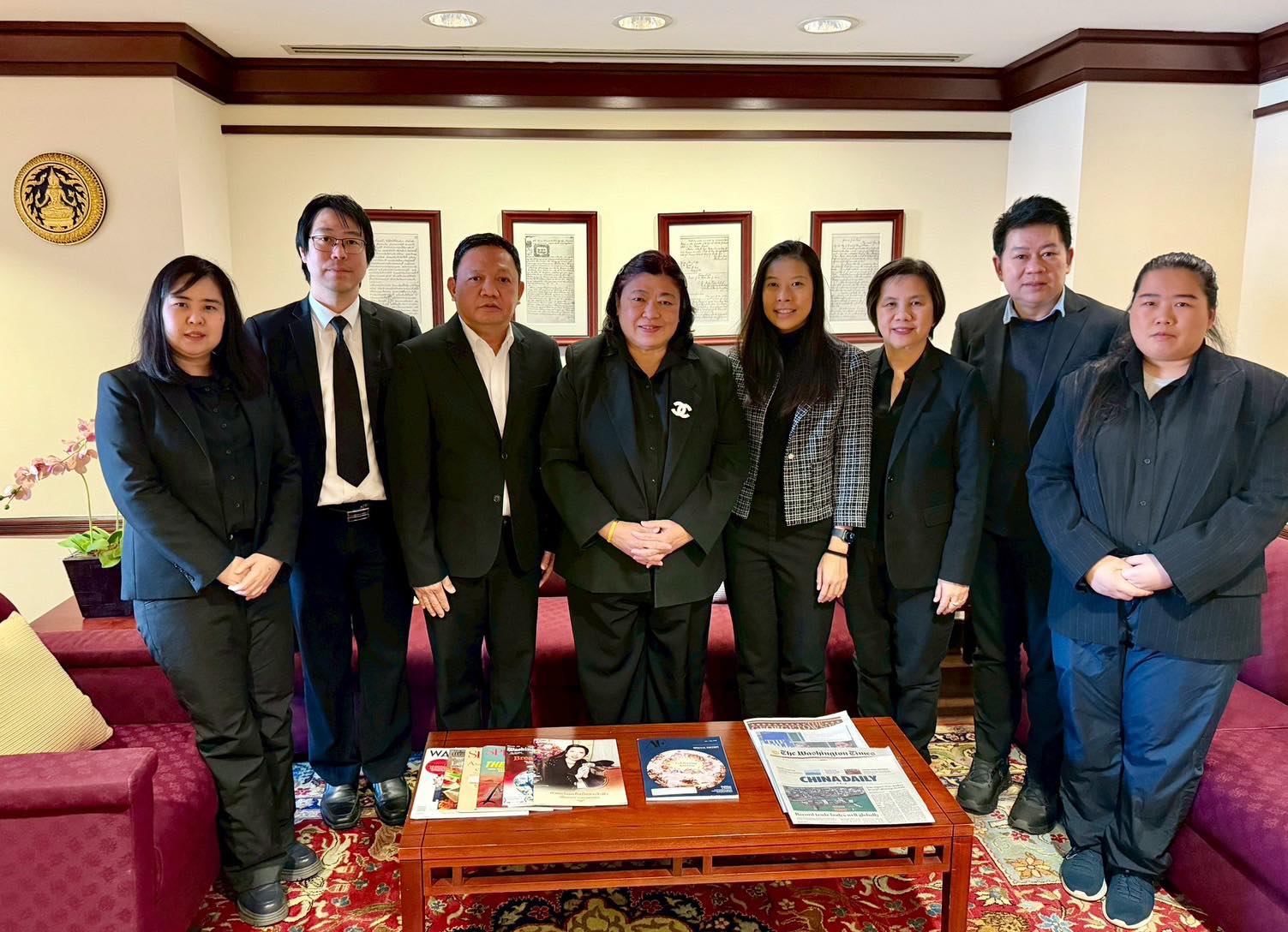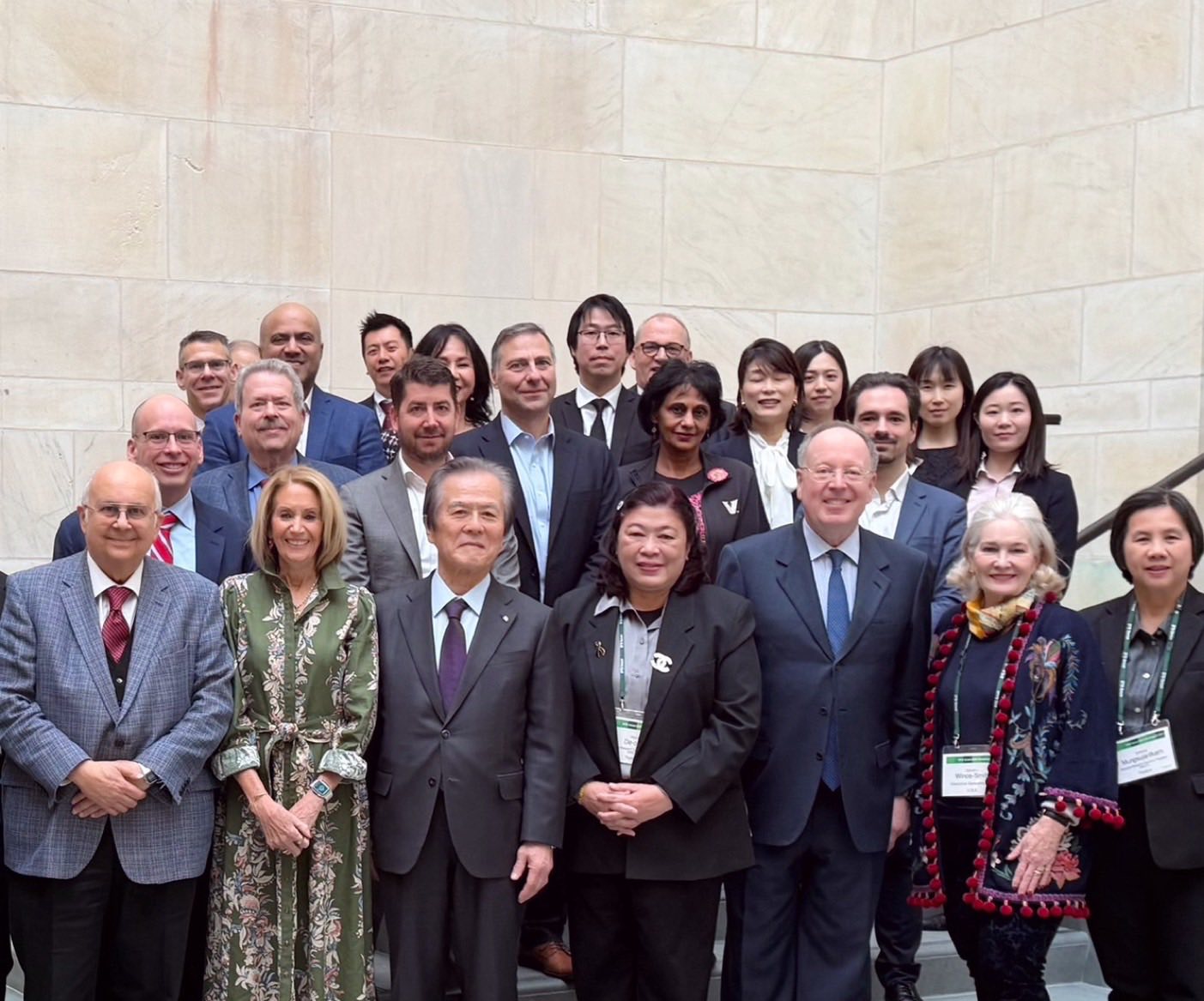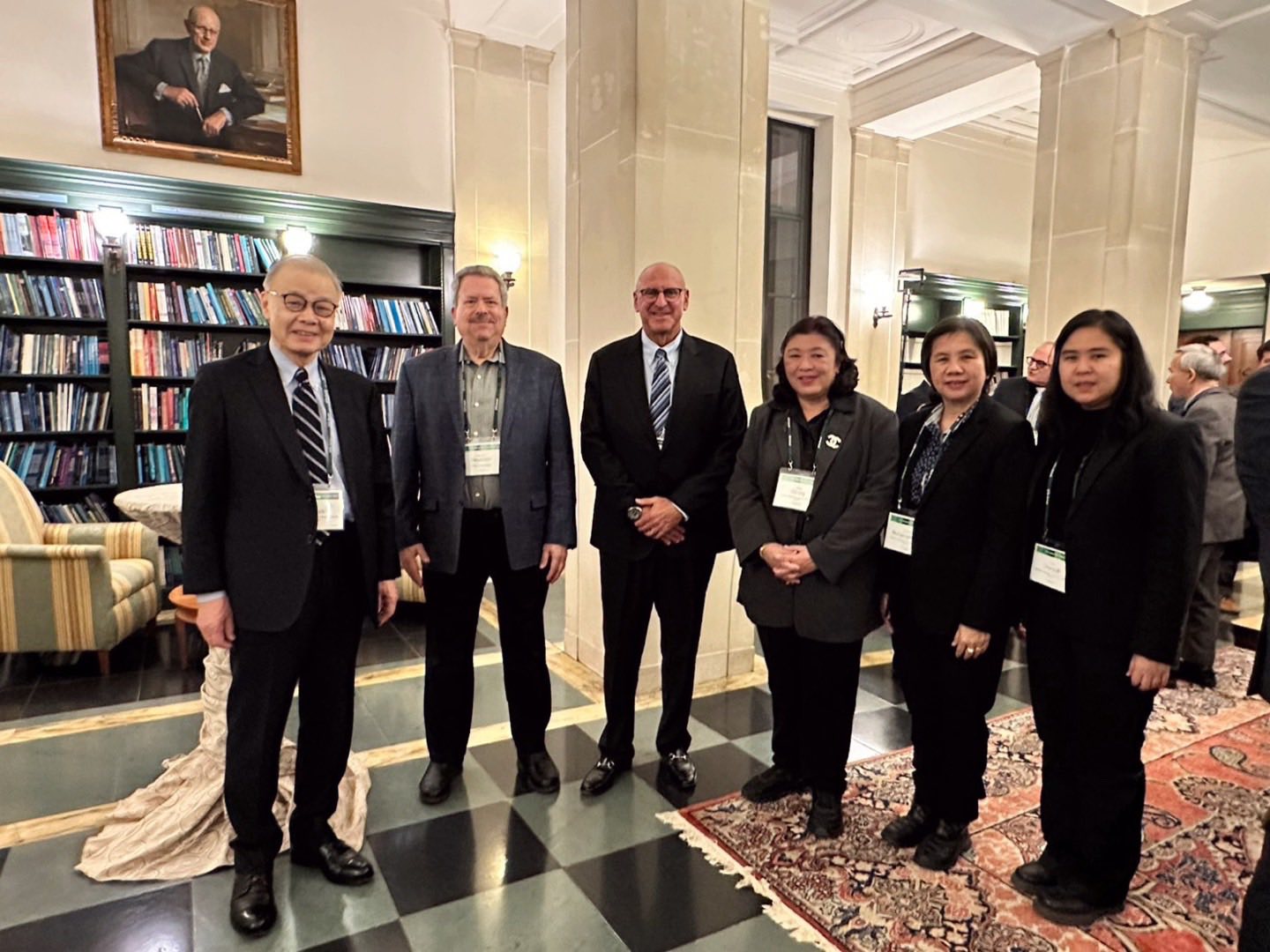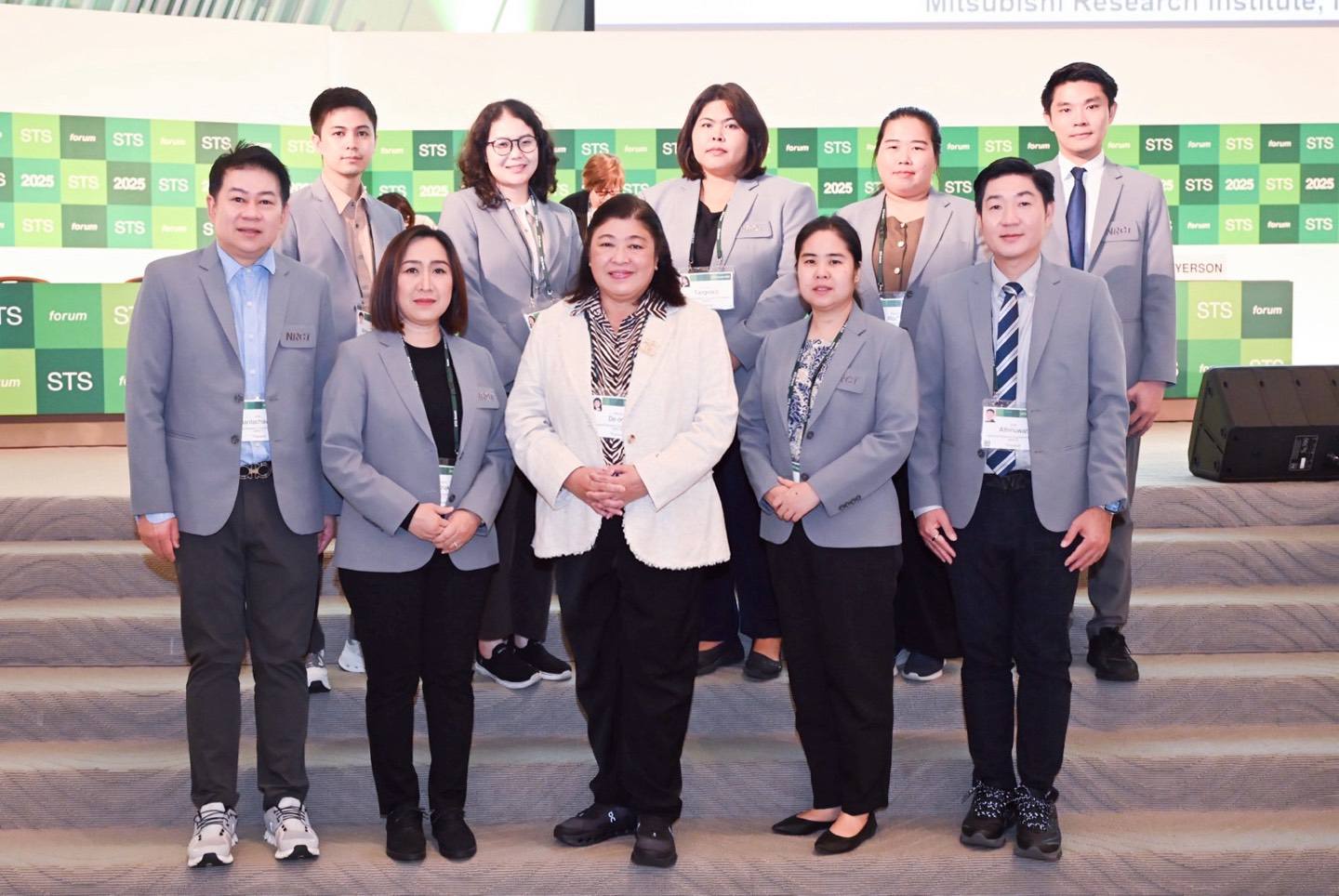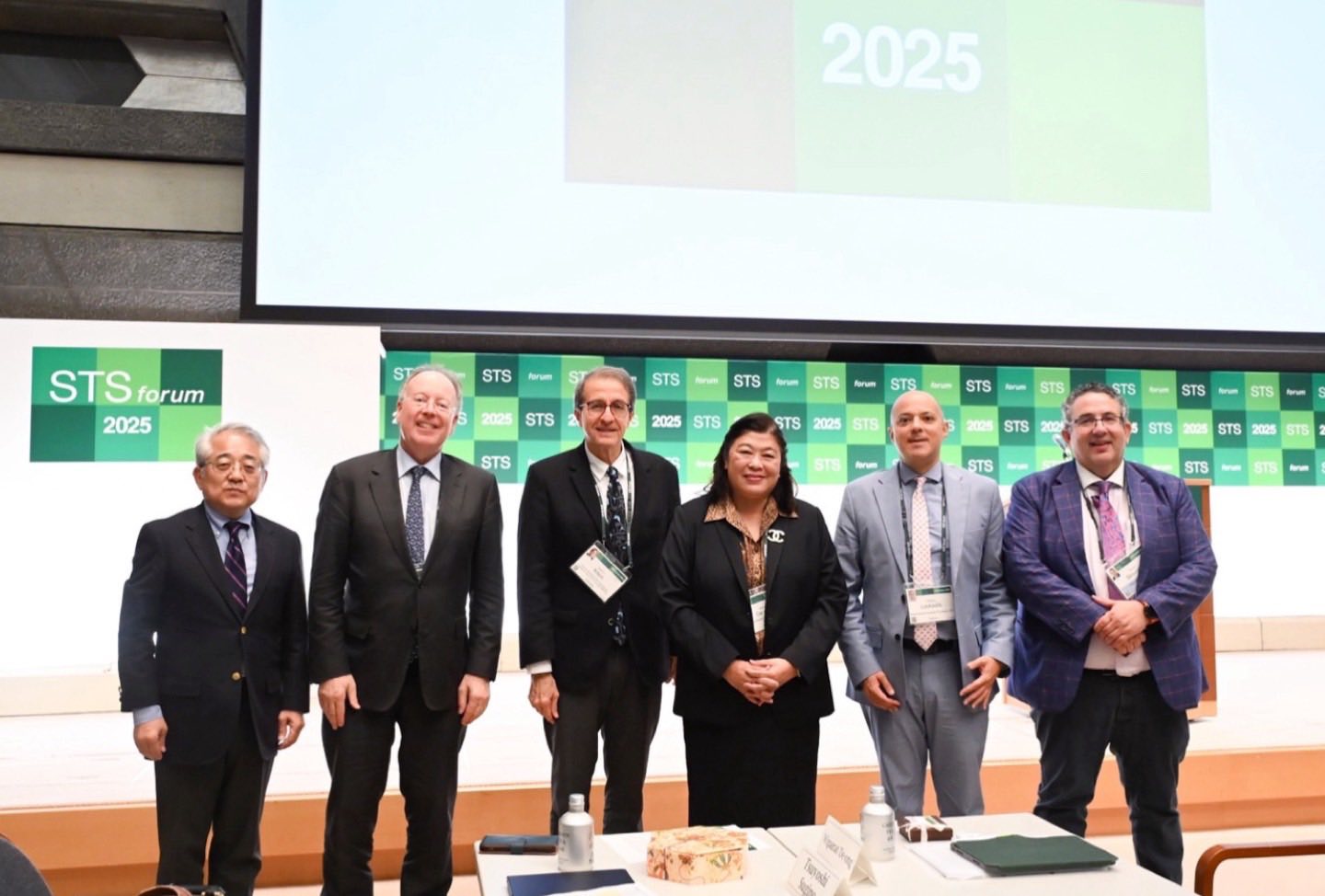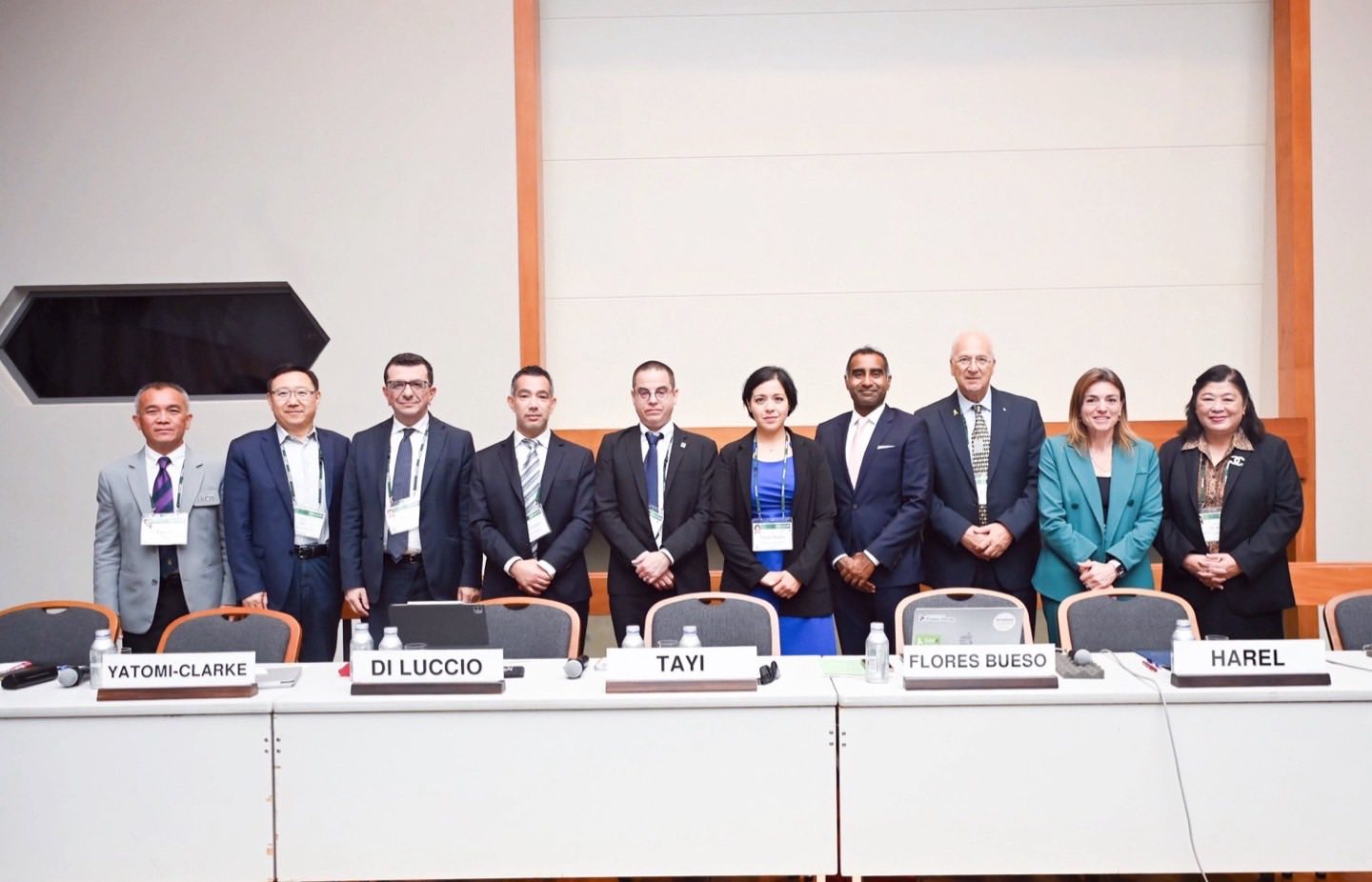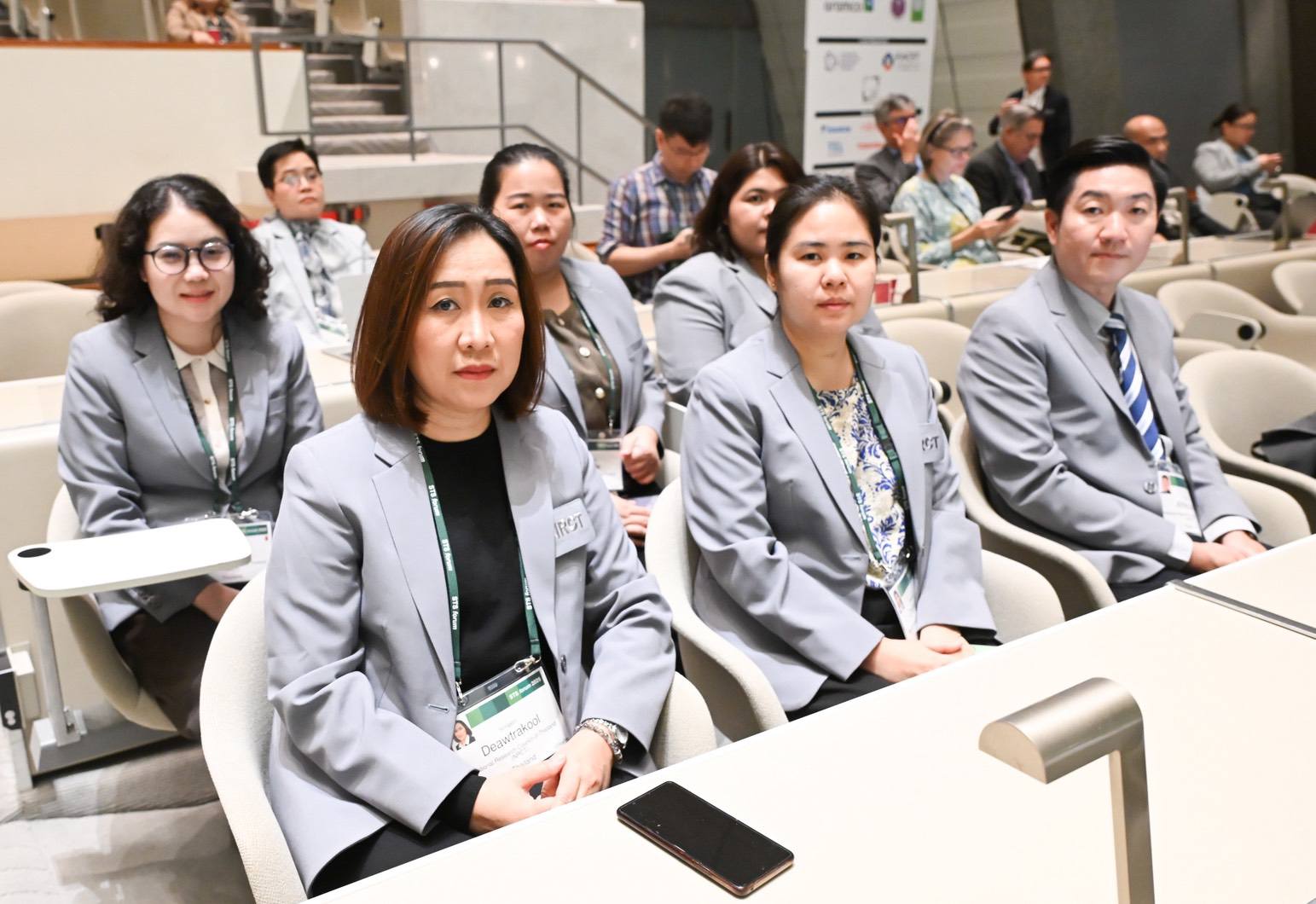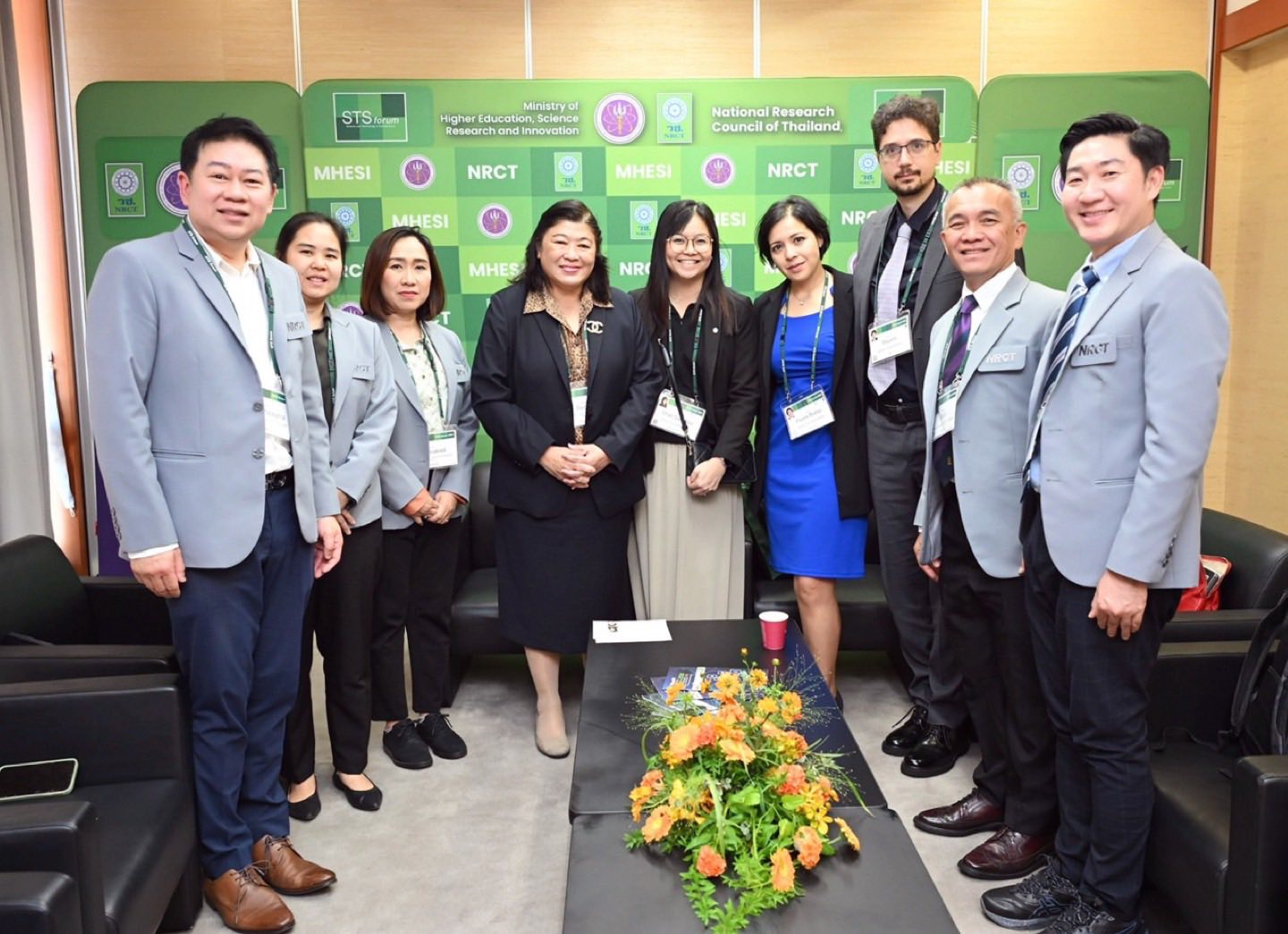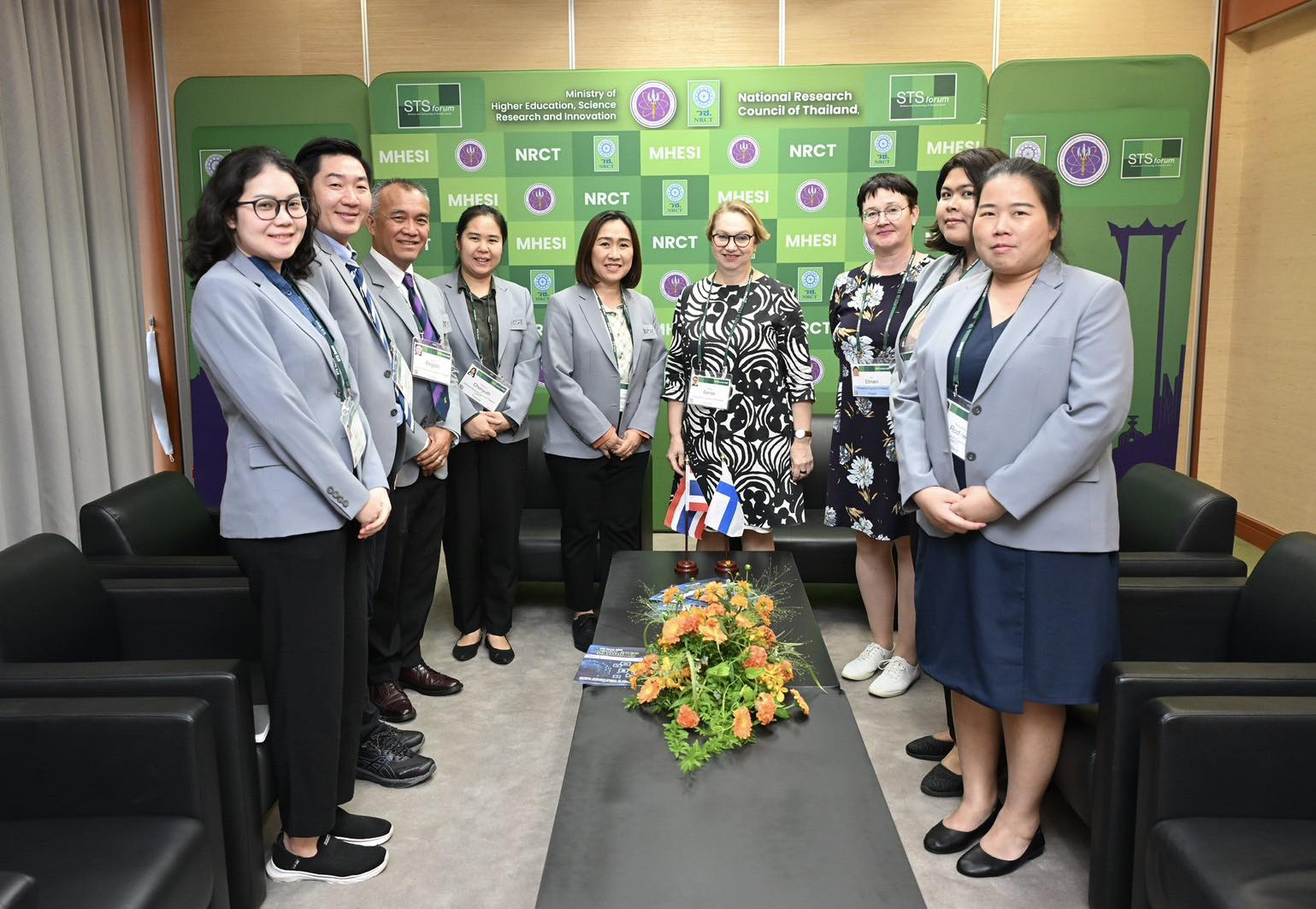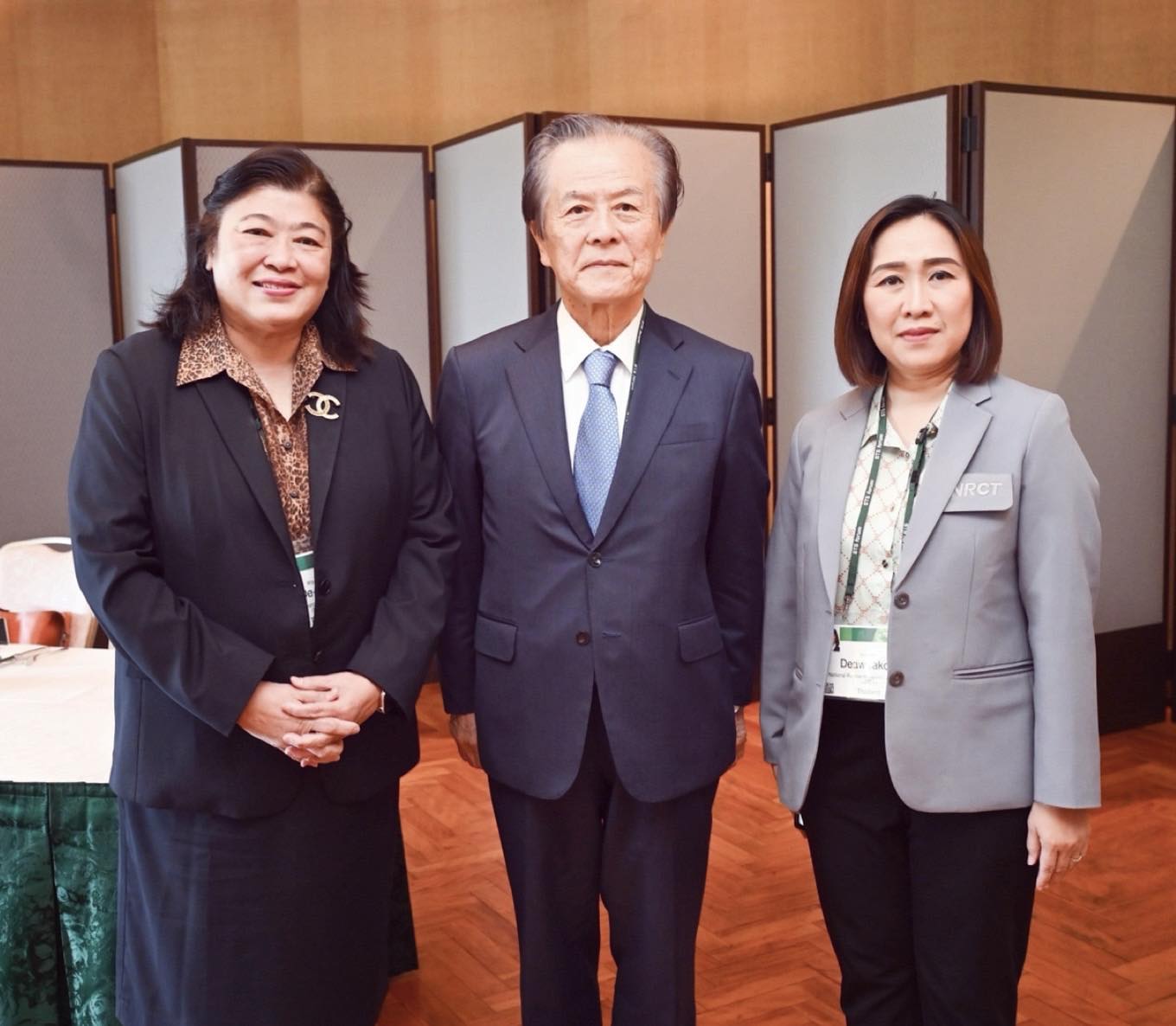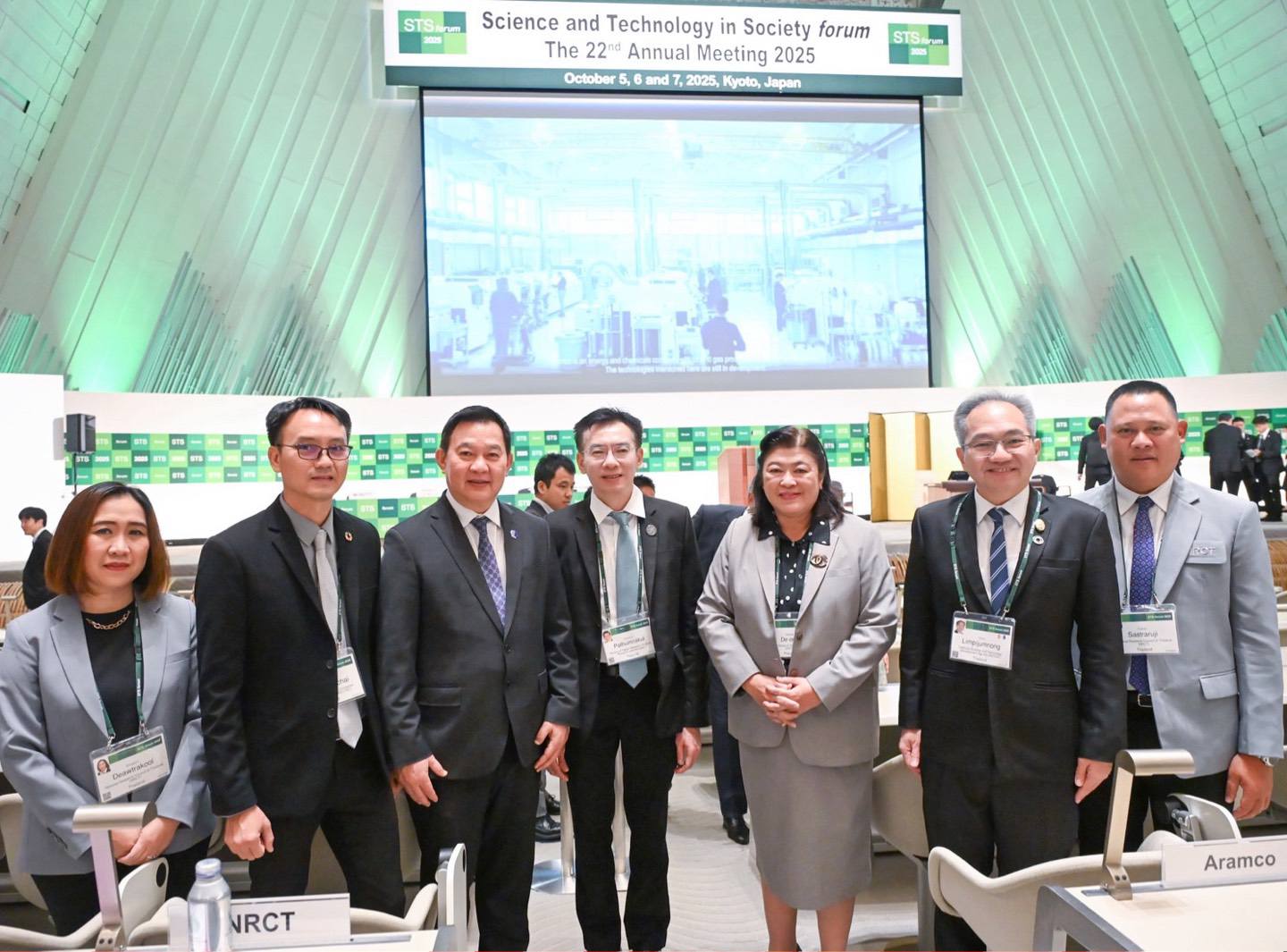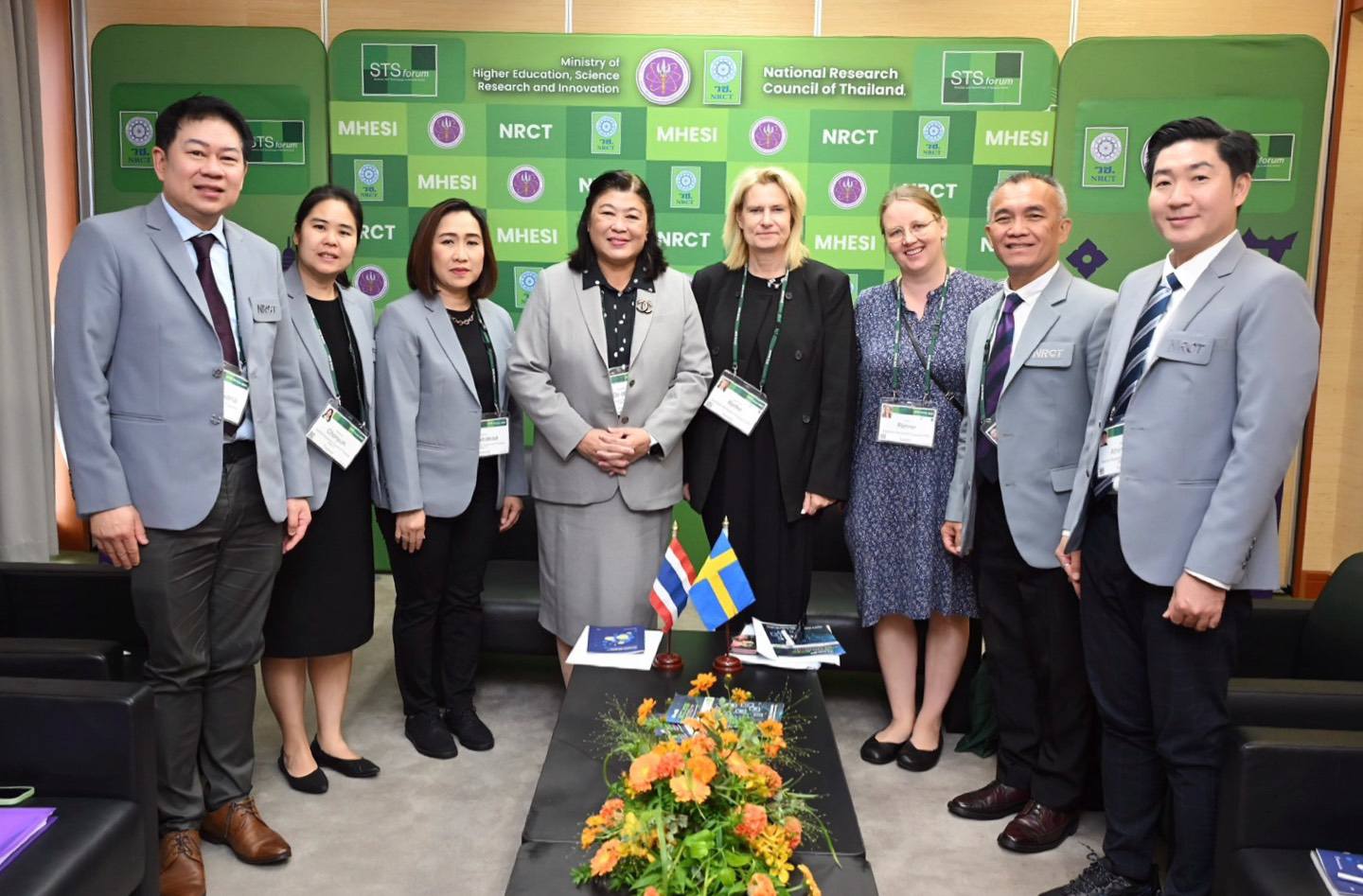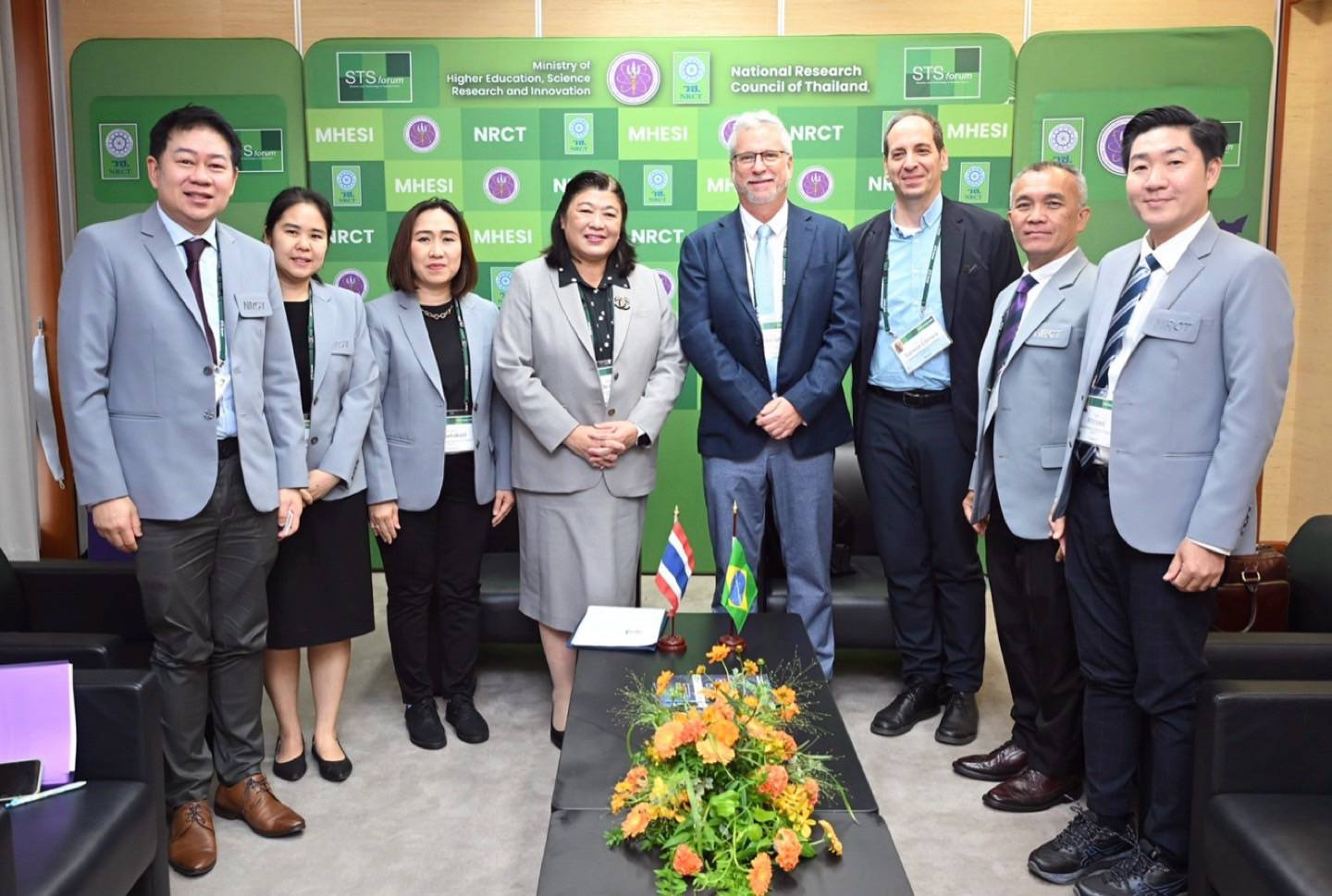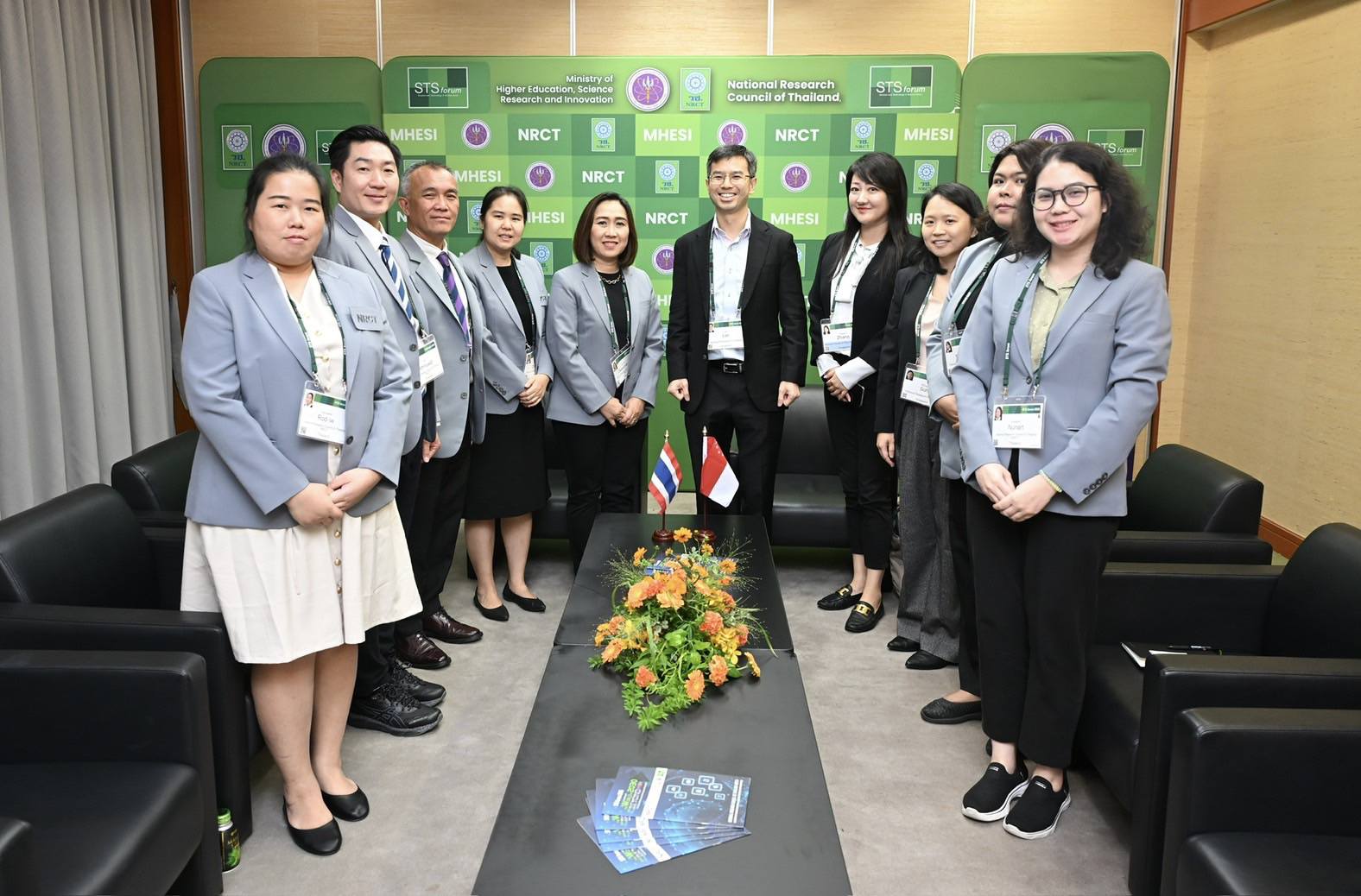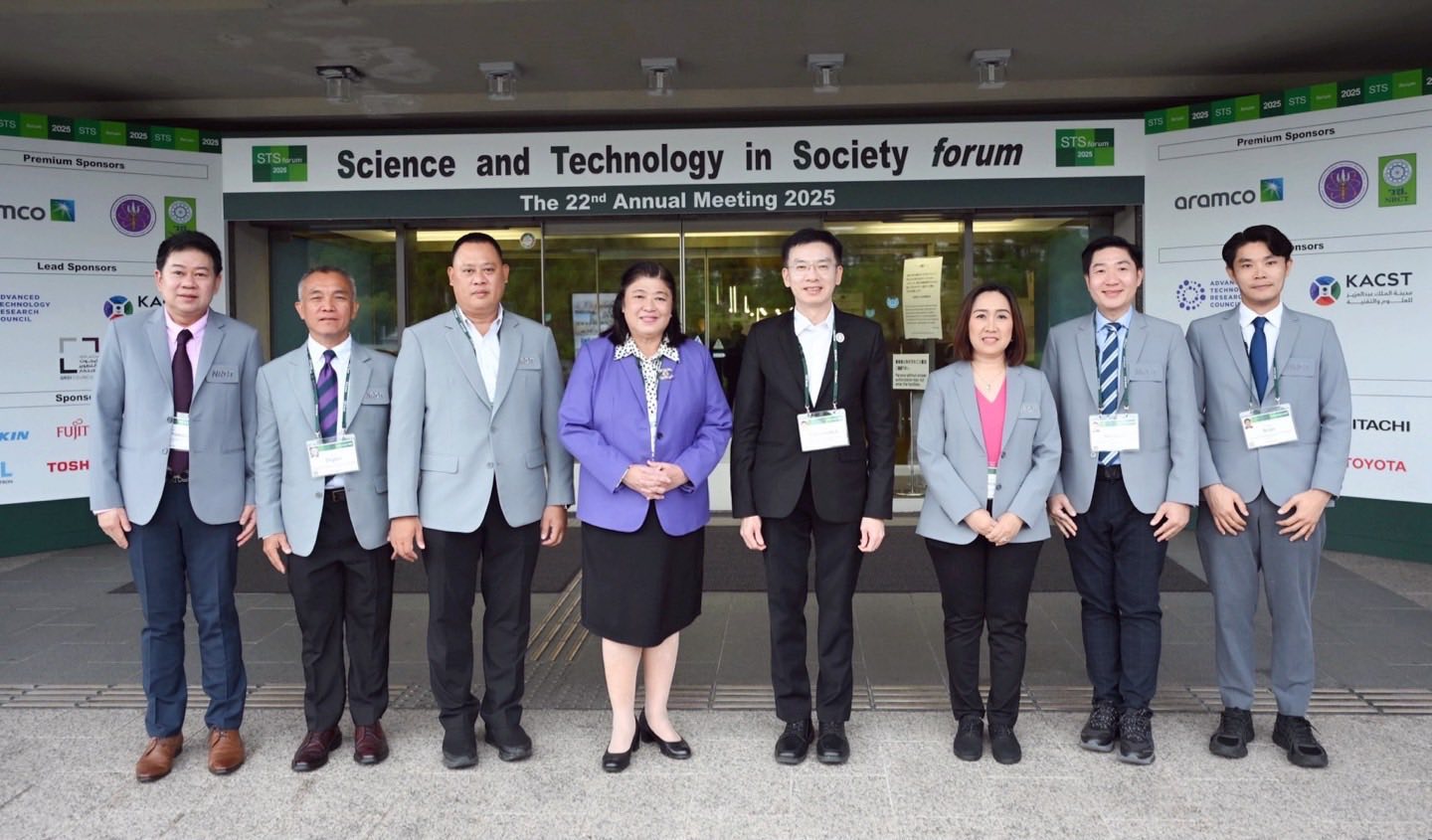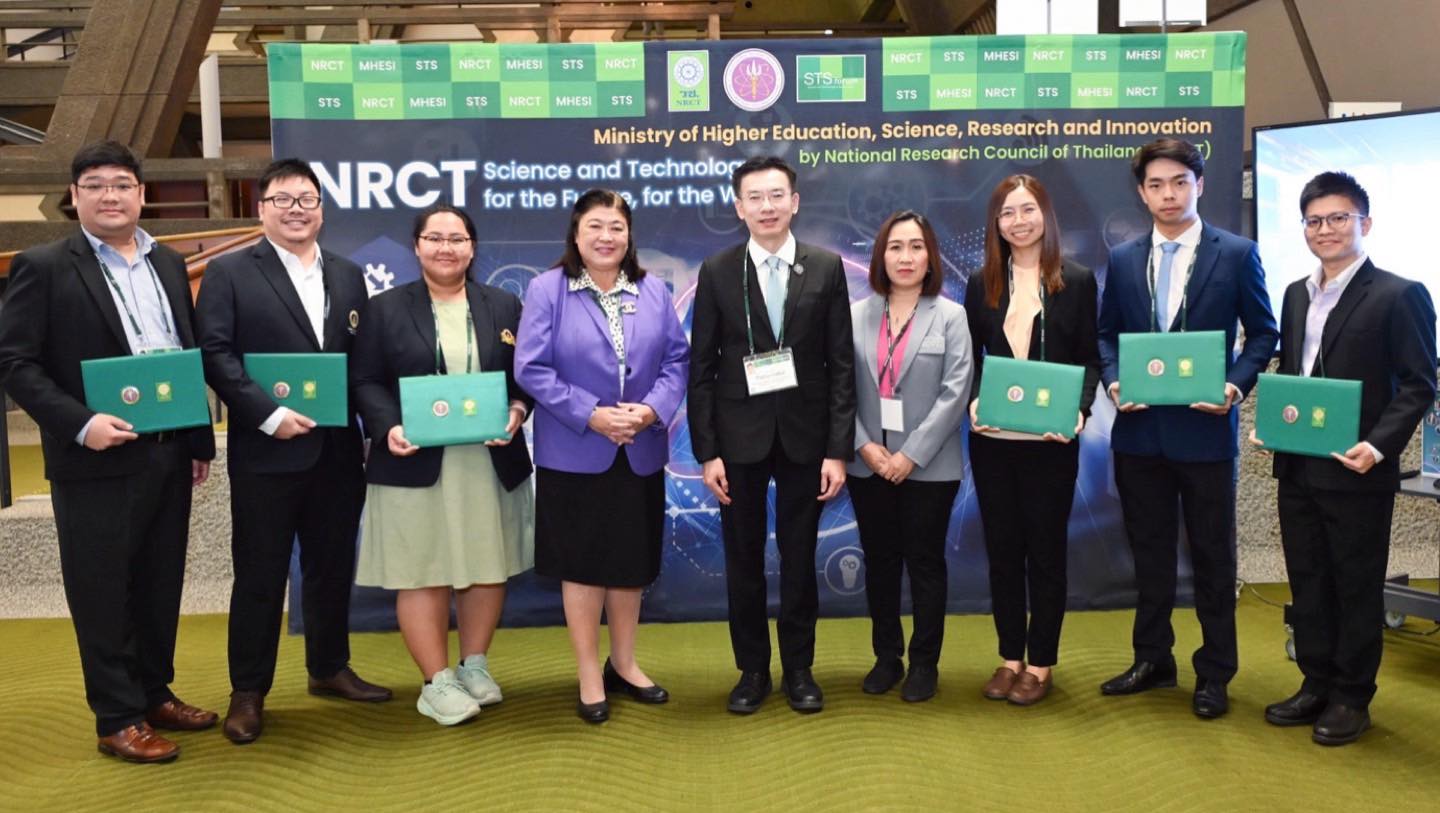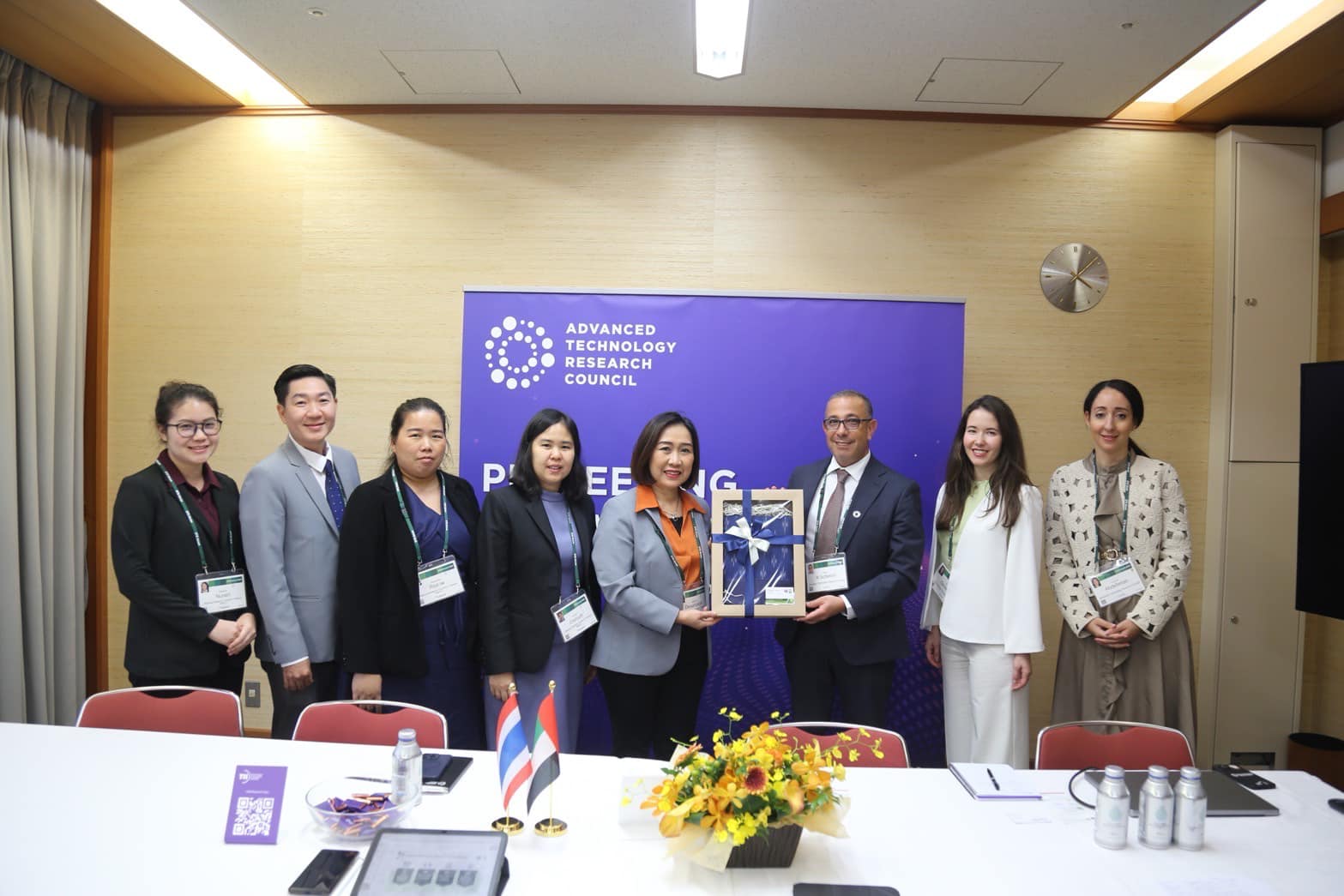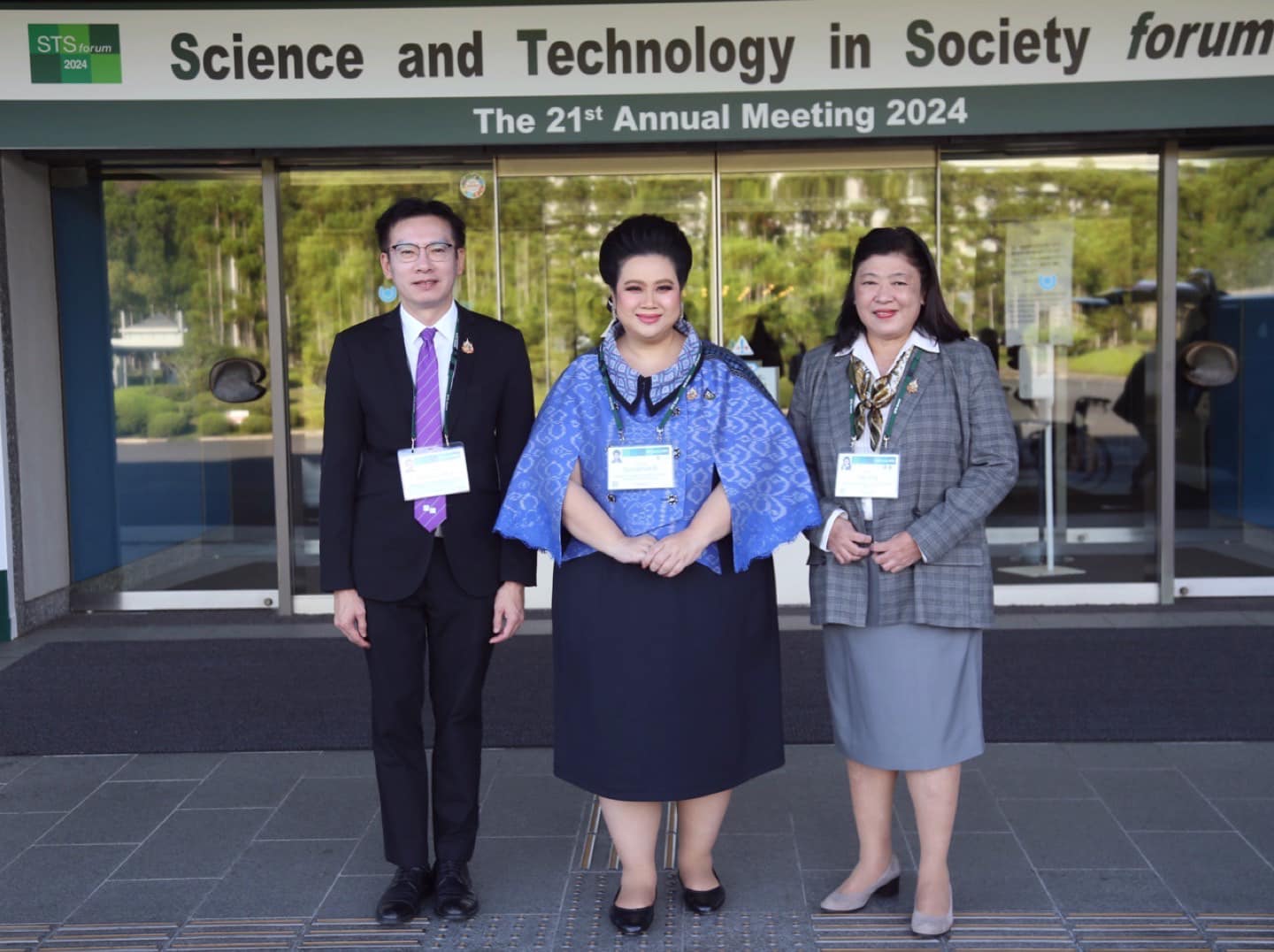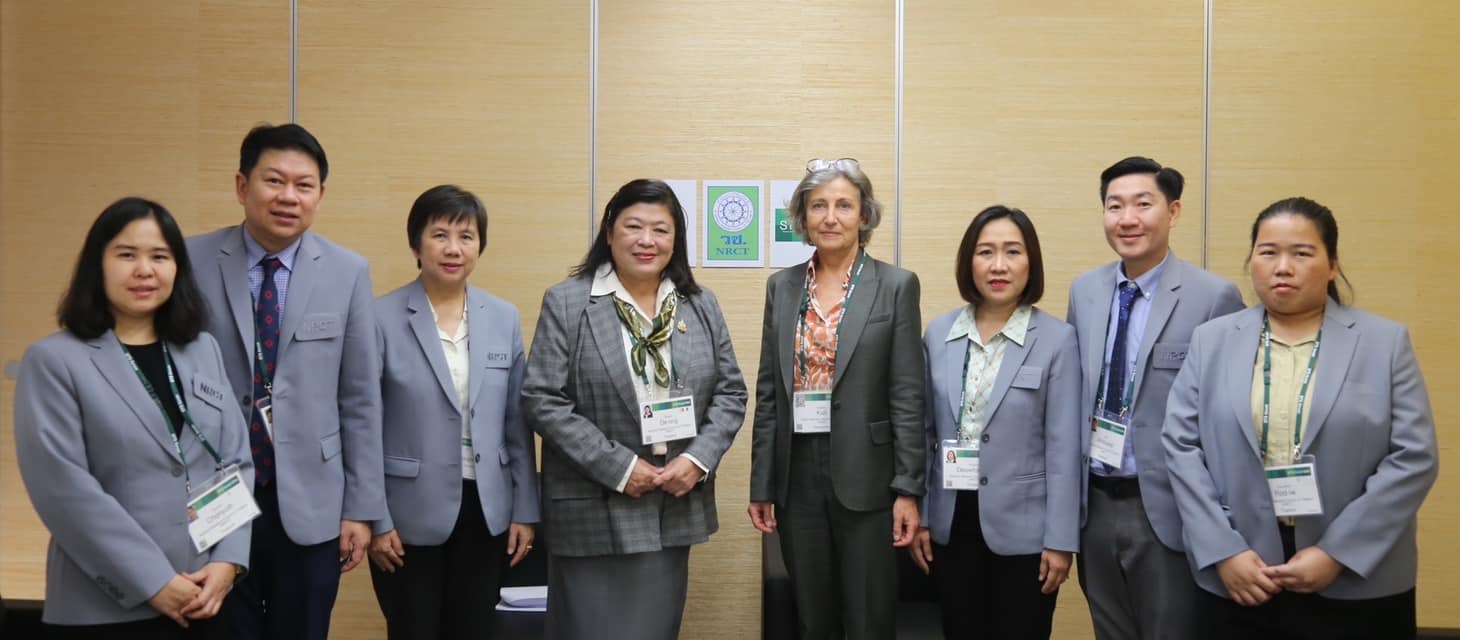
“Supamas” Presides over “Science, Research, and Innovation for Future Transition” Session Organized by NRCT at STS forum 2024
6 October 2024


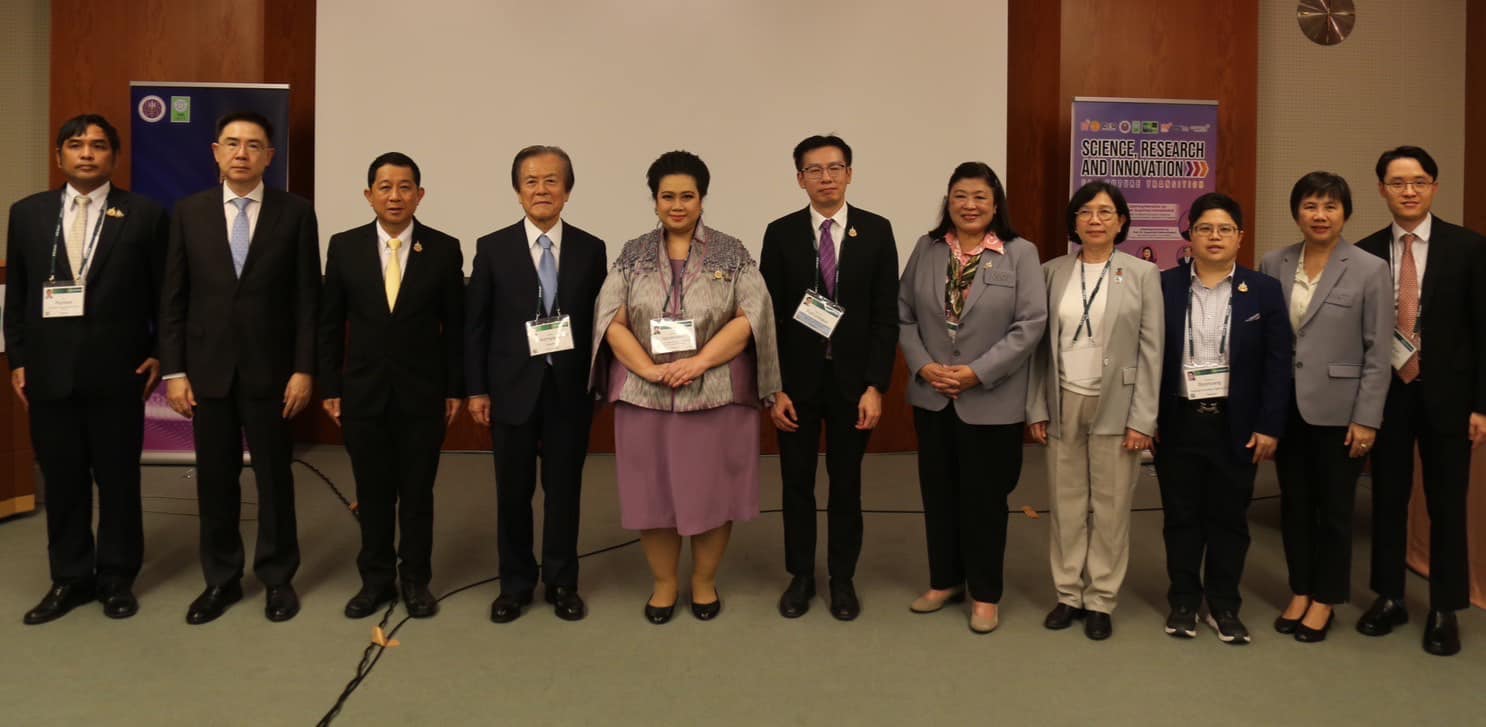
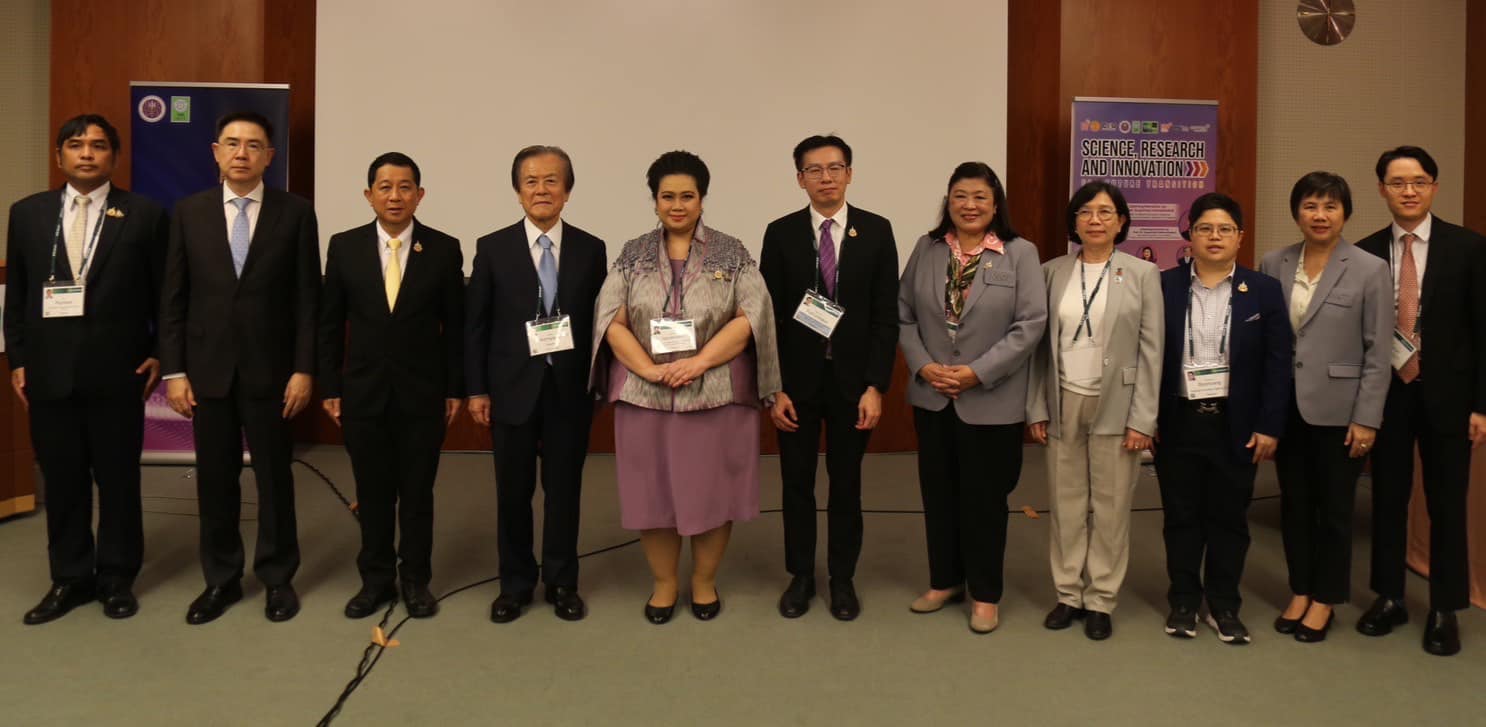
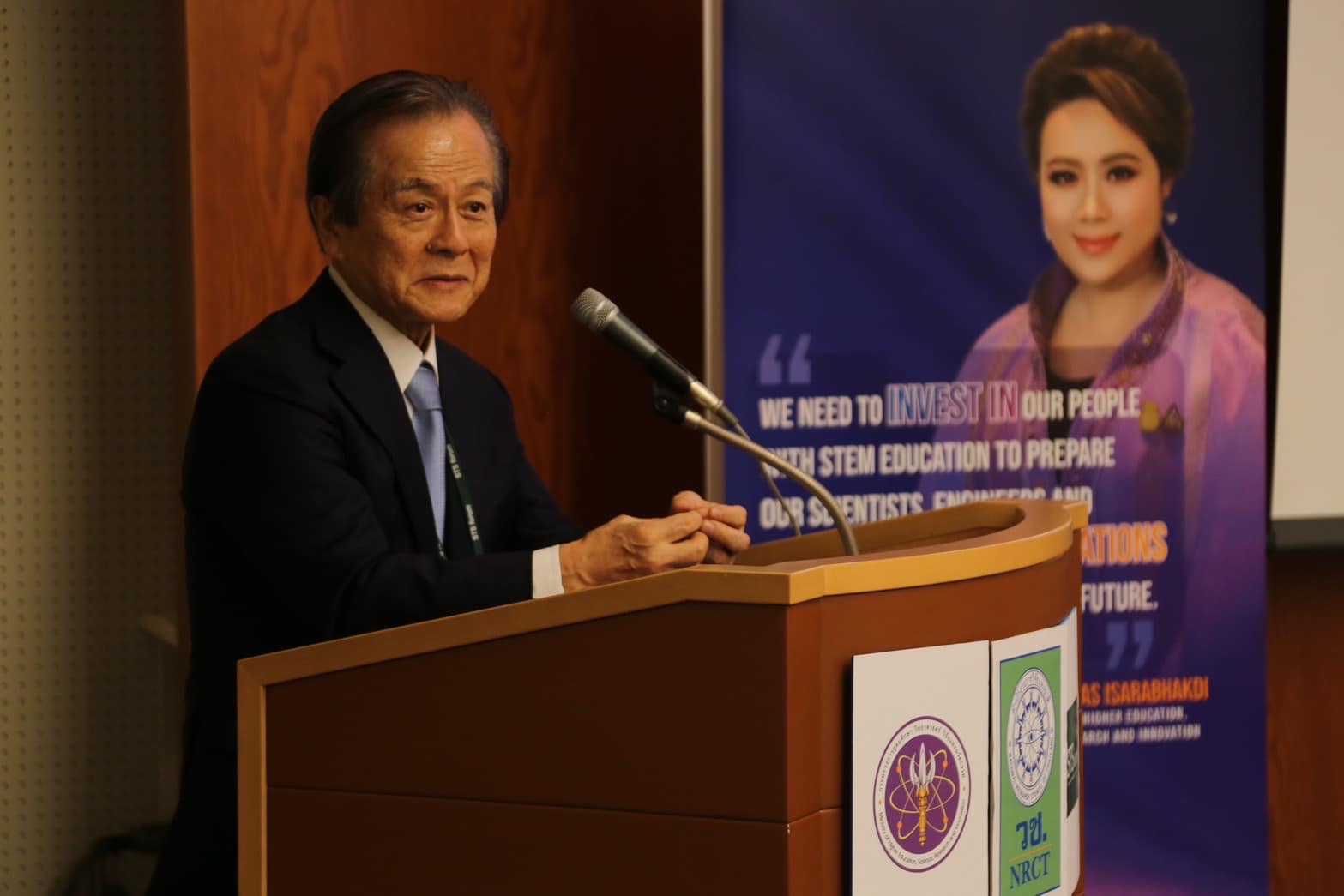
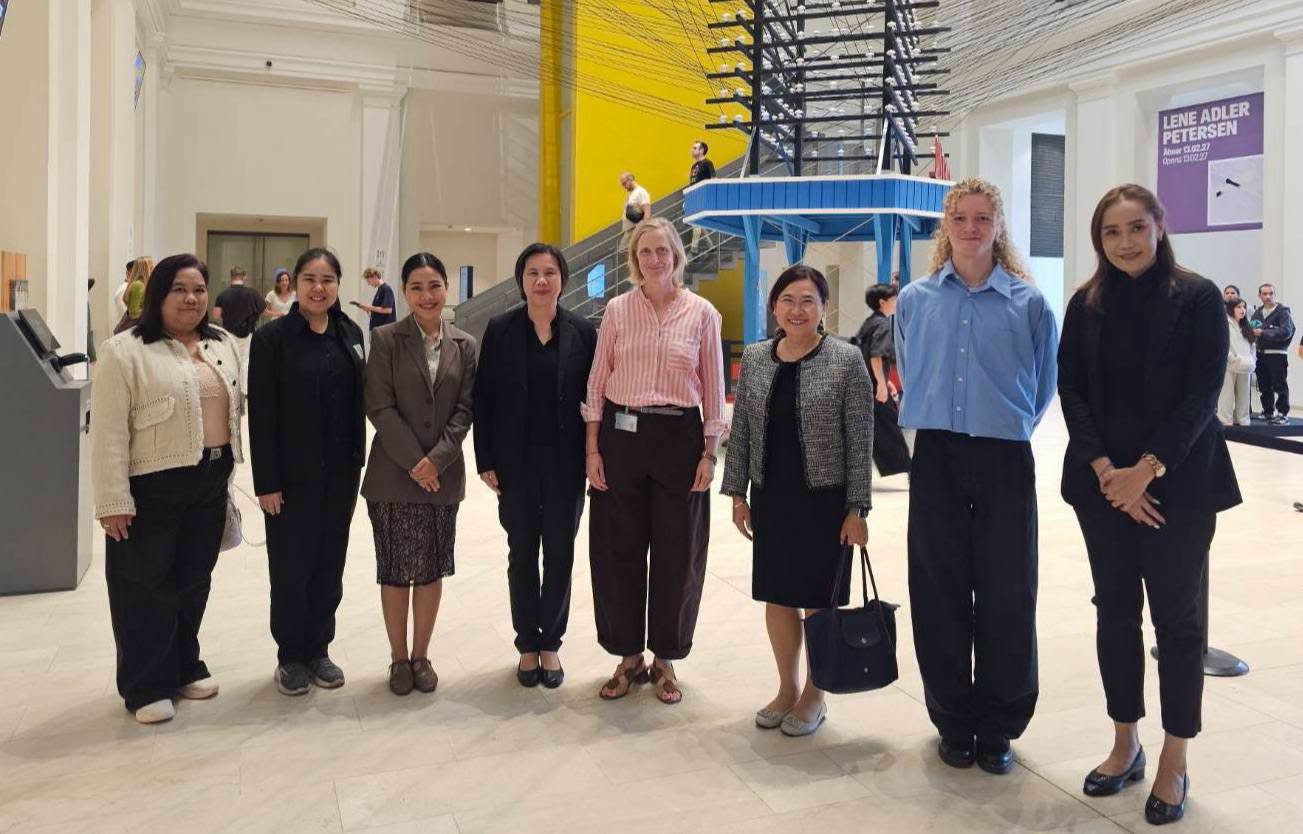
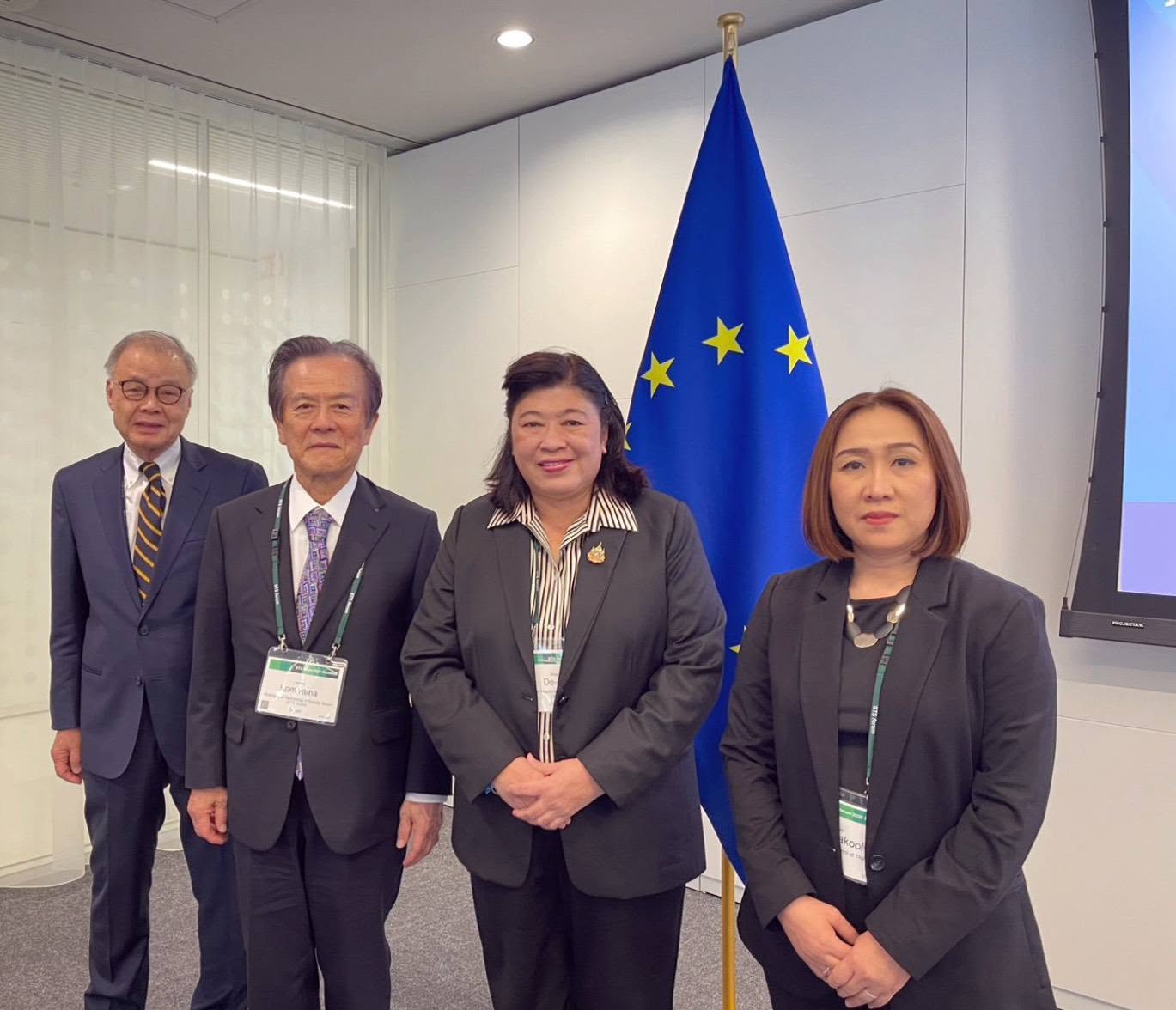
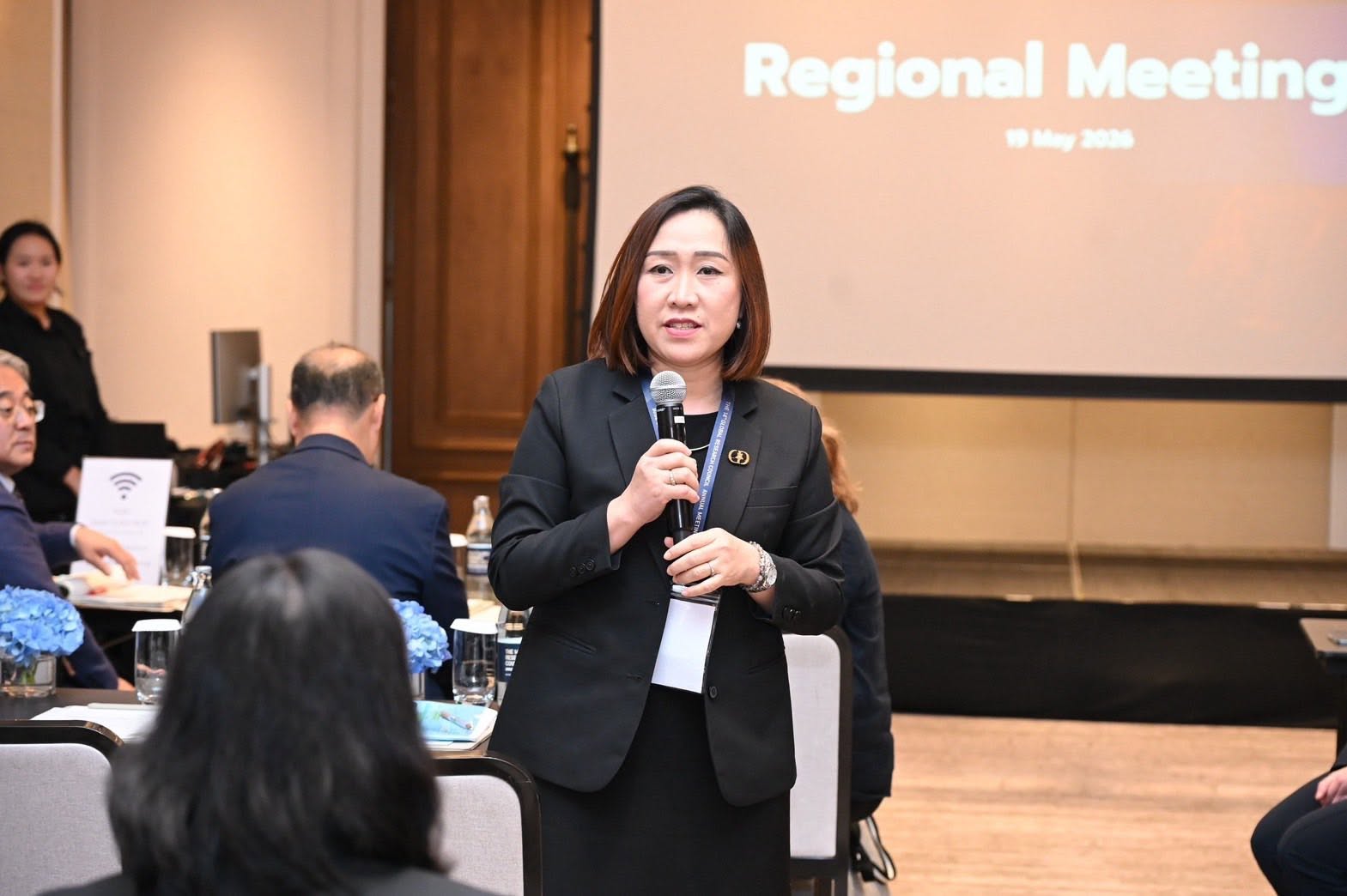
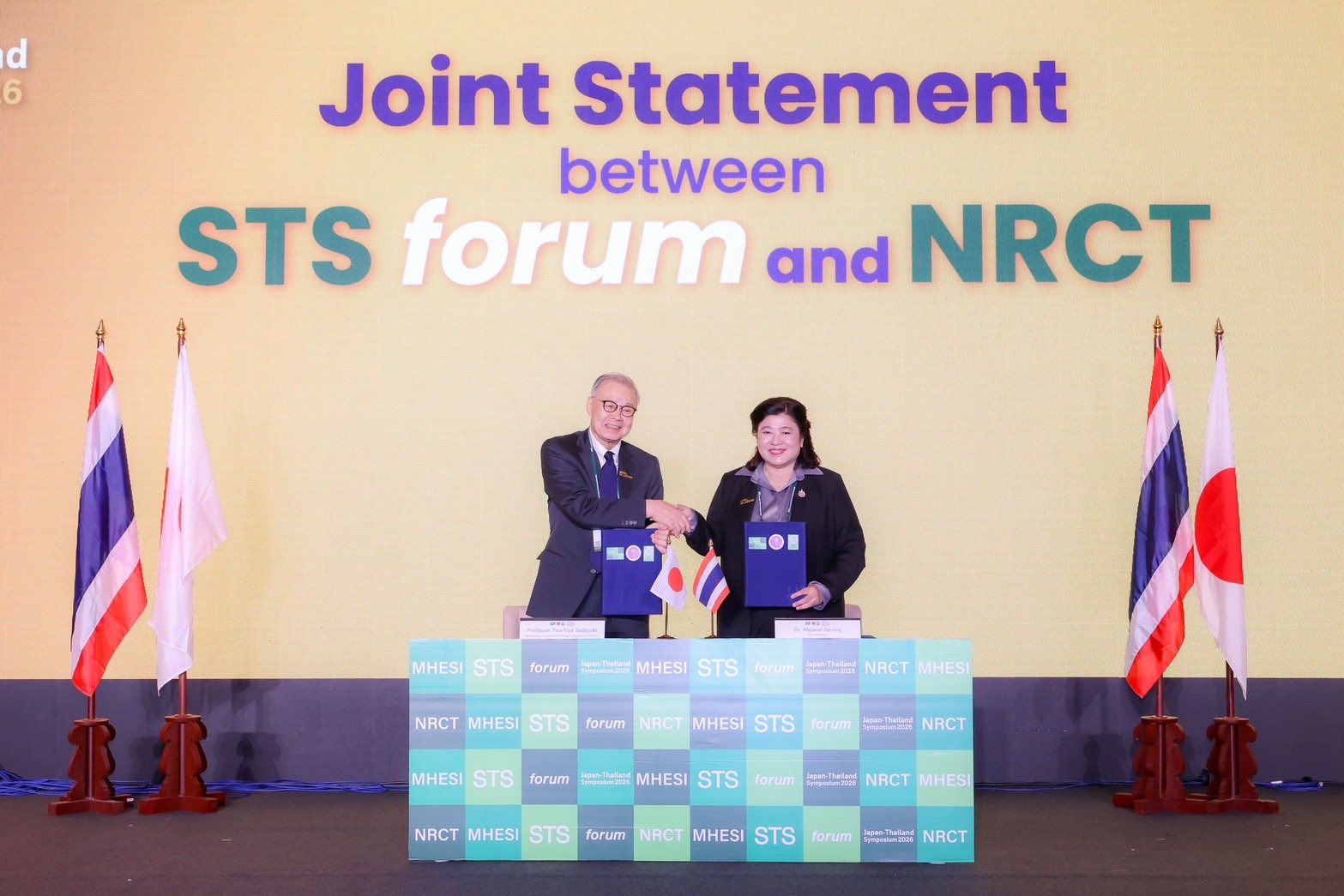
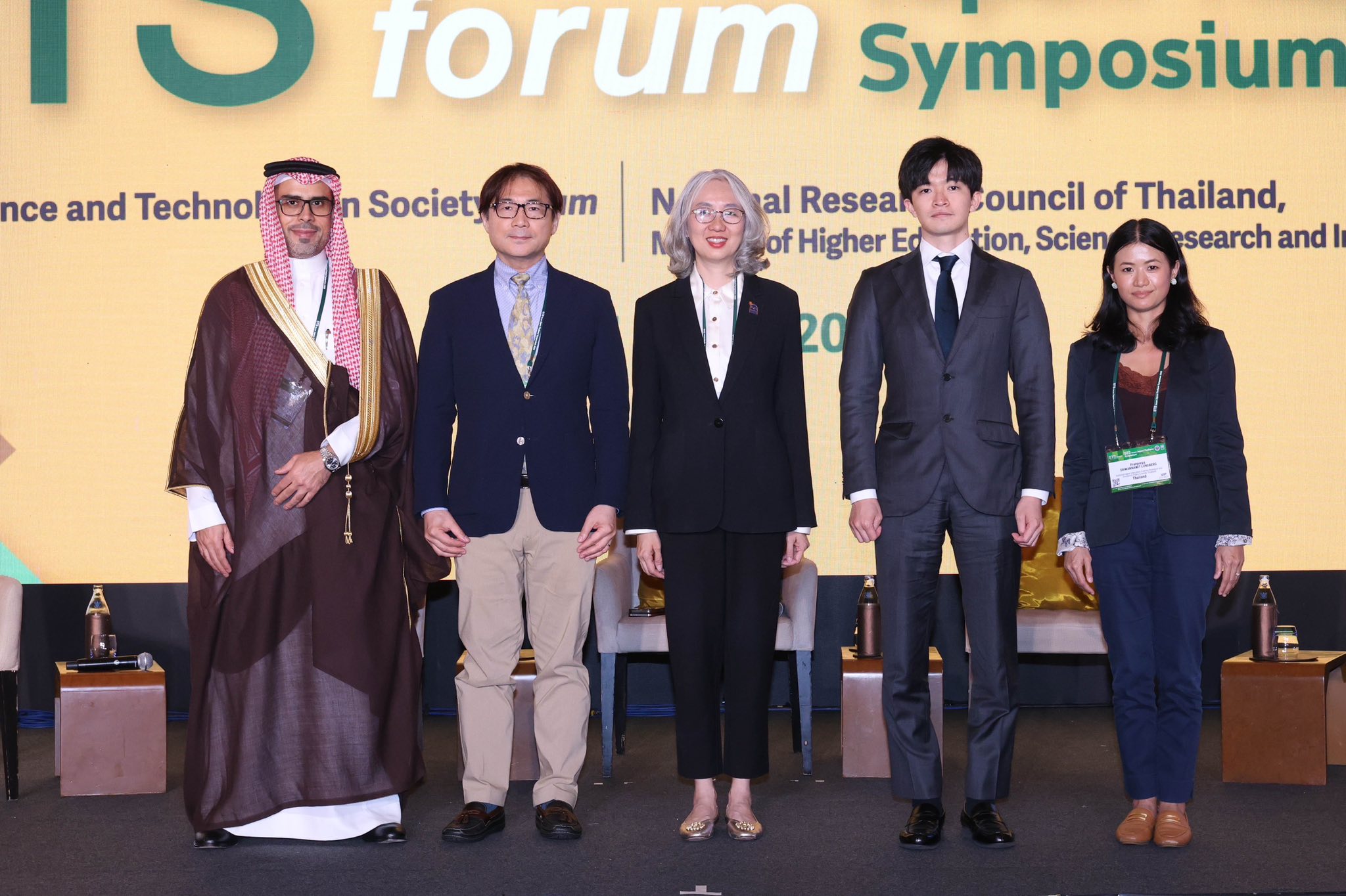
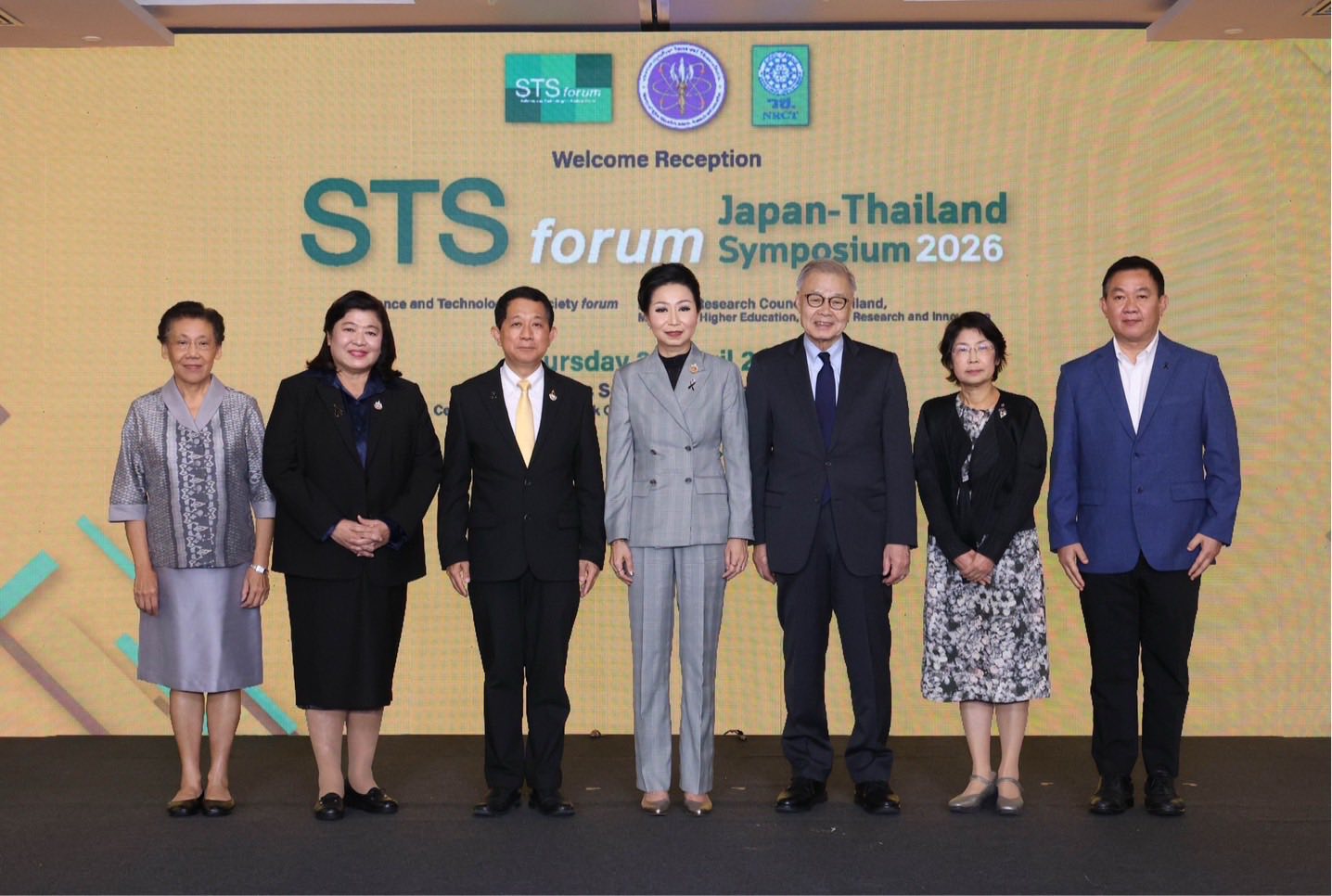
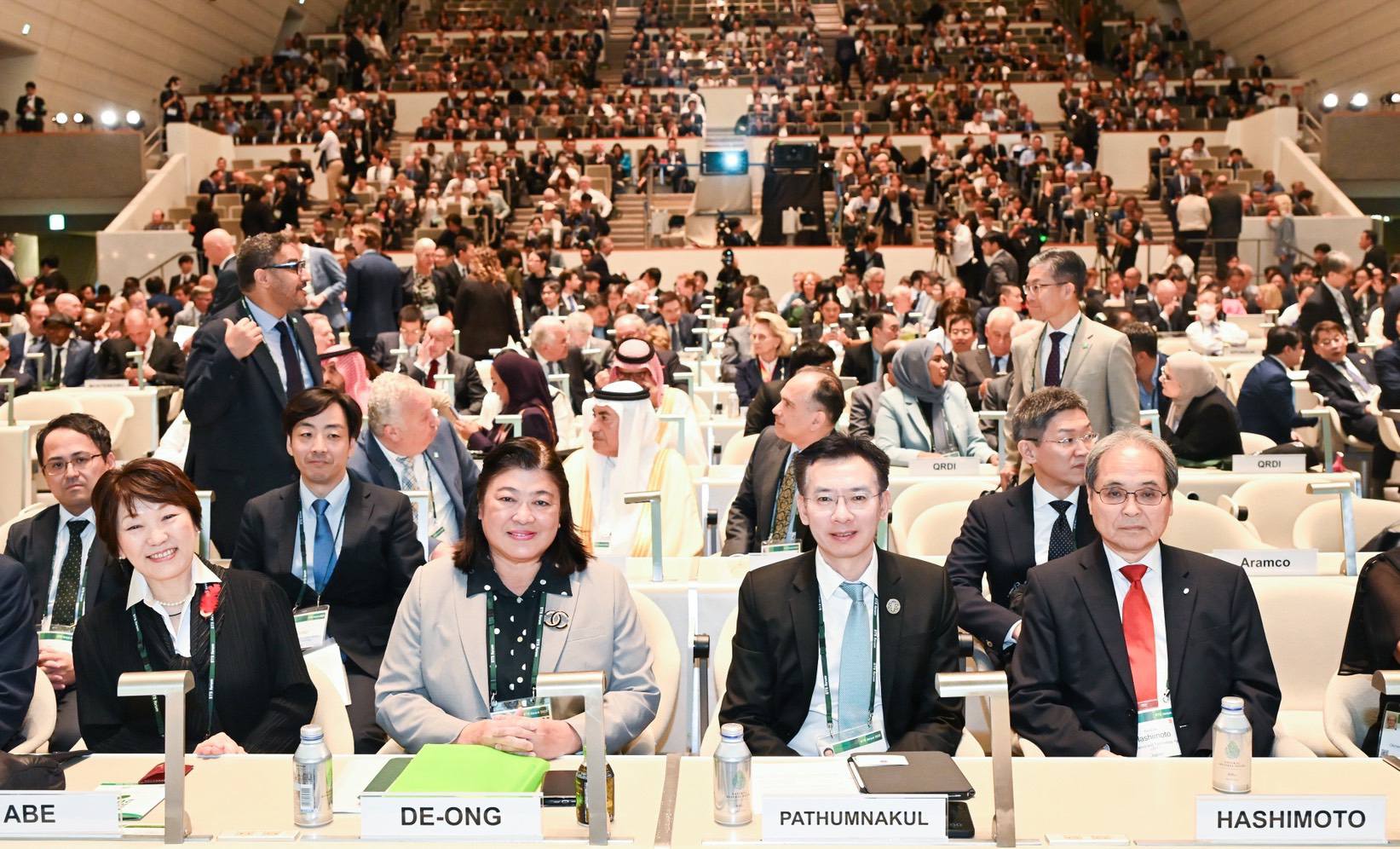
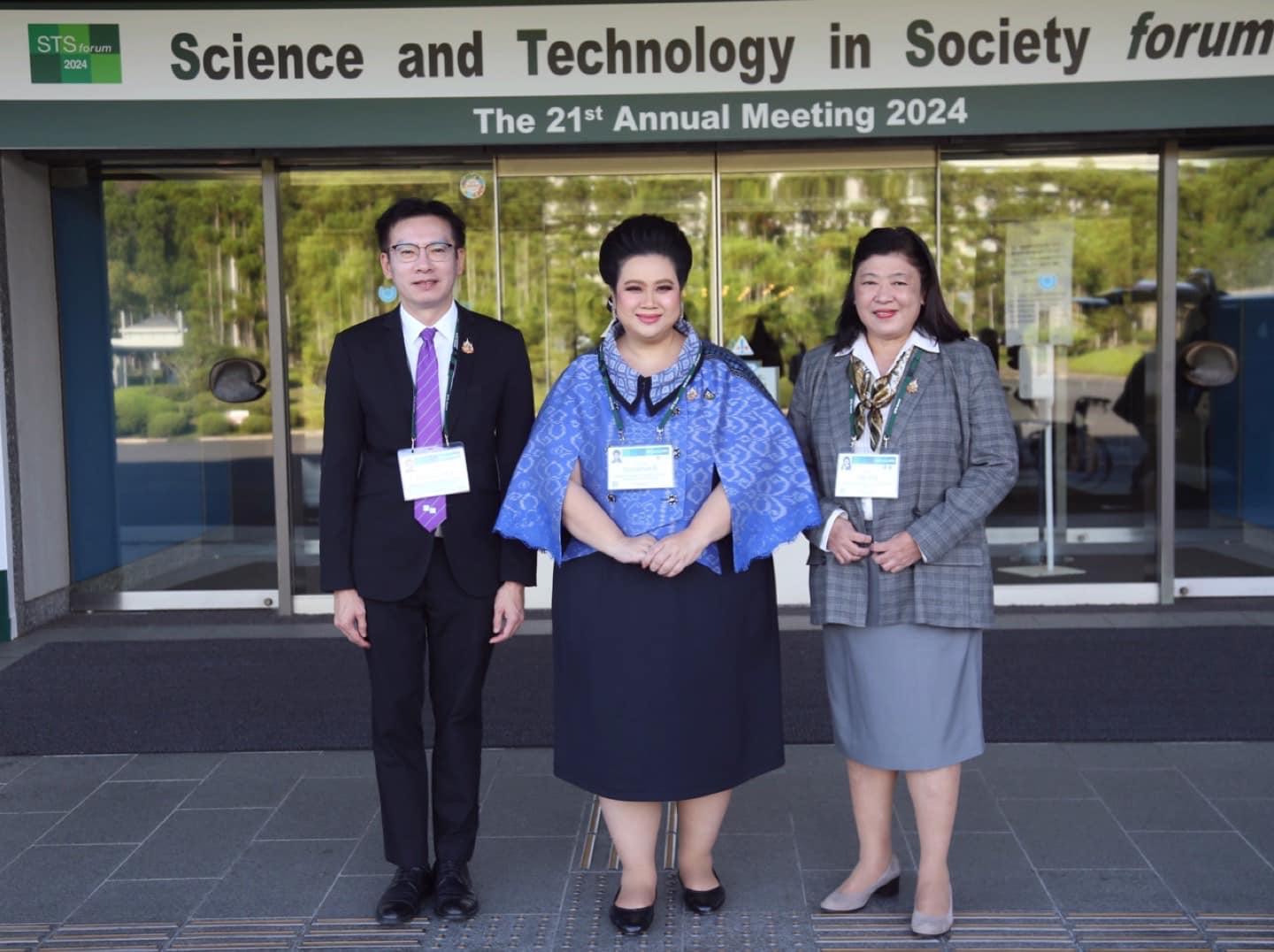
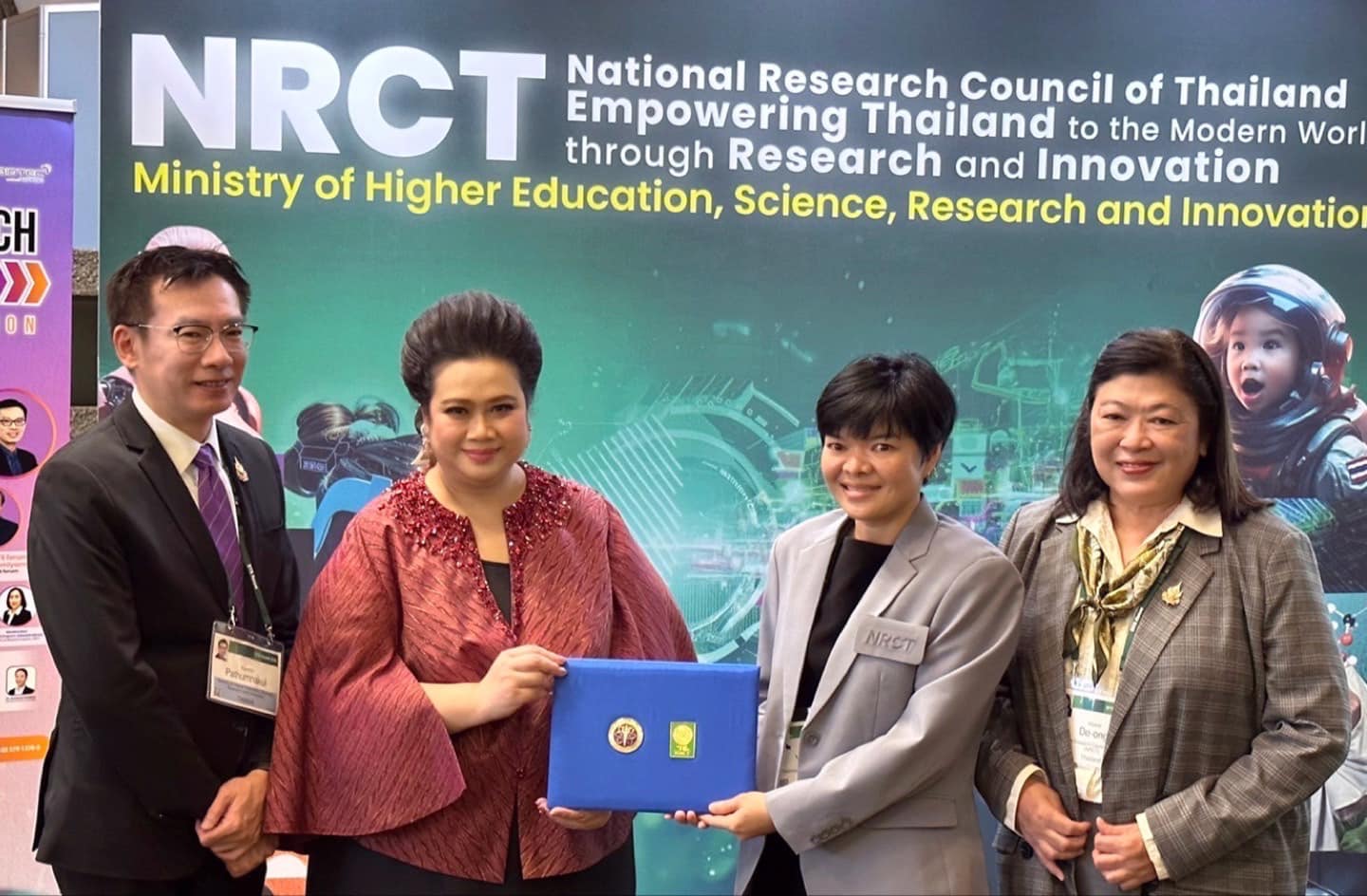
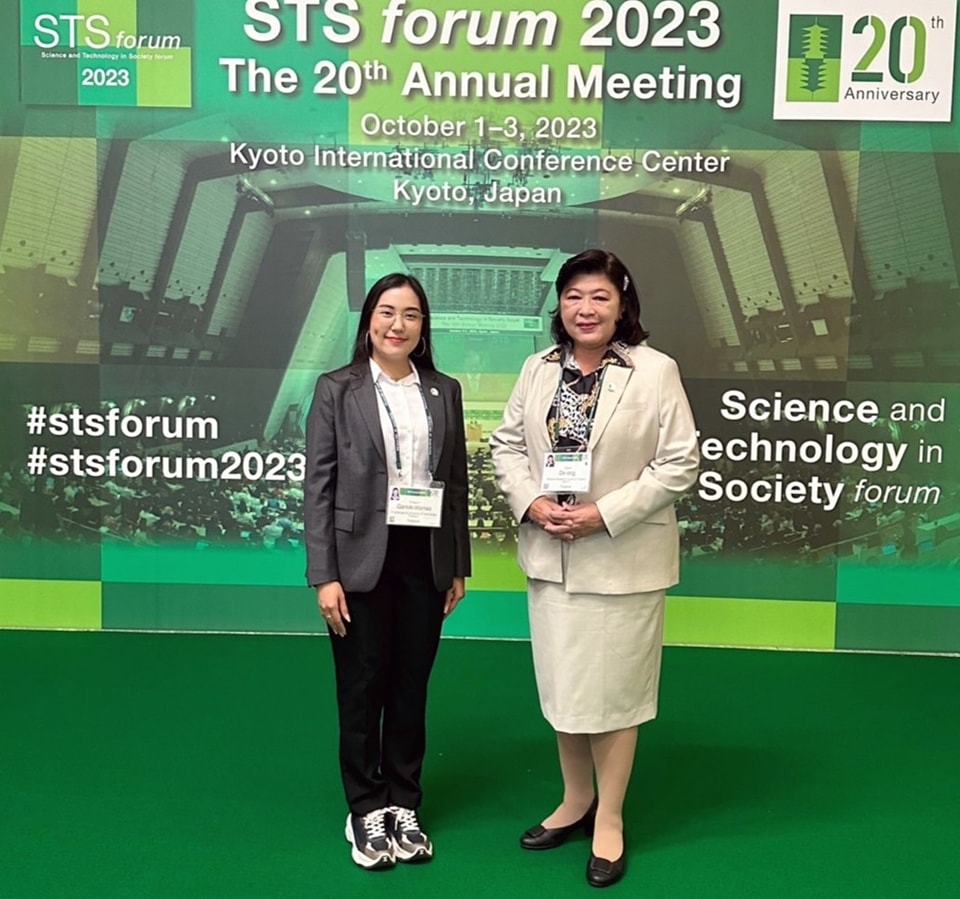
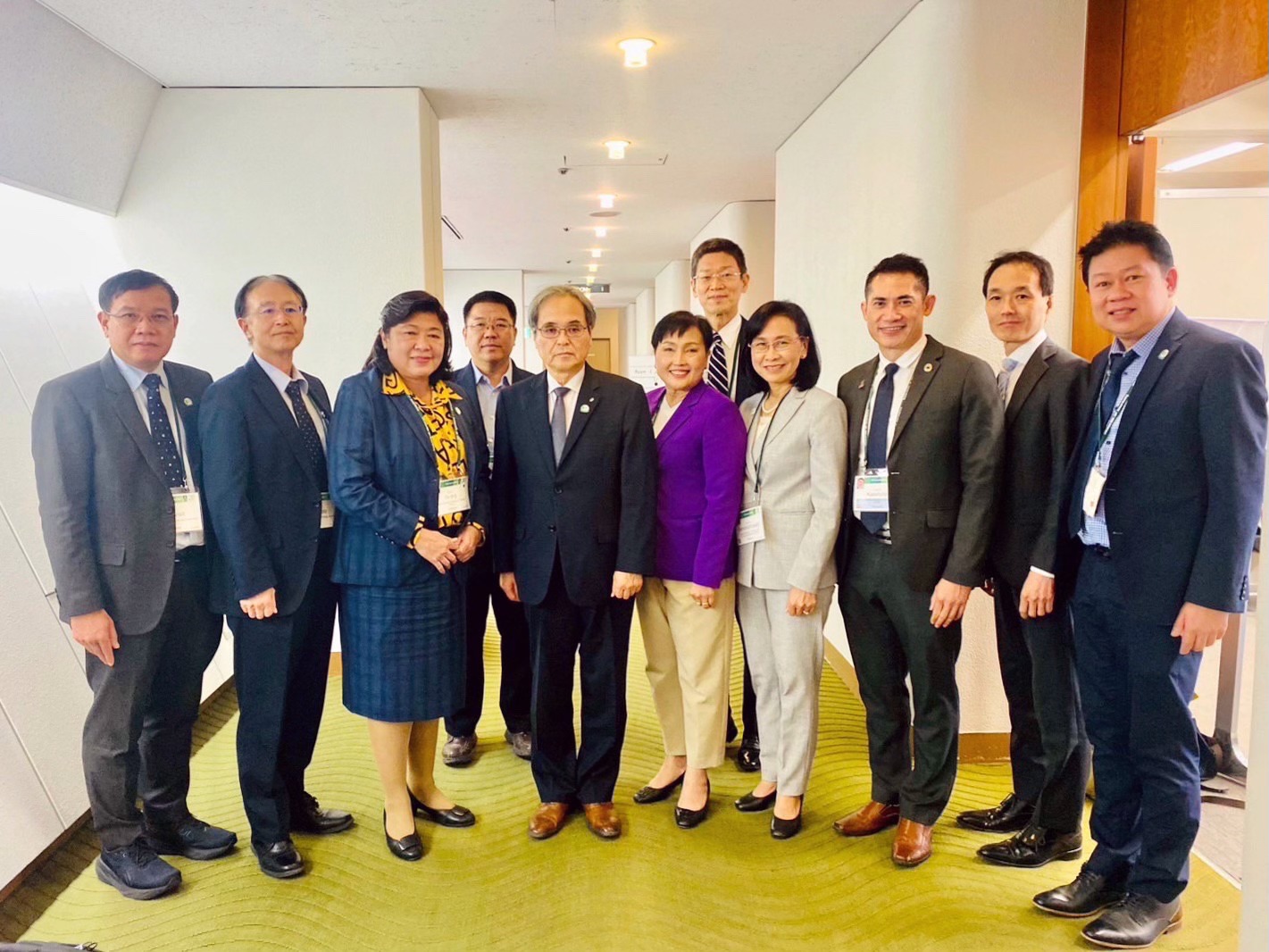
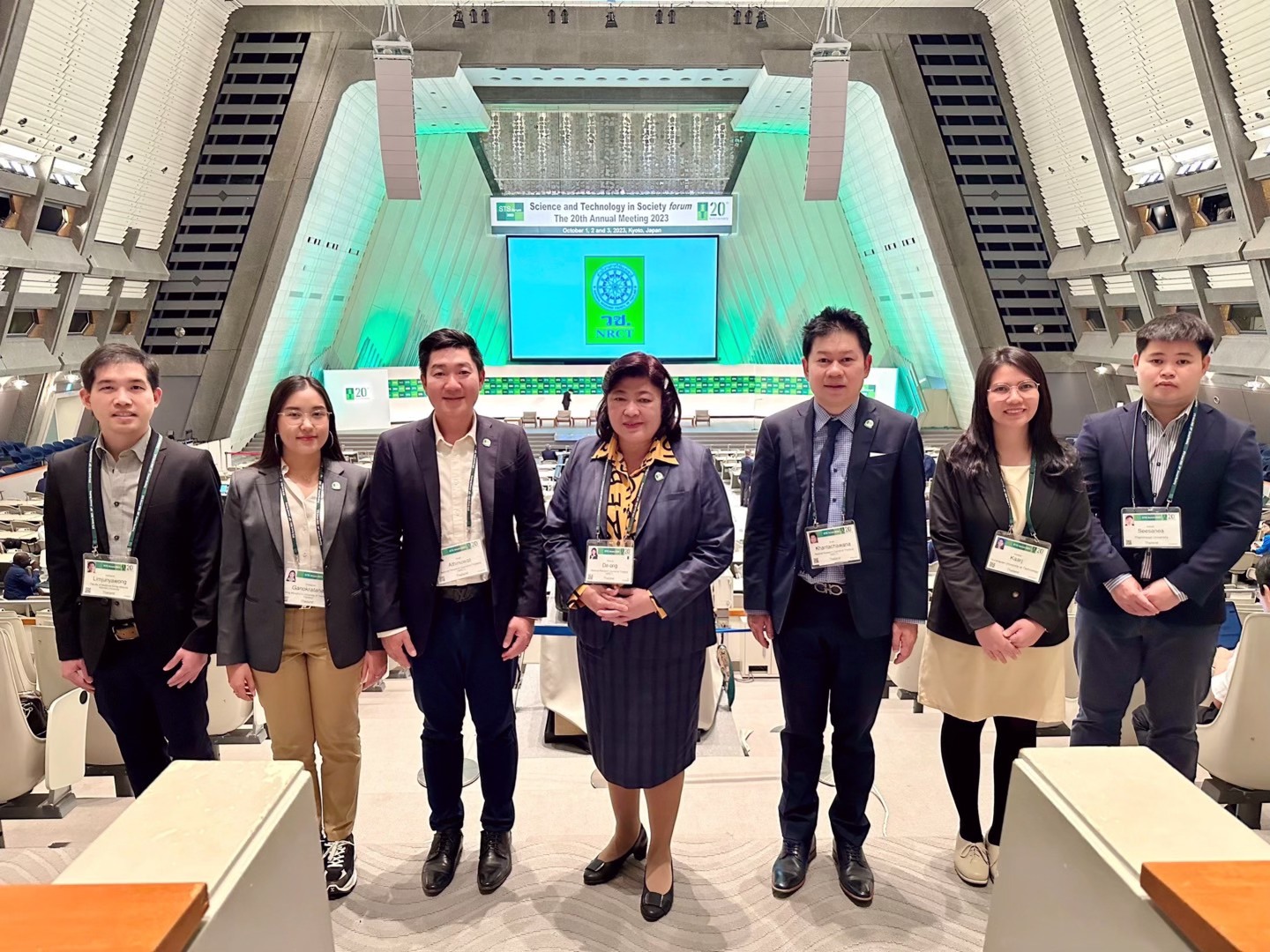
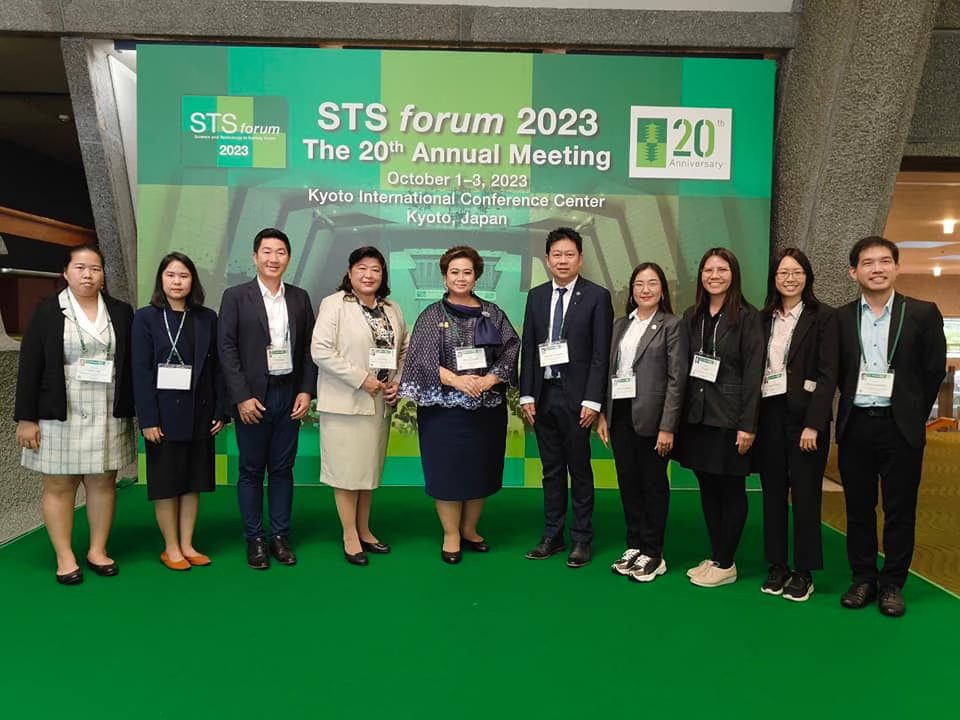
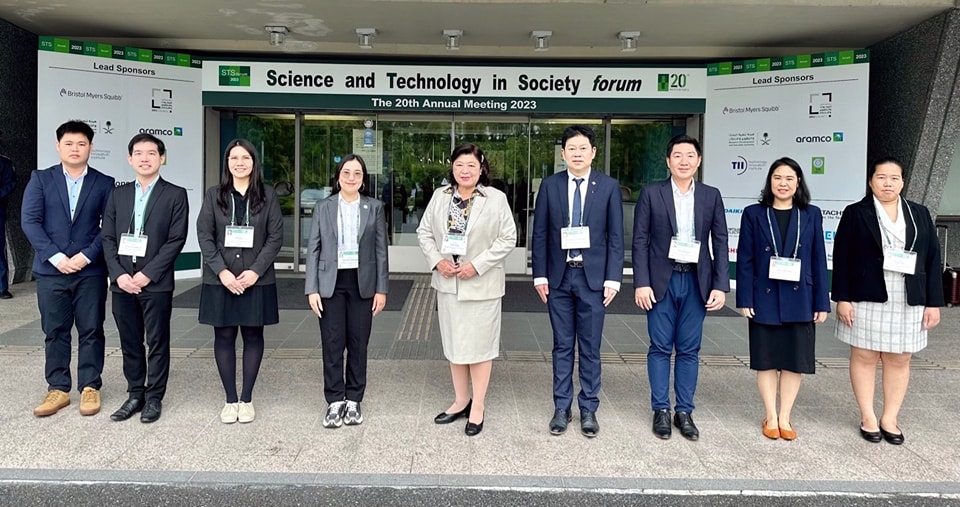
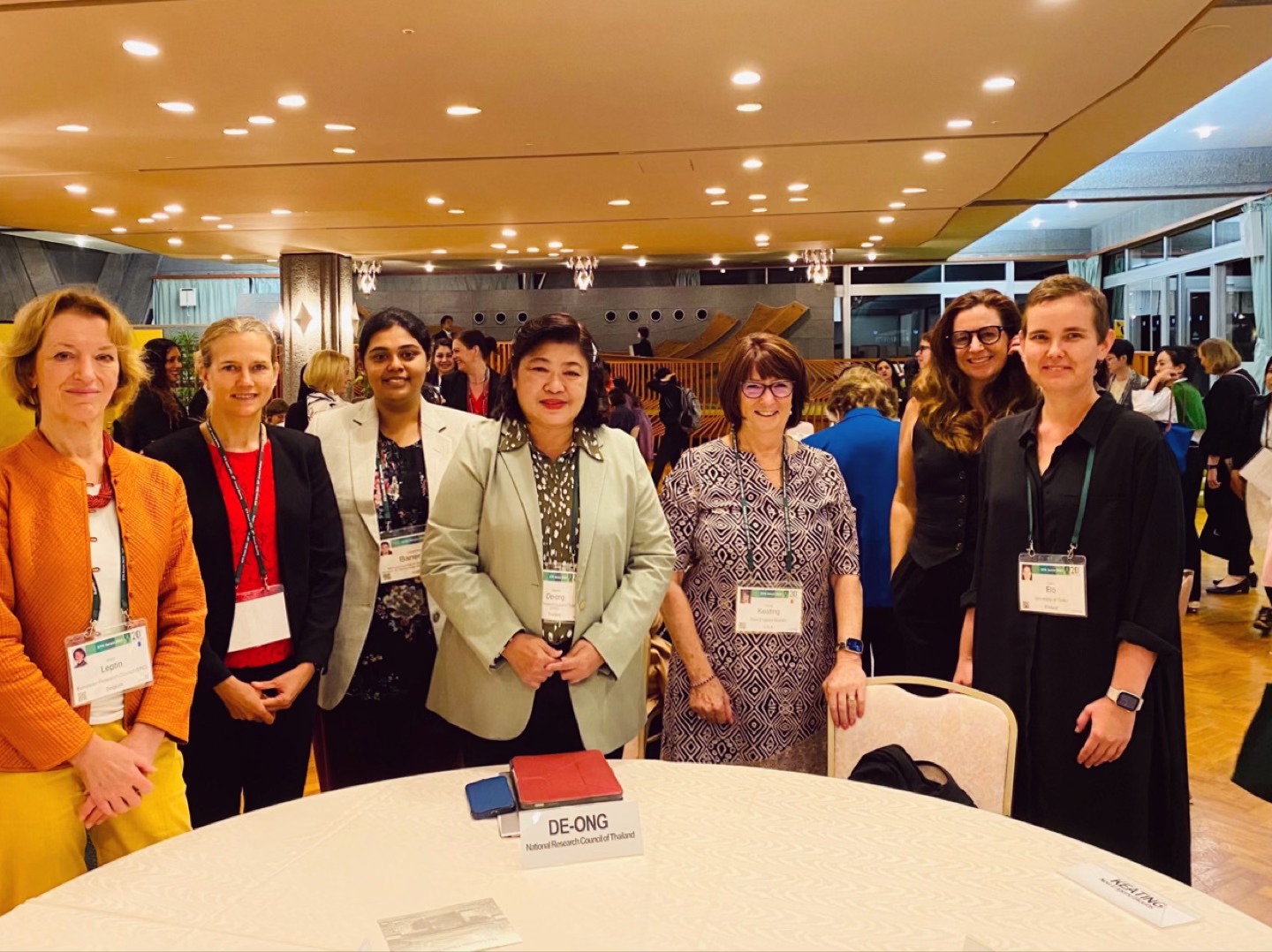
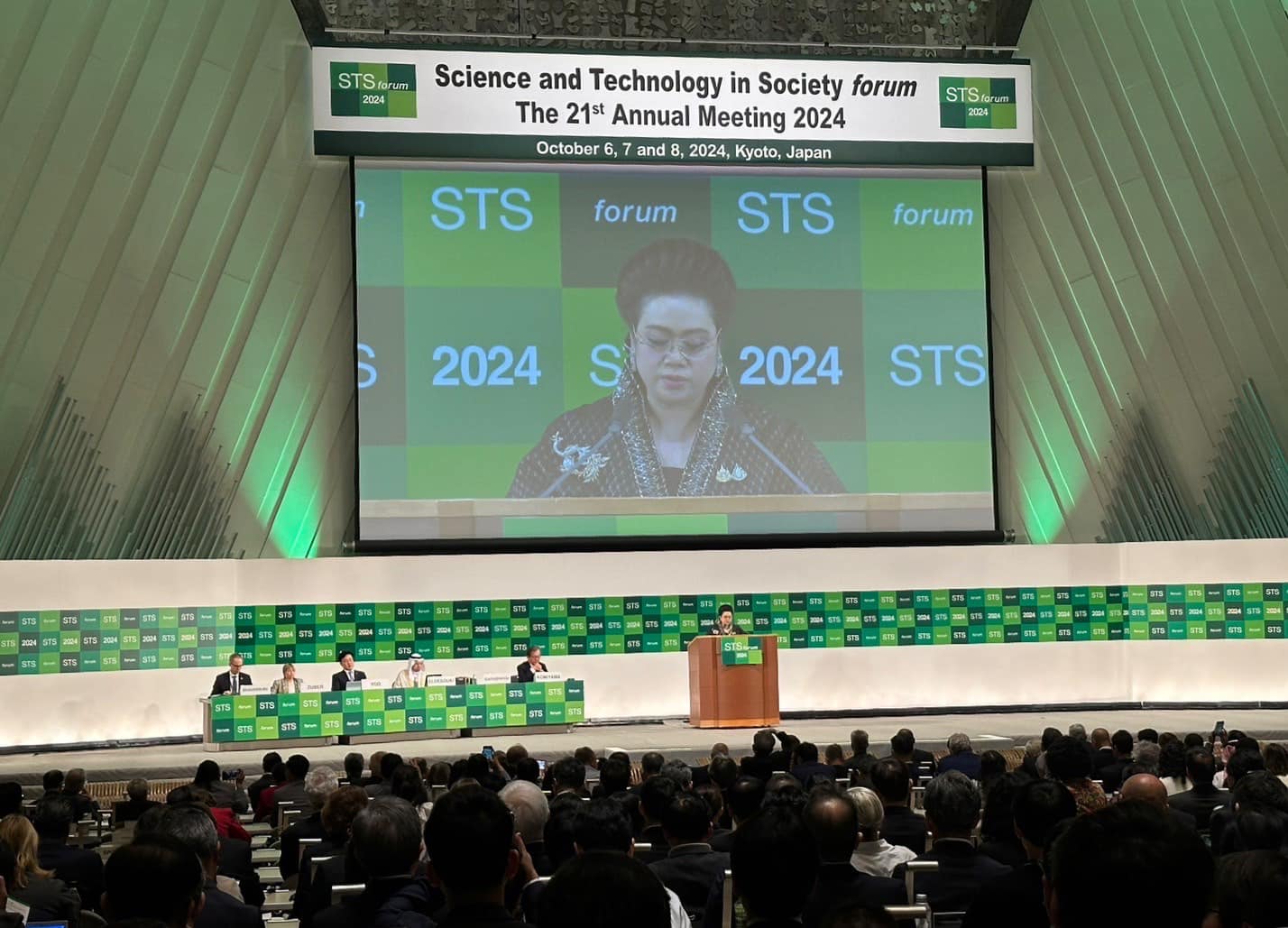
The National Research Council of Thailand (NRCT), under the Ministry of Higher Education, Science, Research and Innovation, hosted a session titled “Science, Research, and Innovation for Future Transition” on 6 October 2024 during the Science and Technology in Society (STS) forum 2024 – The 21st Annual Meeting at the Kyoto International Conference Center in Kyoto, Japan.
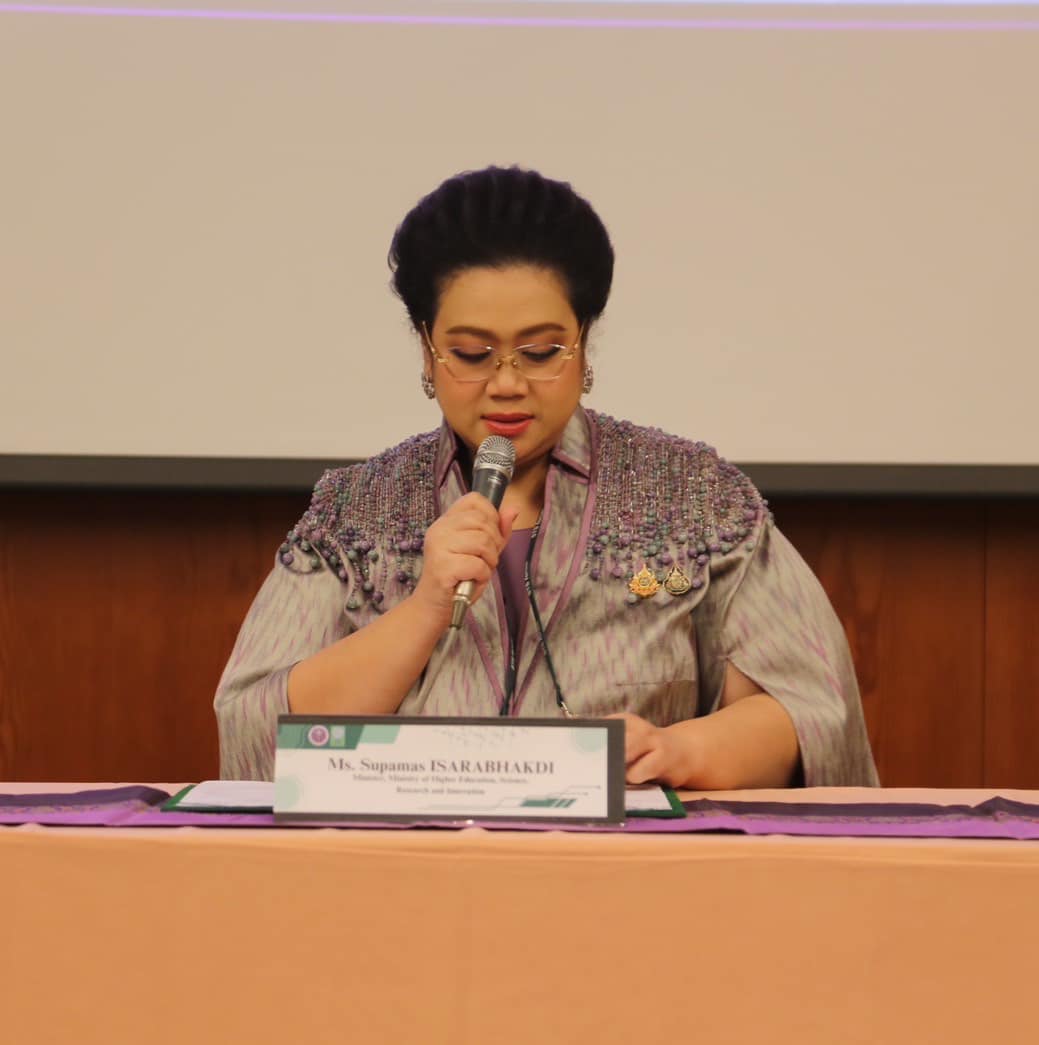
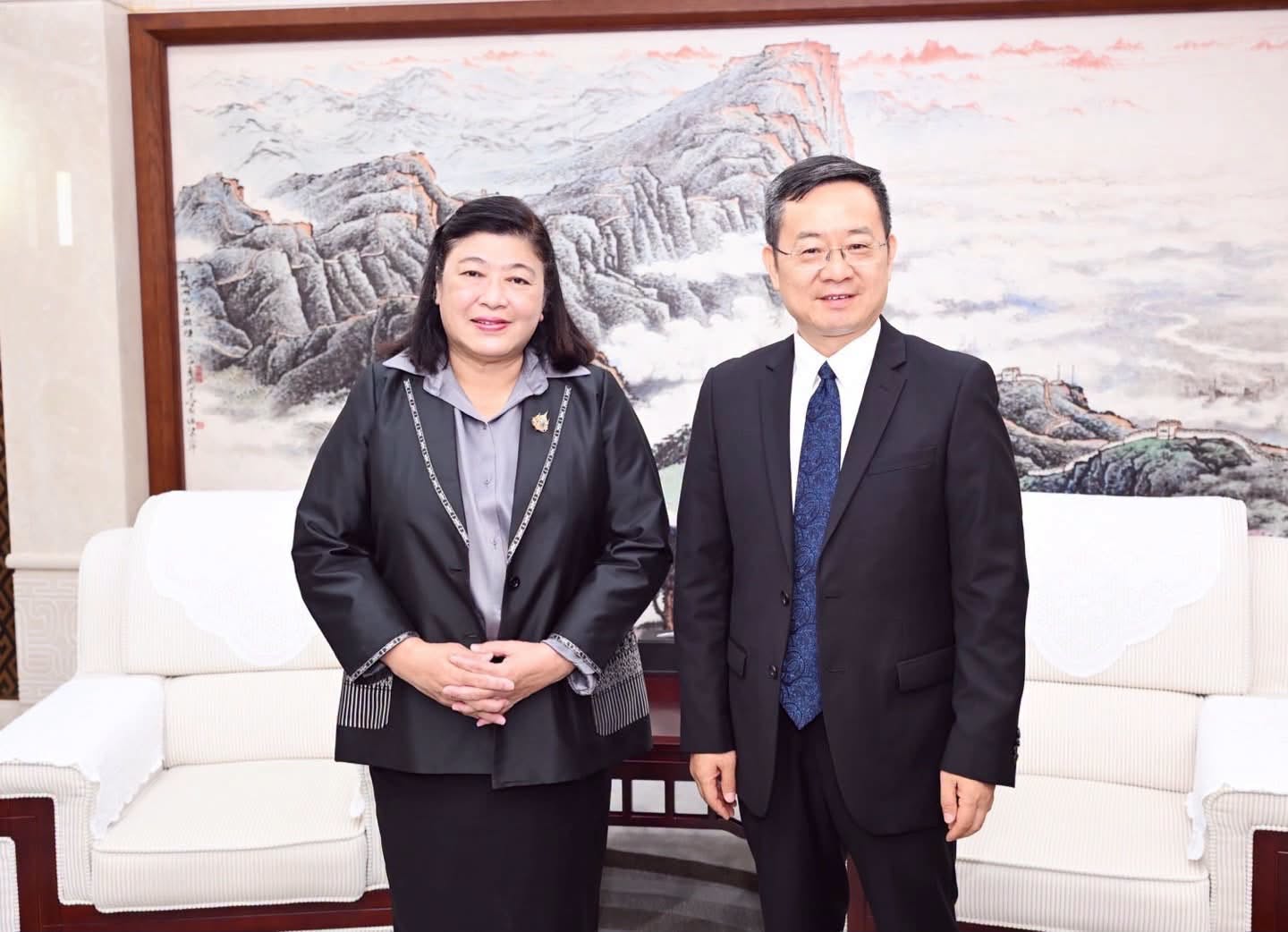
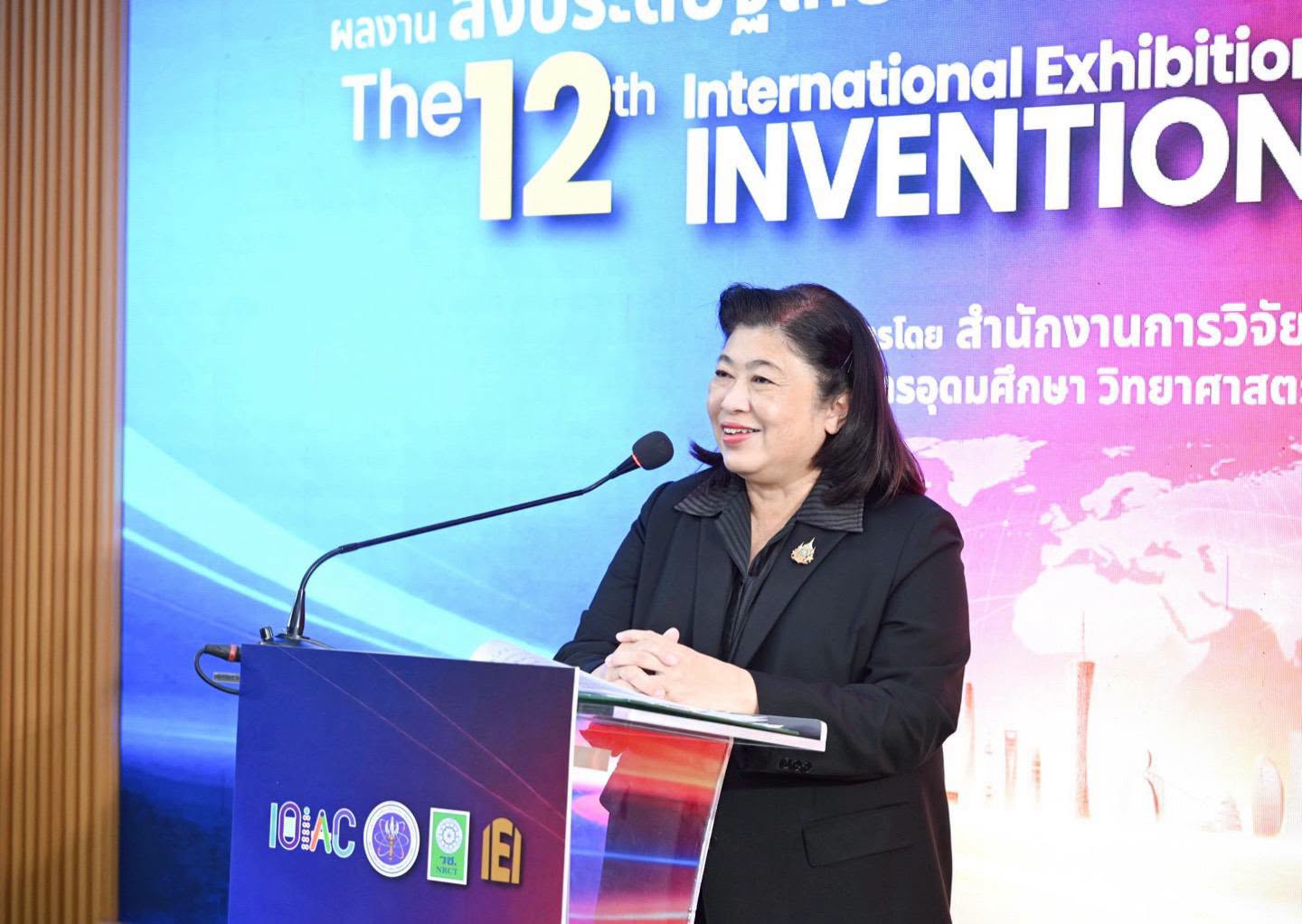
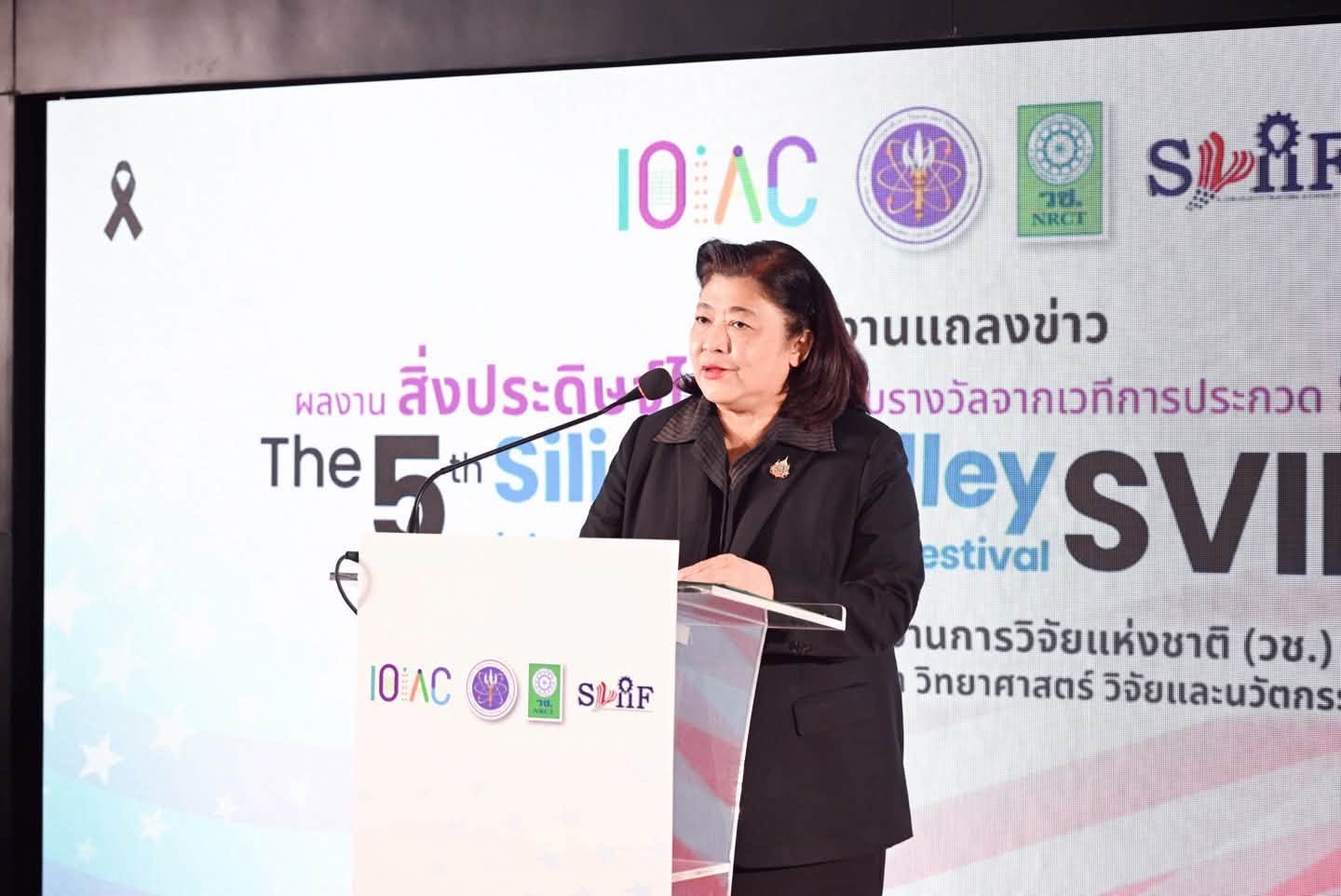
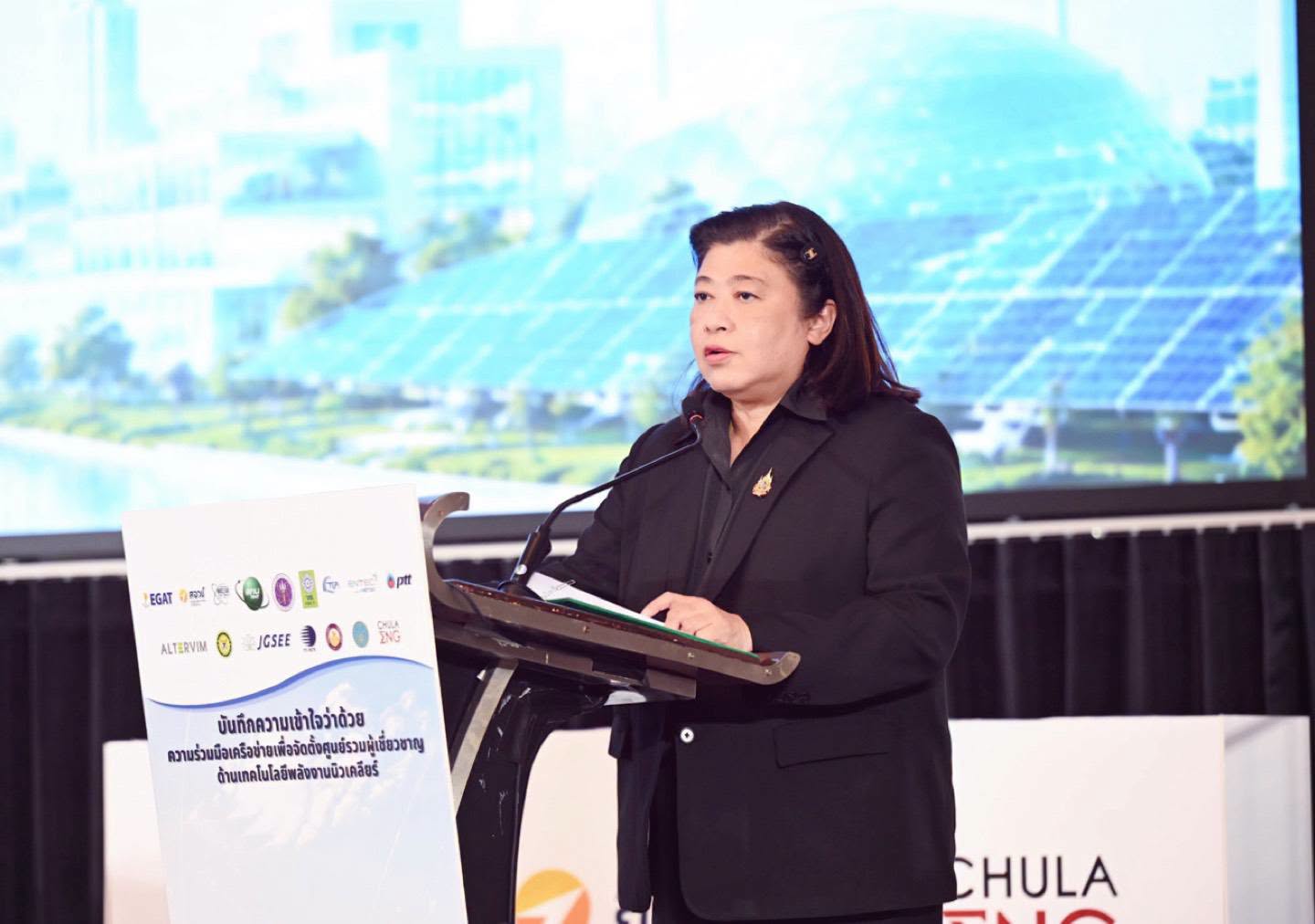
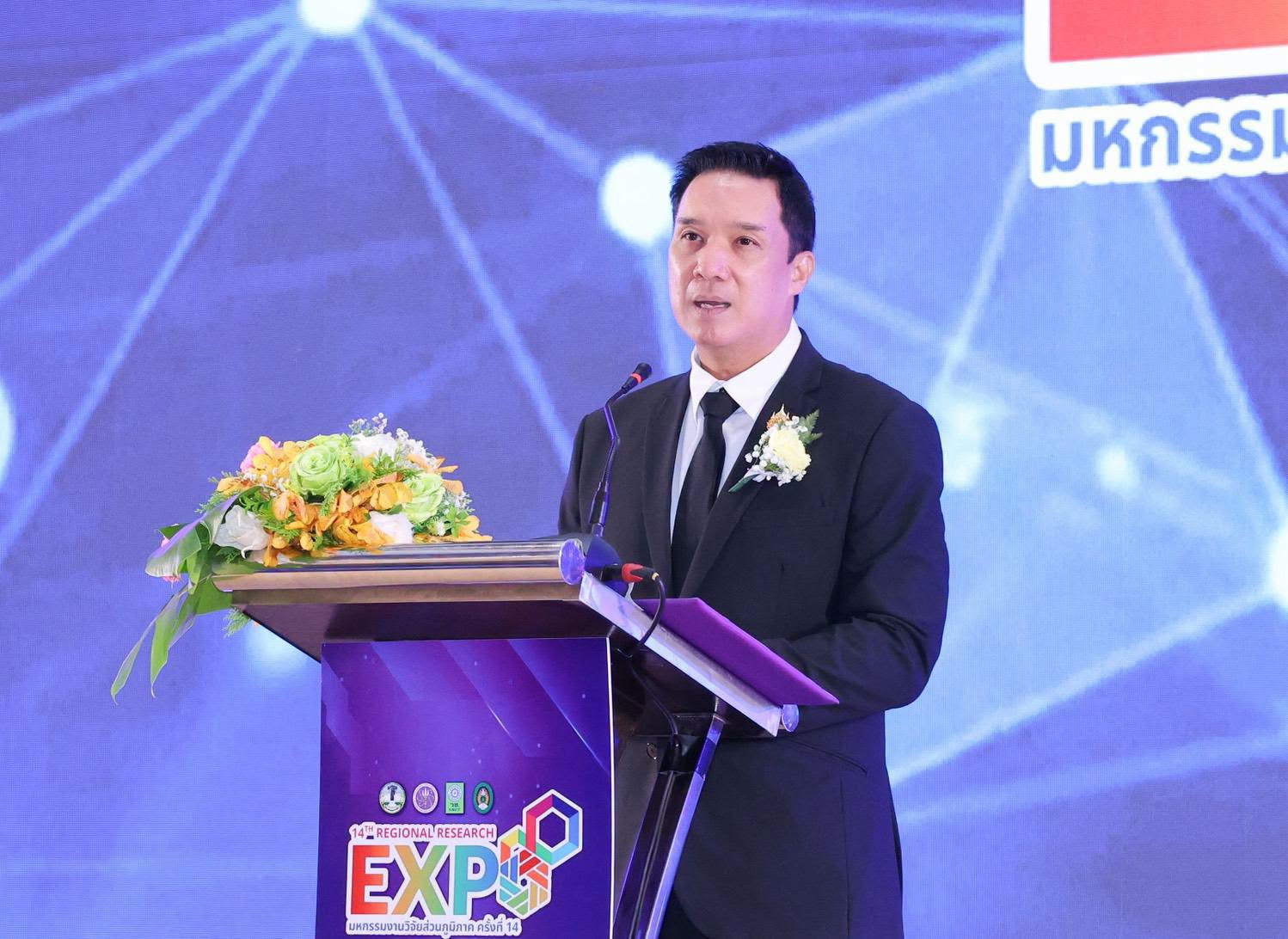
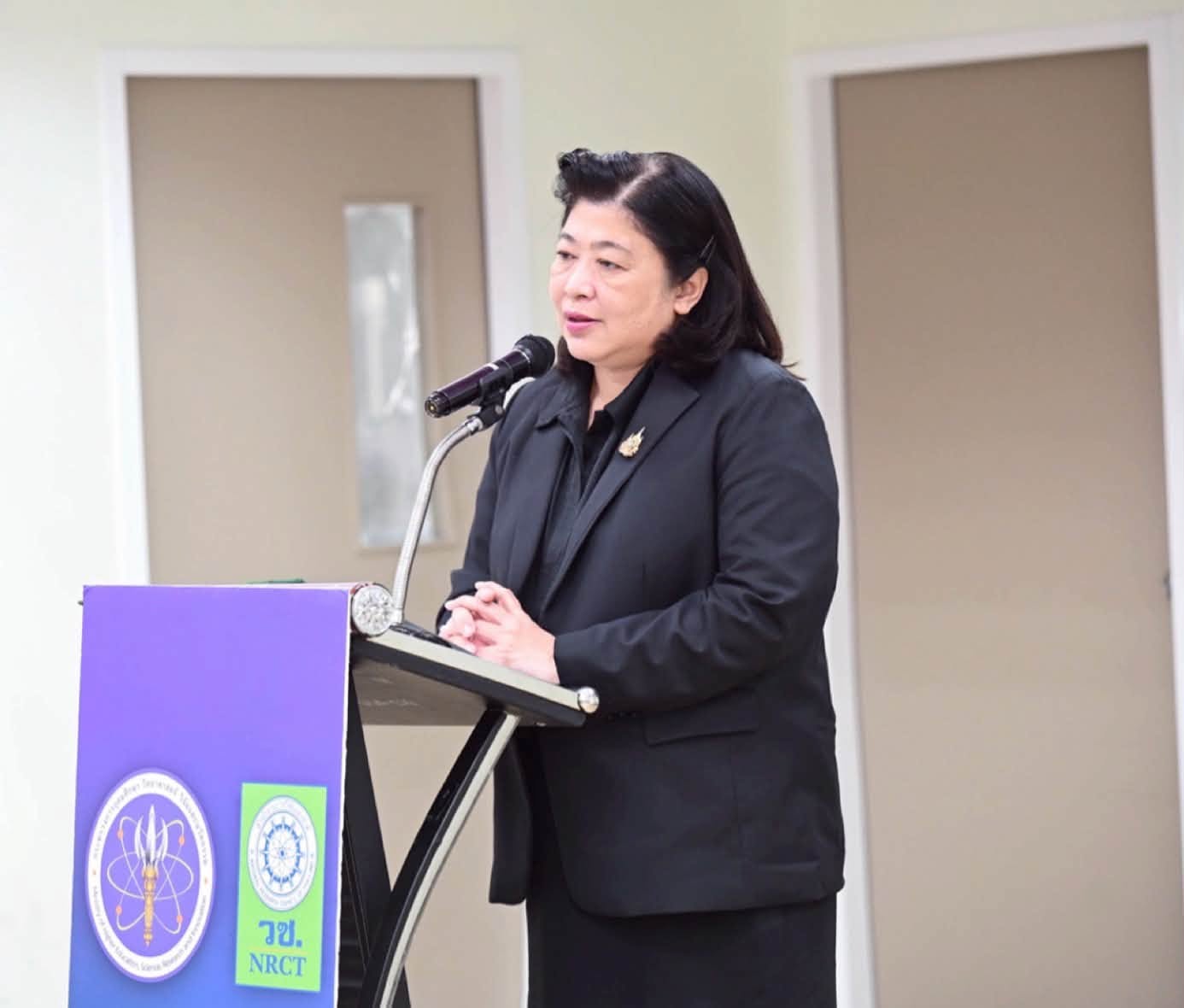
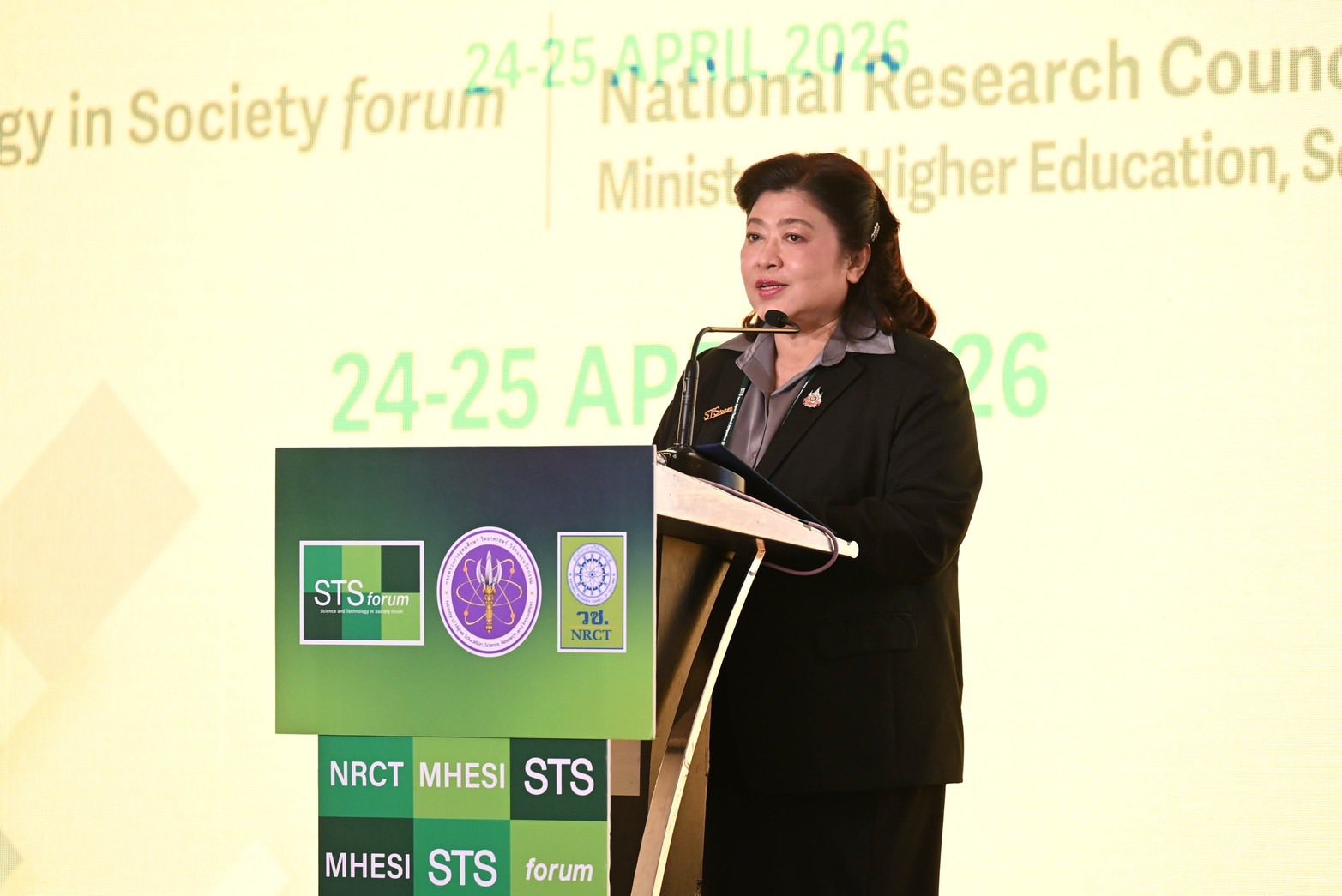
On this occasion, Supamas Isarabhakdi, Minister of Higher Education, Science, Research and Innovation, presided over the opening ceremony. She stated that science, technology, and innovation play a crucial role in transforming the world and everyday life. Thailand has therefore formulated the National Science, Research and Innovation Plan (2023–2027) to prepare for future challenges. The plan also places strong emphasis on the engagement of young researchers, who play a vital role in driving change and developing innovative solutions to global challenges.
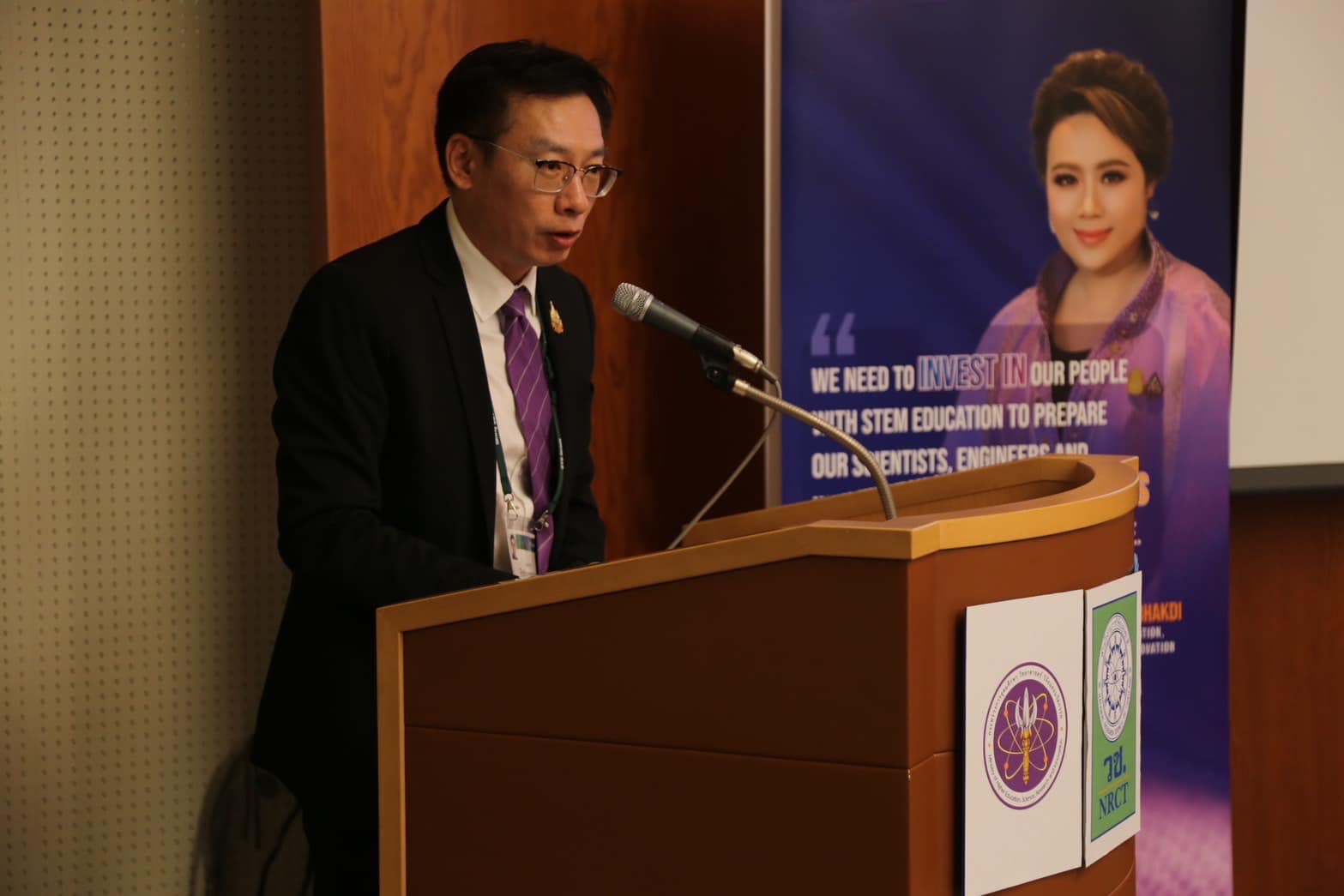
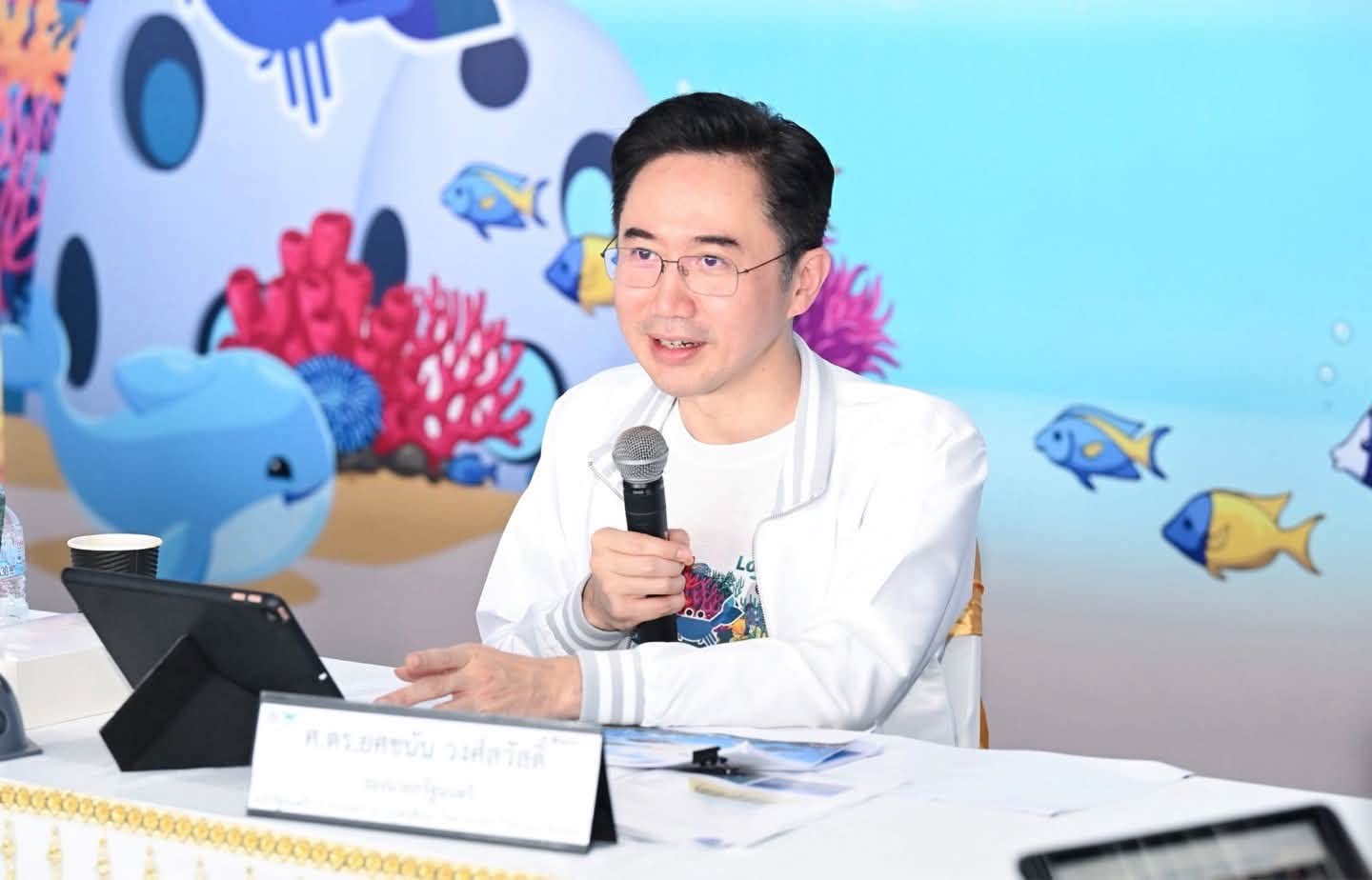
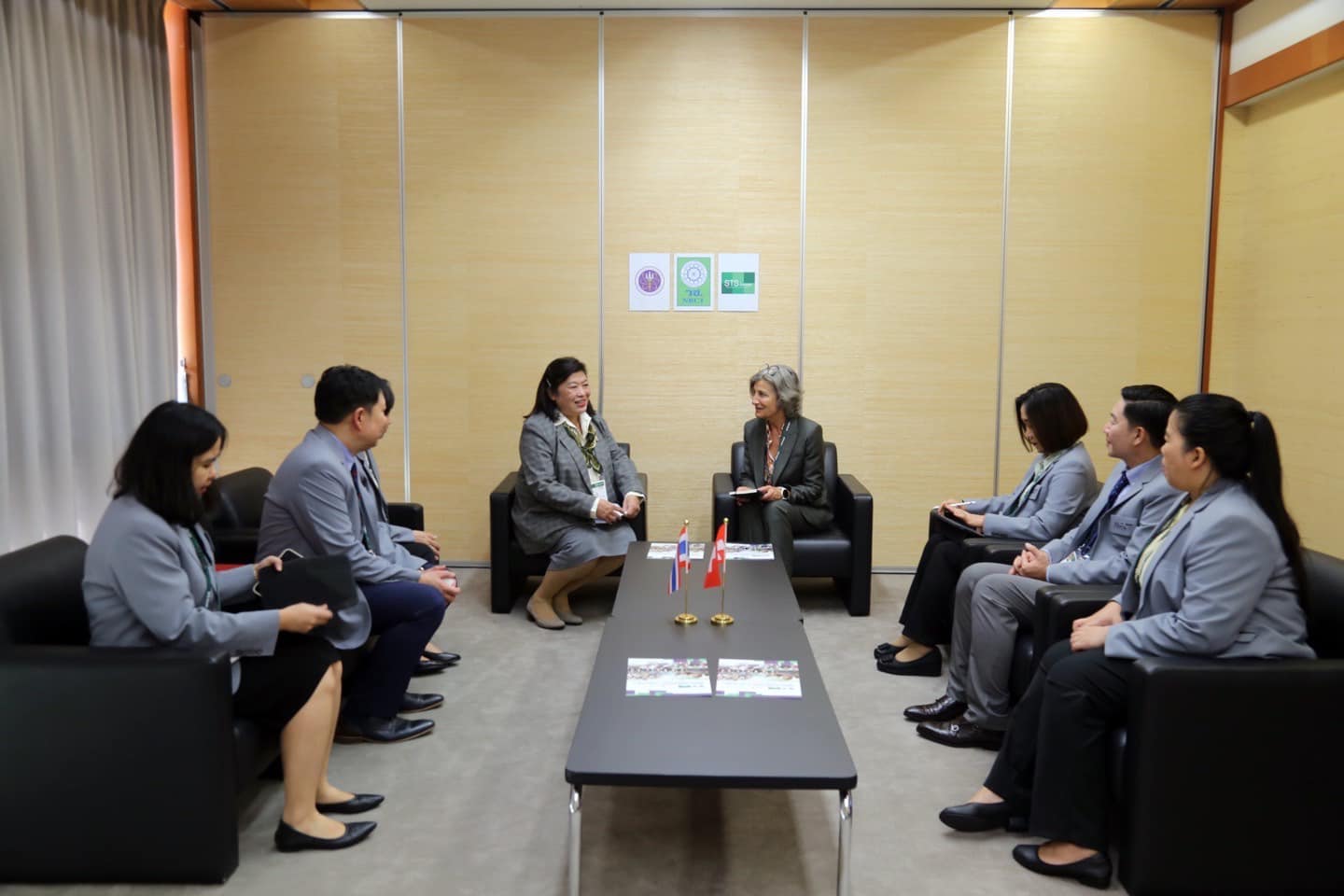
Professor Dr. Supachai Pathumnakul, Permanent Secretary of the Ministry of Higher Education, Science, Research and Innovation, stated that science, technology, and innovation are key drivers of transformation in the global system. They push the frontiers of knowledge and accelerate progress in addressing global challenges. Empowering the younger generation is therefore a crucial approach to navigating a rapidly changing world. The Ministry has made continuous efforts and placed strong emphasis on expanding international cooperation in higher education, science, research, and innovation with leading organizations and partners worldwide.
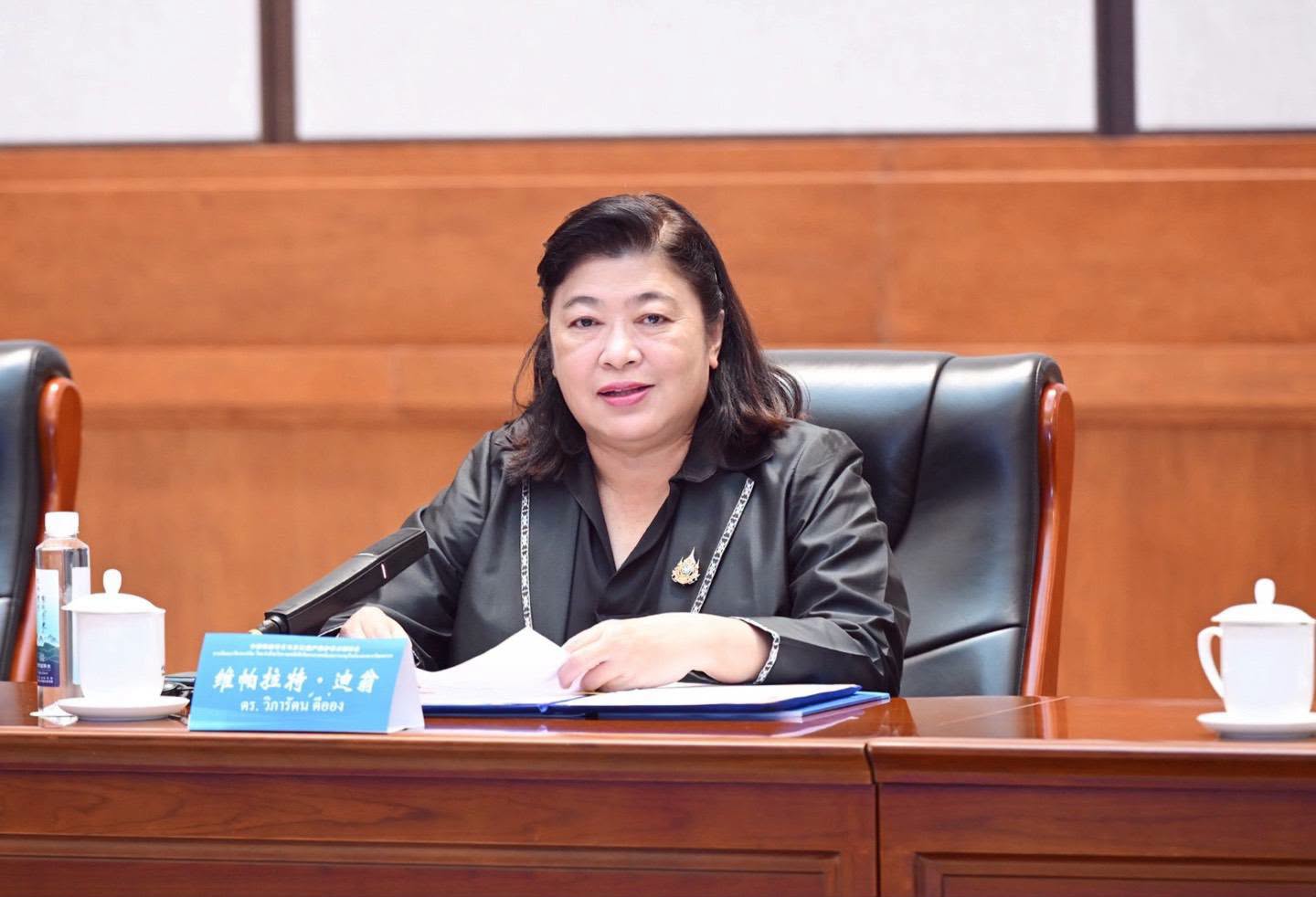
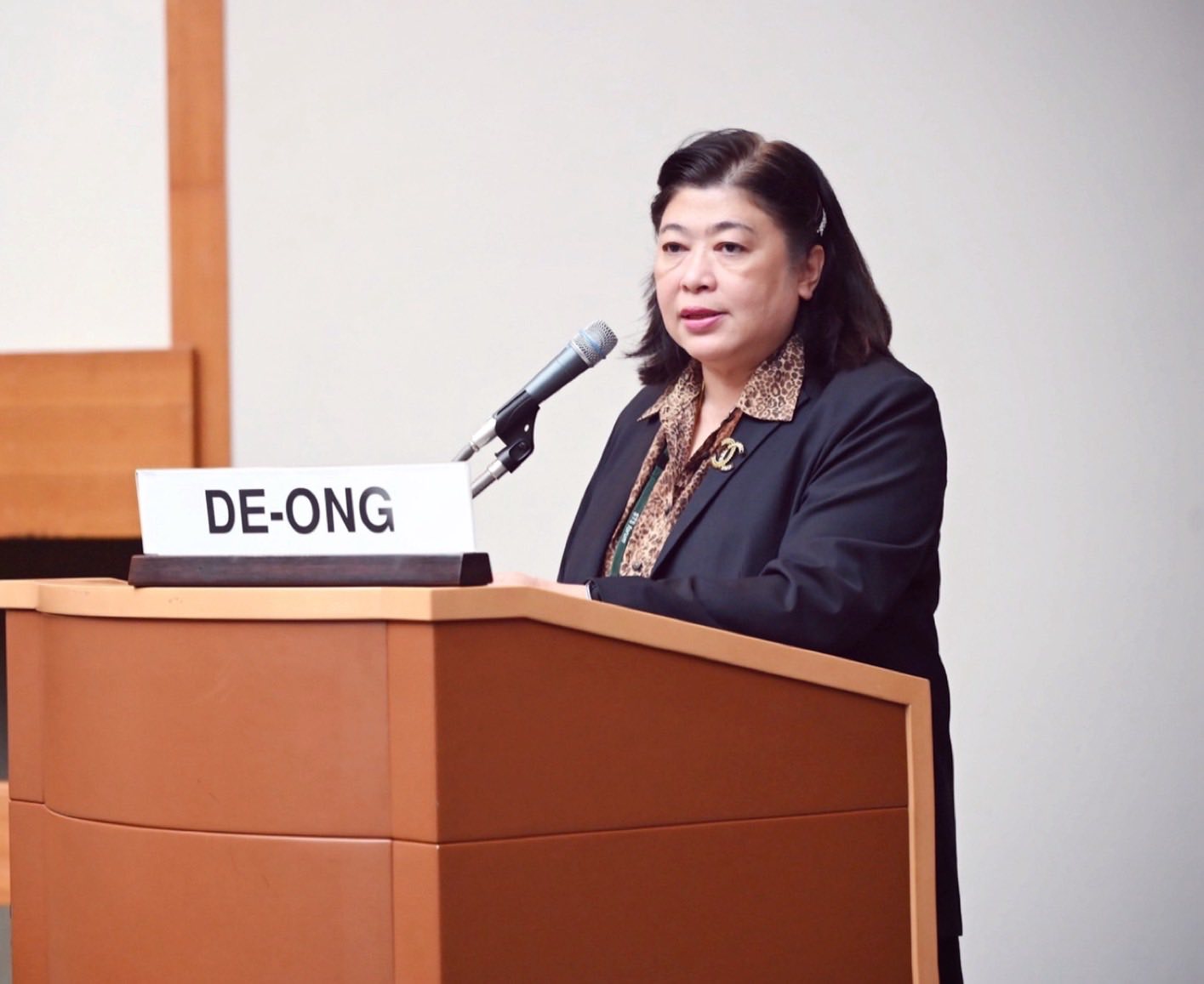
Dr. Wiparat De-ong, Executive Director of the National Research Council of Thailand, delivered the welcome remarks. She noted that science, research, and innovation have entered an unprecedented era, marked by rapid advancements in biotechnology, artificial intelligence, and other scientific and technological discoveries. In this context, young researchers play a vital role—not only in advancing scientific discovery, but also in demonstrating a shared commitment and spirit of collaboration toward building a better future for our world.
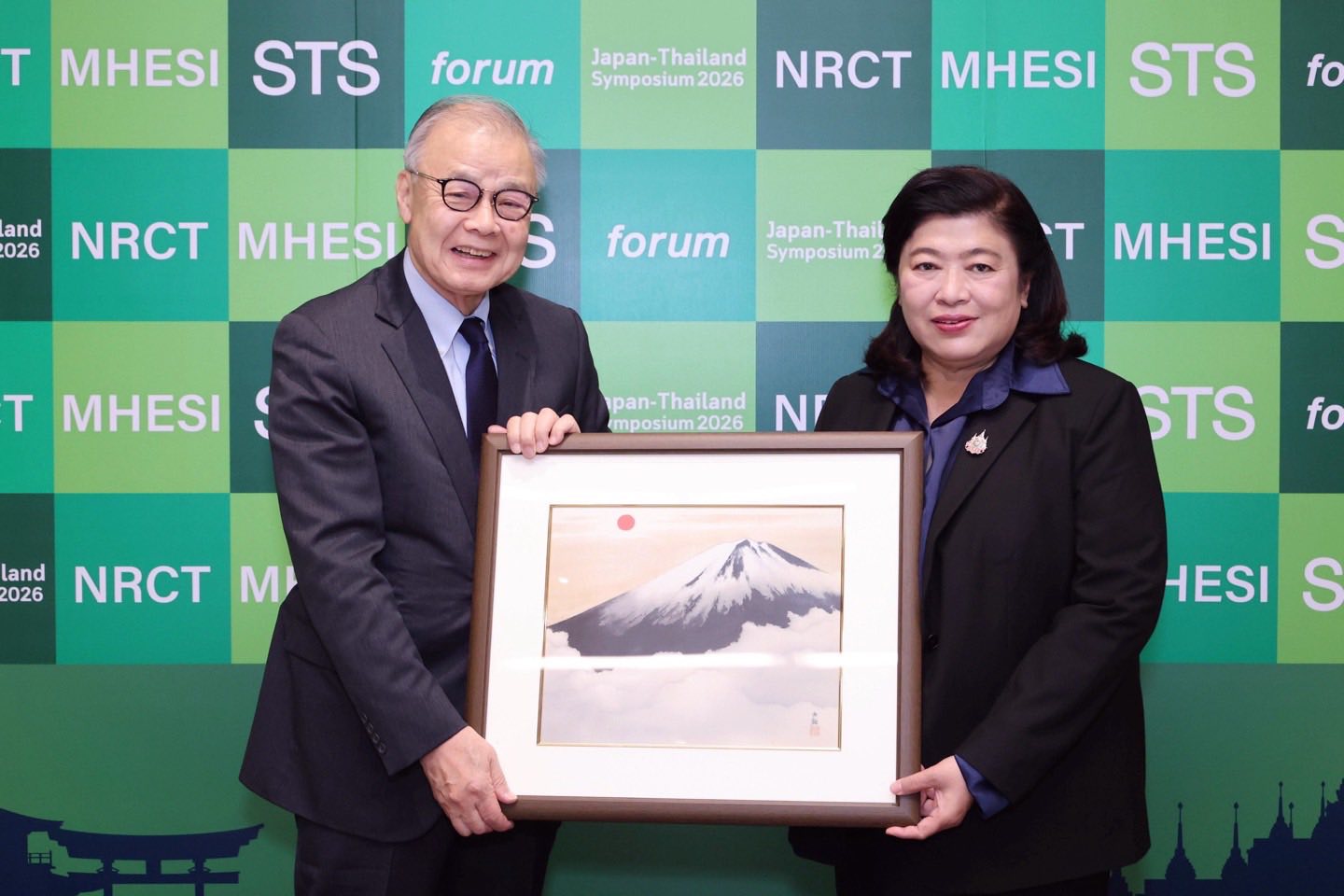
On this occasion, Hiroshi Komiyama, Chairman of the Science and Technology in Society (STS) forum, extended his congratulations to NRCT and Thailand for hosting this session, particularly for supporting the role of Young Leaders in shaping the future of the world.
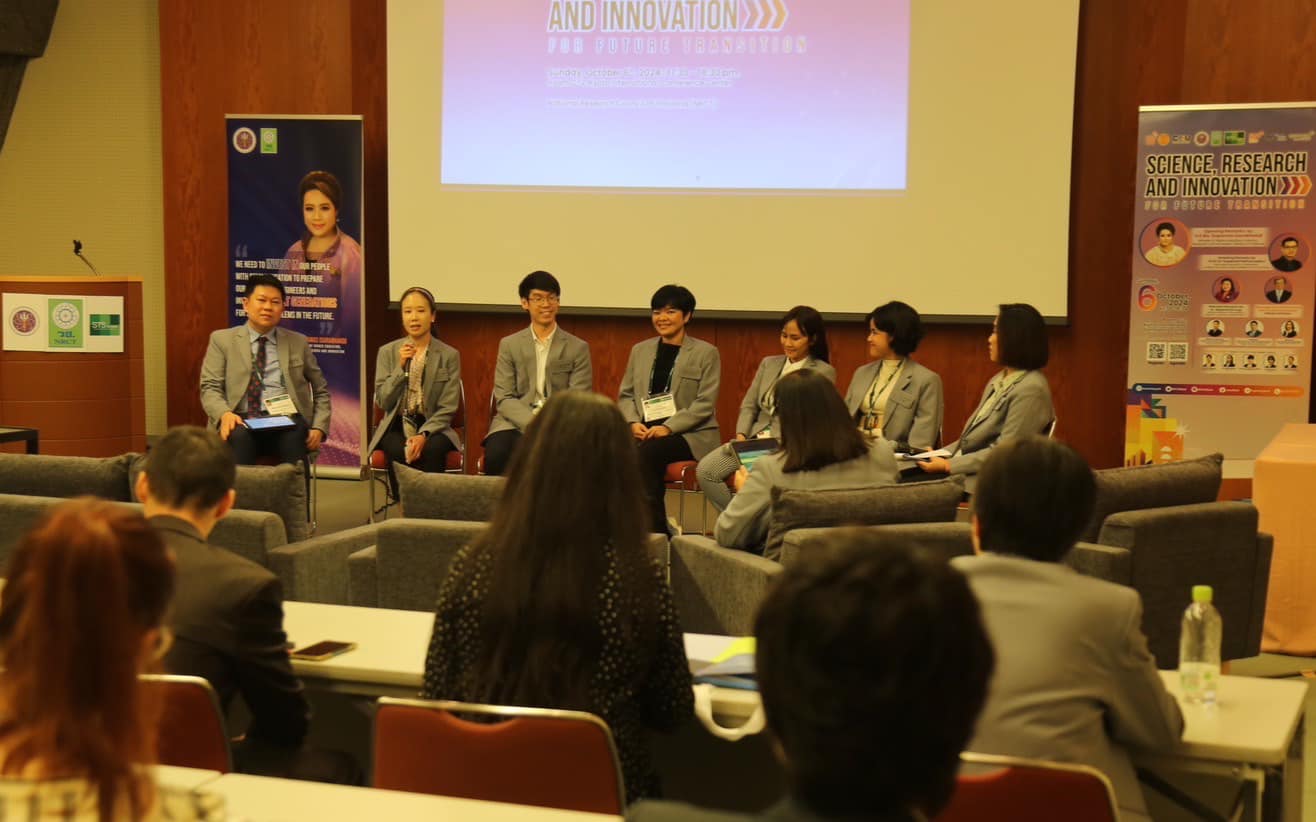
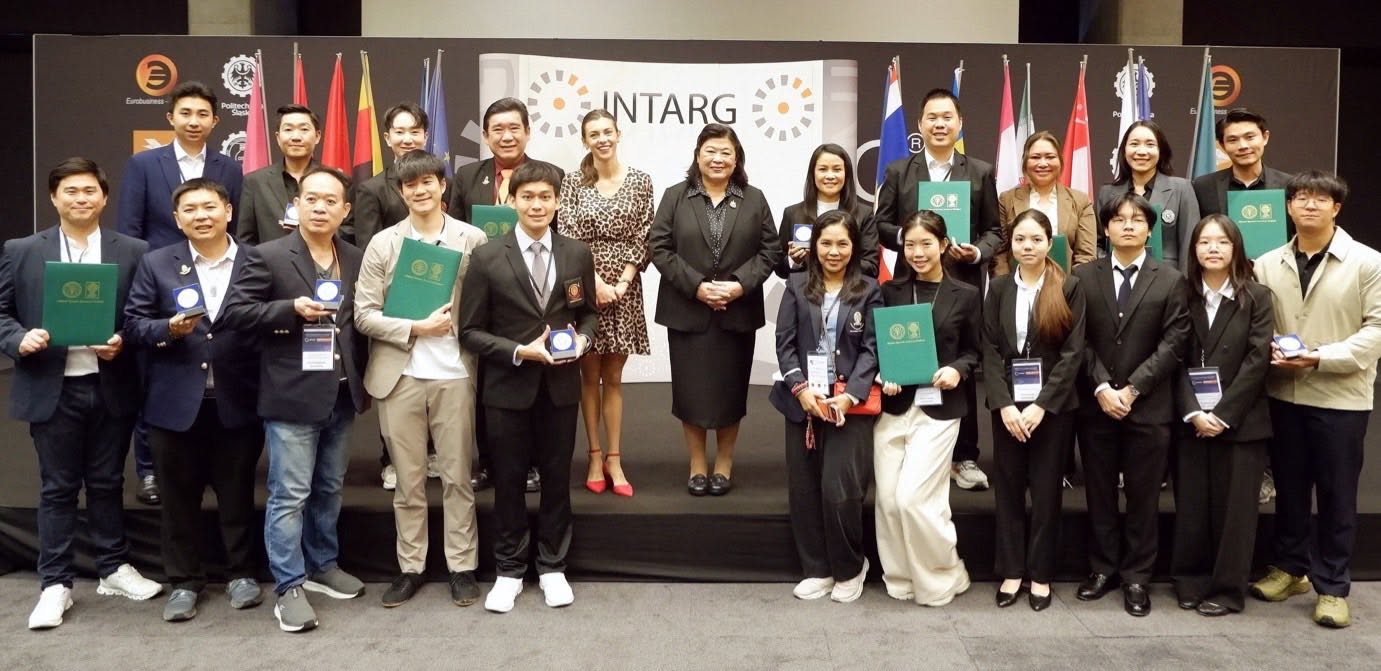
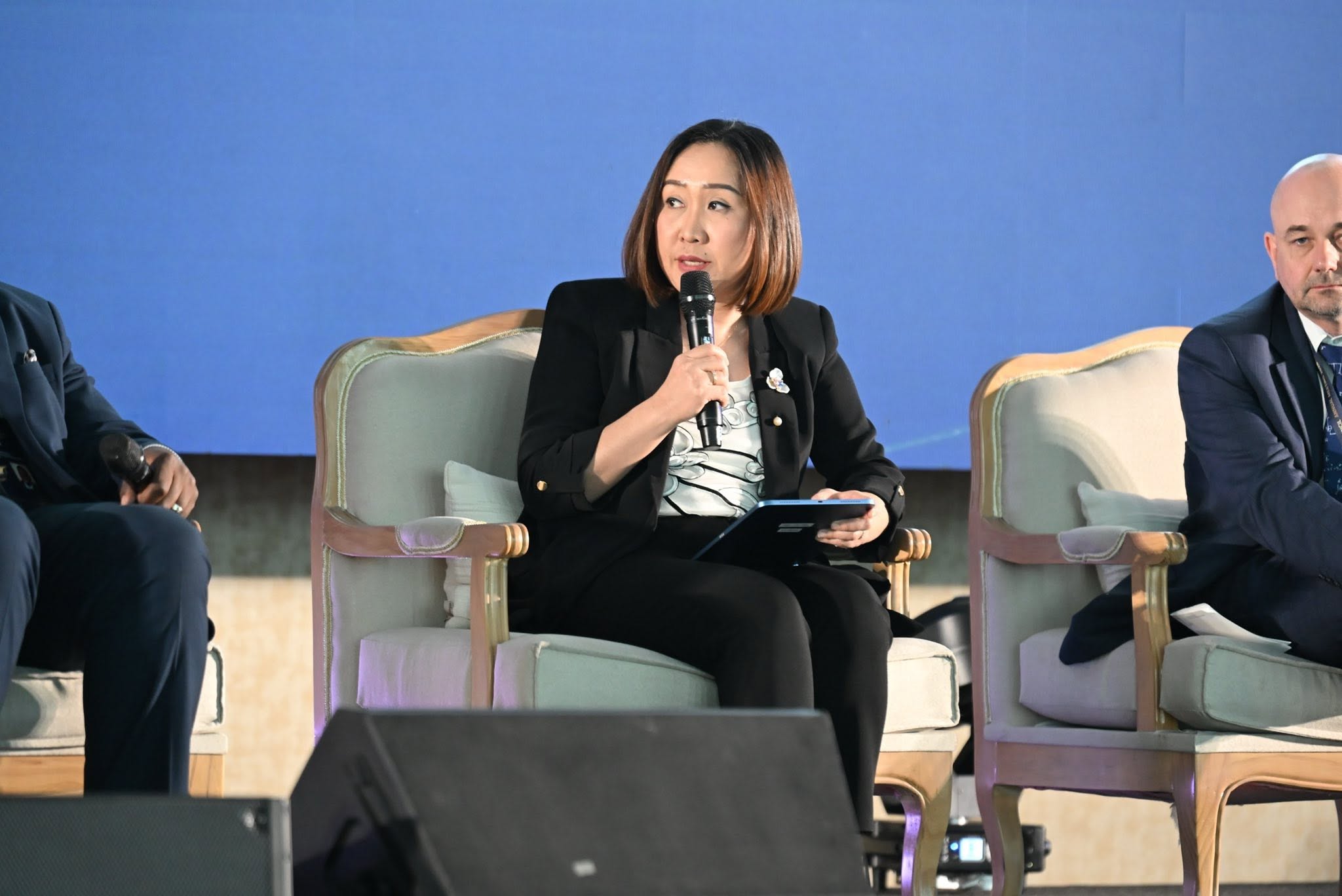
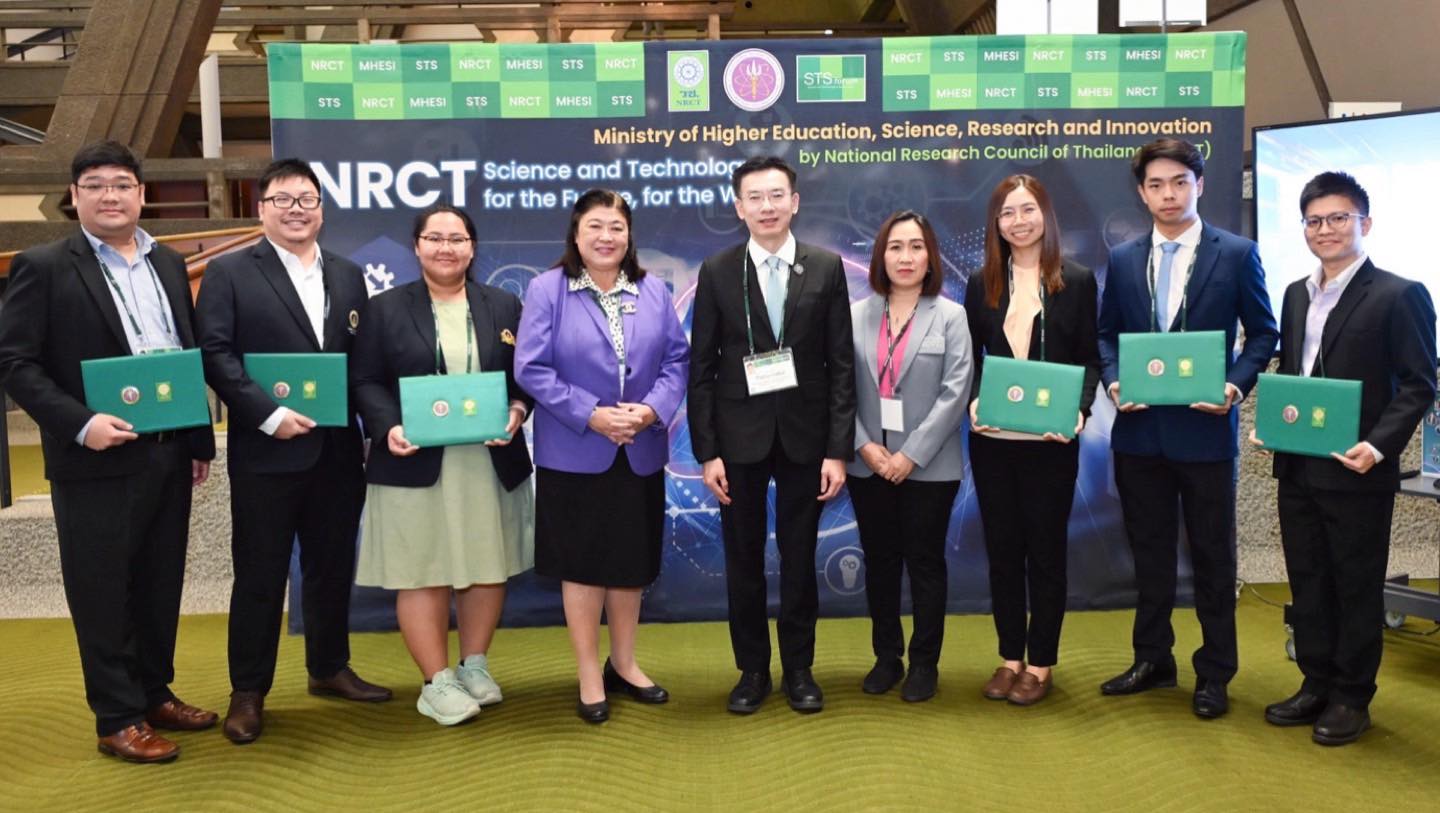
In addition, NRCT organized a panel discussion titled, “Driving Innovation and Shaping a More Resilient, Secure, and Sustainable Future by STS forum Young Leaders.” The session was moderated by Associate Professor Dr. Anak Khantachawana, and Ms. Sirinporn Deawtrakool, Expert on Research System with Associate Professor Dr. Dusit Athinuwat serving as master of ceremony. Young Leaders from Thailand participated as panelists, as followed:
1. Dr. Auraluck Pichitkul, Suranaree University of Technology
2. Dr. Papon Muangsanit, National Center for Genetic Engineering and Biotechnology (BIOTEC)
3. Associate Professor Dr. Mathinee Yucharoen, Prince of Songkla University
4. Dr. Jenjira Jaimunk, Chiang Mai University
5. Dr. Pawita Boonrat, Prince of Songkla University, Phuket Campus
The panel discussion concluded with key insights highlighting that Thailand is entering an exciting era of innovation and research. A wide range of research initiatives is being undertaken to address national and global challenges, spanning from environmental conservation to advanced medical technologies.
In the environmental field, IoT networks are being developed to monitor mangrove ecosystems and support coastal ecological studies. In computer engineering, tools have been created to assess legal compliance with data privacy regulations for SMEs. In transportation, research has explored the concept of Urban Air Mobility. In the medical field, innovations in biomaterials and tissue engineering are being advanced. These initiatives reflect Thailand’s strong commitment to leveraging science and technology to enhance quality of life and generate both regional and global impact.
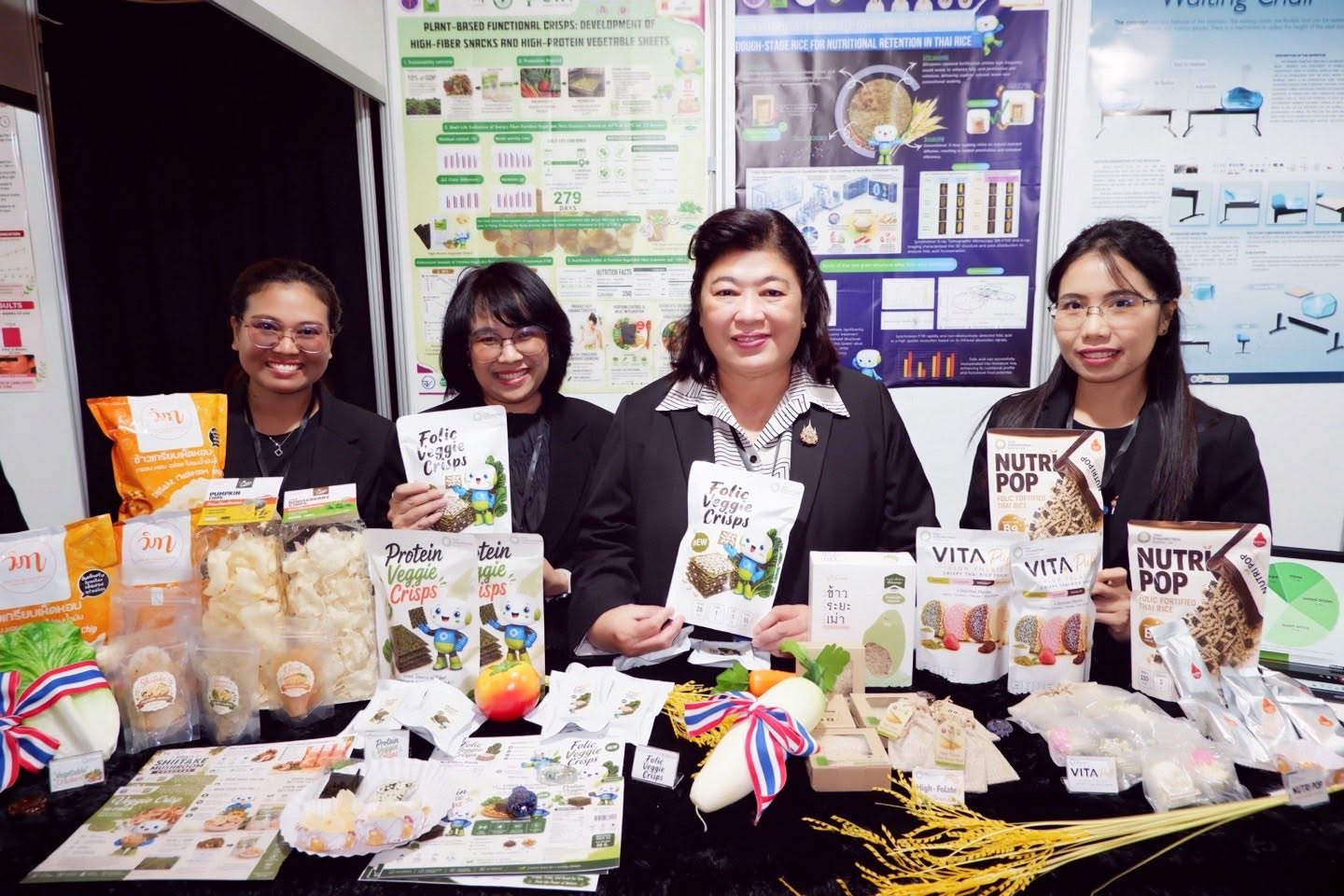
The National Research Council of Thailand (NRCT) has placed significant emphasis on promoting and supporting young researchers in gaining access to national and international platforms. This effort not only strengthens standards and recognition of Thai researchers’ capabilities but also fosters the development of global academic partnerships across multiple dimensions.