NRCT Leads Thai Researchers in High-Level Discussions on Key Science and Technology Challenges at STS forum 2023 — Day 2
2 October 2023


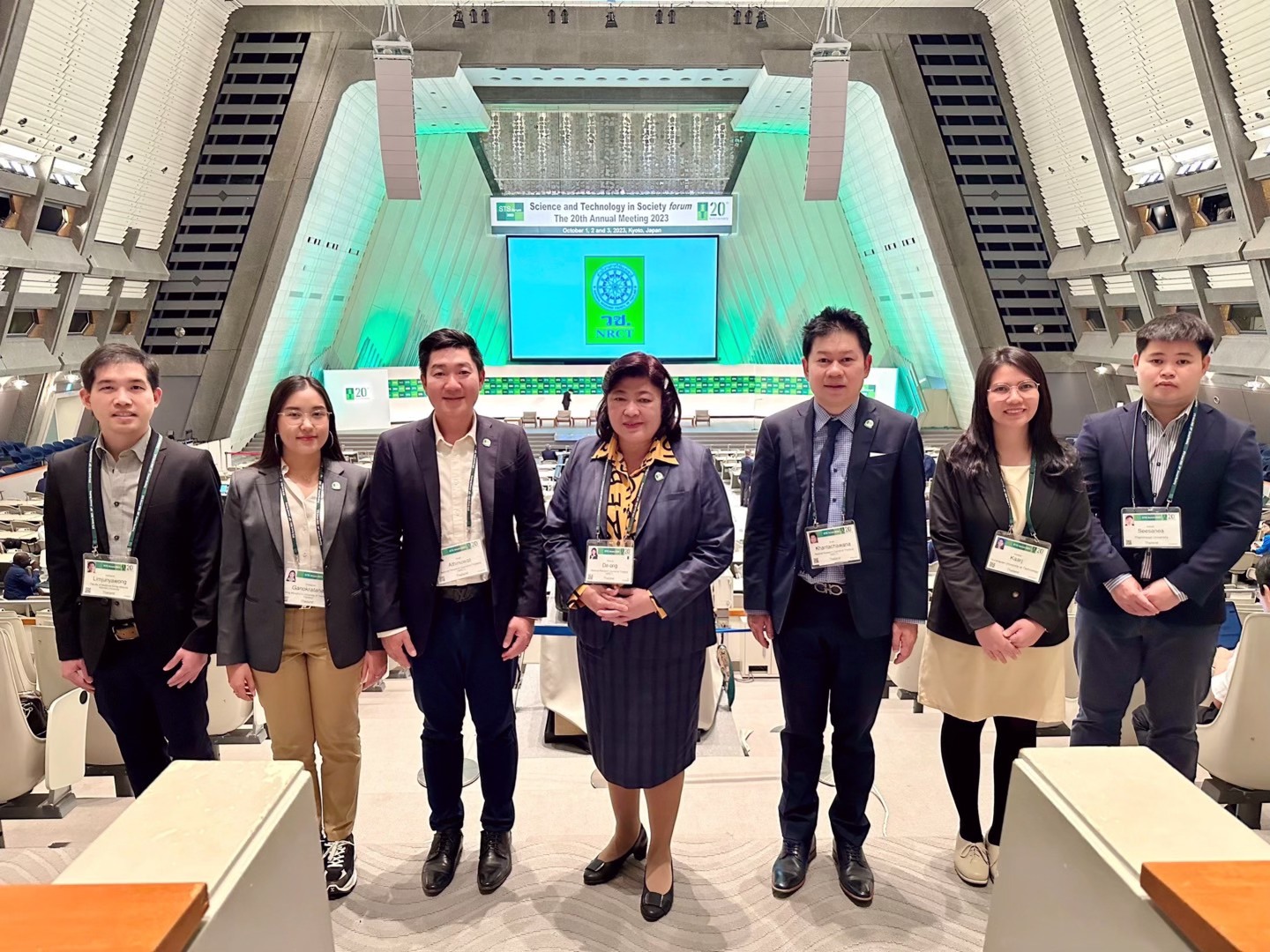
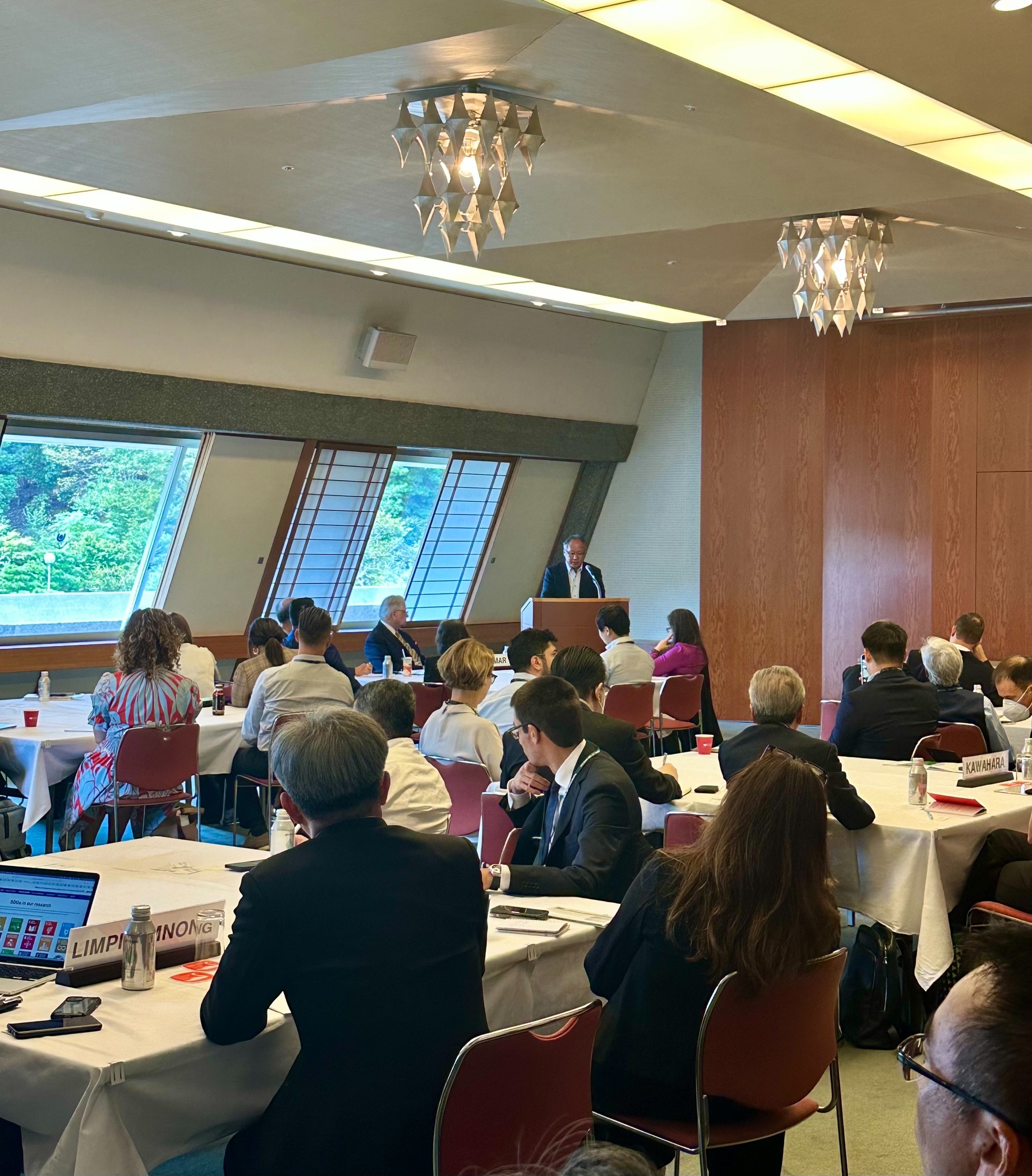
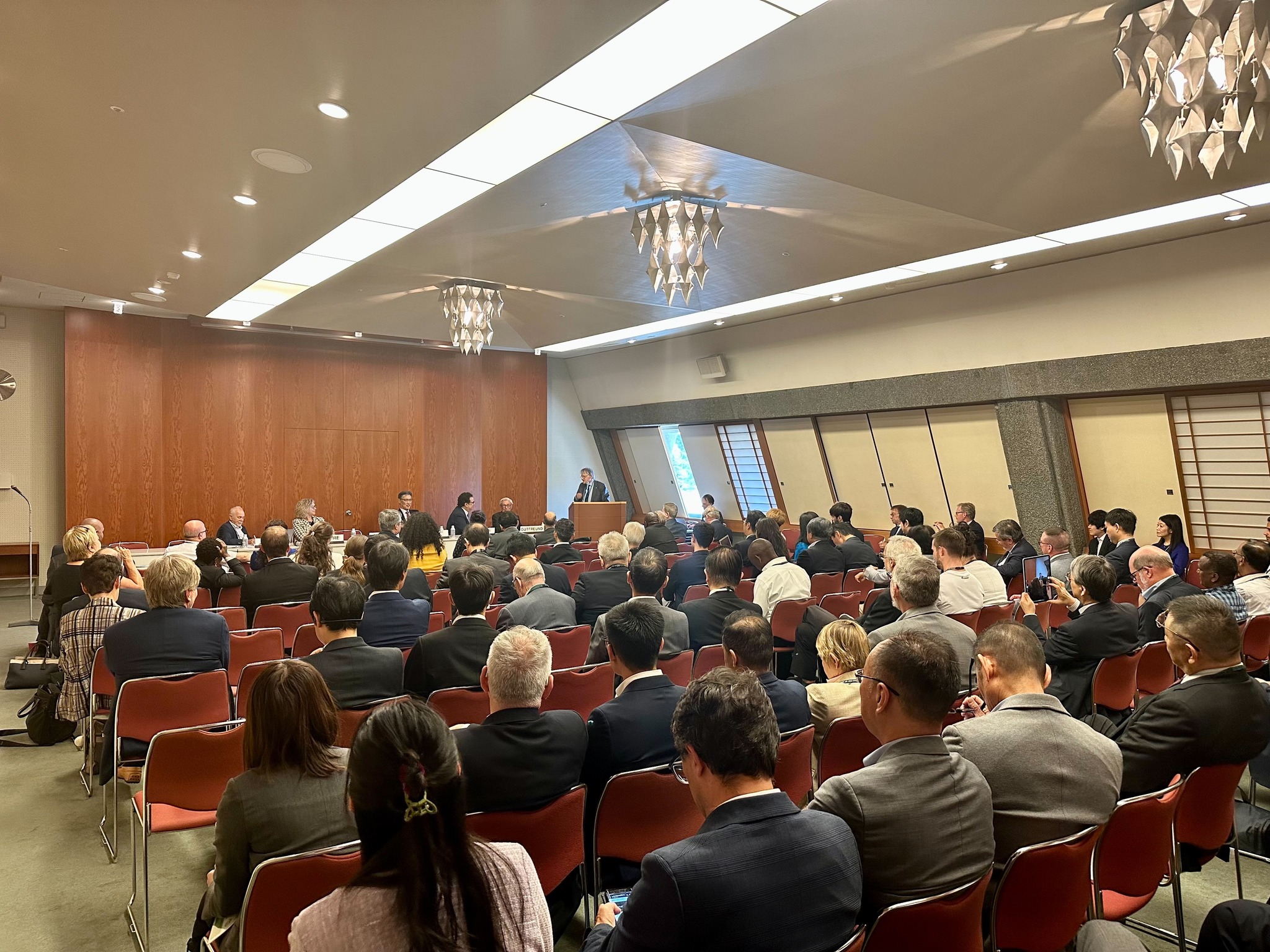
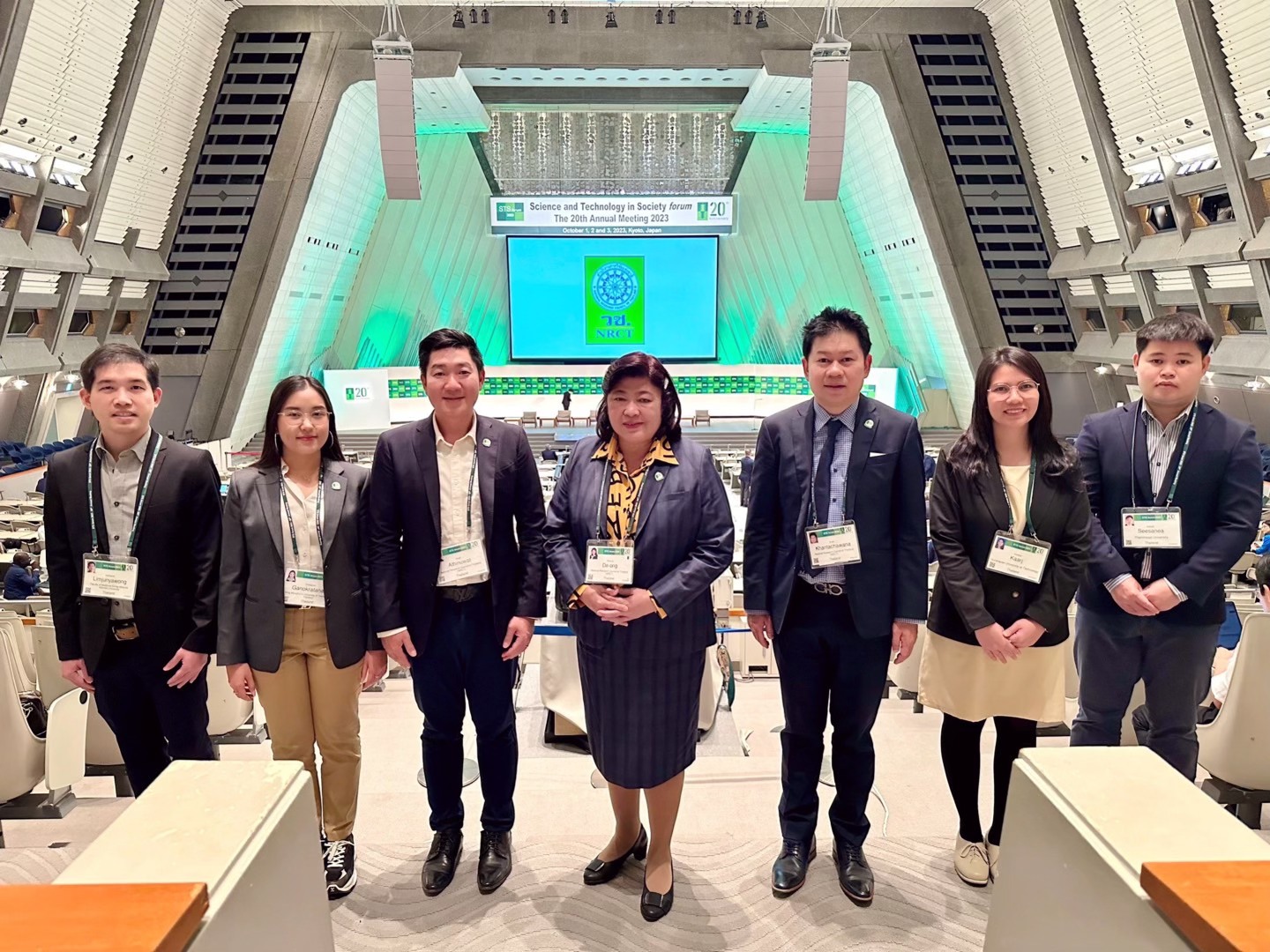
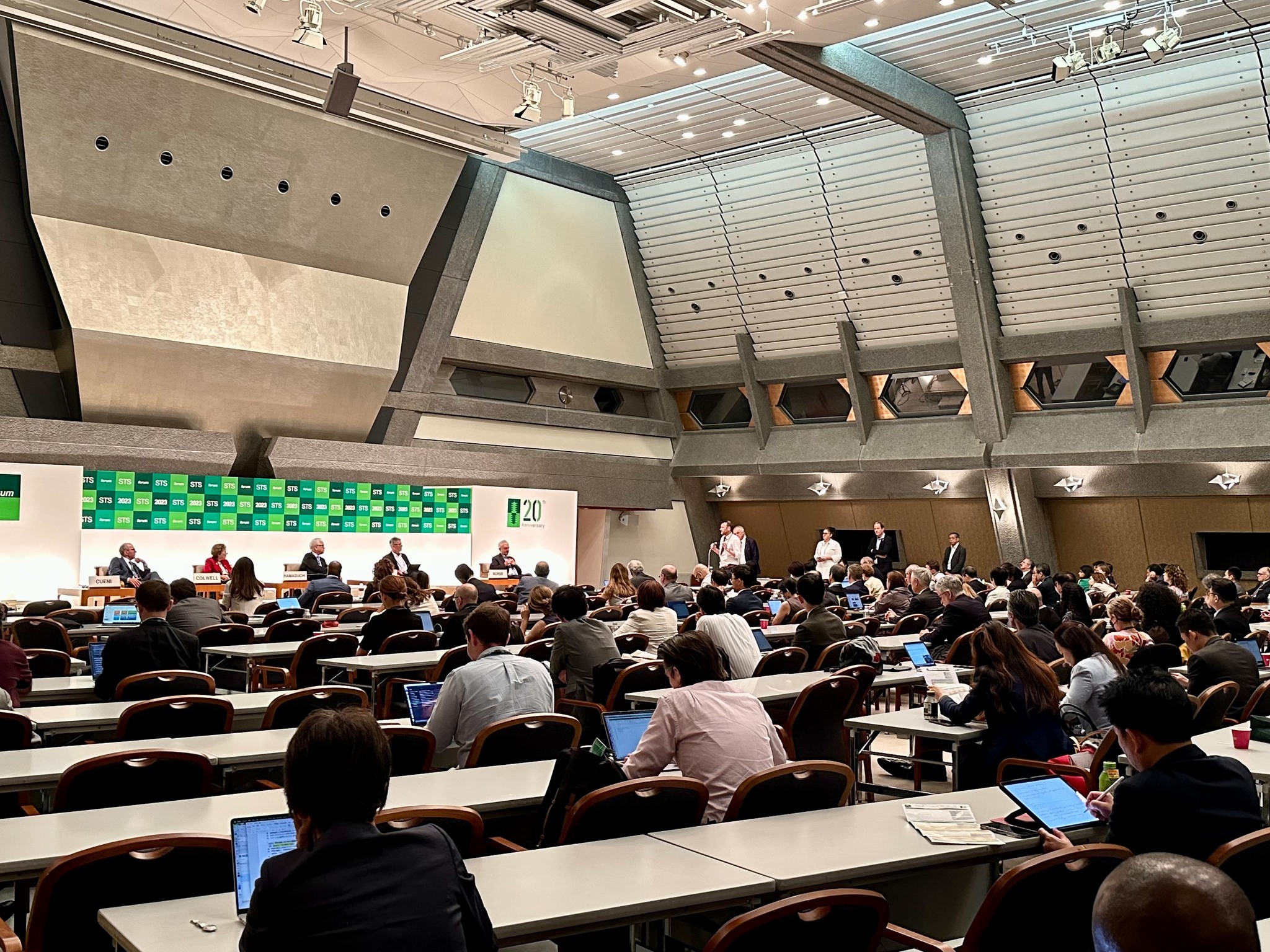
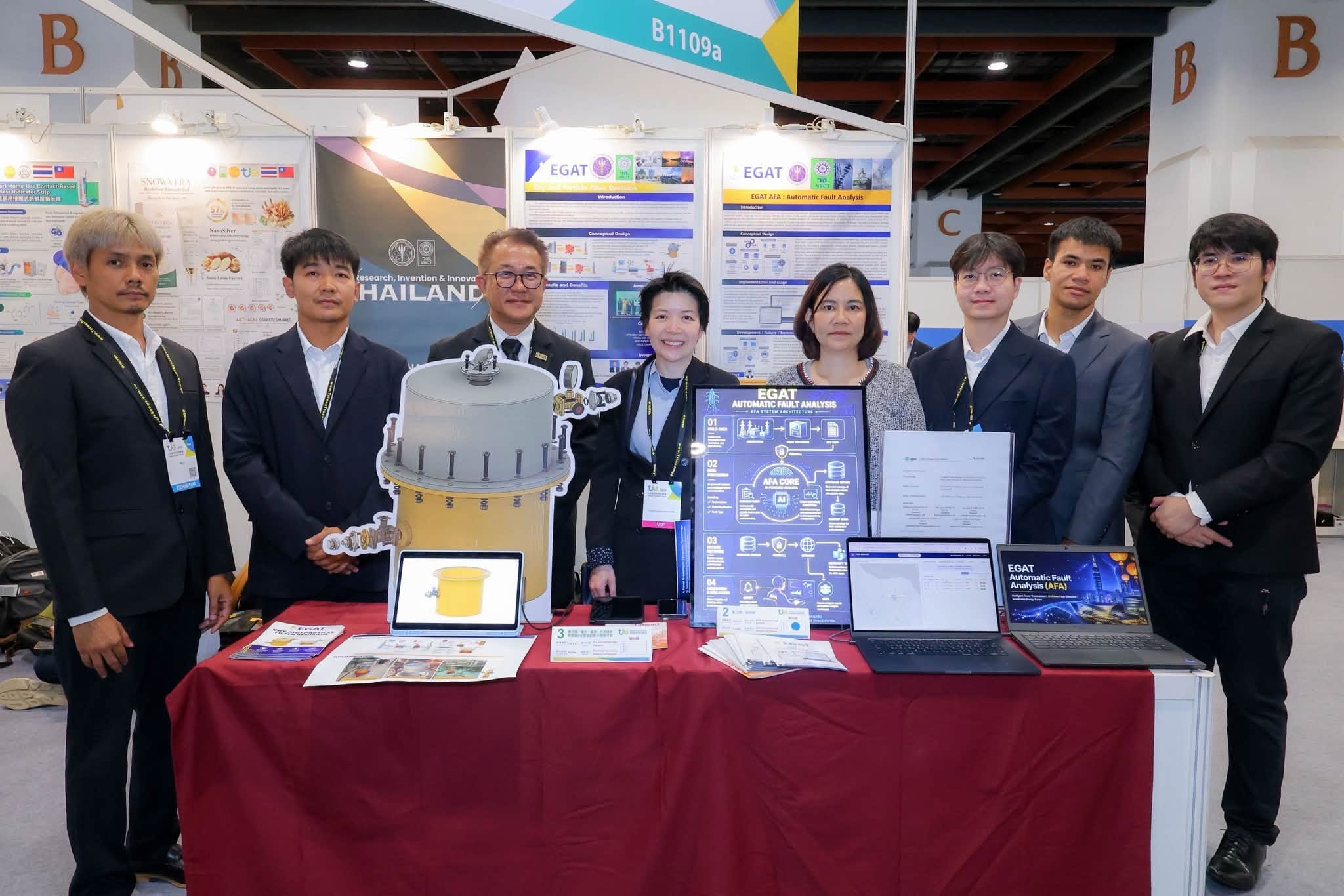
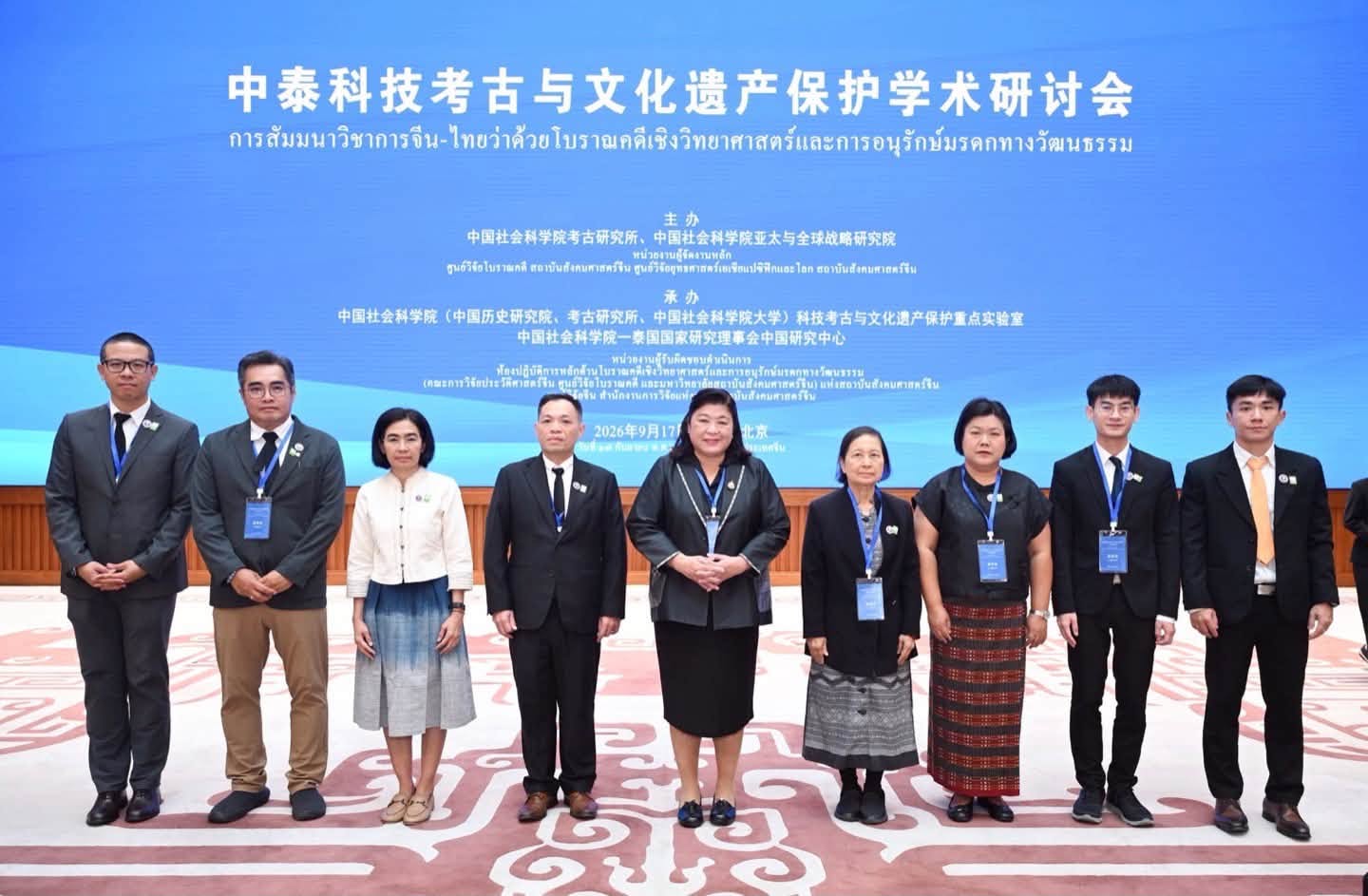
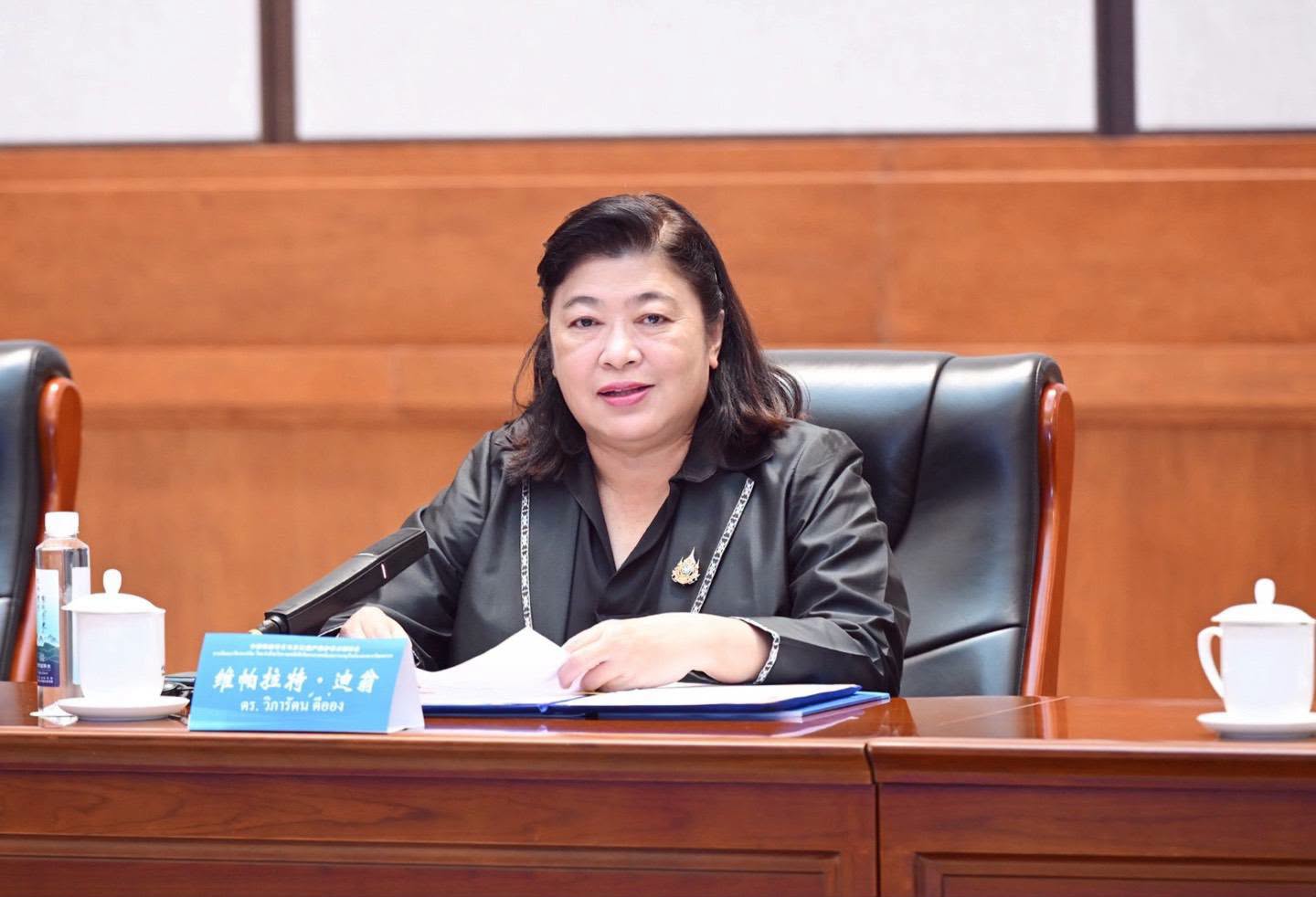
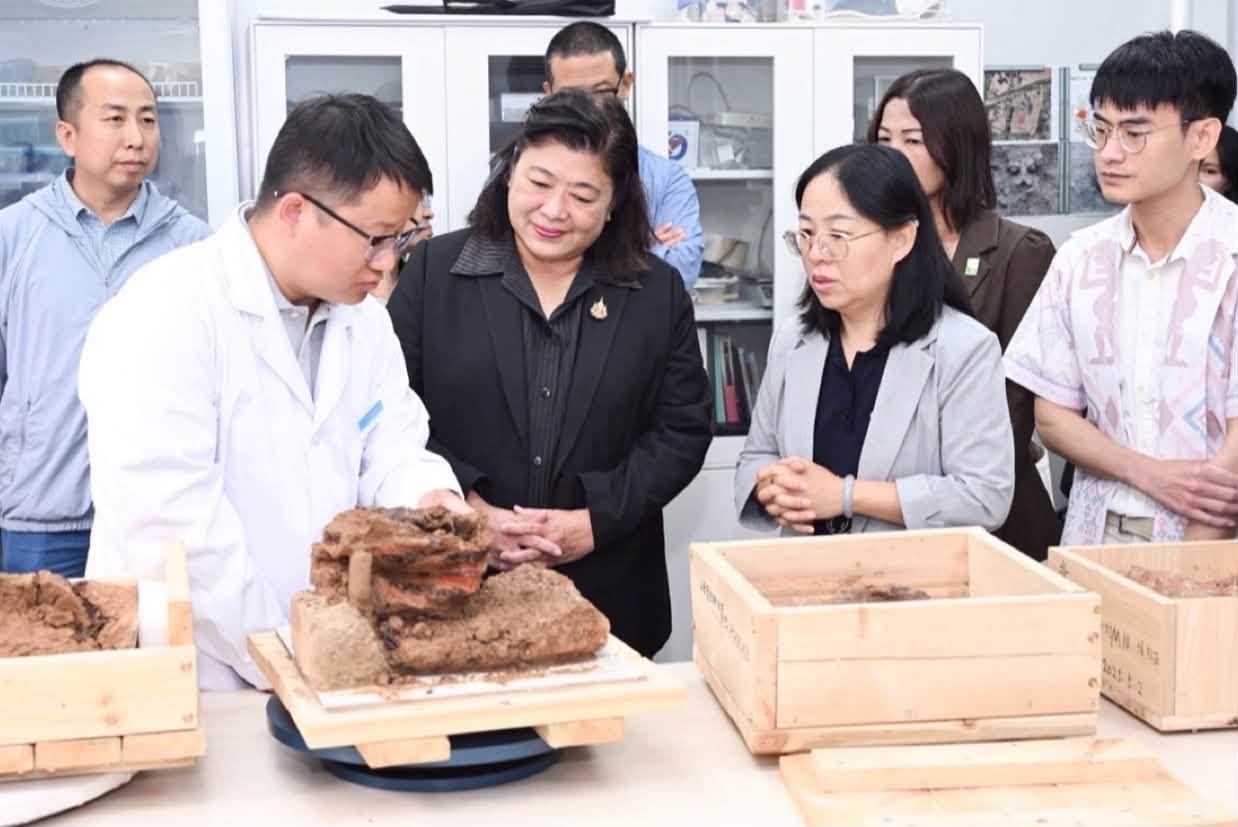
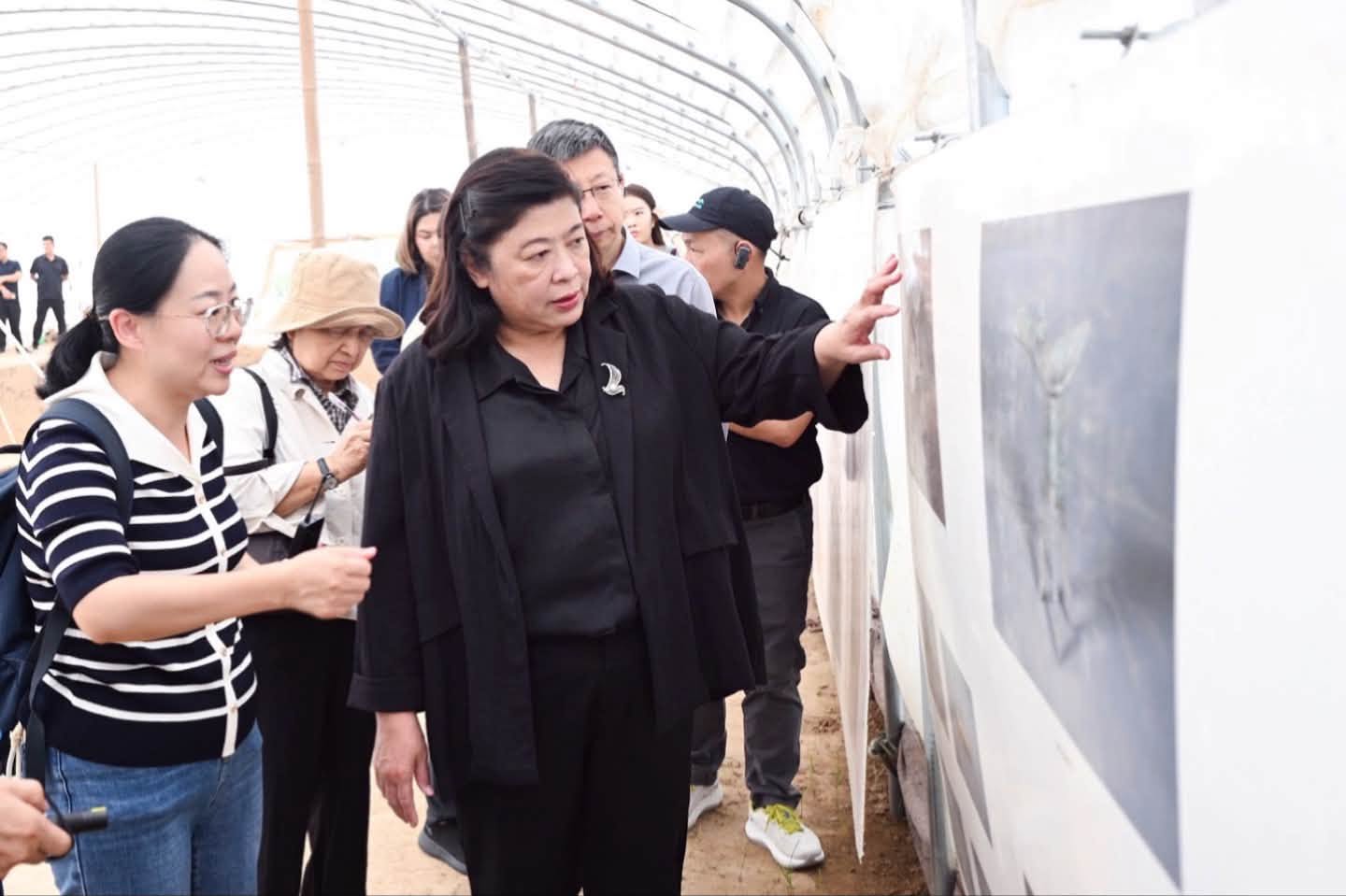
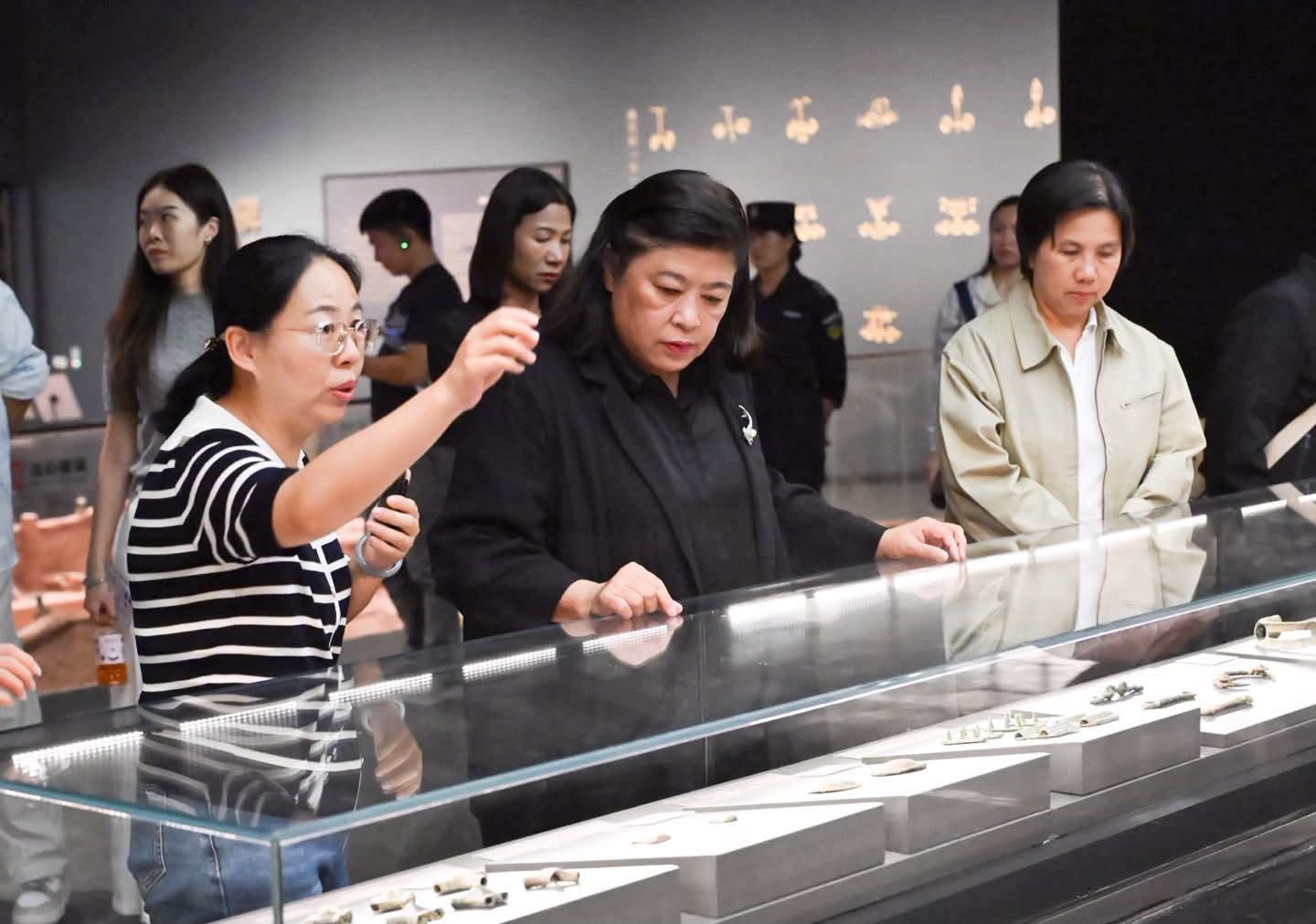
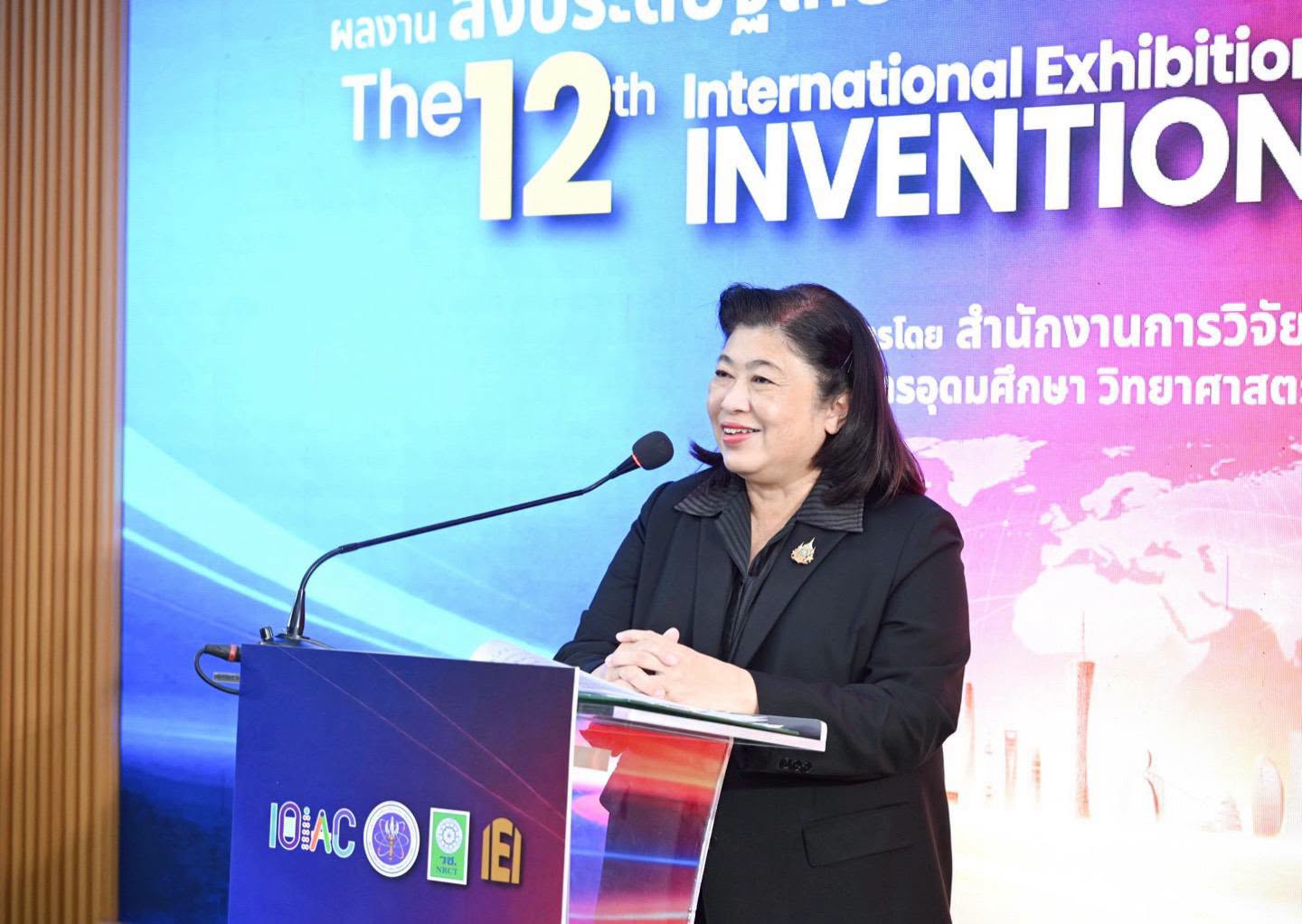
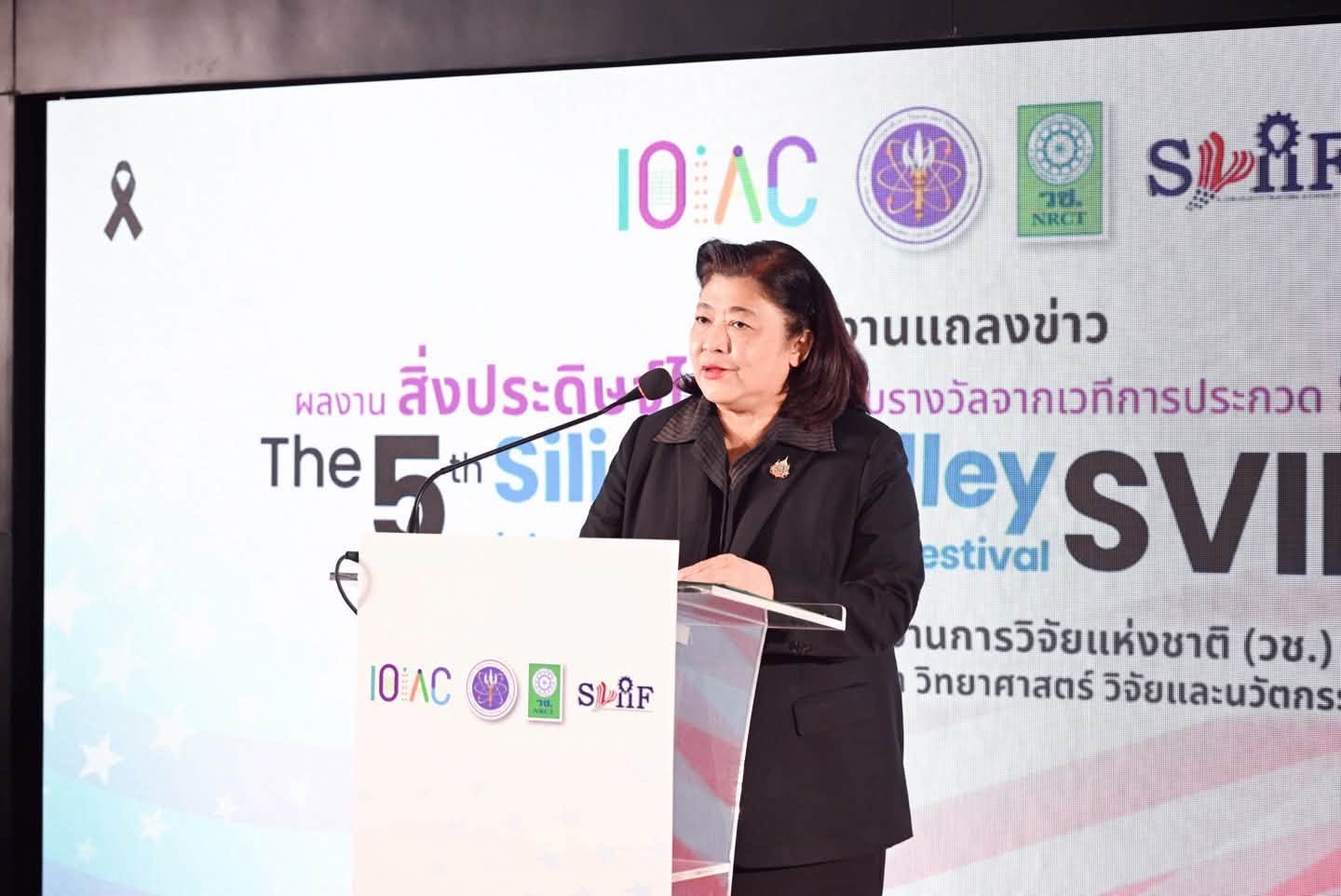
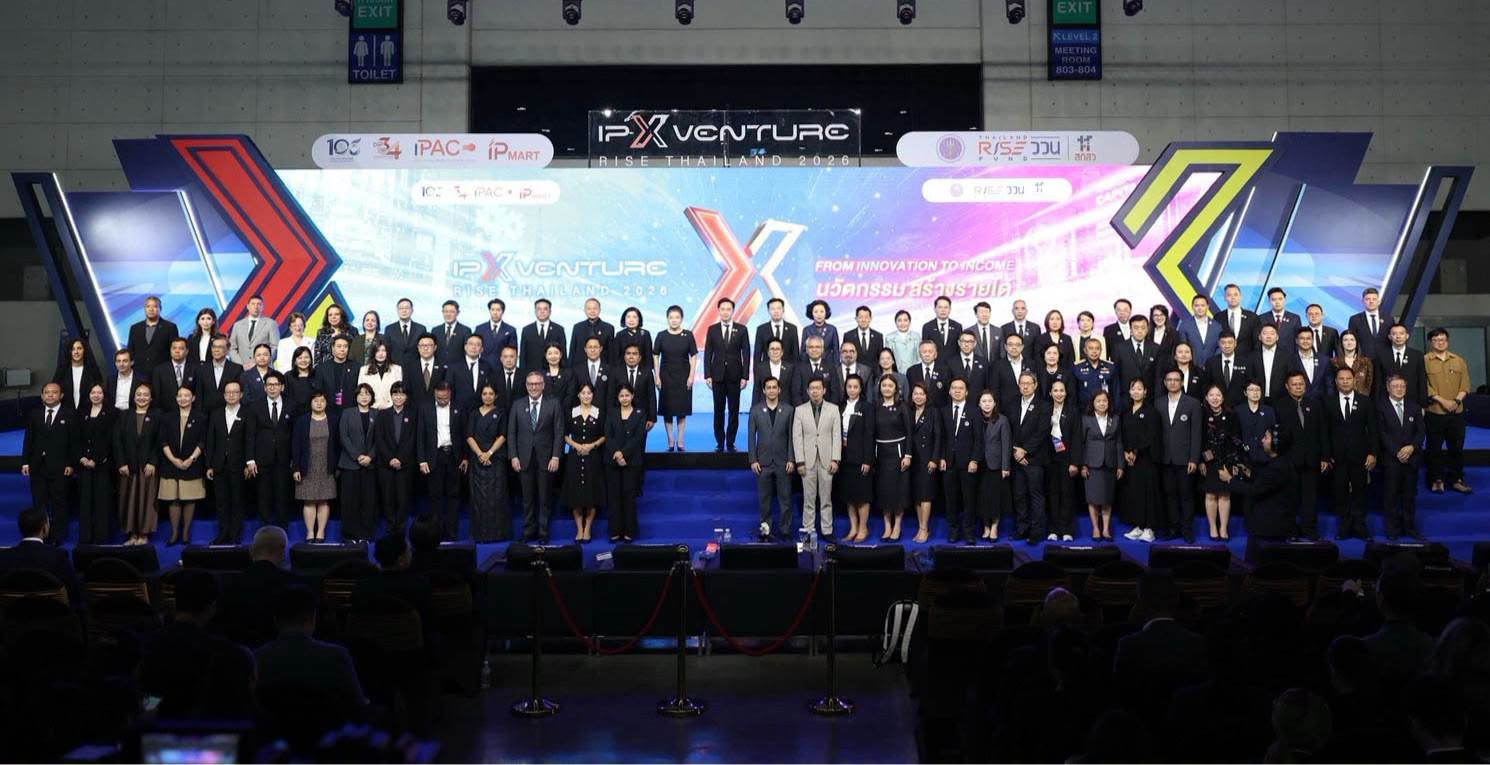
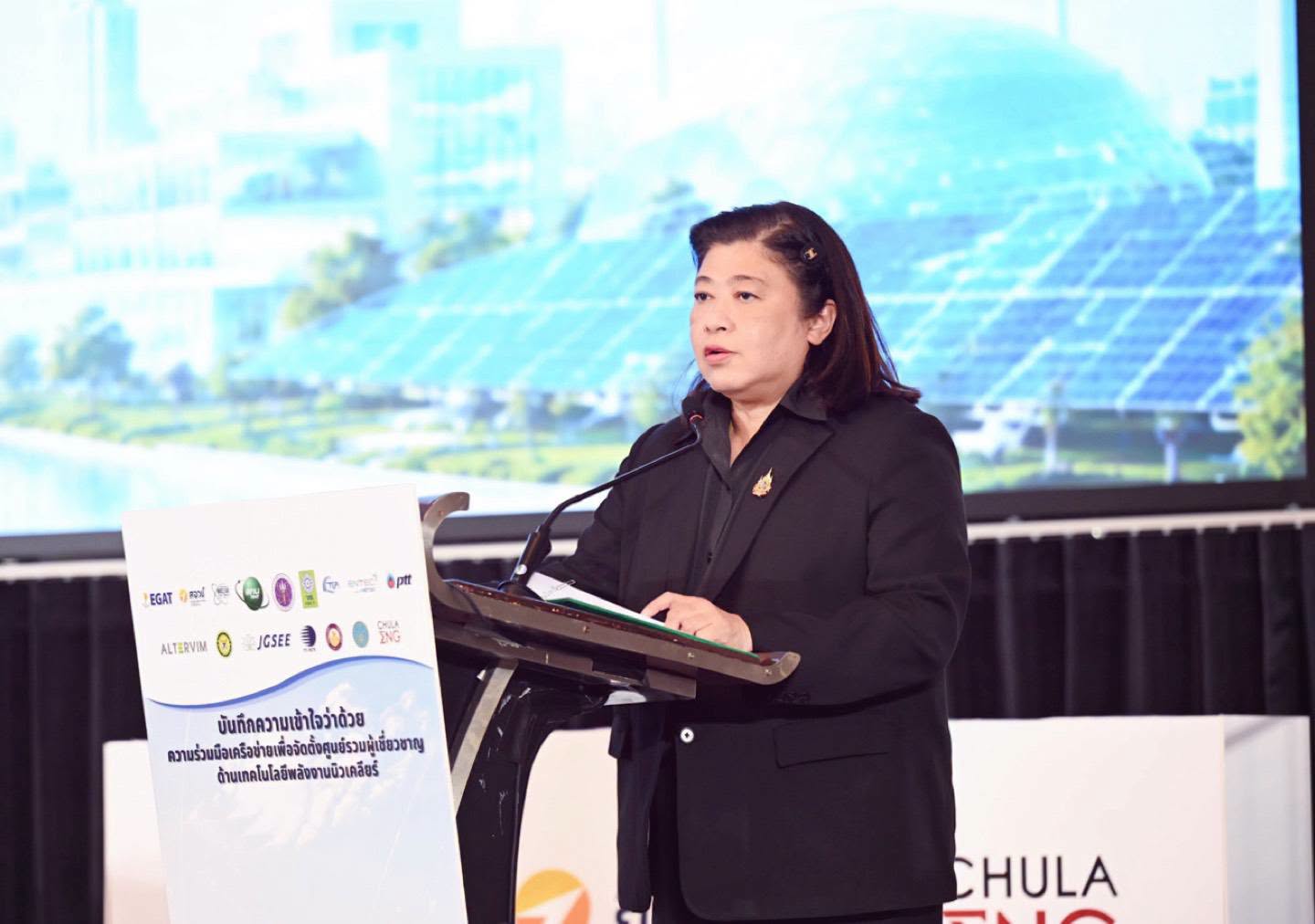
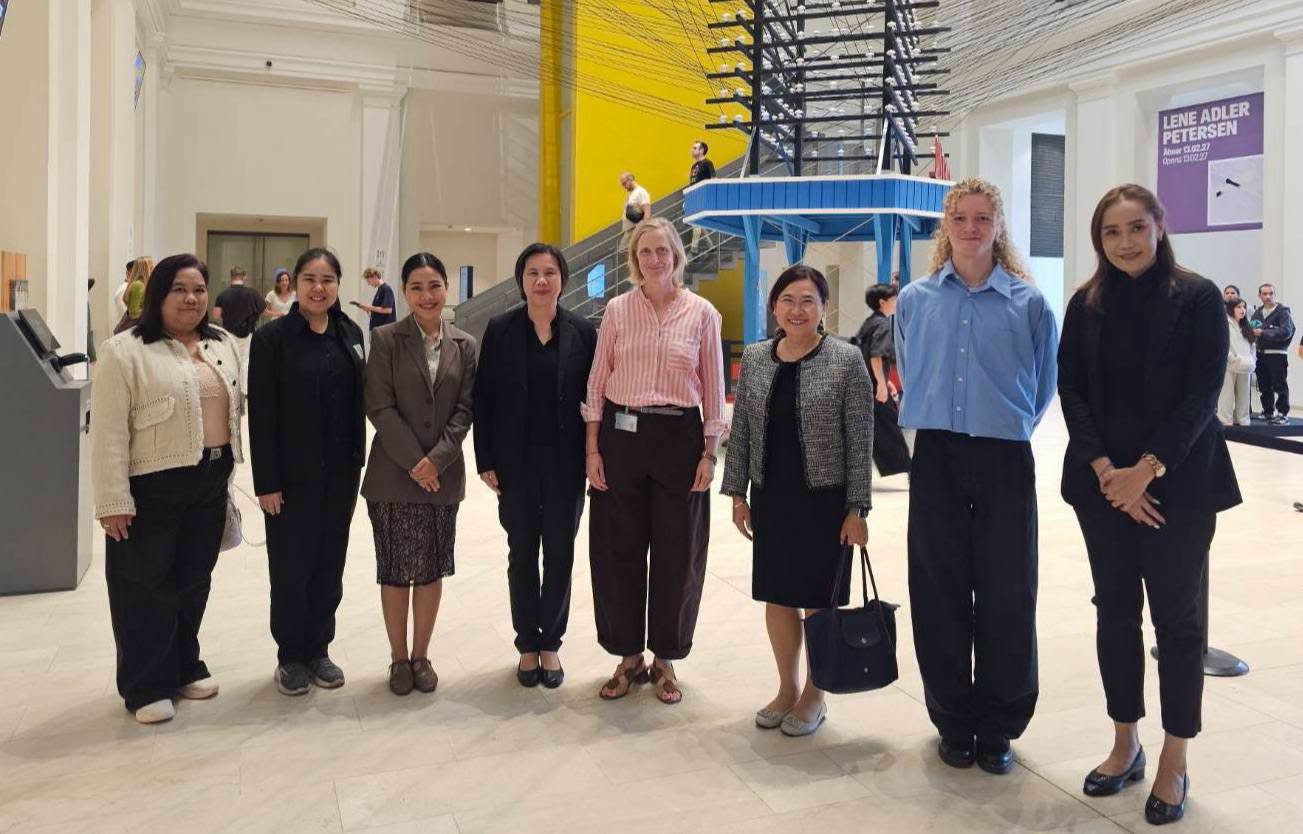
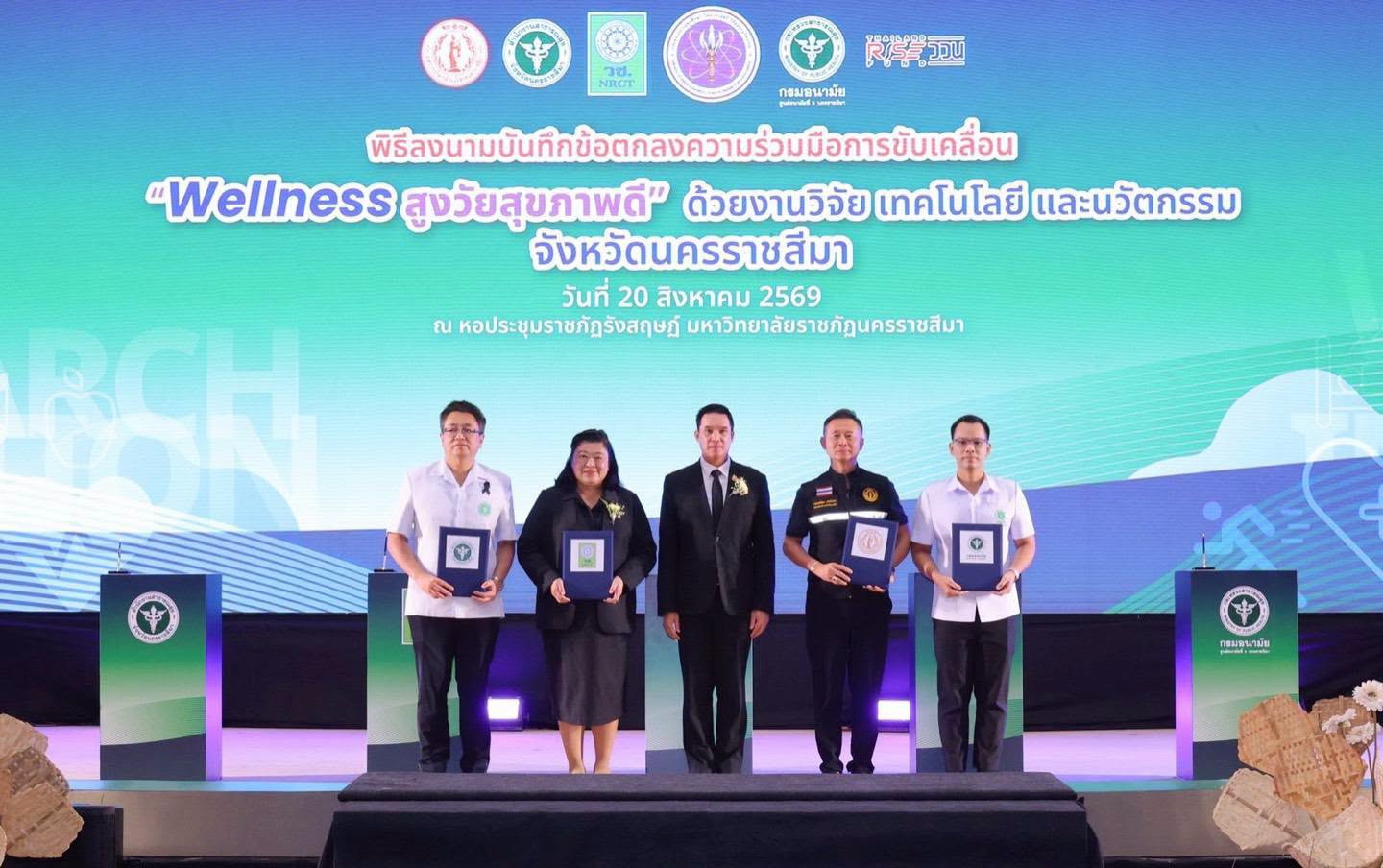
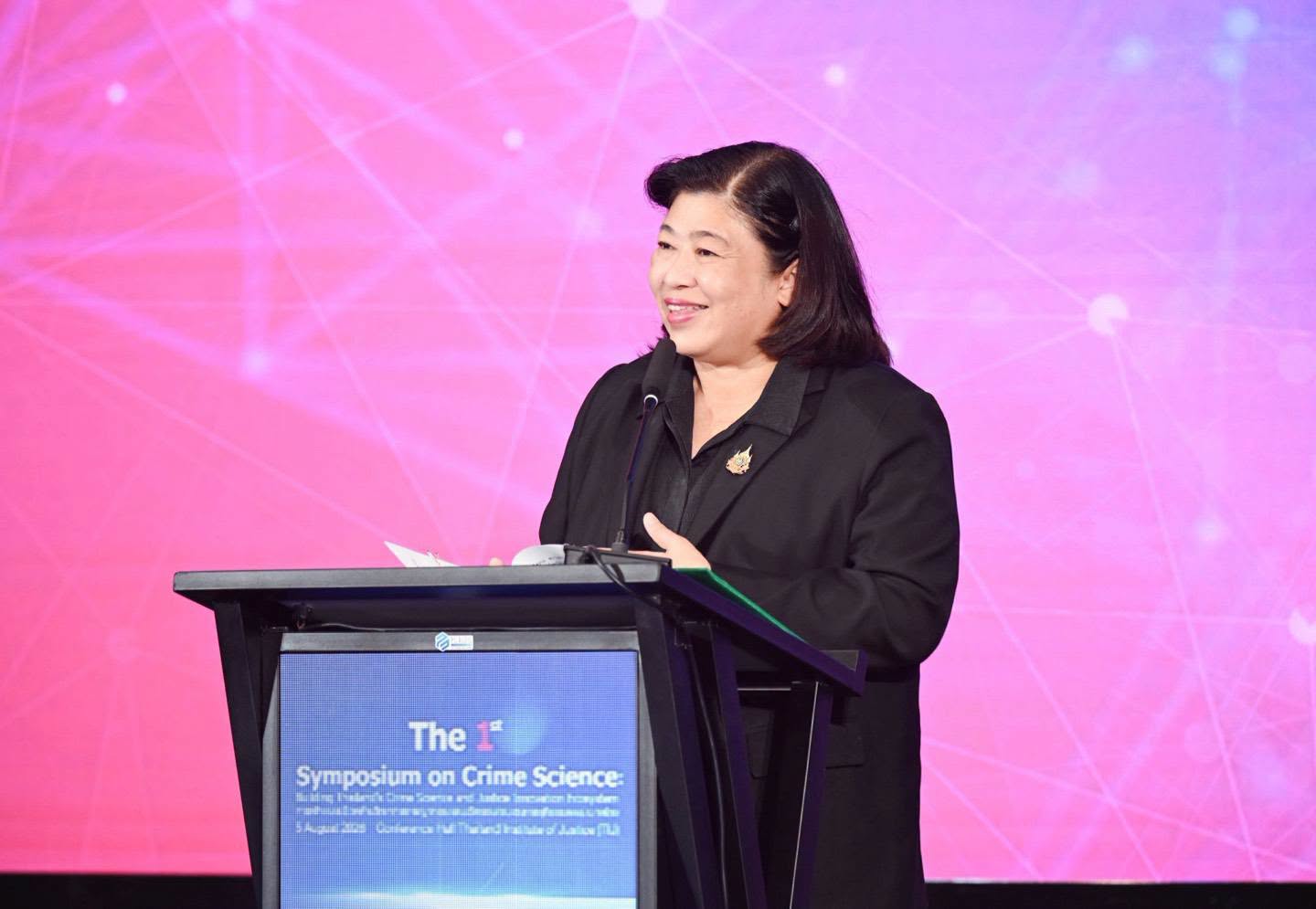
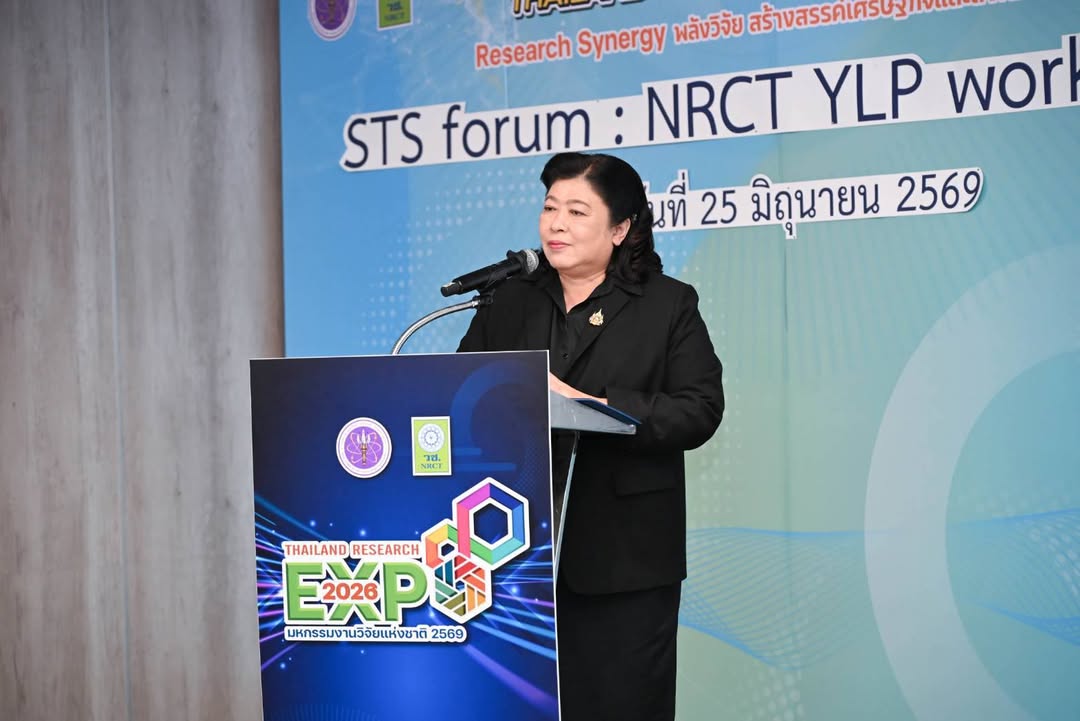
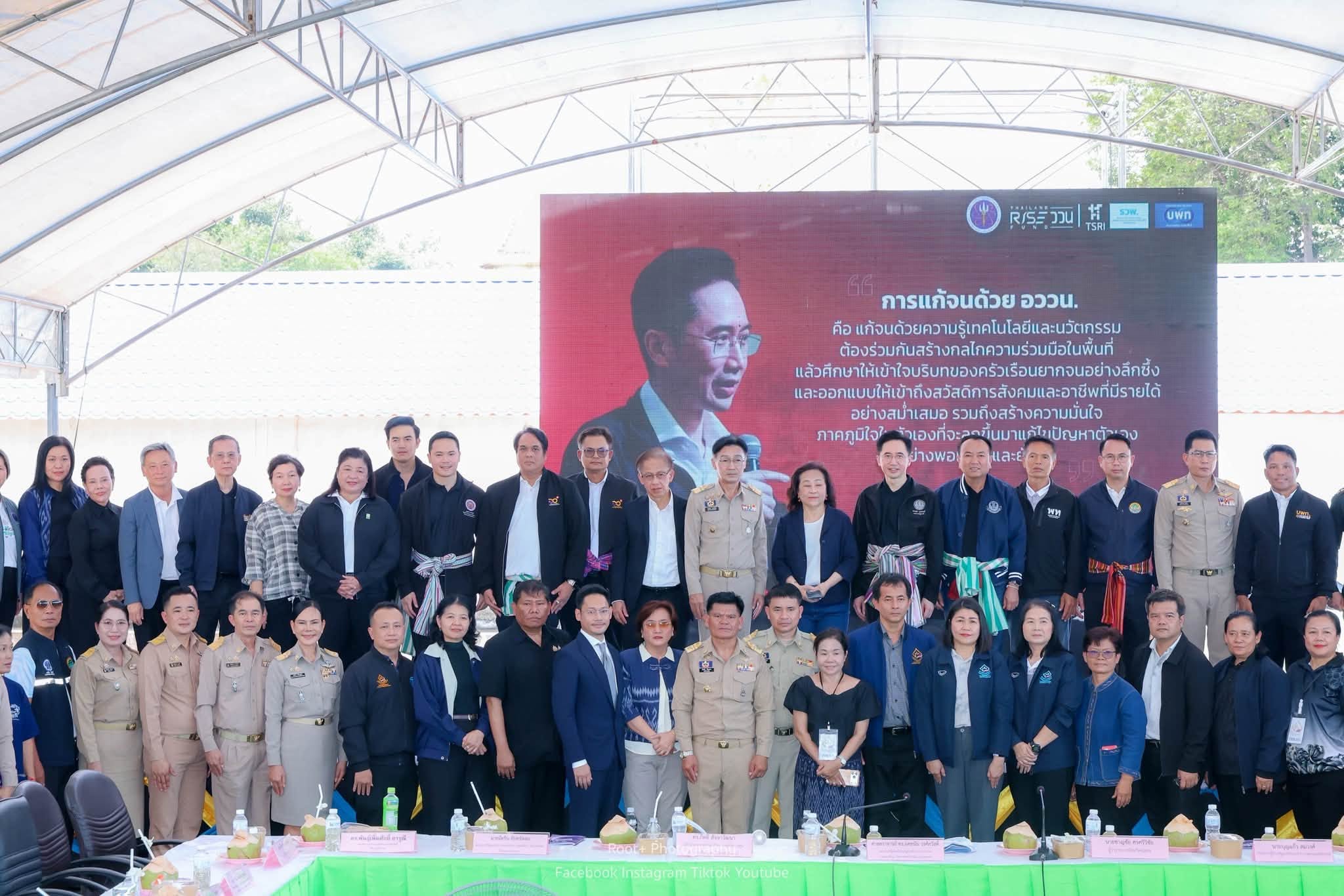
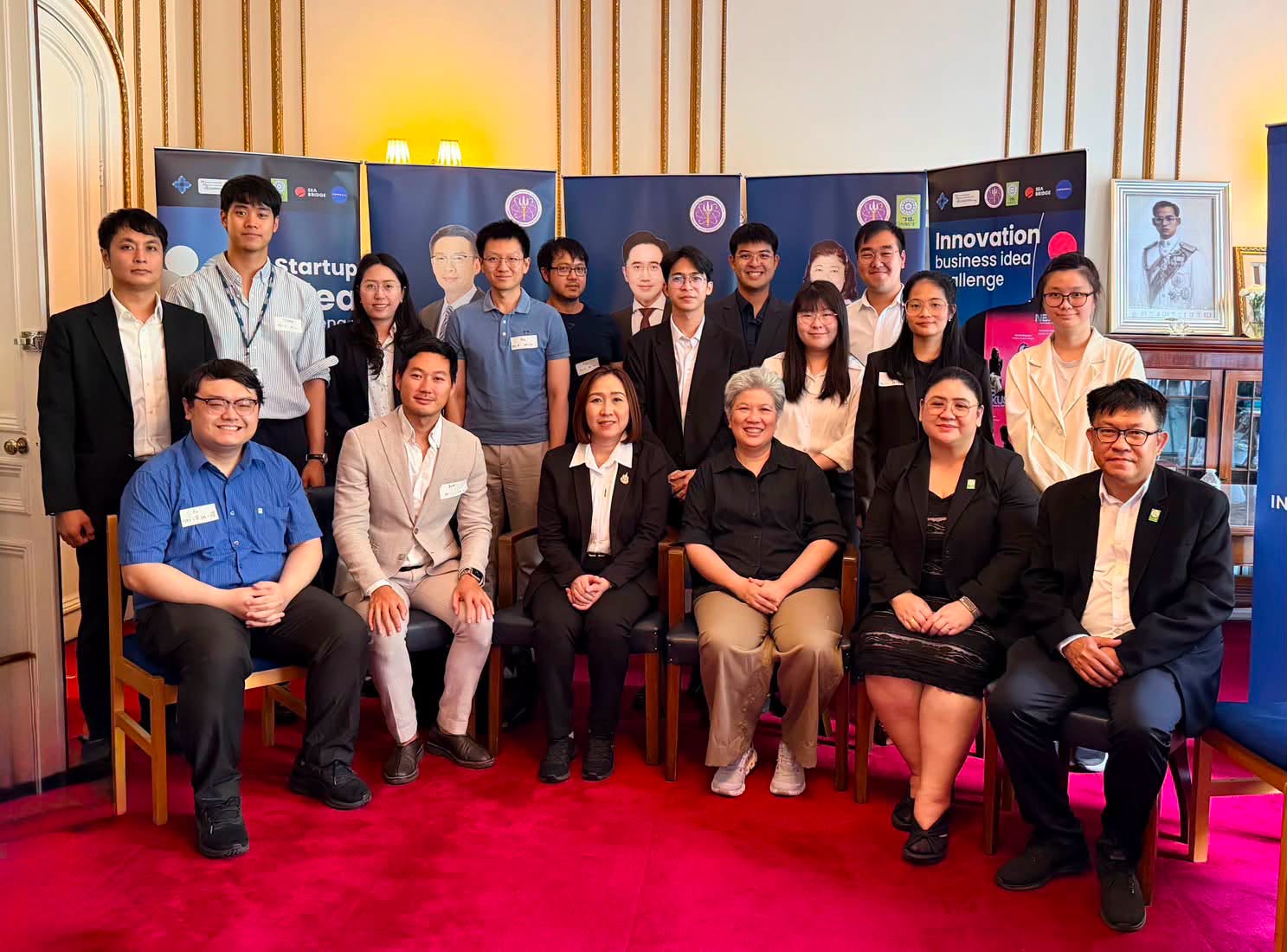
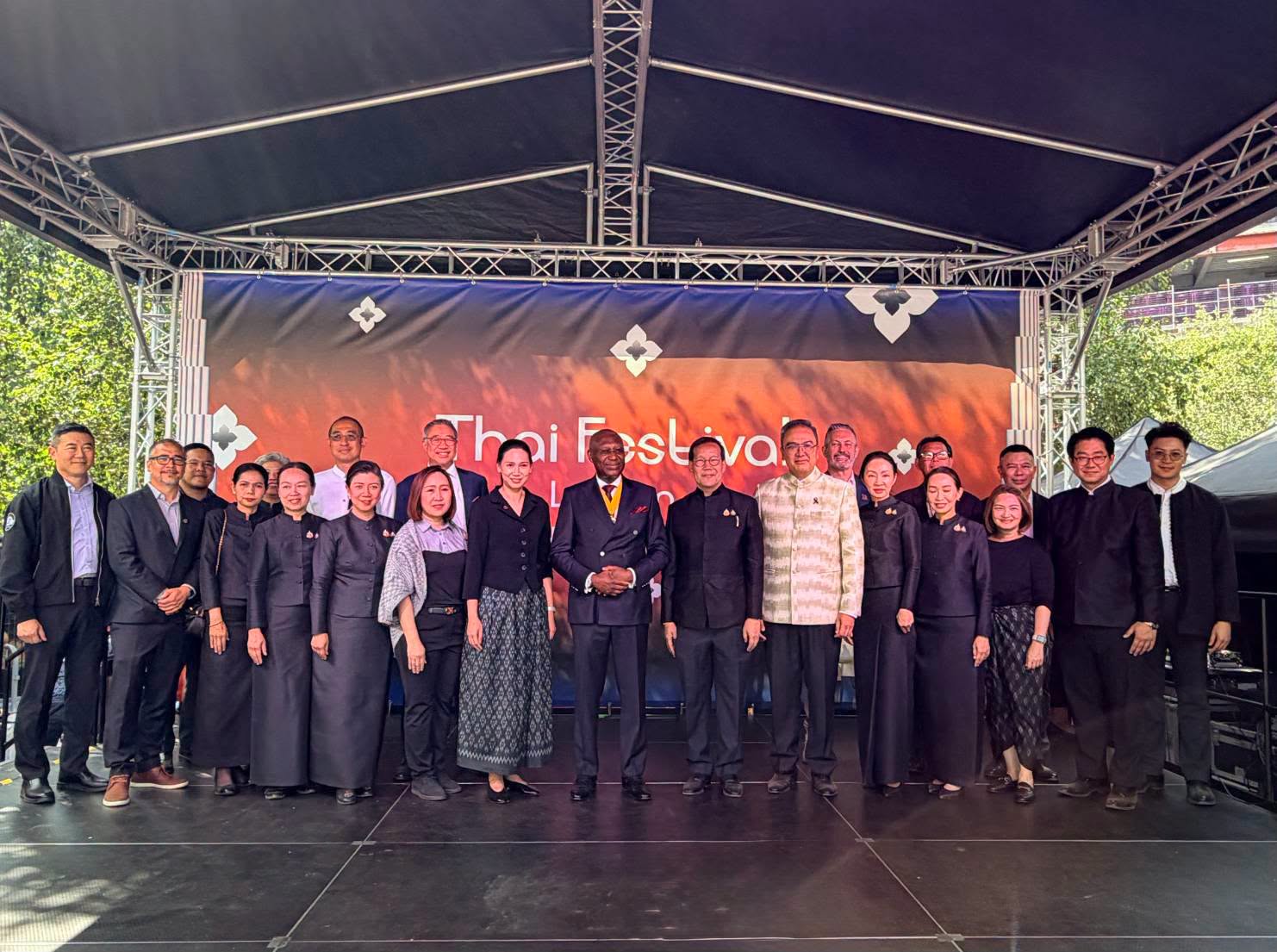
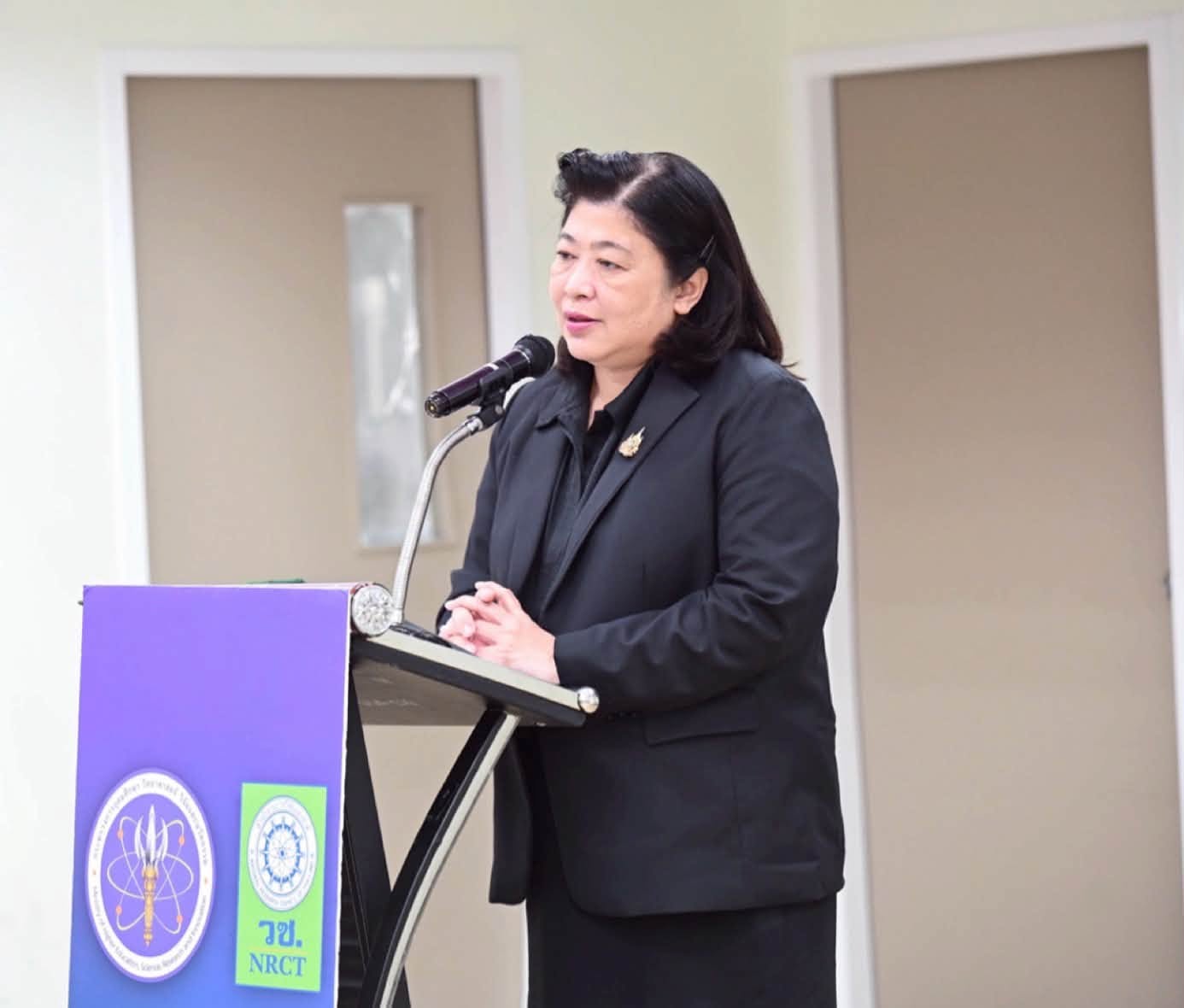
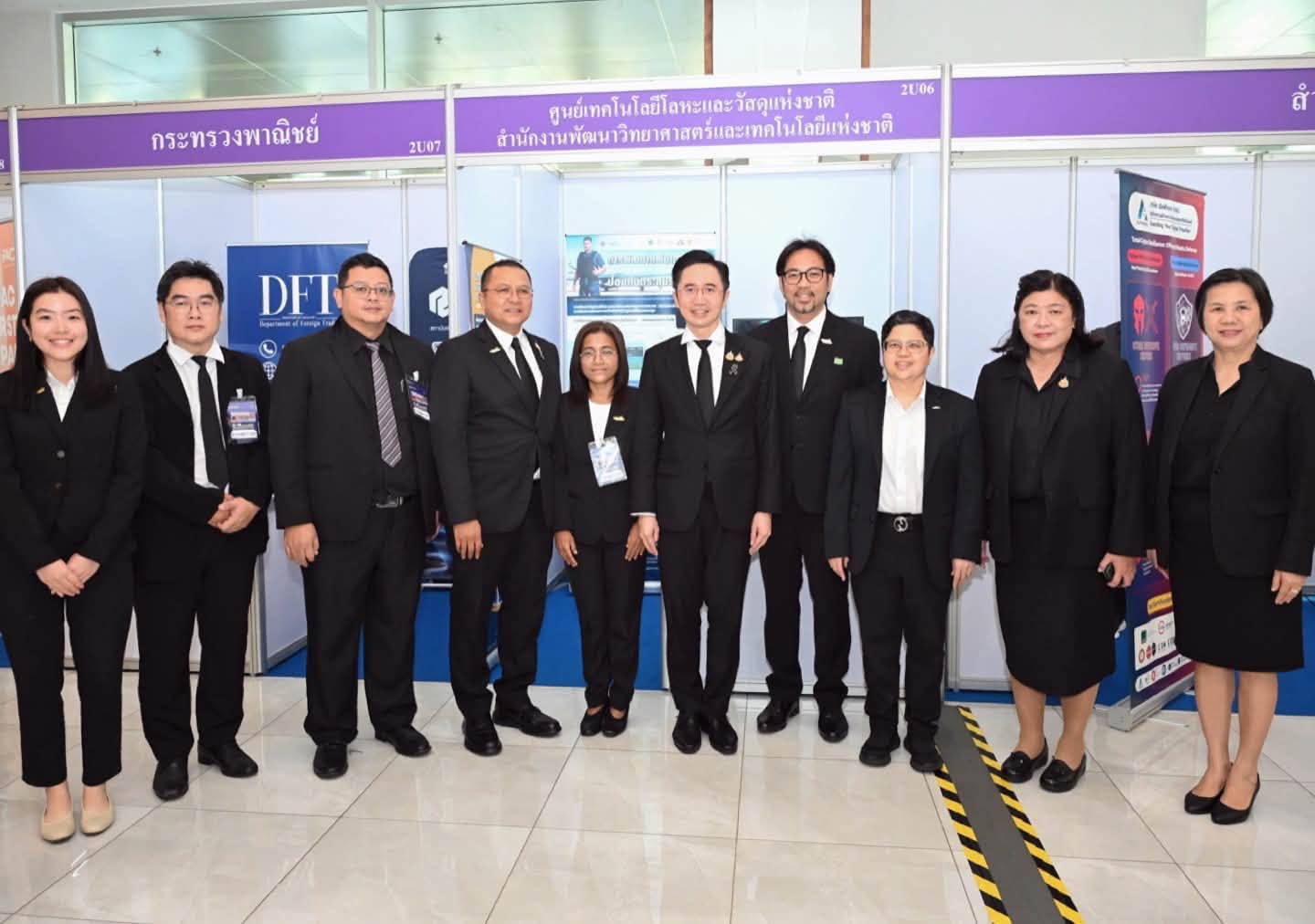
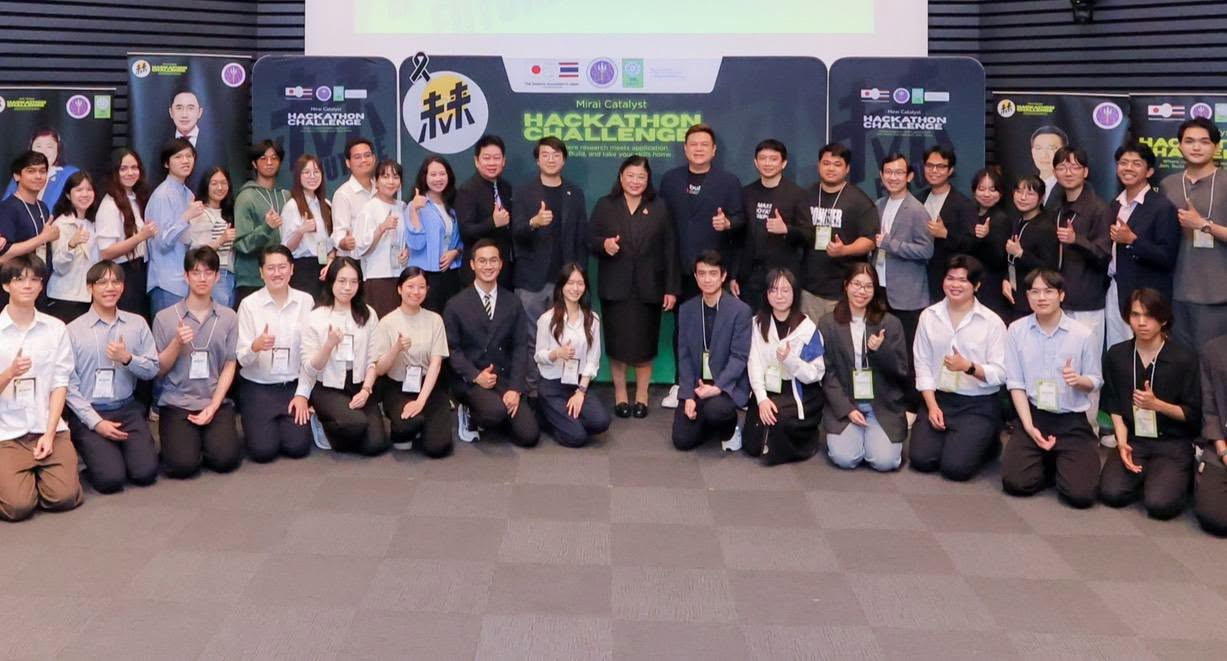
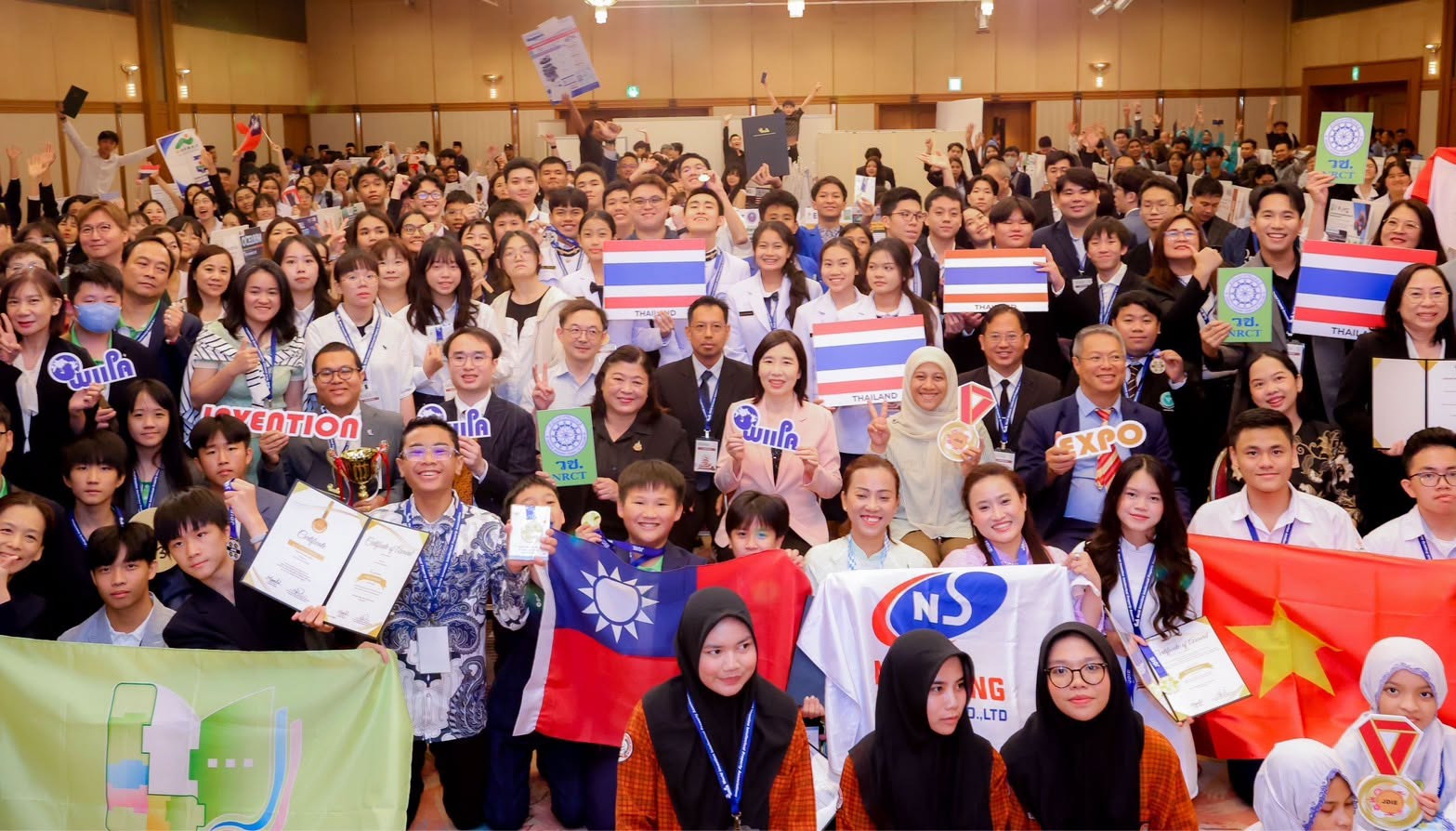
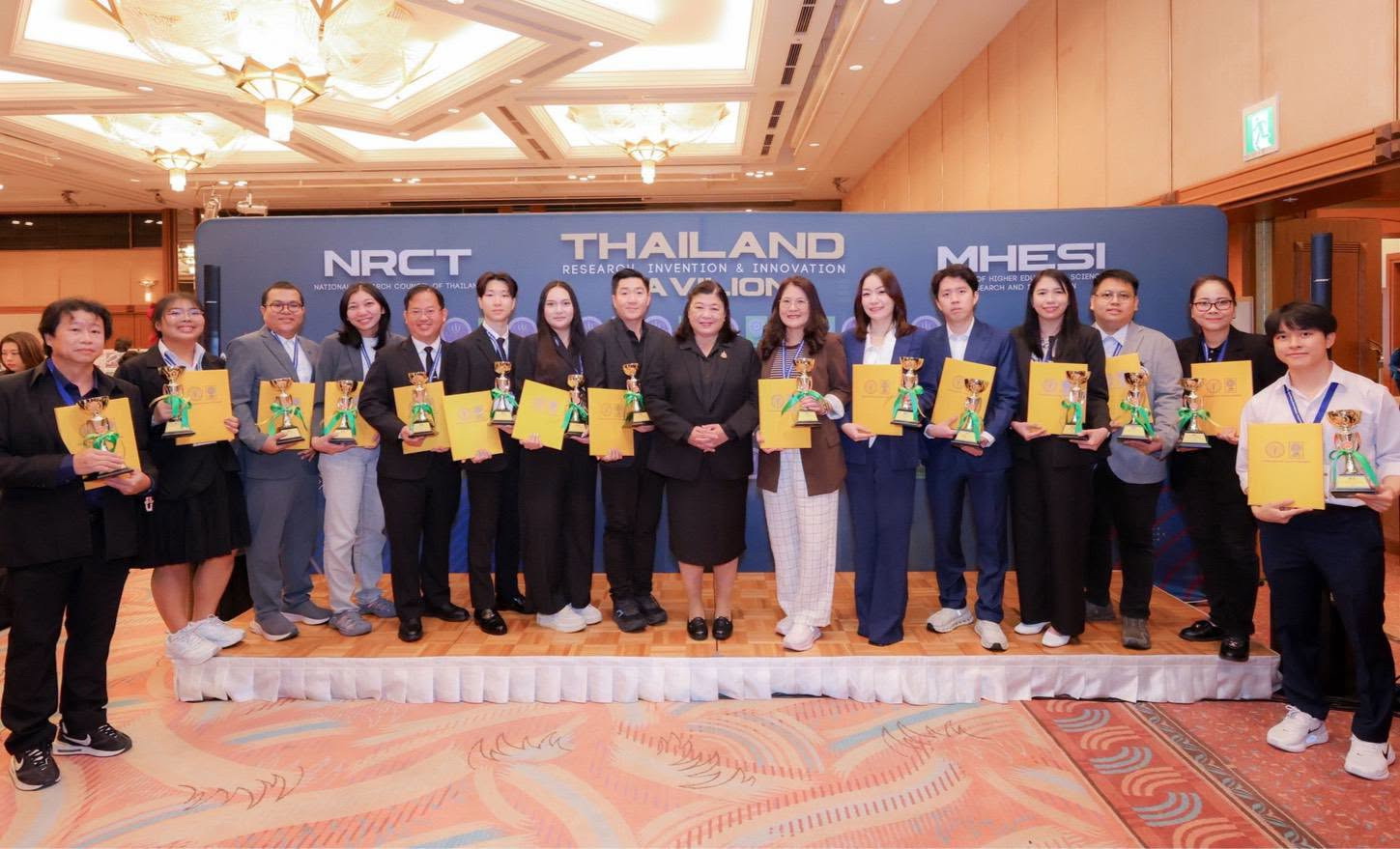
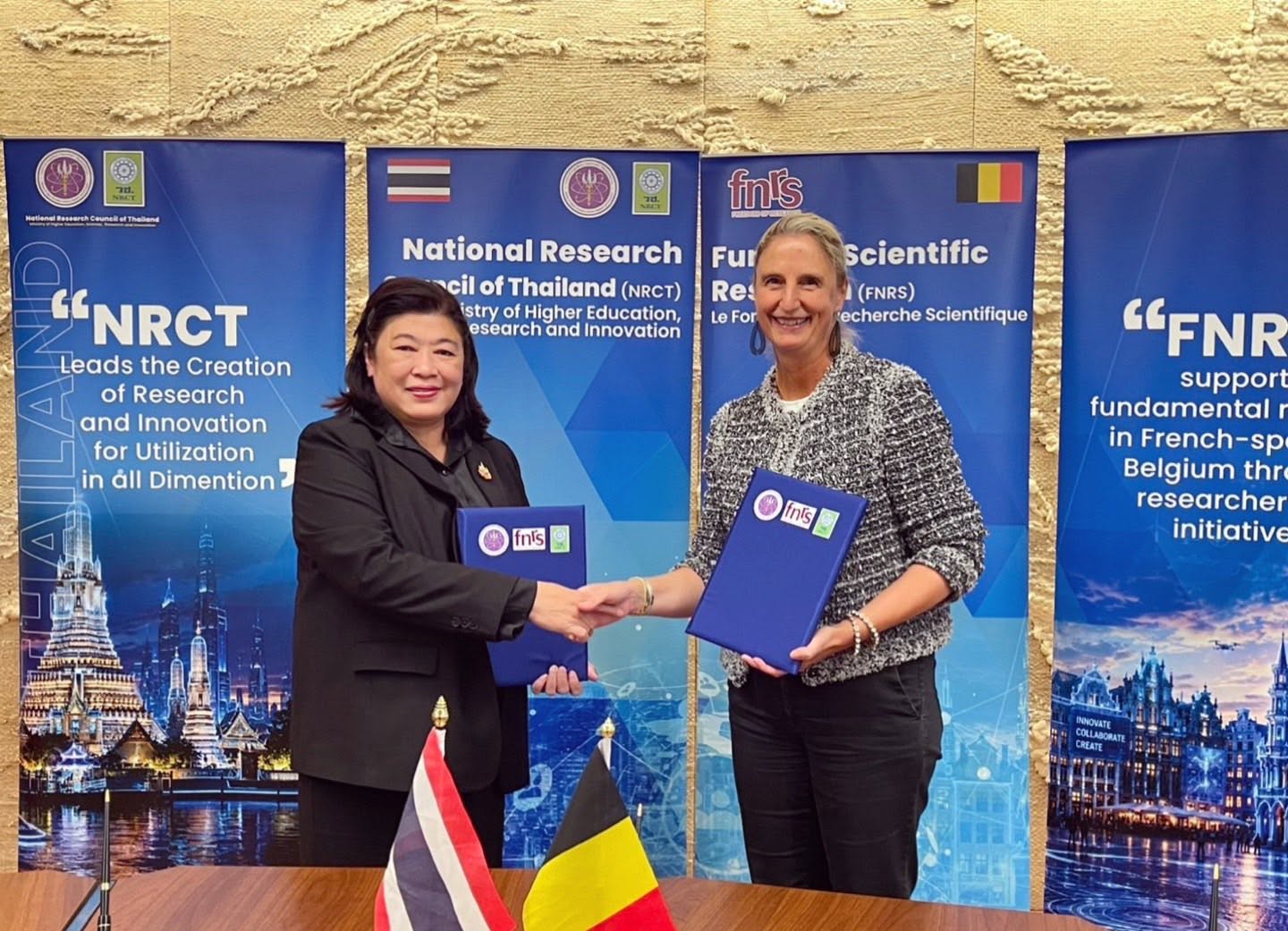
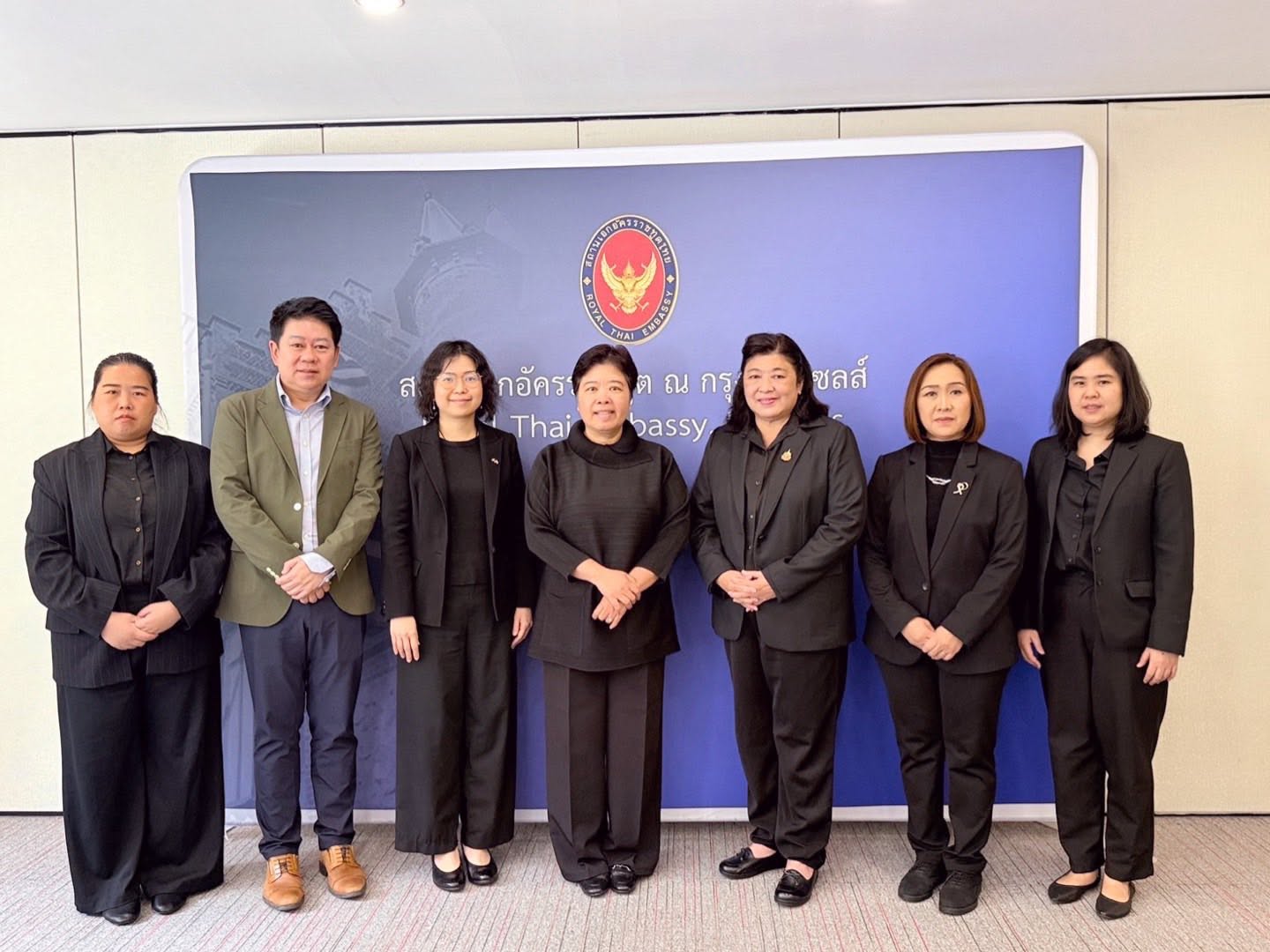
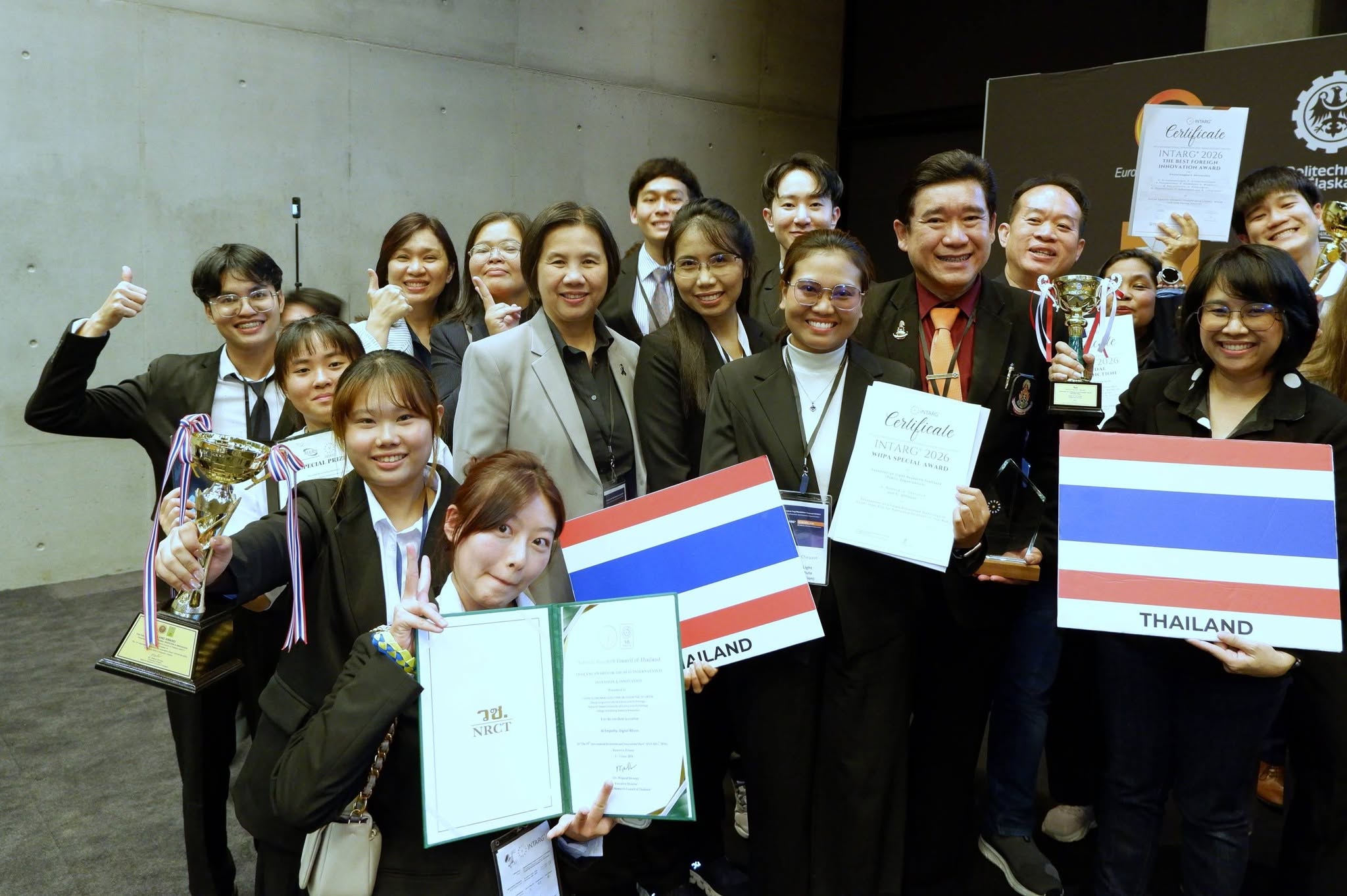
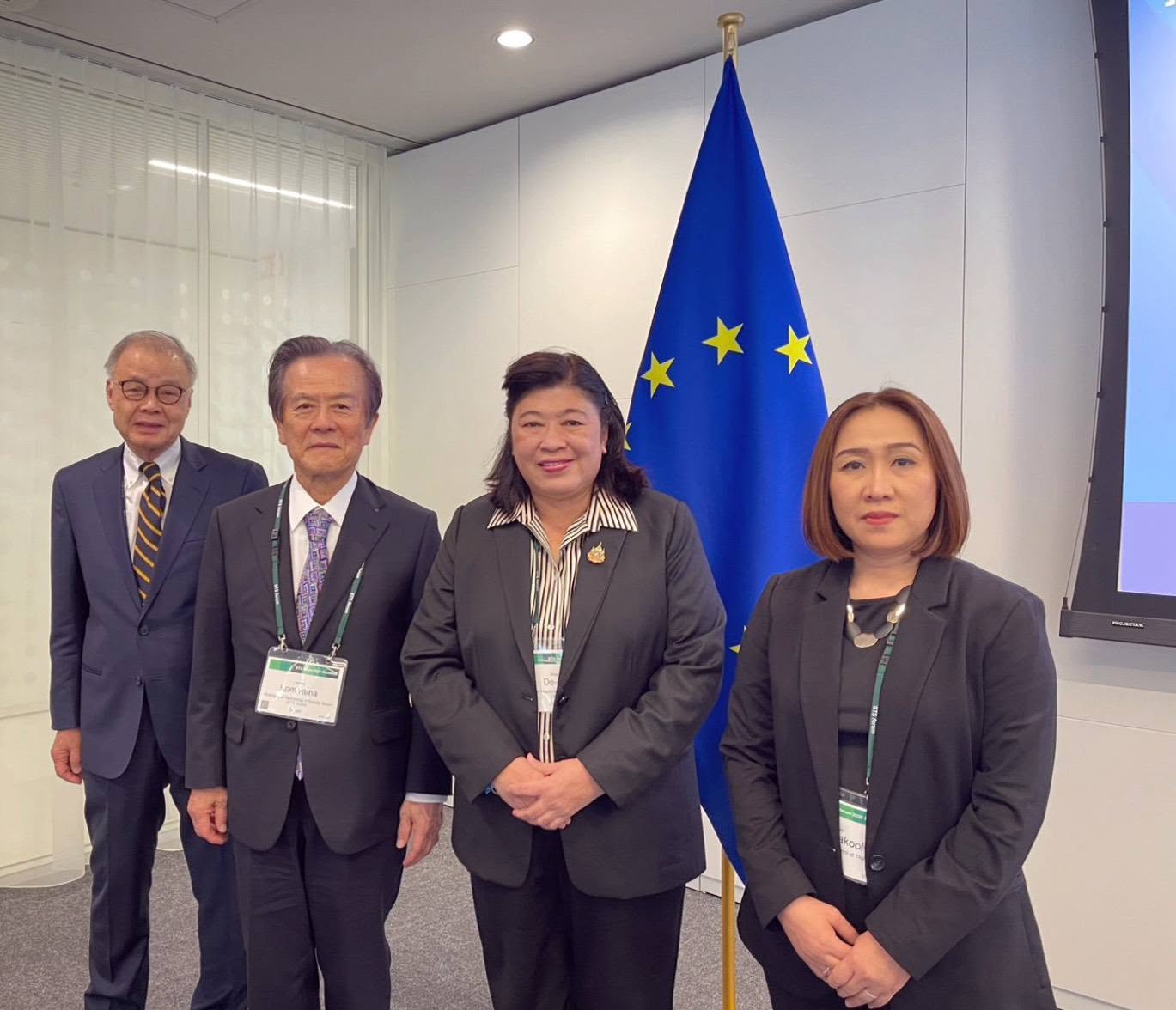
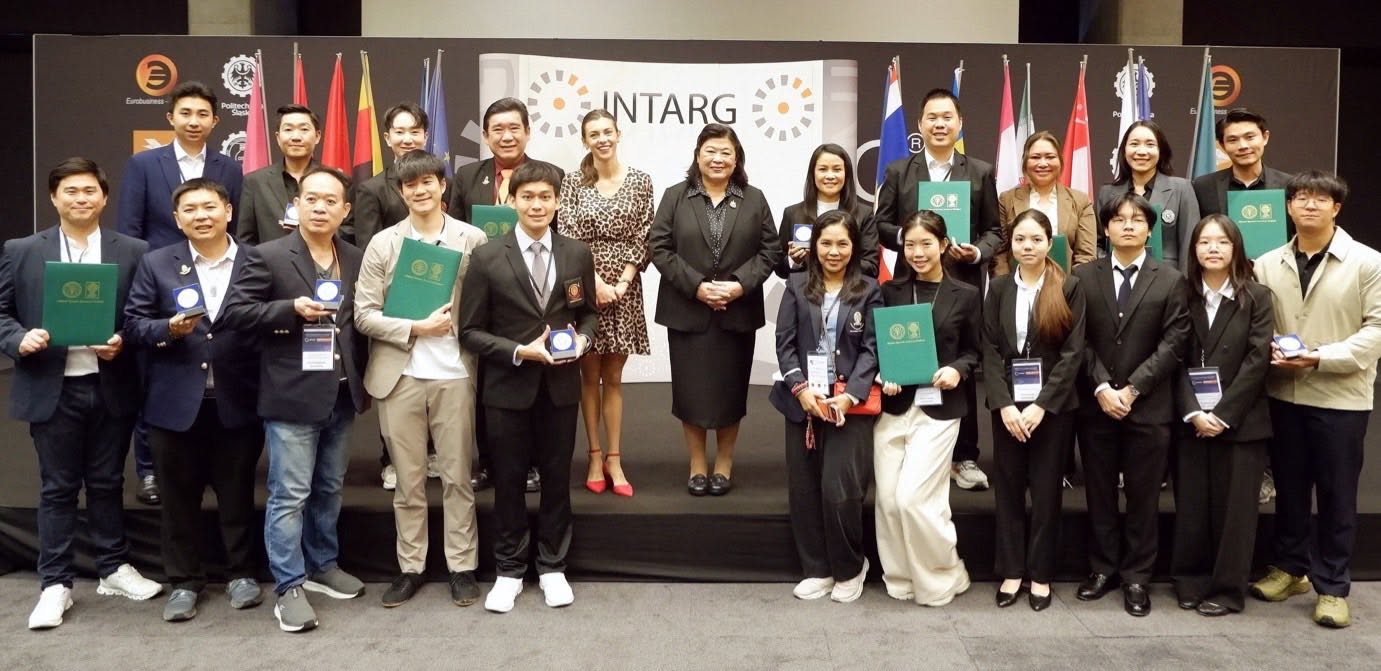
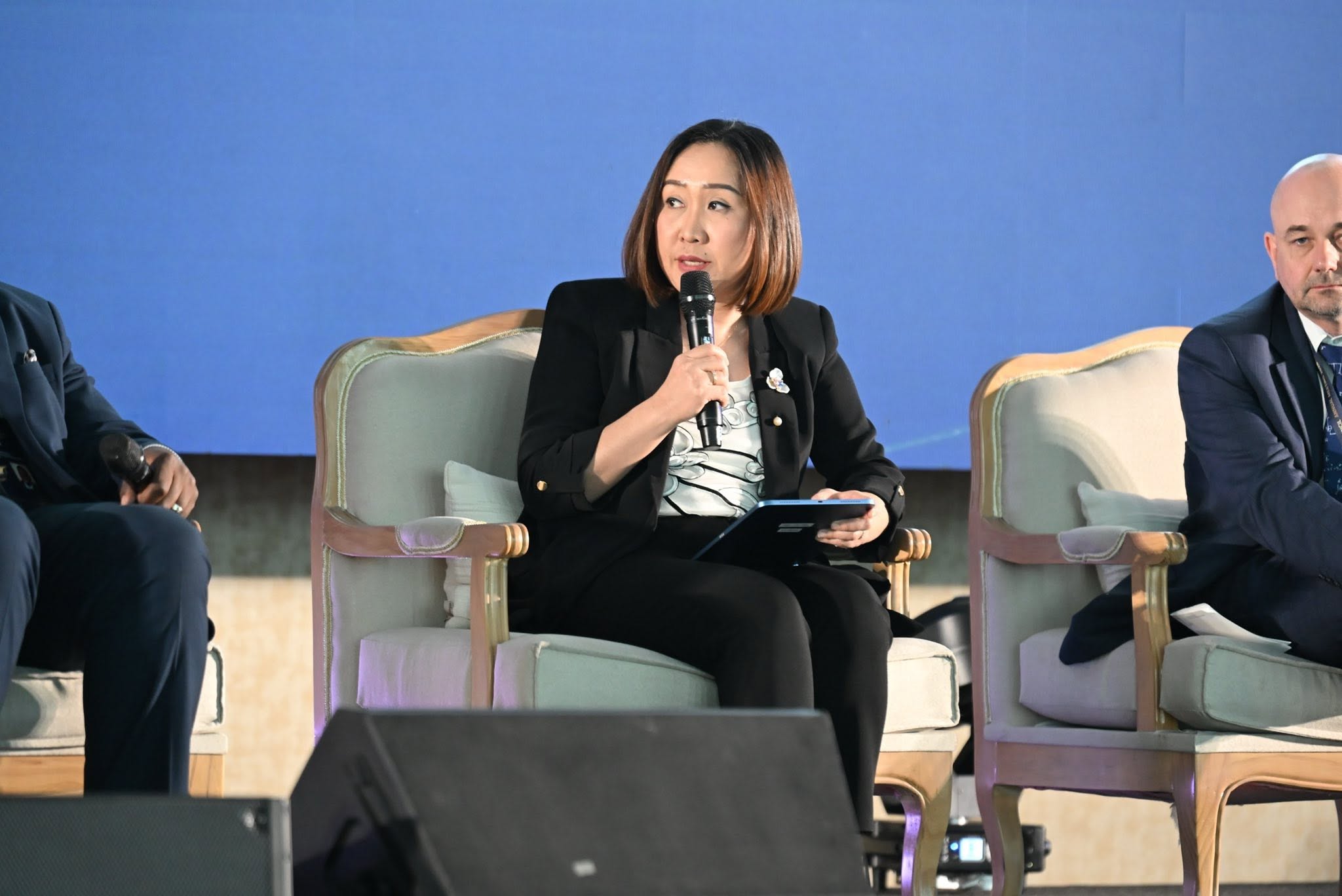
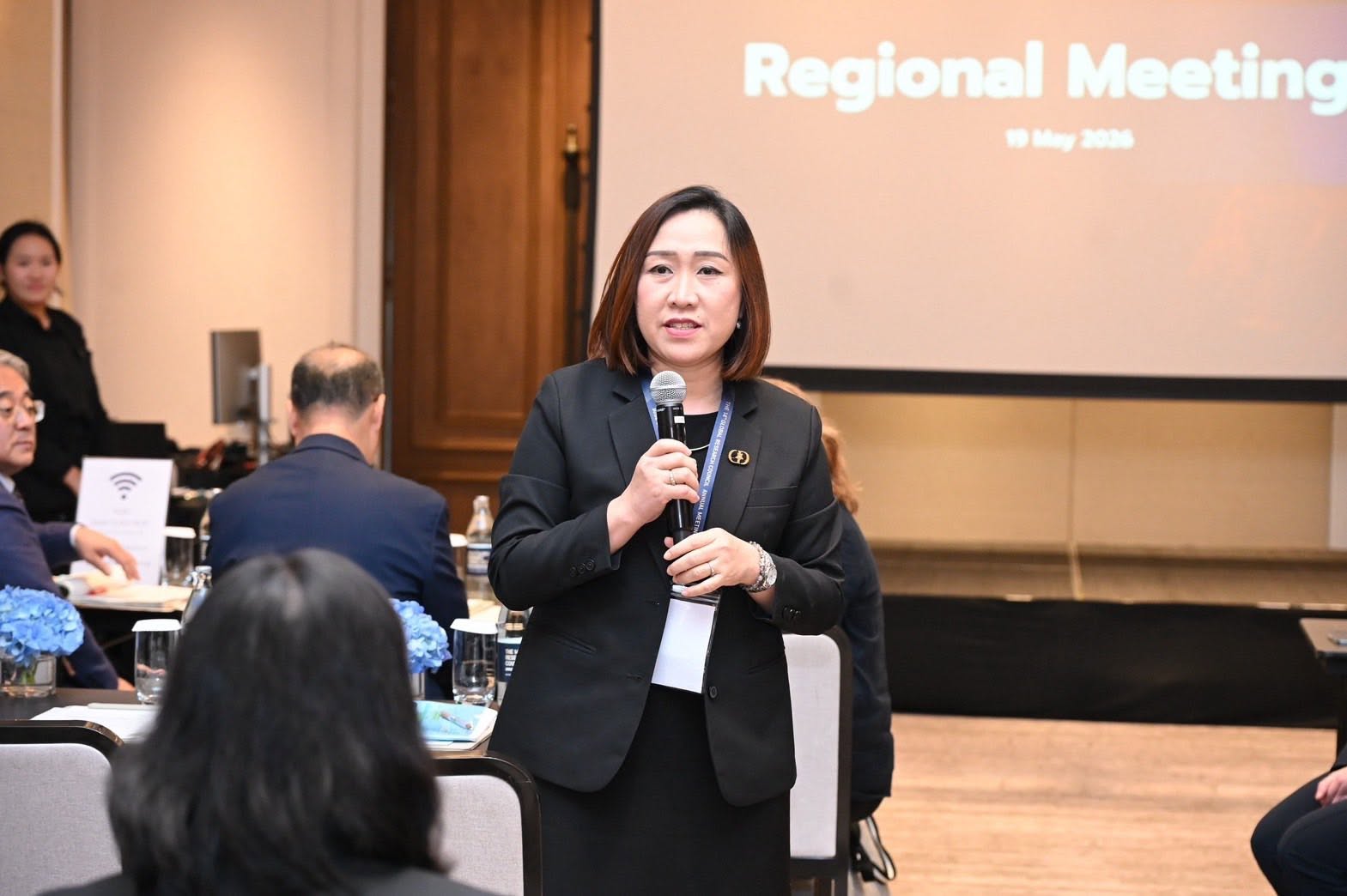
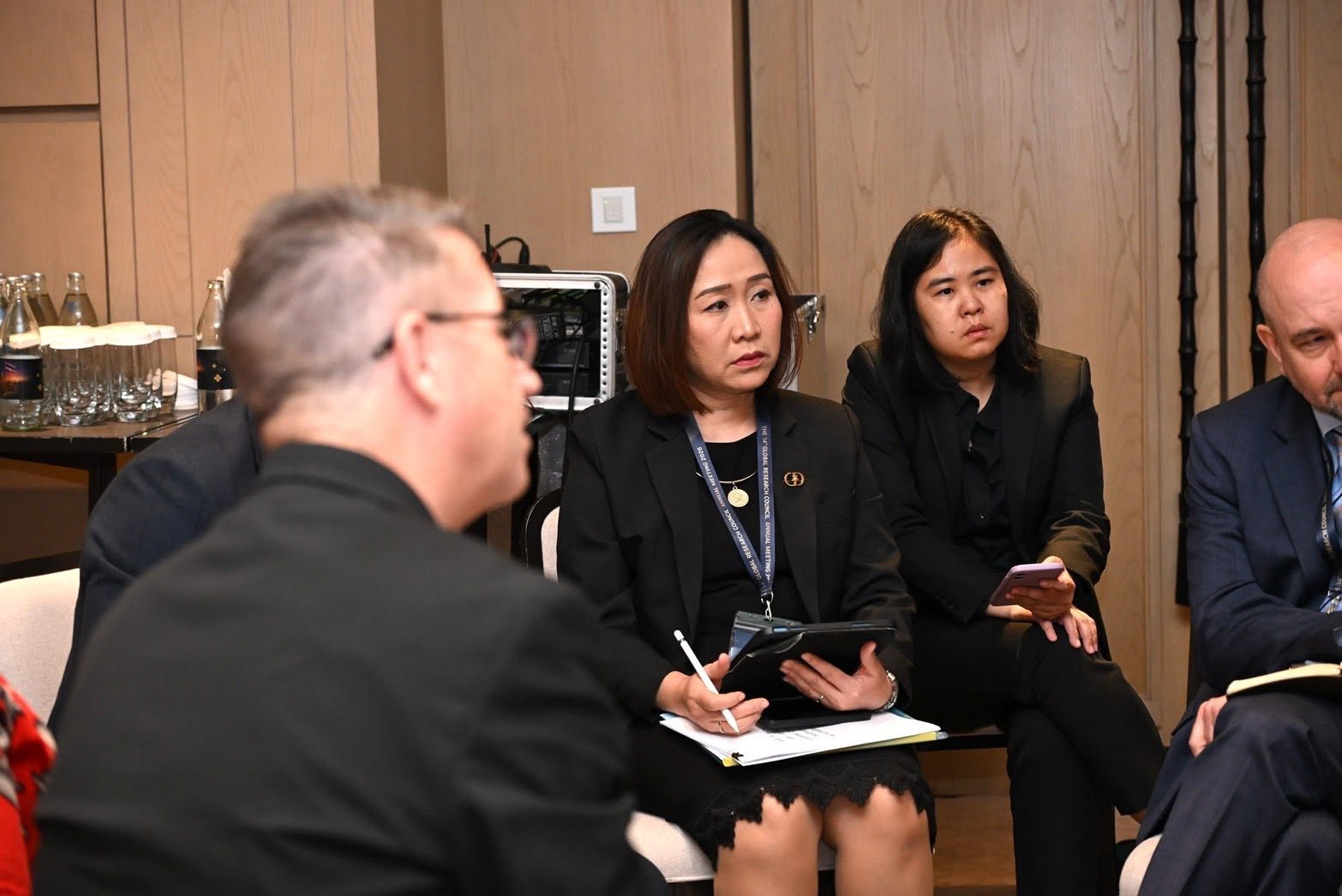
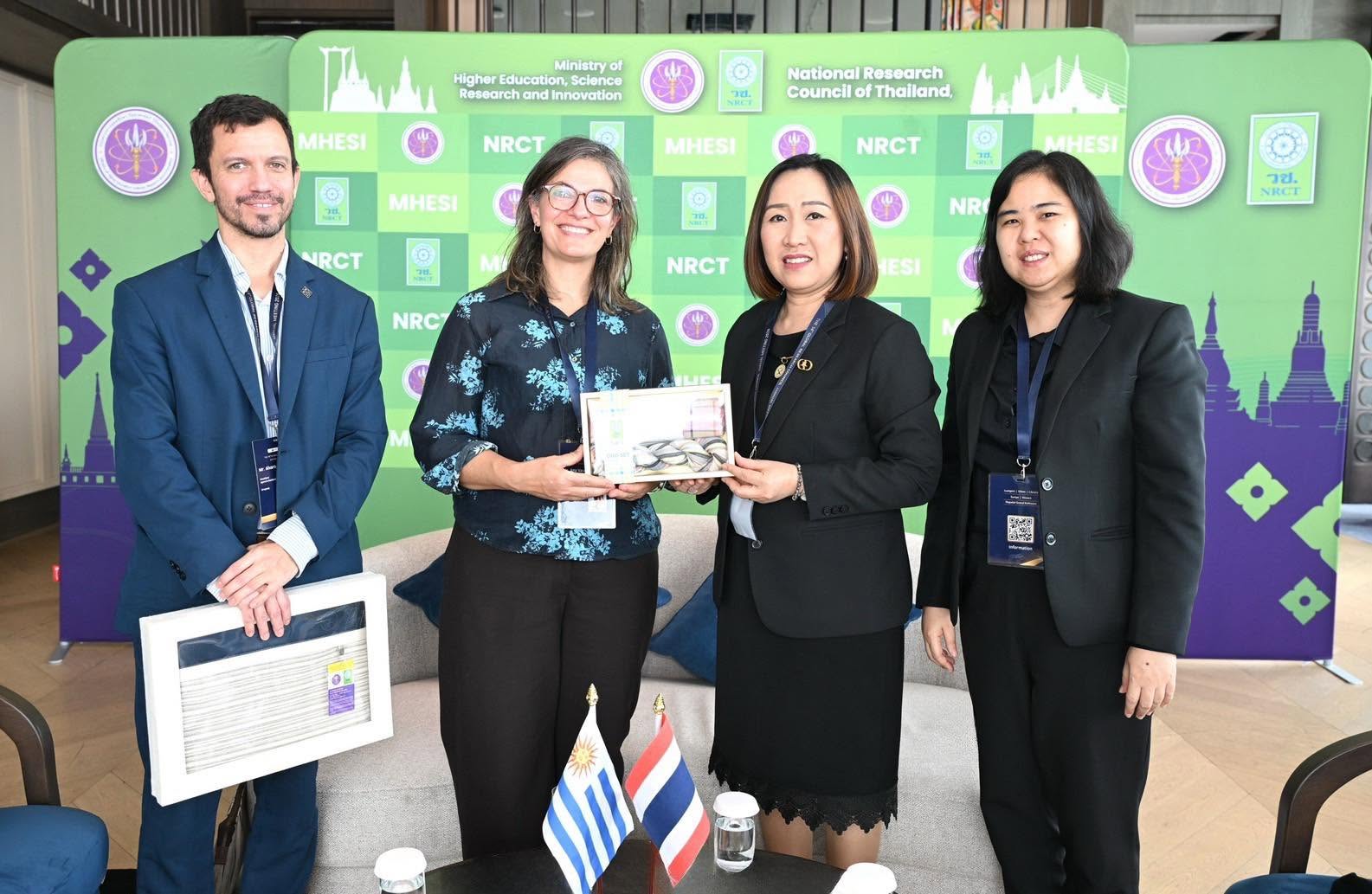
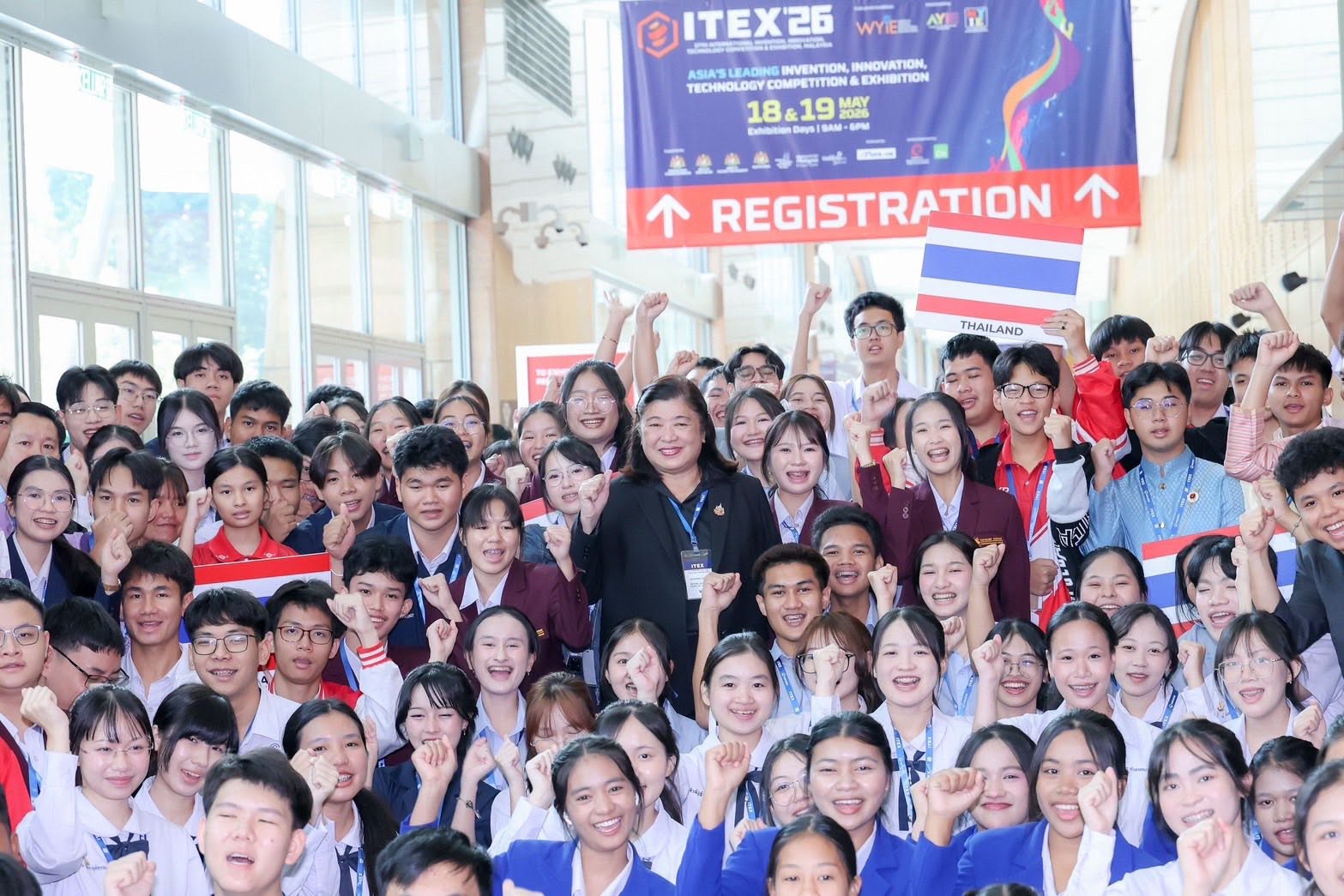
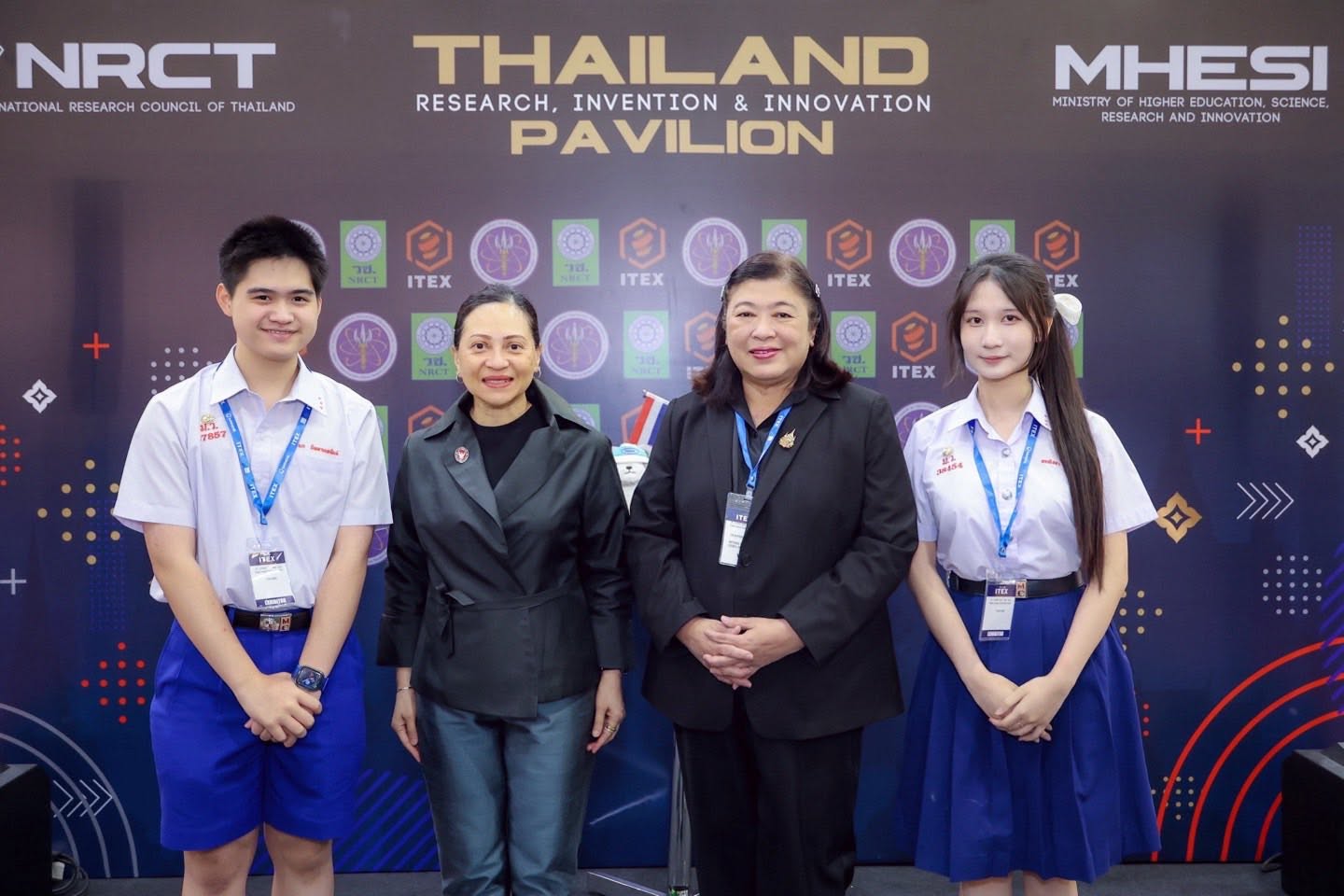
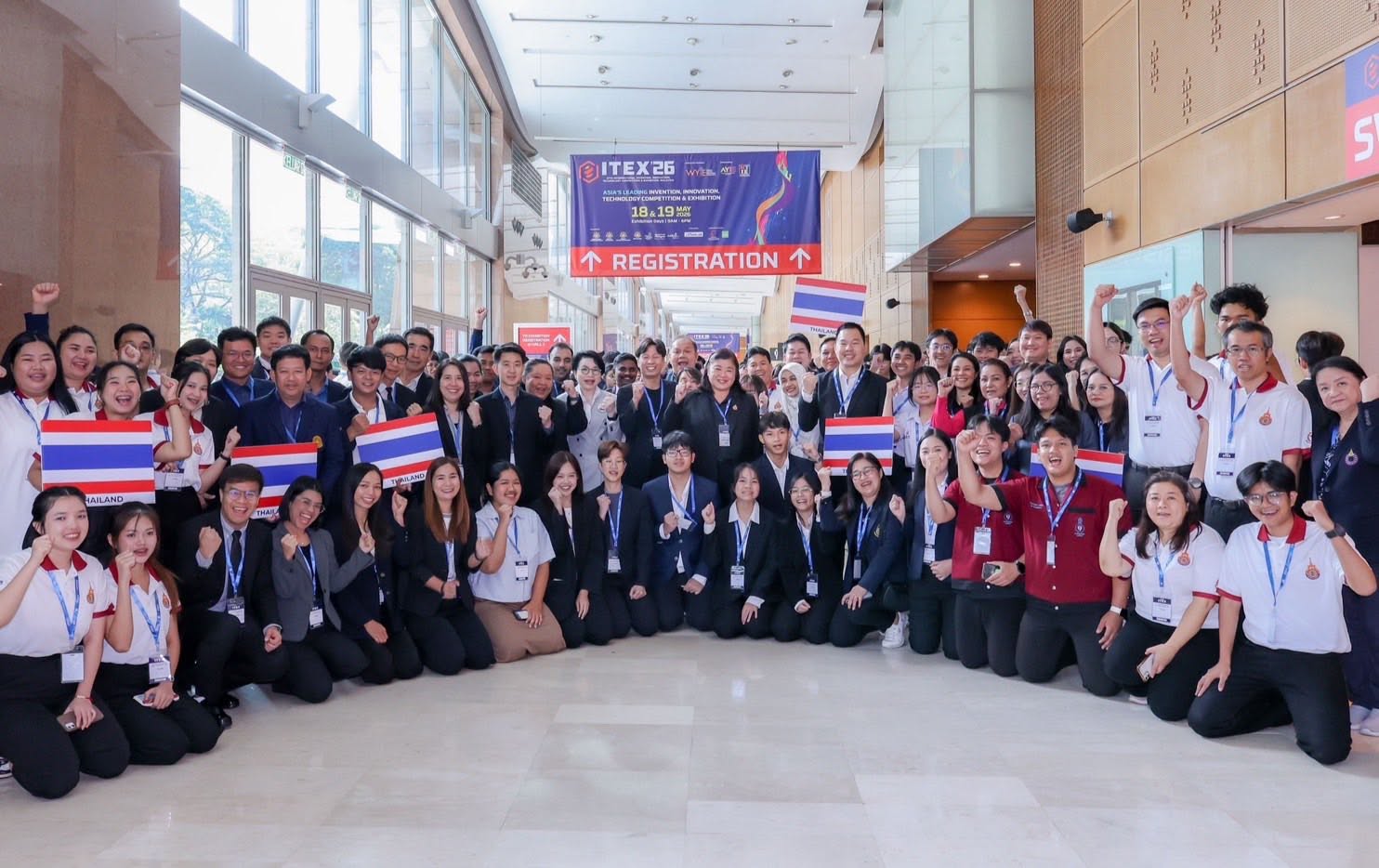
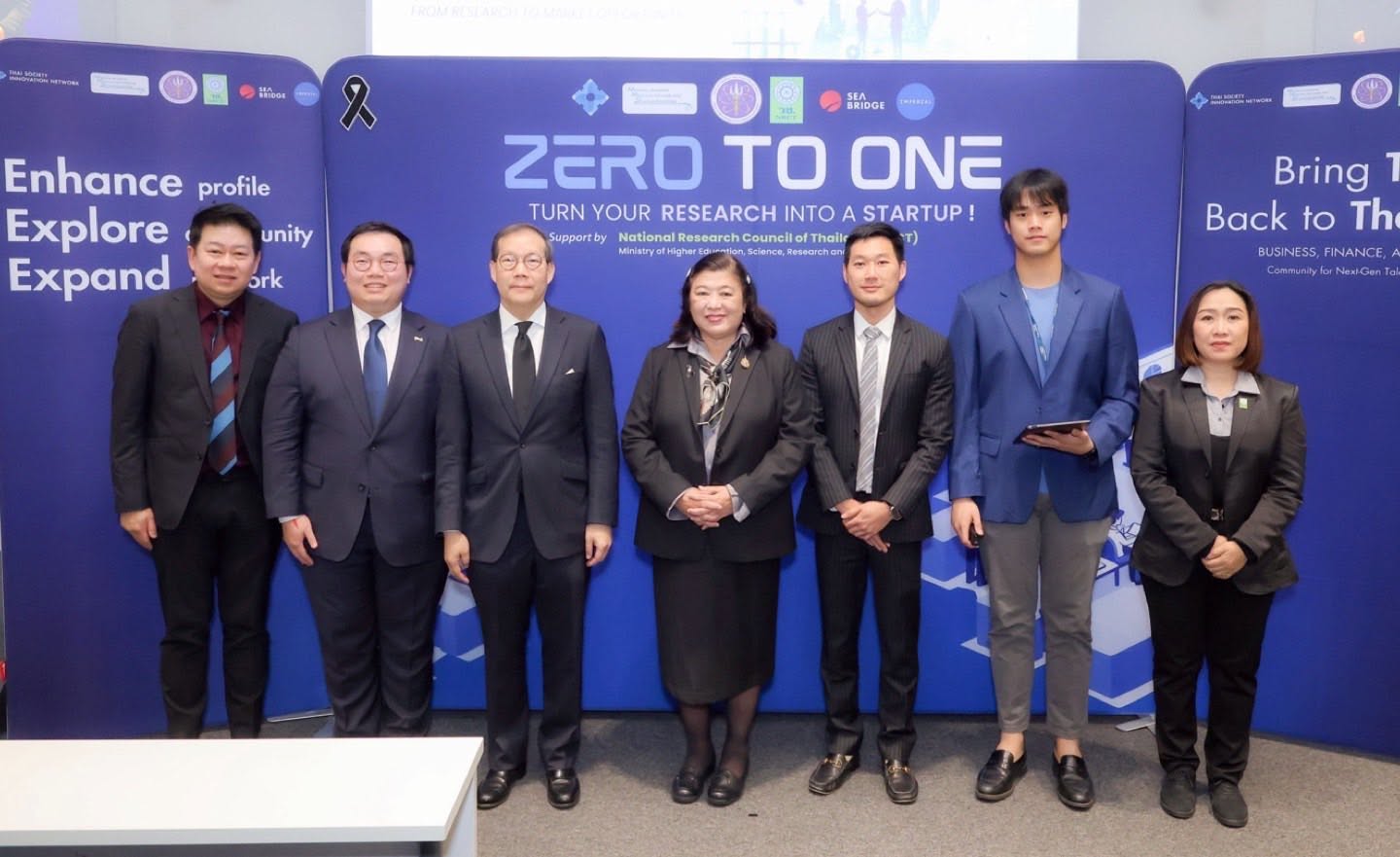
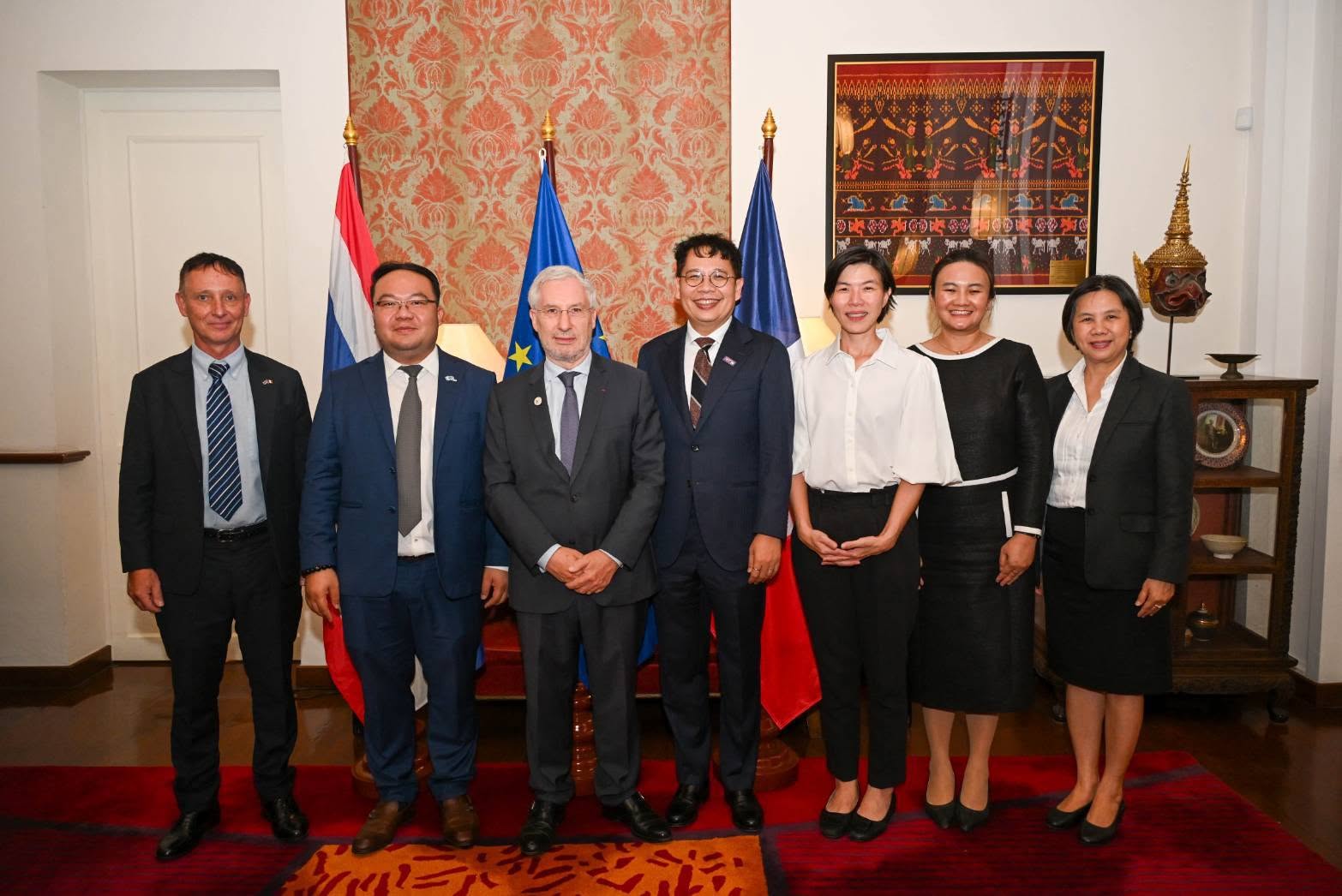
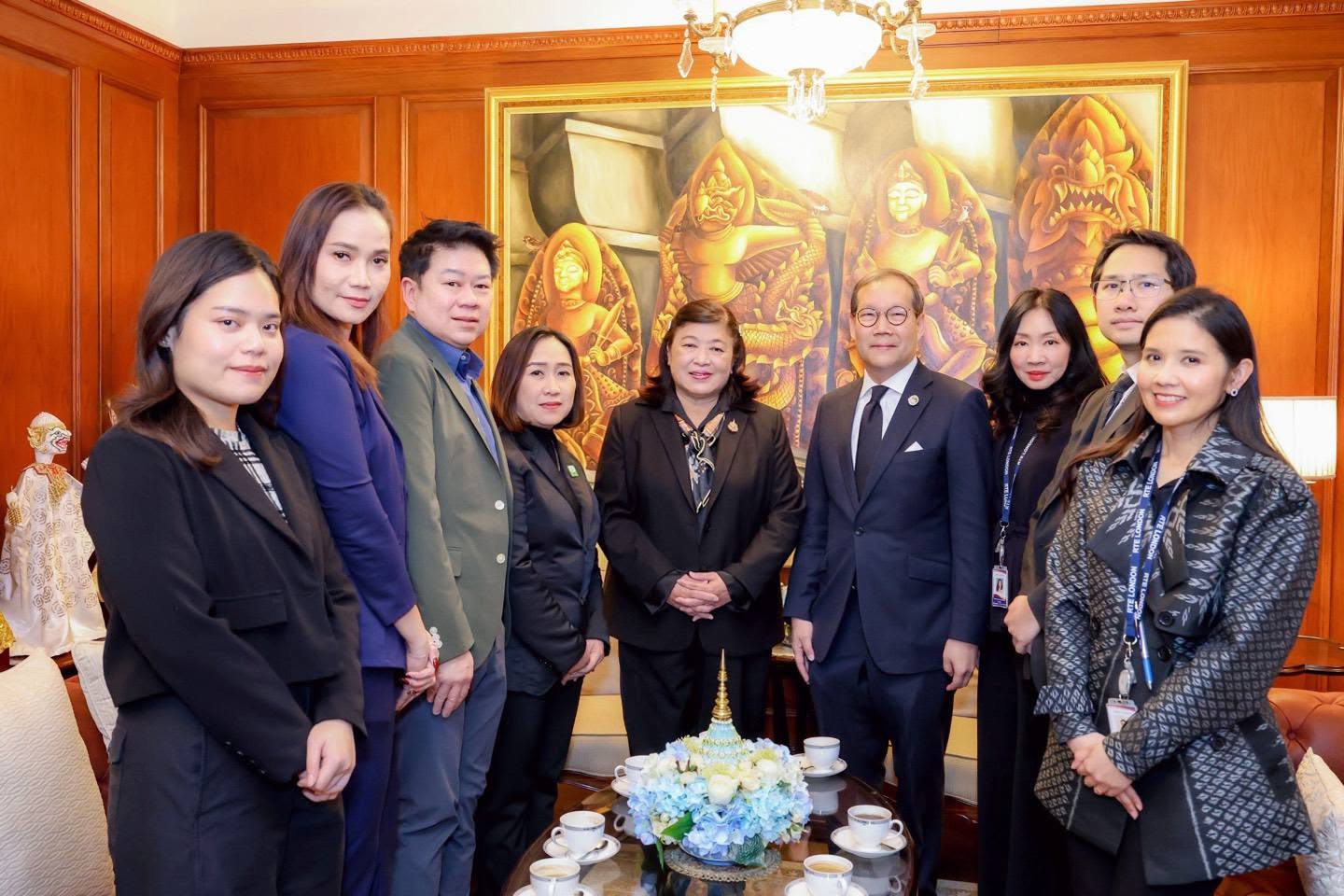
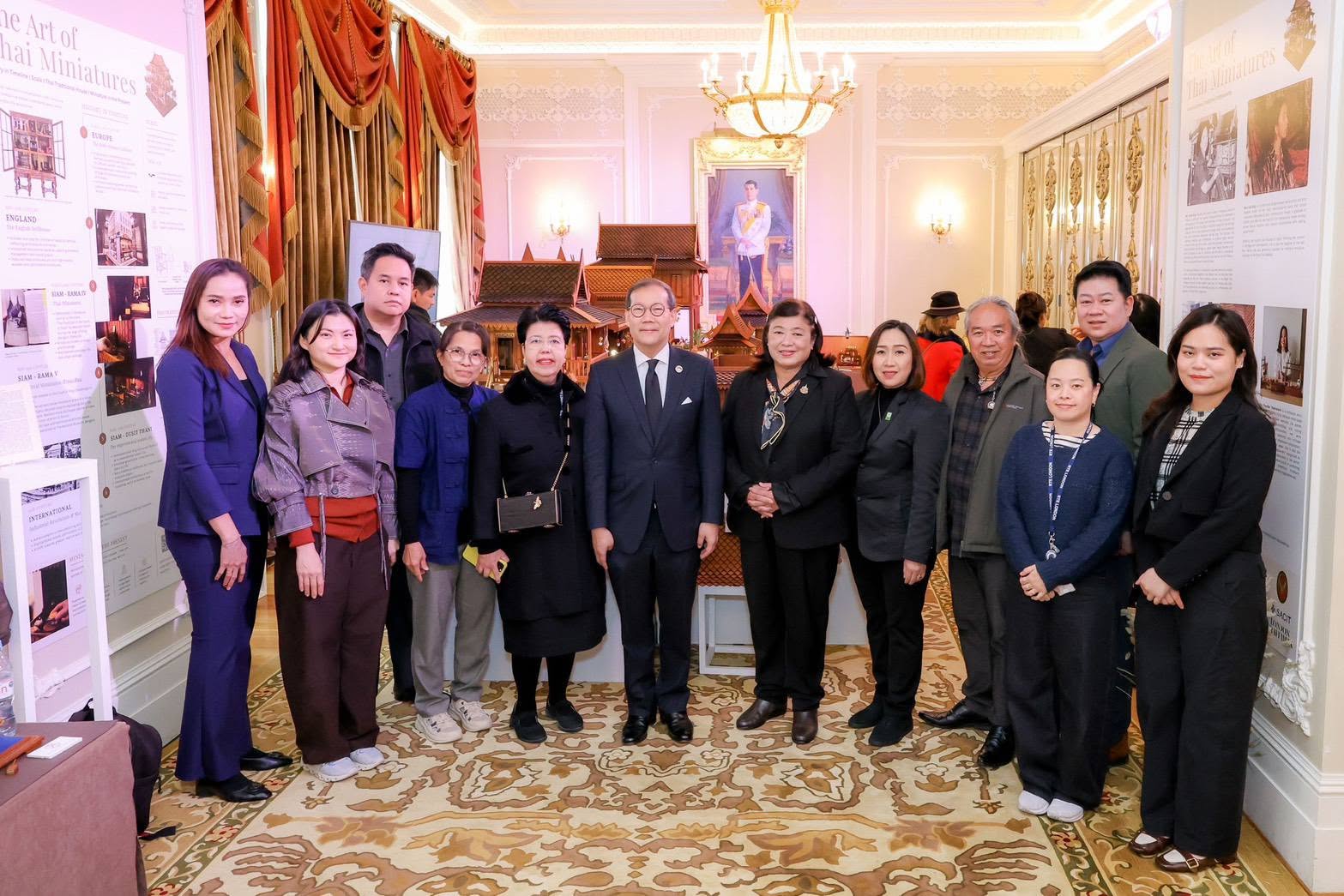
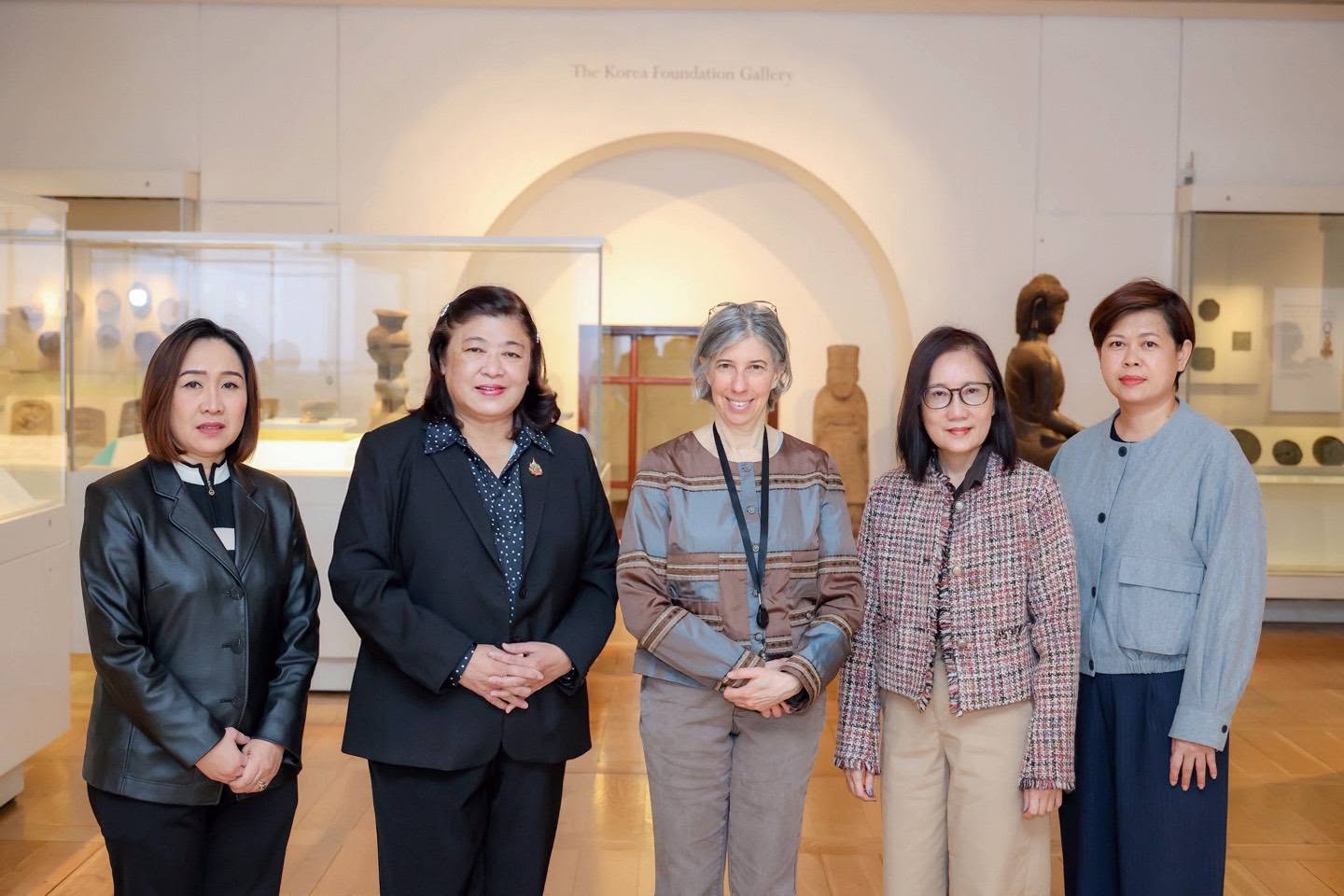
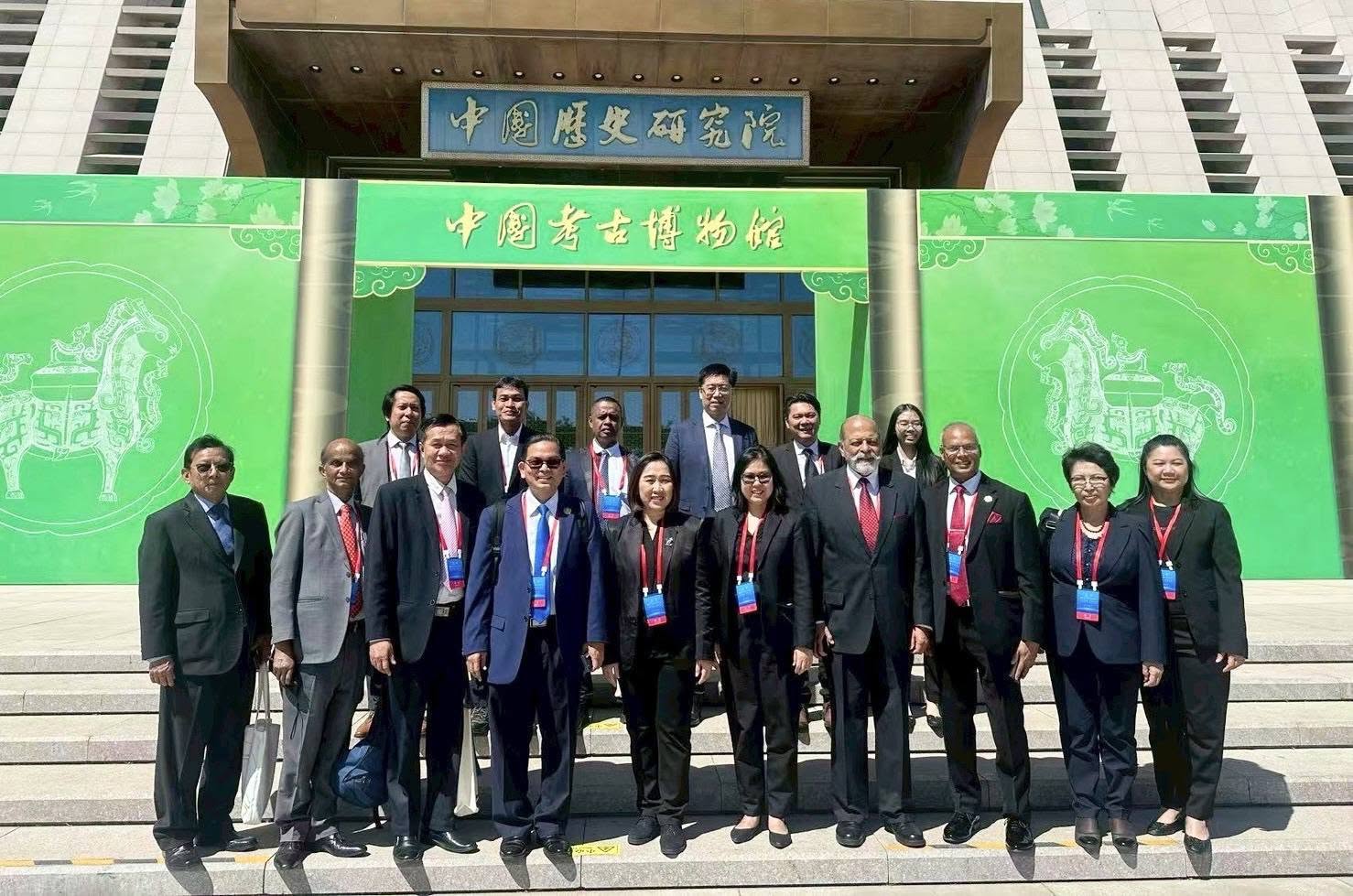
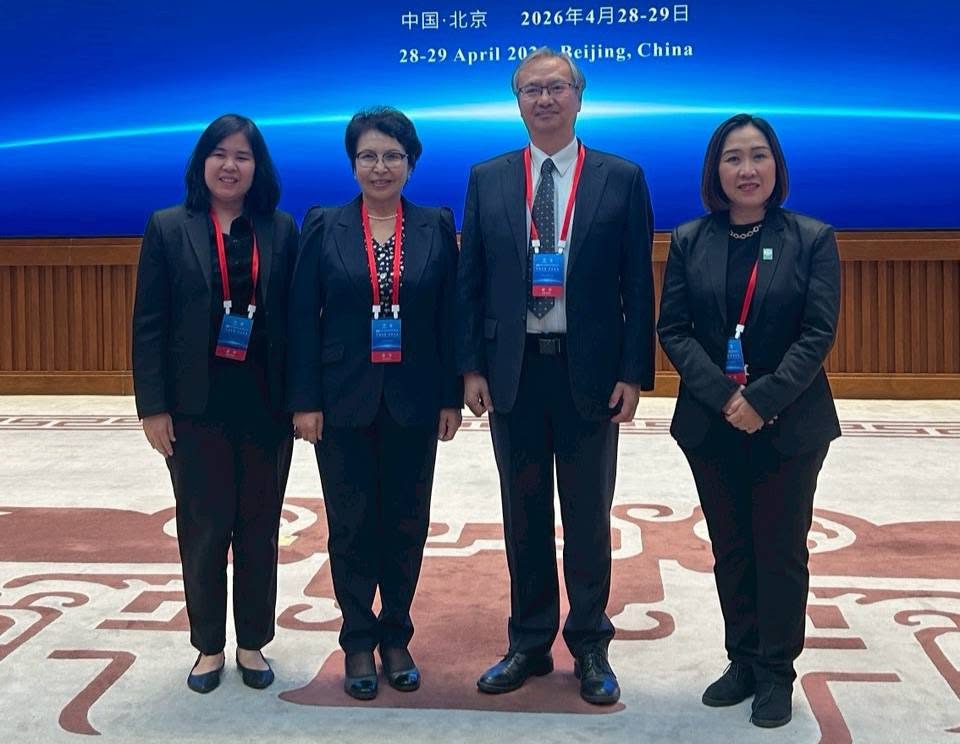
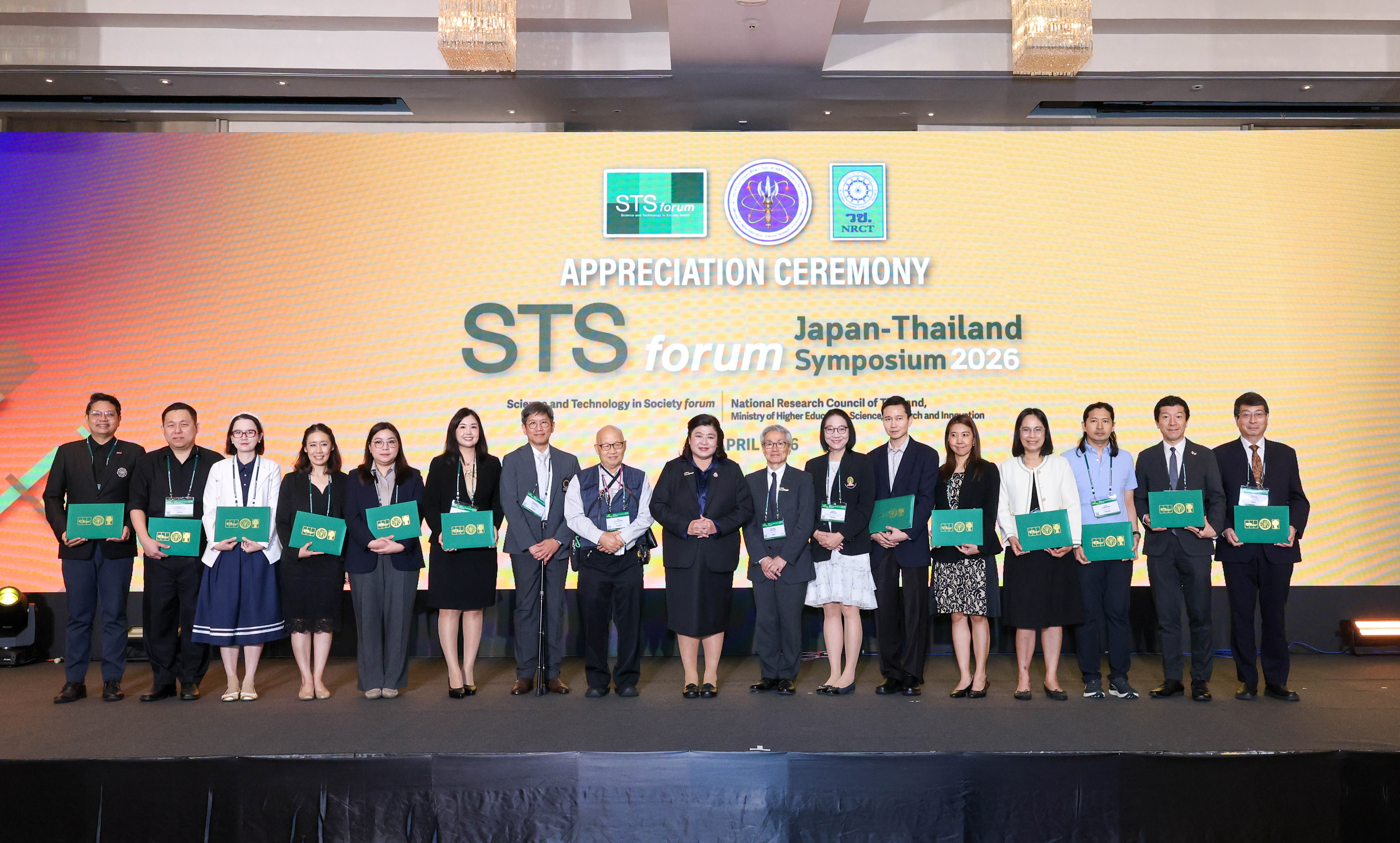
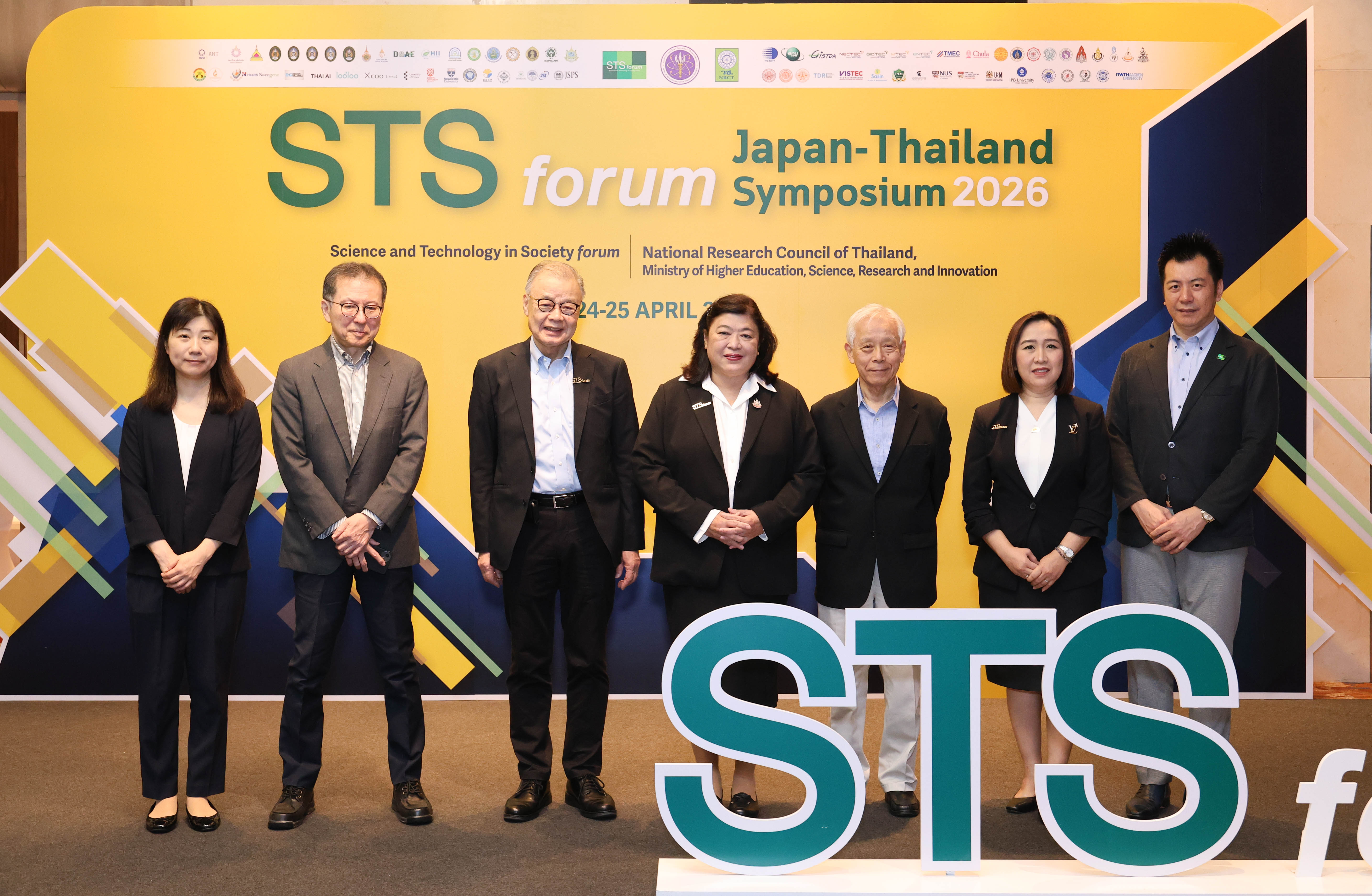
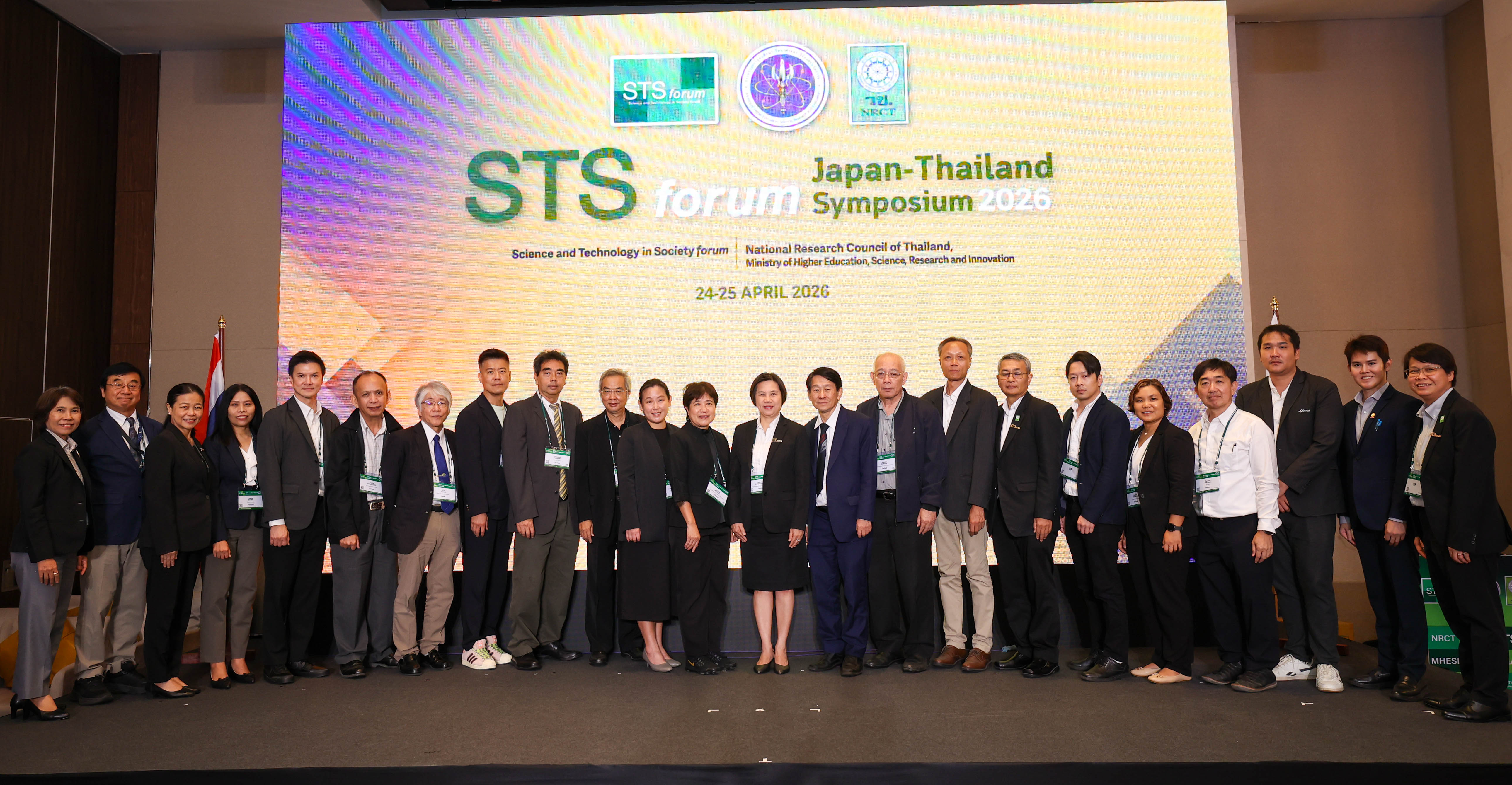
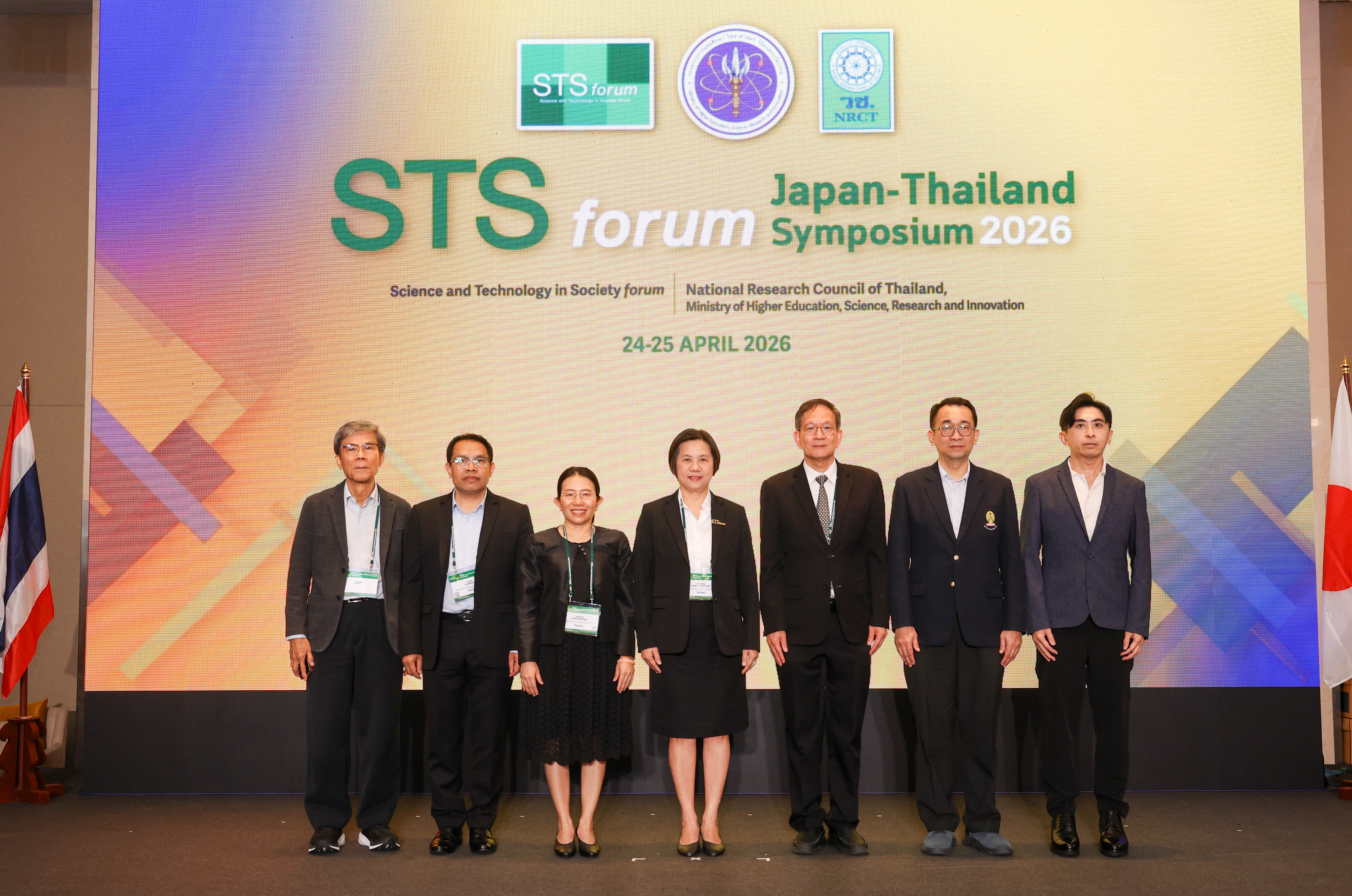
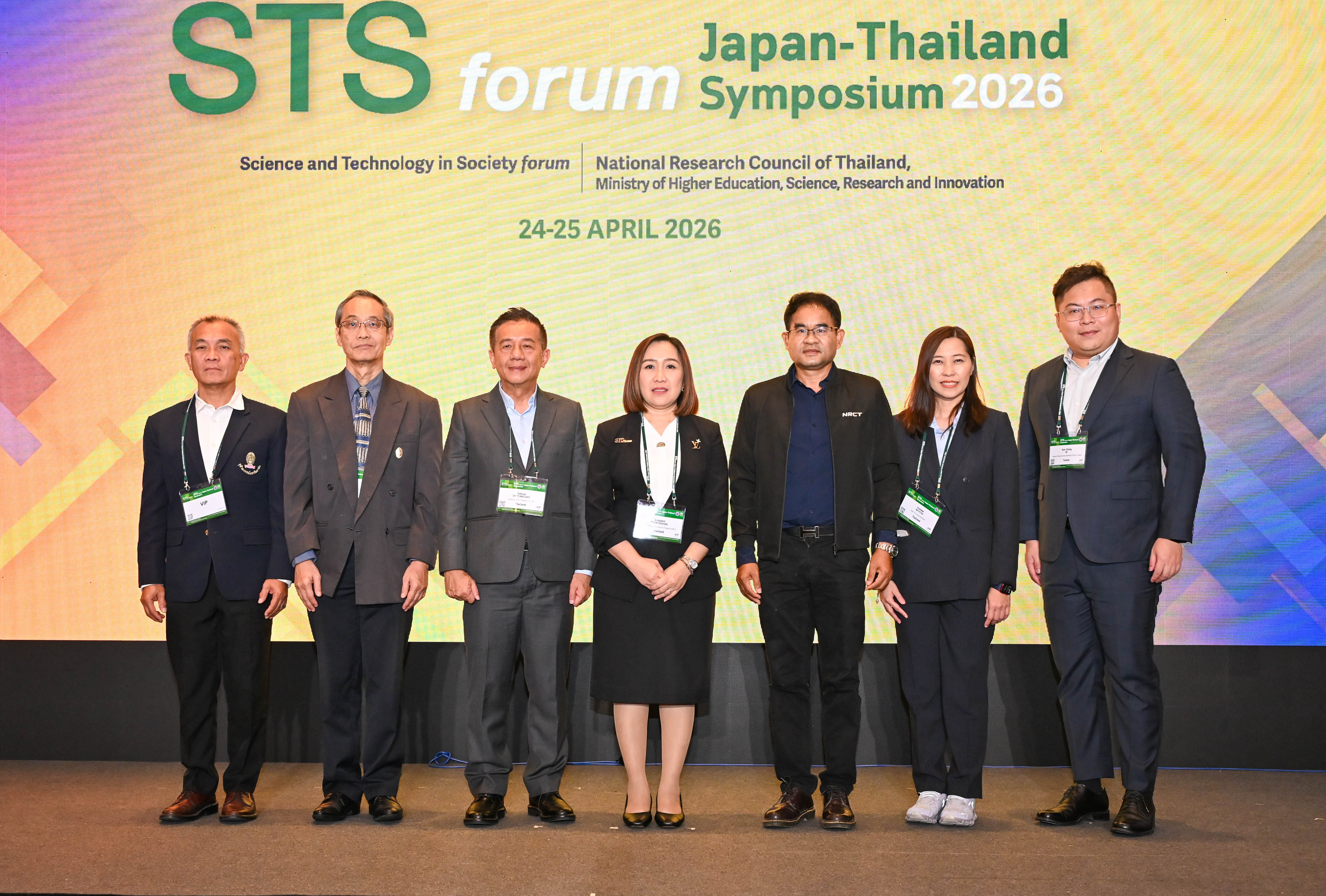
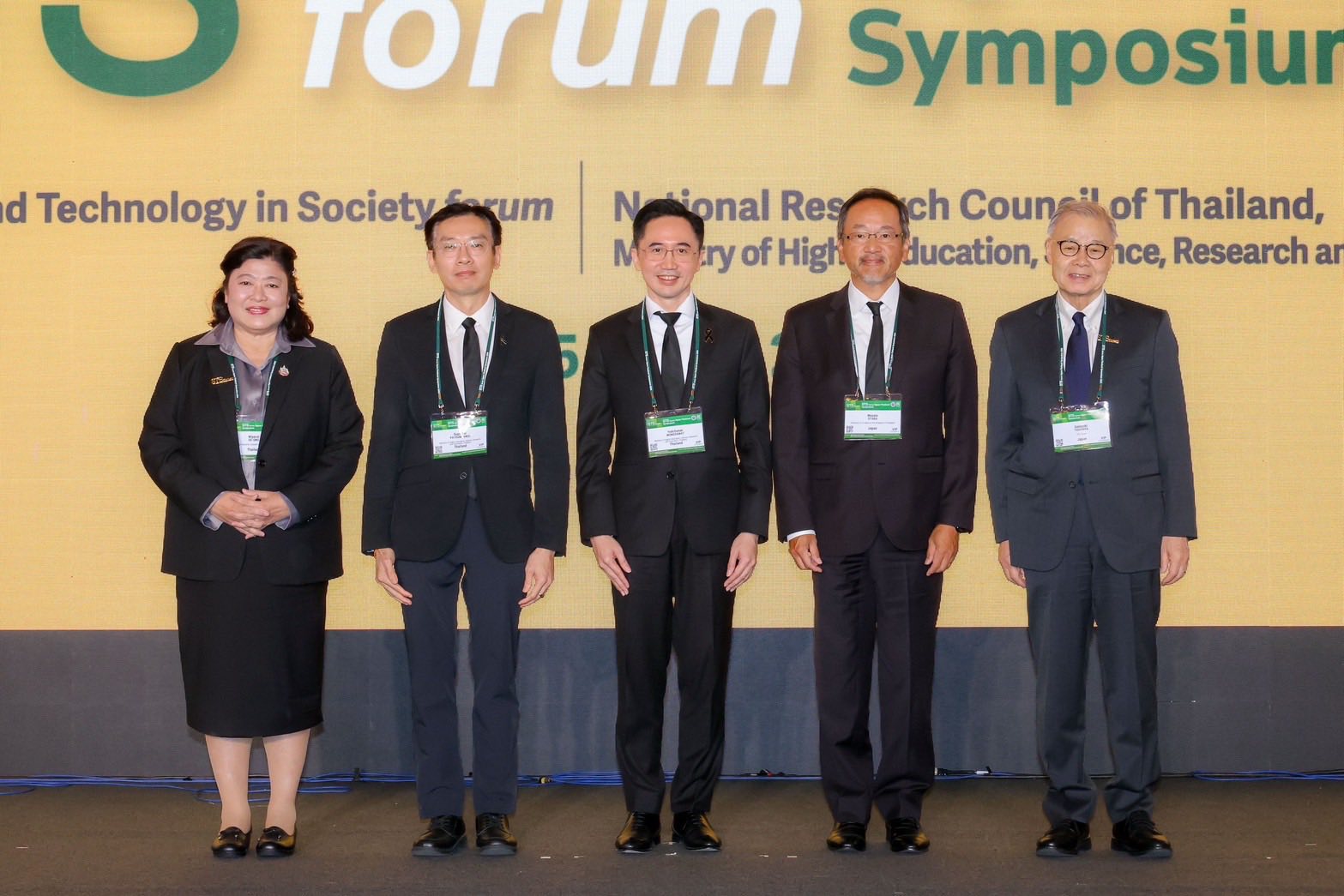
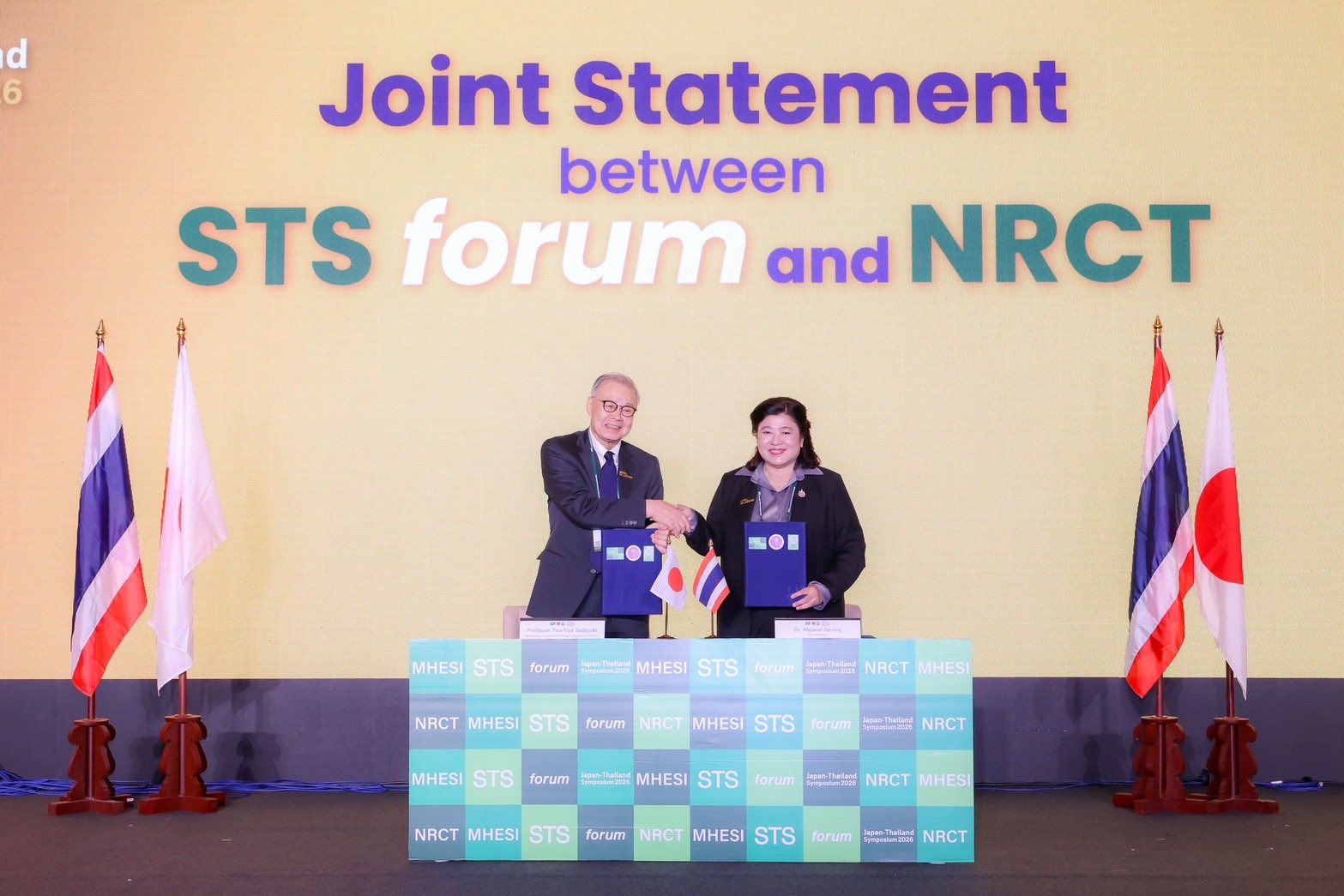
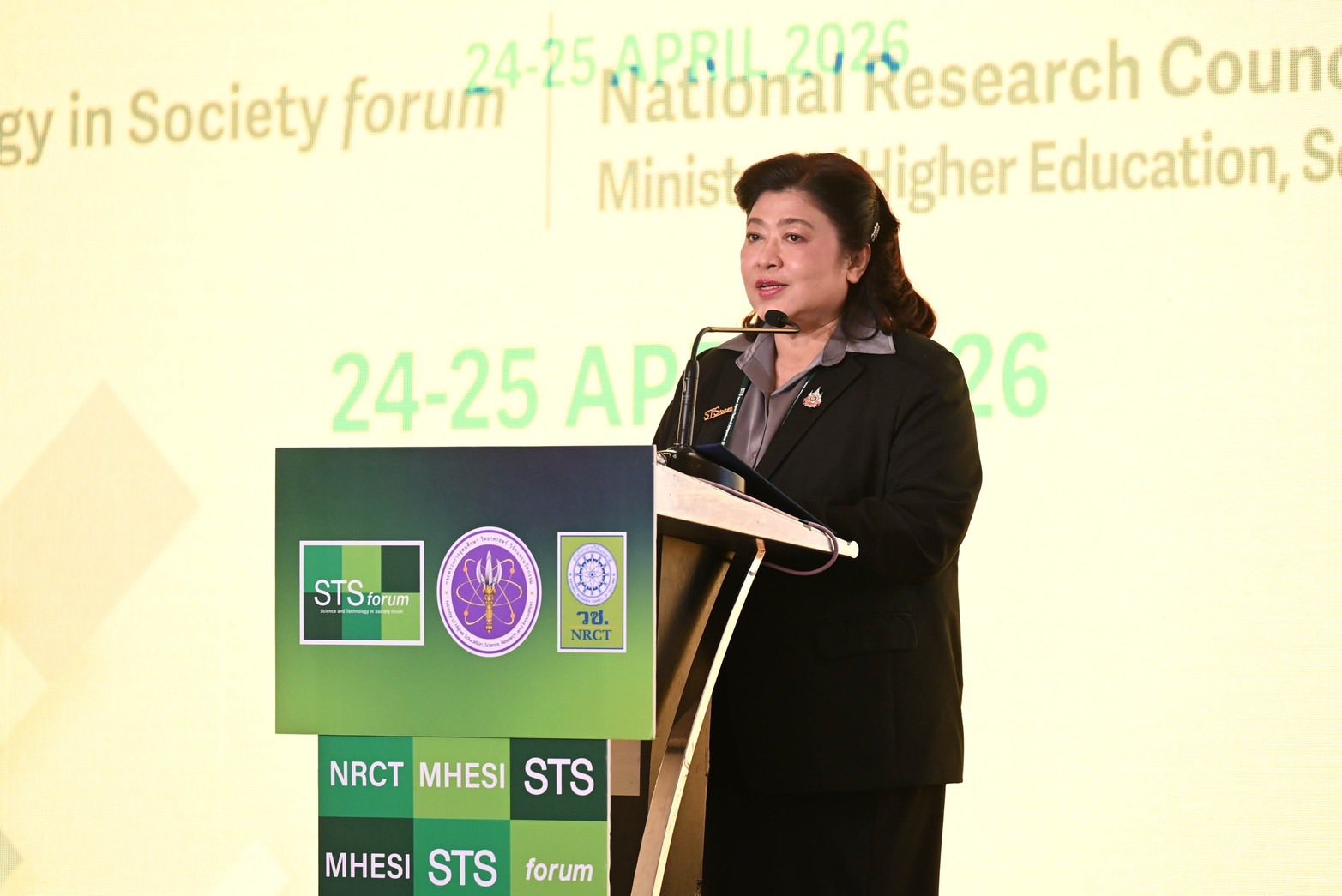
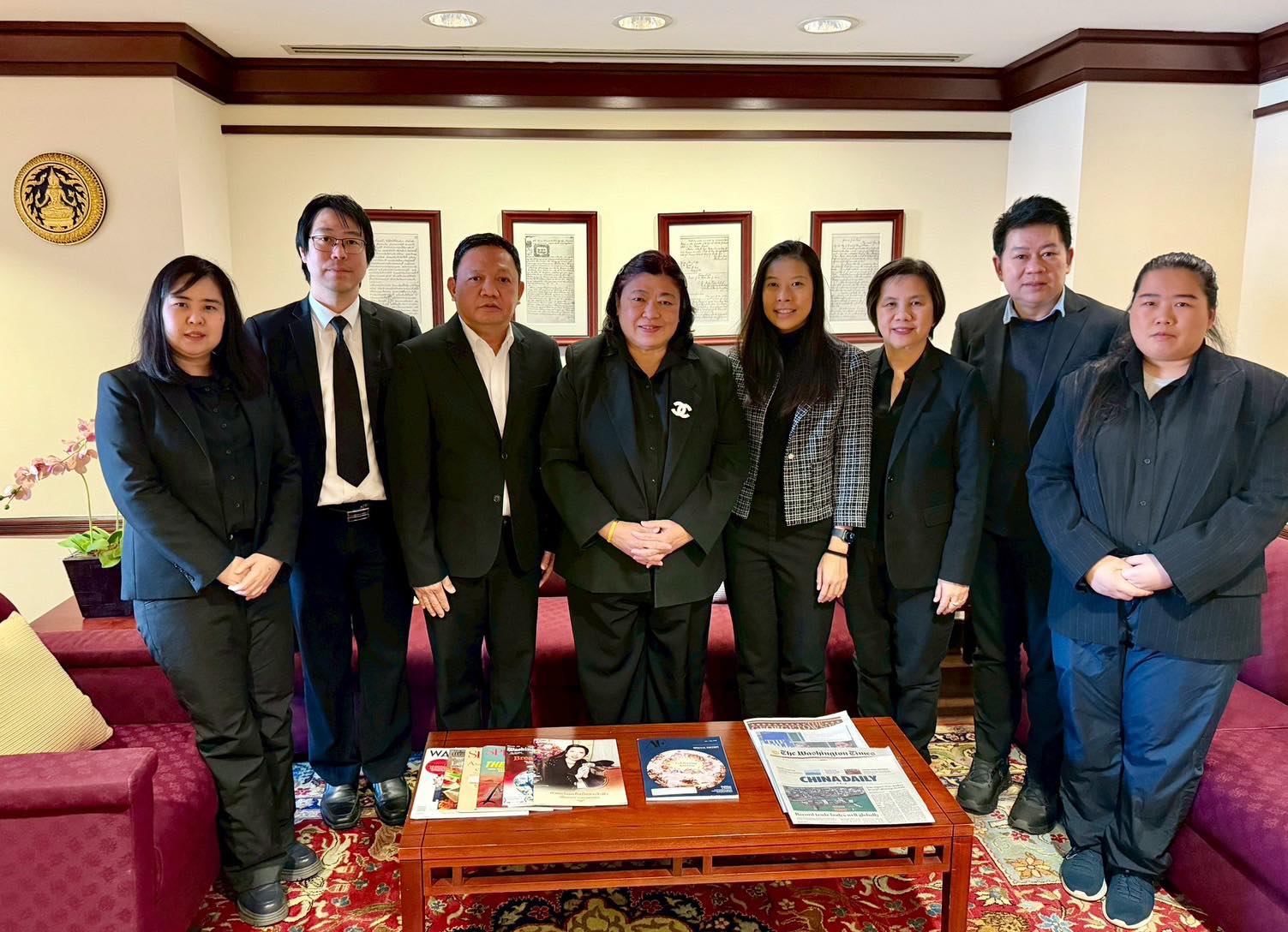
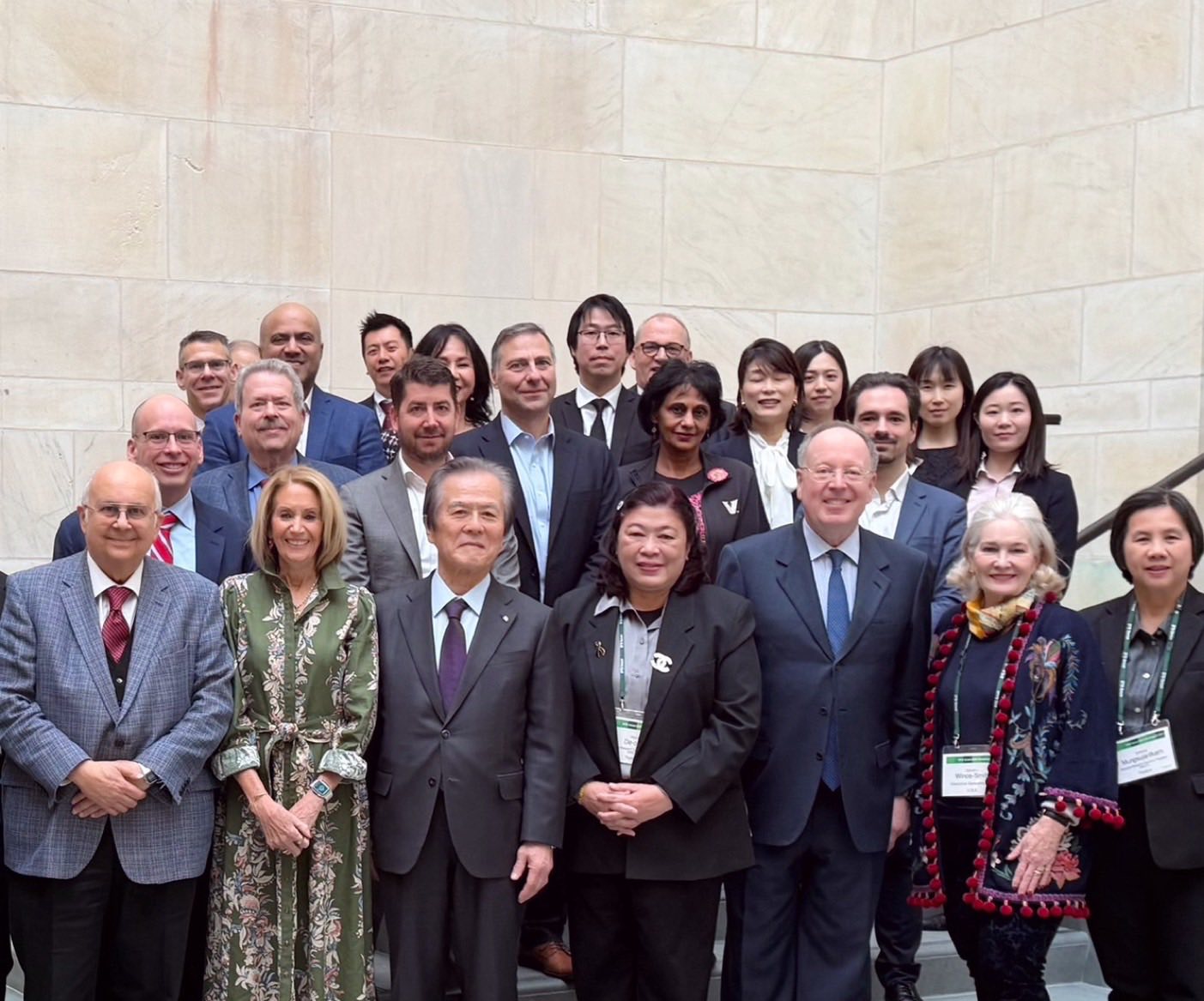
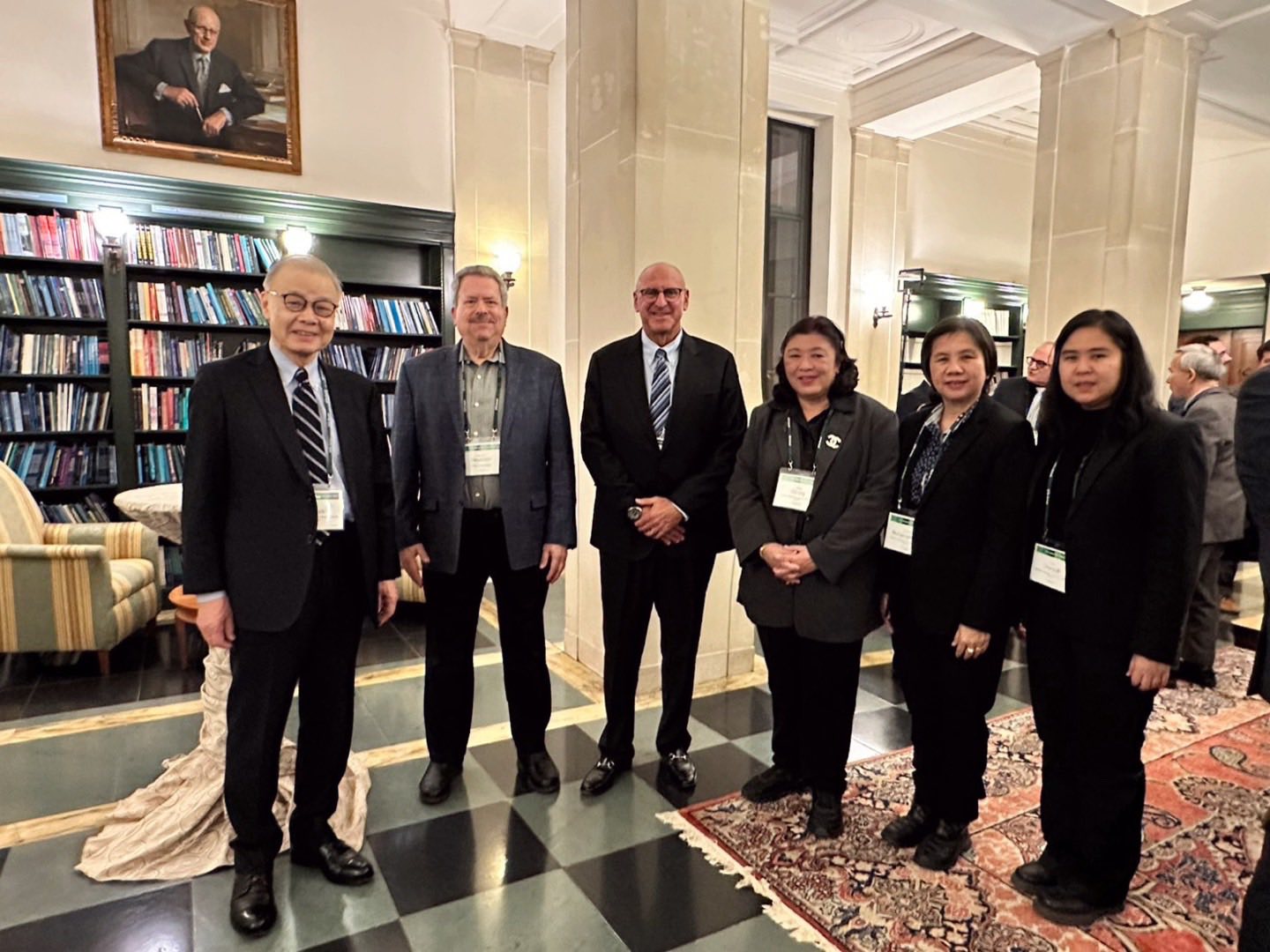
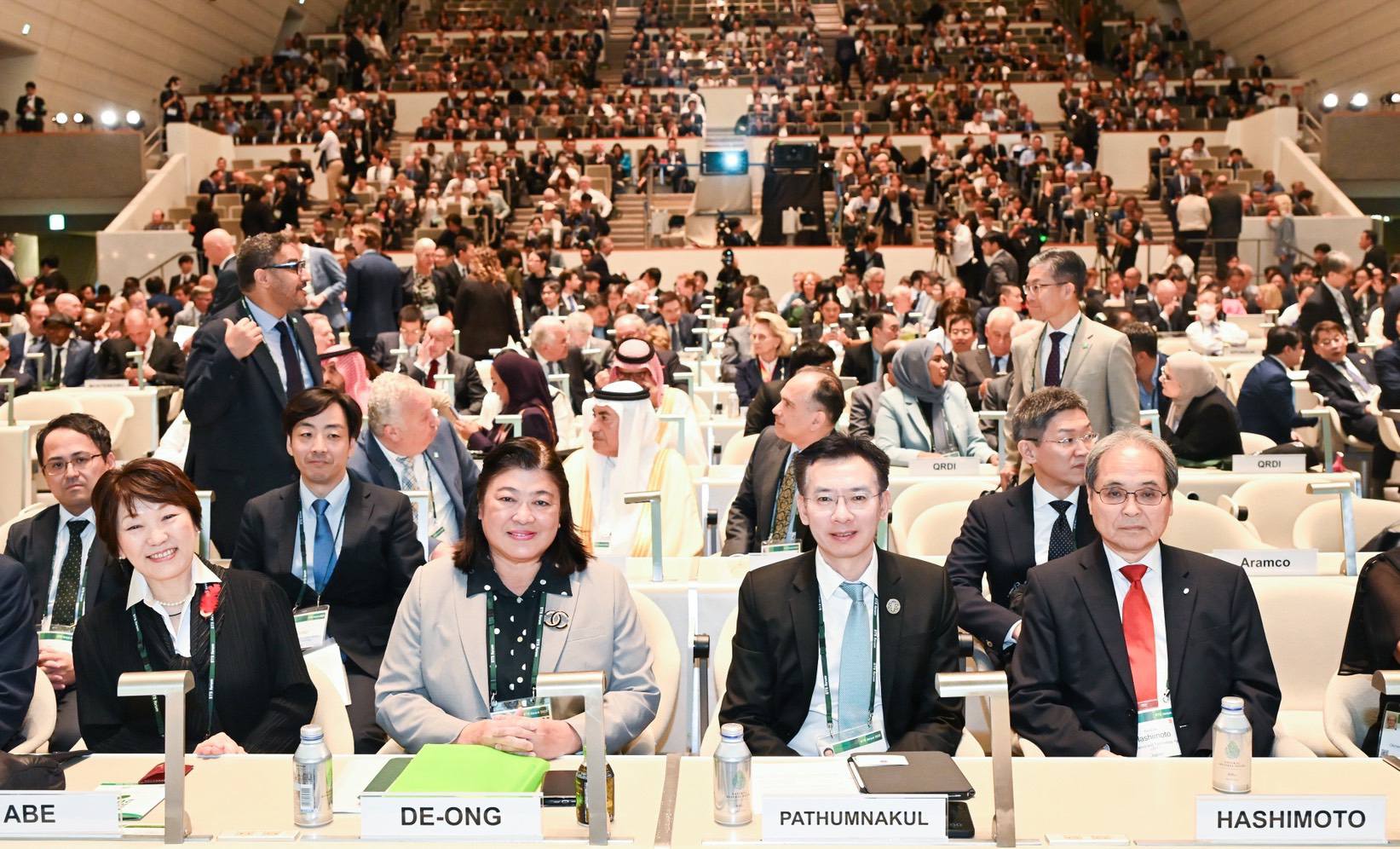
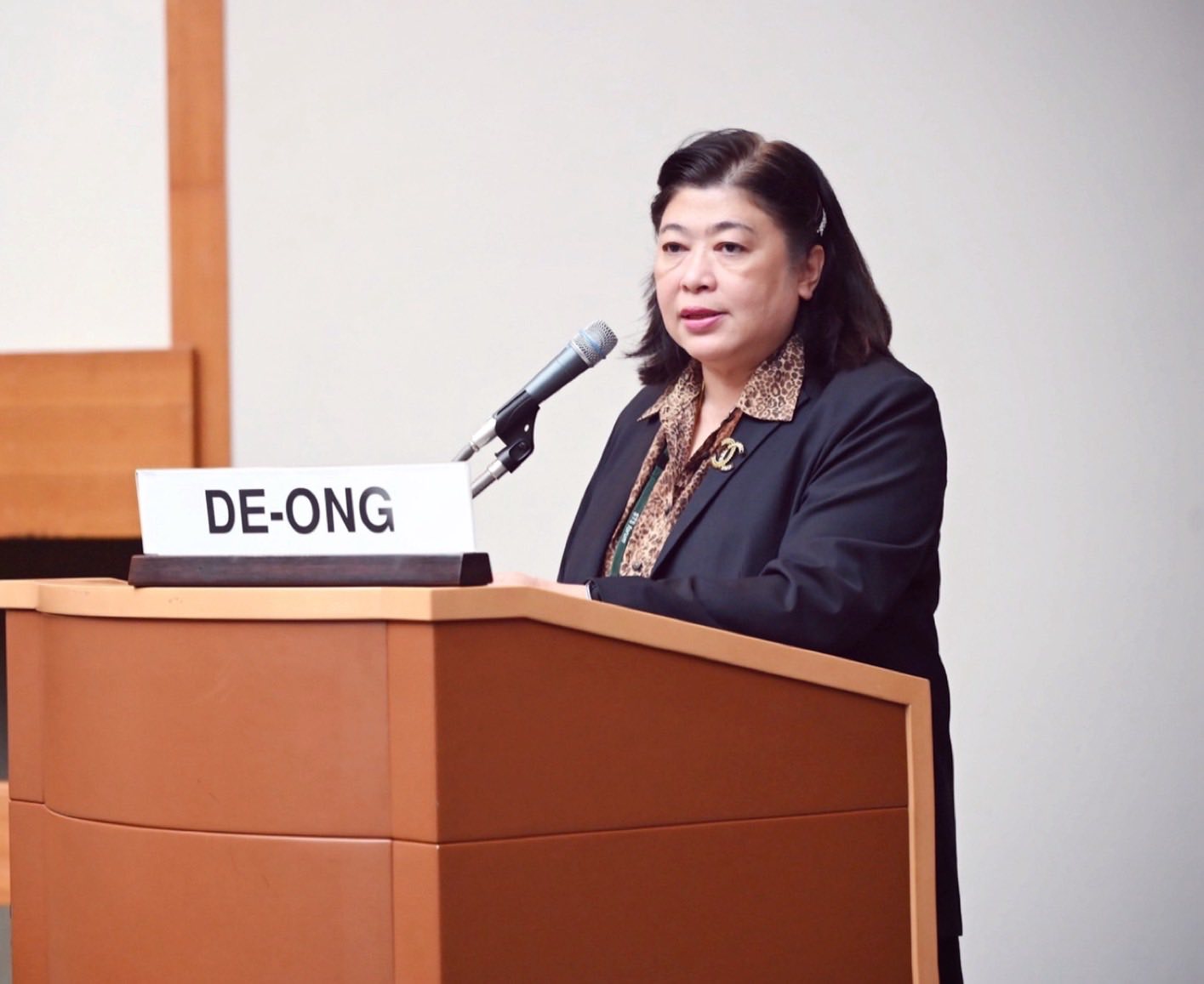
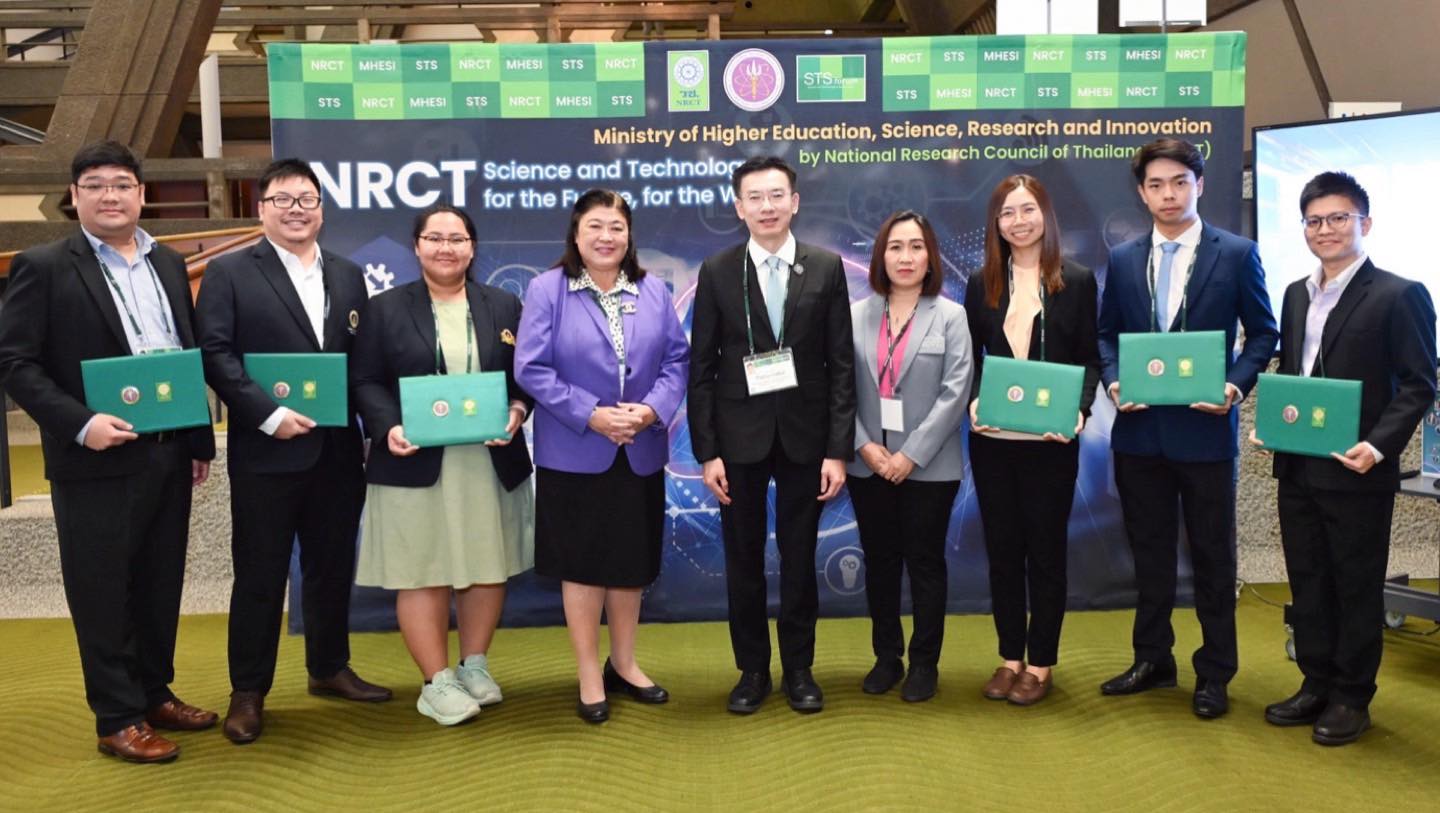
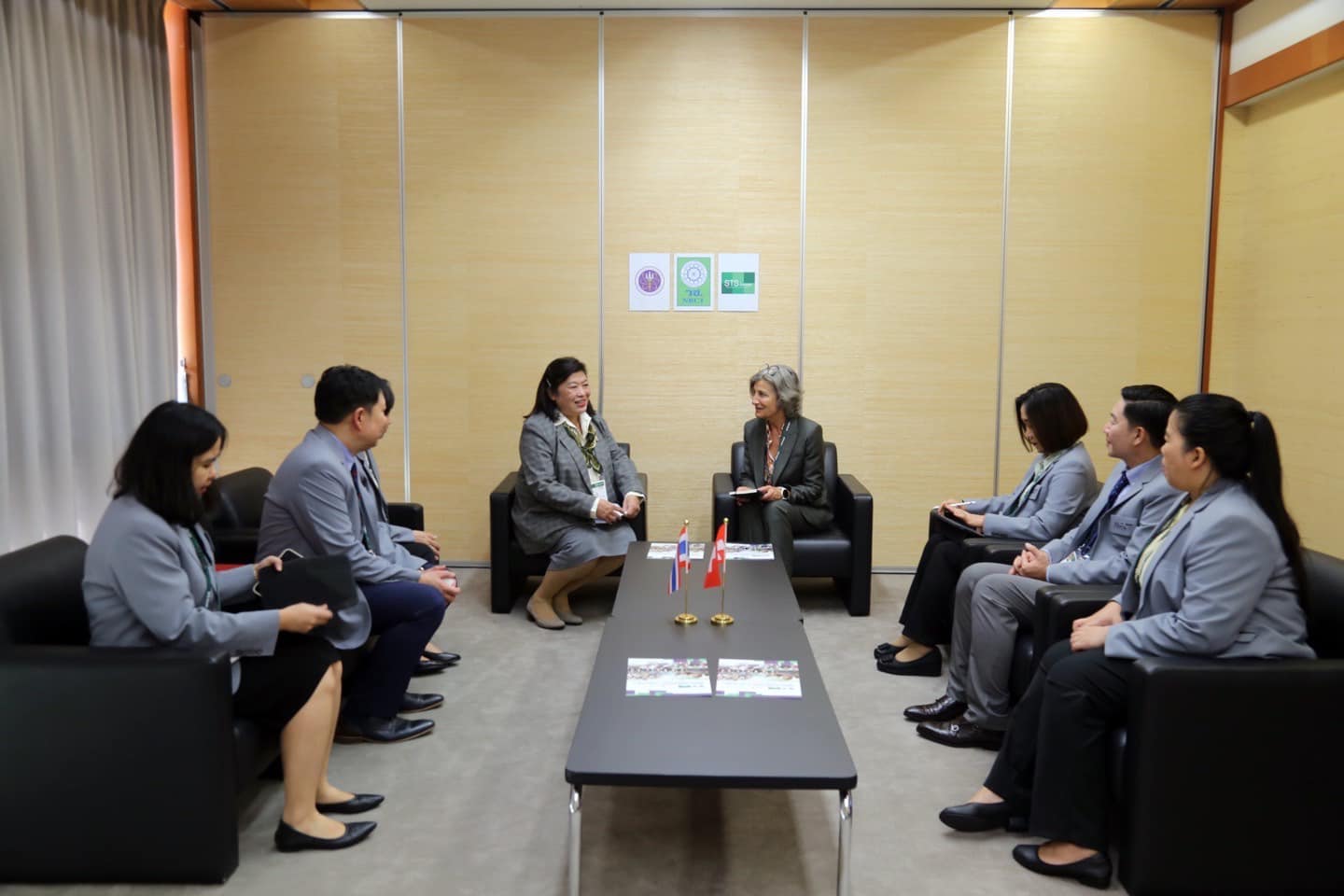
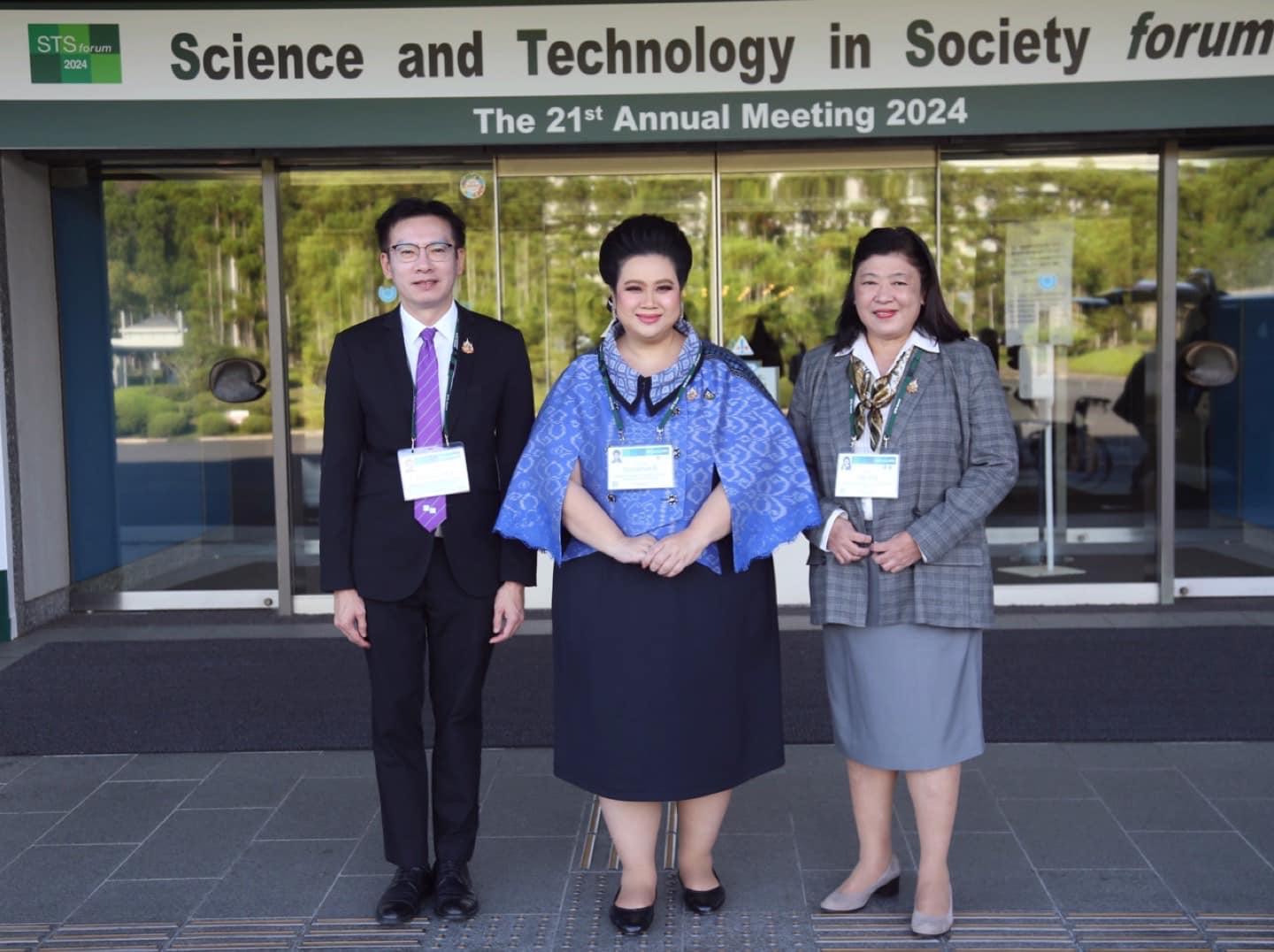
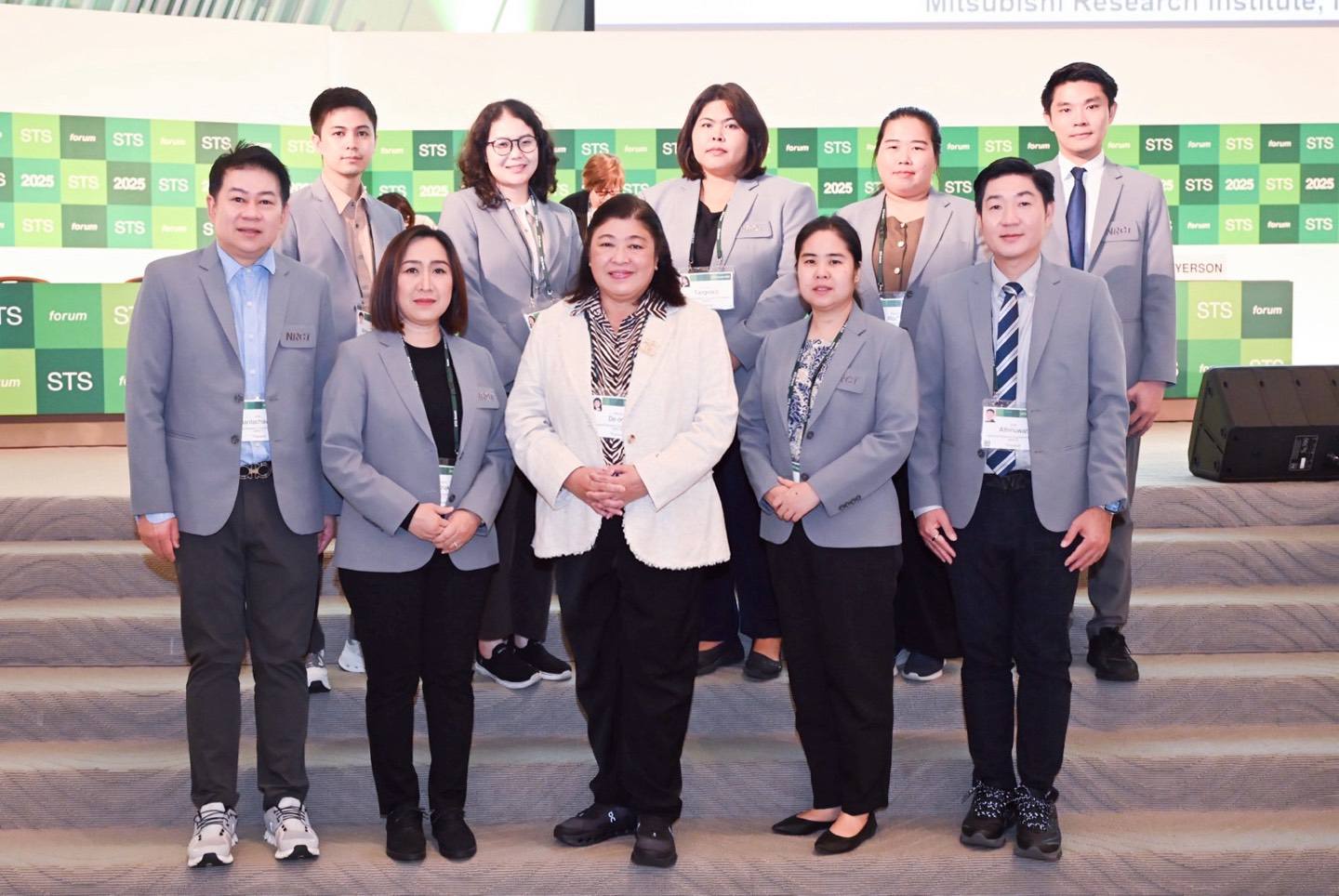
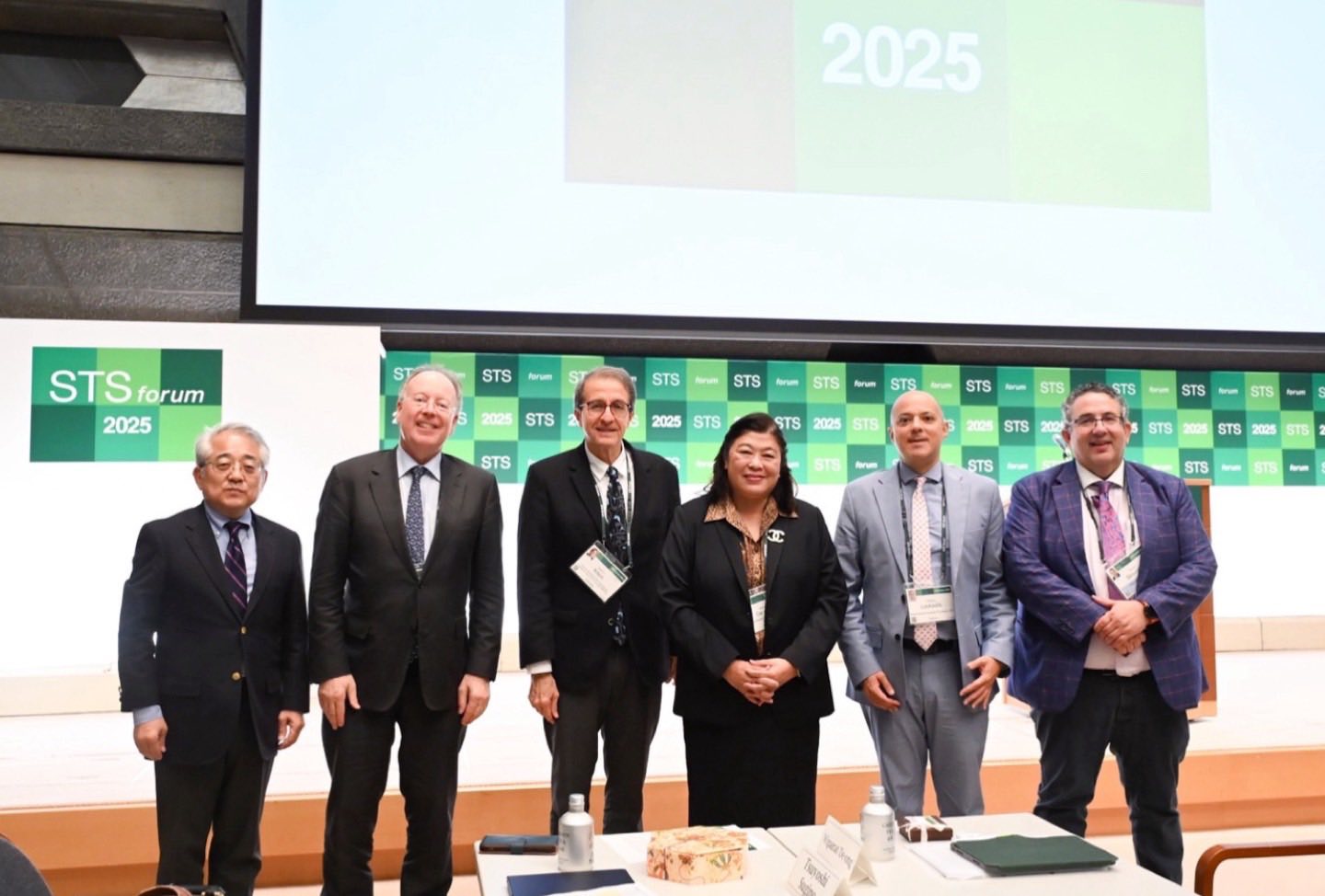
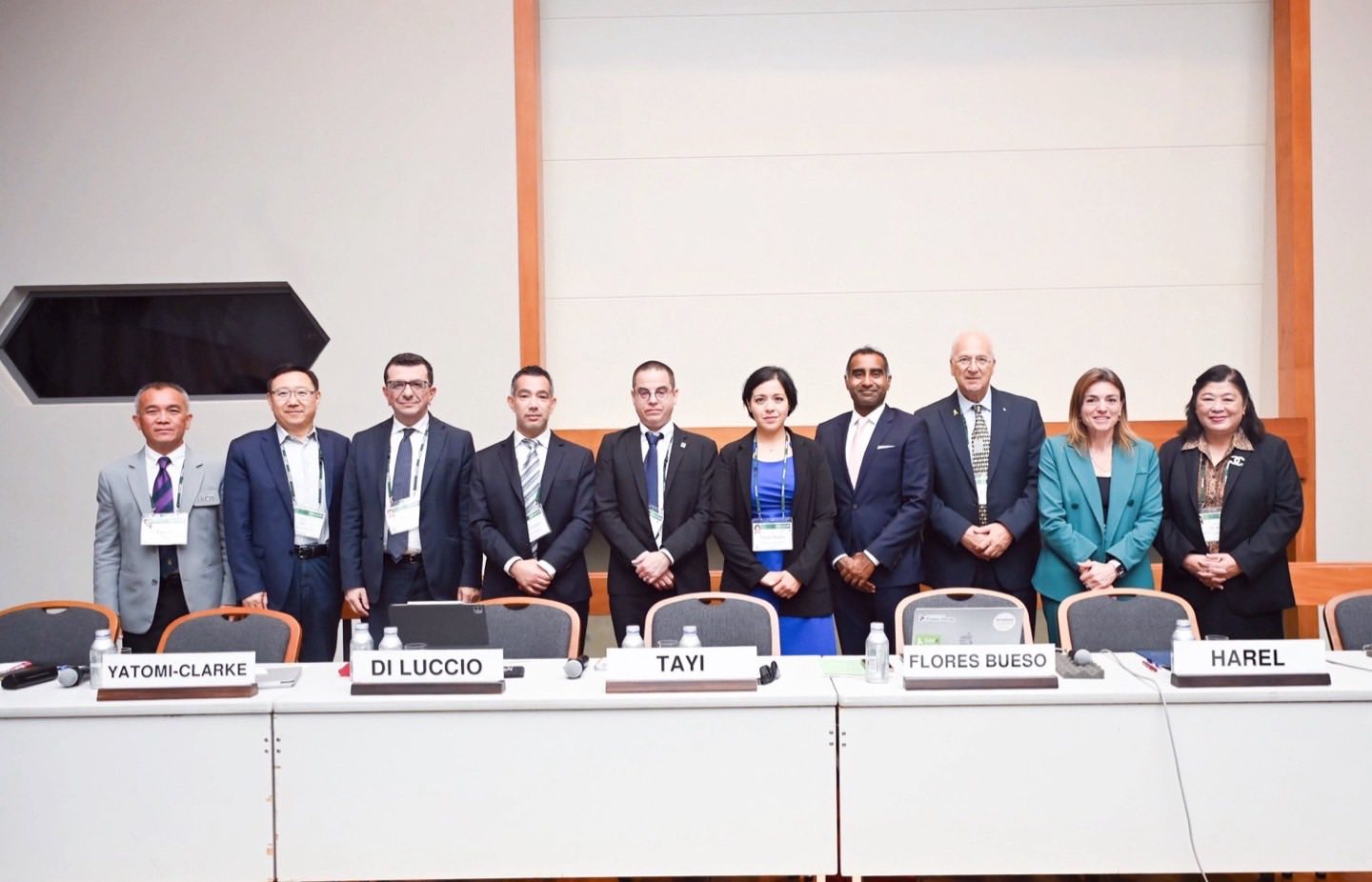
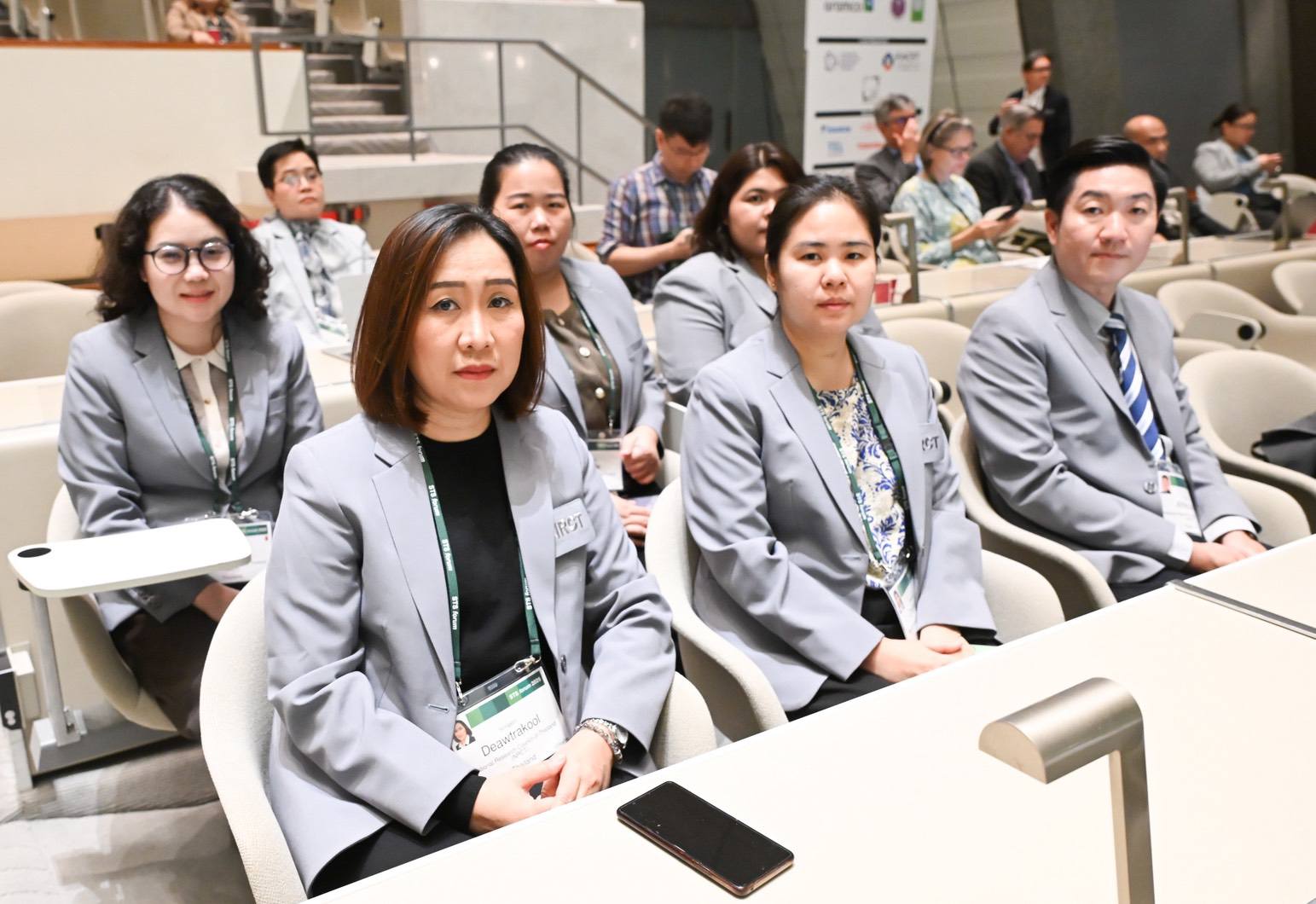
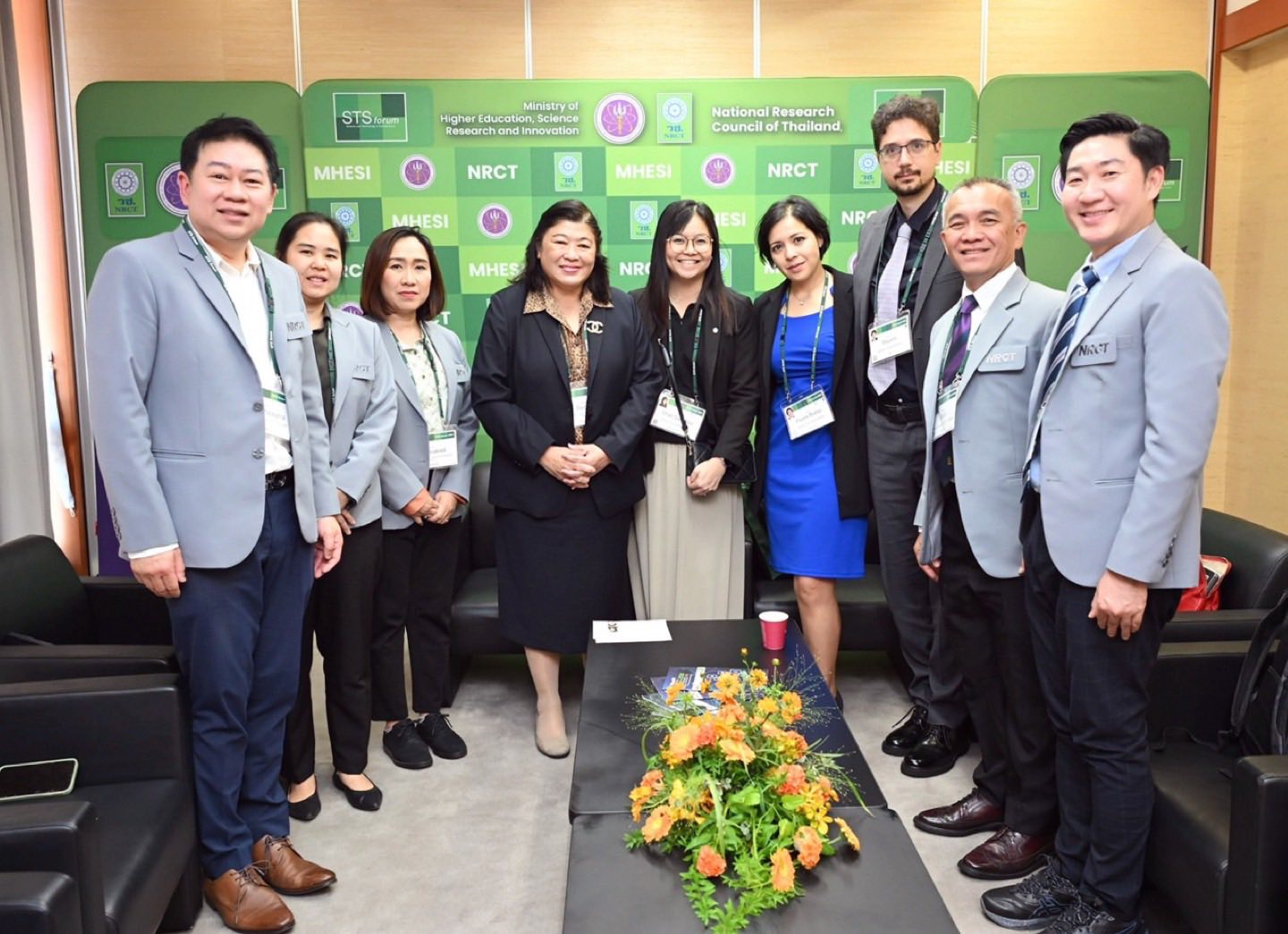
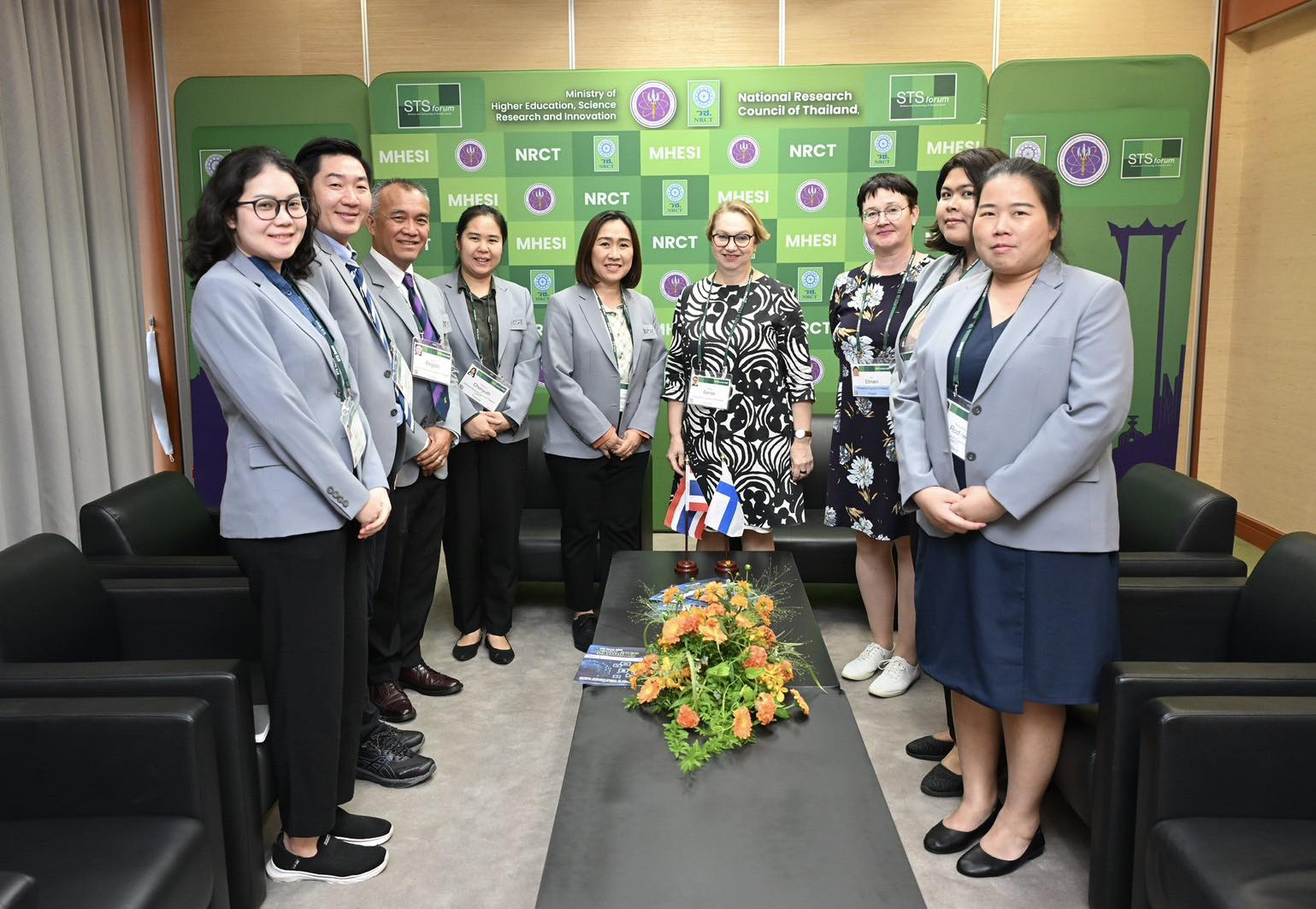
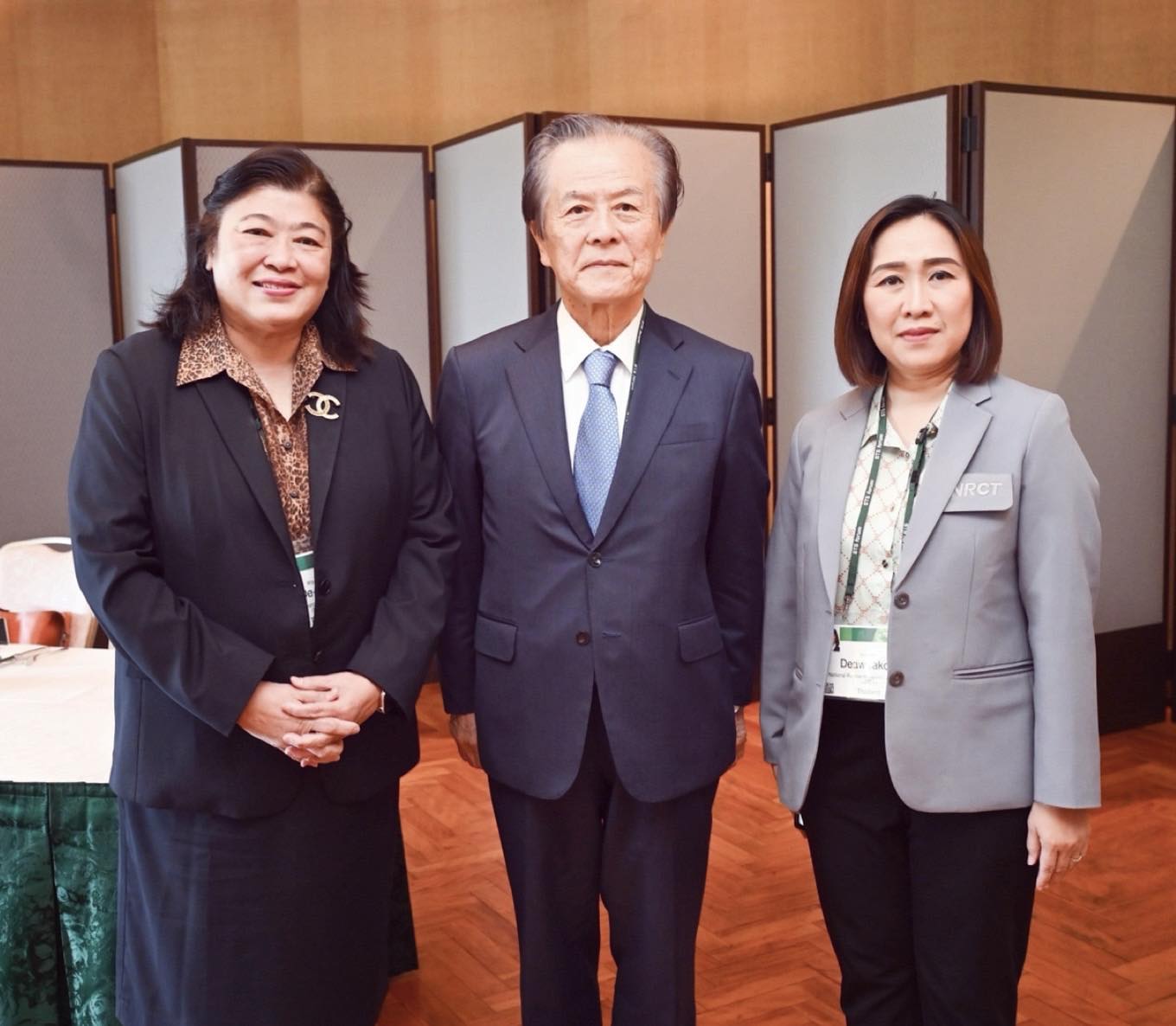
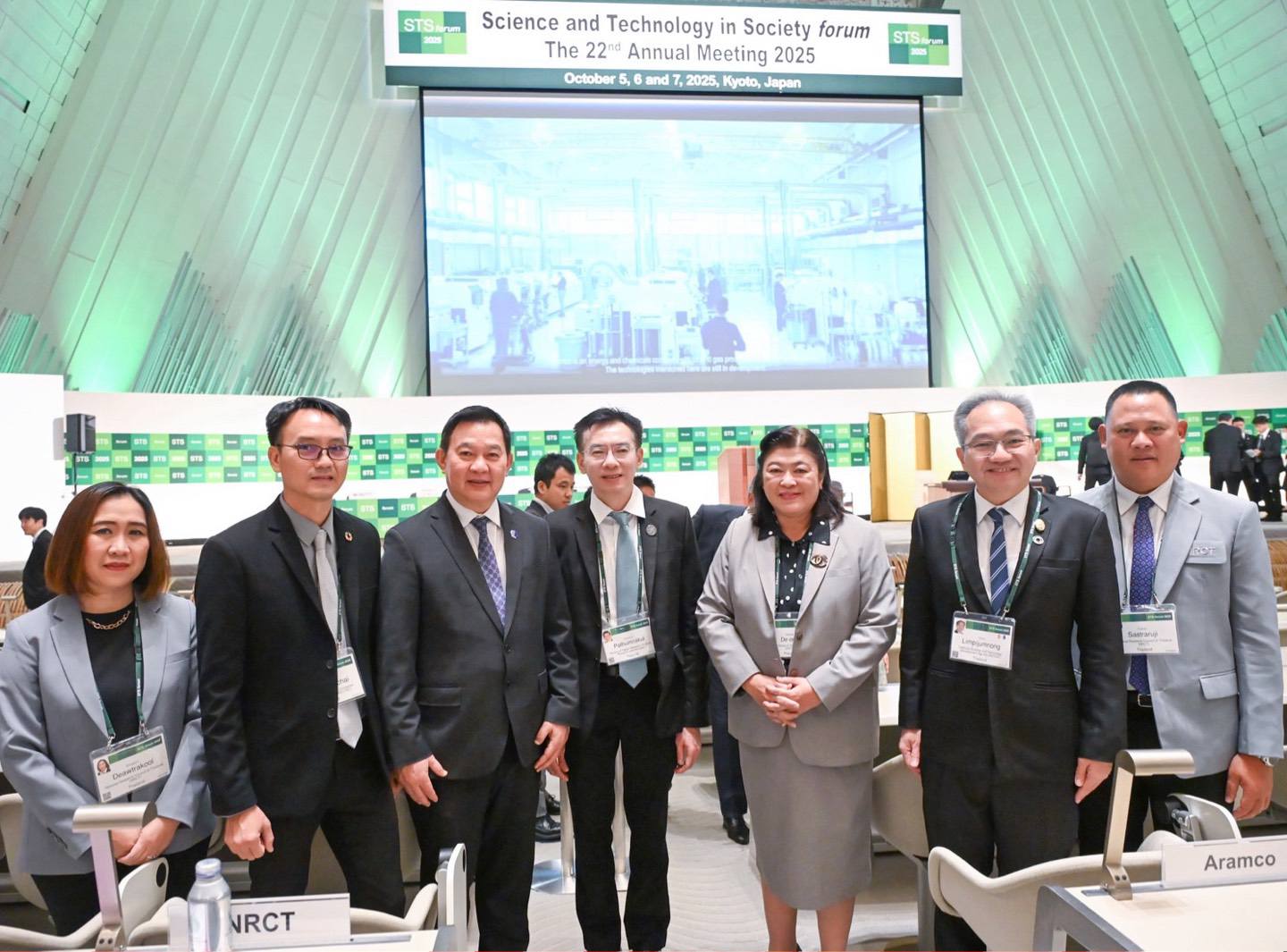
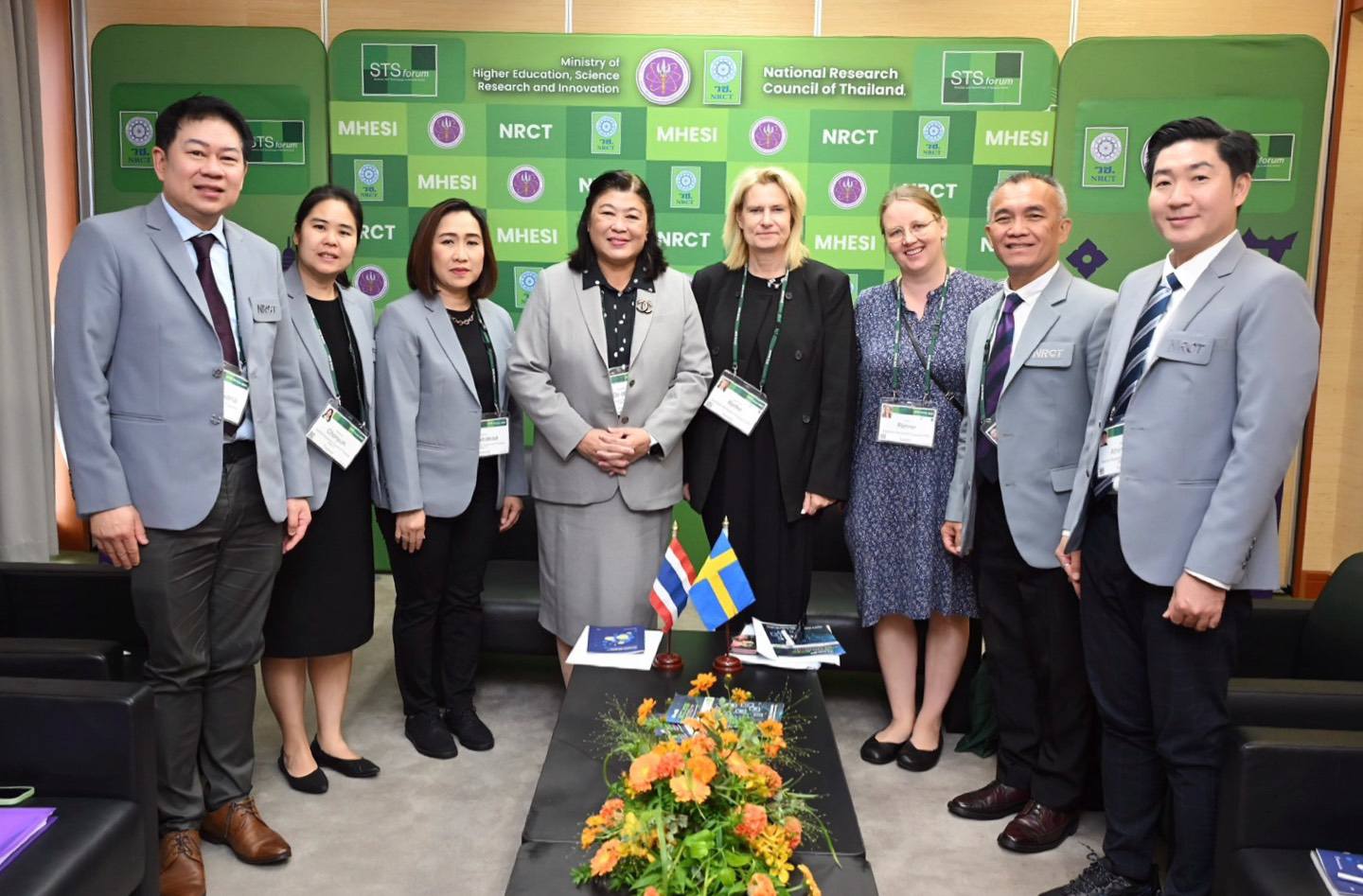
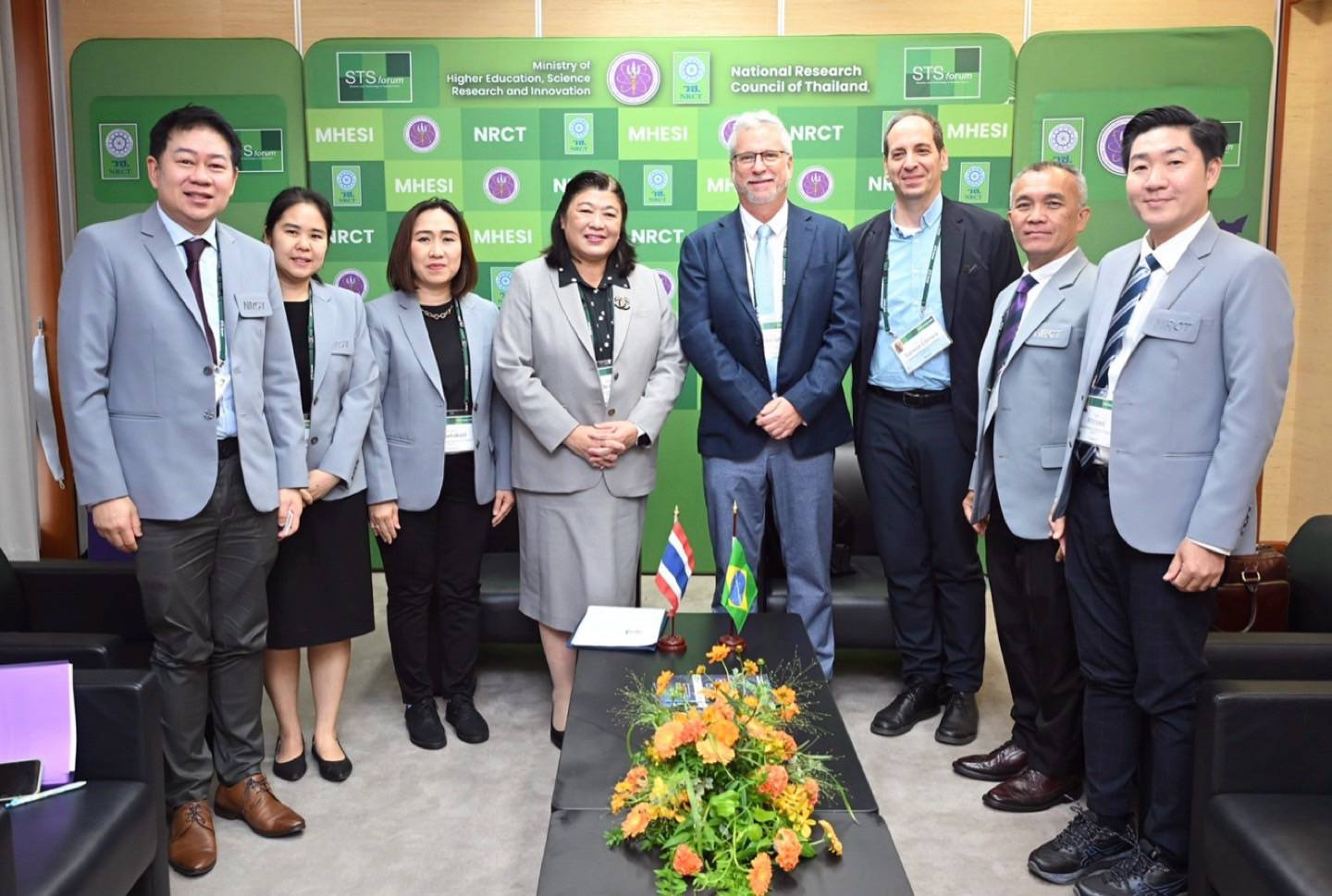
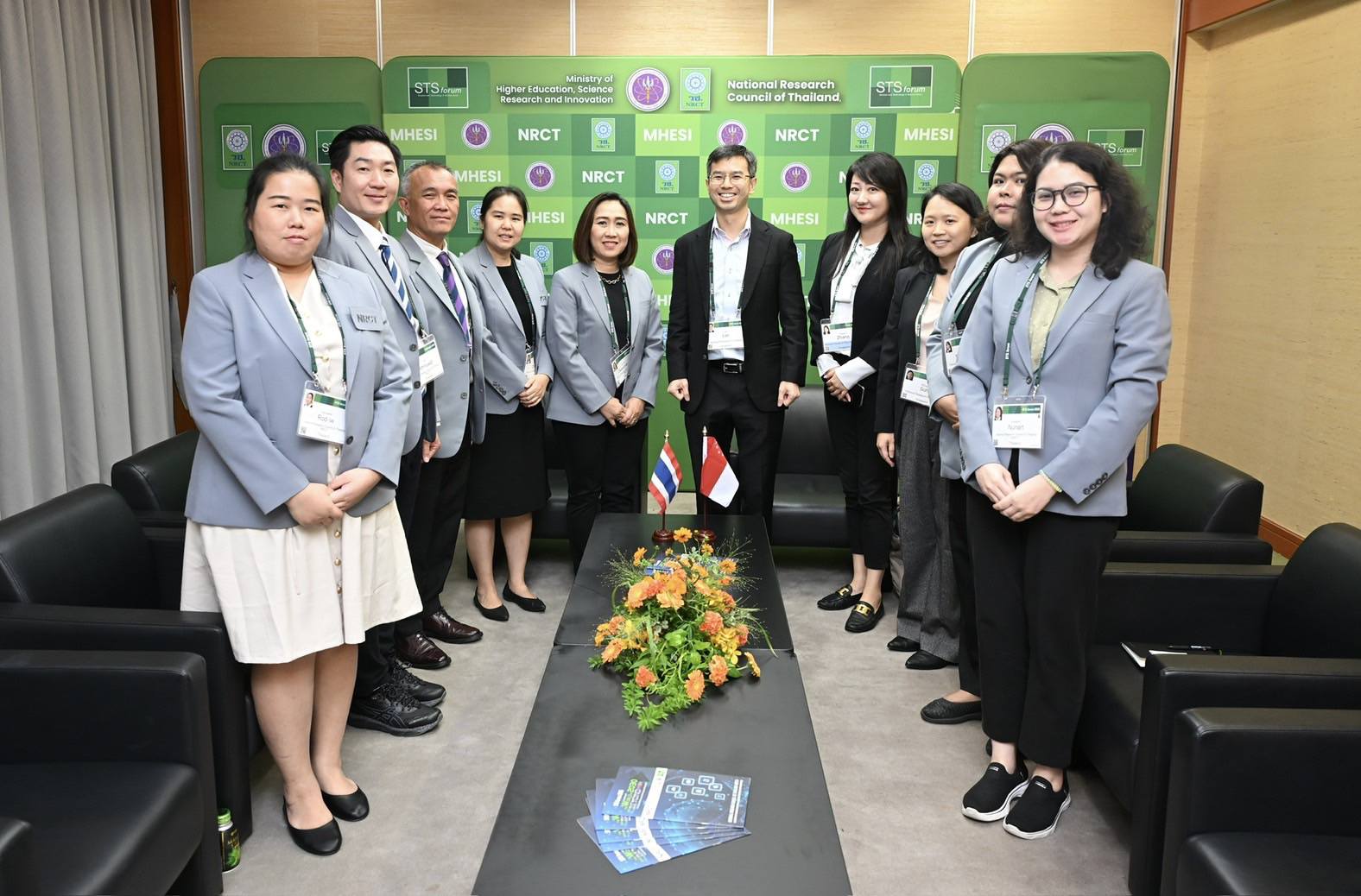
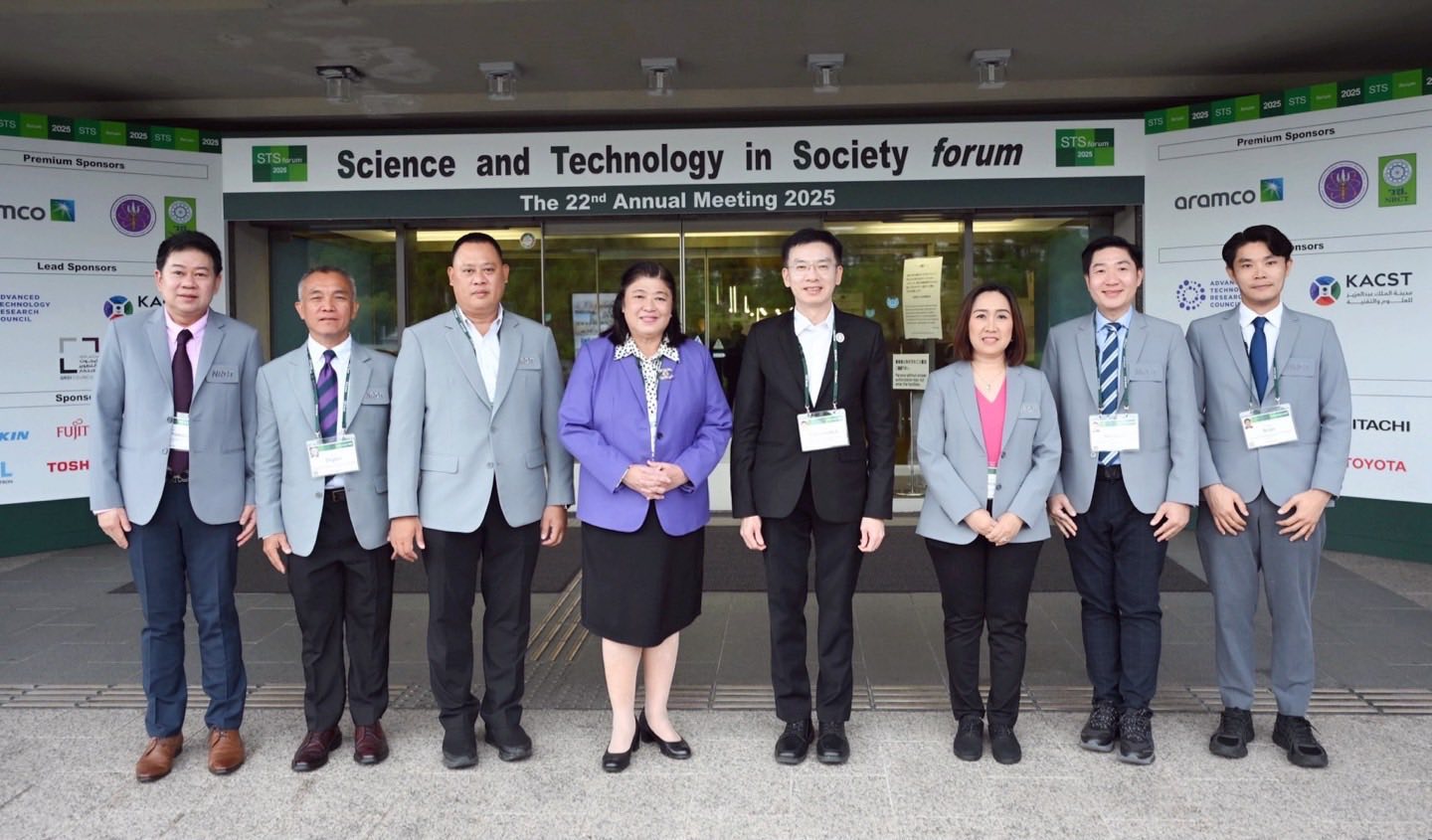
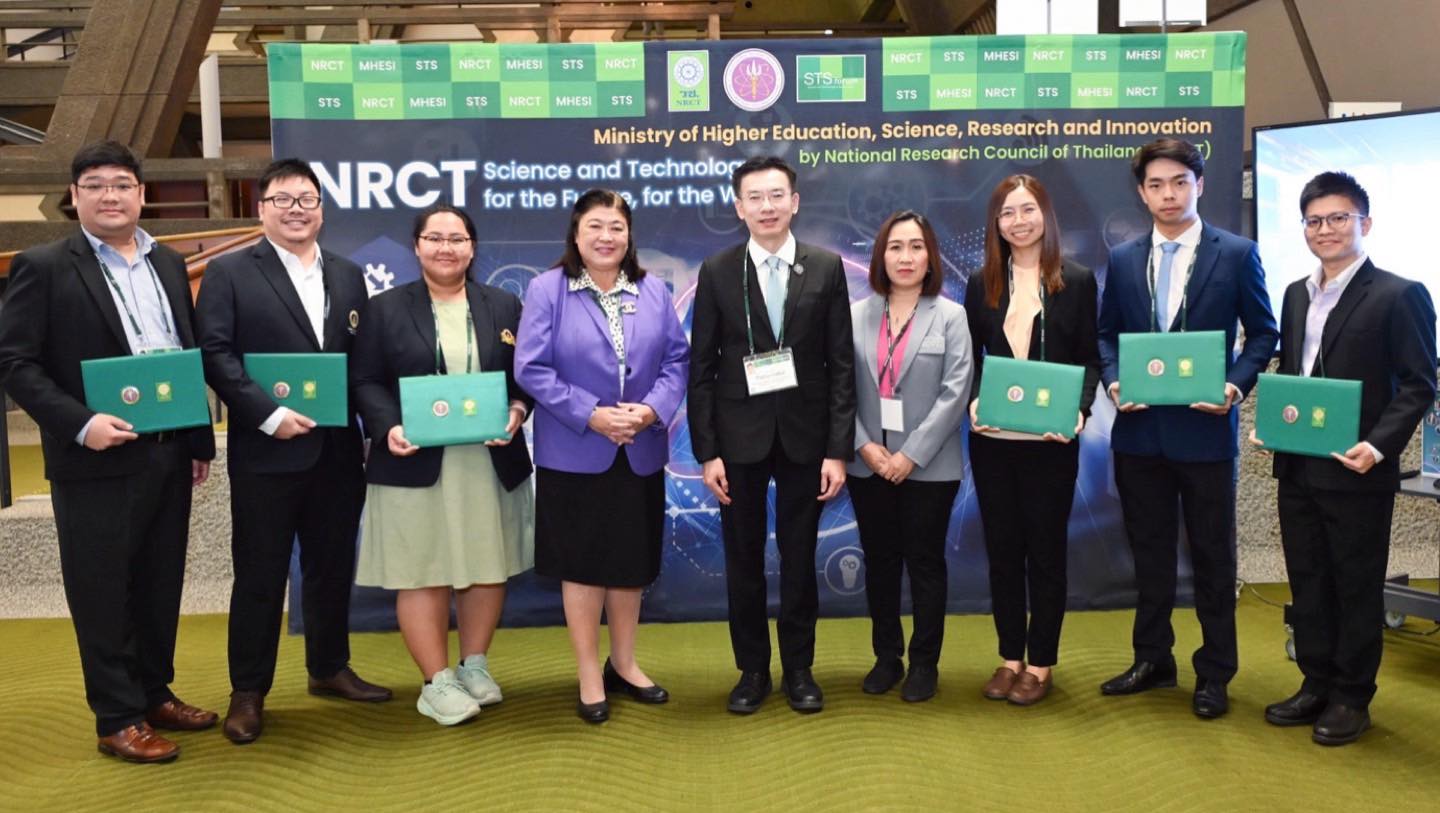
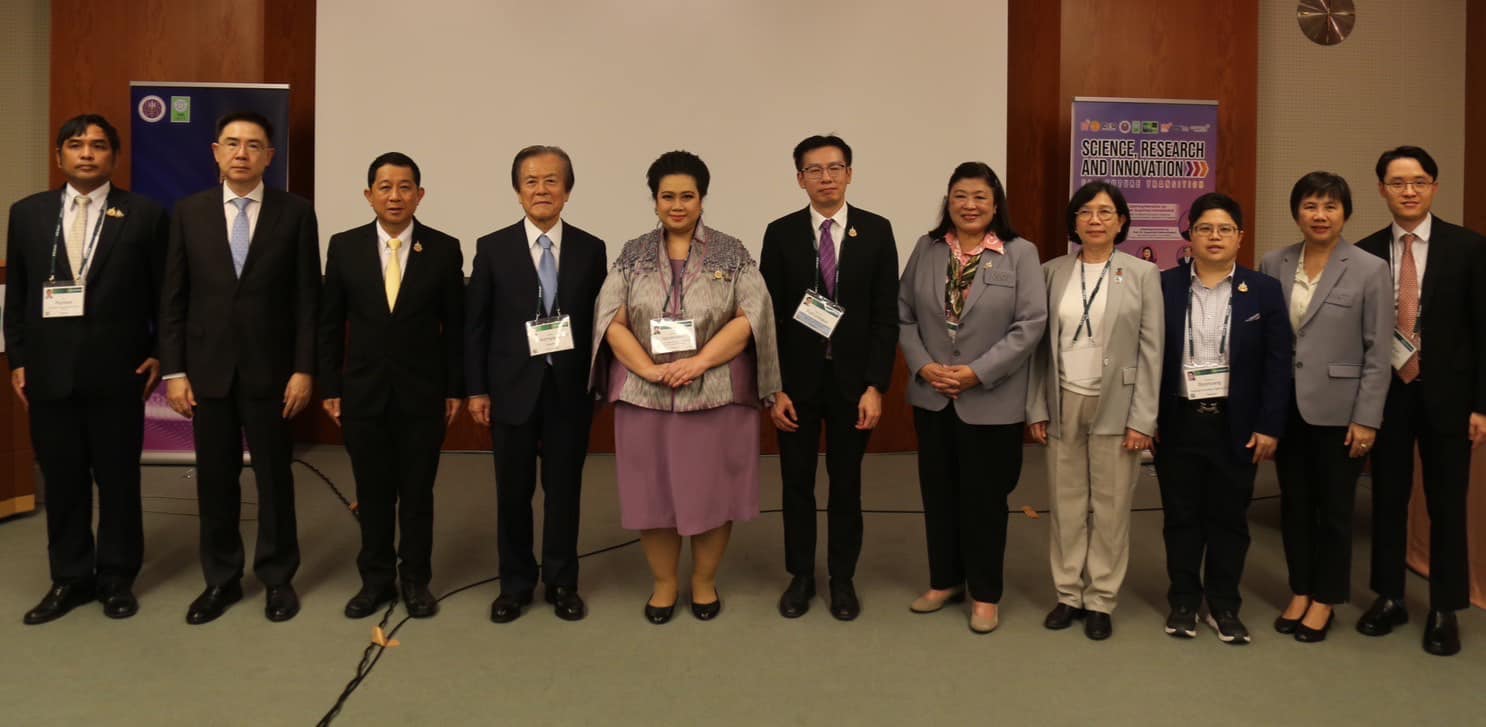
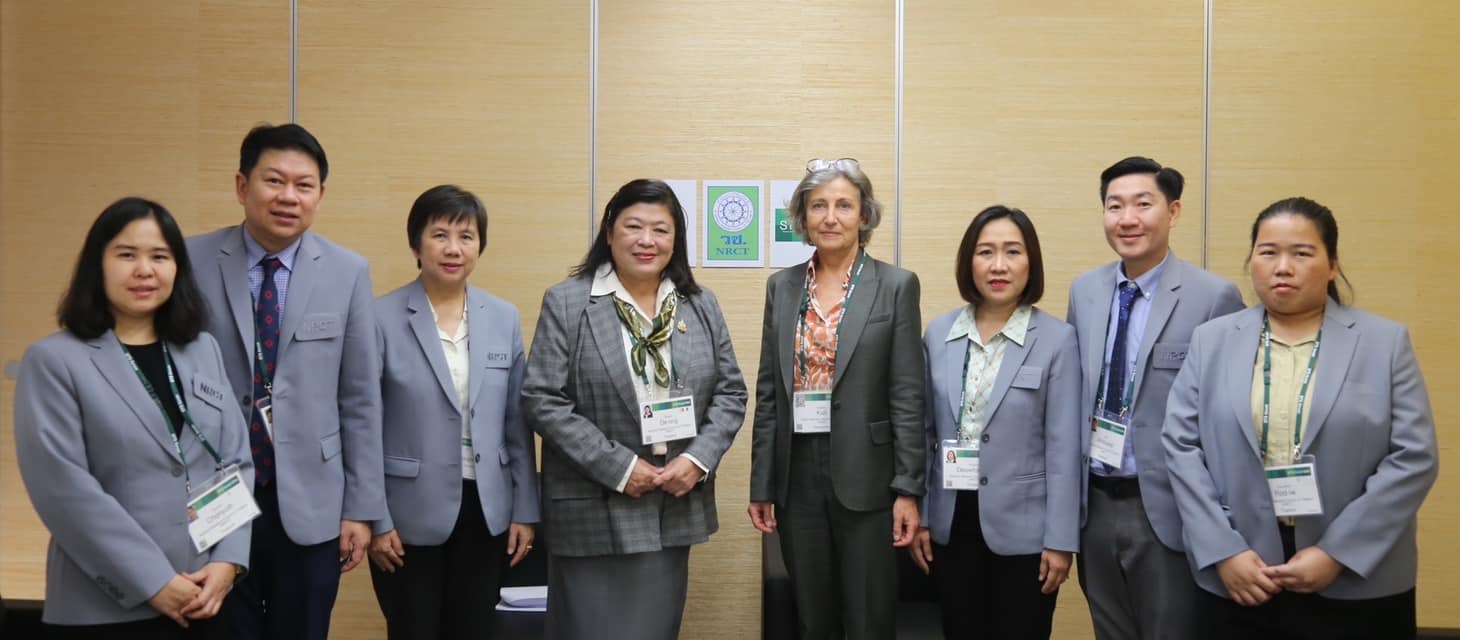
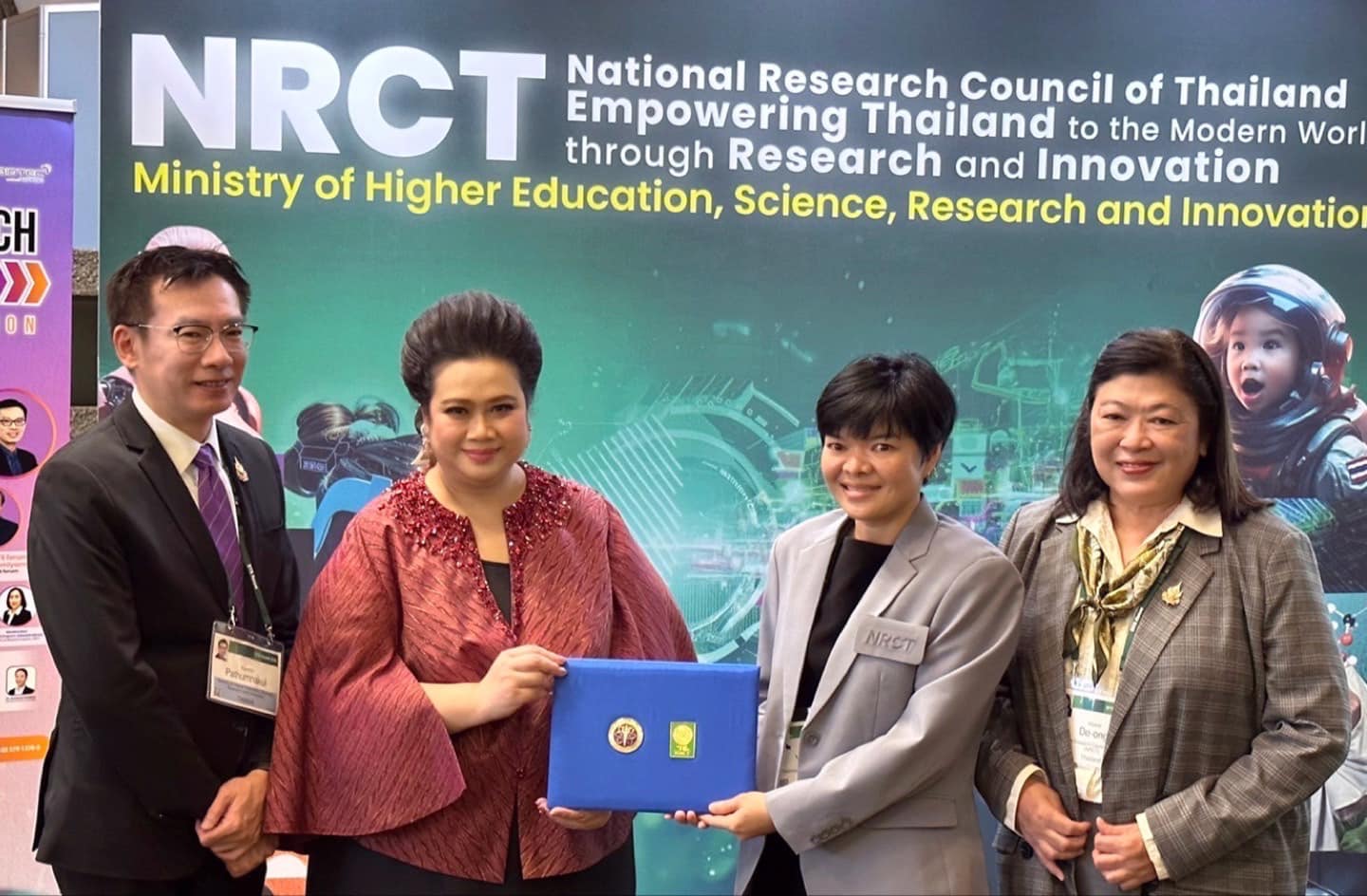
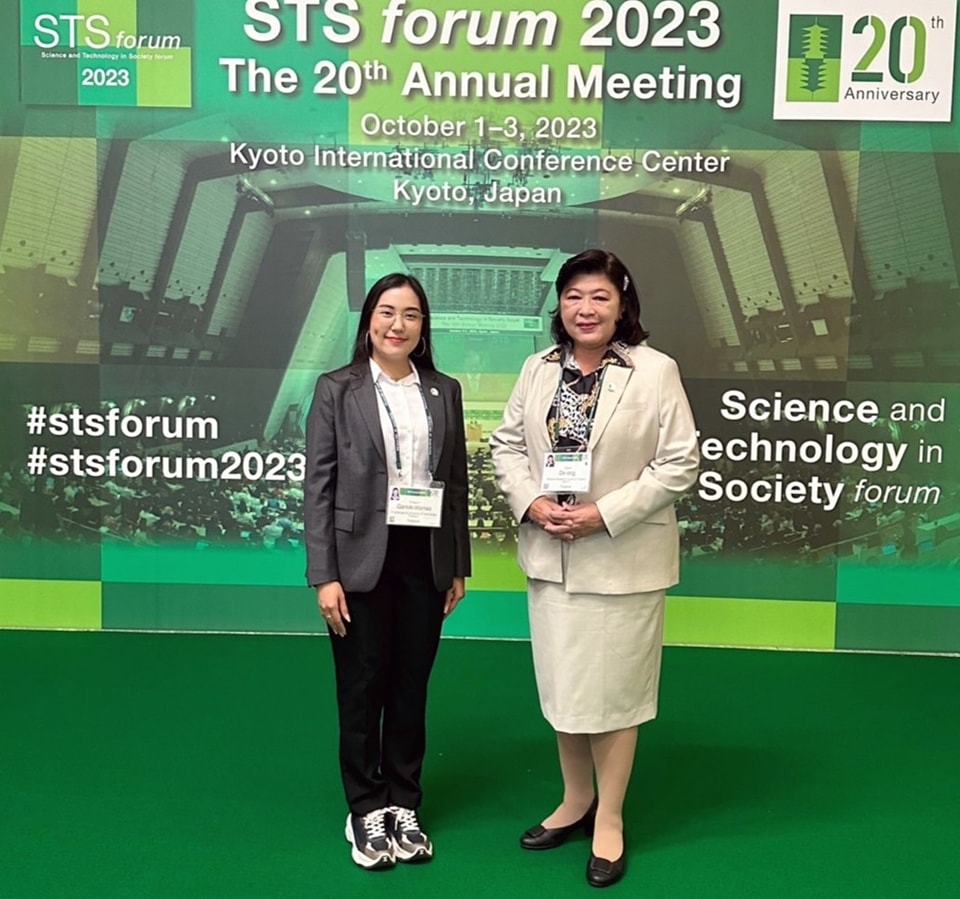
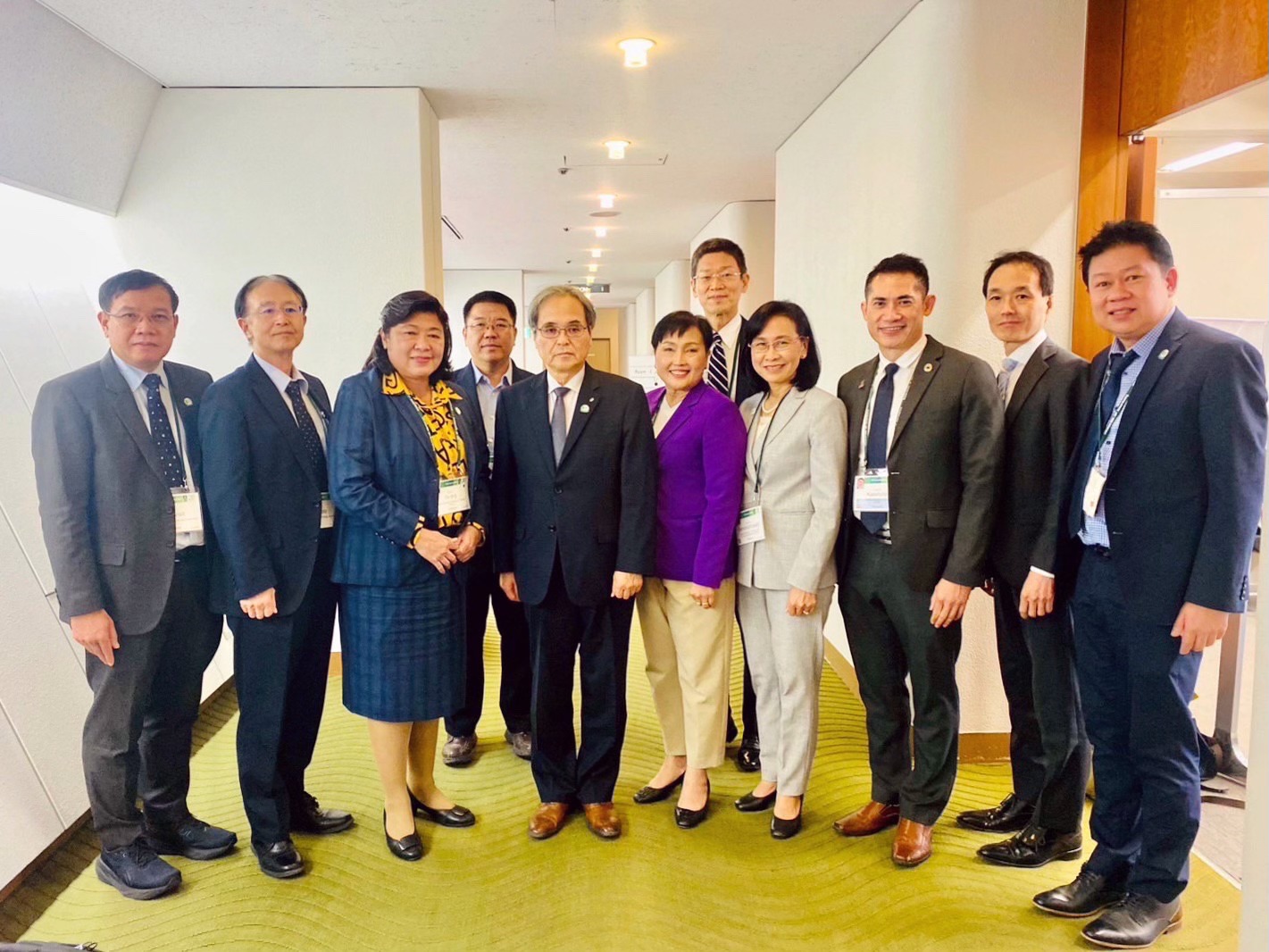
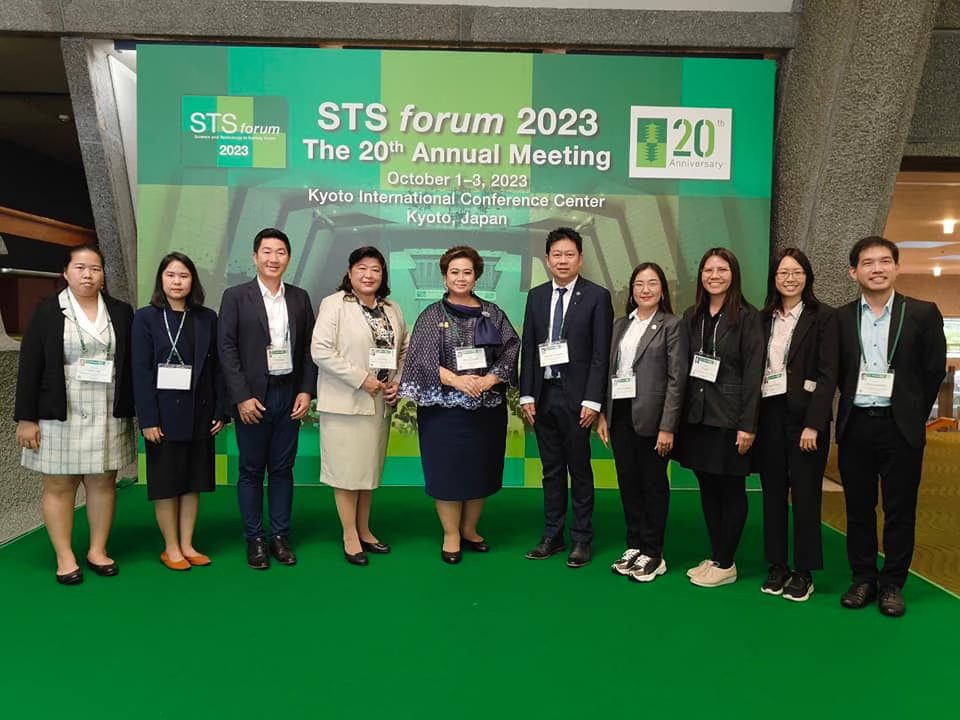
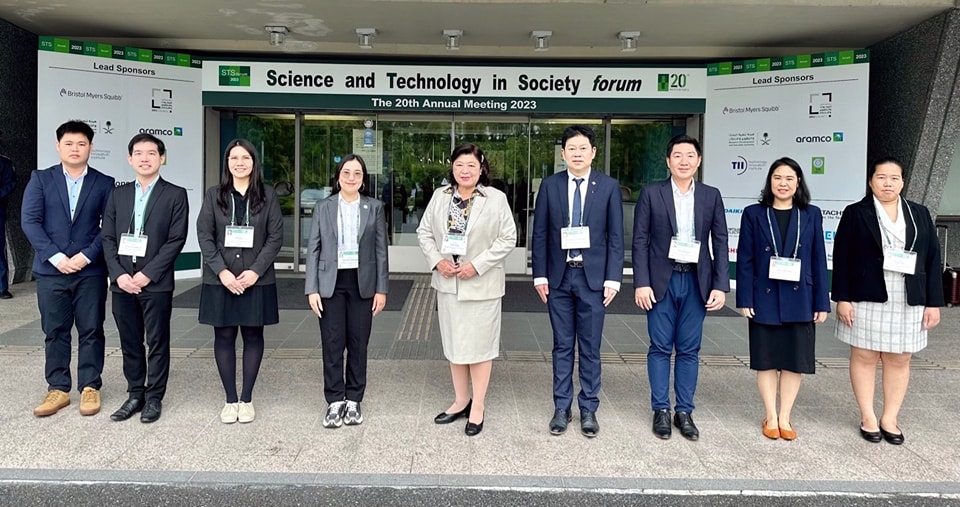
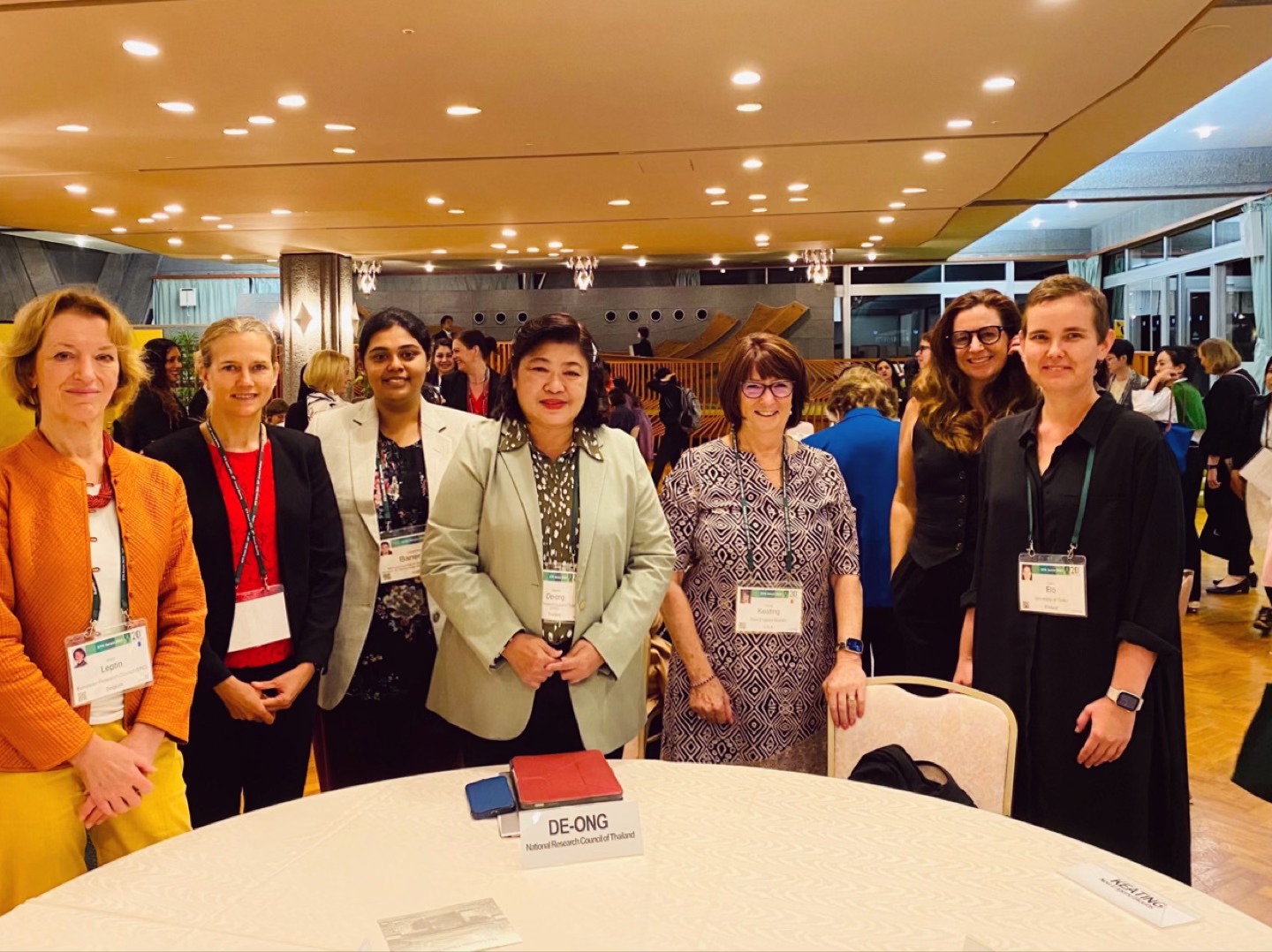
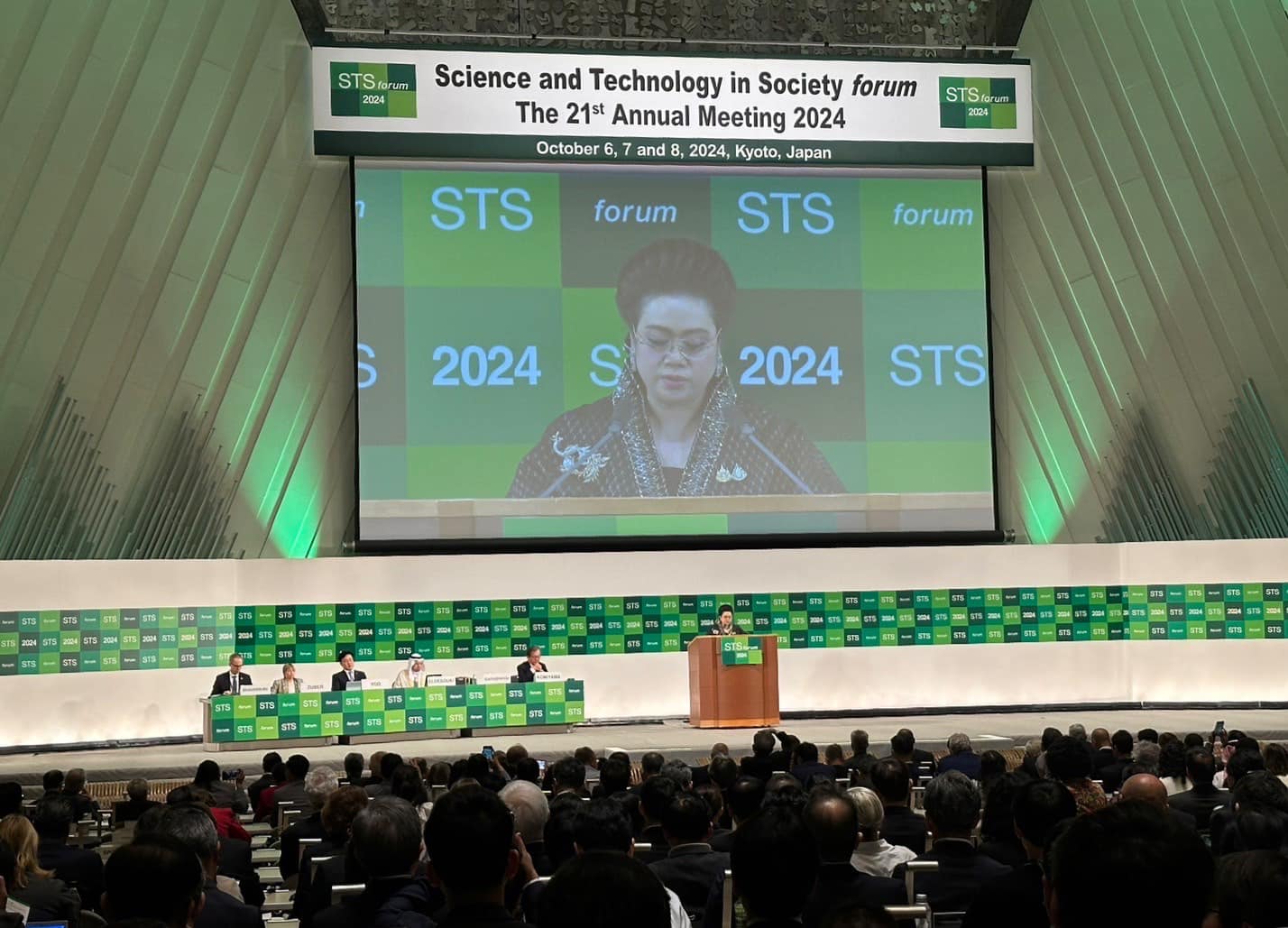
On 2 October 2023, Dr. Wiparat De-Ong, Executive Director of the National Research Council of Thailand (NRCT), led a delegation of Thai researchers to continue participating in the Science and Technology in Society forum 2023 (STS forum 2023). The second day of the forum featured in-depth discussions among international experts on key science and technology challenges.
The Biodiversity and Ecosystem Services session addressed the impacts of climate change on biodiversity loss and the responsibility of humanity in mitigating these effects. Participants emphasized how daily human activities—across agriculture, industry, and households—contribute to climate change and environmental degradation. The session highlighted the importance of advancing biodiversity research and strengthening linkages with gene banks, promoting both fundamental and applied research, and fostering innovation. Discussions also covered environmental impact assessments, practical applications of research outcomes, and stronger engagement with the business sector to build a society collectively responsible for ecosystem stewardship. In addition, participants underscored the need to provide training programs for younger generations to cultivate awareness and appreciation of biodiversity. Thailand was recognized as having capable and experienced researchers in this field, with strong potential to expand global research collaboration—from policy development to effective implementation—for the long-term sustainability of ecosystems and the planet. The session was attended by Associate Professor Dr. Dusit Athinuwat from the Faculty of Science and Technology, Thammasat University.
The New Frontiers in Biotechnology session explored rapid advancements in biotechnology, particularly in the medical field. While significant breakthroughs have been achieved, participants noted ongoing challenges in translating these technologies into real-world applications. Key constraints include high costs, partly due to specialized production processes controlled by limited providers; unequal access to advanced technologies among different populations; and the high failure rate of many innovations during clinical trial stages. The discussion also highlighted the growing role of artificial intelligence (AI) in reducing research costs and accelerating technological development, particularly in data analysis, drug discovery, and clinical research processes. The session was attended by Dr. Nathachit Limjunyawong from the Faculty of Medicine Siriraj Hospital, Mahidol University.
The Quantum Science and Technologies session highlighted advances in quantum computing as a frontier of next-generation computing, in comparison with today’s classical computers. Discussions covered multiple dimensions, including developments in quantum science, research investment strategies, private-sector perspectives—such as those from IBM—and issues related to data security. Speakers also reflected on the foundations of quantum theory, tracing progress from the pioneering work of Albert Einstein and Max Planck, to advancements in atomic theory and superconducting materials, which have enabled today’s breakthroughs in quantum technologies. The session was attended by Associate Professor Dr. Anak Khantachawana from the Faculty of Engineering, King Mongkut’s University of Technology Thonburi.
The Collaboration among Academia, Industry and Government session emphasized the importance of cooperation across four key sectors: academia, industry, government, and society. Participants agreed that scientific and technological development should be guided by societal needs. A central theme of the discussion was the importance of trust as the foundation for long-term collaboration among these sectors. Experts shared diverse approaches to building trust, including strengthening organizational human resources units and enhancing communication capacity to ensure that each sector can effectively engage with and understand one another. The session was attended by Dr. Adisak Seesanea from the Sirindhorn International Institute of Technology (SIIT), Thammasat University.
The AI in Education session explored the transformative role of artificial intelligence as a powerful tool reshaping daily life and education systems. Discussions highlighted AI applications ranging from monitoring students’ mental health to enabling personalized learning pathways tailored to individual needs. Participants also examined how educational institutions must adapt to effectively integrate AI technologies. Key issues raised included ethical considerations, data privacy and security, and the need for appropriate governance frameworks. It was emphasized that comprehensive policies at both national and international levels are necessary to oversee AI implementation in education. The session further stressed the importance of preparing teachers and faculty members for new modes of instruction supported by AI, as well as fostering both cognitive and non-cognitive skills among students—such as creativity, critical thinking, and decision-making—to ensure they are equipped for the evolving digital landscape. The session was attended by Dr. Dr. Kattika Kaarj from the Institute of Science, Suranaree University of Technology.
The Quest for Digital Equity session emphasized that achieving digital equity is a critical priority in today’s society. Discussions focused on strengthening digital literacy, teacher training, and “training the trainers” programs, with the goal of narrowing the digital divide and ensuring inclusive access to digital technologies for all—both in urban and rural areas. Participants underscored the importance of government financial support, global cooperation, and contributions from major national and international corporations to expand digital access and infrastructure. In addition, organizations were encouraged to increase the number of technical experts to enhance institutional capacity in managing digital transformation. Another key dimension of digital equity highlighted during the session was building public trust in data governance and digital systems. Ensuring transparency, data protection, and responsible use of information is essential to fostering public confidence that digital technologies are secure and beneficial. The session was attended by Dr. Thittaporn Ganokratanaa from the Faculty of Science, King Mongkut’s University of Technology Thonburi.
The New Technologies for Low Emission Transportation session focused on technological and energy innovations aimed at reducing greenhouse gas emissions in the transport sector. Discussions highlighted the development of circular battery systems for modern electric vehicles (EVs), emphasizing sustainability through recycling, reuse, and efficient resource management. Participants also addressed the importance of expanding electric vehicle charging infrastructure in alignment with growing demand. Ensuring an adequate number of charging stations, along with the establishment of clear safety and operational standards, was identified as essential to supporting widespread EV adoption and protecting users. The session was attended by Ms. Kwansiri Wanwiwake, Director of the Group of International Affairs, National Research Council of Thailand (NRCT).
The Sustainable and Resilient Urban Environments session addressed the rapid growth of urban populations and its implications for achieving a sustainable future. Participants discussed how current efforts by countries to meet the Sustainable Development Goals (SDGs) increasingly depend on global financial mechanisms, while many nations are simultaneously facing economic uncertainty. In this context, the discussion emphasized the importance of long-term, cost-effective strategies. These include investing in education through upskilling and reskilling initiatives, promoting lifelong learning, adopting transdisciplinary approaches, reforming regulations, and developing appropriate fiscal and tax measures to support sustainable urban development. The session was attended by Ms. Kanruethai Rod-iw, Foreign Relations Officer (Practitioner Level), National Research Council of Thailand (NRCT).
Participation in these high-level discussions on pressing global challenges during STS forum 2023 provides valuable opportunities for Thai researchers to broaden their perspectives and strengthen their capacity. The knowledge and insights gained will contribute to advancing Thailand’s research and innovation agenda, ensuring that the country remains responsive to emerging scientific and technological developments in the years ahead.