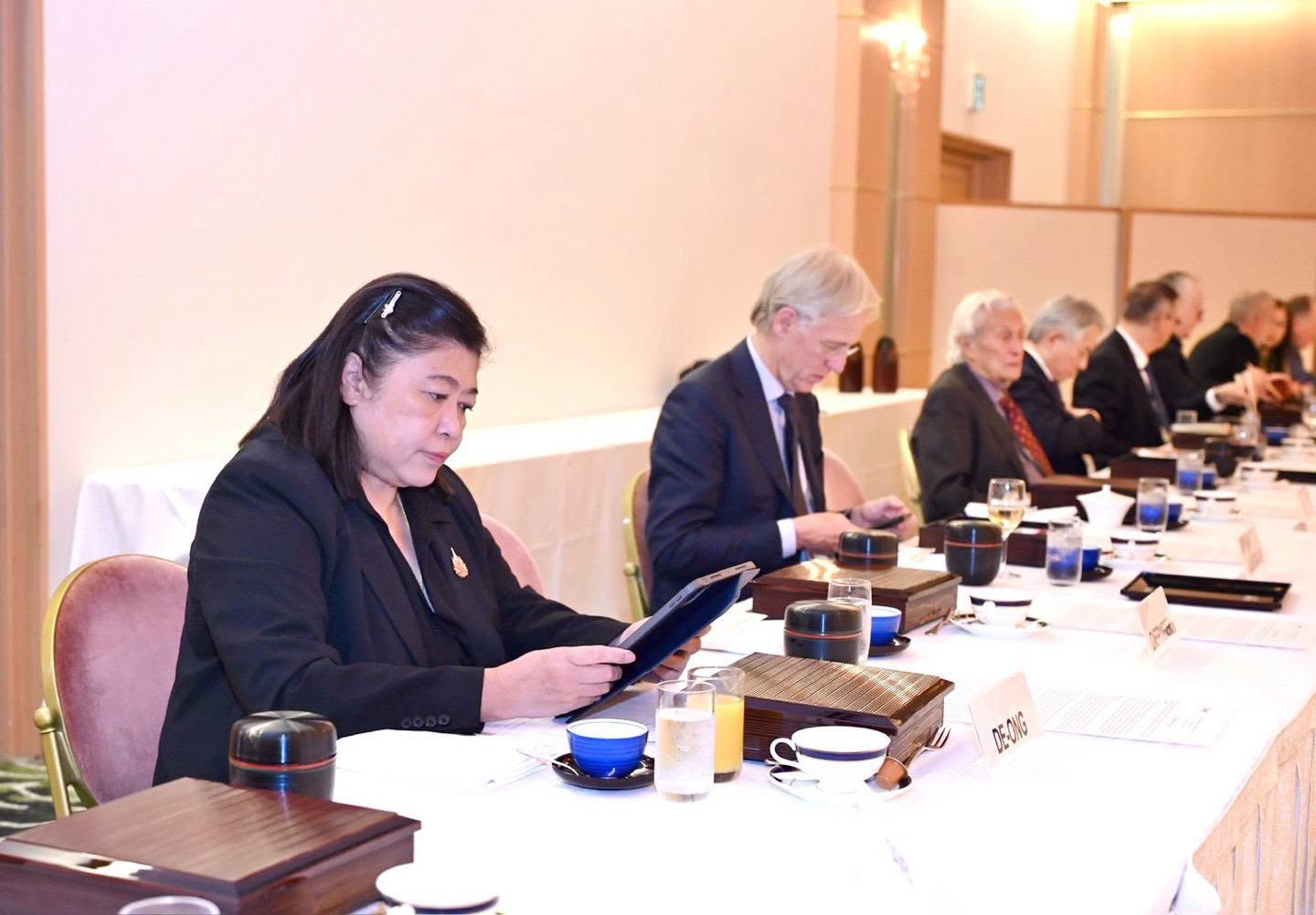
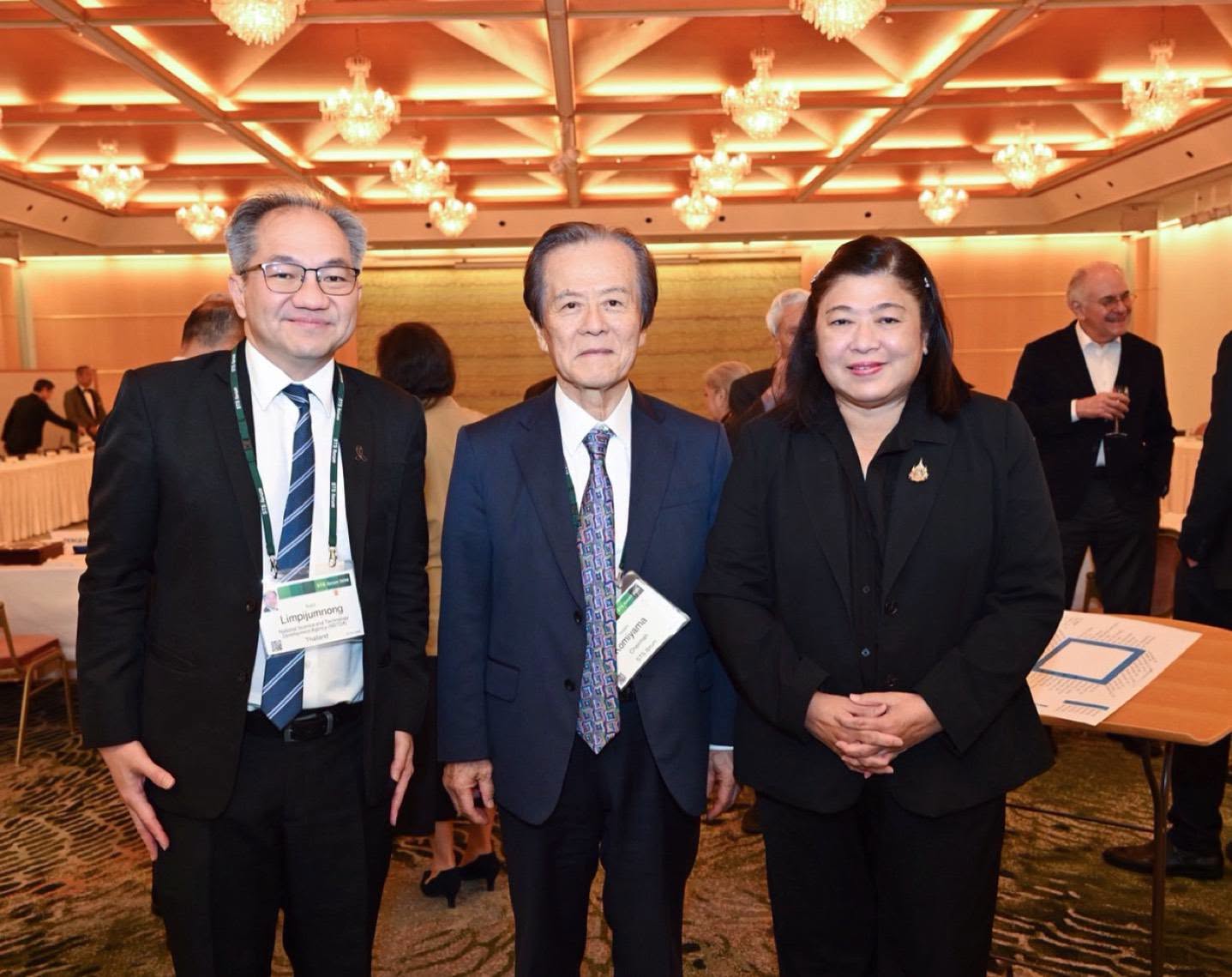
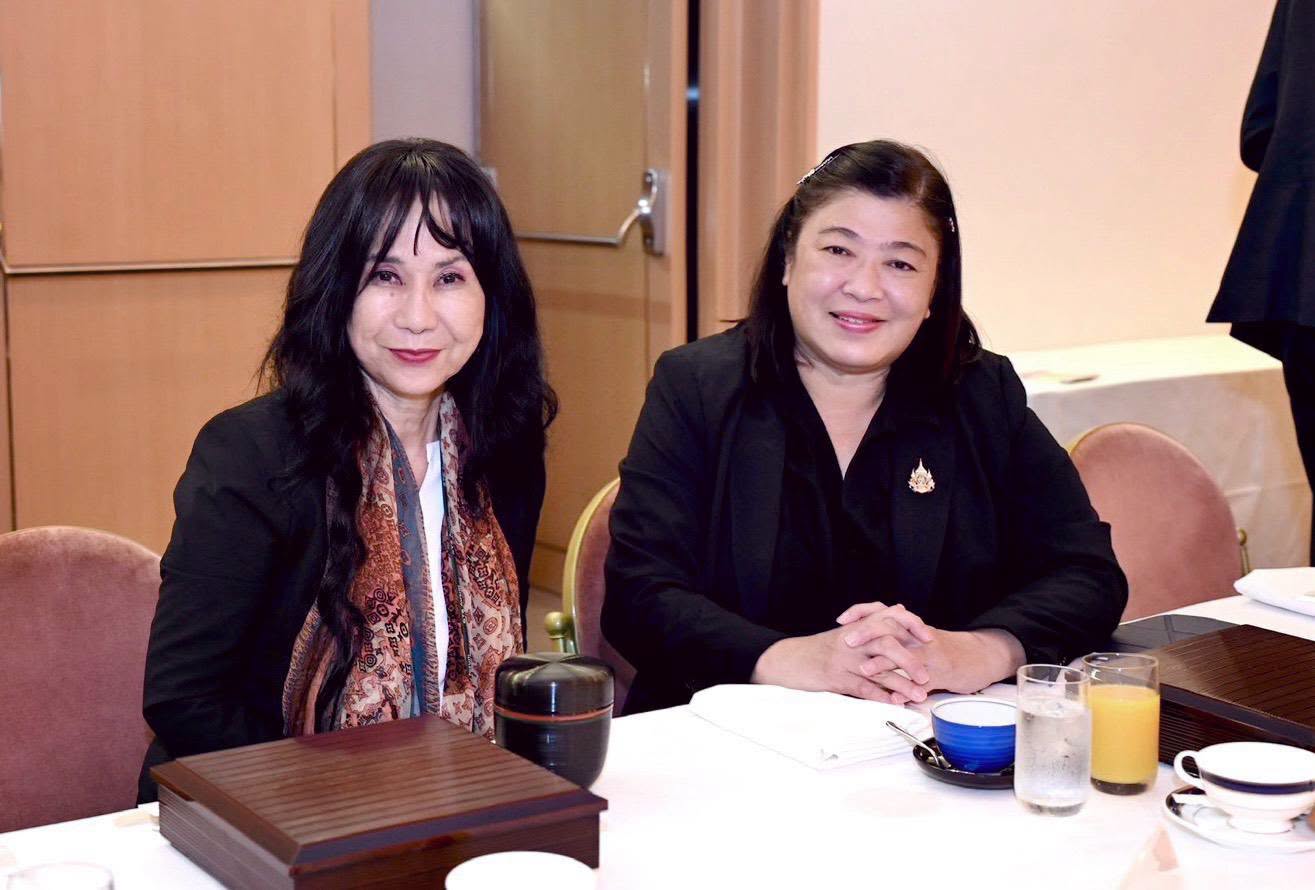
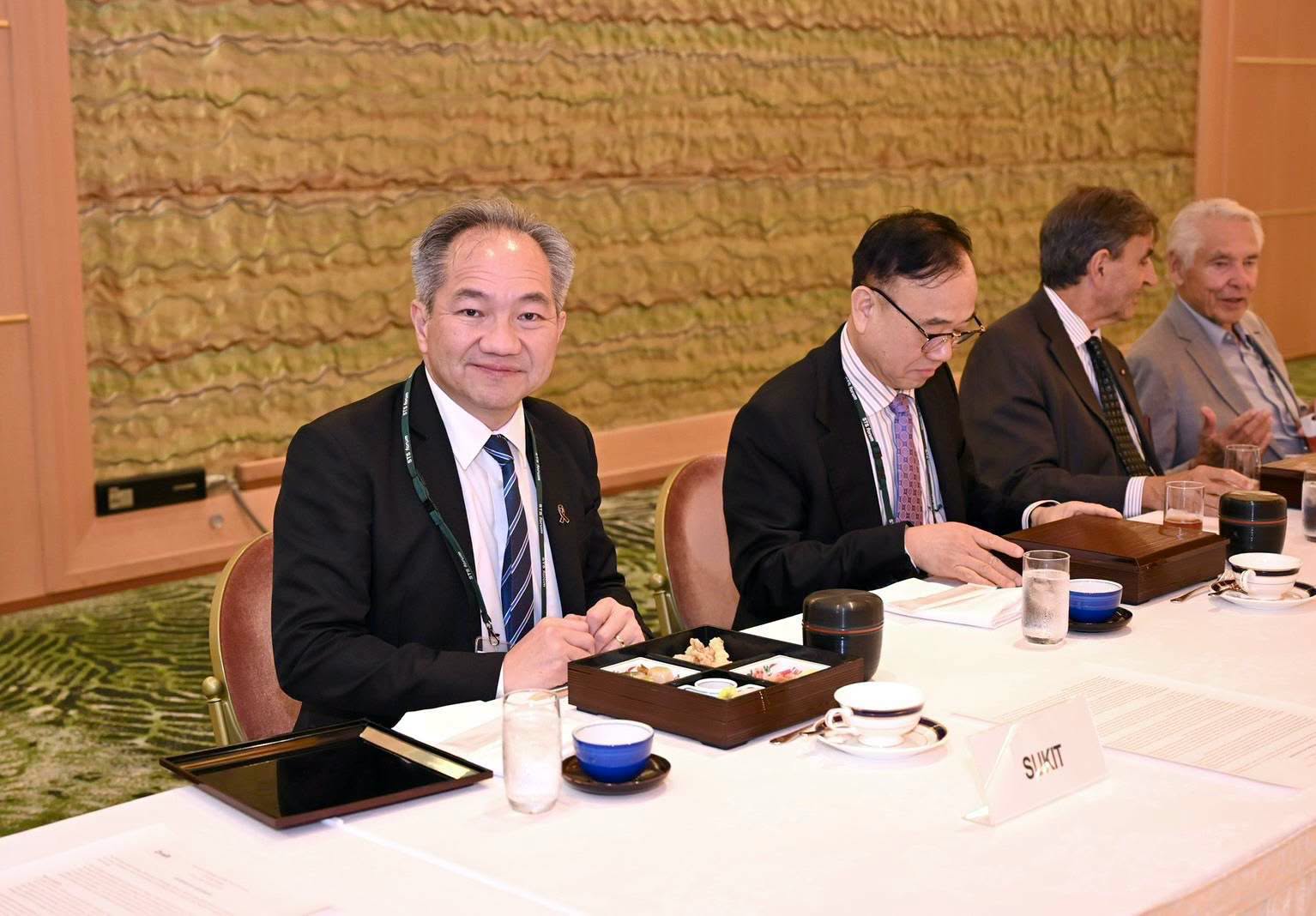
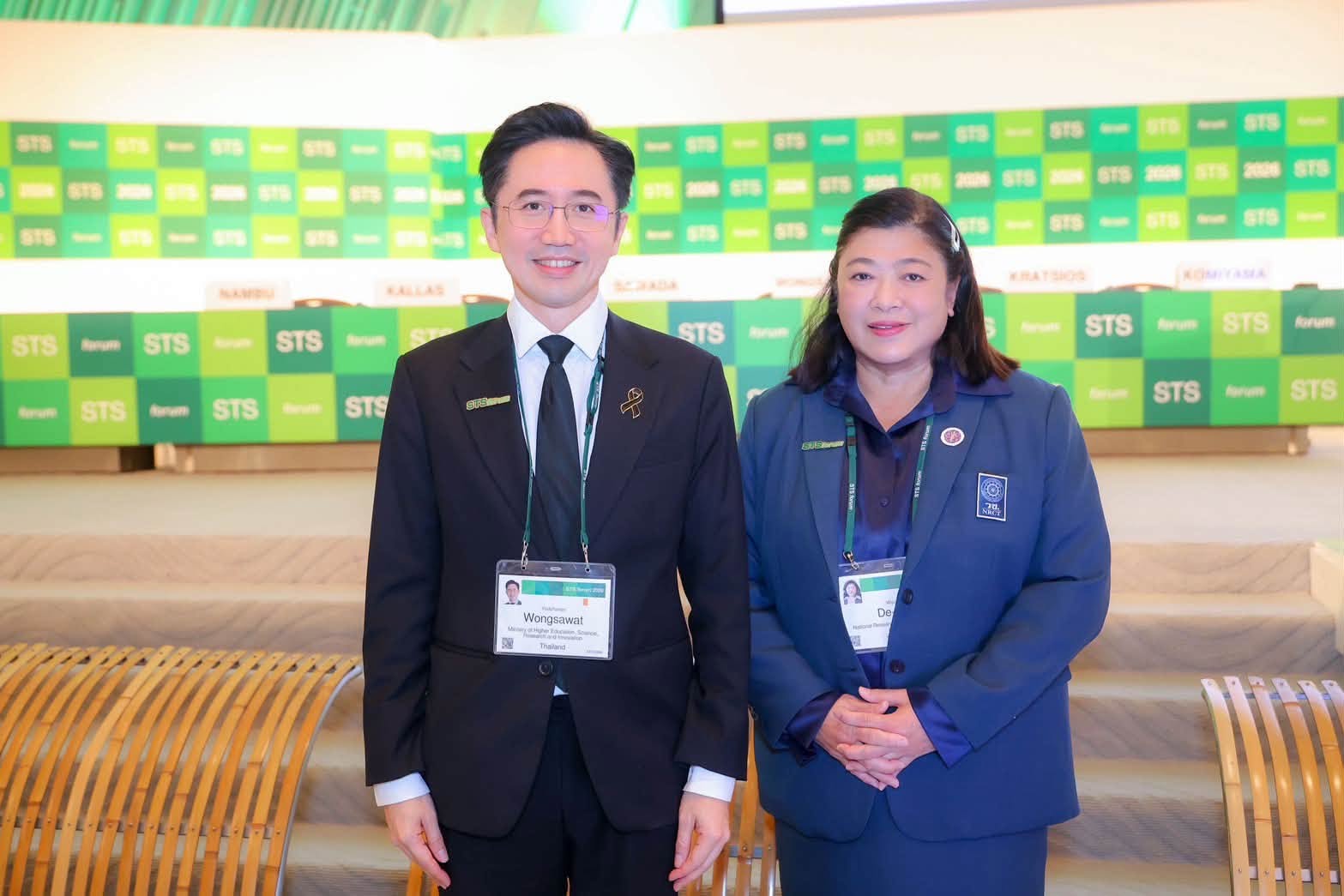
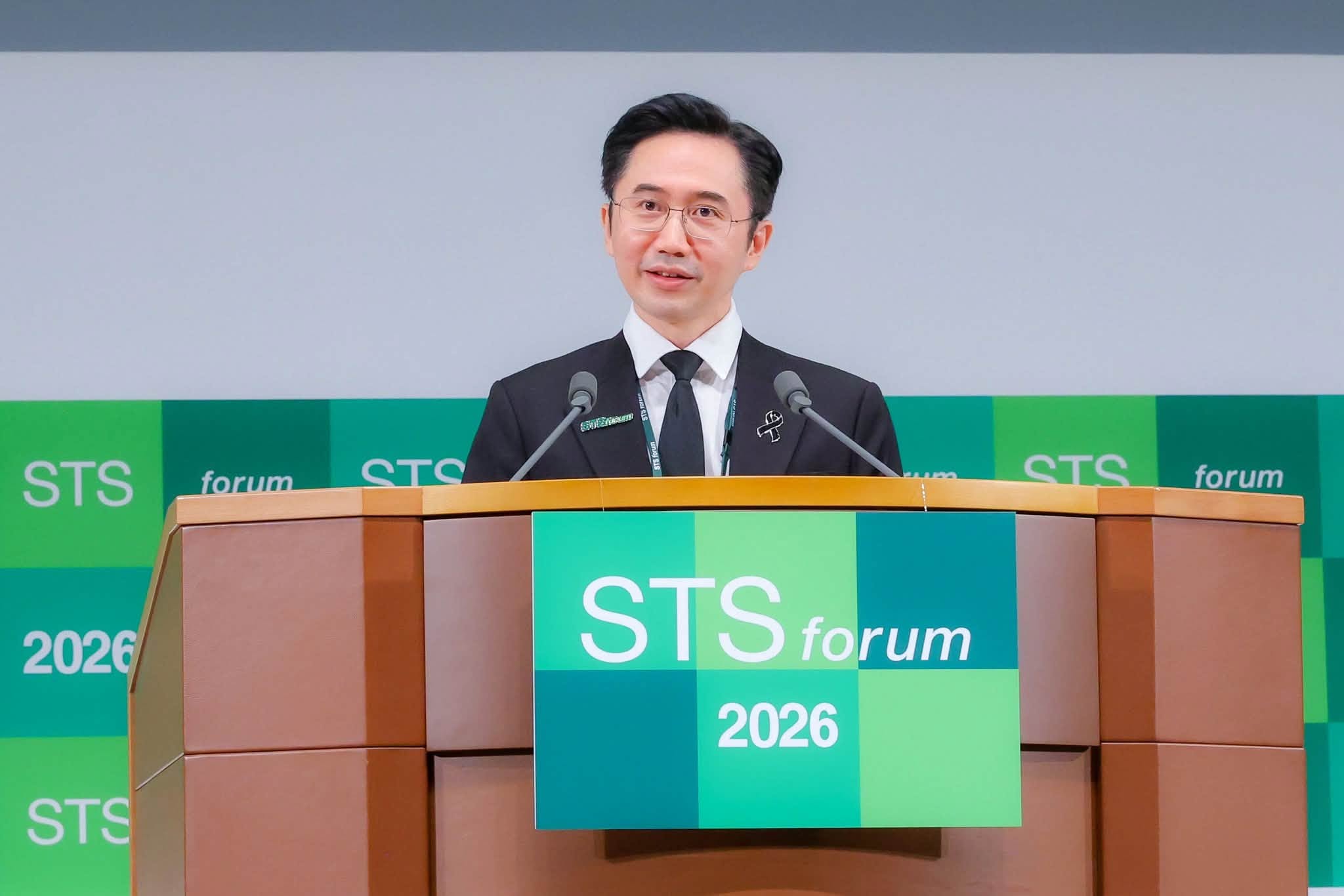
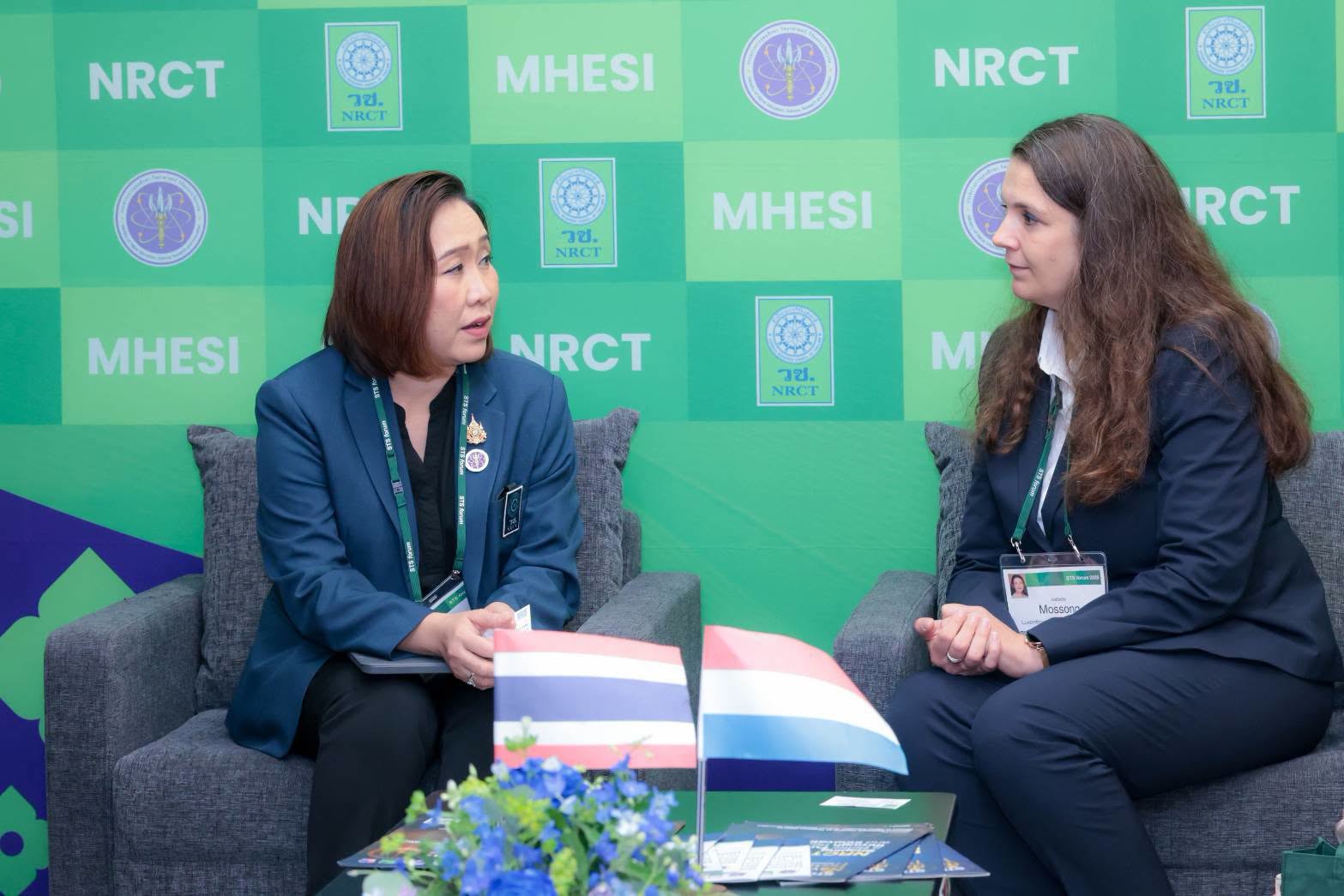
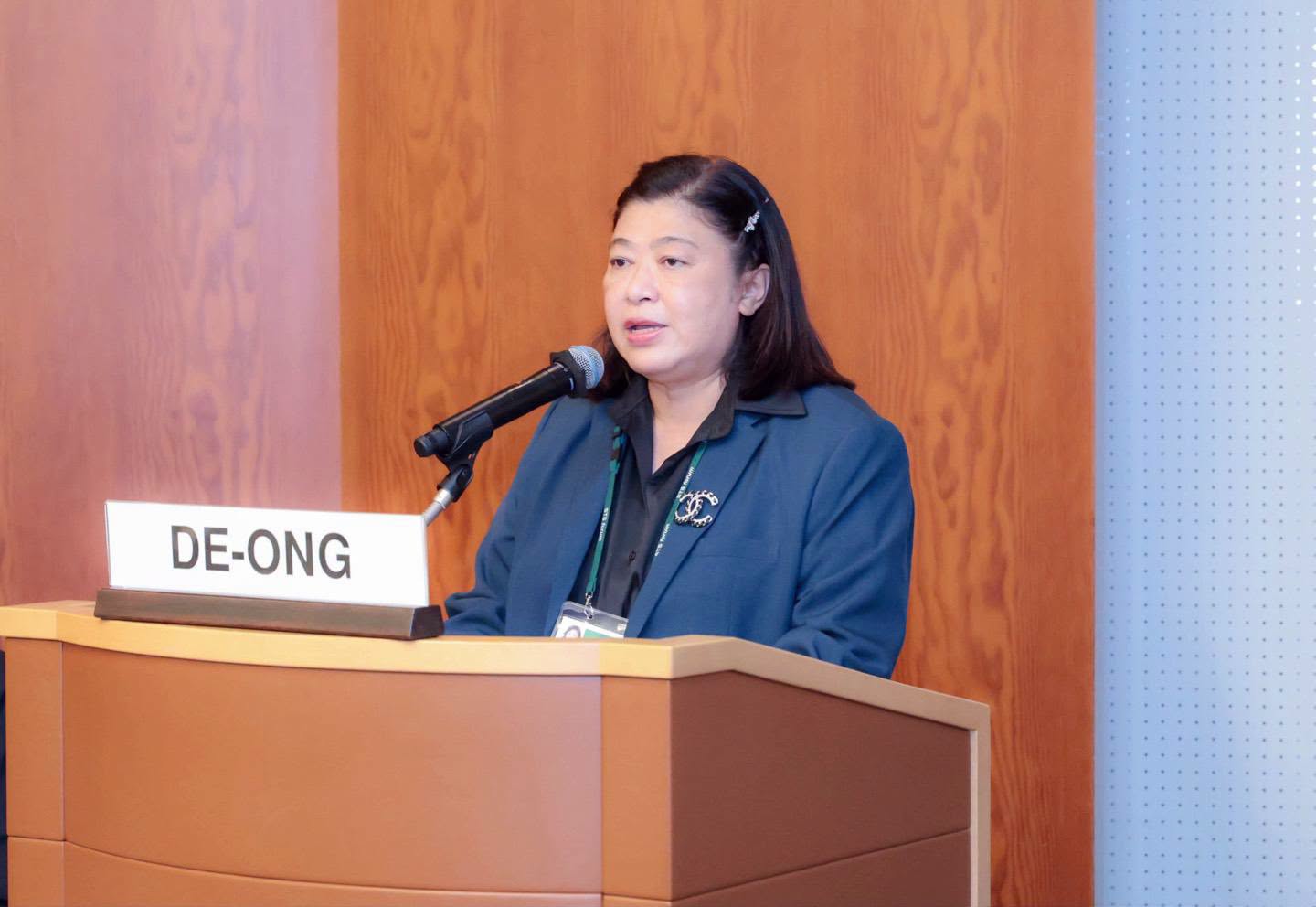
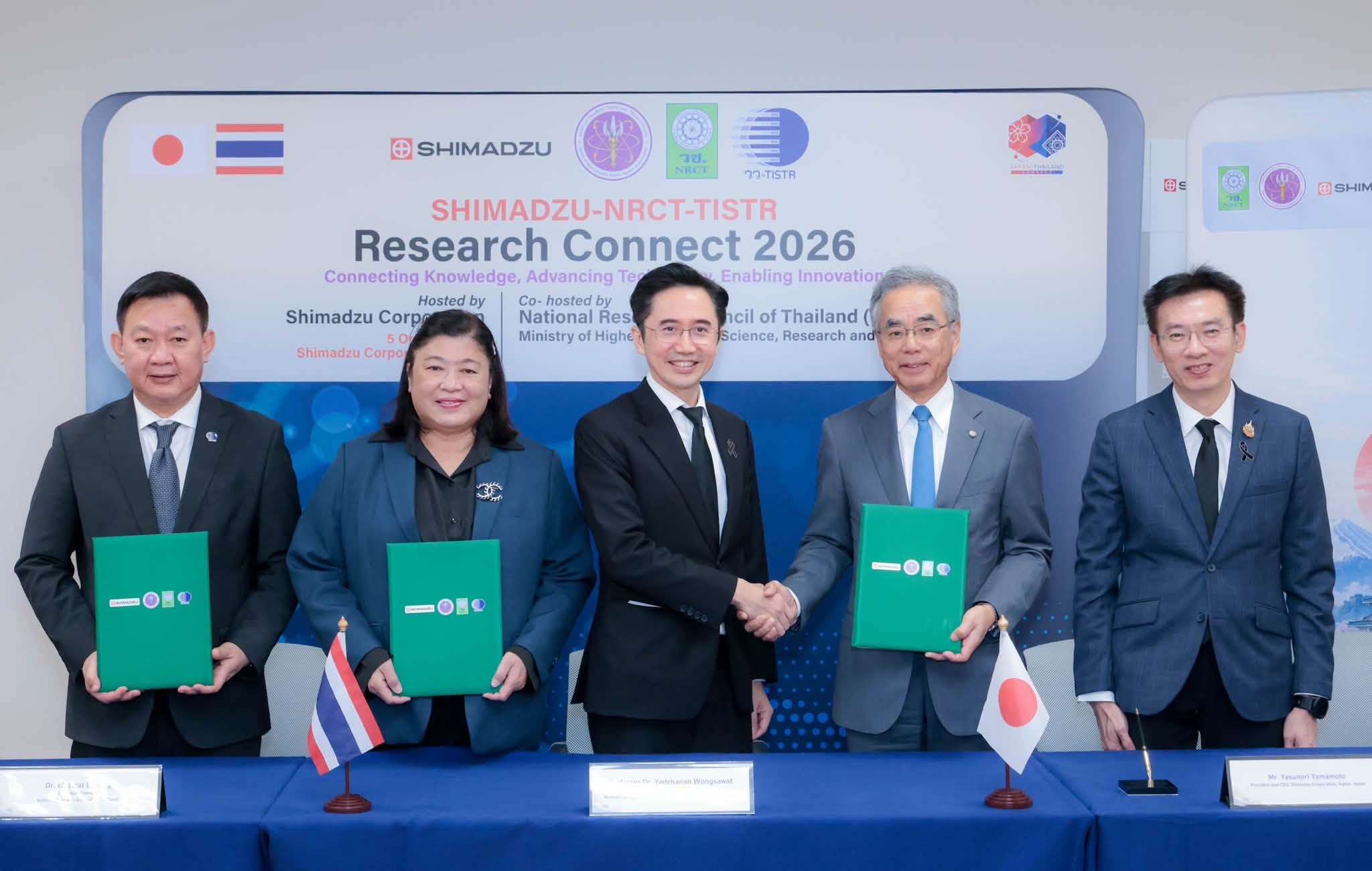
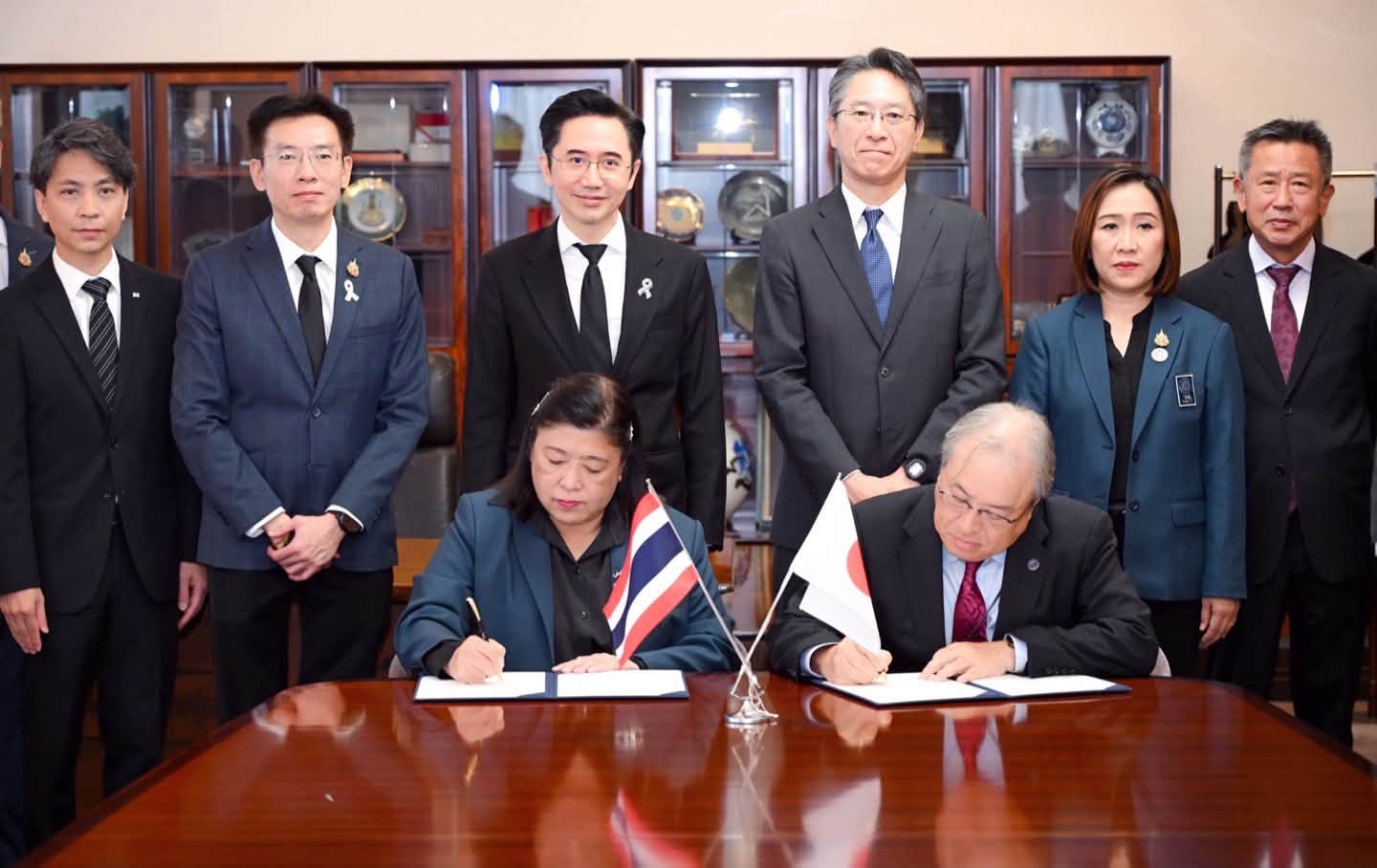
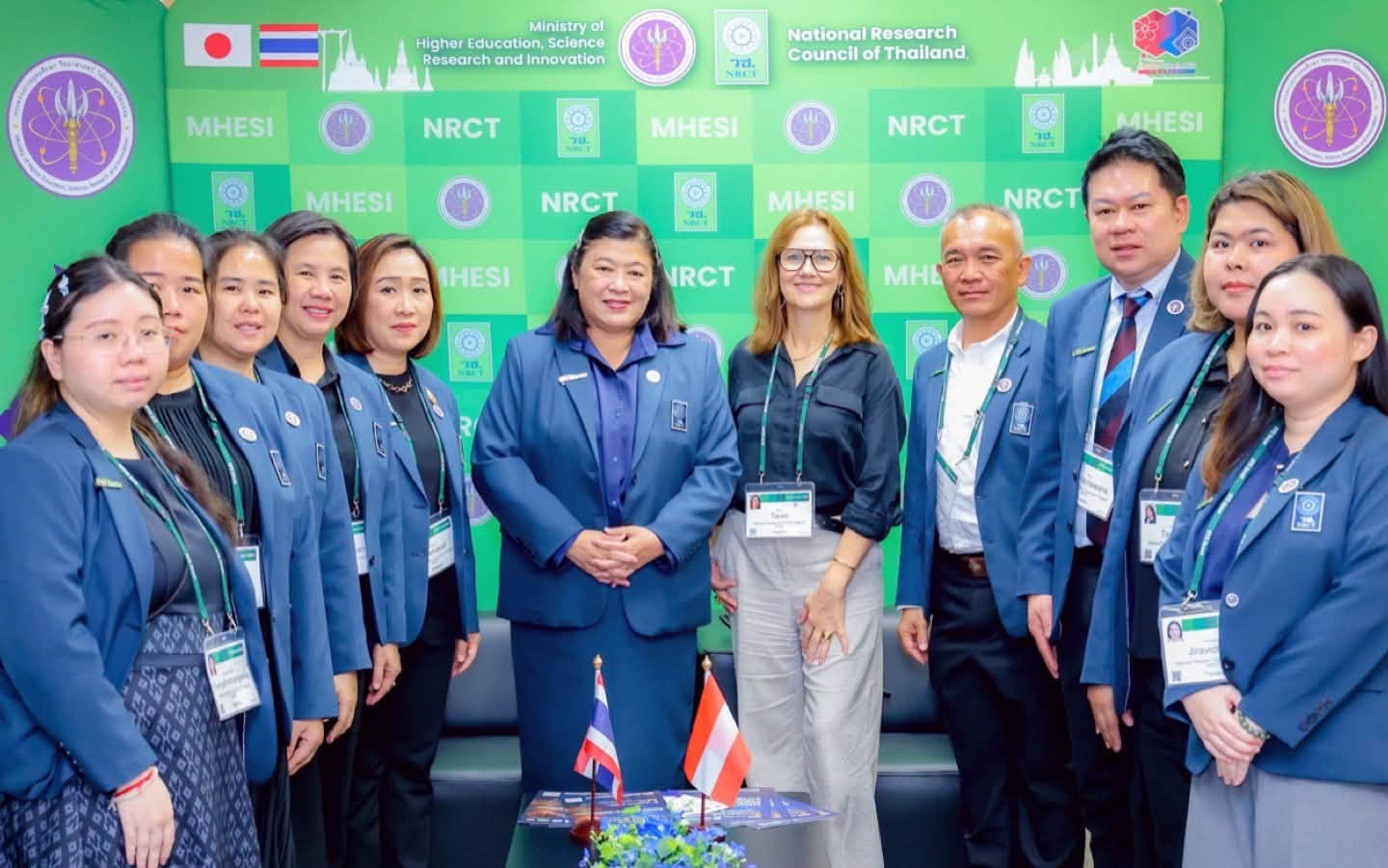
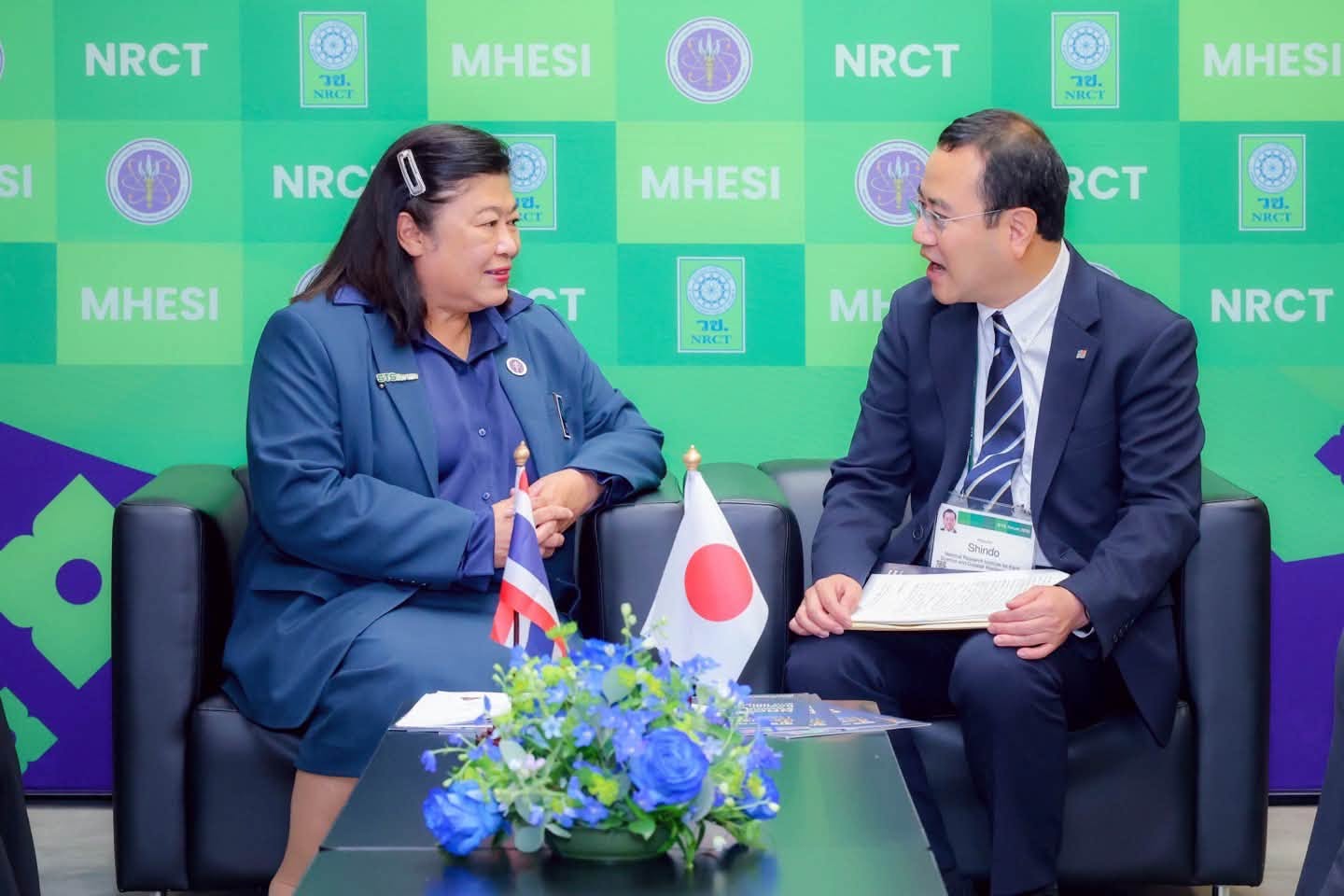
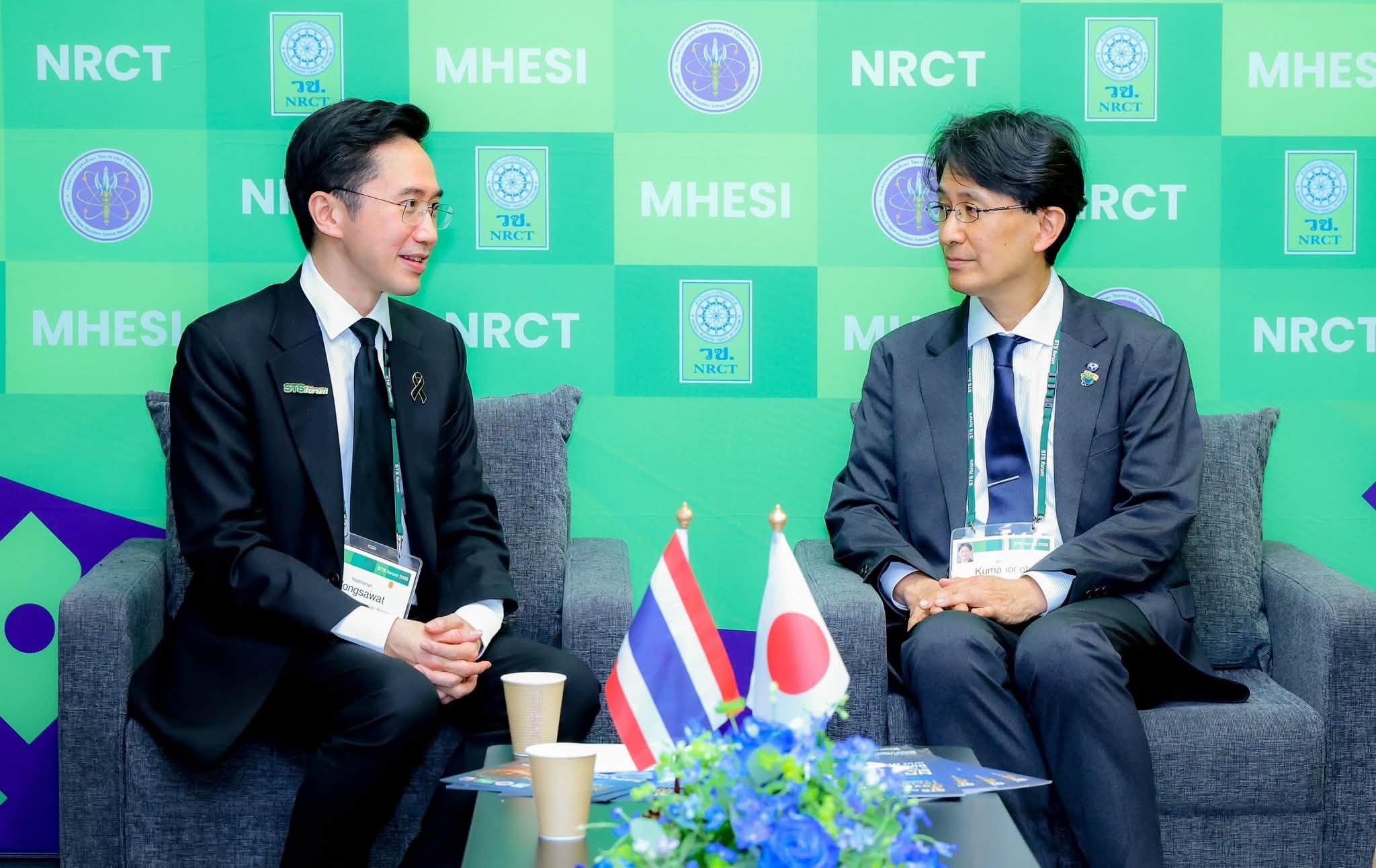
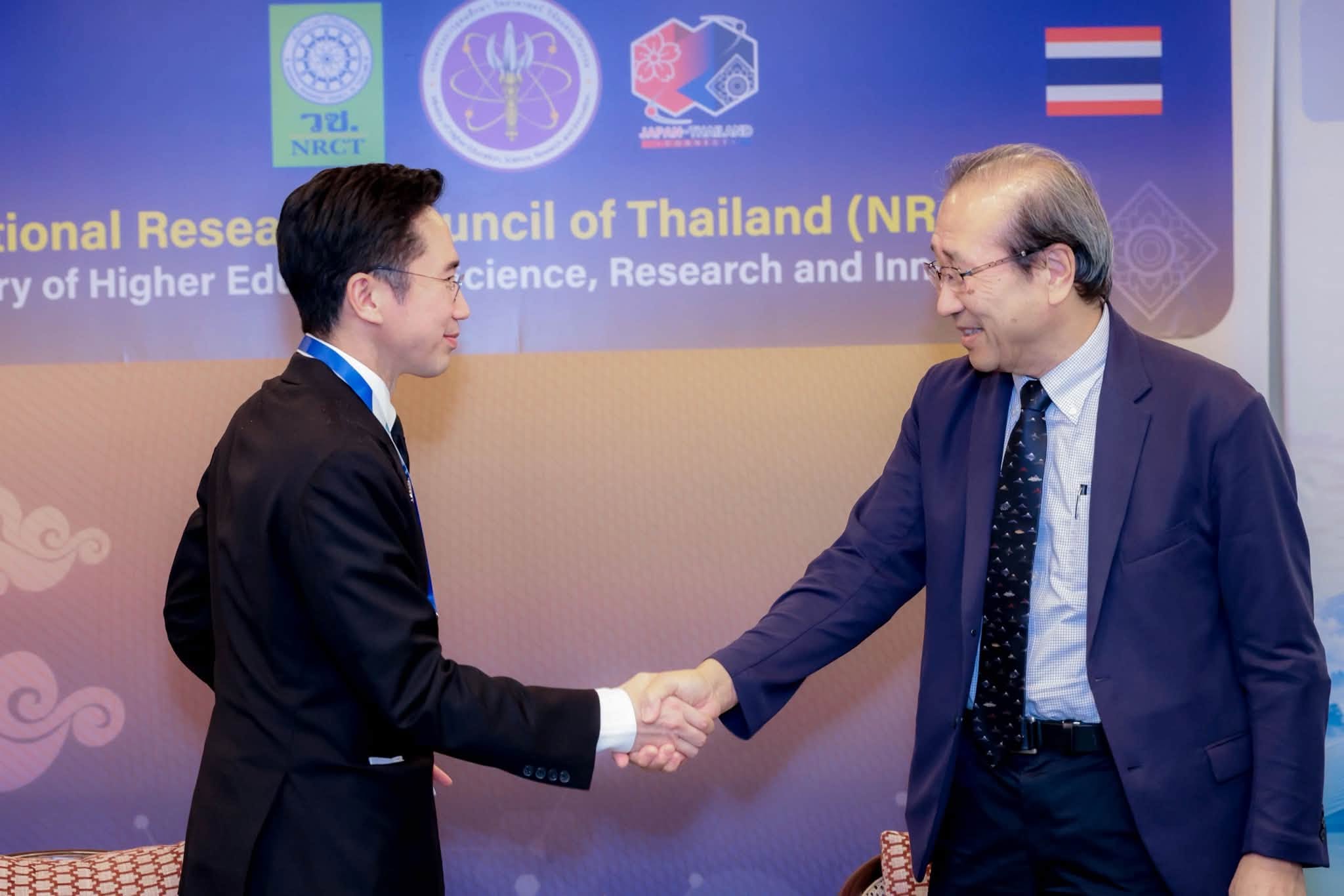
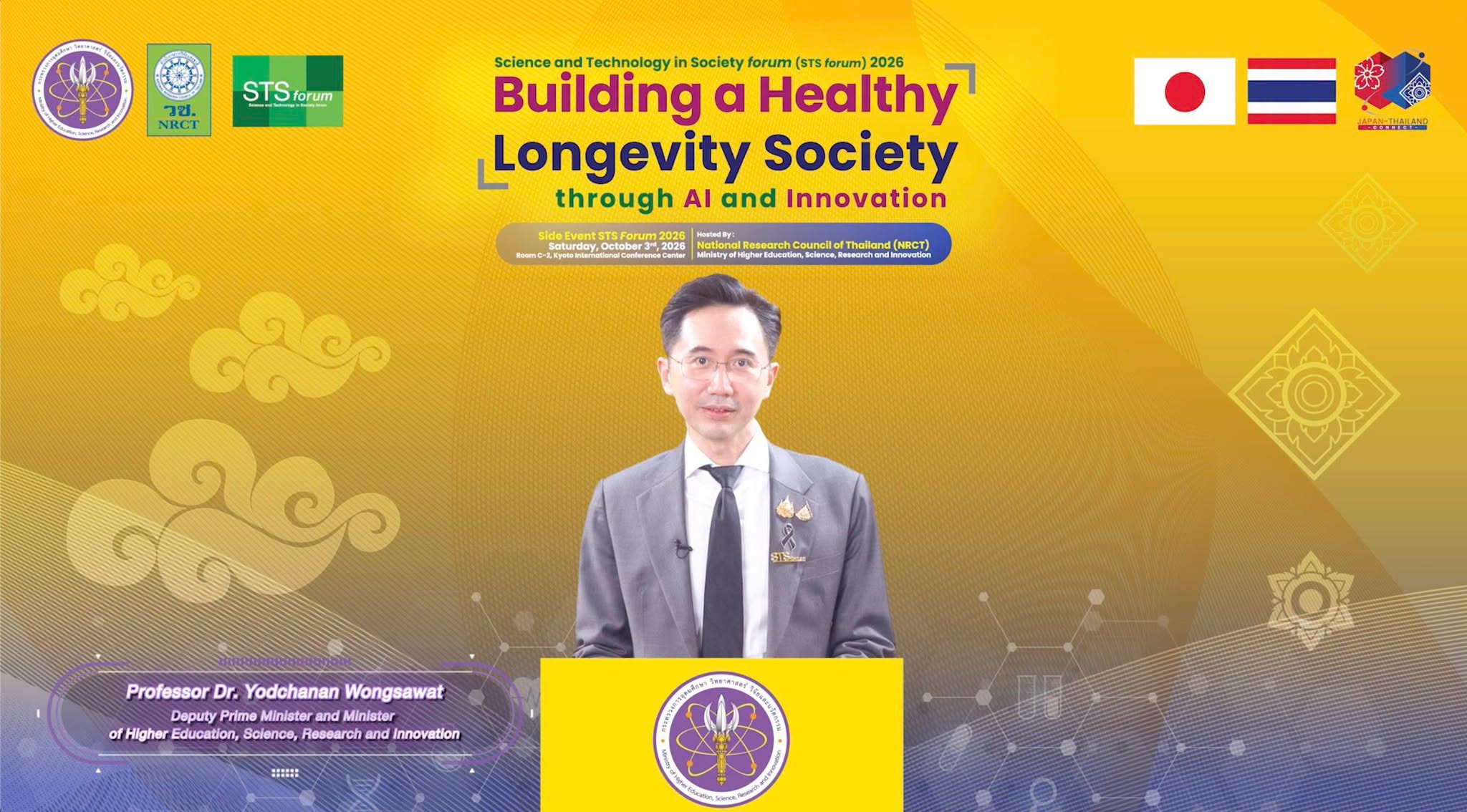
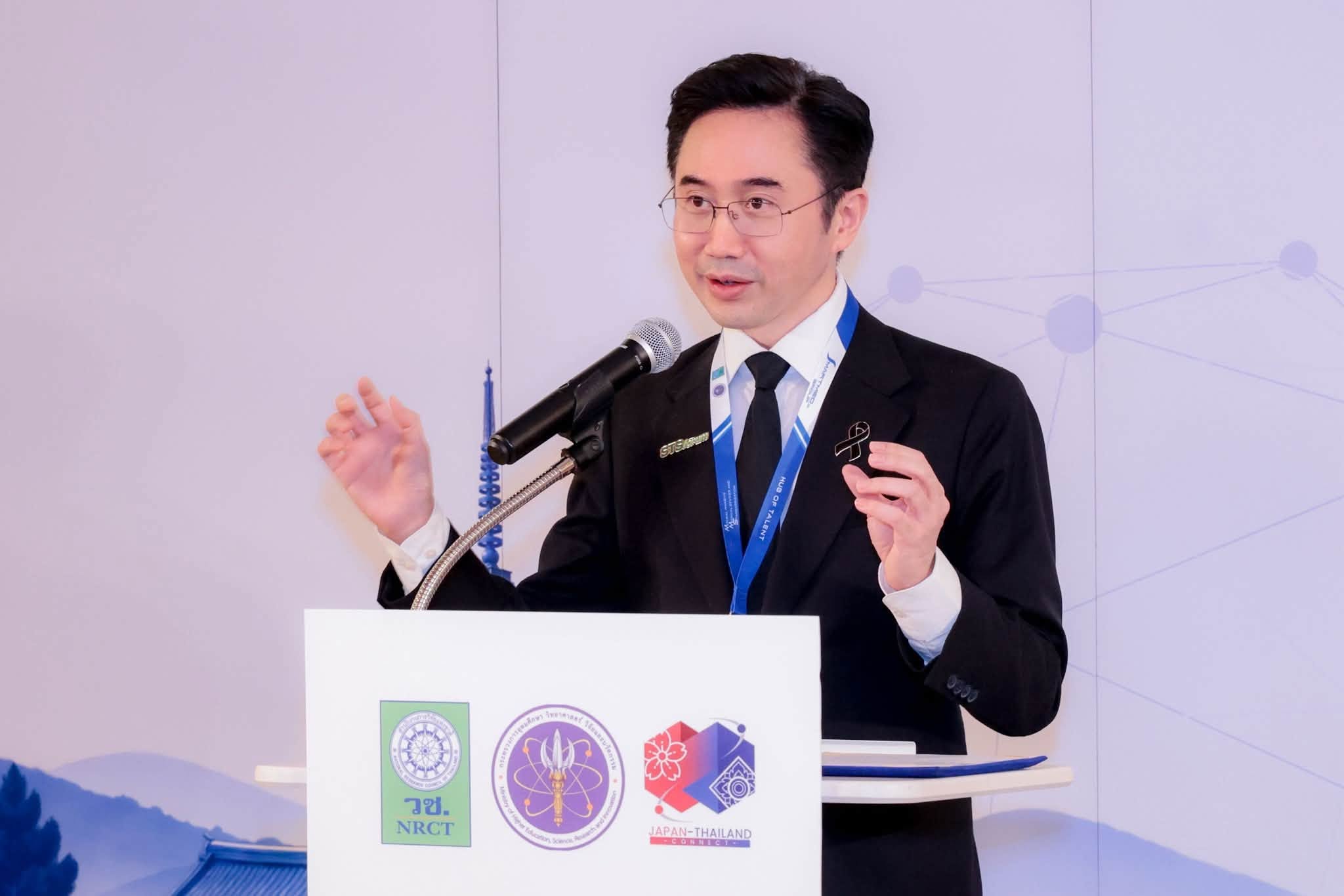
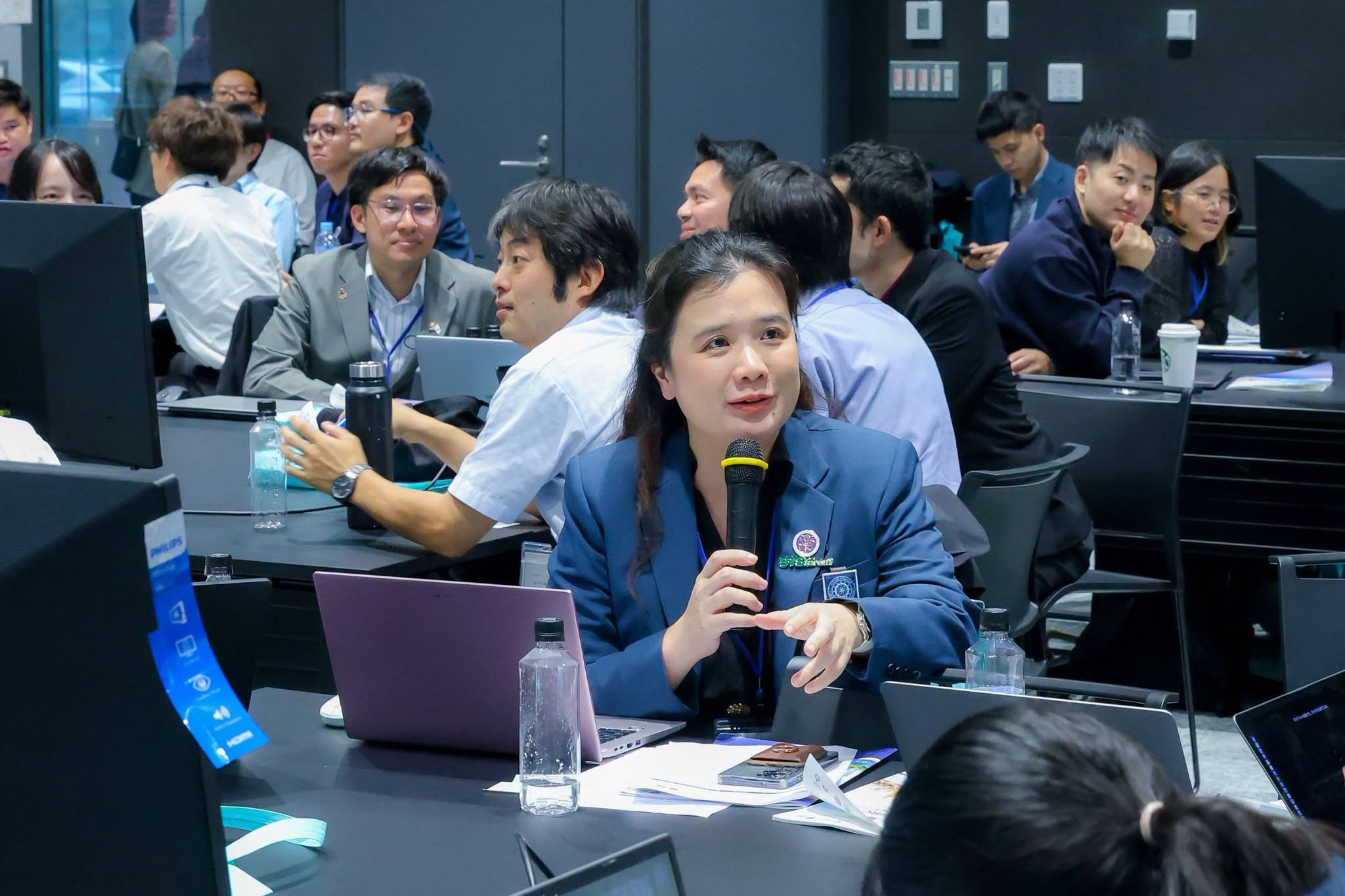
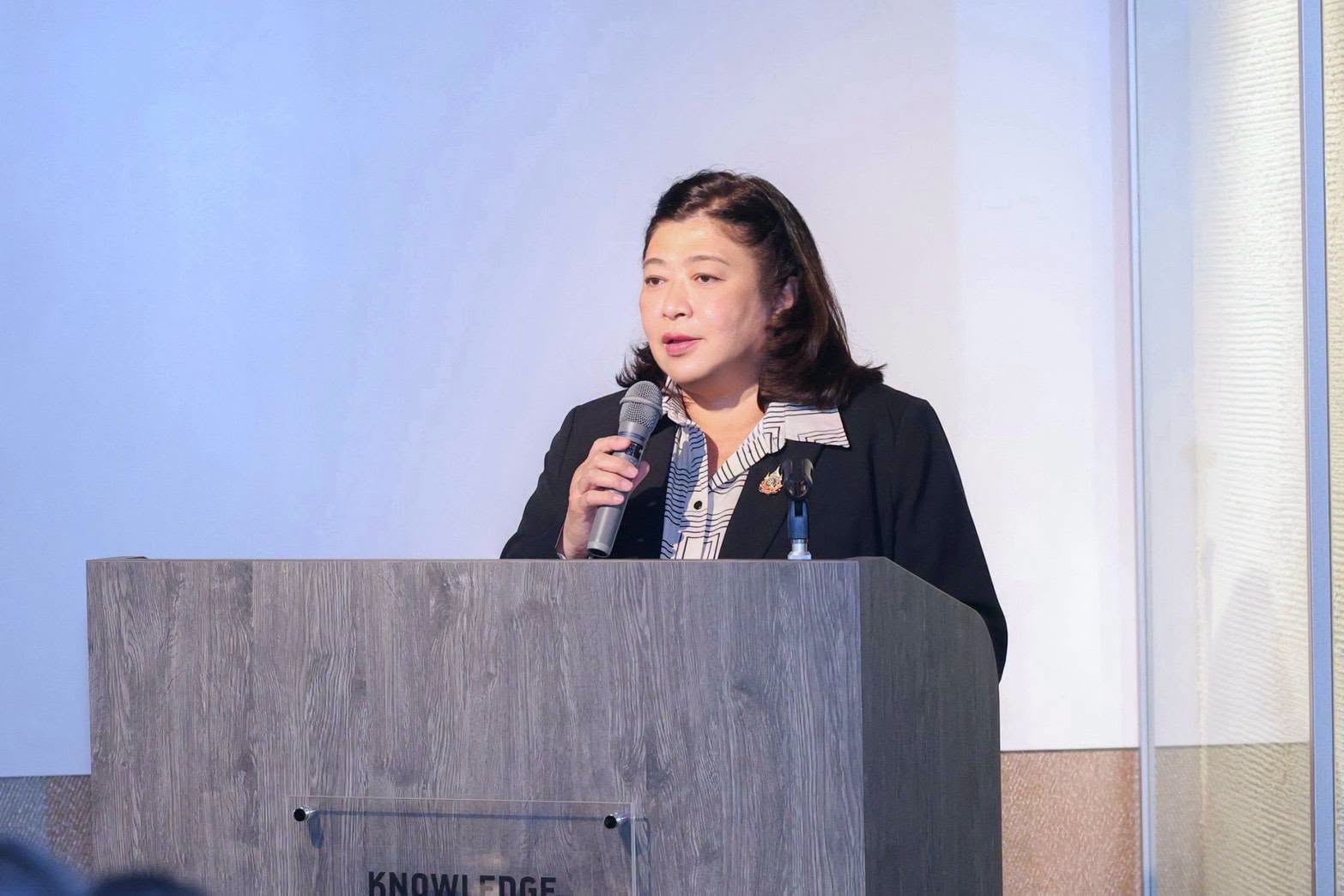
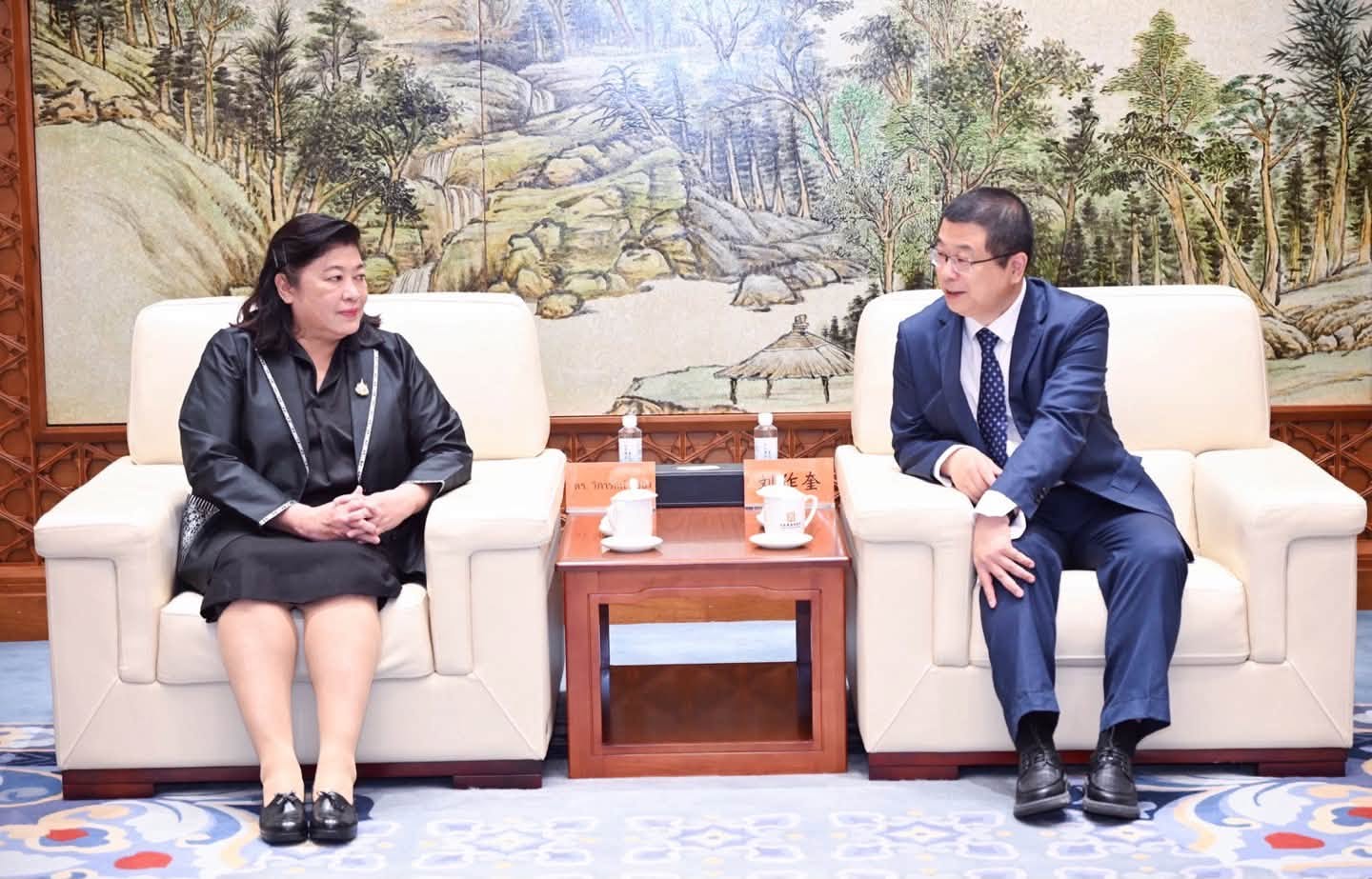
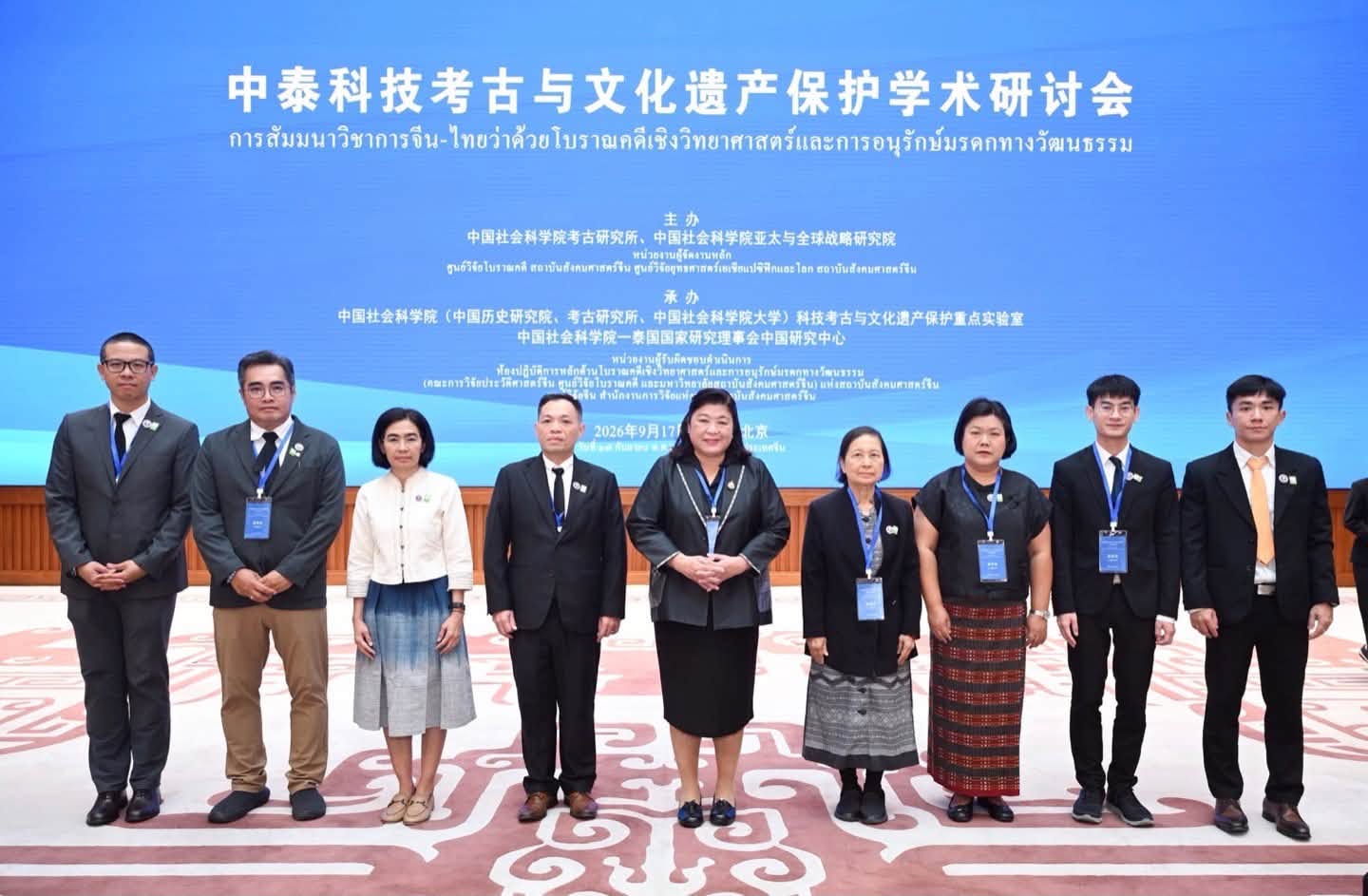
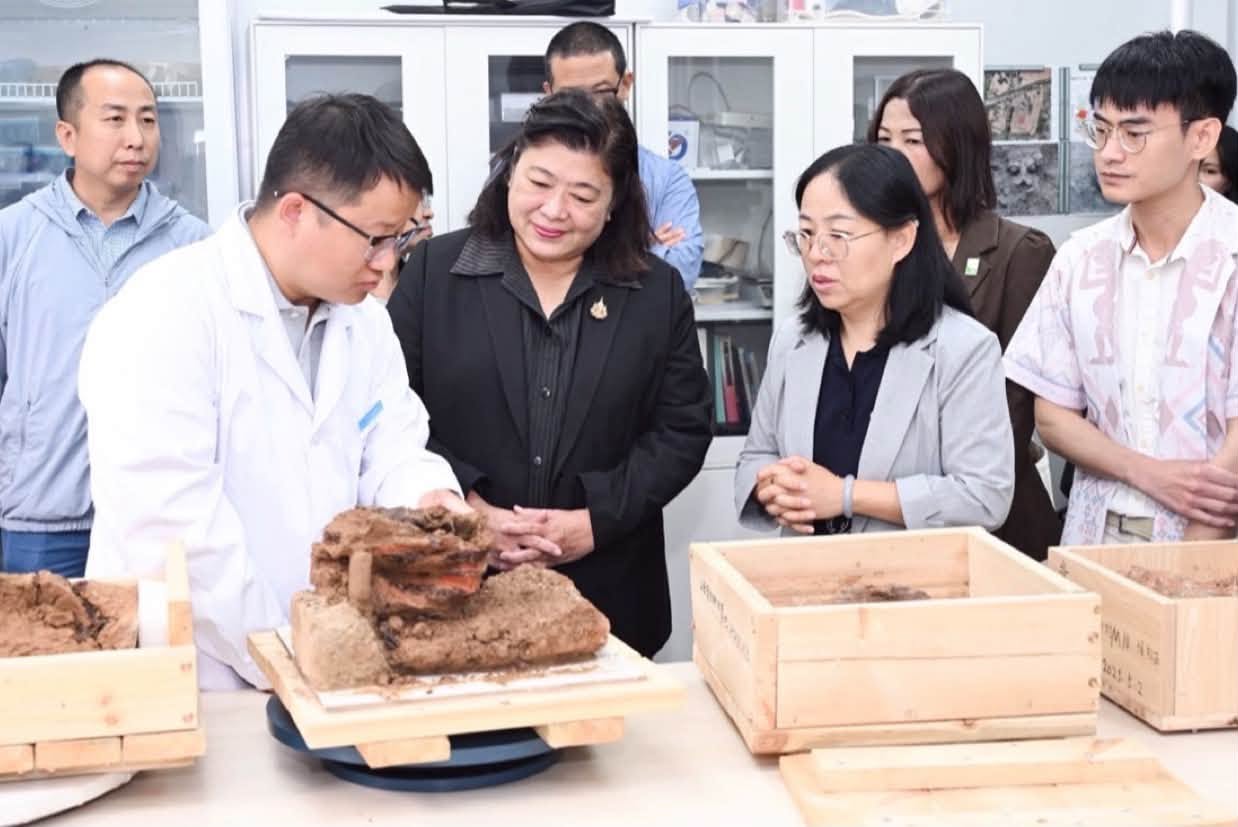
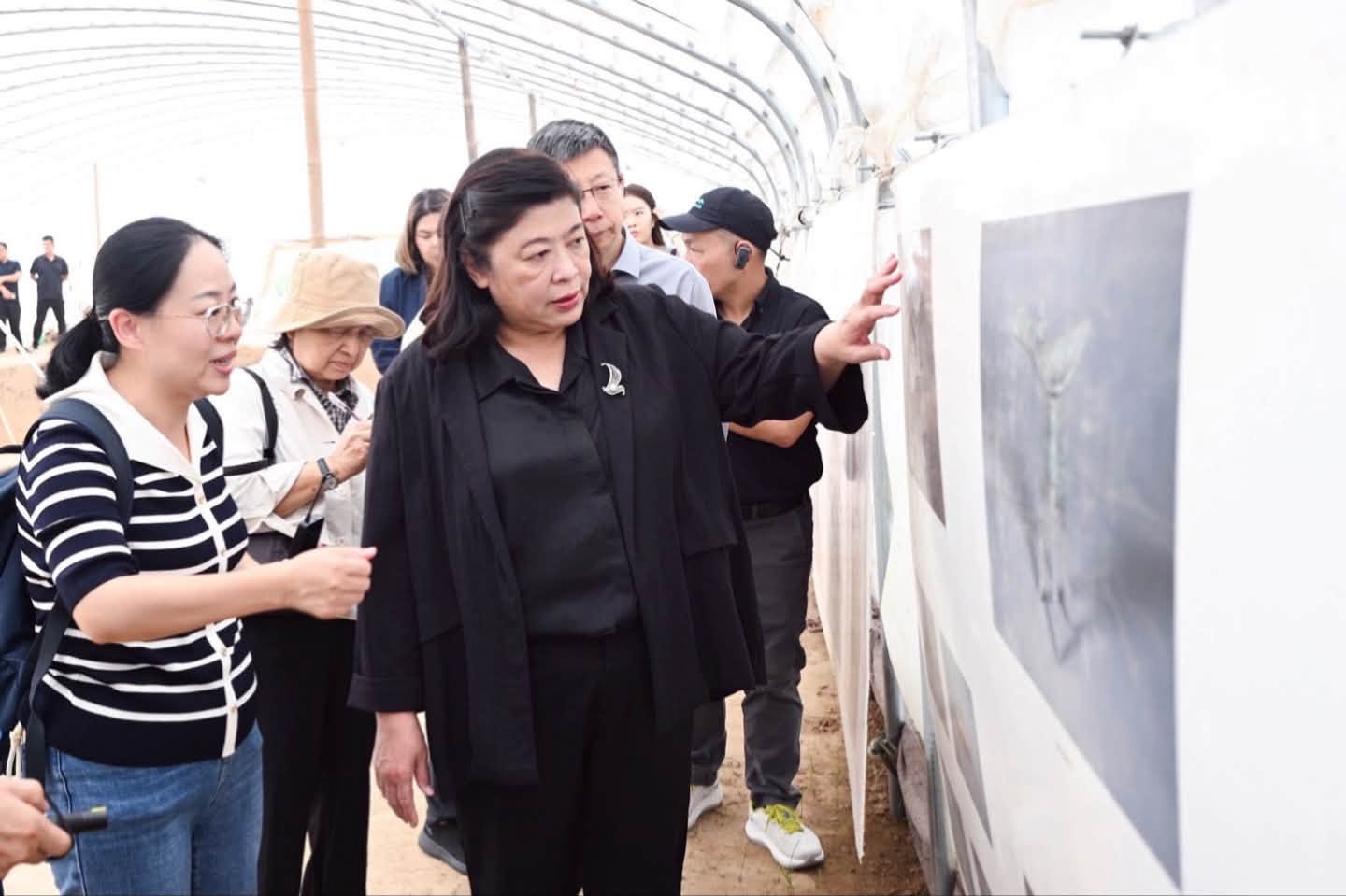
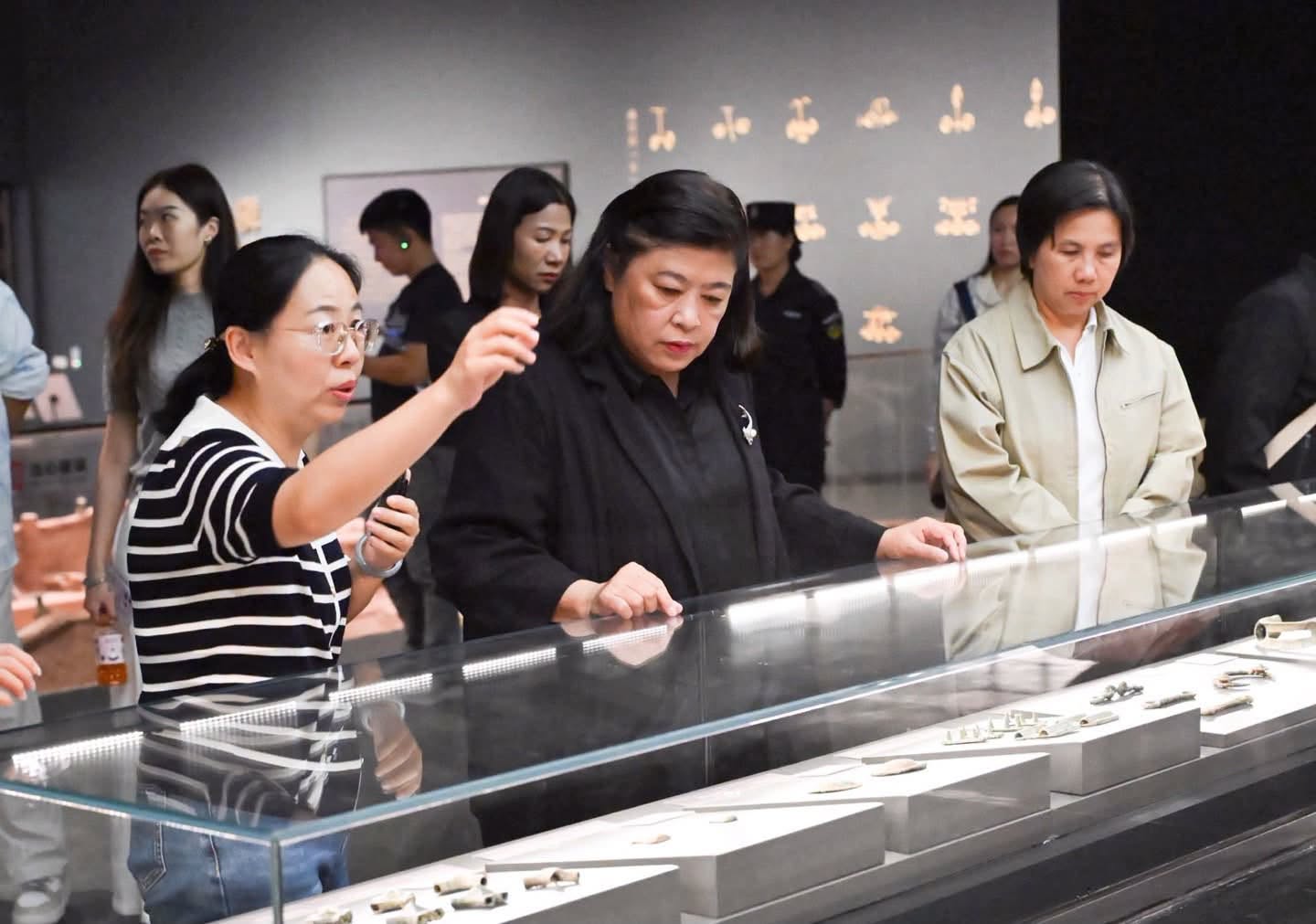
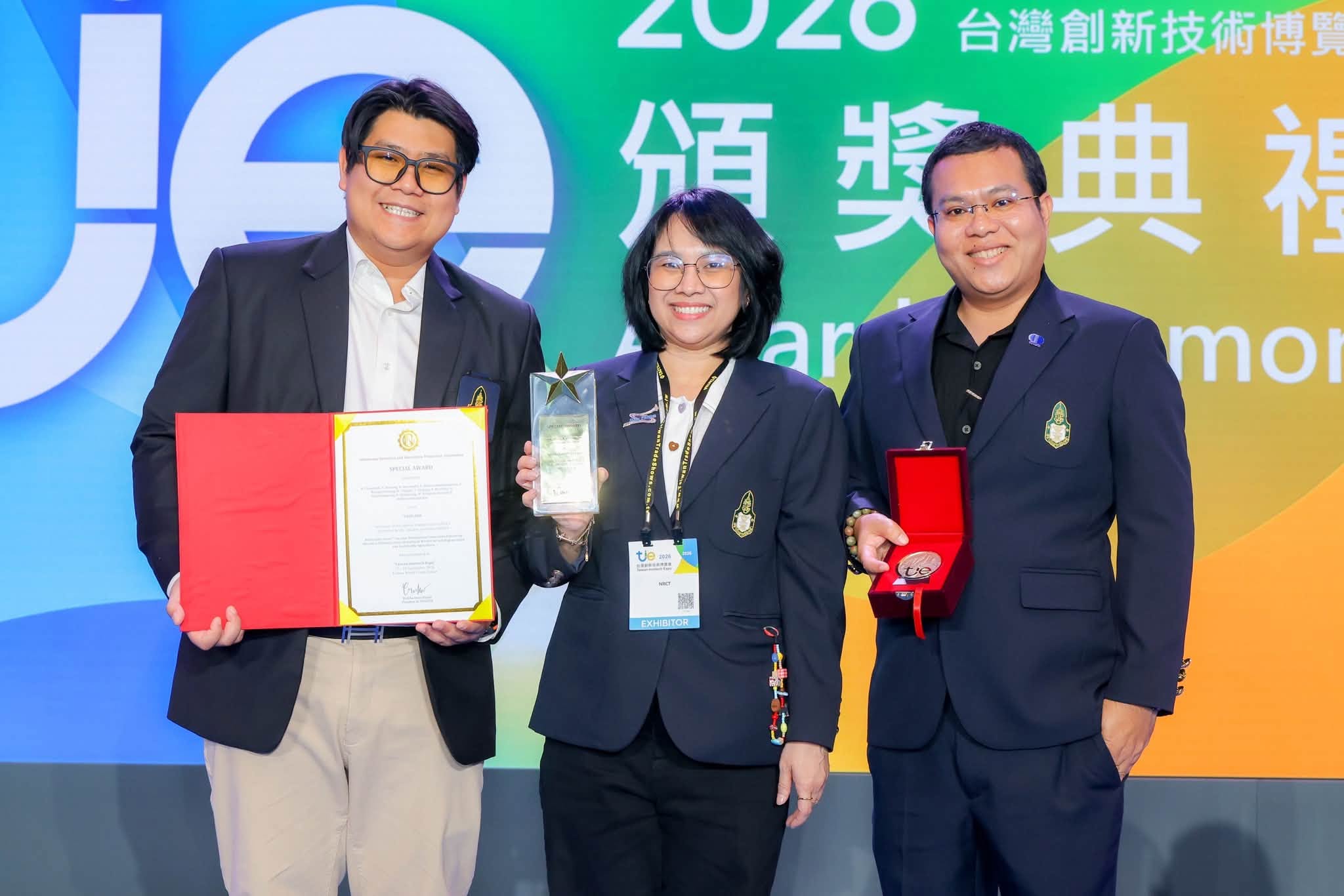
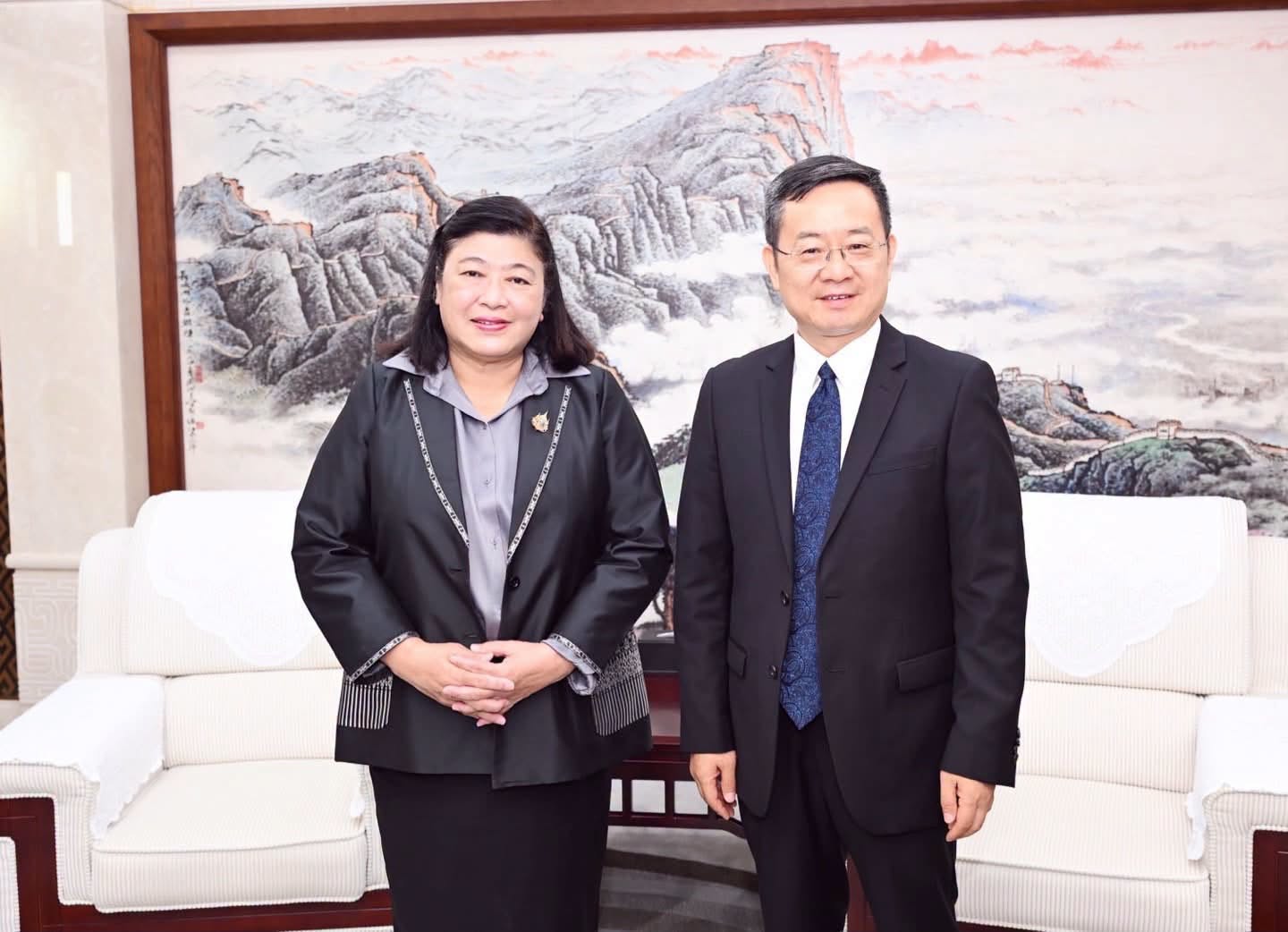
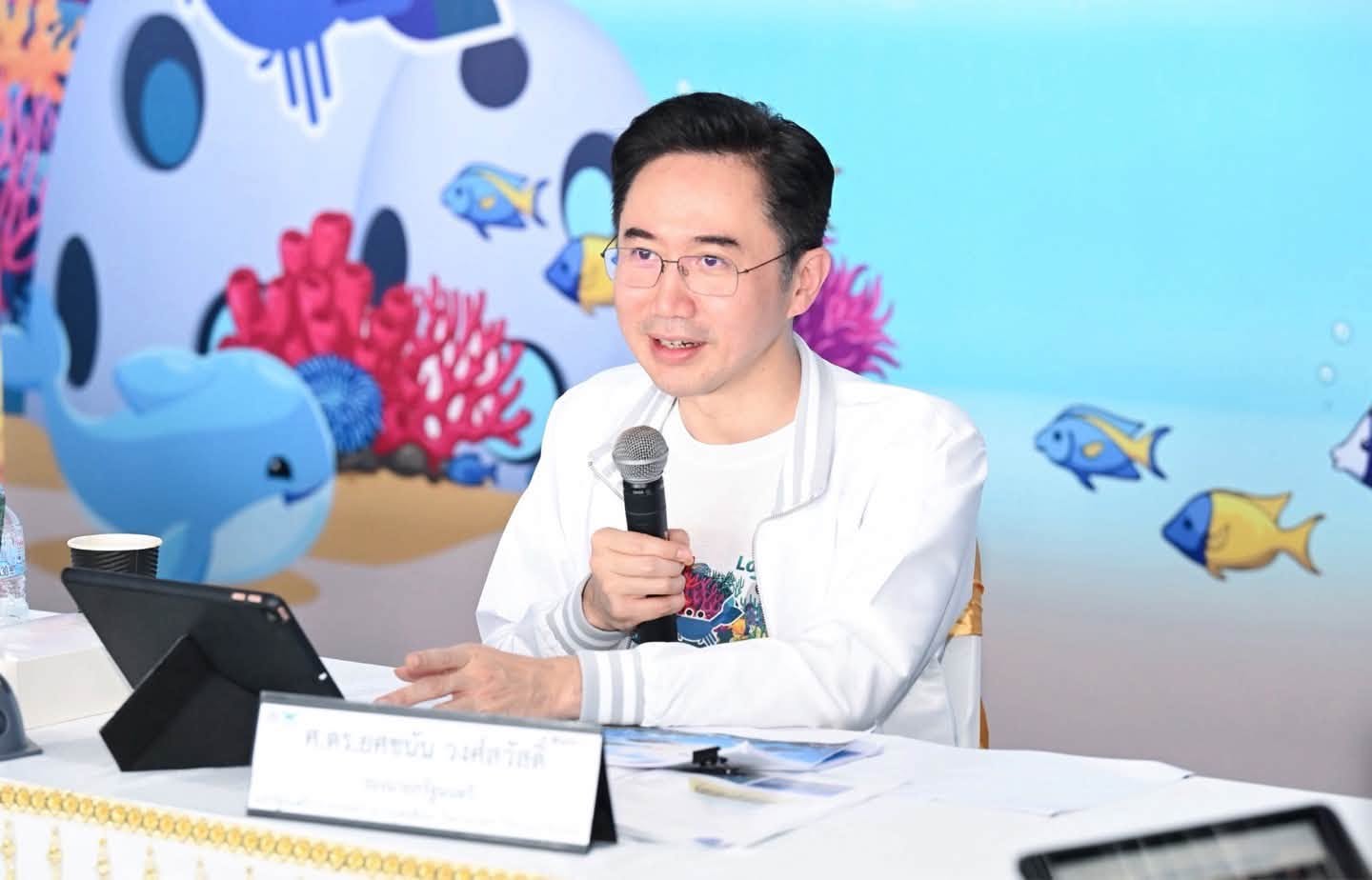
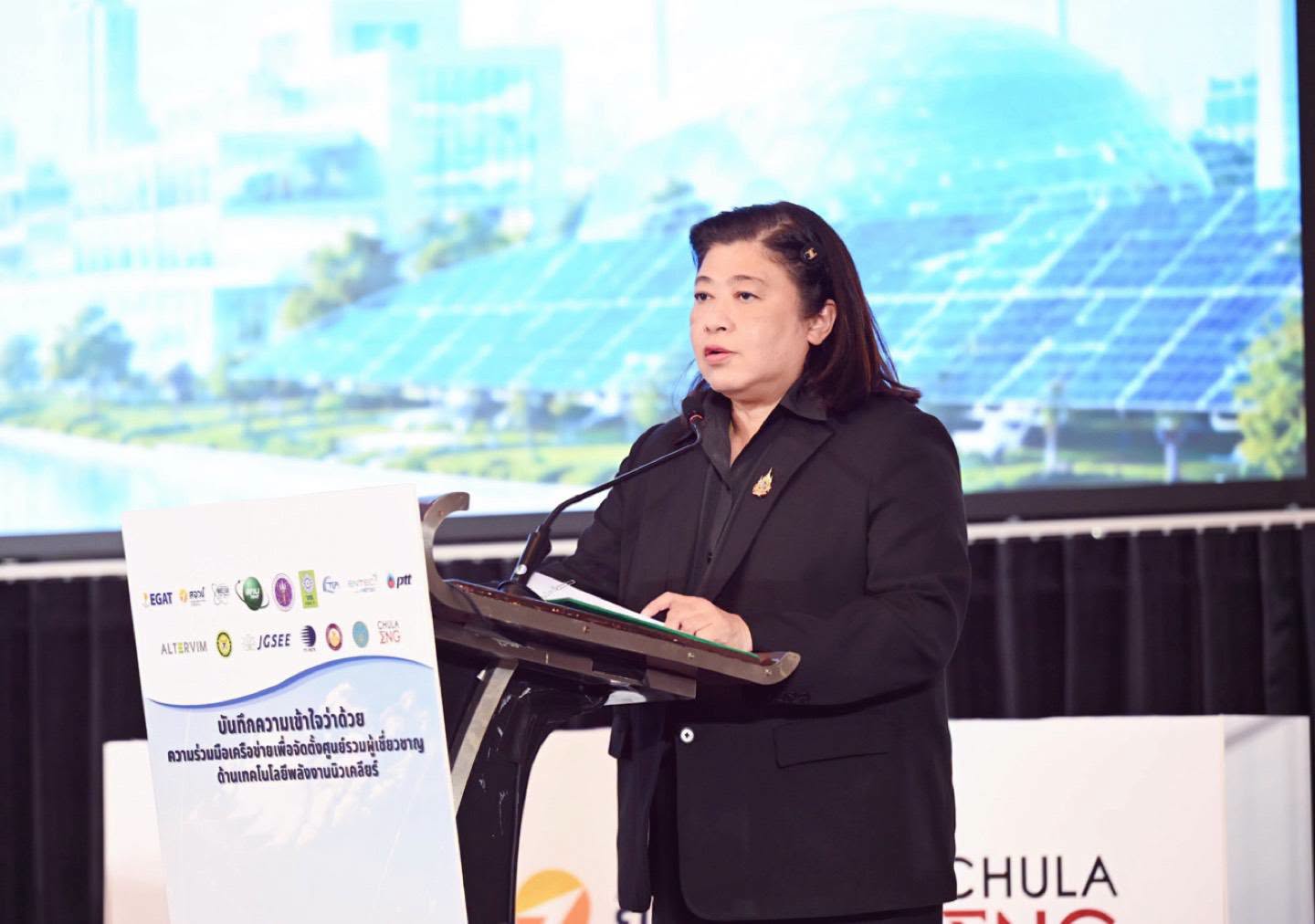
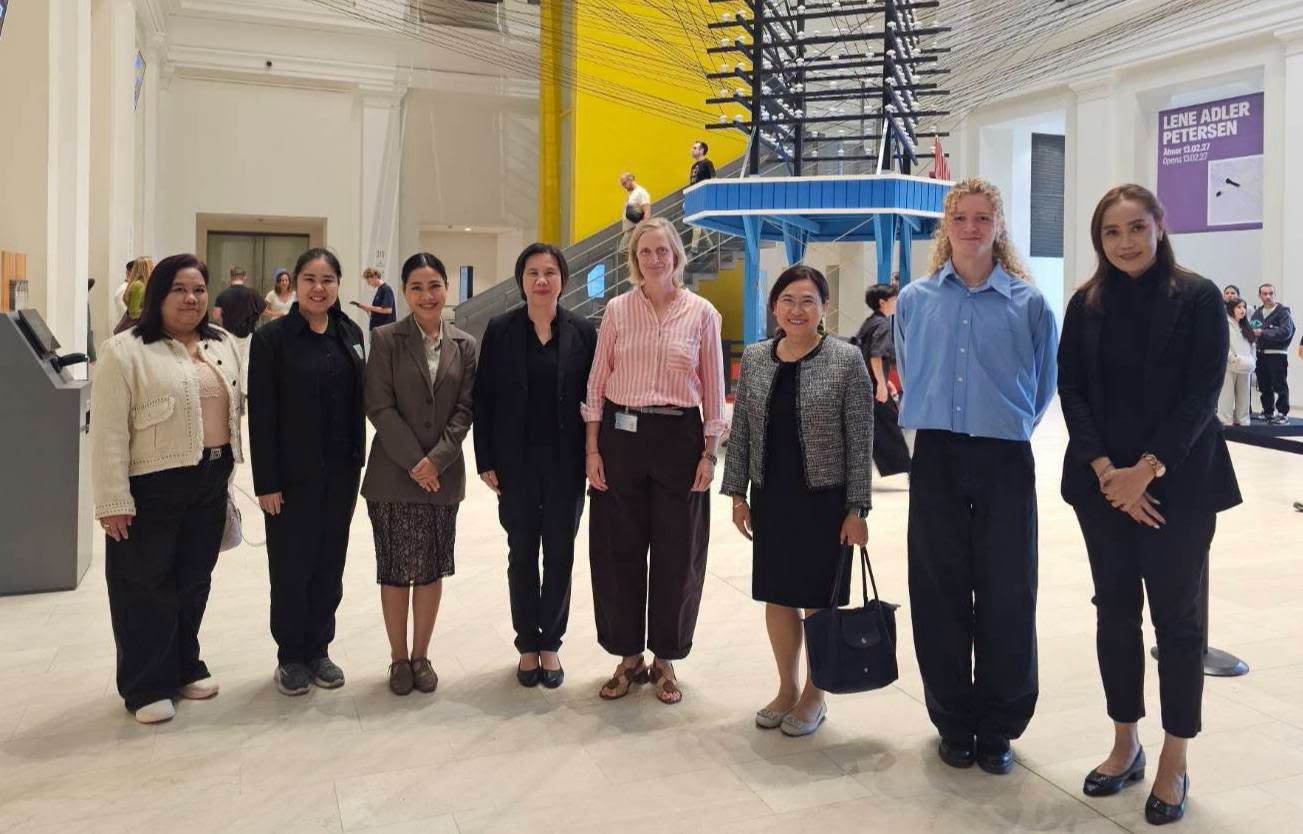
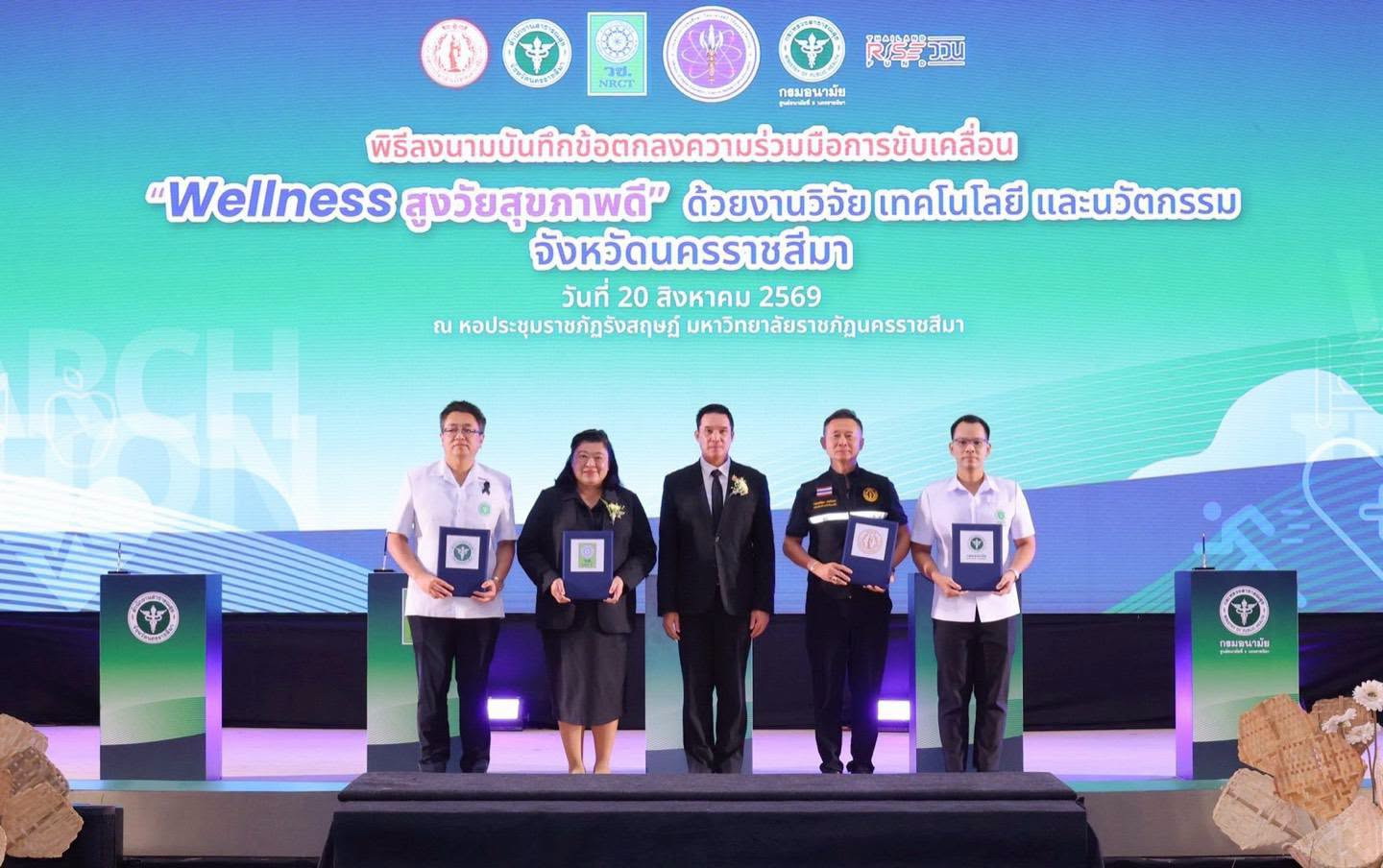
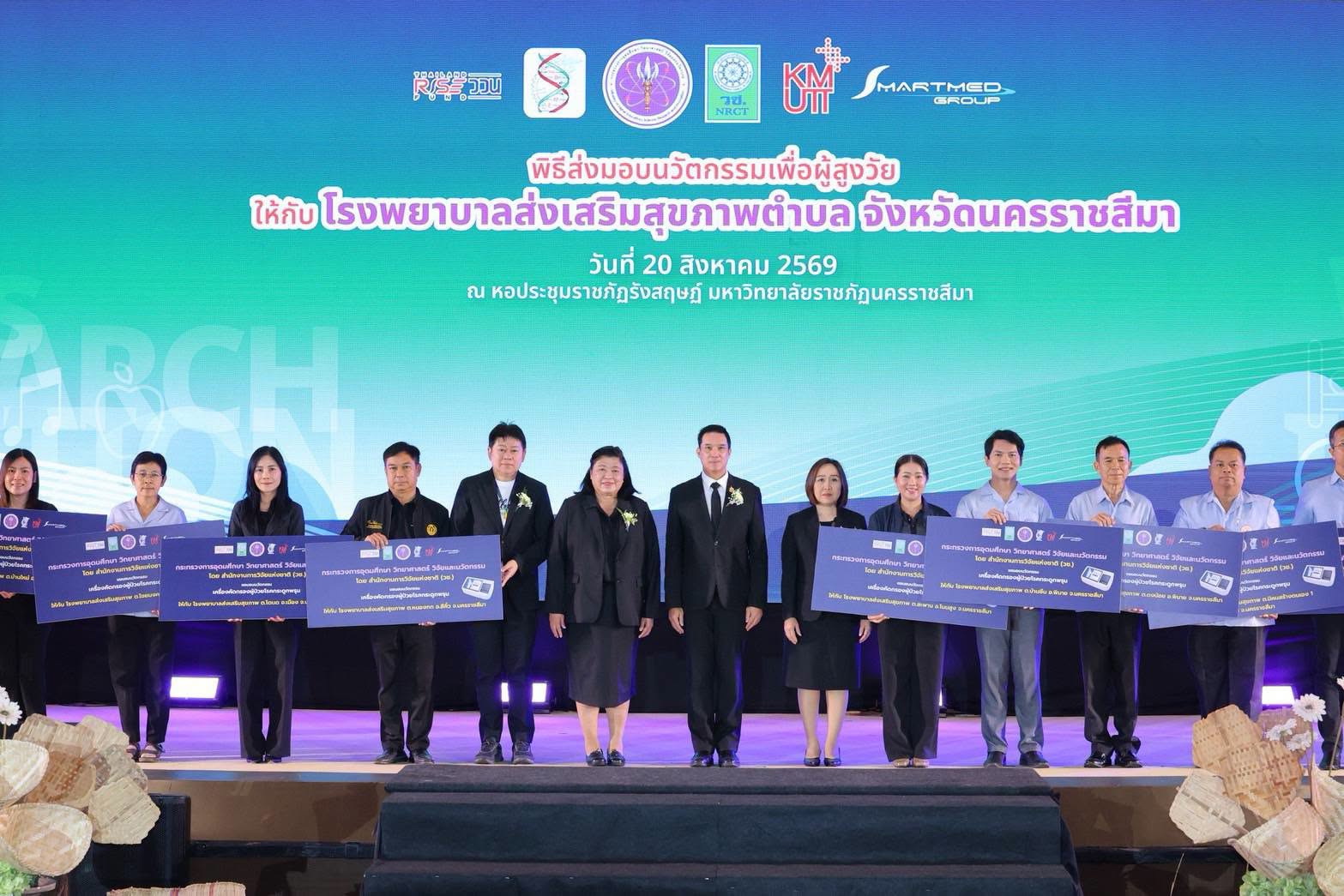
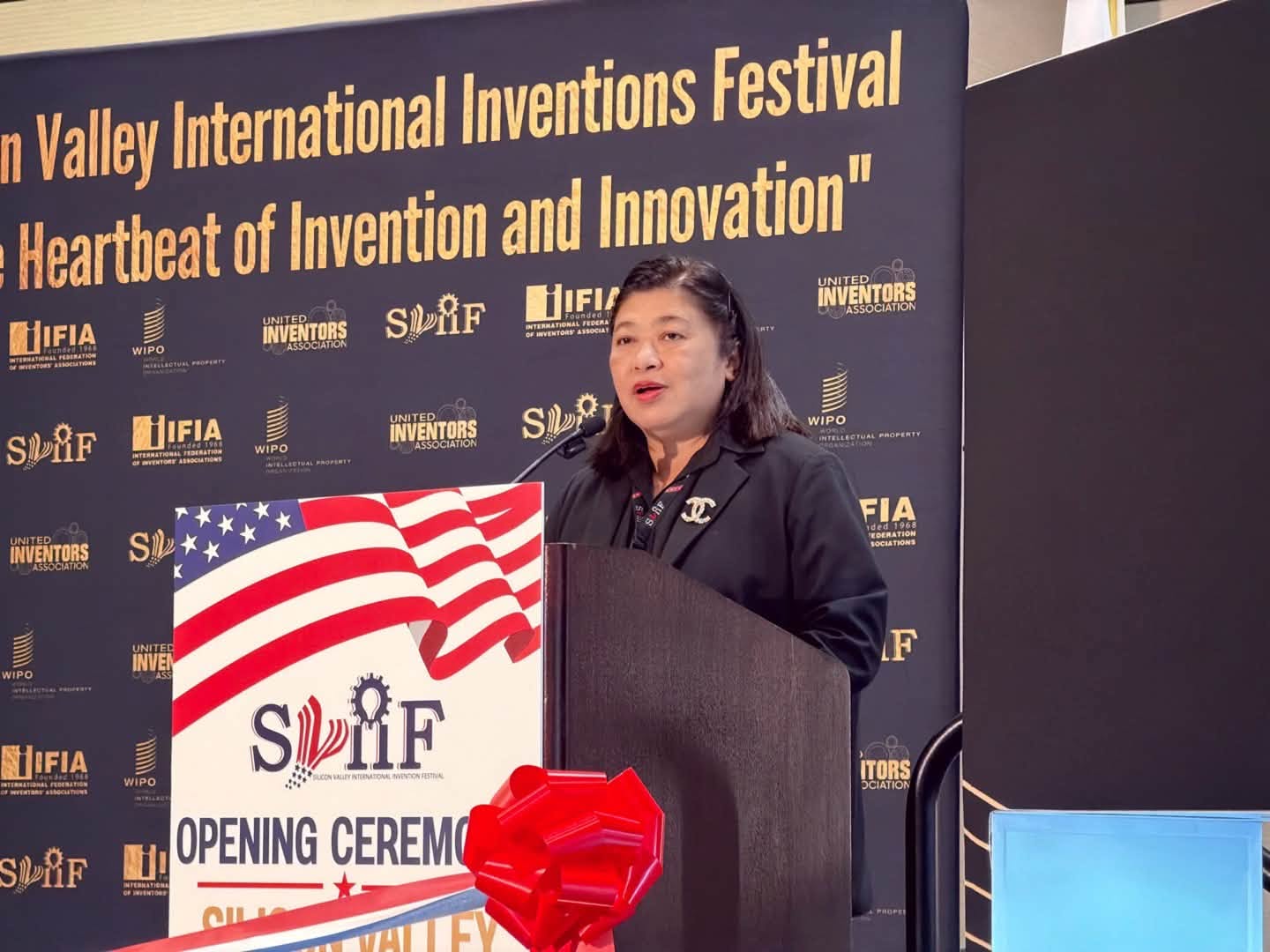
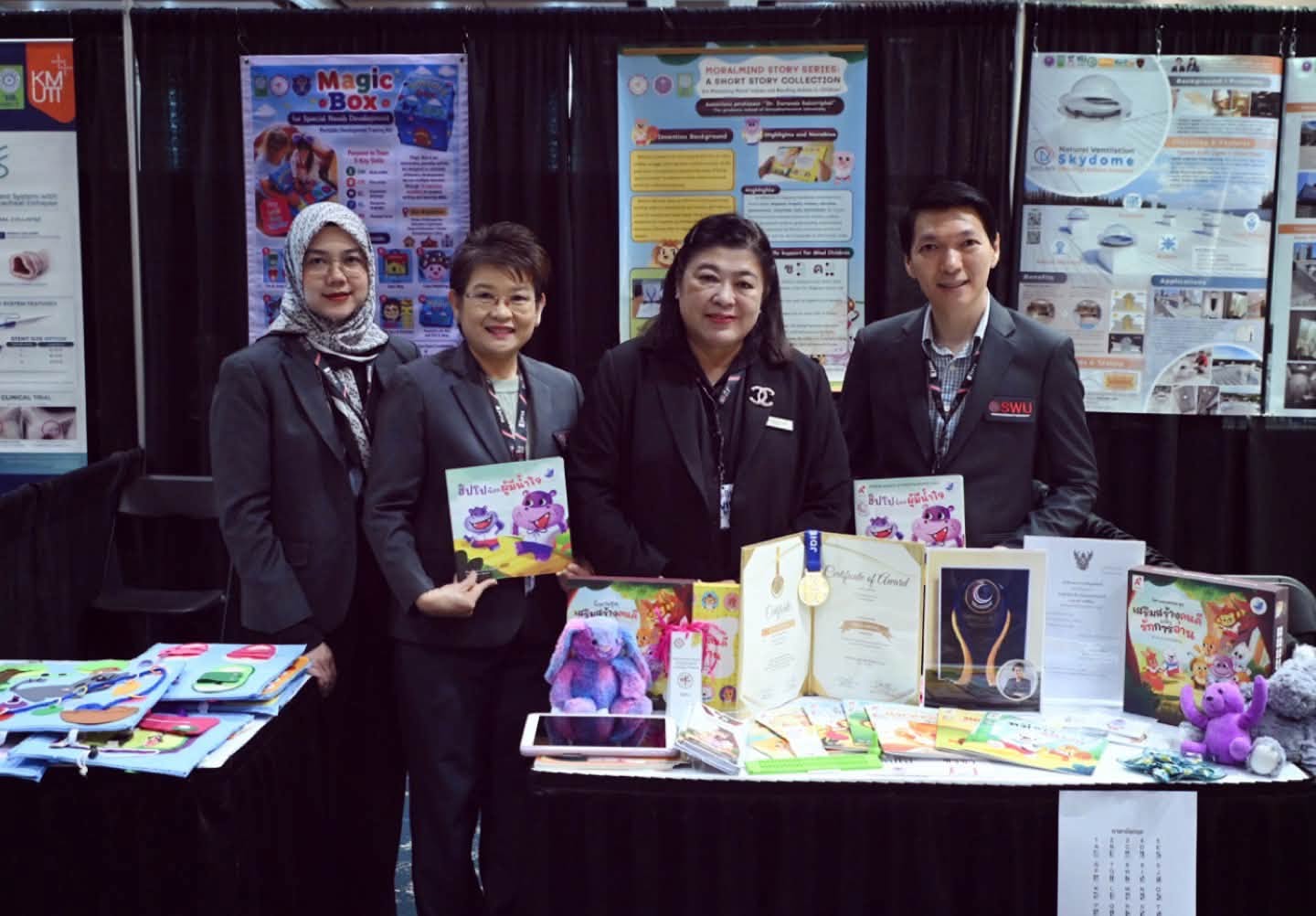
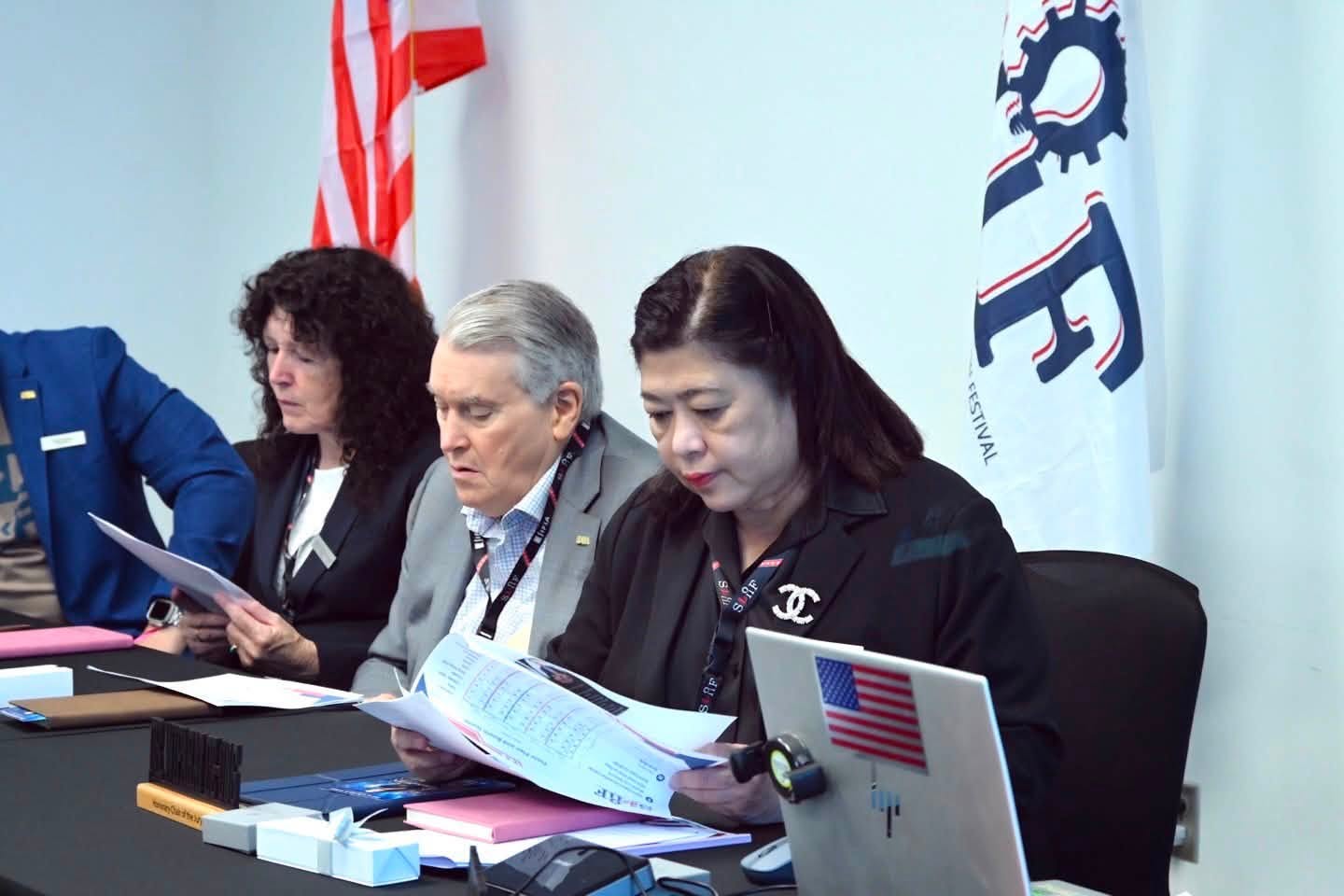
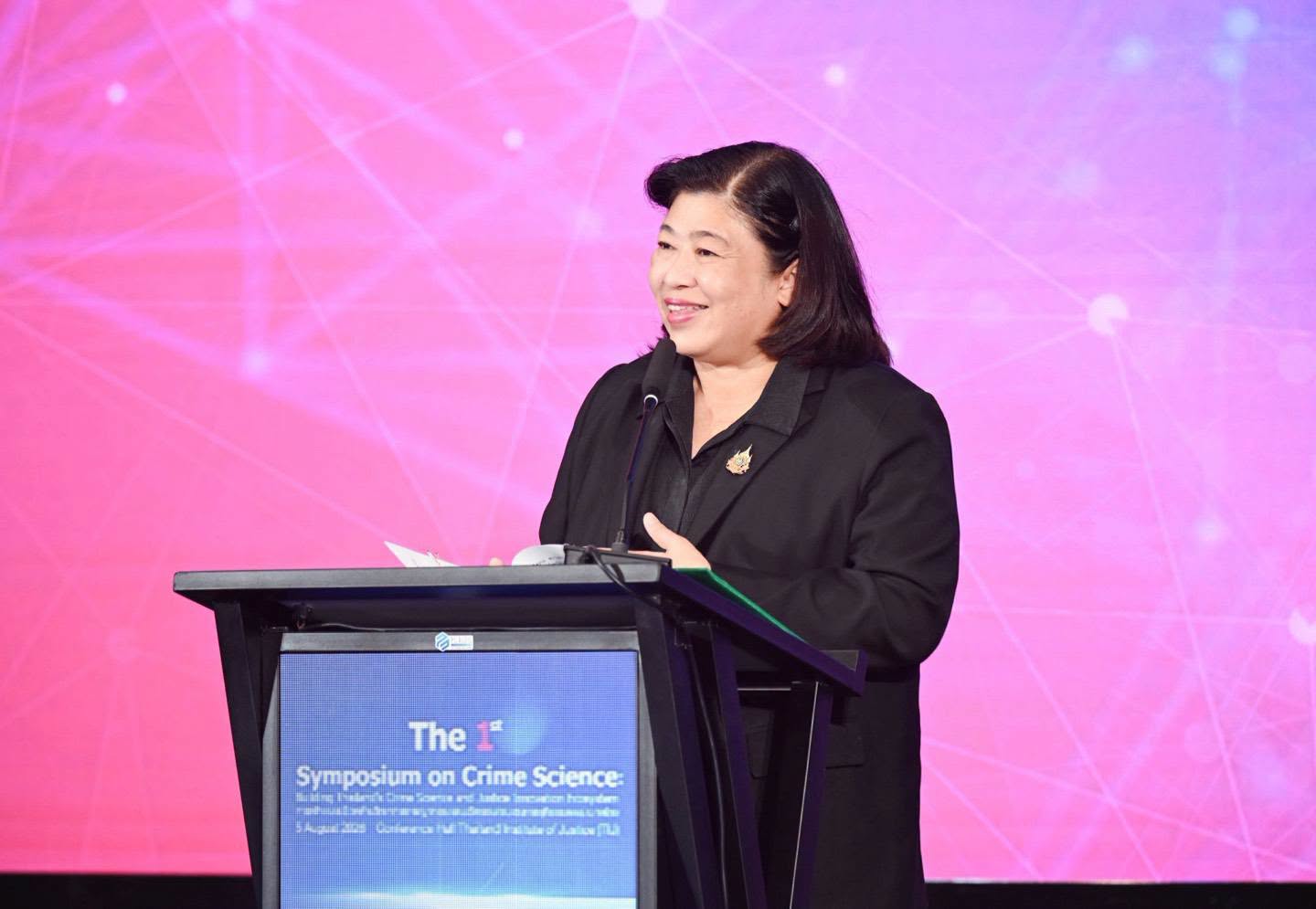
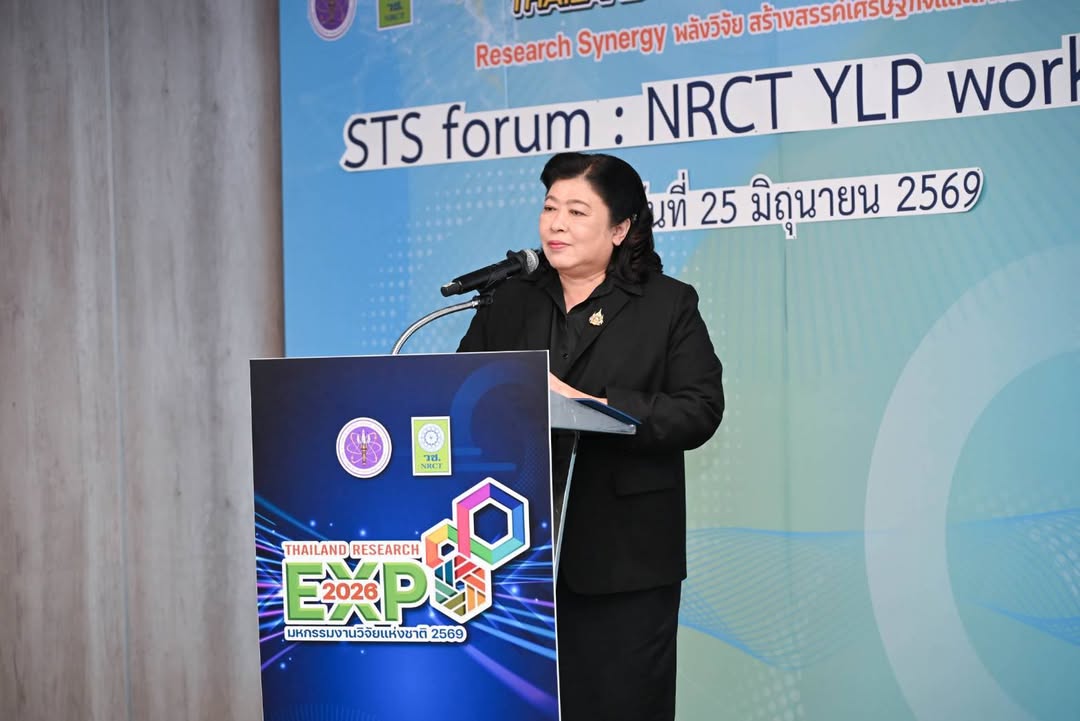
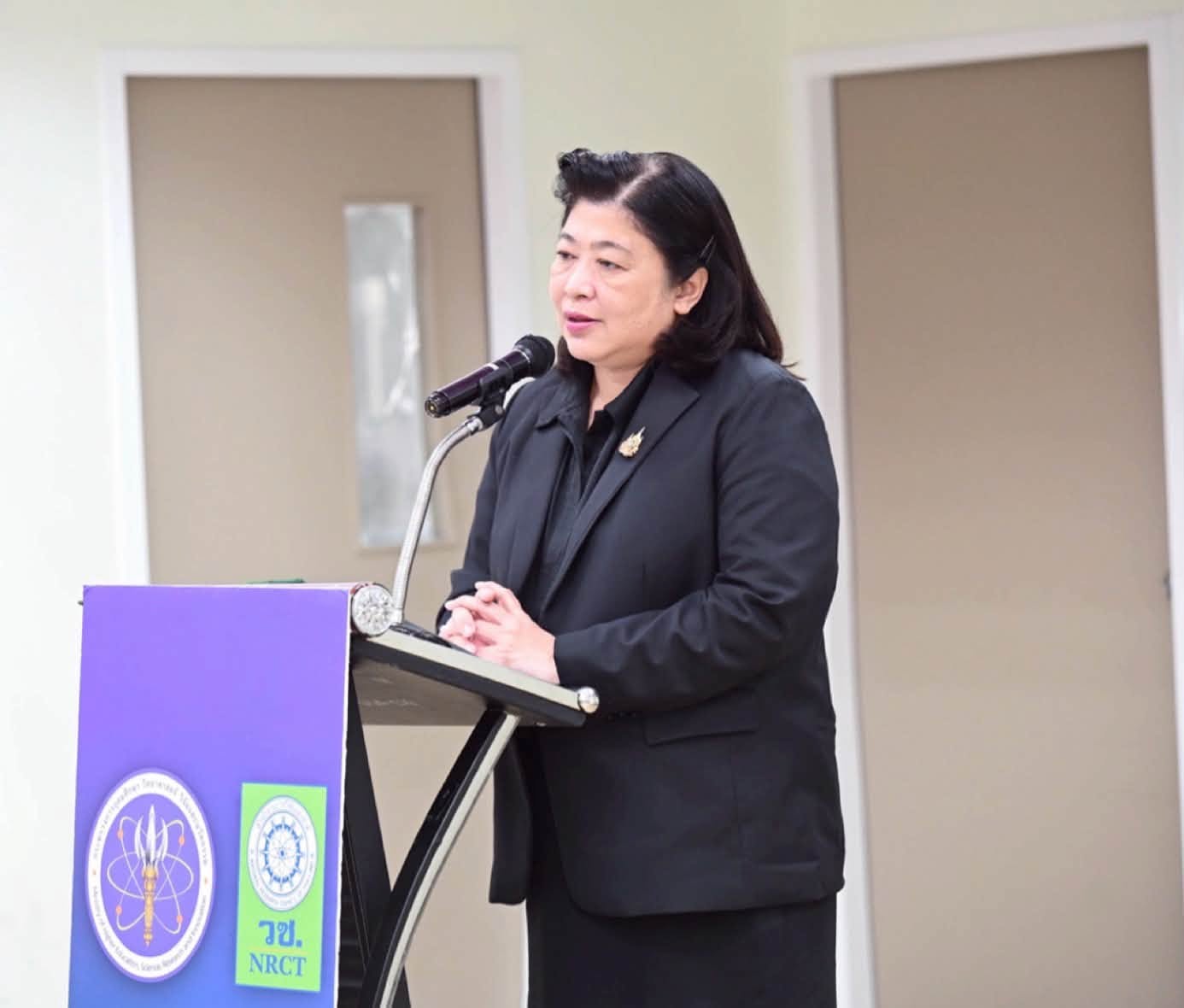
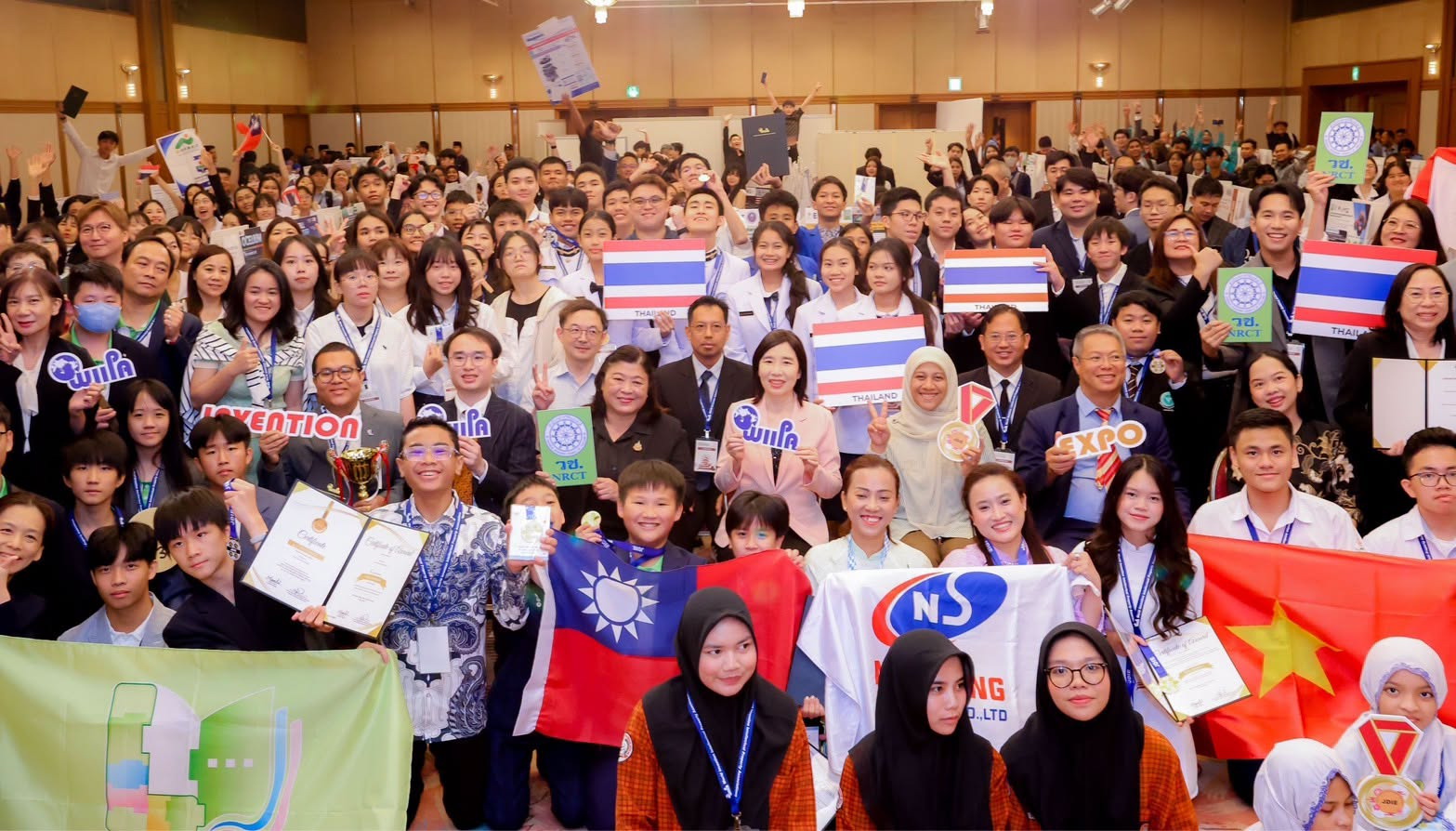
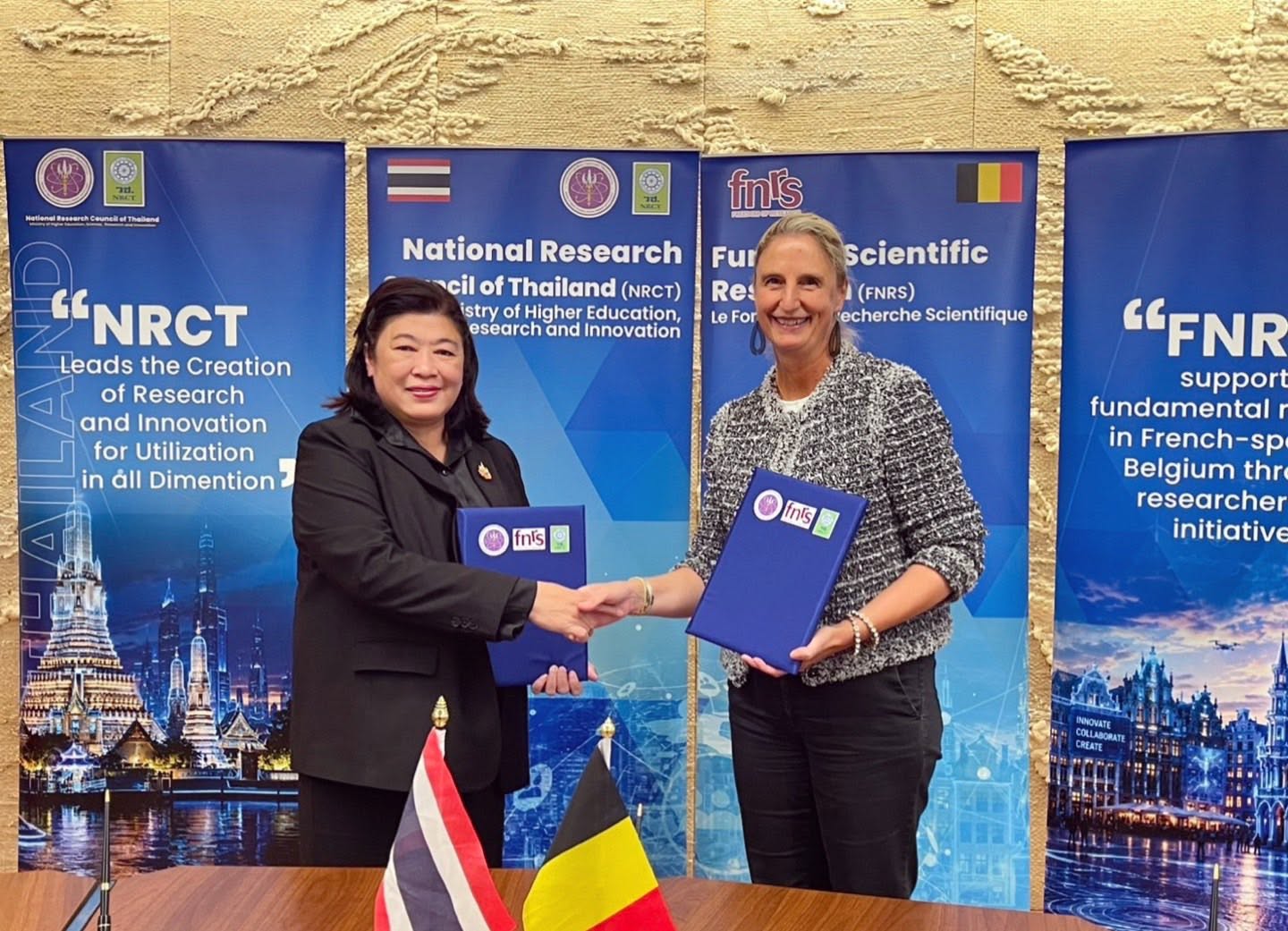
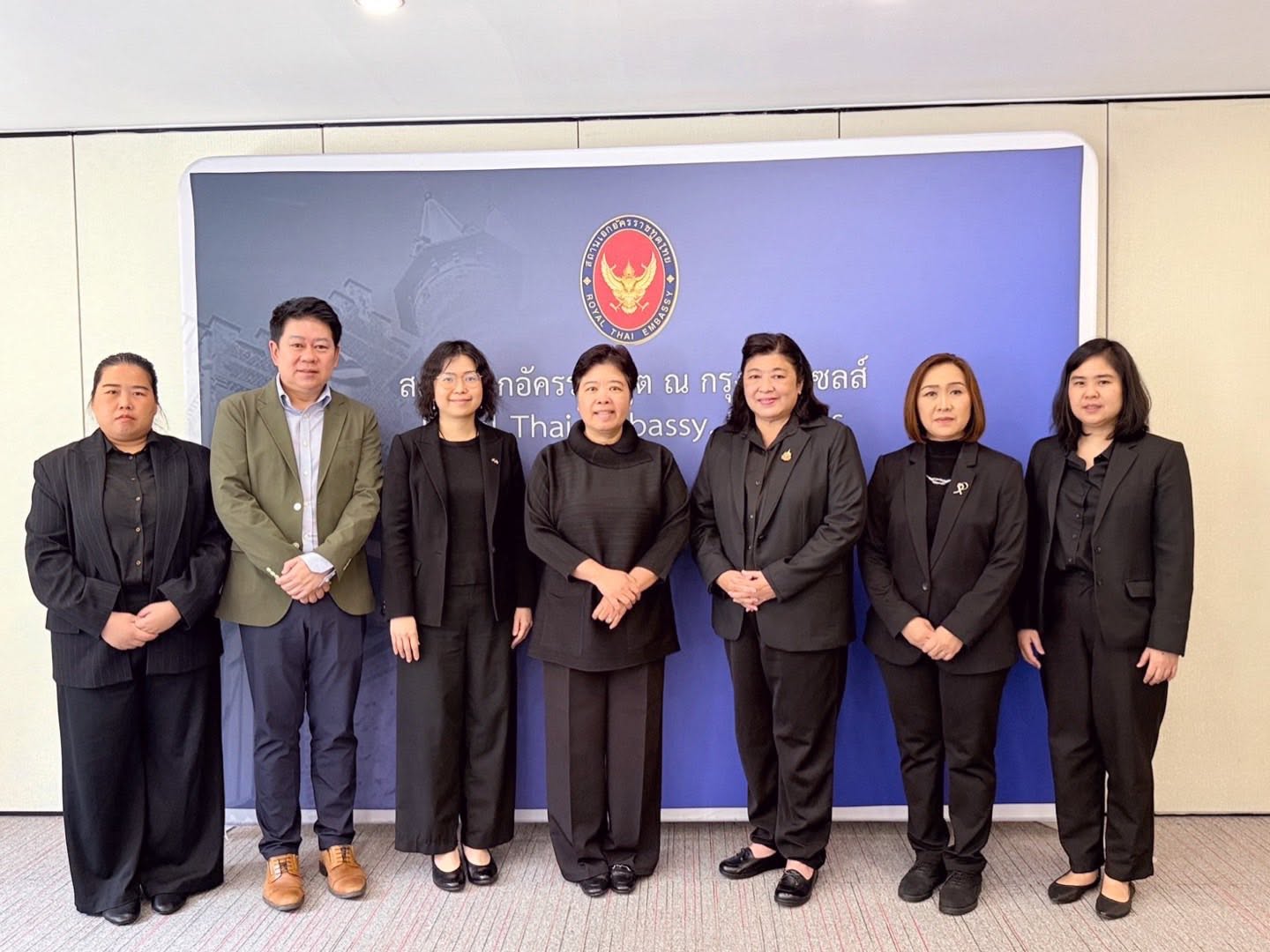
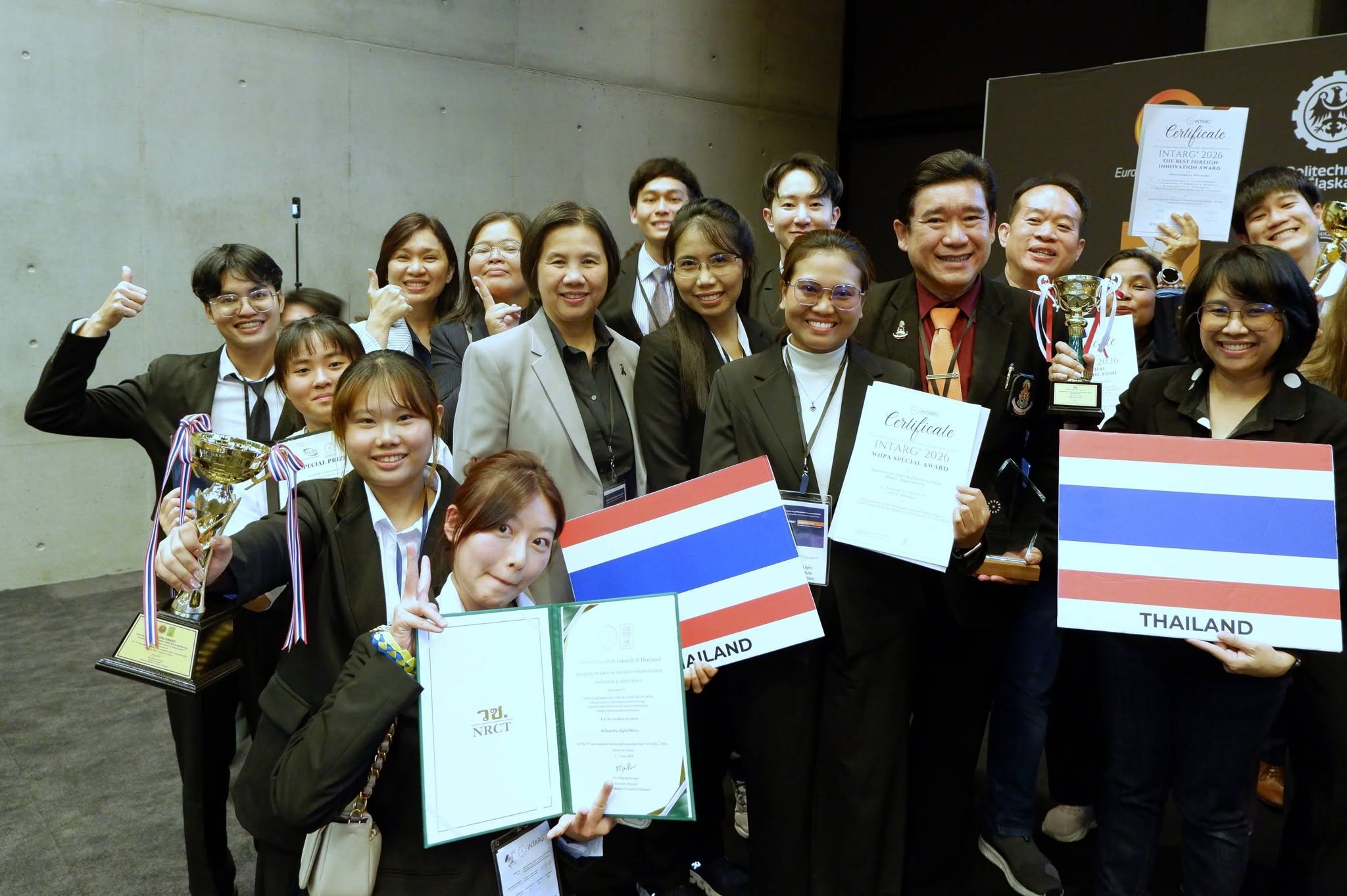
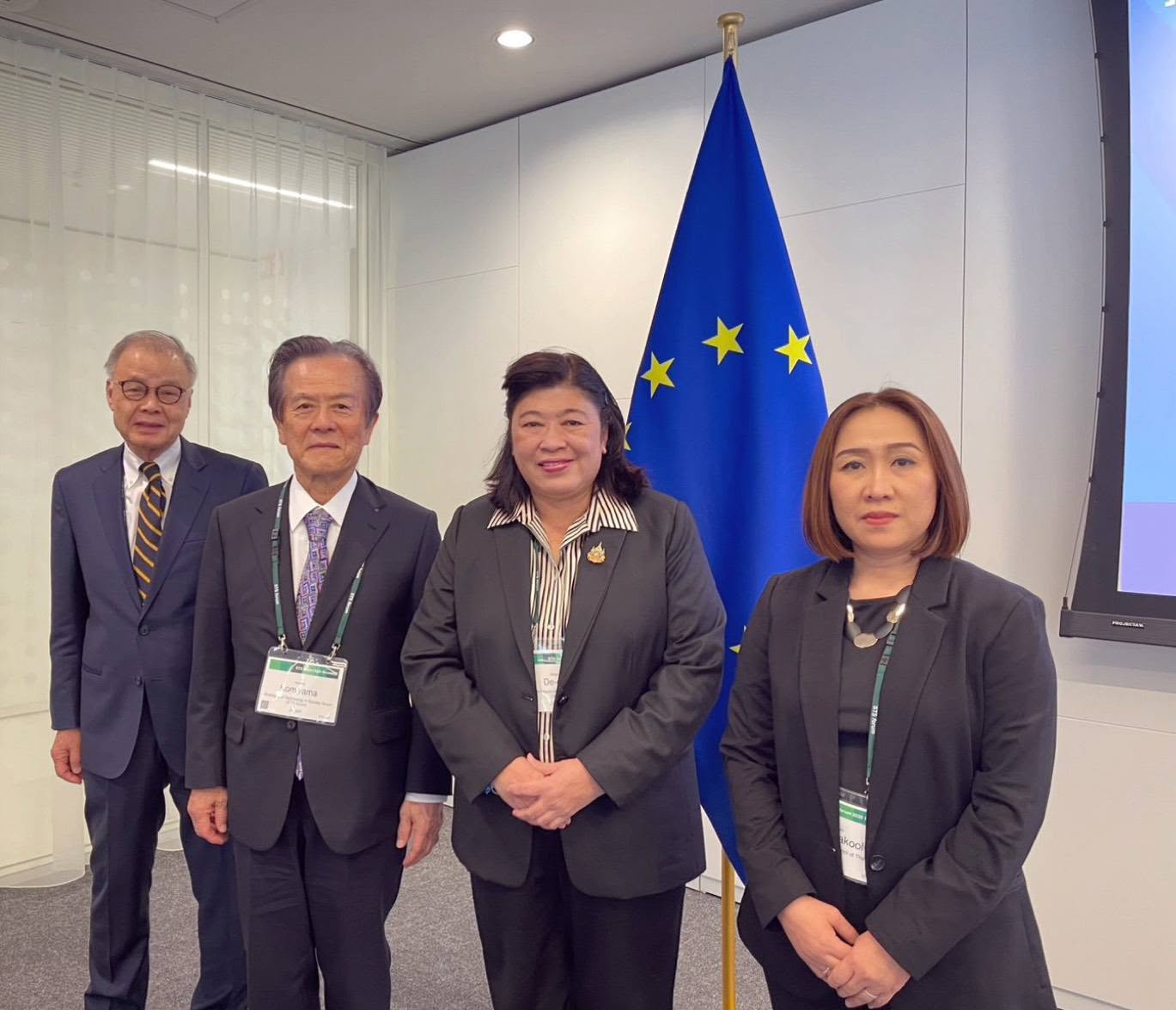
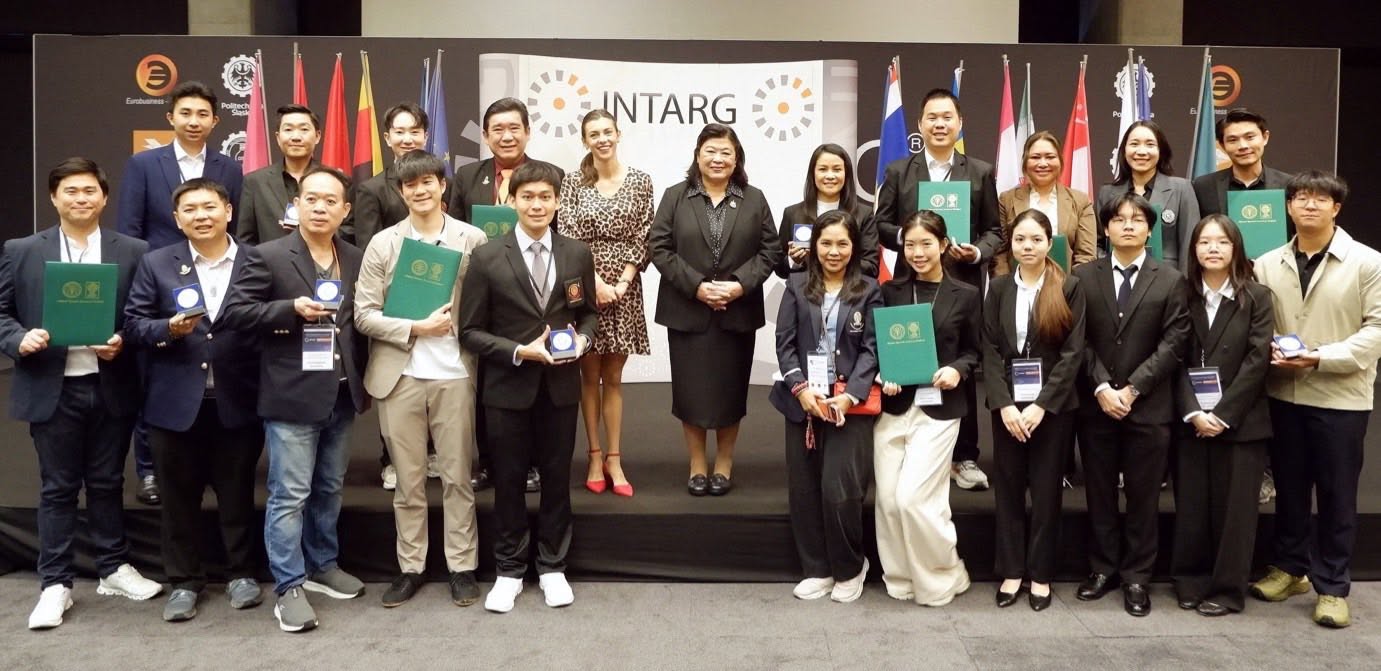
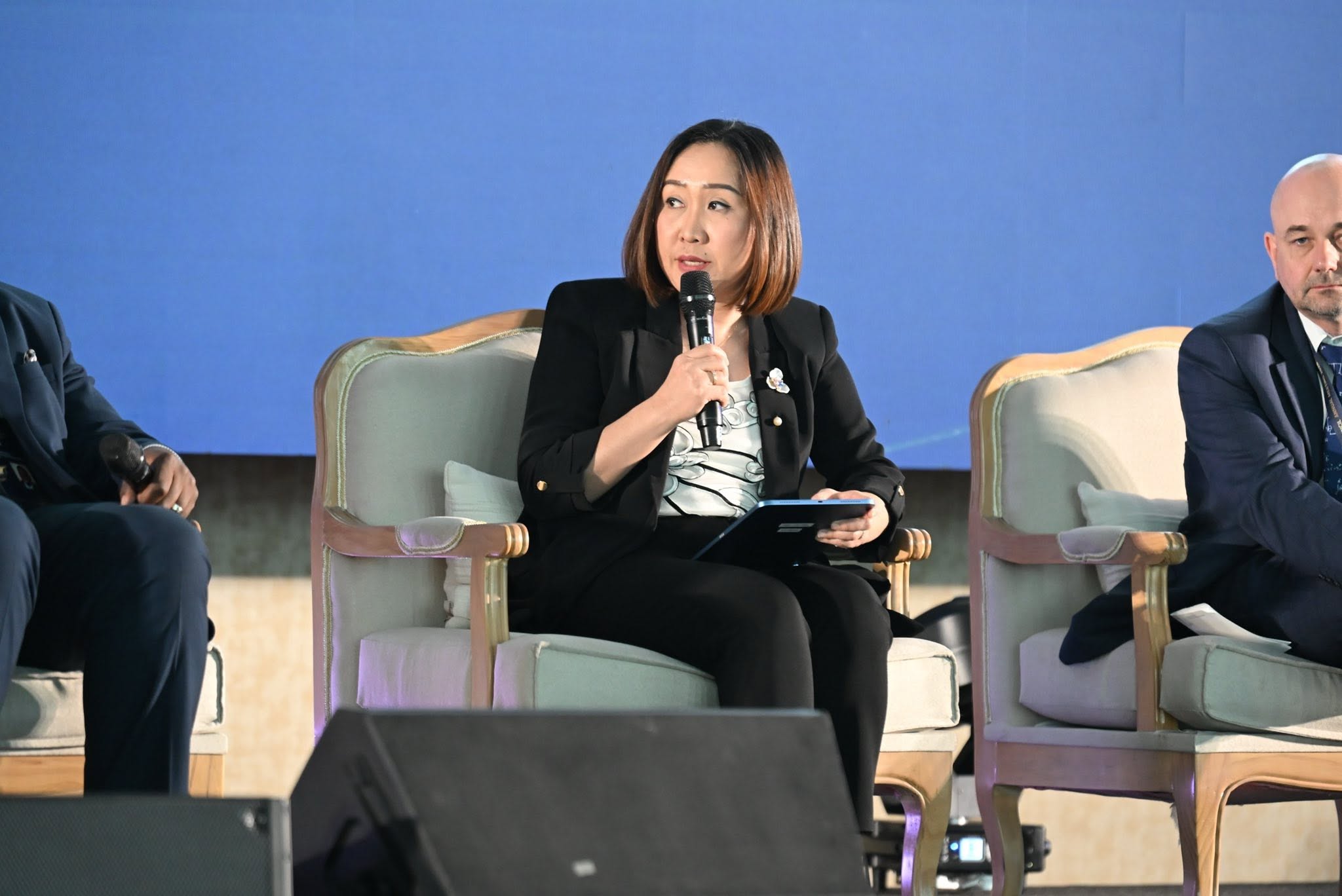
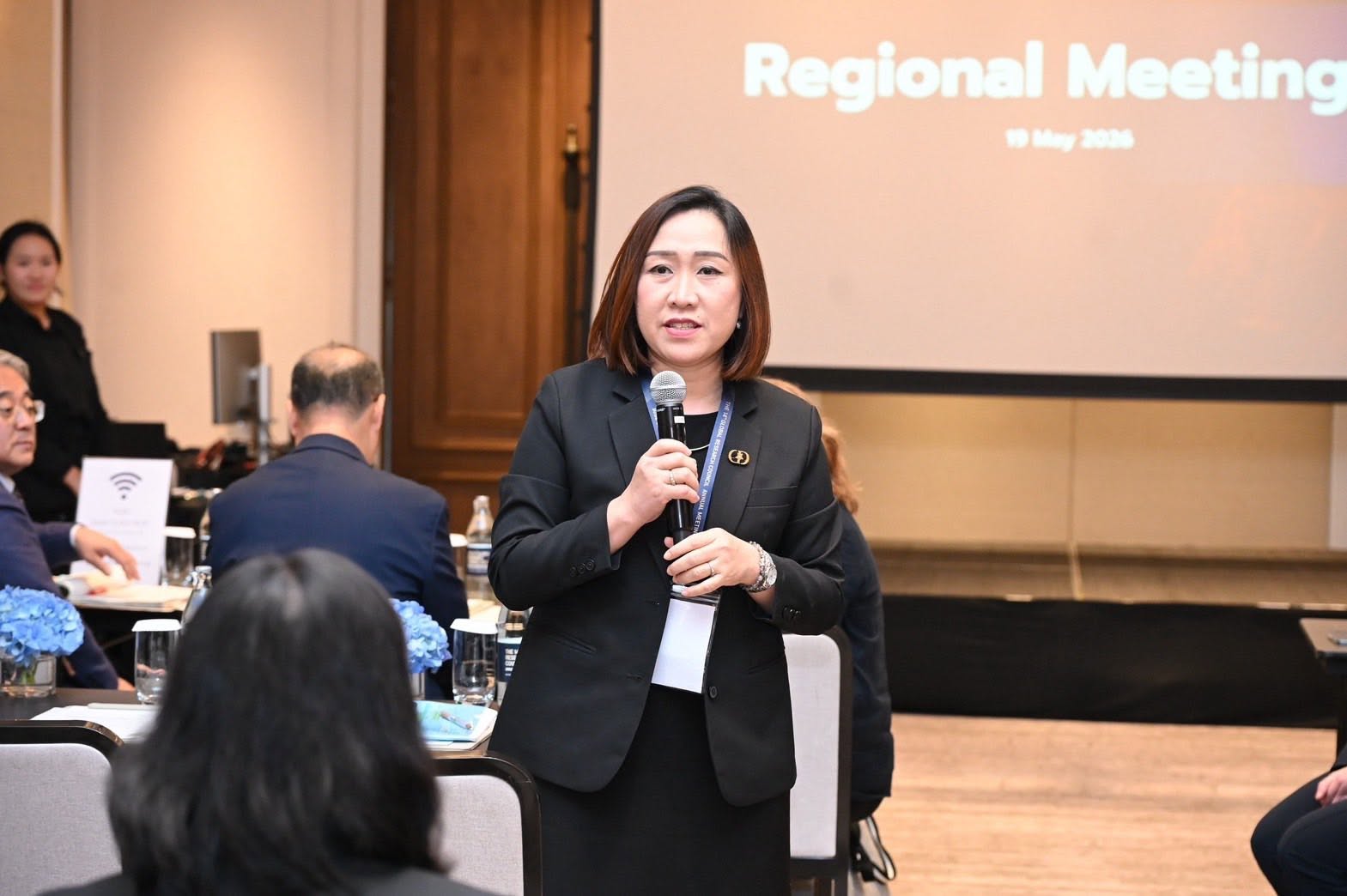
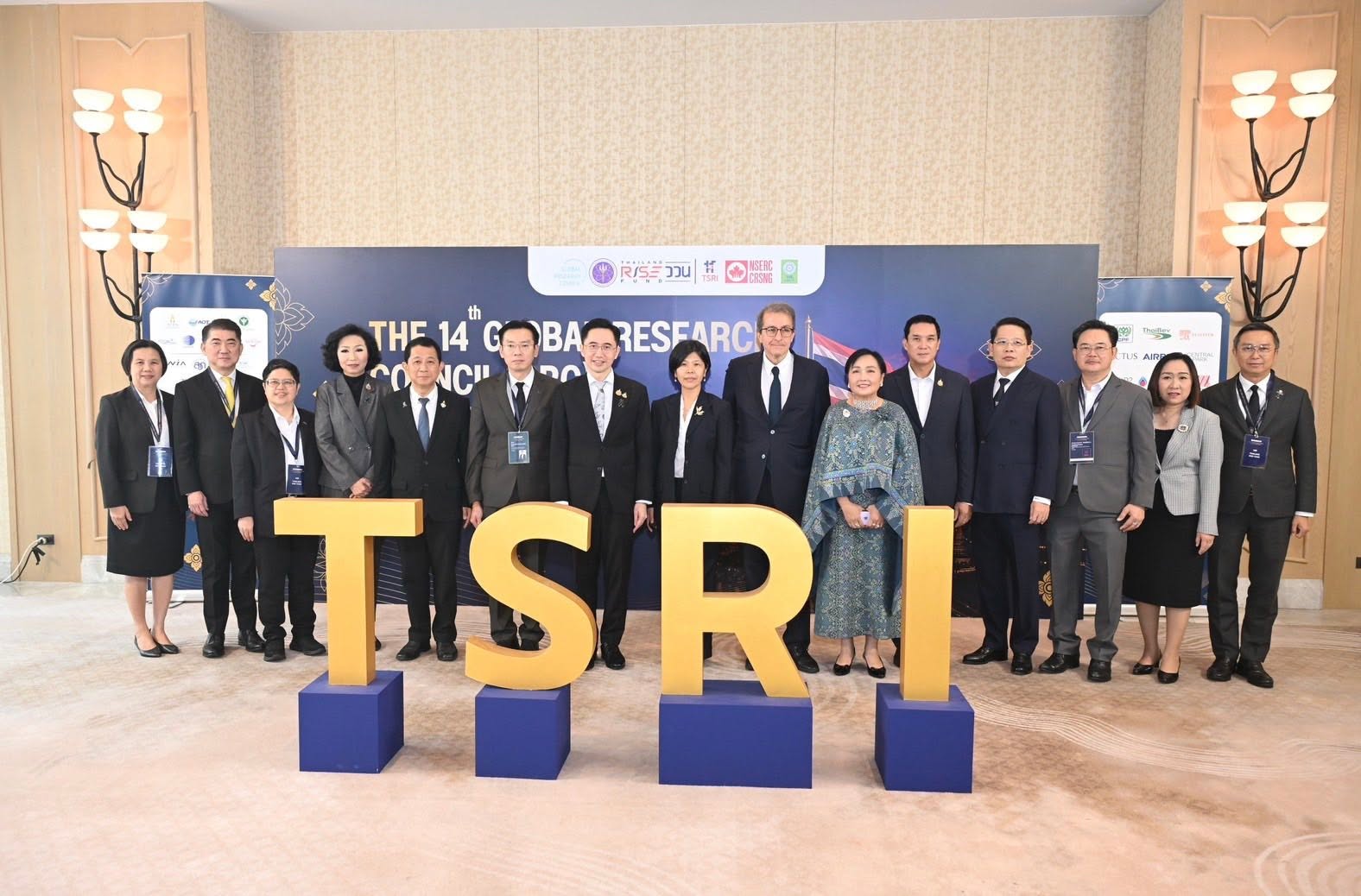
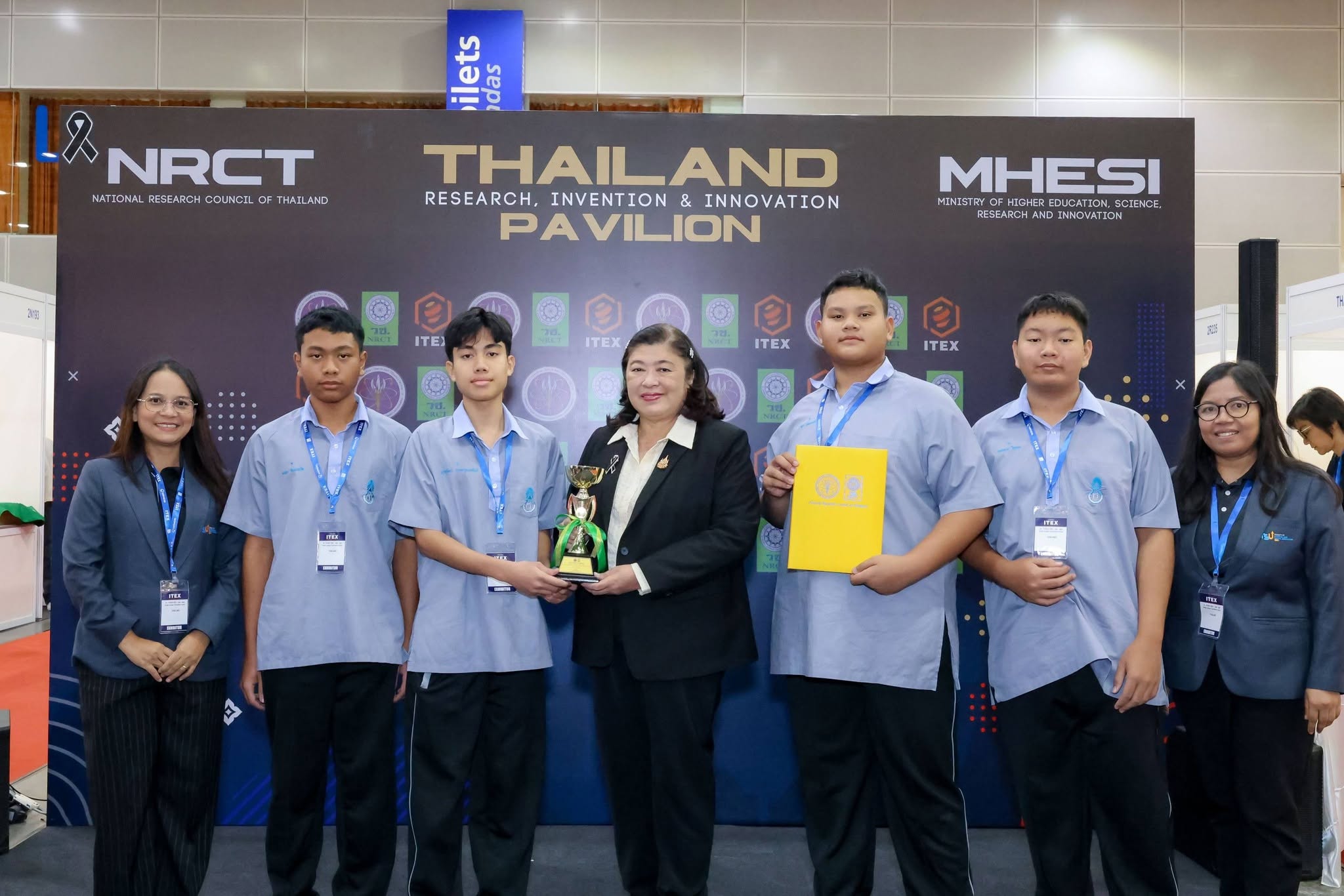
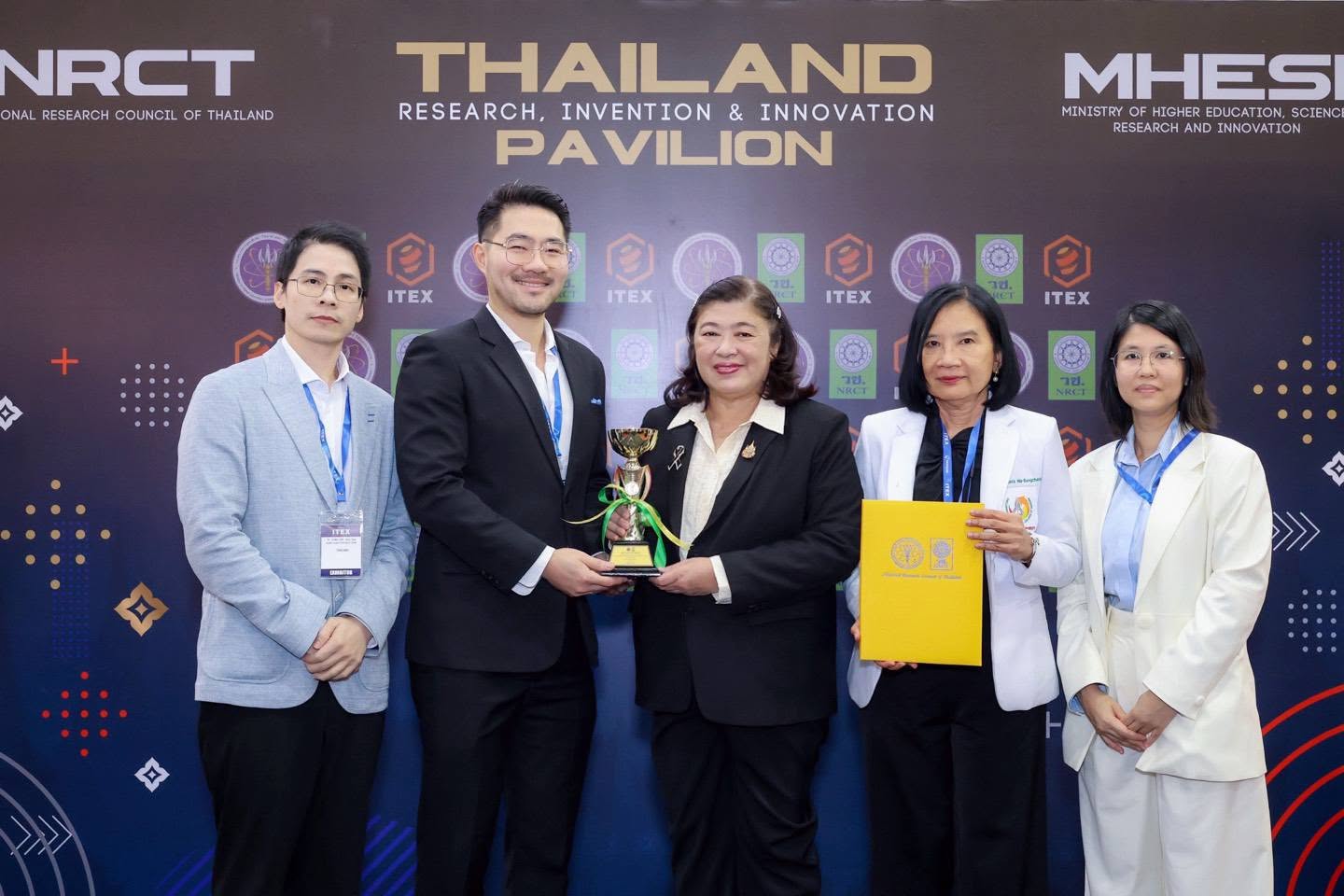
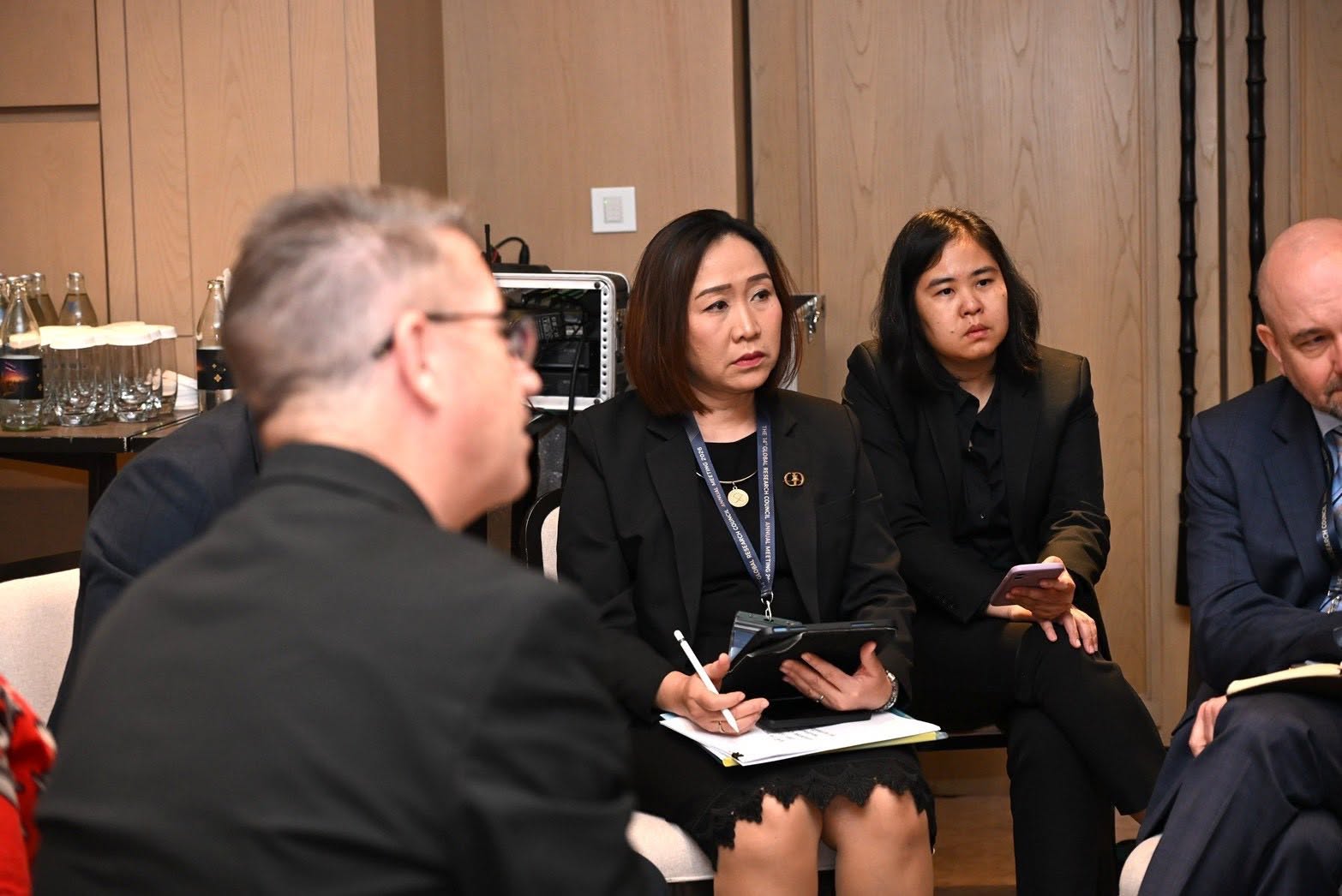
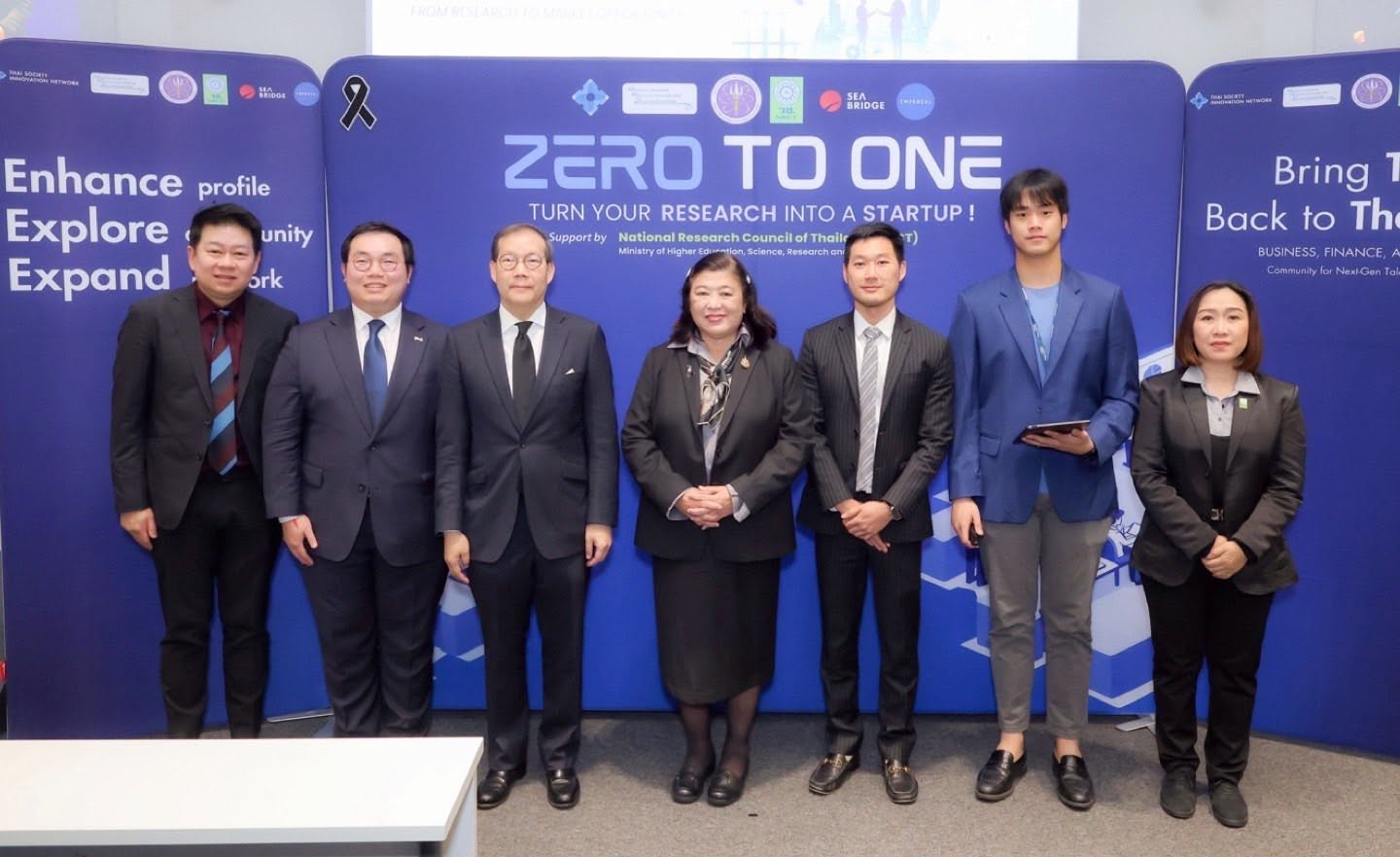
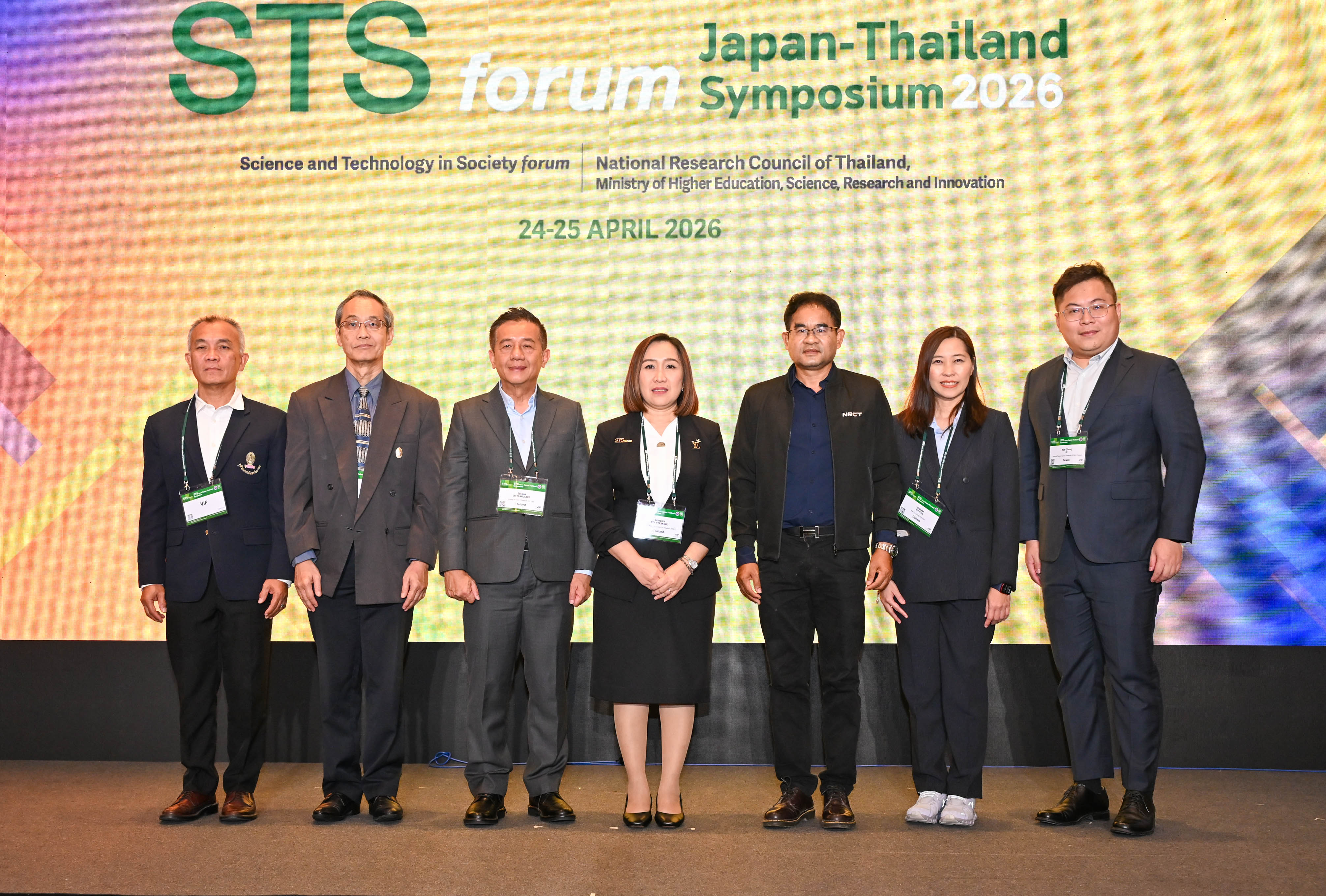
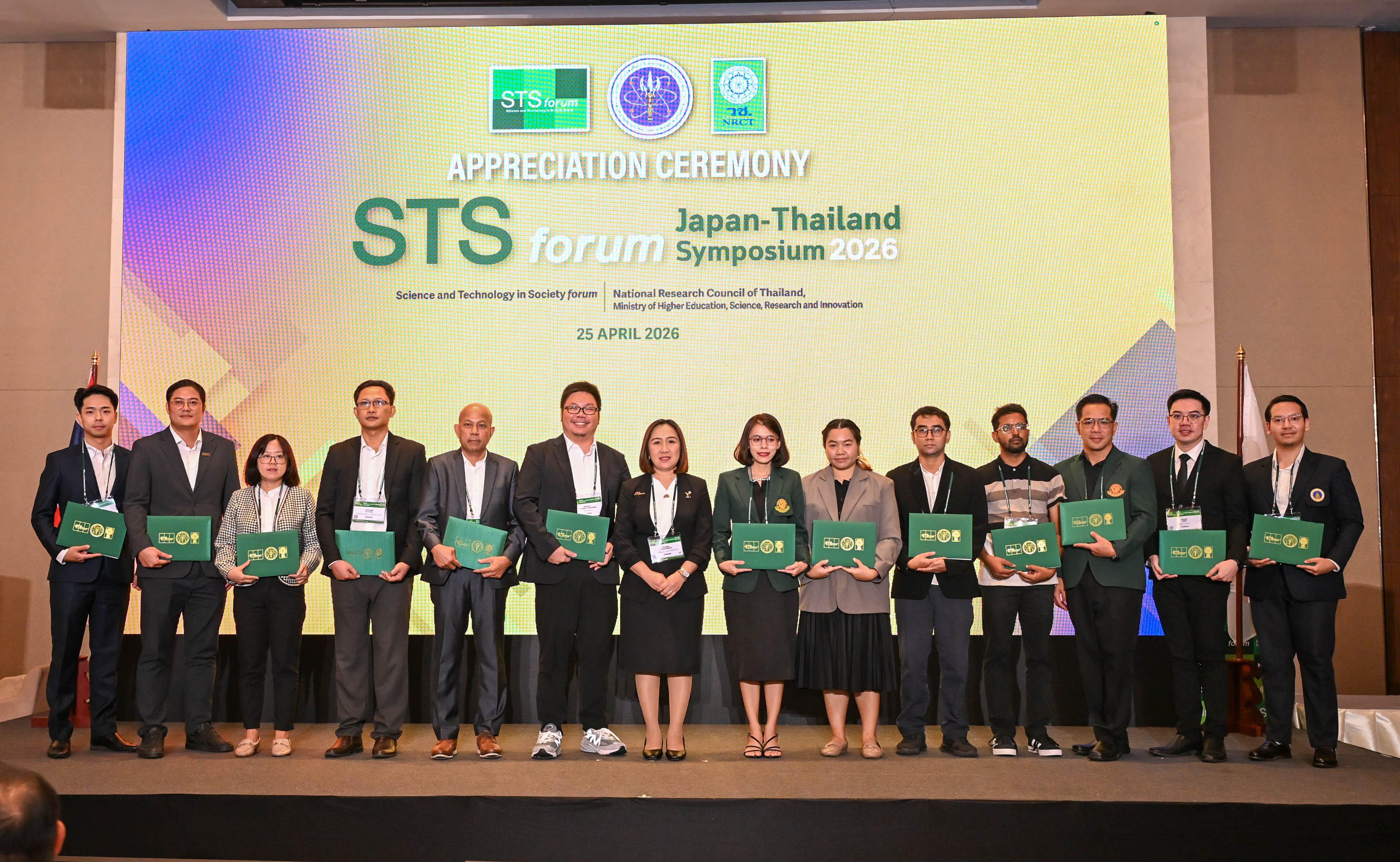
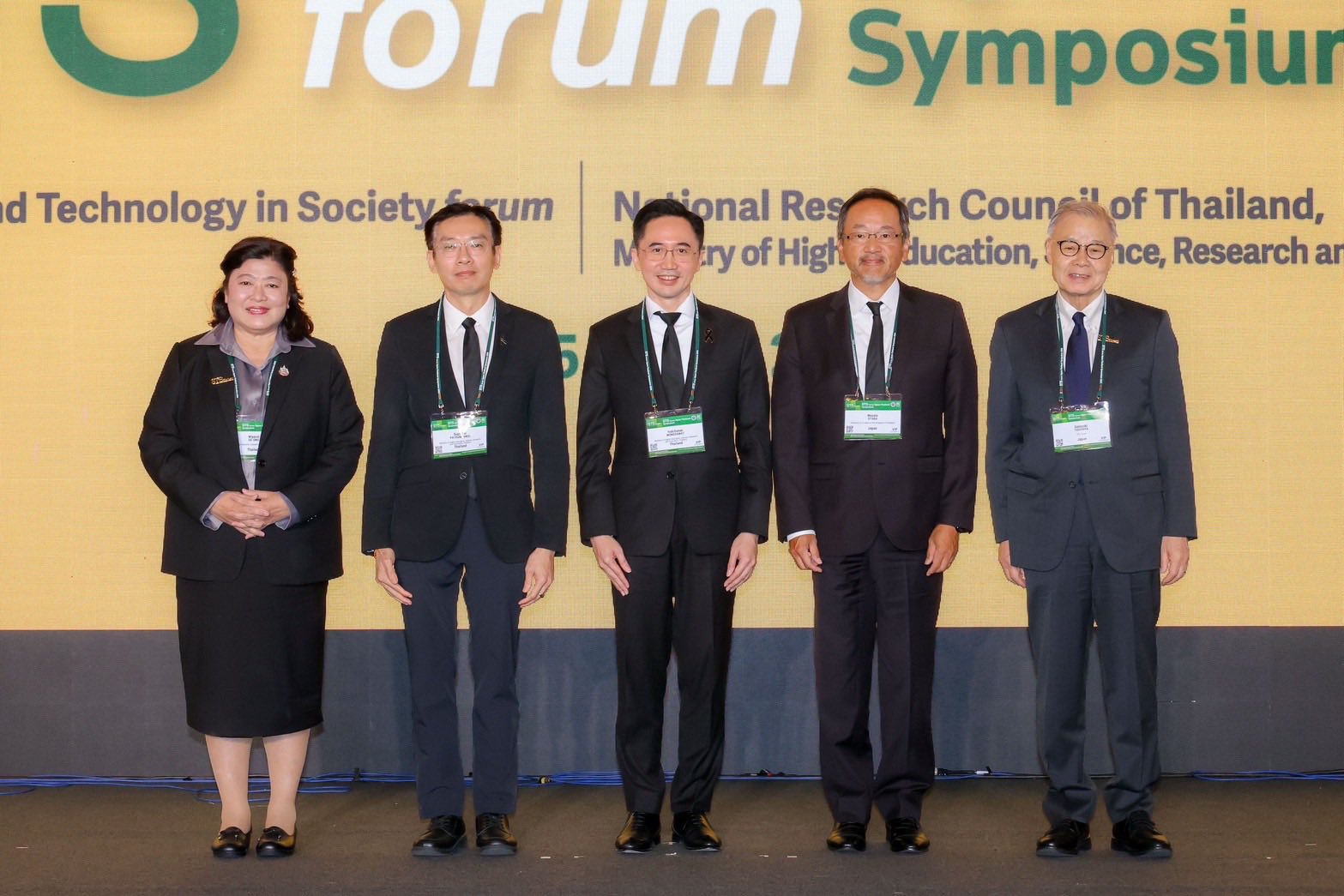
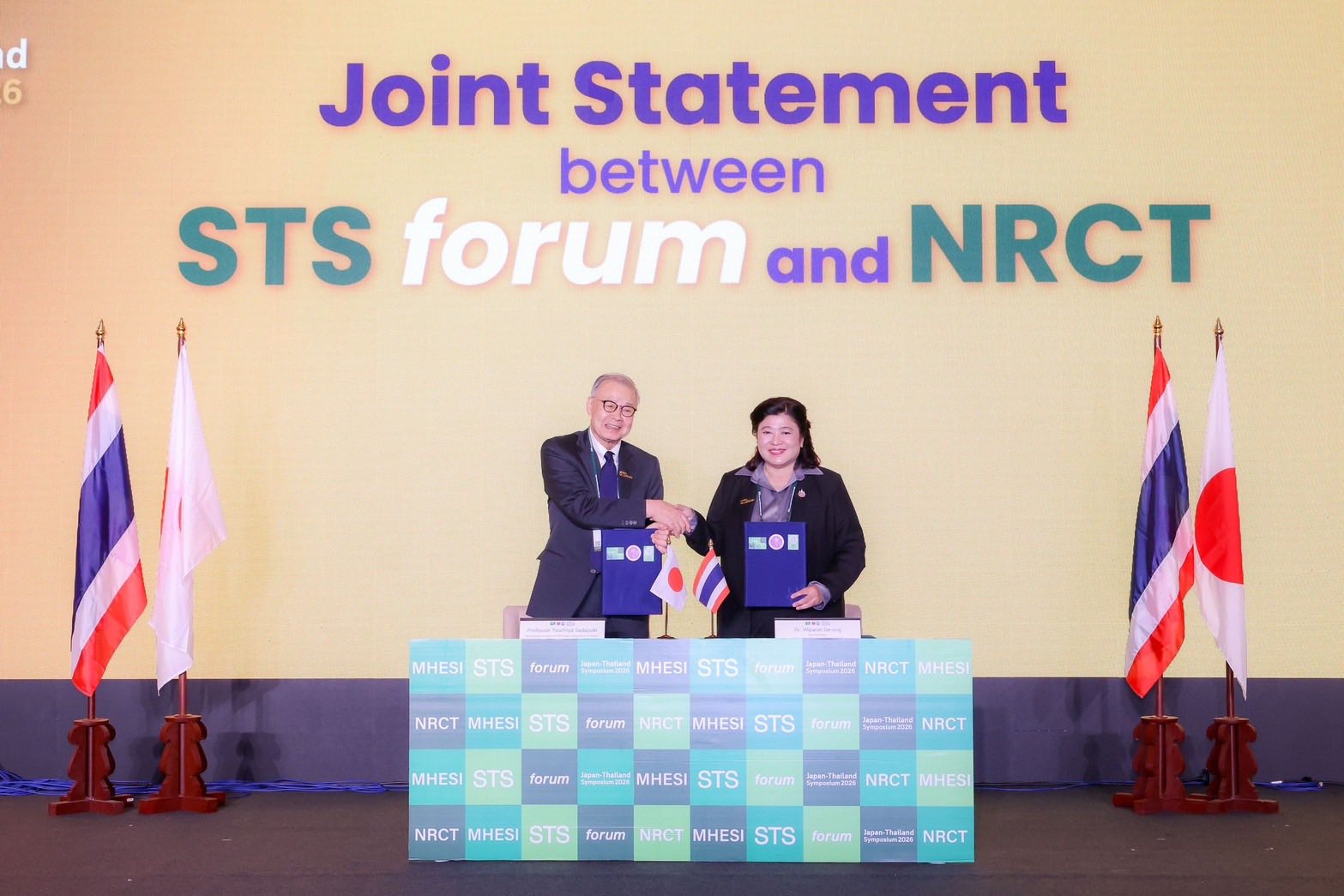
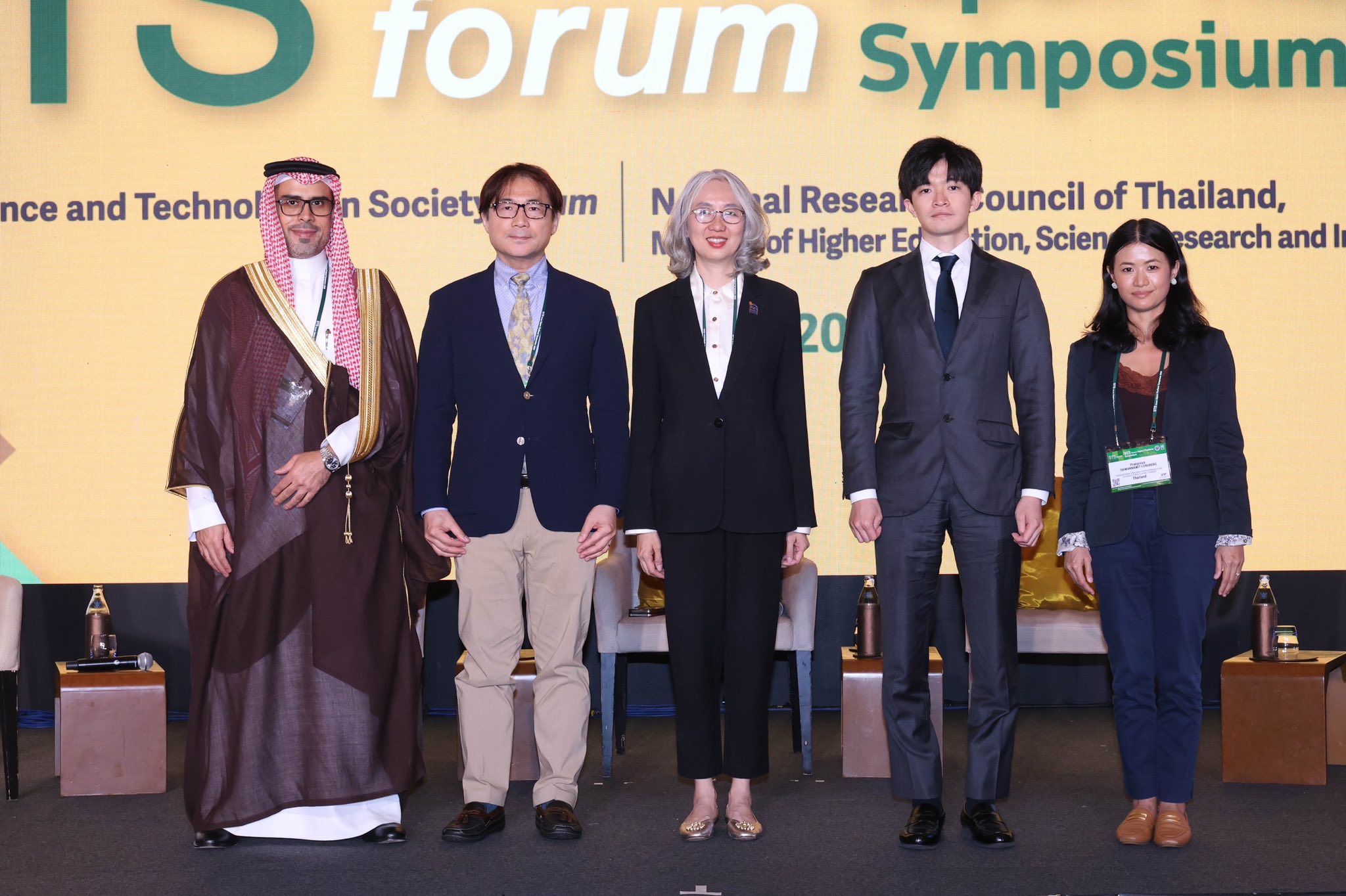
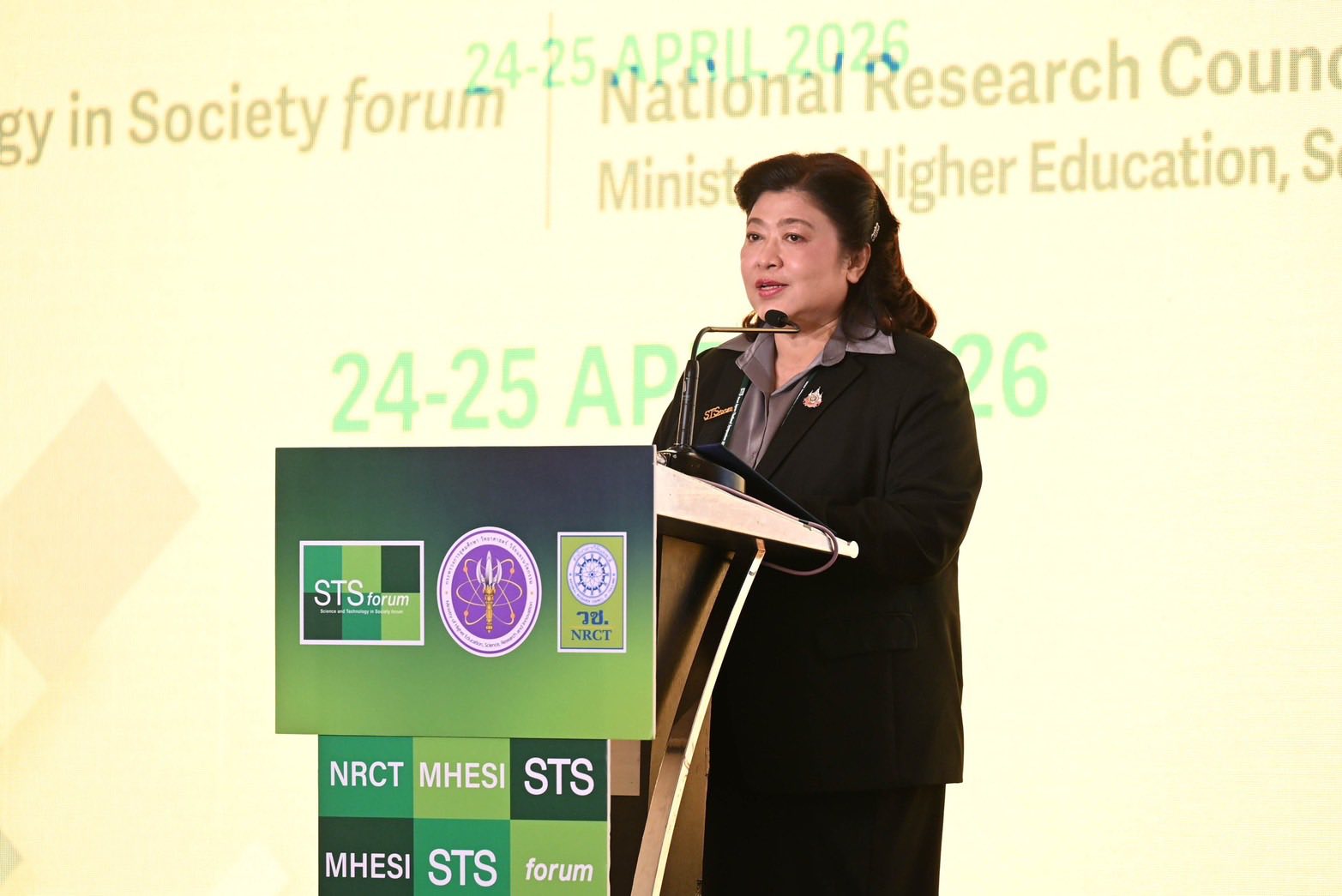
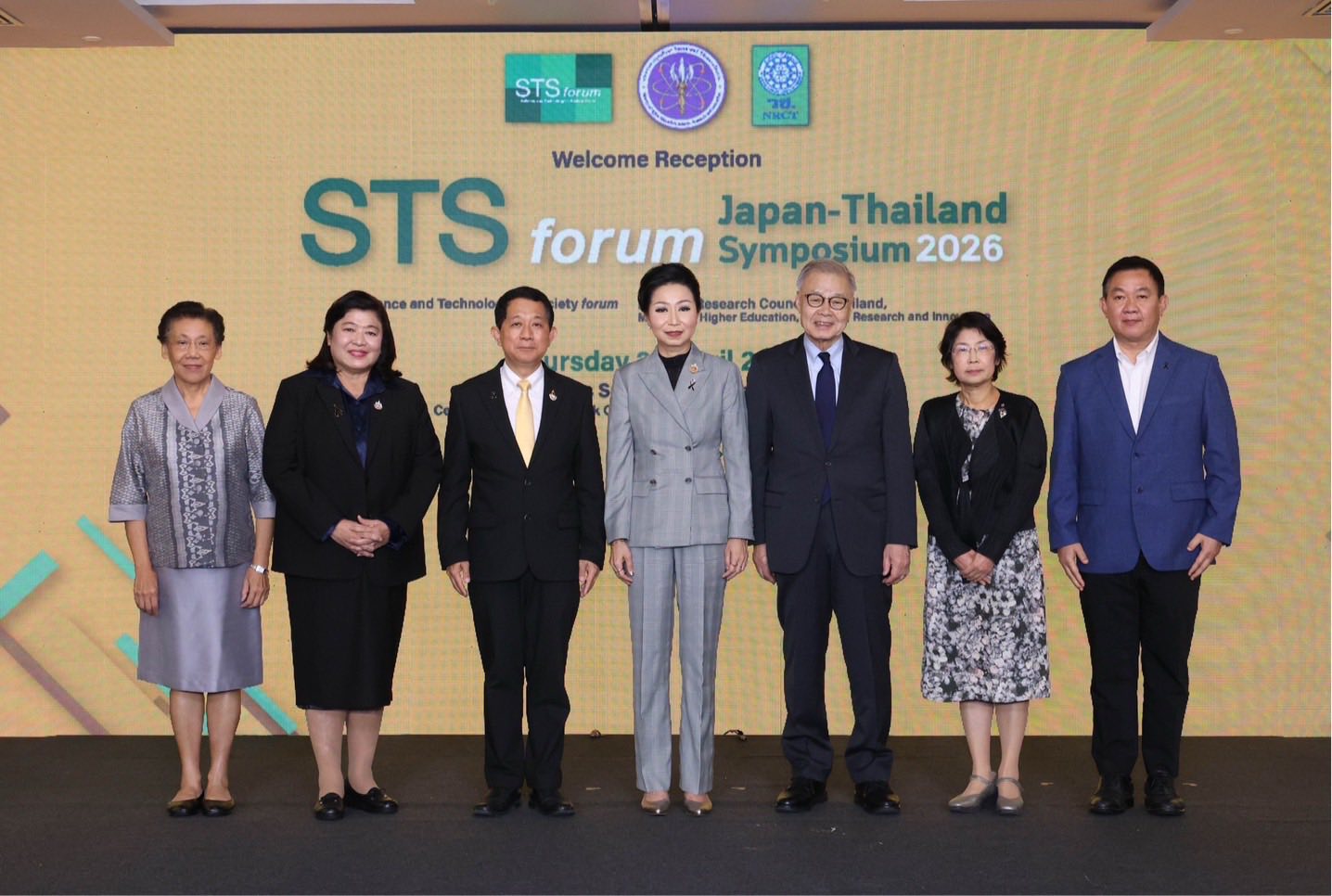
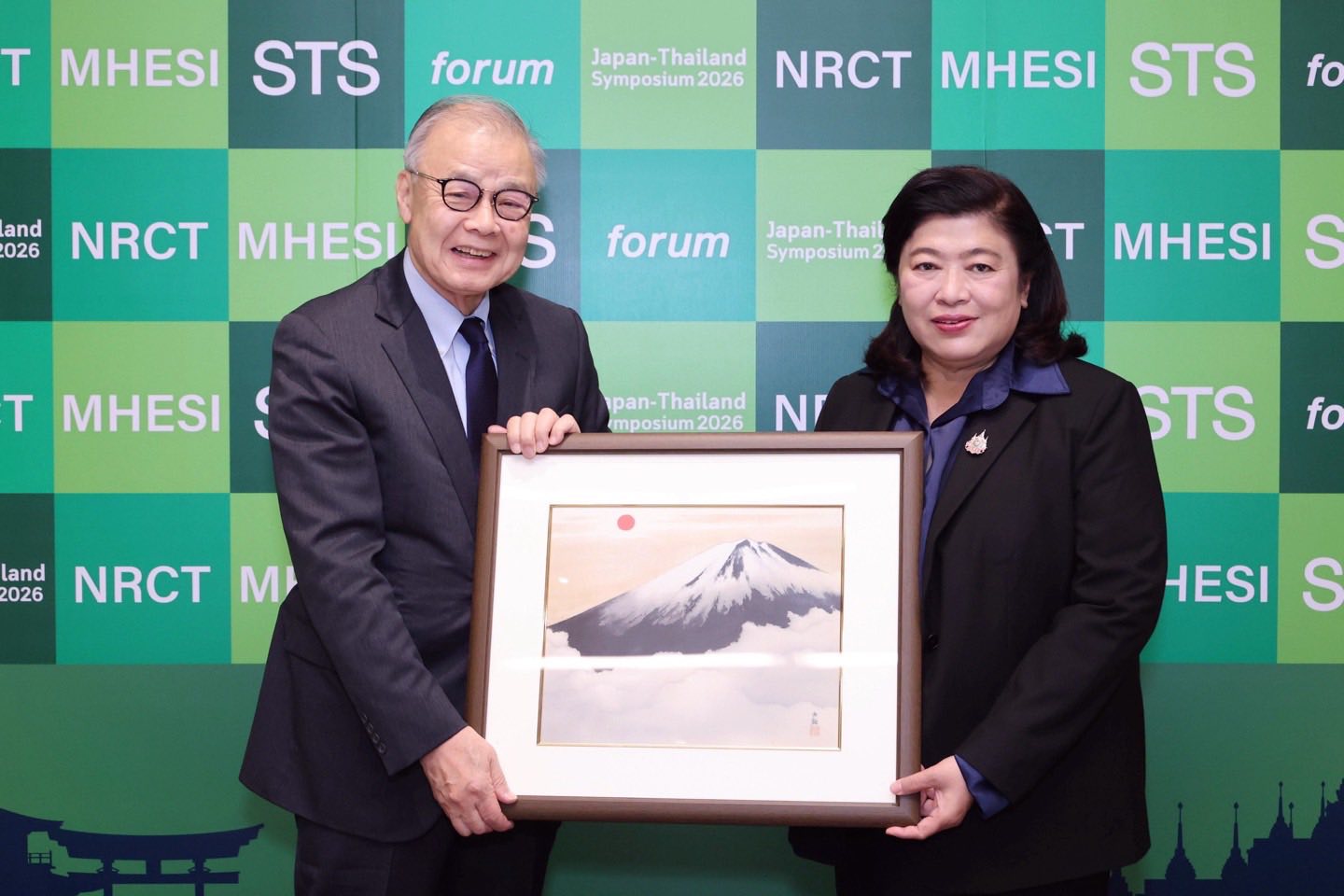
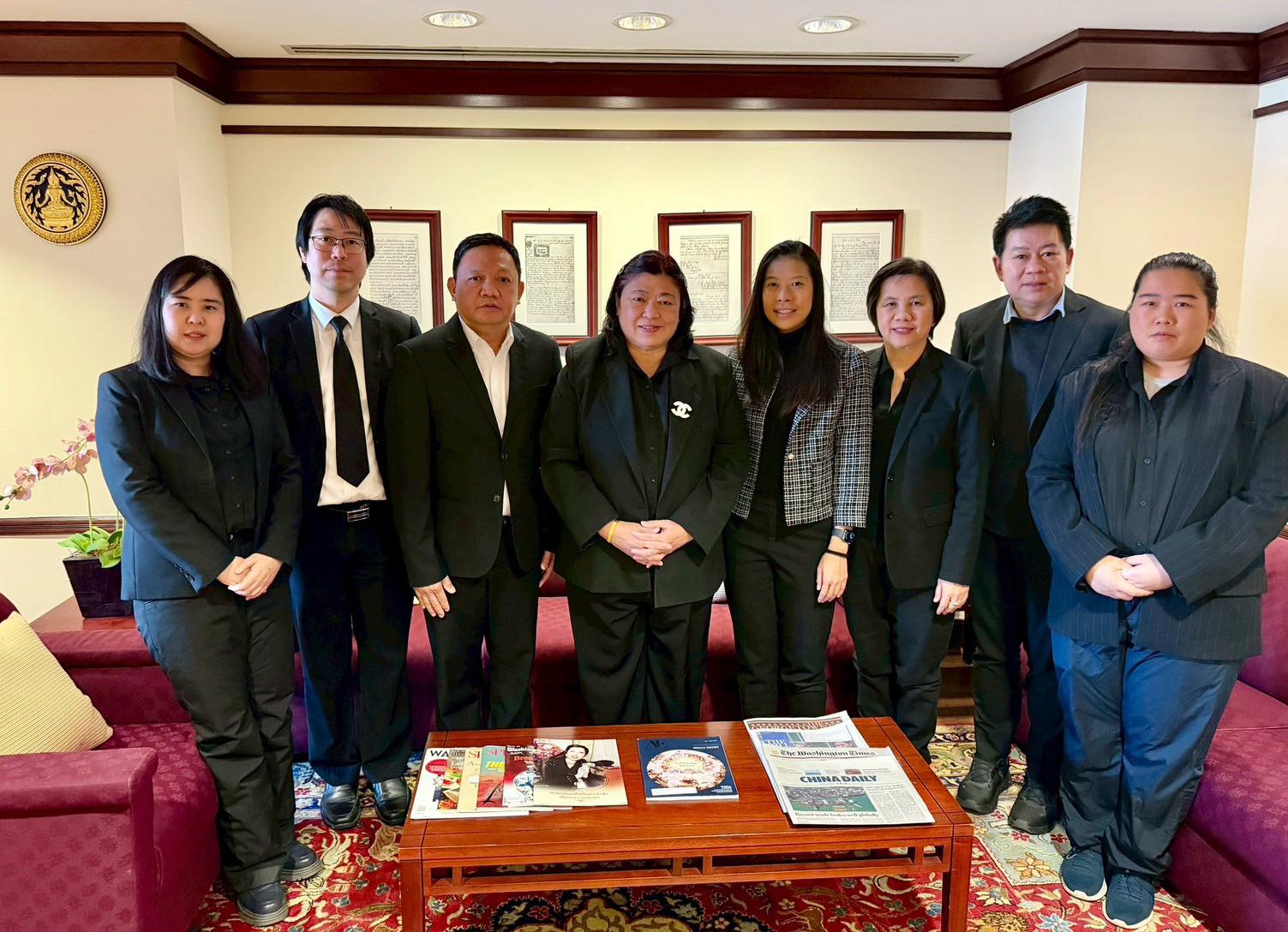
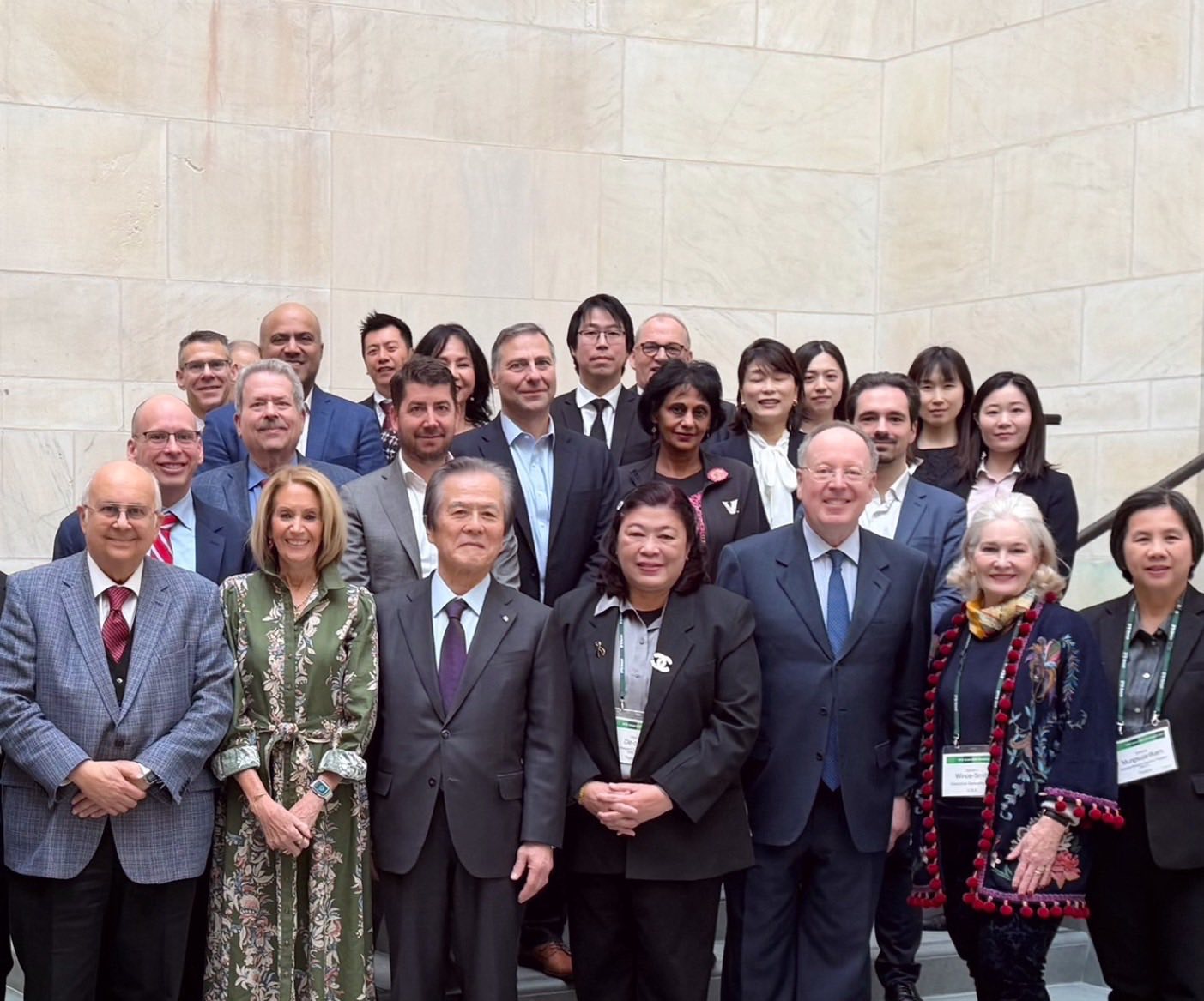
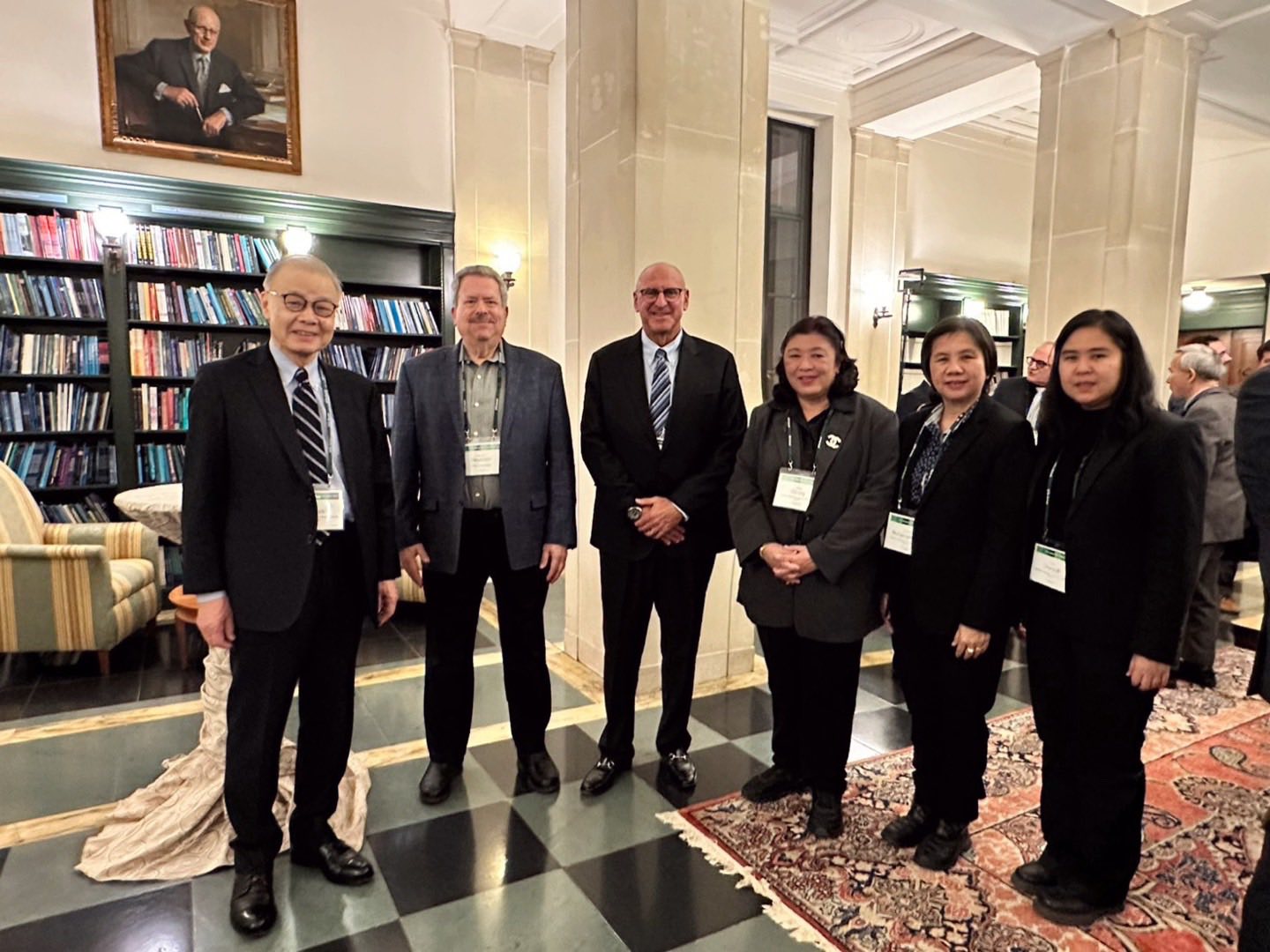
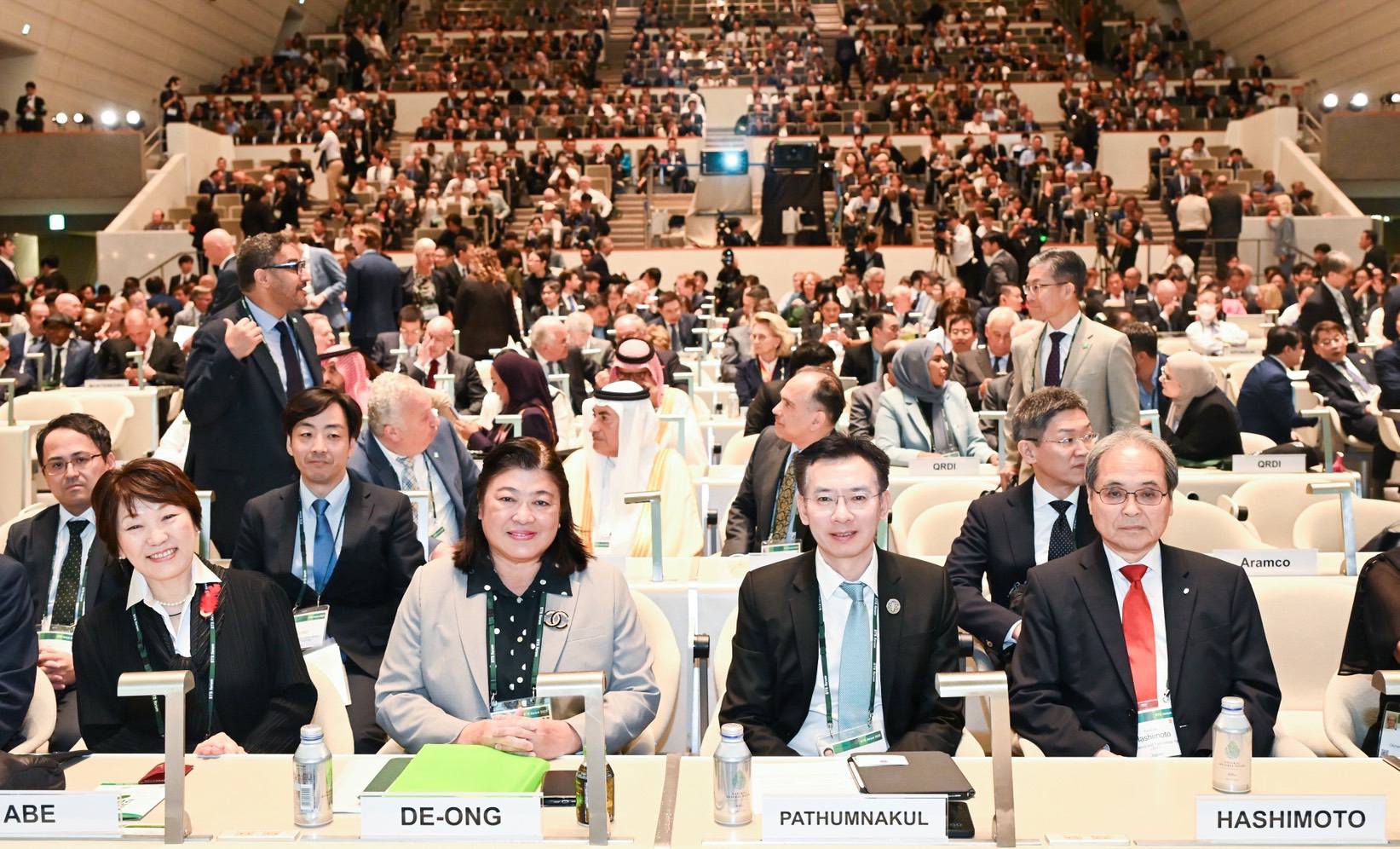
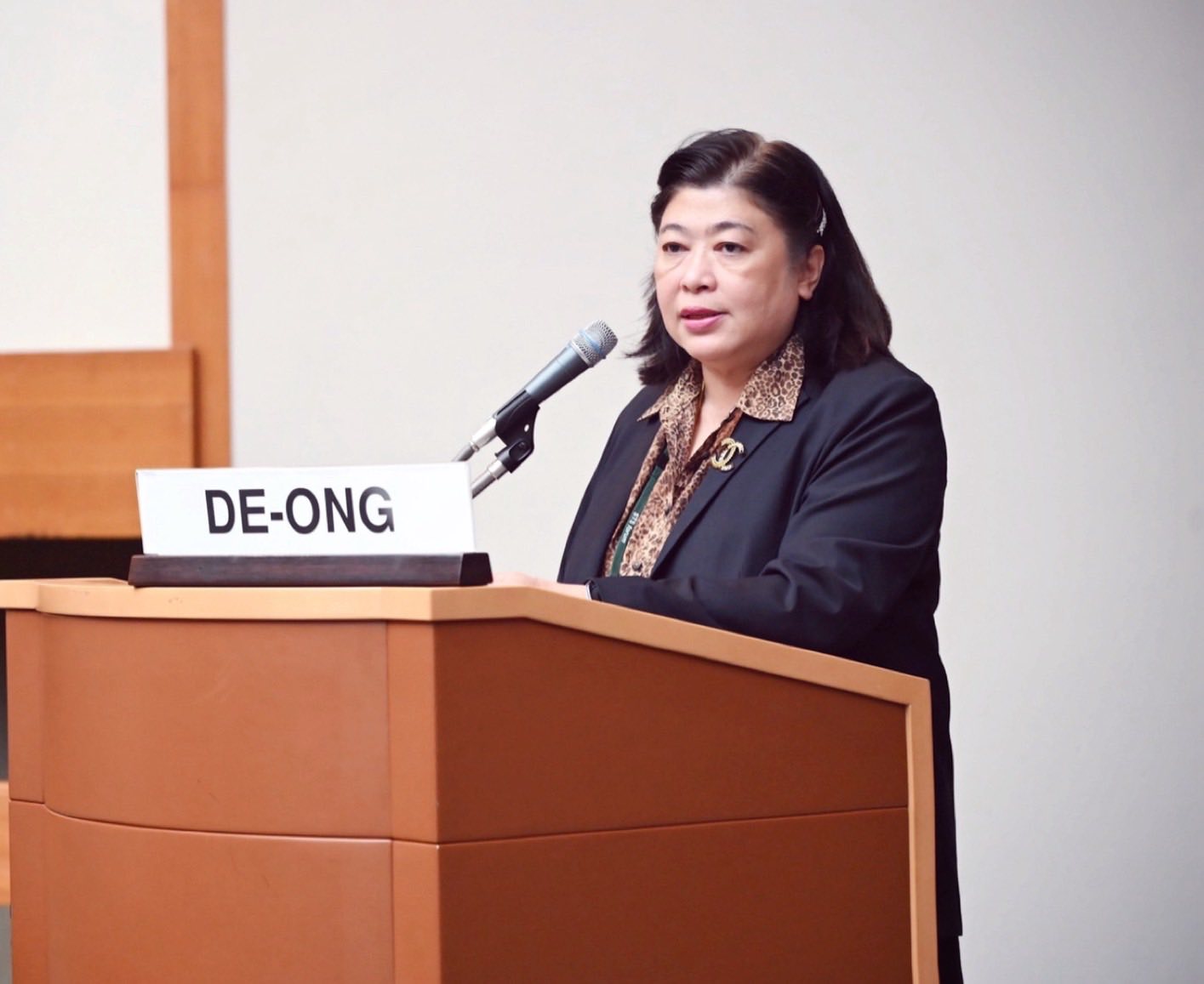
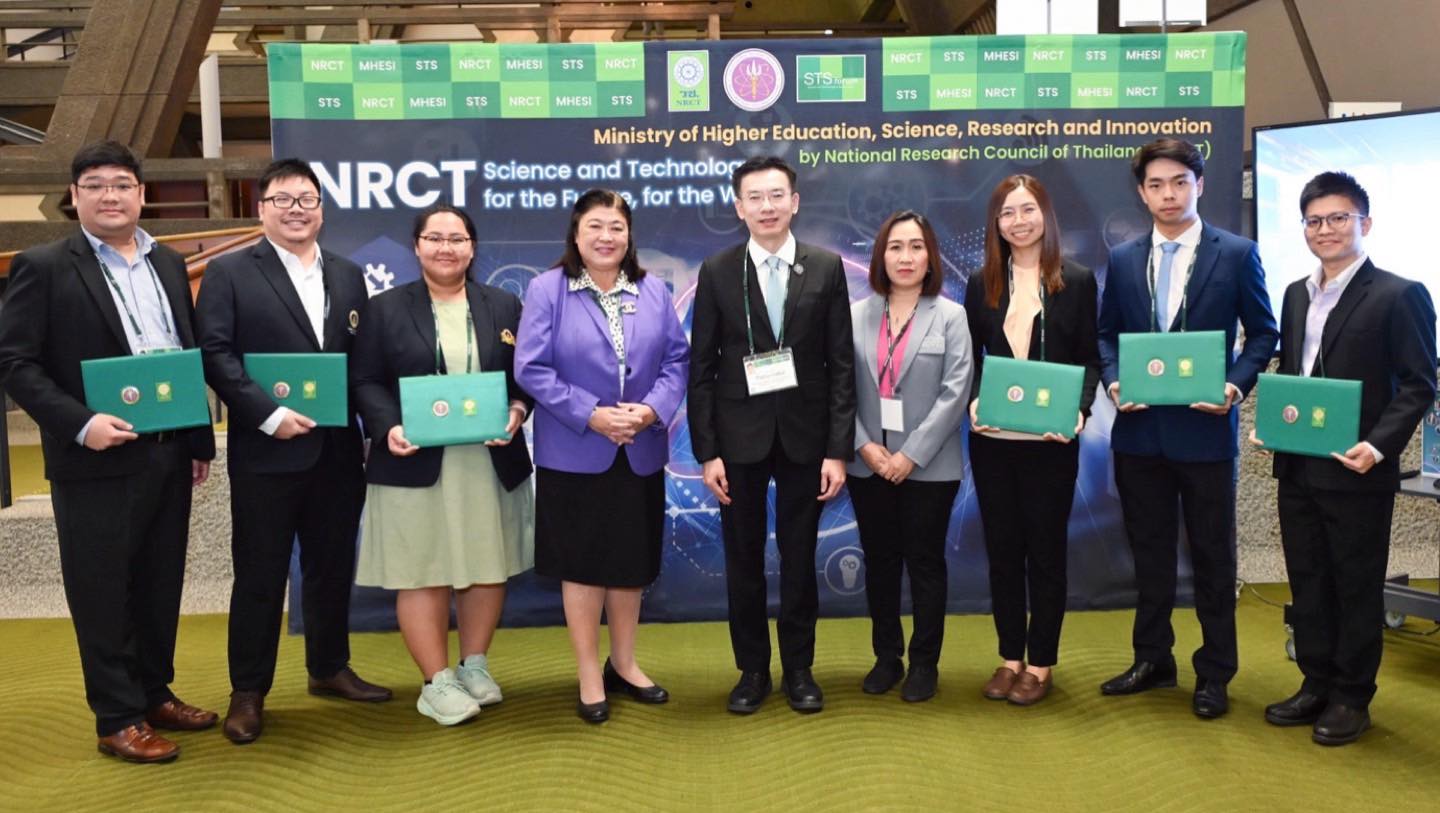
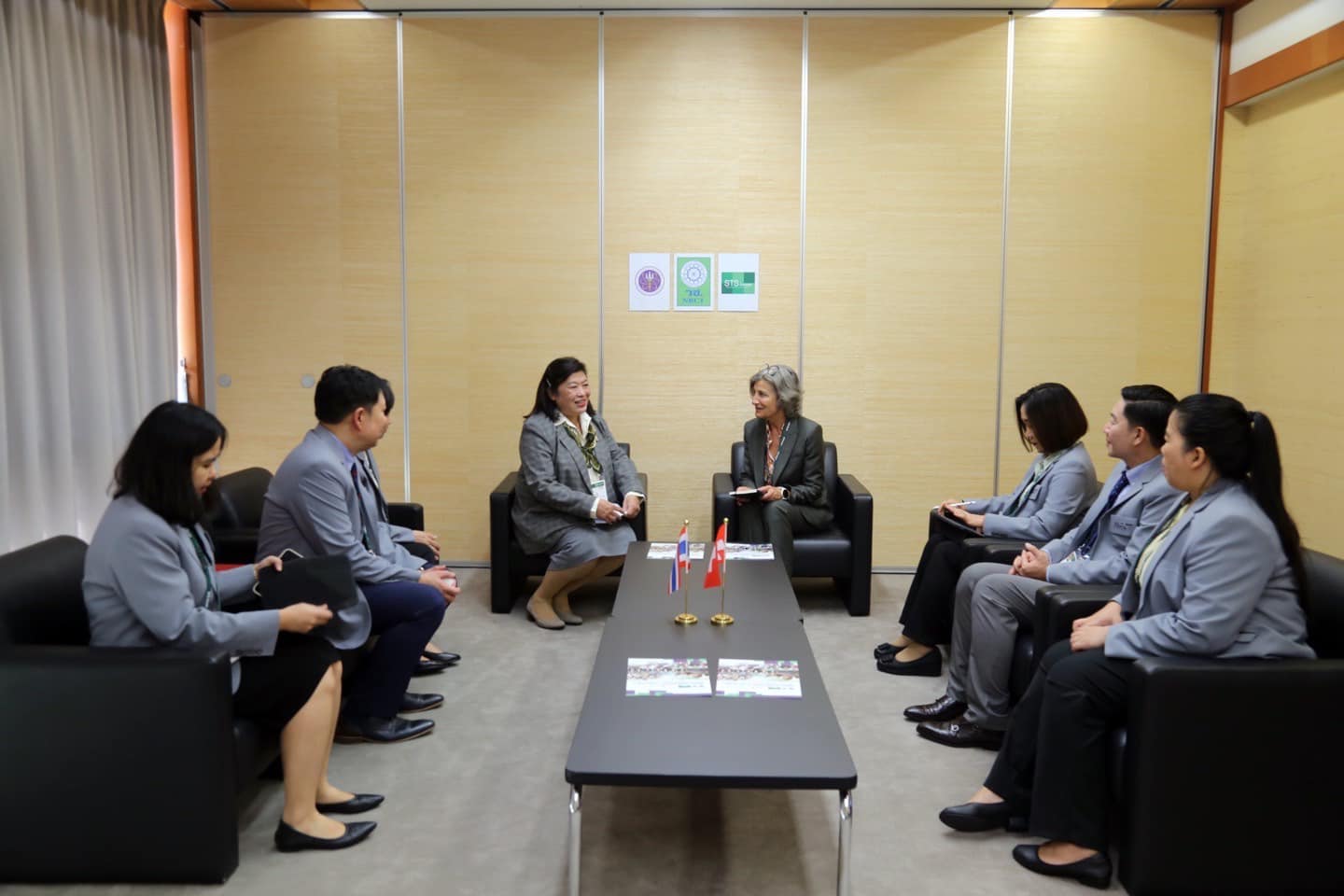
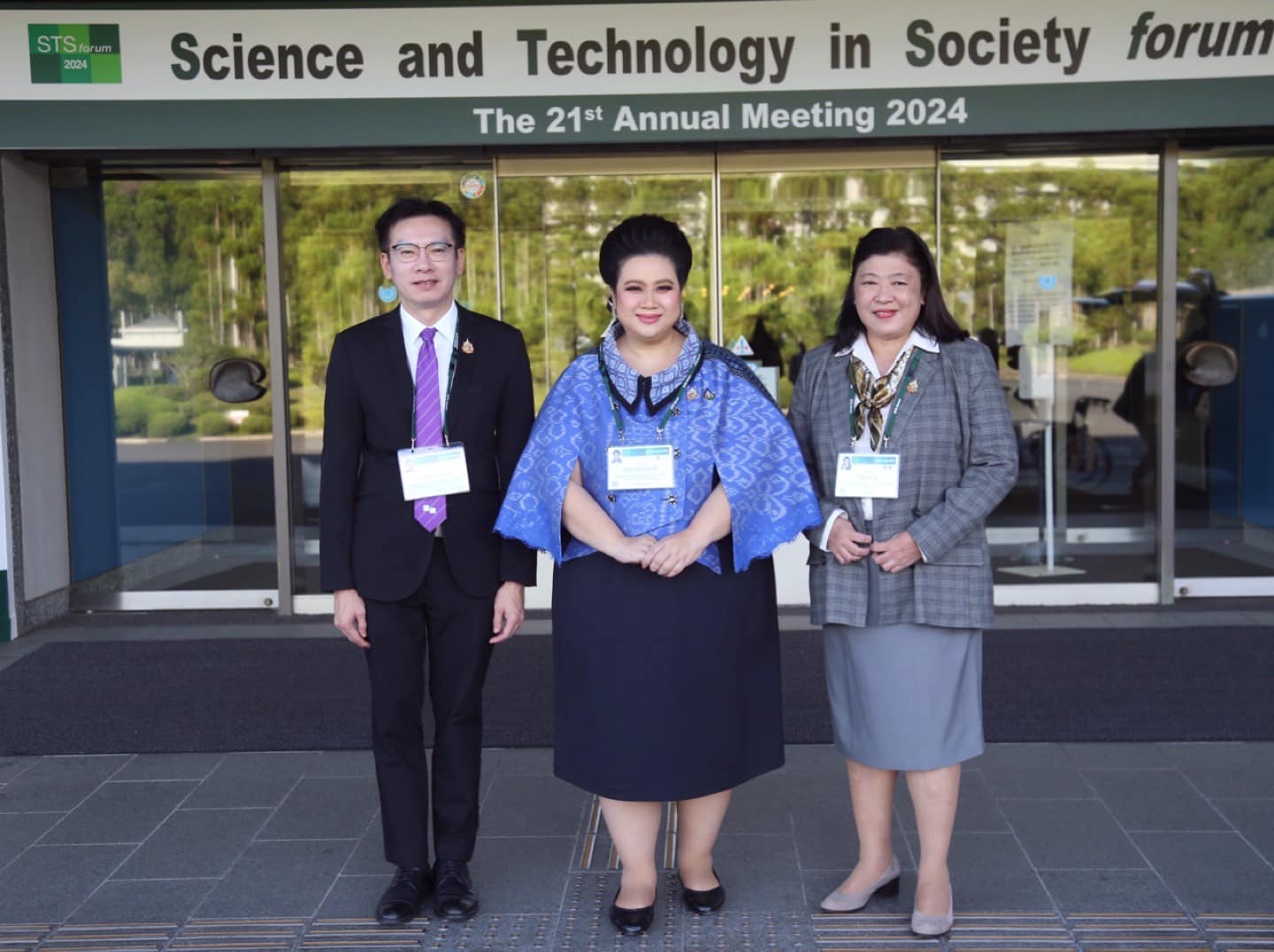
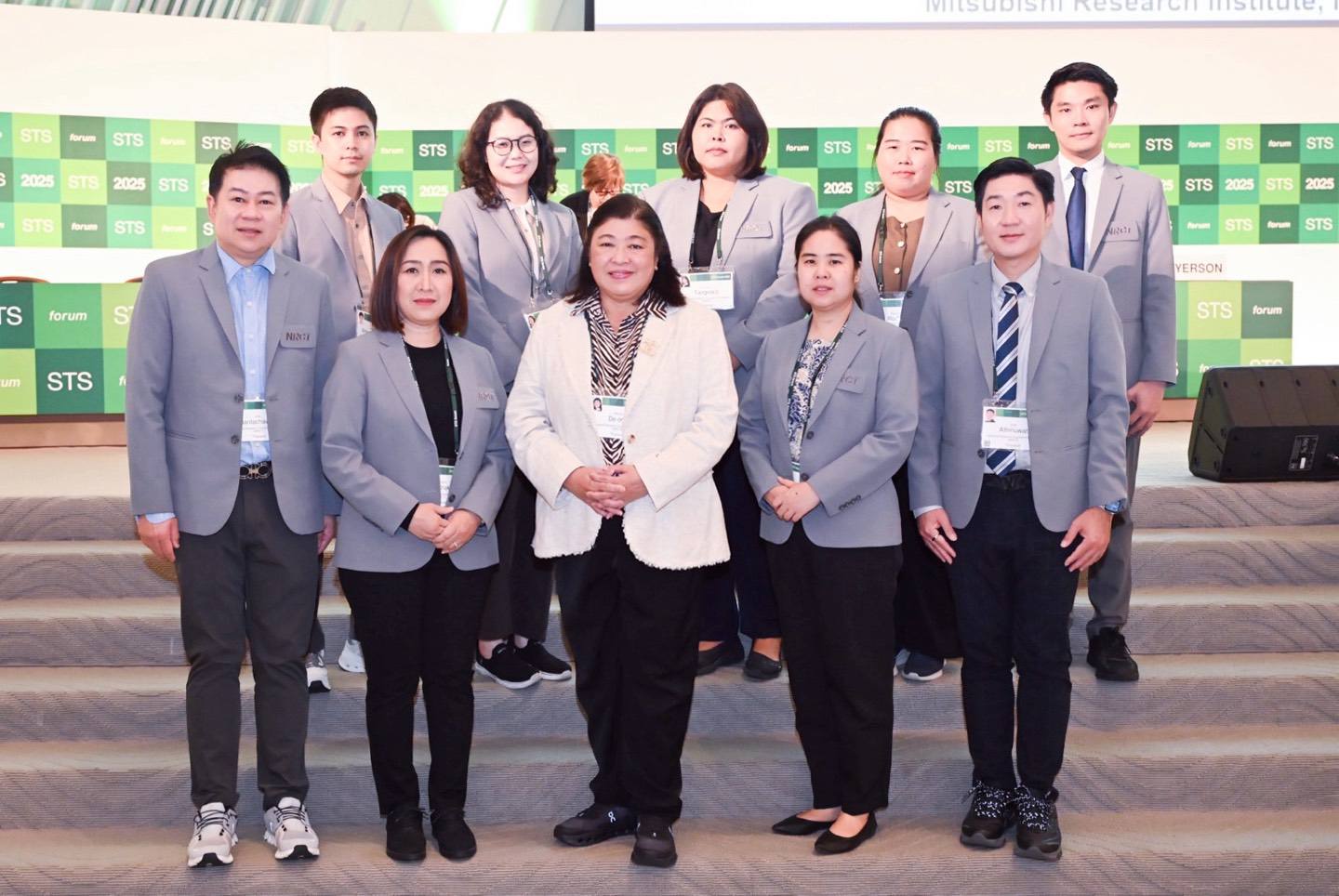
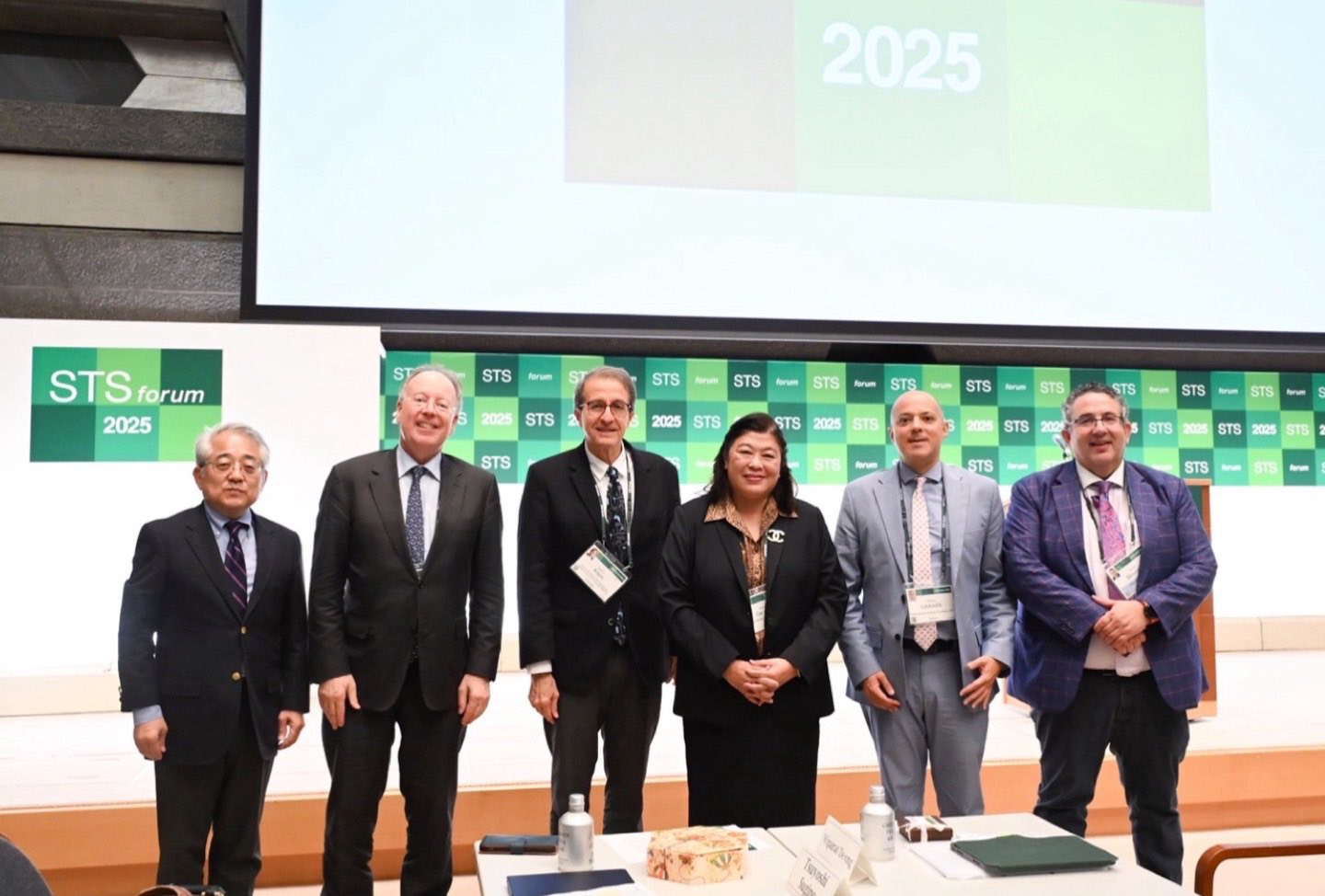
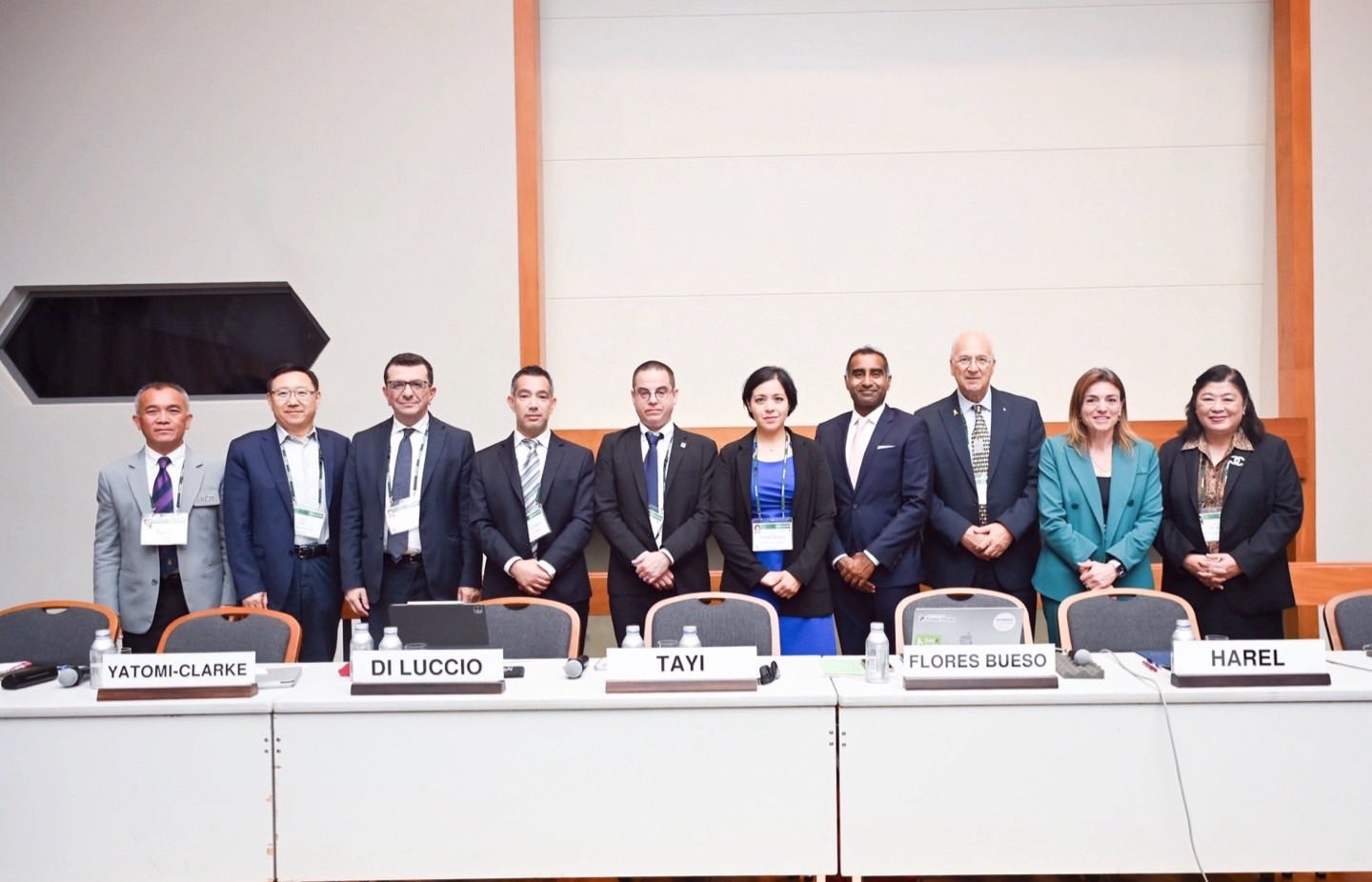
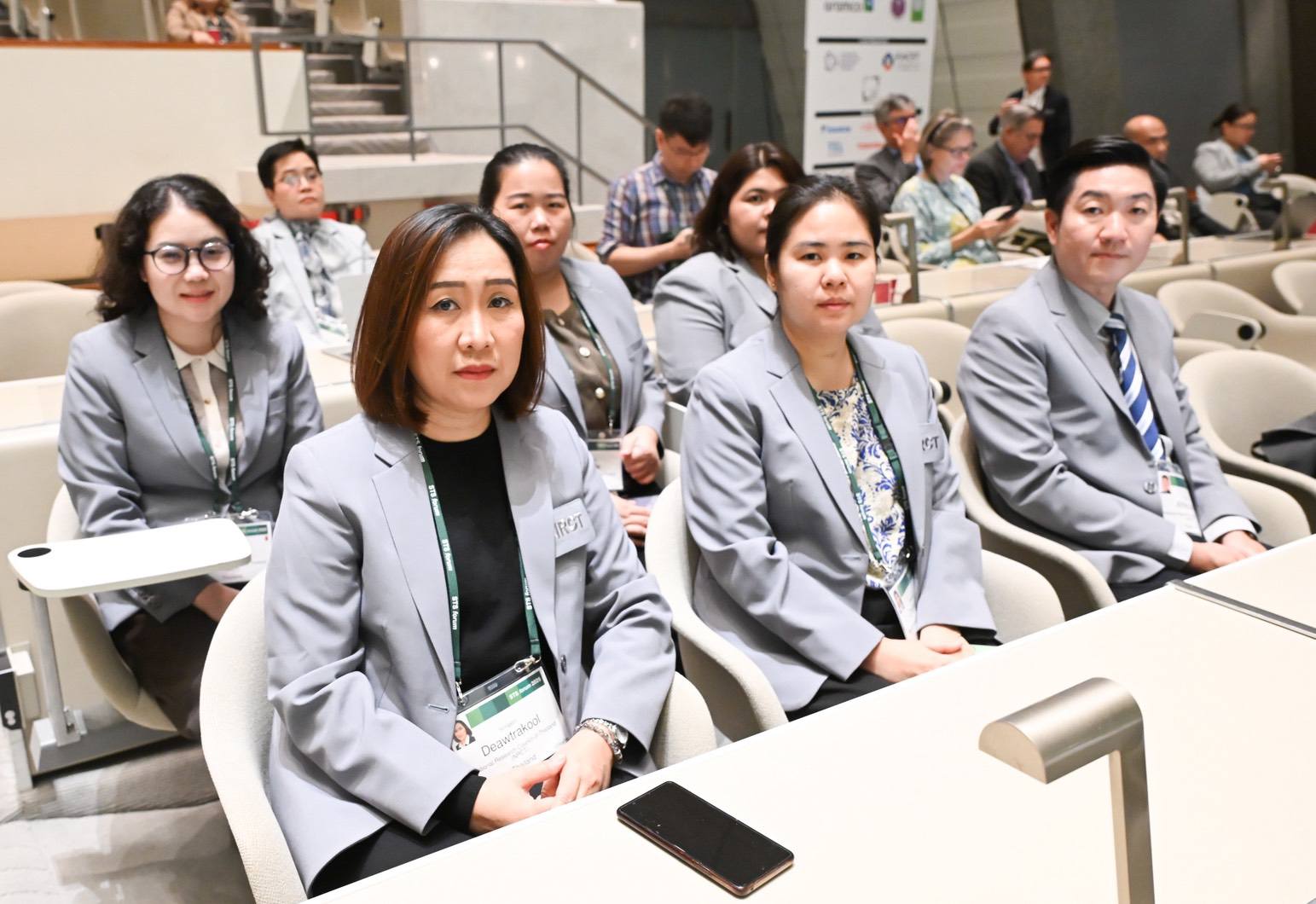
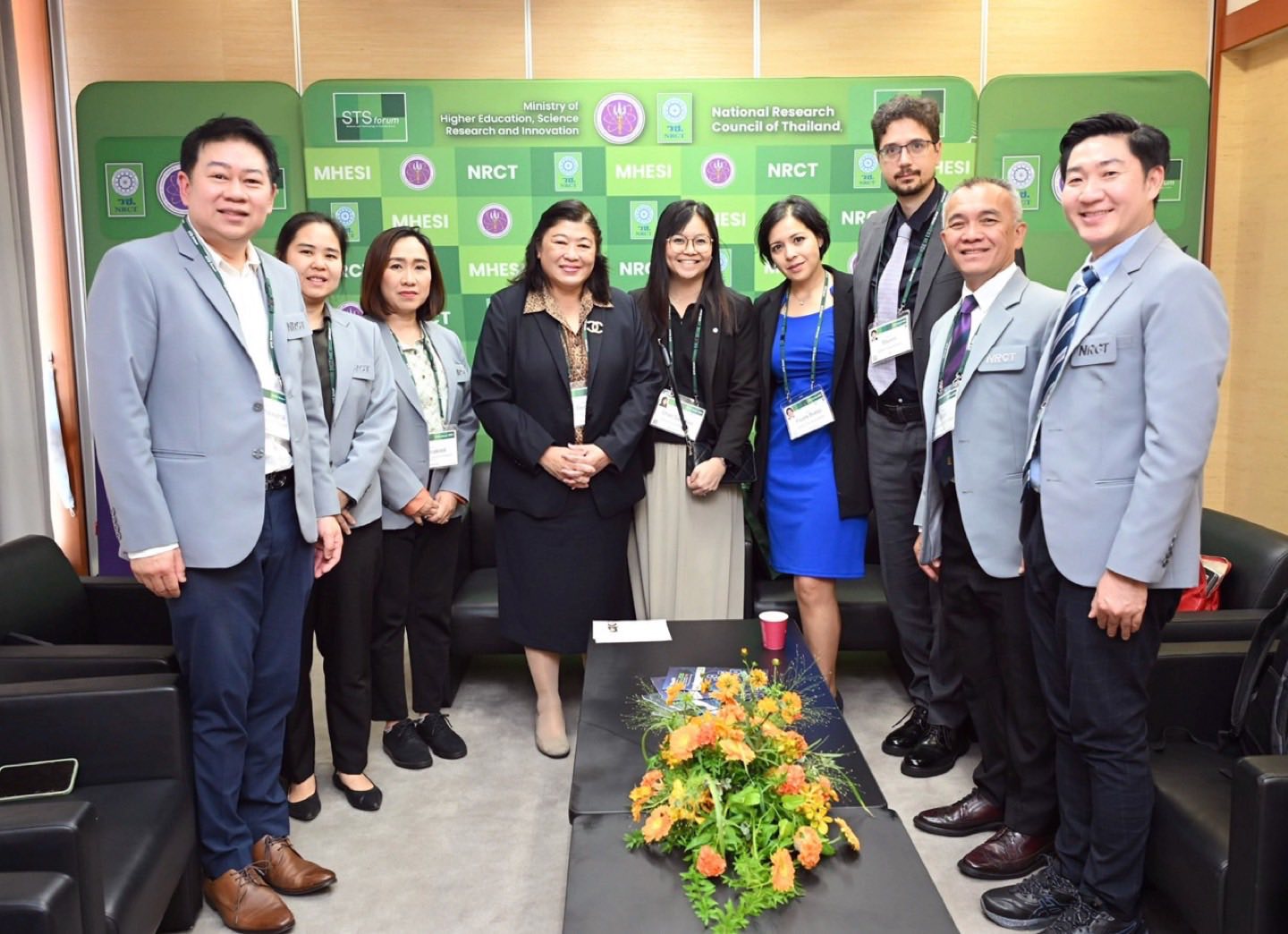
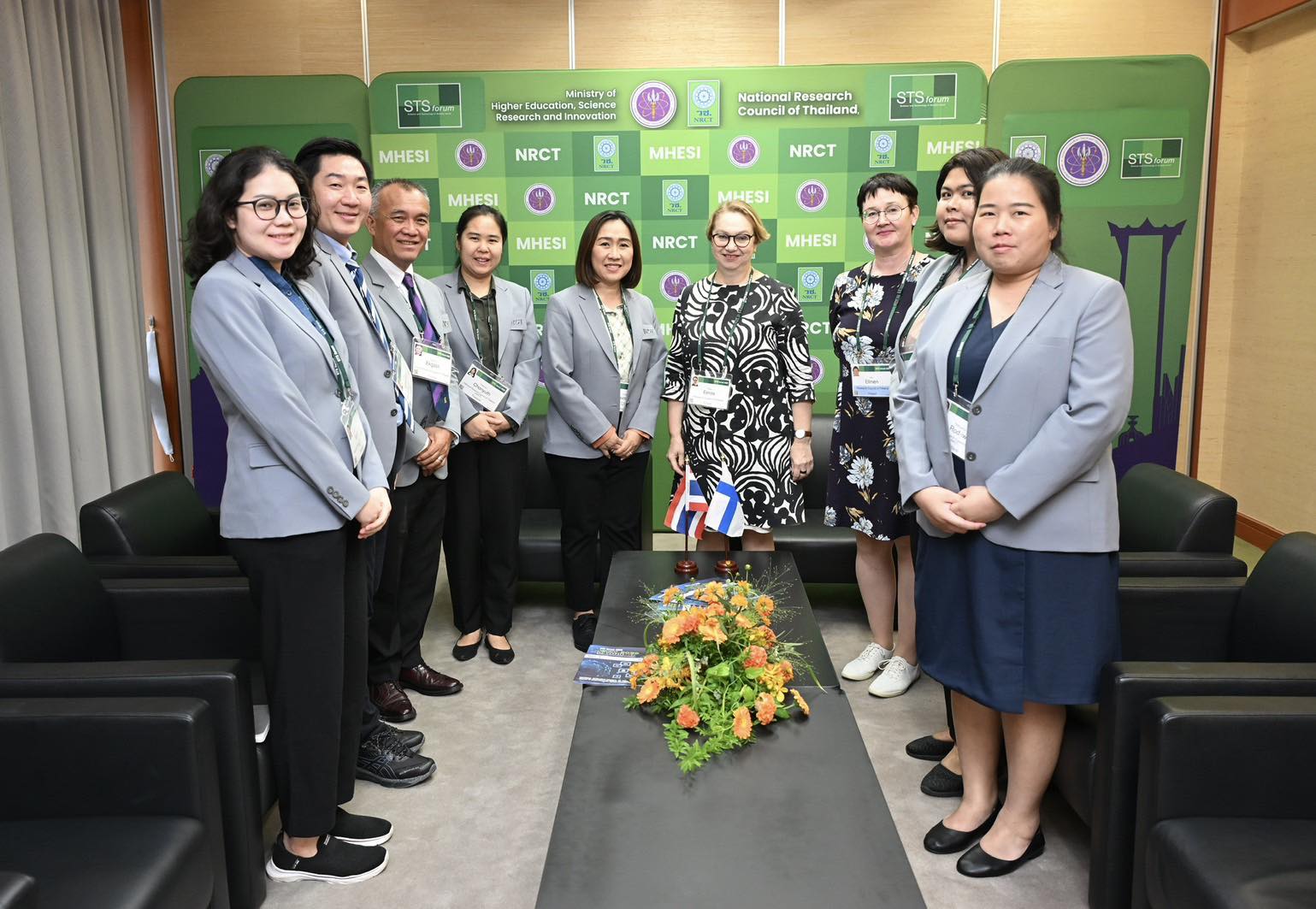
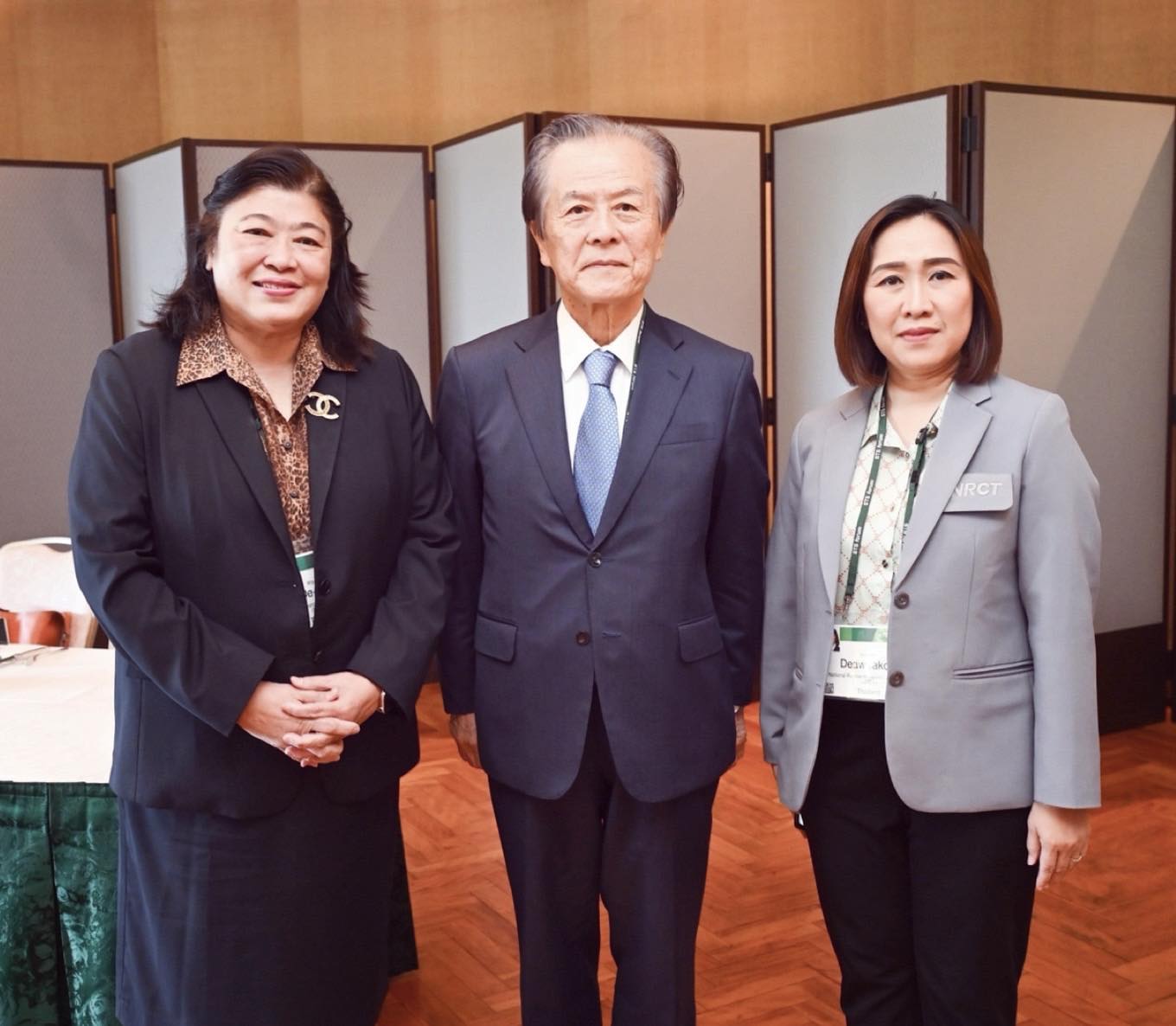
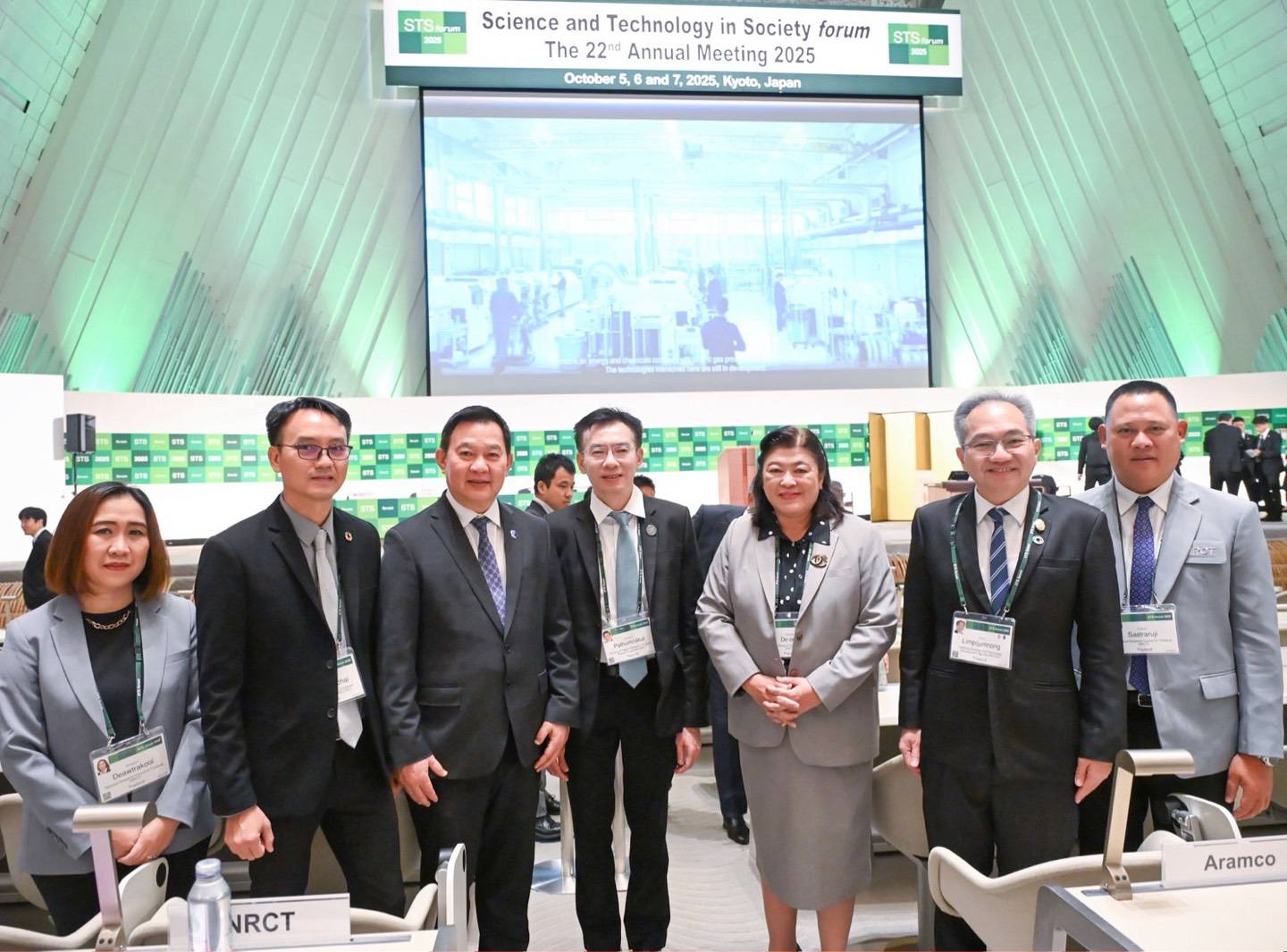
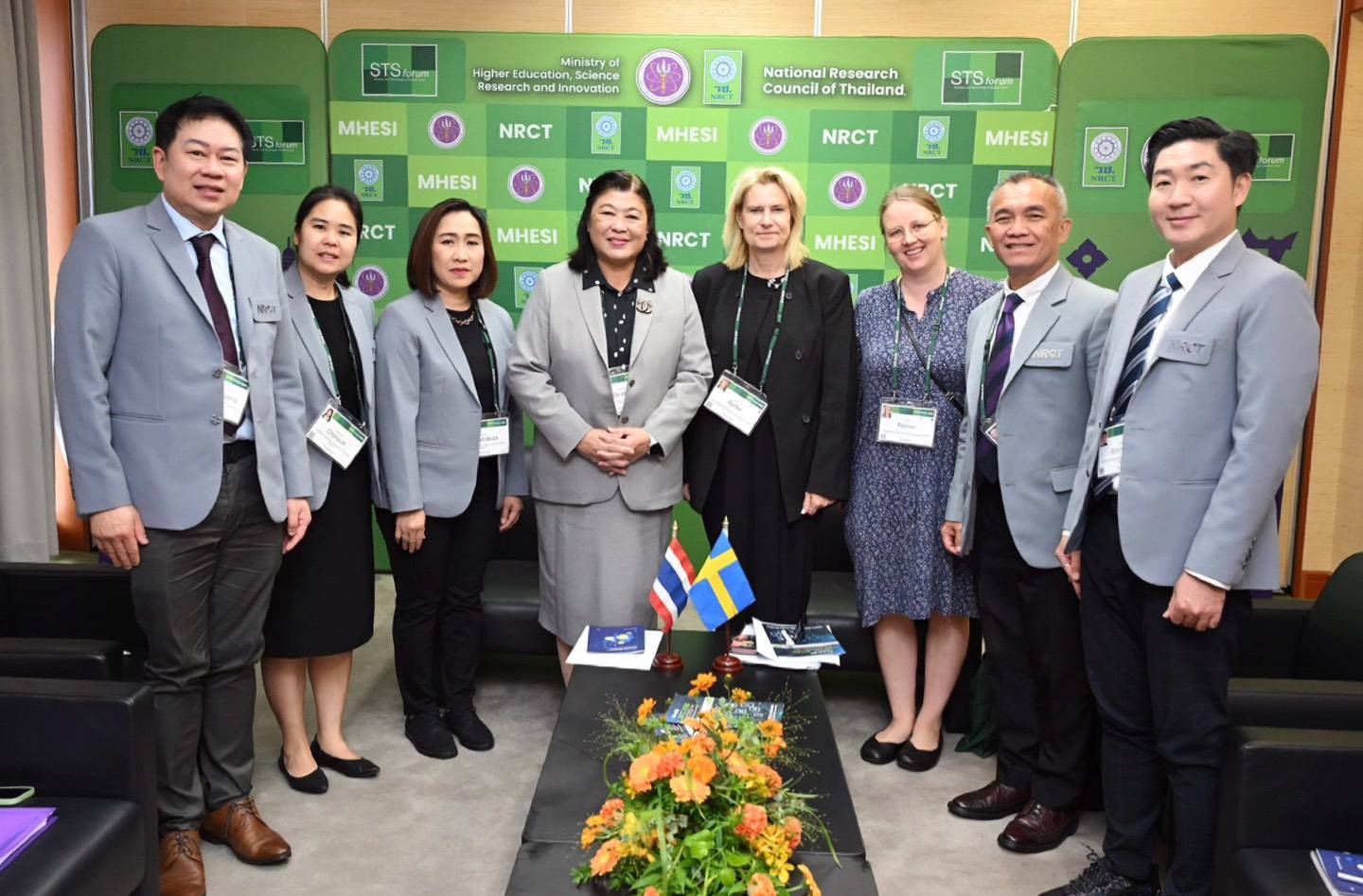
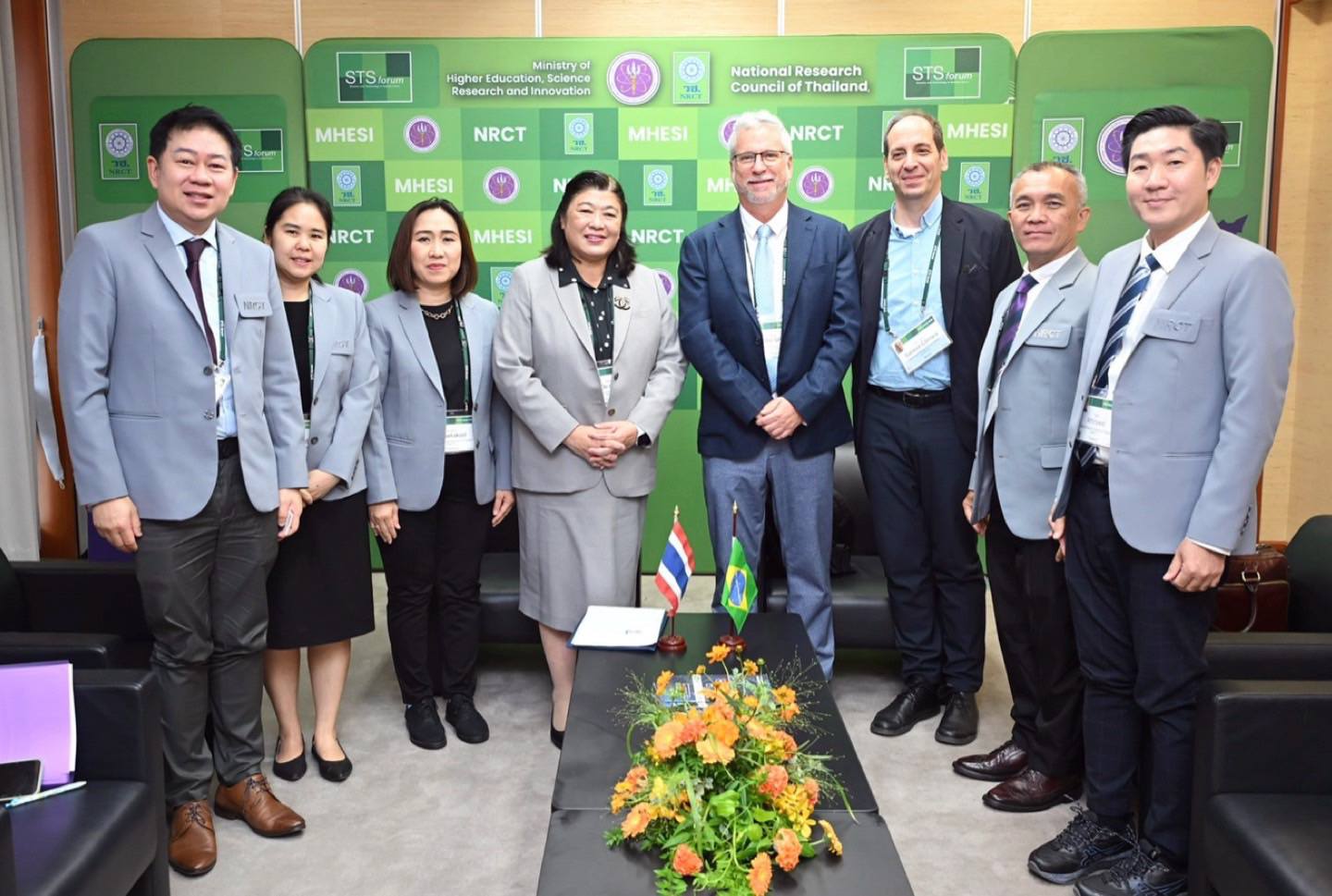
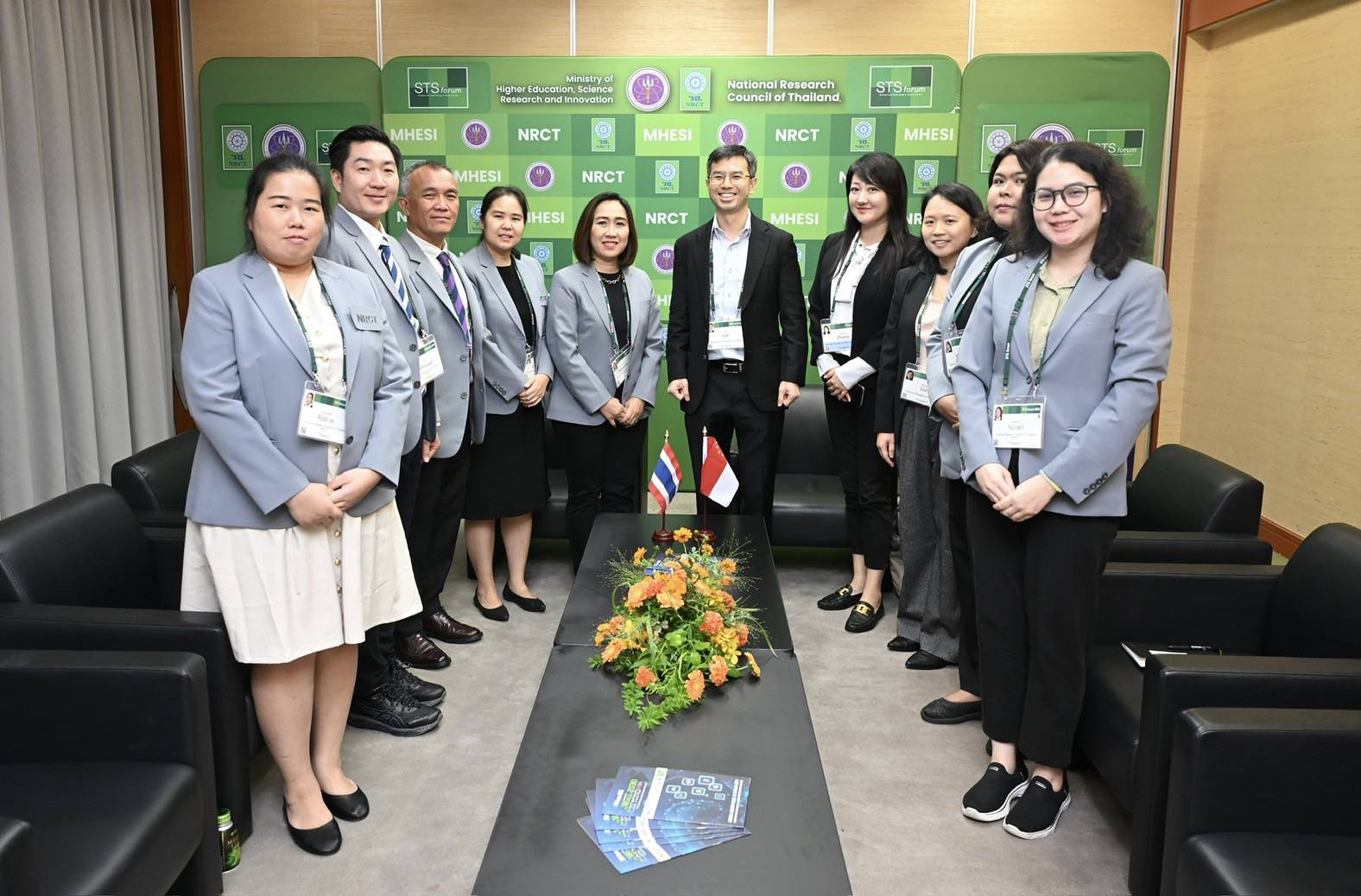
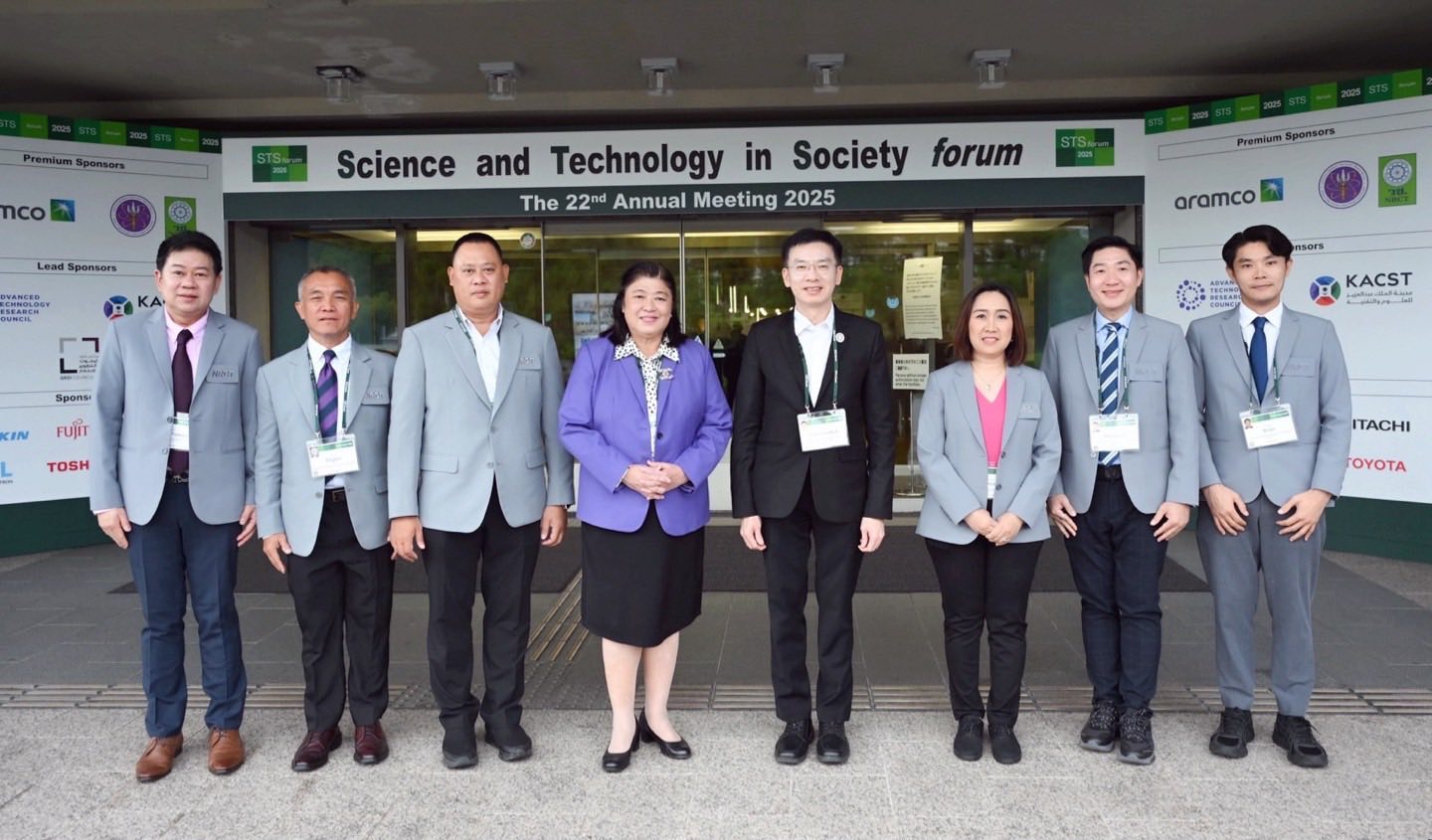
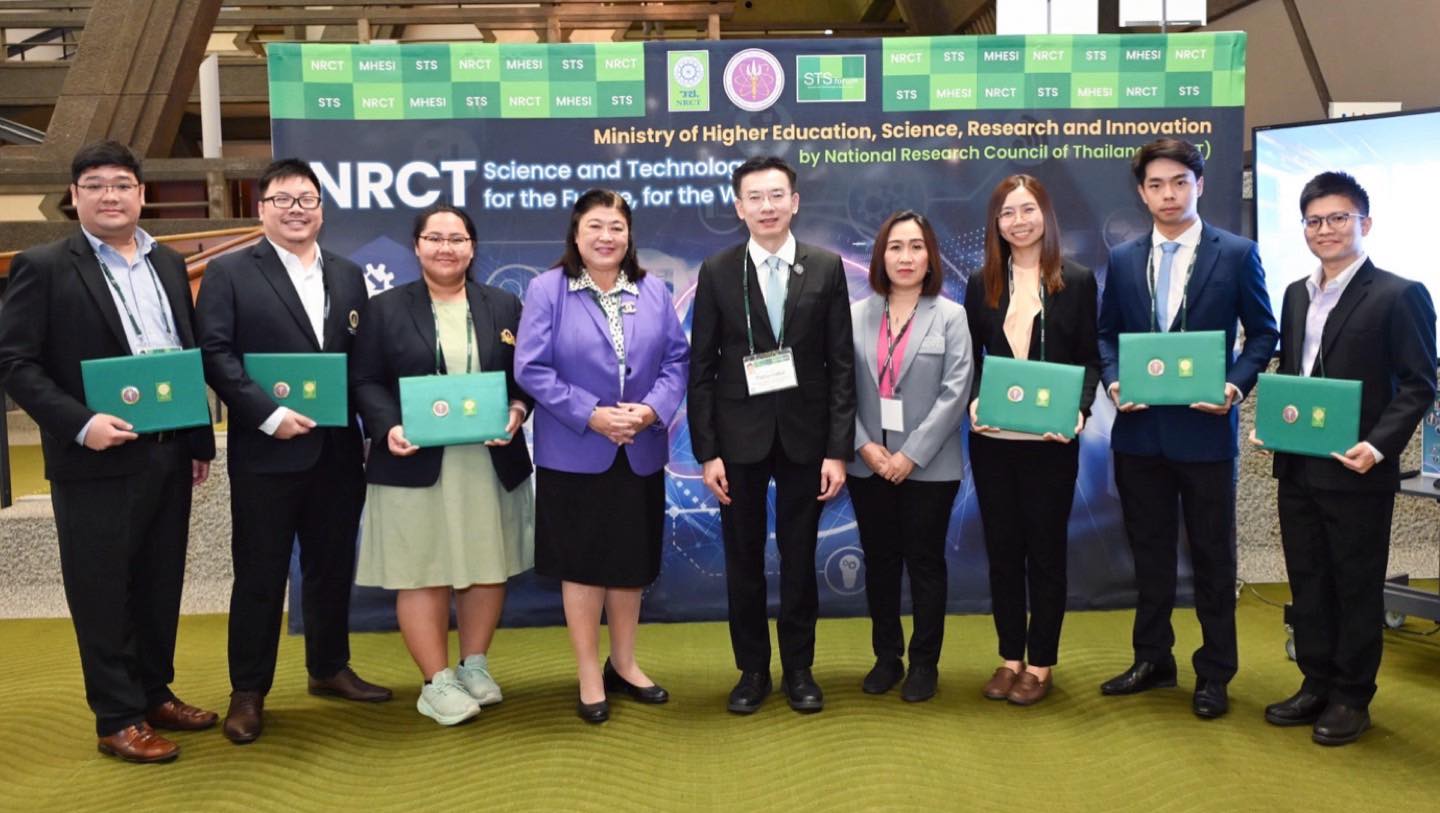
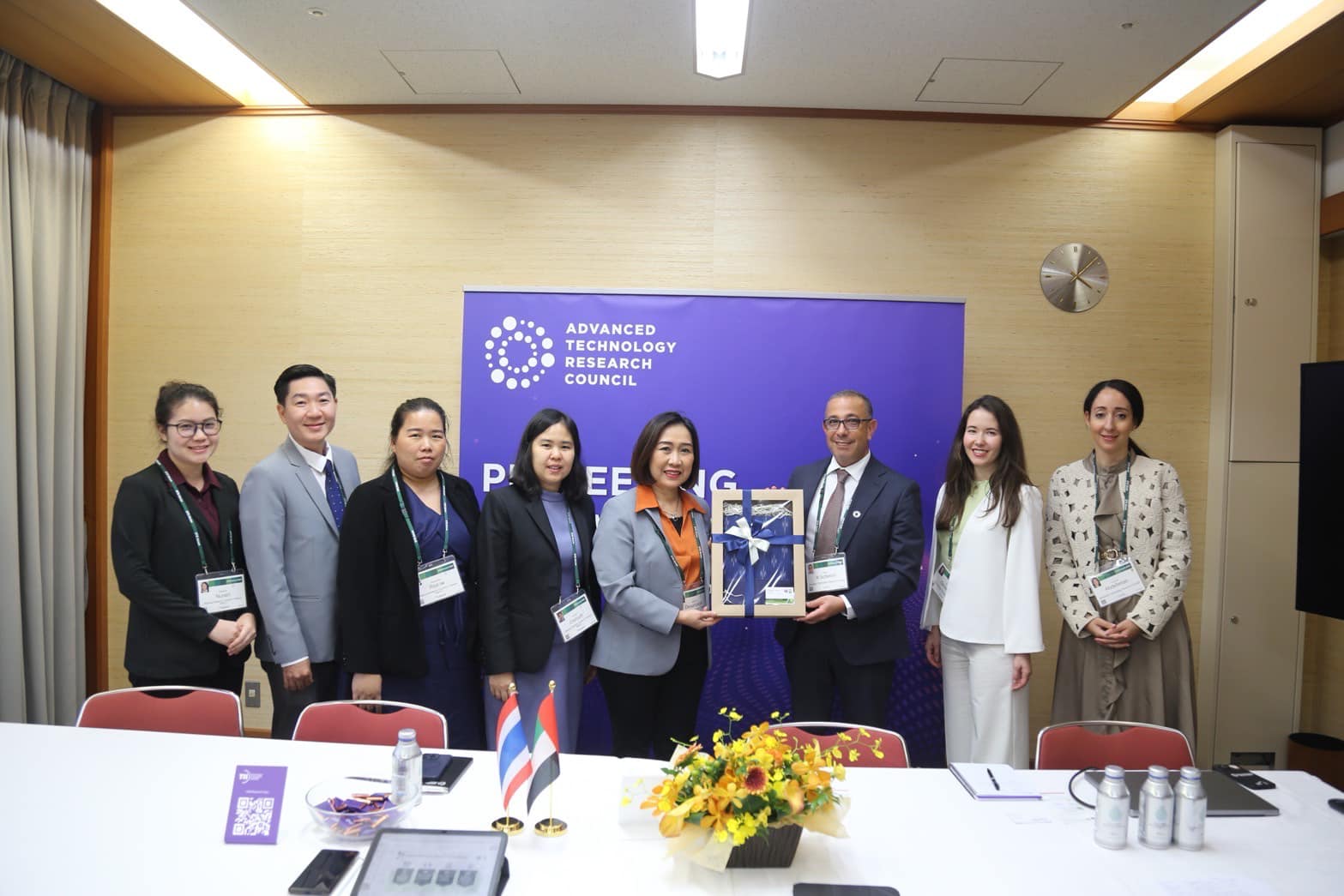
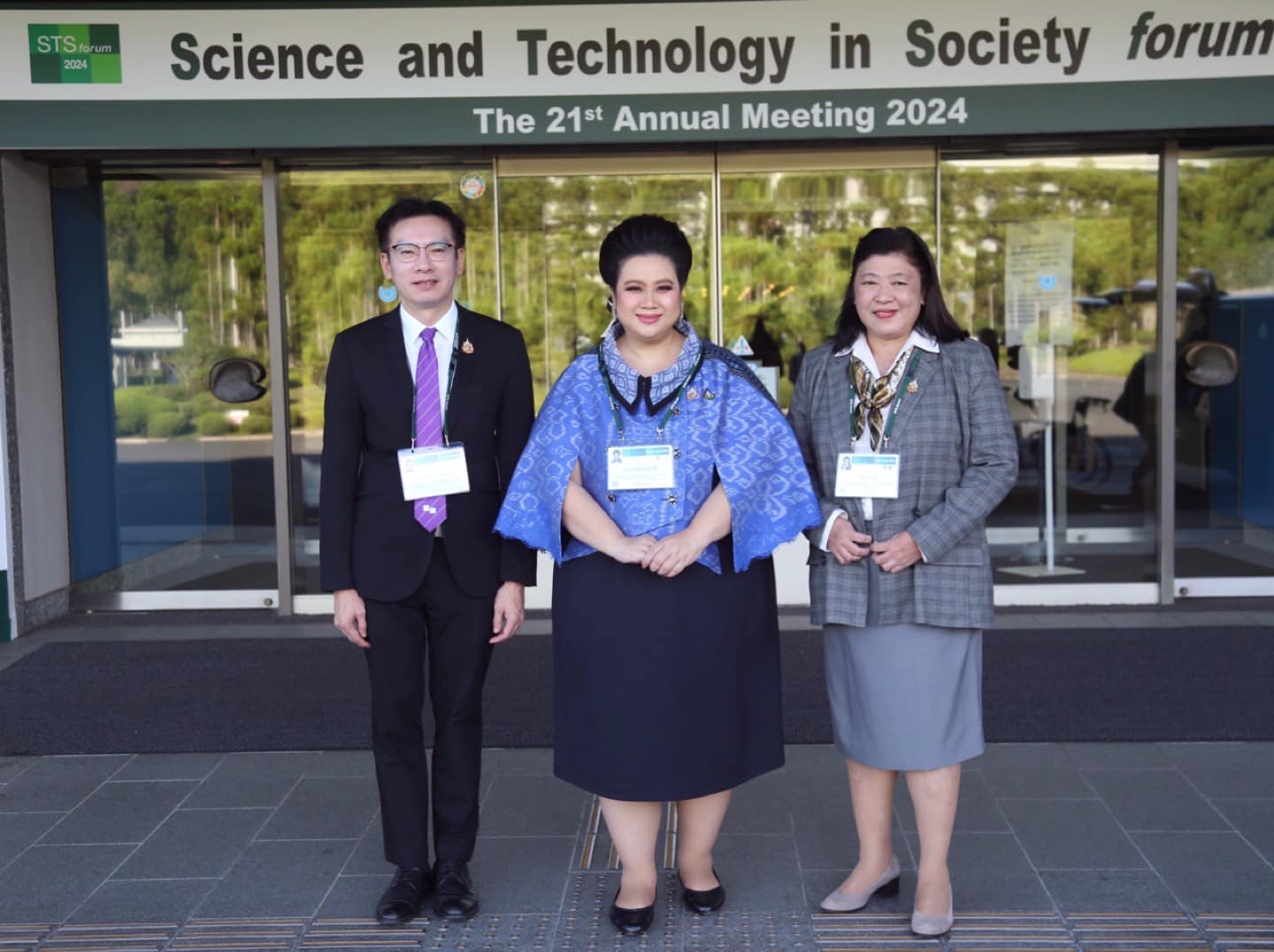
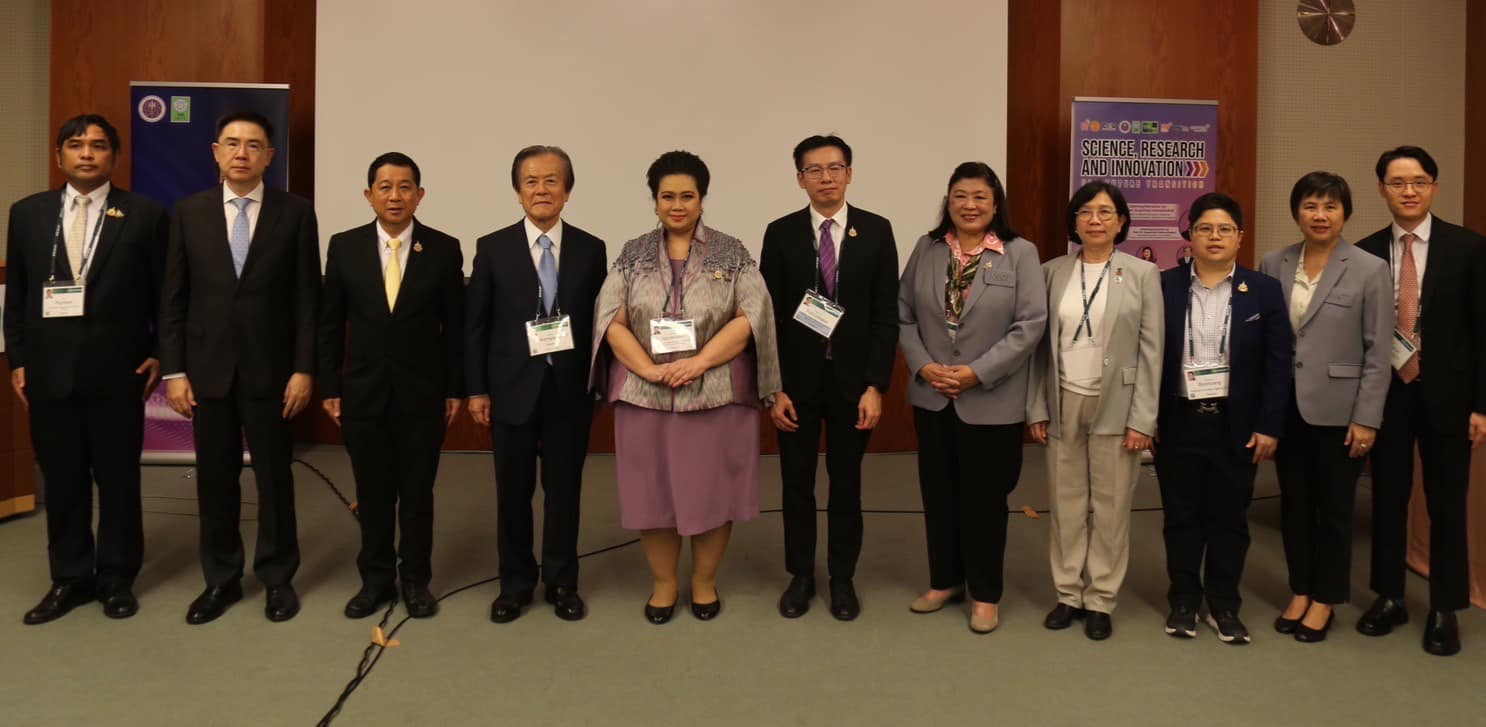
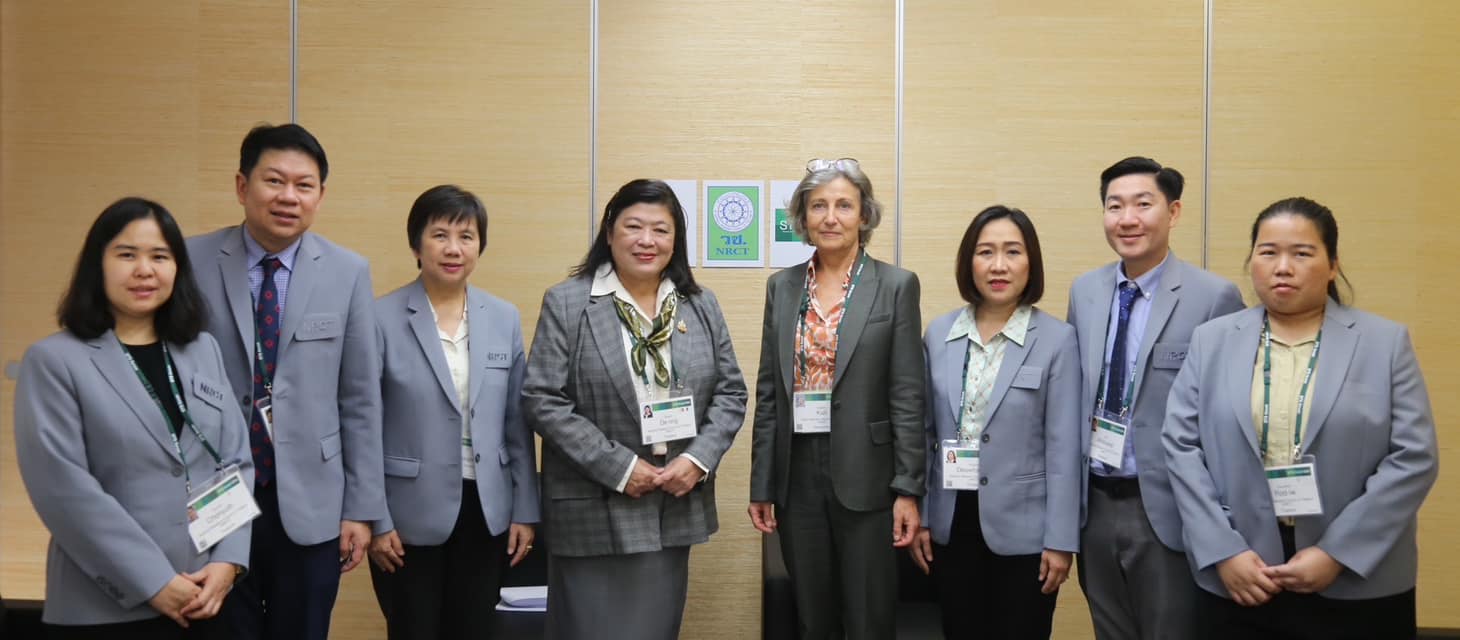
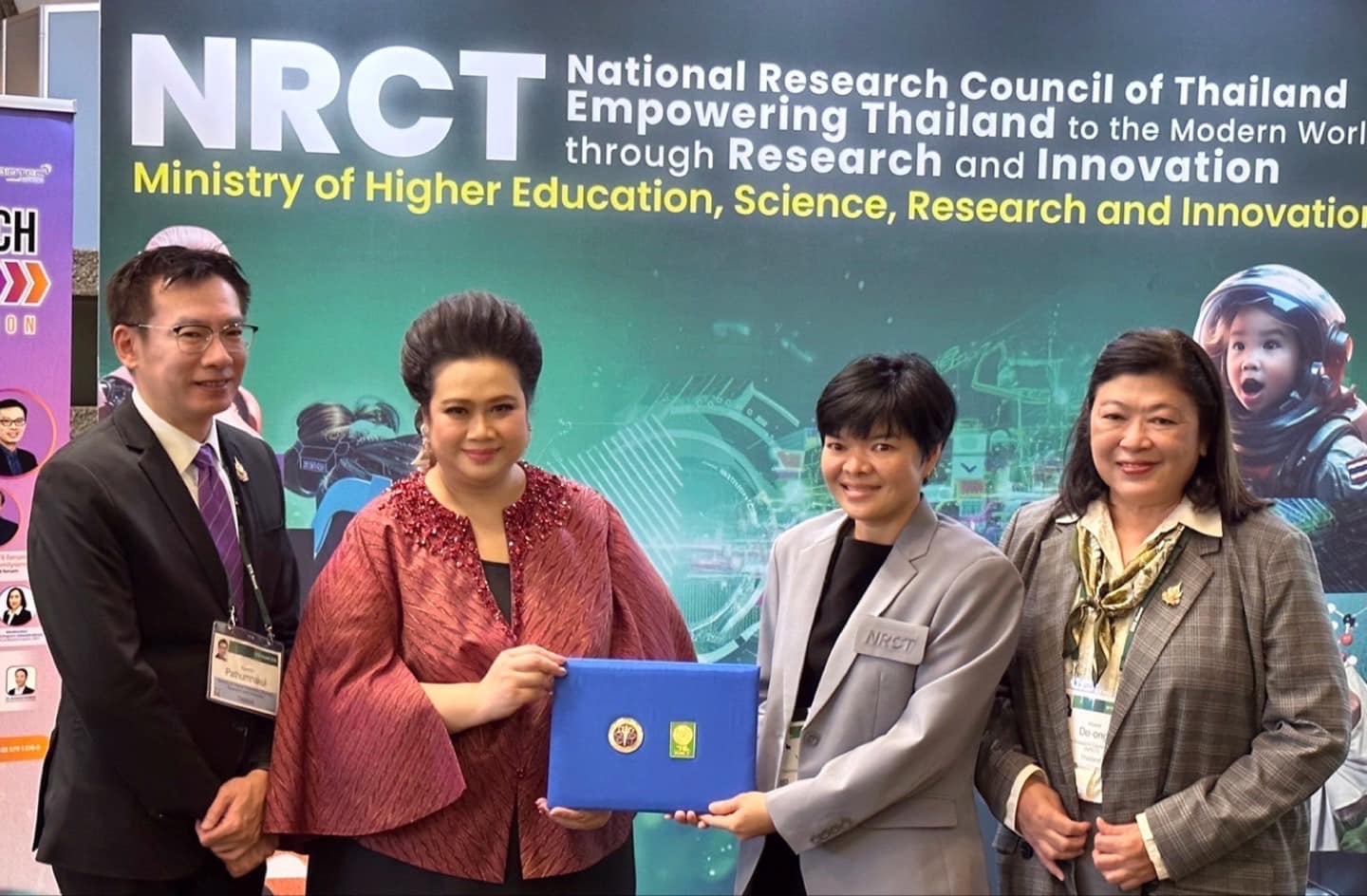
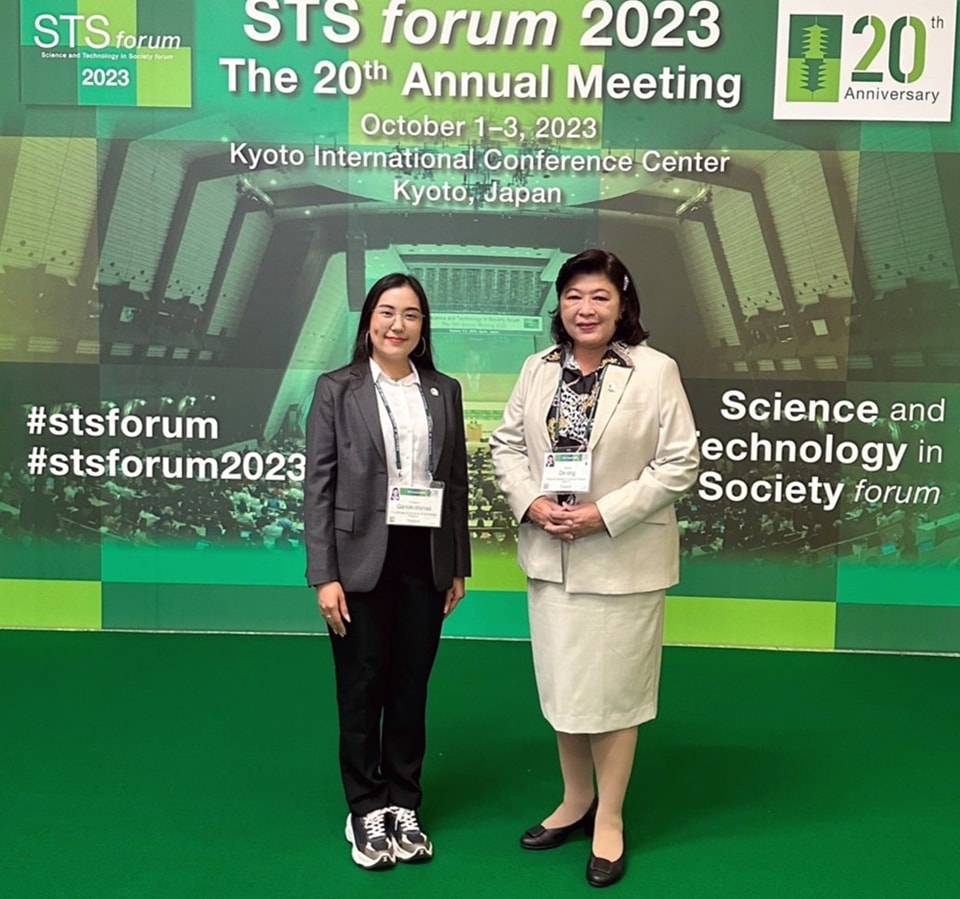
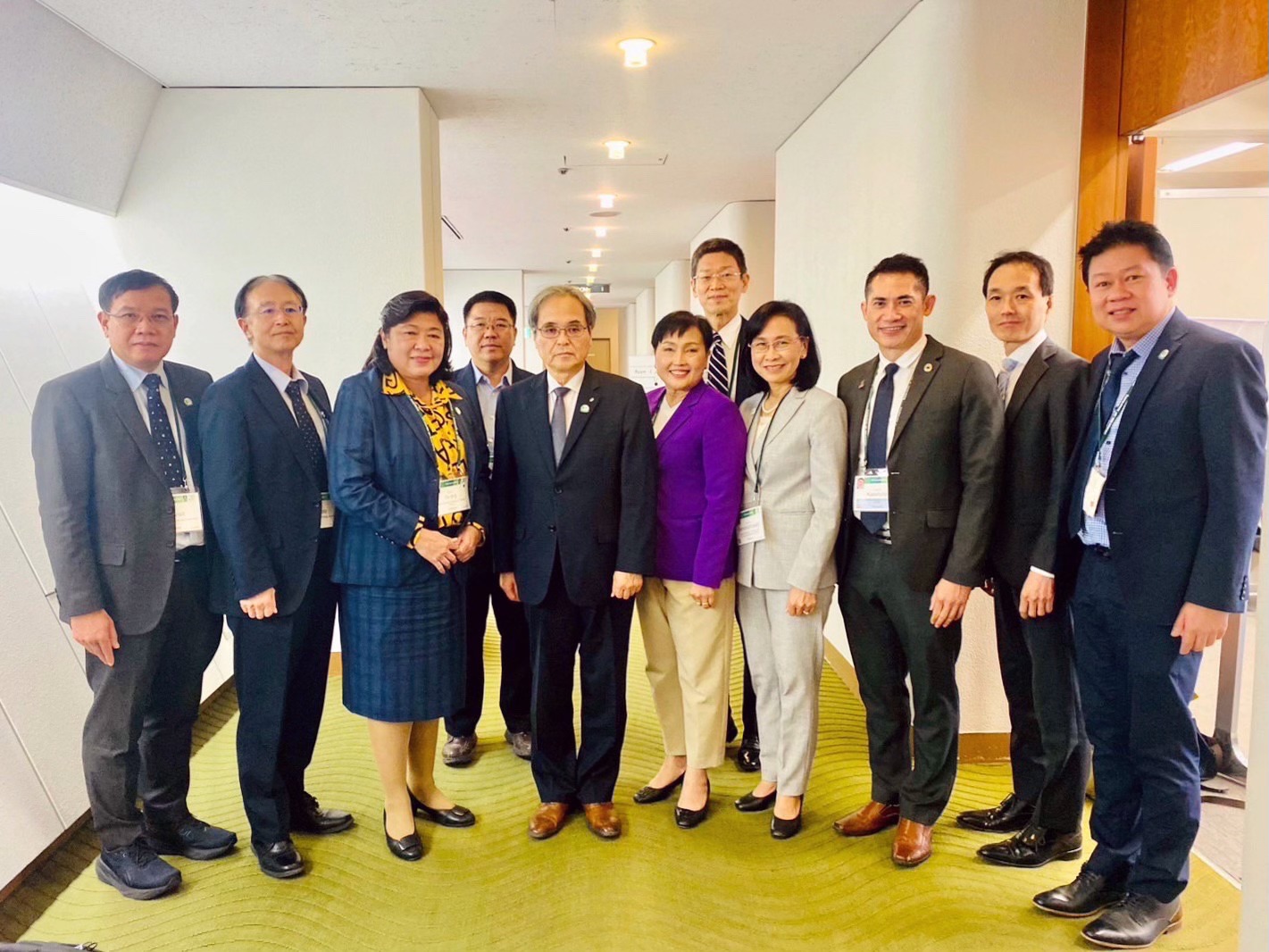
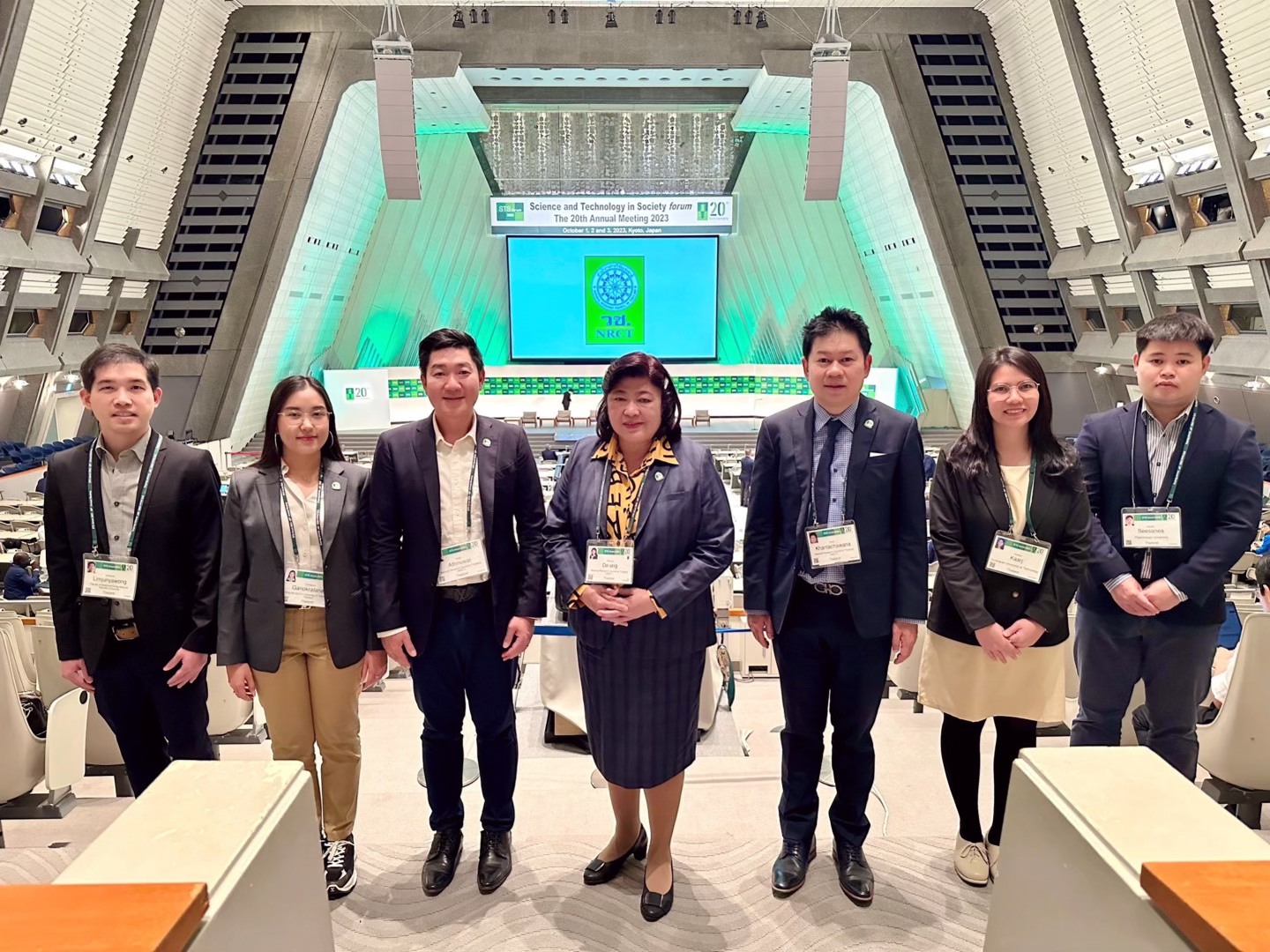
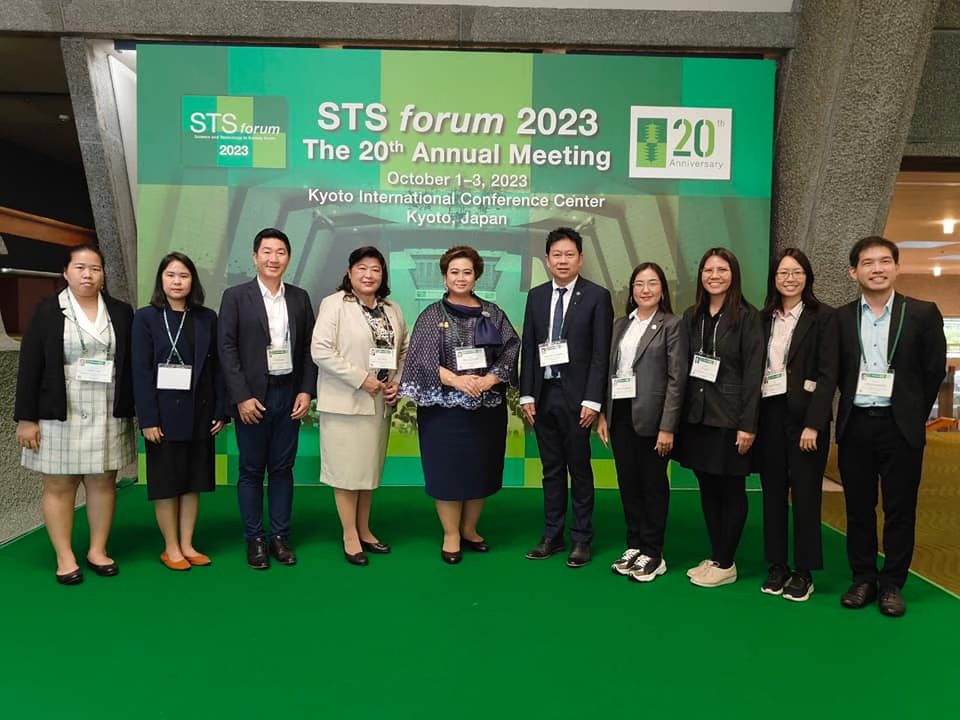
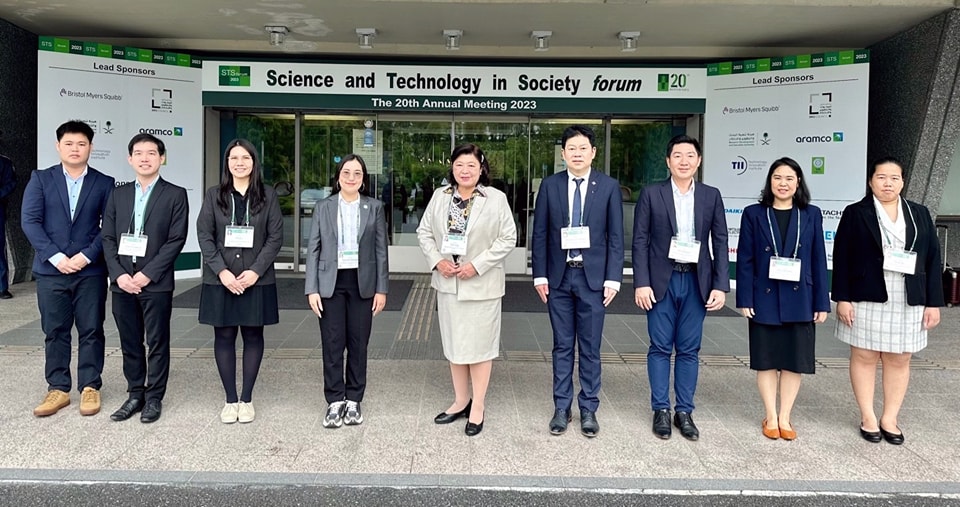
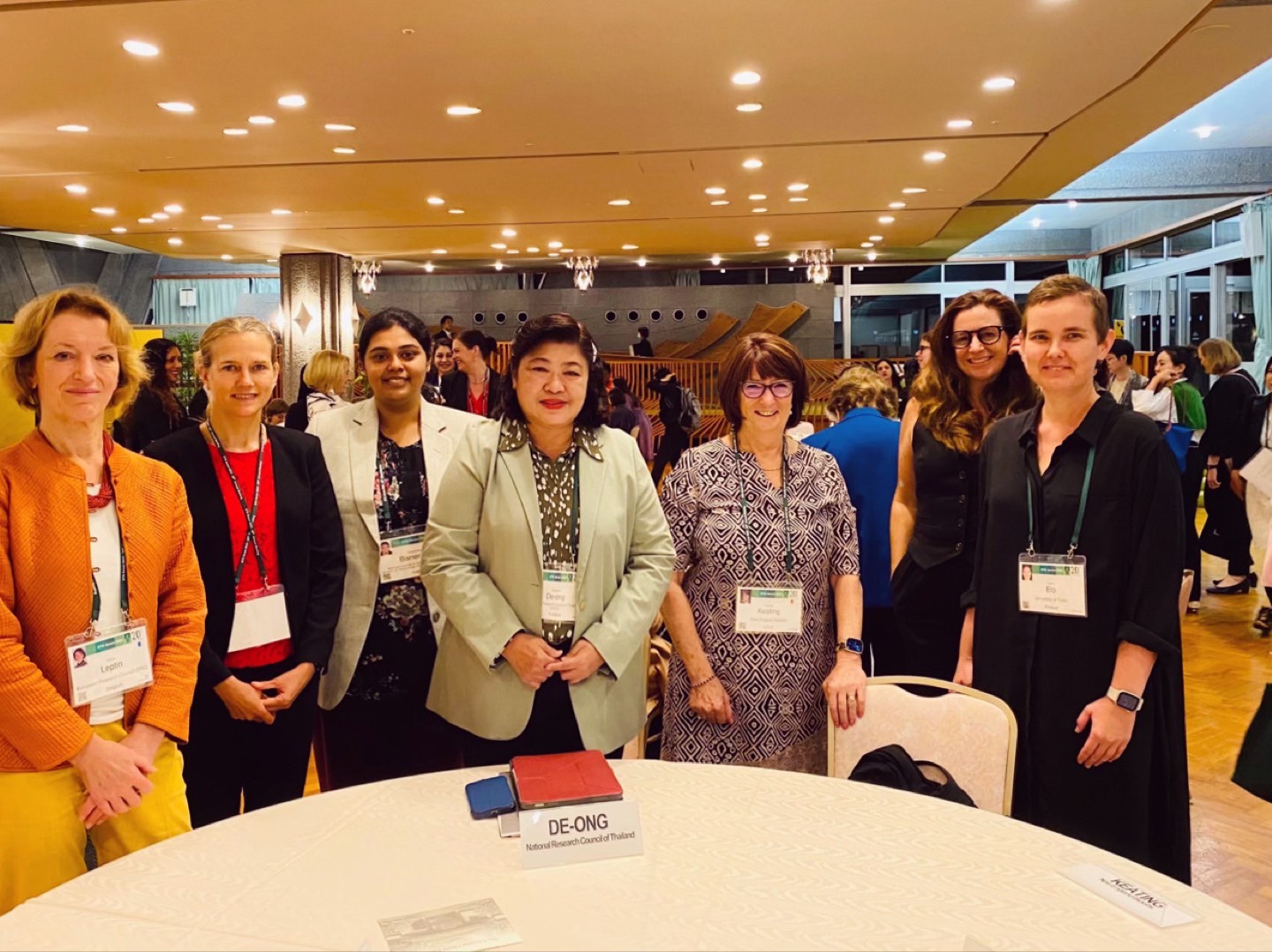
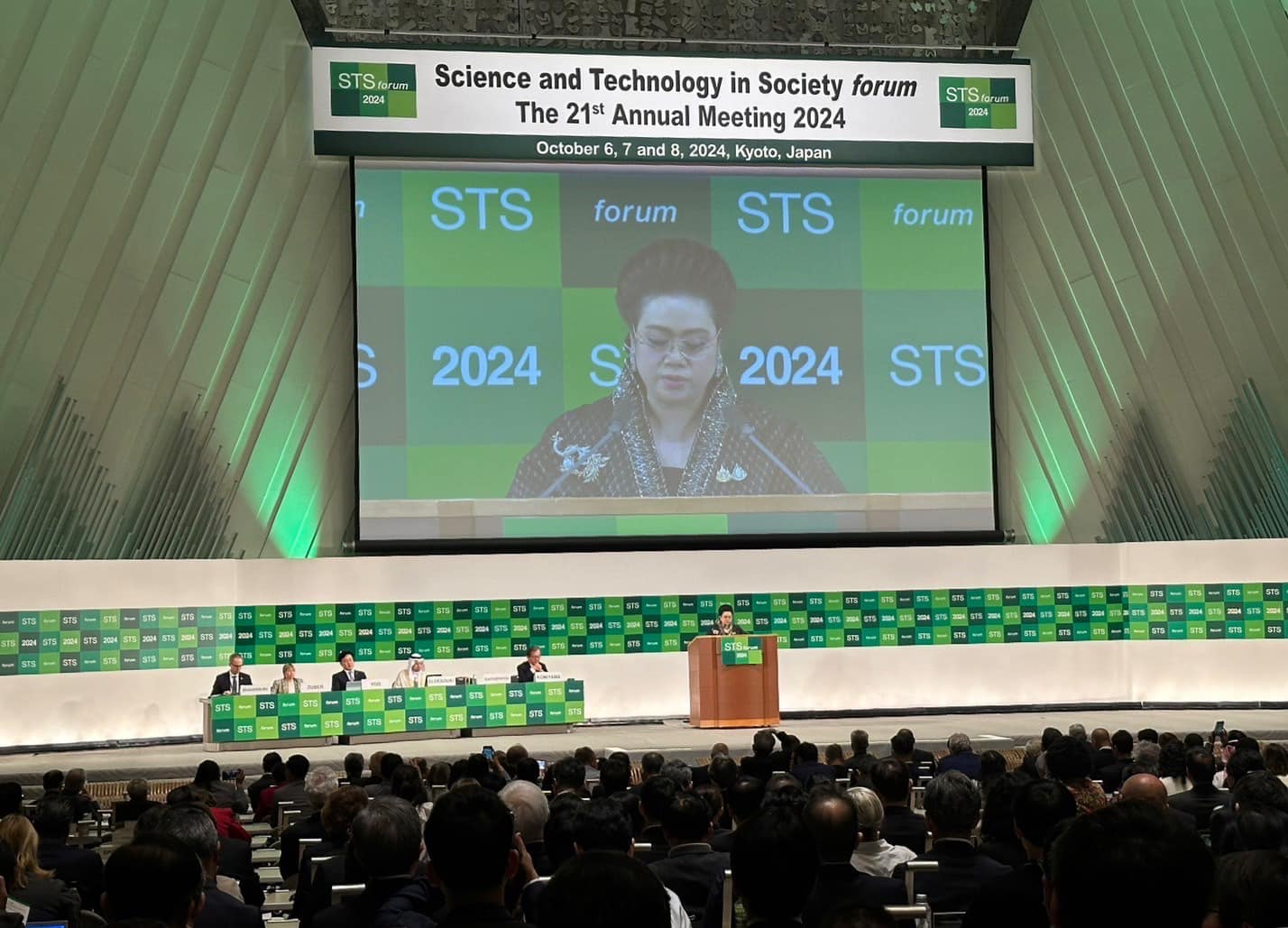
On 5 October 2026, Dr. Wiparat De-ong, Executive Director of the National Research Council of Thailand (NRCT), under the Ministry of Higher Education, Science, Research and Innovation (MHESI), attended the Council Meeting of the Science and Technology in Society Forum 2026 – The 23rd Annual Meeting (STS Forum 2026) in her capacity as a member of the STS Forum Council. Held at The Prince Kyoto Takaragaike Hotel in Kyoto, Japan, the meeting brought together more than 40 council members and senior representatives from the global science, technology, research and innovation communities.
The Council Meeting provided a platform for participants to exchange perspectives on global challenges and discuss priorities for international cooperation in science and technology. One of the key agenda items was the STS Forum Statement 2026, which addresses major developments in science, technology and society, shared global challenges, and the importance of international cooperation in responding to a rapidly changing world.
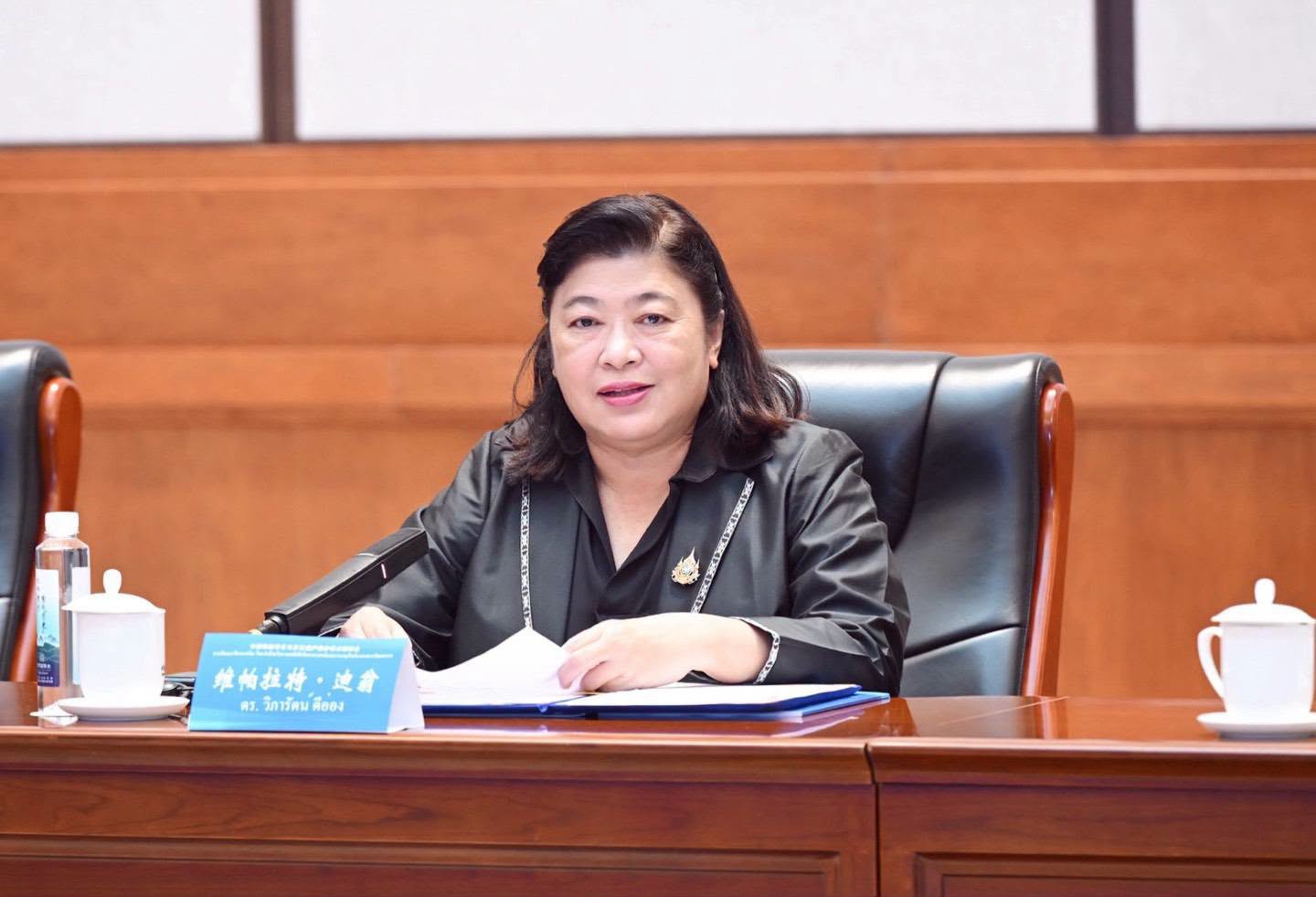
During the meeting, Dr. Wiparat highlighted key issues concerning responsible artificial intelligence (AI) governance and AI literacy. She emphasized the need to develop and deploy AI responsibly and transparently, with careful consideration of its societal impacts. AI should support decision-making, foster creativity, and enhance education and learning. She also stressed the importance of ensuring inclusive access to AI technologies to help prevent existing social inequalities from widening.
Dr. Wiparat further underscored the importance of an open and interconnected research ecosystem that enables academia, government, the private sector and civil society to share research knowledge, data and resources effectively. Such collaboration can strengthen interdisciplinary research and cross-sector partnerships, accelerate the translation of research findings into practical applications, and generate positive economic and social impacts.
These priorities reflect NRCT’s commitment to supporting Thailand’s research and innovation system through research funding, stronger research capabilities and international partnerships, as well as promoting the application of research findings to address national and global challenges.
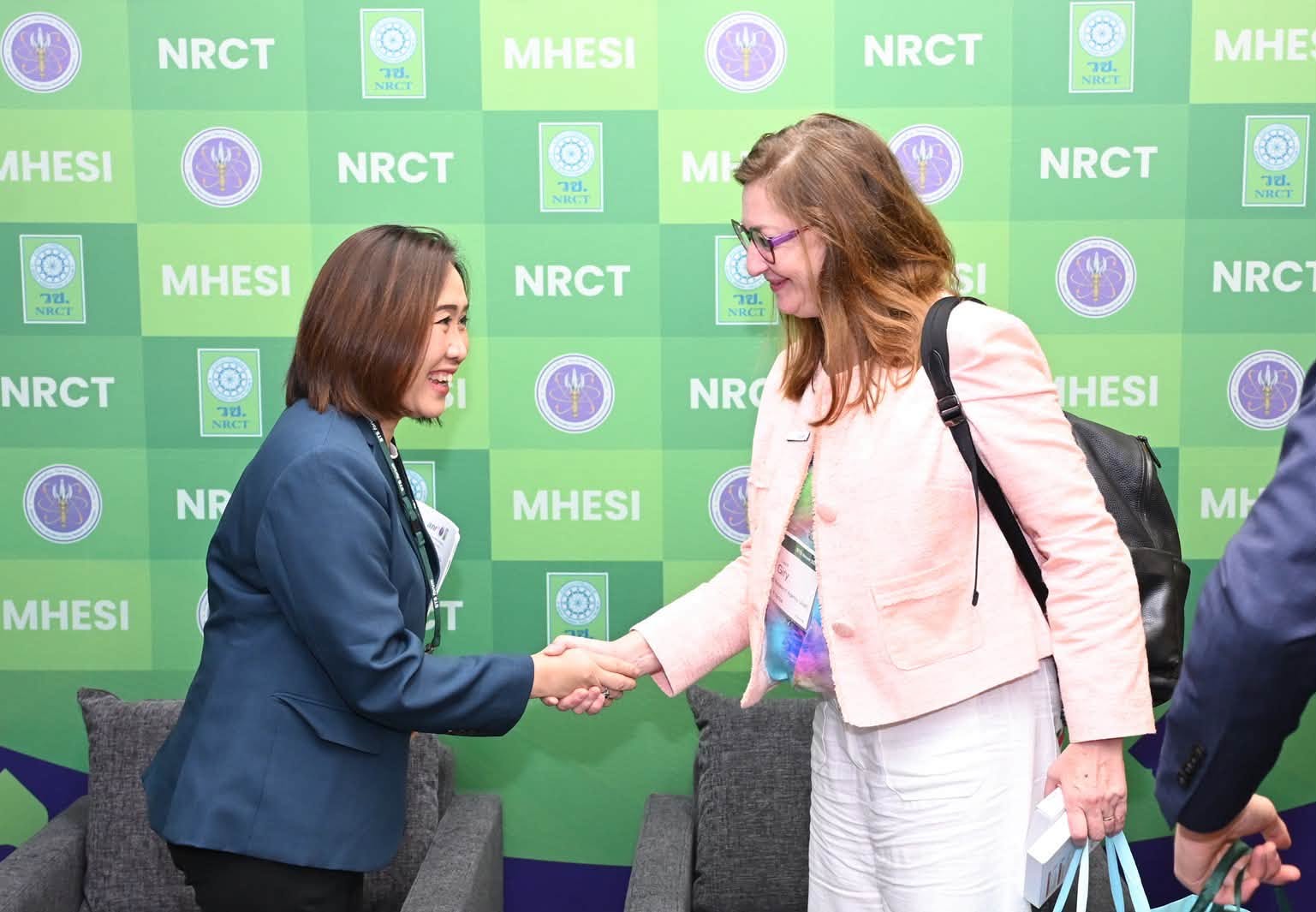
NRCT’s participation in the Council Meeting provided an opportunity to engage with global developments and priorities in science, technology and innovation, share Thailand’s perspectives with the international community, and strengthen ties with international leaders in research, technology and policy. These exchanges contribute to efforts to promote the responsible use of science and technology, generate economic and social benefits, and advance sustainable development.