MHESI Minister Visits Model Village Water Supply Project for Arsenic Removal to Improve Water Security for Communities Along the Kok River in Chiang Rai
30 August 2026


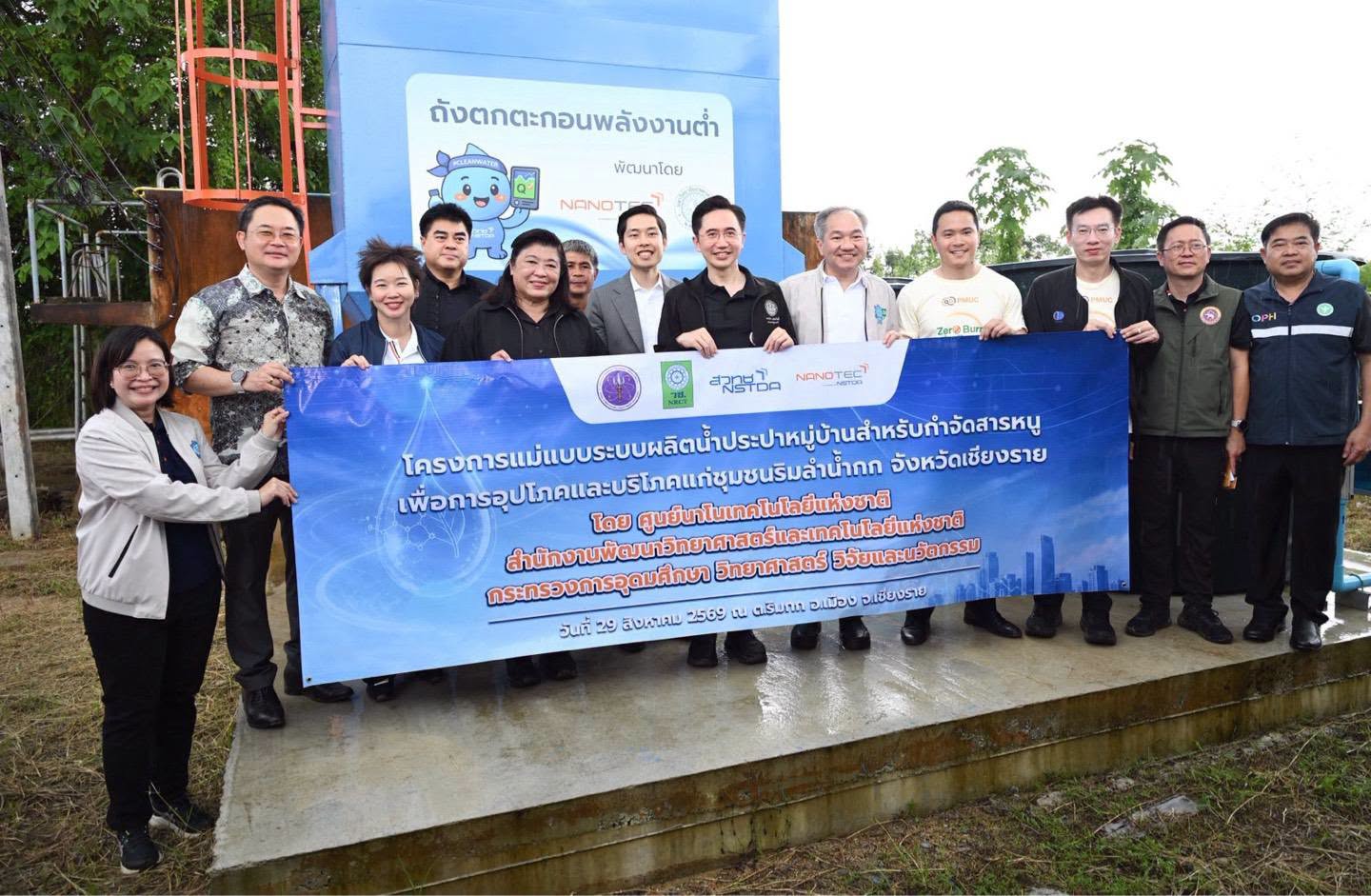
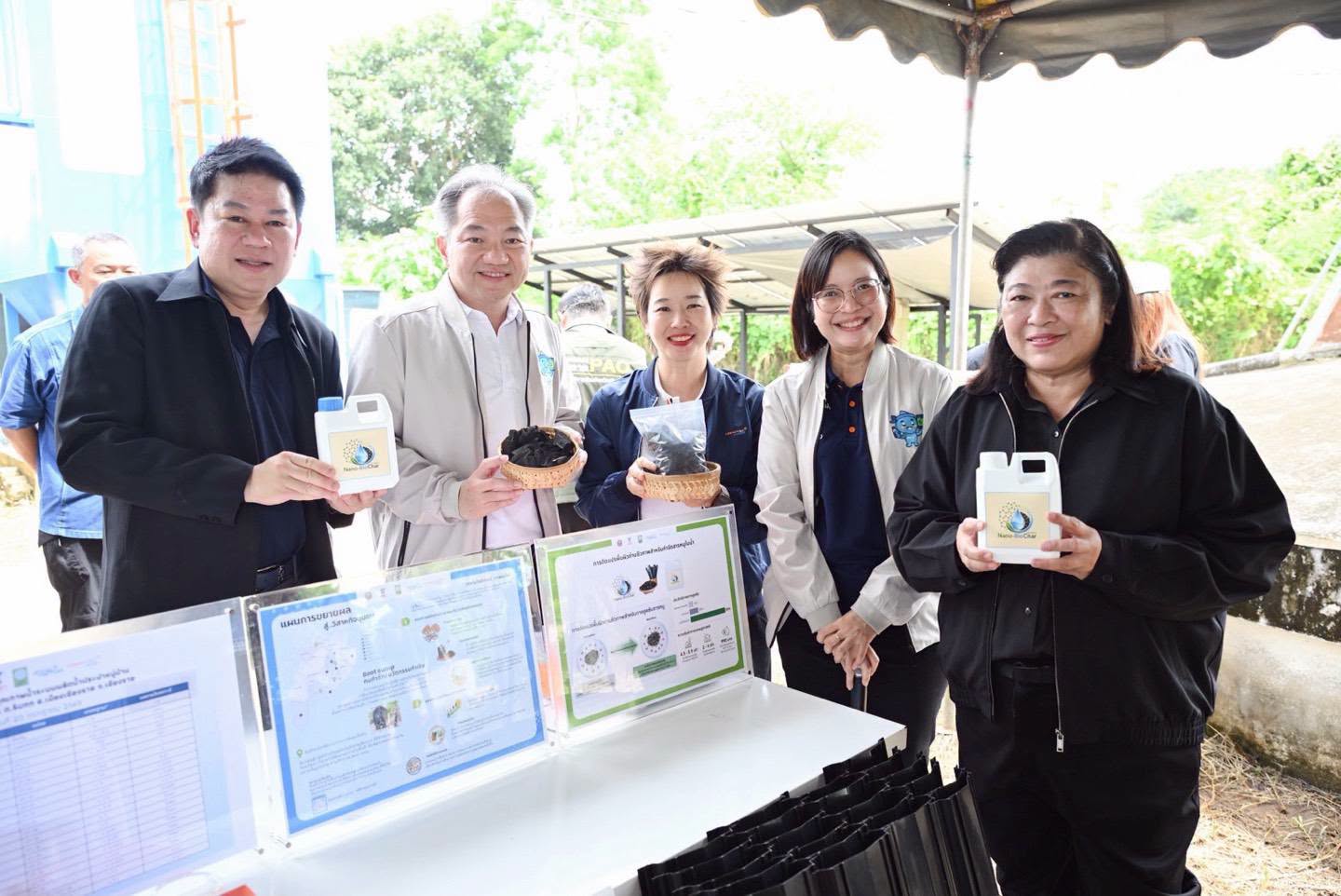
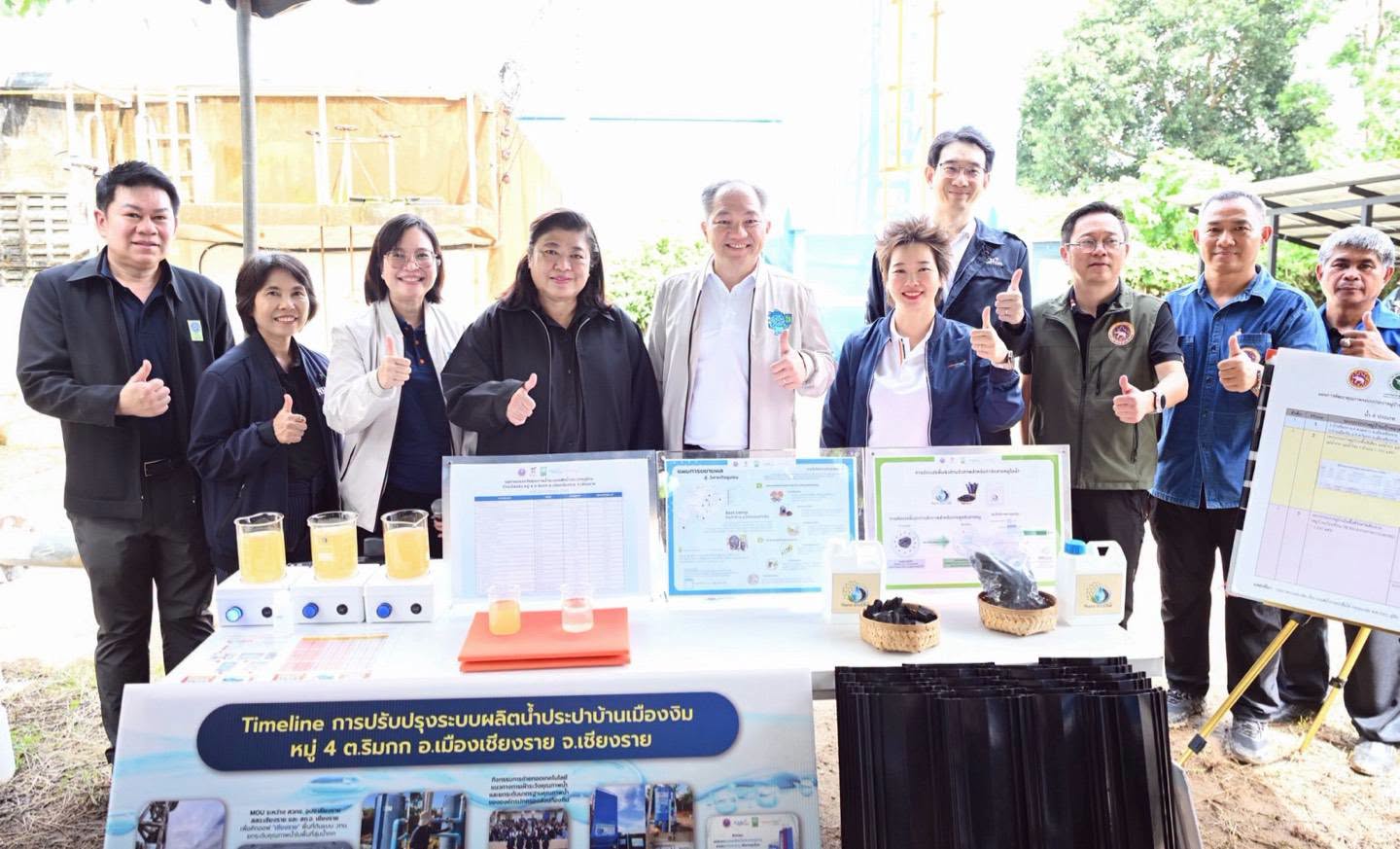
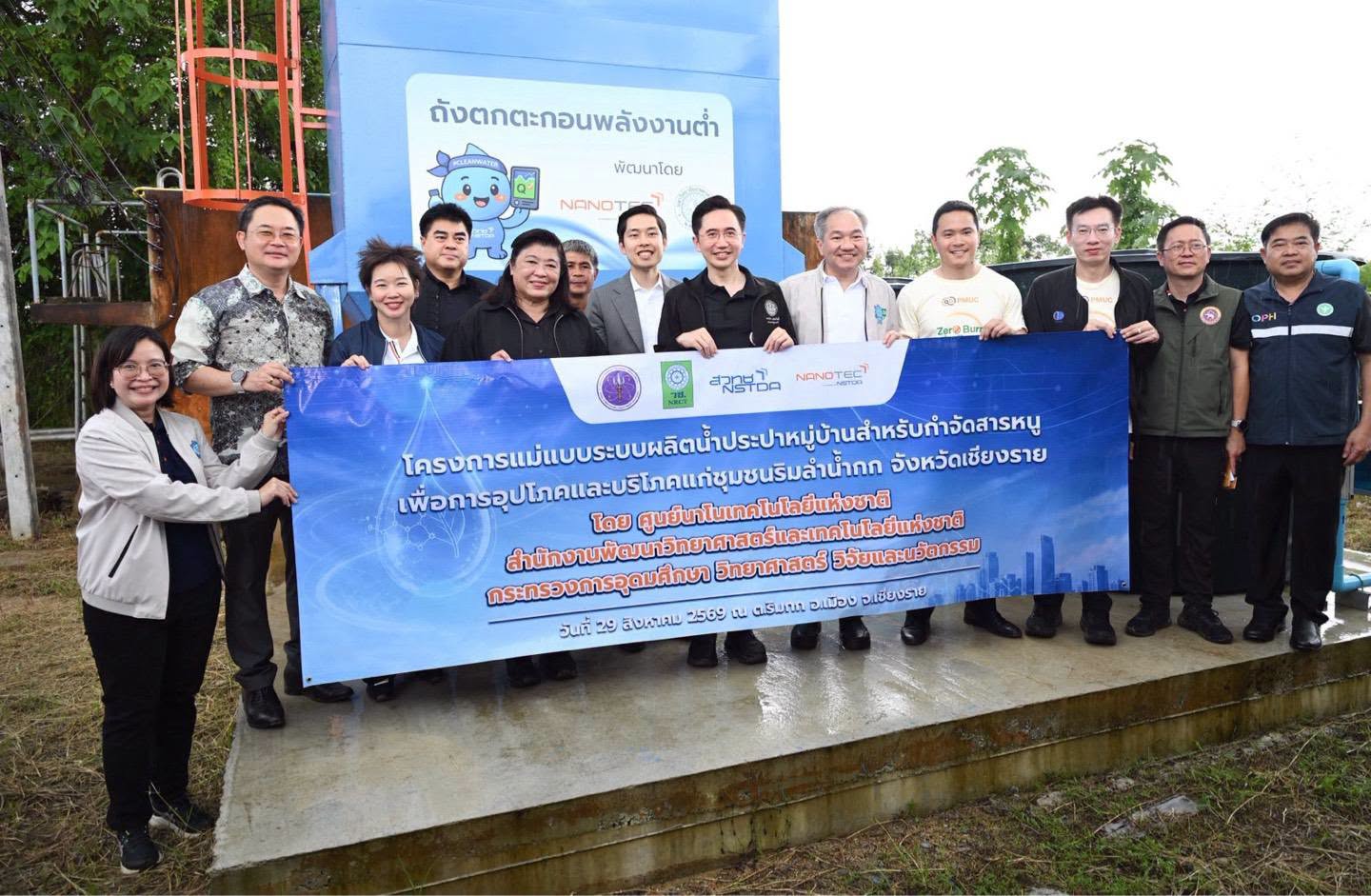
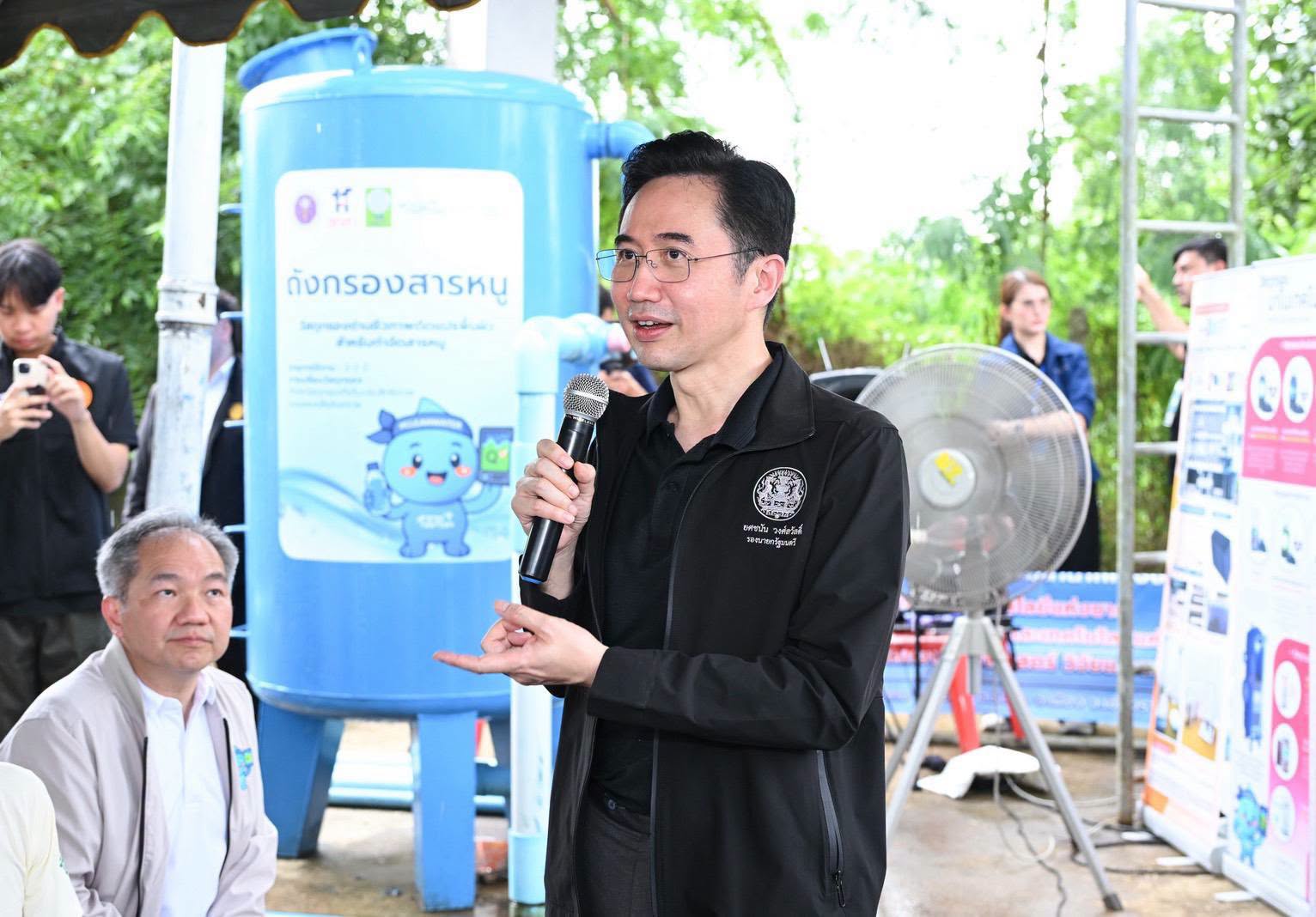
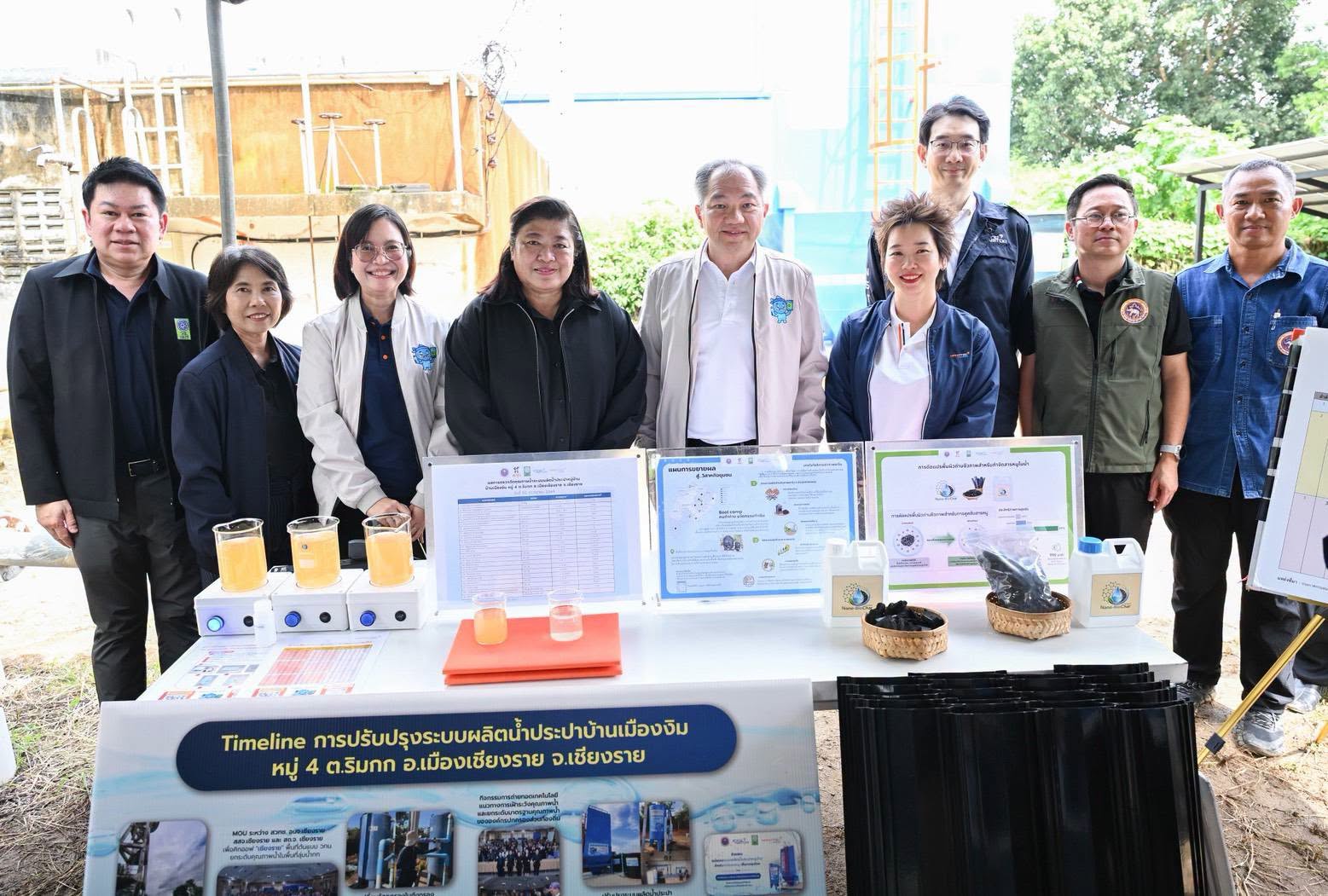
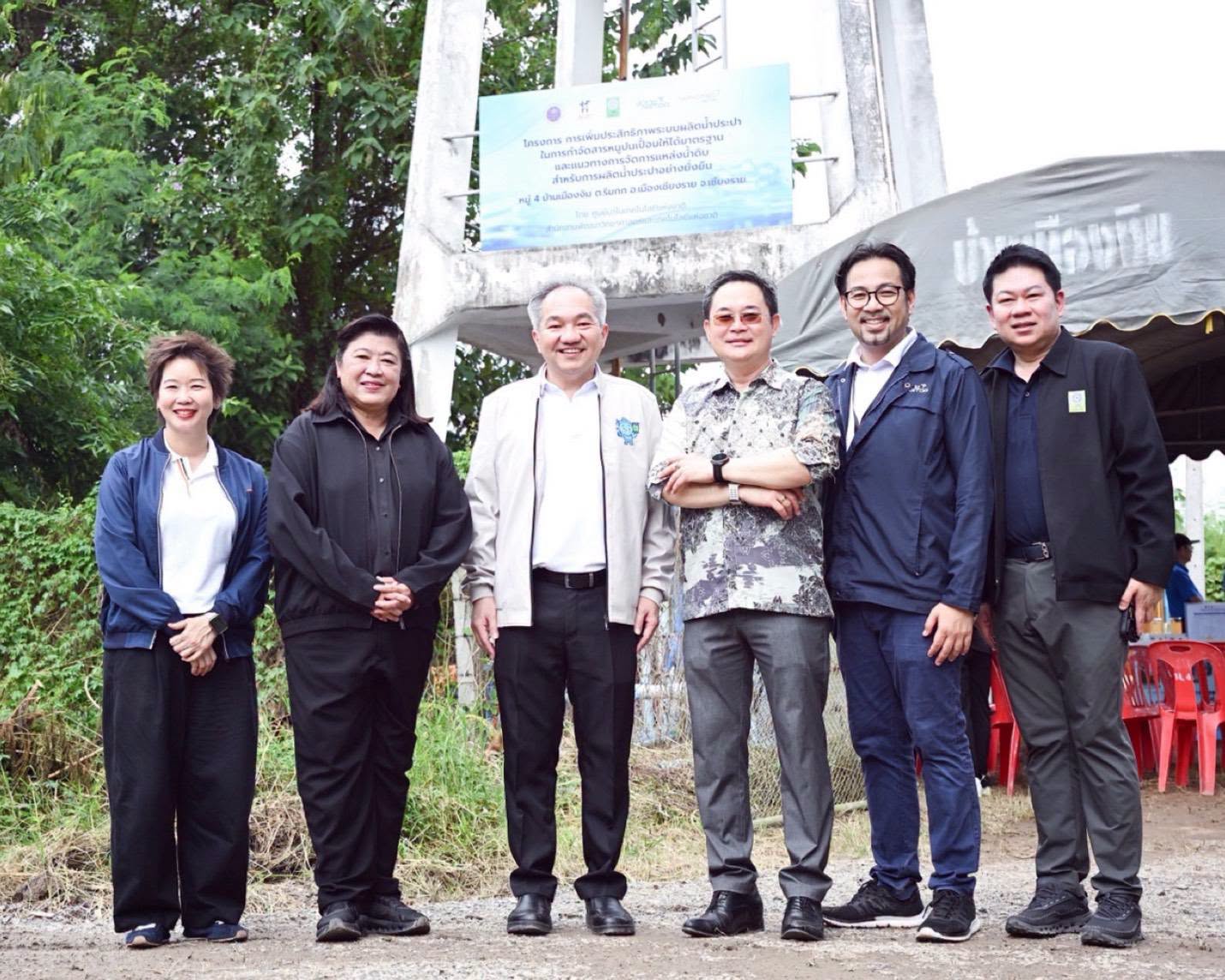
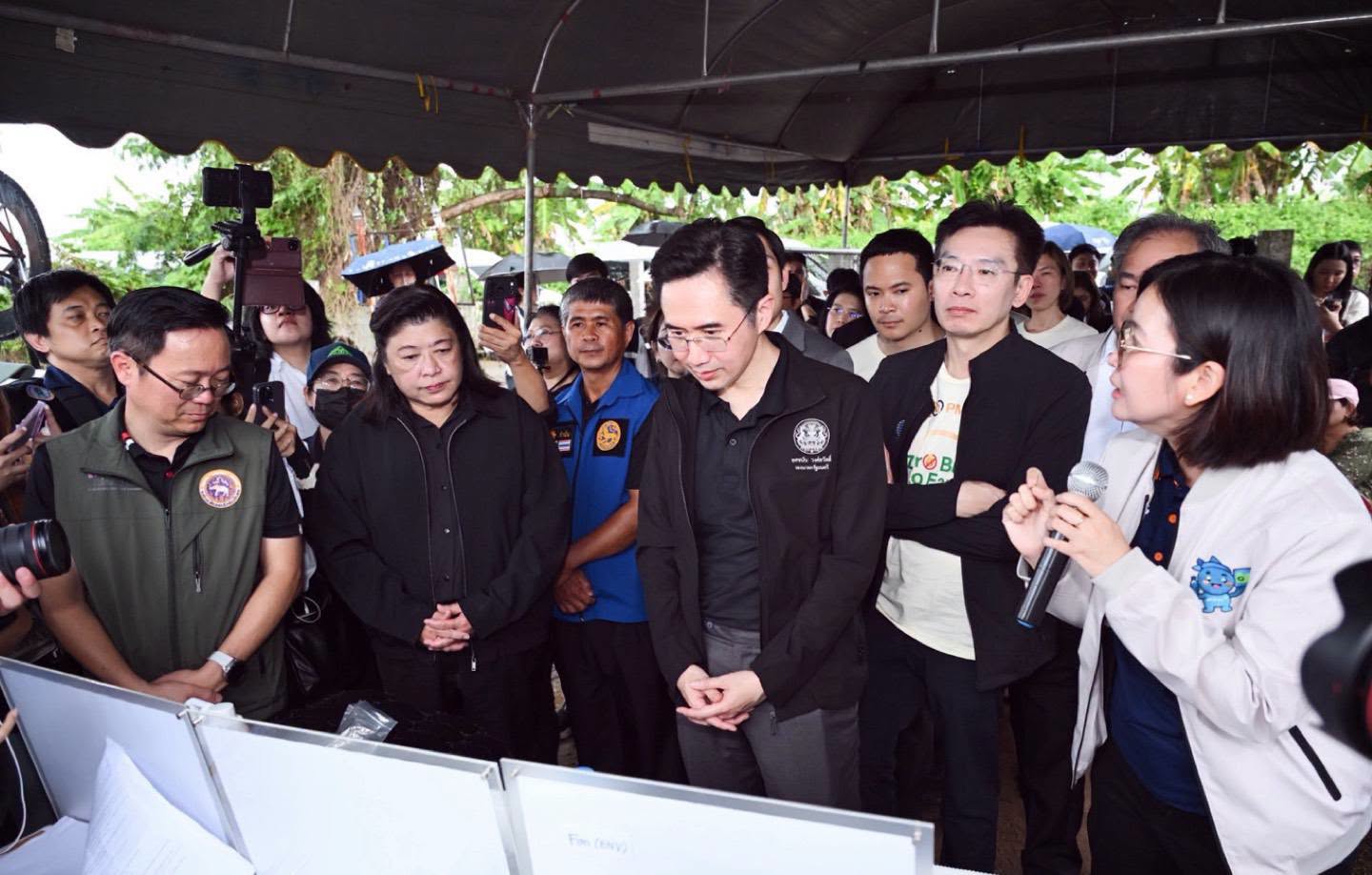
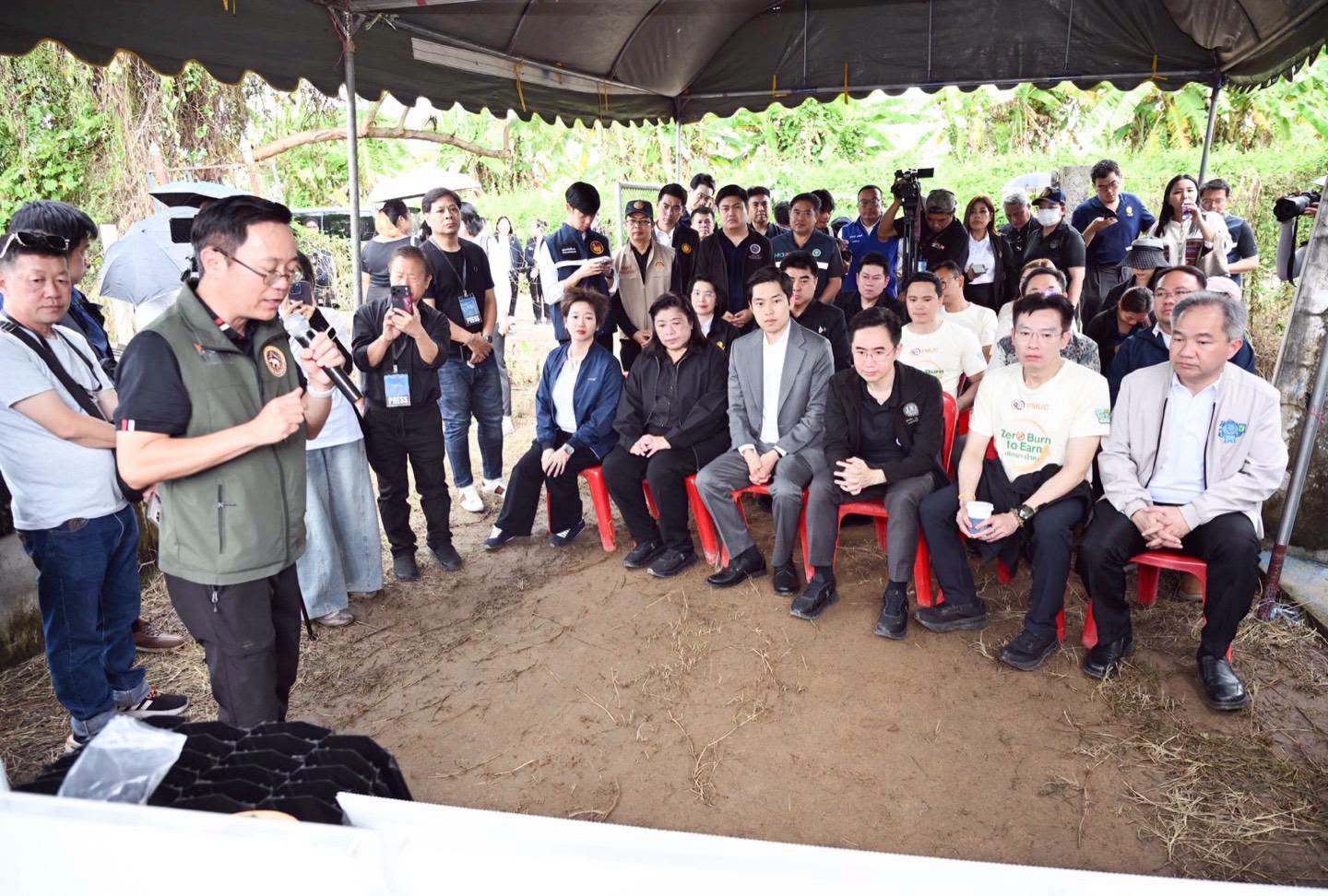
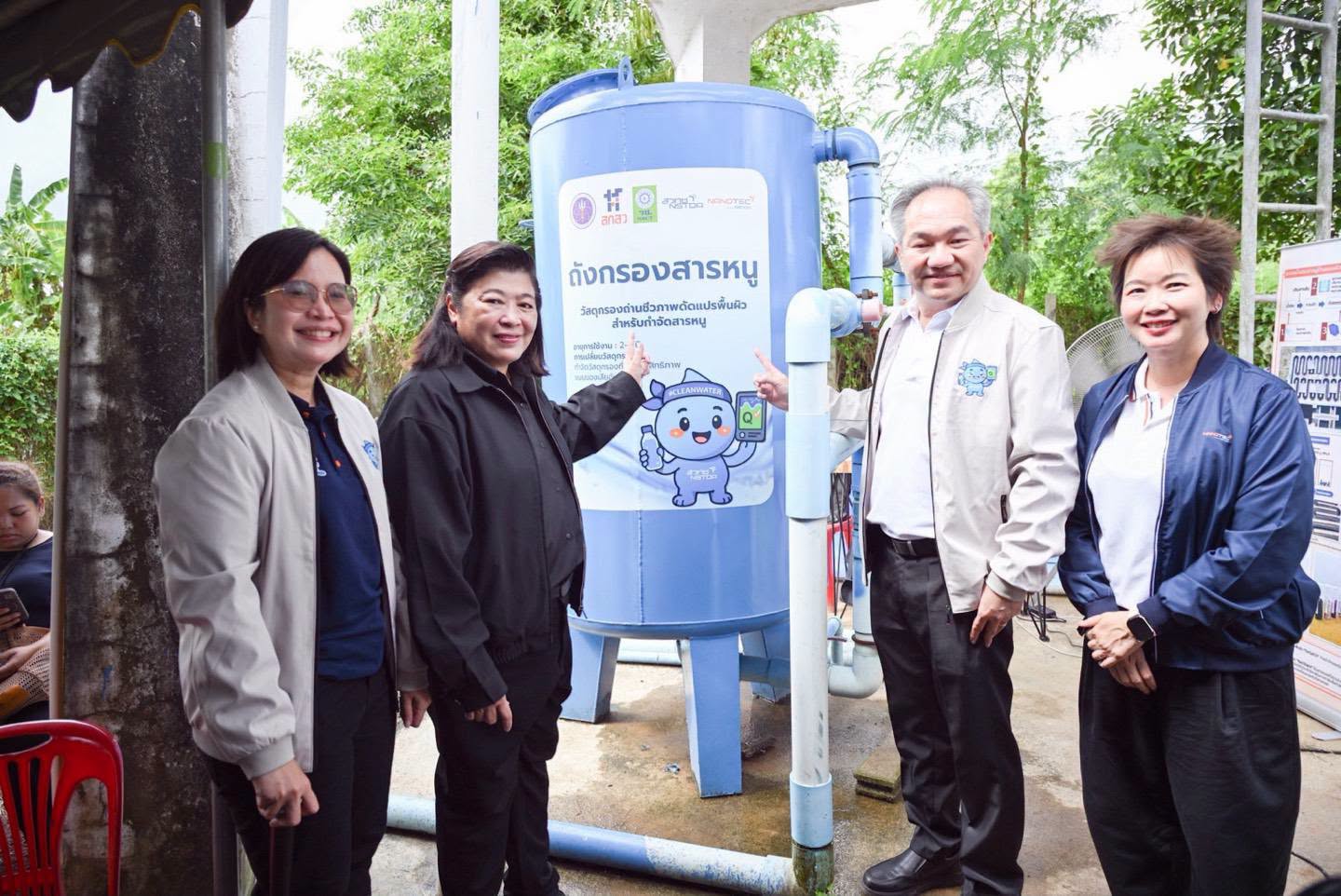
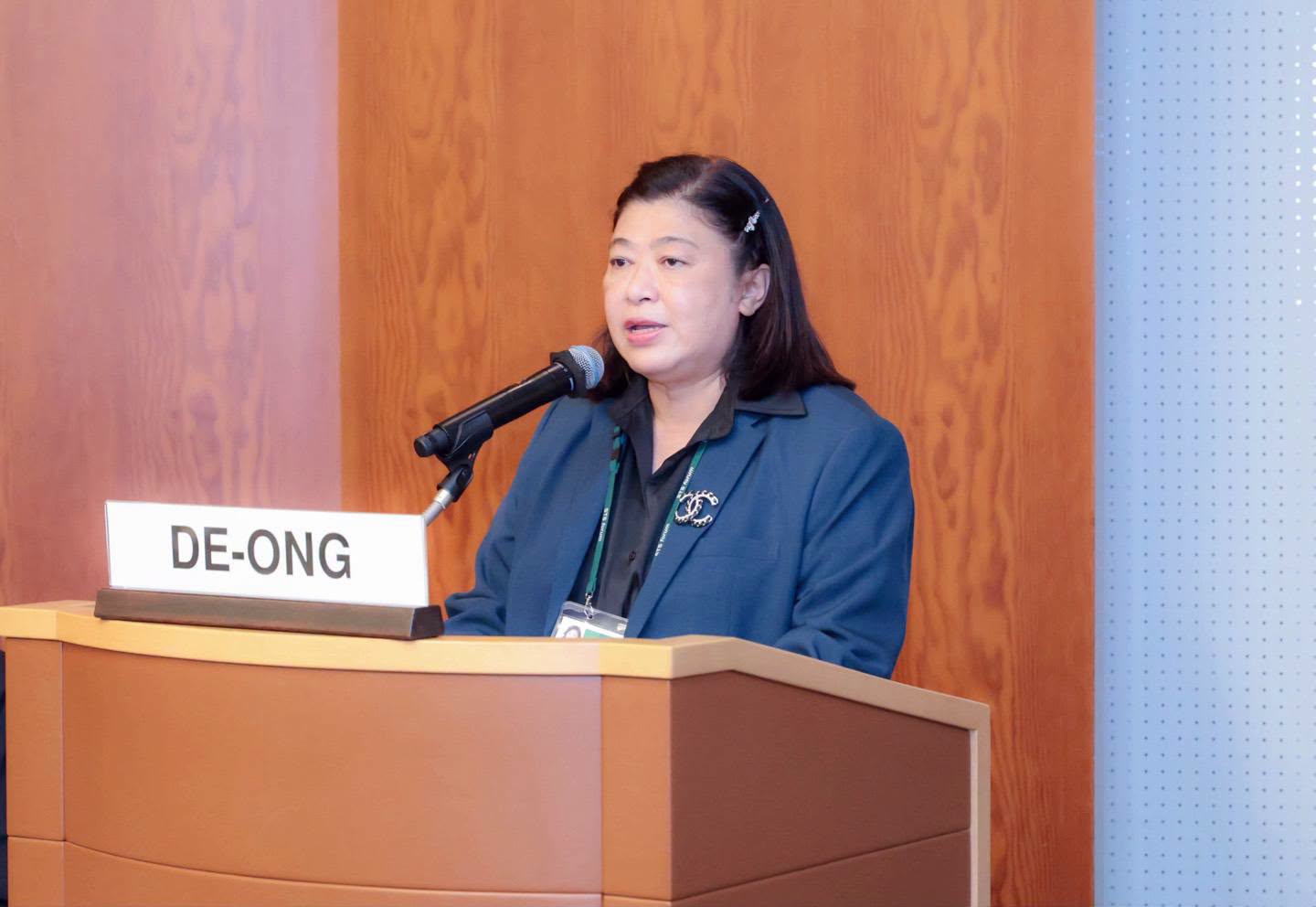
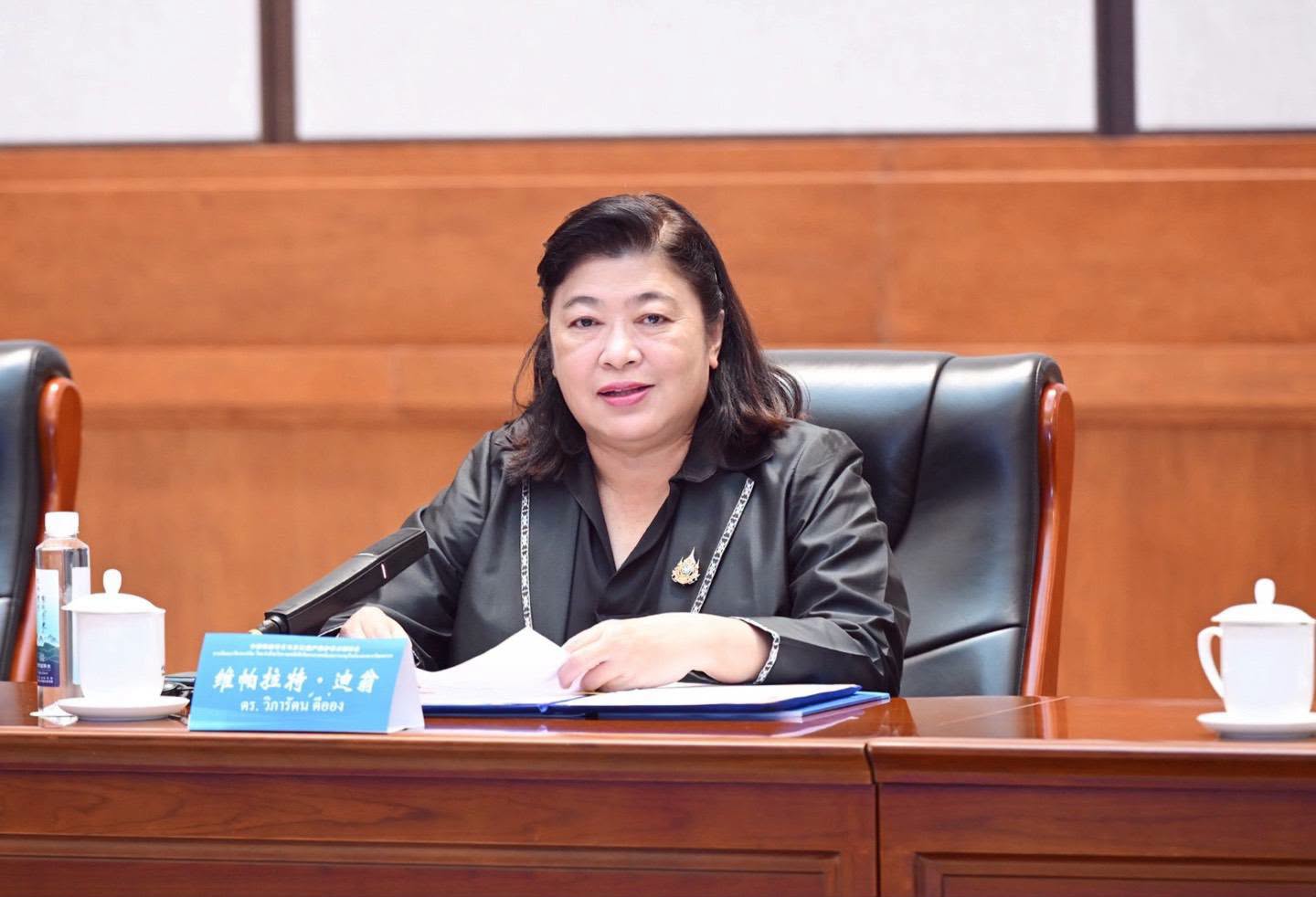
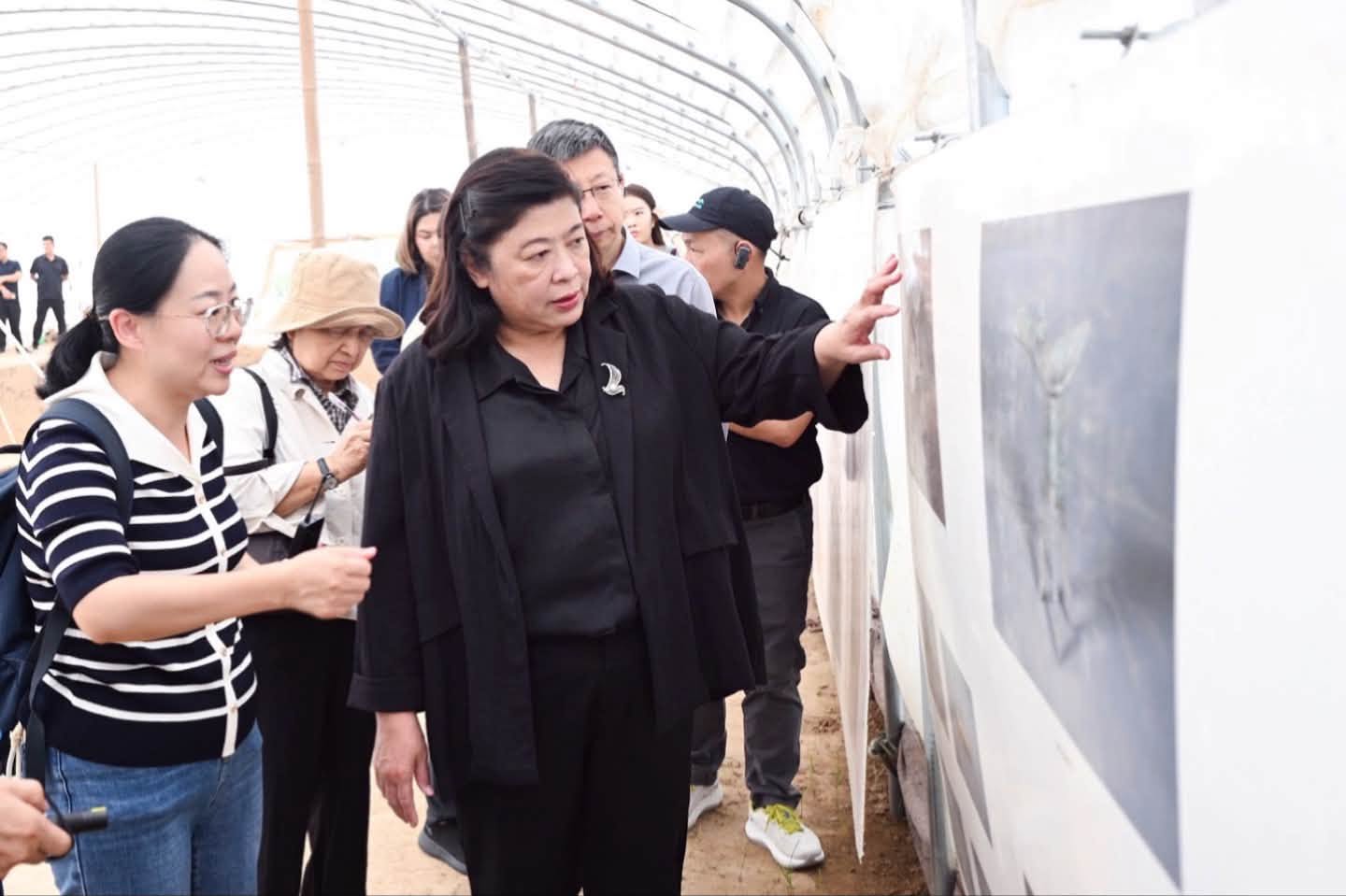
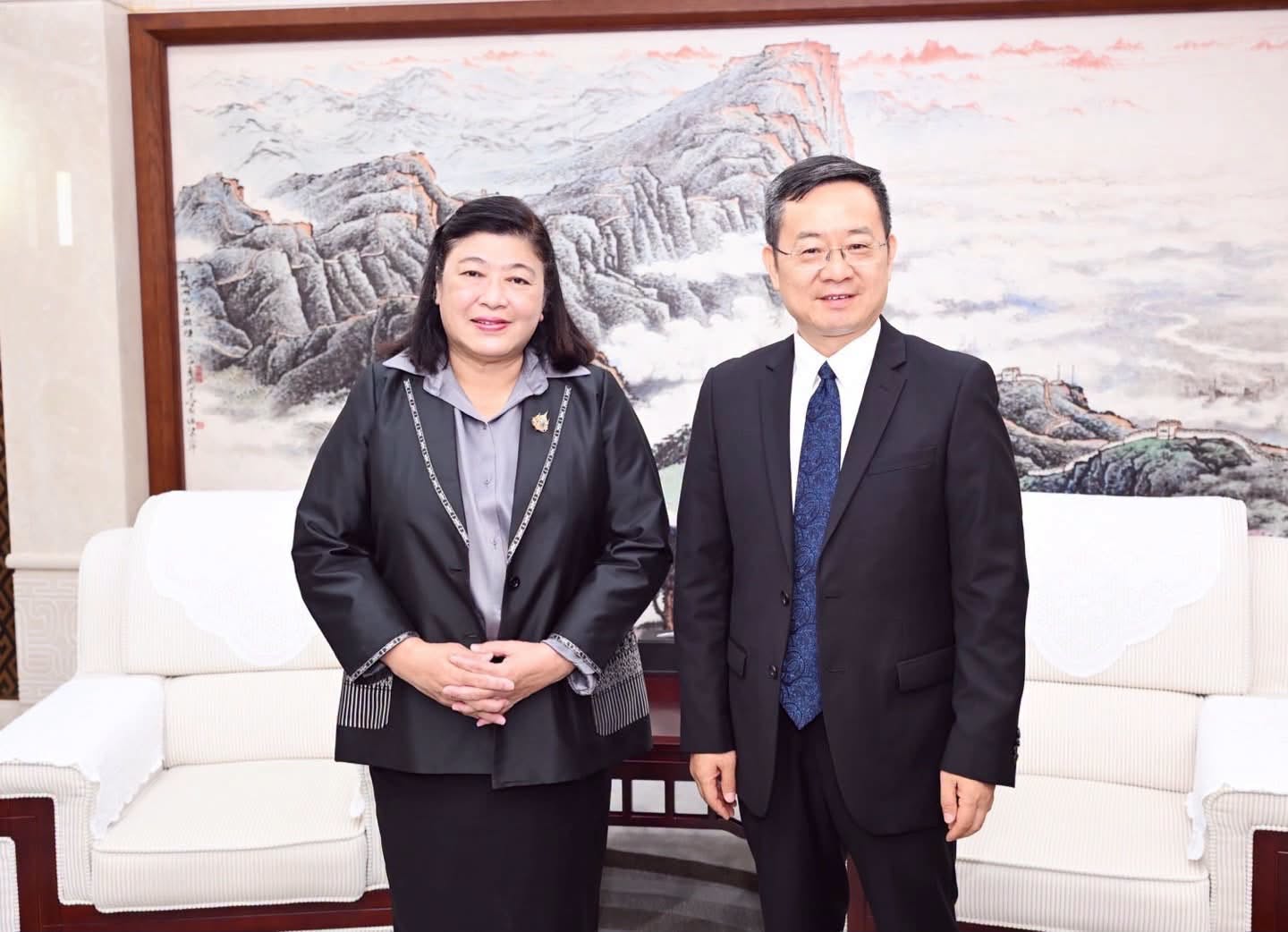
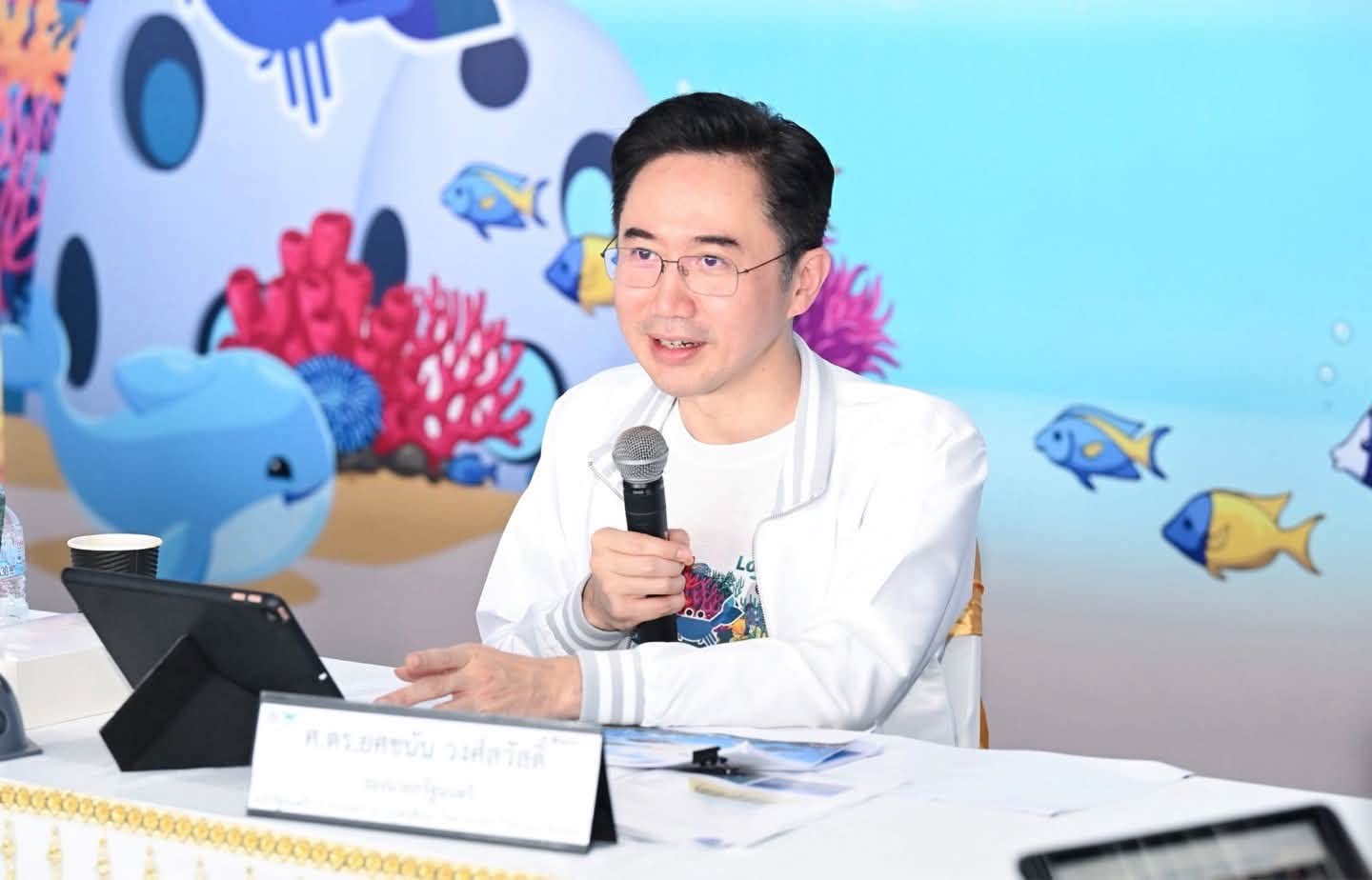
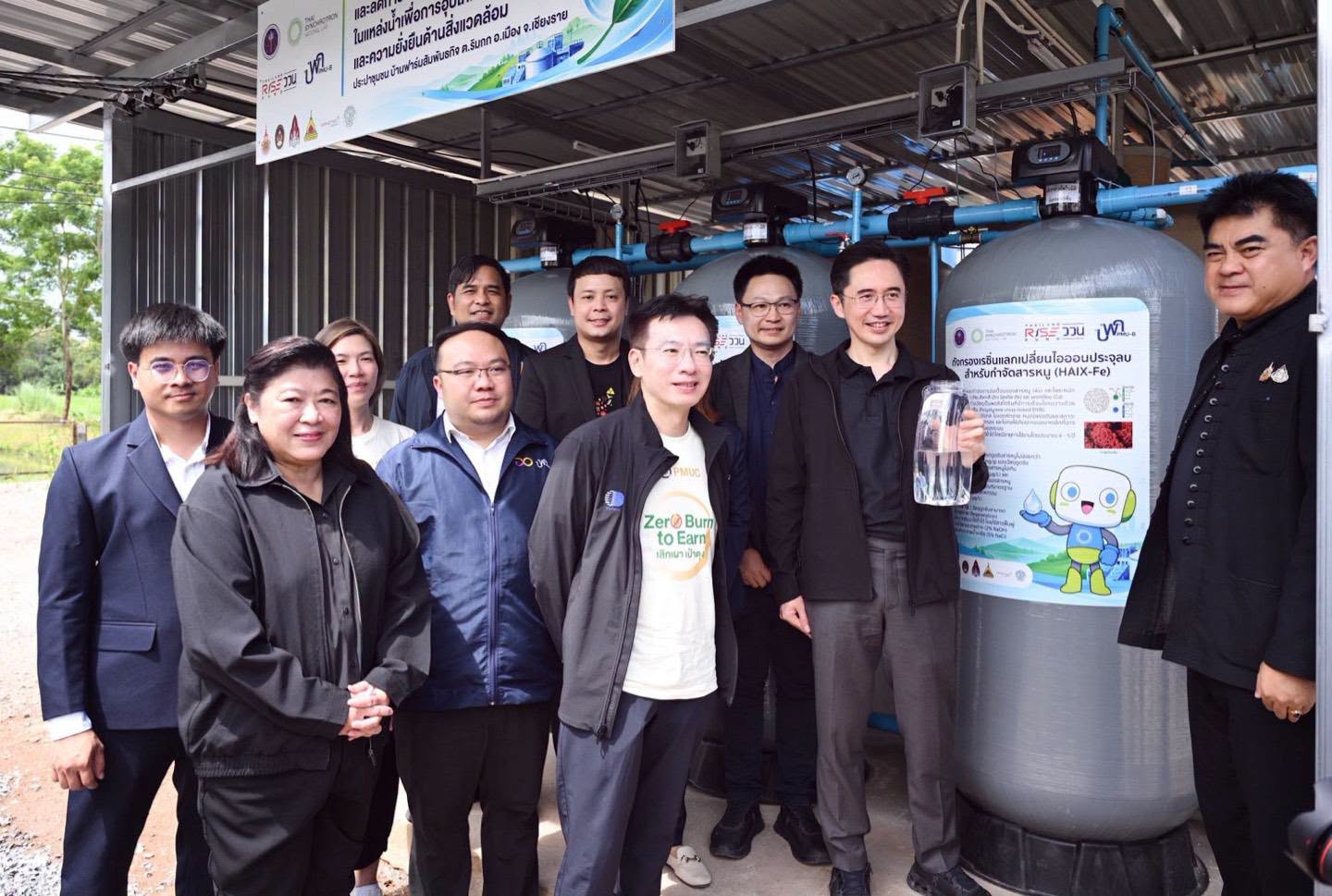
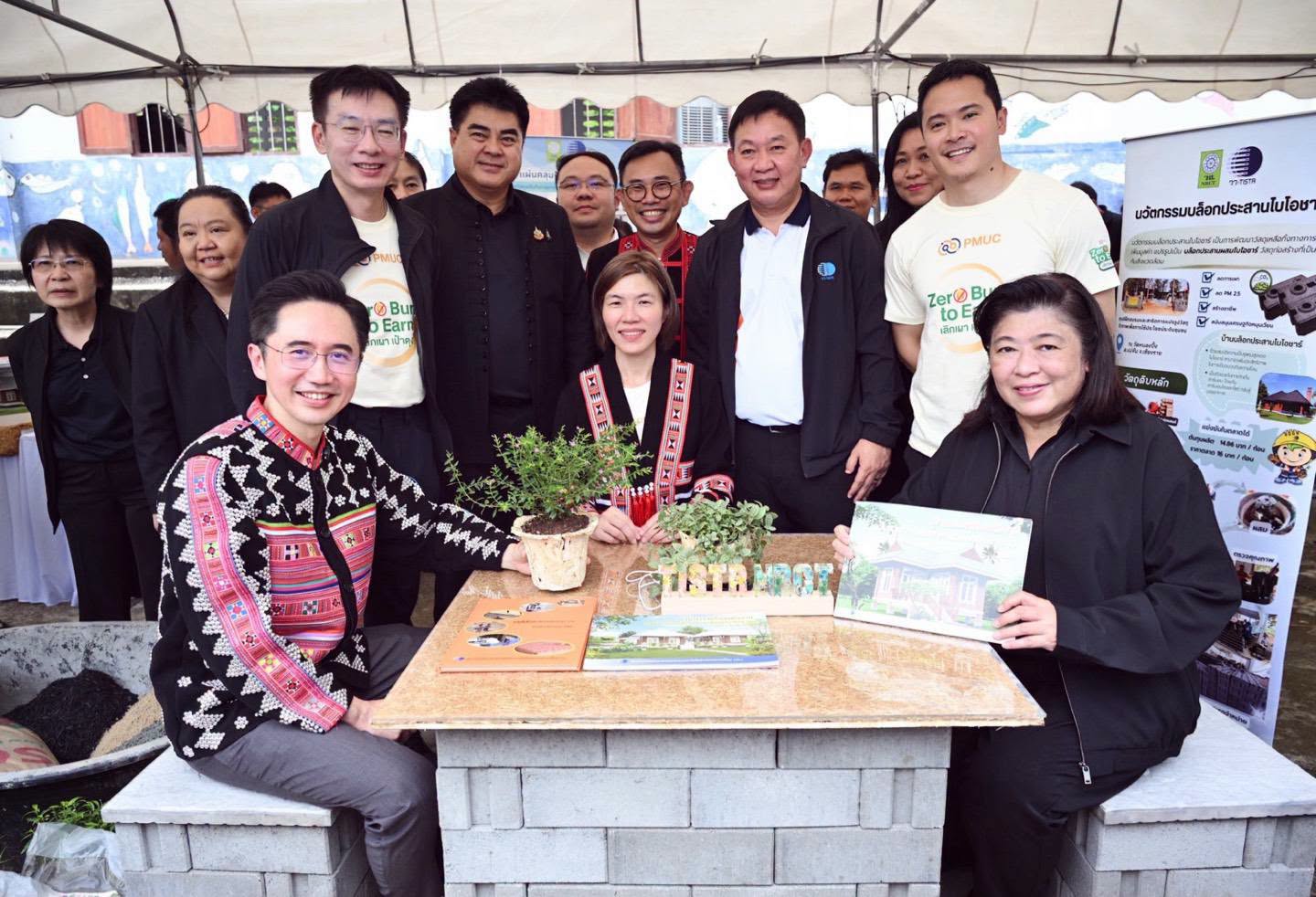
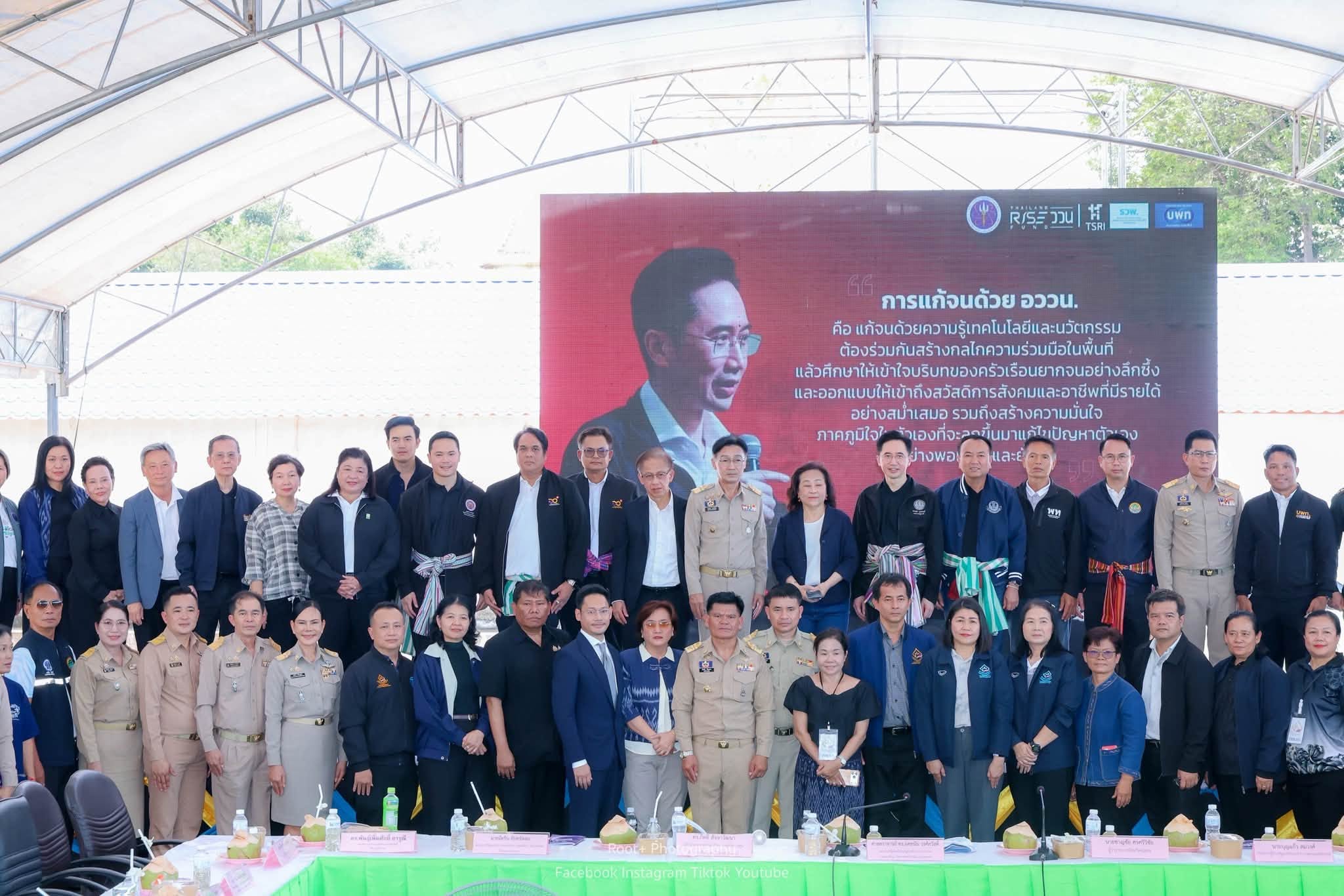
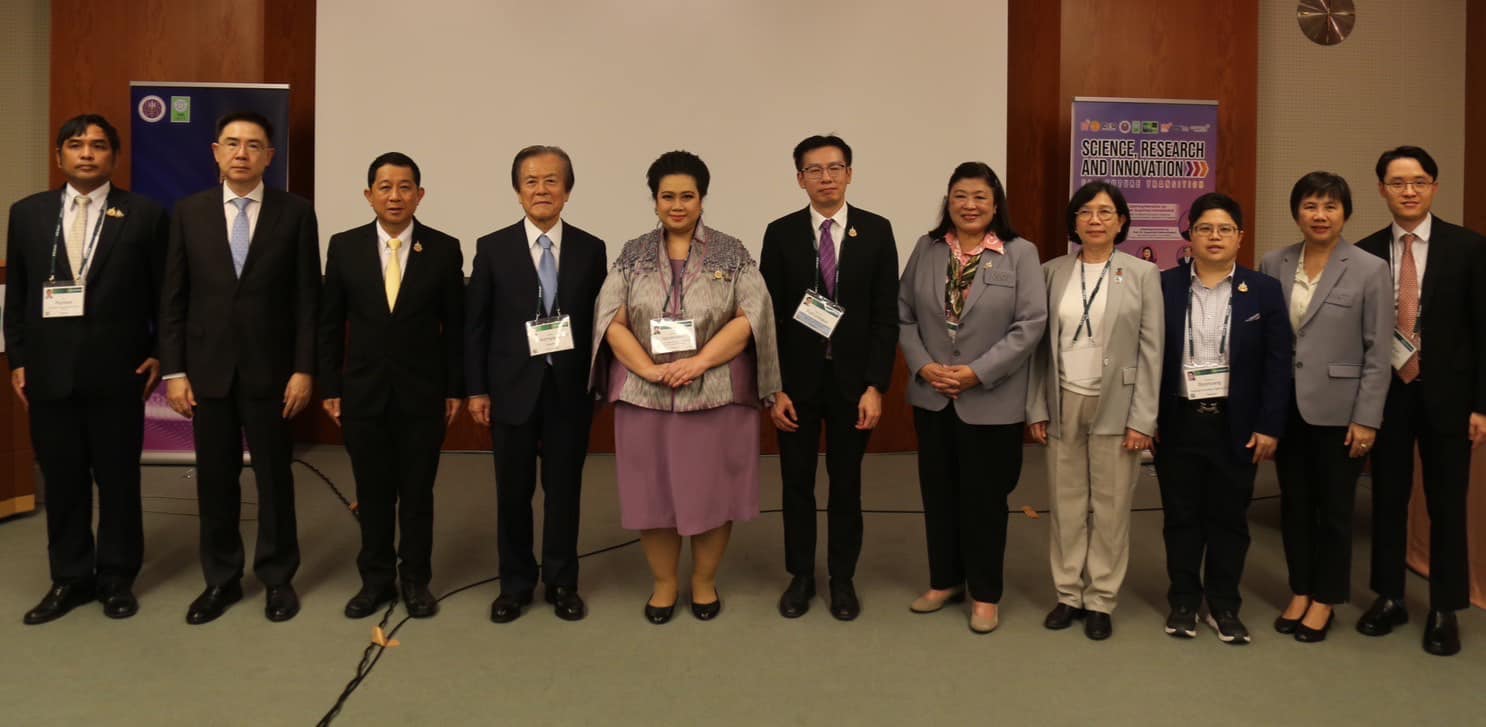
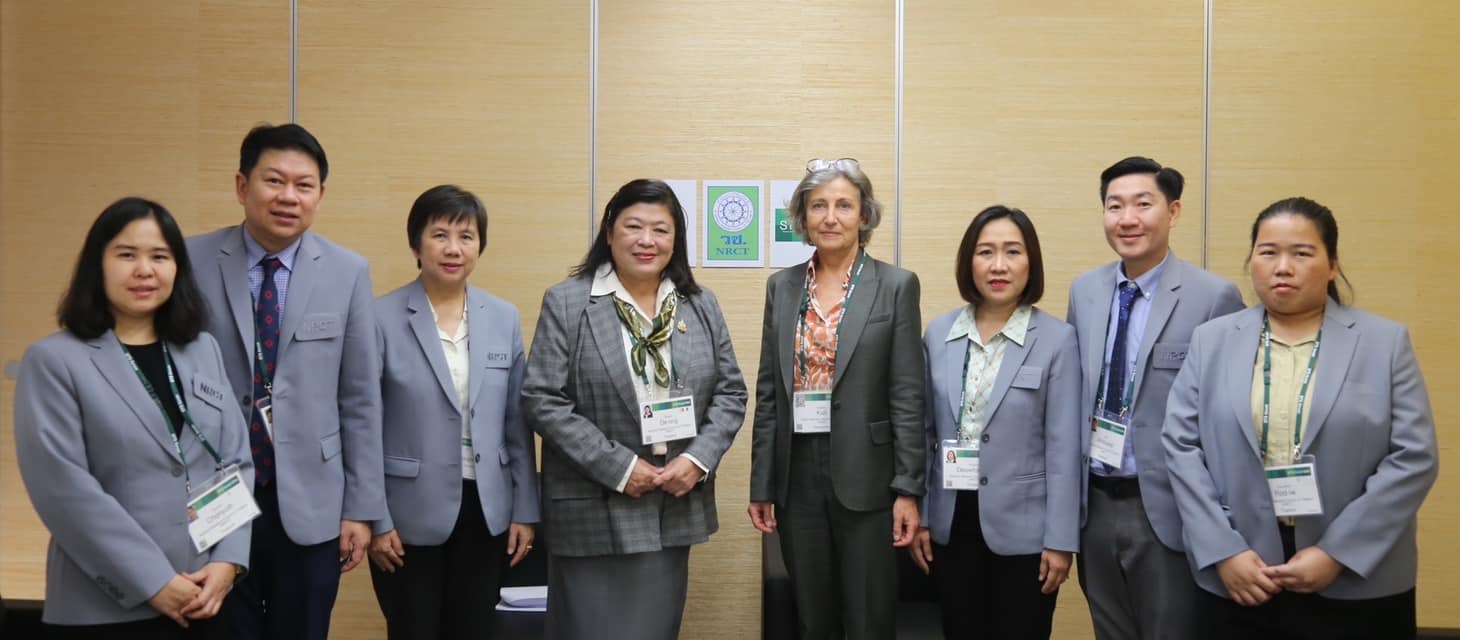
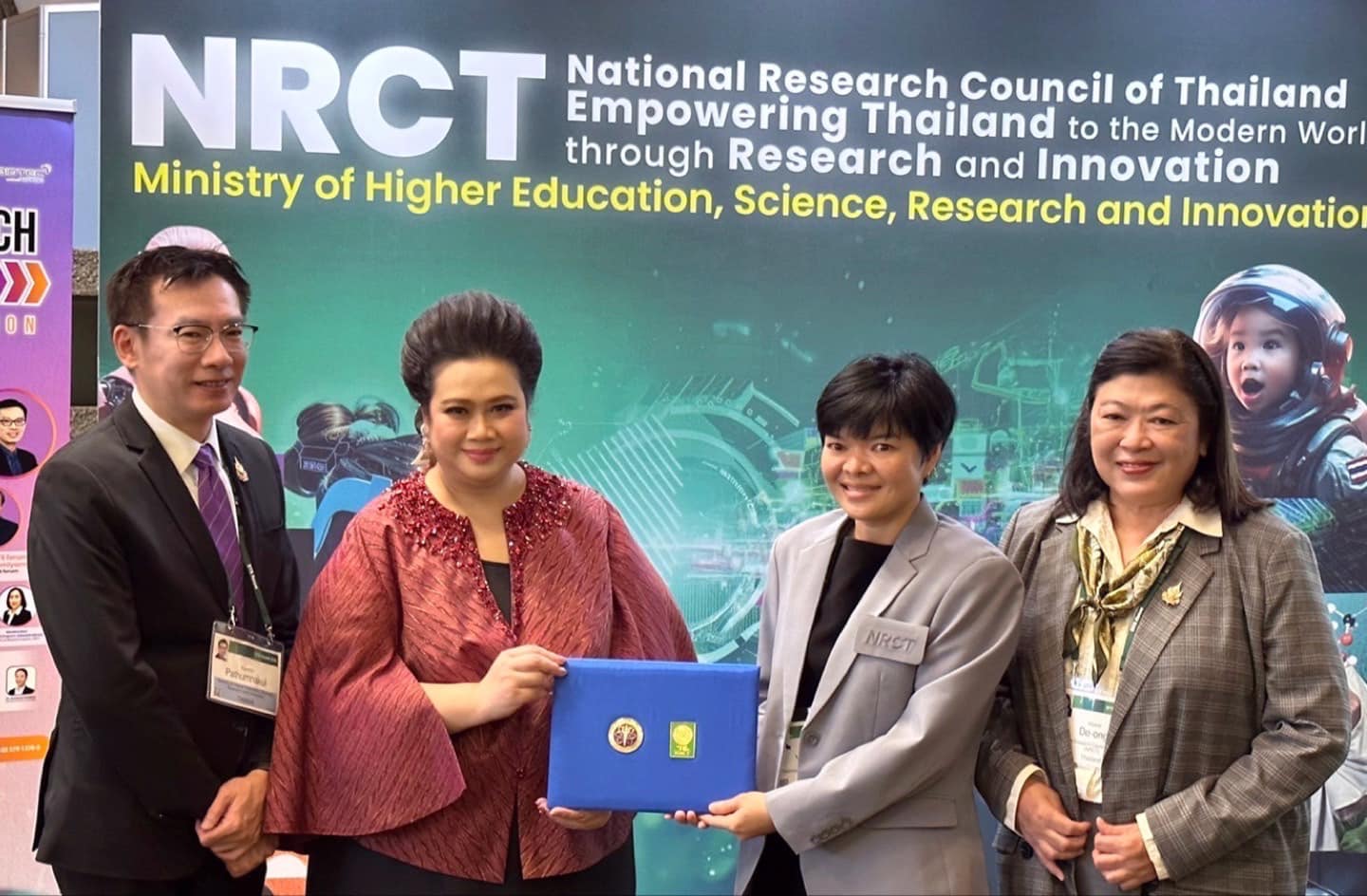
On August 29, 2026, Prof. Dr. Yotchanan Wongsawat, Deputy Prime Minister and Minister of Higher Education, Science, Research and Innovation (MHESI), along with Prof. Dr. Supachai Pathumnakul, Permanent Secretary of MHESI; Dr. Wiparat De-ong, Director of the National Research Council of Thailand (NRCT); and Prof. Dr. Chukit Limpijumnong, President of the National Science and Technology Development Agency (NSTDA), visited the “Model Village Water Supply System for Arsenic Removal for Consumption by Communities Along the Kok River, Chiang Rai Province” project. The project is implemented by the National Nanotechnology Center (NANOTEC) under NSTDA with funding support from the NRCT and is located in Rim Kok Subdistrict, Chiang Rai Province.
The project aims to develop a model village water supply system that removes arsenic from water to address water quality issues along the Kok River, where local communities rely on the river as an important water source for their daily needs. It applies knowledge and technologies in science, technology, and nanotechnology to develop a system suited to the local context. The system can be integrated into existing water supply networks to improve water treatment efficiency and provide safe water for daily use and consumption.
As the implementing agency, NANOTEC has applied its expertise in nanotechnology to develop a water treatment system that reduces arsenic contamination. The filtration process is tailored to local water conditions and utilizes multiple filter media, including sand, anthracite, activated carbon, and synthetic resins, to remove arsenic and other contaminants. In addition, water quality control and monitoring guidelines have been developed to support the practical and sustainable operation of the system at the community level.
The project also applies the “Smart Retrofitting” concept, which focuses on upgrading existing water supply systems to improve their efficiency rather than constructing entirely new systems. This approach significantly reduces investment costs and the management burden on communities. Upgrading the existing system requires only approximately 13–26% of the budget needed for new construction, resulting in estimated overall cost savings of approximately 74–87%.
The NRCT plays a crucial role in providing research funding and translating research outcomes into practical solutions for real-world problems in local communities. This project demonstrates how research funding can support targeted technological development to address water quality challenges, creating a prototype system that can be further scaled up or adapted for use in other areas facing arsenic and heavy metal contamination in their water sources.
The site visit aimed to monitor progress in applying research and innovation in real-world settings, as well as to review operational outcomes and guidelines for further system development to better address community needs. Ultimately, the initiative is expected to improve village water supply systems, strengthen public confidence in water quality, and enhance water security for the daily use and consumption of communities along the Kok River.