CASS Showcases the Application of Science and Technology in Archaeological Research and Cultural Heritage Preservation to NRCT Delegation in Anyang, China
19 September 2026


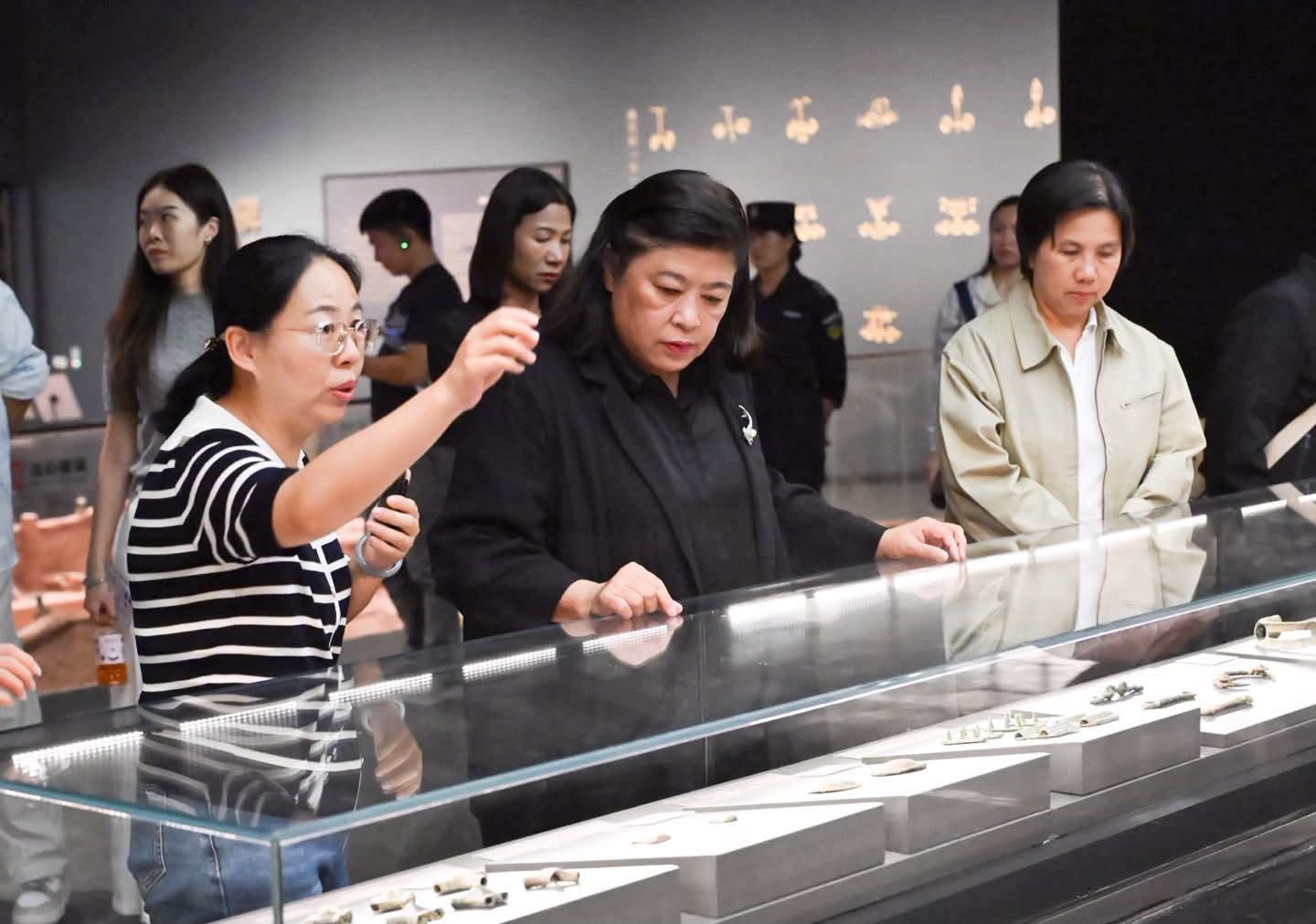
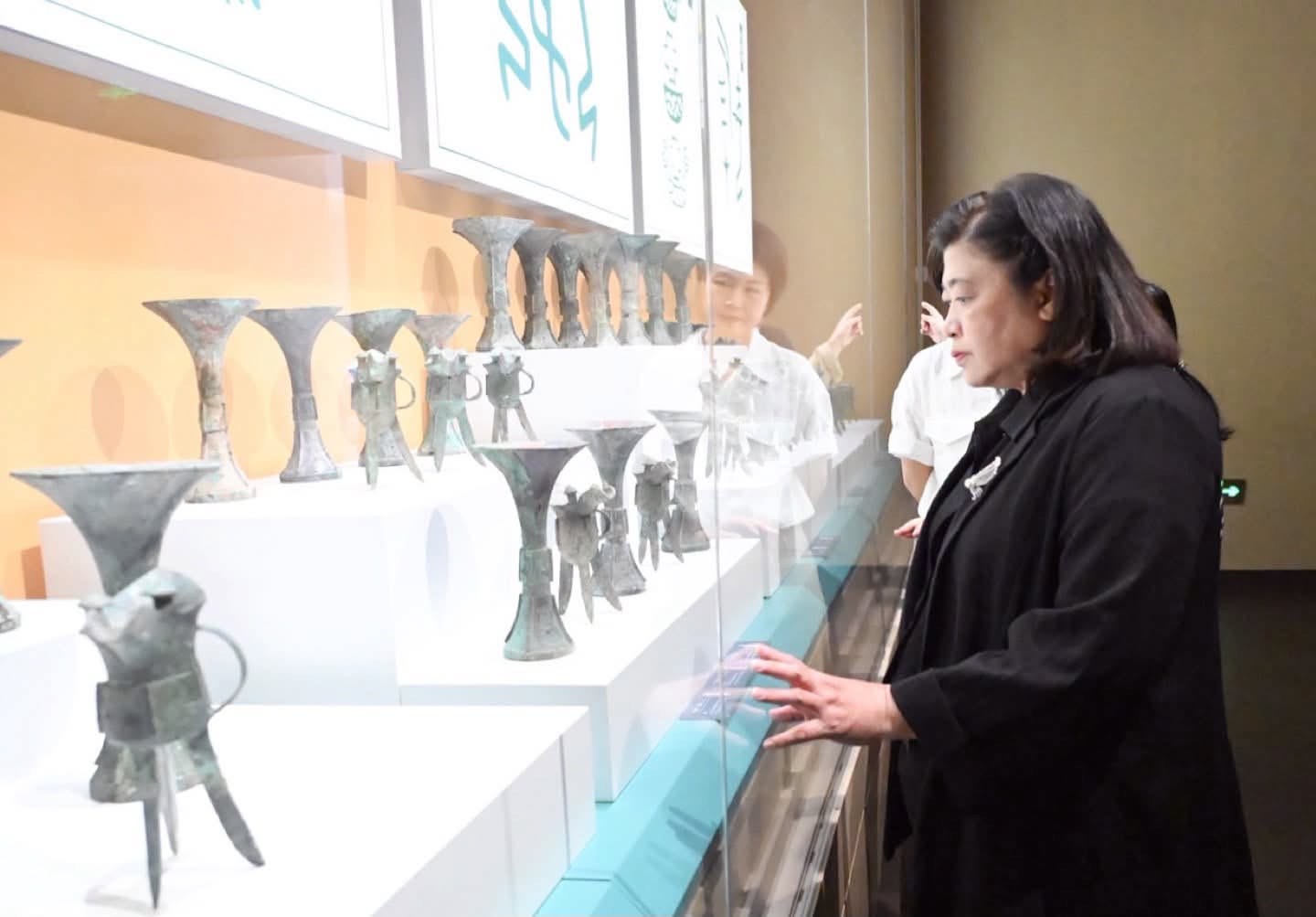
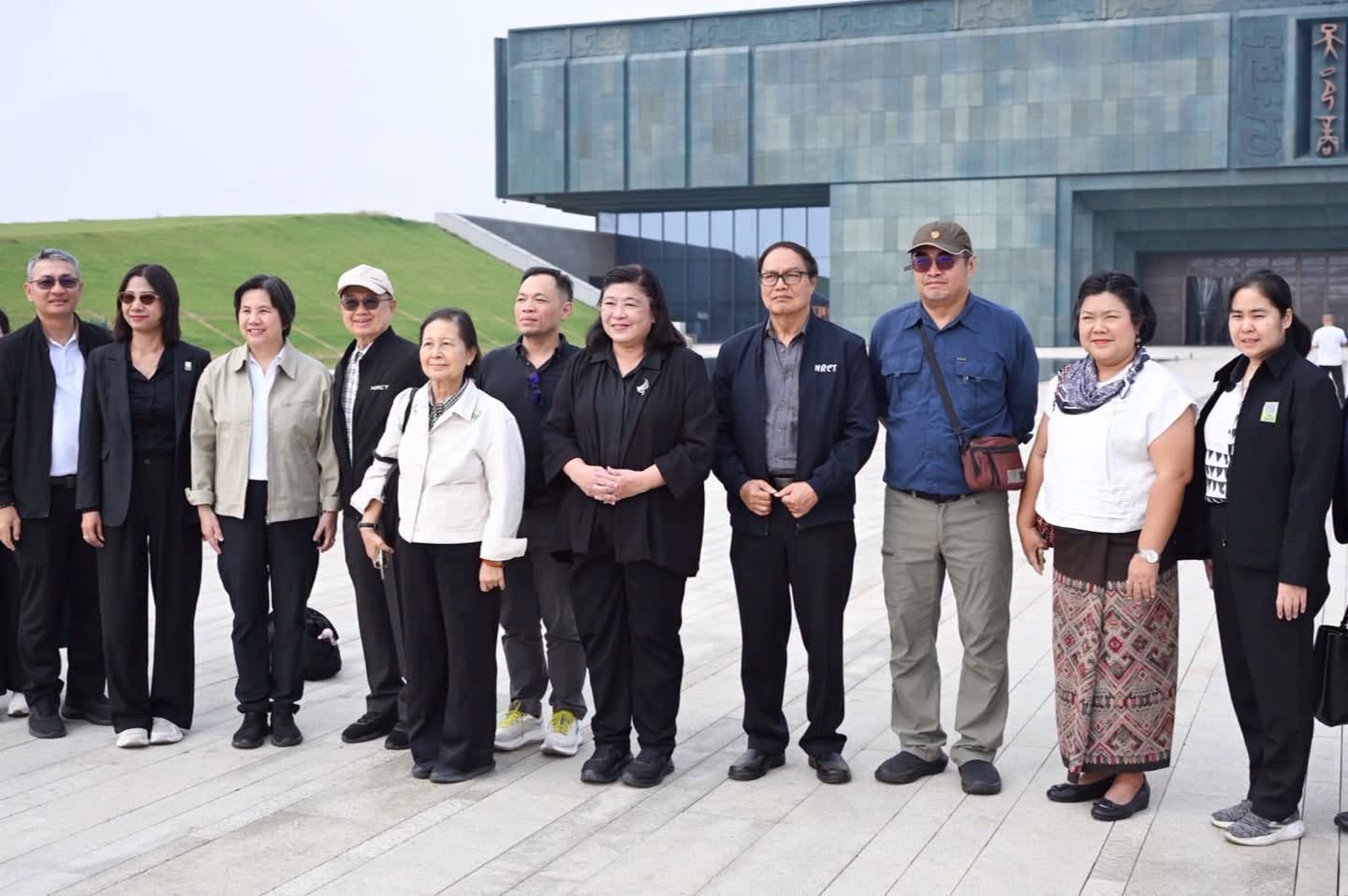
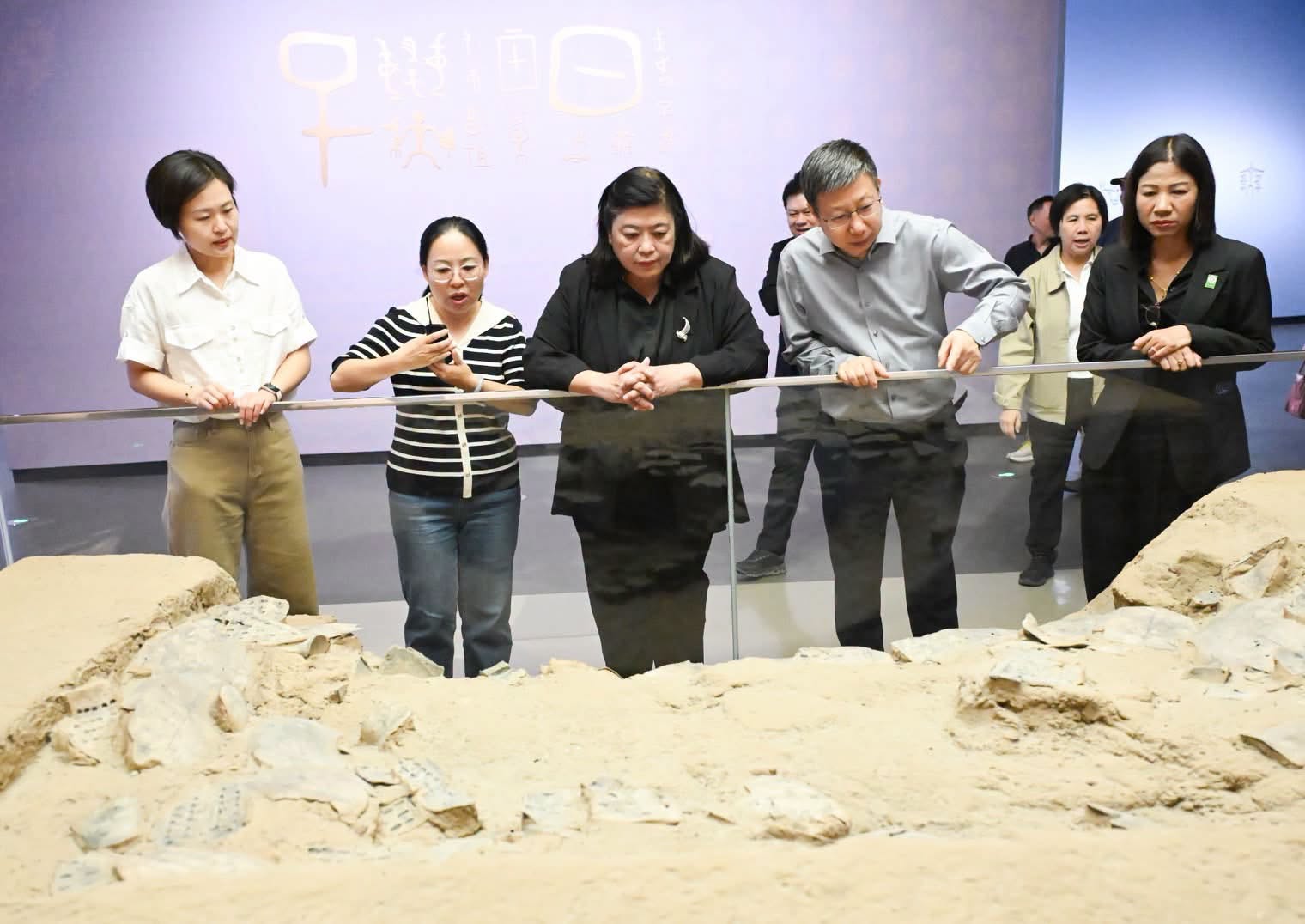
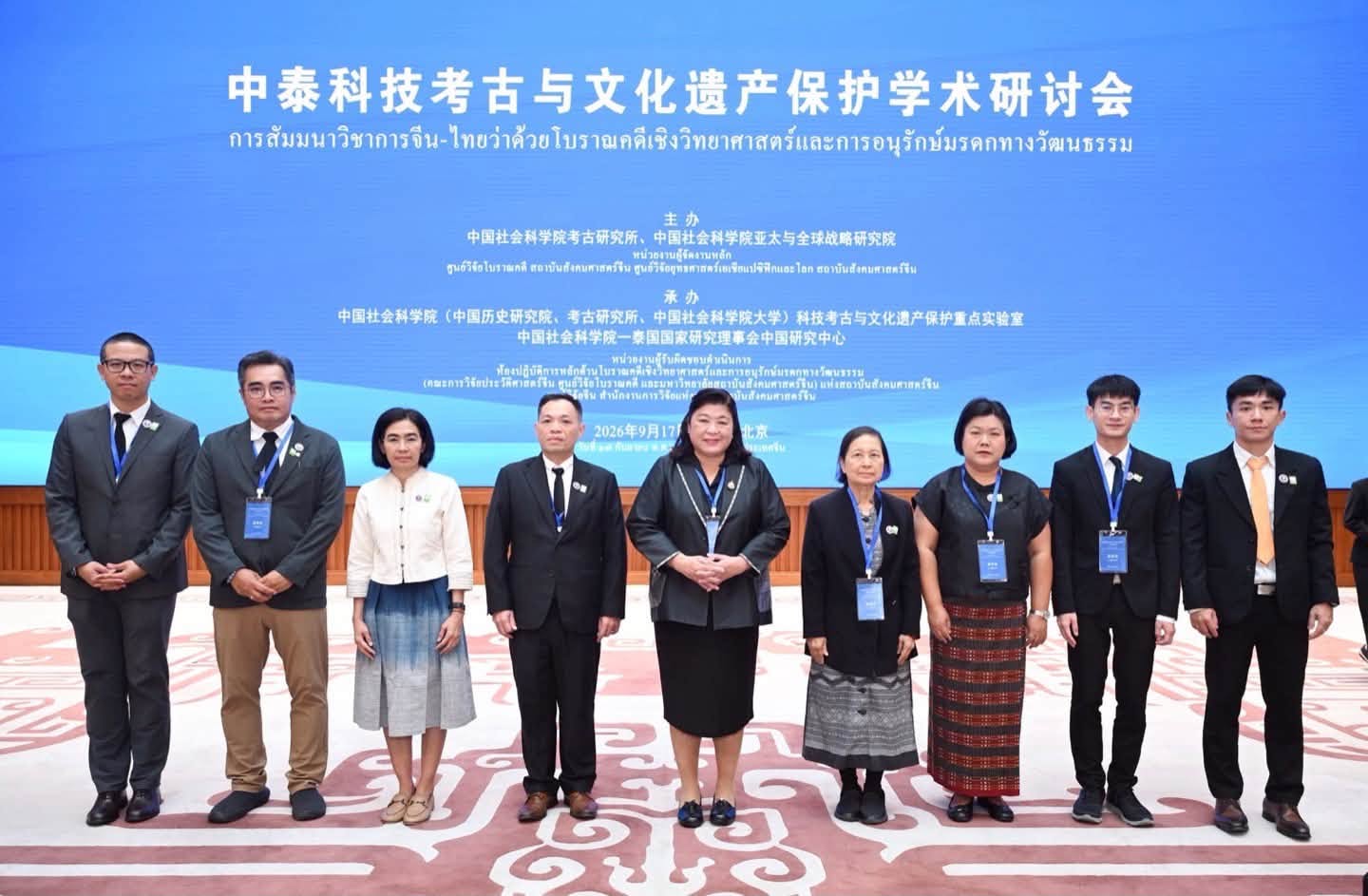
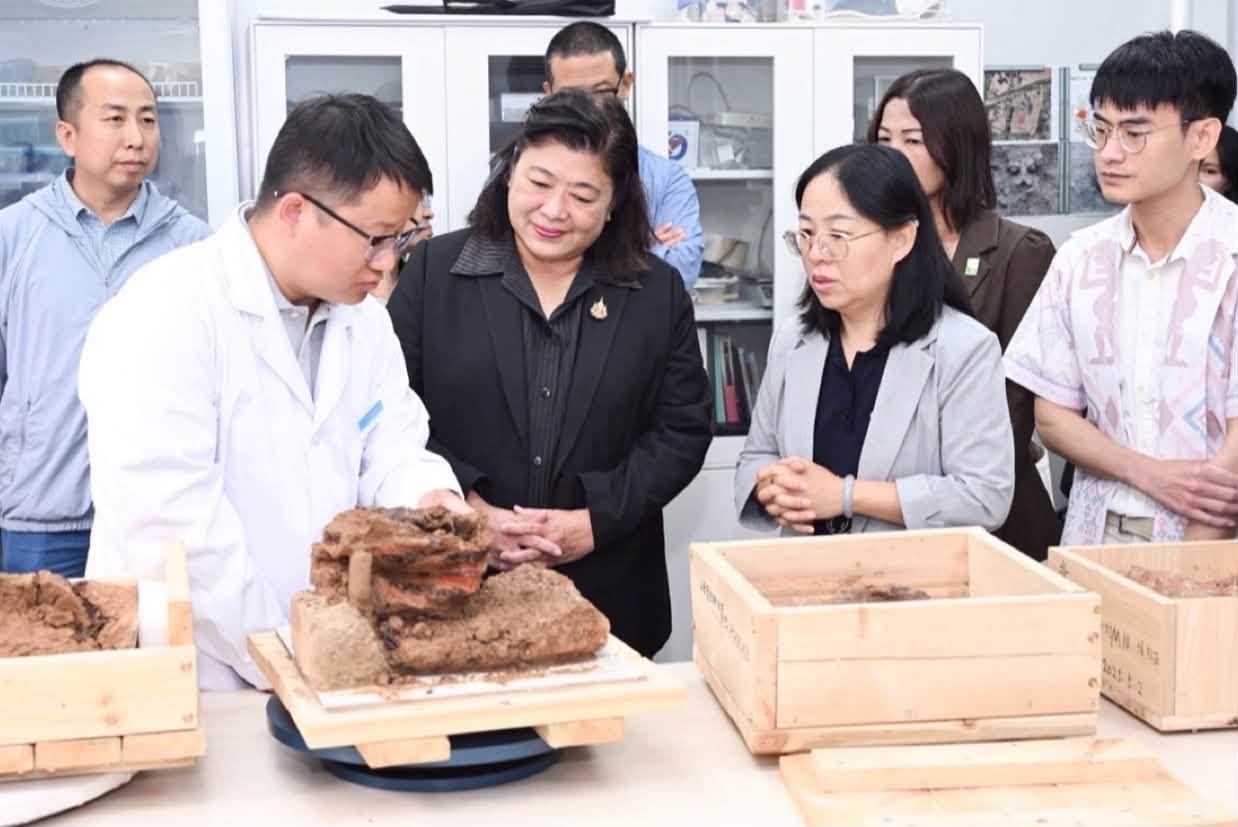
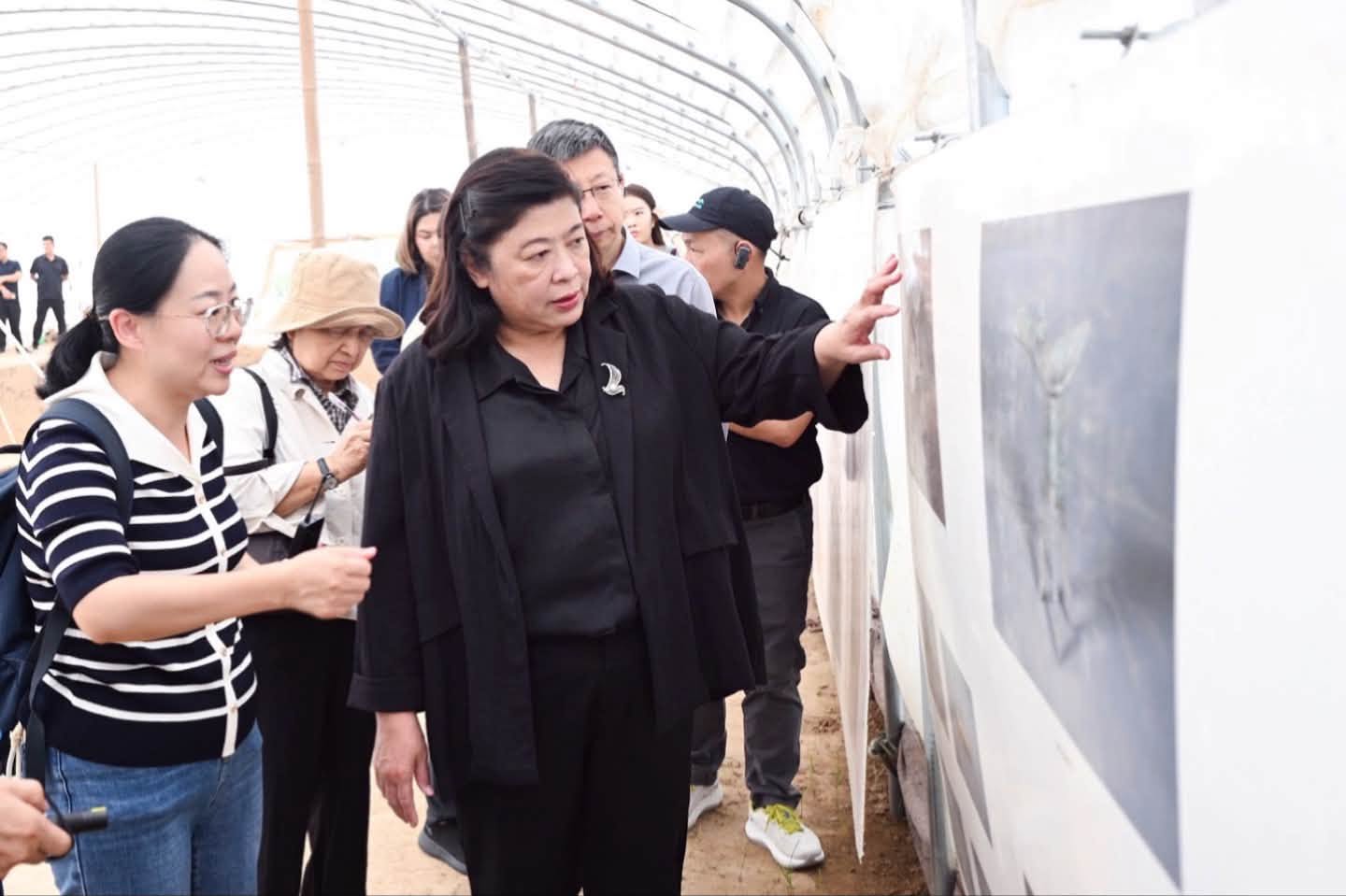
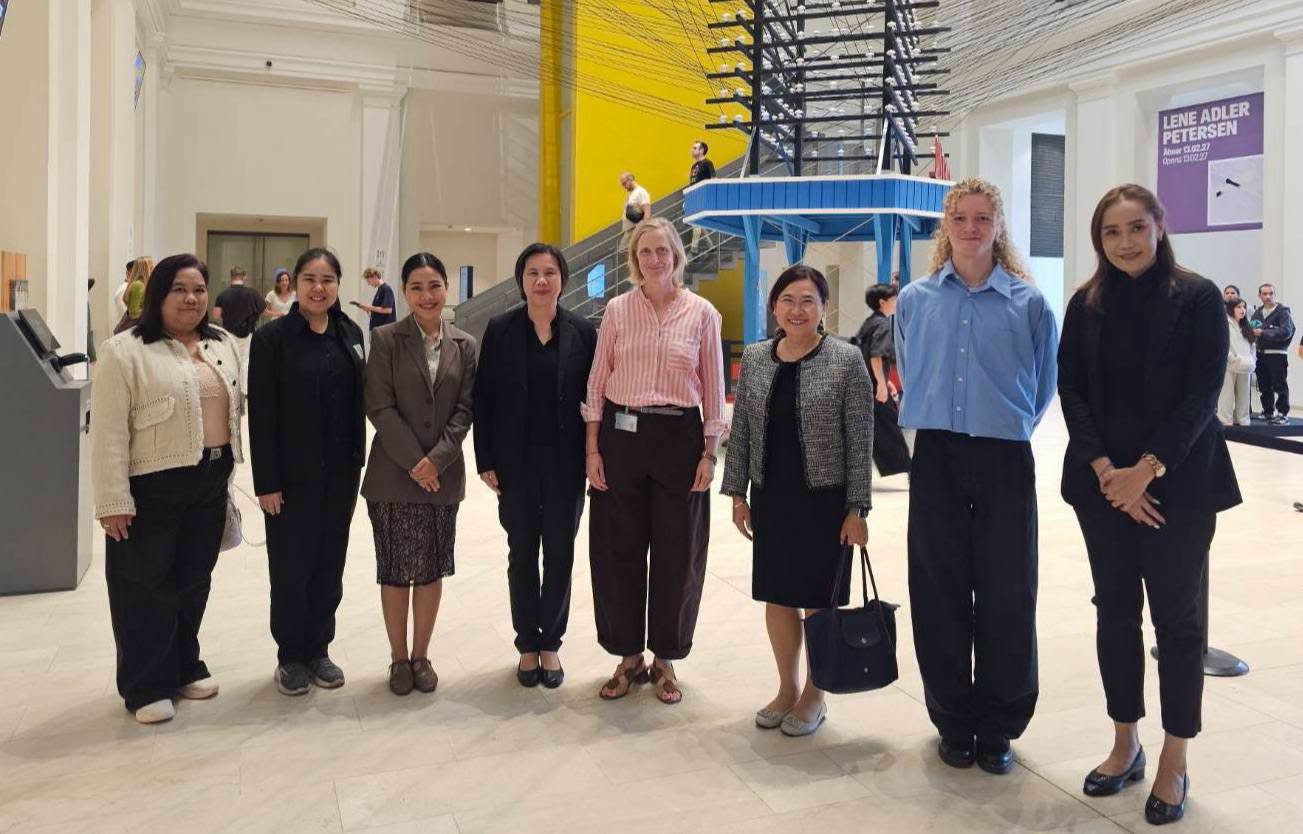
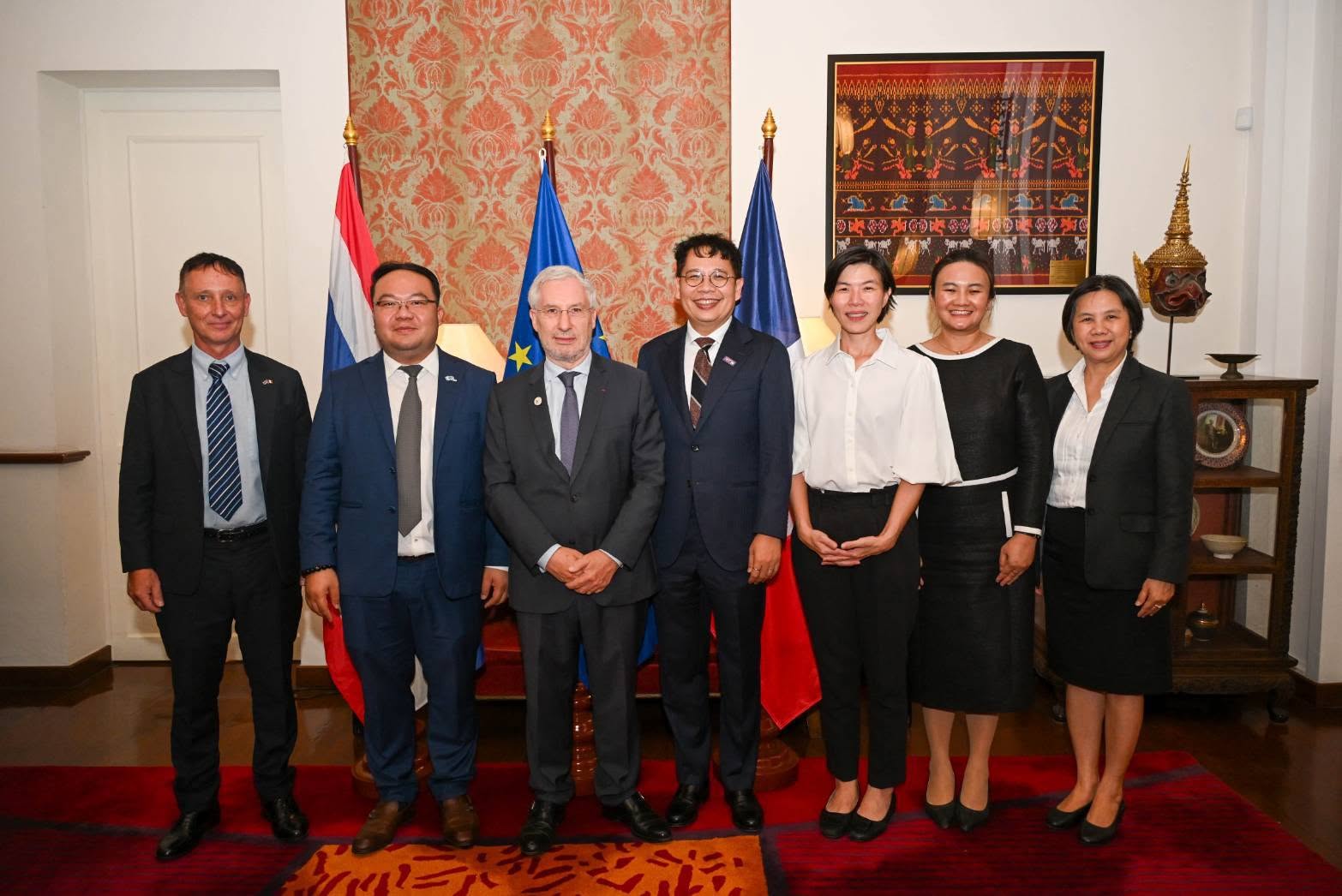
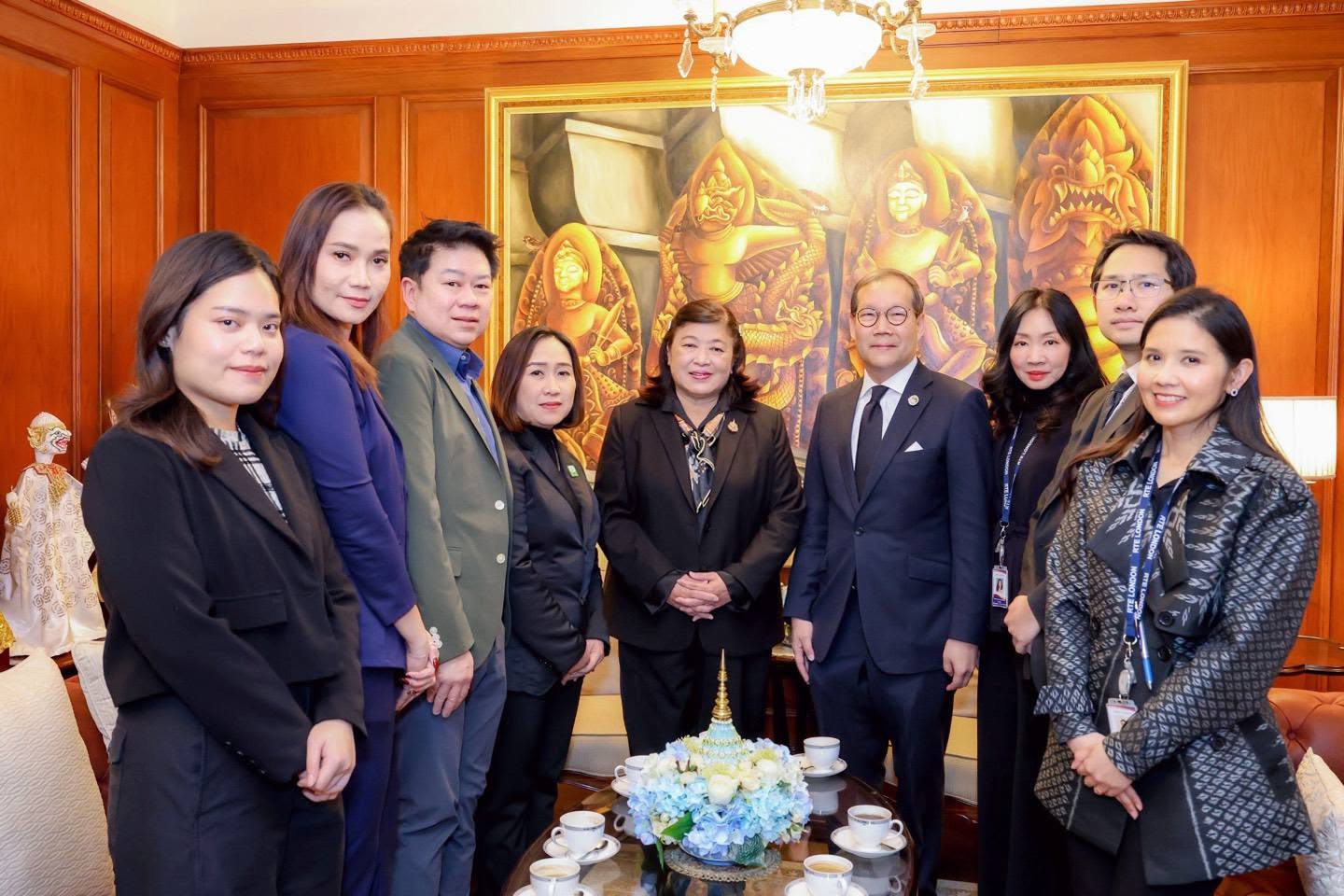
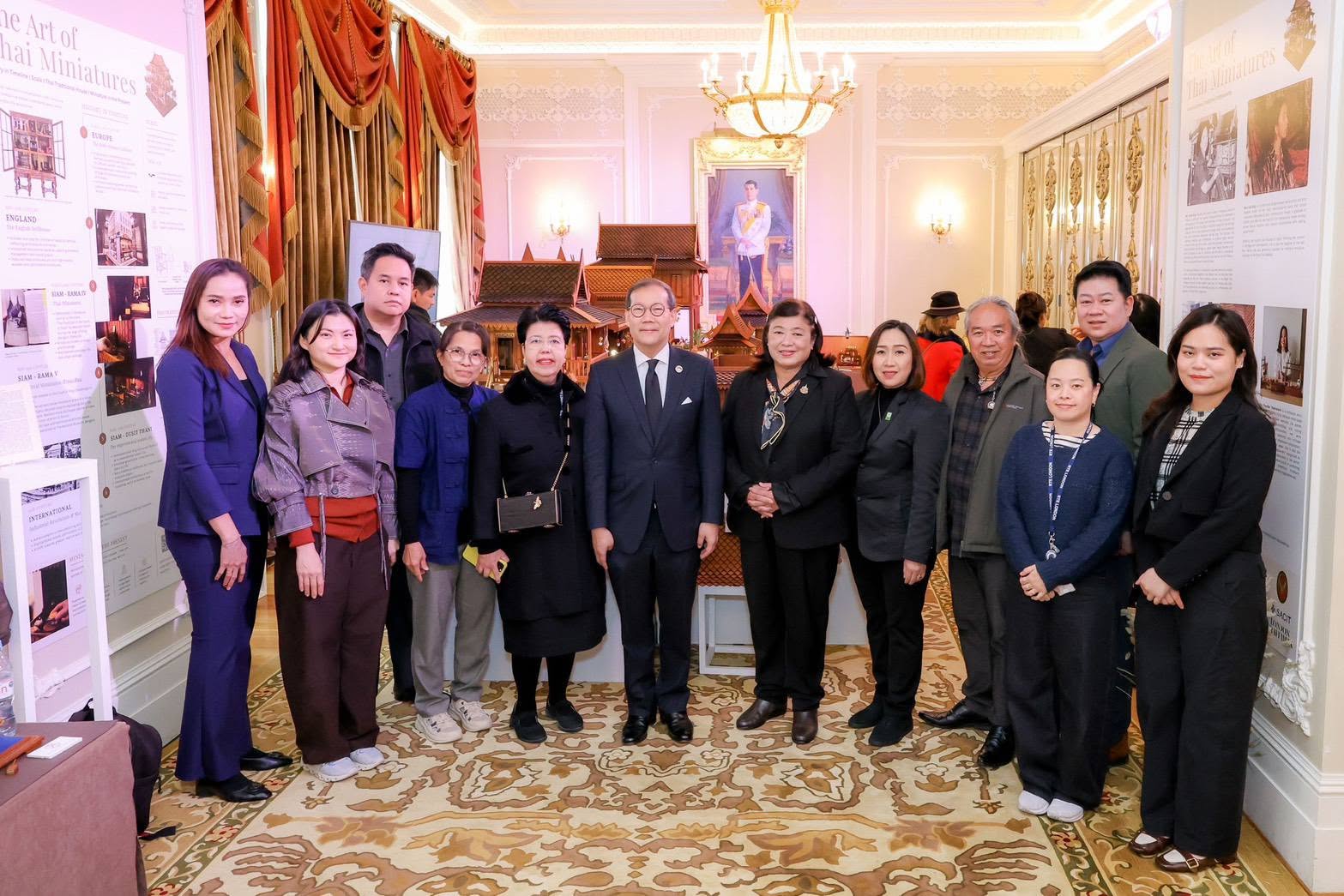
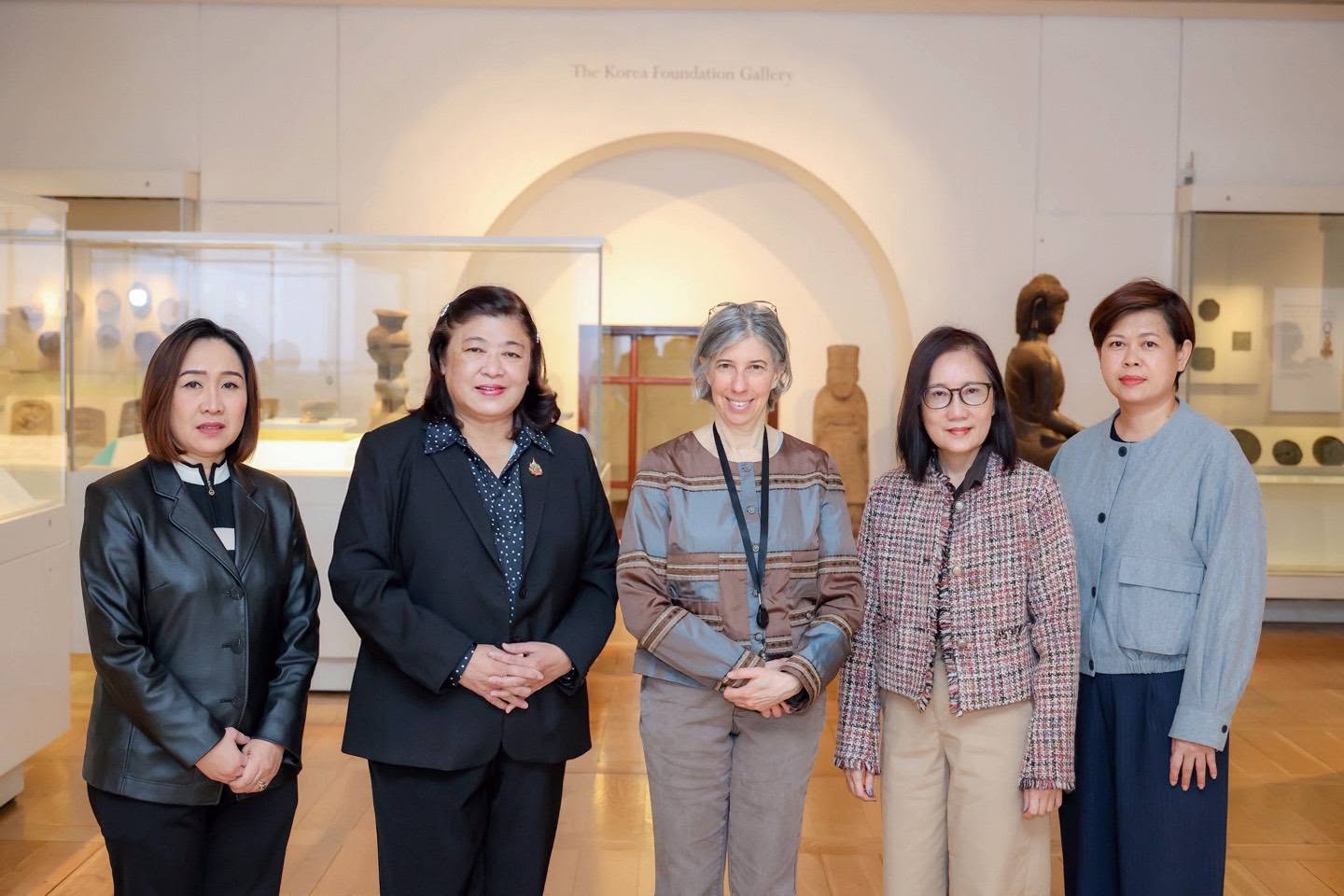
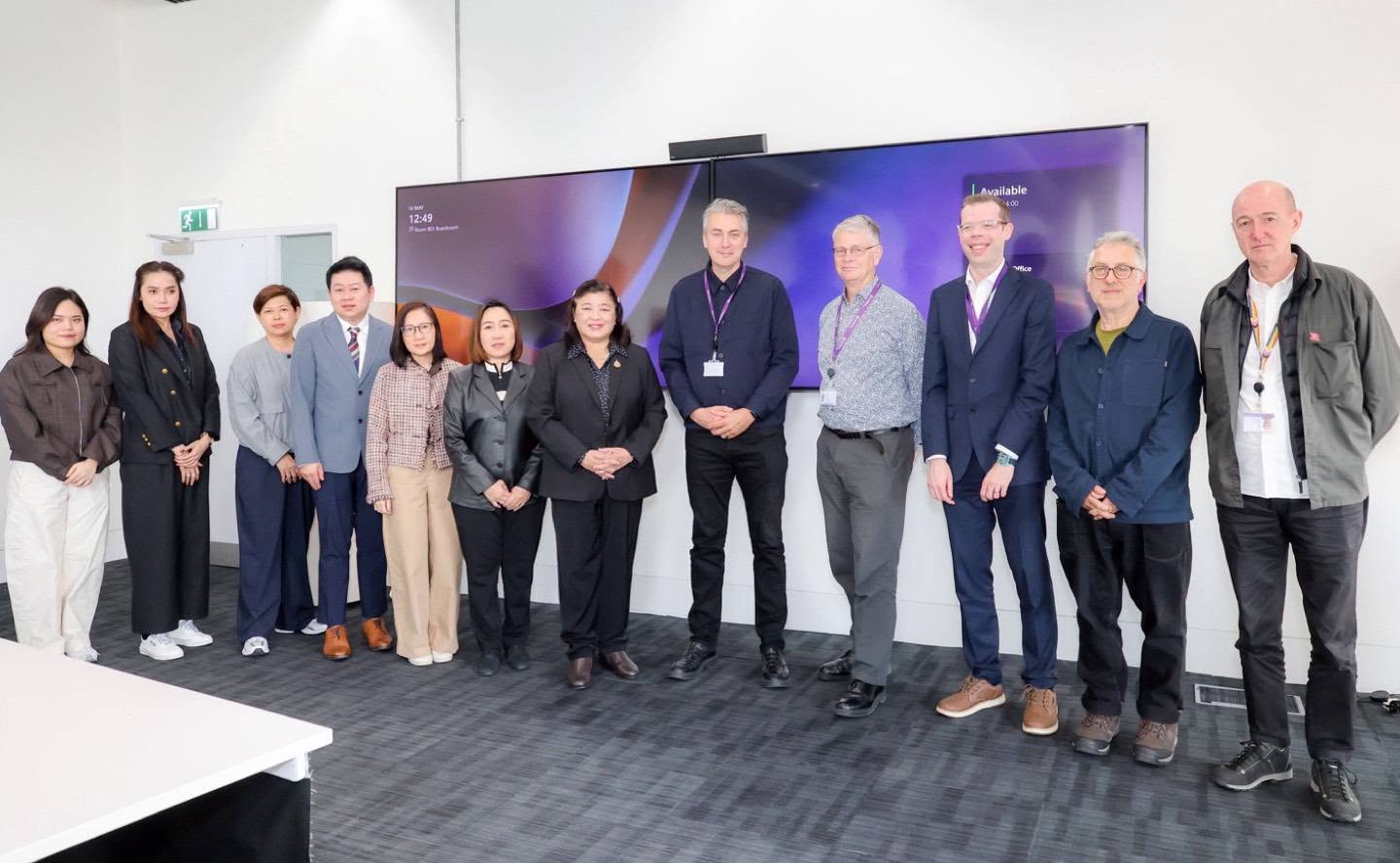
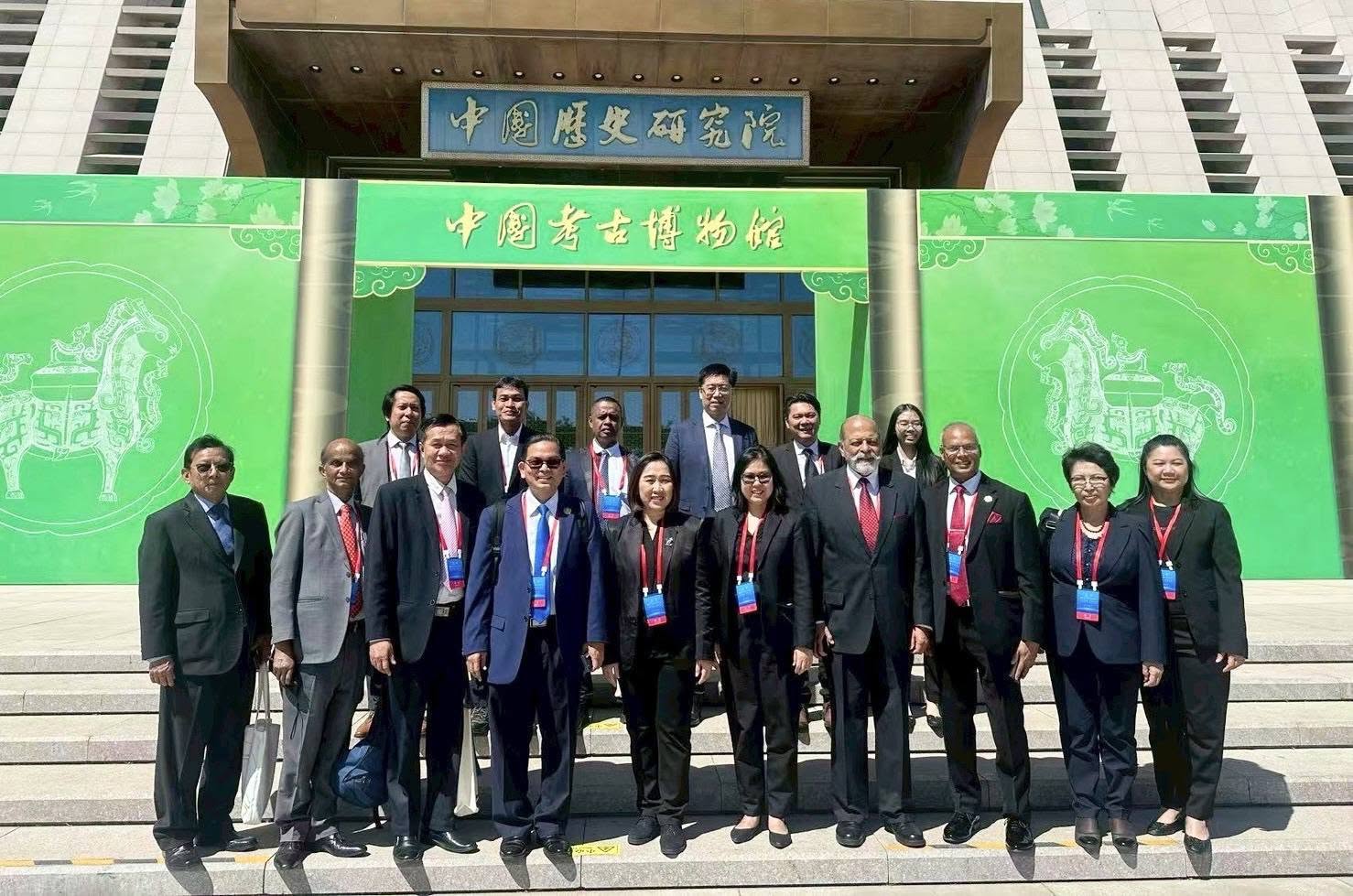
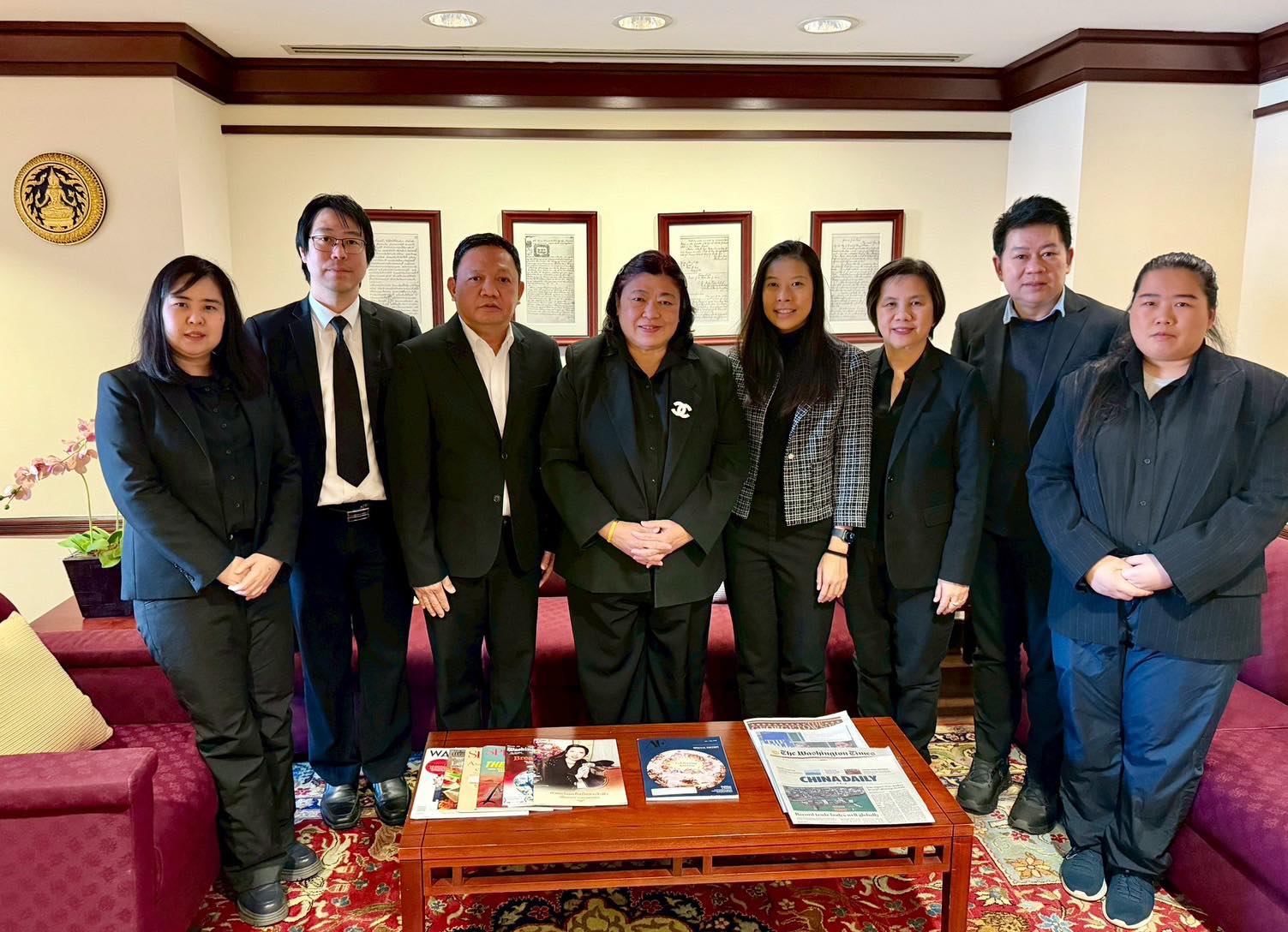
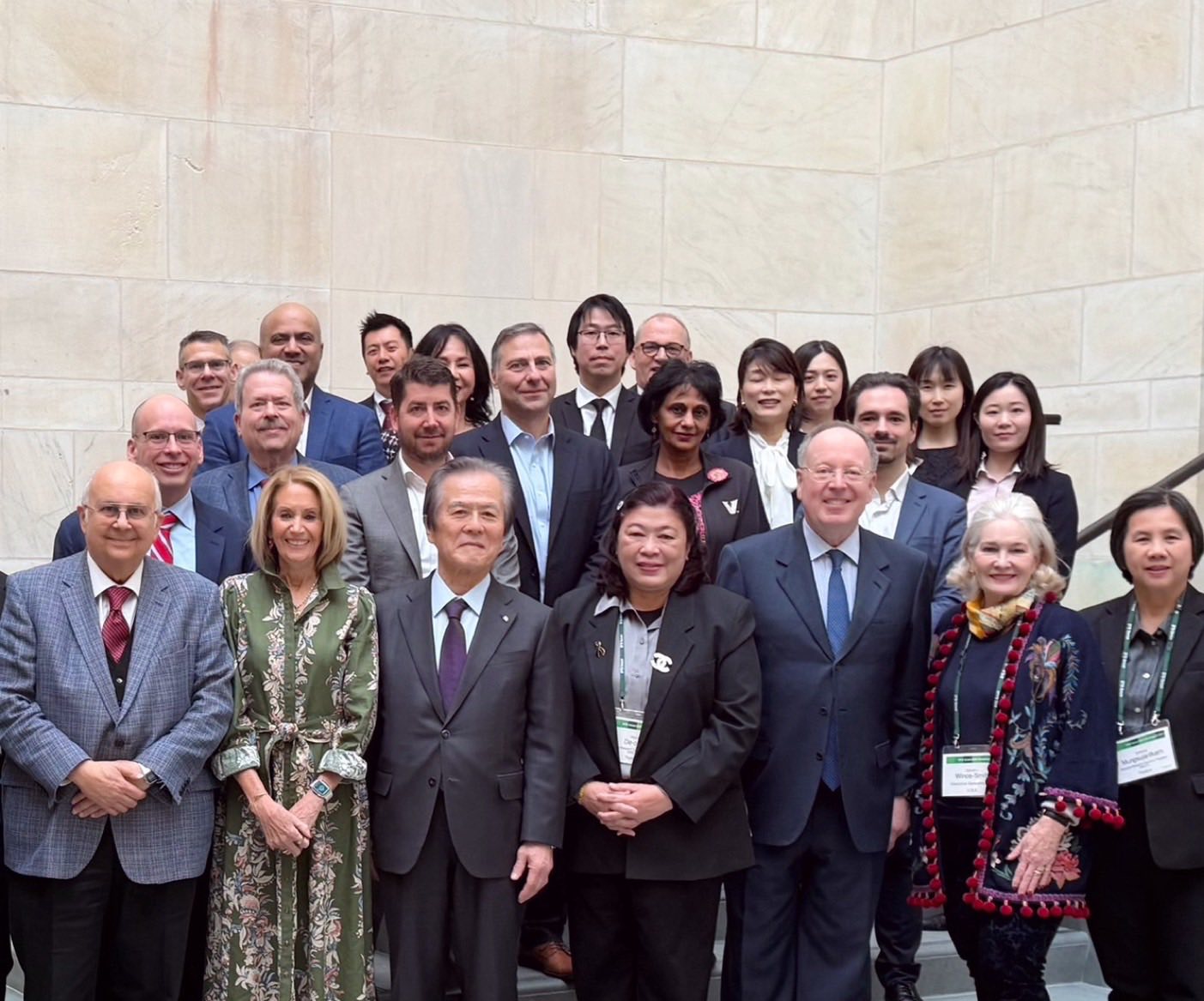
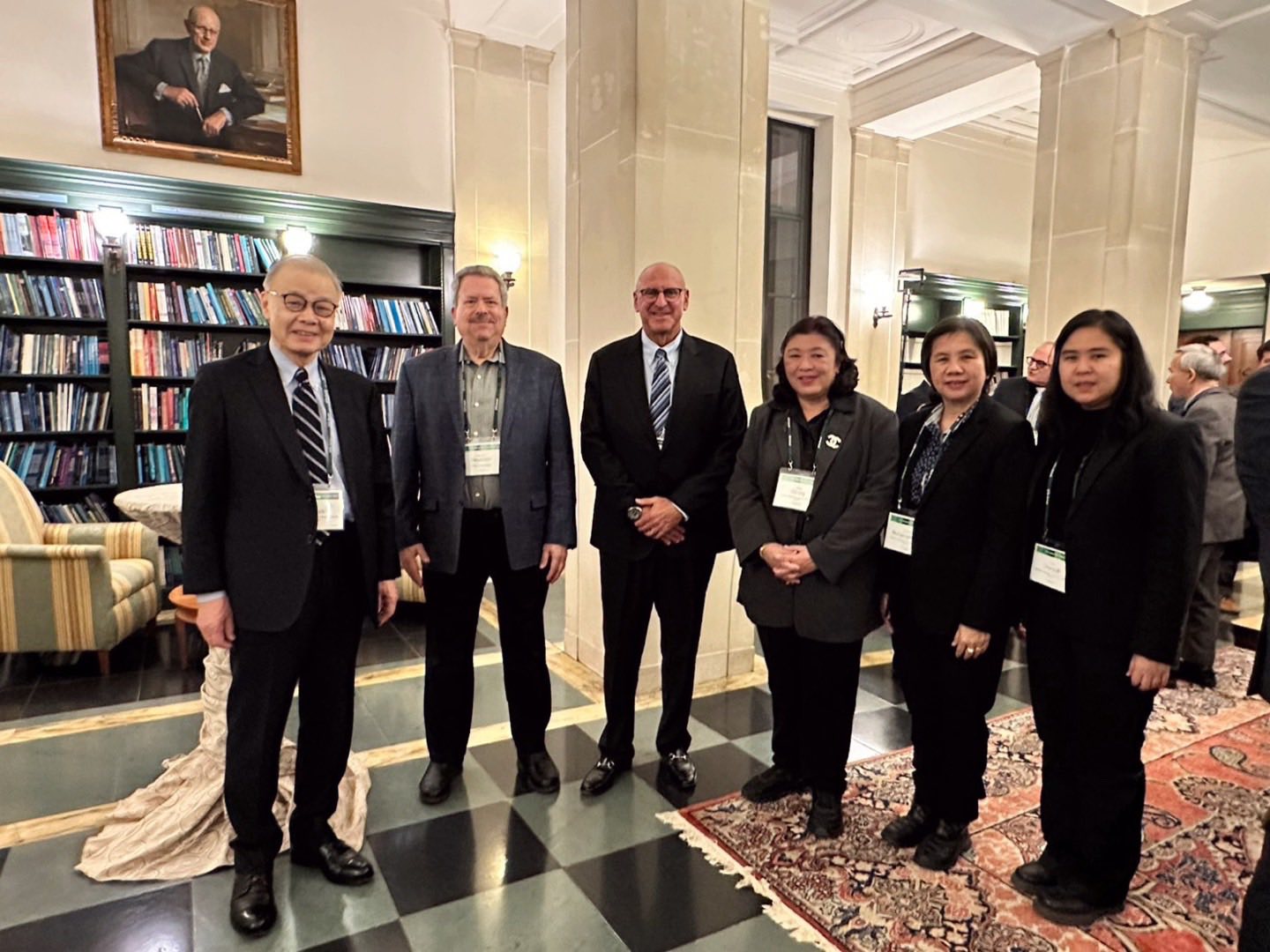
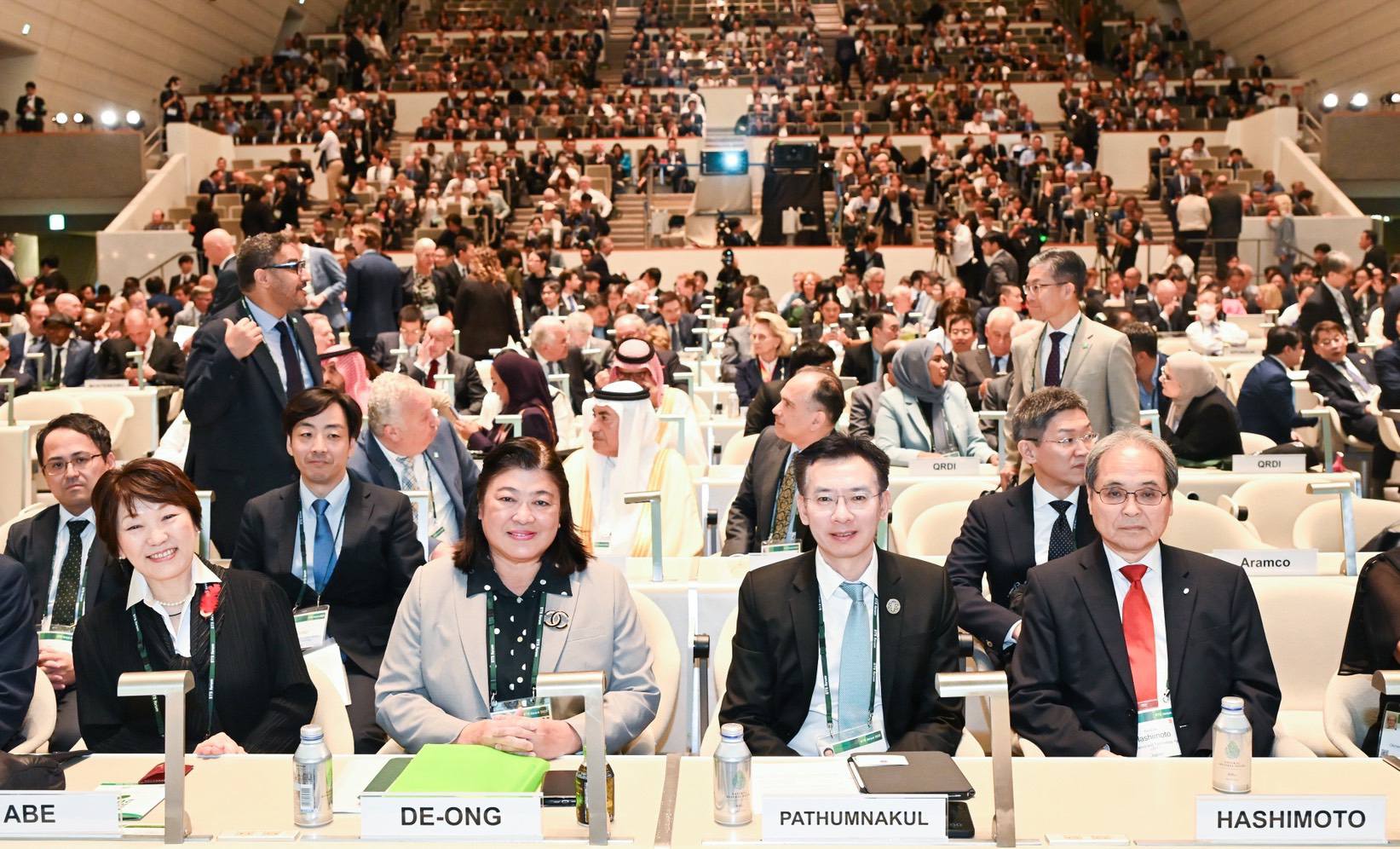
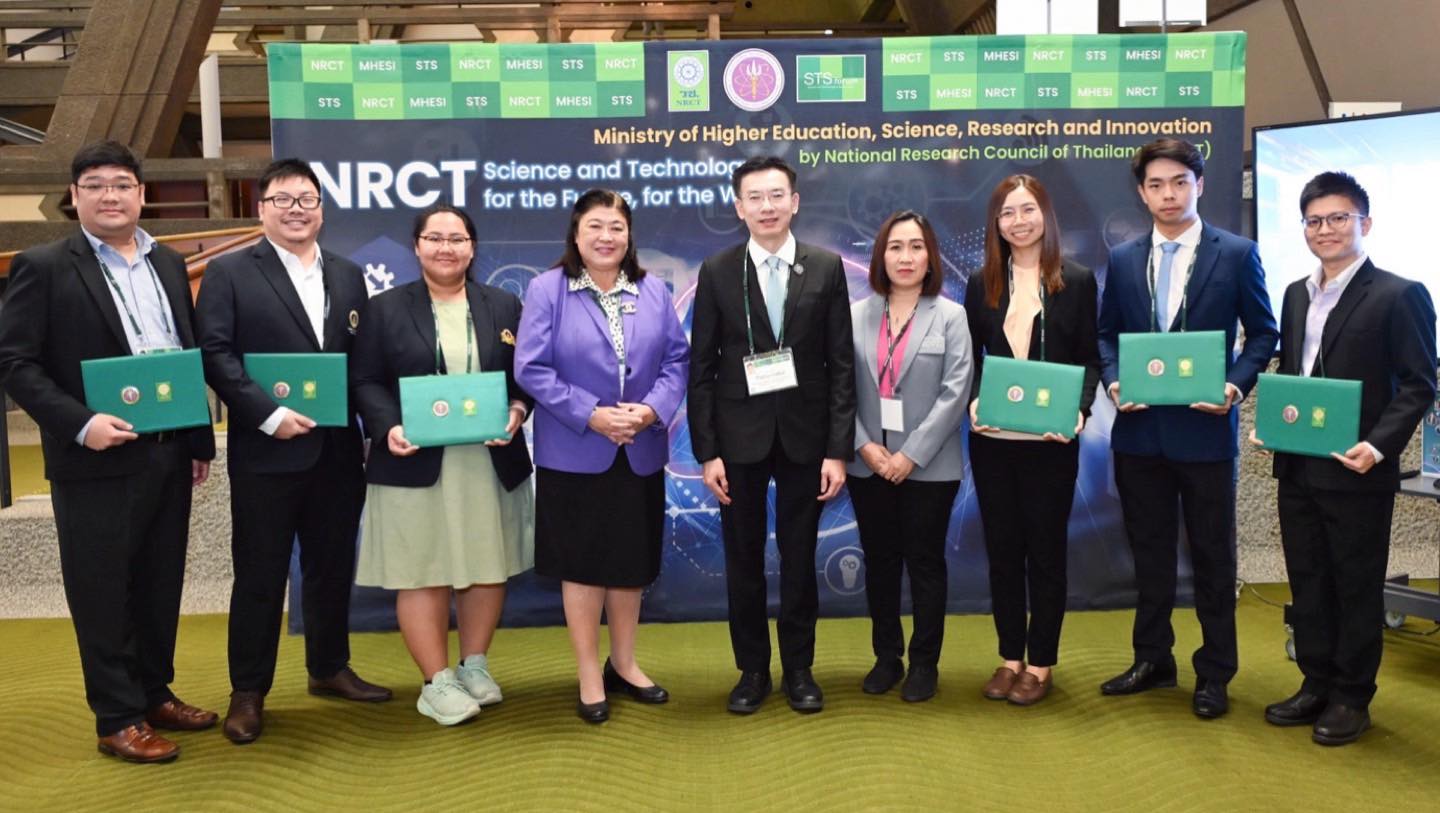
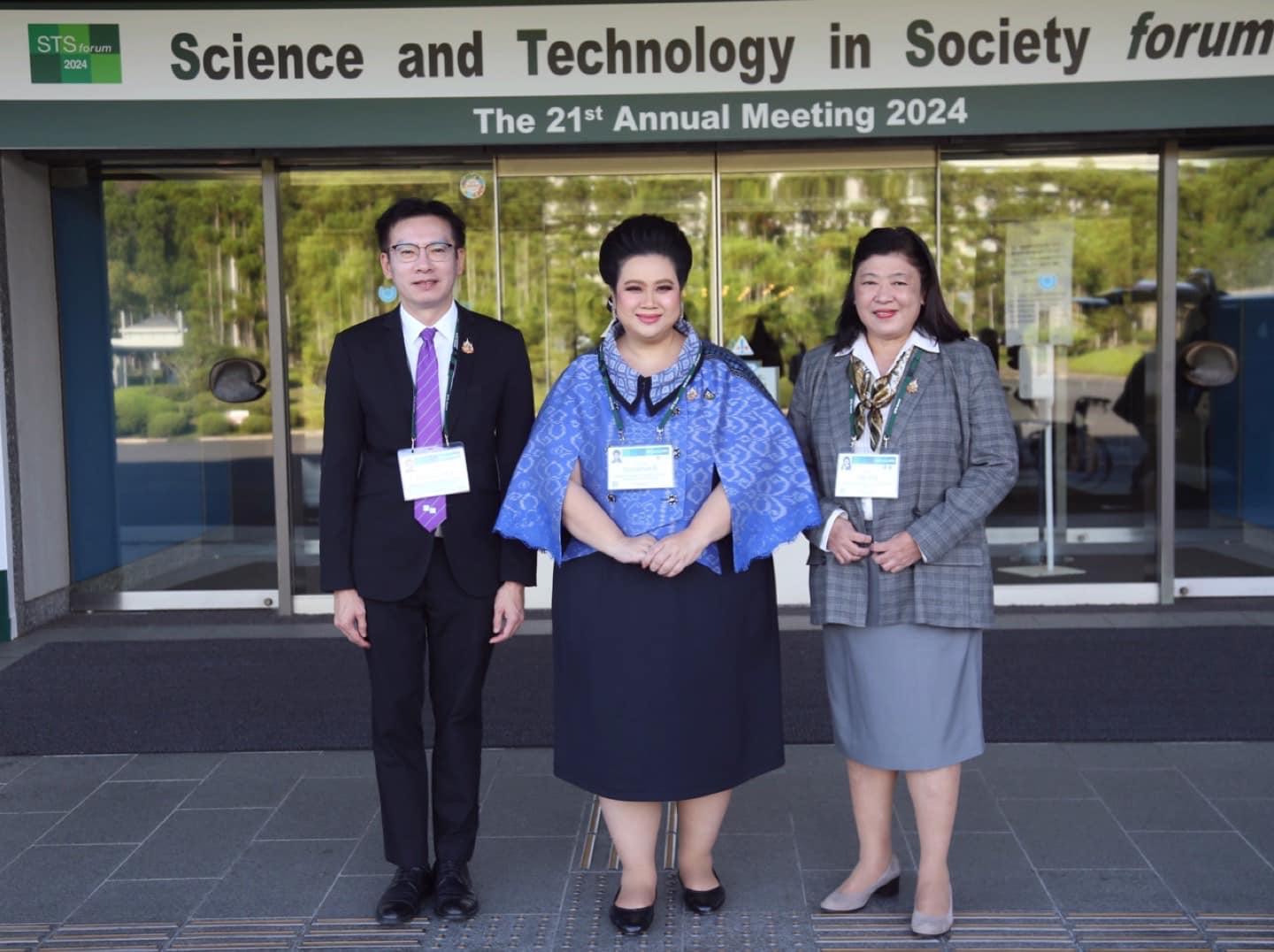
Anyang, Henan Province, People’s Republic of China, September 19, 2026 — The Chinese Academy of Social Sciences (CASS) showcased the application of science and technology in archaeological research and cultural heritage preservation to a delegation from the National Research Council of Thailand (NRCT), under the Ministry of Higher Education, Science, Research and Innovation (MHESI), during a visit to the Yinxu archaeological site and museum in Anyang, Henan Province, People’s Republic of China. The visit took place as part of the China–Thailand Seminar on Science-Based Archaeology and Cultural Heritage Preservation, jointly organized by CASS and NRCT.
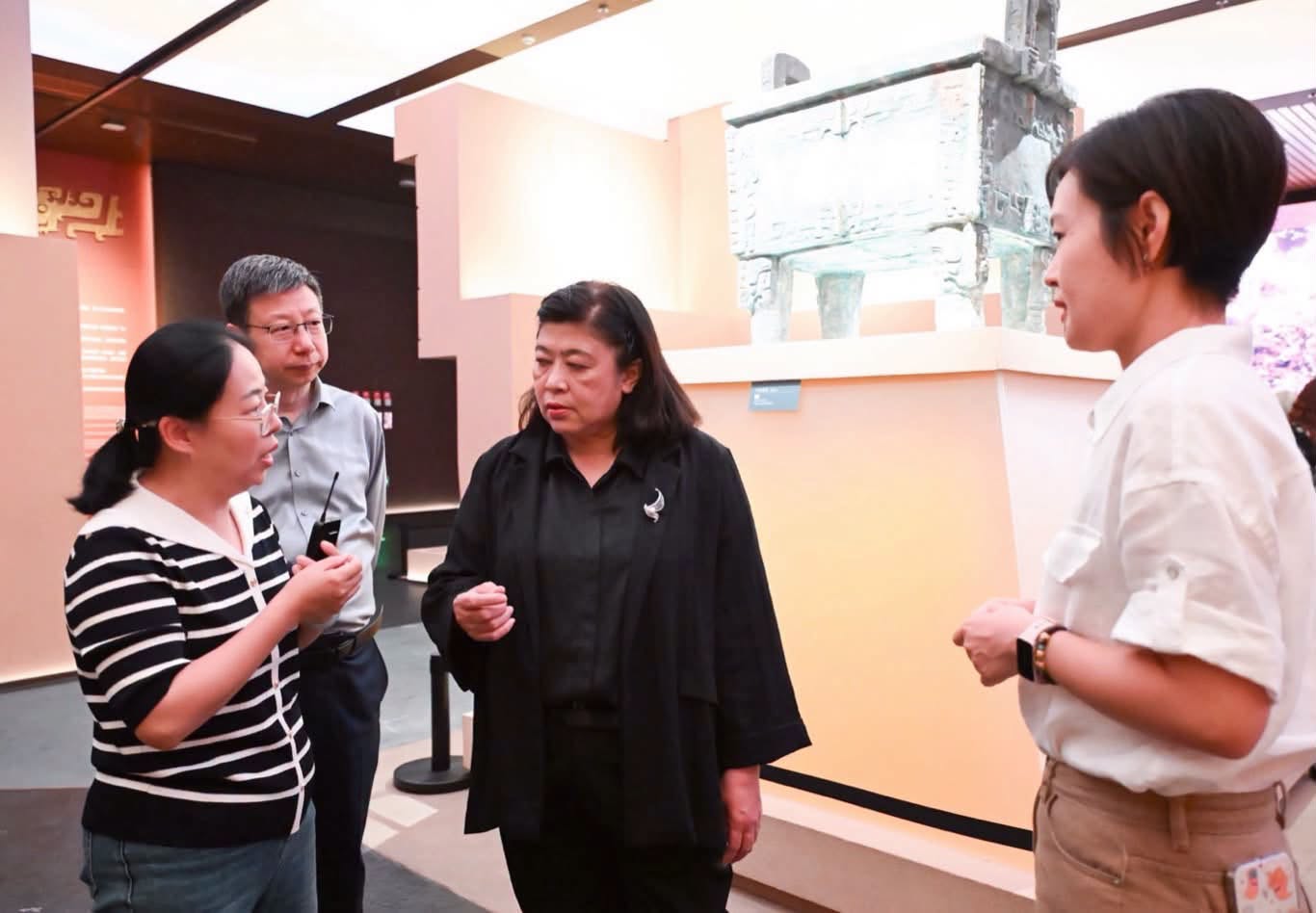
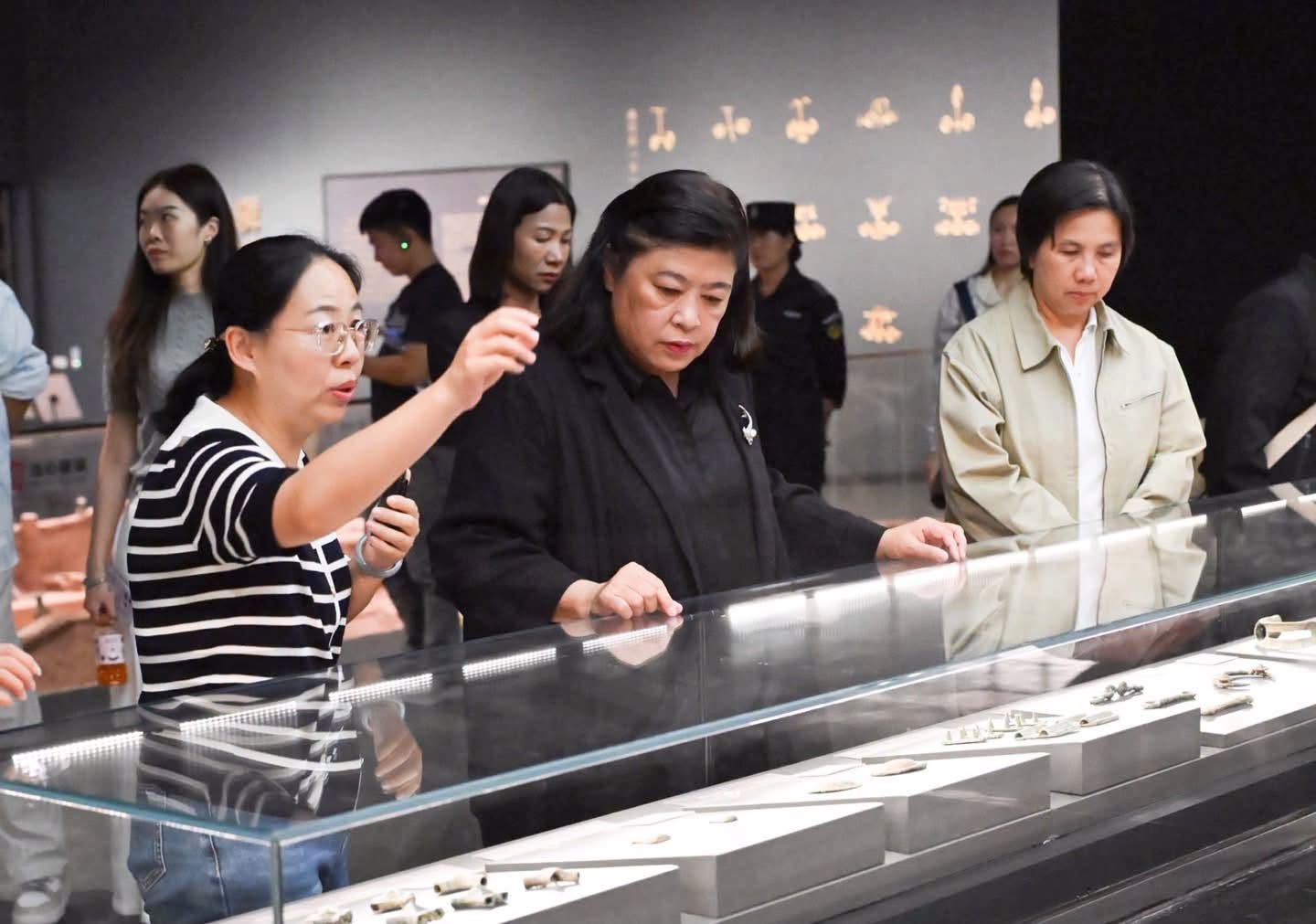
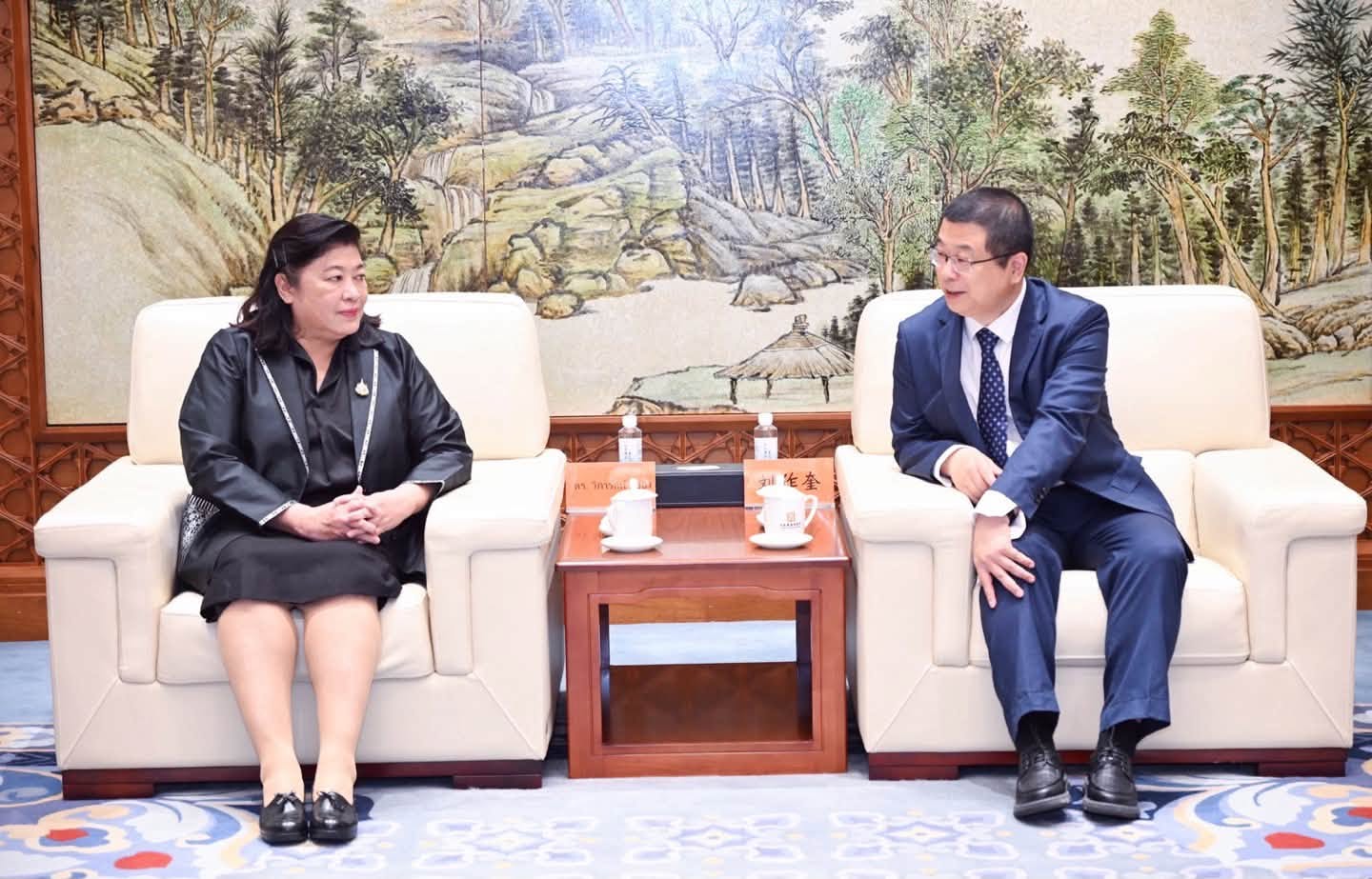
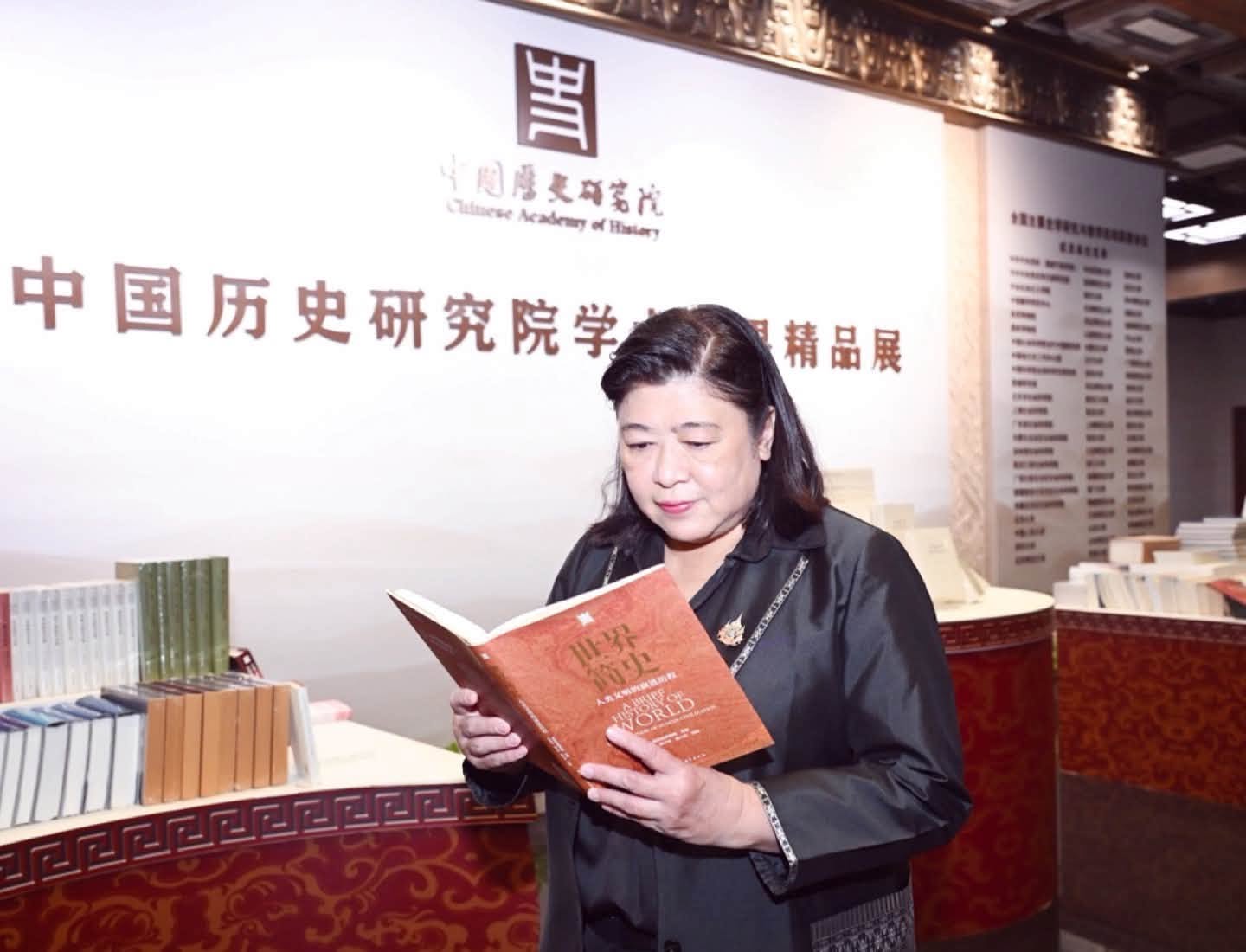
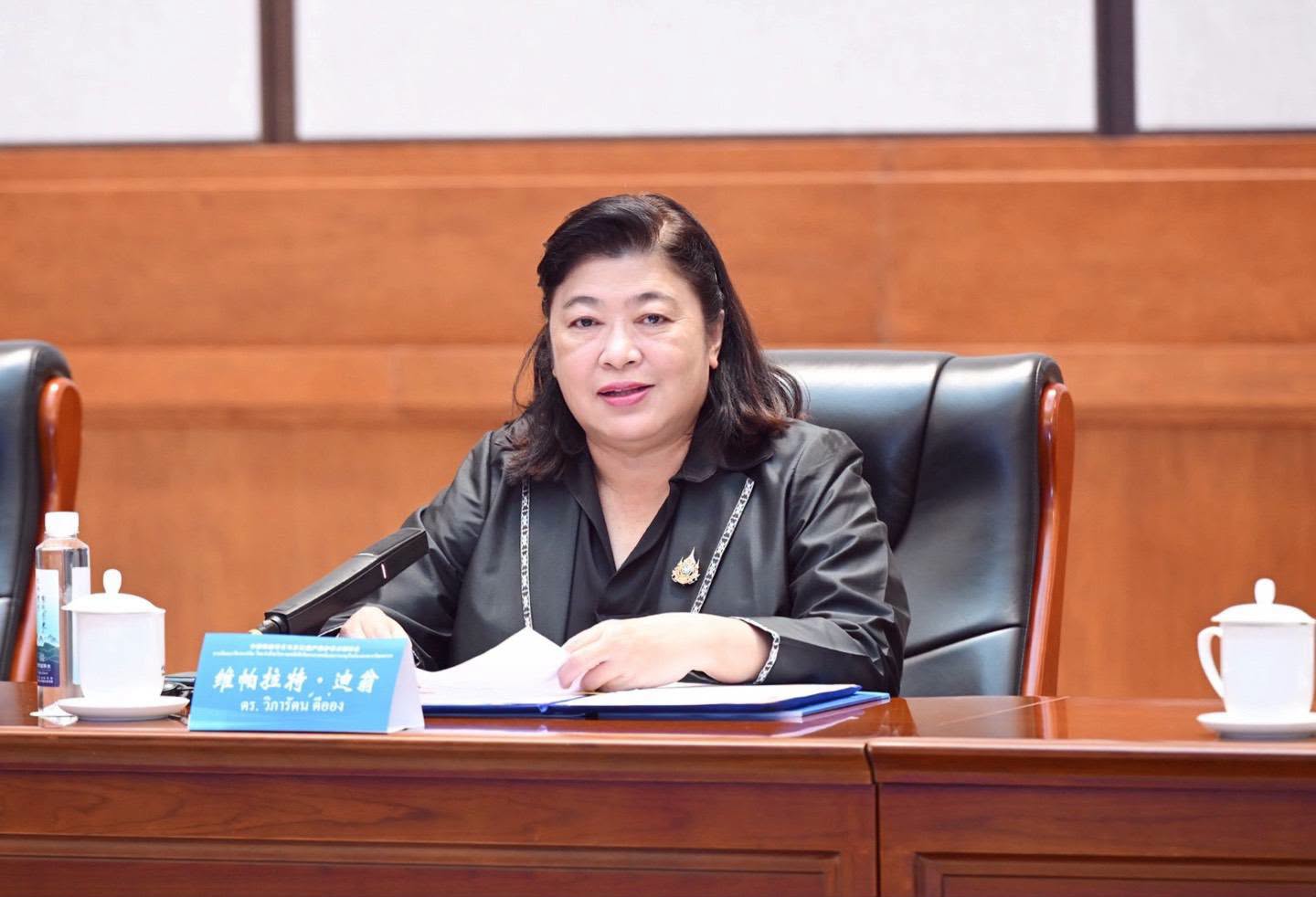
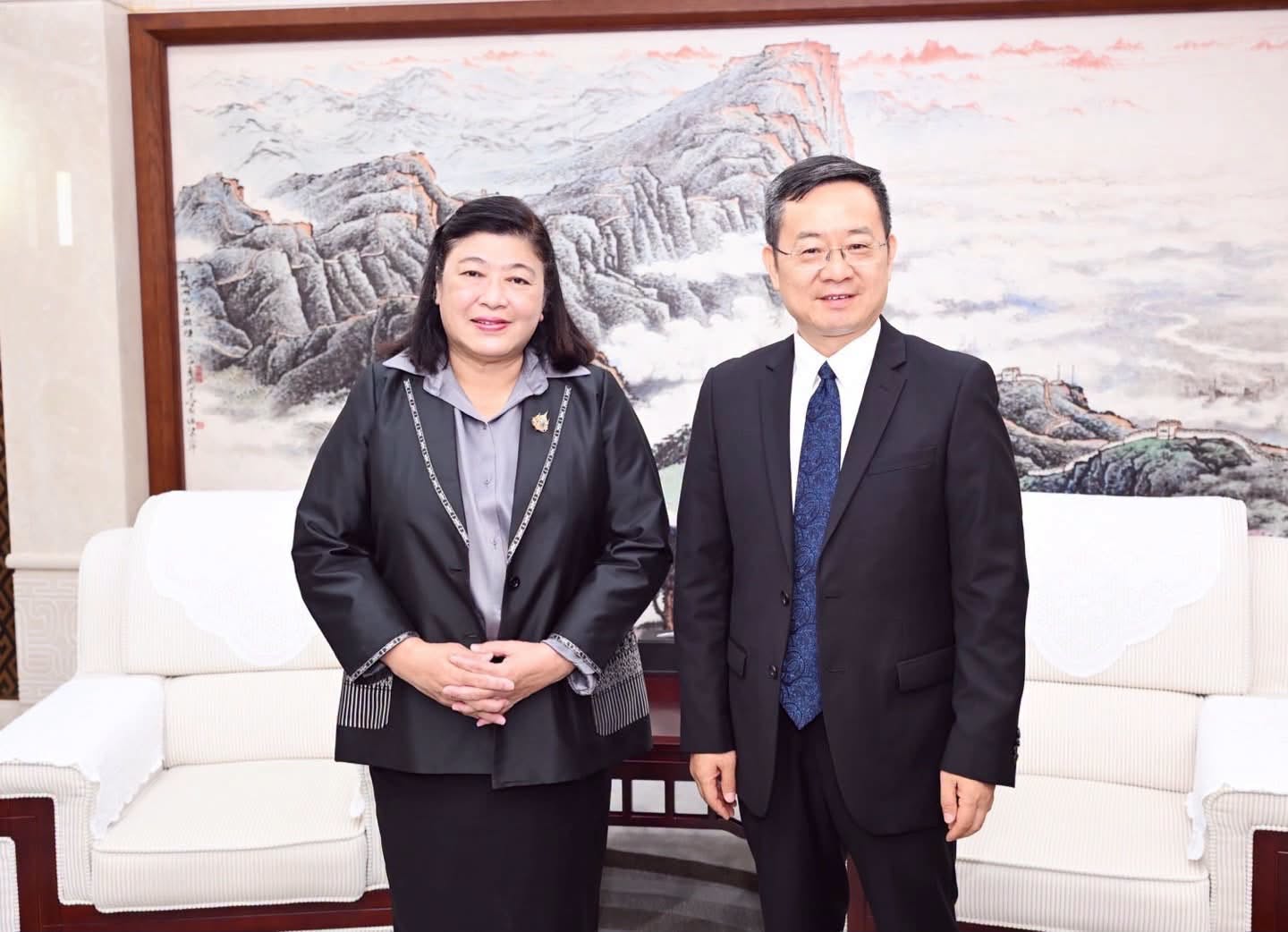
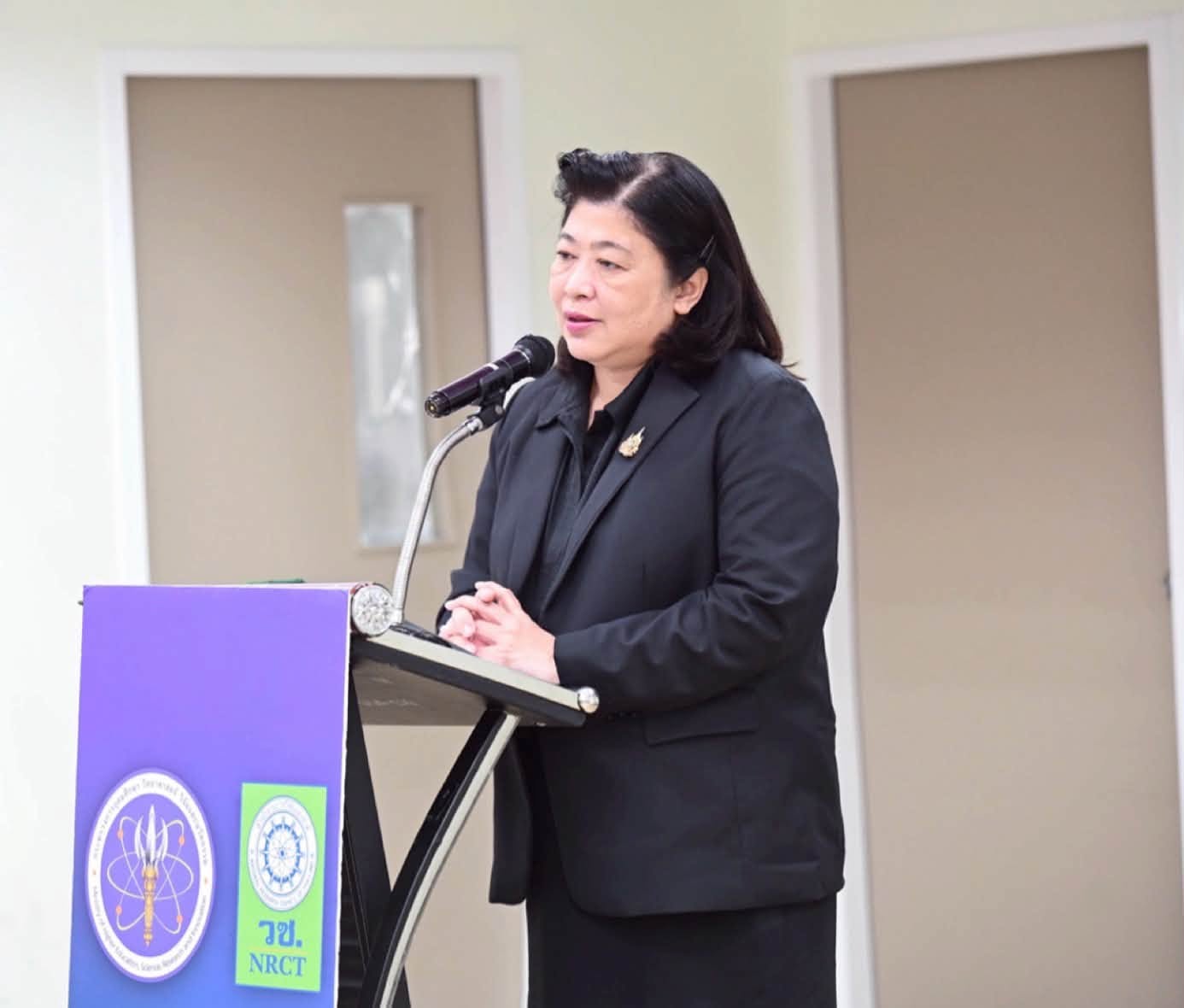
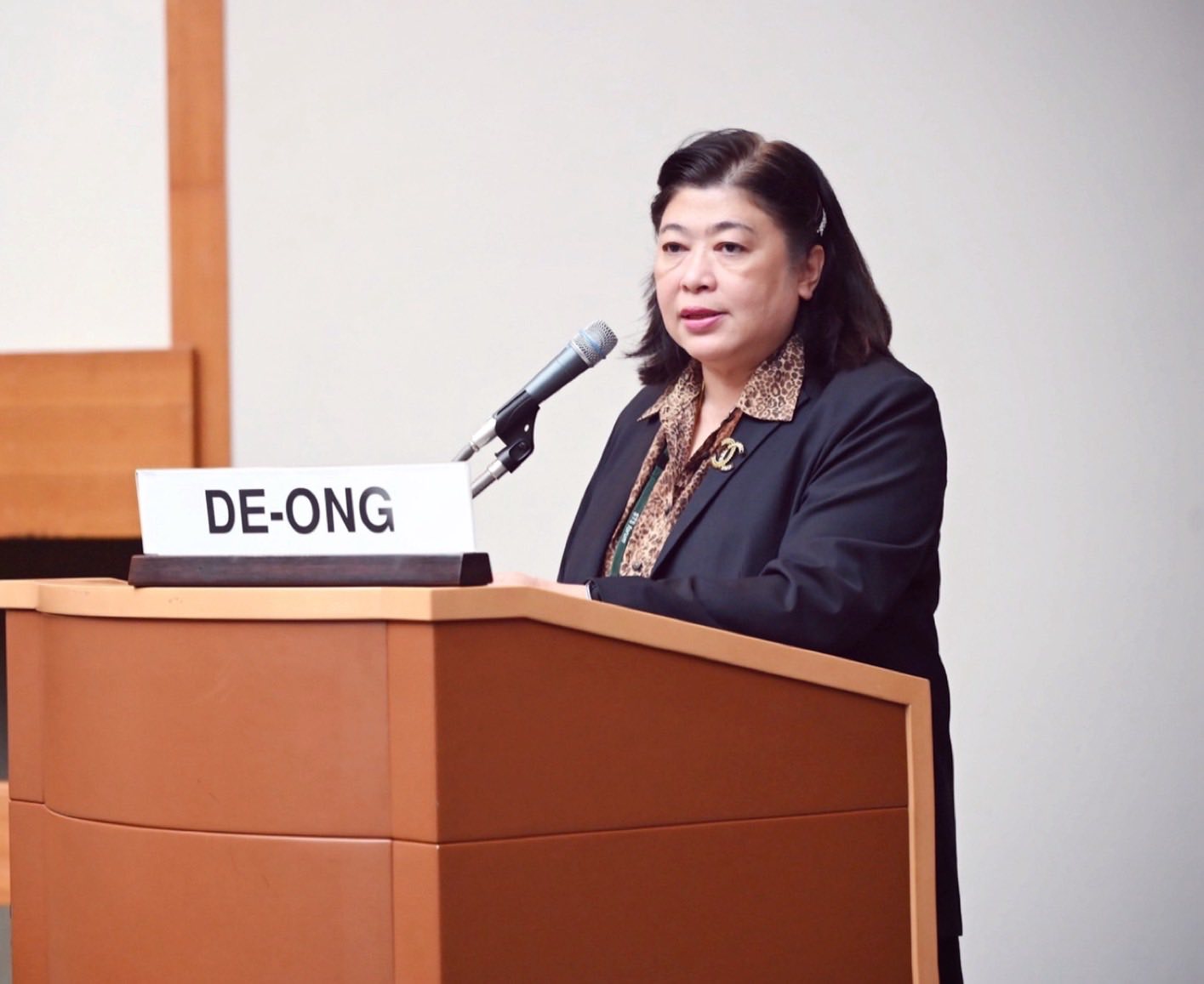
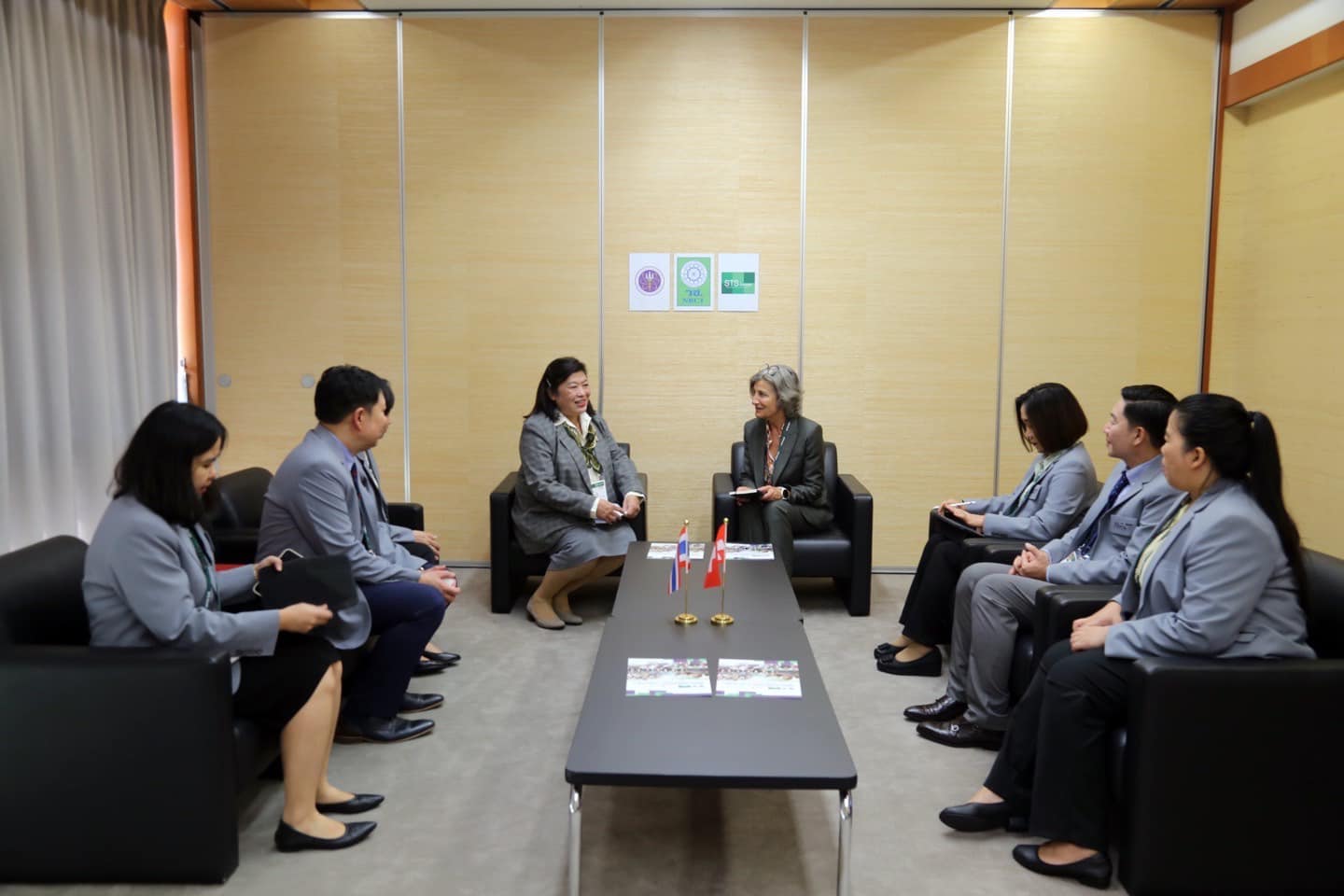
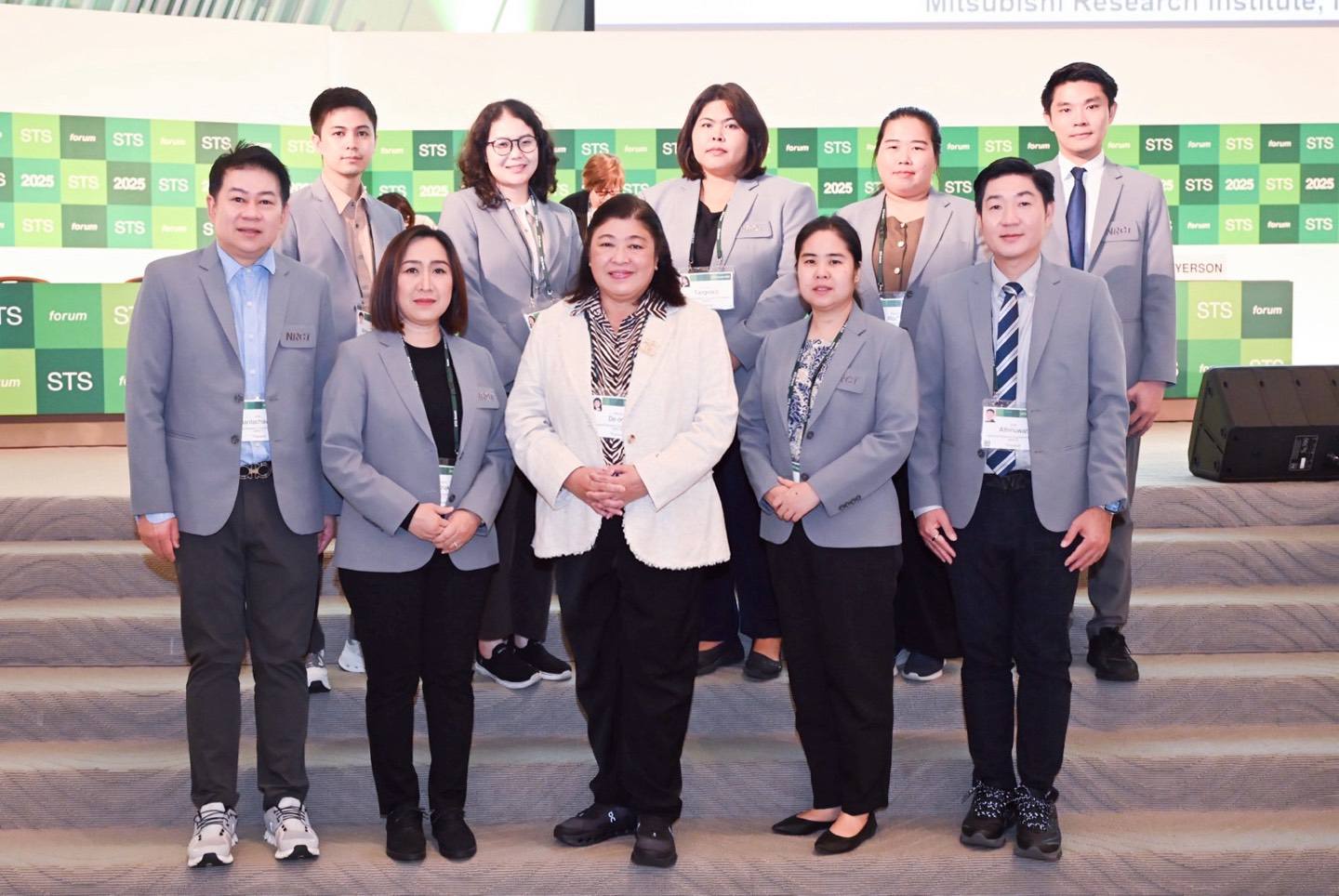
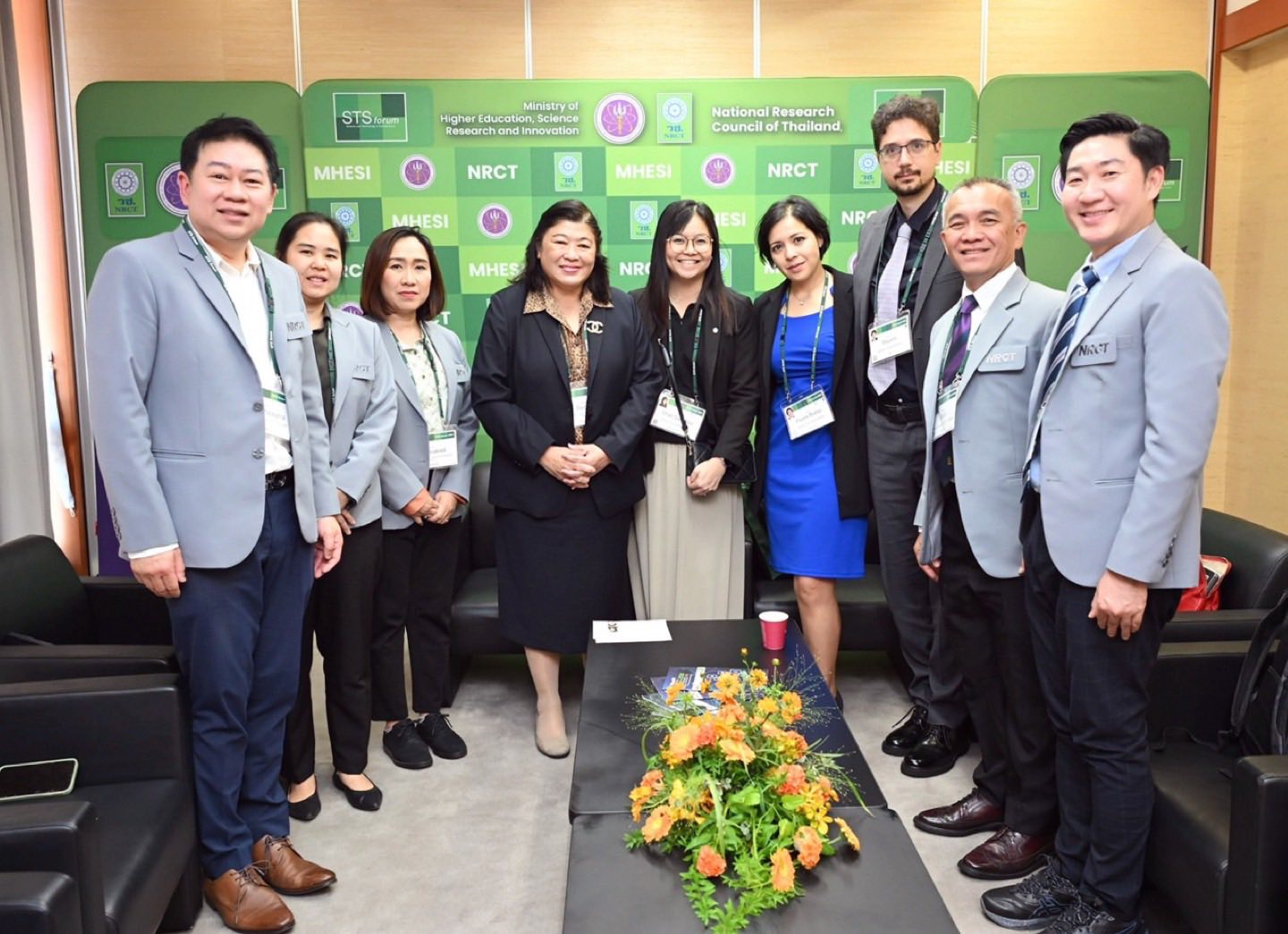
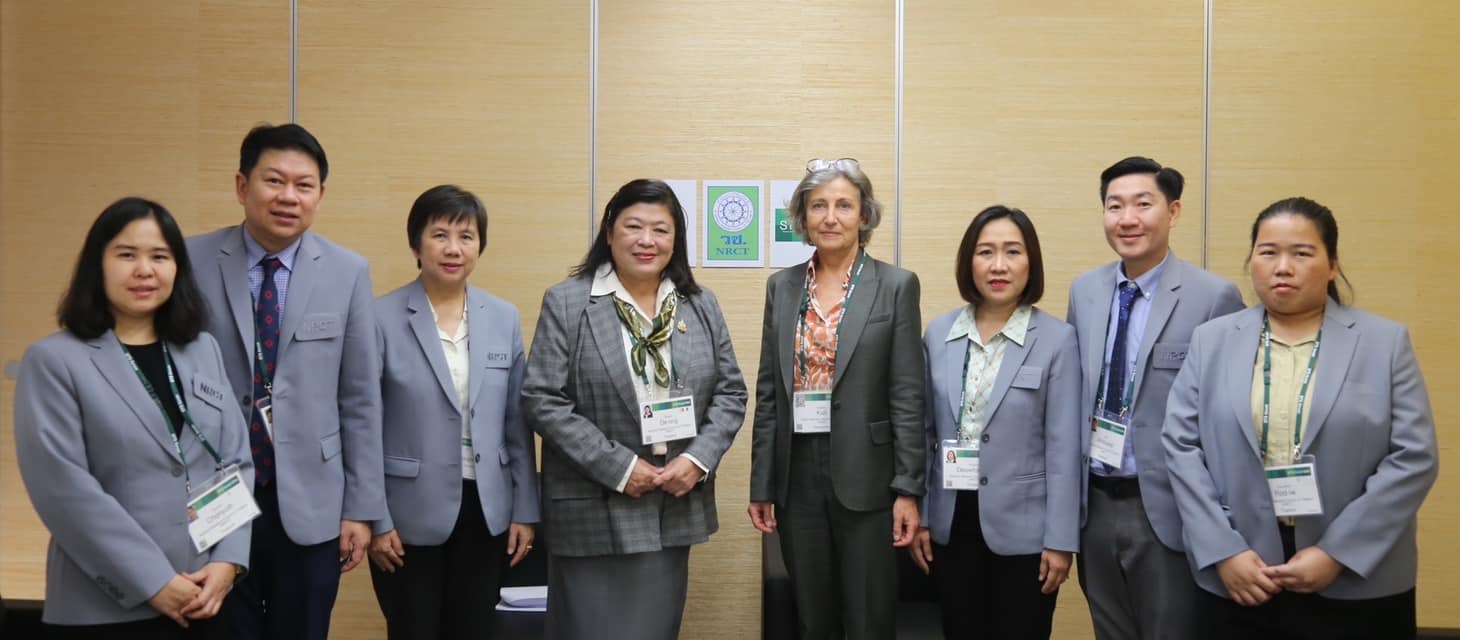
Dr. Wiparat De-ong, Executive Director of NRCT, together with NRCT executives, distinguished experts, and Thai archaeological specialists, learned about the research methods and scientific approaches used to investigate the ancient civilization of Yinxu. The delegation attended presentations by Chinese executives and experts in scientific archaeology and received a warm welcome from Mr. He Yulin, Deputy Director of the Xia–Shang–Zhou Research Office and Deputy Director in charge of the Anyang Workstation, and Ms. Cao Yang, a researcher at the Institute of Archaeology, CASS.
The New Yinxu Museum features facilities dedicated to scientific and technological archaeological research, educational activities on ancient civilizations, and the storage and preservation of antiquities. Its operations integrate archaeological investigation, artifact conservation and restoration, scientific analysis, and public education, demonstrating a comprehensive approach to archaeological research and cultural heritage management.
The Yinxu archaeological site, located in Anyang, Henan Province, is one of the most important archaeological sites associated with the Shang Dynasty. Recognized as a UNESCO World Heritage Site, it provides significant evidence of ancient Chinese civilization, including its political organization, social structure, cultural practices, and technological development.
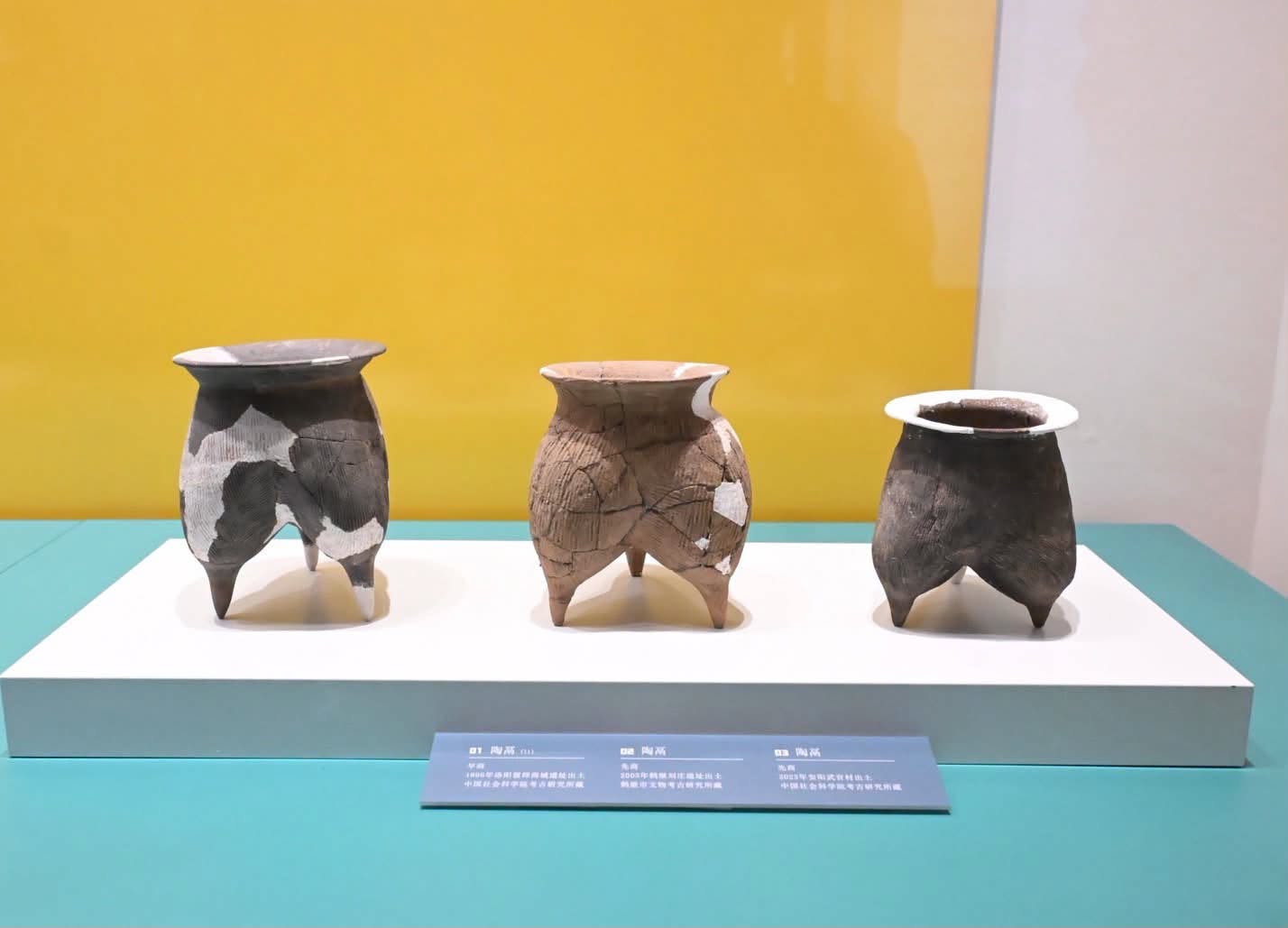
The museum displays more than 4,000 artifacts illustrating various aspects of Shang Dynasty society, including art, technology, religious beliefs, daily life, and urban planning in the ancient capital.
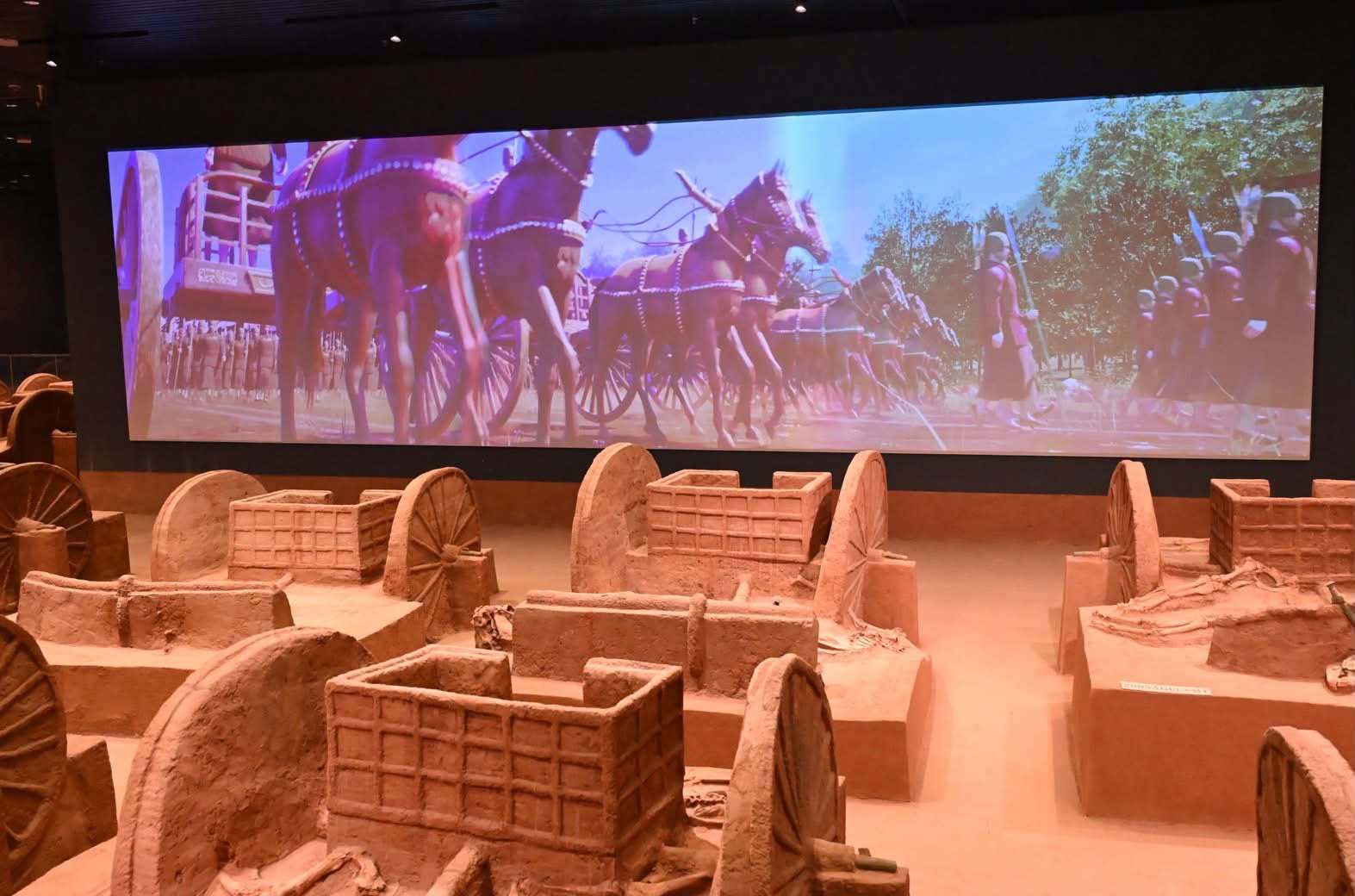
Among the prominent exhibits are ancient chariots and horse remains, which provide insights into transportation and military practices during the Shang Dynasty. Artifacts associated with the tomb of Fu Hao, consort of King Wu Ding, including finely crafted jade and bronze objects, also shed light on social hierarchy, artistic achievements, and cultural beliefs of the period.
The museum also displays inscriptions on tortoise shells and animal bones, commonly known as oracle bones. These inscriptions are important primary sources for understanding the development of early Chinese writing and the practice of divination in royal decision-making, as well as the recording of significant events at the royal court.
In addition, archaeological evidence of engineering and urban planning, including underground drainage systems and residential layouts, illustrates the advanced infrastructure and organizational capabilities of Shang Dynasty society.
The visit provided the Thai delegation with valuable insights into approaches to collecting, preserving, exhibiting, interpreting, and communicating archaeological knowledge to the public. It also demonstrated how science and technology can support the analysis, conservation, and management of archaeological artifacts and cultural heritage.
The visit marked another important step in strengthening cooperation between NRCT and CASS. Through the exchange of knowledge, expertise, and practical experience in archaeology and cultural heritage preservation, the two institutions aim to further strengthen the network of Thai and Chinese researchers and experts and promote continued collaboration in research, conservation, and the dissemination of knowledge to society.