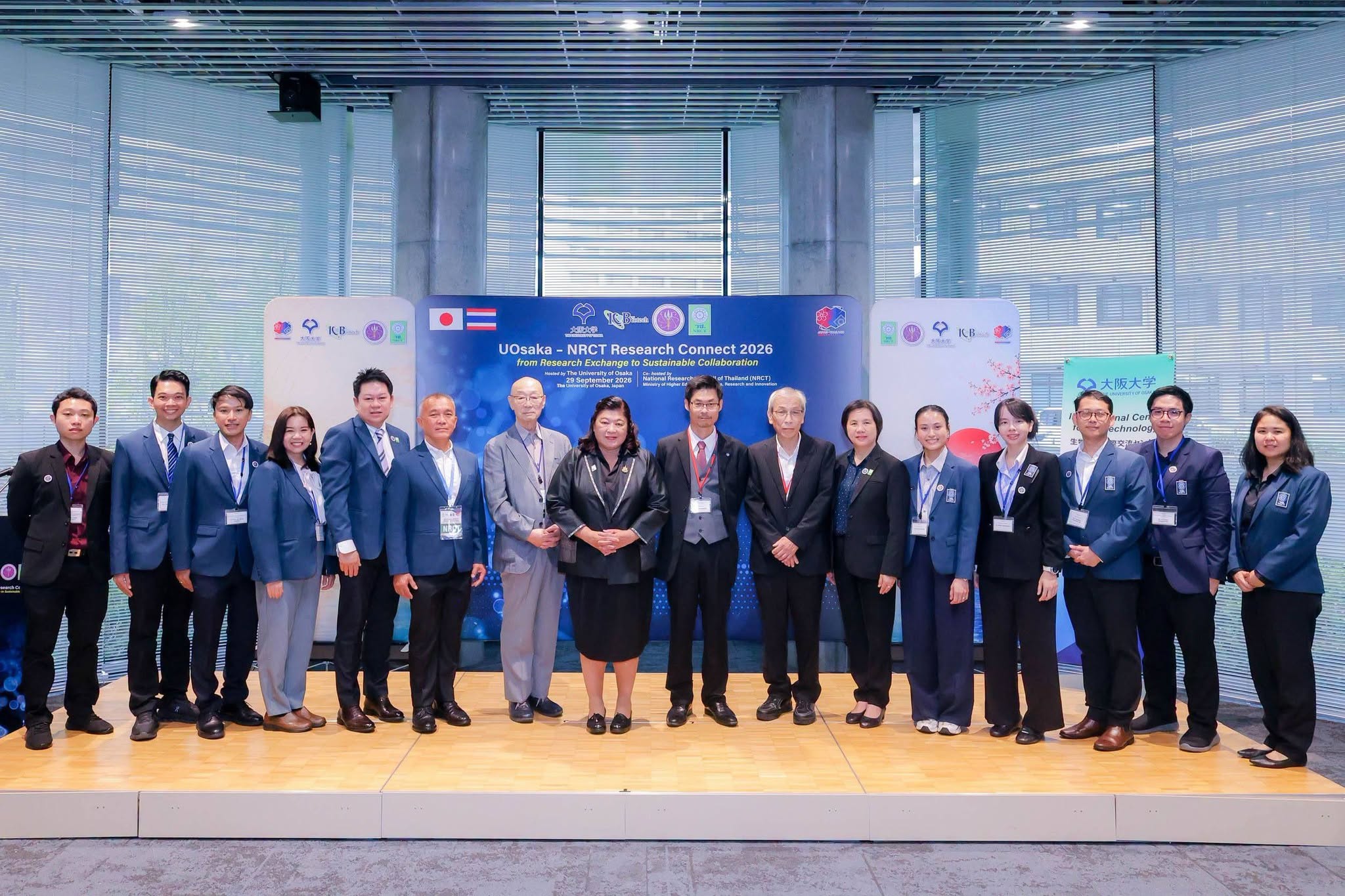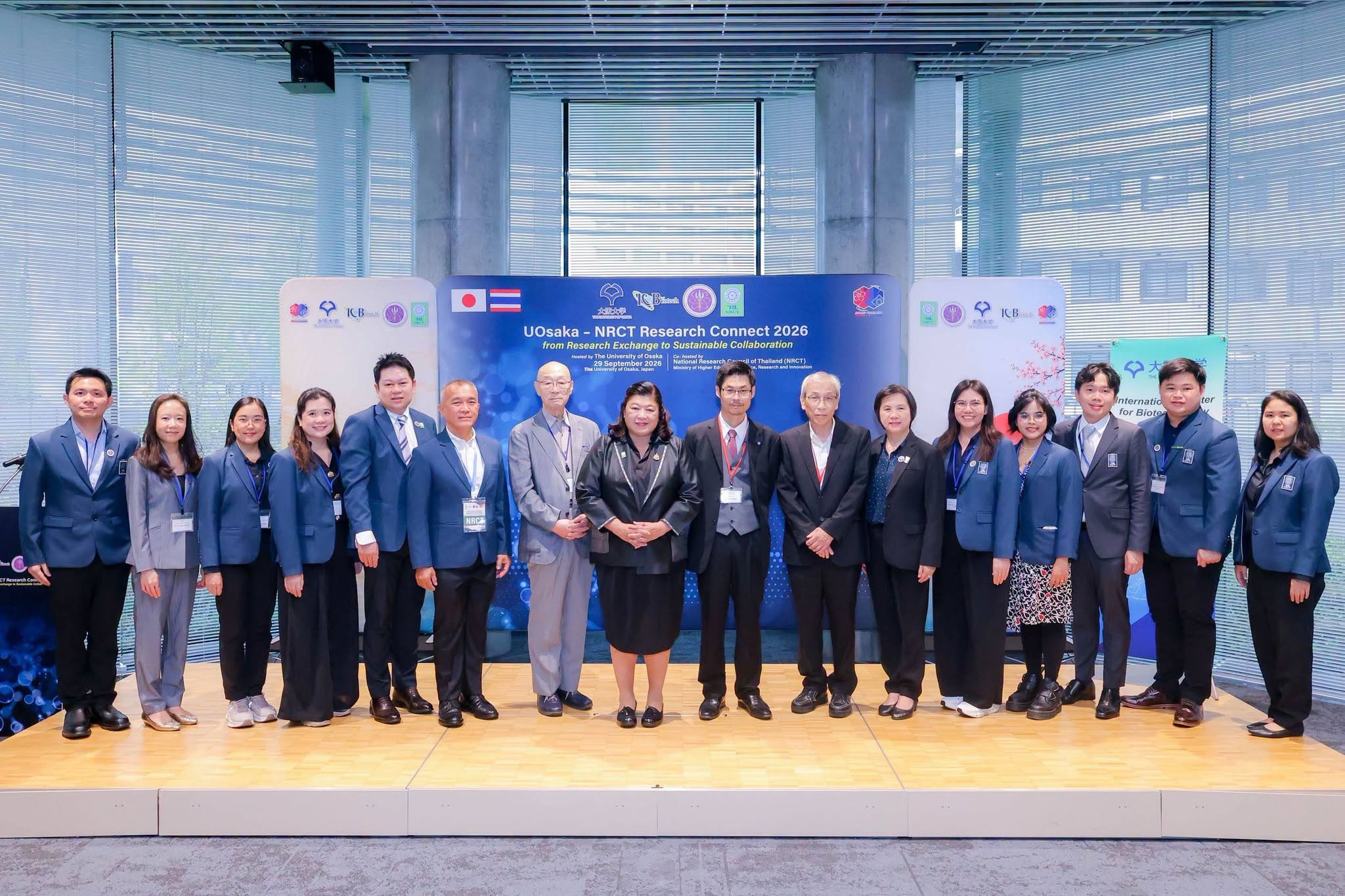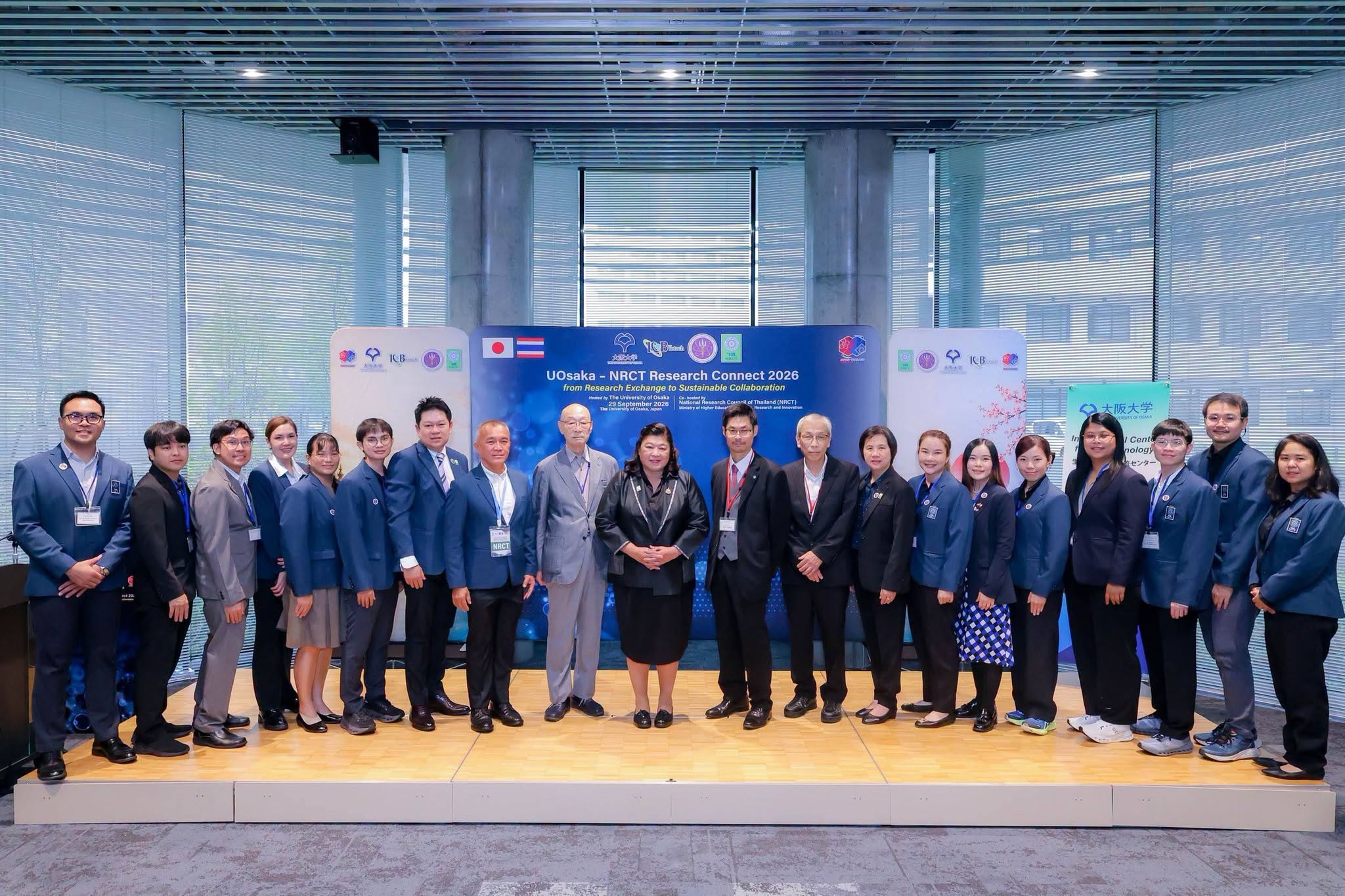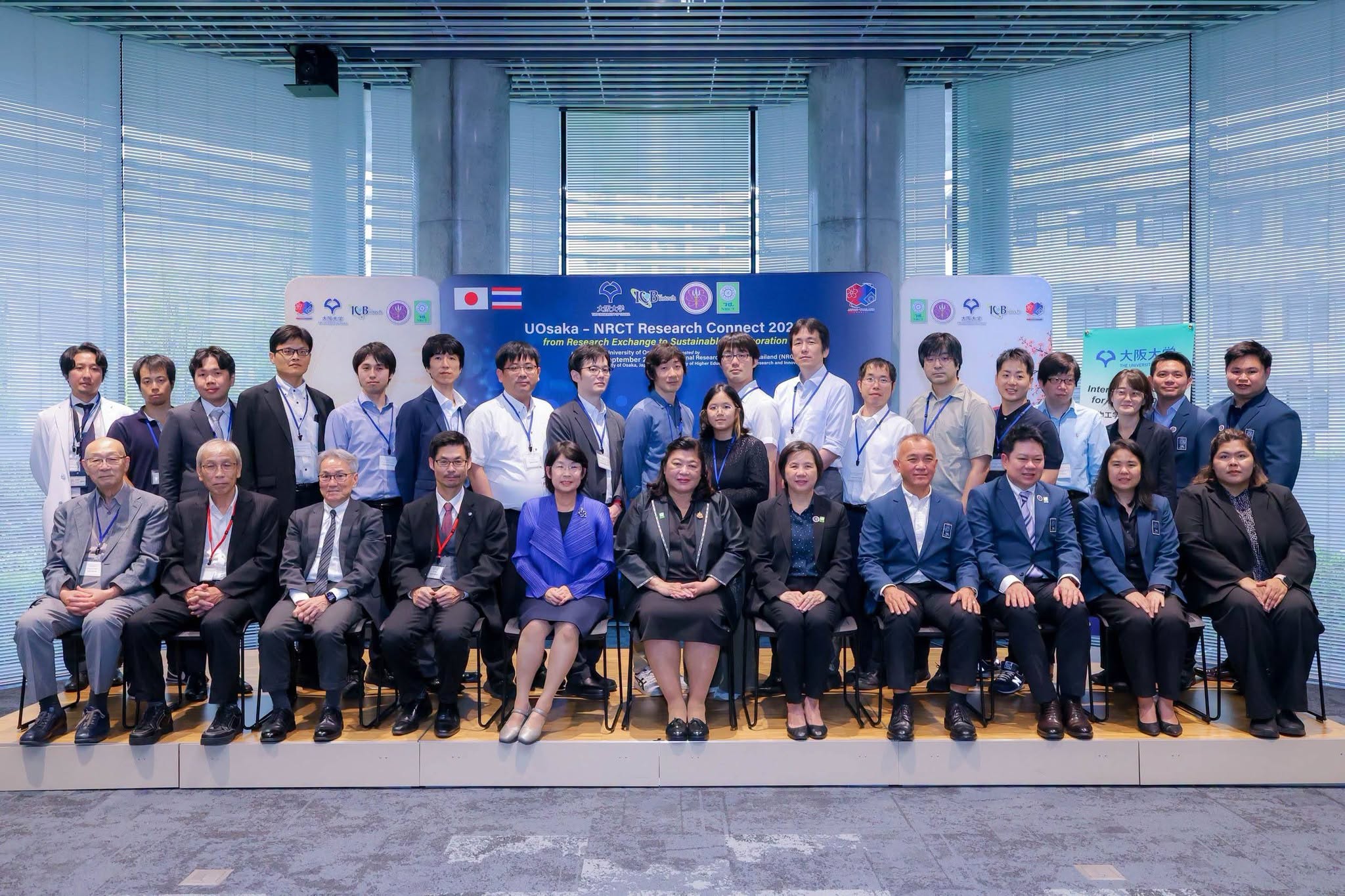
The University of Osaka and NRCT Co-Host “UOsaka–NRCT Research Connect 2026: From Research Exchange to Sustainable Collaboration” to Strengthen Thailand–Japan Research Collaboration
19 October 2026


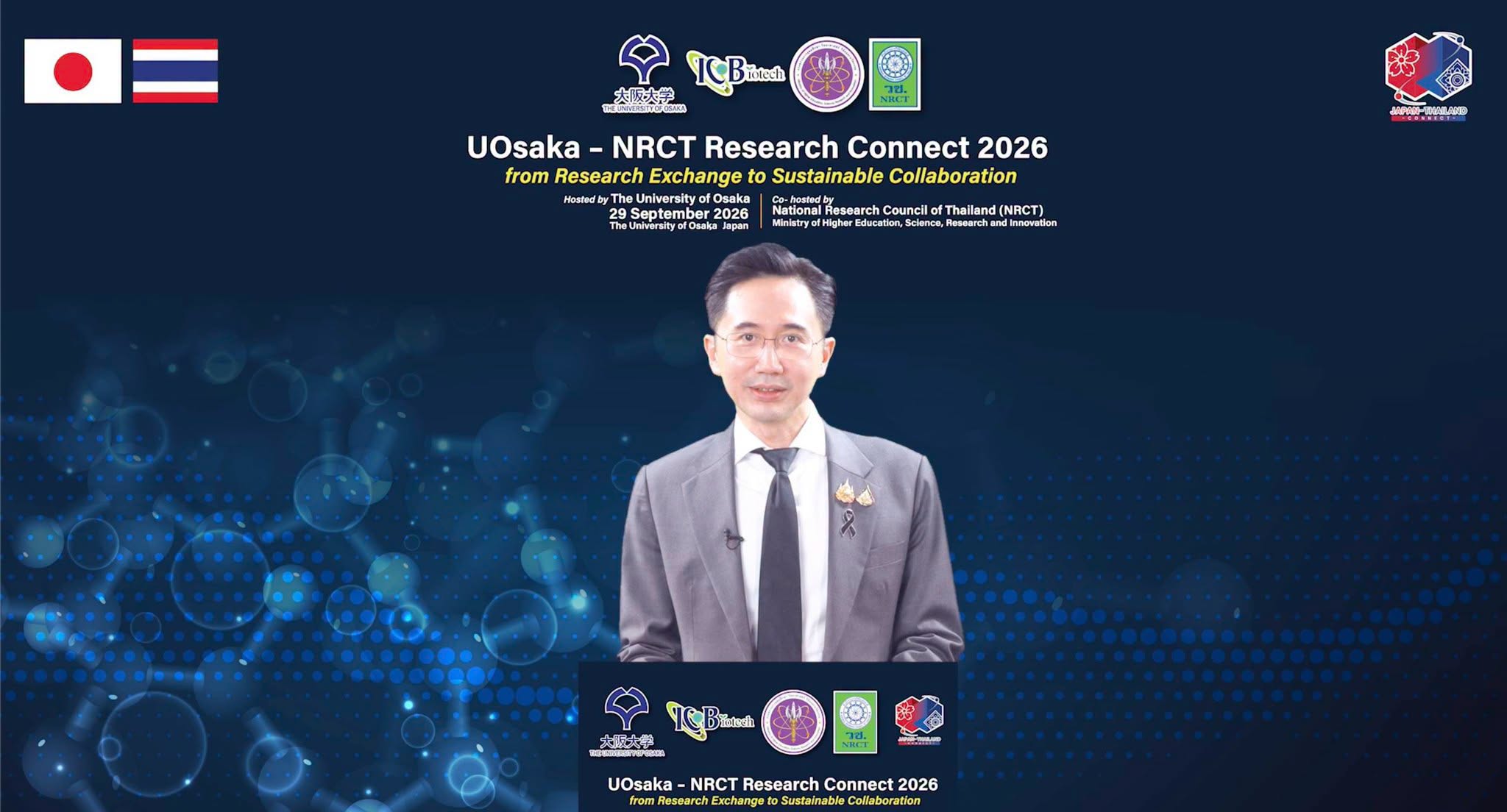
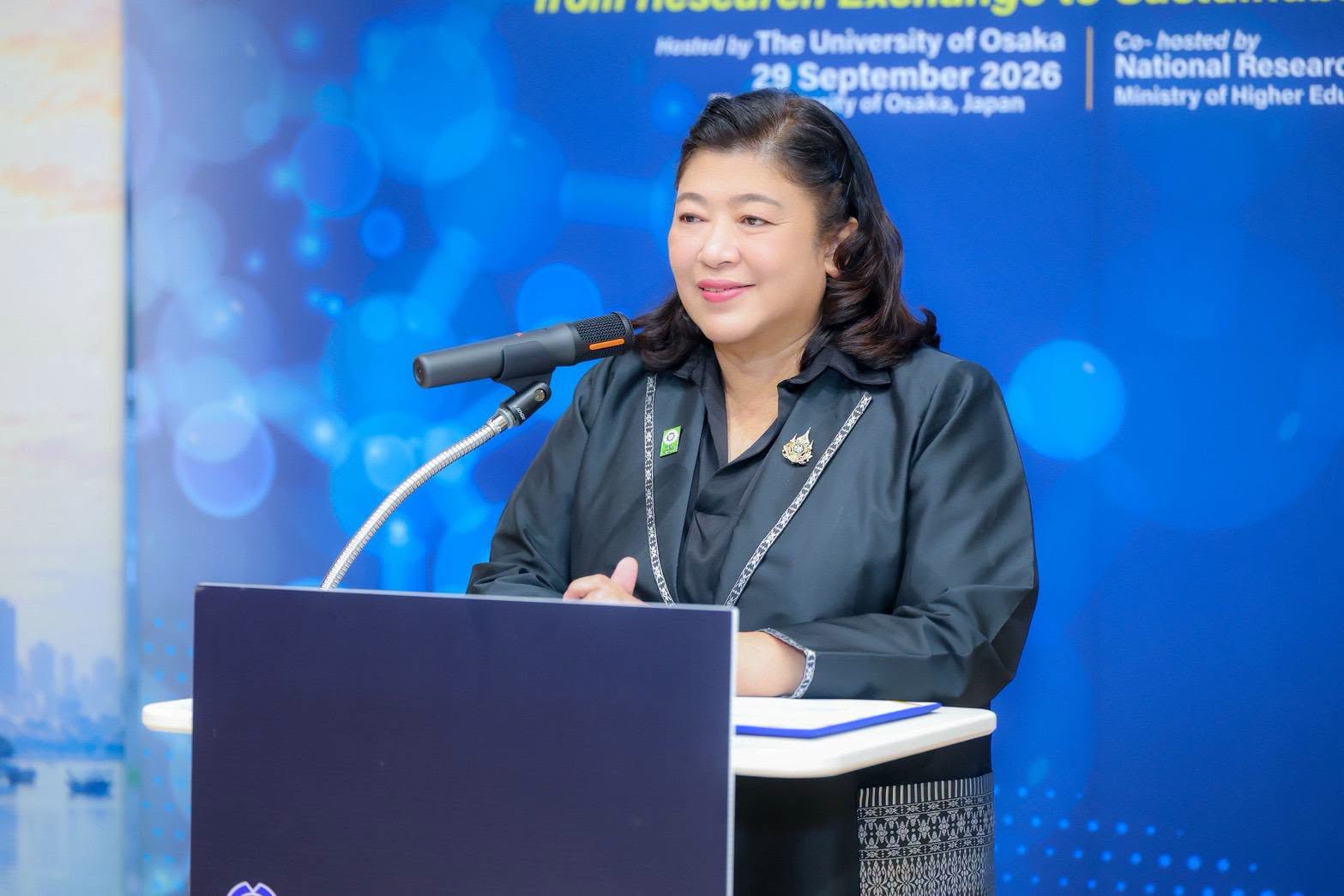
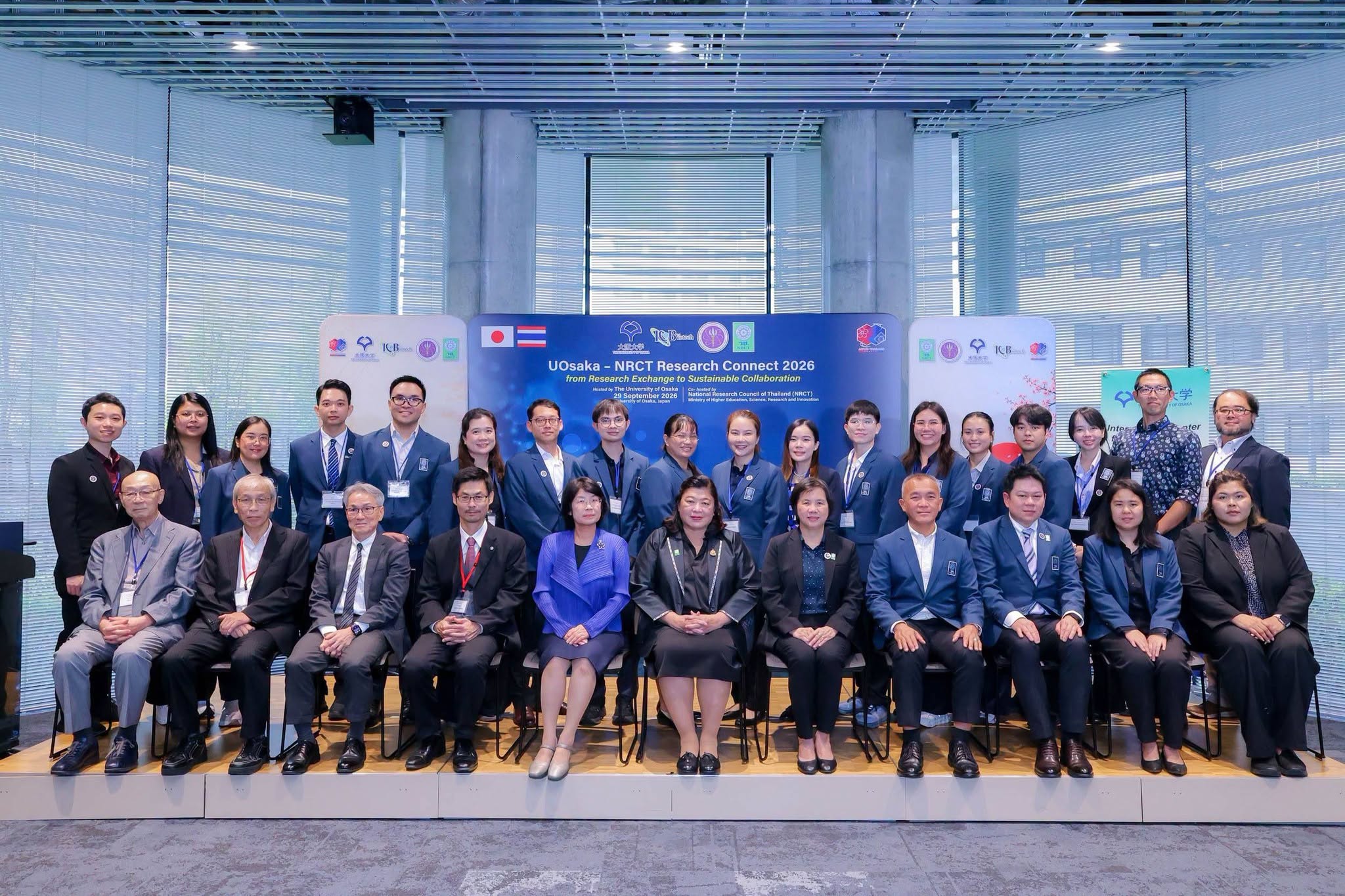
The National Research Council of Thailand (NRCT), under the Ministry of Higher Education, Science, Research and Innovation (MHESI), in collaboration with the International Center for Biotechnology (ICBiotech) at The University of Osaka, hosted “UOsaka–NRCT Research Connect 2026: From Research Exchange to Sustainable Collaboration” on 29 September 2026 at the Center for Infectious Disease Education and Research (CiDER), The University of Osaka, Japan.
The event brought together Thai and Japanese researchers to exchange knowledge and research experiences, build research networks, and explore opportunities for future collaboration in research and innovation. The program focused on research exchanges and small-group discussions organized around participants’ fields of expertise and research interests.
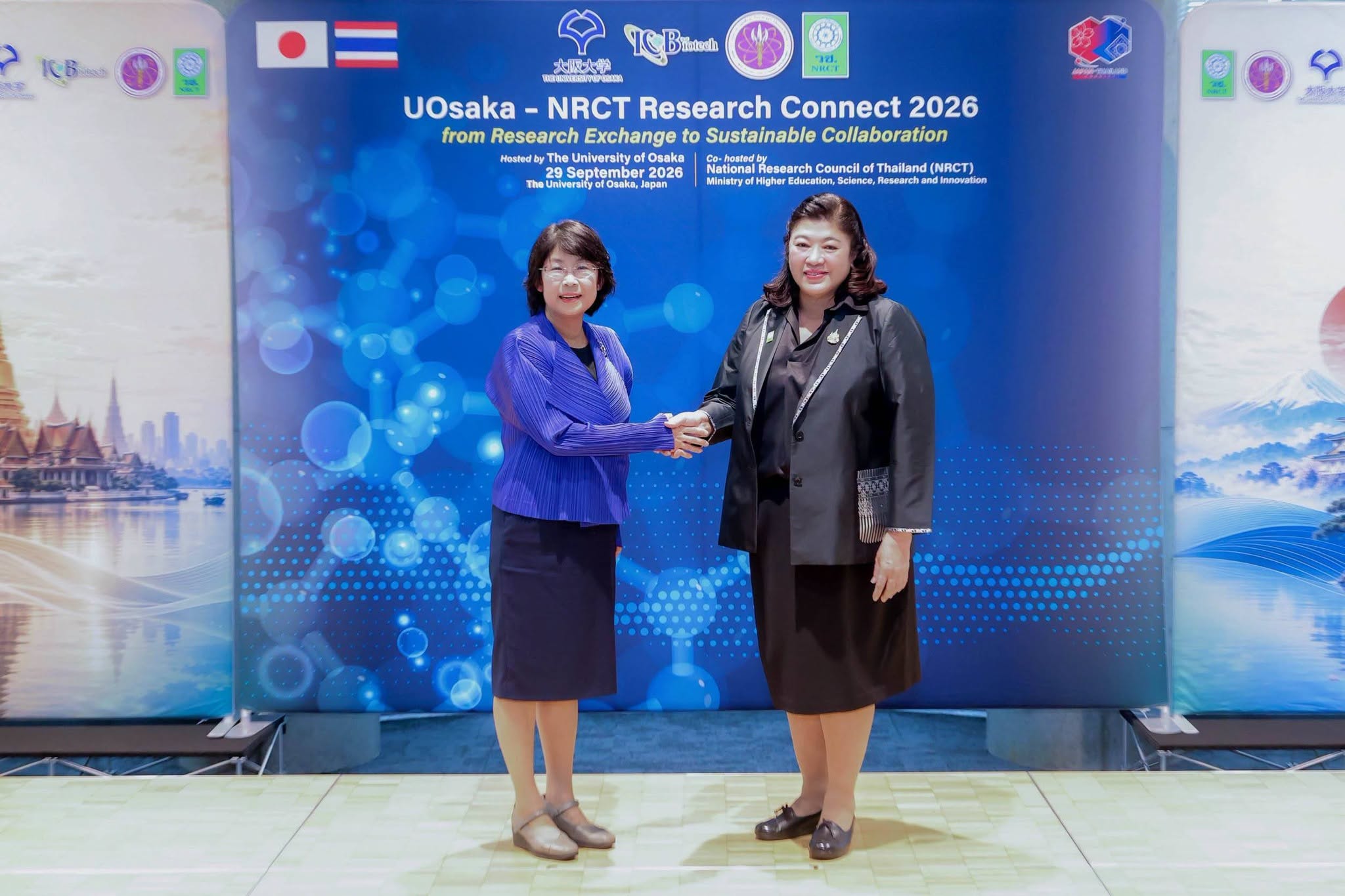
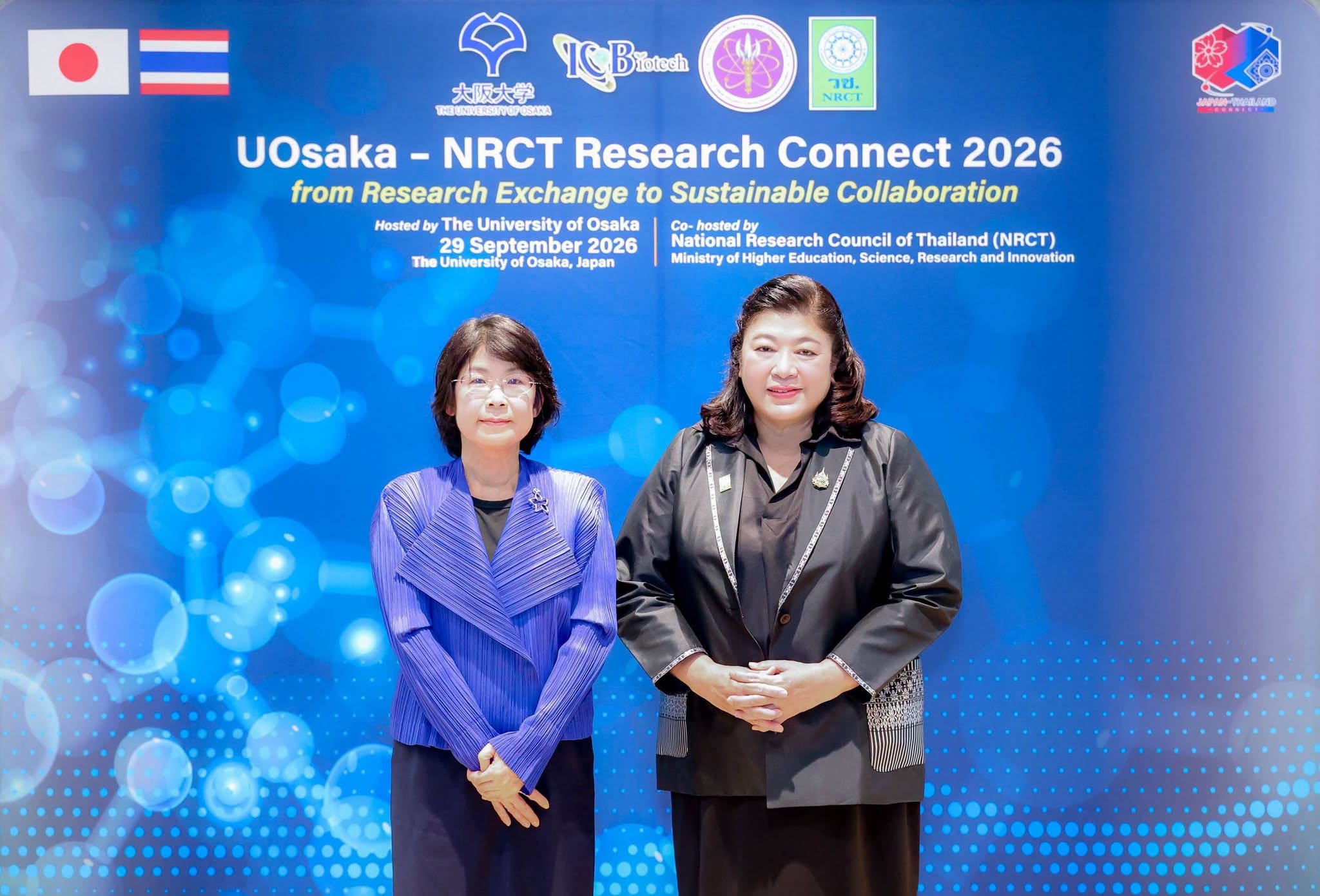
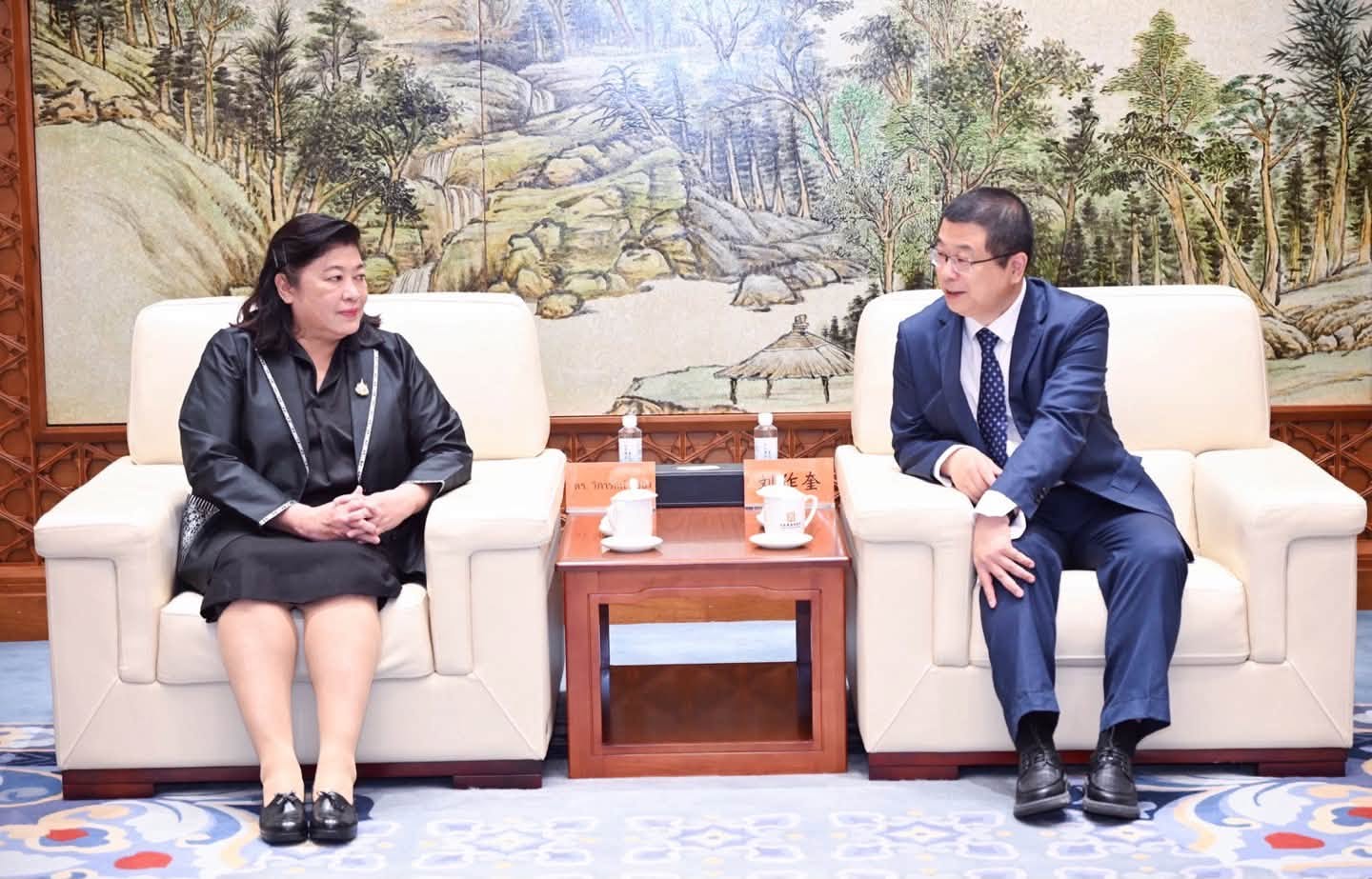
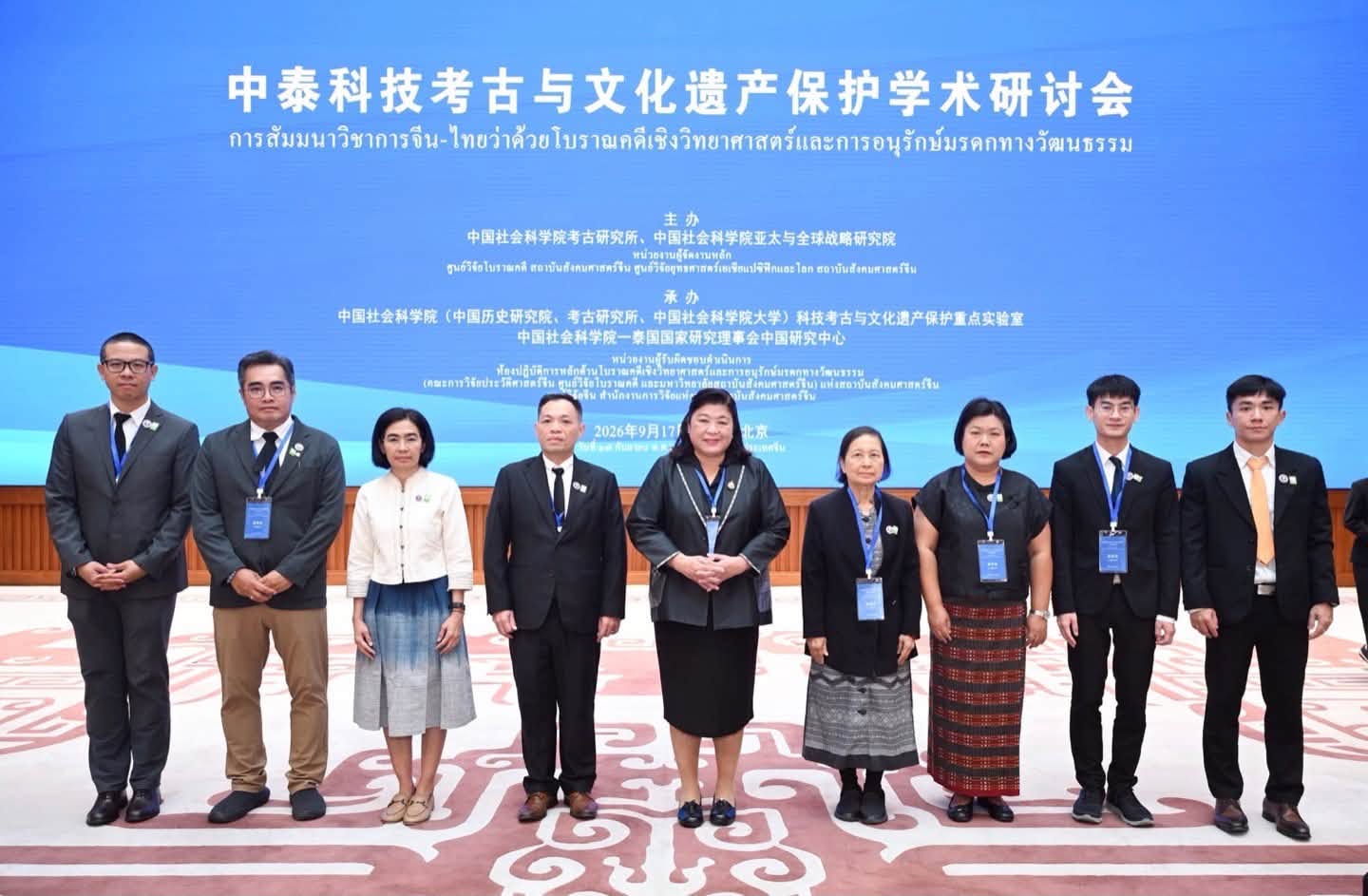
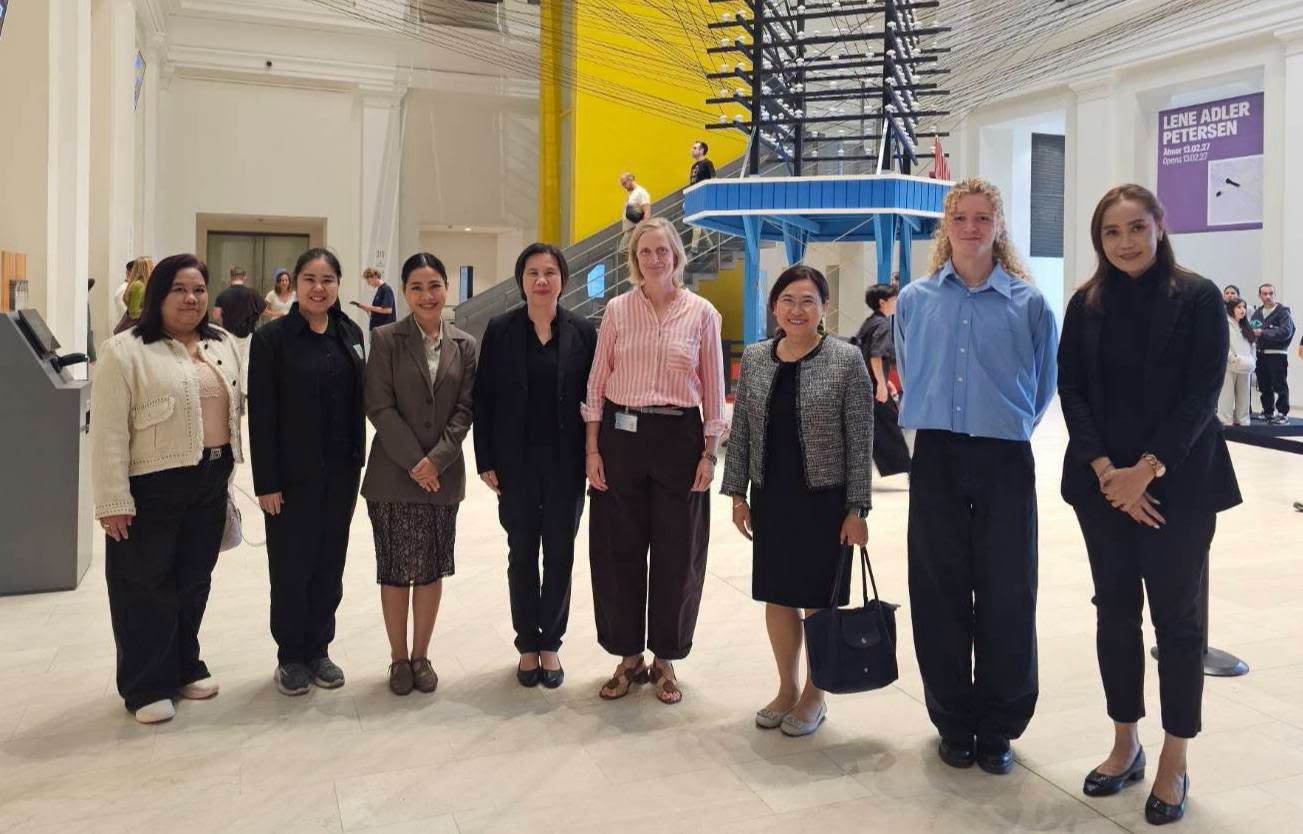
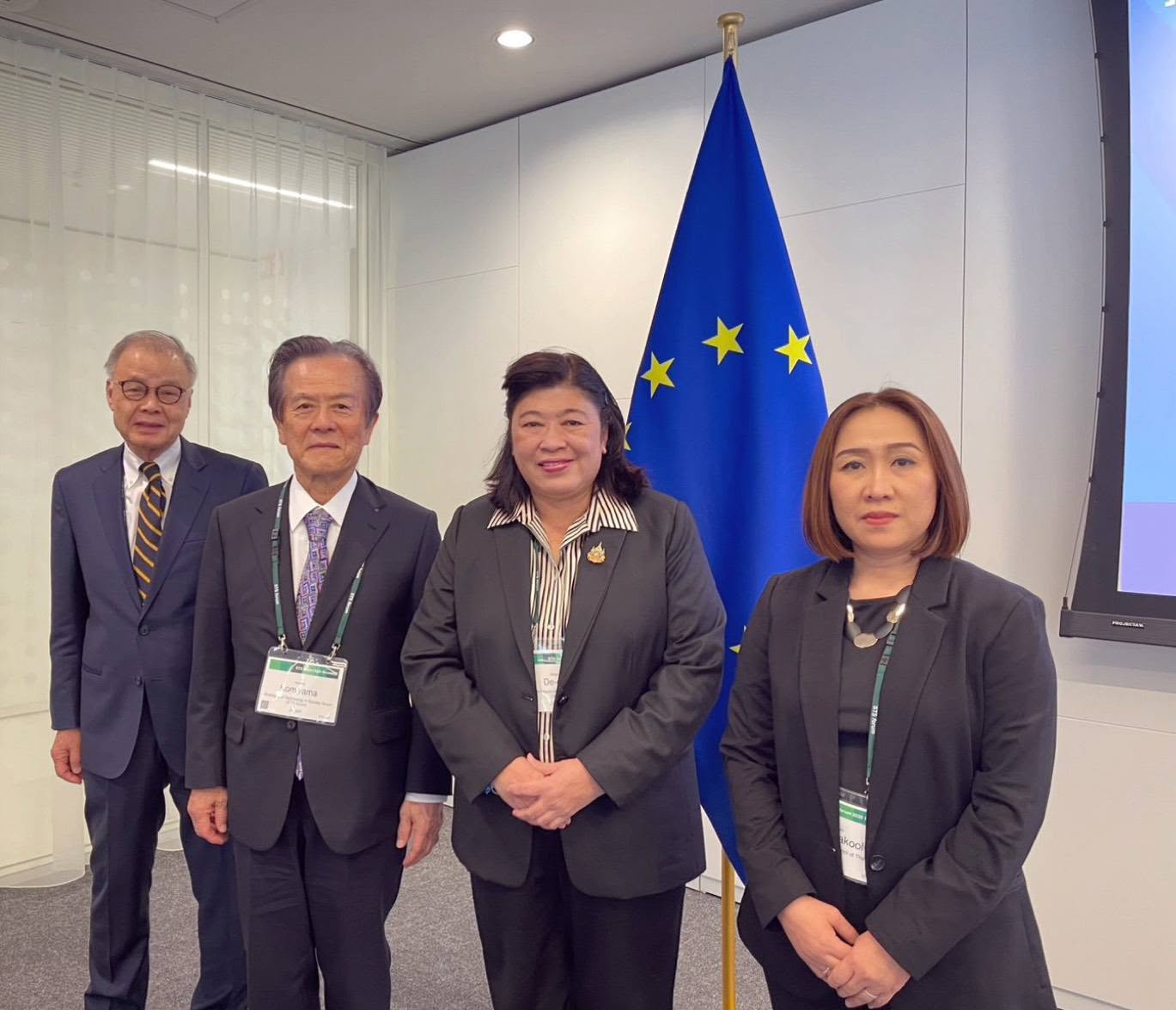
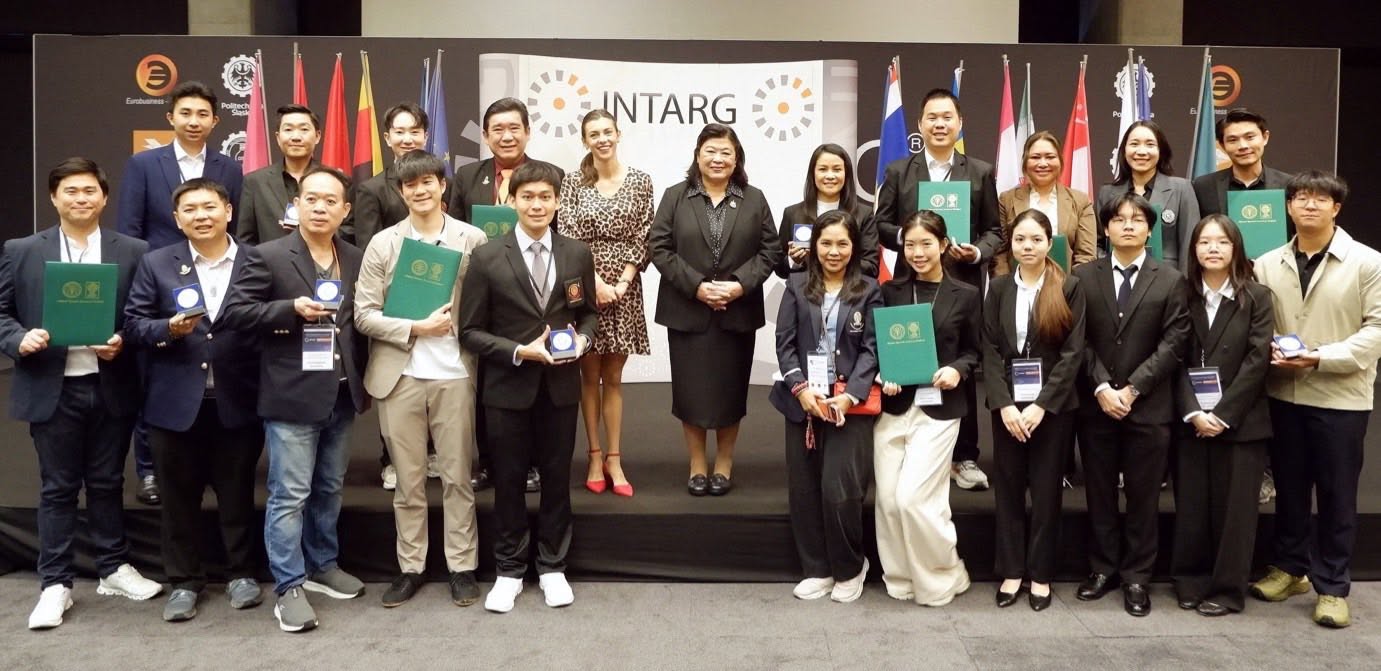
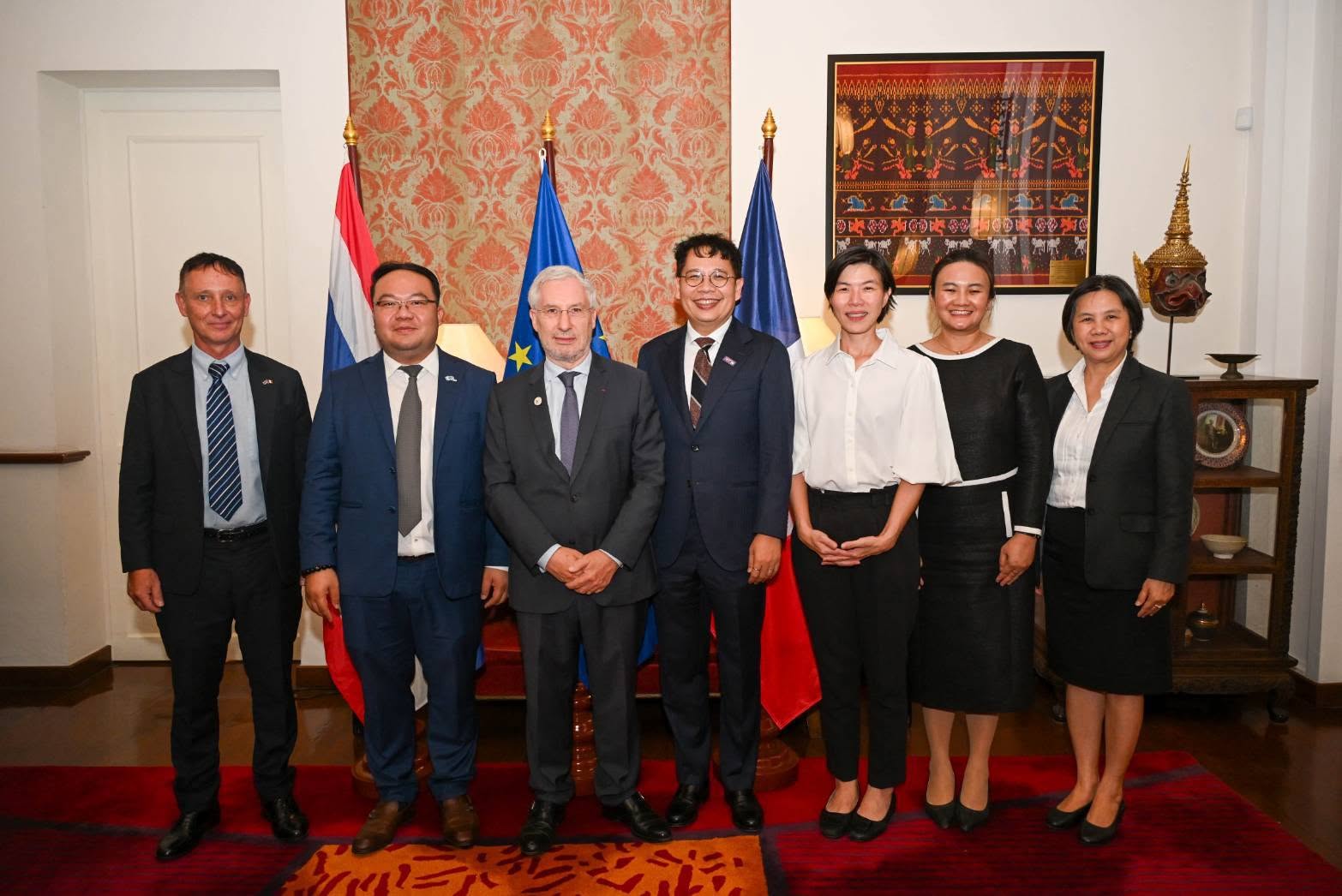
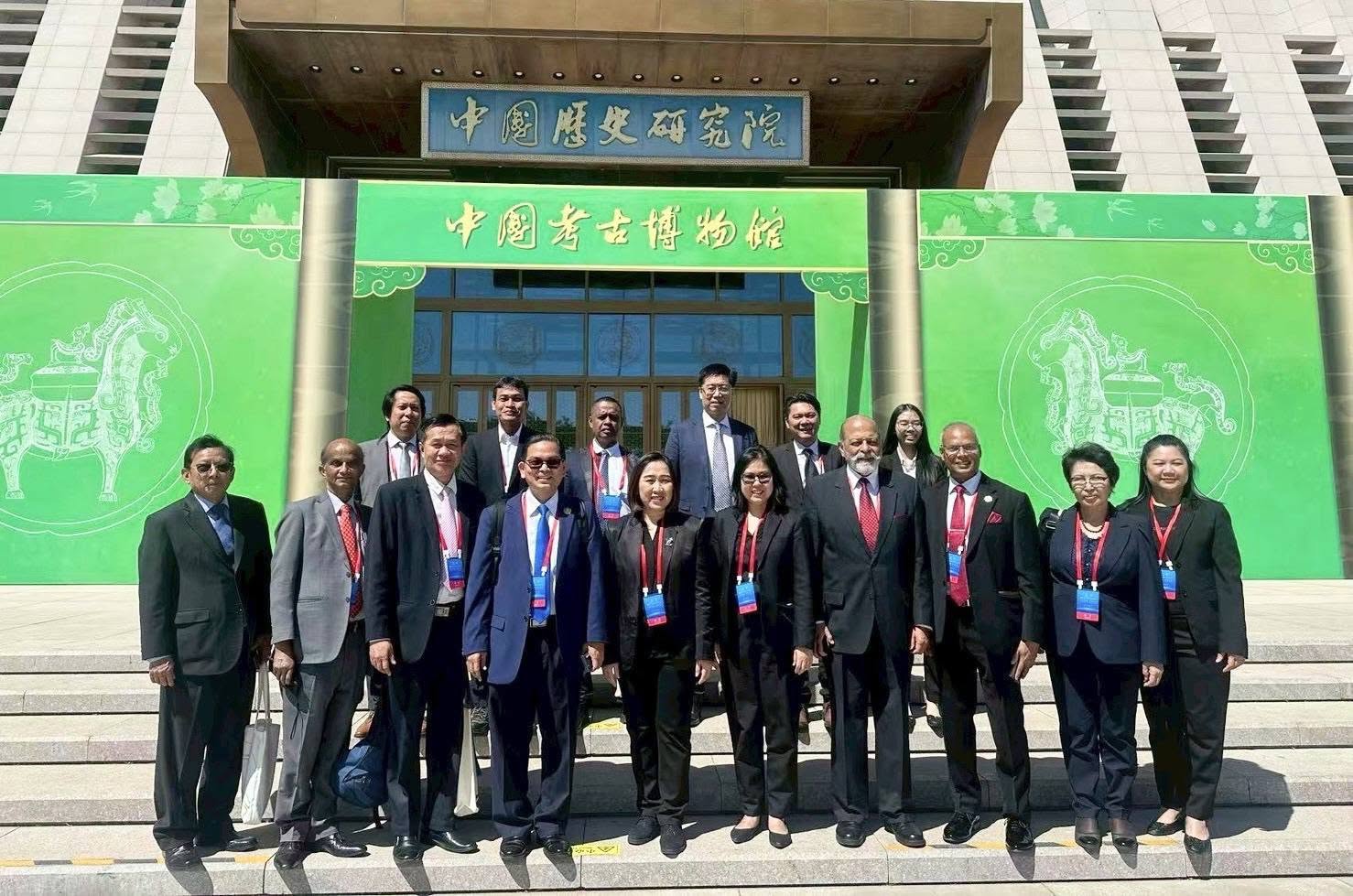
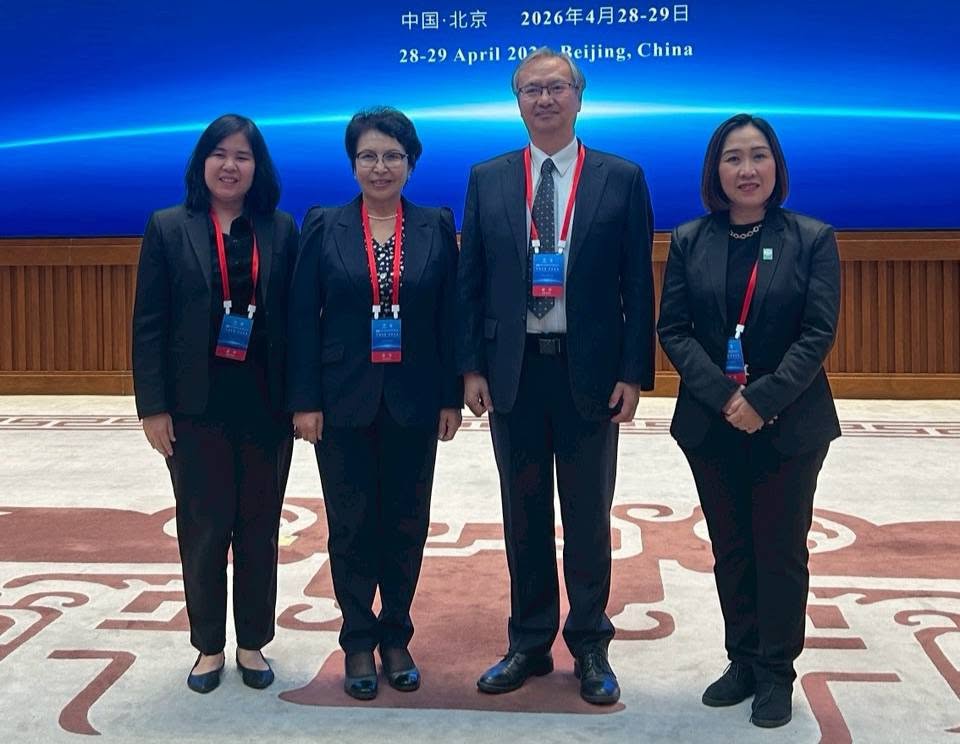
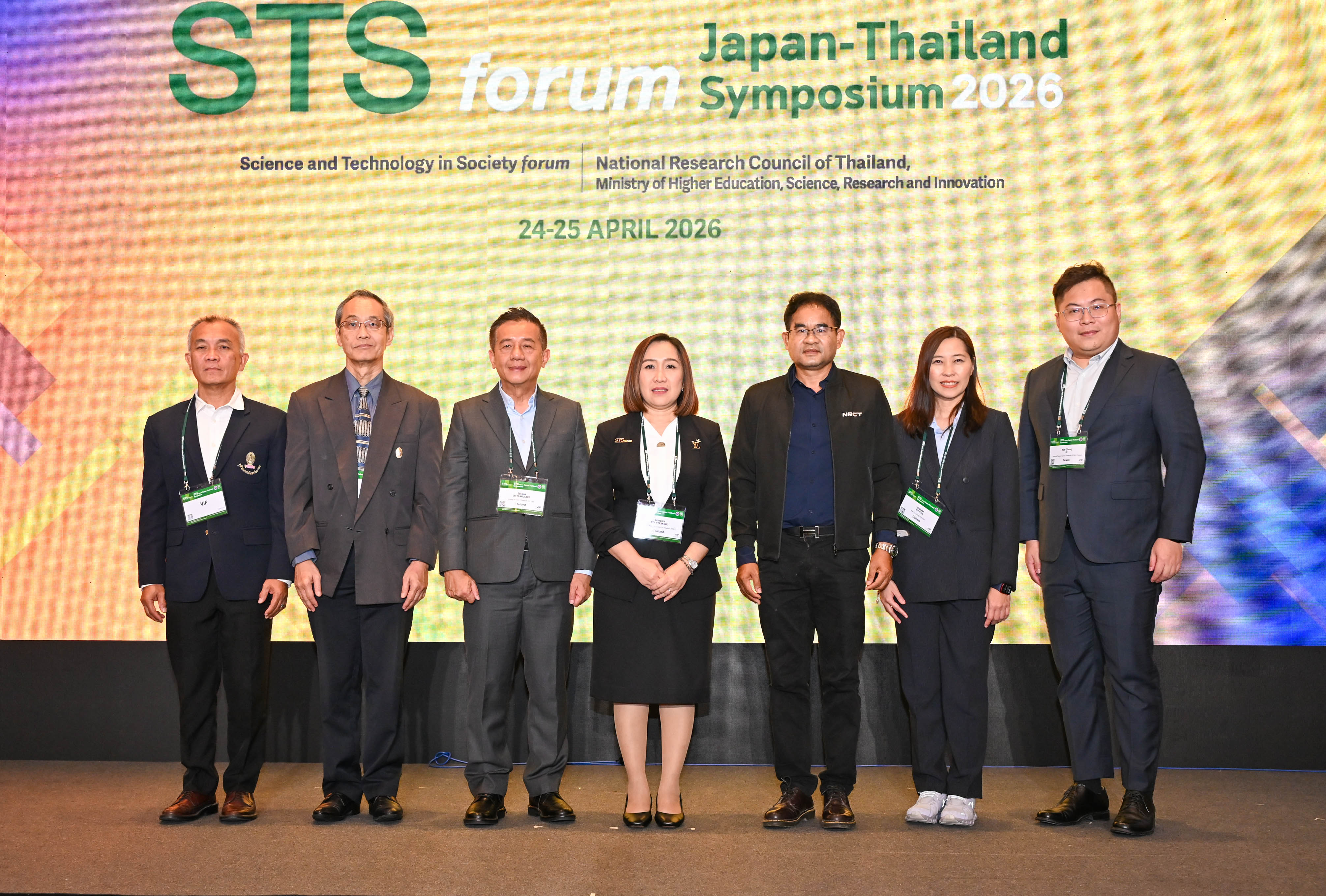
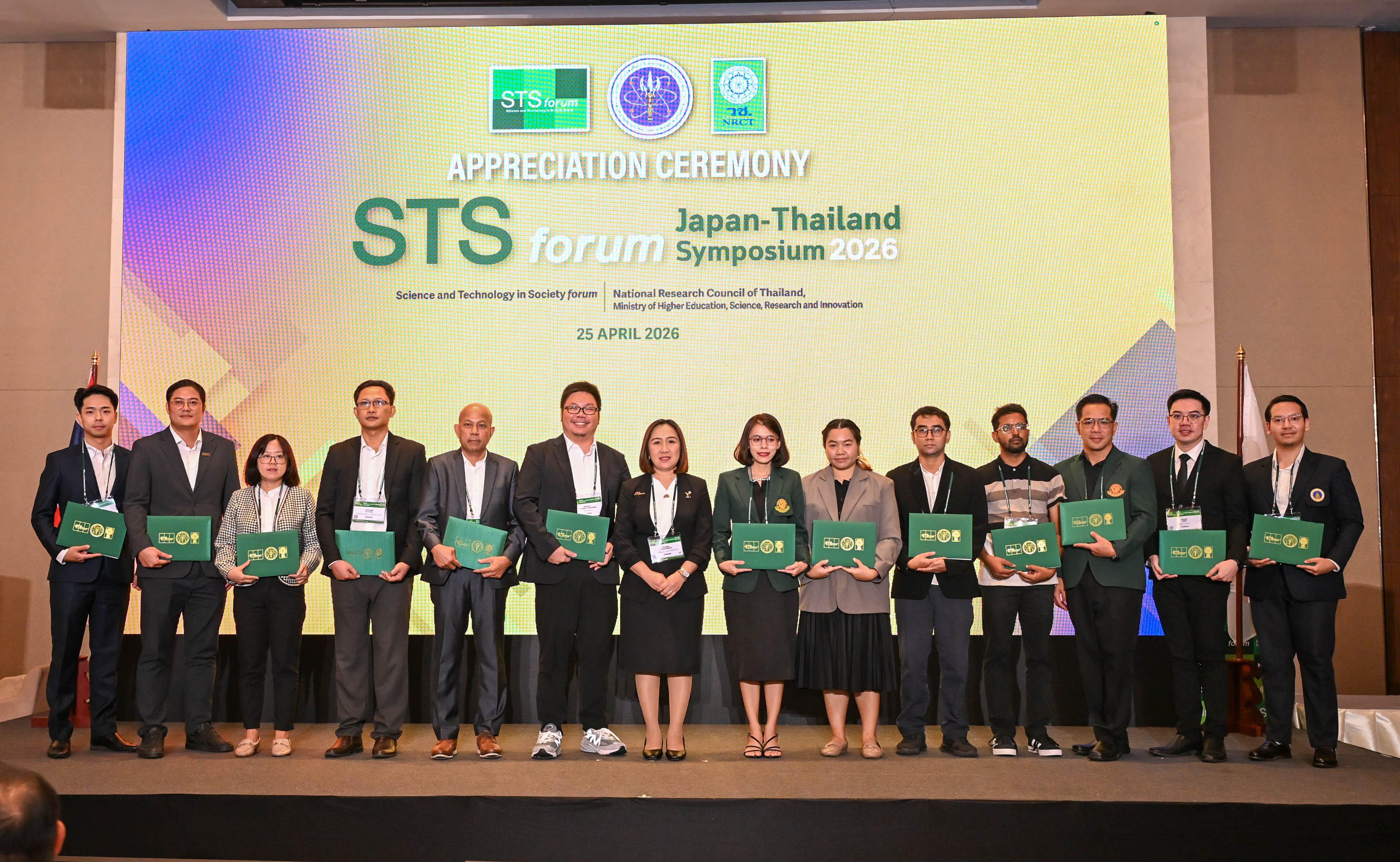
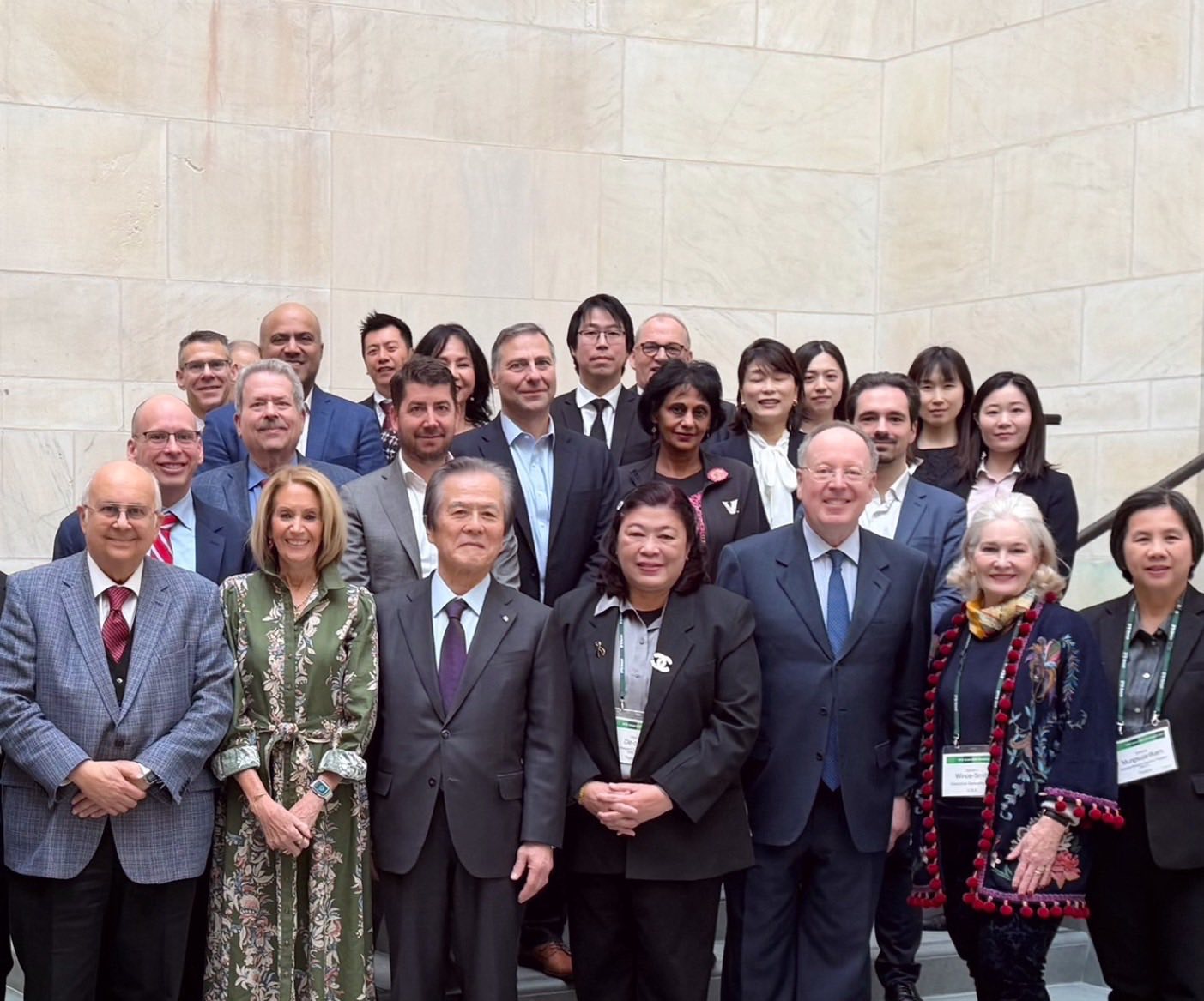
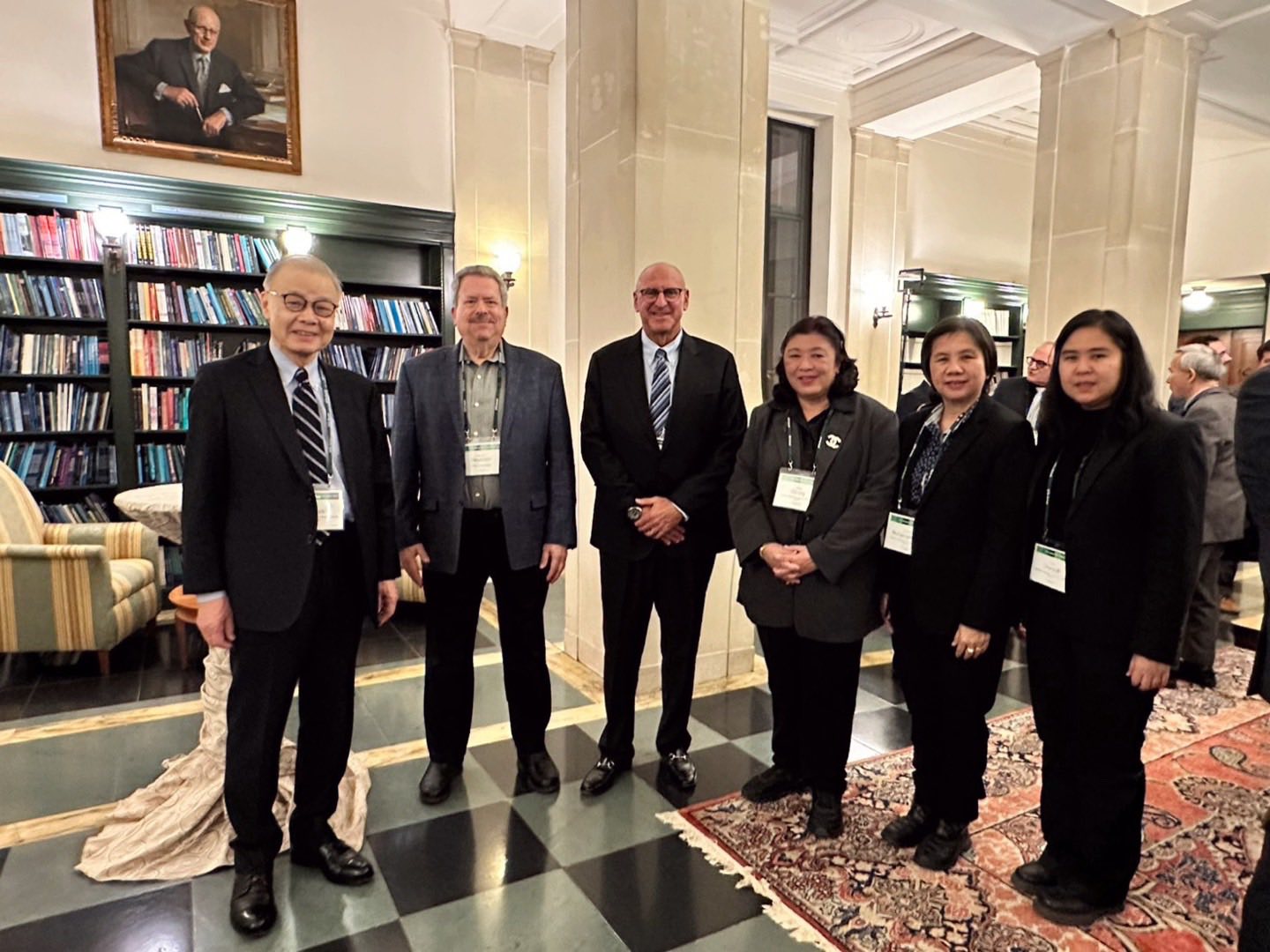
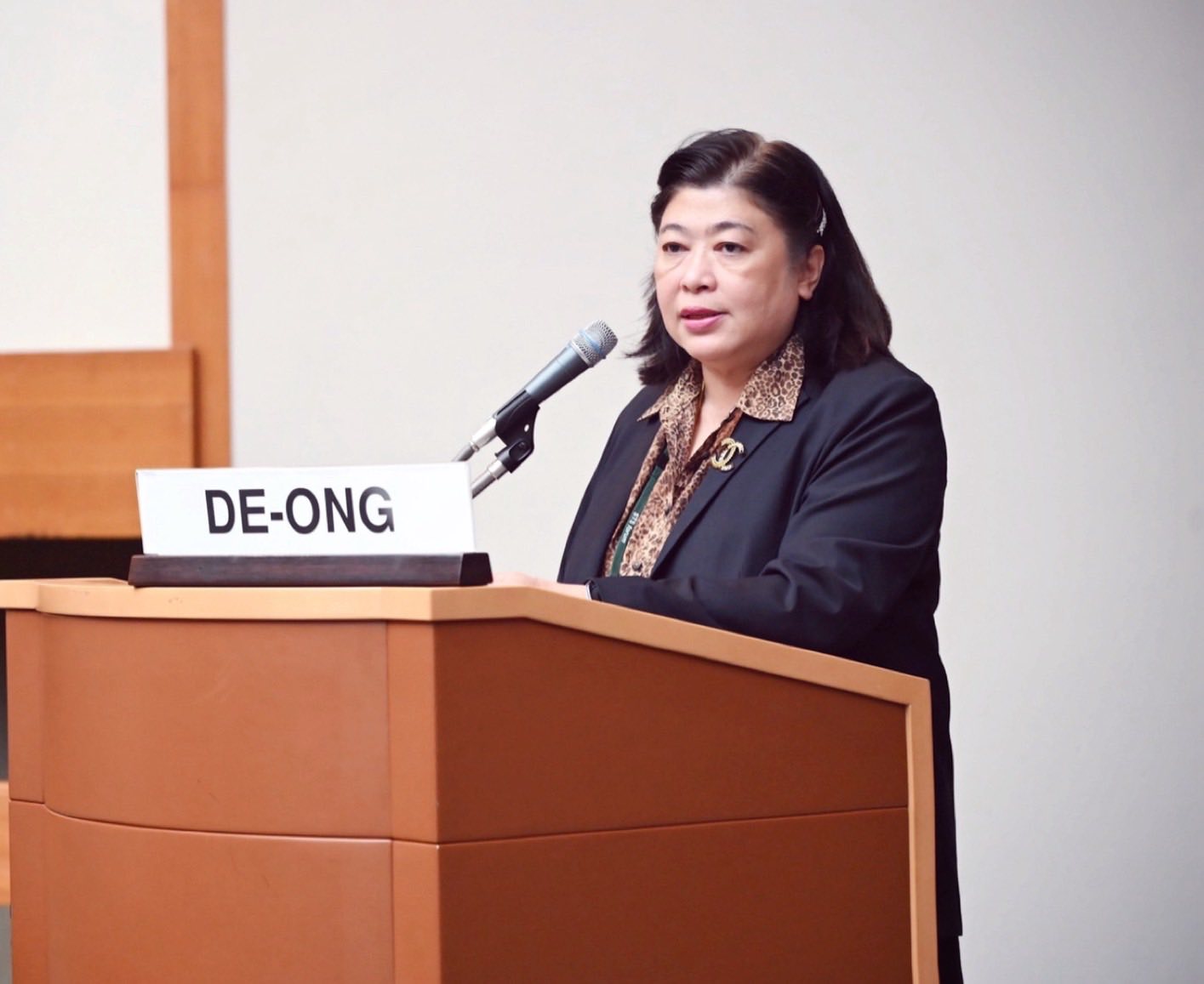
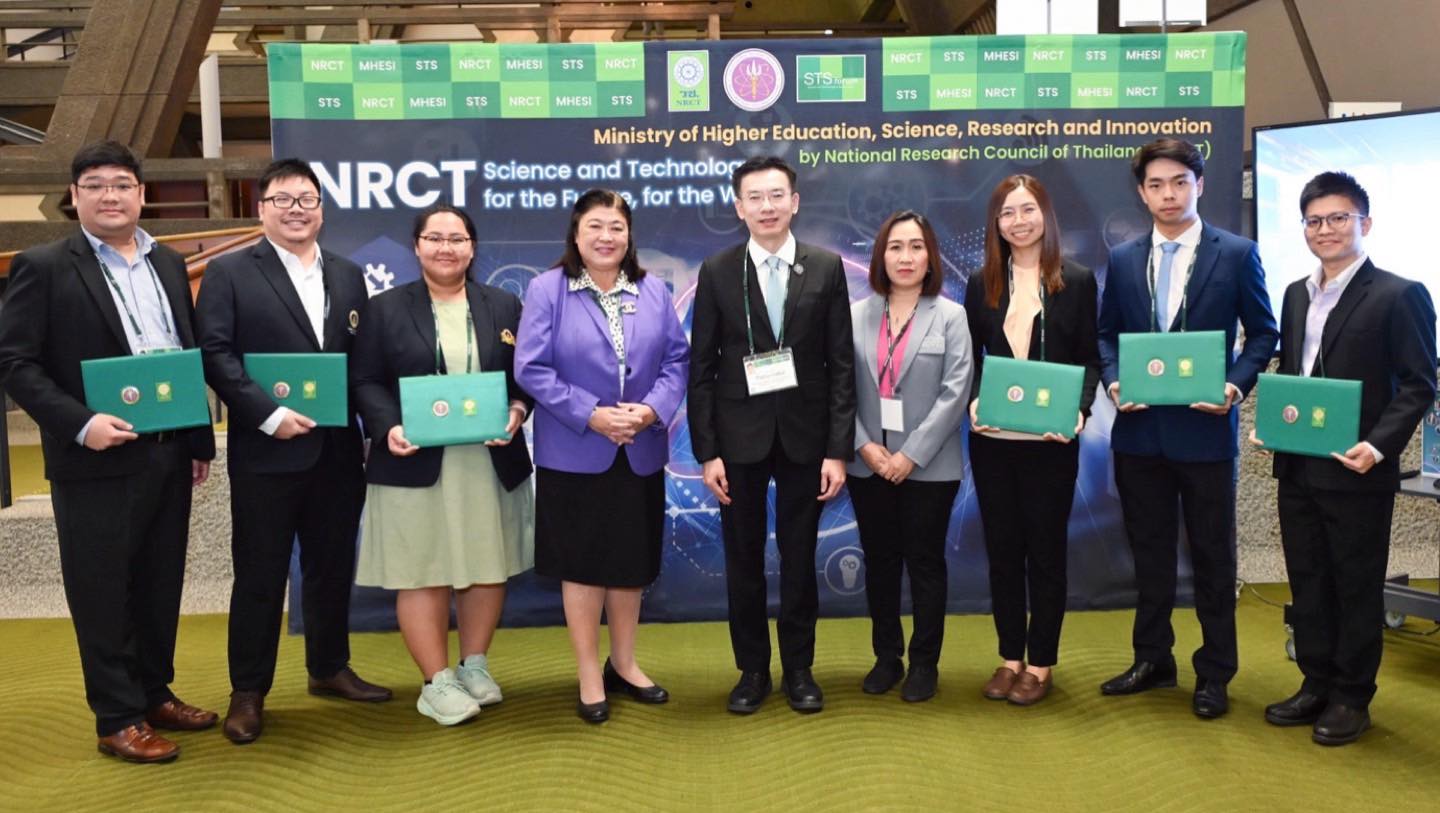
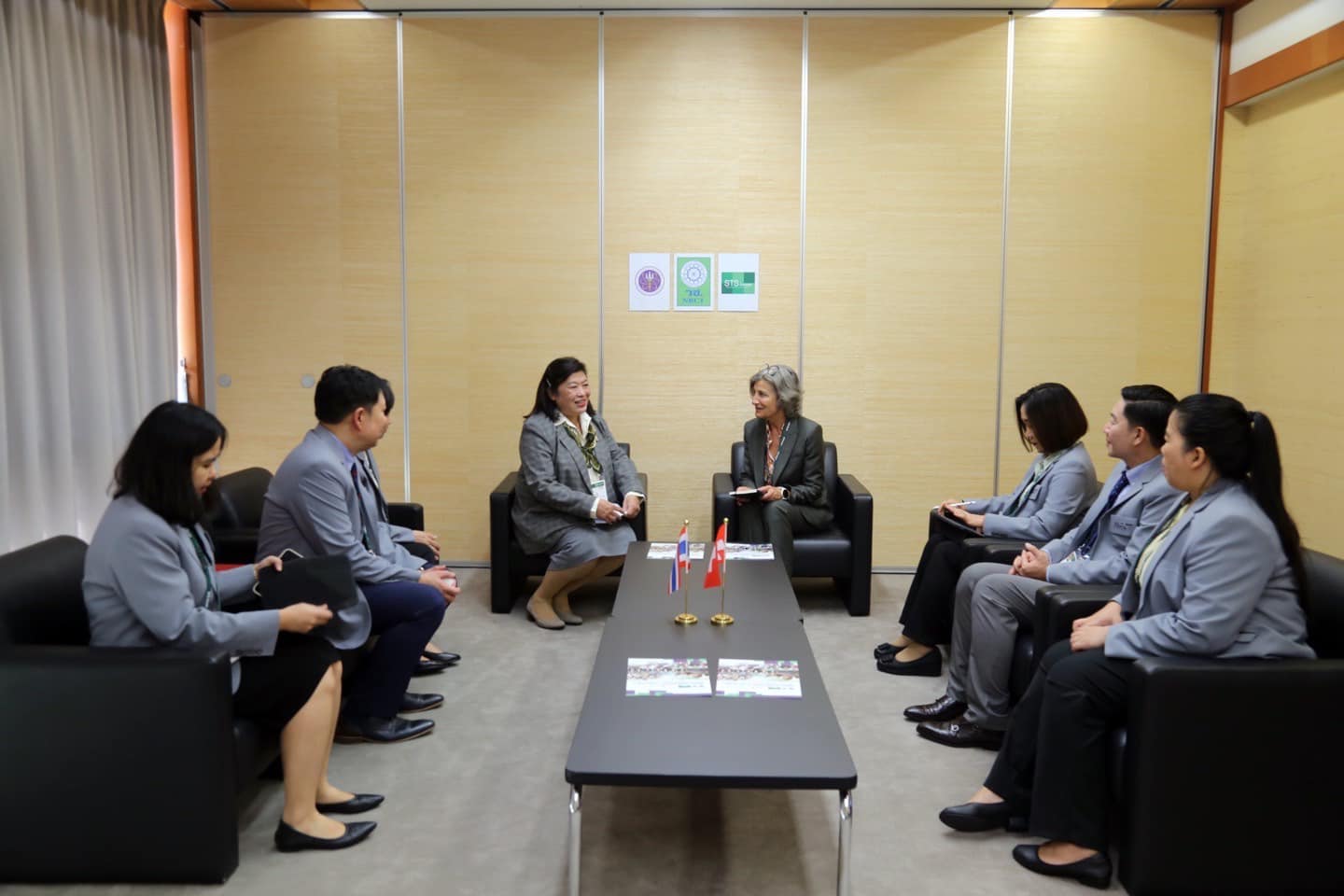
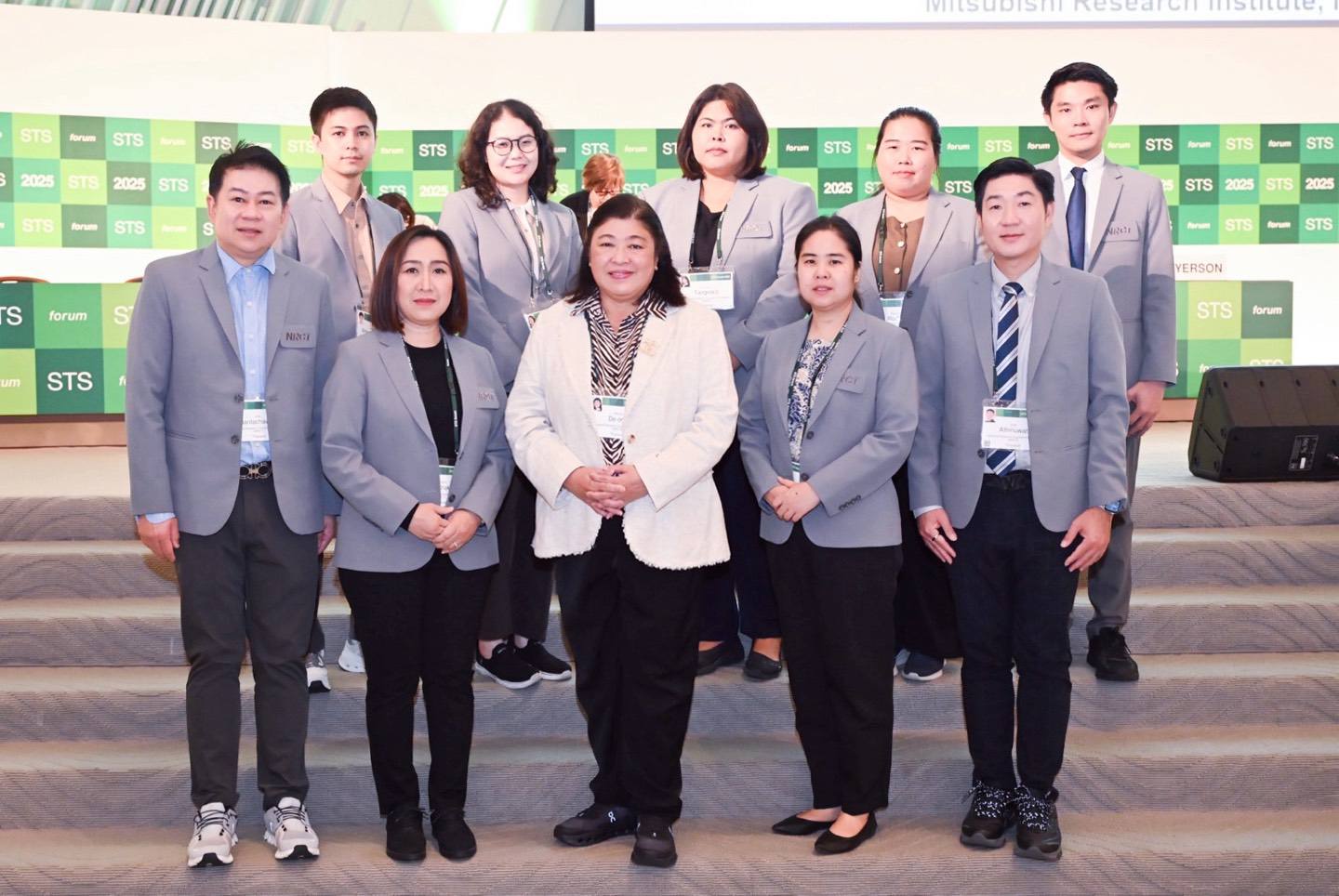
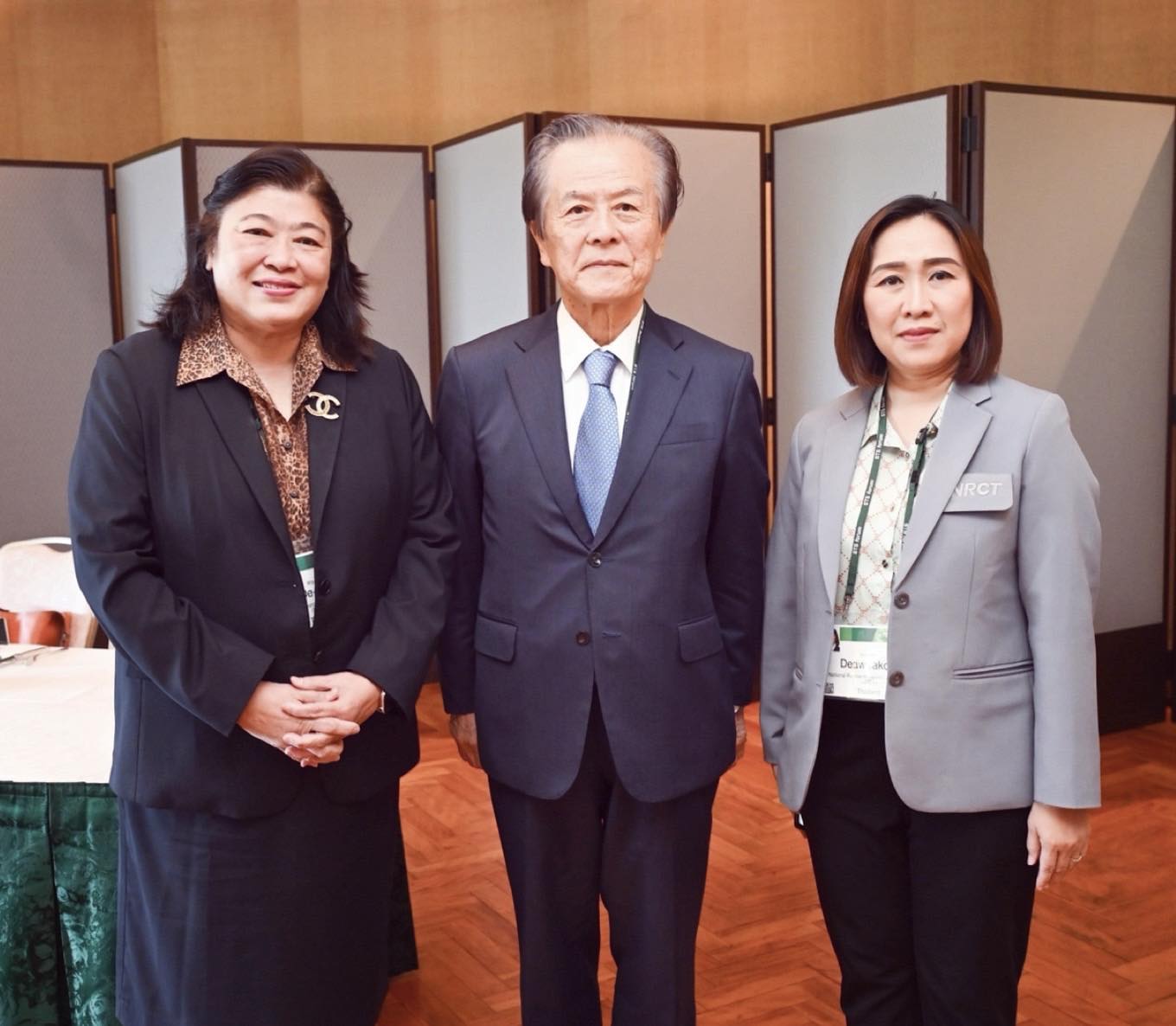
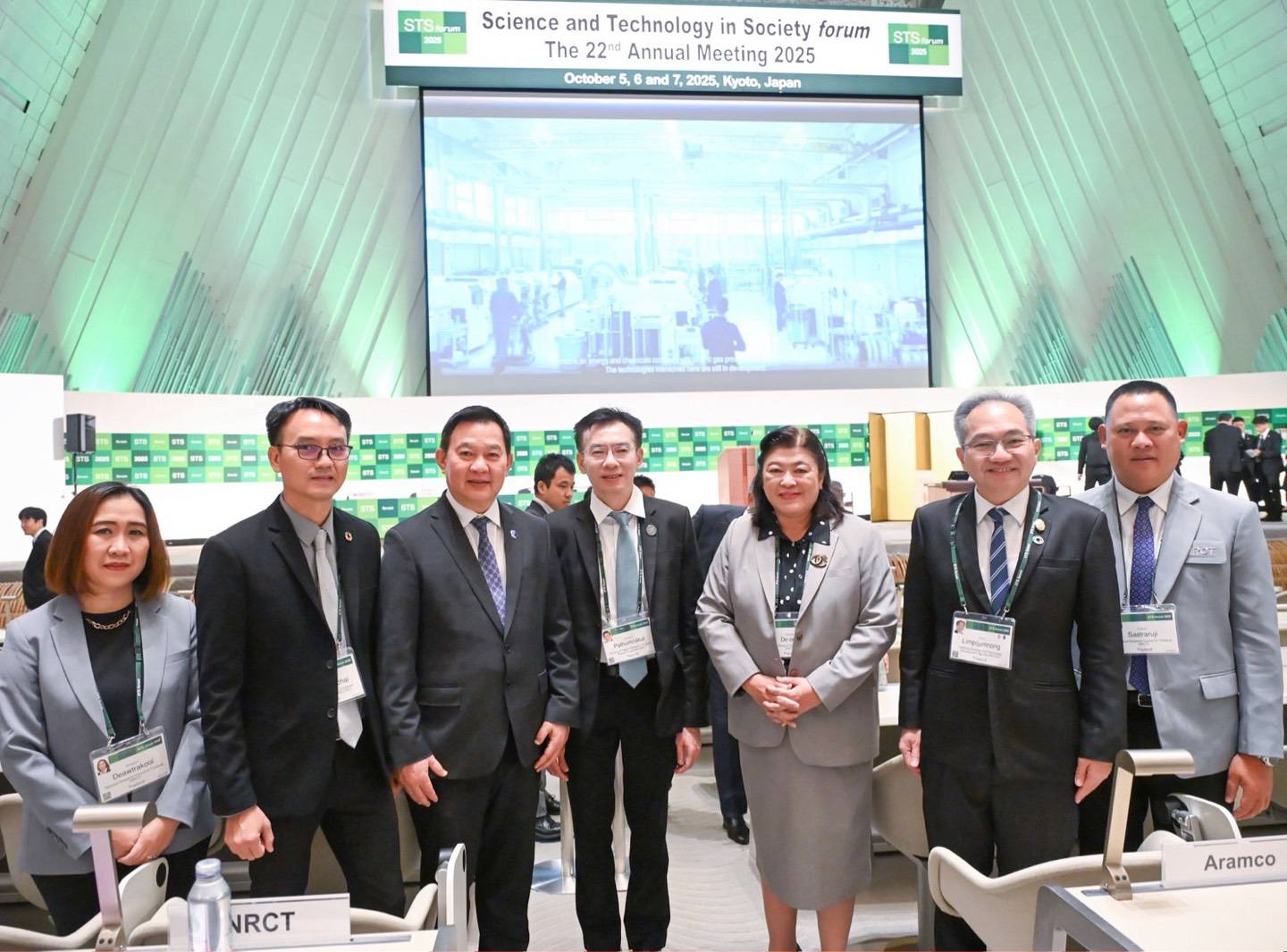
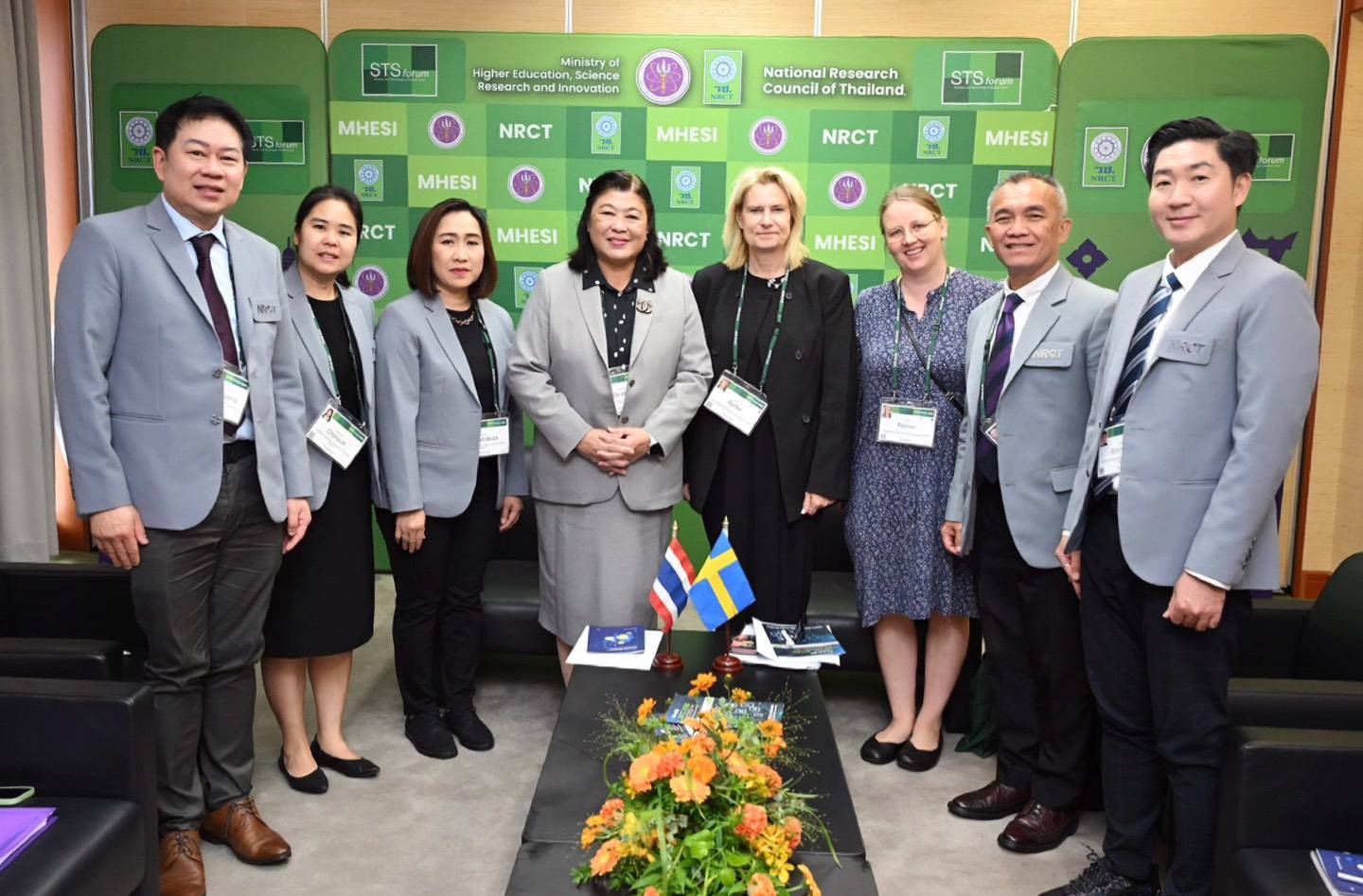
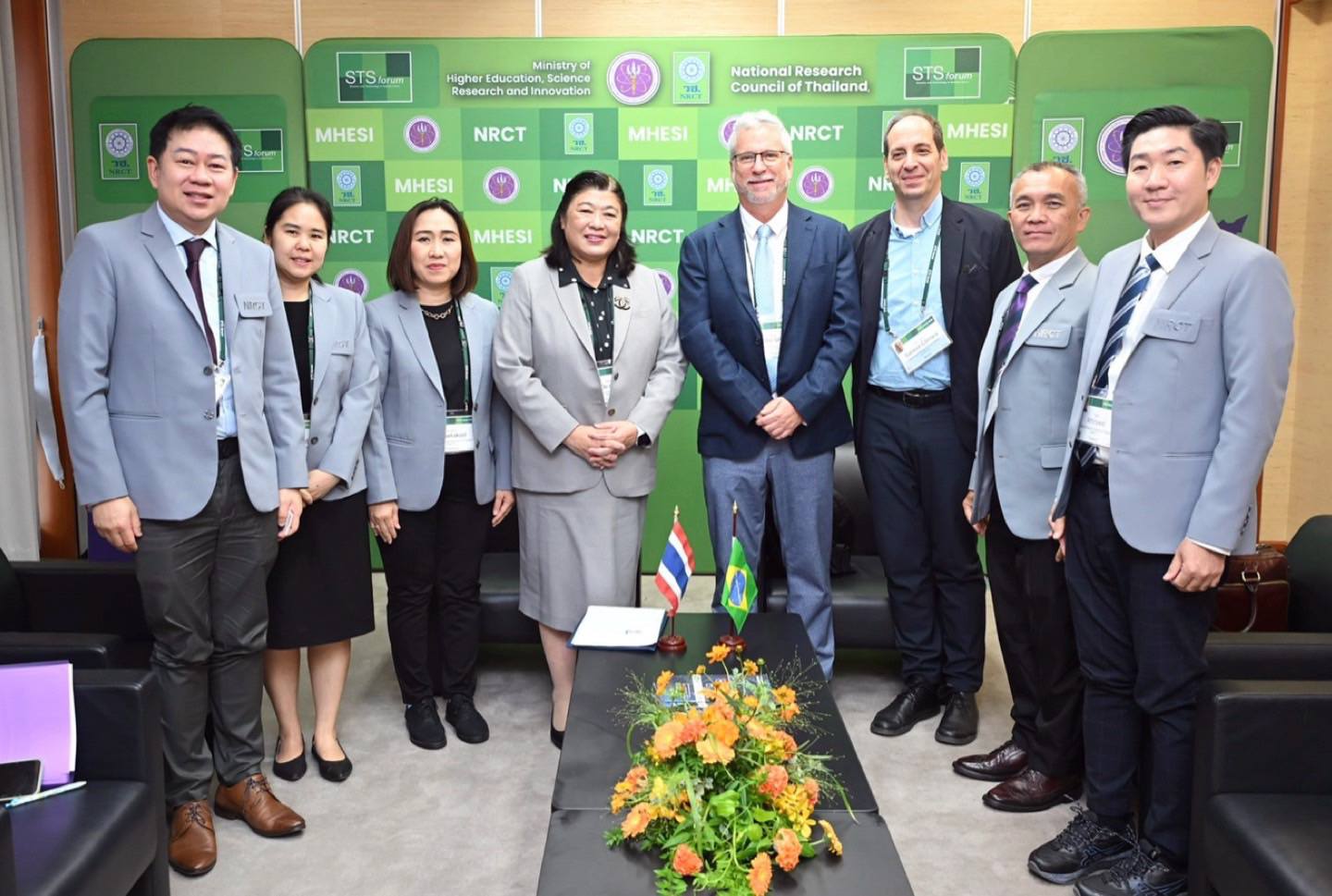
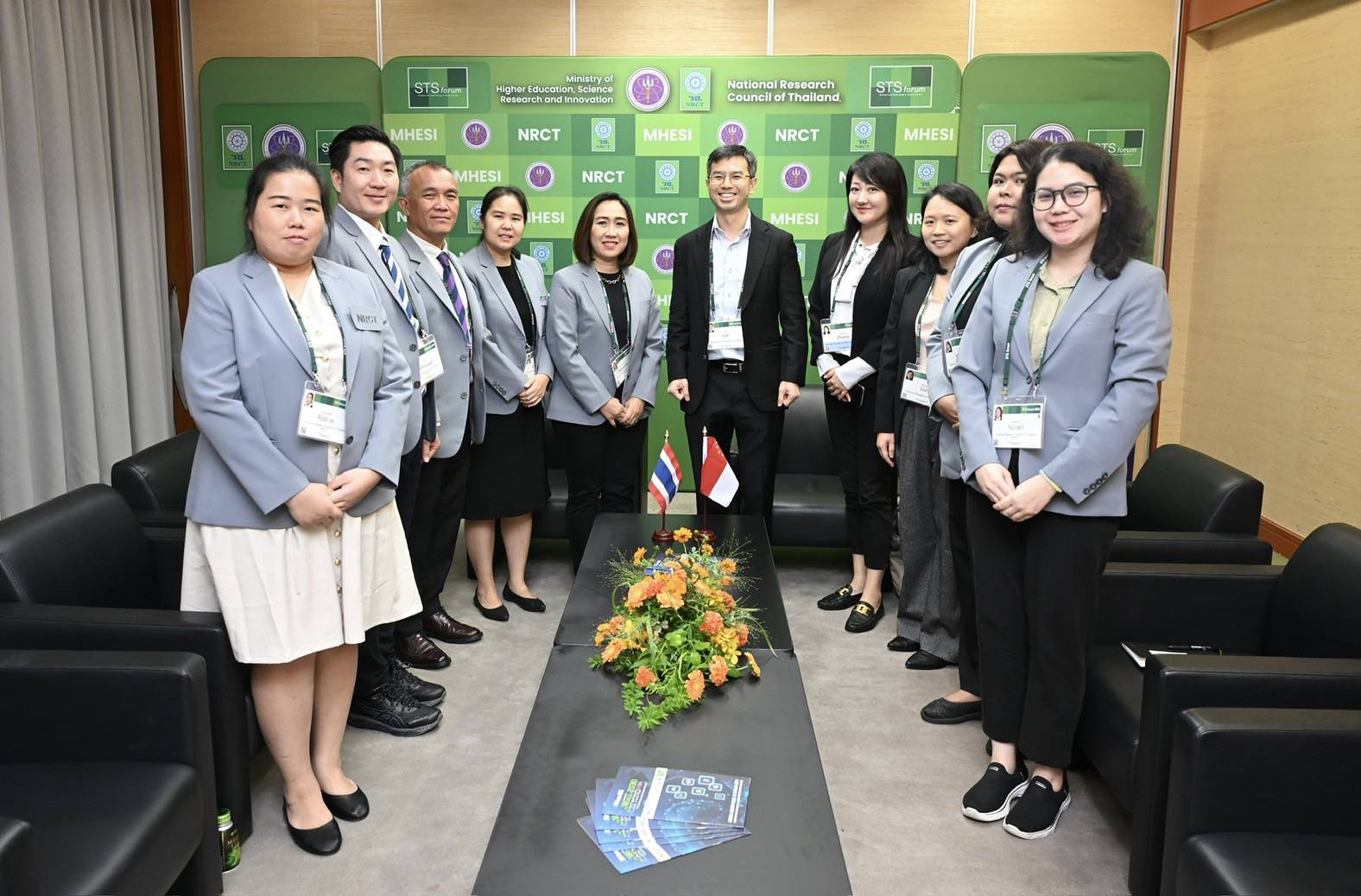
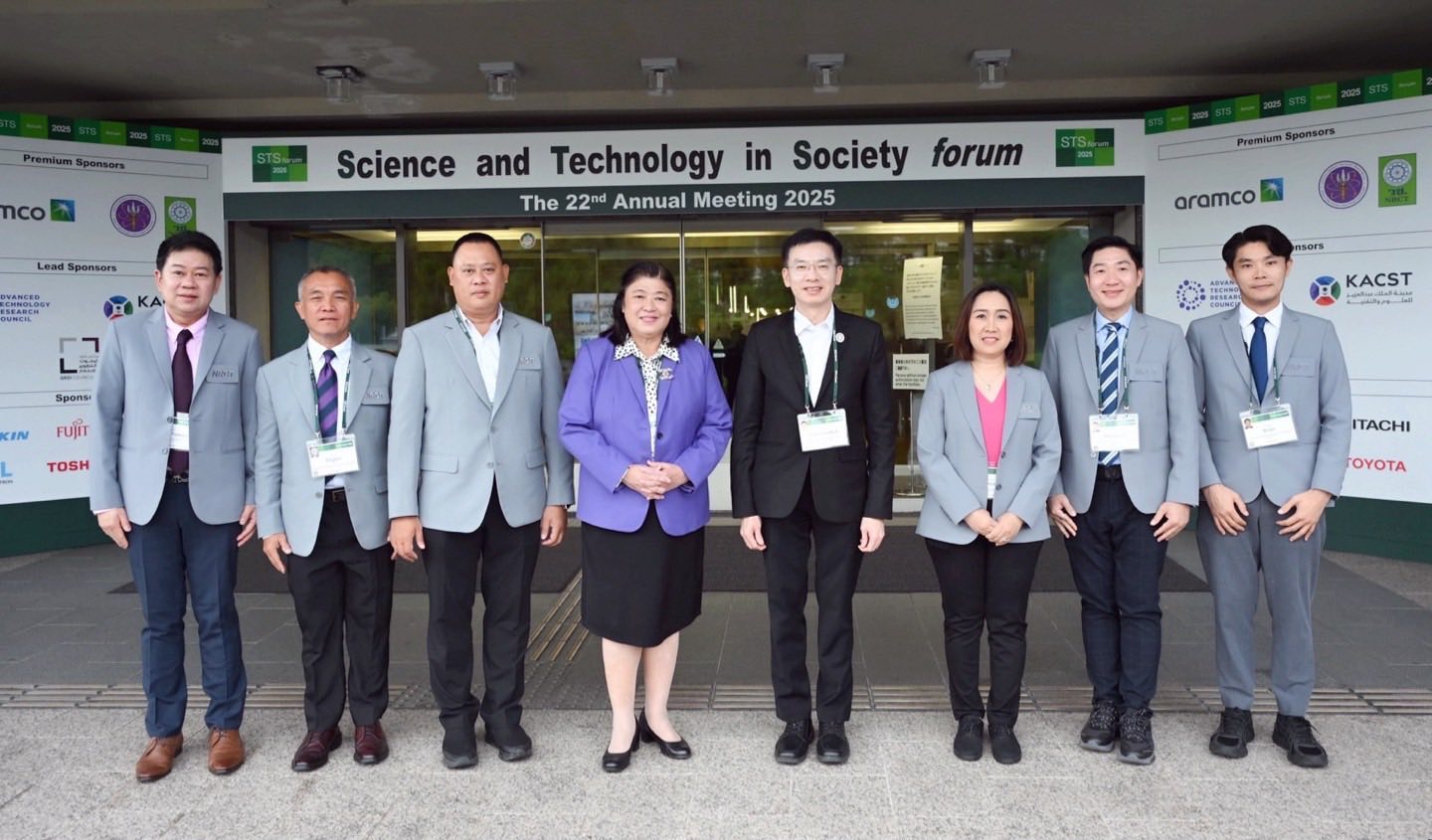
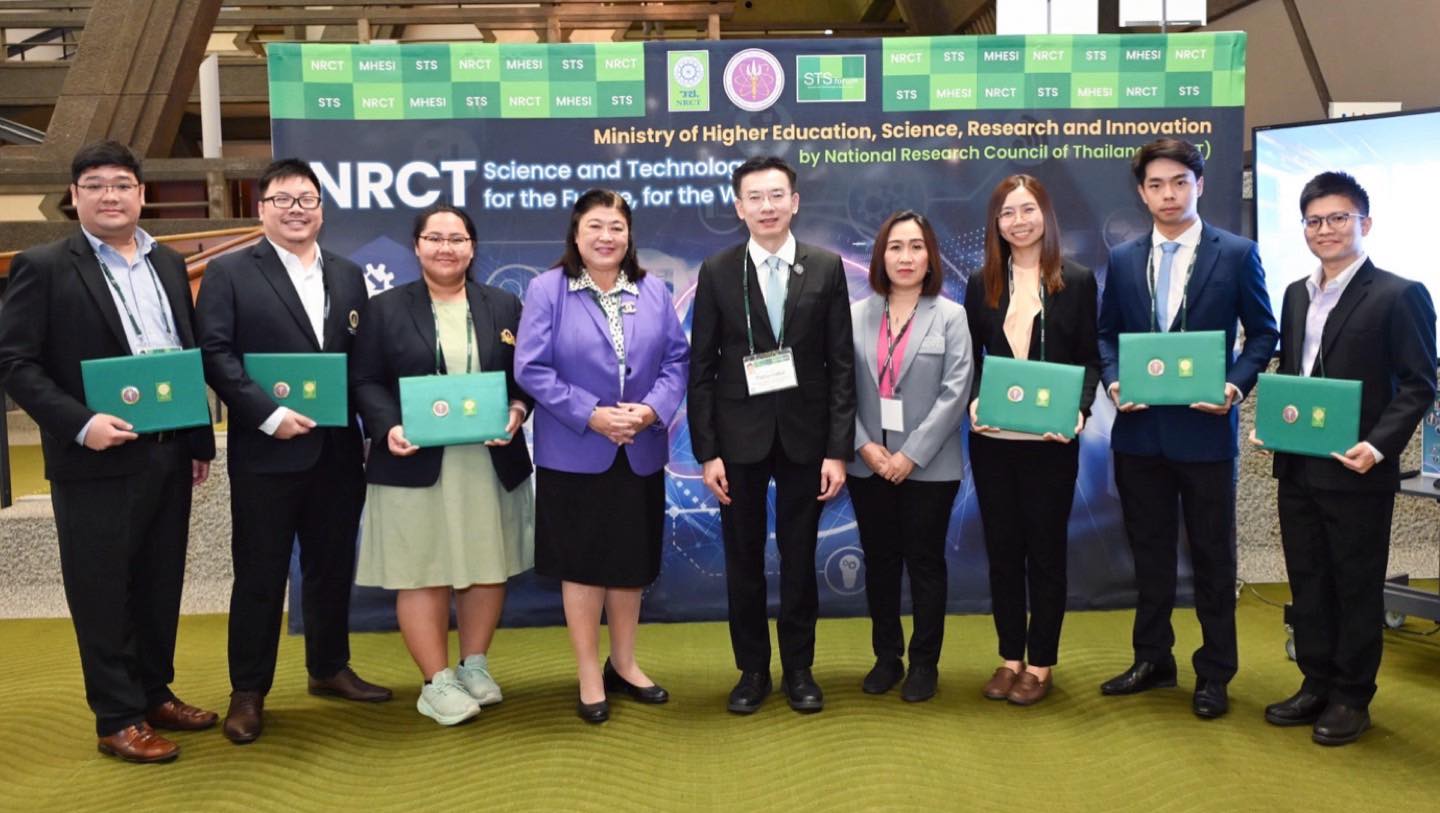
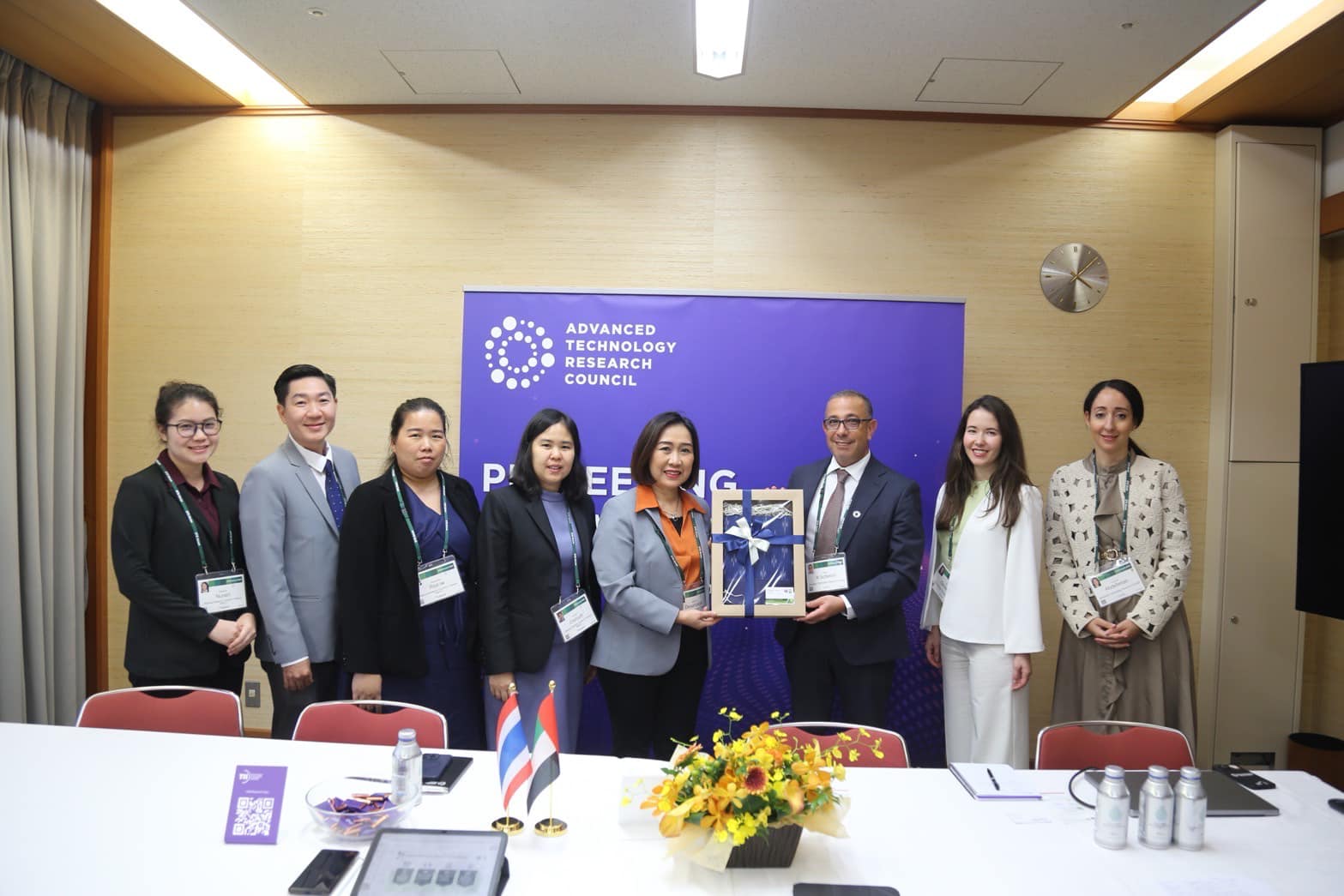
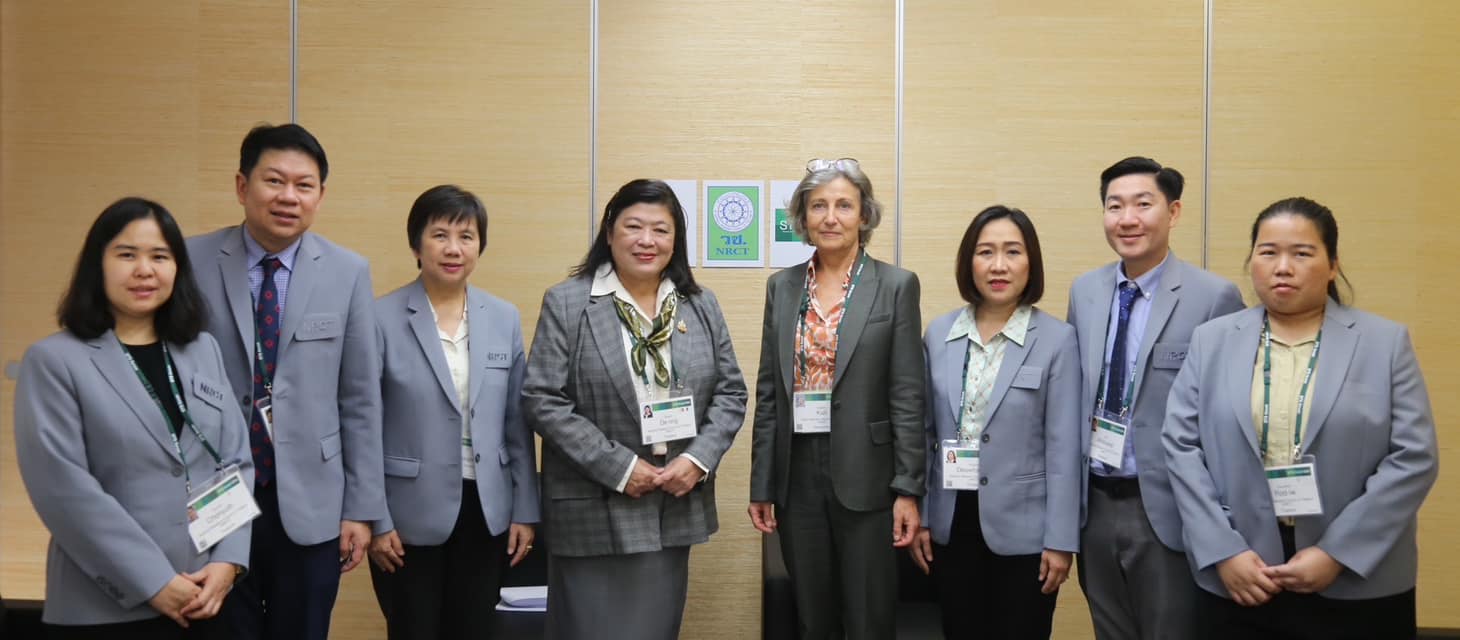
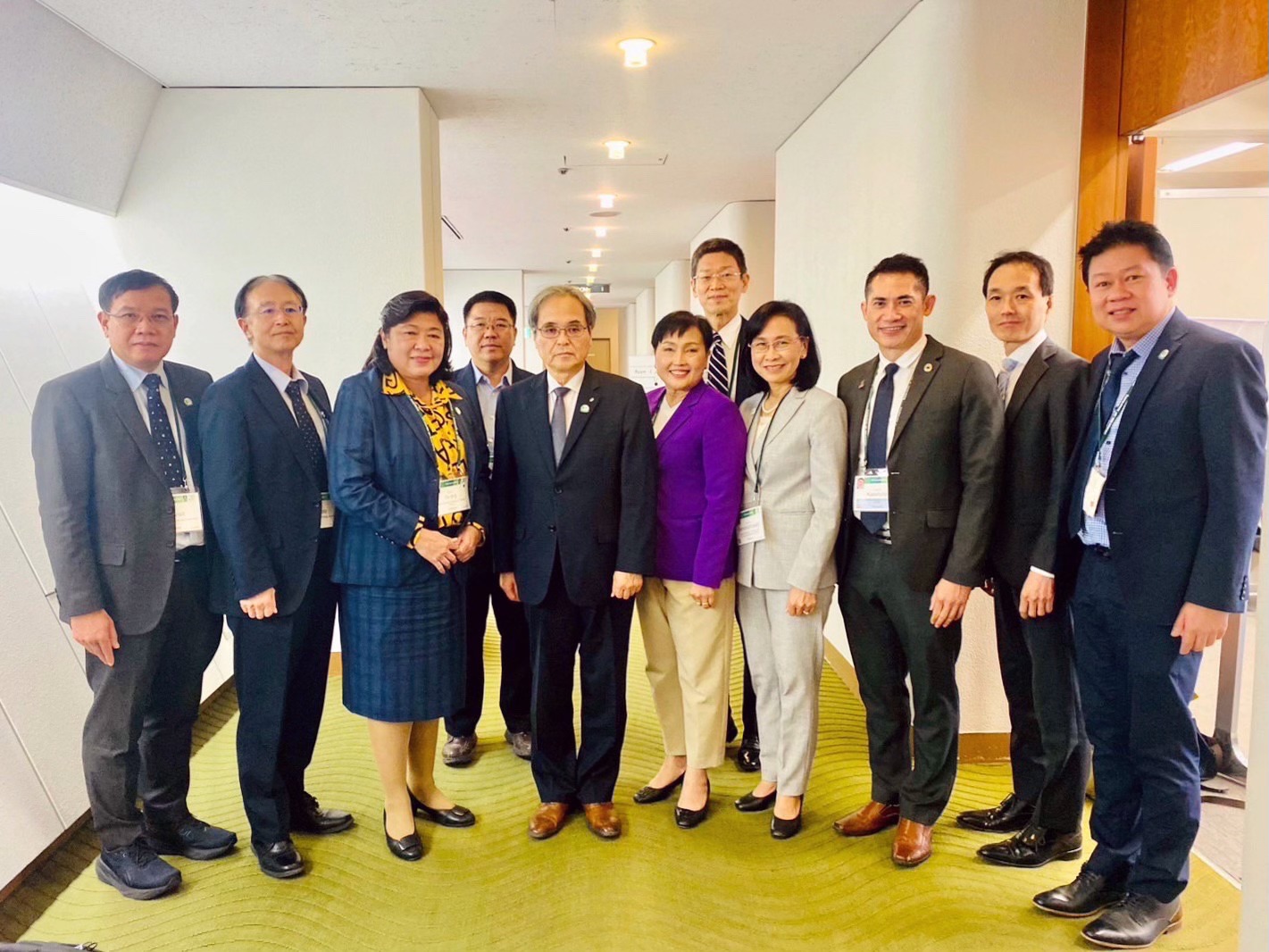
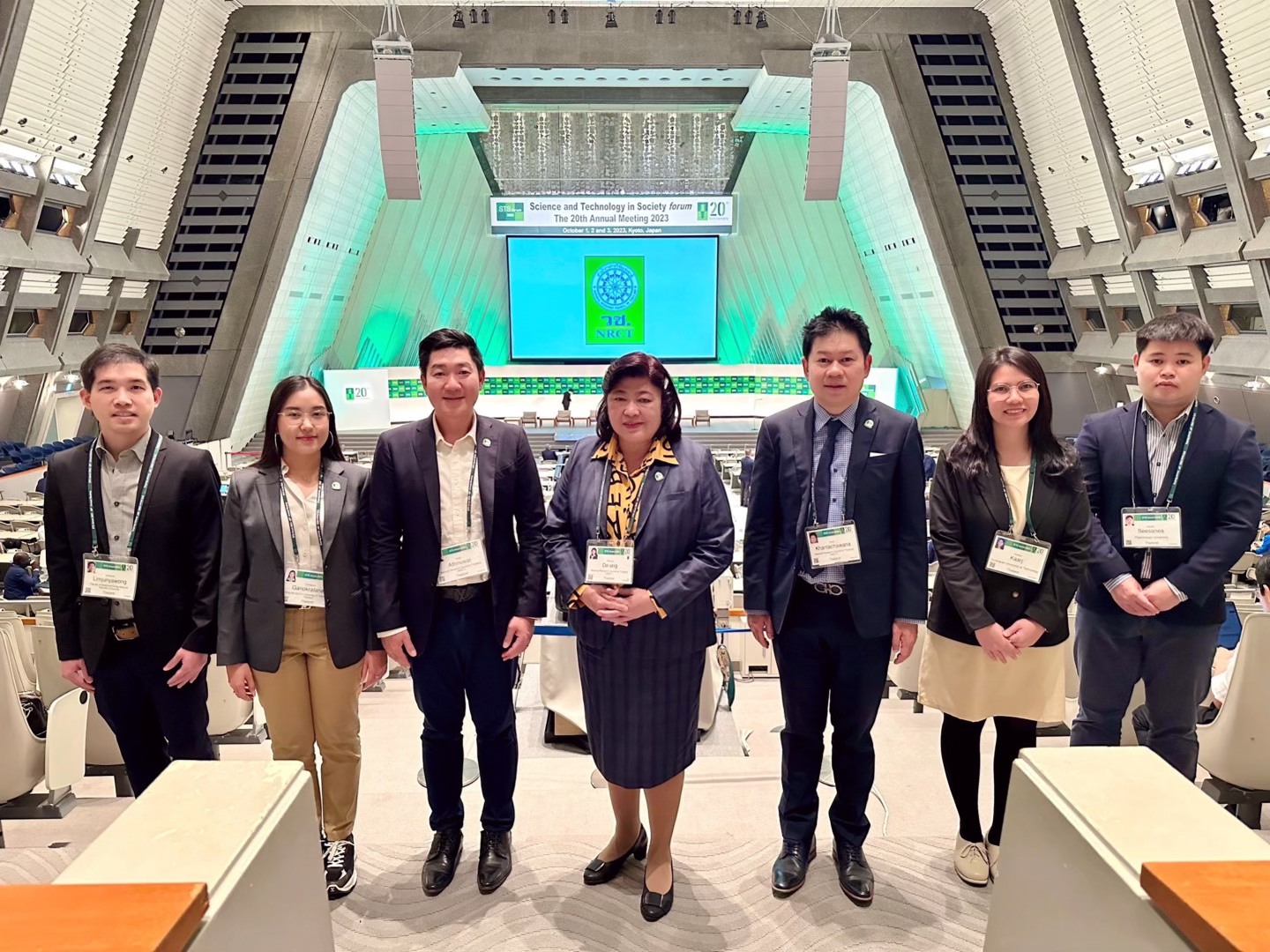
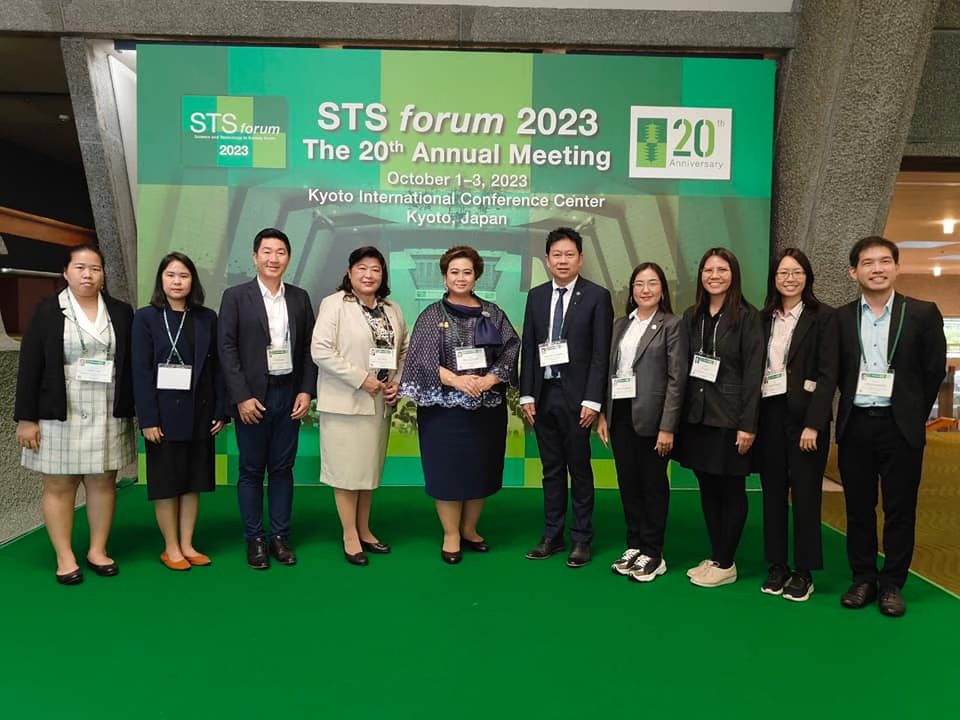
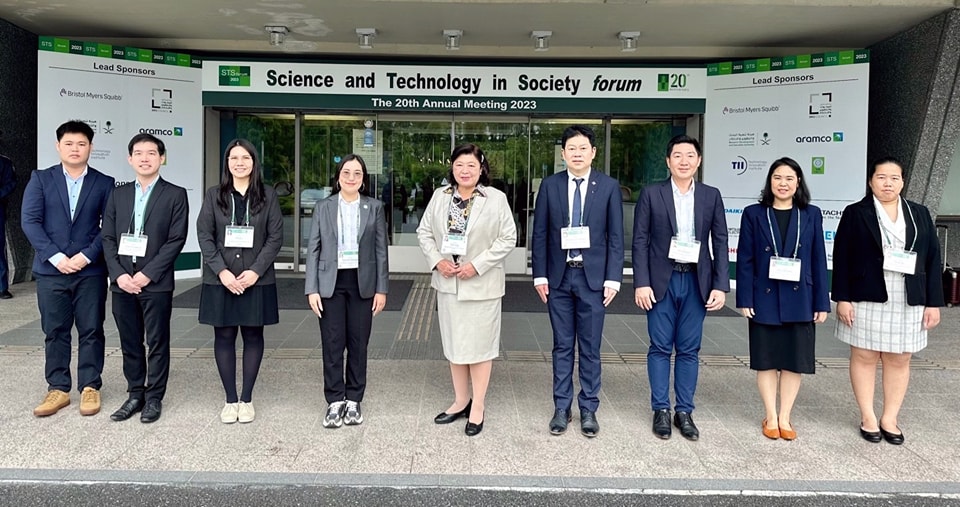
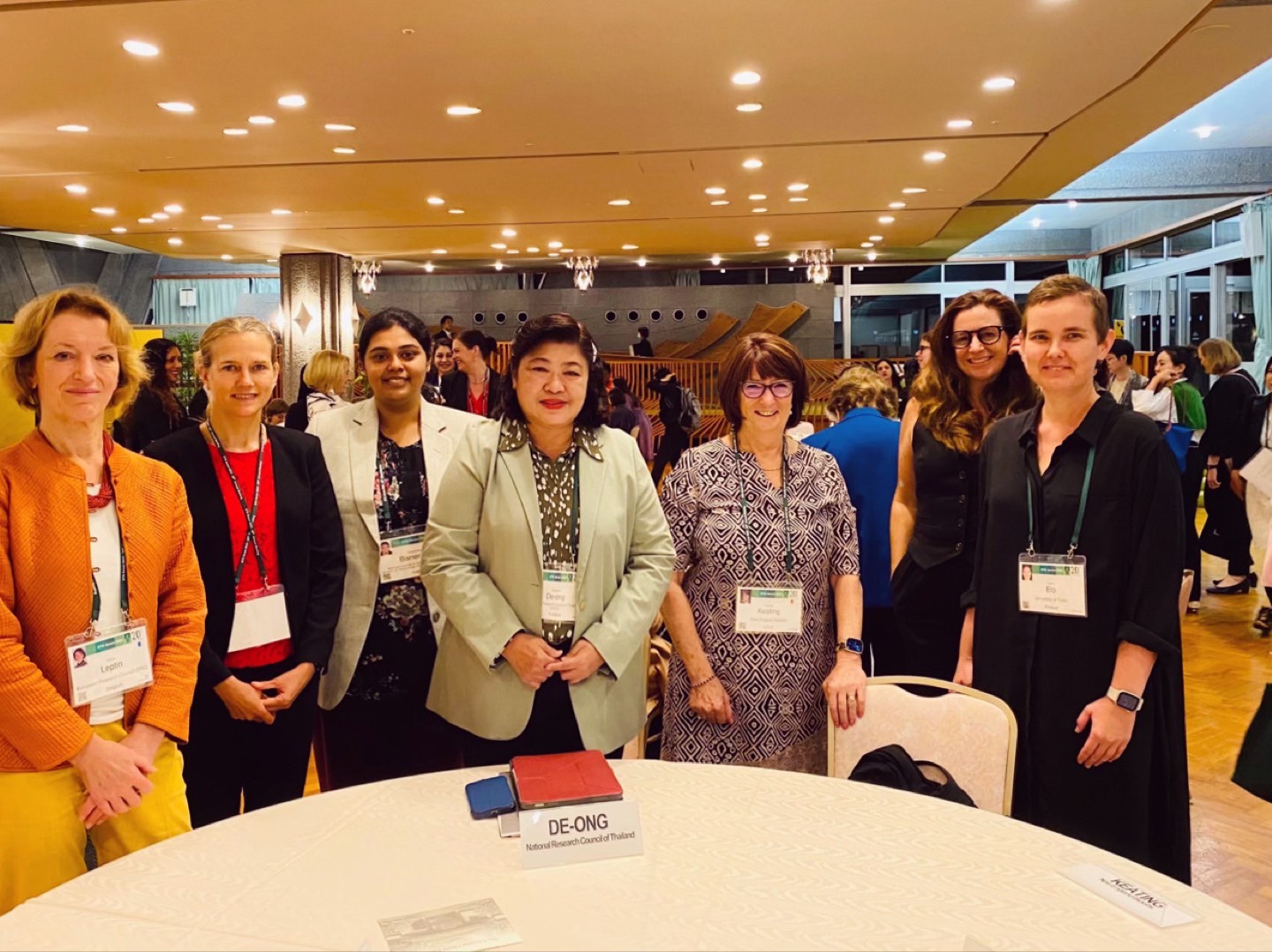
Dr. Wiparat De-ong, Executive Director of the National Research Council of Thailand, led a delegation comprising NRCT executives, experts, and young researchers participating in the STS forum Young Leaders 2026, NRCT Young Leaders, and STS forum Young Leaders Alumni programs.
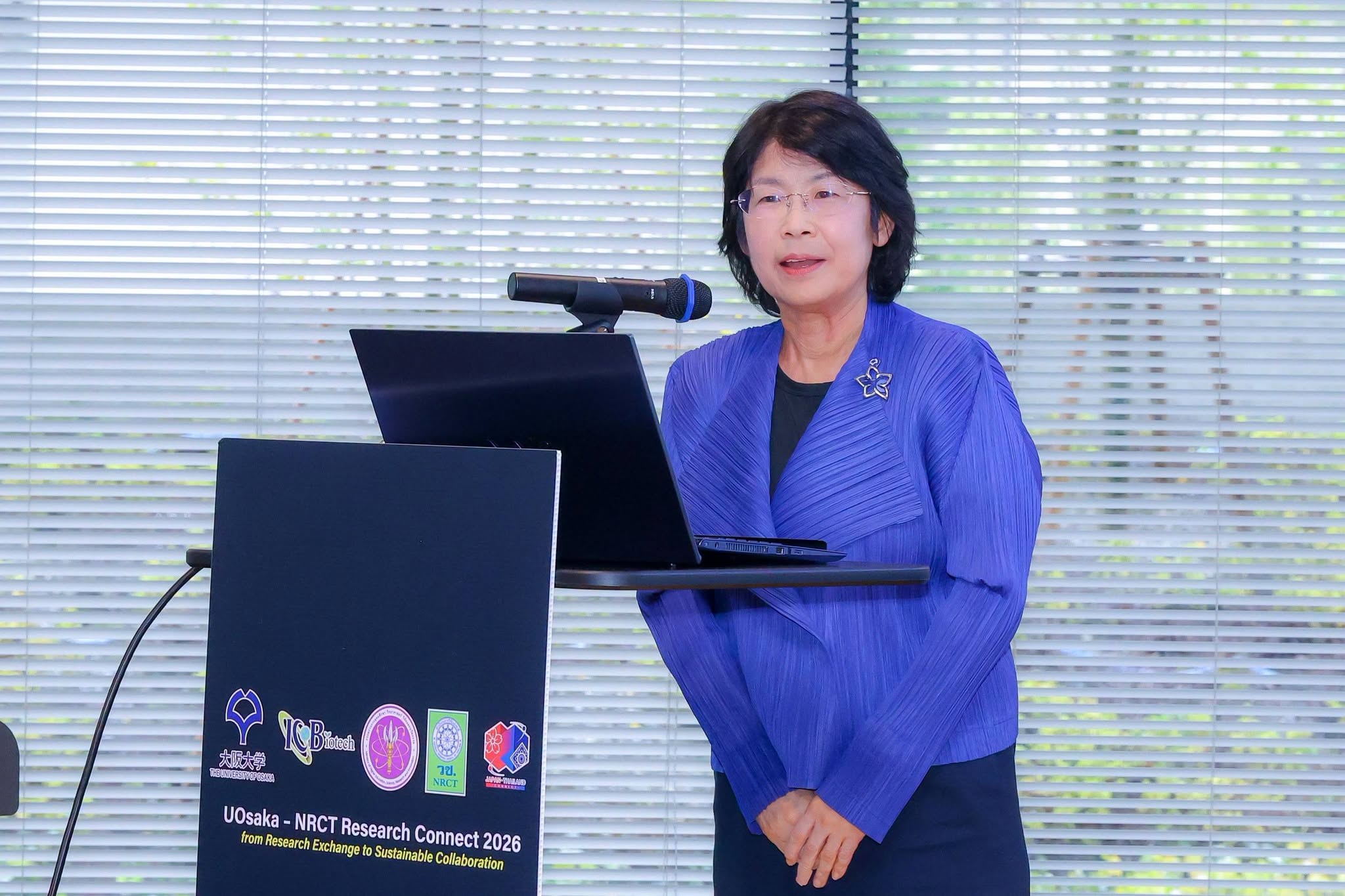
Prof. Mikako Hayashi, Executive Vice President for Global Engagement at The University of Osaka, together with other university executives, welcomed the NRCT delegation.
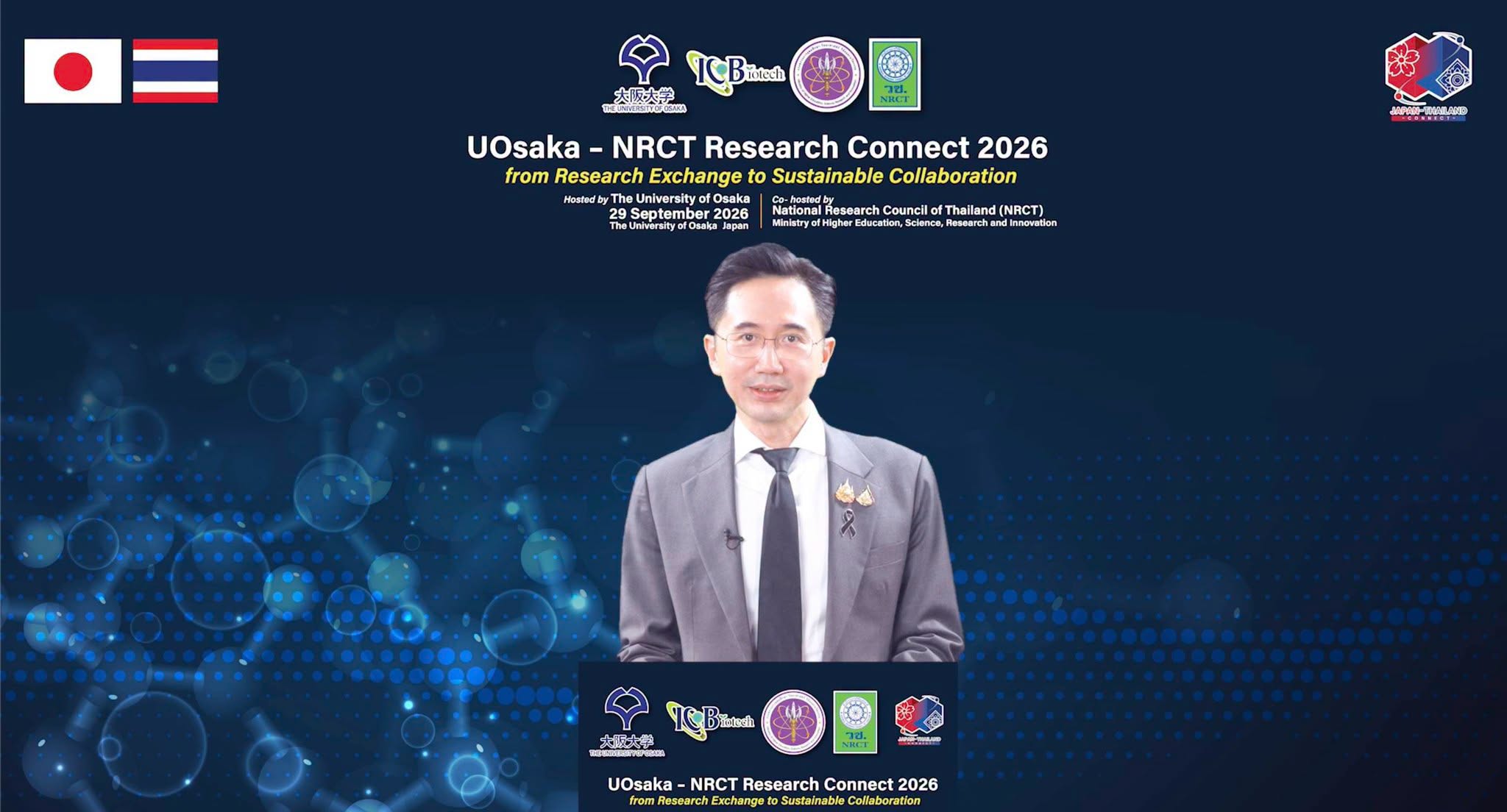
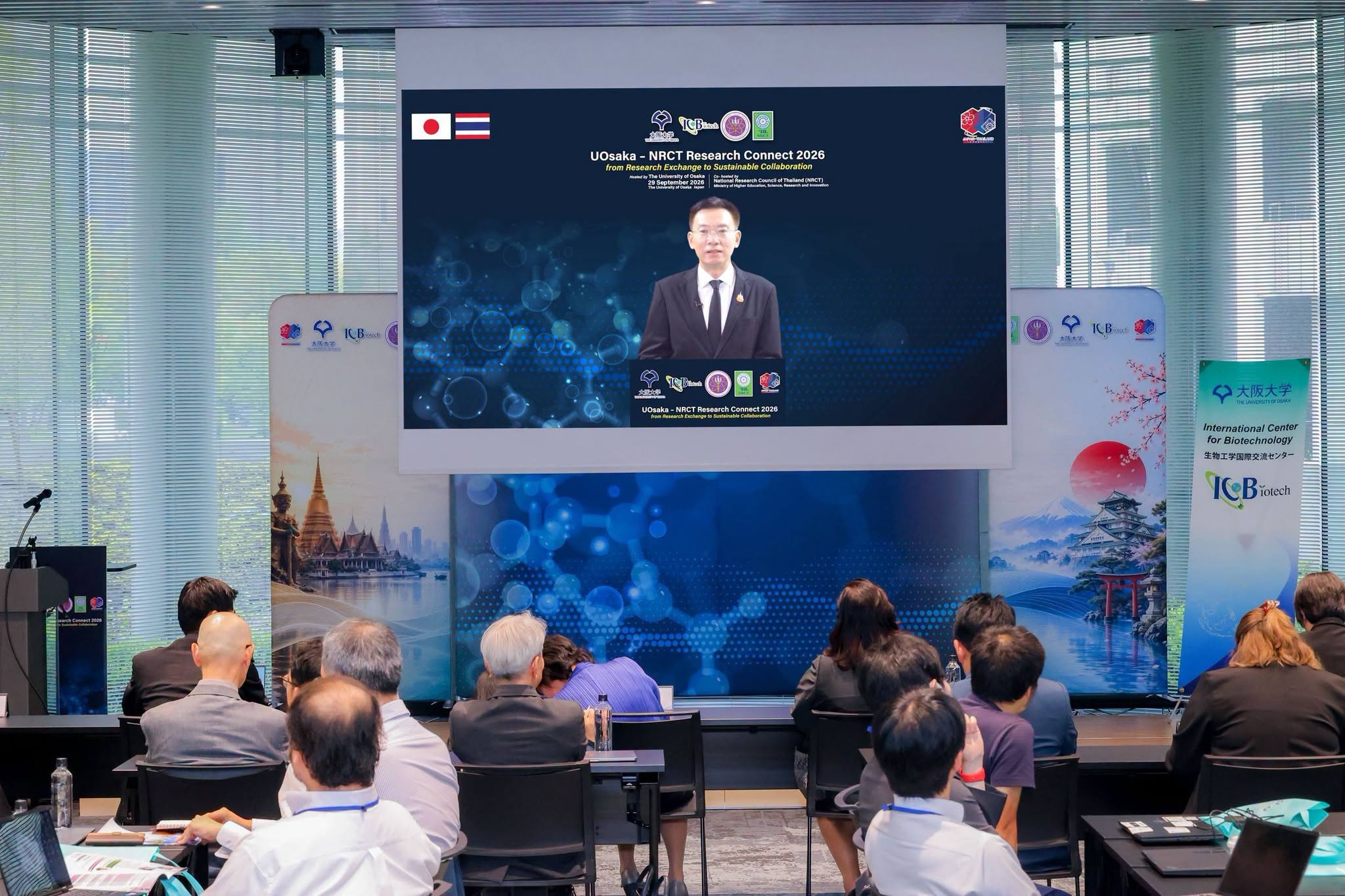
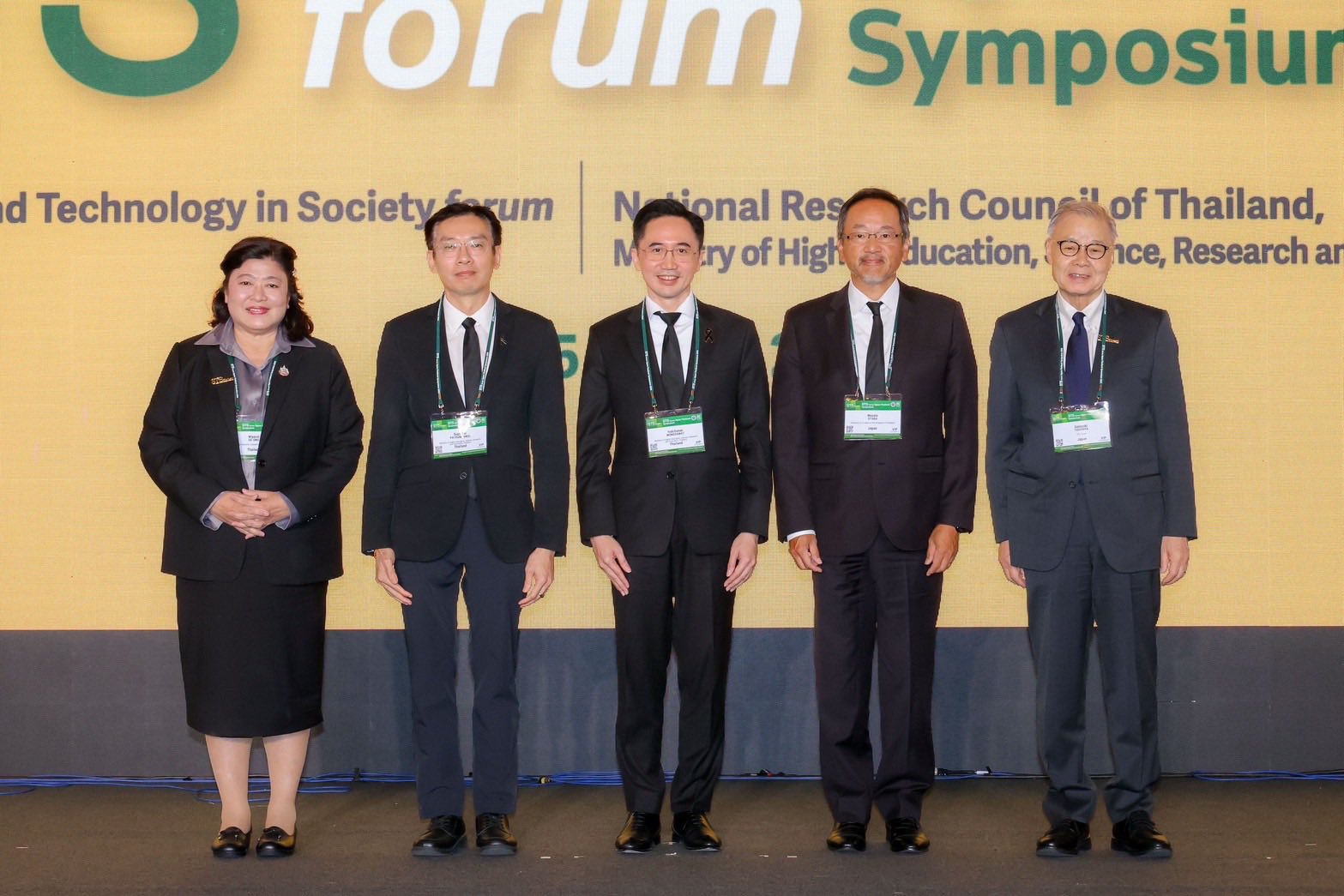
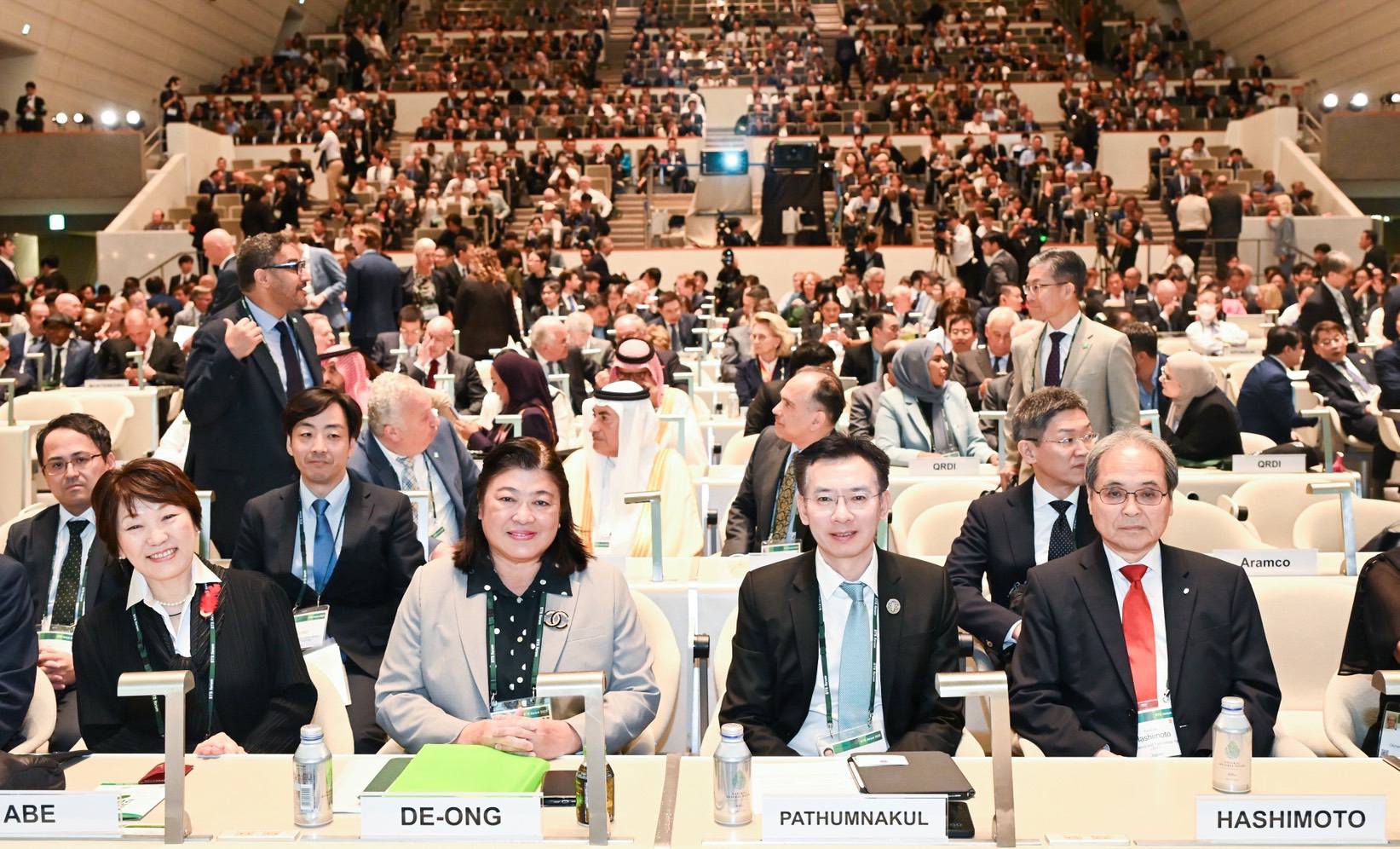
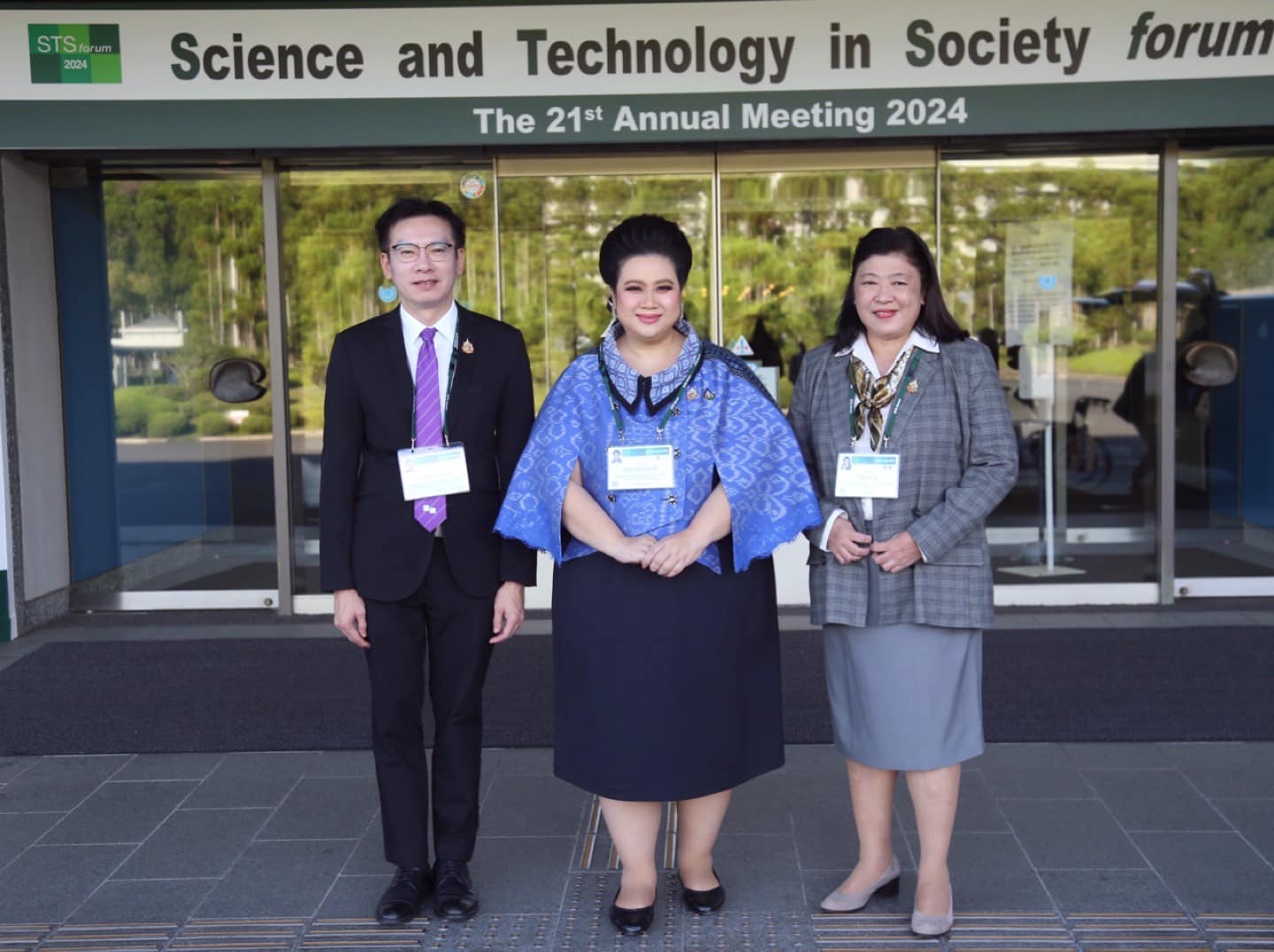
On this occasion, Prof. Dr. Yodchanan Wongsawat, Deputy Prime Minister and Minister of Higher Education, Science, Research and Innovation, and Prof. Dr. Supachai Pathumnakul, Permanent Secretary of MHESI, conveyed their congratulations and support to the executives and researchers of The University of Osaka and NRCT for organizing the event.
Connecting Researchers through Eight Research Areas
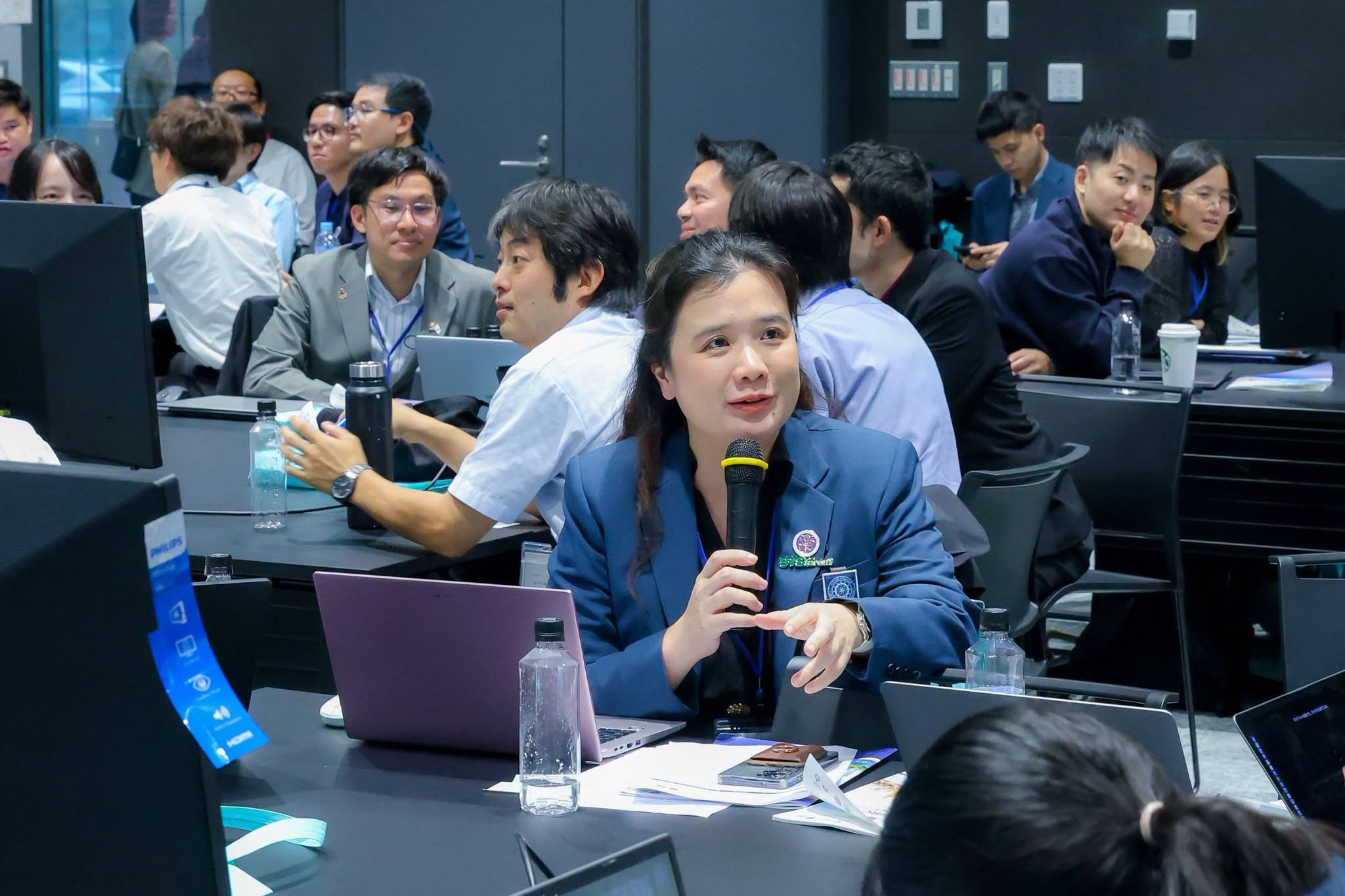
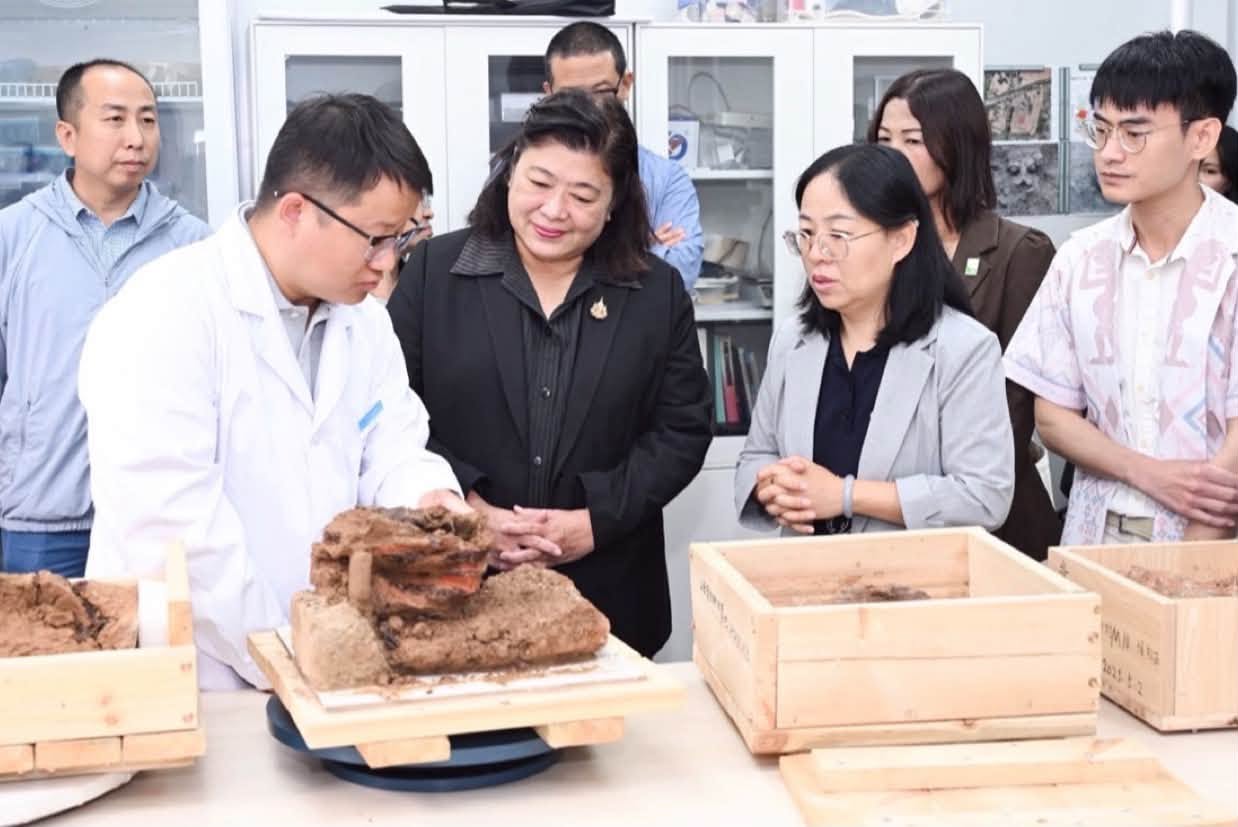
A key part of the event was a series of small-group discussions organized around specific fields of expertise and research interests. These sessions provided opportunities for Thai researchers and researchers from The University of Osaka to introduce their work, share research interests, and discuss potential areas for collaboration.
Participants also exchanged information on technologies, research equipment, laboratory facilities, and data that could support joint research. The discussions aimed to identify shared research interests and explore possible directions for future collaboration.
The eight research areas were:
1. Biotechnology & Biomanufacturing
2. Bioanalysis, Biosensing & Cellular Technologies
3. Biomedical Engineering & Digital Health
4. Advanced Materials, Energy & Catalysis
5. Biomaterials, Food & Health Products
6. Plant, Agriculture & Environmental Sensing
7. Public Health, Safety & Governance
8. Computational Modeling & Engineering Systems
Building New Networks for the Next Generation of Researchers
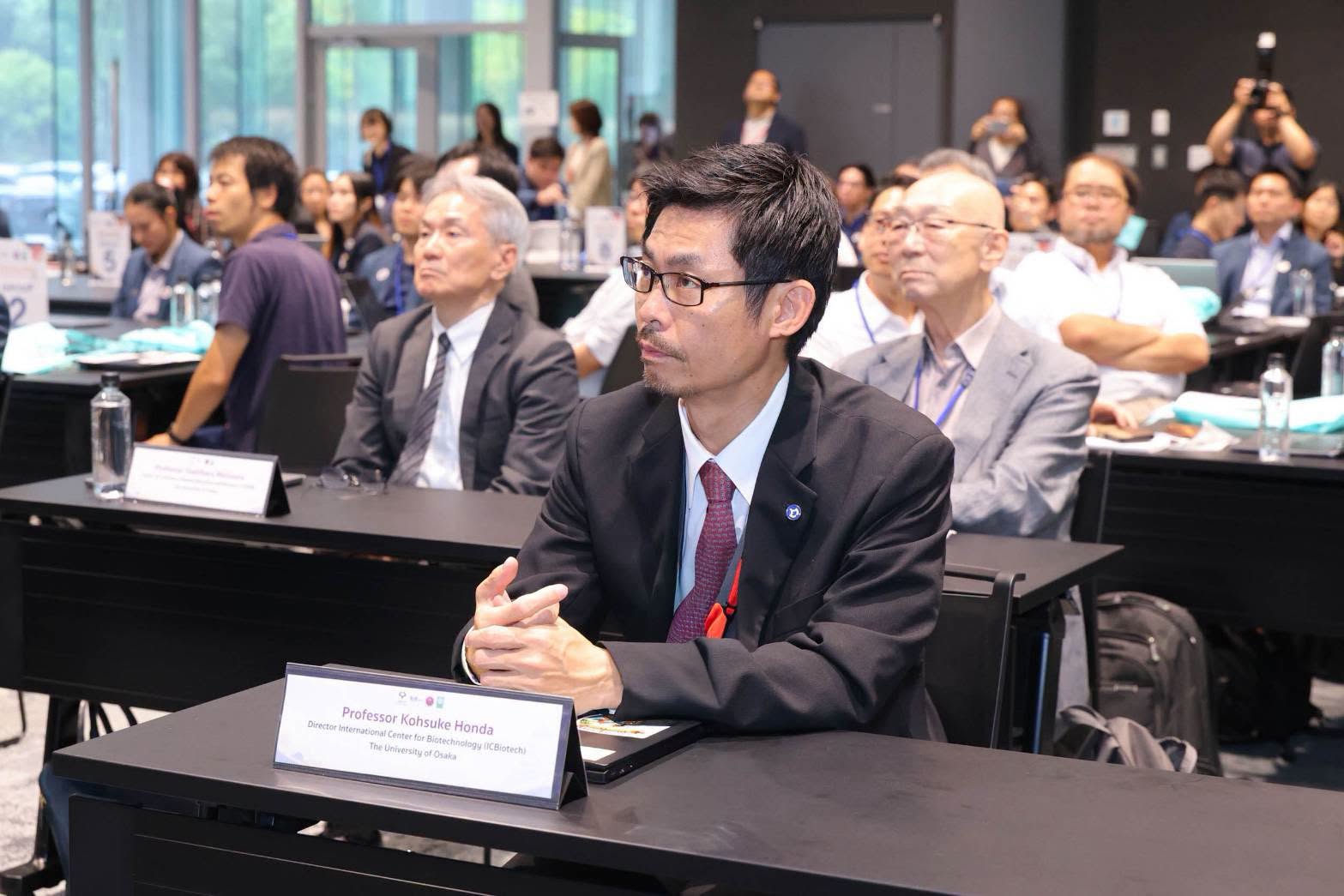
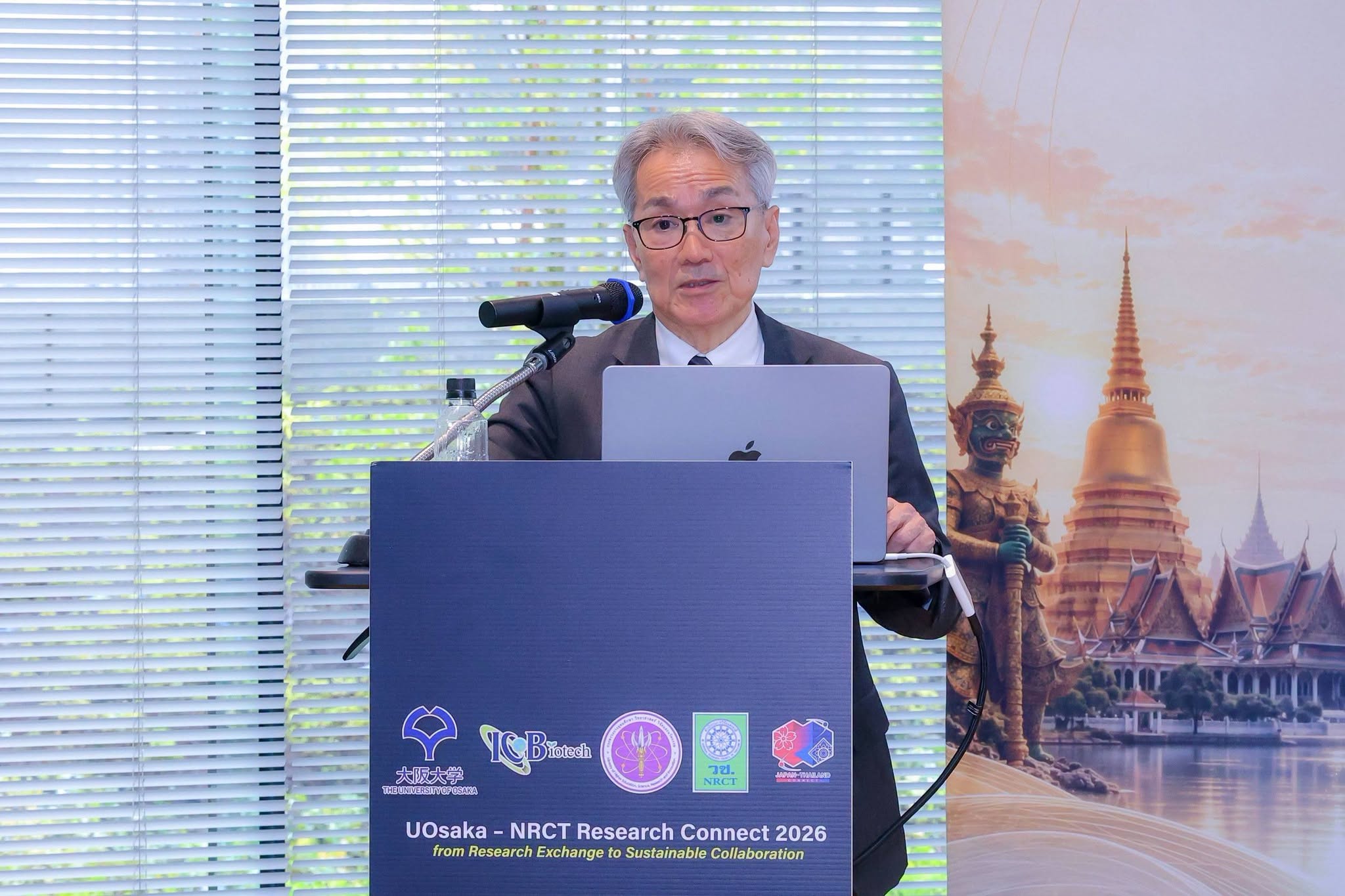
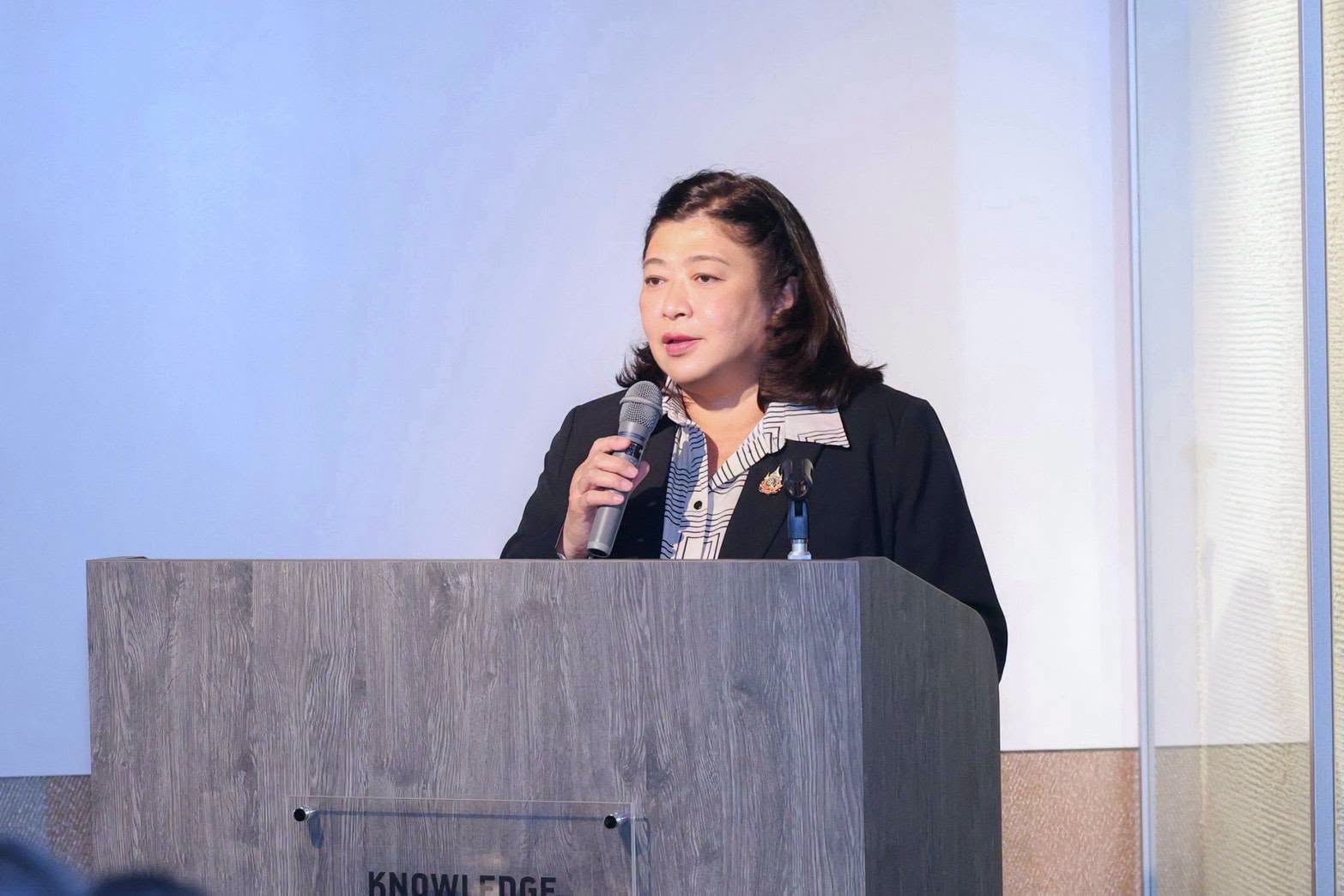
During the seminar, Prof. Dr. Kohsuke Honda, Director of the International Center for Biotechnology (ICBiotech) at The University of Osaka, highlighted the long-standing relationship between ICBiotech and Thailand. Research activities and personnel exchanges between ICBiotech and Thailand have been carried out since the 1970s, with the partnership continuing to develop over more than five decades.
Prof. Dr. Honda also emphasized the importance of strengthening networks among young researchers. The small-group discussions allowed participants to connect with researchers from diverse backgrounds, exchange expertise, and identify areas of shared interest.
The event was seen as an opportunity to build new research networks and strengthen collaboration between Thailand and Japan, with the potential to develop new joint research projects and sustain collaboration over the long term.
Strengthening International Research Networks
UOsaka–NRCT Research Connect 2026 reflects the commitment of The University of Osaka and NRCT to strengthening academic and research relations between Thailand and Japan.
The event also provided young researchers with opportunities to learn from international peers, expand interdisciplinary networks, and identify research topics that could develop into future collaborations.
NRCT places strong emphasis on developing research talent and strengthening international research networks. By connecting researchers, knowledge, expertise, and research resources across countries, NRCT aims to support the development of research and innovation with the potential for practical application and wider societal benefits.