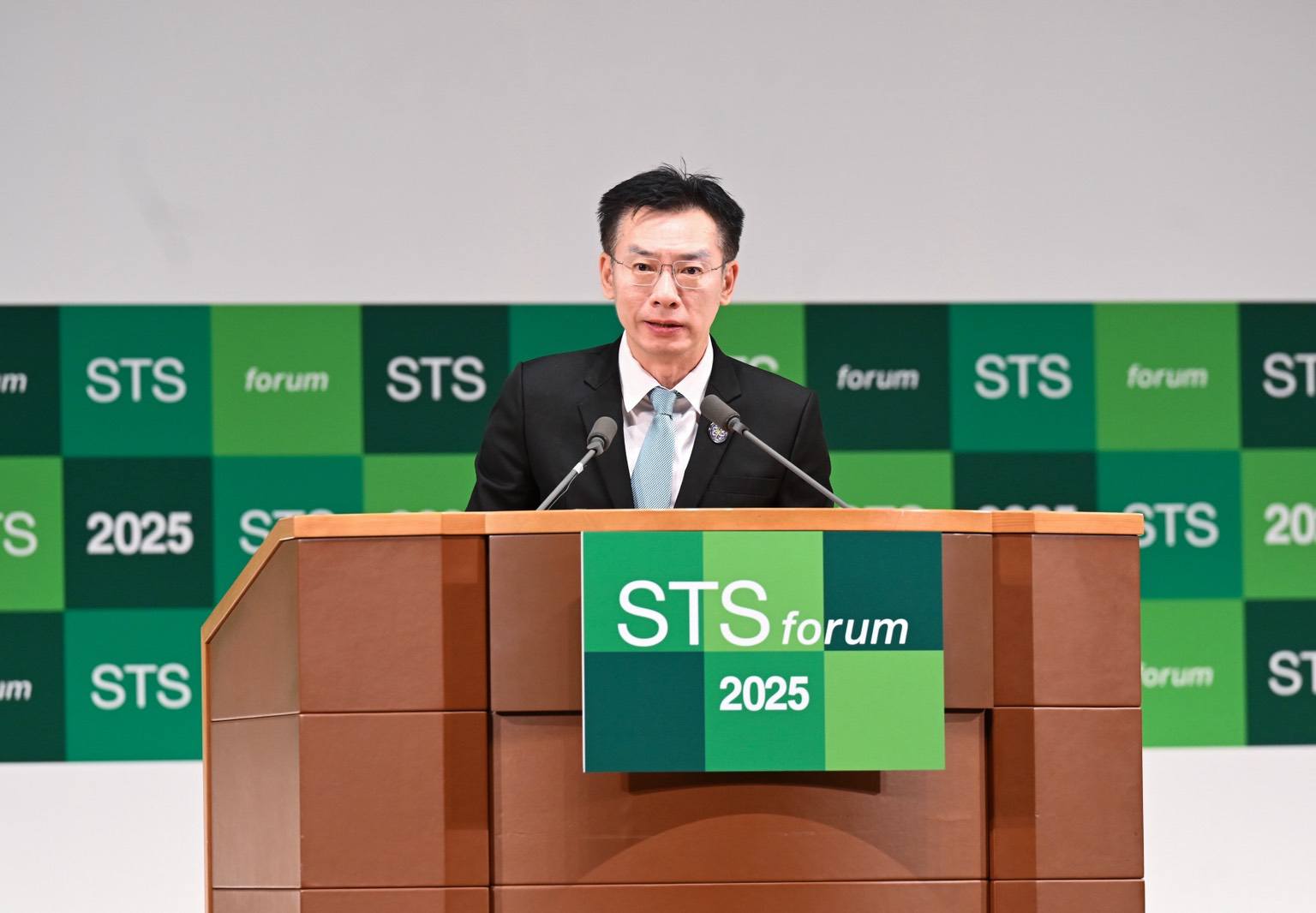
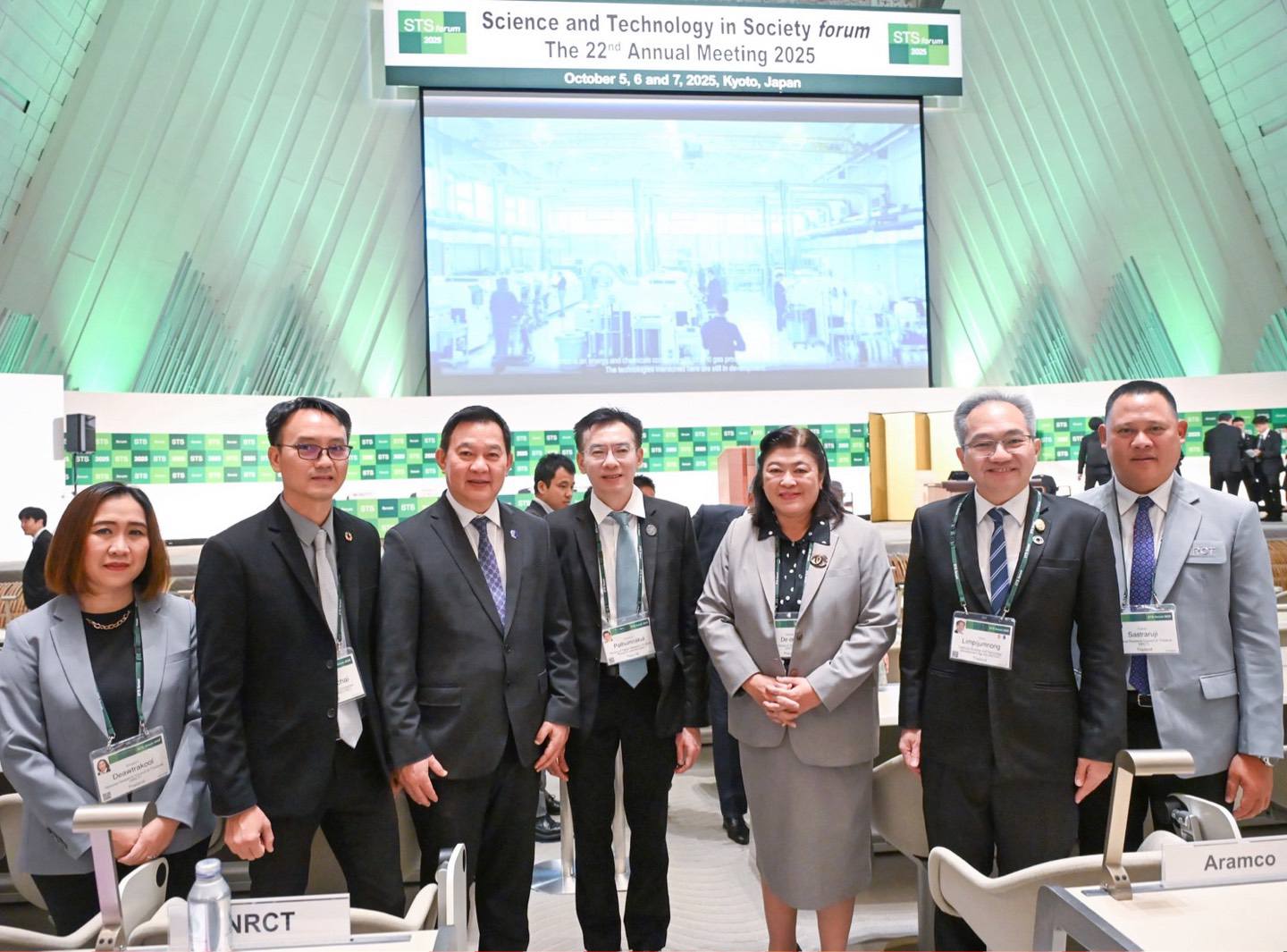
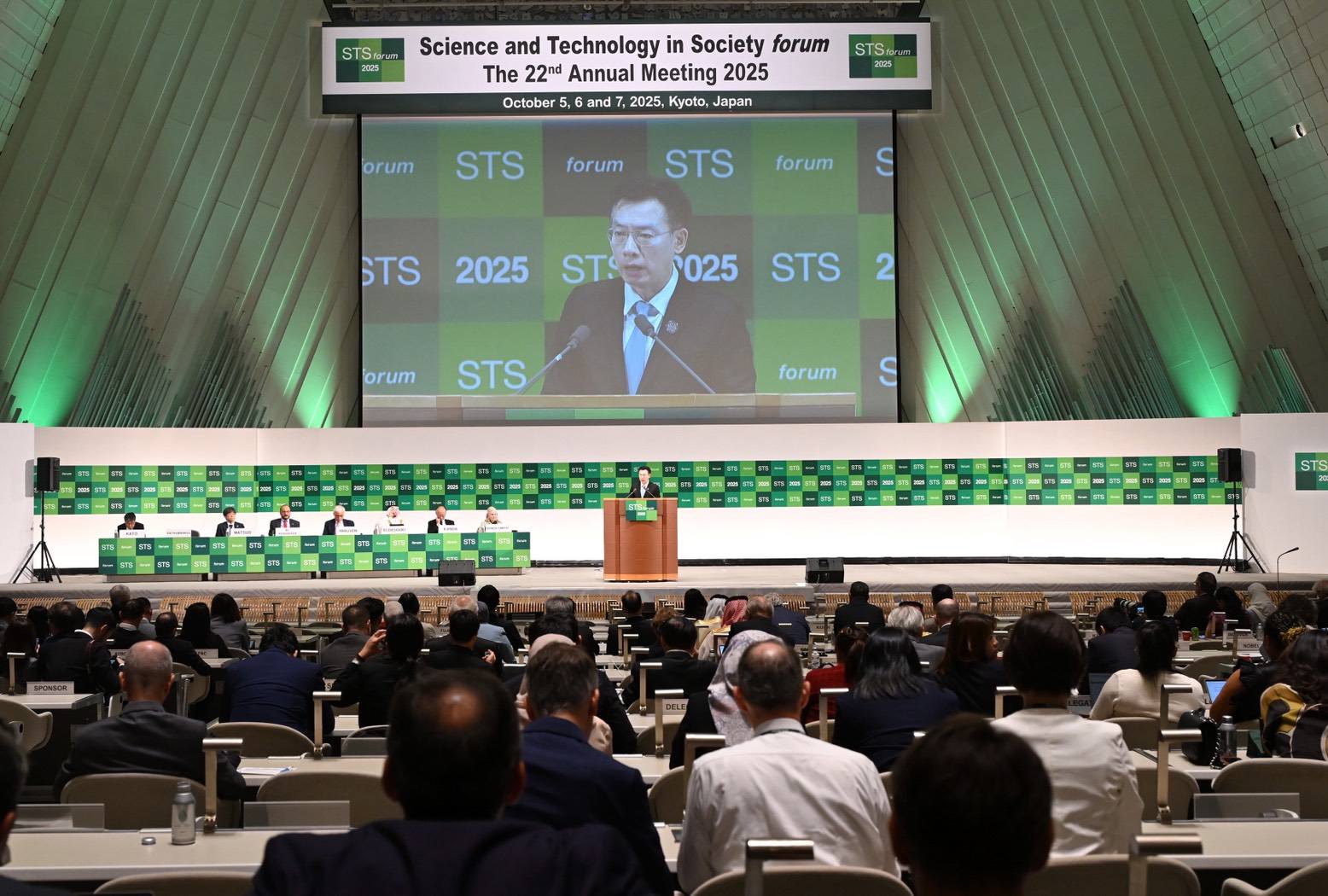
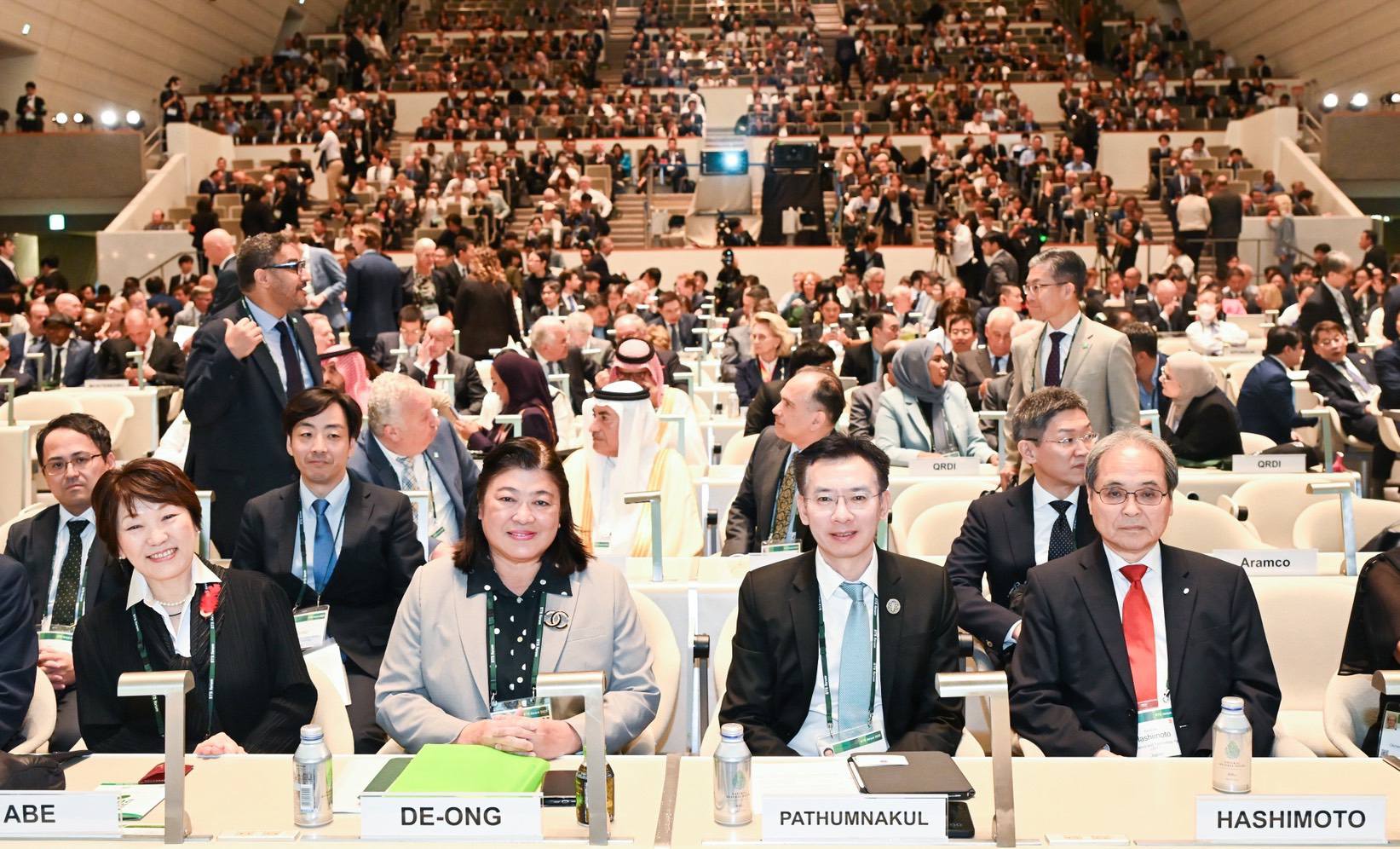
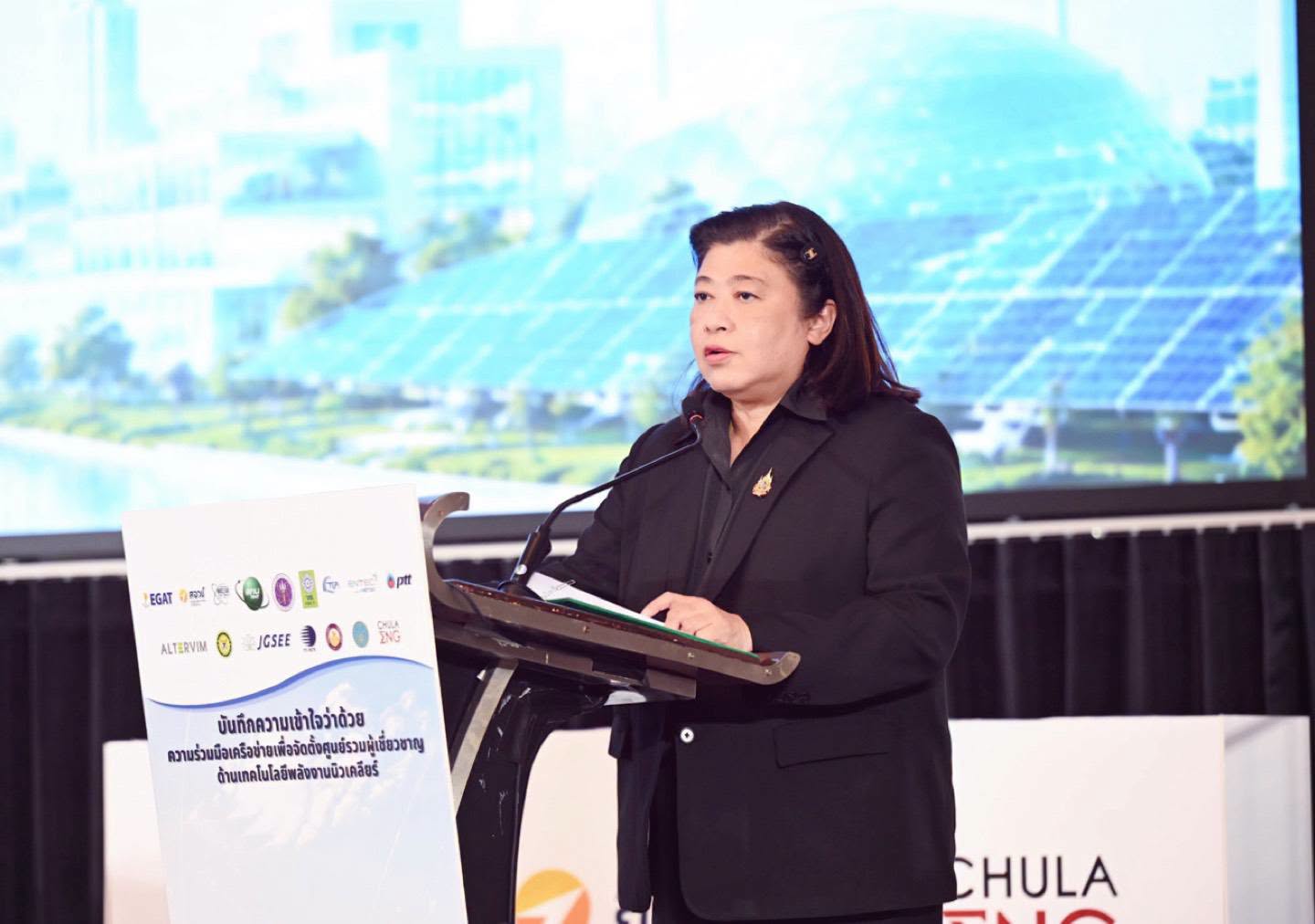
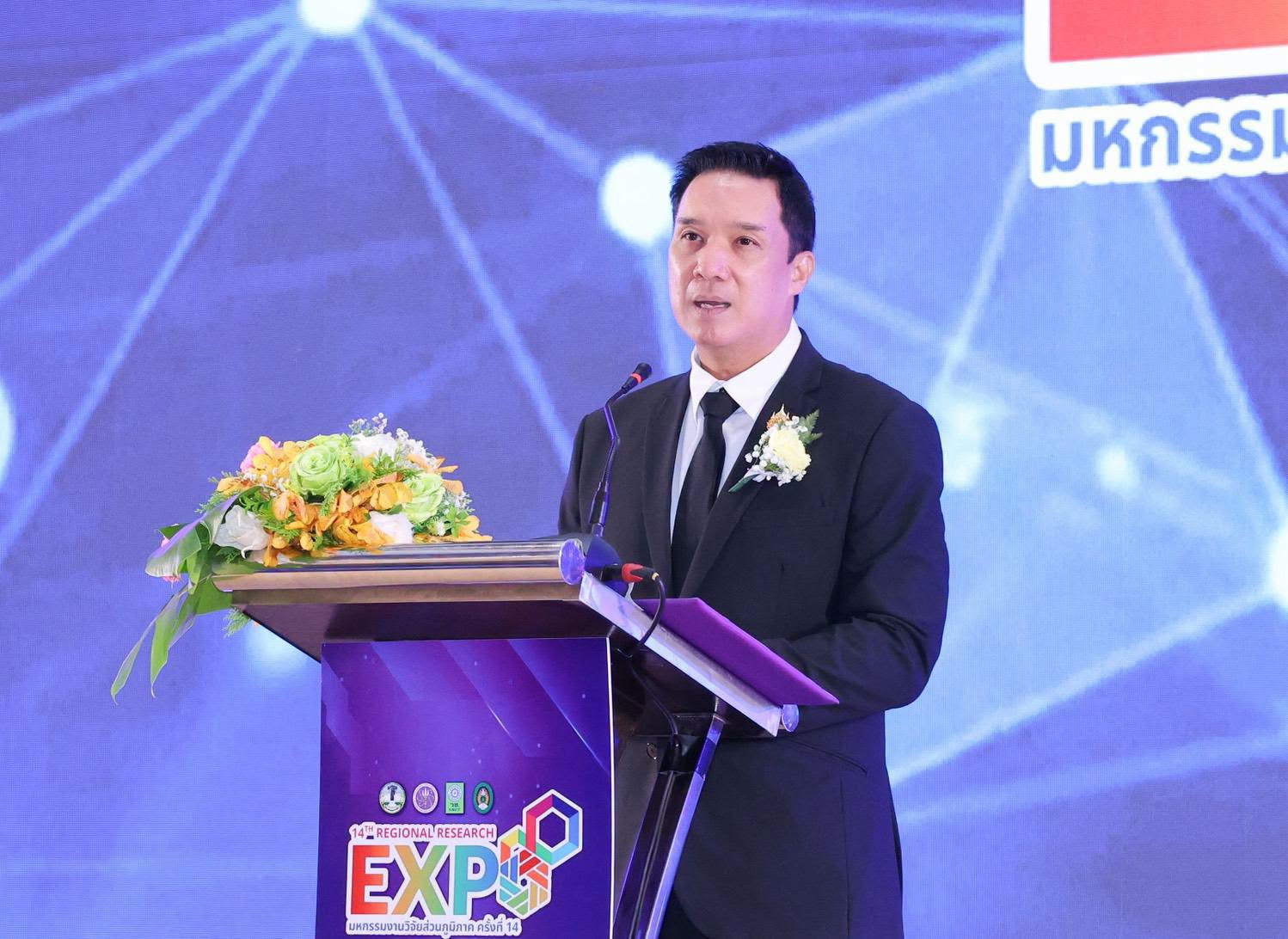
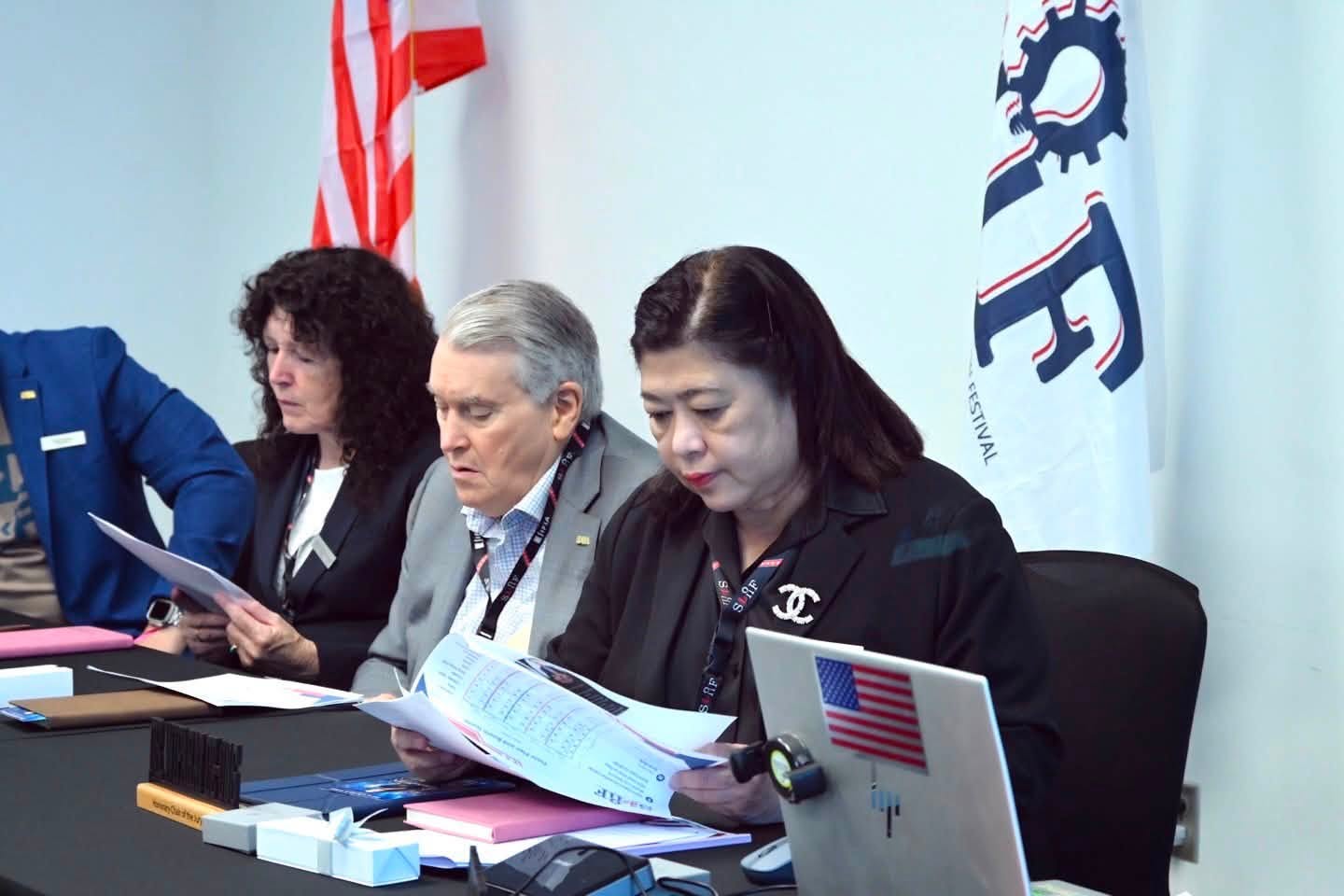
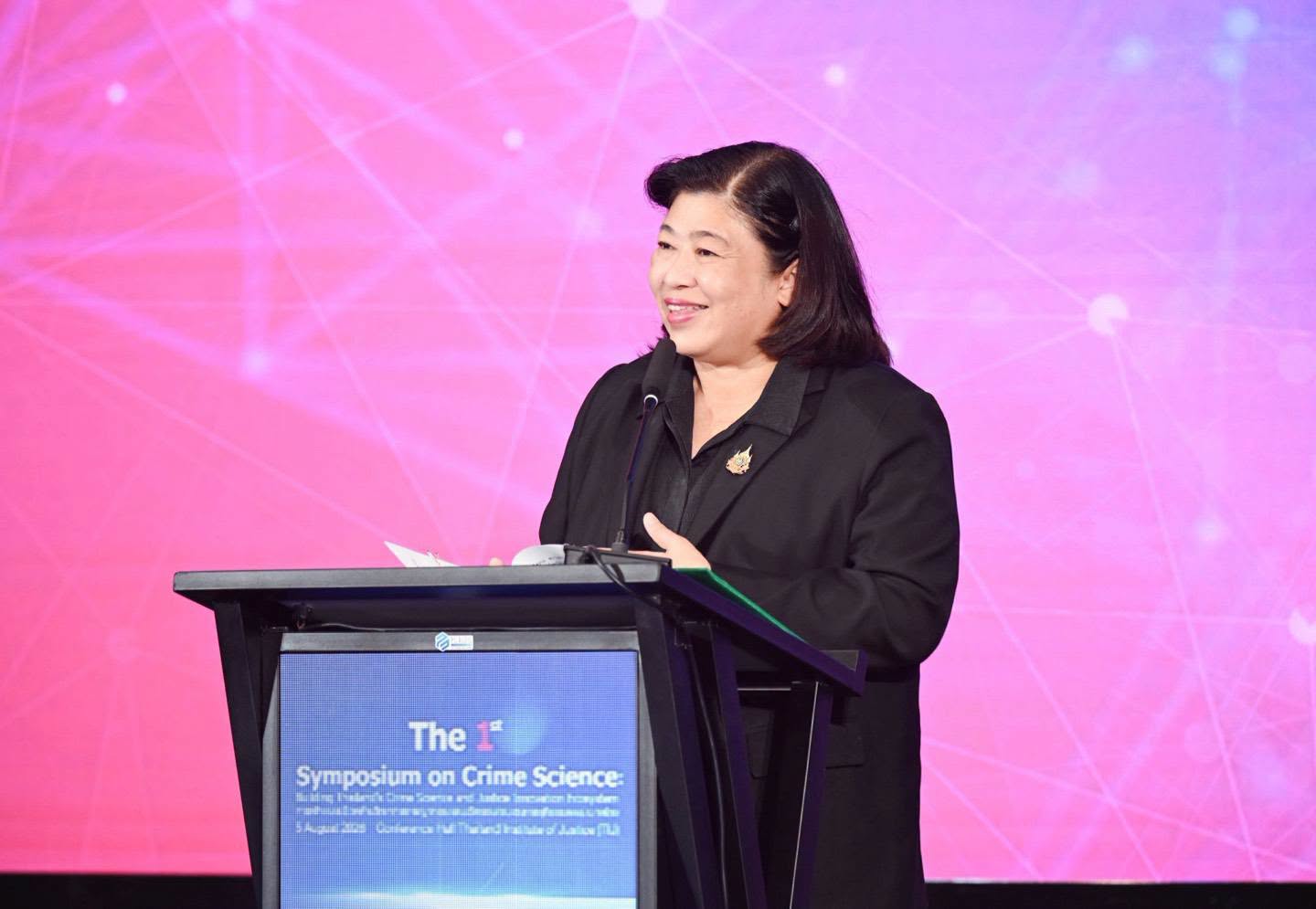
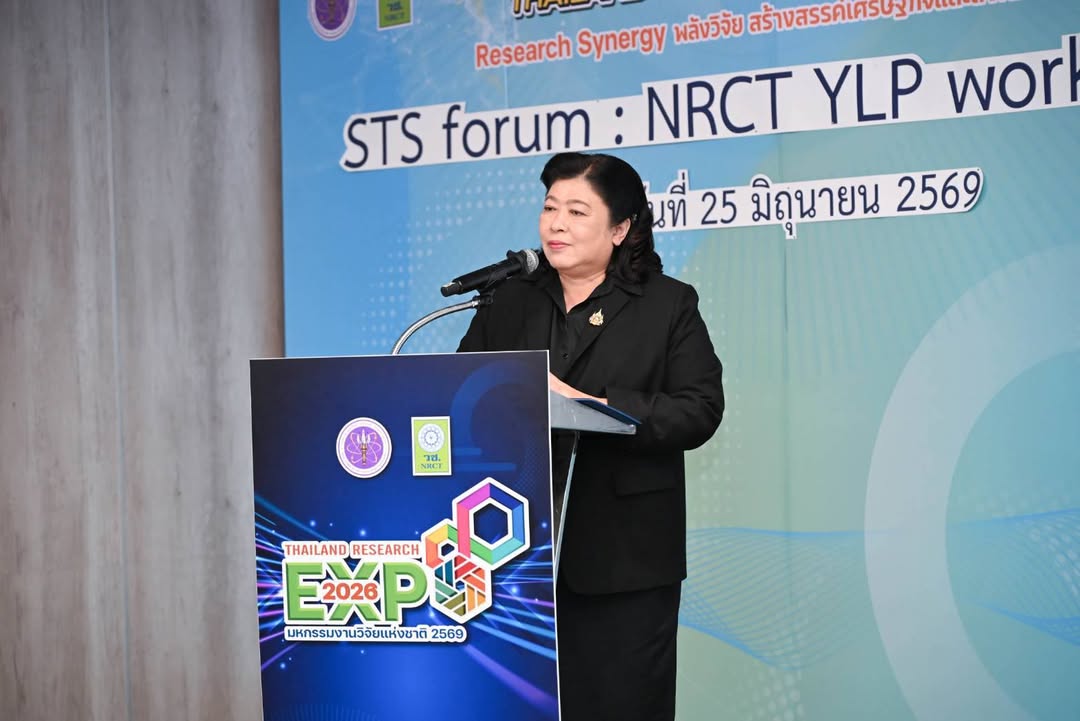
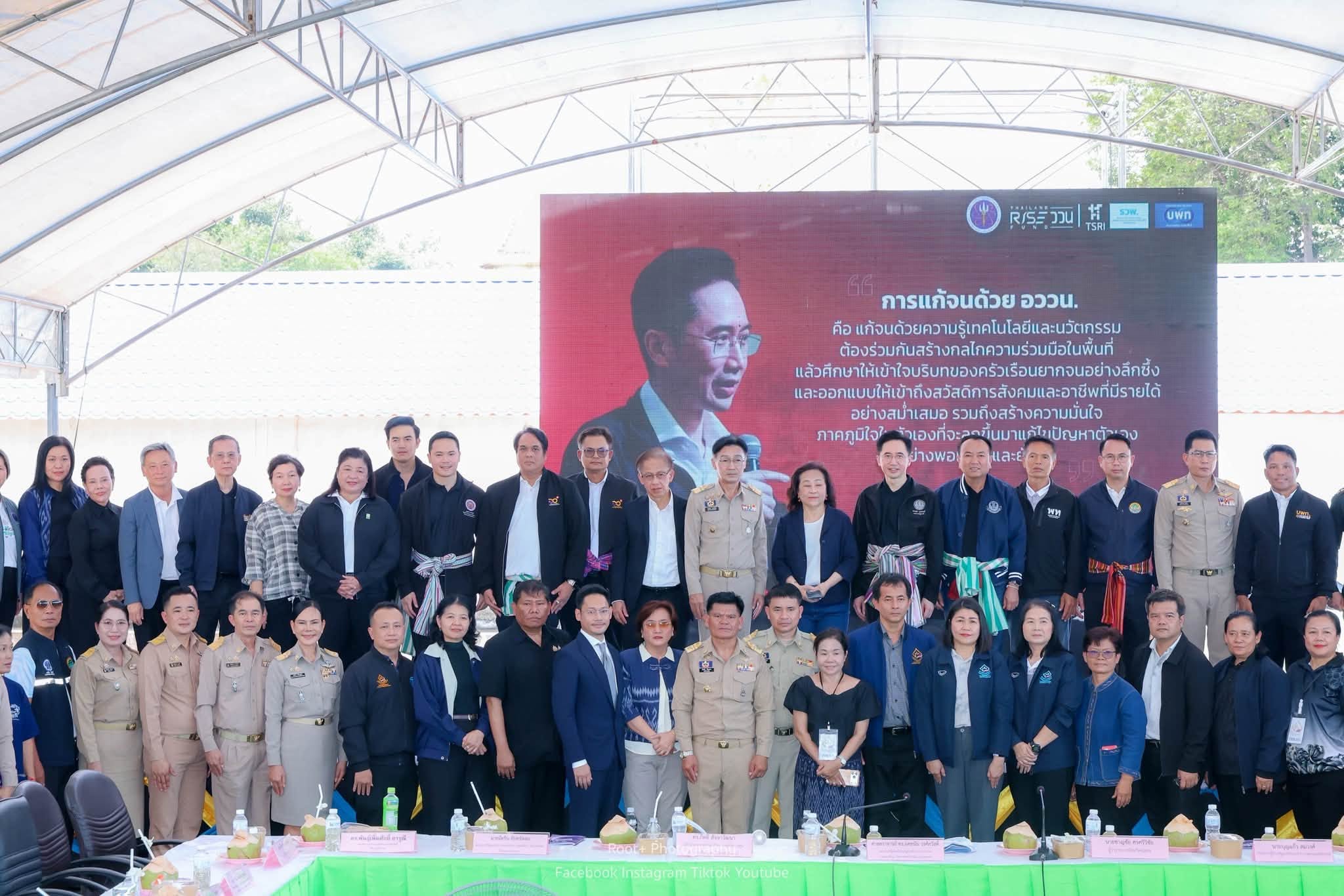
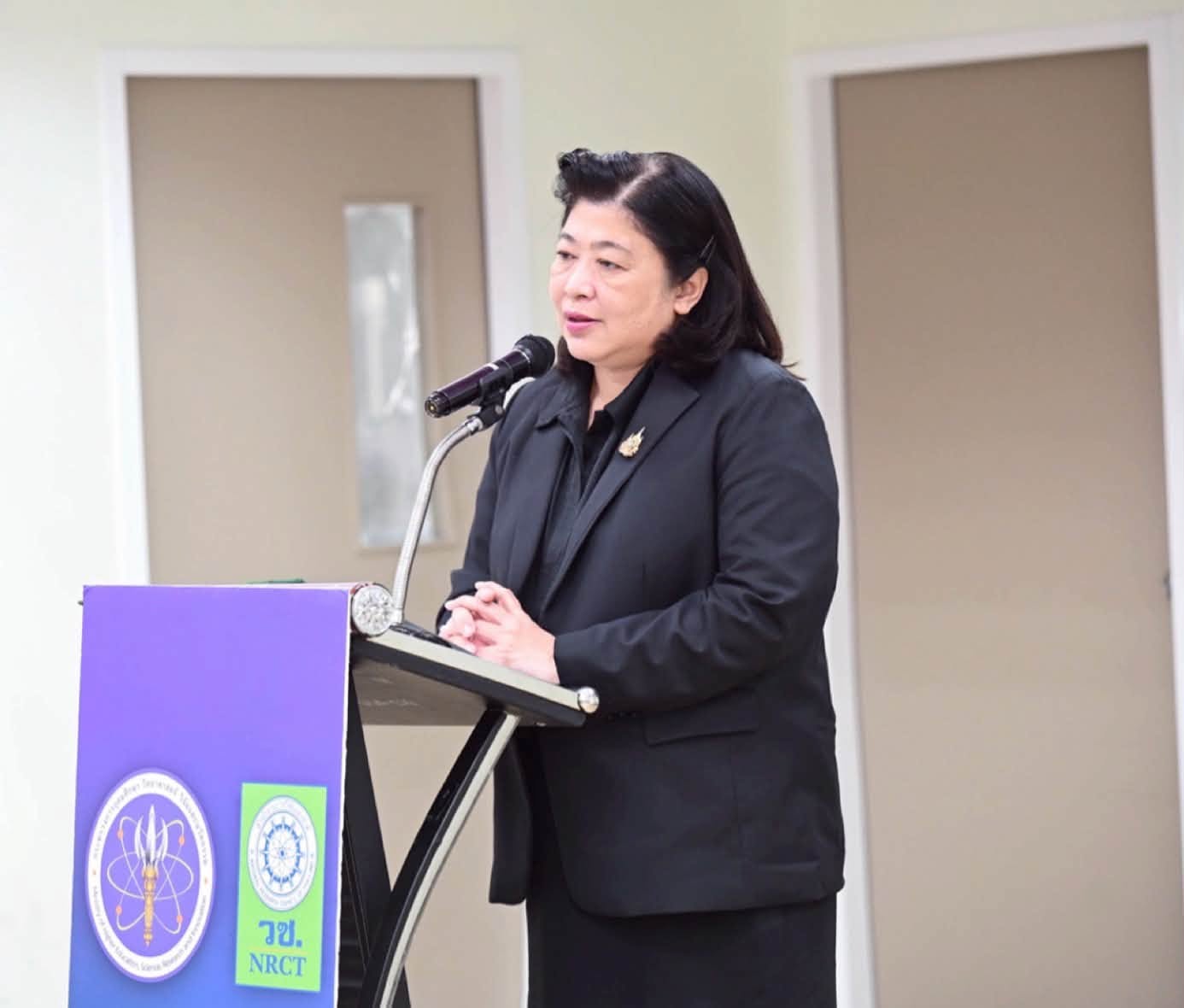
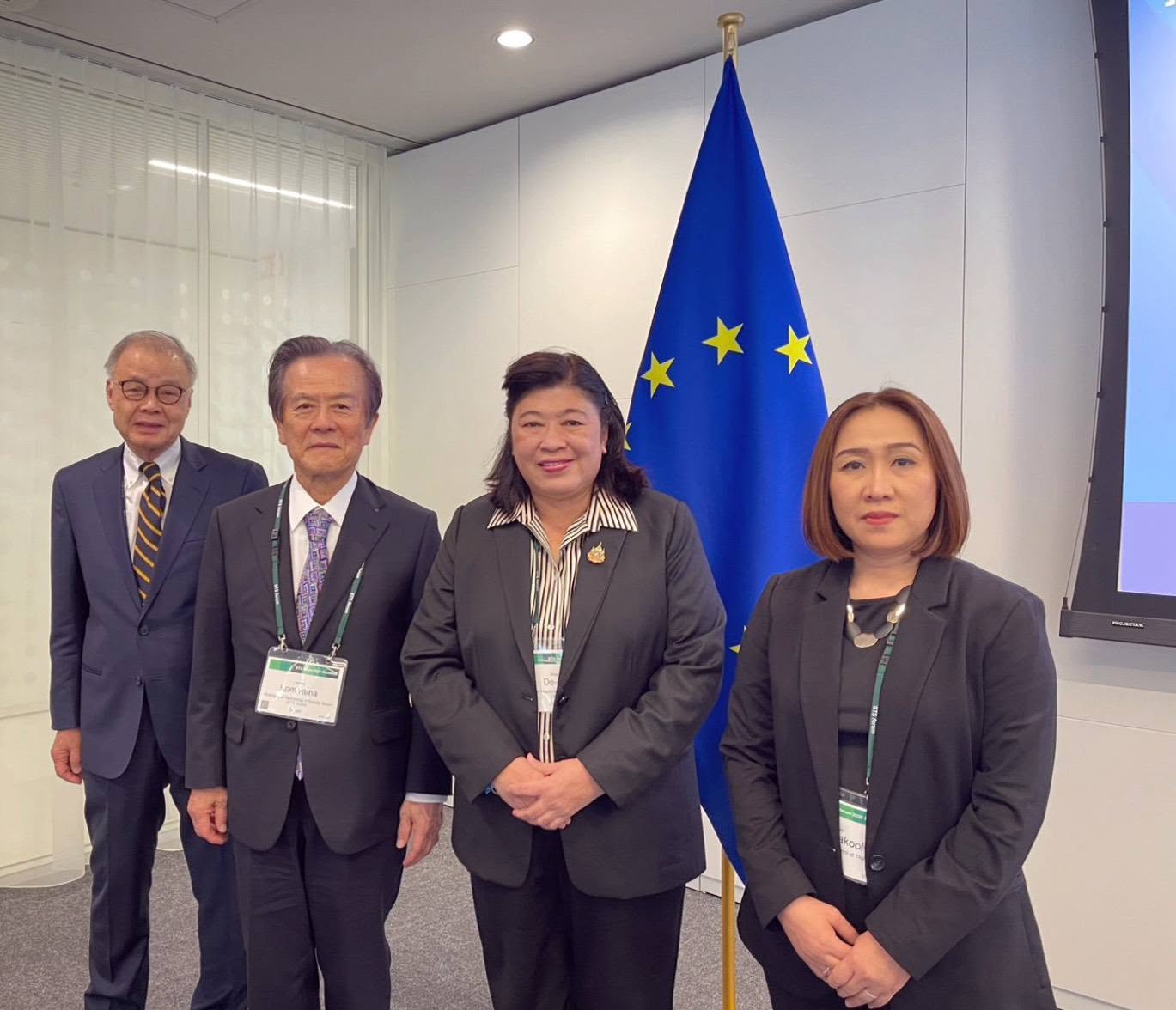
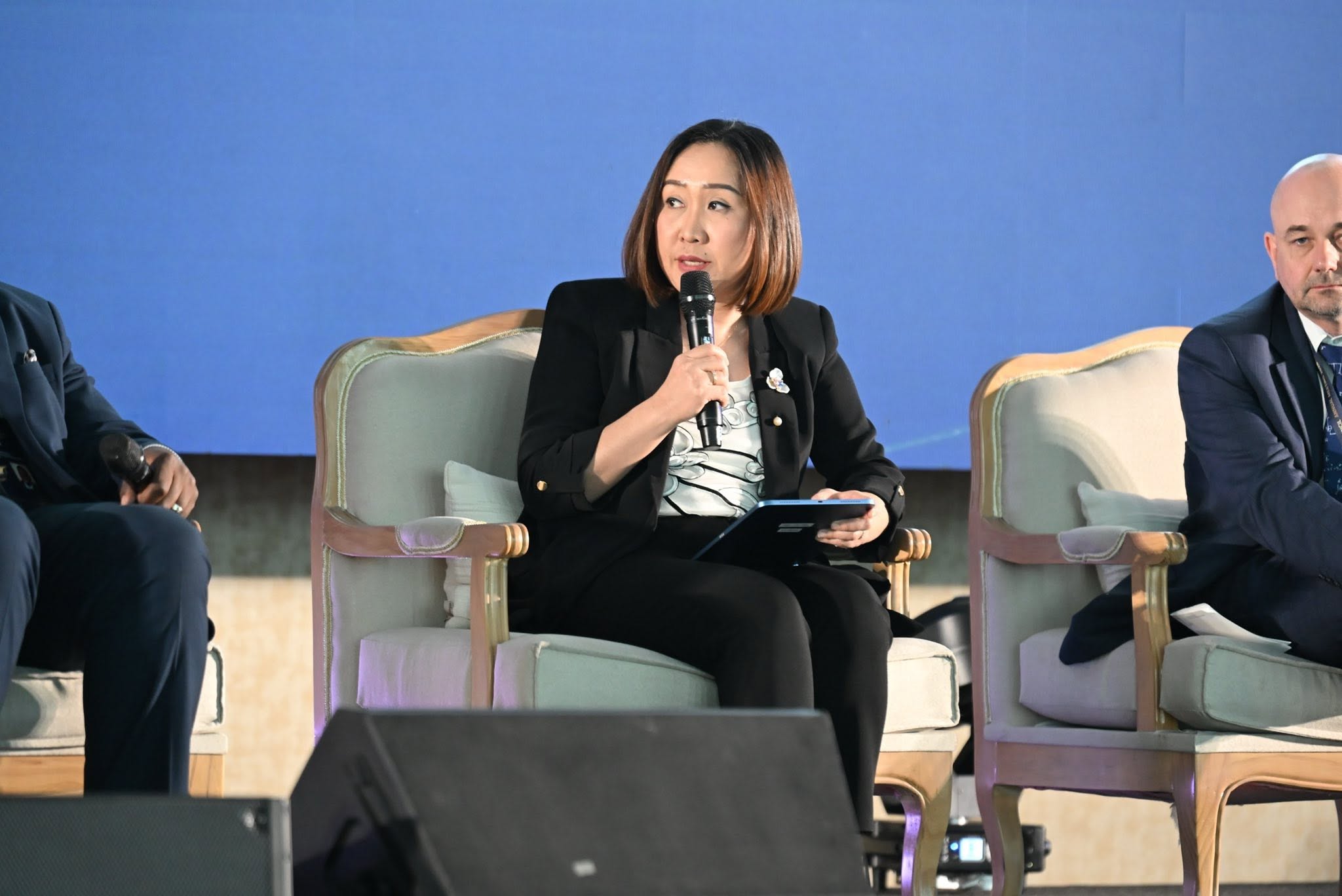
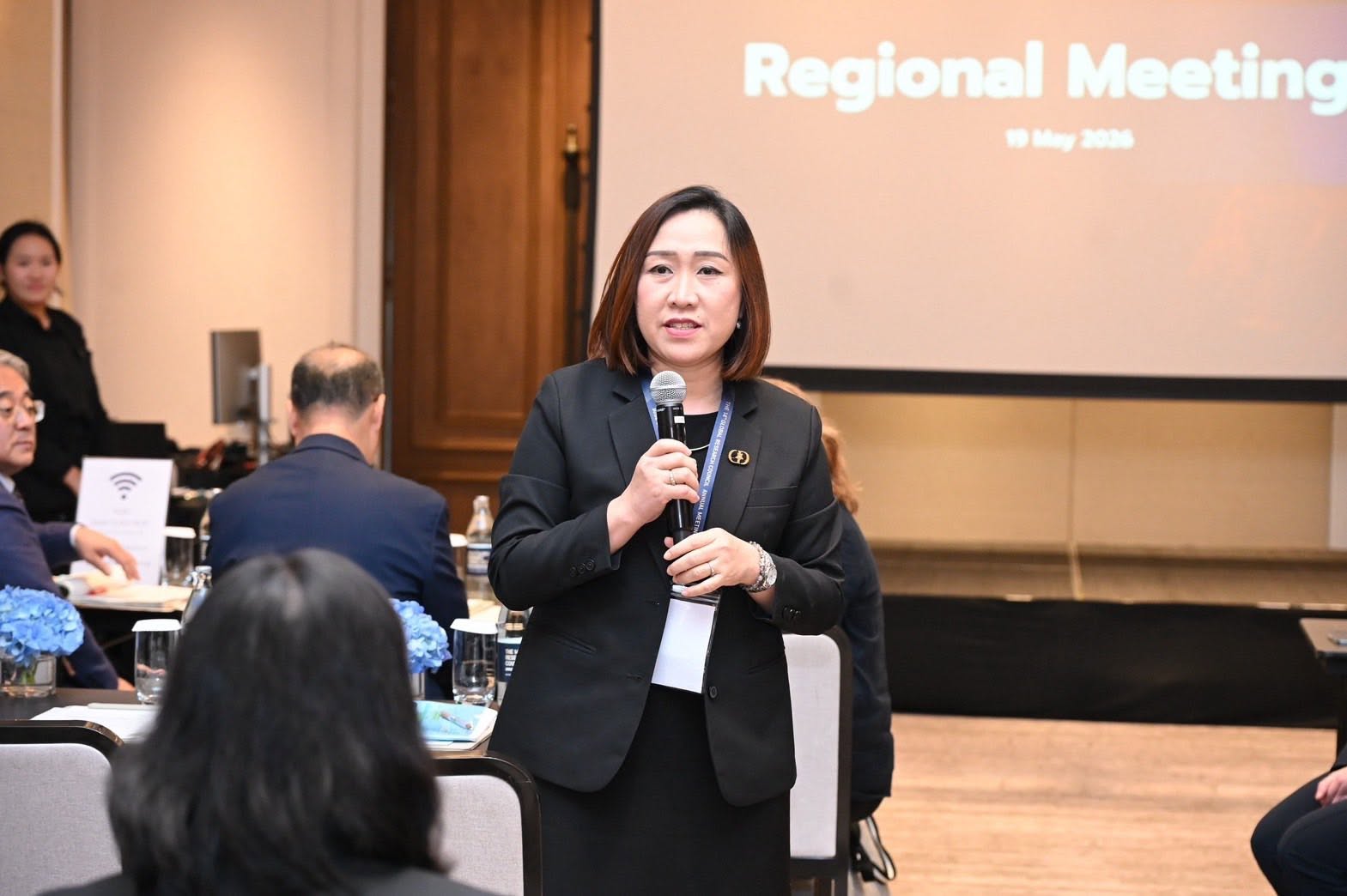
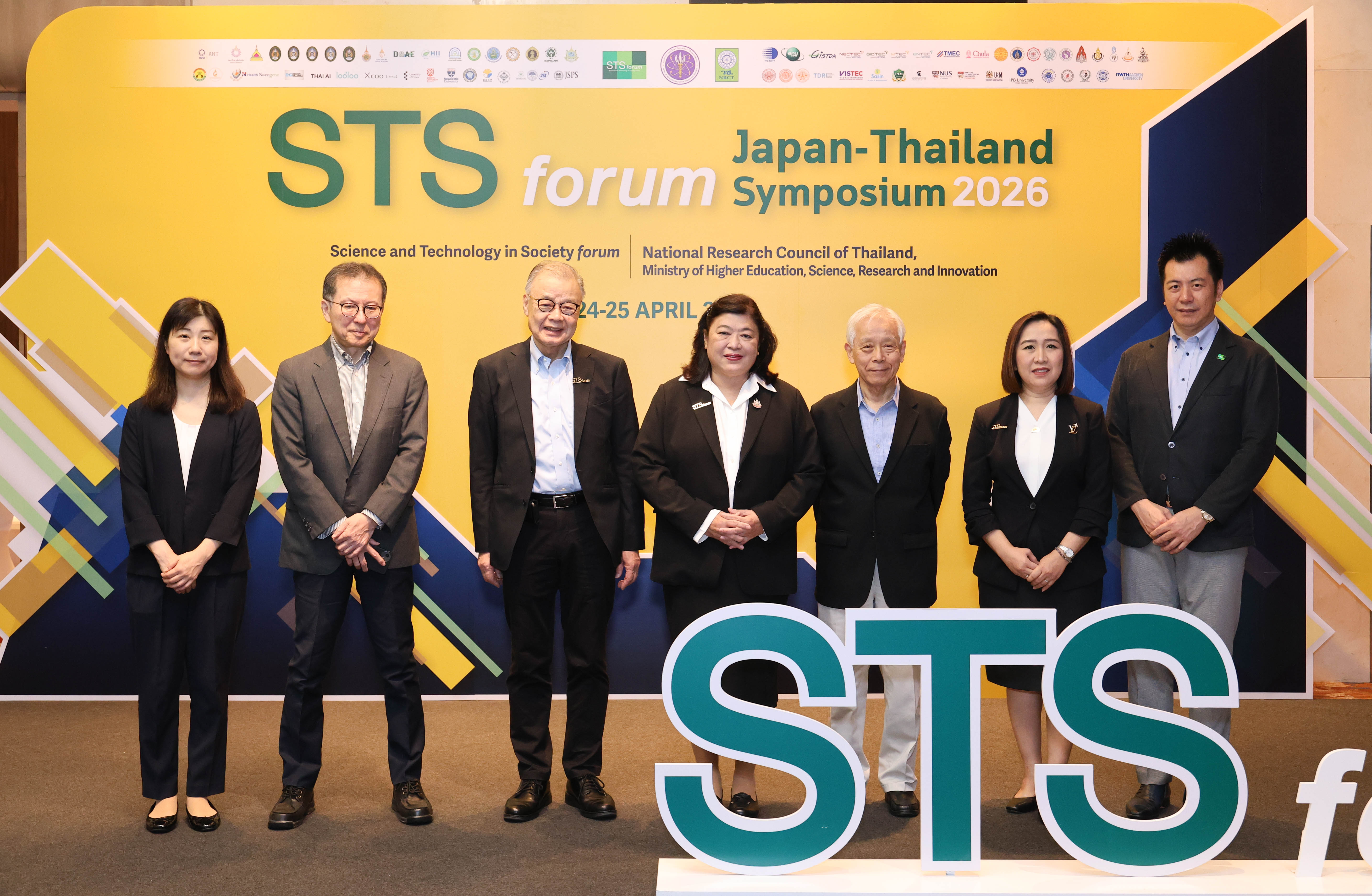
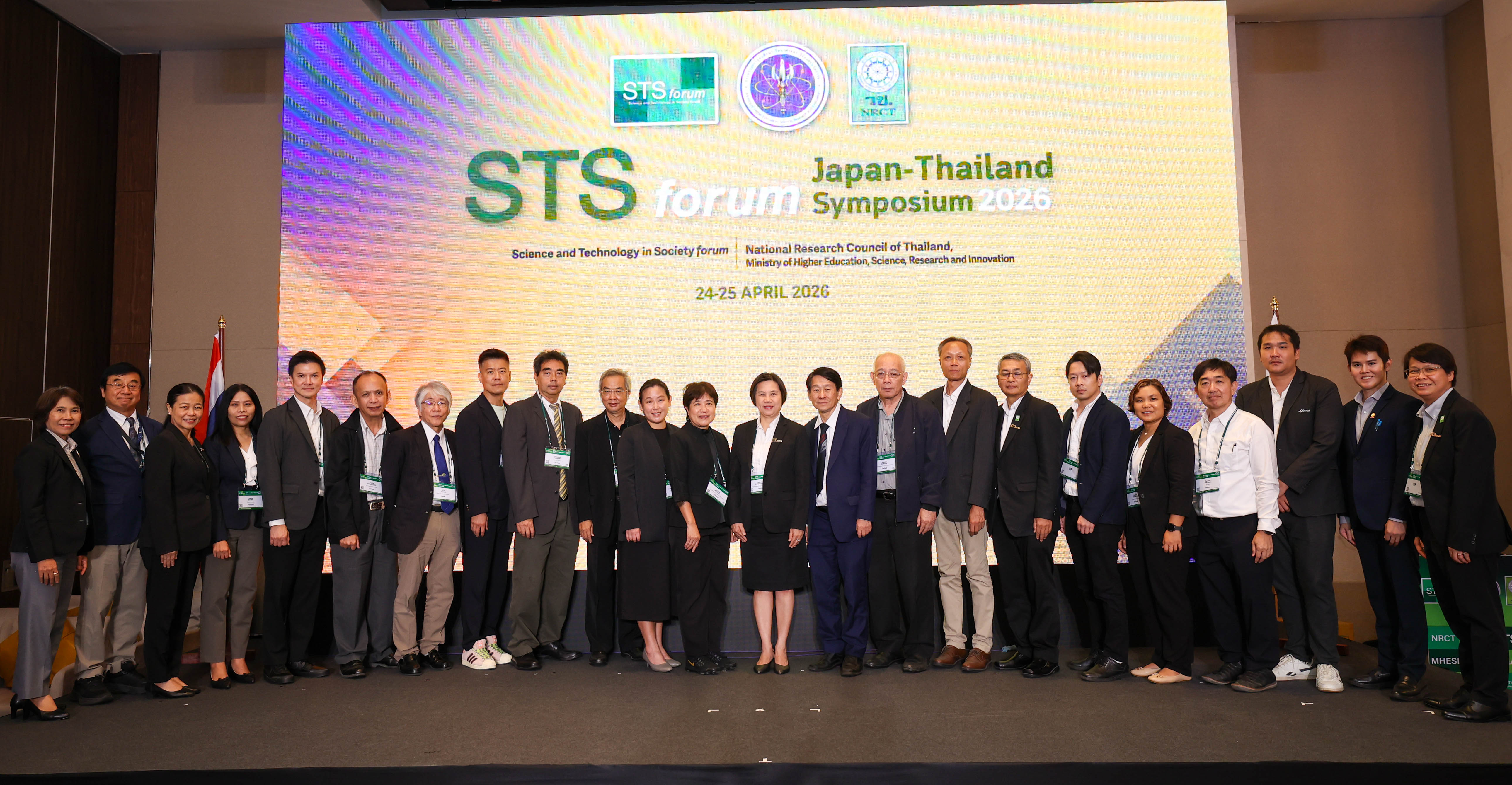
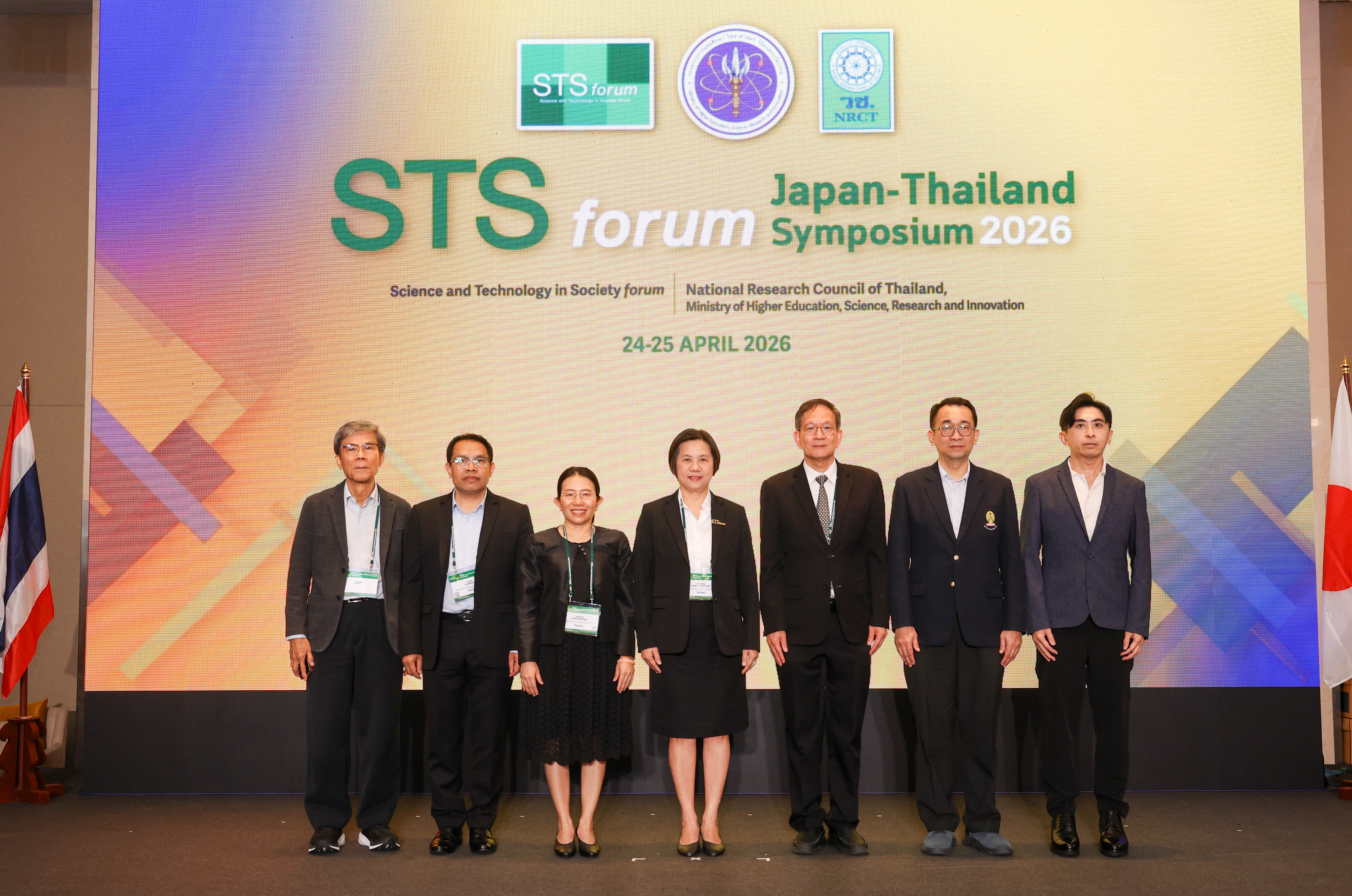
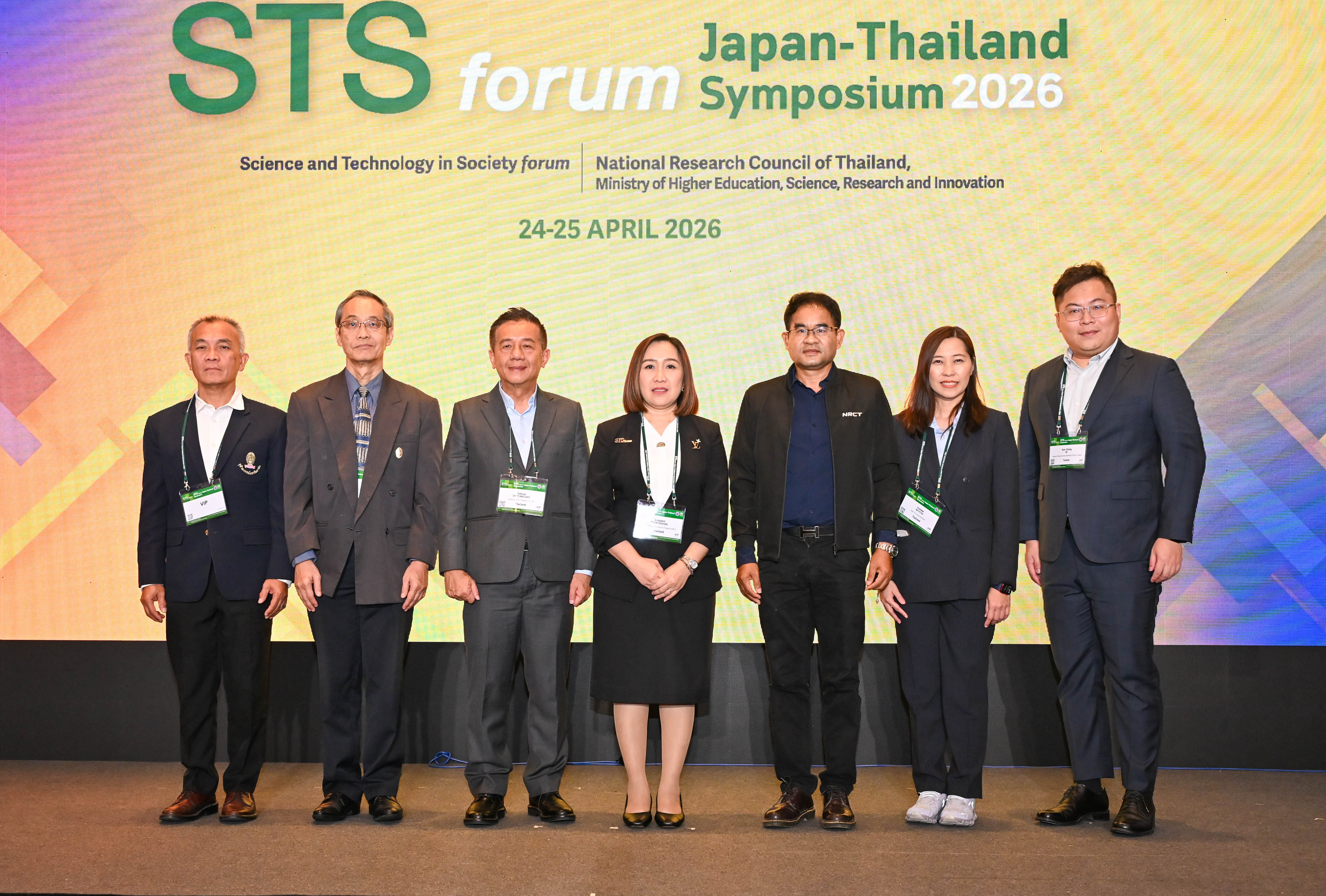
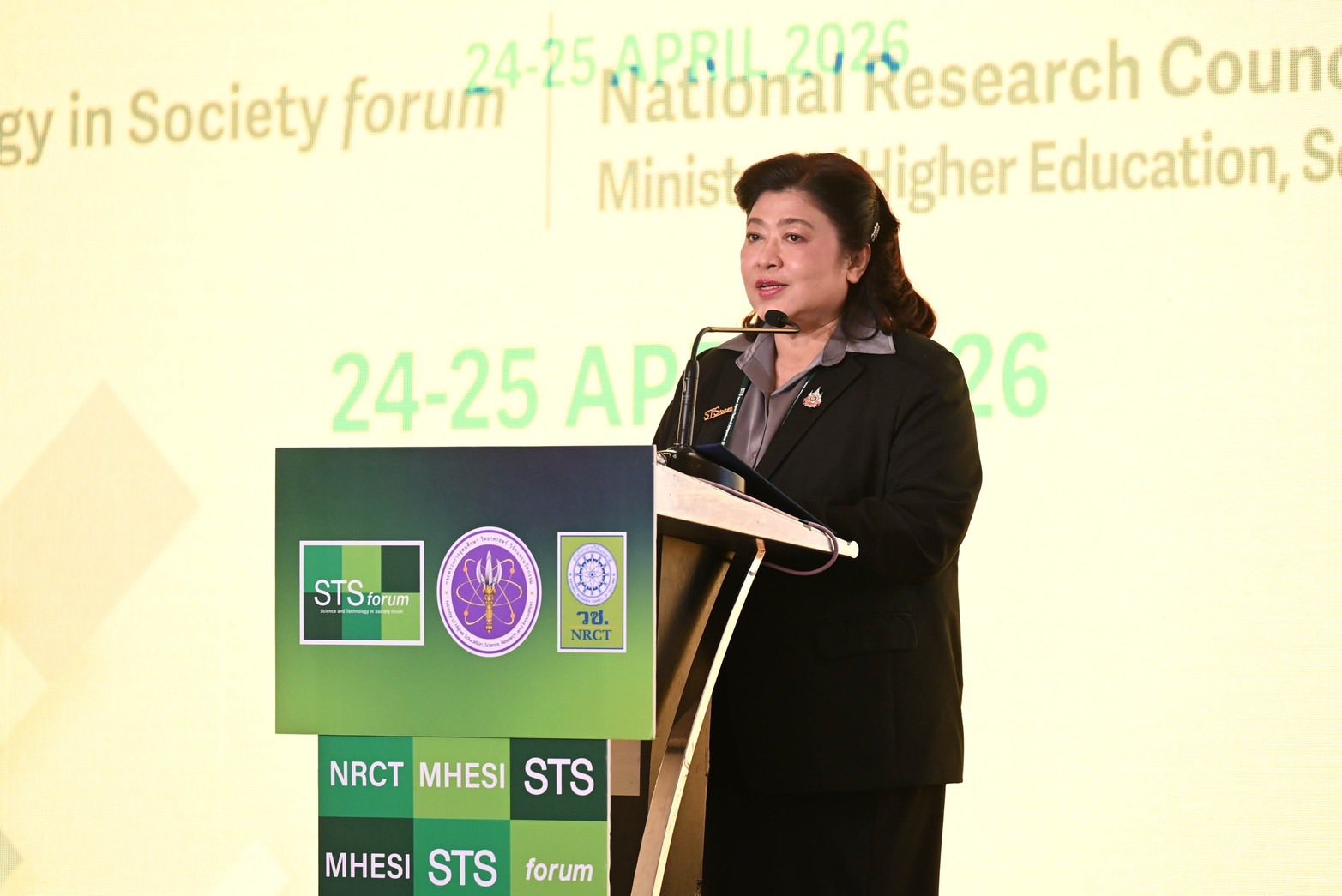
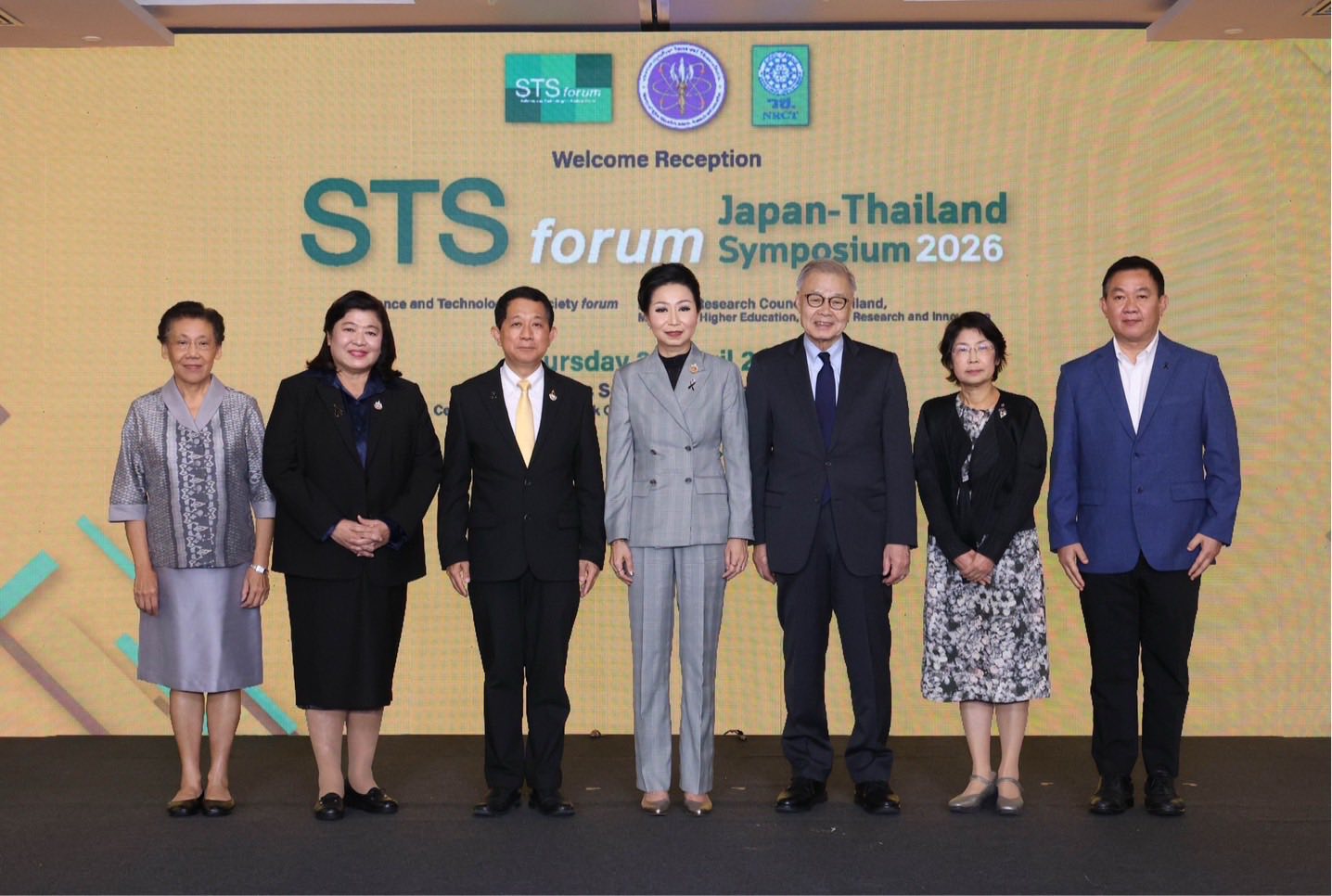
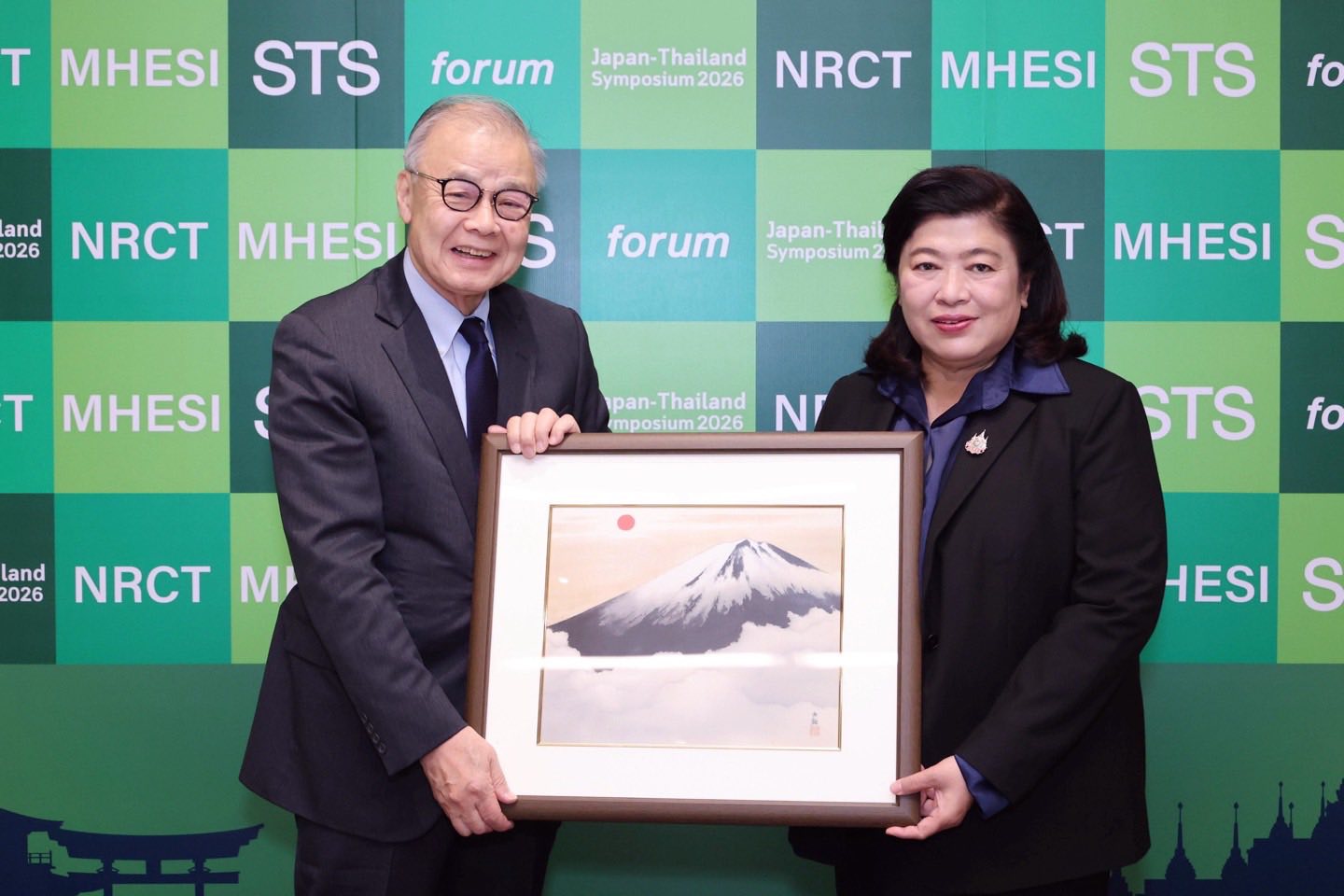
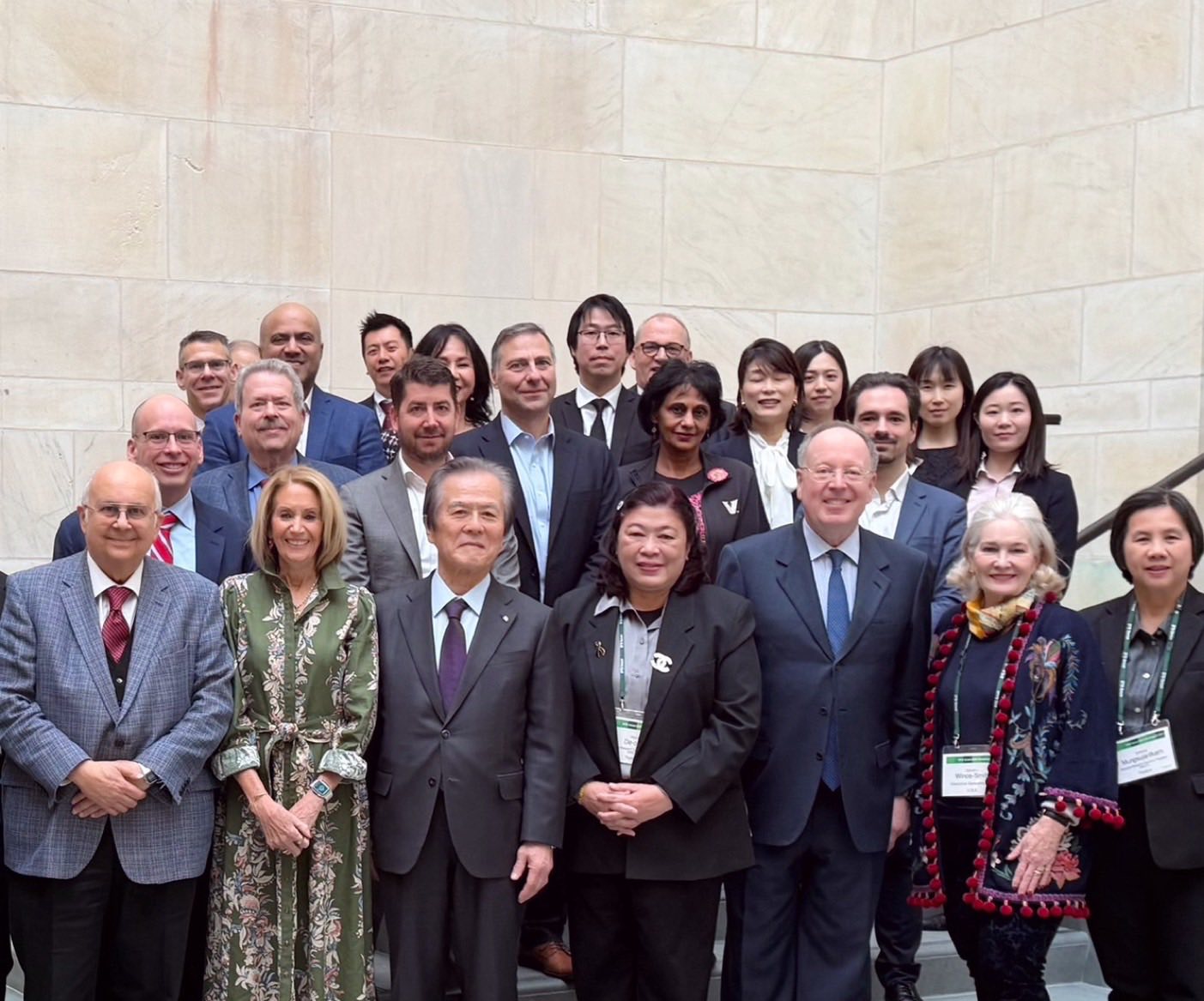
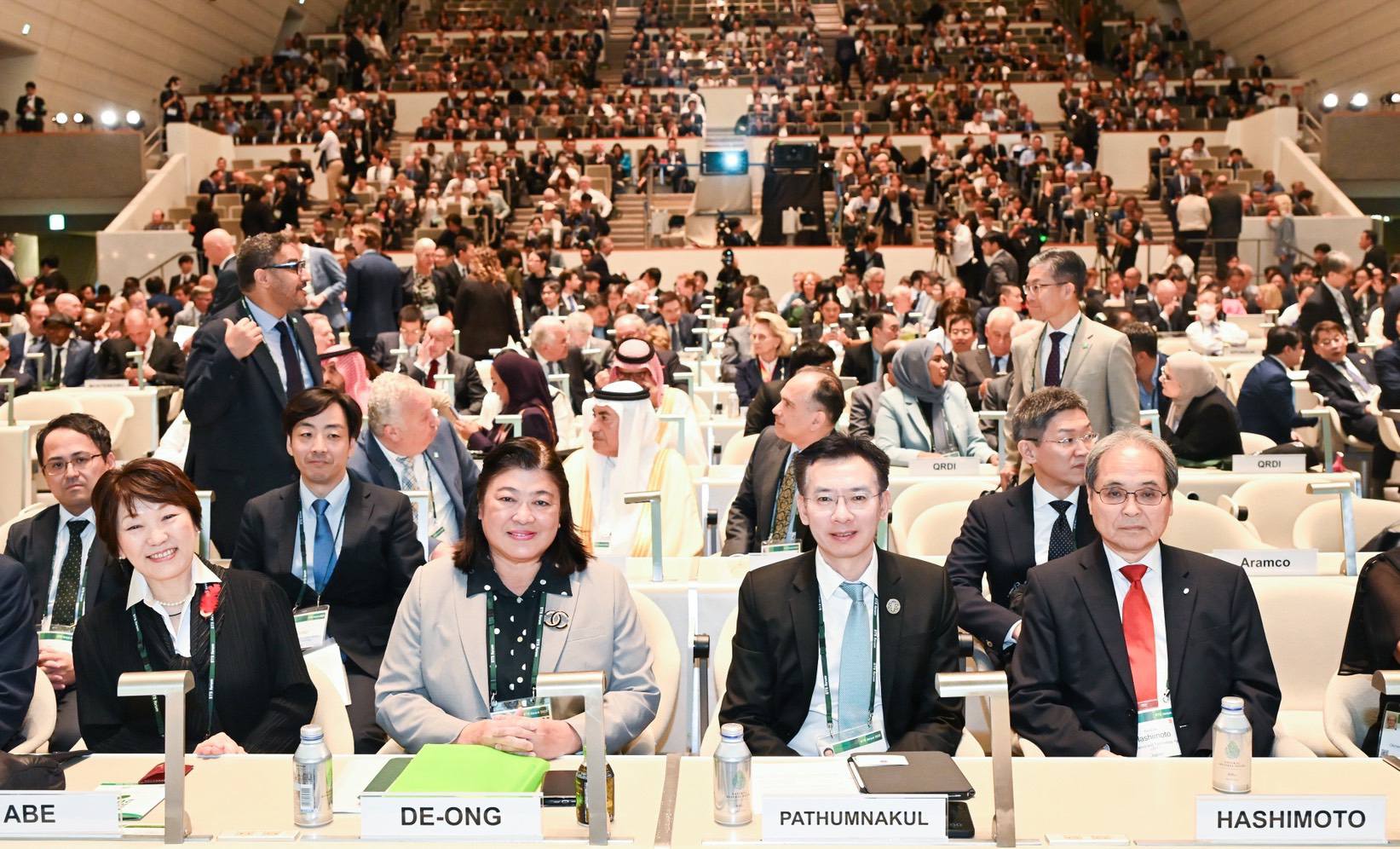
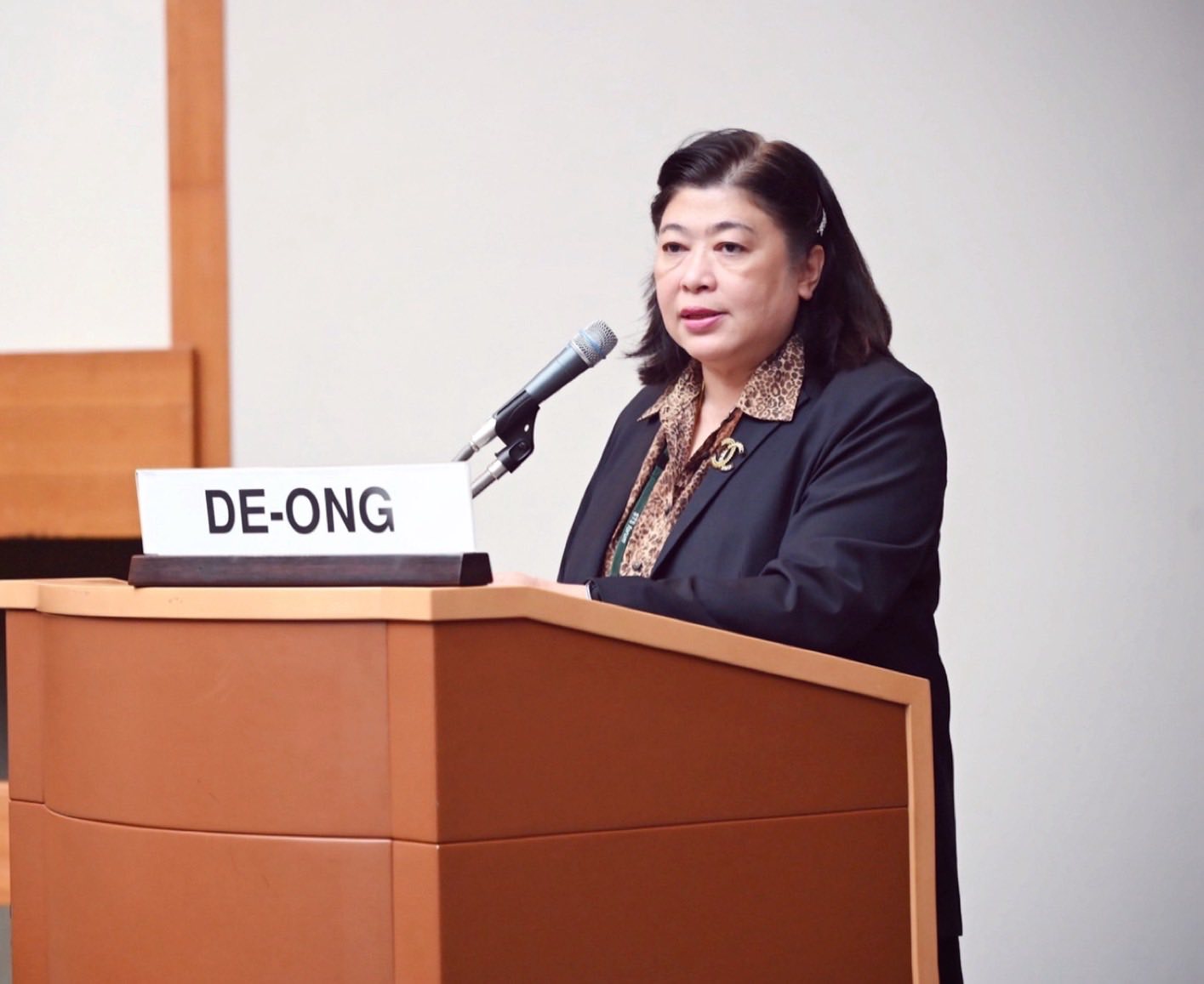
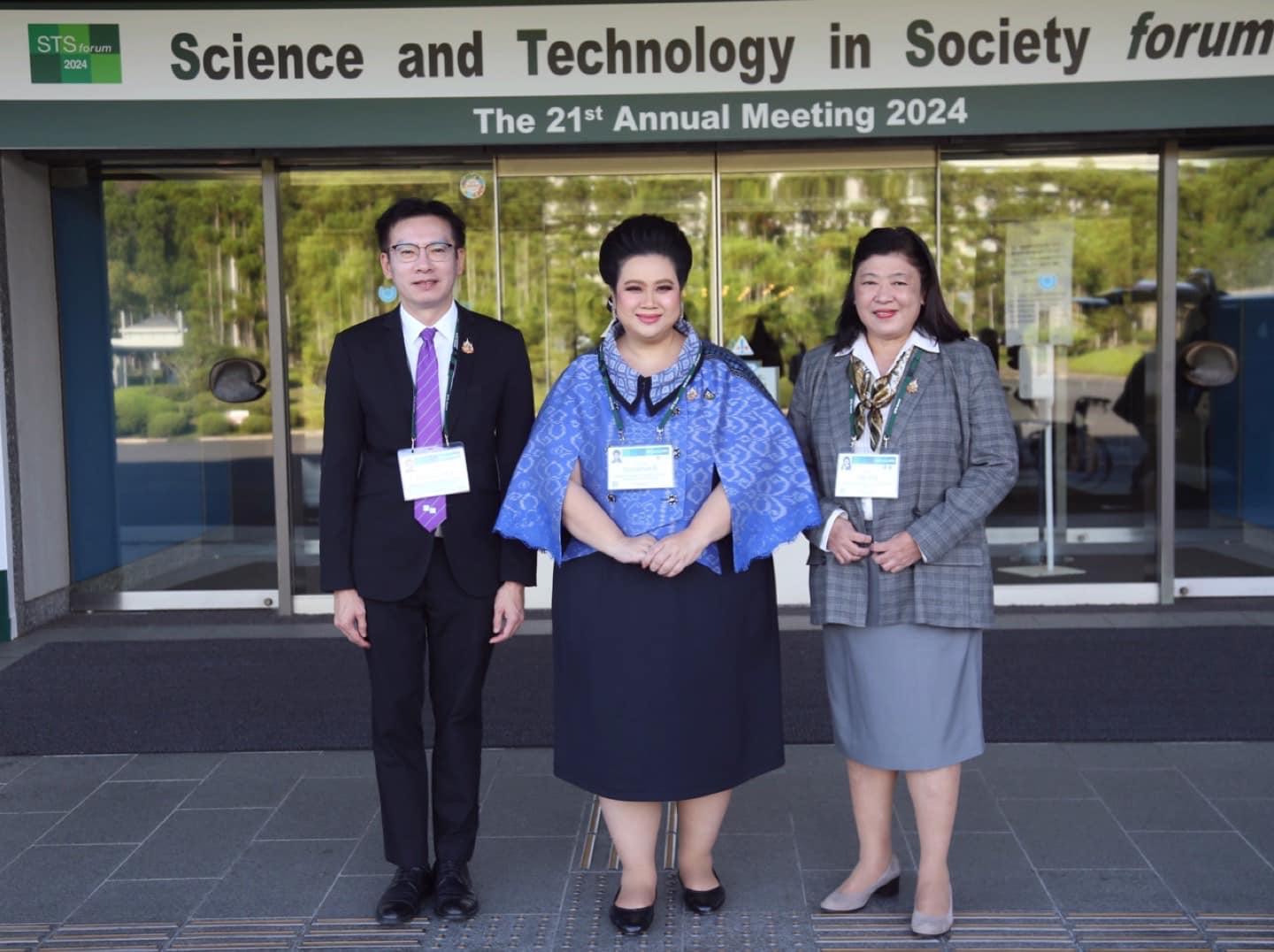
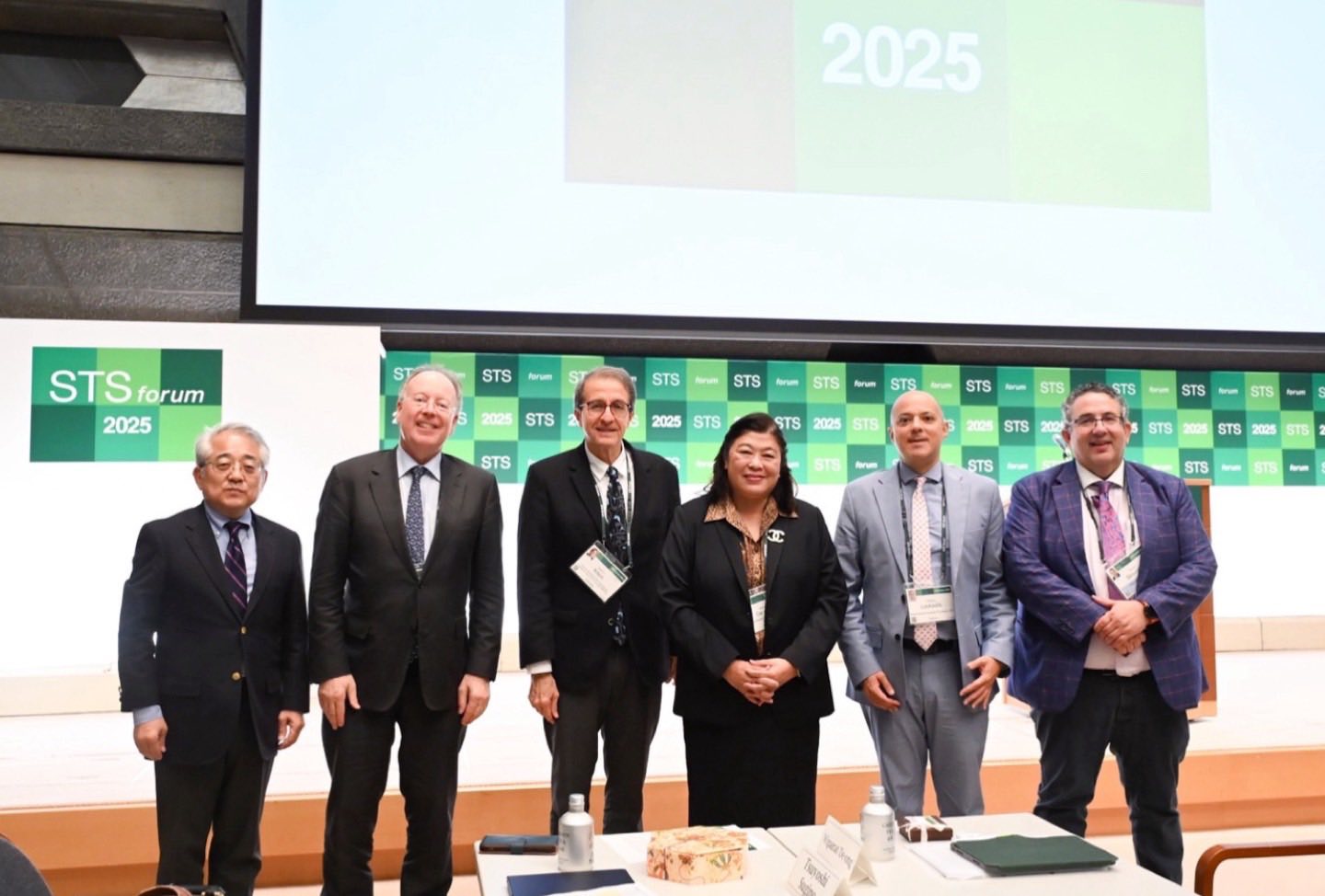
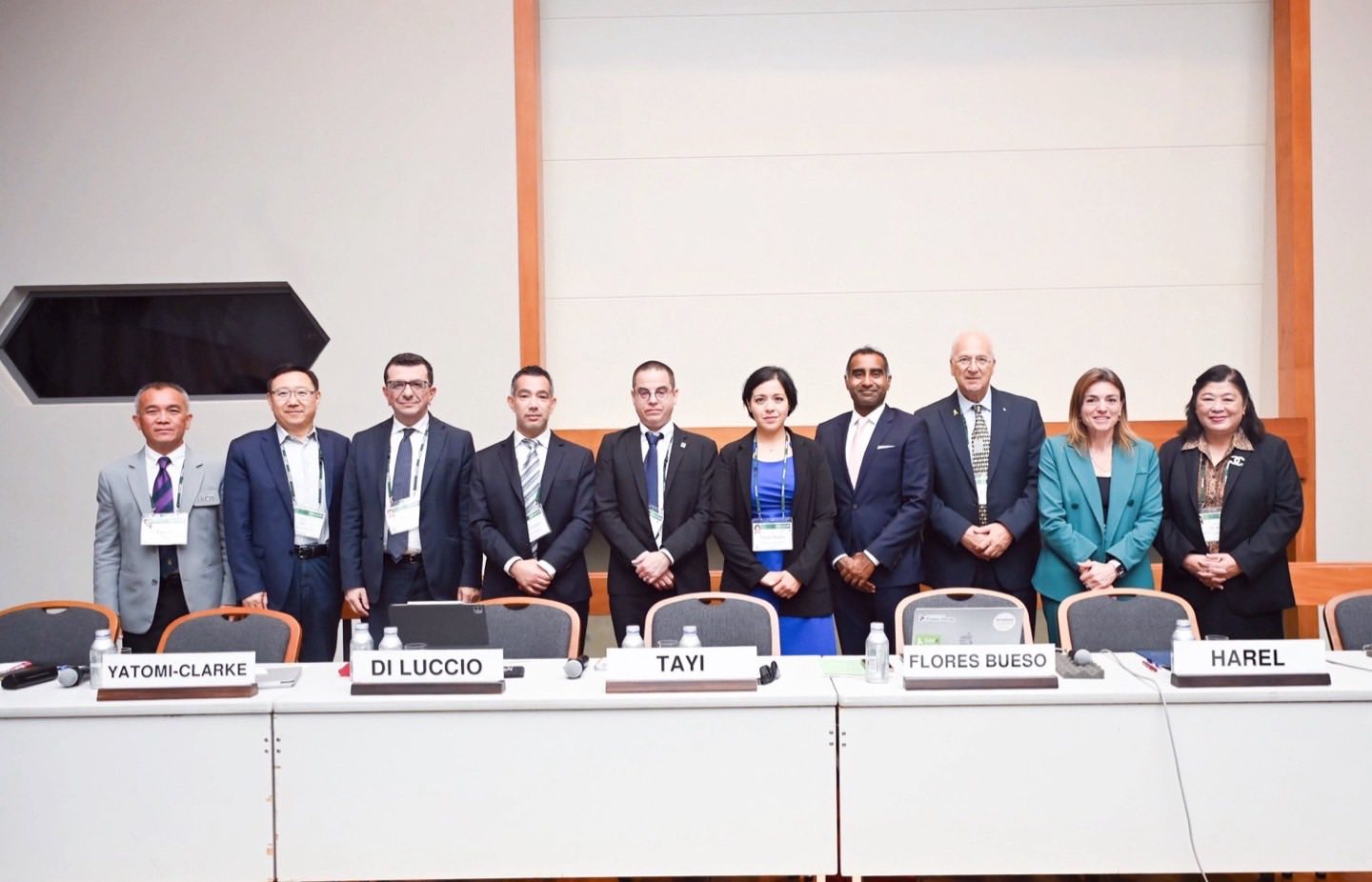
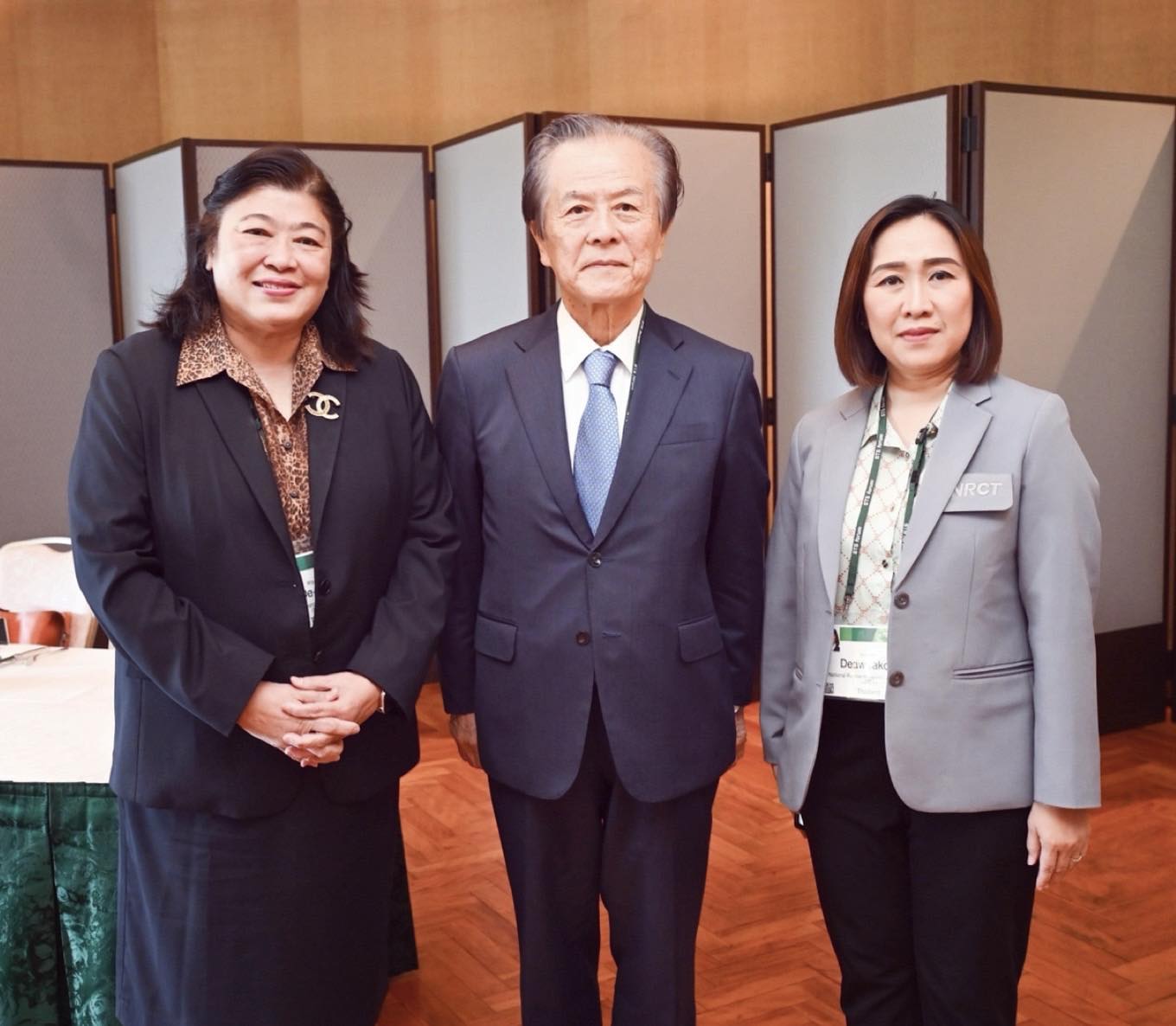
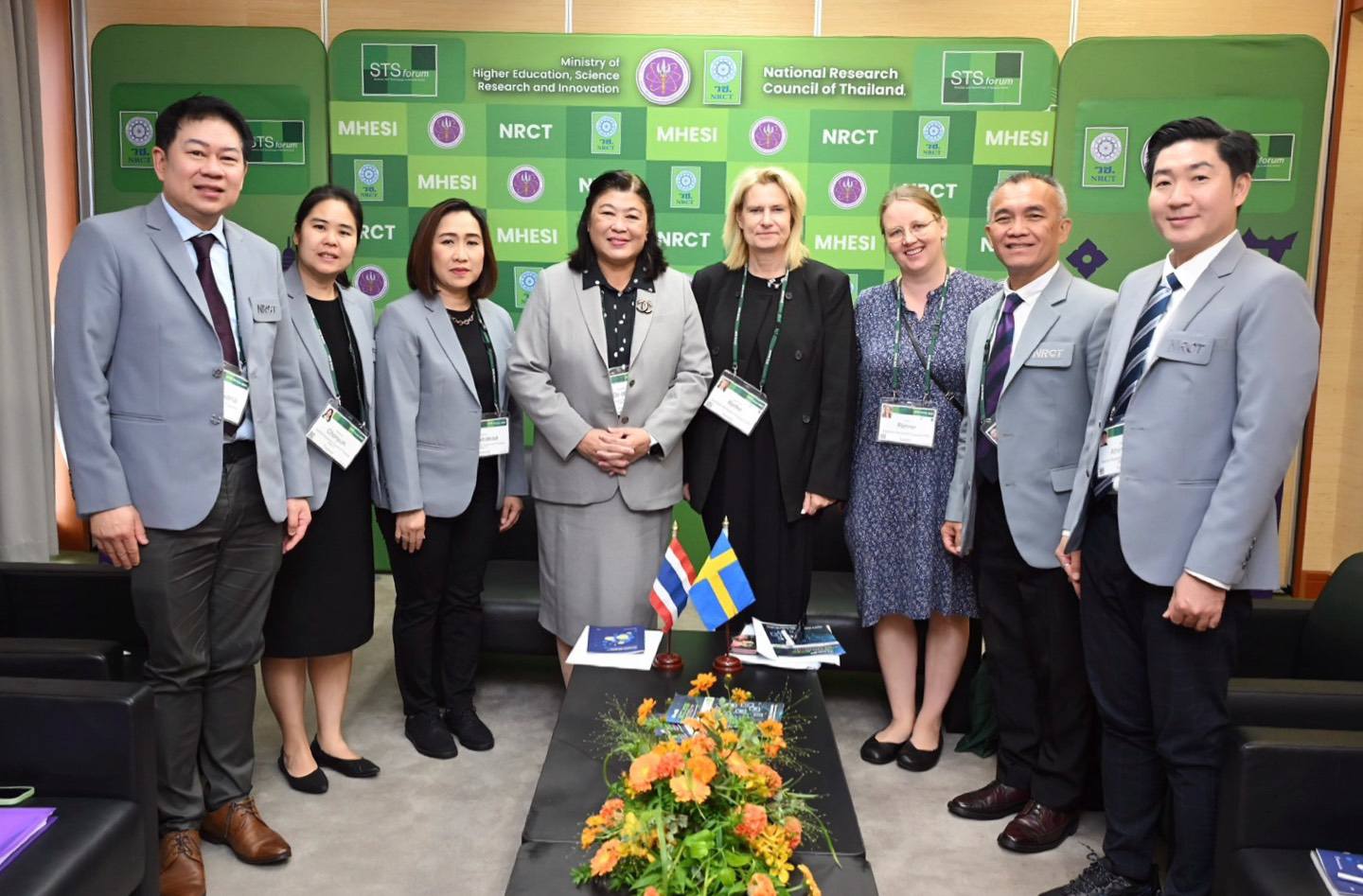
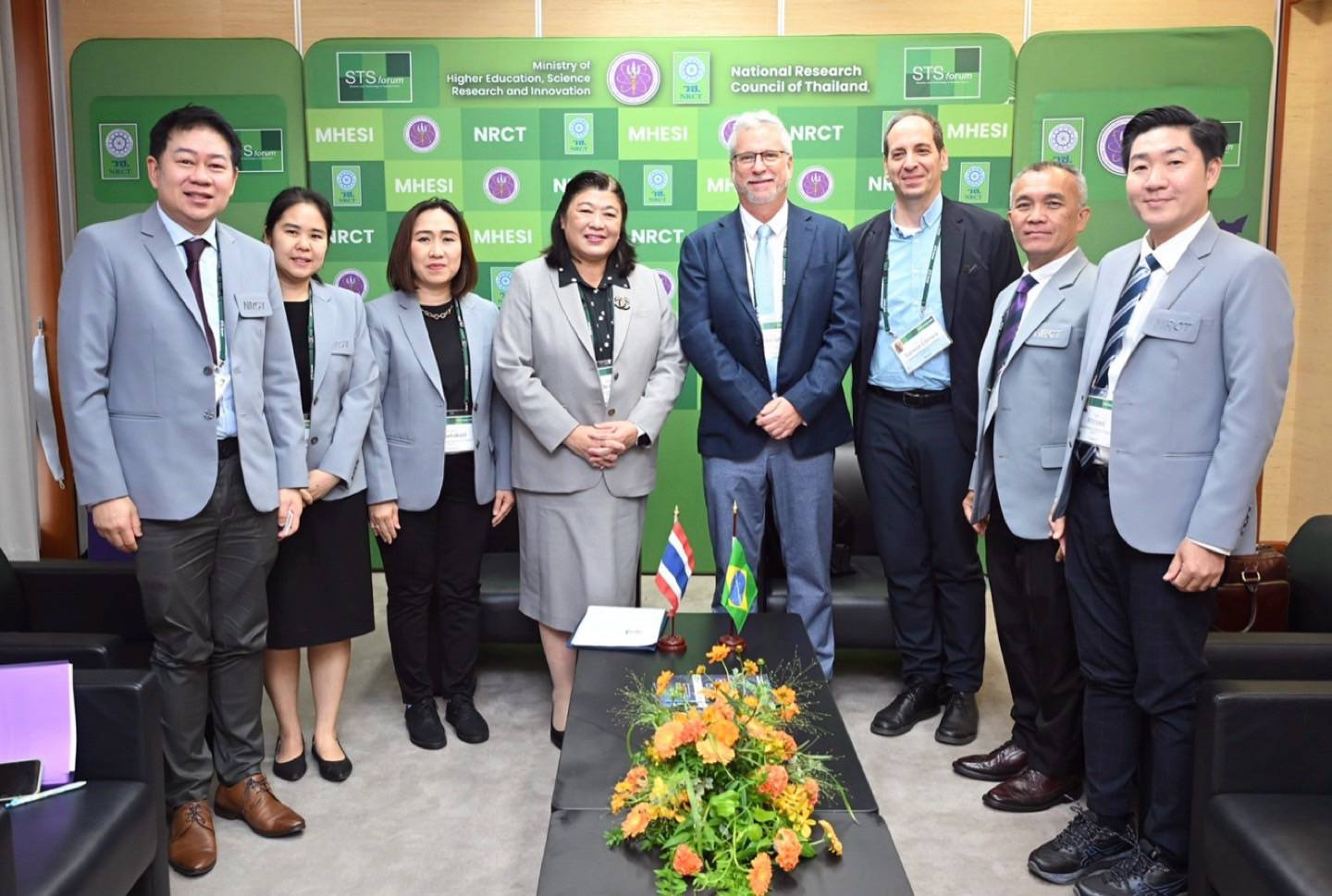
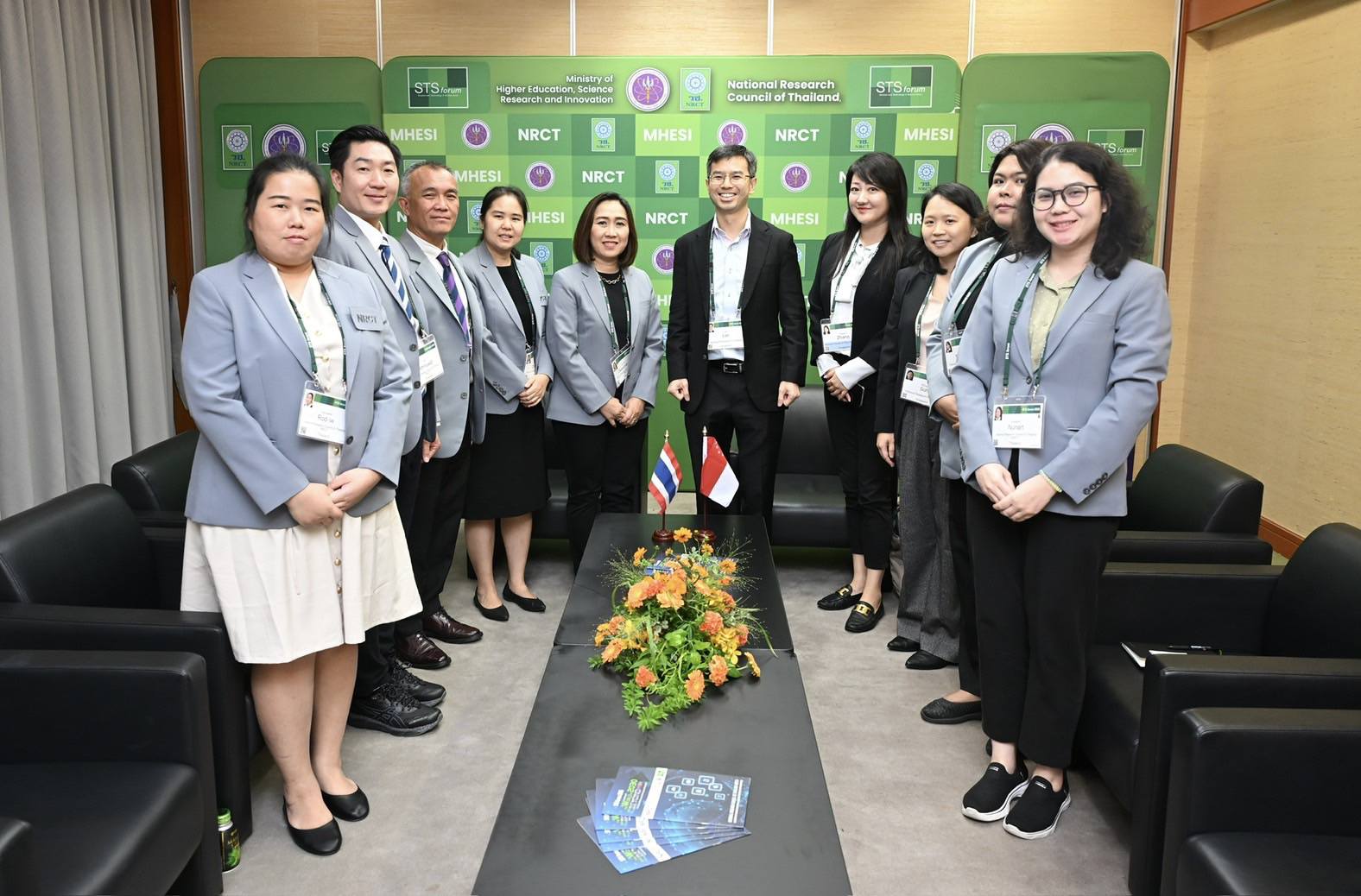
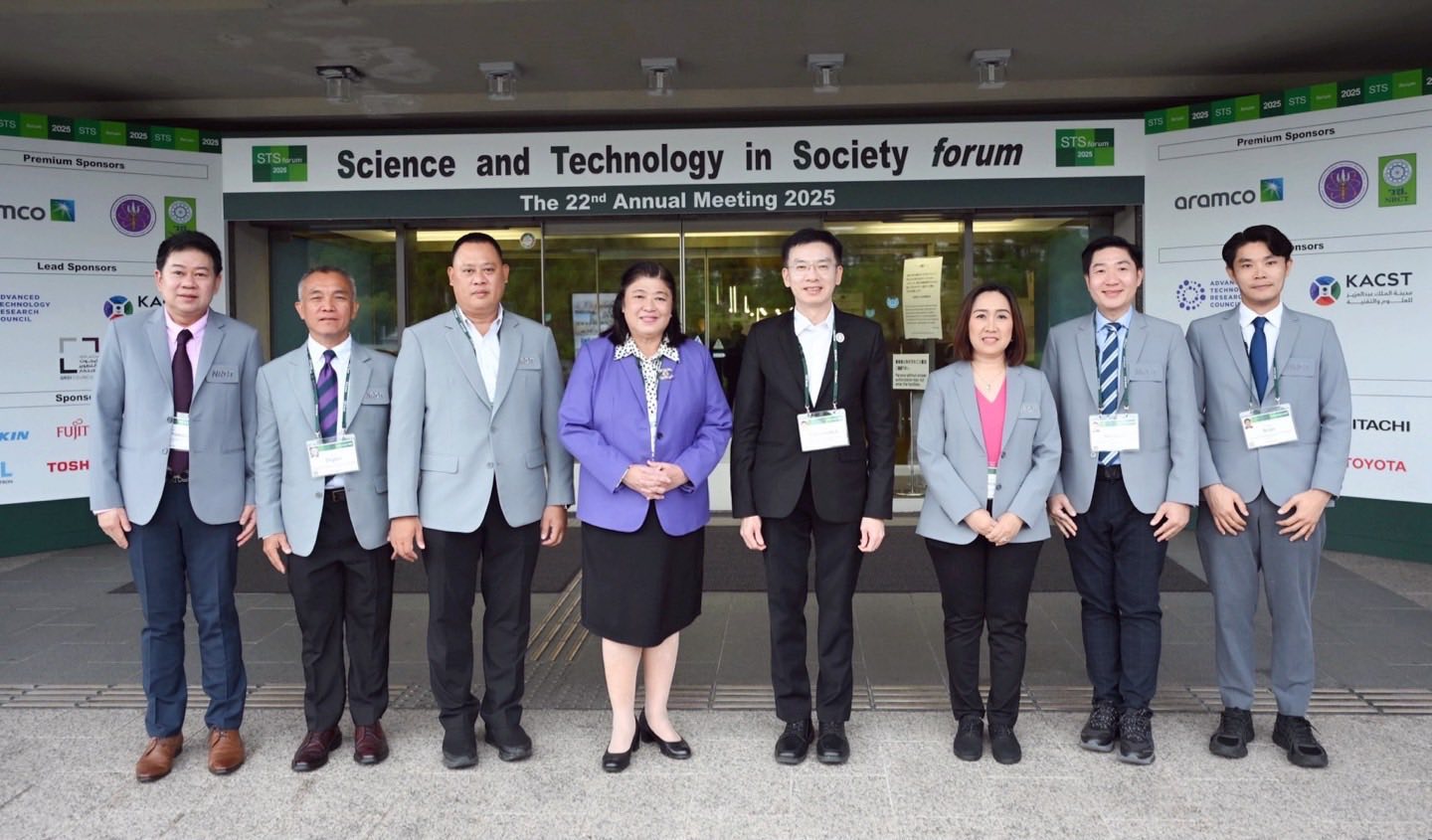
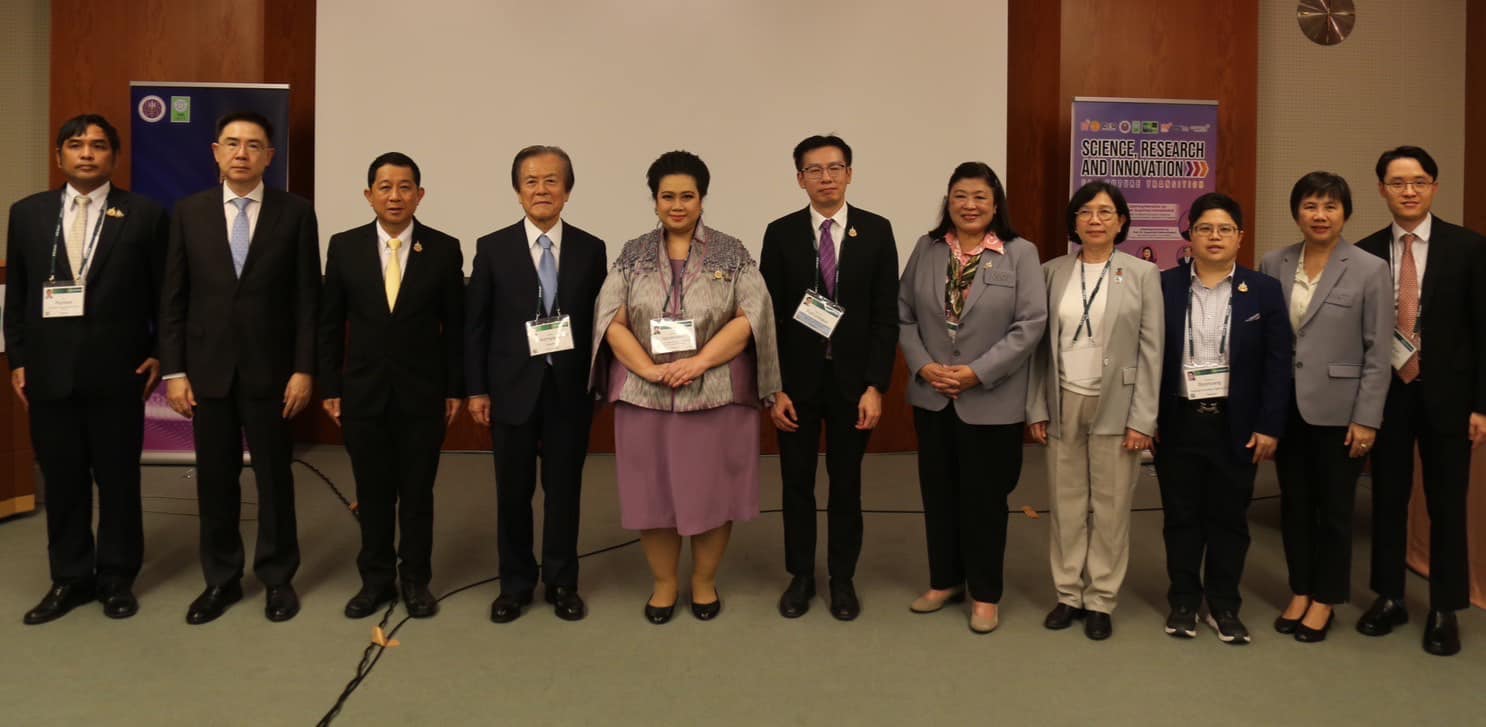
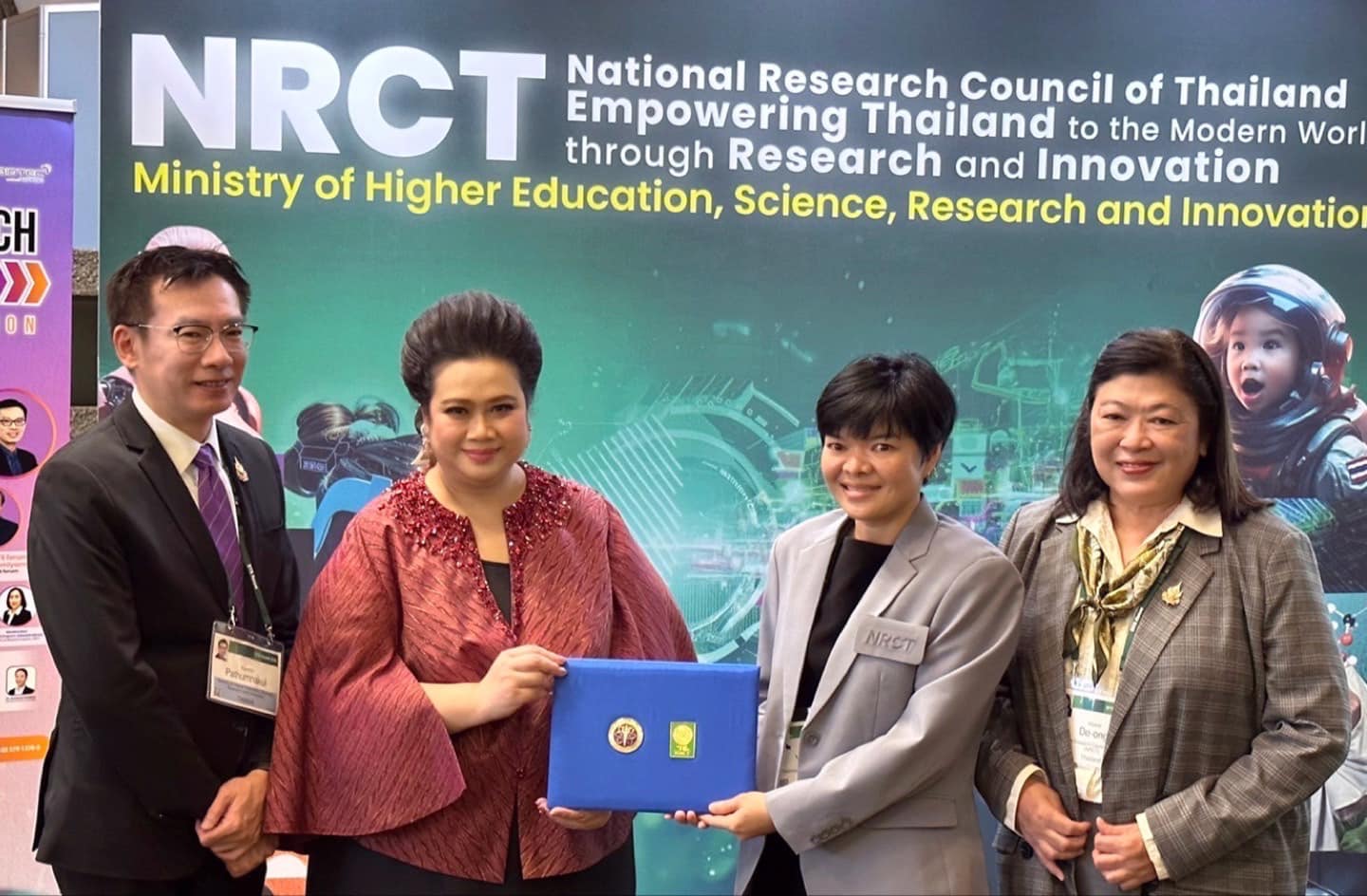
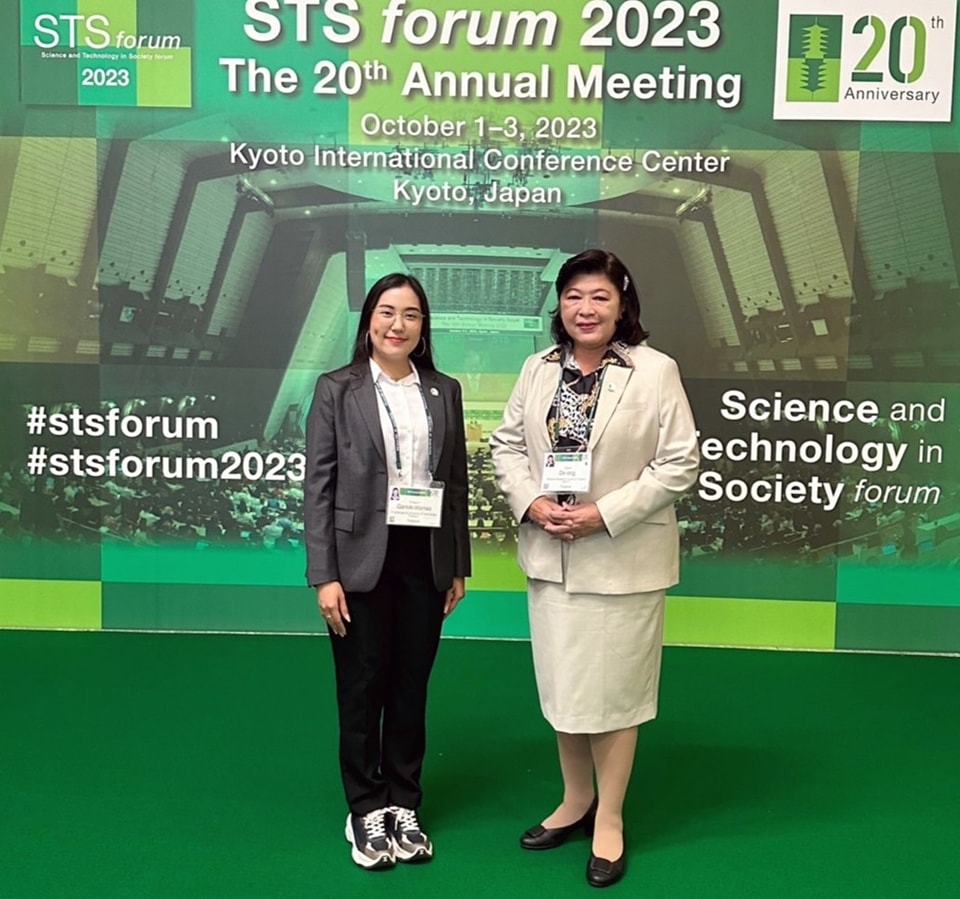
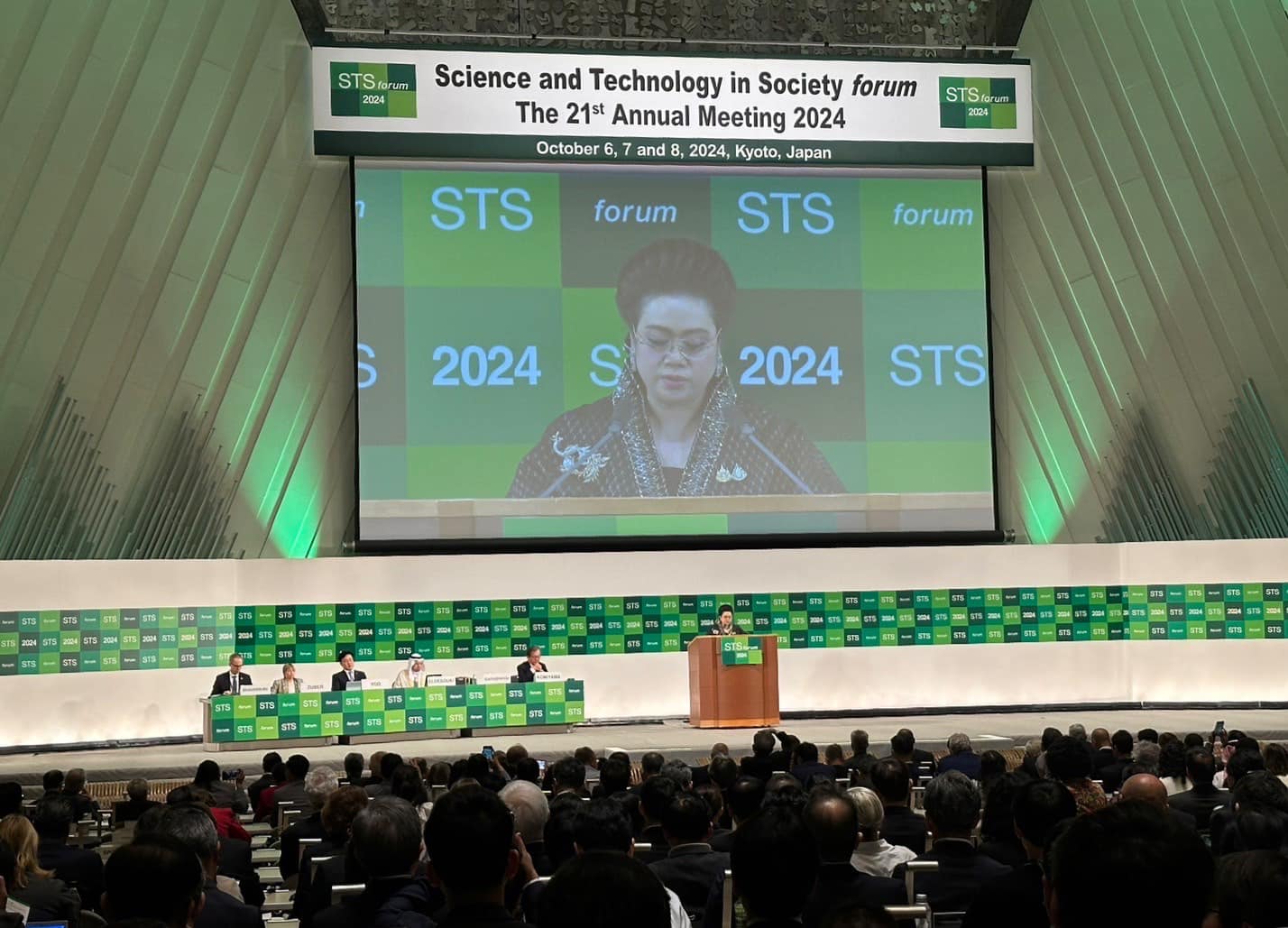
Professor Dr. Supachai Pathumnakul, Permanent Secretary of the Ministry of Higher Education, Science, Research and Innovation, delivered a special address as a speaker at the session titled “Path to Sustainability toward a Zero Carbon Society” during the opening ceremony of the Science and Technology in Society (STS) forum 2025. He joined six other high-level leaders from various countries in sharing perspectives at the event.
1. Mr. Masato Kanda, President and Chairperson of the Board of Directors, Asian Development Bank, The Philippines
2. Mr. Claude Imauven, Chairman of the Board of Directors, Orano, France
3. Dr. Munir M. Eldesouki, President, King Abdulaziz City for Science and Technology (KACST), Saudi Arabia
4. Mr. Ahmad O. Al-Khowaiter, Executive Vice President, Technology and Innovation, Aramco, Saudi Arabia
5. Mr. Arihiko Kato, President and CEO, Atomic Energy Association (ATENA), Japan
6. Mr. Matsuo Takehiko, Vice Minister for International Affairs at the Ministry of Economy, Trade and Industry, Japan
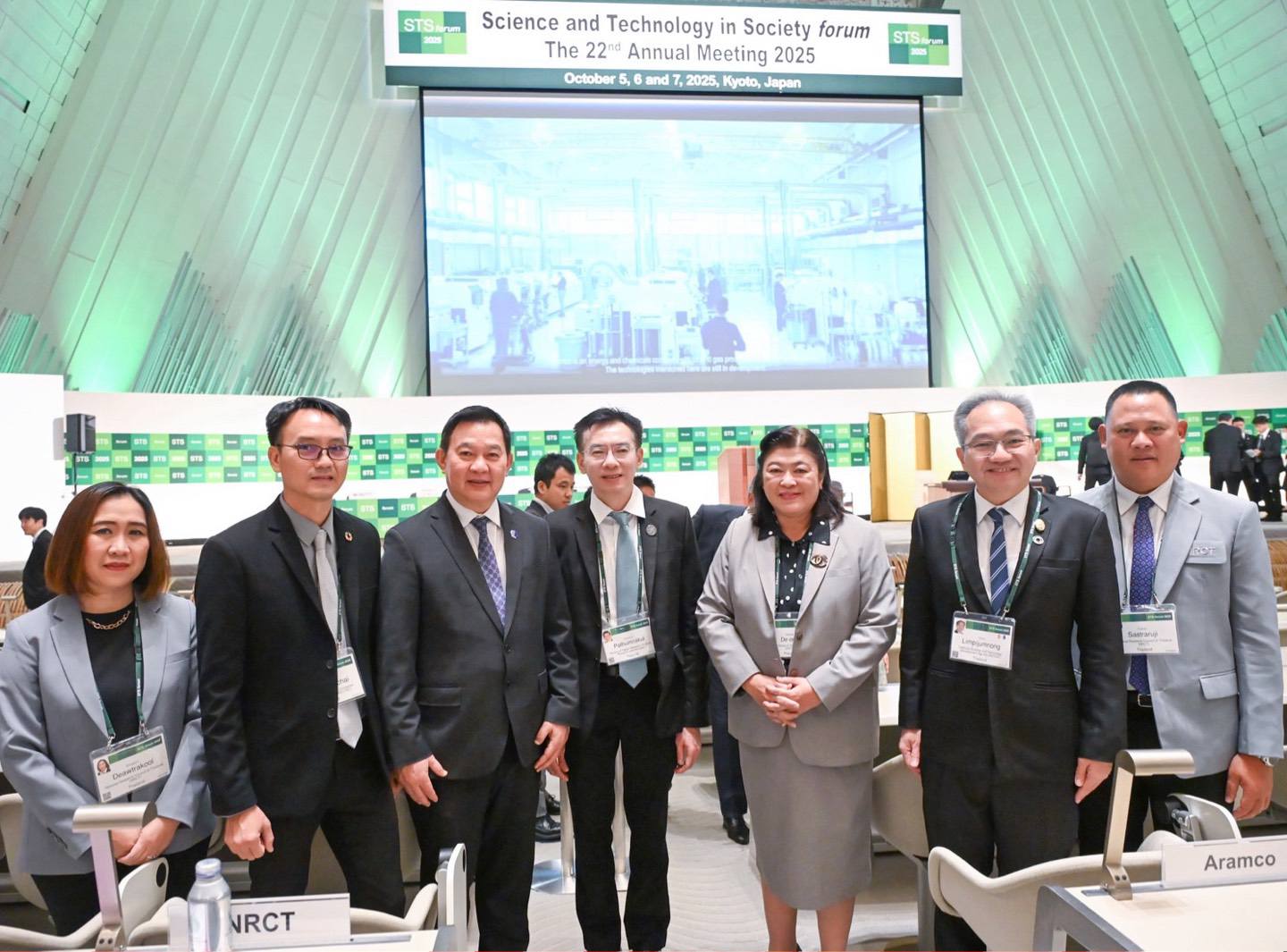
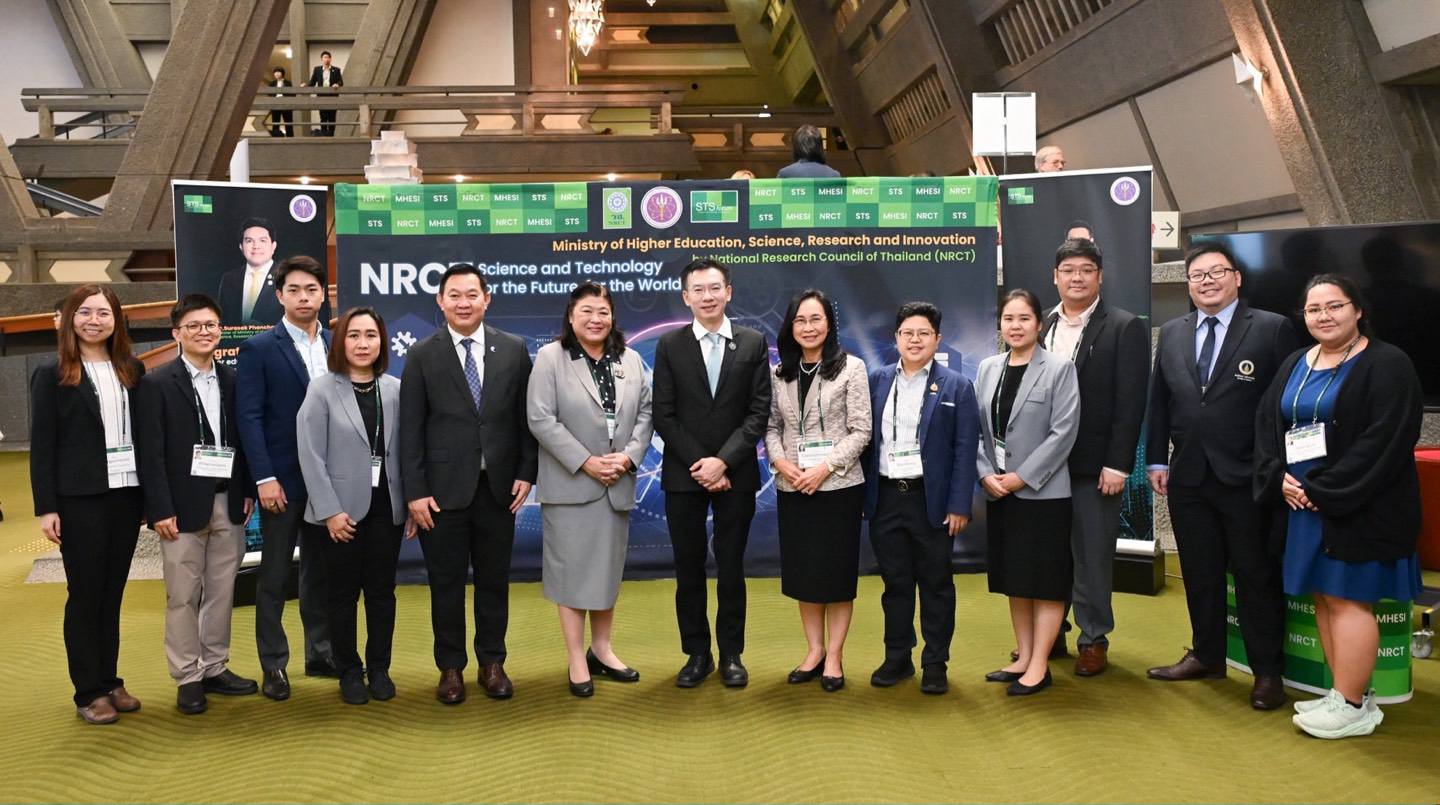
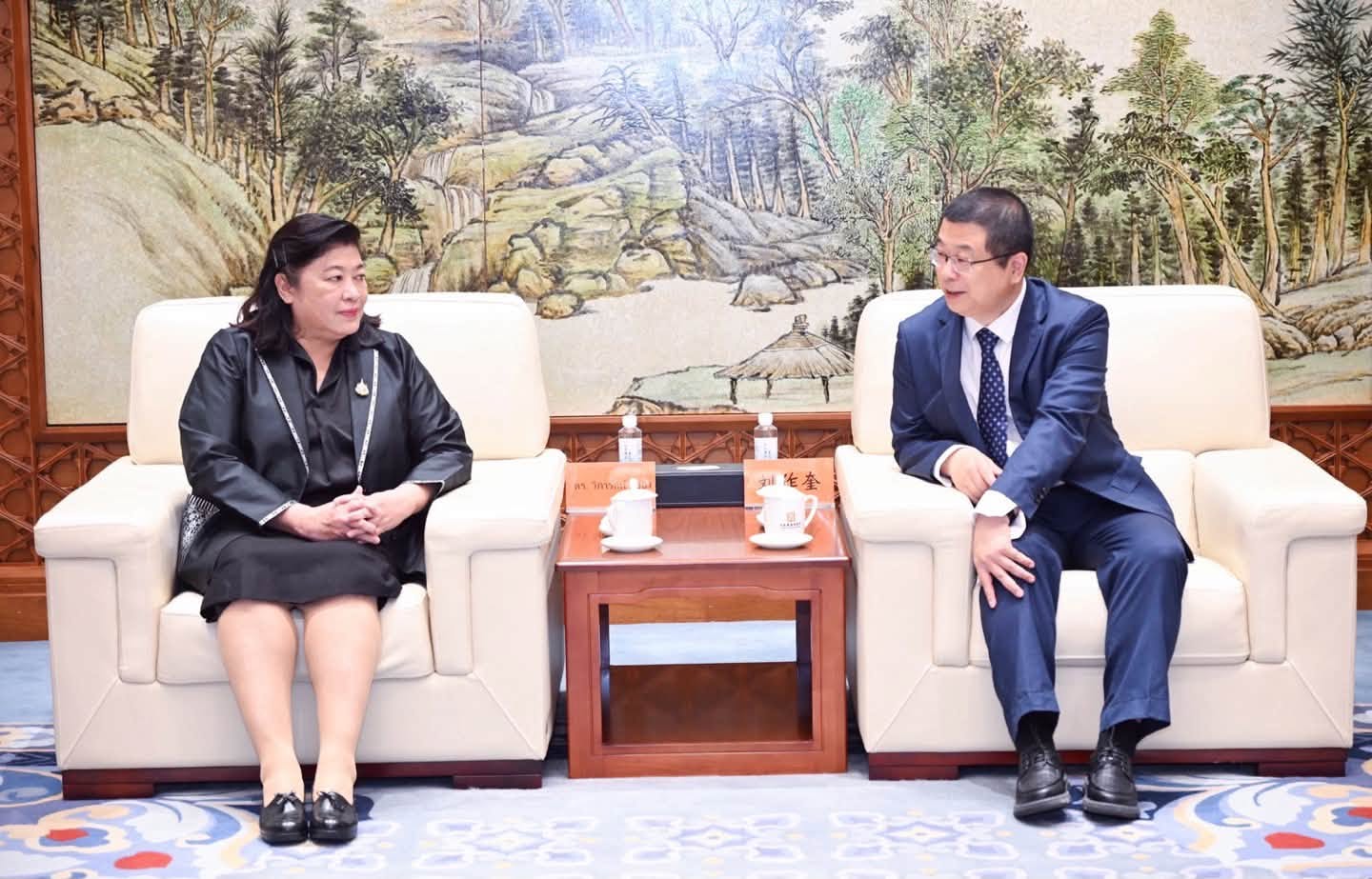
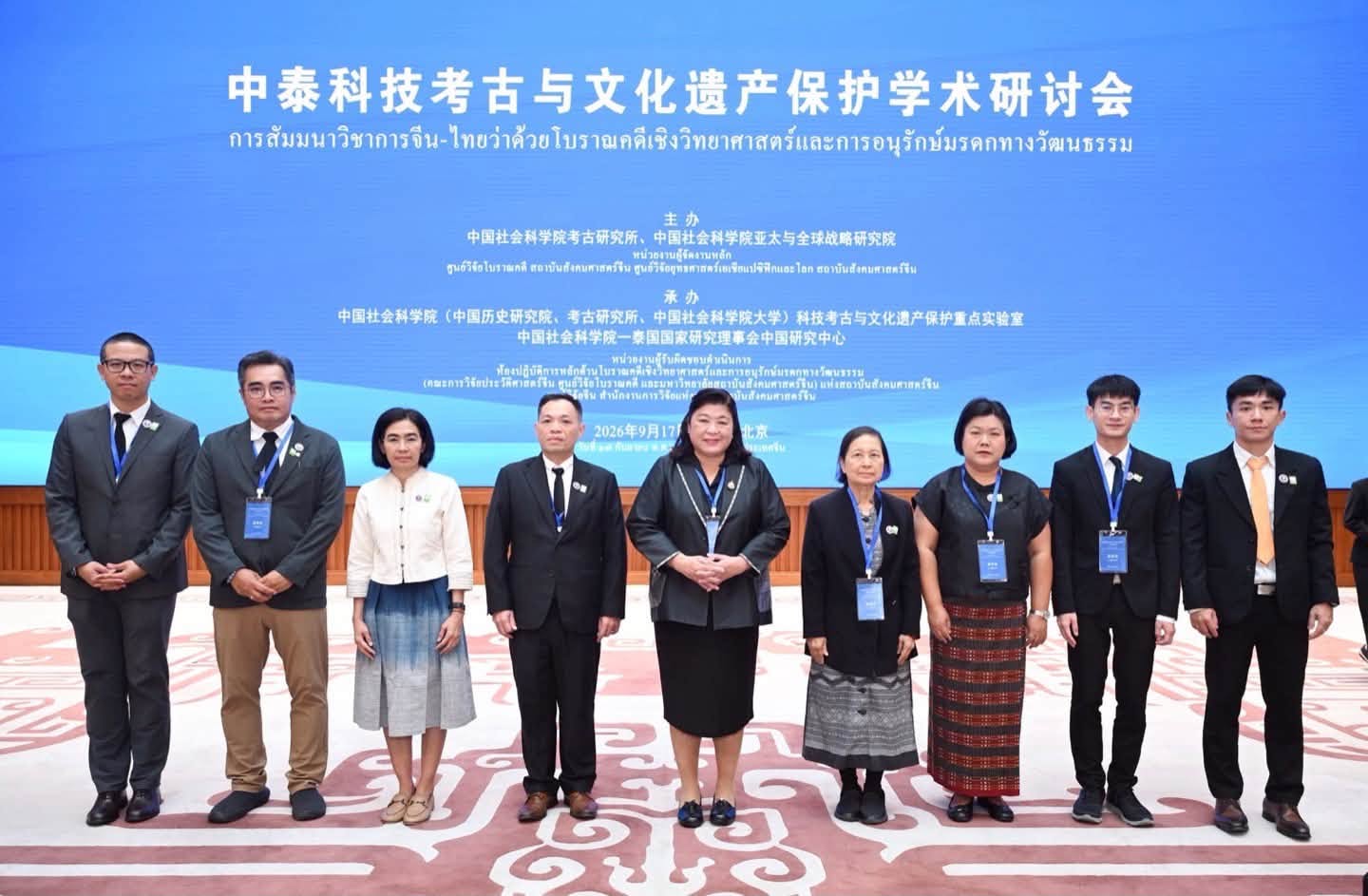
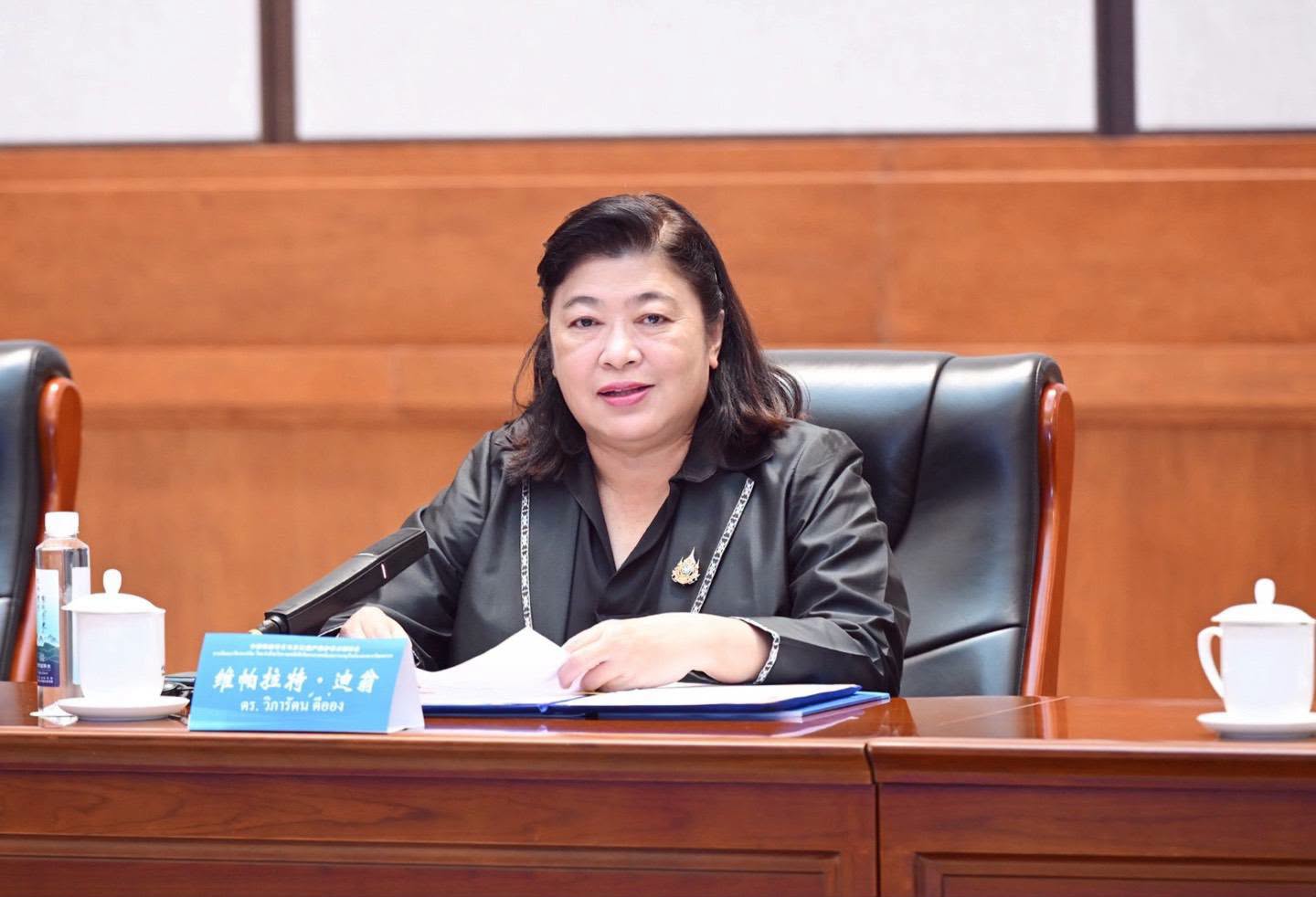
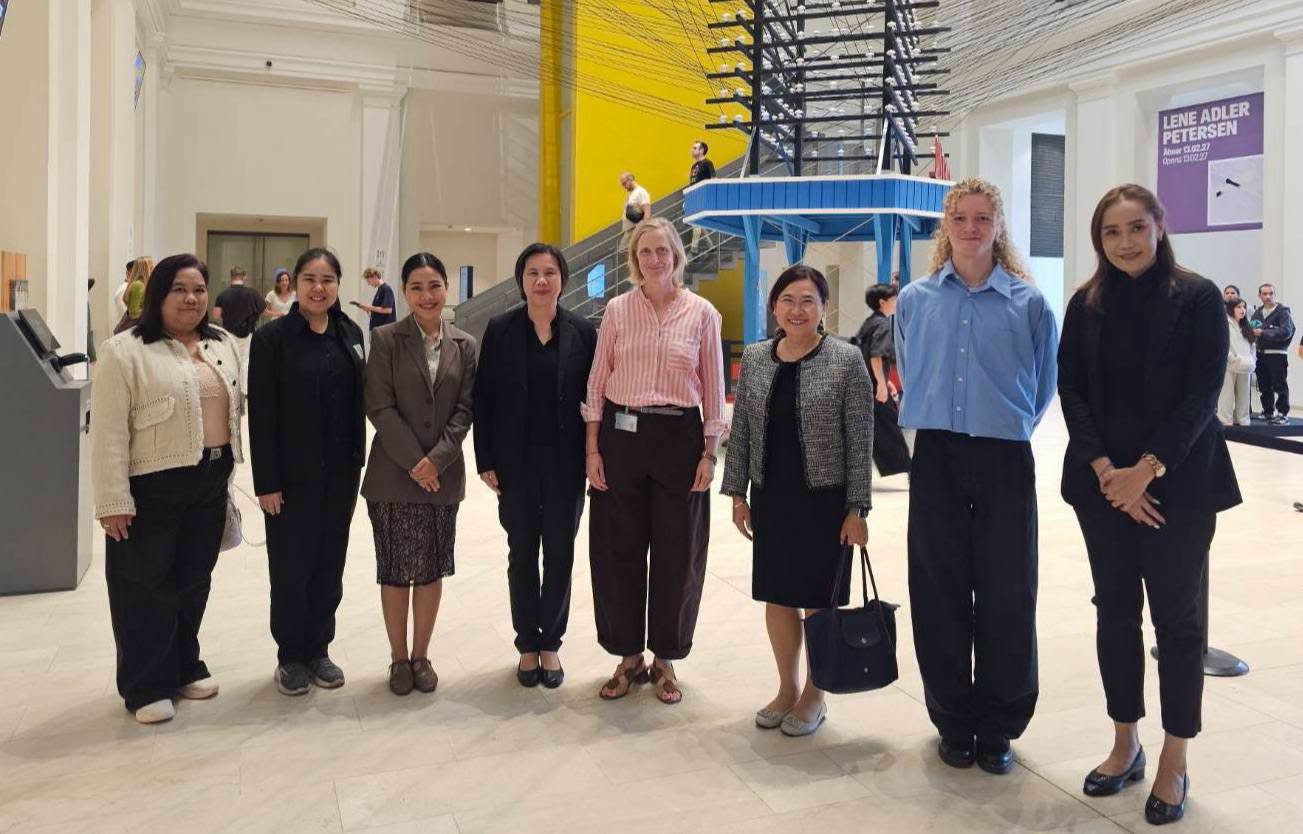
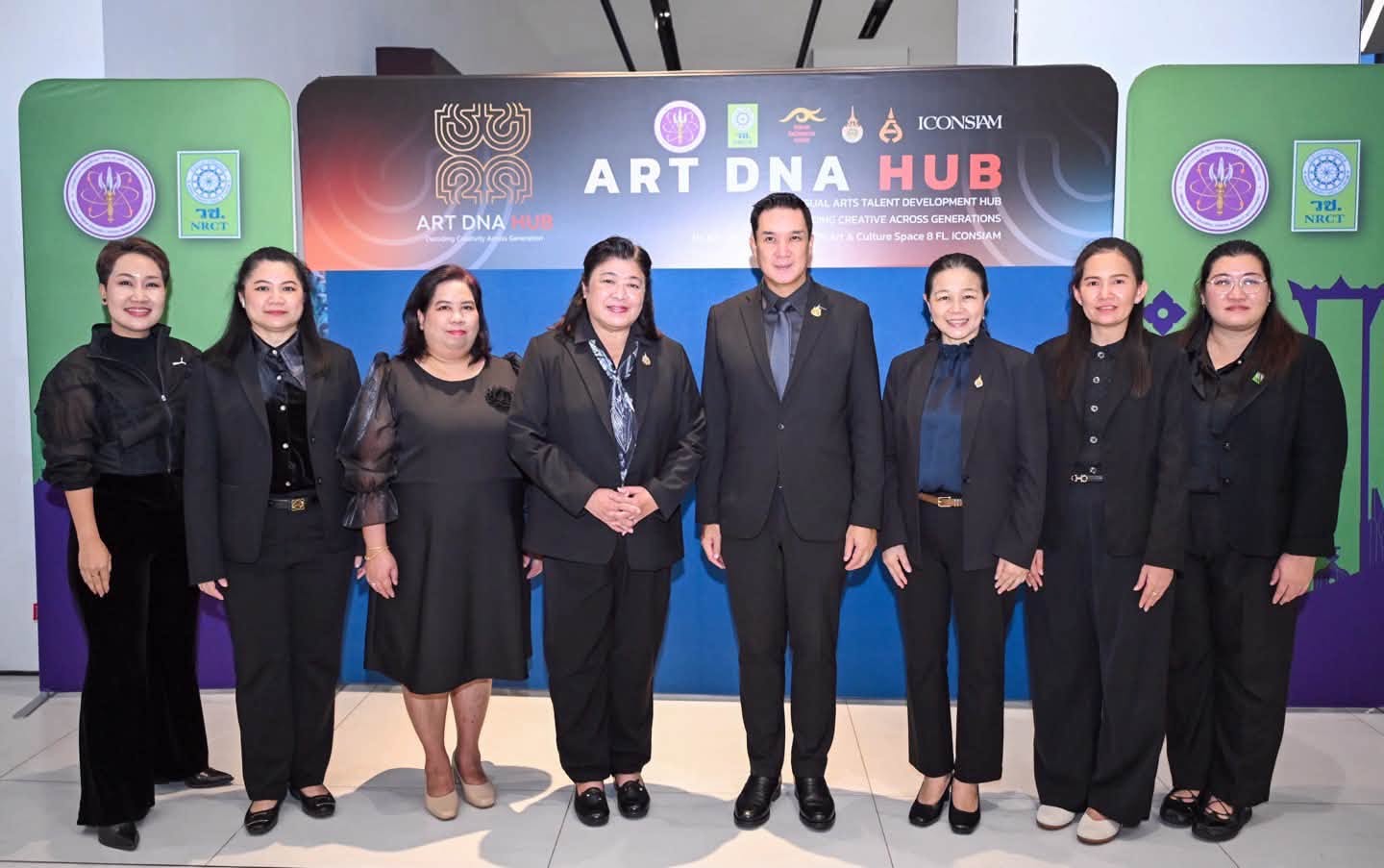
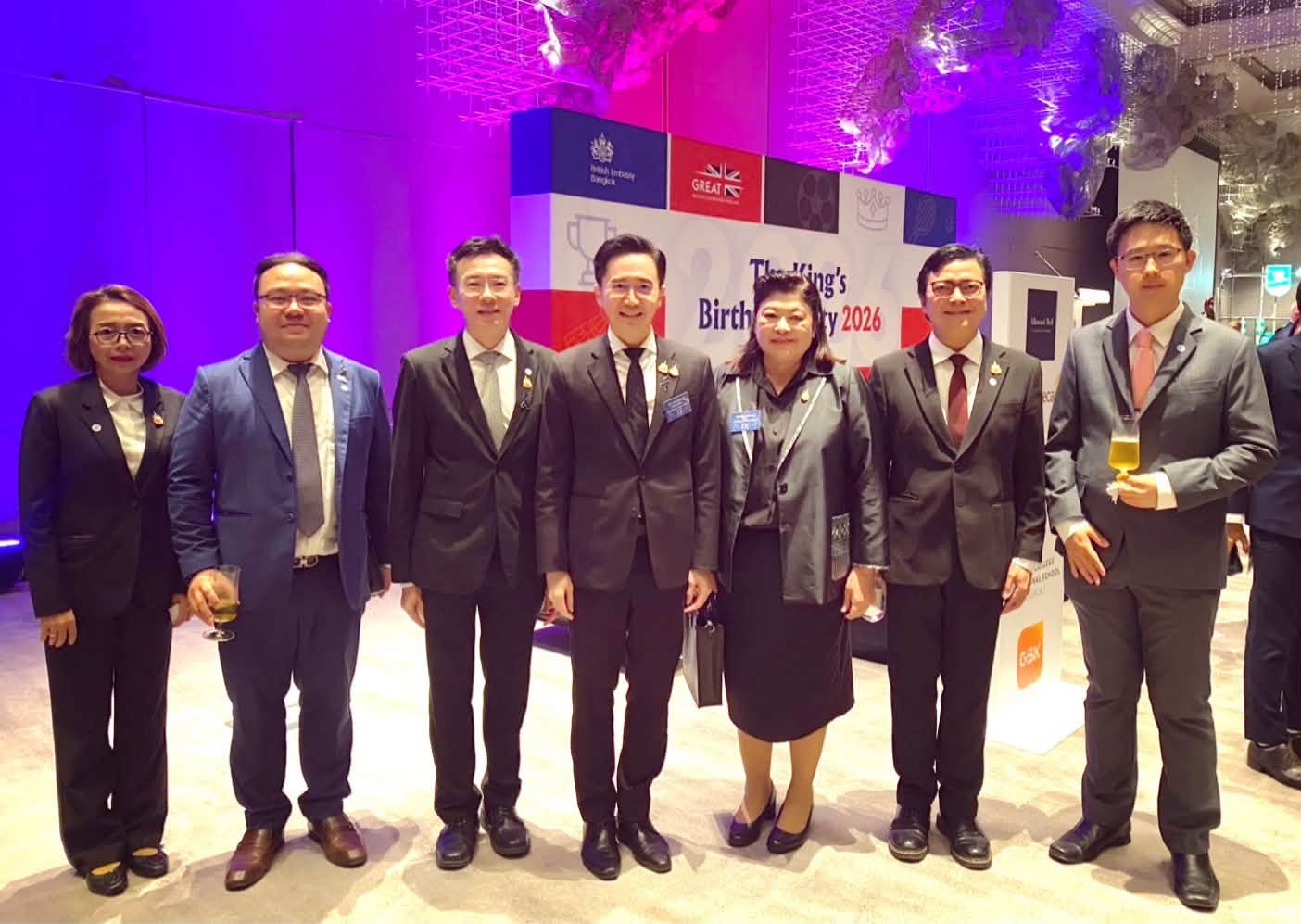
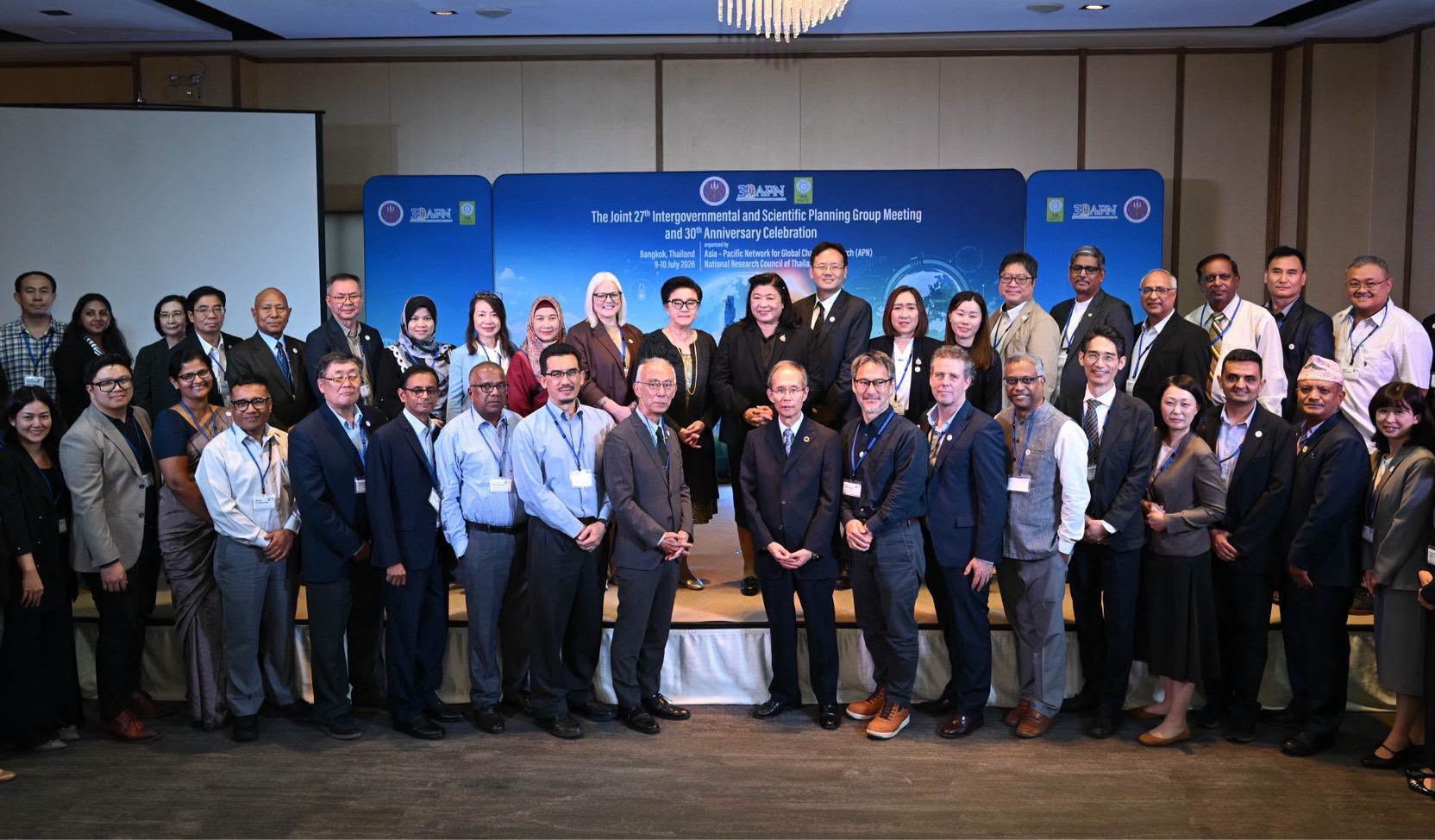
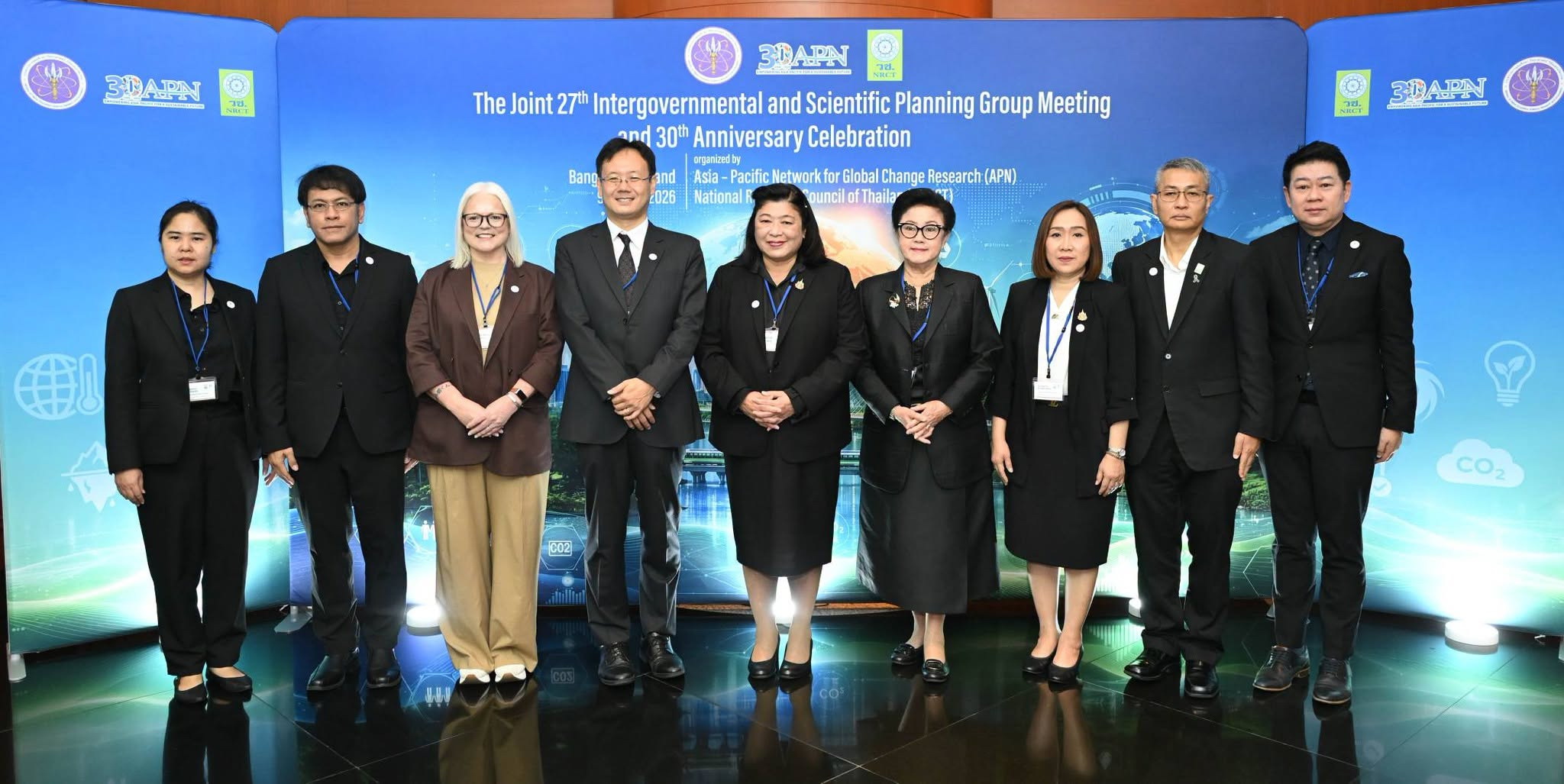
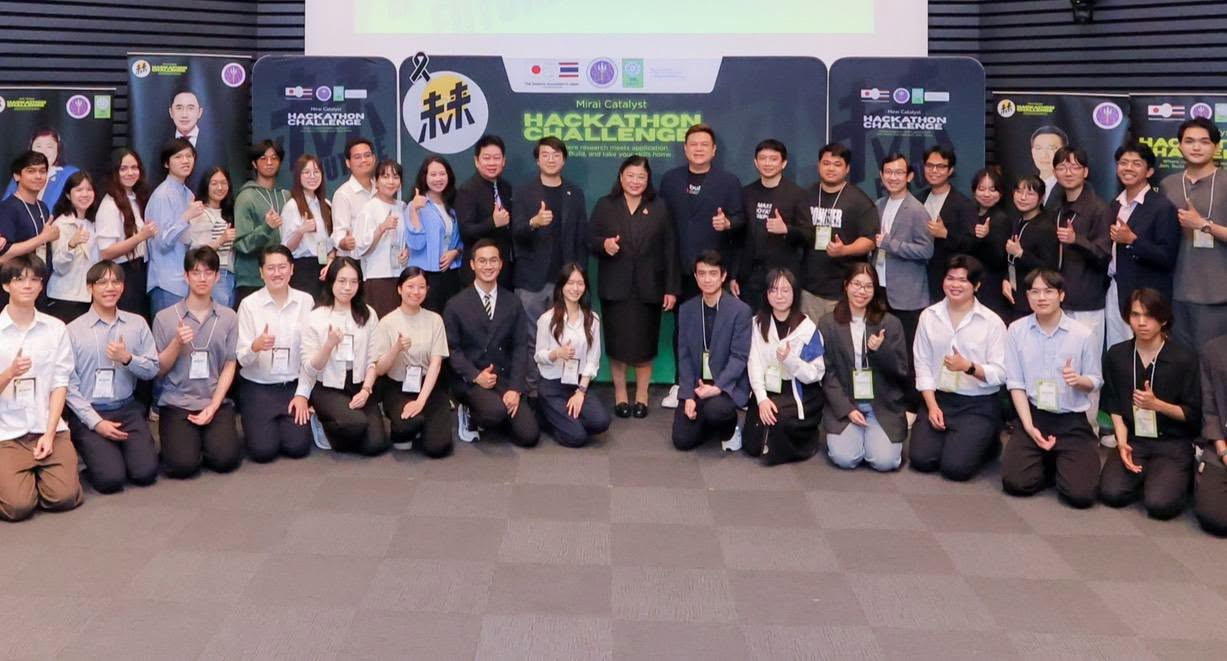
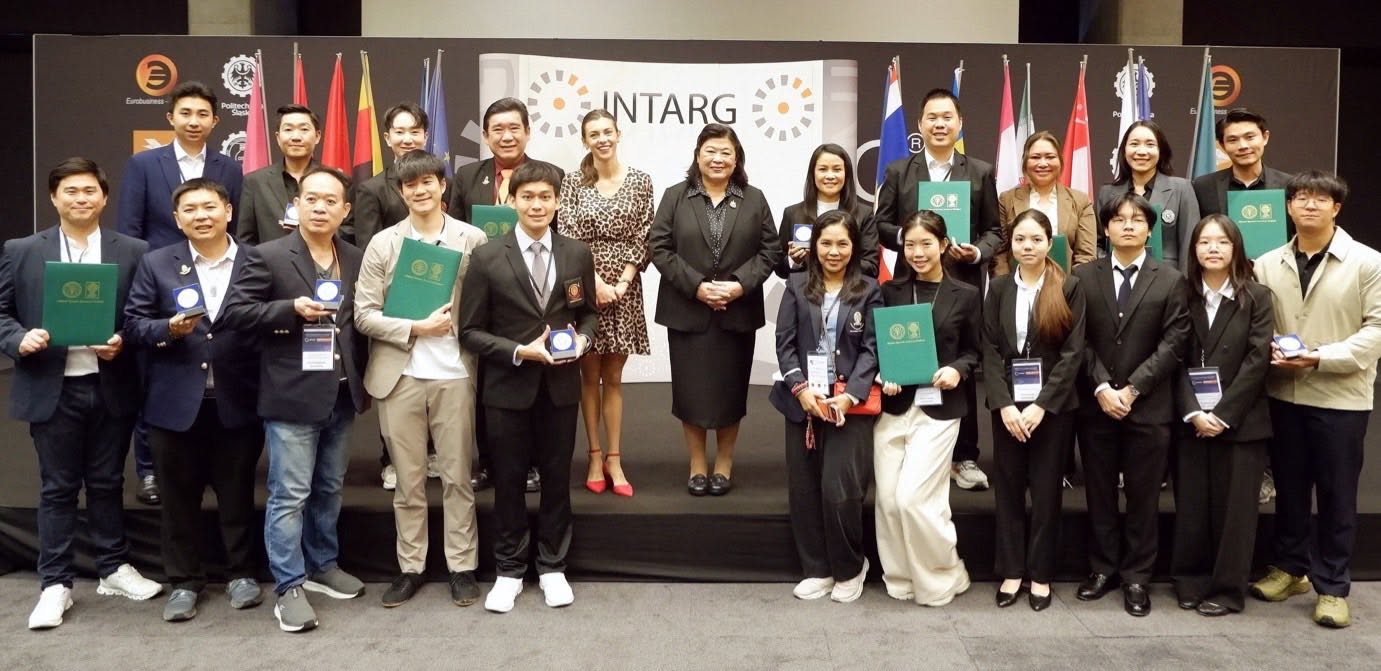
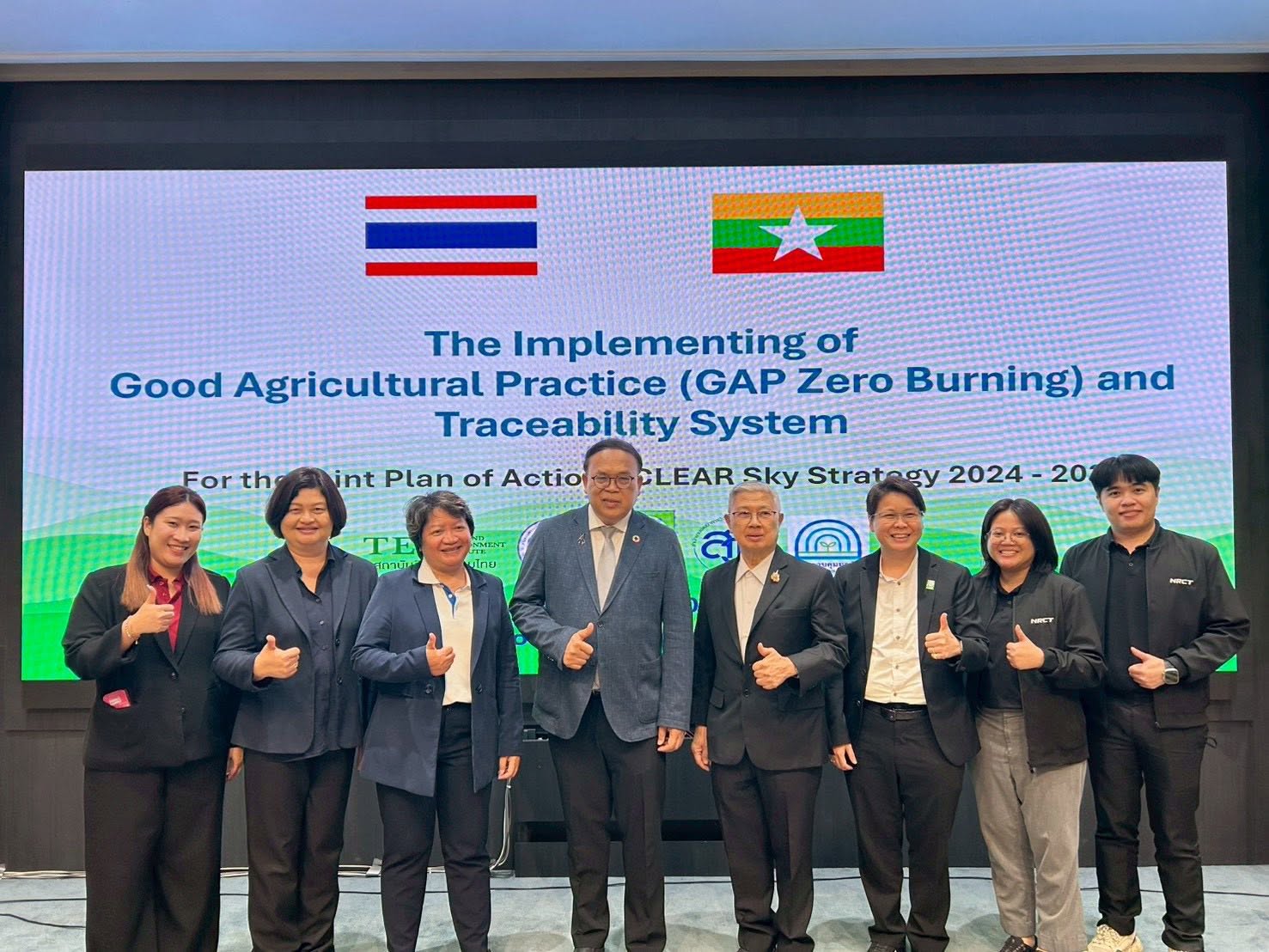
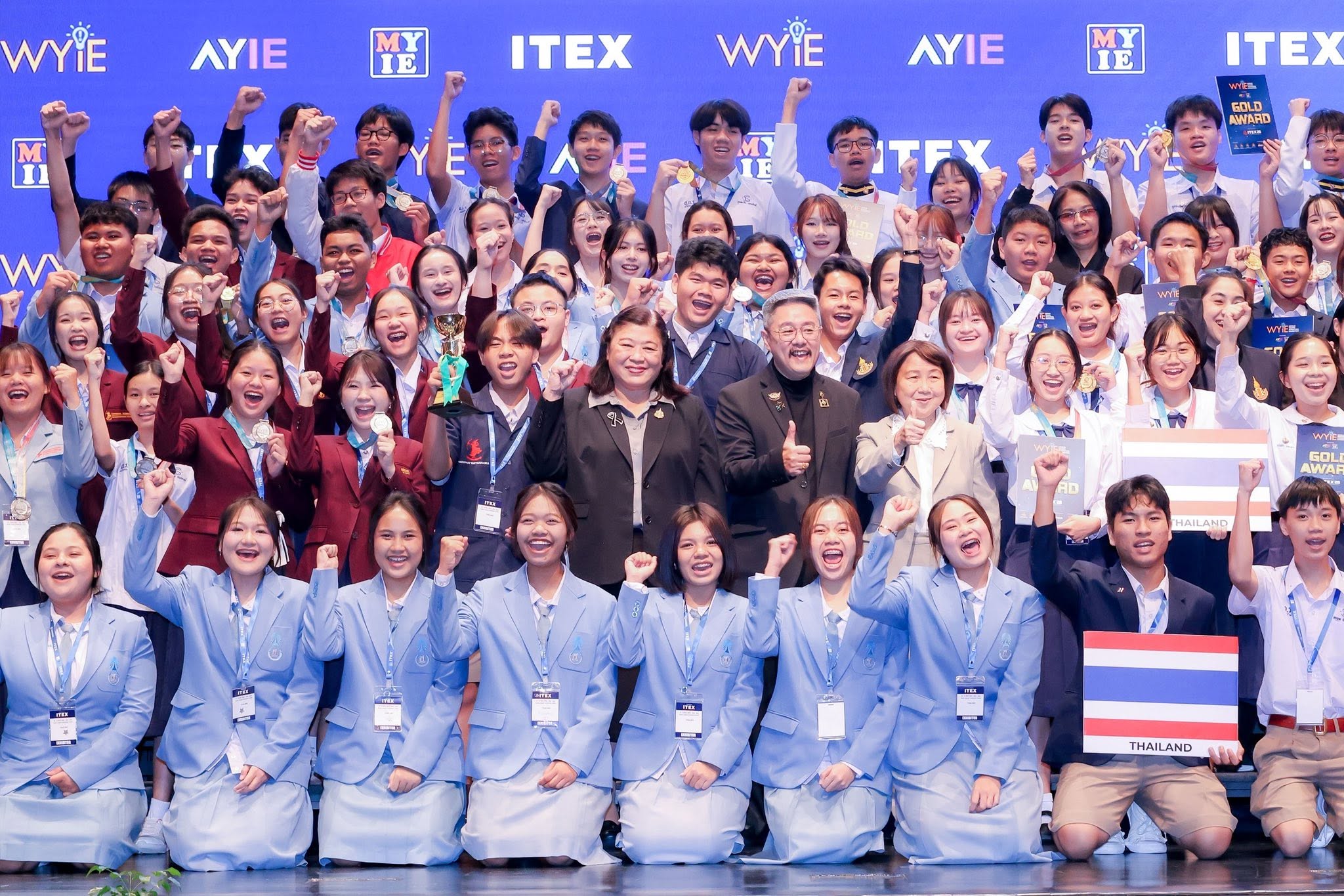
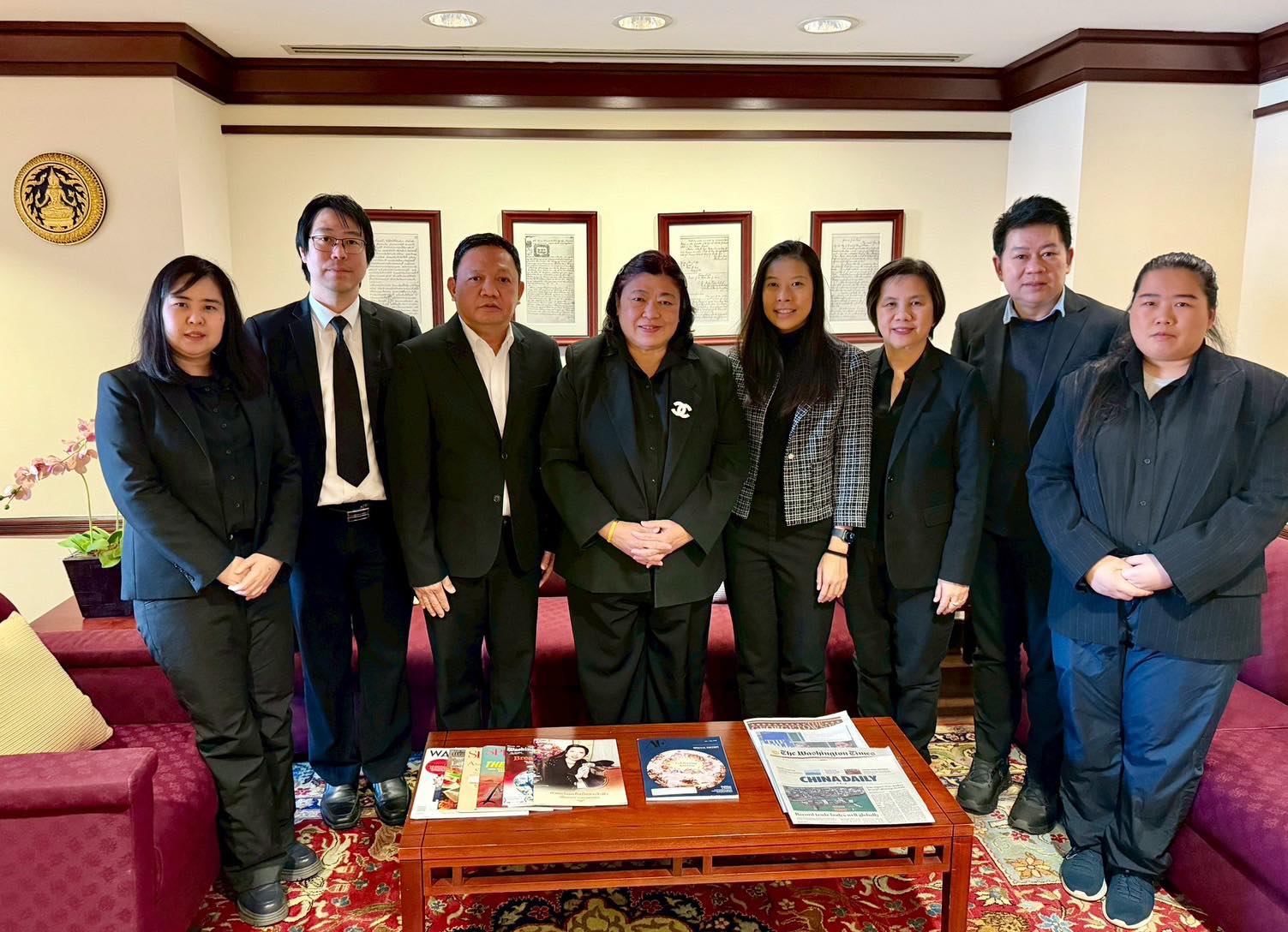
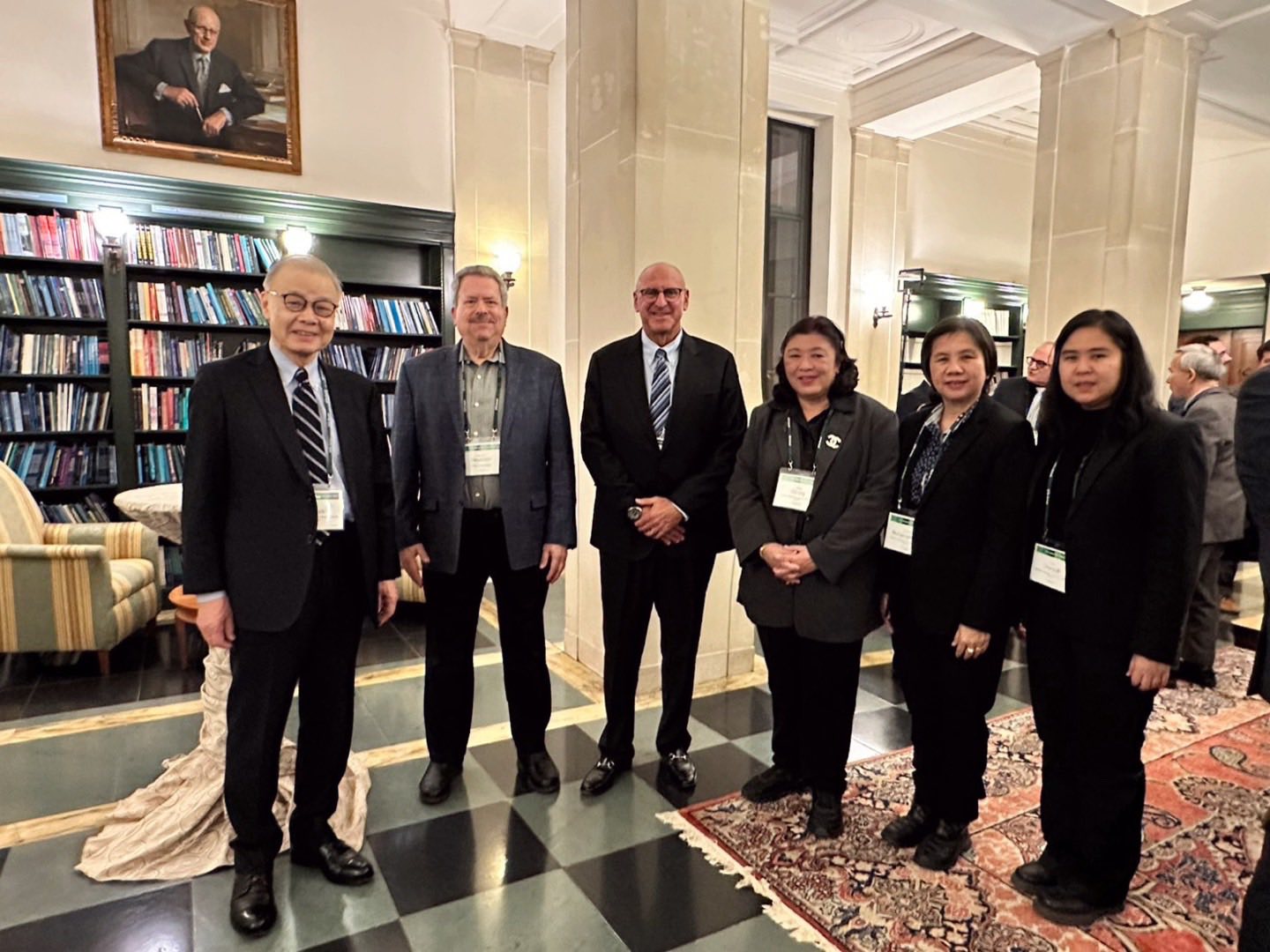
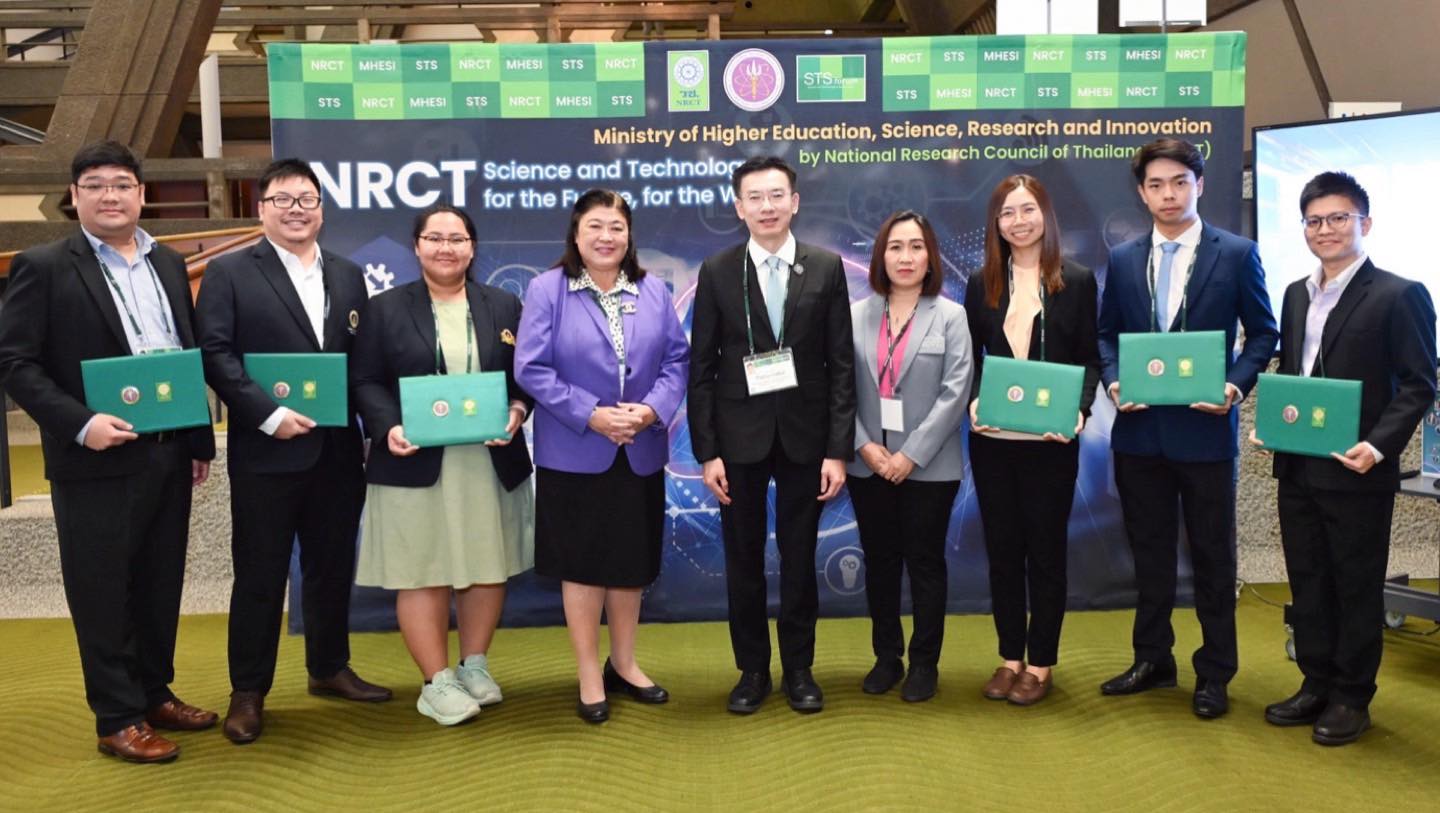
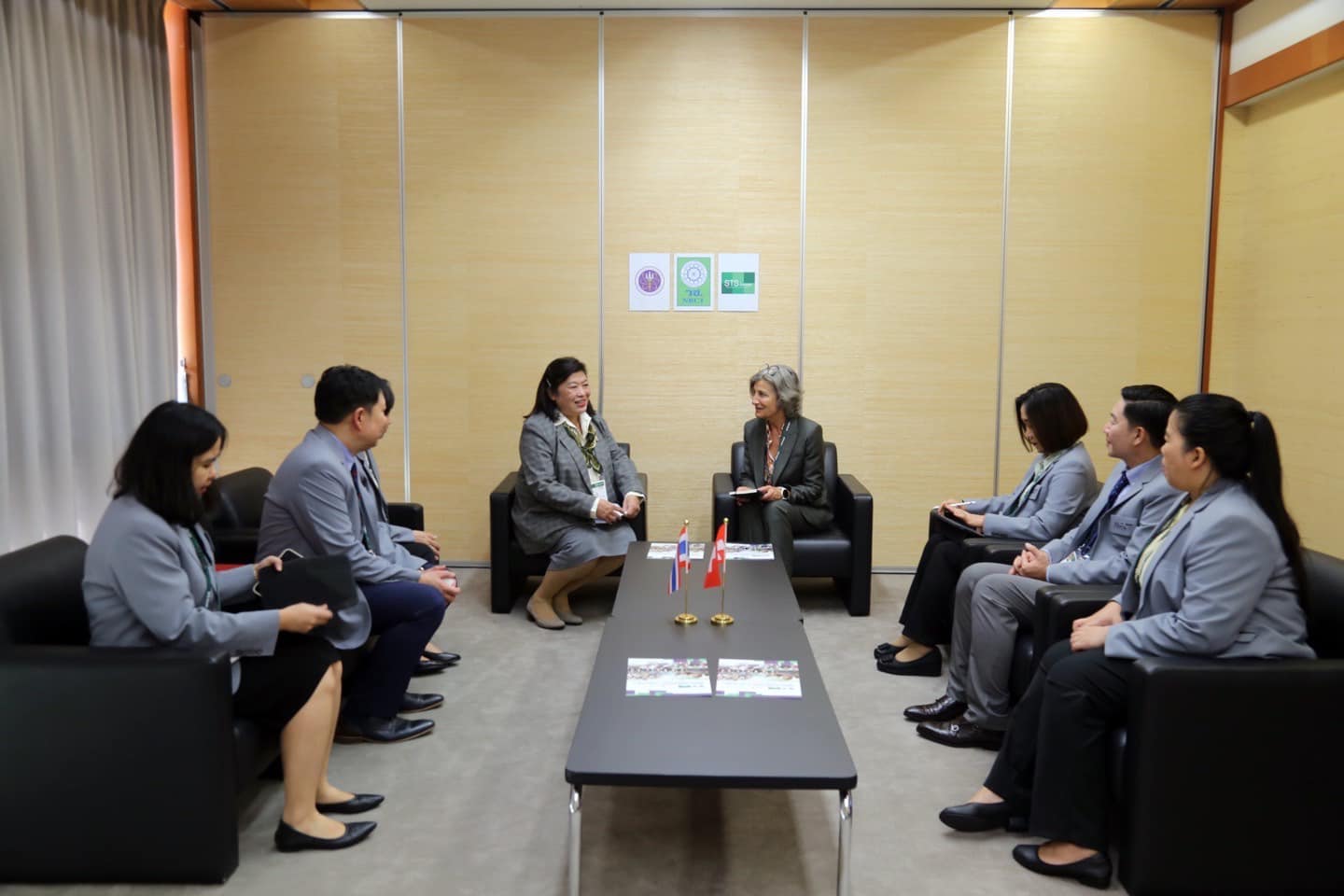
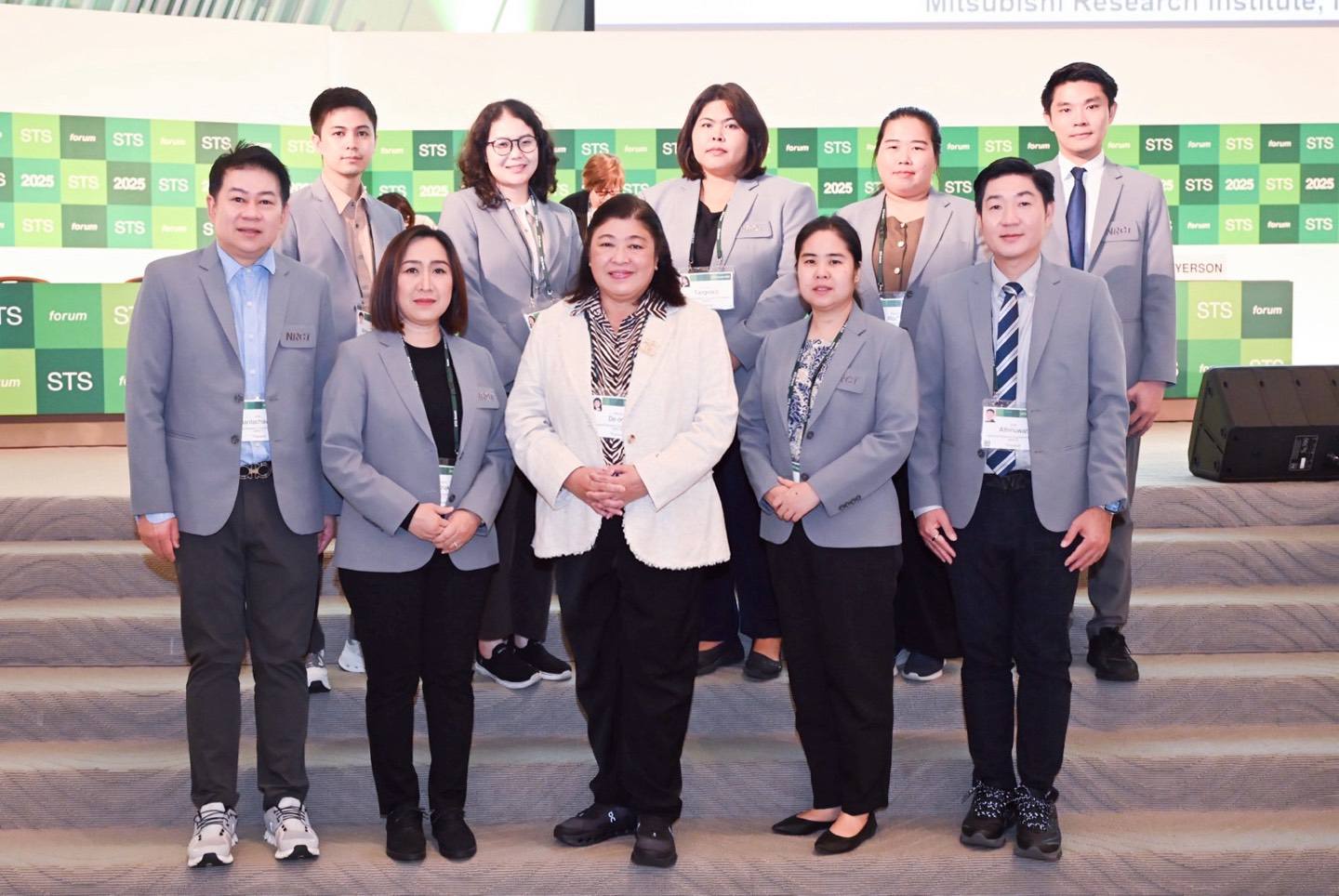
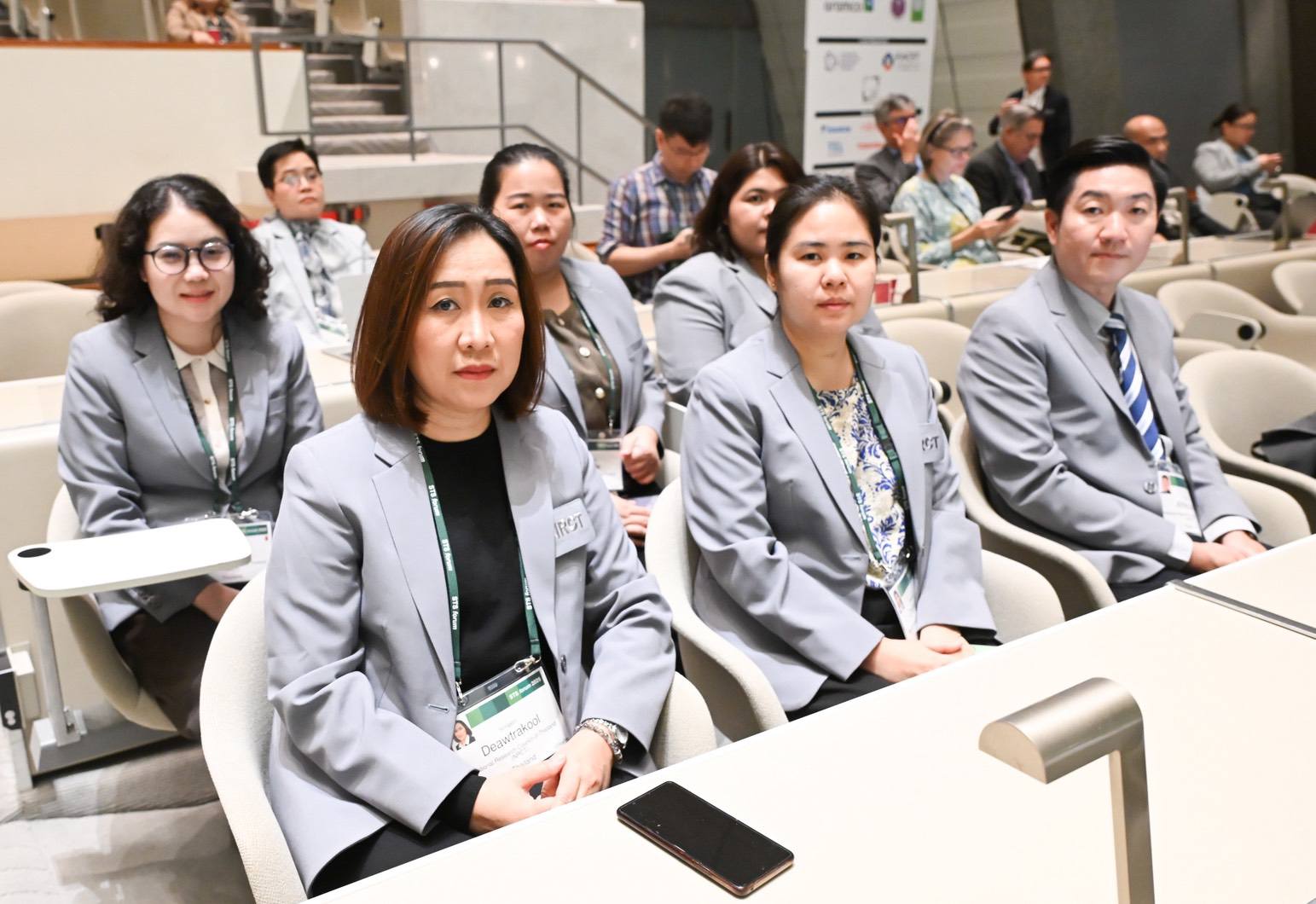
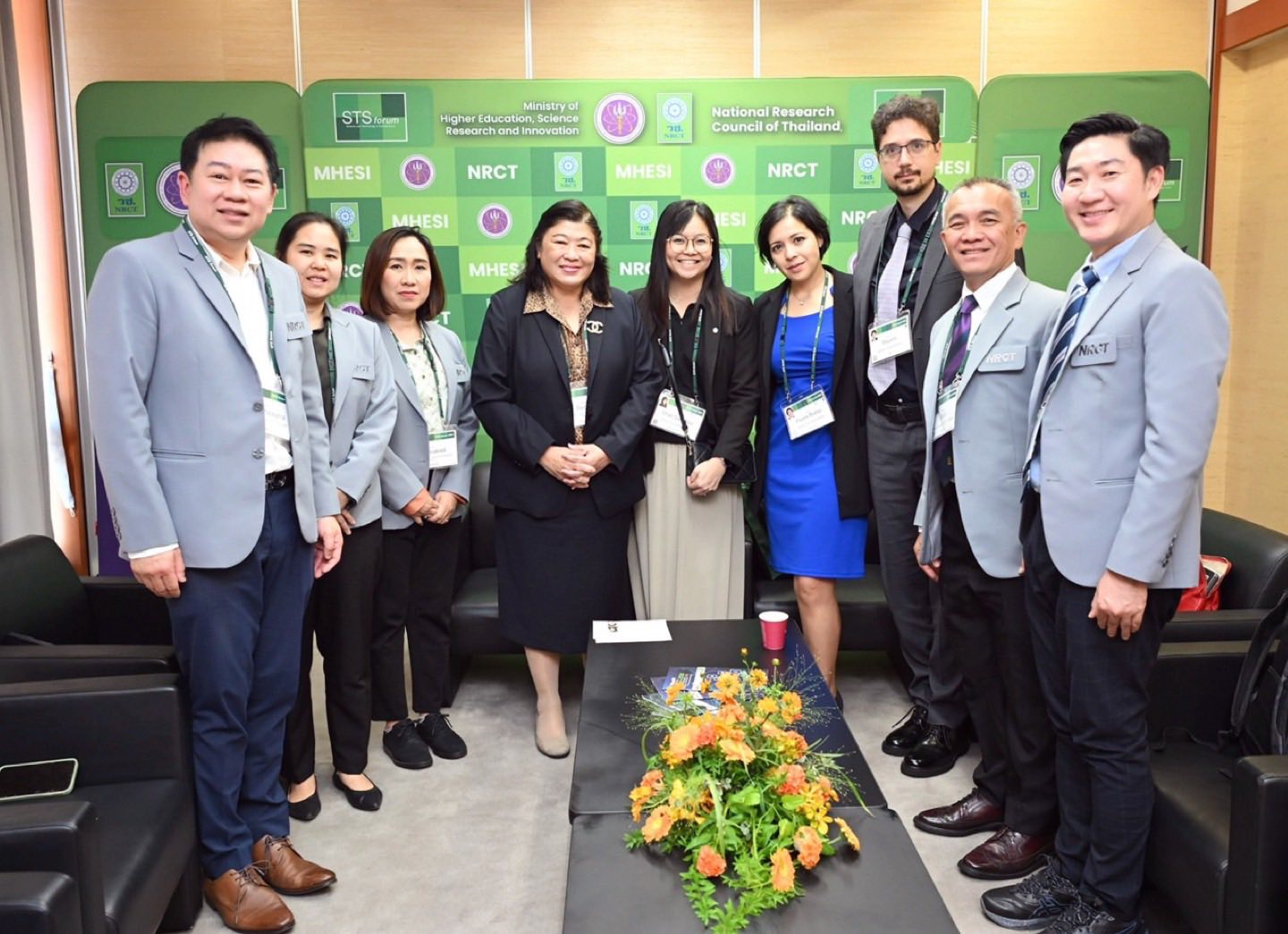
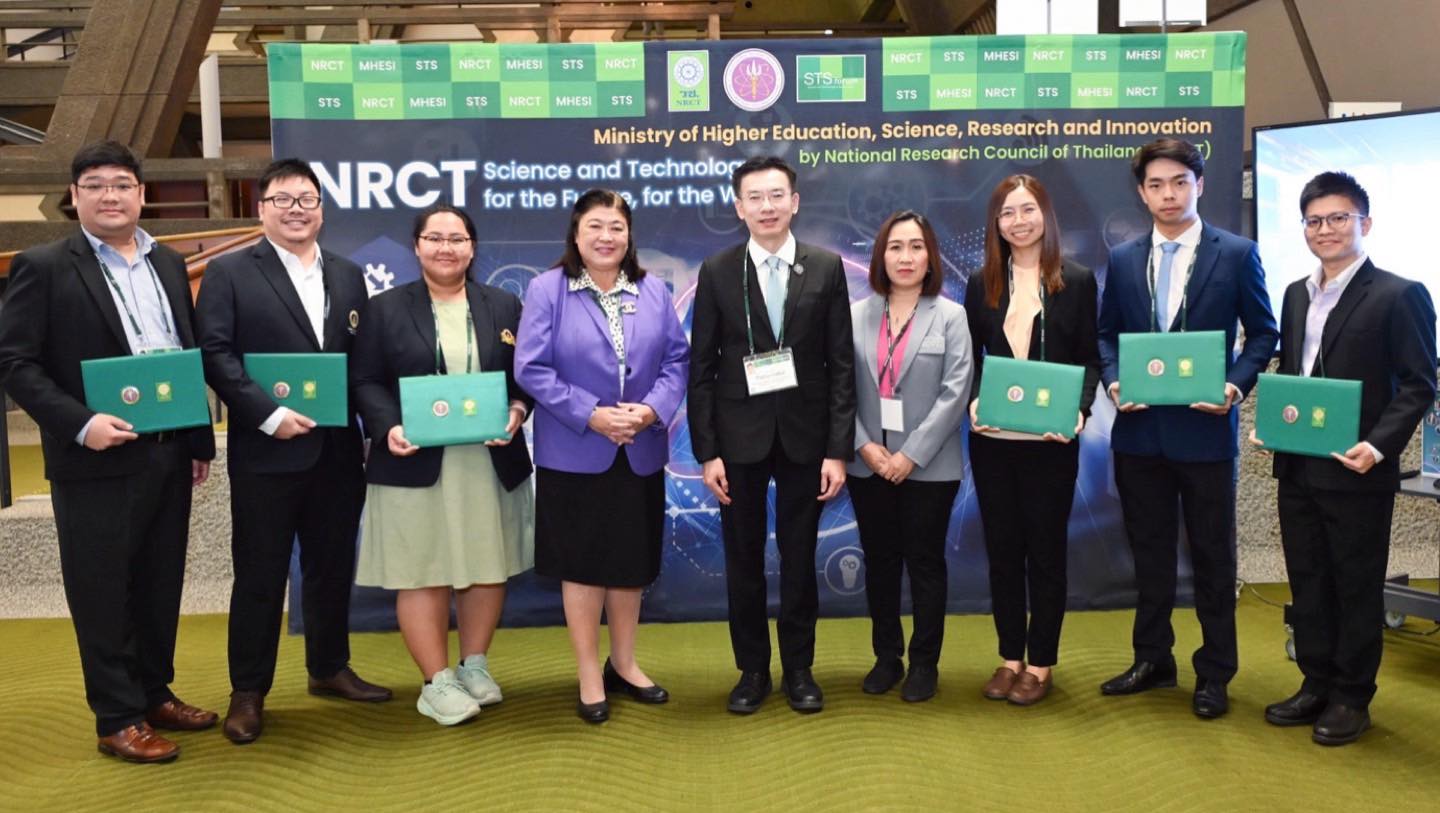
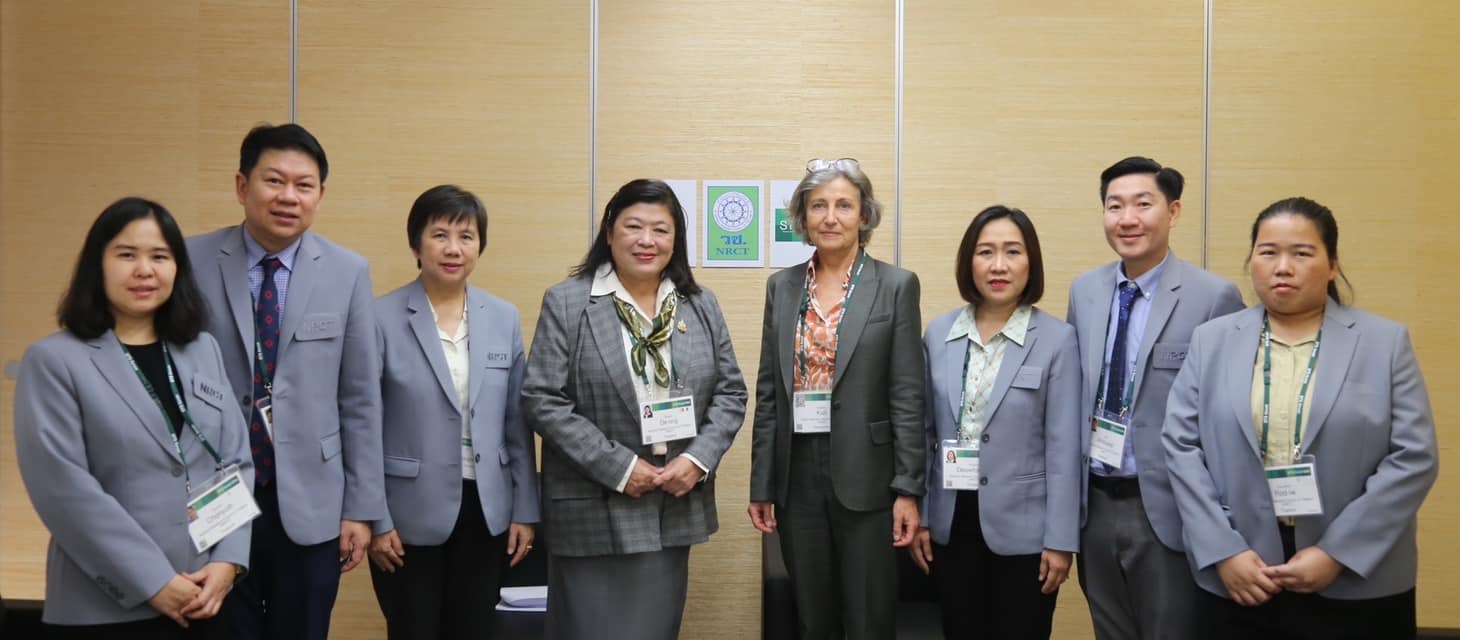
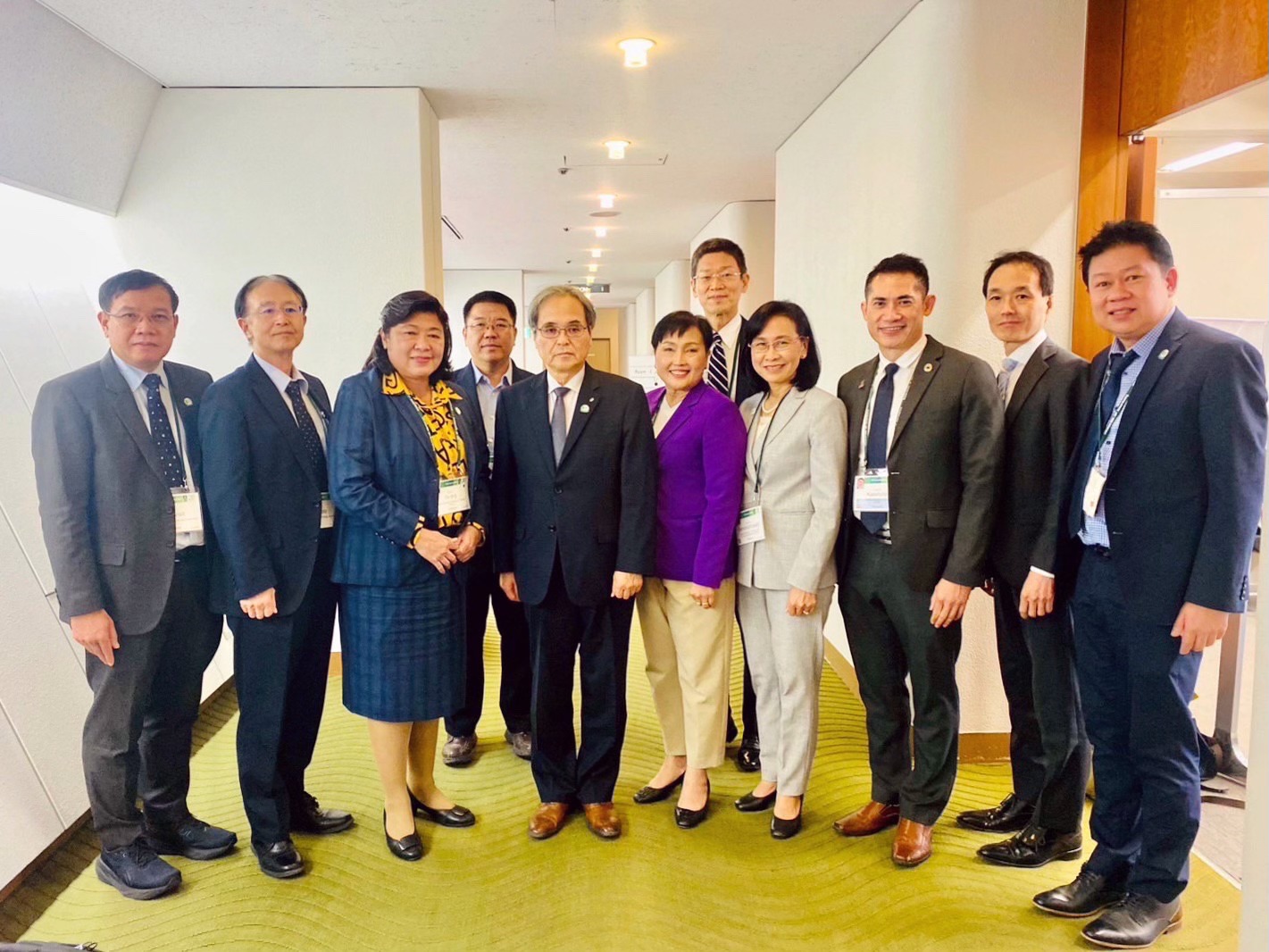
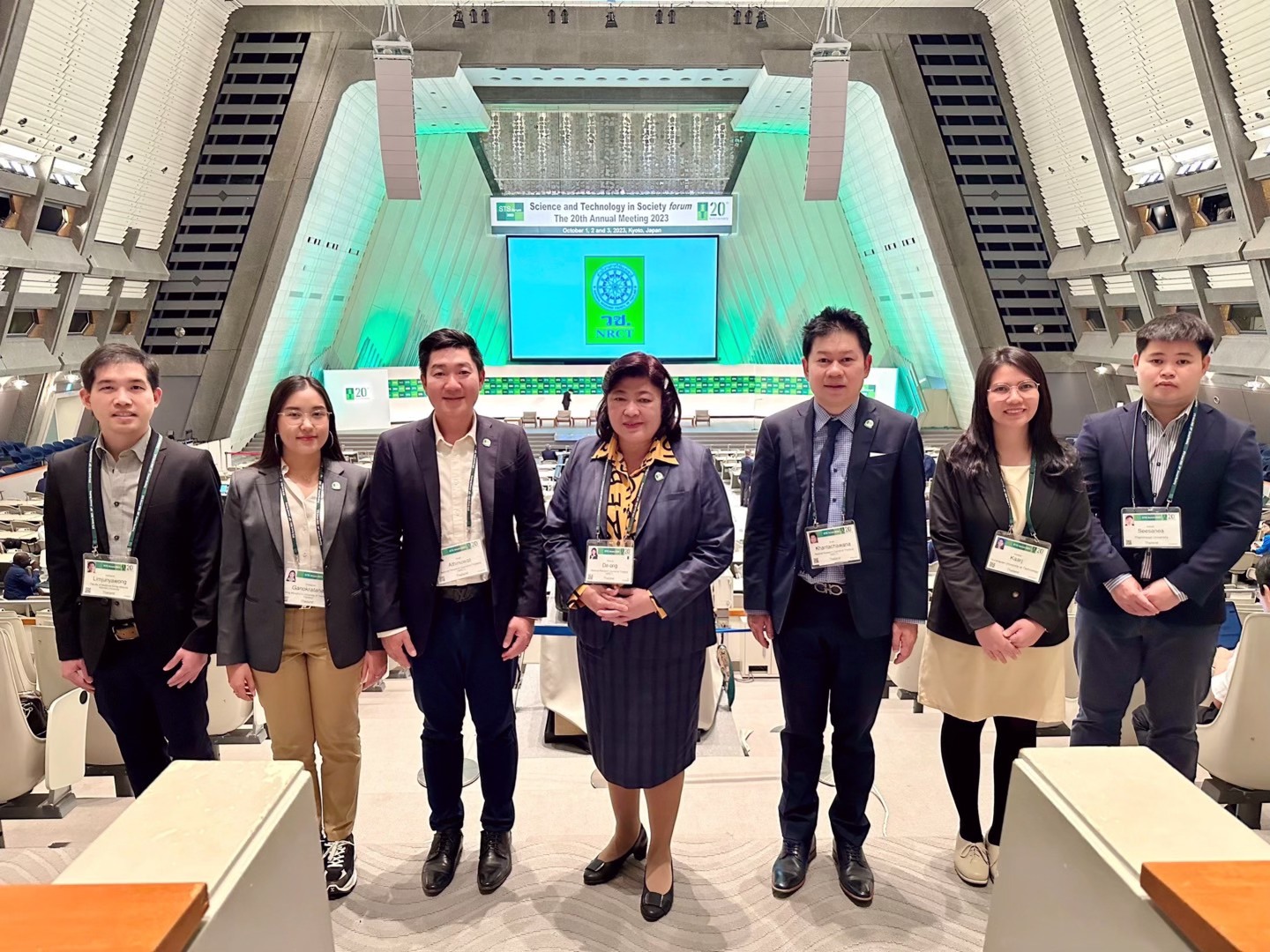
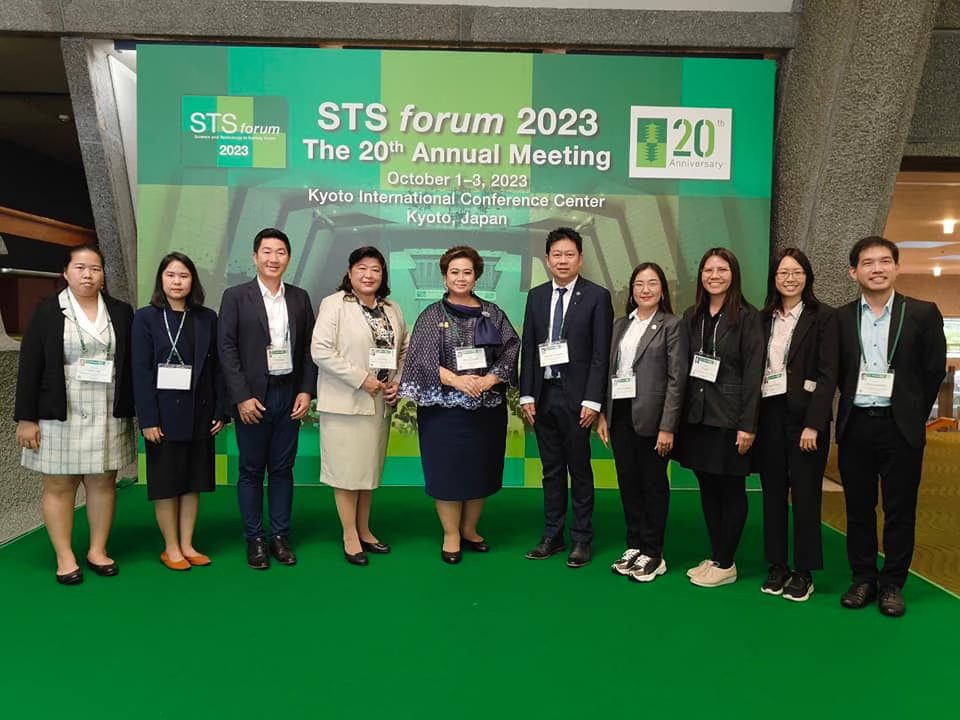
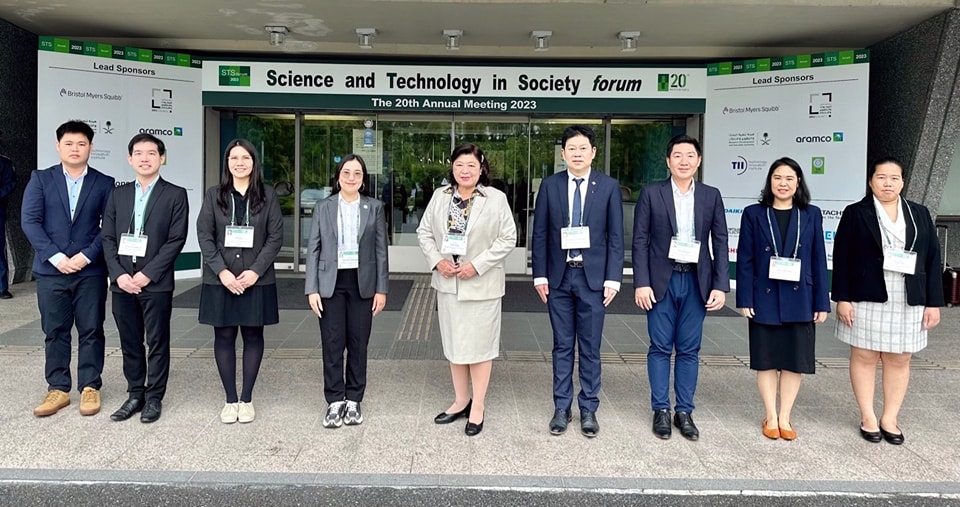
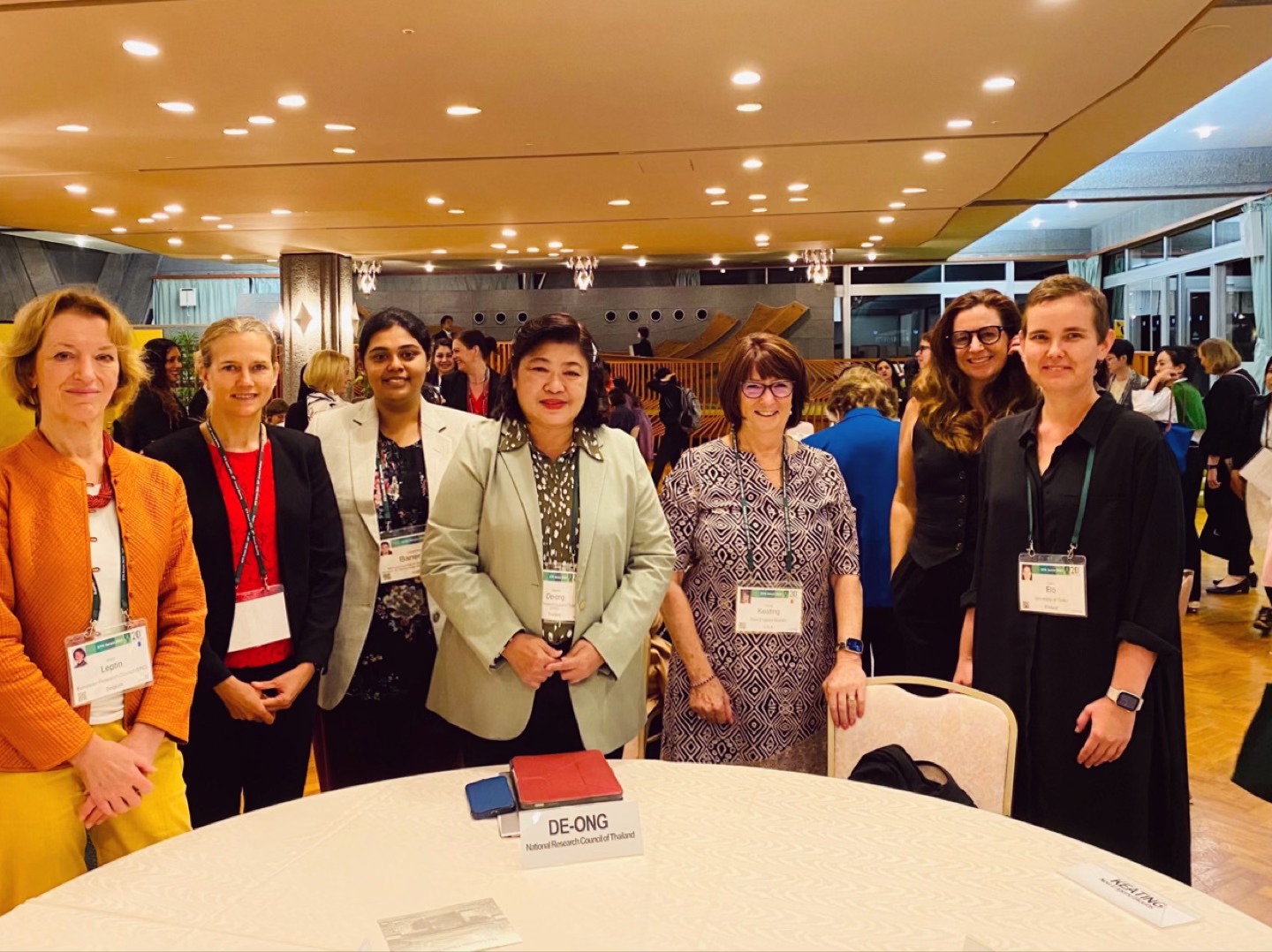
The session was chaired by Ms. Deborah L. Wince-Smith, President and CEO of the Council on Competitiveness and President of the Global Federation of Competitiveness Councils, USA. Dr. Wiparat De-ong, Executive Director of the National Research Council of Thailand (NRCT), along with NRCT executives, academic advisory committee, NRCT officials, and NRCT Young Researchers, also attended the session.
Professor Dr. Supachai Pathumnakul, Permanent Secretary of the Ministry of Higher Education, Science, Research and Innovation, addressed key challenges related to reducing carbon emissions, strengthening future energy security, and protecting the environment — all of which are major priorities for Thailand. He emphasized that the Ministry places strong importance on research and development, allocating more than 30% of its budget to sustainability-focused research and practical solutions. Examples include:
- The development of AI-driven Smart Agriculture to improve the efficient use of water and fertilizers
- The production of bioplastics as alternatives to fossil-based materials
- The advancement of high-performance battery energy storage systems to support the use of renewable energy in the industrial sector
The Permanent Secretary reaffirmed that science and innovation are essential tools in accelerating Thailand’s transition toward its climate goals of achieving Carbon Neutrality by 2050 and Net Zero Emissions by 2070, through strategies that are closely linked to real-world implementation.
The discussion session aimed to exchange perspectives and practical pathways toward reducing carbon emissions and achieving net-zero greenhouse gas emissions, while also promoting the conservation of natural resources, environmental protection, and the expansion of renewable energy. The dialogue emphasized leveraging advances in science and technology, artificial intelligence, and international collaboration to address interconnected systemic challenges in areas such as food, energy, and water, and to accelerate the transition toward sustainable clean energy in the future.
Professor Dr. Supachai Pathumnakul, Permanent Secretary of the Ministry of Higher Education, Science, Research and Innovation, highlighted the challenges of reducing carbon emissions, ensuring future energy security, and protecting the environment — key priorities for Thailand. He reaffirmed the Ministry’s strong commitment to research and development, with more than 30% of its budget allocated to sustainability-focused research and tangible solutions. Examples include:
- AI-driven Smart Agriculture to improve the efficient use of water and fertilizers
- The development of bioplastics to replace fossil-based materials
- The advancement of high-performance battery energy storage systems to support renewable energy use in the industrial sector
He emphasized that science and innovation are essential tools in accelerating Thailand’s progress toward its goals of achieving Carbon Neutrality by 2050 and Net Zero Emissions by 2070, through strategies closely linked to real-world implementation.
Overall, the session served as a platform for sharing approaches to reduce carbon and greenhouse gas emissions, conserve natural resources, and promote renewable energy, while strengthening international cooperation to tackle complex, cross-cutting global challenges and support a sustainable clean energy transition.