“Yodchanan” Follows Up on the “Zero Burn to Earn” Model, Engaging the Private Sector to Purchase Agricultural Waste and Reduce PM2.5 at Its Source
30 August 2026


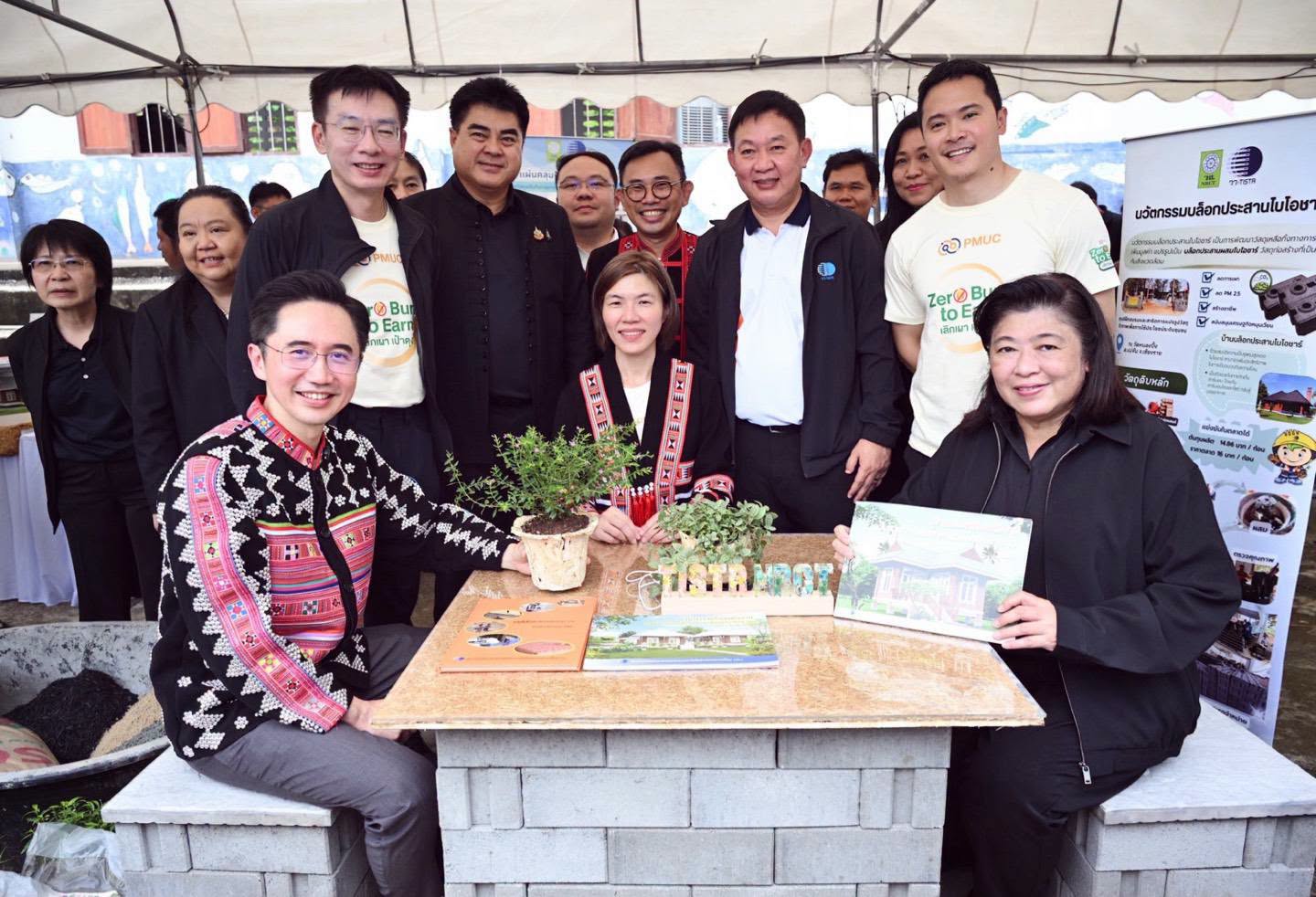
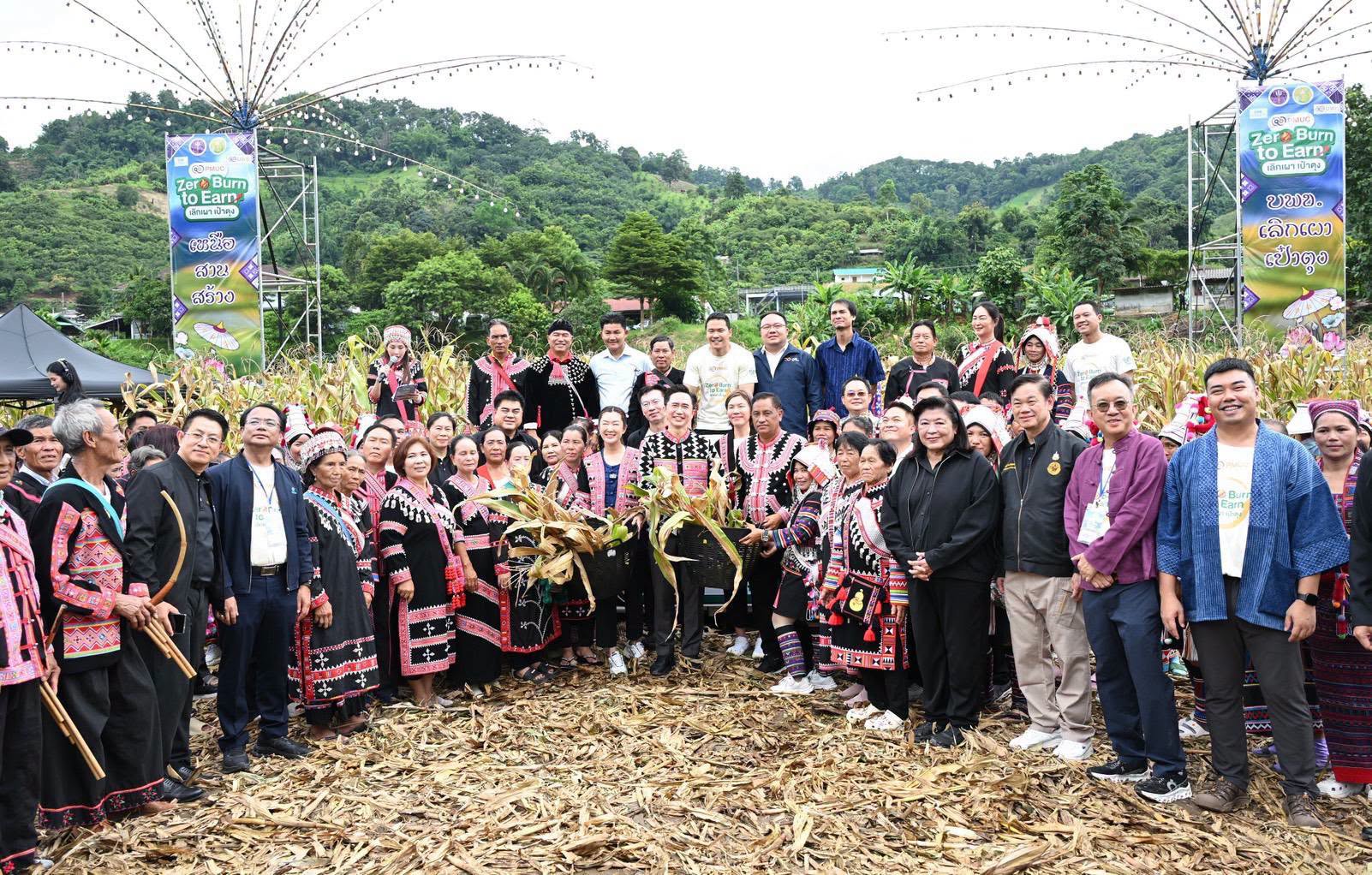
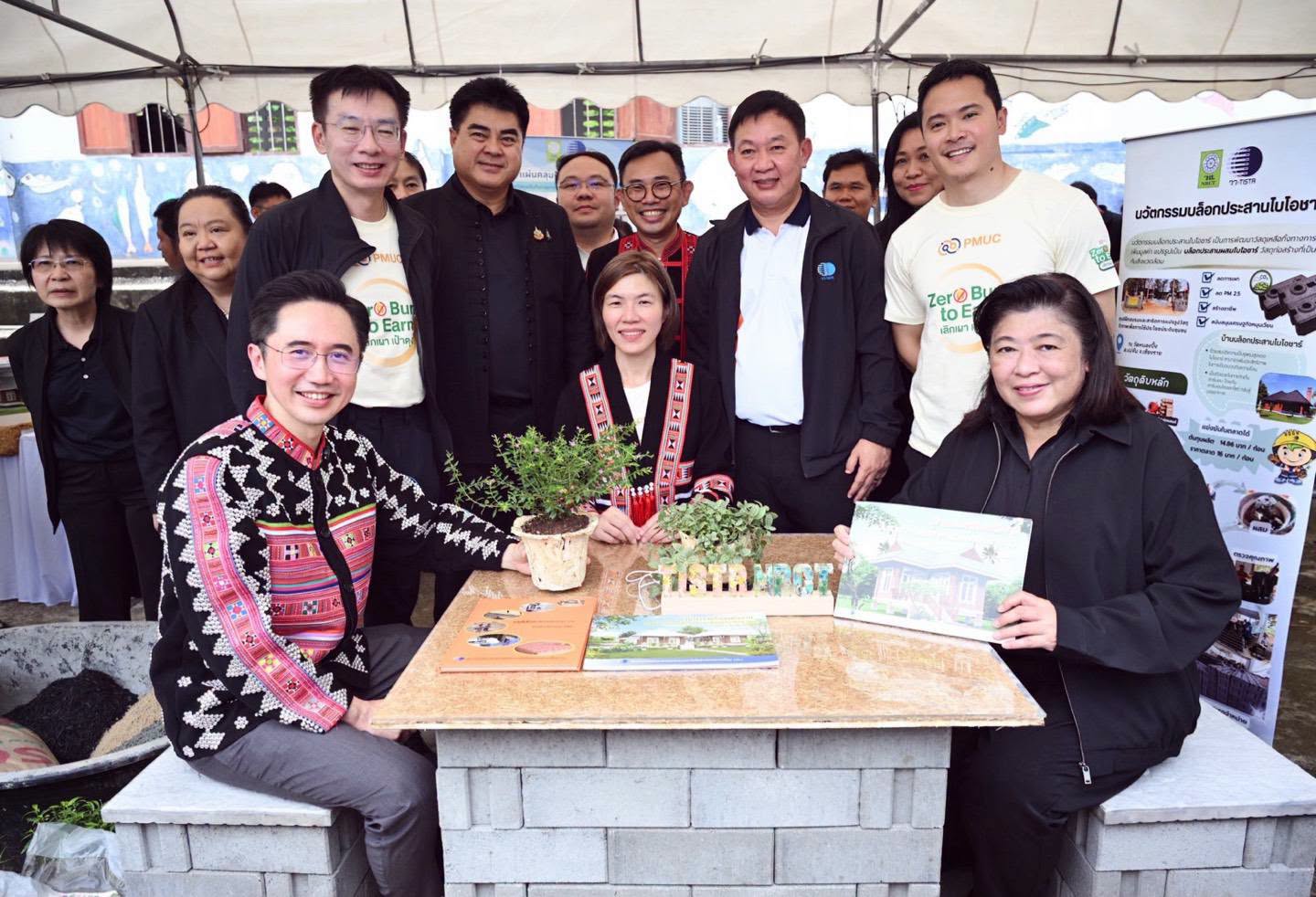
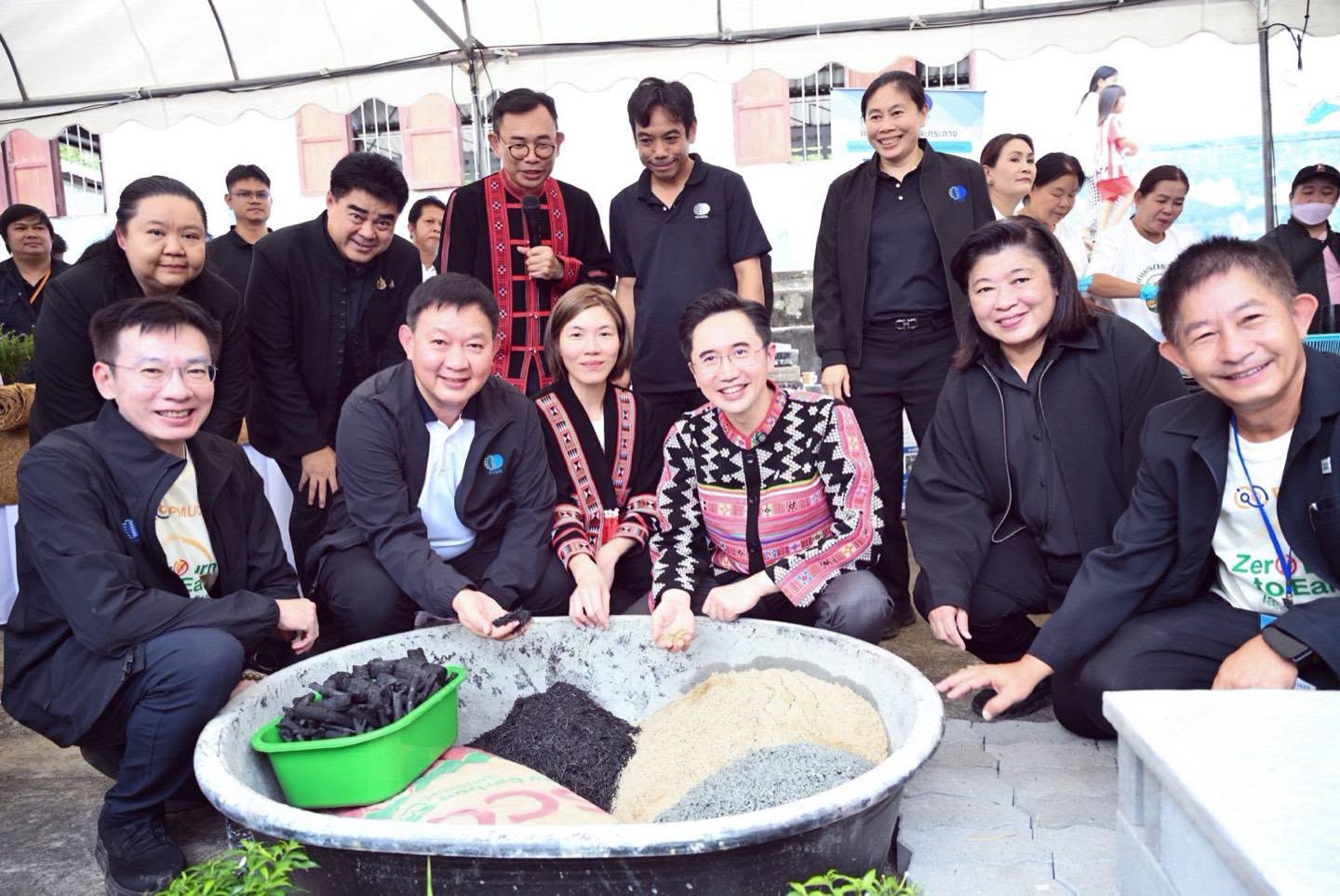
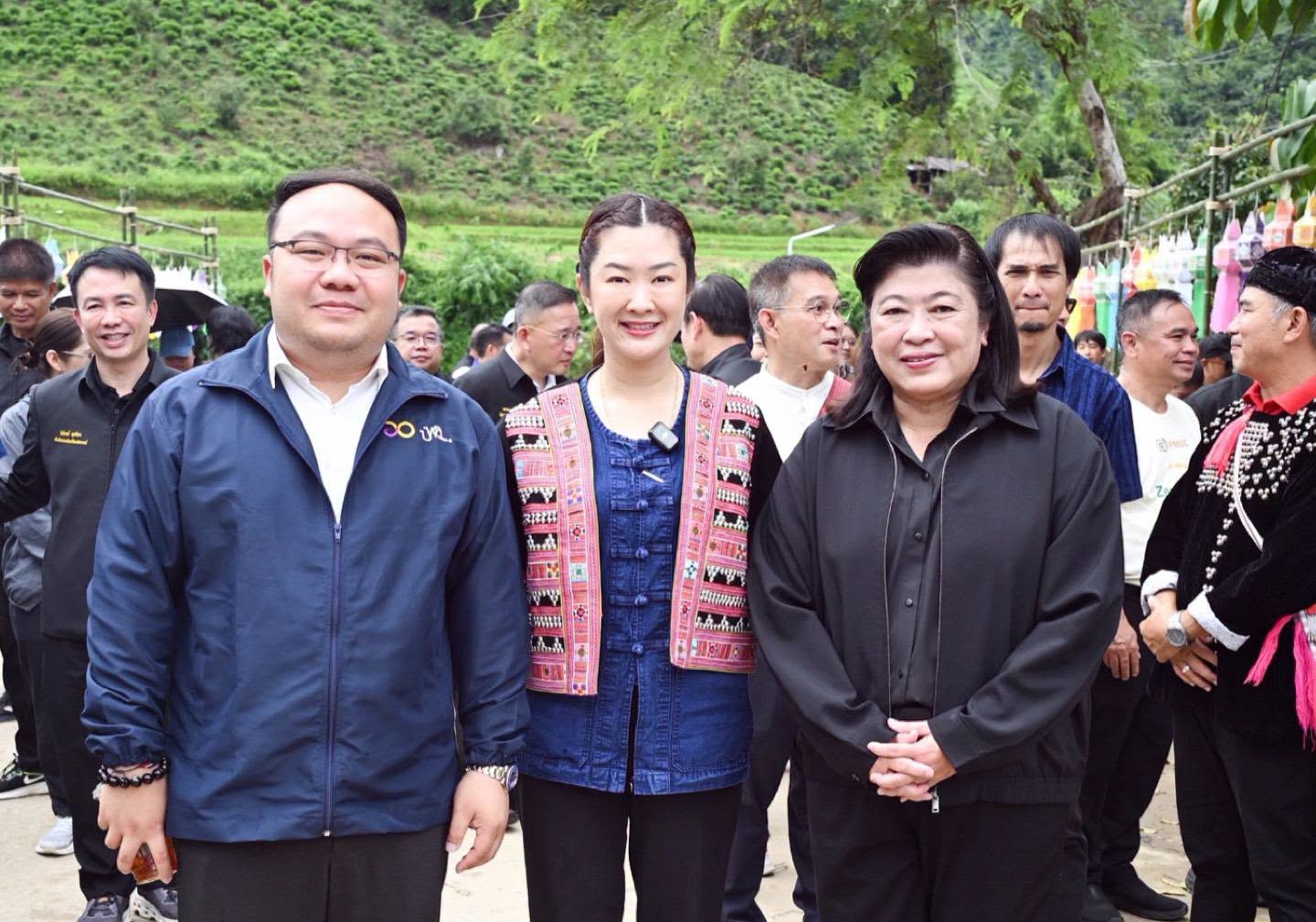
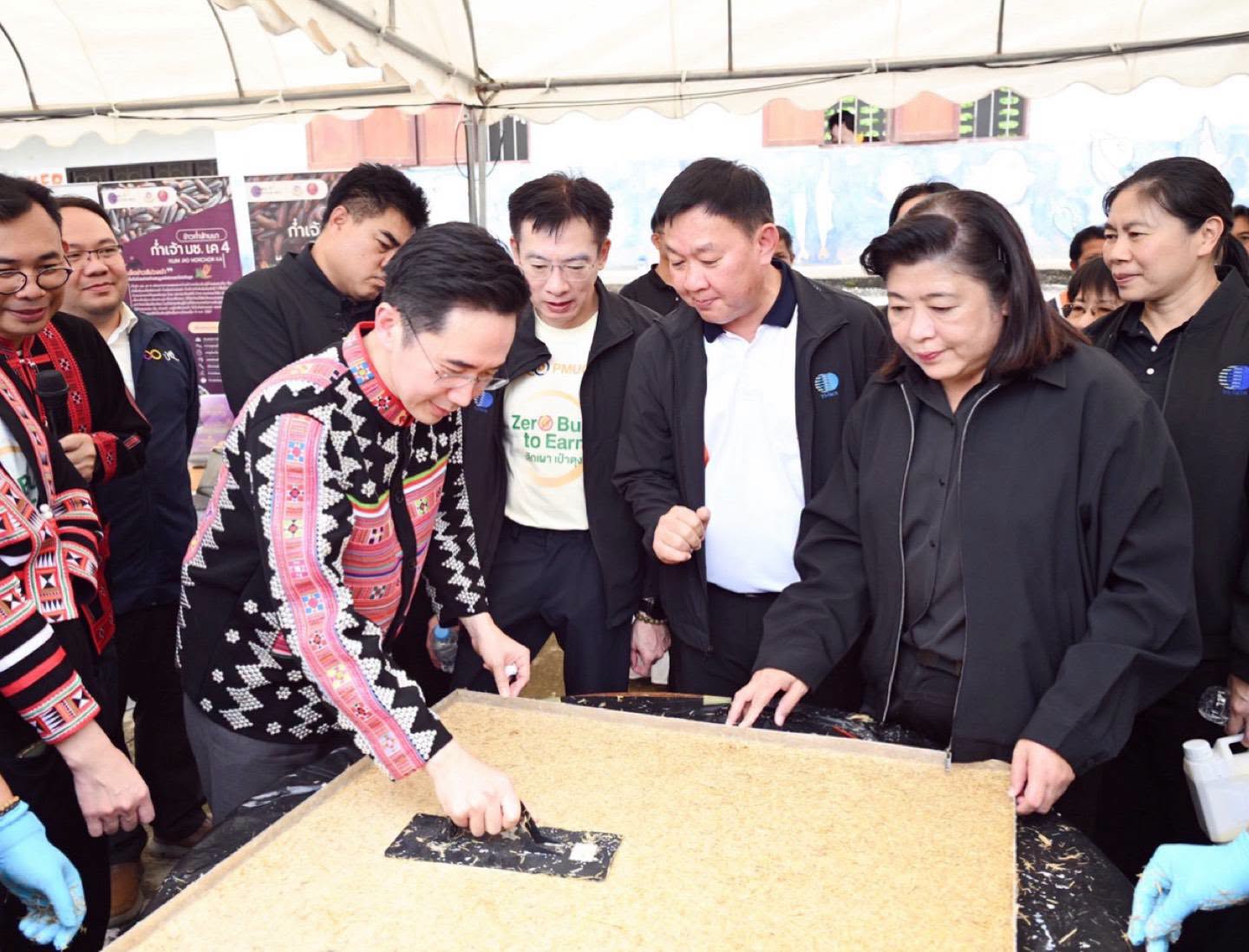
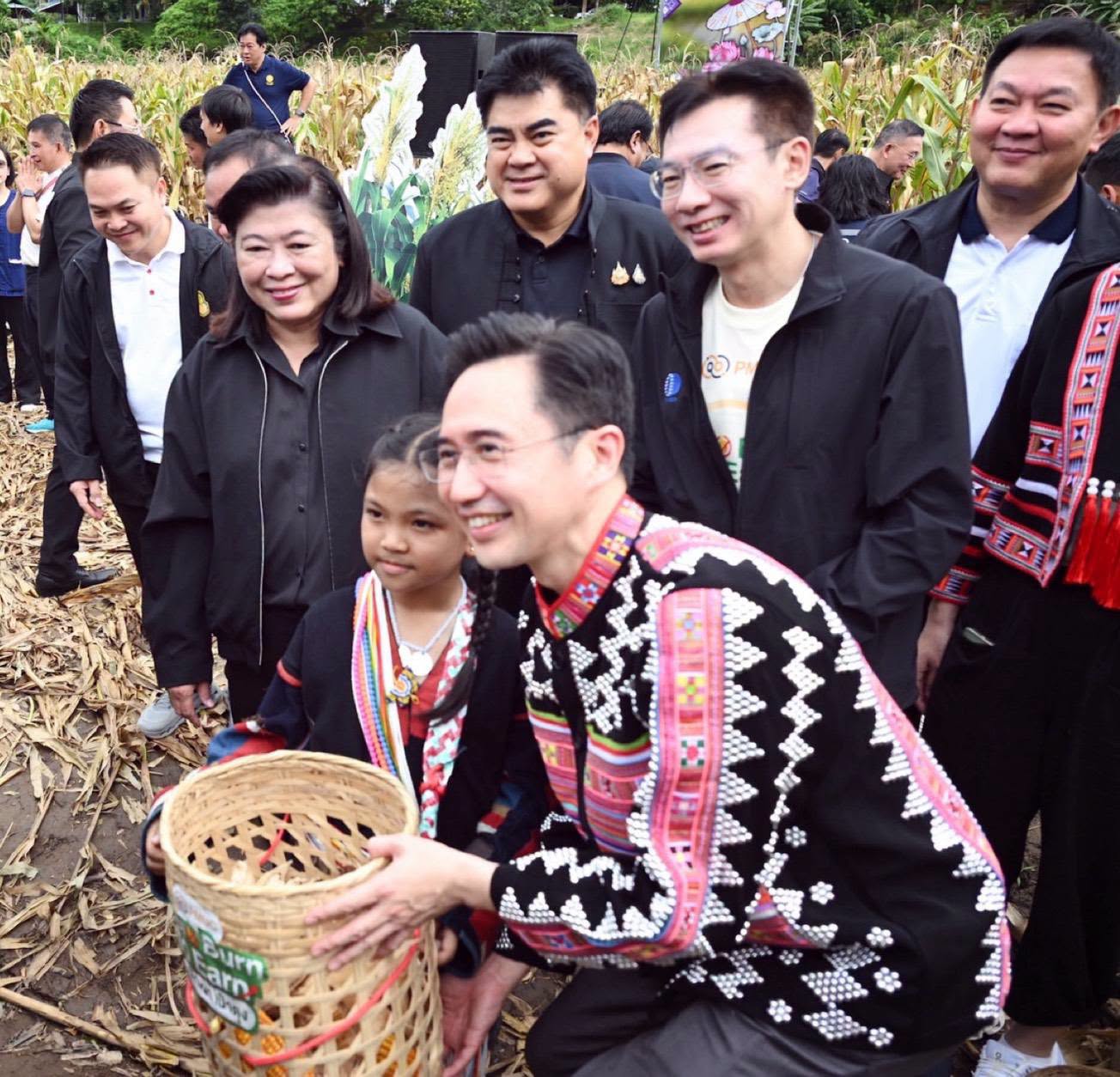
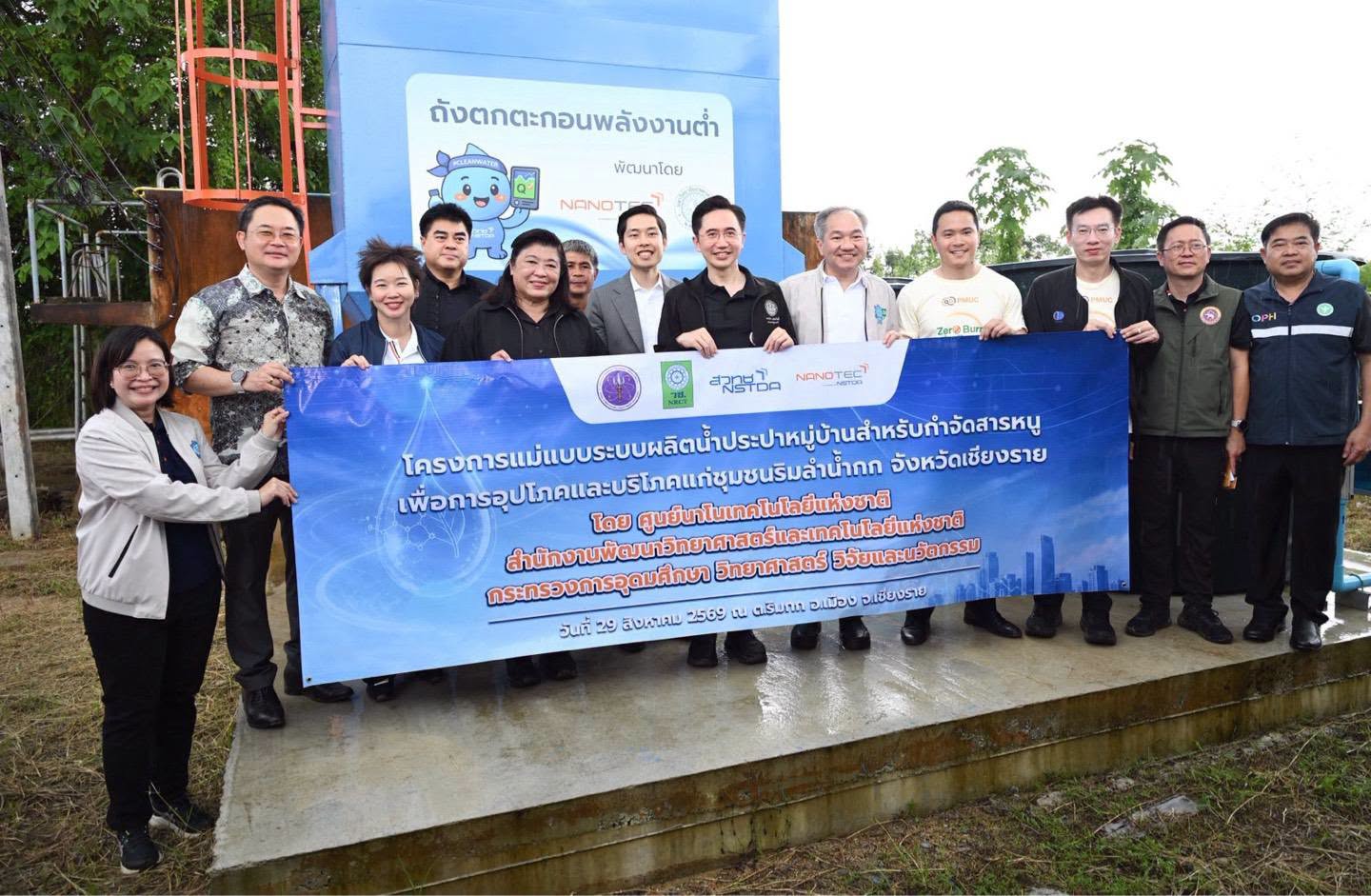
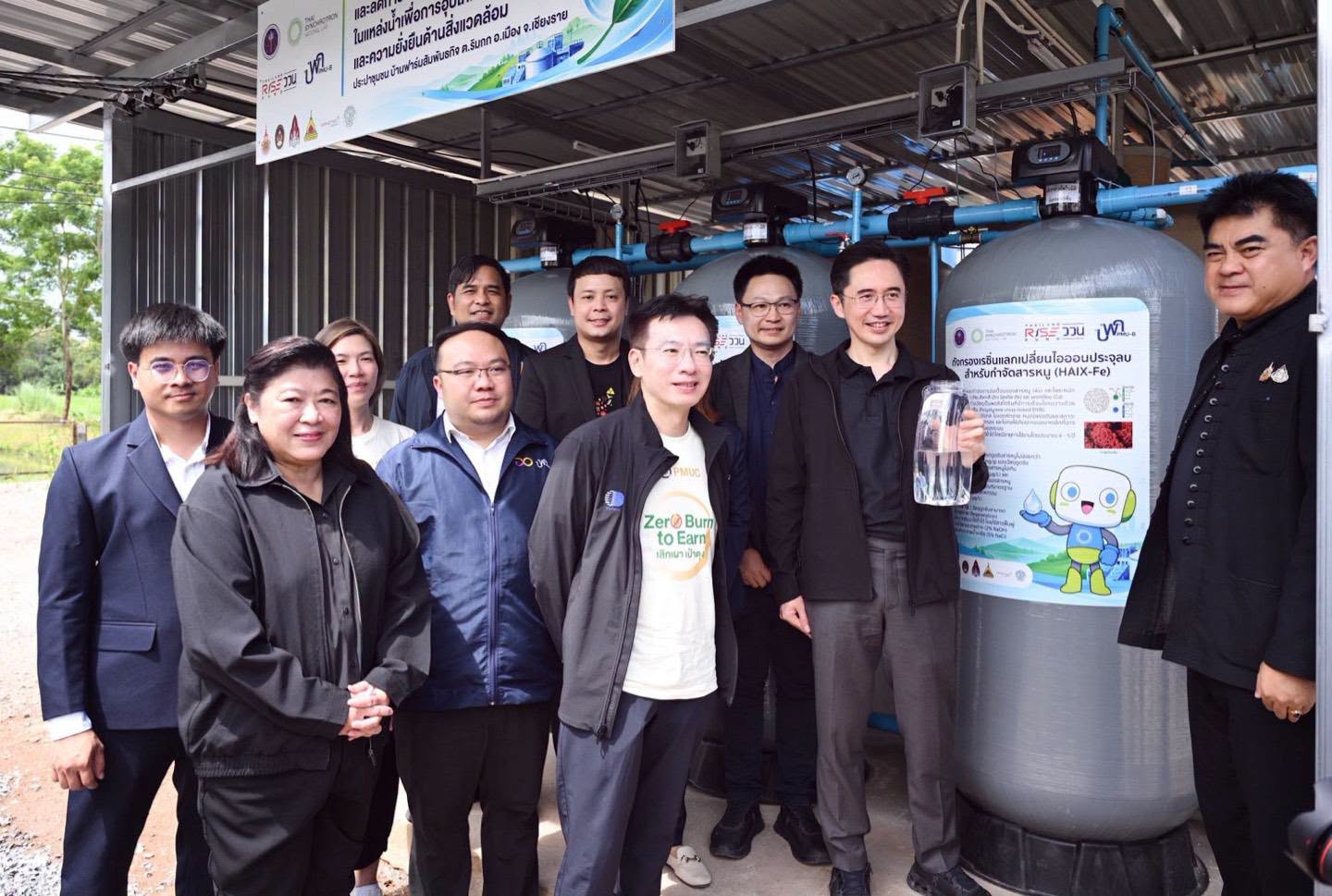
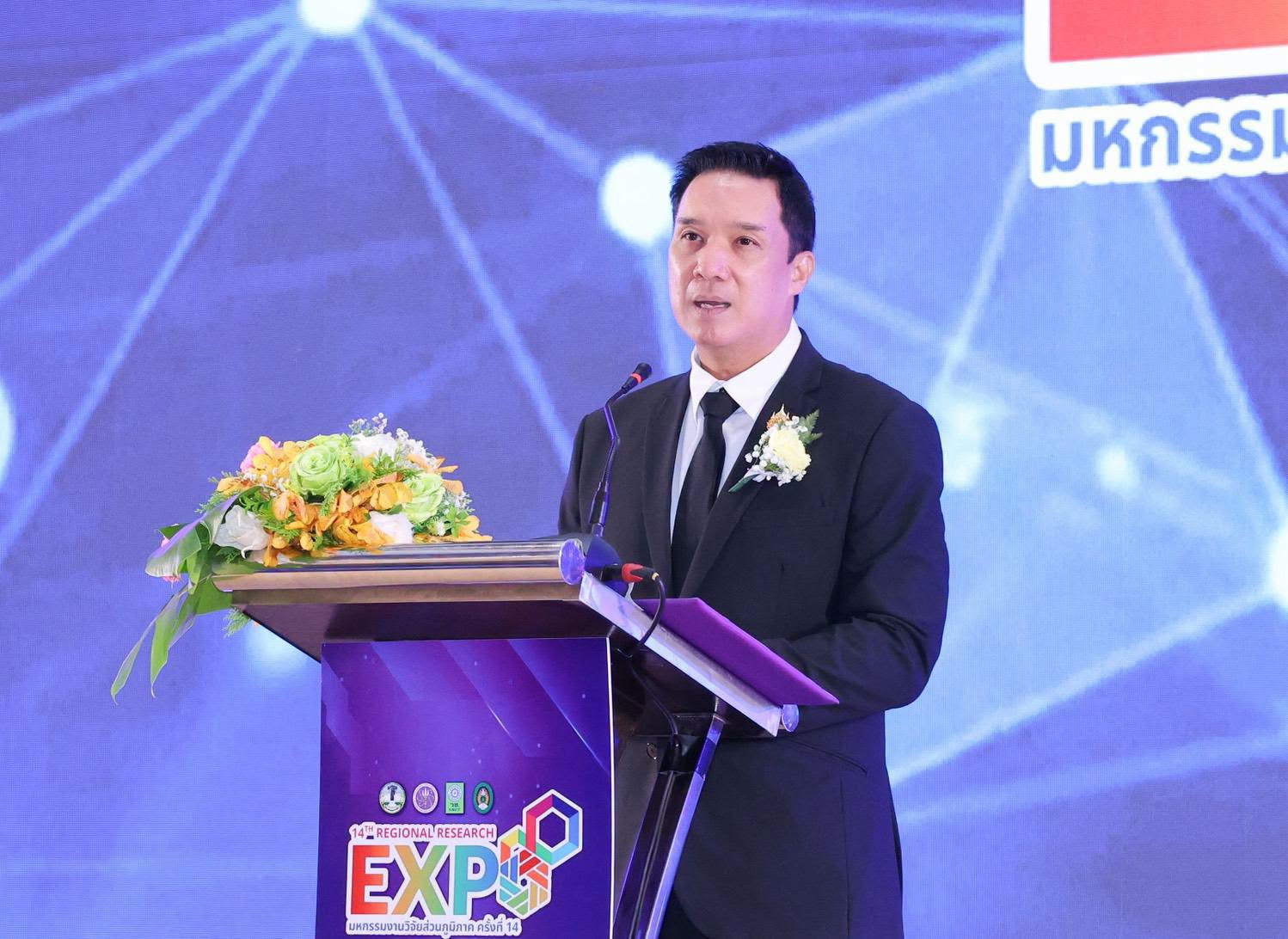
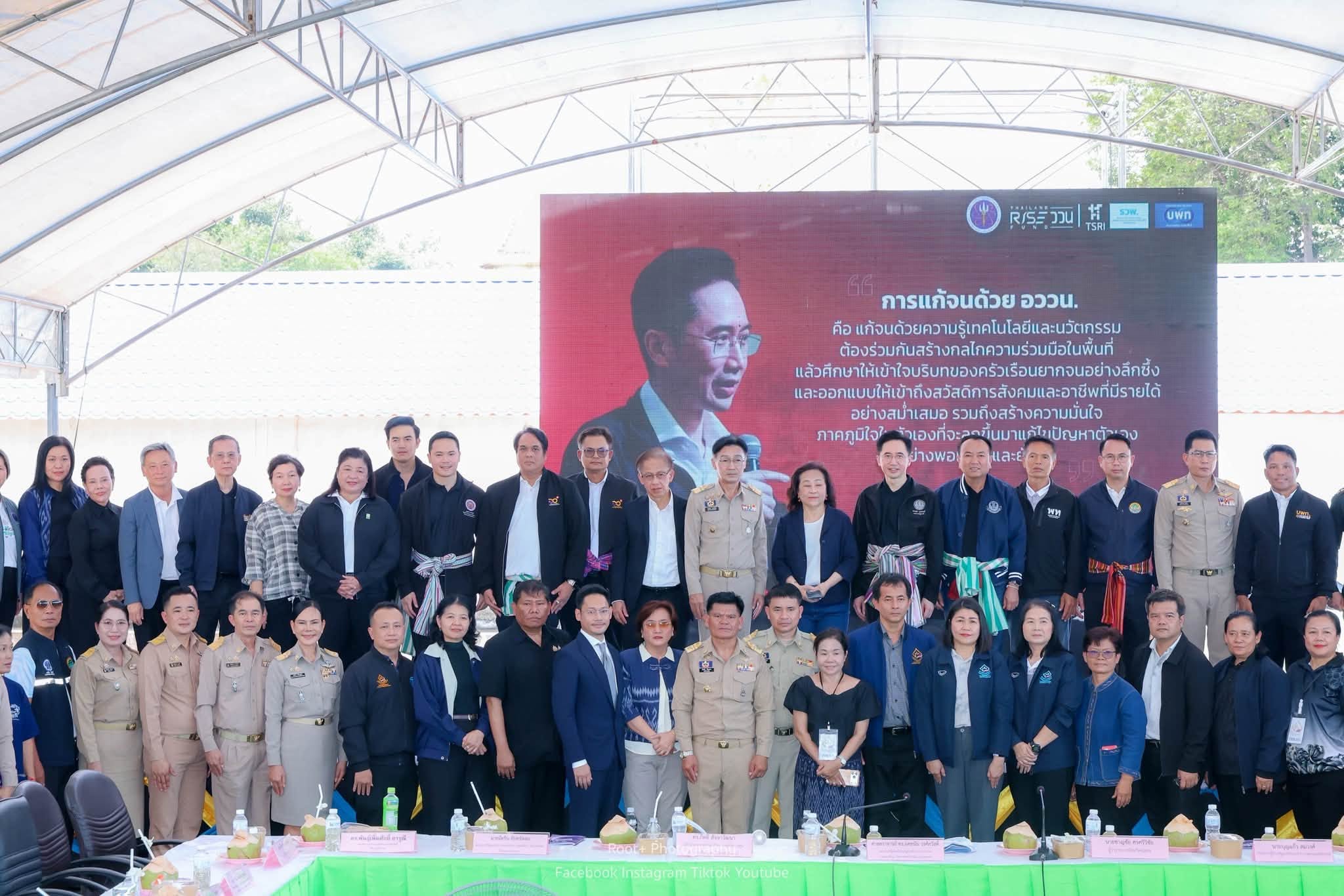
On August 29, at Lao Fu Chinese School in Mae Chan District, Chiang Rai Province, Prof. Dr. Yodchanan Wongsawat, Deputy Prime Minister and Minister of Higher Education, Science, Research and Innovation (MHESI), together with Ms. Piyarat Tiyapairat, Deputy Minister of Agriculture and Cooperatives, visited the area to follow up on the “Zero Burn to Earn” (Stop Burning, Full Pockets) project. The visit aimed to advance a policy of transforming agricultural waste from a source of pollution into raw materials that can generate sustainable income, while expanding the “PMUC Zero Burn to Earn” project across the northern region.
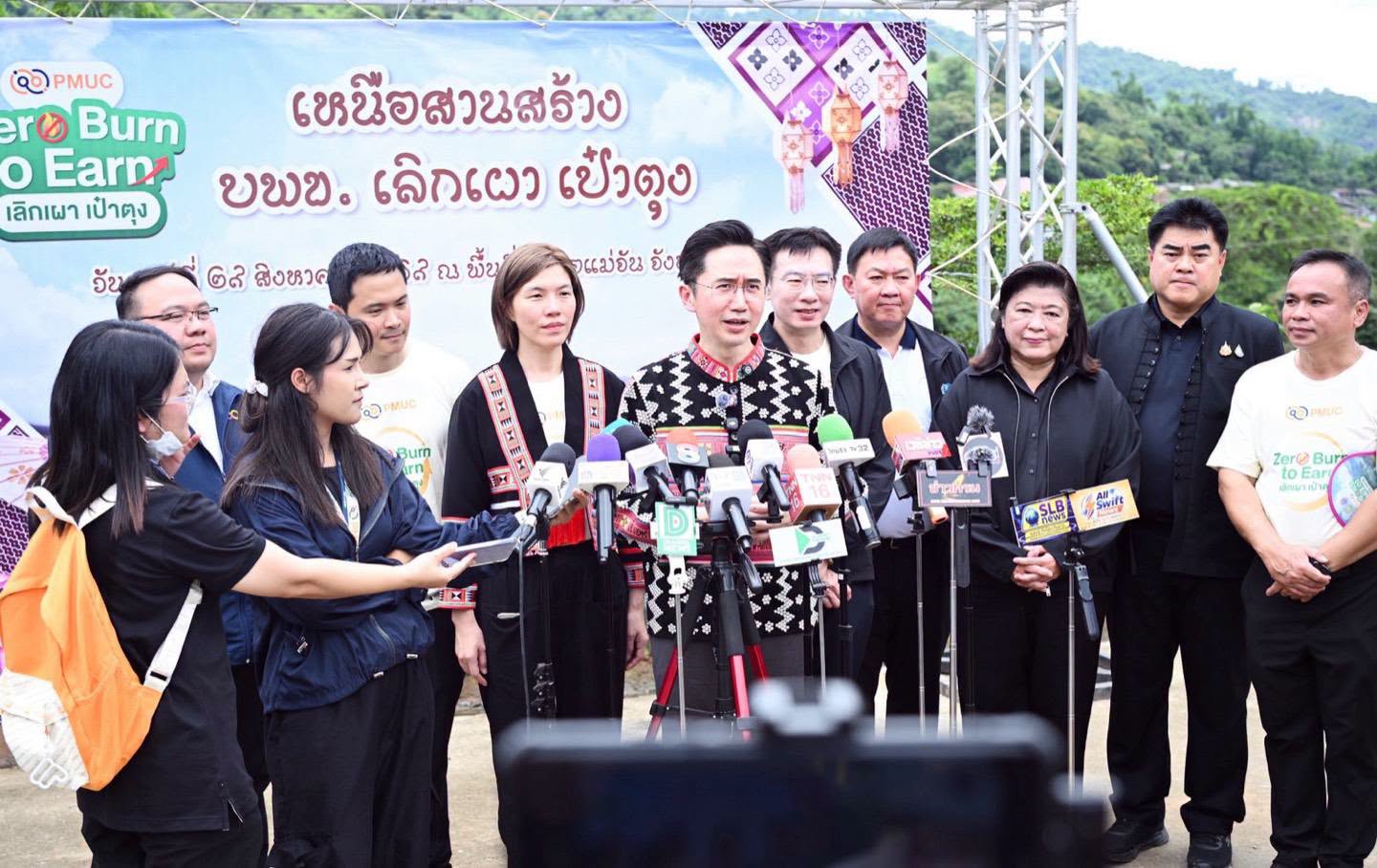
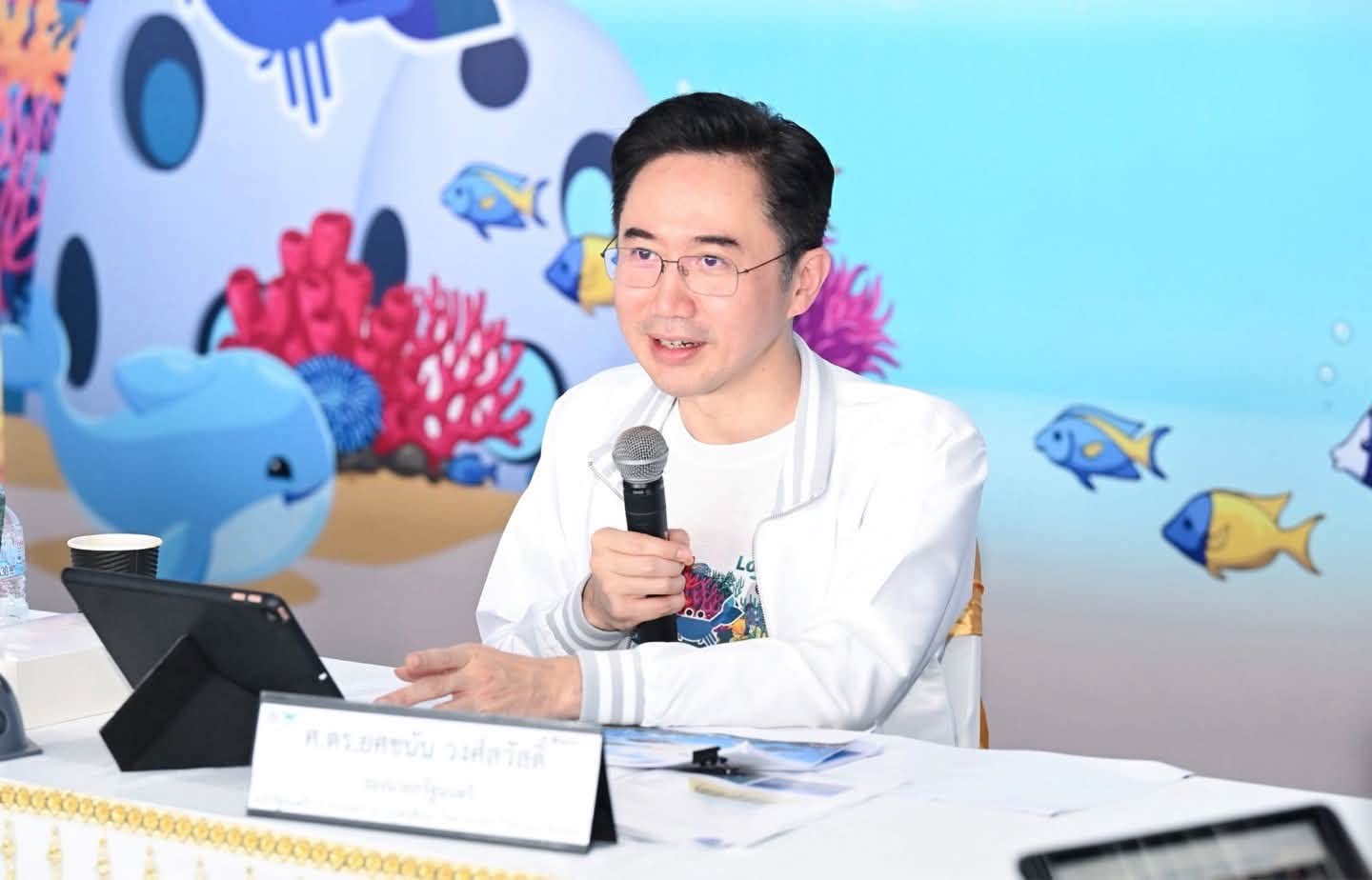
Prof. Dr. Yodchanan explained the approach, stating, “To address the PM2.5 problem, we are striving to tackle its root causes. Each area has different contexts and causes, so solutions must be tailored to local conditions. Although air quality in the North remains relatively good in August, we must start taking action now—in August, September, and October—so that tangible results can be achieved by December. We want to demonstrate to the public that stopping agricultural burning can generate real income. If our pilot areas prove successful, communities and other regions will be more willing to cooperate and expand these results nationwide.”
The site visit followed up on efforts to address the PM2.5 fine particulate matter problem through economic mechanisms. It builds on a project initiated in Chiang Mai two months ago and applies the model to the local context of Chiang Rai, with the aim of developing a concrete prototype model before expanding cooperation to other areas across the North.
A key success factor of this model is the establishment of a guaranteed market for agricultural waste. Most recently, MHESI established a one-year collaboration with five leading private companies—Precise Corporation Pcl., Sahacogen Green Co., Ltd., Green Leaf Power Co., Ltd., EPC Sustainable Energy Co., Ltd., and Siam Wattana Co., Ltd.—which have signed agreements to purchase 40,000 tons of agricultural waste, with an annual value of more than 30 million baht. The agricultural waste will be processed into biomass pellets, Chemi-Thermomechanical Pulp (CTMP) for packaging, biochar, and fiber insulation materials. This demonstrates how agricultural waste that was once considered to have little value can be transformed into valuable products and provide tangible economic returns for farmers.
Meanwhile, the “PMUC Zero Burn to Earn” project has demonstrated progress across eight pilot routes during its first four months. The project has successfully collected and brought 330,000 kilograms of agricultural waste into the production system, resulting in a reduction of PM2.5 emissions by 270 kilograms. Furthermore, the project aims to expand its coverage across the northern region over the next five years, with a target of bringing a total of 200,000 tons of agricultural waste into the system. The waste will be processed into clean energy and environmentally friendly products, with the initiative expected to generate more than 3 billion baht in economic value and sustainably reduce PM2.5 emissions by 1.6 million kilograms.
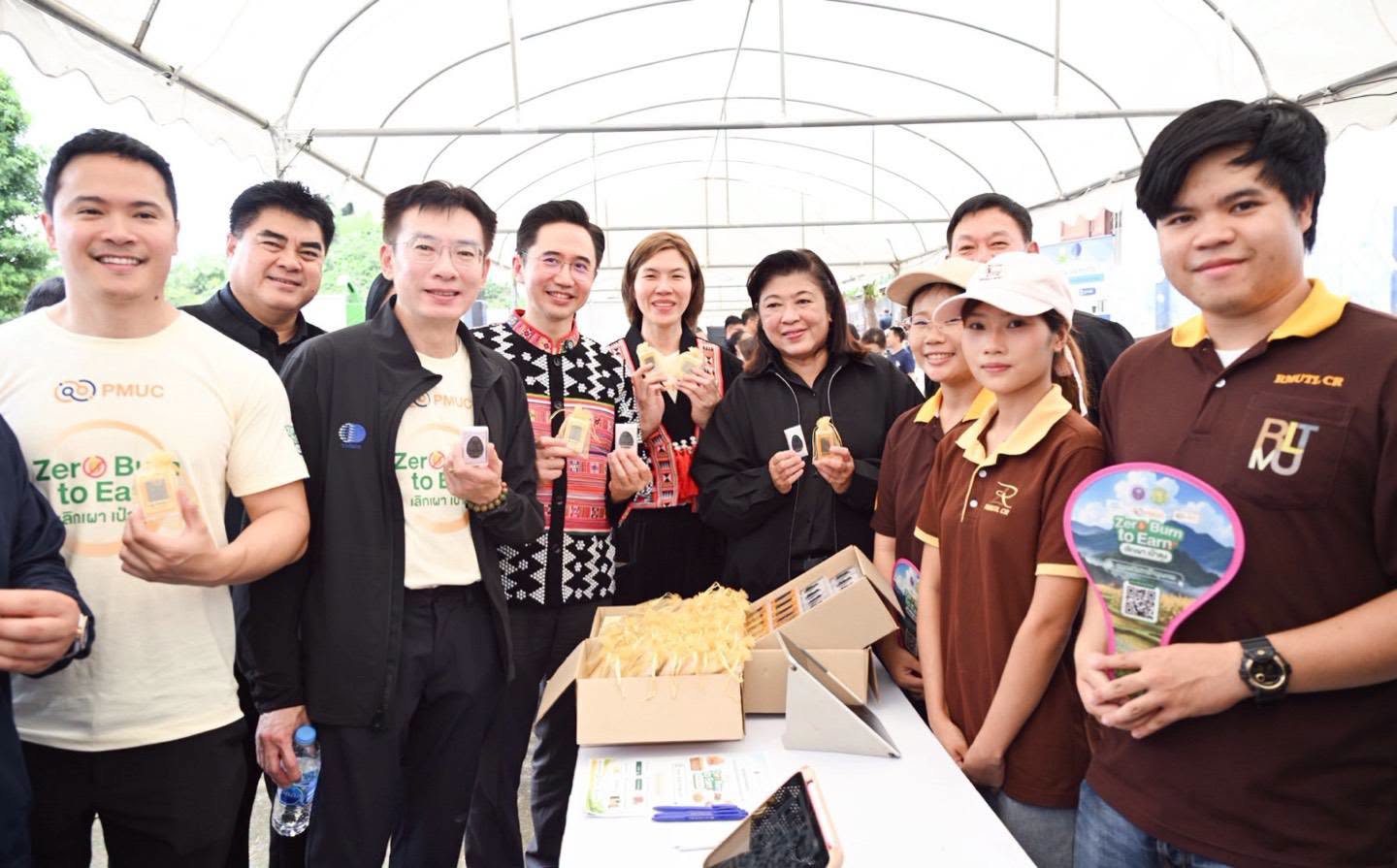
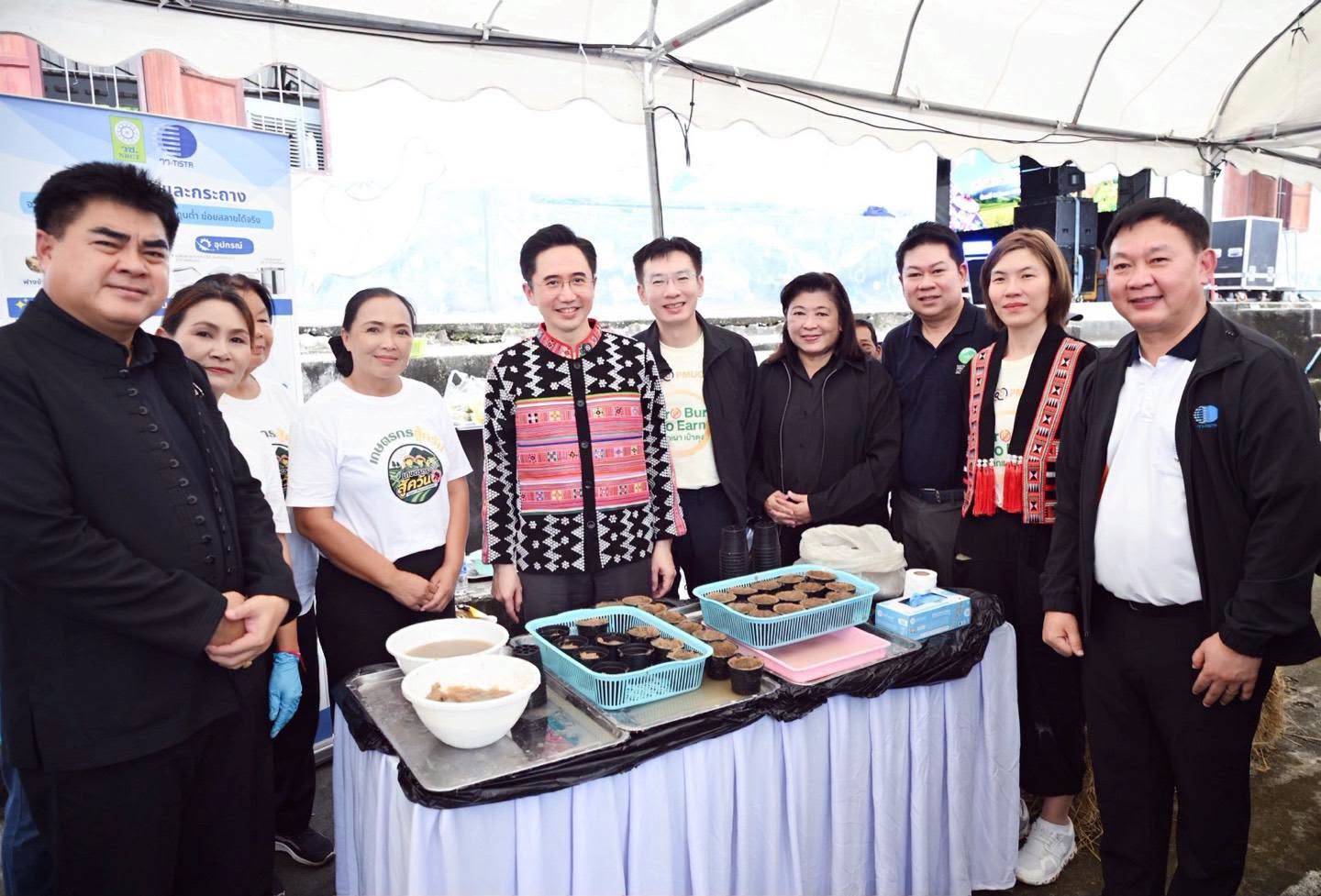
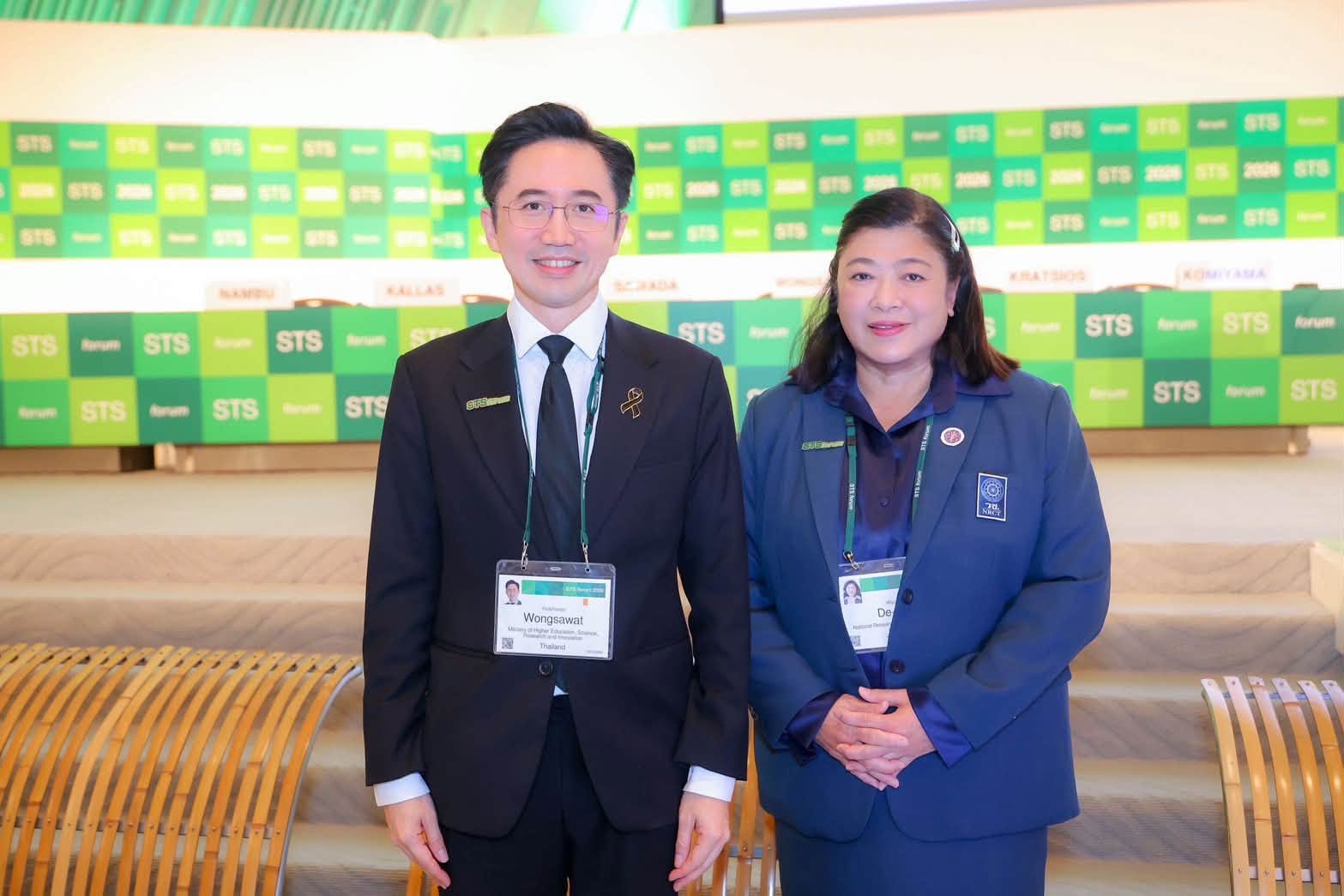
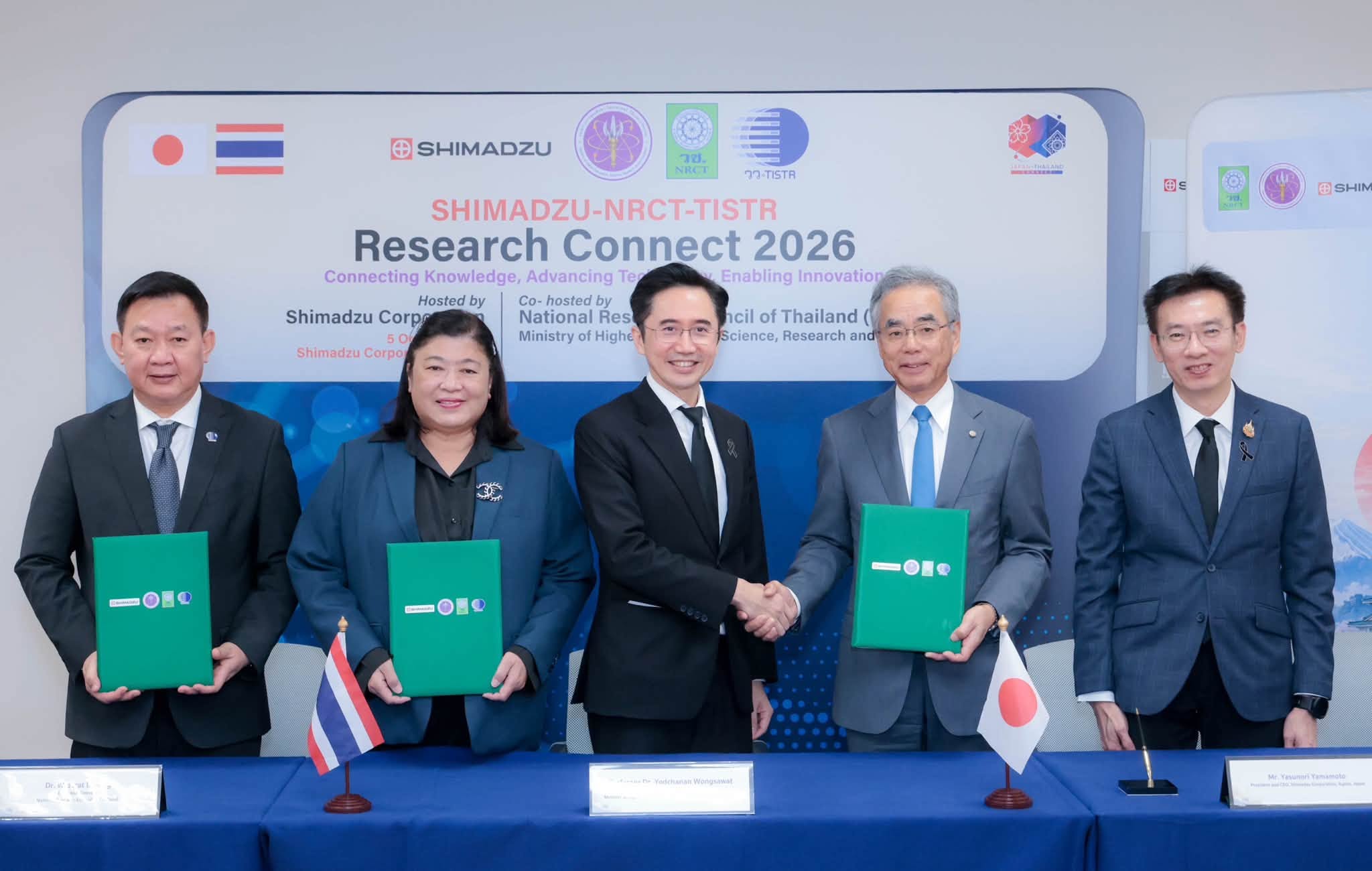
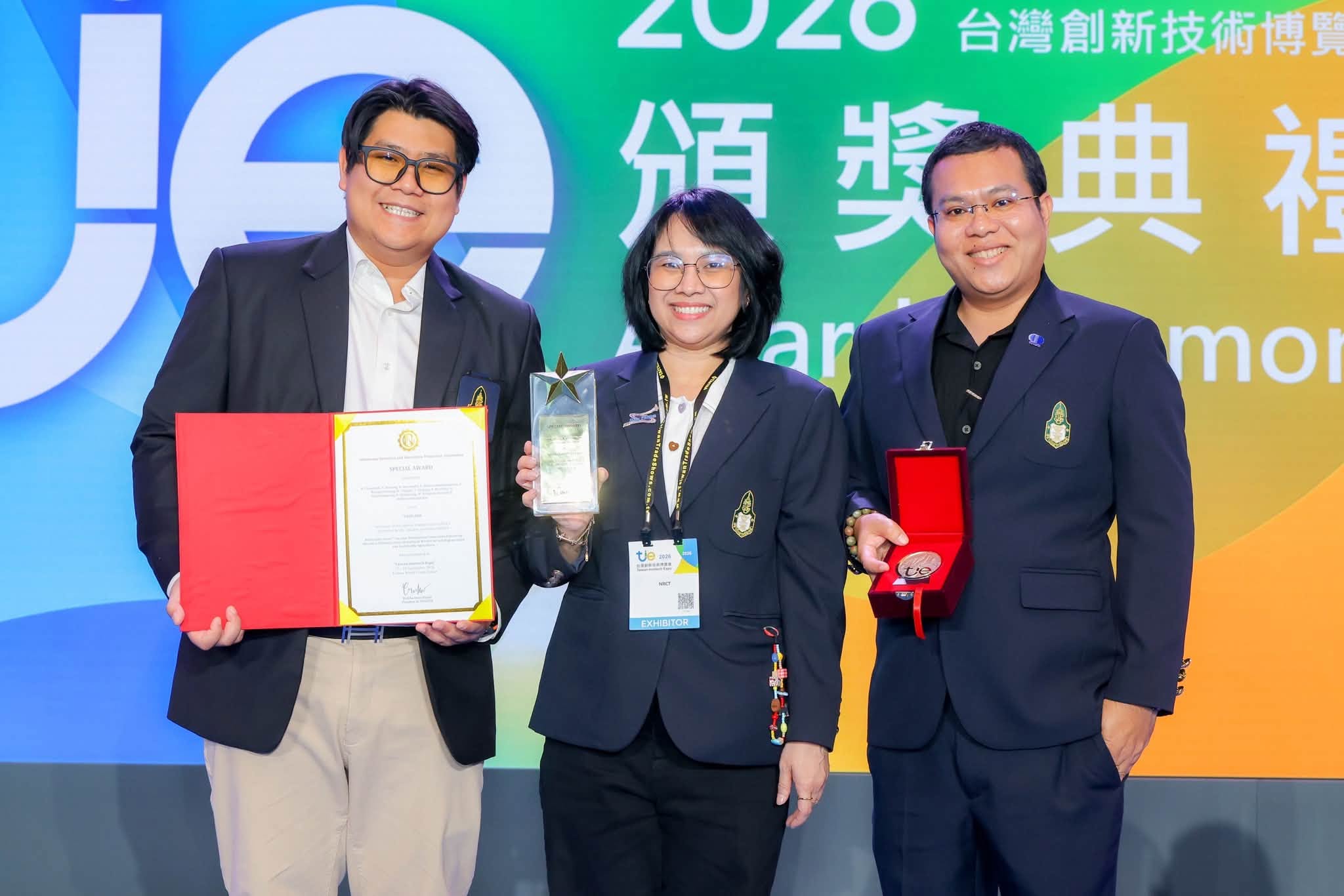
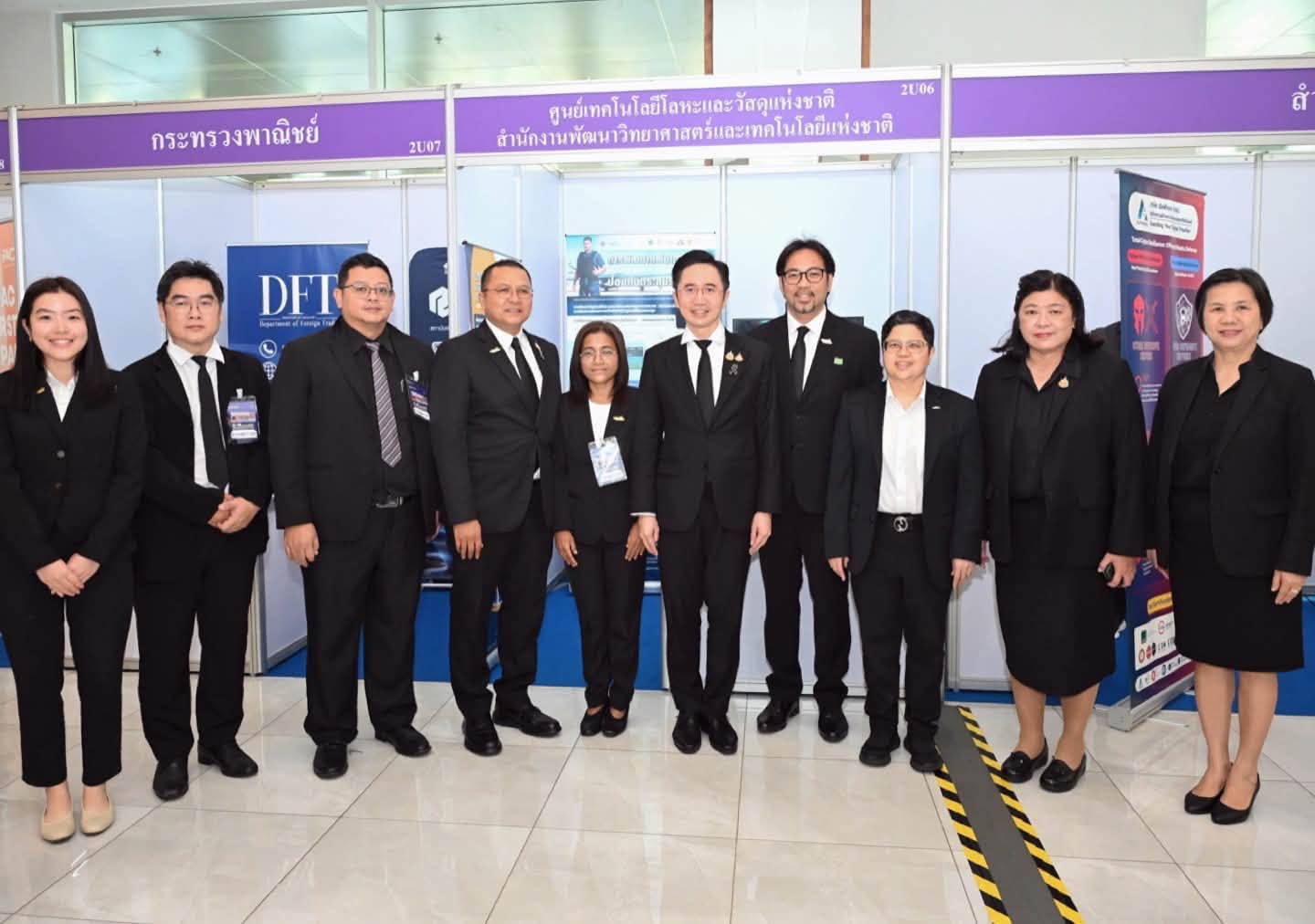
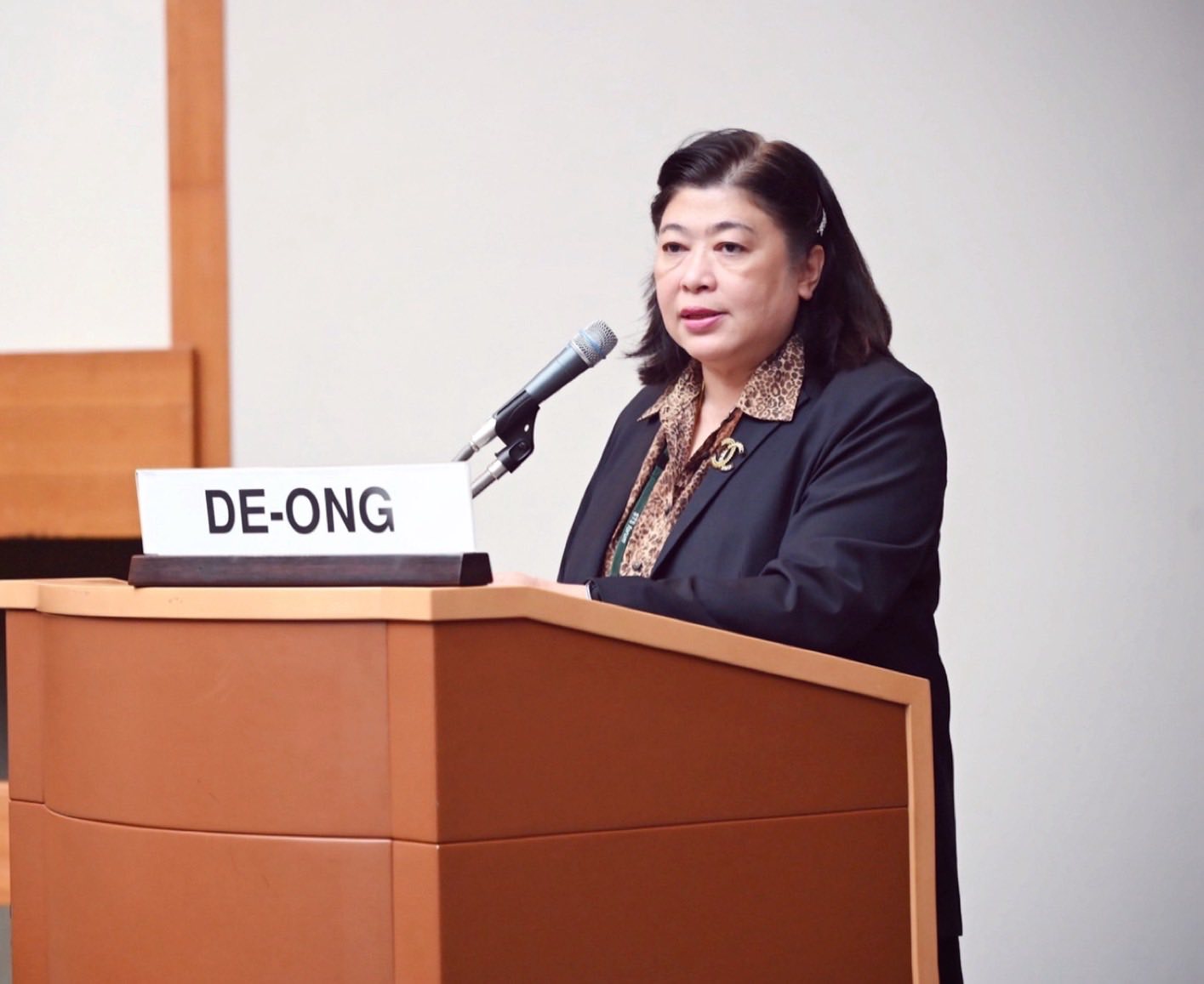
On this occasion, the National Research Council of Thailand (NRCT), under MHESI and represented by its Director, Dr. Wiparat De-ong, together with Asst. Prof. Dr. Weerachai Arjharn, Governor of the Thailand Institute of Scientific and Technological Research (TISTR), followed up on the project’s progress. TISTR also showcased NRCT-supported research and innovation outcomes at the event, including flexible agricultural mulch films, biochar produced from agricultural waste, biochar interlocking blocks, and low-cost, fully biodegradable mulch films and plant pots made from agricultural waste.