NRCT and Executives from International Agencies Visited the Chinese Archaeological Museum in Beijing, People’s Republic of China, to Study Civilization and History
30 April 2026


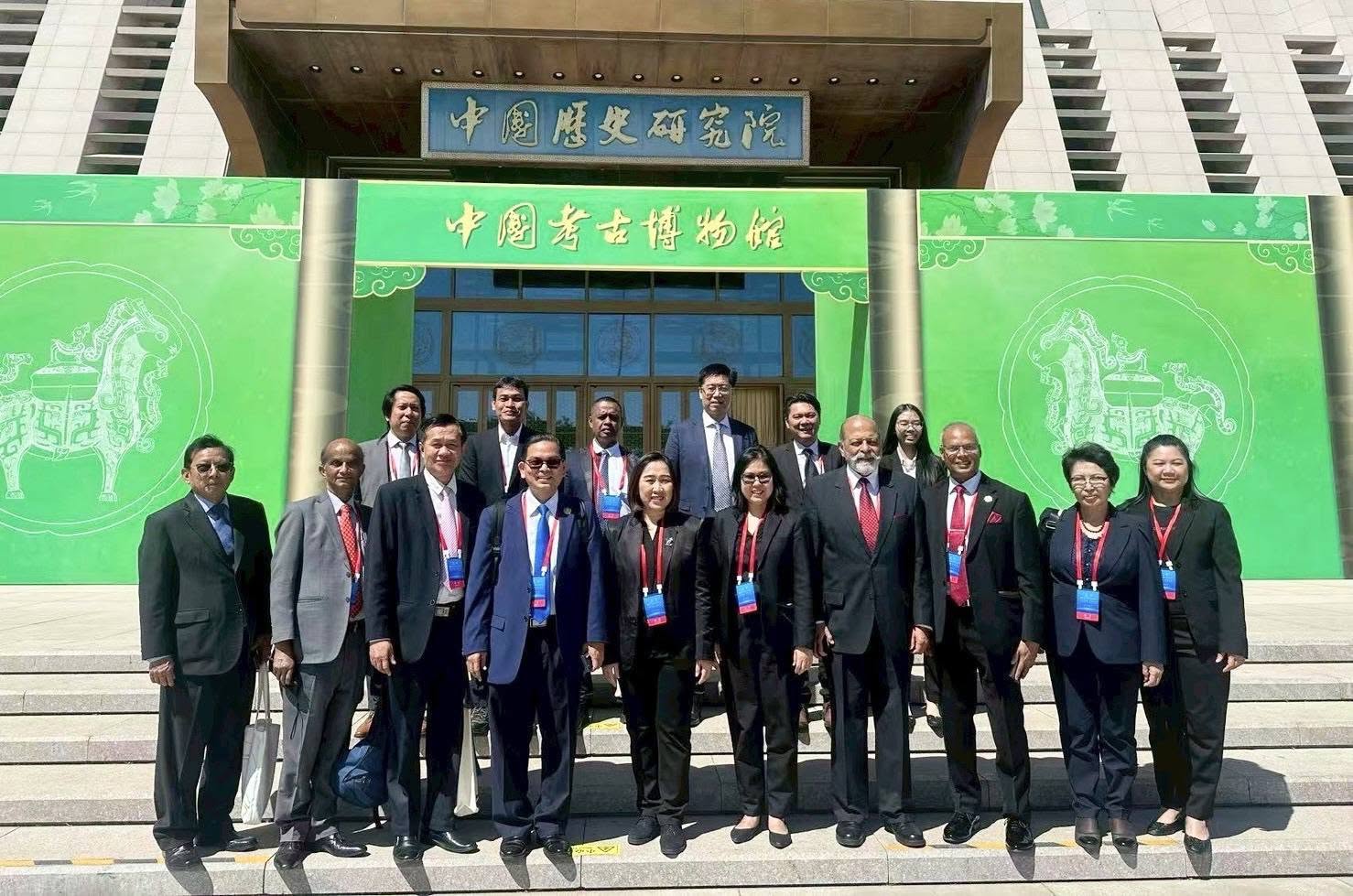
NRCT and Executives from International Agencies Visited the Chinese Archaeological Museum in Beijing, People’s Republic of China, to Study Civilization and History
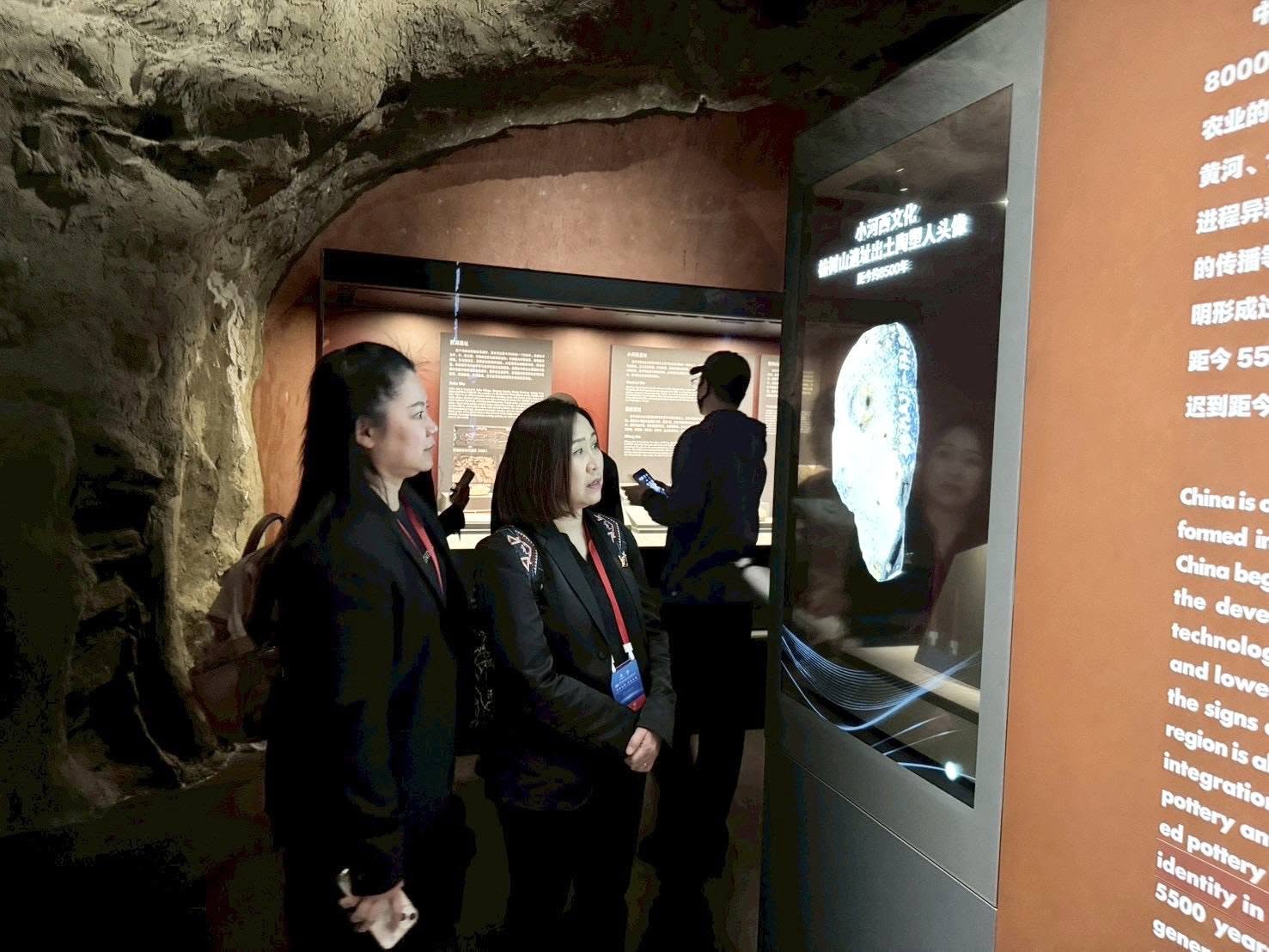
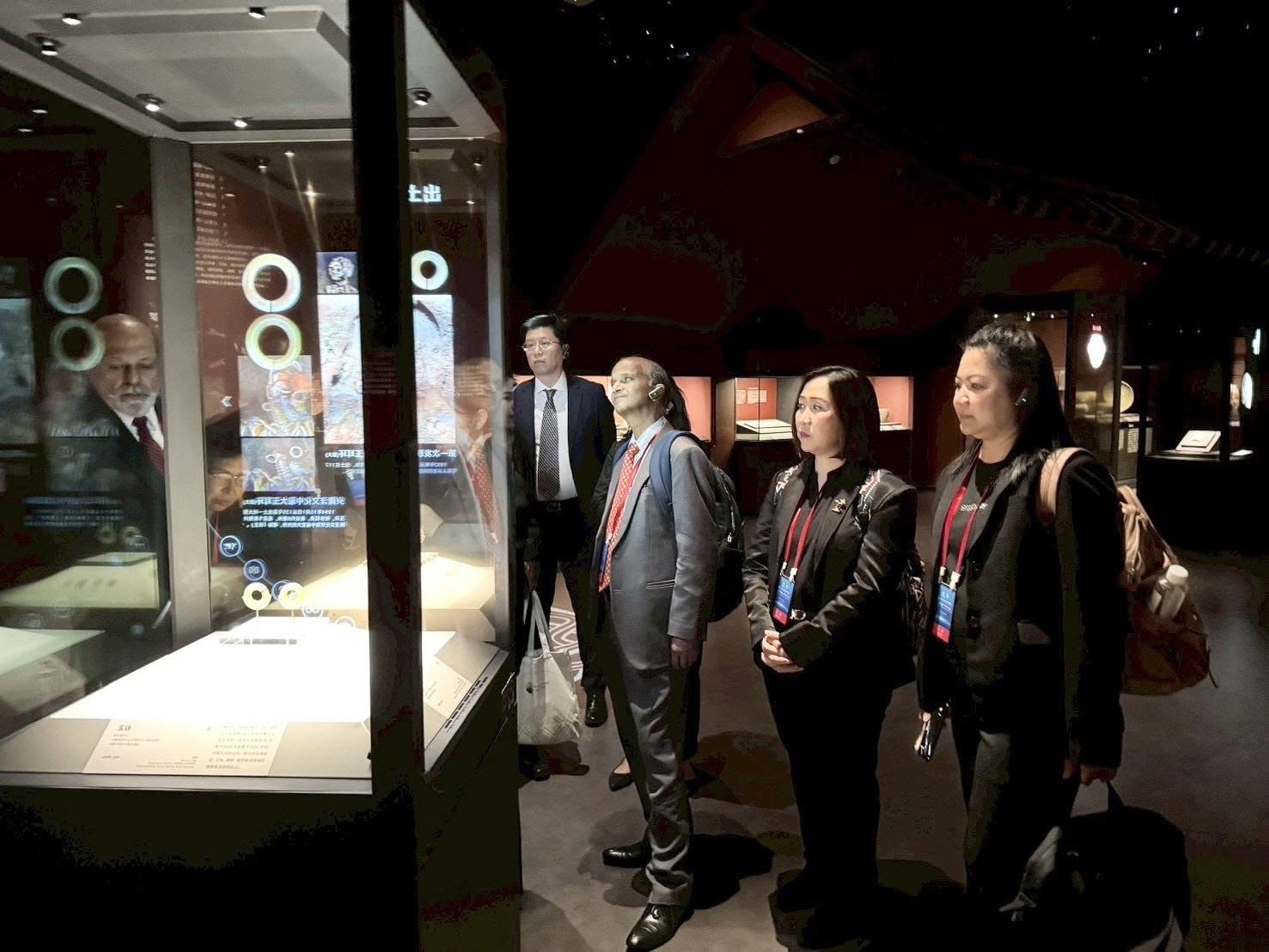
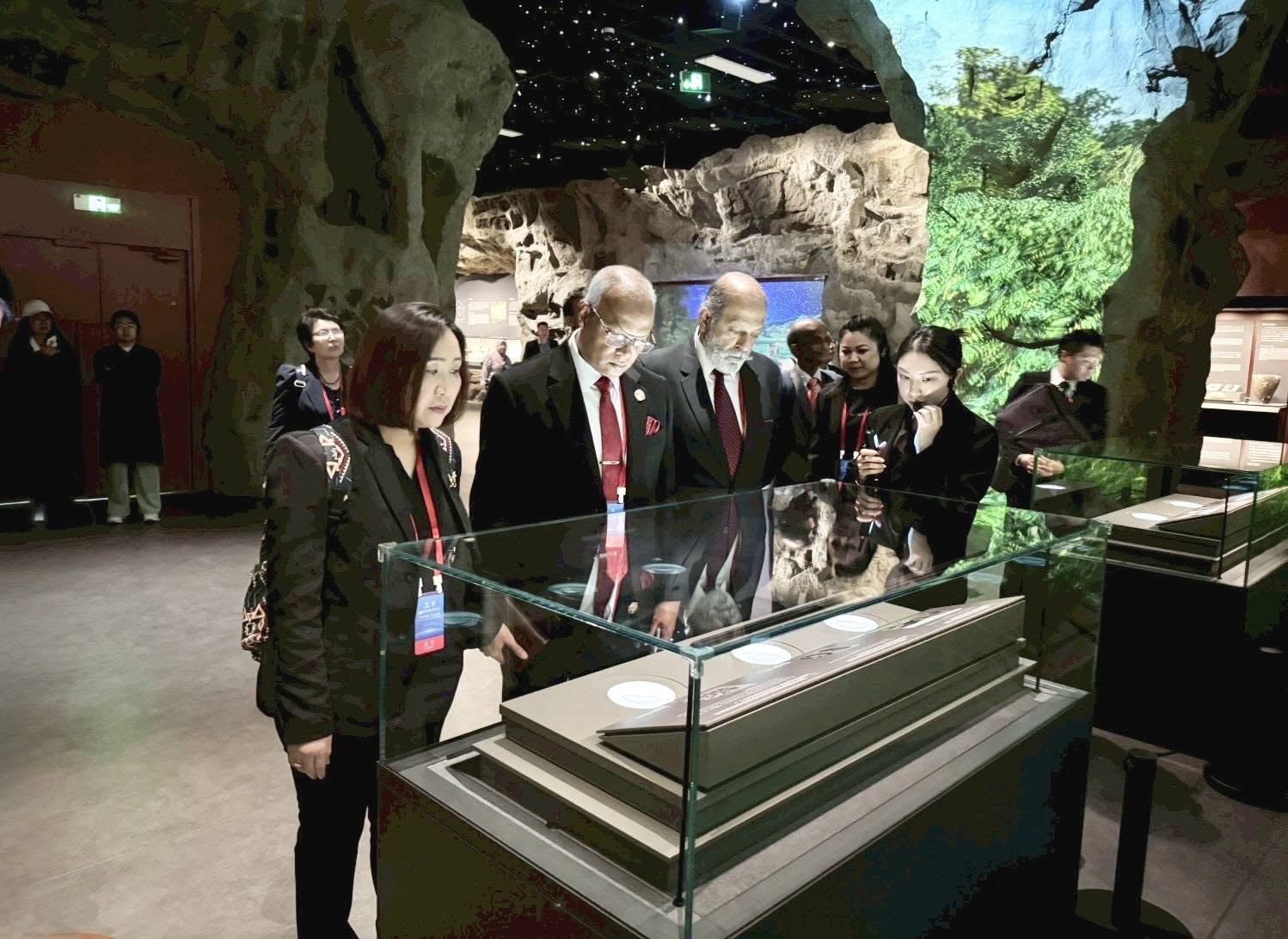
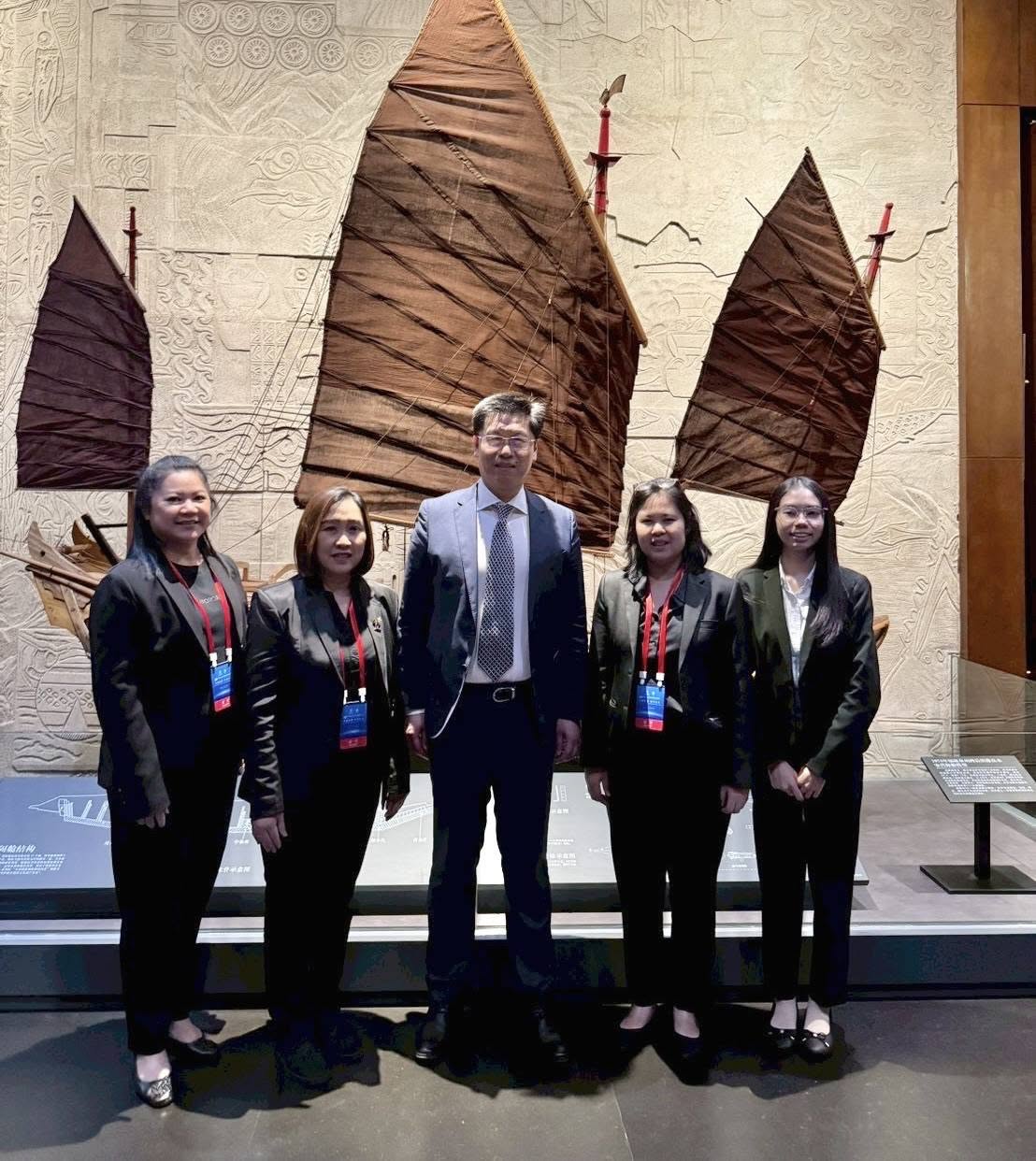
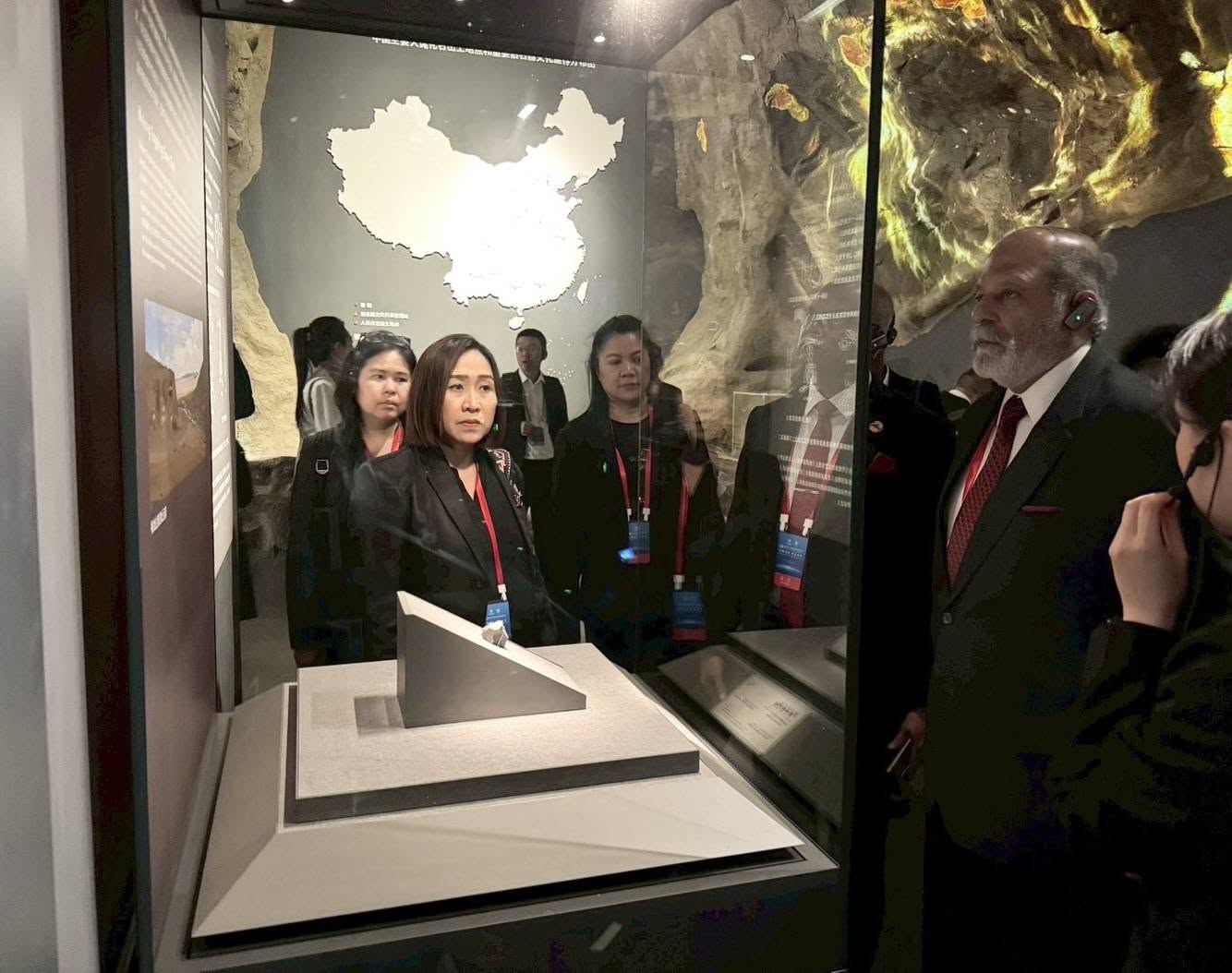
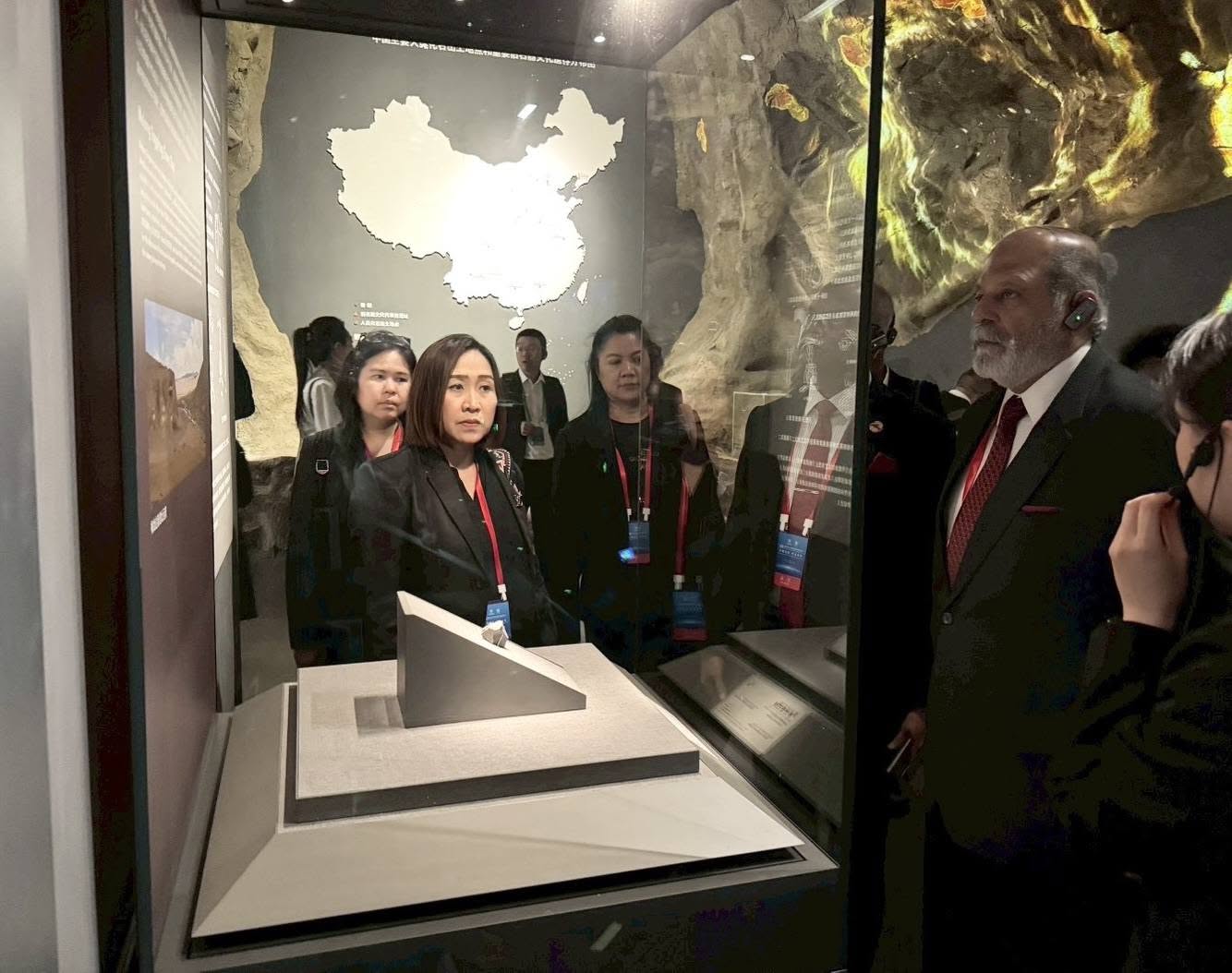
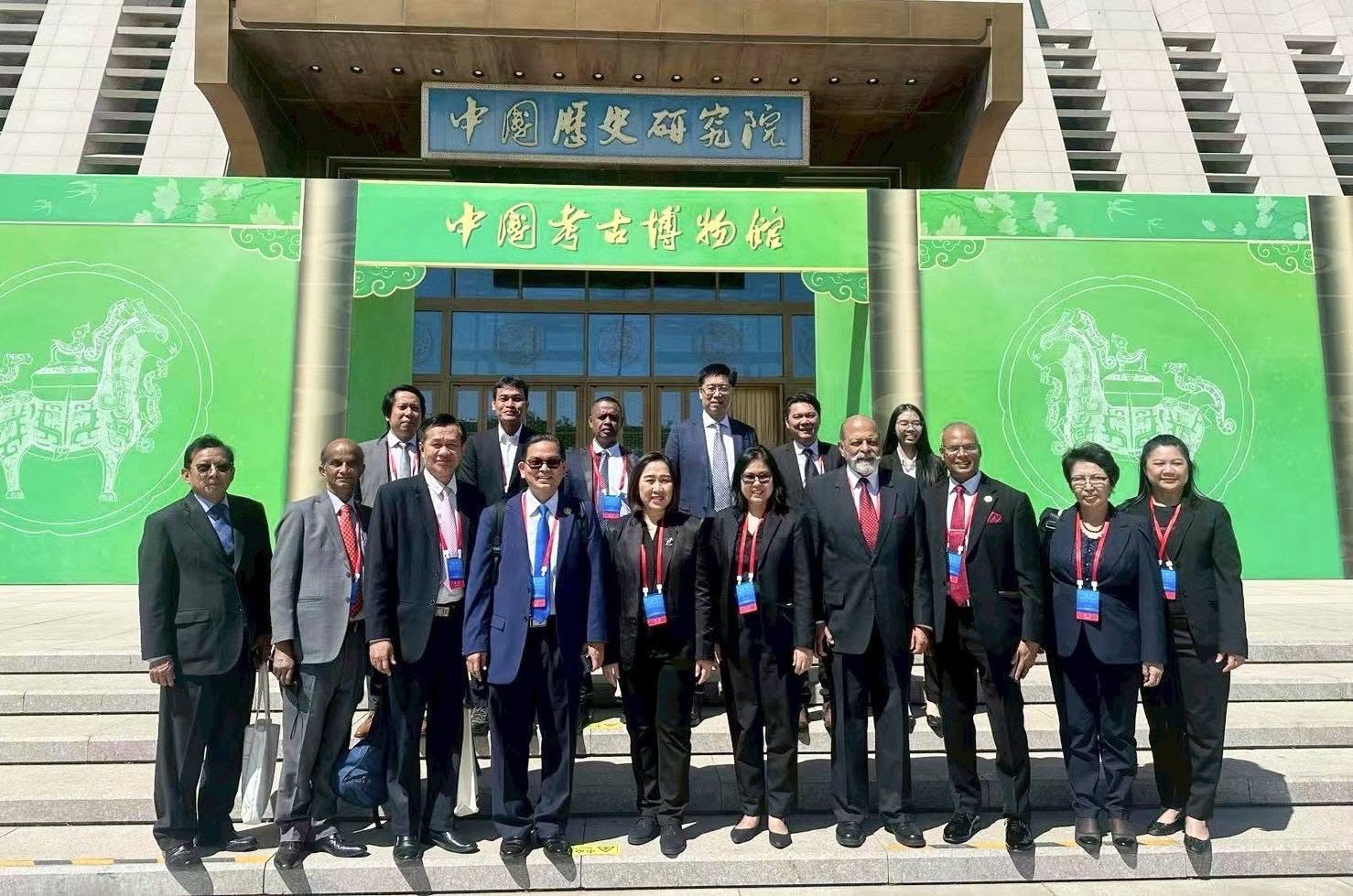
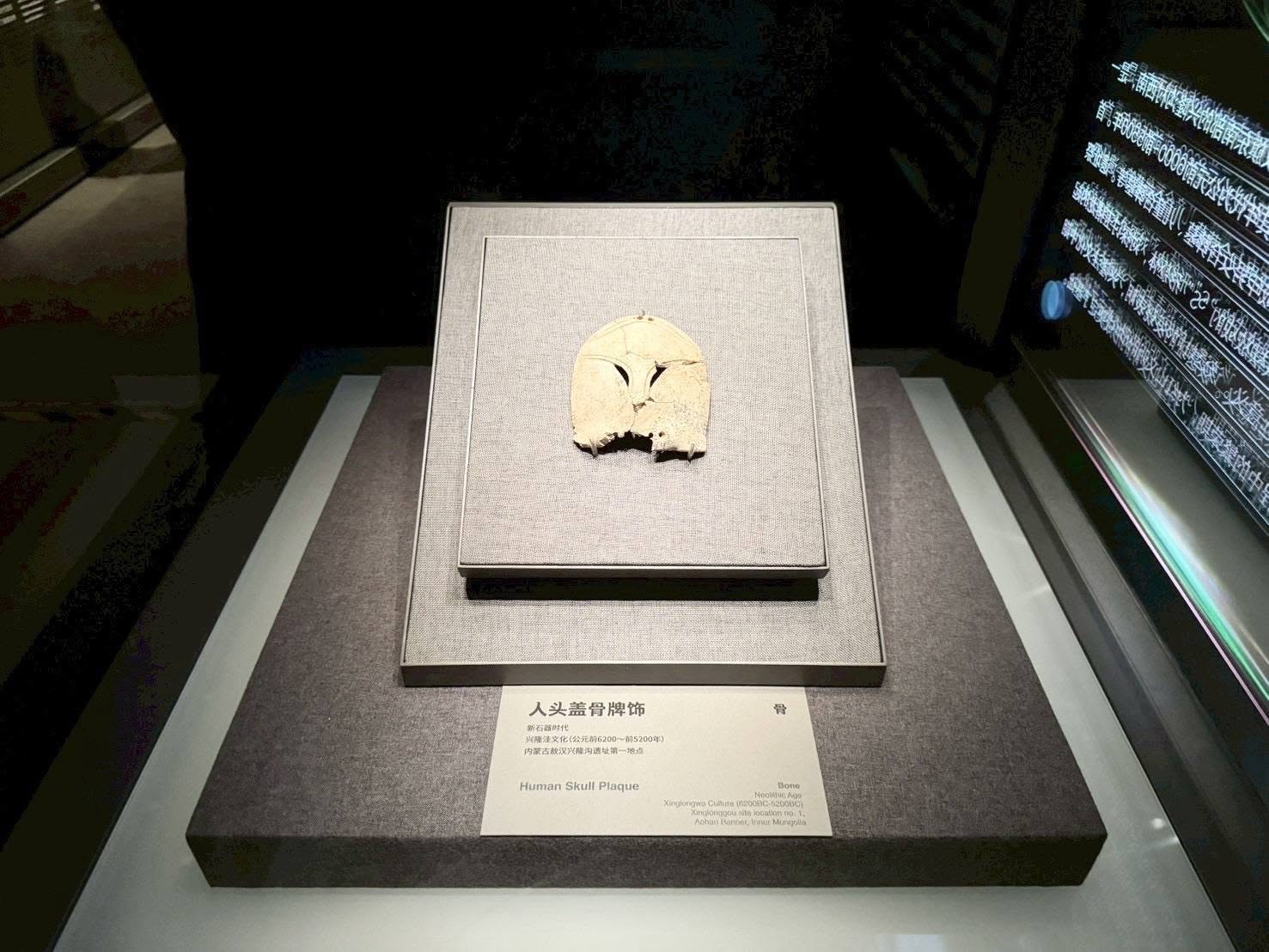
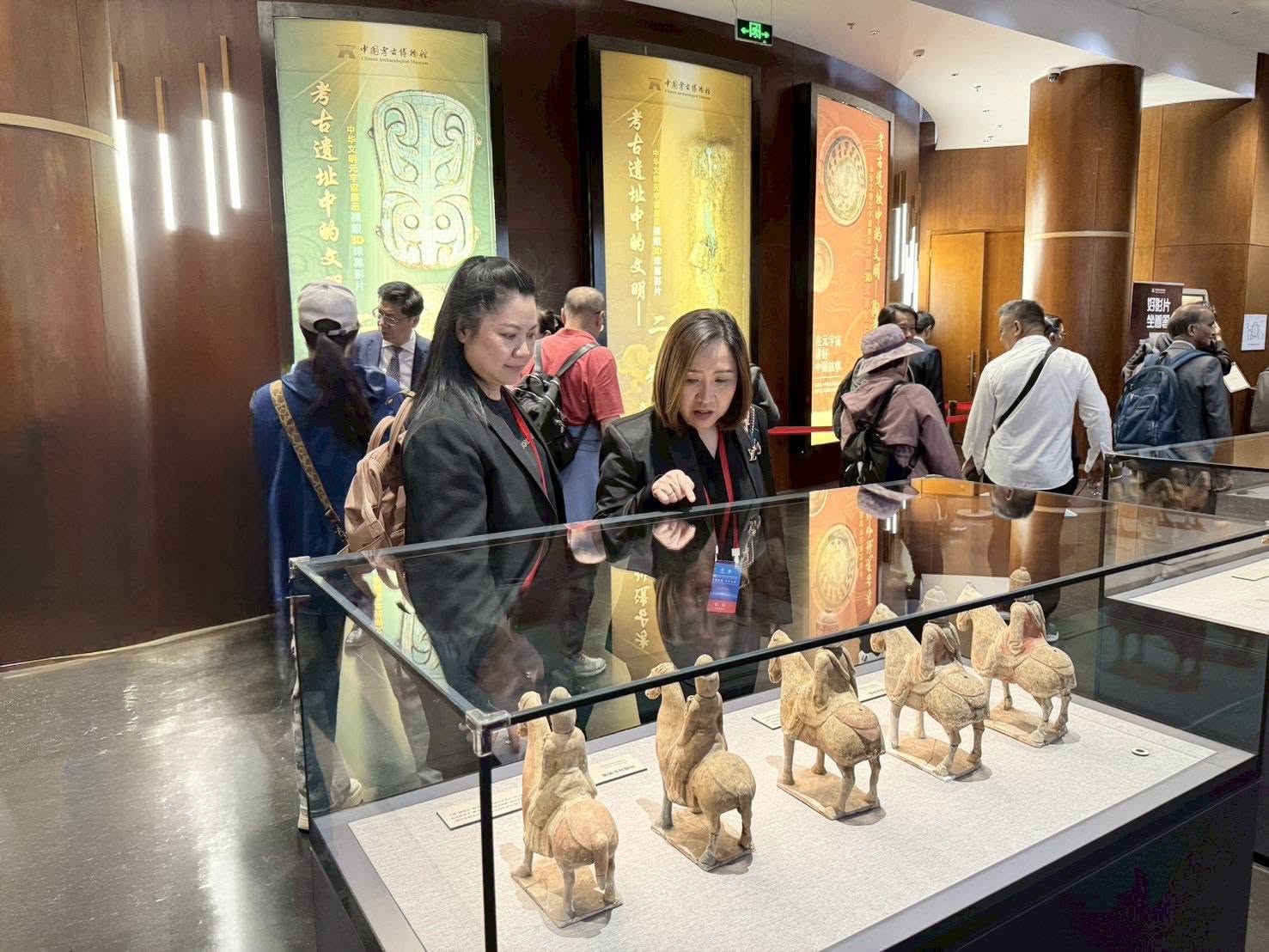
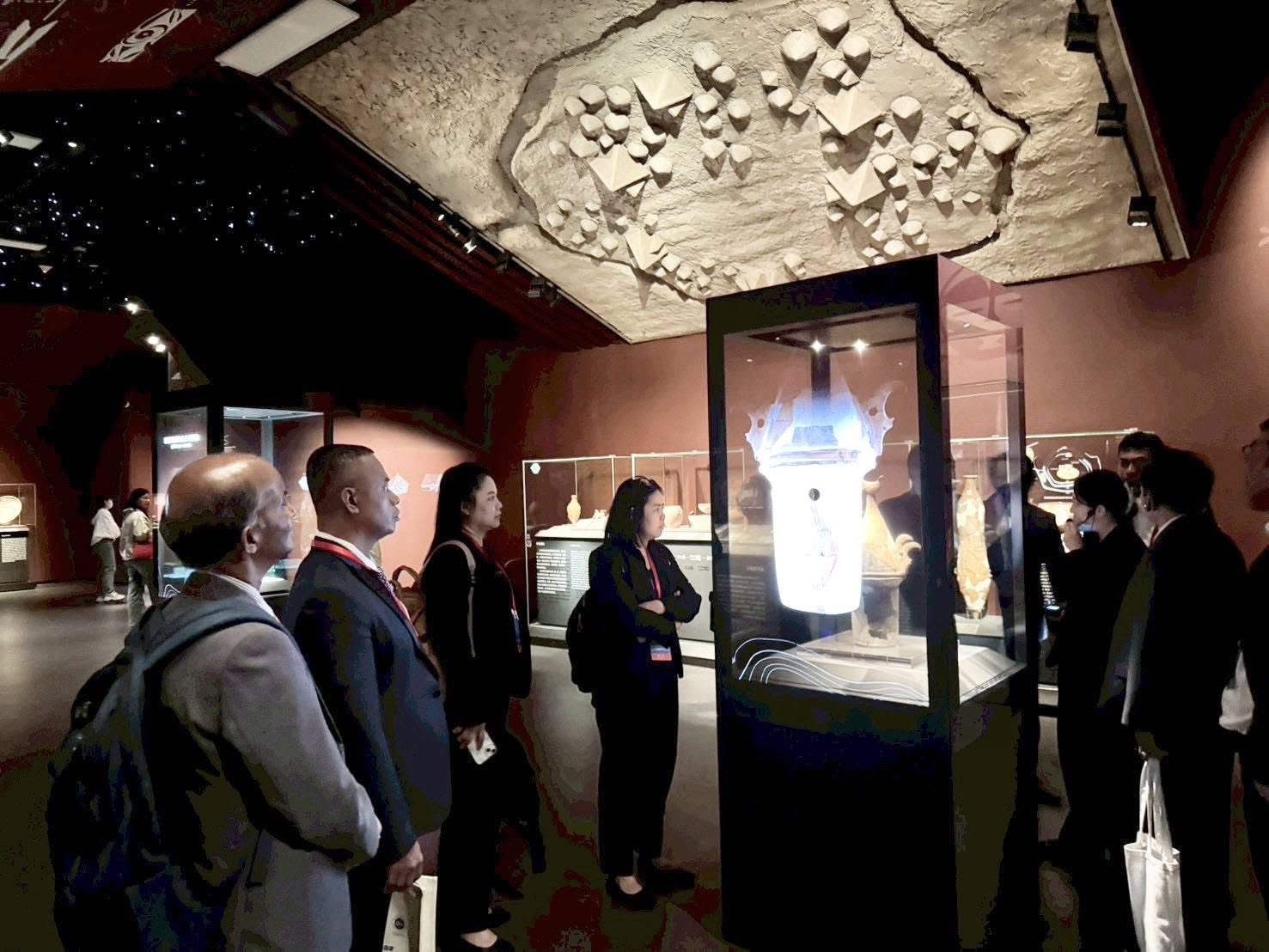
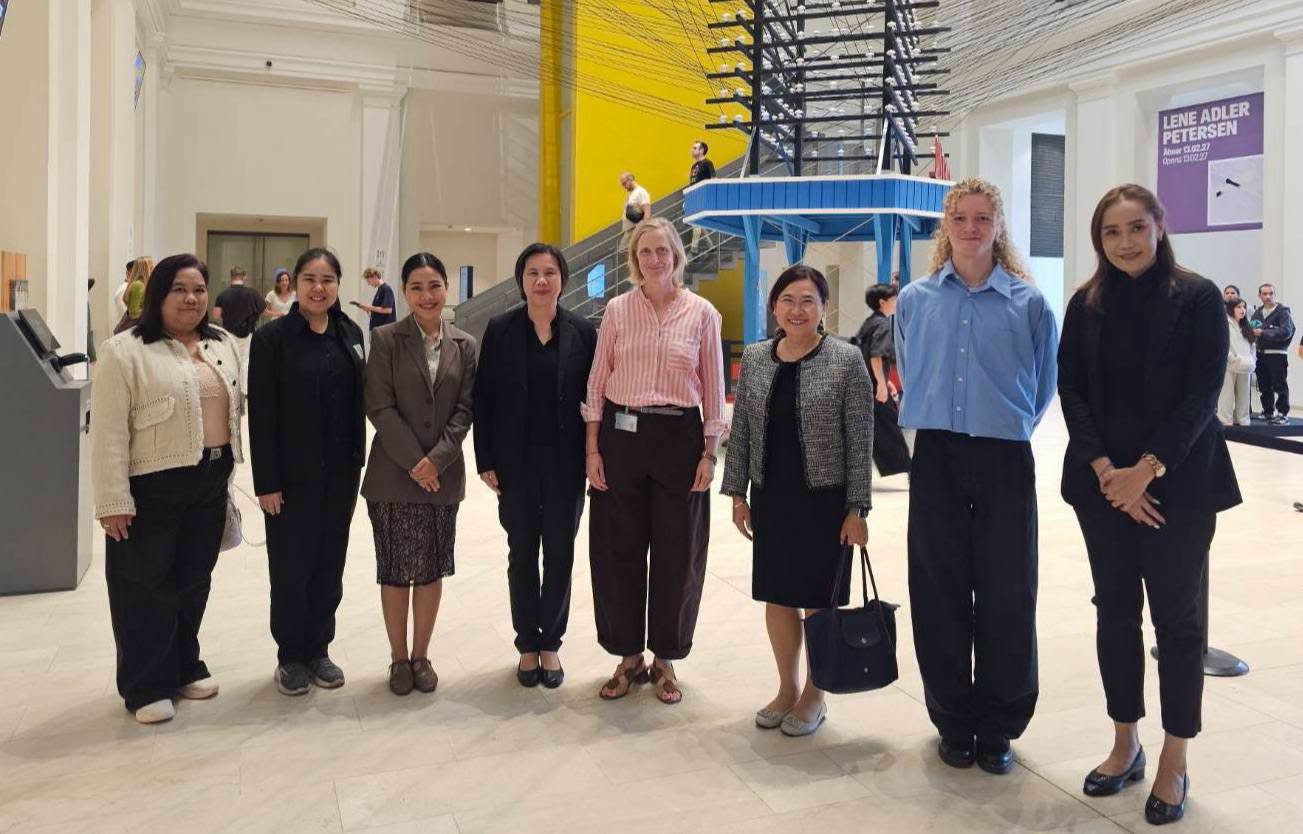
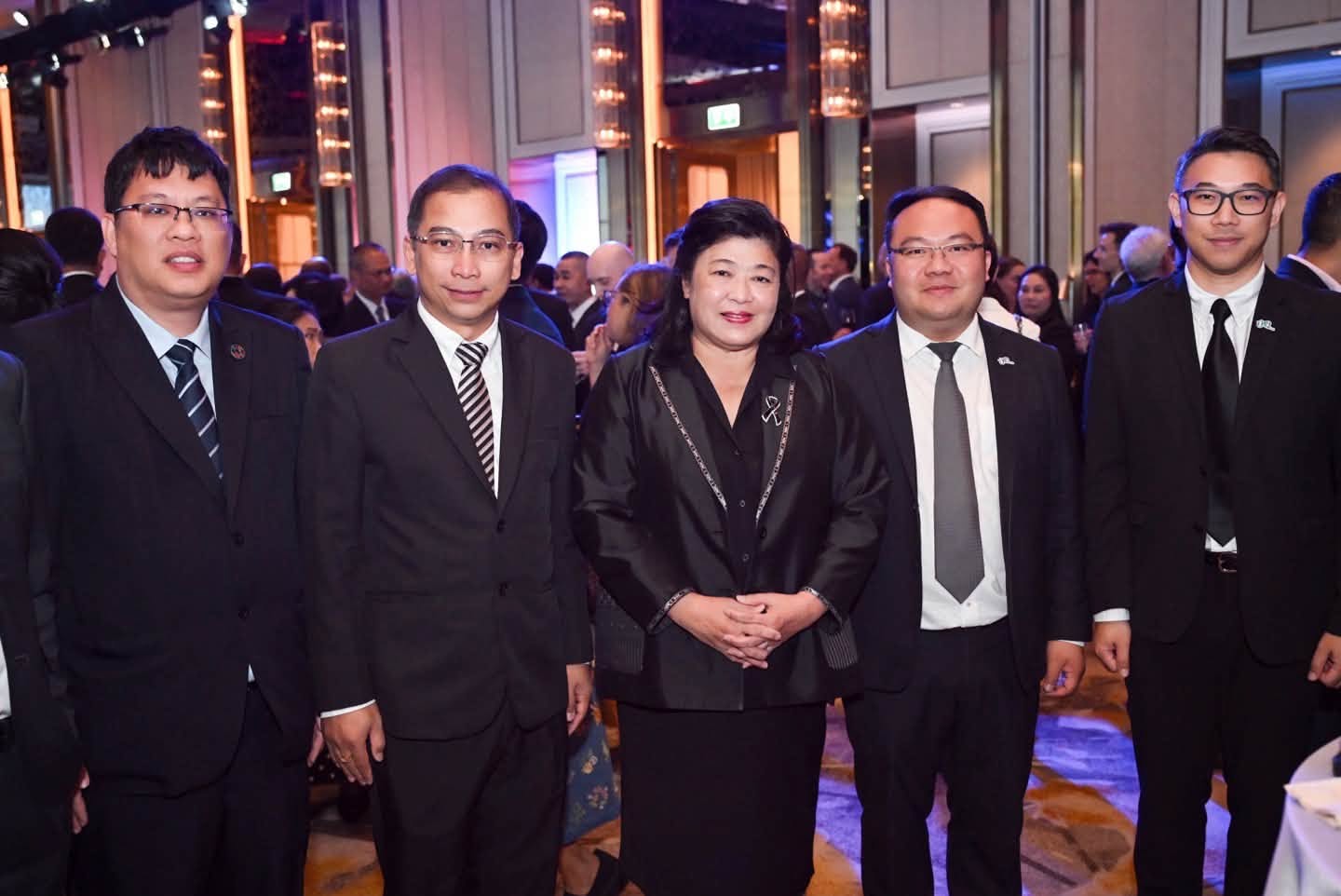
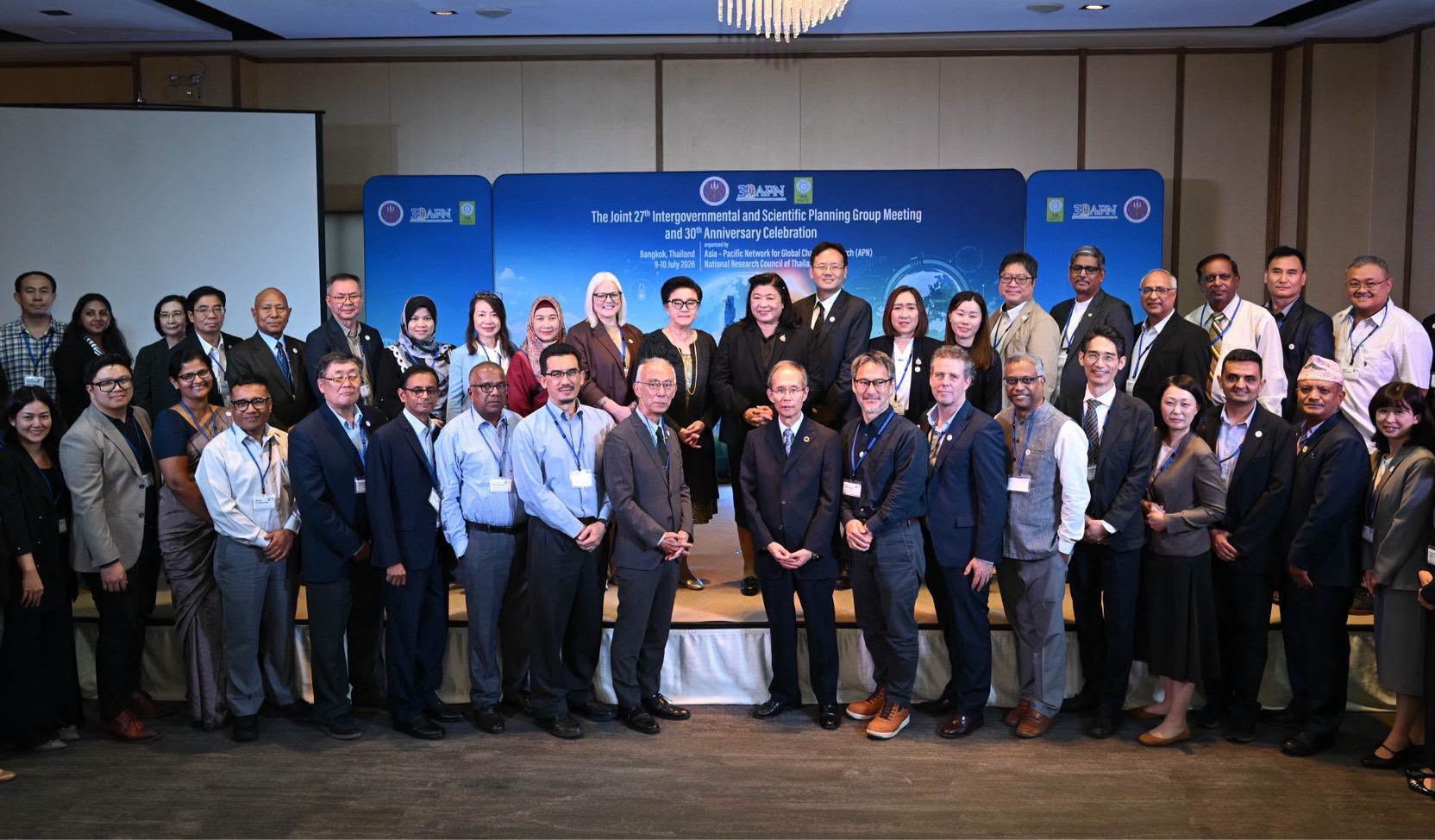
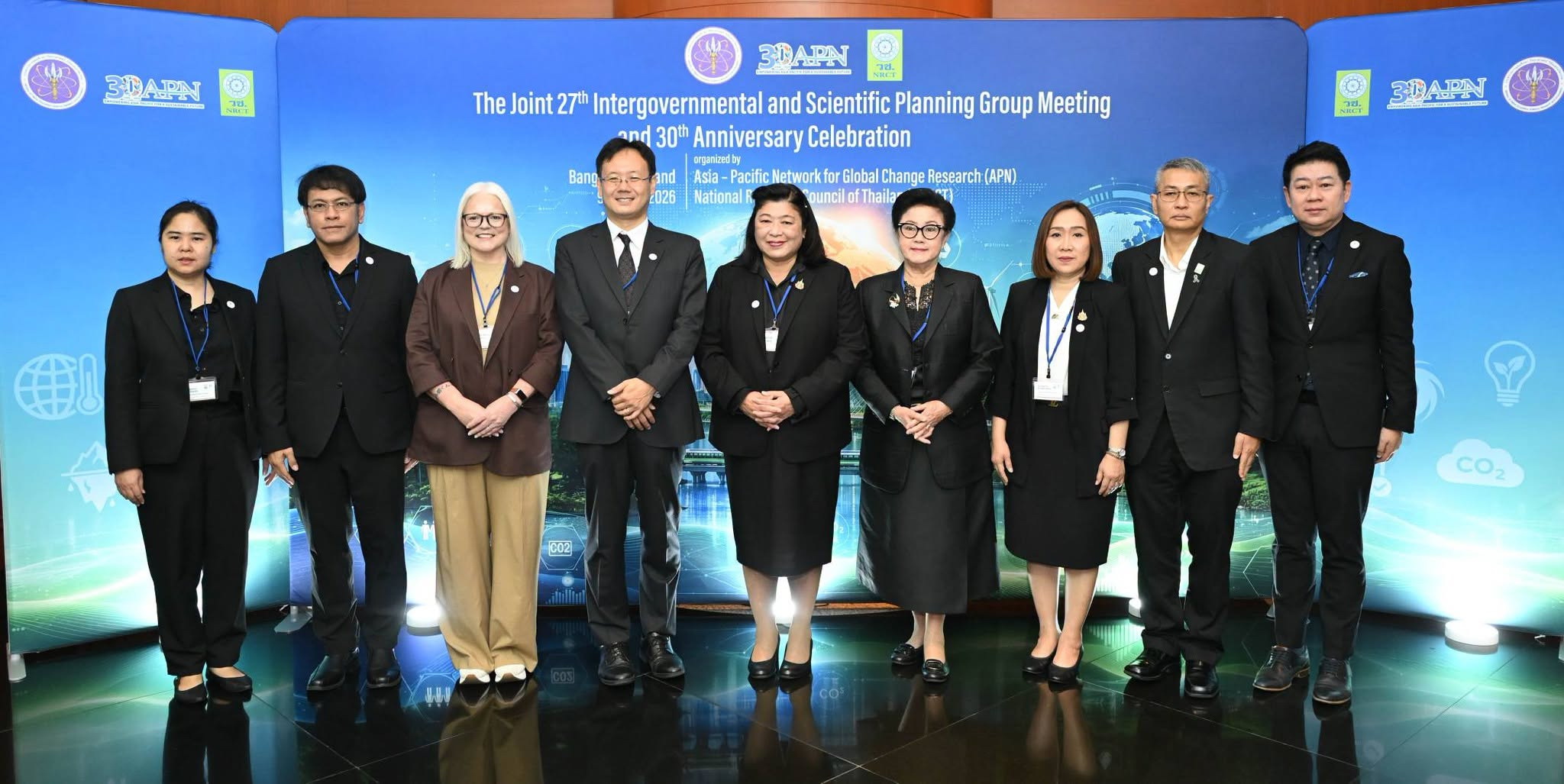
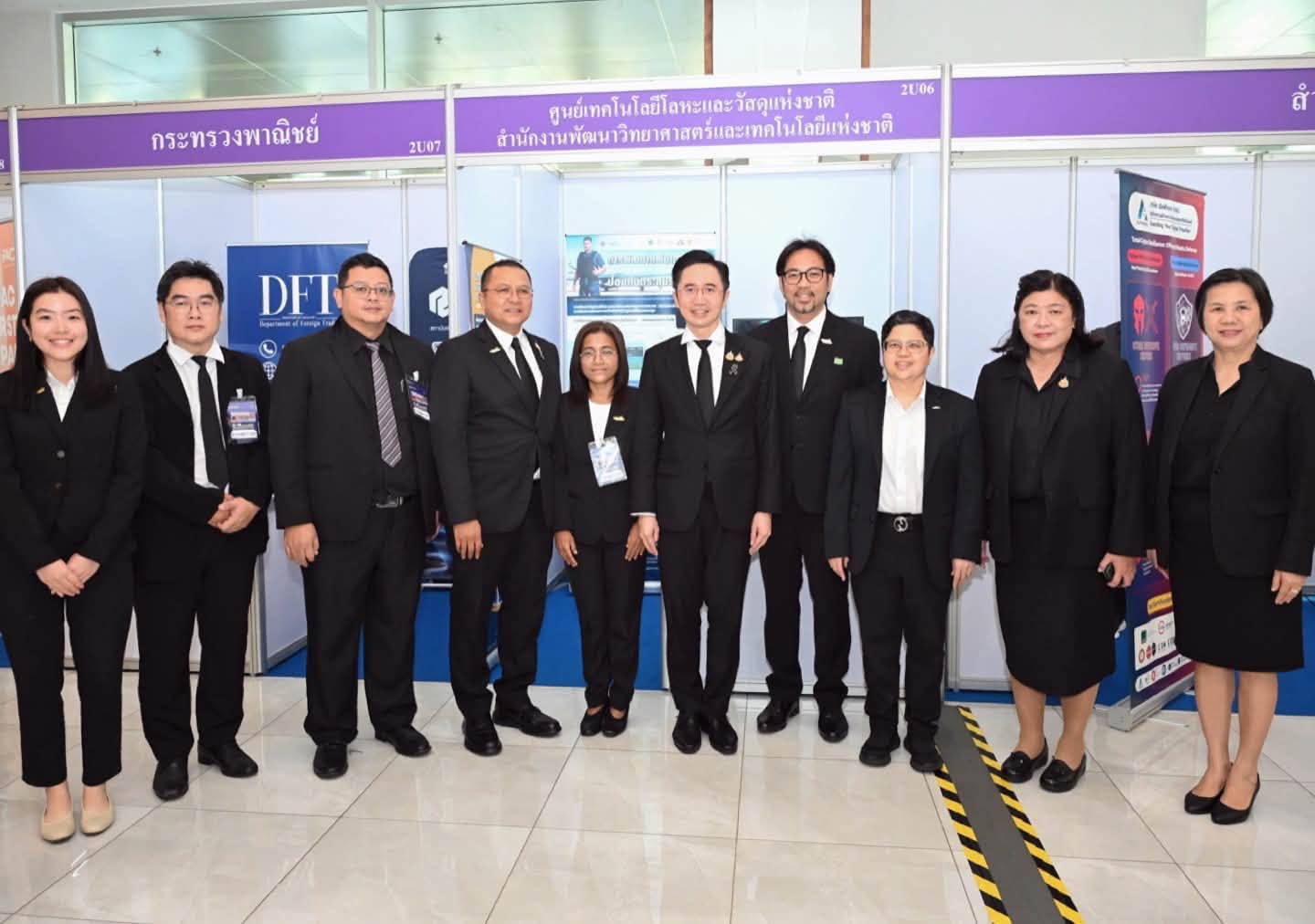
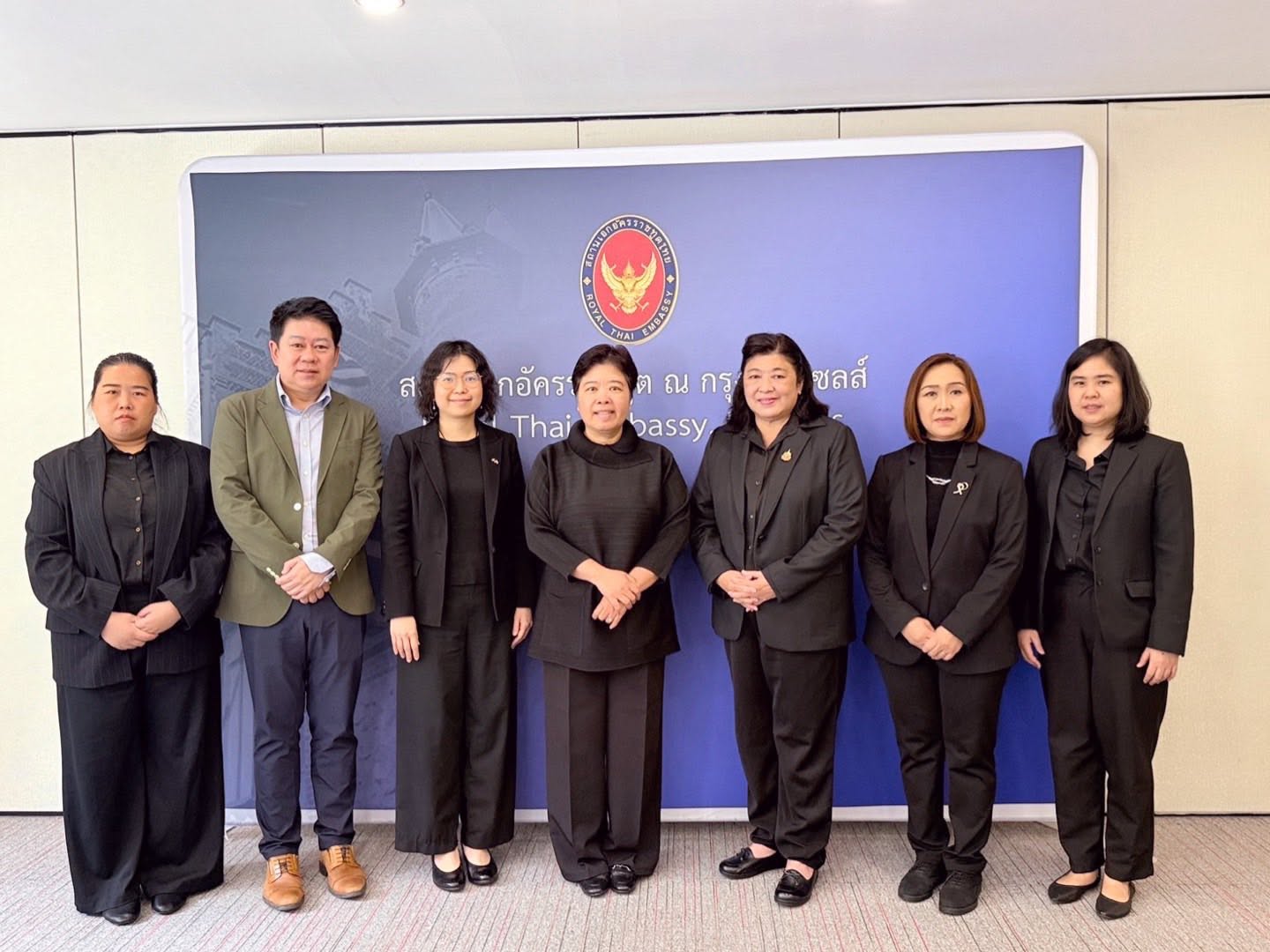
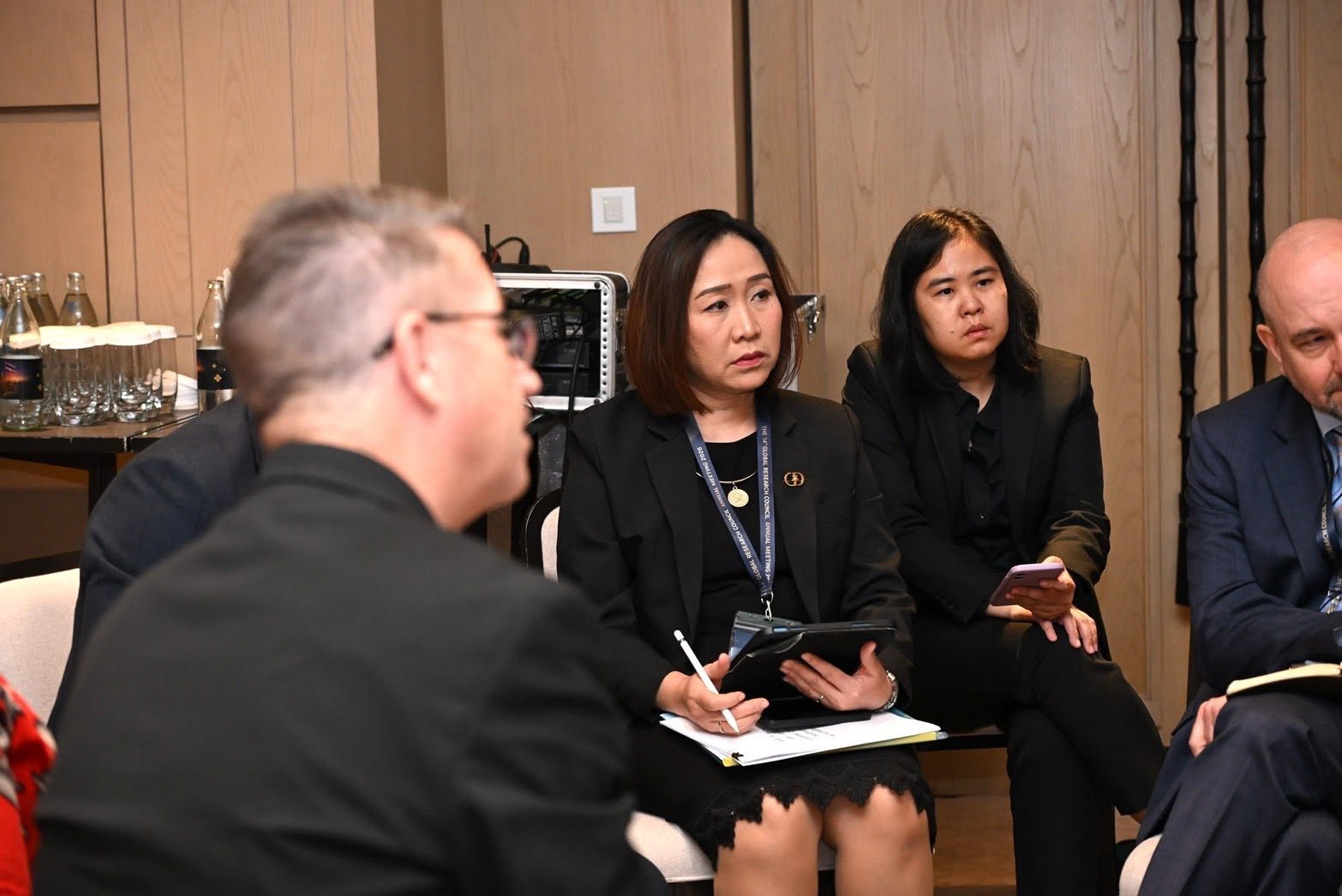
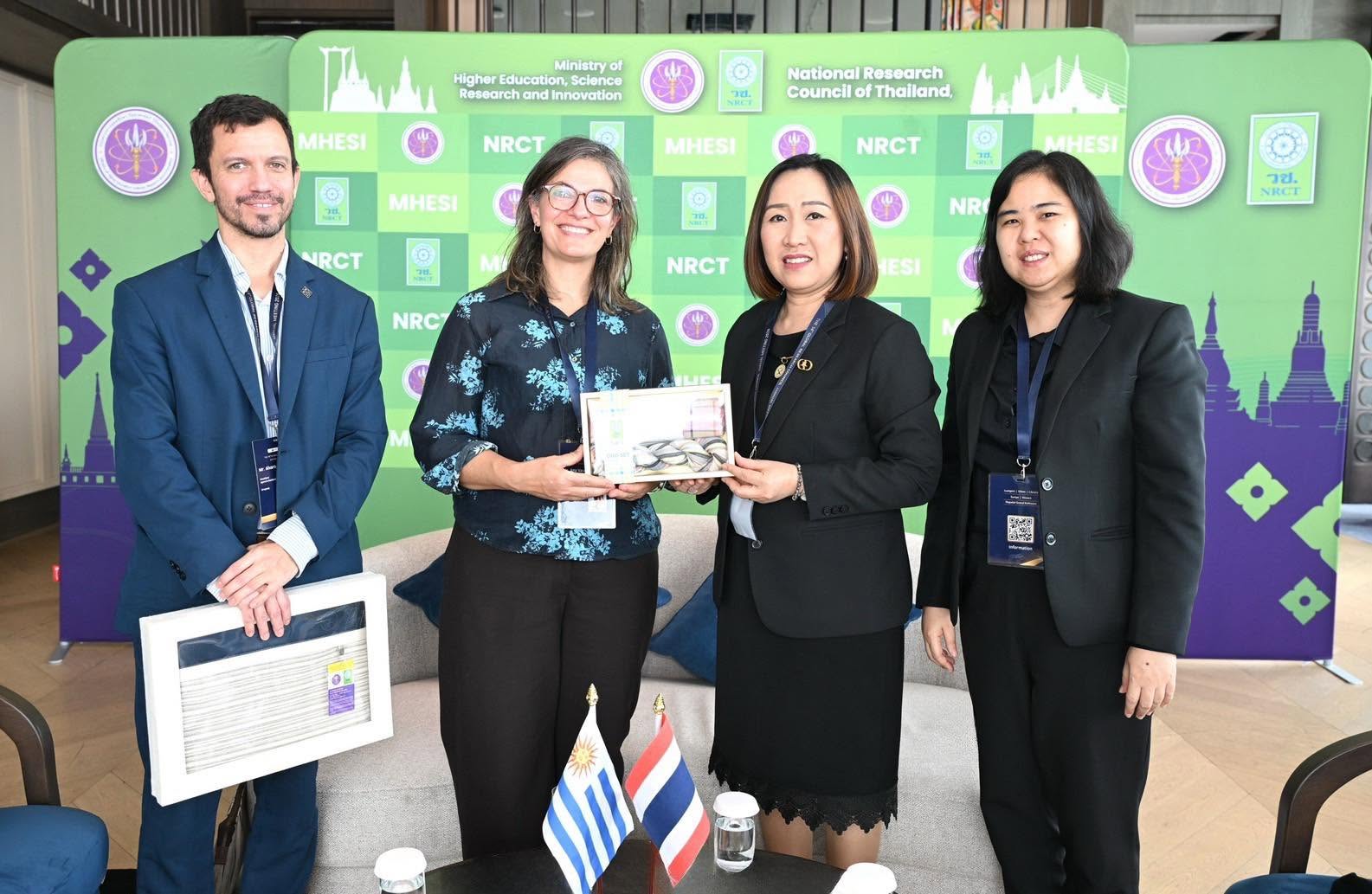
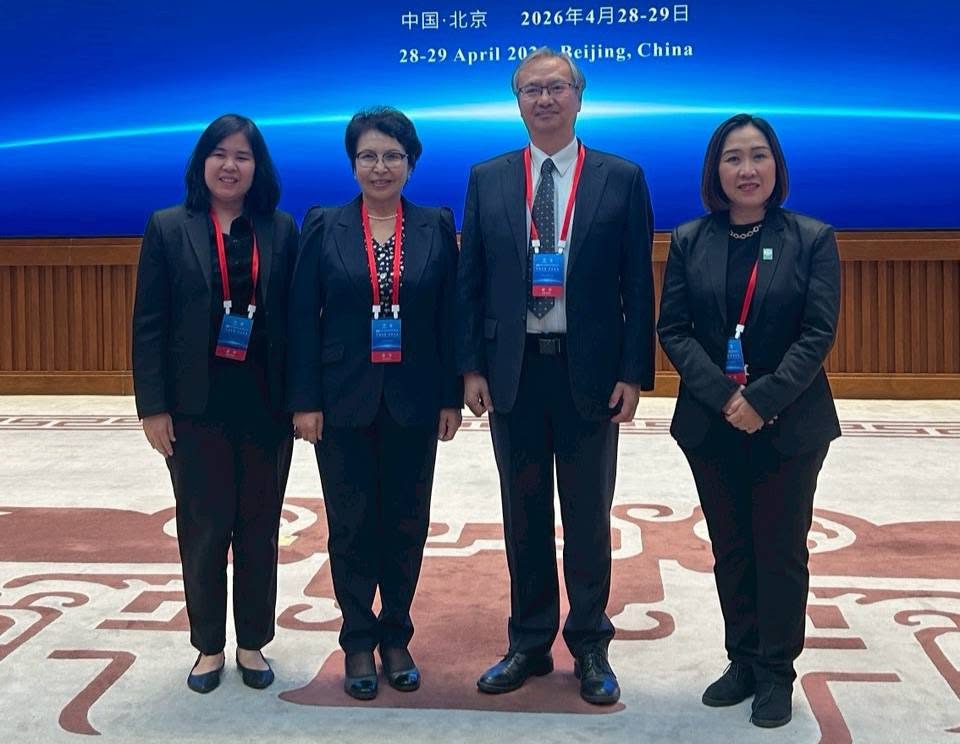
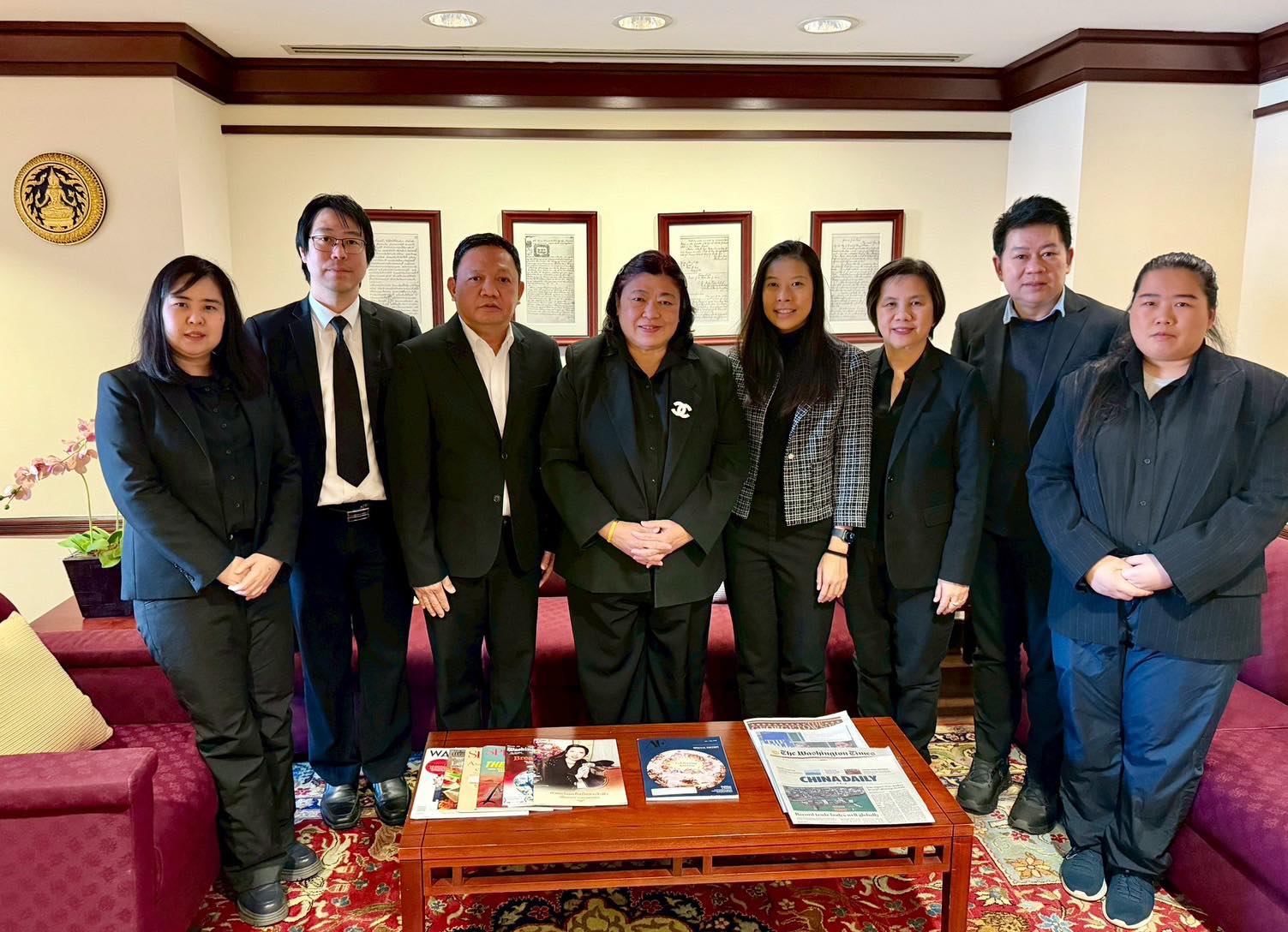
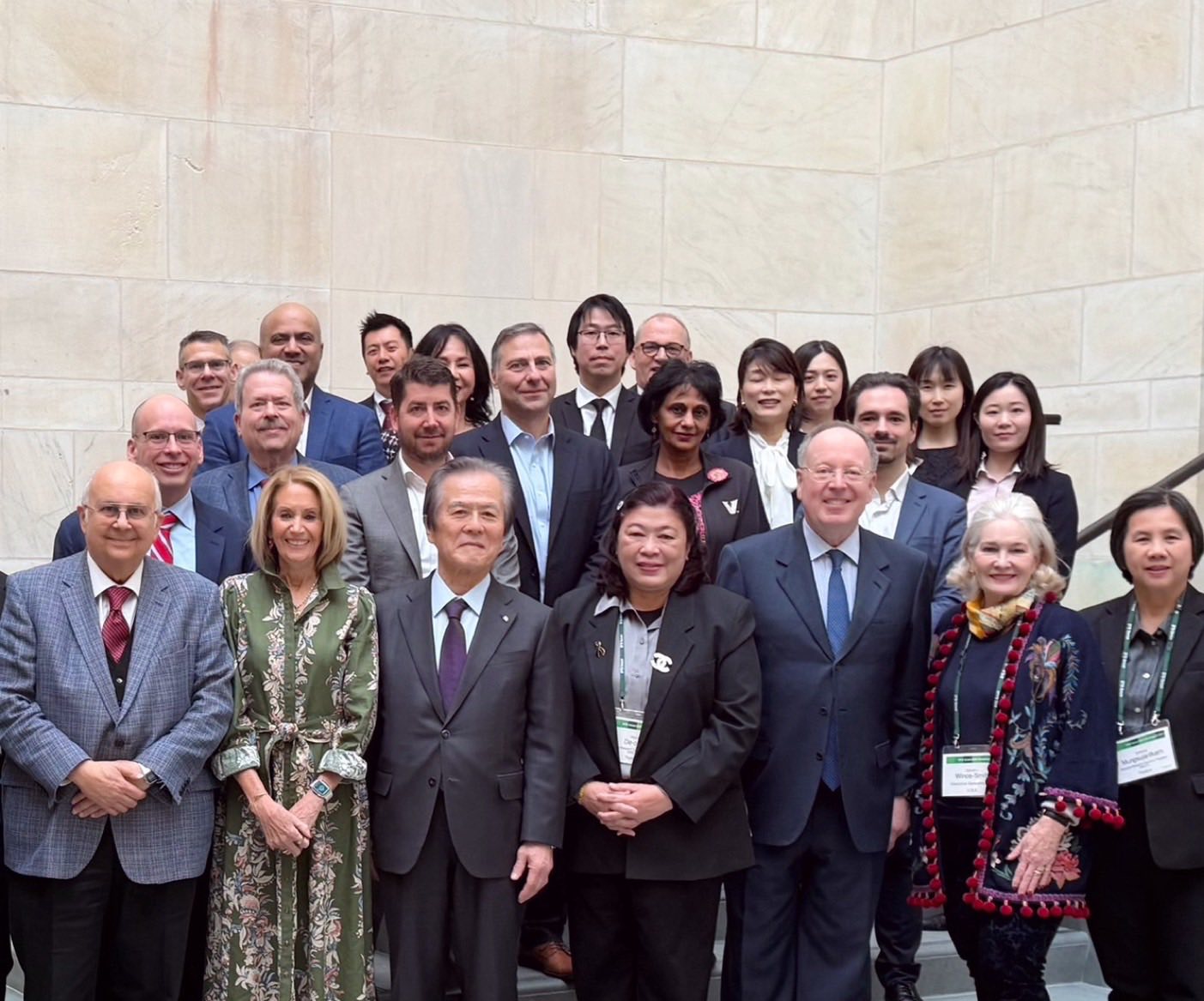
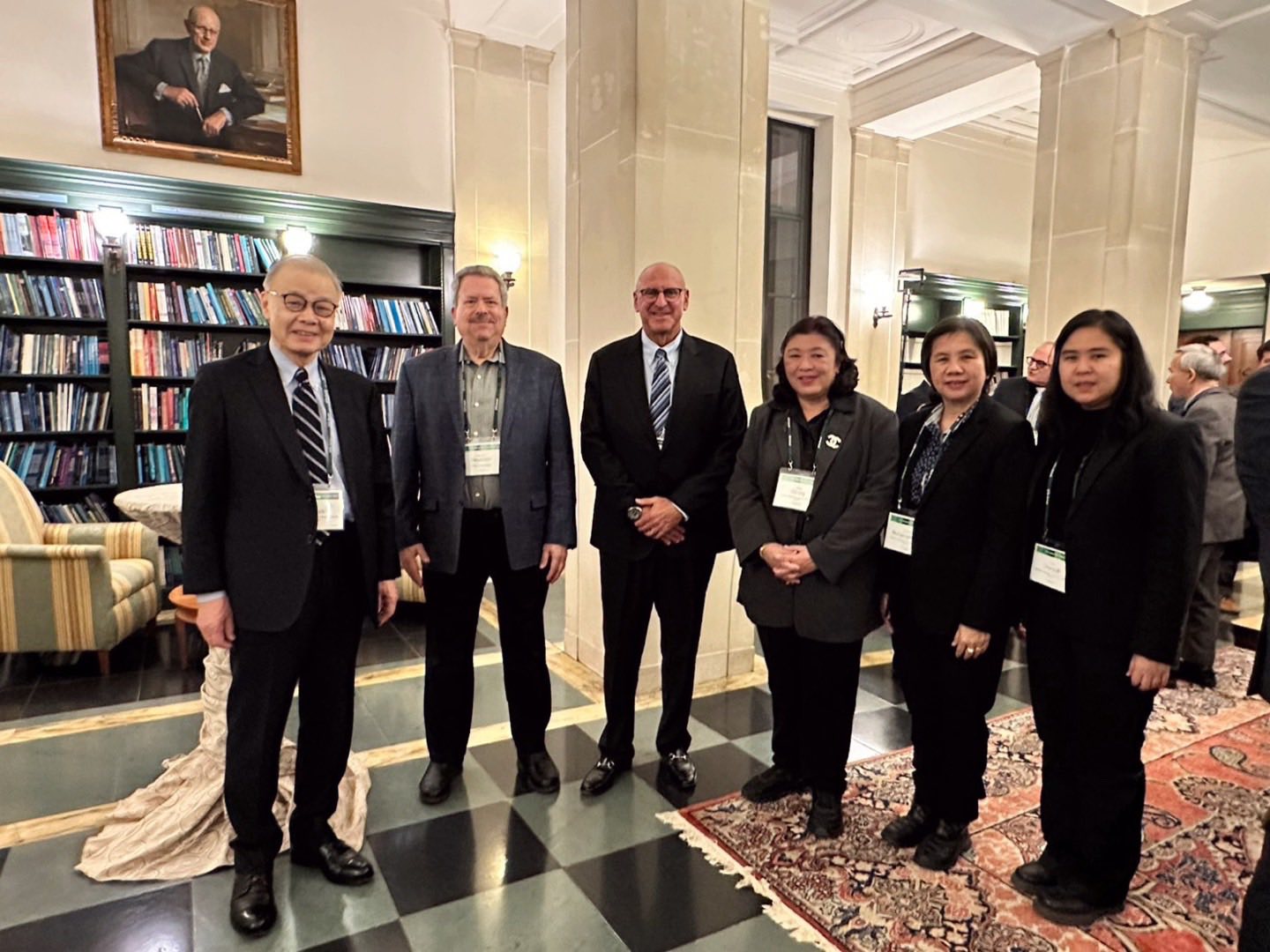
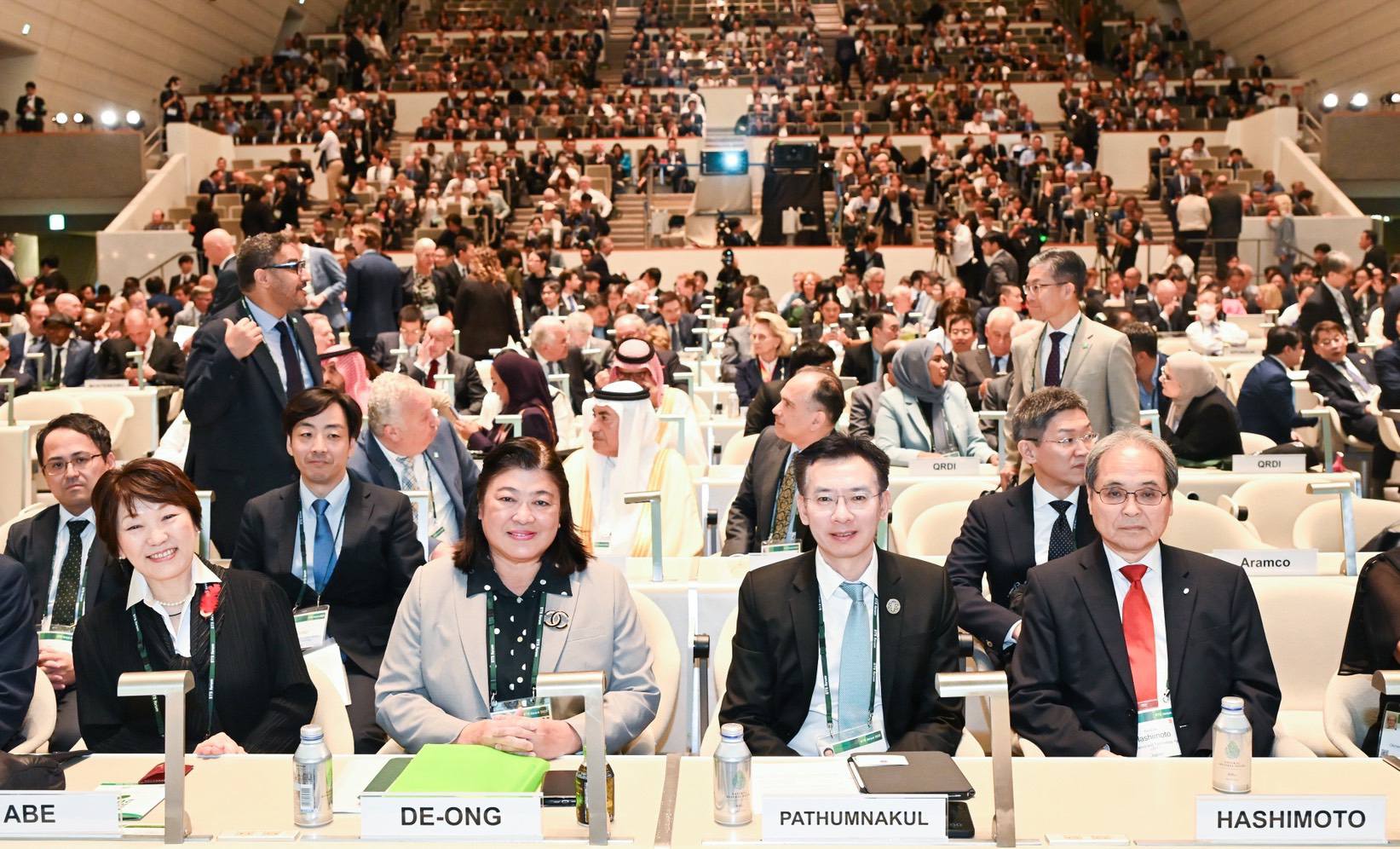
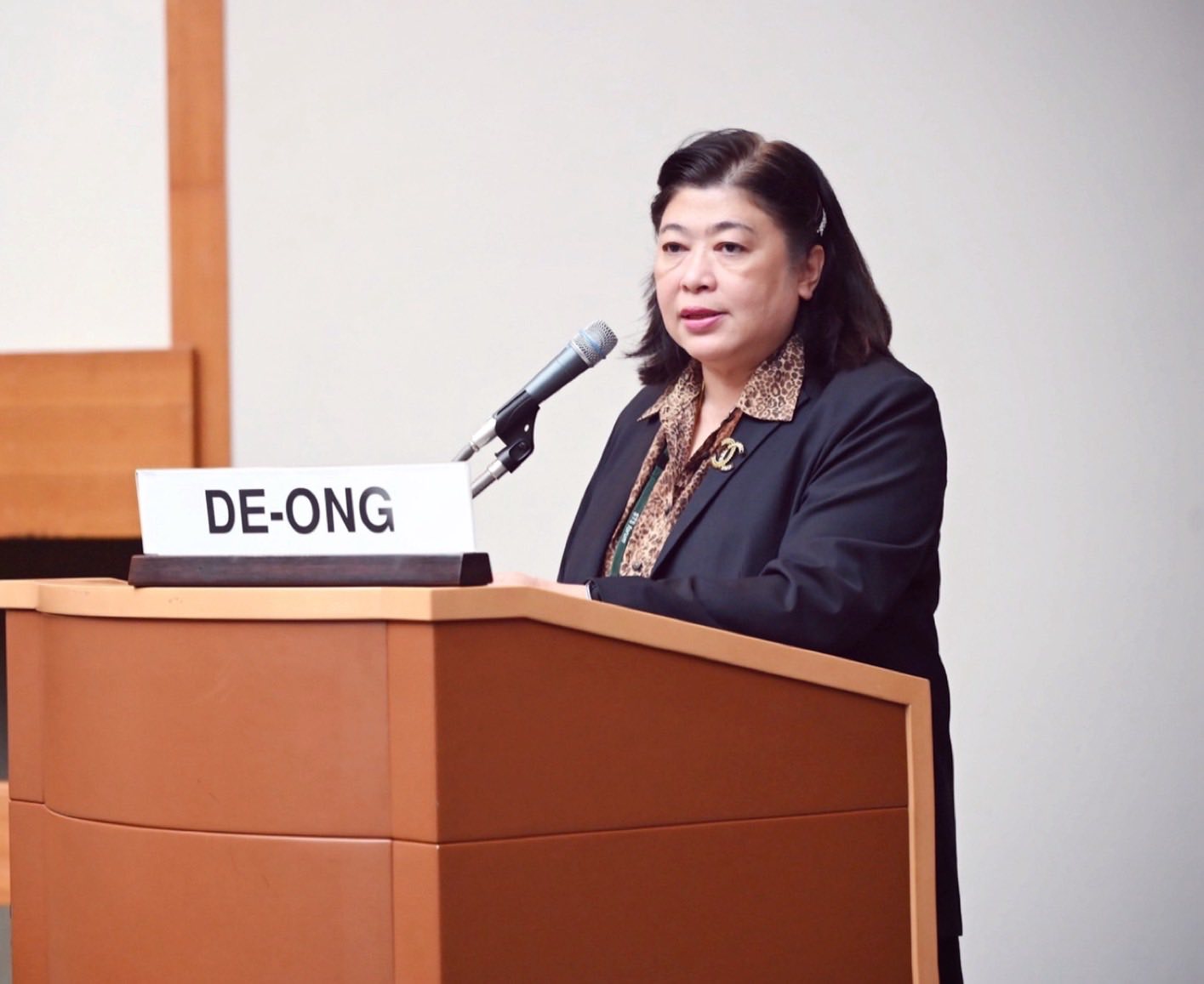
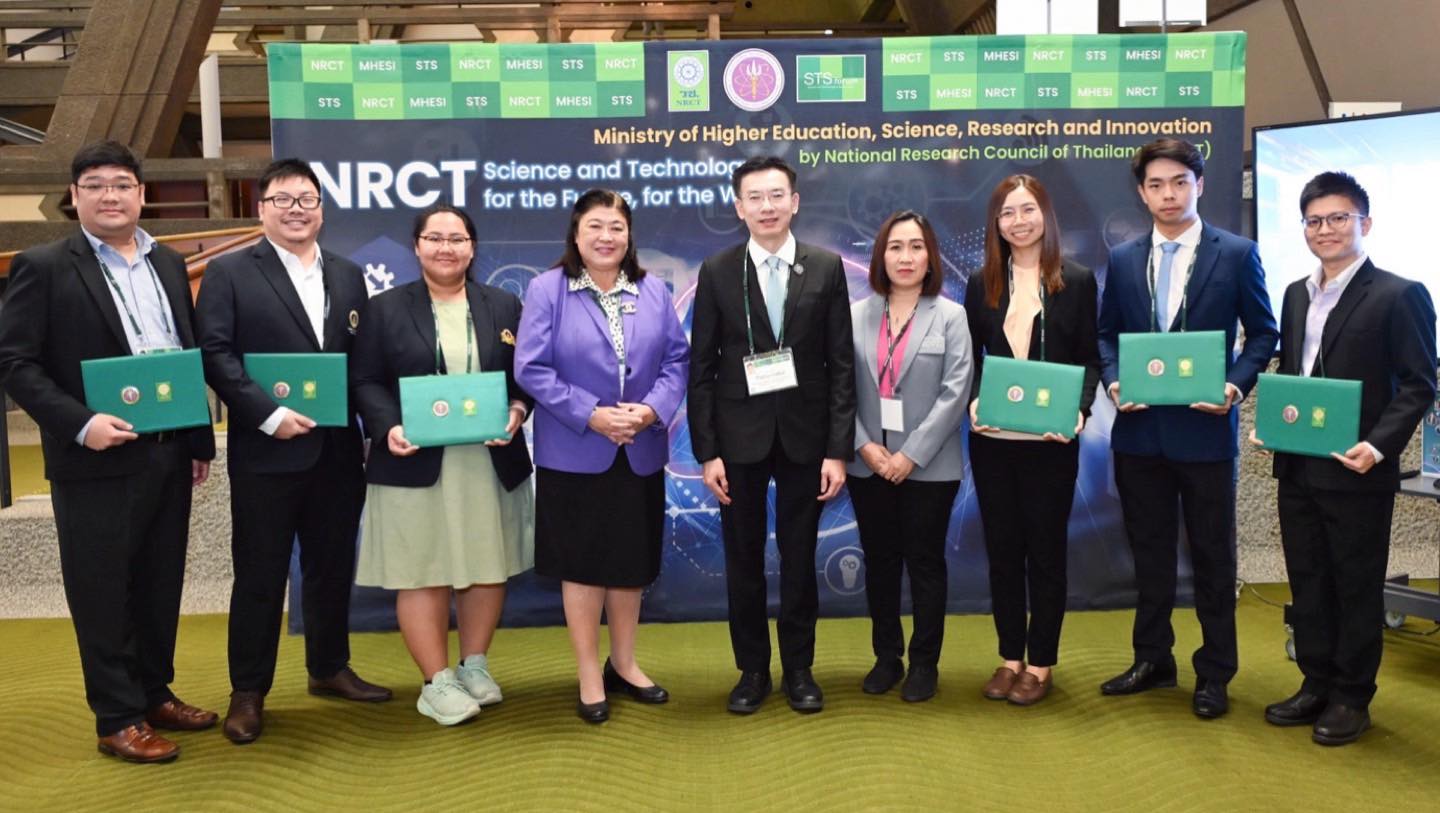
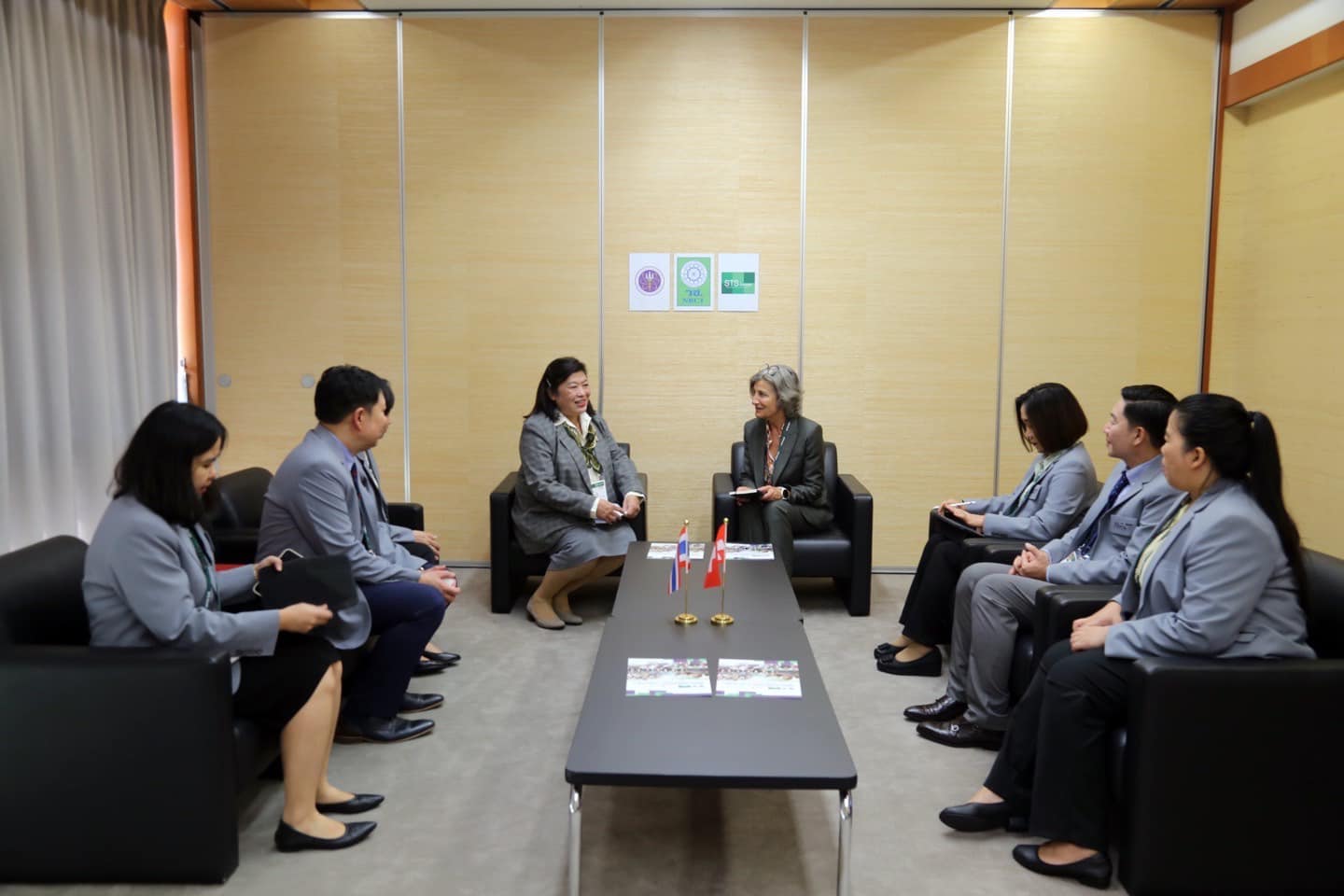
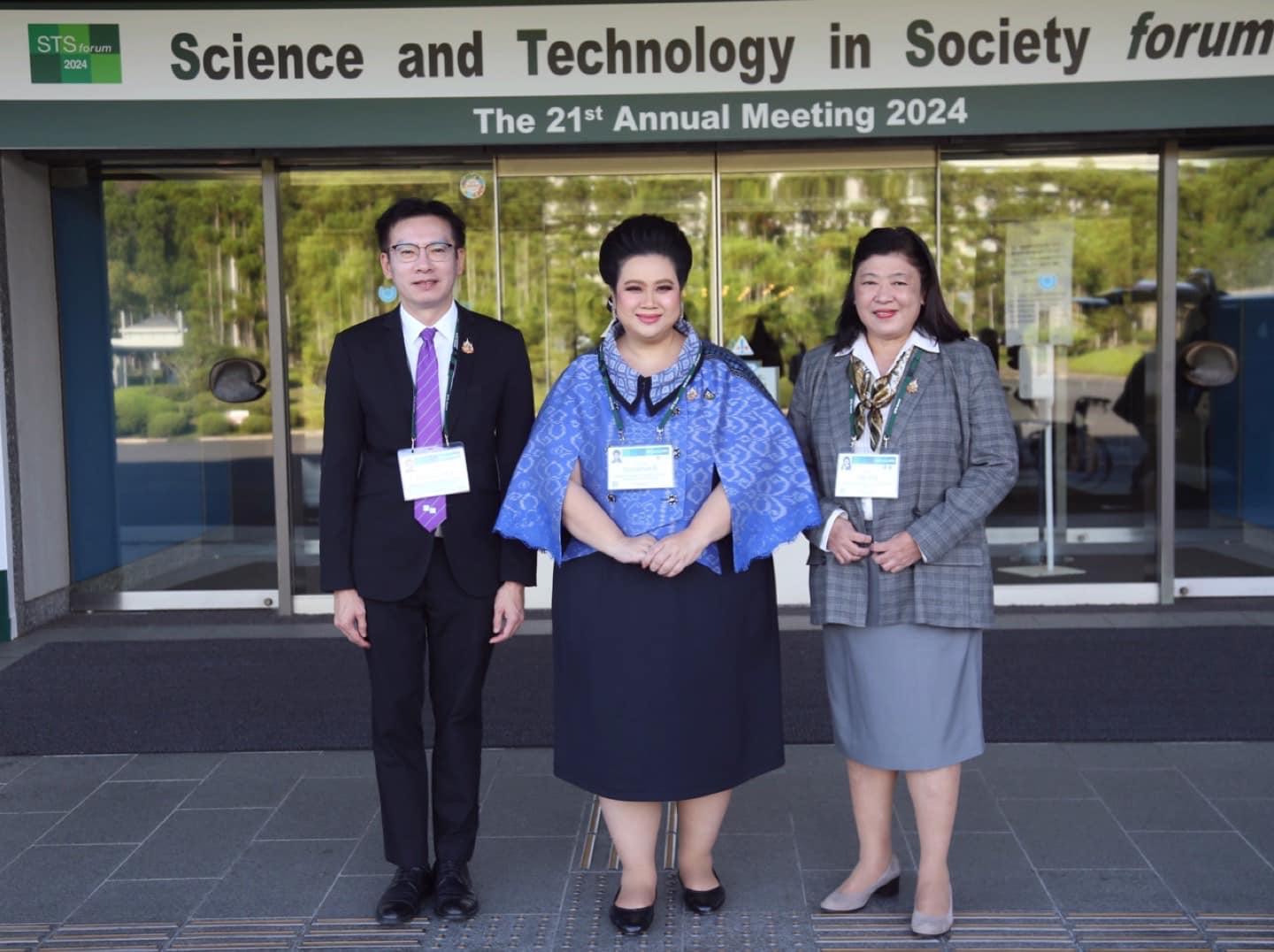
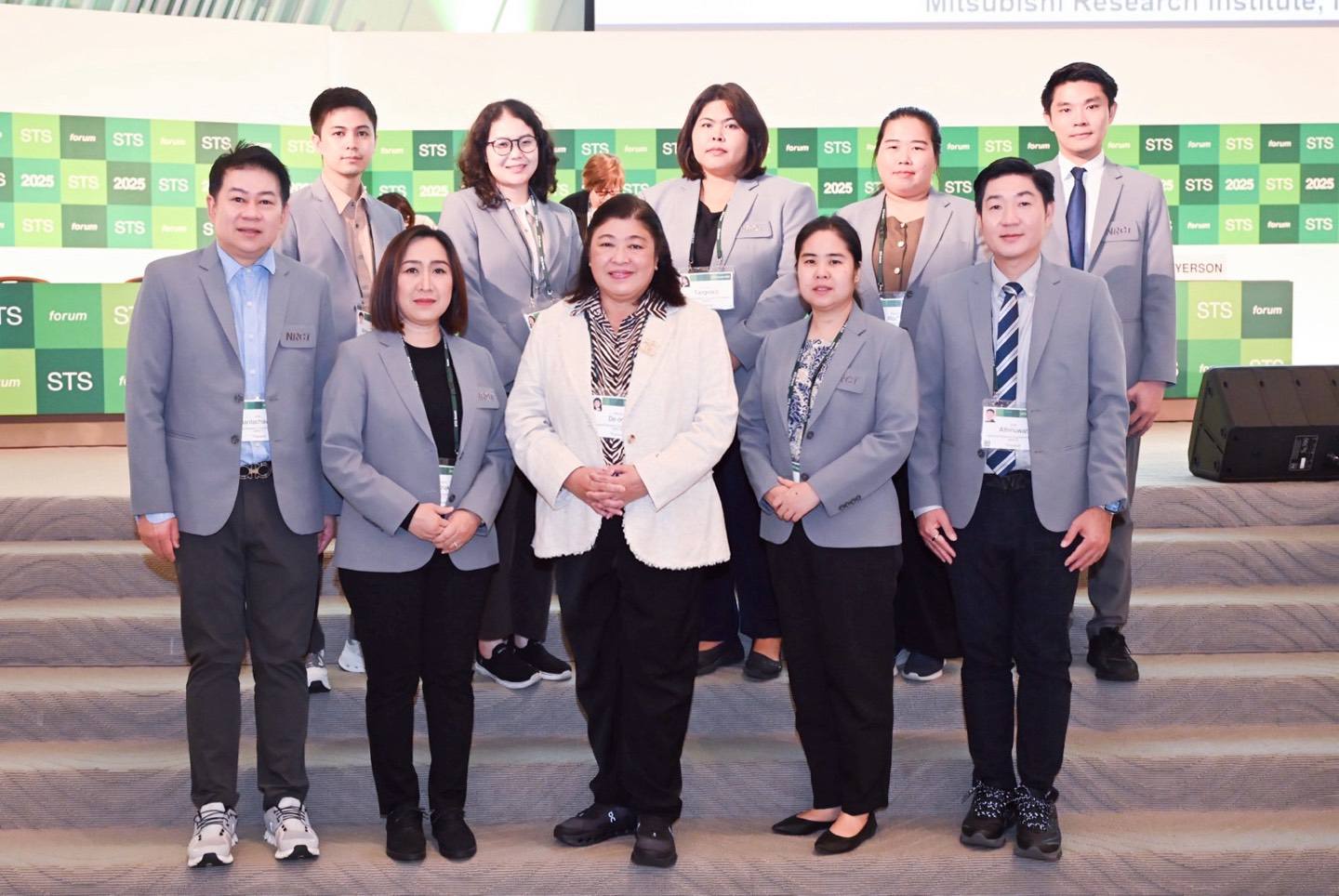
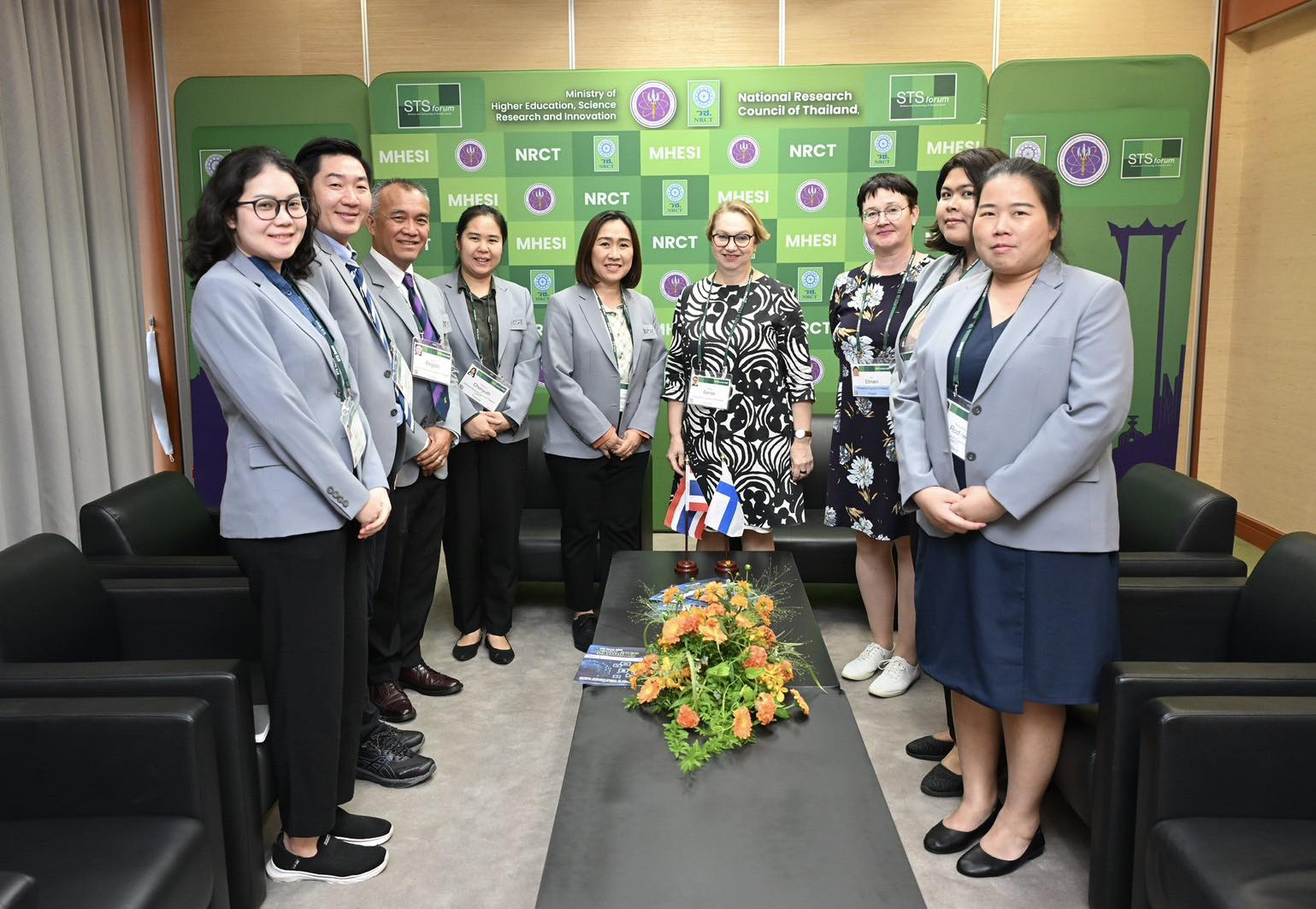
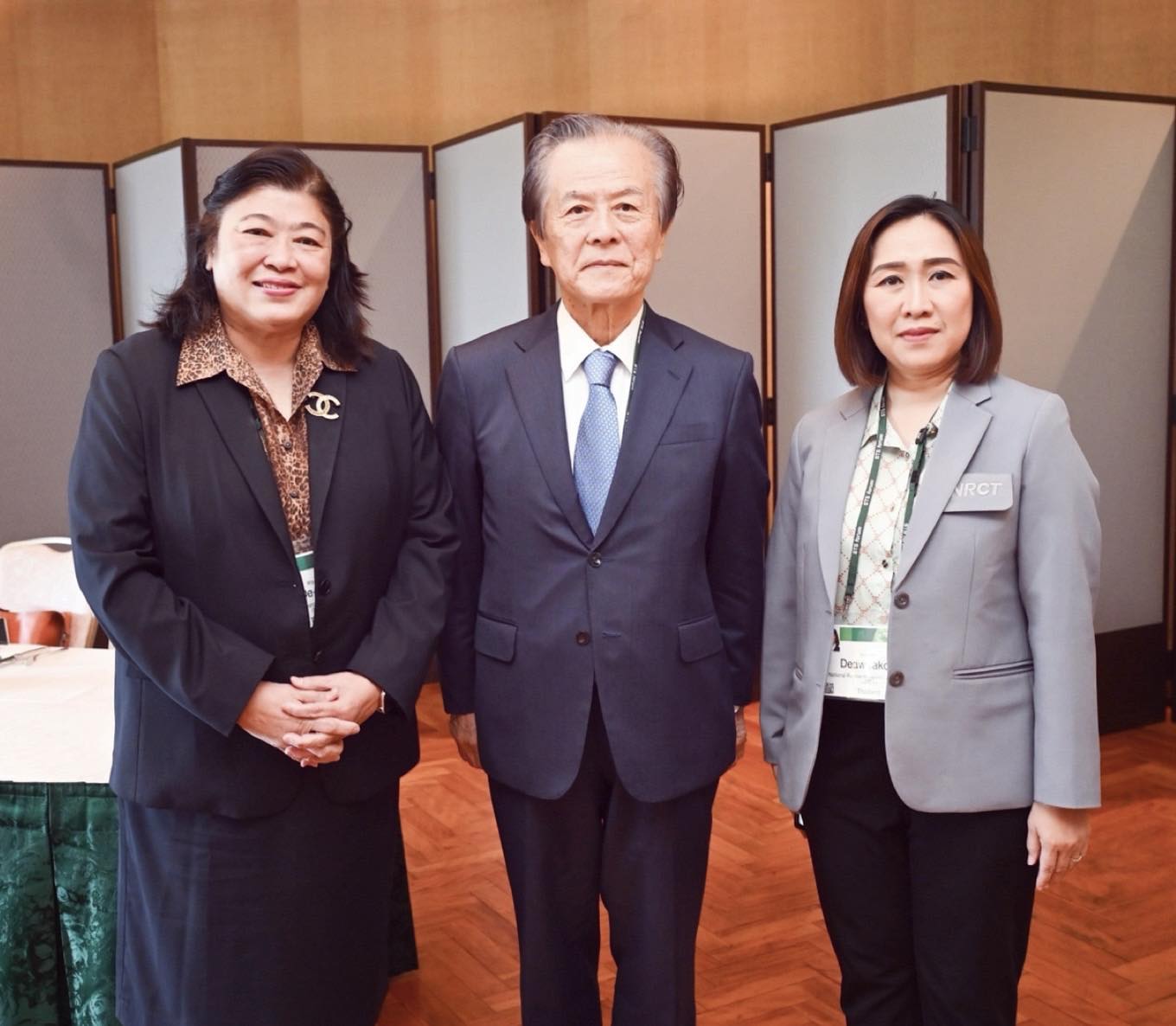
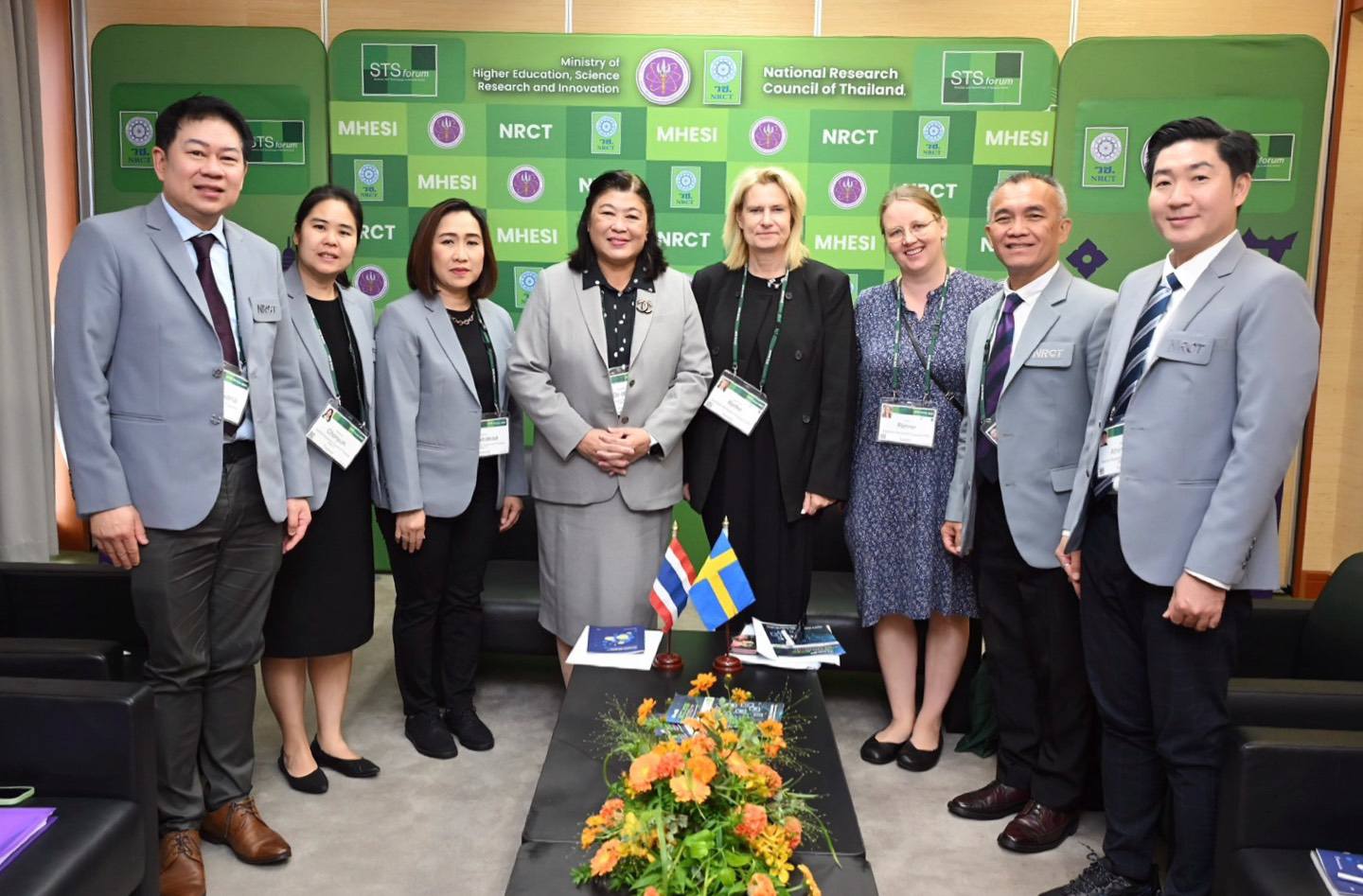
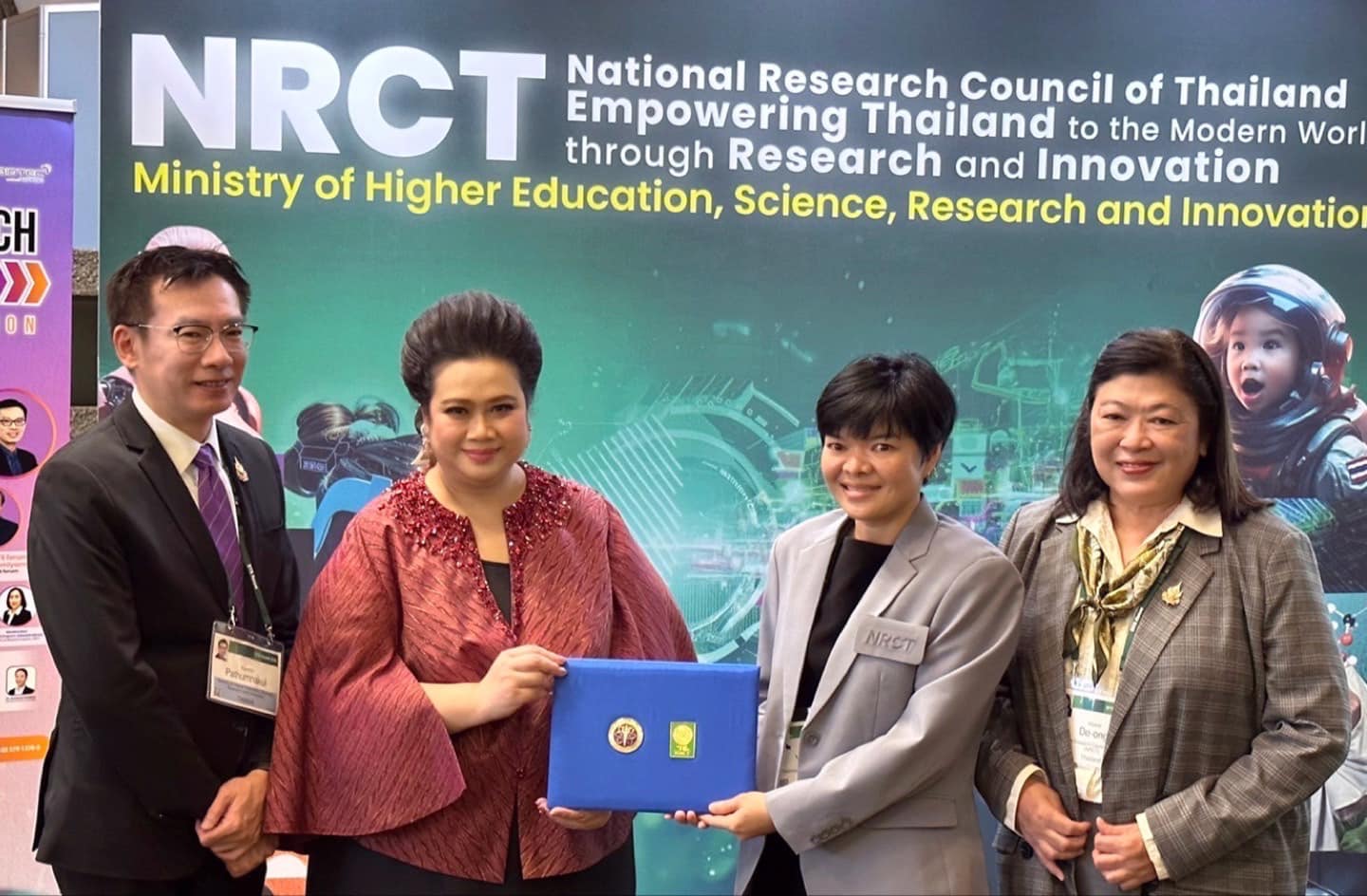
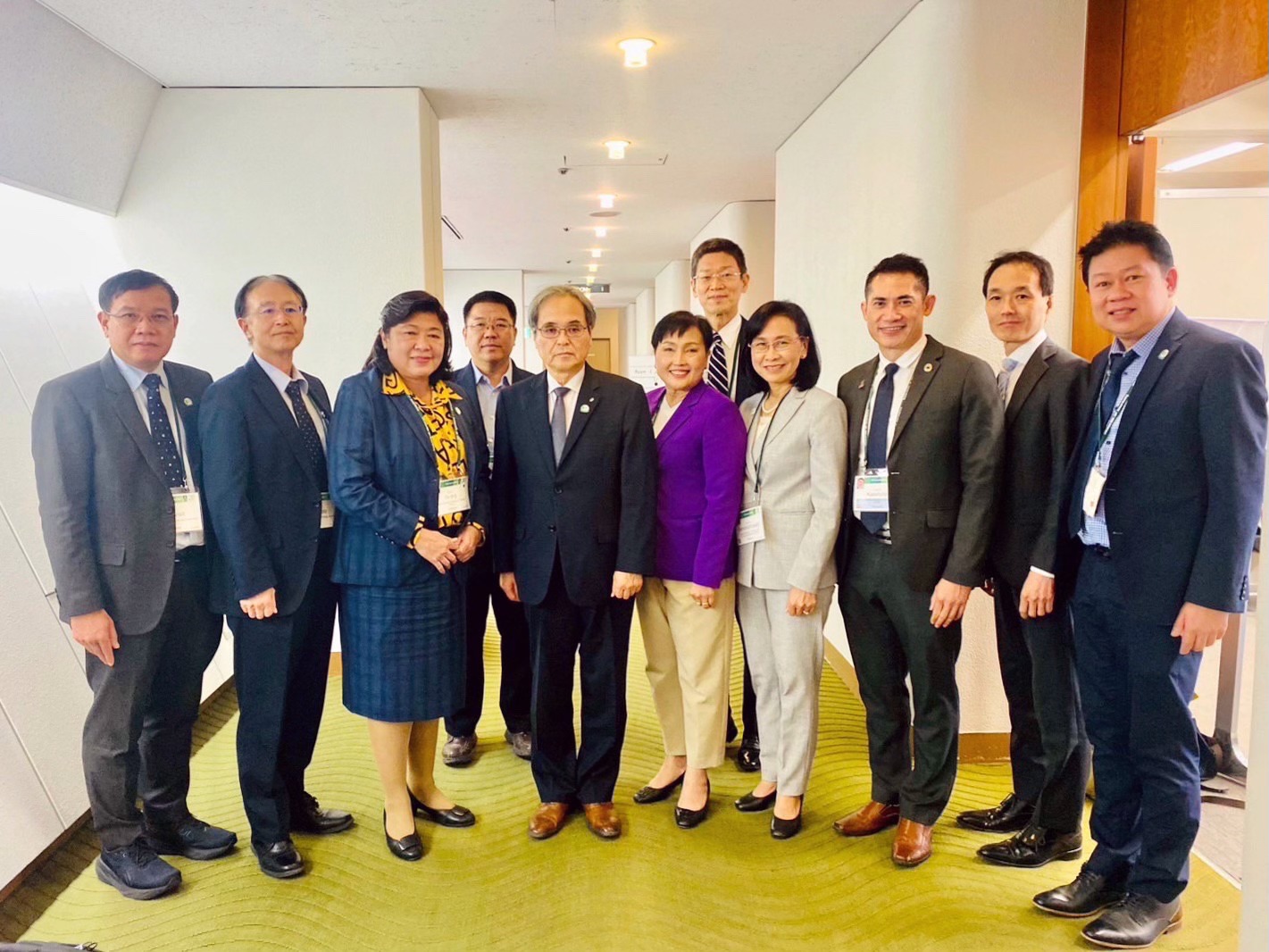
On April 29, 2026, a delegation of executives and officials from the National Research Council of Thailand (NRCT), Ministry of Higher Education, Science, Research, and Innovation, led by Ms. Sirinporn Deawtrakul, Deputy Executive Director of NRCT, visited the Chinese Archaeological Museum in Beijing, People’s Republic of China. The purpose of the visit was to study civilizational and historical heritage alongside executives from various international agencies. On this occasion, the delegation was welcomed by Professor Liu Libin, Deputy Director-General of the National Institute of International Strategy, Chinese Academy of Social Sciences (CASS).
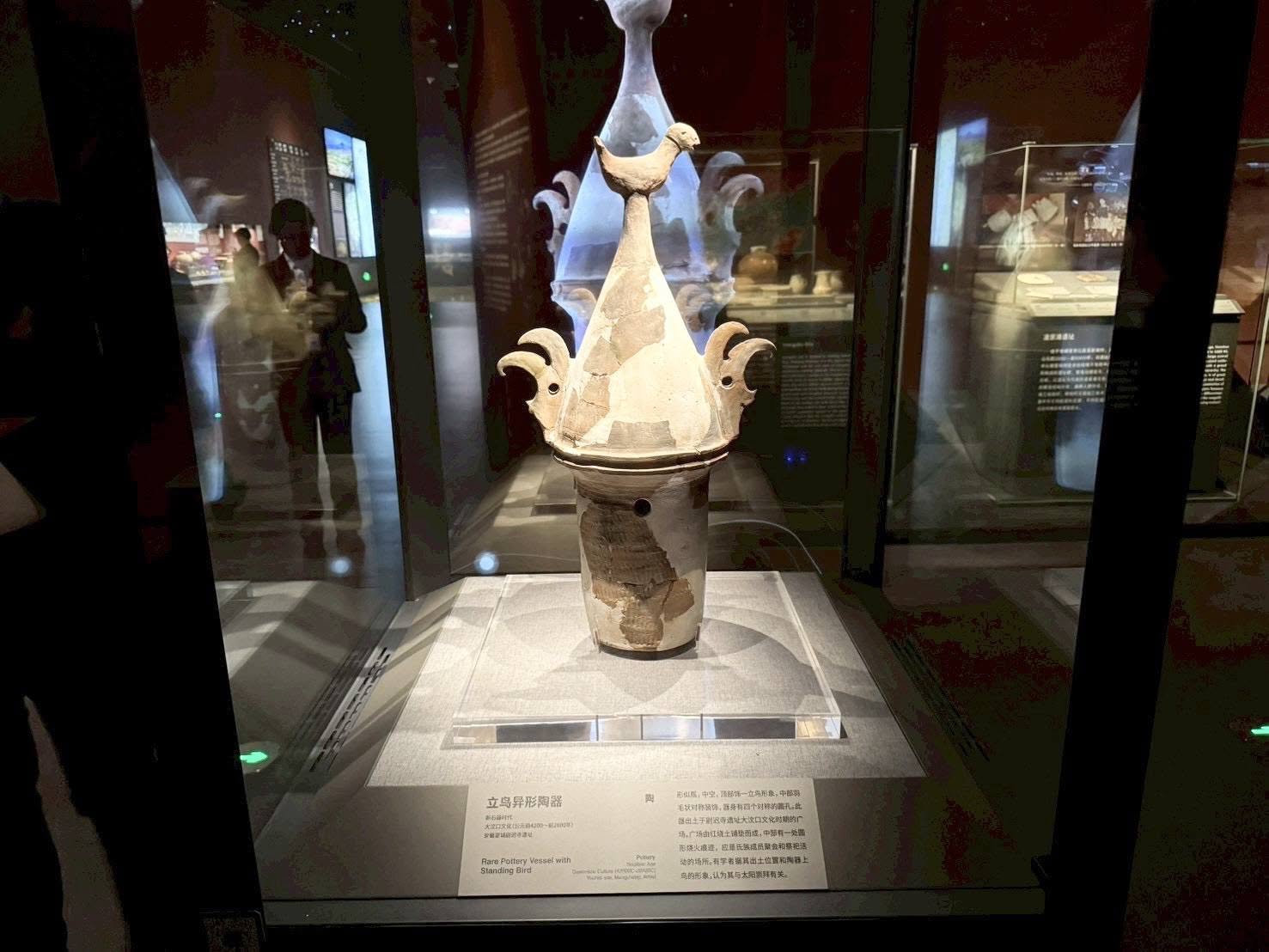
The Chinese Archaeological Museum is situated on the Beijing Central Axis, a site of immense historical significance for China. It stands as China's first national-level museum dedicated specifically to showcasing archaeological achievements. Operated under the auspices of the Chinese Academy of History, the museum functions simultaneously as a learning center, a research institute, and a vital sanctuary for the preservation of national cultural heritage, with a core mission to "tell the story of Chinese history through authentic evidence." Since its official public opening on September 15, 2023, the museum has served as an "archaeological archive" narrating the continuous line of Chinese civilization spanning over 5,000 years.
During this visit, the international executive delegation studied approaches to preserving antiquities through modern scientific technology, as well as the management of large historical databases. This serves as a vital model for elevating Thailand's archaeological research and cultural heritage management.
This initiative aligns with the policy of the Deputy Prime Minister and Minister of Higher Education, Science, Research, and Innovation, which focuses on leveraging science, research, and innovation as key mechanisms to drive the country forward. This is coupled with capitalizing on cultural capital to generate economic added value and elevate Thai Soft Power on the international stage.
Furthermore, it reflects the strategy for developing a "Knowledge- and Innovation-based Economy" by integrating historical and archaeological insights with modern technology. This integration aims to create new bodies of knowledge, enhance national competitiveness, and promote the practical utilization of research.
The National Research Council of Thailand (NRCT) will apply the knowledge and best practices gained from this study visit to develop Thailand's research and cultural heritage preservation systems. This will ensure they are efficient, modern, and aligned with international standards, ultimately leading to long-term sustainable development.
------------------------------------------
by: National Research Council of Thailand (NRCT)