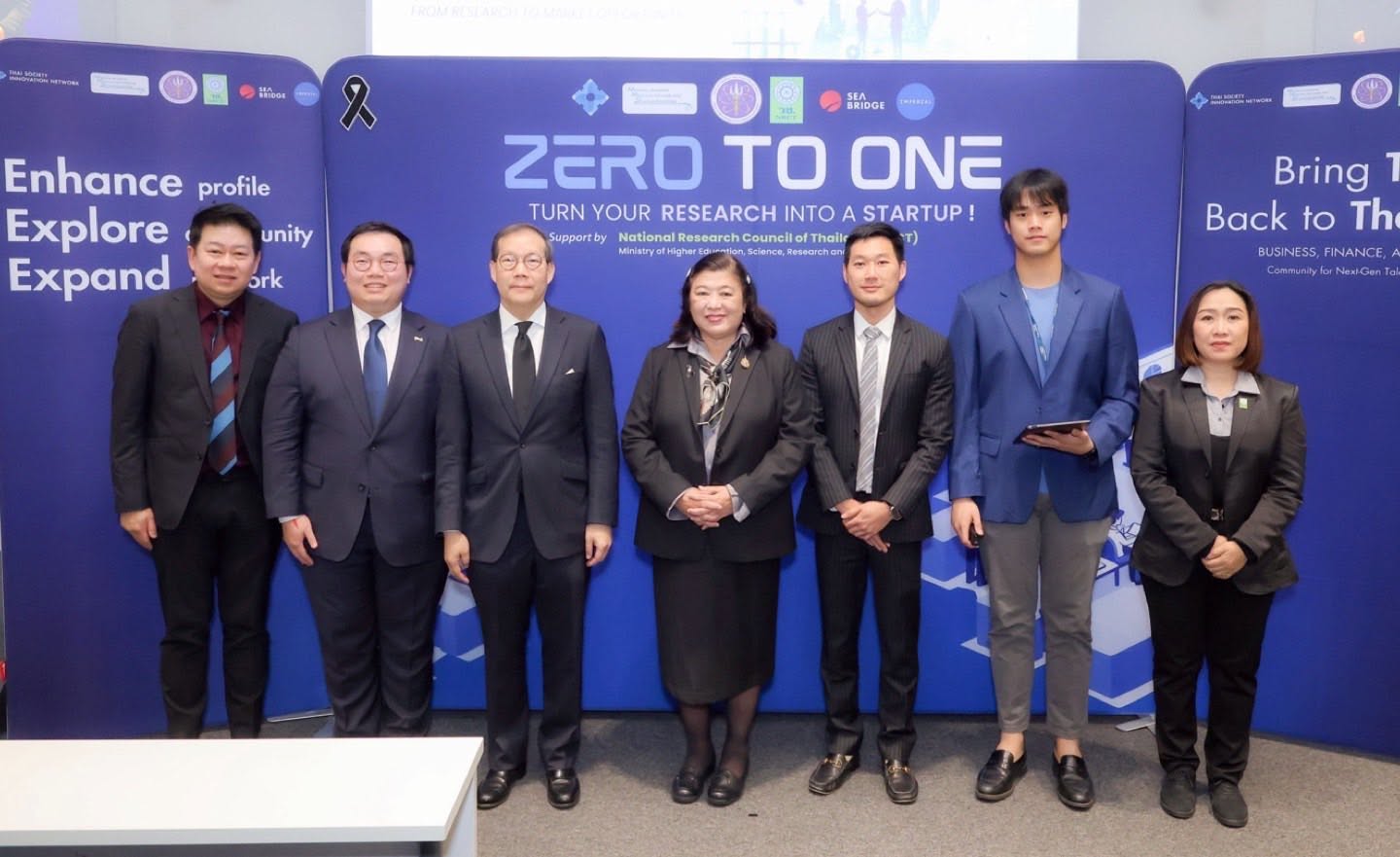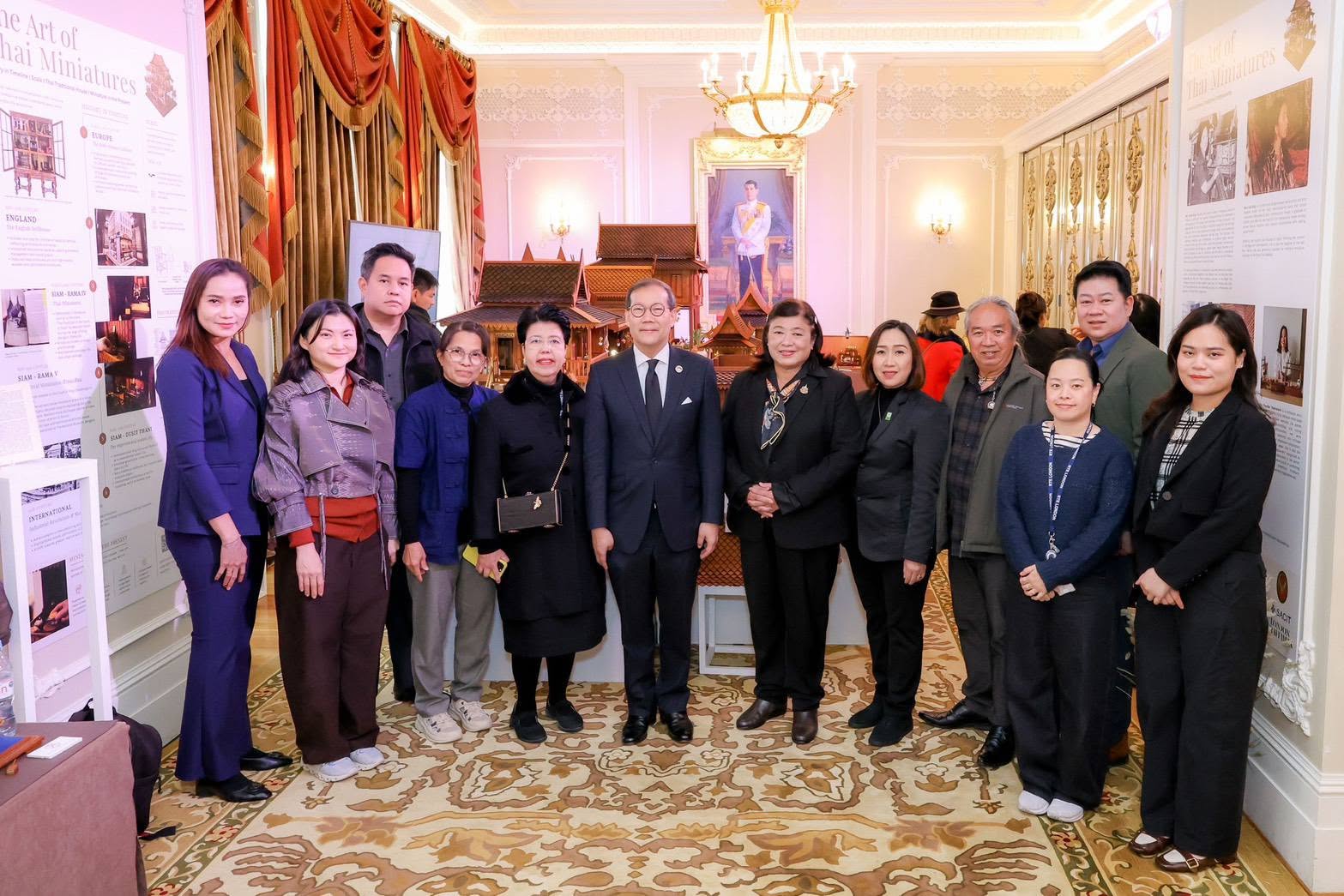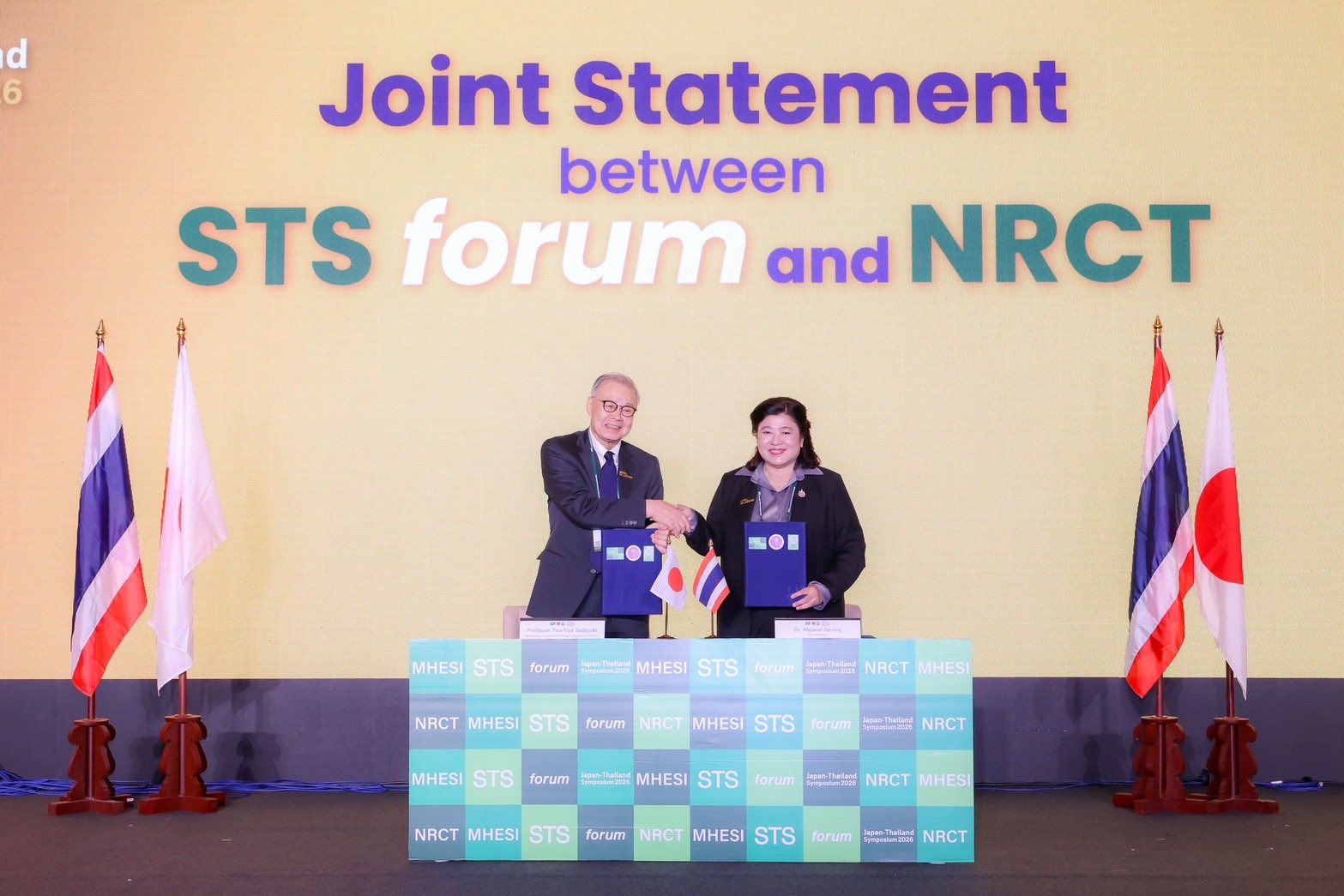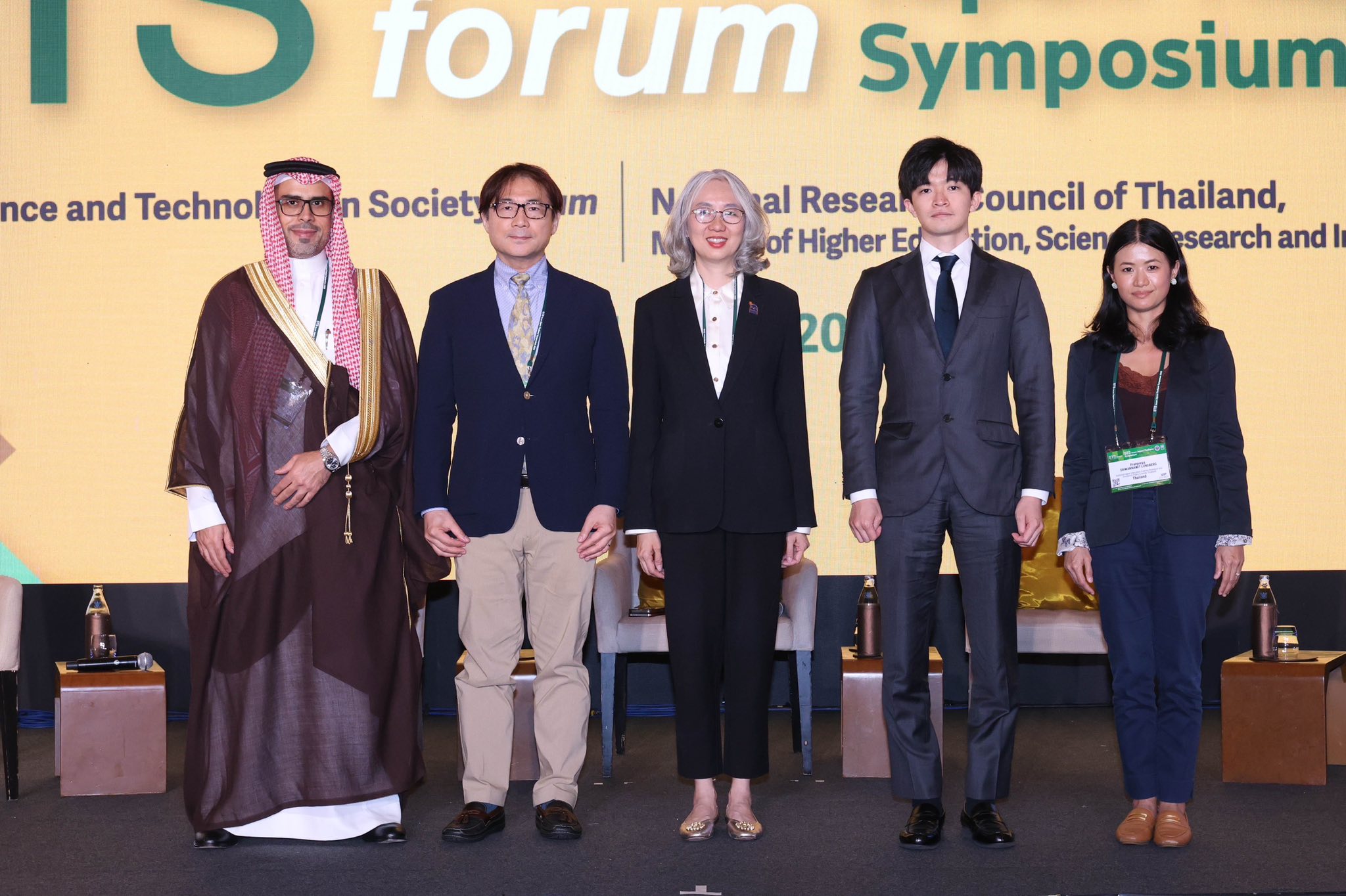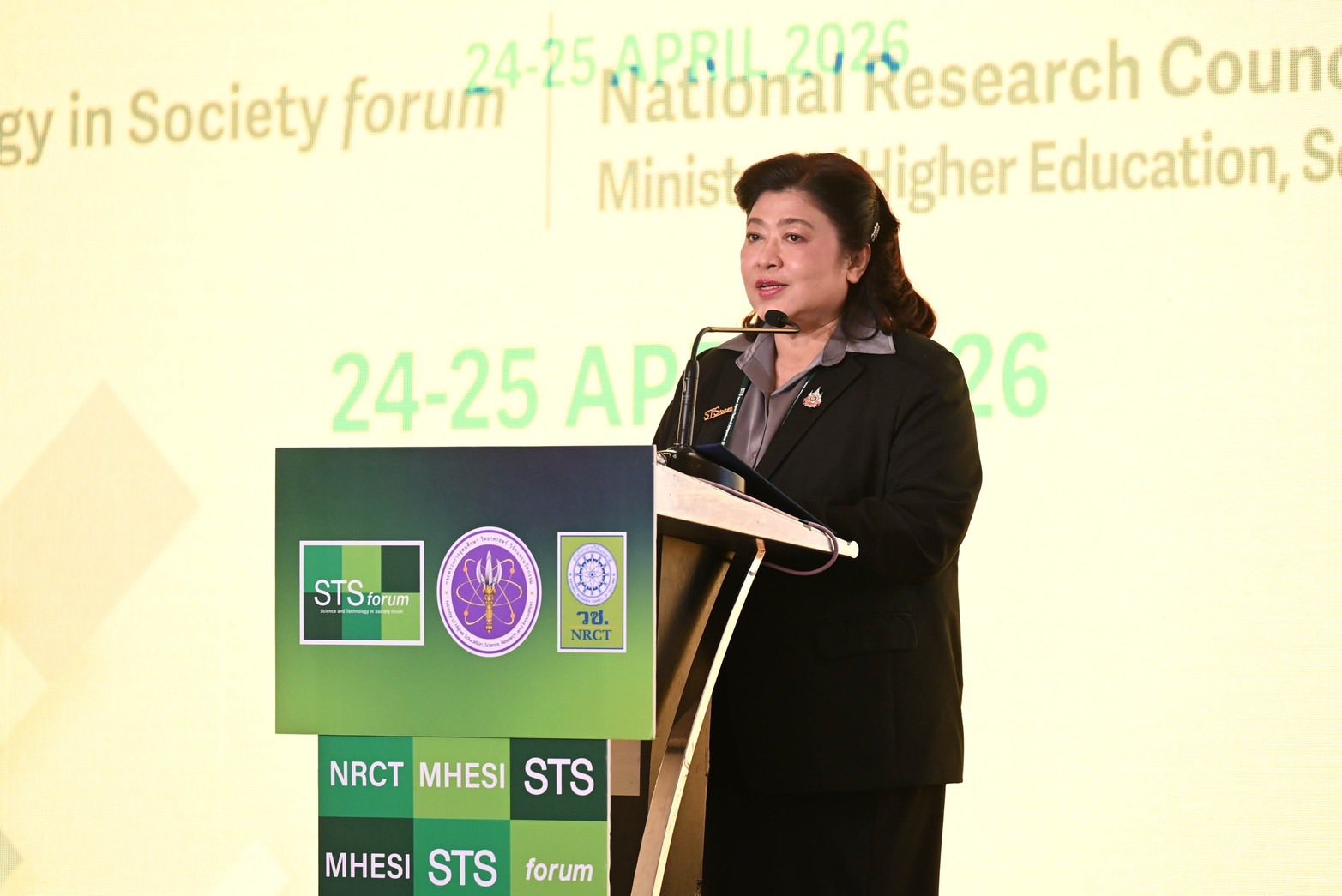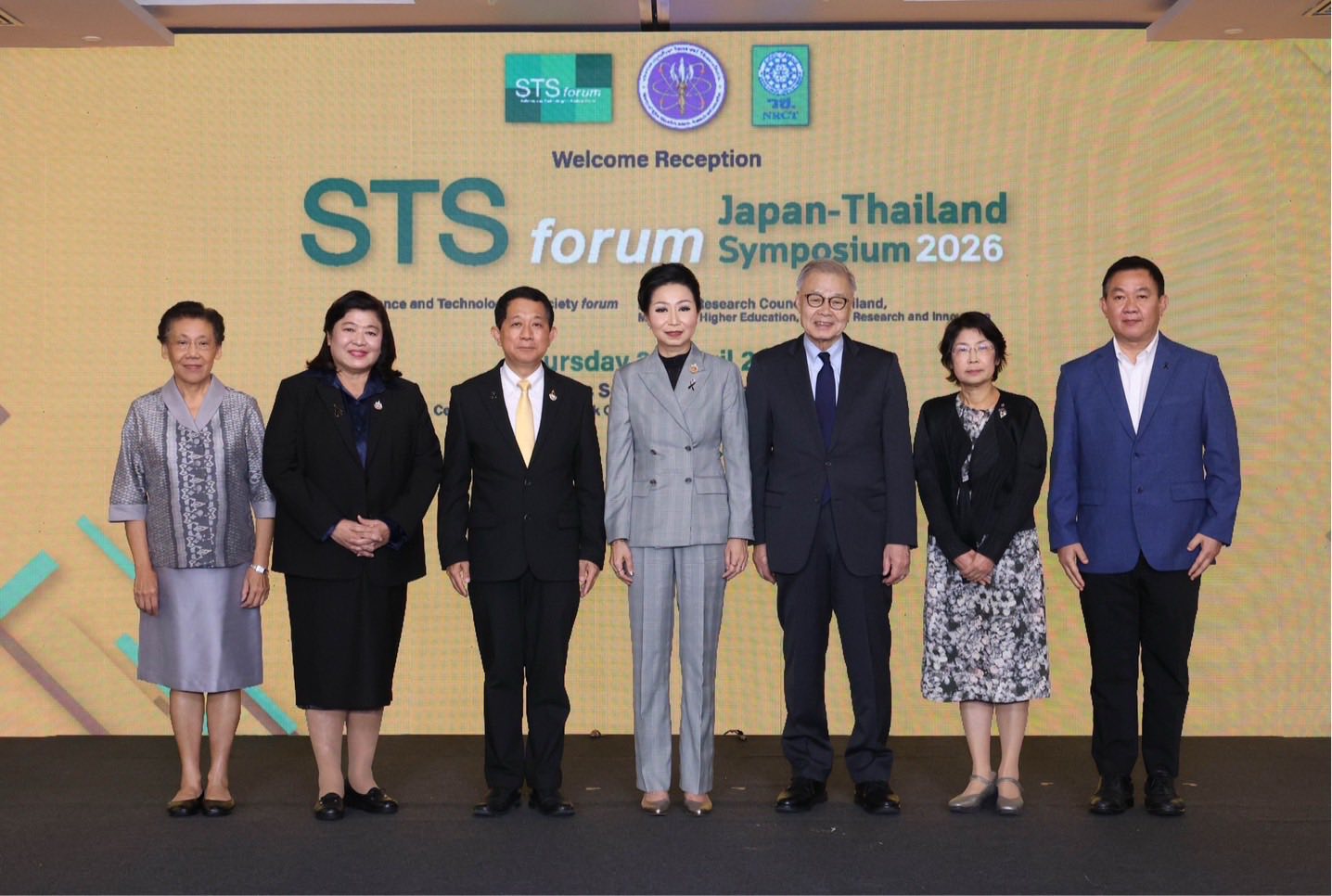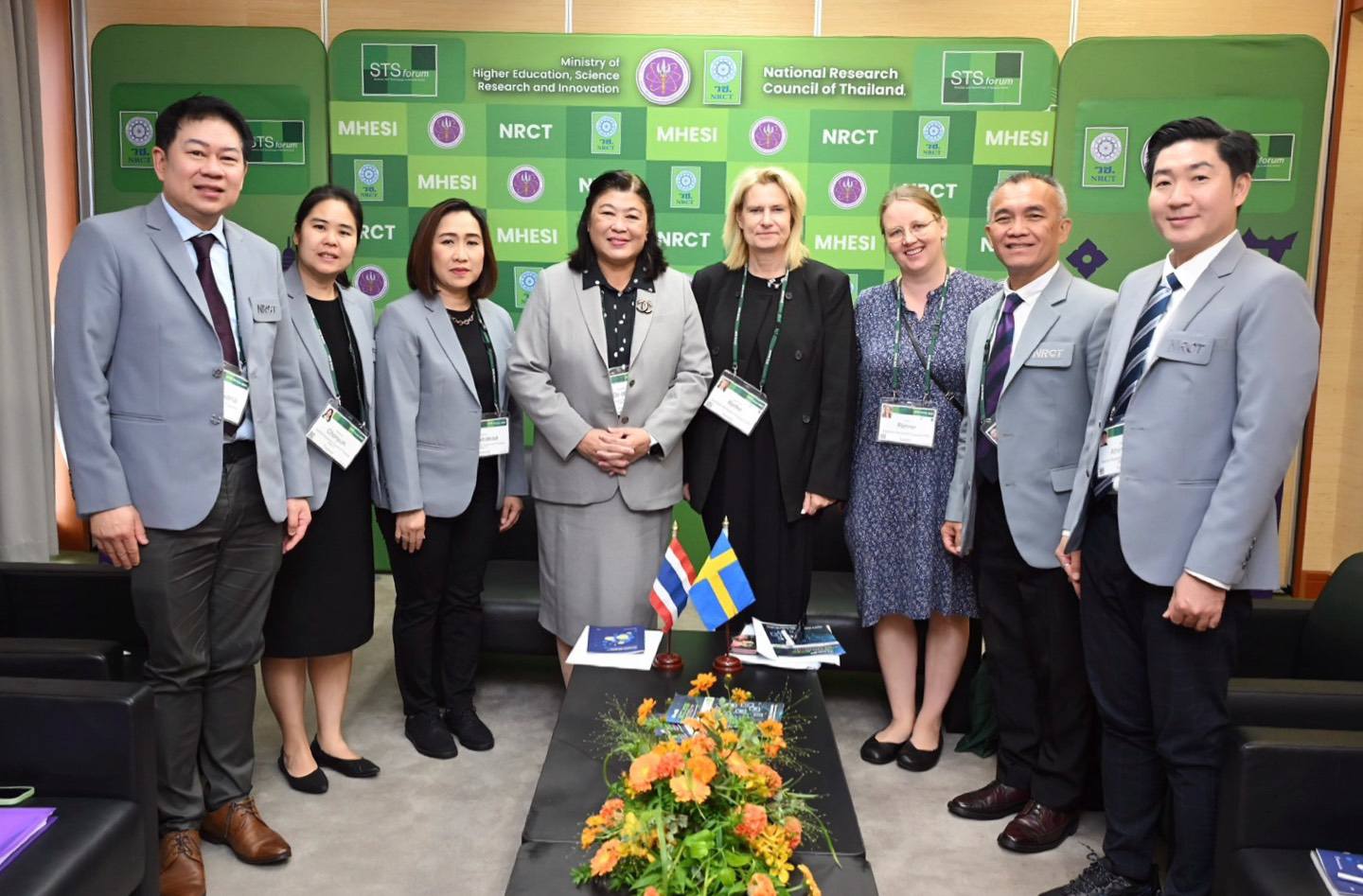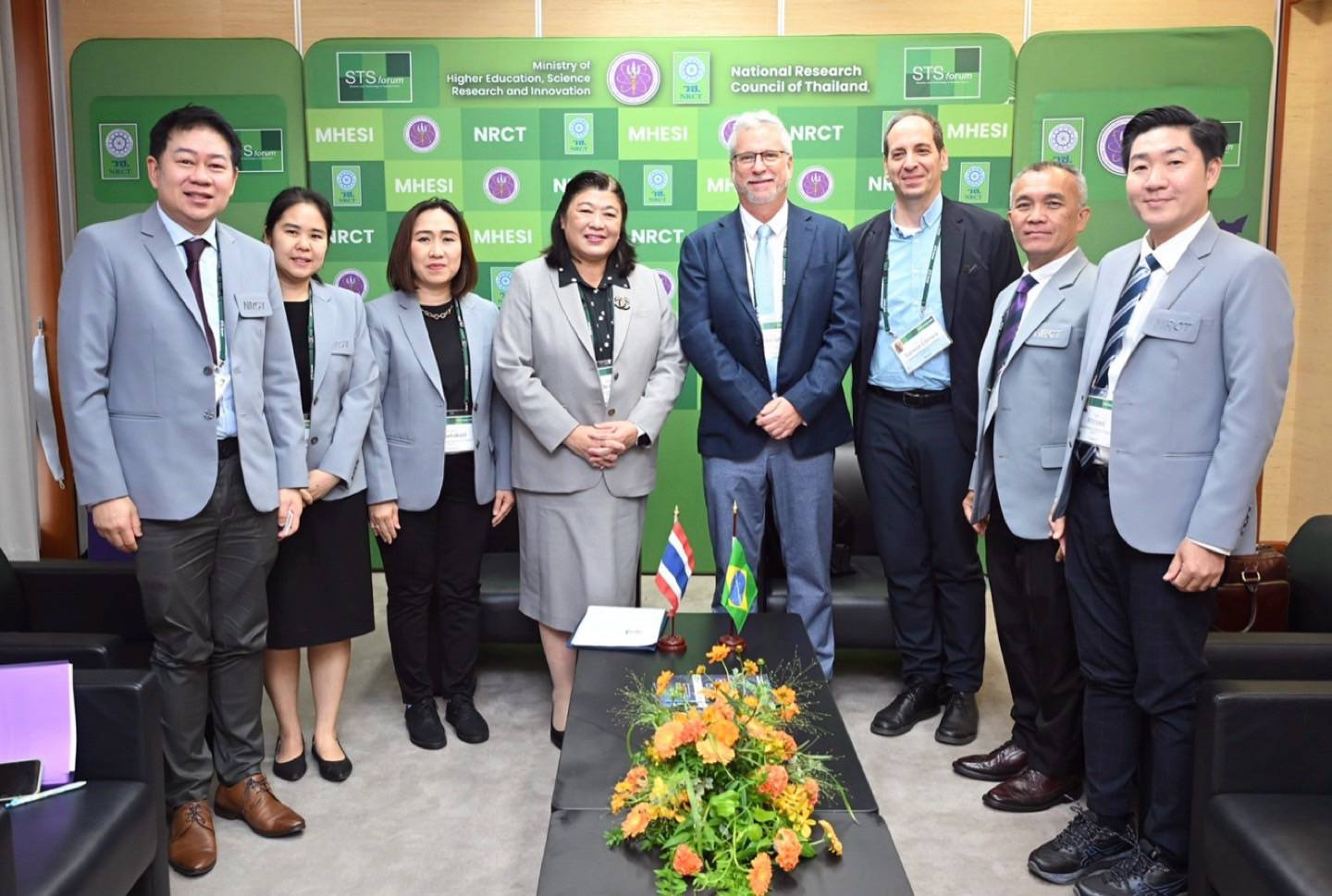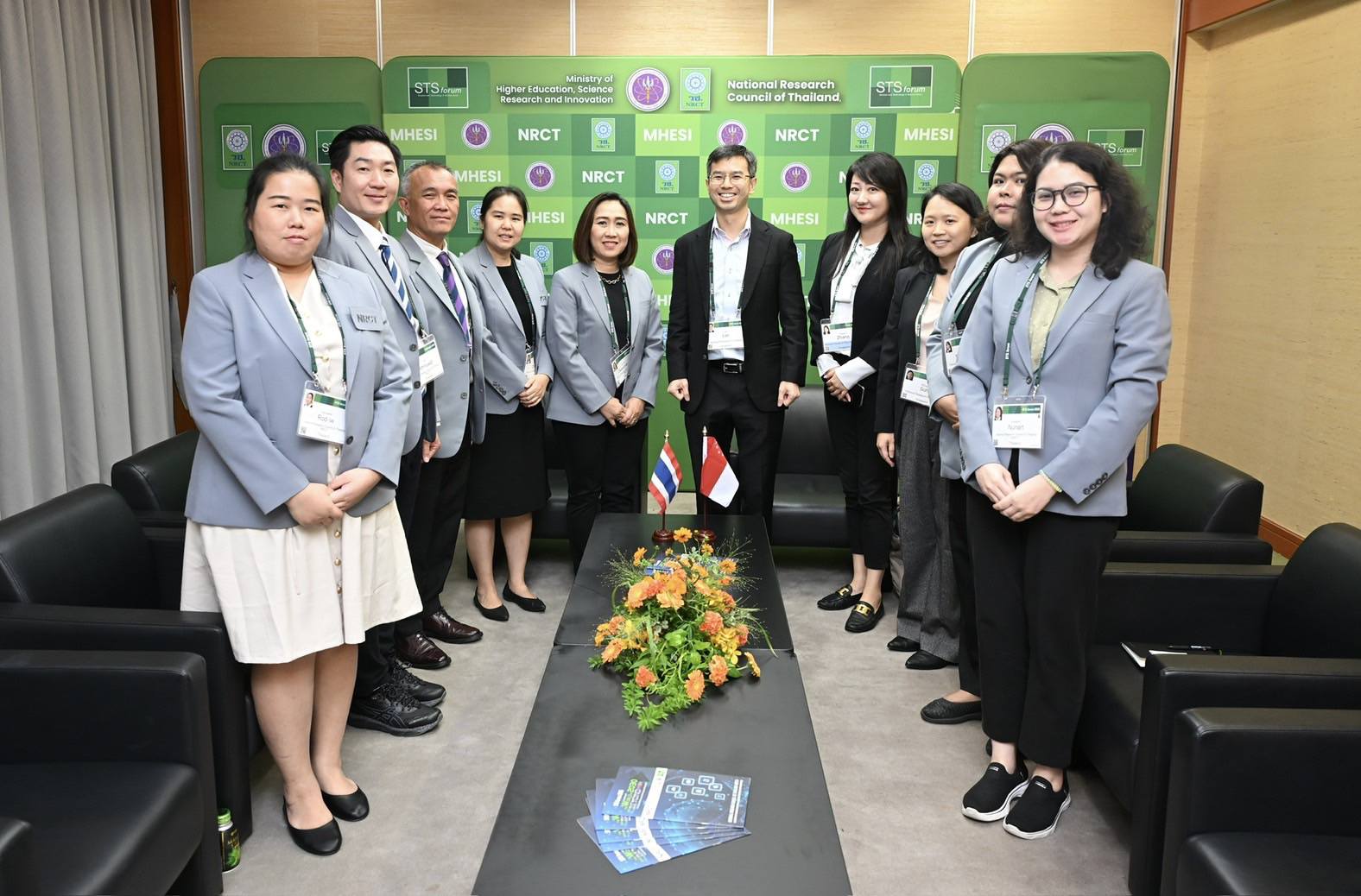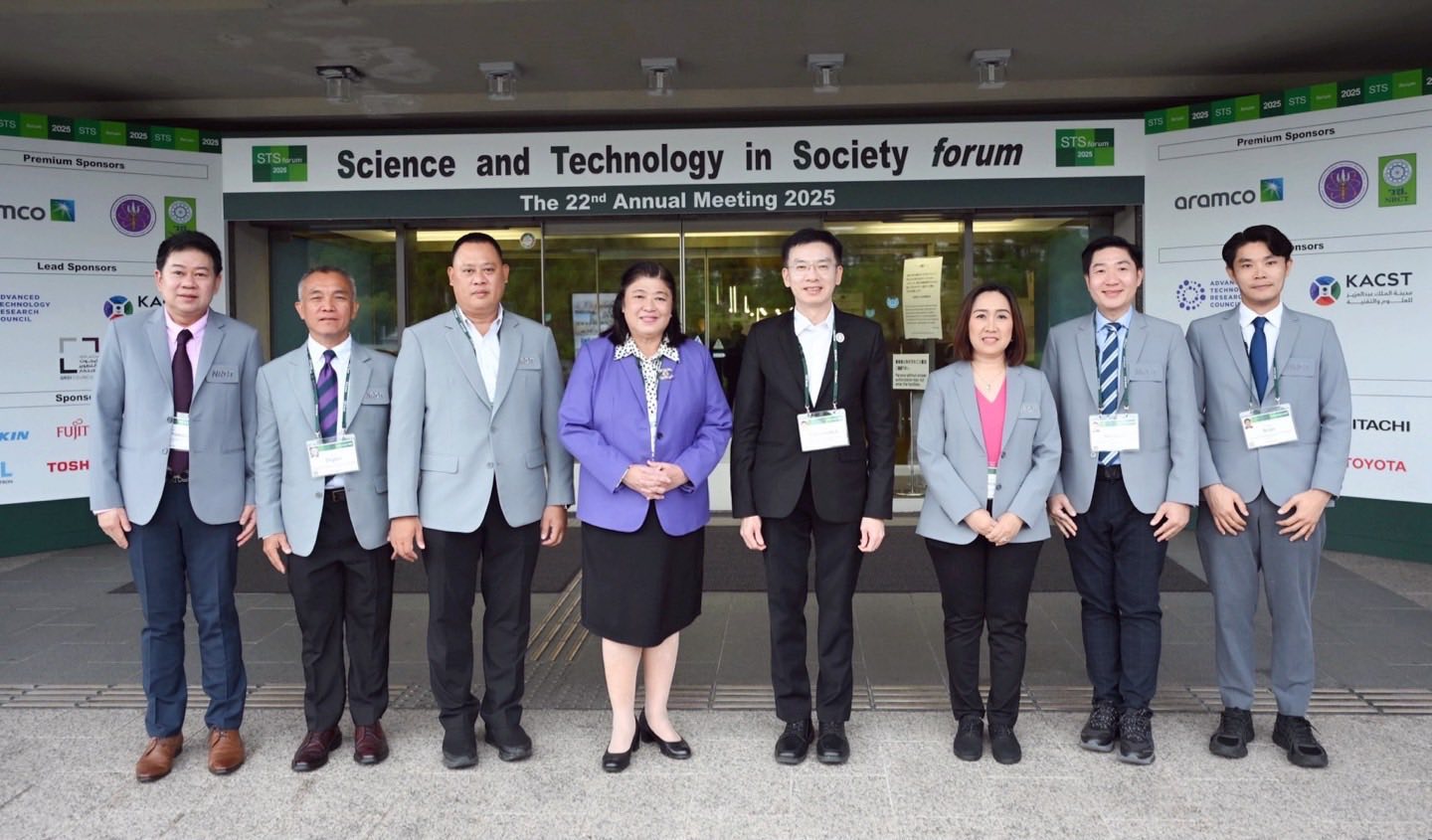
NRCT and Thai Research Delegation Address Key Science and Technology Challenges at STS forum 2023
1 October 2023


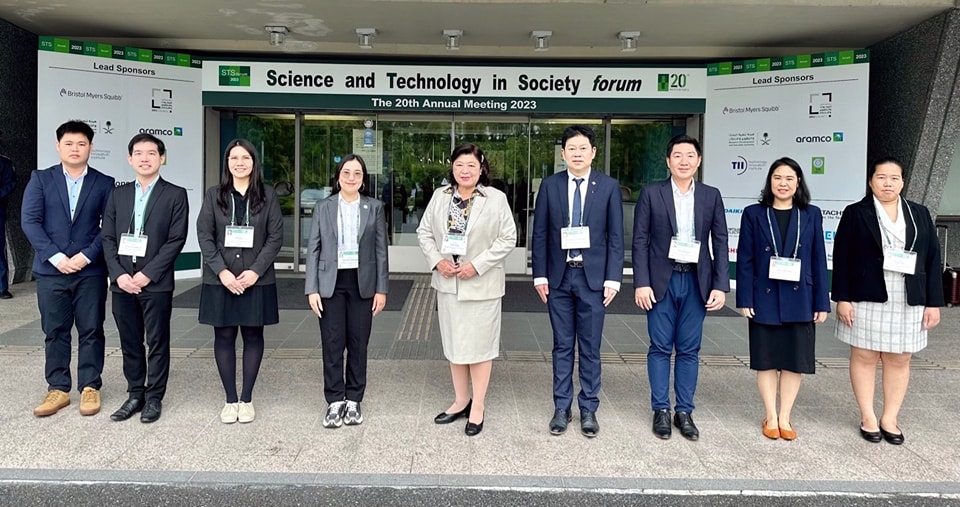
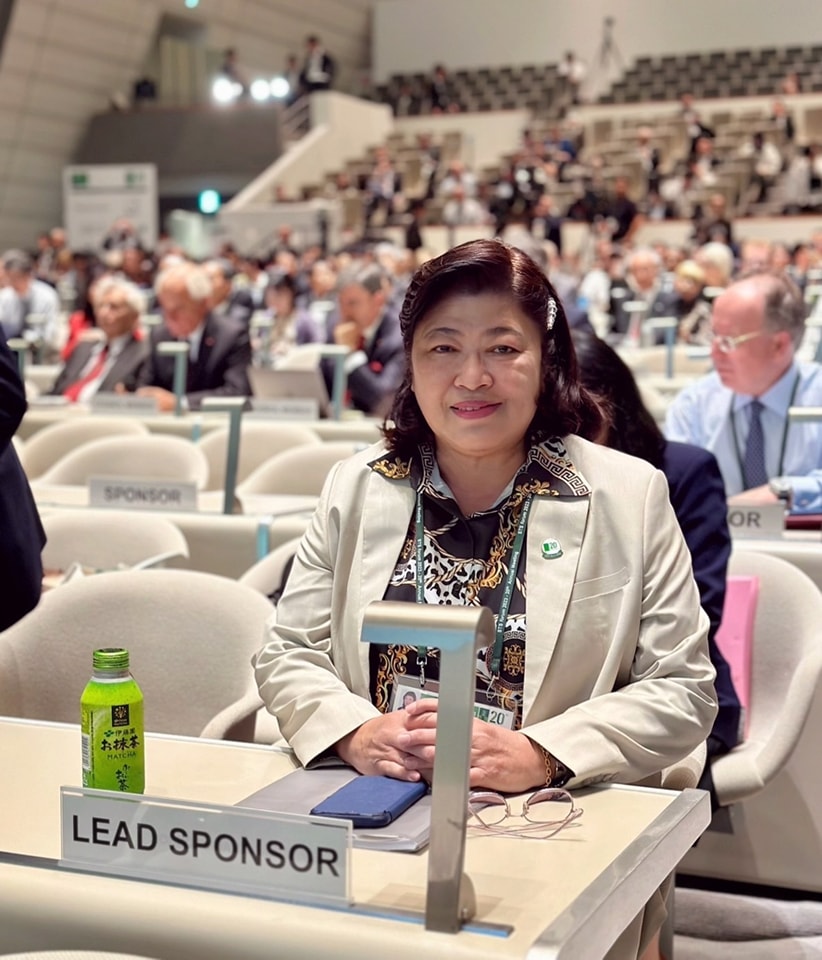
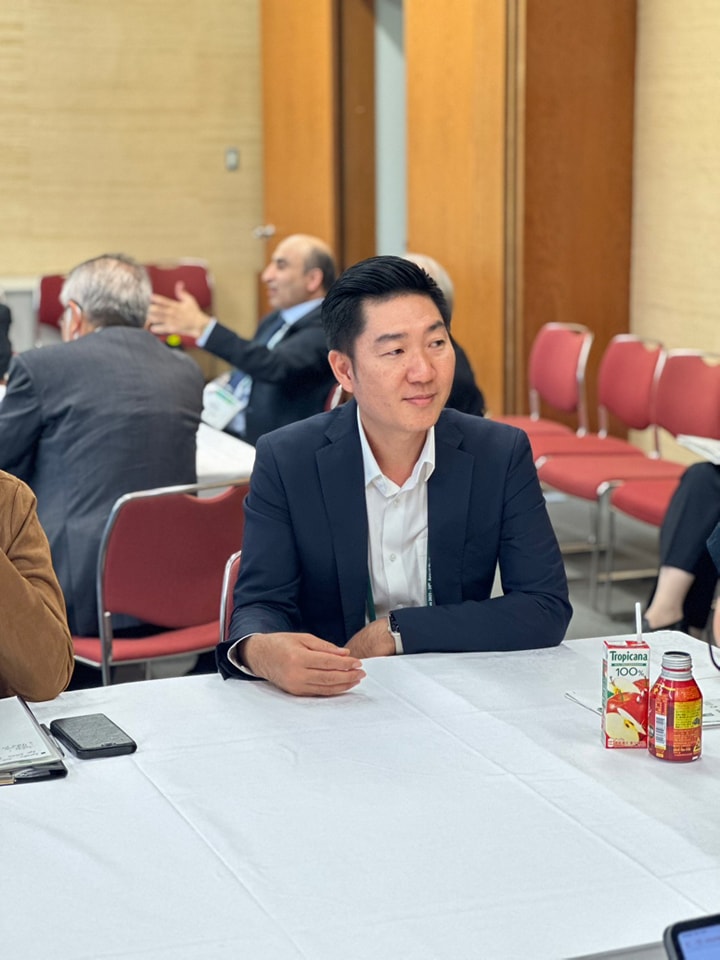
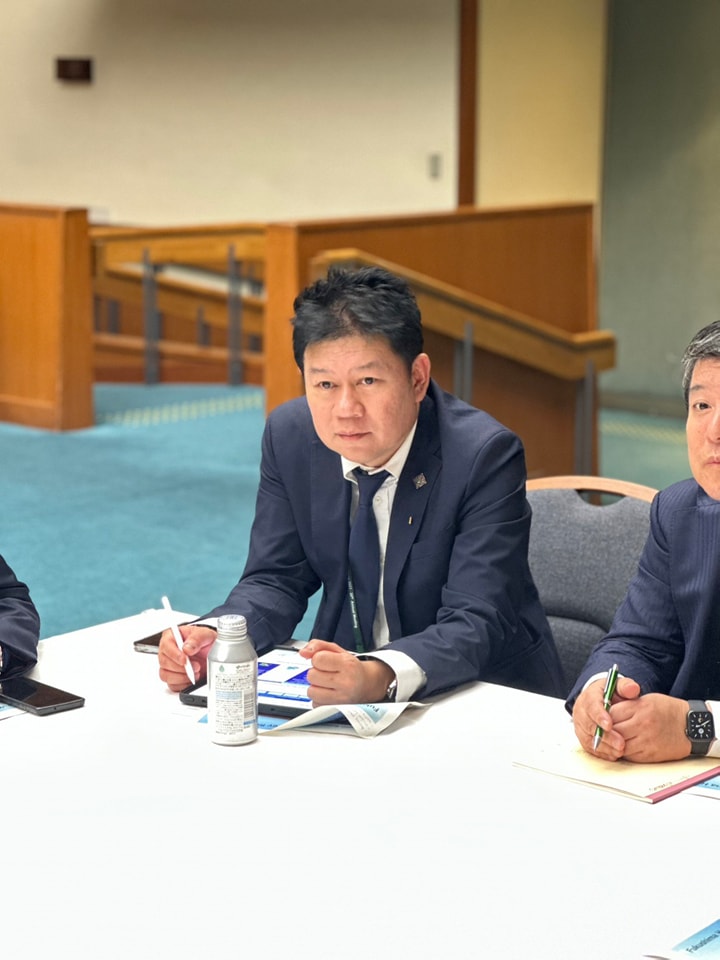
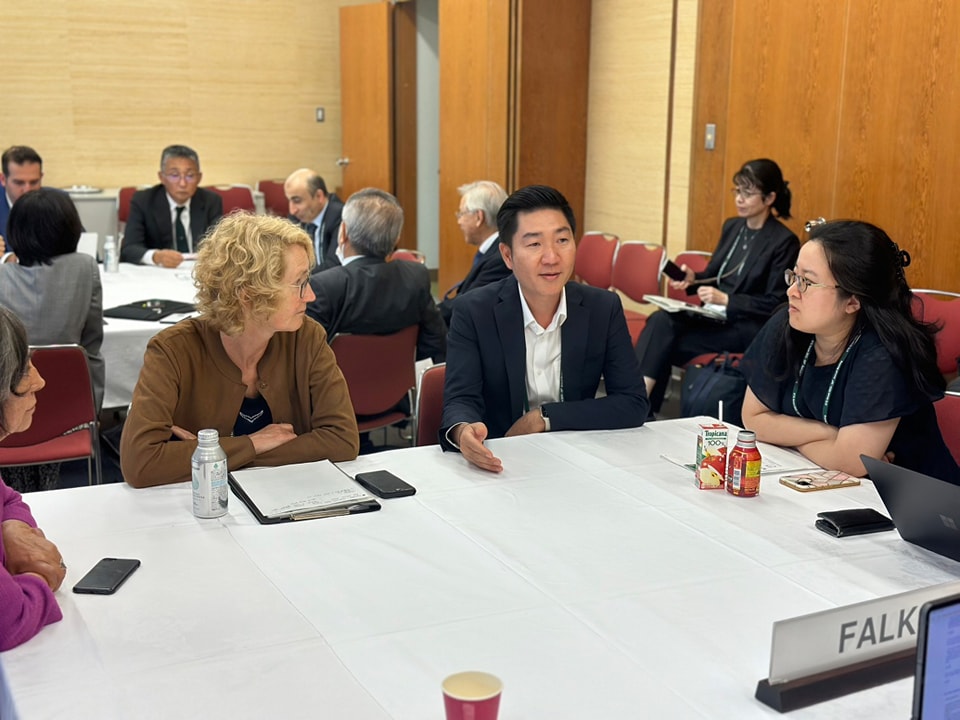
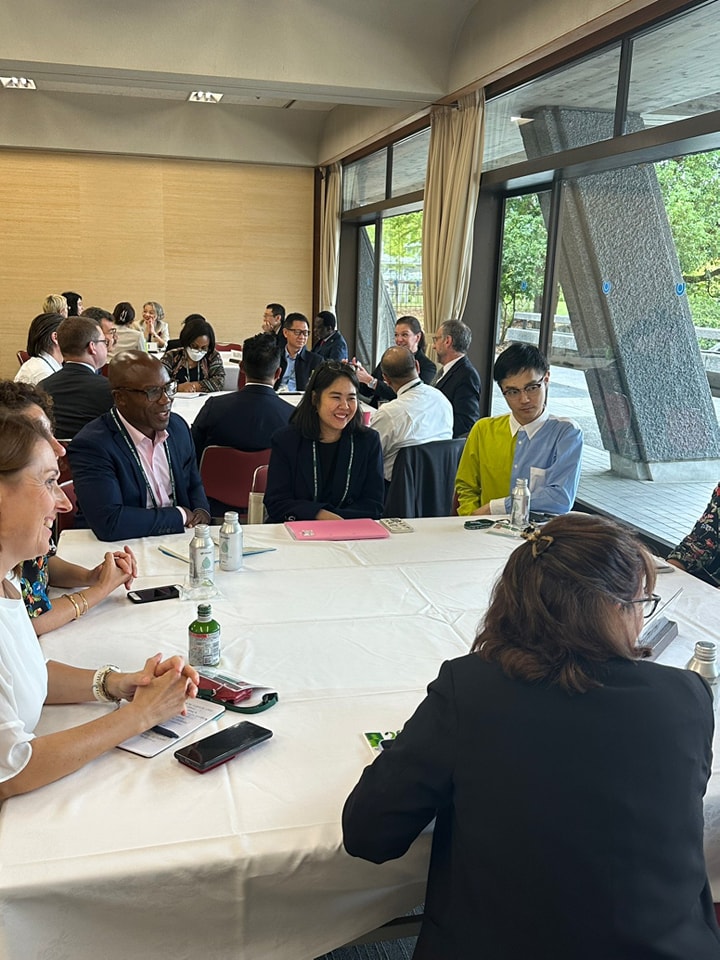
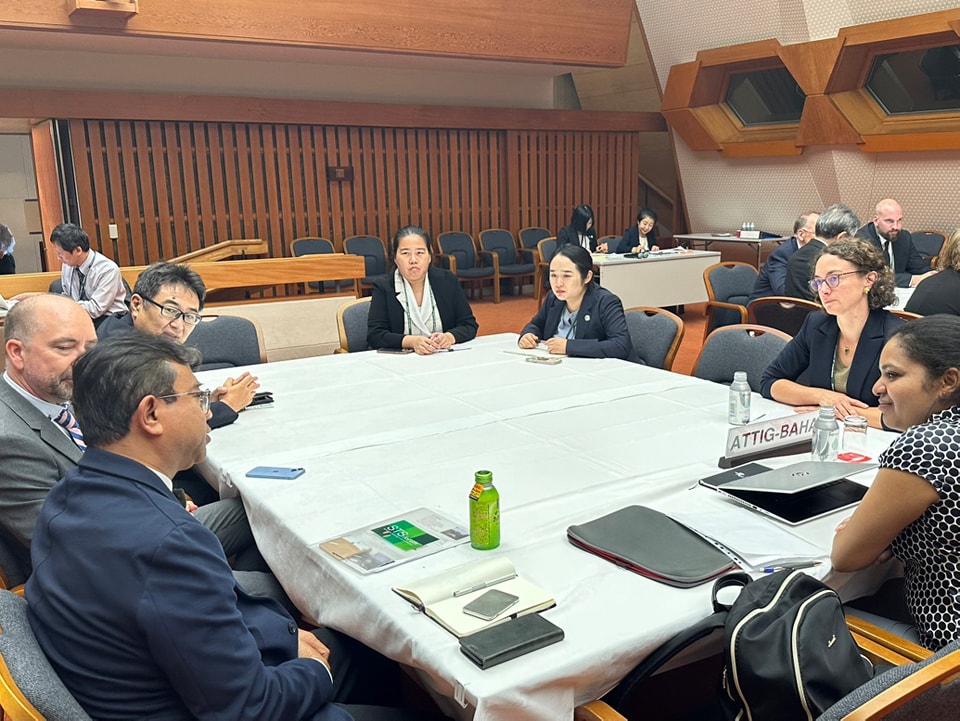
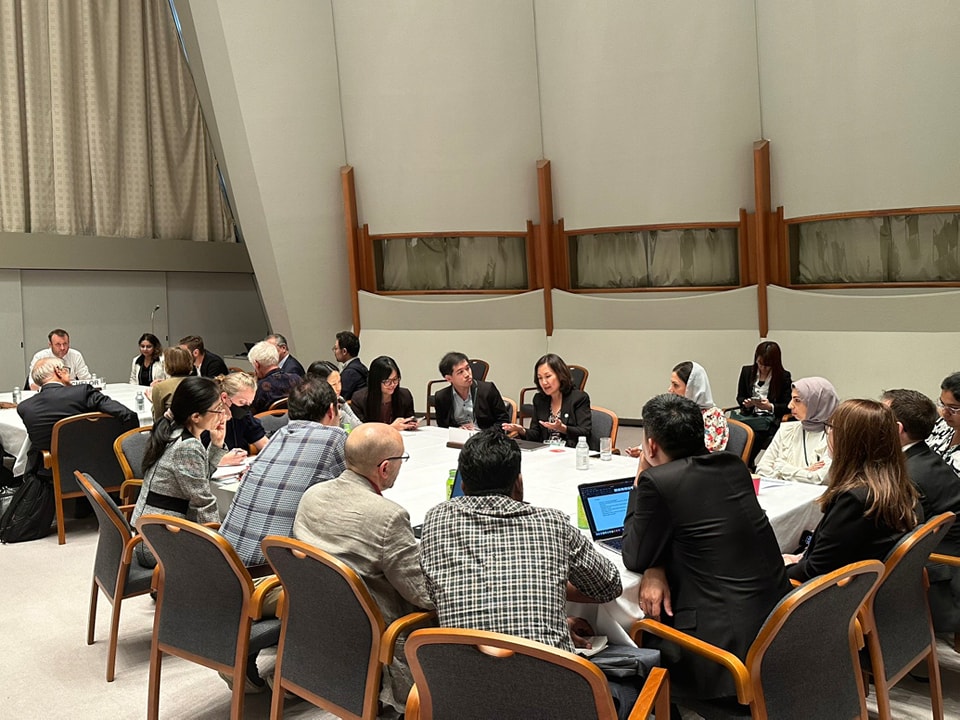
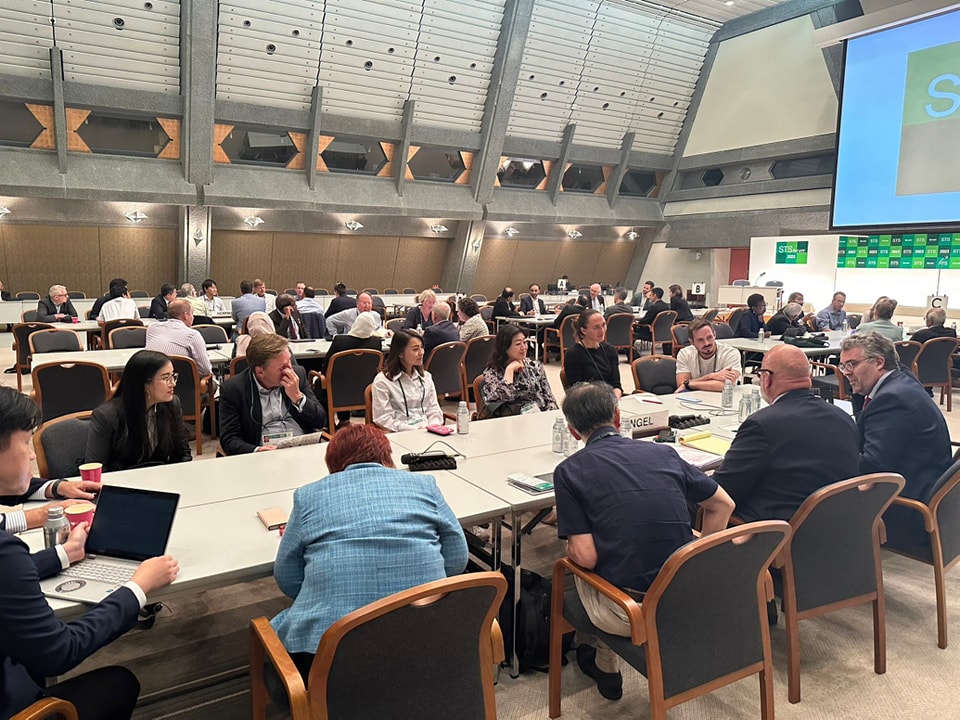
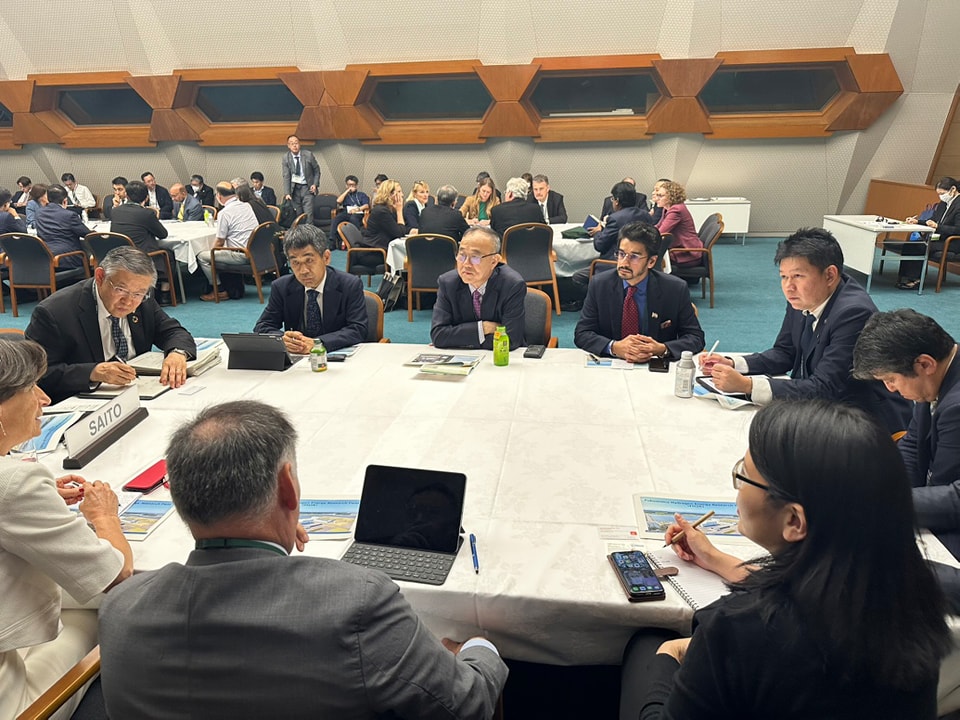
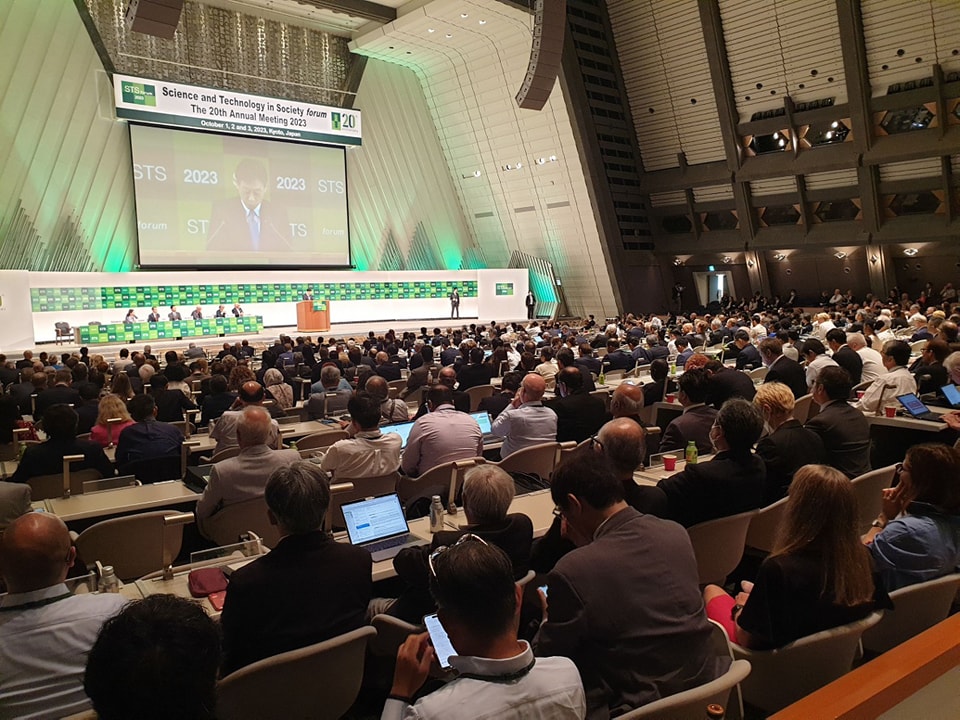
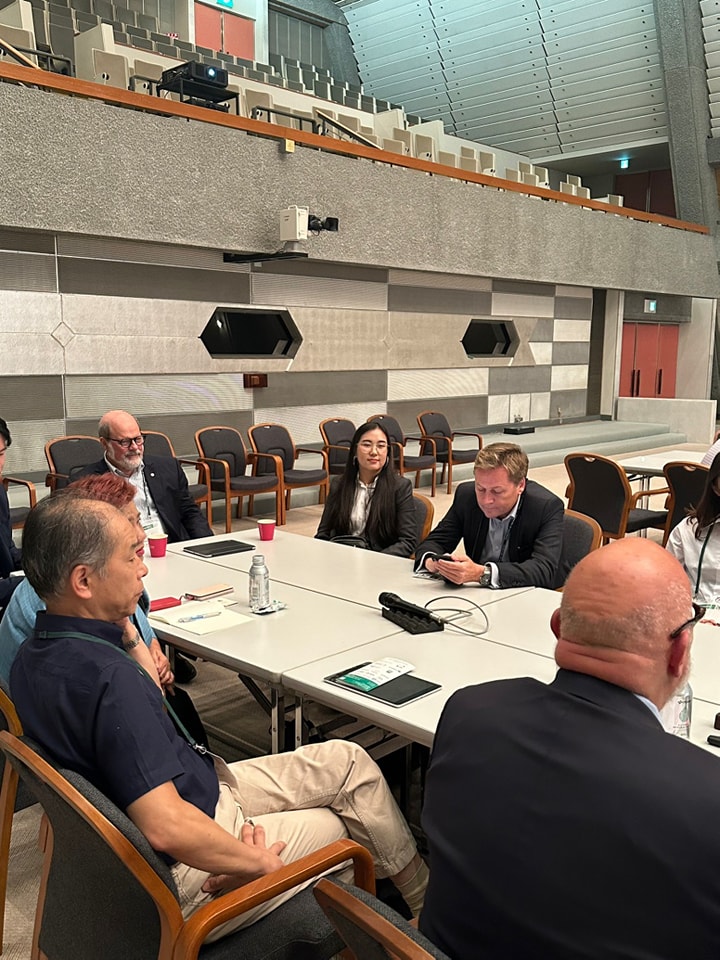
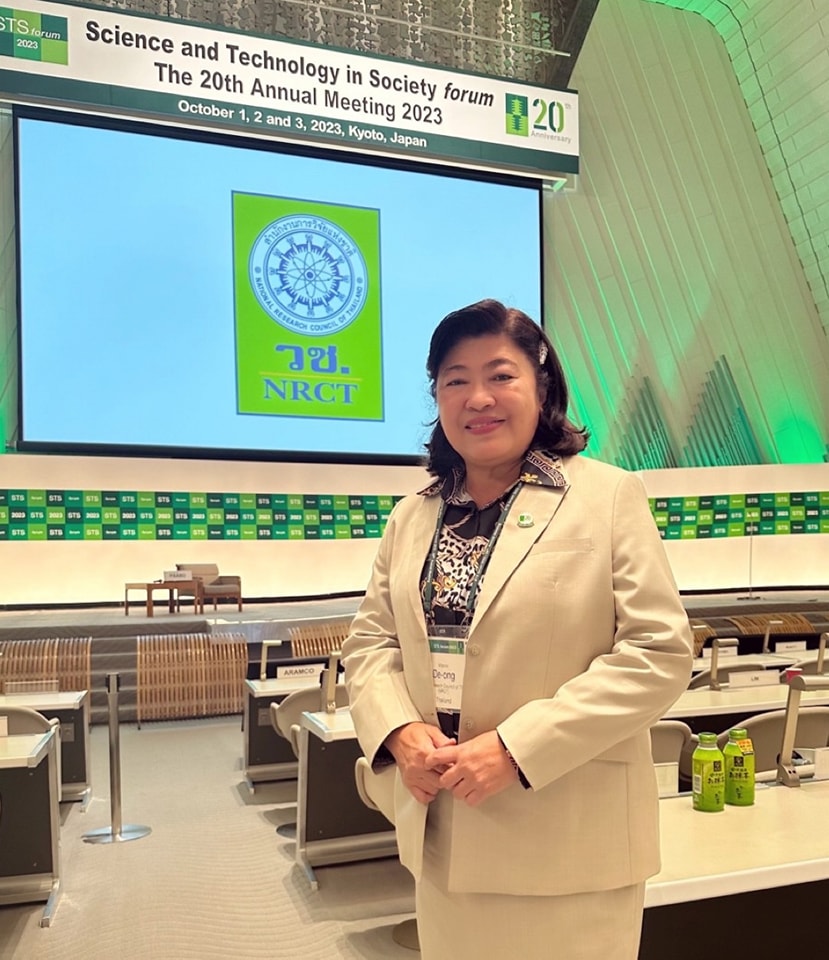
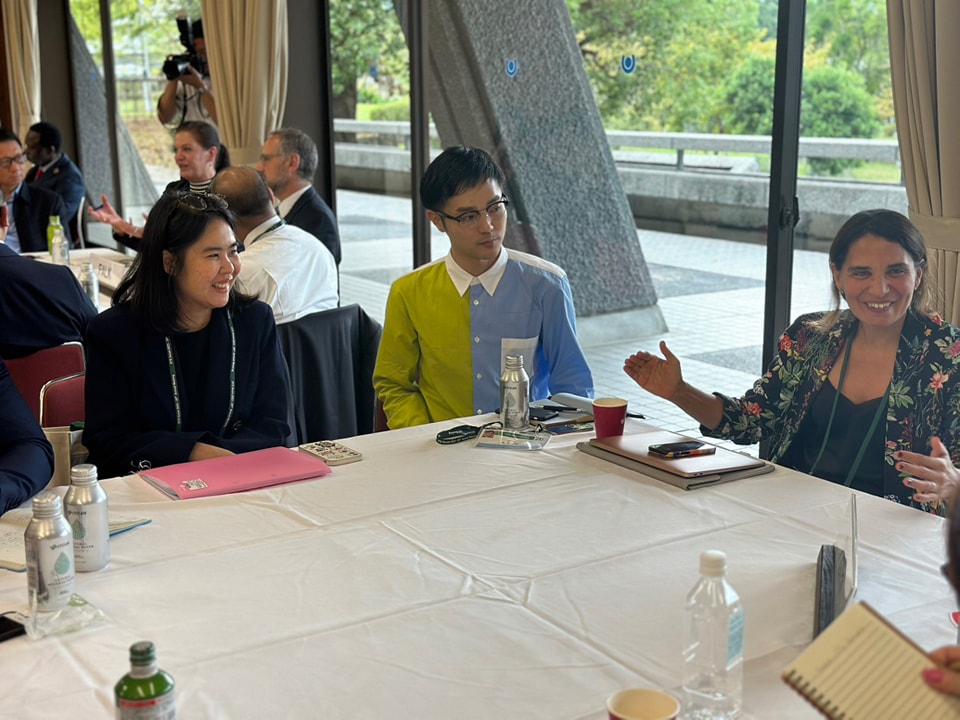
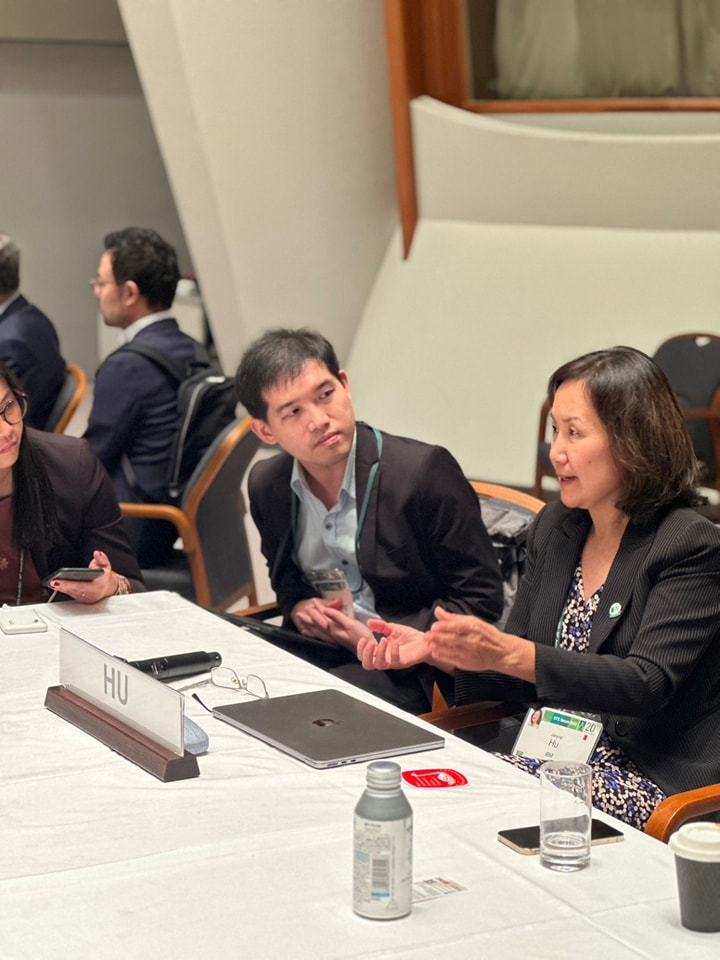
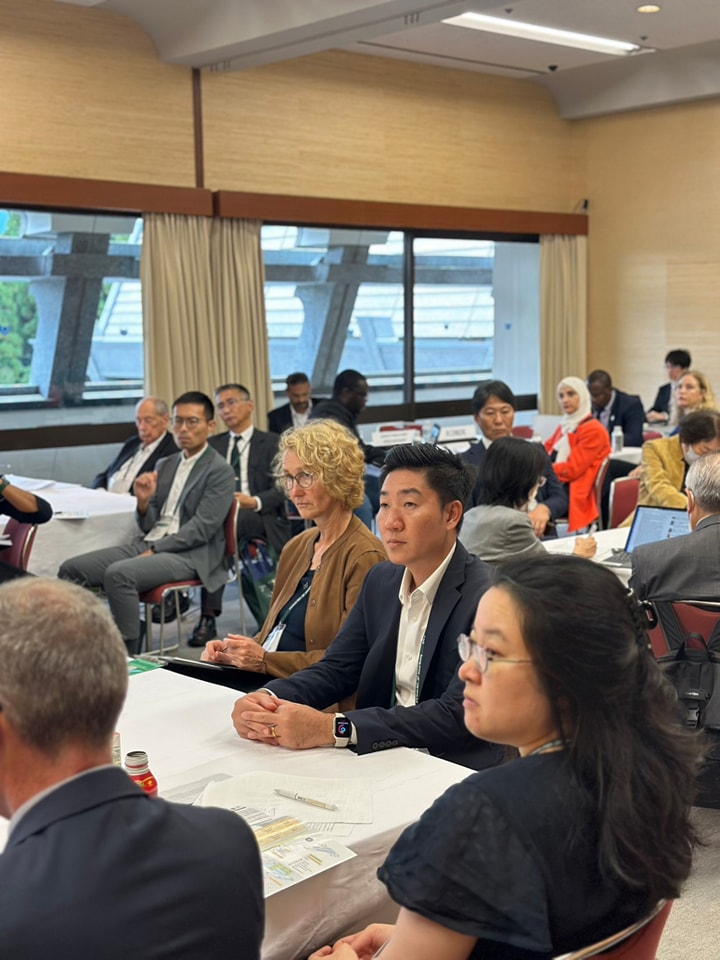
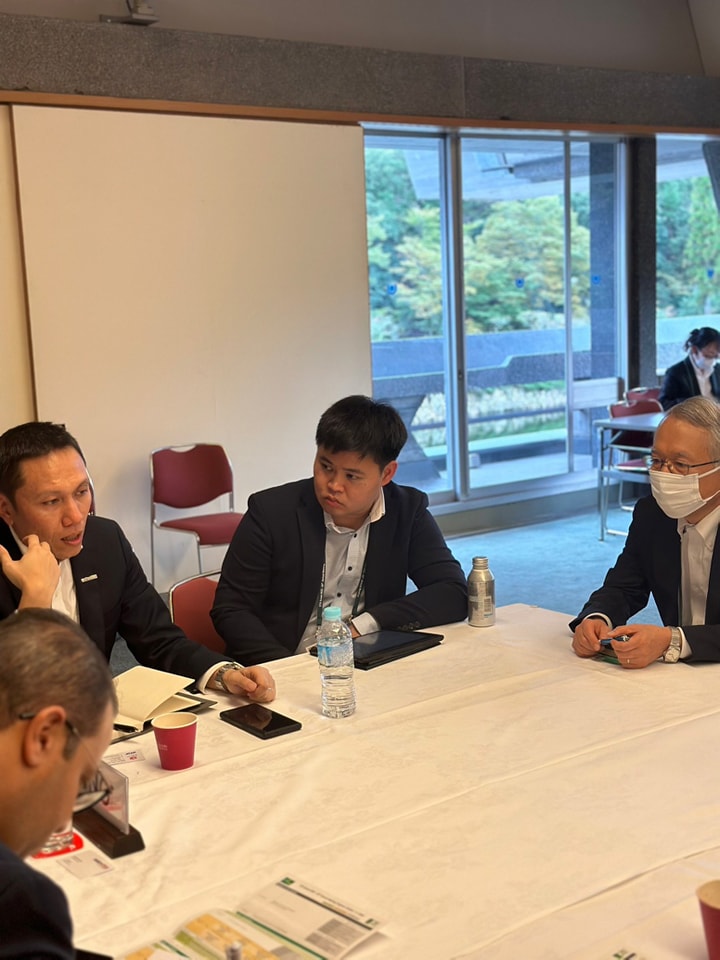
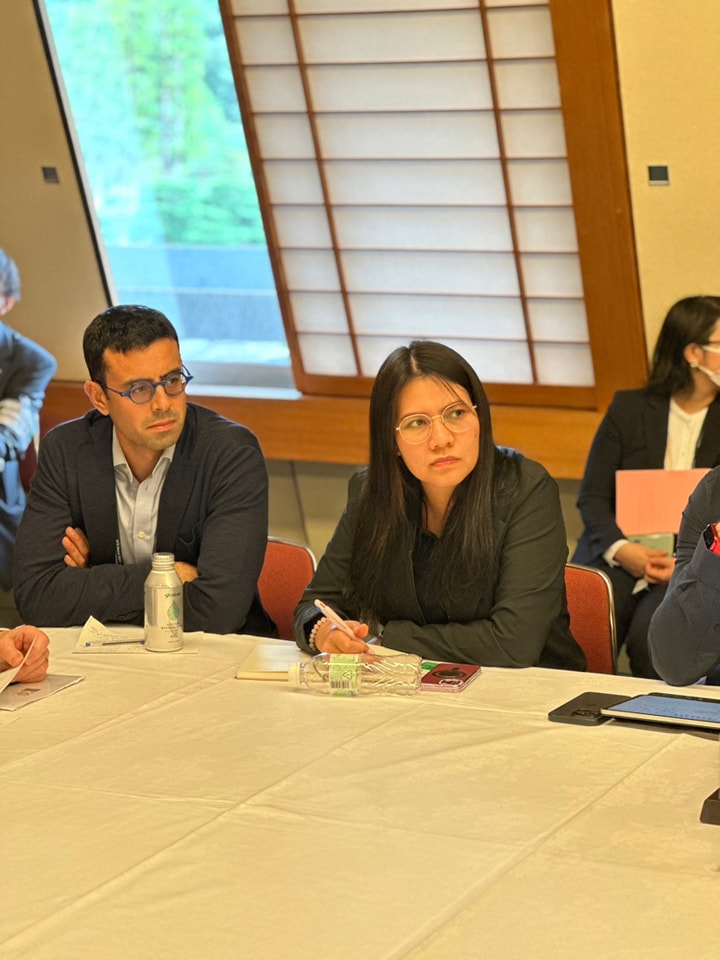
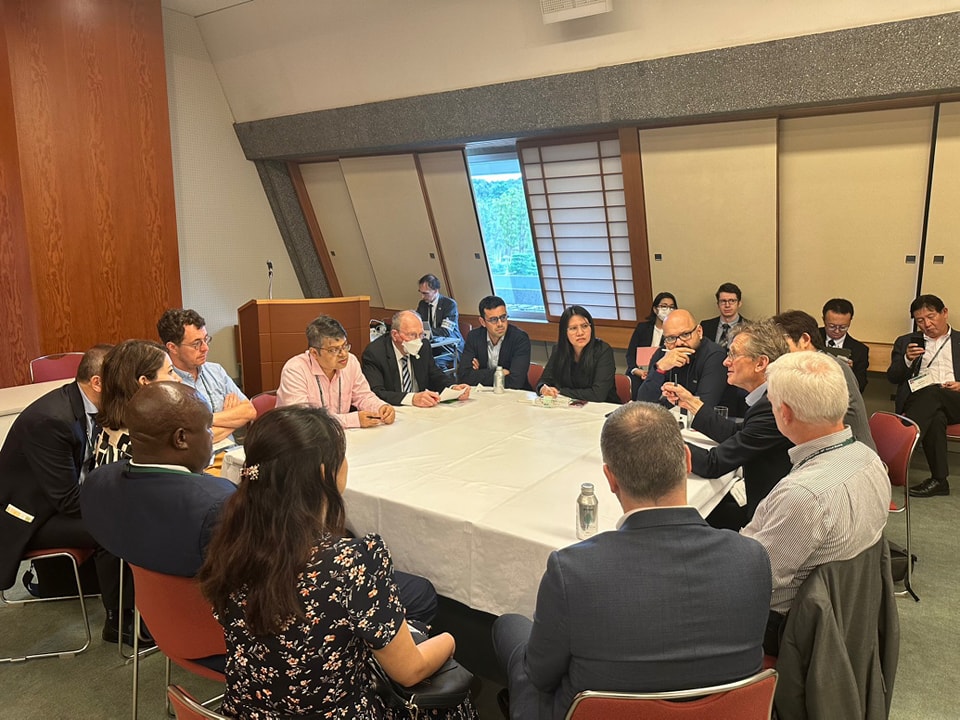
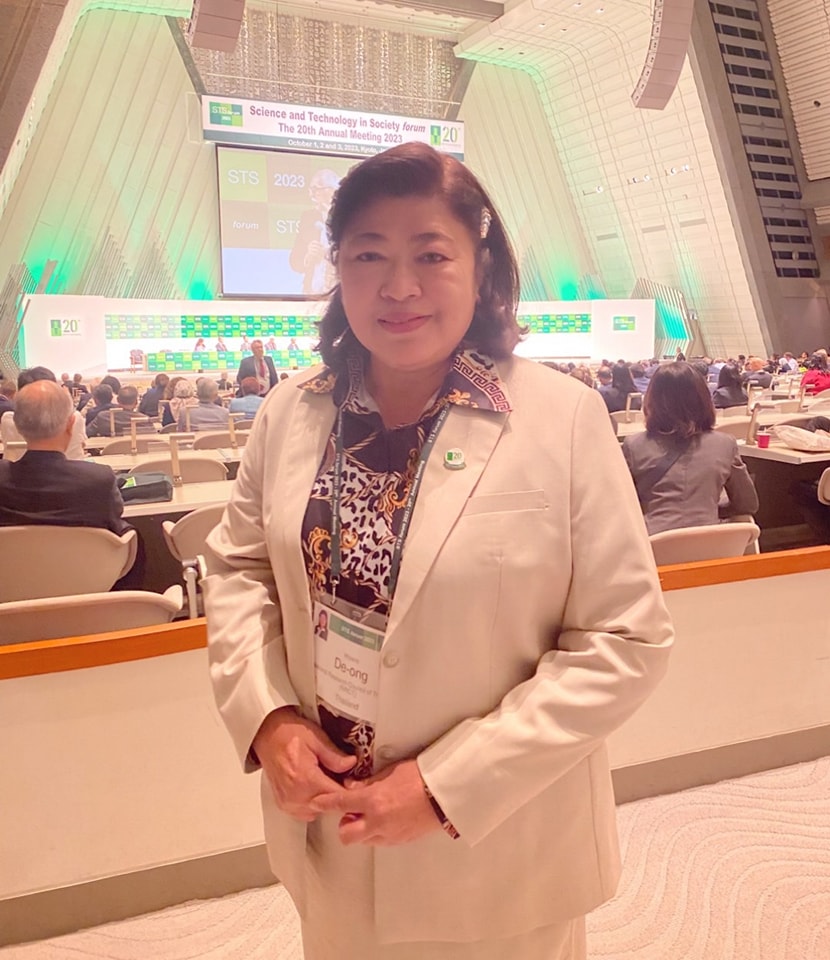
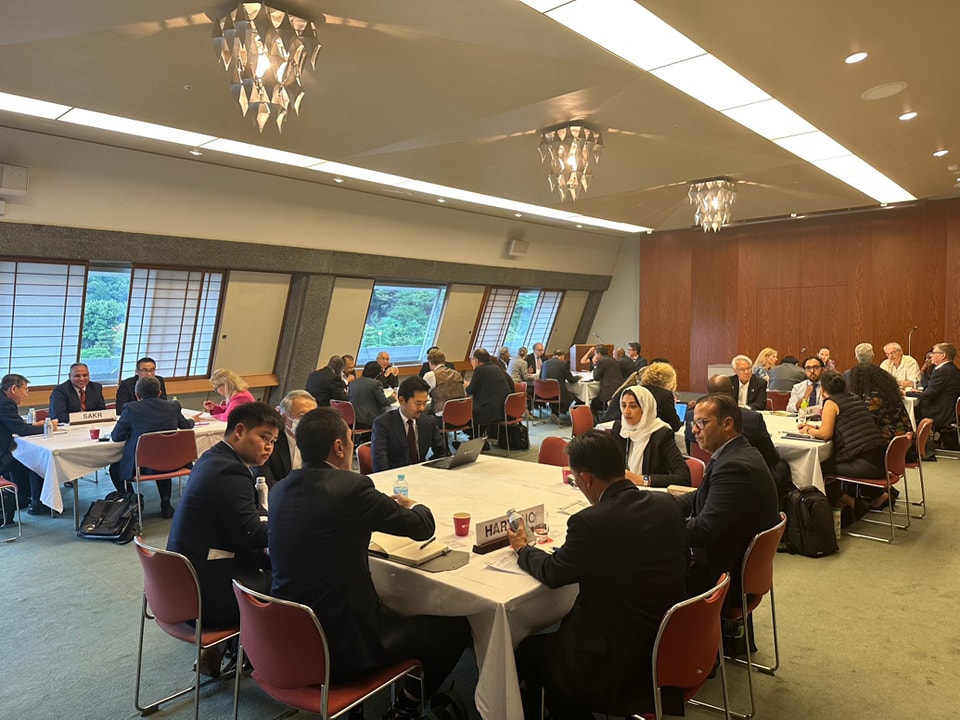
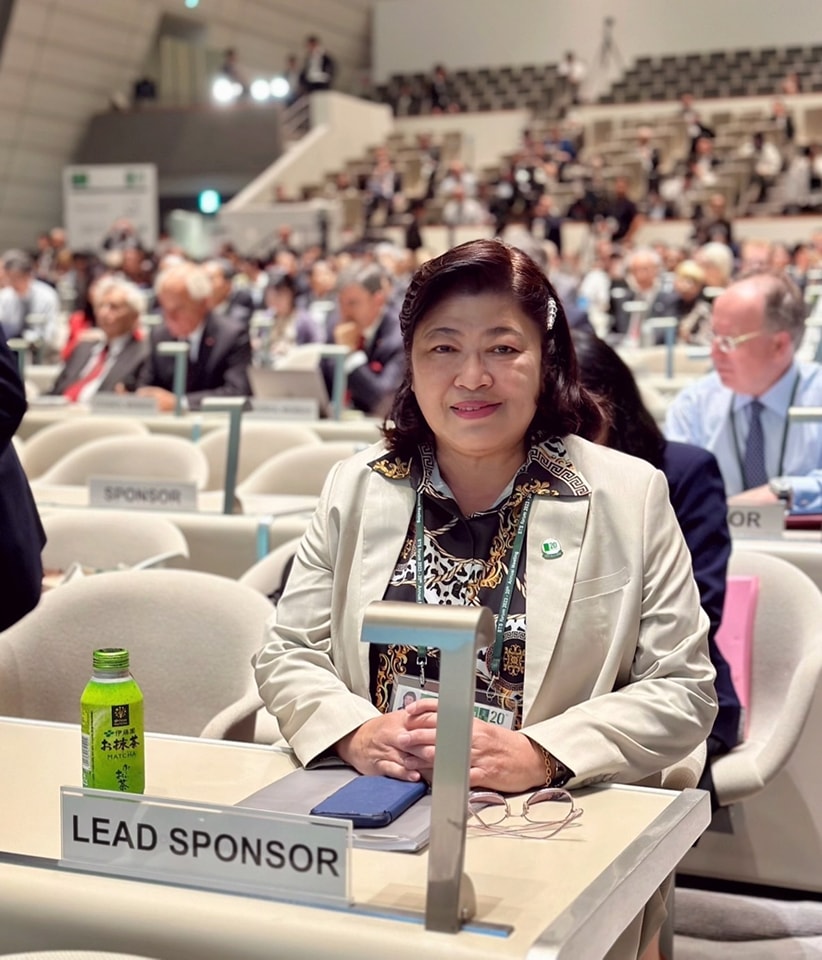
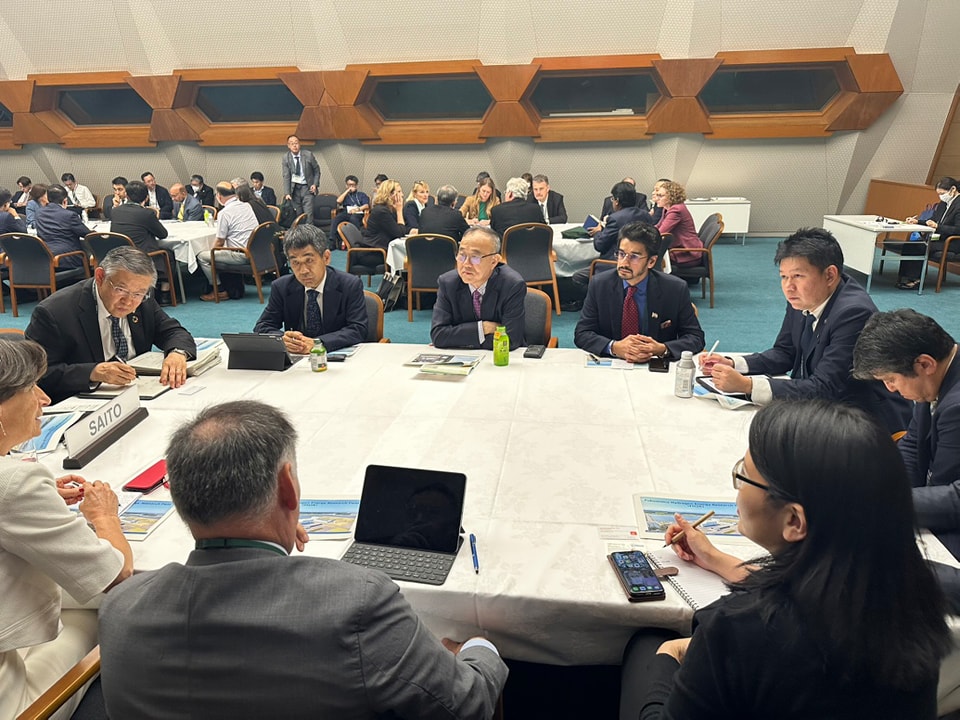
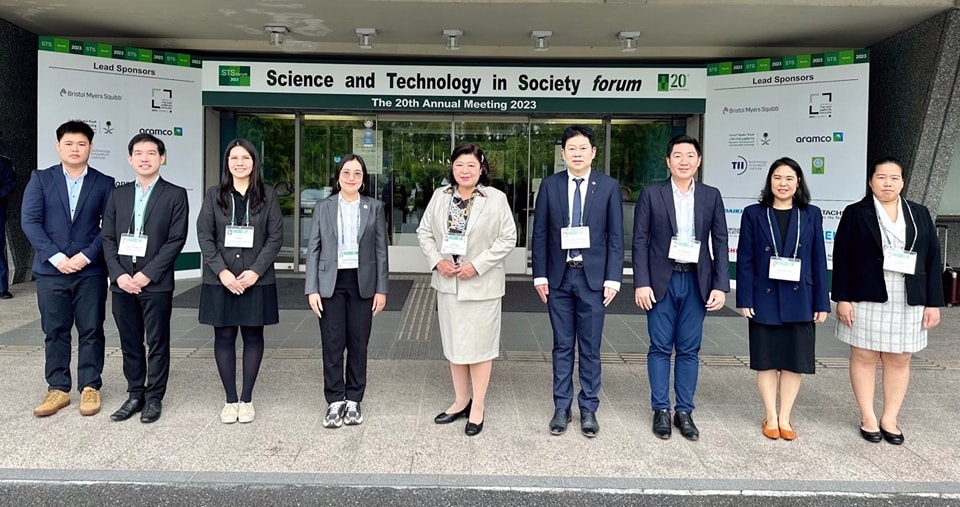
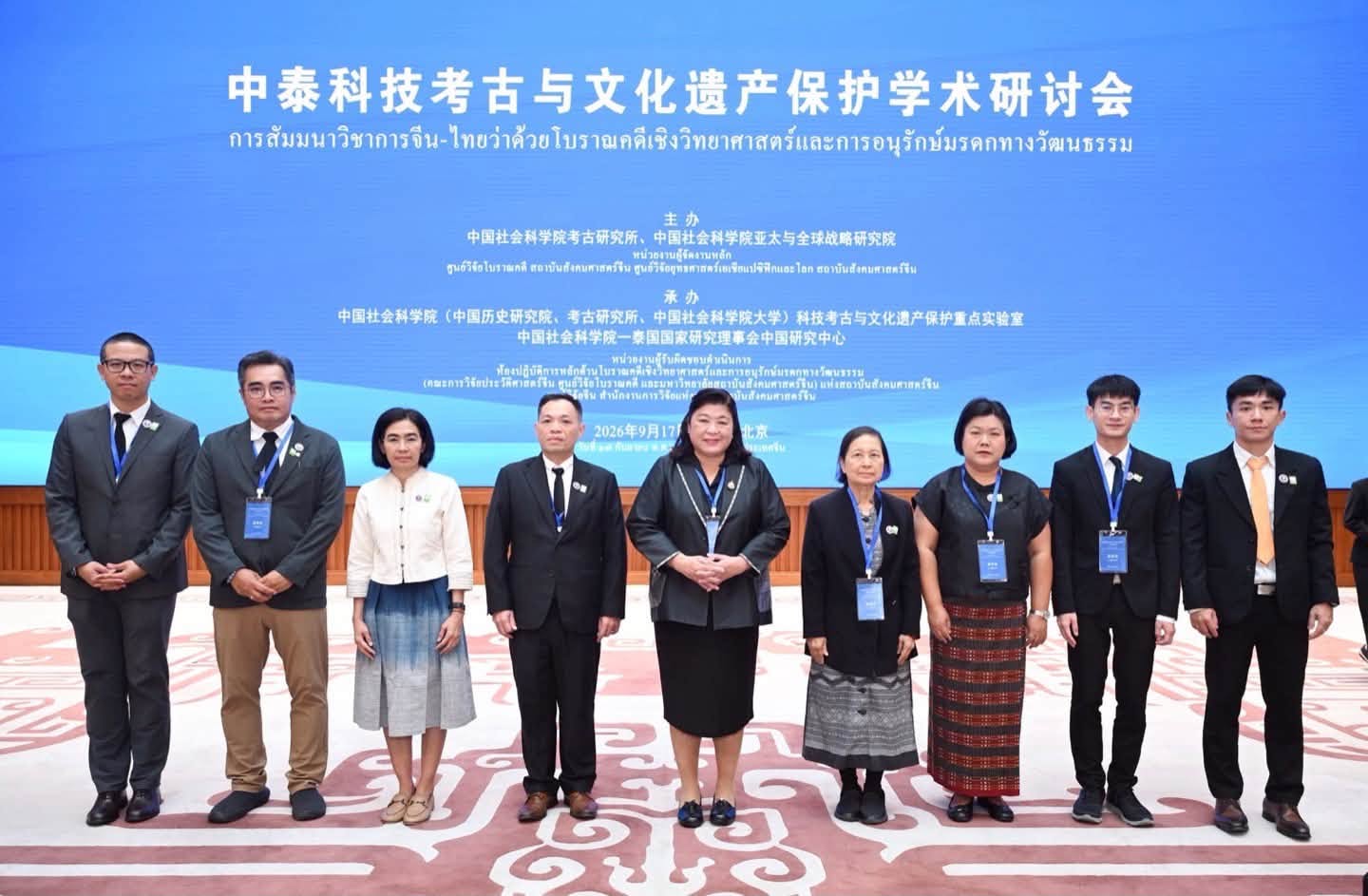
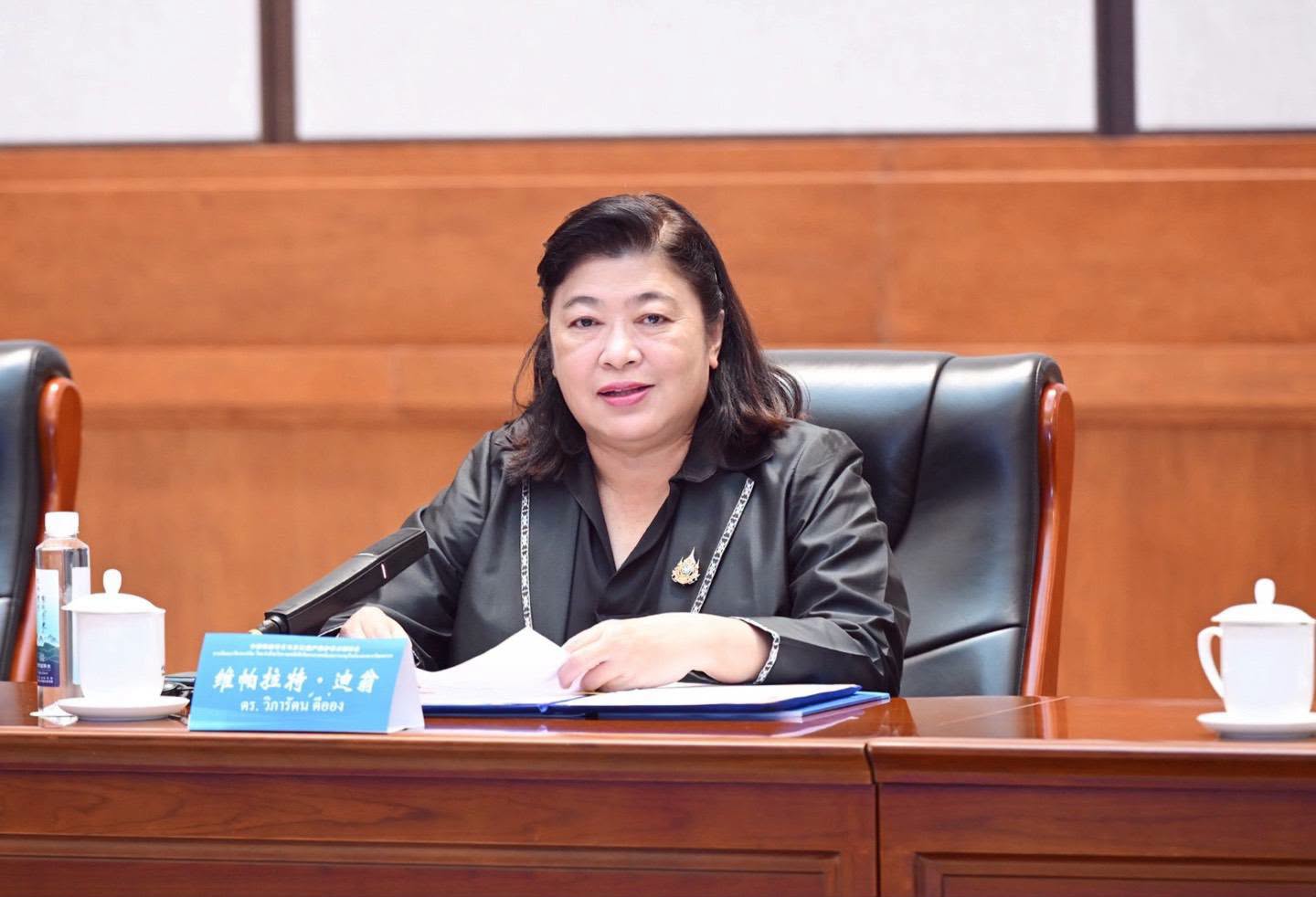
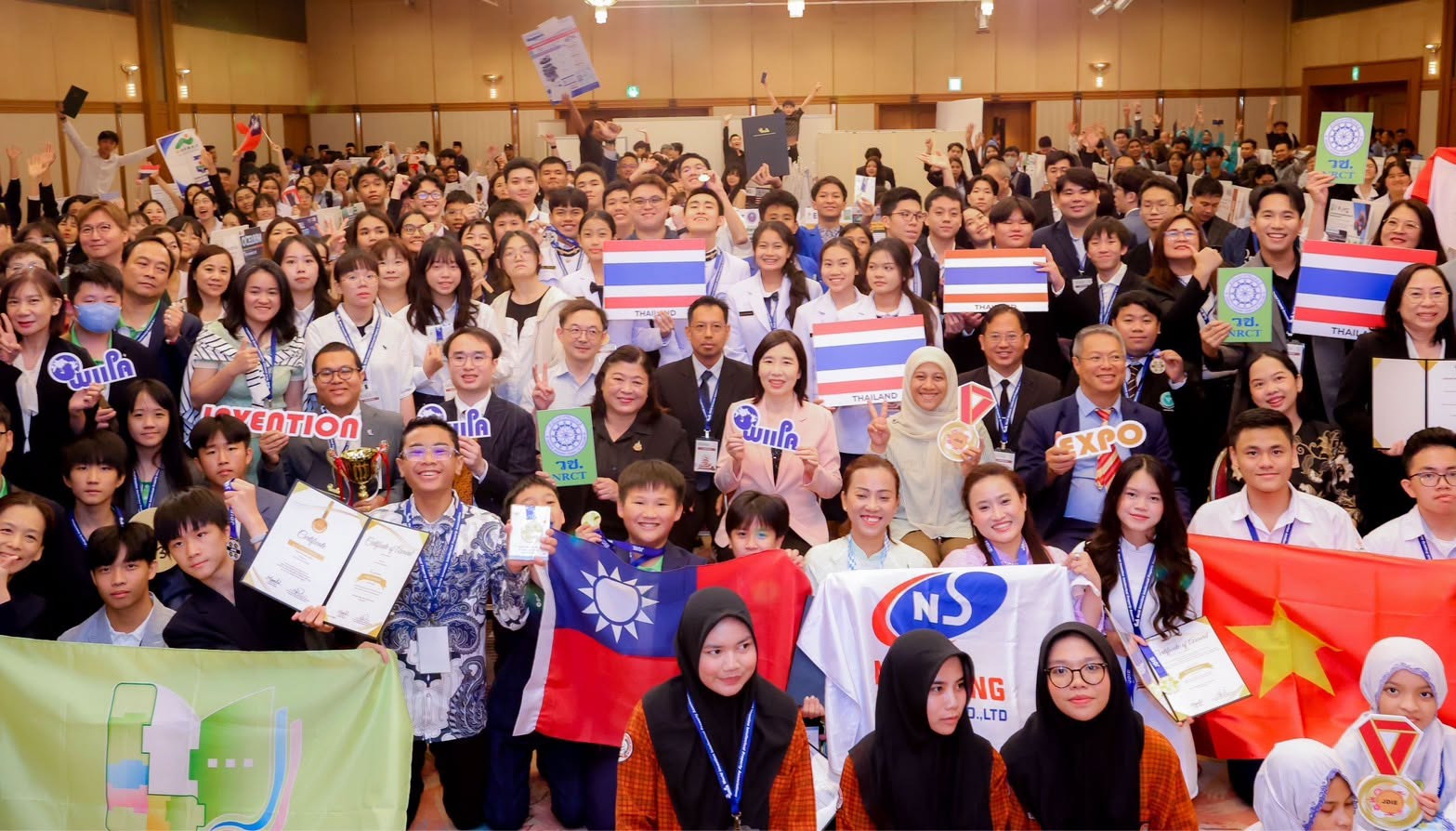
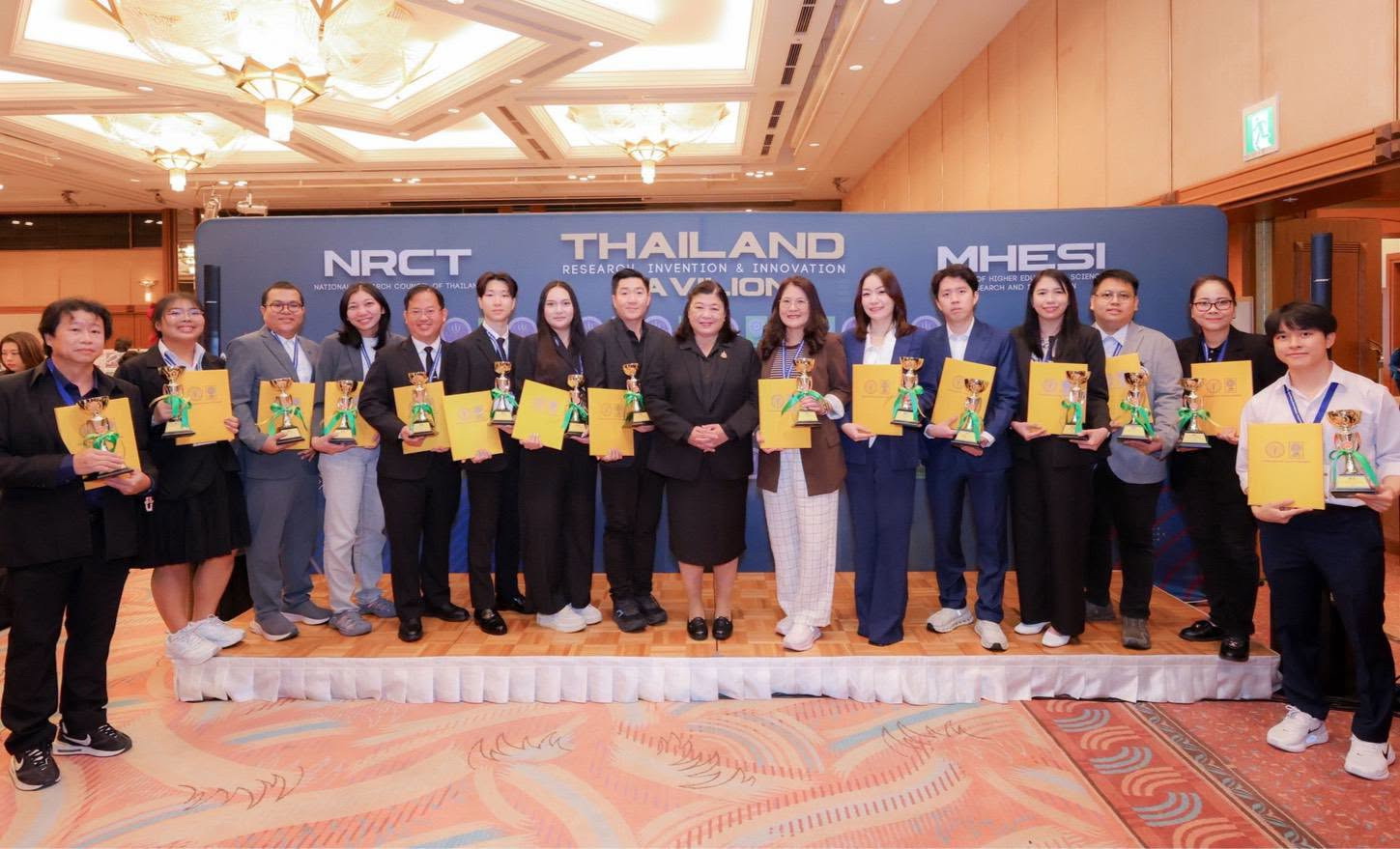
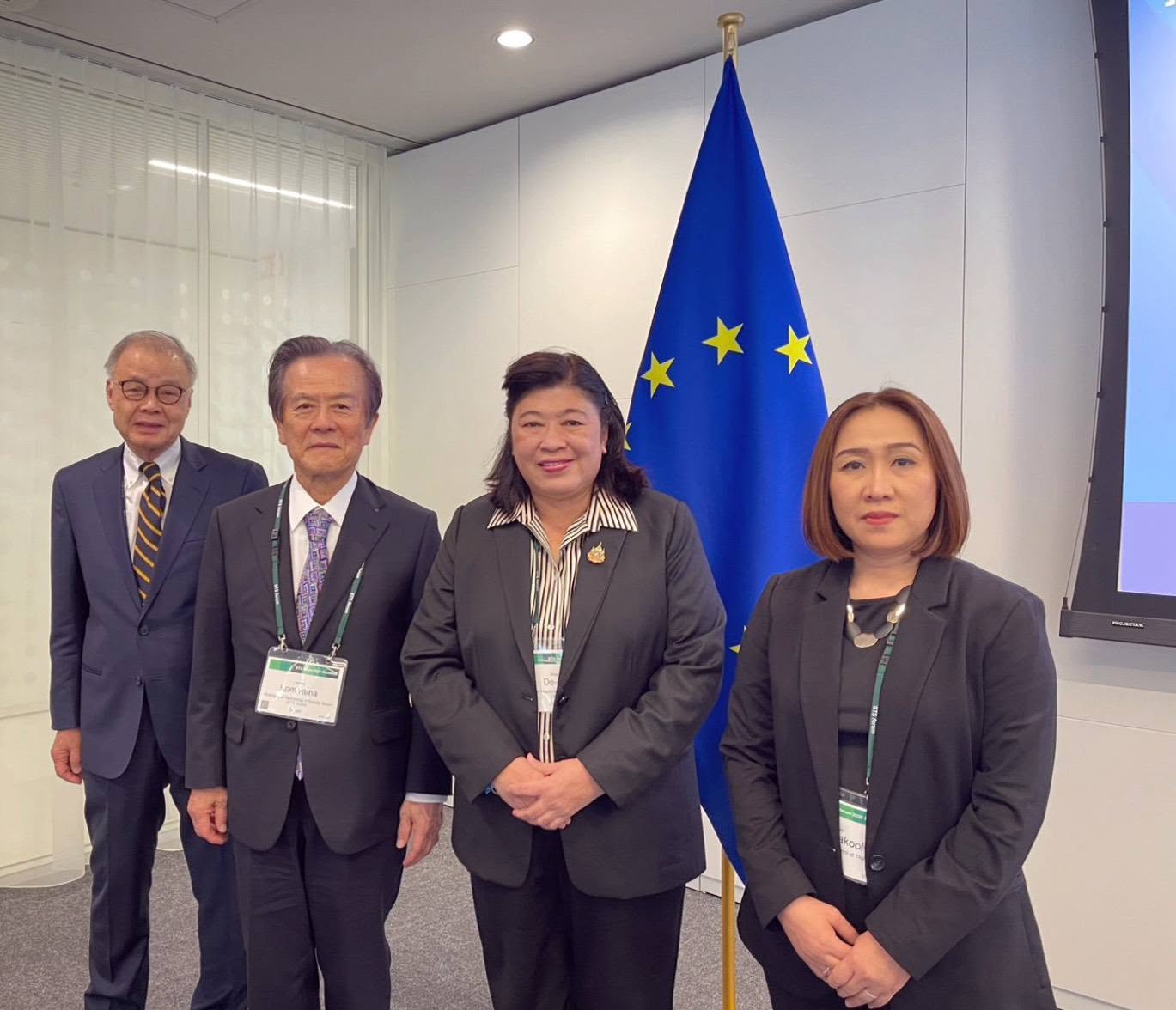
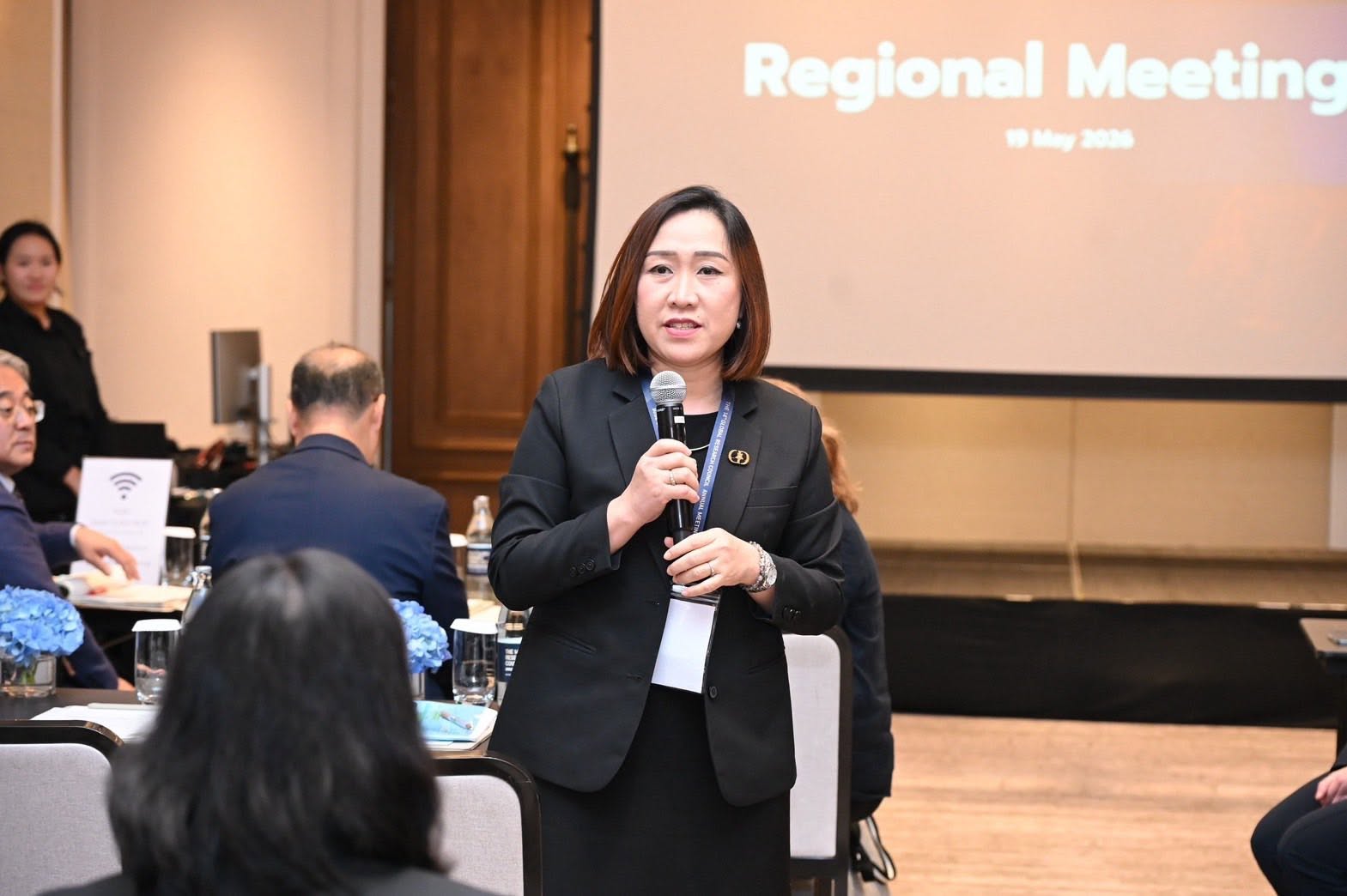
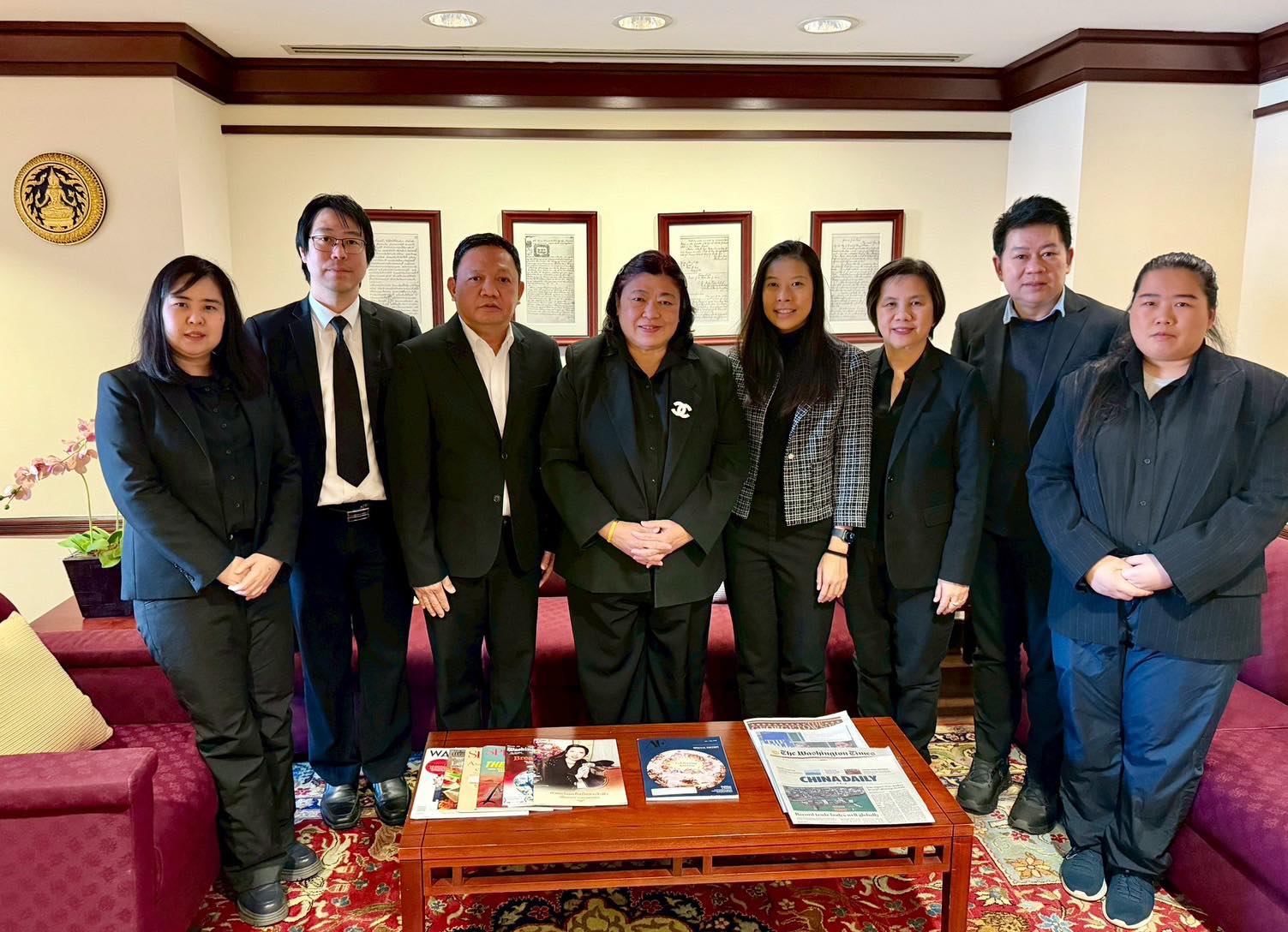
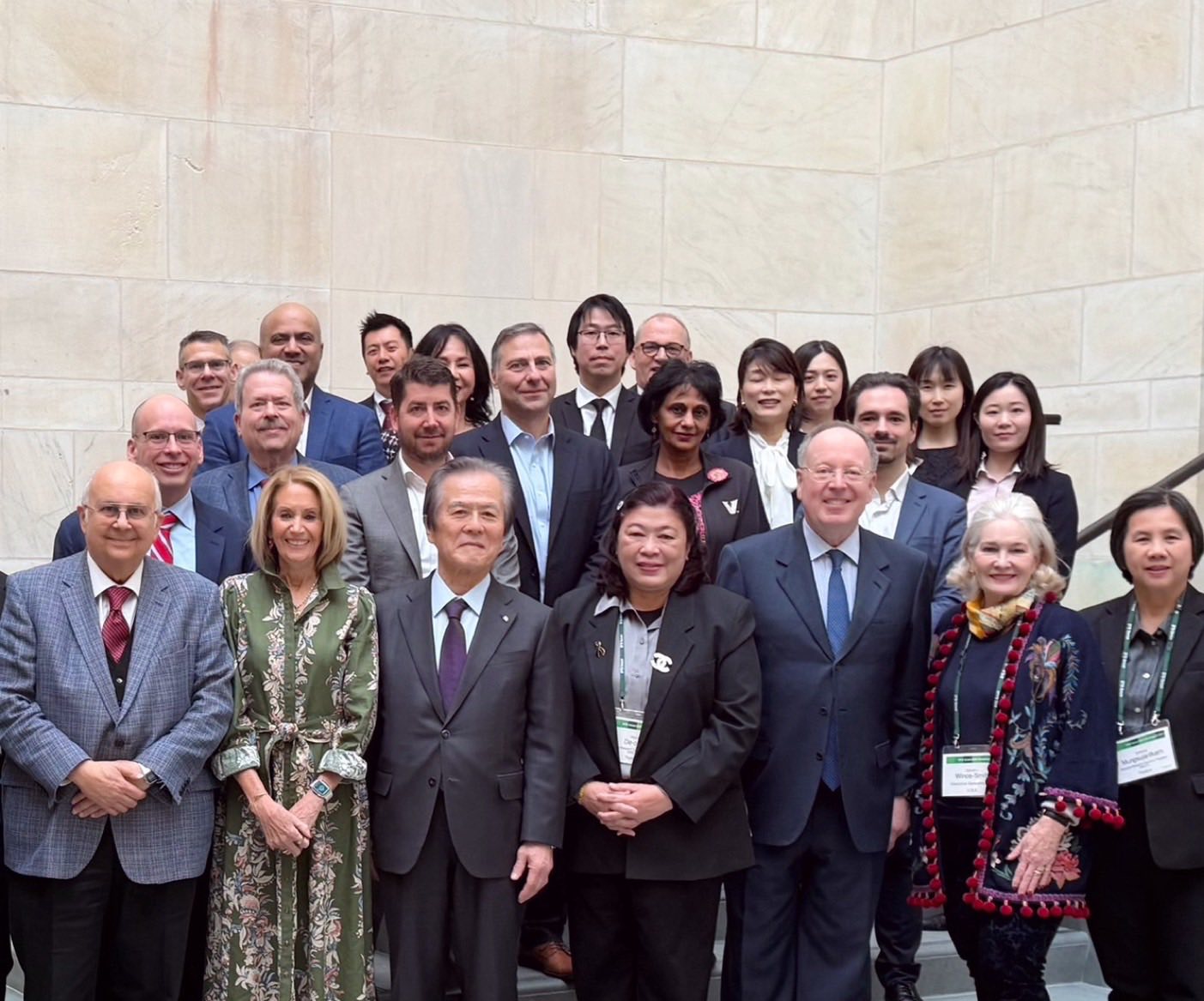
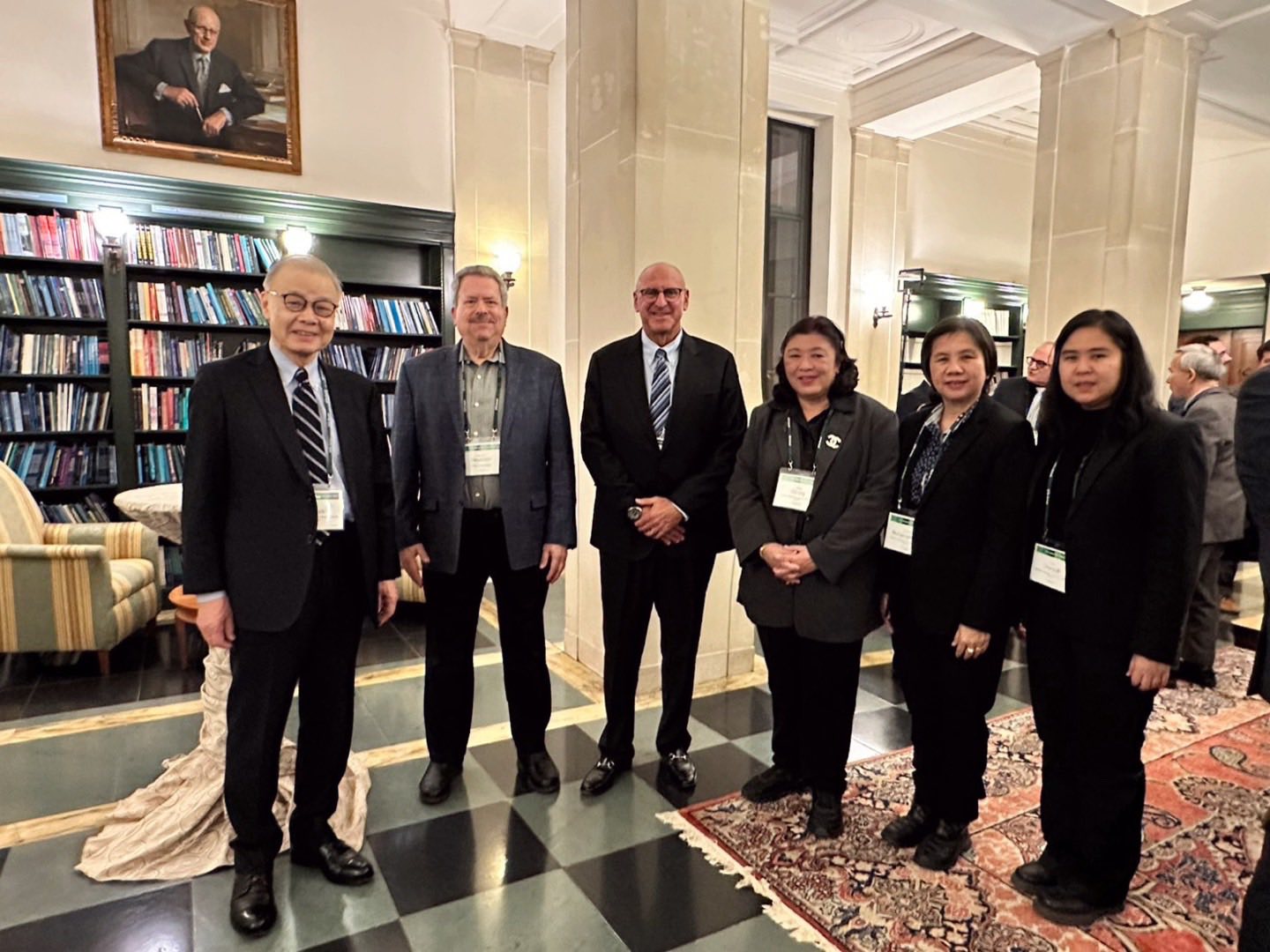
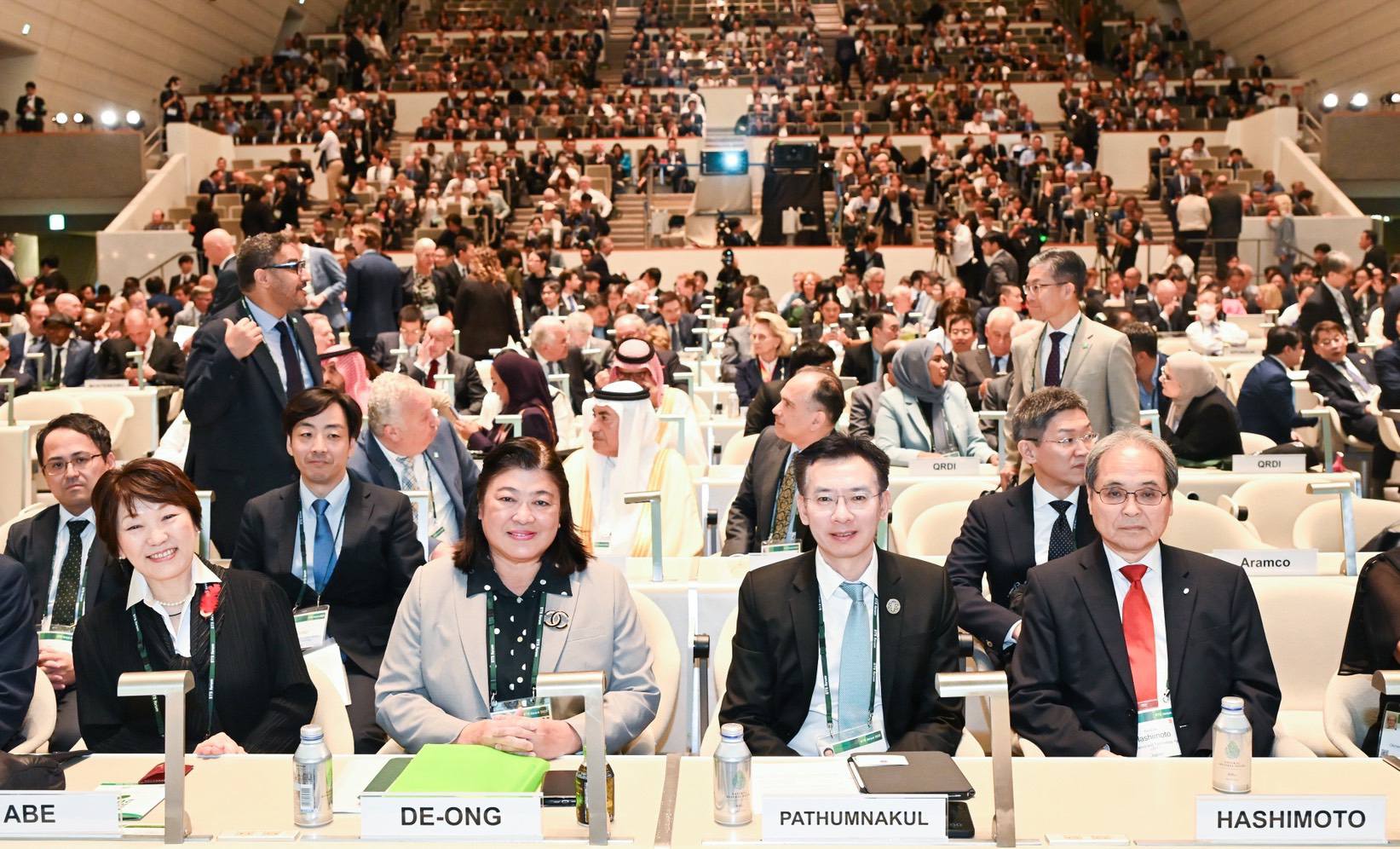
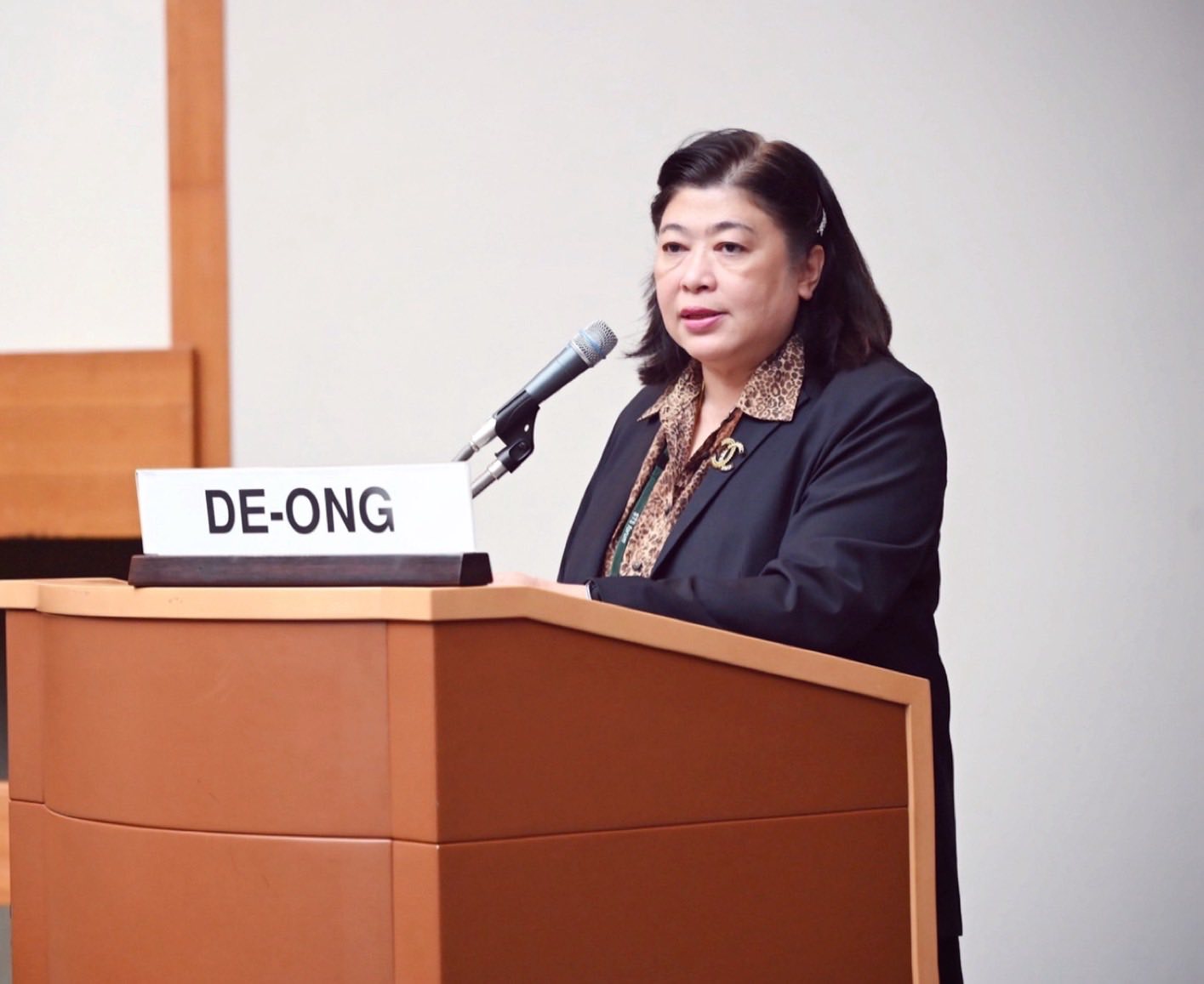
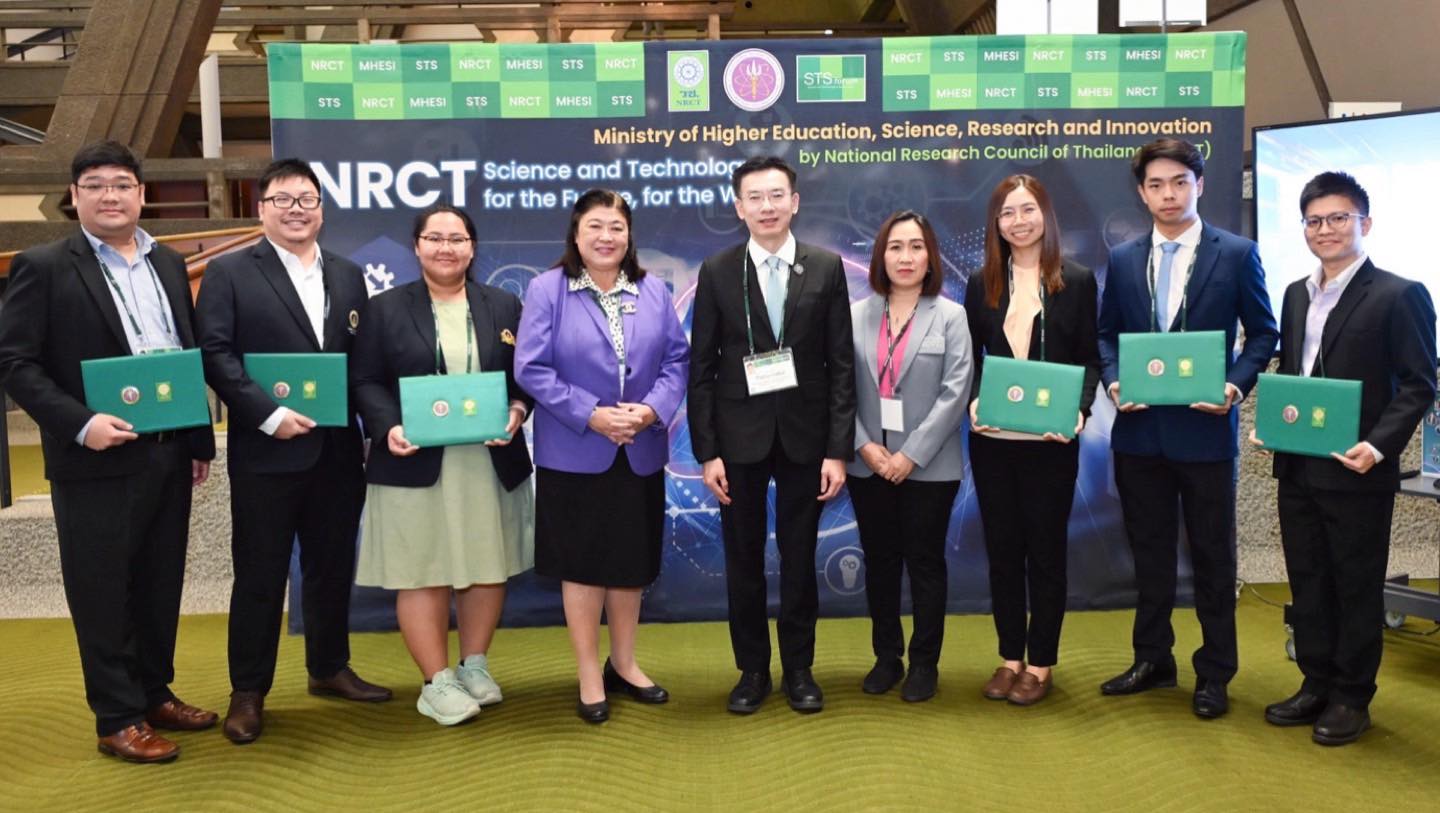
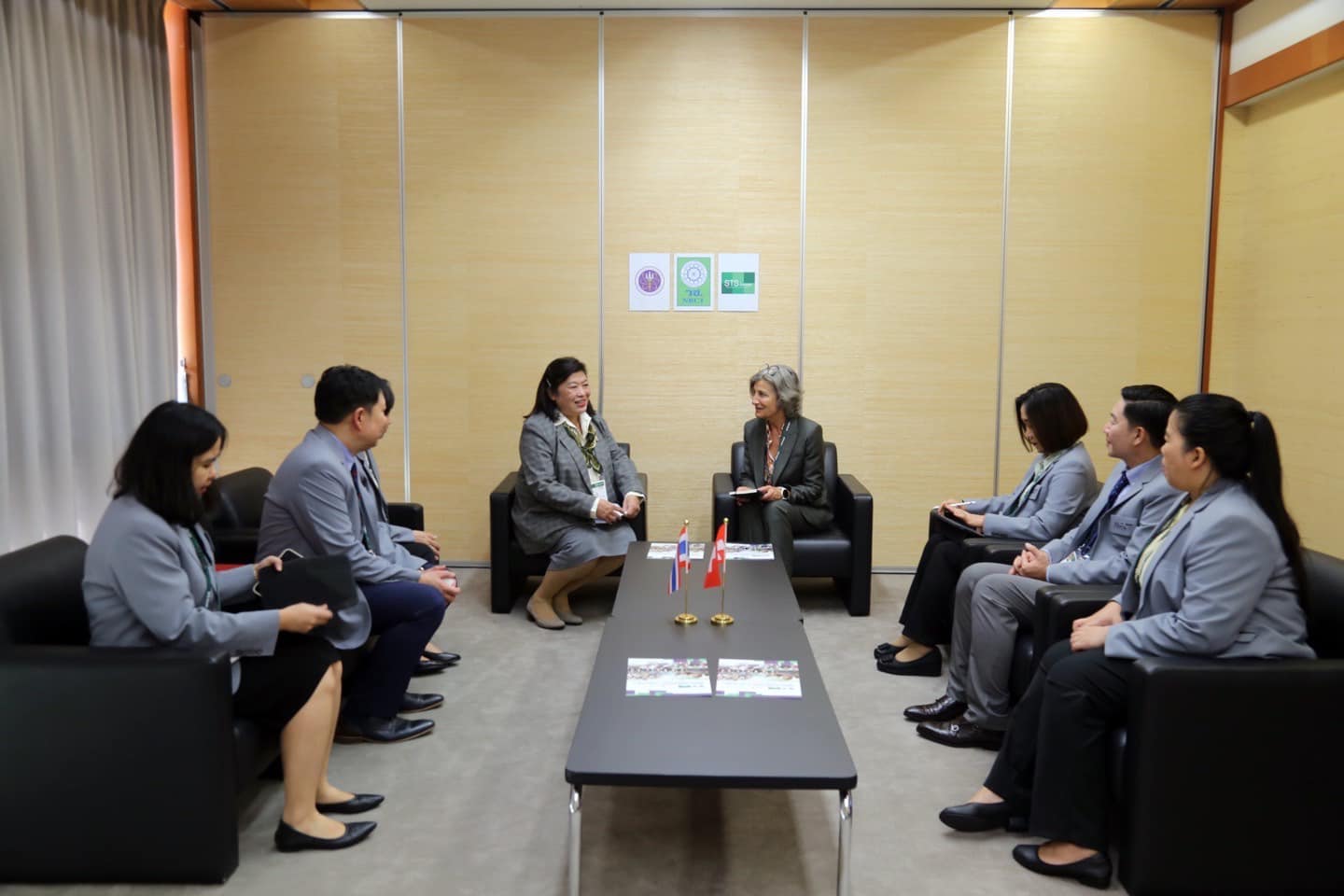
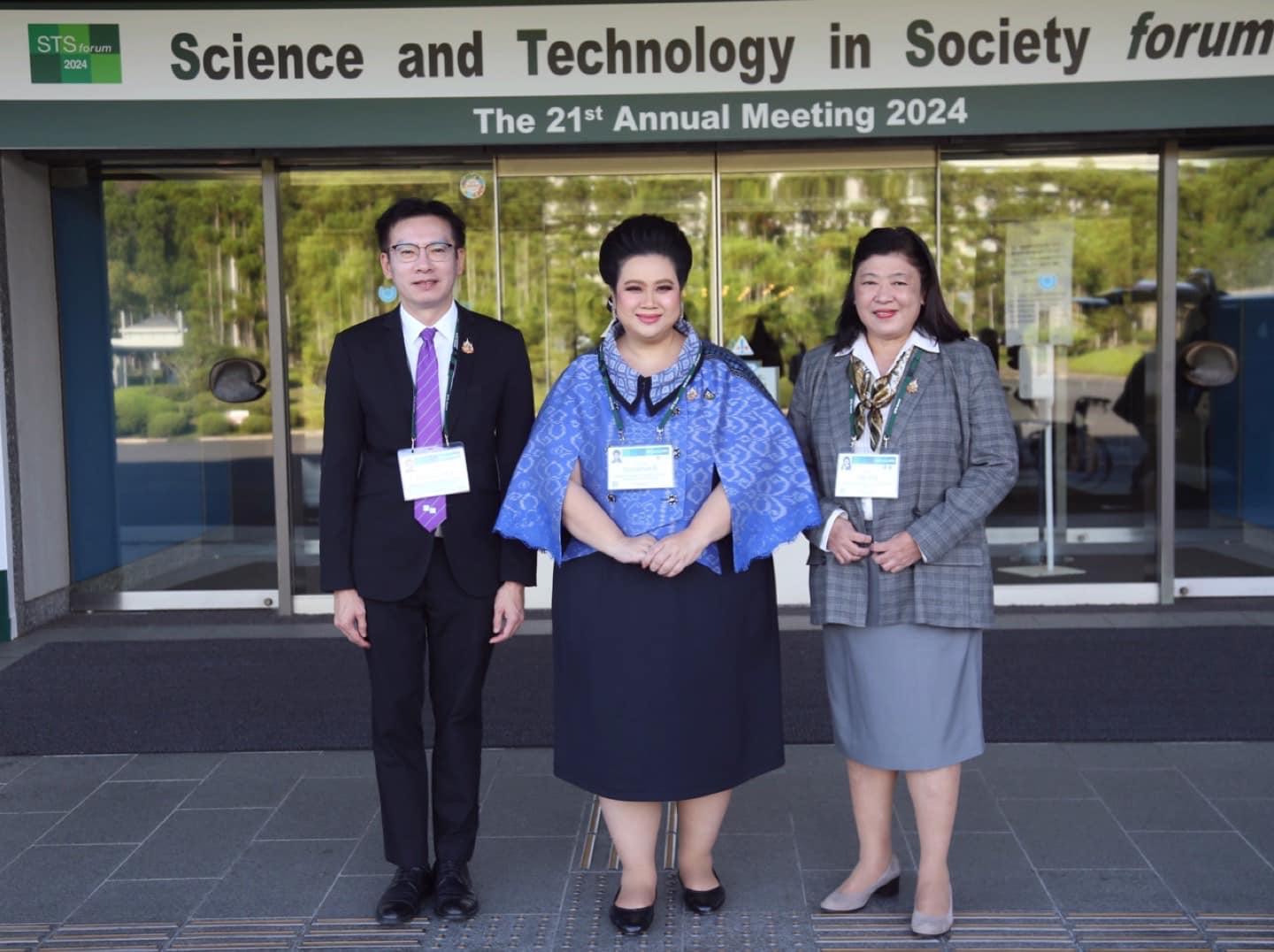
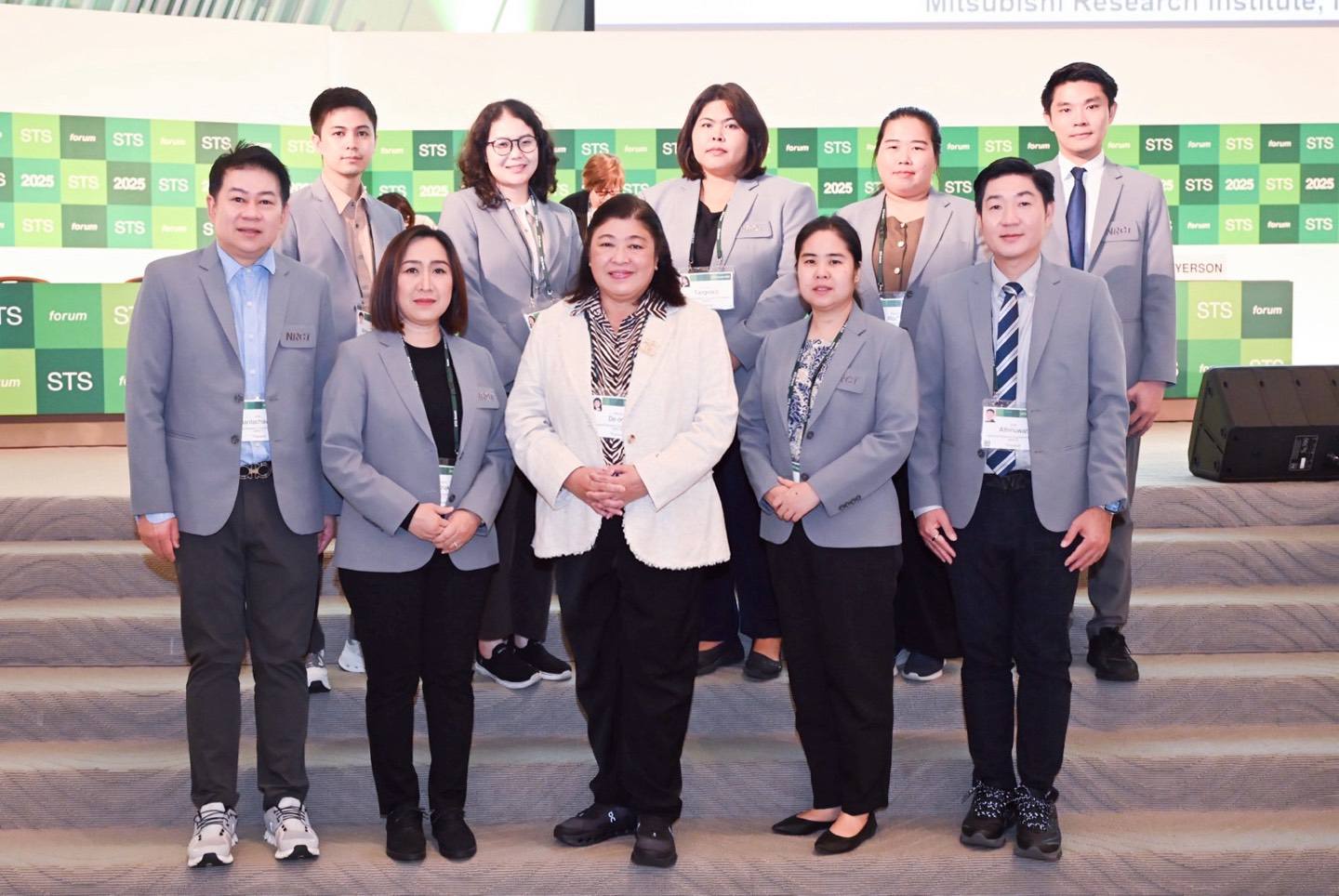
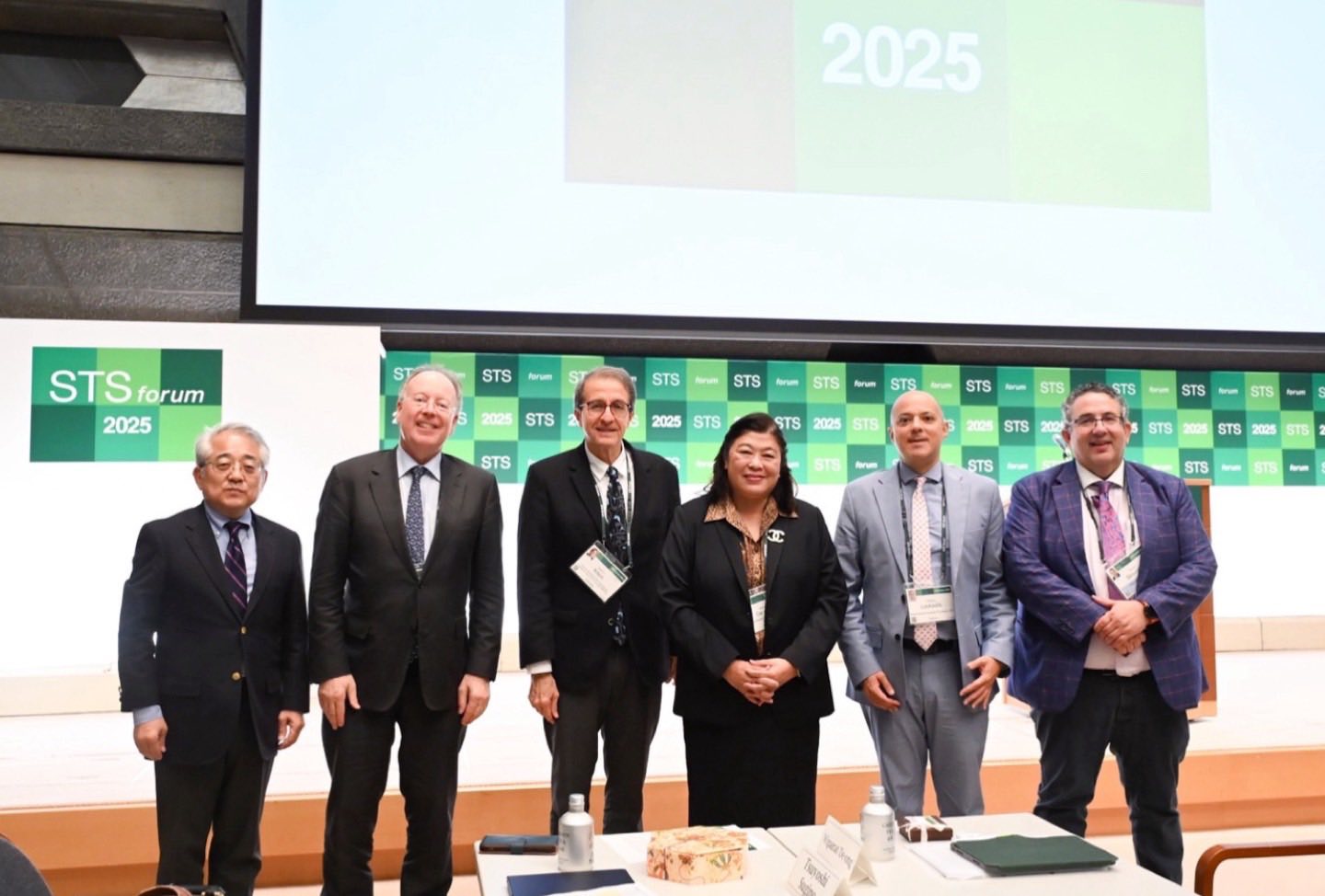
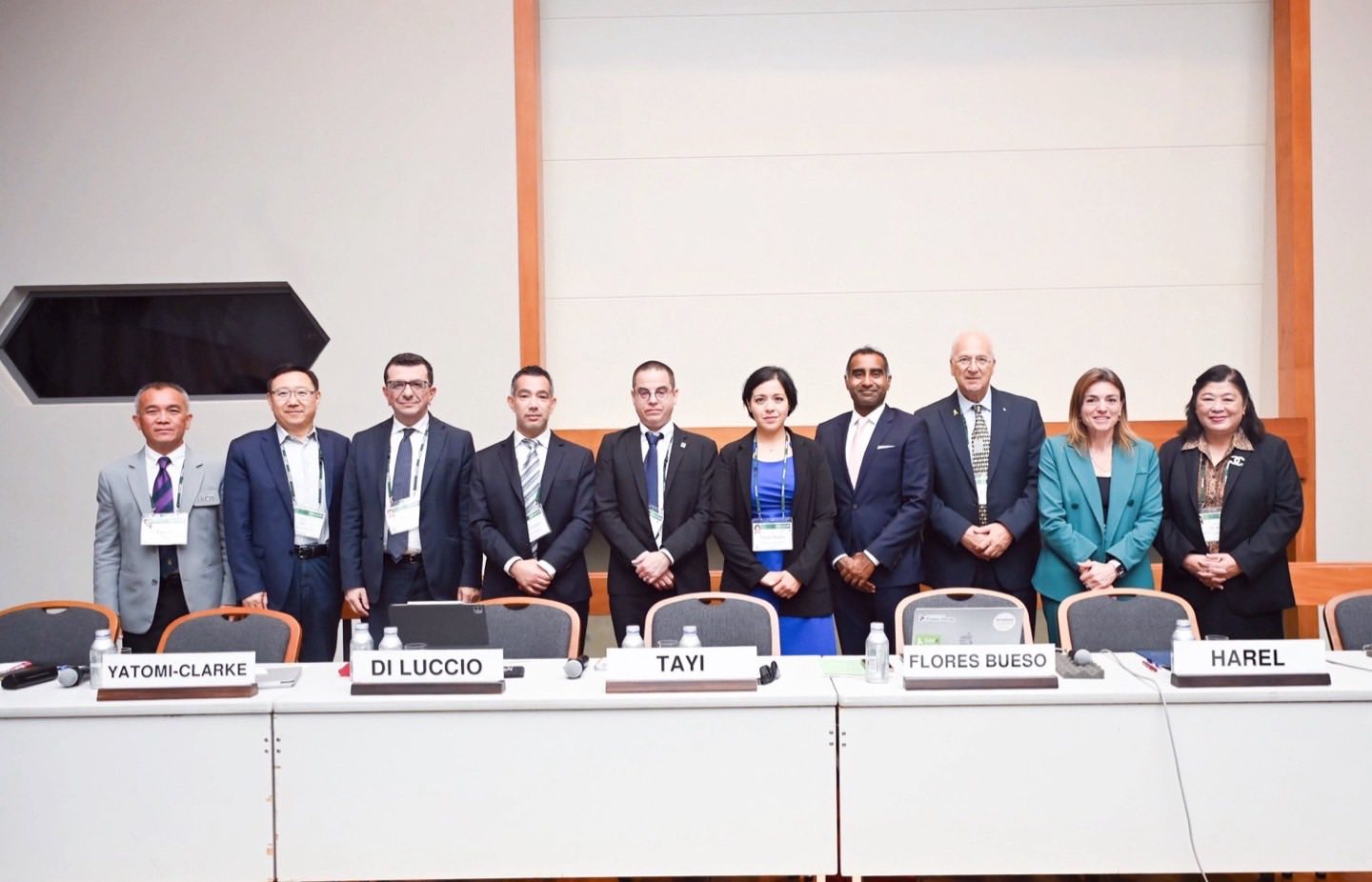
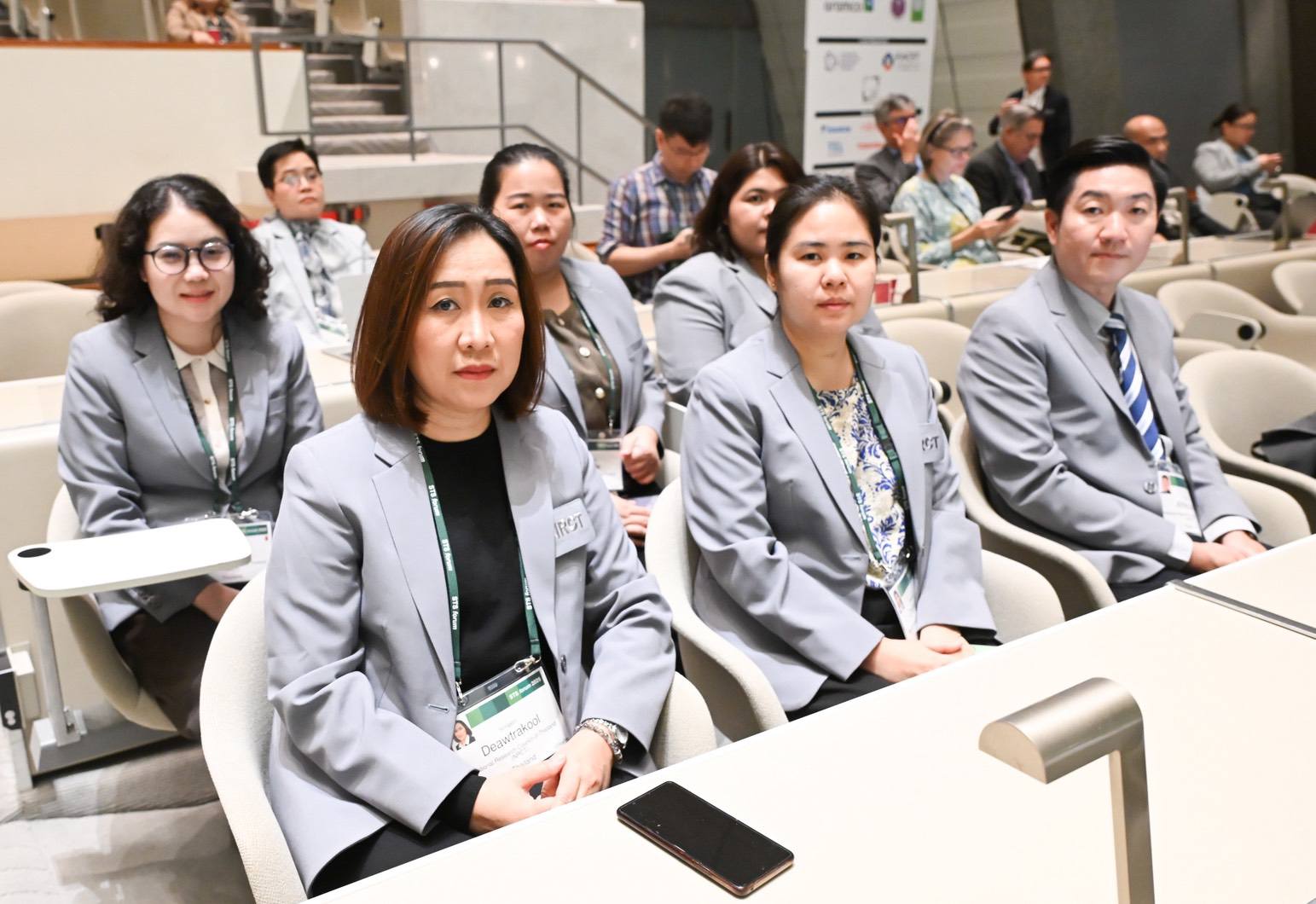
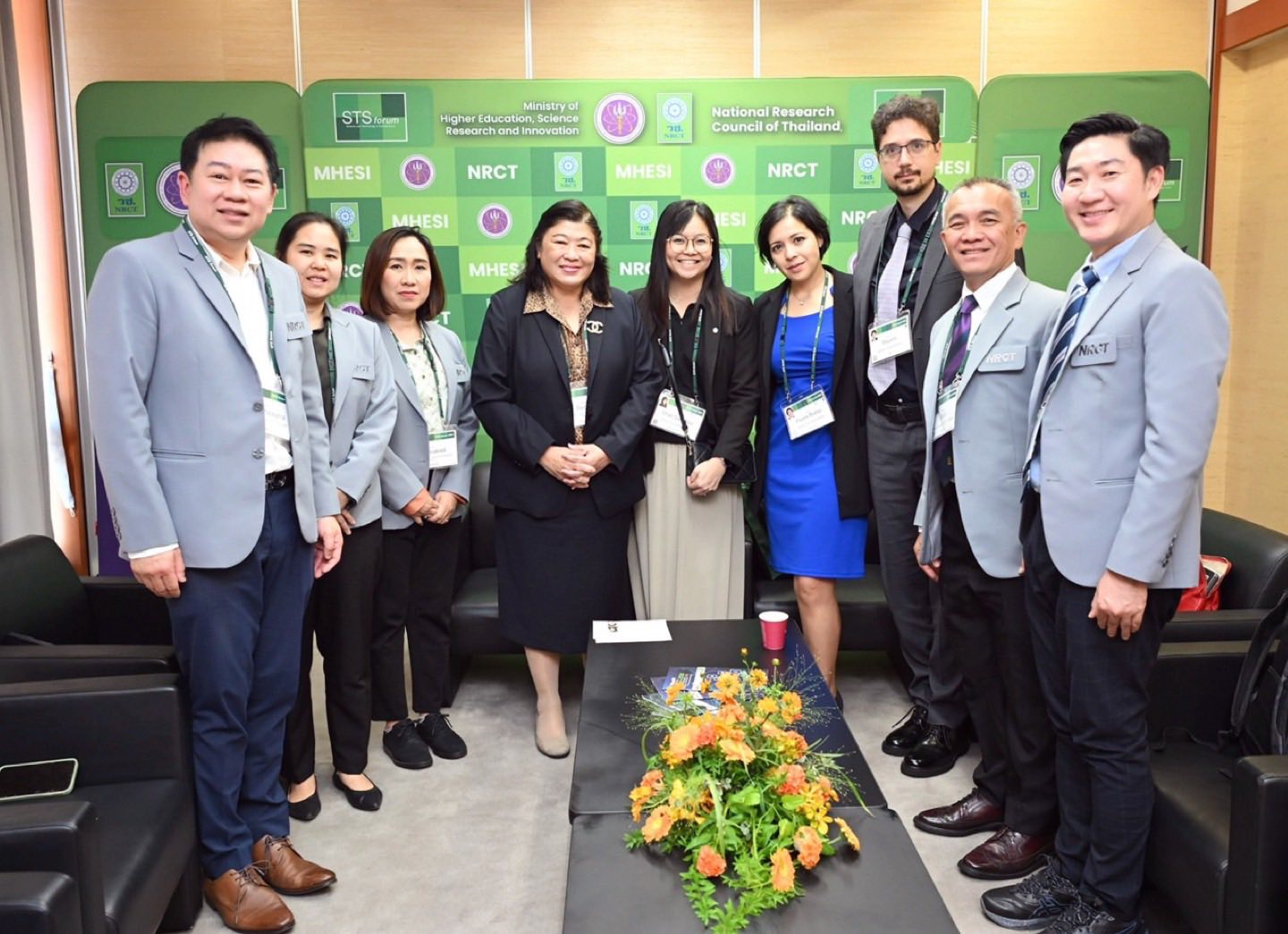
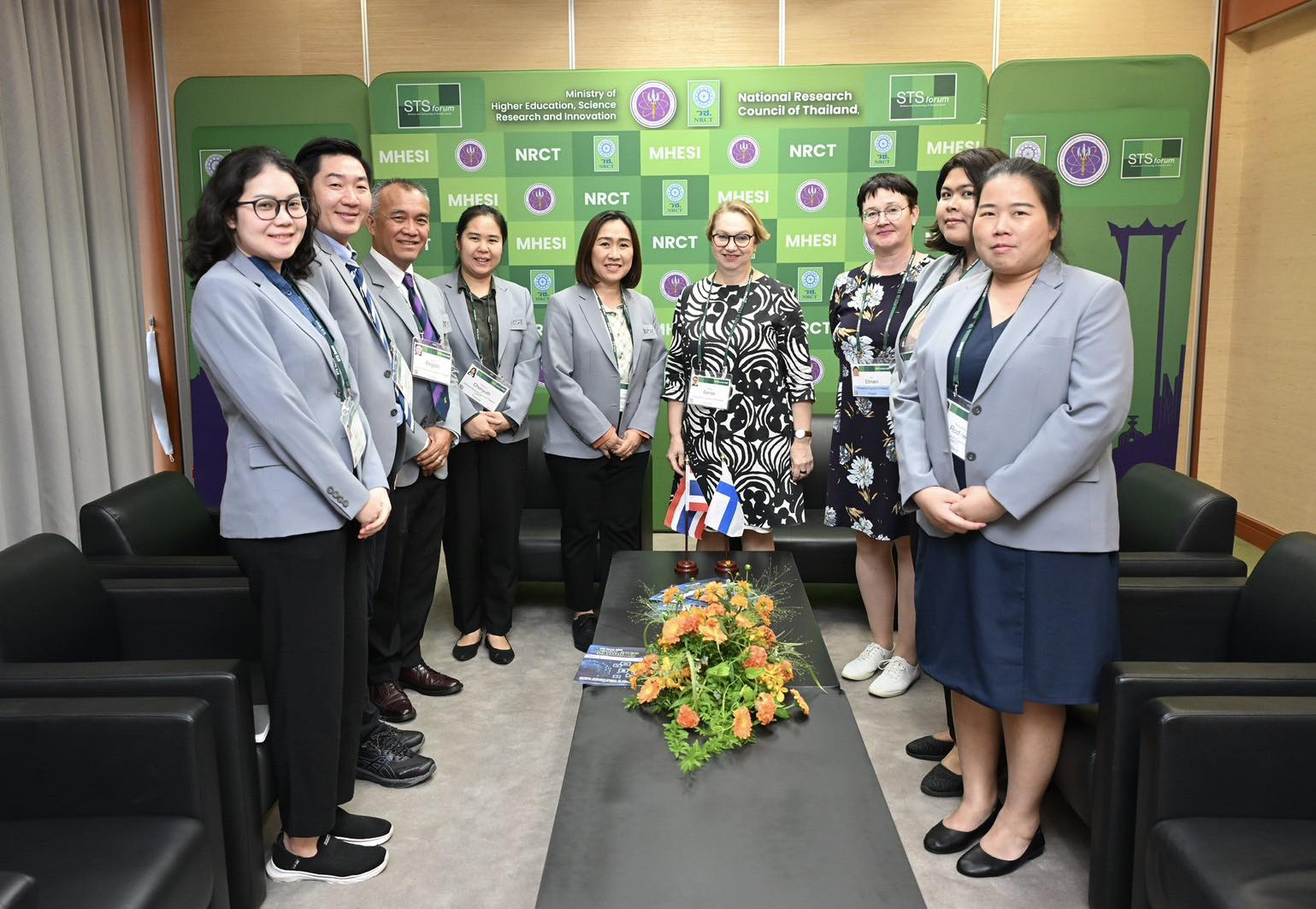
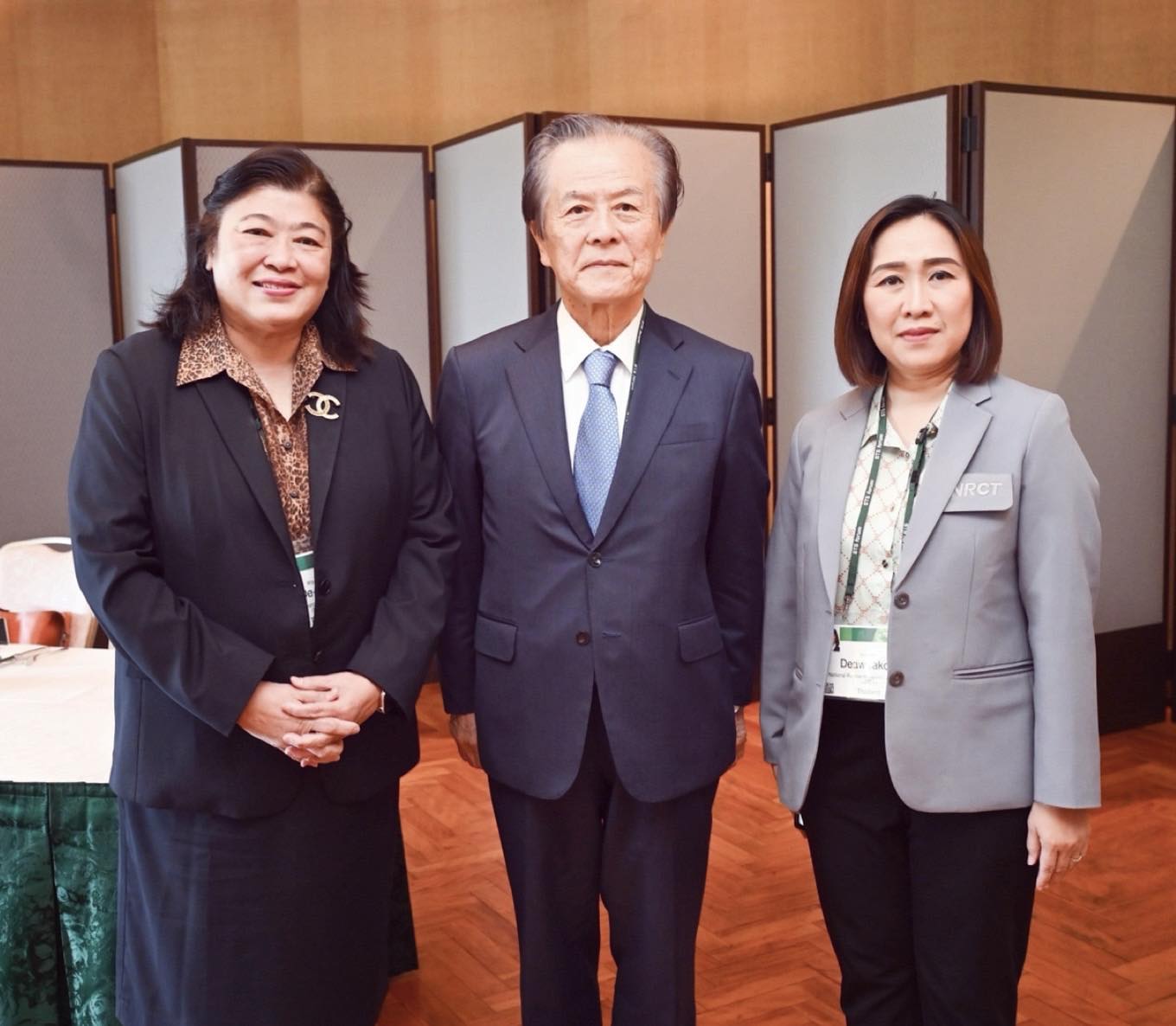
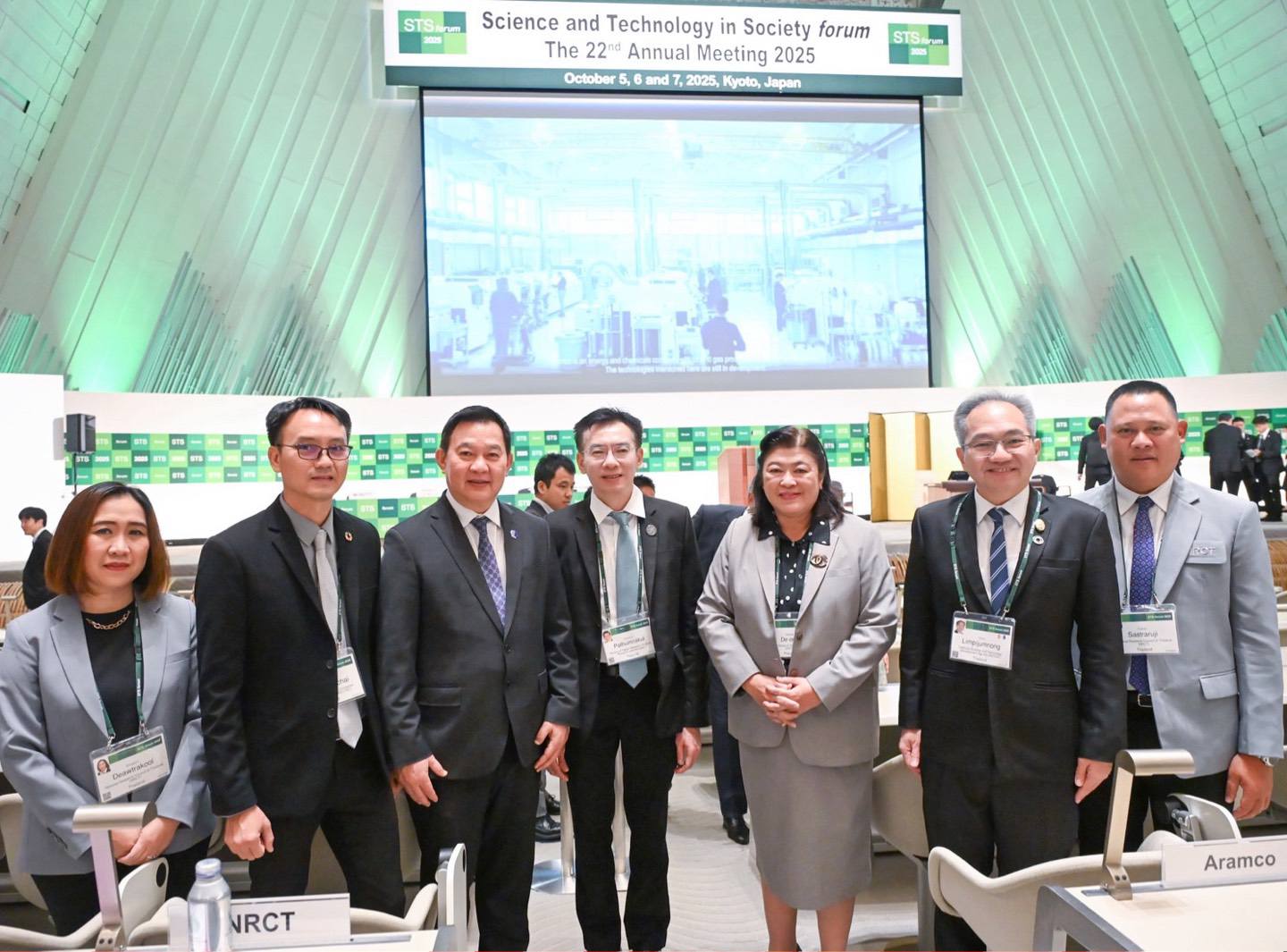
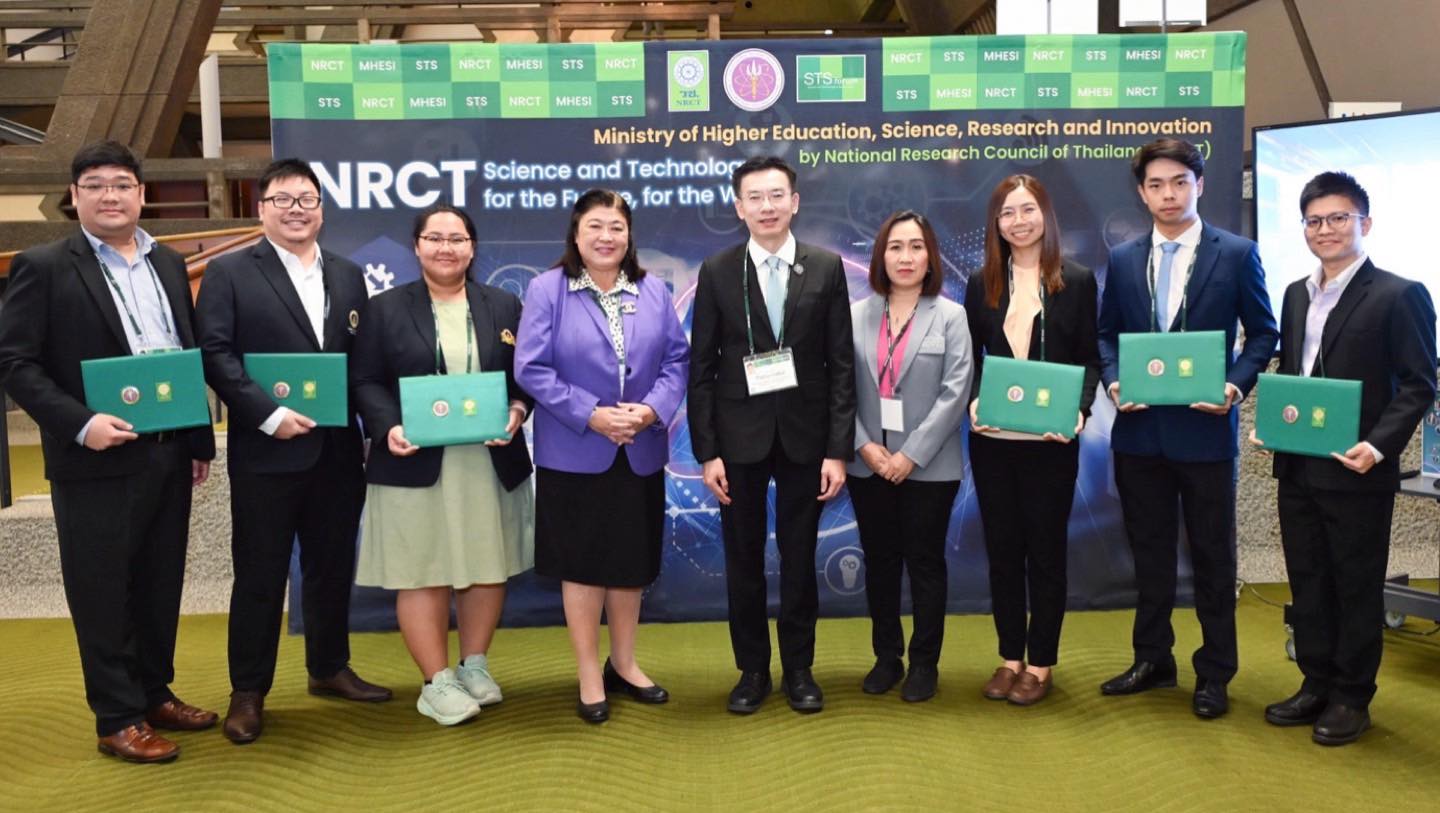
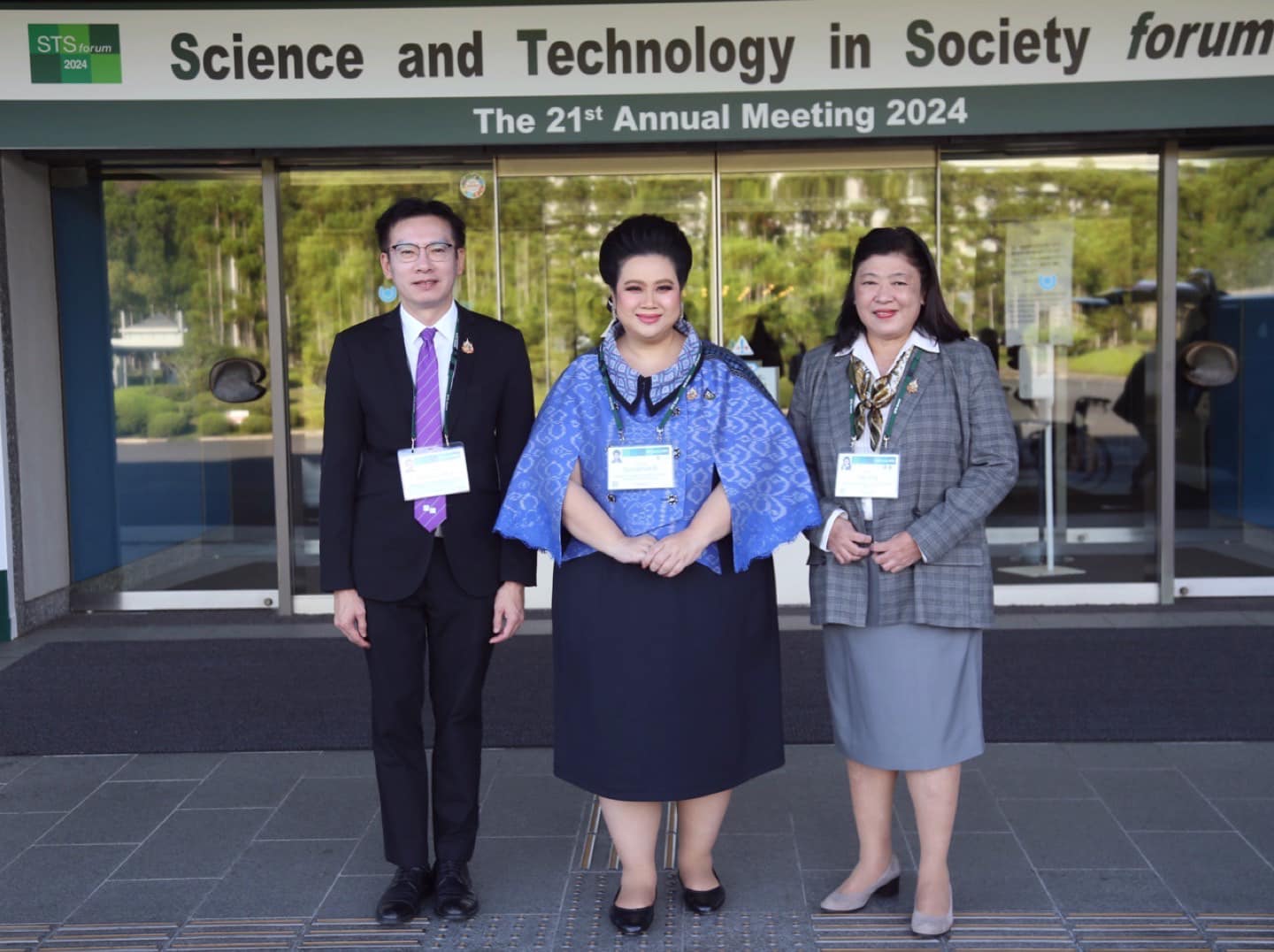
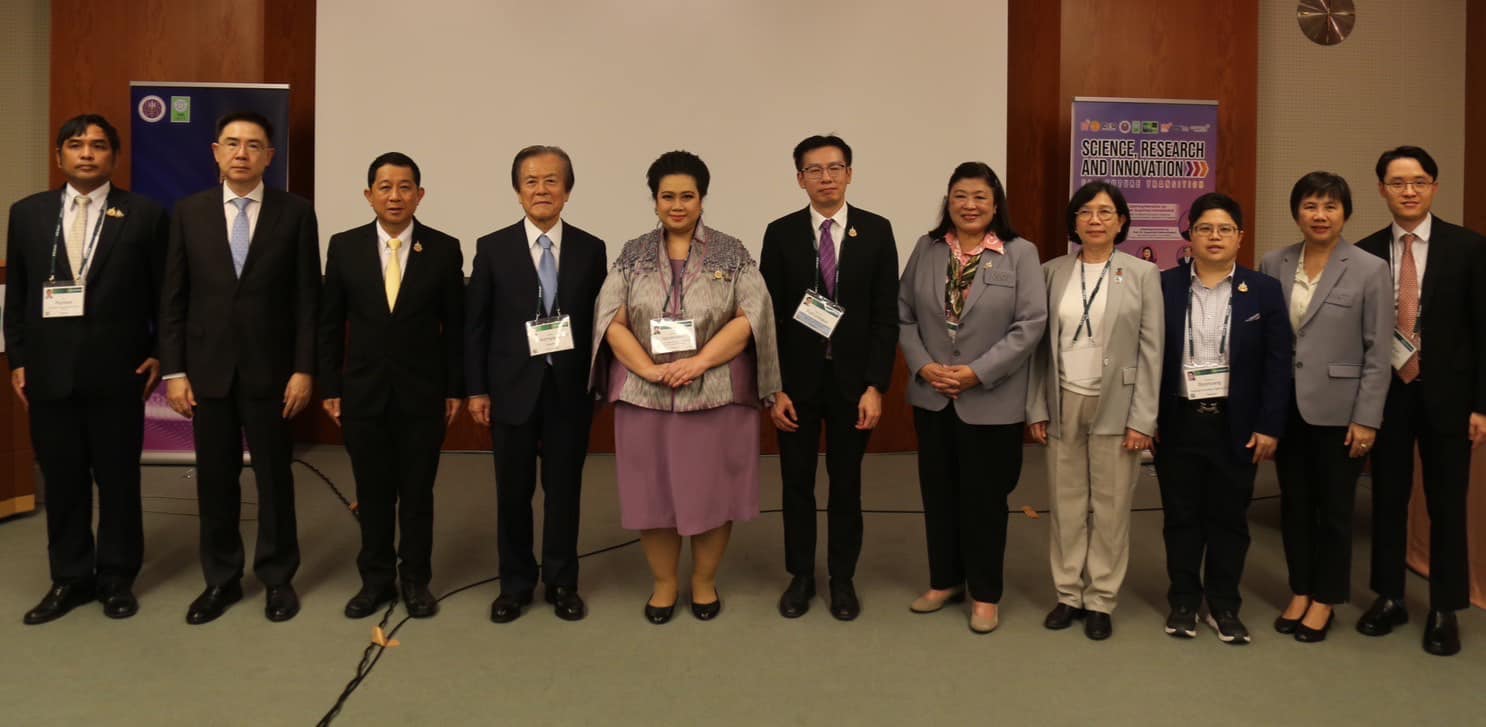
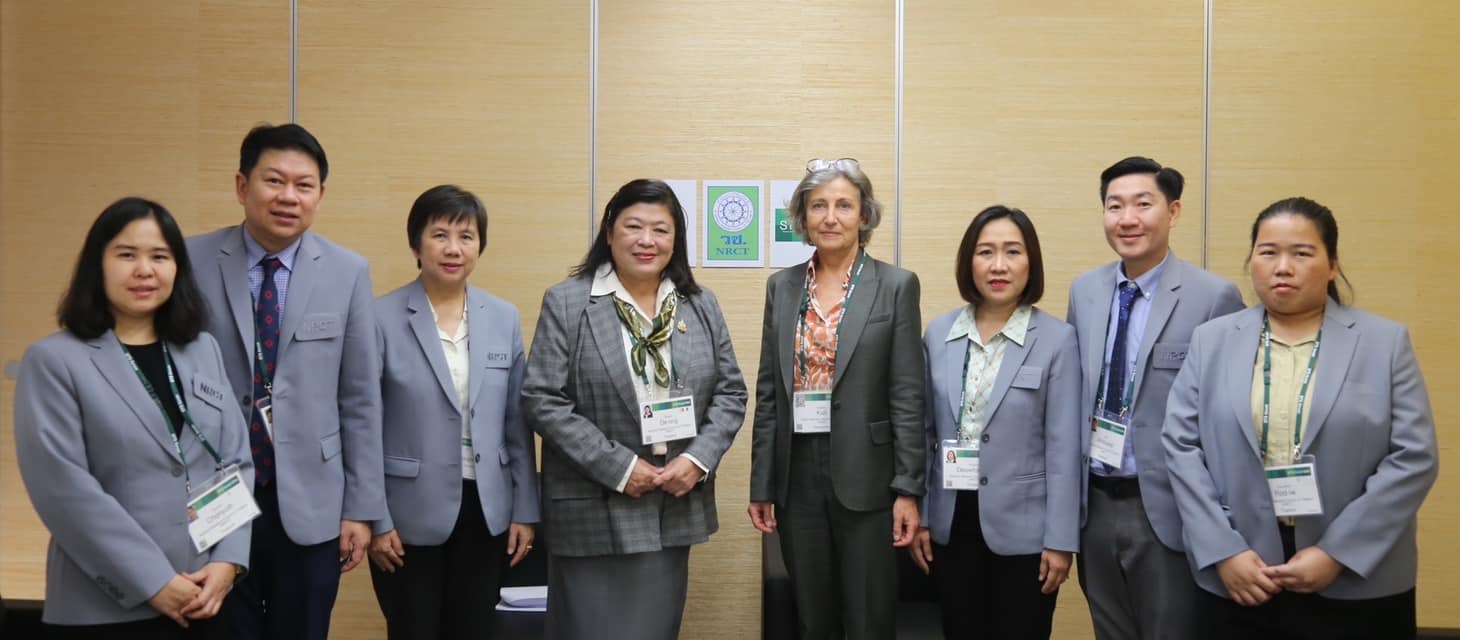
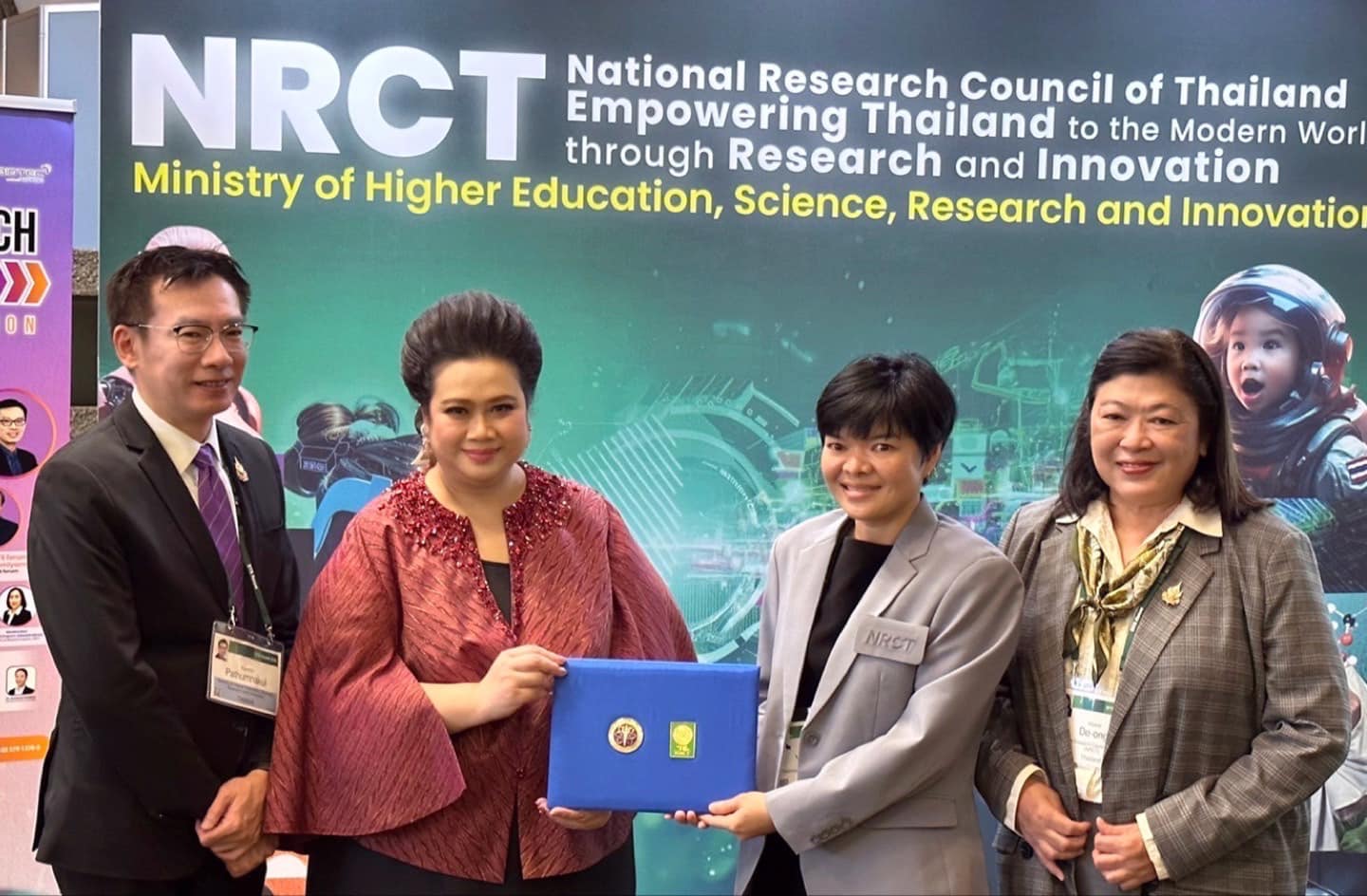
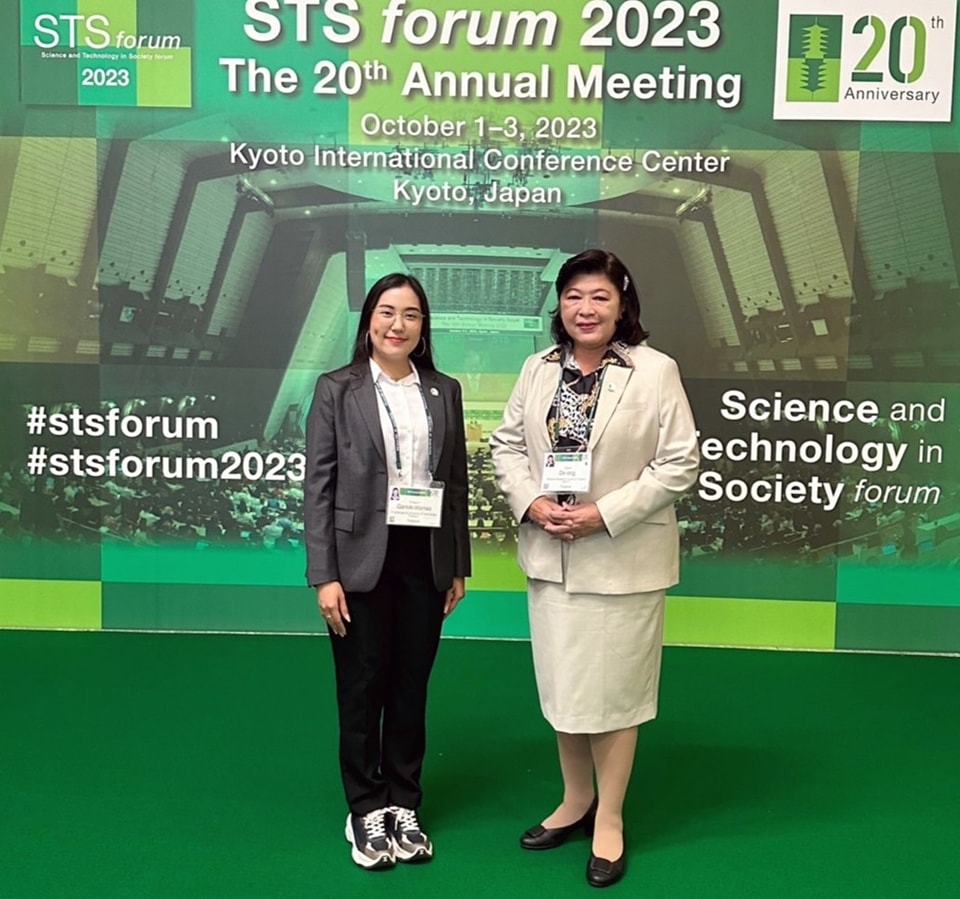
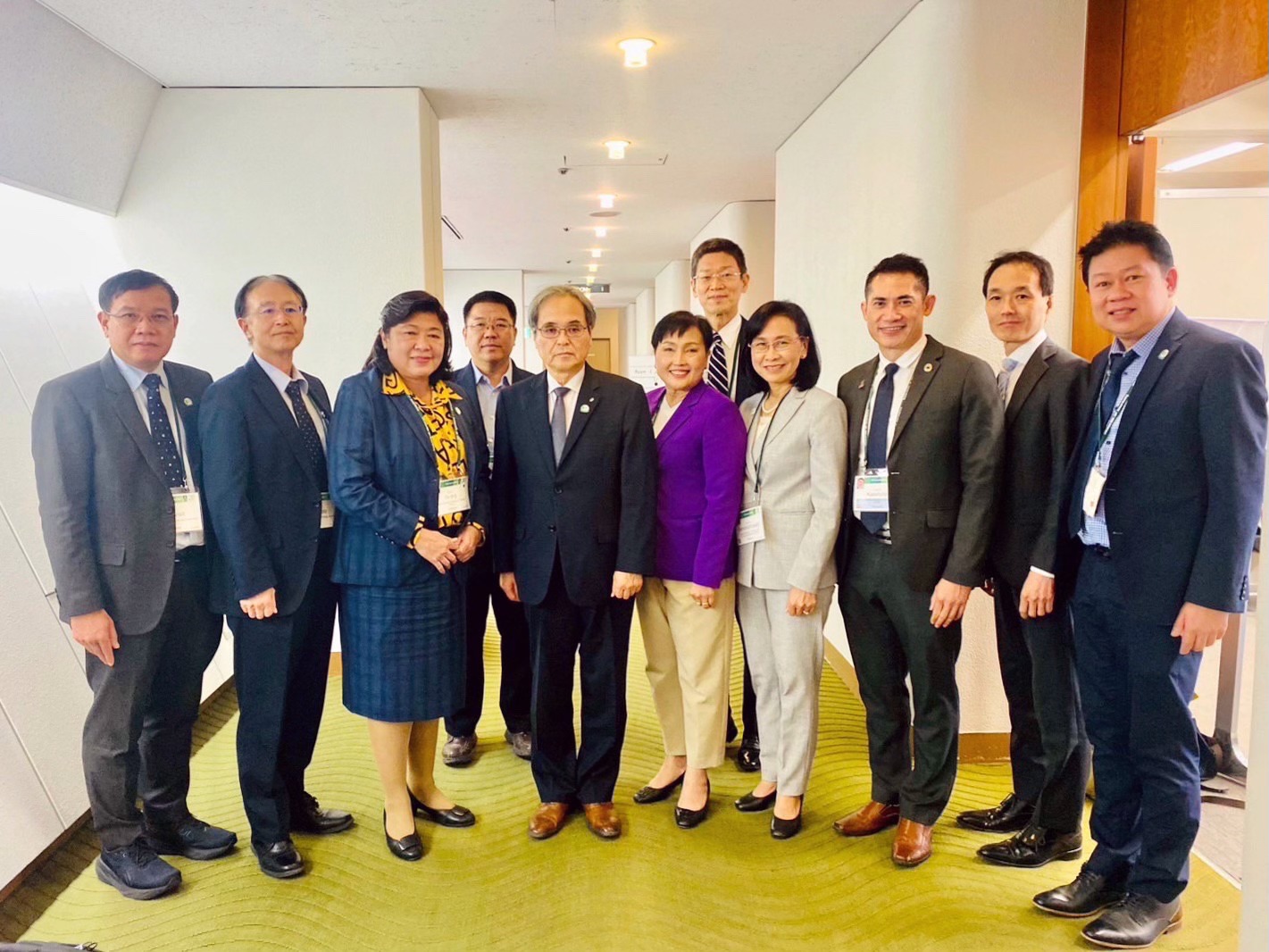
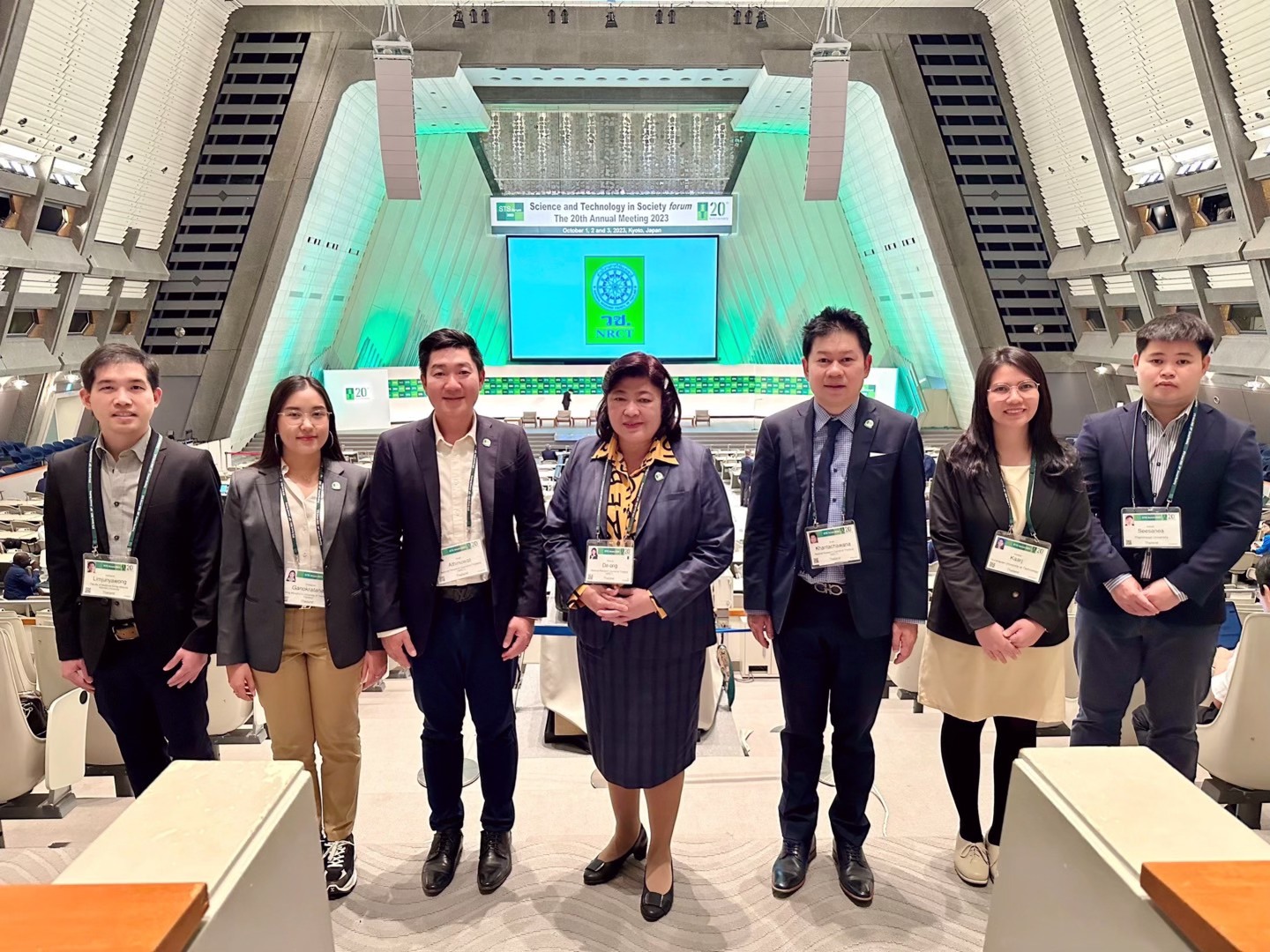
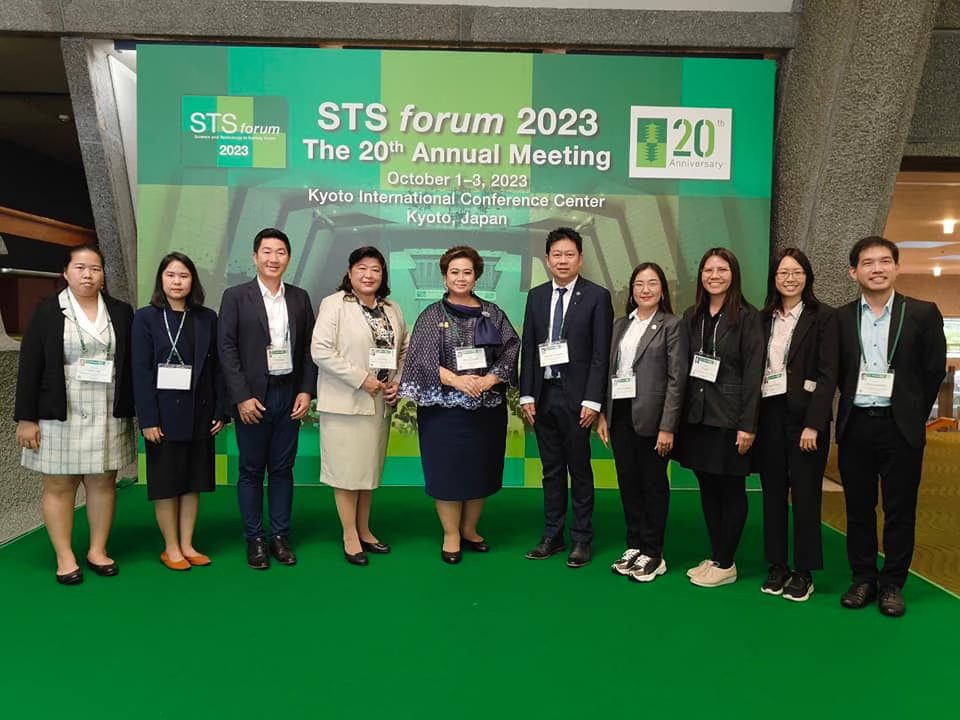
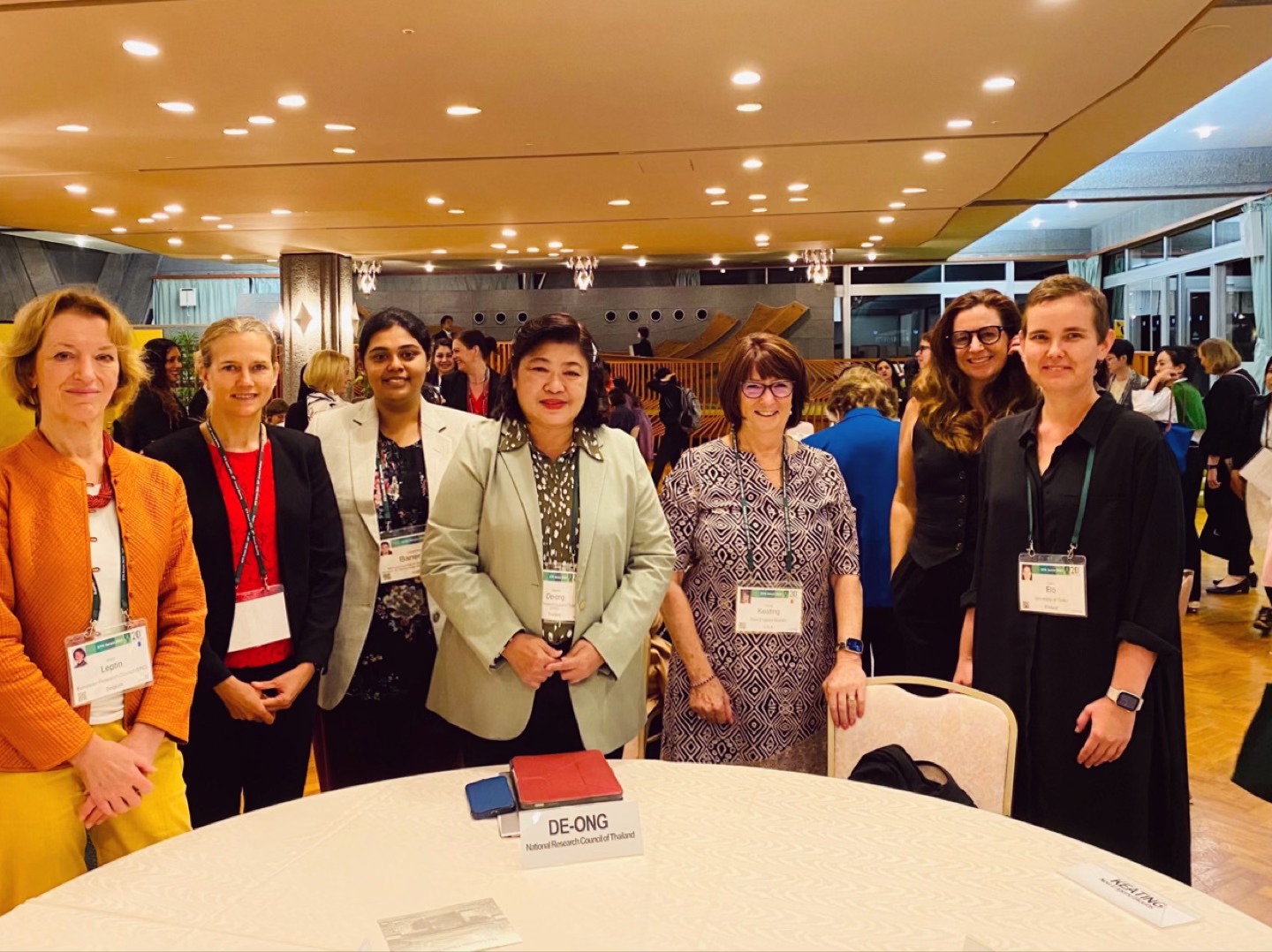
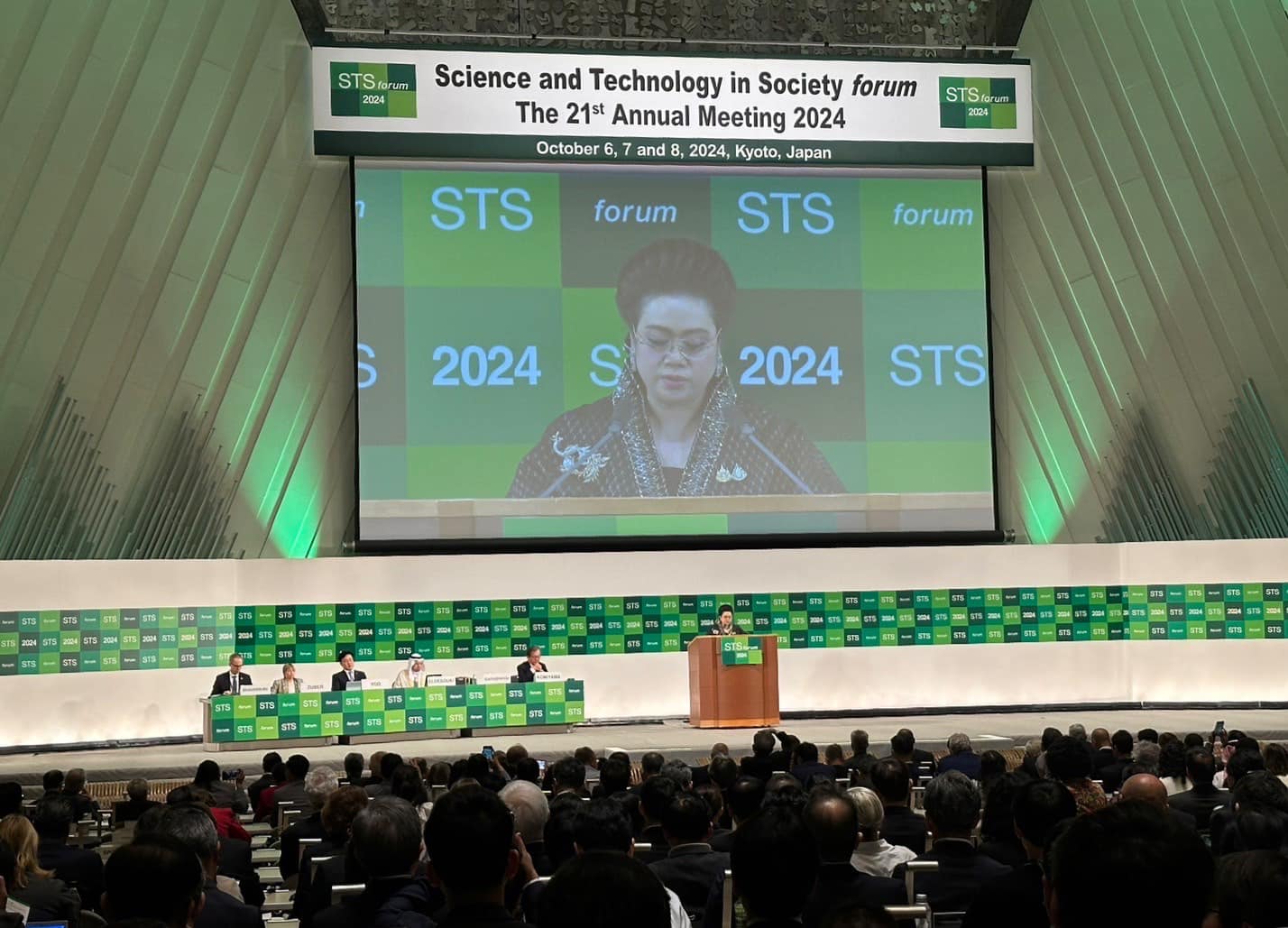
Dr. Wiparat De-Ong, Executive Director of the National Research Council of Thailand (NRCT), stated that researchers from various institutions, supported by NRCT to attend the STS forum 2023, together with the NRCT delegation, participated in a range of sessions during the Science and Technology in Society forum (STS forum 2023) on 1 October 2023 at the Kyoto International Conference Center (ICC Kyoto), Kyoto, Japan.
Each session addressed highly significant and timely global issues. One of the key sessions, “Action for Net-Zero Emissions,” focused on pathways toward achieving a net-zero greenhouse gas society. Discussions highlighted essential technologies for advancing decarbonization, including renewable energy, non-fossil fuels, hydrogen energy, synthetic fuels, and negative emission technologies, and emphasized the need to prioritize these innovations moving forward. Policy discussions underscored the critical importance of collaboration among all sectors — from government and private enterprises of all sizes to funding agencies — in order to develop comprehensive roadmaps and policies that address both short-term and long-term goals. In addition, Japan’s New Energy and Industrial Technology Development Organization (NEDO) presented its advancements in hydrogen energy technology, regarded as a highly promising future clean energy source. NEDO also showcased initiatives such as the establishment of a hydrogen research center in Fukushima and a carbon recycling research center in Hiroshima, which attracted considerable interest from participants. The session was attended by Associate Professor Dr. Anak Khantachawana from the Faculty of Engineering, King Mongkut’s University of Technology Thonburi.
The Adaptation to Climate Change session addressed the current global landscape and the complex challenges facing the world, including climate change, pandemics, geopolitical conflicts, and the rapid loss of biodiversity. Climate adaptation was emphasized as a critical issue for humanity and a core component of the United Nations 2030 Agenda for Sustainable Development. Discussions highlighted the importance of strengthening local community adaptation, particularly through effective knowledge transfer to raise awareness of climate change and environmental challenges at the local level. Empowering communities to play a central role in addressing these issues was underscored as a key strategy. The session was attended by Ms. Kanruethai Rod-iw, Foreign Relations Officer (Practitioner Level), NRCT.
The Agriculture, Food and Water Security session examined agricultural and food industries across regions including Asia, Africa, and Europe. Participants engaged in brainstorming discussions to advance sustainable development, focusing on the development of smart agricultural soil databases, biotechnology and plant and animal breeding, the utilization of biodiversity, water quality management, food waste reduction, as well as technology transfer and farmer adoption. These discussions present valuable opportunities for Thai researchers to further develop research agendas that contribute to sustainable development. The session was attended by Associate Professor Dr. Dusit Athinuwat from the Faculty of Science and Technology, Thammasat University.
The AI for Health session examined current challenges and limitations in the application of artificial intelligence in healthcare. Many of these questions remain unresolved, from institutional to international levels. Key issues discussed included:
Trust in Data – Concerns were raised regarding the quality of datasets used to train AI algorithms and the extent to which such data can be effectively applied in real-world healthcare settings. At present, much of the available data originates from specific population groups, with notable gaps in representation—particularly among minority populations.
Data Sharing vs. Privacy and Security – While large corporations often have sufficient resources to invest in robust data protection systems, academic institutions and healthcare providers, such as hospitals, may face constraints. The discussion explored how governments, international organizations, and collaborative frameworks could contribute to establishing appropriate measures and standards to balance data sharing with privacy and security.
The session also addressed future challenges of AI in healthcare, particularly the evolving role of human professionals in the era of AI-driven medicine. Questions were raised about how medical education must adapt as AI technologies increasingly assist—or potentially replace—certain clinical functions. Participants reflected on how medical schools should reform curricula to prepare future physicians for collaboration with AI systems, and to redefine the essential role of healthcare professionals in this rapidly changing landscape. The session was attended by Dr. Nathachit Limjunyawong from the Faculty of Medicine Siriraj Hospital, Mahidol University.
The Revolutionary Materials and Devices session highlighted ongoing advancements in the development of novel materials at both nanoscale and macroscale levels for a wide range of applications. These include semiconductors, sensors, actuators, MEMS, the automotive industry, climate change and sustainability solutions, as well as quantum technologies. Speakers emphasized that future materials development must take into account recyclability and environmental responsibility. A deeper understanding of natural systems is also essential for advancing bio-inspired materials, alongside a transition from static to dynamic materials with adaptive and responsive properties. The session further explored the integration of artificial intelligence in materials science, particularly in predicting material properties and accelerating discovery processes. The importance of reliable, high-quality datasets for training AI models was underscored. Such advancements require strong interdisciplinary collaboration and cross-sector integration. The session was attended by Dr. Kattika Kaarj from the Institute of Science, Suranaree University of Technology.
The Science and Technology as a Driver for Development session focused on identifying and analyzing an appropriate definition of “development” in 2023—one that genuinely reflects humanity’s aspirations and leverages science and technology as key enablers. Participants engaged in in-depth discussions on how research funding can be allocated more effectively to strengthen international collaboration, particularly in supporting young researchers and innovators. The session emphasized the importance of strategic investment mechanisms that foster cross-border partnerships and long-term capacity building. In addition, the concept of “Open Science” was introduced as a critical approach to advancing science and technology in developing countries, promoting greater accessibility, transparency, and knowledge sharing within the global research community. The session was attended by Dr. Adisak Seesanea from the Sirindhorn International Institute of Technology (SIIT), Thammasat University.
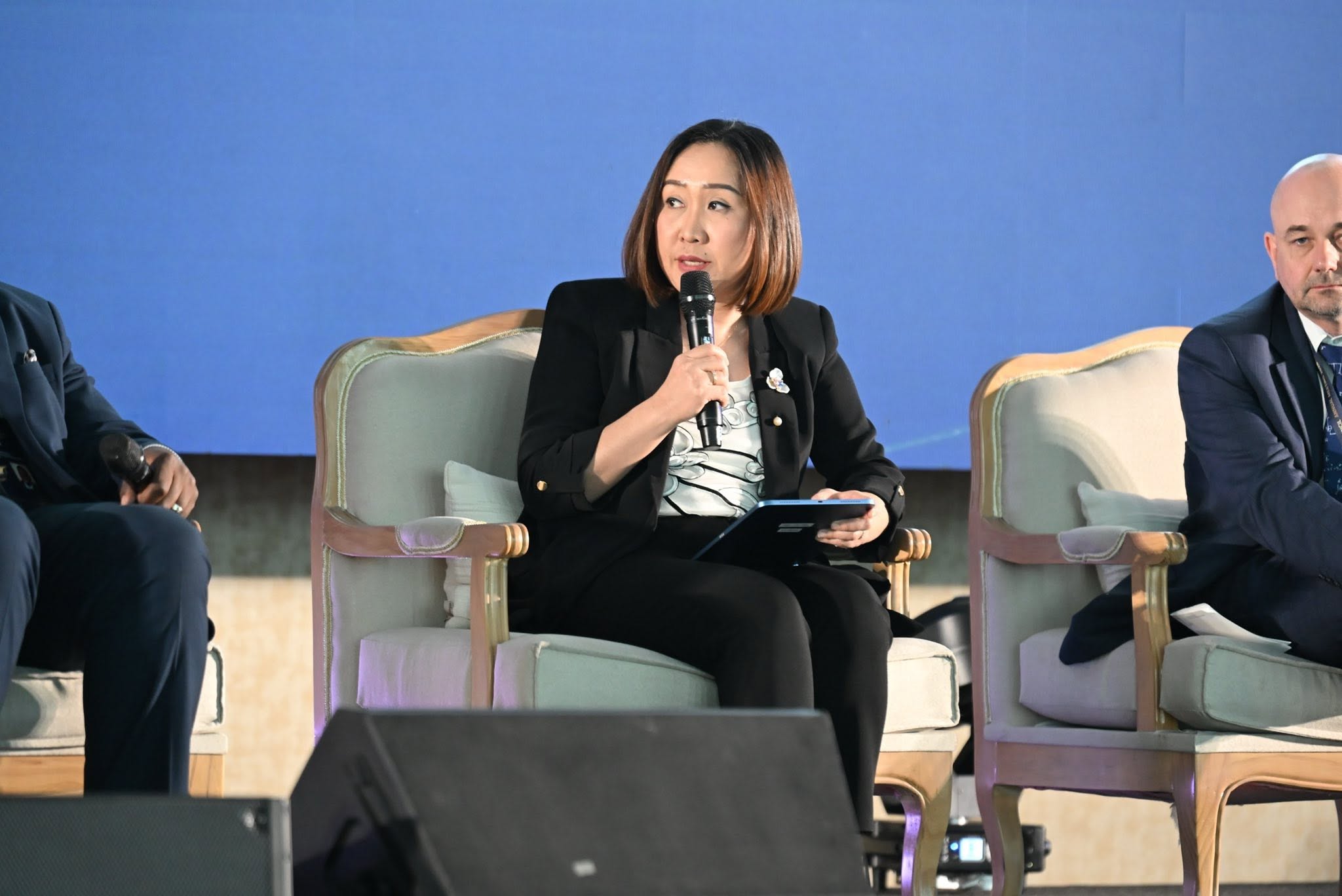
The Fostering New Generations of Scientists with Inclusion and Diversity session featured an open exchange of views on a wide range of issues related to diversity and inclusion in the global scientific community. Discussions covered cultural diversity arising from international migration, interdisciplinary education bridging science and social sciences, gender equality for women, and the importance of diverse expert panels in research proposal evaluation. Participants emphasized that each organization must design institutional structures tailored to its own social and environmental context in order to effectively promote inclusion. The session also addressed the transition from socio-economic transformation concepts to actionable implementation plans. Key priorities included supporting women in becoming scientists, engineers, and mathematicians; strengthening international networks; and equipping young researchers with the appropriate skills to thrive in an increasingly complex global landscape. The session was attended by Ms. Kwansiri Wanwiwake, Director of the Group of International Affairs, National Research Council of Thailand (NRCT).
The Trust of Information in the Digital Age session focused on the use of AI in society and emphasized that AI deployment must be guided by ethics and accountability. Participants agreed that AI systems should be used in a fair and non-discriminatory manner, and that regulatory frameworks must ensure the protection of users’ personal data. The discussion also highlighted concerns about the misuse of AI for unethical data manipulation, such as altering facial images in photos or videos for inappropriate or exploitative content. Furthermore, it was stressed that young people should be informed about both the opportunities and risks associated with AI in society, in order to foster a balanced understanding of the technology’s capabilities and limitations. The session was attended by Dr. Thittaporn Ganokratanaa from the Faculty of Science, King Mongkut’s University of Technology Thonburi.
Insights gained from the various sessions will contribute to shaping Thailand’s future research directions. These discussions provide valuable inputs for aligning national research strategies with emerging global priorities, ensuring that Thailand’s research initiatives are well-prepared to reflect international trends and achieve impactful outcomes in the years ahead.