CASS Showcases the Capabilities of the Key Laboratory of Scientific Archaeology and Cultural Heritage Conservation at the University of Chinese Academy of Social Sciences
18 September 2026


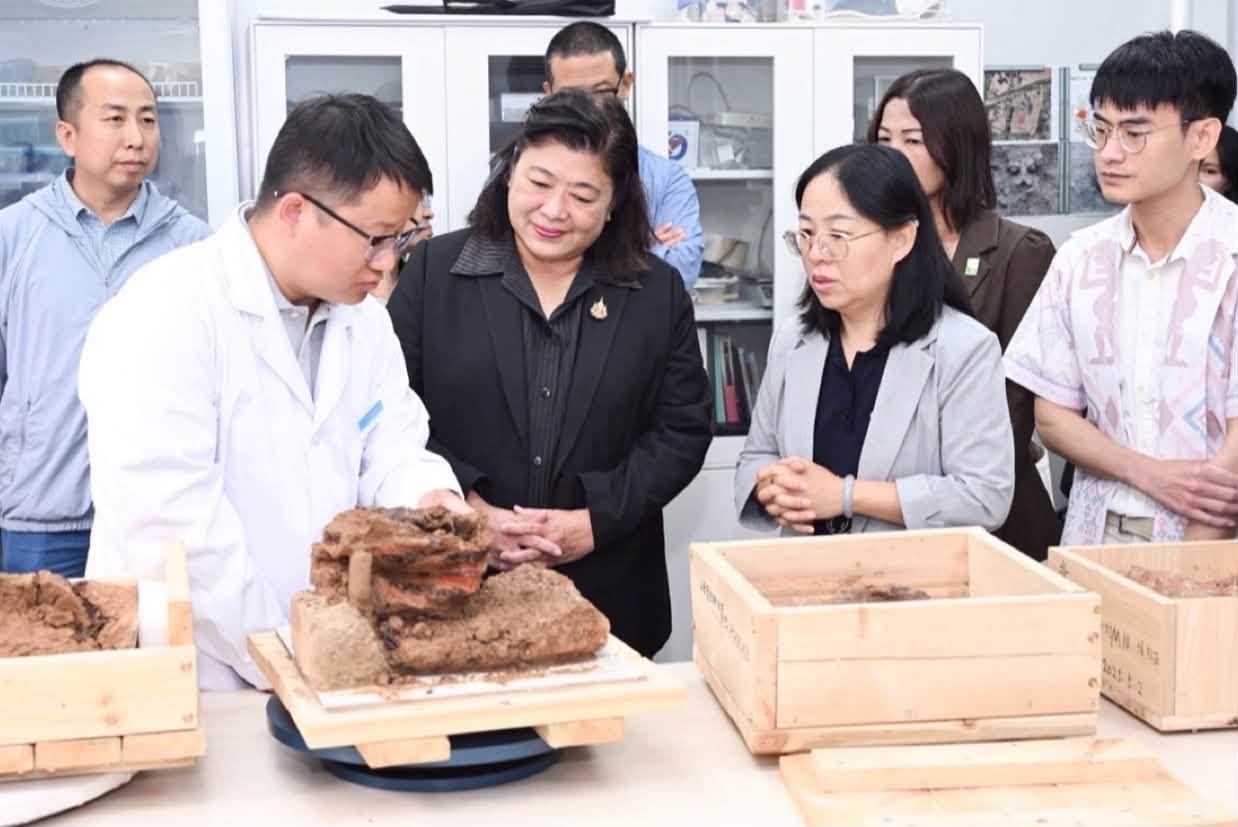
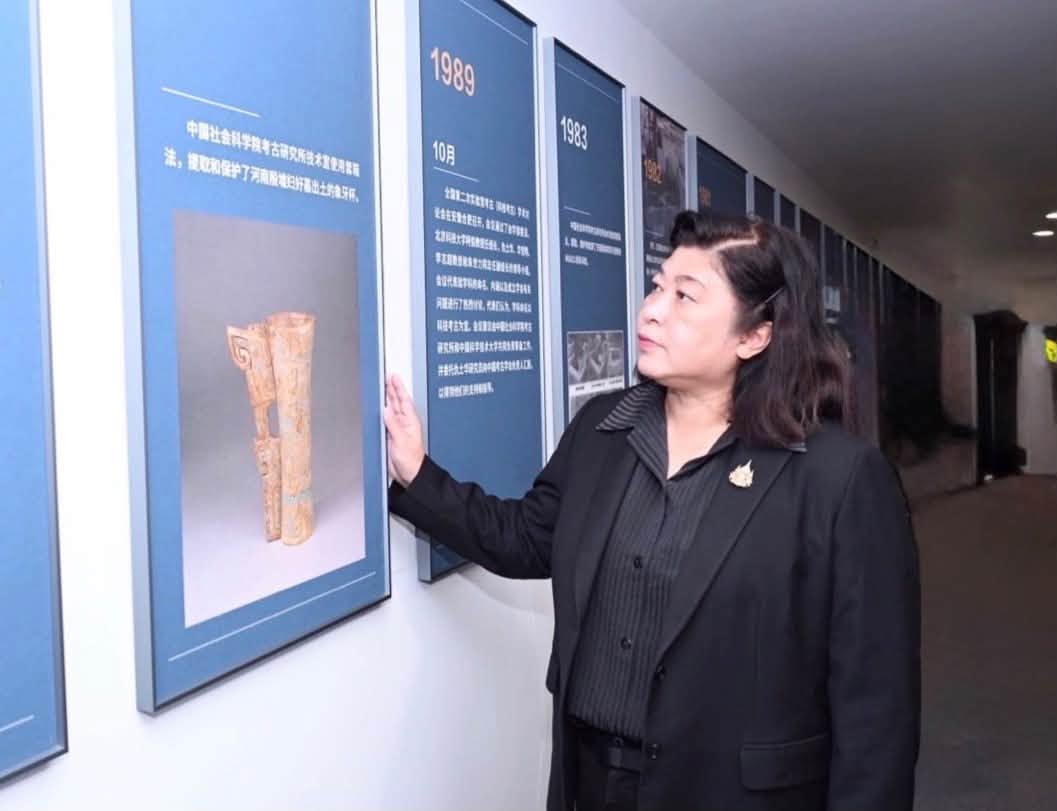
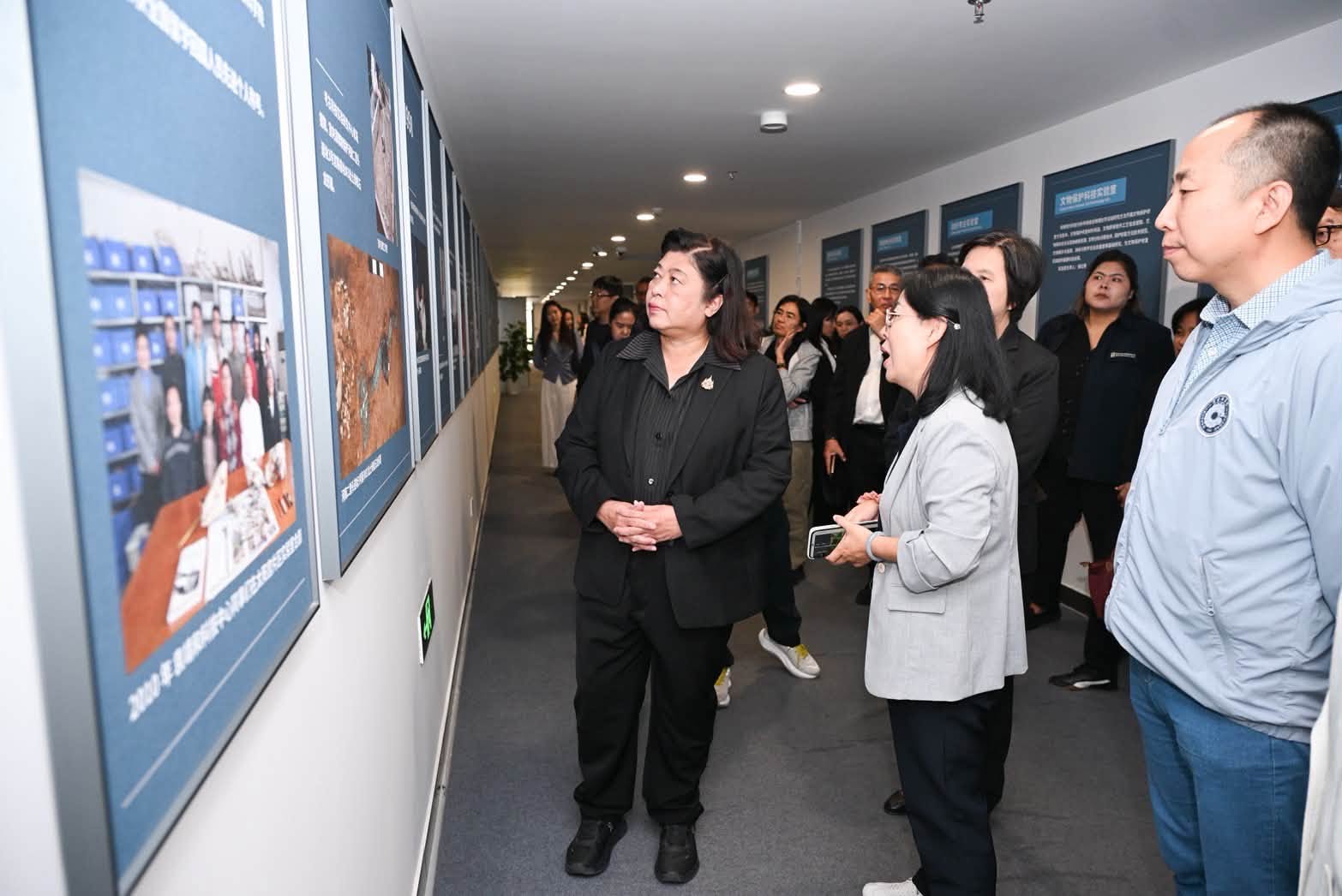
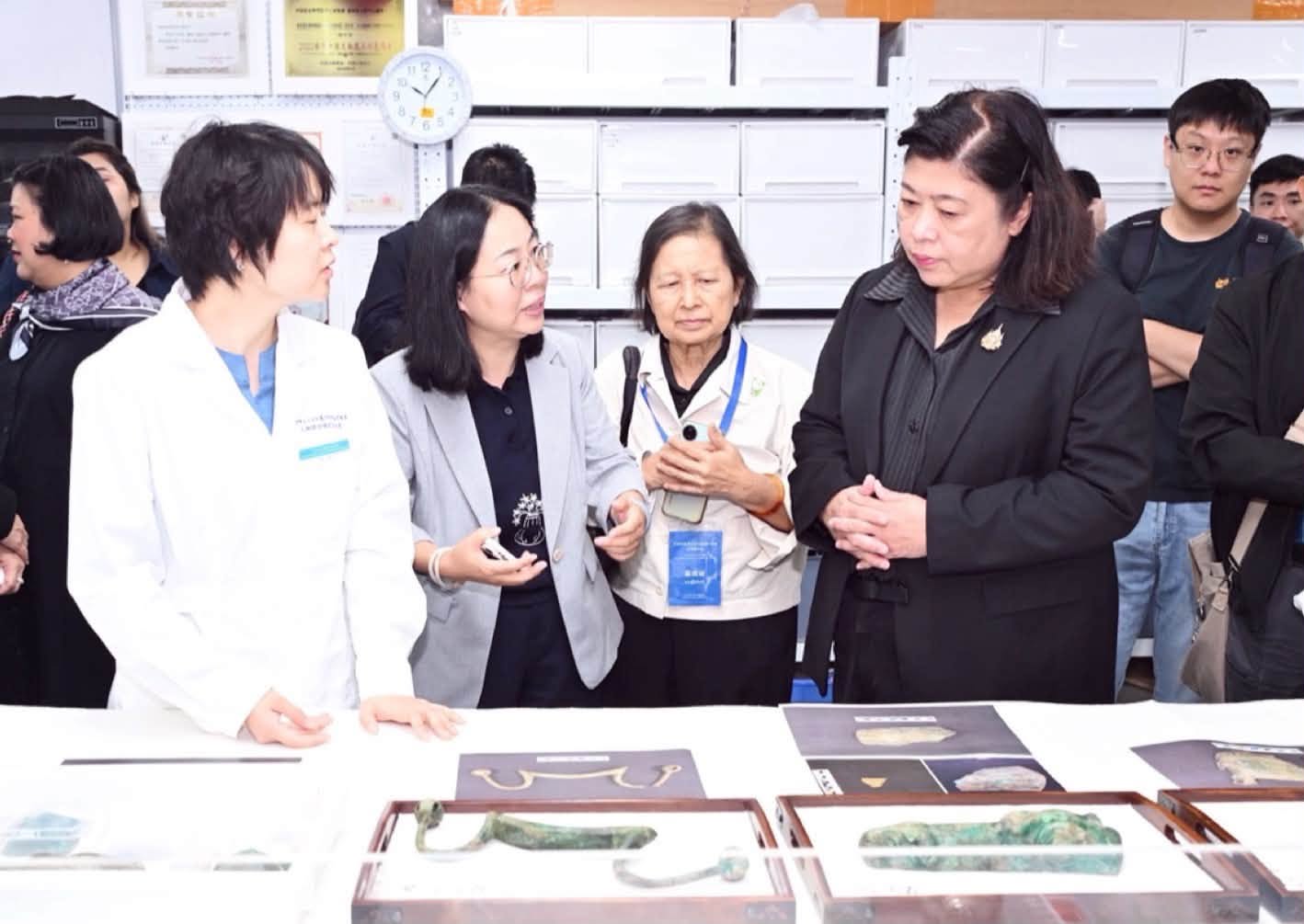
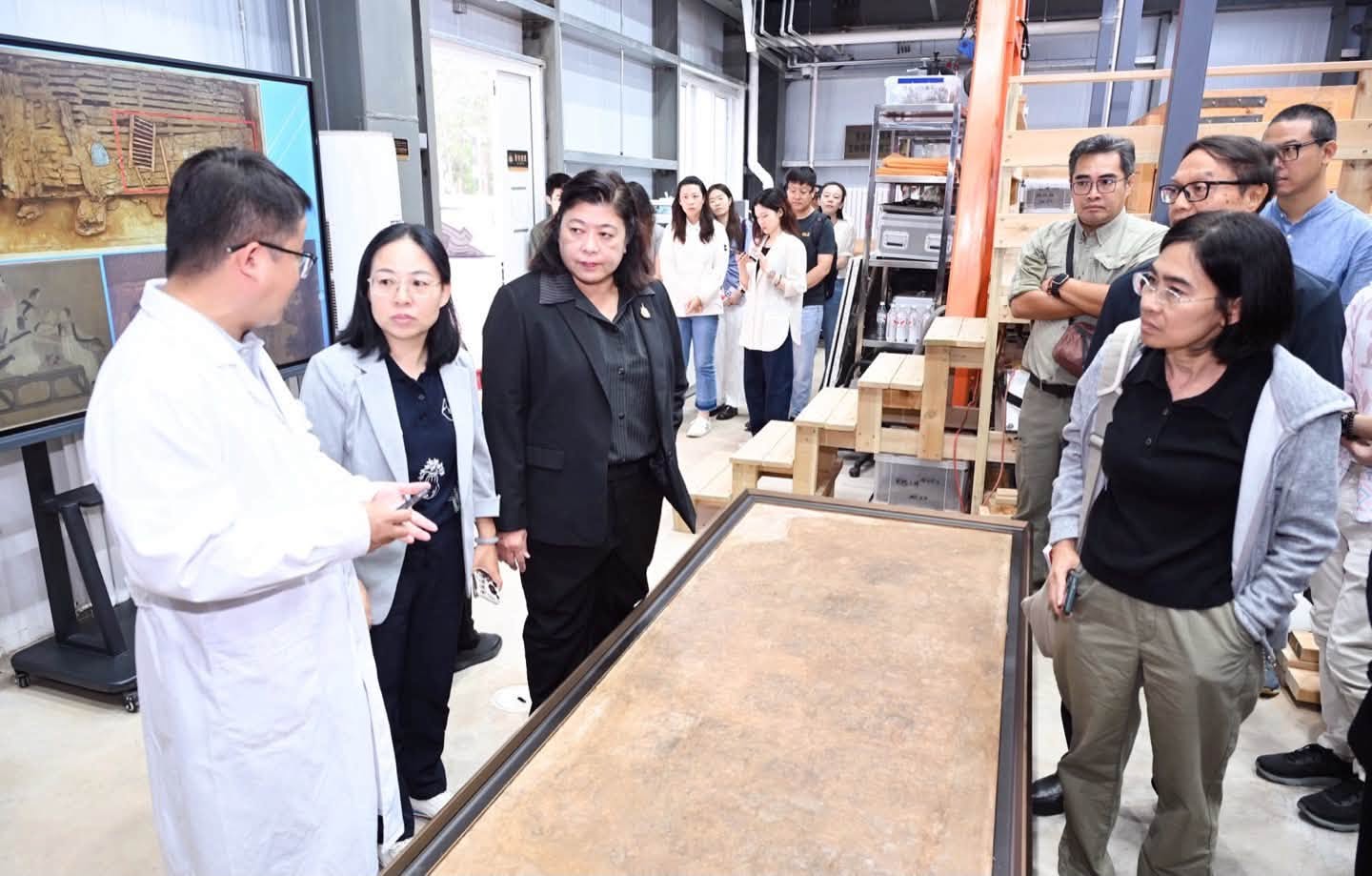
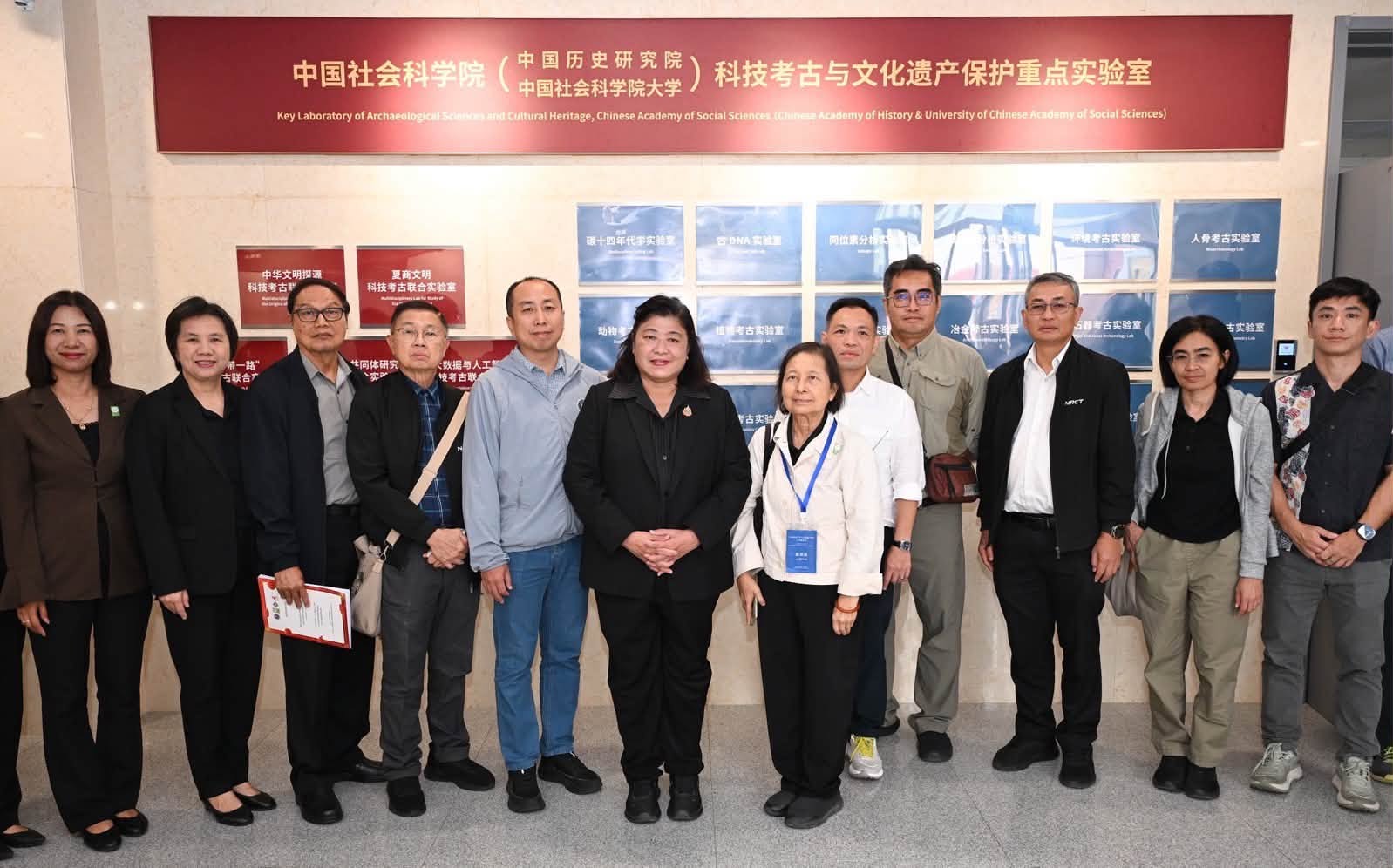
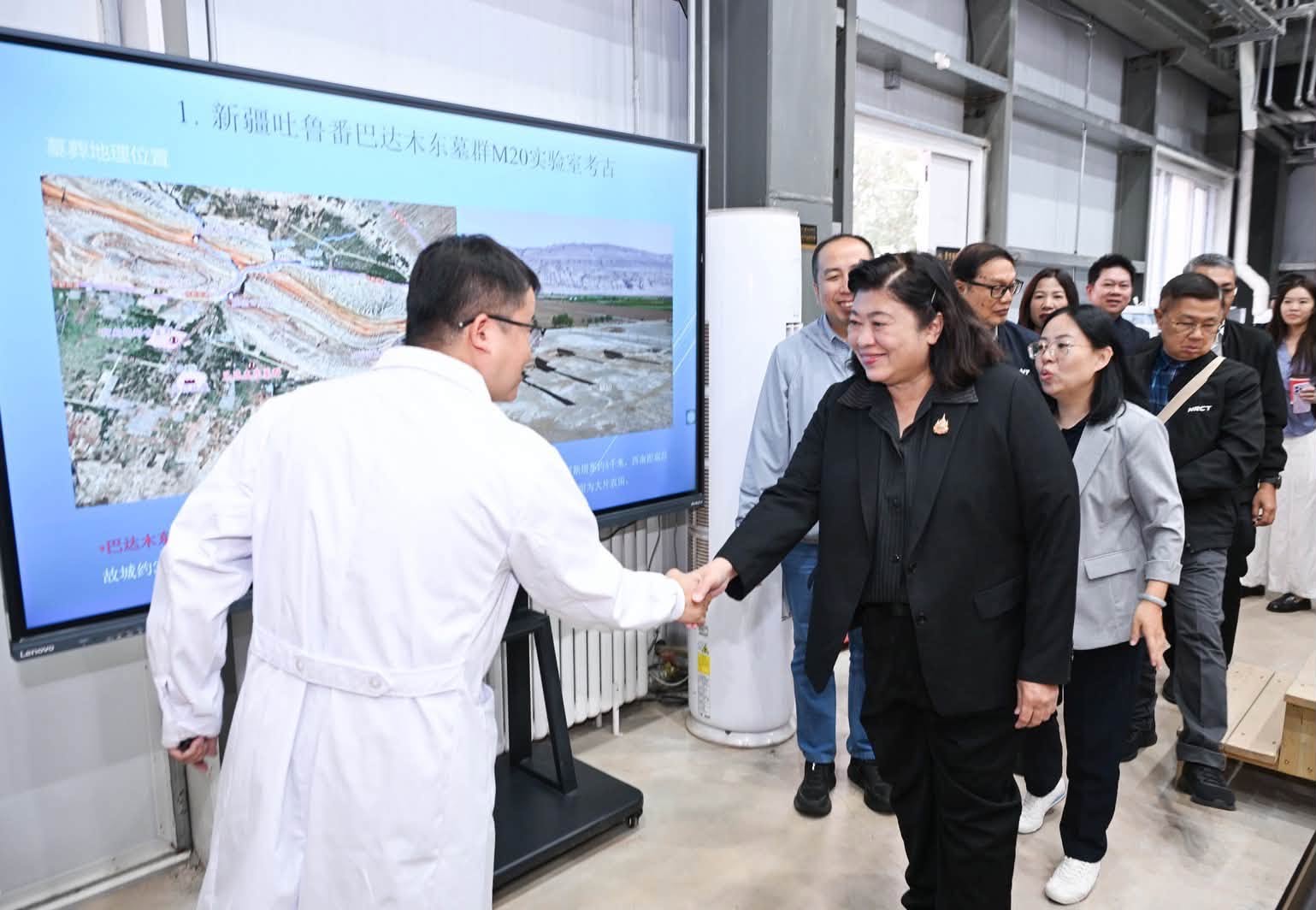
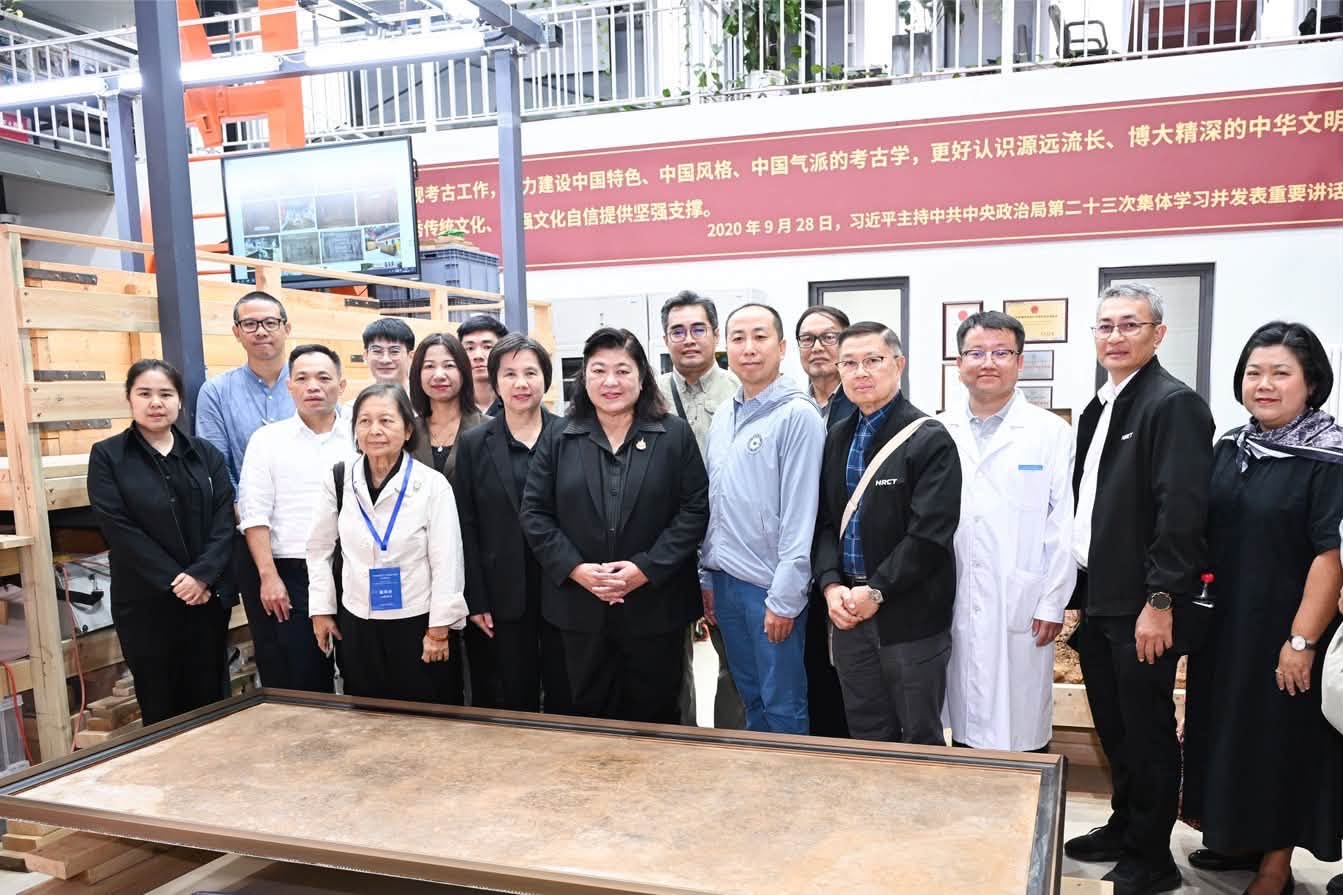
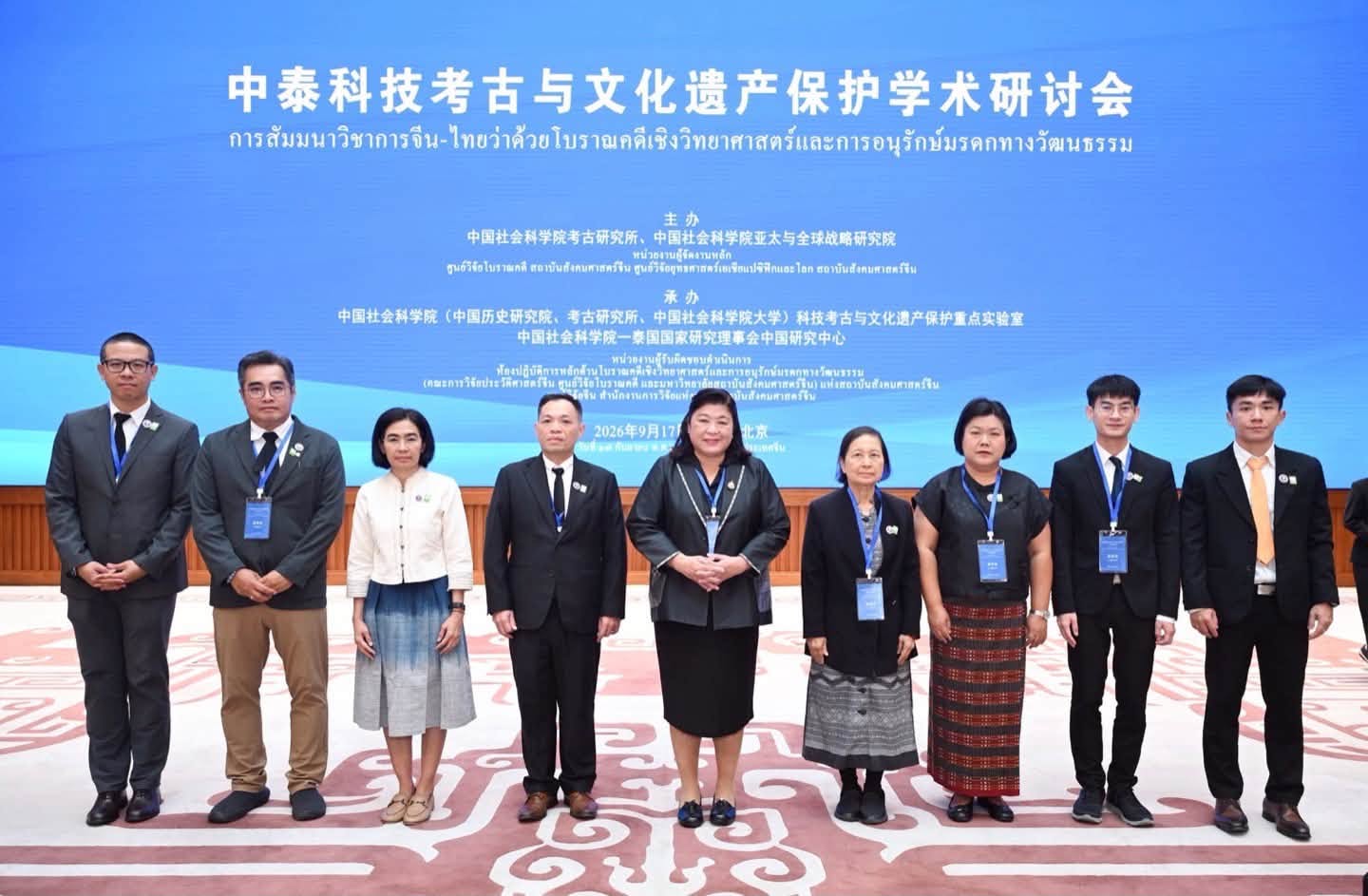
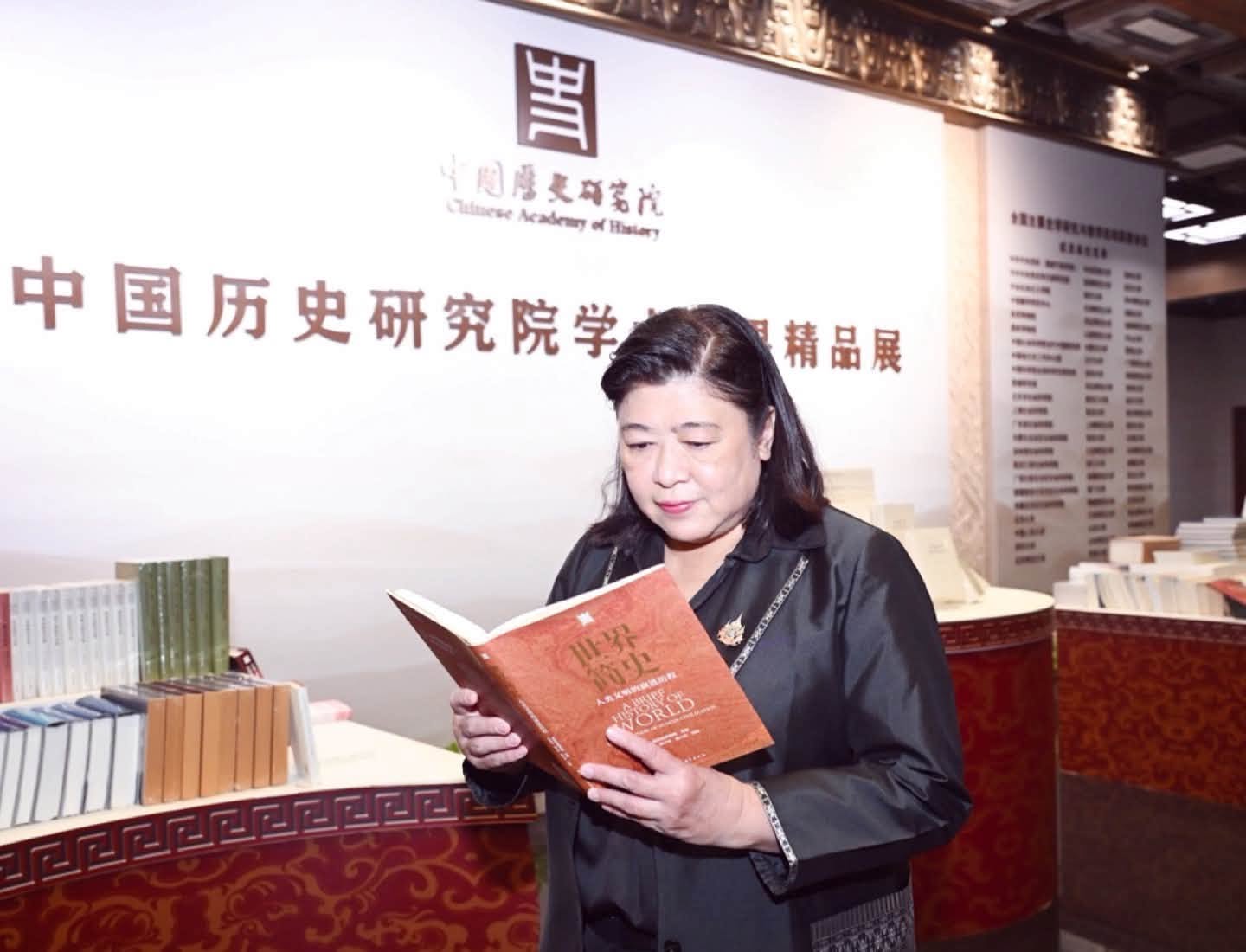
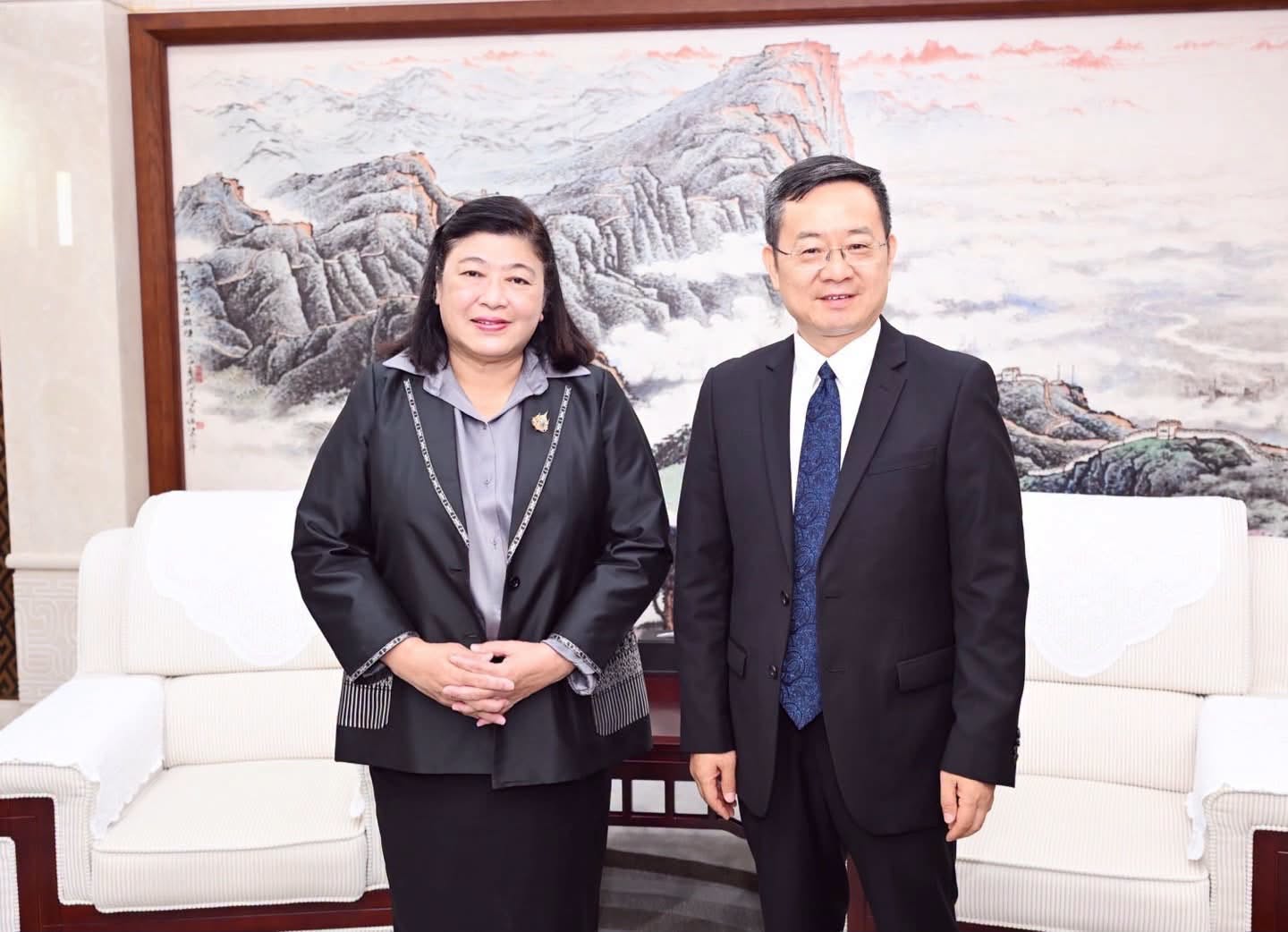
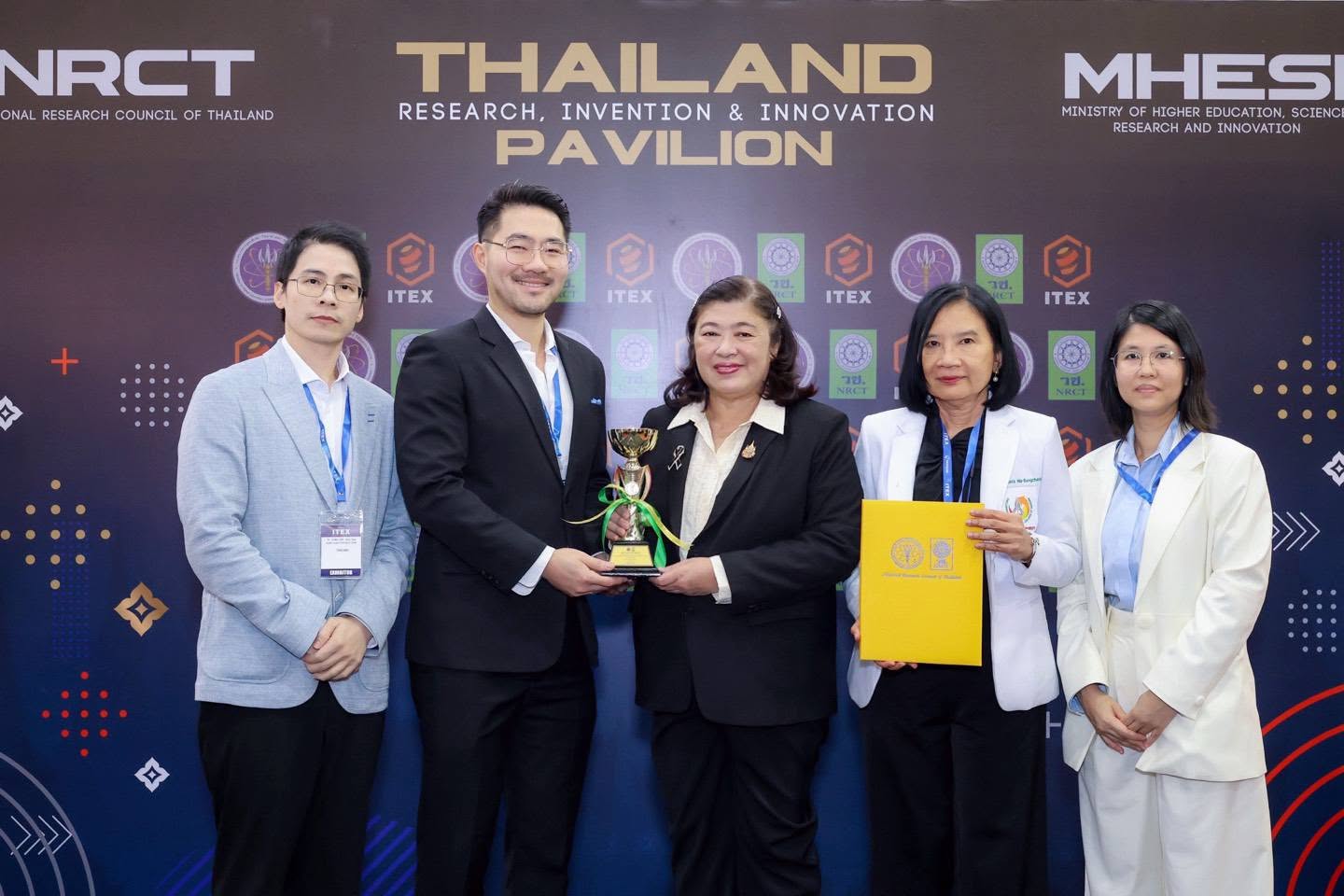
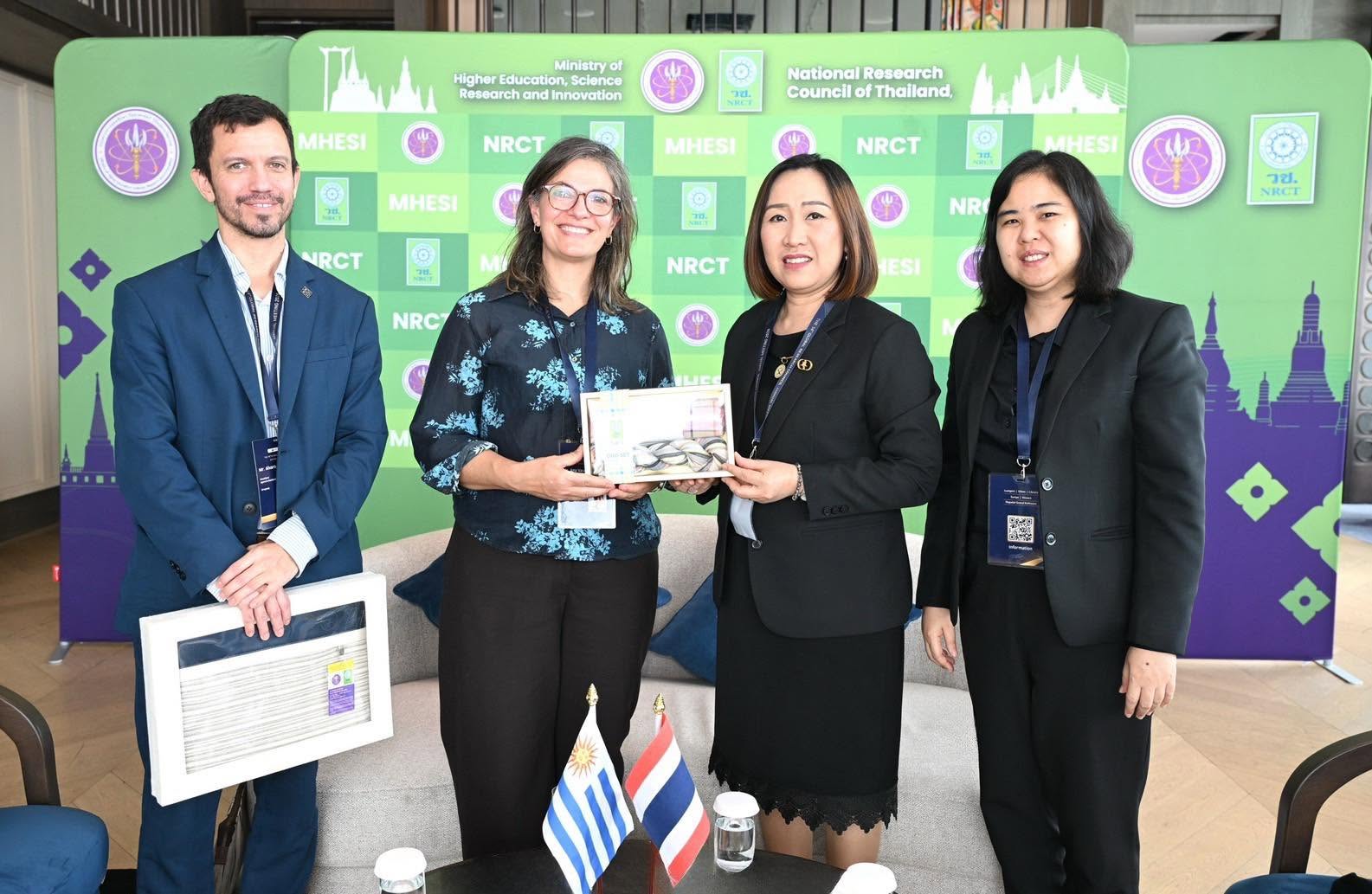
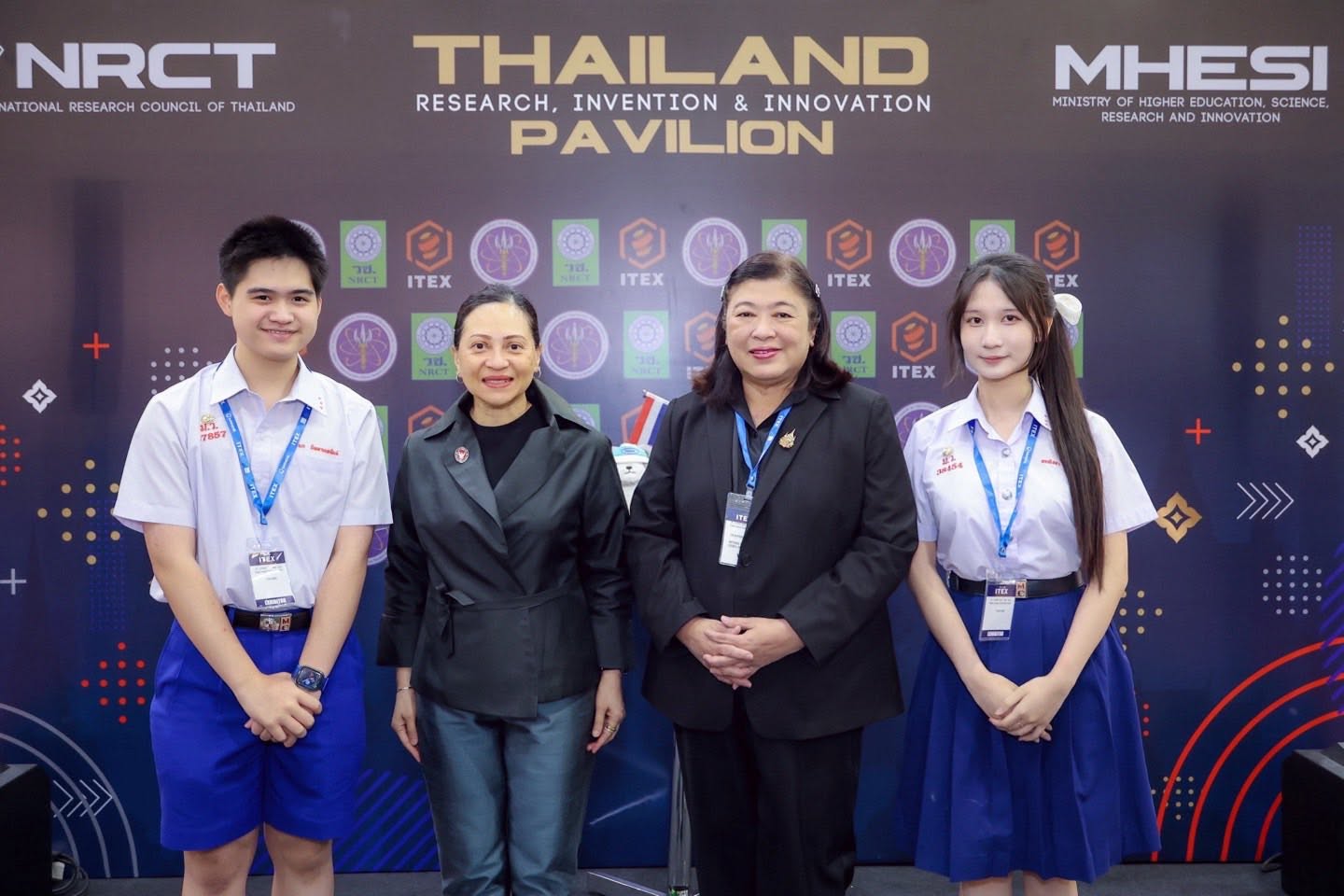
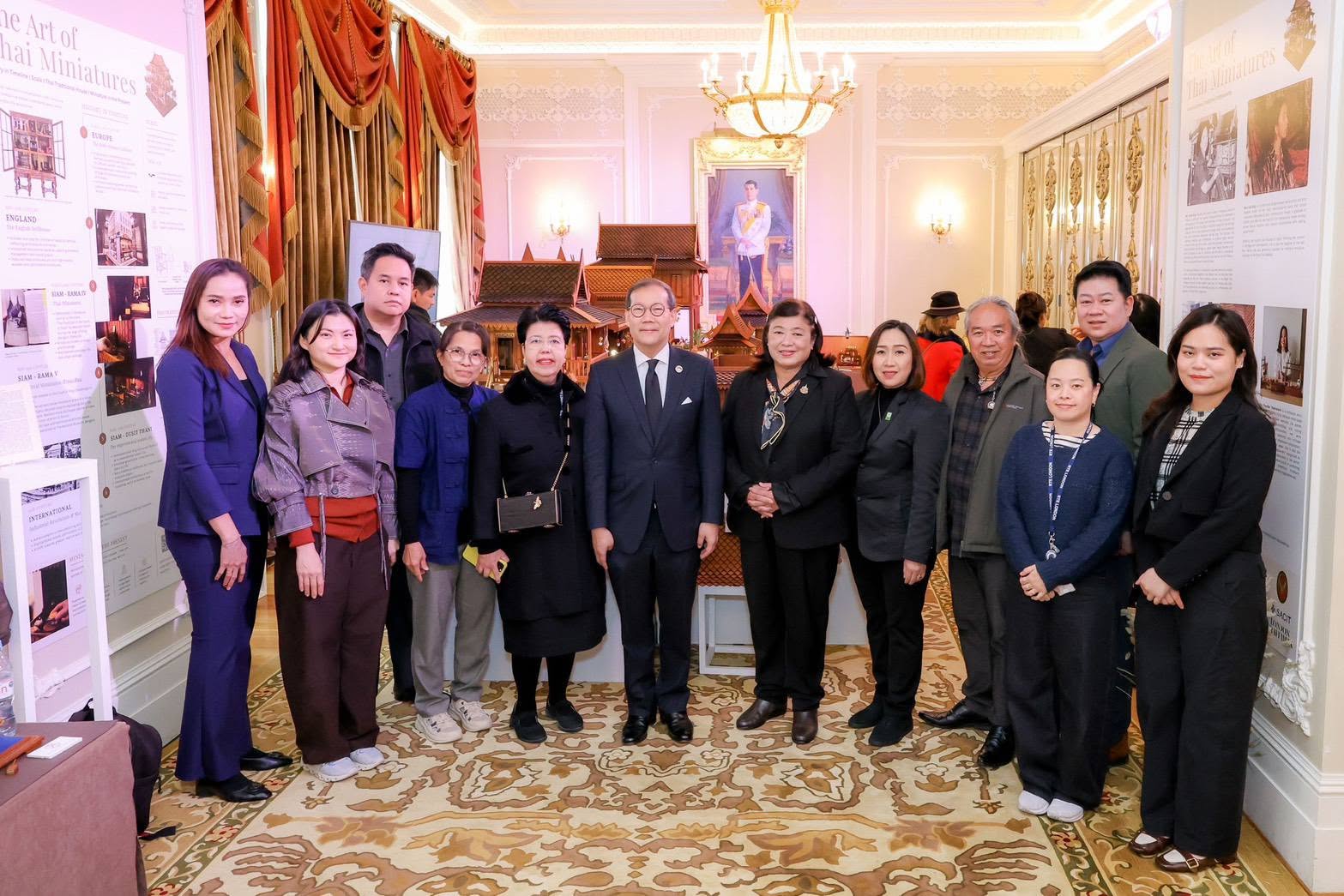
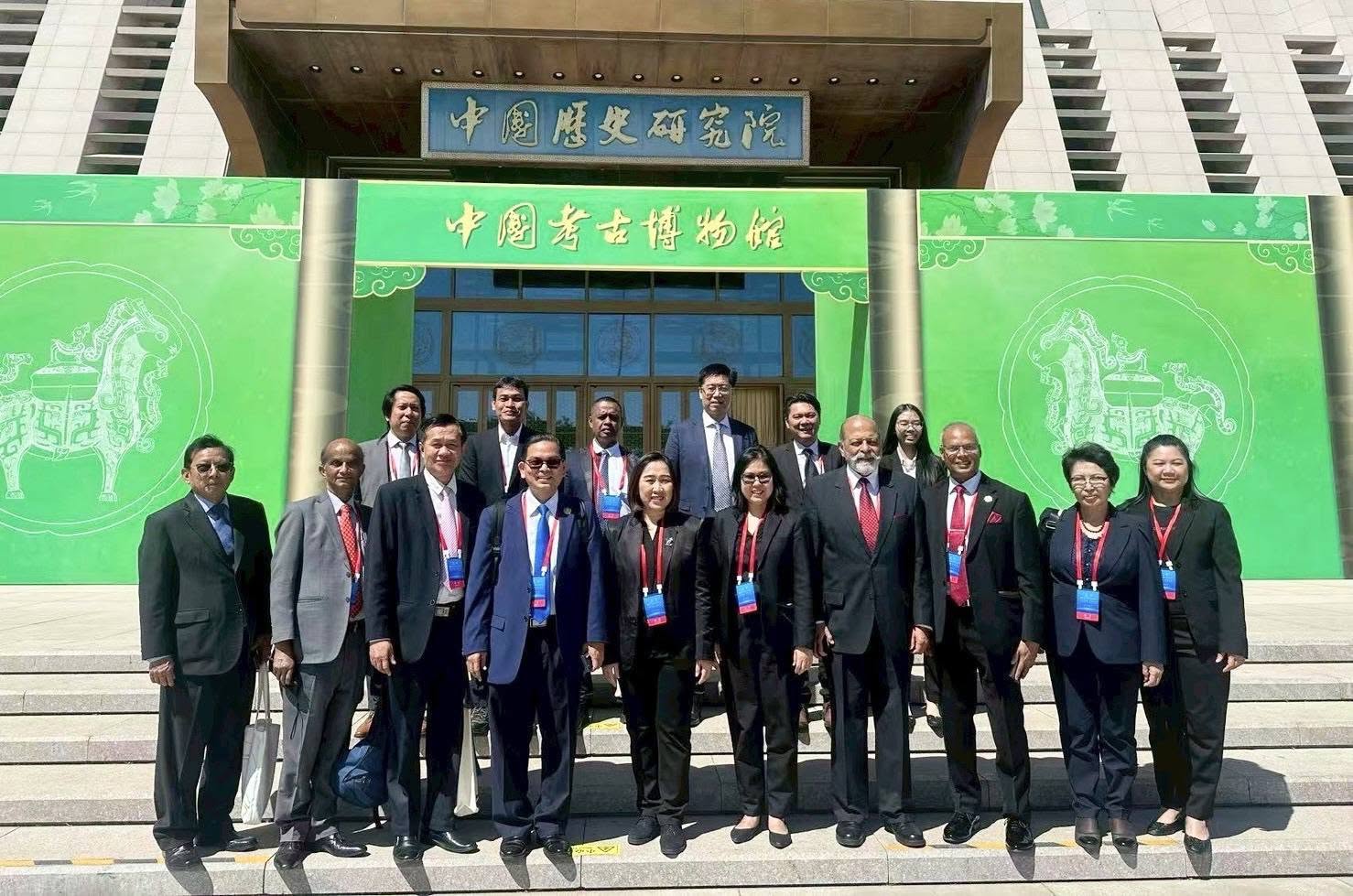
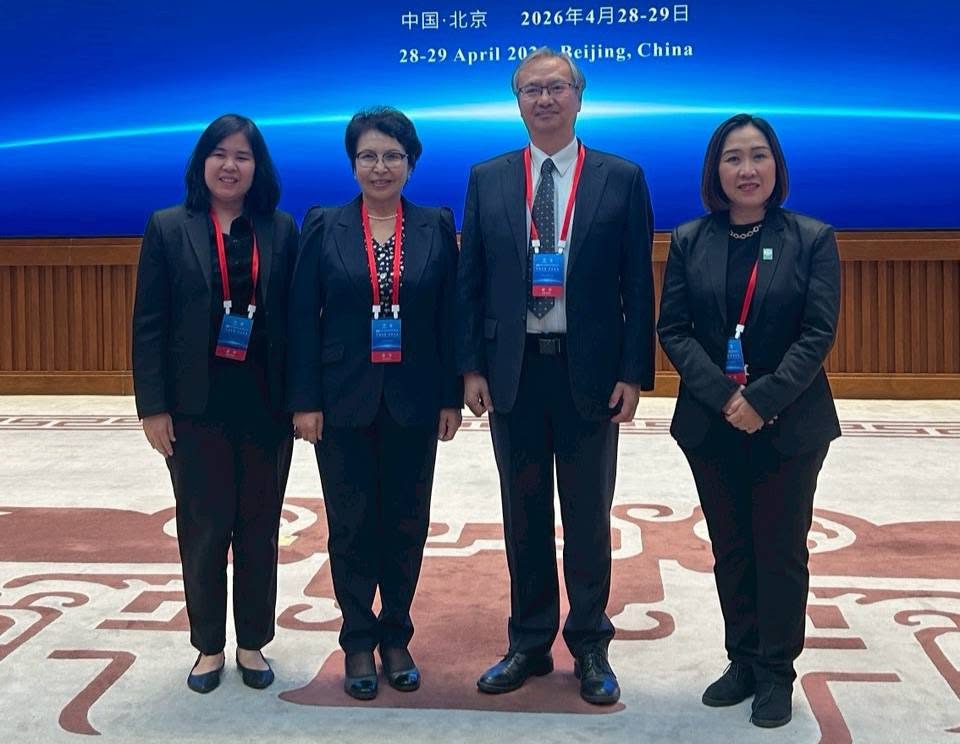
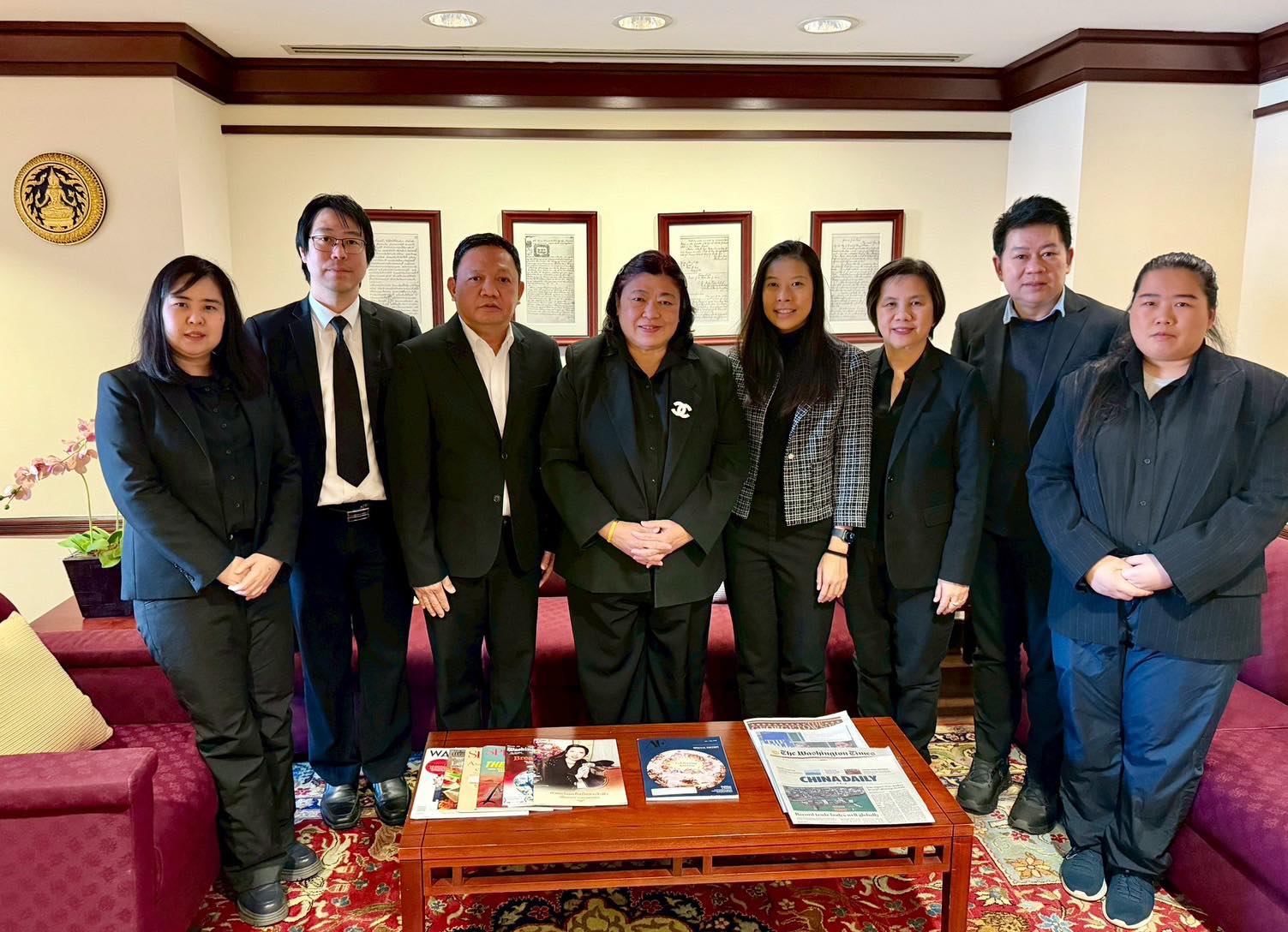
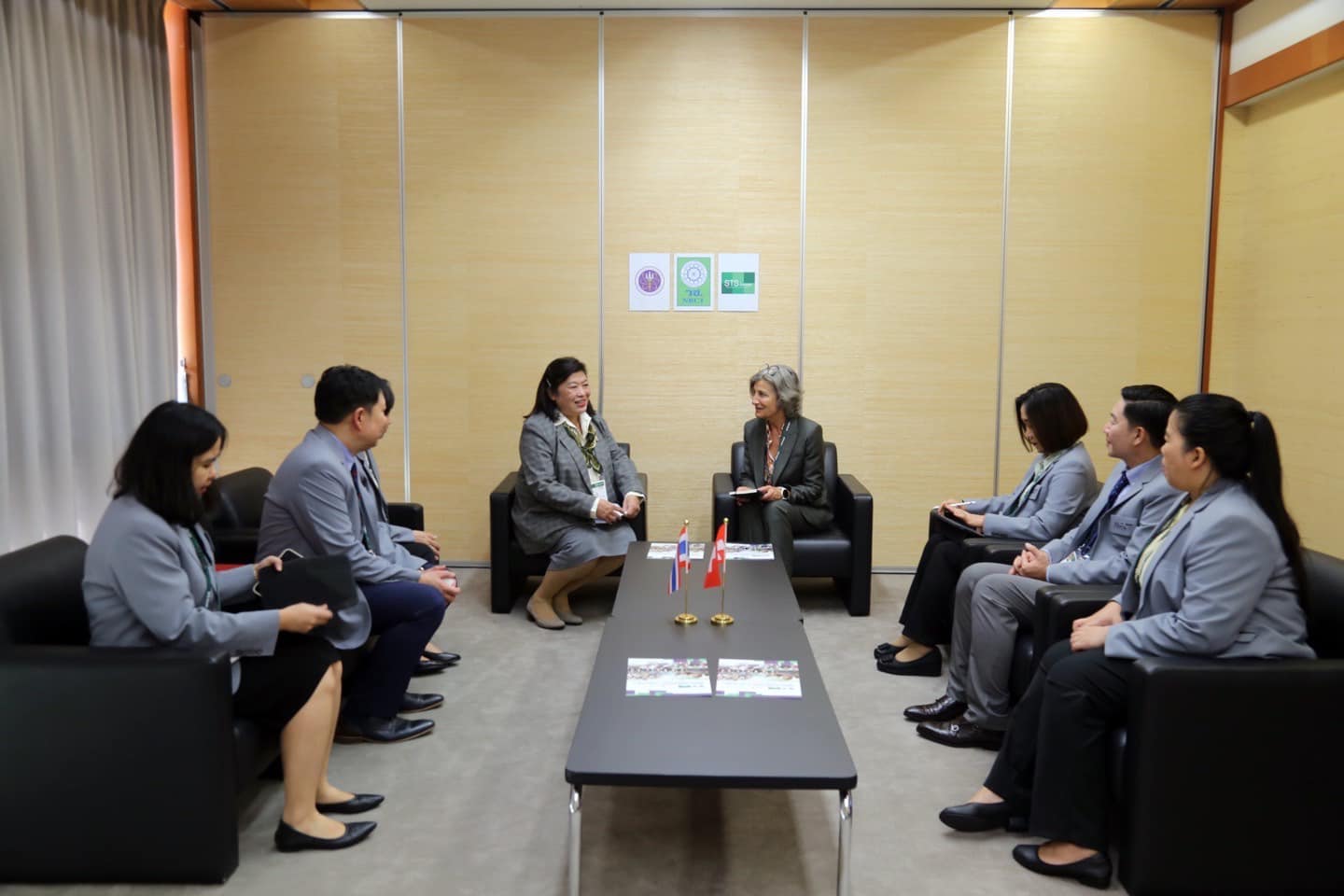
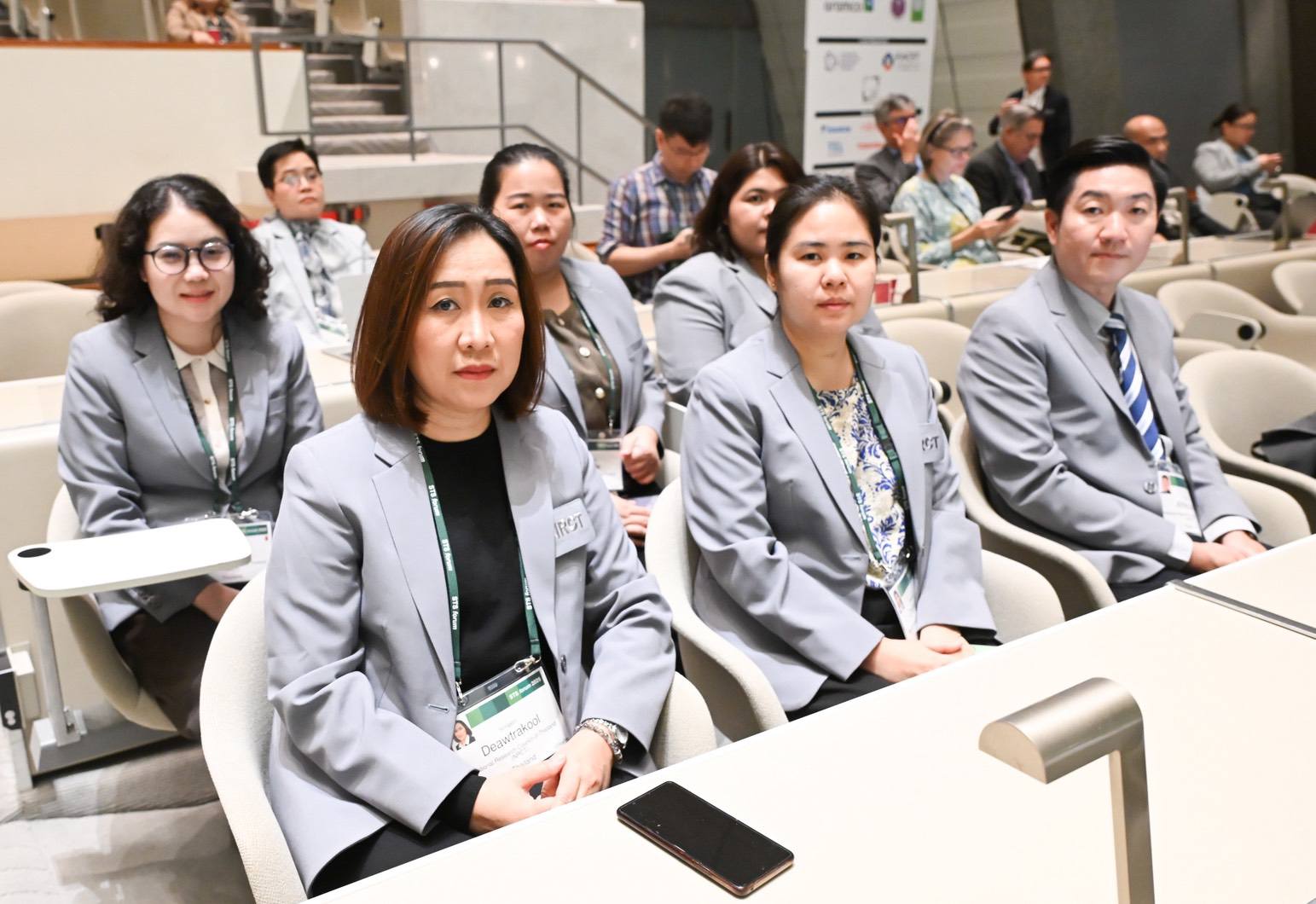
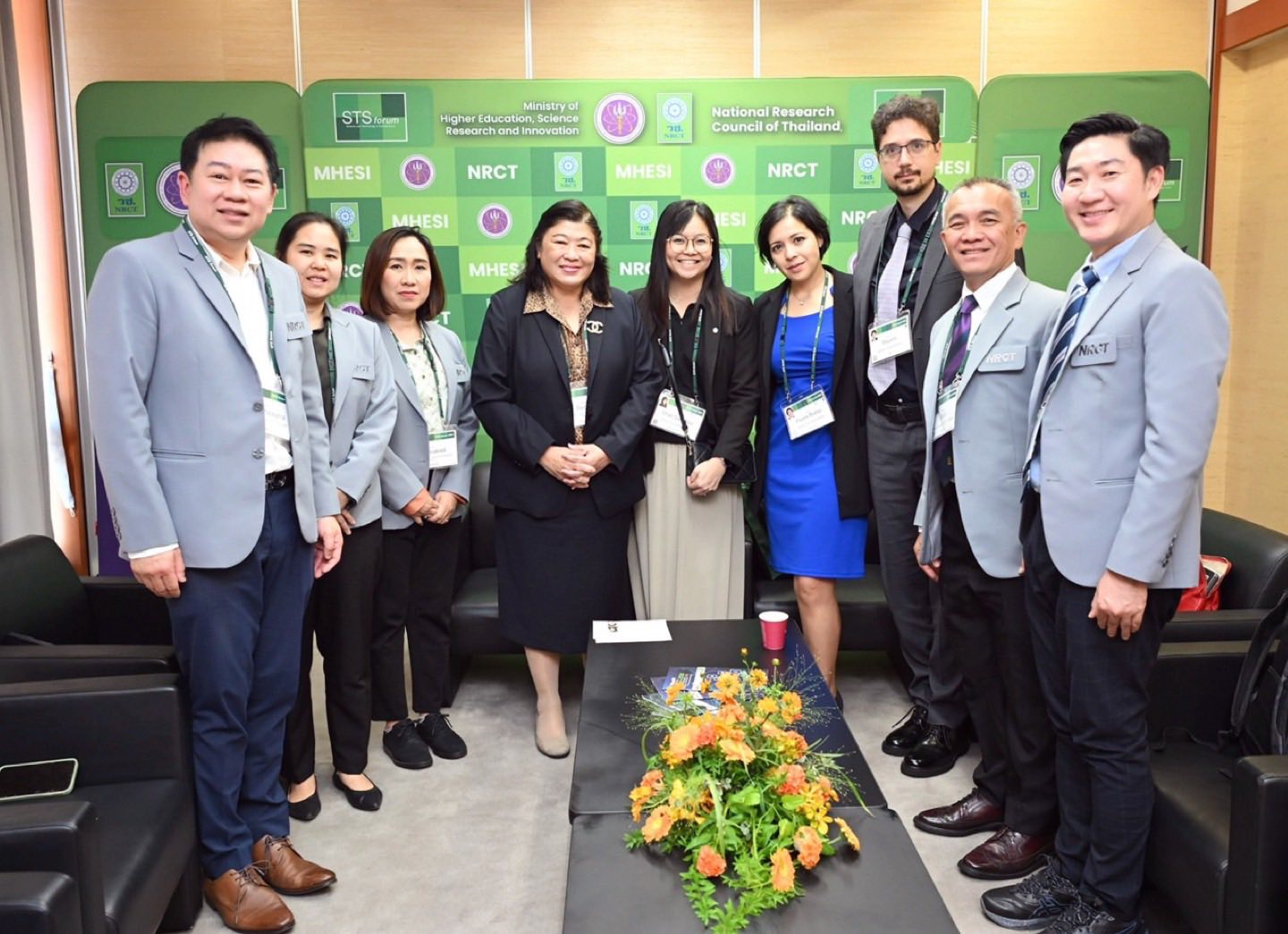
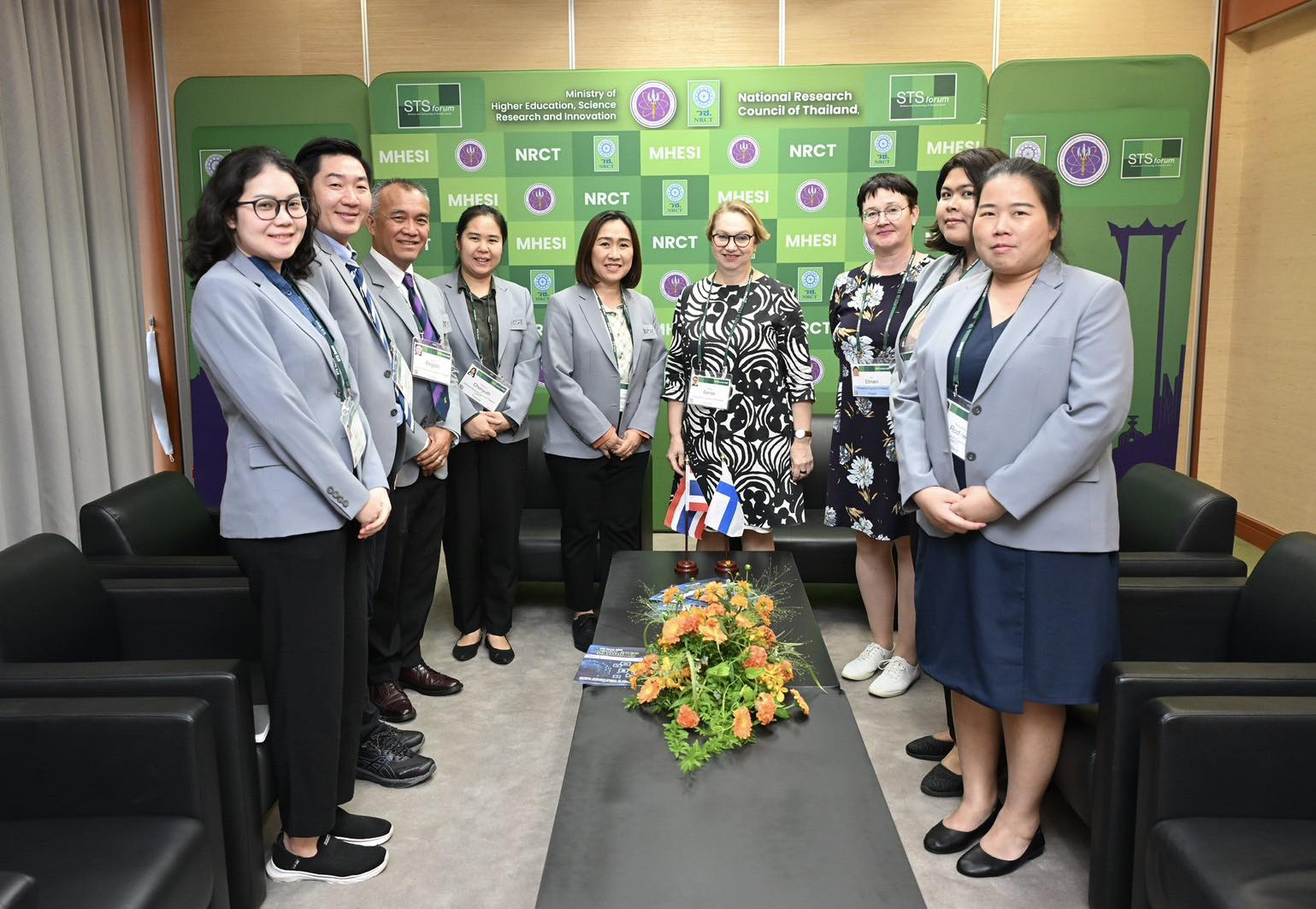
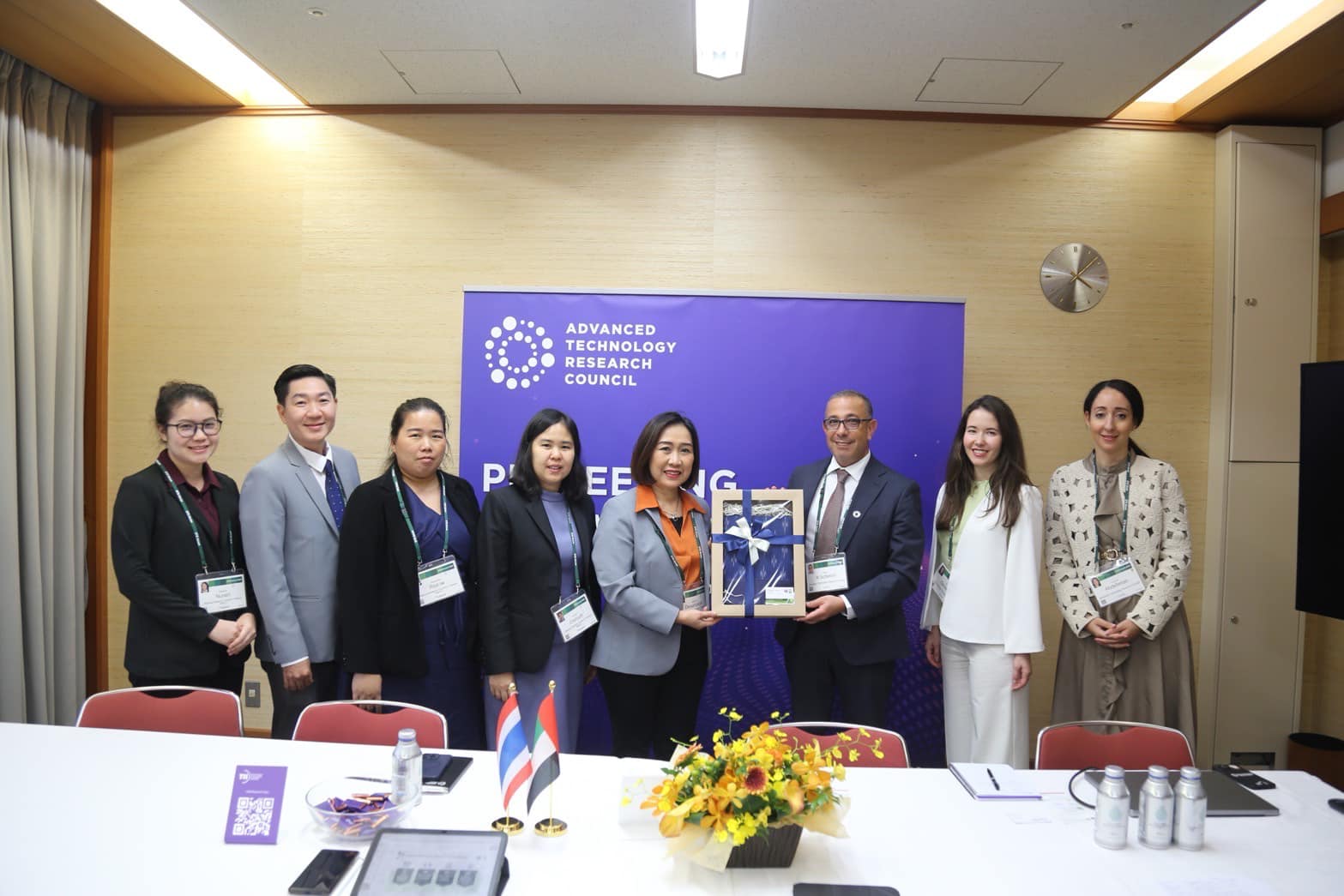
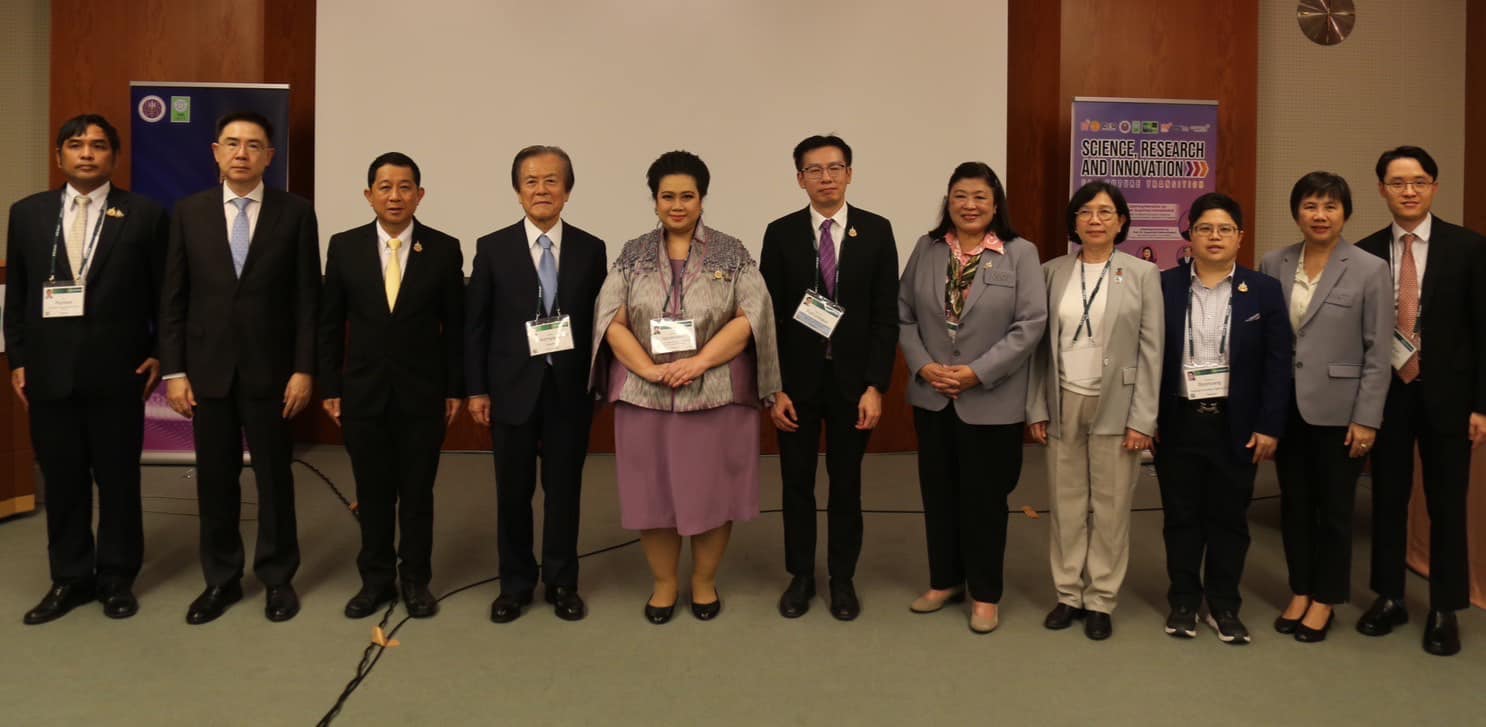
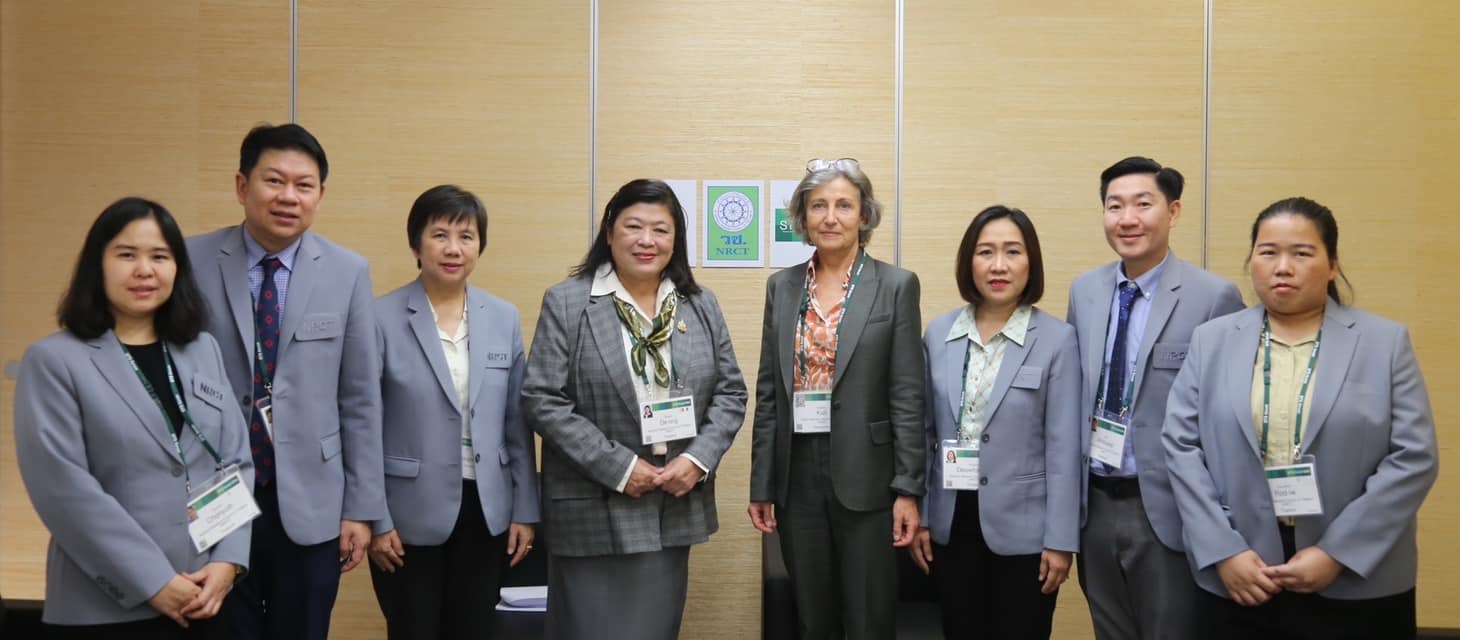
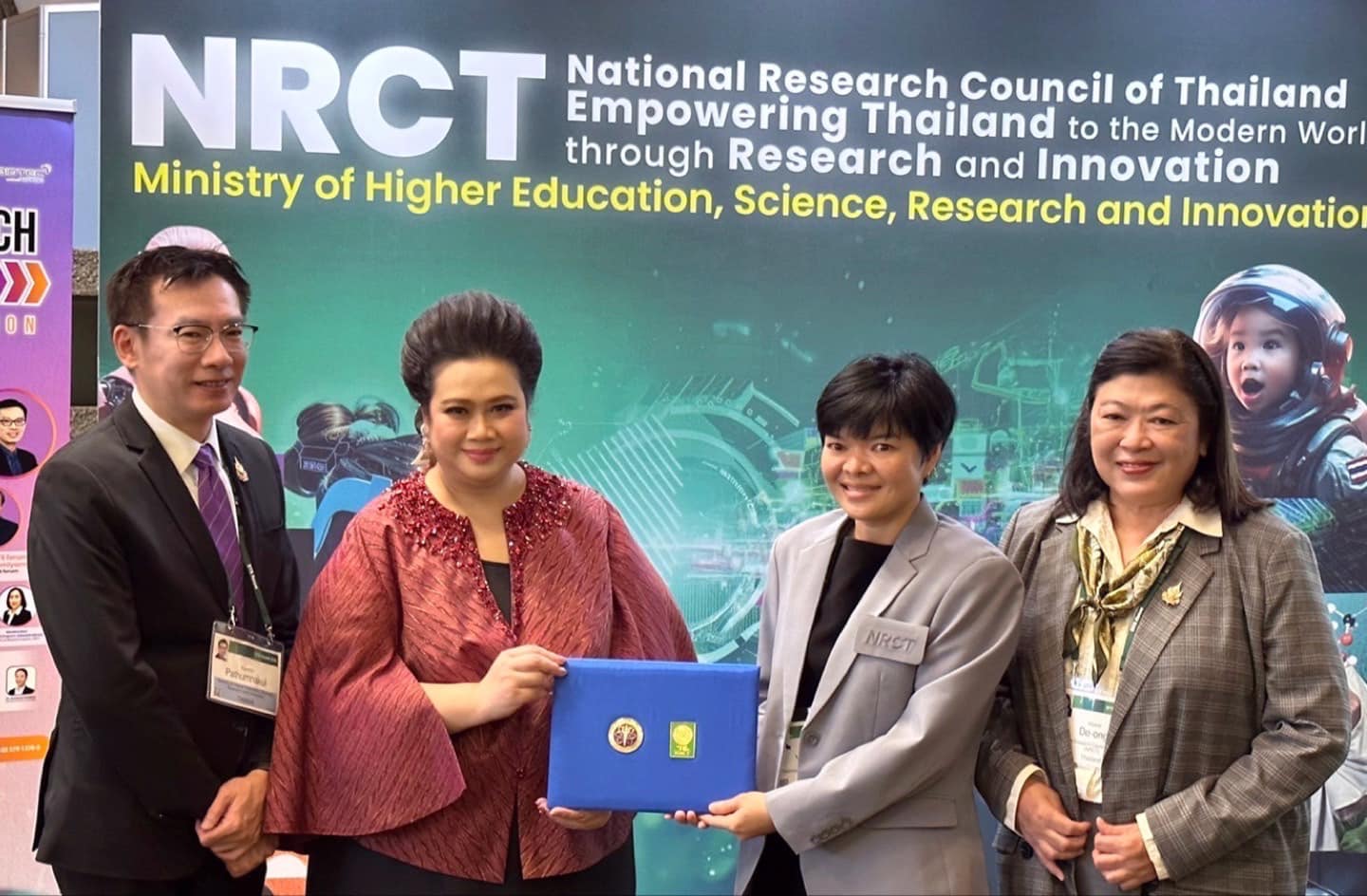
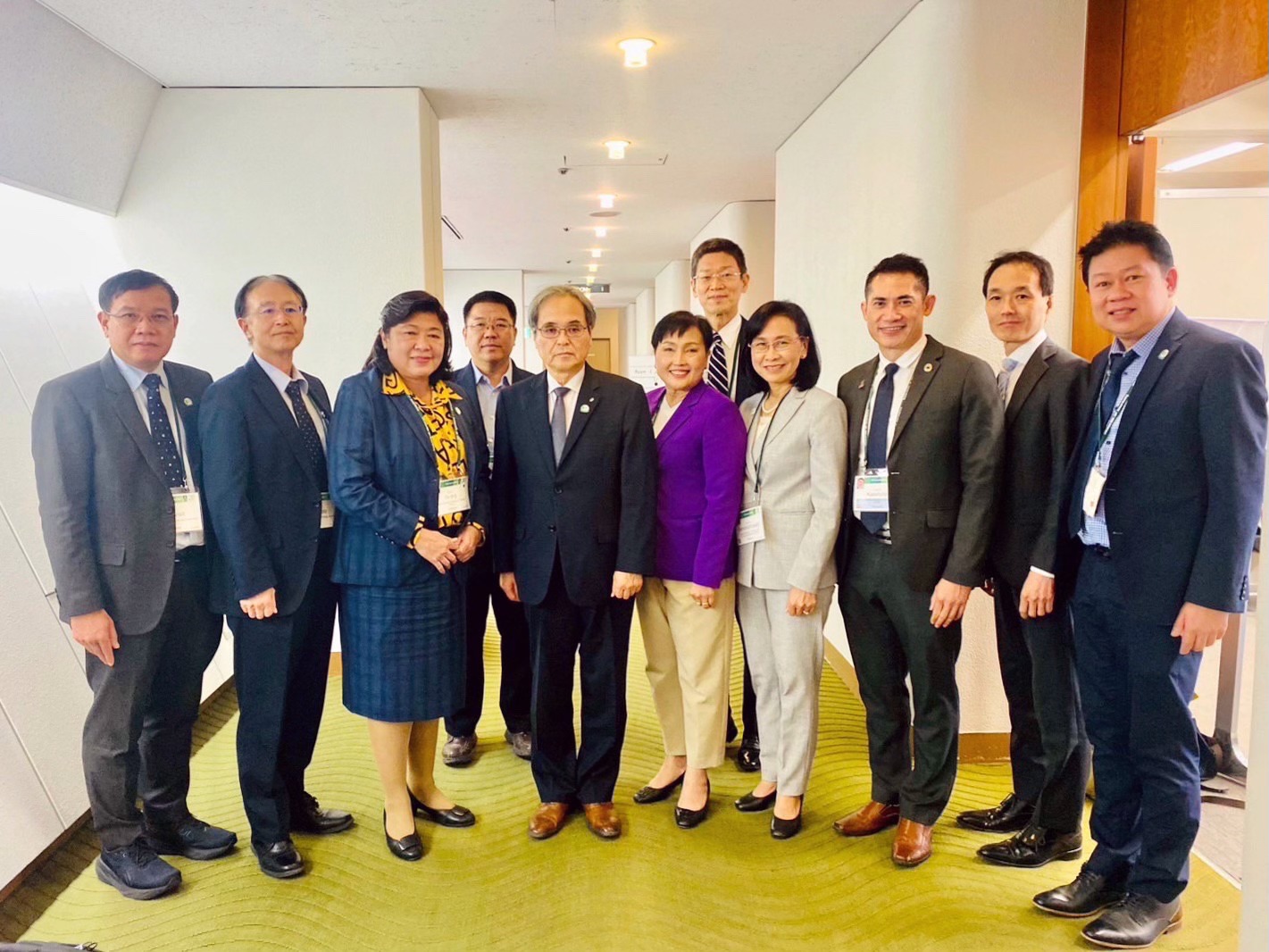
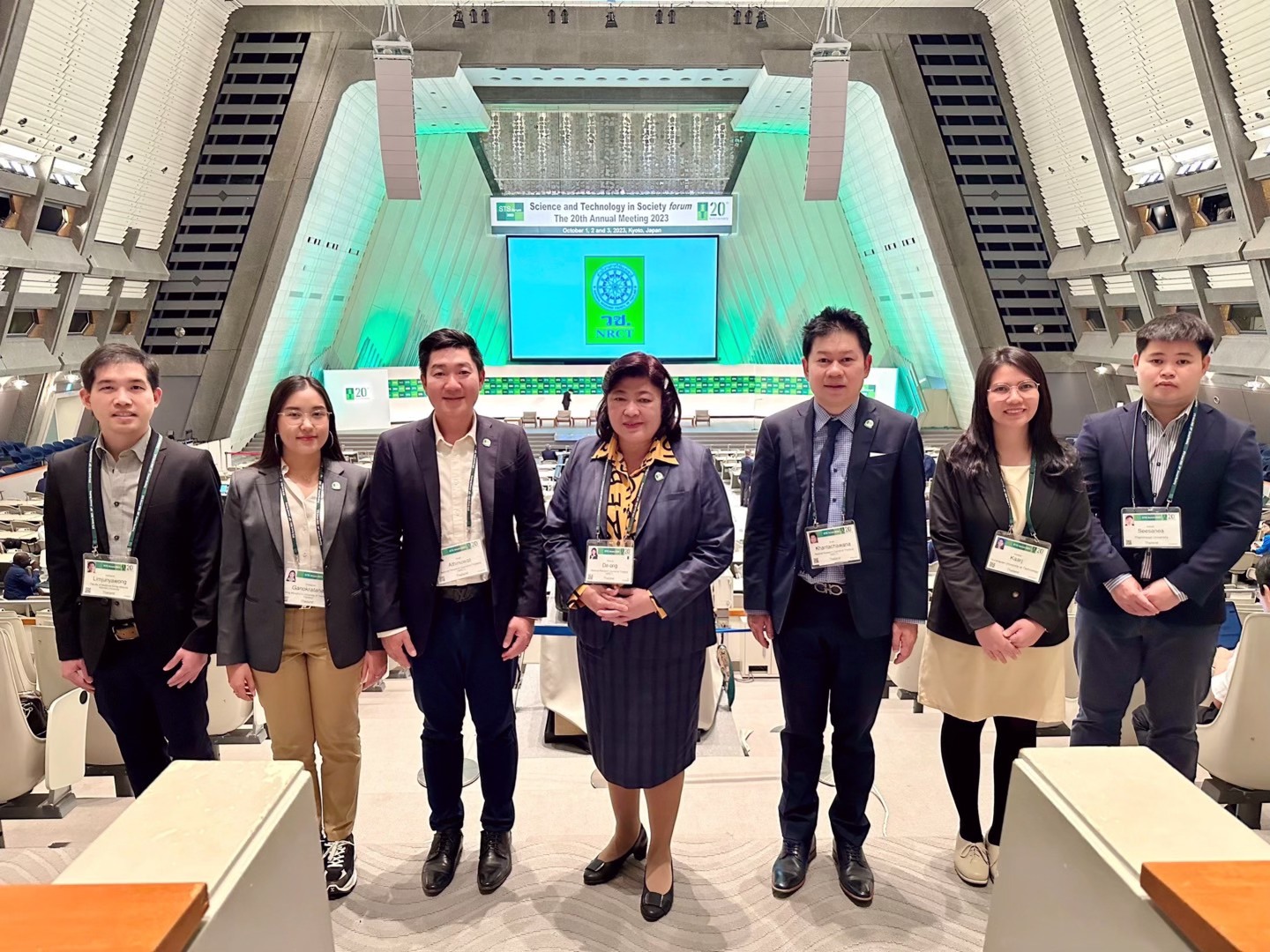
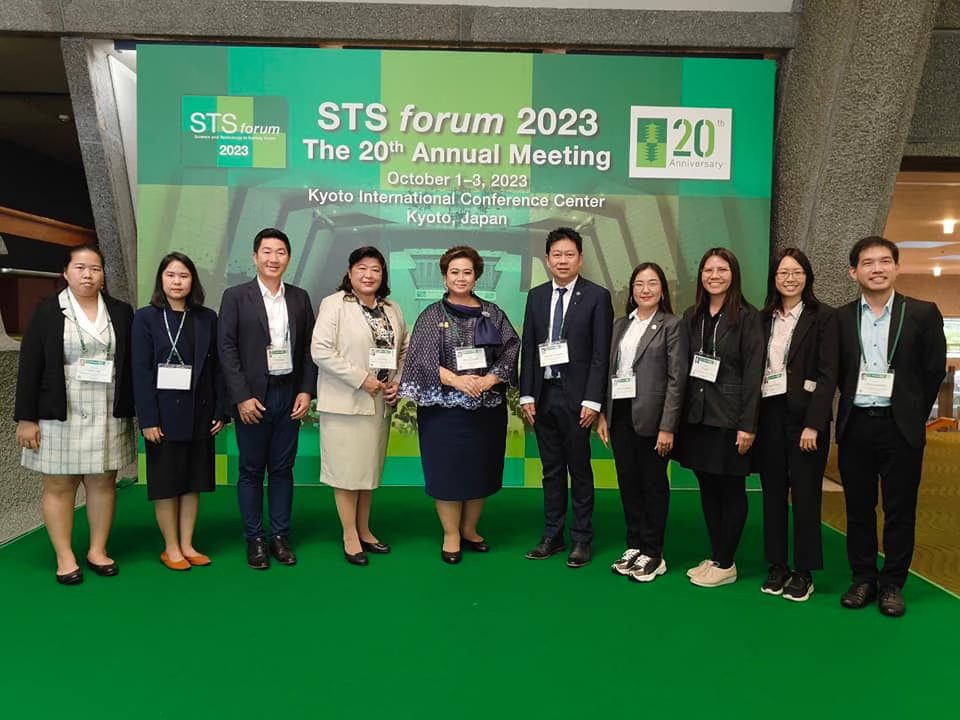
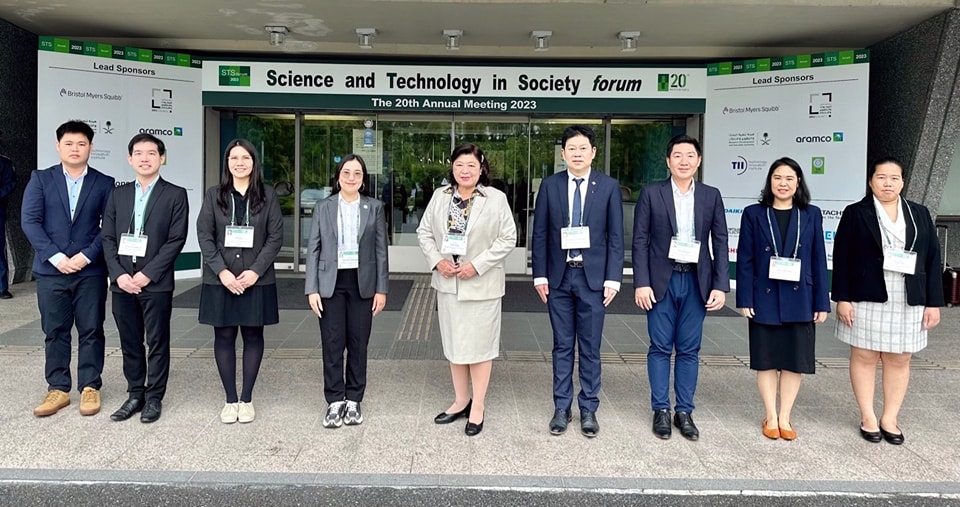
Beijing, People’s Republic of China, September 18, 2026 — The Chinese Academy of Social Sciences (CASS) showcased the research capabilities of the Key Laboratory of Scientific Archaeology and Cultural Heritage Conservation at the University of Chinese Academy of Social Sciences to a delegation from the National Research Council of Thailand (NRCT), under the Ministry of Higher Education, Science, Research and Innovation (MHESI), together with Thai archaeological experts. The visit provided an opportunity for the delegation to learn about scientific methods and advanced technologies used in archaeological research and cultural heritage conservation.
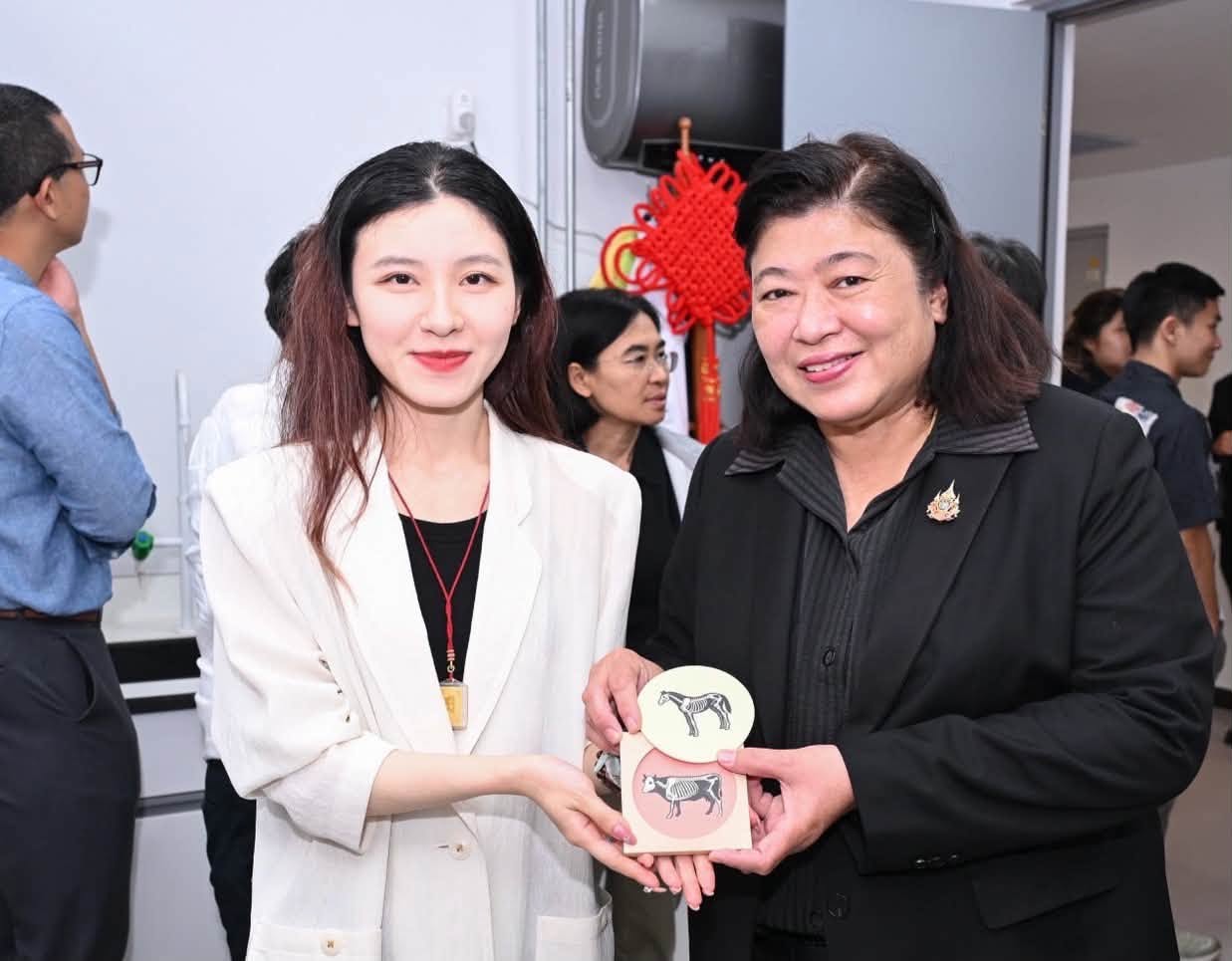
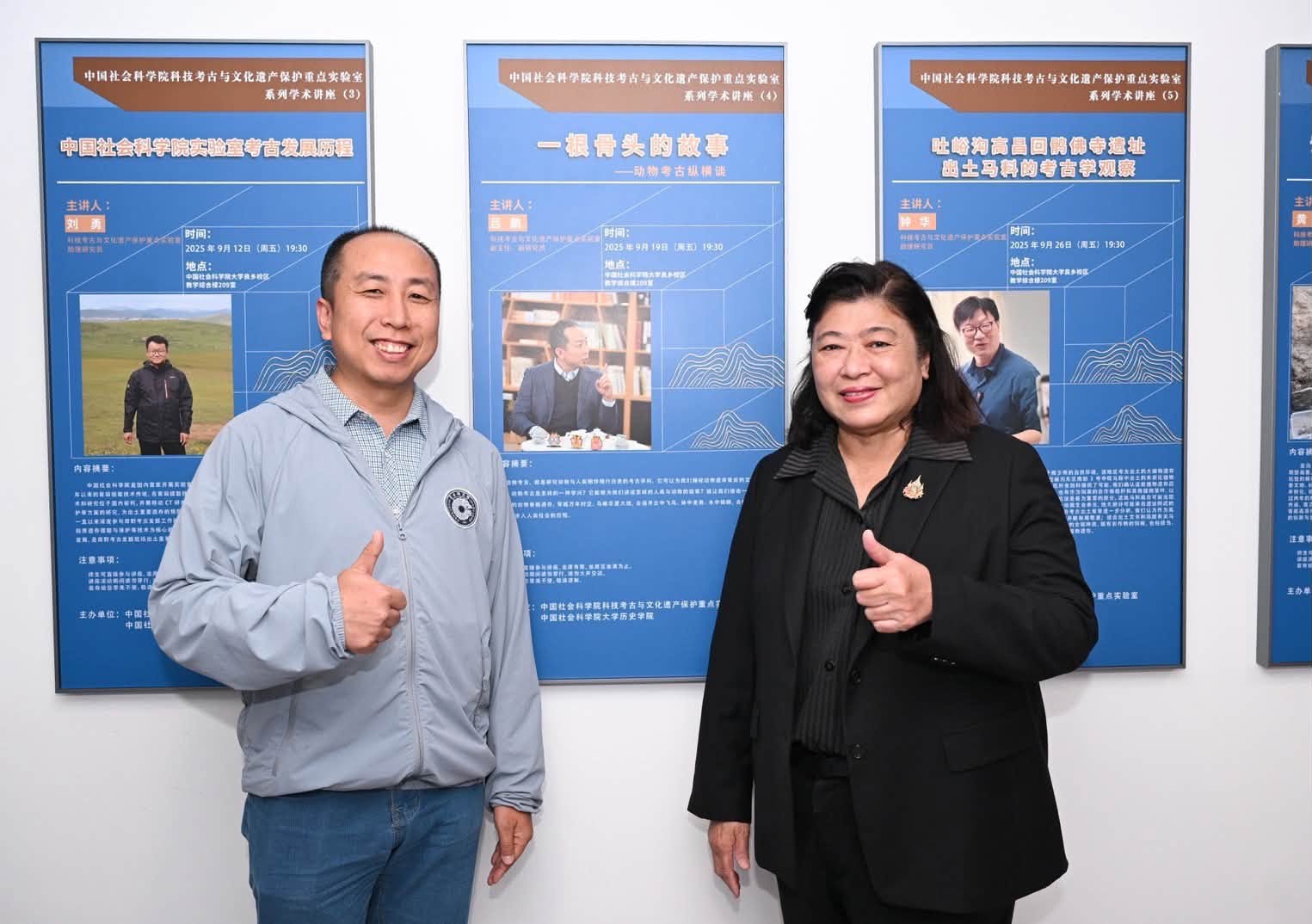
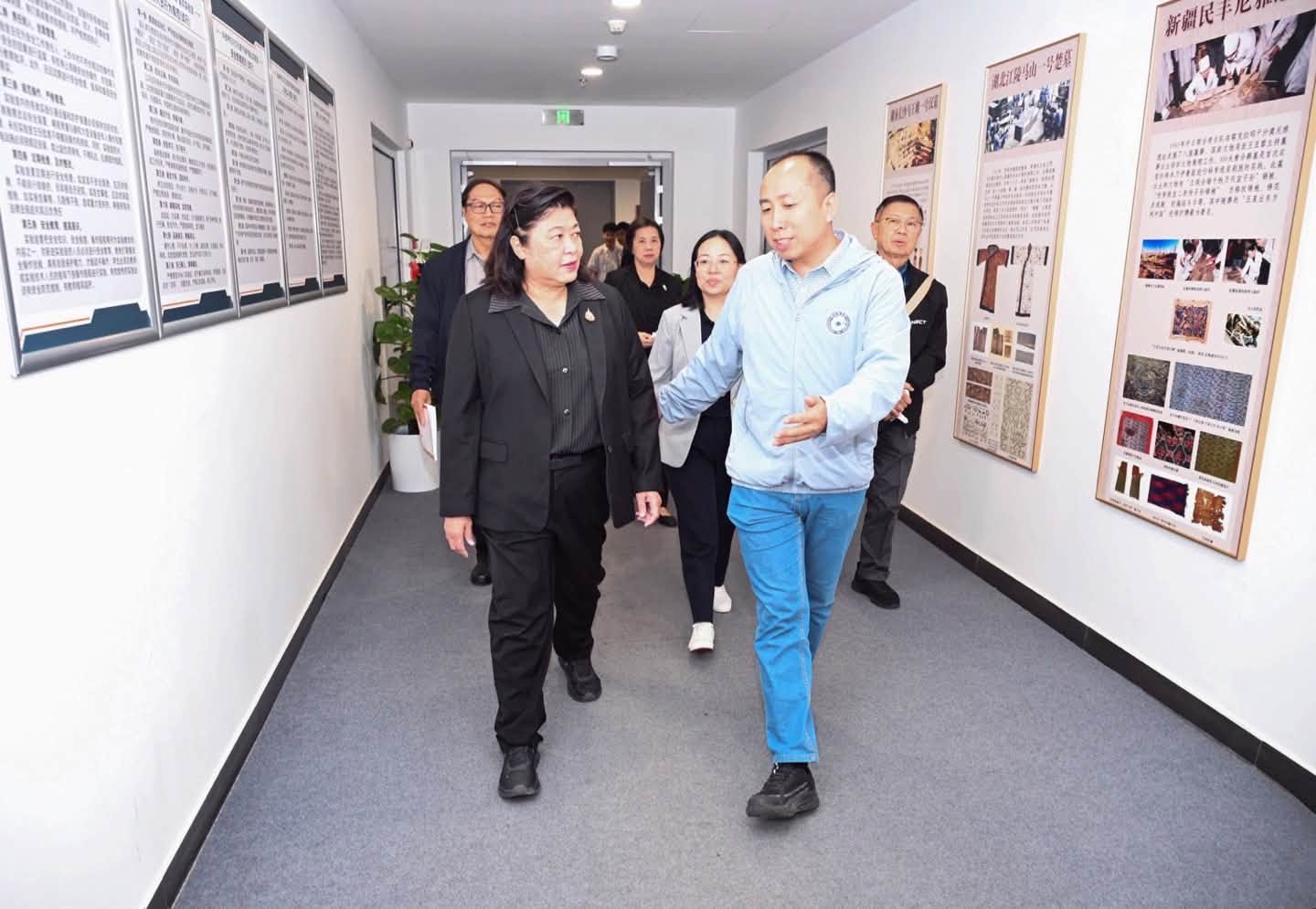
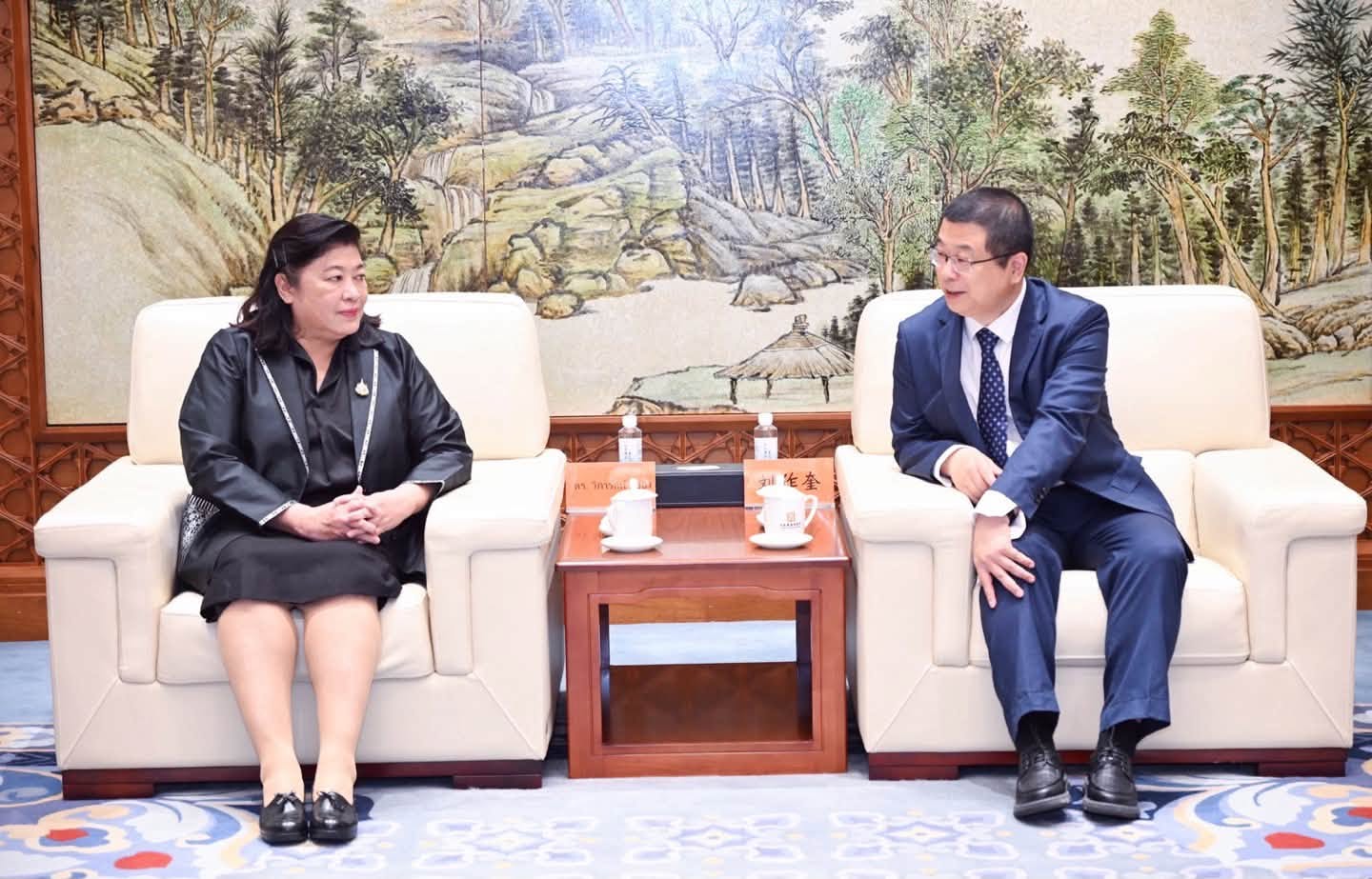
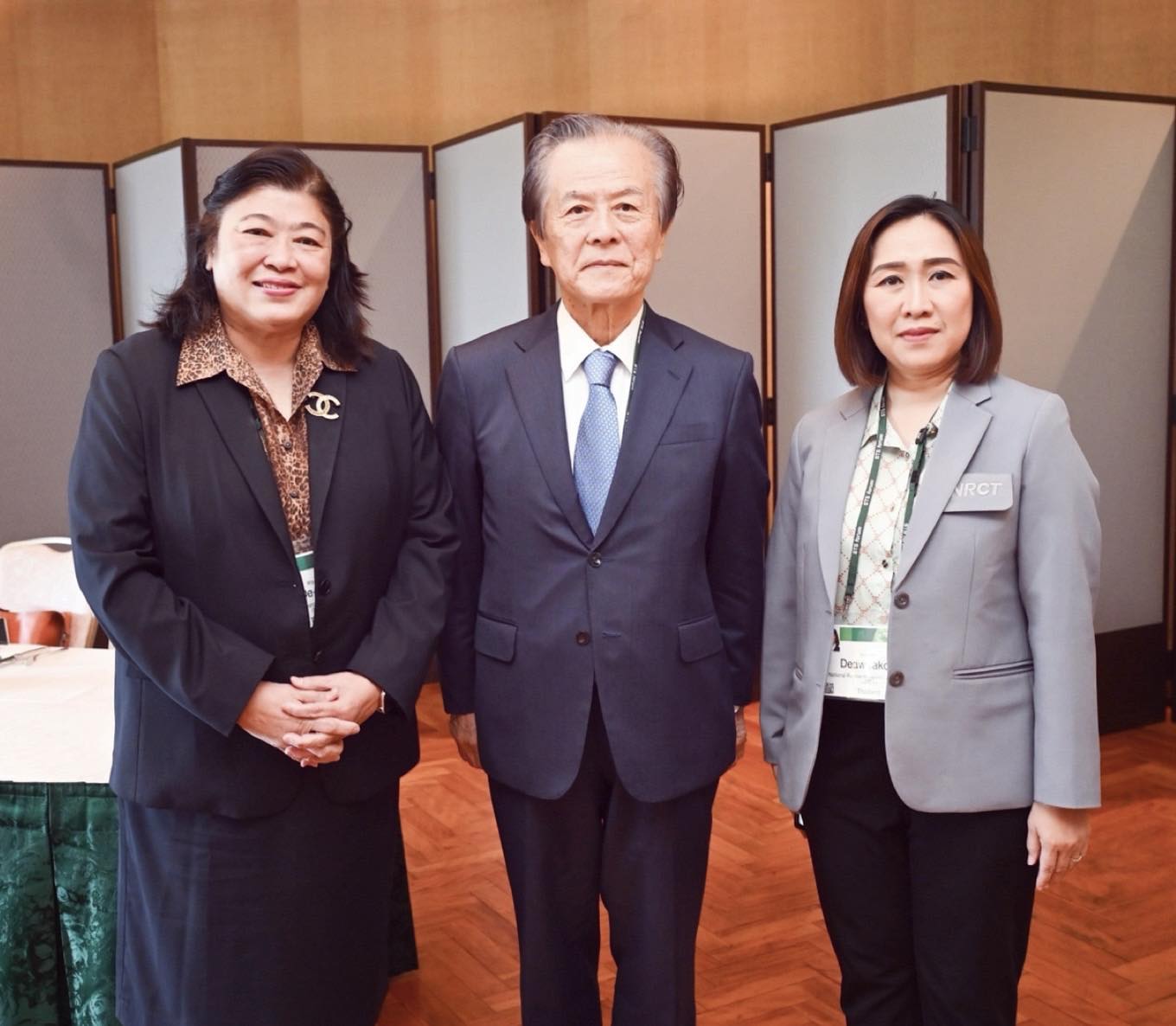
On this occasion, Dr. Wiparat De-ong, Executive Director of NRCT, joined NRCT executives, distinguished experts, and Thai archaeological specialists in visiting the laboratory and learning about its research processes. The delegation was welcomed by Mr. Dong Xinlin, Deputy Director of the Institute of Archaeology, CASS, and Director of the Key Laboratory of Scientific Archaeology and Cultural Heritage Conservation.
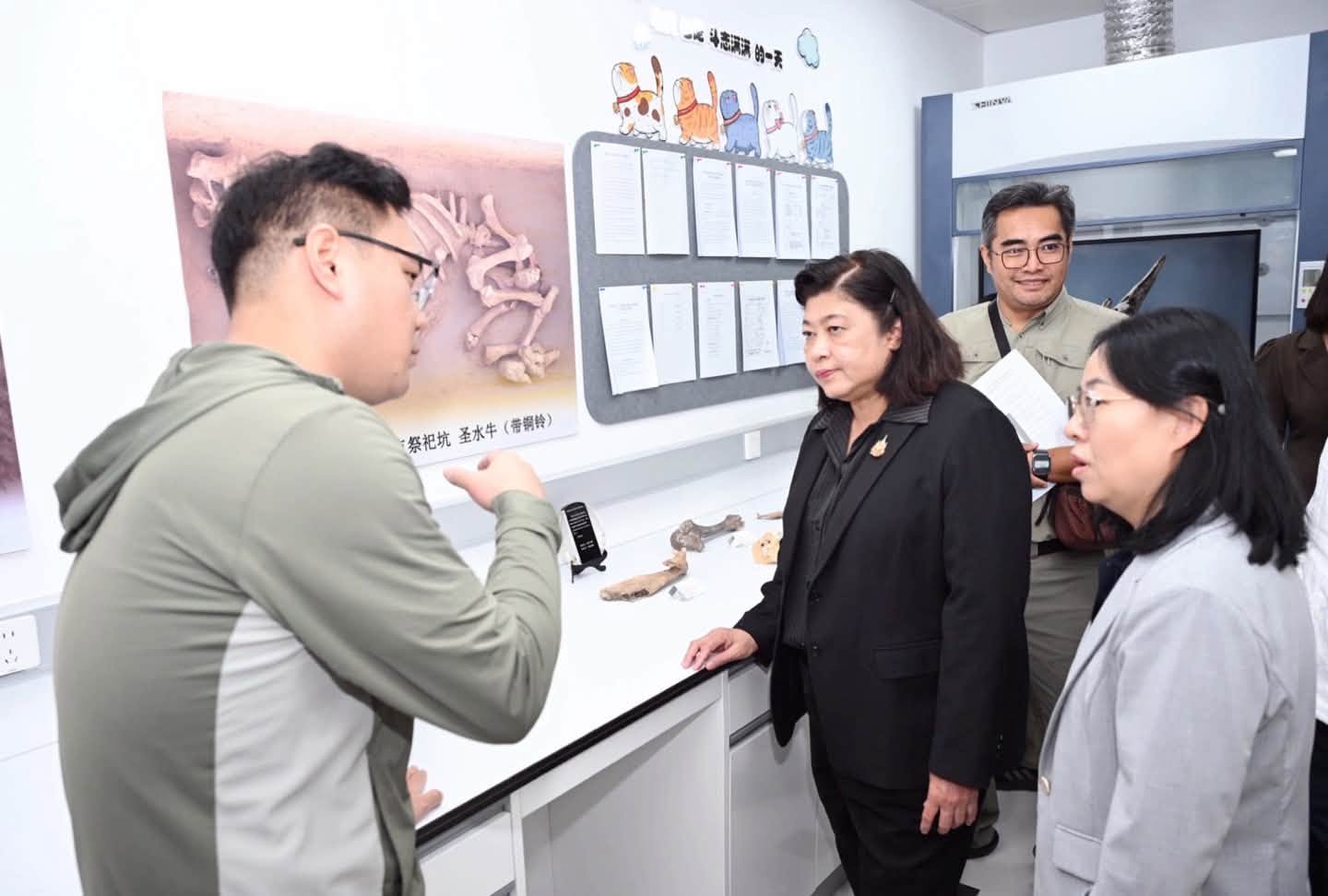
The Key Laboratory of Scientific Archaeology and Cultural Heritage Conservation serves as a research platform established by CASS to integrate archaeology with scientific methods and modern technologies. Its research covers a wide range of areas, from the scientific analysis of archaeological evidence—including ancient DNA, radiocarbon dating, isotope analysis, and human skeletal remains—to the conservation and restoration of artifacts and cultural heritage.
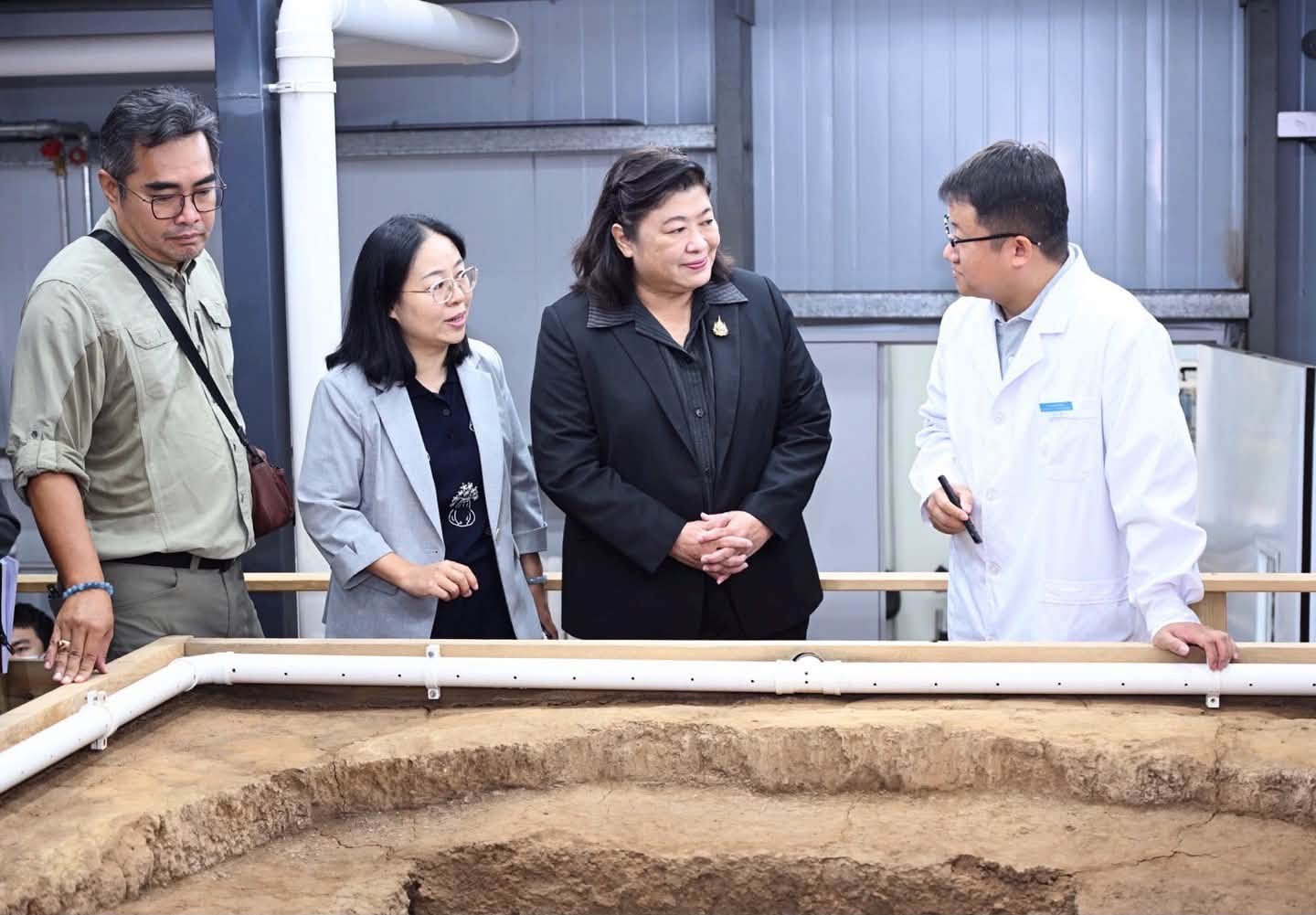
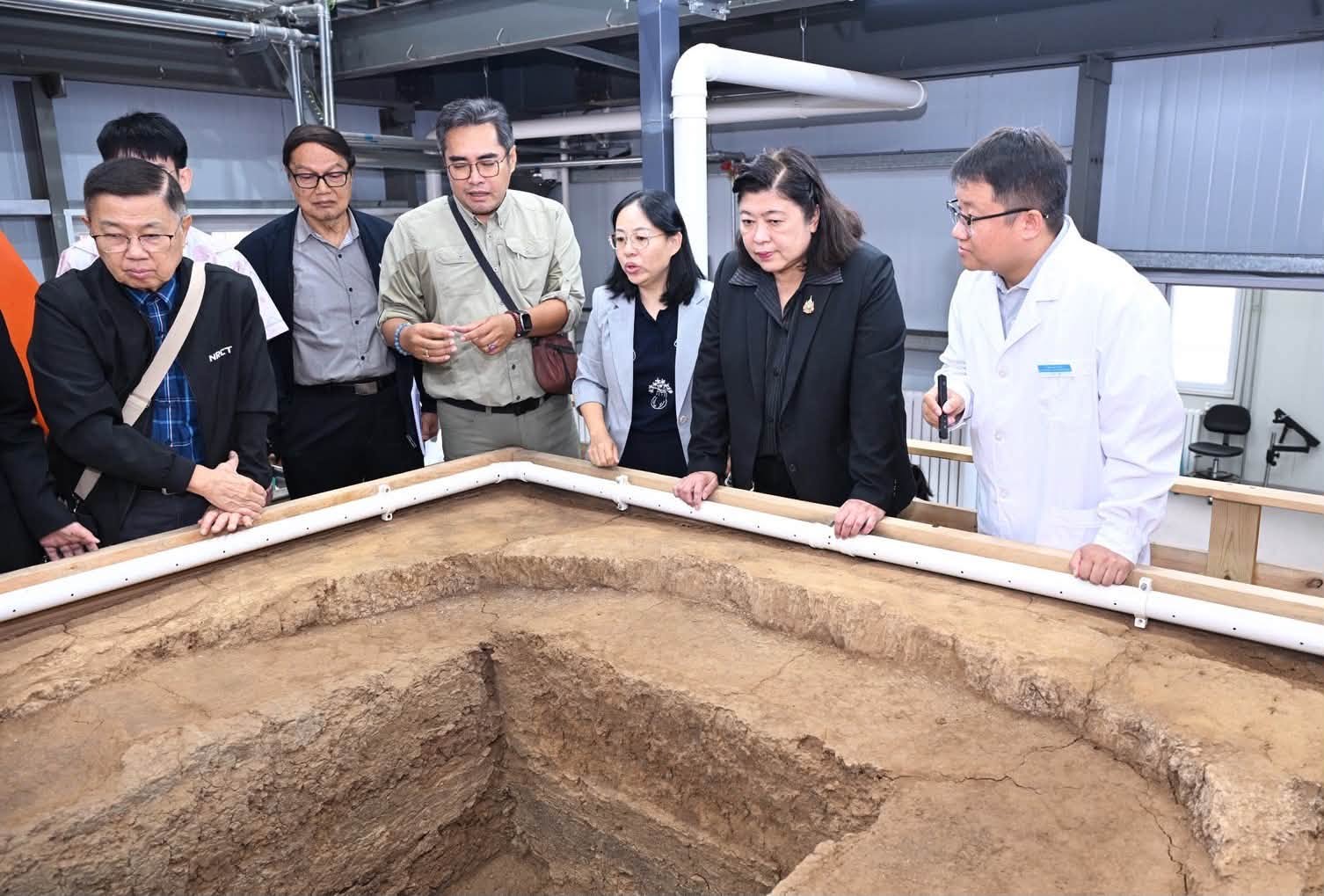
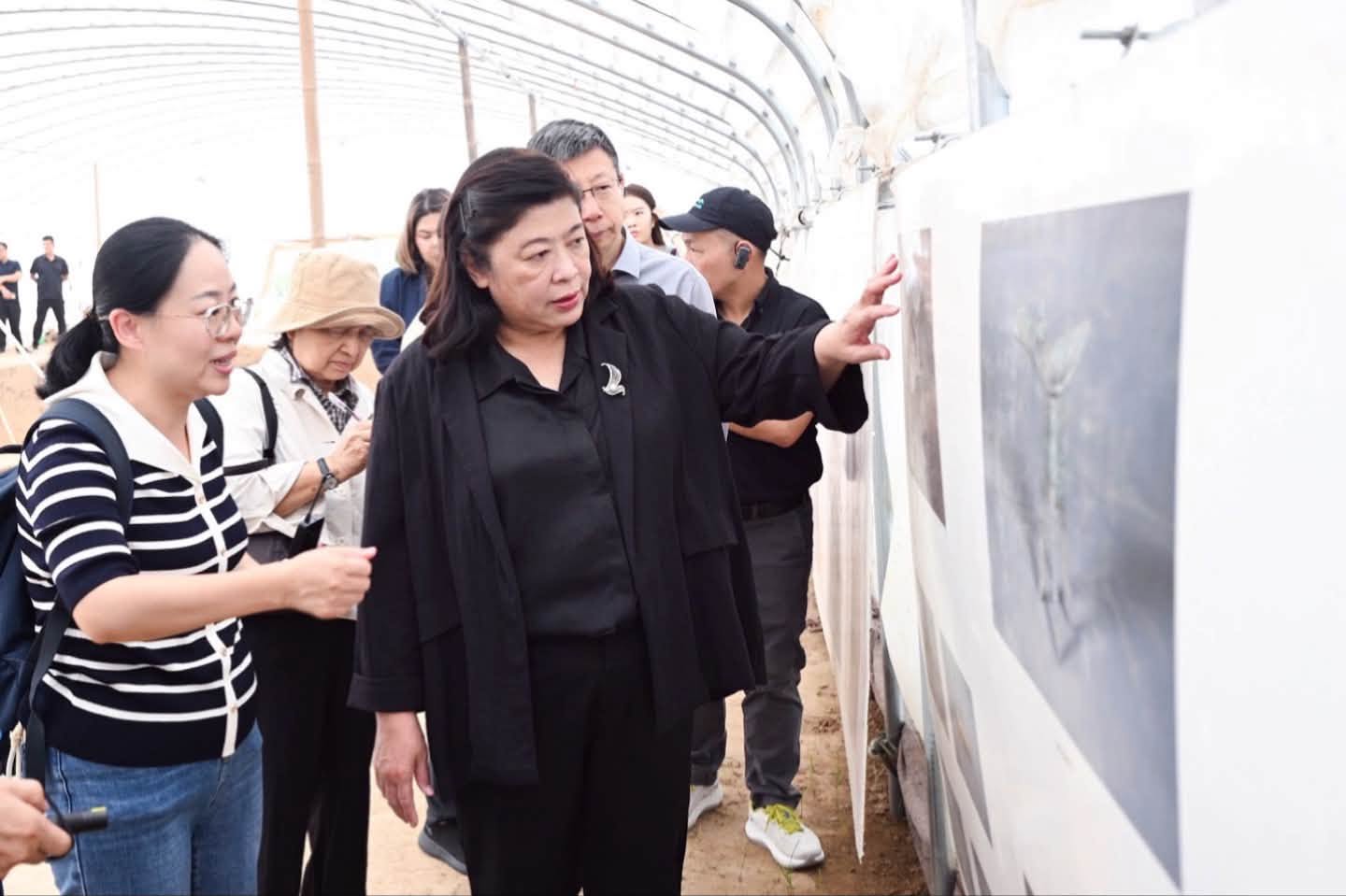
During visits to the laboratory facilities, the delegation learned how scientific techniques are used to identify, investigate, and interpret archaeological evidence. These methods include underground surveying technologies applied before excavation to assess the location and characteristics of potential archaeological remains, such as human skeletons and artifacts.
The delegation also learned about the history and production techniques of lacquerware, for which evidence of use in China dates back approximately 8,000 years. Researchers apply scientific analyses to investigate the composition and origins of lacquerware and compare production techniques with those found in other parts of the region.
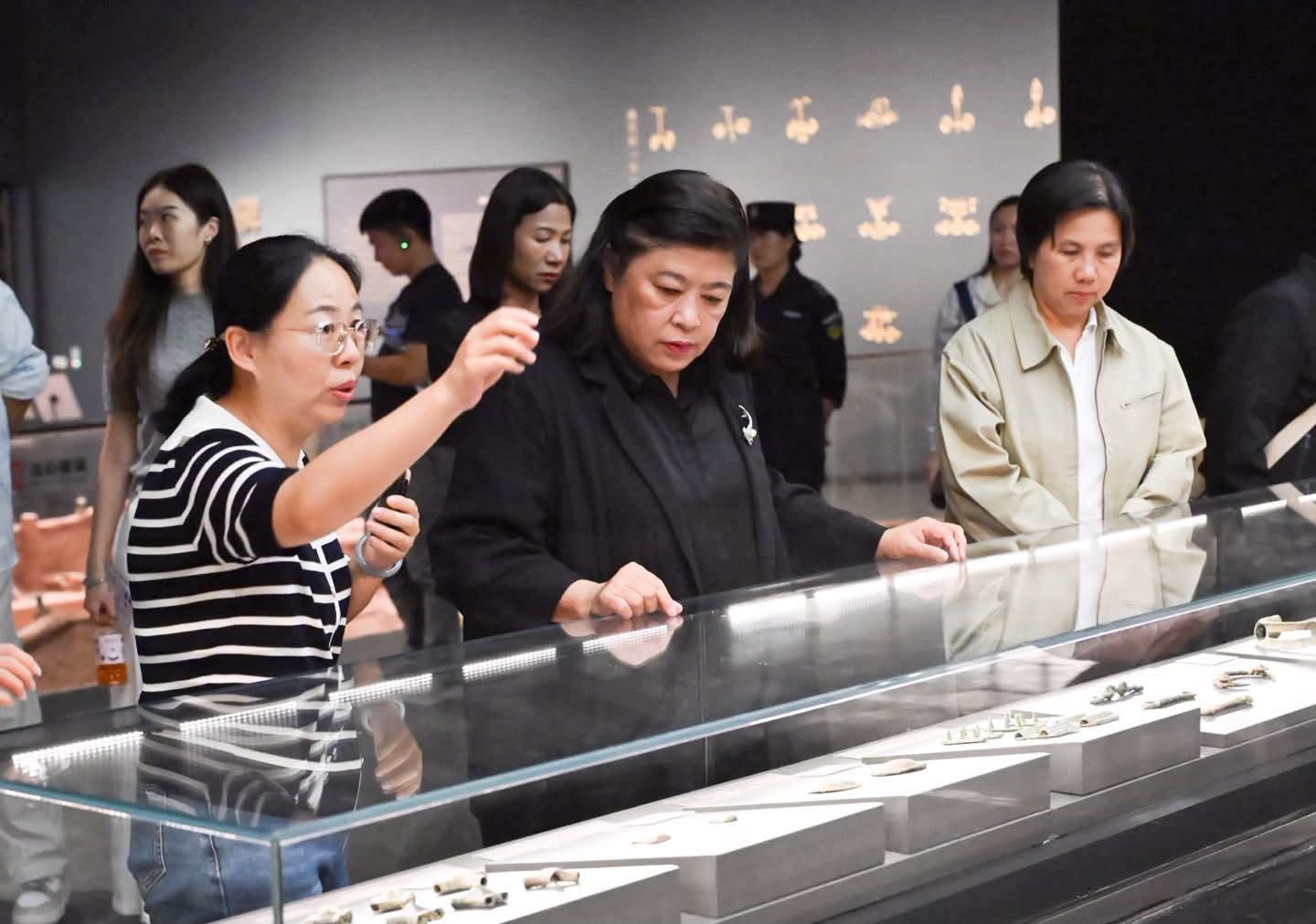
At the conservation and restoration laboratory, the delegation observed techniques for stabilizing and preserving archaeological objects, including the restoration of bronze artifacts dating back approximately 3,000 years from Luoyang. They learned about procedures to ensure that objects are properly stabilized and sufficiently dry before being moved, as well as the use of automated control systems and robotic technologies to transport heavy objects while minimizing the risk of damage.
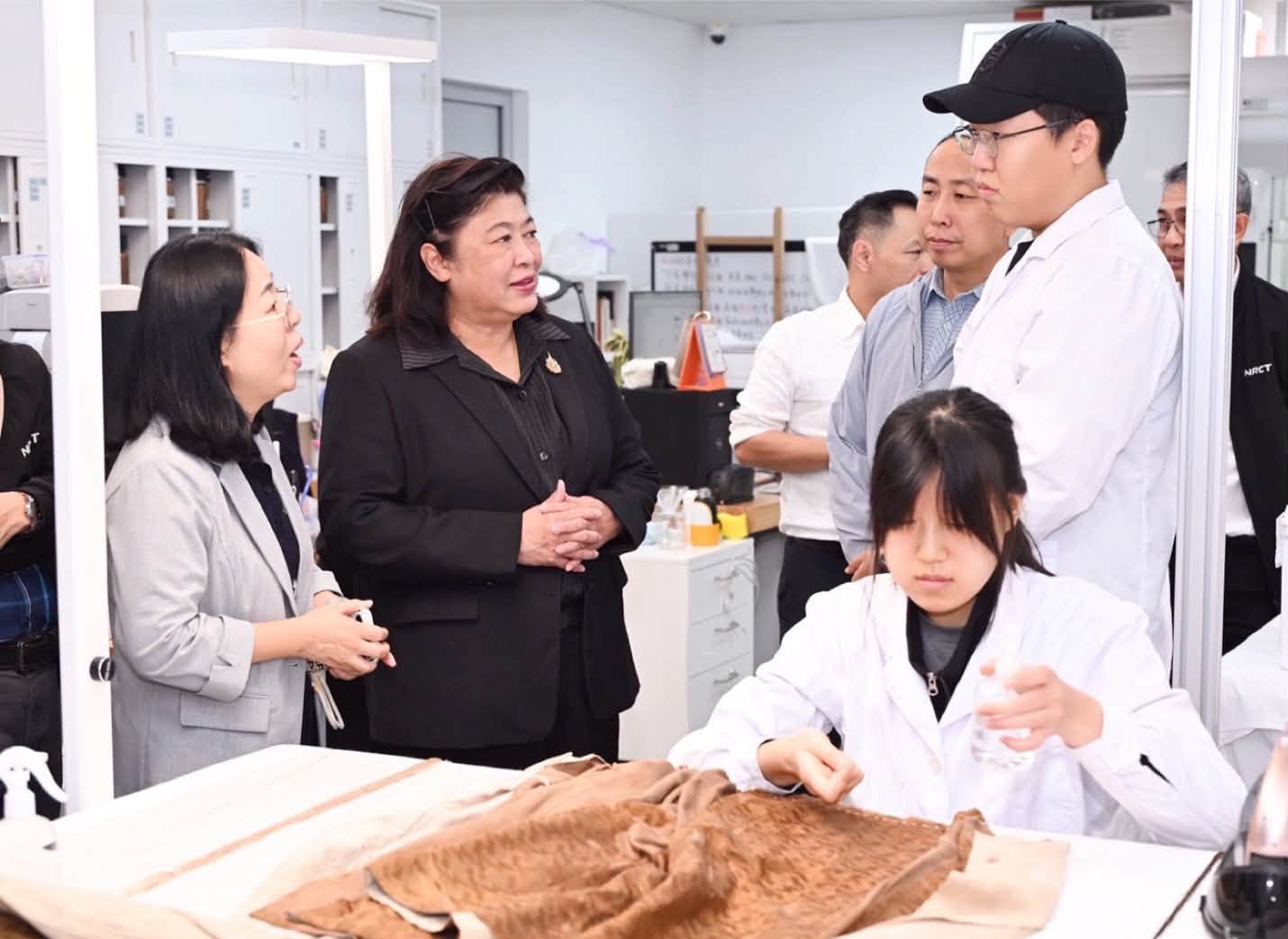
The delegation also learned about conservation methods for silk textiles and garments from the Ming Dynasty, dating back more than 600 years and originating from Hebei Province. The presentation included the use of natural plant-based dyes, such as madder (qiancao), in the study and conservation of historical textiles.
Beyond the scientific examination and conservation of individual artifacts, CASS also emphasizes the systematic management of cultural heritage sites. Experts shared their experience in conducting continuous nationwide archaeological surveys over approximately five decades to collect data and develop cultural heritage maps, drawing on both archaeological findings and historical documents. Local personnel also play an important role in maintaining and monitoring archaeological sites.
A key principle guiding this work is the preservation of archaeological sites in situ, meaning that remains are preserved in their original locations and excavations are undertaken only when necessary. This approach helps protect archaeological evidence for future research and study.
The visit to the Key Laboratory of Scientific Archaeology and Cultural Heritage Conservation at the University of Chinese Academy of Social Sciences provided the Thai delegation with valuable insights into China’s application of science and technology in archaeological research and cultural heritage conservation. The knowledge and experience gained are expected to contribute to the further development of archaeological research and conservation practices in Thailand and to support future research collaboration between Thailand and China.