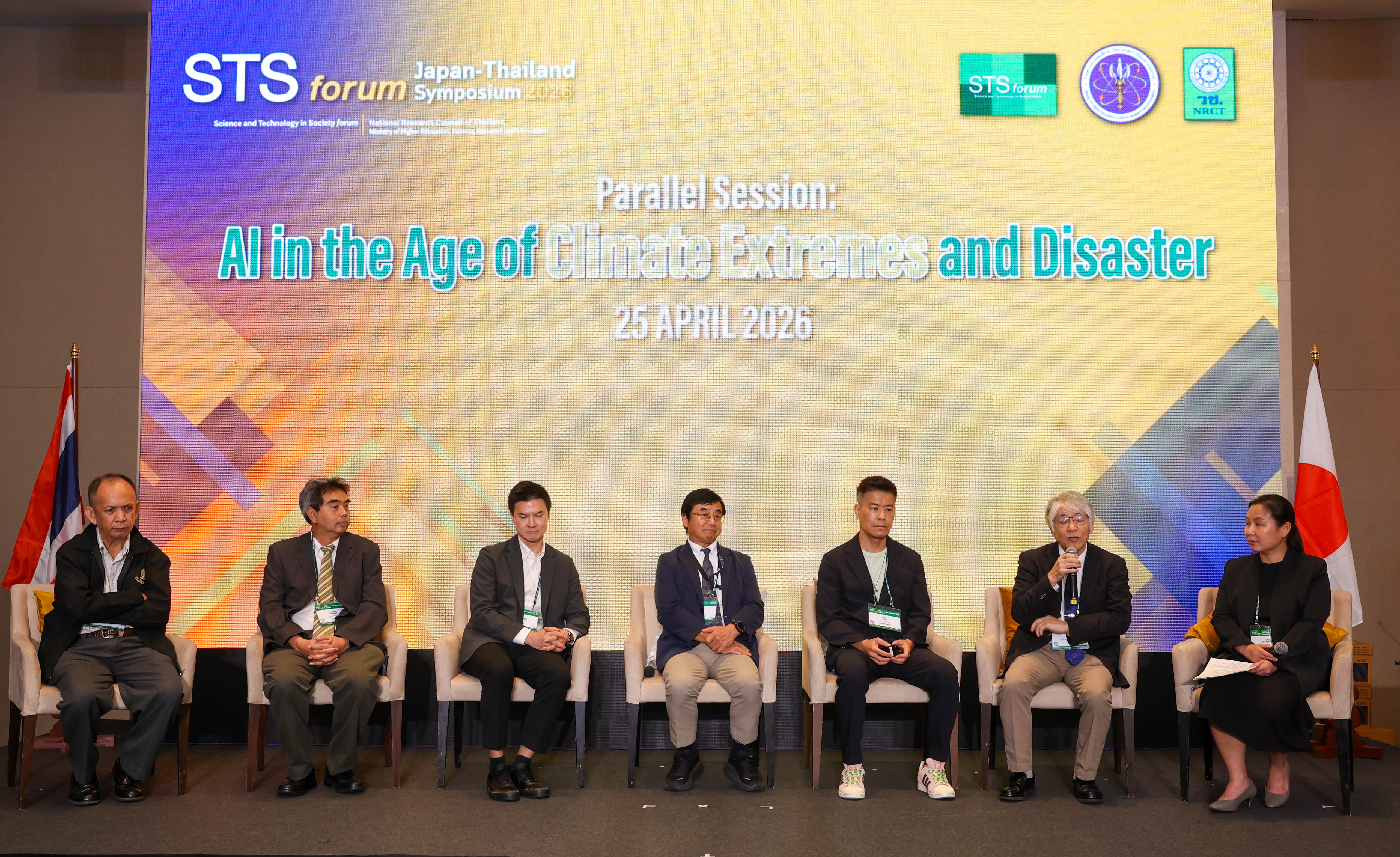
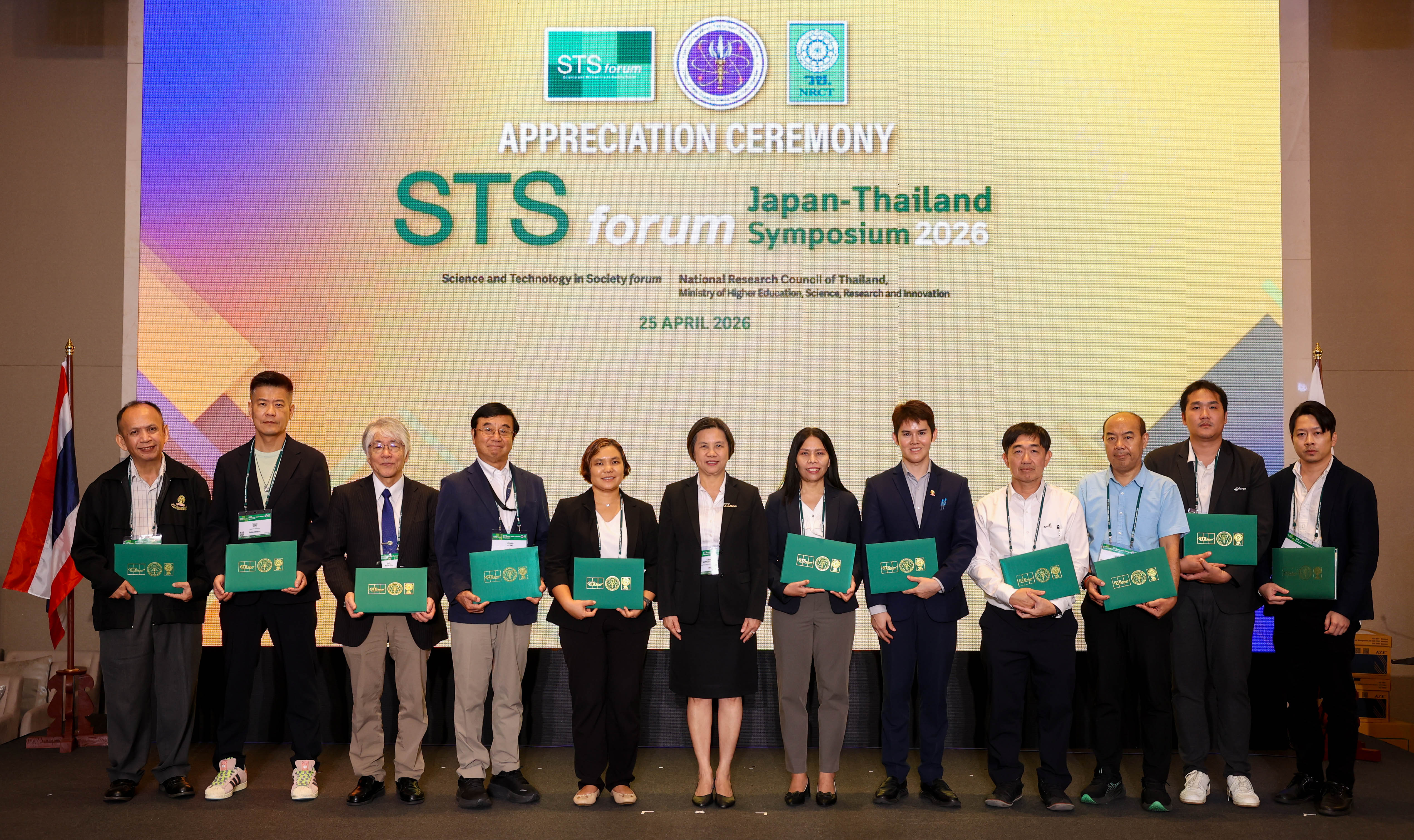
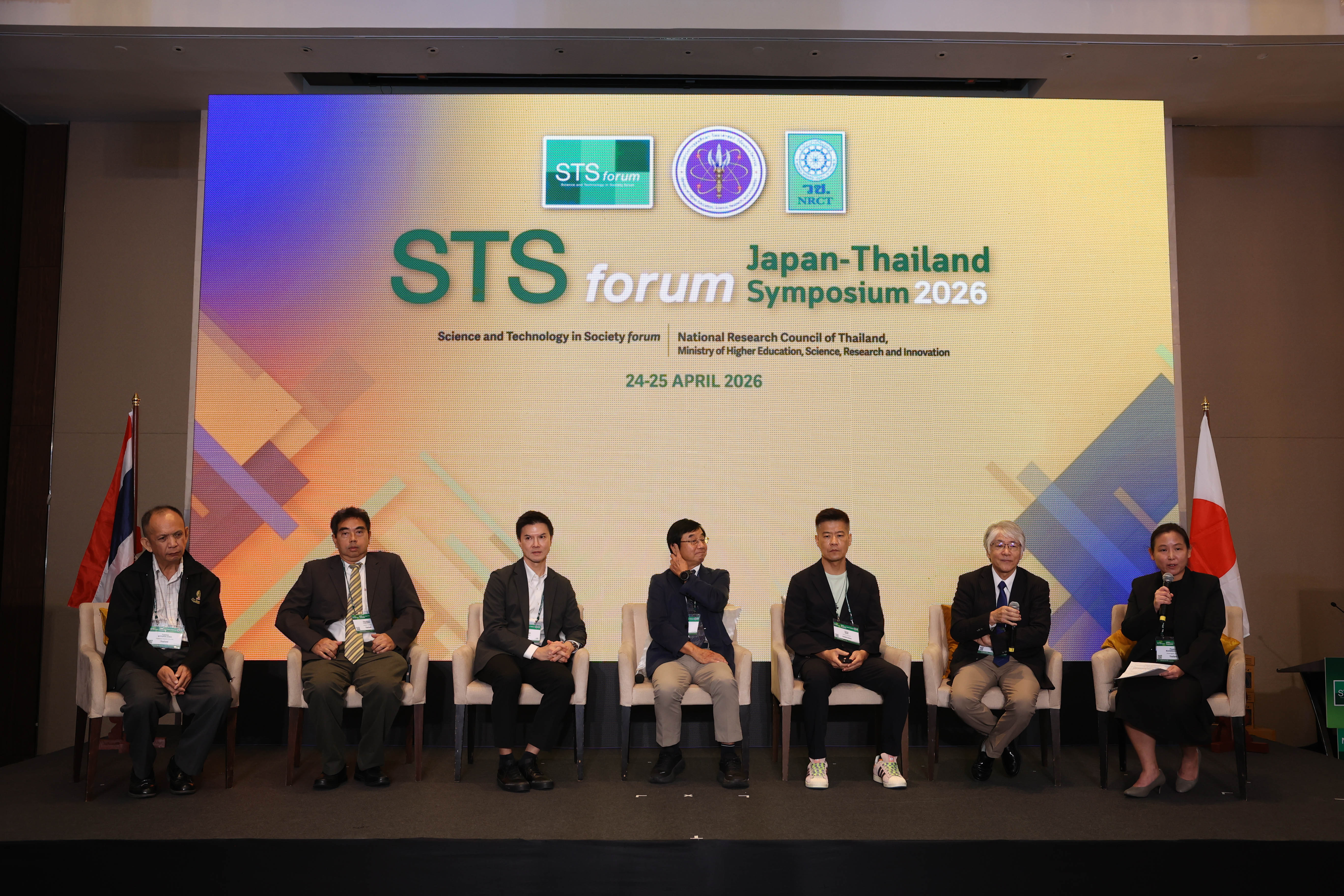
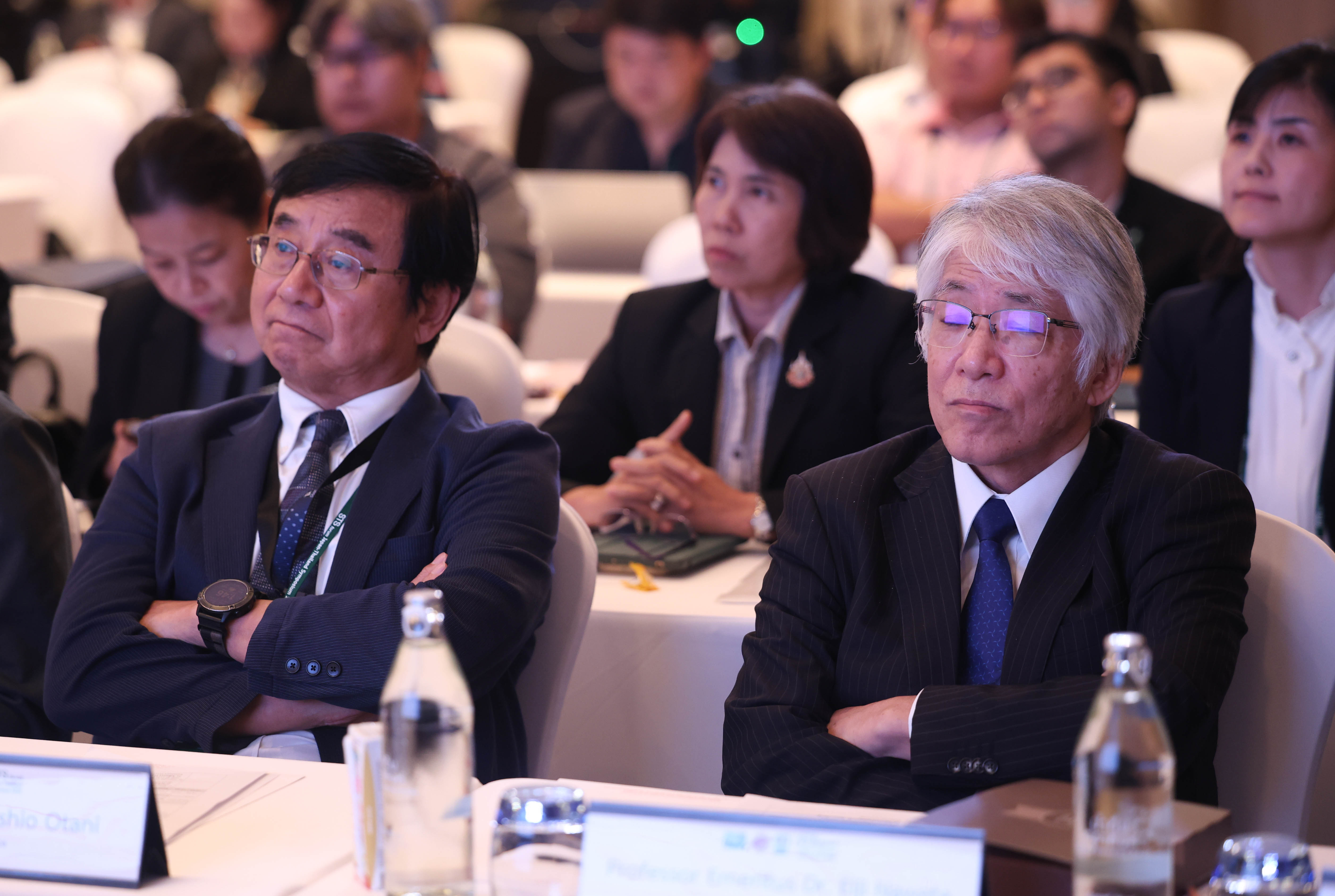
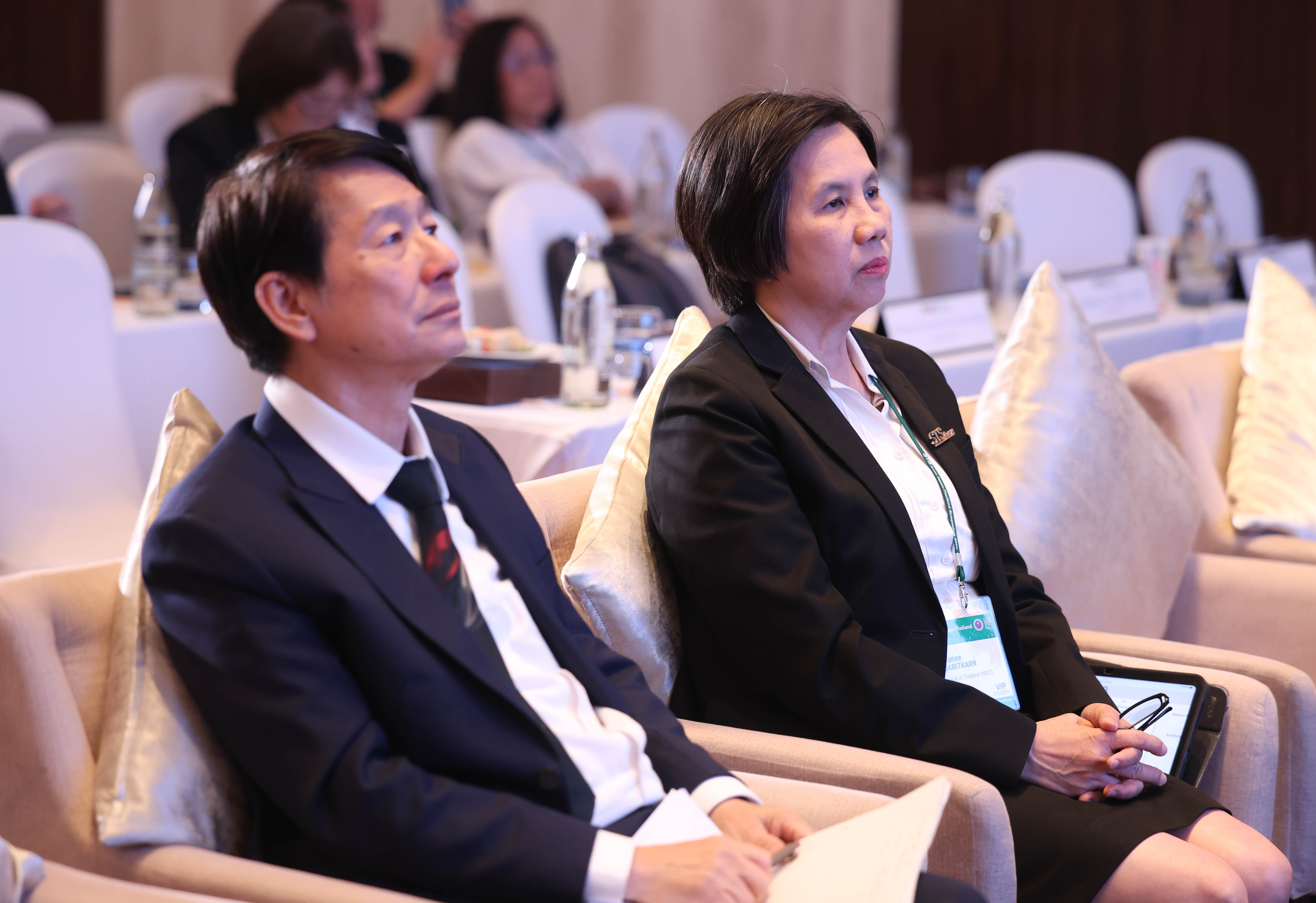
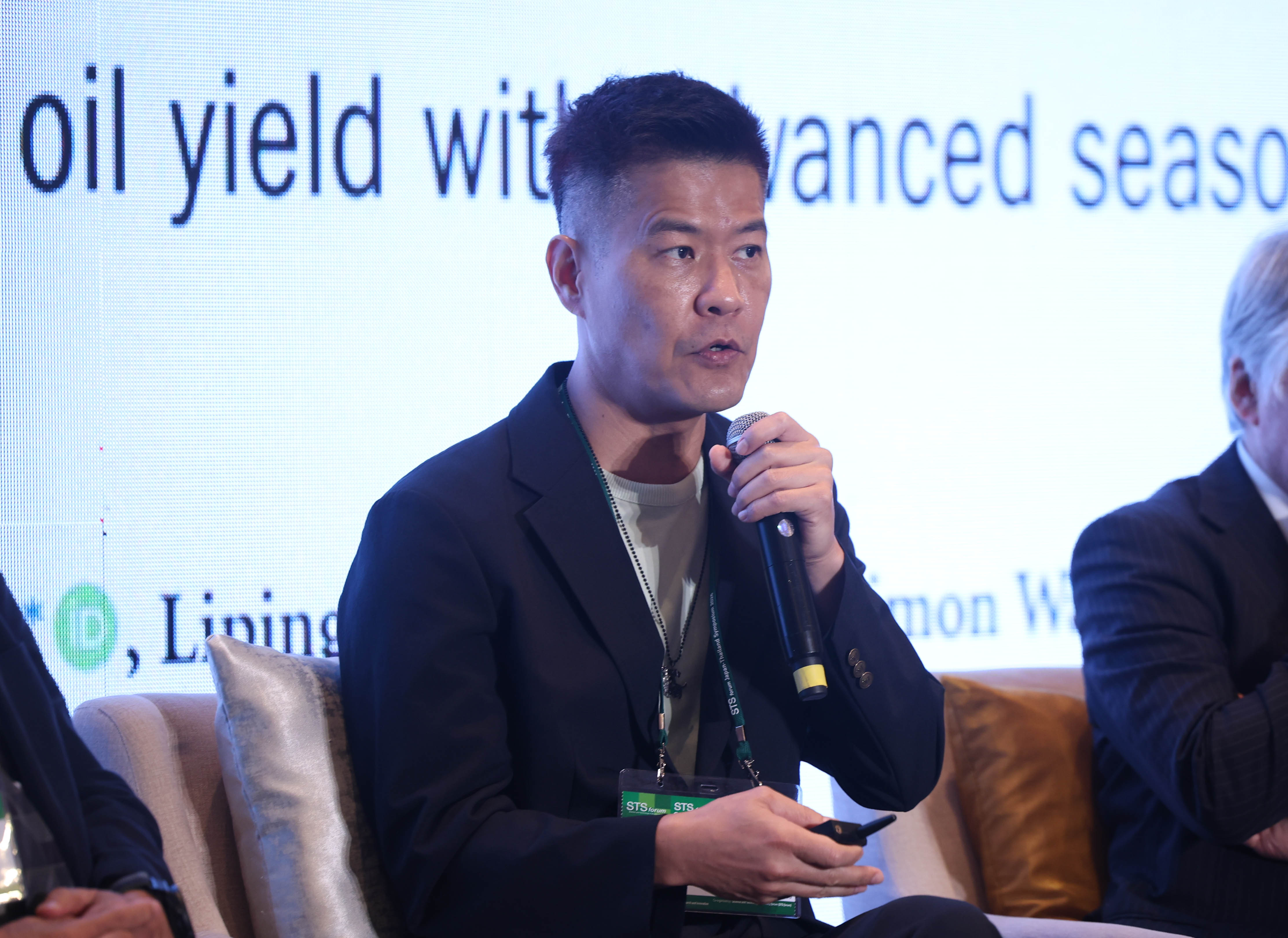
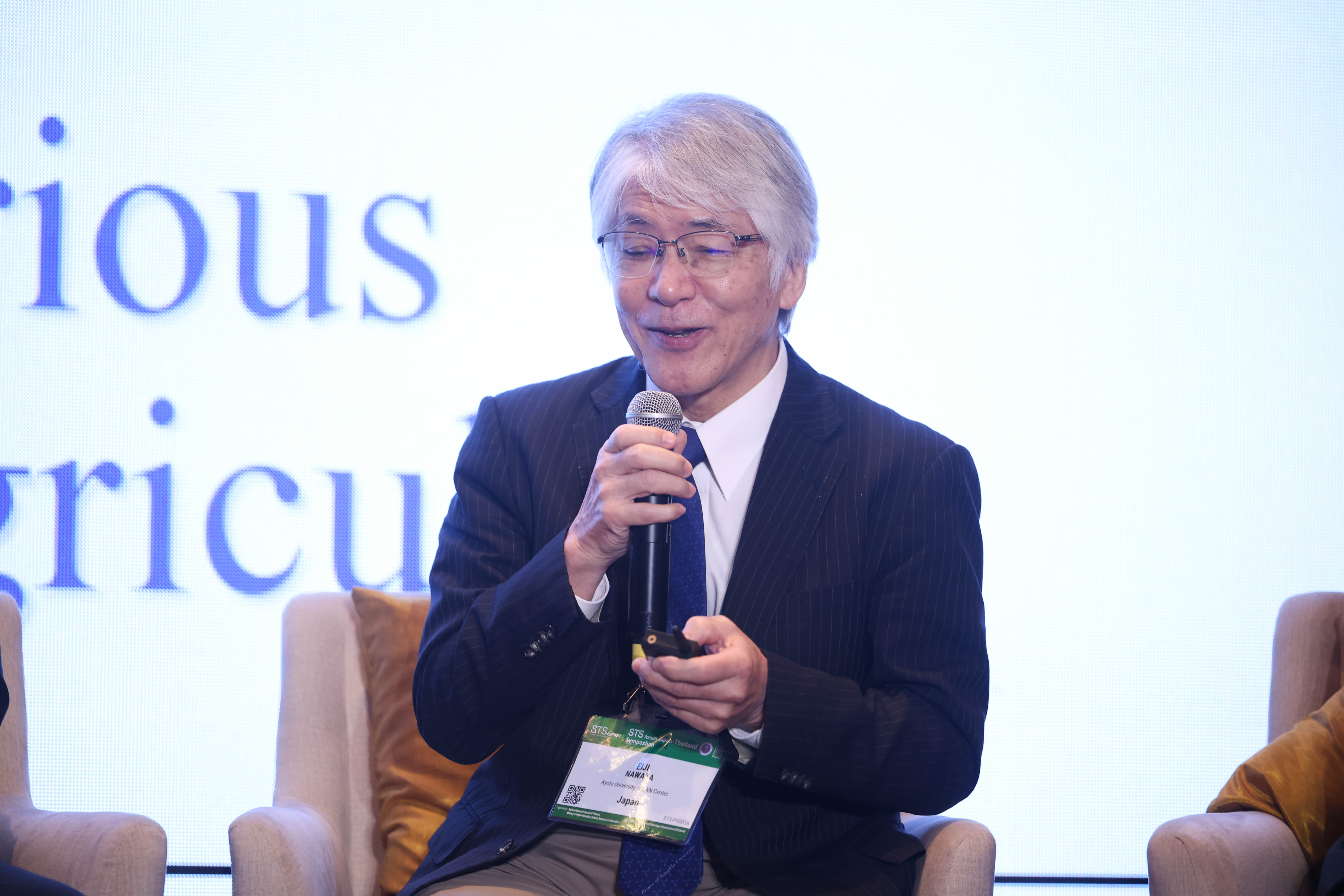
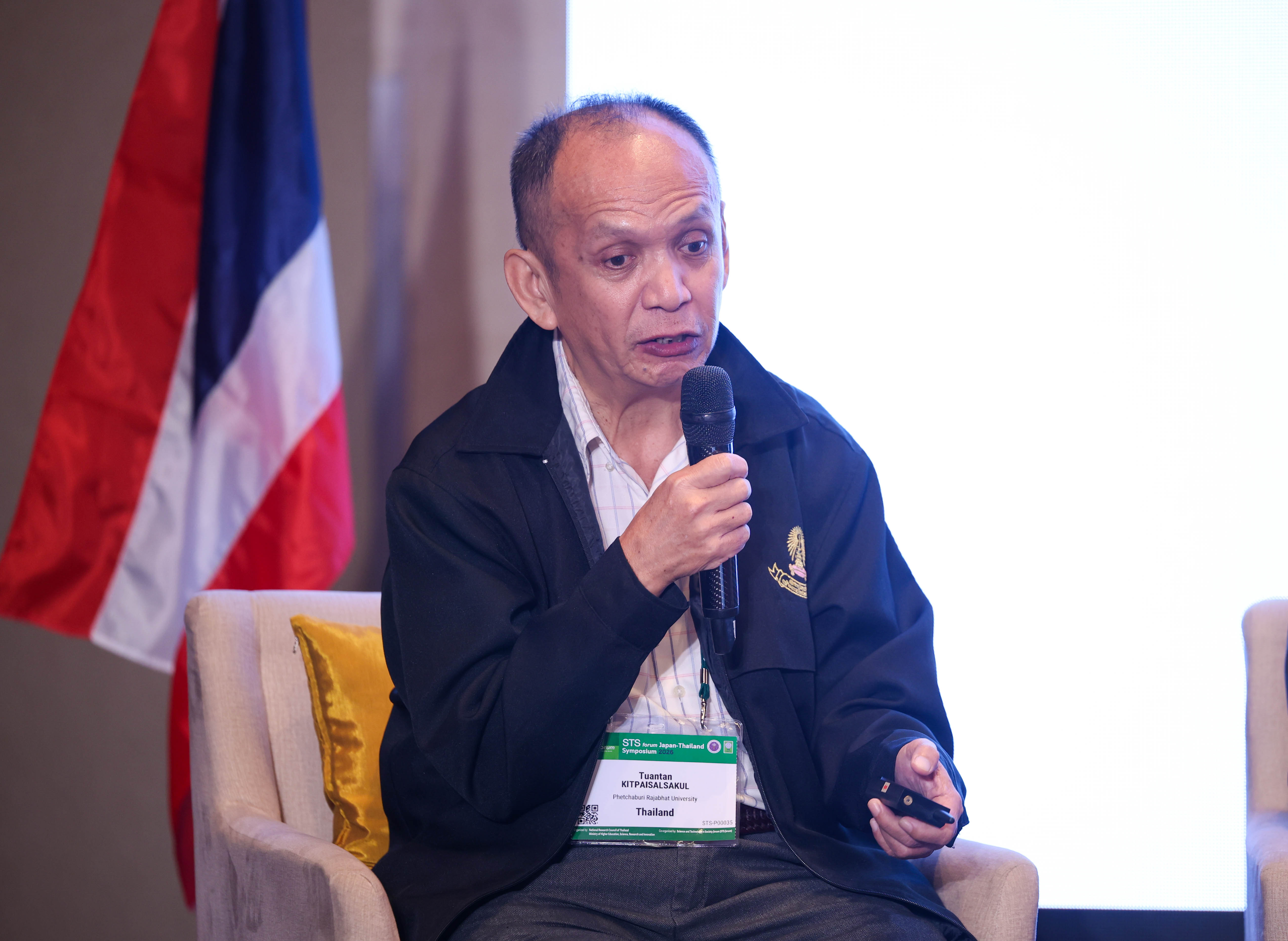
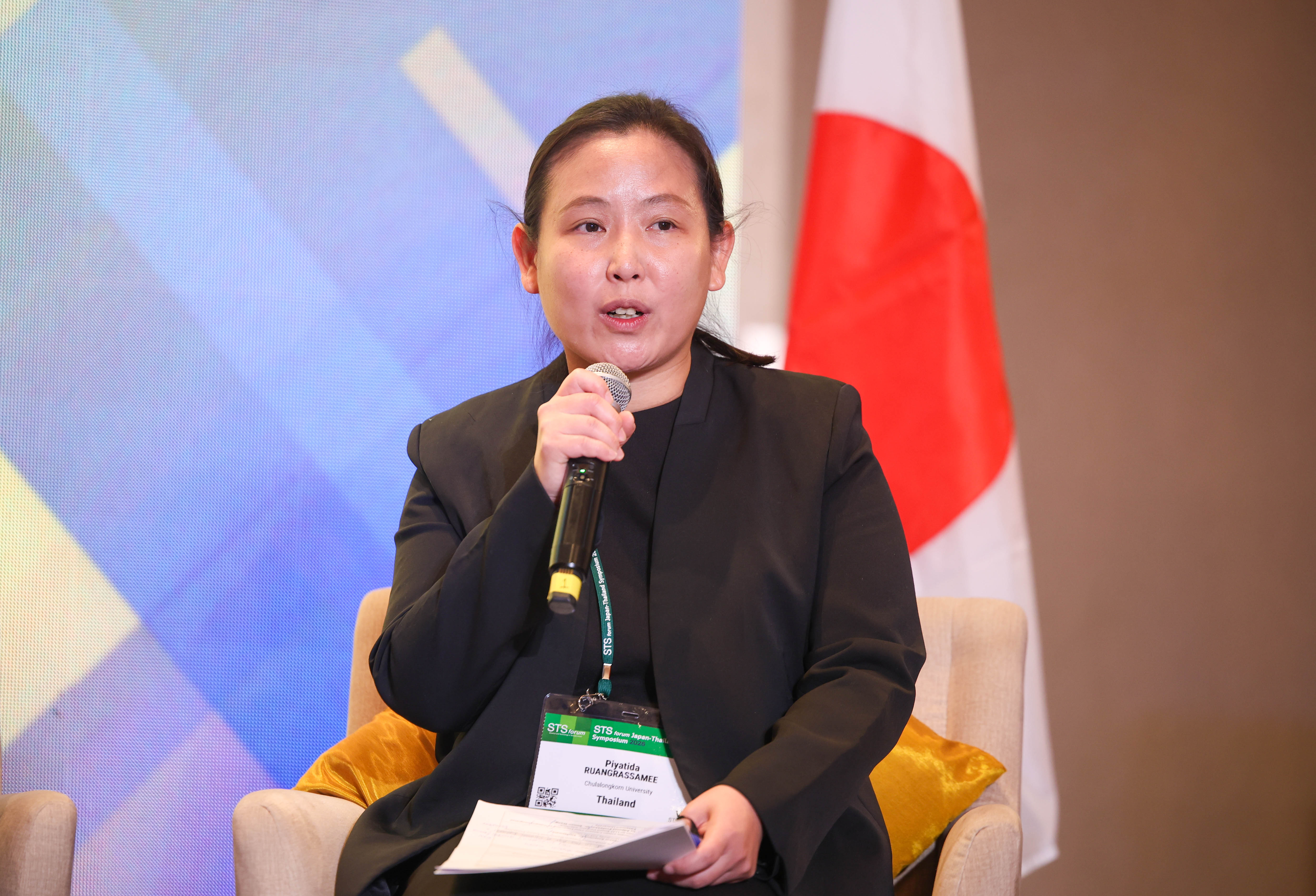
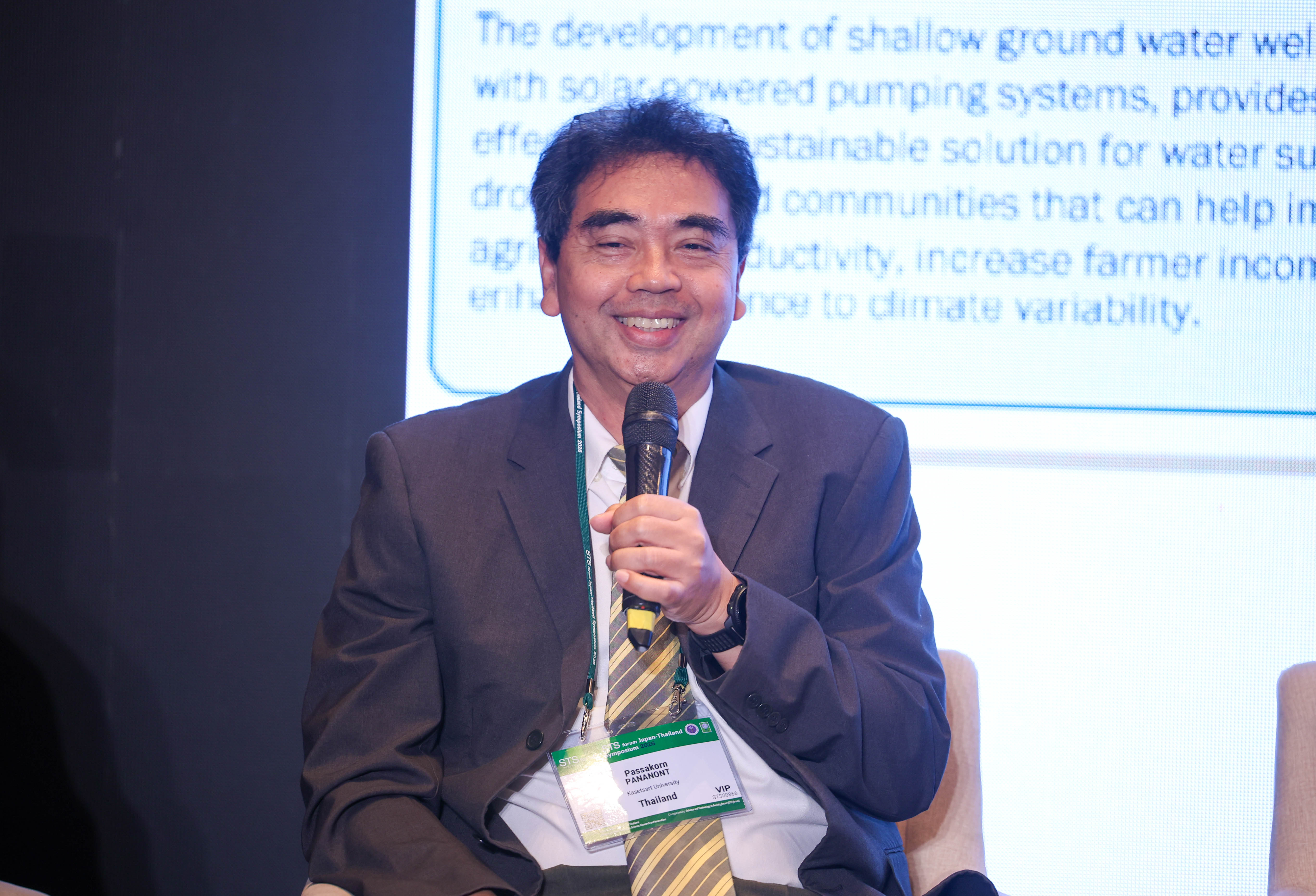
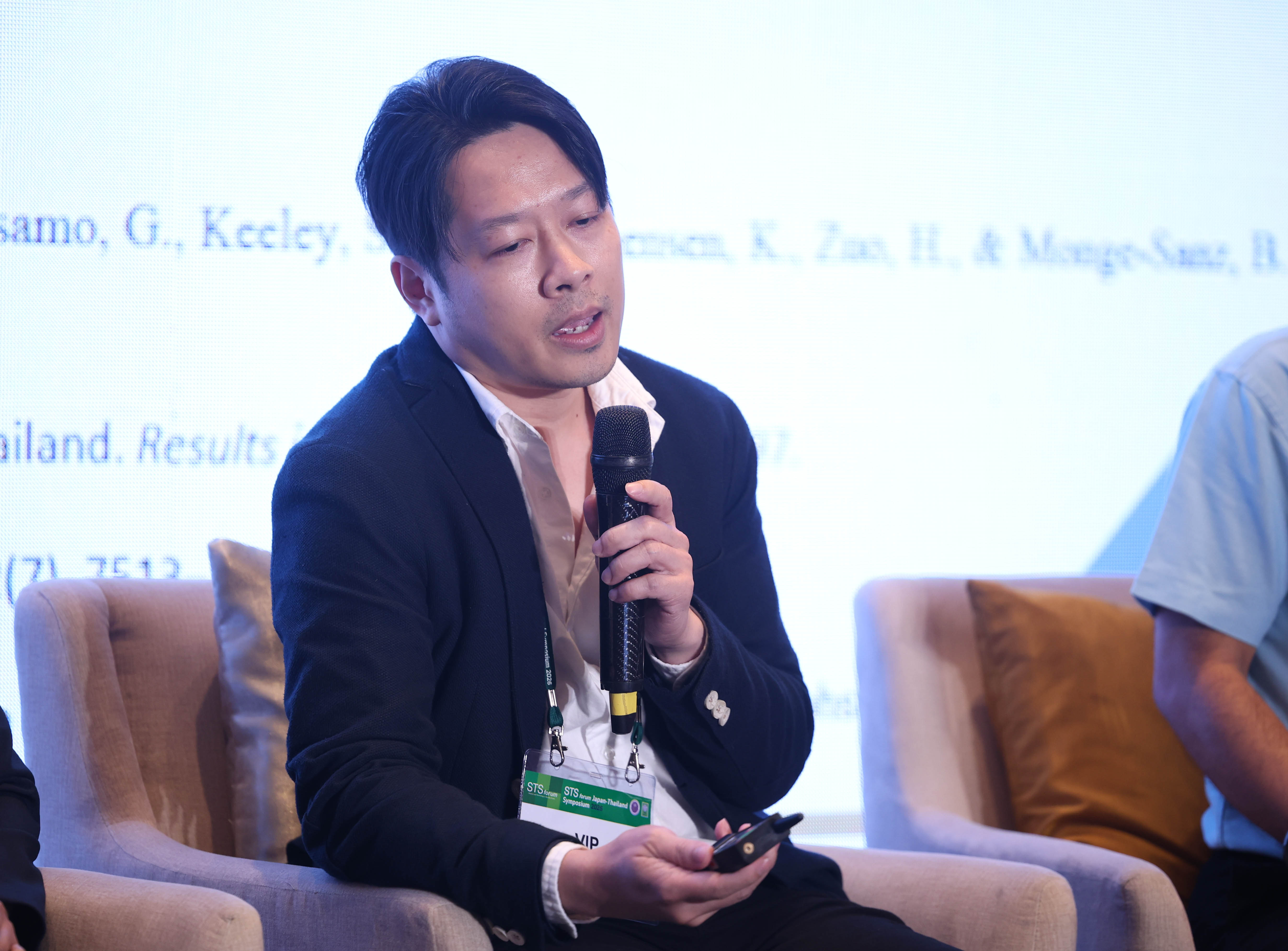
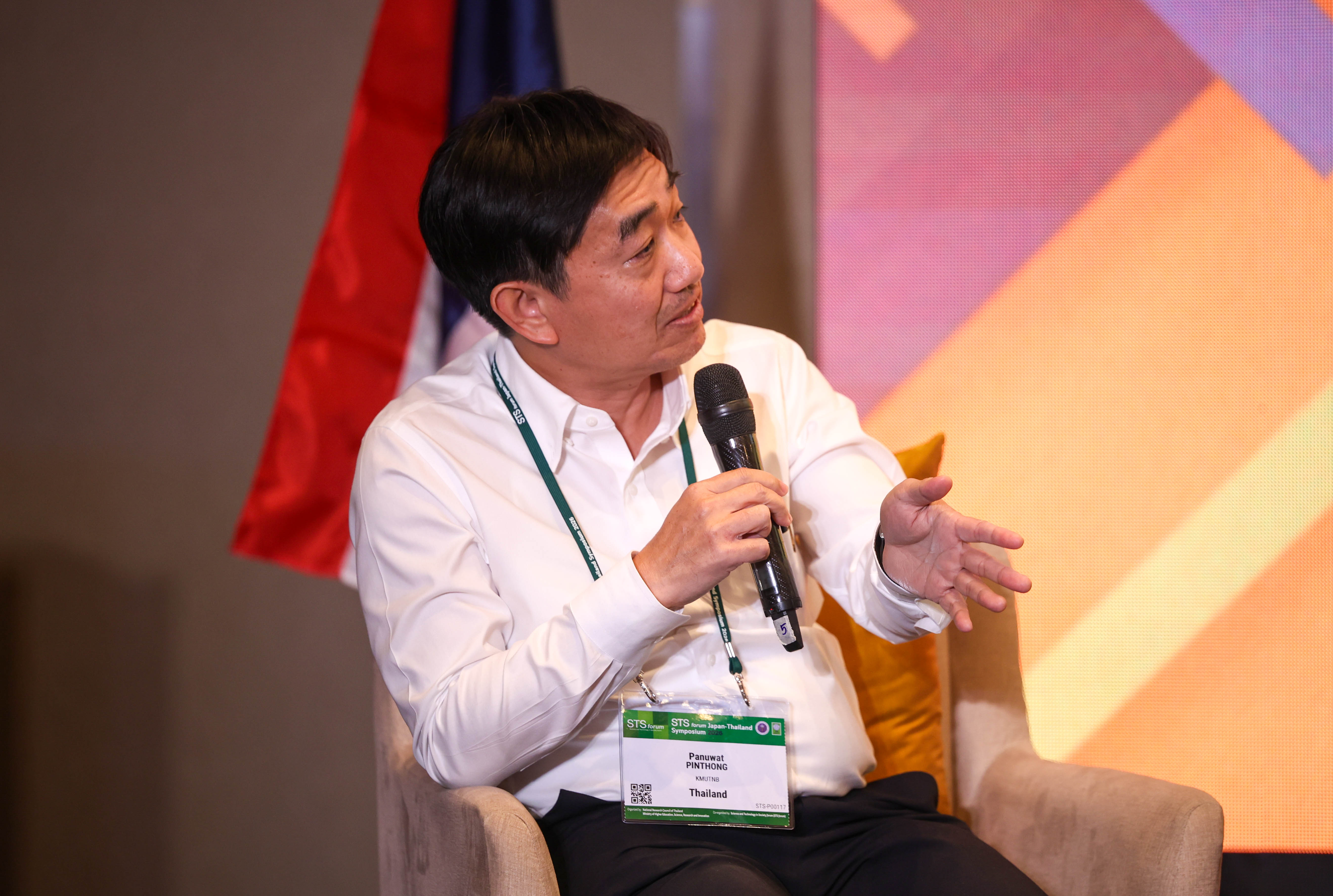
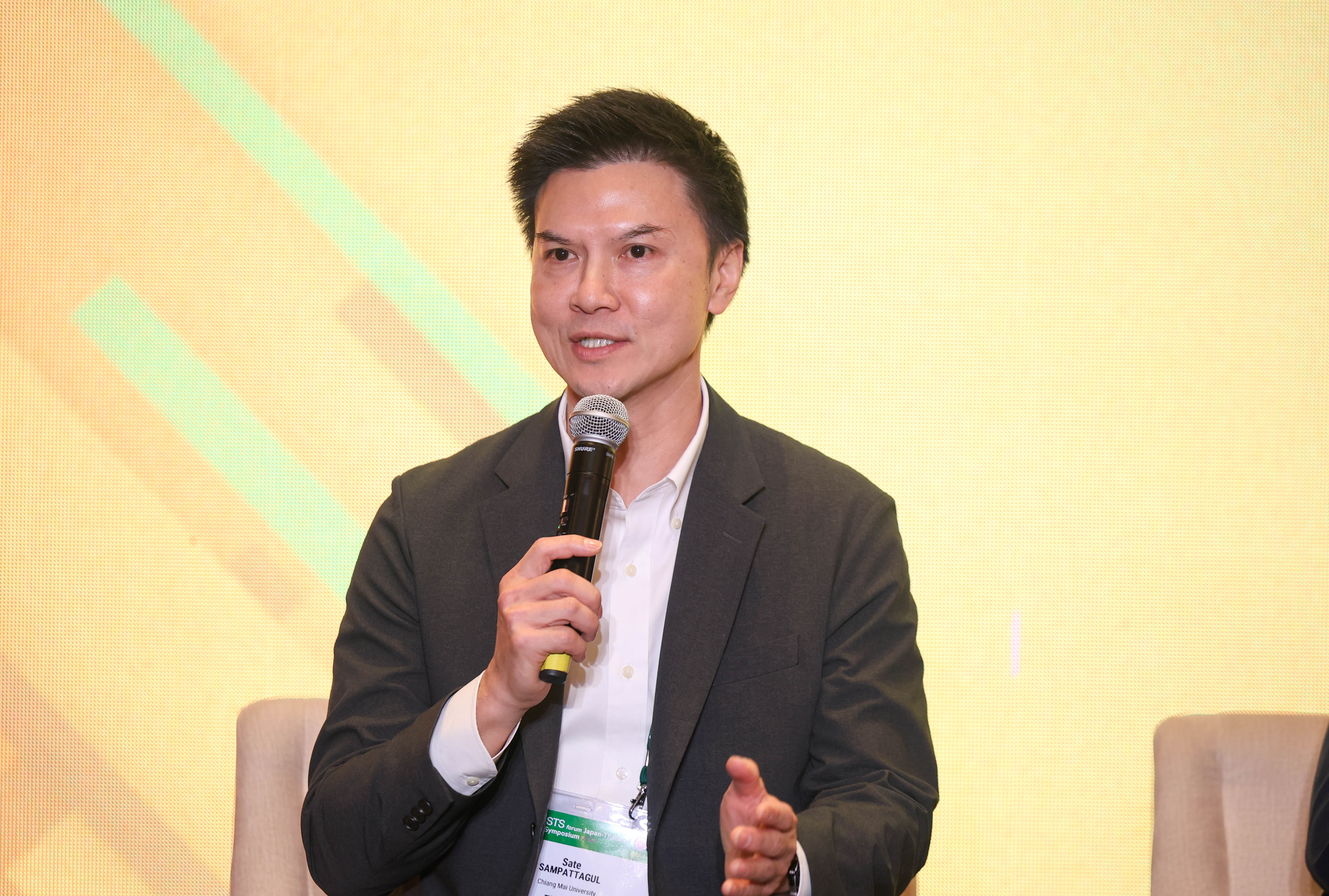
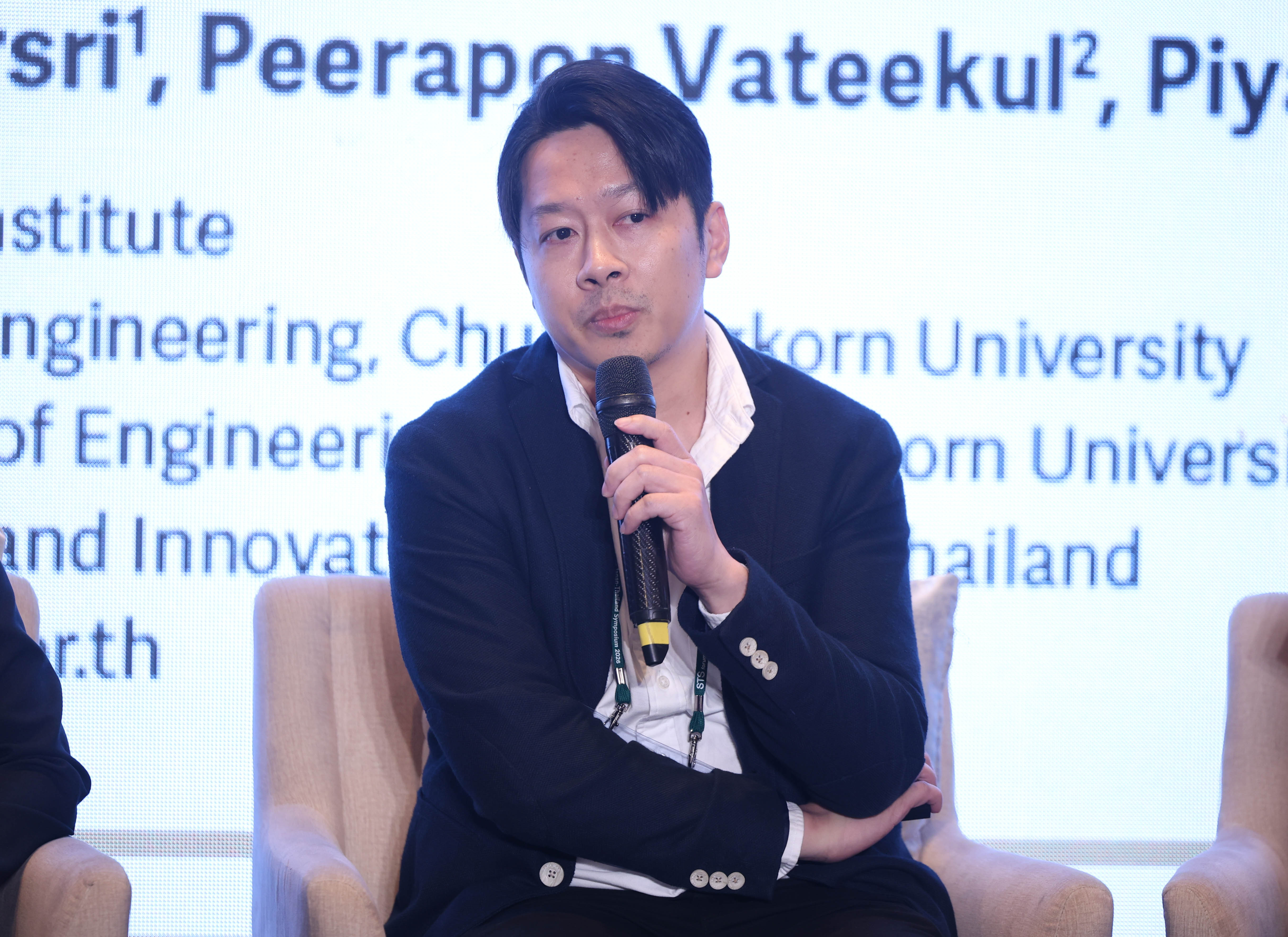
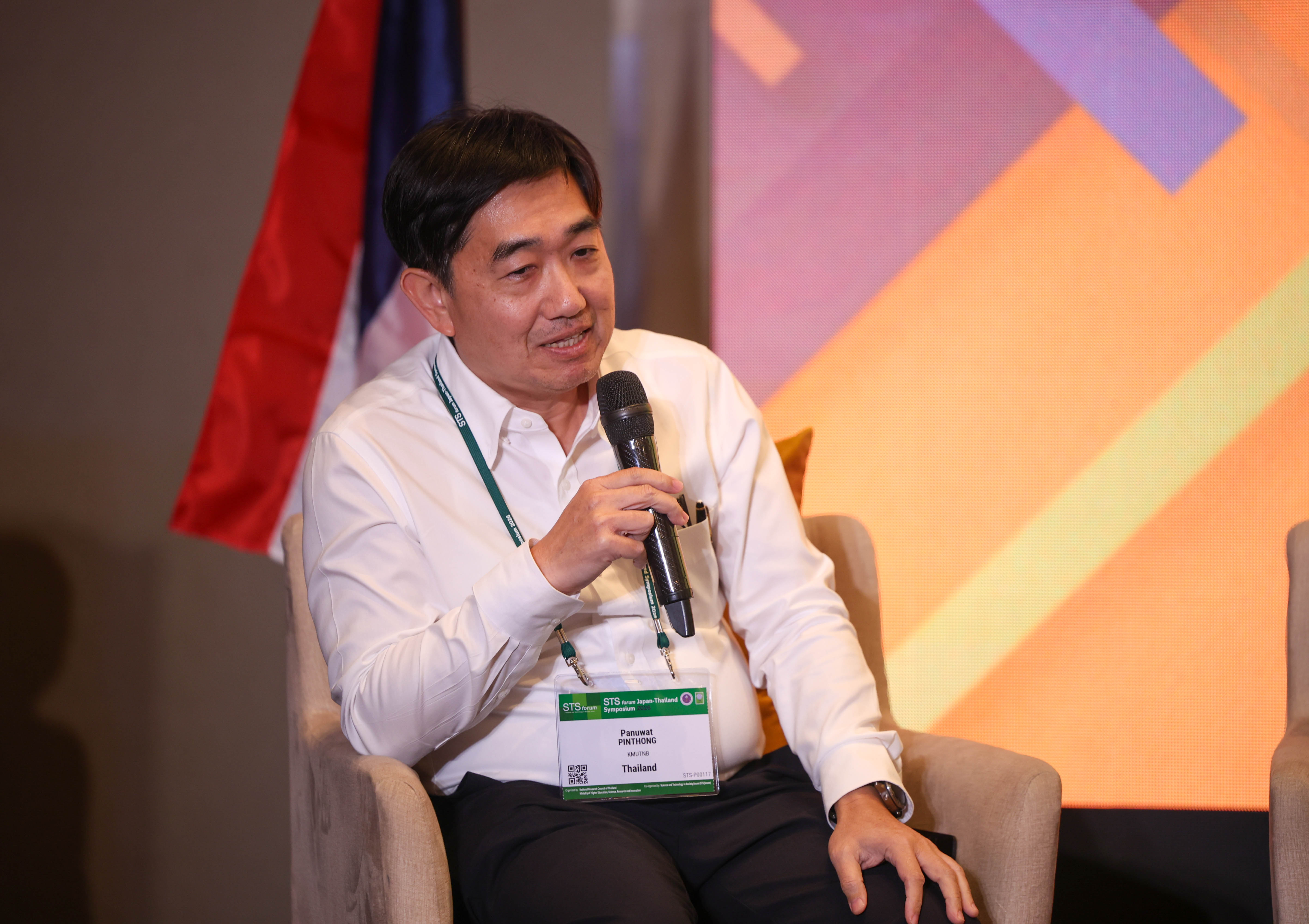
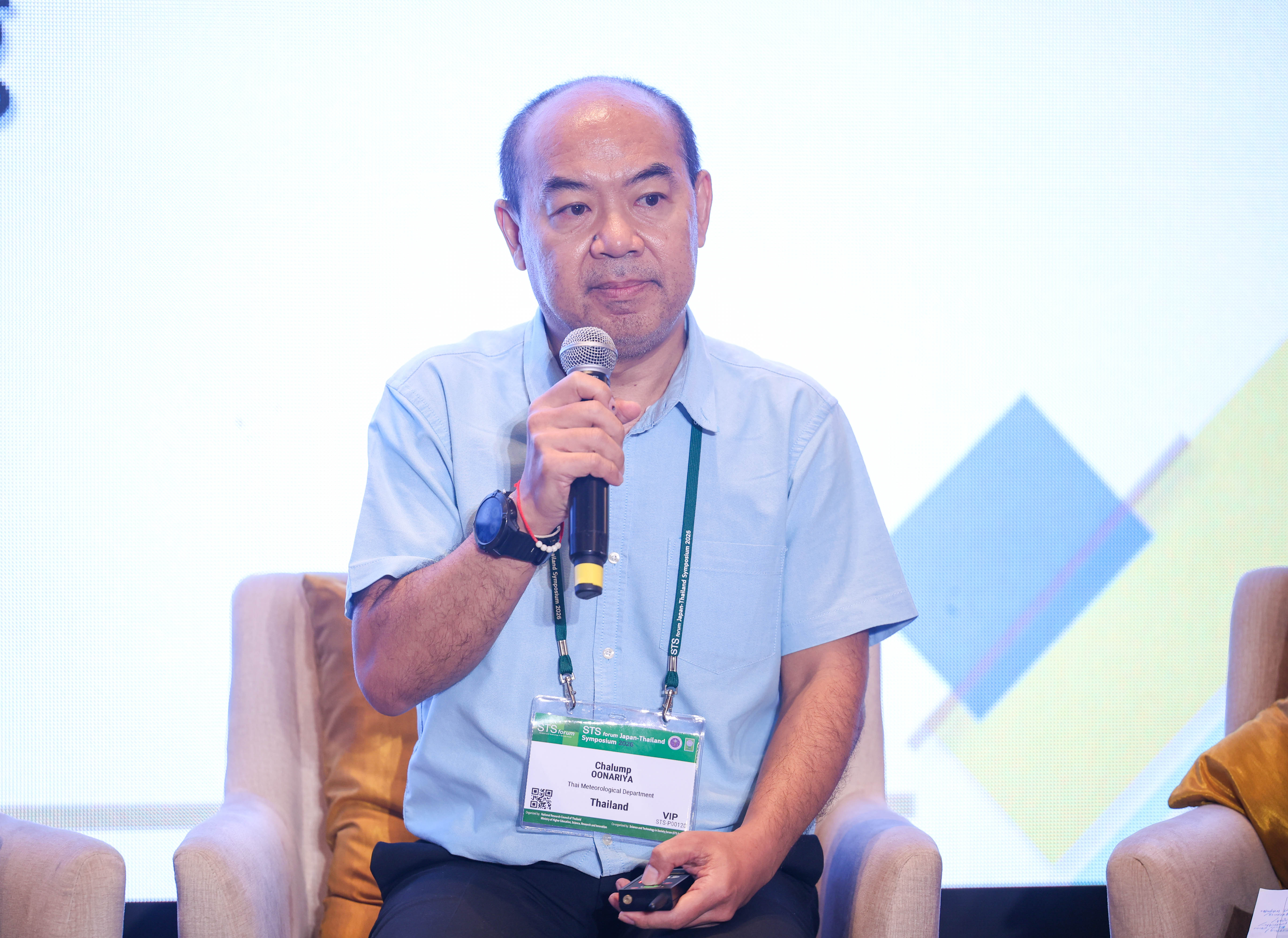
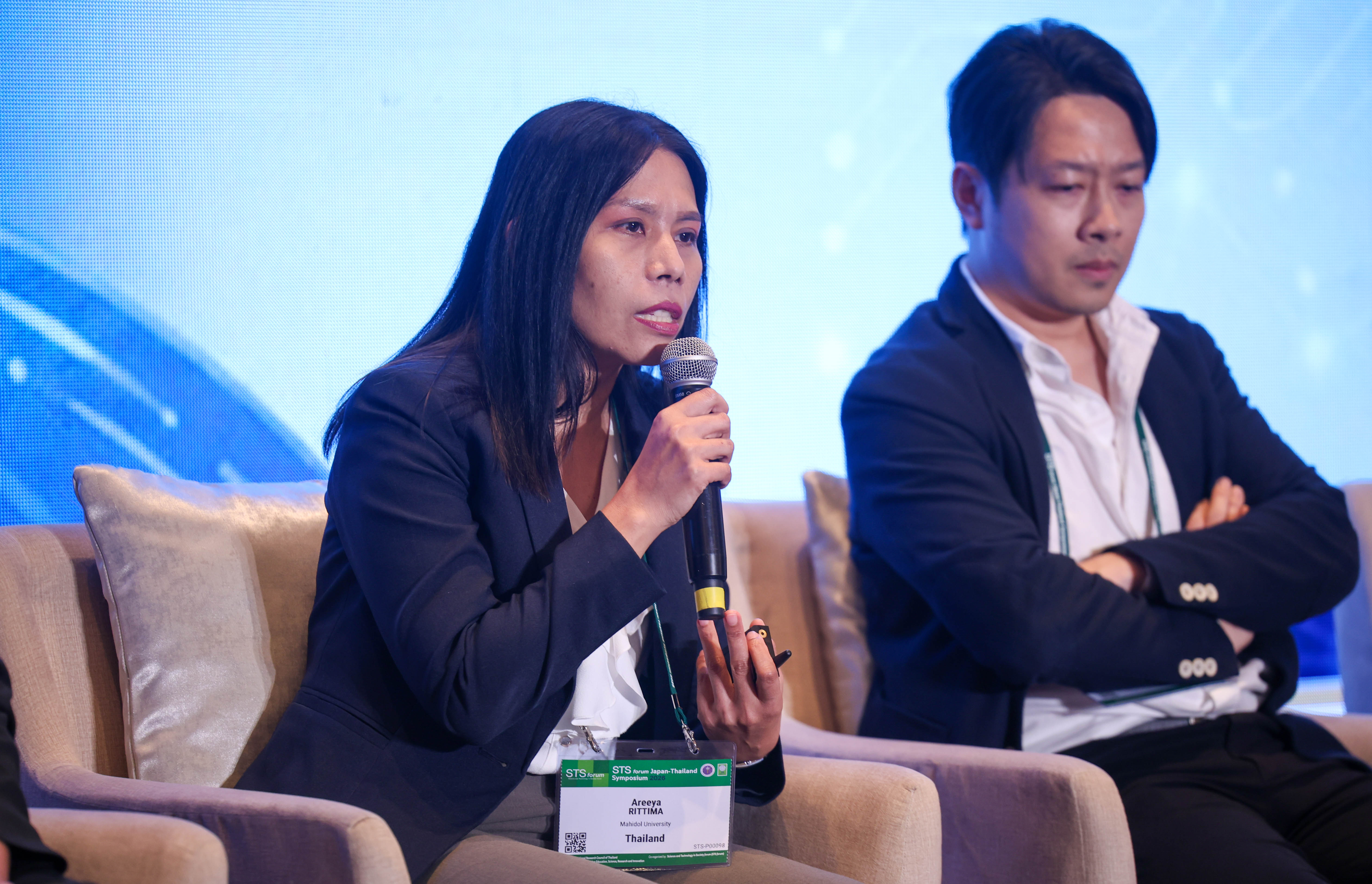
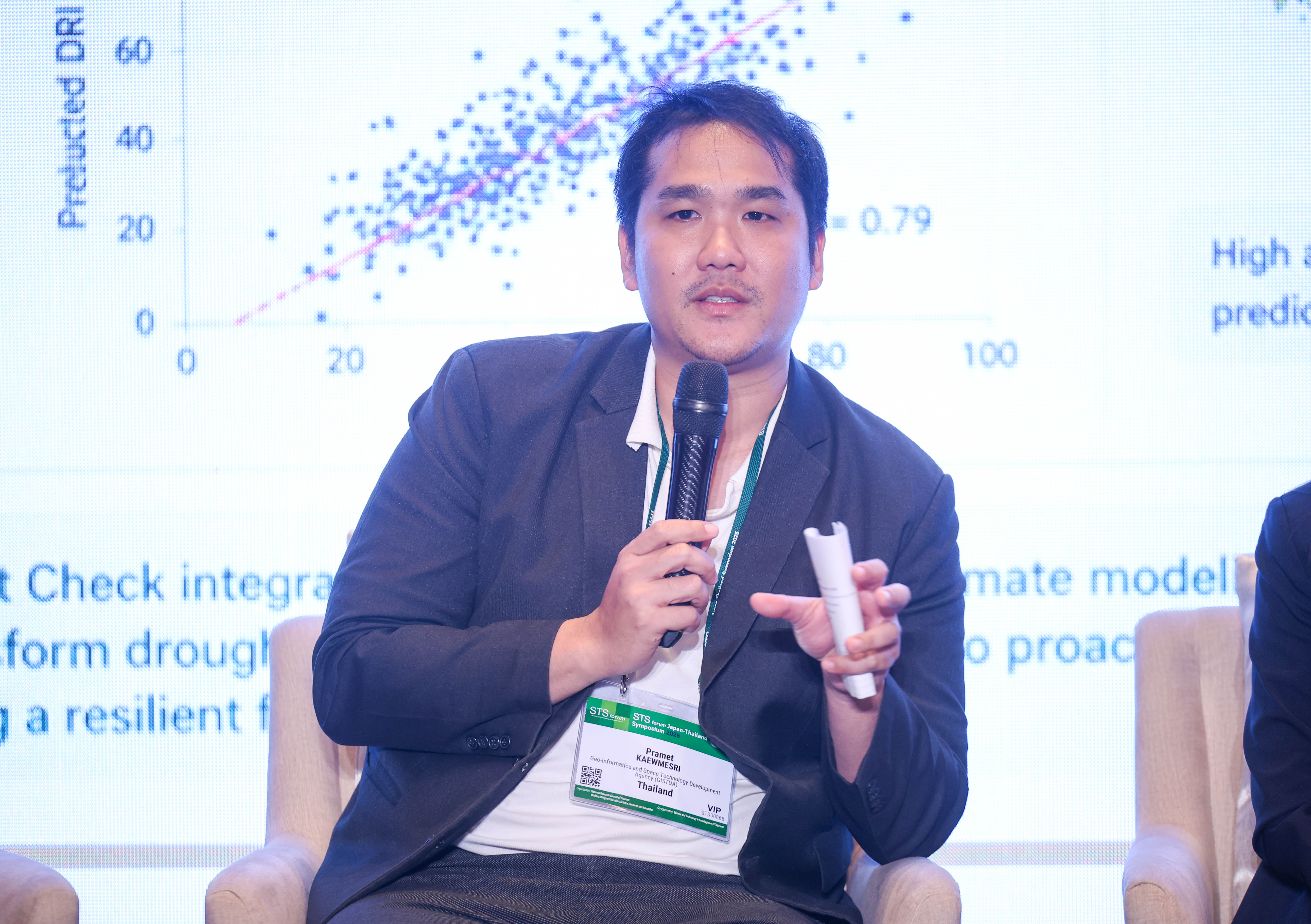
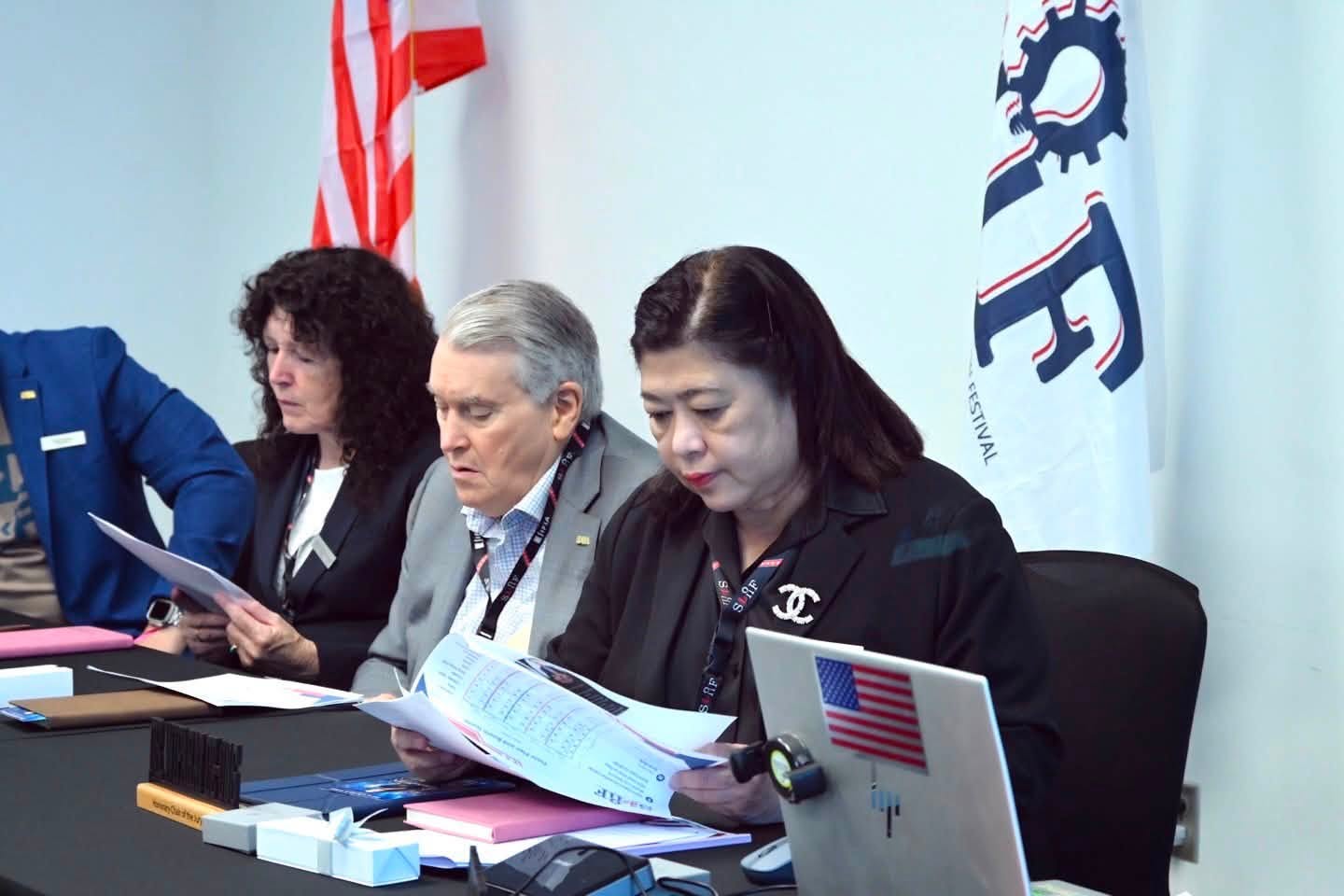
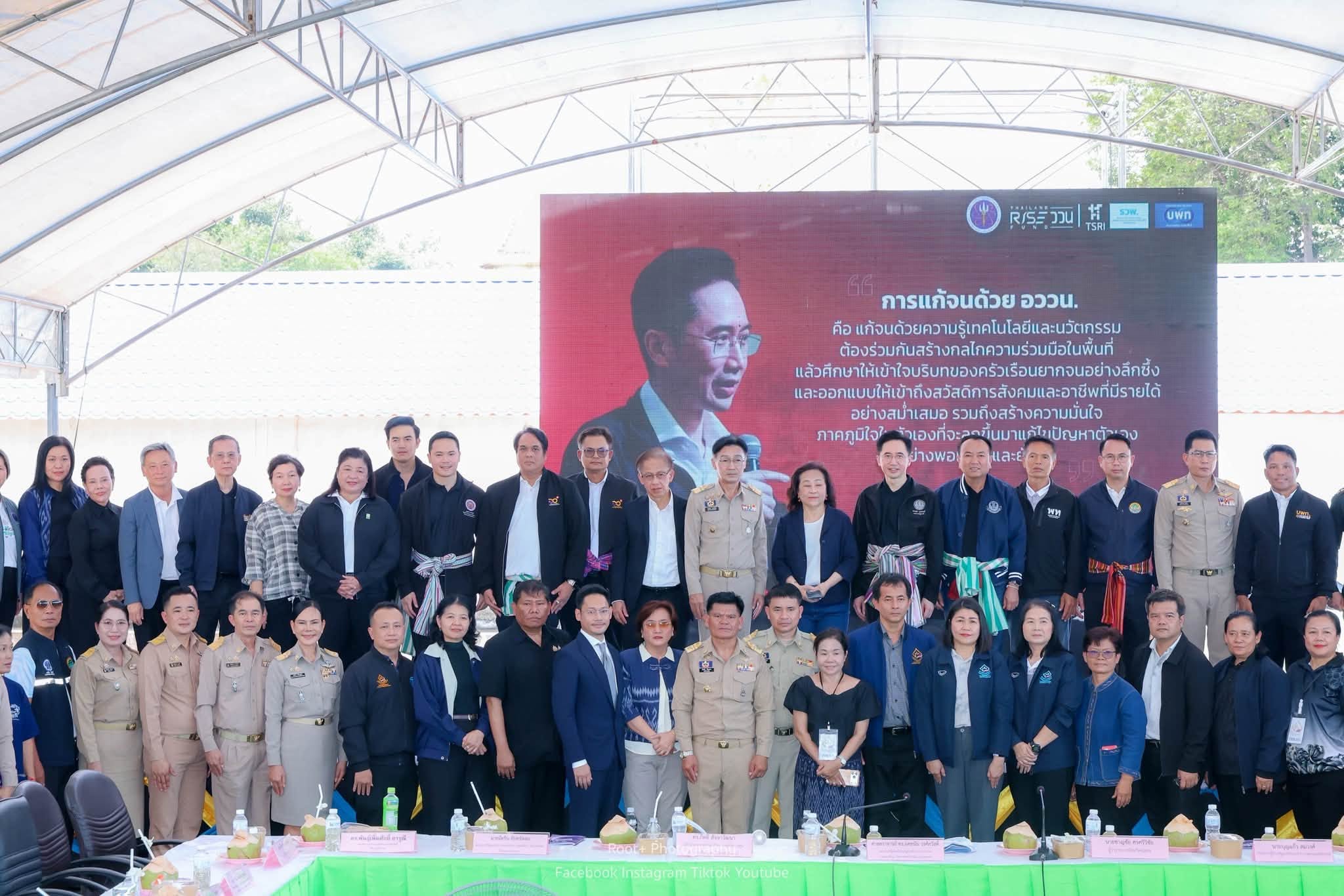
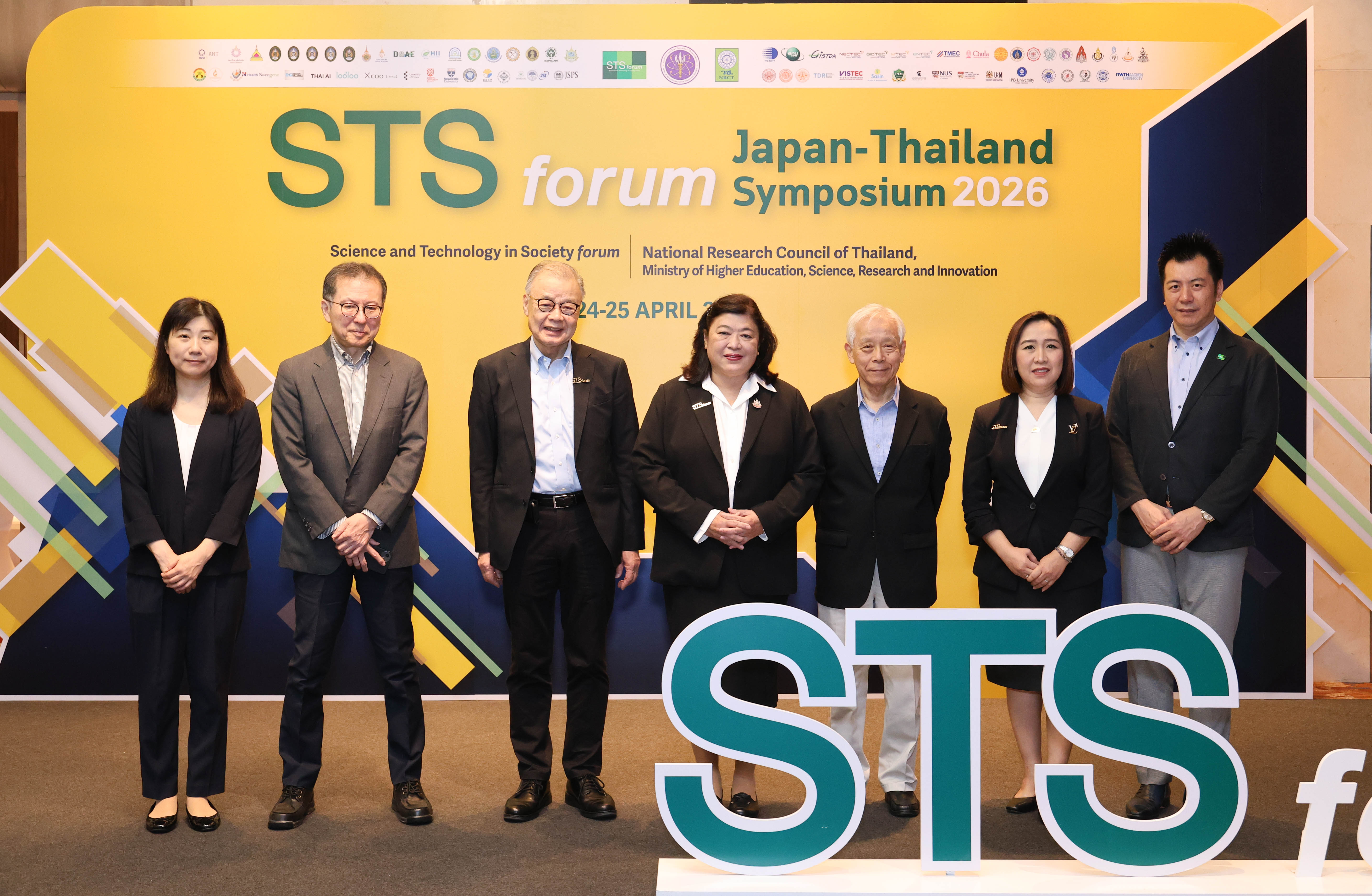
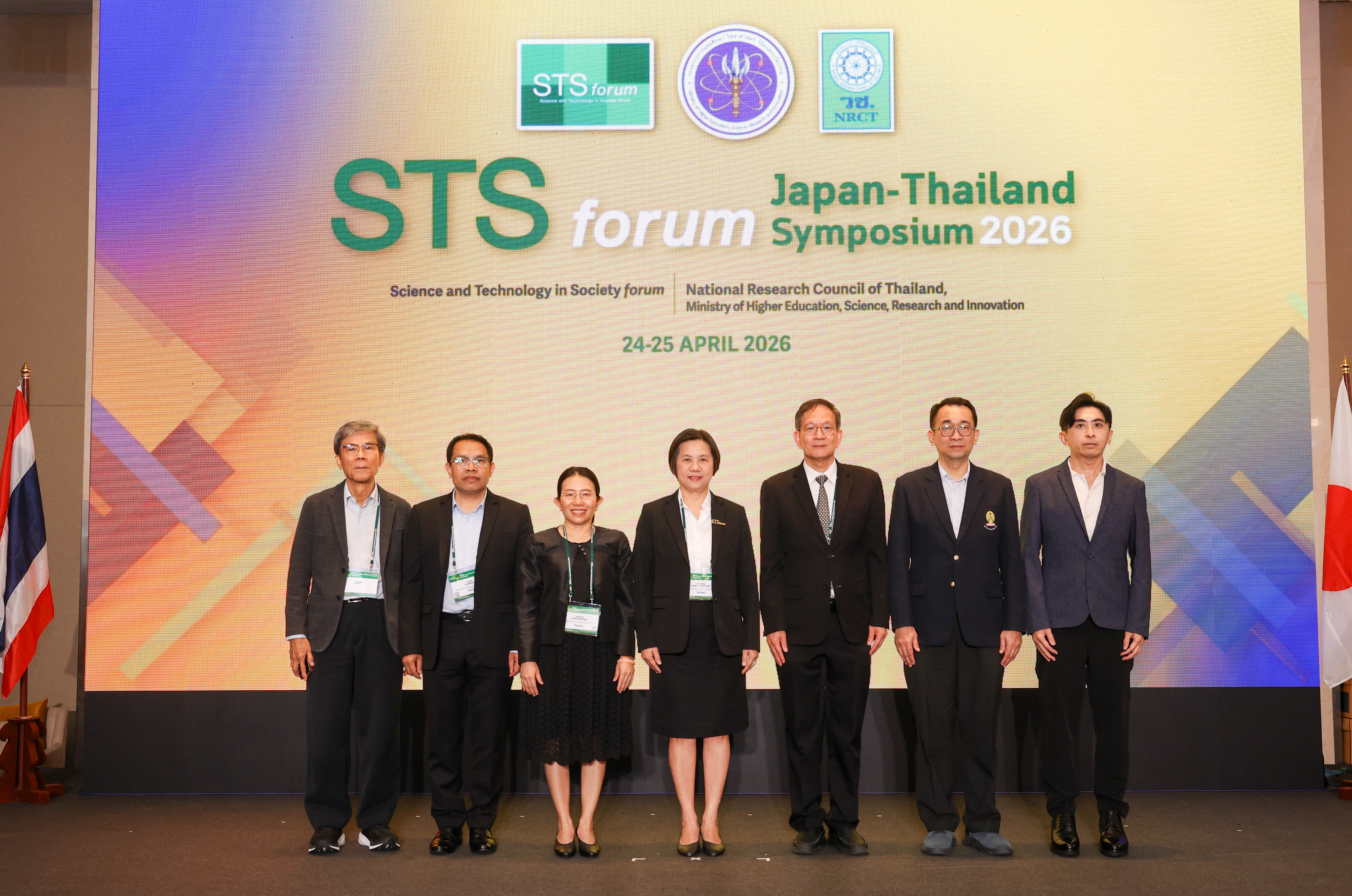
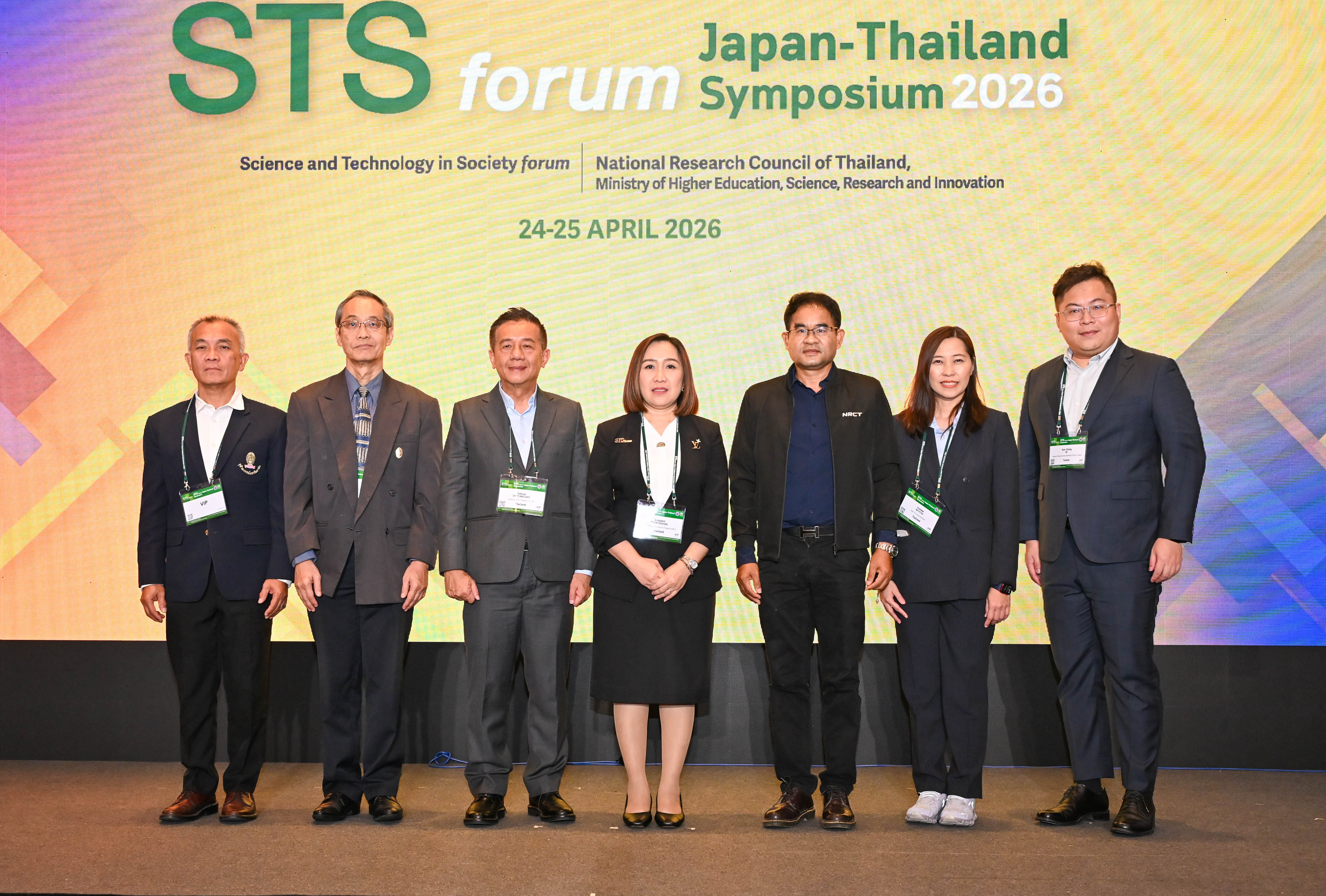
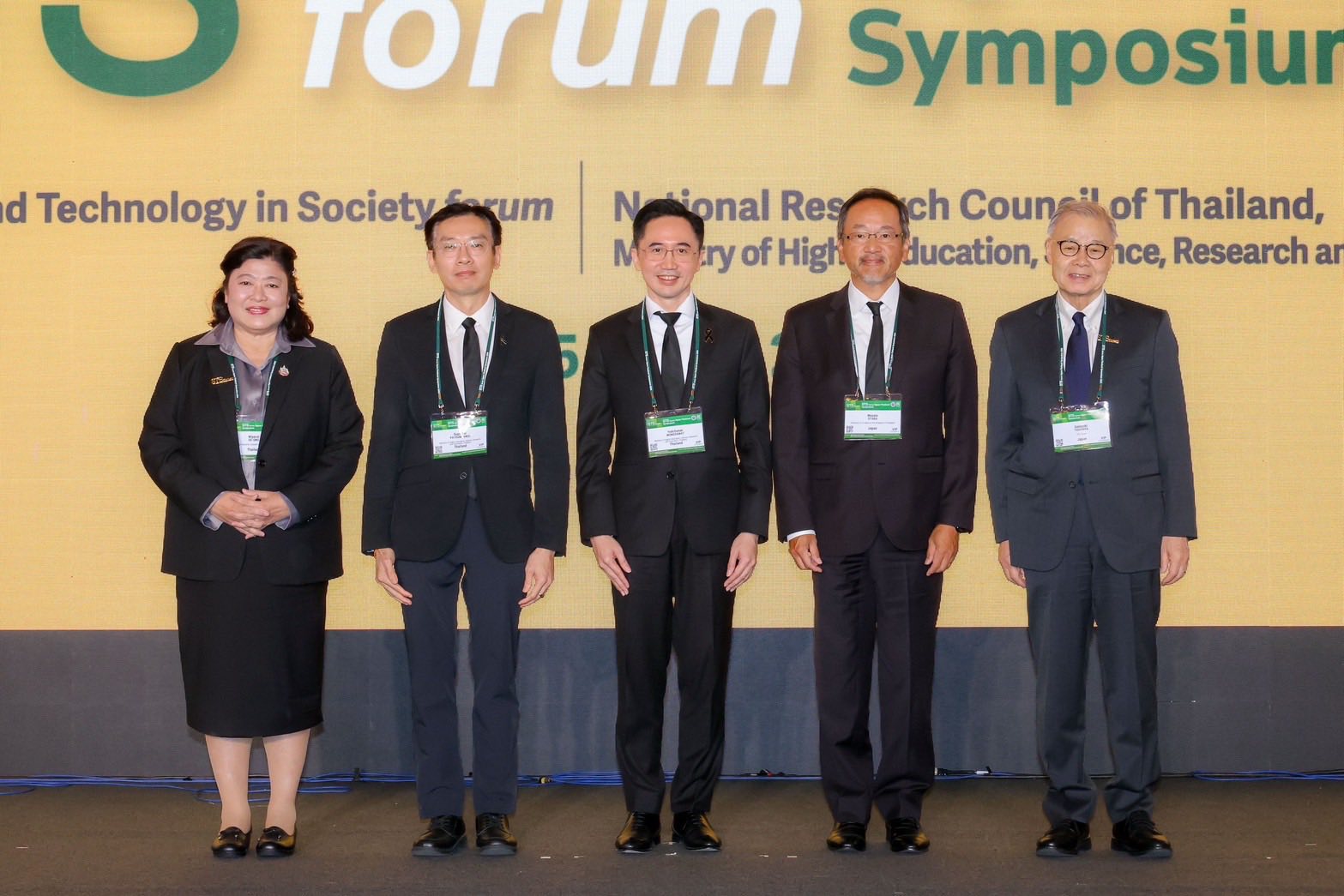
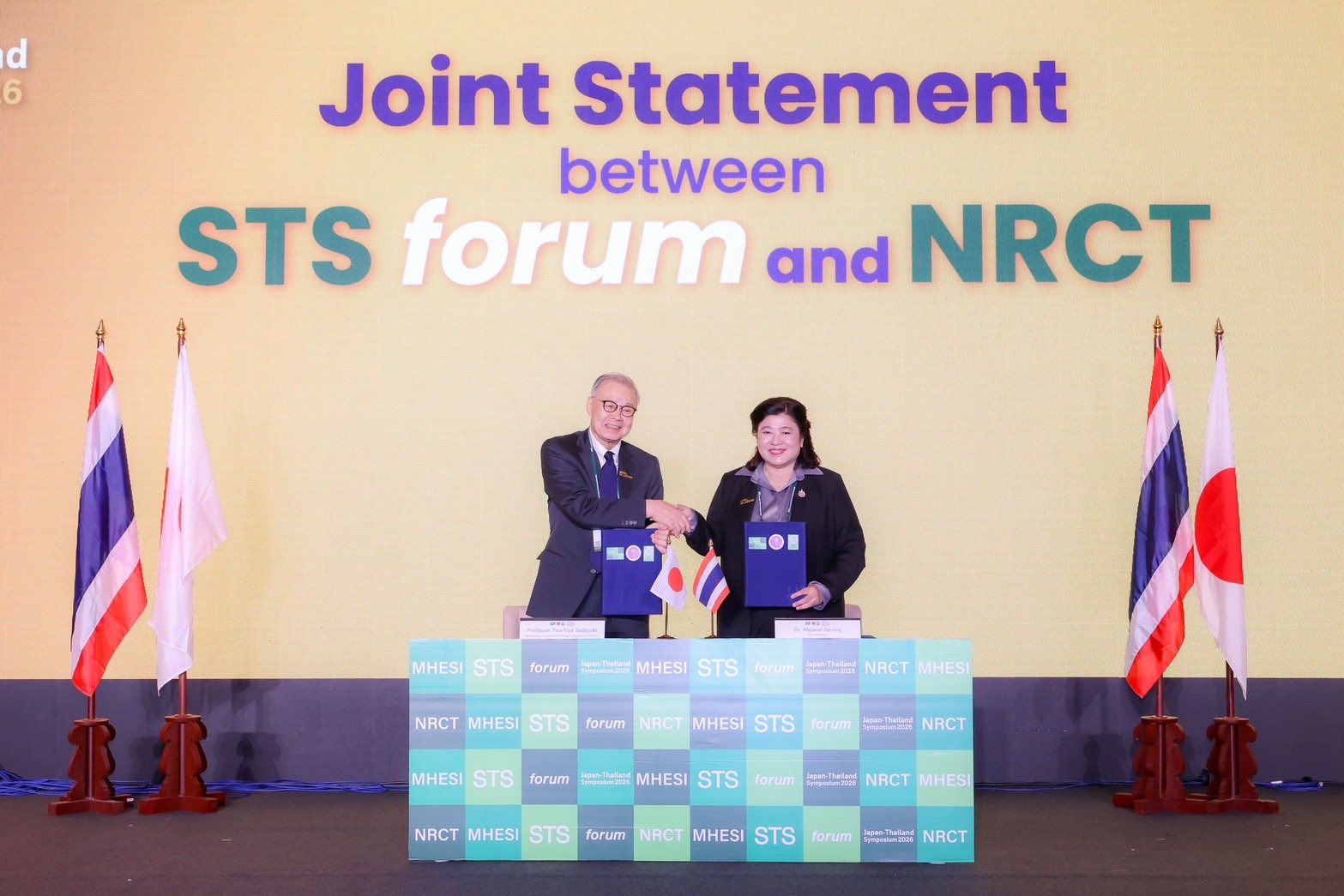
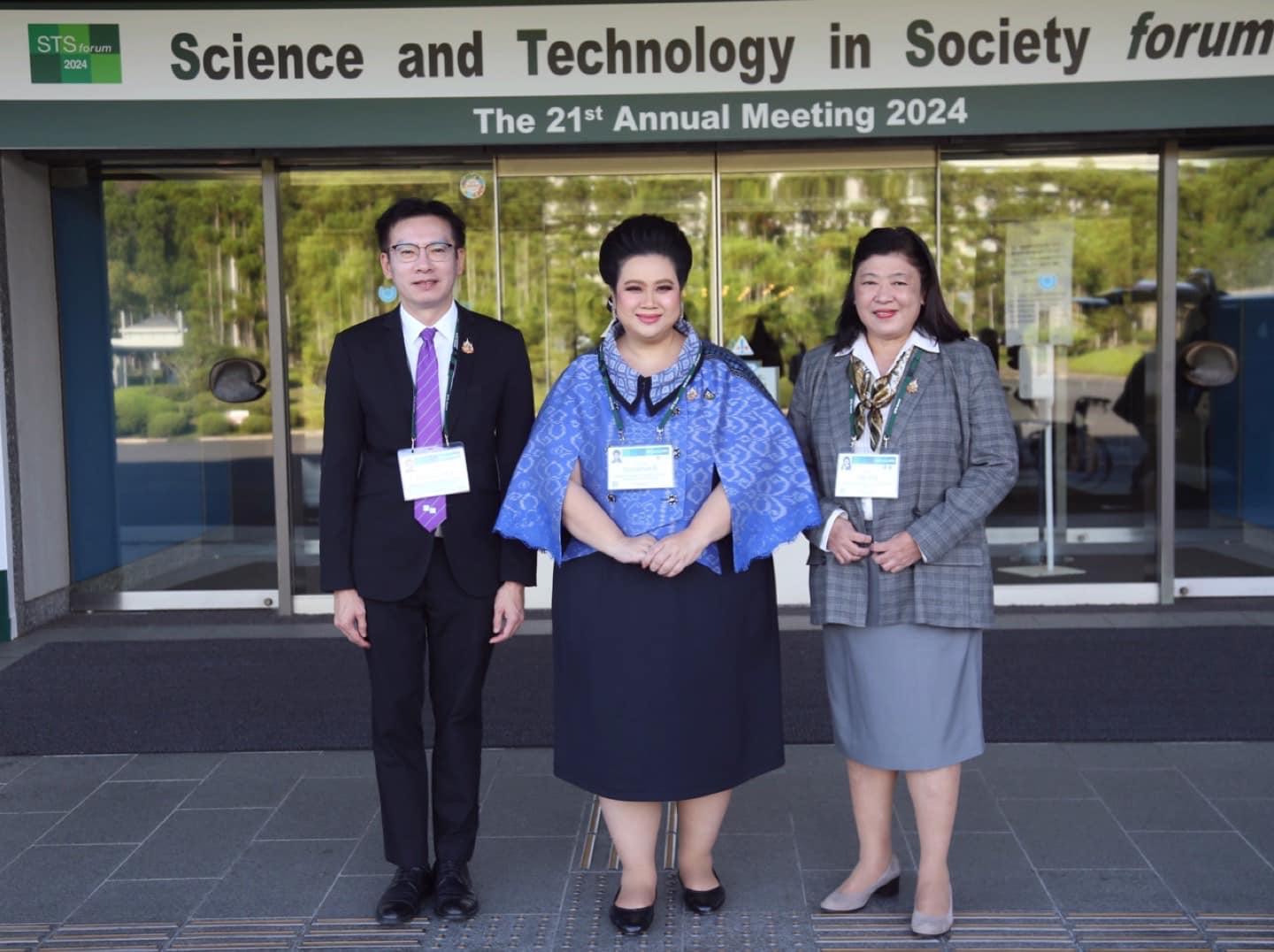
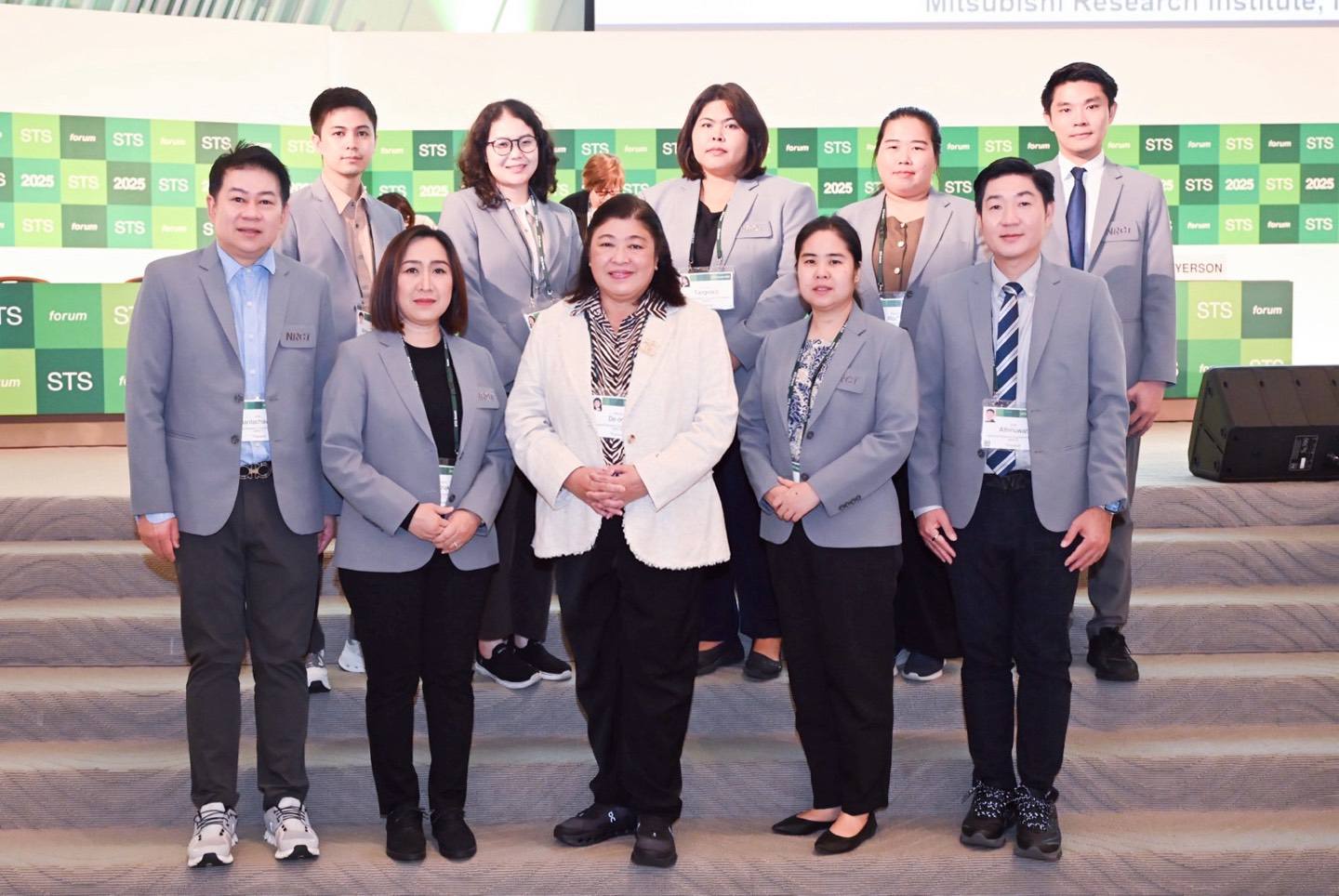
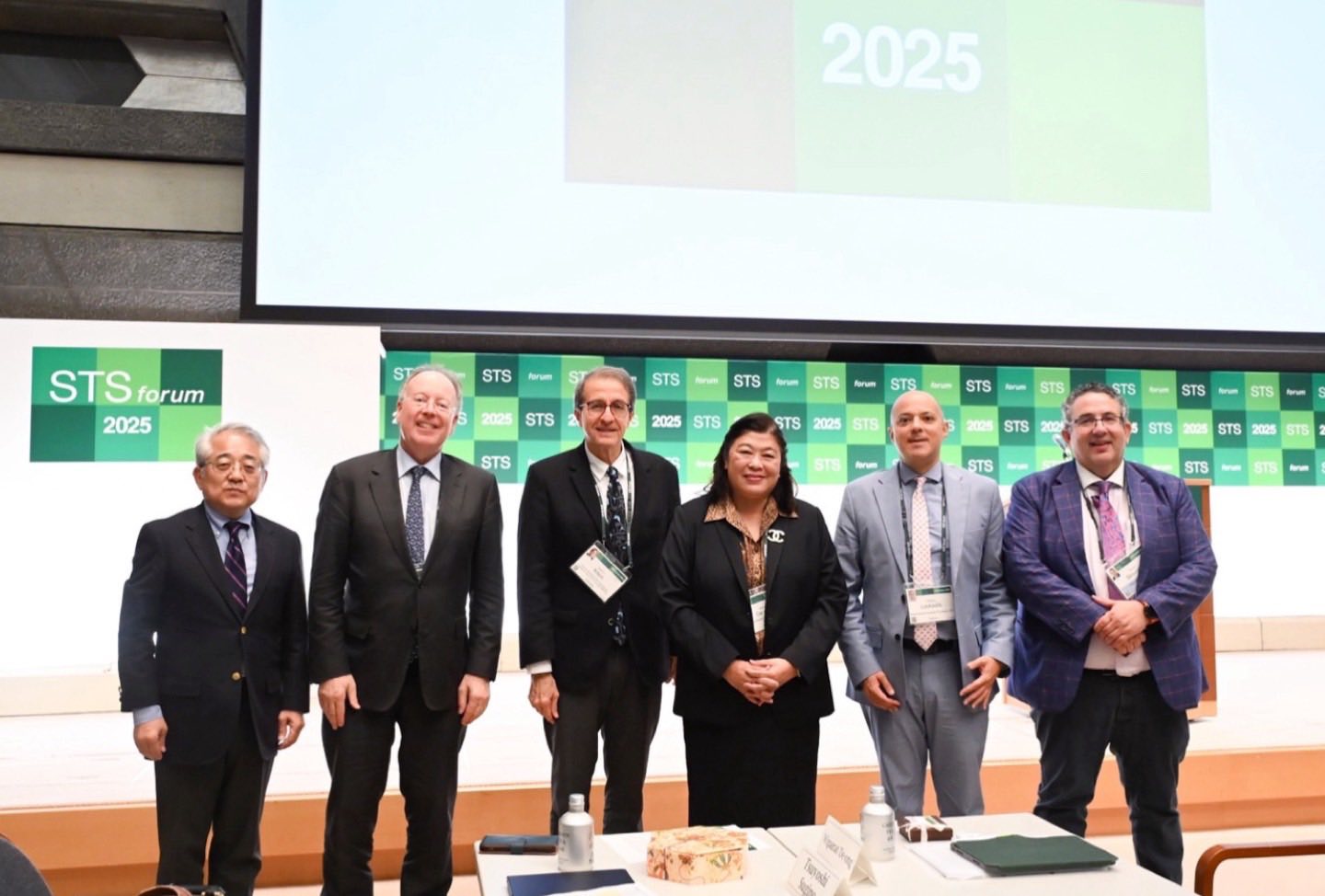
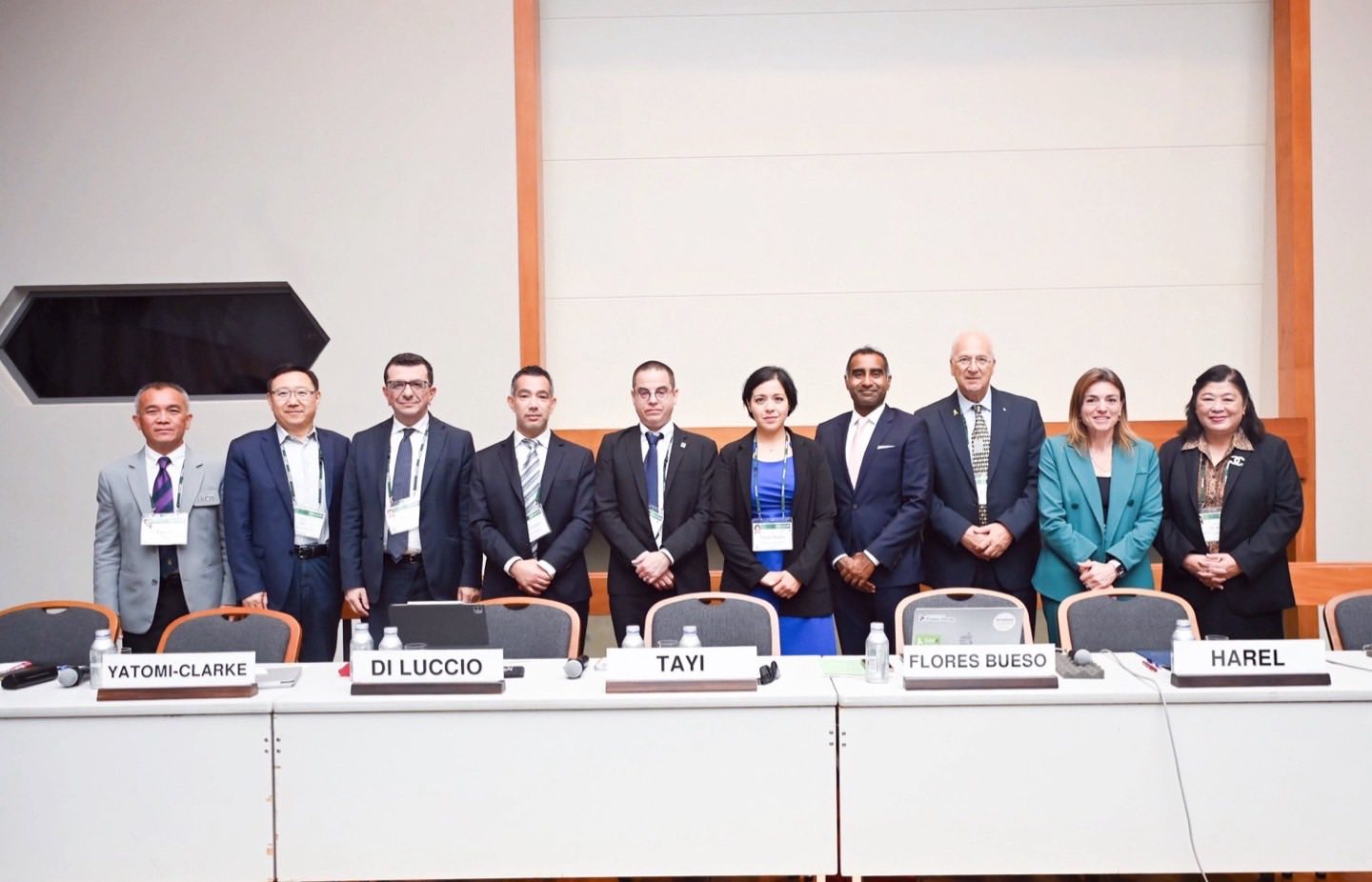
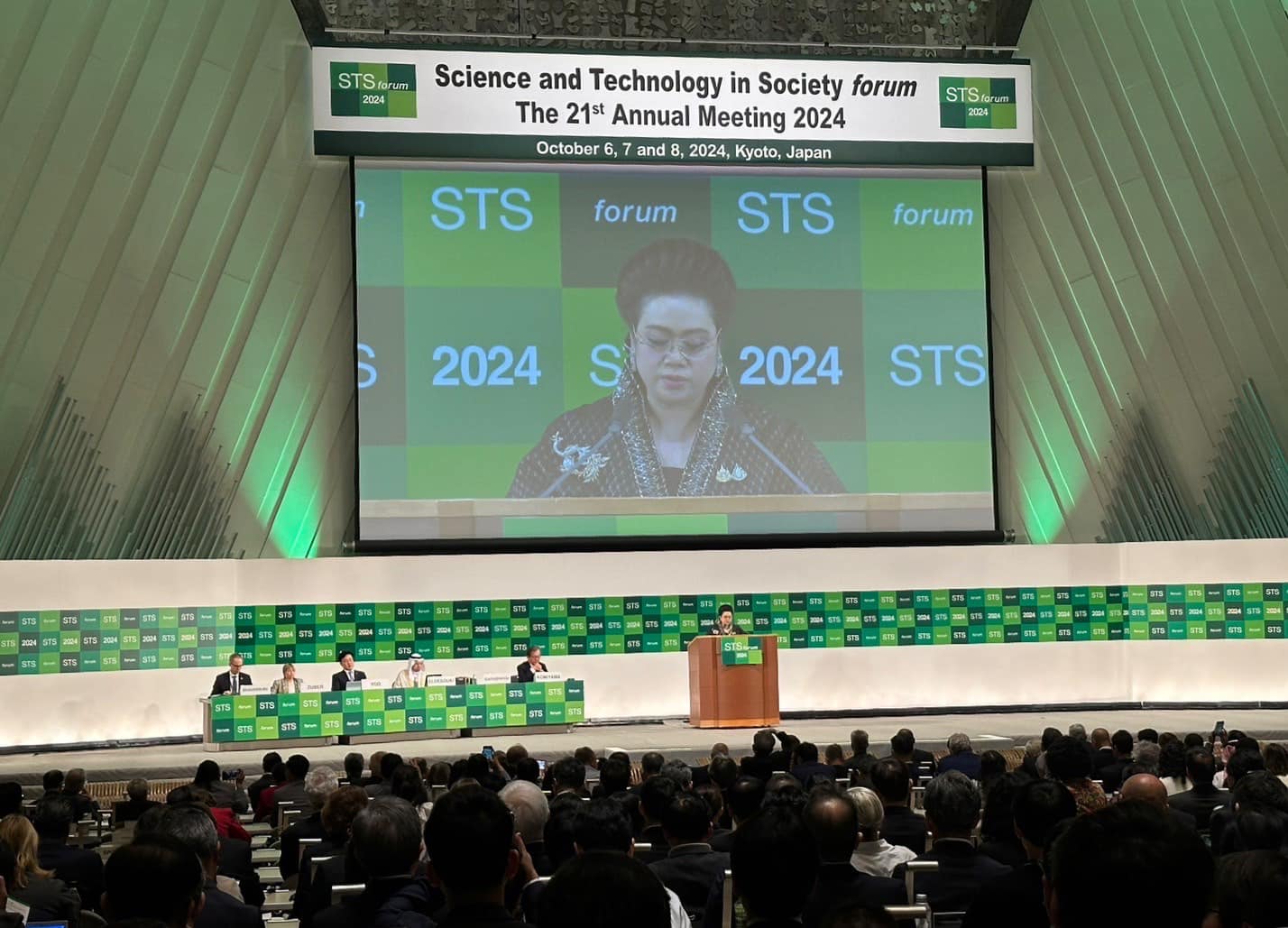
The National Research Council of Thailand (NRCT), in Collaboration with the Science and Technology in Society forum (STS forum), Hosts a Session on Global Challenges: “AI in the Age of Climate Extremes & Disaster” at the “STS forum Japan-Thailand Symposium 2026
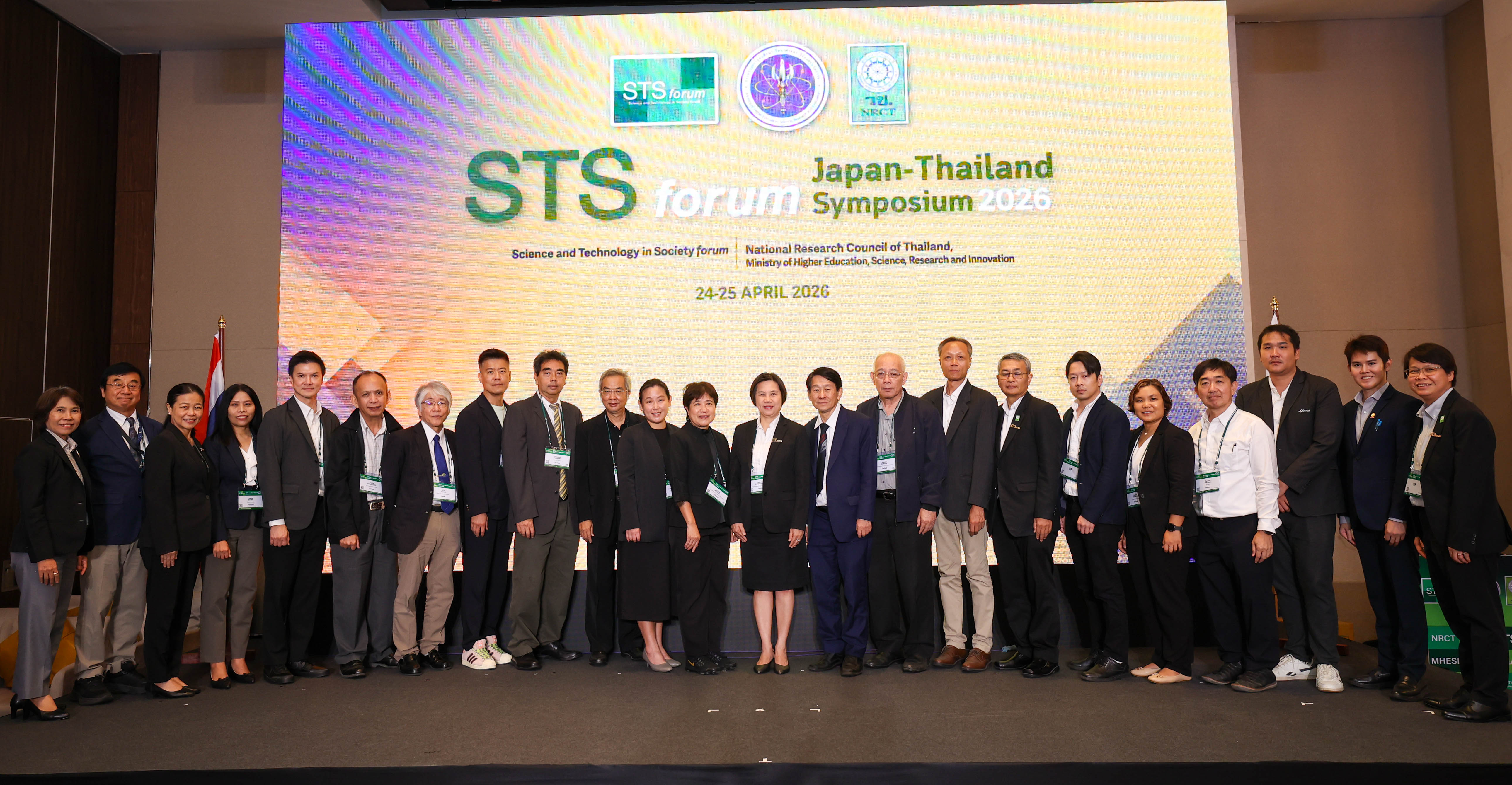
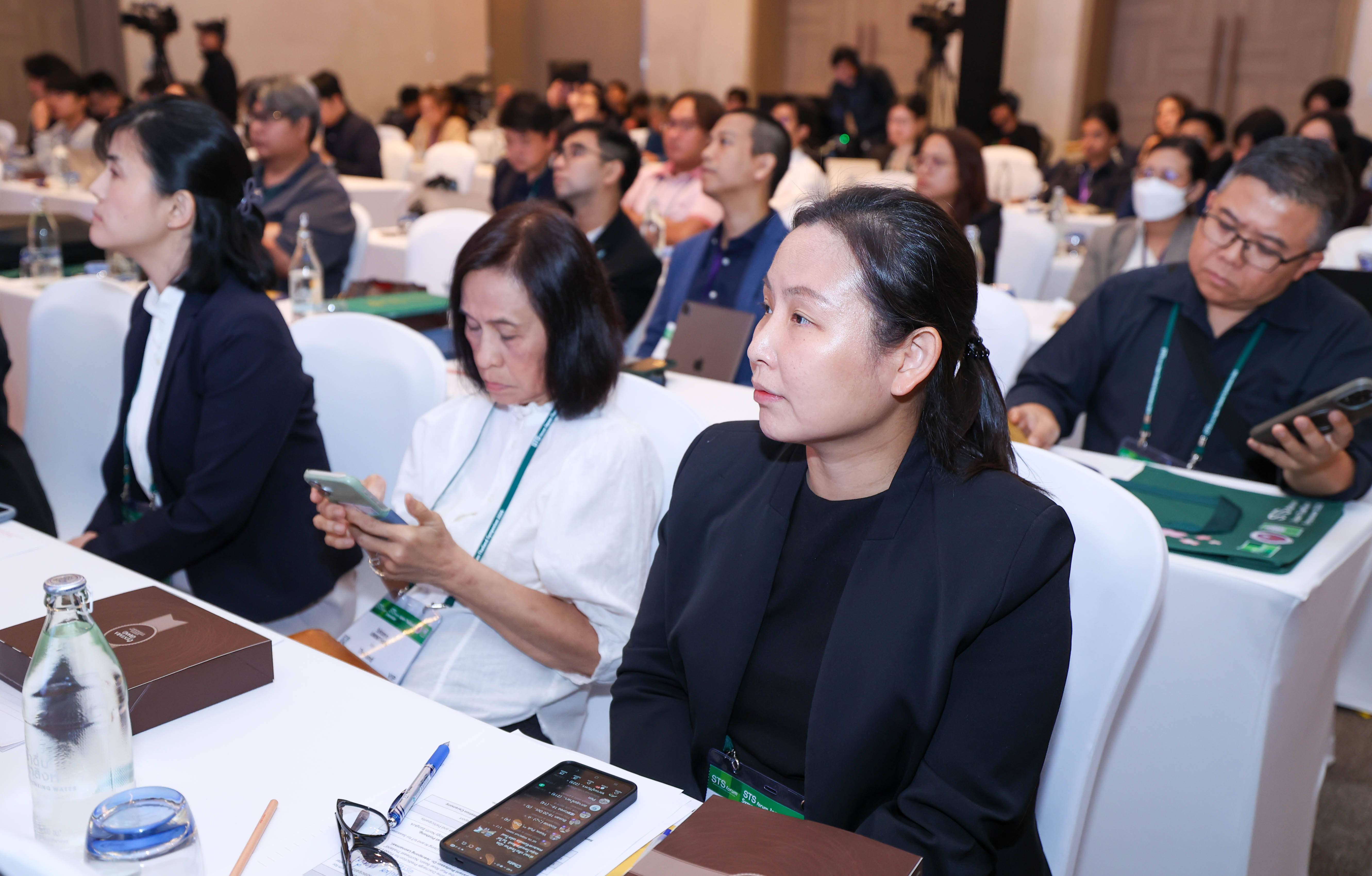
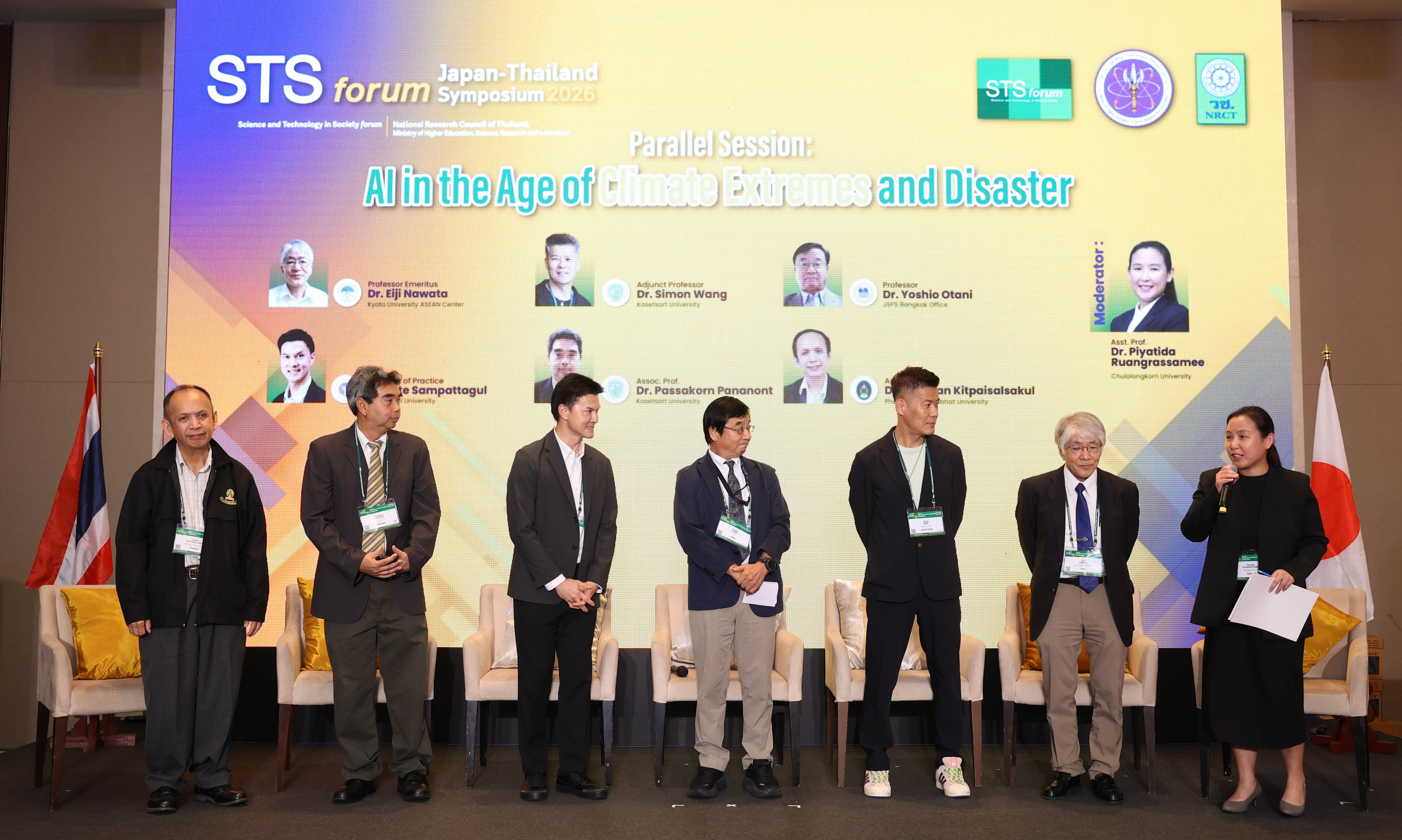
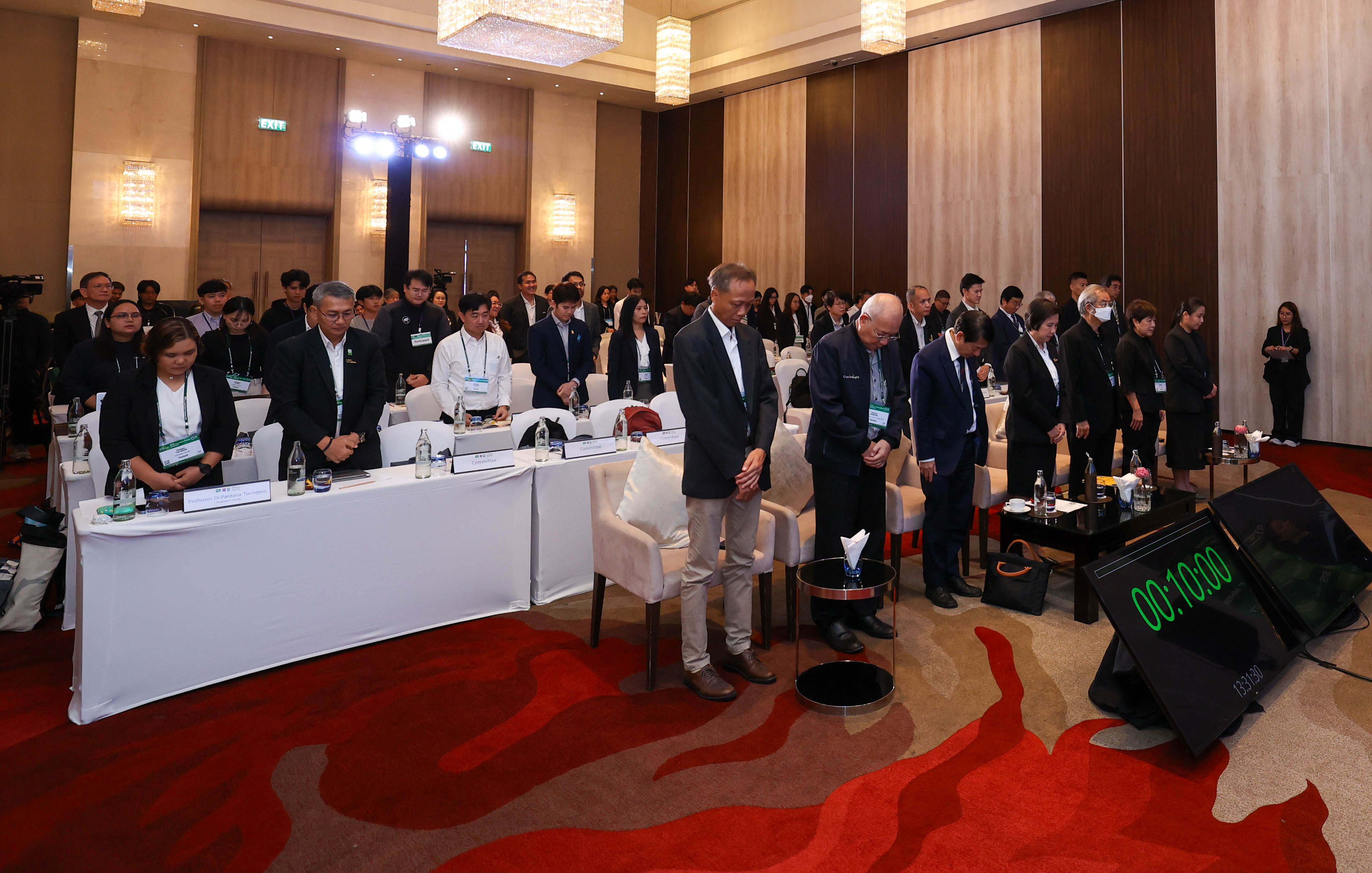
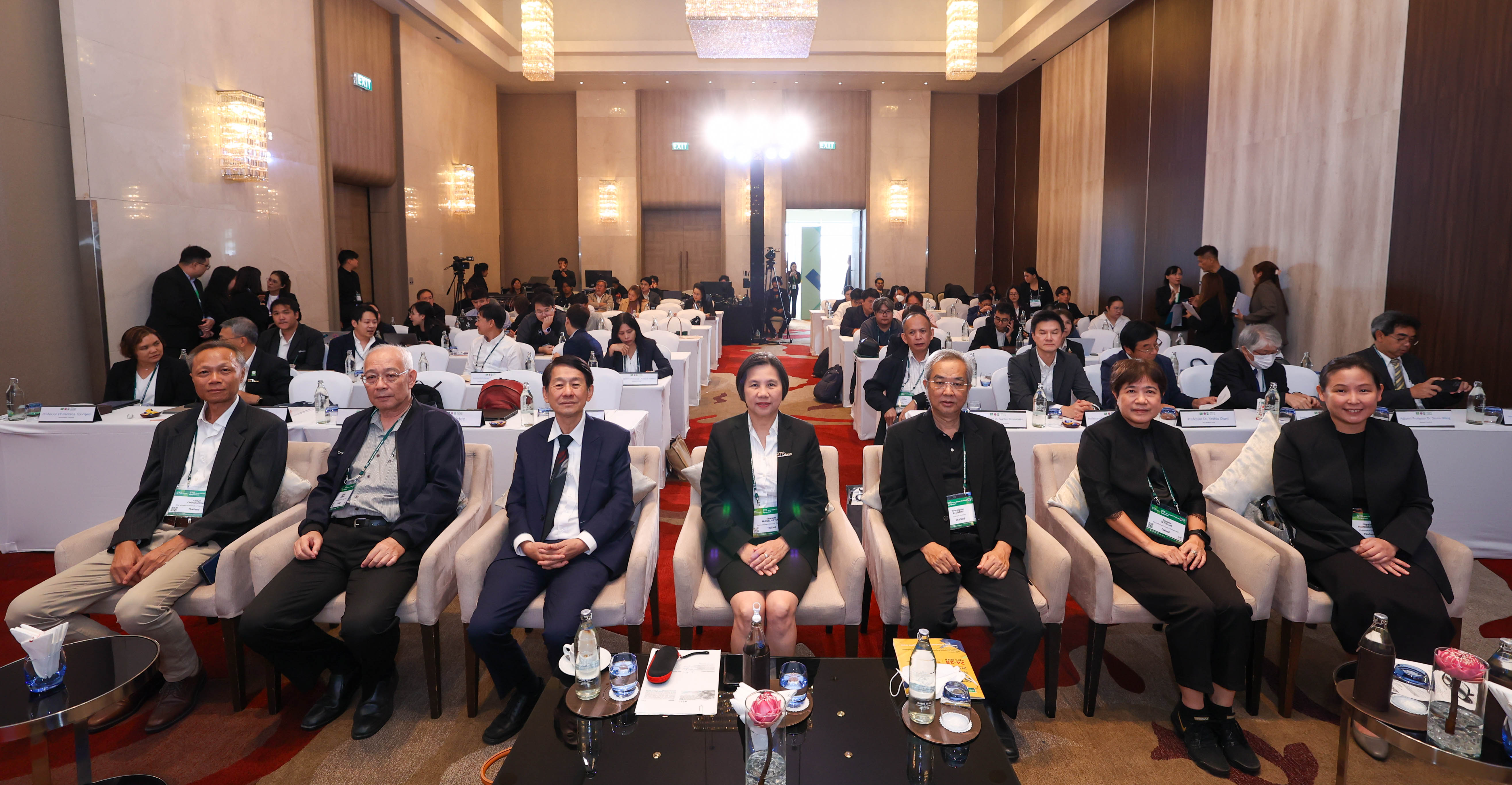
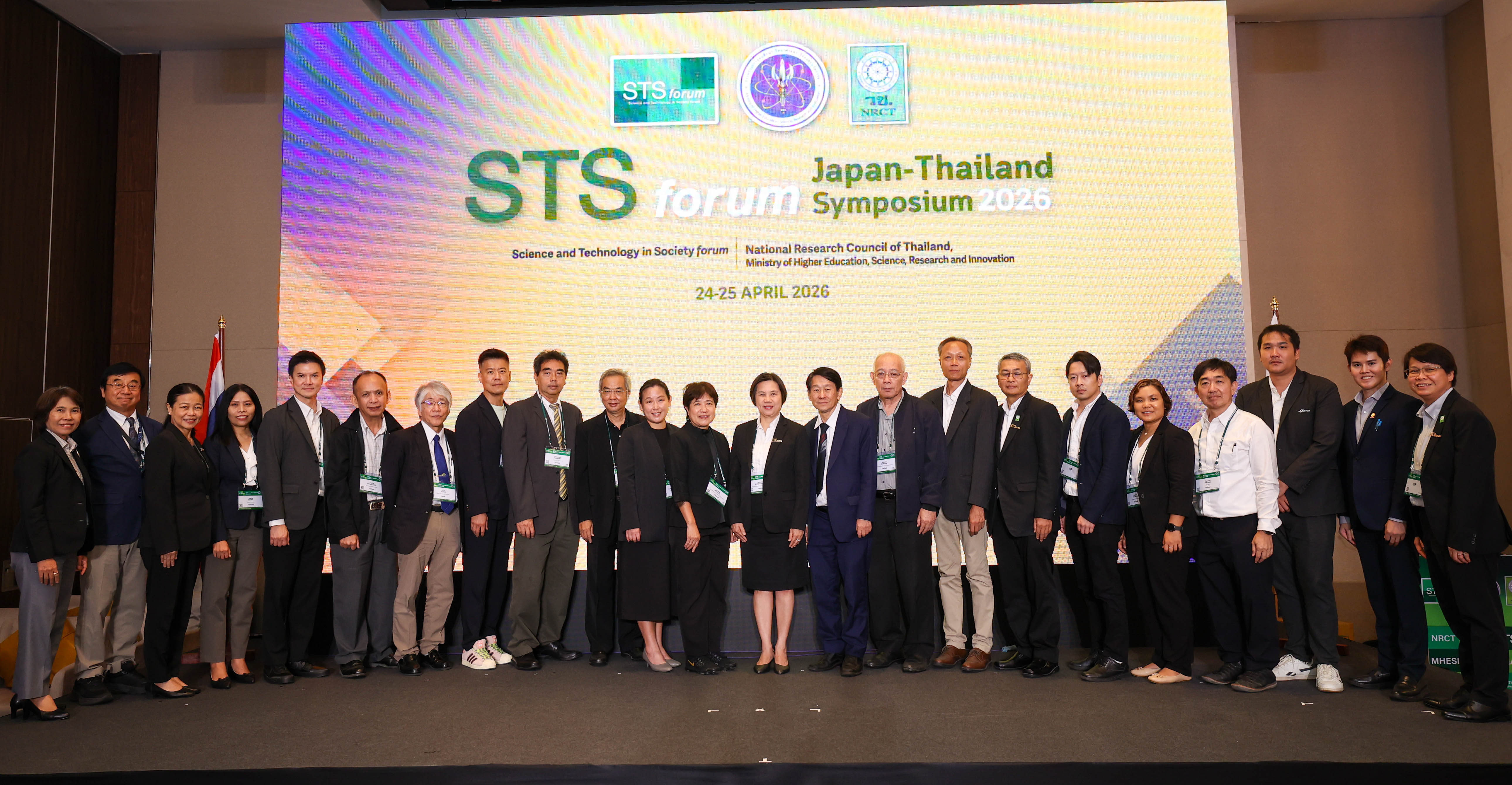
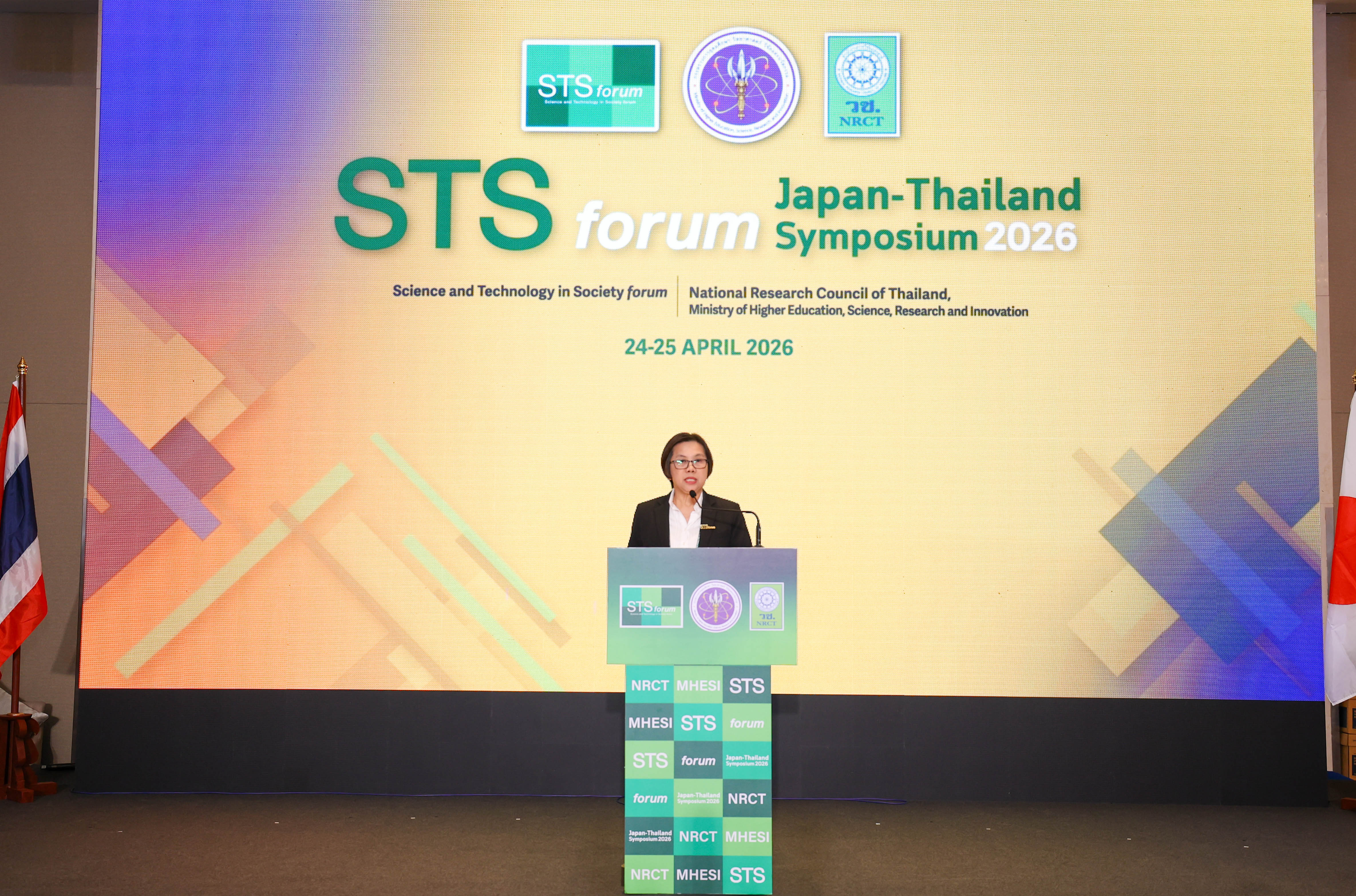
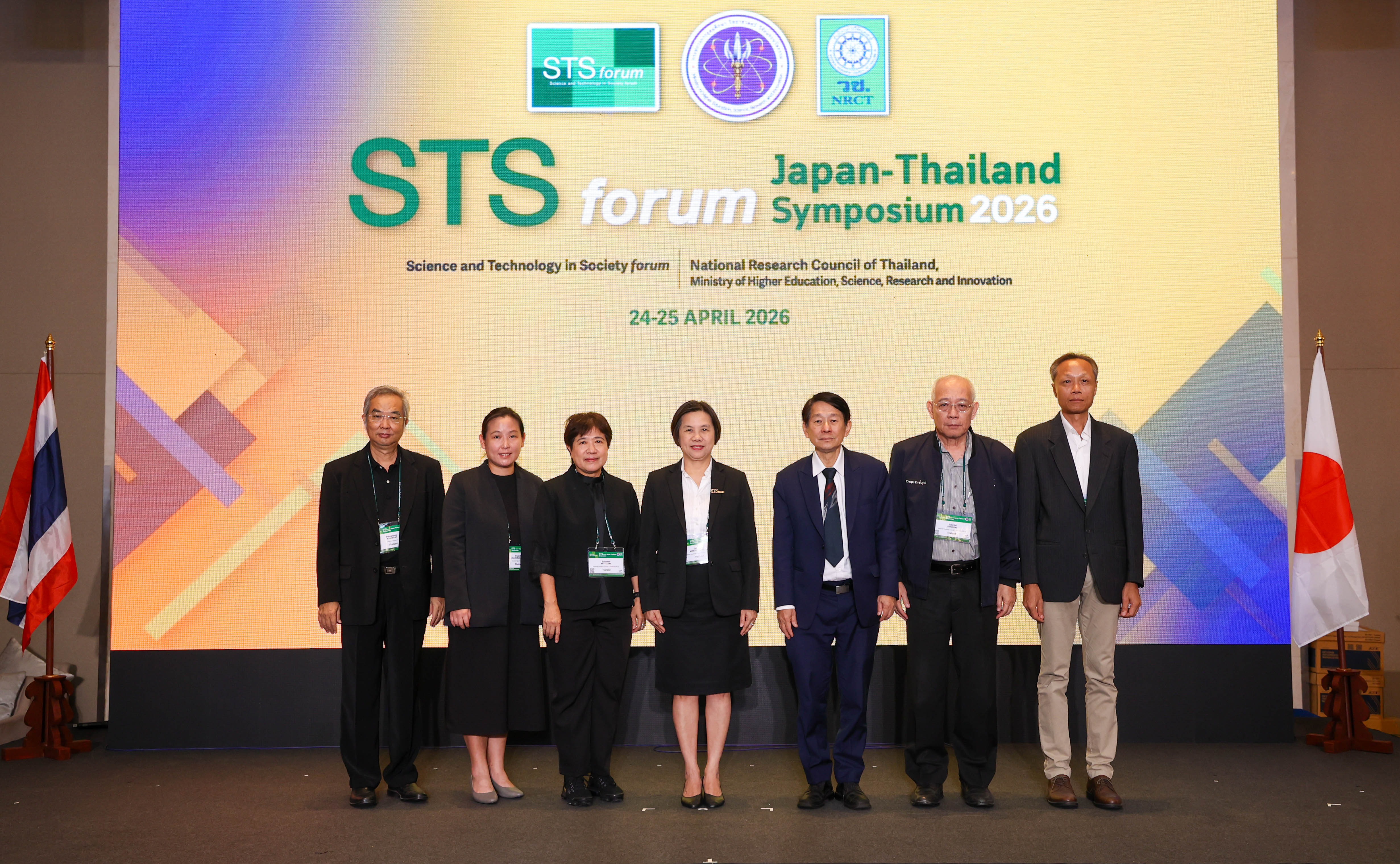
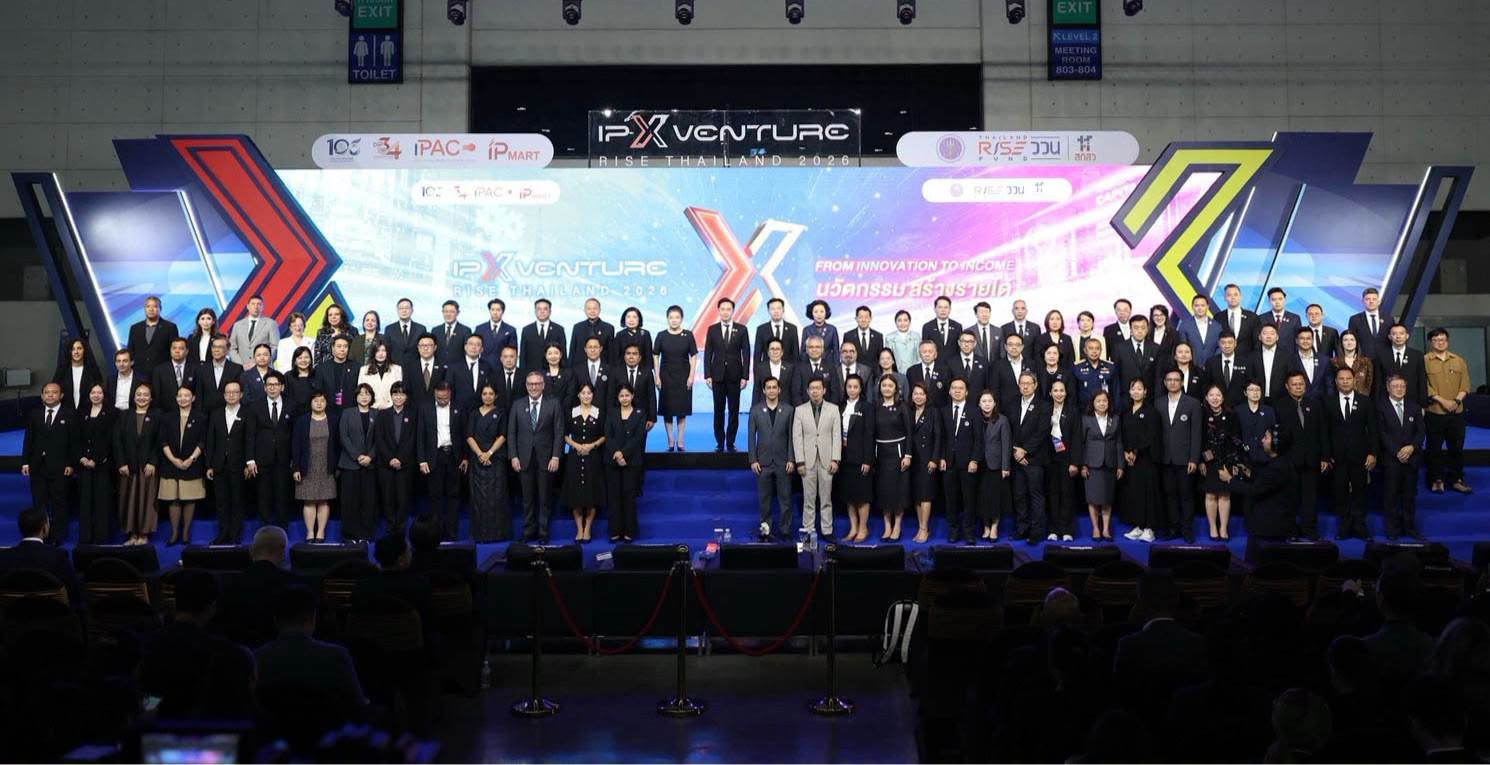
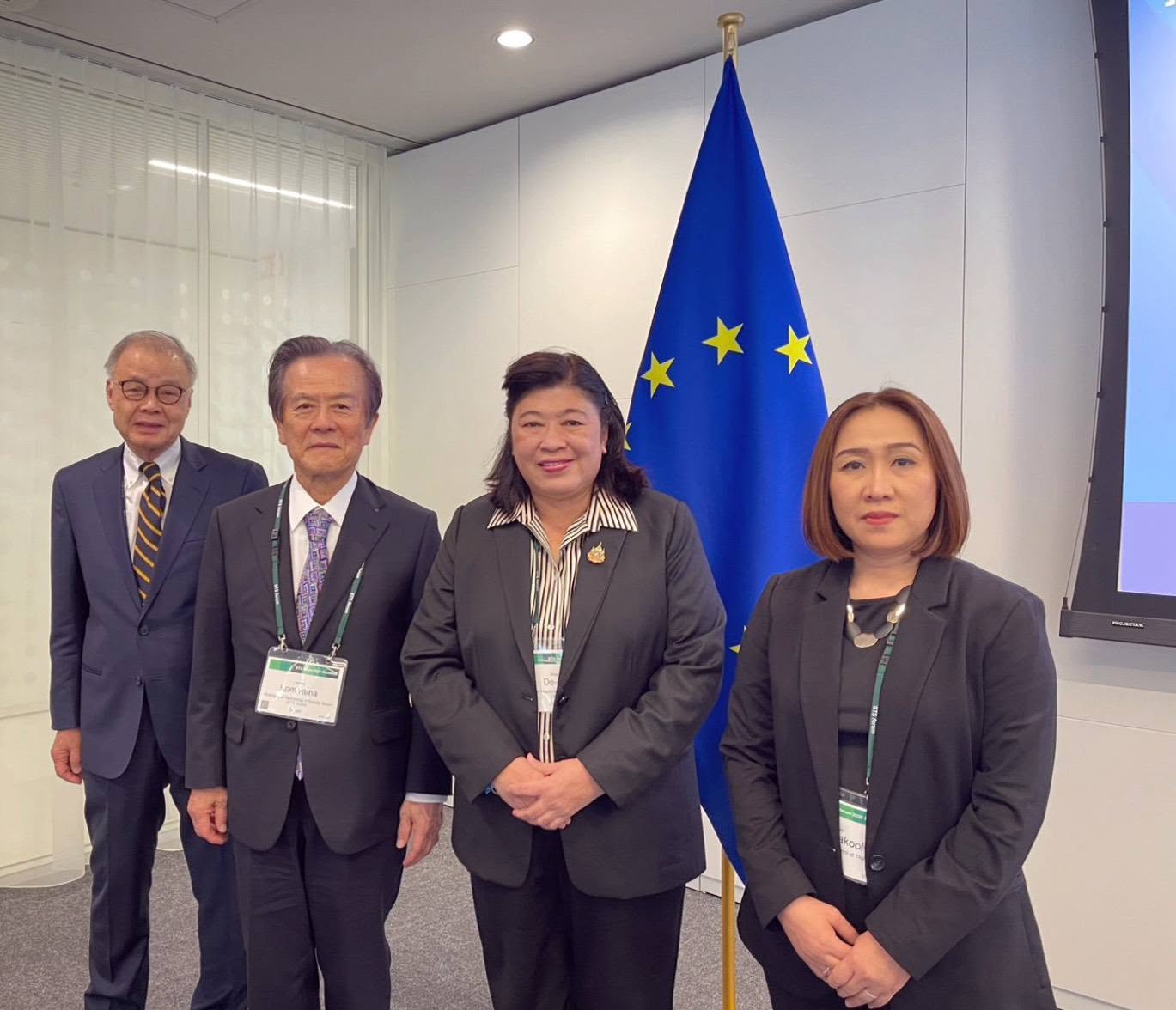
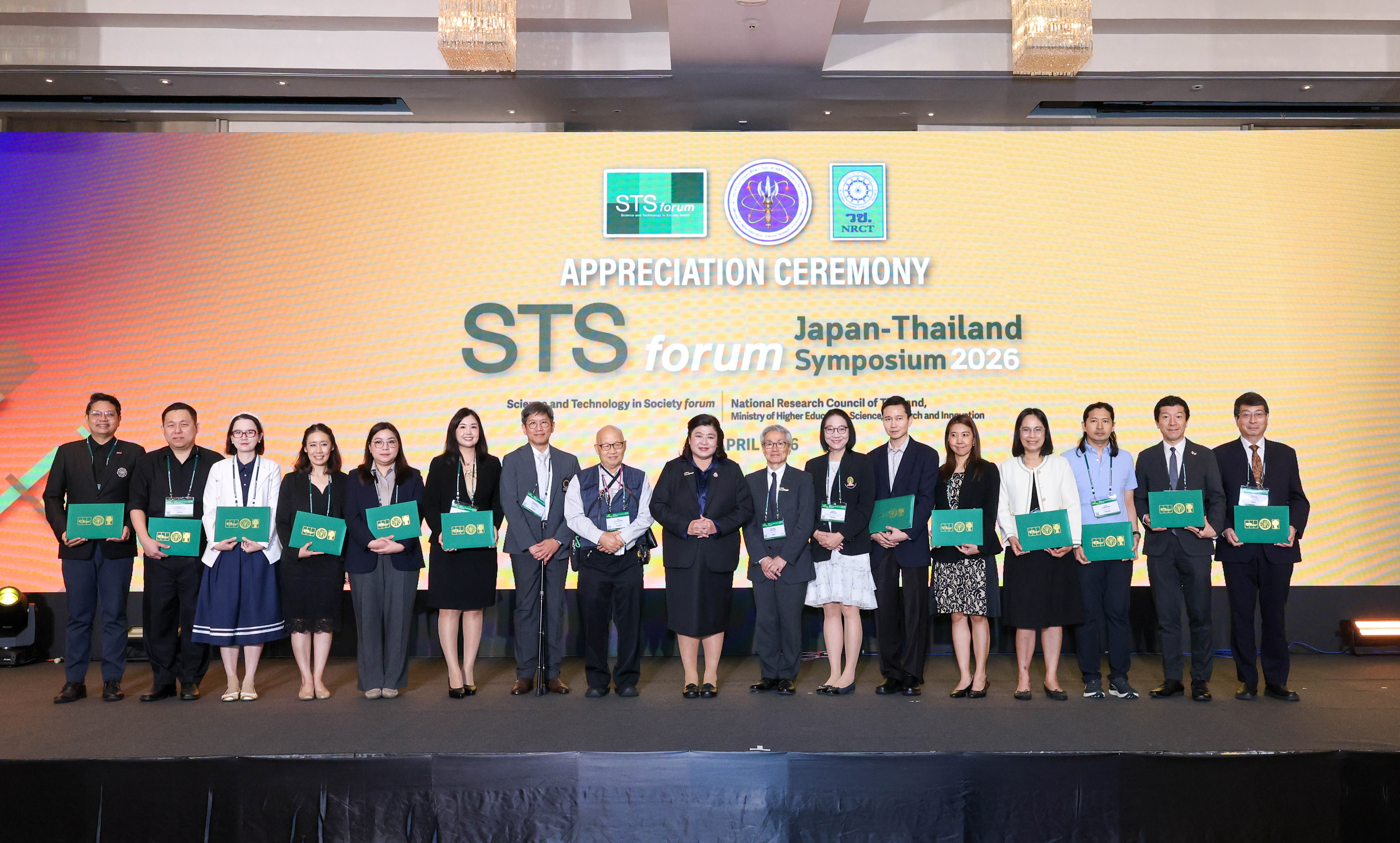
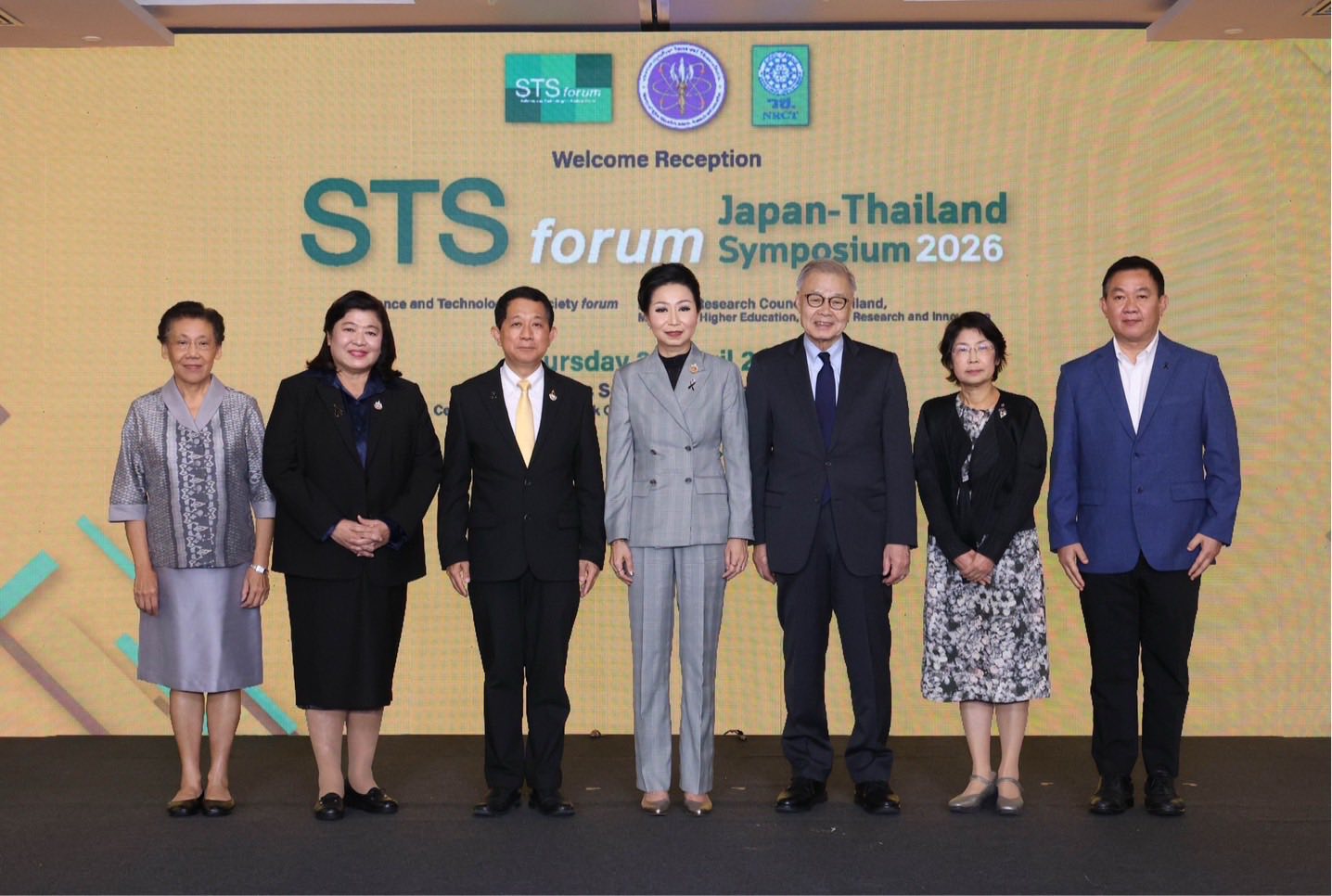
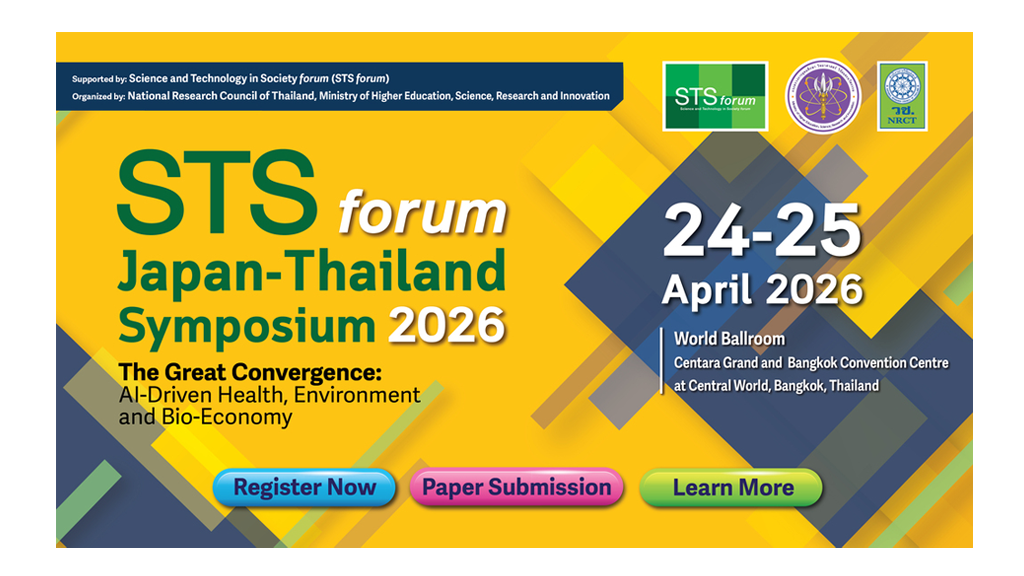
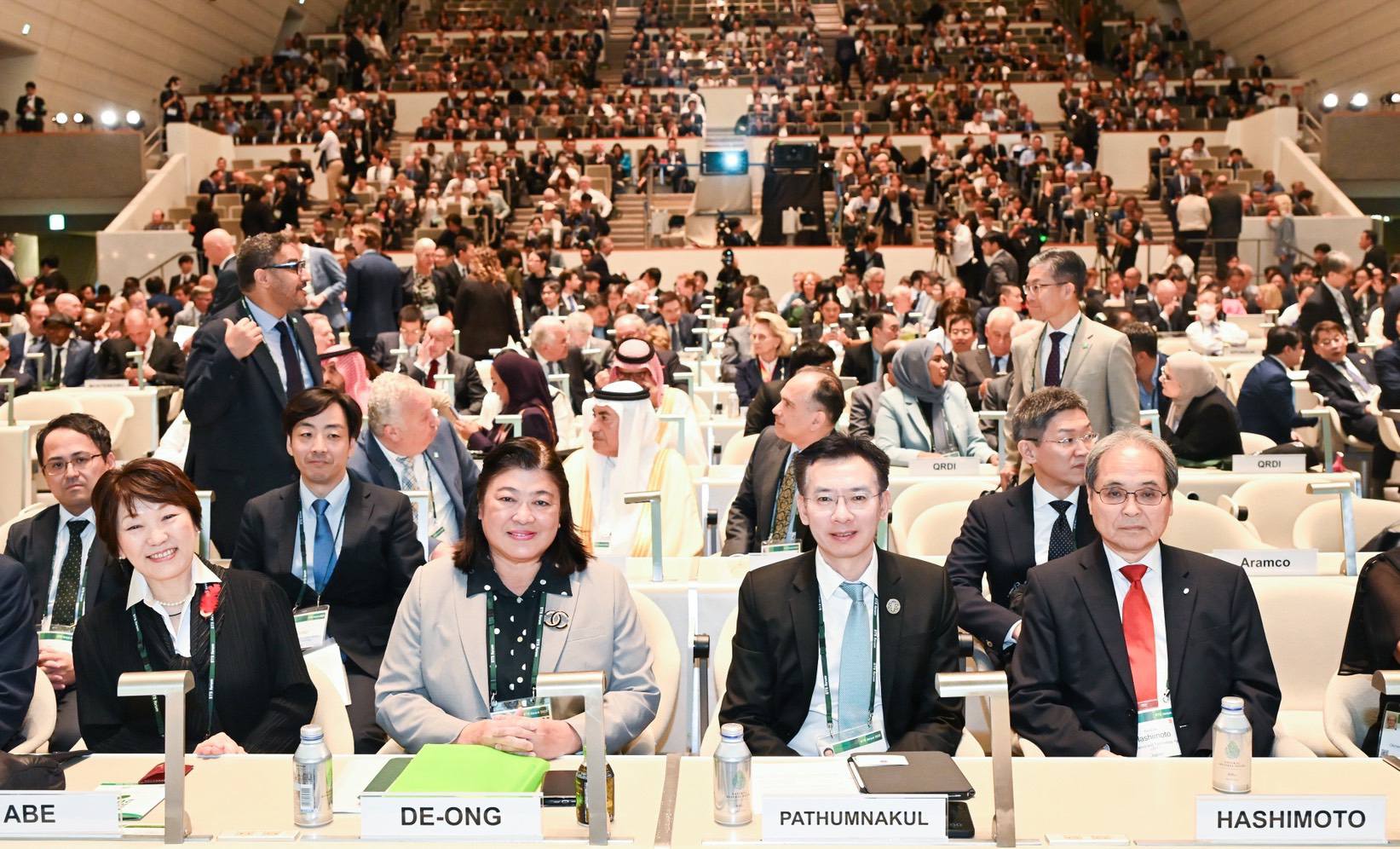
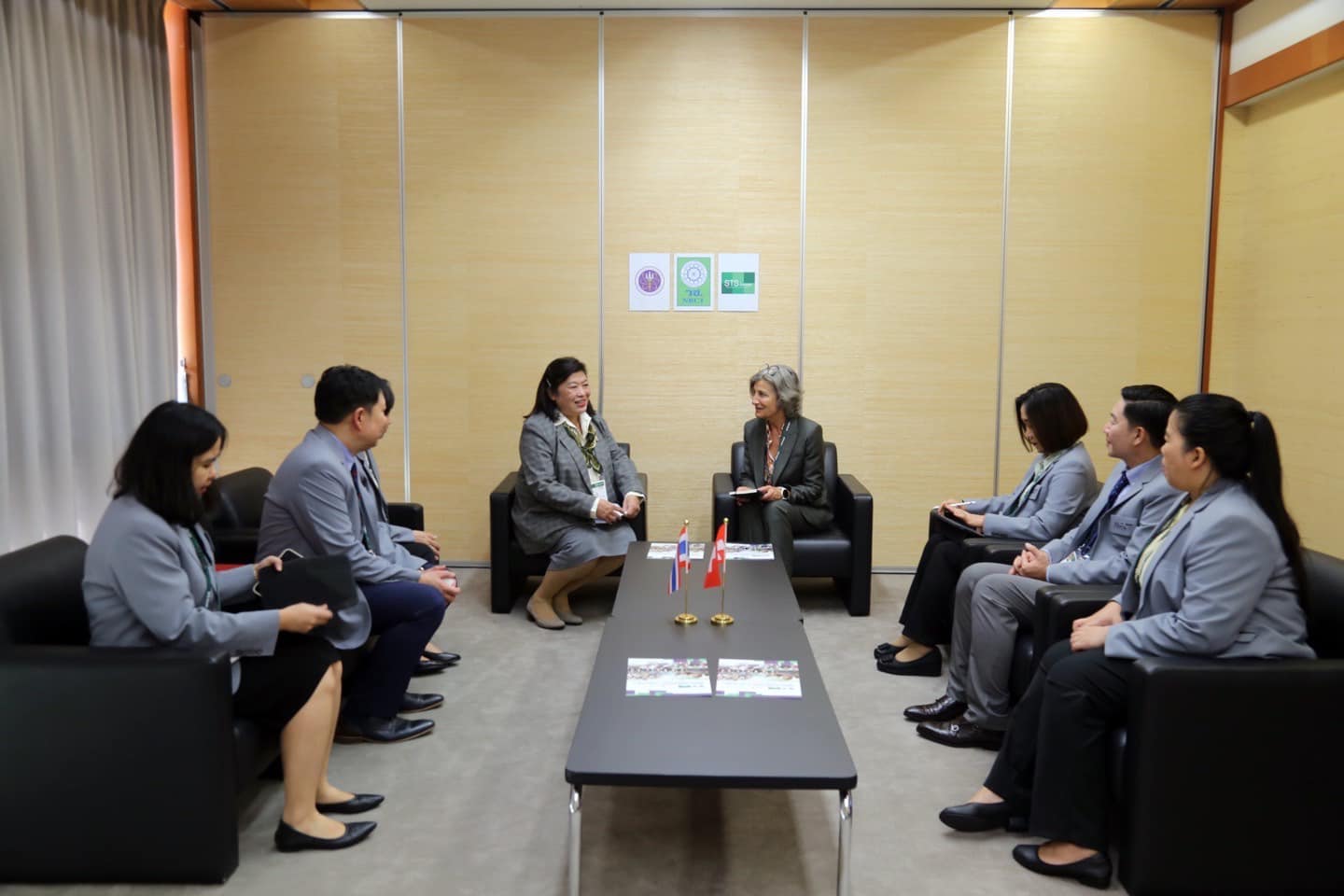
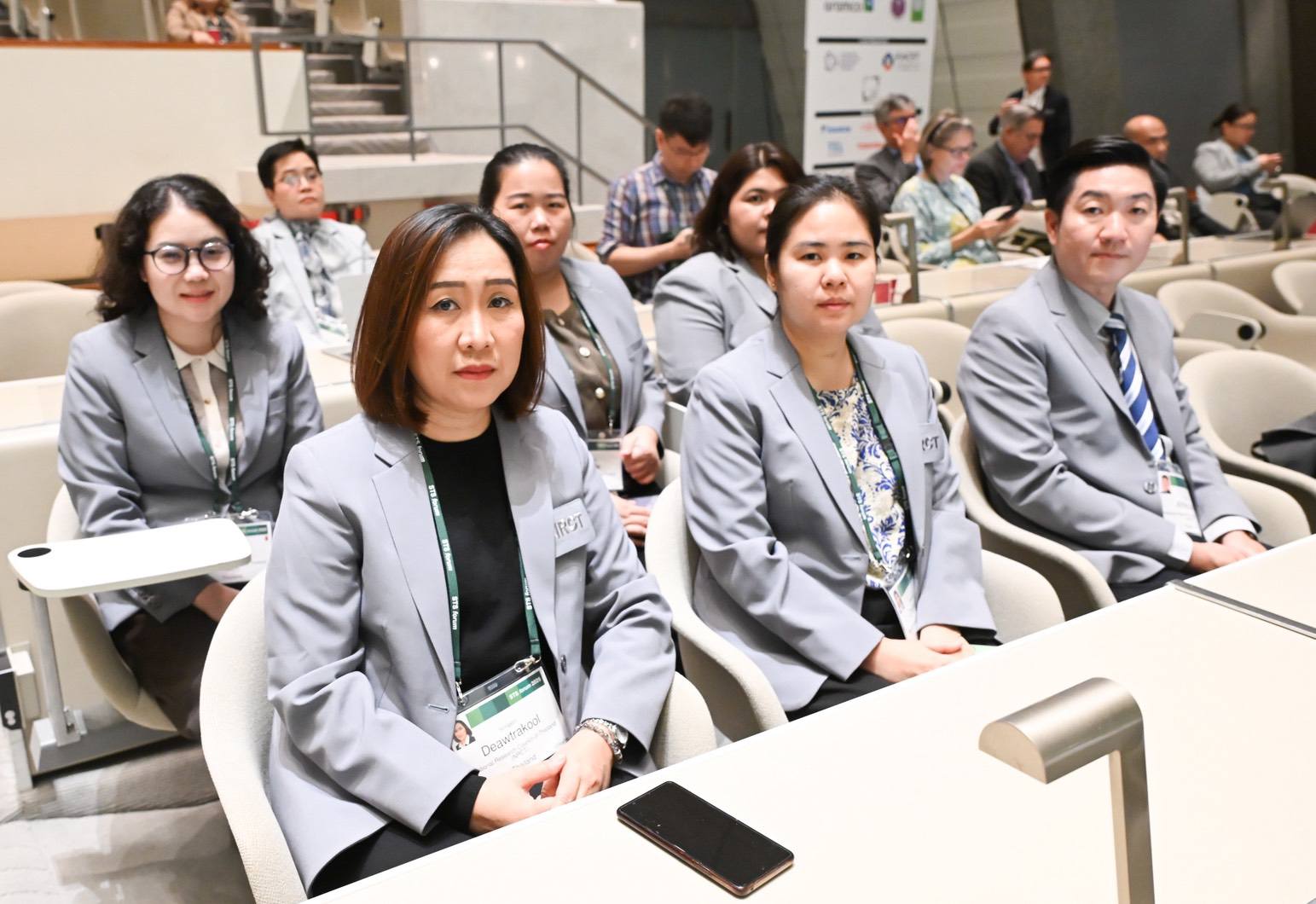
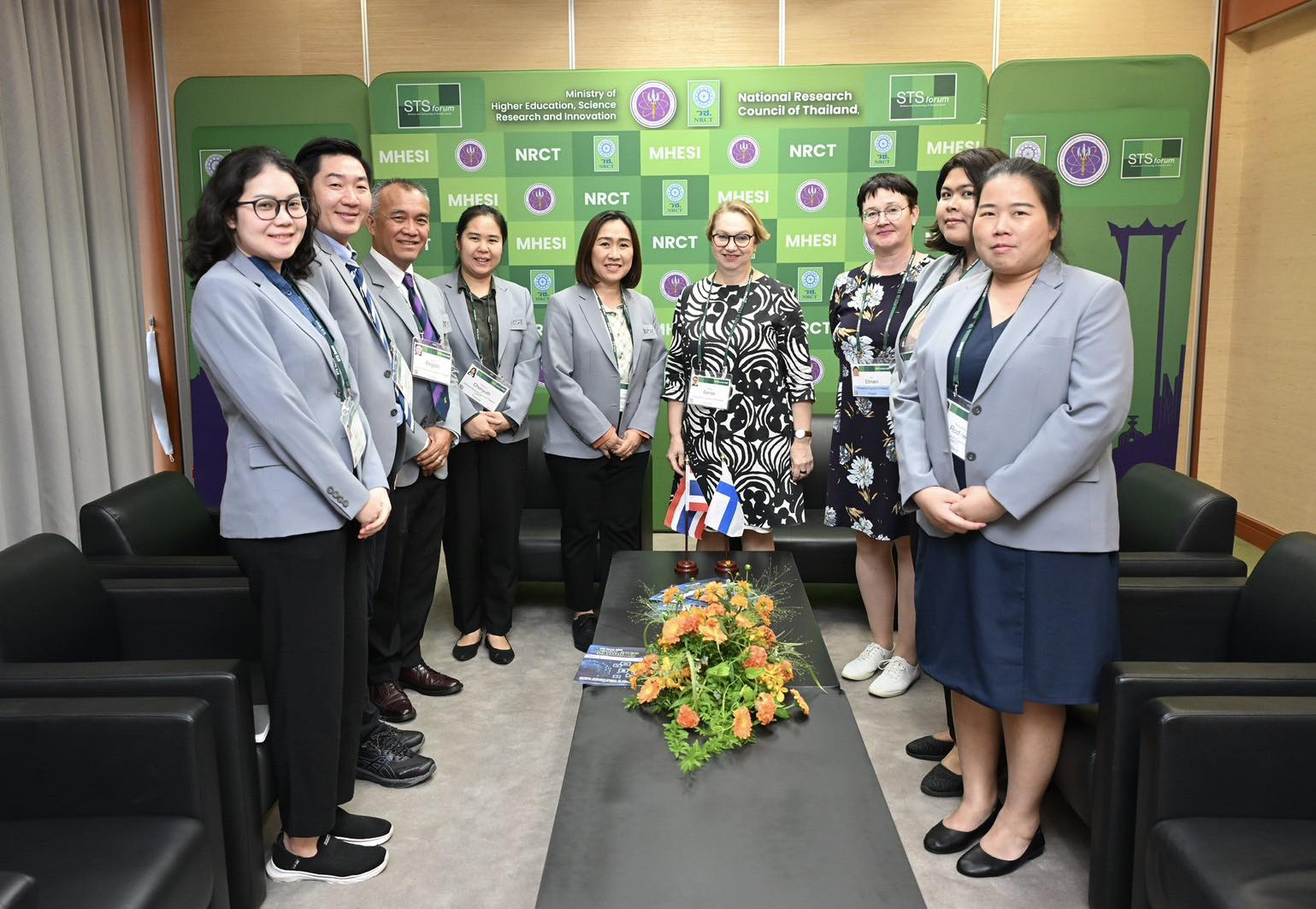
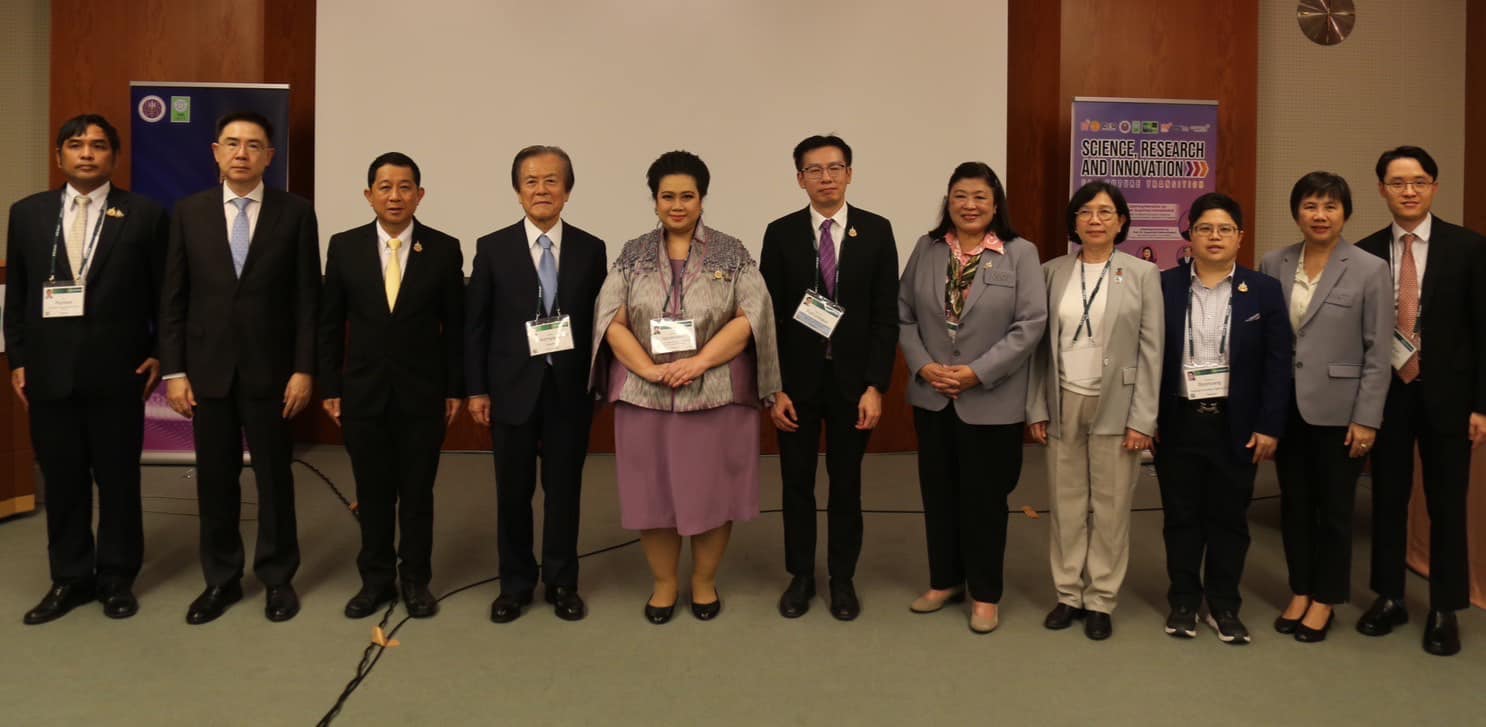
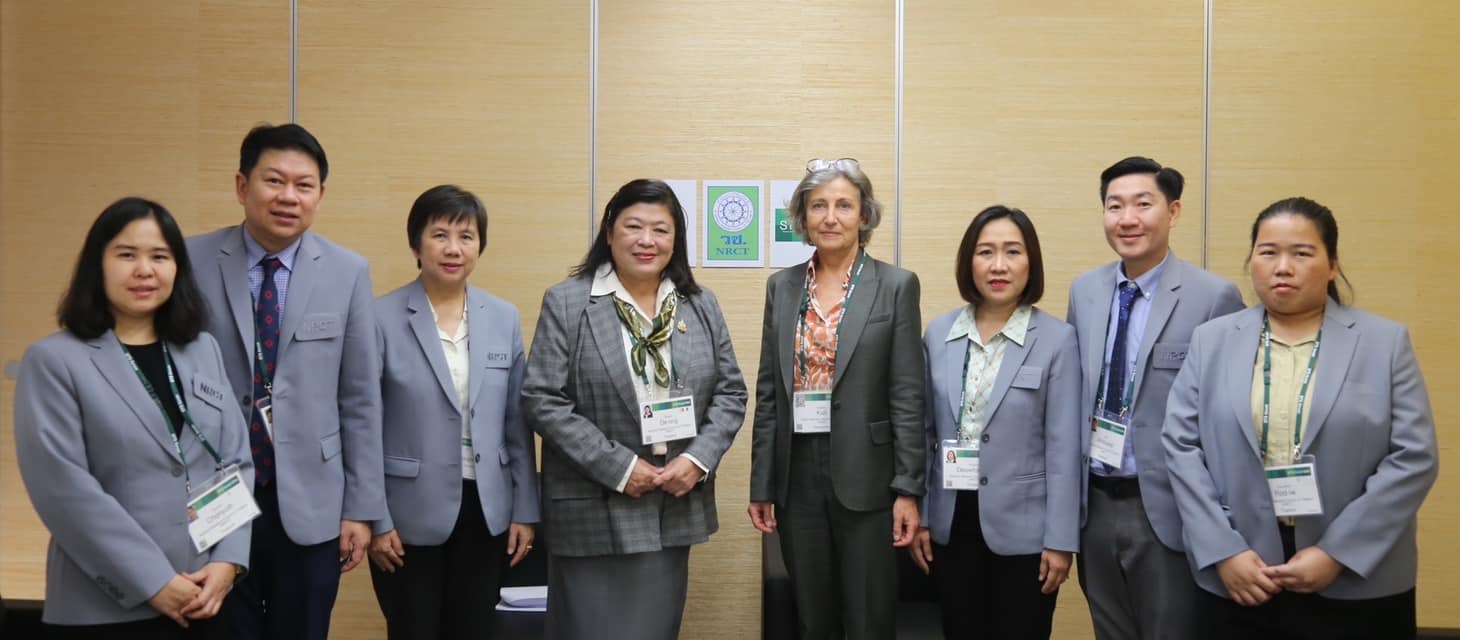
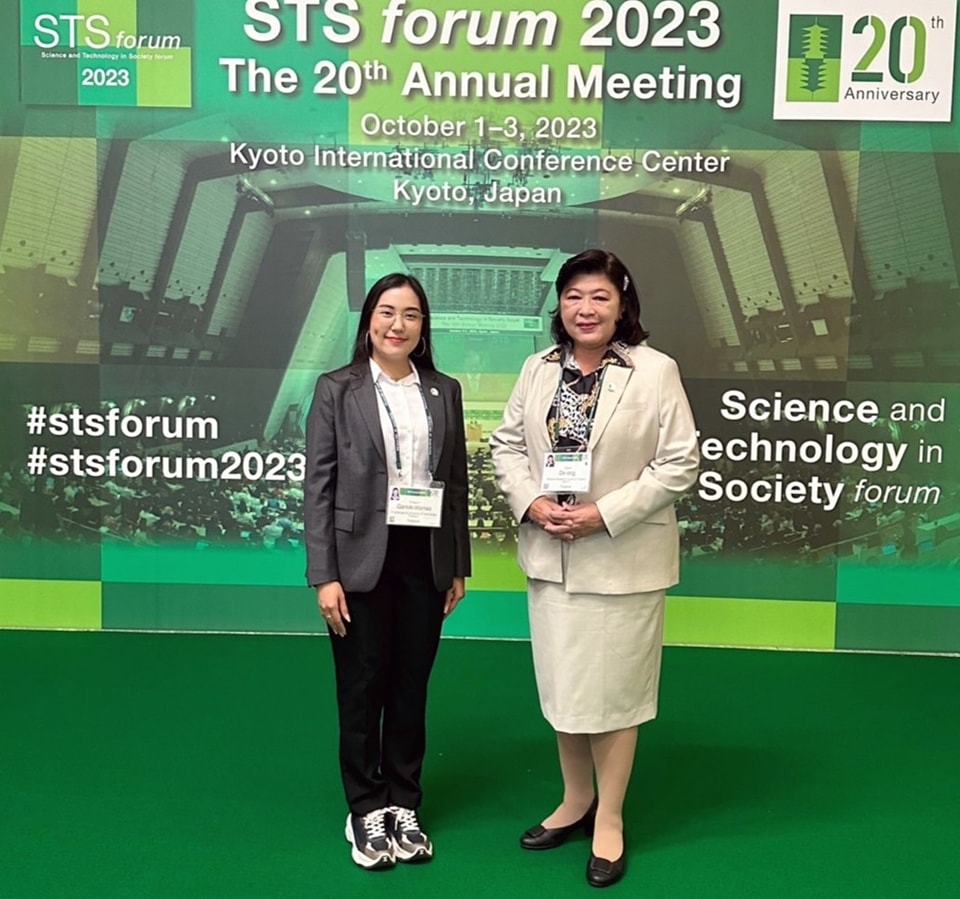
On April 25, 2026, the National Research Council of Thailand (NRCT), under the Ministry of Higher Education, Science, Research and Innovation, in collaboration with the Science and Technology in Society forum (STS forum), organized an academic presentation on the topic “AI in the Age of Climate Extremes & Disaster” as part of the STS forum Japan-Thailand Symposium 2026. The session was held at World Ballroom A, 23rd Floor, Centara Grand & Bangkok Convention Centre at CentralWorld, Bangkok.
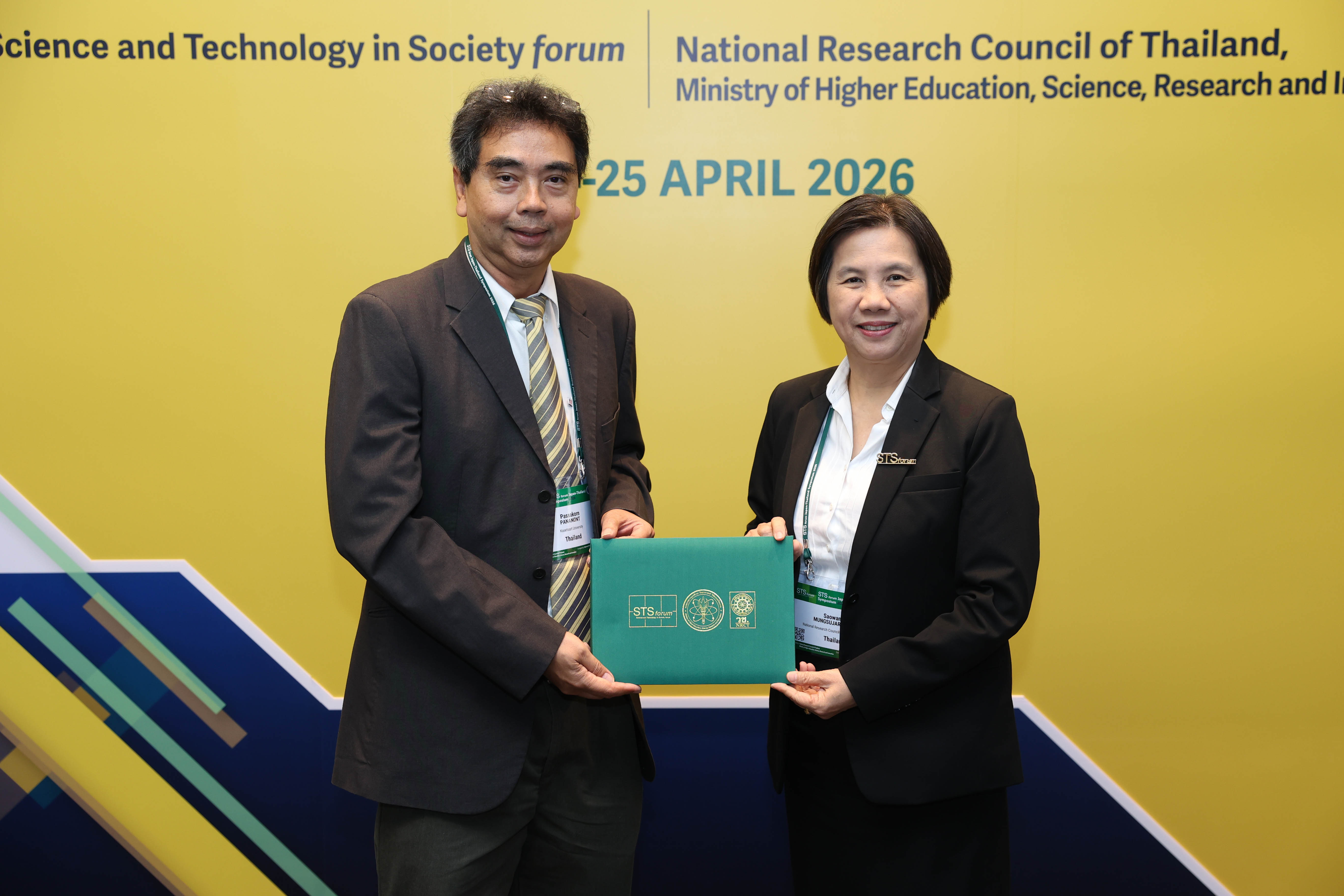
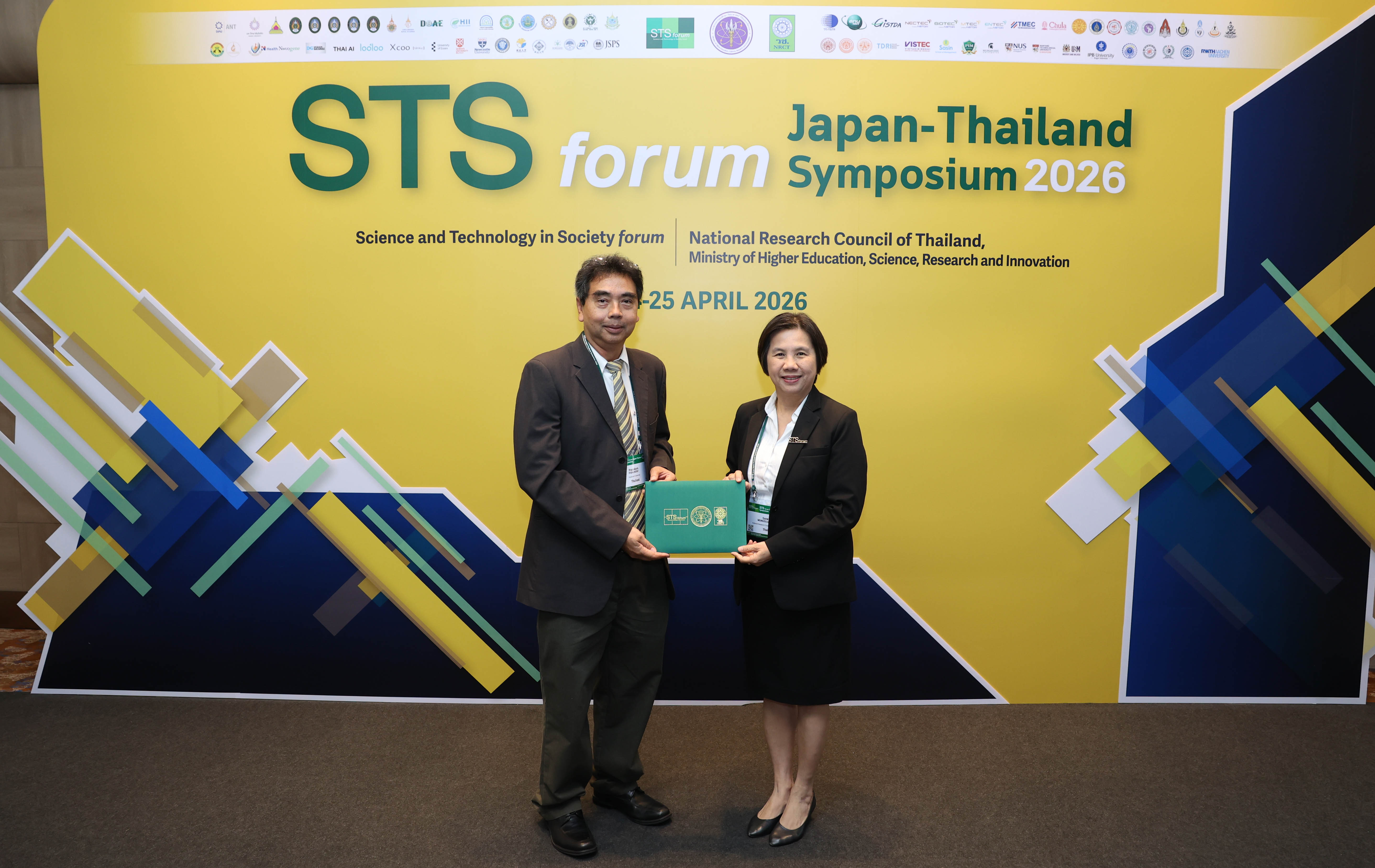
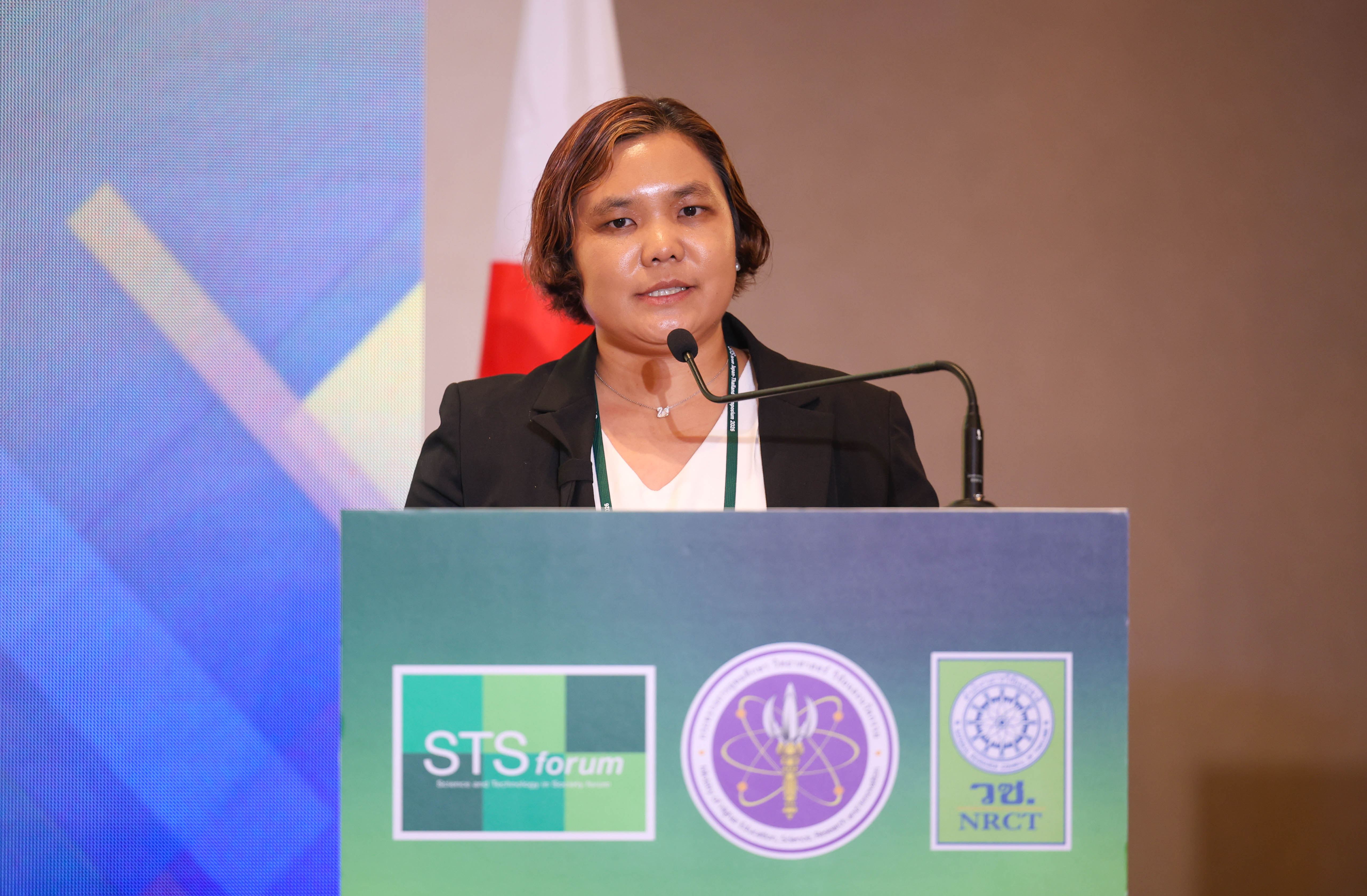
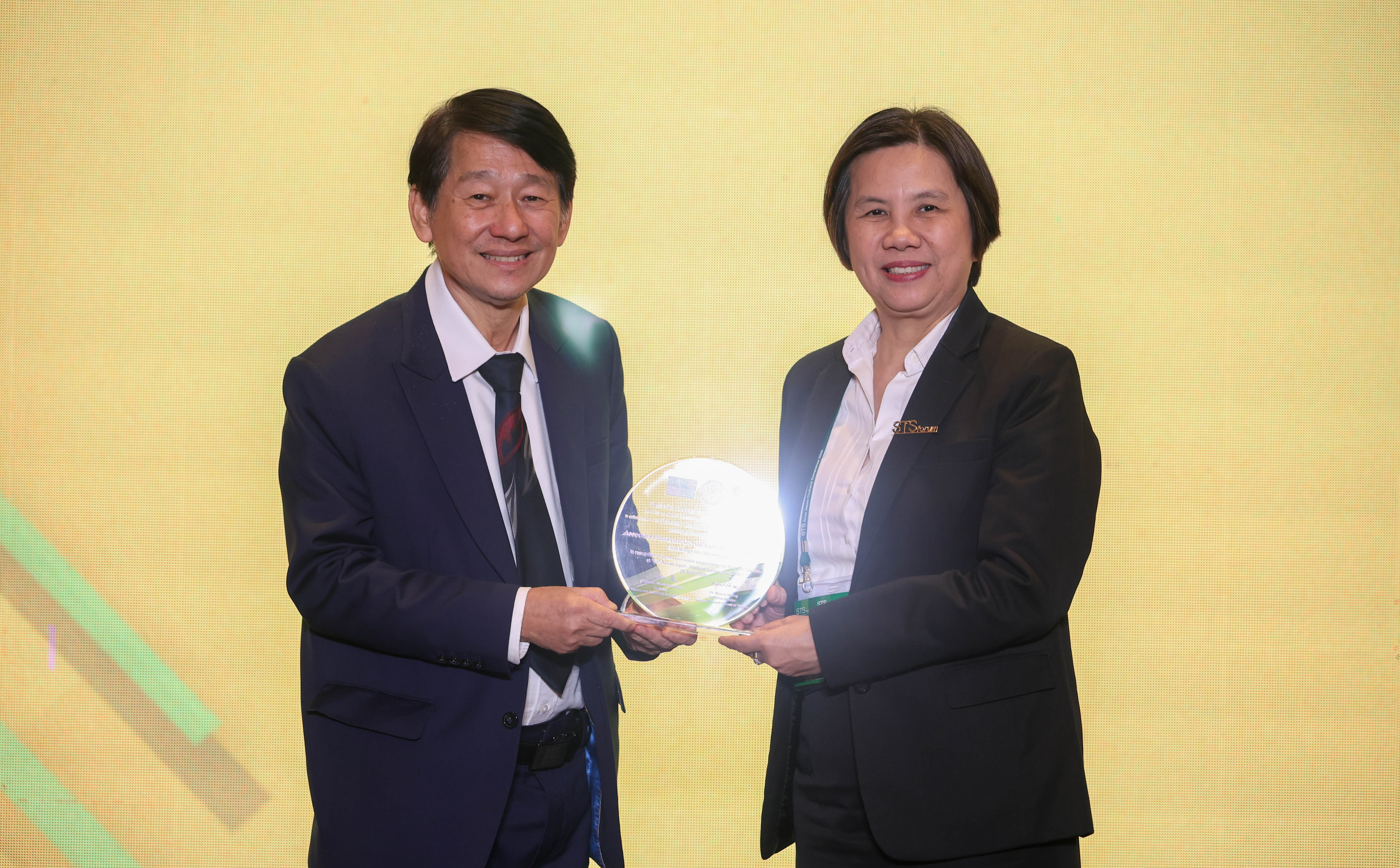
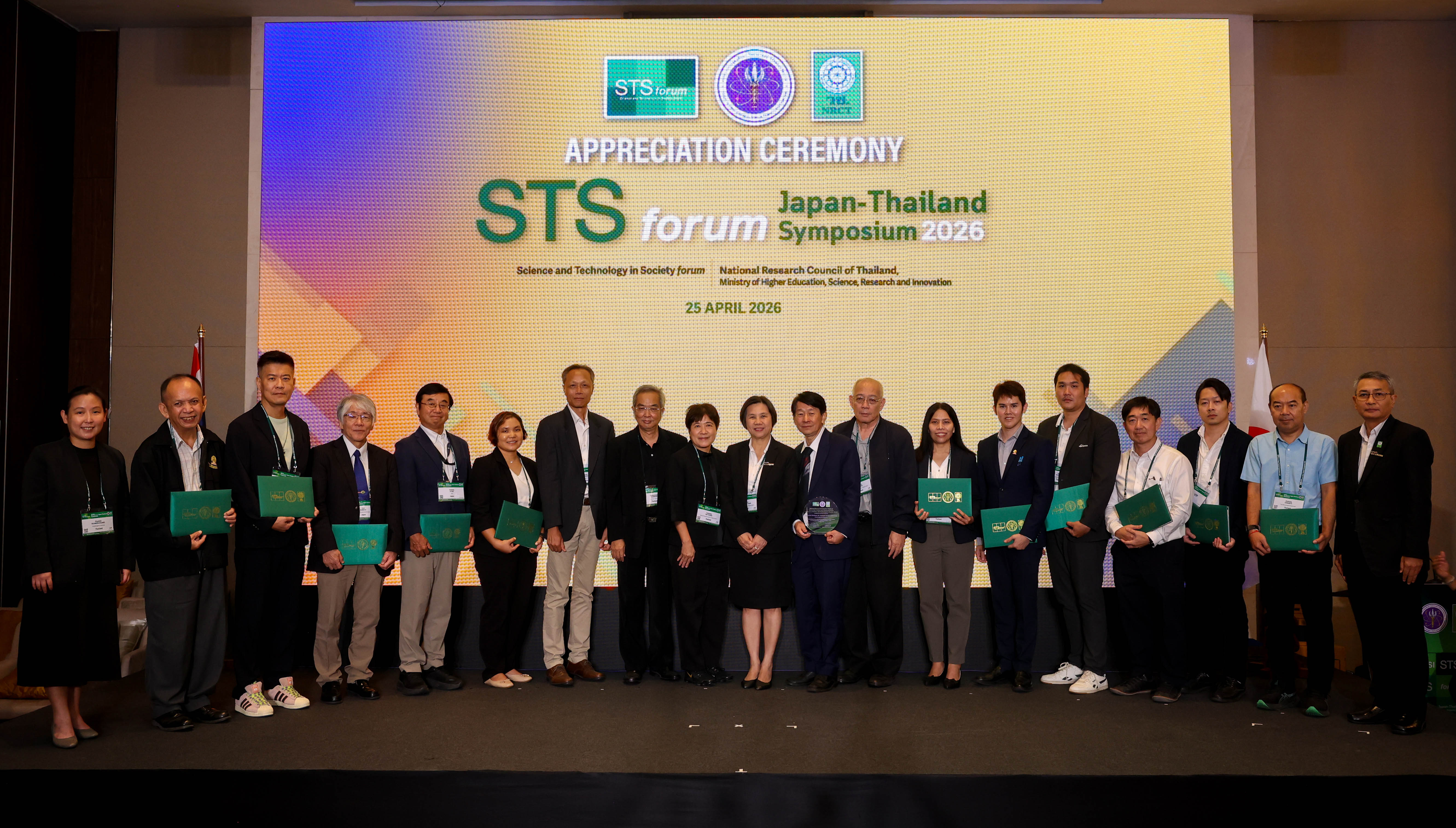
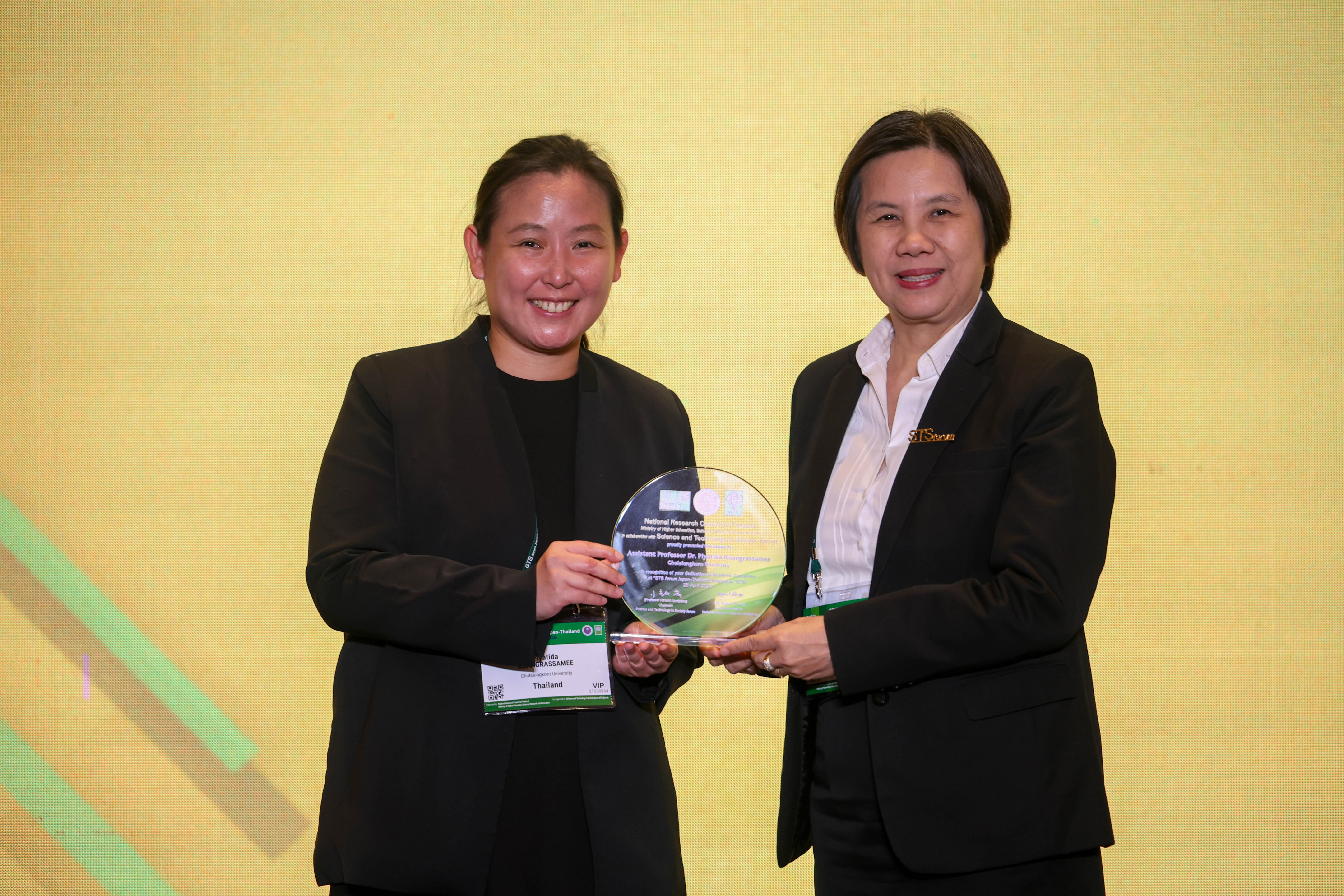
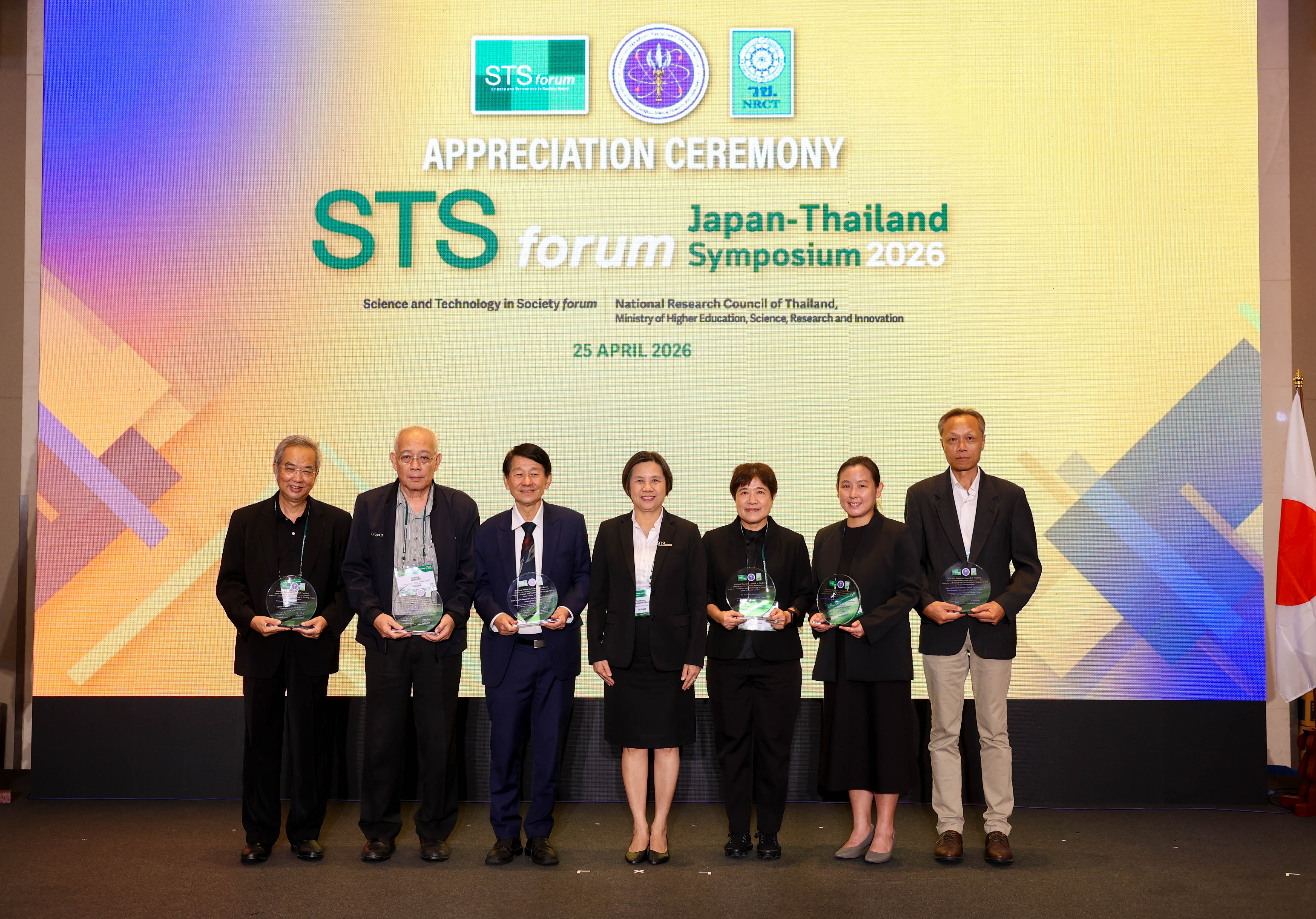
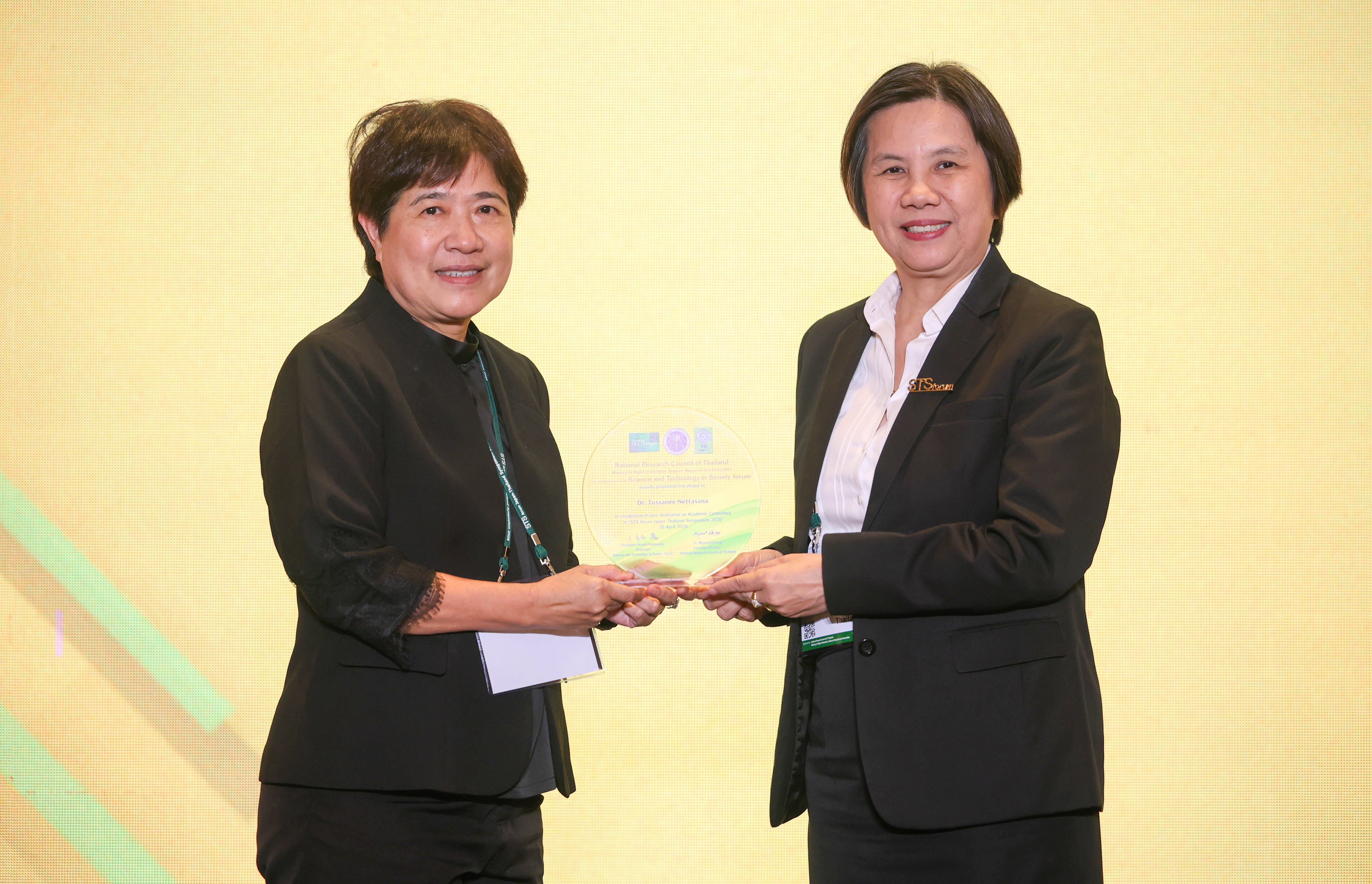
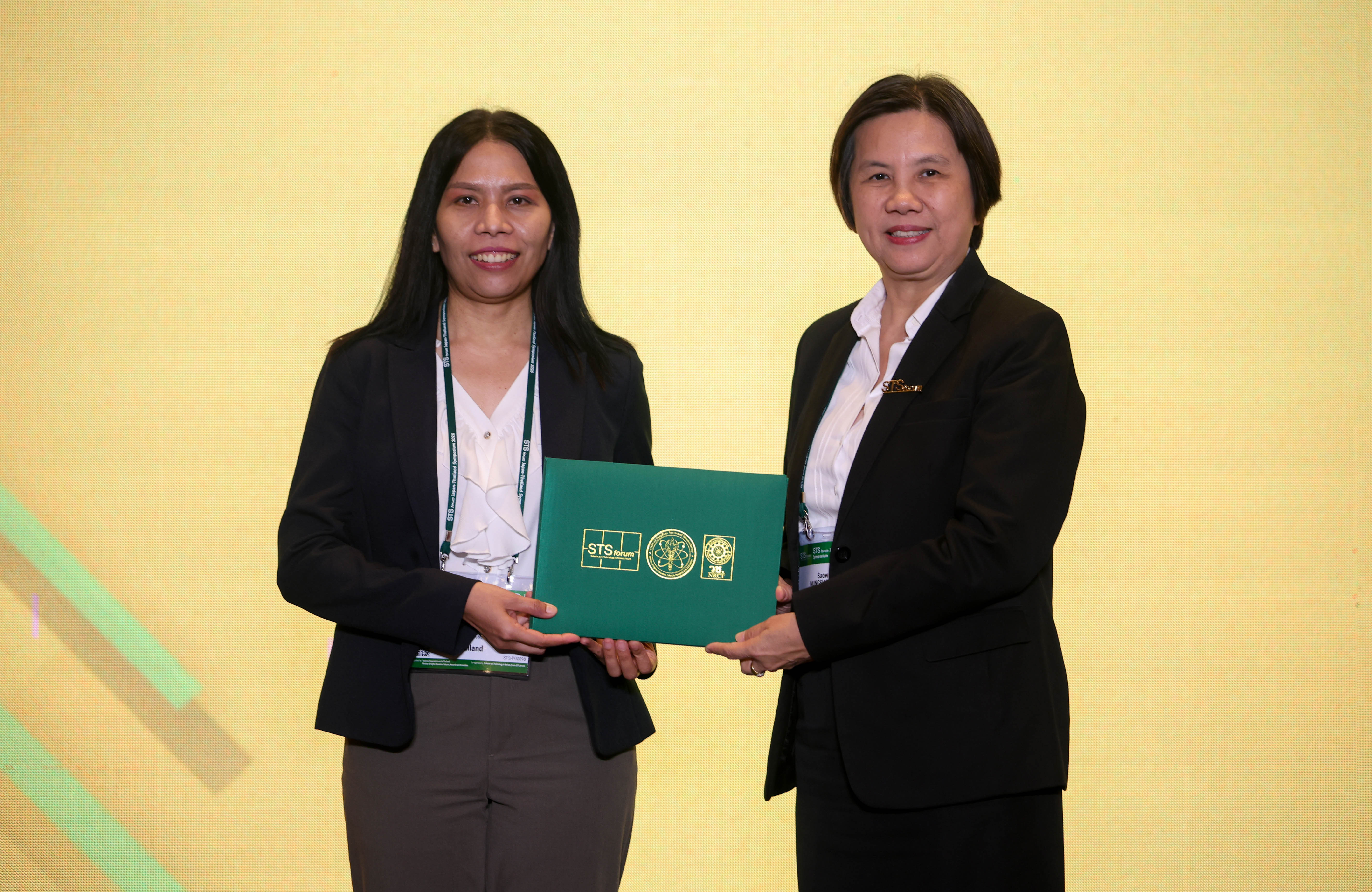
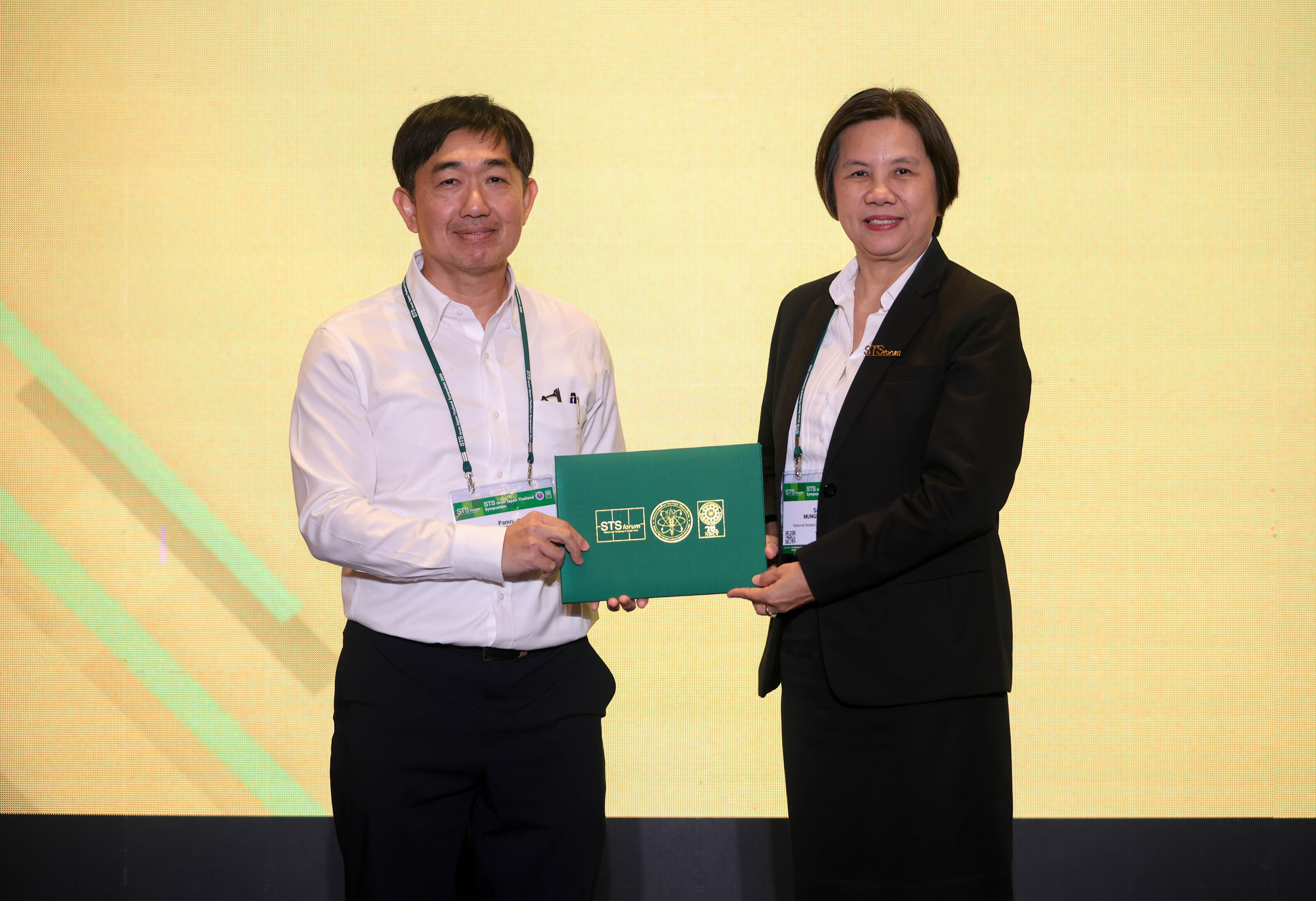
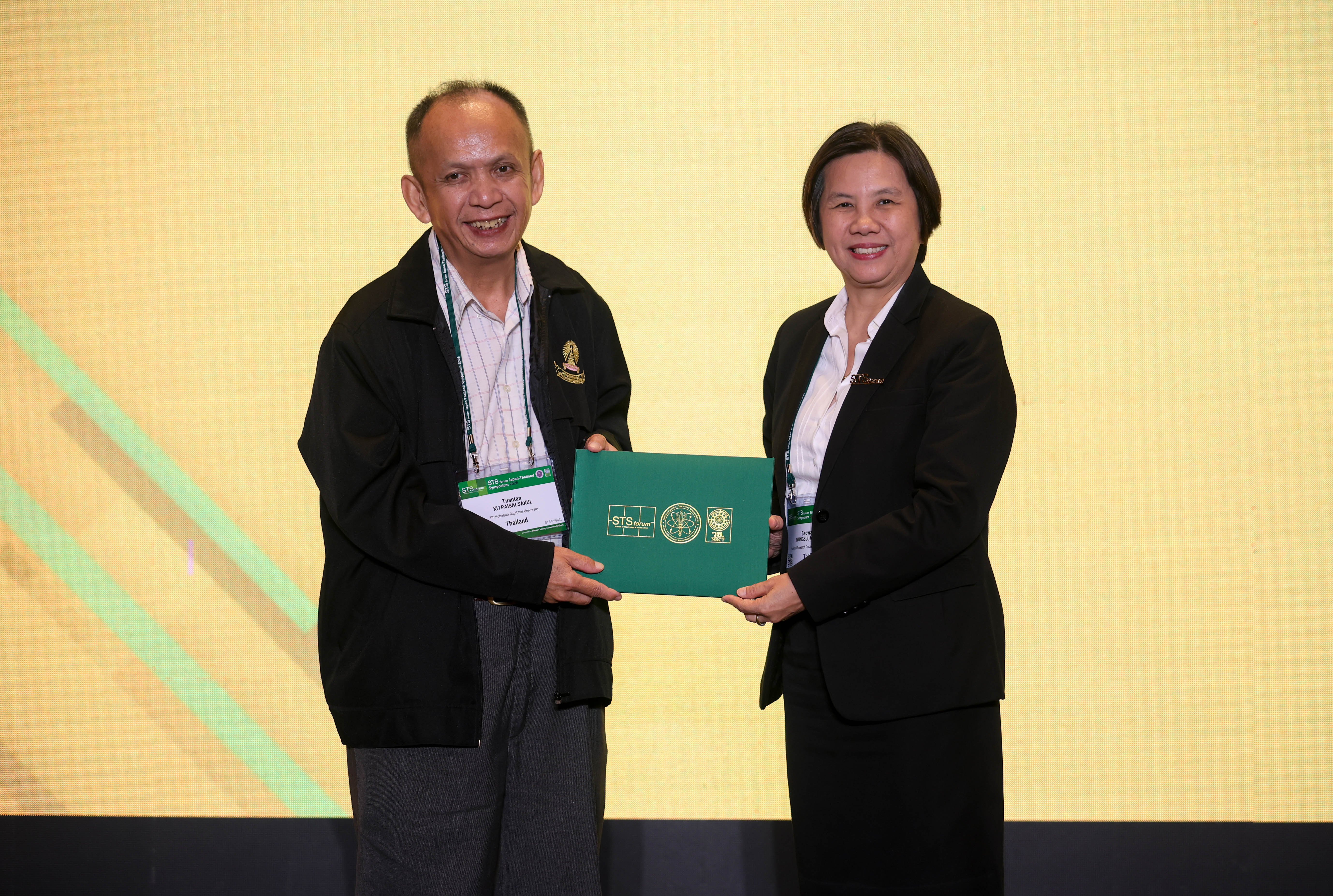
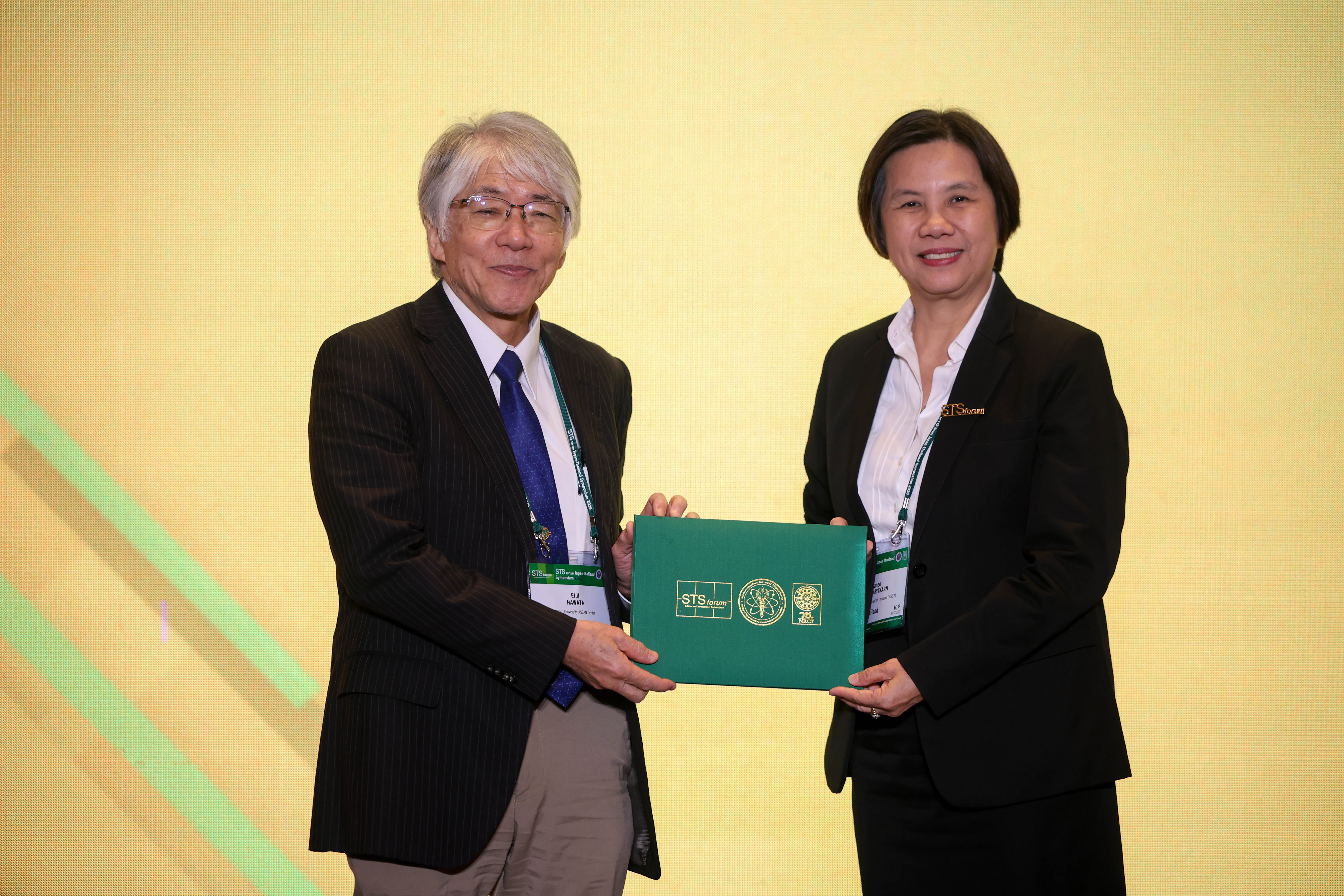
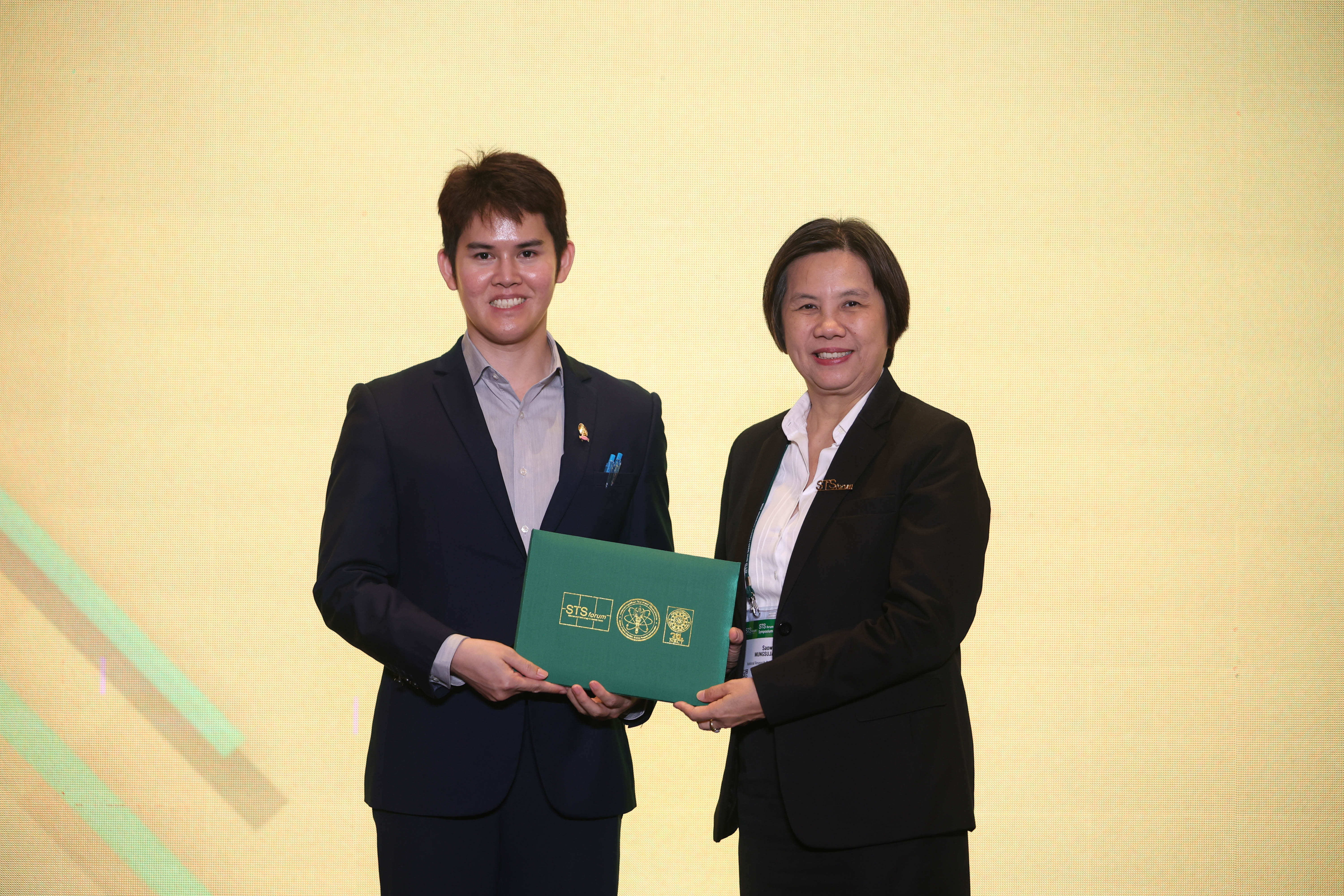
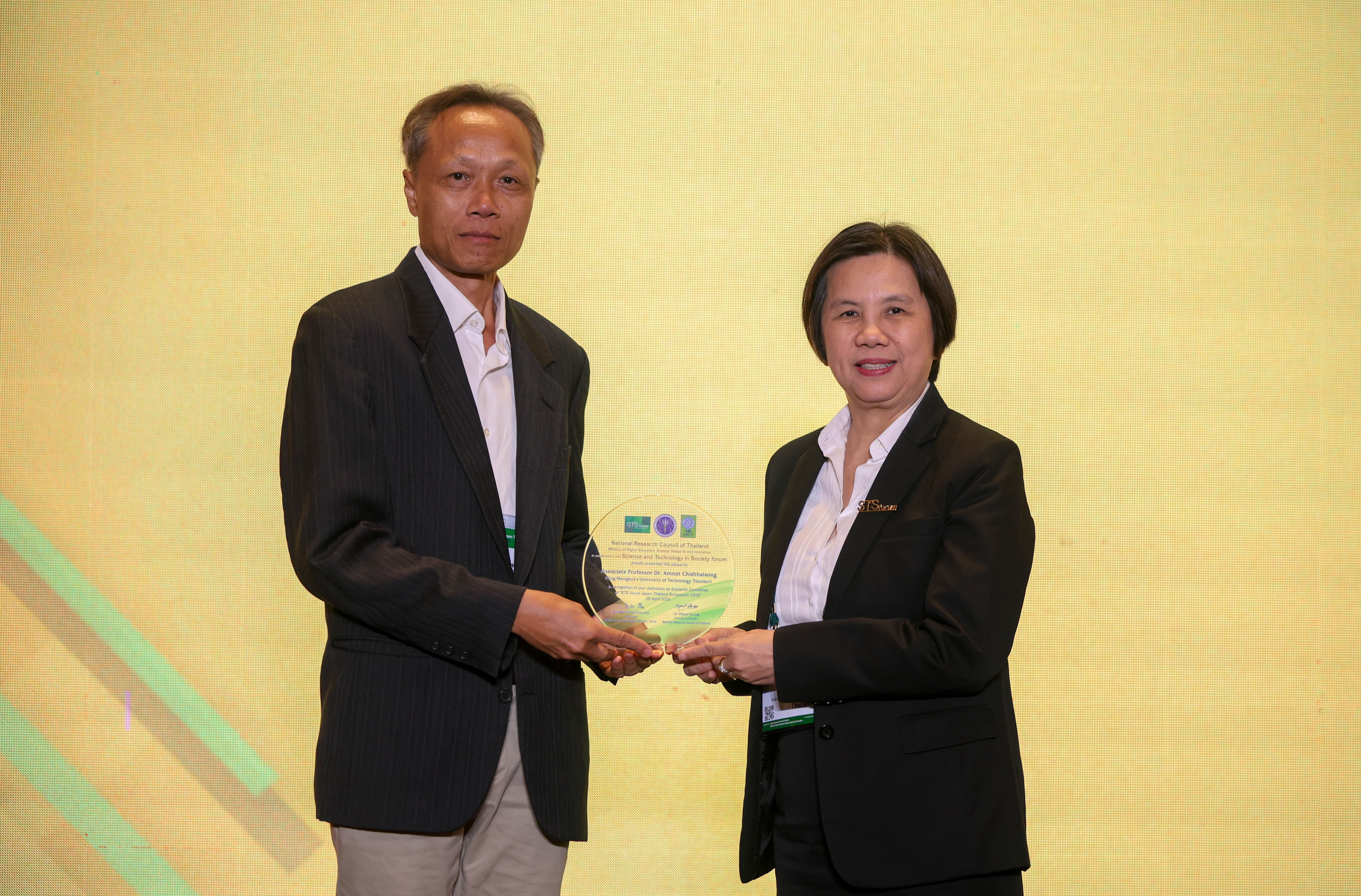
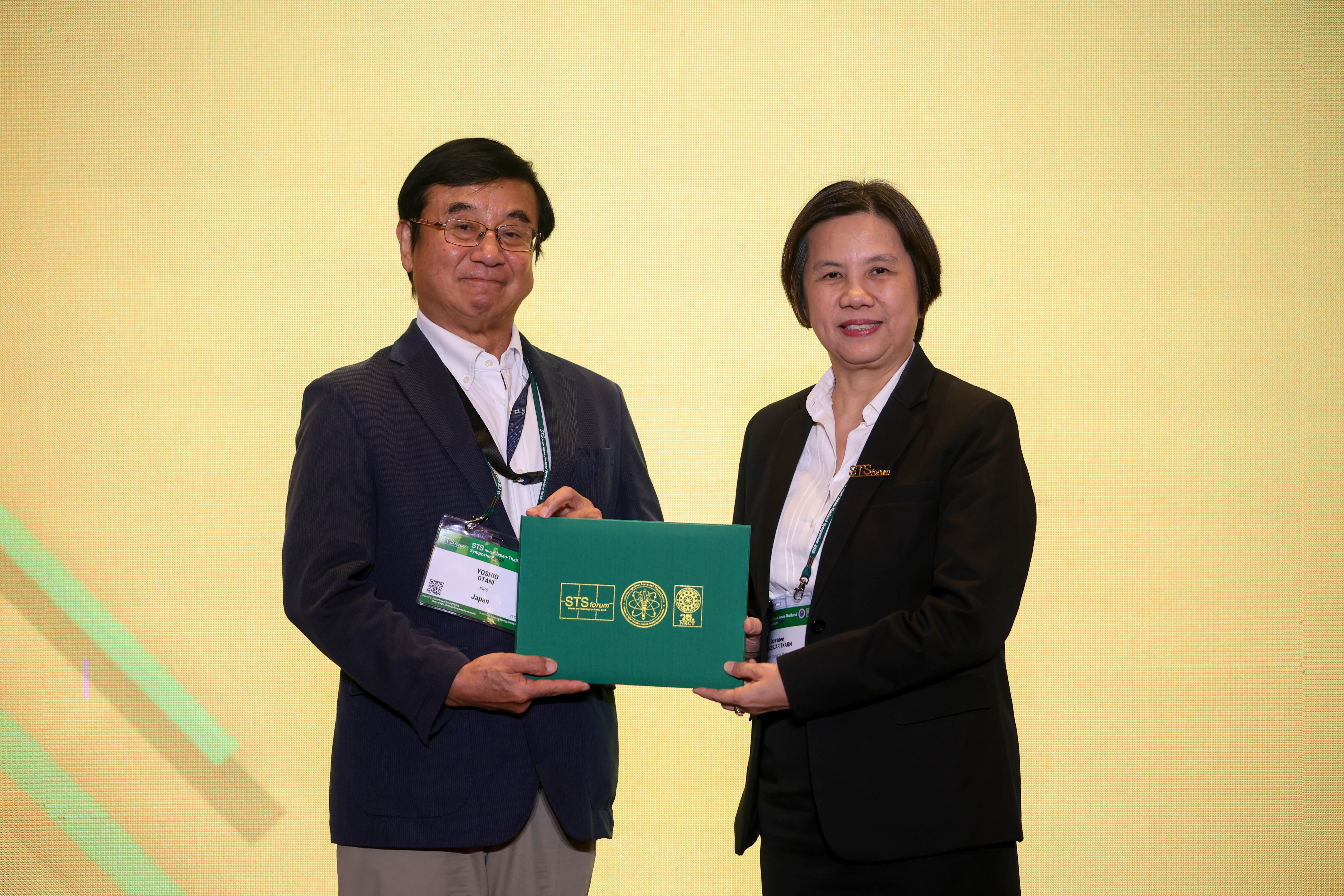
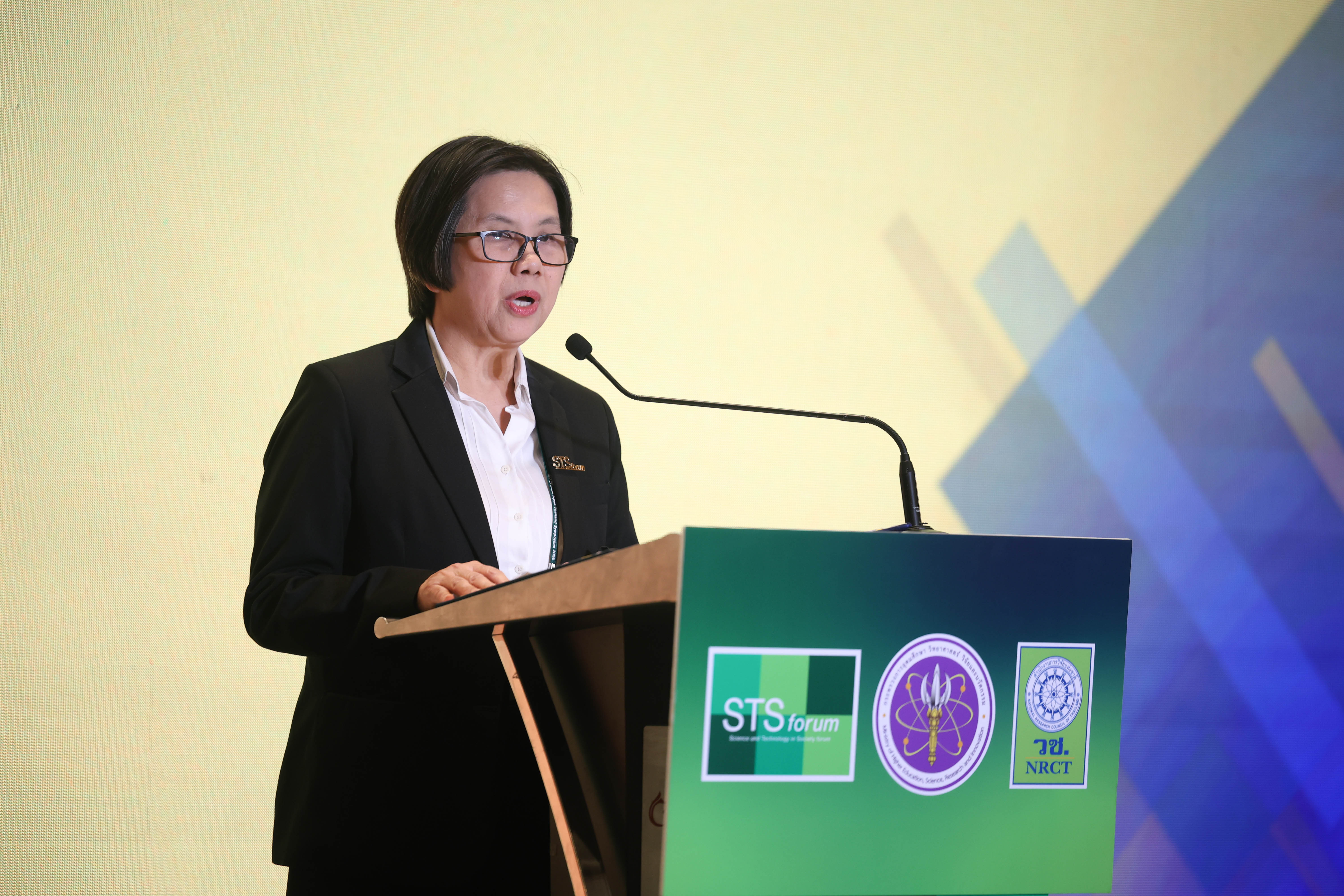
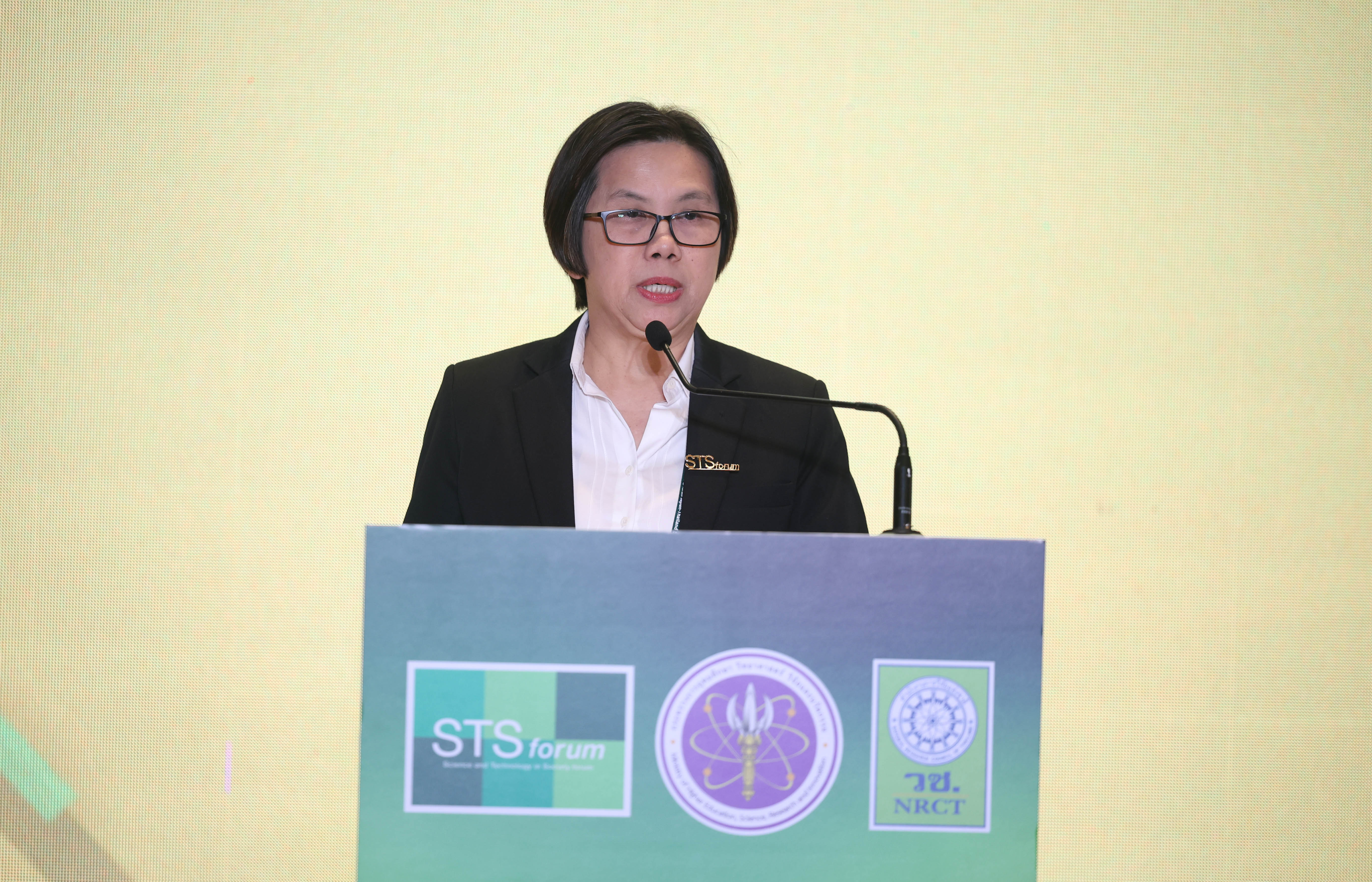
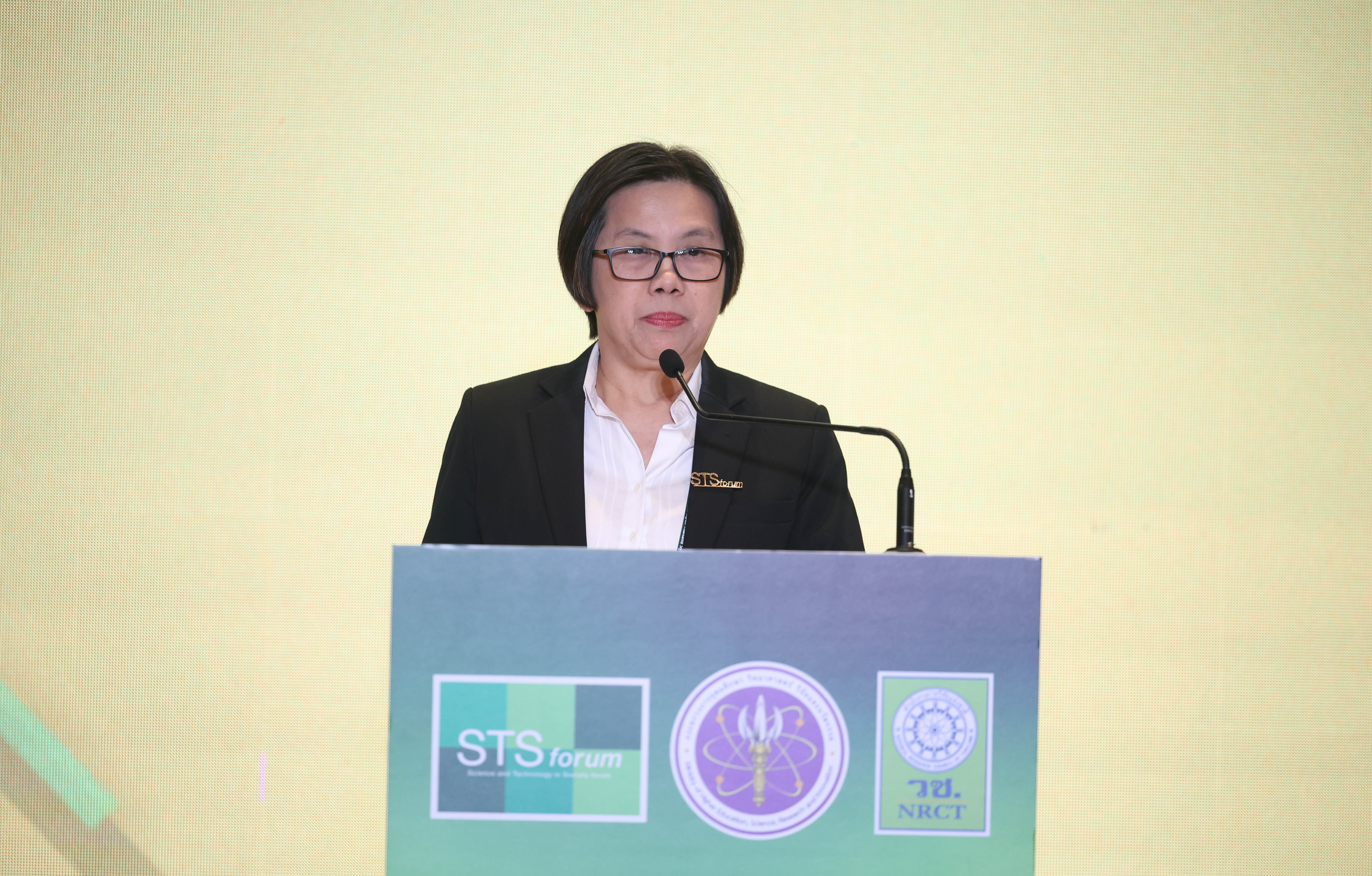
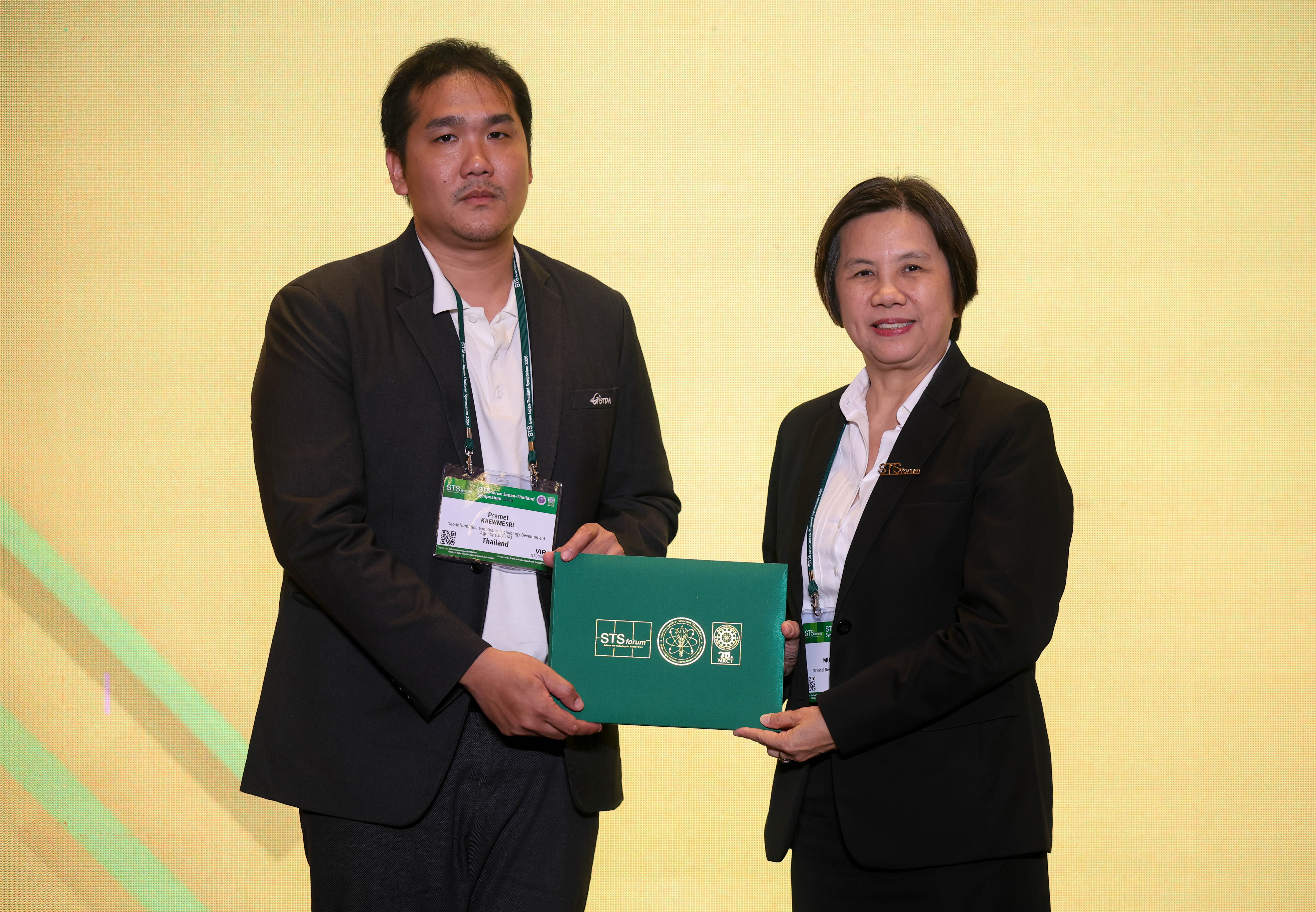
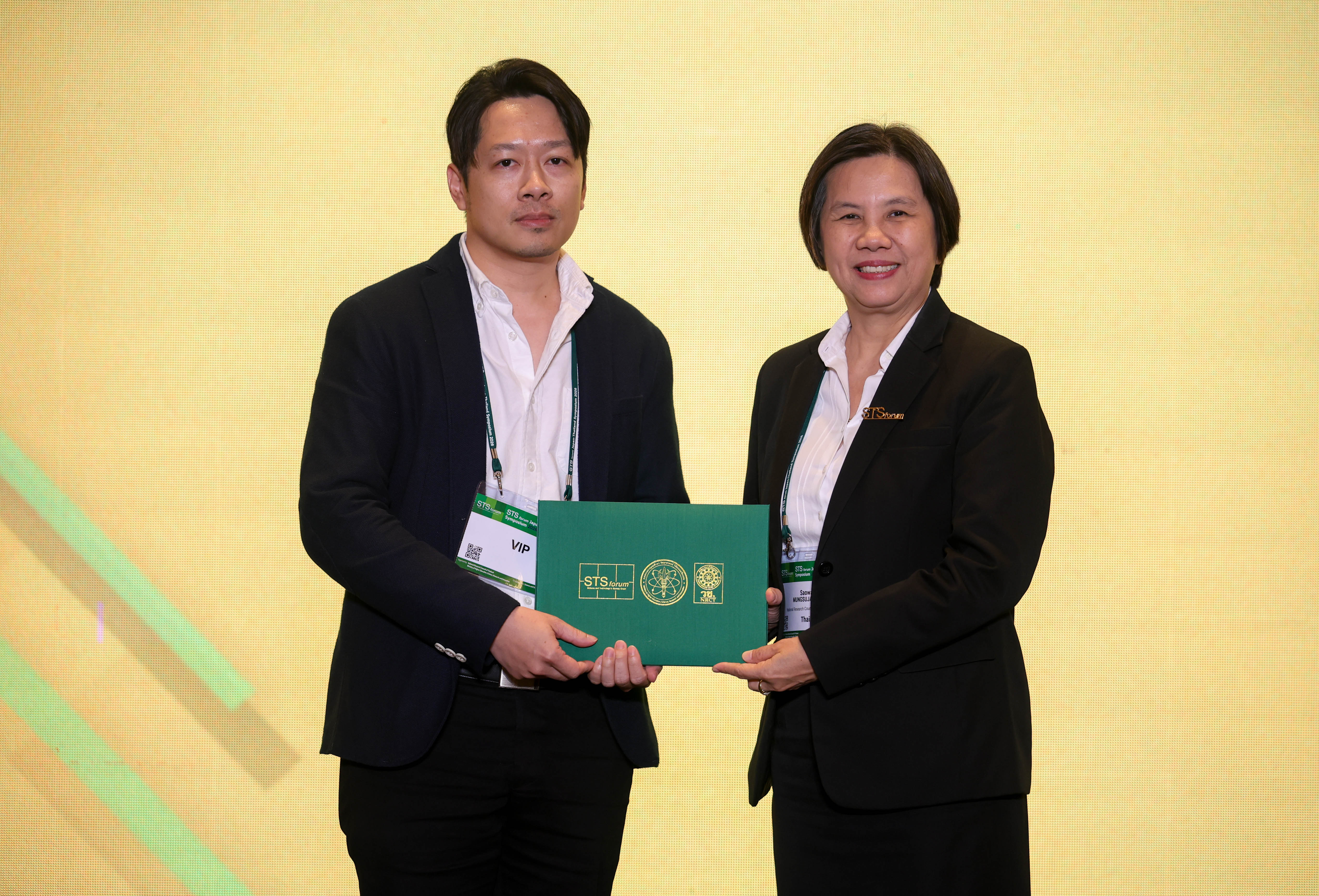
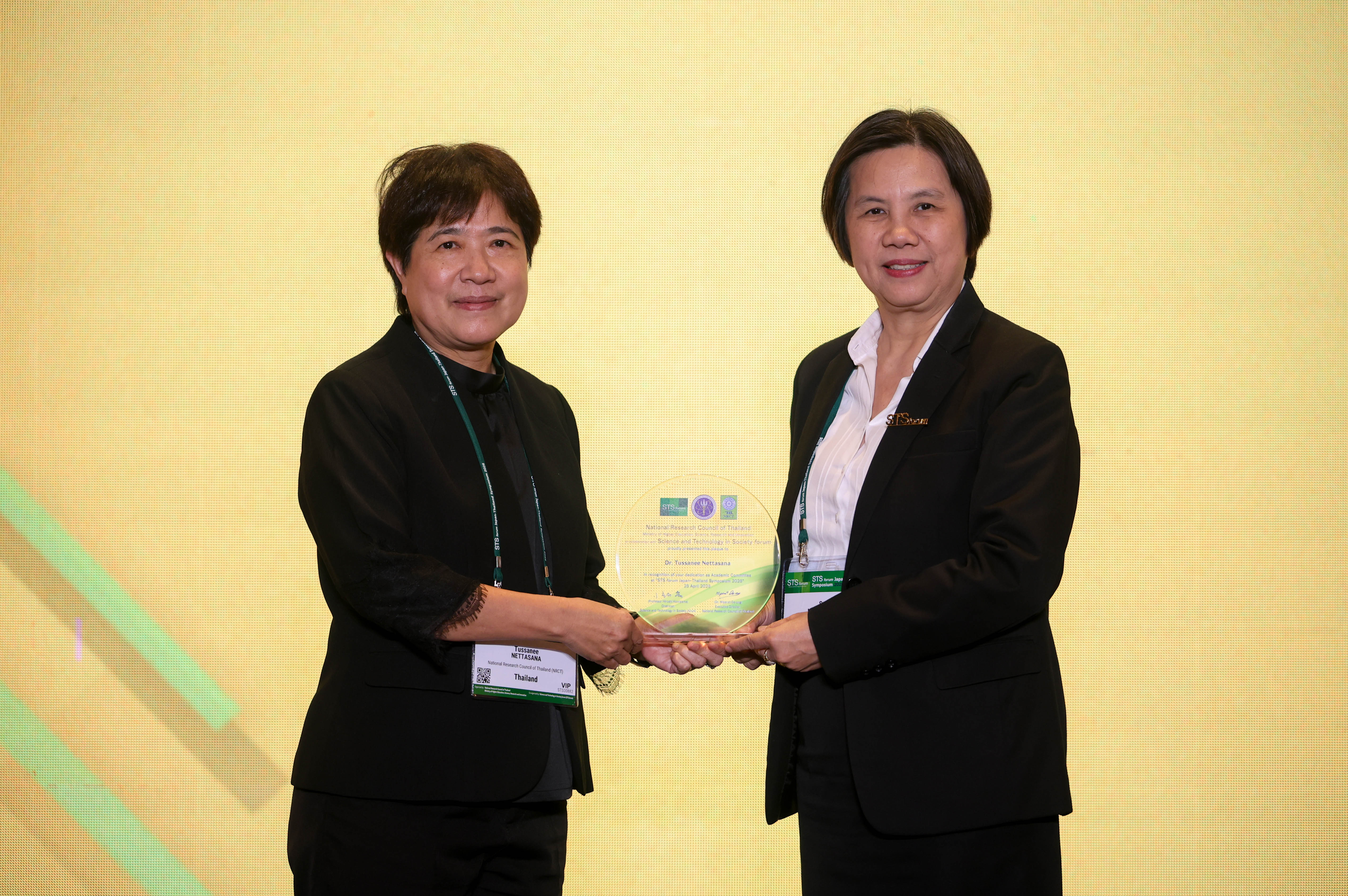
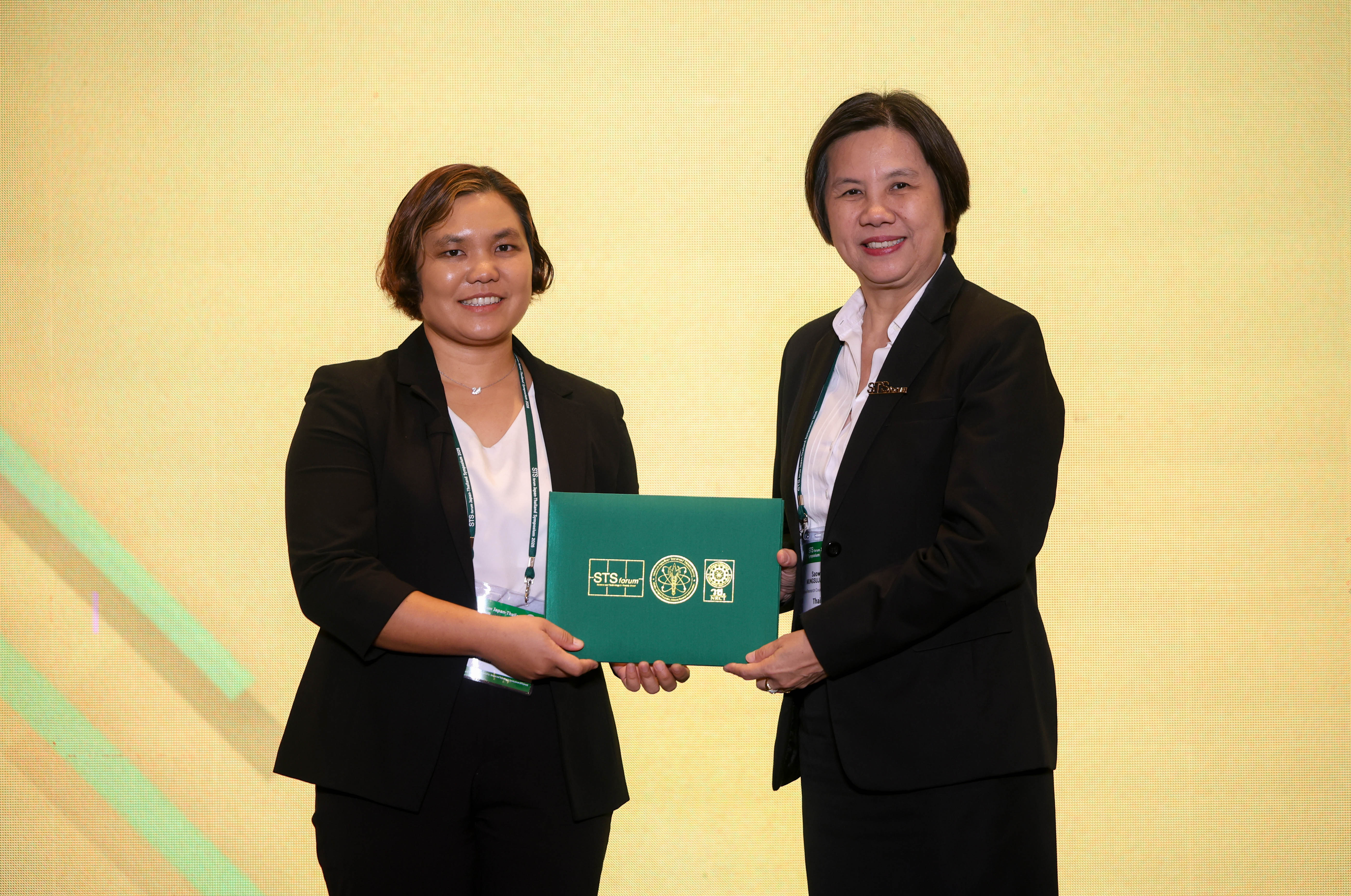
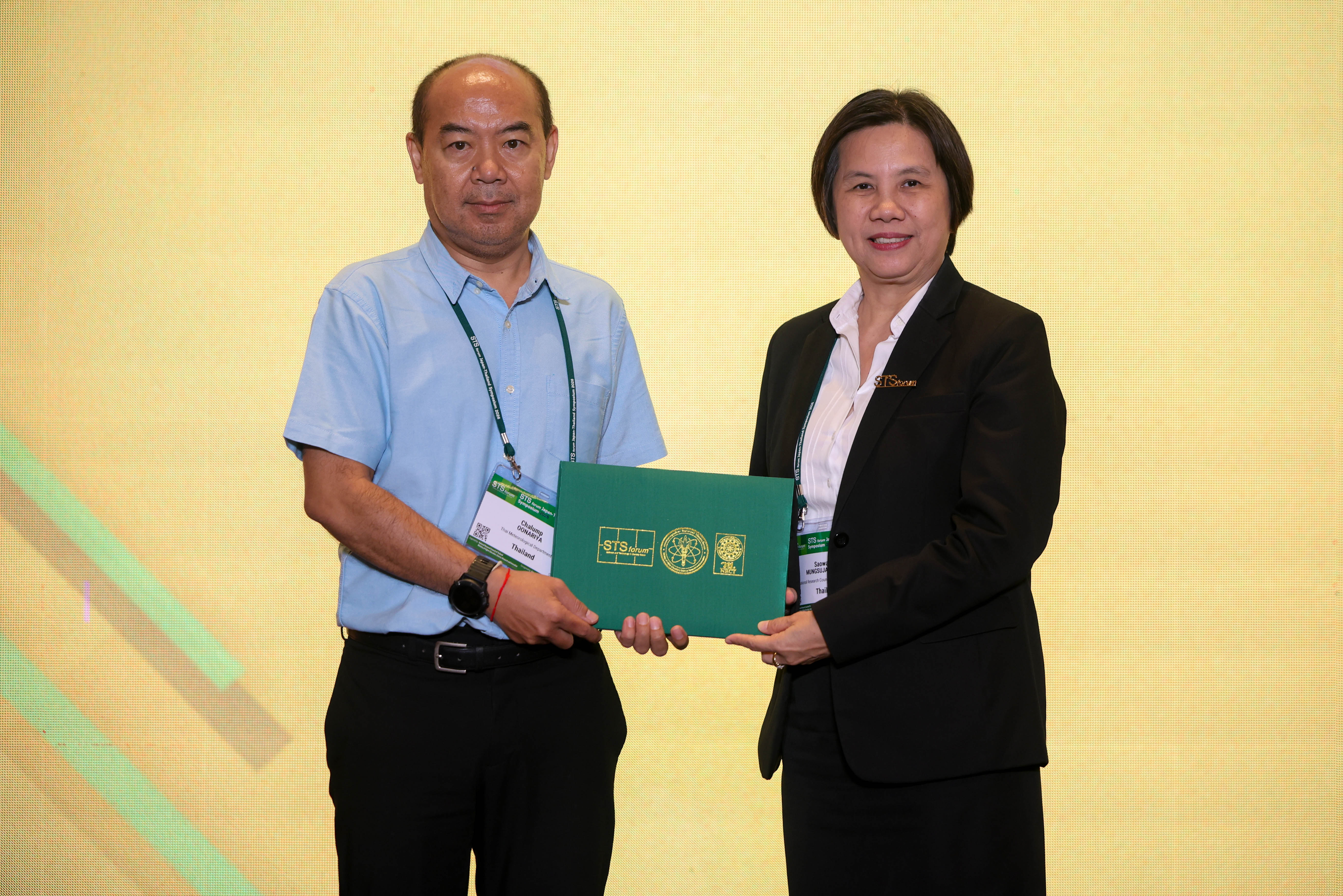
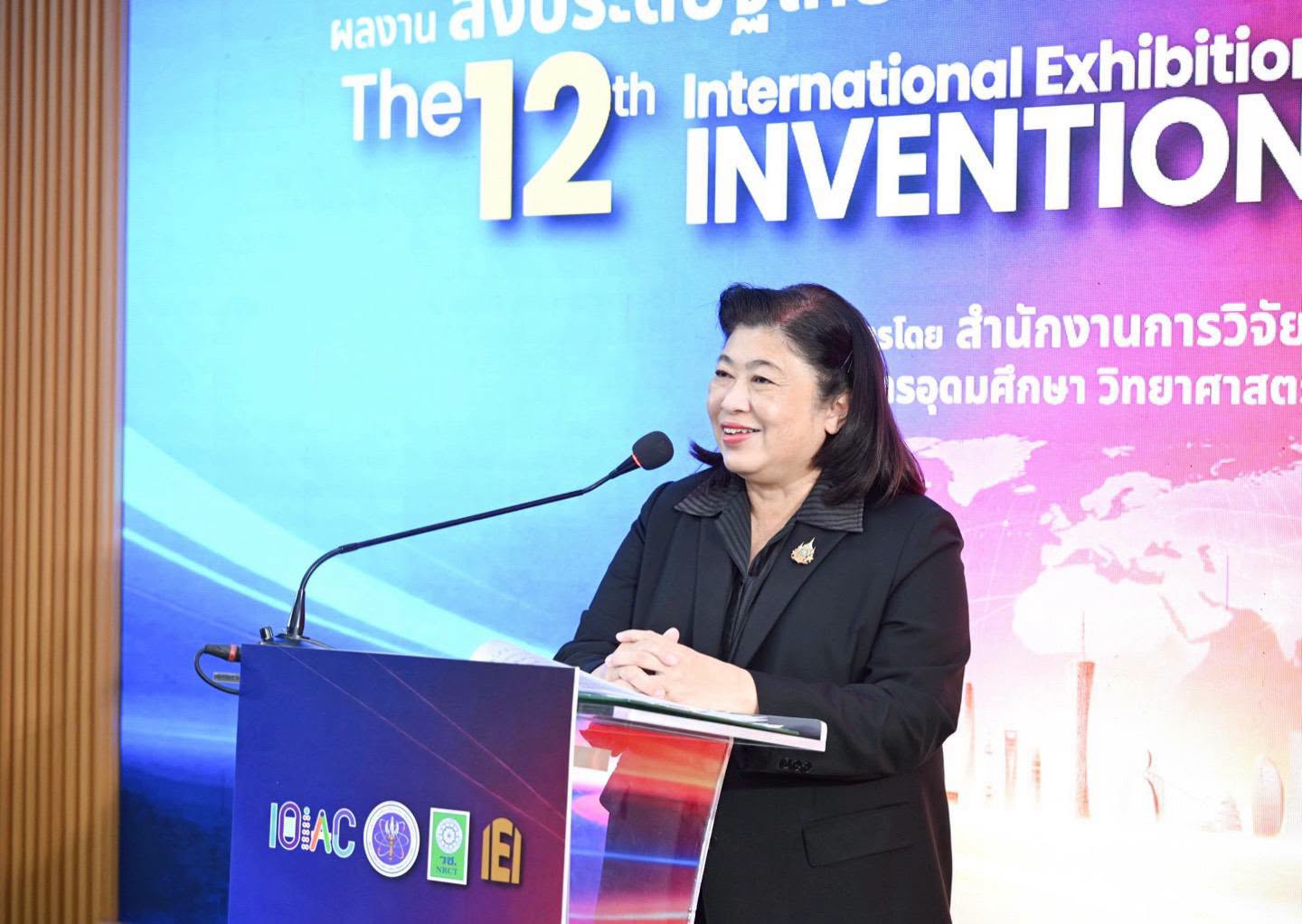
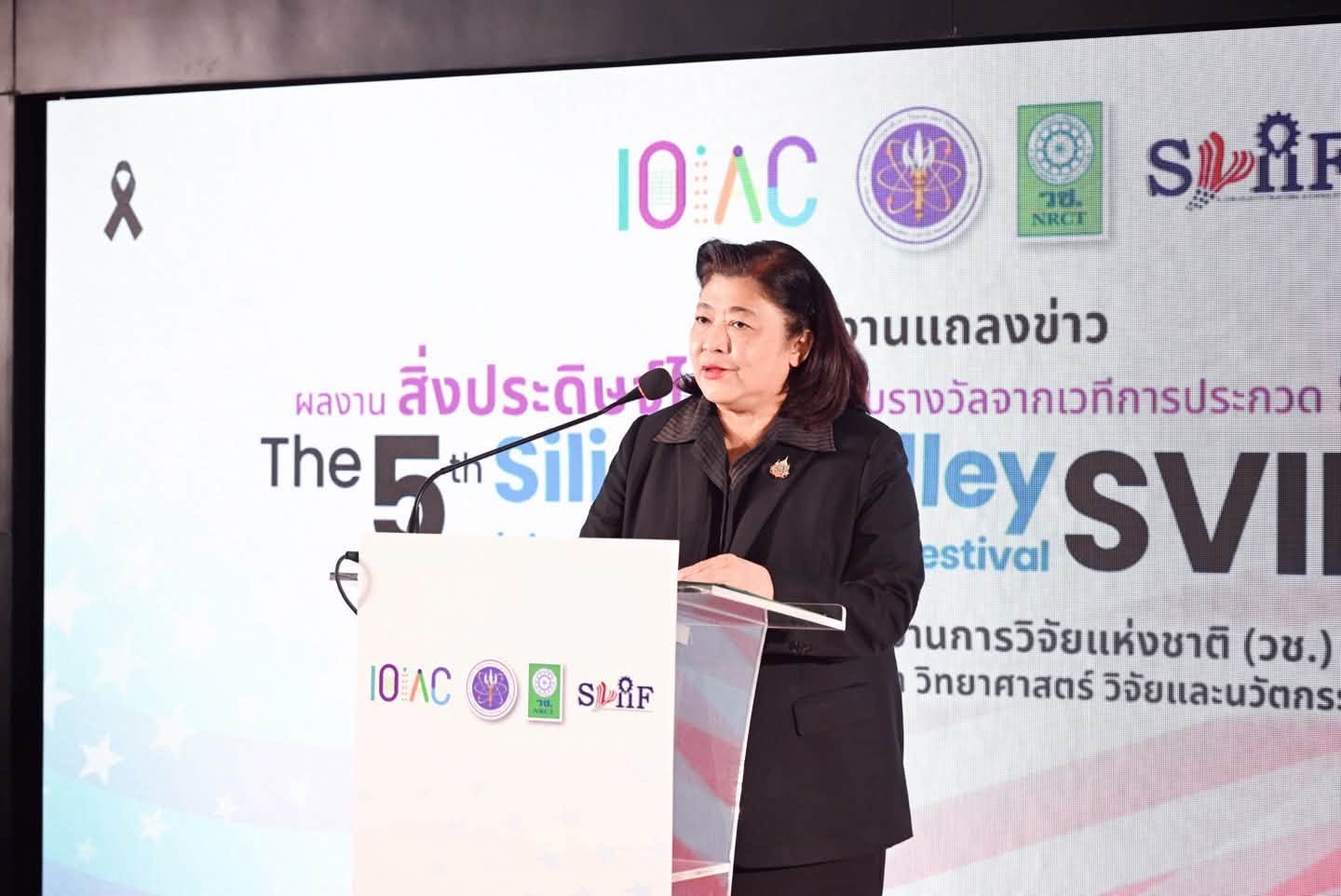
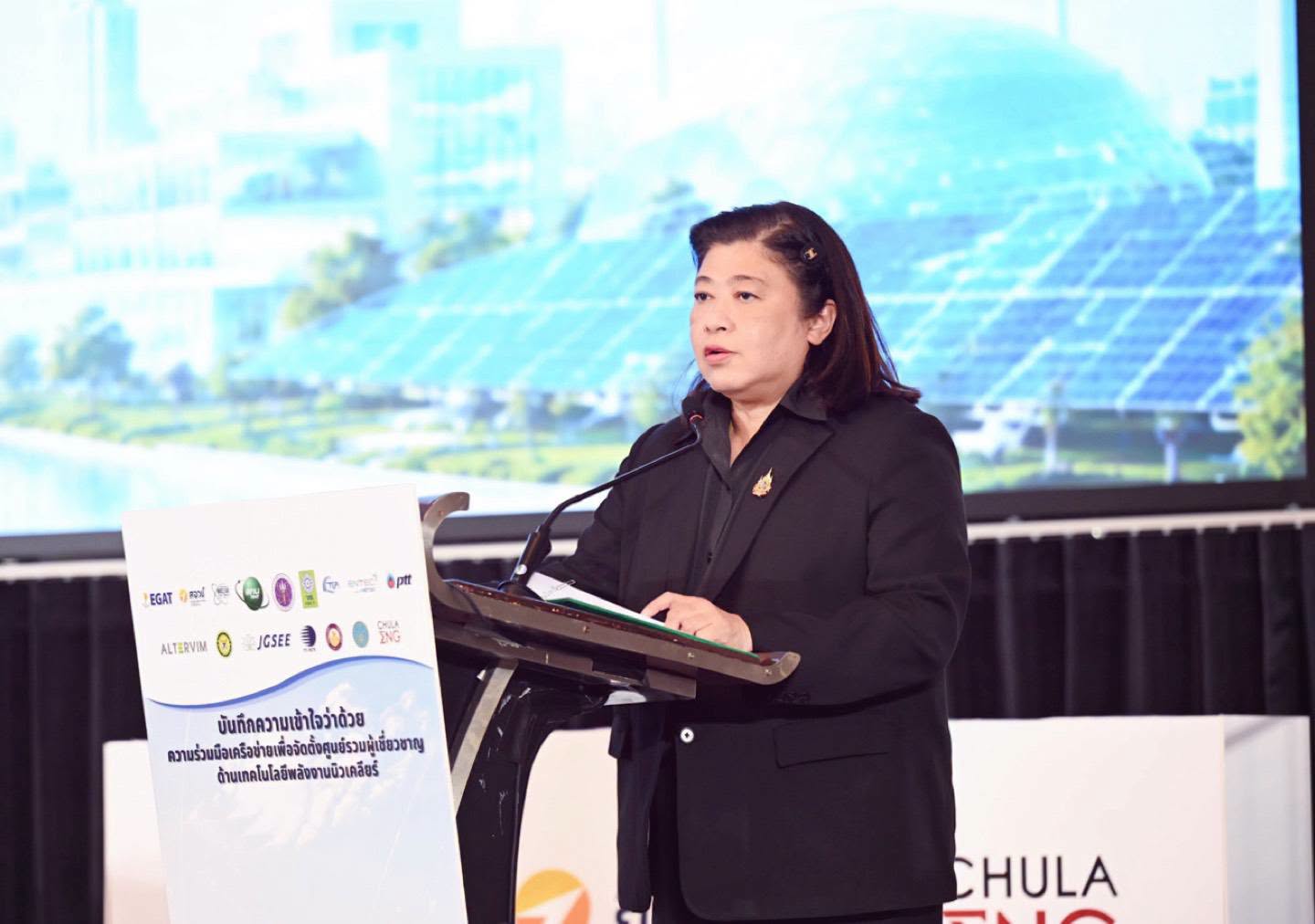
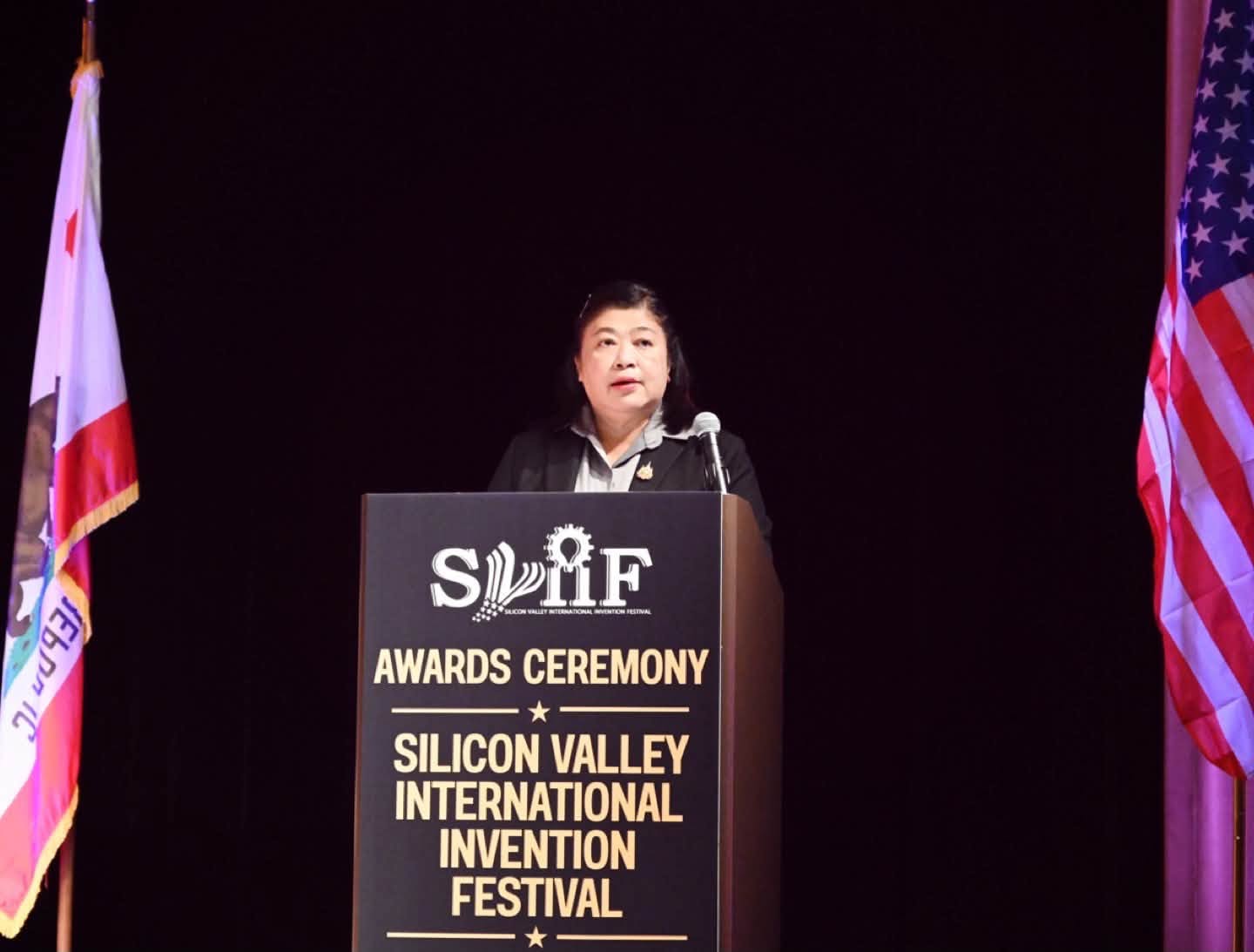
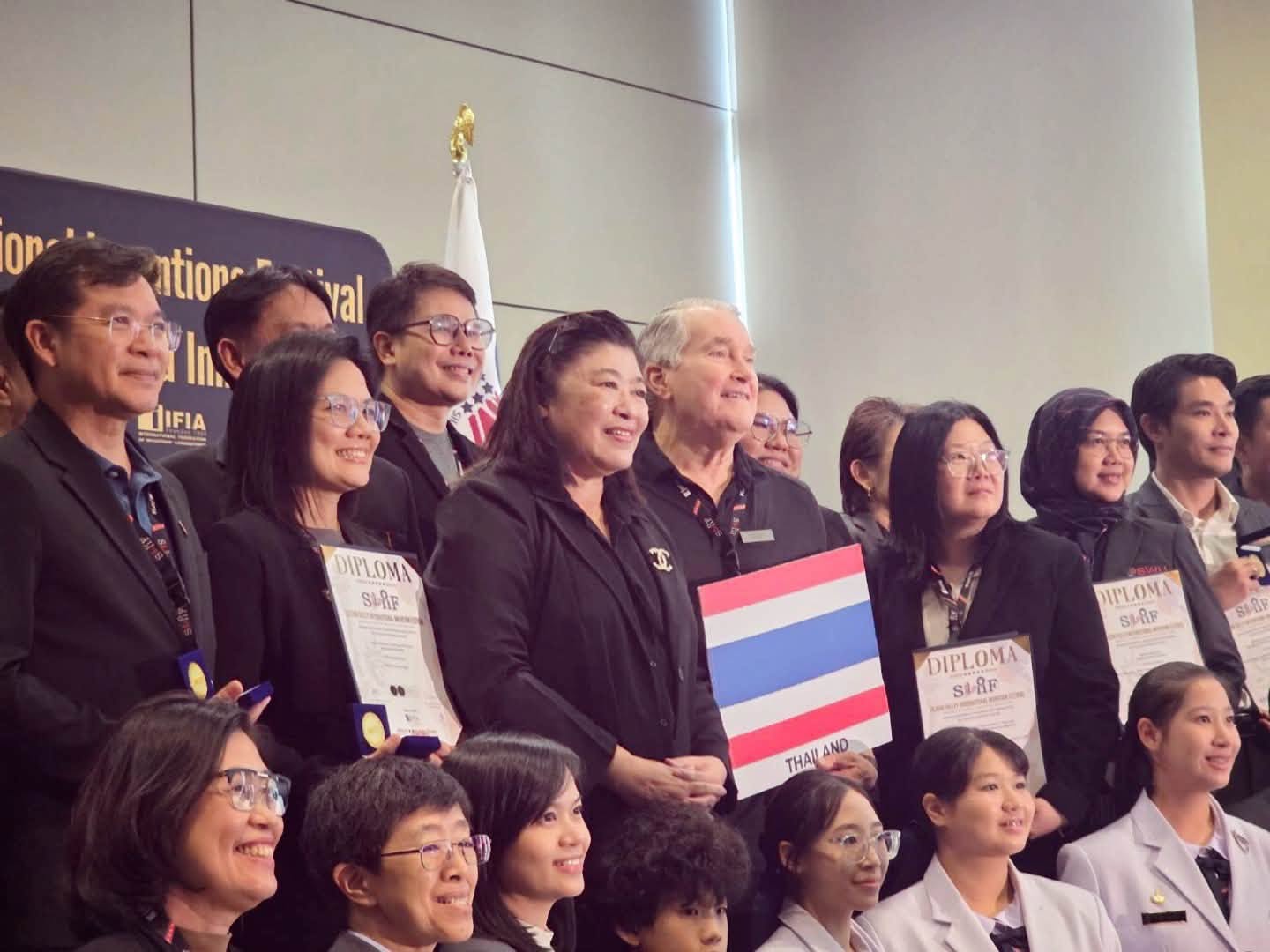
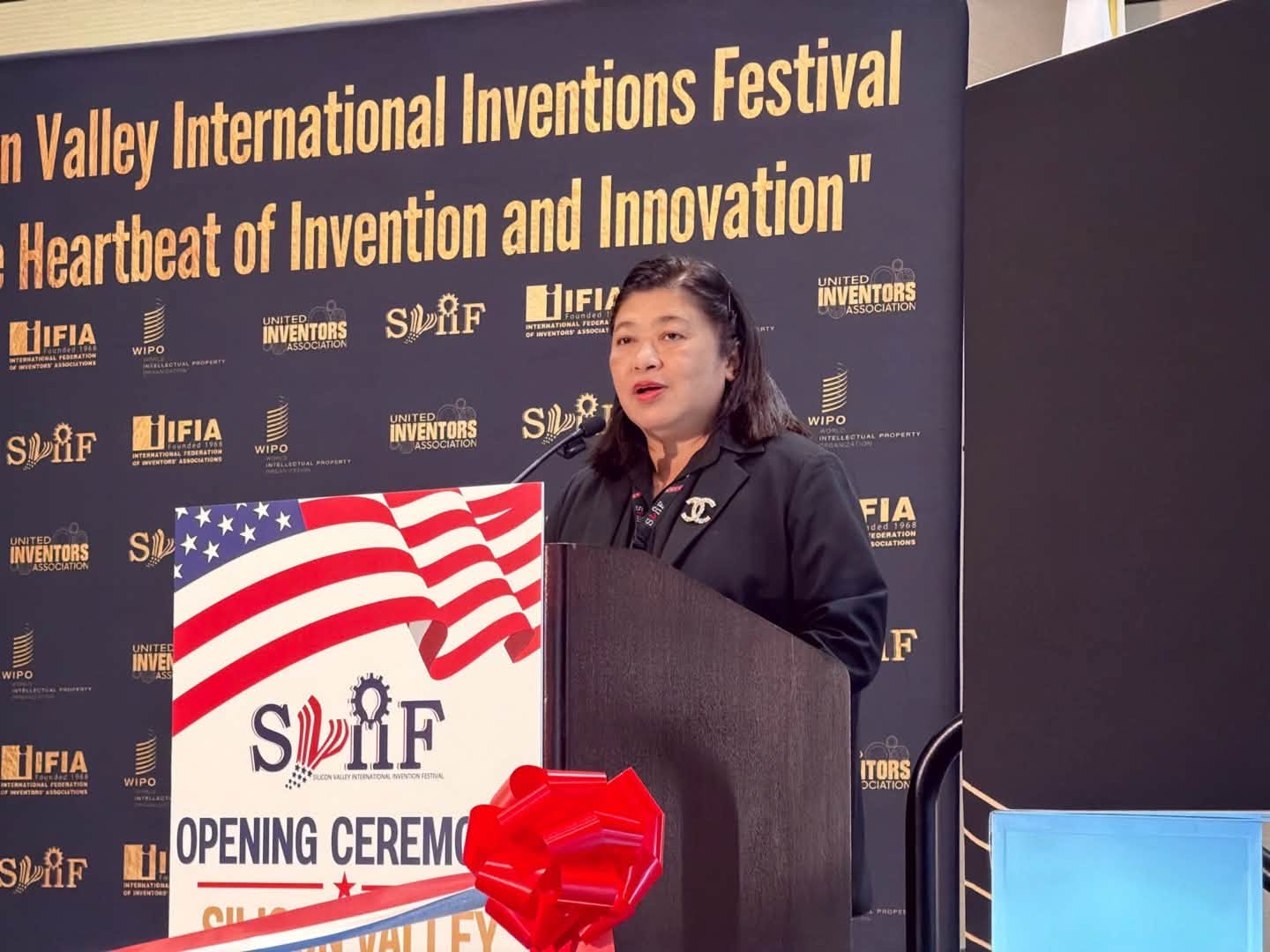
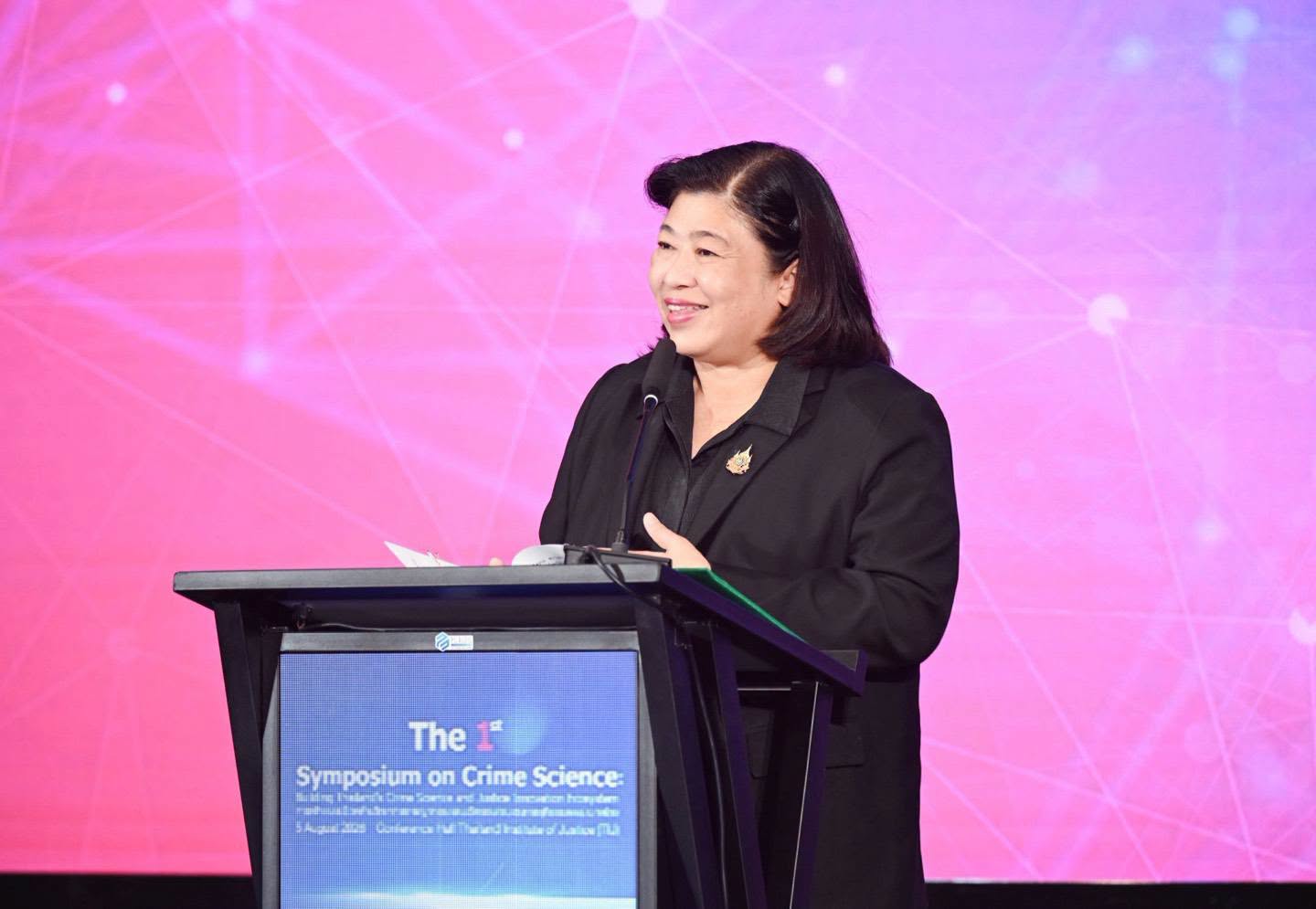
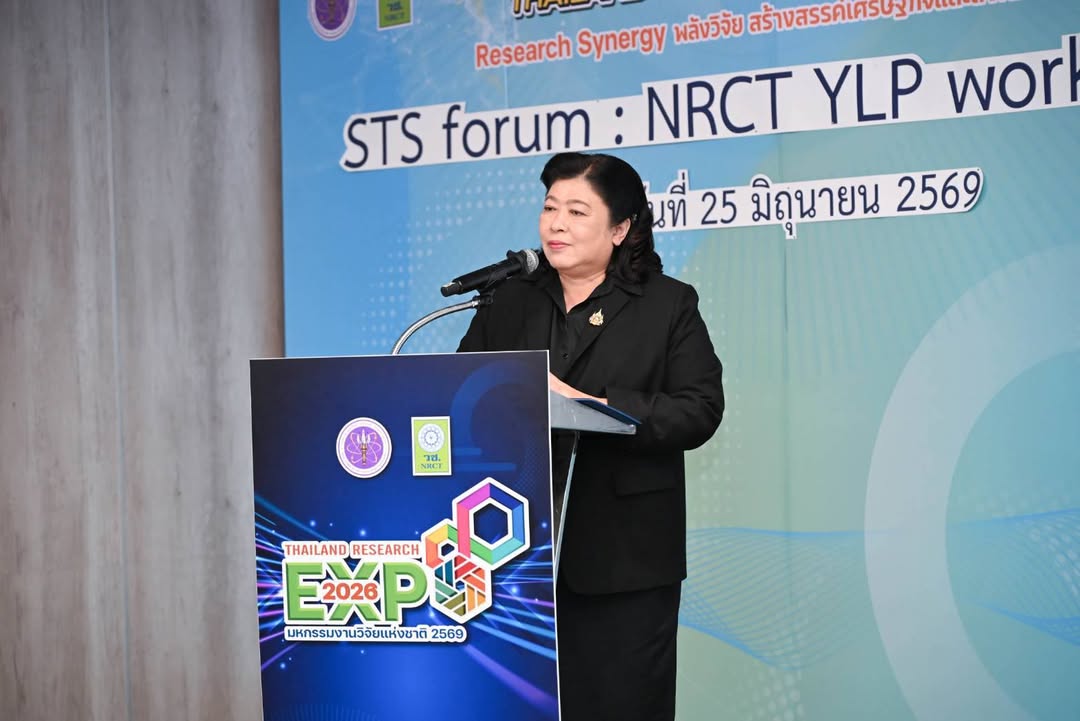
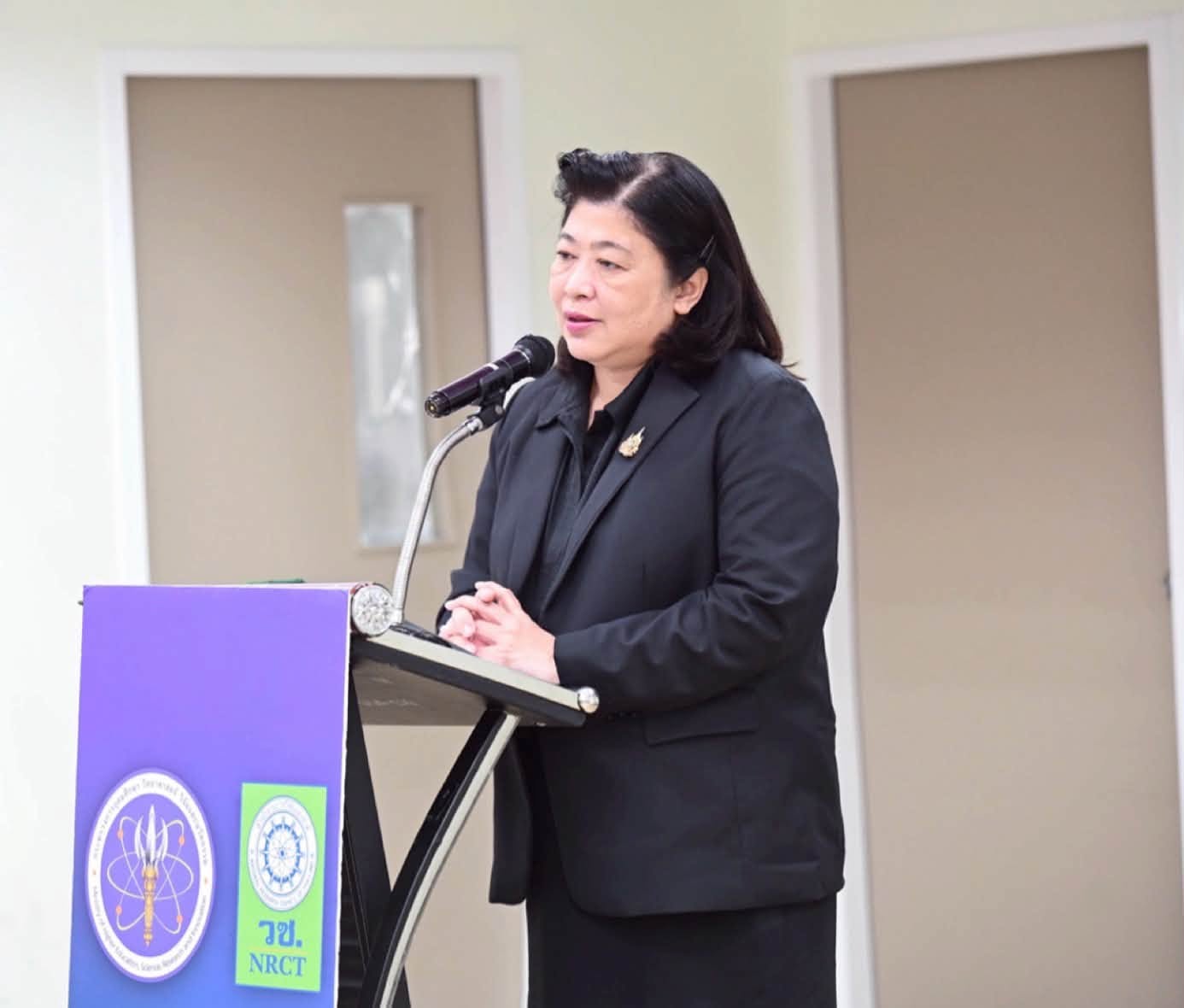
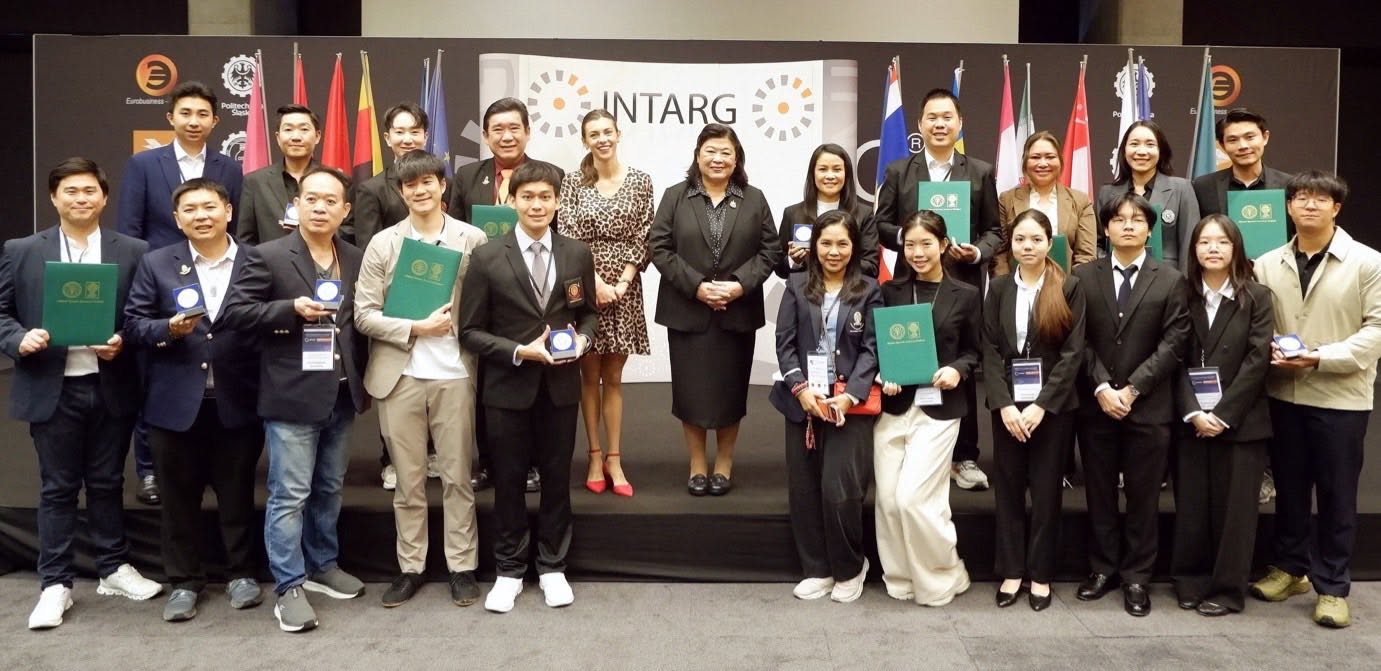
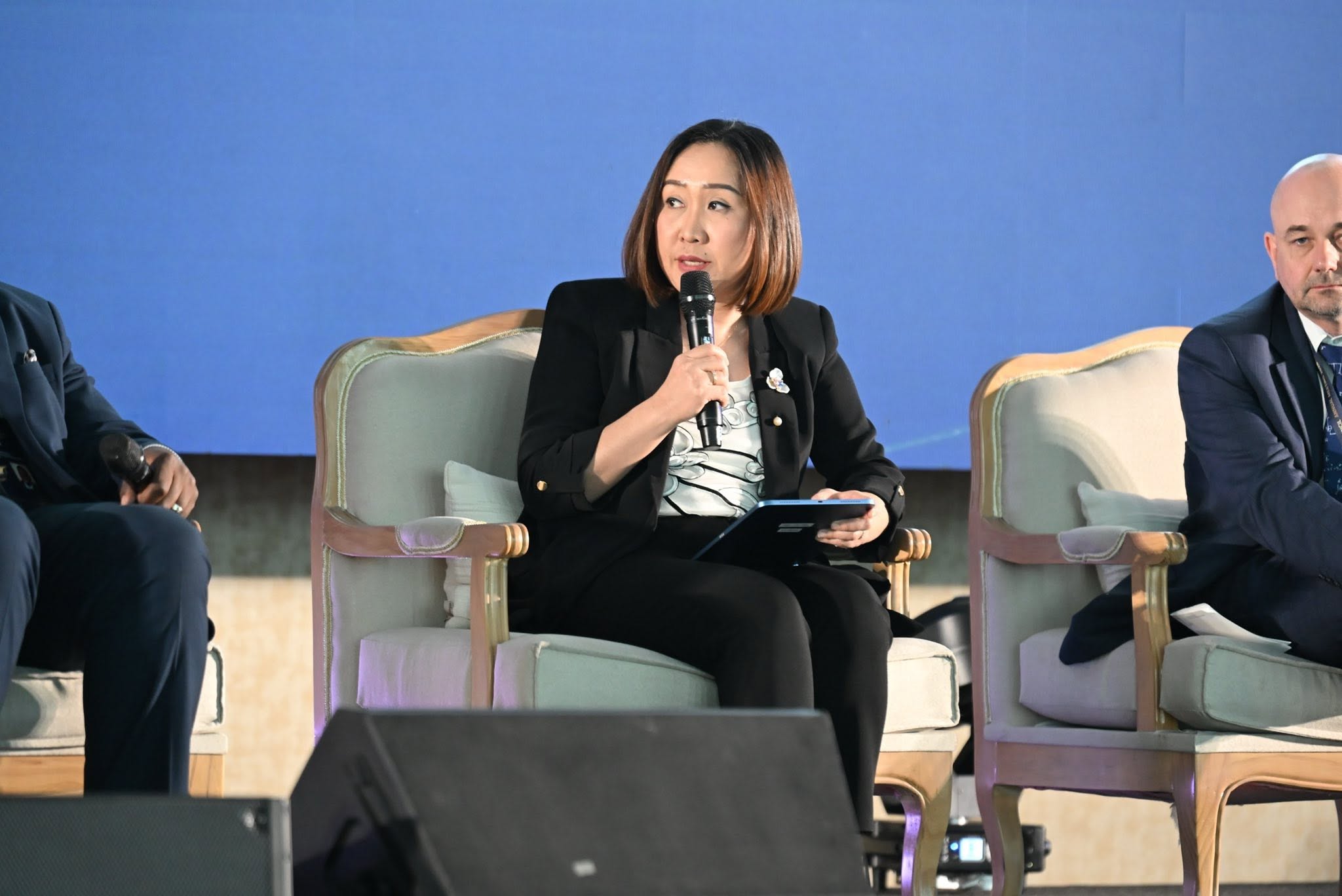
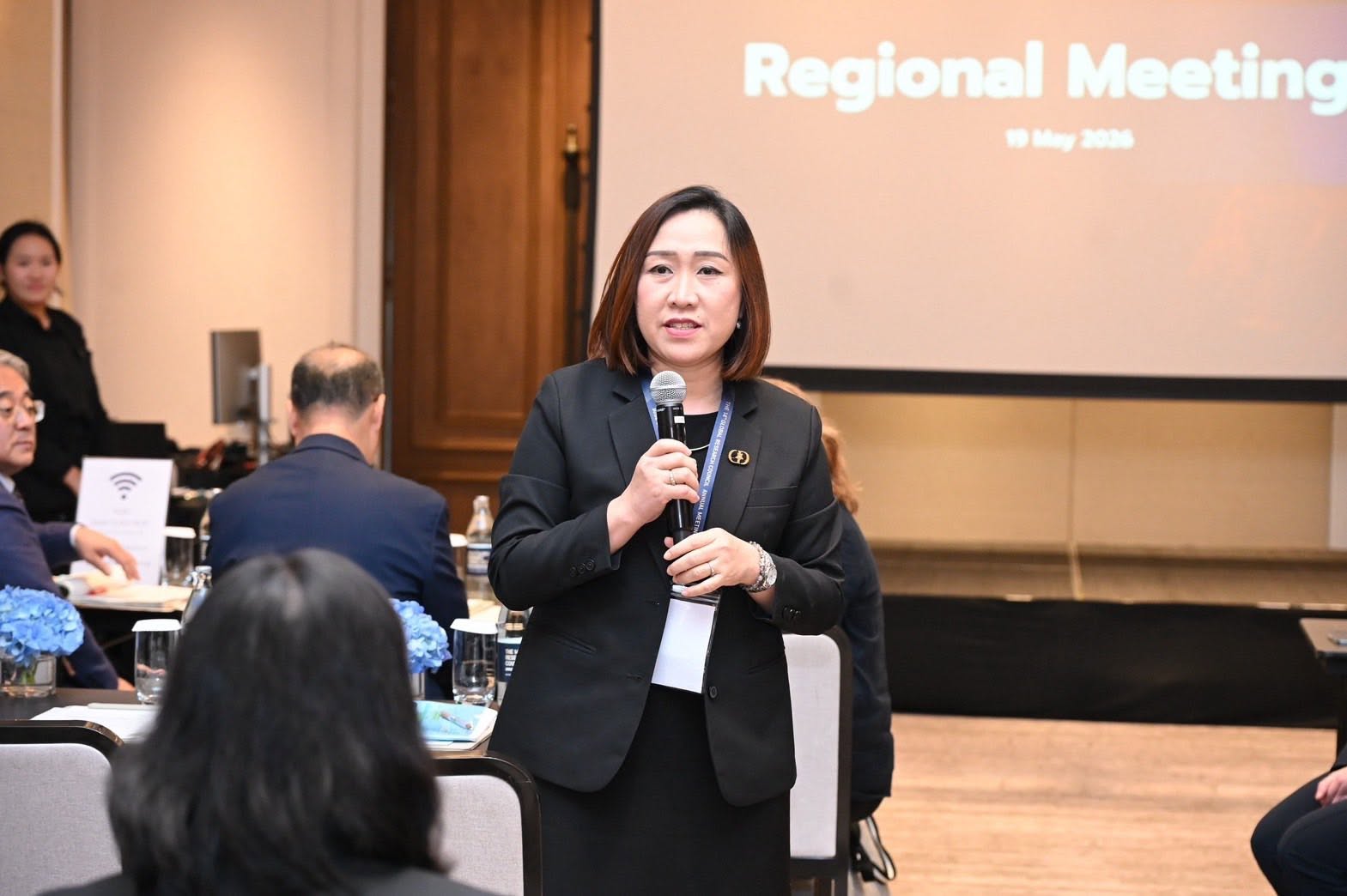
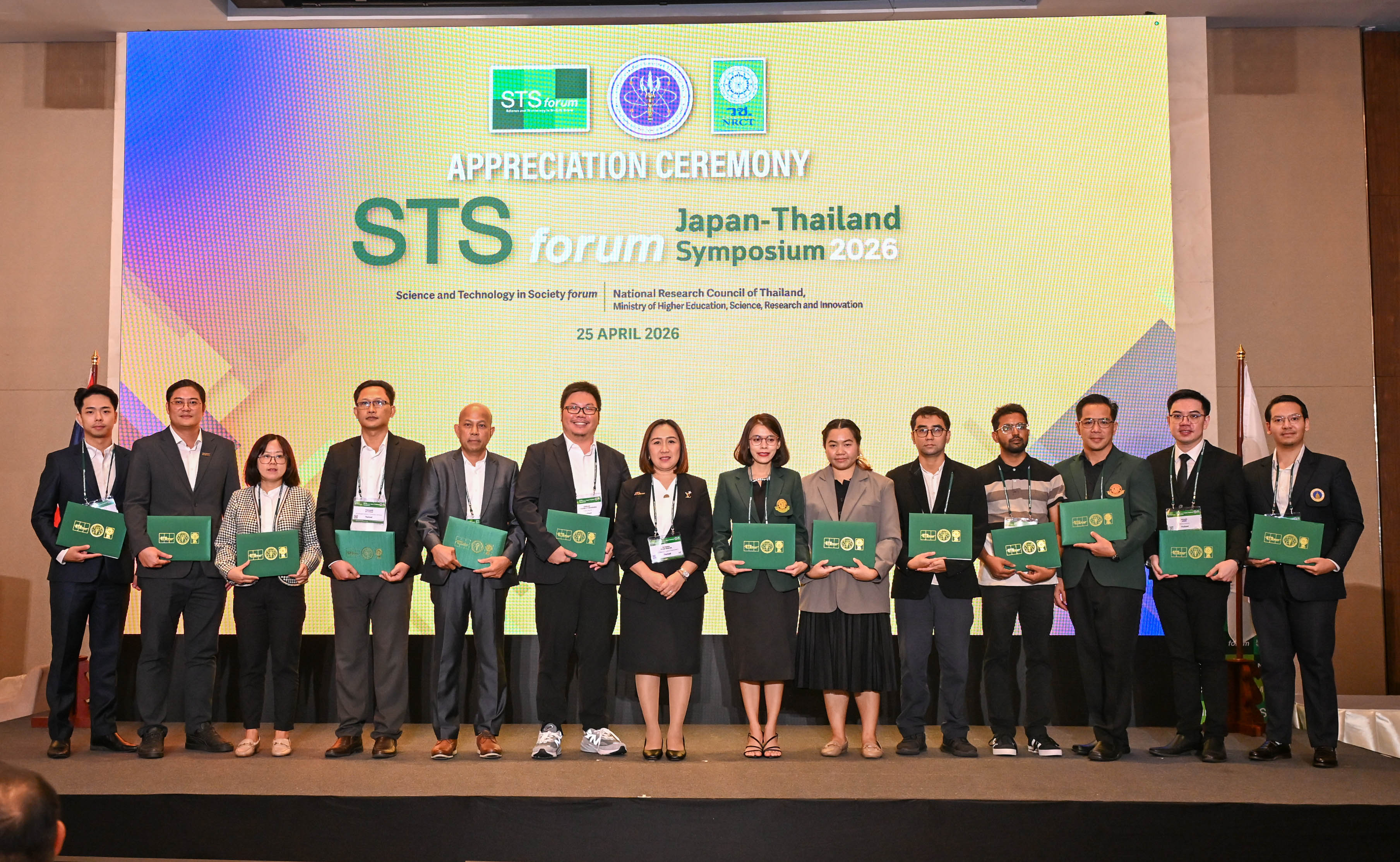
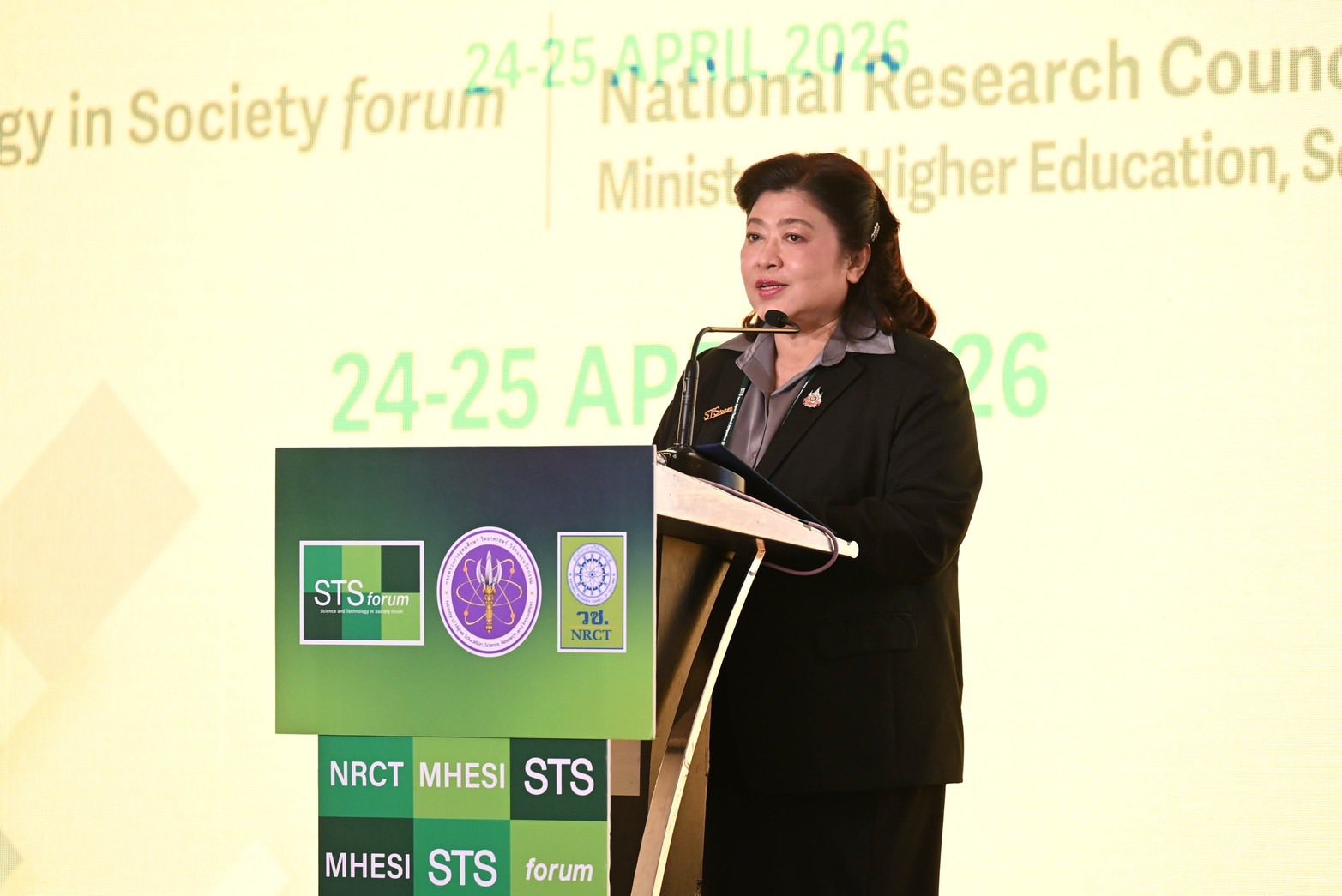
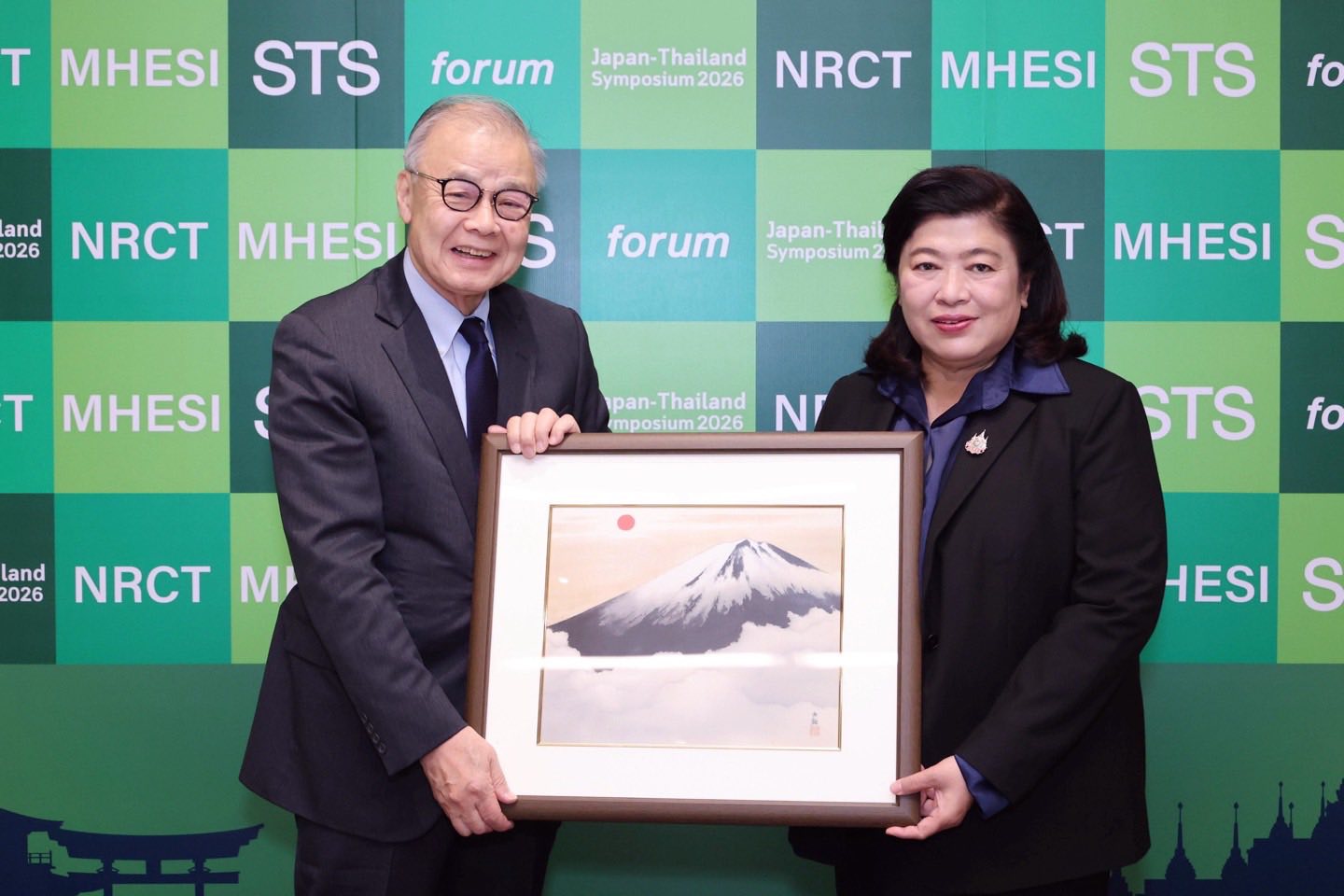
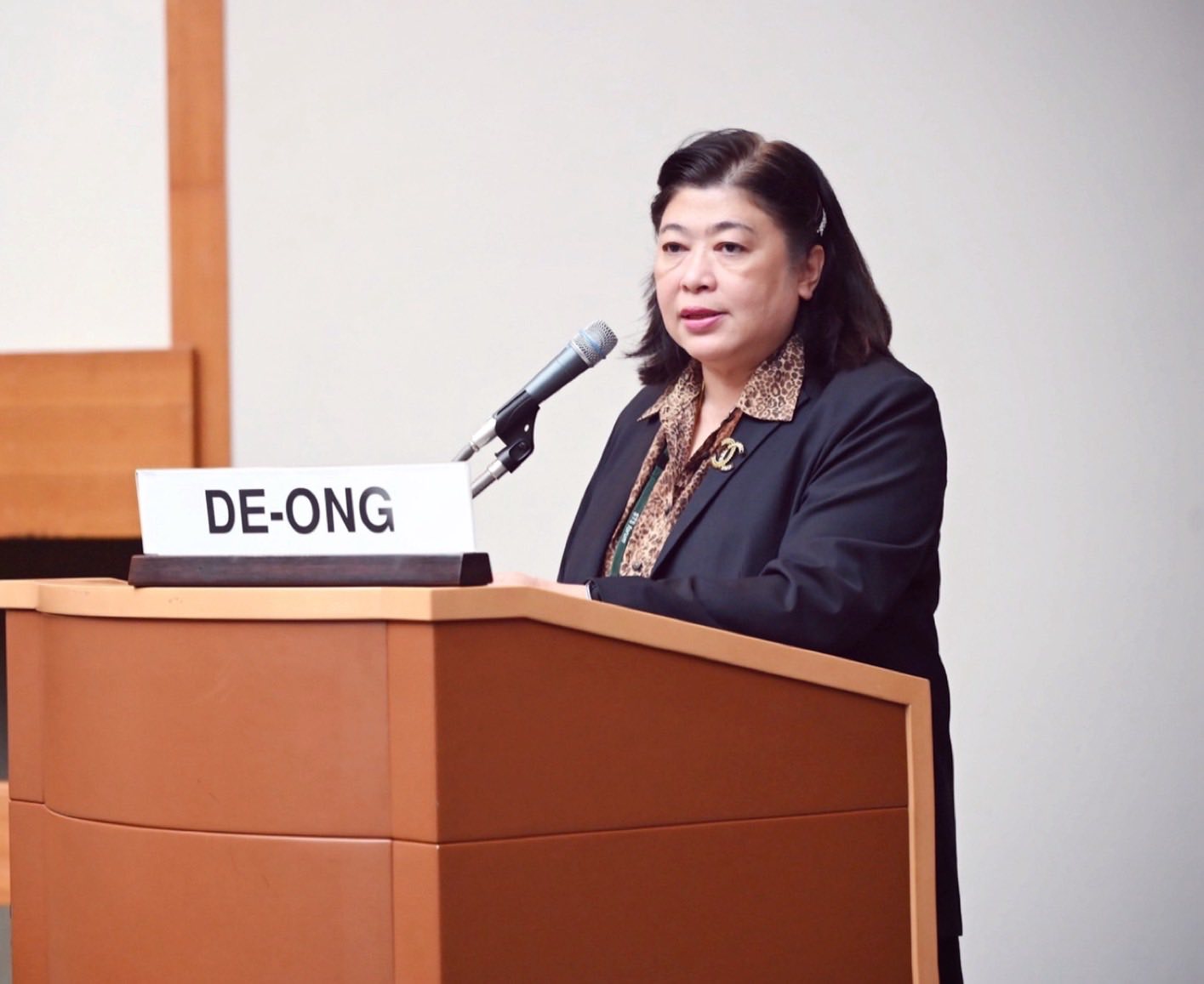
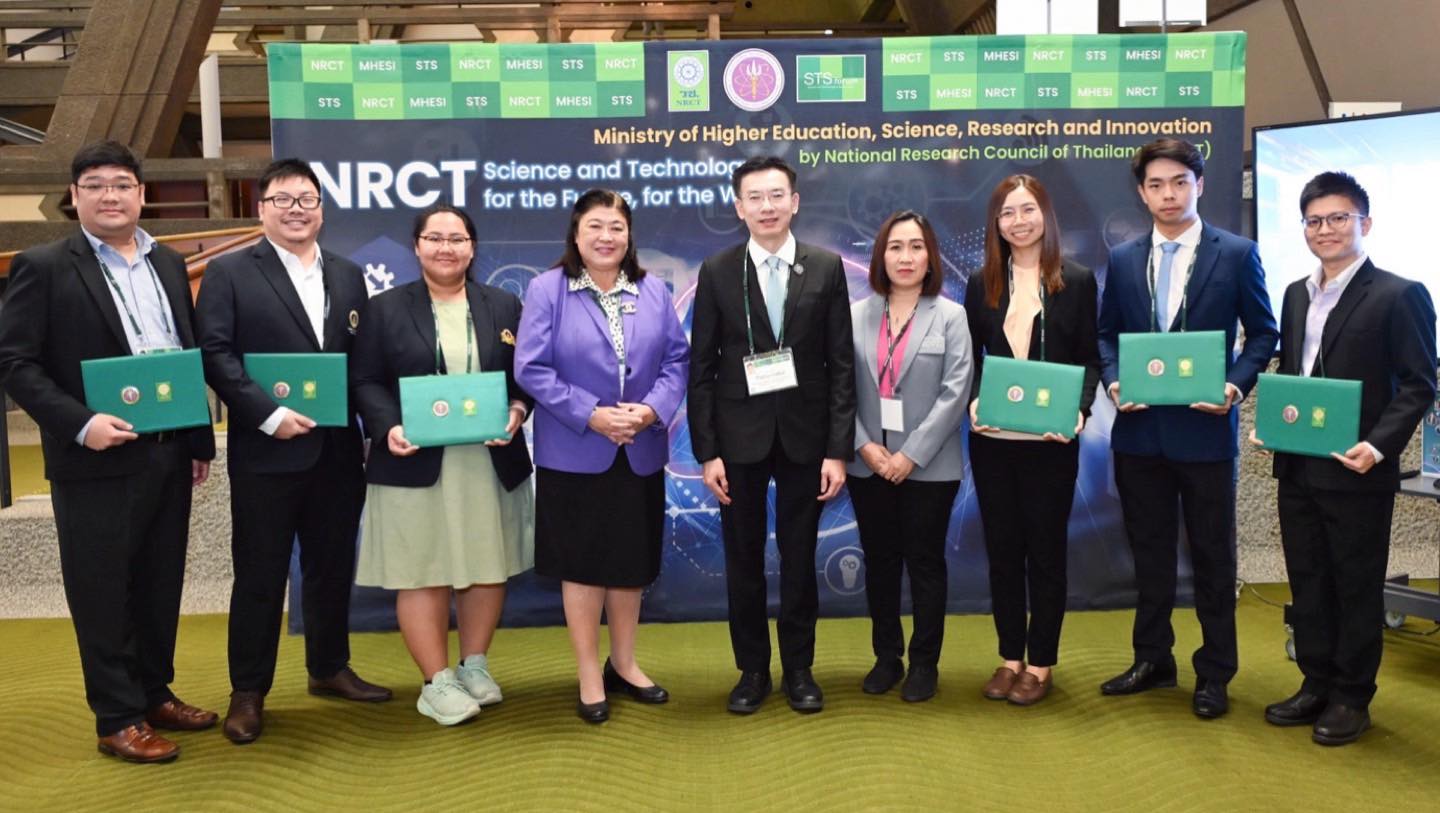
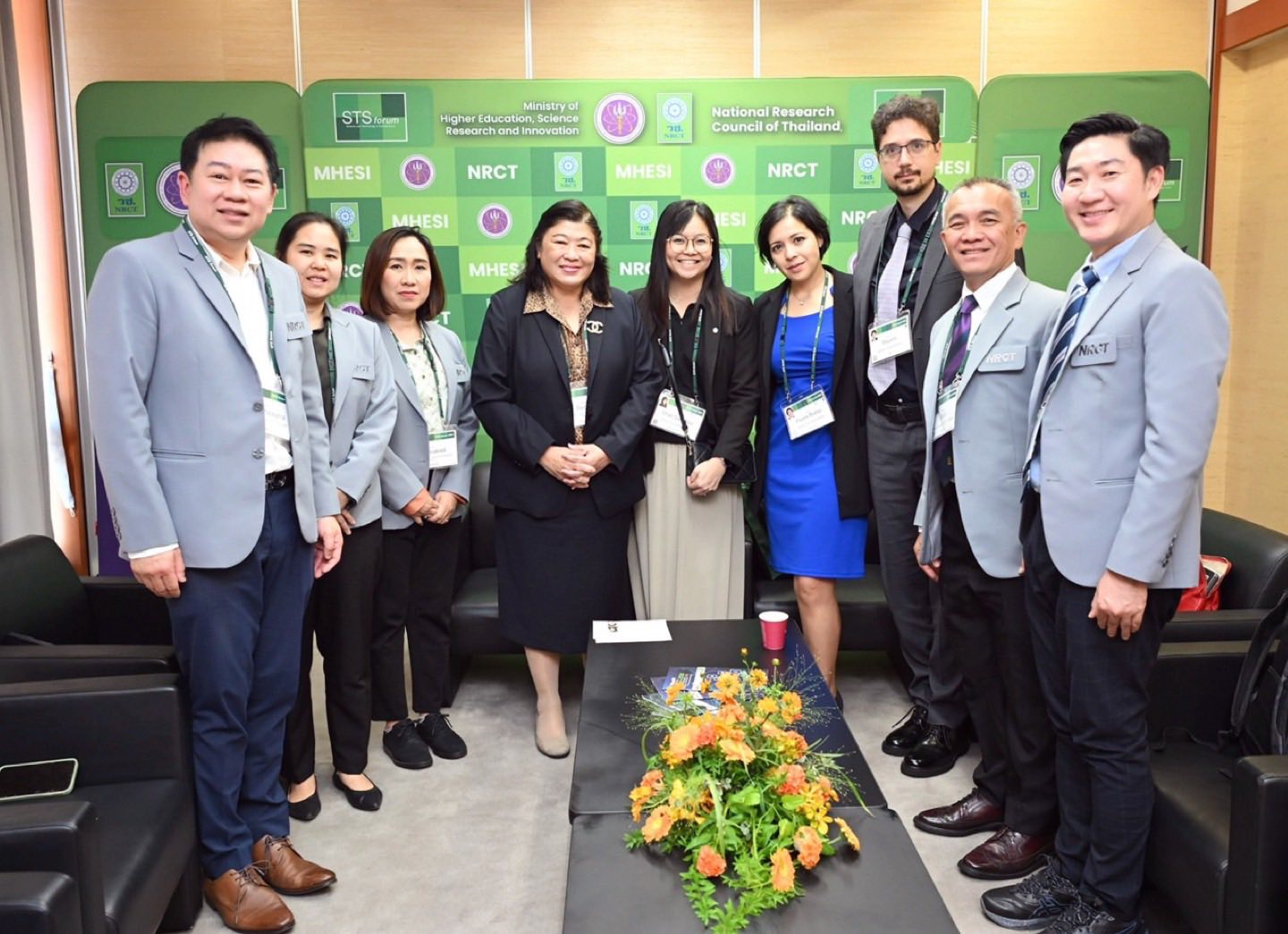
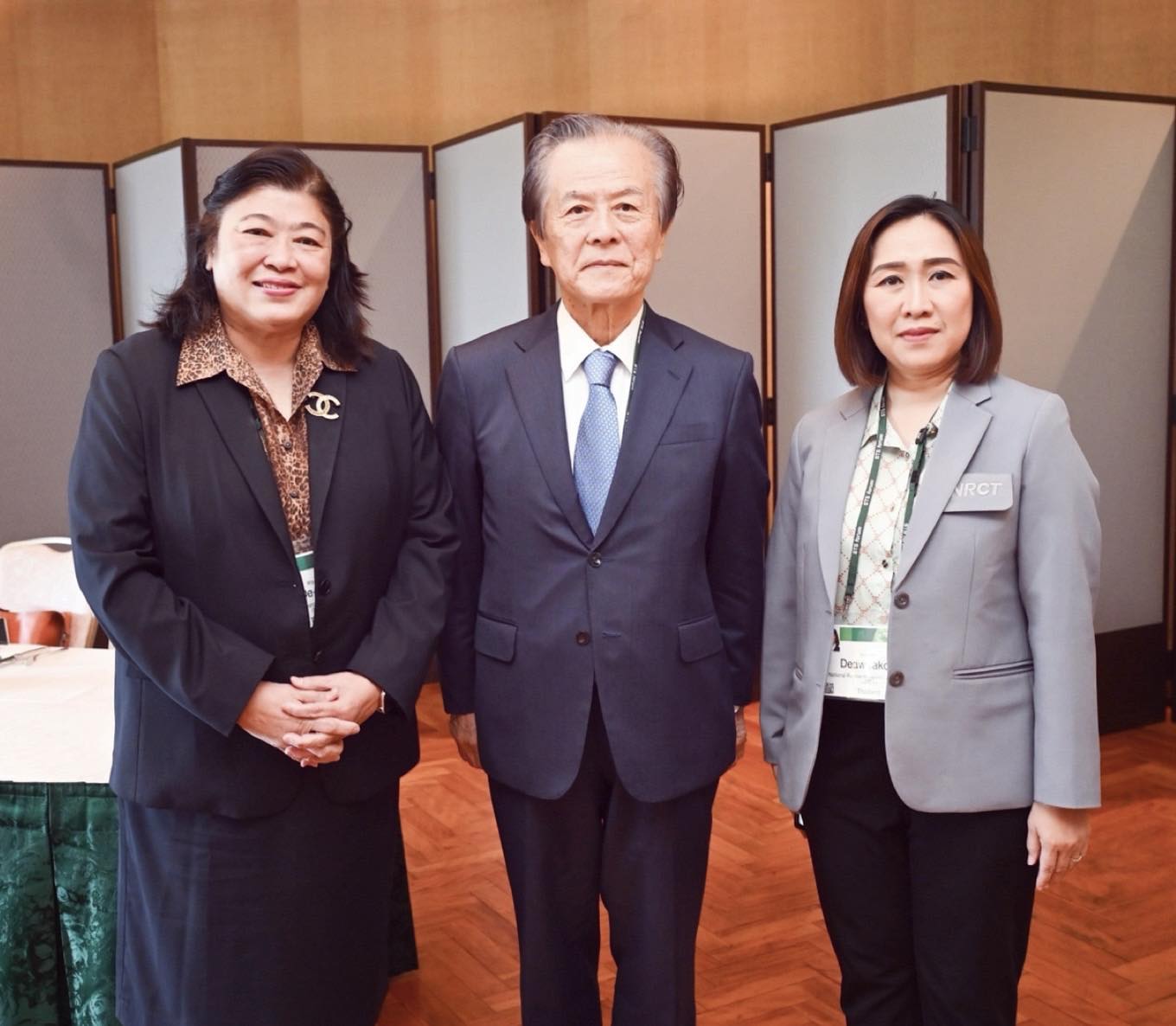
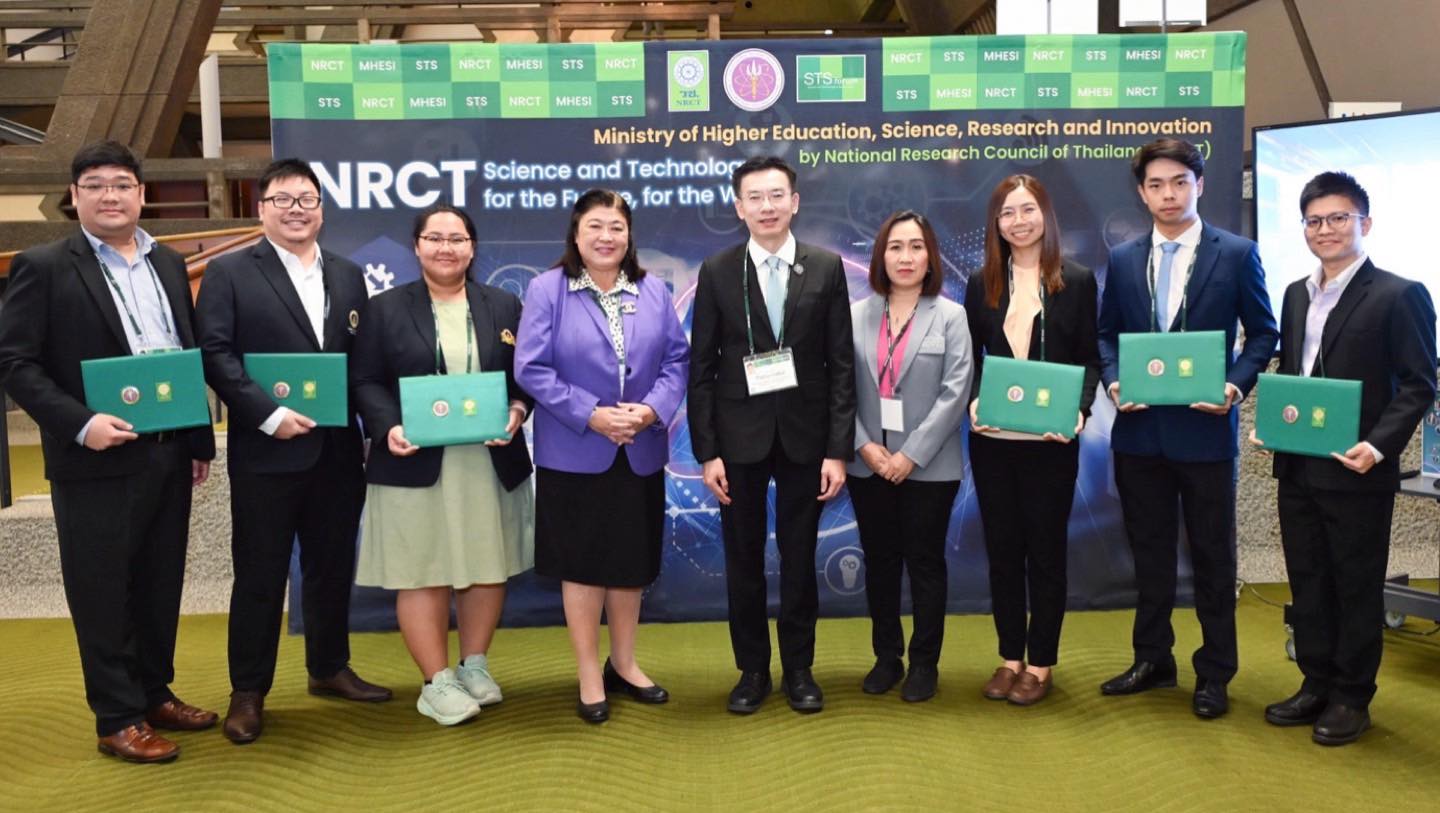
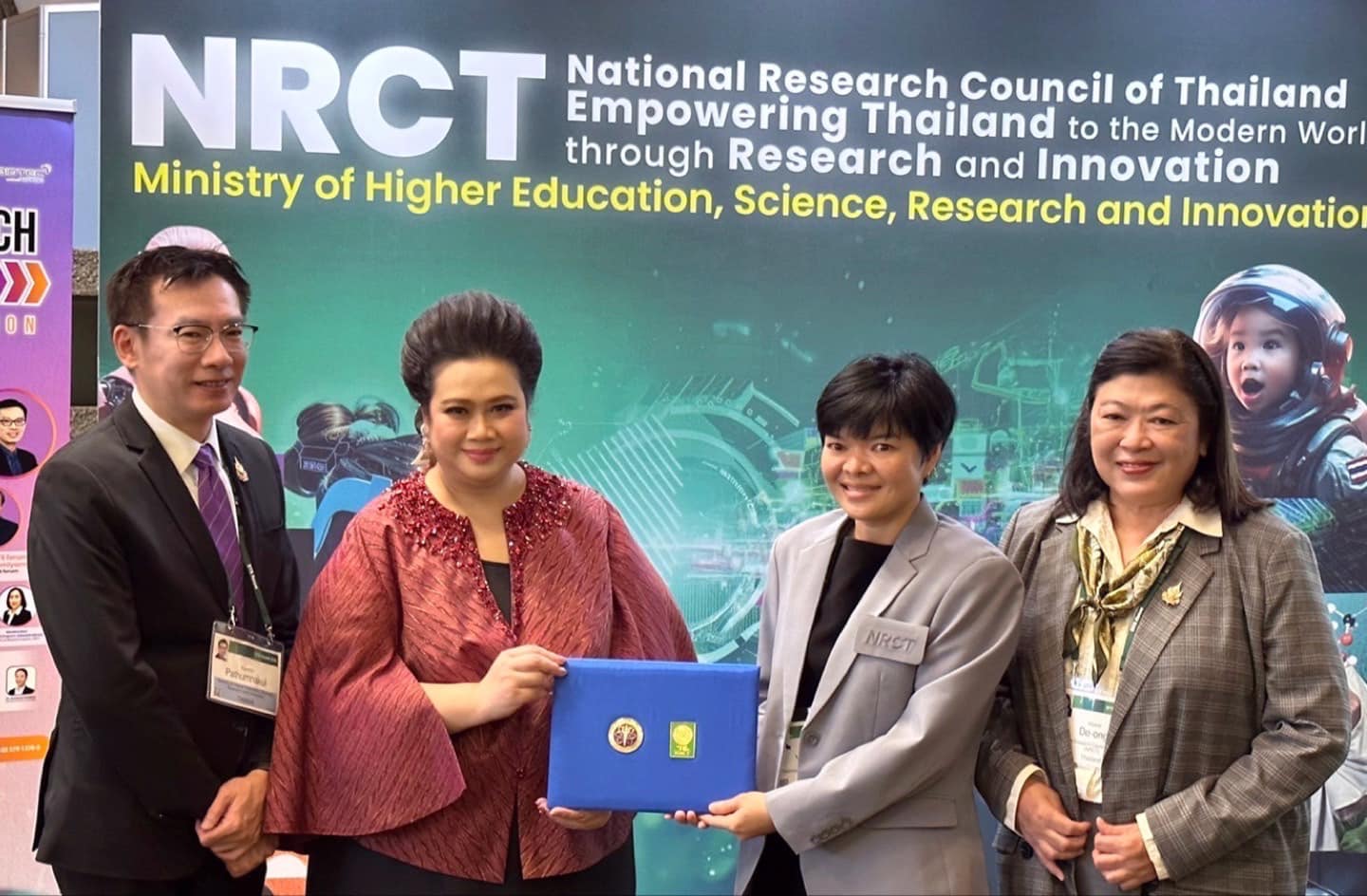
Dr. Wiparat De-Ong, Executive Director of the National Research Council of Thailand, assigned Ms. Saowanee Mungsujaritkarn, Deputy Executive Director of the NRCT, to preside over the ceremony, deliver the welcome remarks, and present Certificates of Appreciation to distinguished keynote speakers, expert panelists, and research presenters.
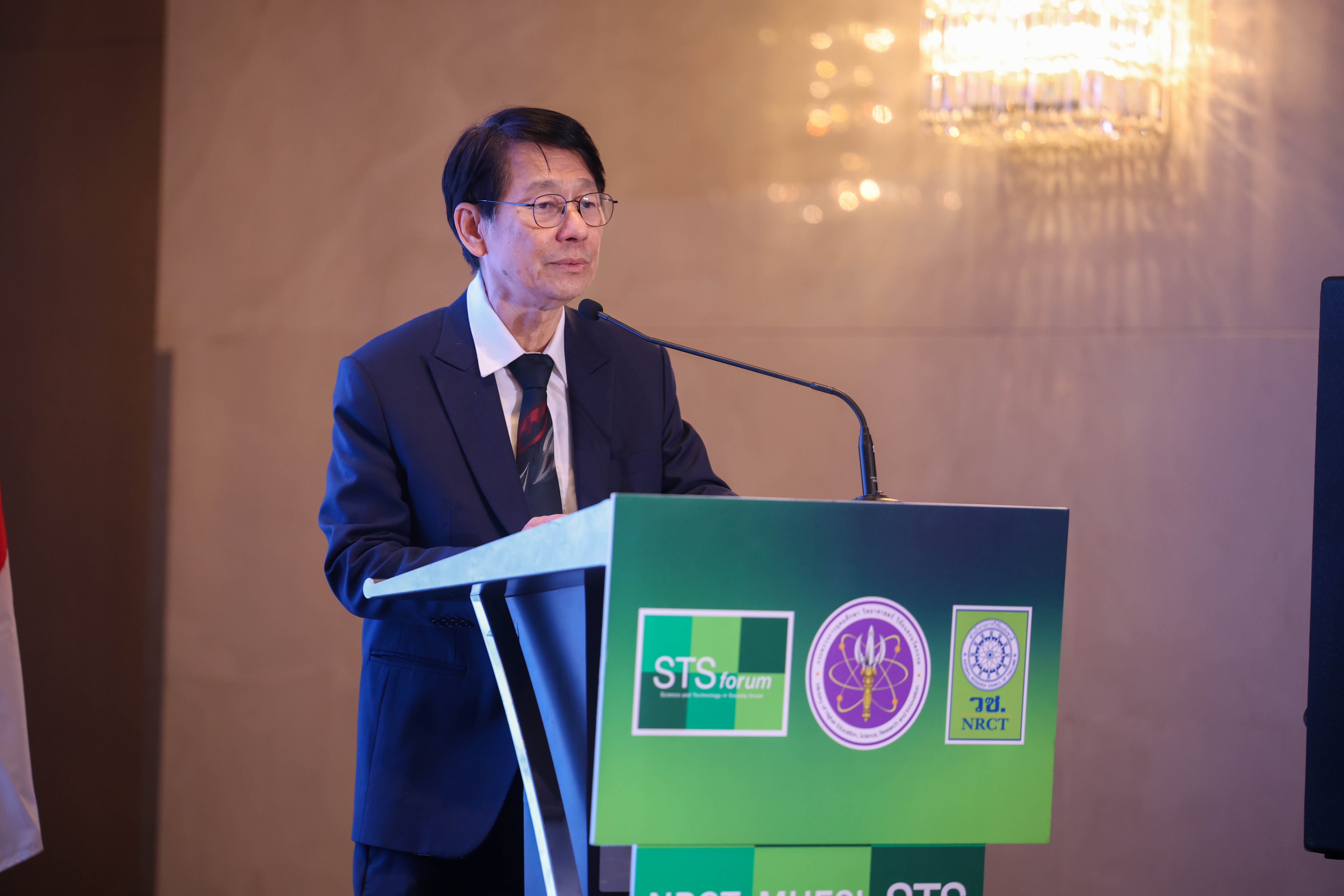
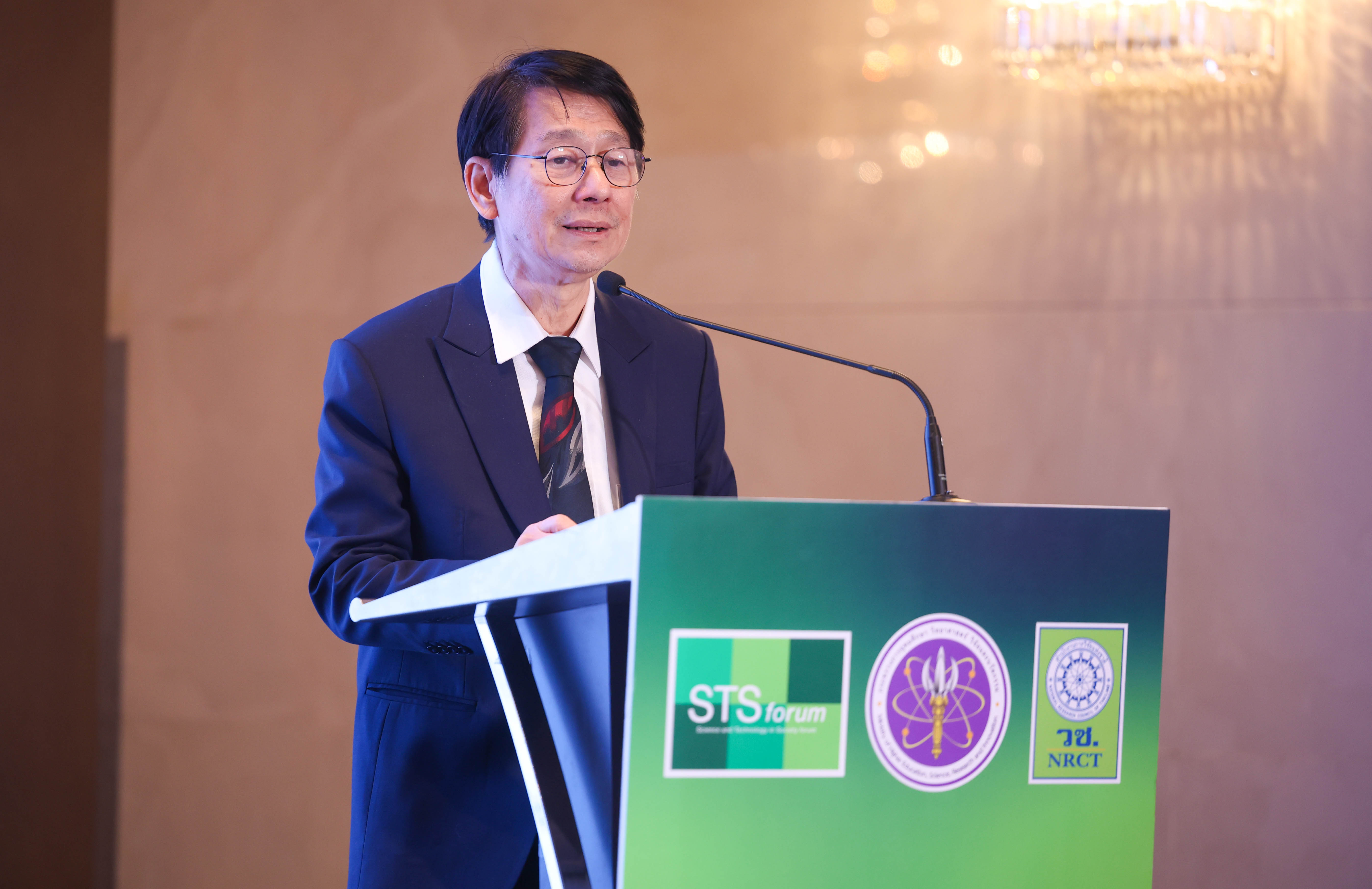
Ms. Saowanee Mungsujaritkarn, Deputy Executive Director of the National Research Council of Thailand, stated that the world is currently facing increasingly severe challenges related to climate change and intensifying disasters. Addressing these challenges requires advances in science, technology, and innovation, together with academic knowledge and strong international collaboration, in order to jointly develop effective and sustainable solutions and policy directions. She added that this platform provides an important opportunity for the exchange of knowledge and academic progress, which will further support the translation of research outcomes into practical applications.
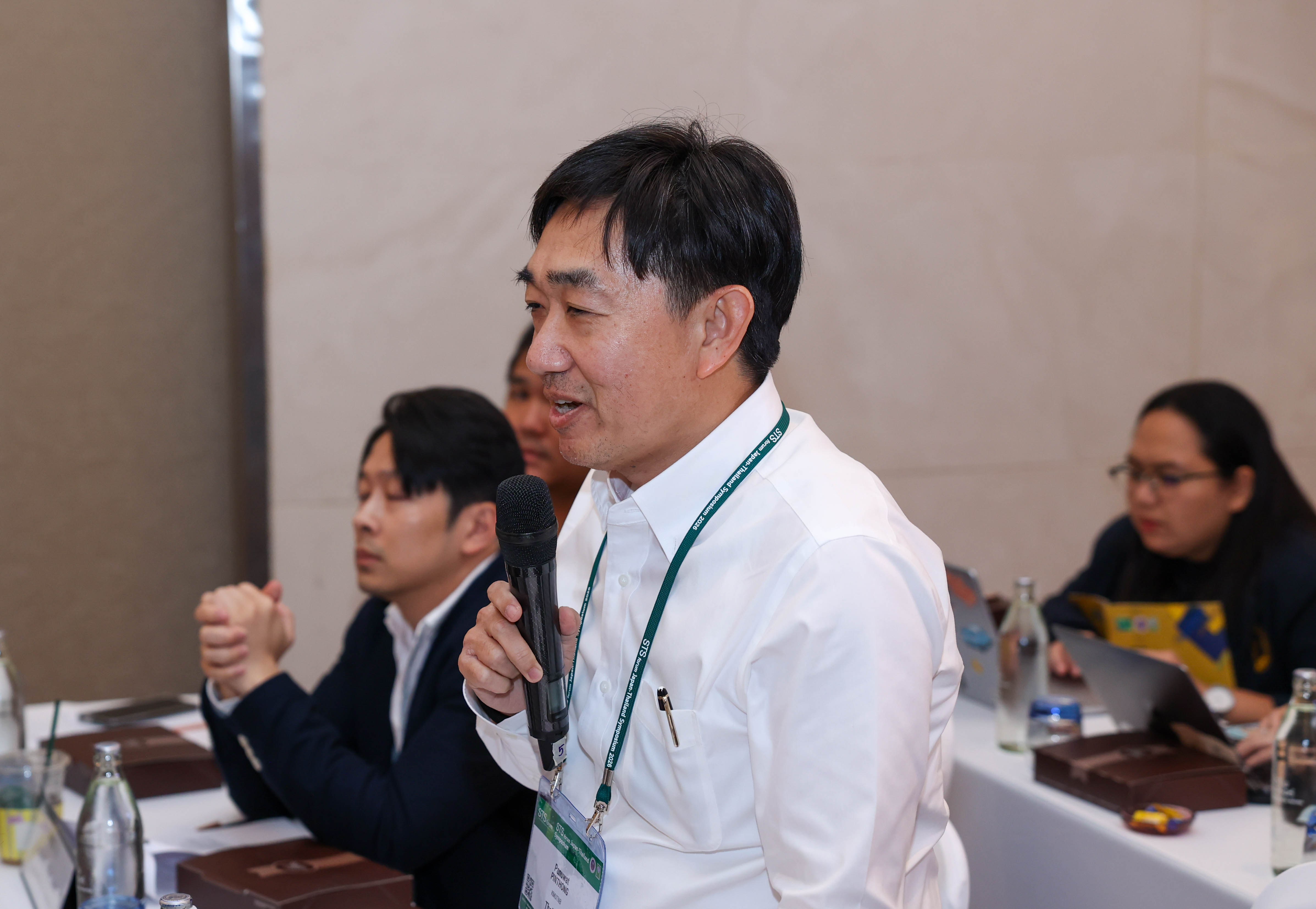
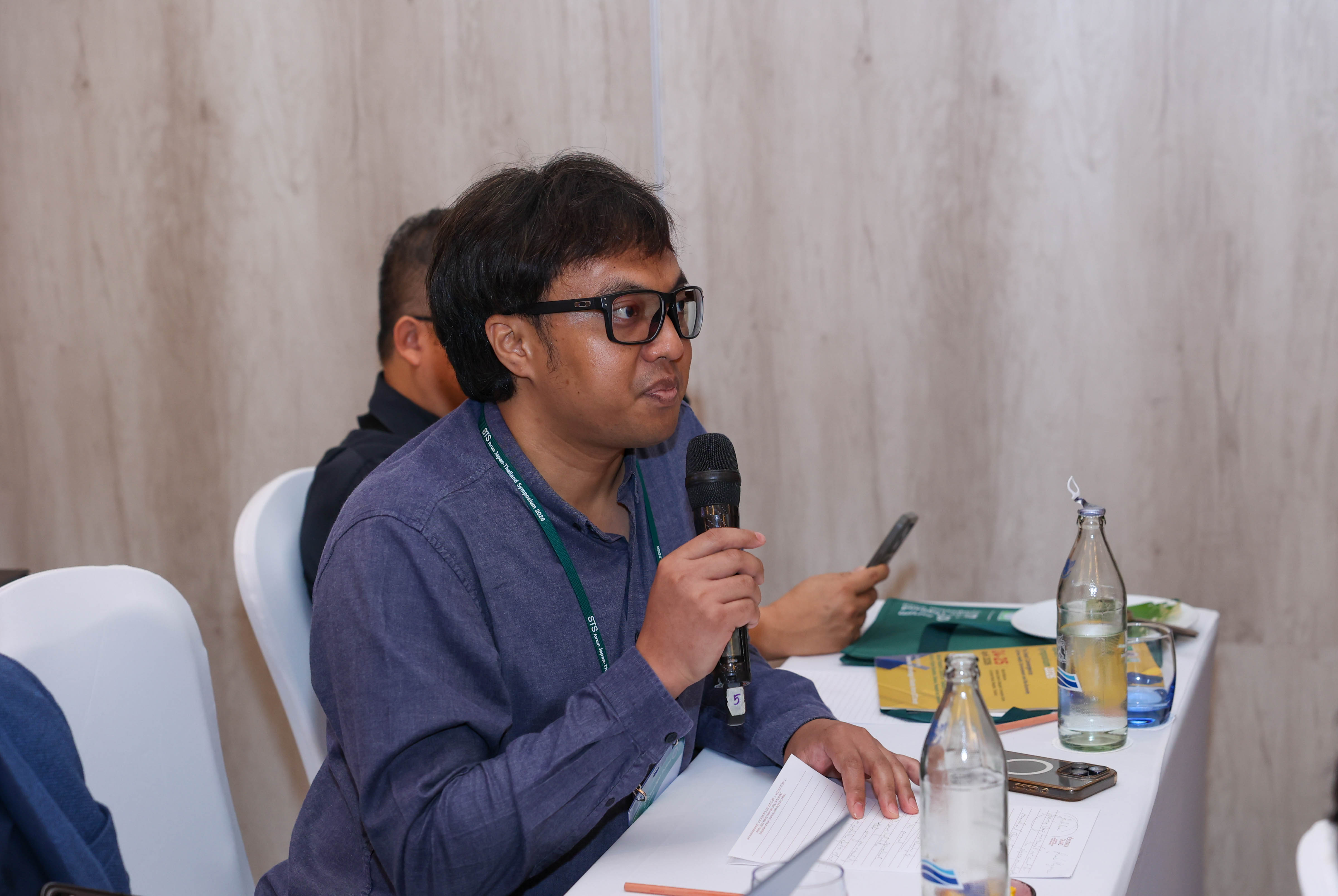
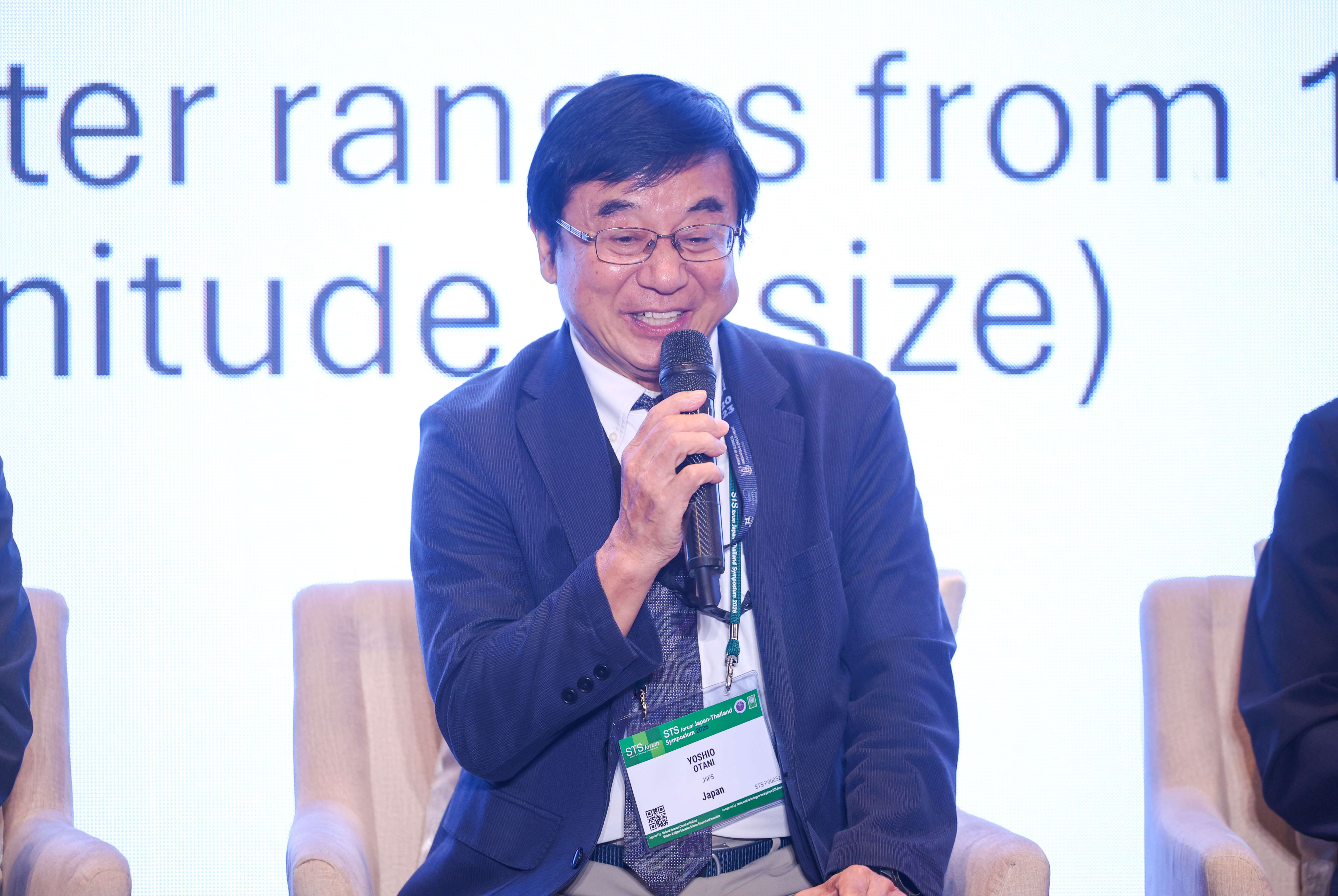
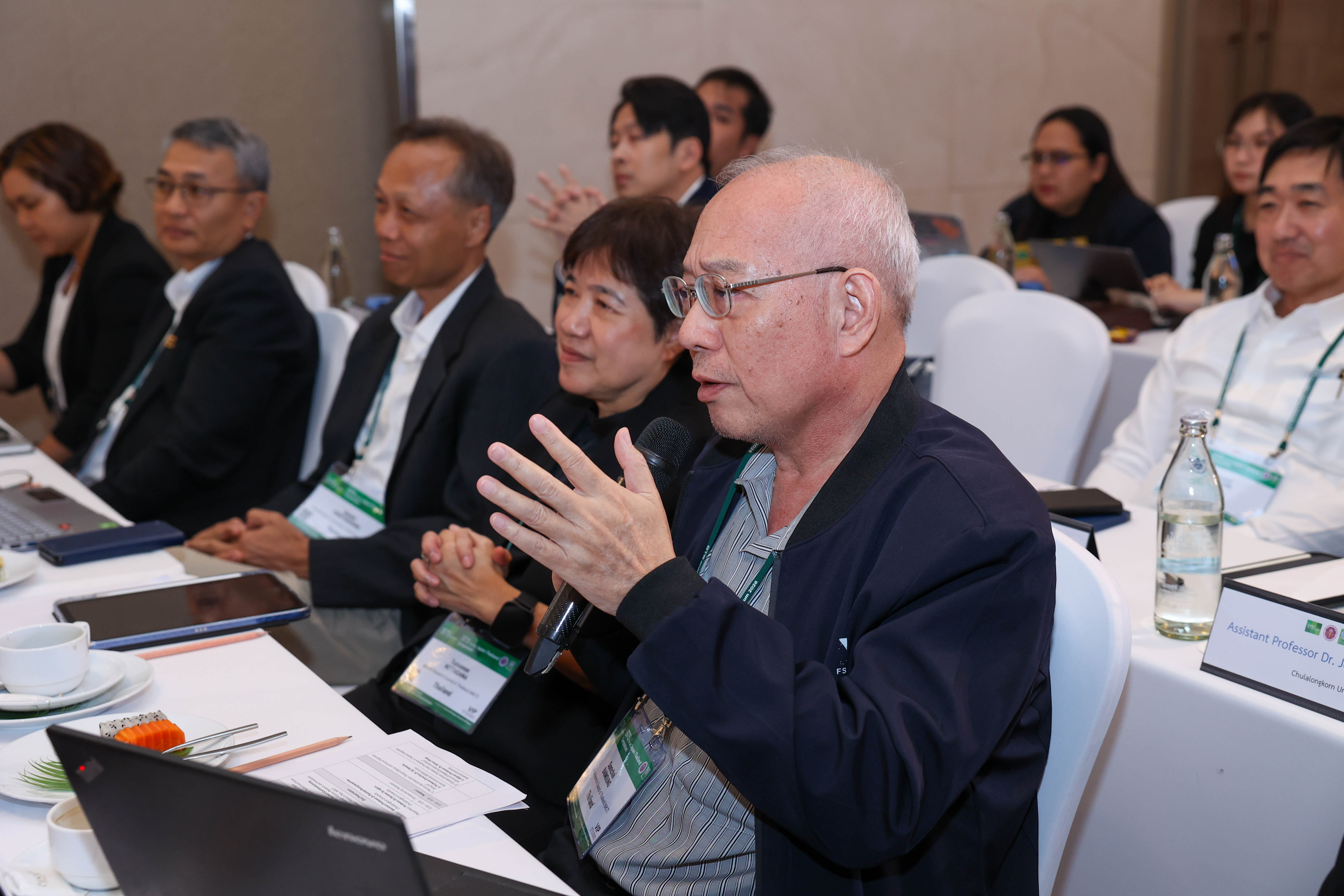
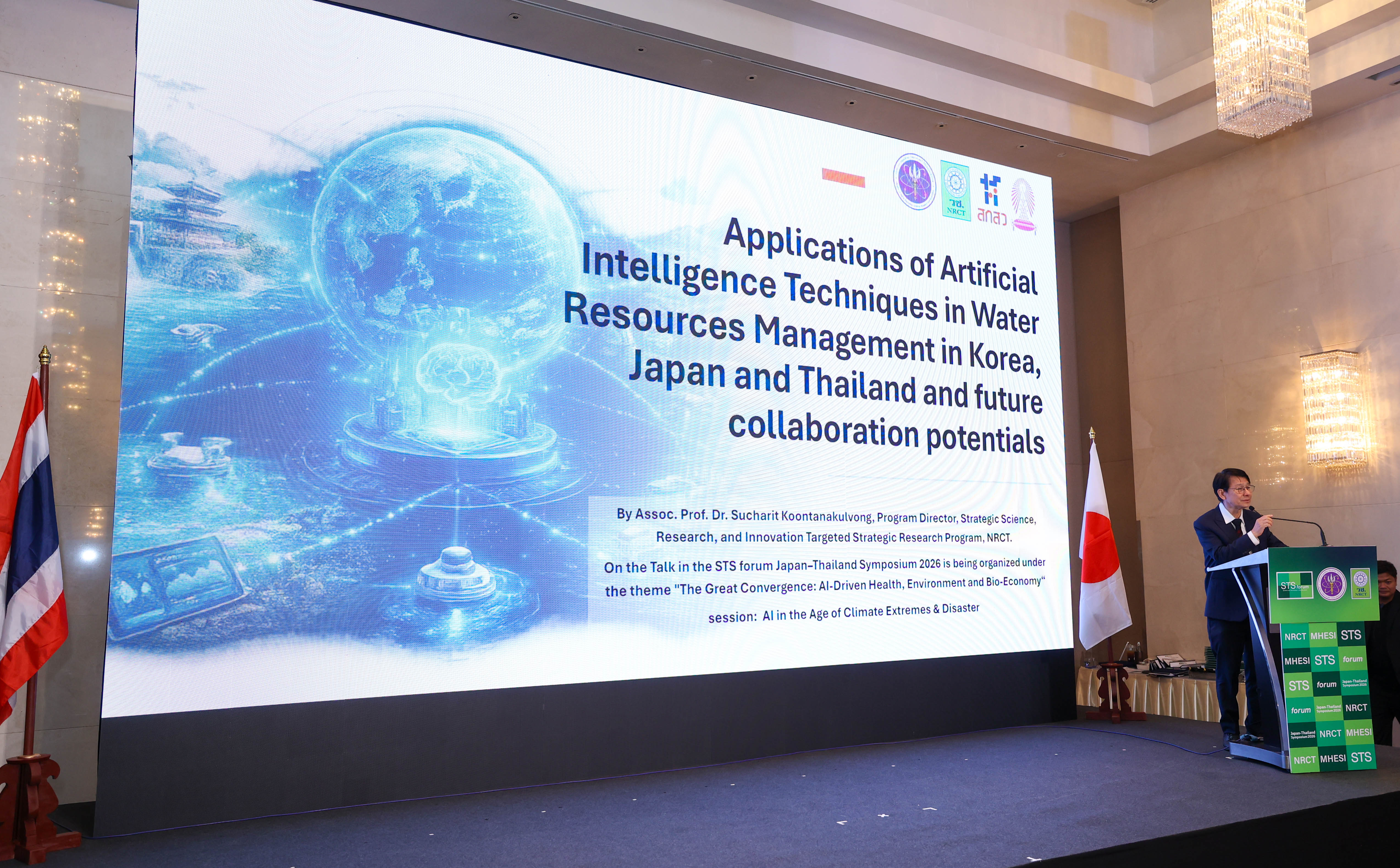
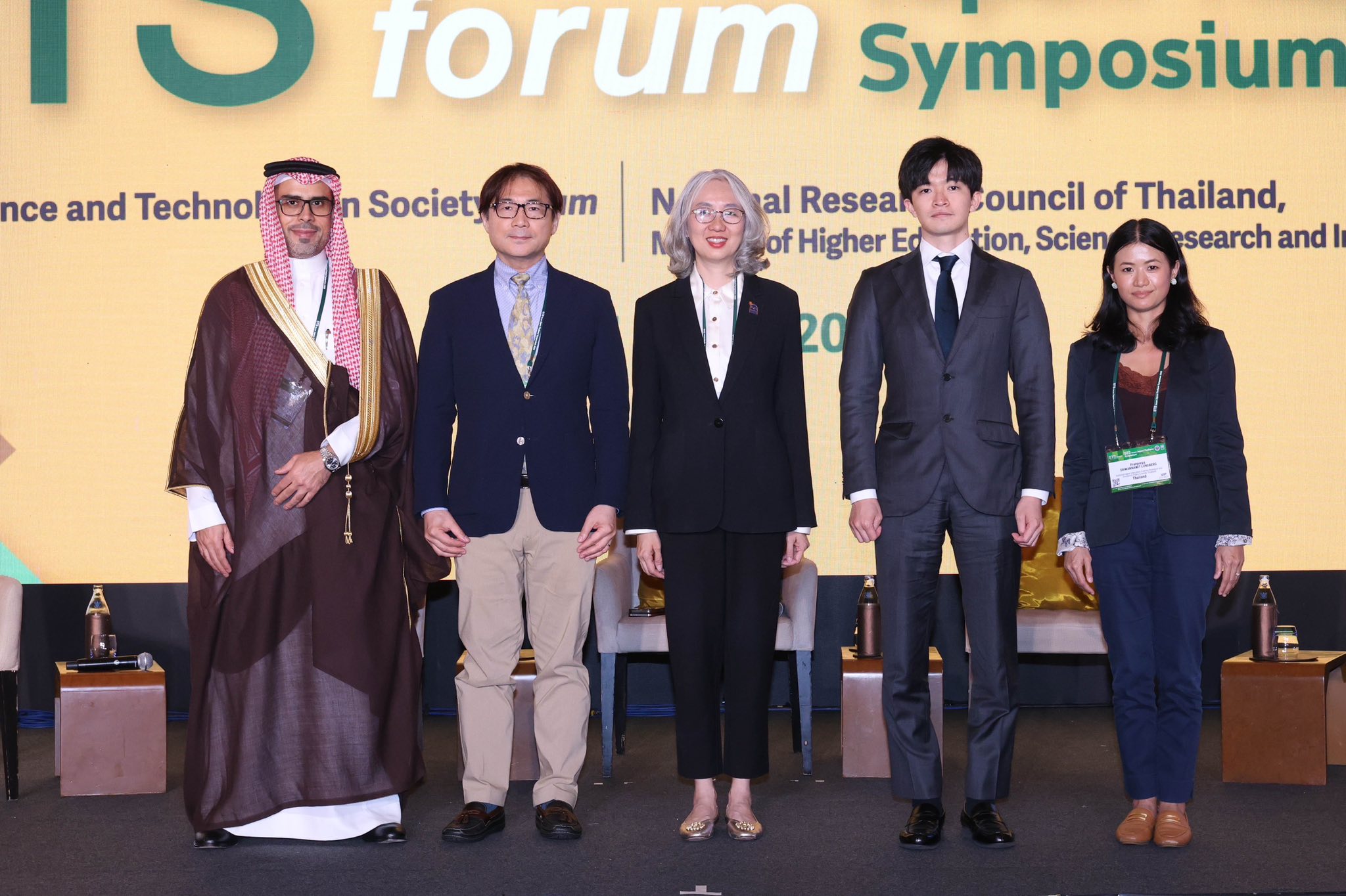
The session featured a special lecture titled “Applications of Artificial Intelligence Techniques in Water Resources Management in Korea, Japan and Thailand and Future Collaboration Potentials” by Associate Professor Dr. Sucharit Koontanakulvong, NRCT Program Director on Strategic Research Program on Water Security. This was followed by 12 academic presentations by both Thai and international researchers. The session was moderated by Assistant Professor Dr.Piyatida Ruangrassamee of Chulalongkorn University. In addition, key outcomes of the session were summarized by Professor Dr. Pantana Tor-ngern of Chulalongkorn University, a young researcher selected by NRCT to participate in the STS forum Young Leader Program 2022.
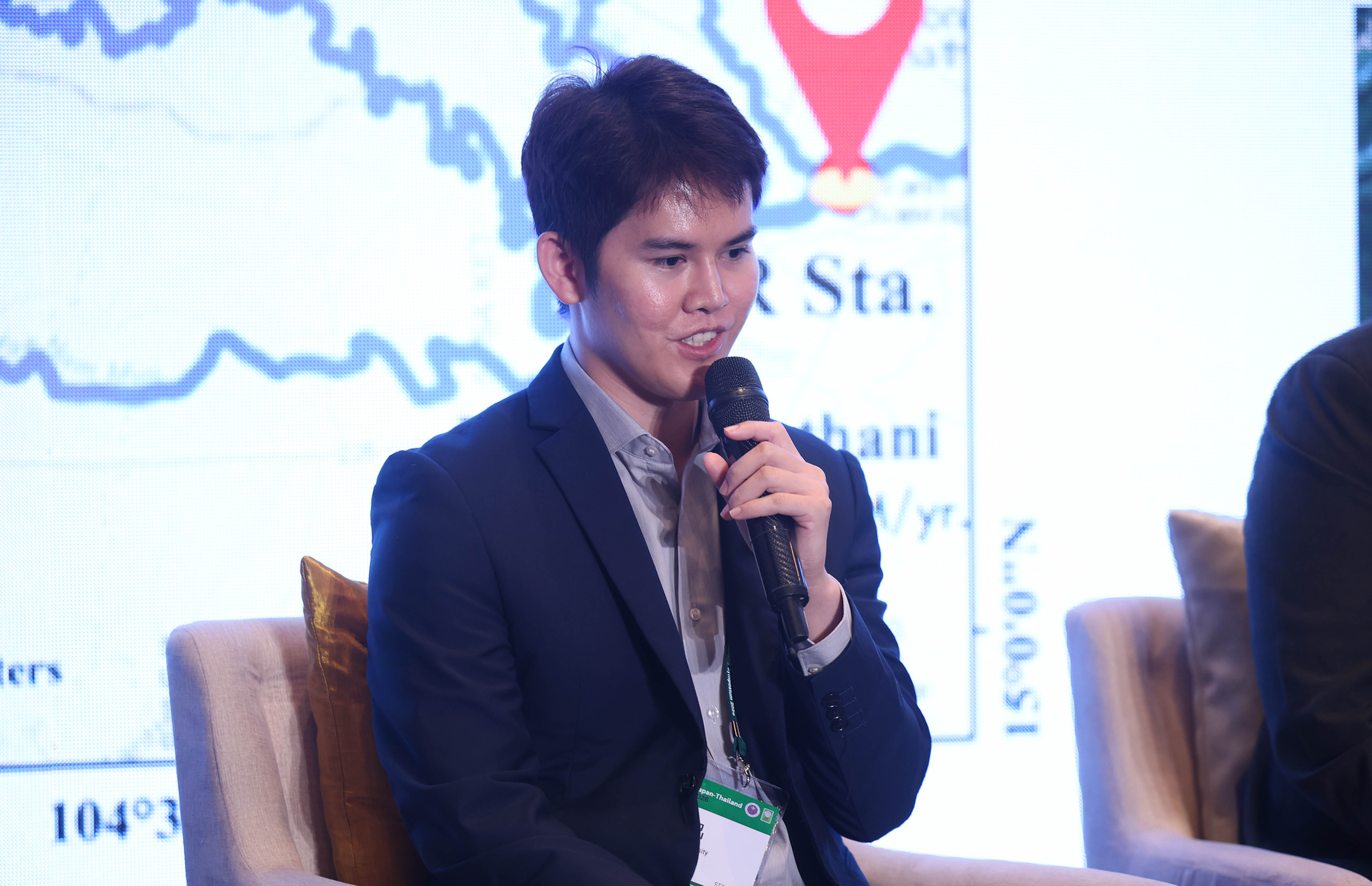
A total of 12 academic presentations were delivered under the theme “AI in the Age of Climate Extremes & Disaster”, including:
- World Crop Production: Present Status, and Future Prediction Using AI
- Climate-Driven Cassava Yield Prediction in Thailand Integrated with an LLM-Based Decision Interface
- Aerosols in Climate Extremes and Disasters
- Assessing Confidence Levels of Low-Cost PM2.5 Sensors Through Multi-Source Data Comparison
- Applied Geology and Geophysics for Sustainable Shallow Groundwater Development from Paleochannels in Drought Affected Agricultural Communities
- Development of Groundwater Management System to Improve Conjunctive Water Use in North of Lower Central Region of Thailand
- AI in the Age of Climate: Latent Diffusion Modeling for High Resolution Rainfall Prediction and Flood Risk Assessment
- Long-Term Extreme Rainfall Forecasting Systems in Thailand Using Graph Attention Networks
- River Flow Prediction of the Downstream Tha Thung Na Dam Using A Coupled ANFIS Model and Hydraulic Behavior Simulation
- Drought Check: An AI-Enabled Geo-Informatics Platform for Precision Drought Risk Assessment and Anticipatory Disaster Resilience in Thai Agriculture
- AI-Driven Extreme Discharge Prediction for Flood Early Warning in the Mun River Basin, Northeast Thailand
- Smart Irrigation Management Using AI and IoT for Seasonal Water Allocation
The National Research Council of Thailand (NRCT) is committed to advancing the application of Artificial Intelligence in conjunction with science and innovation to enhance the effectiveness of forecasting, monitoring, and systematic risk management related to climate change and disasters. The initiative also aims to strengthen collaborative networks among researchers and organizations both domestically and internationally to facilitate knowledge exchange and further develop practical solutions and innovations. These efforts are expected to enhance the country’s capacity in disaster preparedness and response.