“Yodchanan” Advances Thai Research Innovations to Address Arsenic Contamination in the Kok River, Promoting Synchrotron and Nanotechnology Solutions for Safe Water
30 August 2026


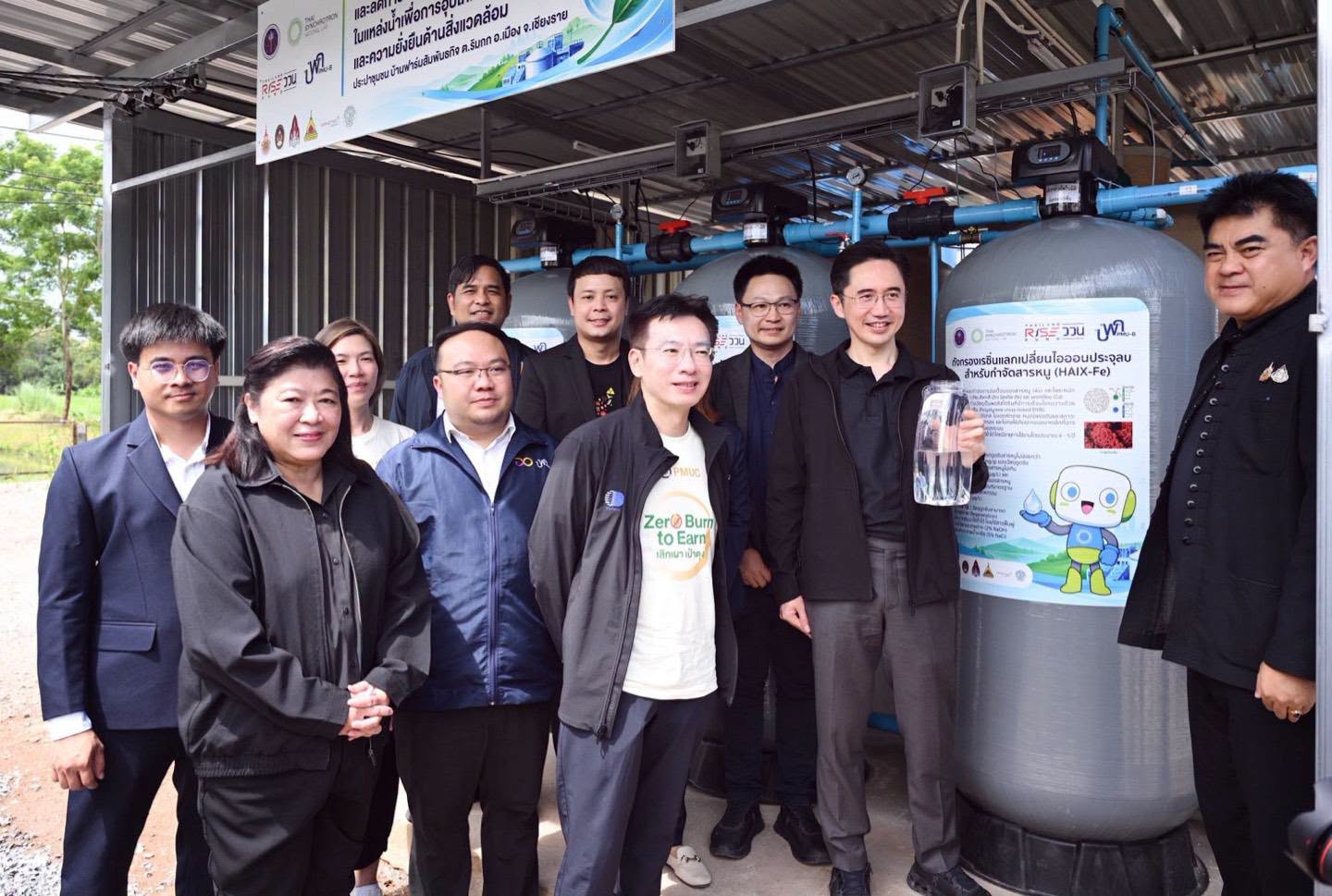
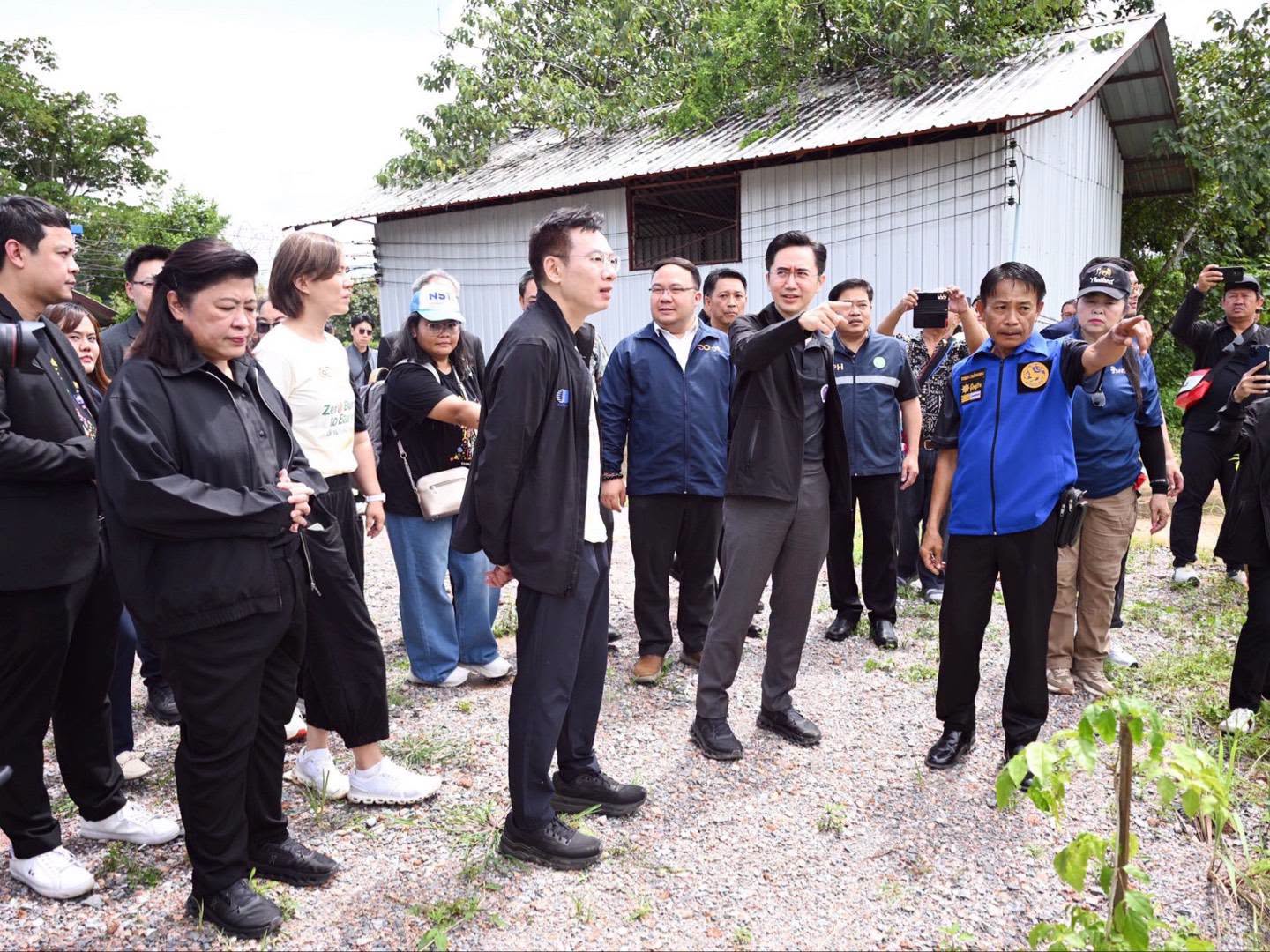
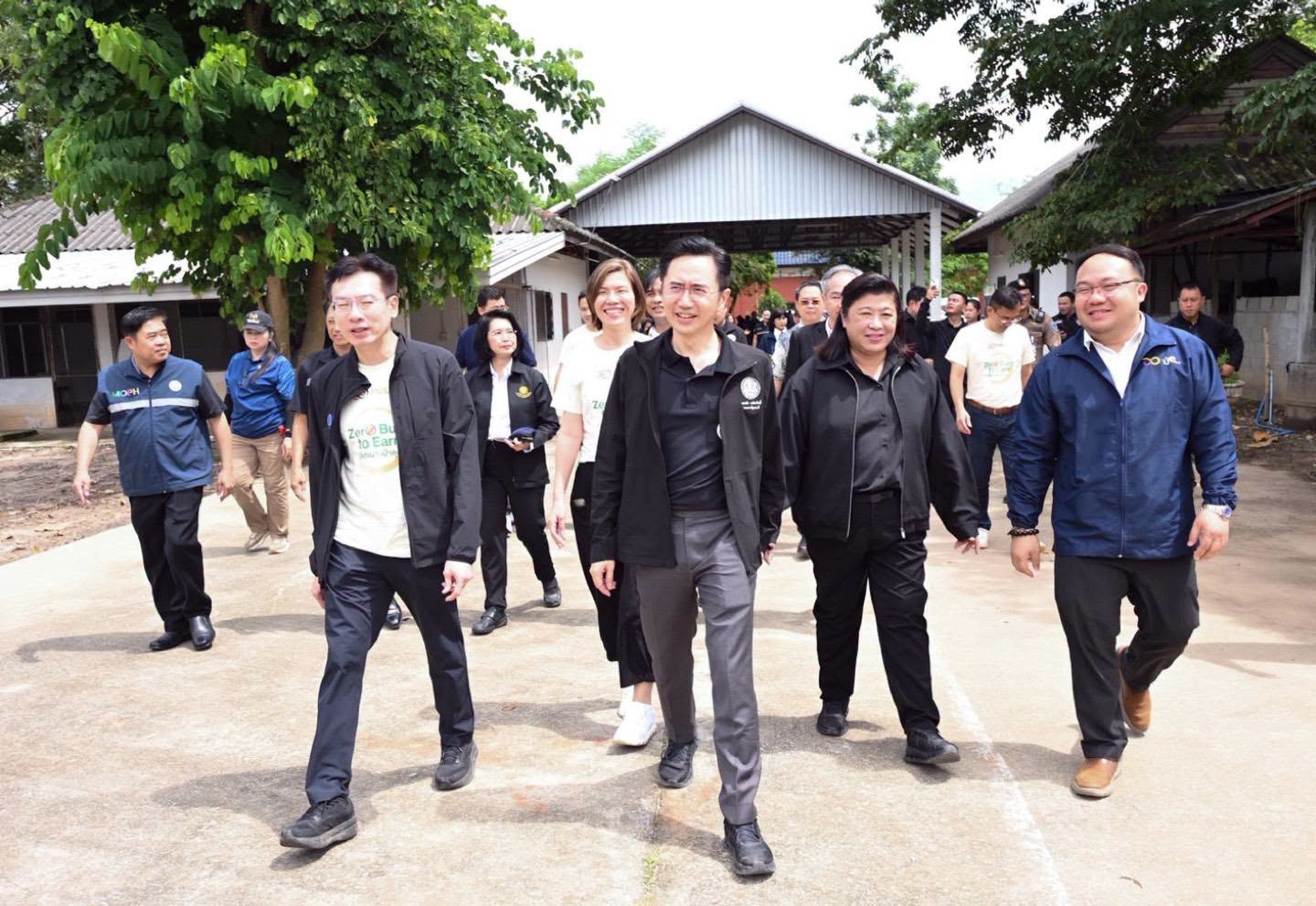
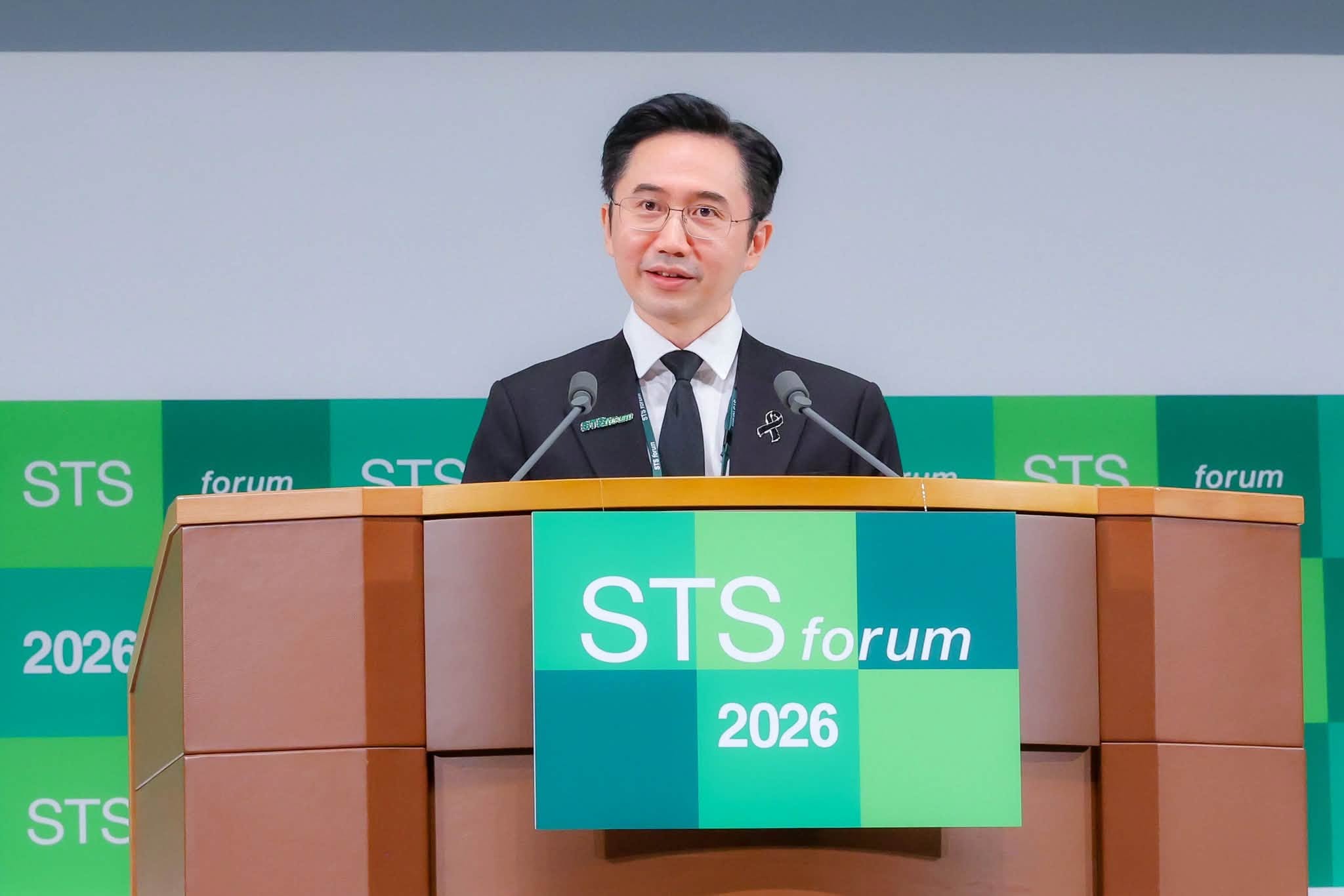
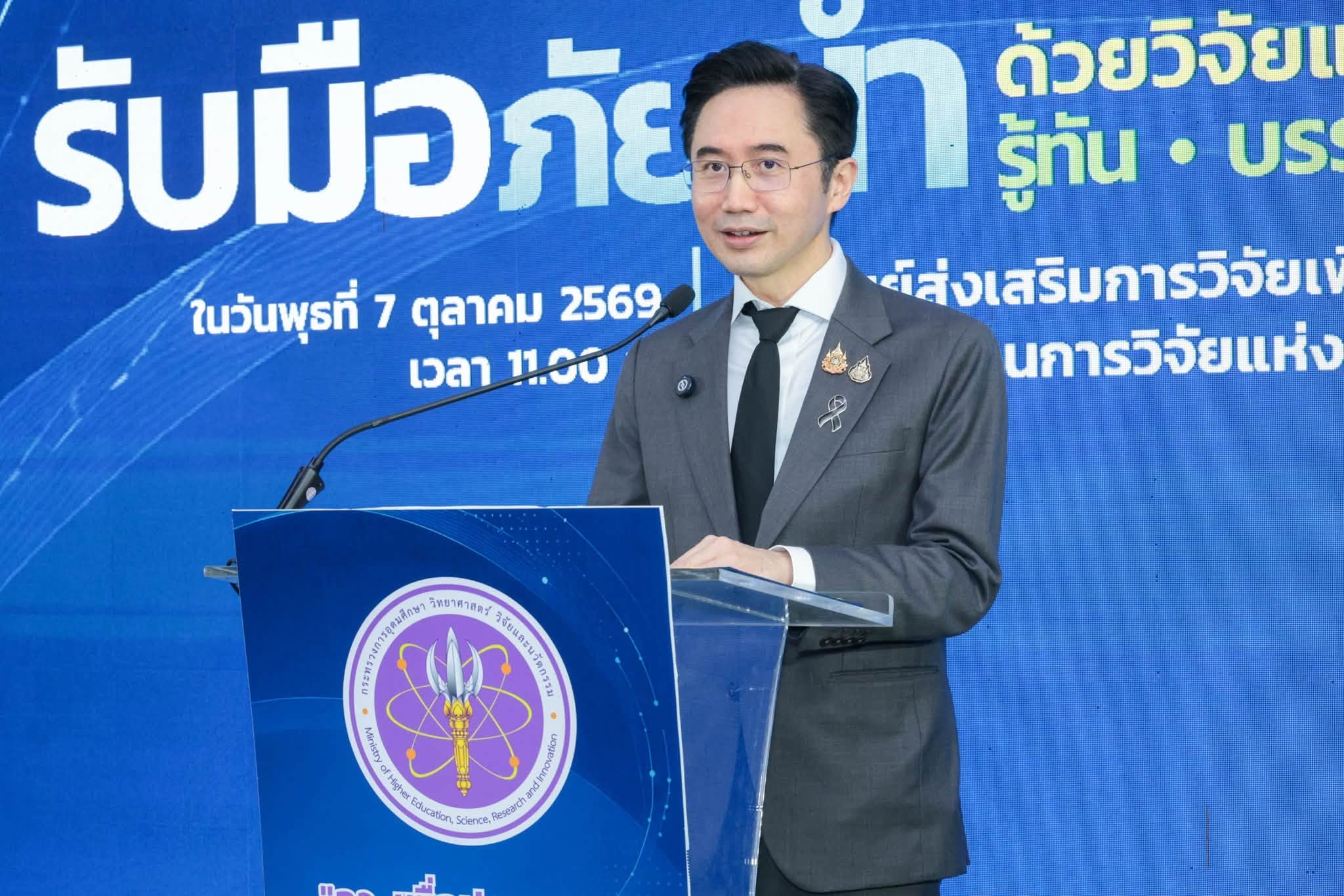
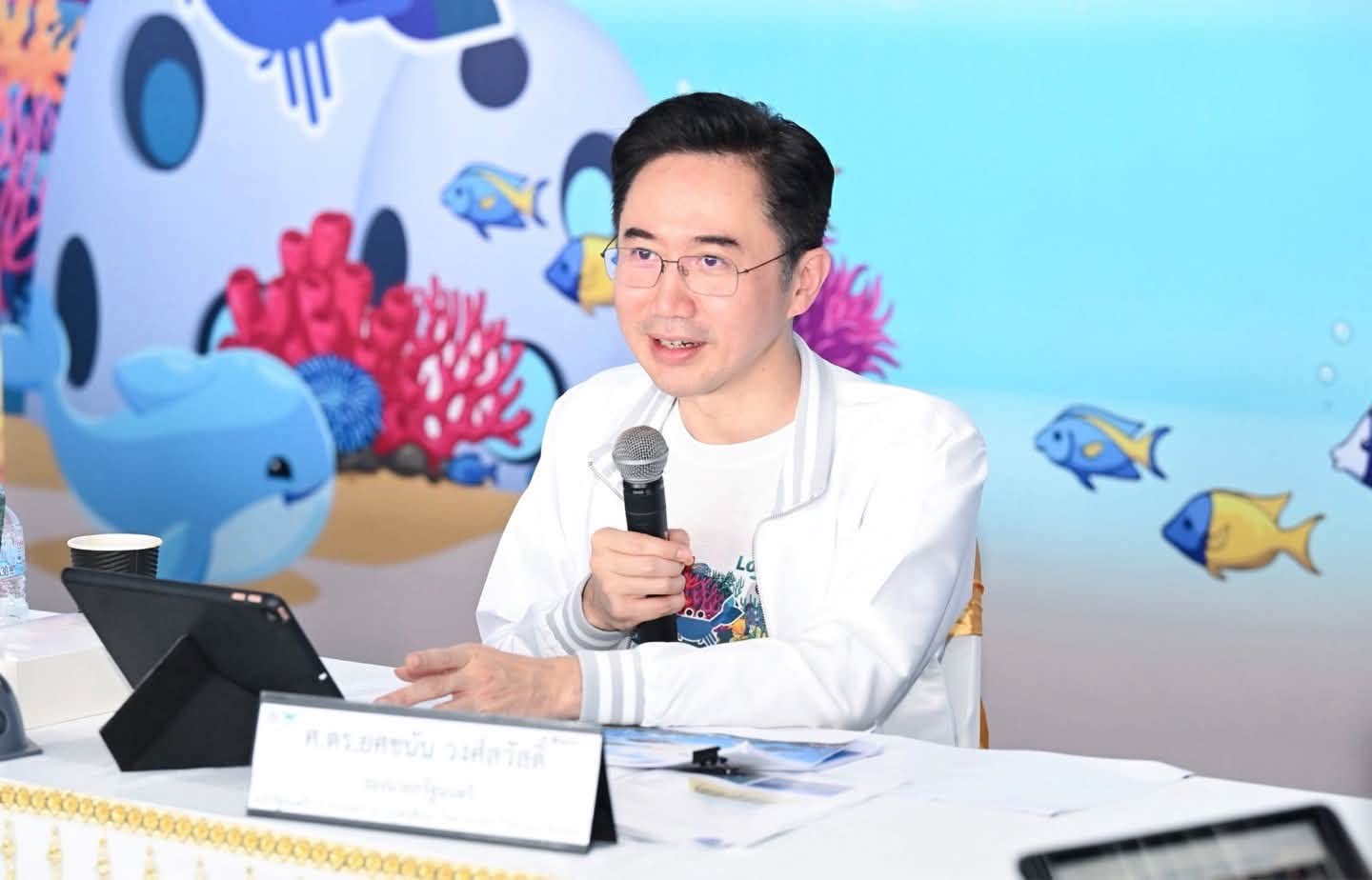
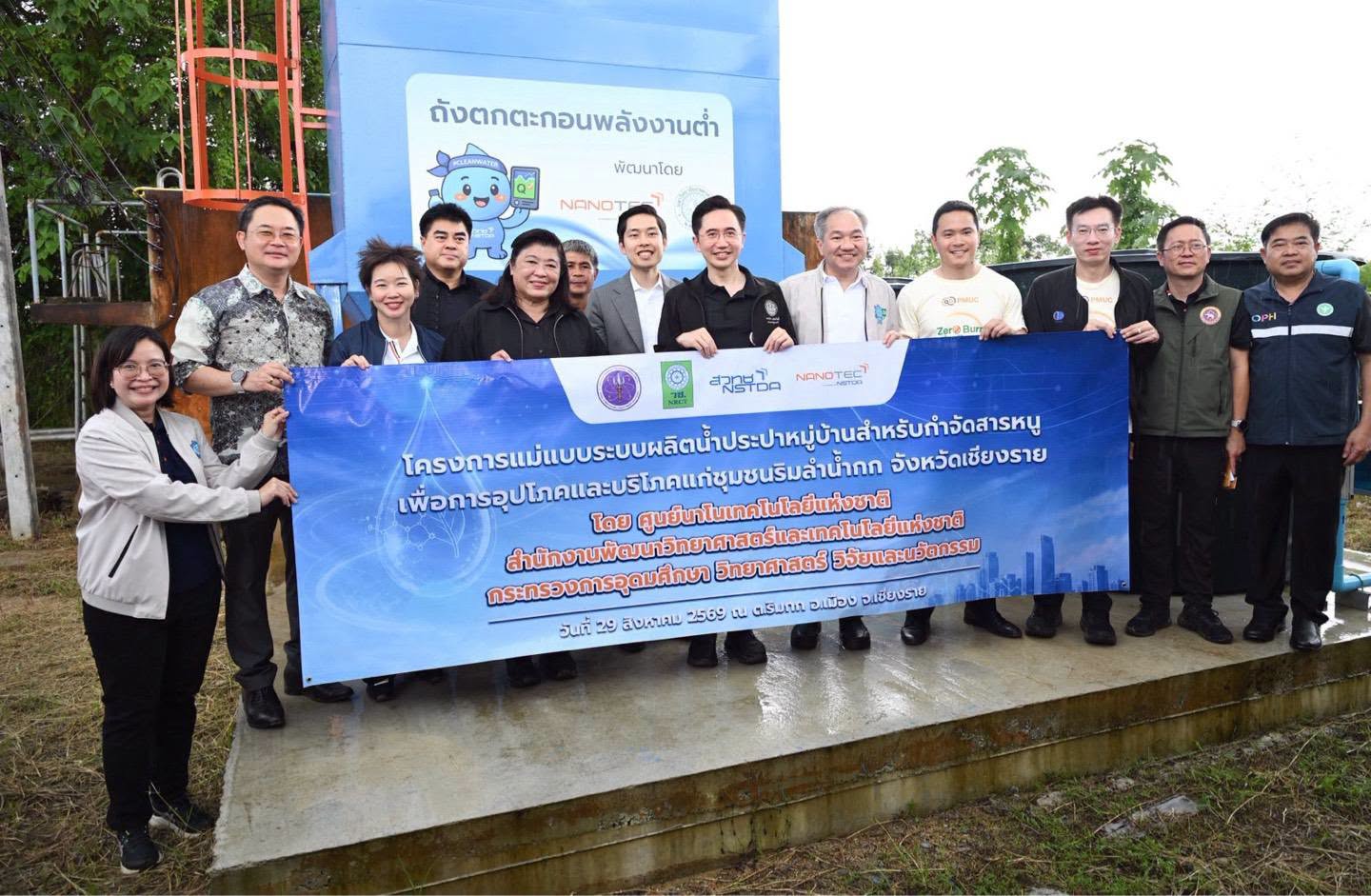
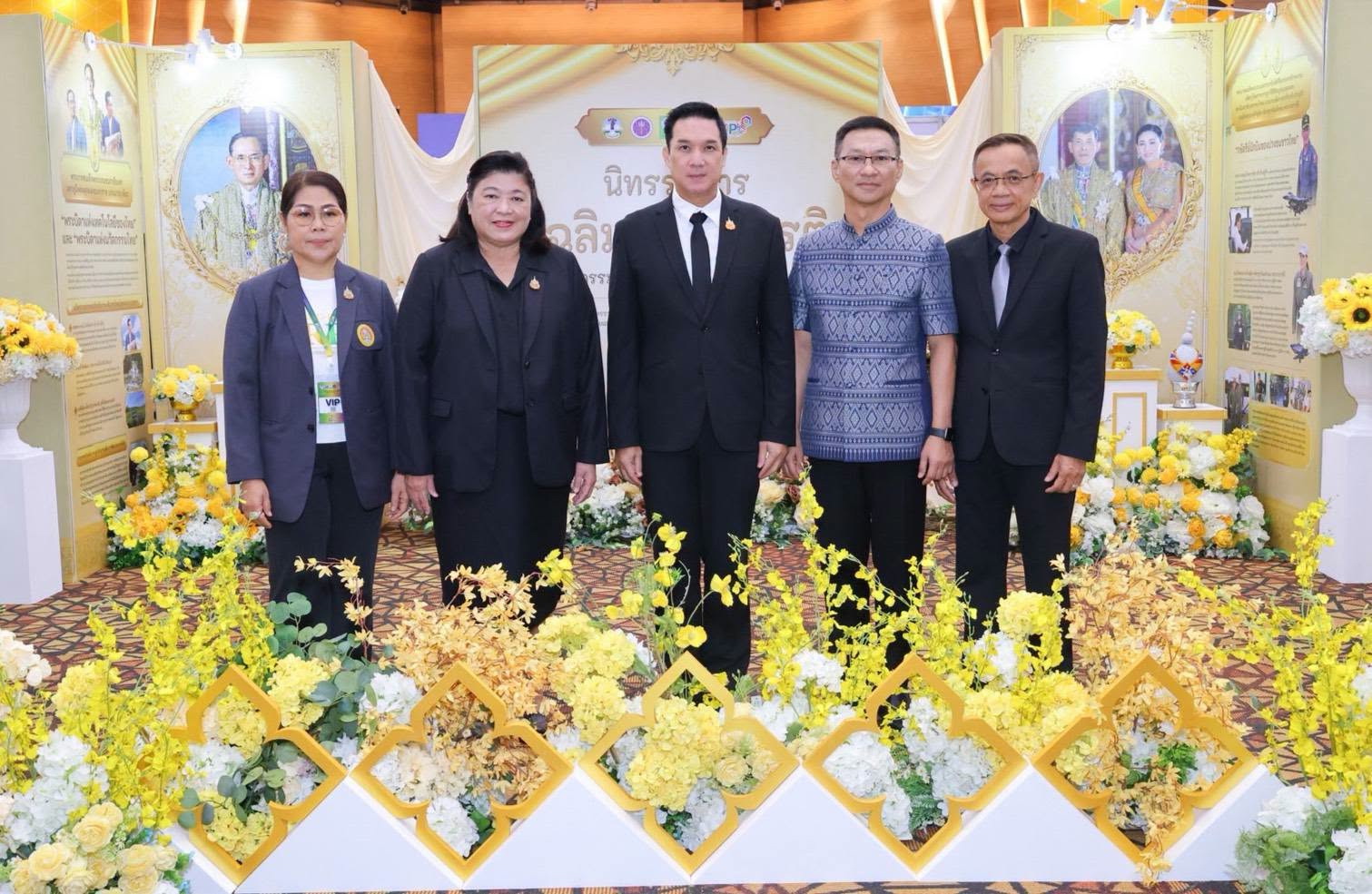
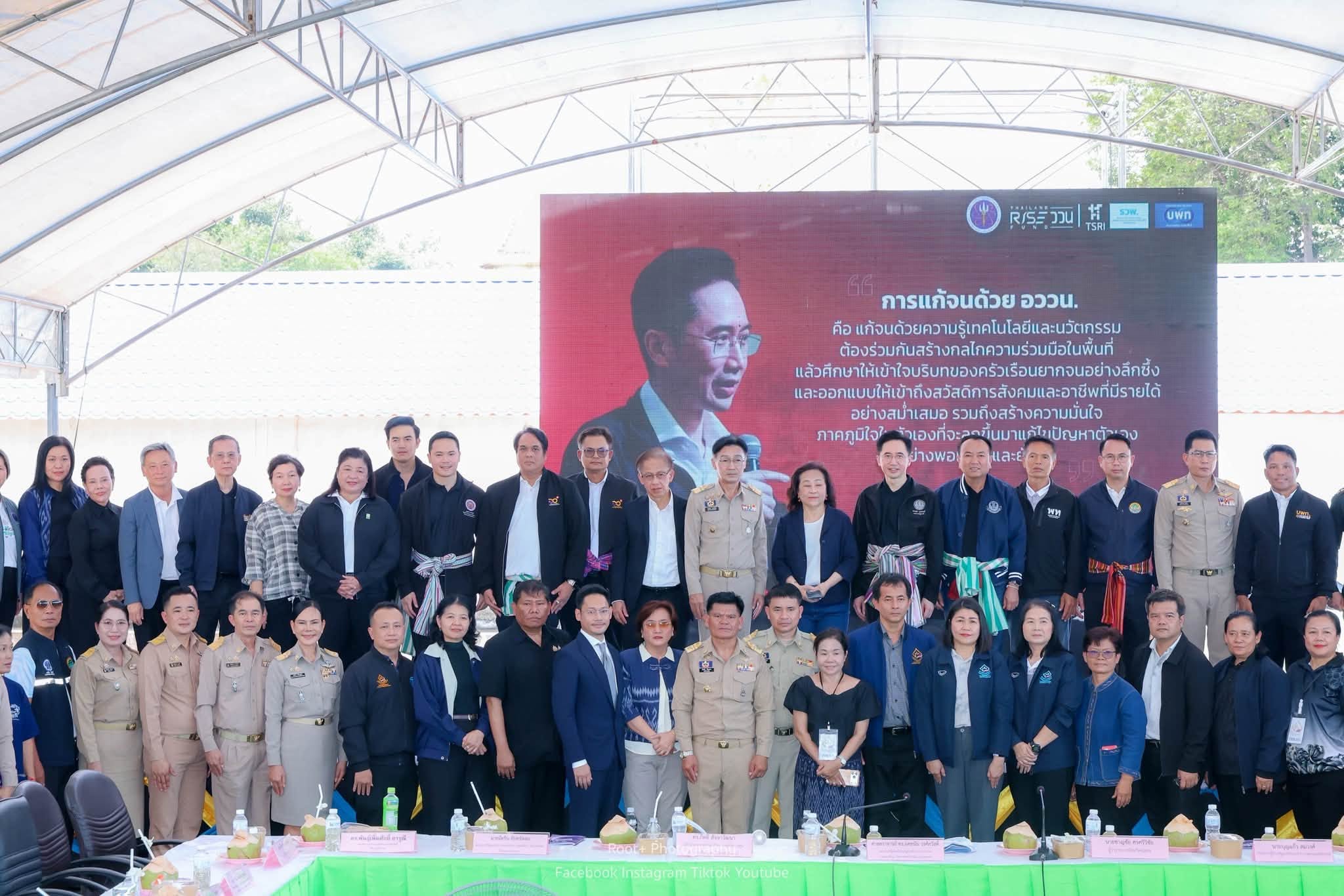
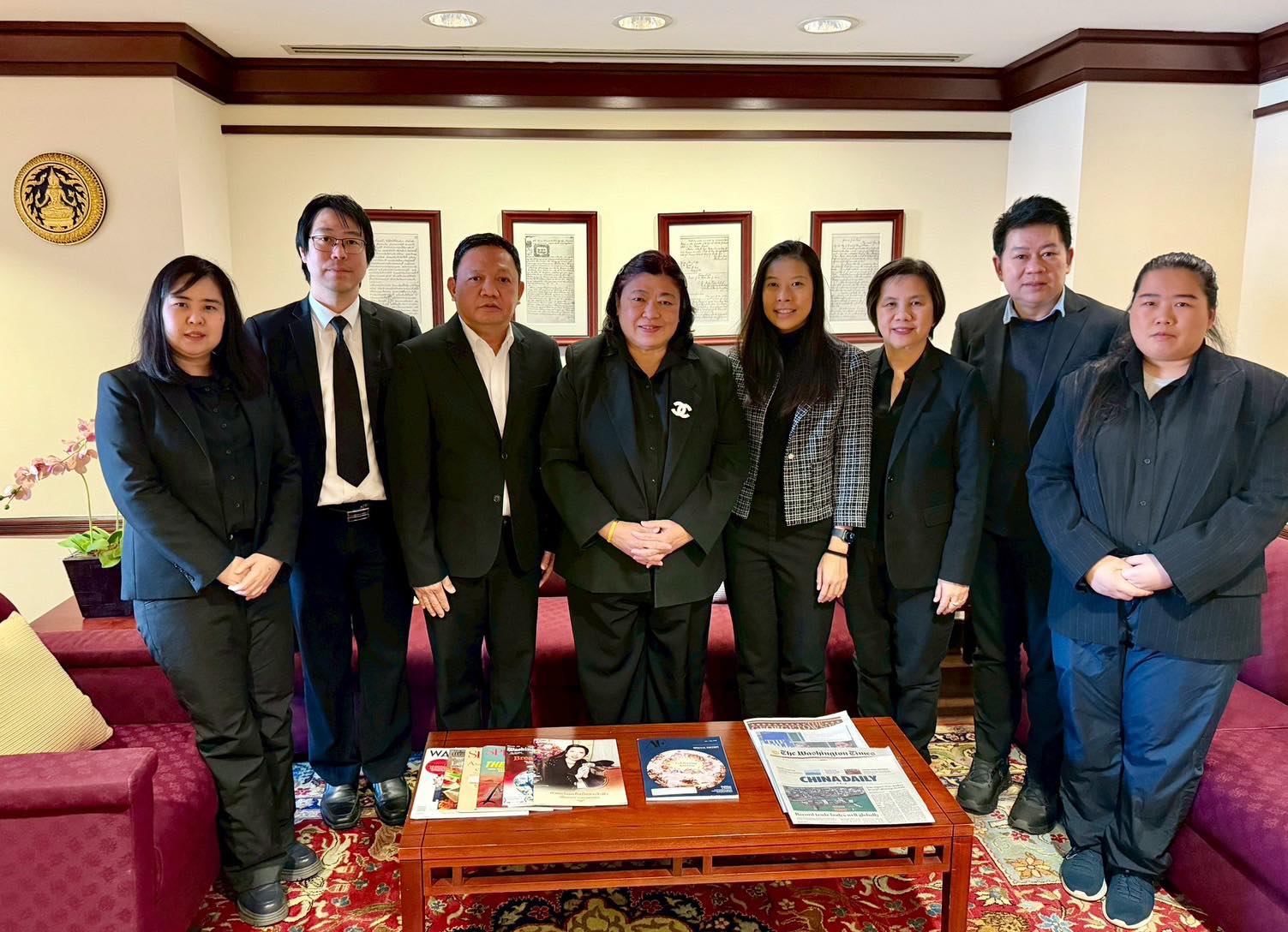
On August 29, 2026, at Mueang Ngim Community Hall in Rim Kok Subdistrict, Mueang District, Chiang Rai Province, Prof. Dr. Yodchanan Wongsawat, Deputy Prime Minister and Minister of Higher Education, Science, Research and Innovation (MHESI), together with Prof. Dr. Supachai Pathumnakul, Permanent Secretary of MHESI, visited the area to follow up on efforts to address arsenic contamination in the Kok River. The long-standing issue has raised concerns about the health, confidence, and livelihoods of local residents in Chiang Rai.
MHESI has accelerated research and development of an arsenic-contaminated water treatment system that applies synchrotron radiation and nanotechnology. The system is designed to treat raw water from the Kok River and produce water suitable for household use and drinking. Key advantages include relatively low costs and the potential for local-scale implementation, enabling community water supply systems in other areas to adopt and adapt the technology to their local needs.
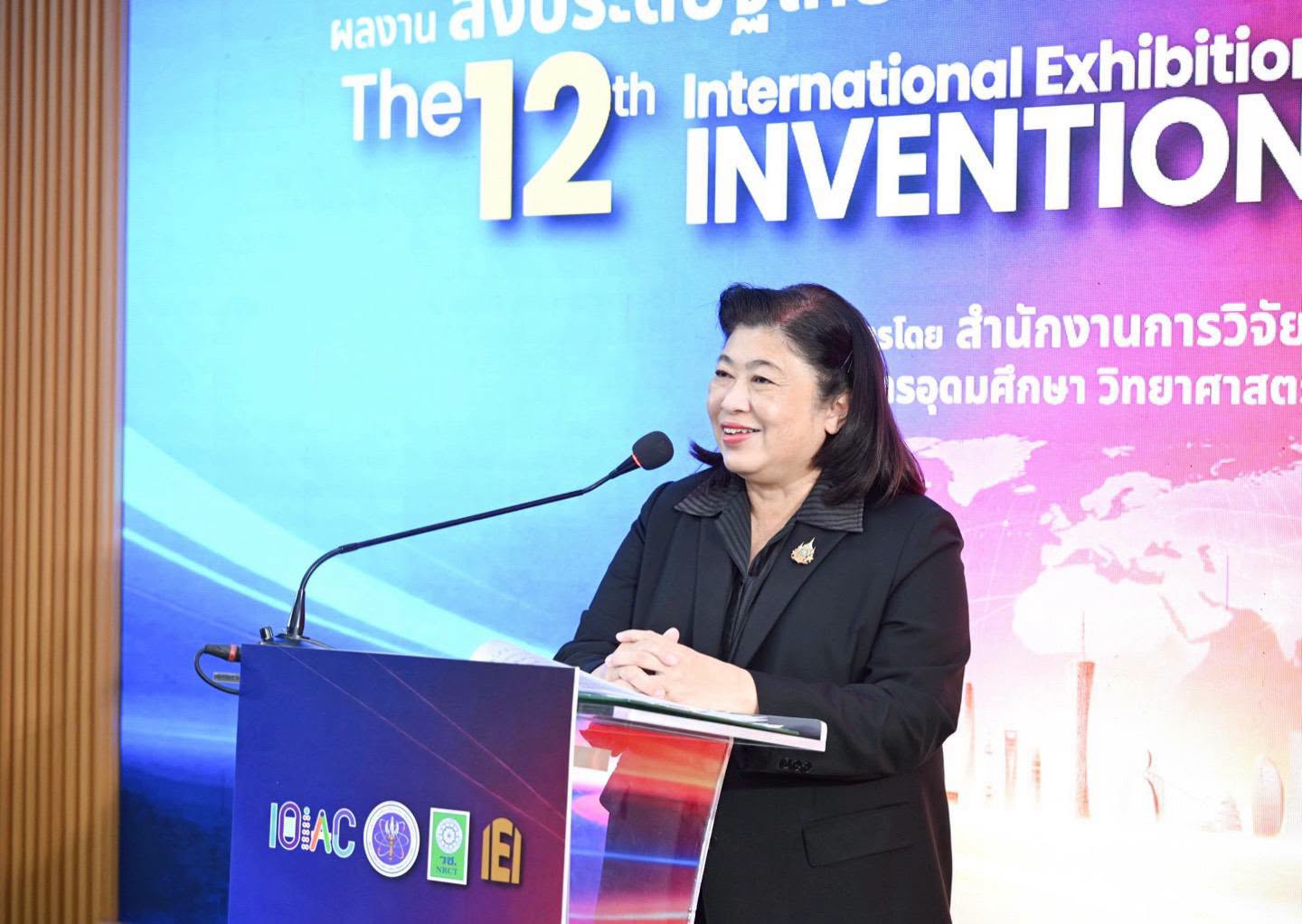
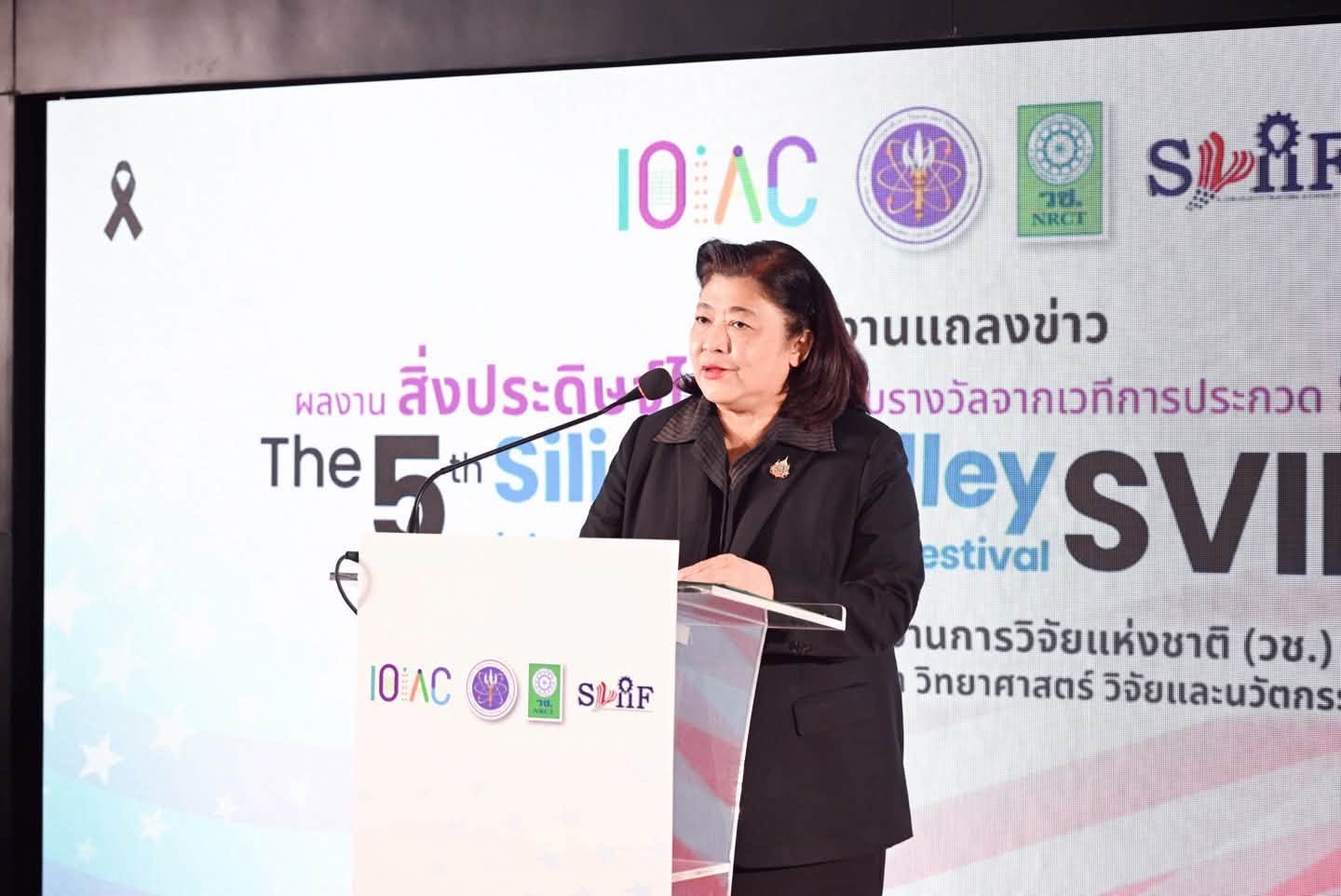
Prof. Dr. Yodchanan emphasized that arsenic contamination in Chiang Rai’s Kok River is an issue that requires continued and coordinated action. While preventing contamination at its upstream source remains the most sustainable long-term solution, communities need access to clean water for daily use and consumption while efforts to address the source continue. MHESI has therefore put its policy of applying science, research, and technology to address public challenges into practice by developing accessible, affordable, and practical water treatment systems that can be adopted by village water supply systems and local authorities.
“Water is essential to people’s lives. It is fundamental to agriculture and to public confidence in the safety of water resources. I want all sectors within MHESI to work together. Today, we have a range of knowledge and technologies for improving water quality, particularly in addressing arsenic contamination. MHESI cannot achieve this alone. As part of the research community, we must work closely with local communities and local agencies. We share a common goal of improving the quality of life of the Thai people, and we must work together to achieve it. MHESI has developed several technological models that can be selected and adapted to meet local needs.”
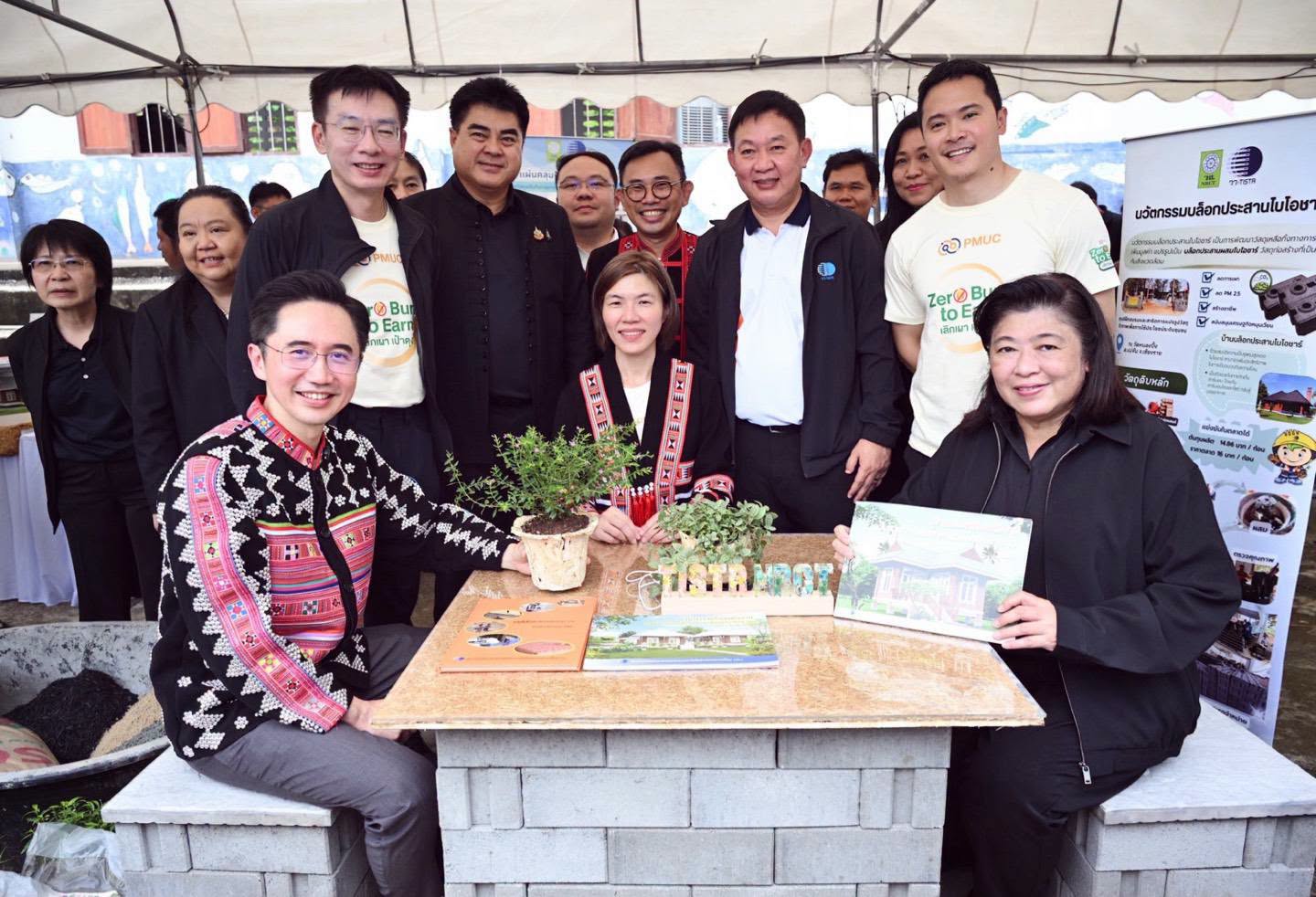
He added, “Importantly, these technologies have been developed by Thai researchers and primarily utilize locally available materials. This helps reduce costs and strengthen technological self-reliance while turning the current water quality challenge into an opportunity to strengthen Thailand’s water treatment technologies. In the future, these innovations could have potential for wider application, including international markets.”
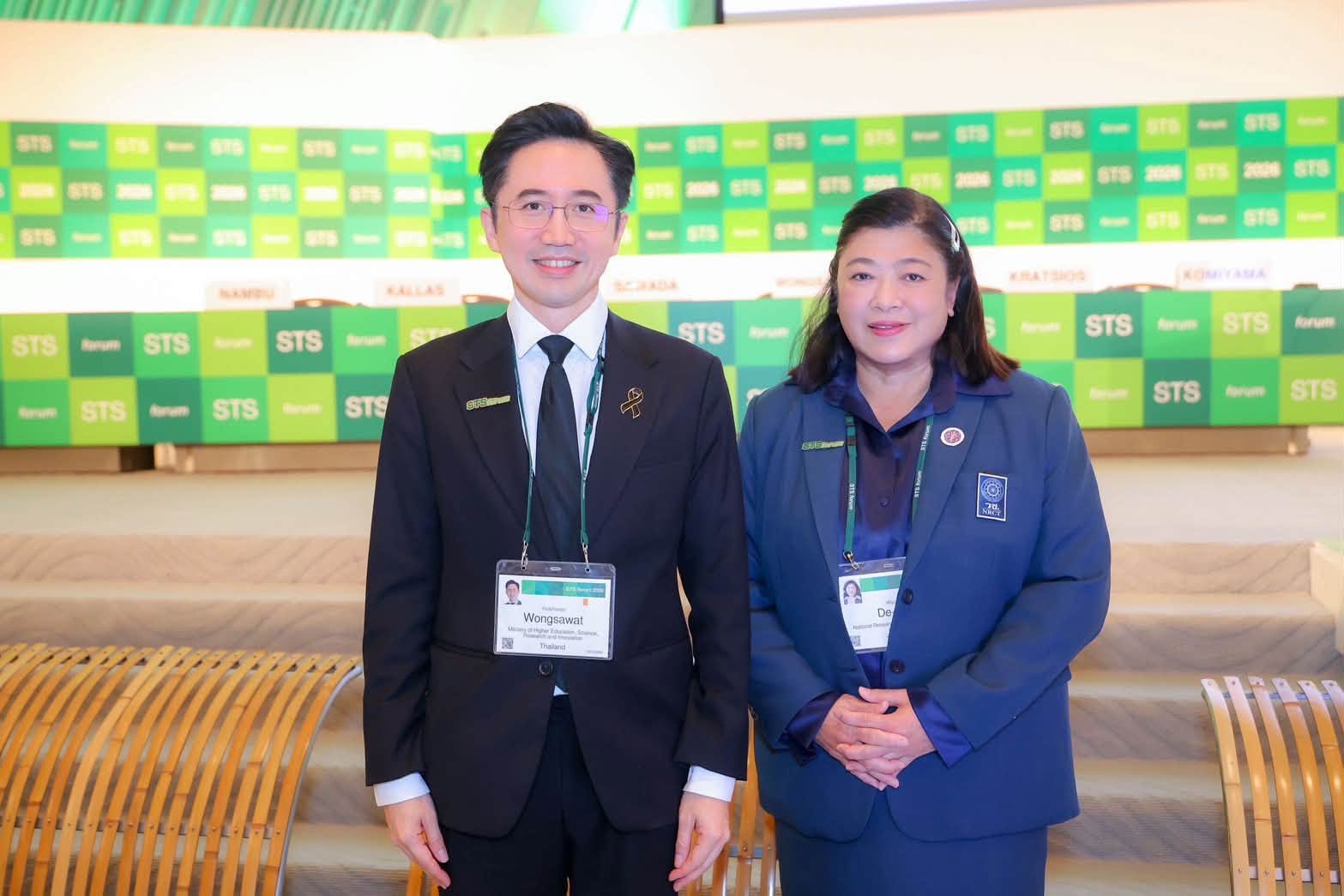
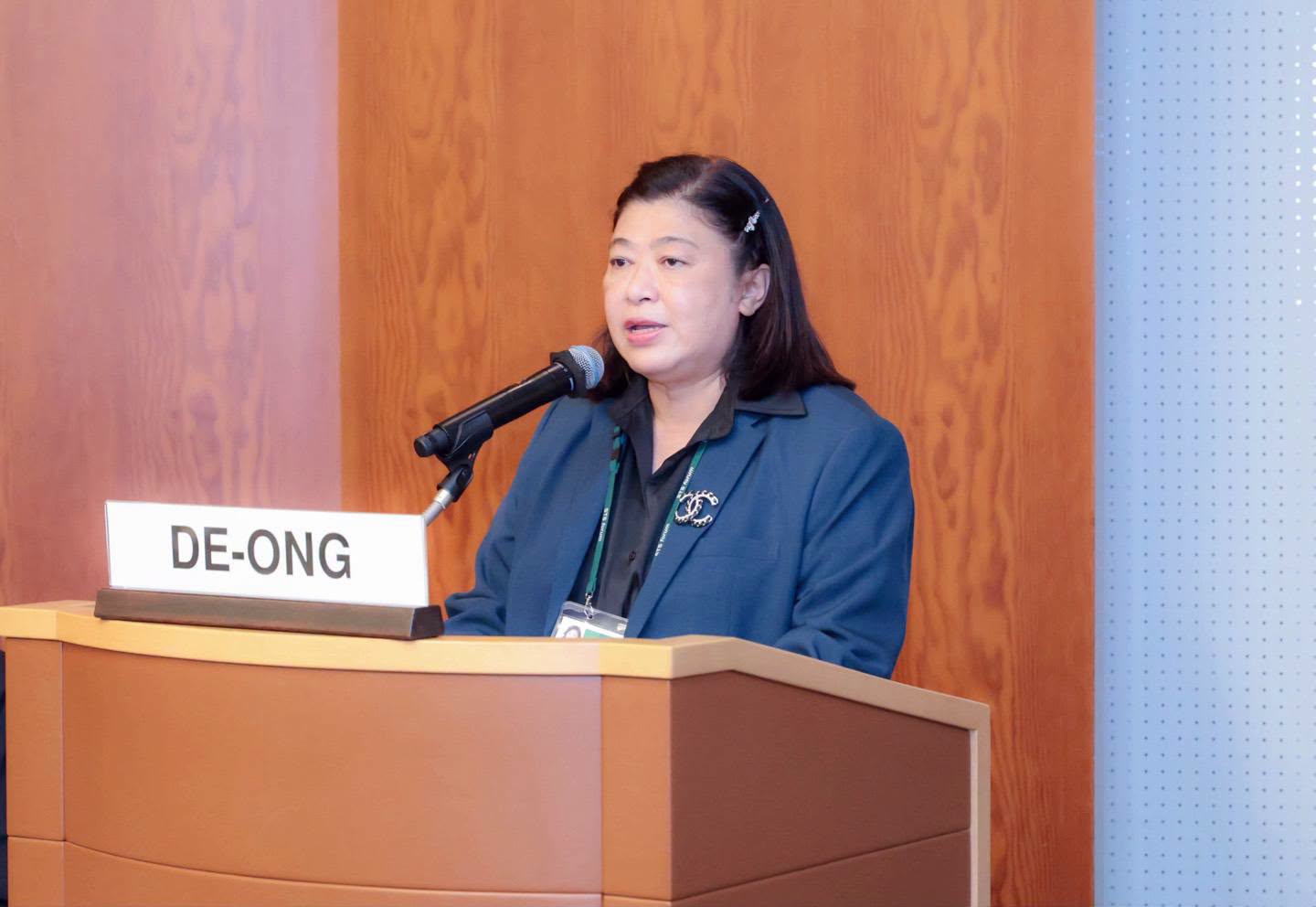
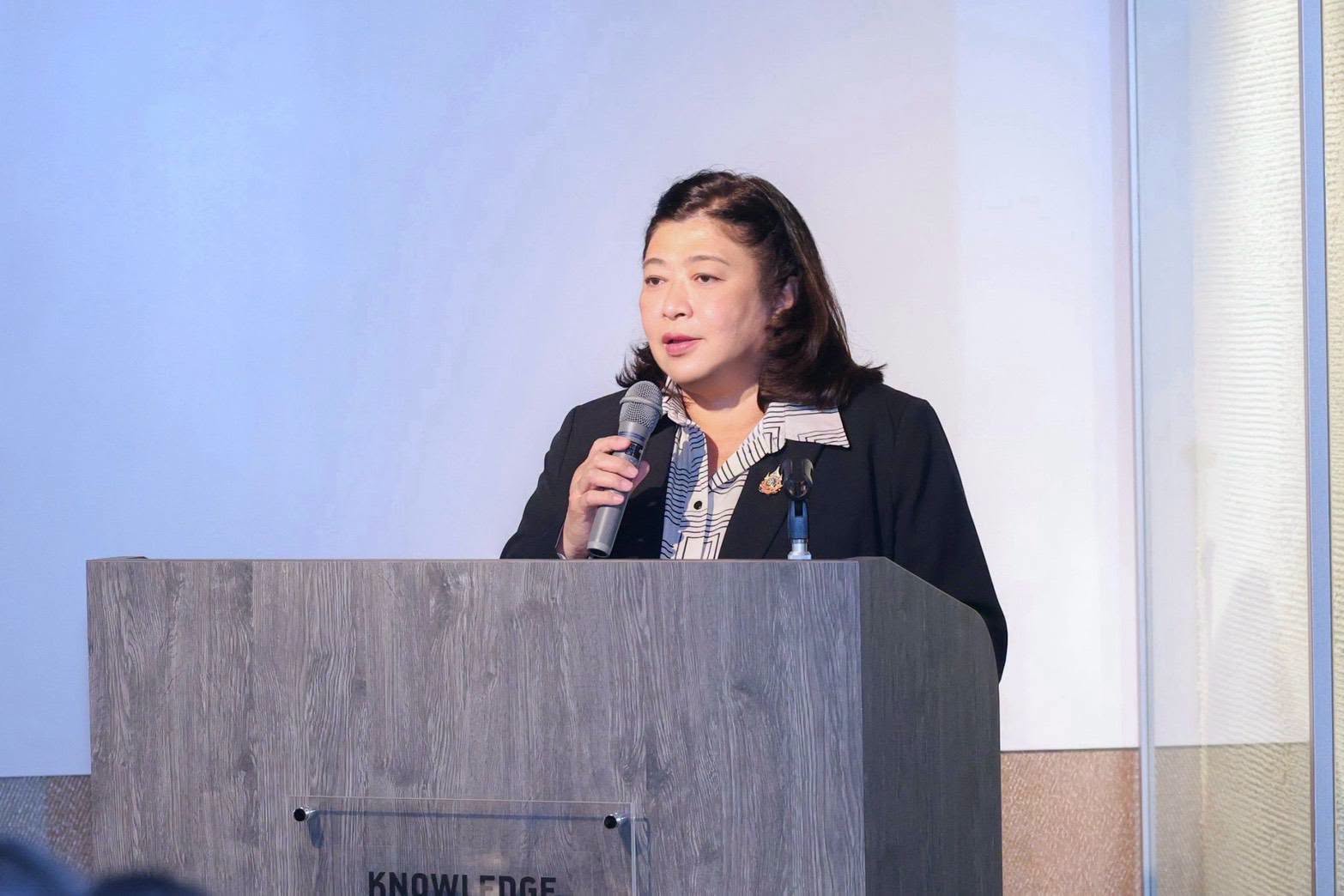
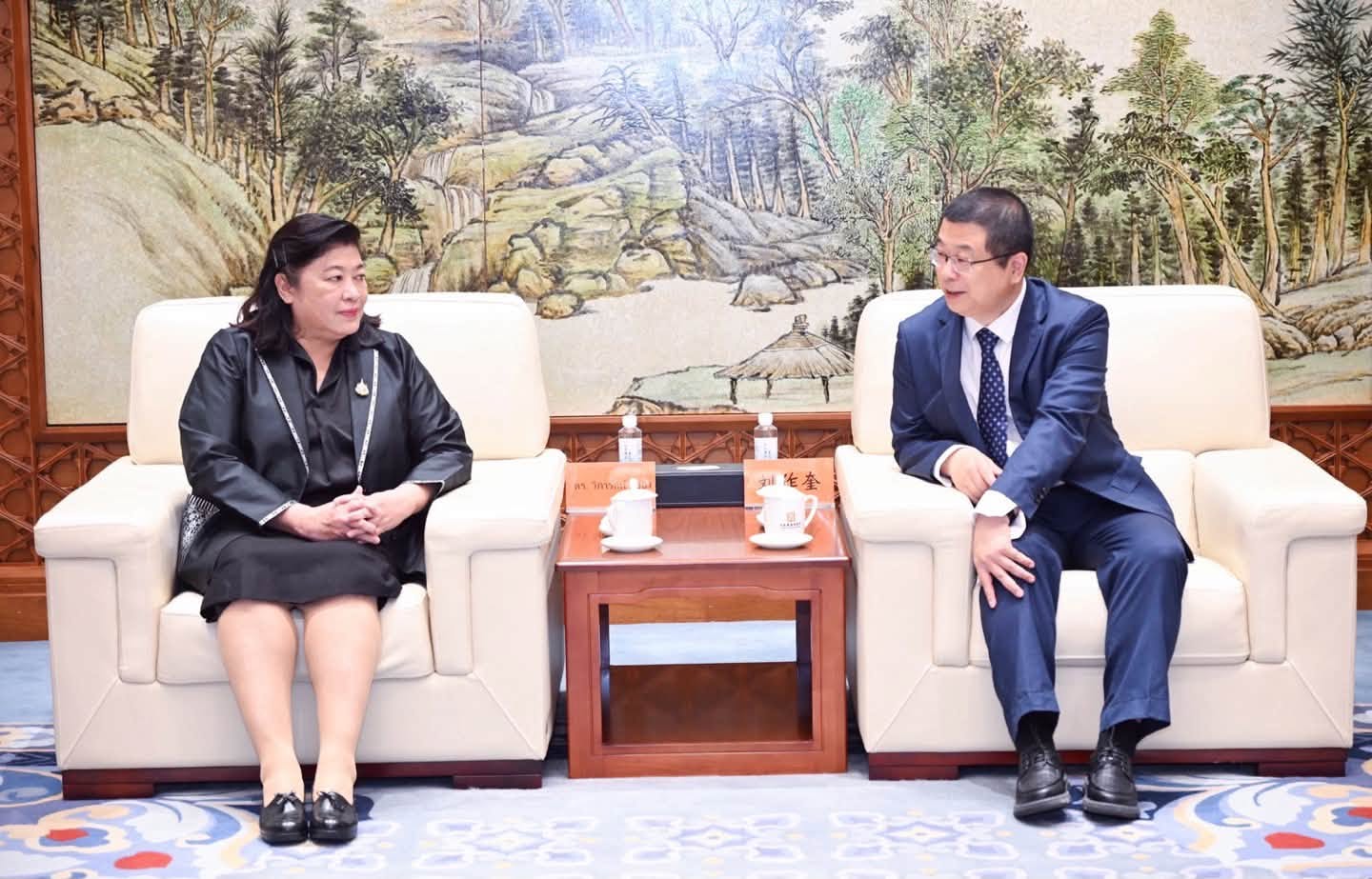
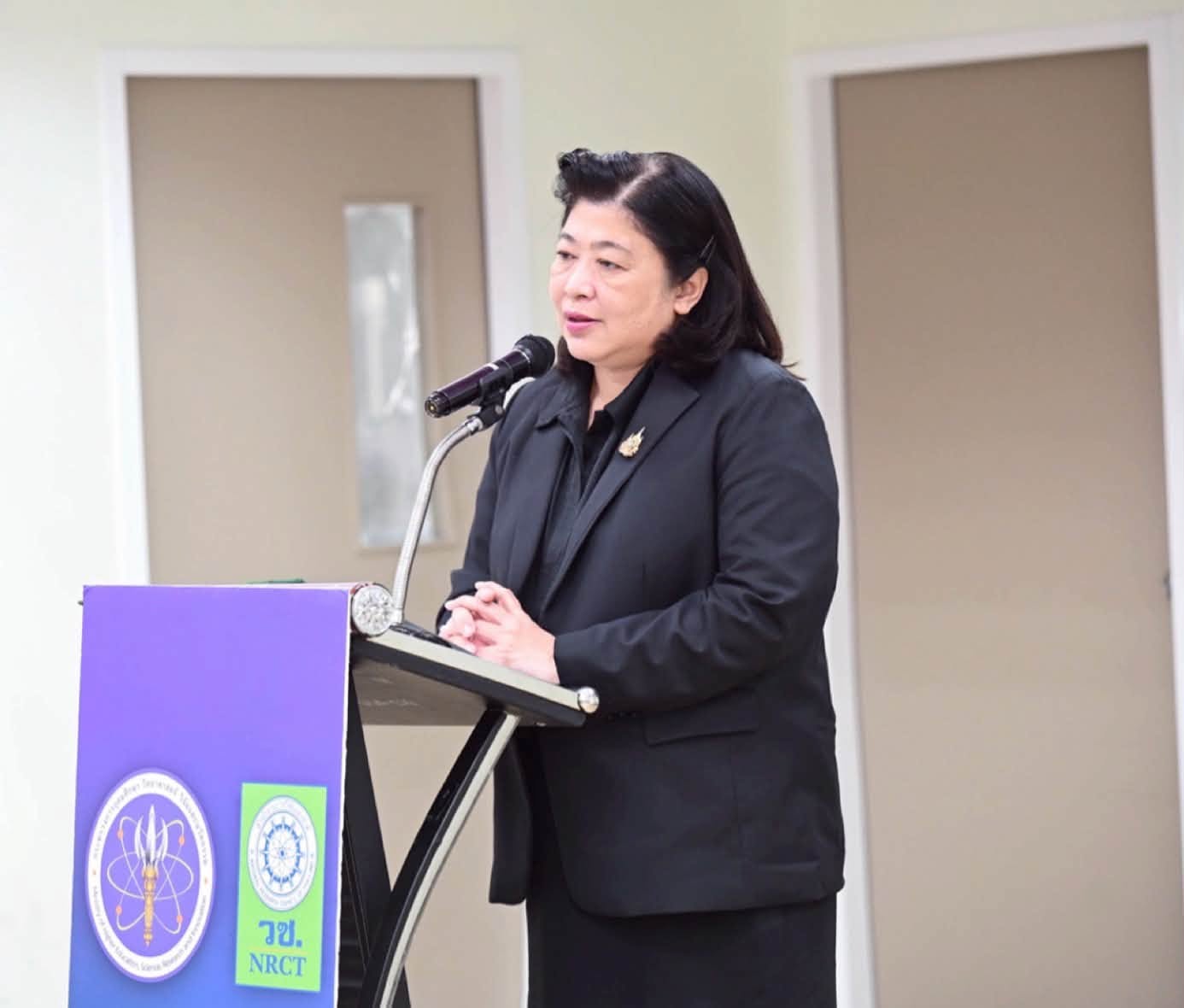
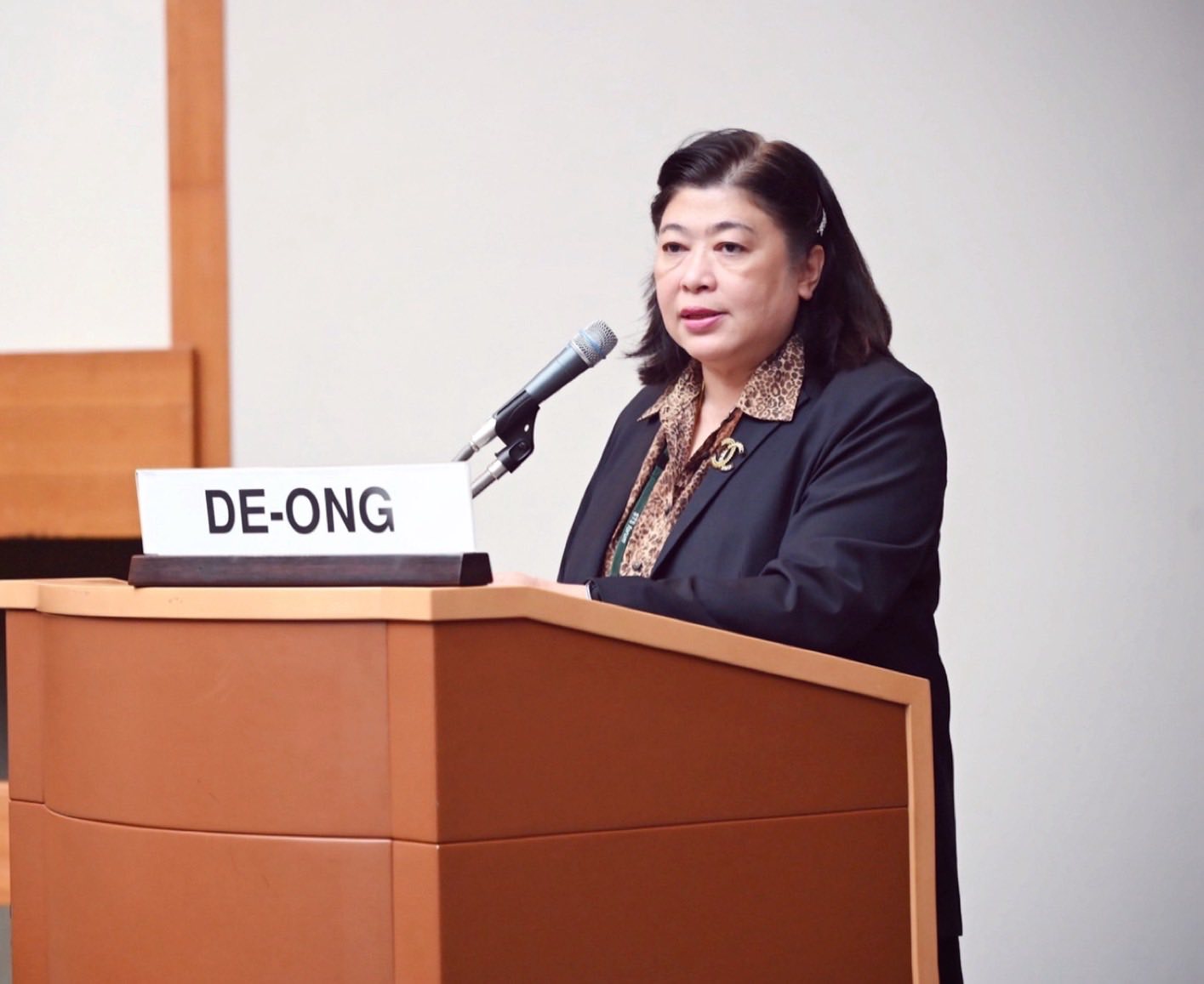
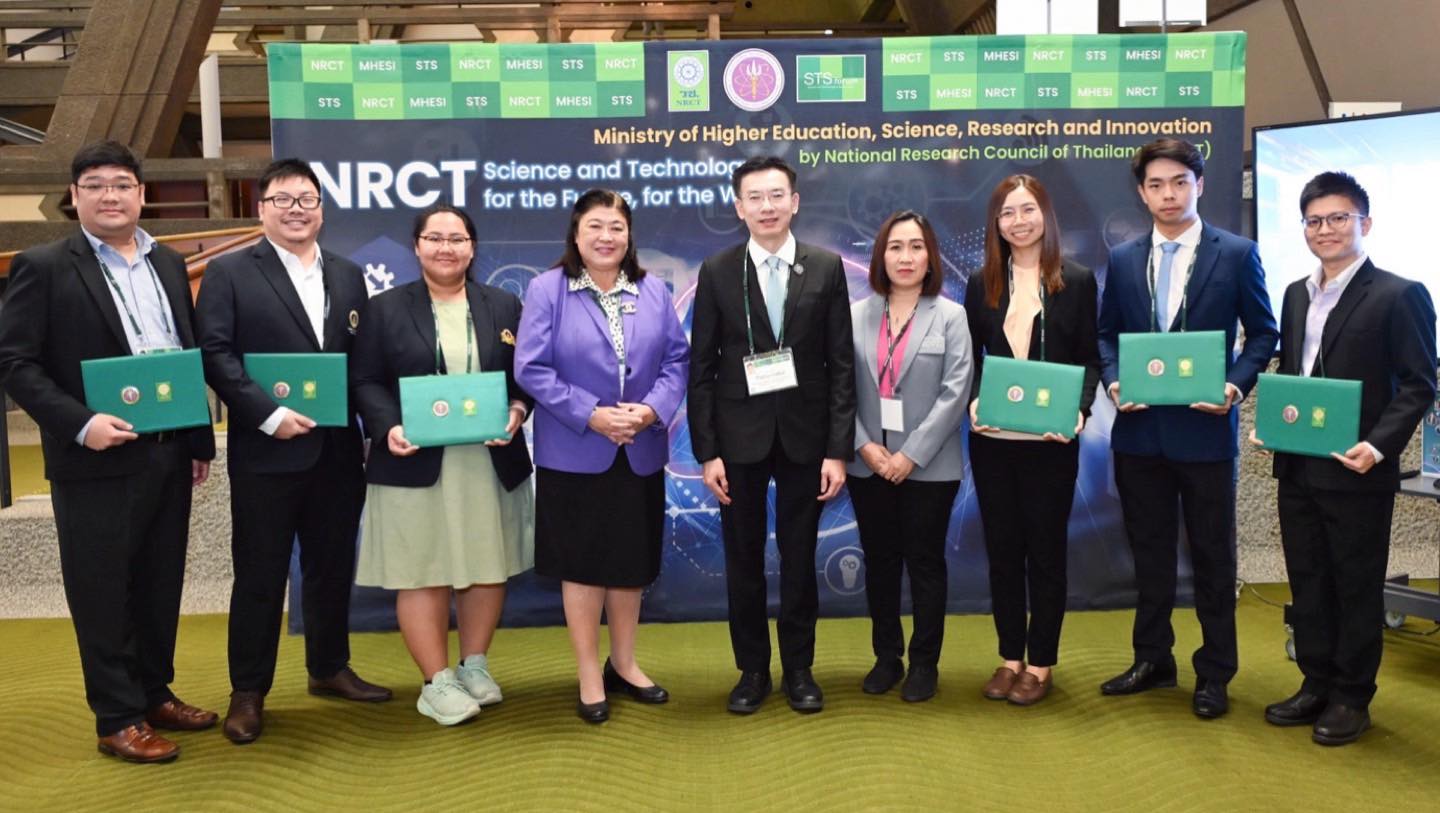
For this initiative, the National Research Council of Thailand (NRCT), under MHESI and represented by Dr. Wiparat De-ong, Director of the NRCT, joined the site visit to support the application of research-based solutions to address arsenic contamination. The initiative aims to translate research knowledge into practical applications and facilitate technology transfer to local communities, helping ensure efficient and sustainable access to safe water for daily use and consumption.
Regarding the water treatment innovations for arsenic contamination, MHESI presented two main systems:
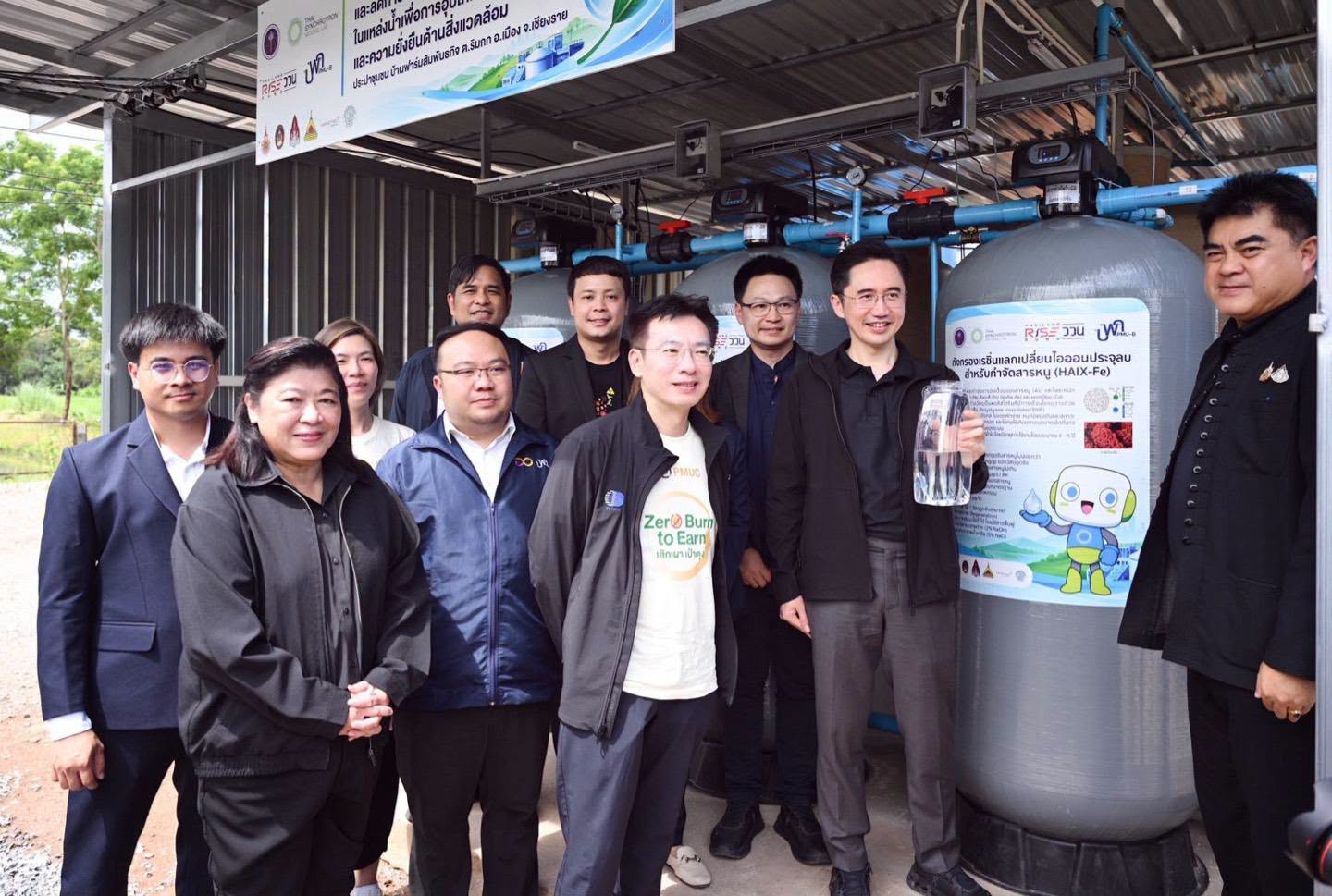
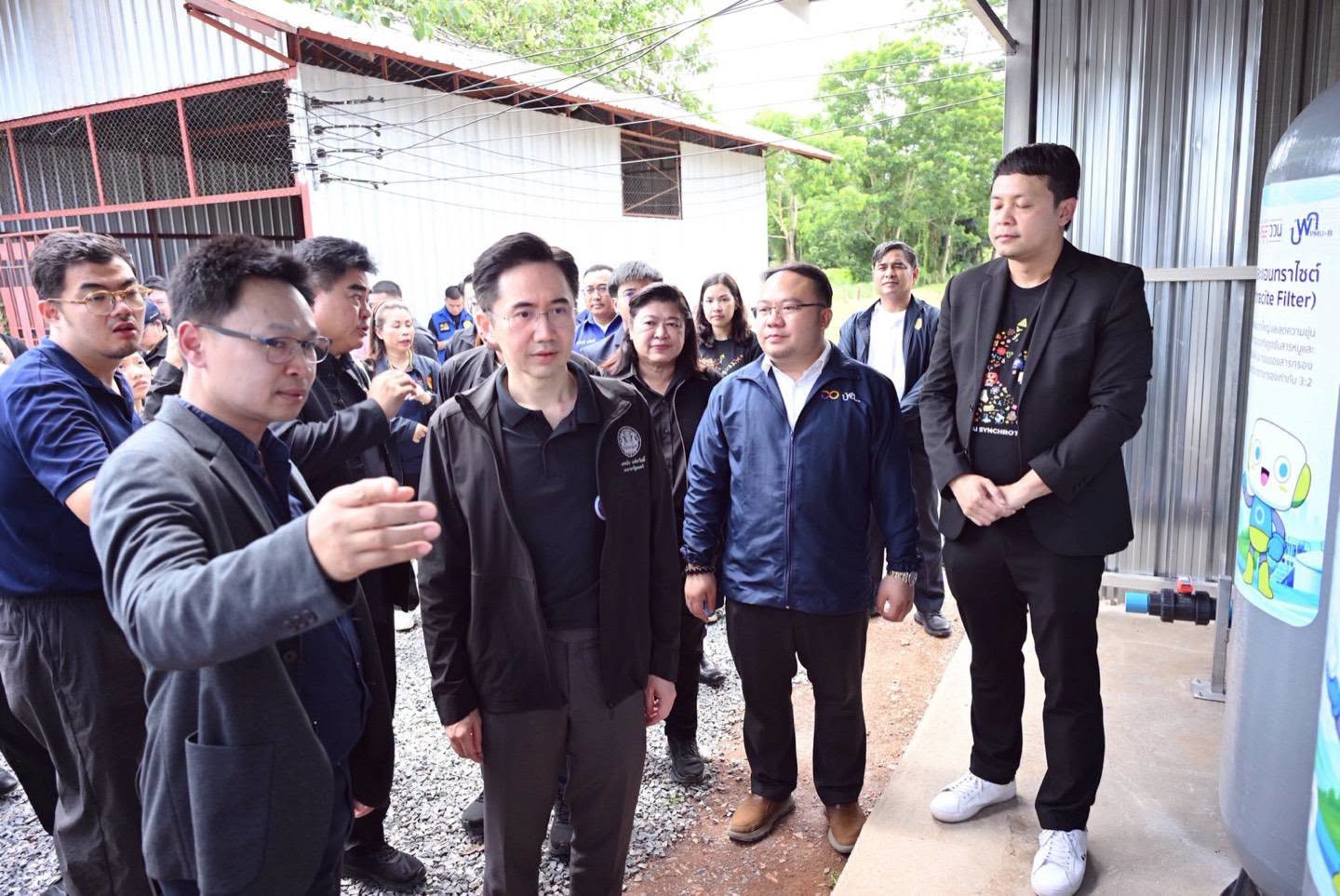
1. A water treatment and arsenic and heavy metal removal system for water sources used for consumption. The system applies synchrotron radiation and nanotechnology and consists of three filtration layers: sand and anthracite, activated carbon, and HAIX-Fe resin. According to the project results, the system can achieve 100% arsenic removal under the specified operating conditions. The resin can be washed, regenerated, and reused for approximately 4–5 years, helping reduce long-term operating costs.
2.AquaNano, a drinking water production and filtration system. This nanotechnology-based innovation incorporates a water quality monitoring system to support the production of safe and clean drinking water for communities.
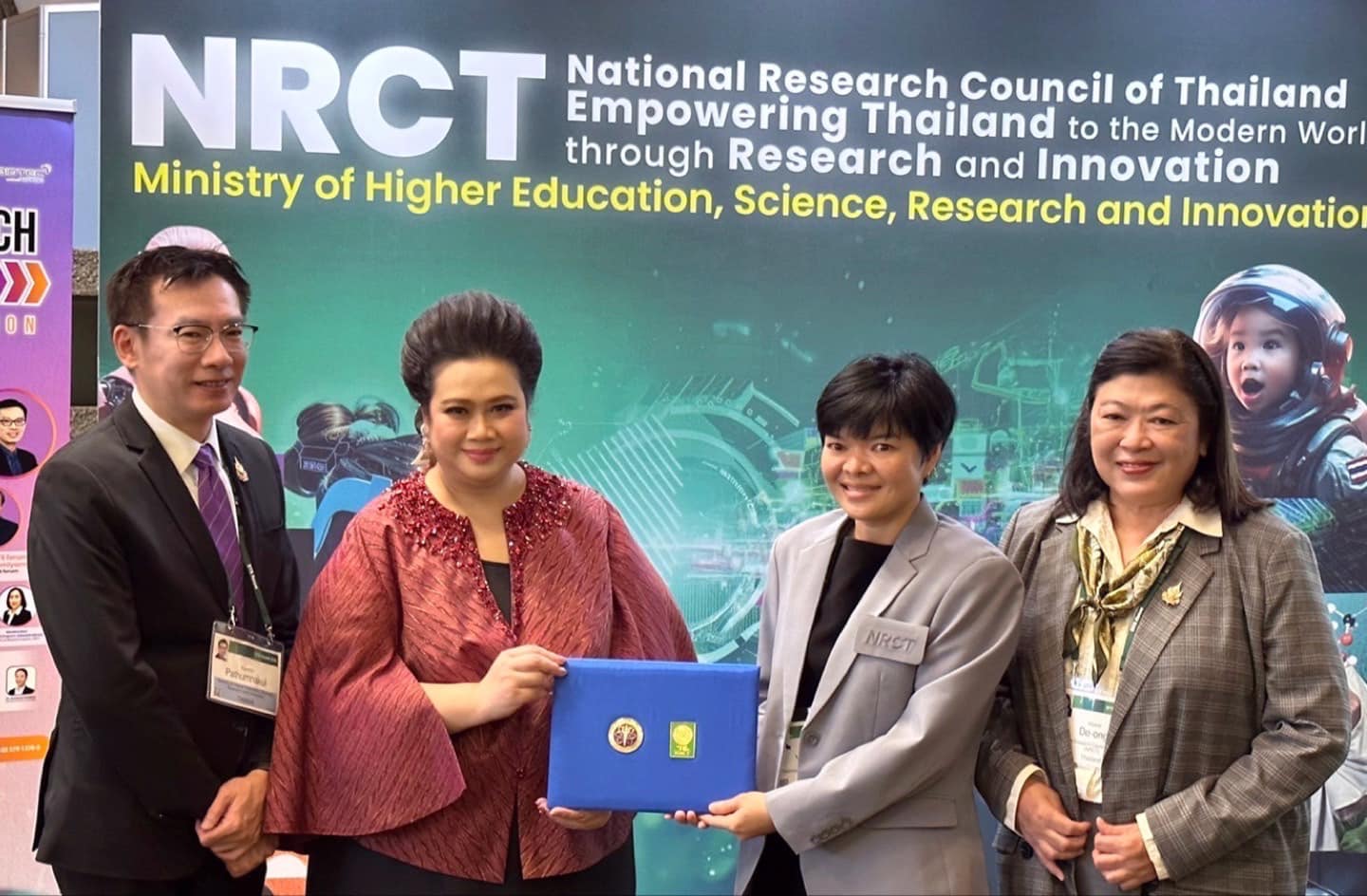
At the same time, MHESI held a handover ceremony for the water treatment systems to local community leaders:
Ban Farm Samphanthakit (Moo 6, Rim Kok Subdistrict) received the arsenic and heavy metal treatment system and the AquaNano machine, accepted by Village Headman Mr. Suphan Thaui.
Ban Mueang Ngim (Rim Kok Subdistrict) received the Model Village Water Supply System for Arsenic Removal, accepted by Subdistrict Headman Mr. Amnat Assawawong.
Ban Rim Kok (Rim Kok Subdistrict) received the Model Village Water Supply System for Arsenic Removal, accepted by Village Headman Mr. Tawatchai Montreekul.
The systems will be installed and implemented in the respective communities to help address water quality challenges and provide residents with sustainable access to safe water, while supporting longer-term efforts to address arsenic contamination at its source.