CASS Leads NRCT Delegation on Study Visit to the Chinese Archaeological Museum in Beijing
17 September 2026


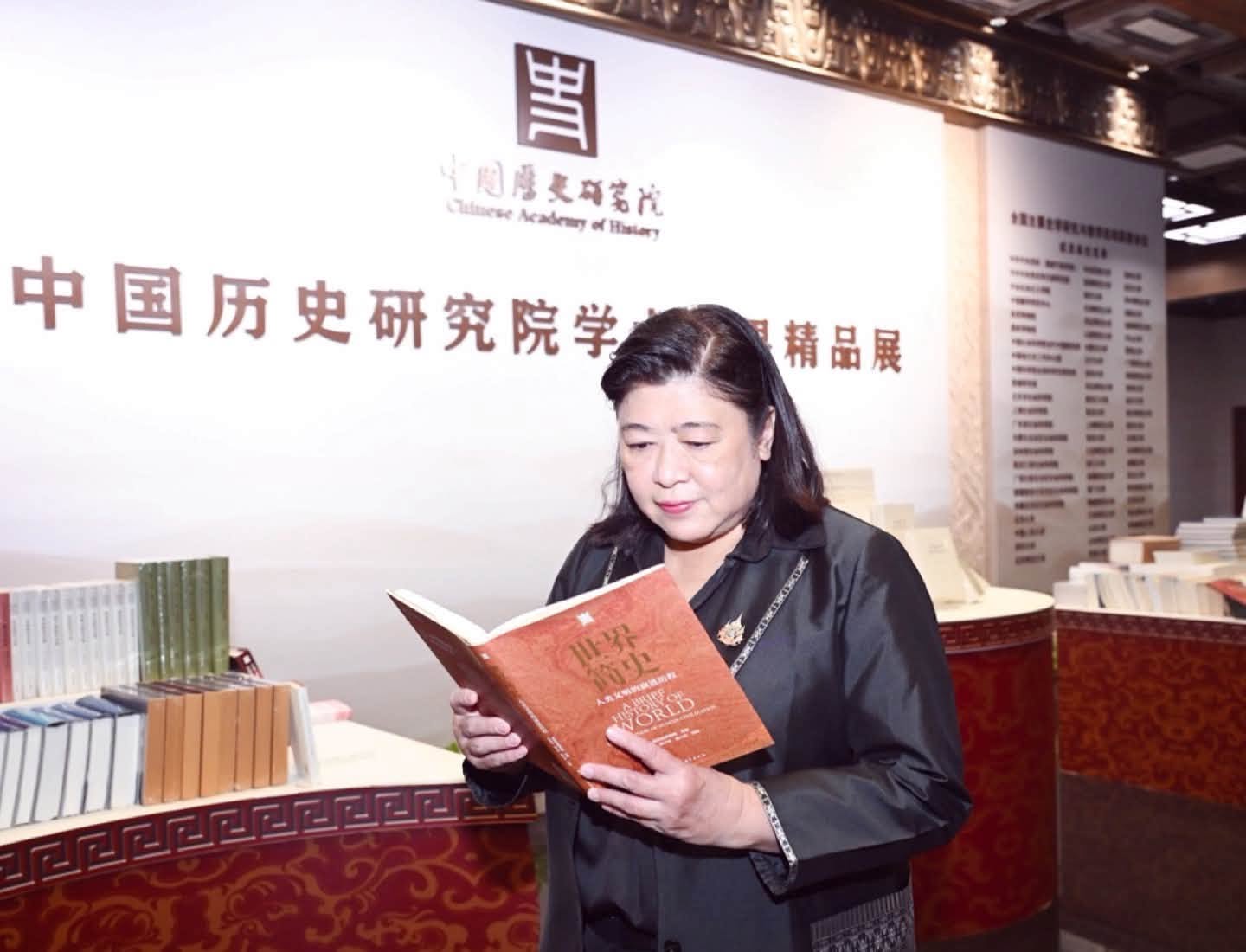
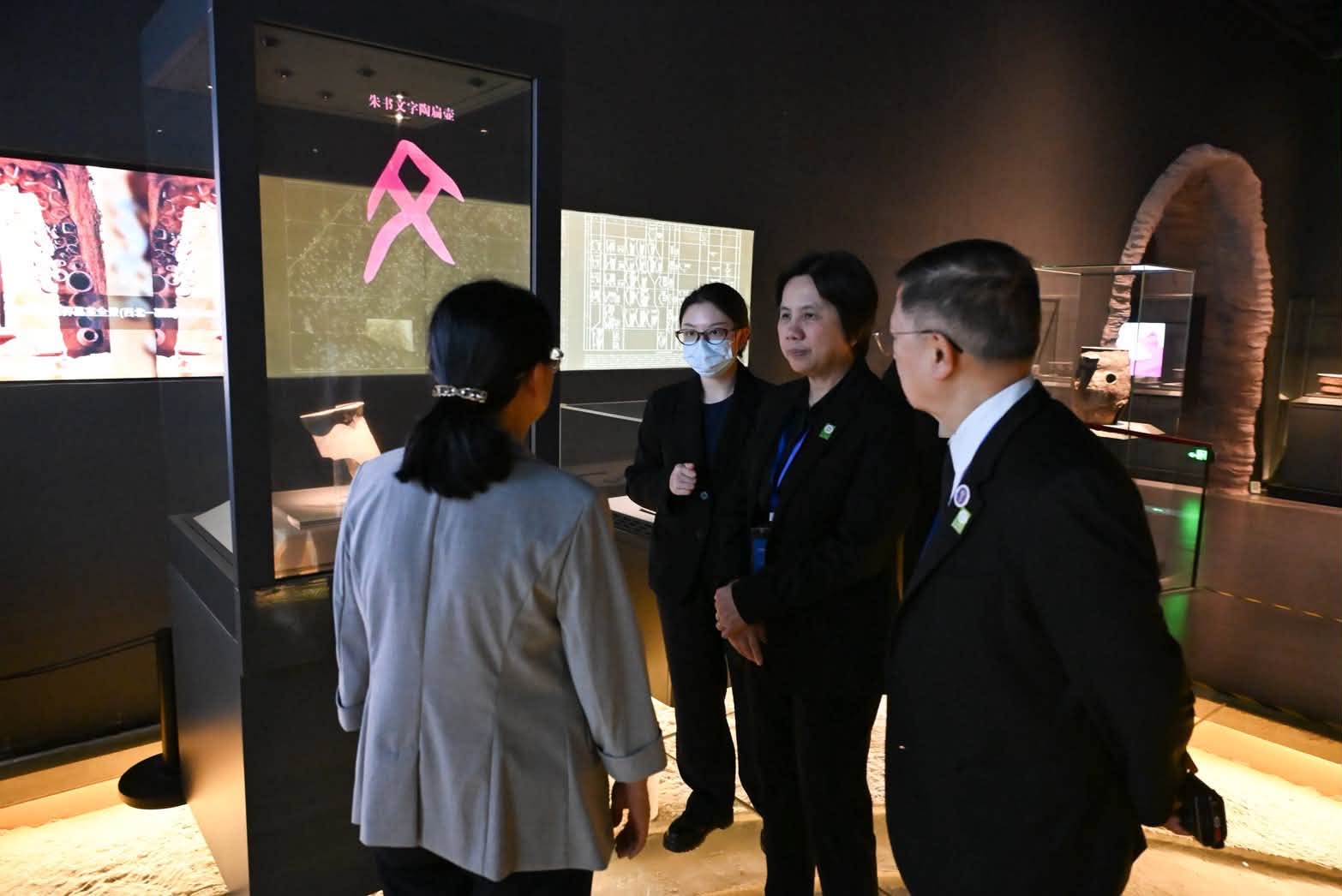
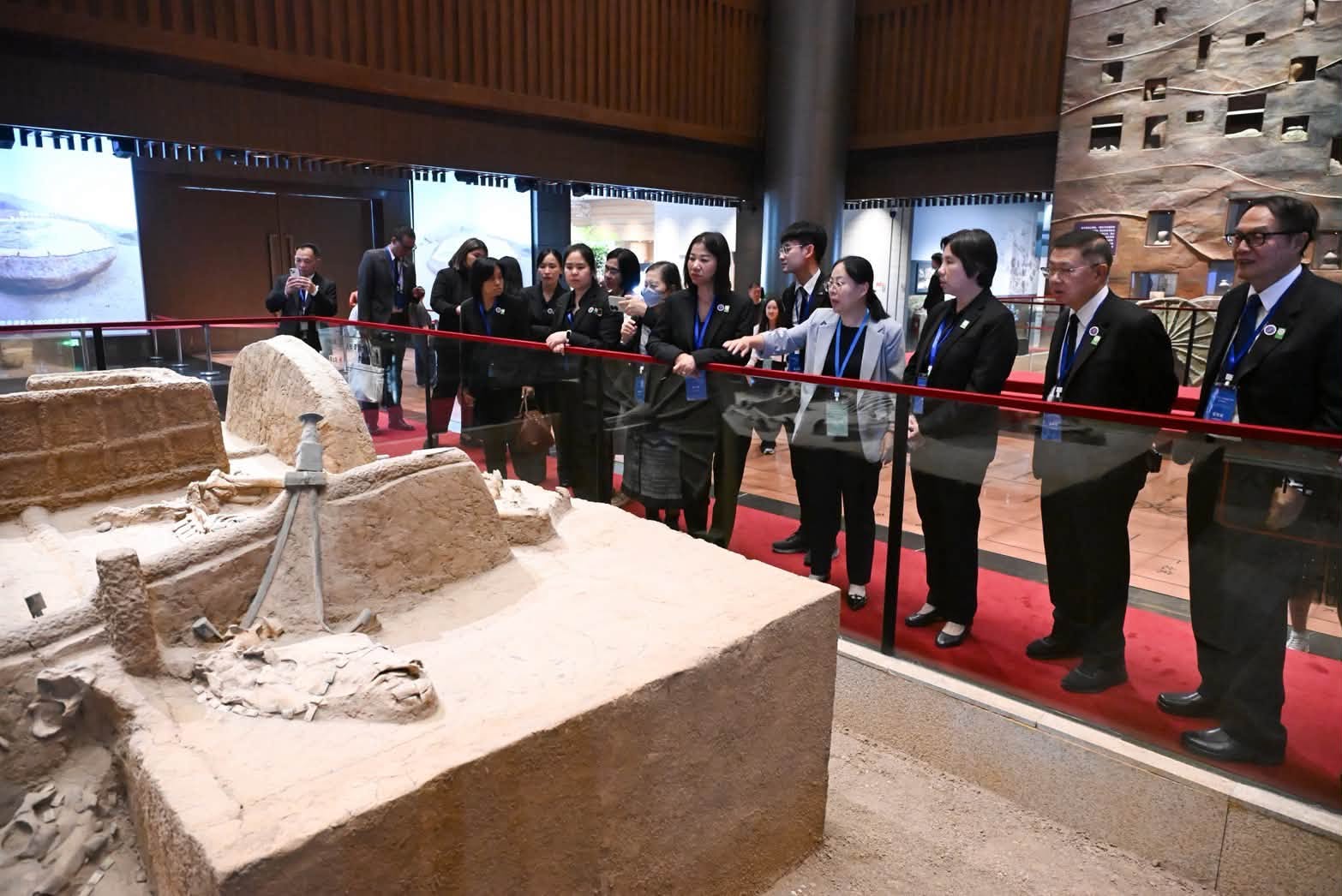
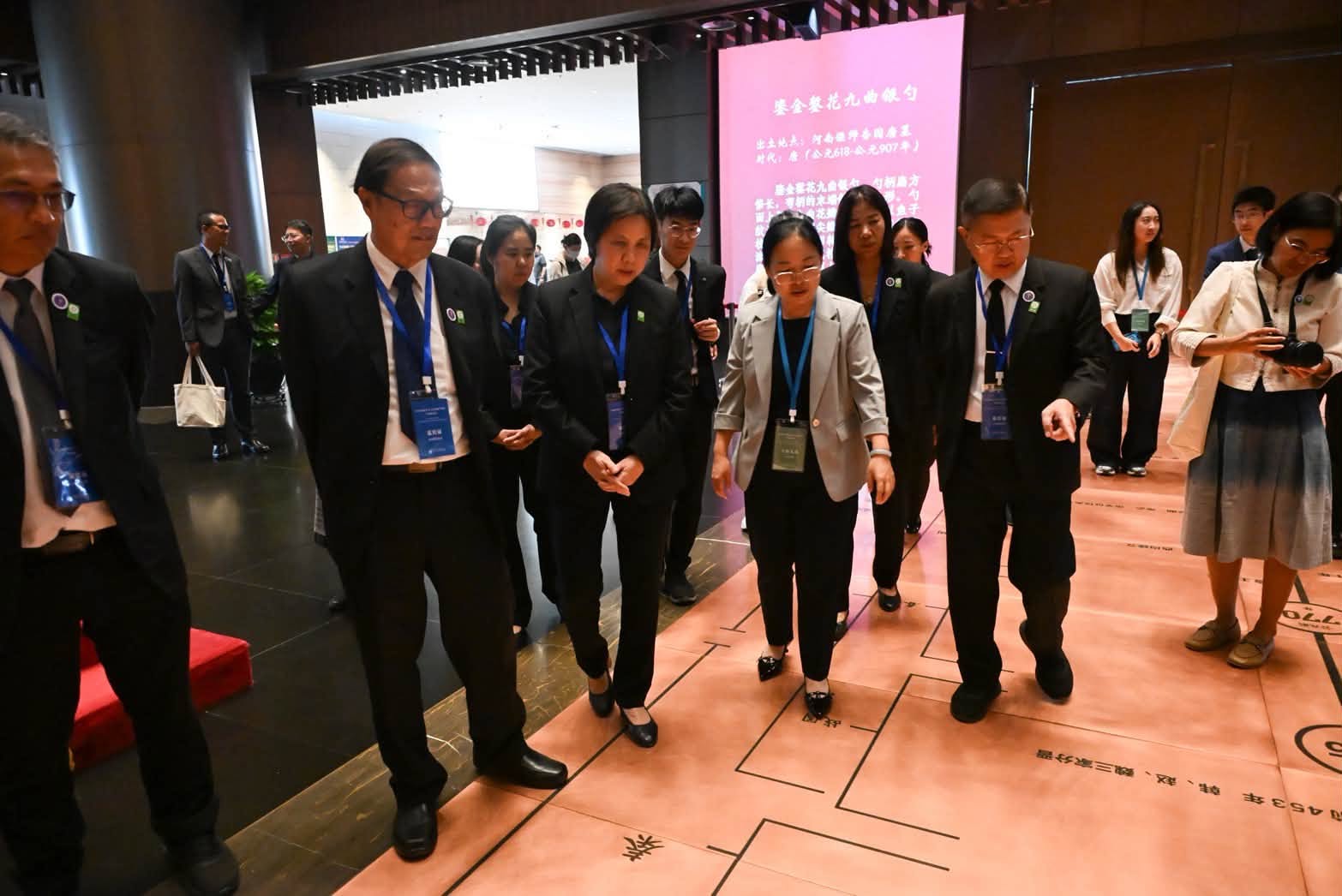
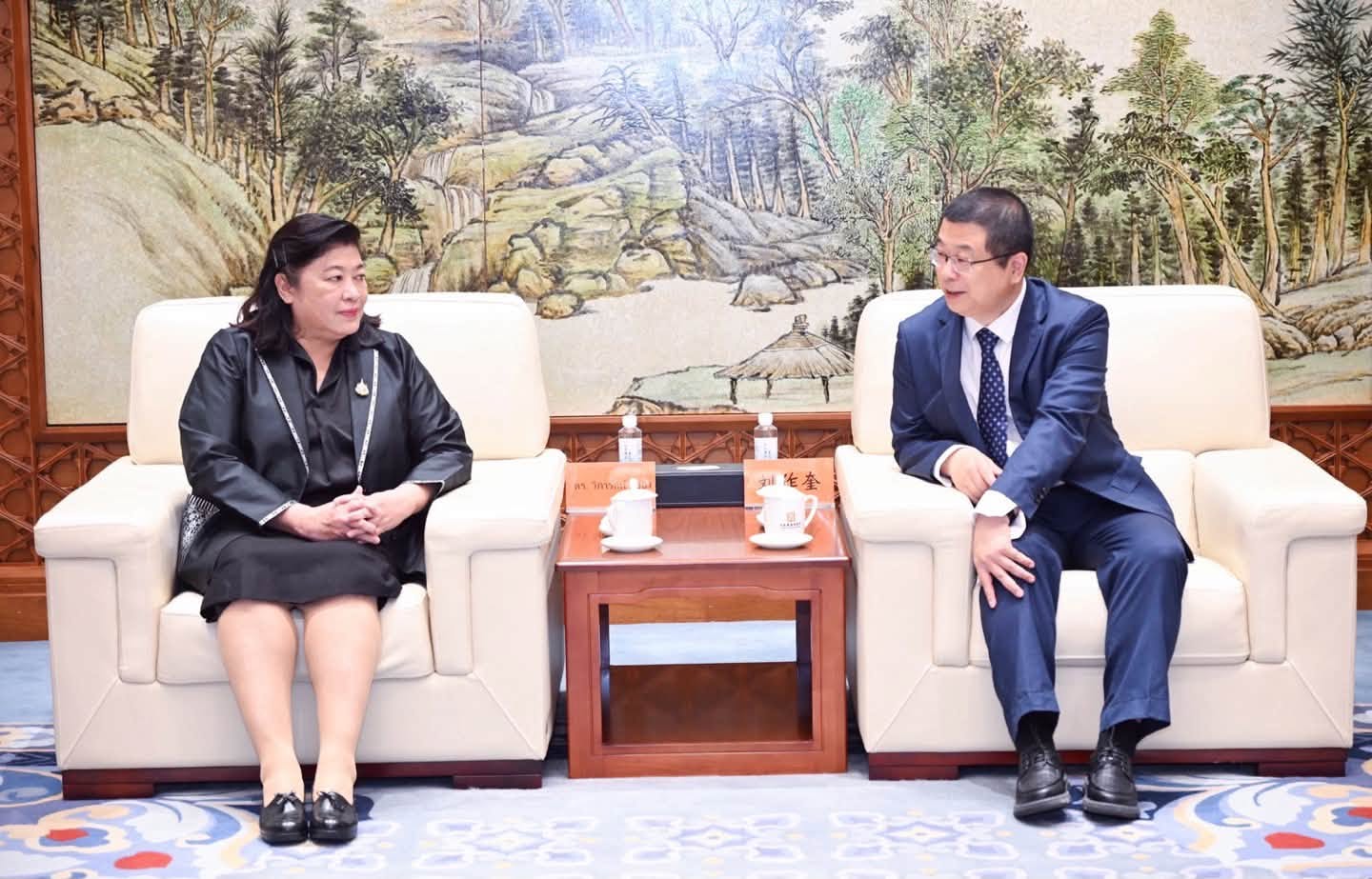
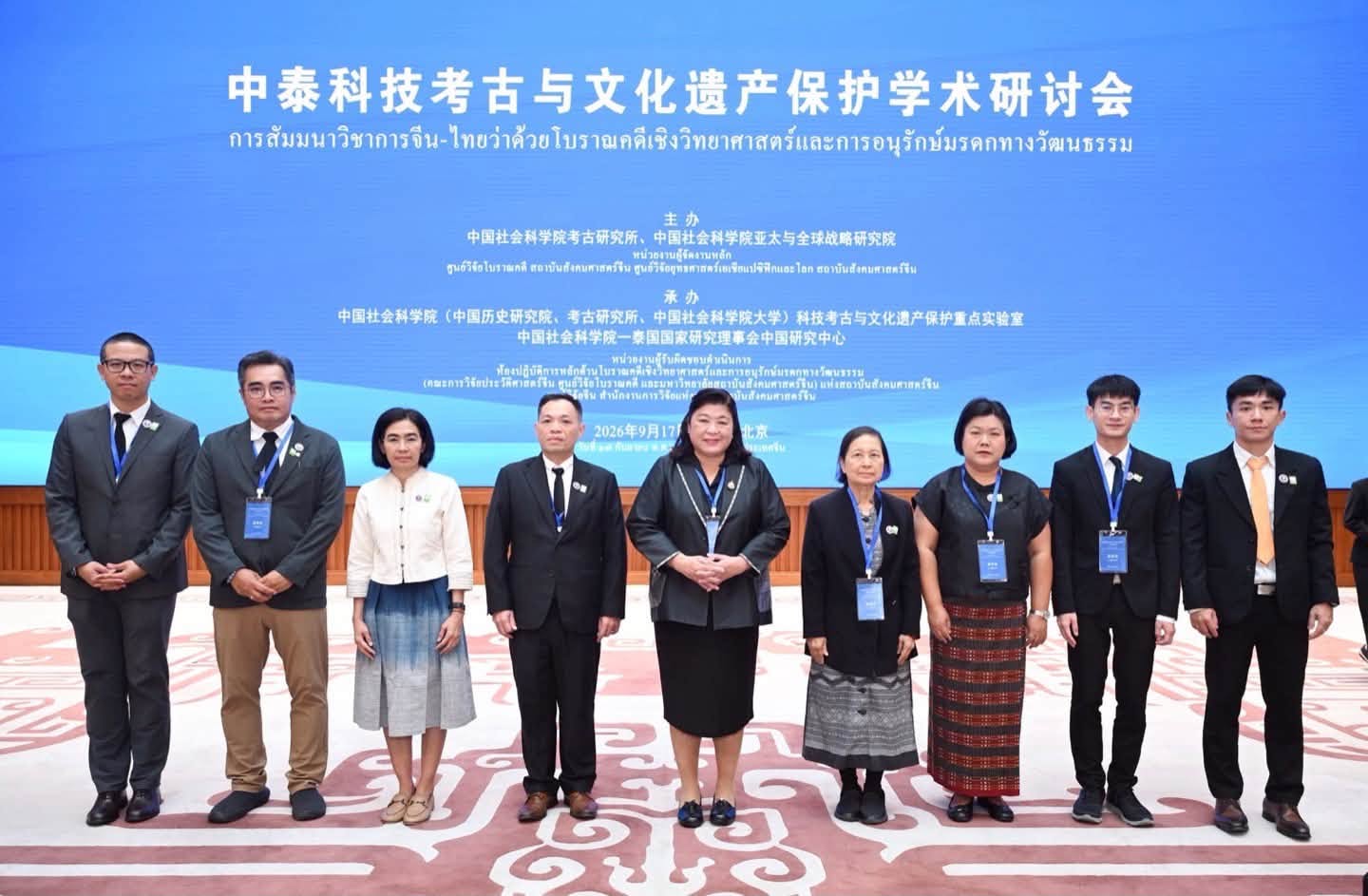
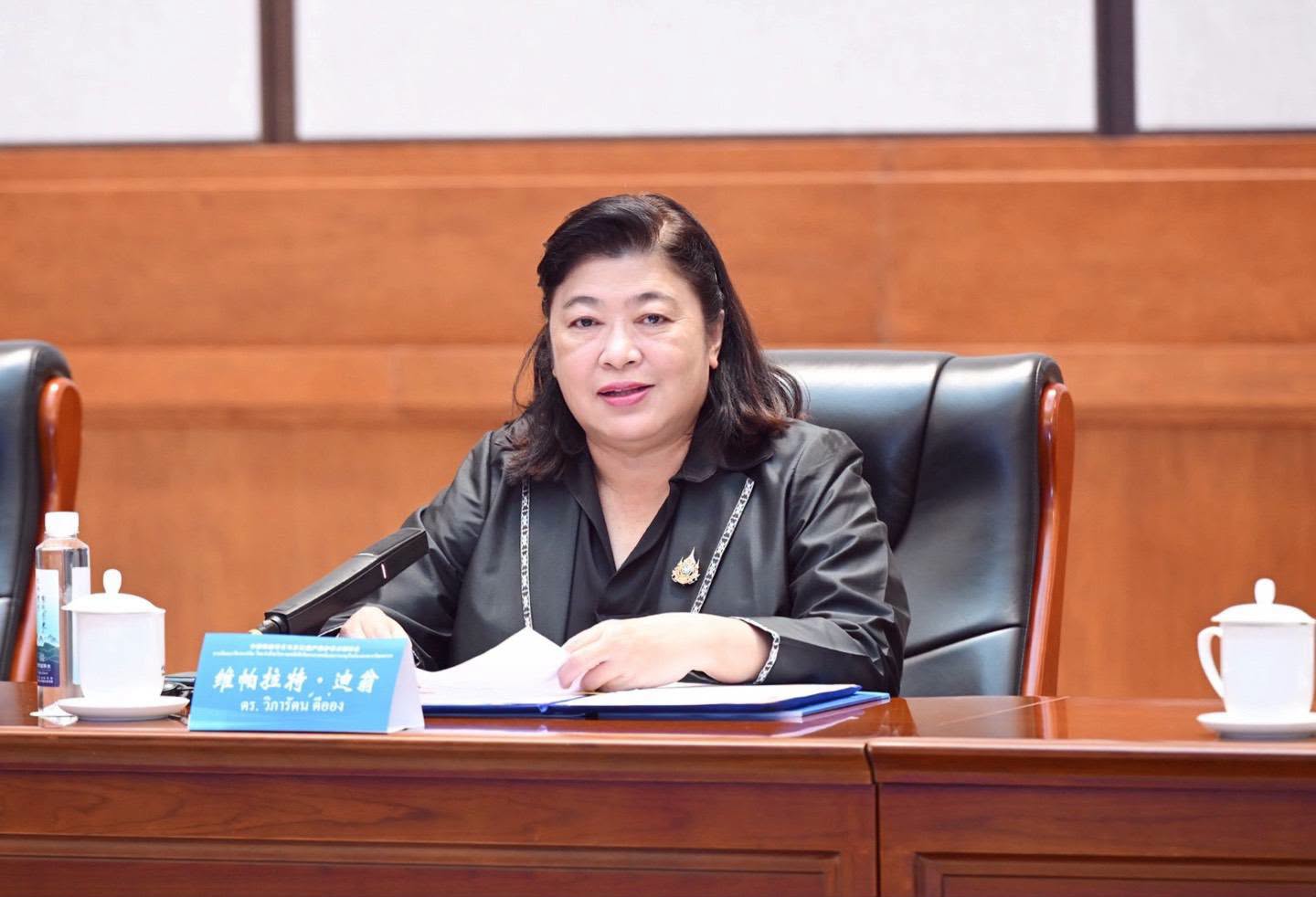
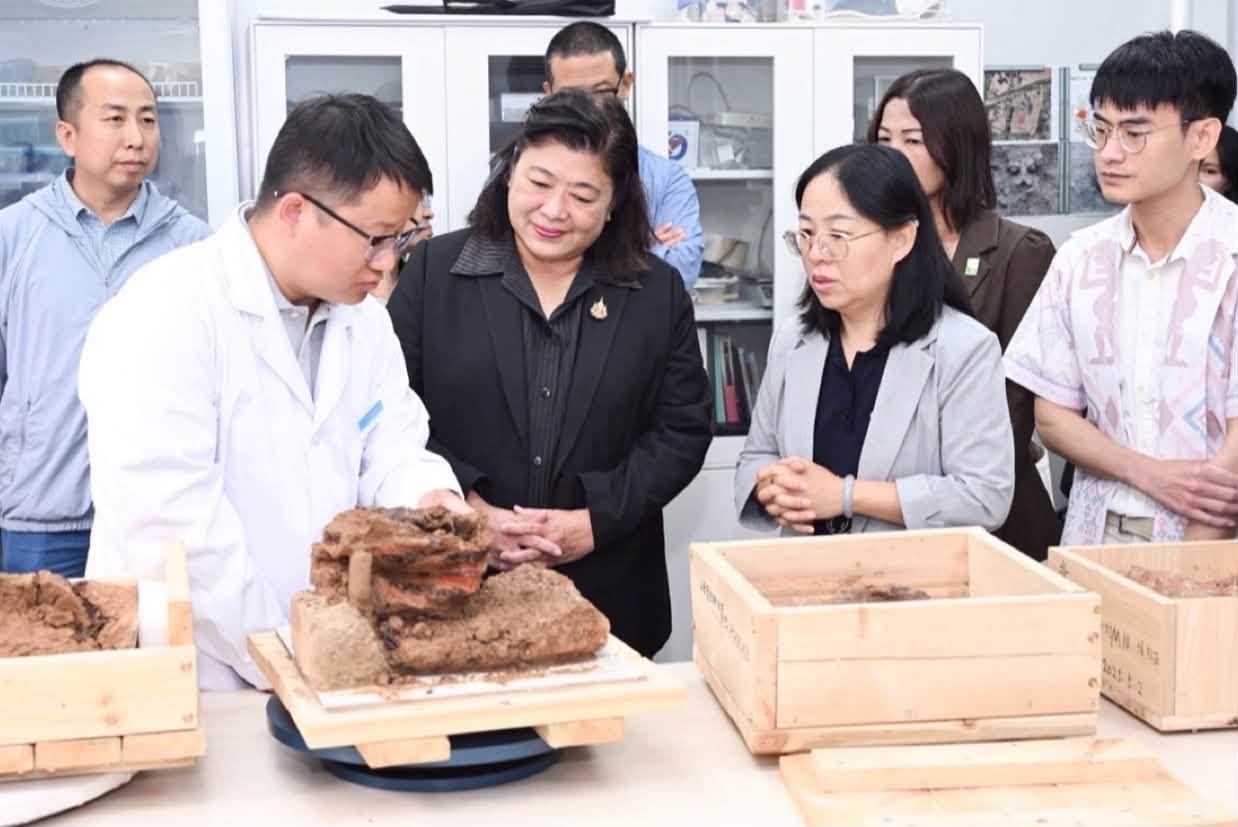
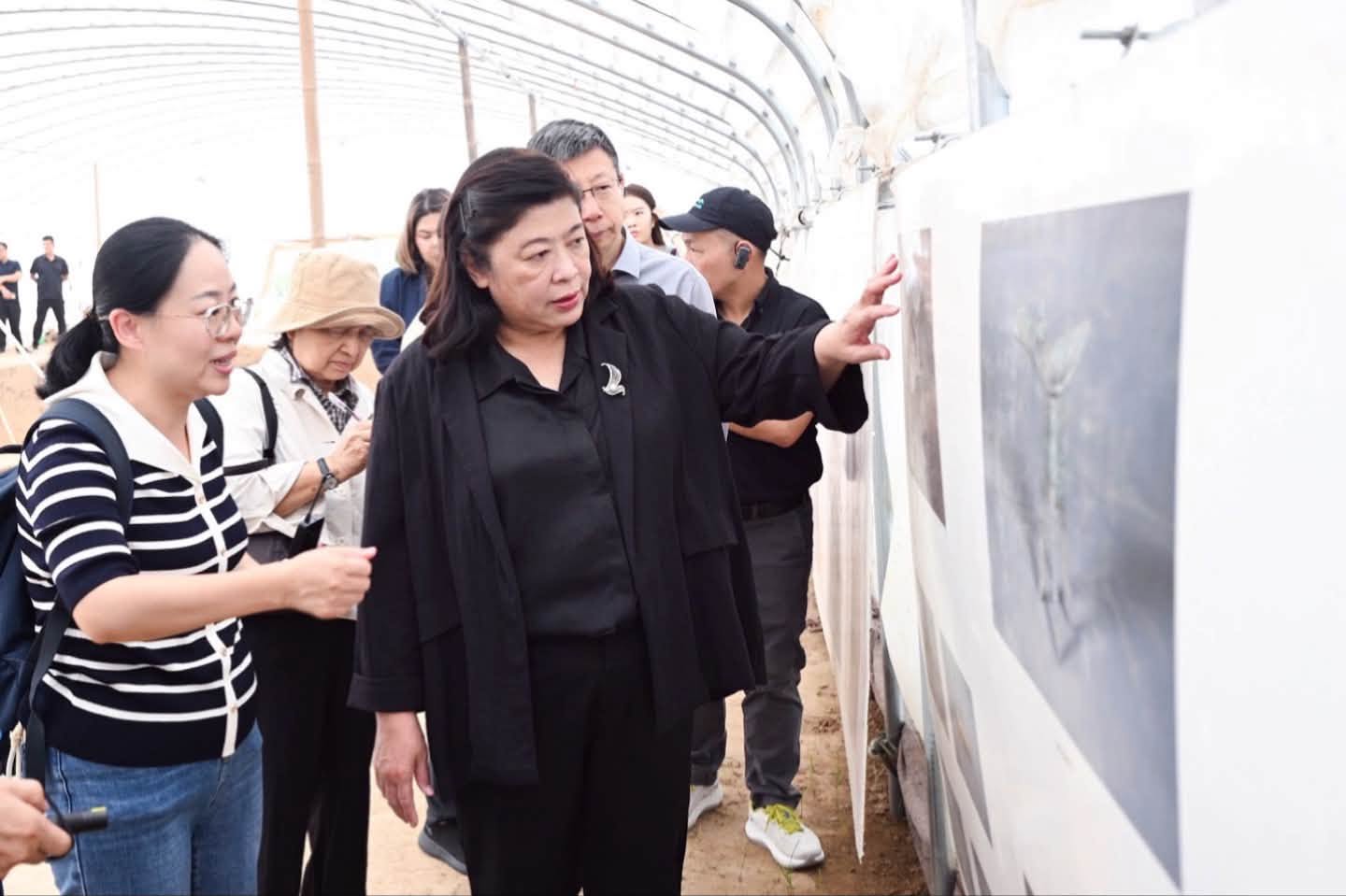
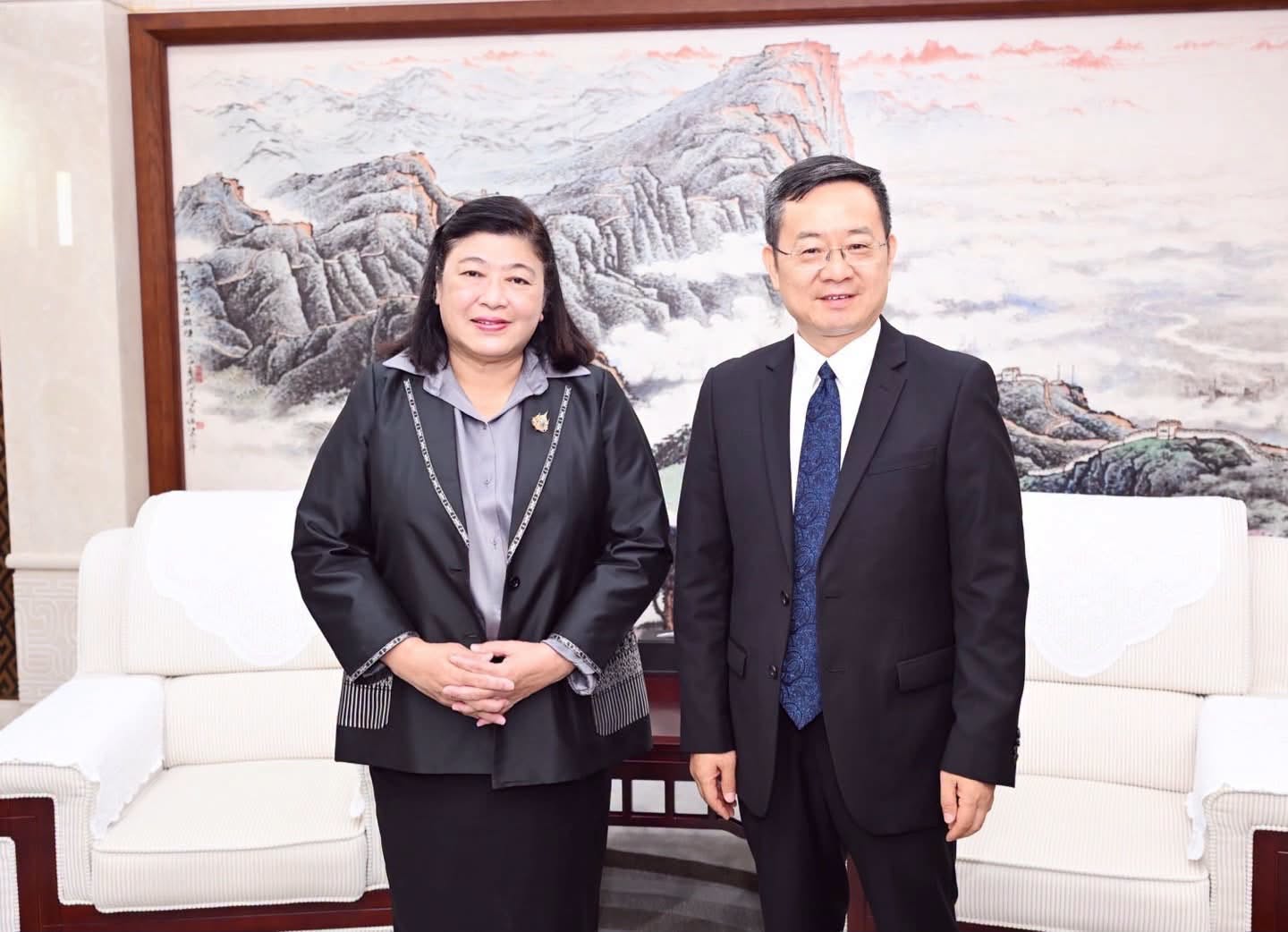
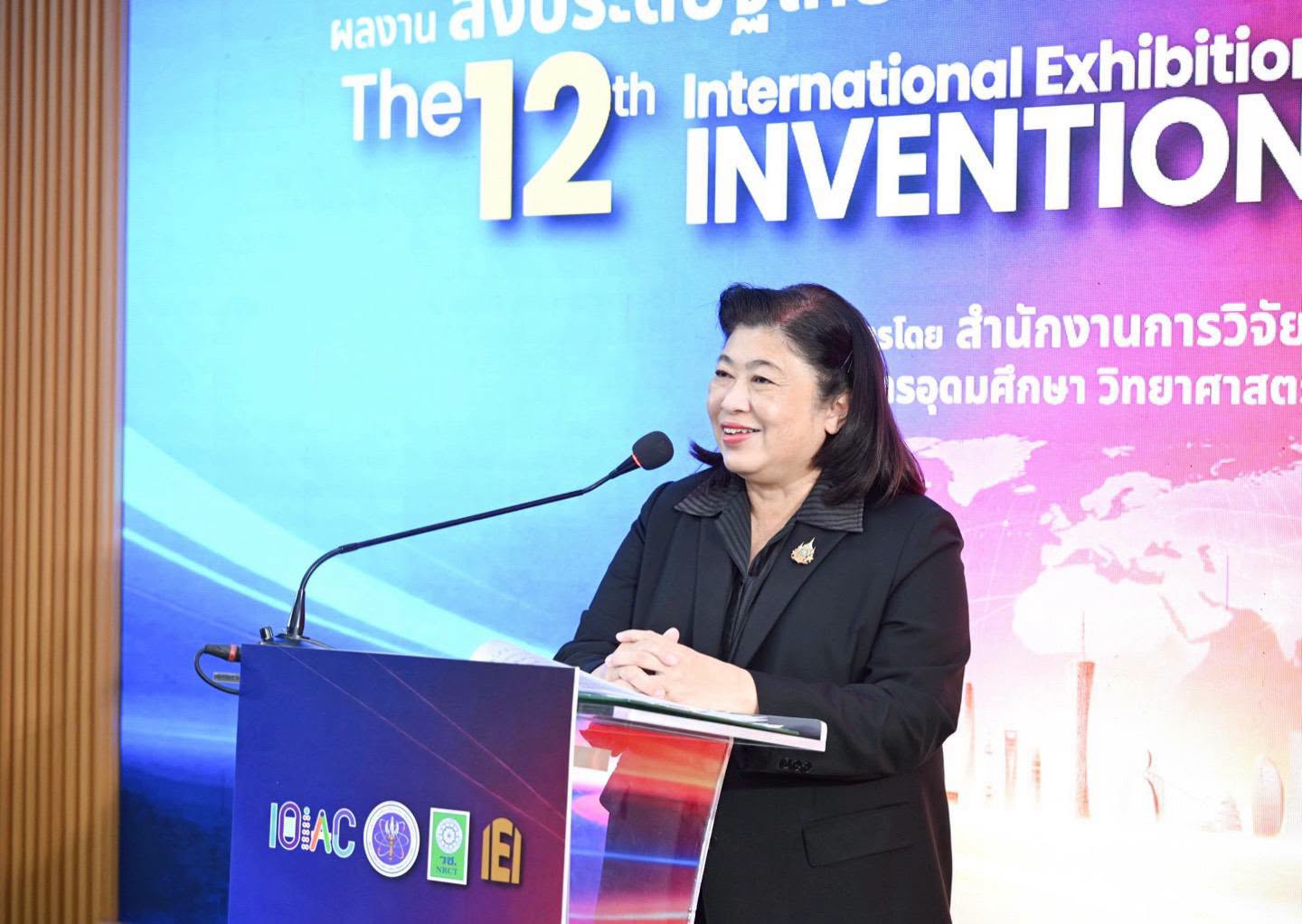
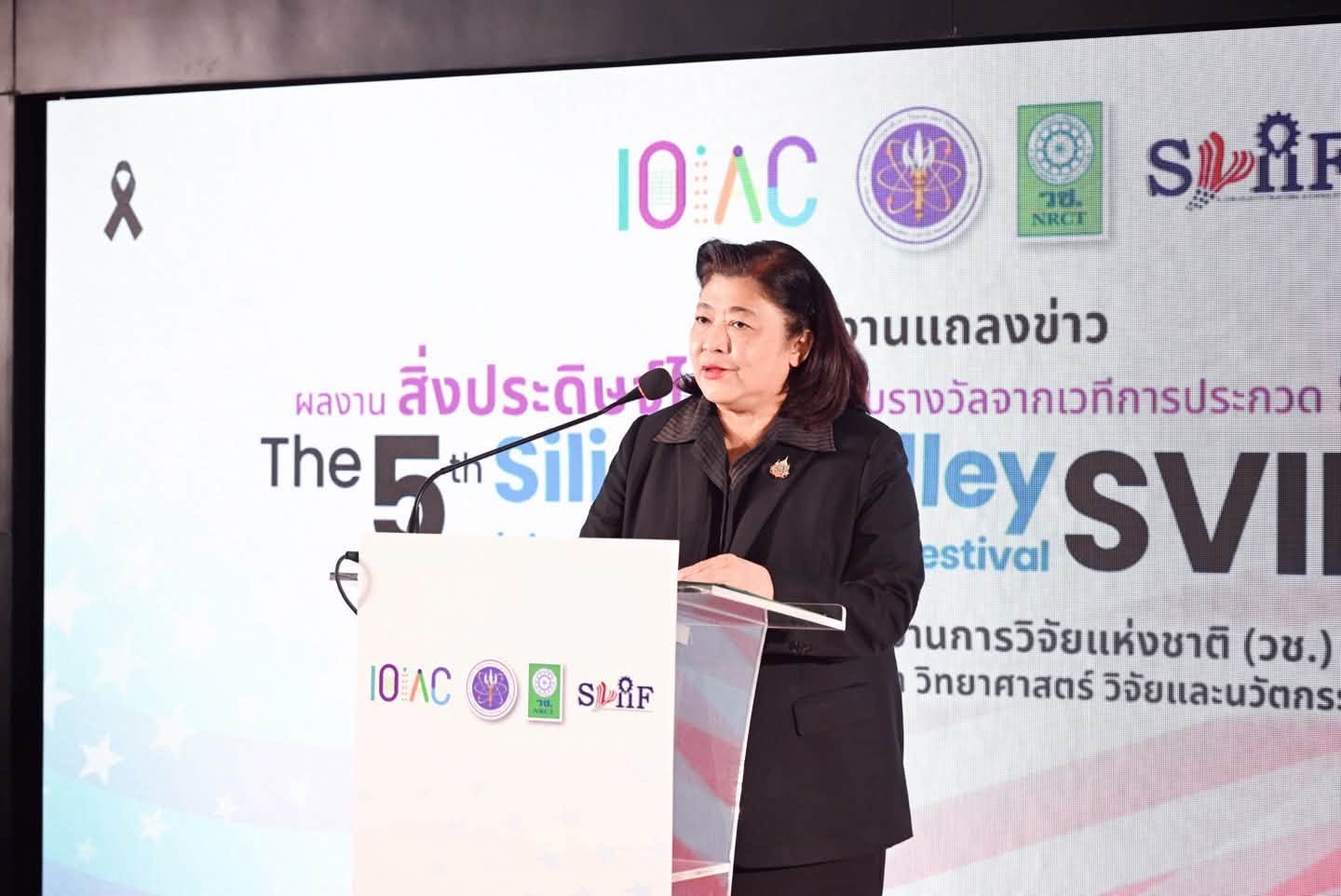
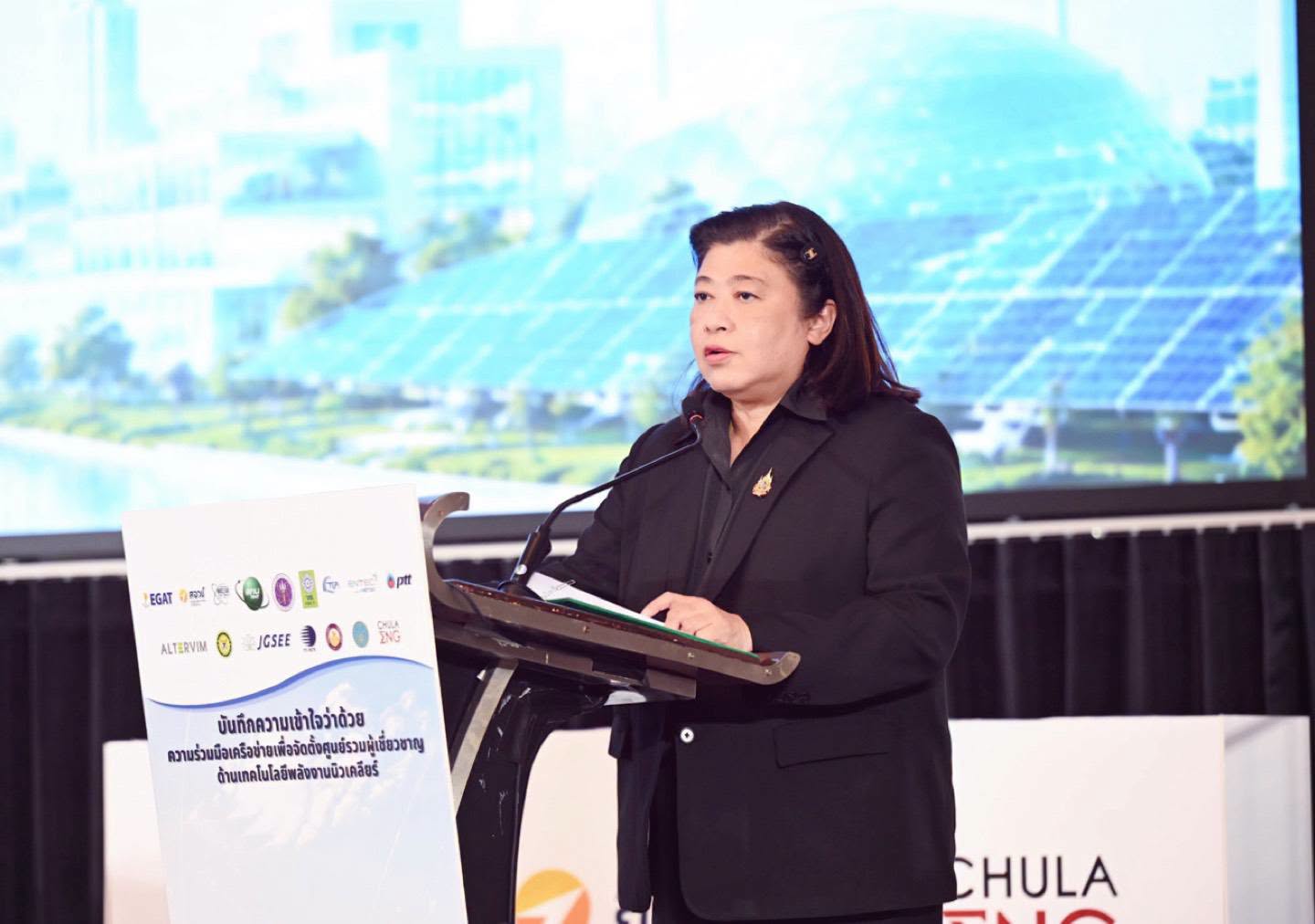
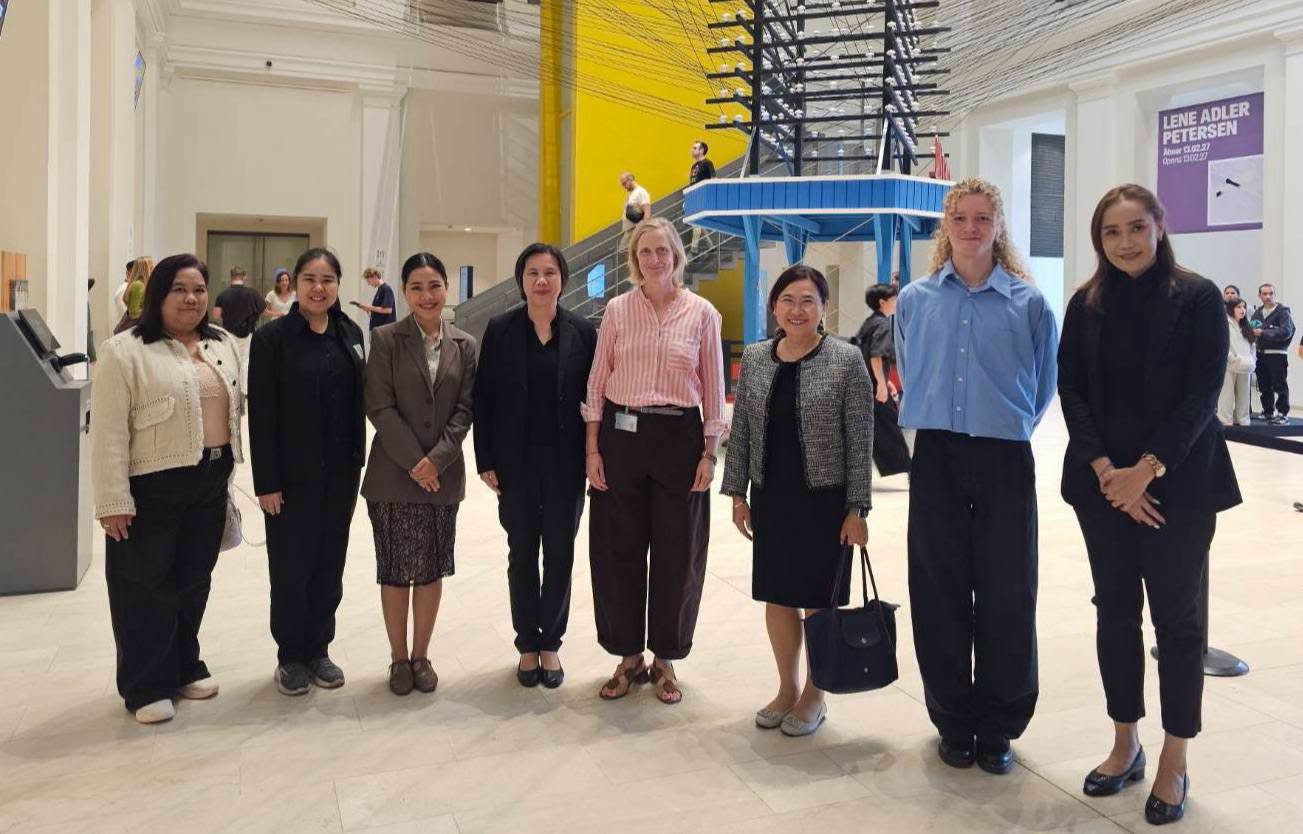
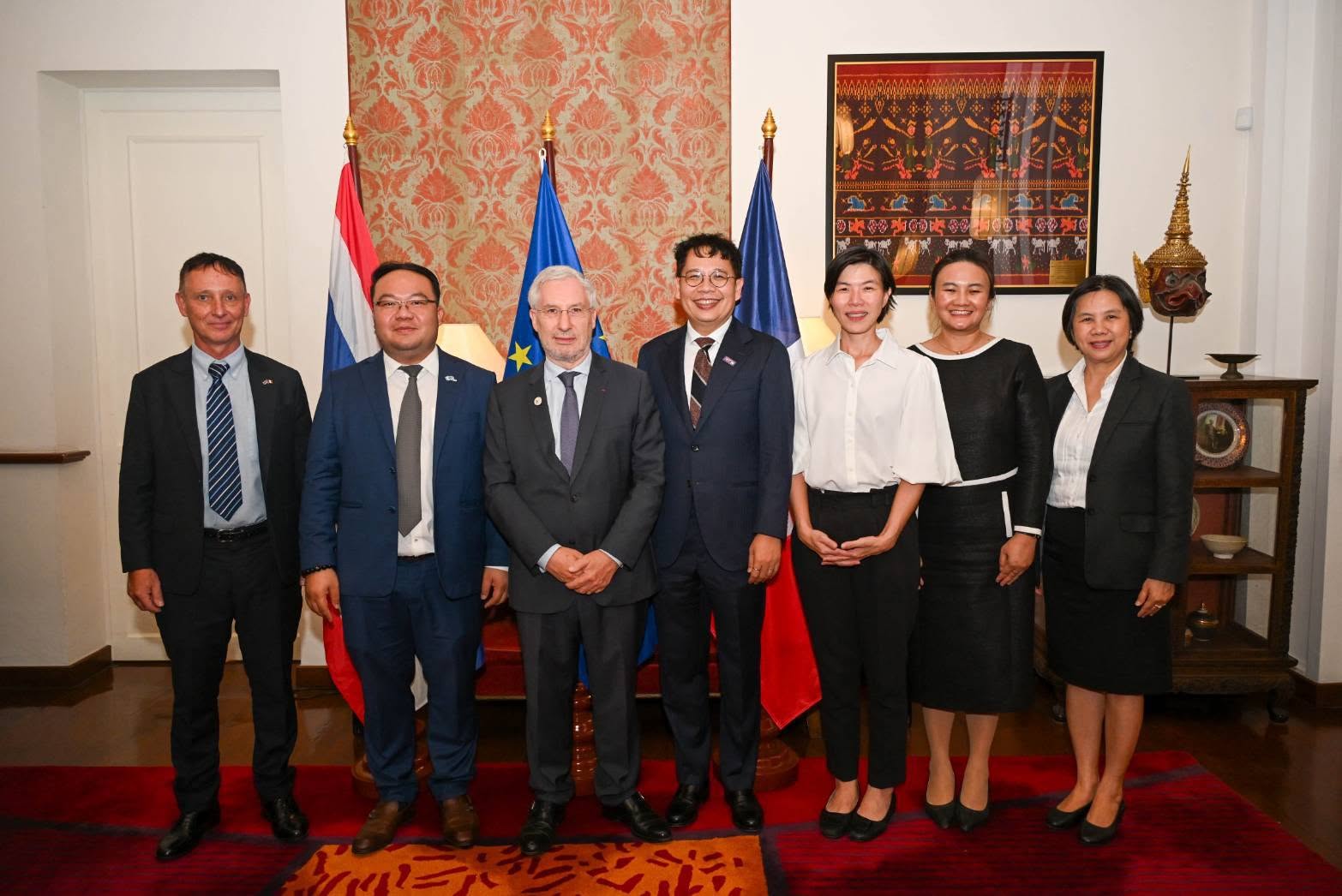
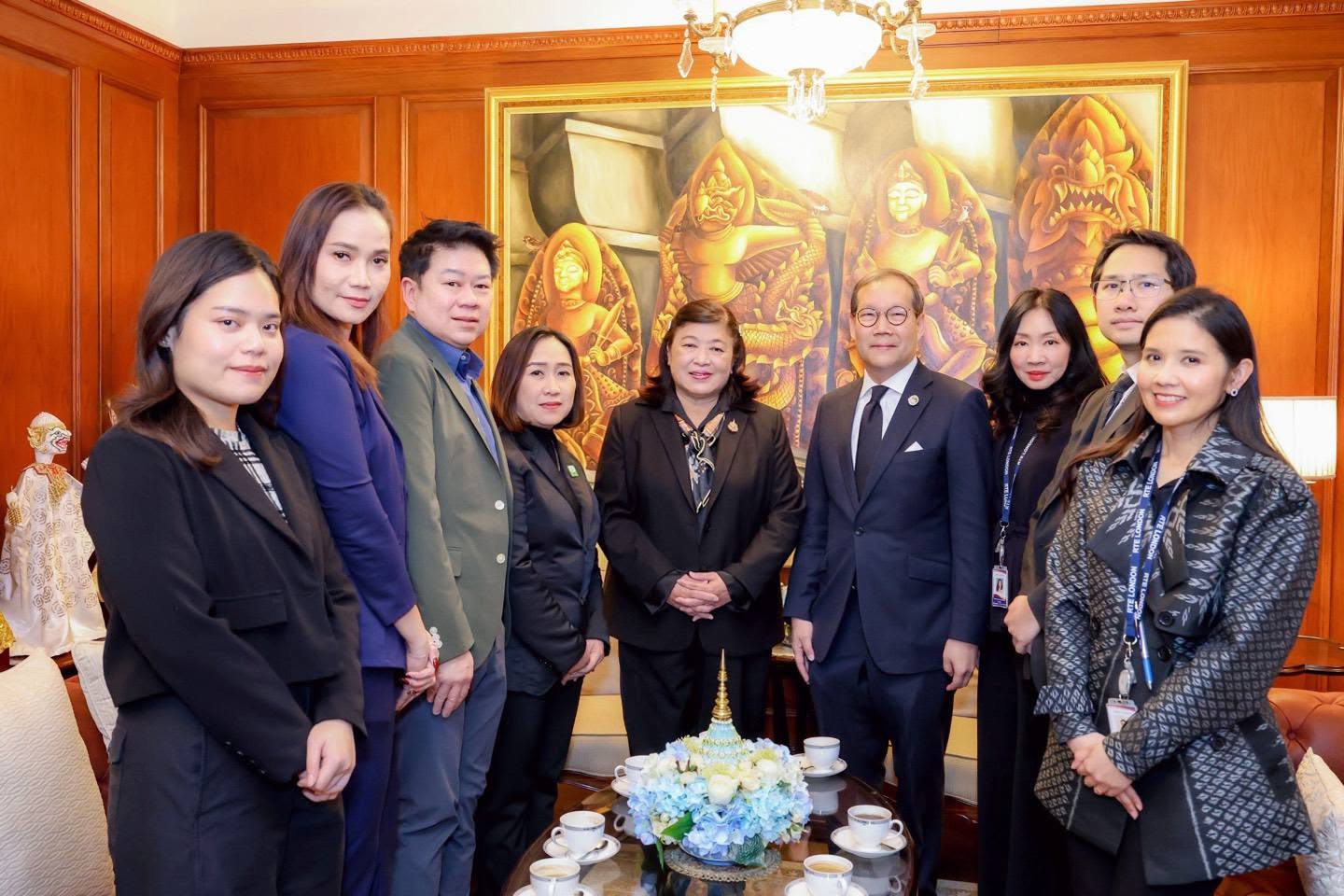
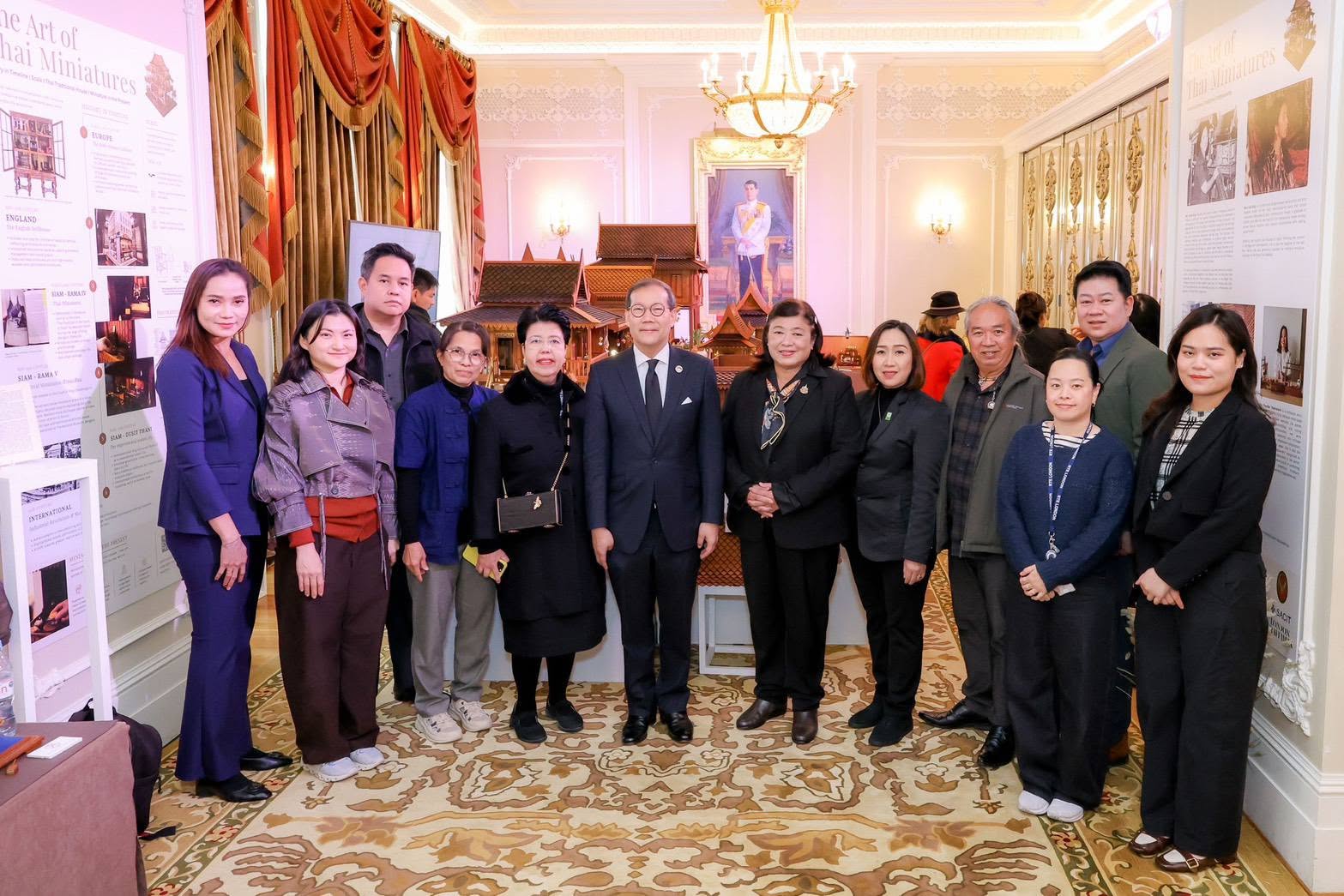
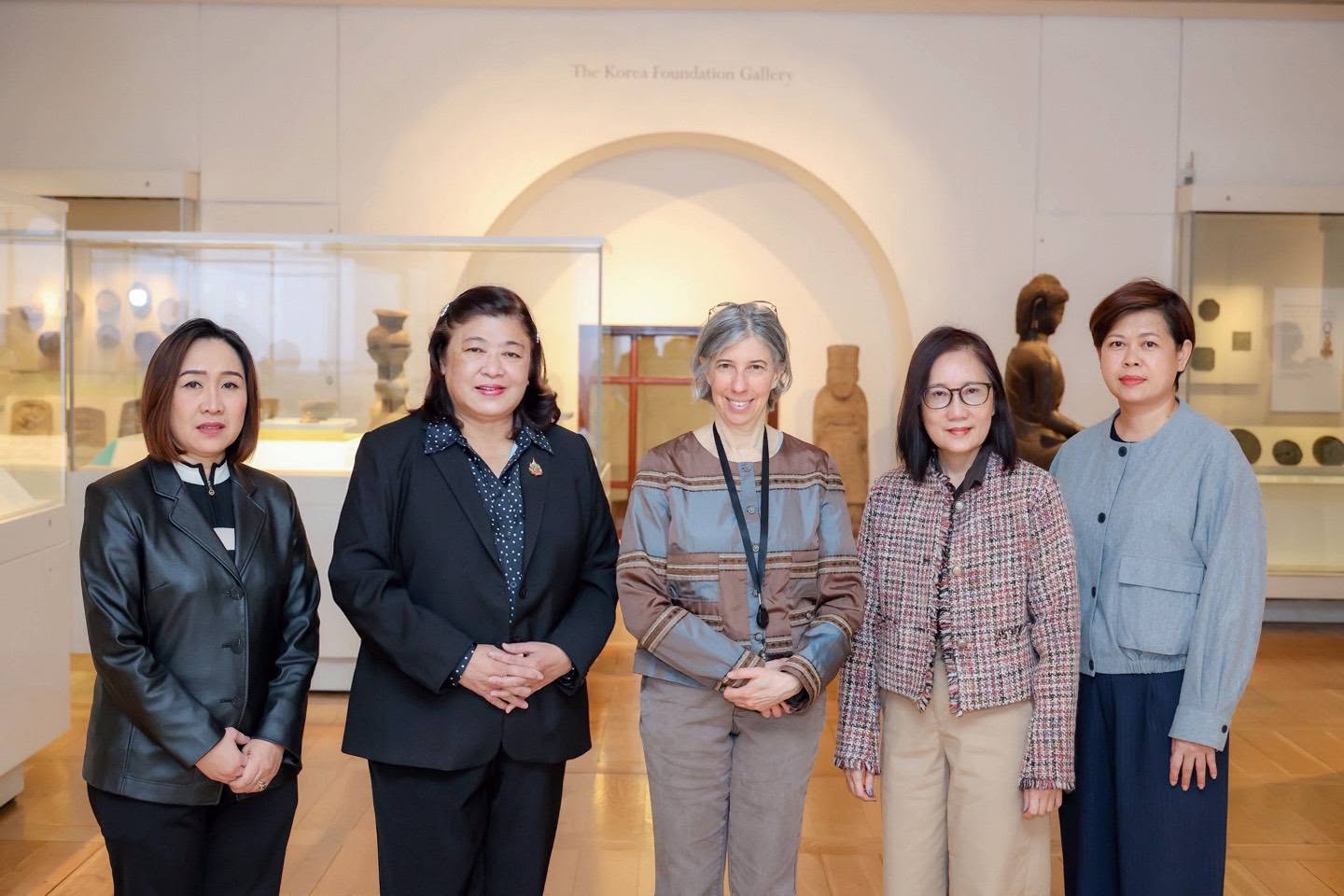
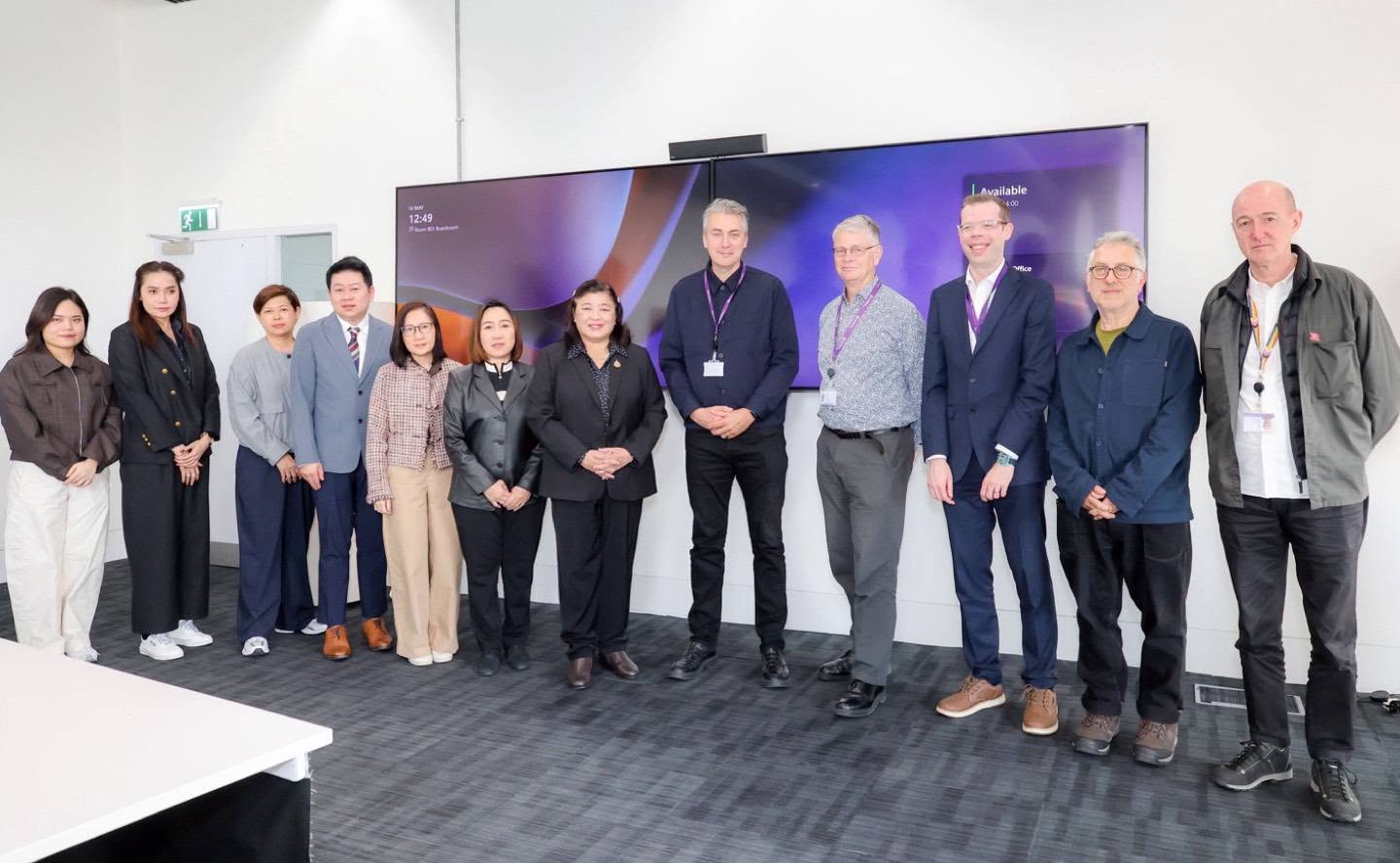
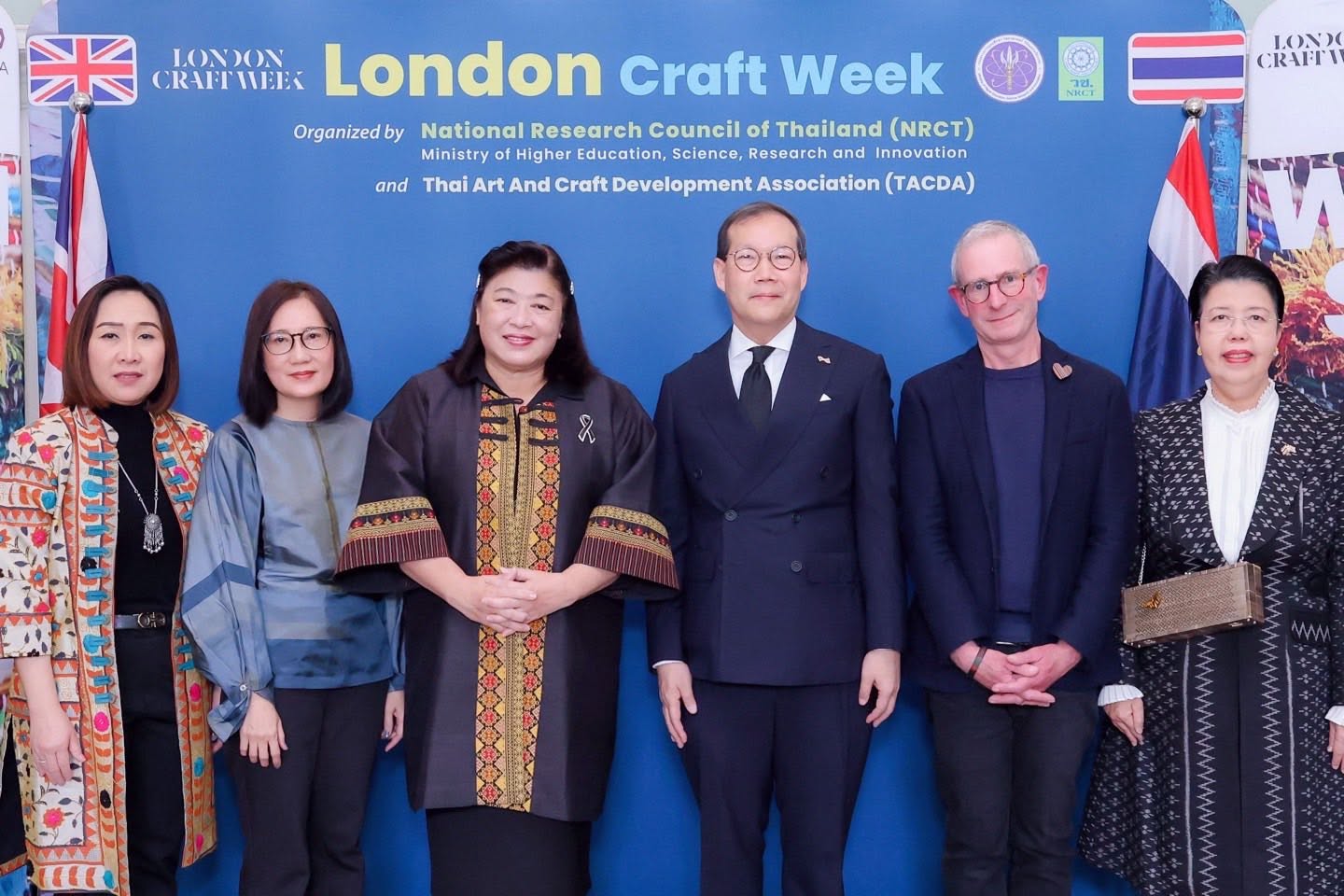
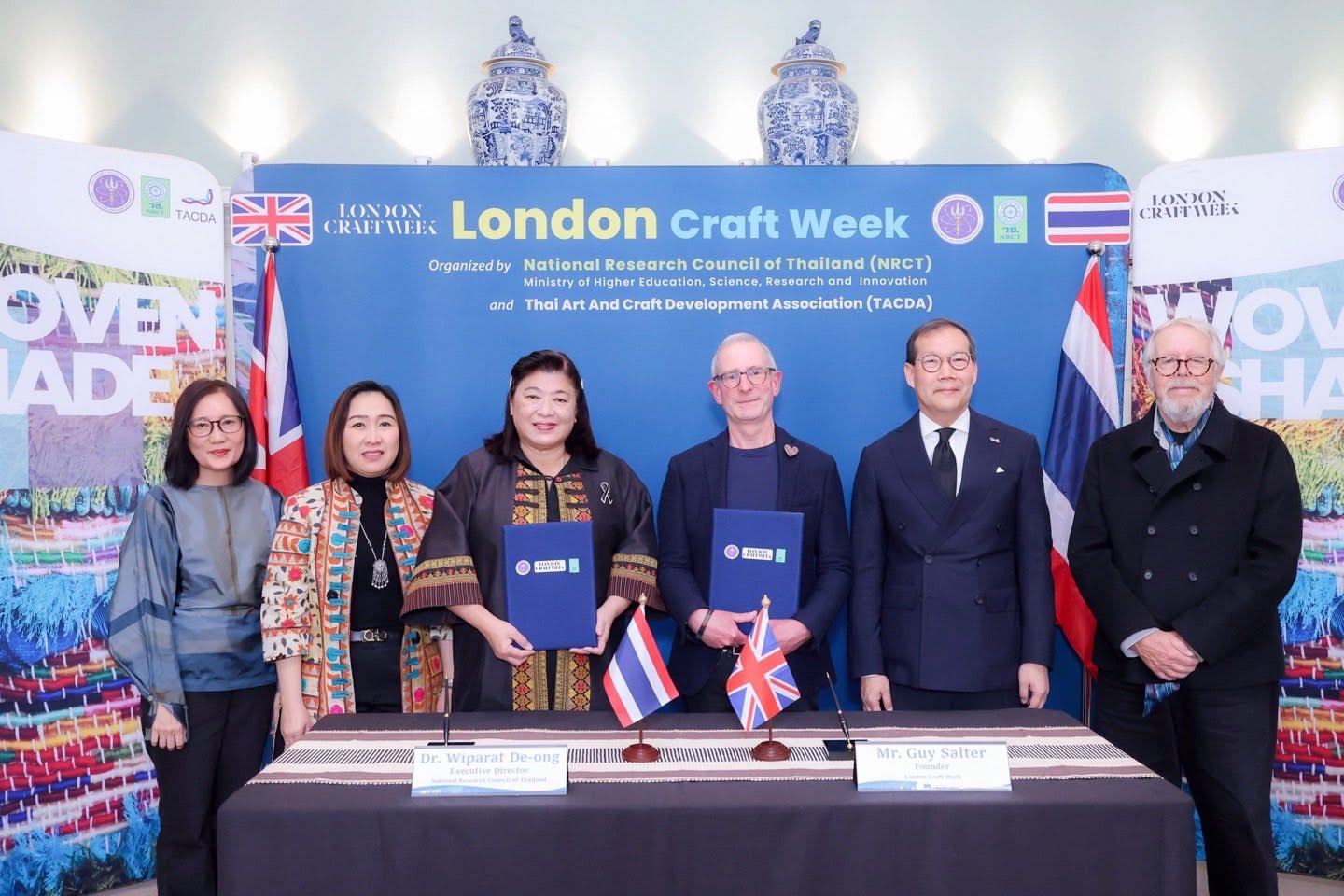
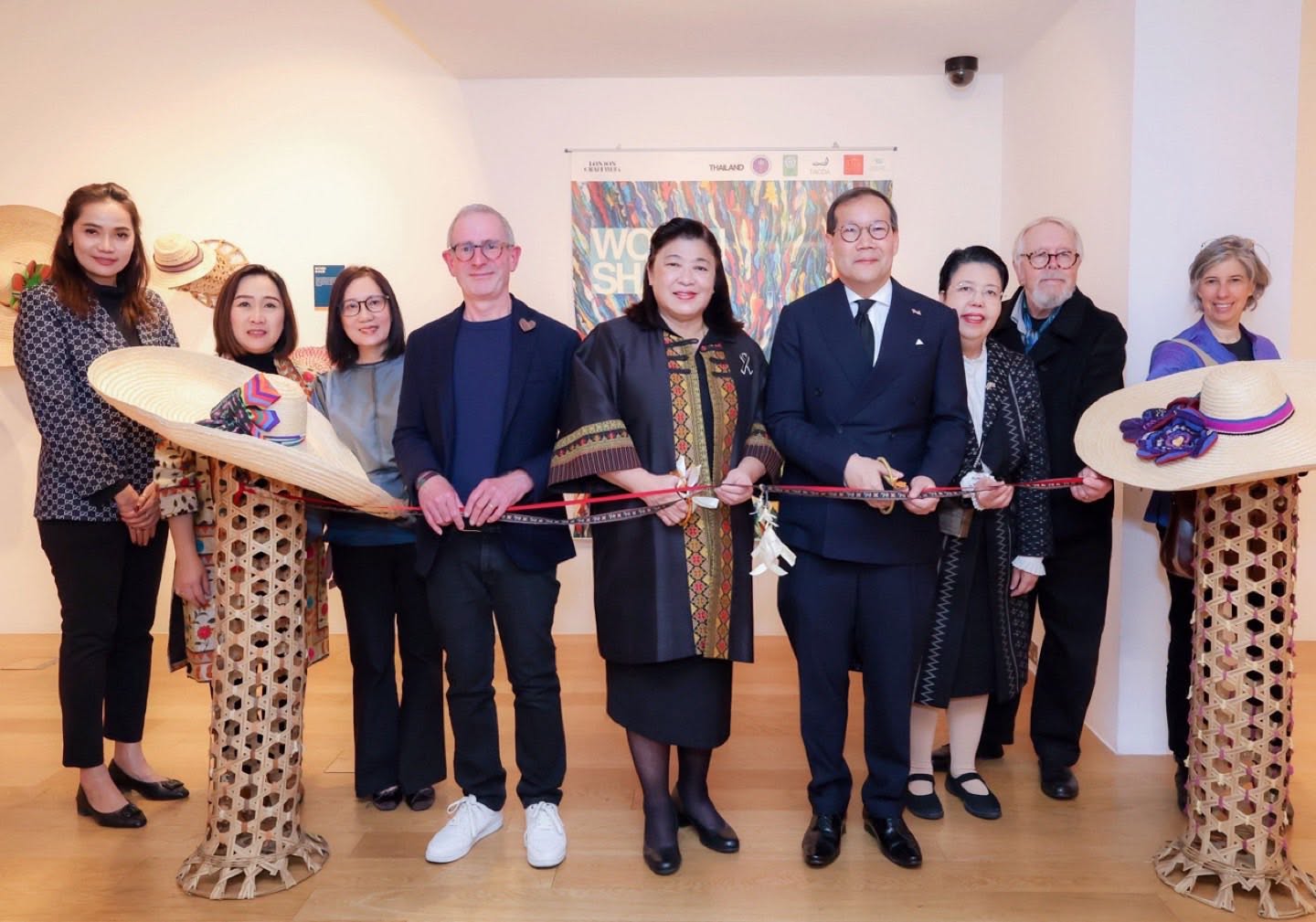
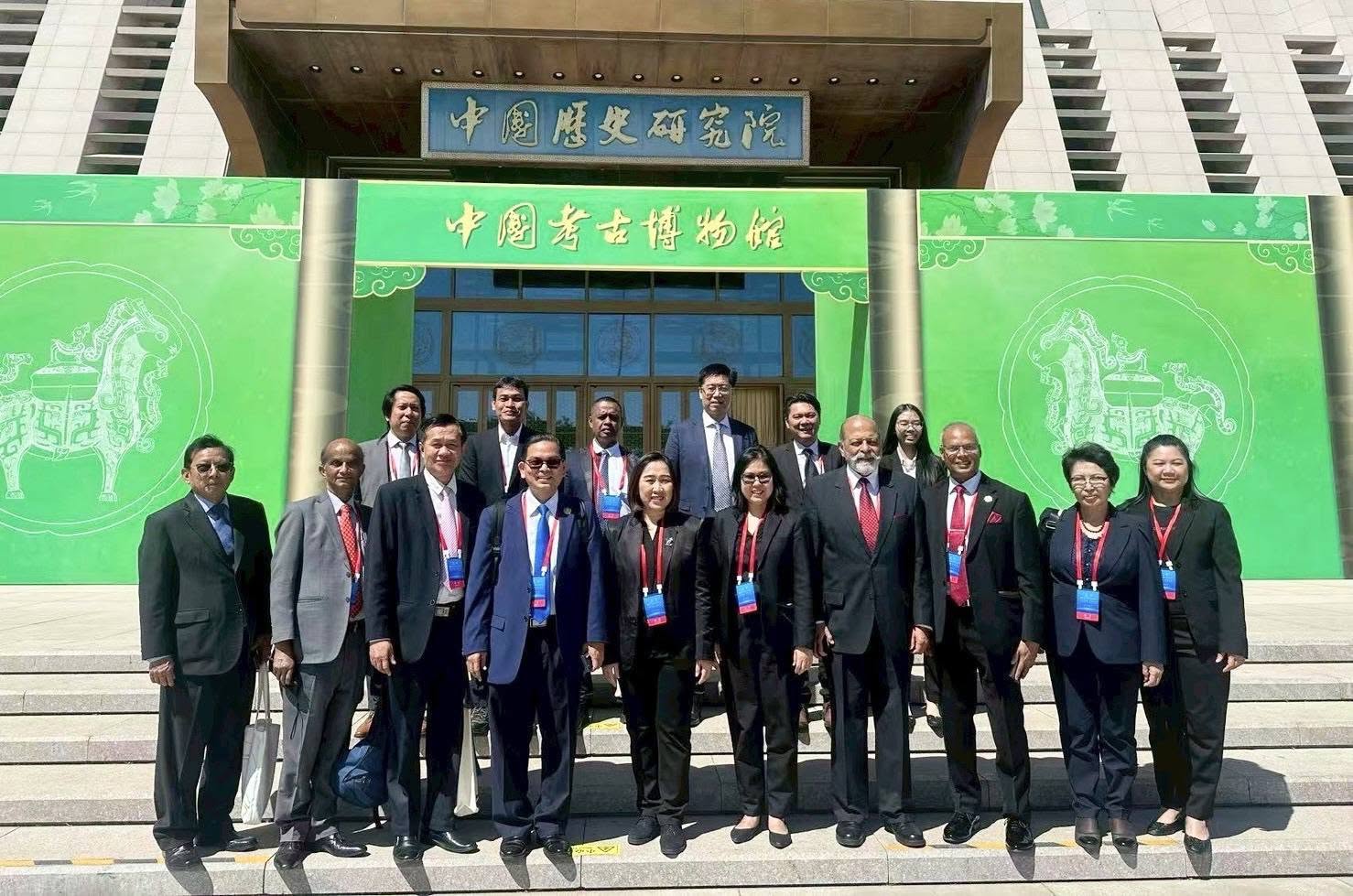
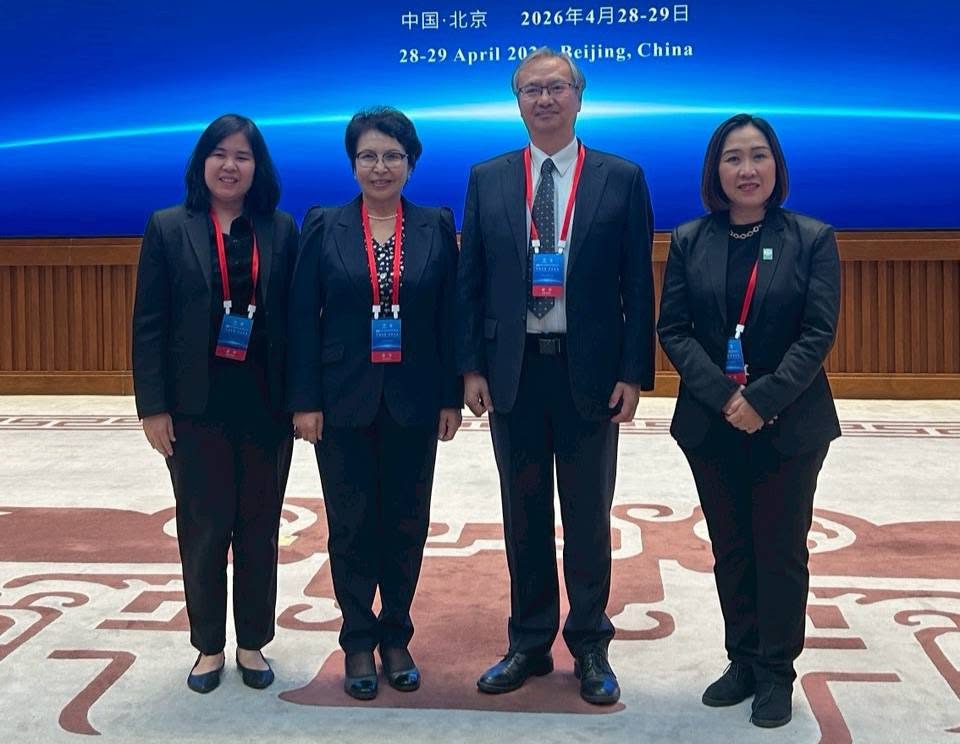
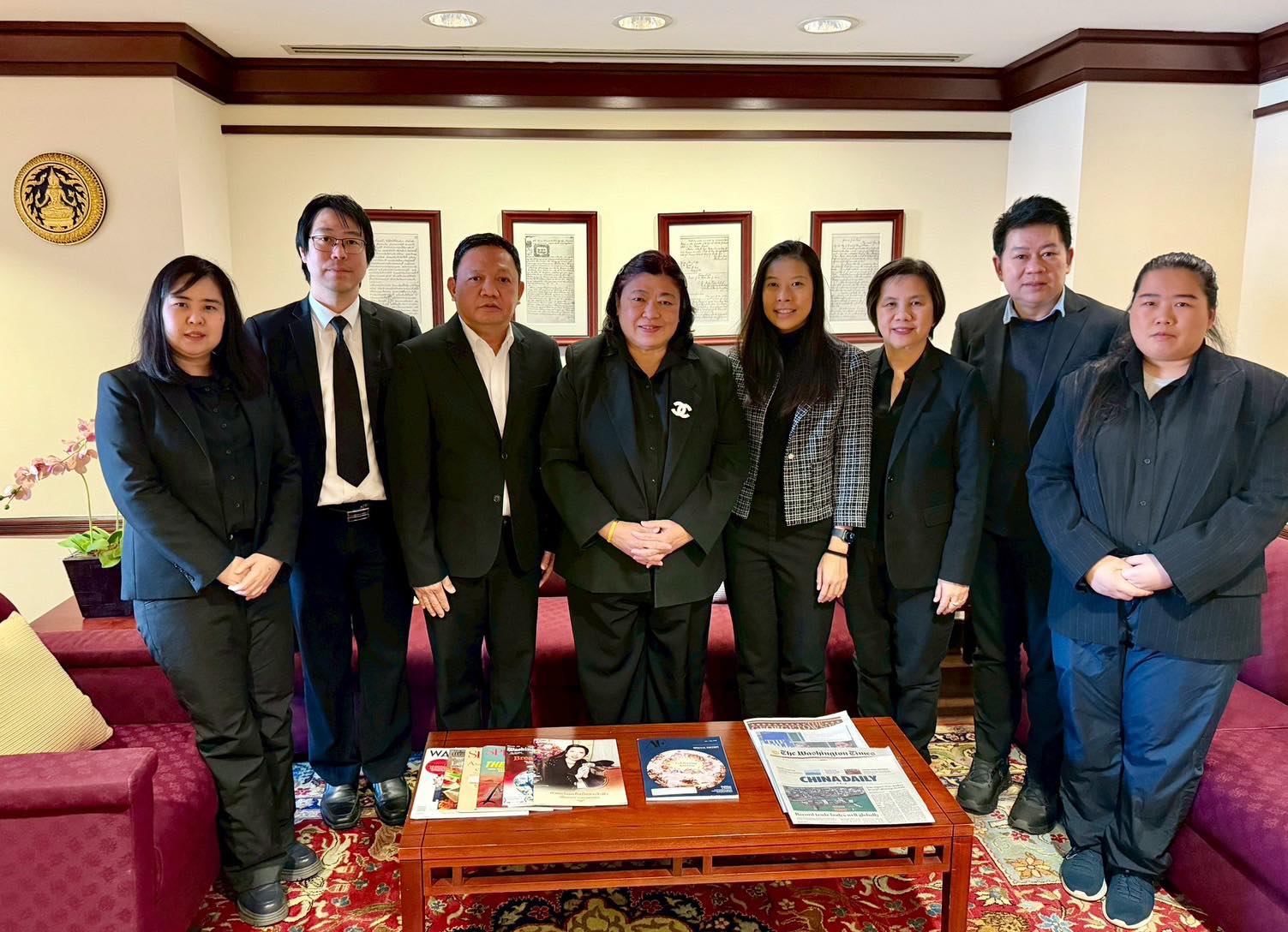
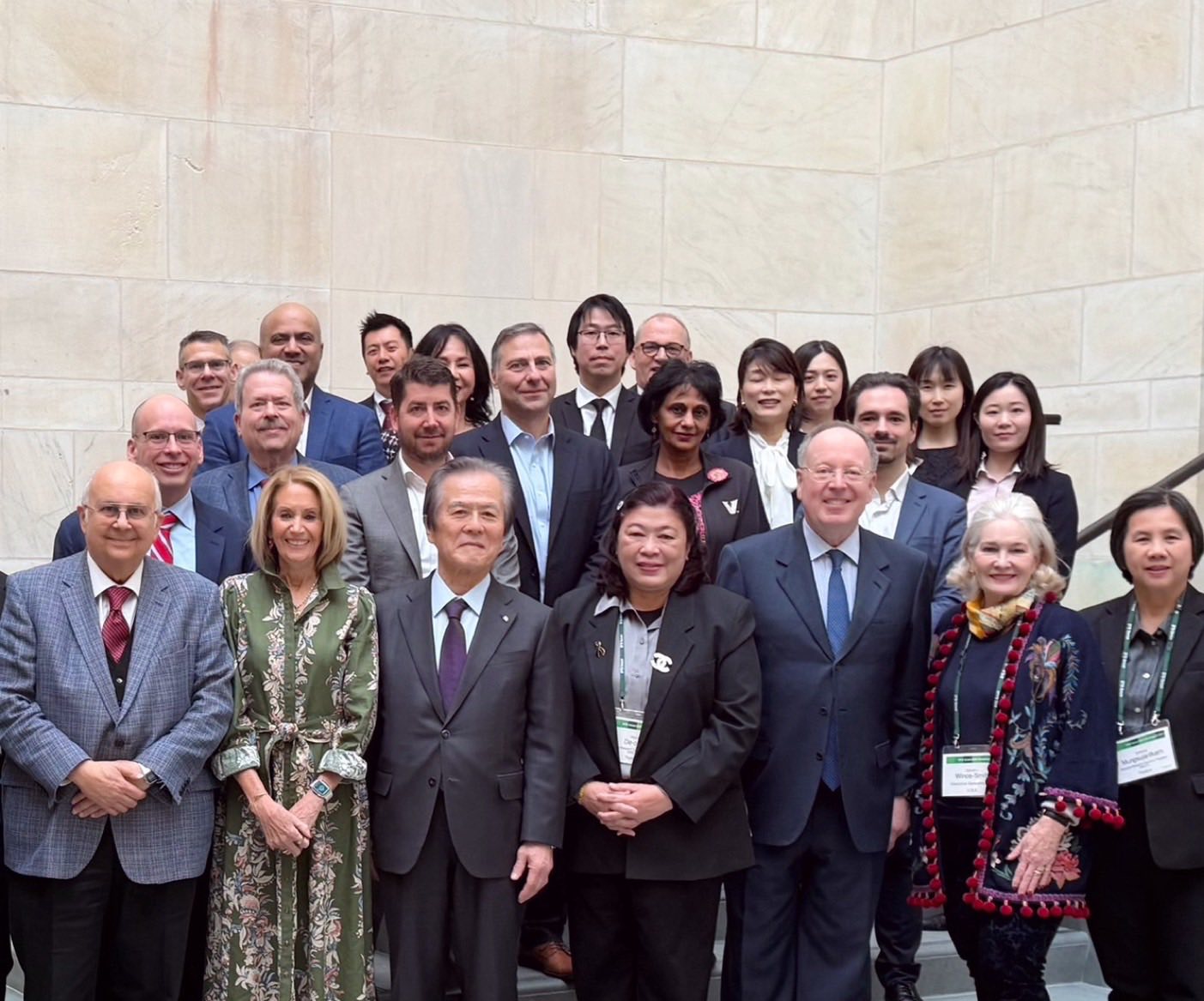
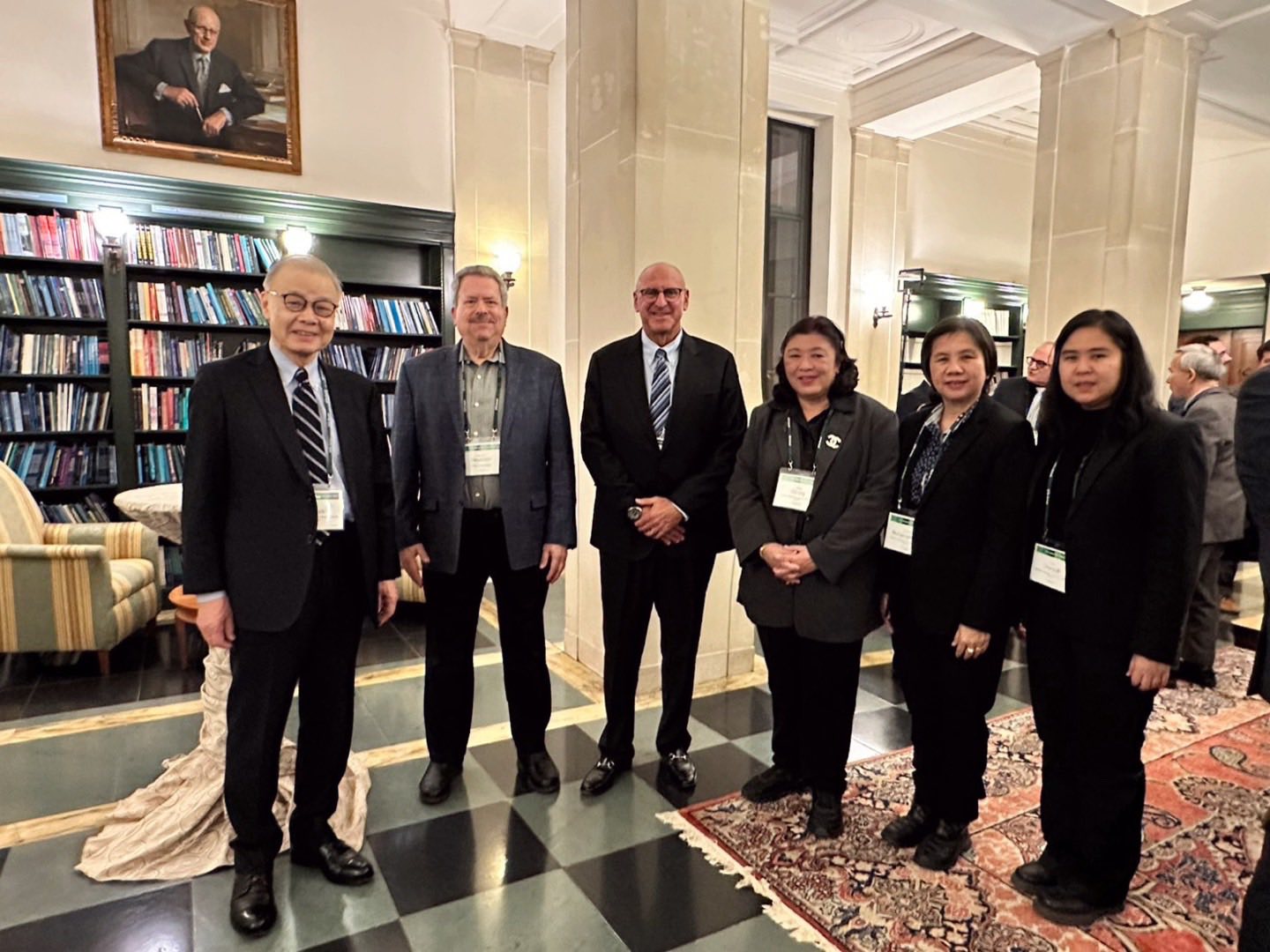
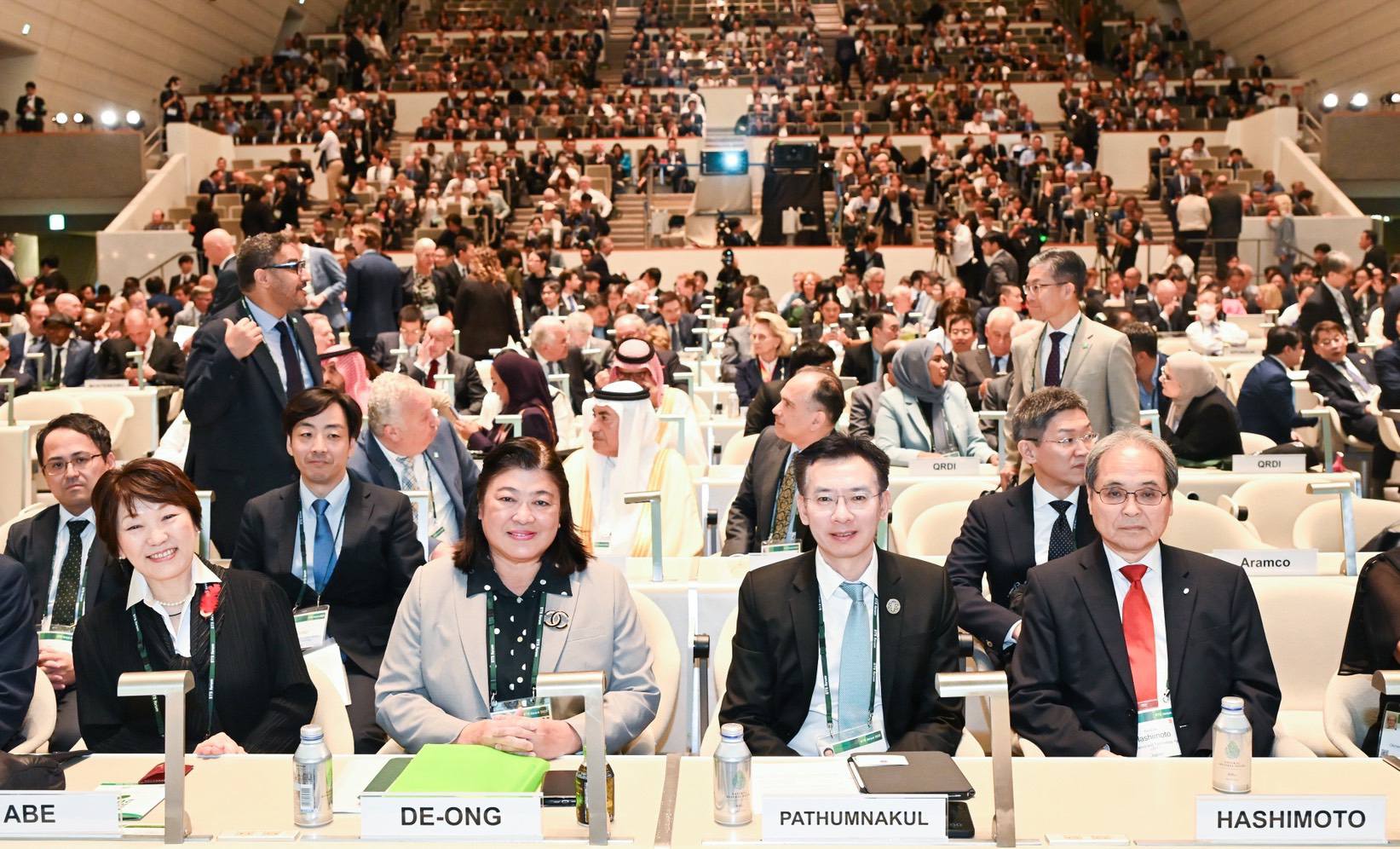
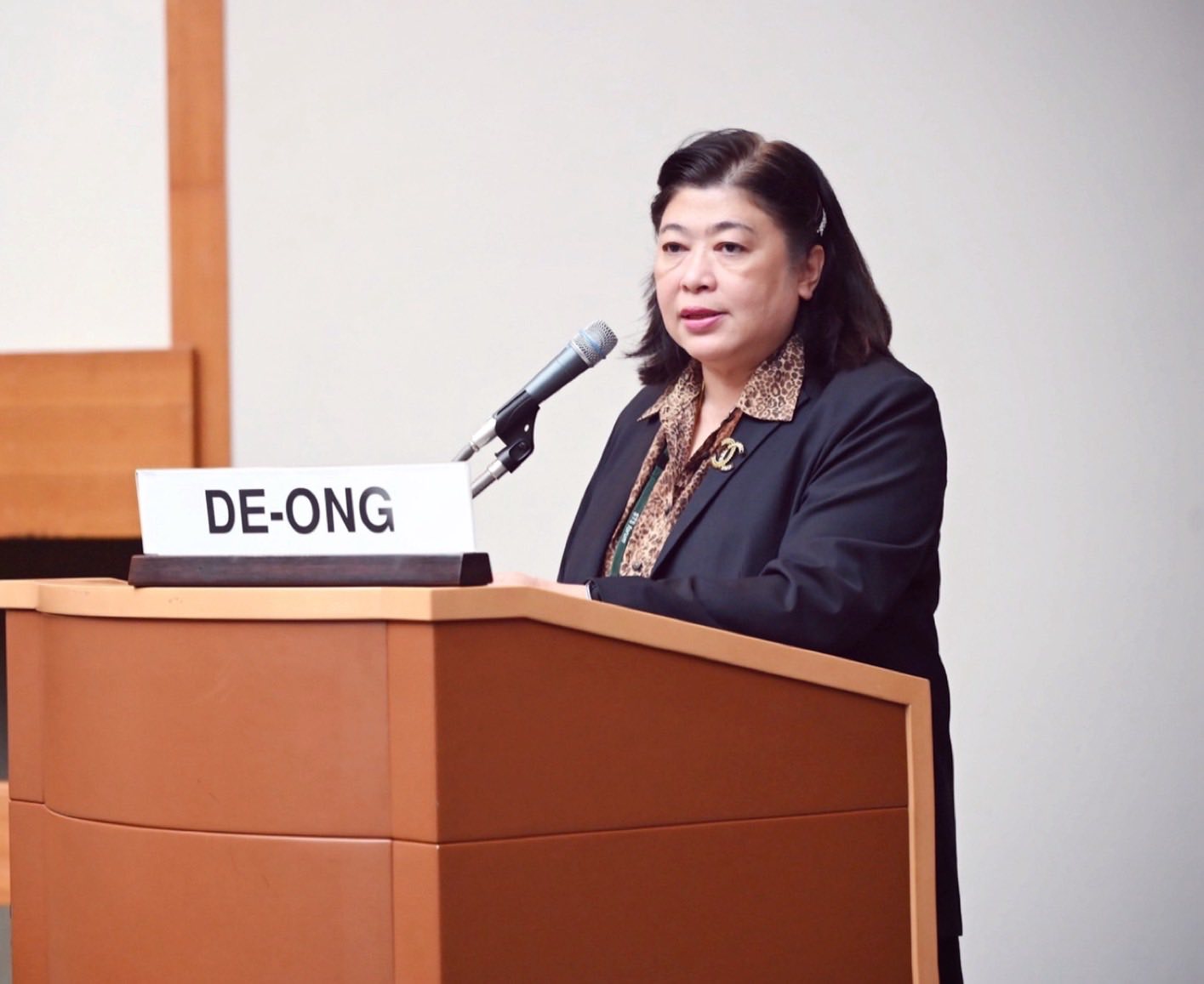
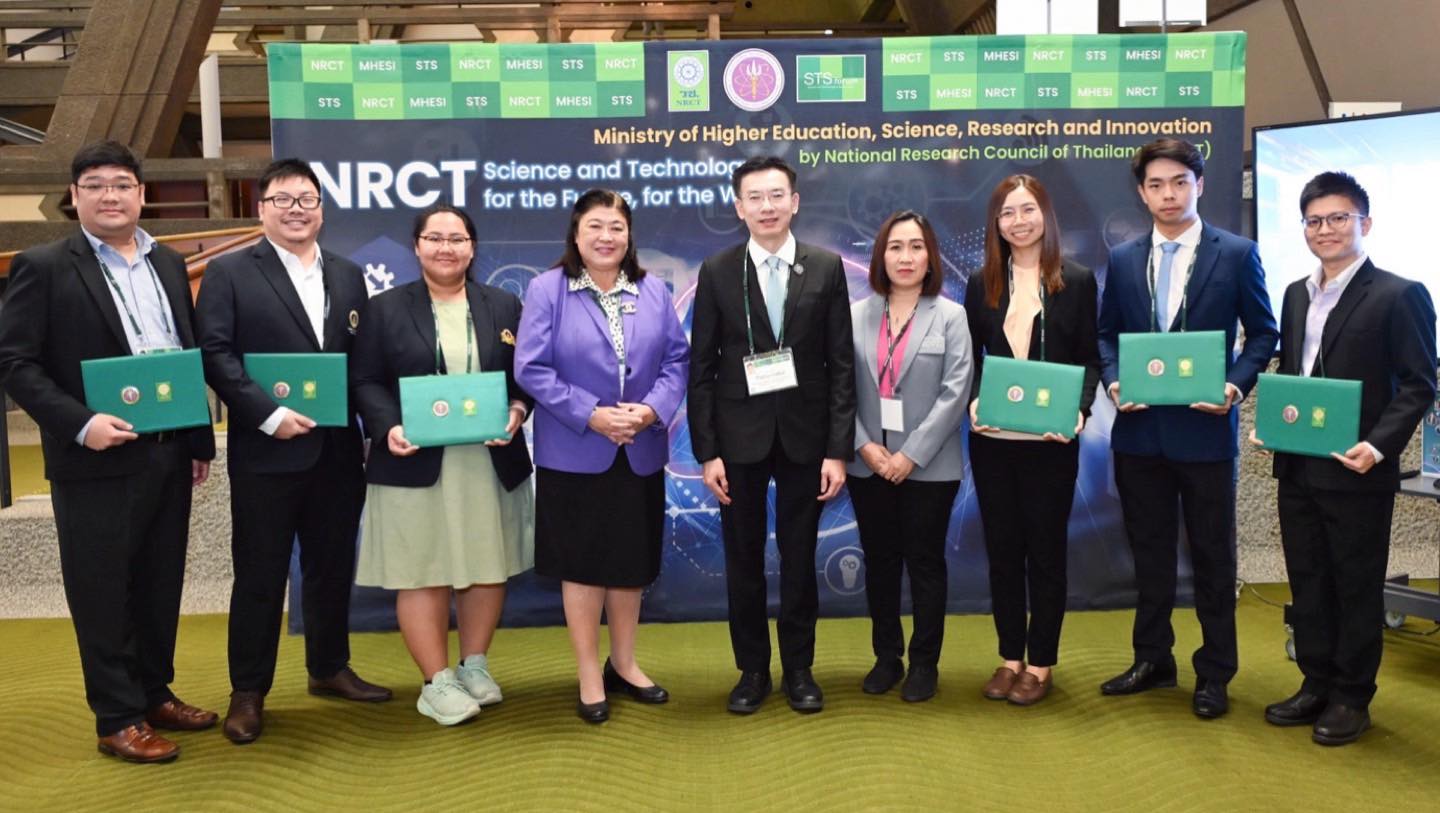
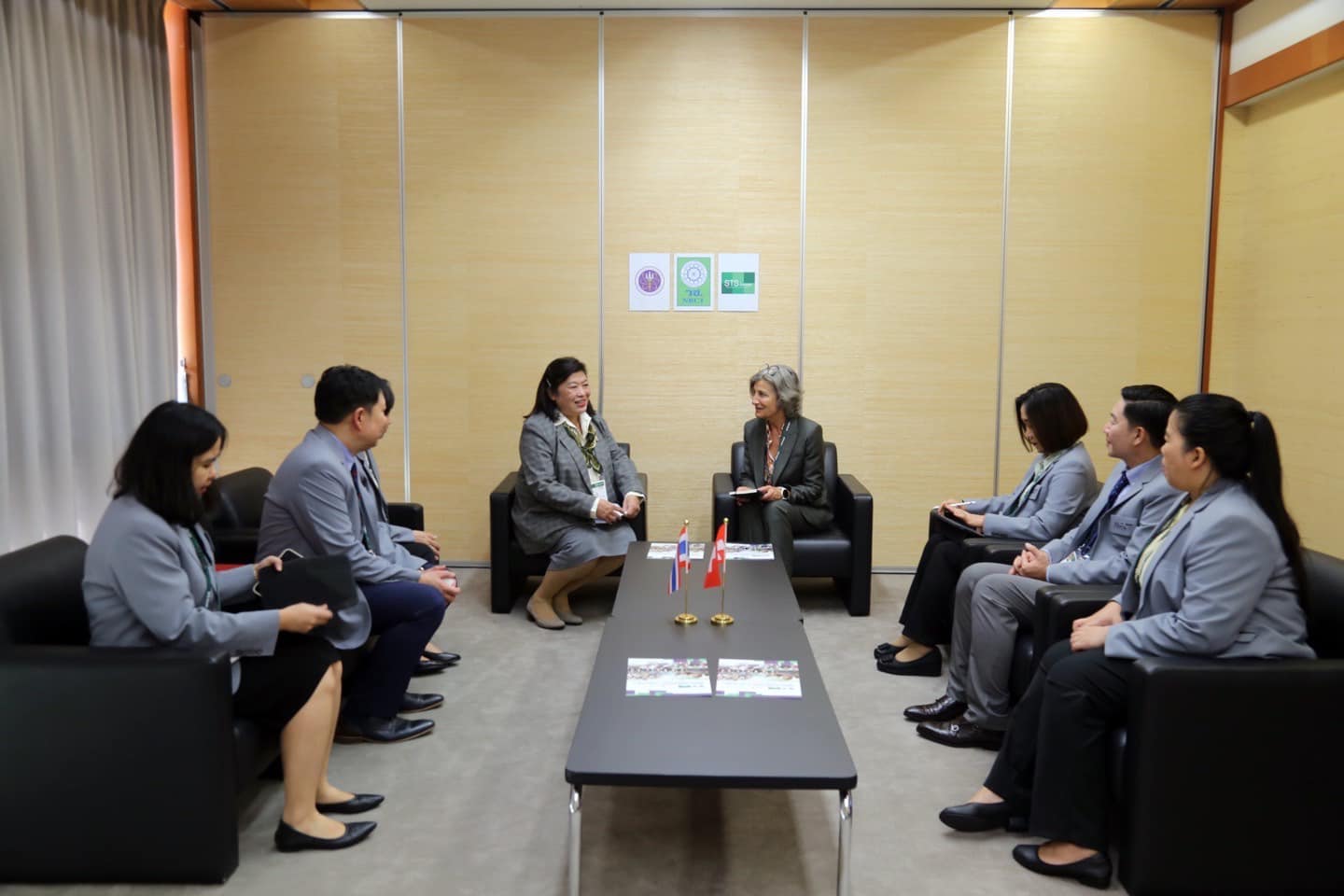
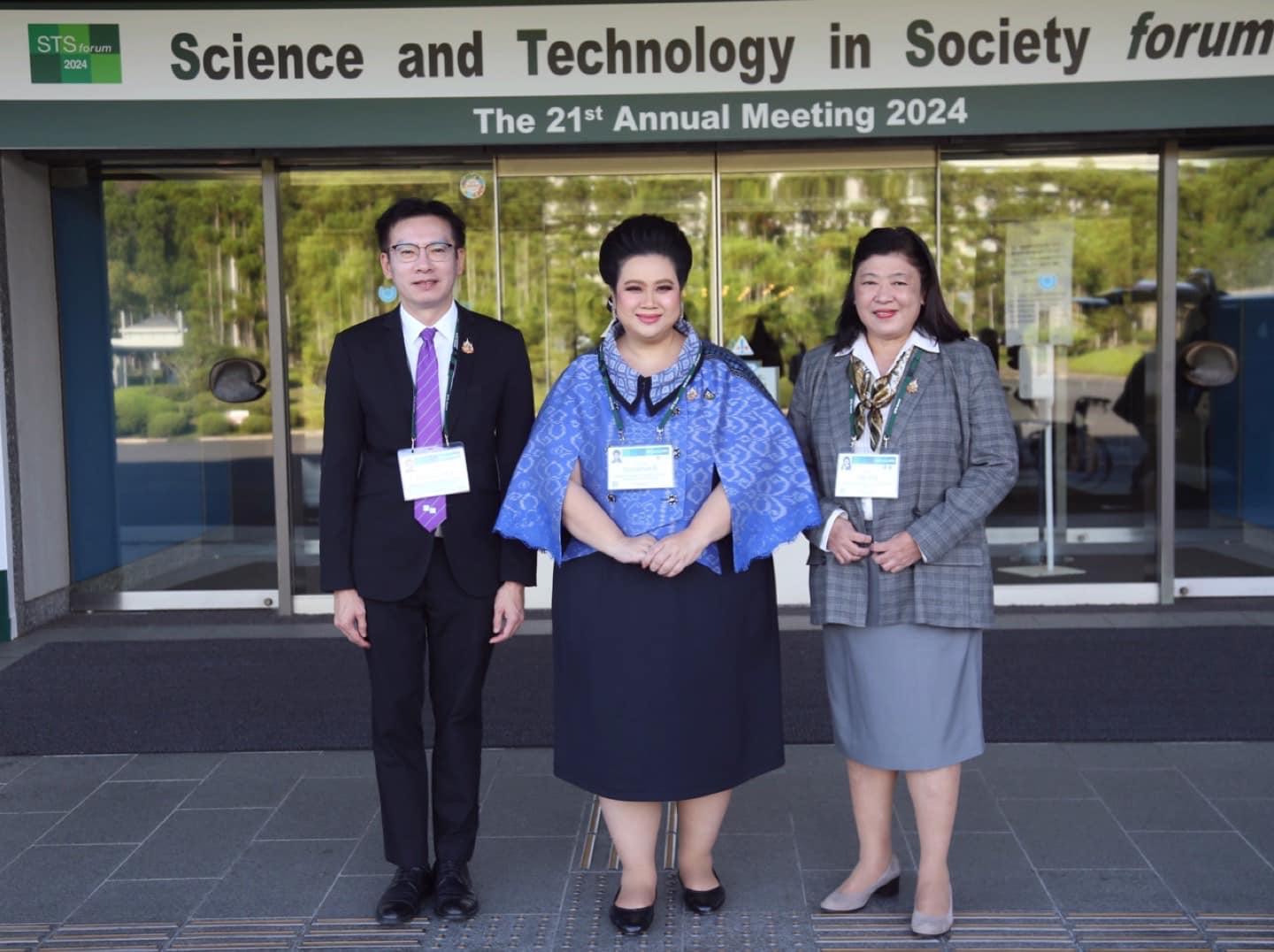
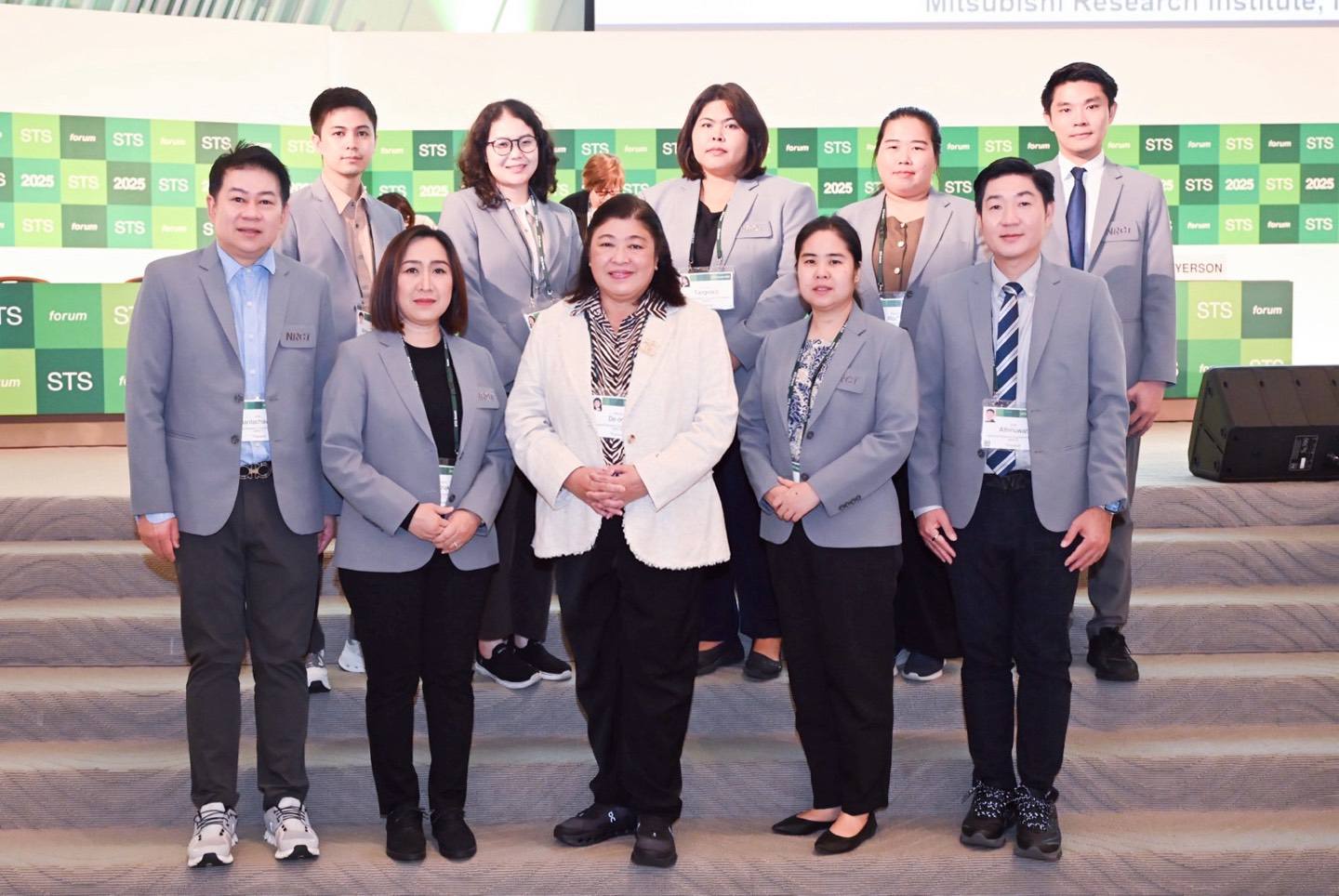
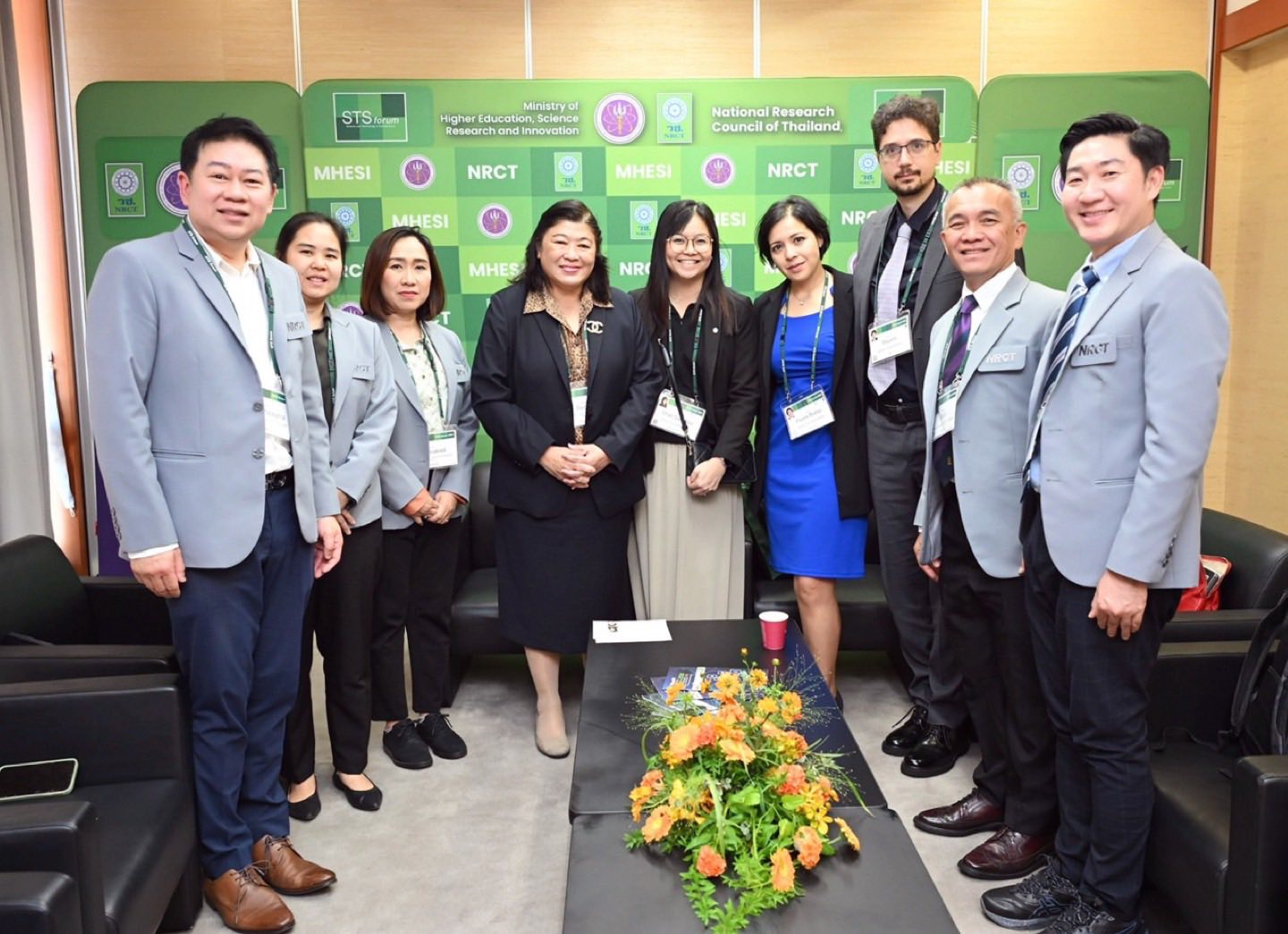
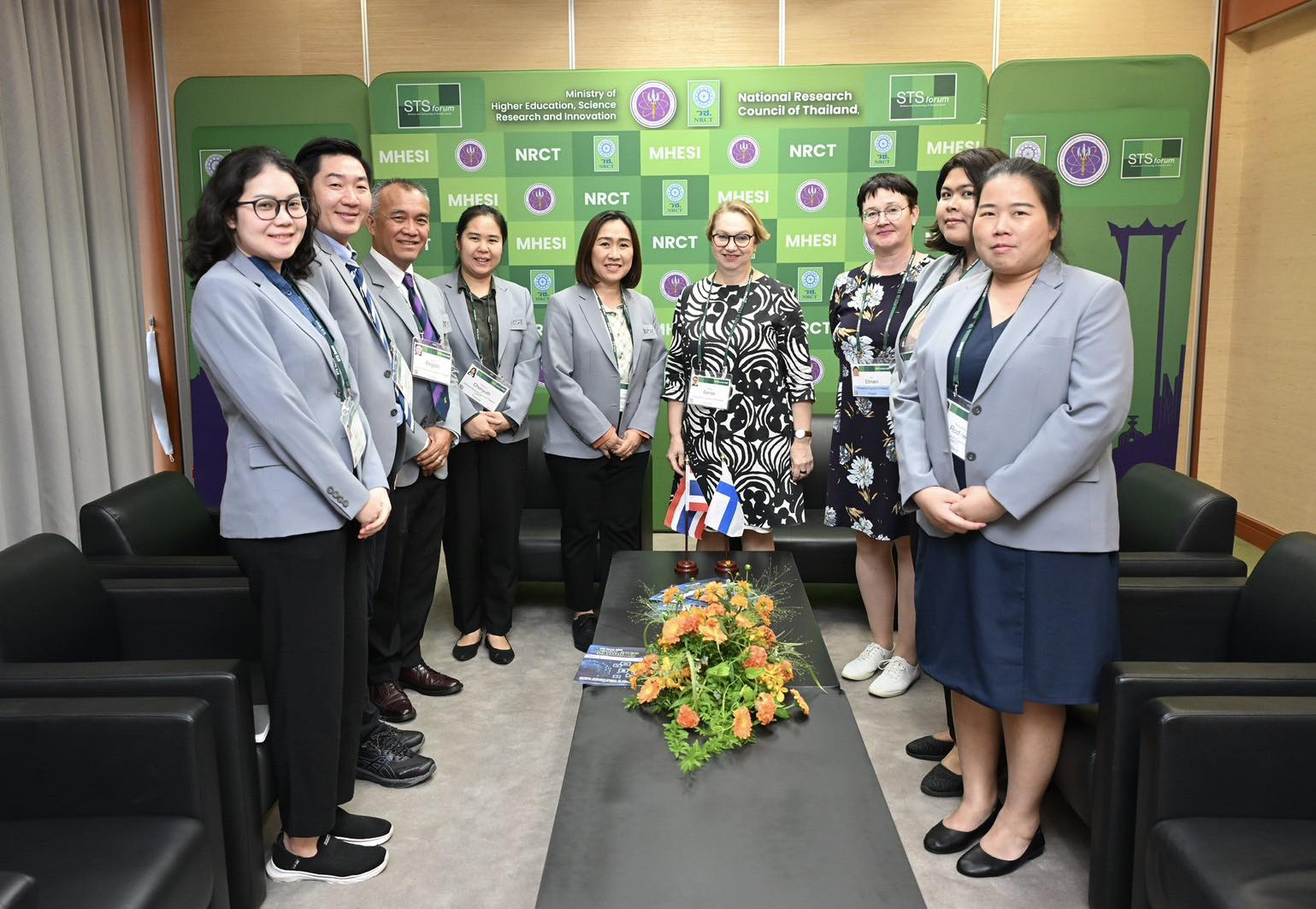
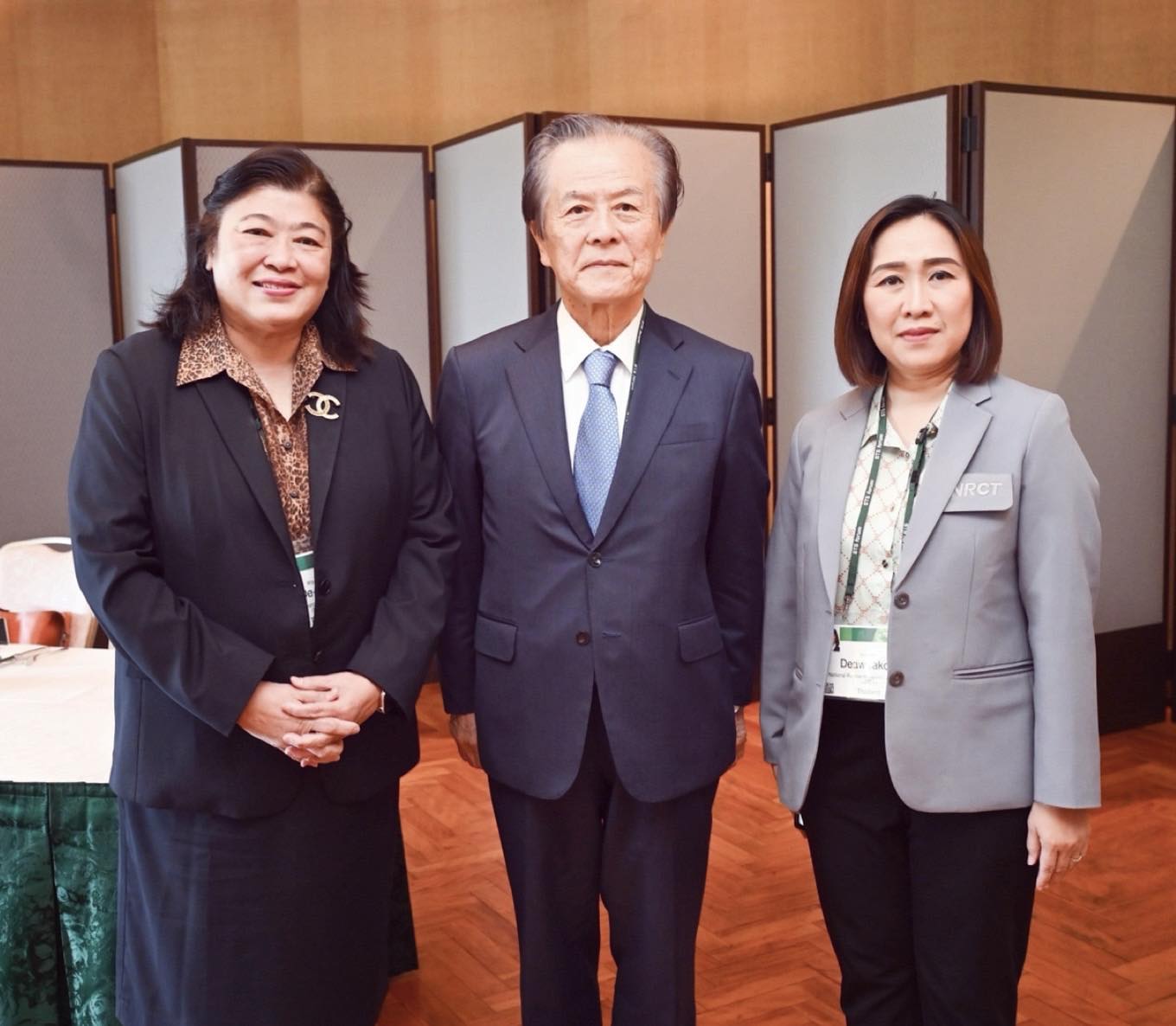
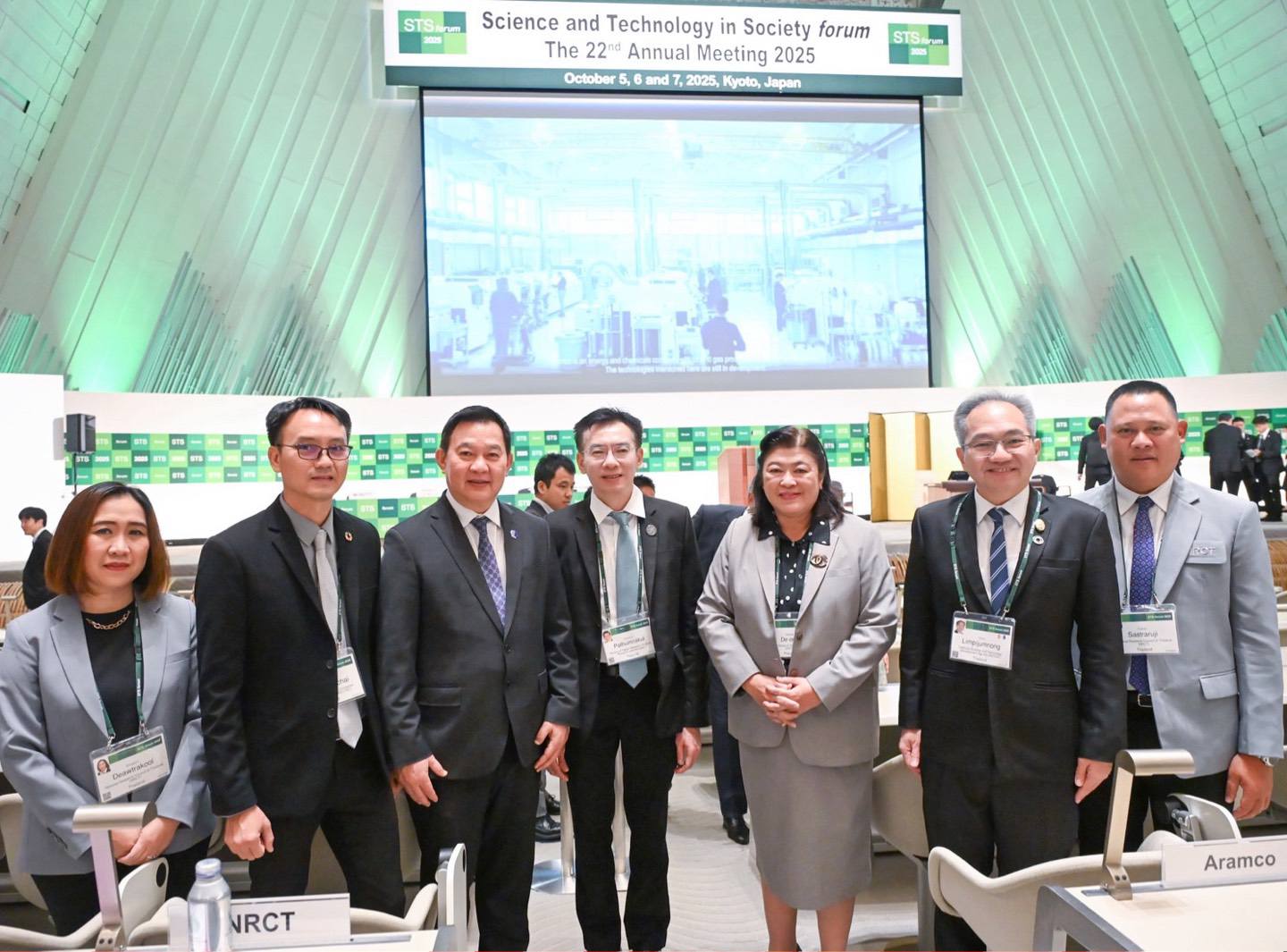
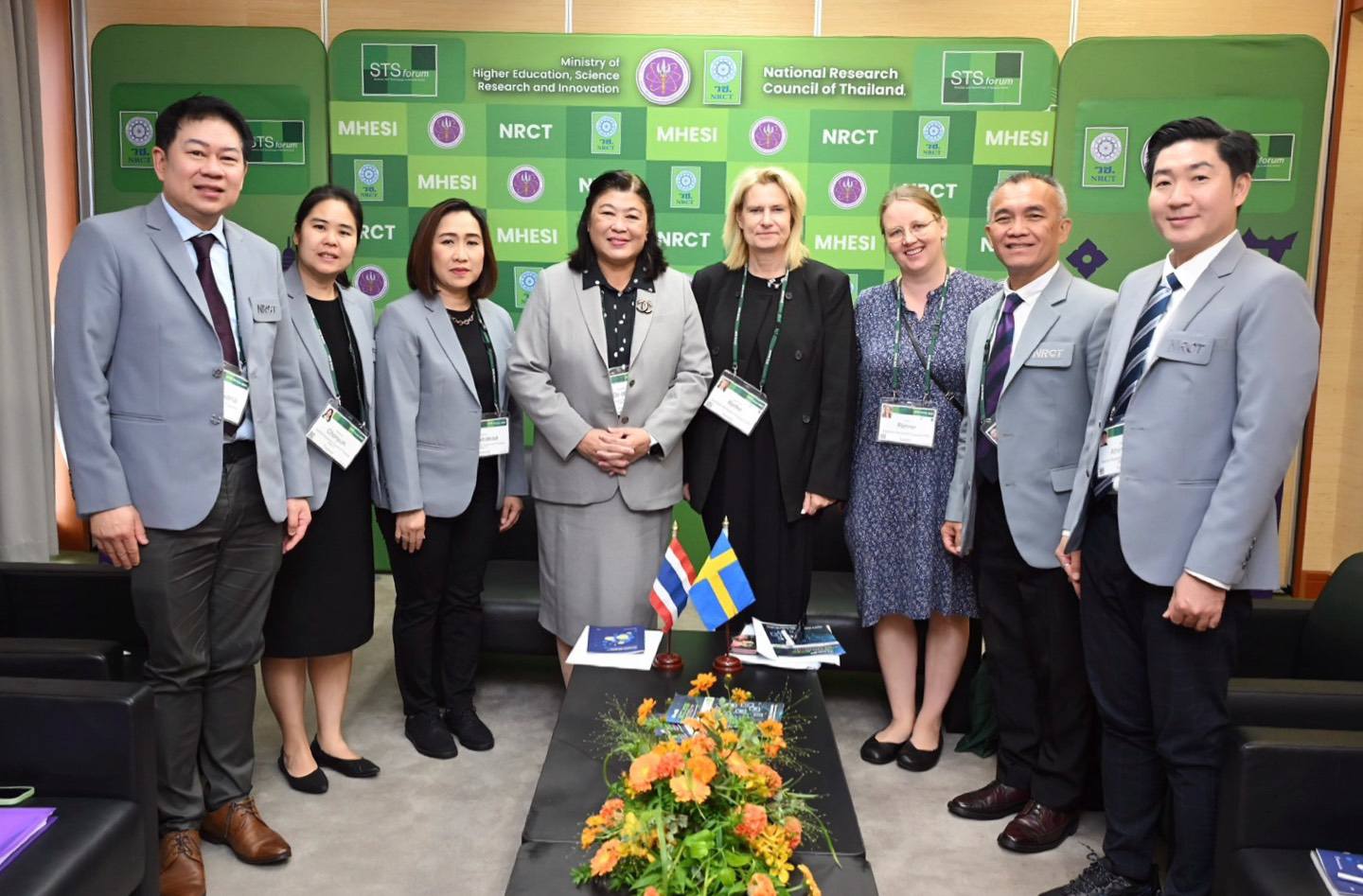
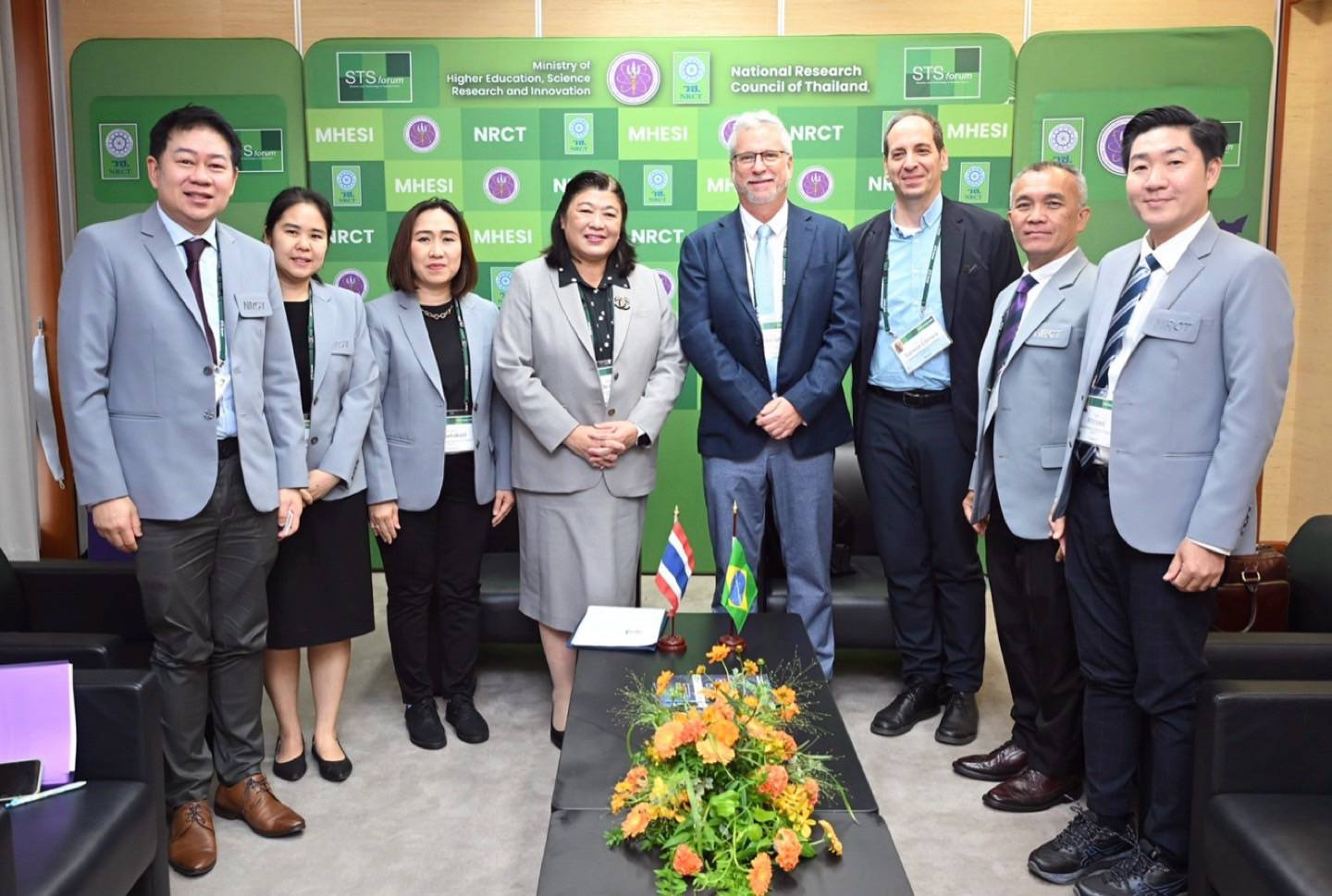
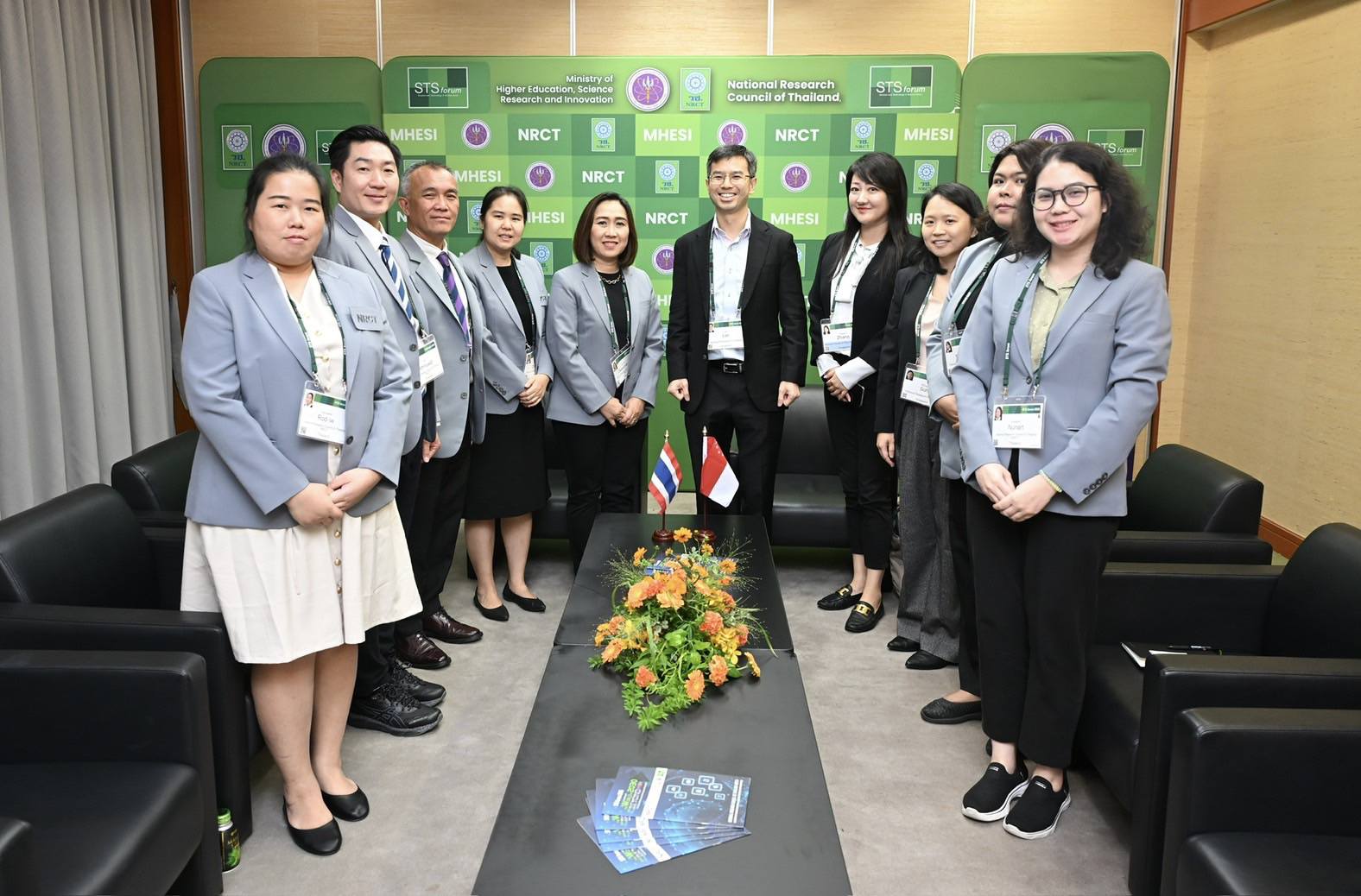
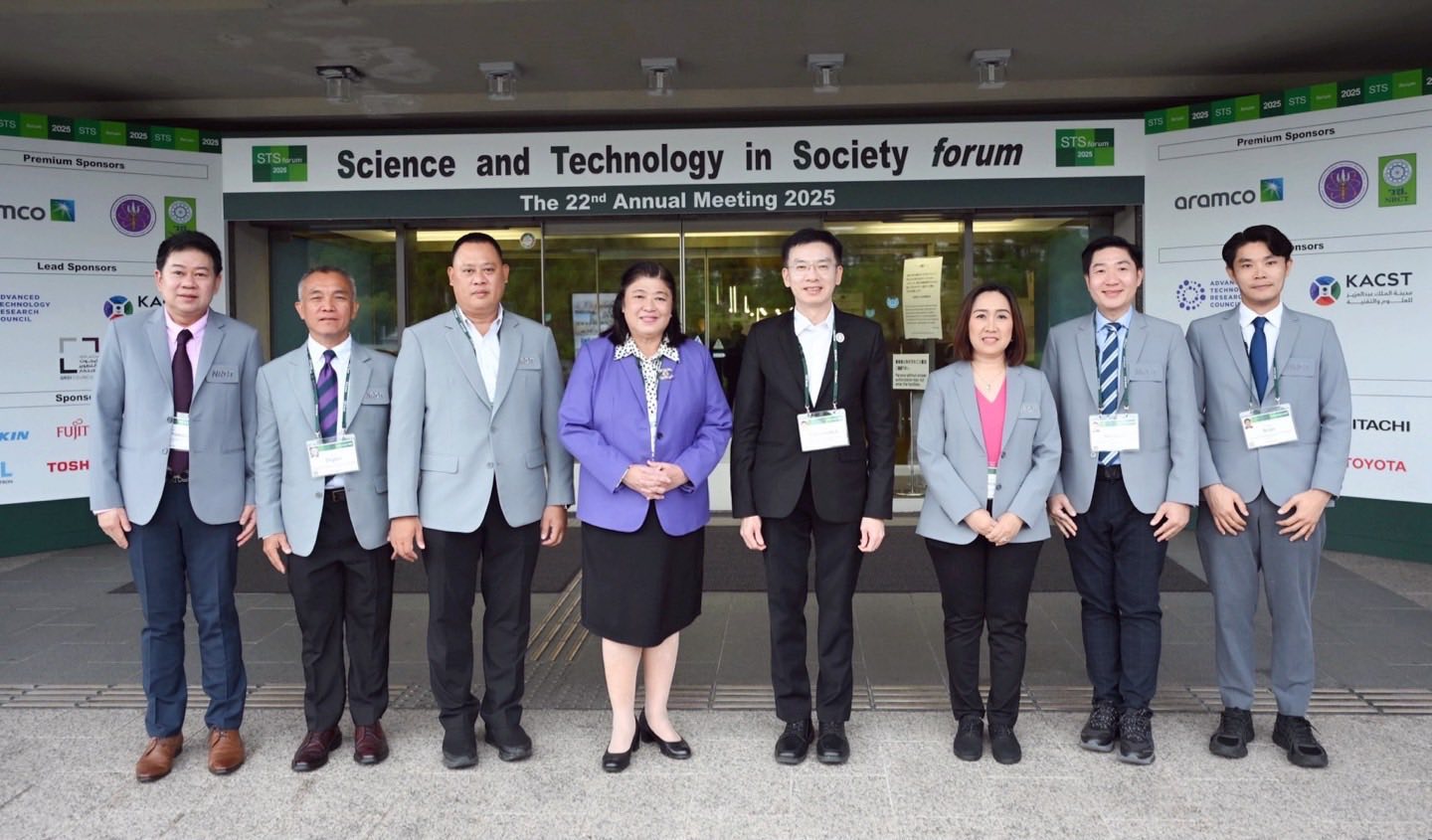
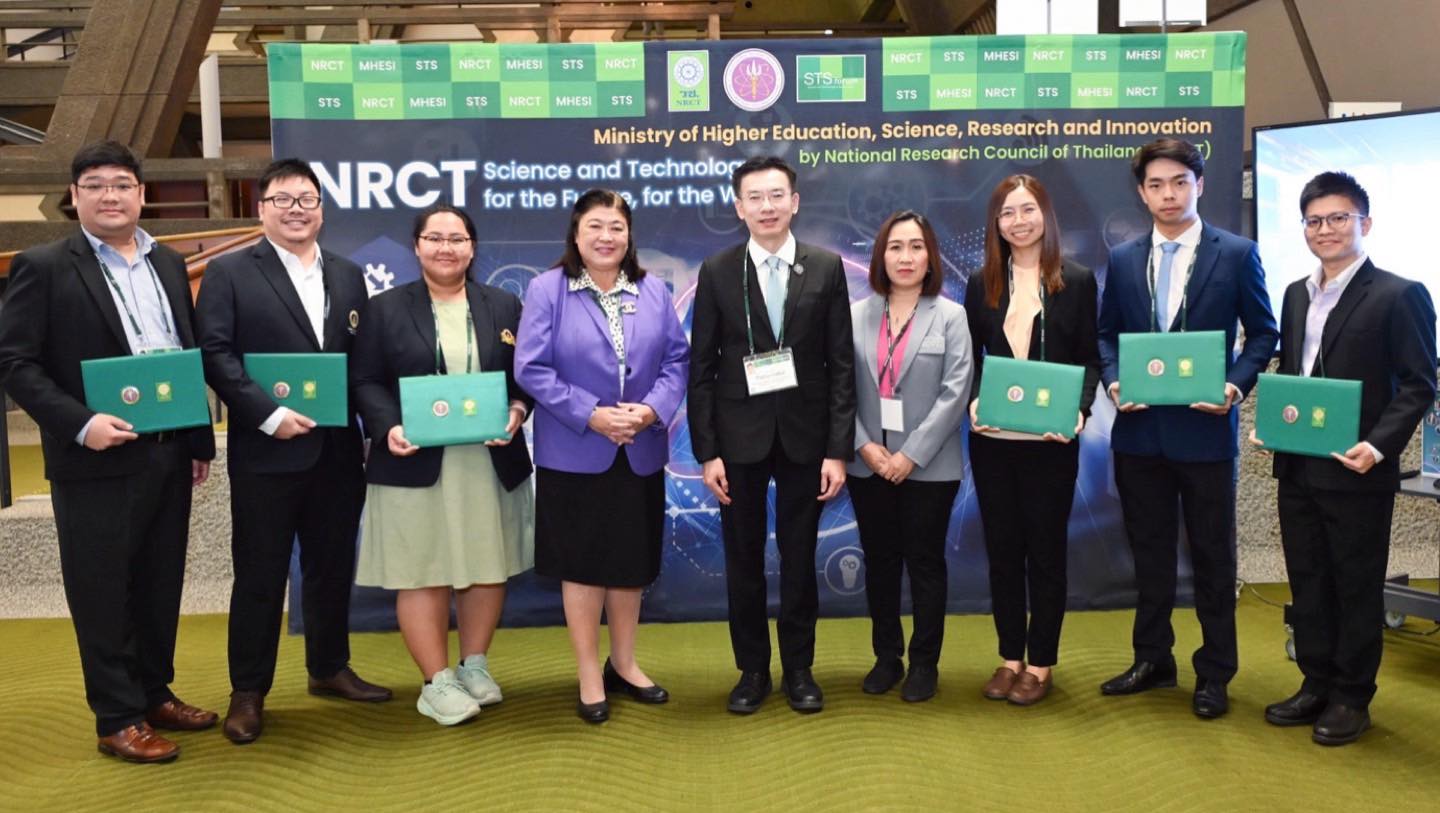
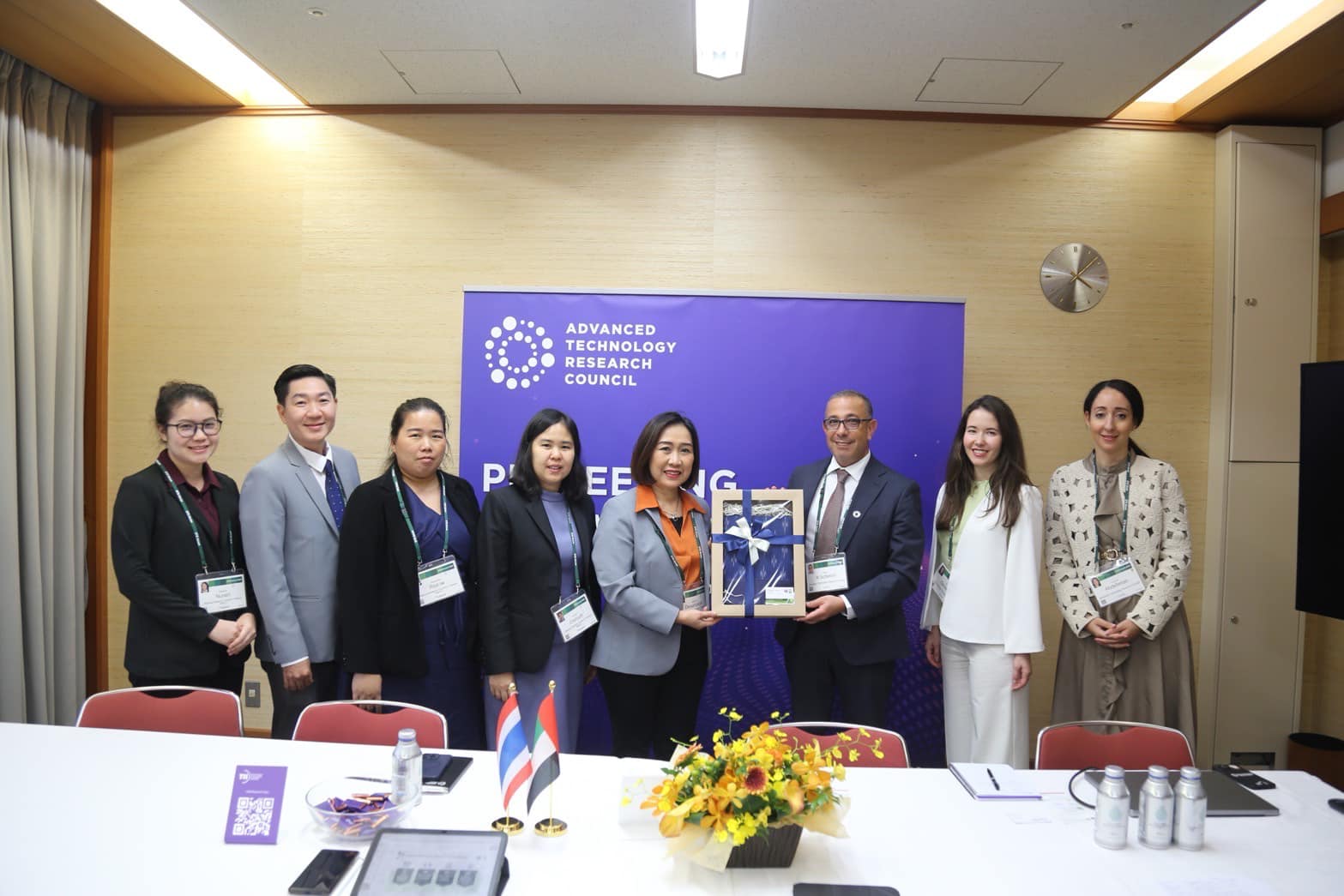
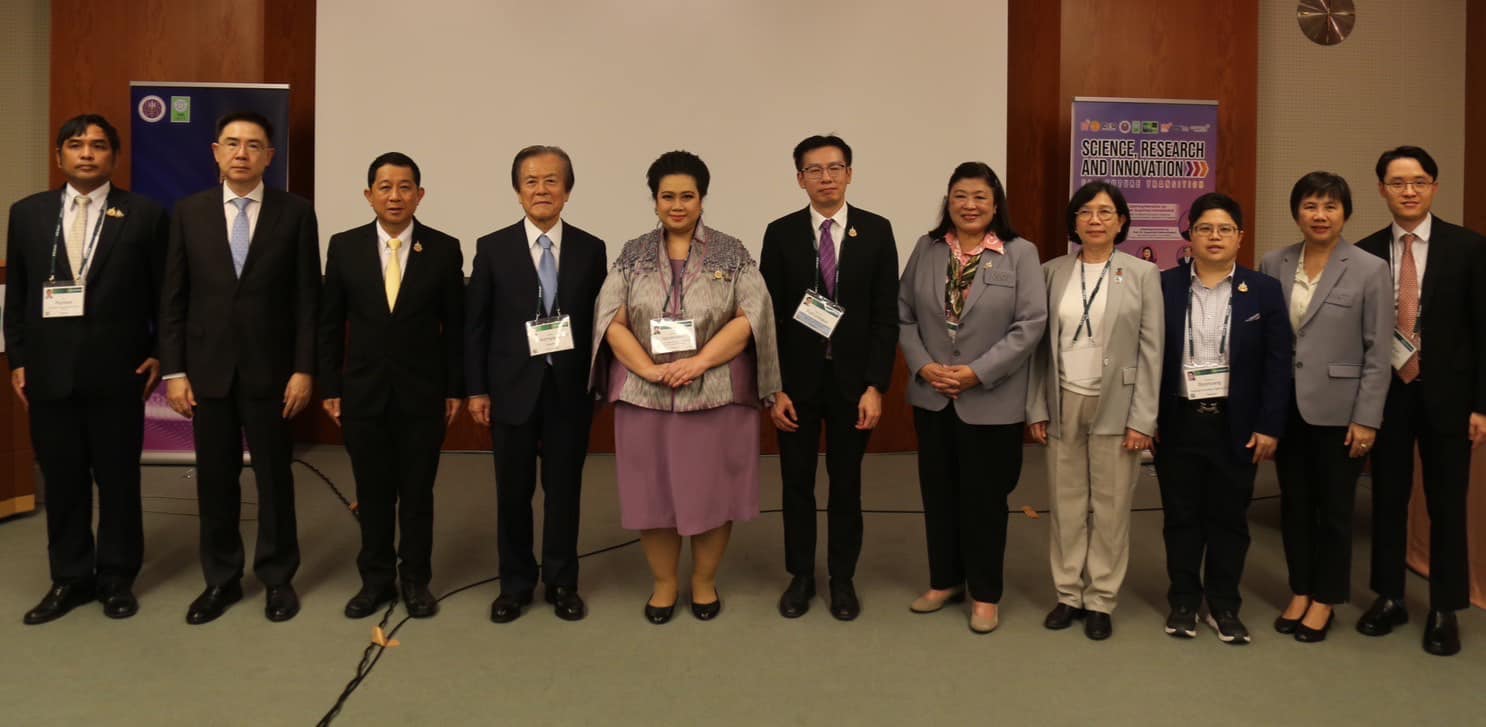
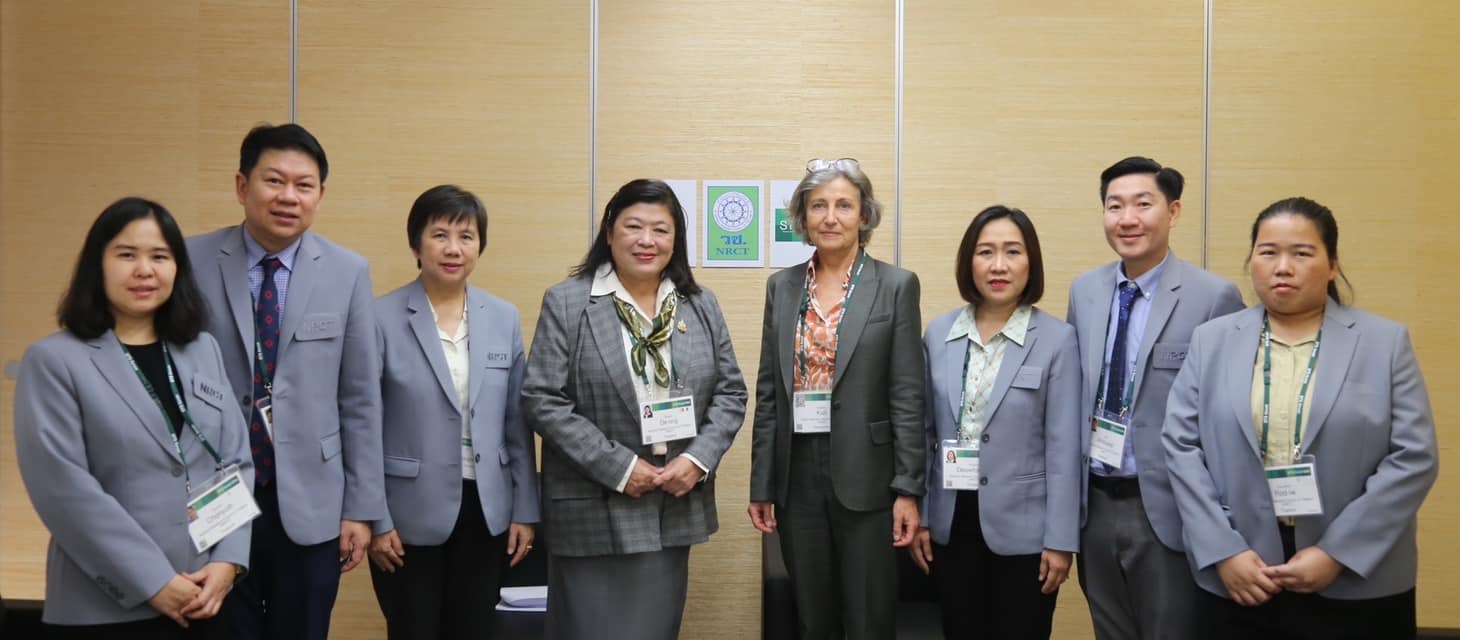
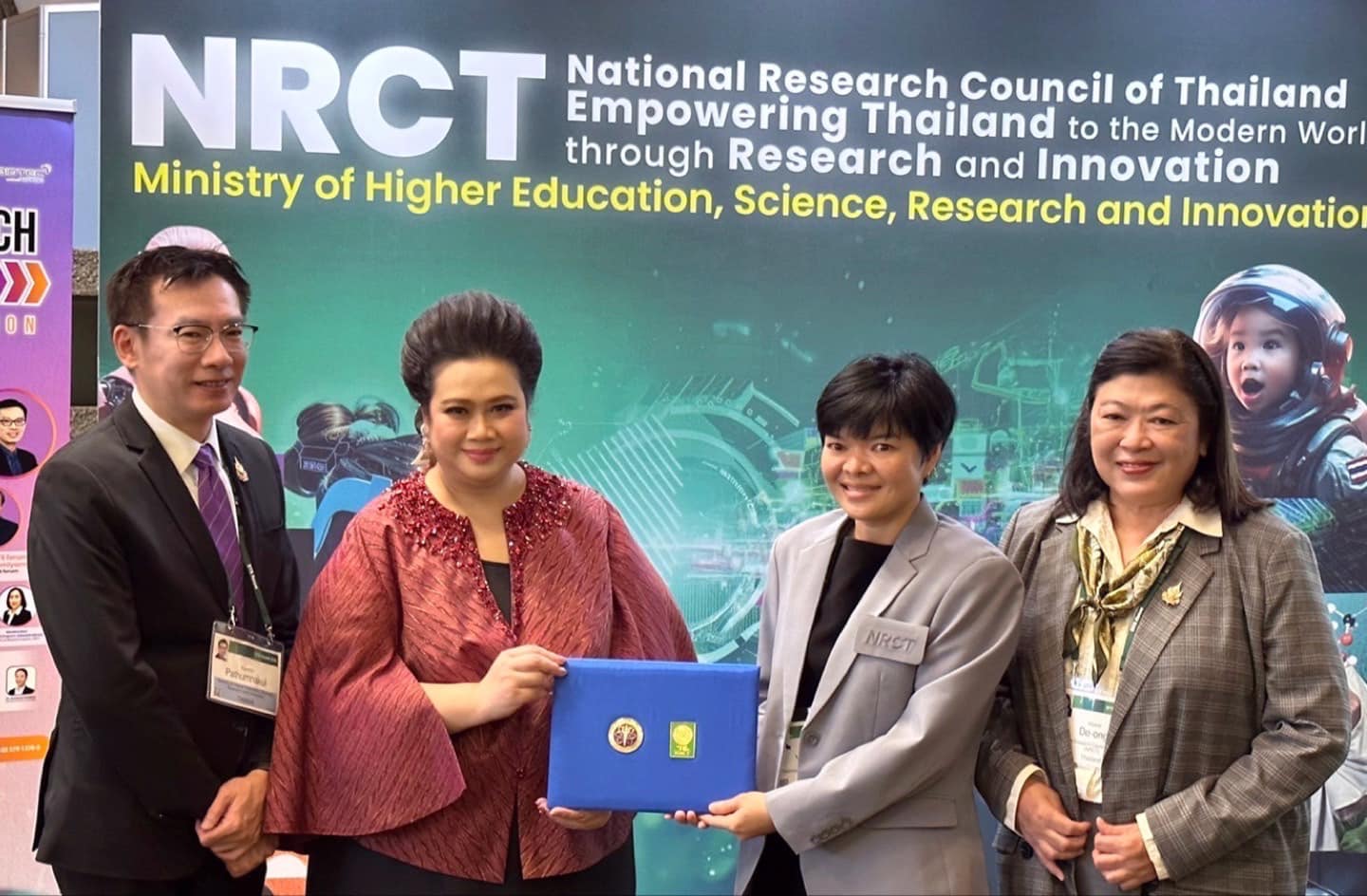
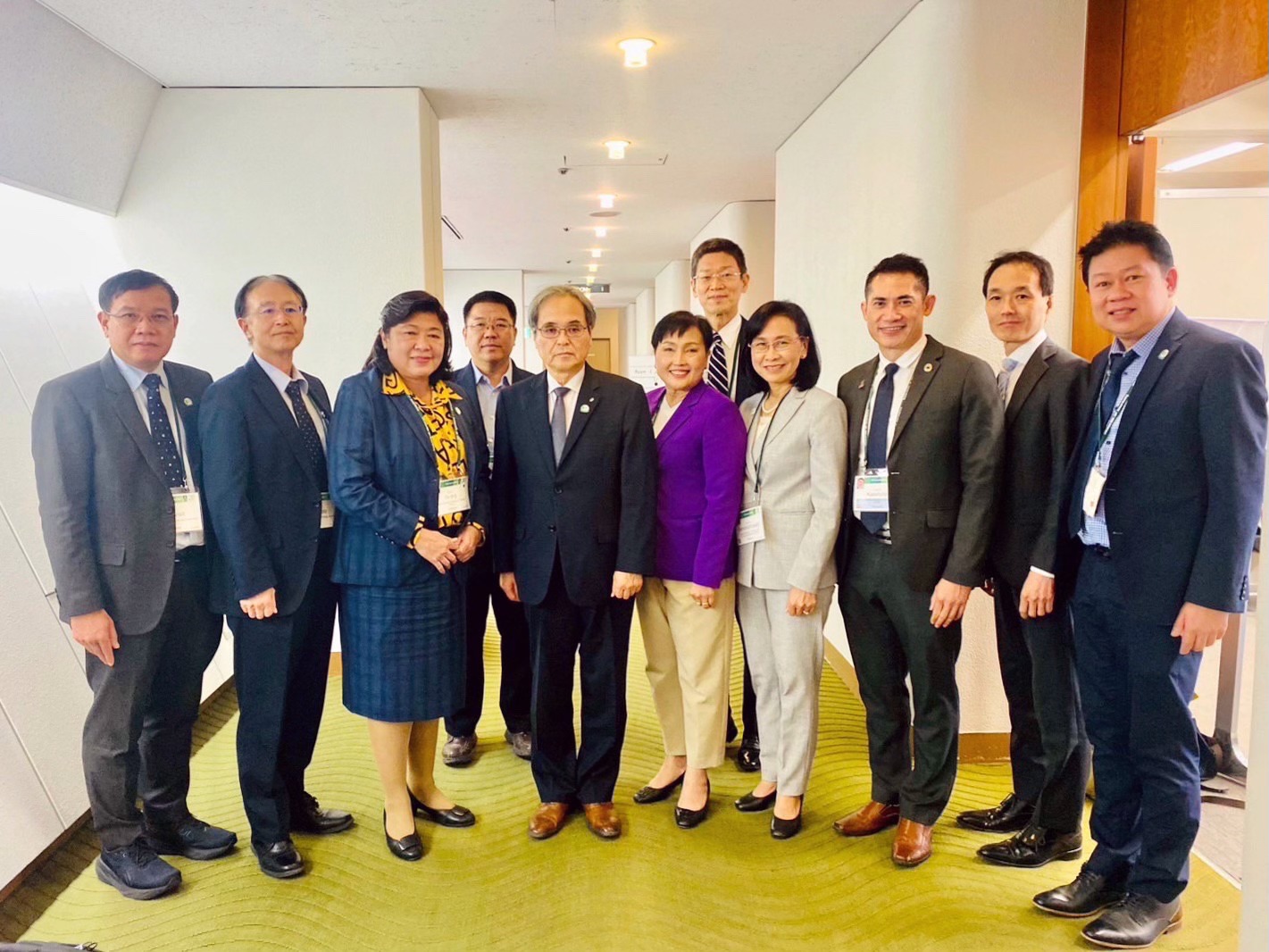
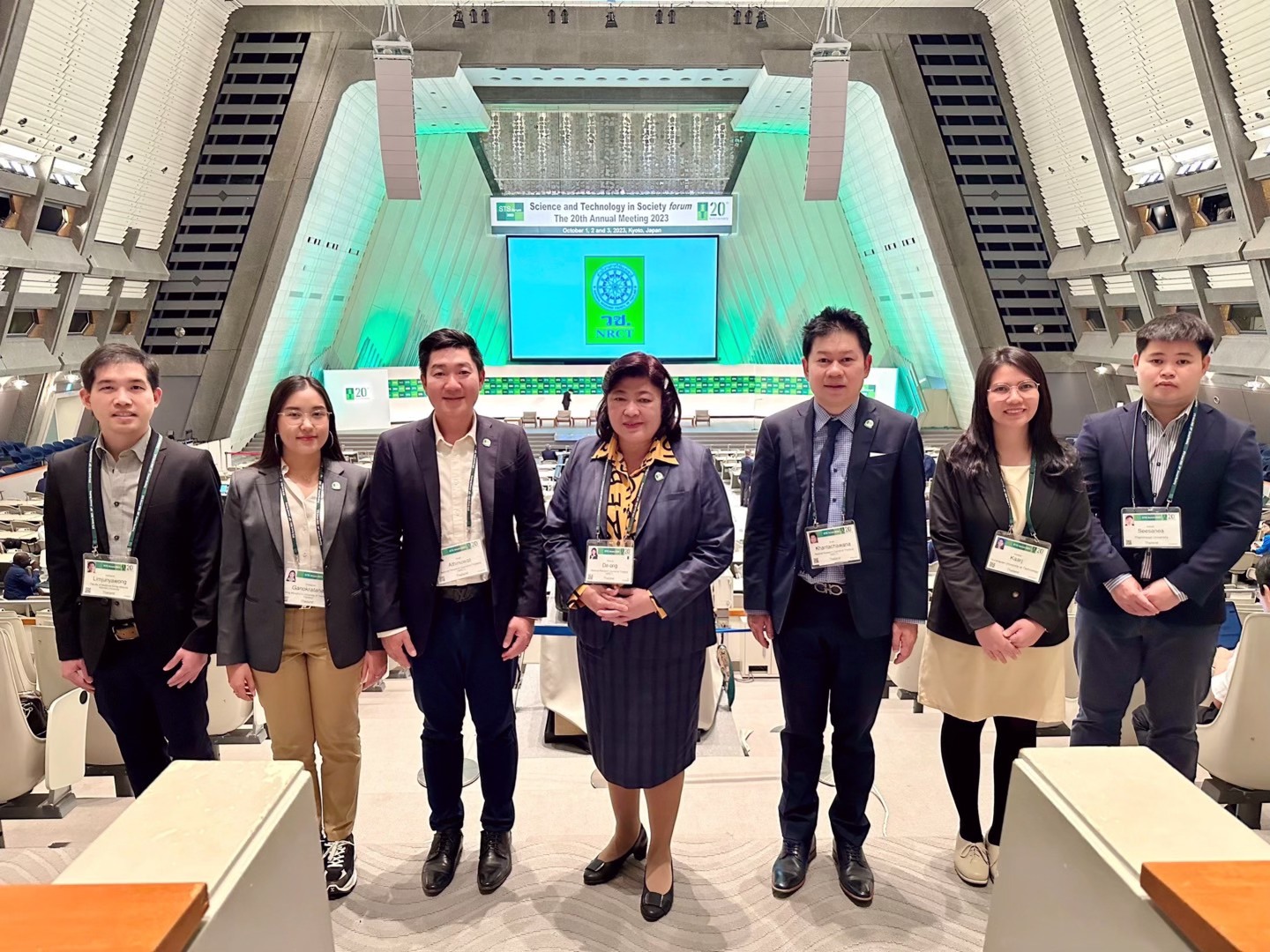
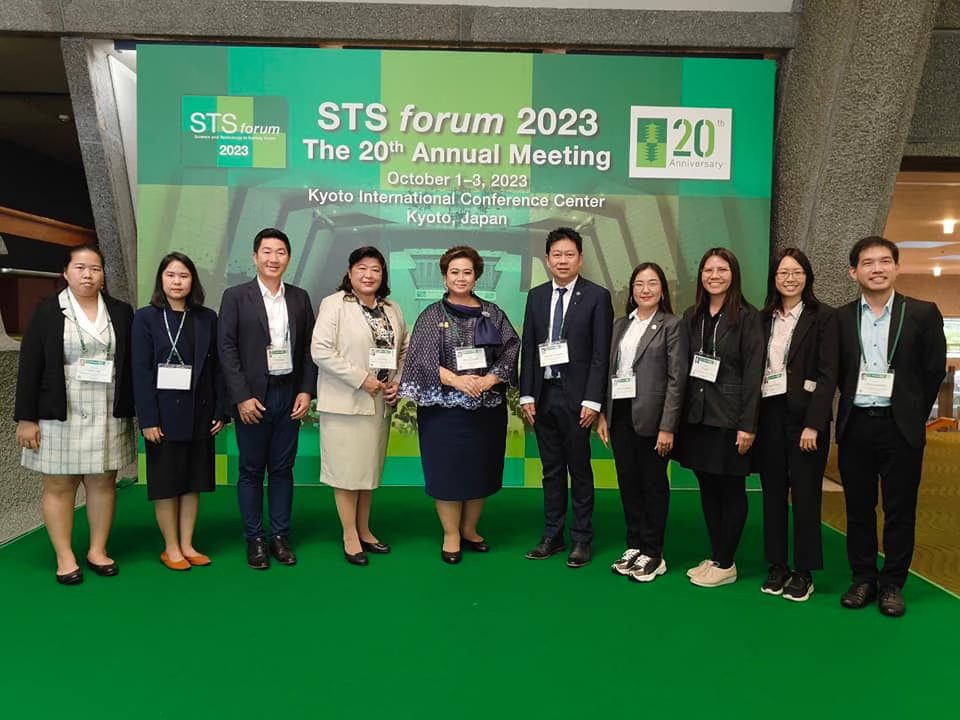
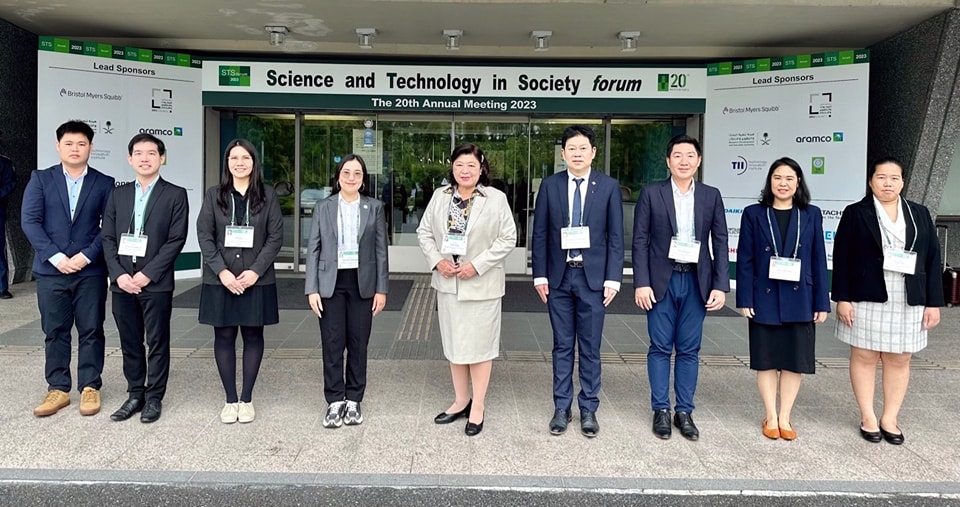
Beijing, People’s Republic of China, September 17, 2026 — The Chinese Academy of Social Sciences (CASS) hosted a delegation from the National Research Council of Thailand (NRCT), under the Ministry of Higher Education, Science, Research and Innovation (MHESI), for a study visit to the Chinese Archaeological Museum in Beijing. The delegation was led by Dr. Wiparat De-ong, Executive Director of NRCT, and included NRCT executives, distinguished experts, and Thai archaeological specialists.
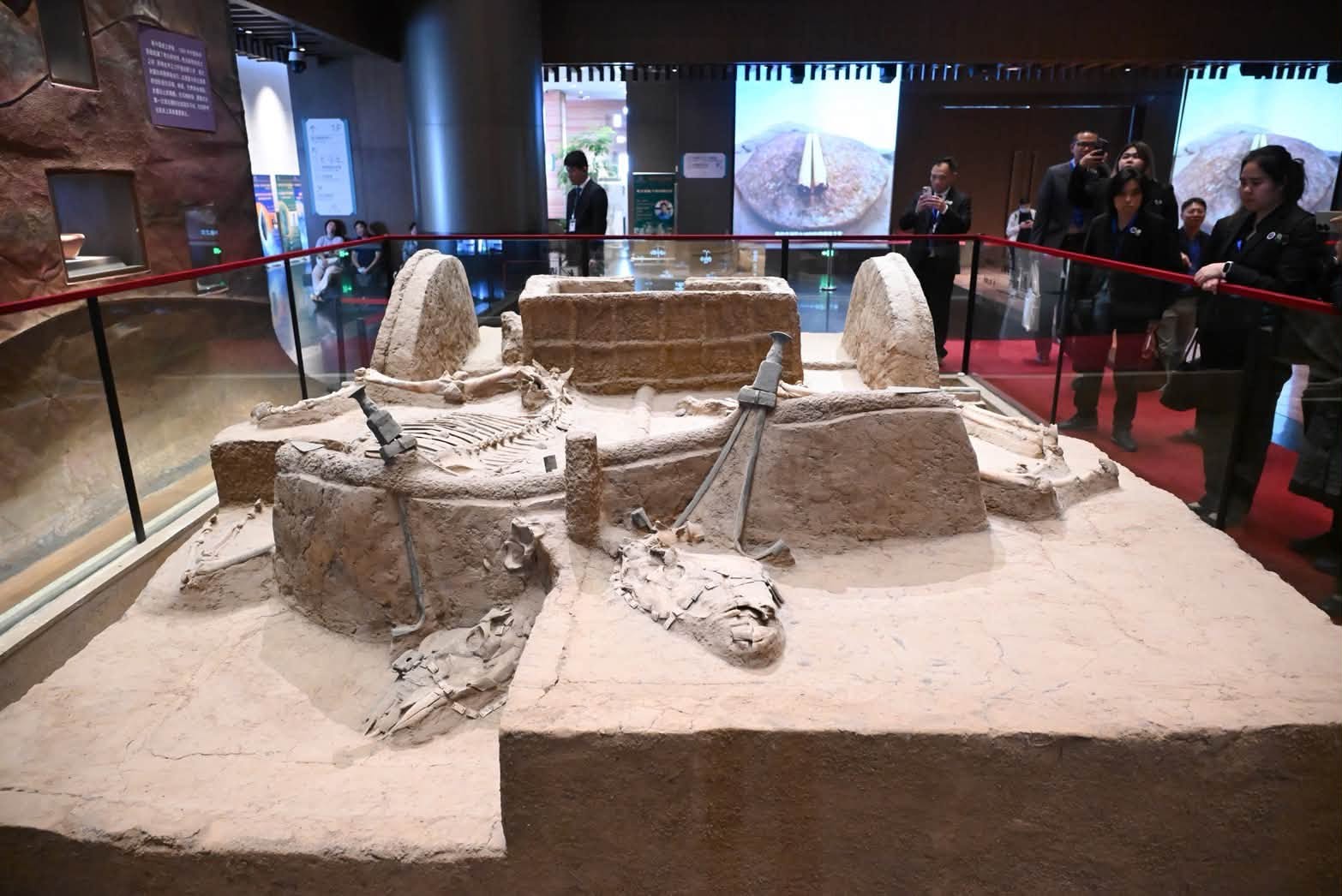
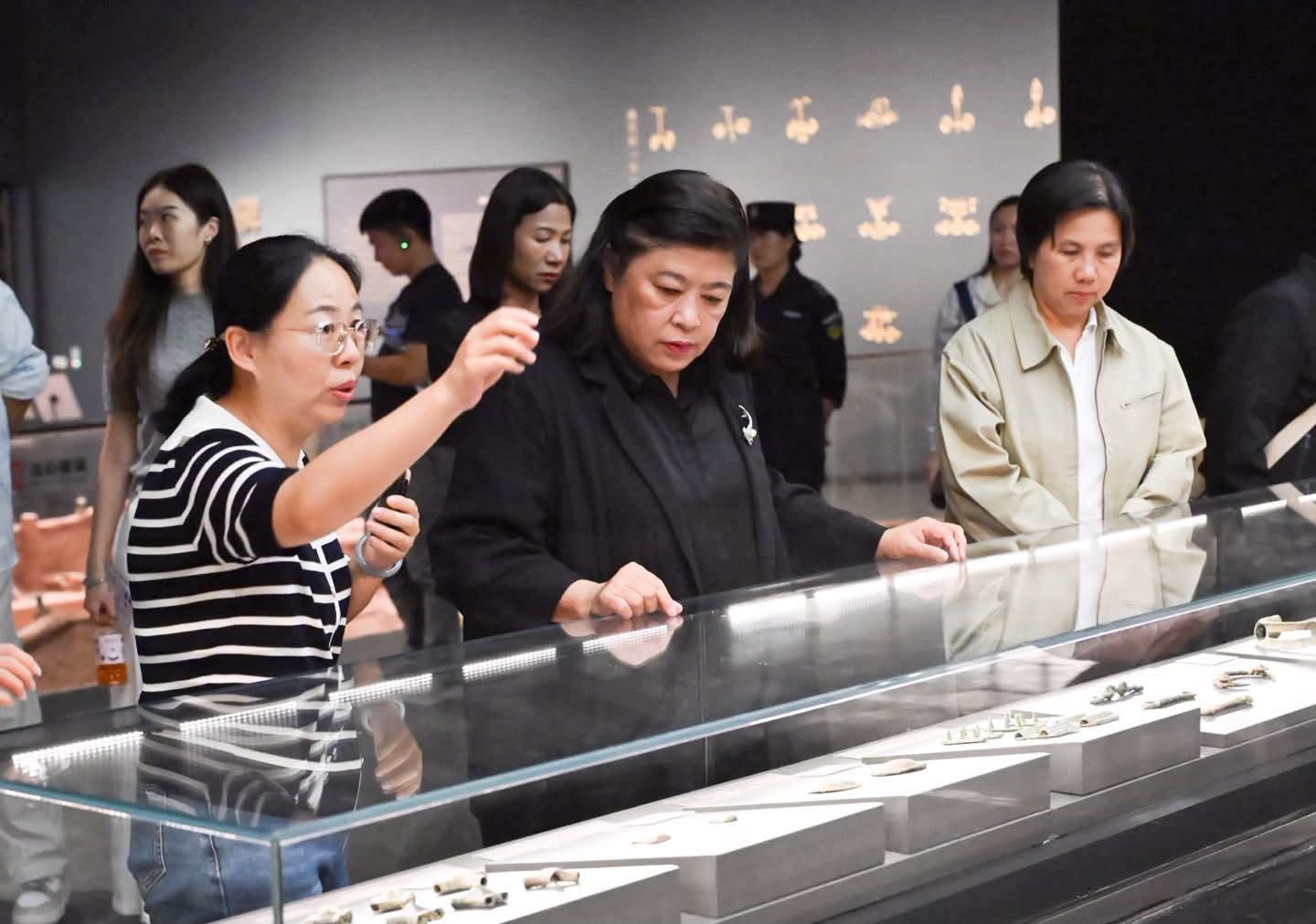
The Chinese Archaeological Museum, operating under the Chinese Academy of History, is a national-level museum dedicated to presenting archaeological discoveries. Guided by the concept of “telling Chinese history through authentic evidence,” the museum officially opened to the public on September 15, 2023. Its exhibitions showcase archaeological evidence tracing the development of Chinese civilization over more than 5,000 years, providing visitors with insights into the country’s history and cultural heritage.
During the visit, the Thai delegation explored the museum’s approaches to presenting archaeological evidence, conserving antiquities, and applying modern science and technology to archaeological research and cultural heritage management. The visit also provided an opportunity to learn about the management of extensive historical and archaeological databases and how these resources can support research, knowledge dissemination, and conservation efforts.
The knowledge and practical approaches gained from the visit are expected to contribute to the advancement of archaeological research and cultural heritage management in Thailand. In particular, the experience may help strengthen research systems, improve conservation practices, and promote the application of scientific and technological innovations in the preservation and management of cultural heritage.
NRCT aims to build on these insights to support the development of Thailand’s research capabilities and promote the systematic creation and application of knowledge and innovation in cultural heritage. These efforts will contribute to the sustainable conservation, management, and utilization of cultural heritage in line with international standards.