“Yodchanan” Visits Songkhla to Support “Blue Crab Bank” and “Coral Dome” Innovations, Aiming to Restore Marine and Coastal Resources and Generate Community Income
31 August 2026


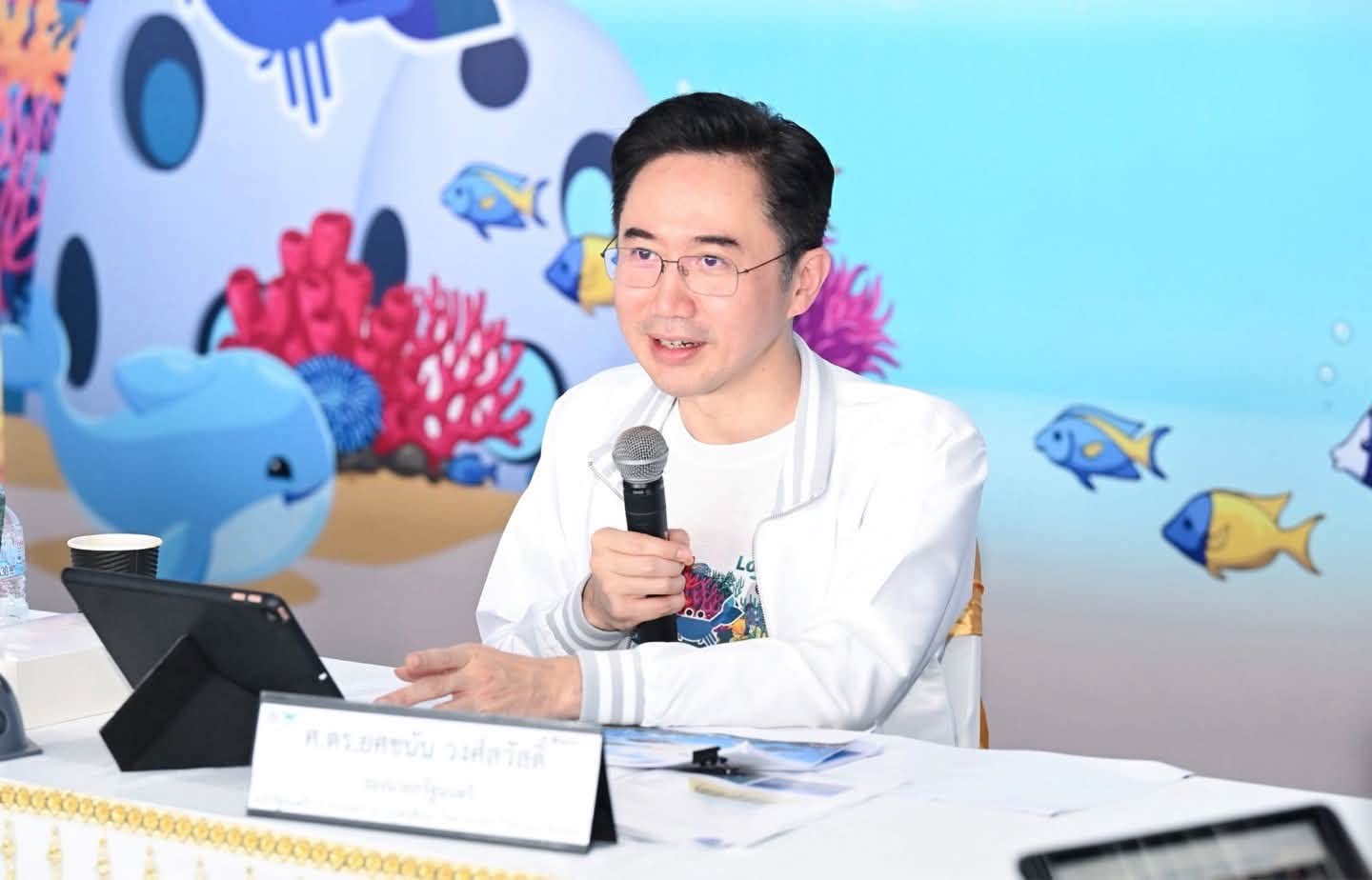
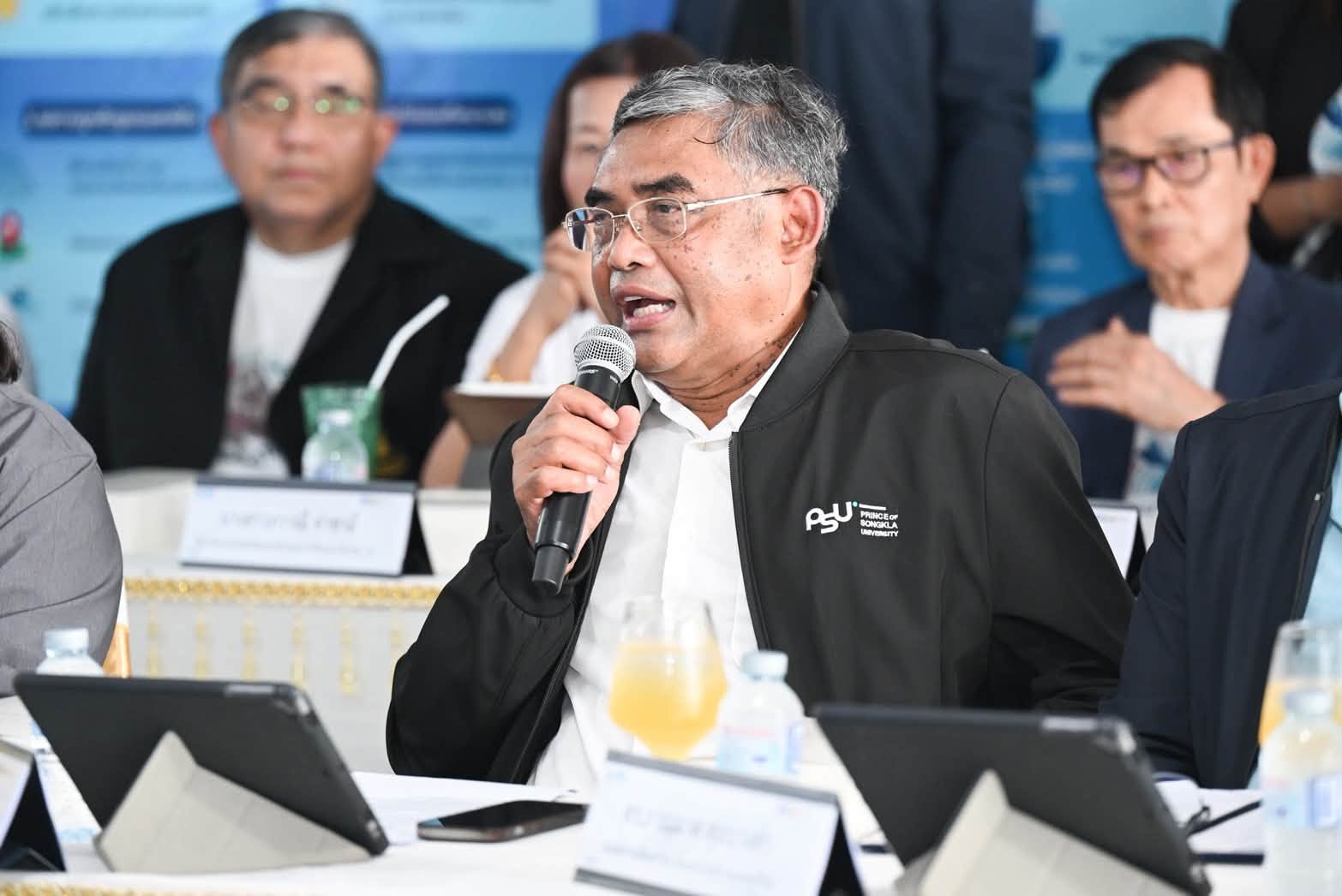
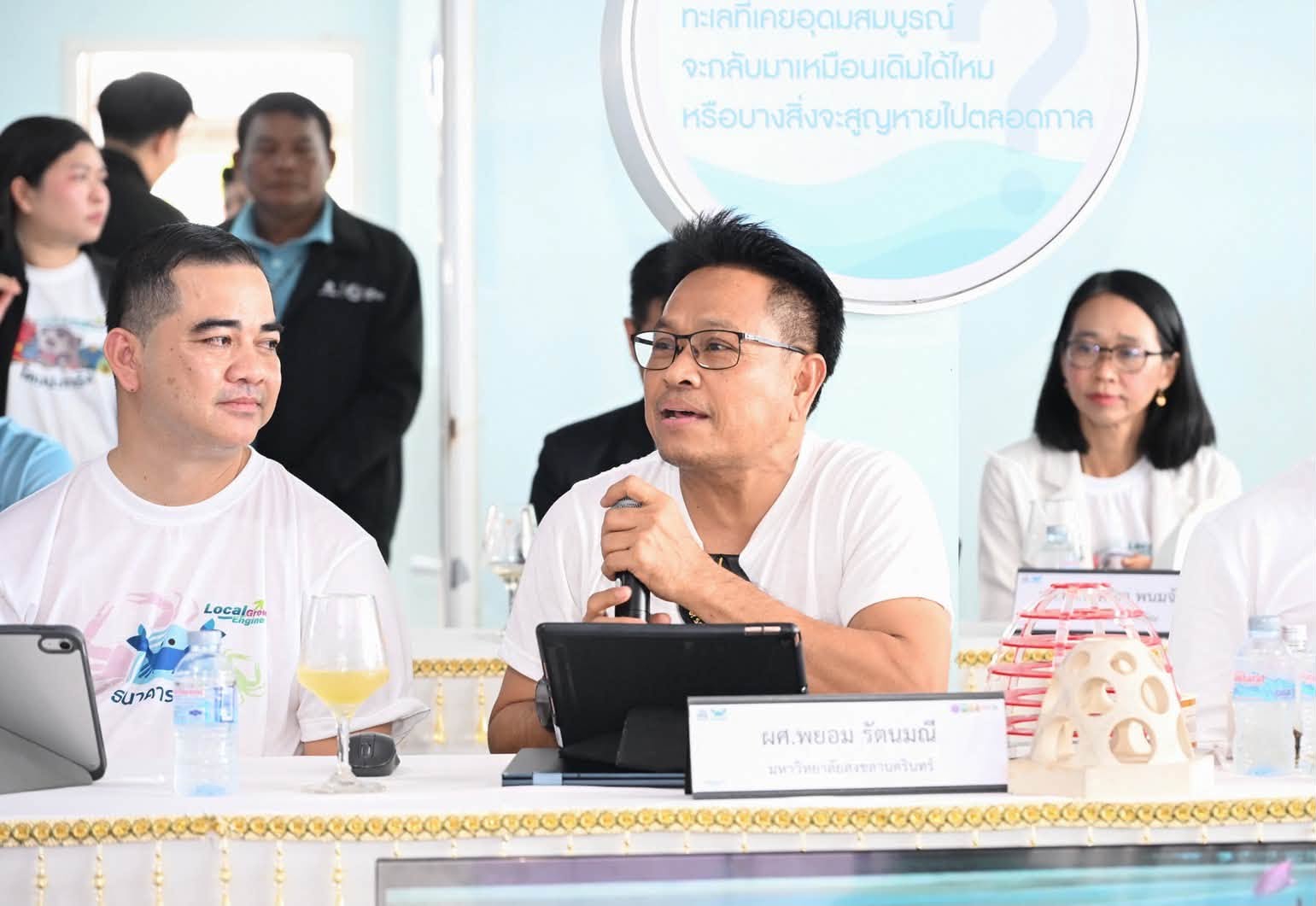
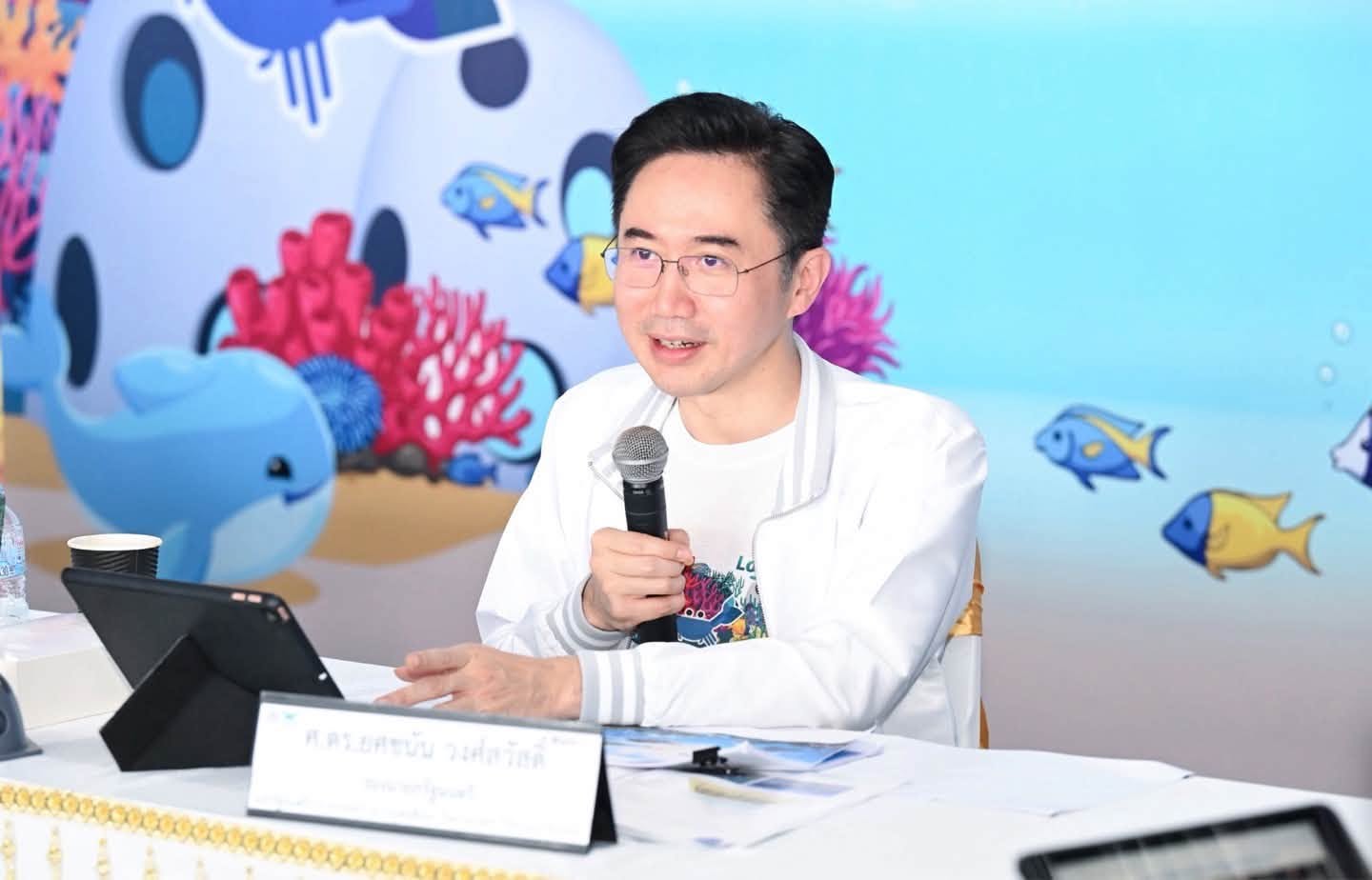
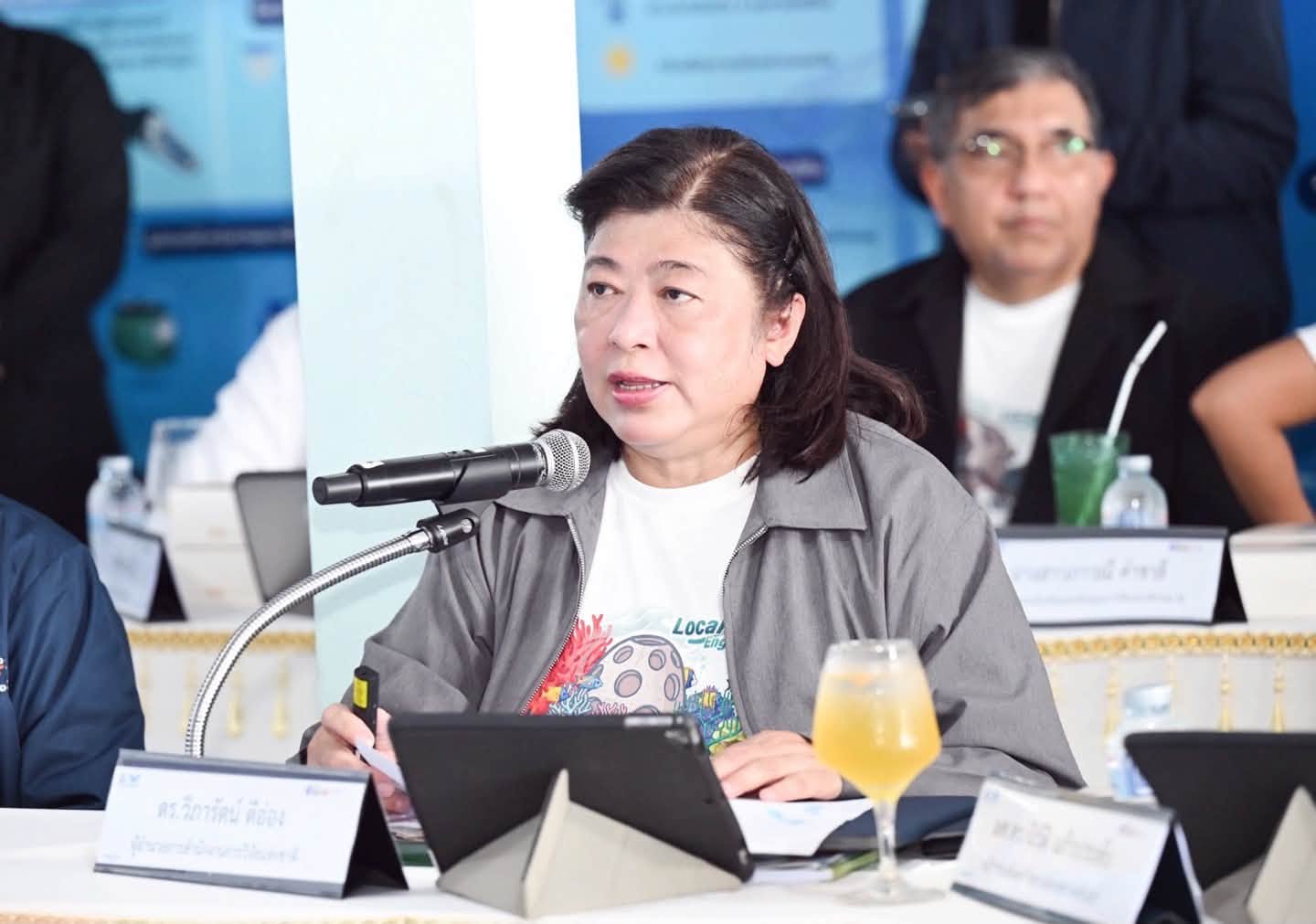
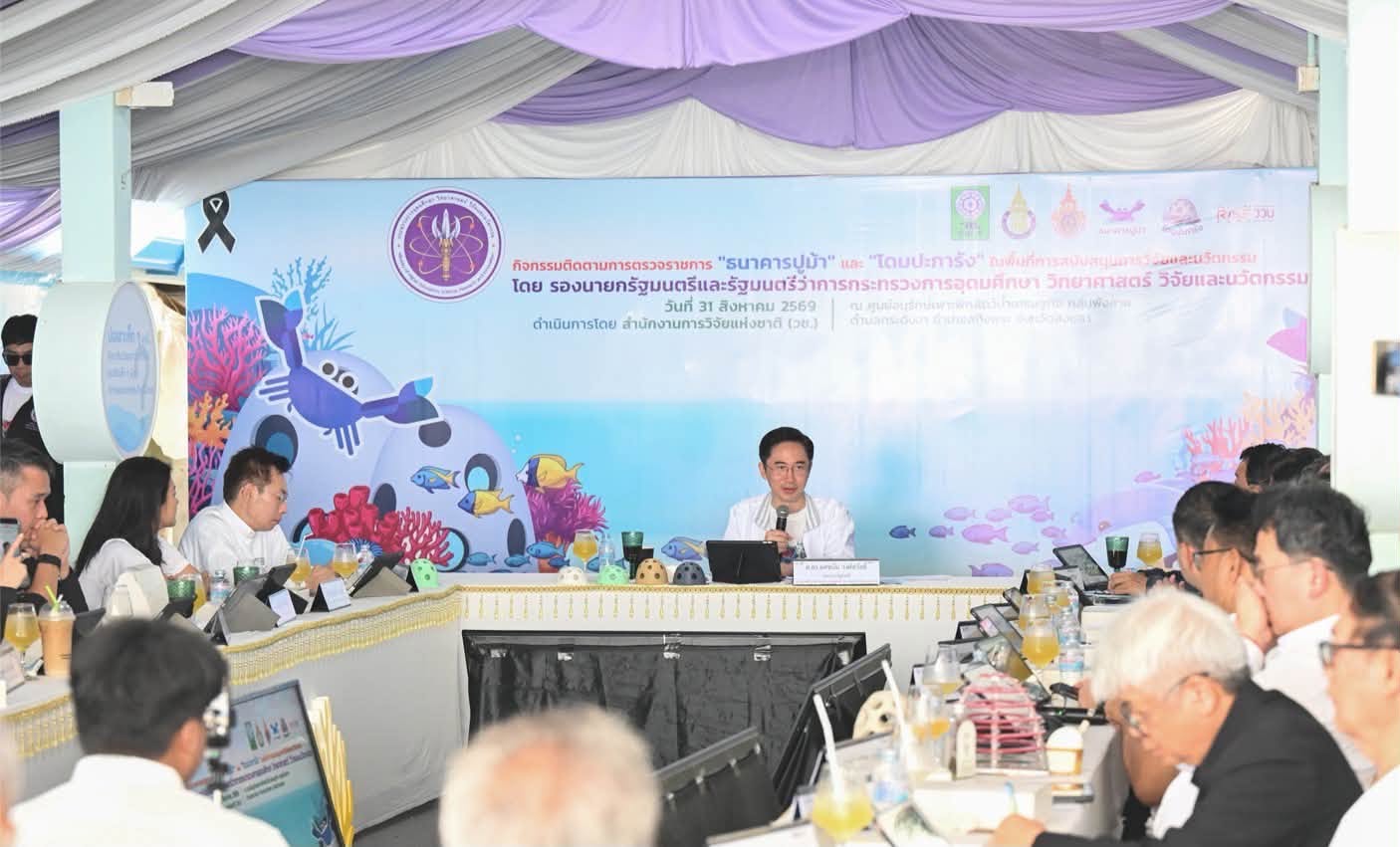
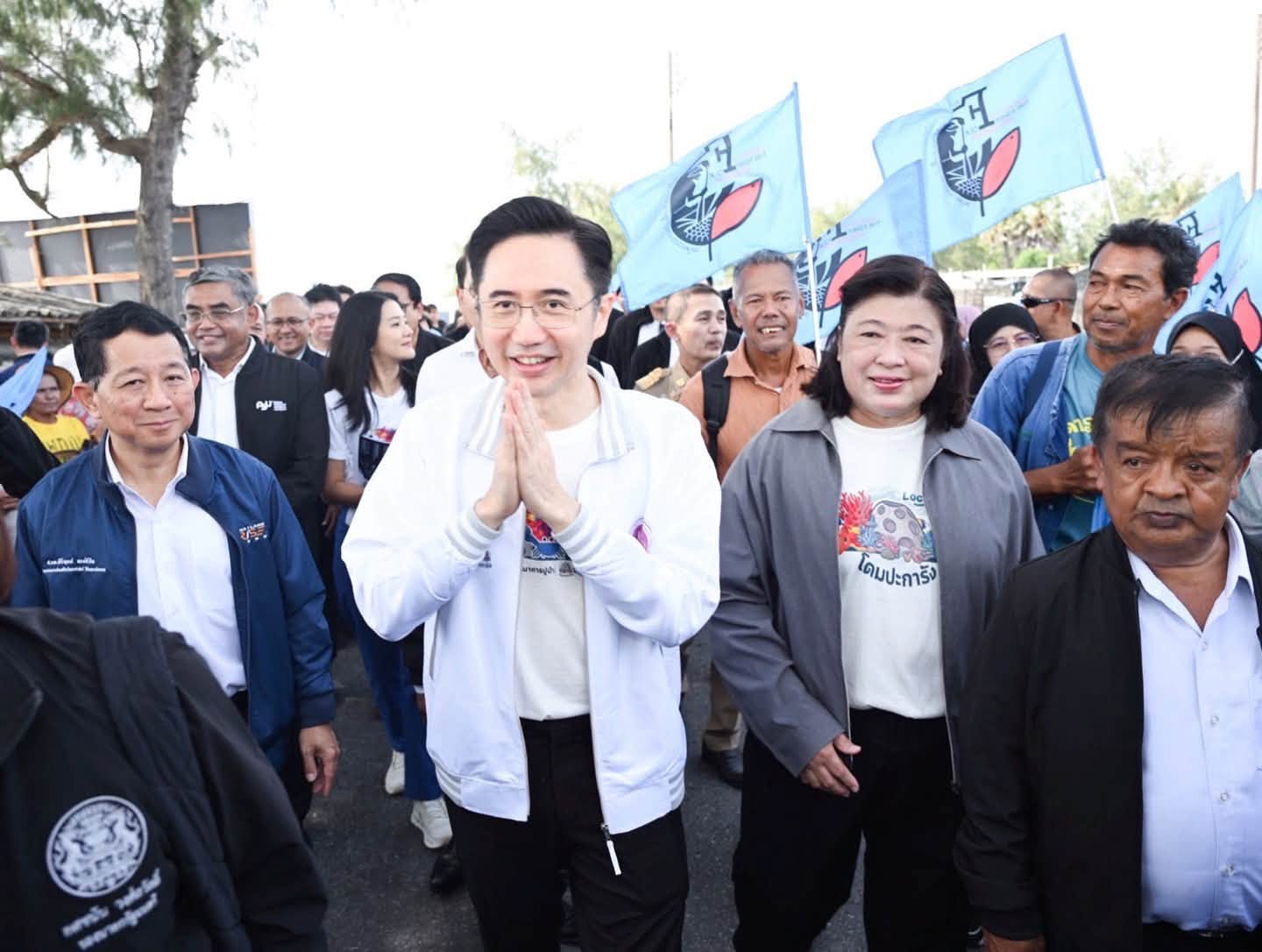
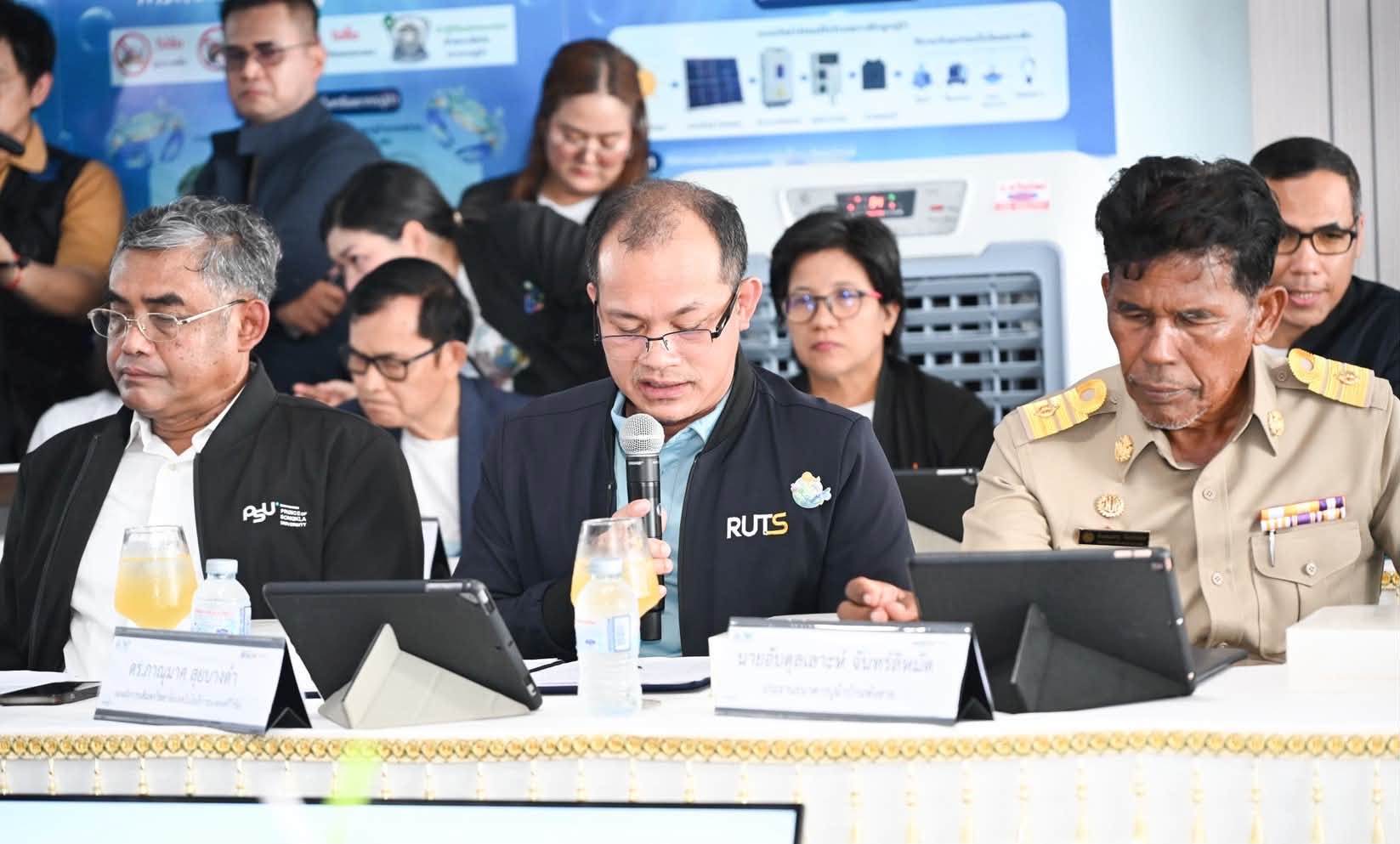
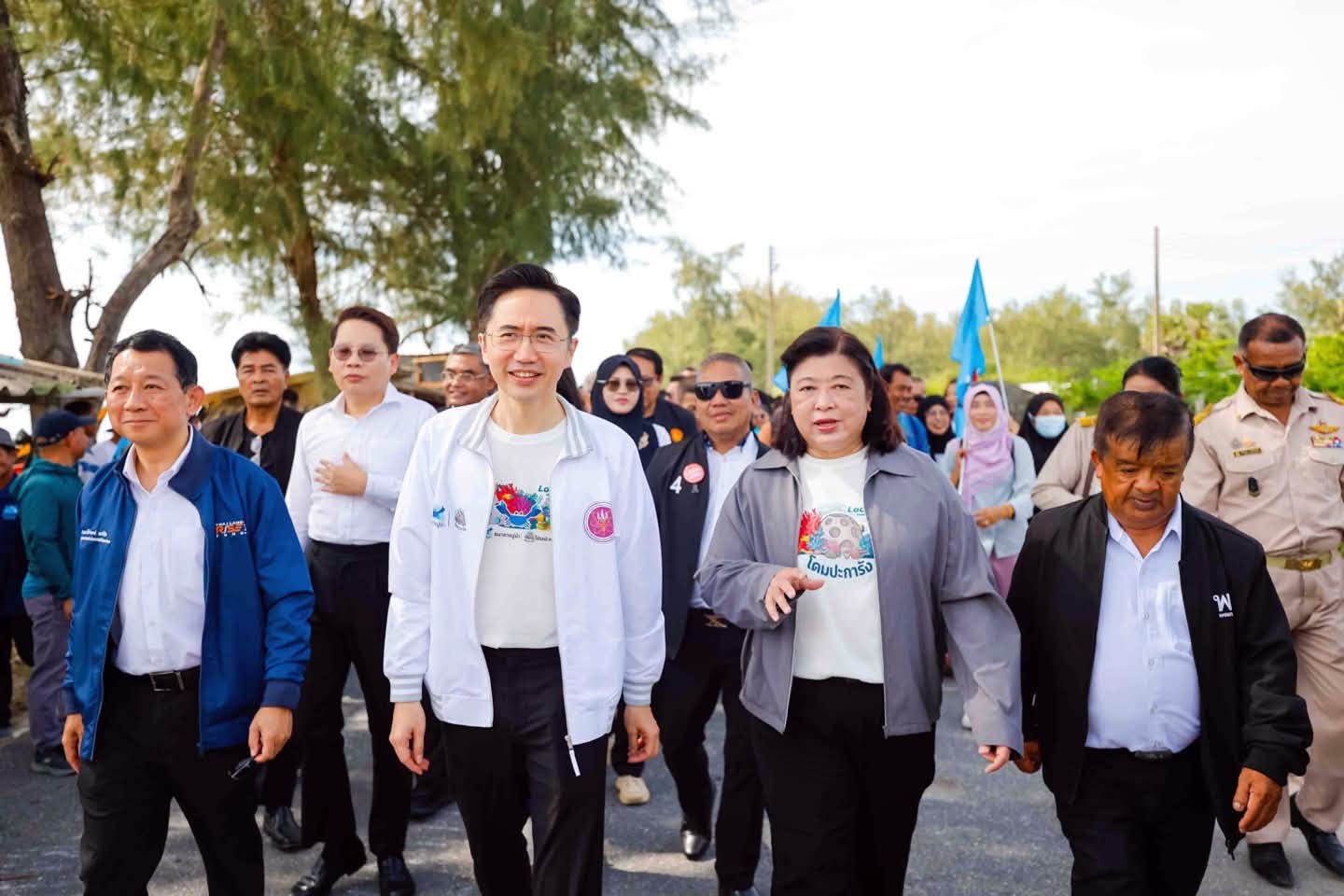
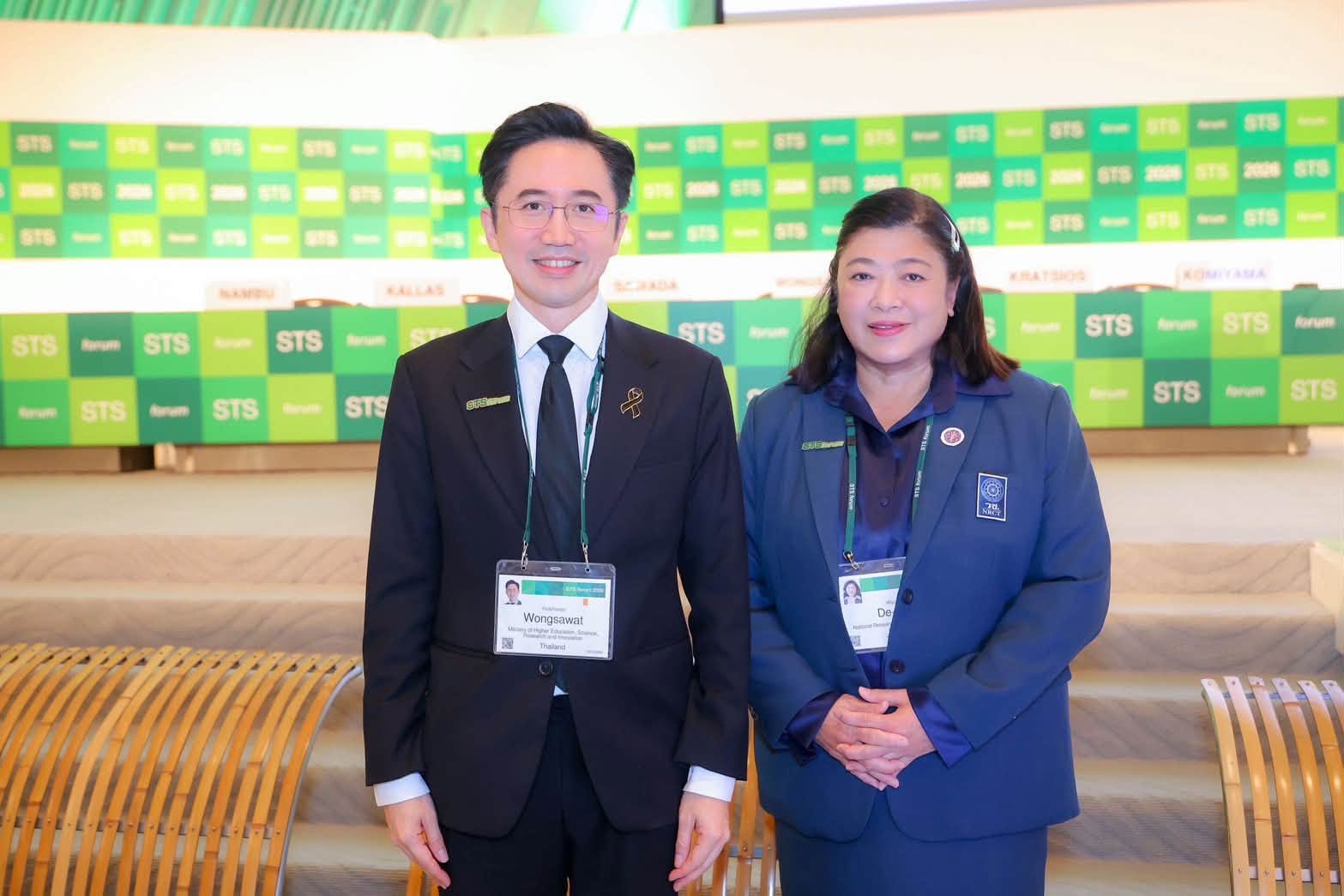
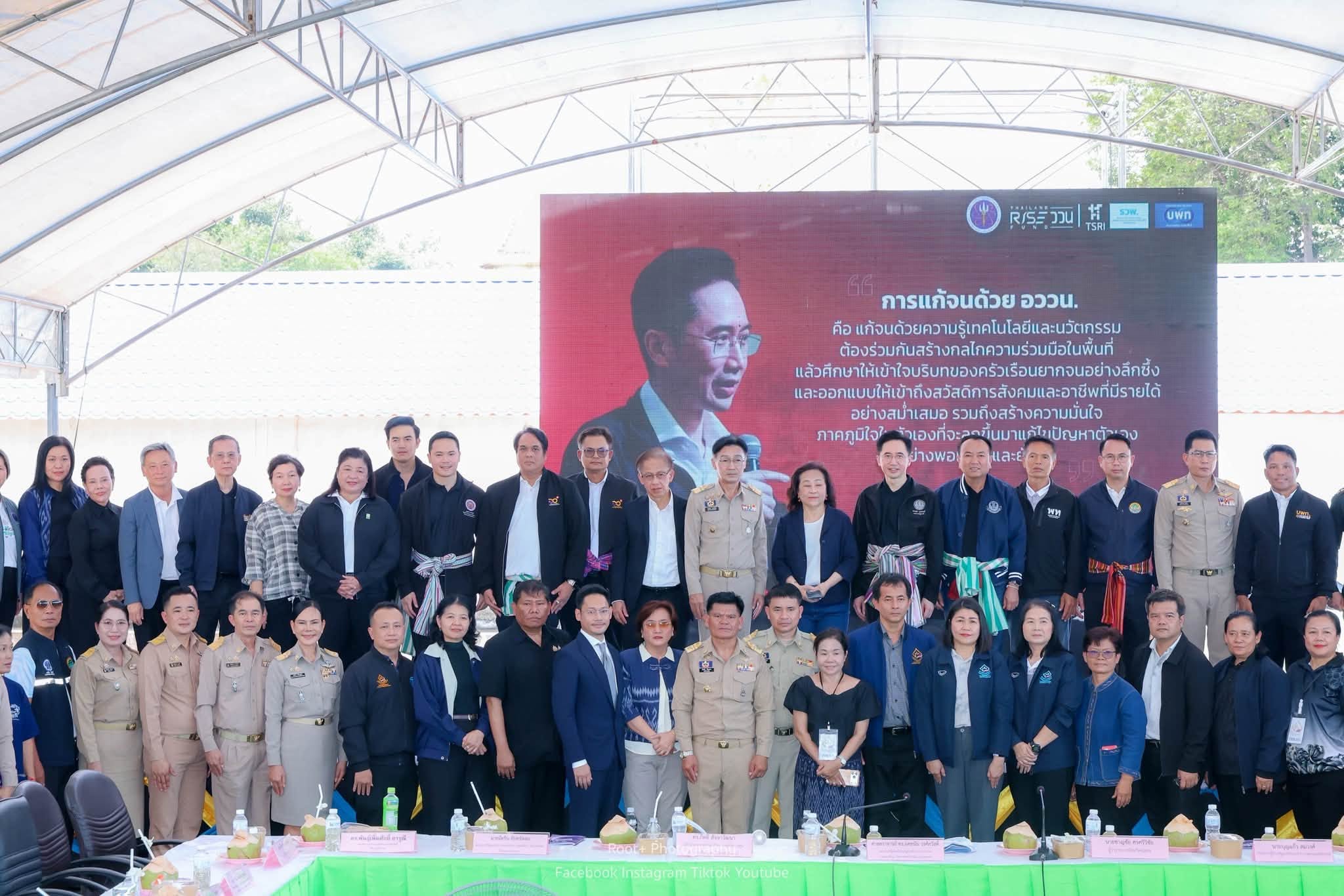
On August 31, Prof. Dr. Yodchanan Wongsawat, Deputy Prime Minister and Minister of Higher Education, Science, Research and Innovation (MHESI), visited Songkhla Province as part of an official inspection to promote policies supporting research and innovation for community empowerment and environmental conservation. He was accompanied by Mr. Chattarin Chanhom, Secretary to the Minister of MHESI; Prof. Dr. Supachai Pathumnakul, Permanent Secretary of MHESI; Dr. Phanpermsak Aruni, Deputy Permanent Secretary; Dr. Wiparat De-ong, Director of the National Research Council of Thailand (NRCT); Asst. Prof. Dr. Niwat Kaewpradab, President of Prince of Songkla University; Mr. Phanumas Suibangdam, Vice President of Rajamangala University of Technology Srivijaya; and Mr. Abdullah Chanlimad, Mayor of Kradangnga Subdistrict Administrative Organization. The delegation, together with executives and experts, visited the Economic Aquatic Animal Hatchery Conservation Center (Phang Sai Group) in Kradangnga Subdistrict, Sathing Phra District, Songkhla Province.
Prof. Dr. Yodchanan stated that the mobile Cabinet’s visit shares a core objective: improving the quality of life of people in the South by listening directly to their concerns and translating them into actionable policies. MHESI is focusing on strengthening the local economy through key initiatives, including the Blue Crab Bank project, coral reef ecosystem restoration, and Irrawaddy dolphin conservation.
The Blue Crab Bank project has been elevated to a national-level initiative by the NRCT since 2018. The next step is to expand the project through the application of advanced science and technology, such as Digital Twin systems, to collect and analyze water and weather data. This will help maximize the effectiveness of blue crab releases and enhance biodiversity. In addition, MHESI aims to develop spin-off innovations around Blue Crab Bank centers by connecting them with Science Parks and startups to improve processing, increase the value of products, and enhance national competitiveness. This approach is expected to attract investment to local areas and support the sustainable expansion of Blue Crab Bank networks.
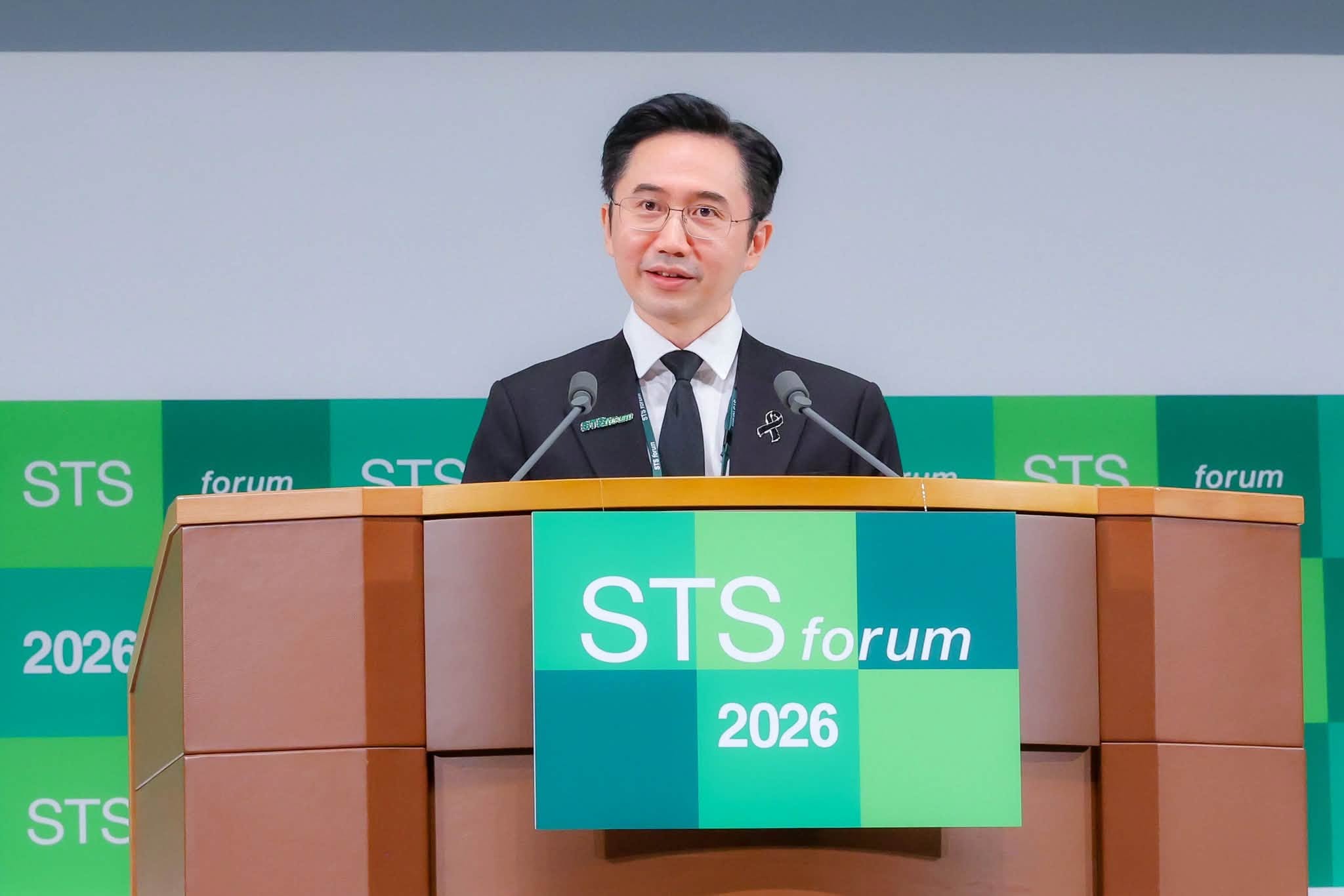
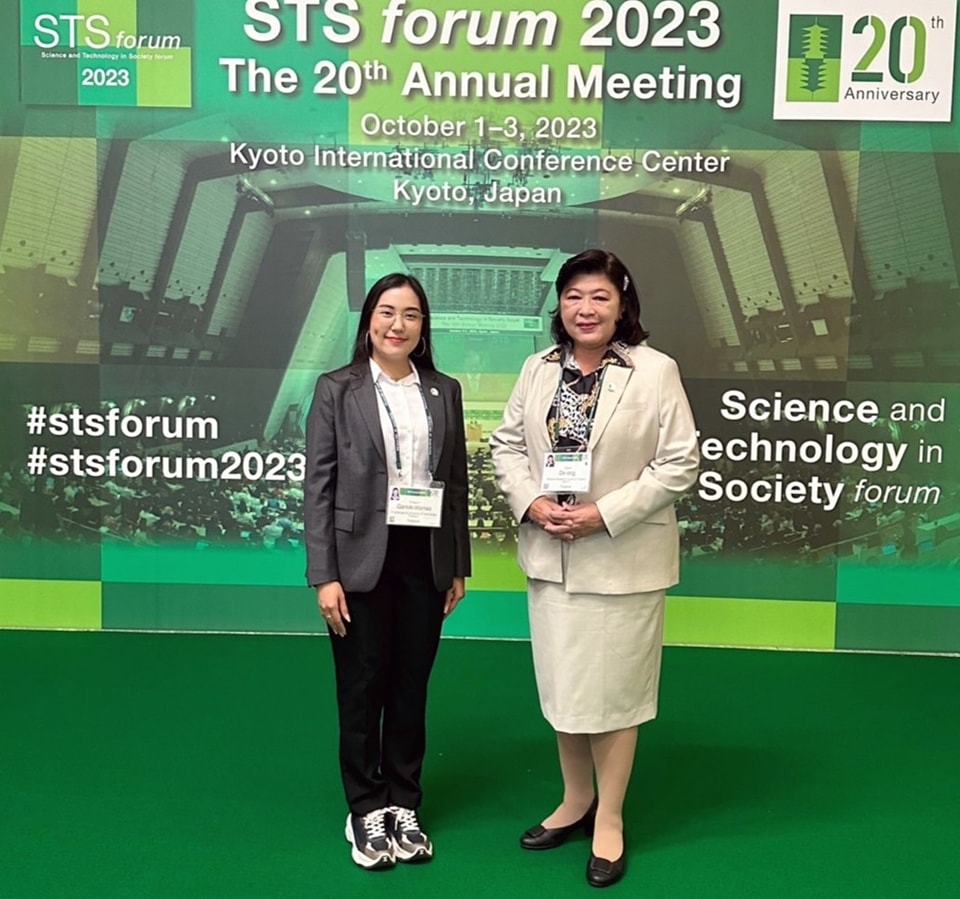
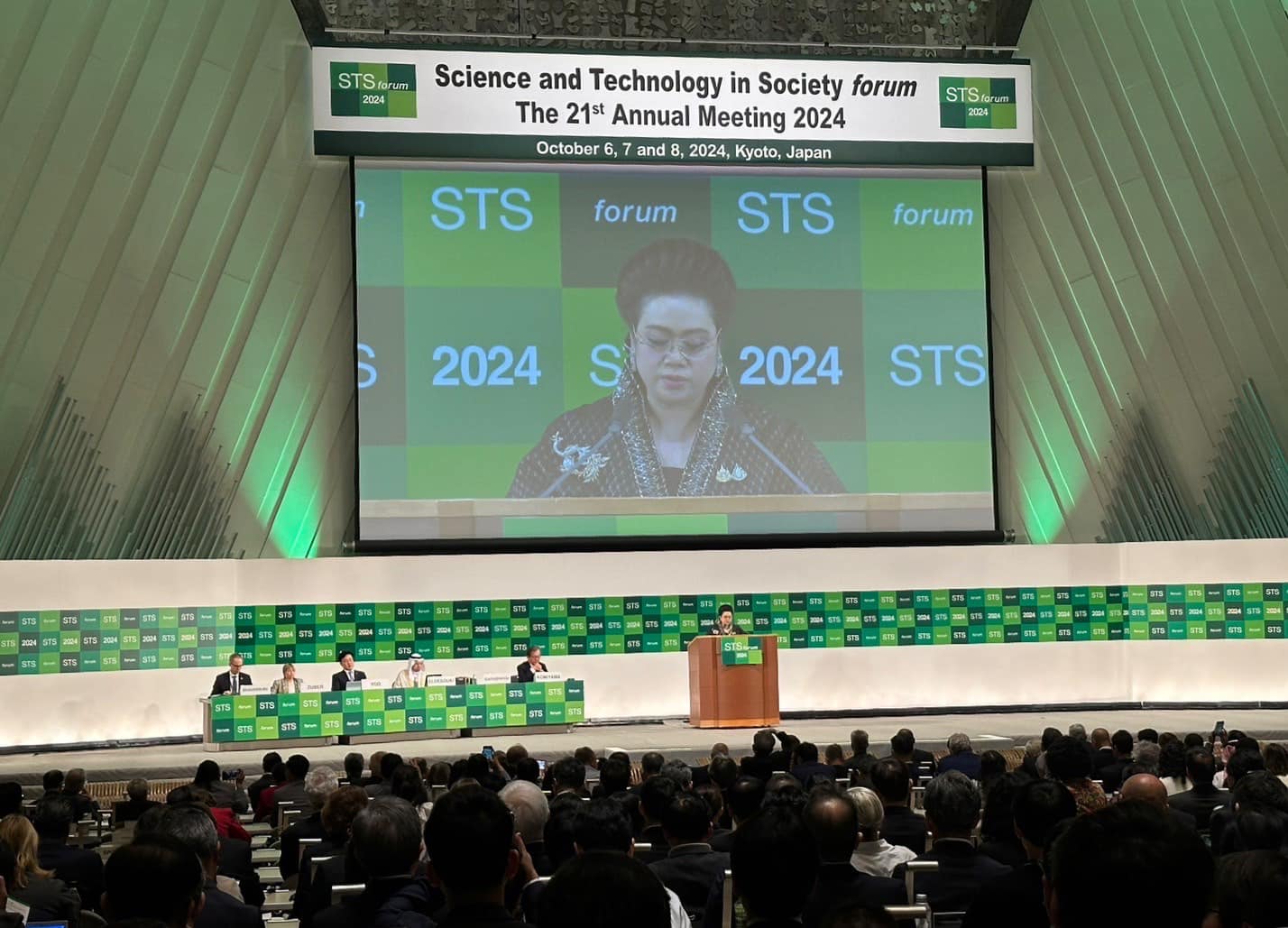
The Deputy Prime Minister and Minister of MHESI further noted that the ministry is preparing to announce a vision for transforming the southern region into a “Living Lab.” The initiative aims to attract global technologies and expertise to support the joint conservation of Thailand’s marine resources along both the Andaman Sea and the Gulf of Thailand under the concepts of “Nature Positive,” “Nature Financing,” and value creation from nature. These concepts will be presented at the STS Forum in October as part of efforts to position Thailand as a global leader in marine conservation.
Meanwhile, development will not be limited to marine resources but will also encompass the value addition of terrestrial resources, including oil palm, rubber, bamboo, herbs, and renewable energy. The initiative will also support the development of a Medical Wellness Corridor and strengthen public health infrastructure. All these efforts will rely on cross-ministerial integration involving the Department of Fisheries, the Ministry of Natural Resources and Environment, the Ministry of Interior, local university networks, and the private sector. The ultimate goal is to build economic stability and ensure a sustainable quality of life for future generations in the South.
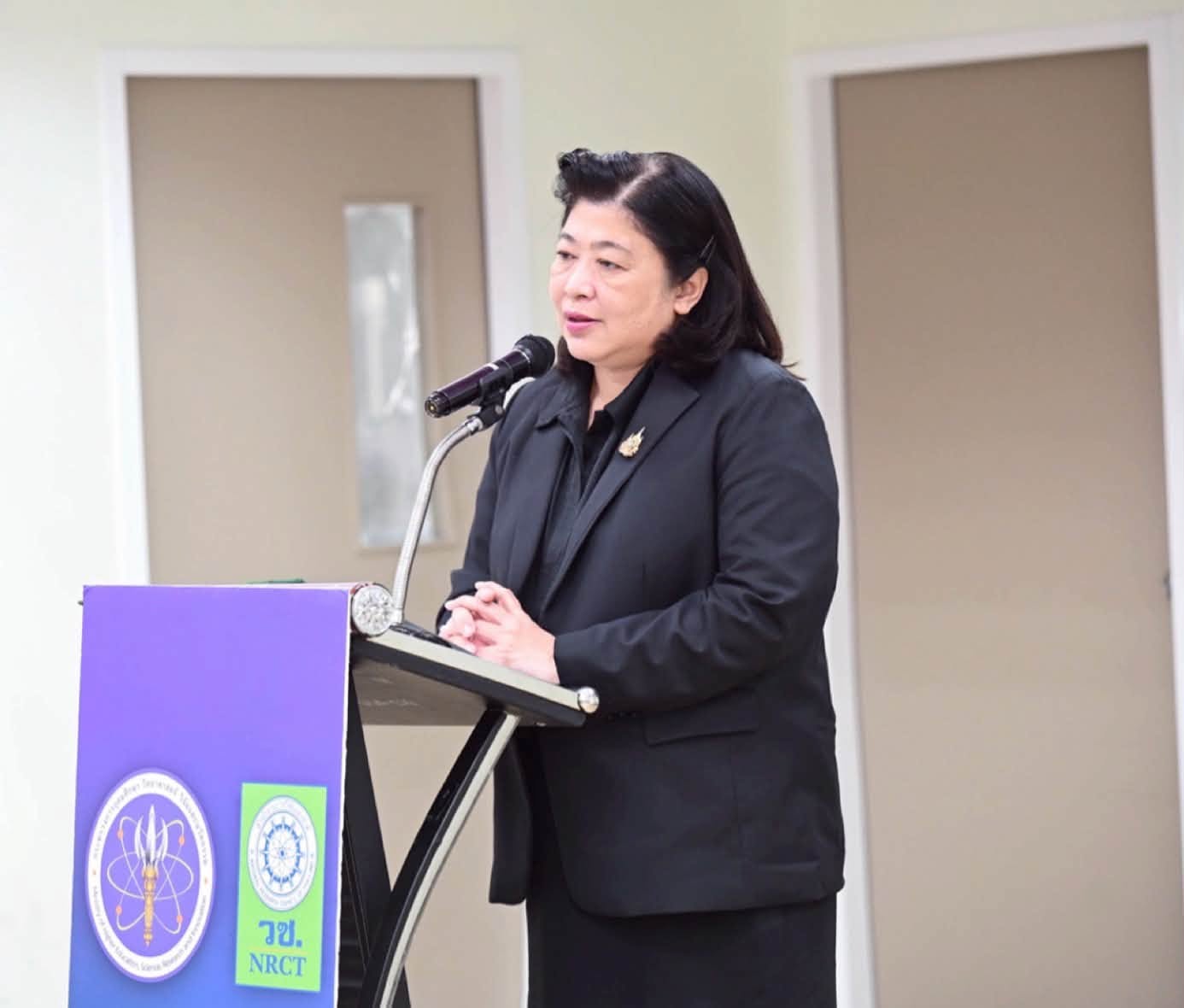
Dr. Wiparat stated that research and innovation under two major NRCT-supported projects—the “Coral Dome” project and the Blue Crab Bank expansion project, “Returning Blue Crabs to Thai Seas”—has continued to advance through collaboration and integration among partner agencies and local universities.
Currently, the “Coral Dome” innovation functions as a porous underwater breakwater that reduces wave energy before it reaches the shore while simultaneously providing a habitat for marine life. The innovation has successfully contributed to the restoration of natural coral reefs, increasing coral abundance and attracting more than 60 marine species, while helping to recover nearly 3 rai of beach area. The installation of 797 new coral domes is currently underway along the coast of Ching Kho Subdistrict, Singhanakhon District, Songkhla Province.
Meanwhile, the Blue Crab Bank expansion project has successfully established 565 sites in coastal communities across 20 provinces nationwide. The project has resulted in an average 67% increase in the blue crab population compared with pre-project levels, while catch volumes have continued to rise. In addition, 52 learning centers have been established to disseminate knowledge to the public.
The success of both projects reflects the NRCT’s role in translating research and innovation into practical applications for restoring marine and coastal resources, strengthening food security, generating income, supporting the grassroots economy, and enhancing the resilience of coastal communities.
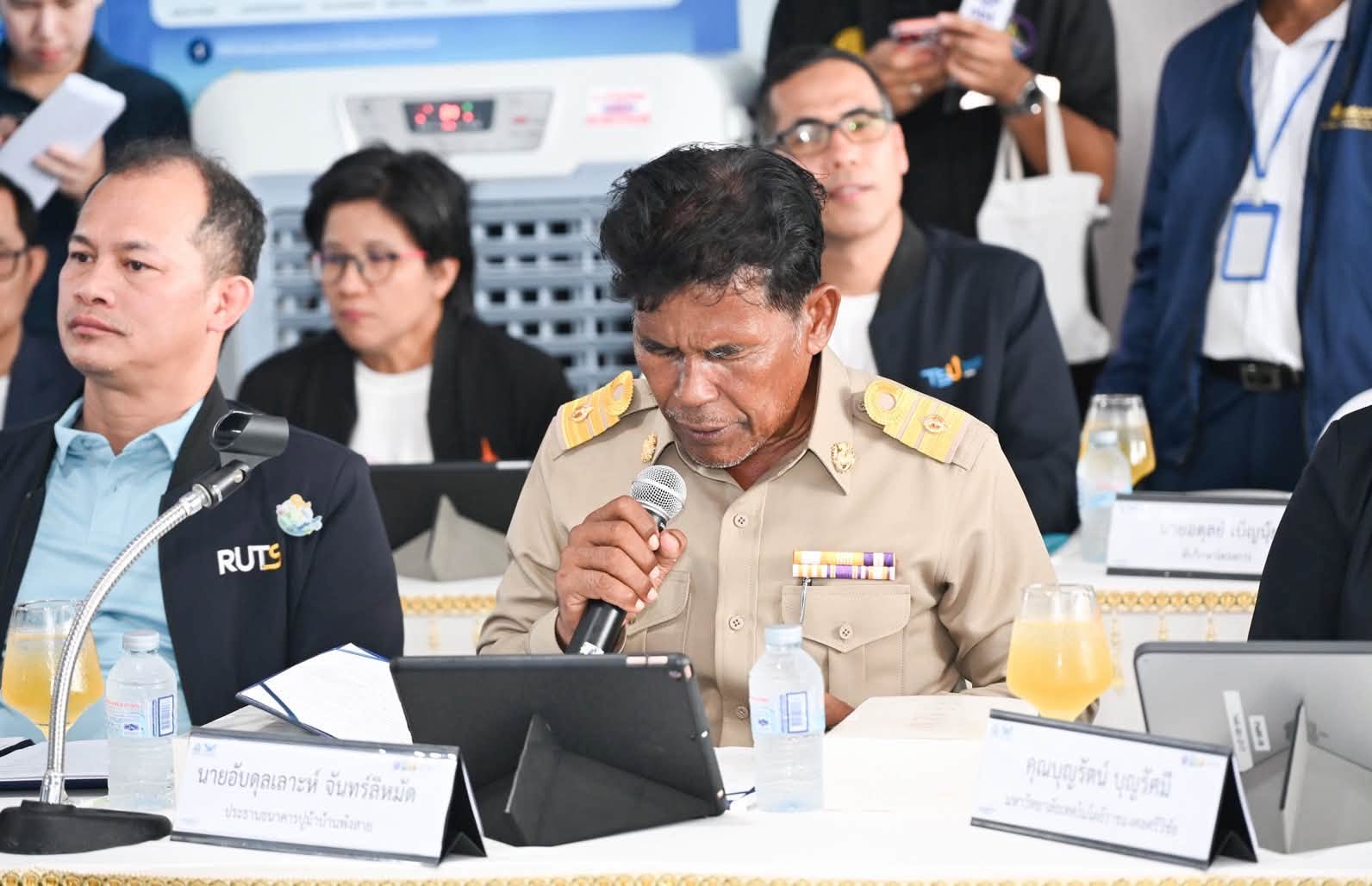
Mr. Abdullah Chanlimad, Mayor of Kradangnga Subdistrict Administrative Organization, noted that marine and coastal resources are vital assets for the community, serving as sources of food, livelihoods, and economic opportunities. The Kradangnga Subdistrict Administrative Organization has continuously promoted community participation in the Blue Crab Bank initiative, aquatic resource conservation and restoration, and the development of marine habitats through the deployment of fish aggregation devices and coral domes in collaboration with local universities and network partners.
The knowledge generated through research and innovation supported by the NRCT has helped strengthen local knowledge and create environmental, economic, and social benefits, contributing to food security, income generation, and greater community resilience.
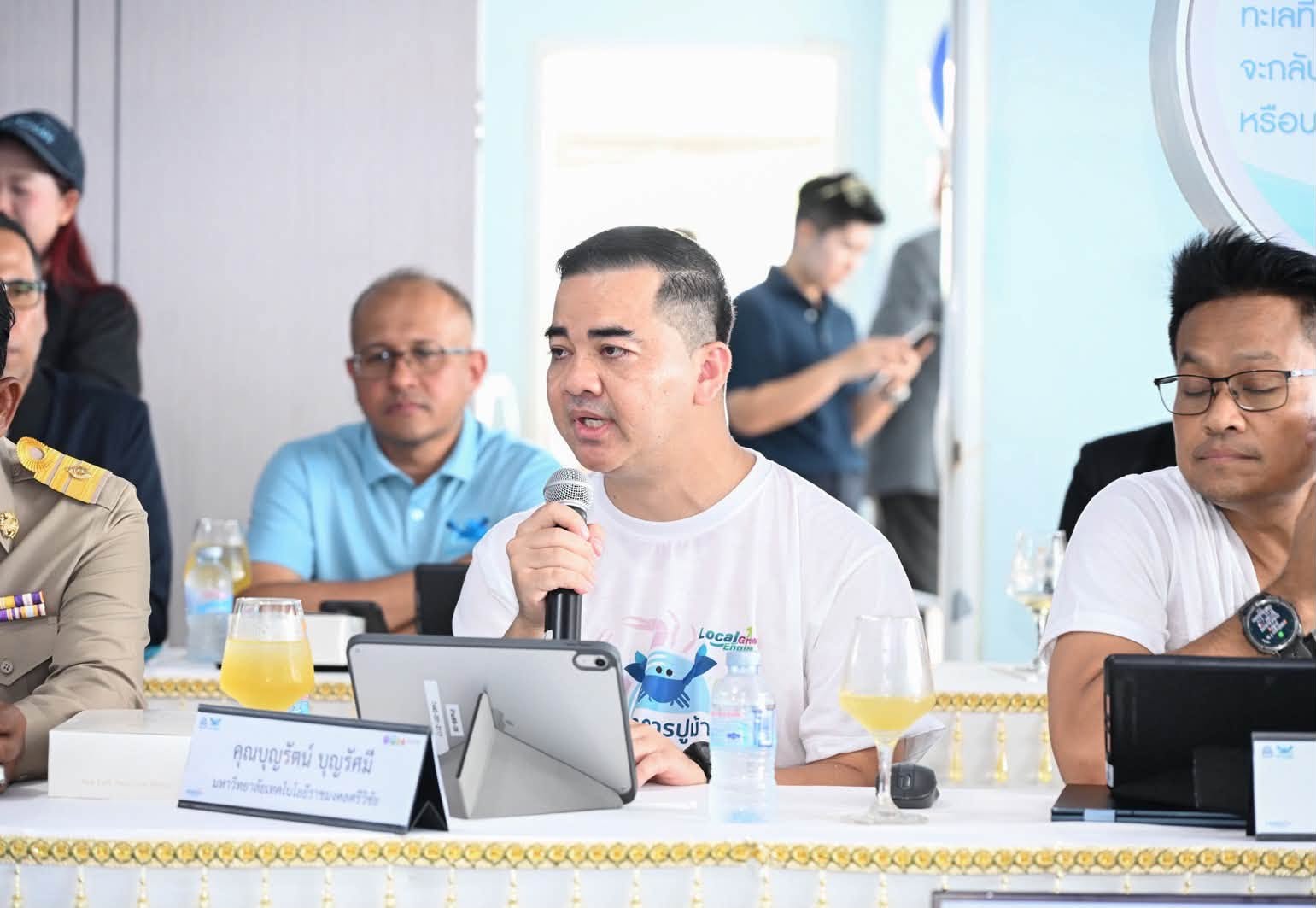
Mr. Phanumas Suibangdam, Vice President of Rajamangala University of Technology Srivijaya, stated that the university focuses on applying research knowledge, innovation, and technology to sustainable spatial and social development. Through more than eight years of continuous collaboration with the NRCT to advance the Blue Crab Bank and marine resource restoration projects, university researchers have worked in 112 locations across four provinces: Songkhla, Trang, Krabi, and Satun.
By integrating the efforts of researchers, government agencies, the private sector, and local communities, appropriate knowledge and practices have been transferred to local areas, resulting in tangible outcomes in resource conservation, livelihood security, income generation, and the development of a circular local economy.
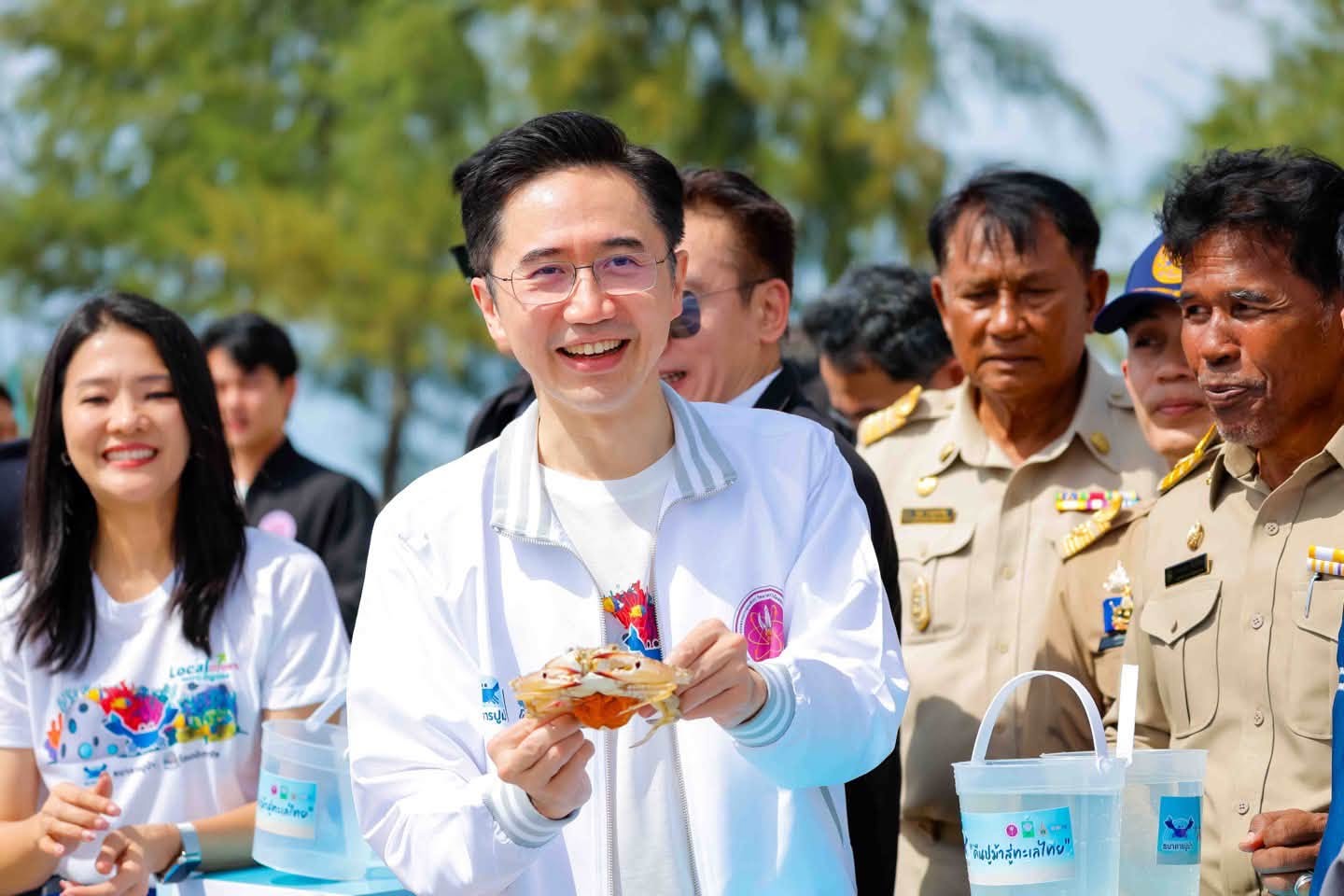
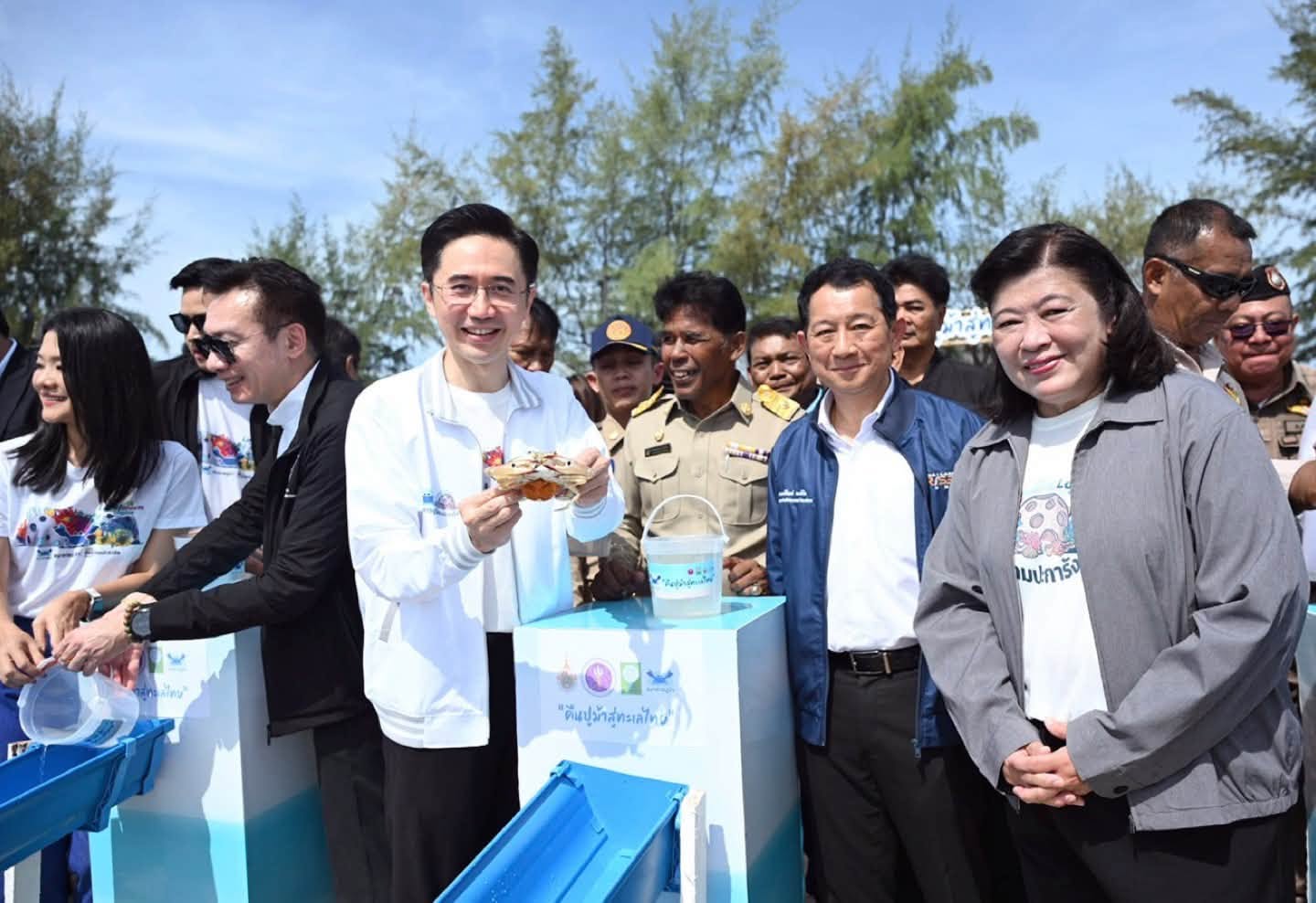
During the visit, Prof. Dr. Yodchanan Wongsawat led MHESI executives in releasing juvenile blue crabs into the sea to restore aquatic resources and enhance local biodiversity. He emphasized the importance of applying science, technology, and innovation to support marine ecosystem restoration in conjunction with community participation, thereby generating income and multiple benefits for local communities.
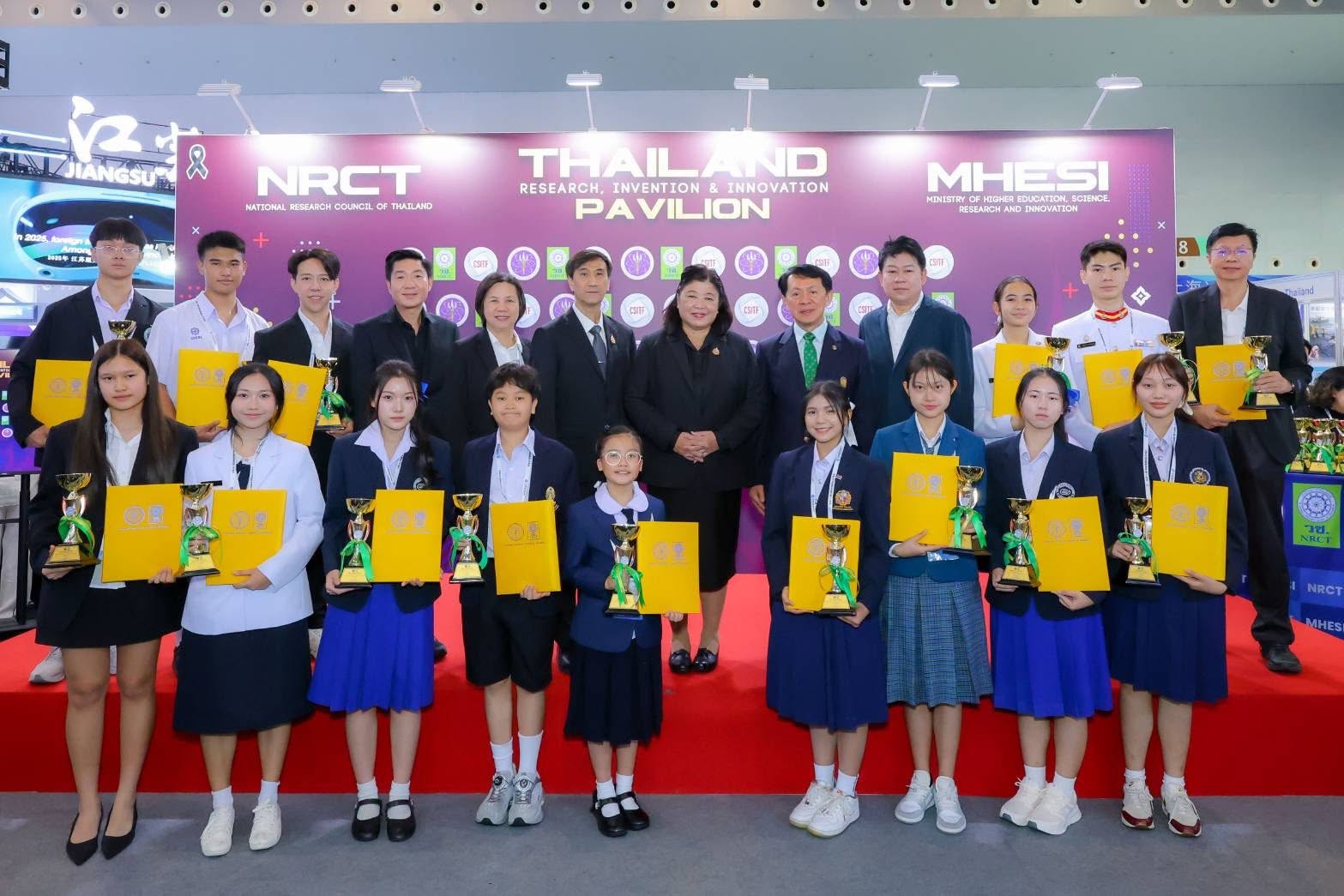
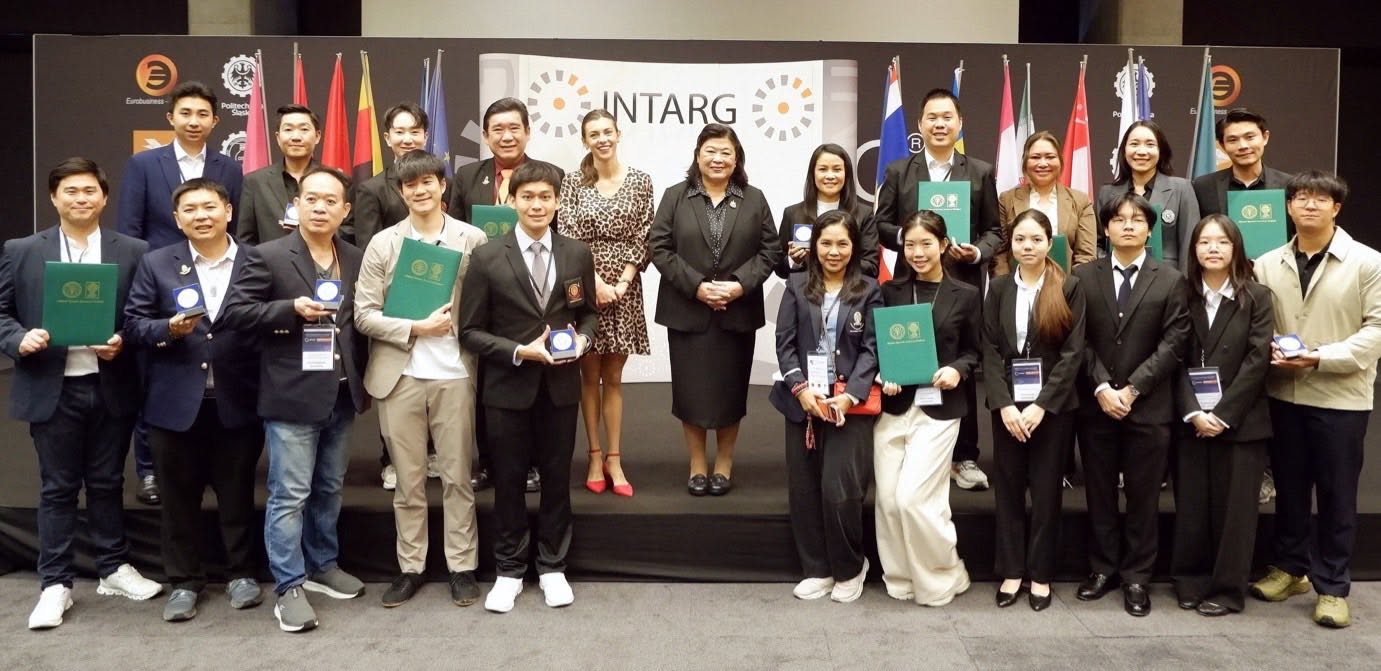
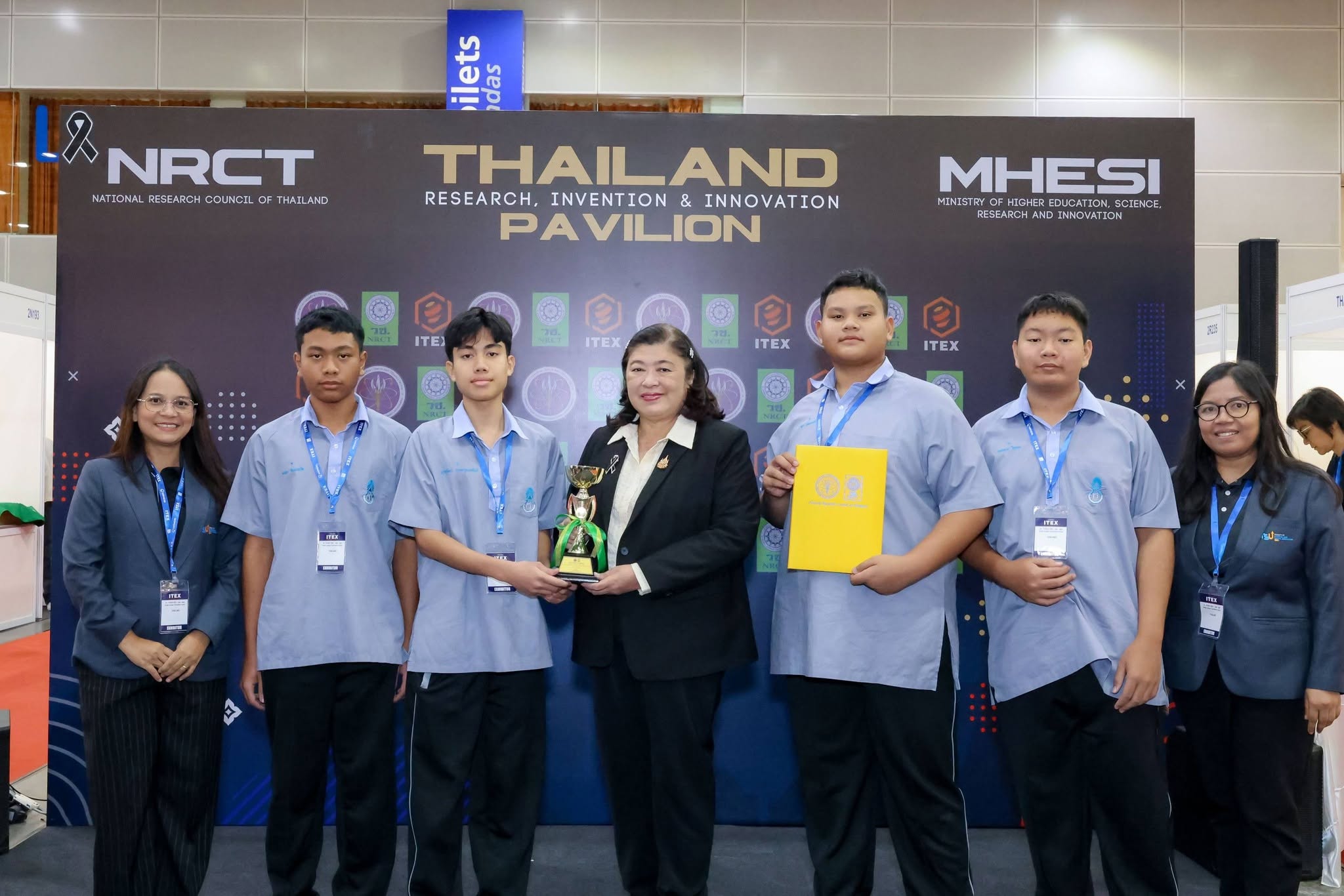
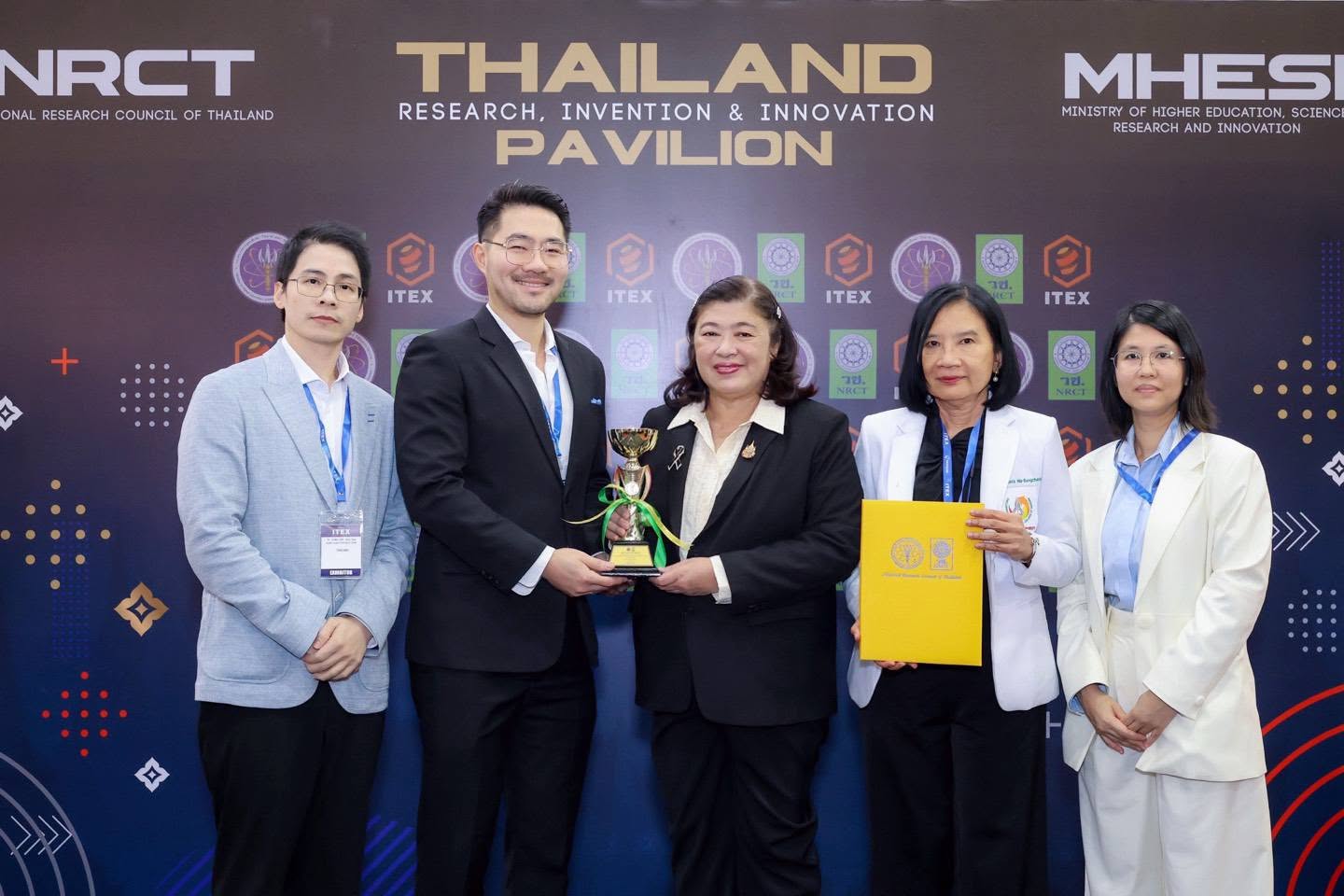
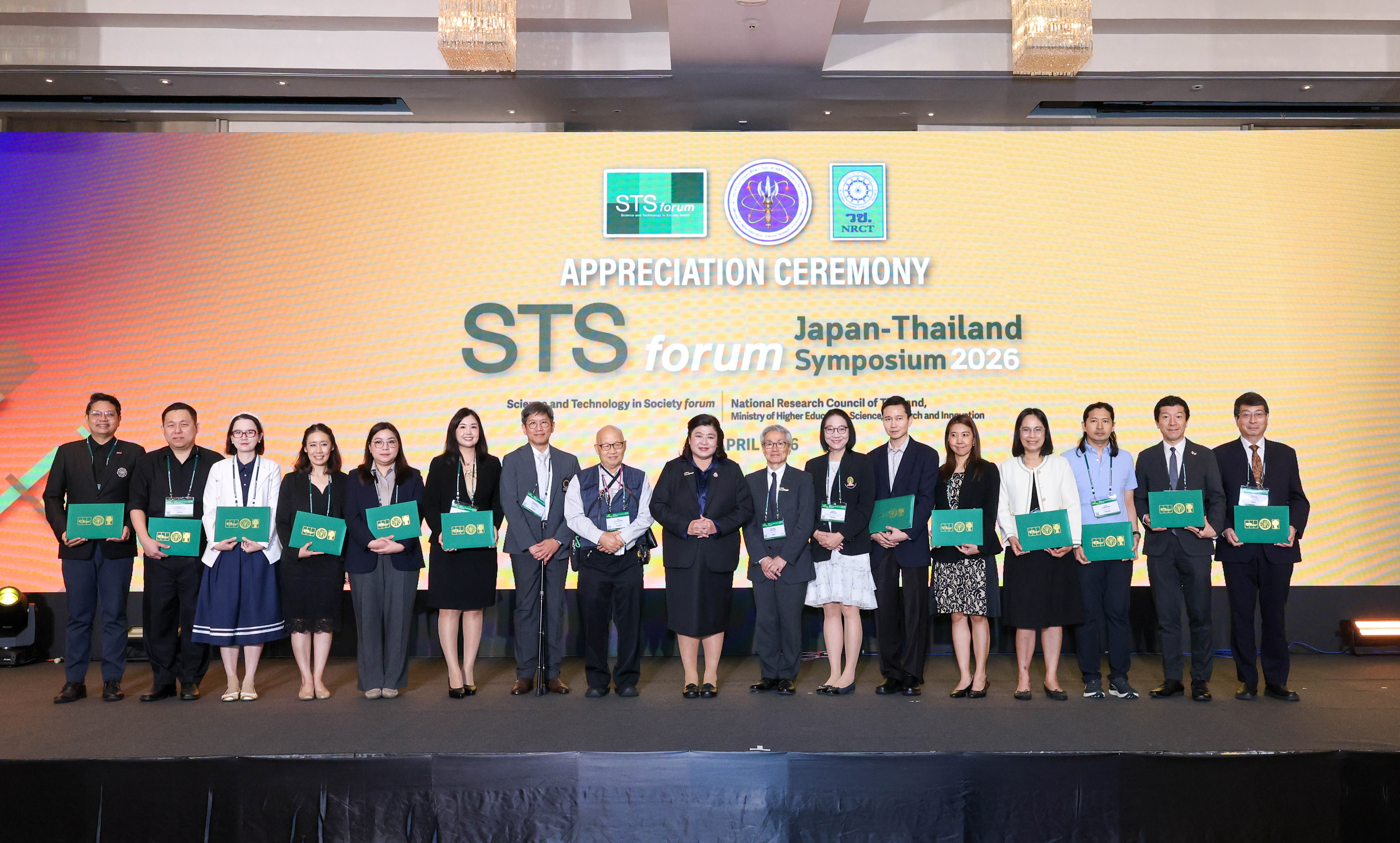
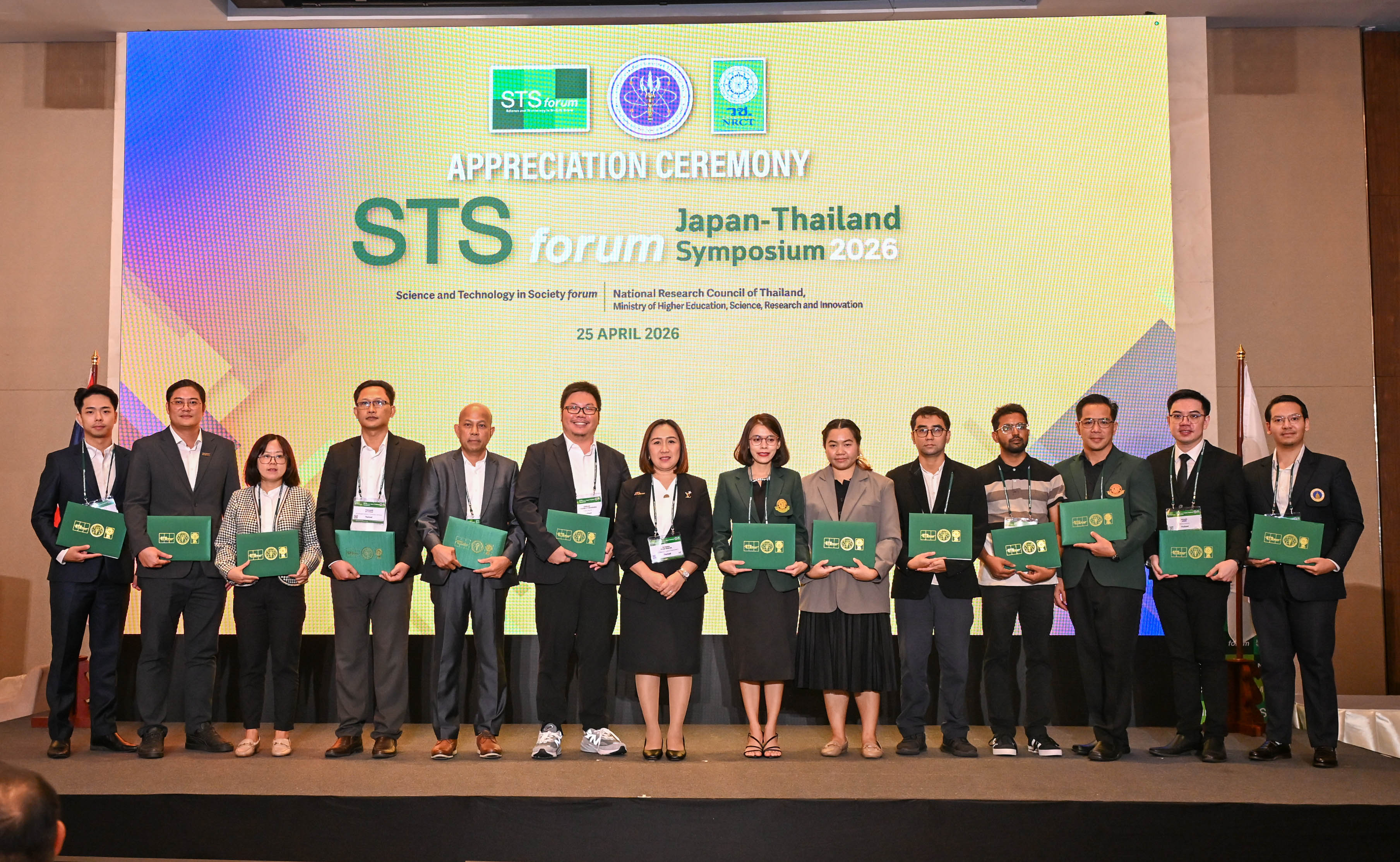
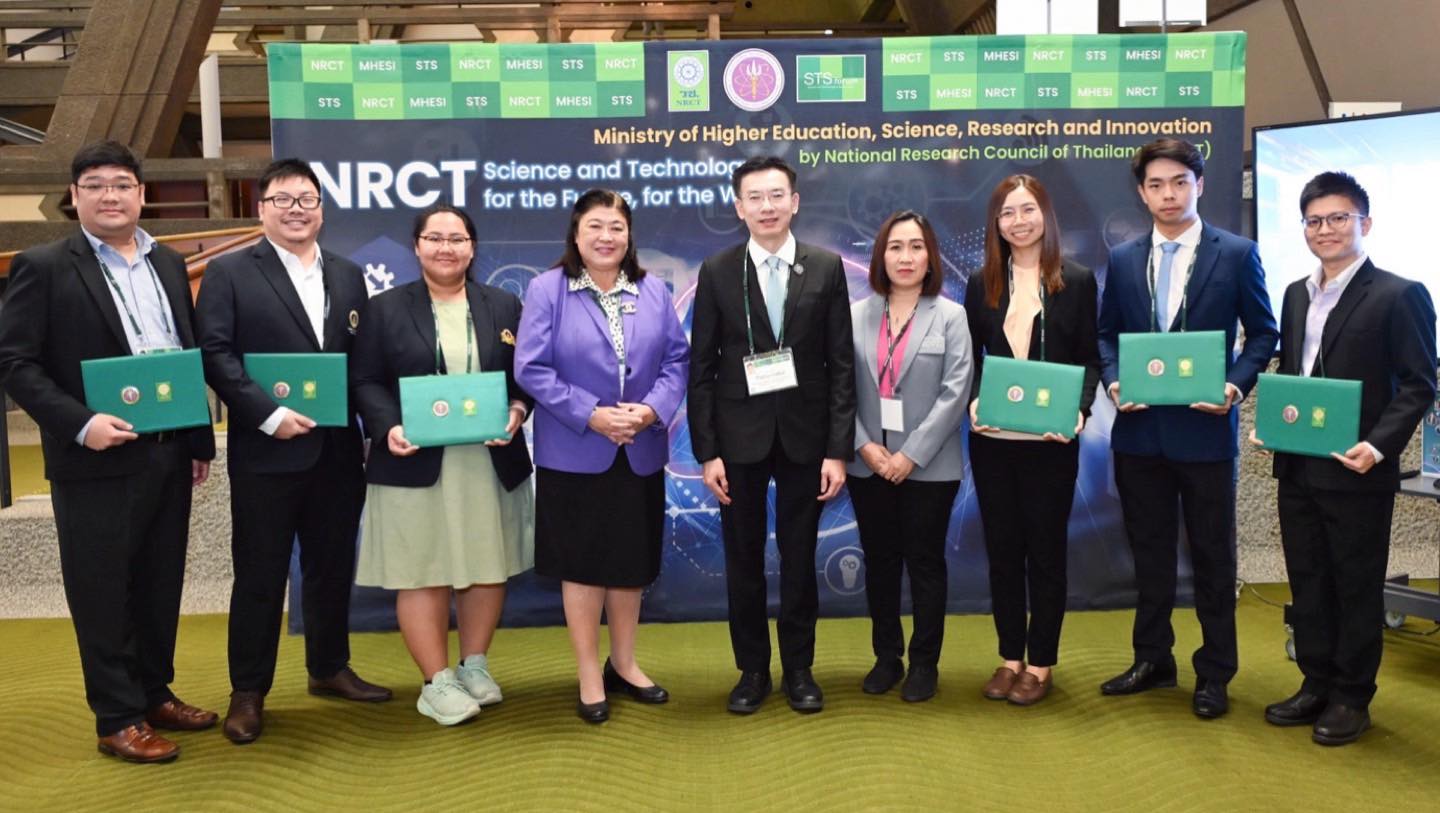
Subsequently, Prof. Dr. Yodchanan presented certificates to 24 research and innovation projects recognized for their contributions to enhancing community potential. He also presented “Local Growth Engine” emblems to 28 Blue Crab Banks from Songkhla, Nakhon Si Thammarat, Surat Thani, Satun, Trang, and Krabi provinces in recognition of their efforts to return blue crabs to Thai seas.
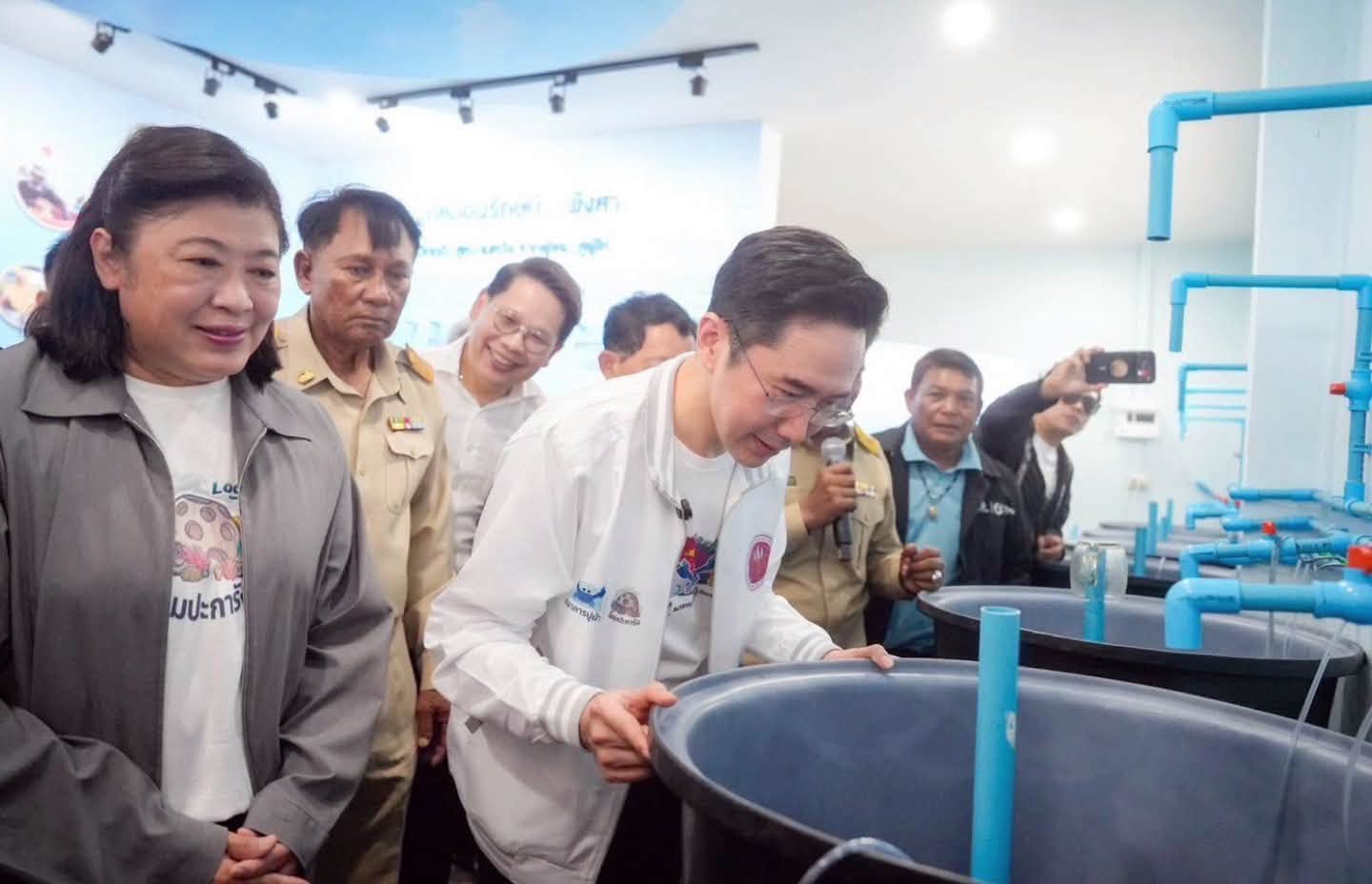
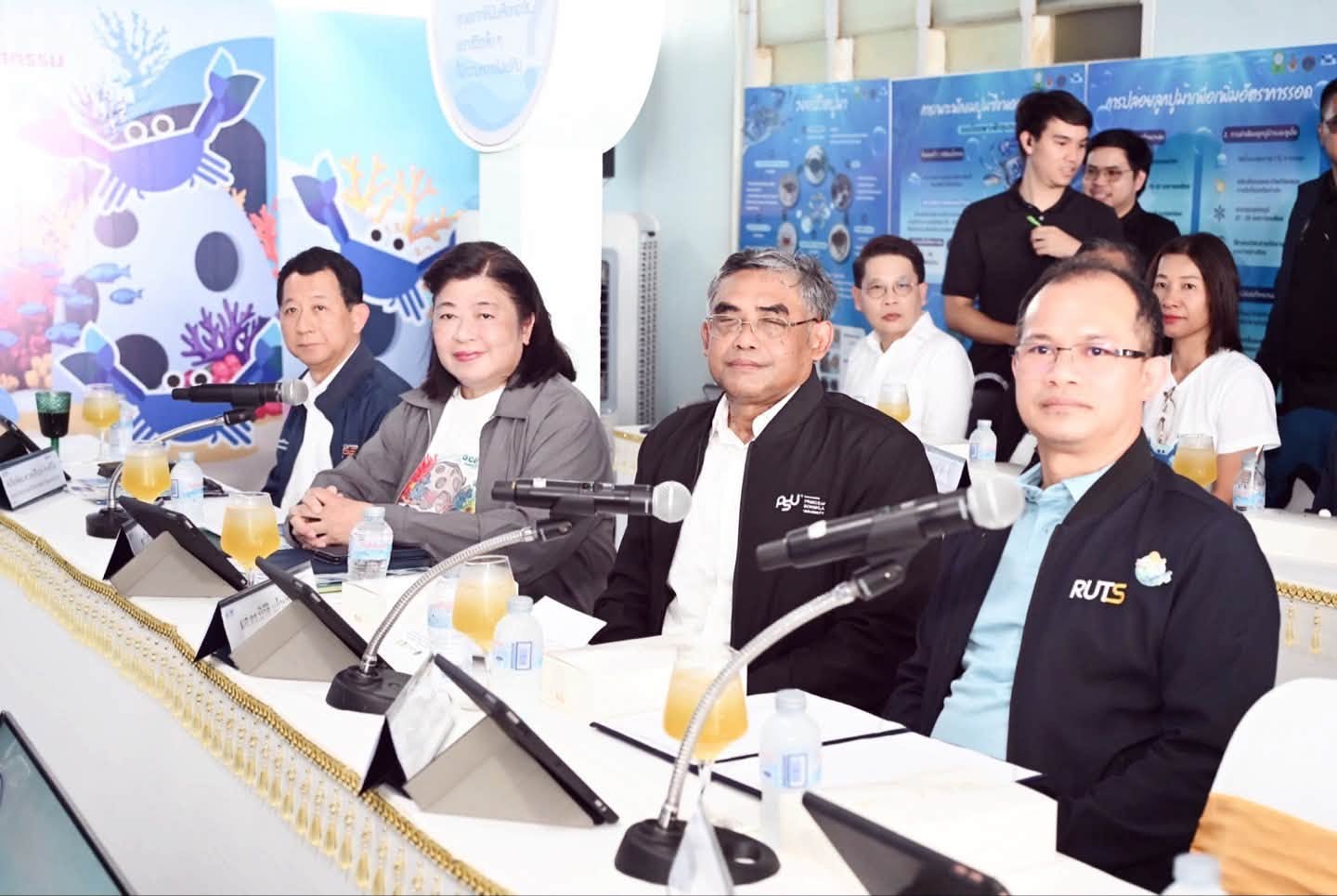
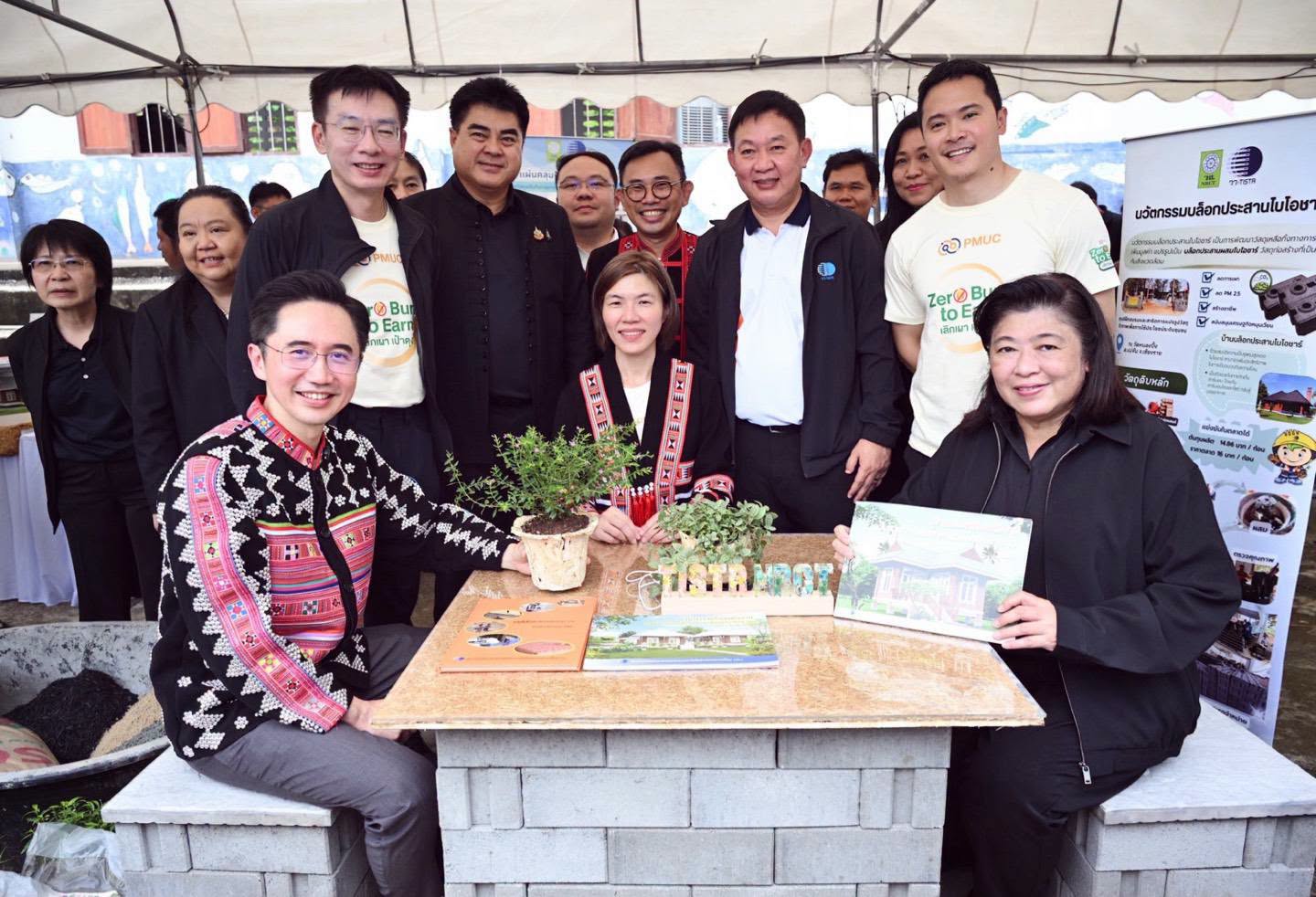
Finally, Dr. Wiparat De-ong, Director of the NRCT, led the MHESI Minister’s delegation on a tour of an exhibition showcasing marine and coastal resource conservation initiatives supported by NRCT research and innovation grants. The exhibition featured projects including the Coral Dome, Songkhla Lake Irrawaddy dolphin conservation, an aquatic animal database for the upper Songkhla Lake, coral reef restoration innovations, and underwater rock-pile ecosystems.