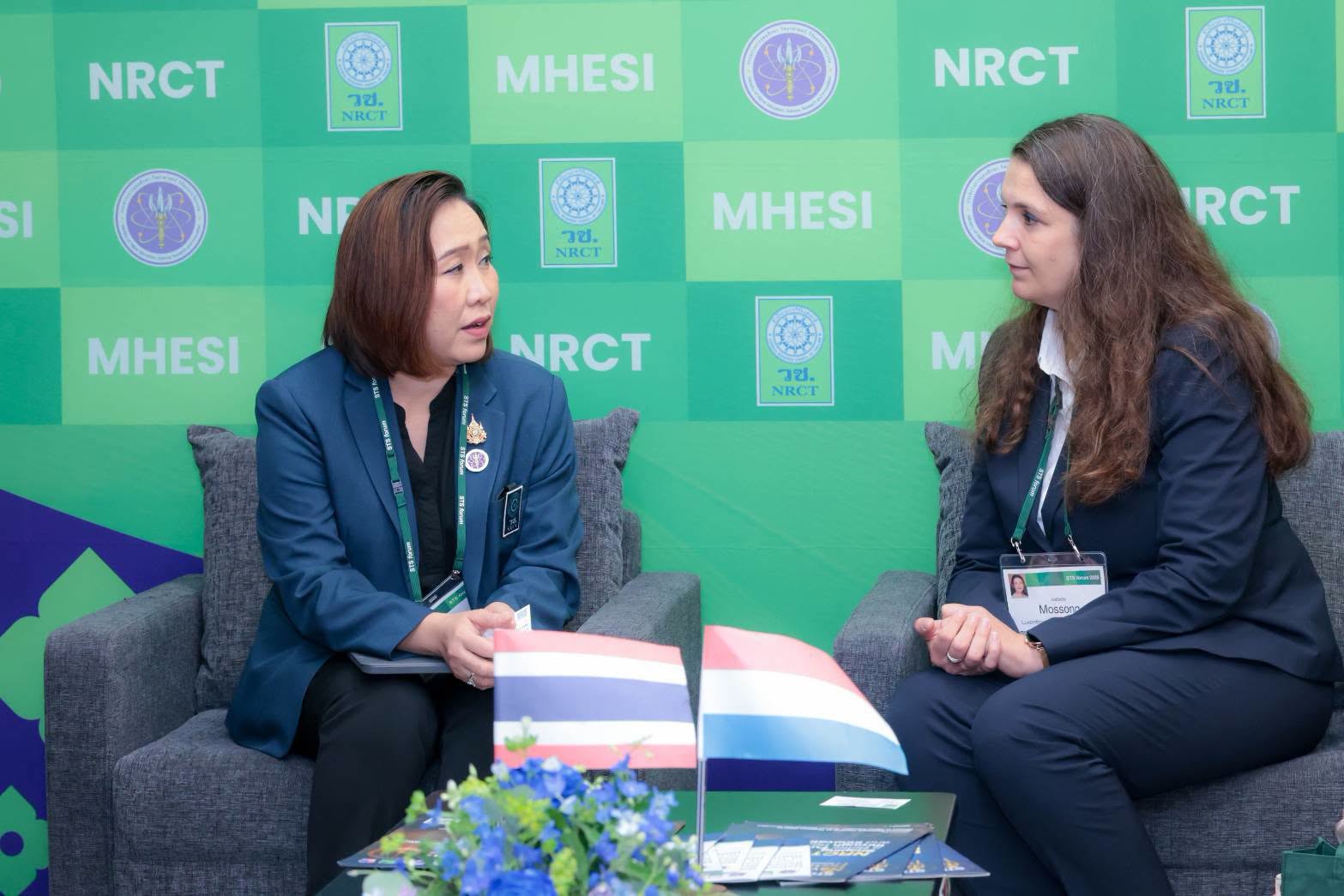
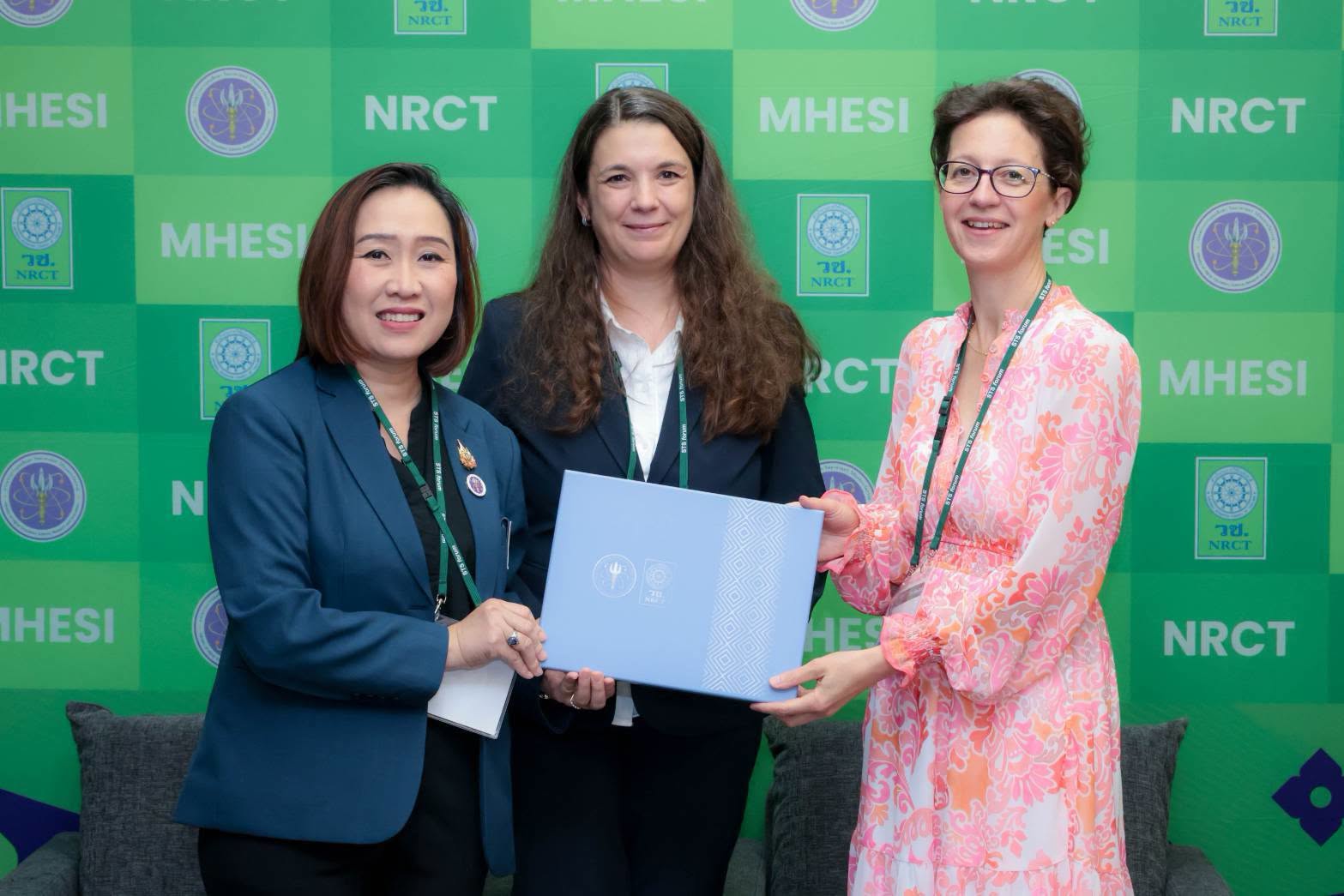
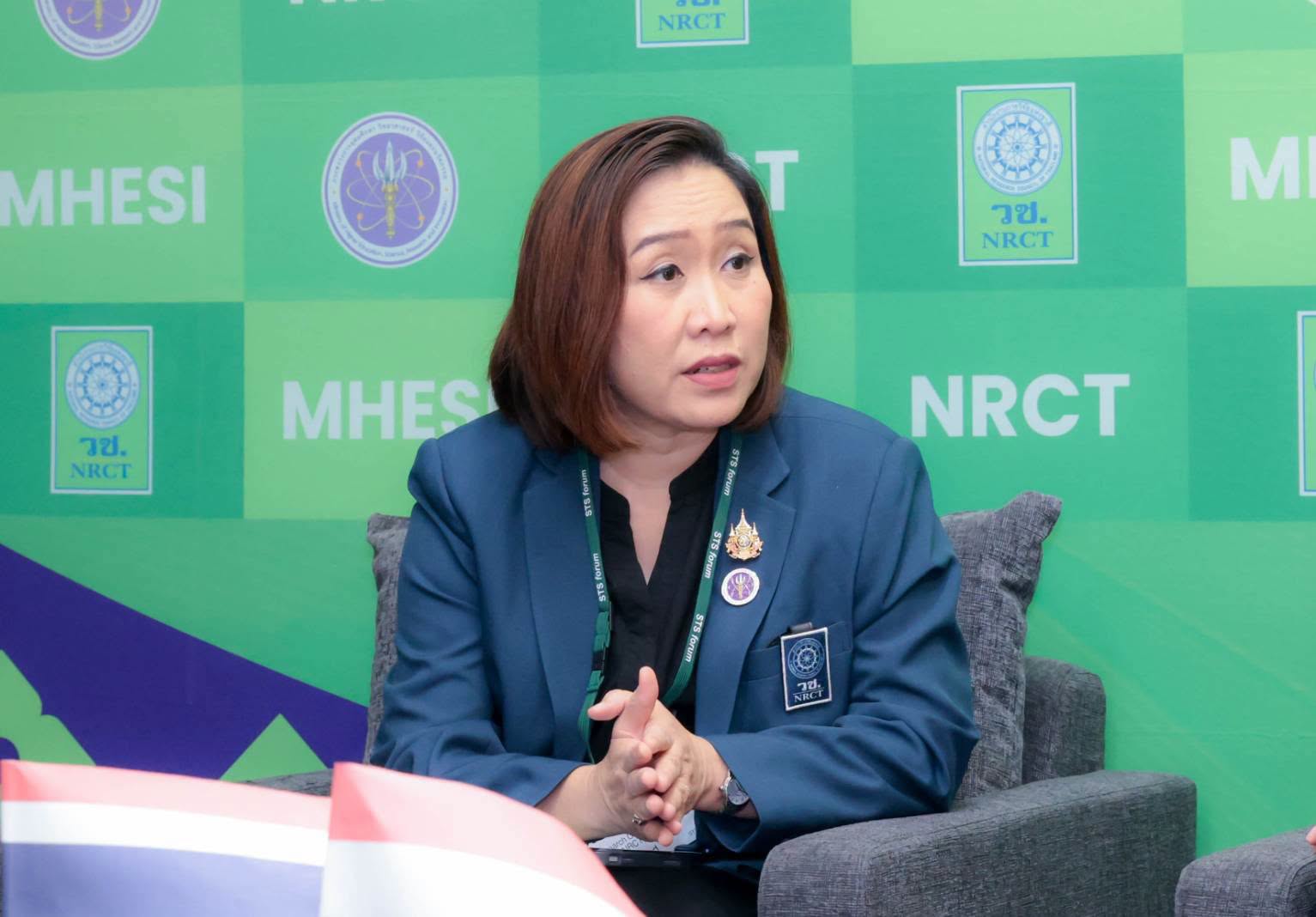
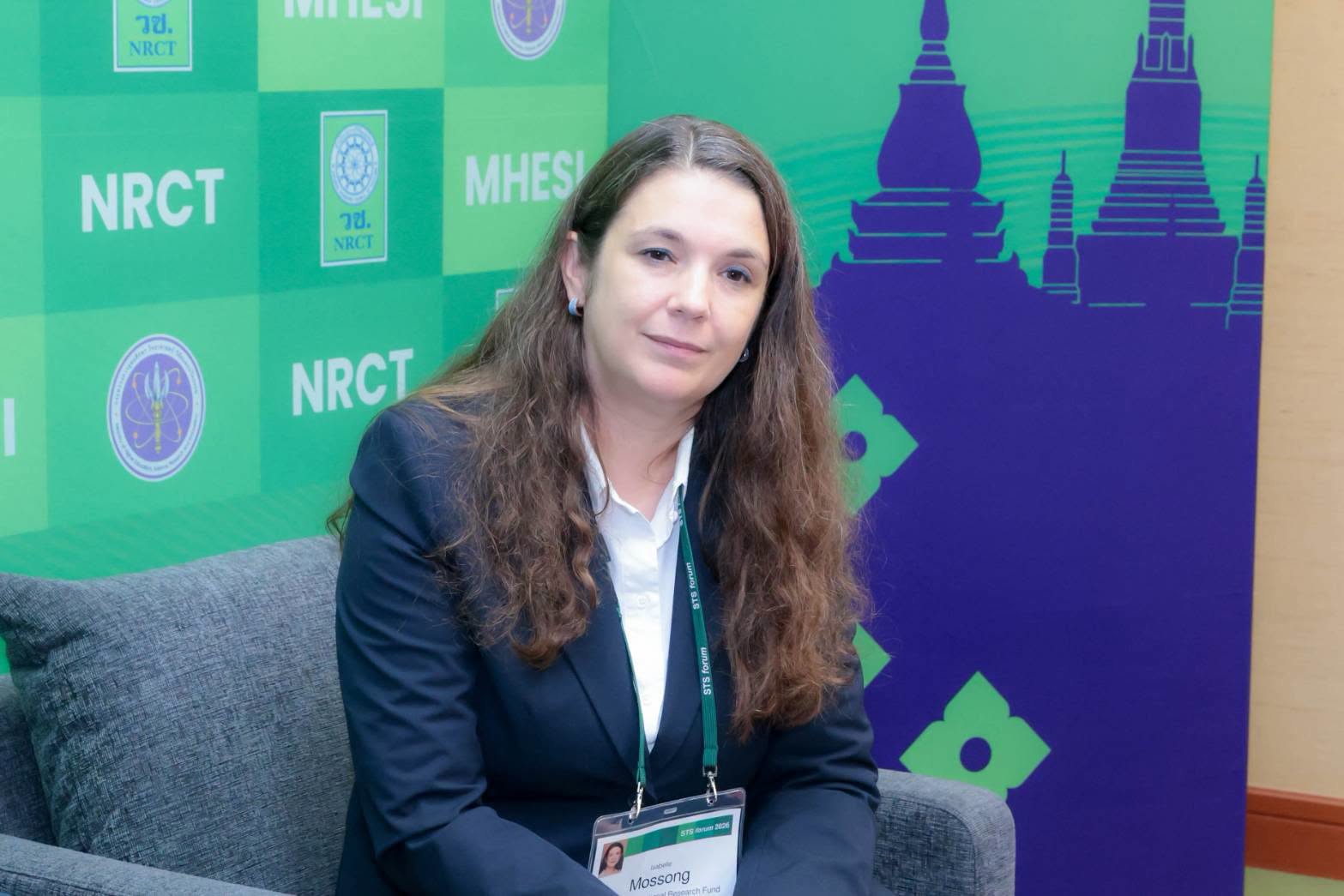
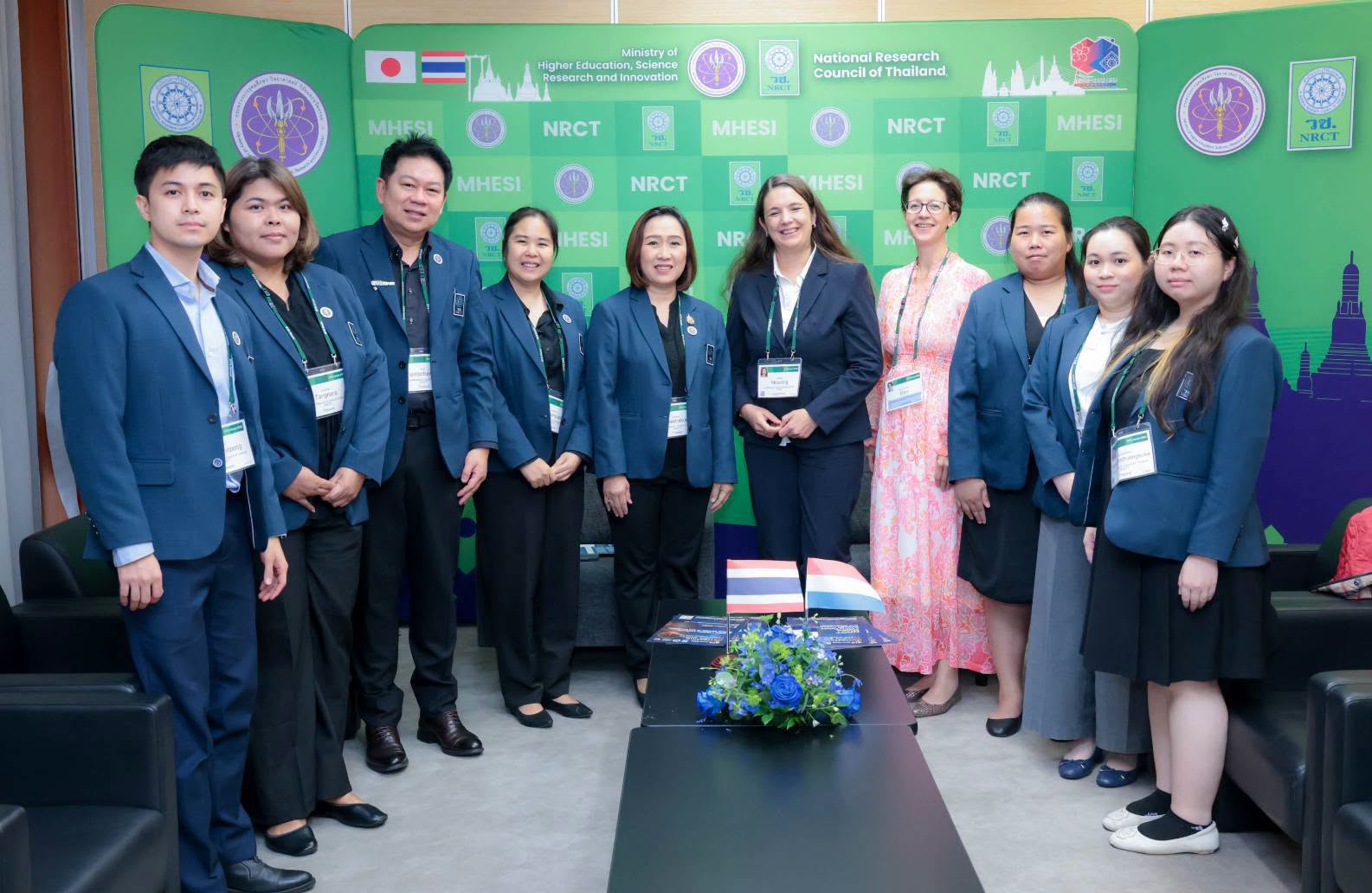
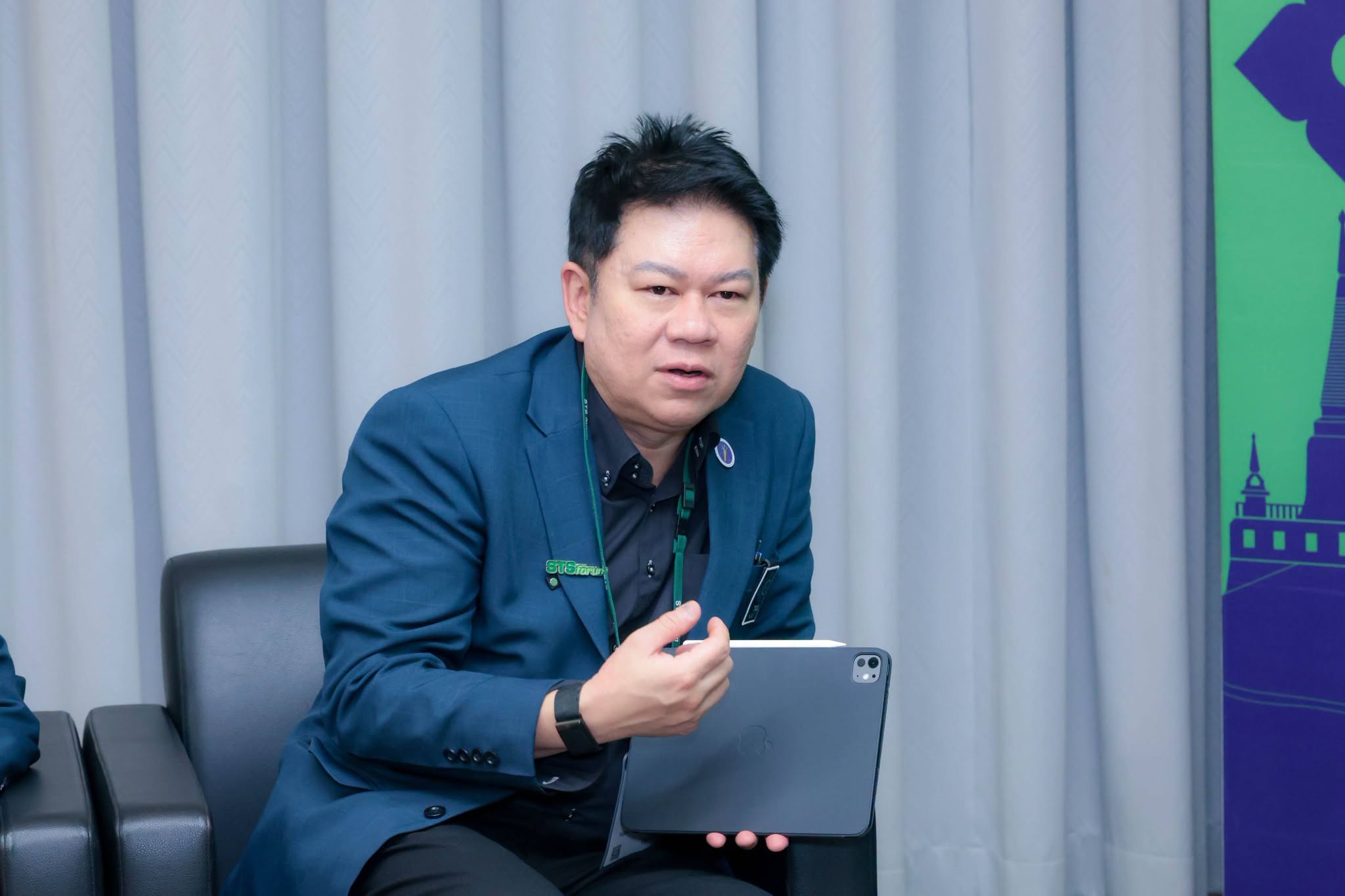
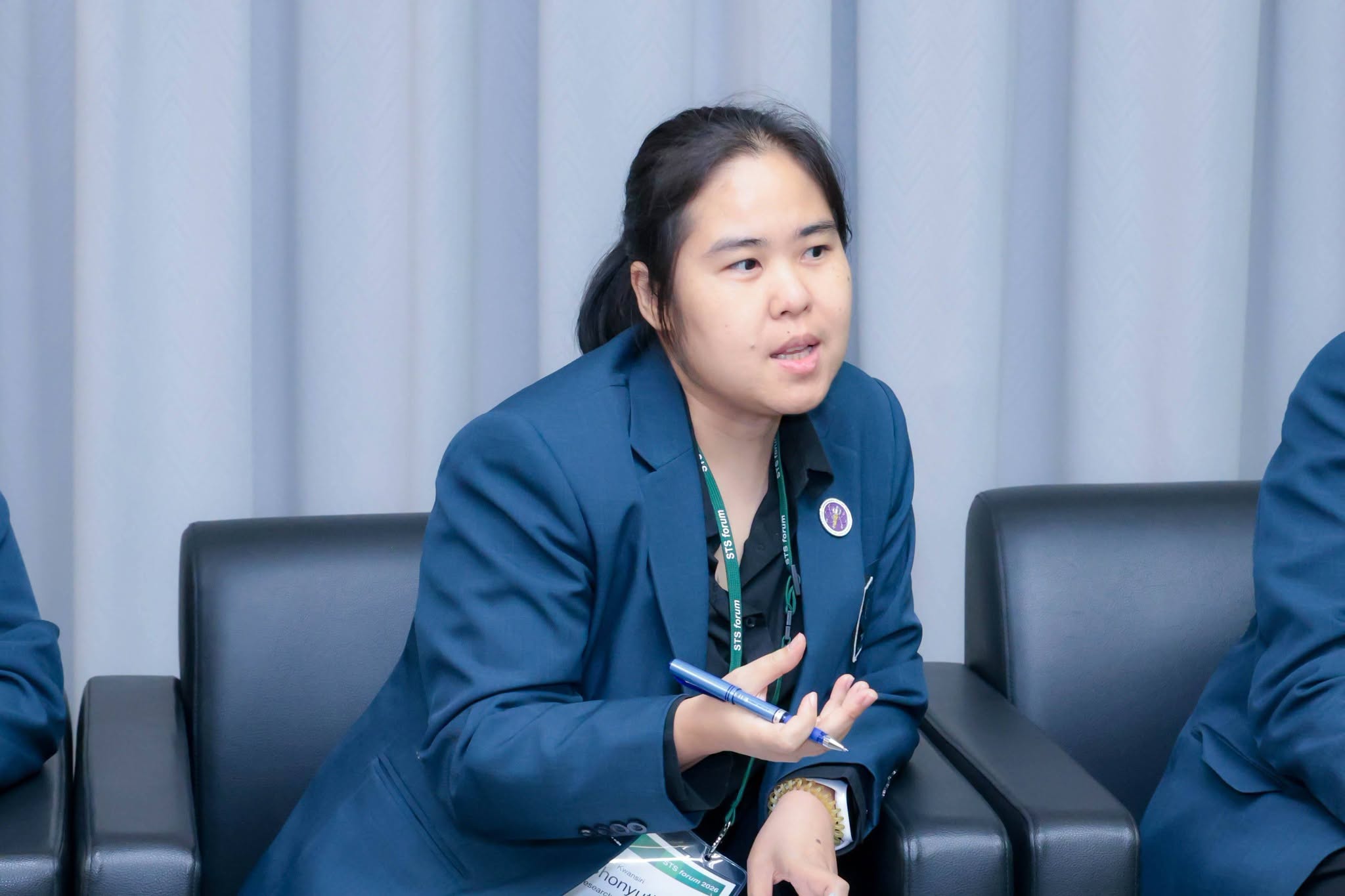
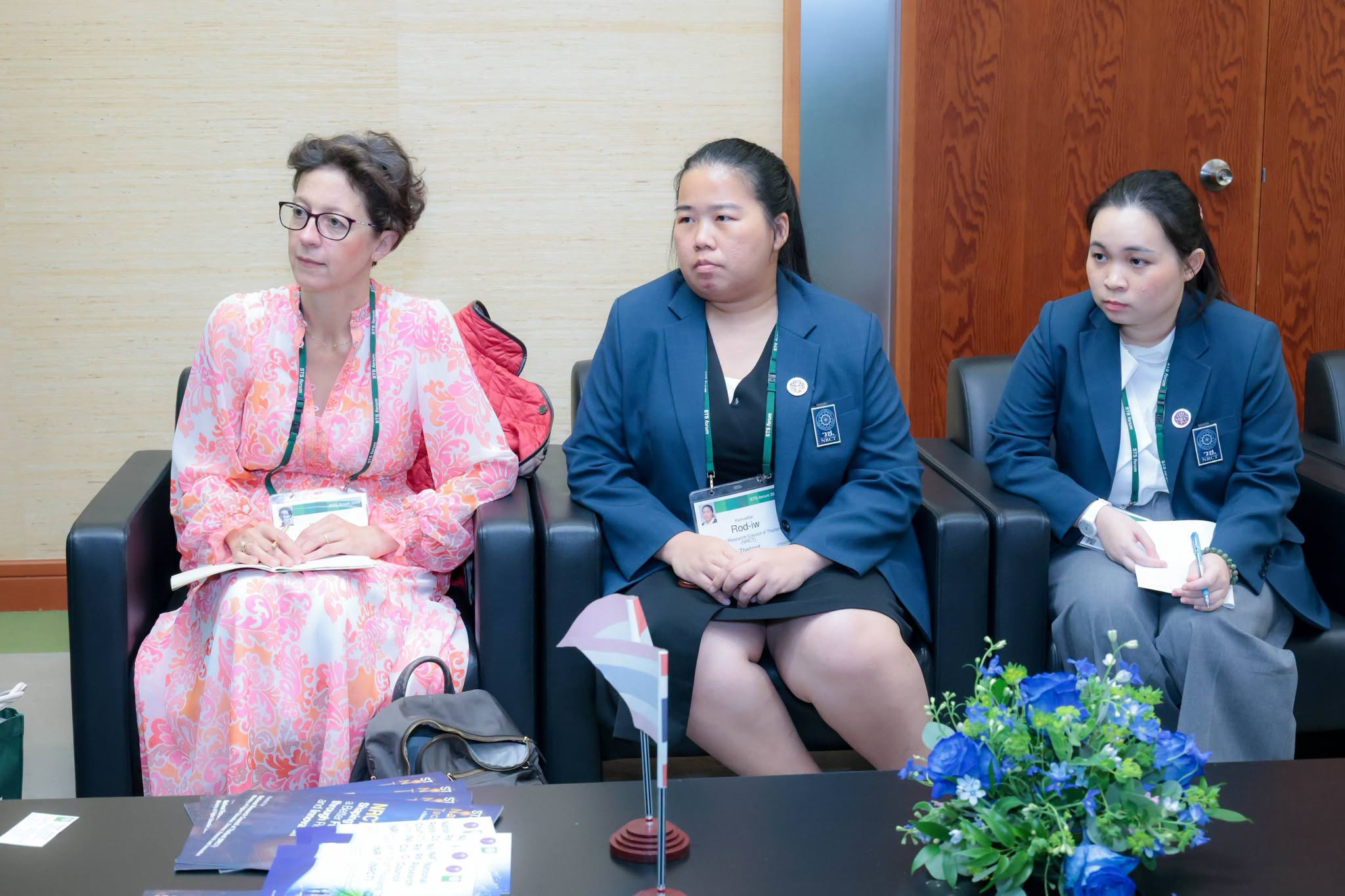
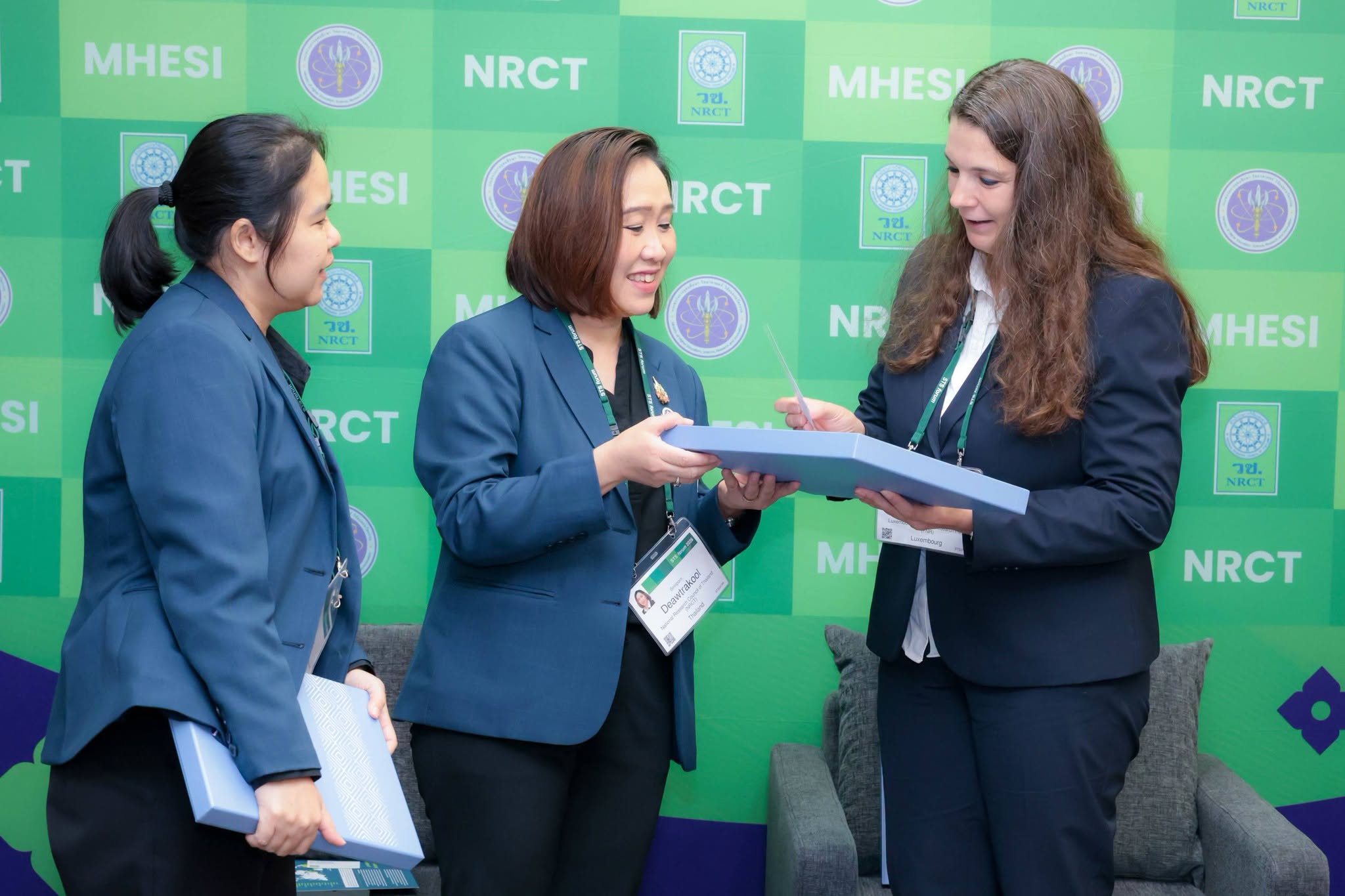
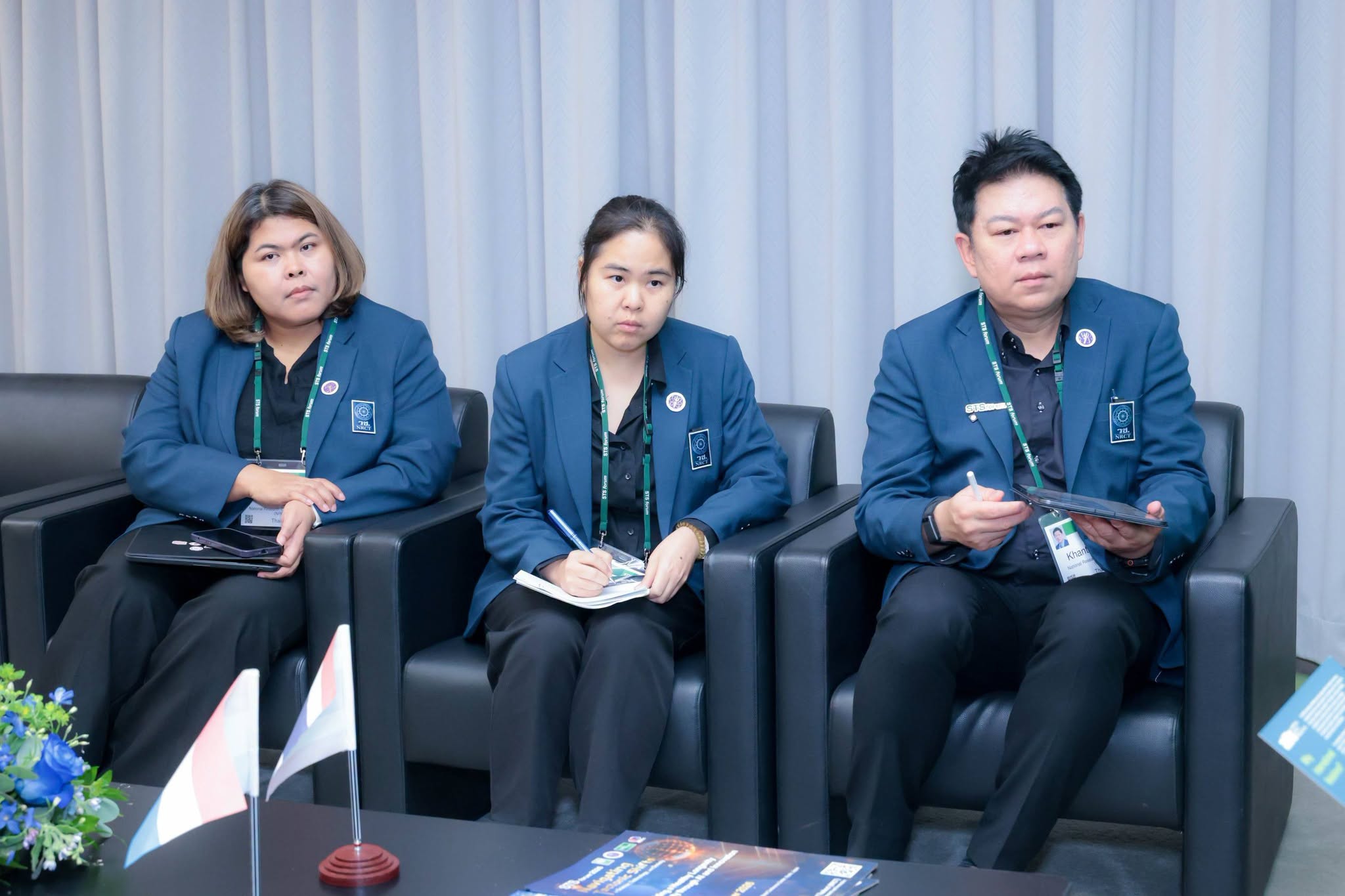
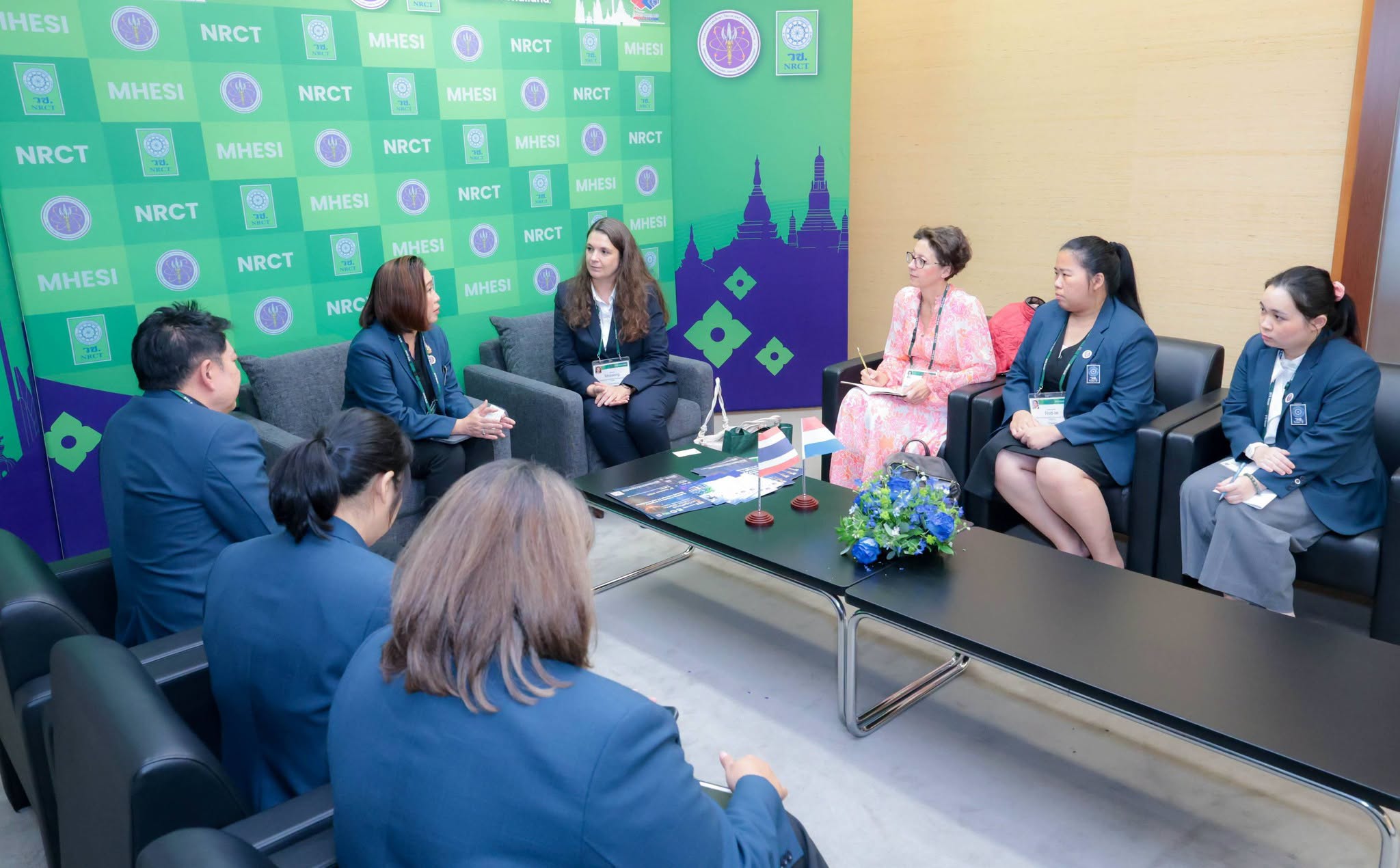
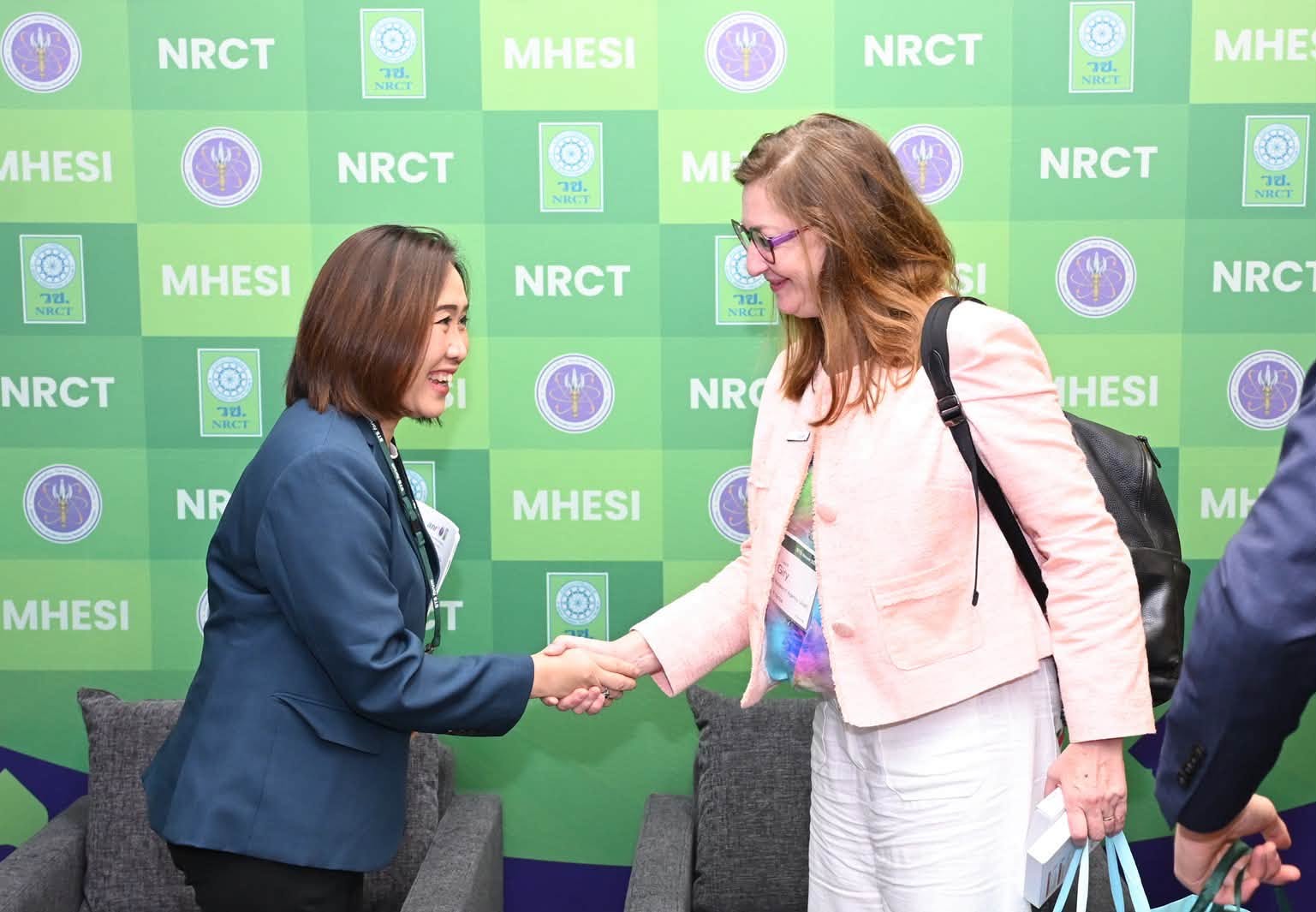
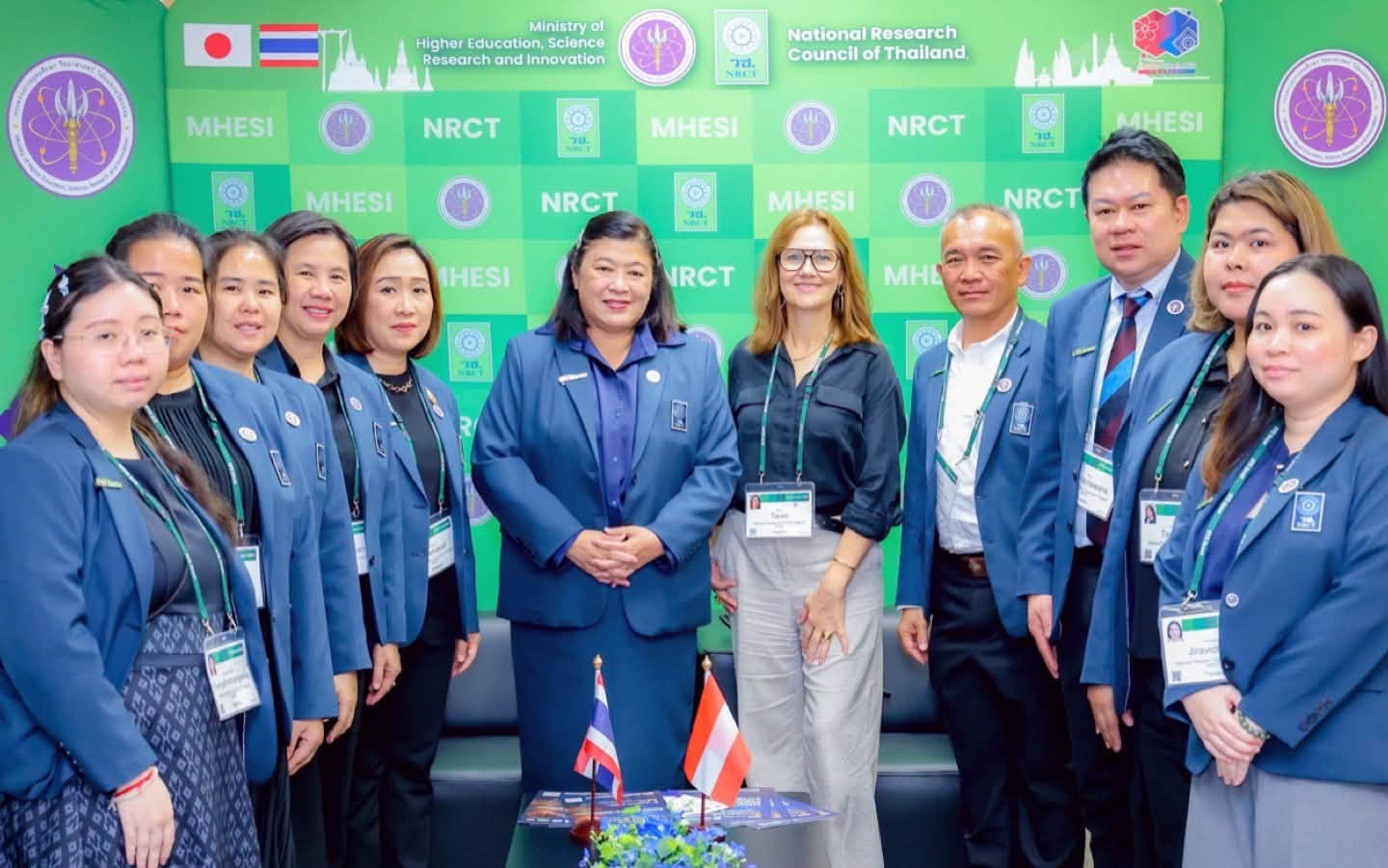
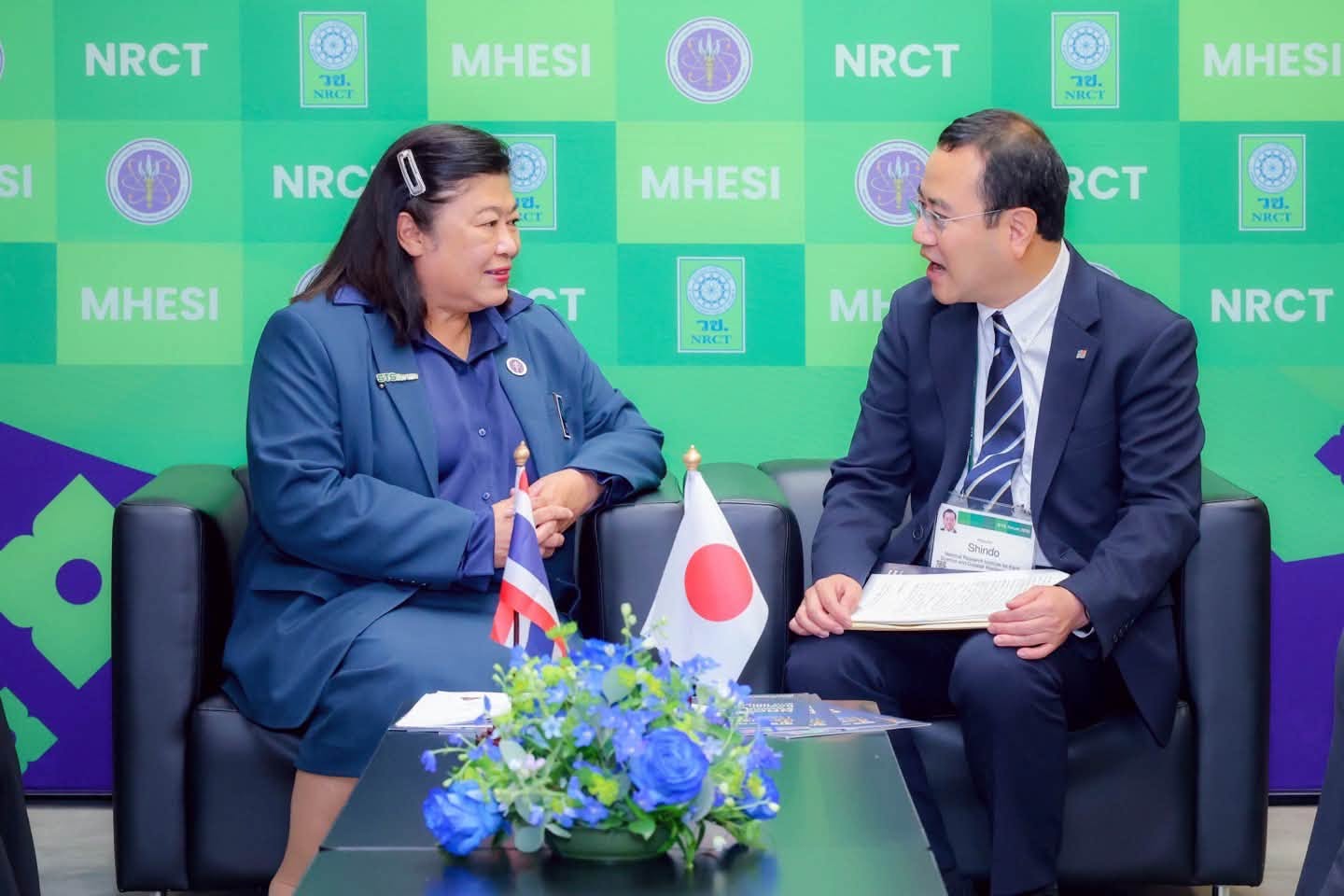
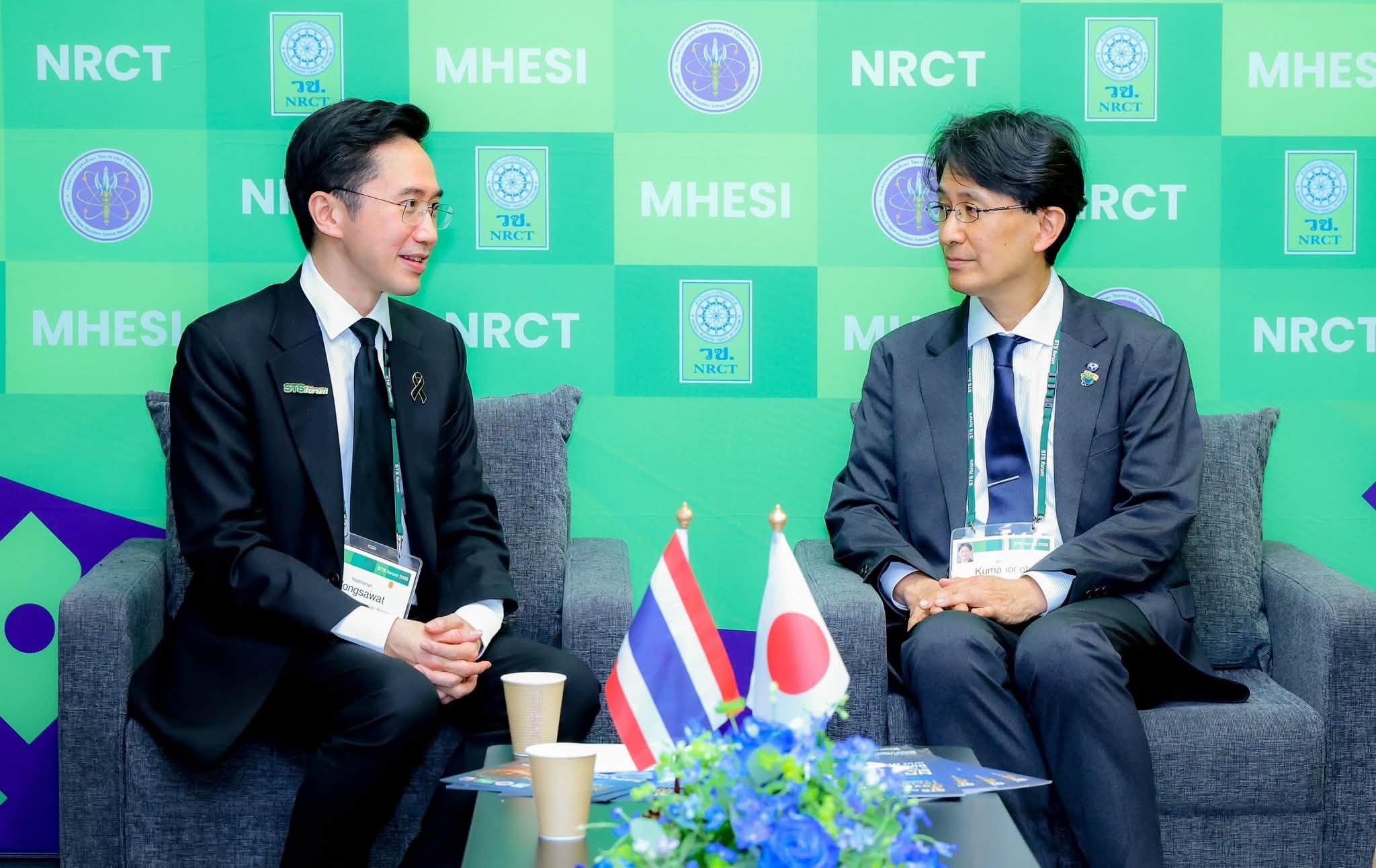
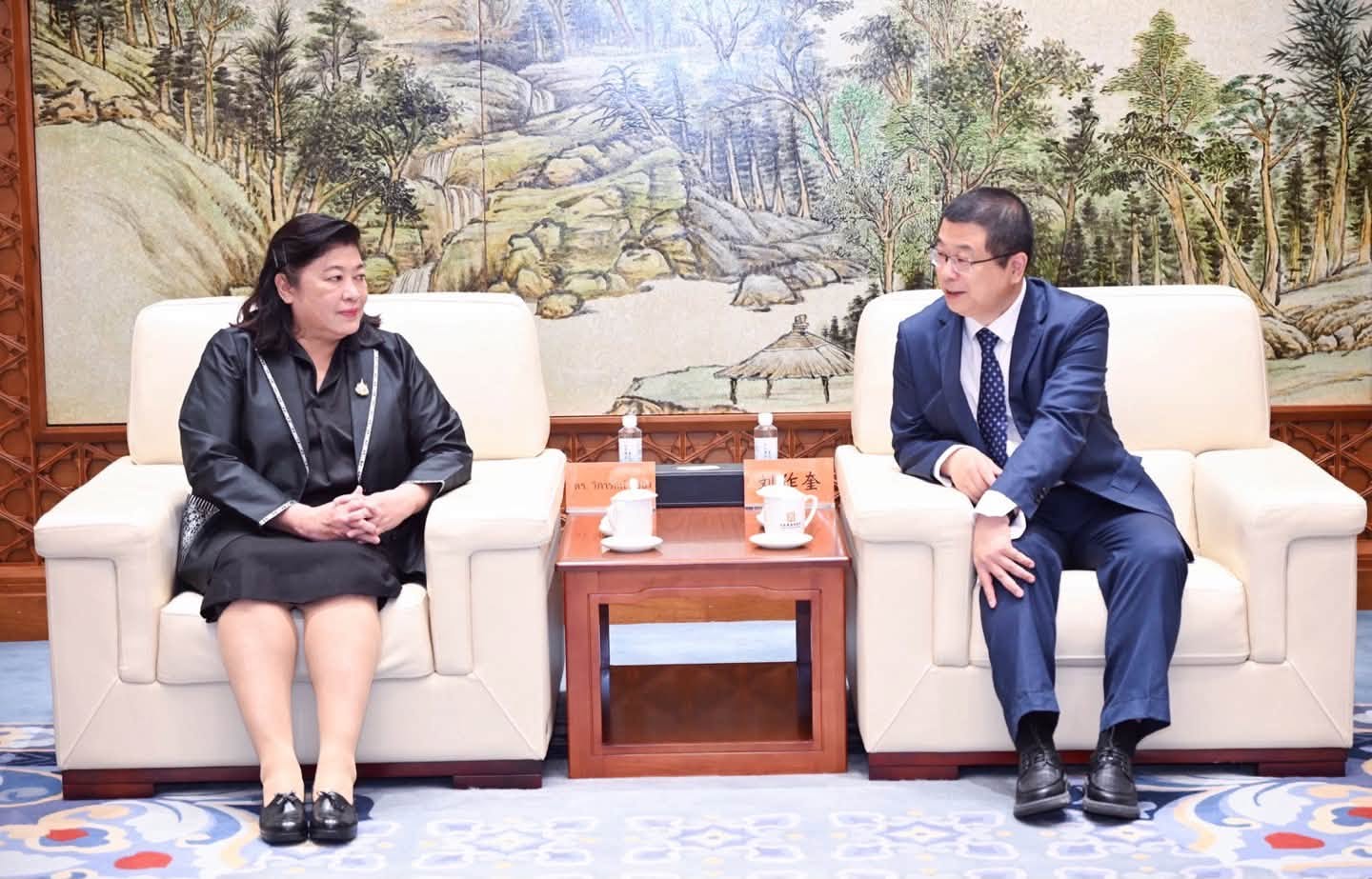
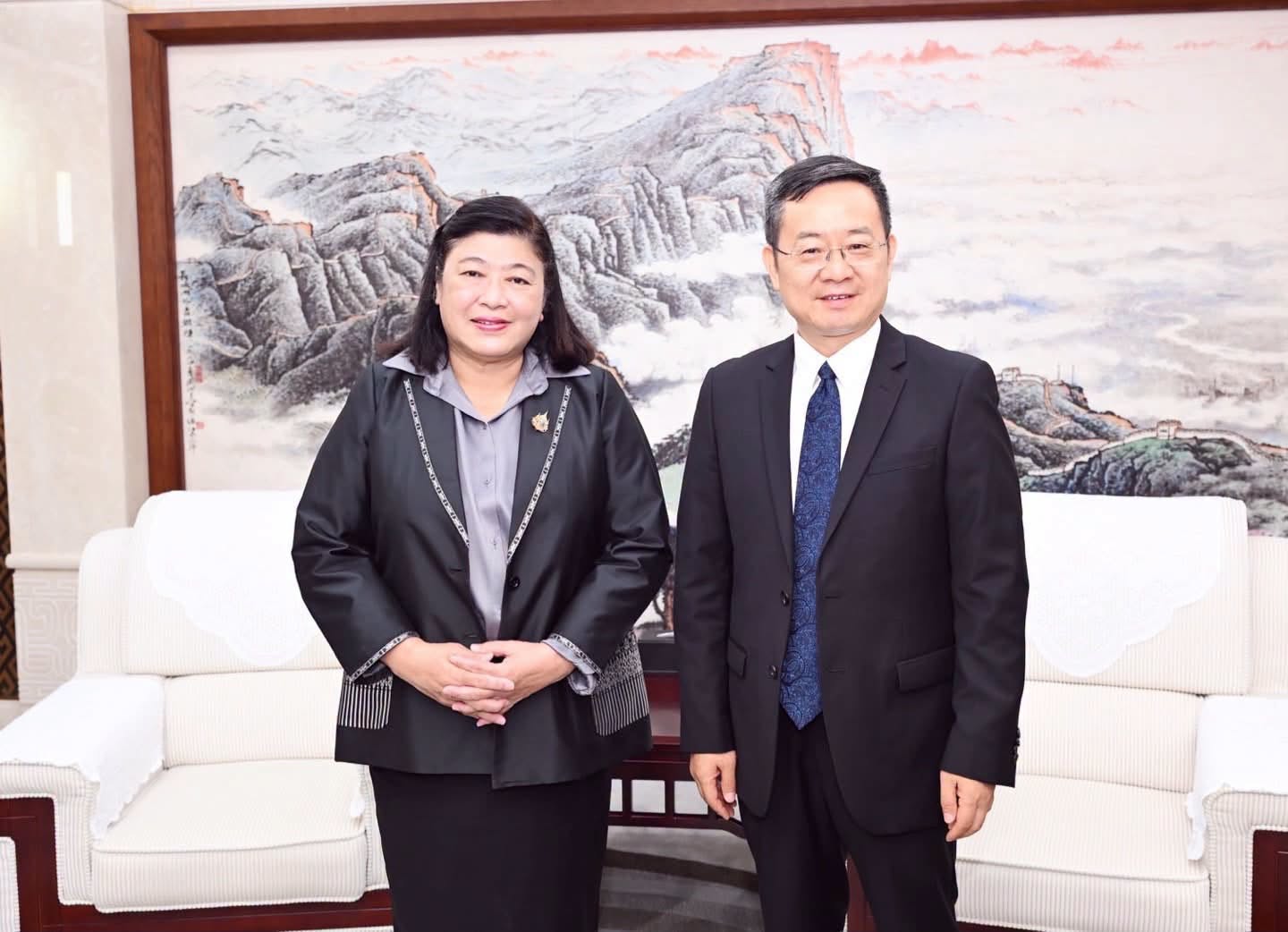
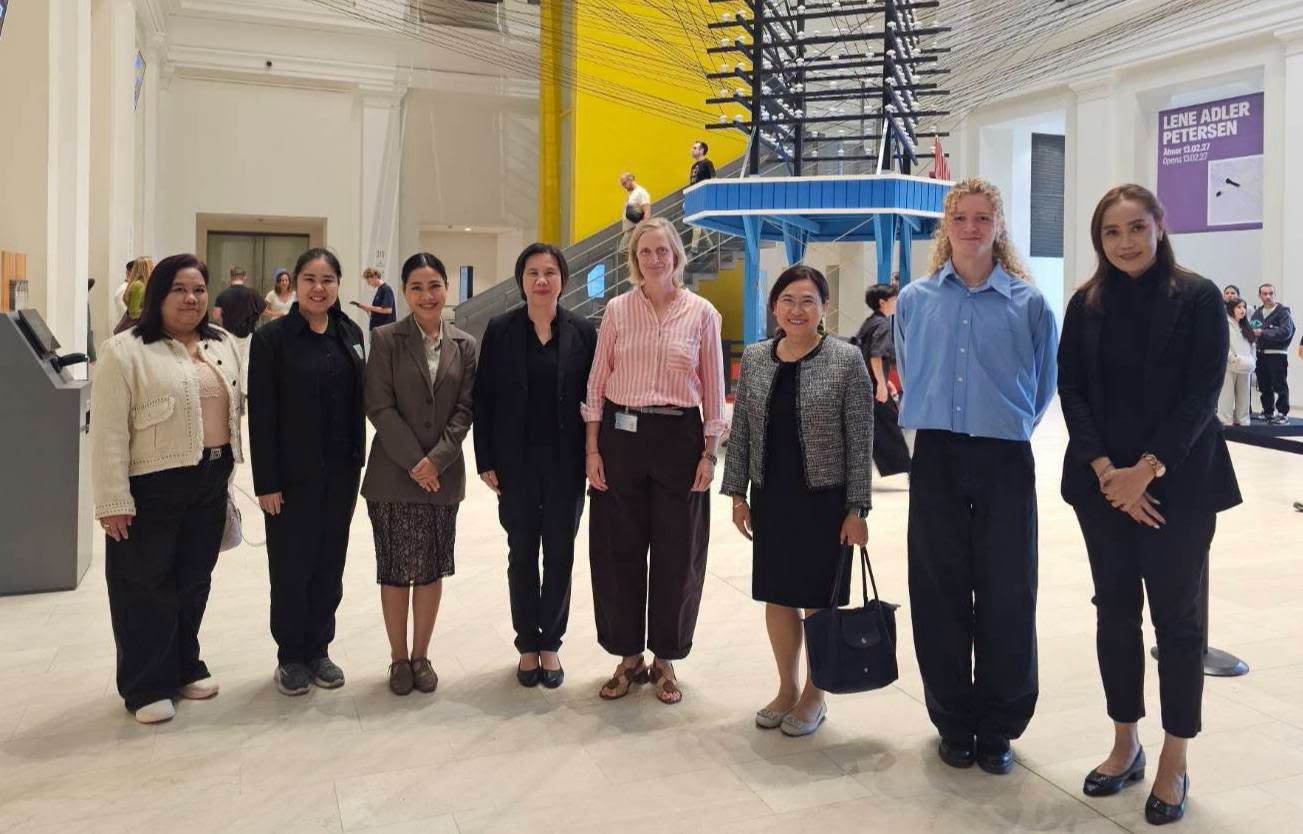
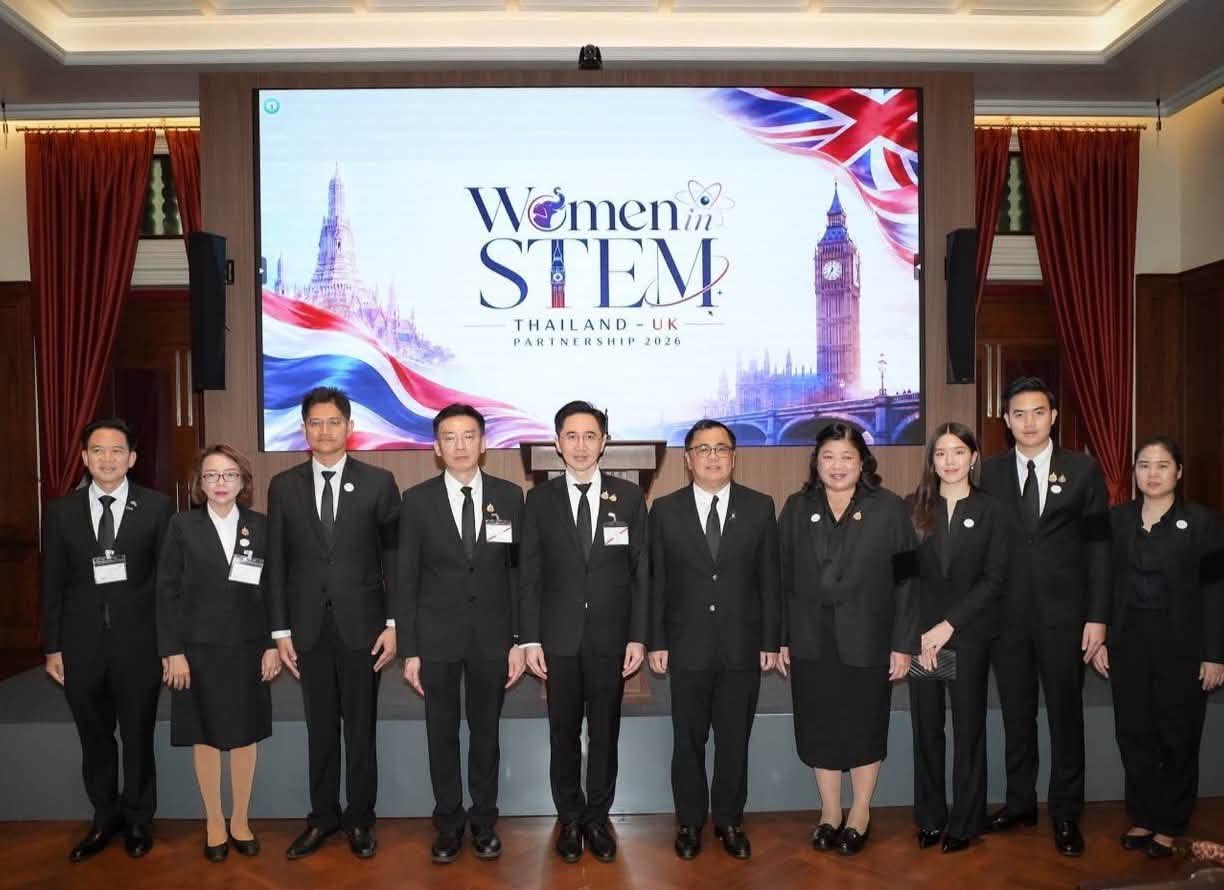
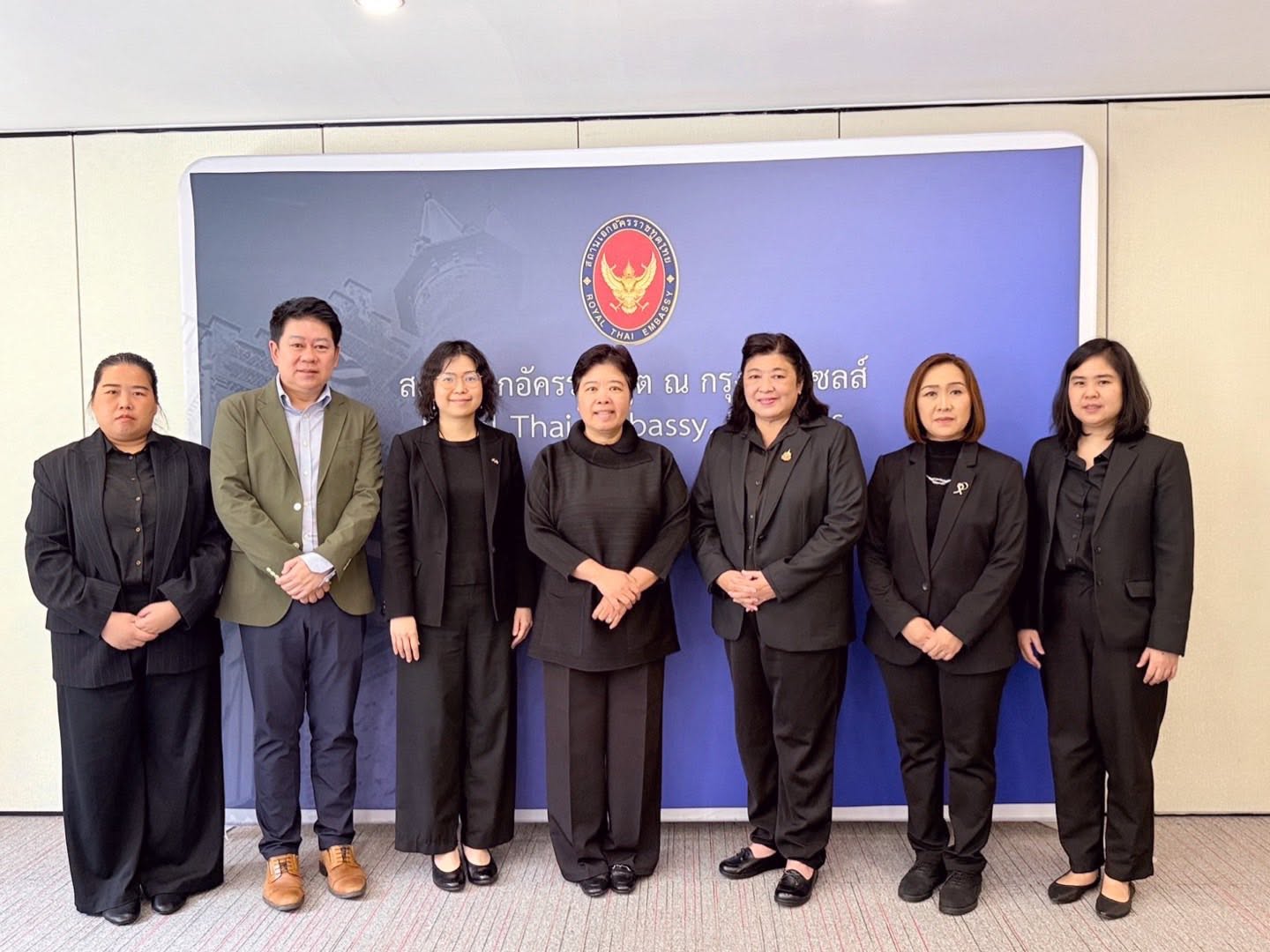
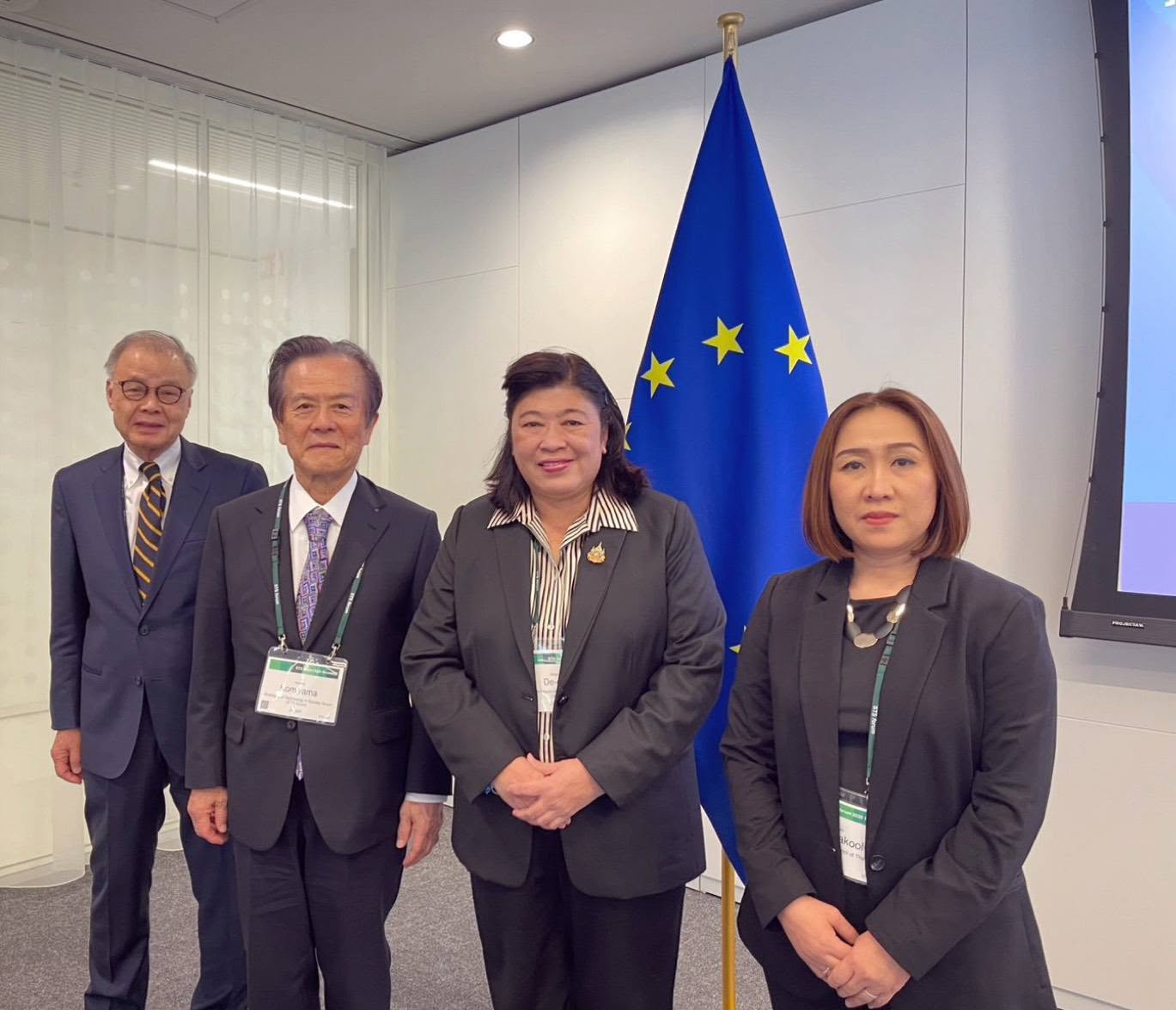
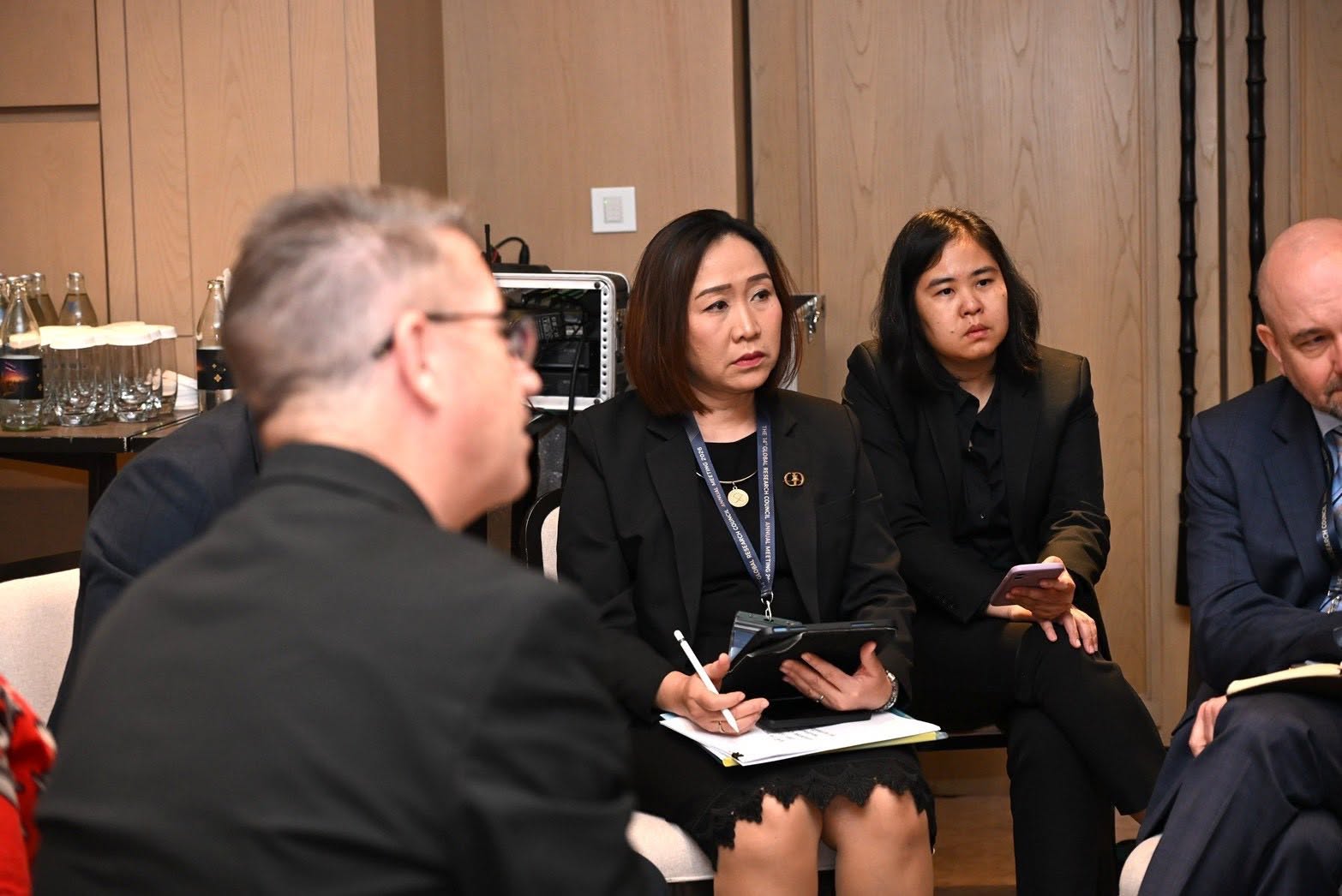
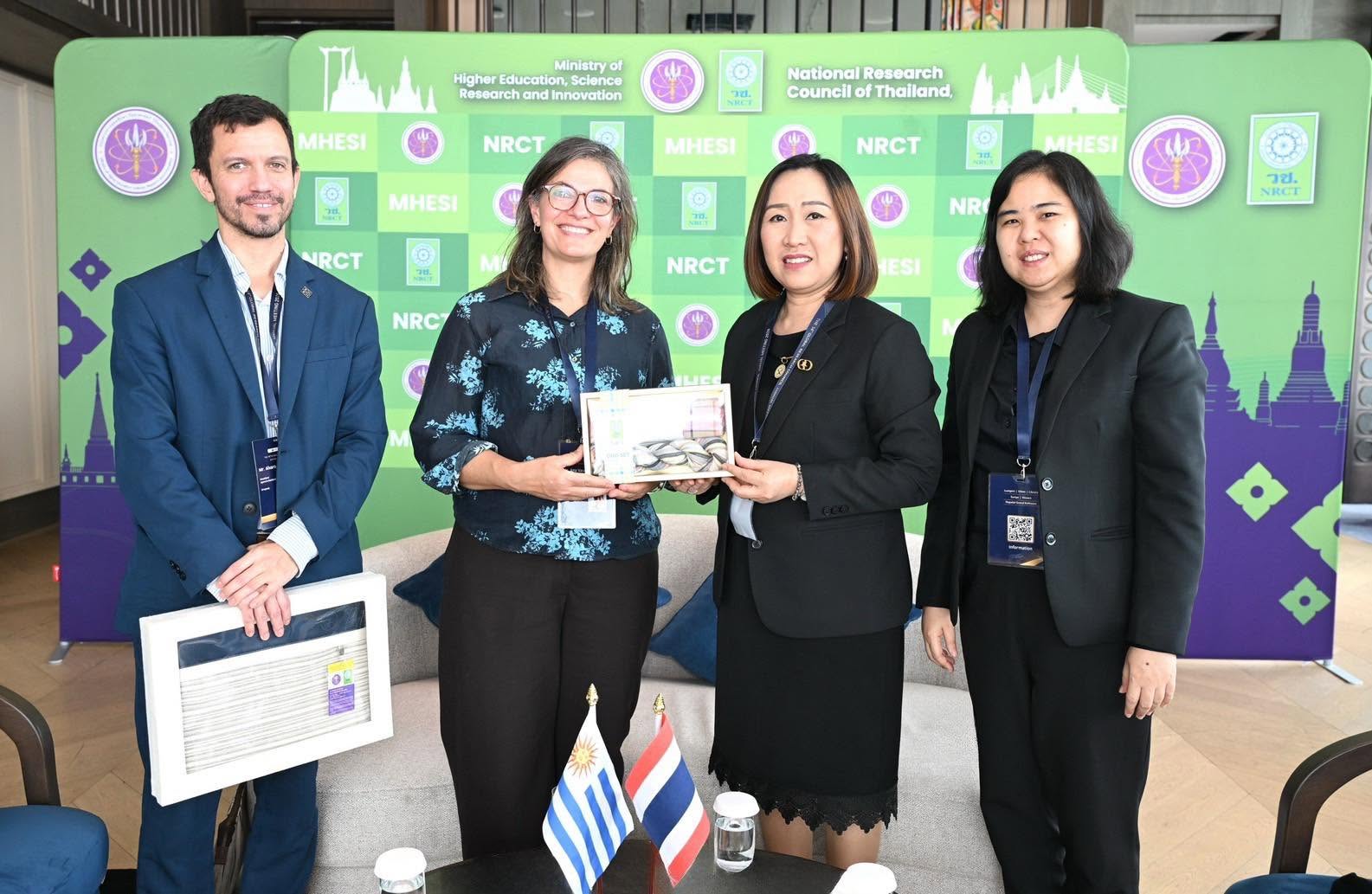
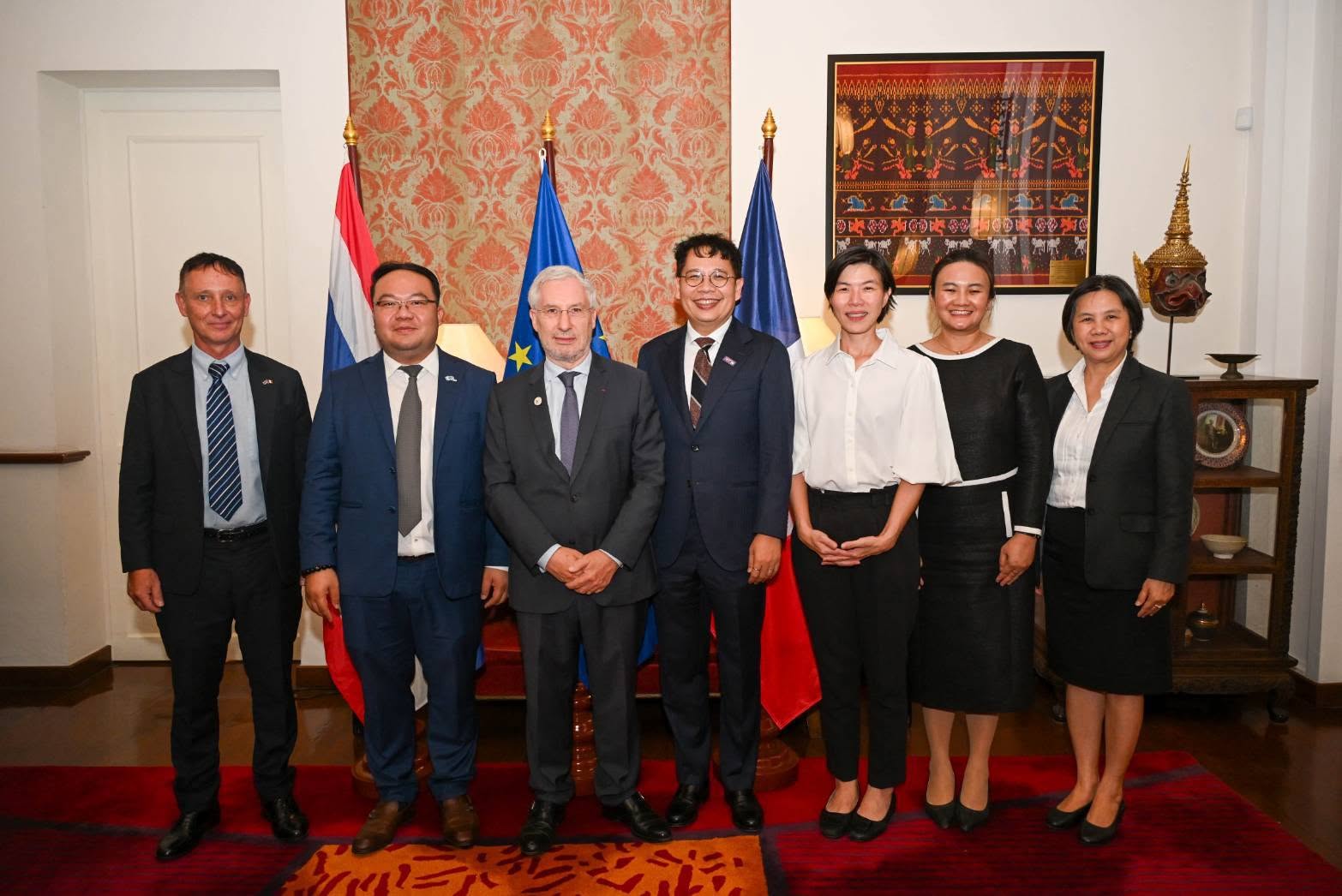
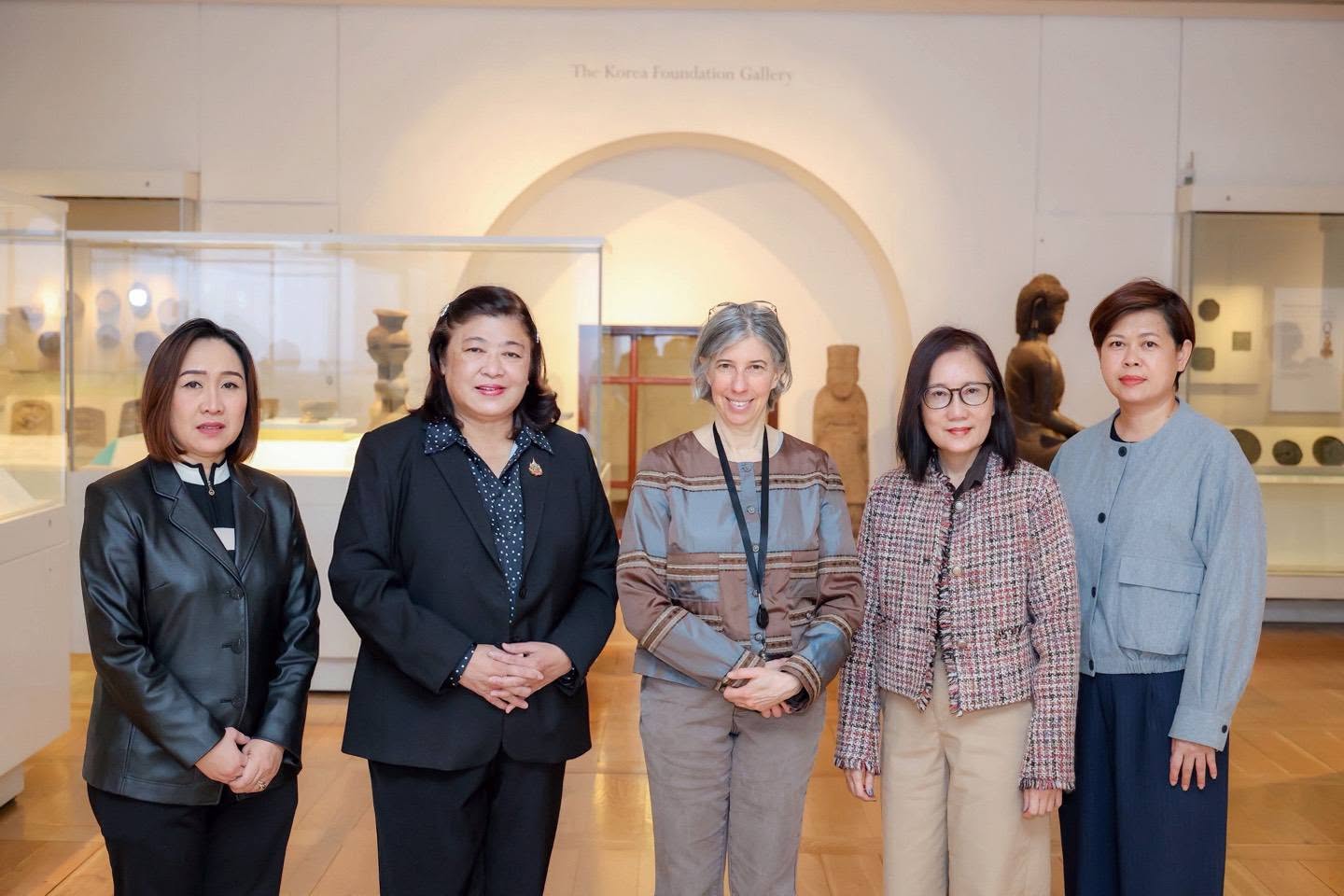
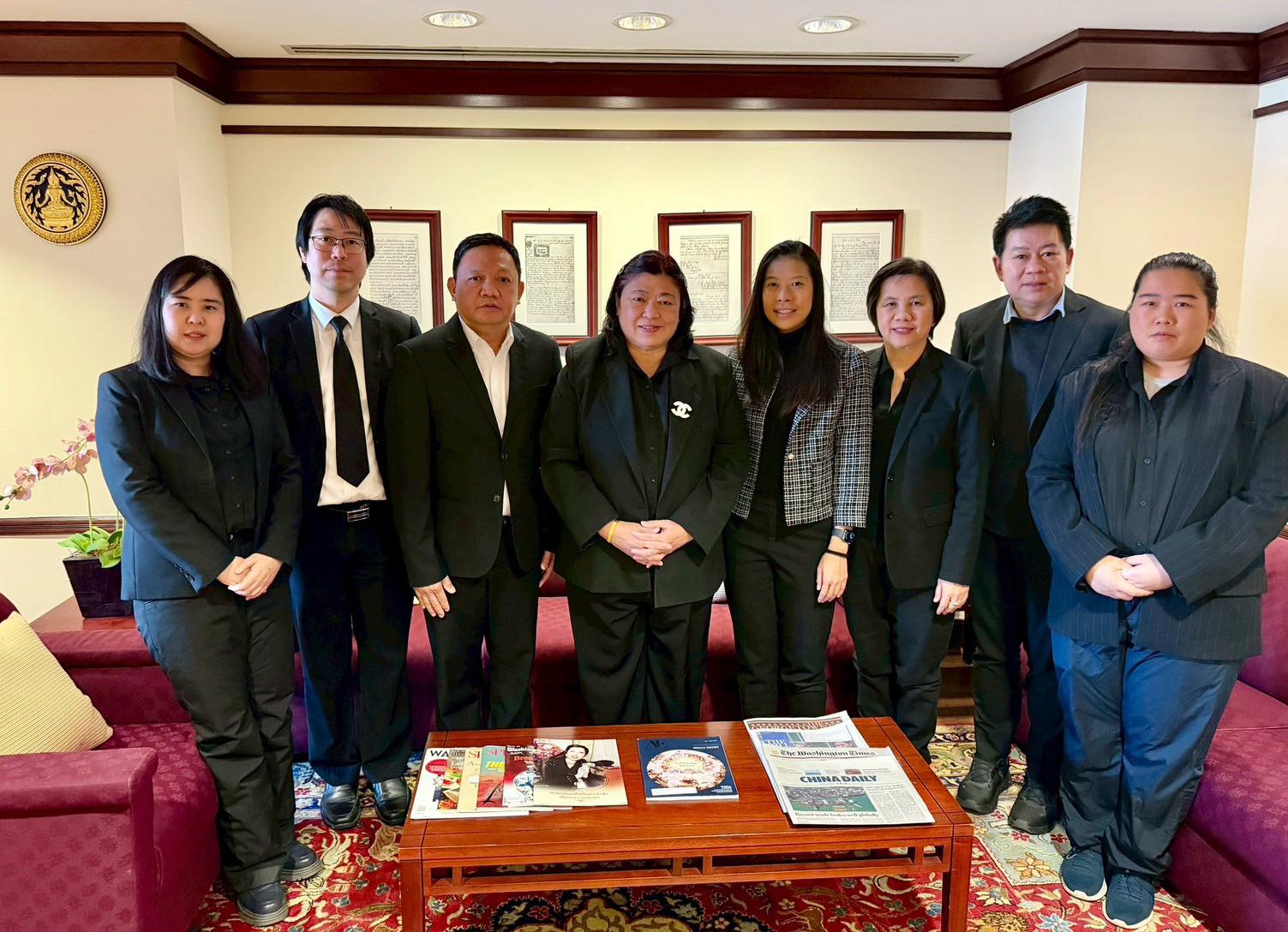
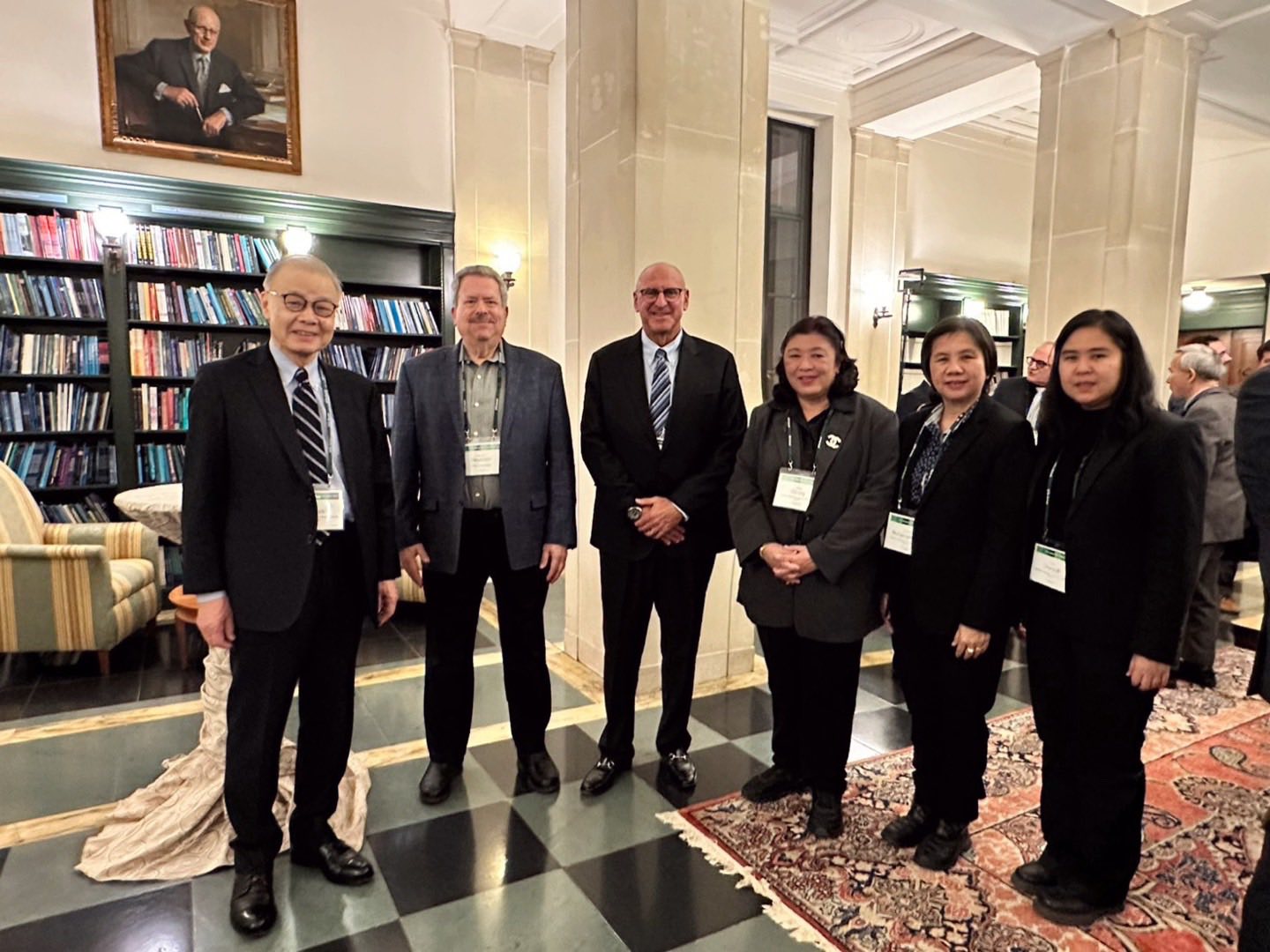
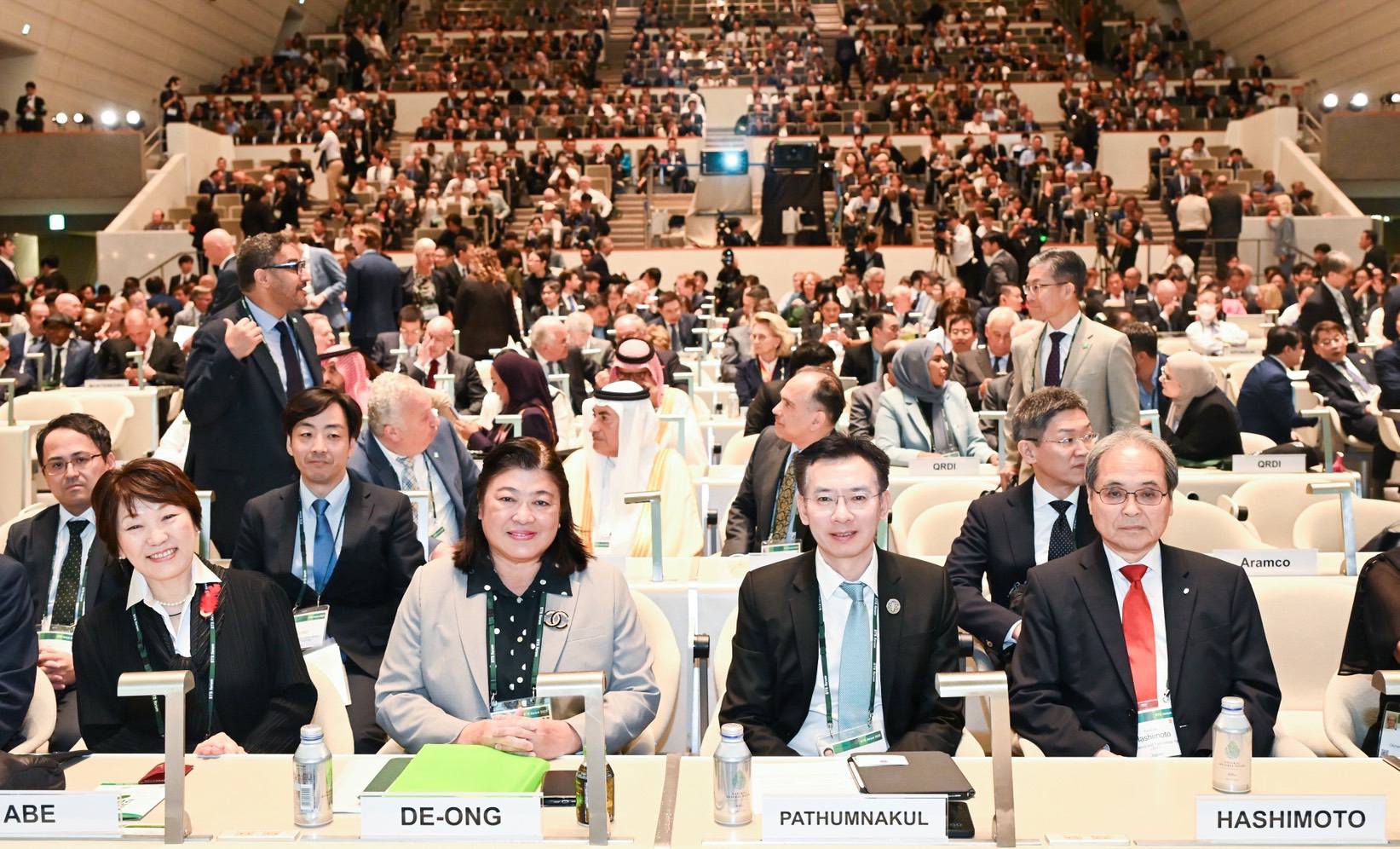
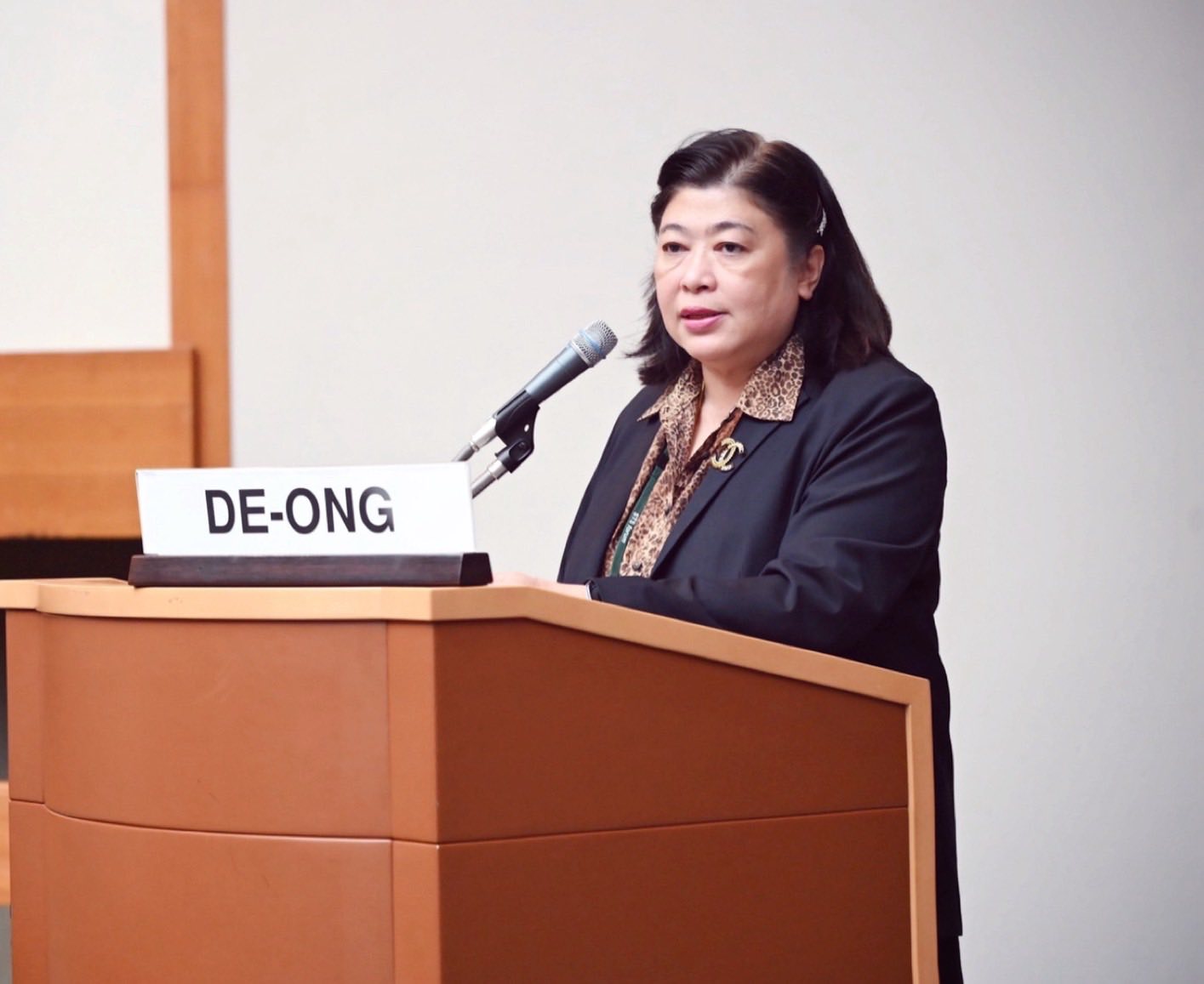
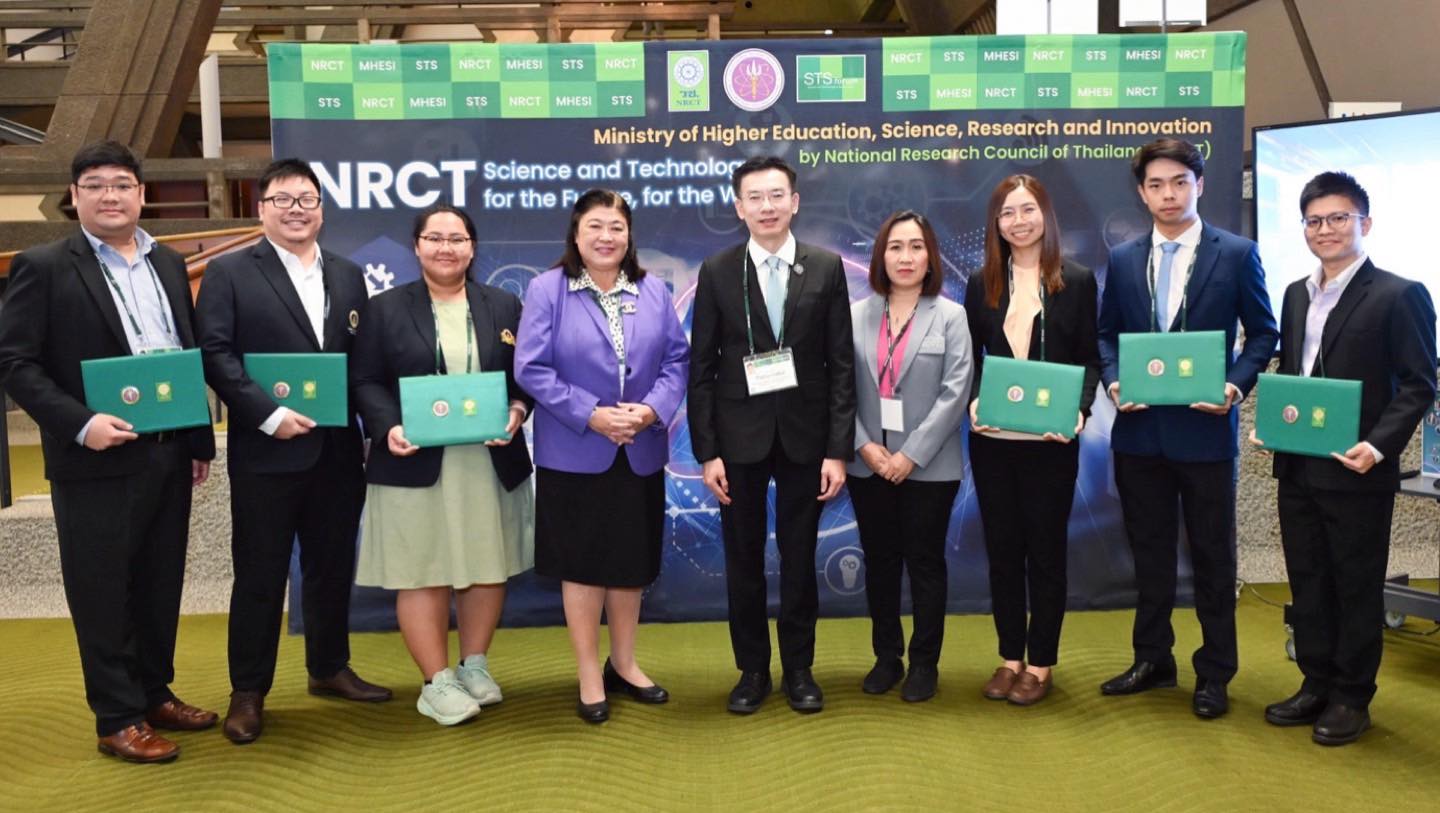
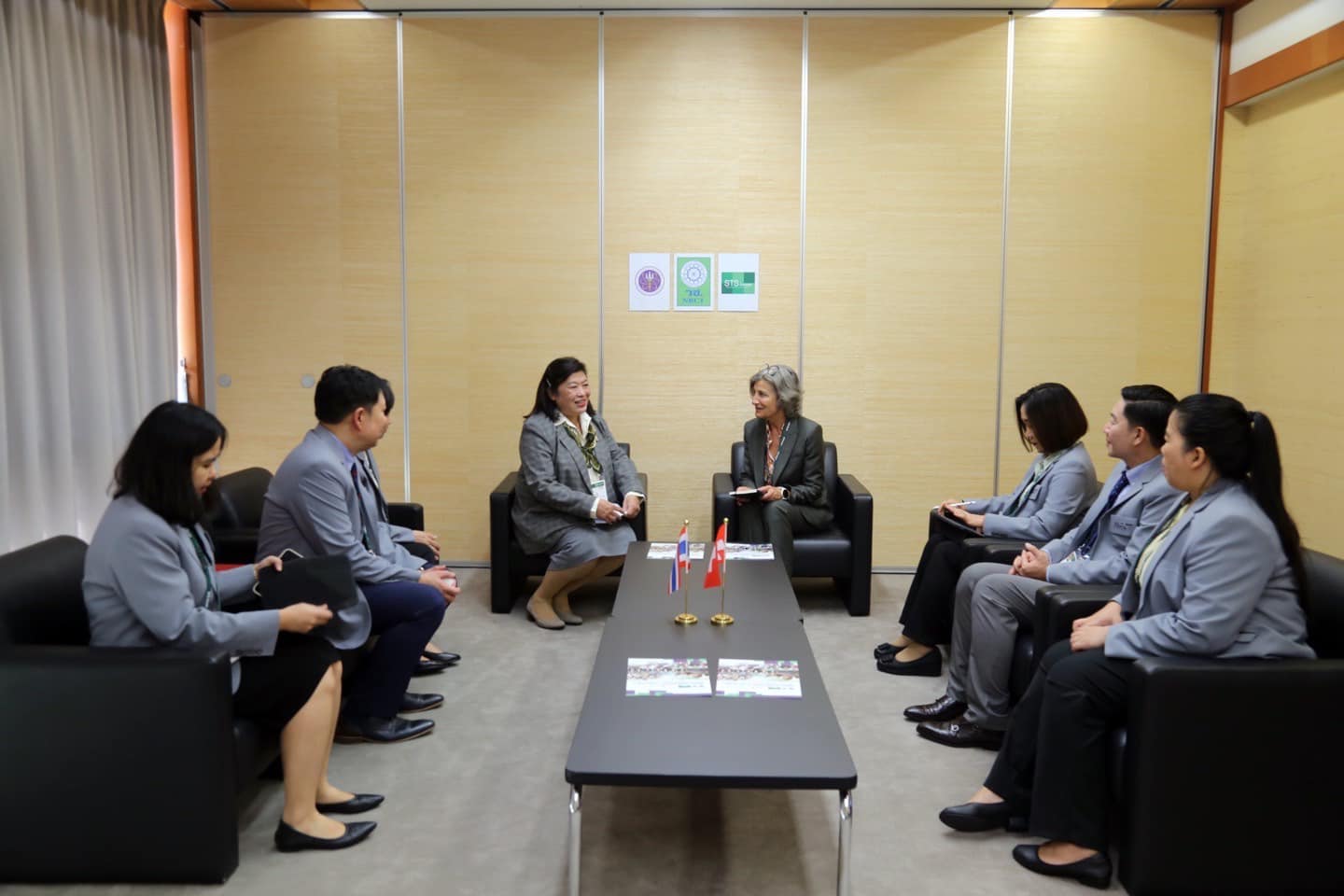
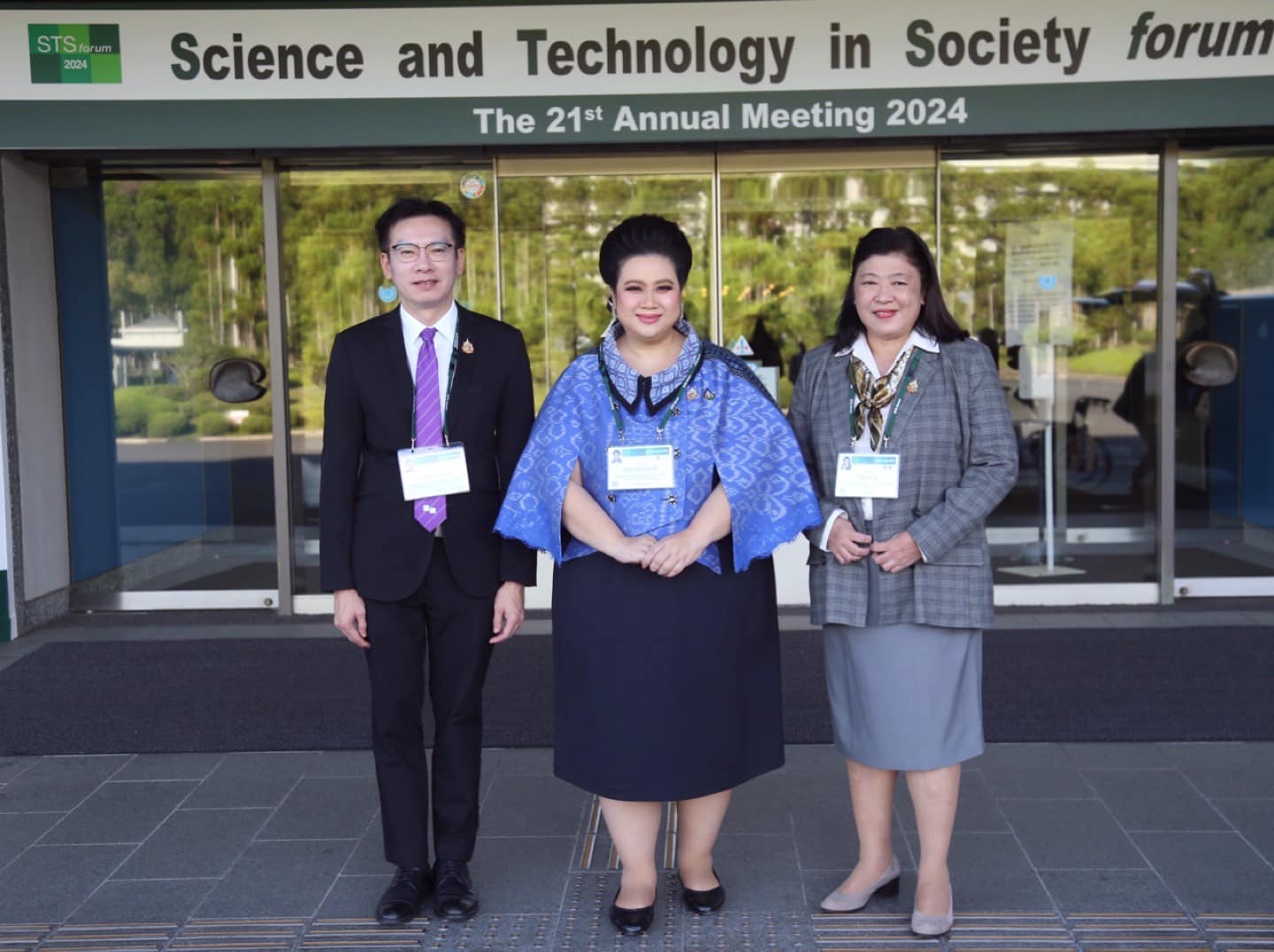
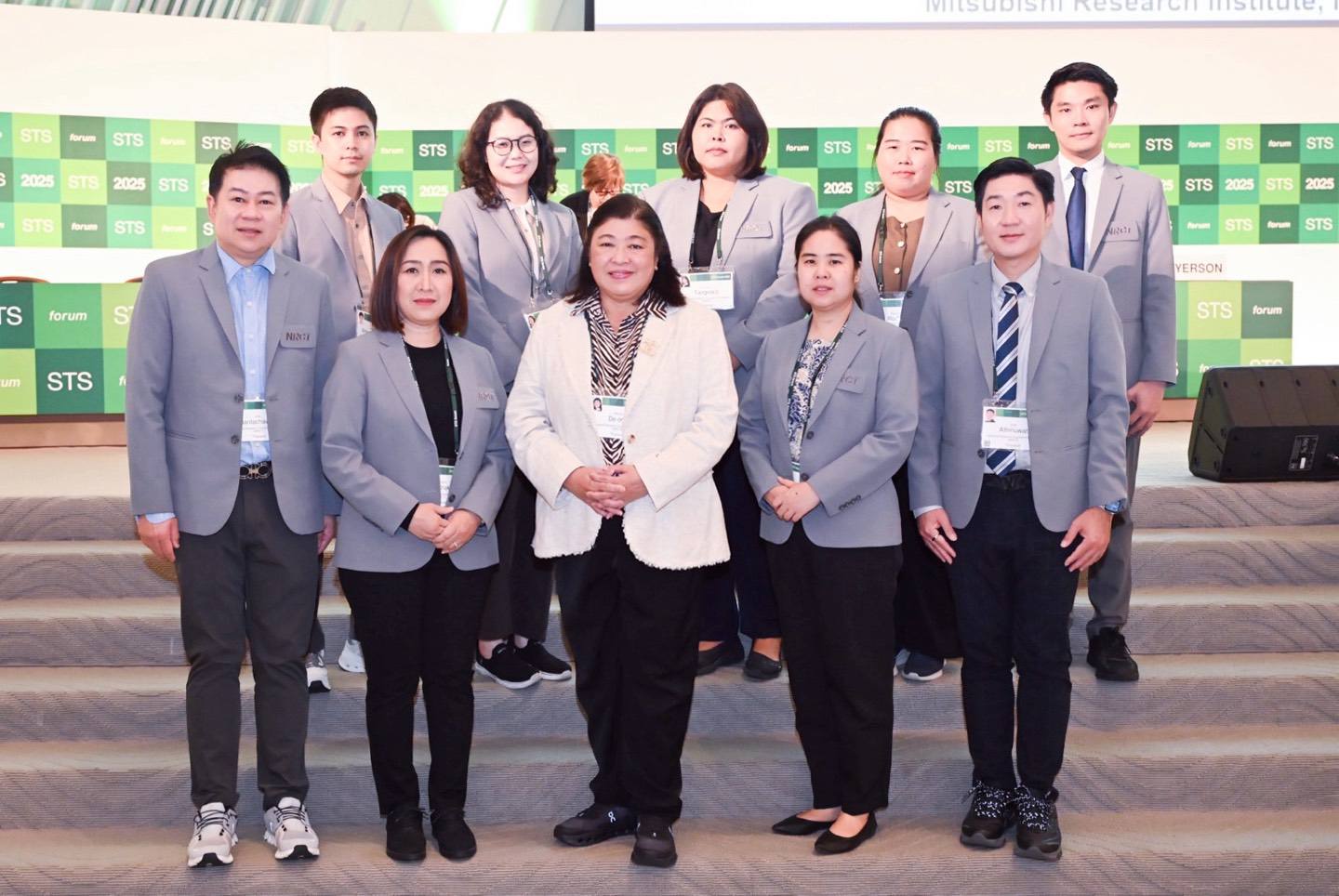
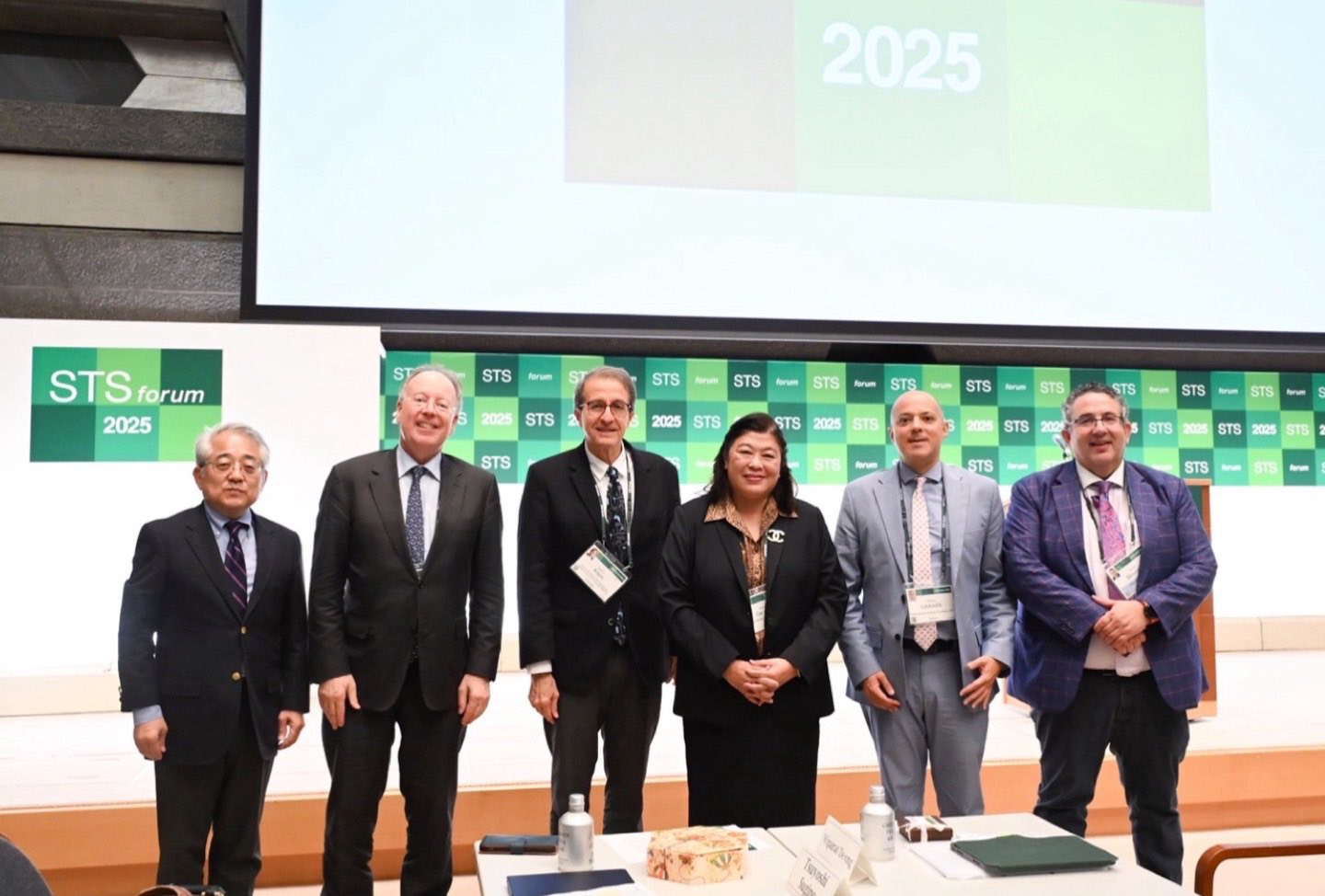
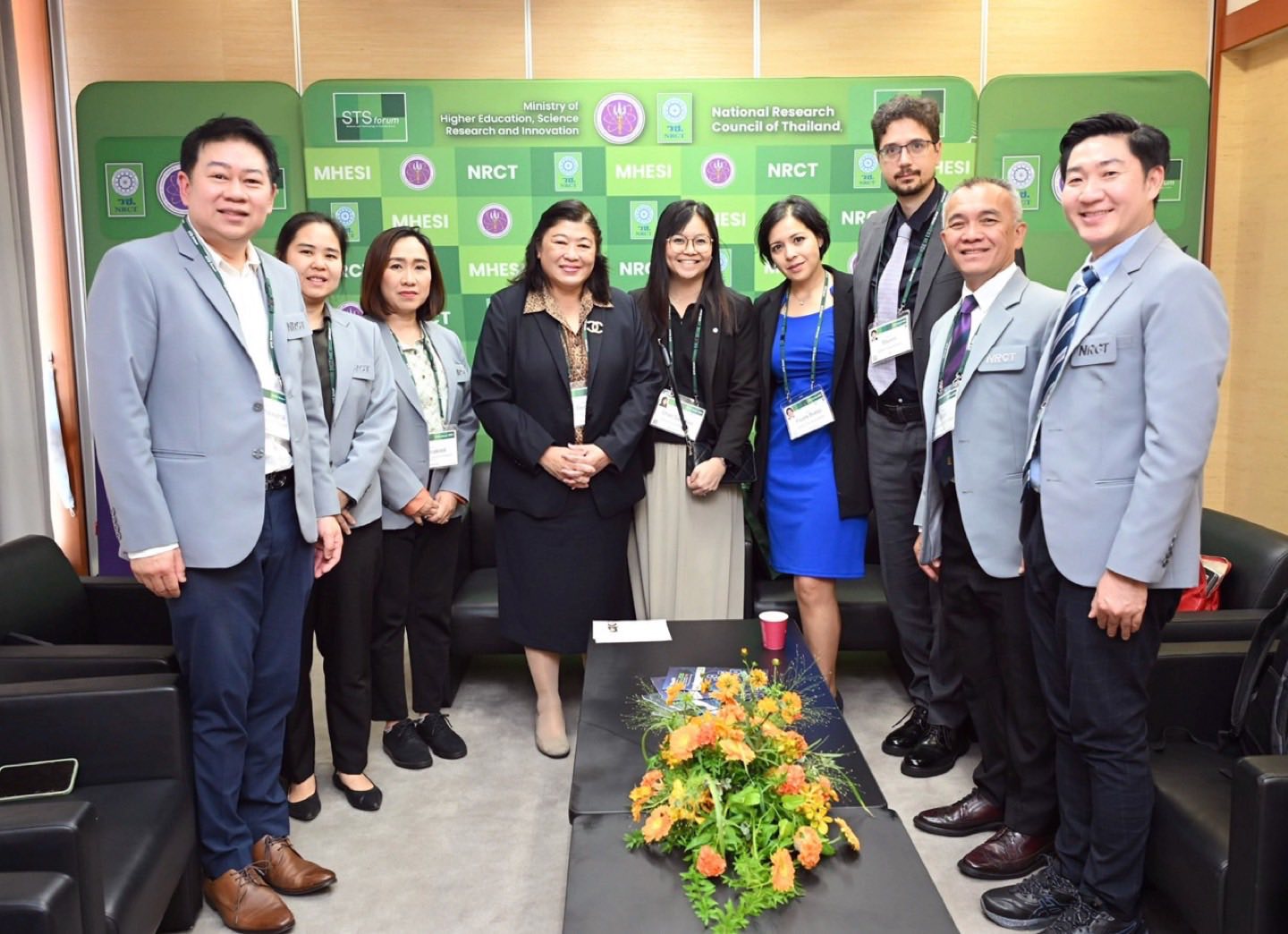
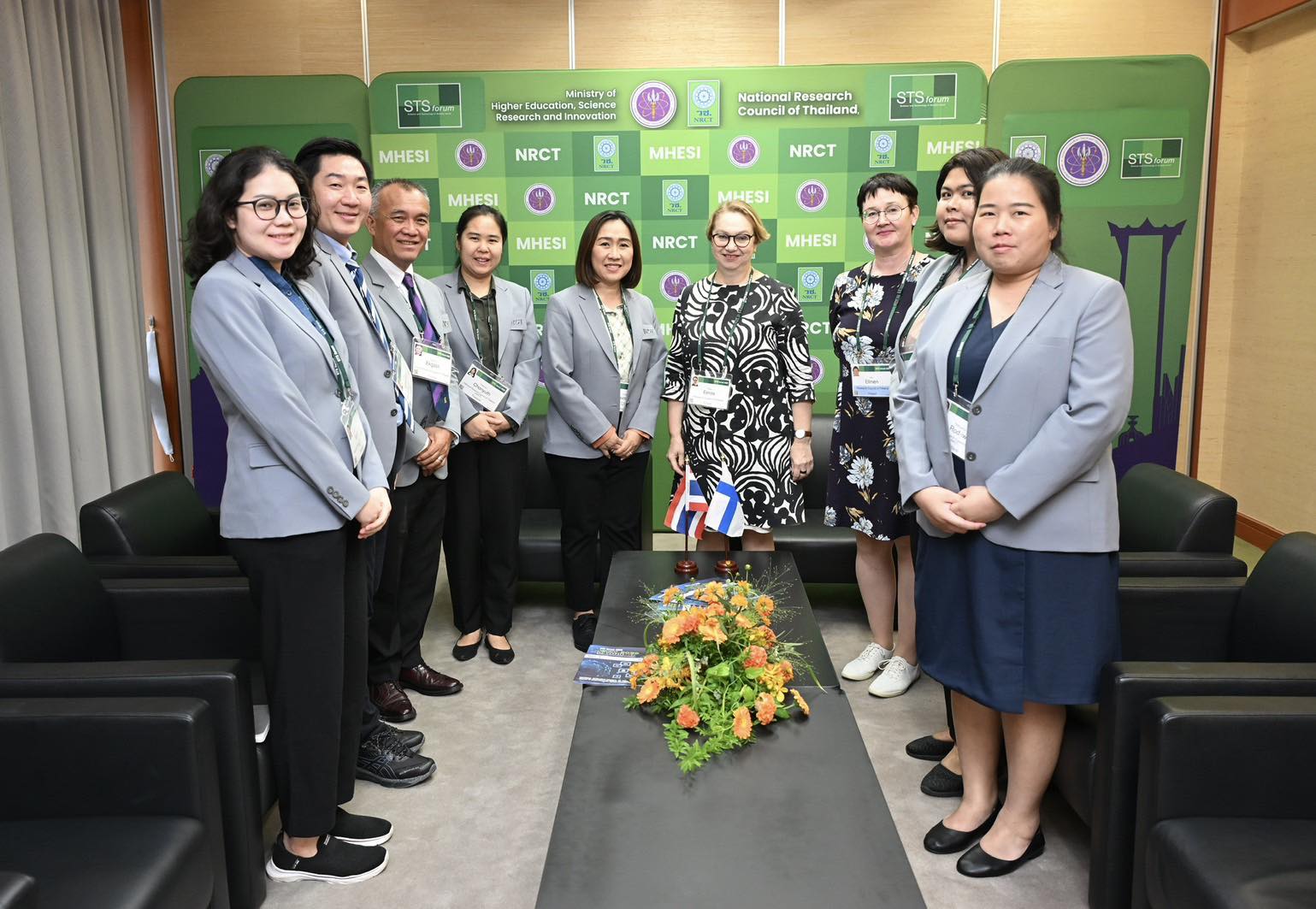
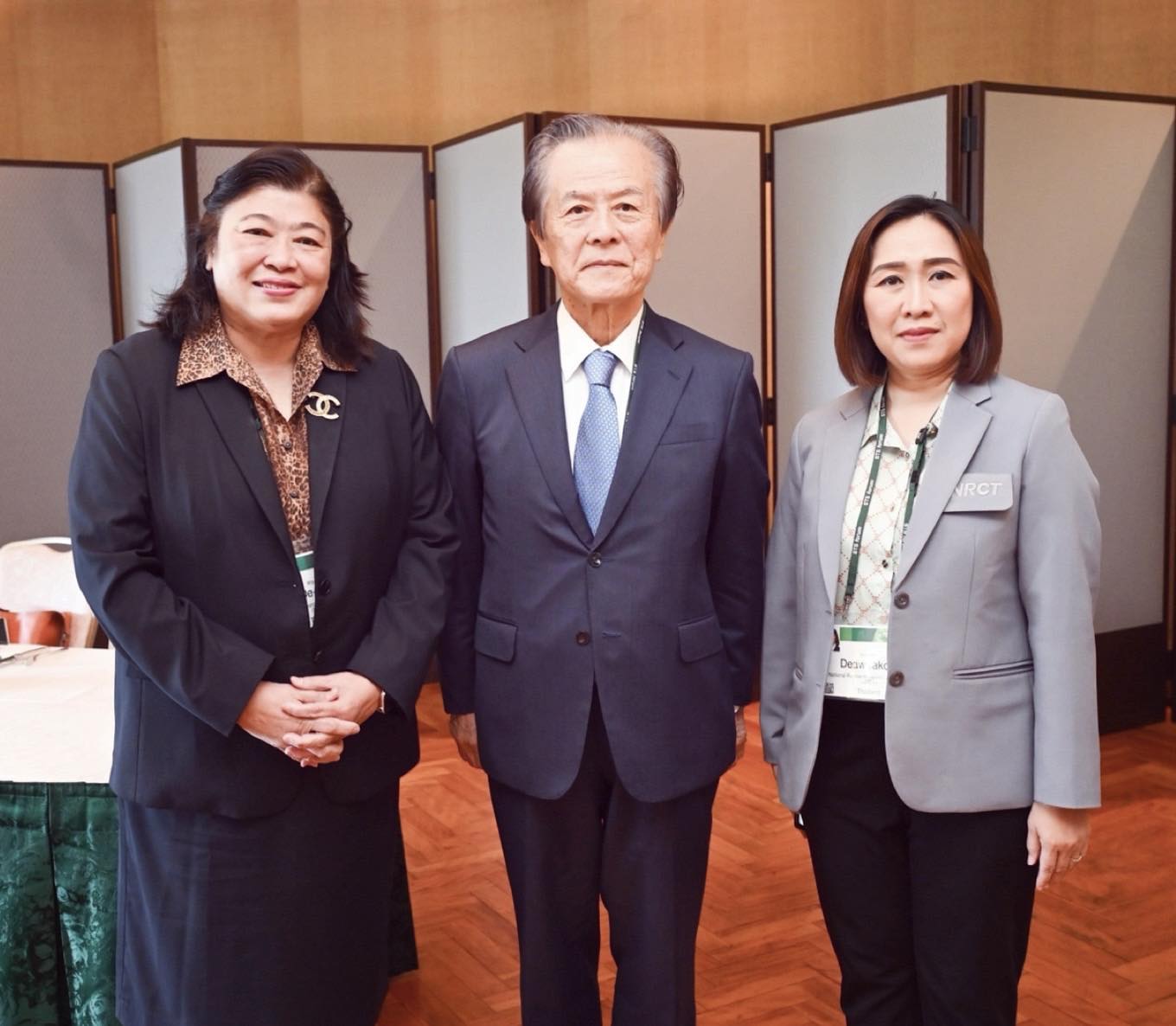
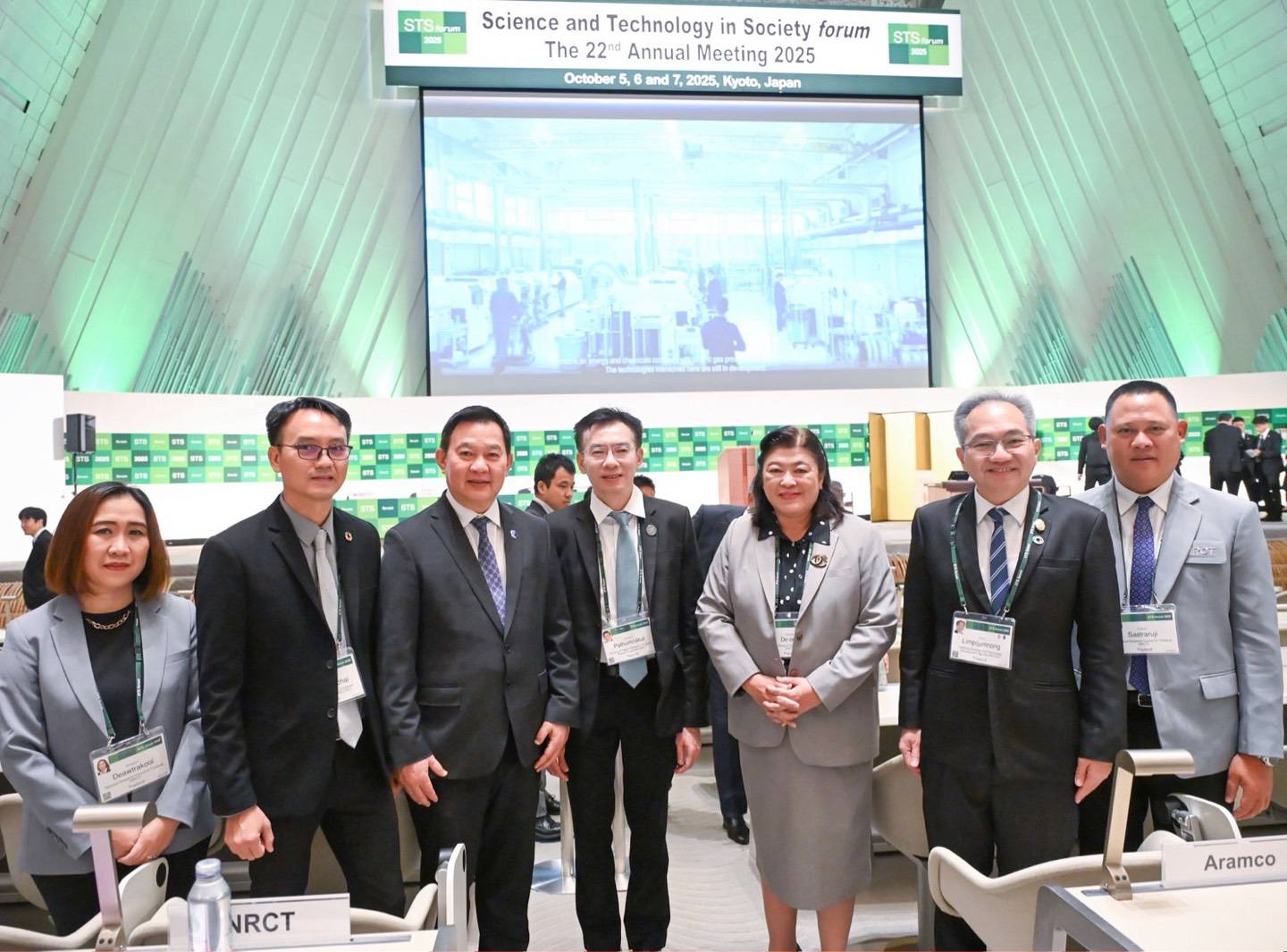
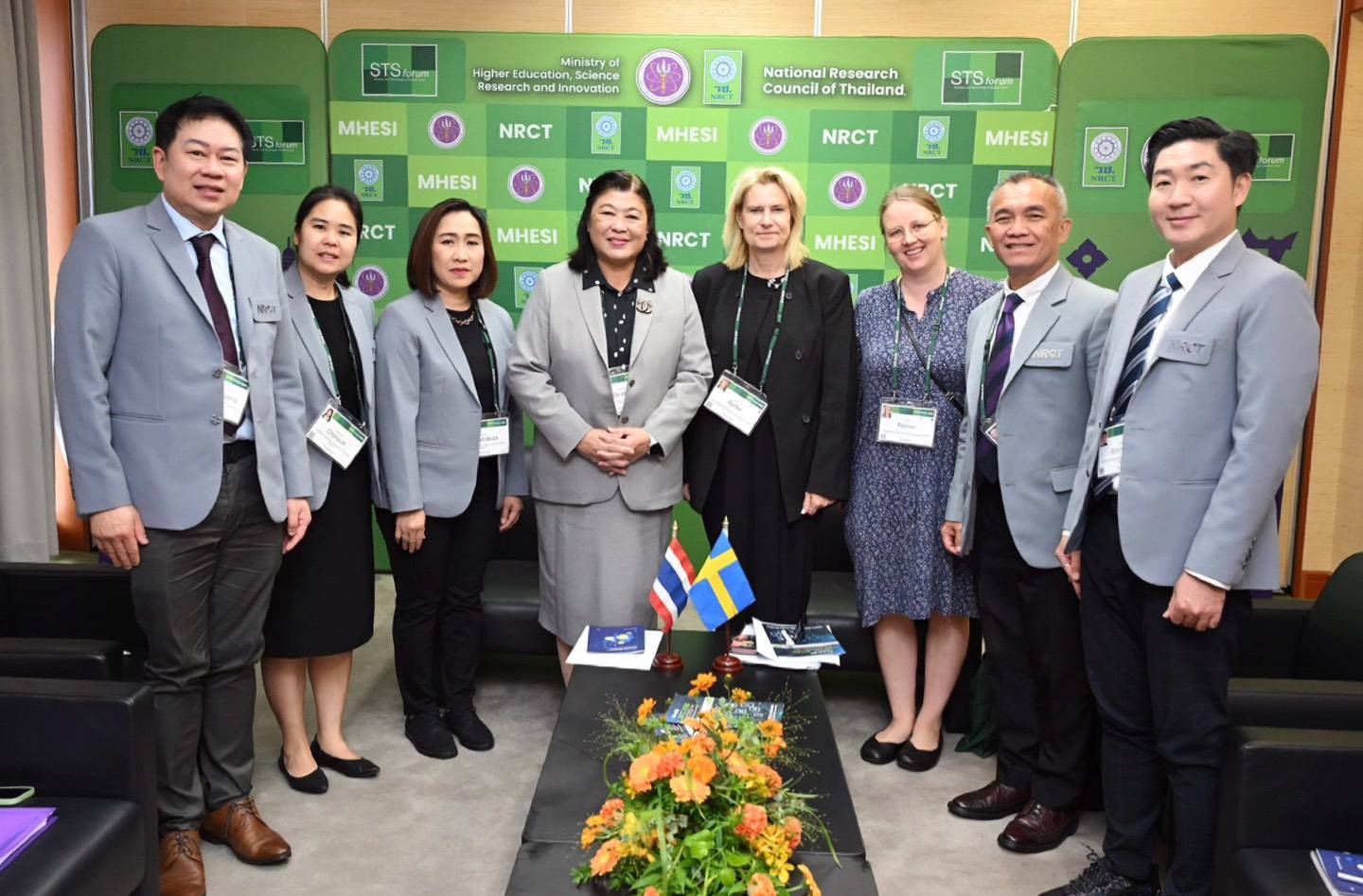
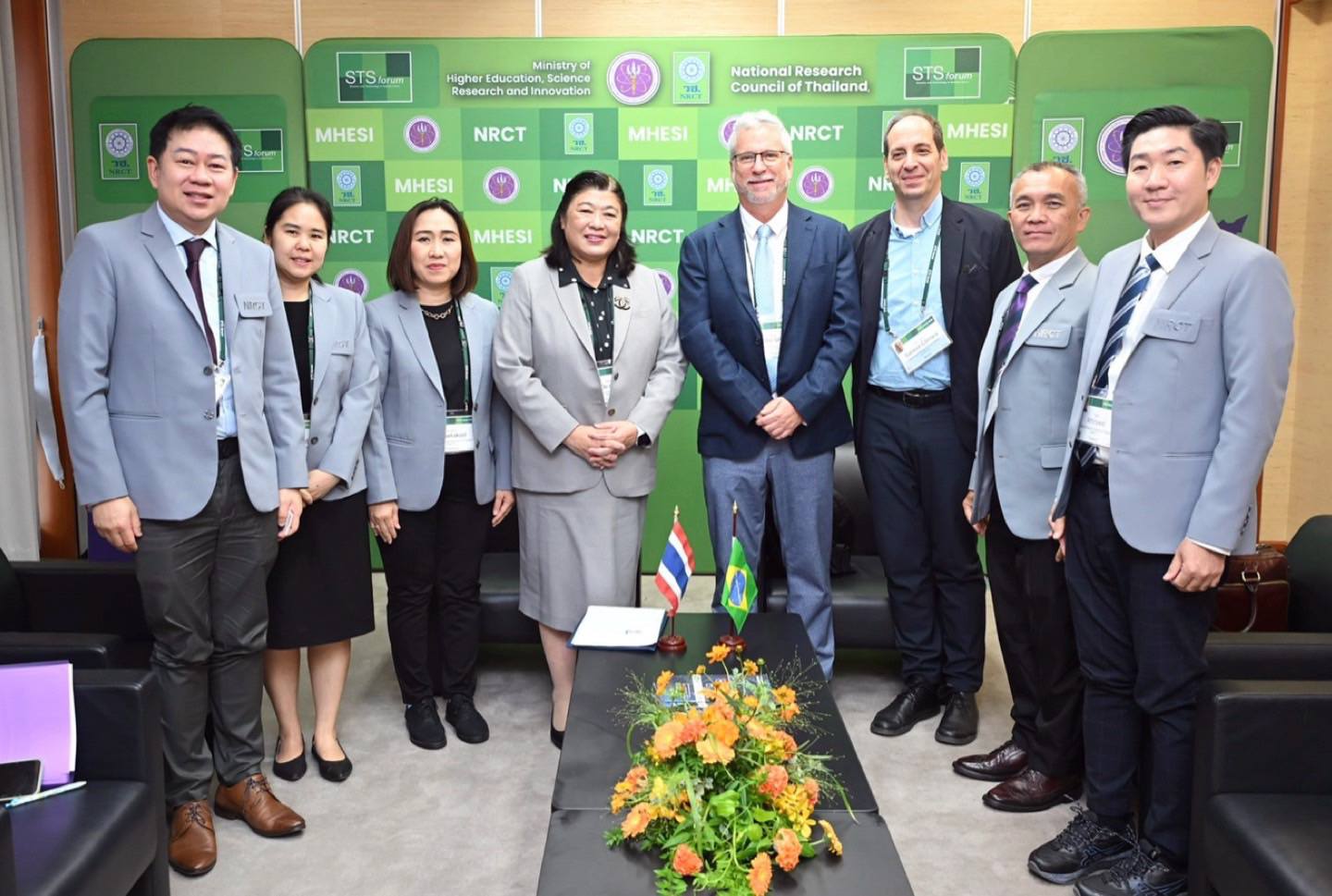
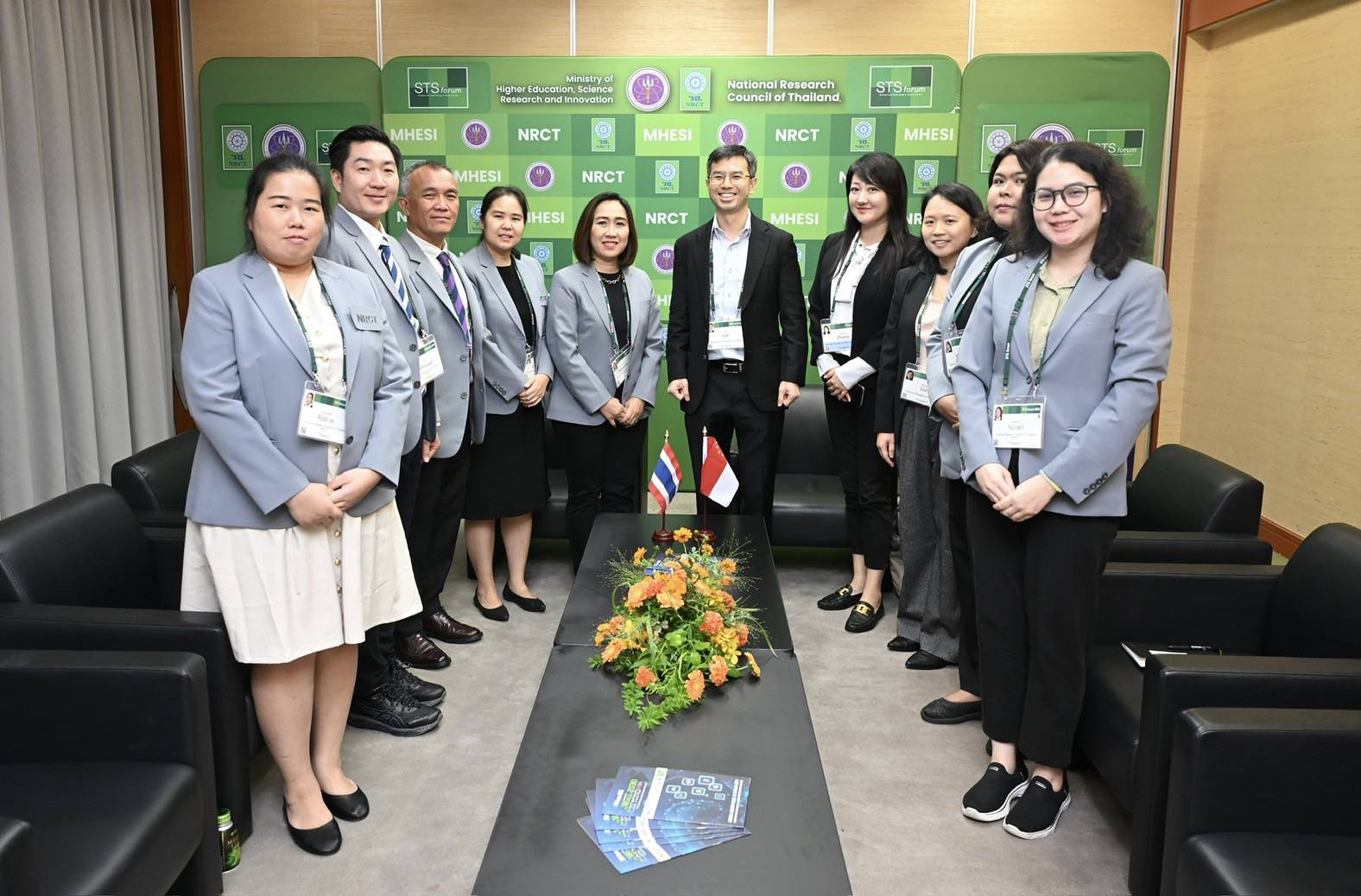
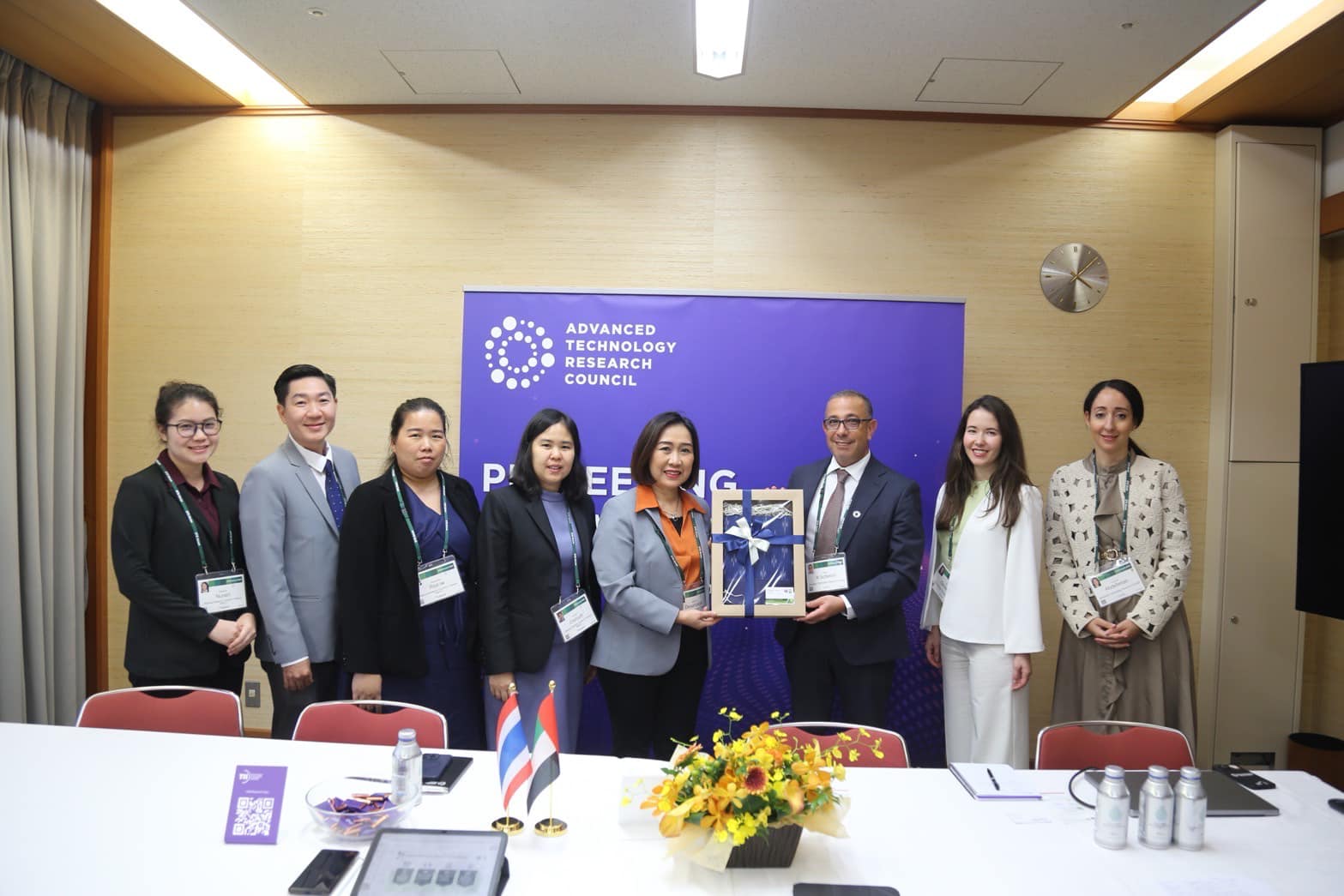
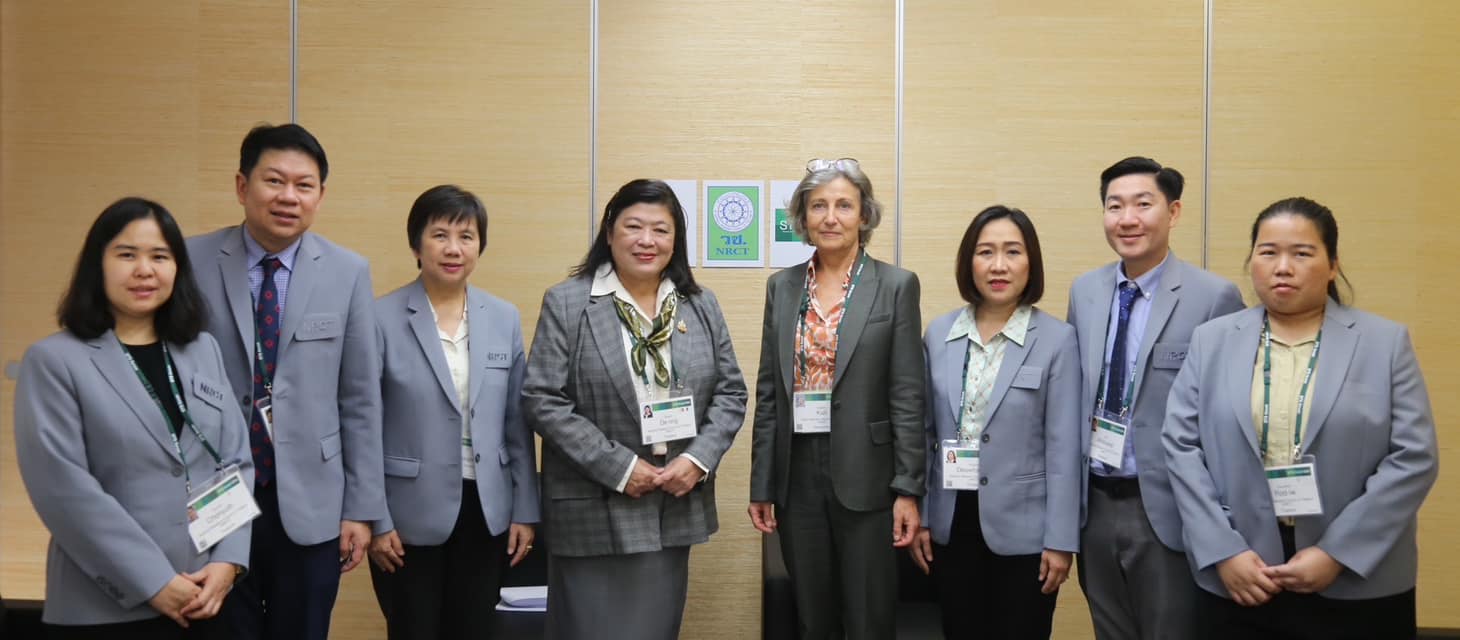
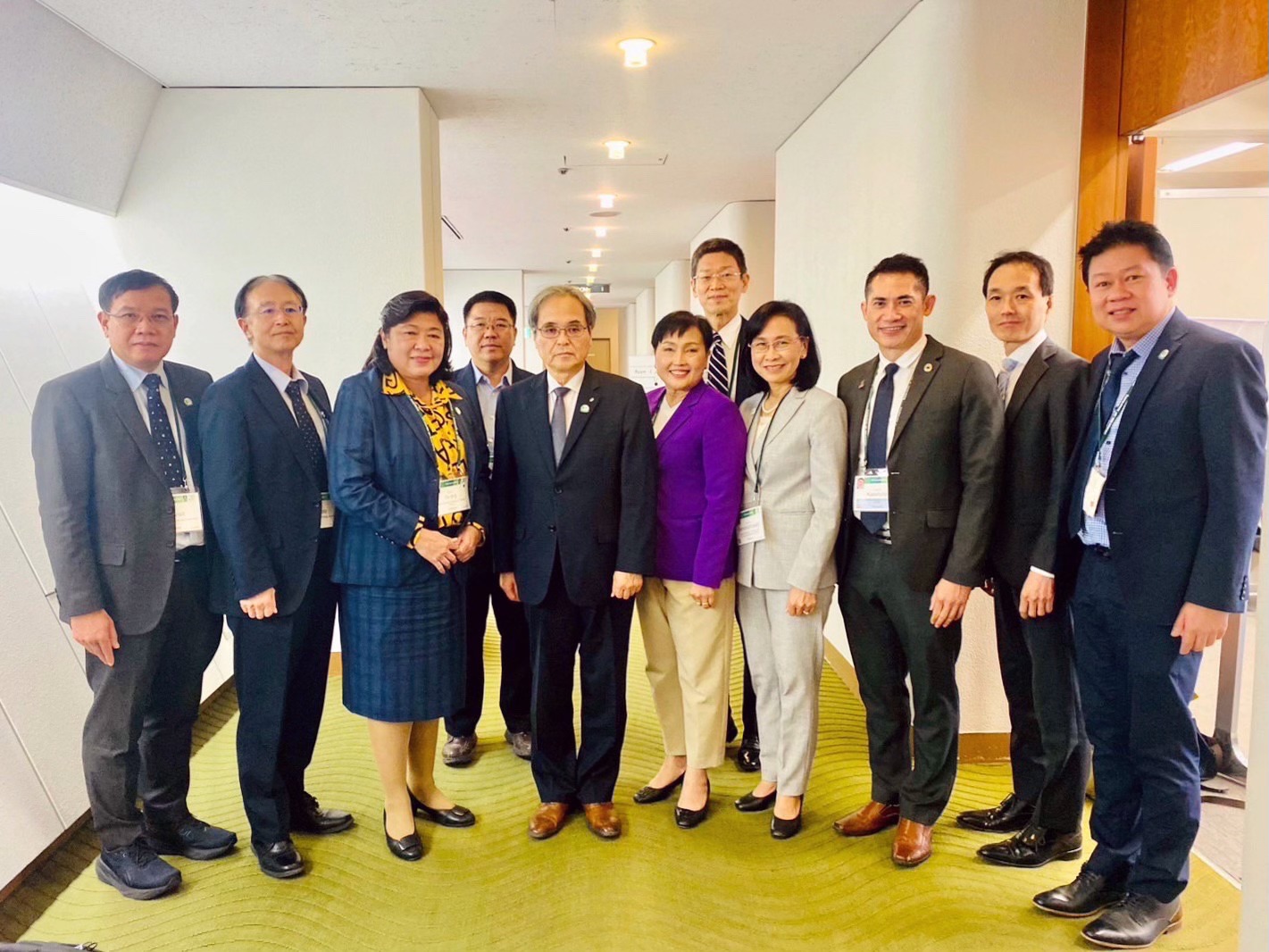
On 5 October 2026, the National Research Council of Thailand (NRCT), under the Ministry of Higher Education, Science, Research and Innovation (MHESI), welcomed a delegation from the Luxembourg National Research Fund (FNR), led by Dr. Isabelle Mossong, Secretary General, and Ms. Marie-Claude Marx, Programme Manager. The NRCT delegation was led by Dr. Sirinporn Diewtrakool, Deputy Executive Director of NRCT, and included Assoc. Prof. Dr. Anak Khantachawana, NRCT Expert; Ms. Khwansiri Chonyuth, Director of the International Relations Group; and other NRCT officials. The meeting provided an opportunity to exchange information on research funding systems and explore opportunities to strengthen research cooperation between Thailand and Luxembourg, particularly through closer connections among researchers and research institutions in both countries.
Dr. Sirinporn presented an overview of NRCT’s role as a national research funding agency, outlining its mechanisms for supporting research and fostering researcher networks at both national and international levels. Assoc. Prof. Dr. Anak Khantachawana and Ms. Khwansiri Chonyuth also highlighted Thailand’s research strengths and capabilities in areas including biomedicine and medicine, biomaterials and implant materials, semiconductors, and agriculture. These fields offer potential areas for collaboration with Luxembourg.
NRCT expressed its readiness to facilitate connections between Thai researchers and research institutions and their counterparts in Luxembourg. Potential activities include identifying researchers with complementary expertise, sharing information on research collaboration opportunities, and exploring appropriate support mechanisms for researcher exchange programmes. These efforts aim to establish strong research networks and lay the groundwork for practical cooperation between the two countries.
Dr. Isabelle Mossong, Secretary General of FNR, introduced Luxembourg’s research funding system, explaining that FNR receives most of its funding from Luxembourg’s Ministry of Higher Education and Research. FNR supports research across a range of disciplines, including materials science, sustainability, 21st-century education, and life sciences and biomedical sciences. Major research institutions in Luxembourg include the University of Luxembourg, the Luxembourg Institute of Health (LIH), the Luxembourg Institute of Science and Technology (LIST), and the Luxembourg Institute of Socio-Economic Research (LISER).
FNR also presented its INTER Mobility Programme, which supports researcher mobility between Luxembourg and international partner countries. The programme enables researchers to conduct research abroad and provides opportunities for international researchers to undertake research in Luxembourg. This initiative was identified as a potential model for developing researcher exchange activities between Thailand and Luxembourg.
Both parties emphasized the importance of identifying shared research interests and complementary expertise among researchers and institutions in the two countries. Initial cooperation could focus on short-term researcher exchanges and research stays, allowing participants to establish professional networks, exchange knowledge and gain a better understanding of each country’s research capabilities. These initial activities could subsequently pave the way for more structured cooperation, including the development of a Memorandum of Understanding (MoU) and the possible introduction of joint research funding calls in mutually agreed priority areas.
The meeting marks a further step towards expanding Thailand’s international research cooperation networks in Europe. NRCT stands ready to facilitate collaboration among researchers, research institutions and funding agencies in both countries, creating opportunities for researcher development, knowledge exchange and future joint research projects that can benefit Thailand and Luxembourg.