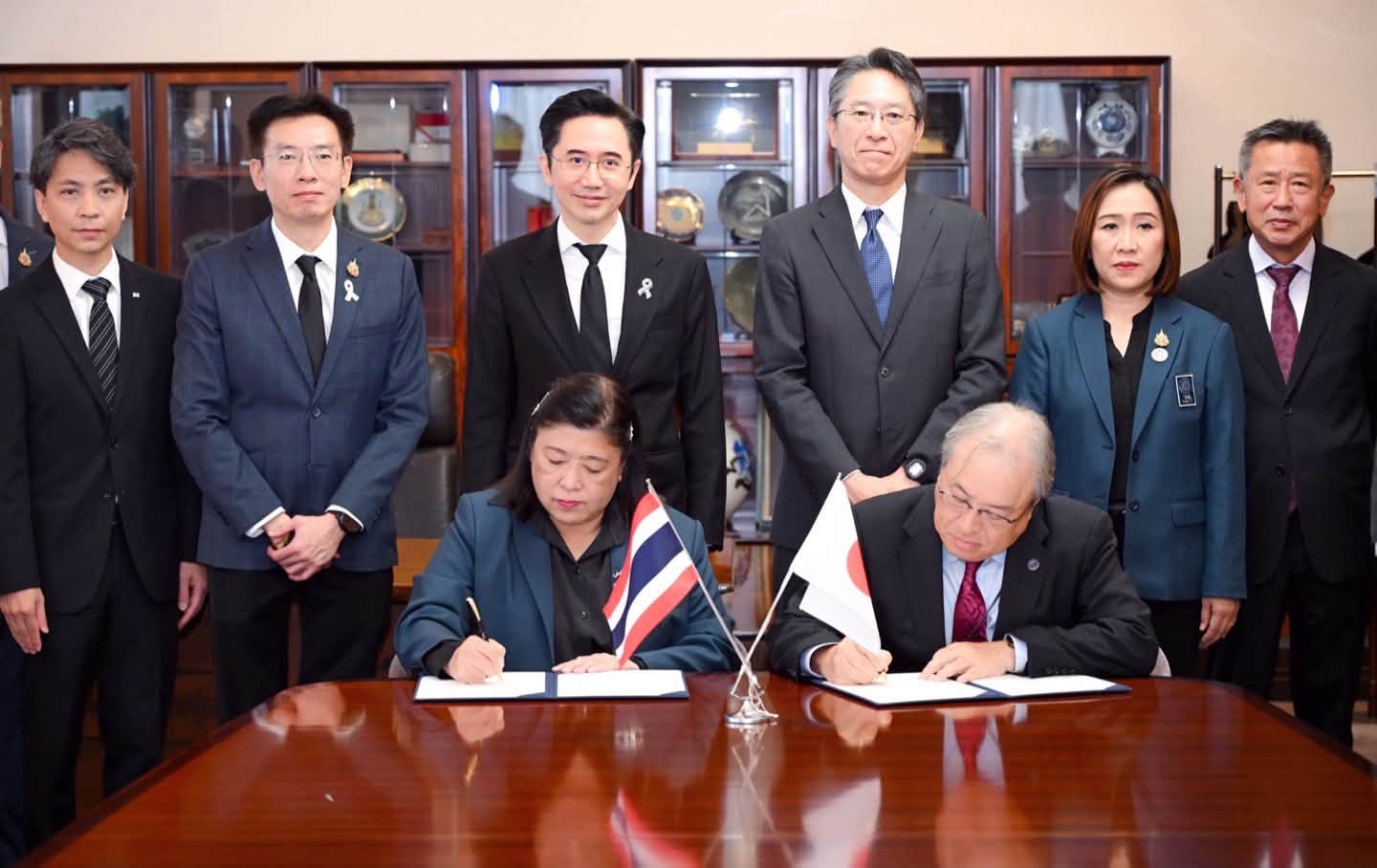
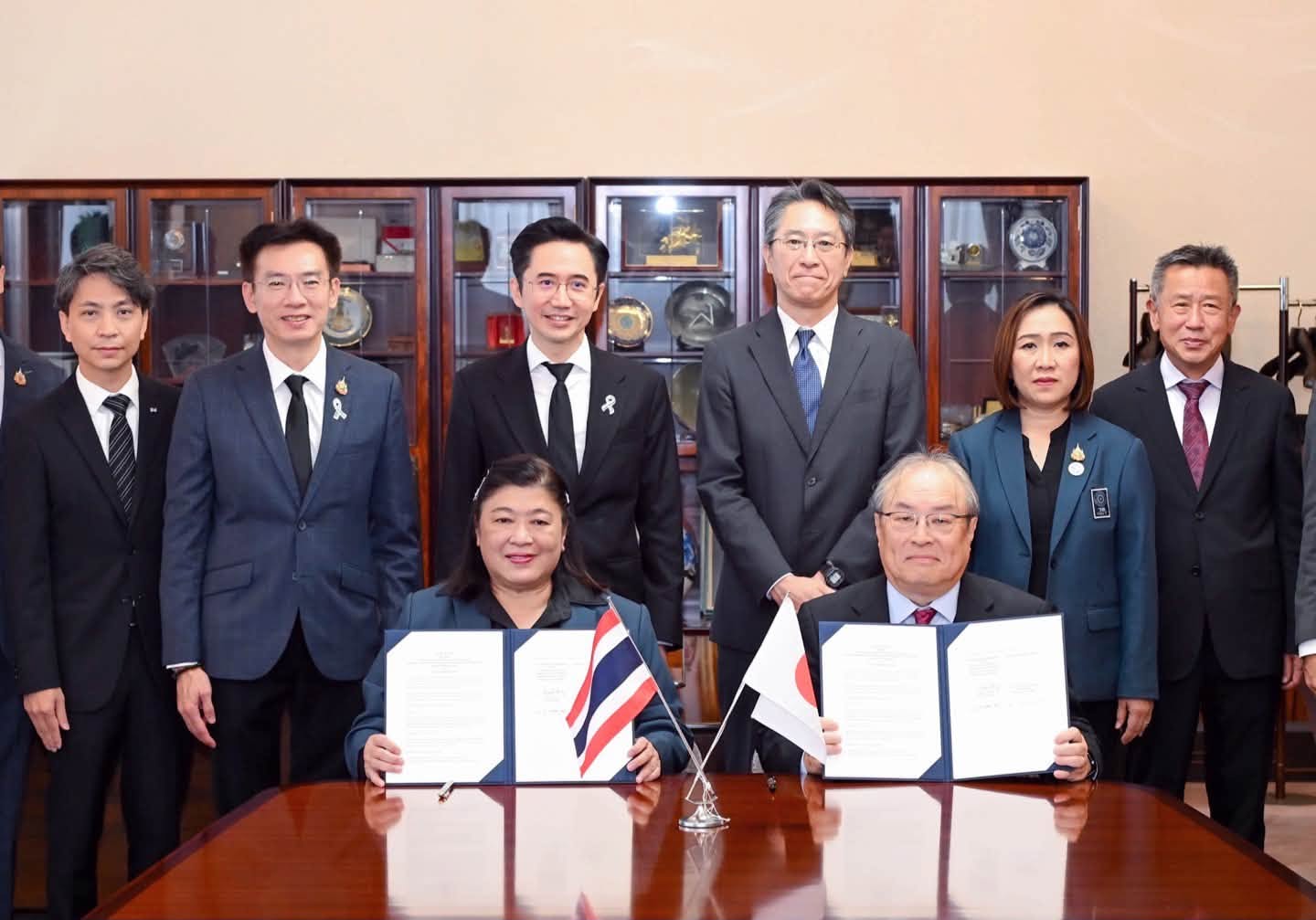
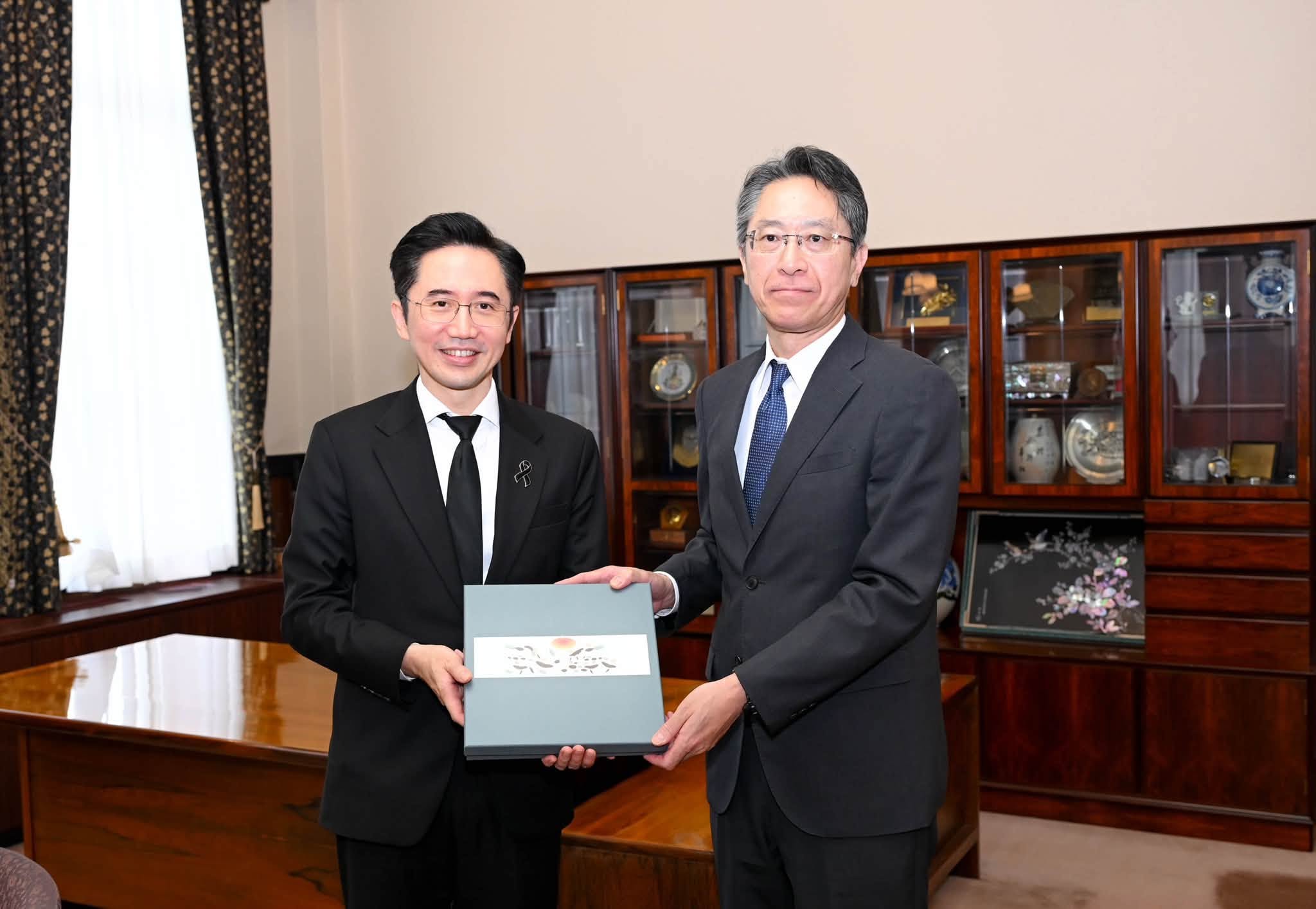
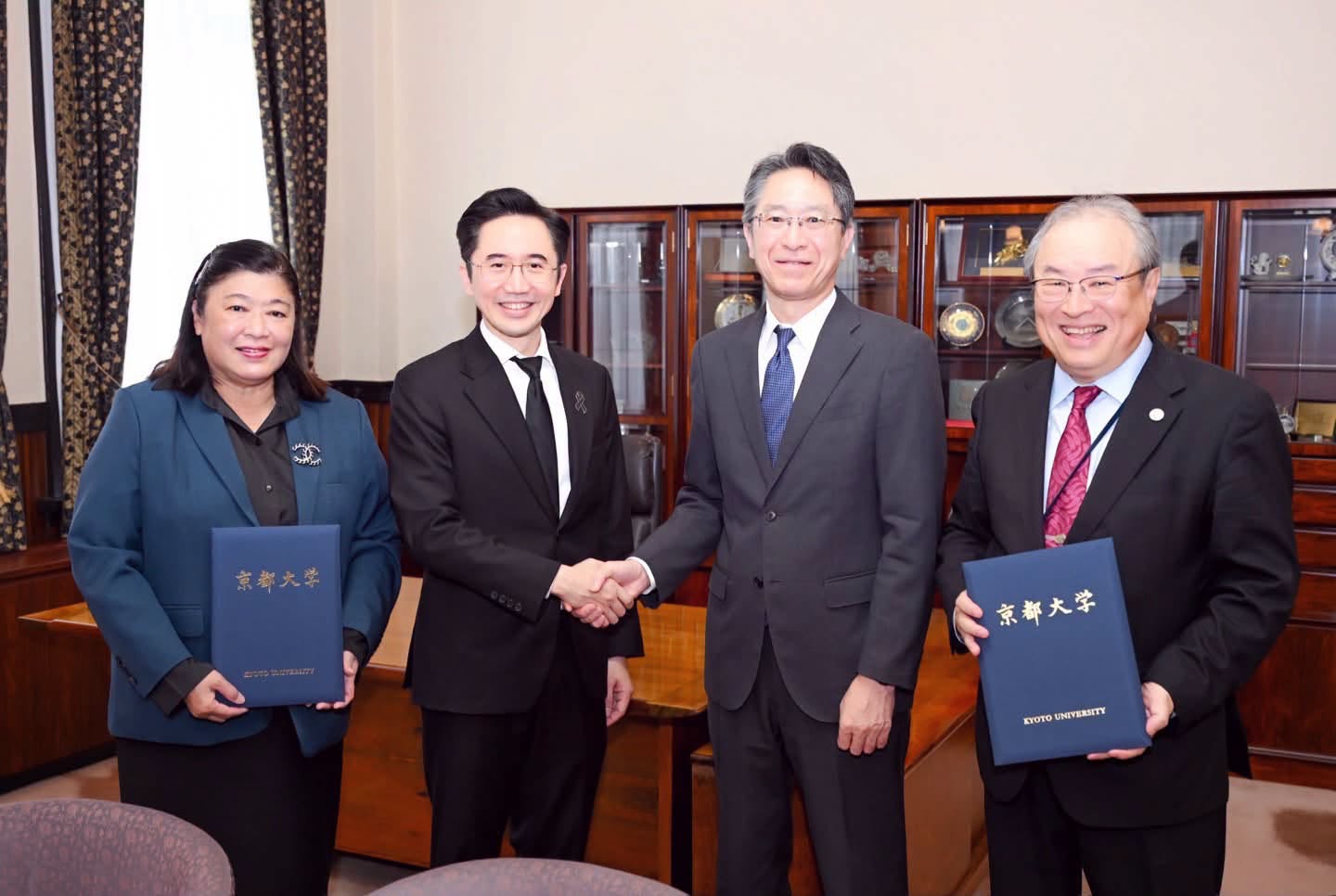
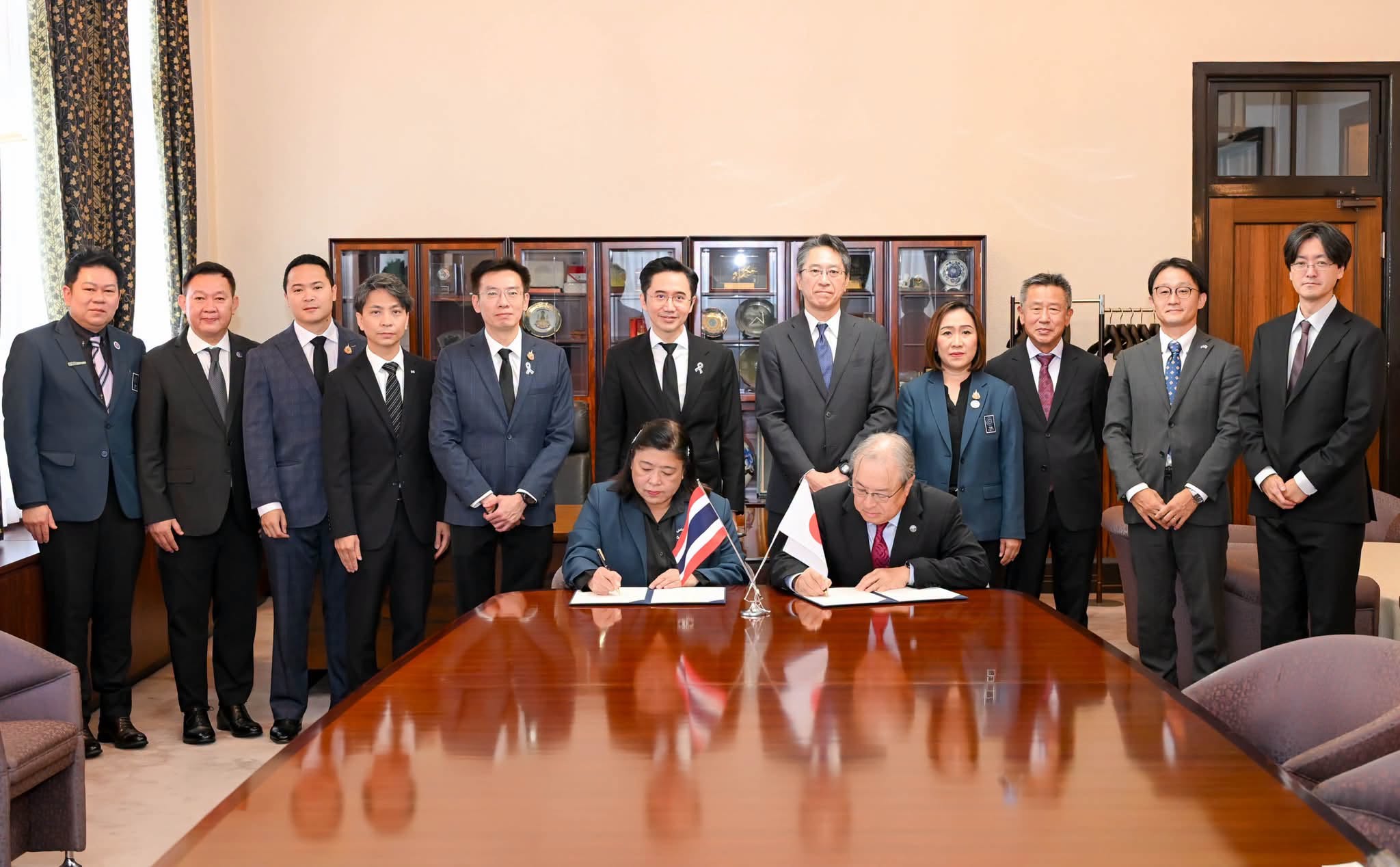
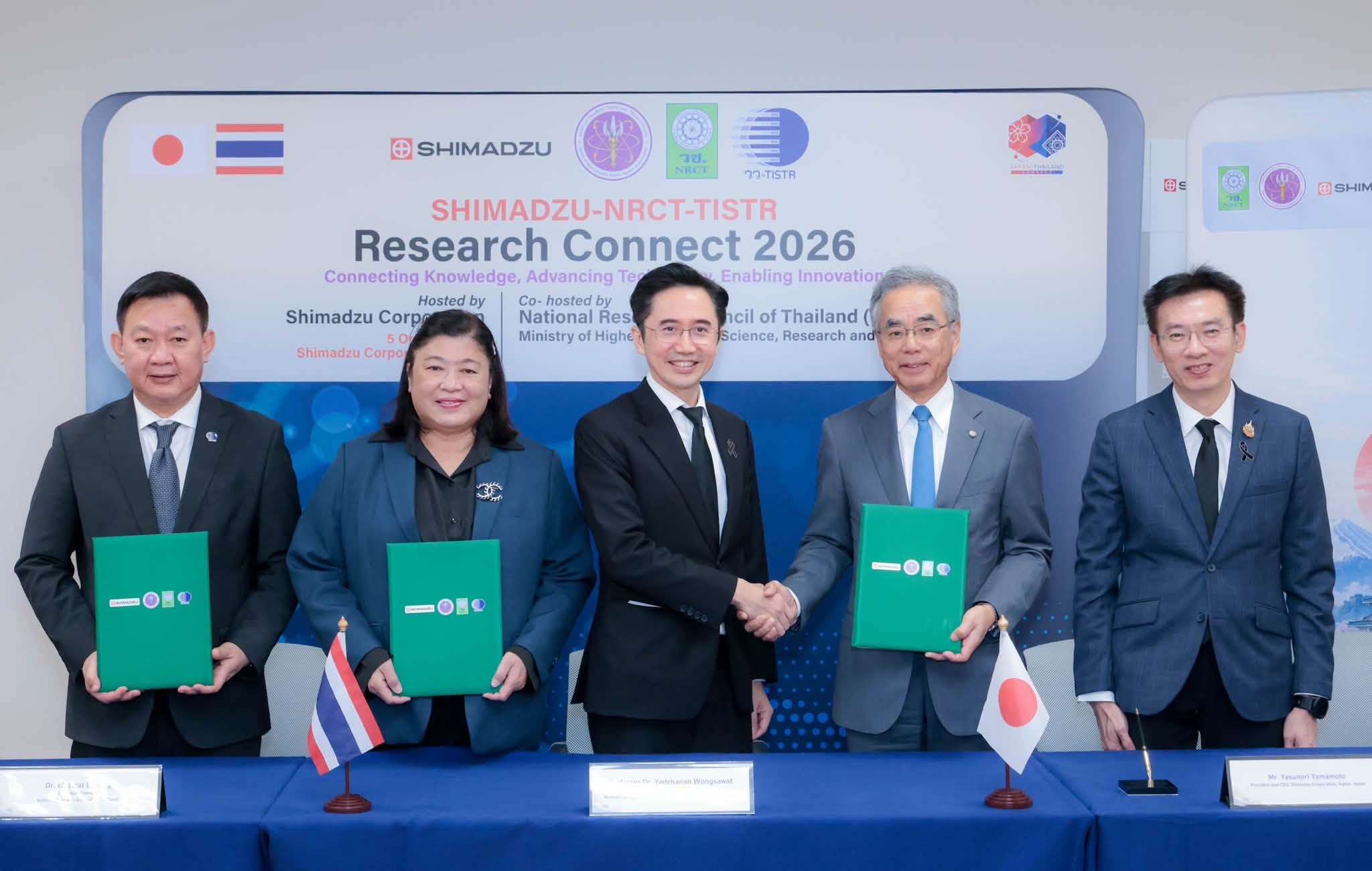
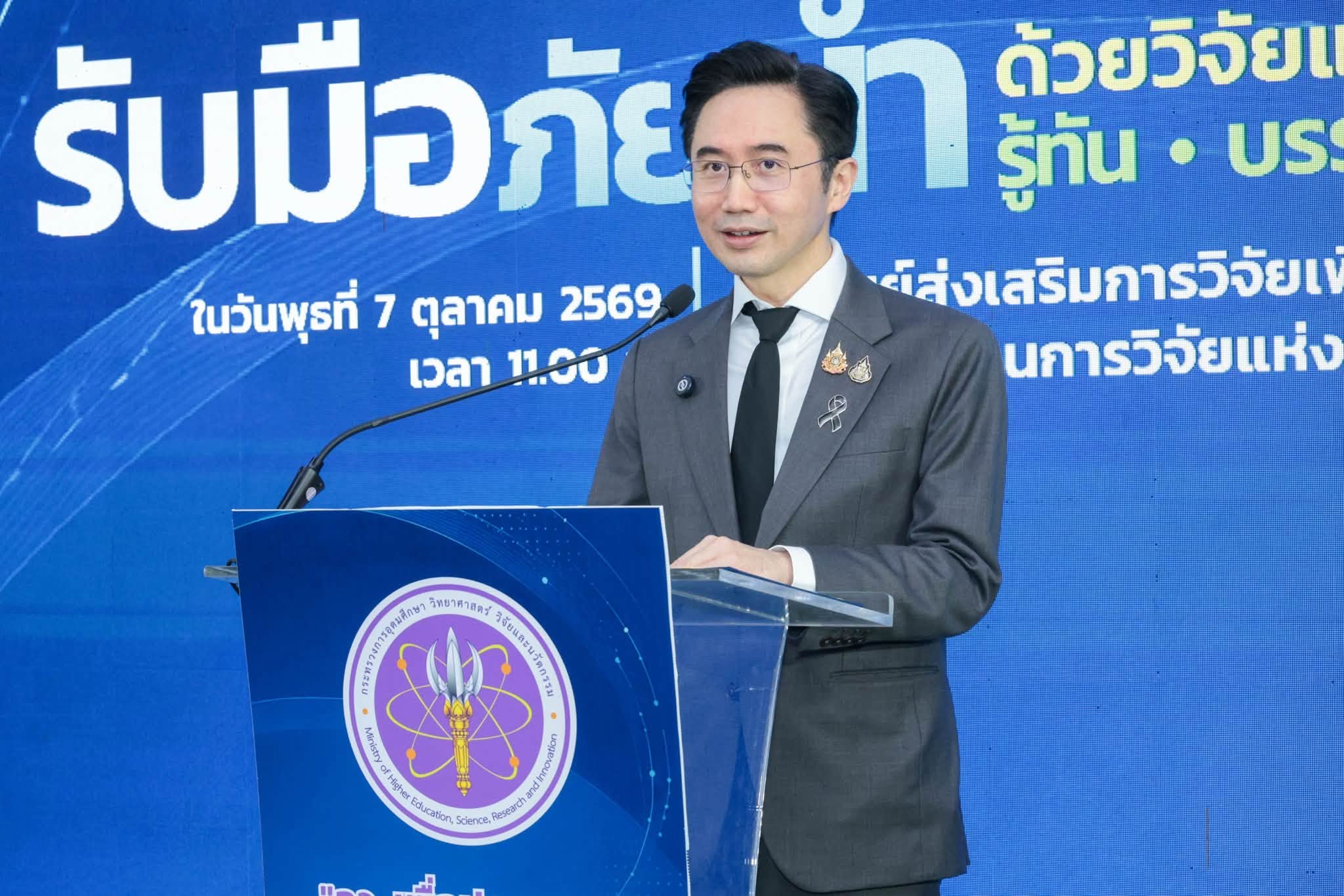
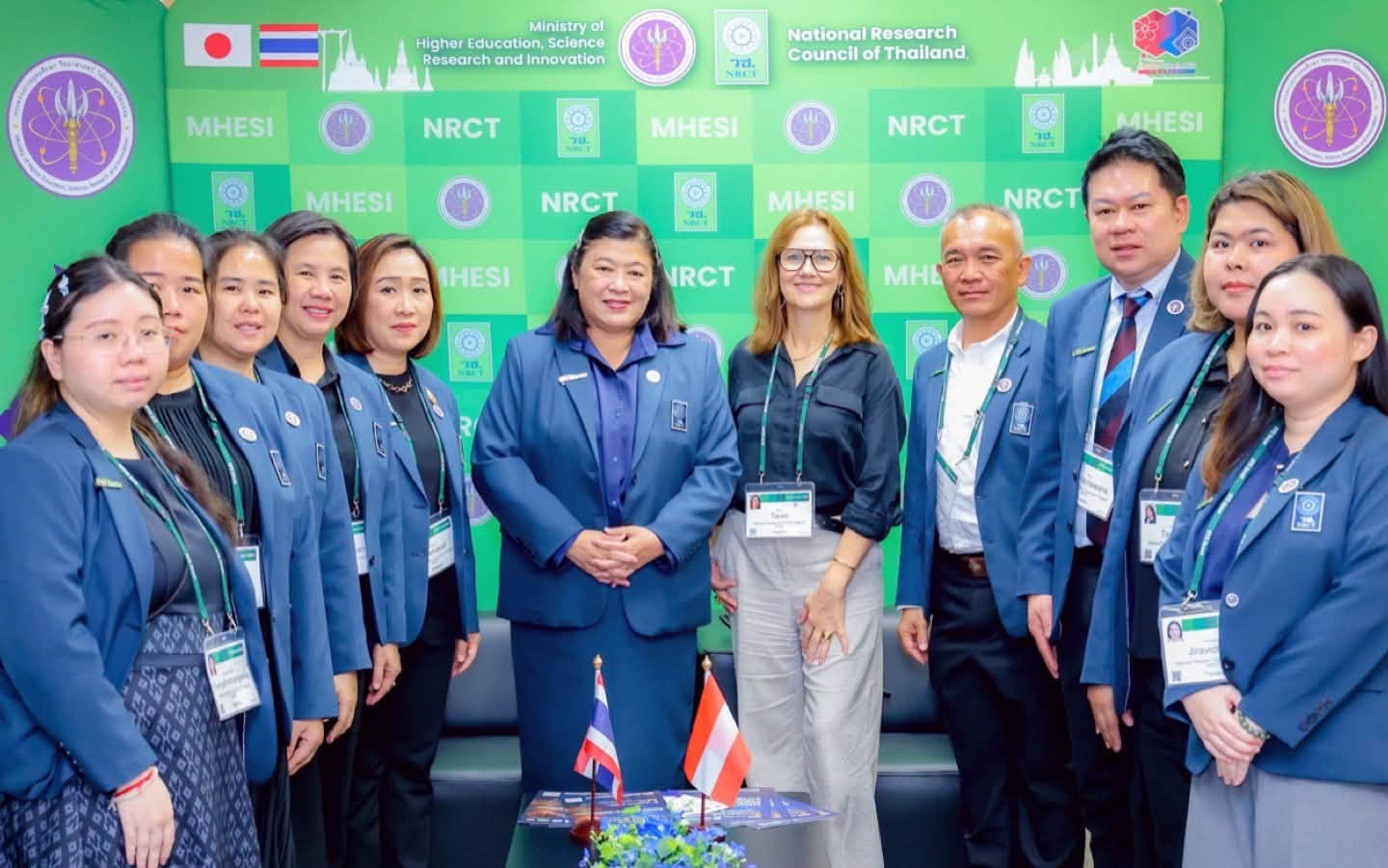
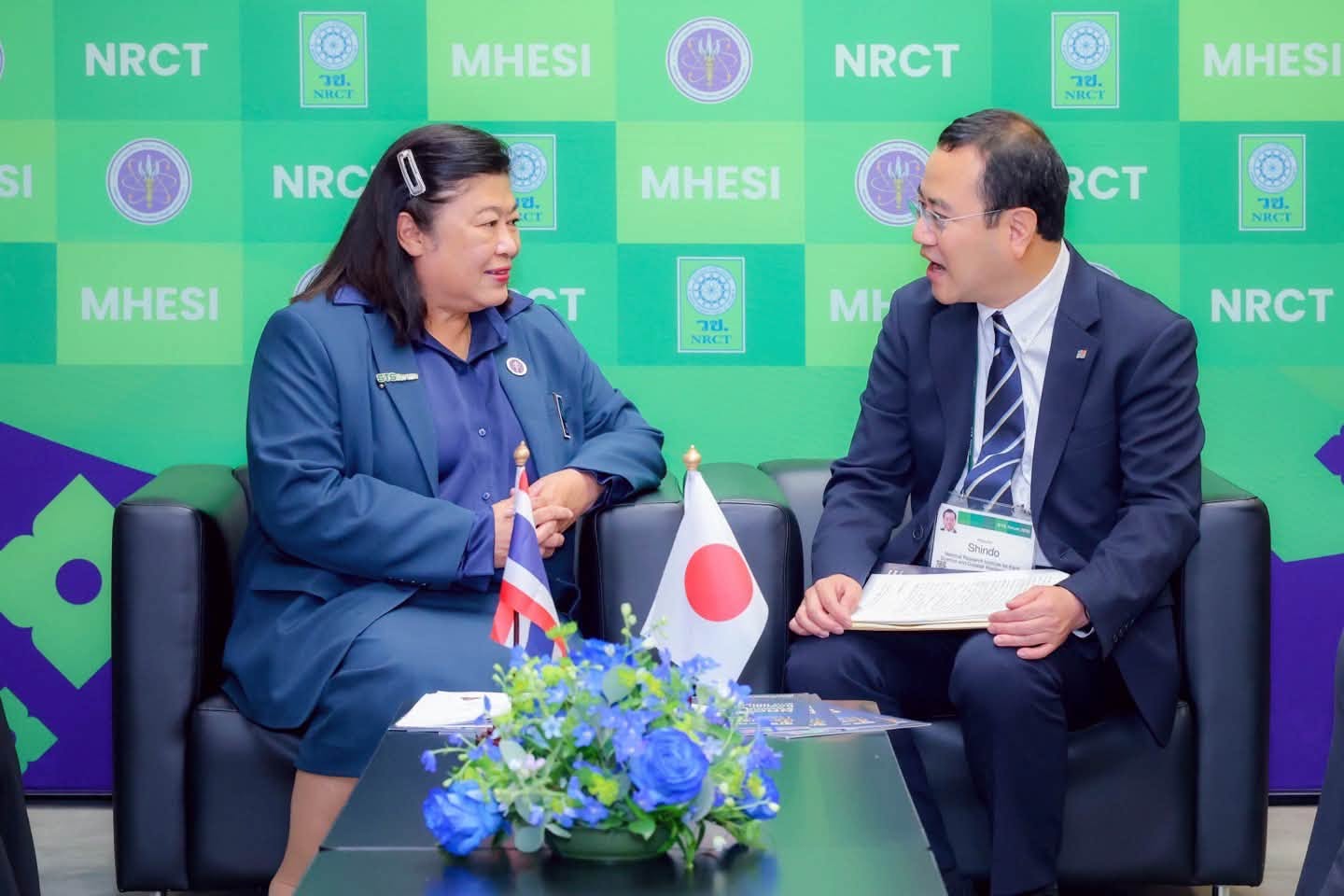
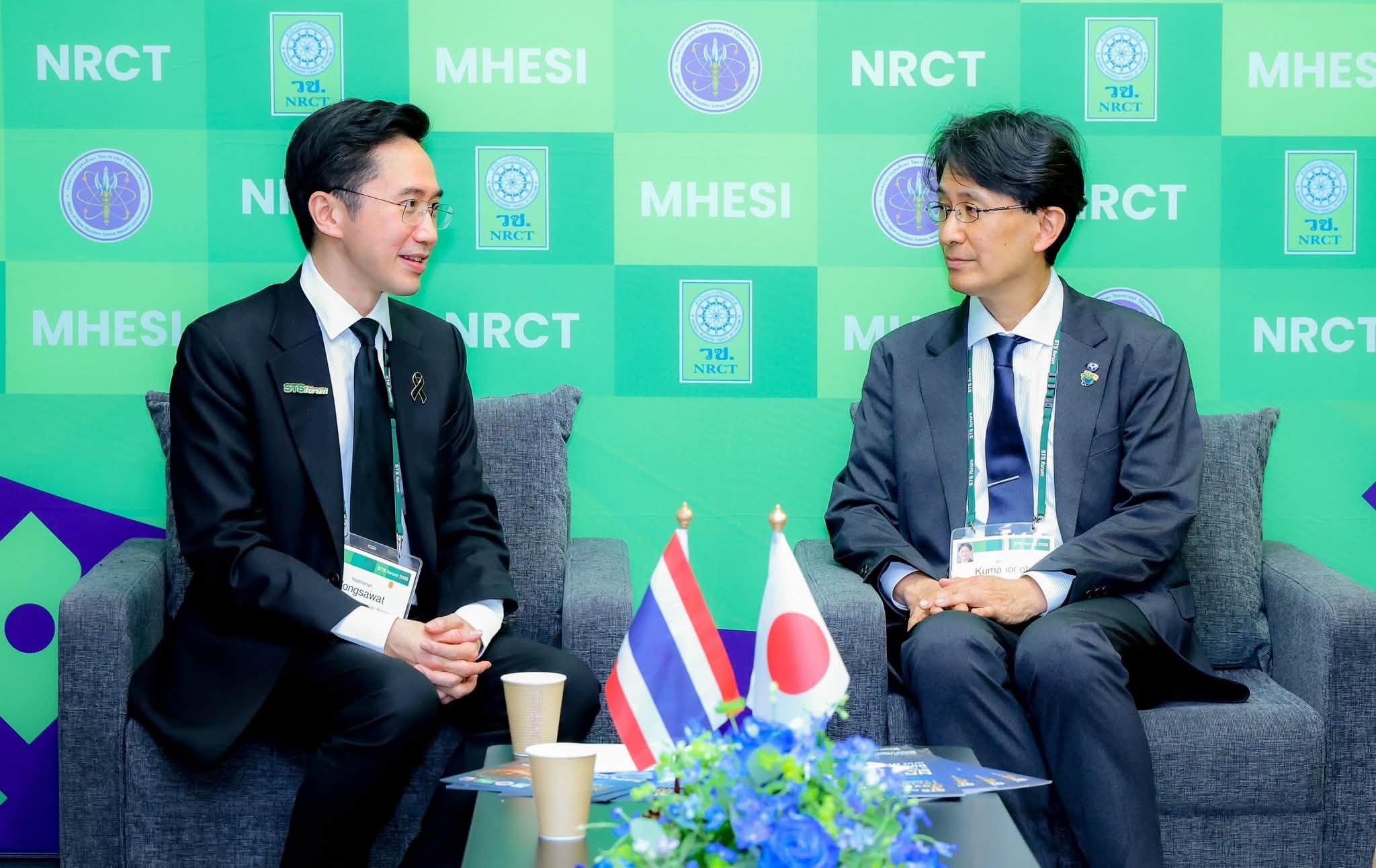
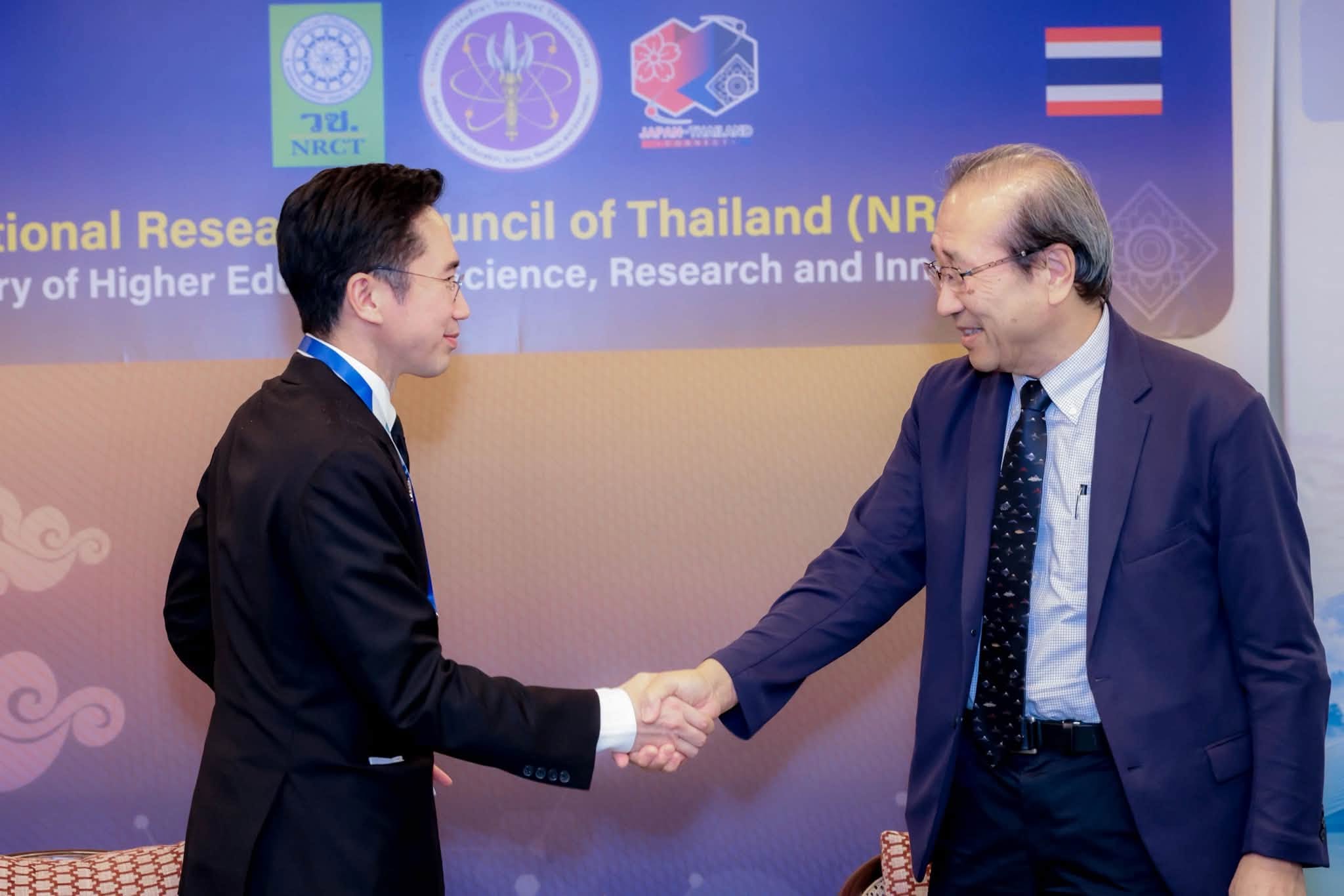
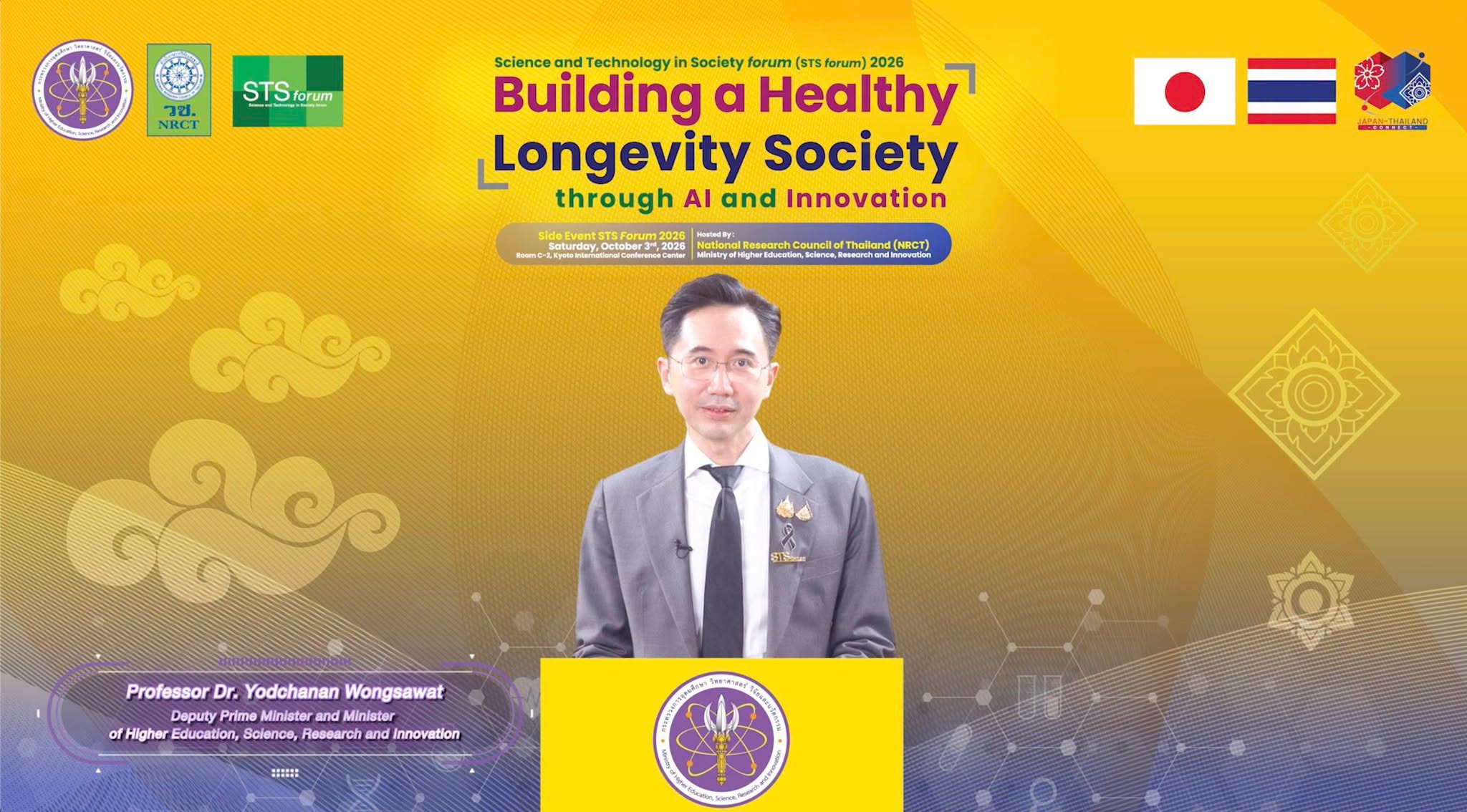
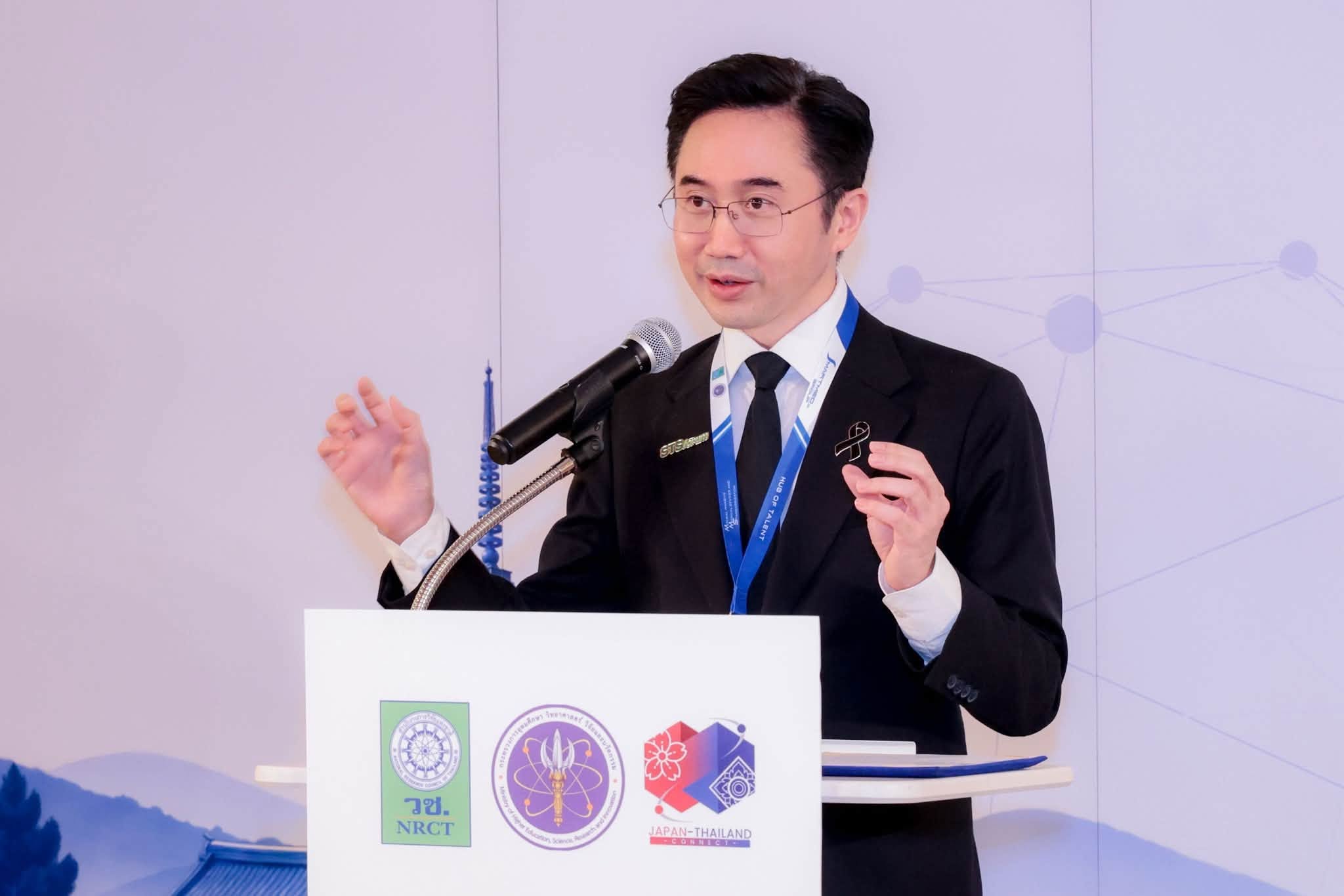
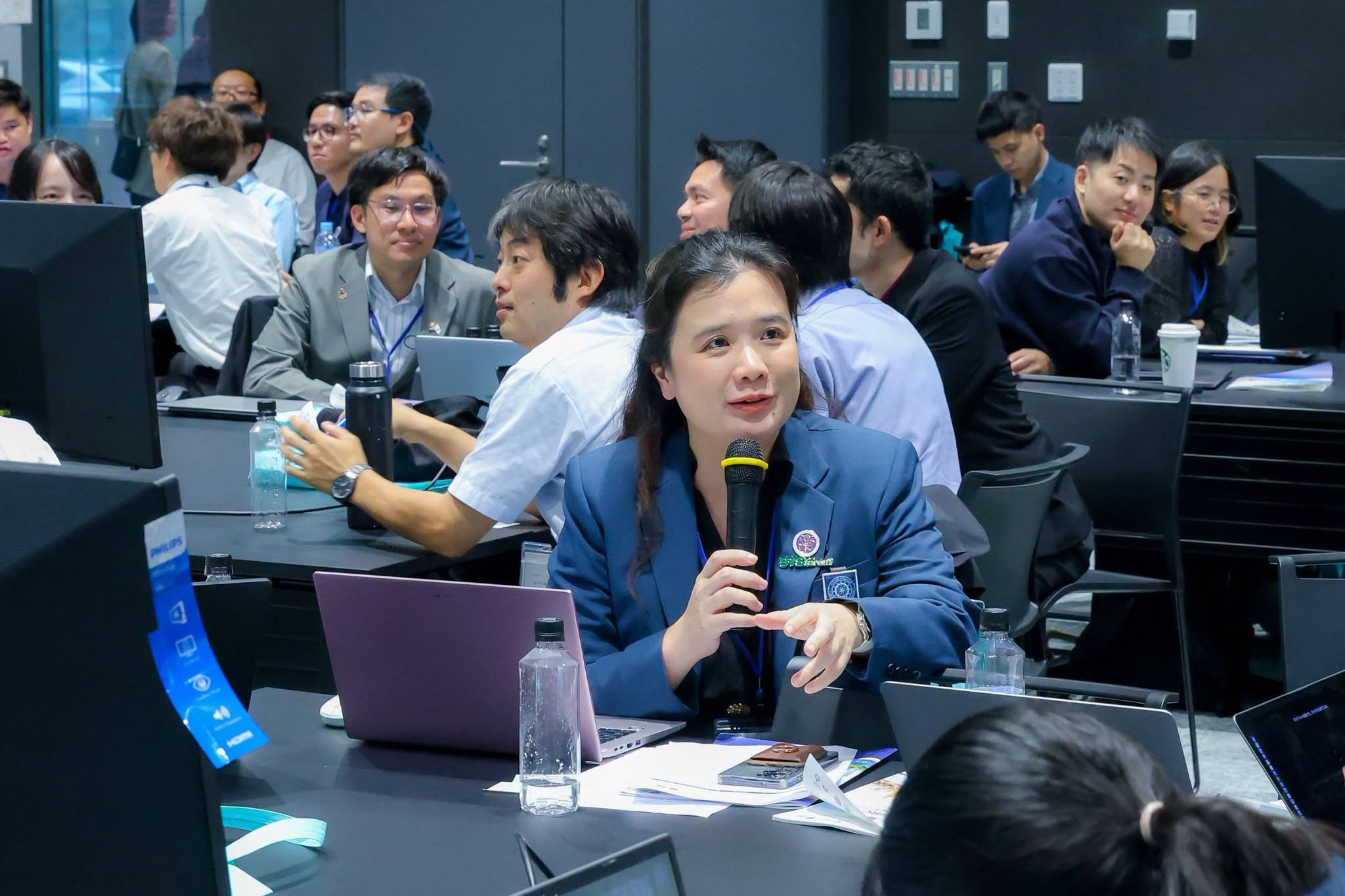
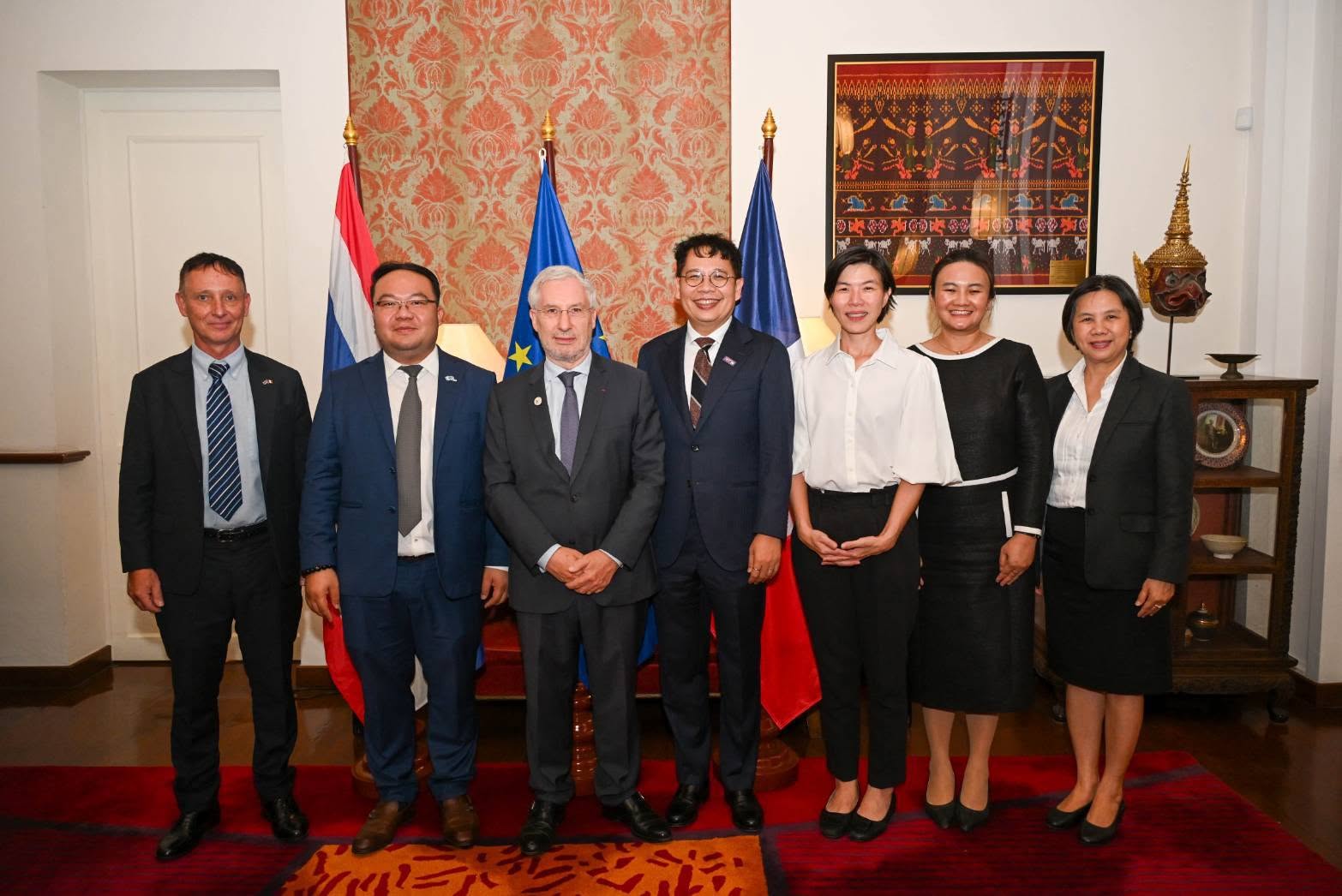
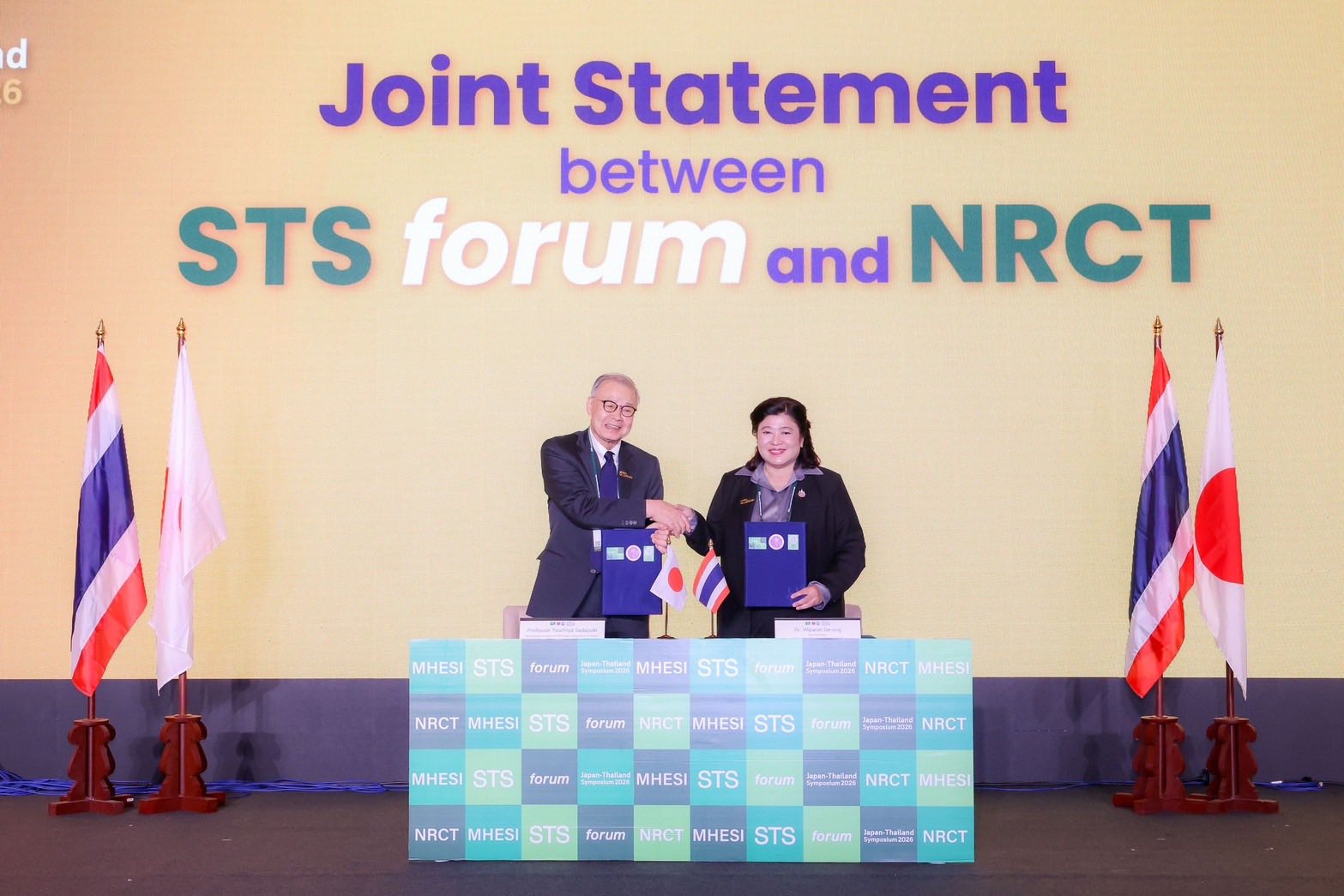
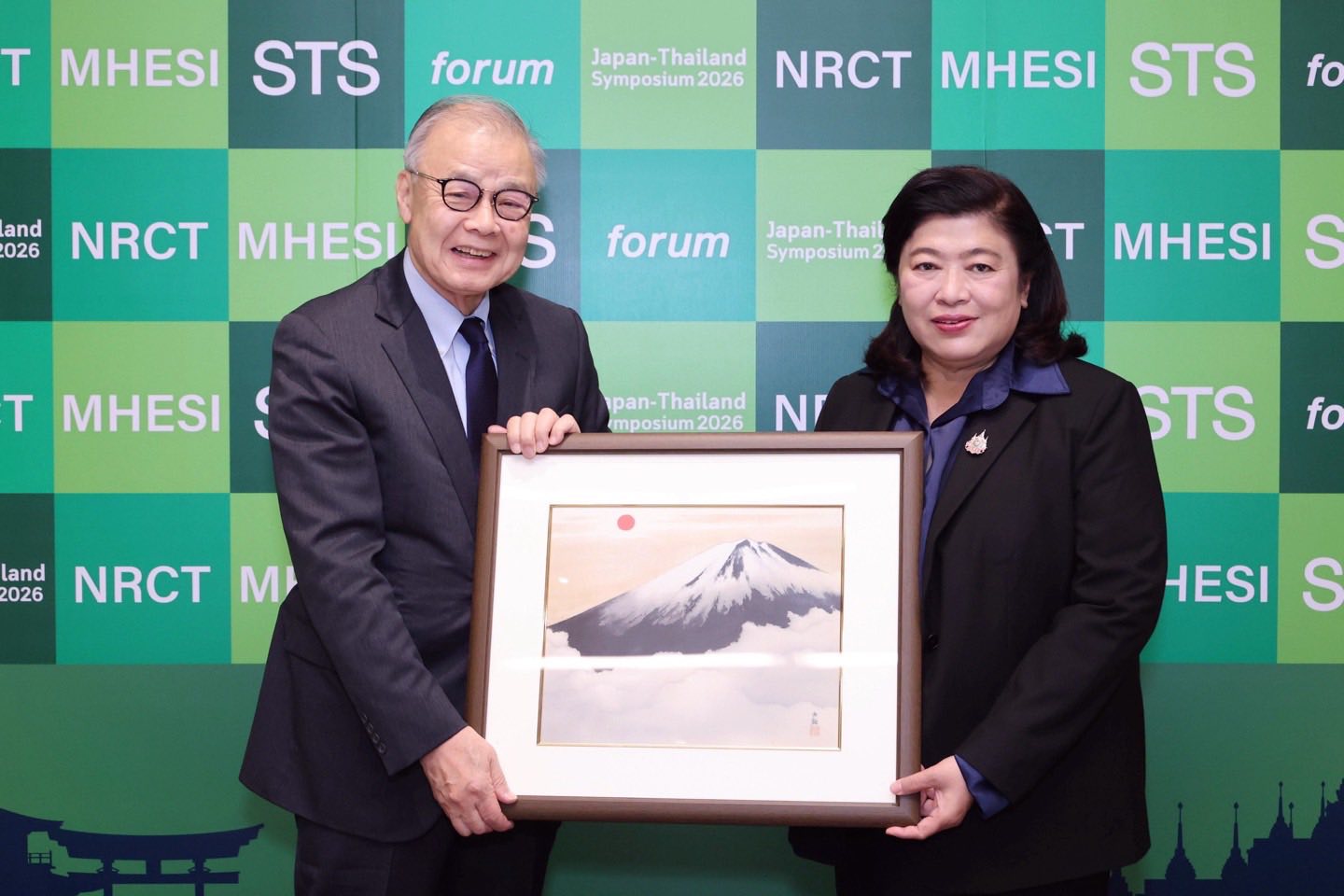
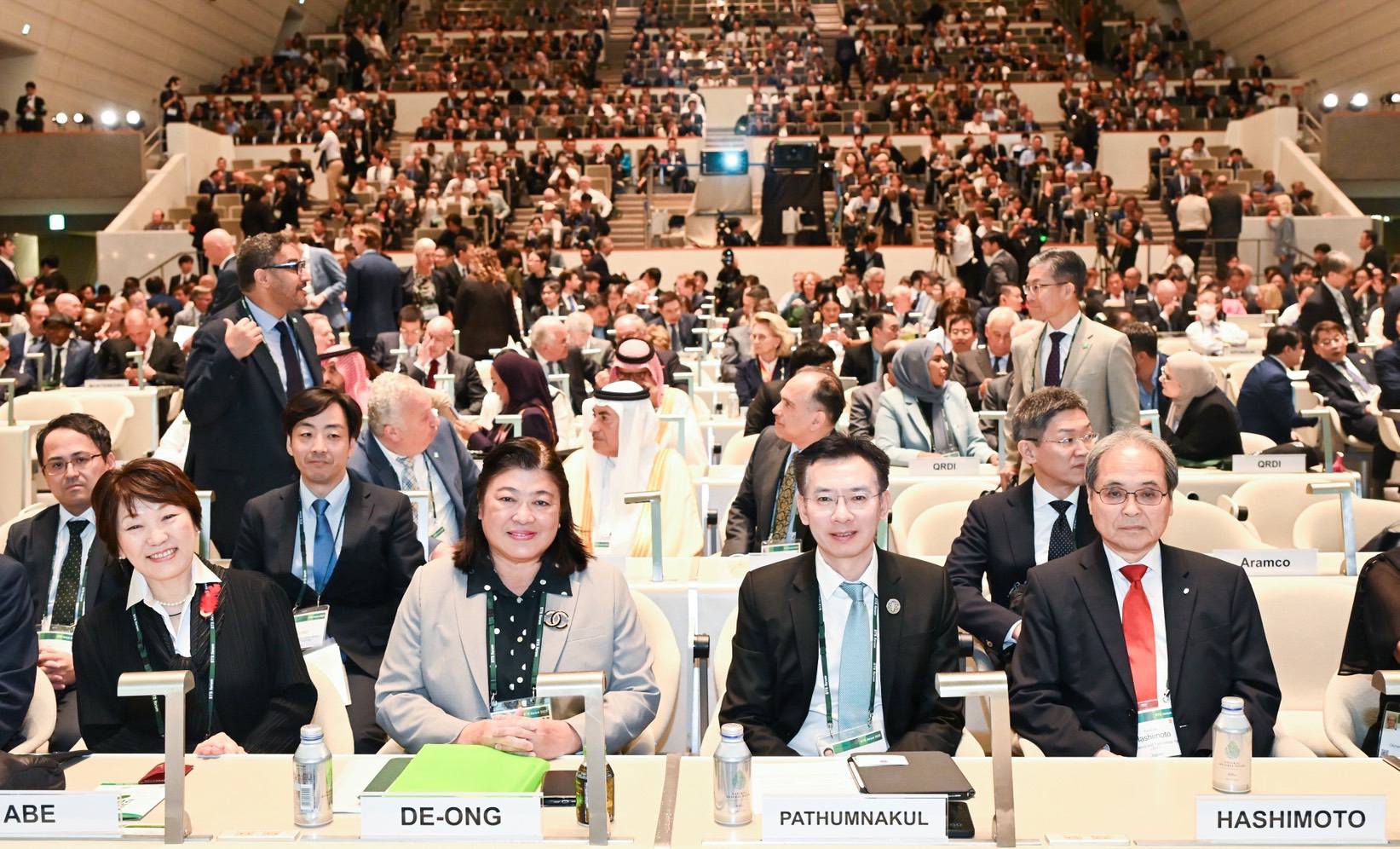
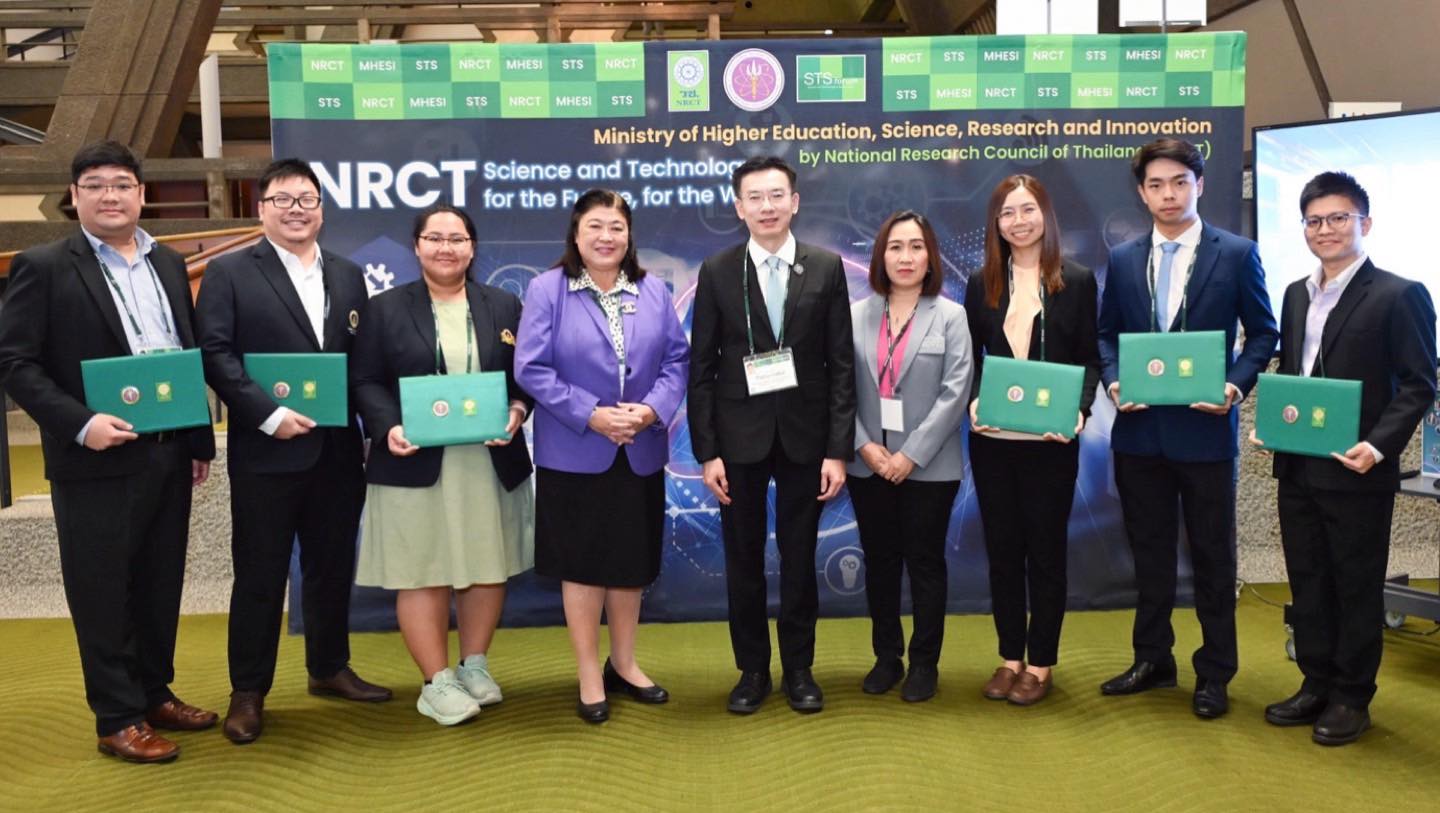
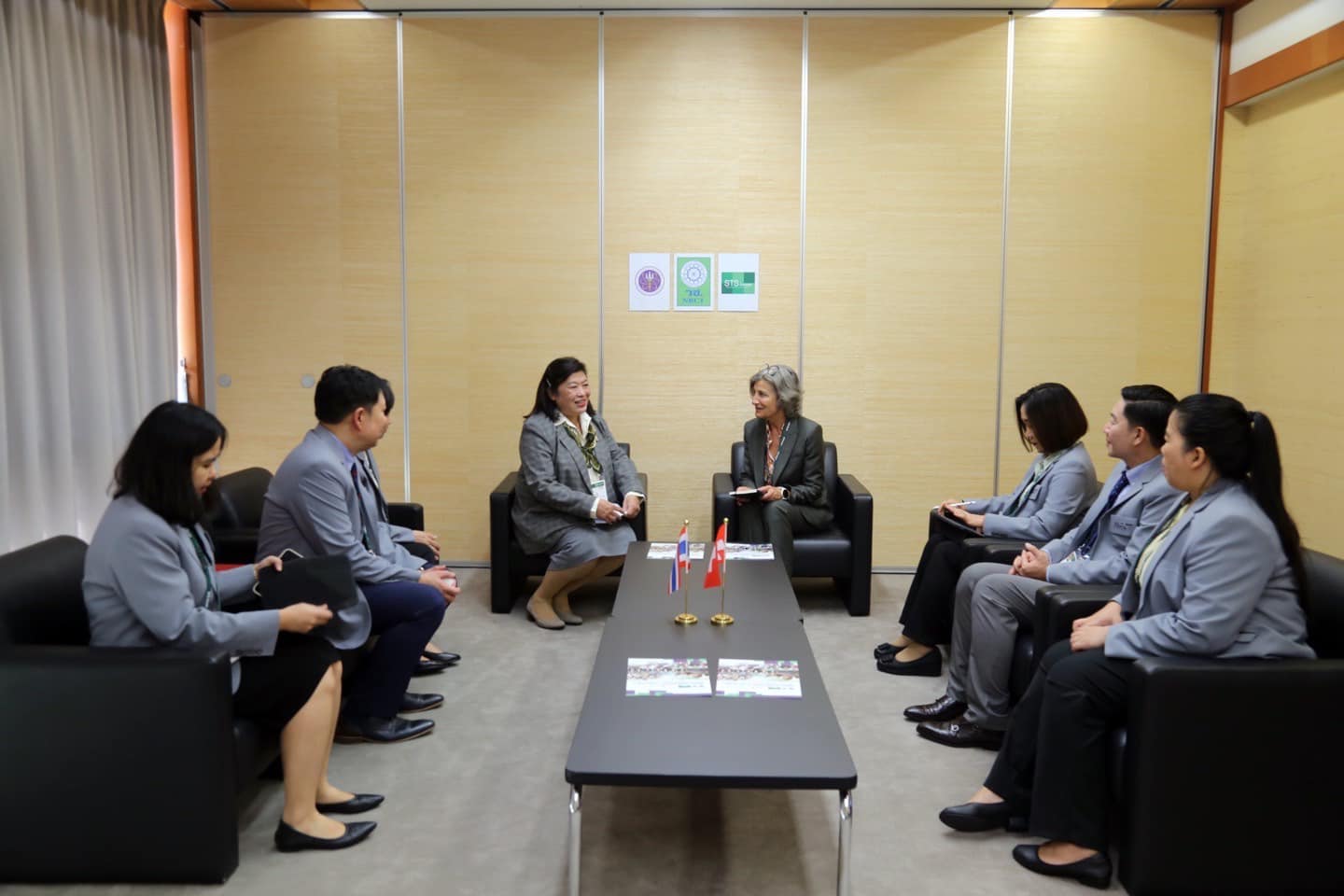
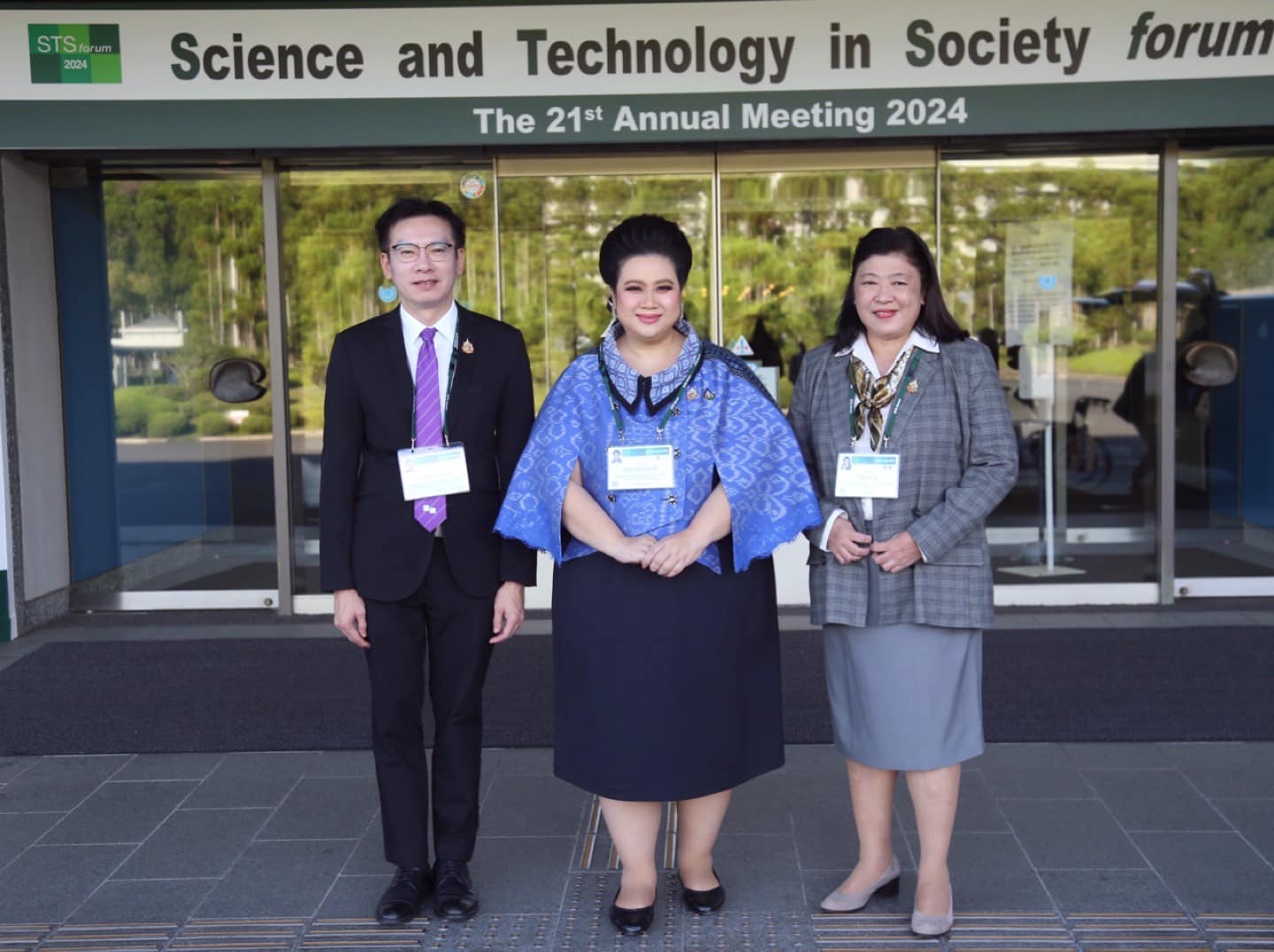
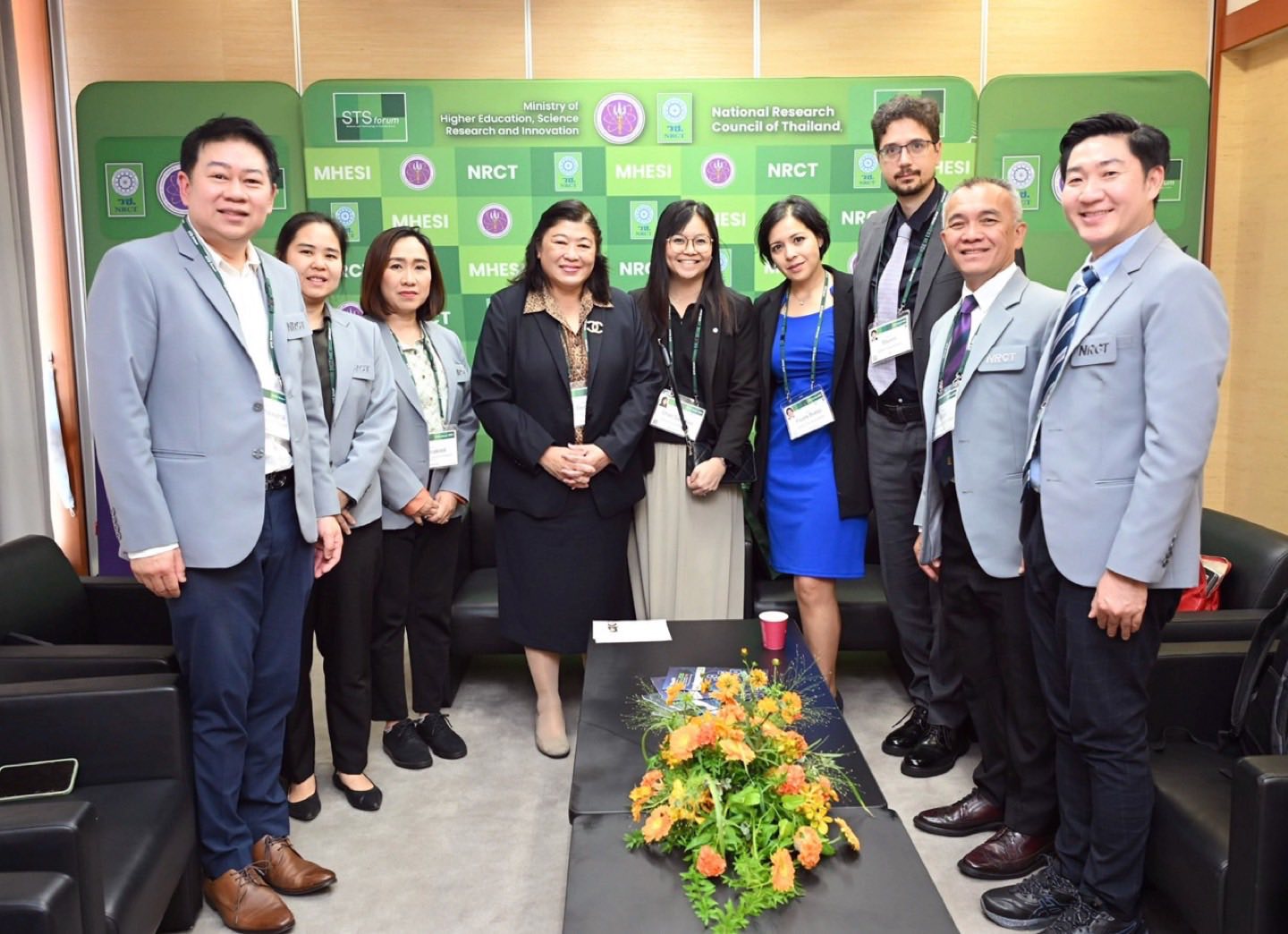
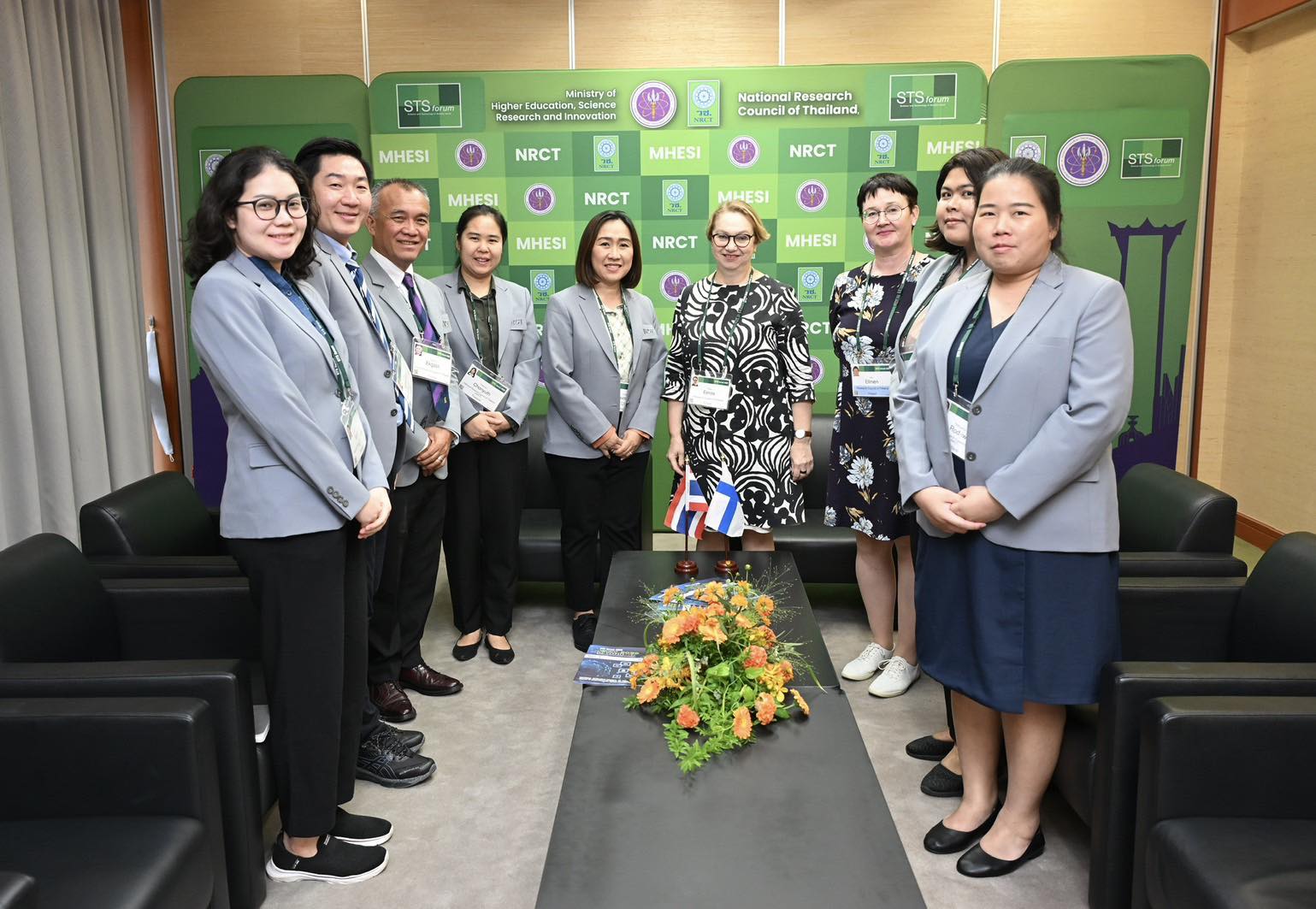
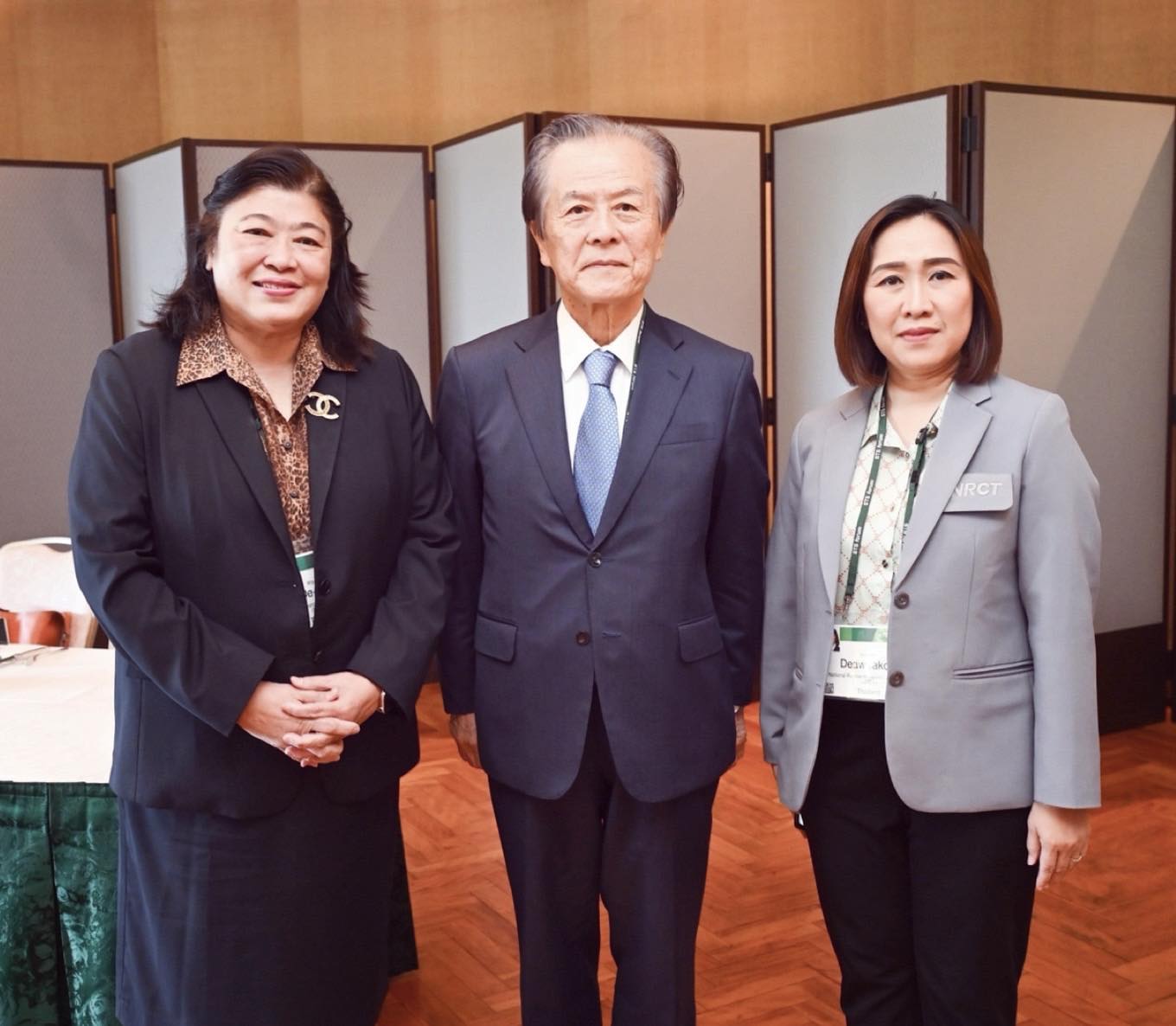
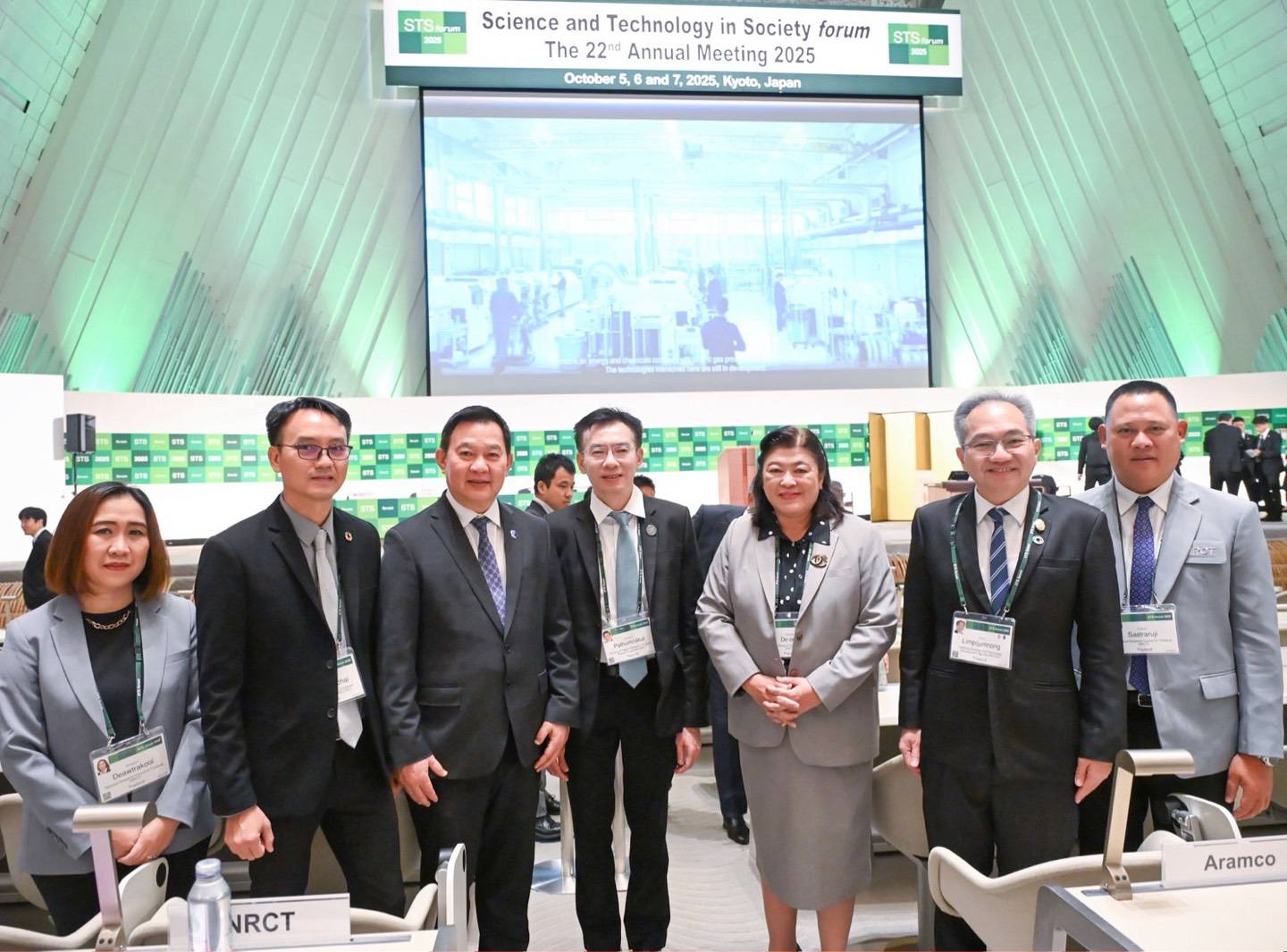
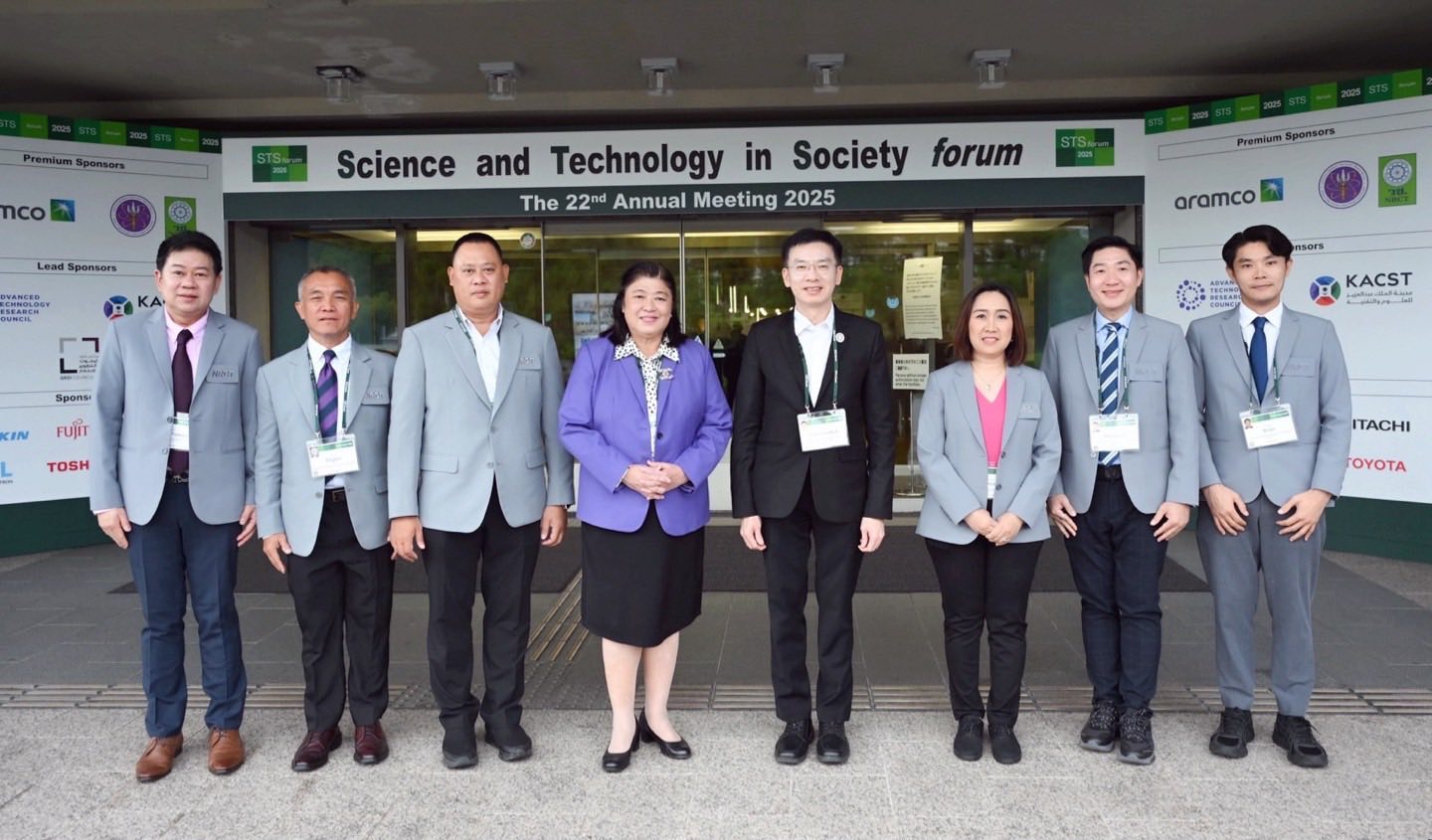
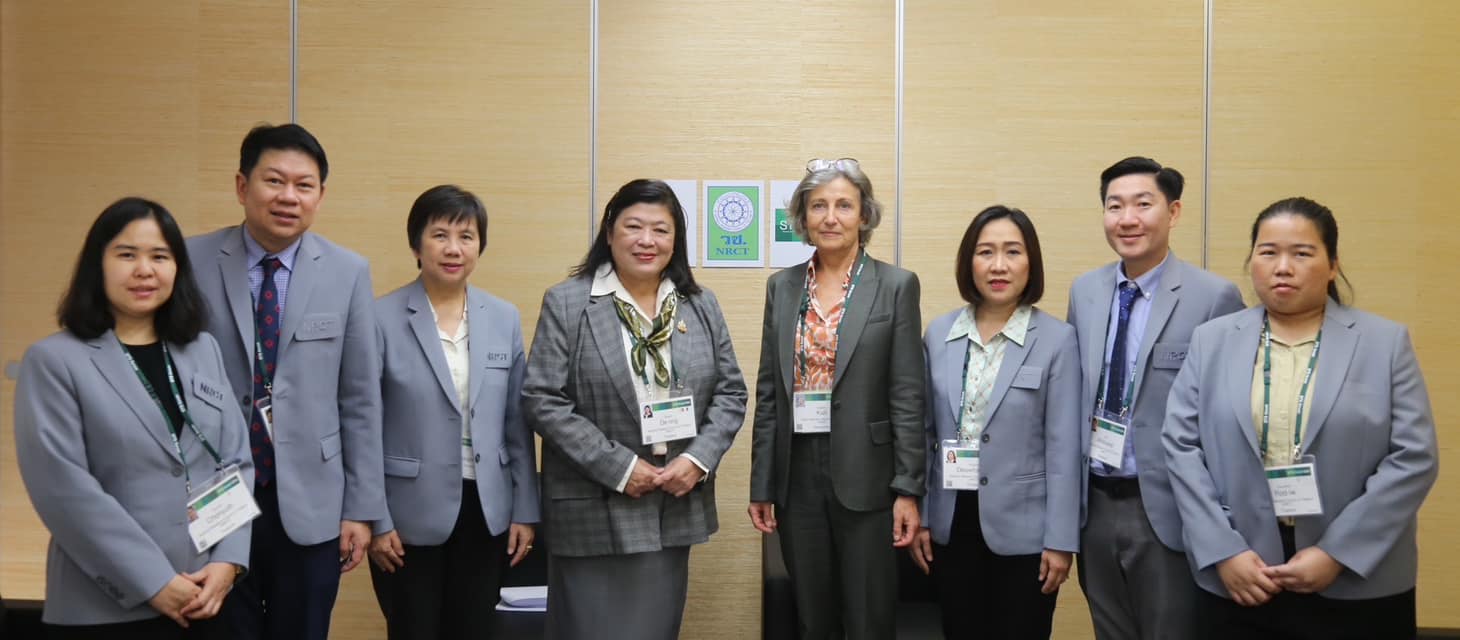
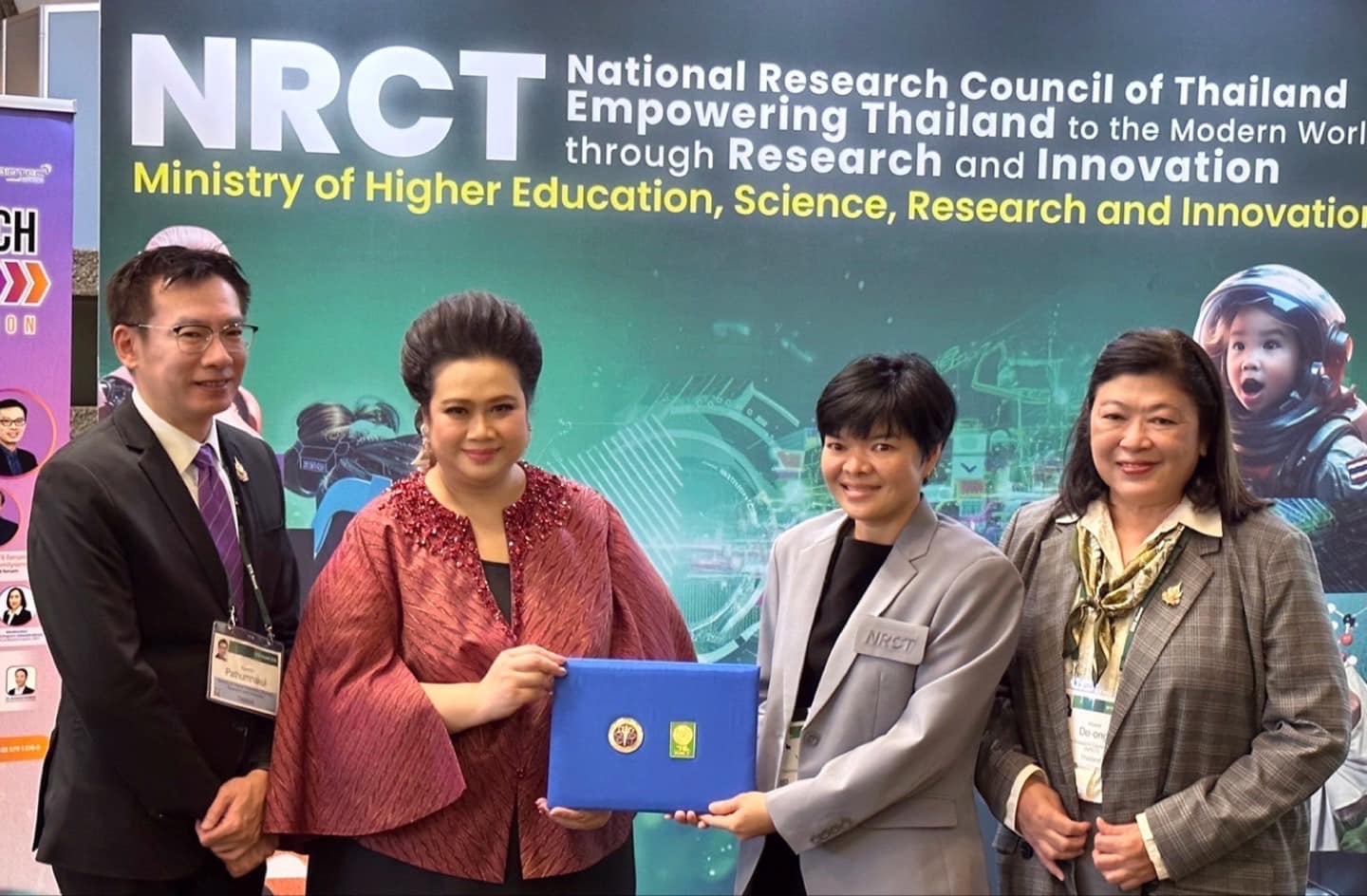
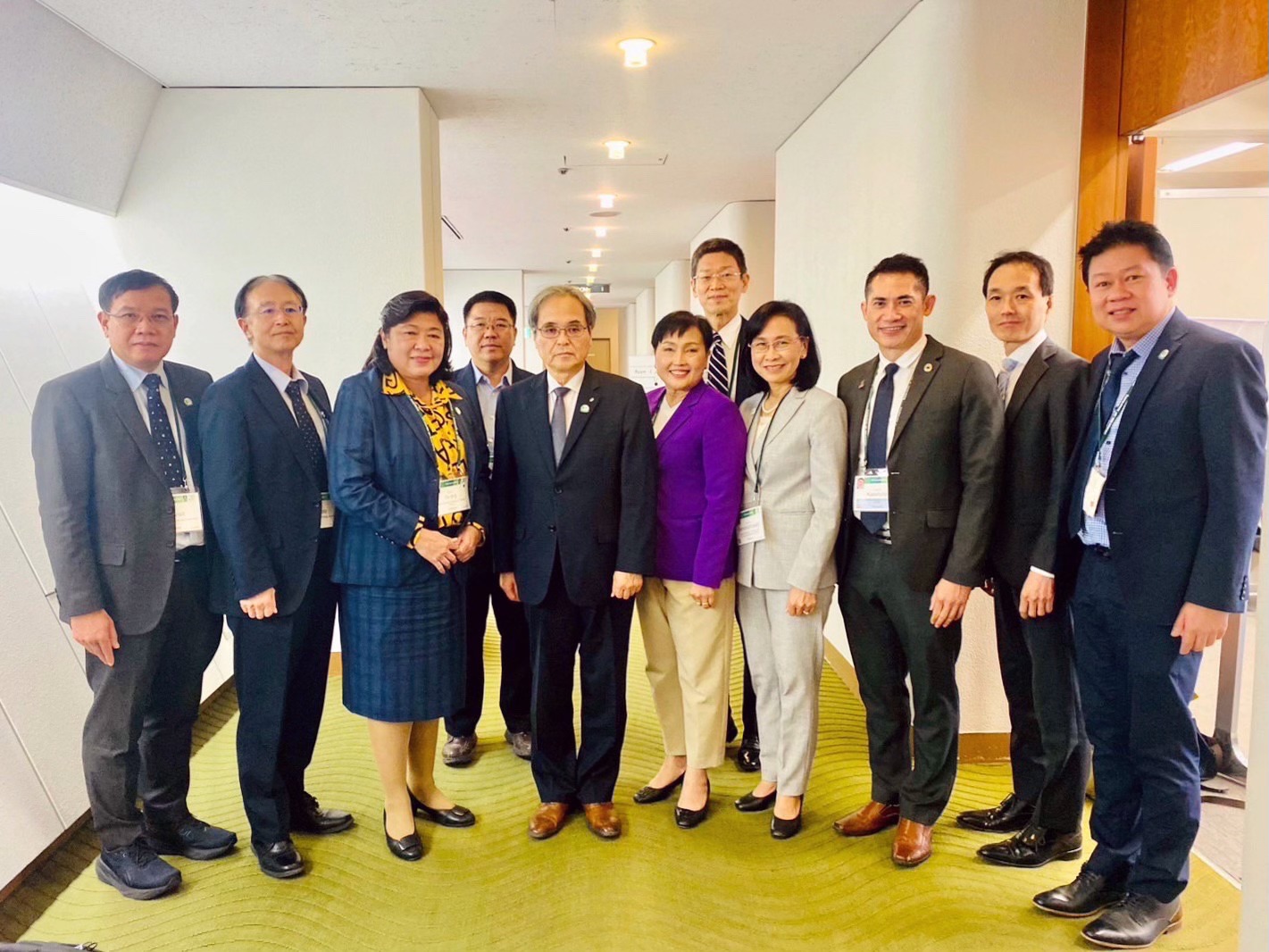
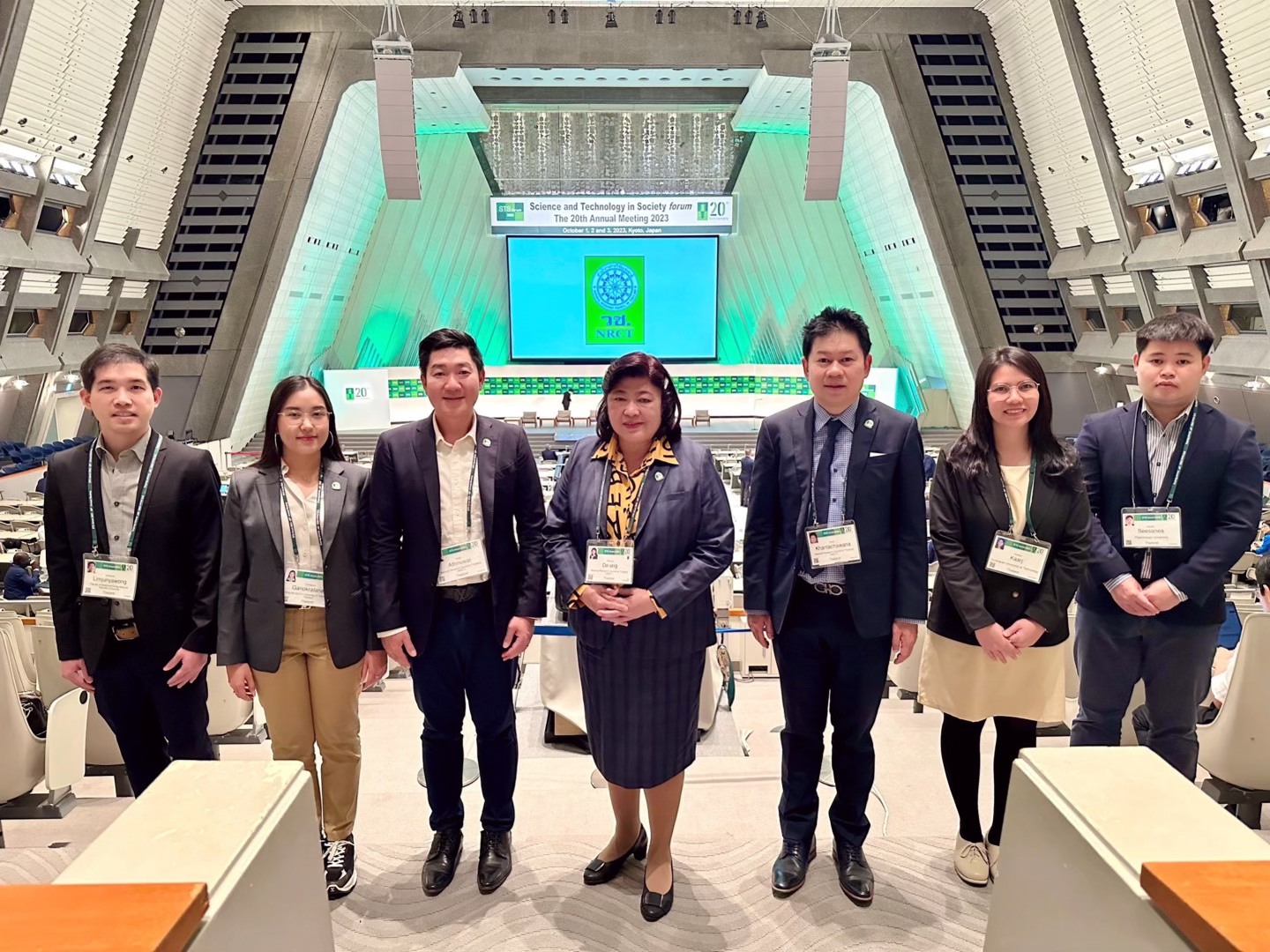
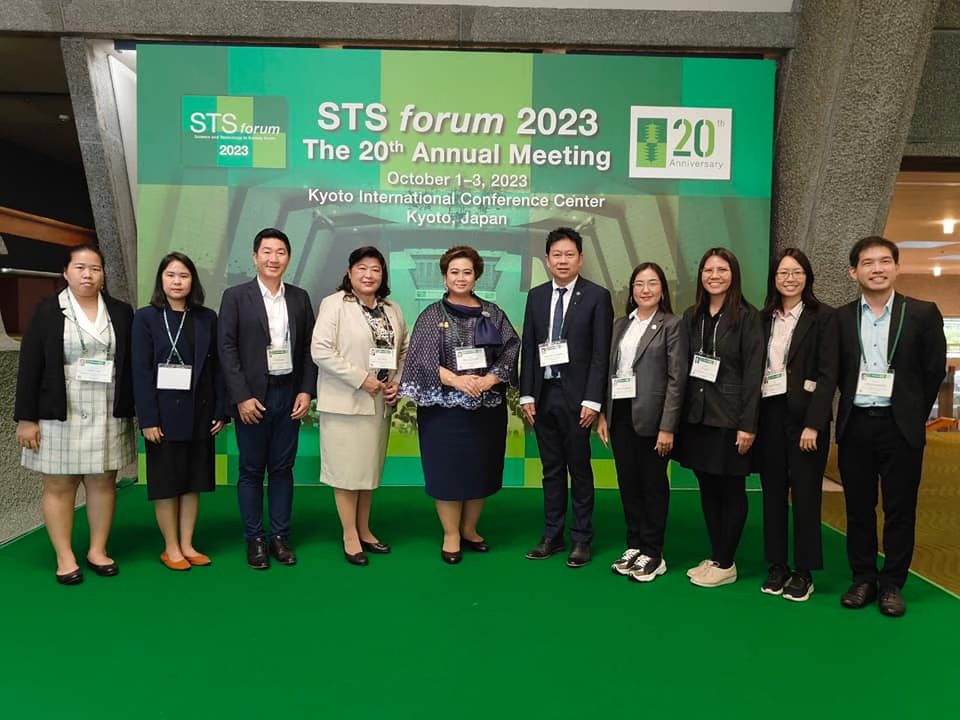
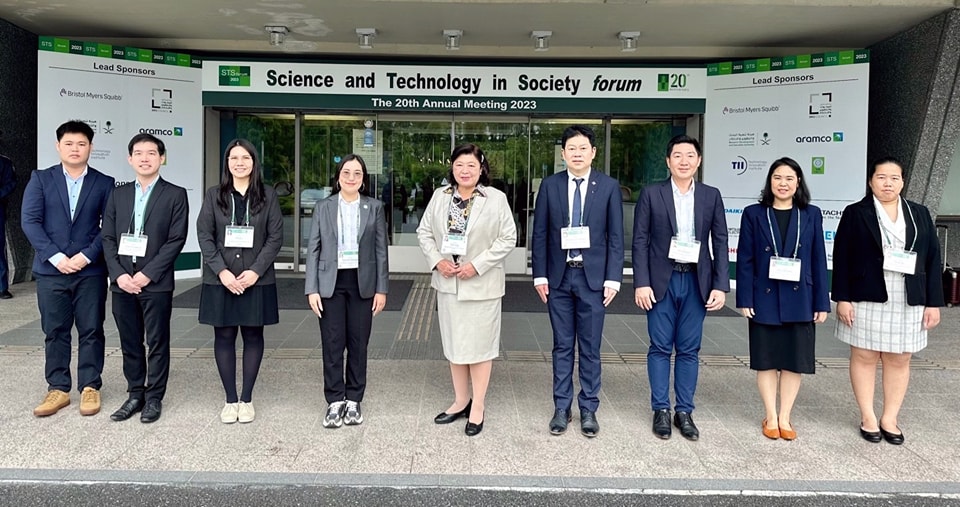
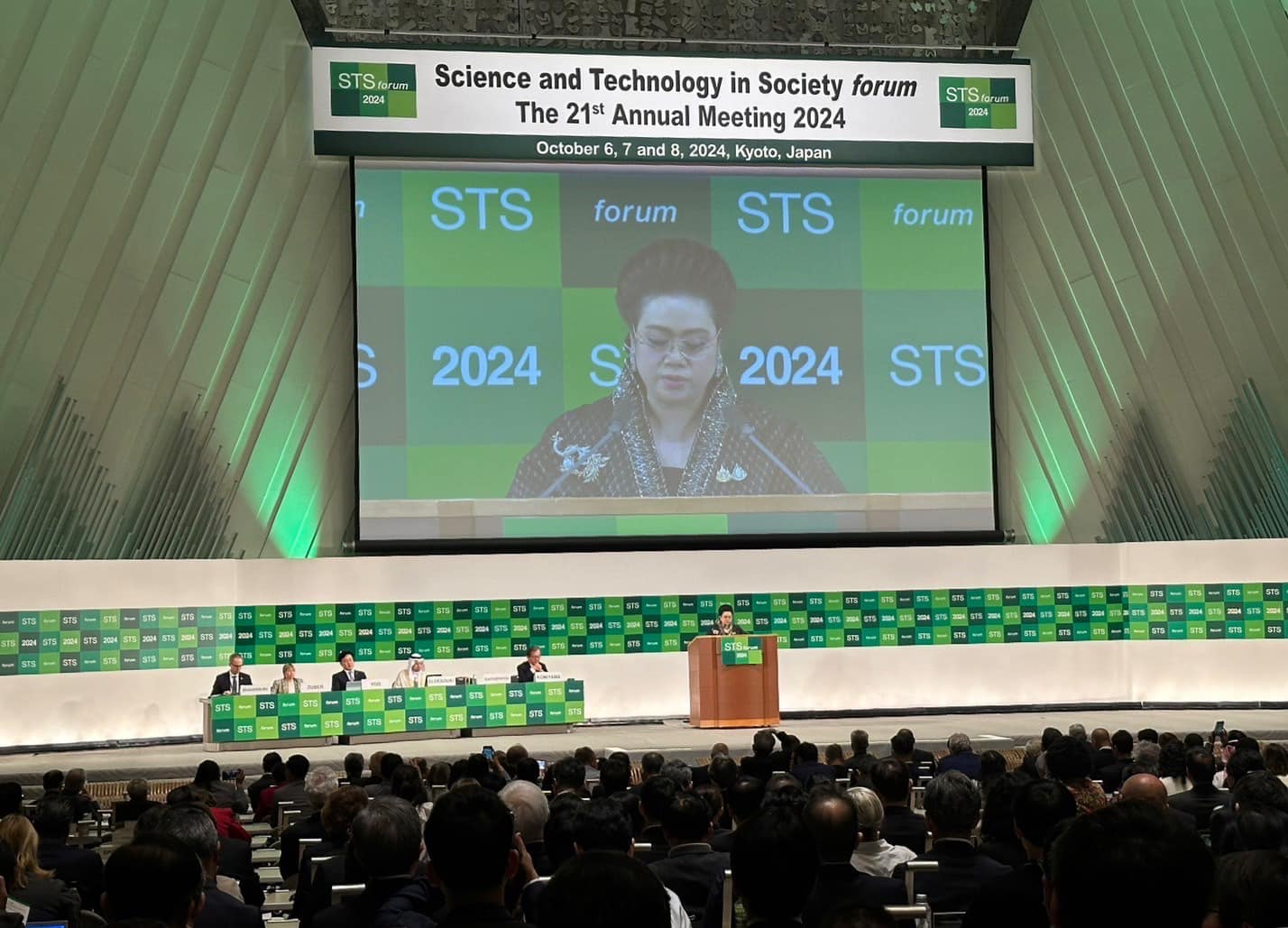
On 5 October 2026, at the Memorial Hall of Centennial Clock Tower, Kyoto University, Yoshida Campus, Japan, Prof. Dr. Yodchanan Wongsawat, Deputy Prime Minister and Minister of Higher Education, Science, Research and Innovation, and Prof. Dr. Supachai Pathumnakul, Permanent Secretary of the Ministry, together with ministry executives, witnessed the signing of a Letter of Intent (LoI) between the National Research Council of Thailand (NRCT) and Kyoto University.
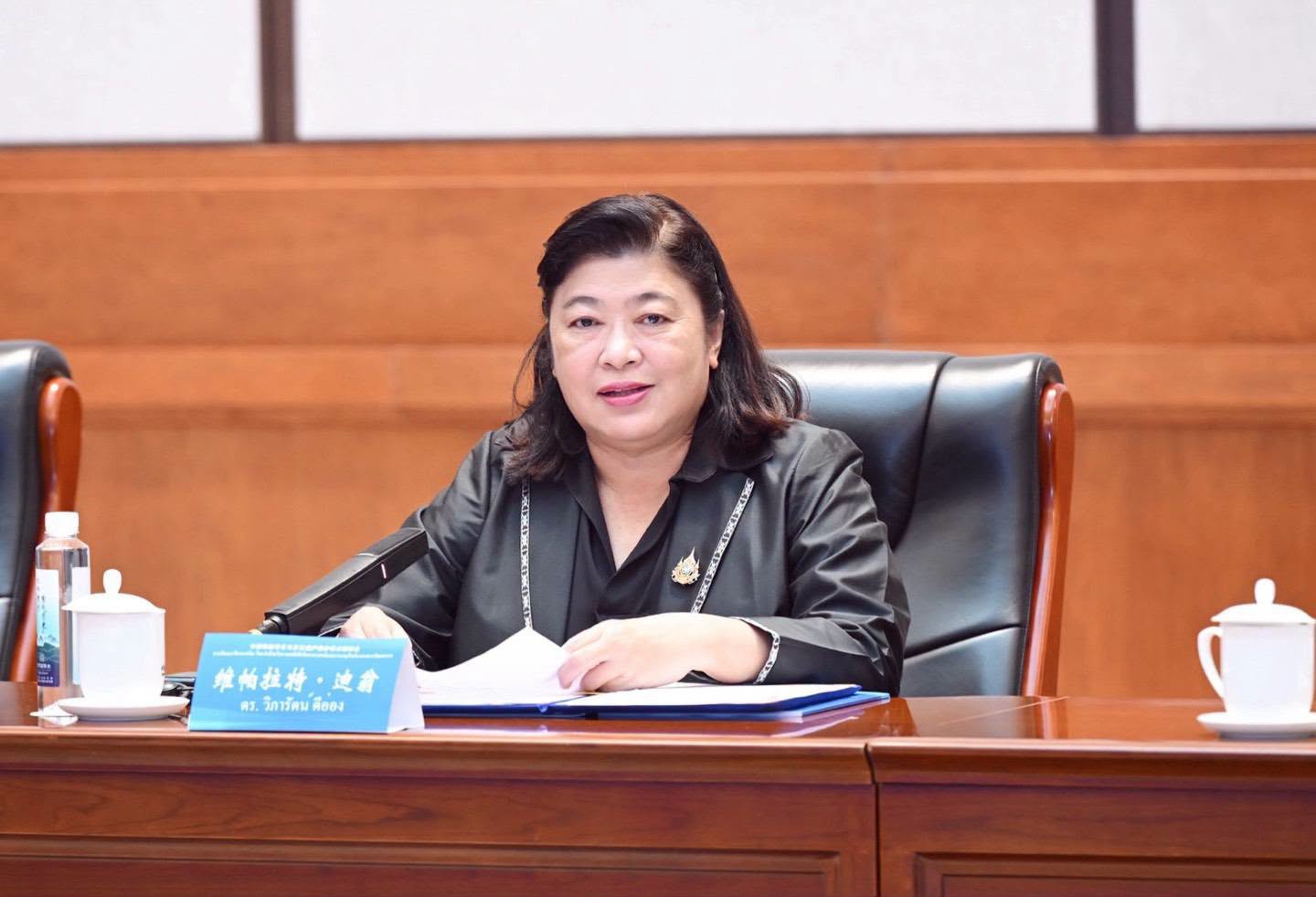
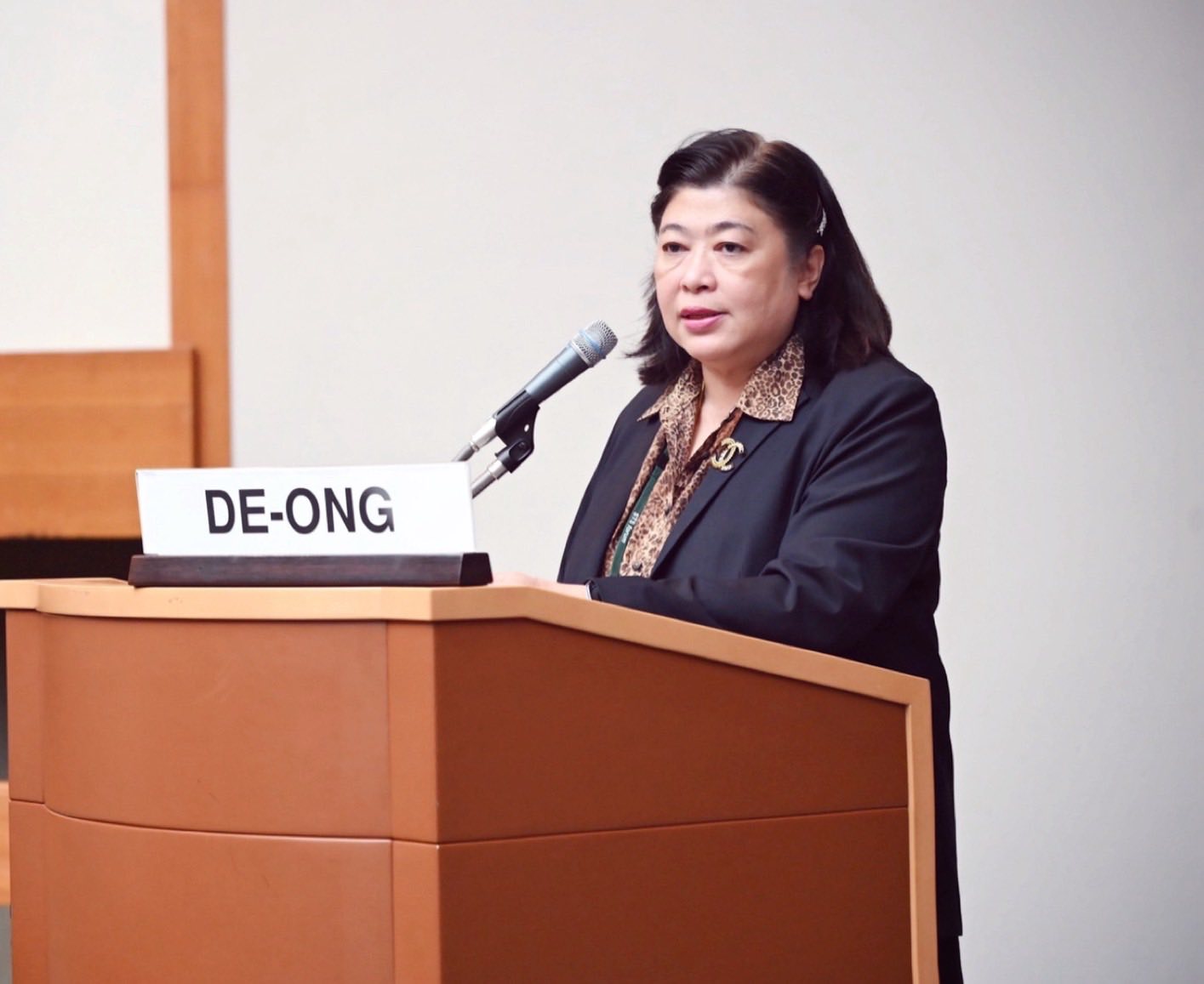
The LoI was signed by Dr. Wiparat De-ong, Executive Director of NRCT, and Prof. Tetsuo Sawaragi, Vice-President of Kyoto University. The LoI aims to establish a framework for strengthening cooperation in research, human resource development, and the development of a shared research and innovation ecosystem between Thailand and Japan.
The signing marks another step forward in Thailand–Japan cooperation in science, research, and innovation. It aims to bring together the strengths of both sides in knowledge, personnel, technology, and research infrastructure, while creating opportunities for young Thai researchers and professionals to learn, exchange experiences, and work with leading researchers in an international research environment.
Cooperation between NRCT and Kyoto University will serve as an important mechanism for connecting Thailand's national research priorities with Kyoto University's expertise, advanced technologies, and research infrastructure. Through this partnership, both sides aim to develop research and innovation that address future challenges facing Thailand and society, strengthen the capabilities of early-career researchers to conduct research at the international level, and expand bilateral cooperation into regional networks, particularly with ASEAN countries.
Looking ahead, both parties will promote closer links among funding agencies, universities, researchers, and industry. Areas of cooperation will include jointly identifying and developing research topics, facilitating exchanges of researchers and personnel, and improving access to knowledge, technologies, and essential research infrastructure. The partnership will also support the practical application of research and innovation to generate economic and social benefits and improve quality of life.
The LoI represents more than a framework for cooperation between two institutions. It lays the foundation for a “bridge between Thailand and Japan” that connects people, knowledge, technology, infrastructure, and innovation. Through continued collaboration and capacity development, the partnership aims to build a stronger research ecosystem, deliver mutual benefits for both countries, and support sustainable development over the long term.