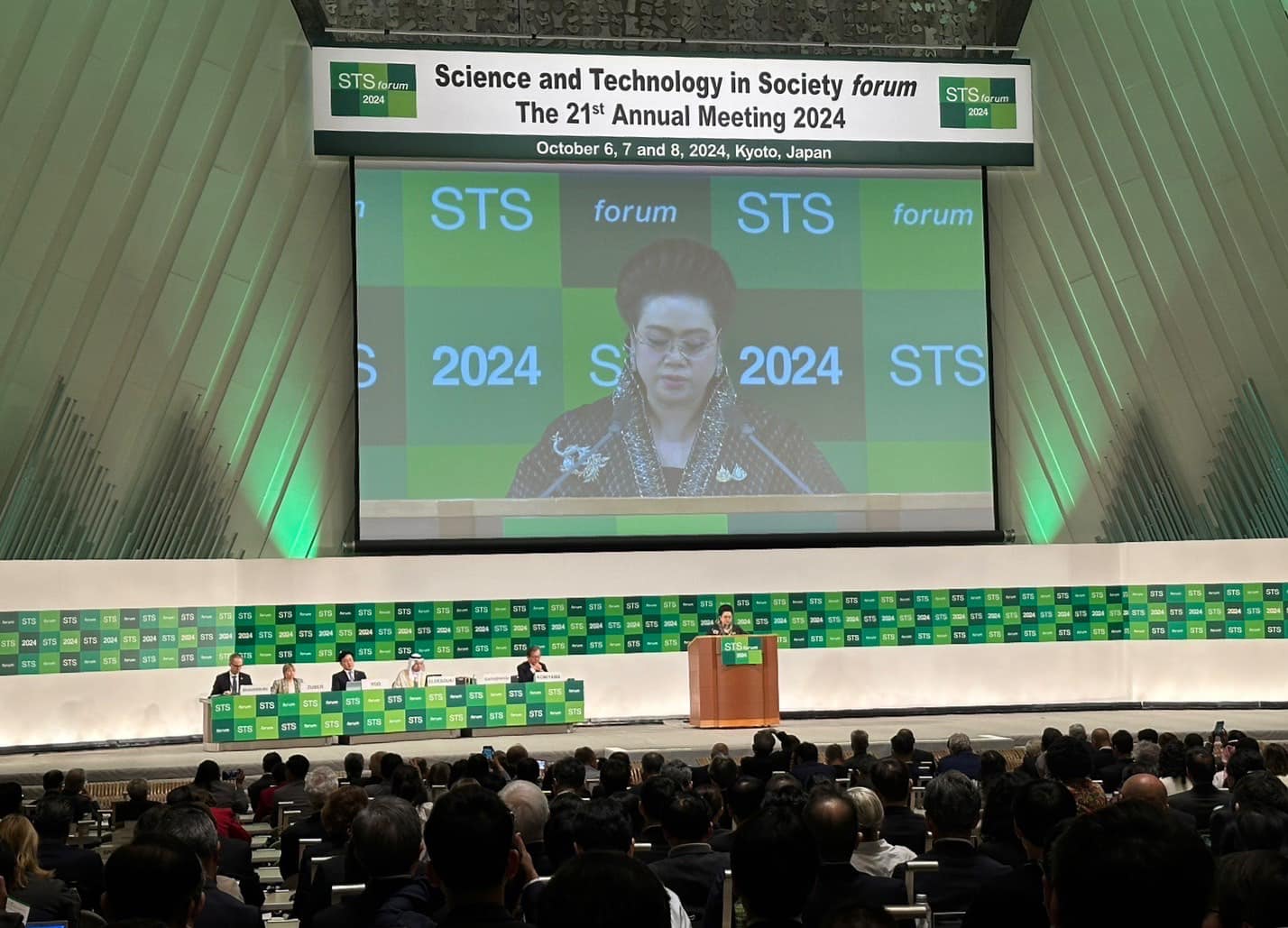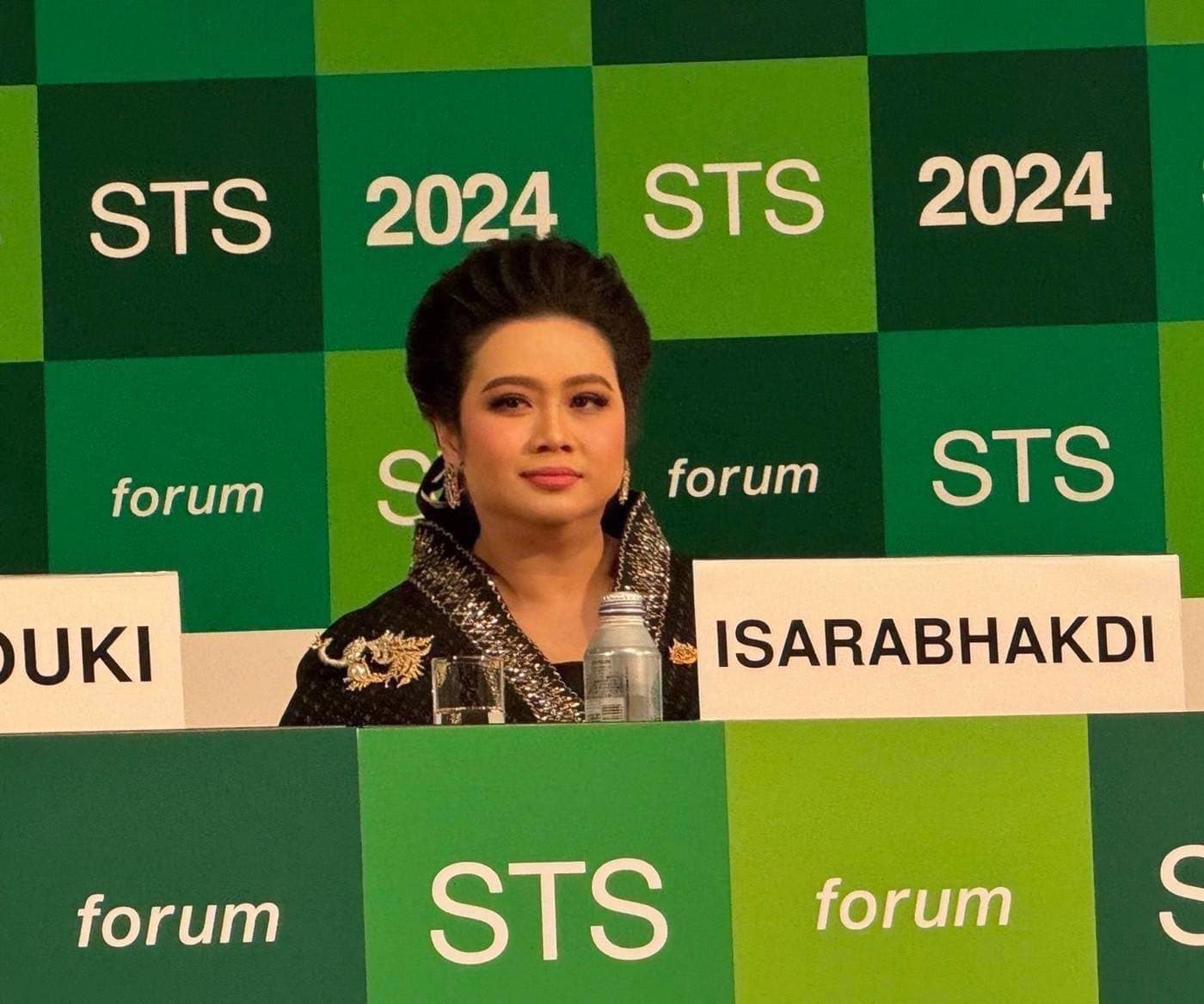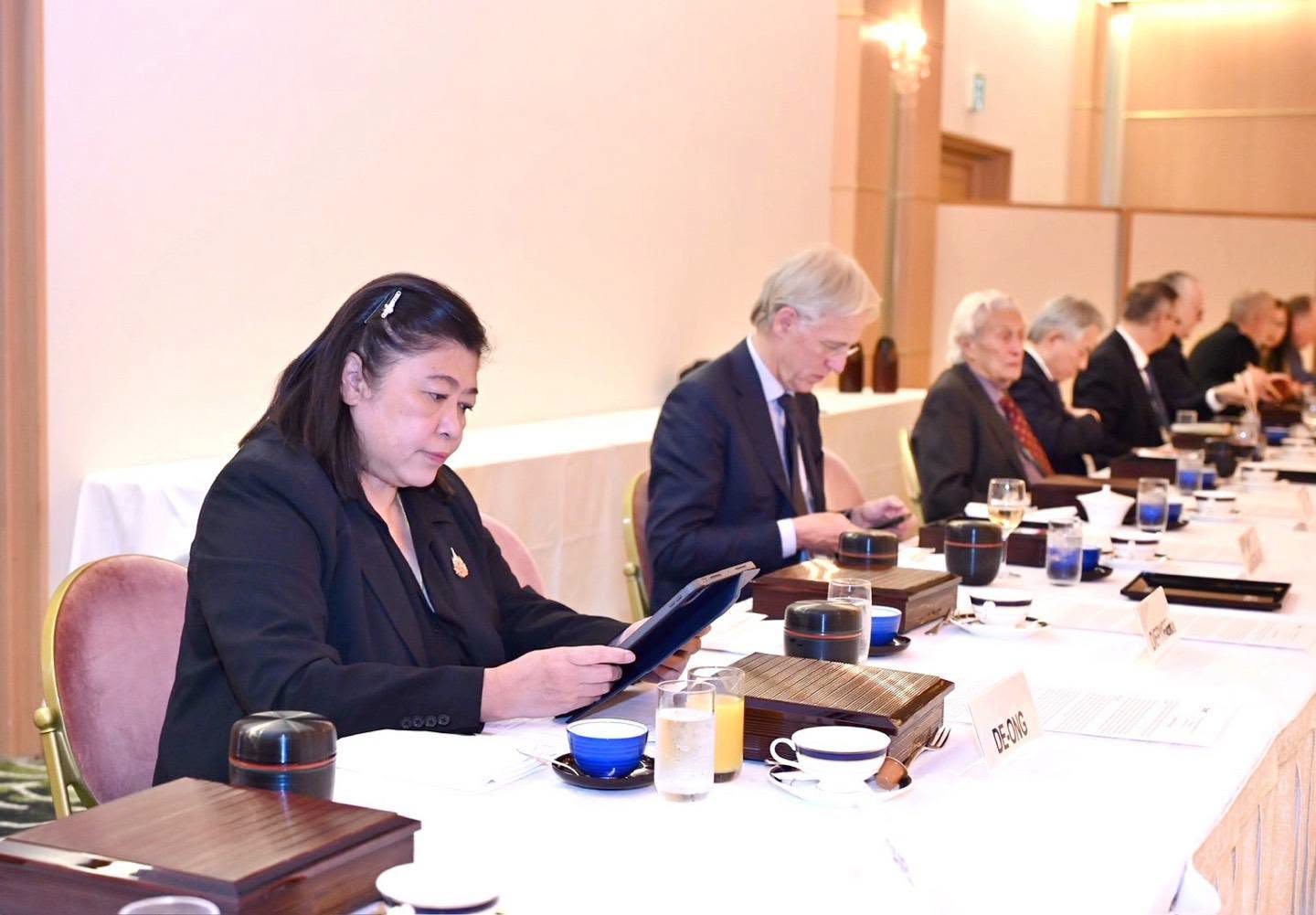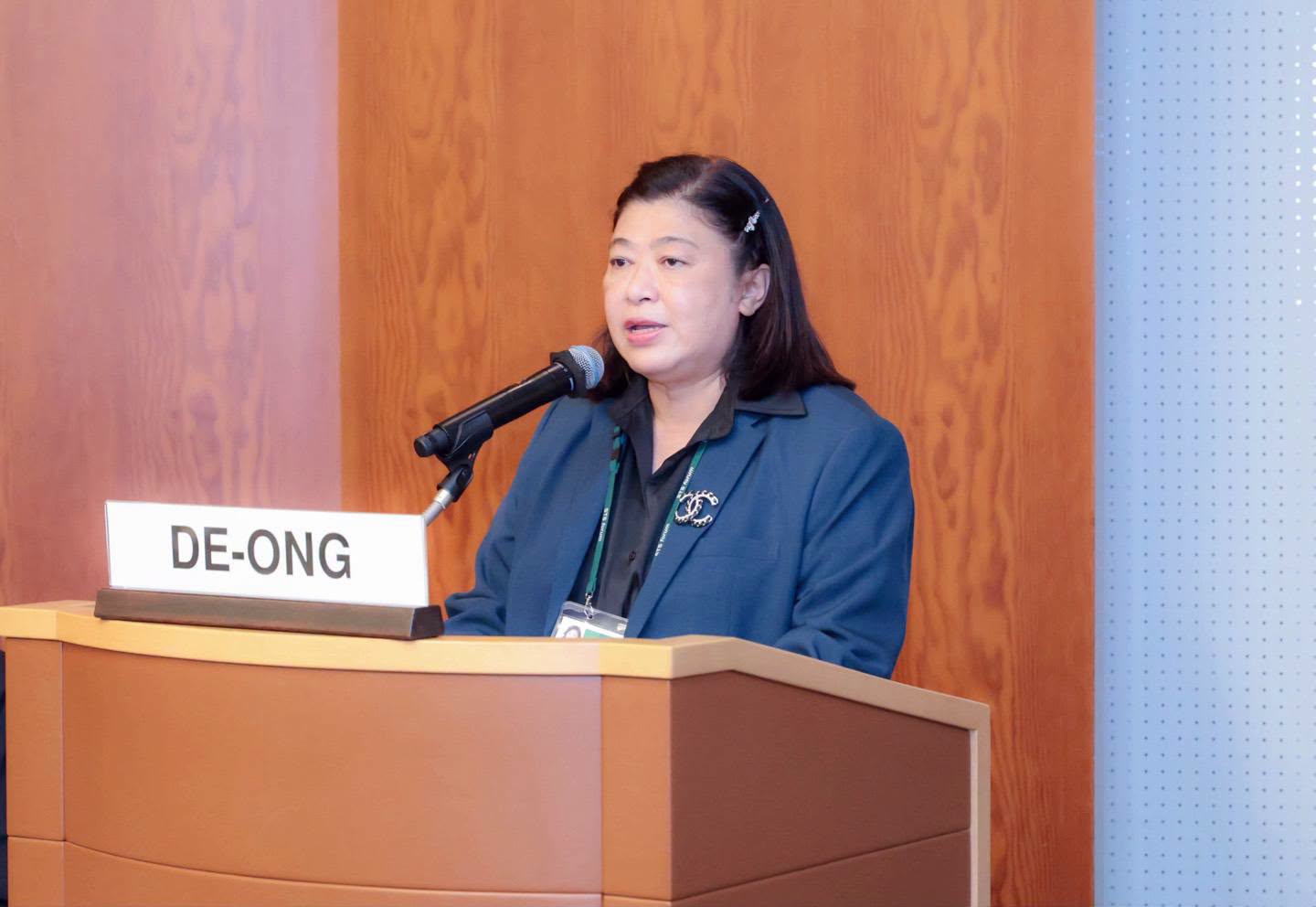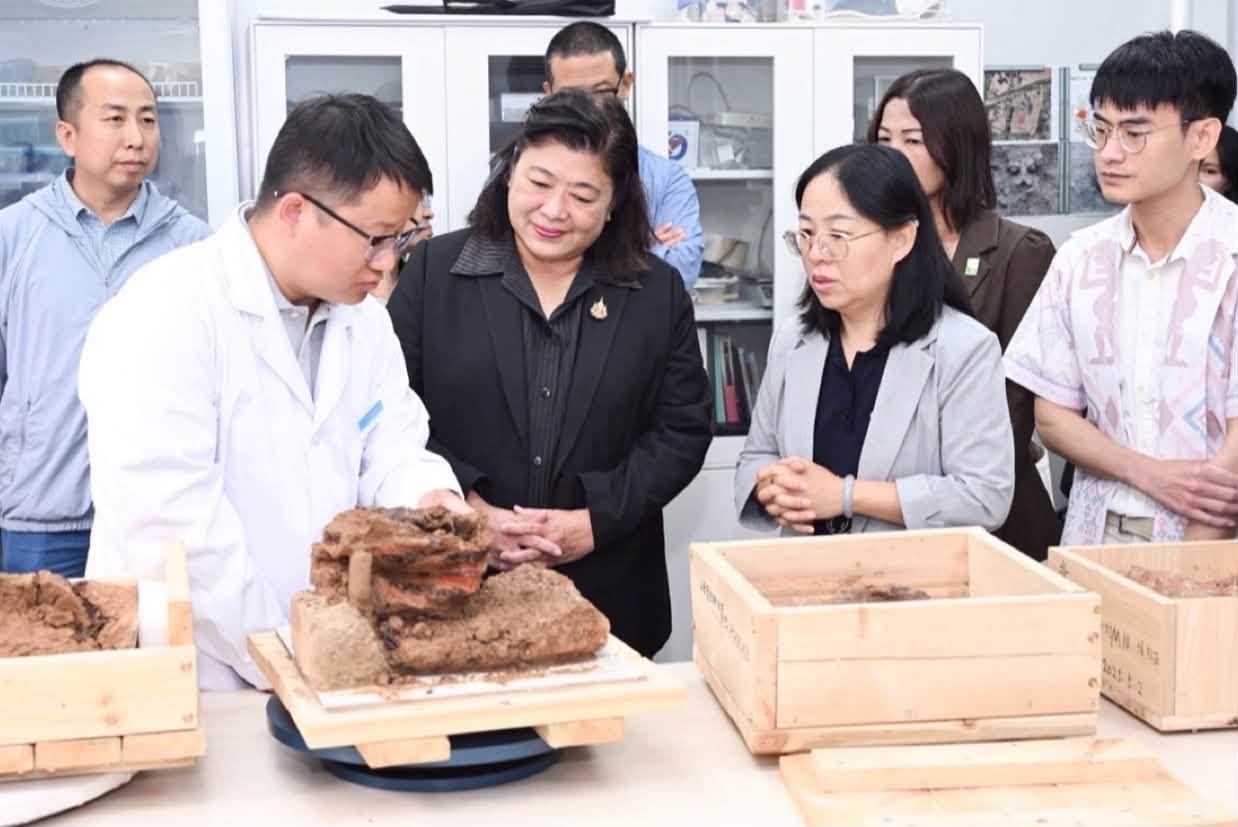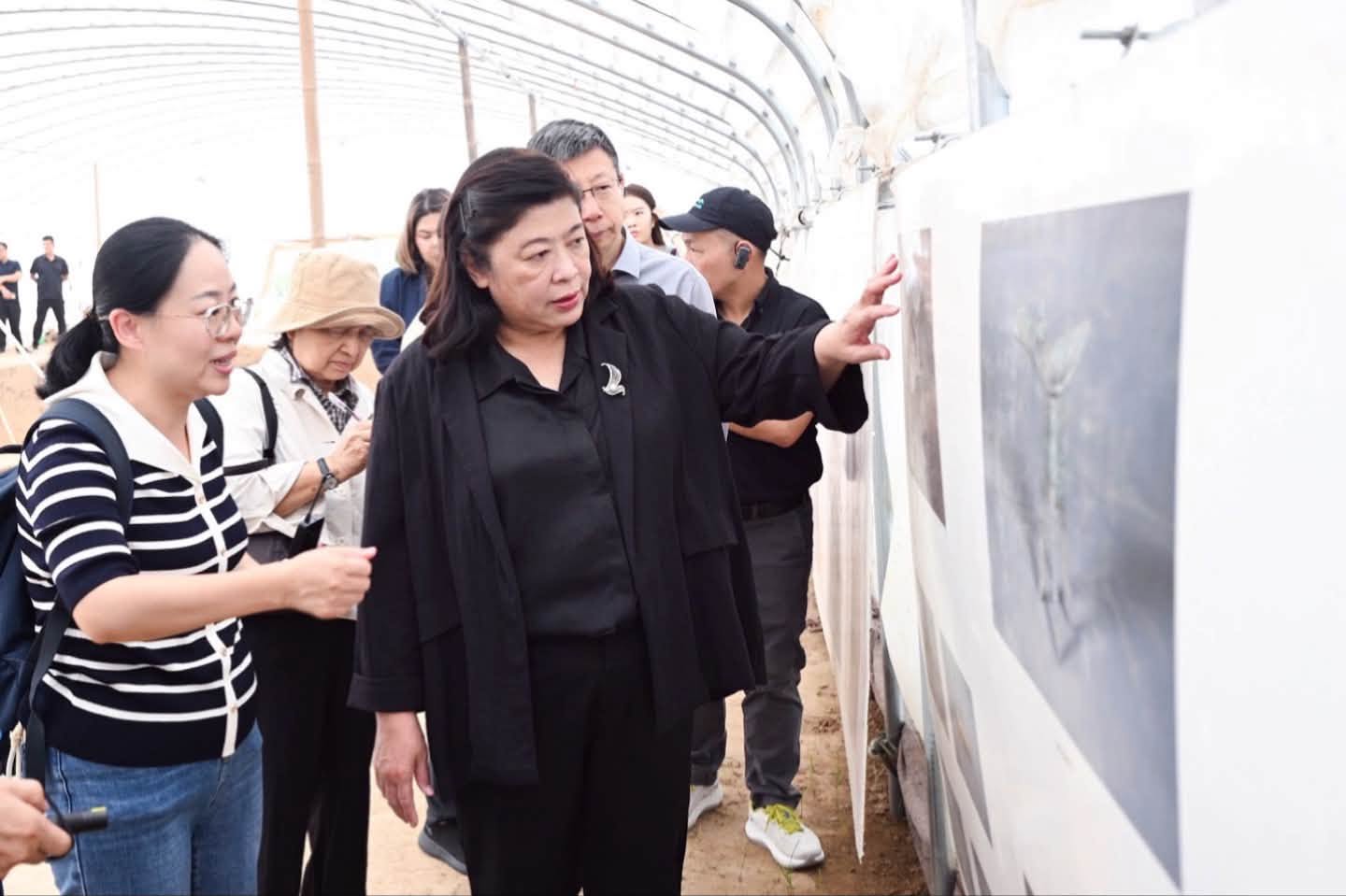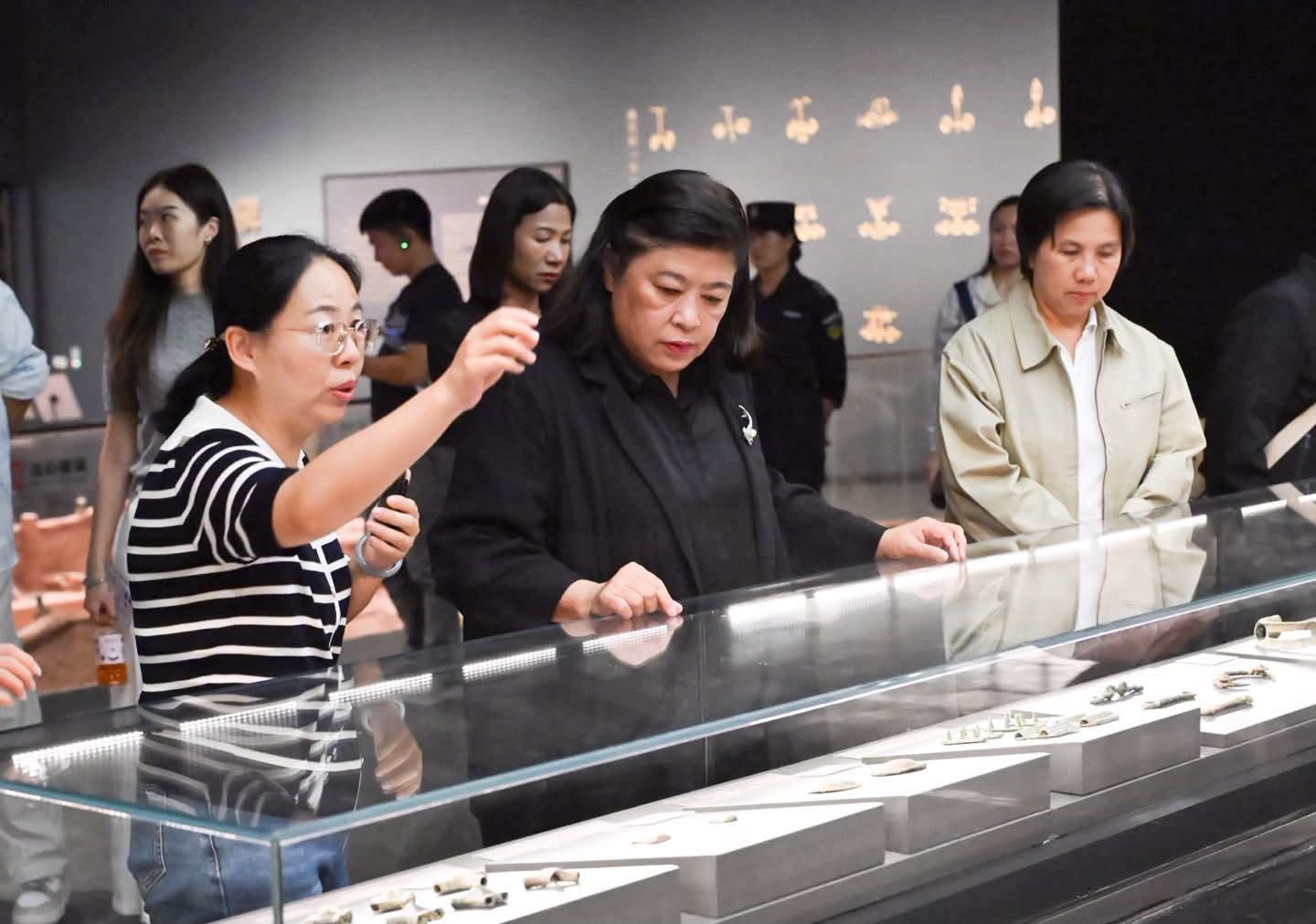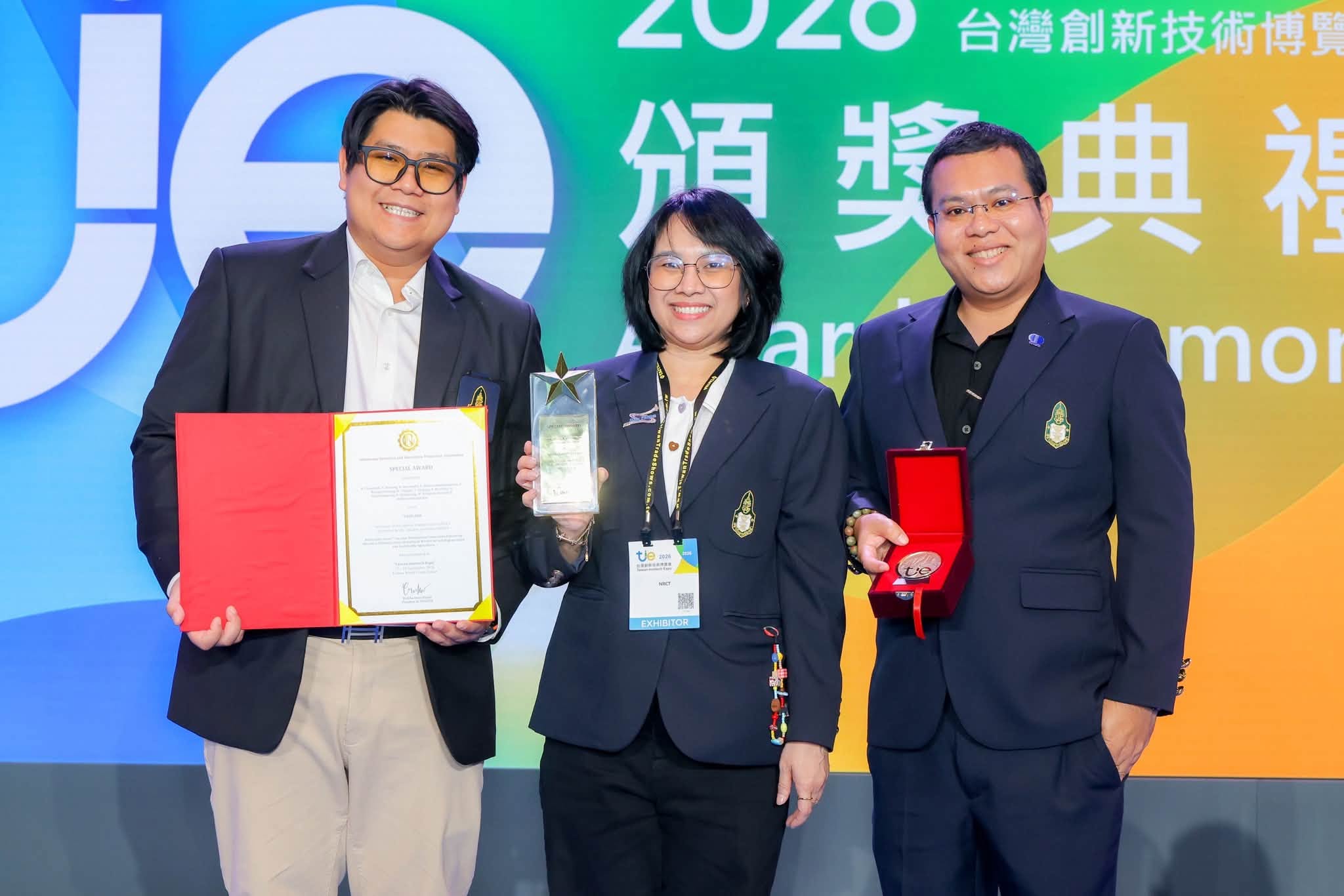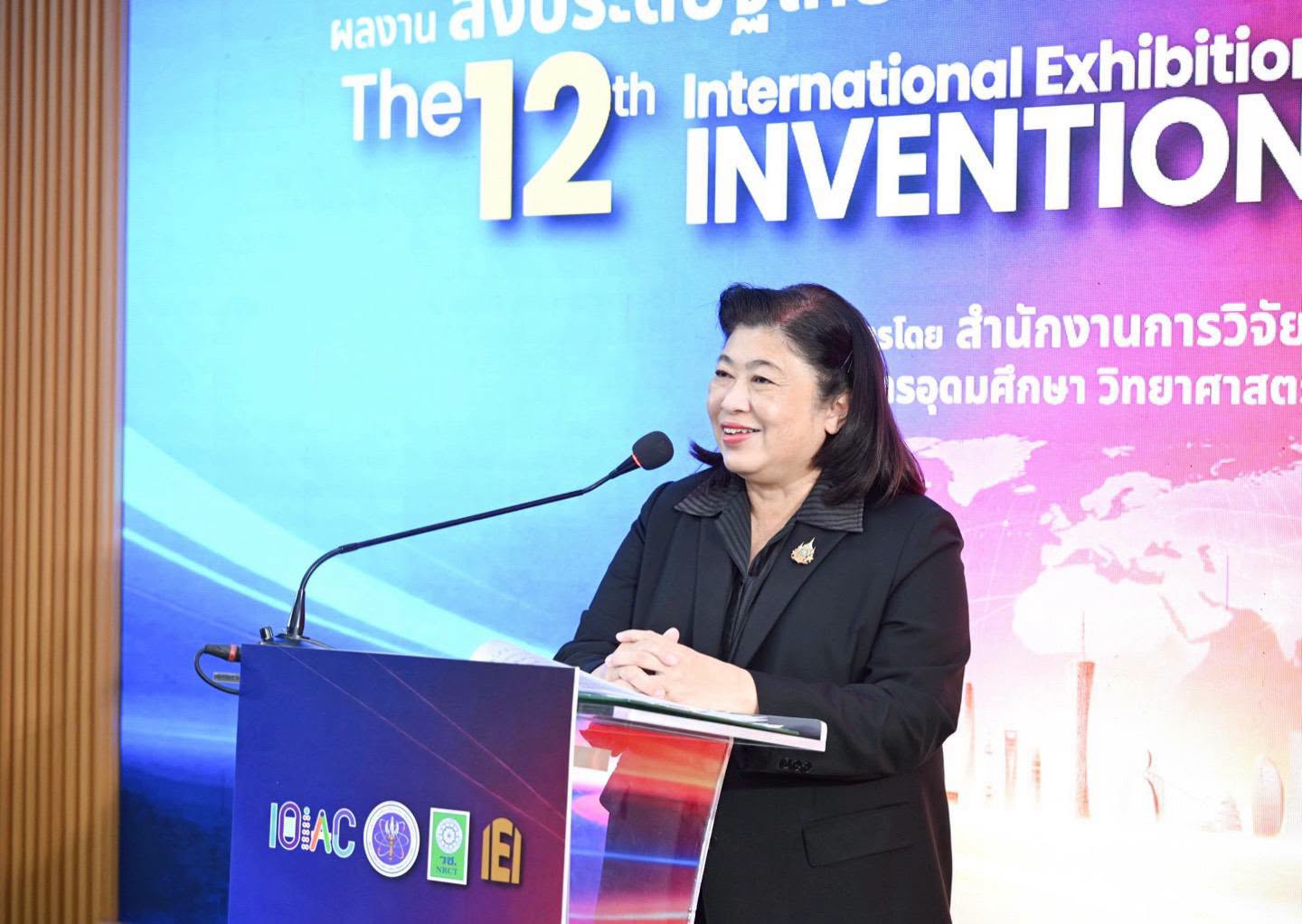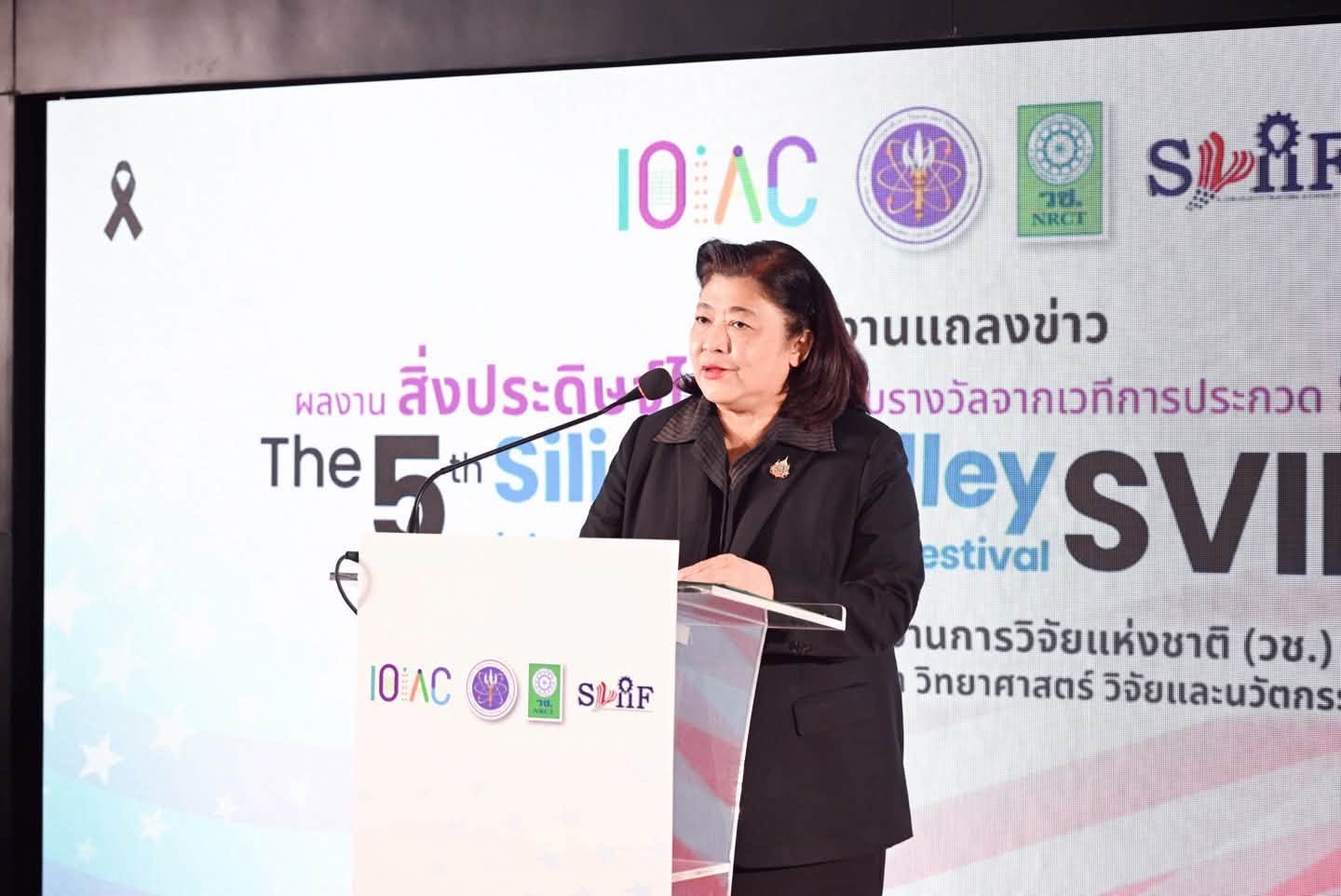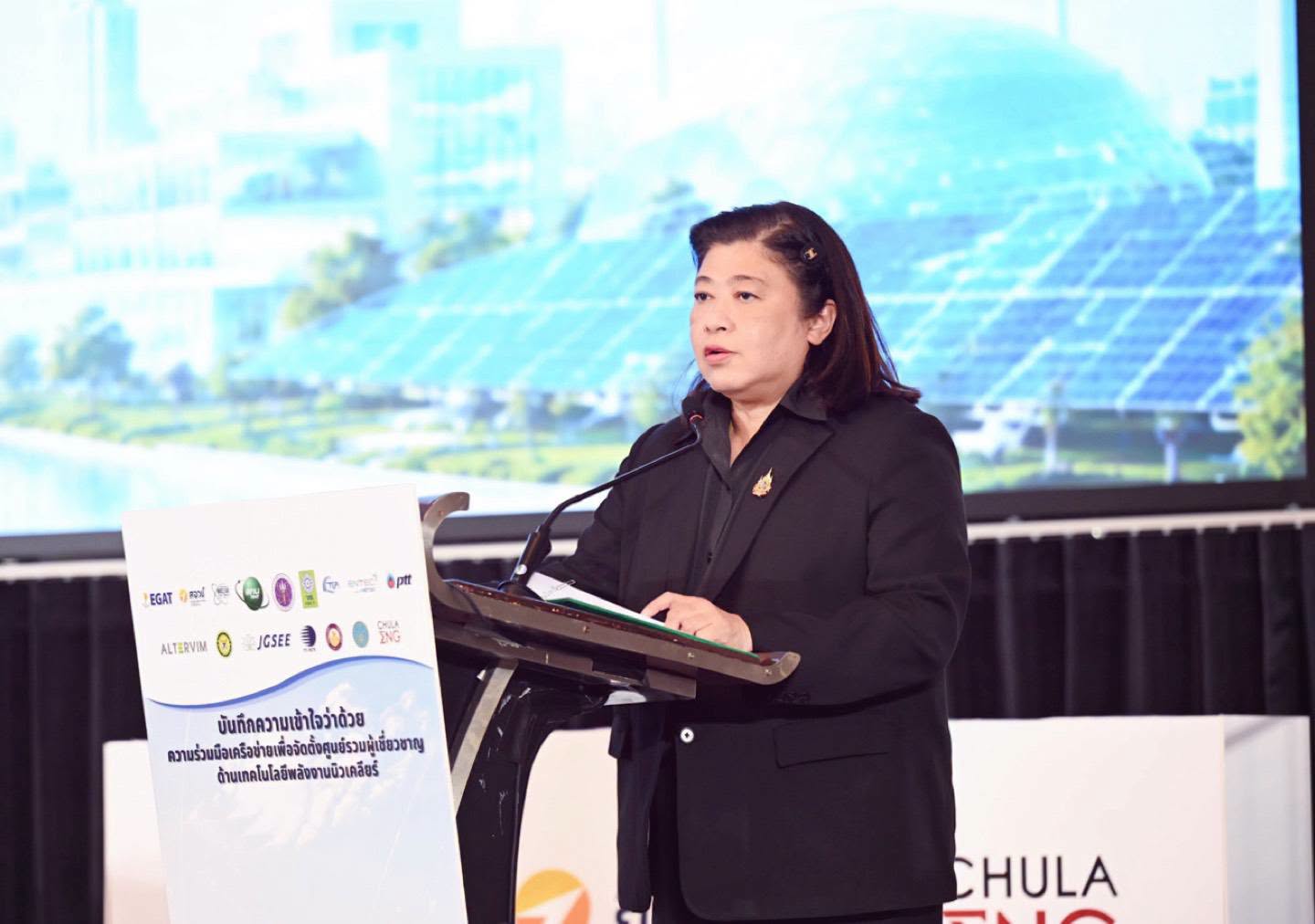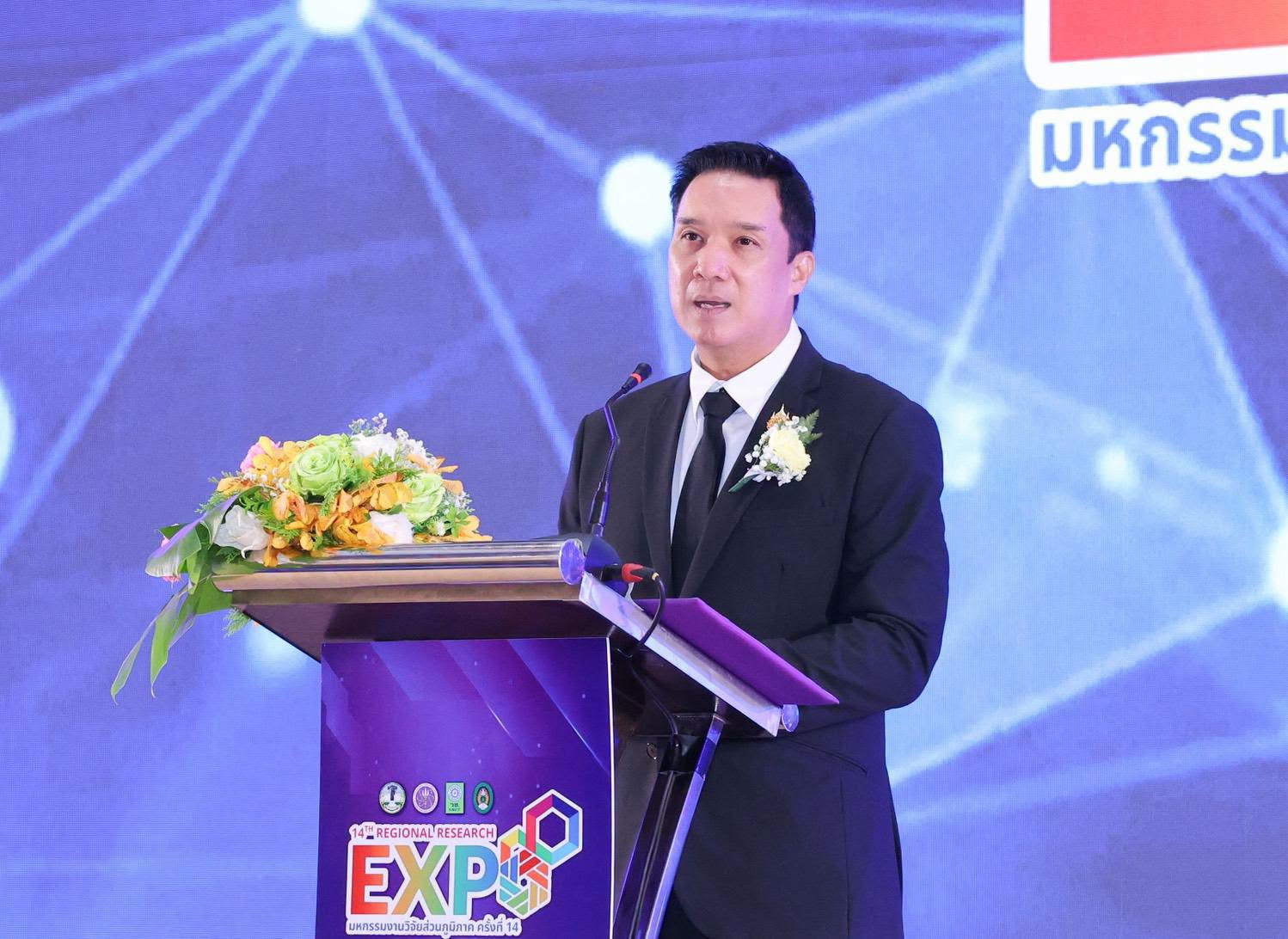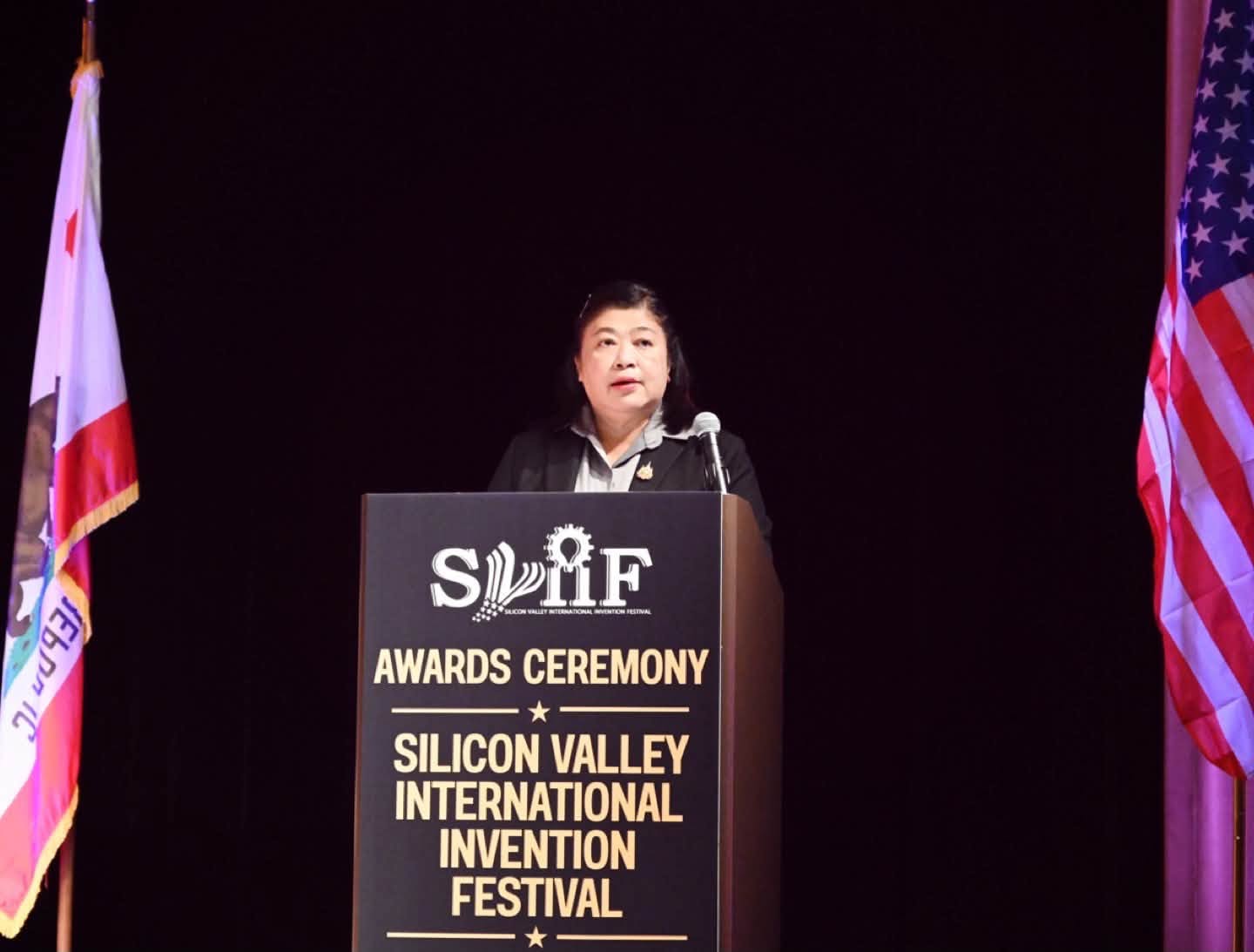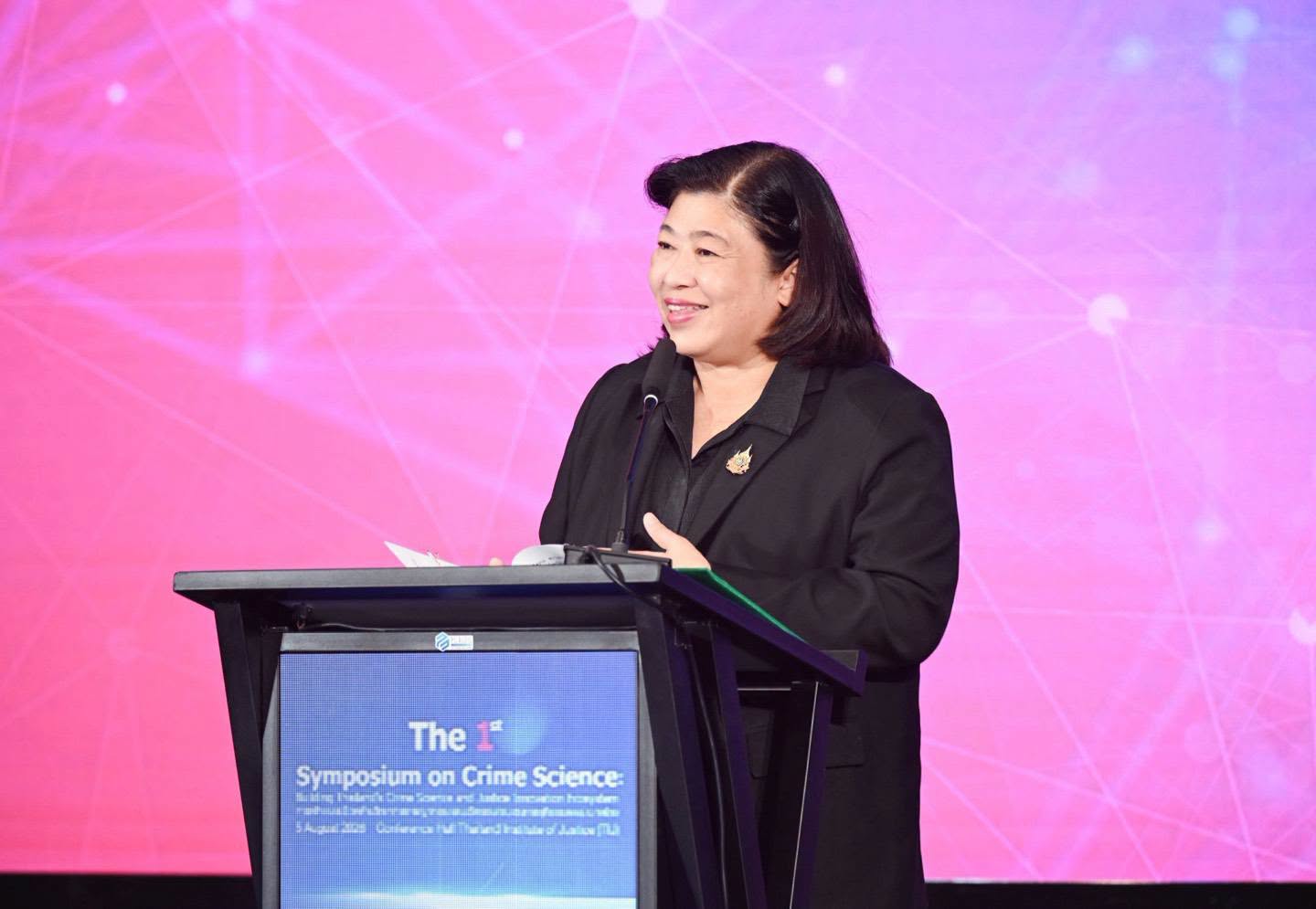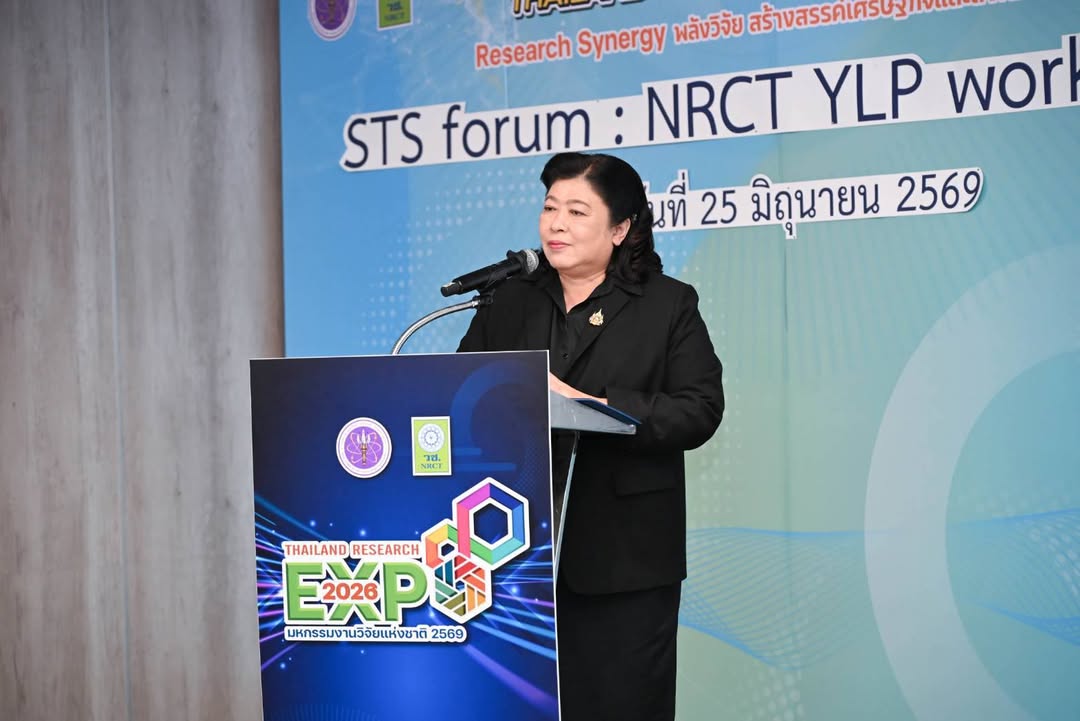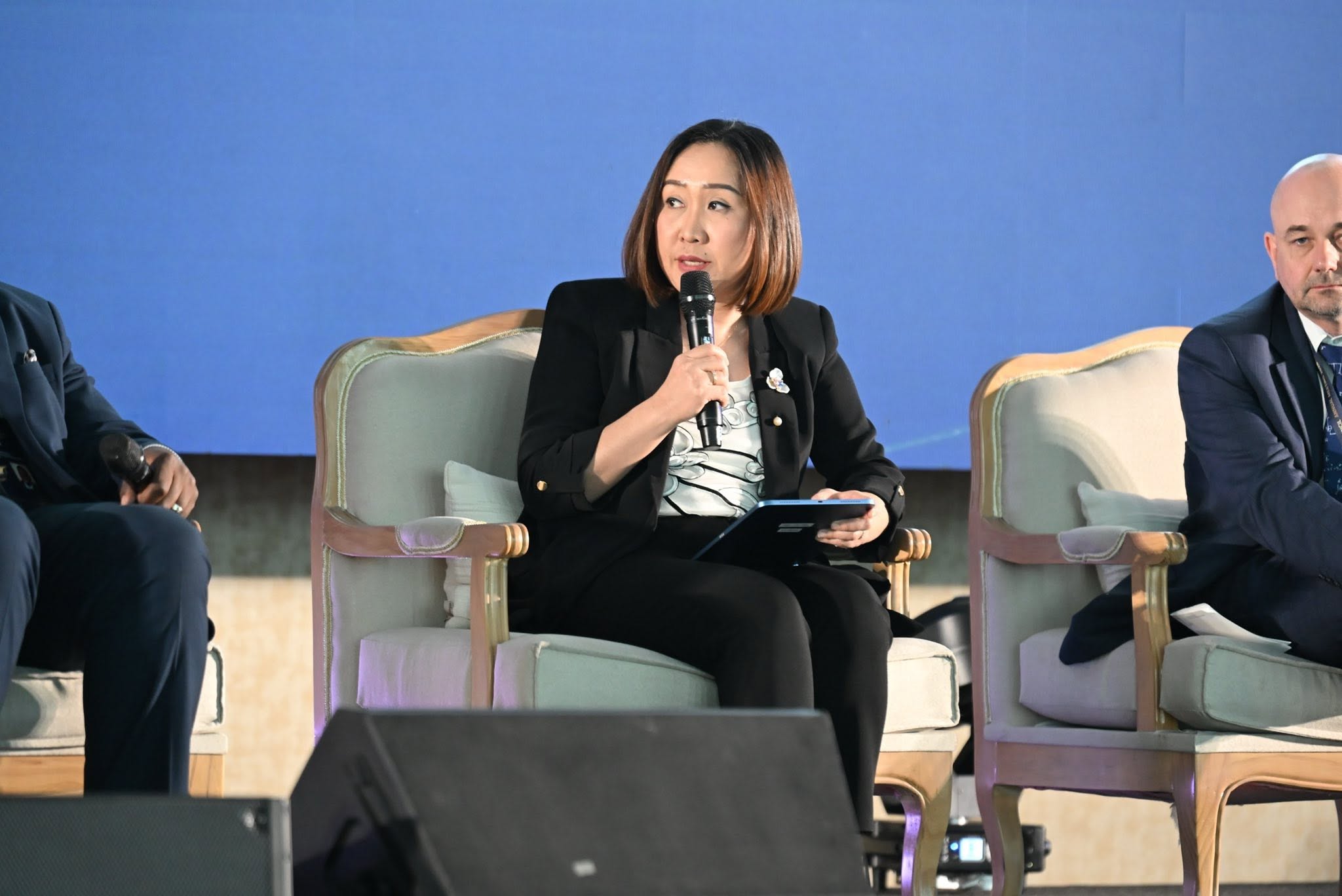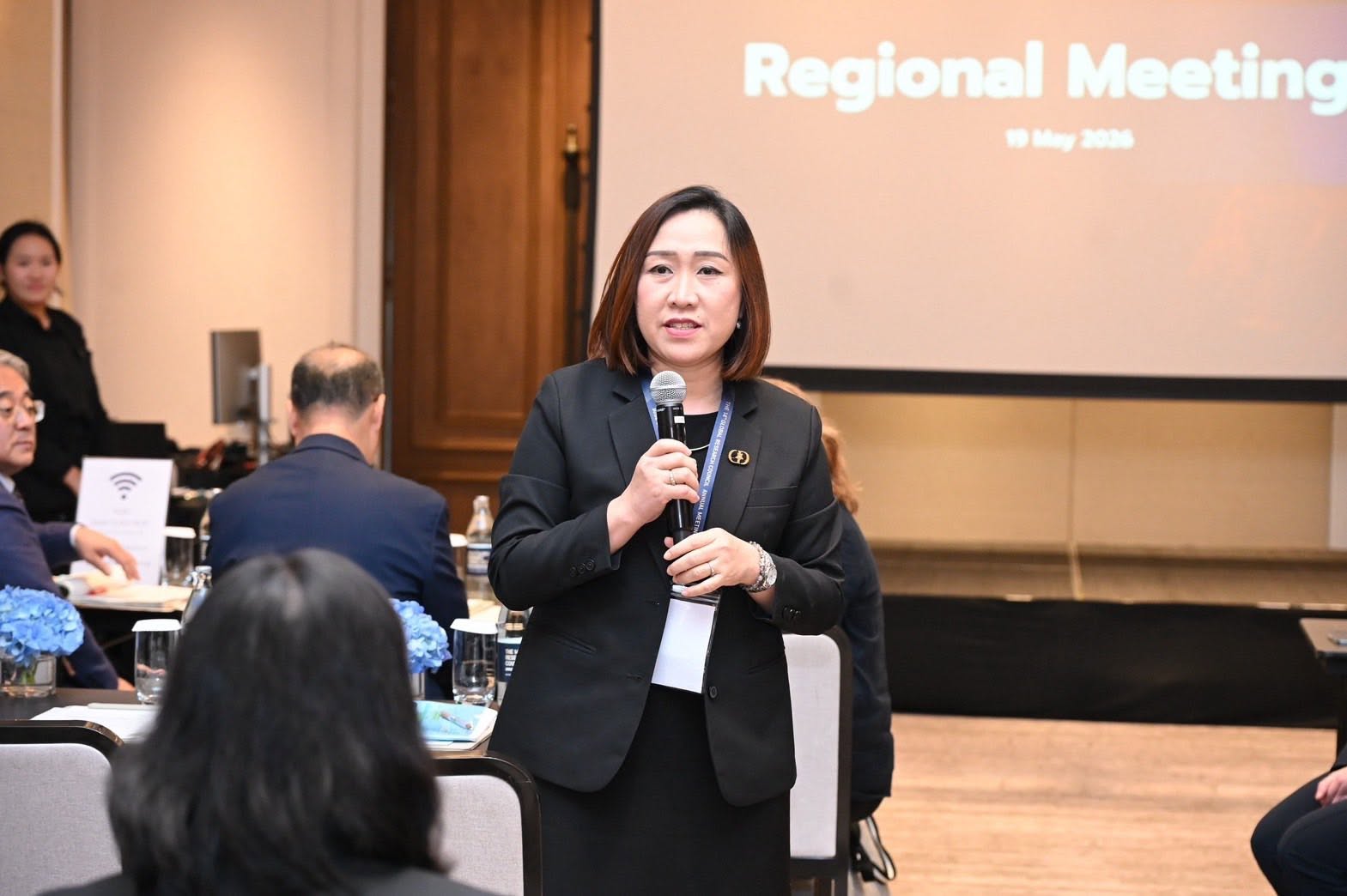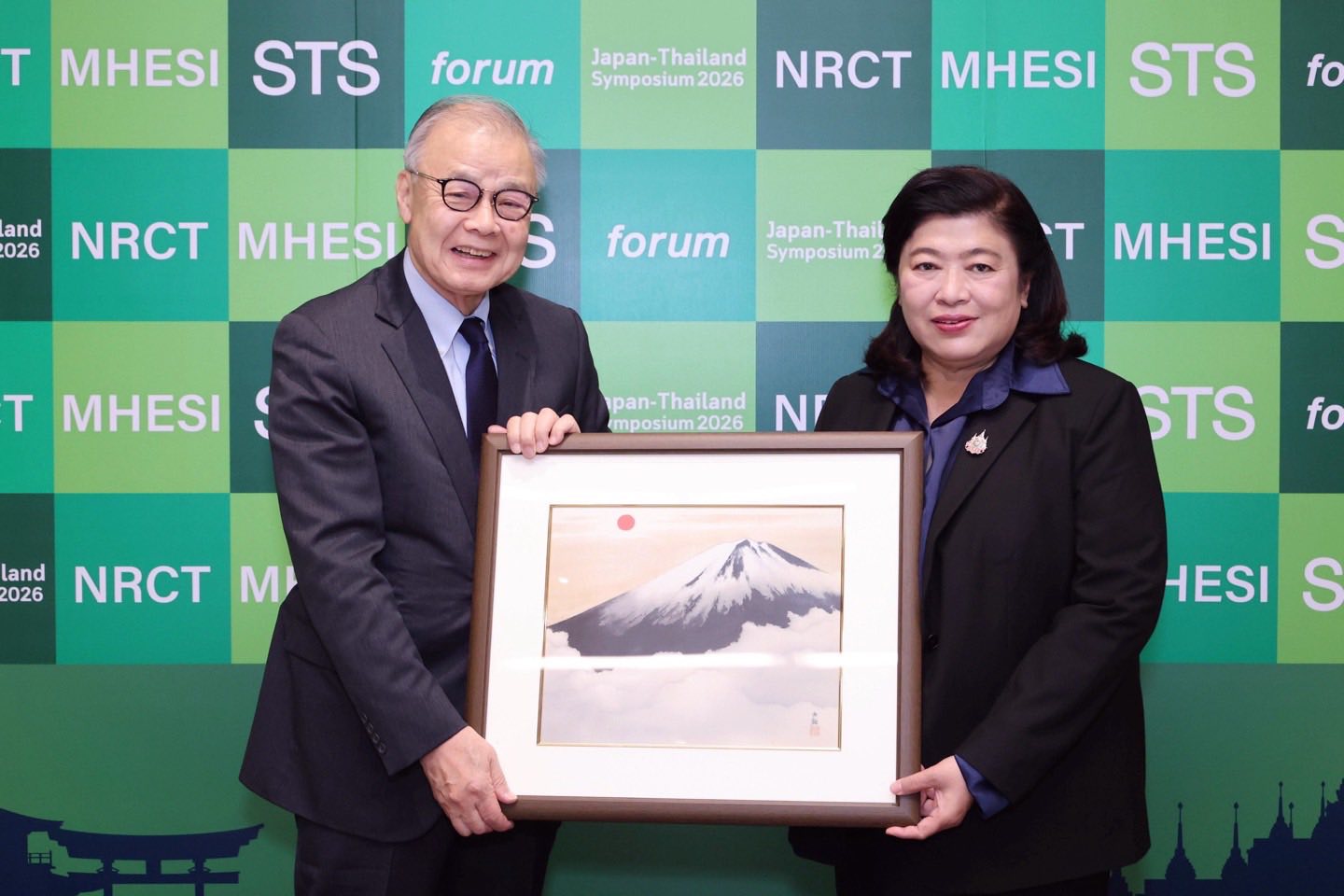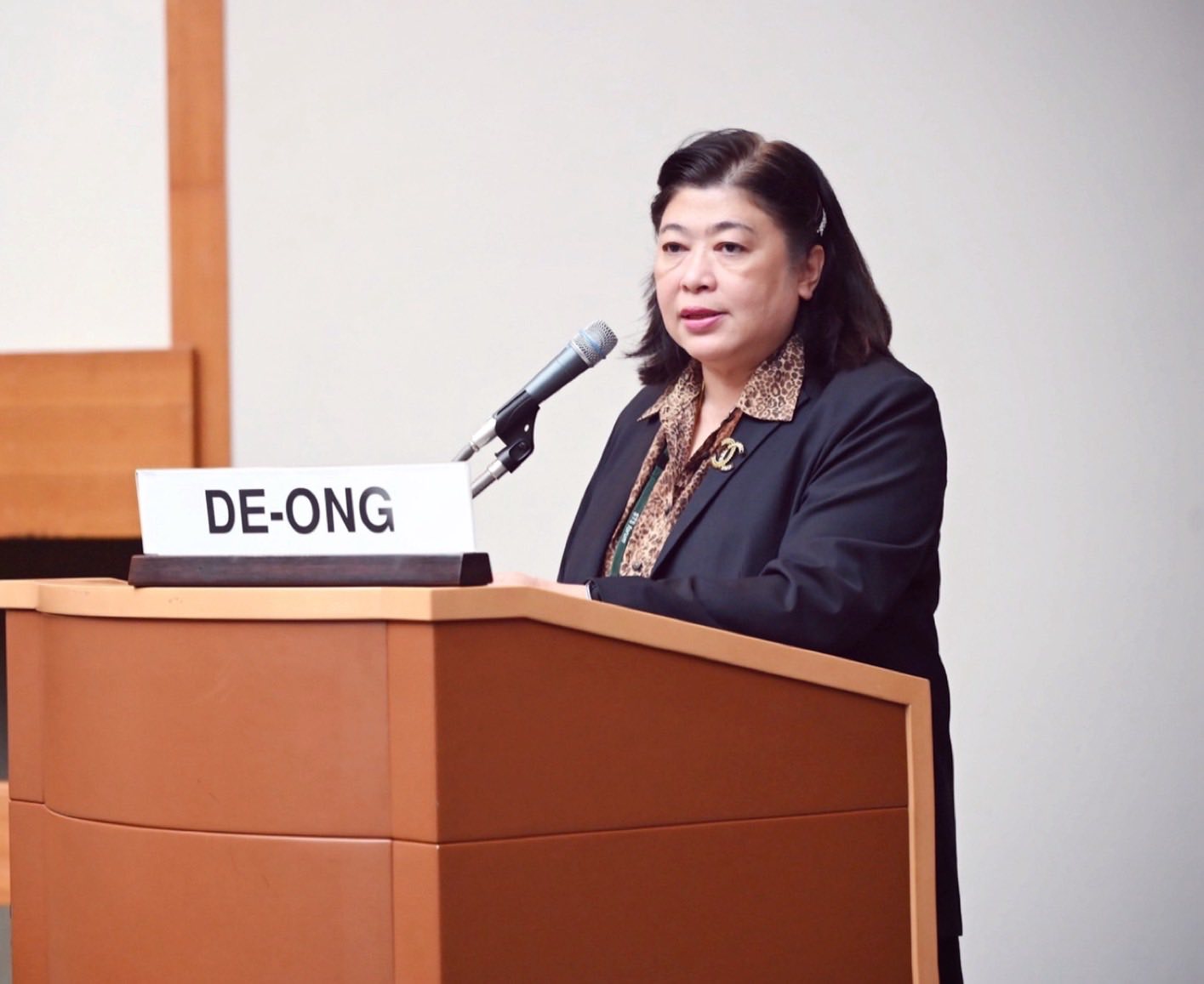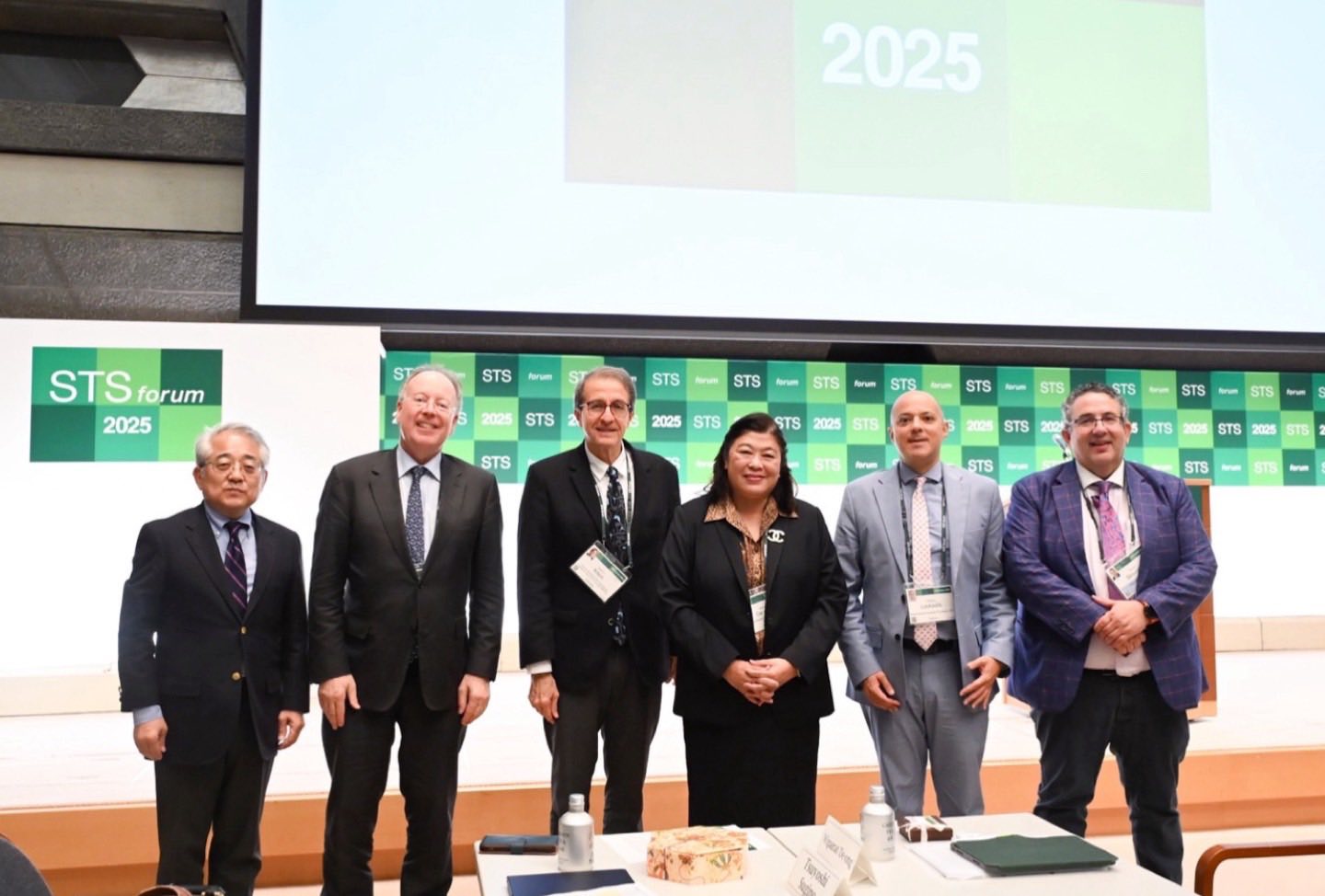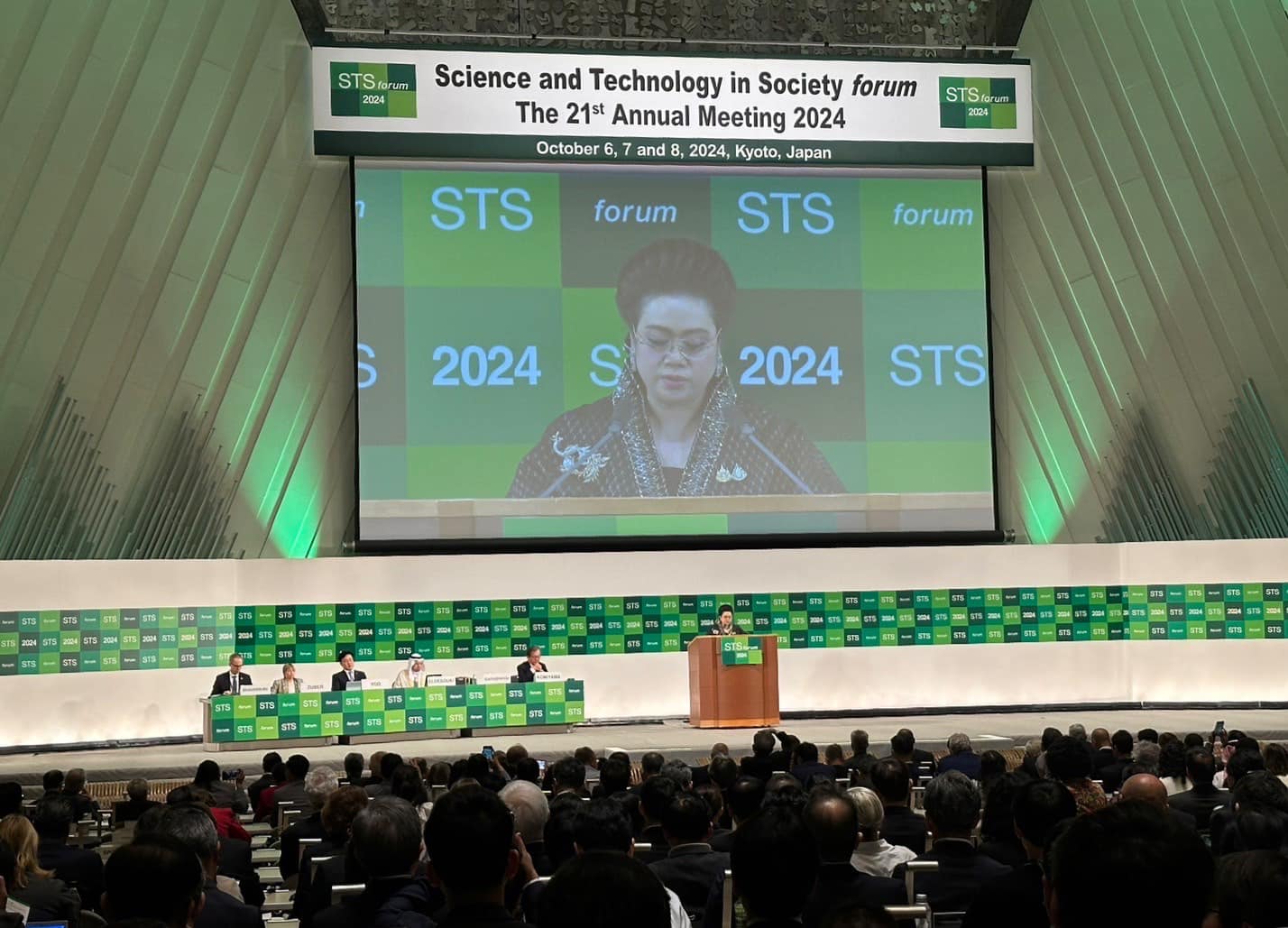
Minister Supamas Isarabhakdi Delivers Special Address “World in 2024 -- What do we need from S&T?” at STS forum 2024 in Kyoto, Japan
6 October 2024


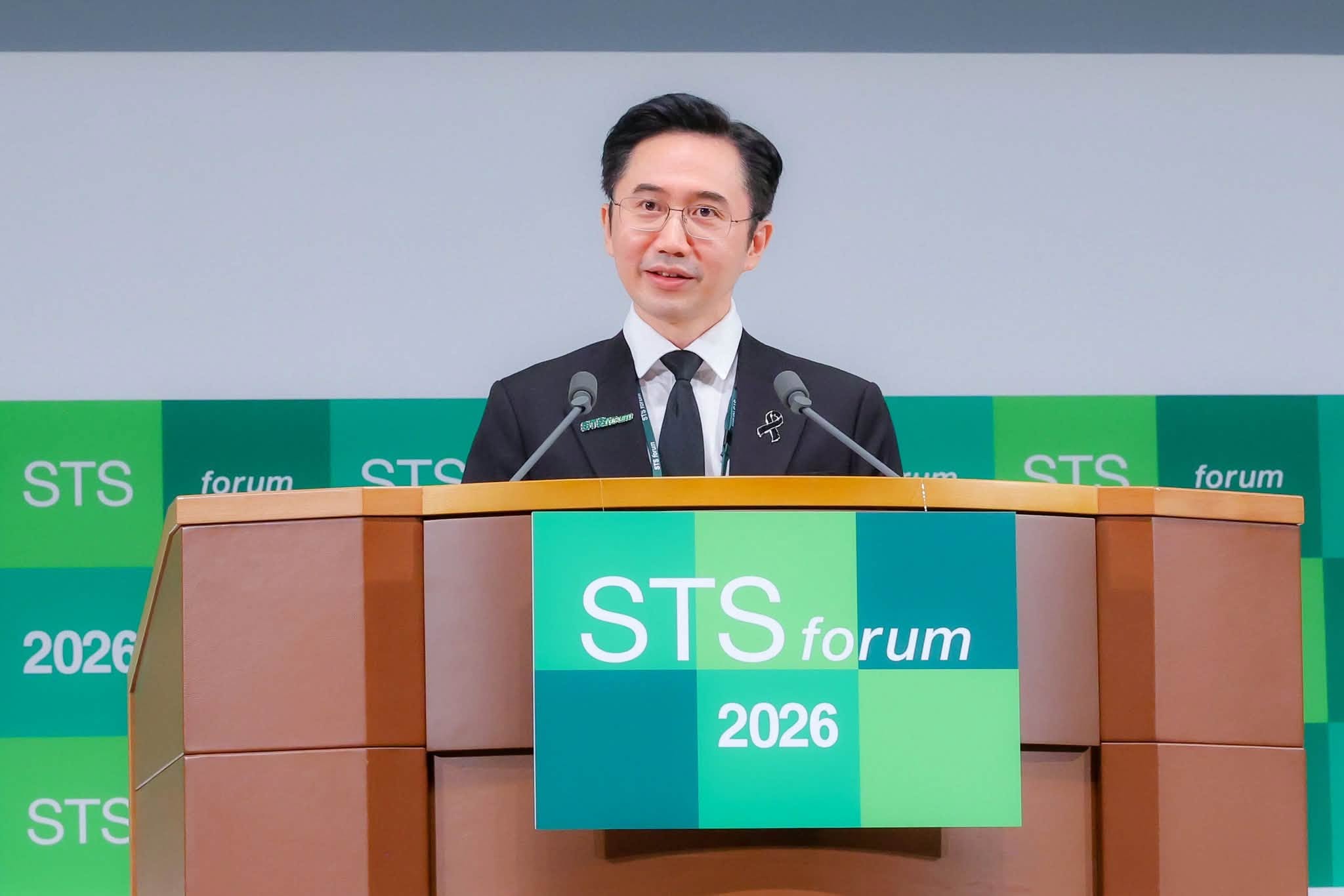
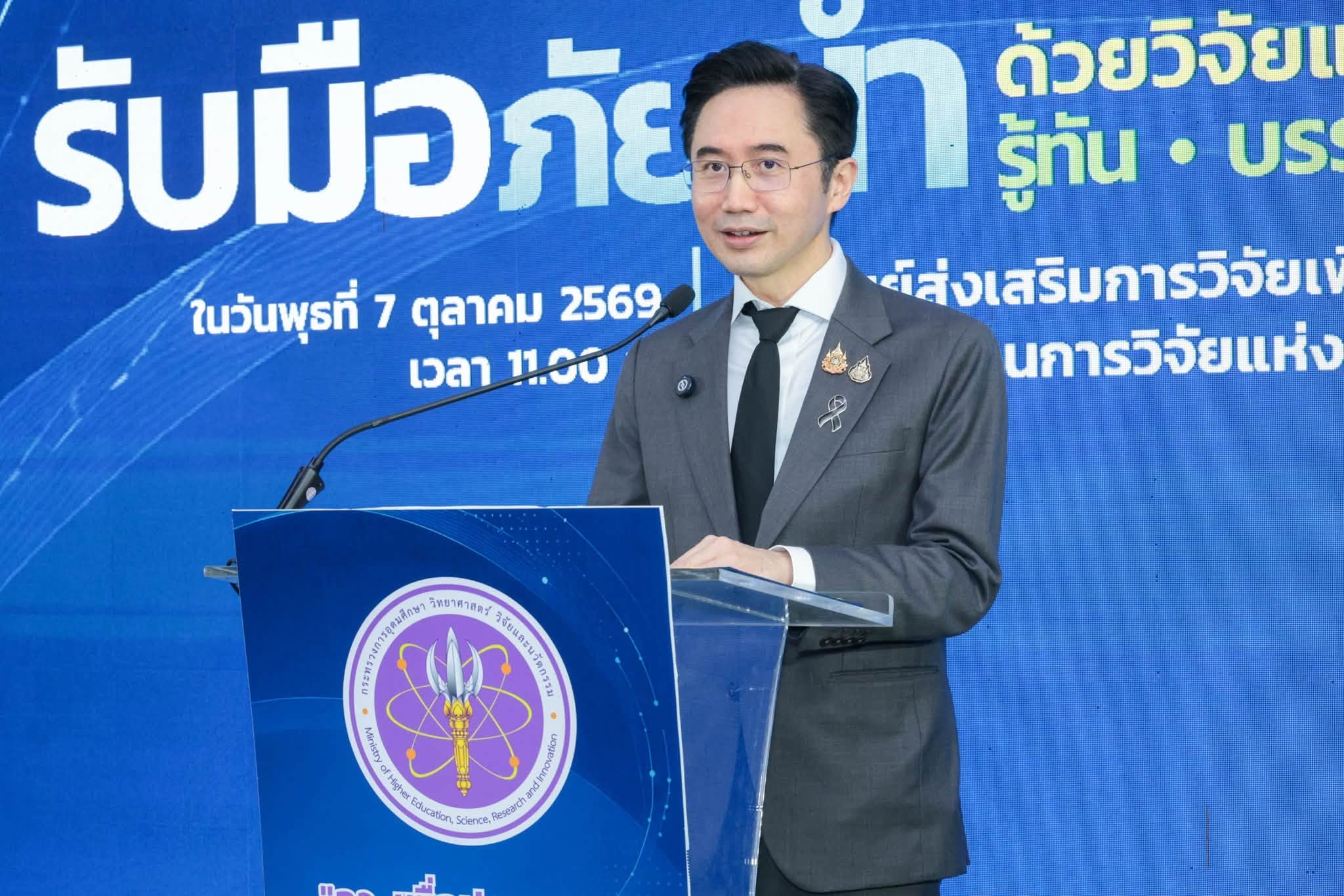
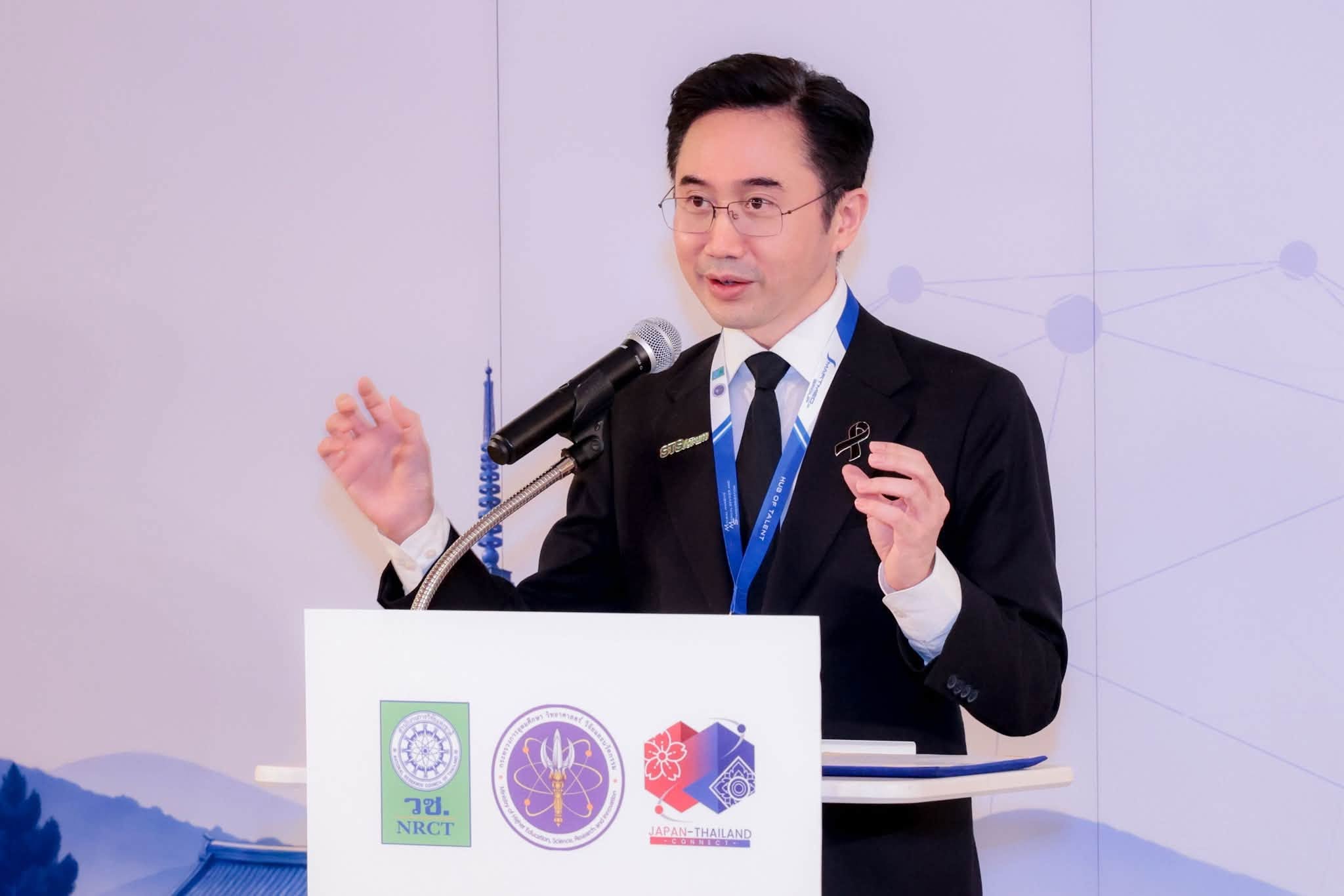
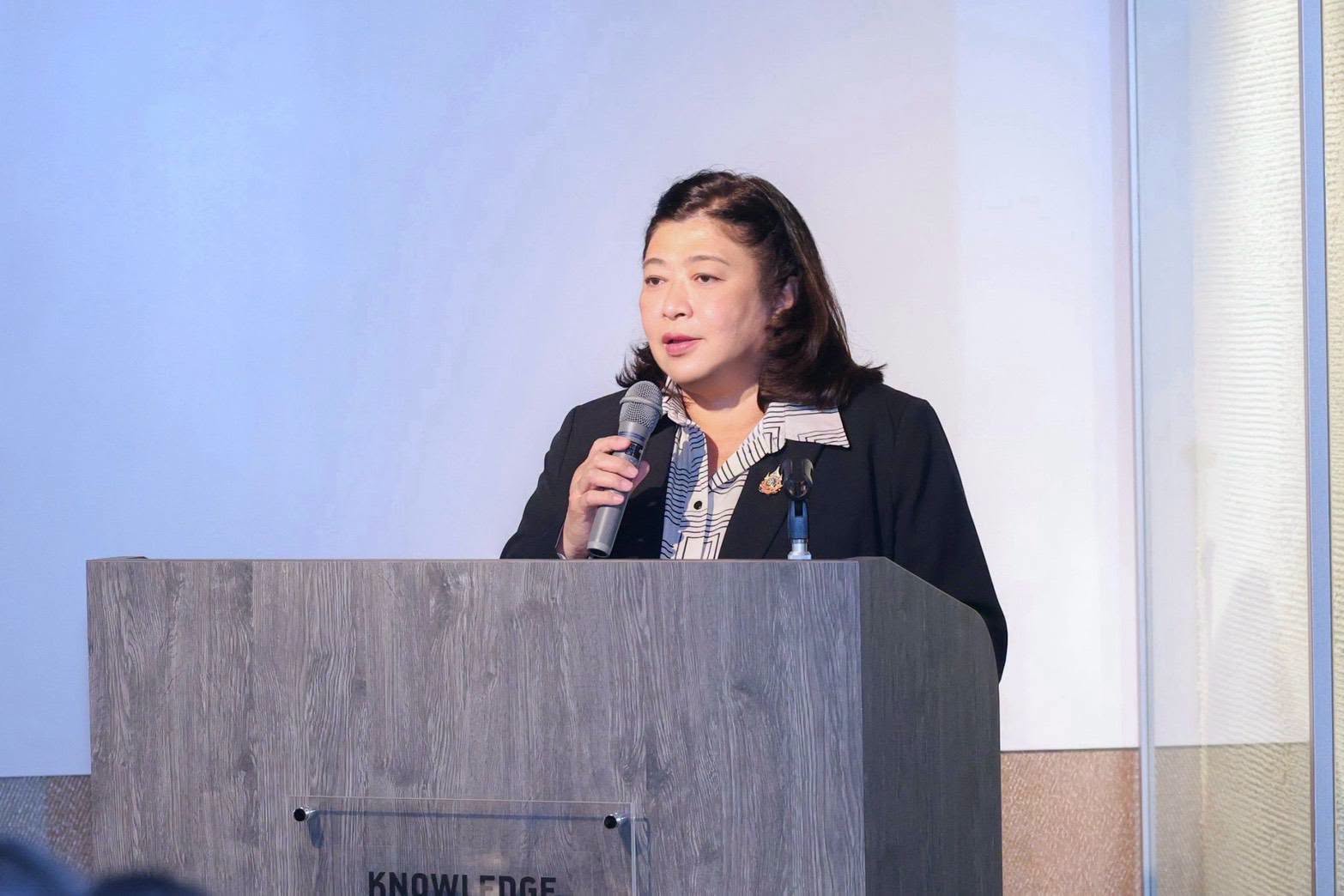
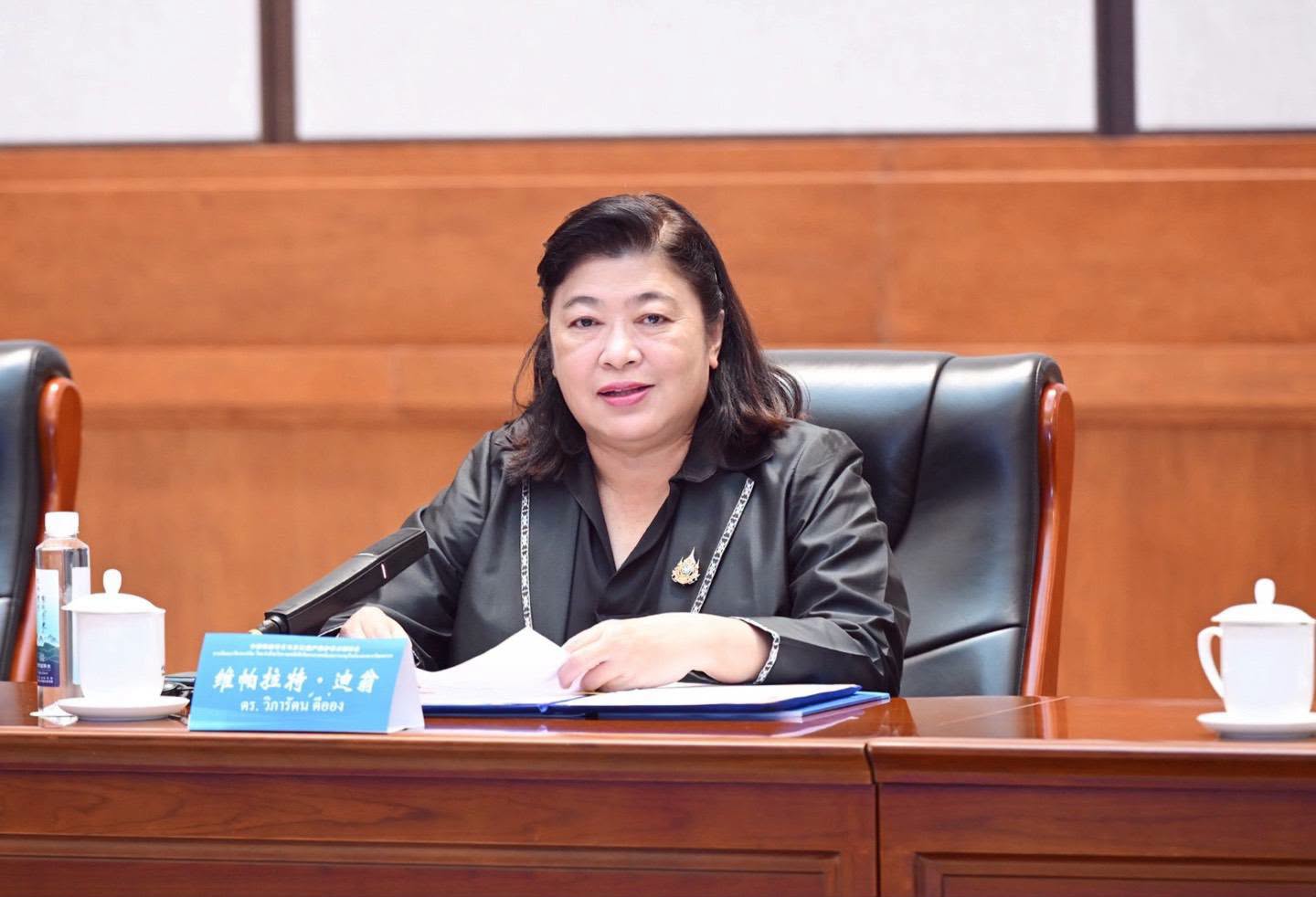
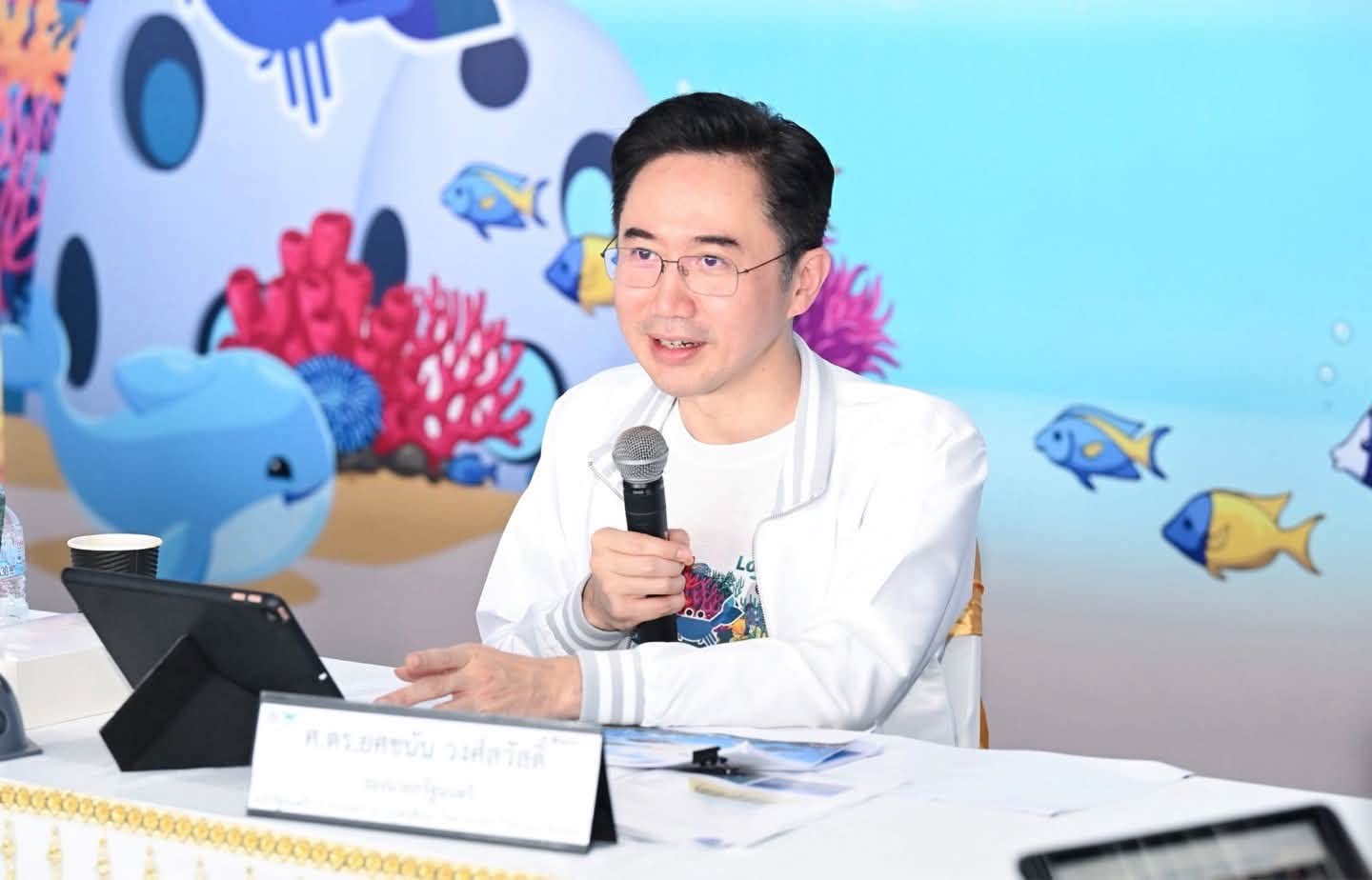
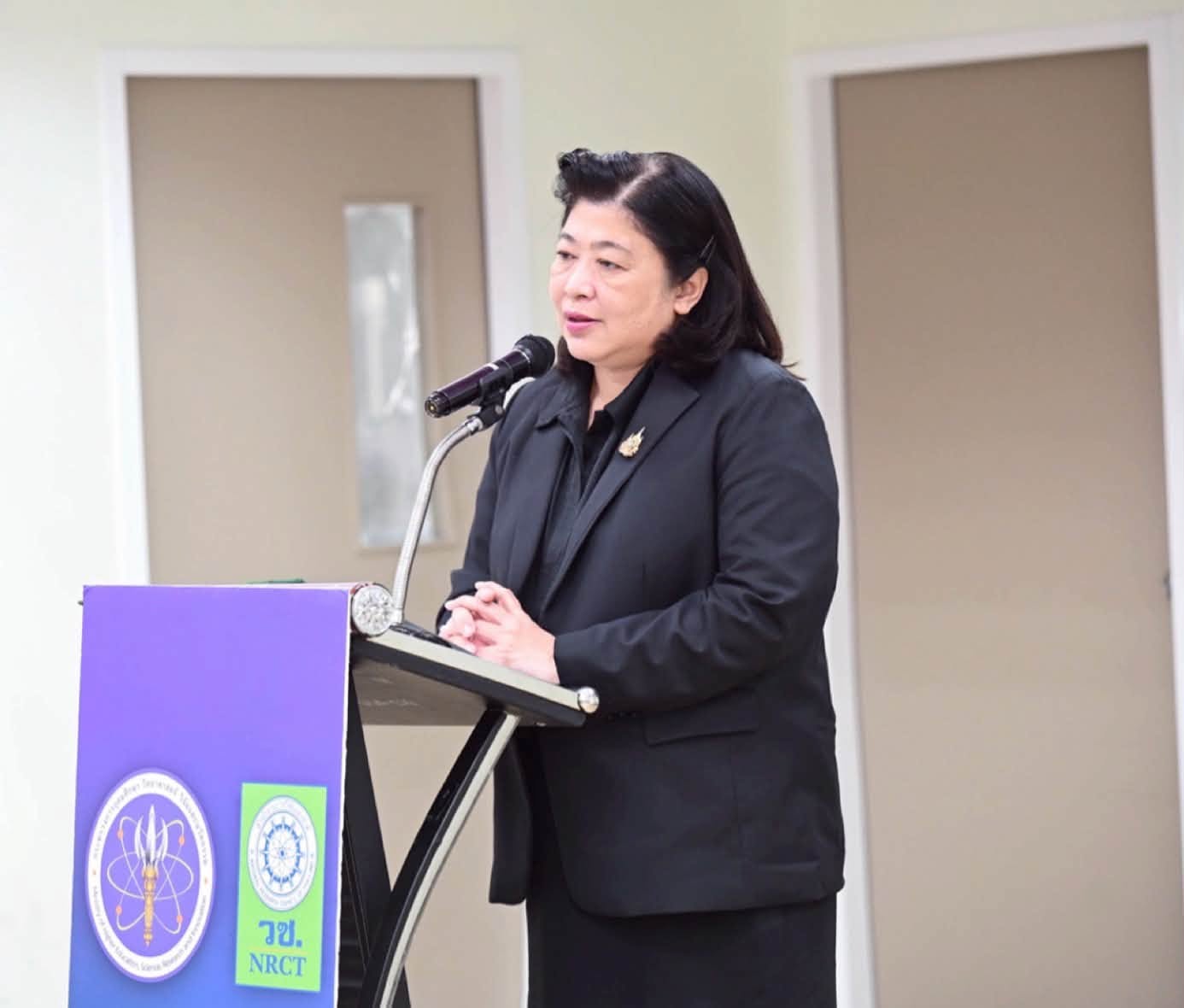
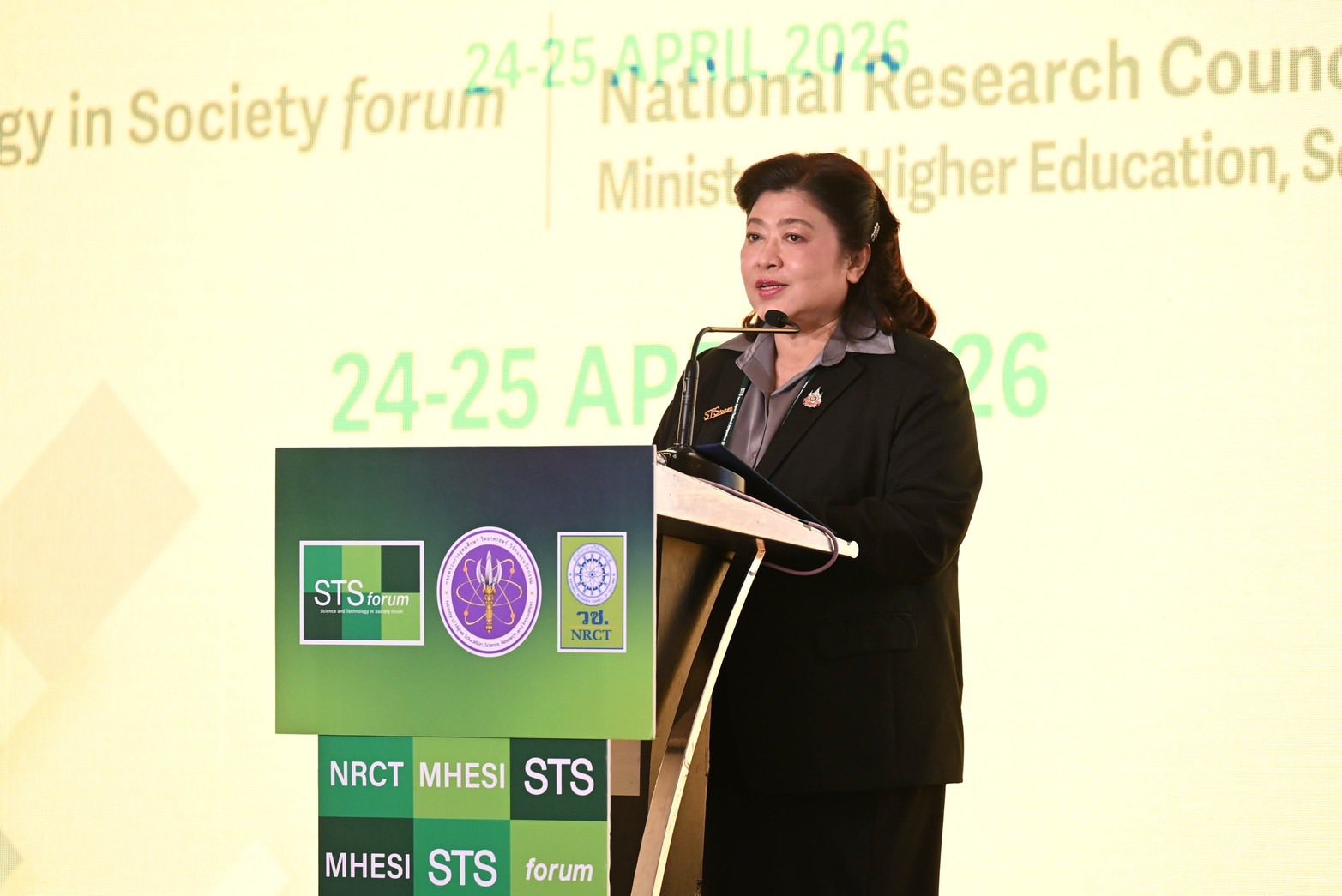
Miss Supamas Isarabhakdi, Minister of Higher Education, Science, Research and Innovation, stated that one of the greatest challenges we are currently facing is the climate change crisis, which is likely to intensify. This crisis affects the well-being of people, as well as society and the economy. While countries around the world are collaborating to leverage advances in science, technology, and innovation to address problems and foster global development in various areas, technology alone cannot resolve such complex issues. Therefore, it is essential to invest in human resources as well. To enhance human resource capacity in order to cope with changes and challenges in the modern world, “STEM skills” — an integration of knowledge across four disciplines: science, technology, engineering, and mathematics — have become increasingly important. By combining the strengths of each field and emphasizing practical skills and hands-on application, STEM plays a vital role in learning, working, and everyday life today.
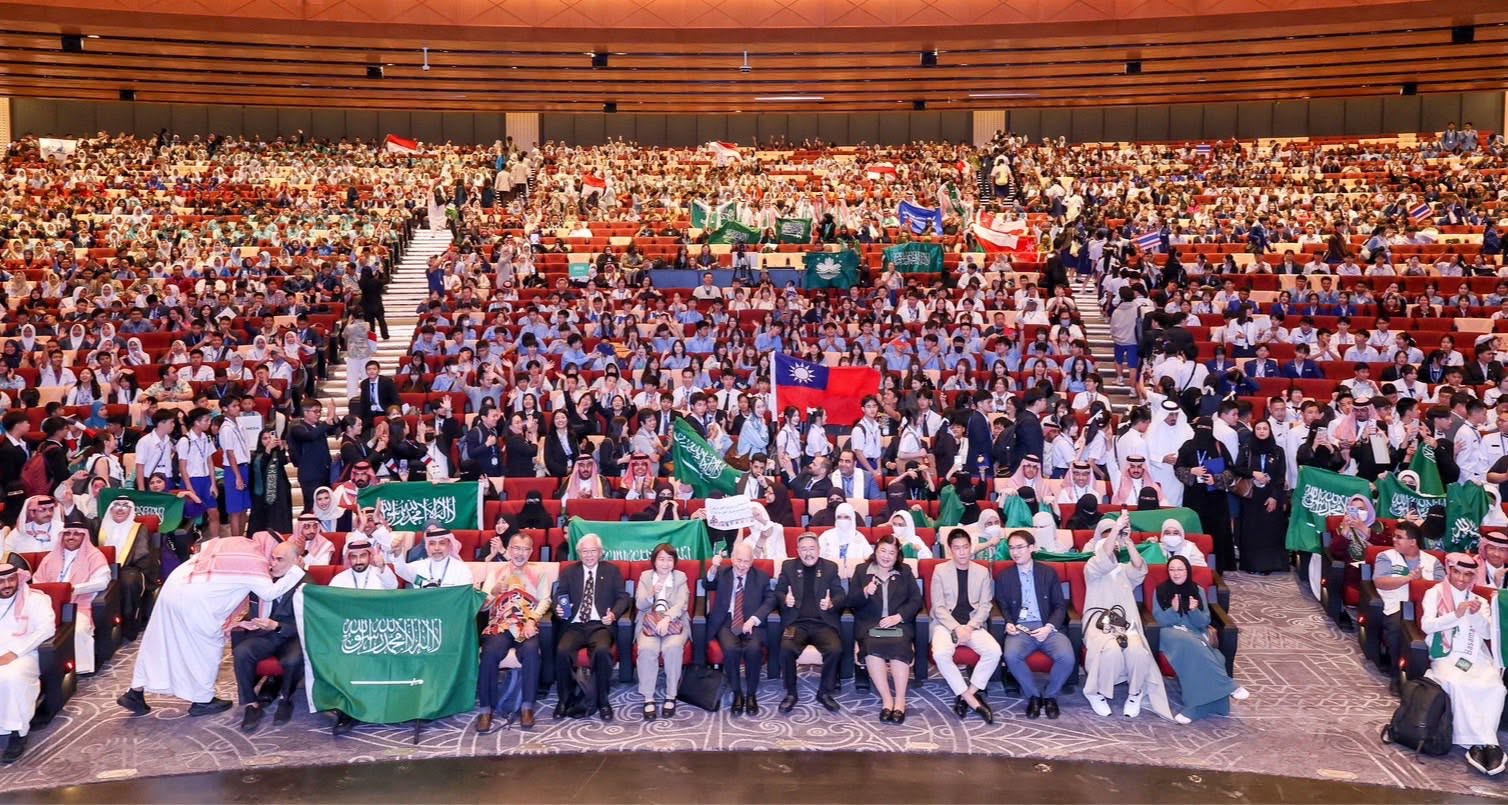
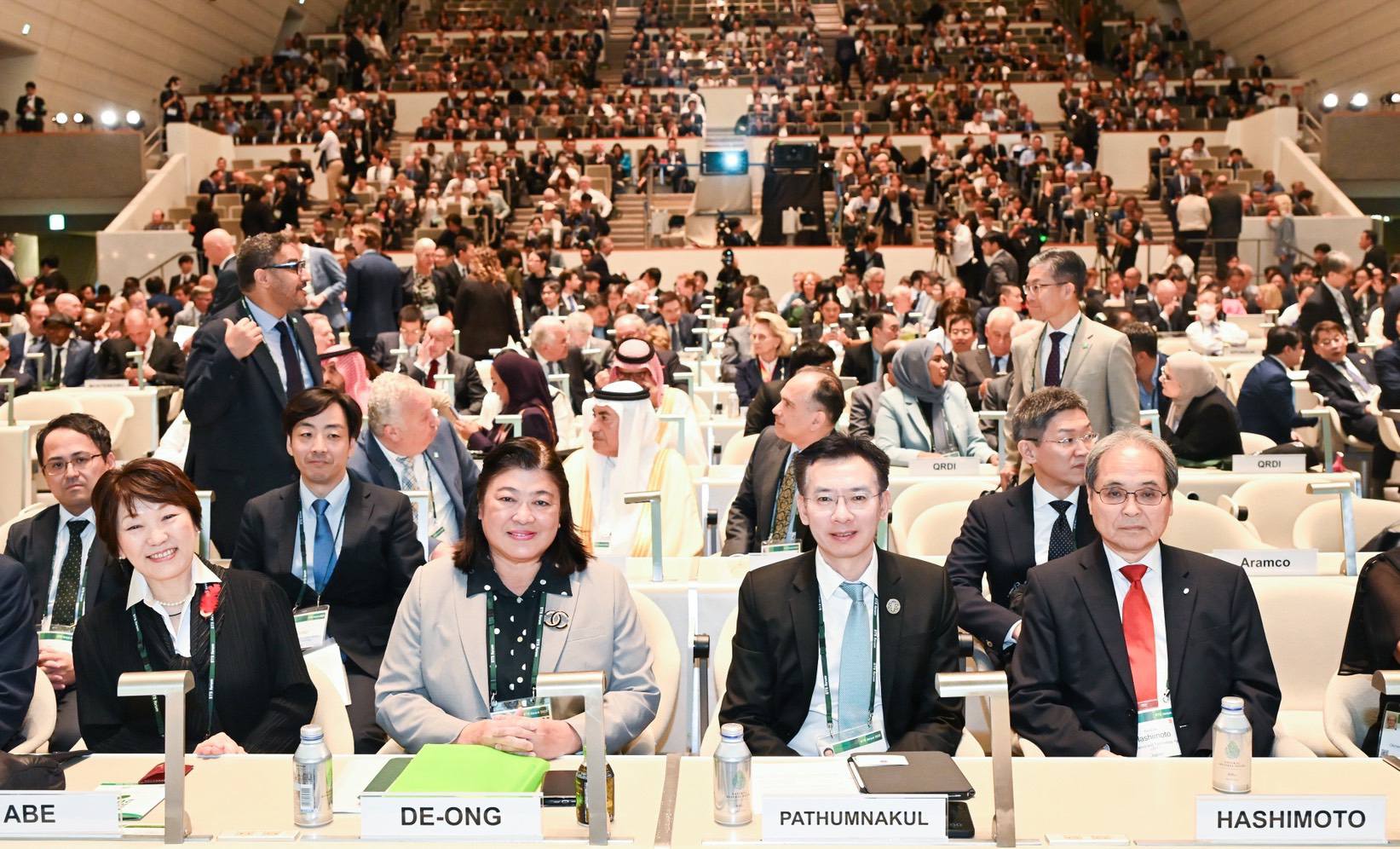
At the opening ceremony, Shigeru Ishiba delivered a message in which he emphasized that Generative AI plays a crucial role in science and technology, driving transformative change across multiple fields, including public health, education, and other sectors that significantly impact society. He also announced two national strategic priorities: first, innovation in fusion energy with a focus on achieving carbon neutrality; and second, human resource development, highlighting the importance of cultivating talented individuals (“talents”) who will play a key role in shaping future society.
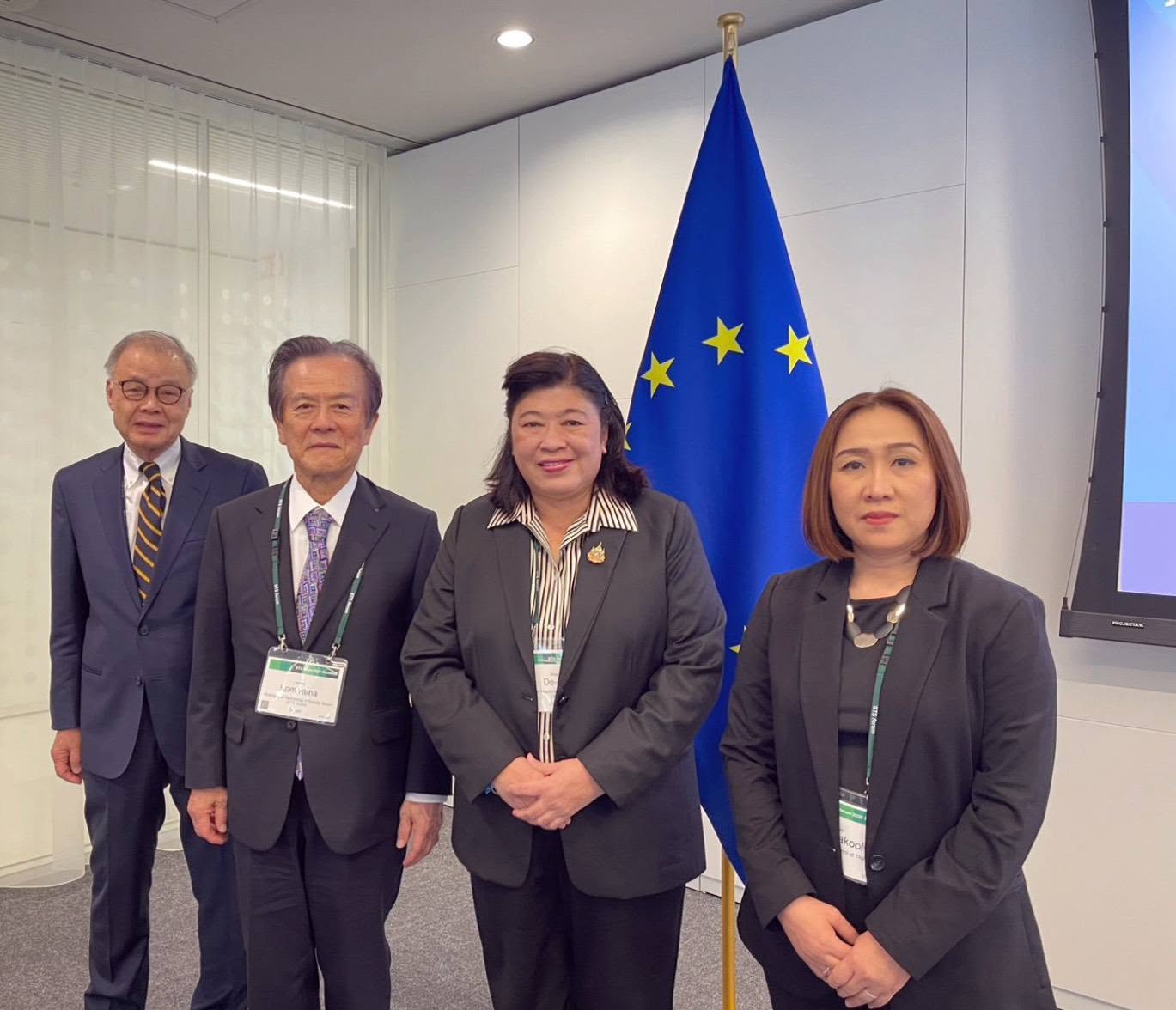
In addition, Hiroshi Komiyama, Chairman of the Science and Technology in Society Forum, underscored the global challenges we face, such as climate change, the risk of nuclear war, and social inequality. High-level leaders from various countries also delivered special keynote addresses:
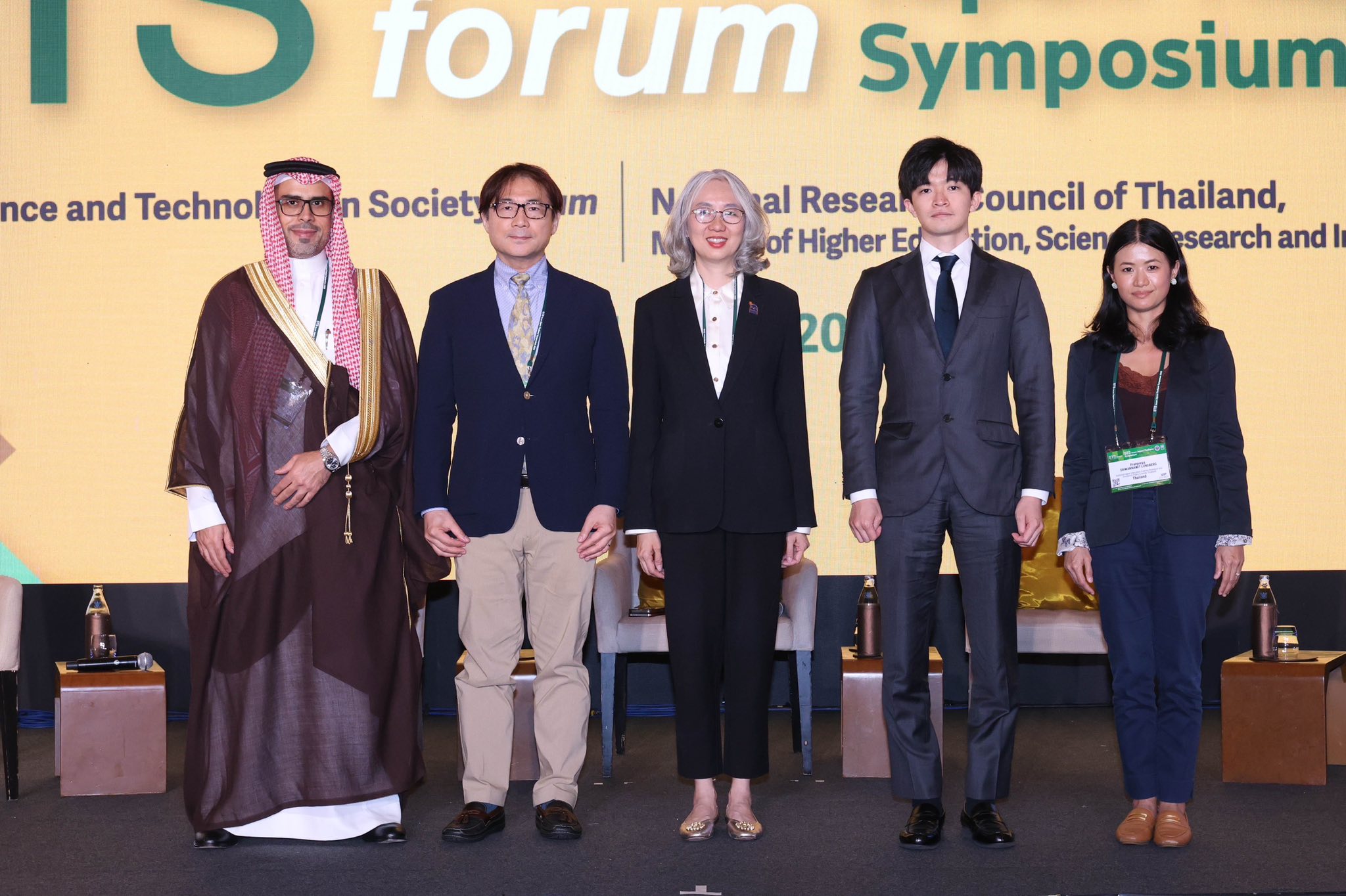
- Dr. Eldesouki Munir M., President of the King Abdulaziz City for Science and Technology (Saudi Arabia), stated that science and technology will be utilized to address global challenges, including climate change, food security, public health crises, and the development of artificial intelligence.
- Yoo Sang-im, Minister of Science and ICT of the Republic of Korea, emphasized that science and technology play a vital role in promoting world peace, particularly in an era marked by the rapid expansion of AI. He also referred to the “Digital Bill of Rights,” which aims to foster a responsible digital society built on shared accountability.
- Maria T. Zuber, Co-Chair of the President’s Council of Advisors on Science and Technology and Advisor to the President on Science and Technology Policy of the United States, highlighted four major challenges: (1) climate change, environmental sustainability, and global energy demand; (2) global health and pandemics; (3) food security and agriculture; and (4) freshwater scarcity and water quality.
- Jens Brandenburg, Parliamentary State Secretary at the Federal Ministry of Education and Research of the Federal Republic of Germany, outlined three key priorities: (1) strengthening science and technology to overcome crises through innovation; (2) technological sovereignty; and (3) military security, cybersecurity, and civil security.
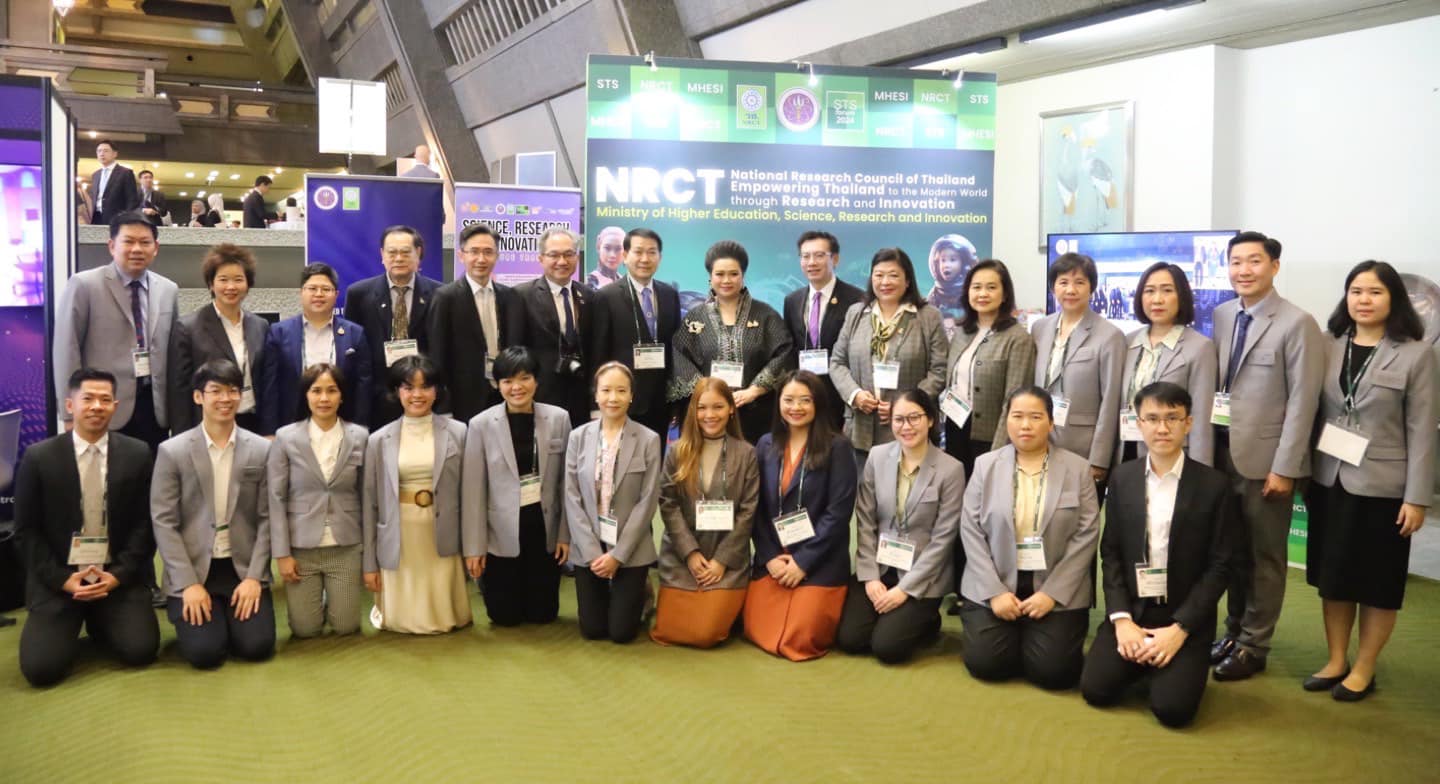
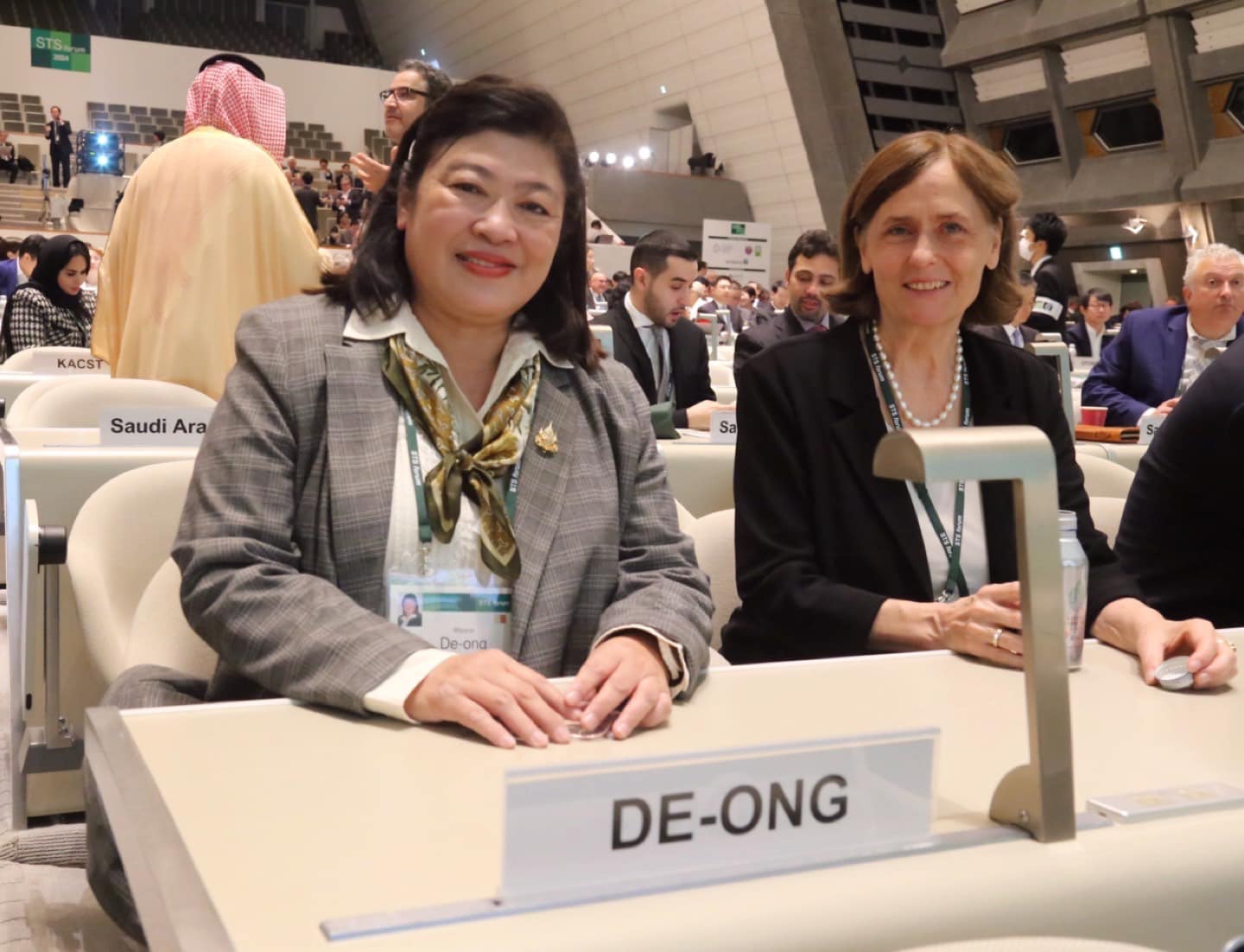
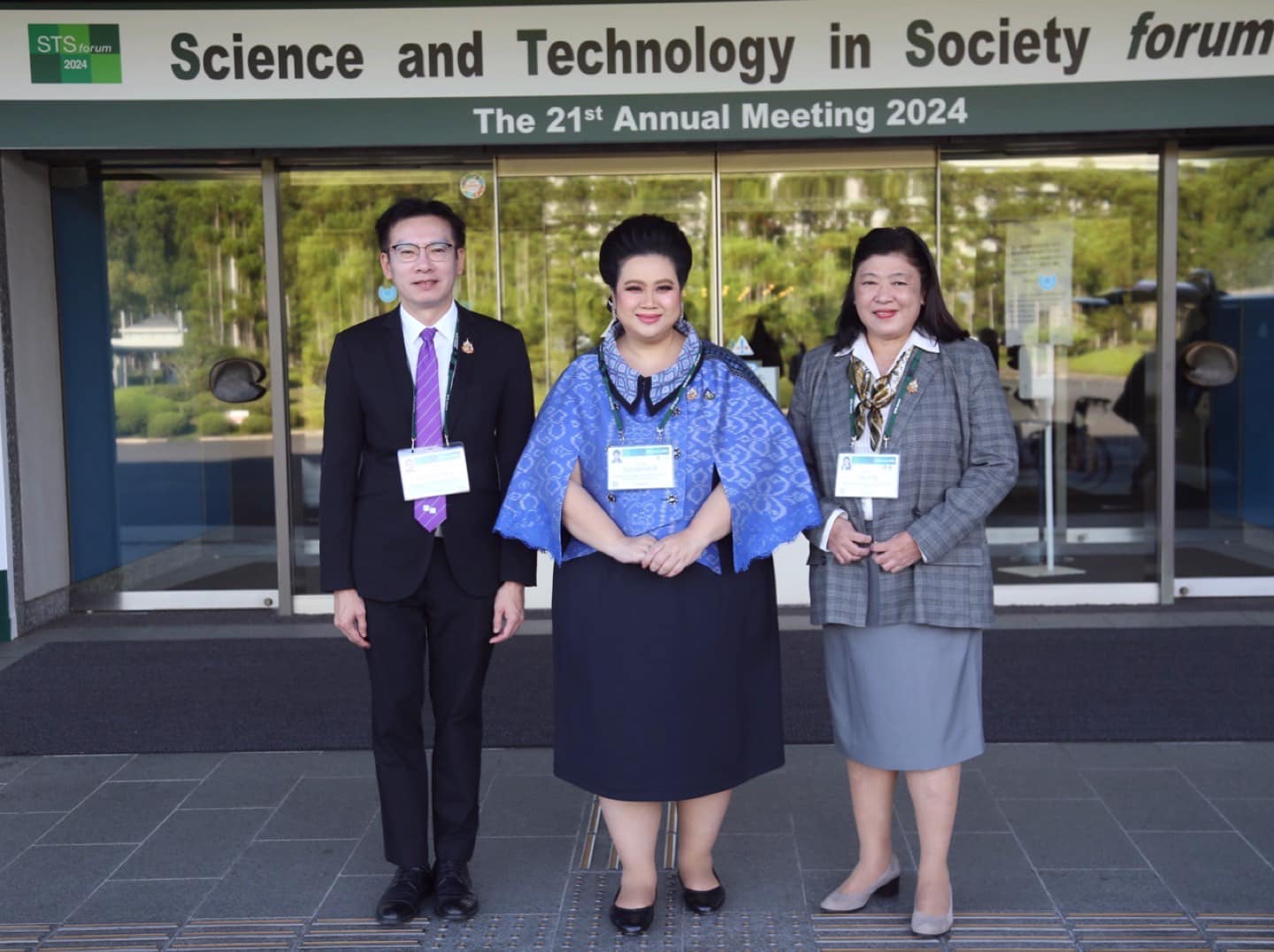
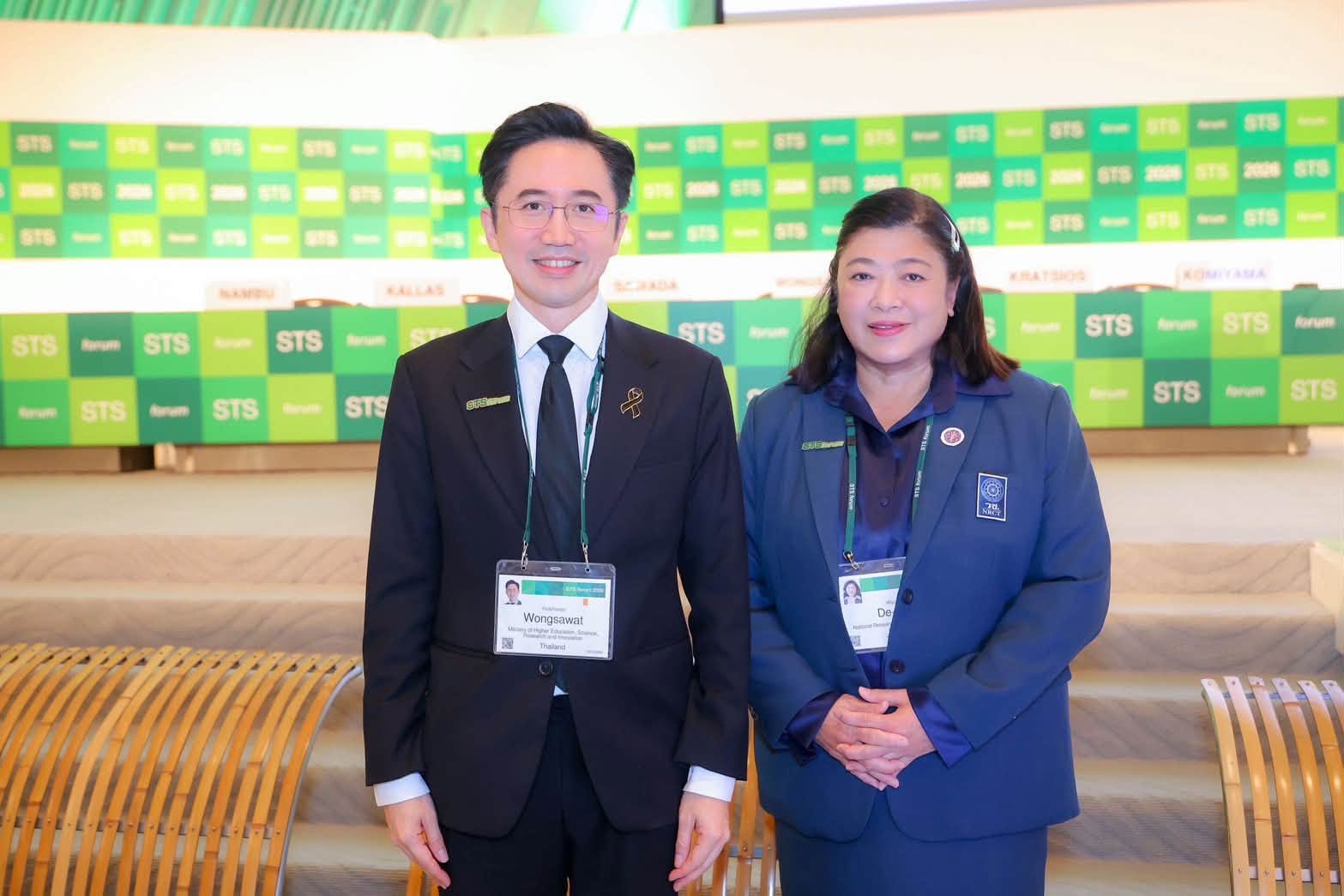
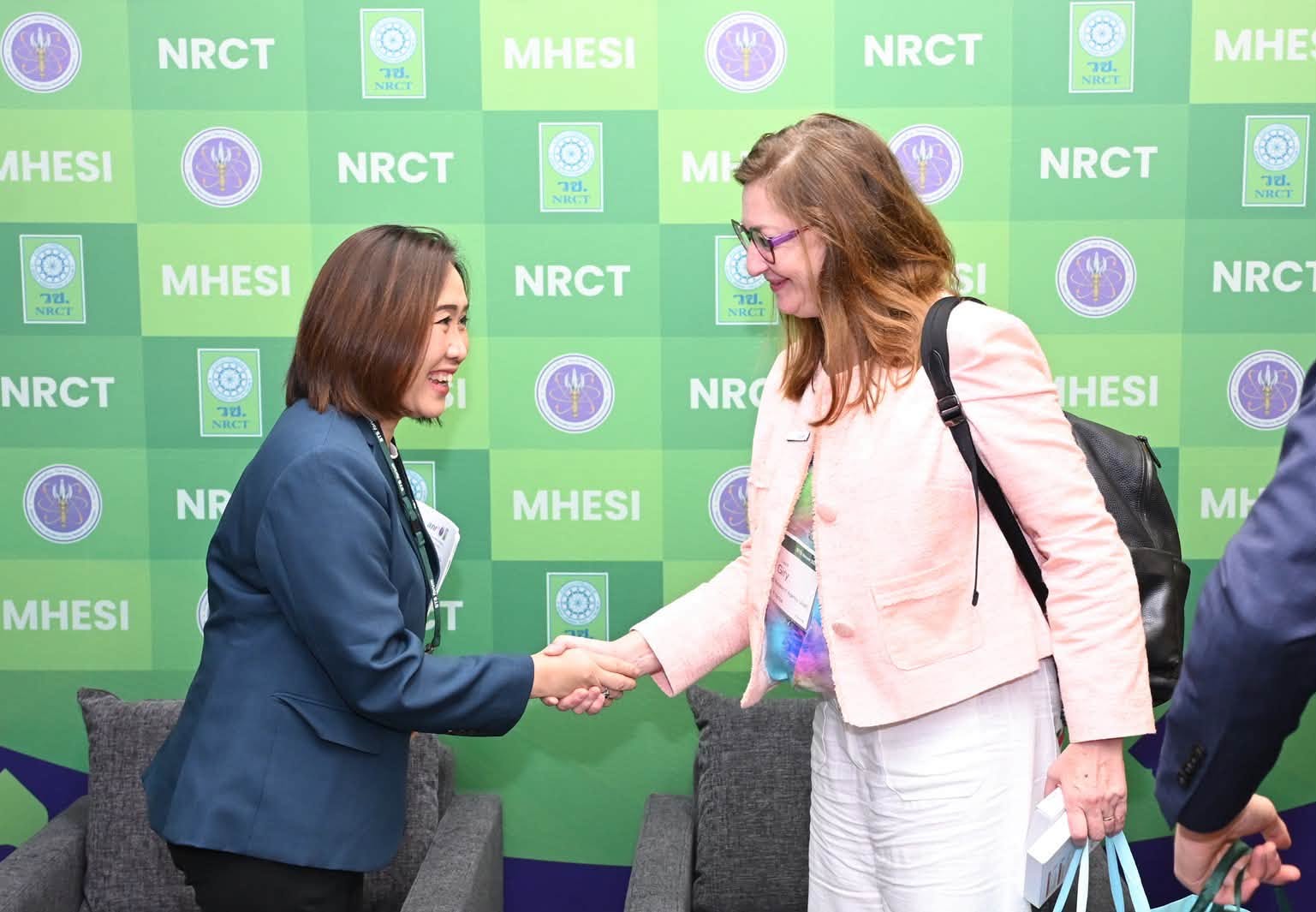
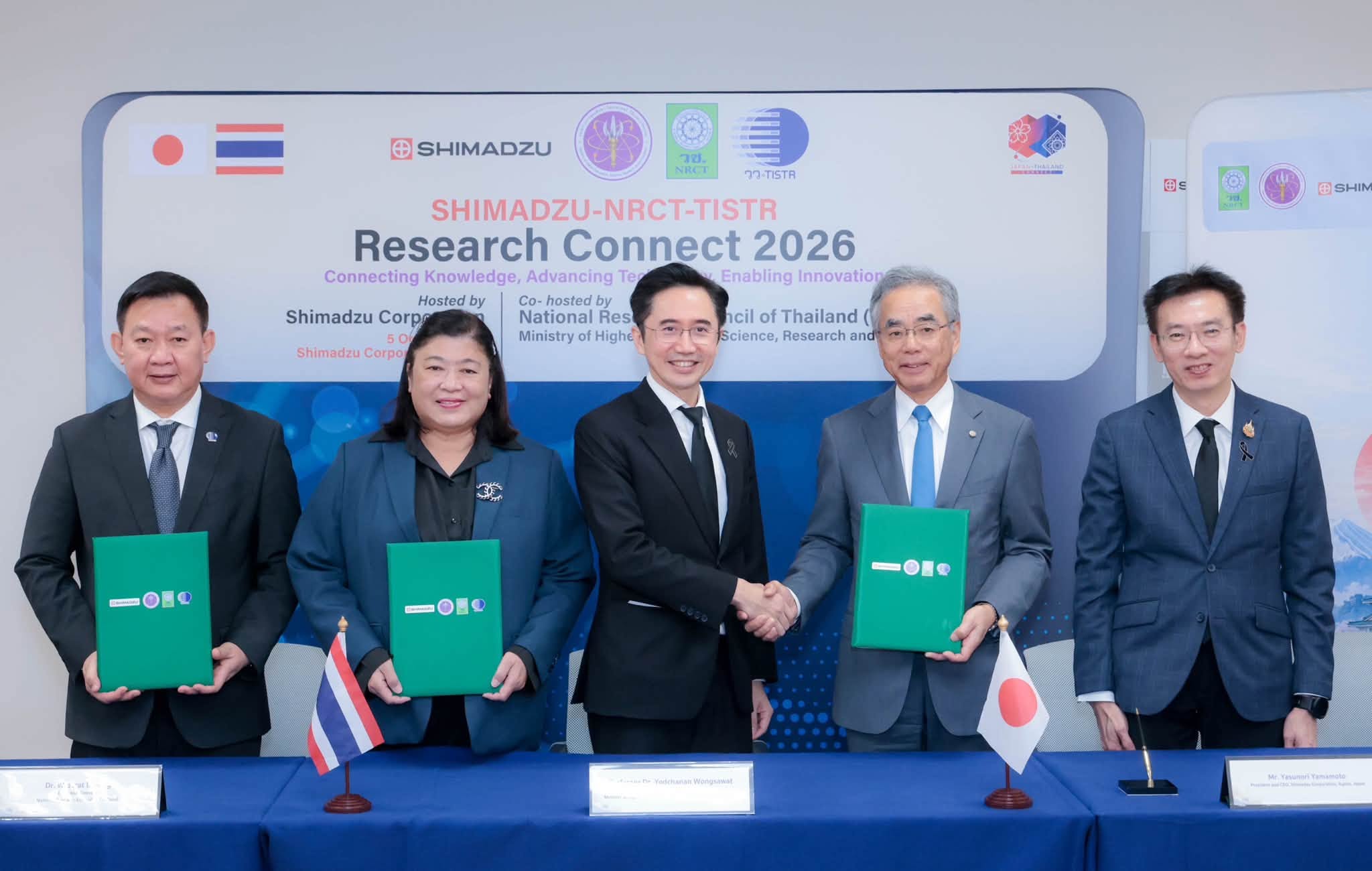
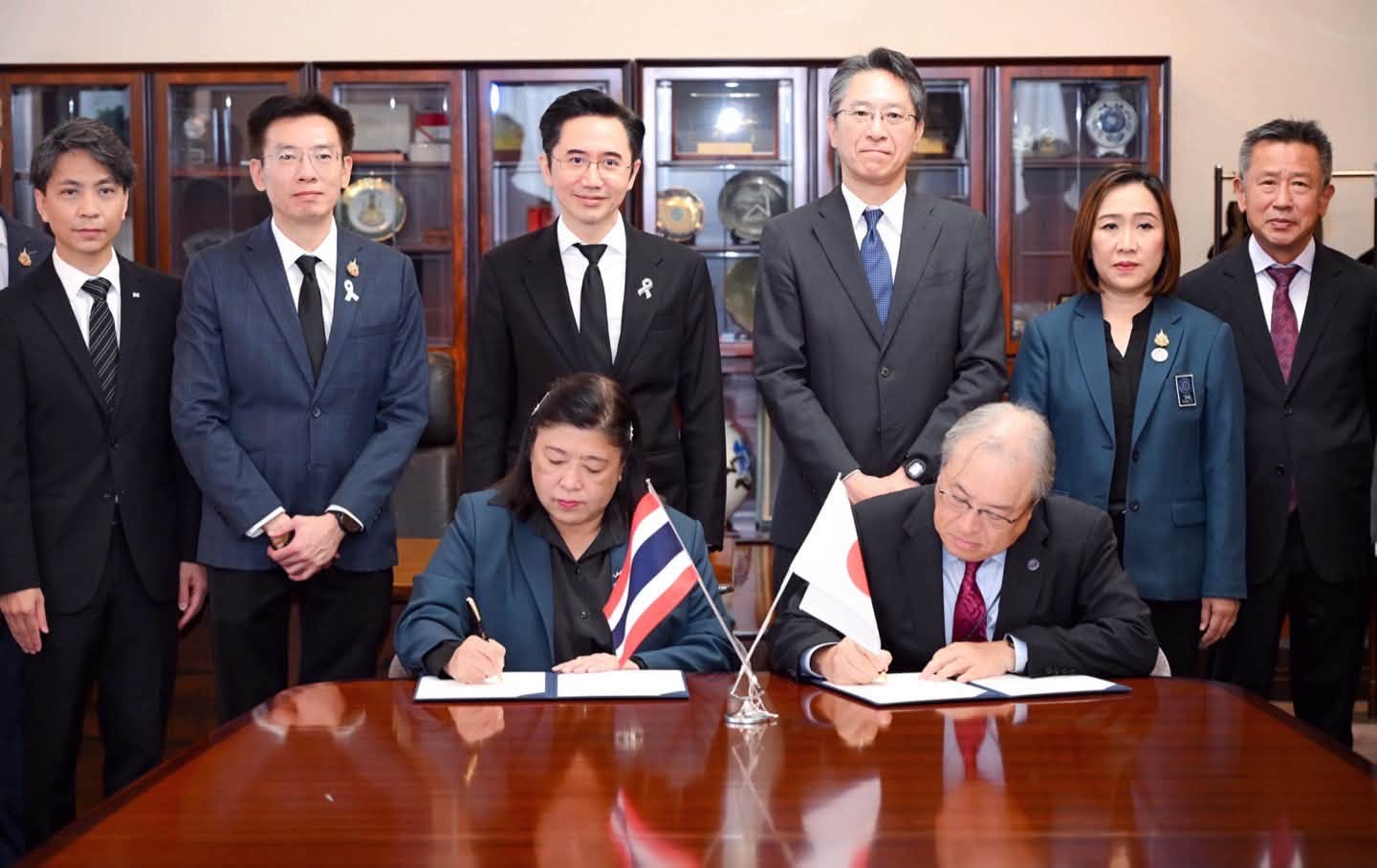
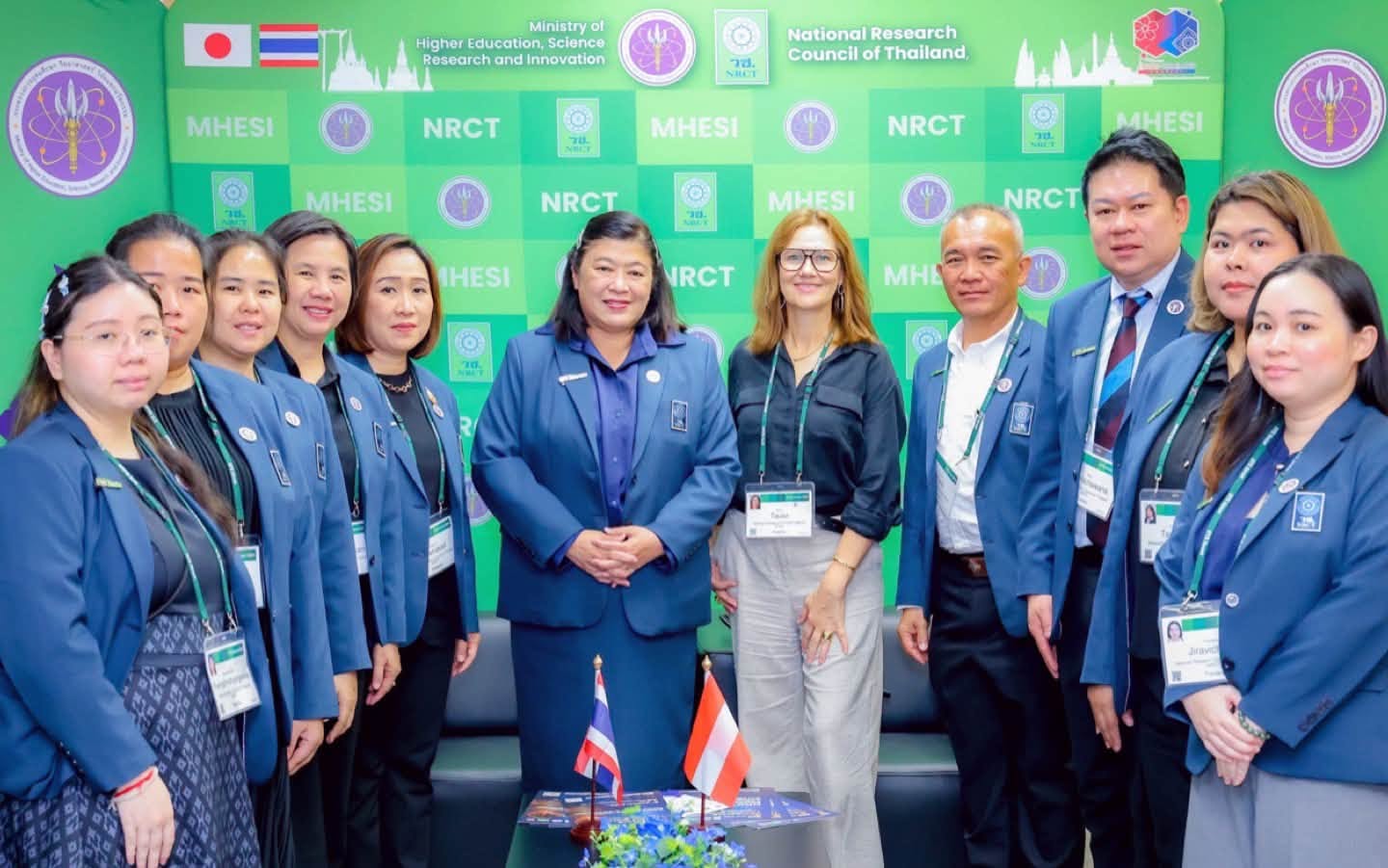
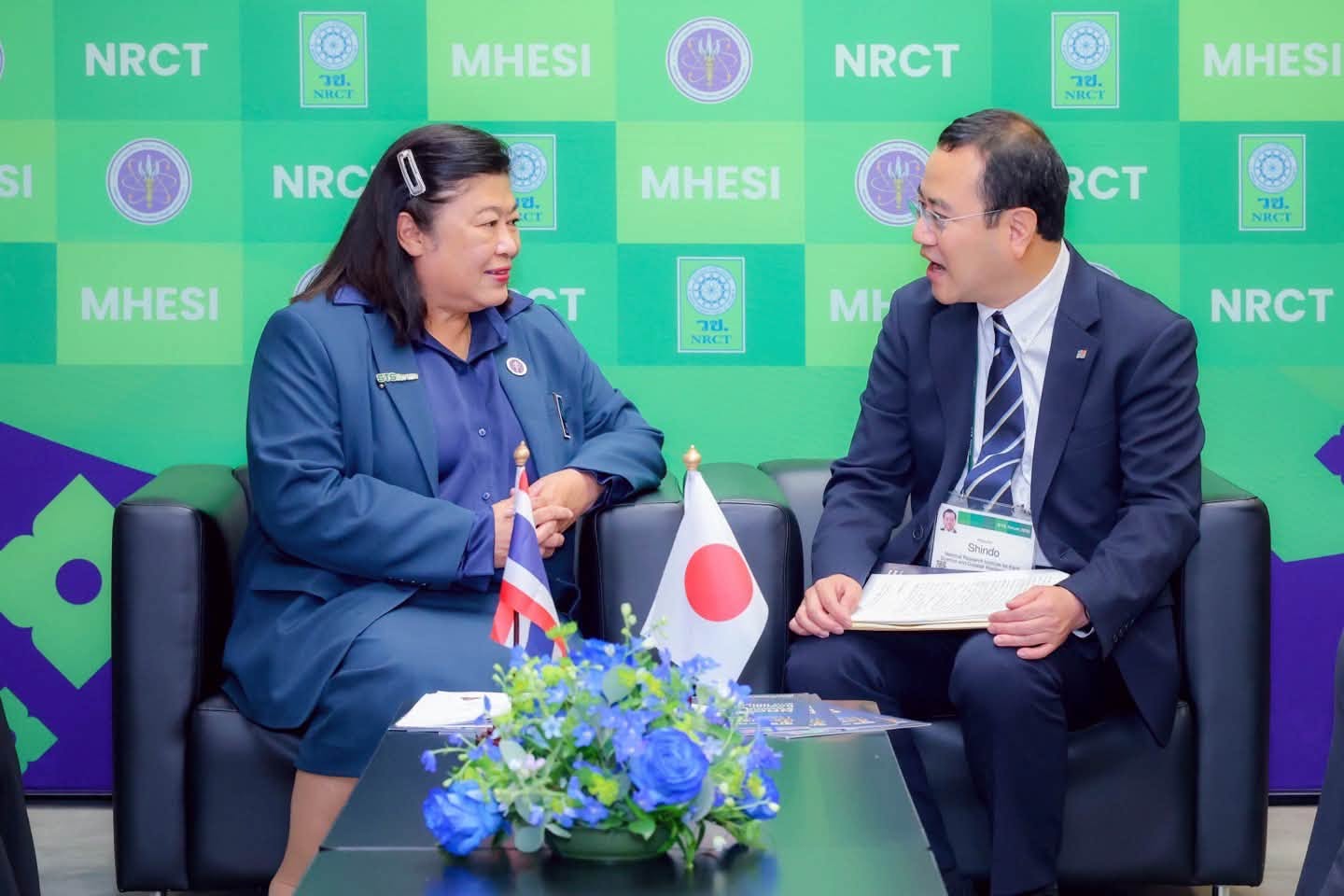
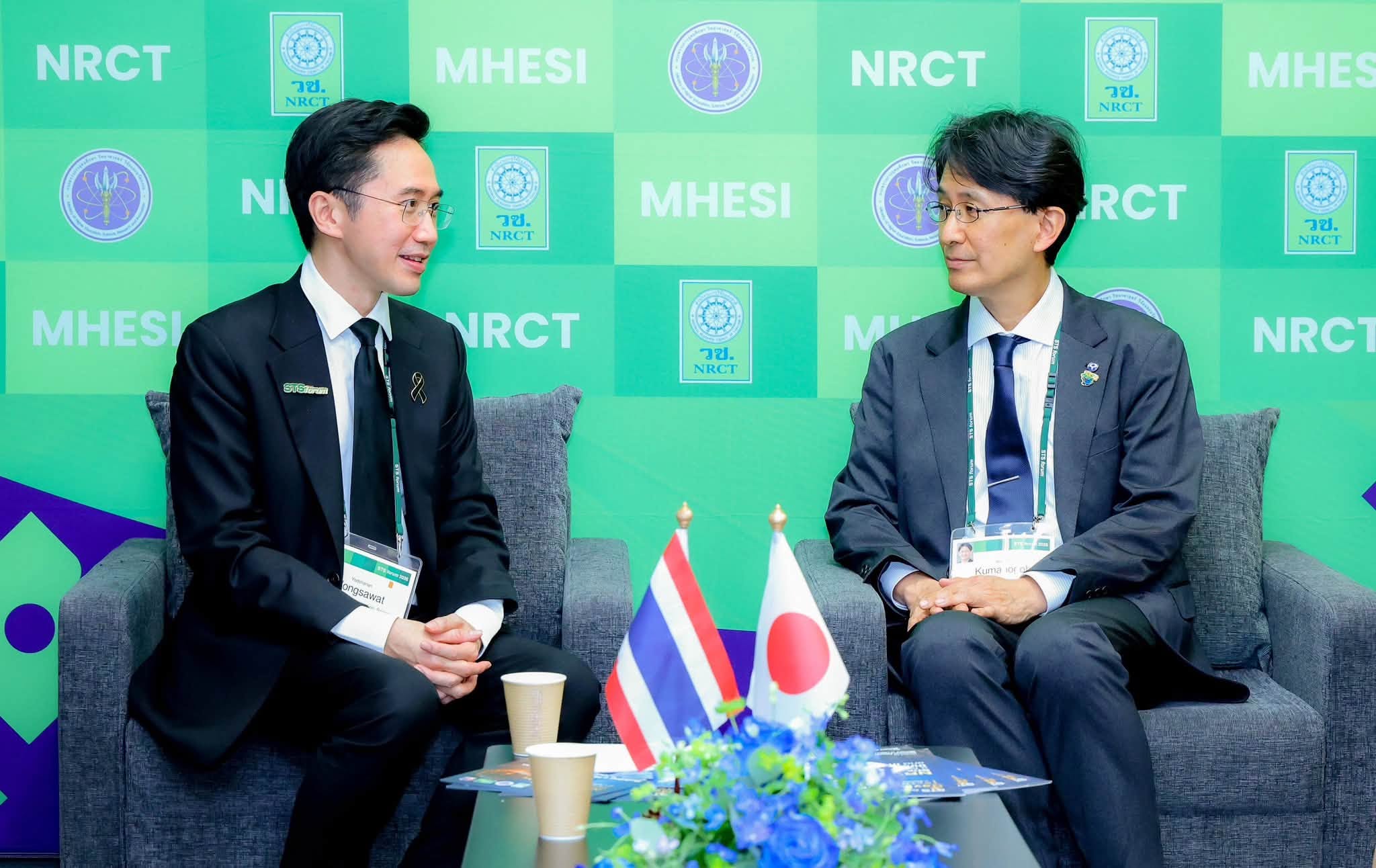
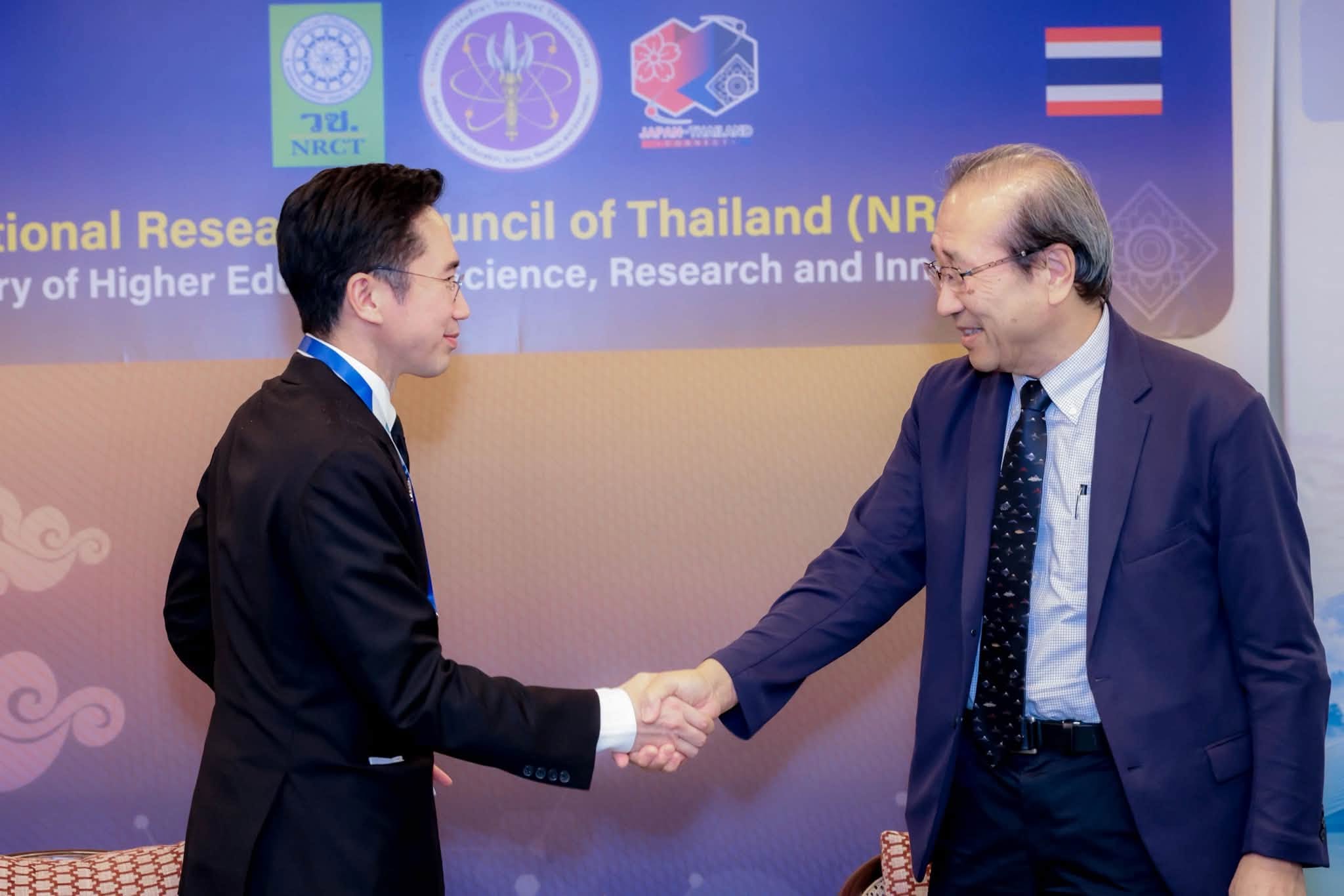
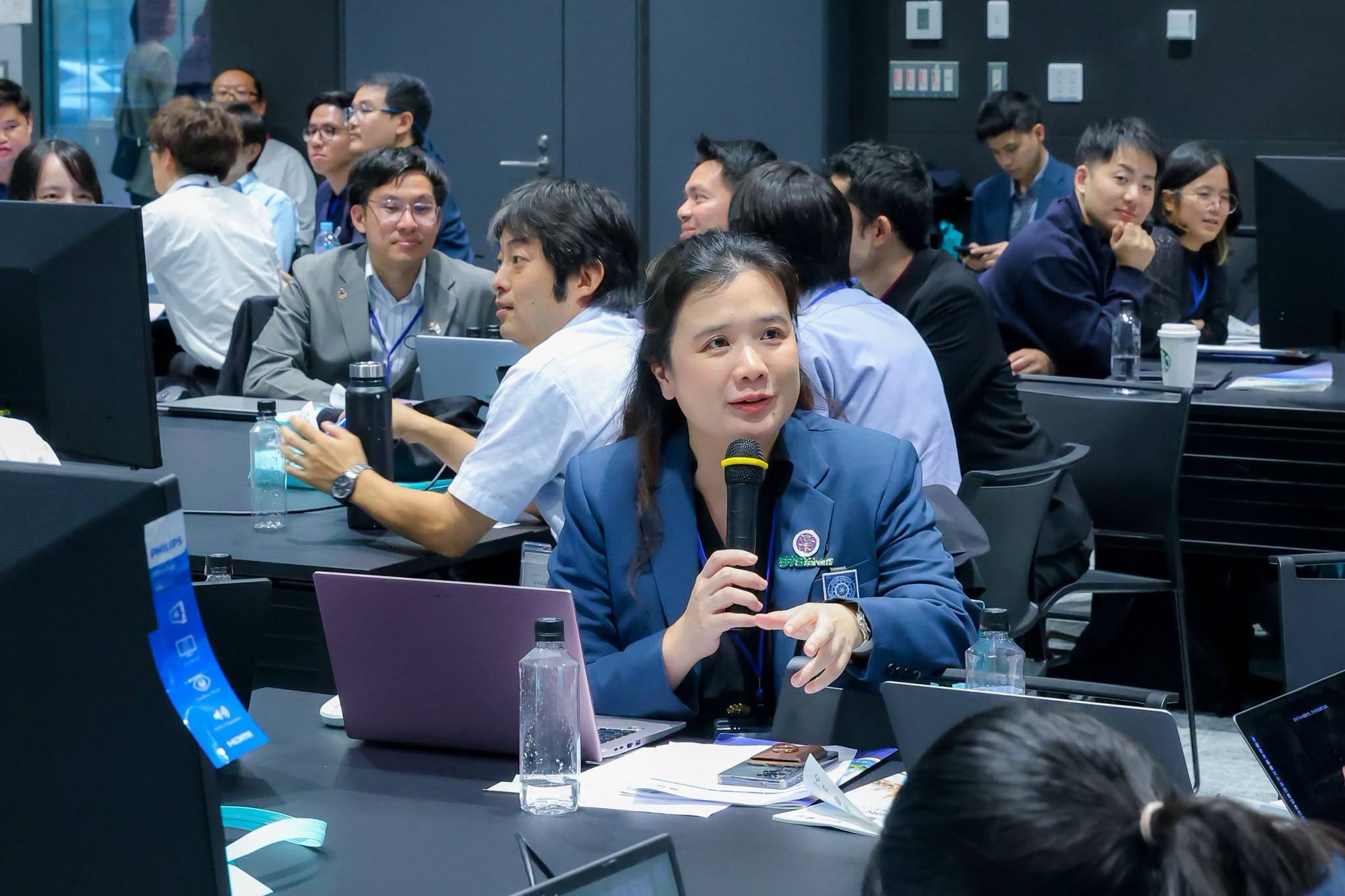
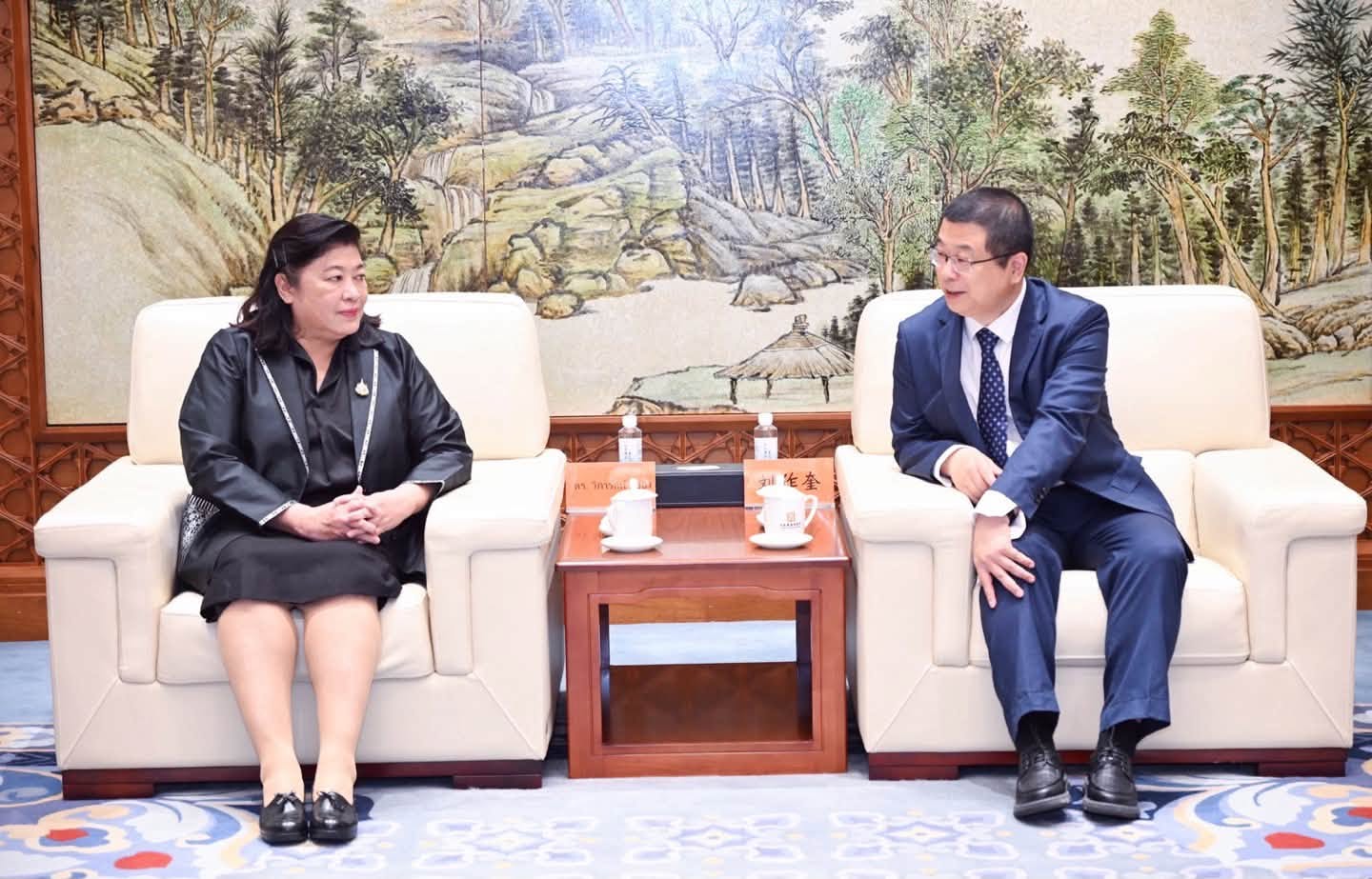
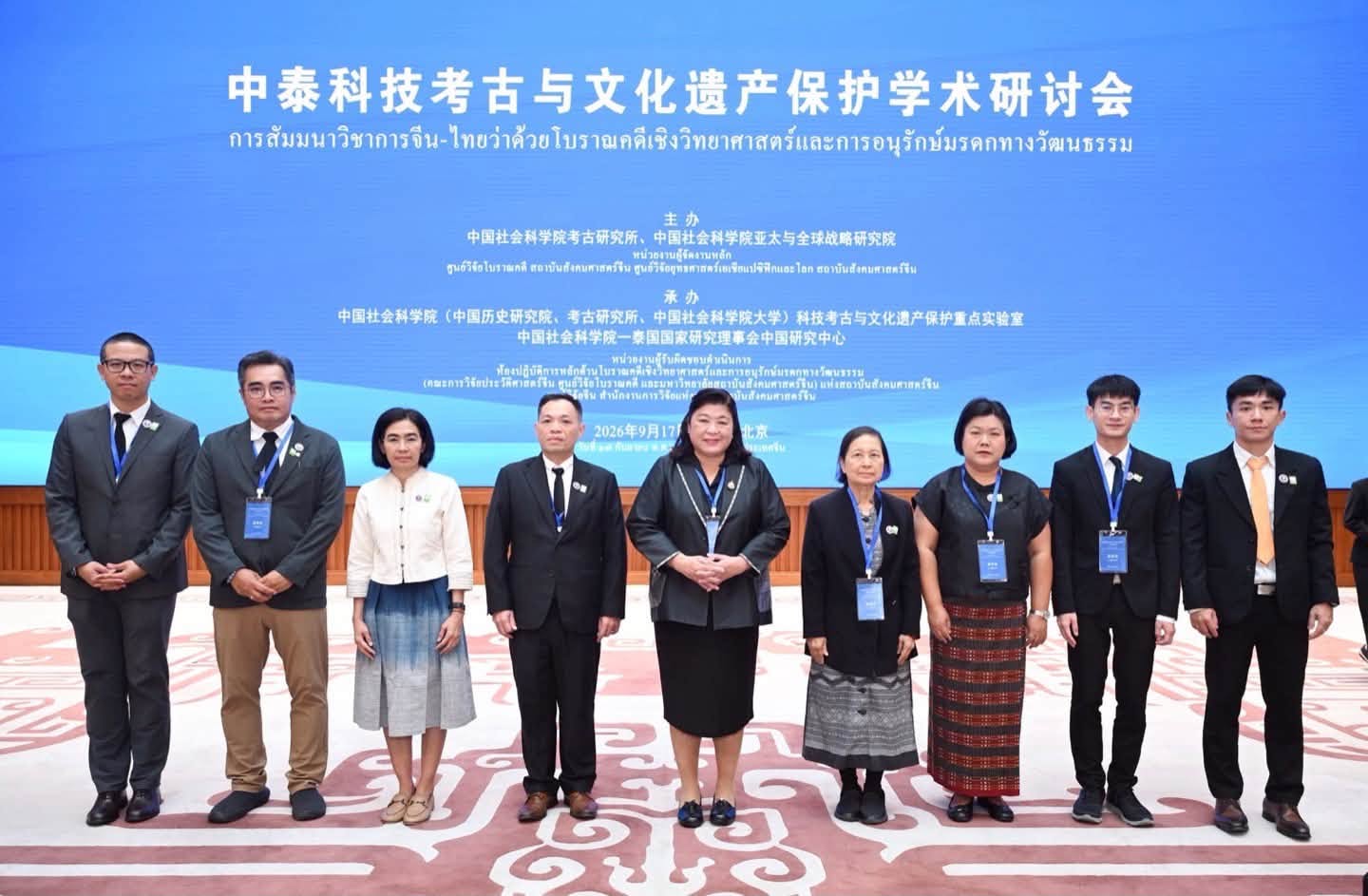
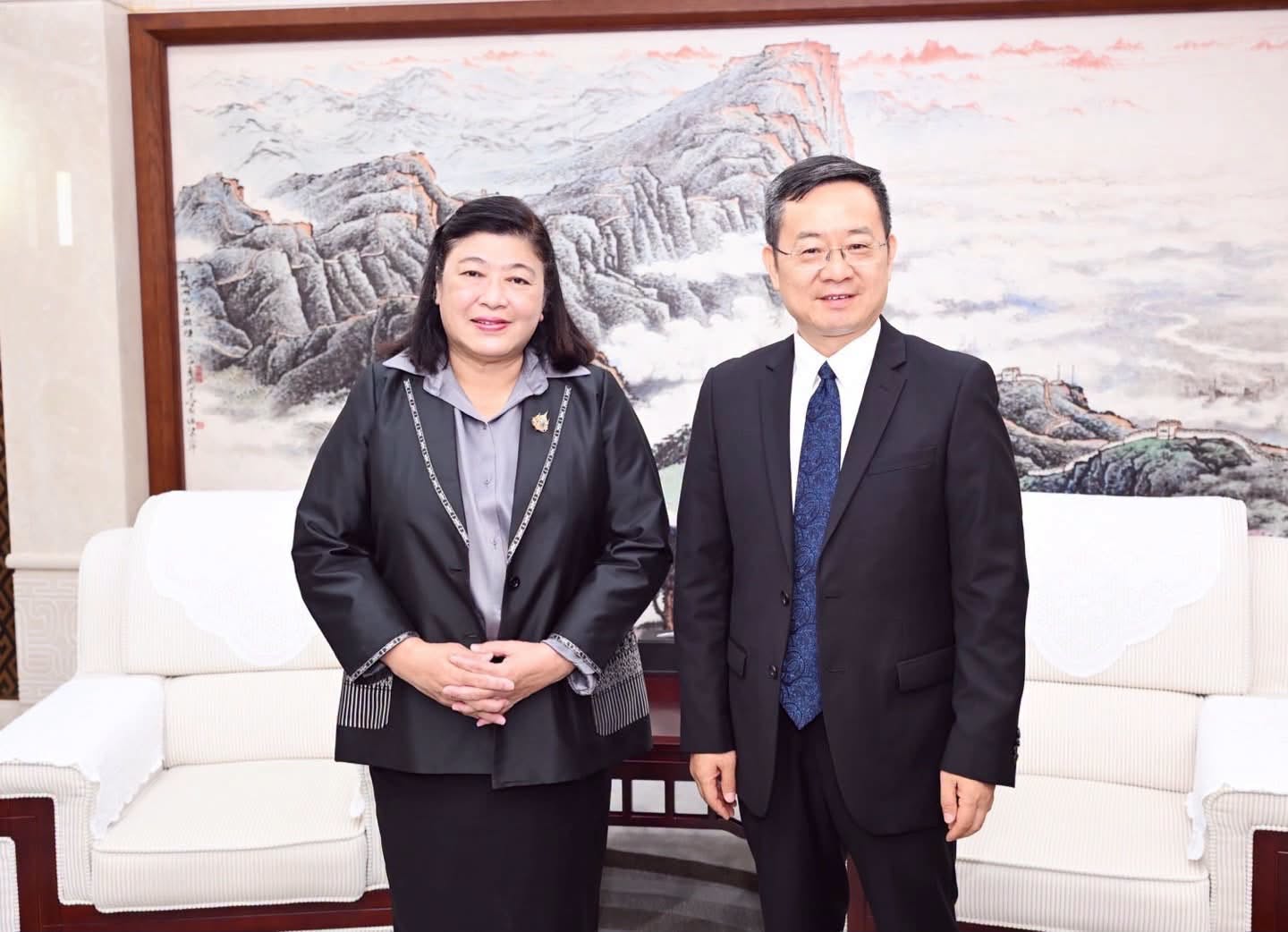
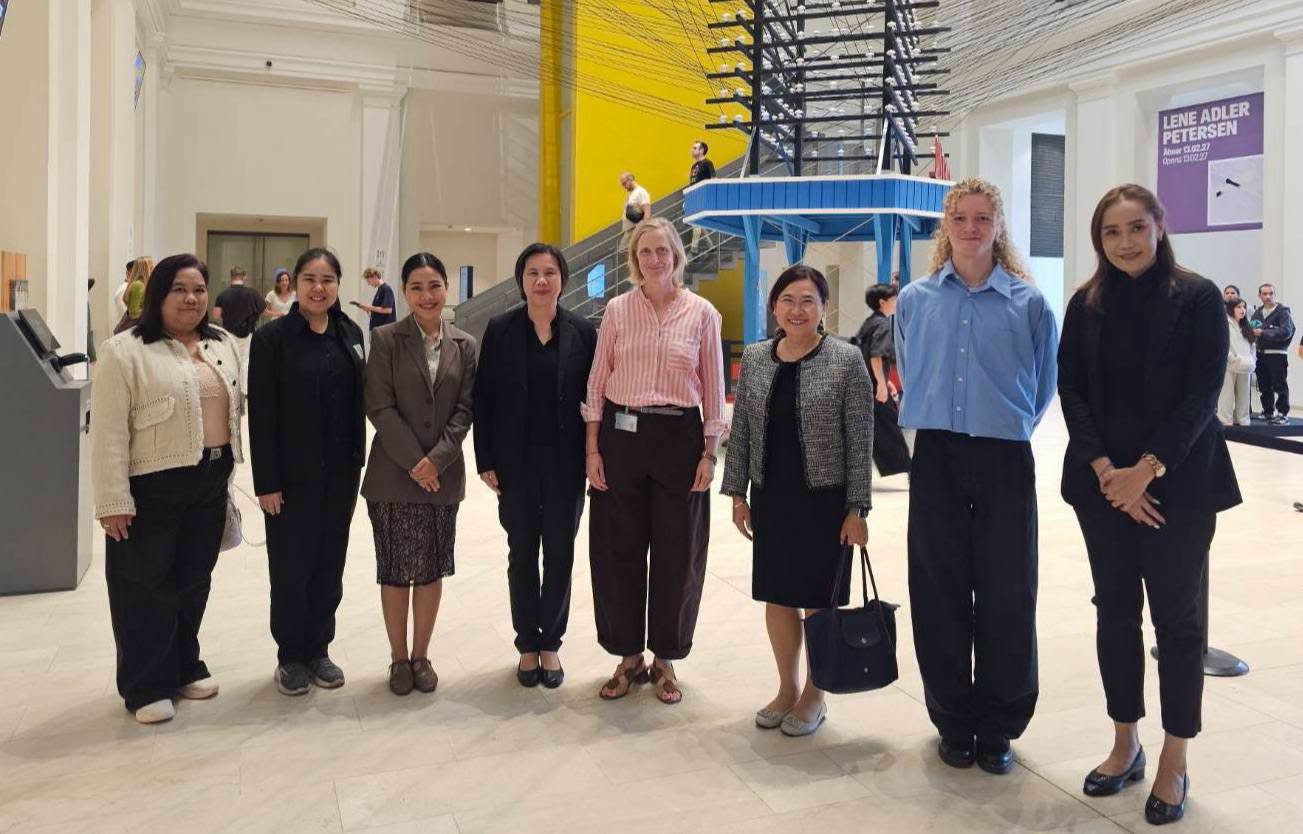
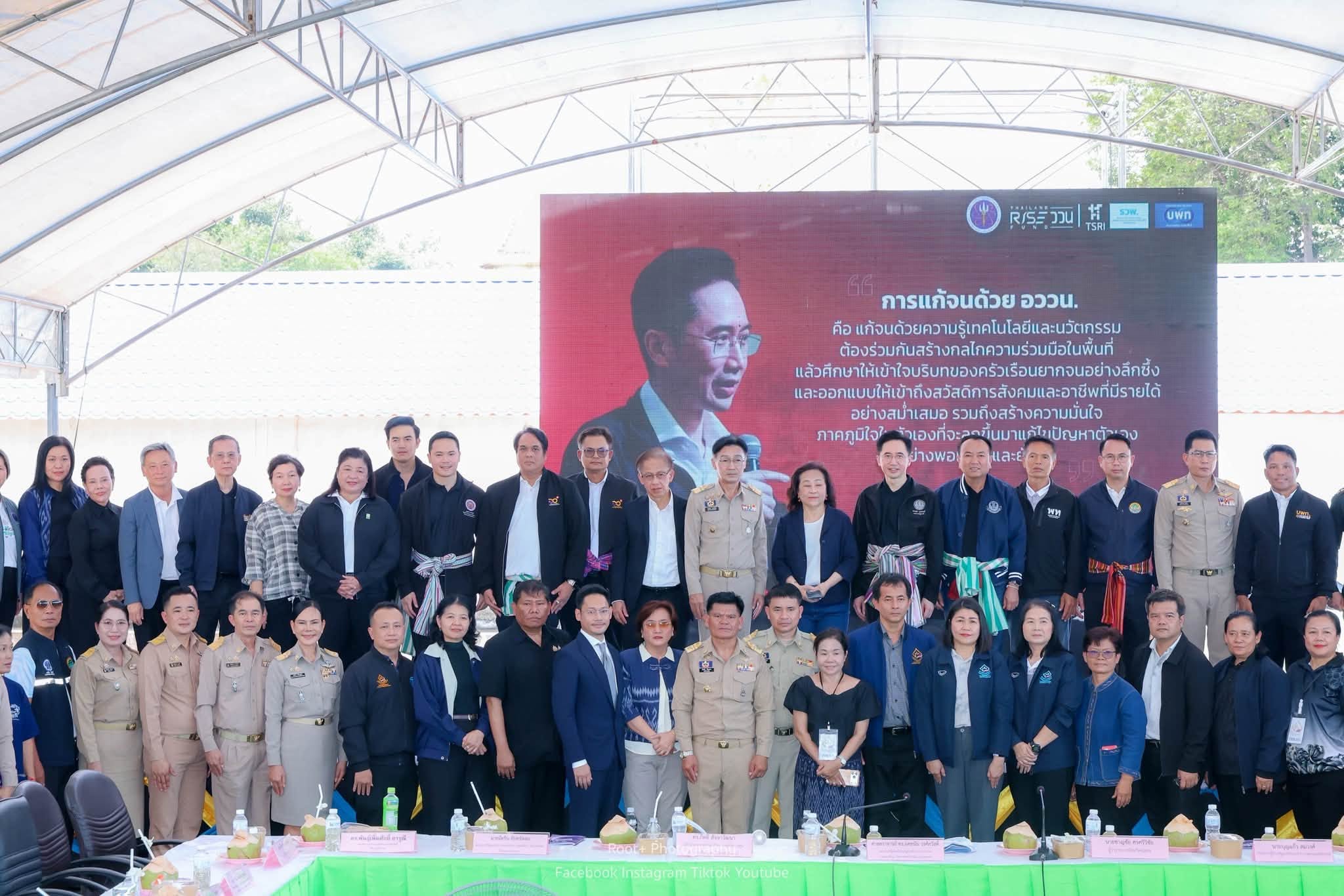
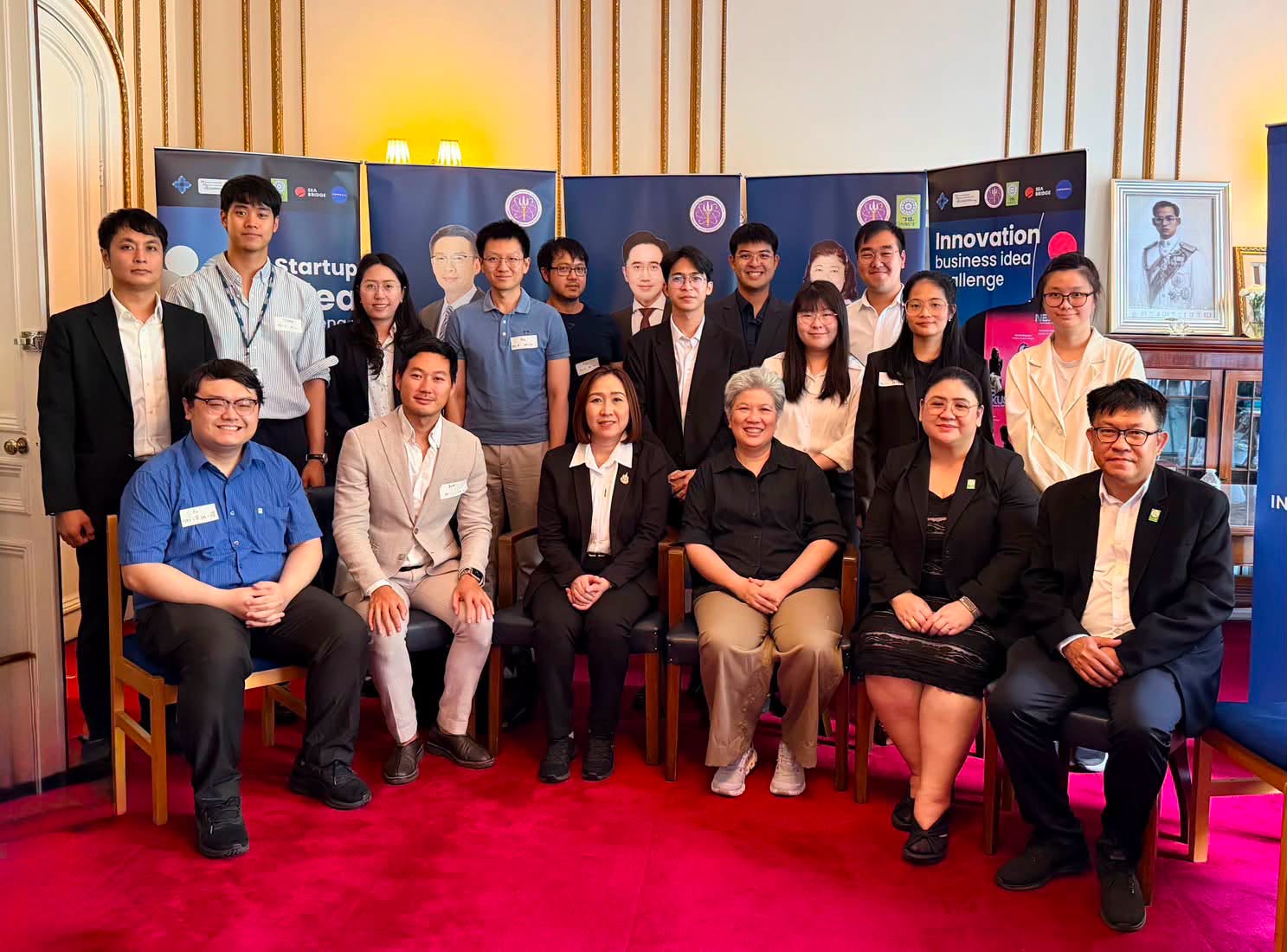
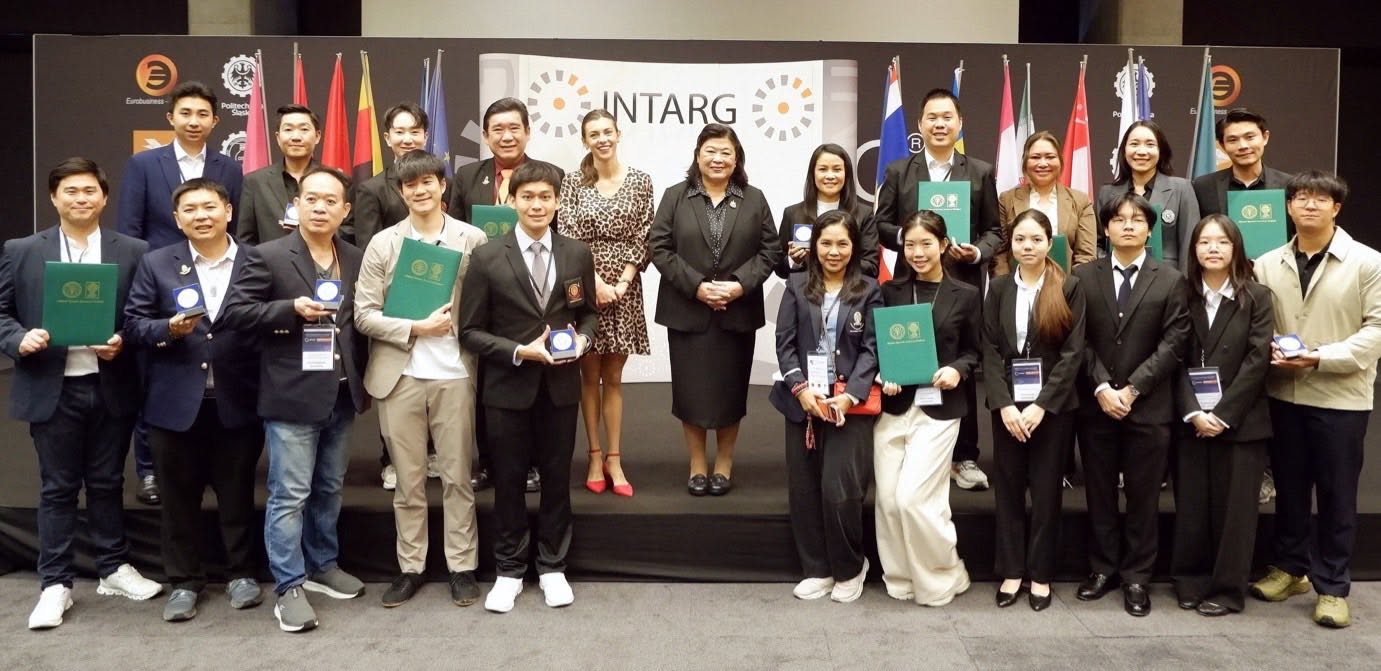
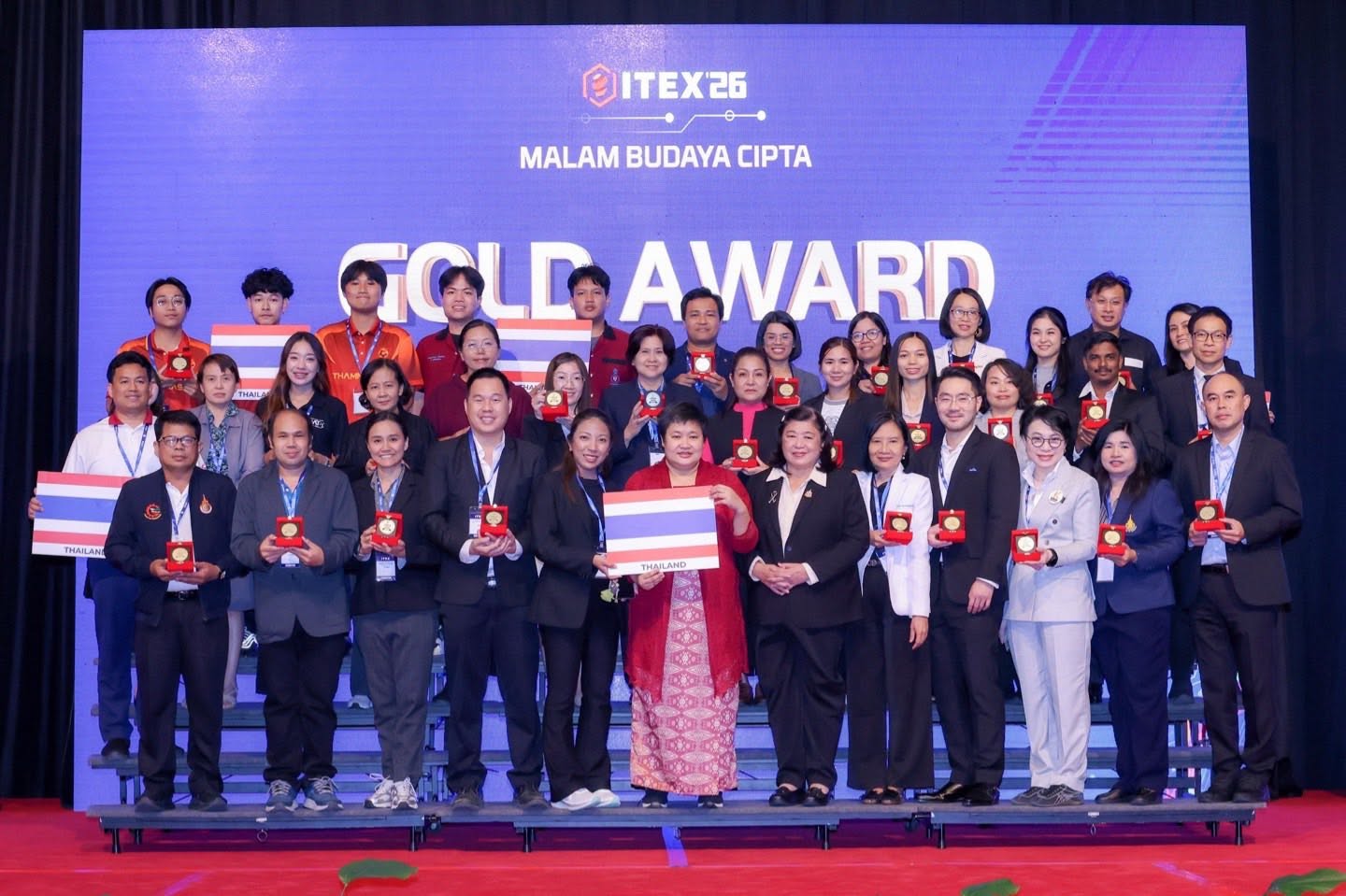
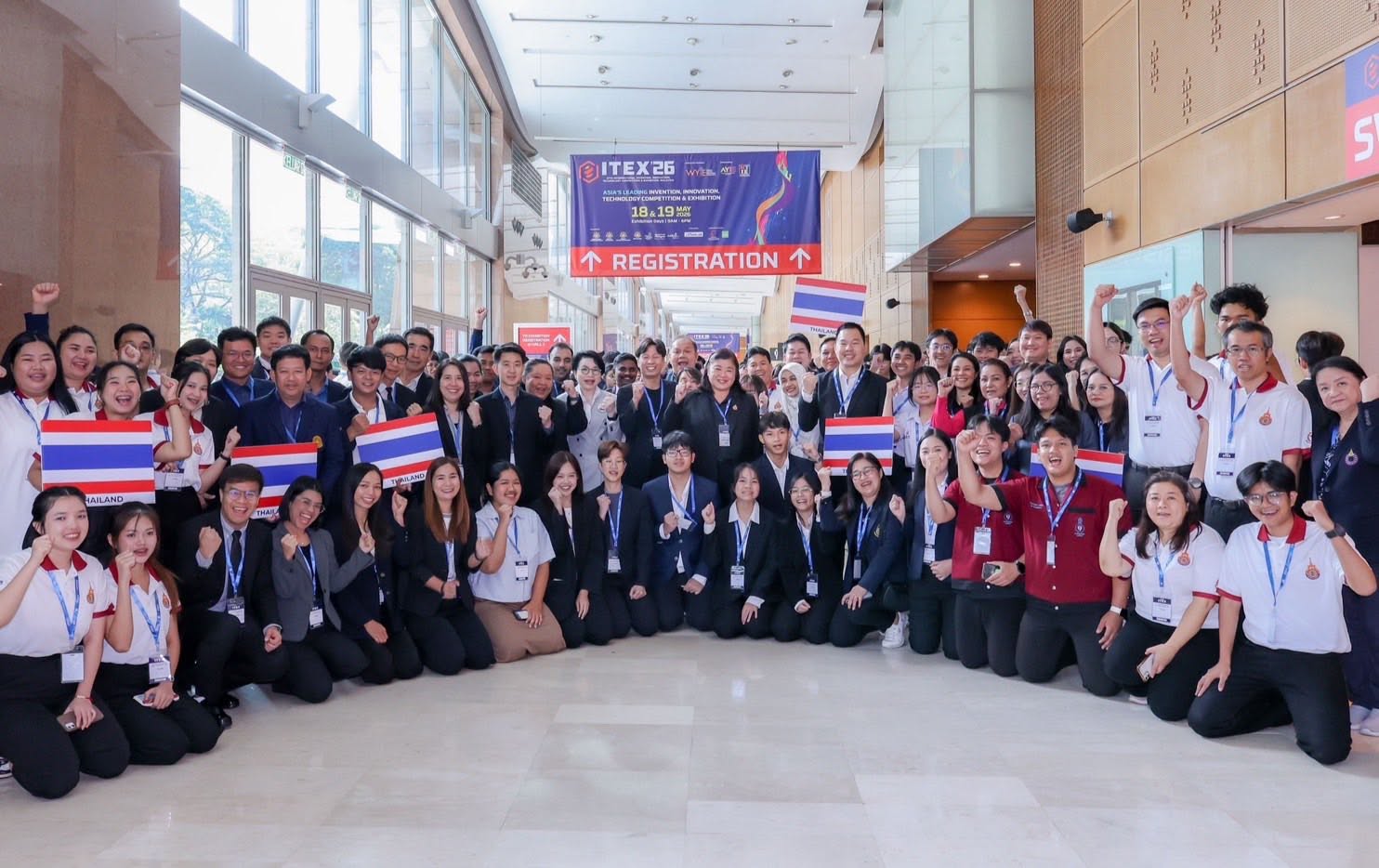
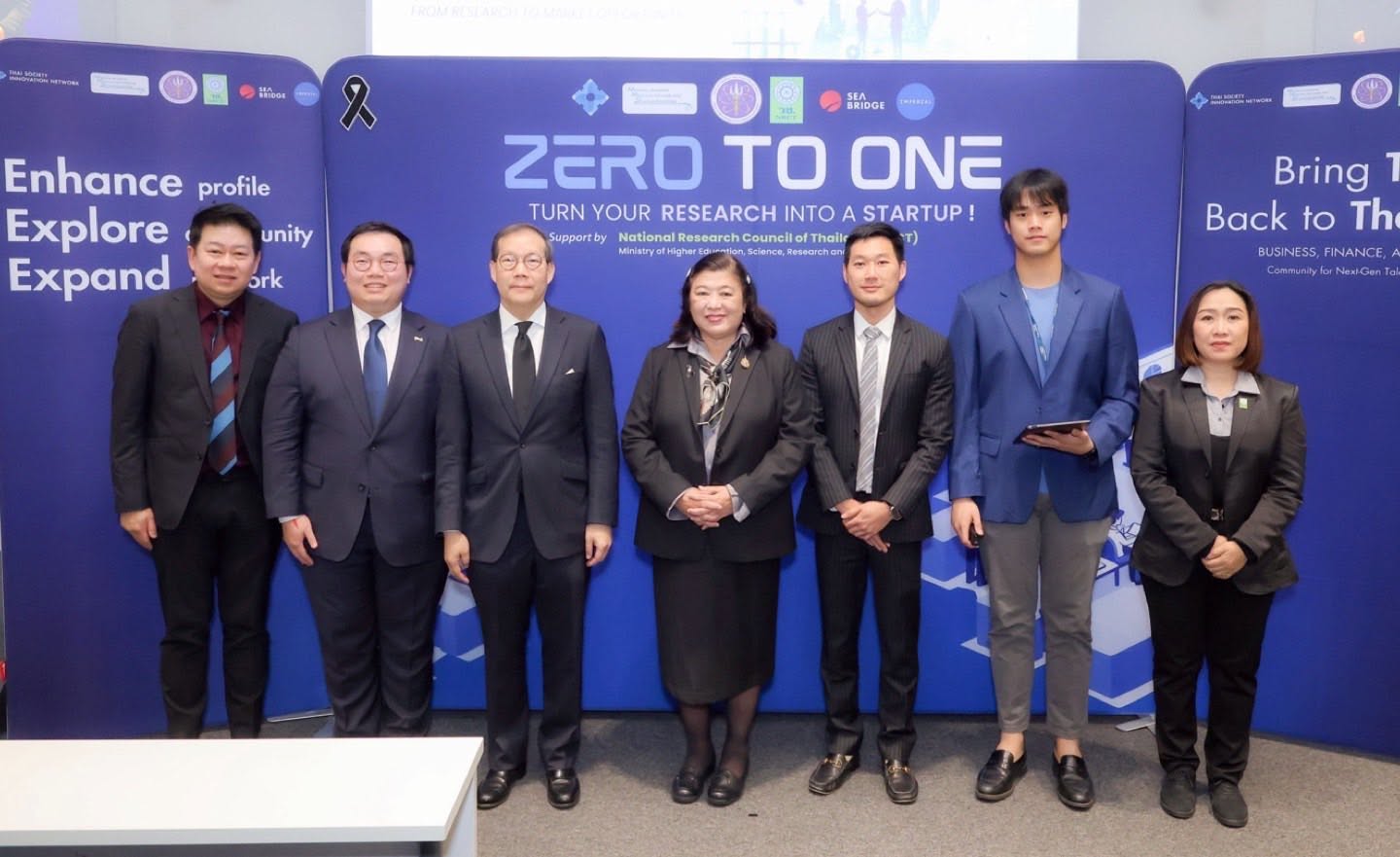
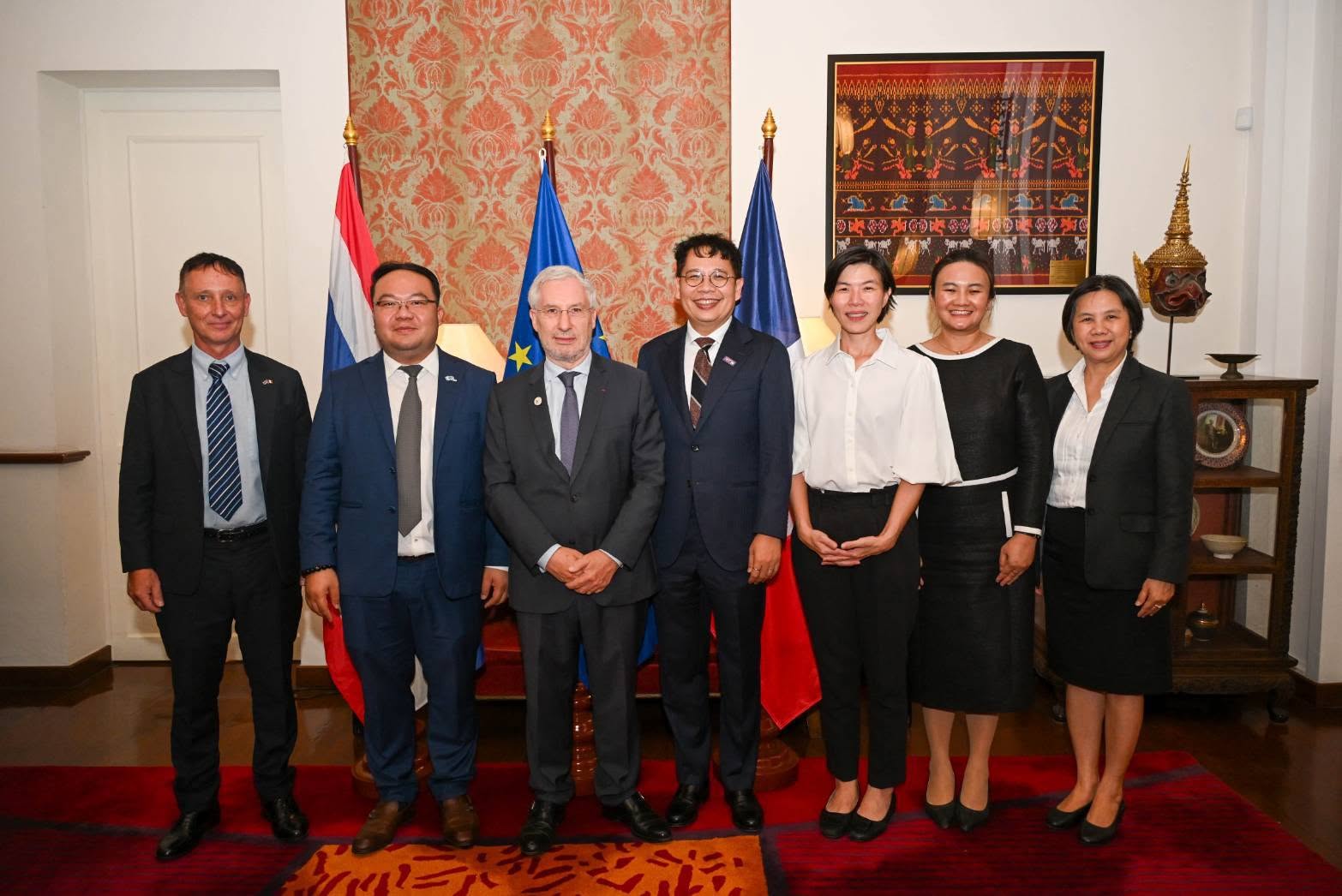
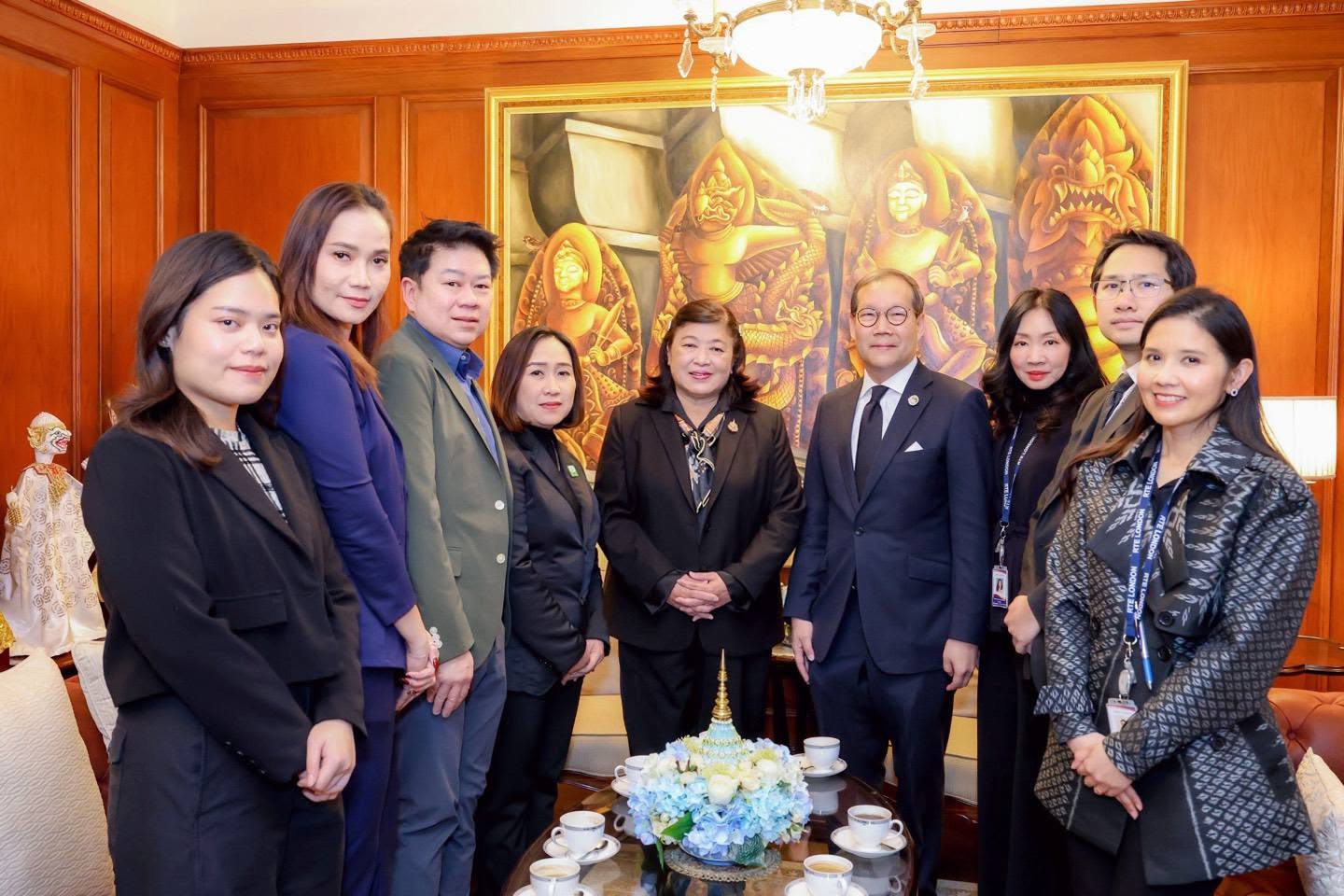
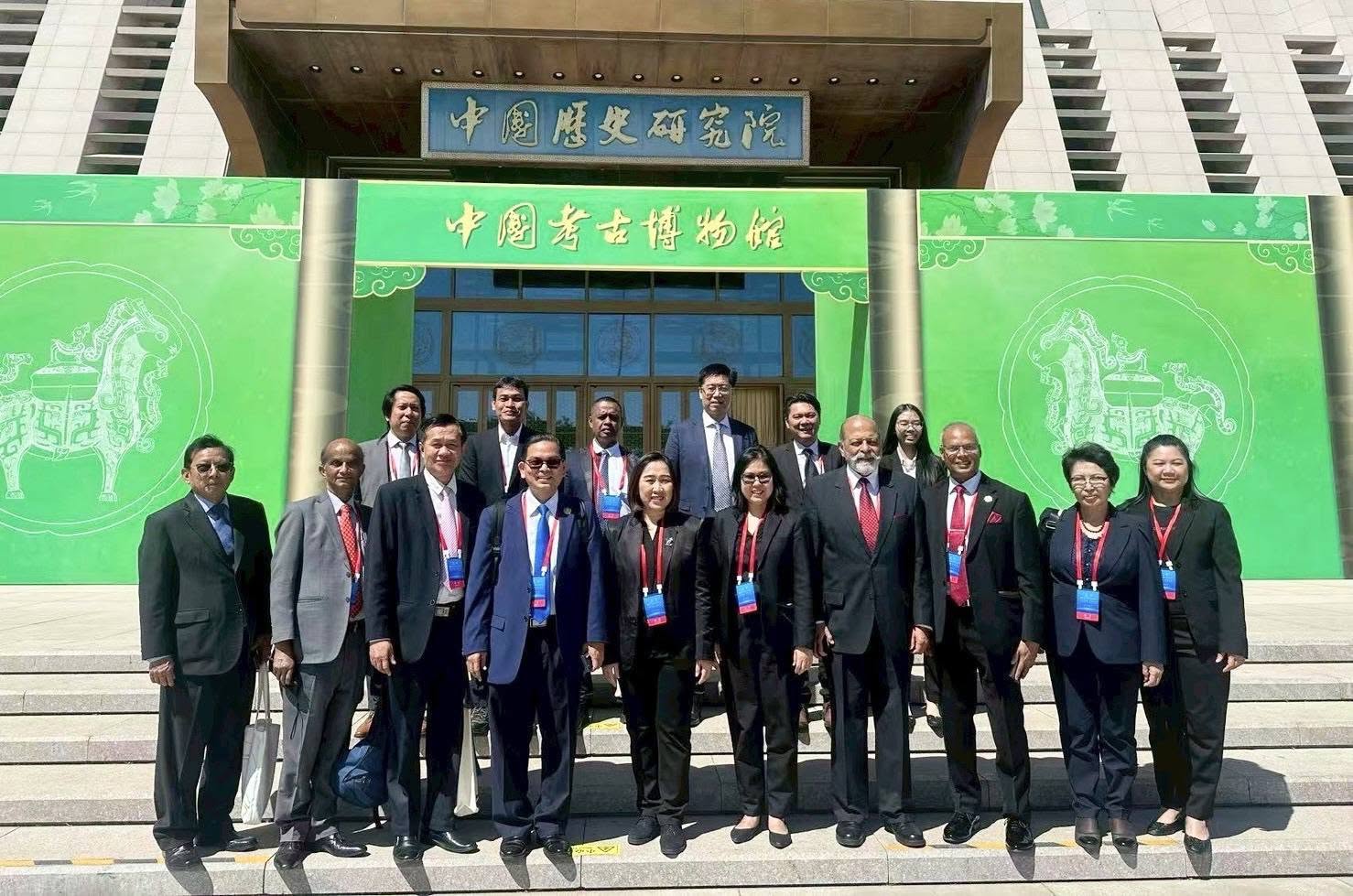
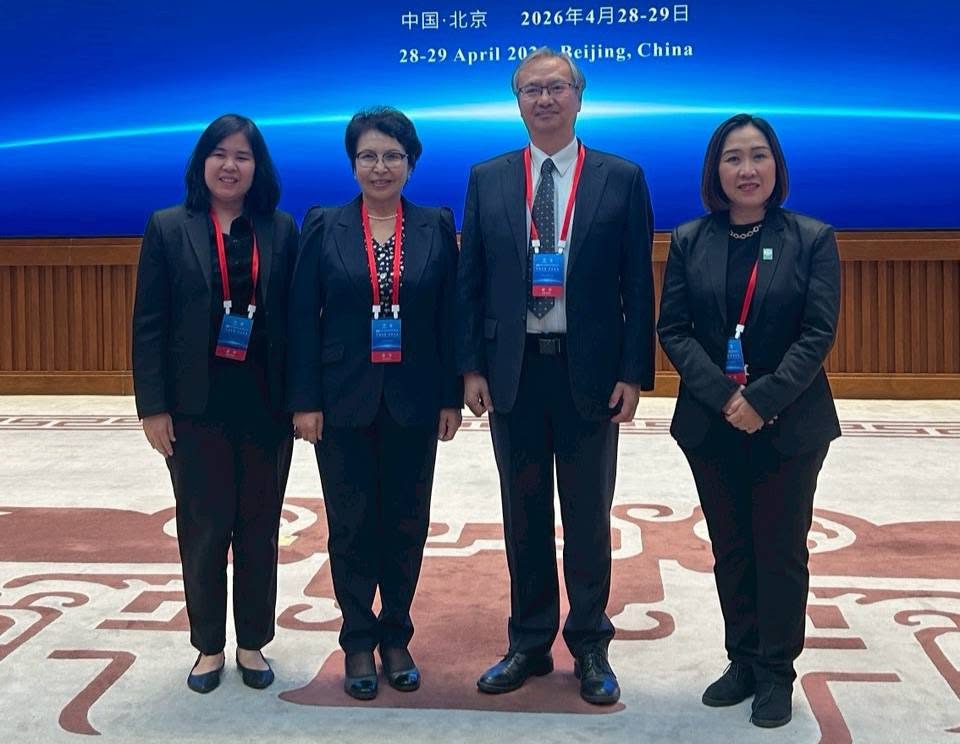
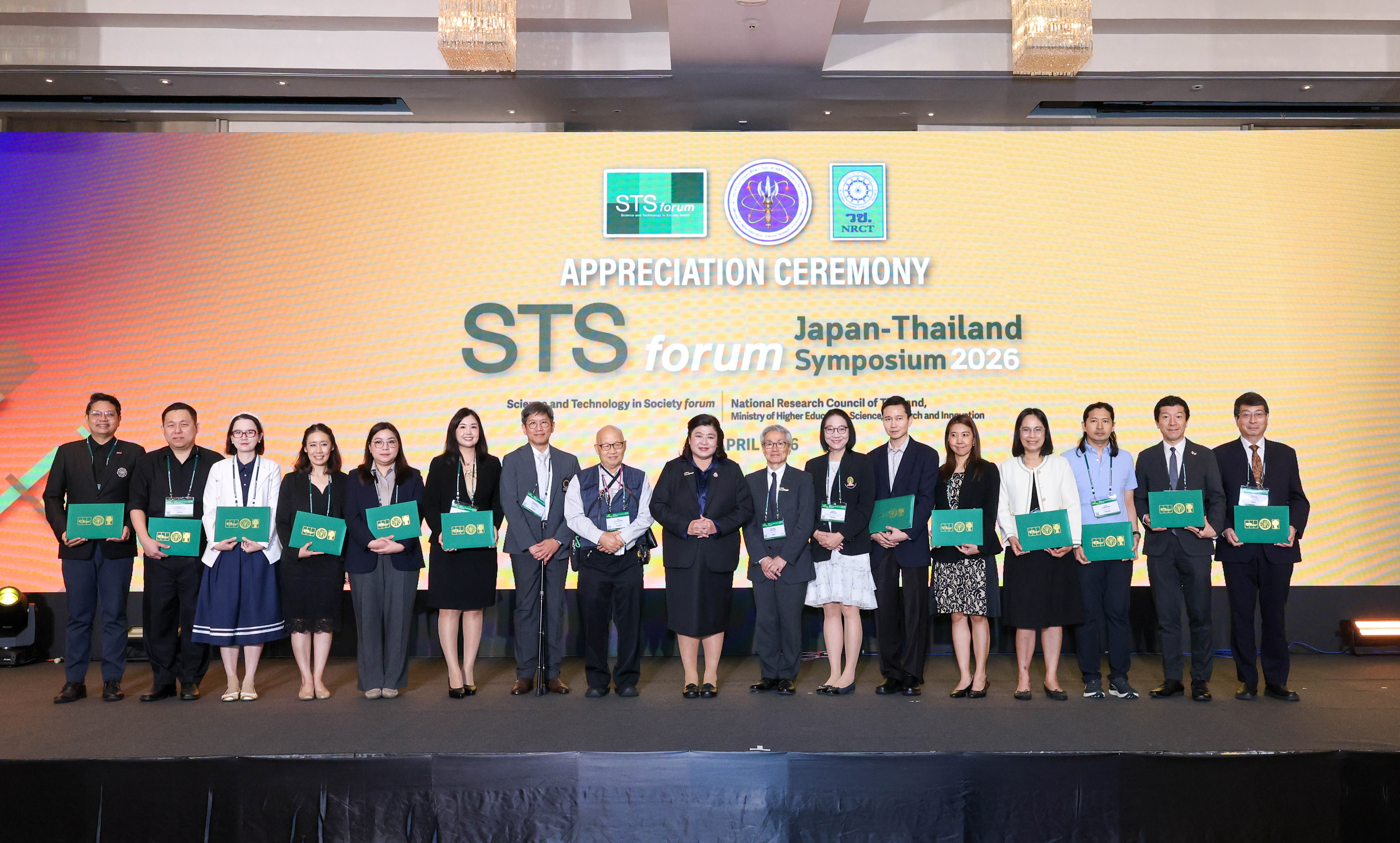
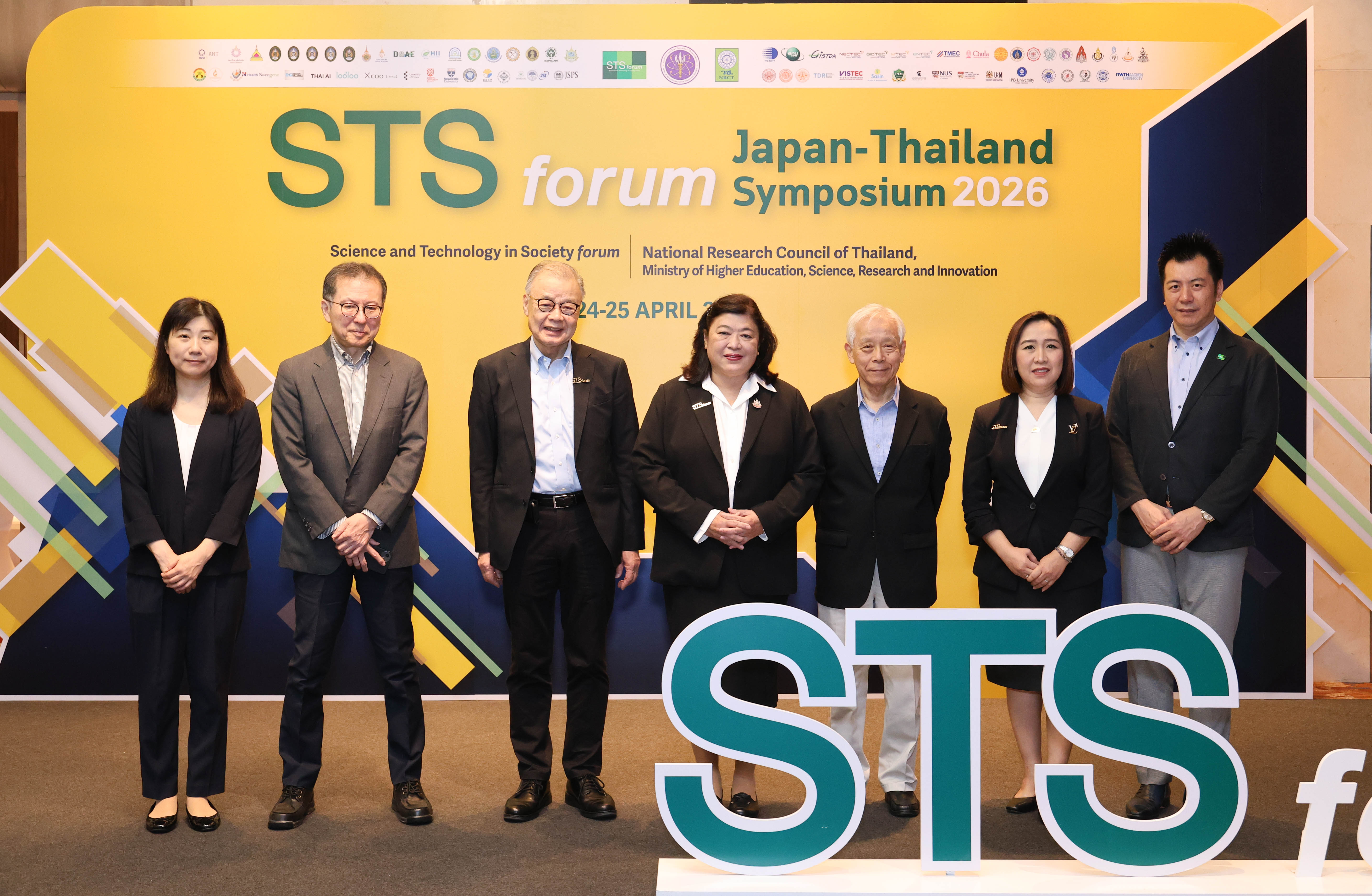
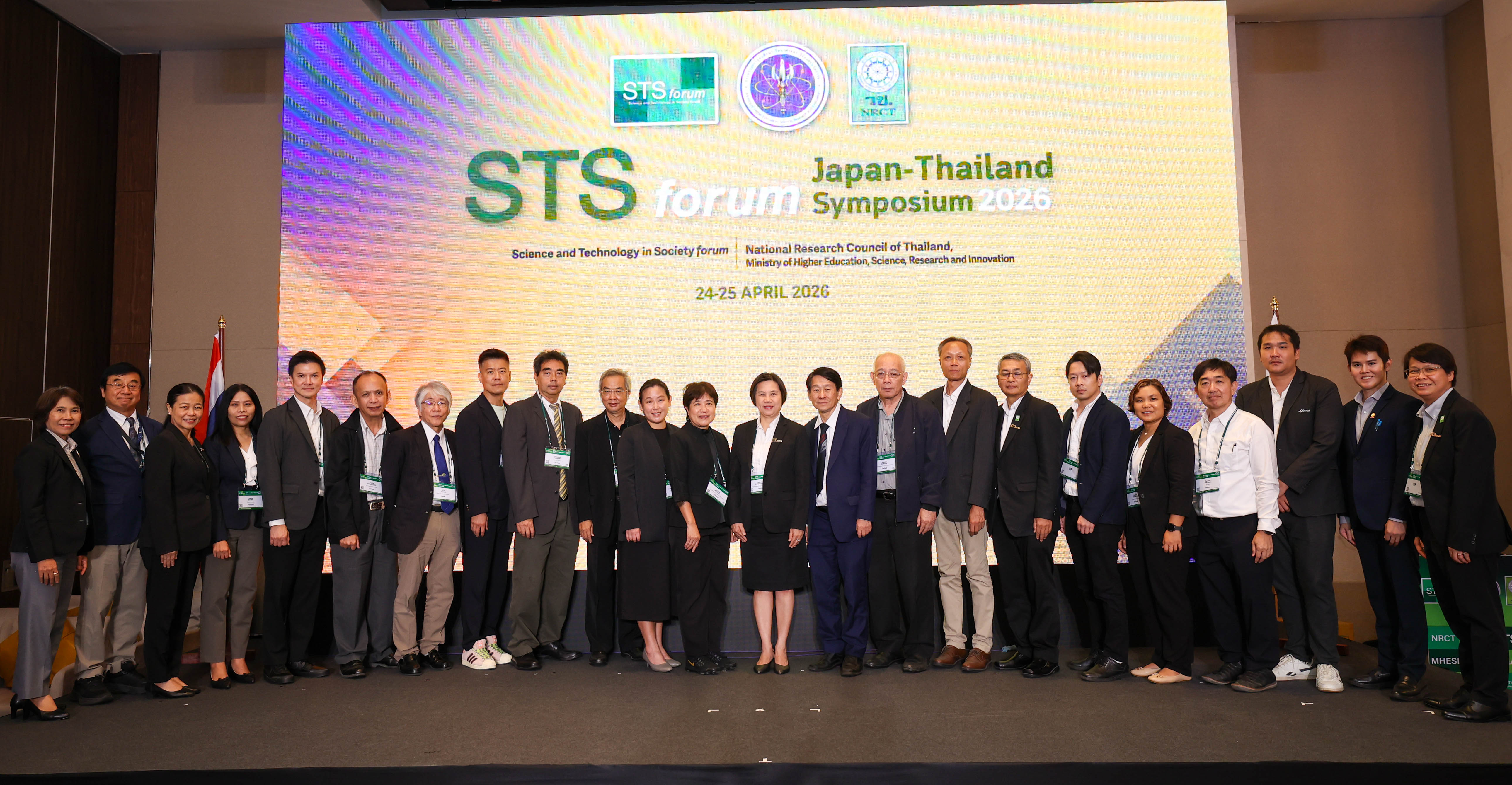
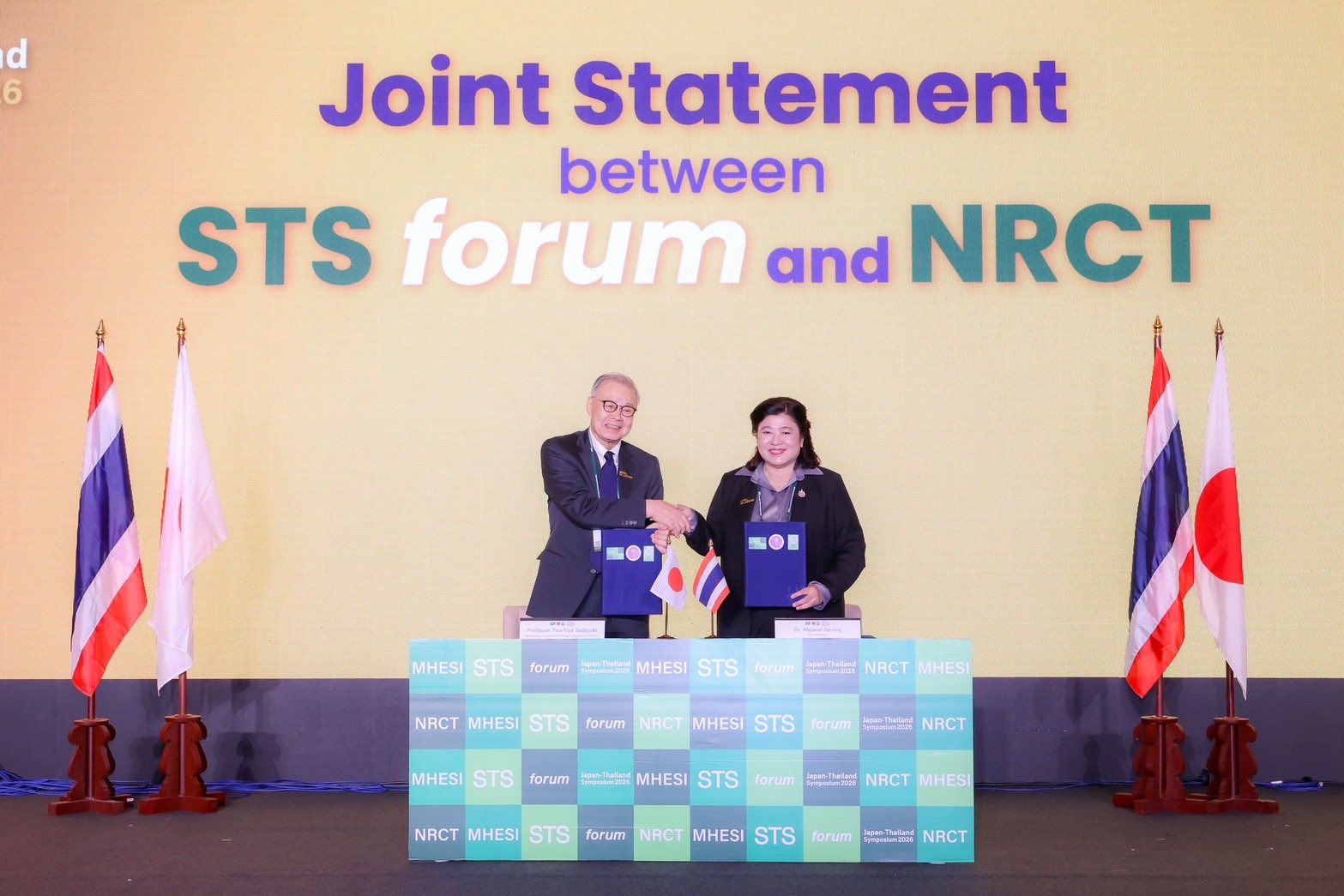
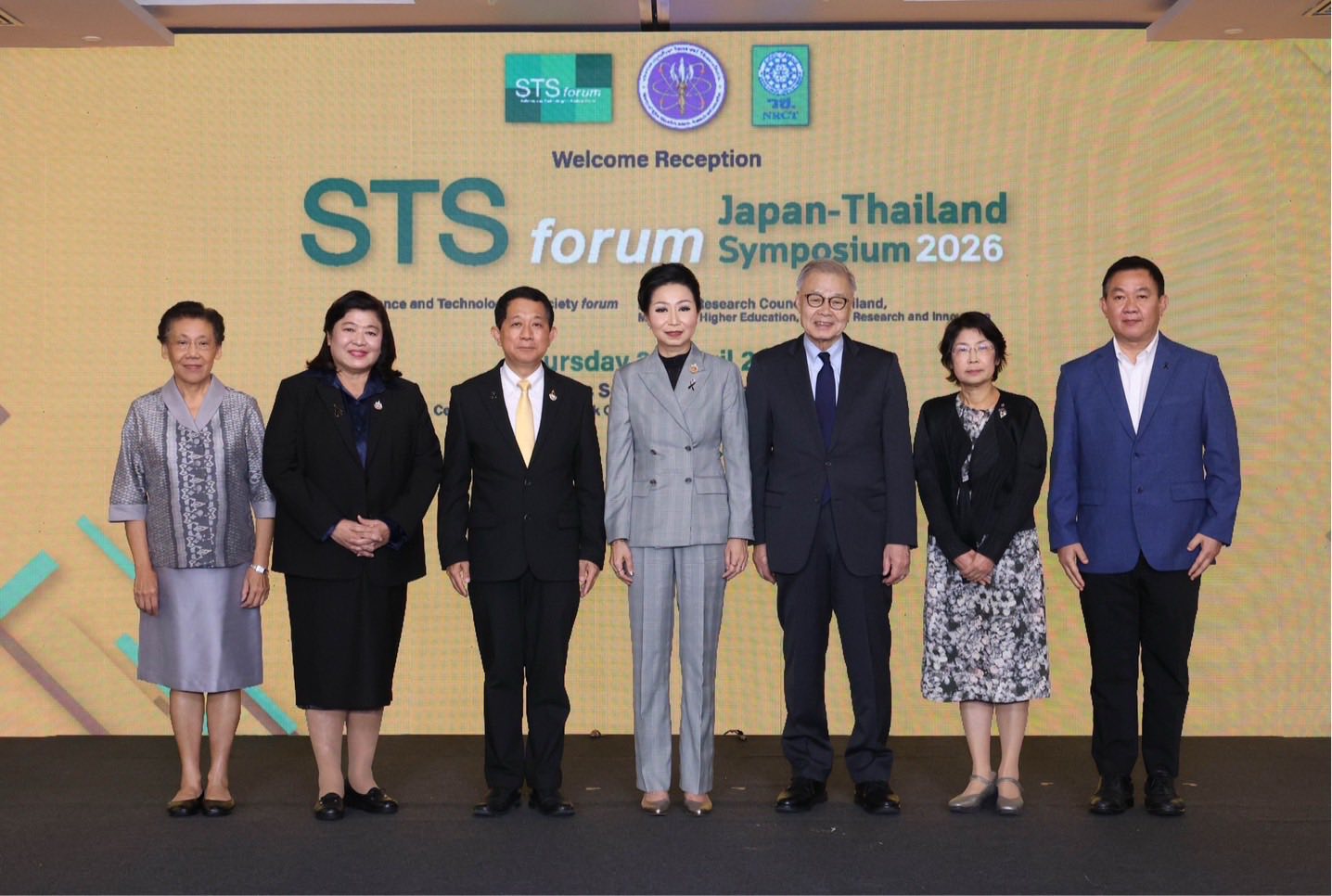
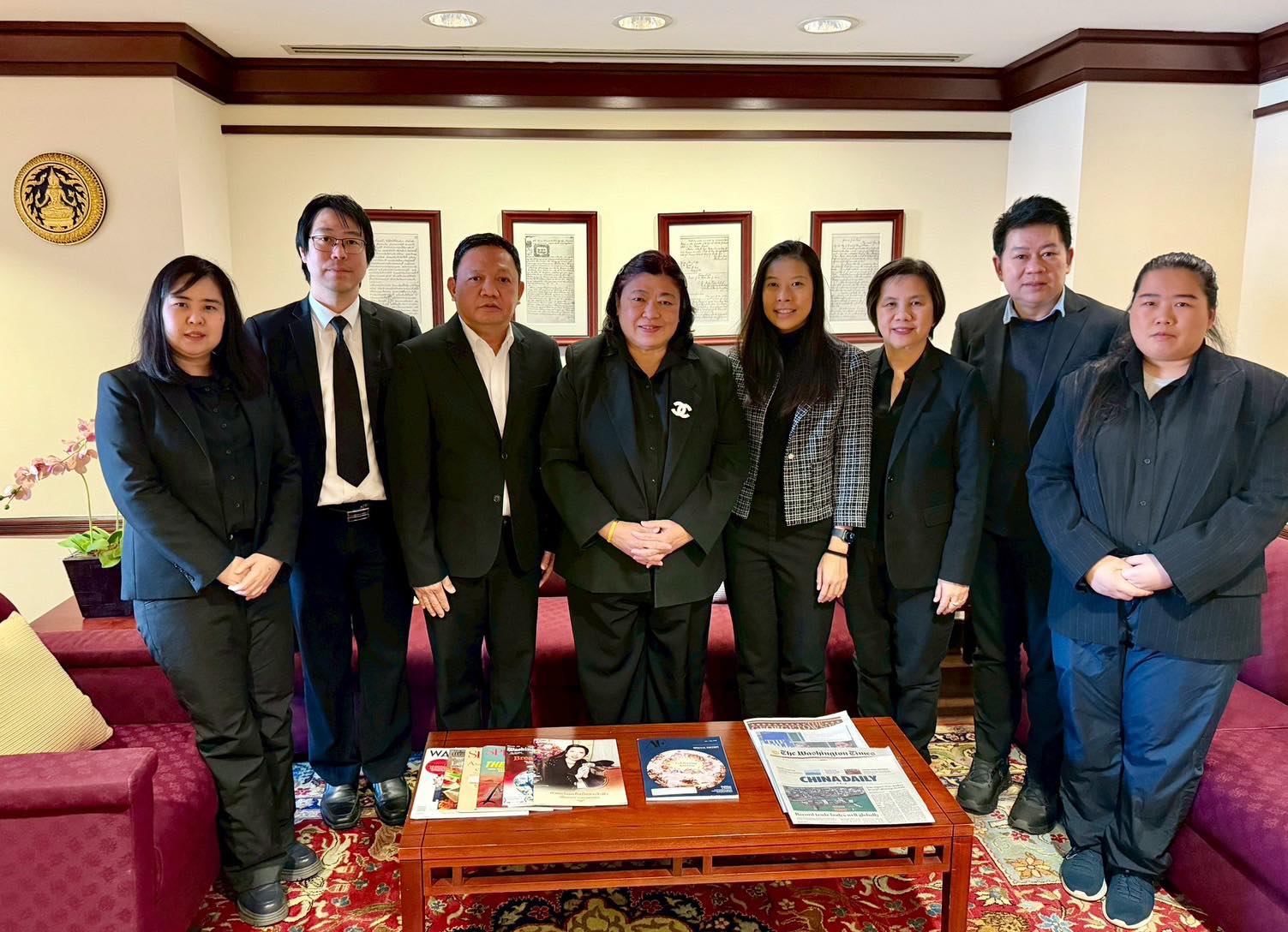
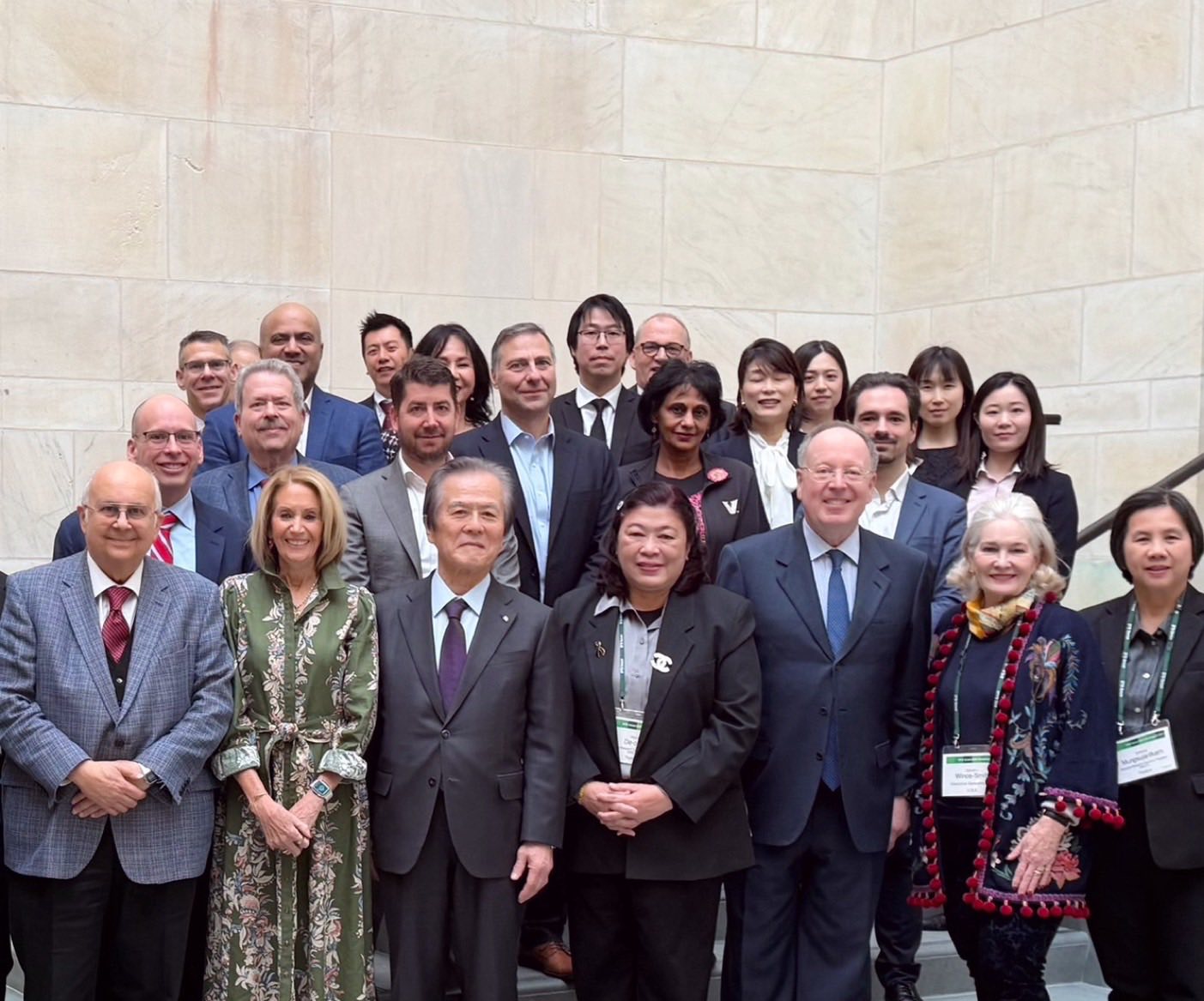
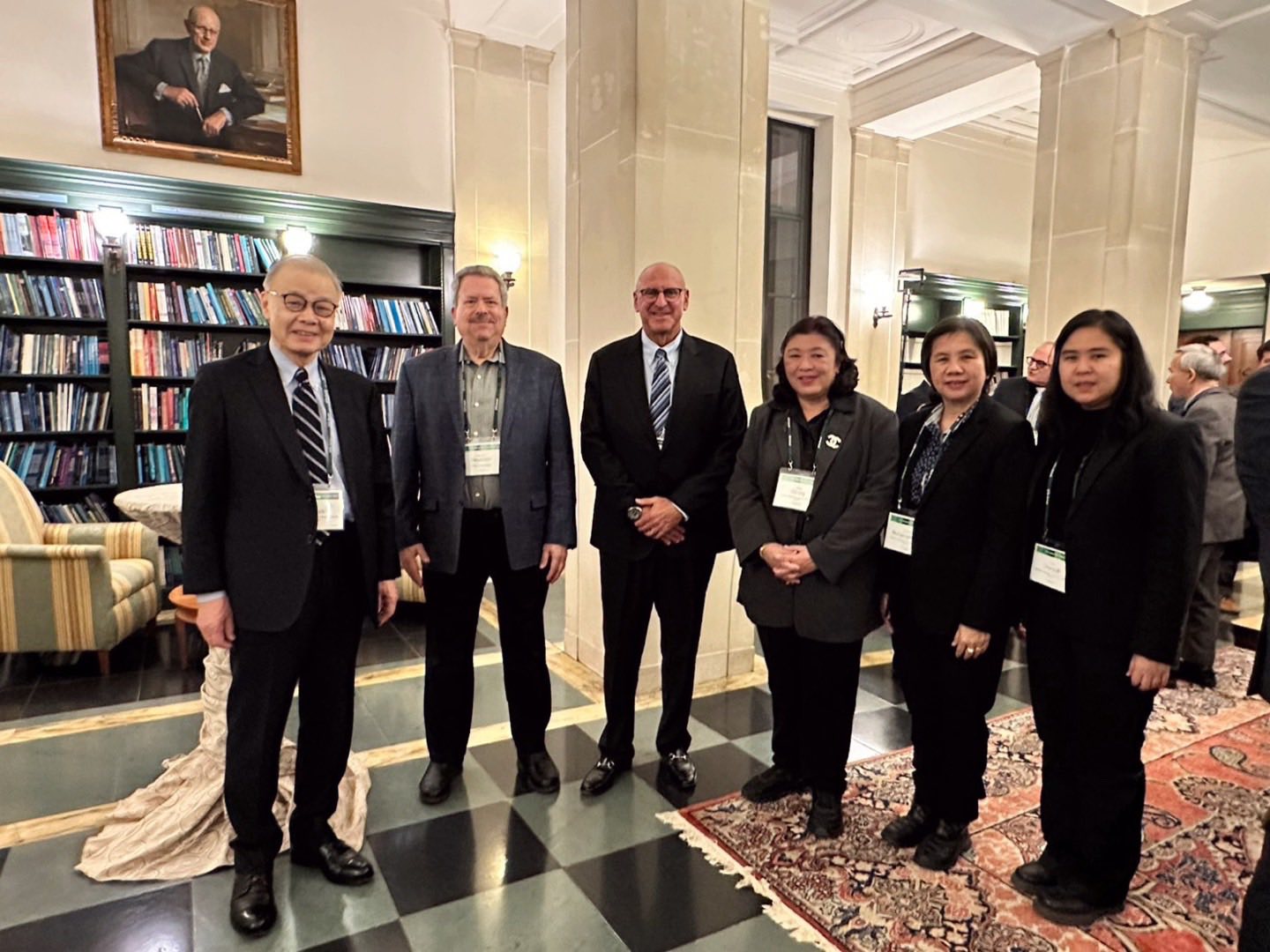
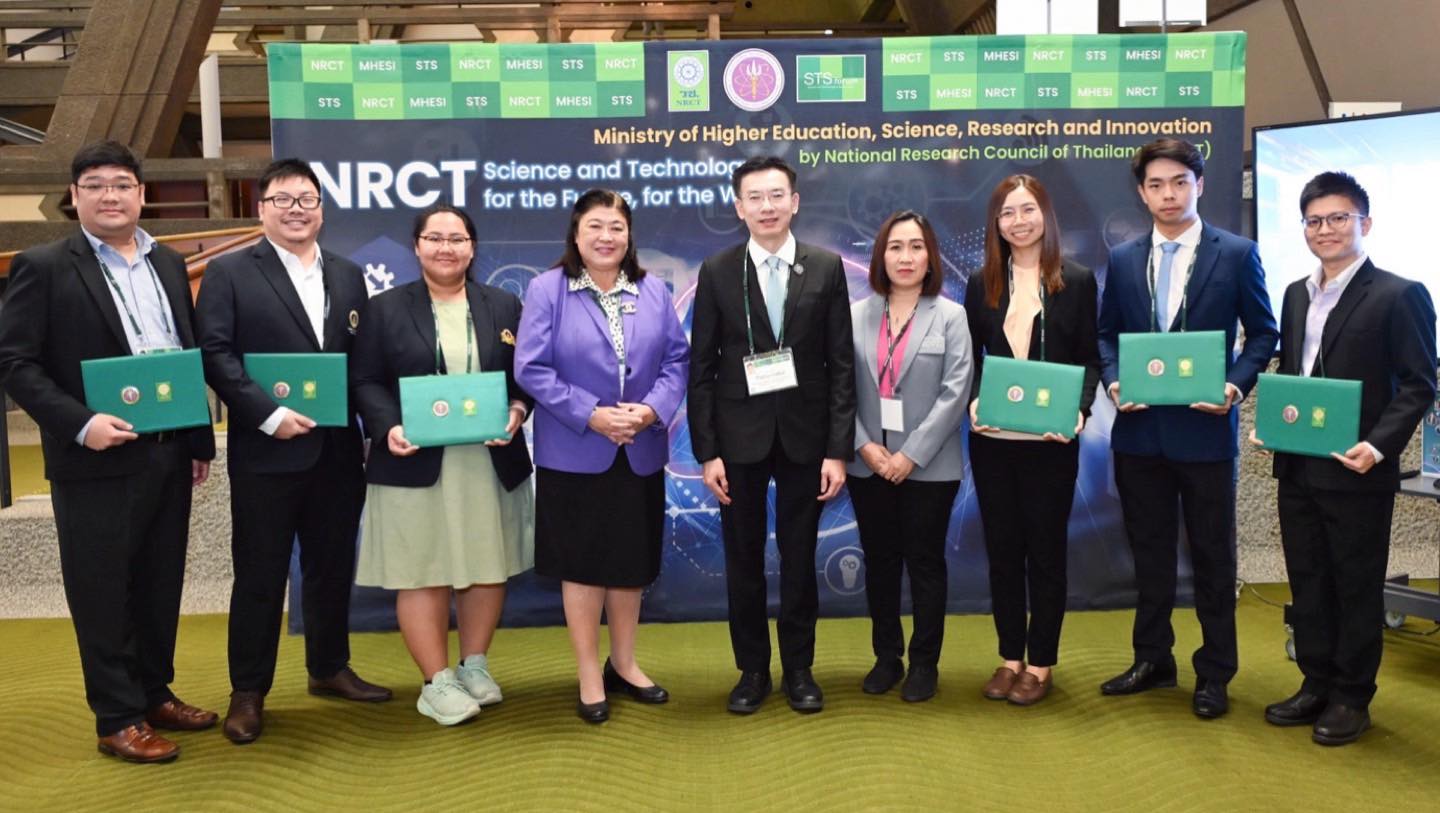
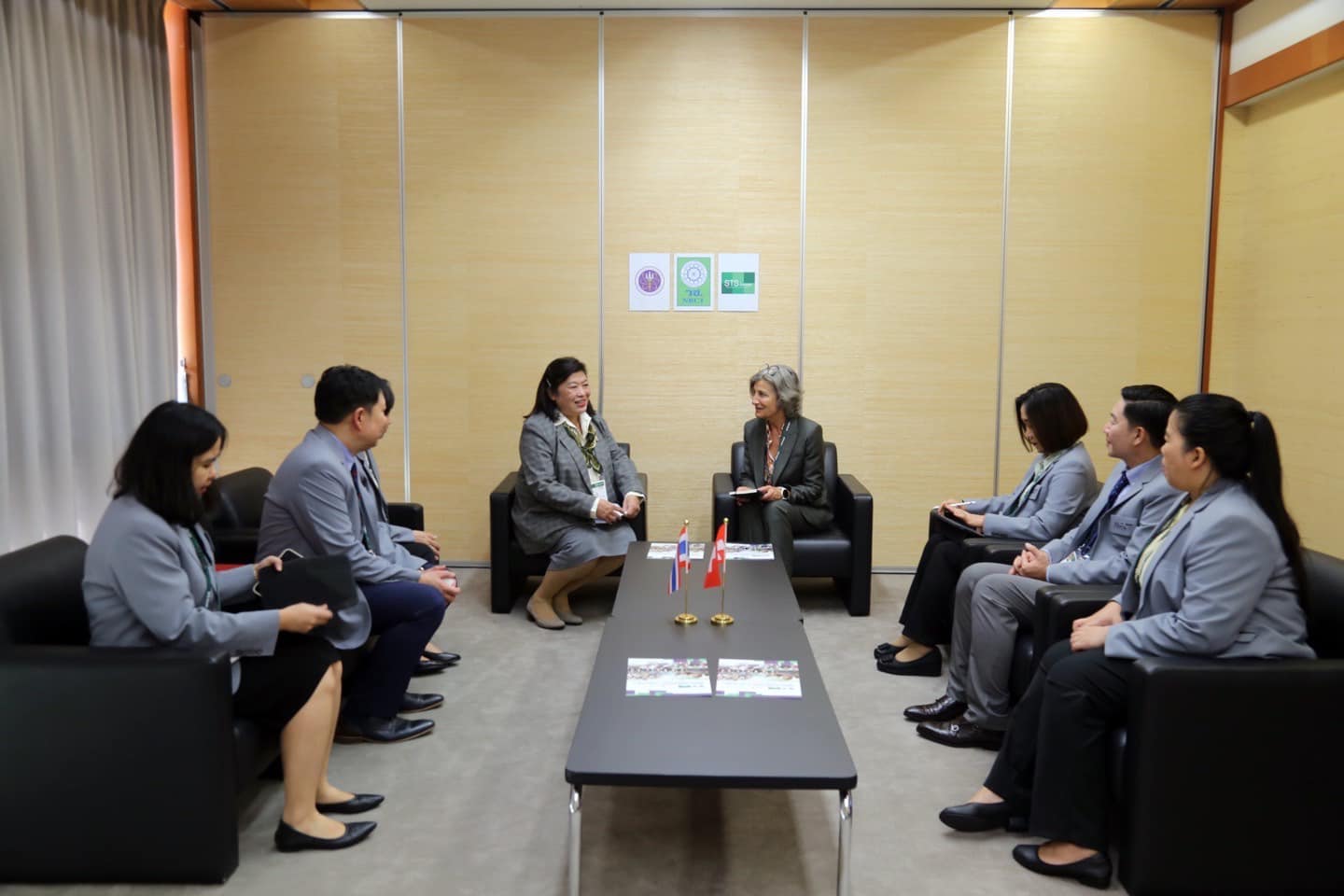
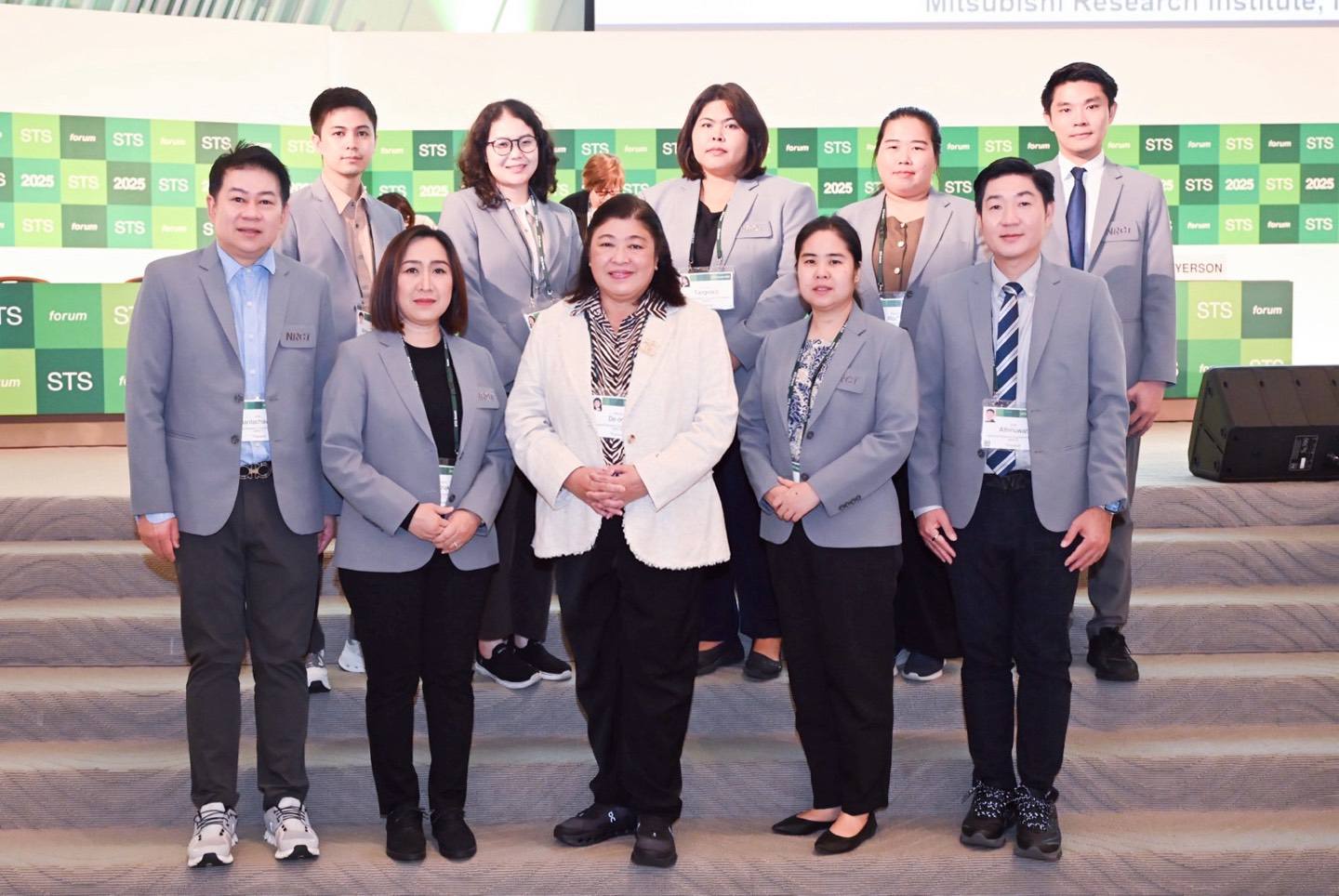
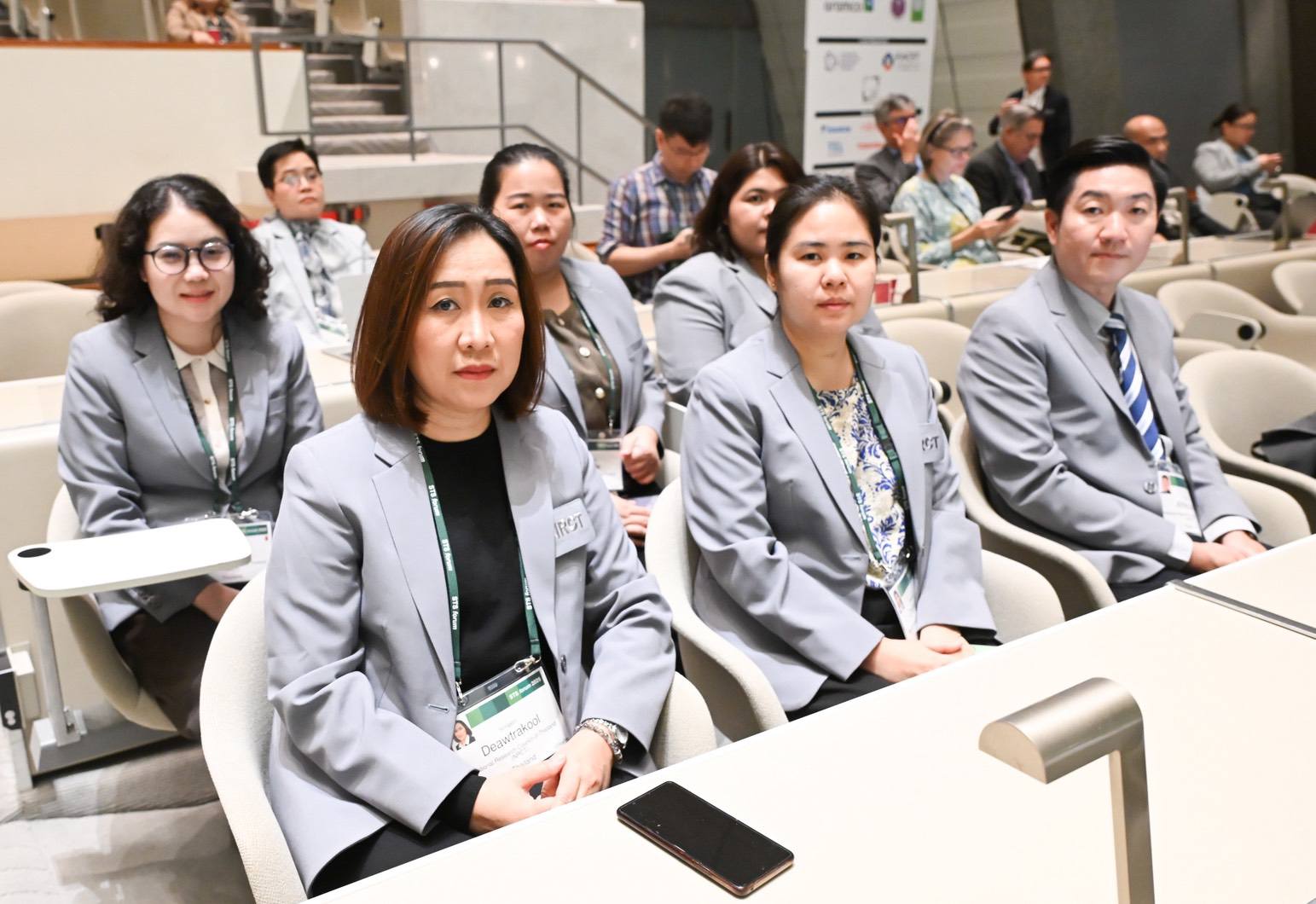
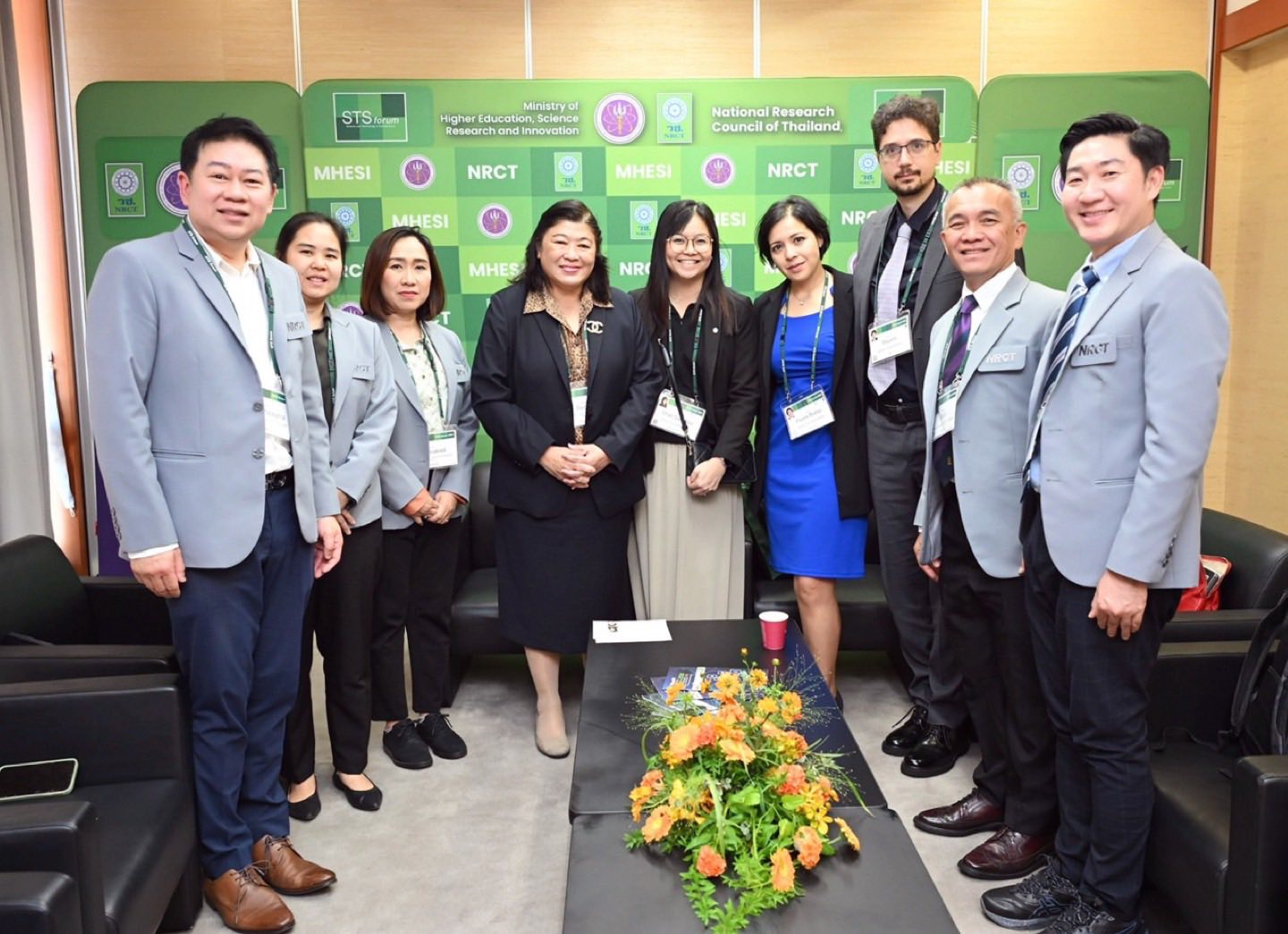
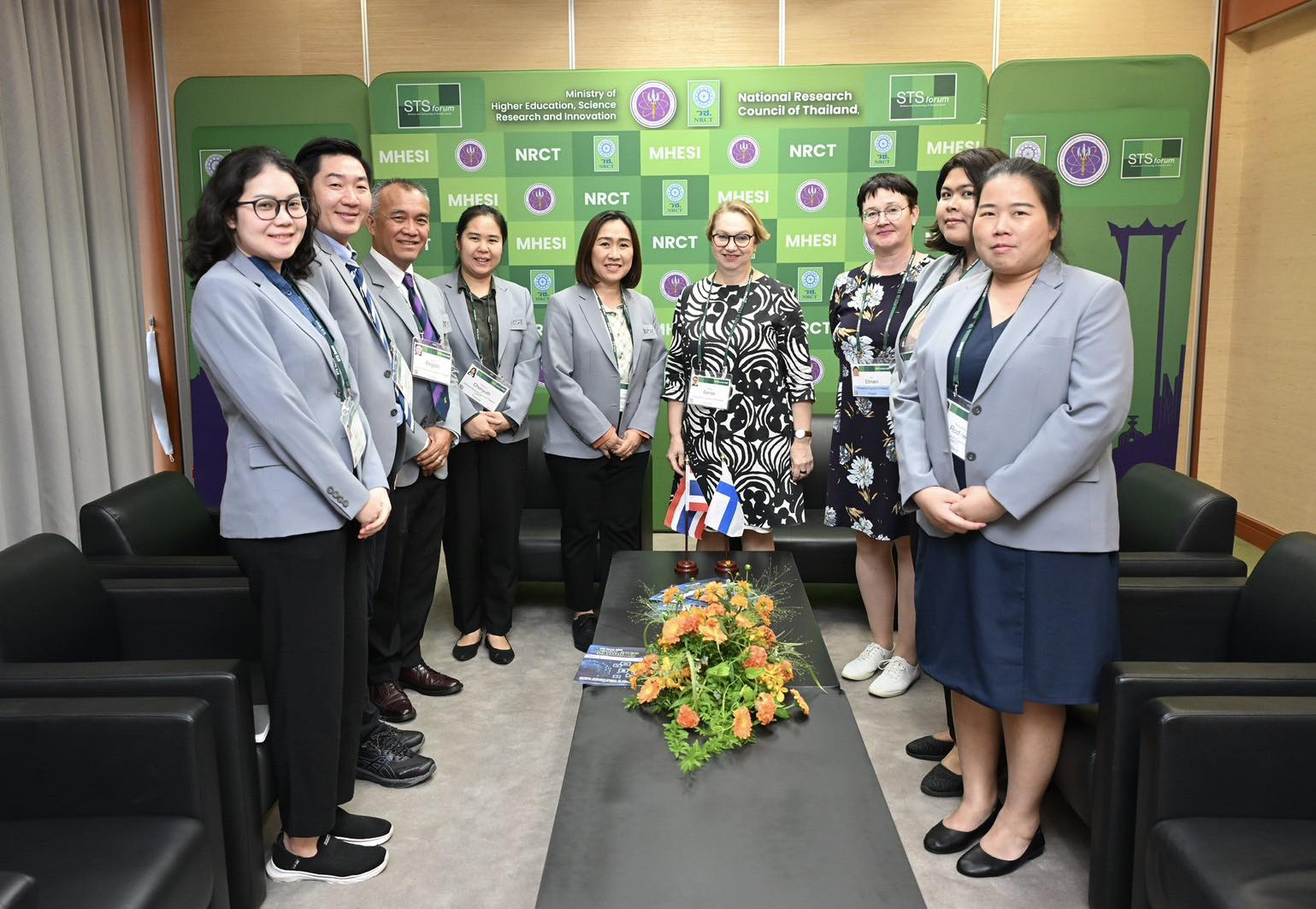
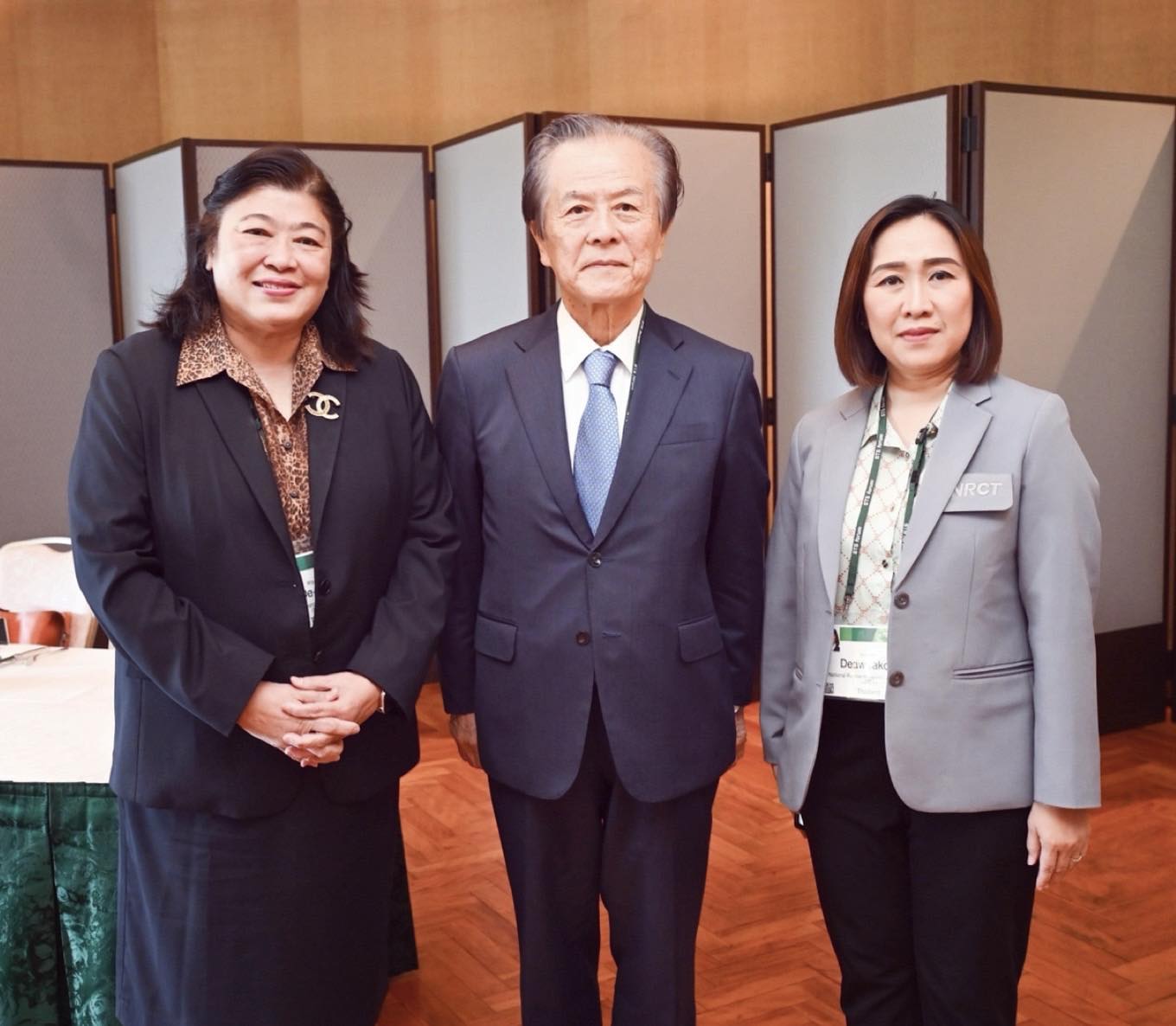
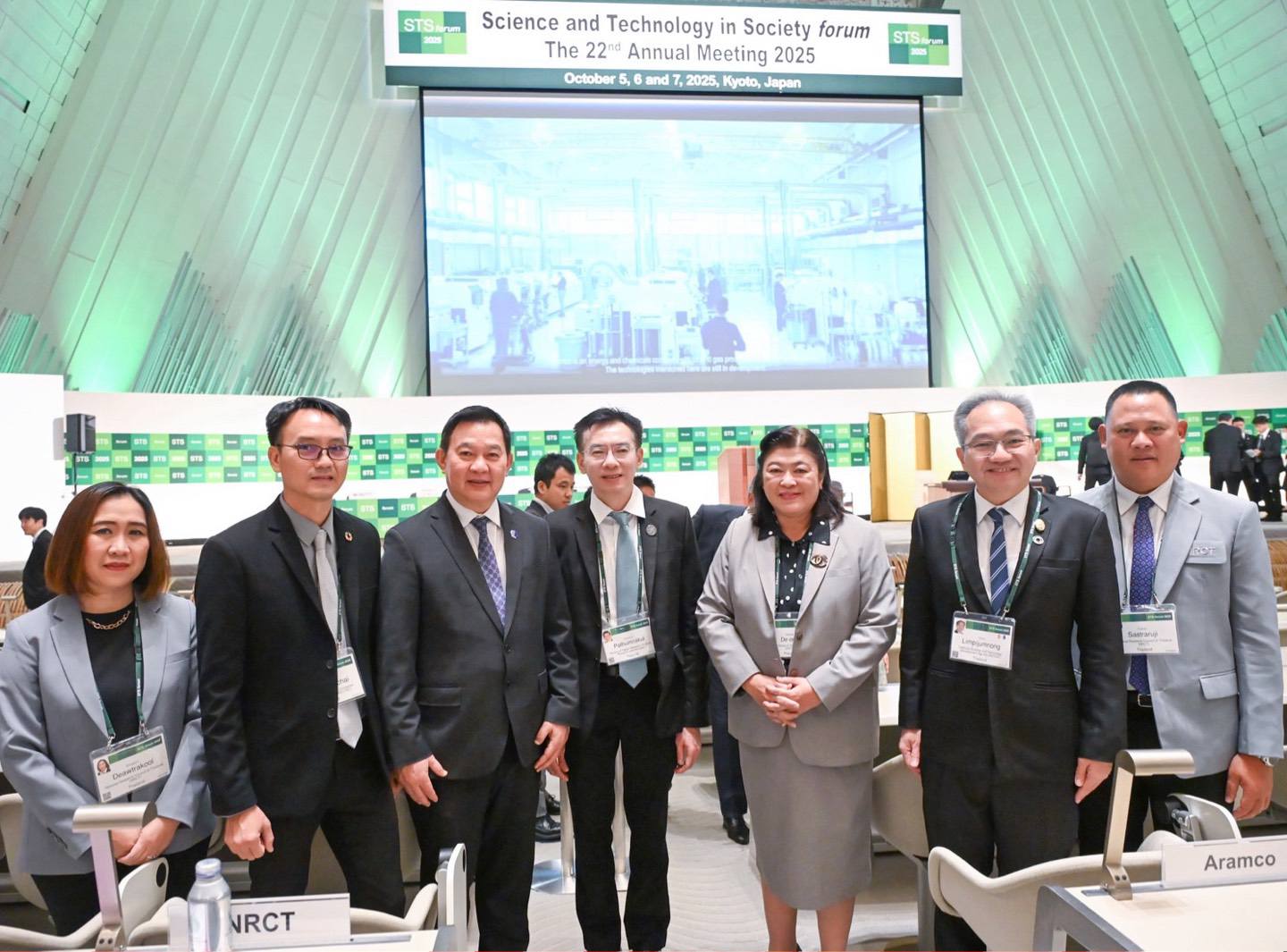
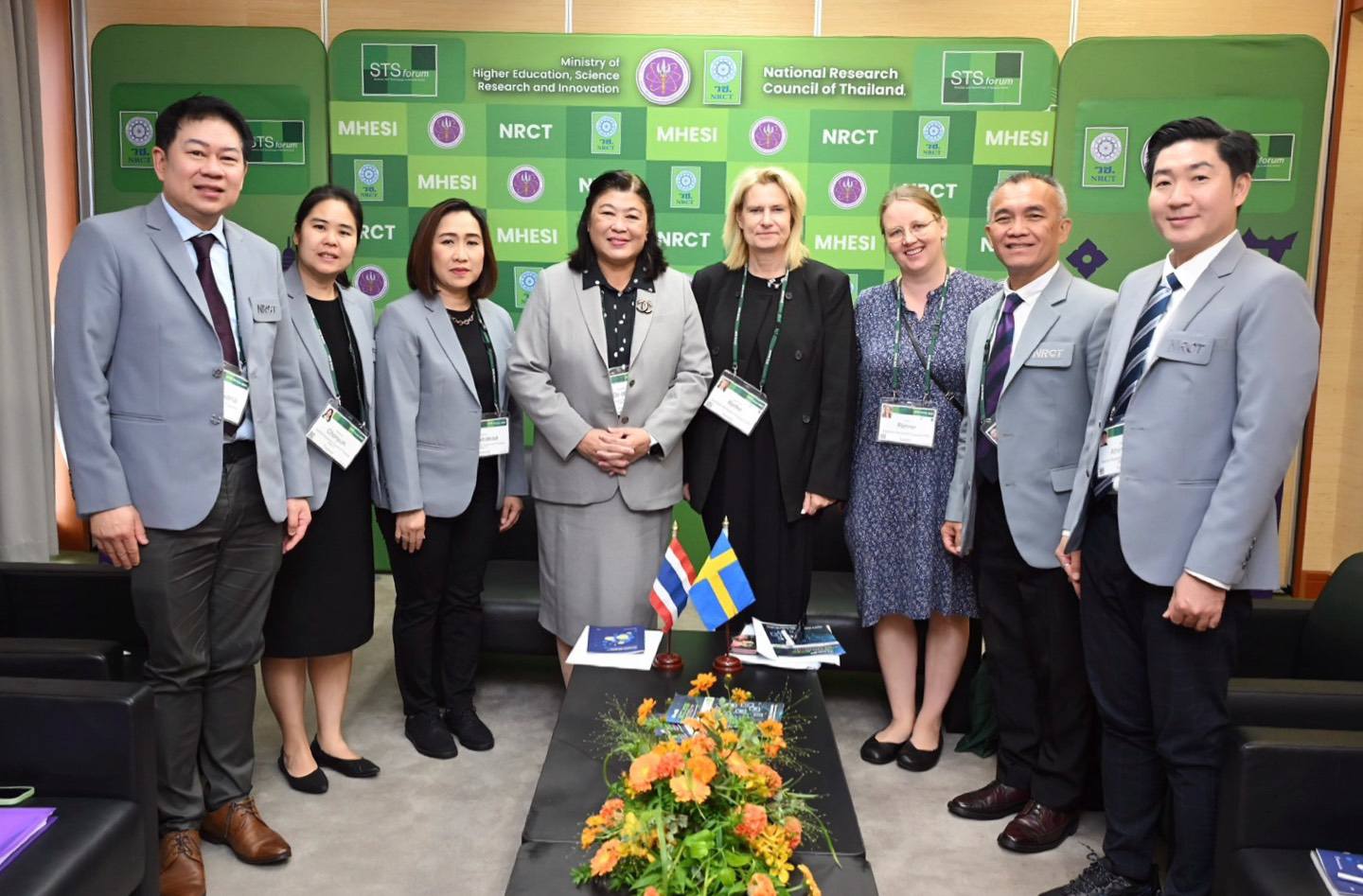
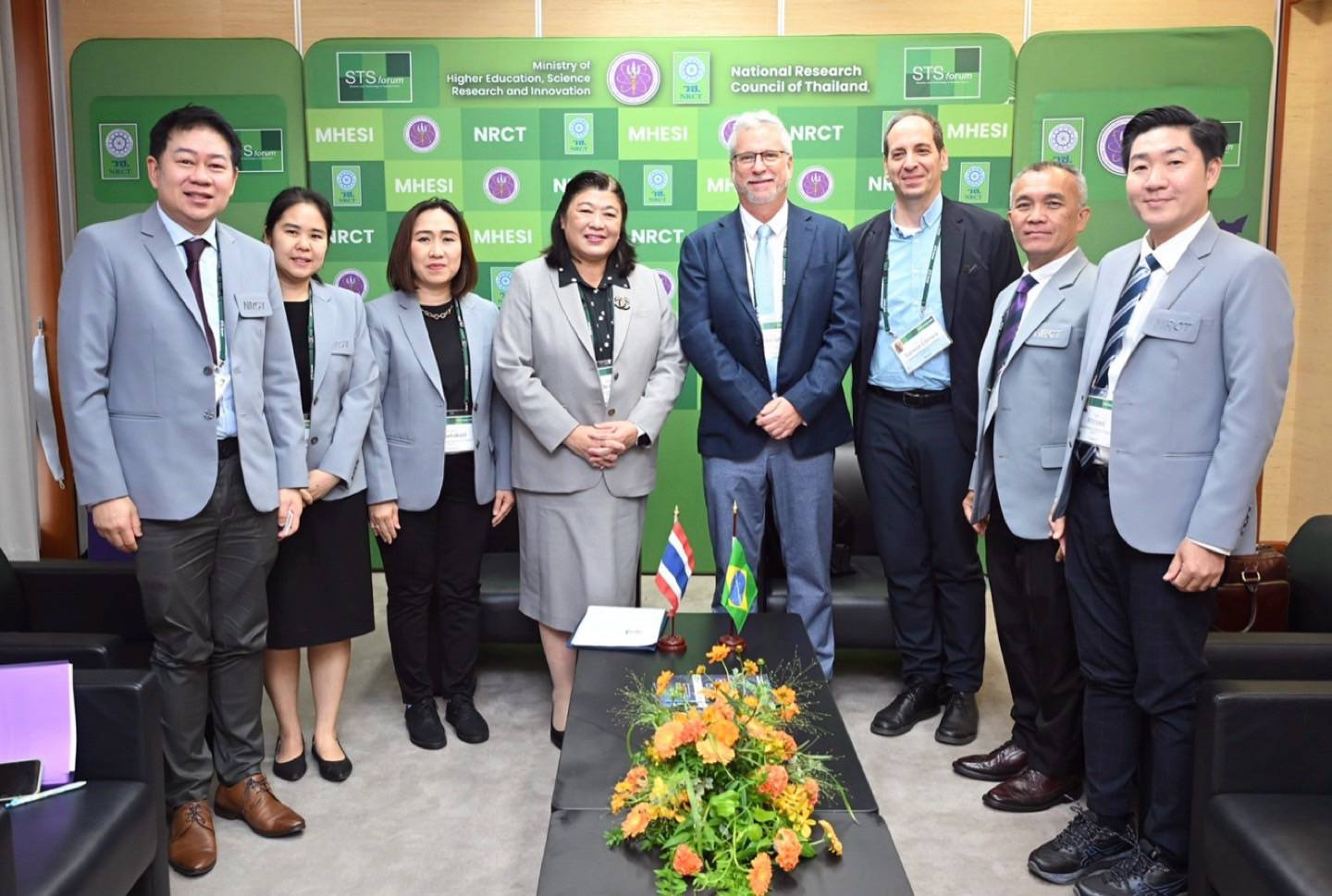
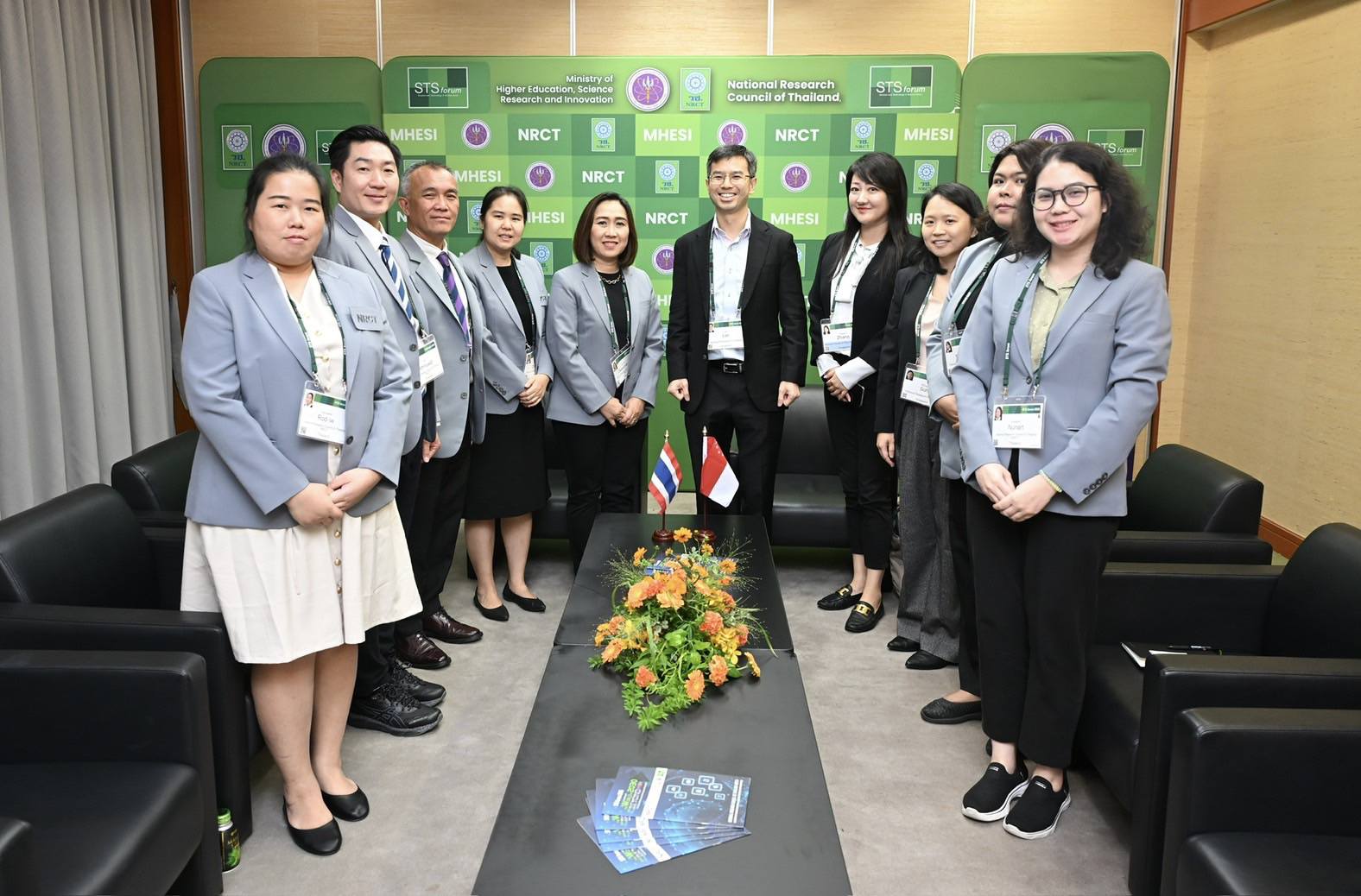
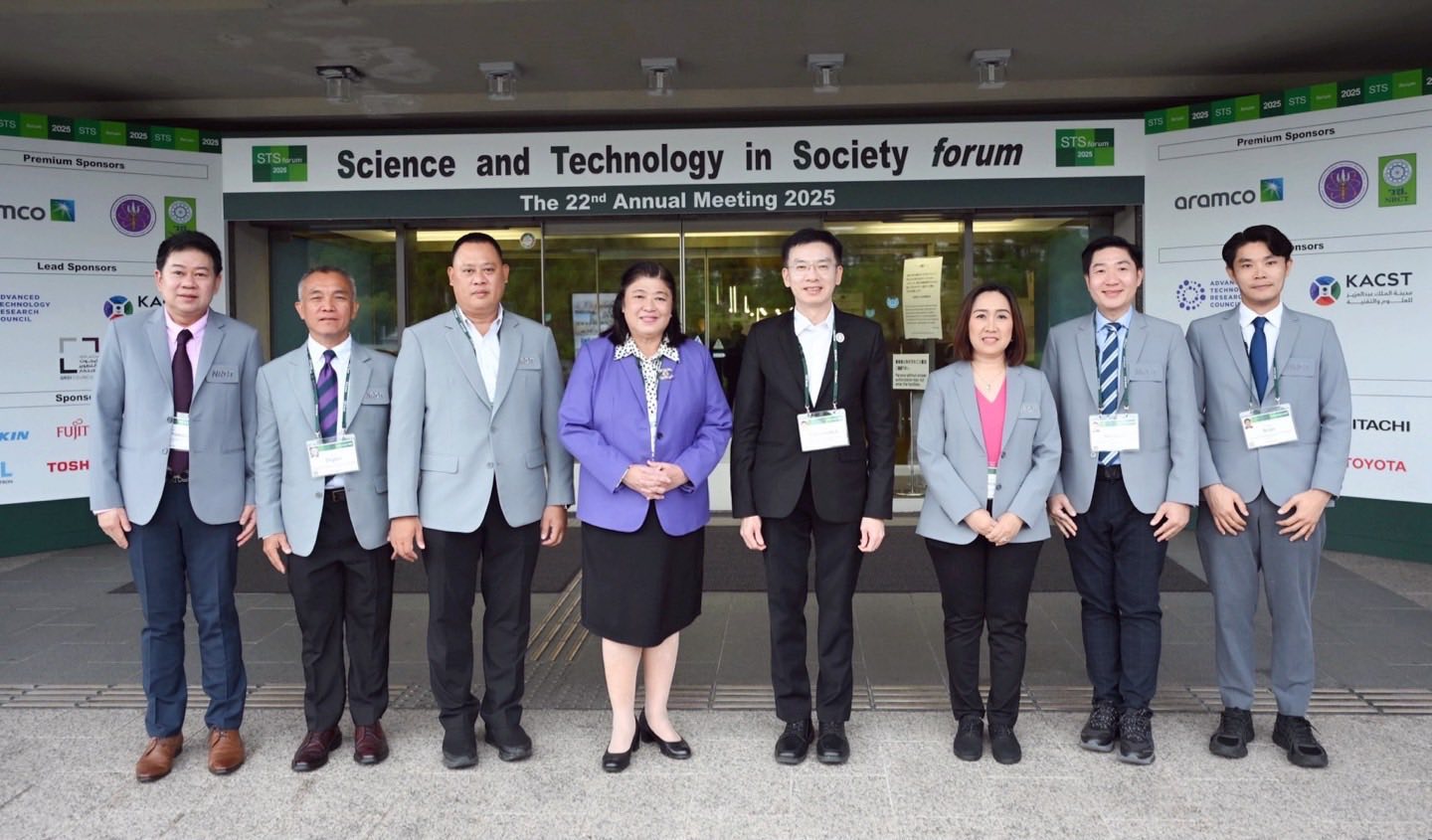
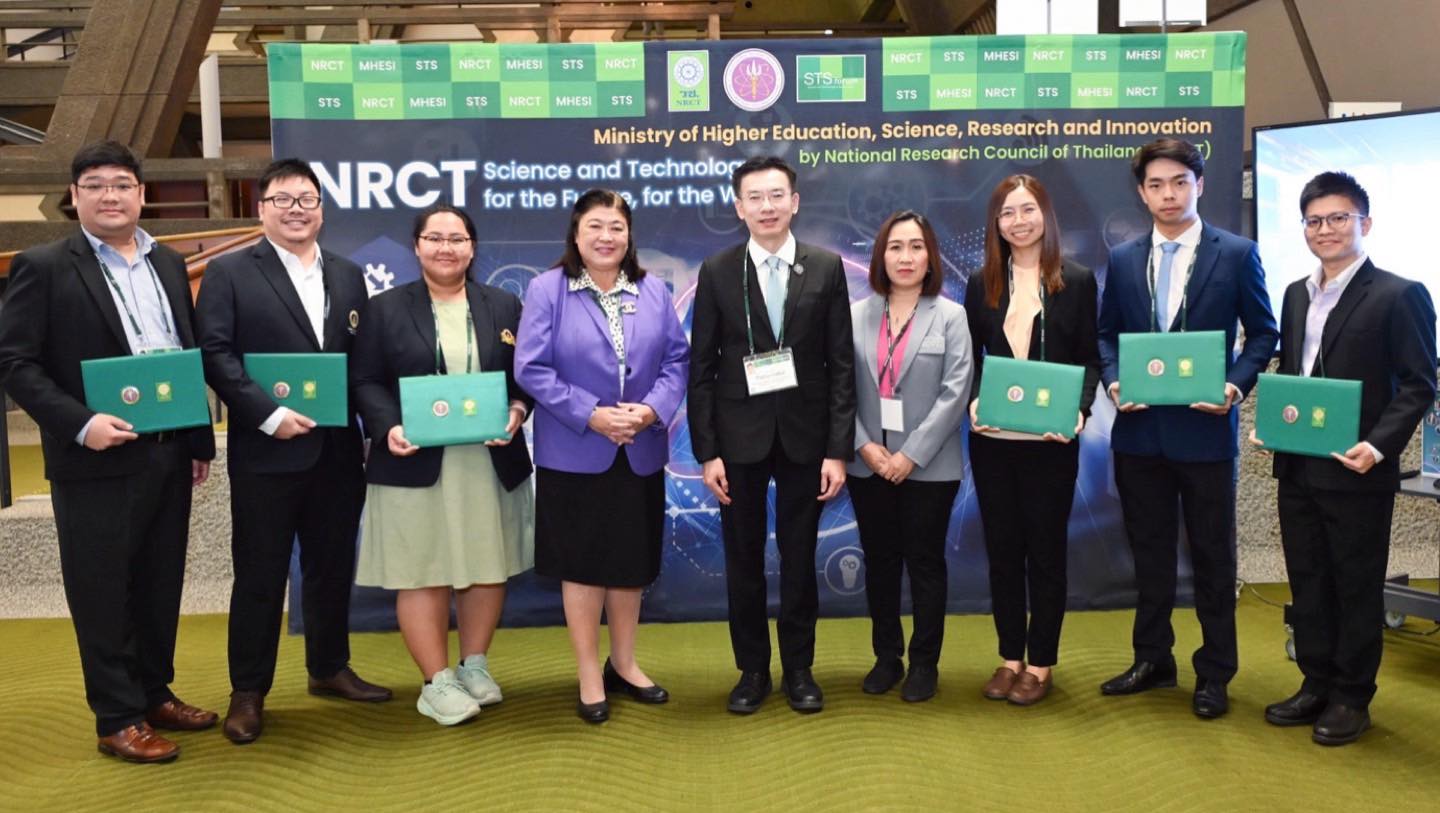
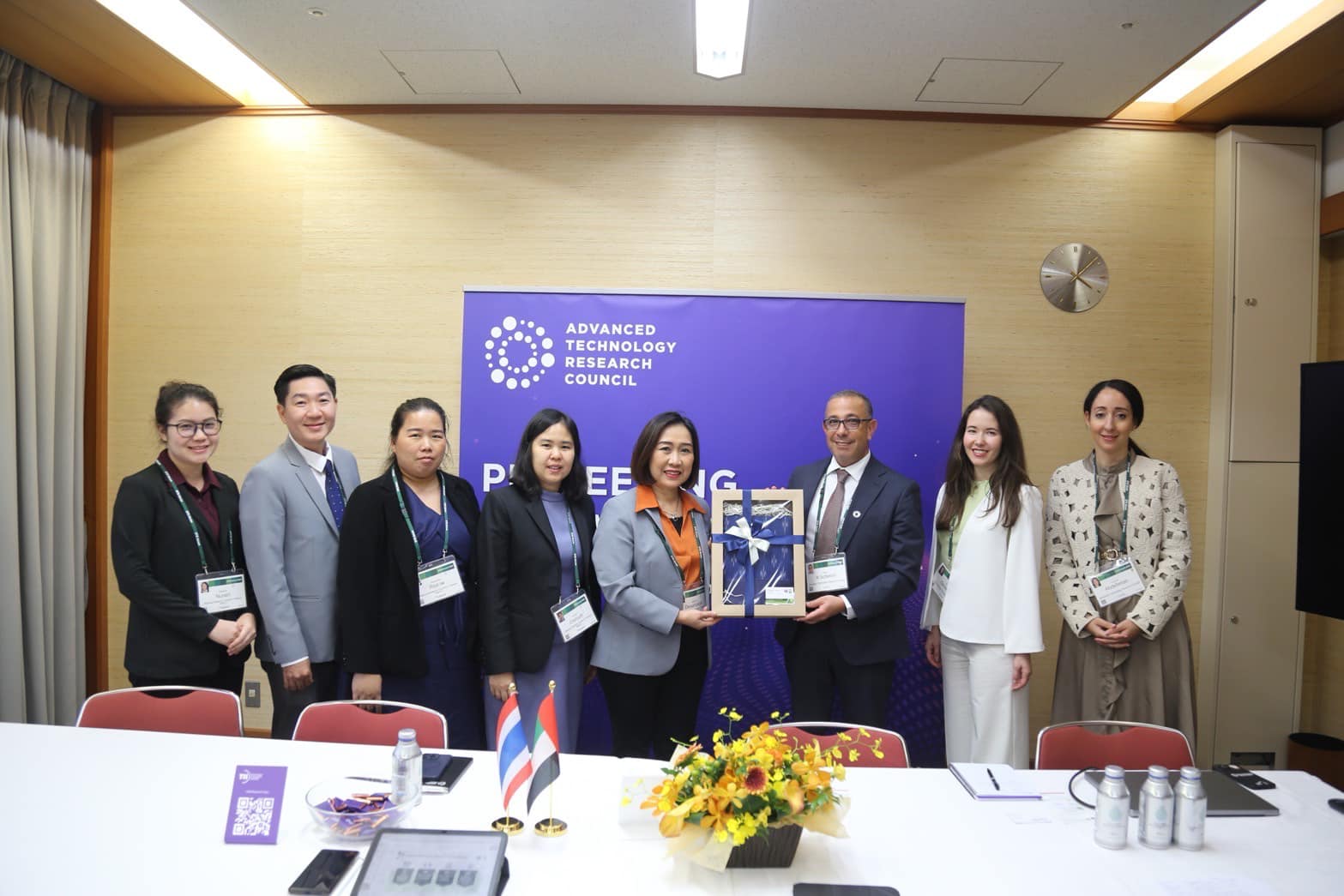
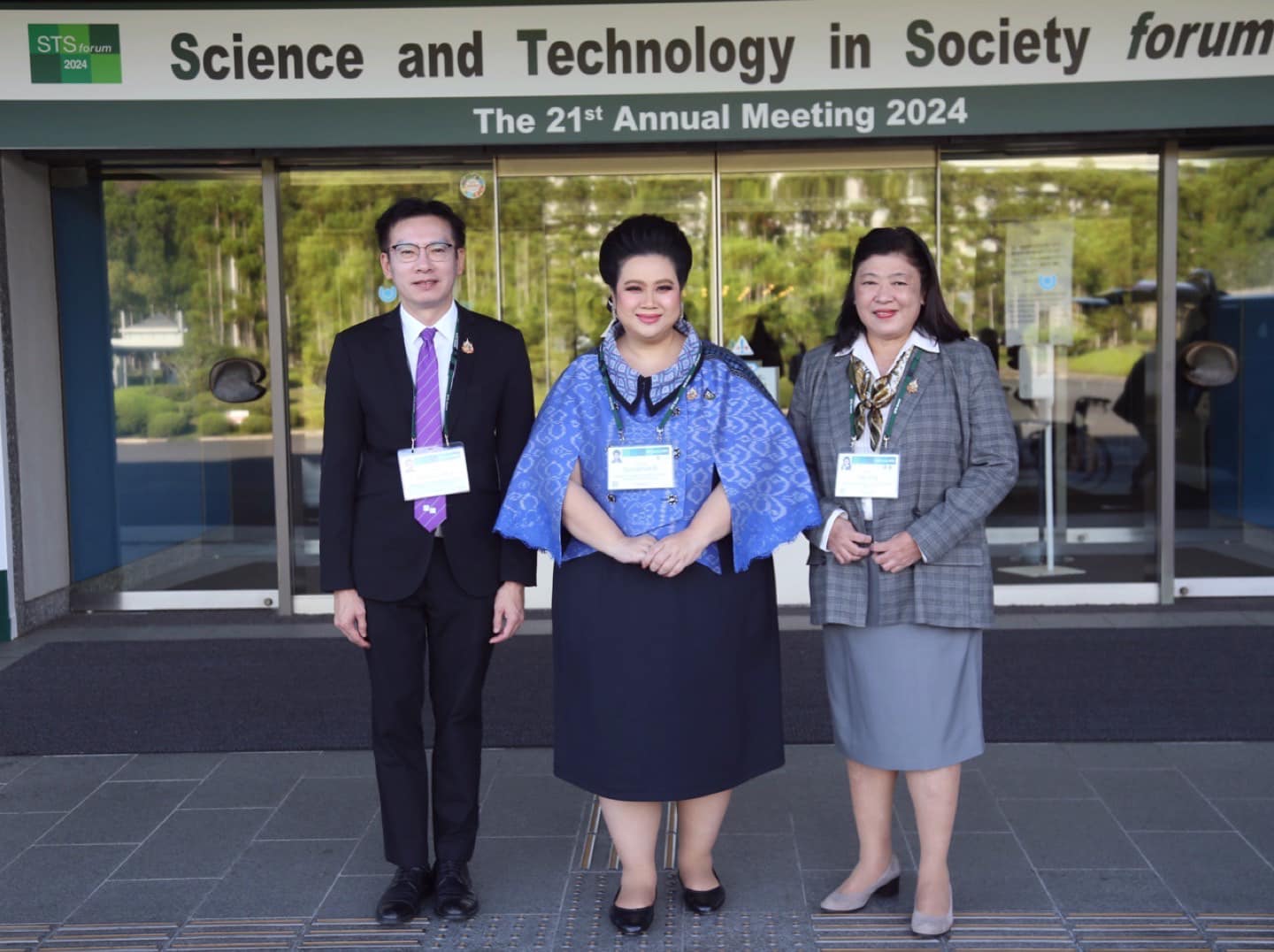
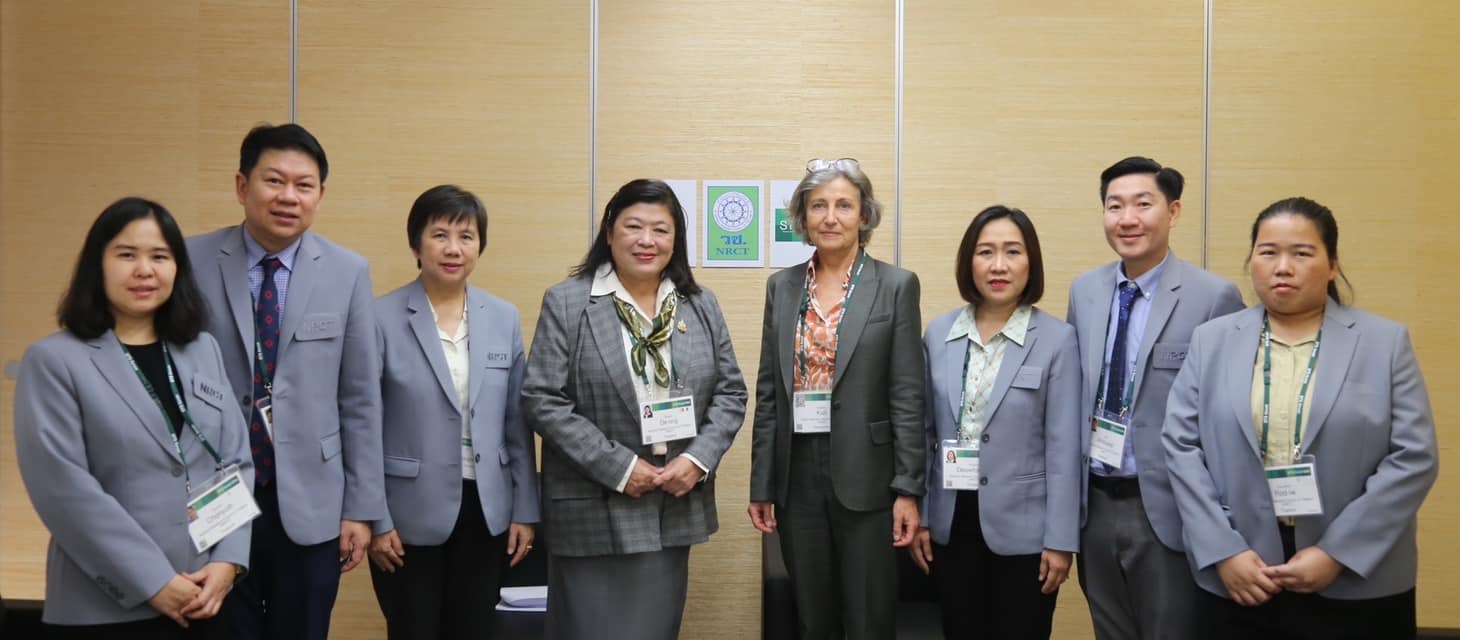
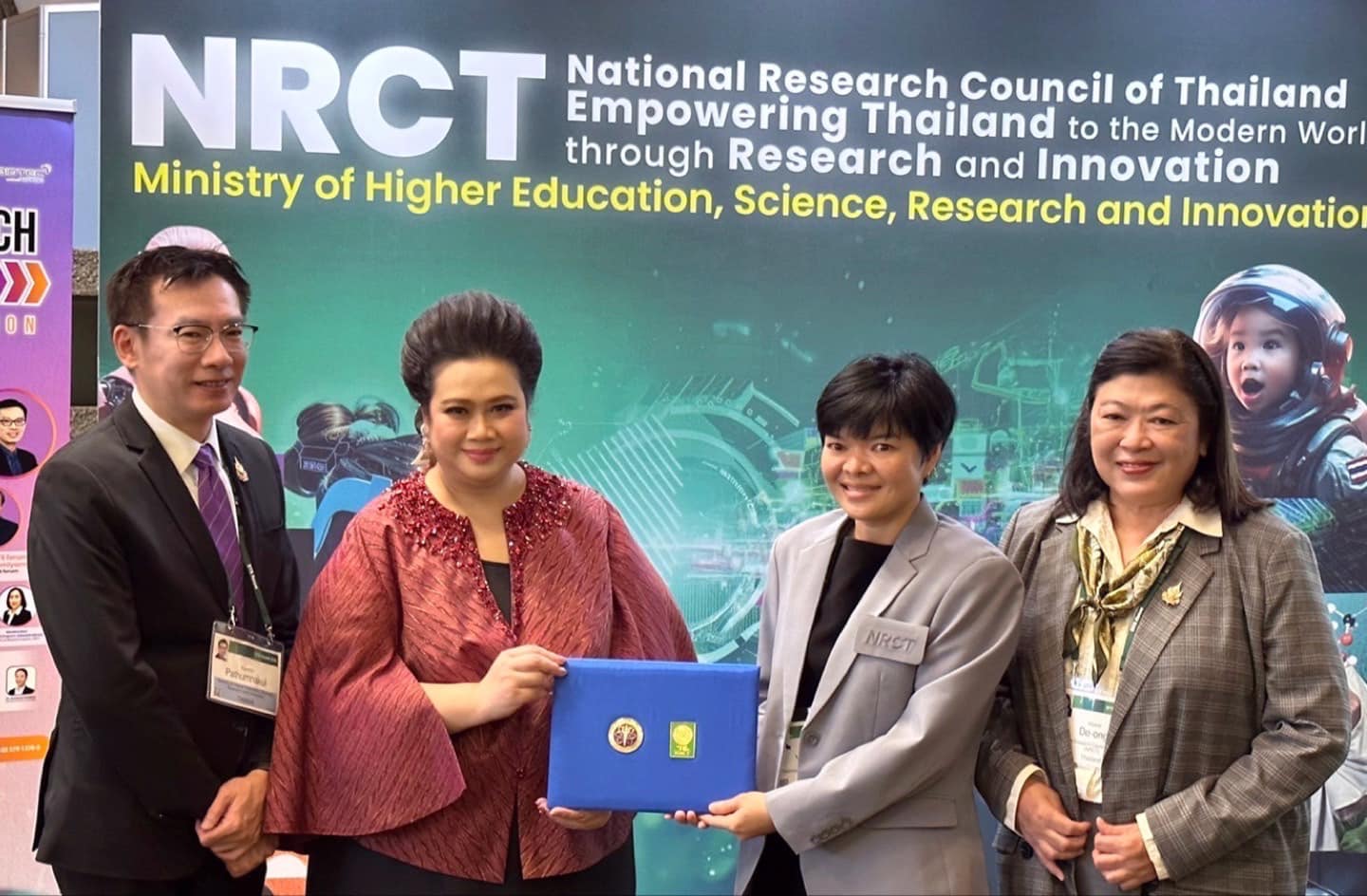
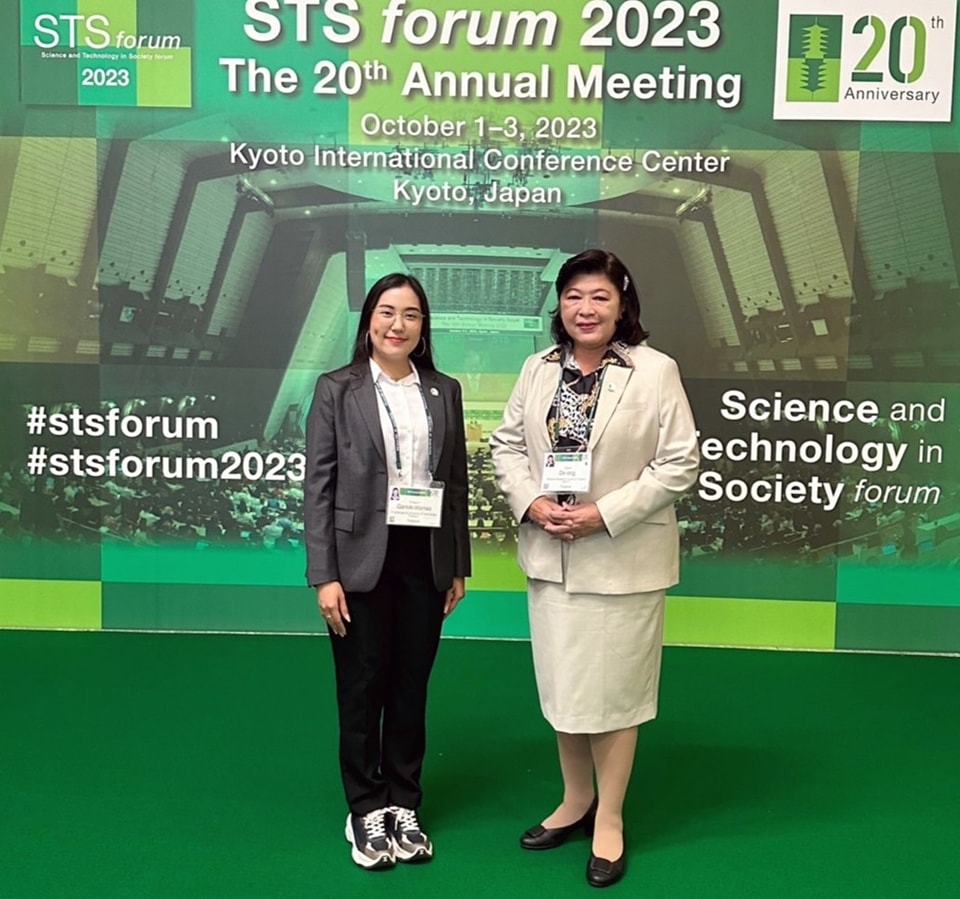
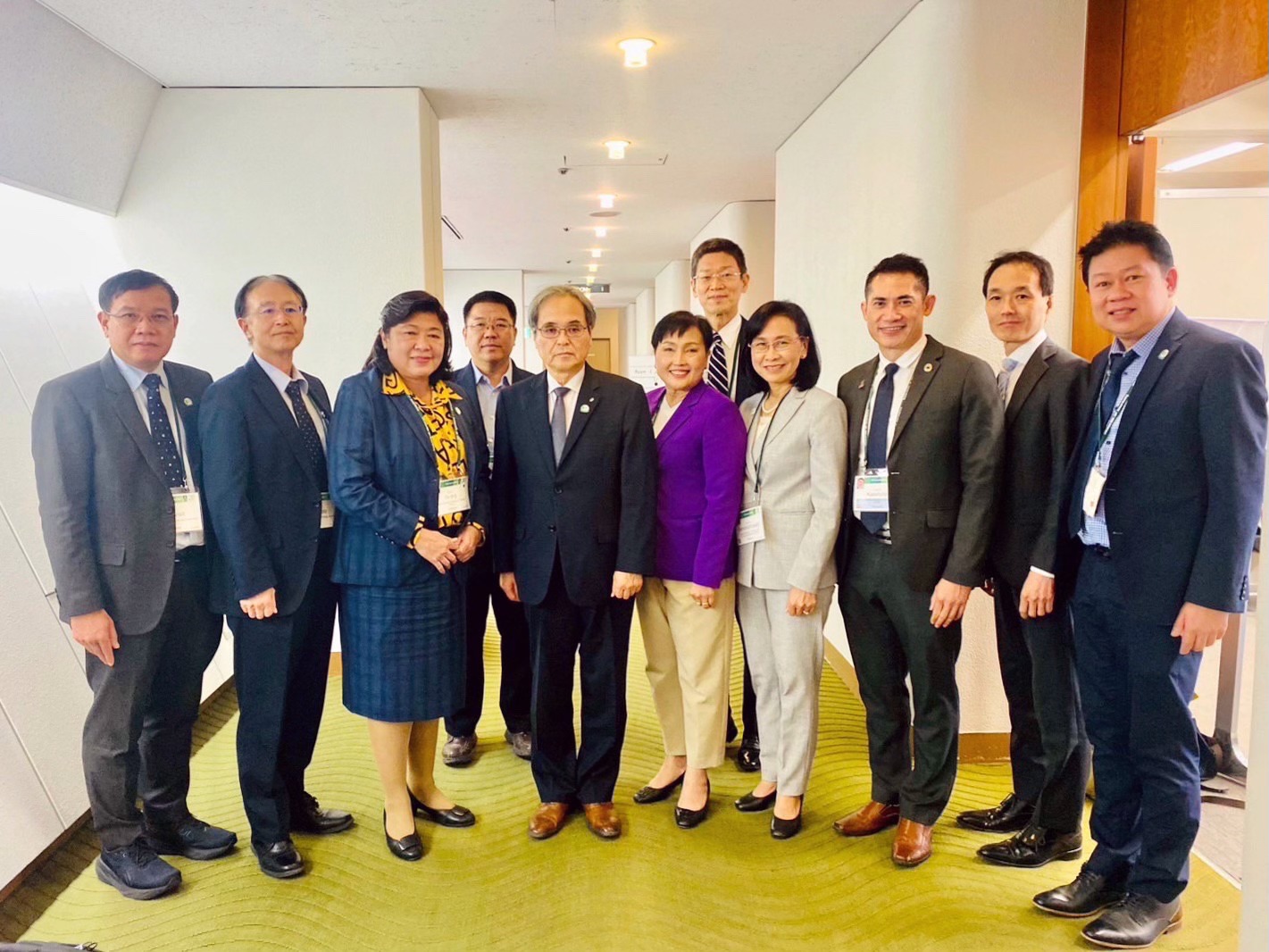
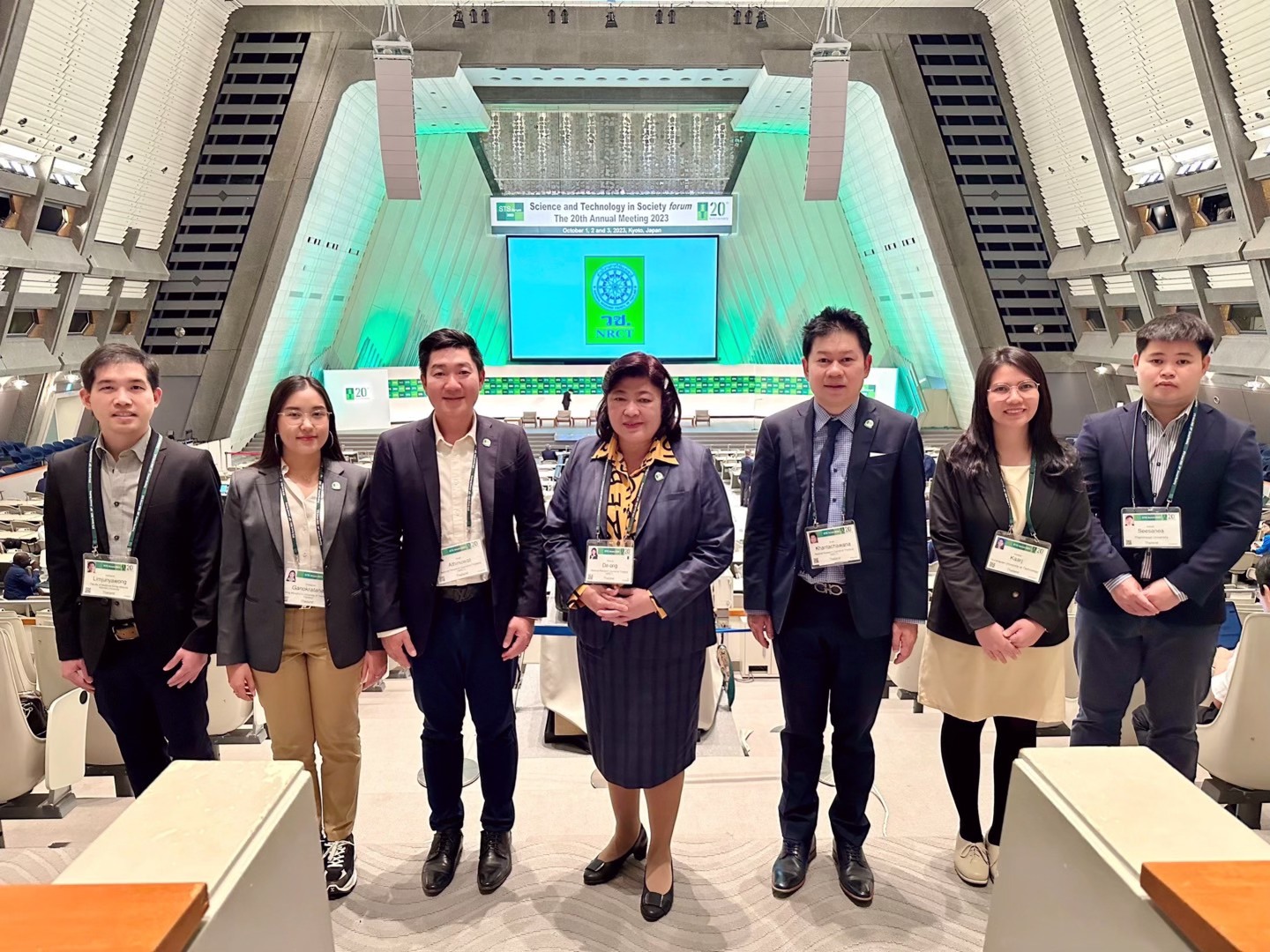
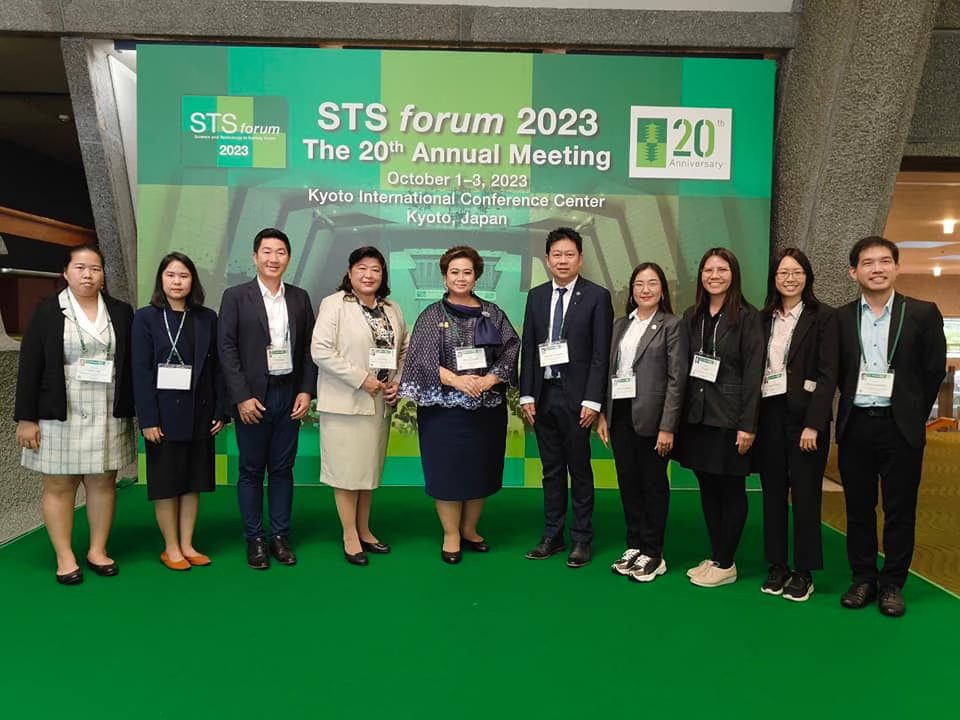
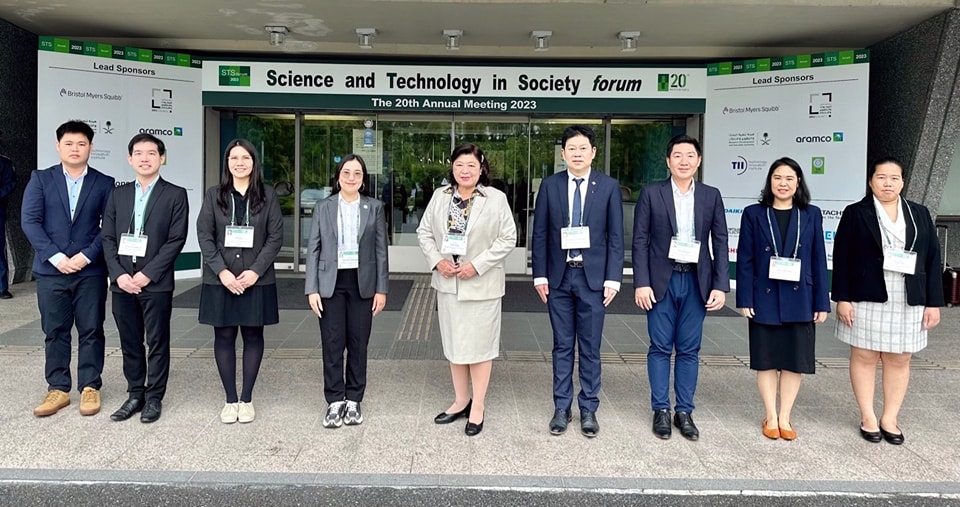
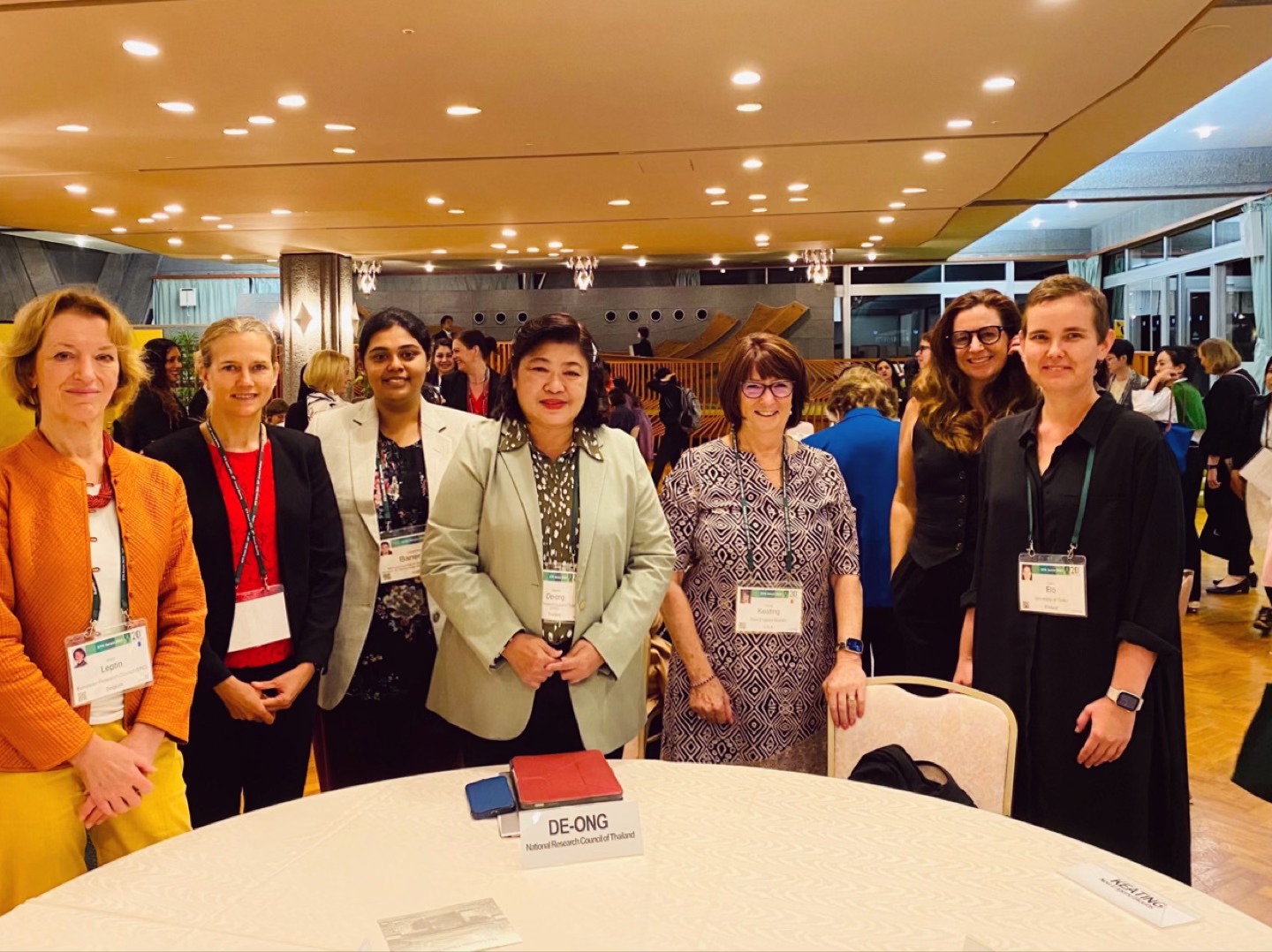
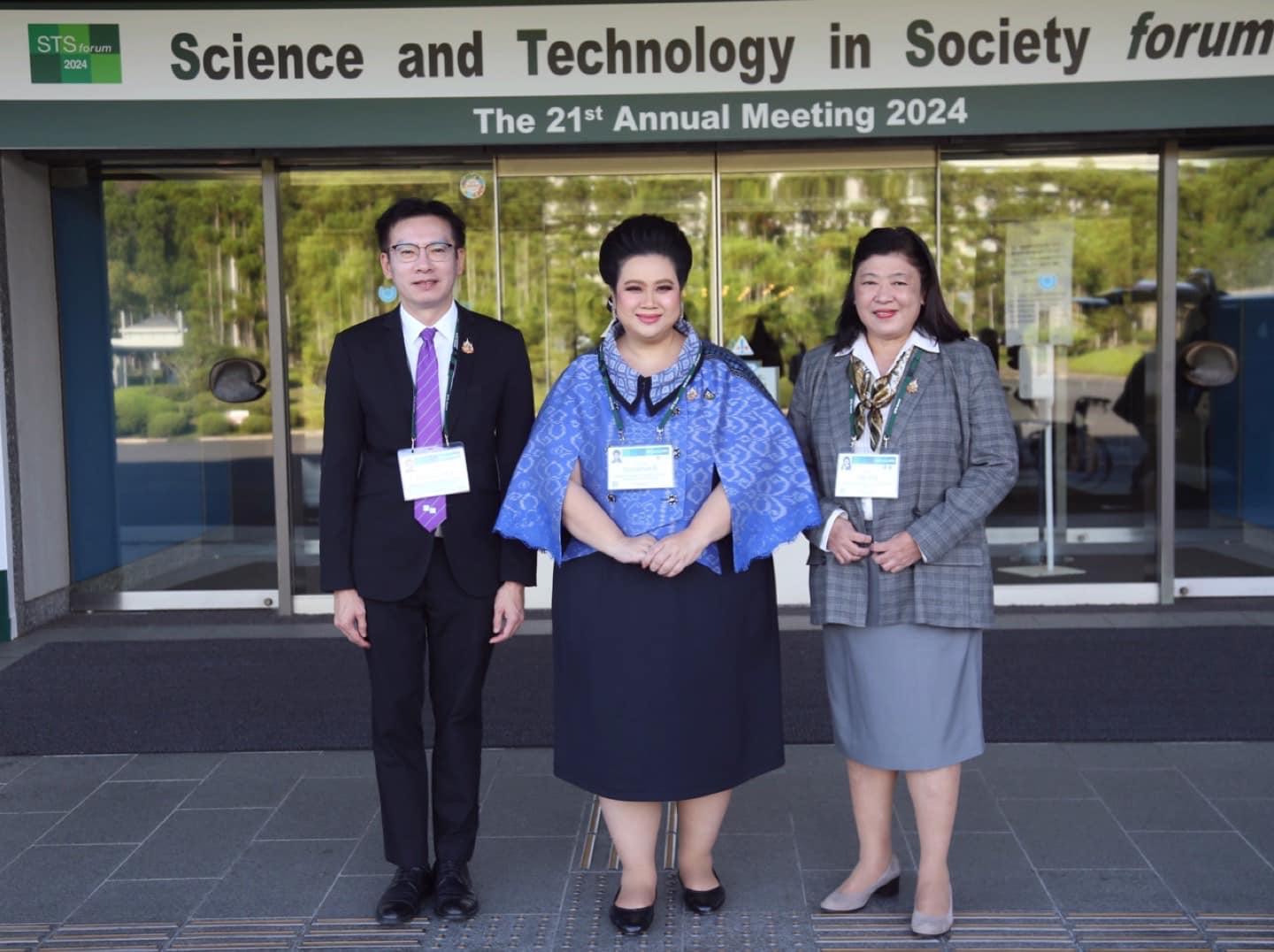
On this occasion, Miss Supamas Isarabhakdi, Minister of Higher Education, Science, Research and Innovation of Thailand, led a delegation of executives from agencies under the Ministry of Higher Education, Science, Research and Innovation (MHESI), along with Thai Young Leaders researchers, to participate in the Science and Technology in Society Forum 2024 – The 21st Annual Meeting. The delegation included Professor Dr. Supachai Pathumnakul, Permanent Secretary of the Ministry of Higher Education, Science, Research and Innovation; Professor Dr. Sirirurg Songsivilai, Chairman of the National Commission on Science, Research and Innovation; and Dr. Wiparat De-ong, Executive Director of the National Research Council of Thailand, together with executives from several other agencies.
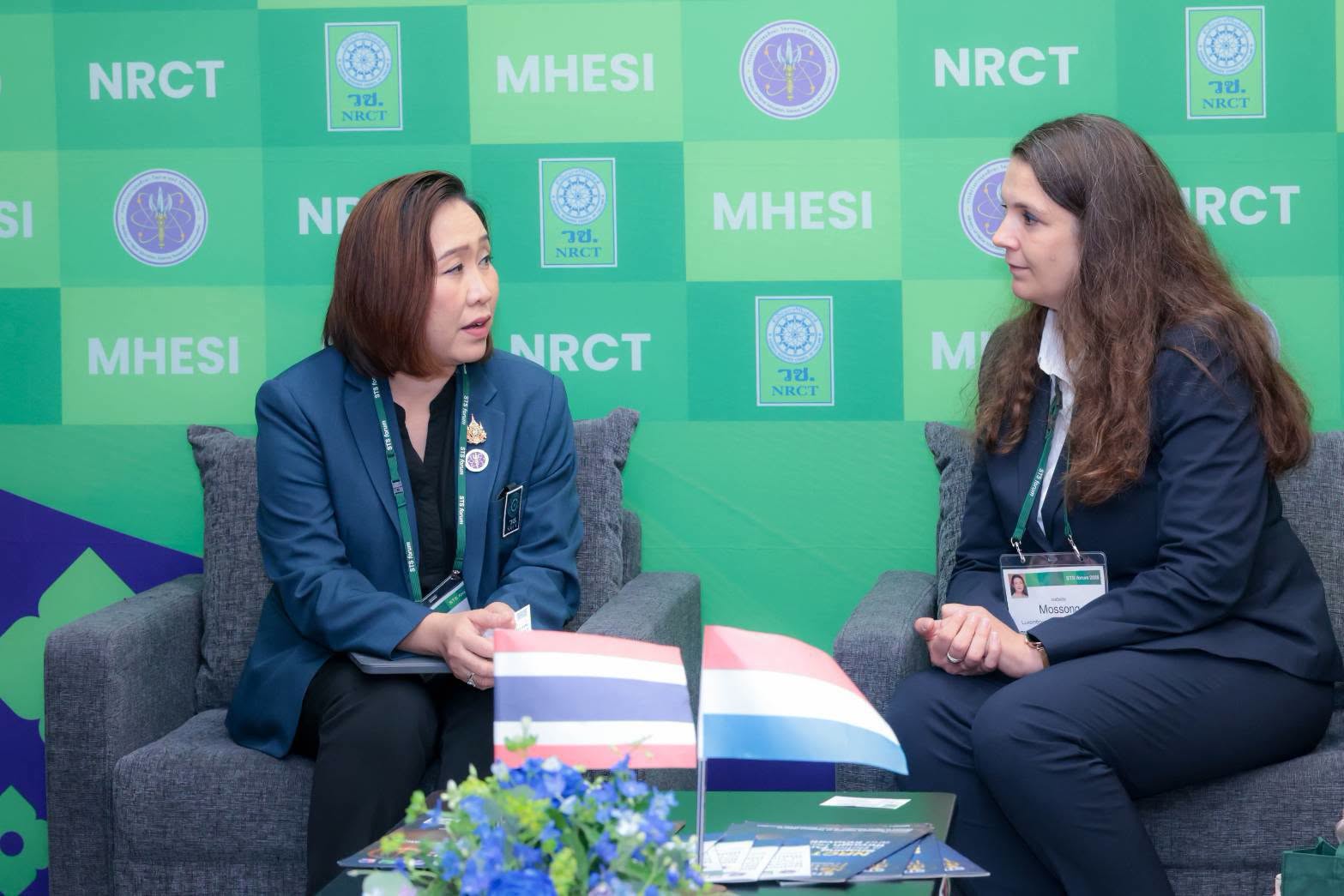
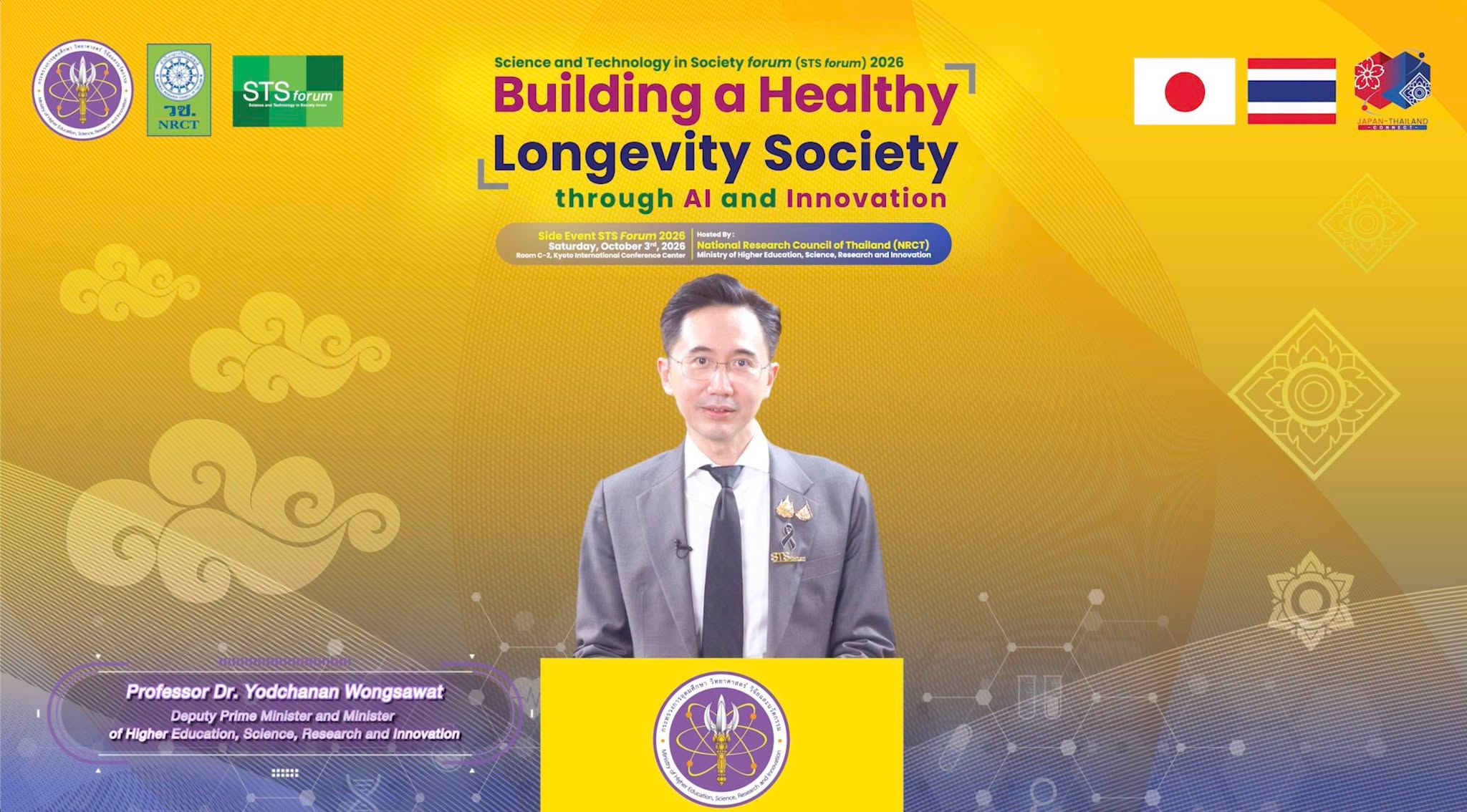
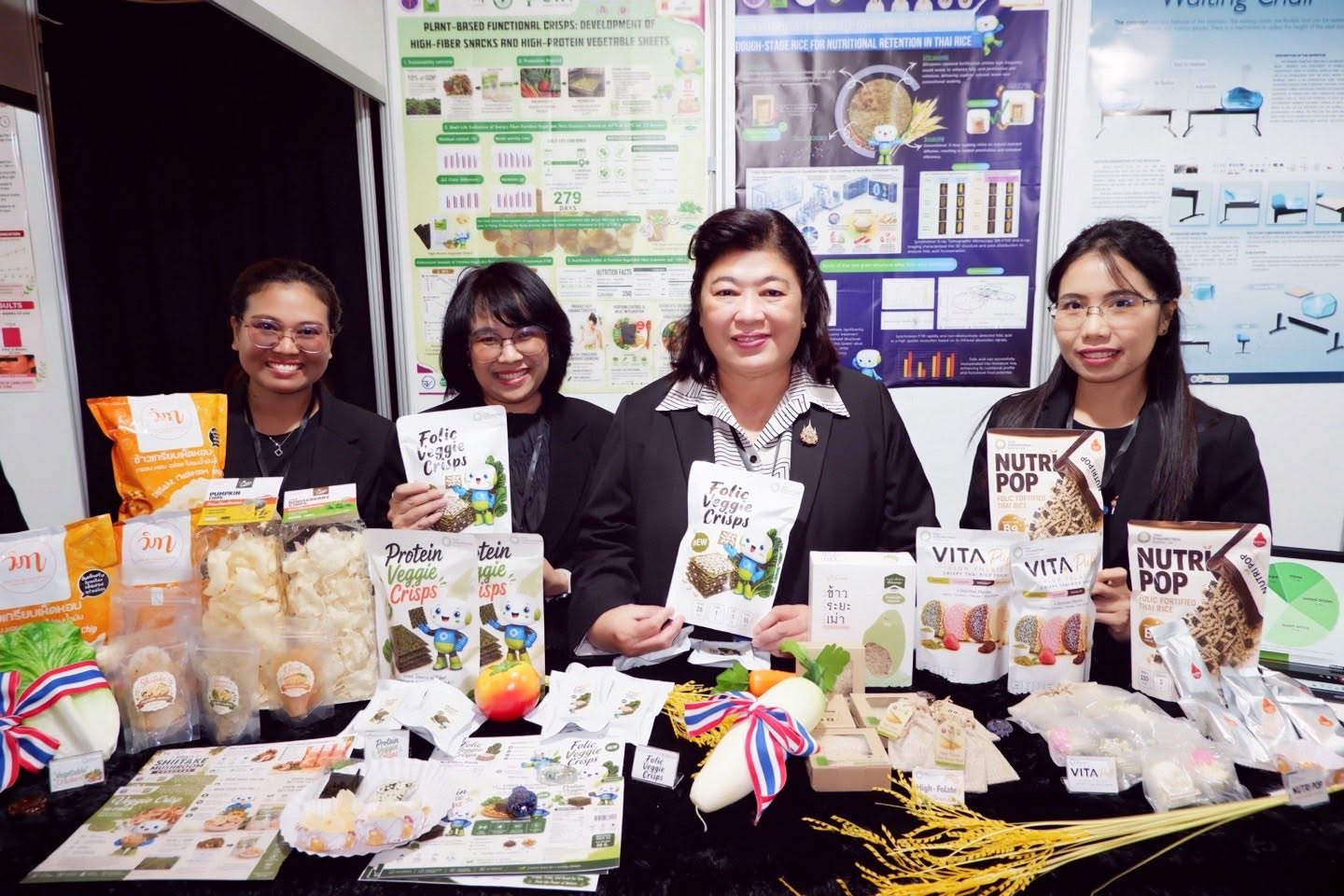
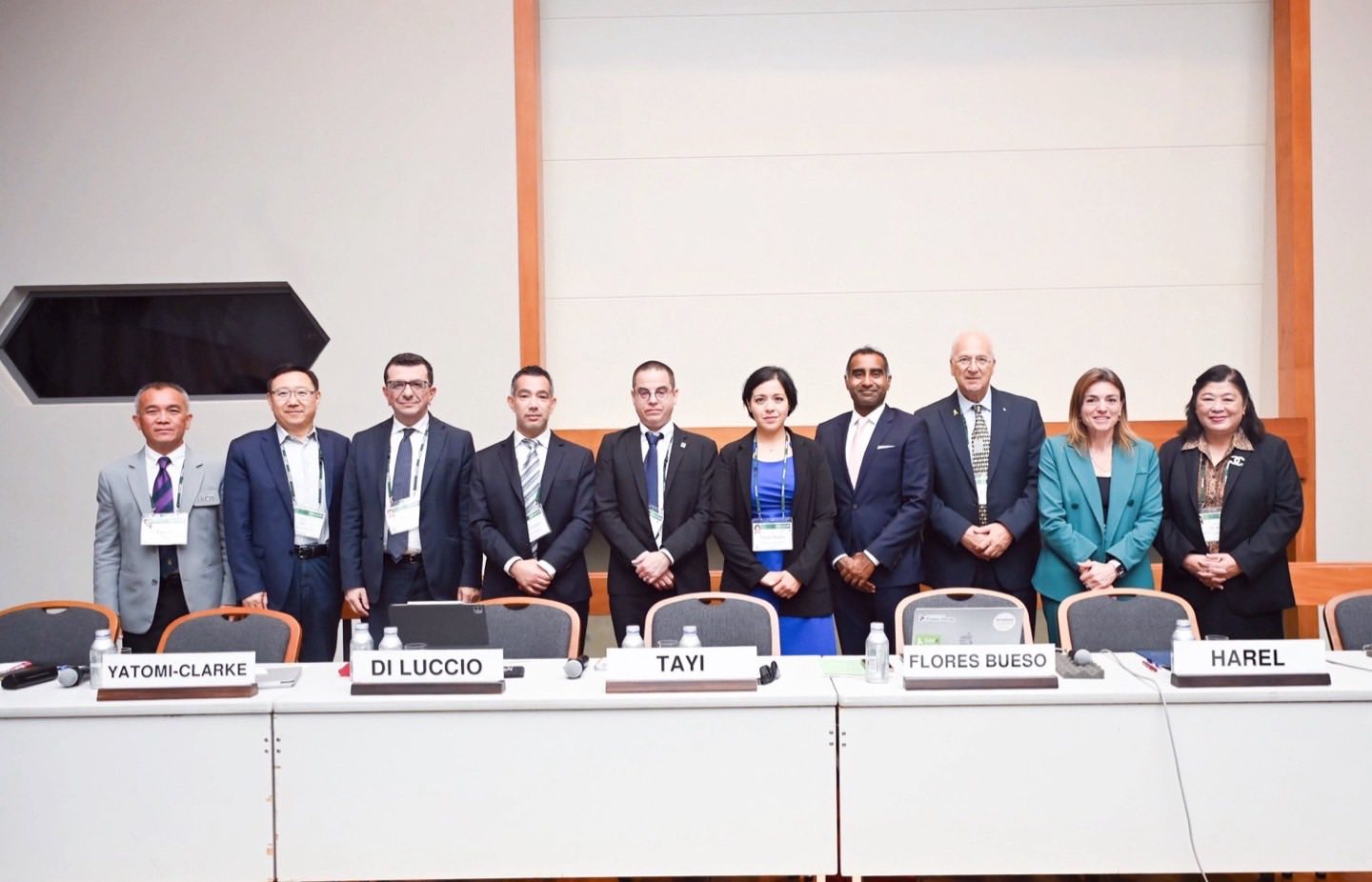
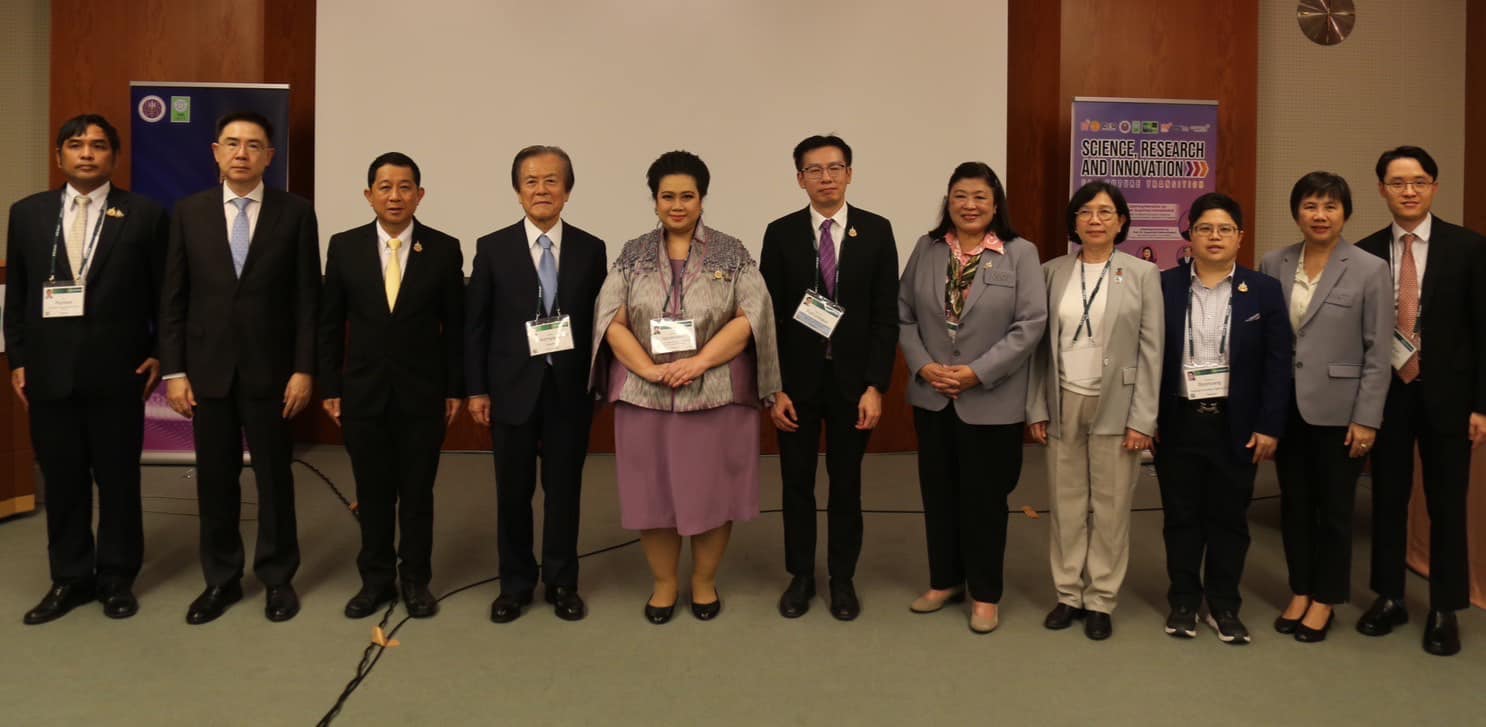
At present, the National Research Council of Thailand (NRCT) serves as a Council Member of the STS forum, which functions as a global platform for exchanging perspectives and fostering collaboration among high-potential international networks. NRCT has consistently provided opportunities for young Thai researchers to participate in STS forum activities and present their research annually in the role of Young Leaders. This year, NRCT also hosted a special session entitled “Science and Technology for Future Transition” on 6 October 2024 during the STS forum 2024.
The STS forum is organized to build networks and facilitate dialogue among leaders in science and technology, enabling the exchange of key insights and new perspectives. It also serves as an opportunity to seek joint innovations, ideas, and initiatives, while raising awareness of the needs and societal impacts of advances in science and technology.