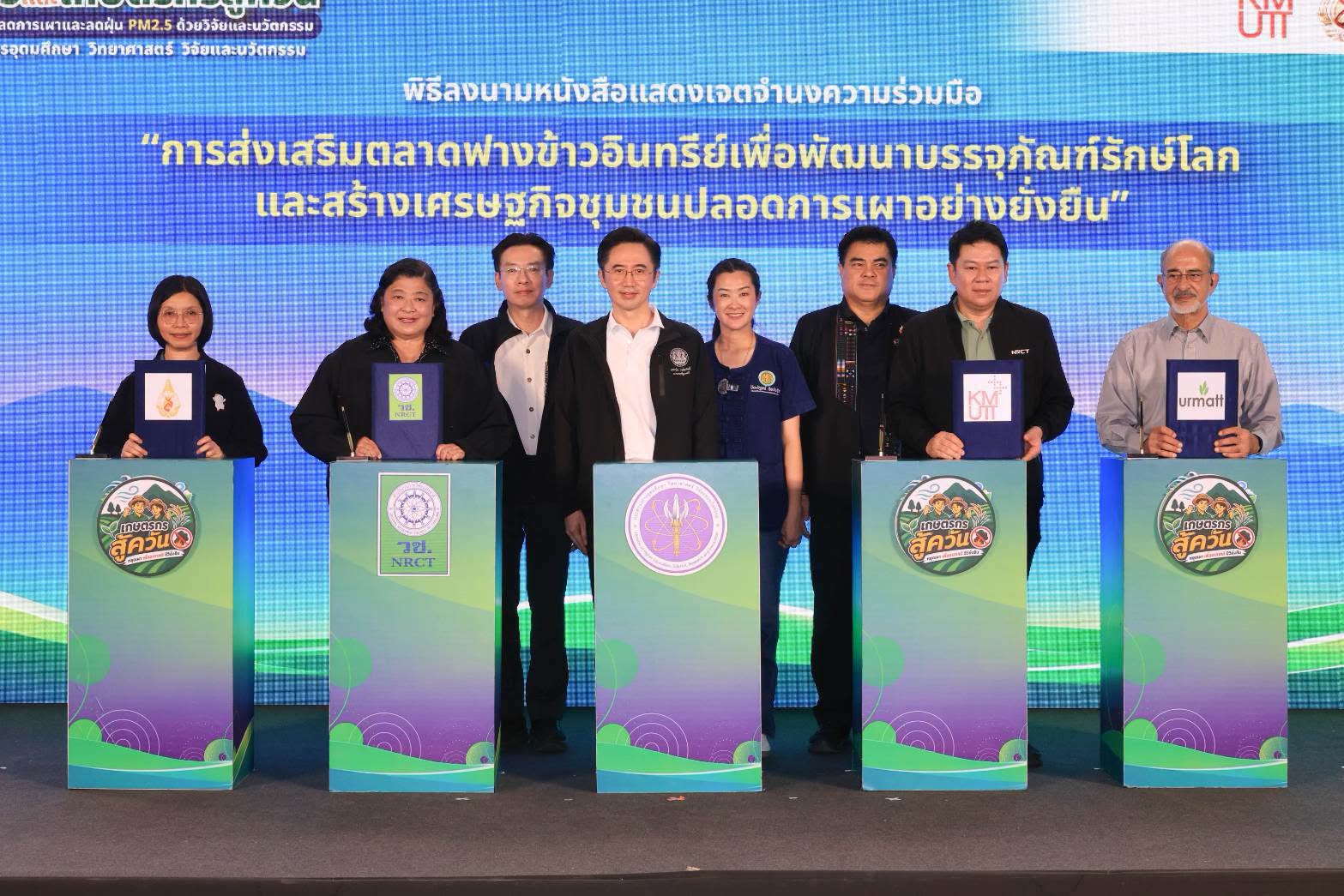
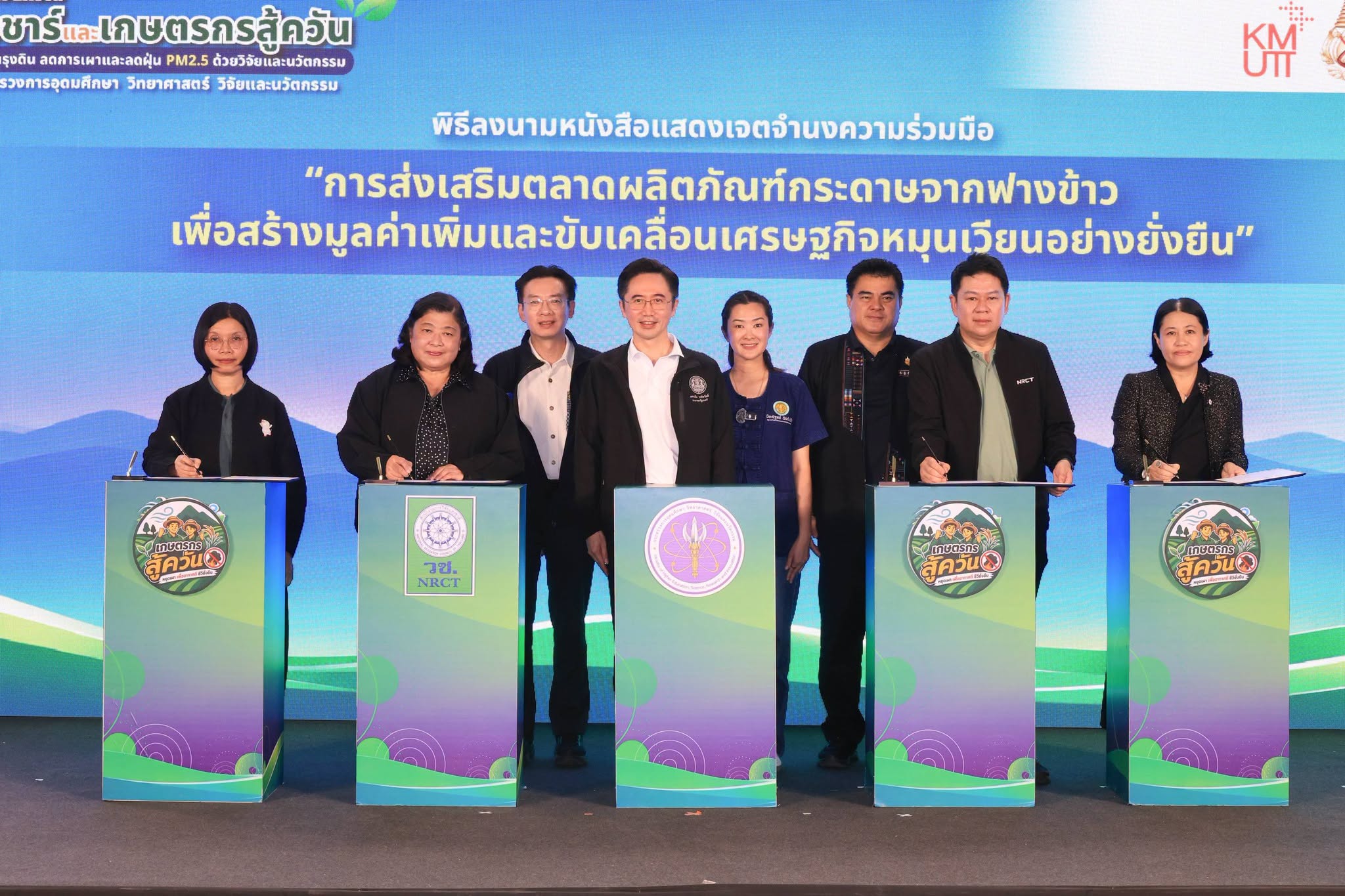
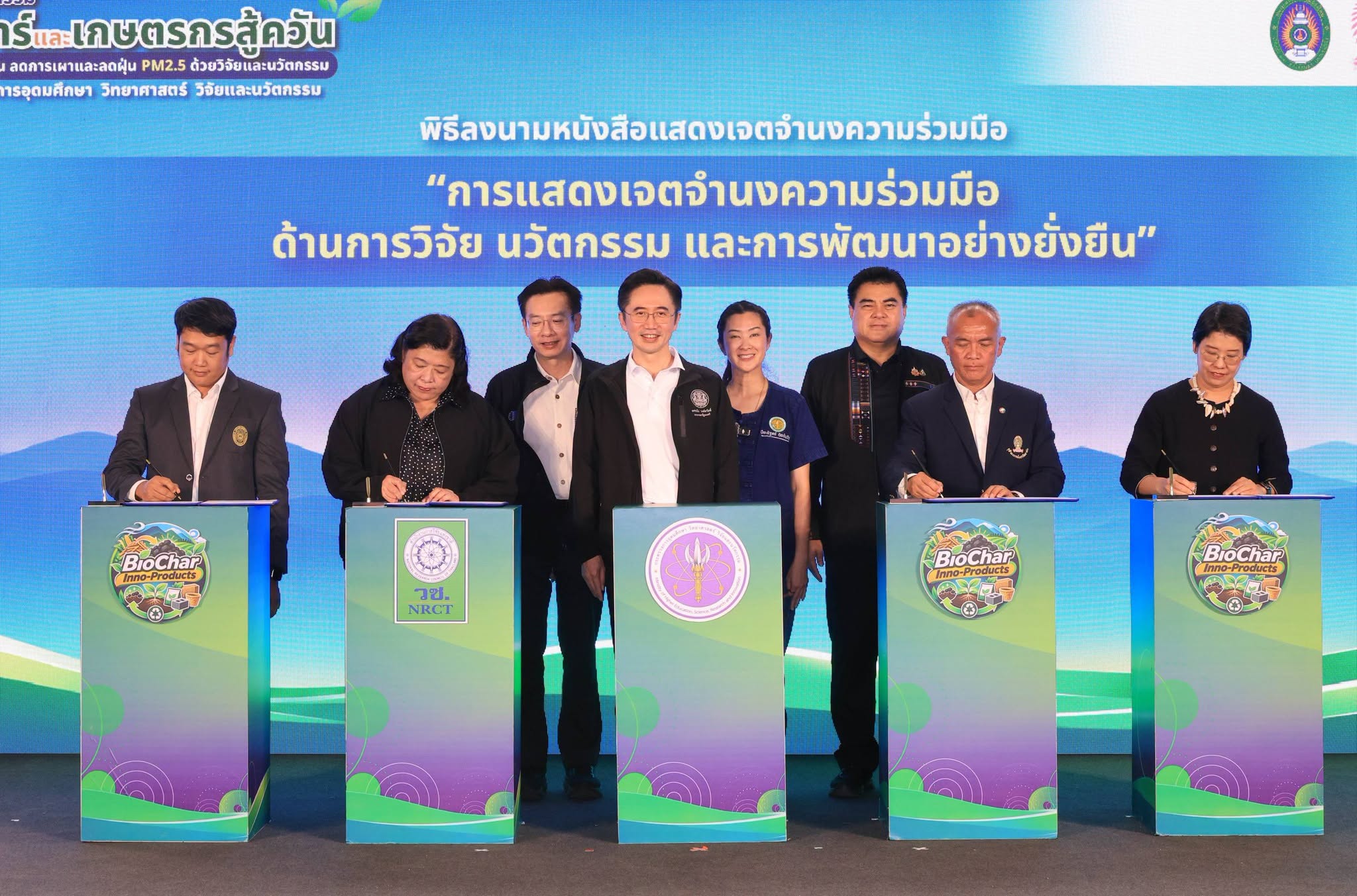
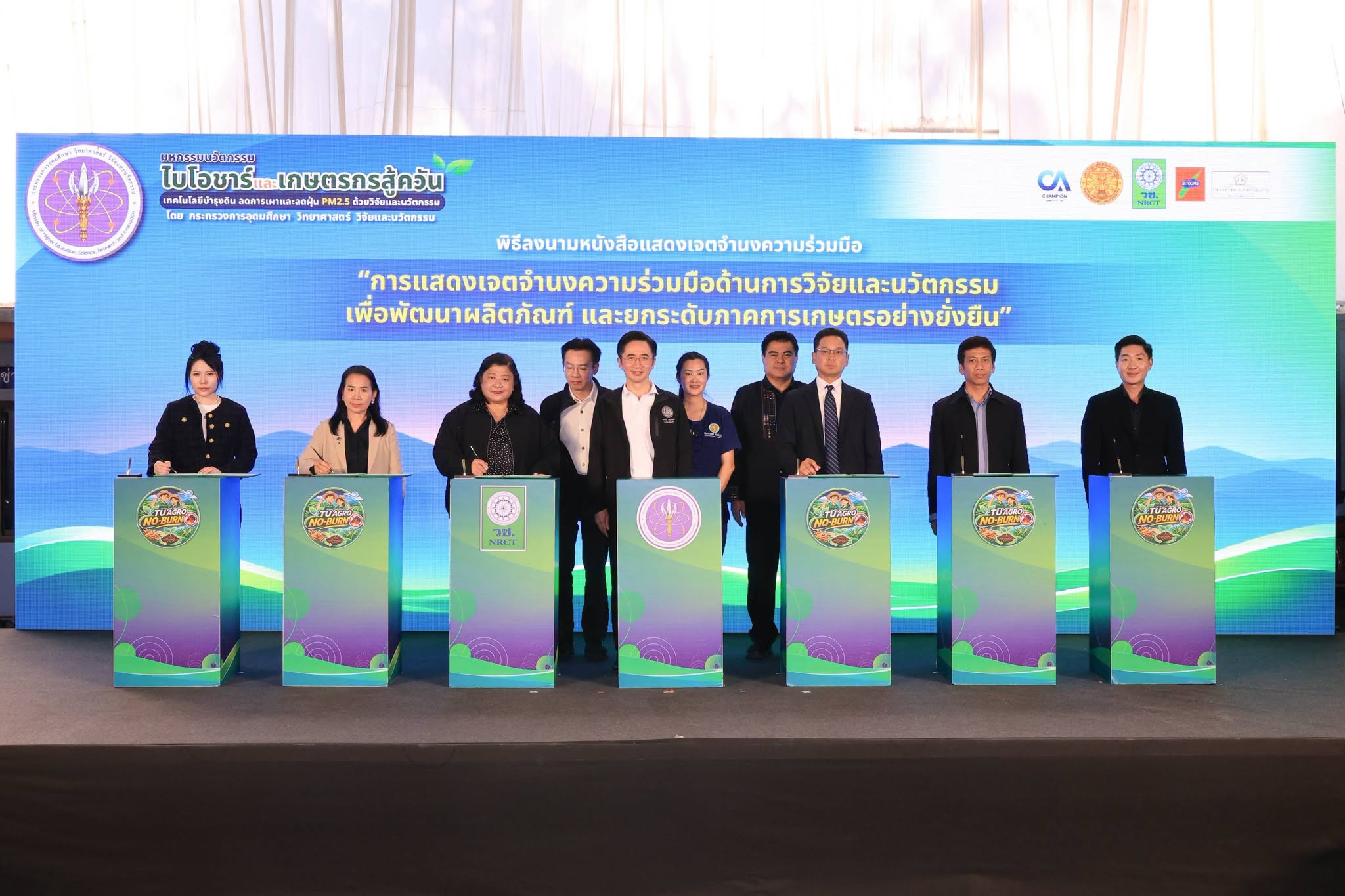
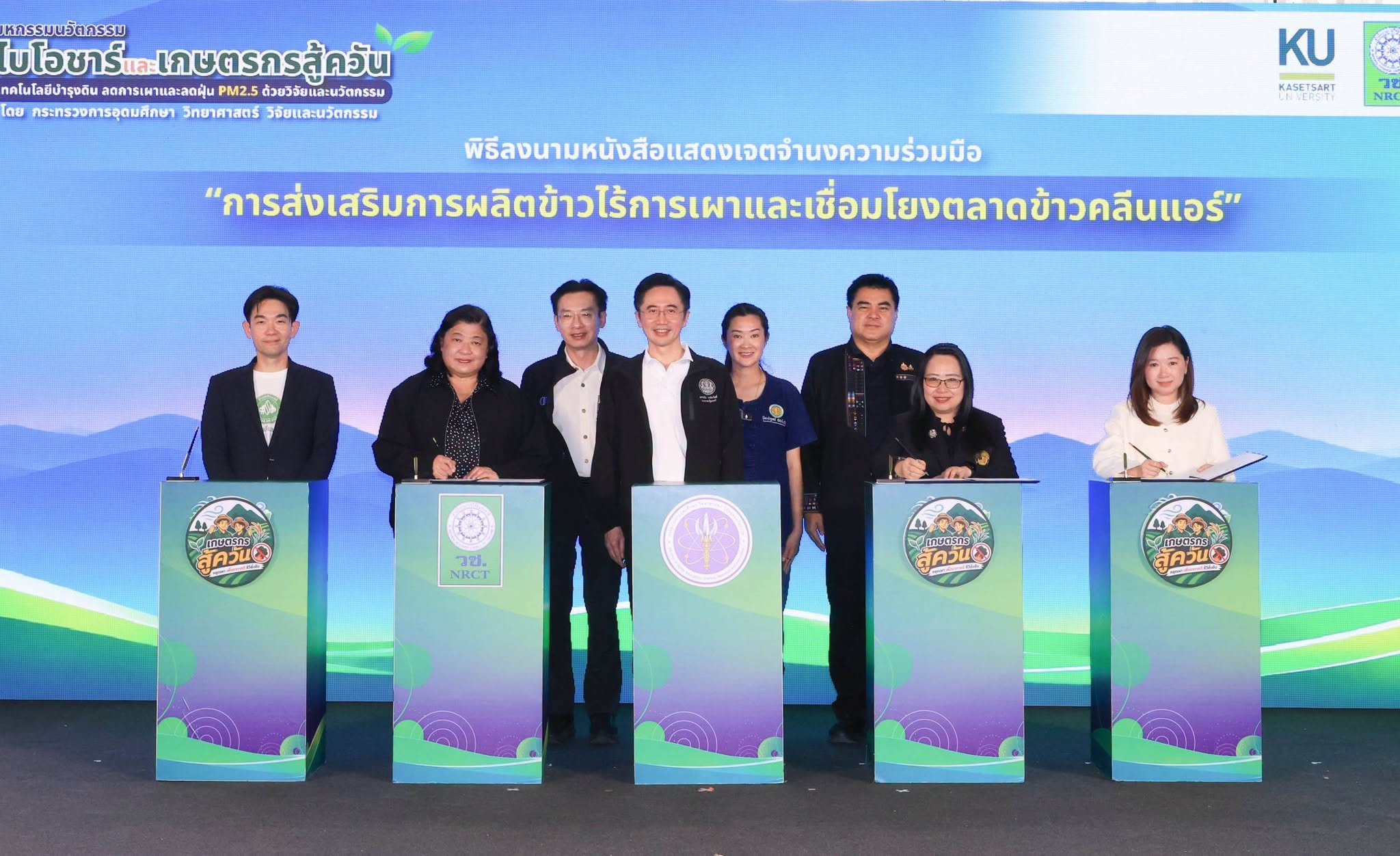
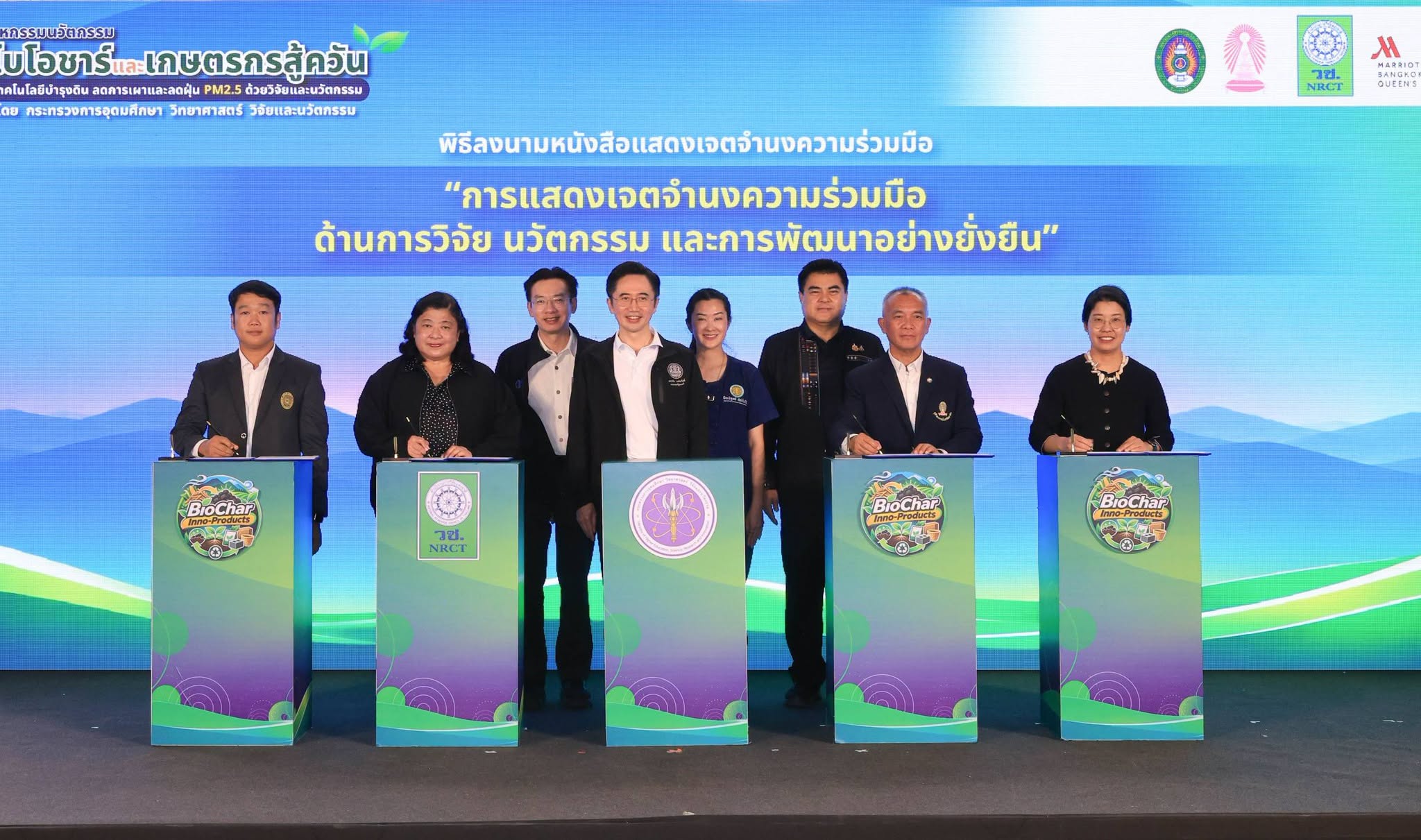
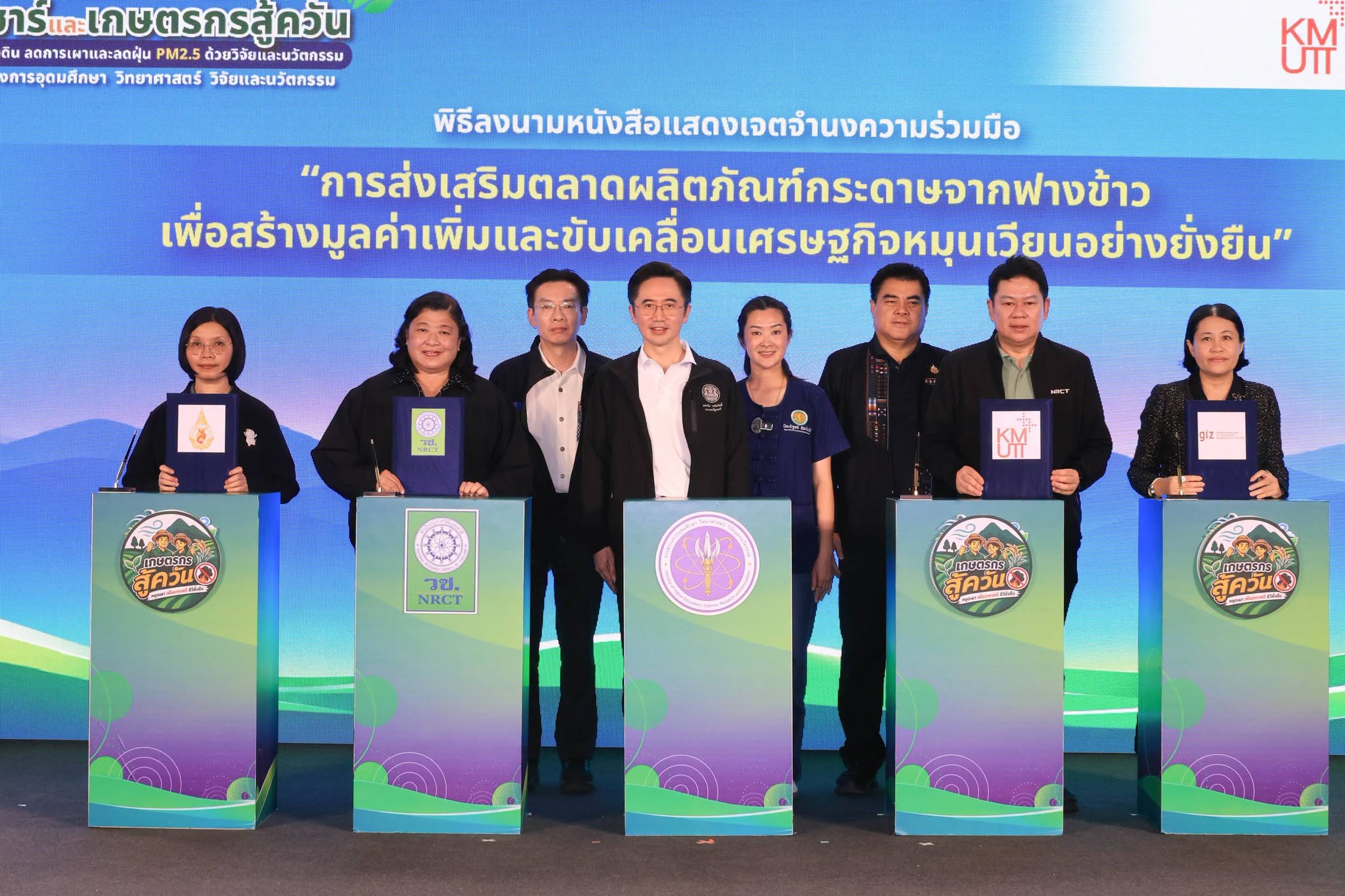
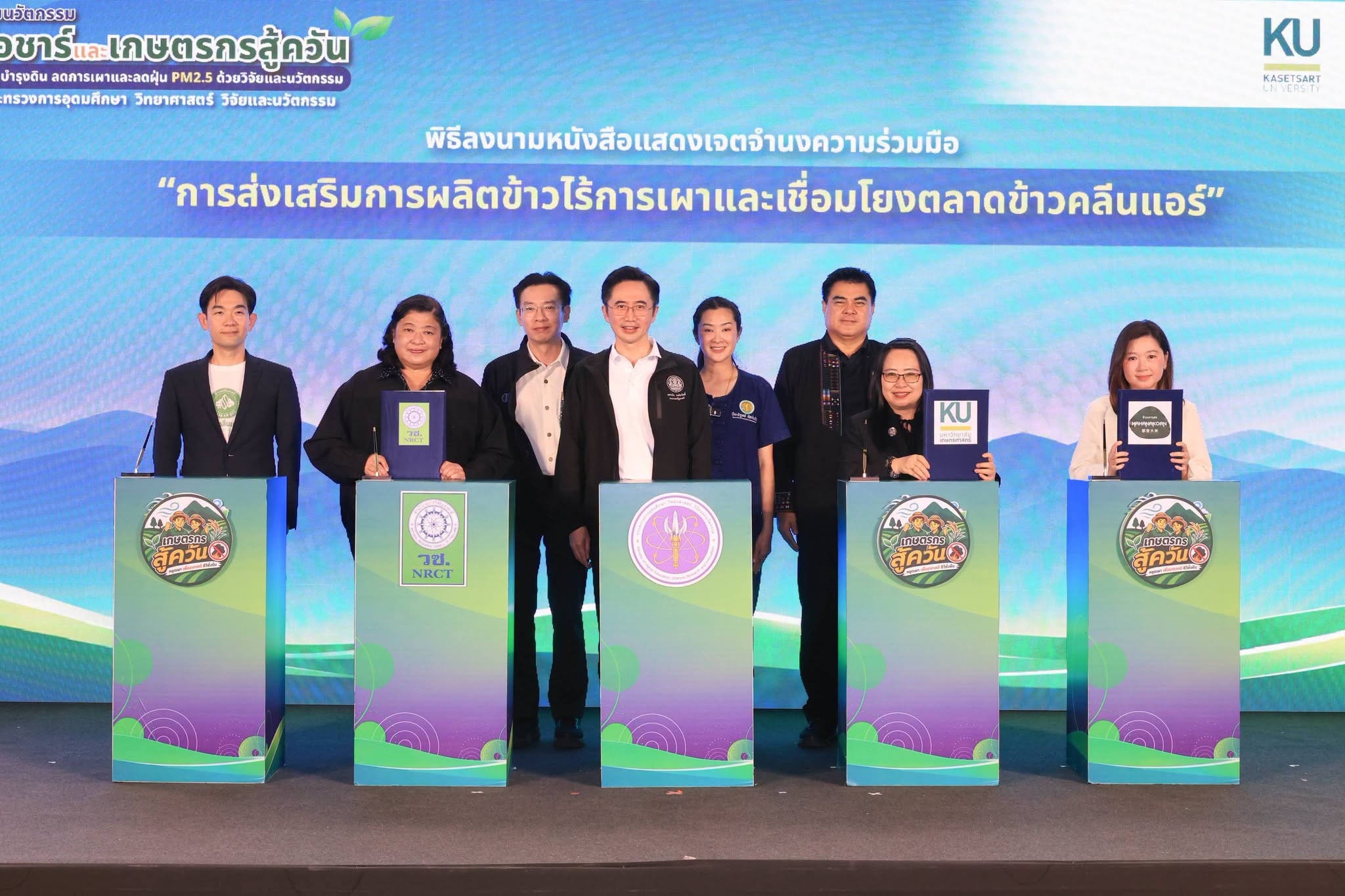
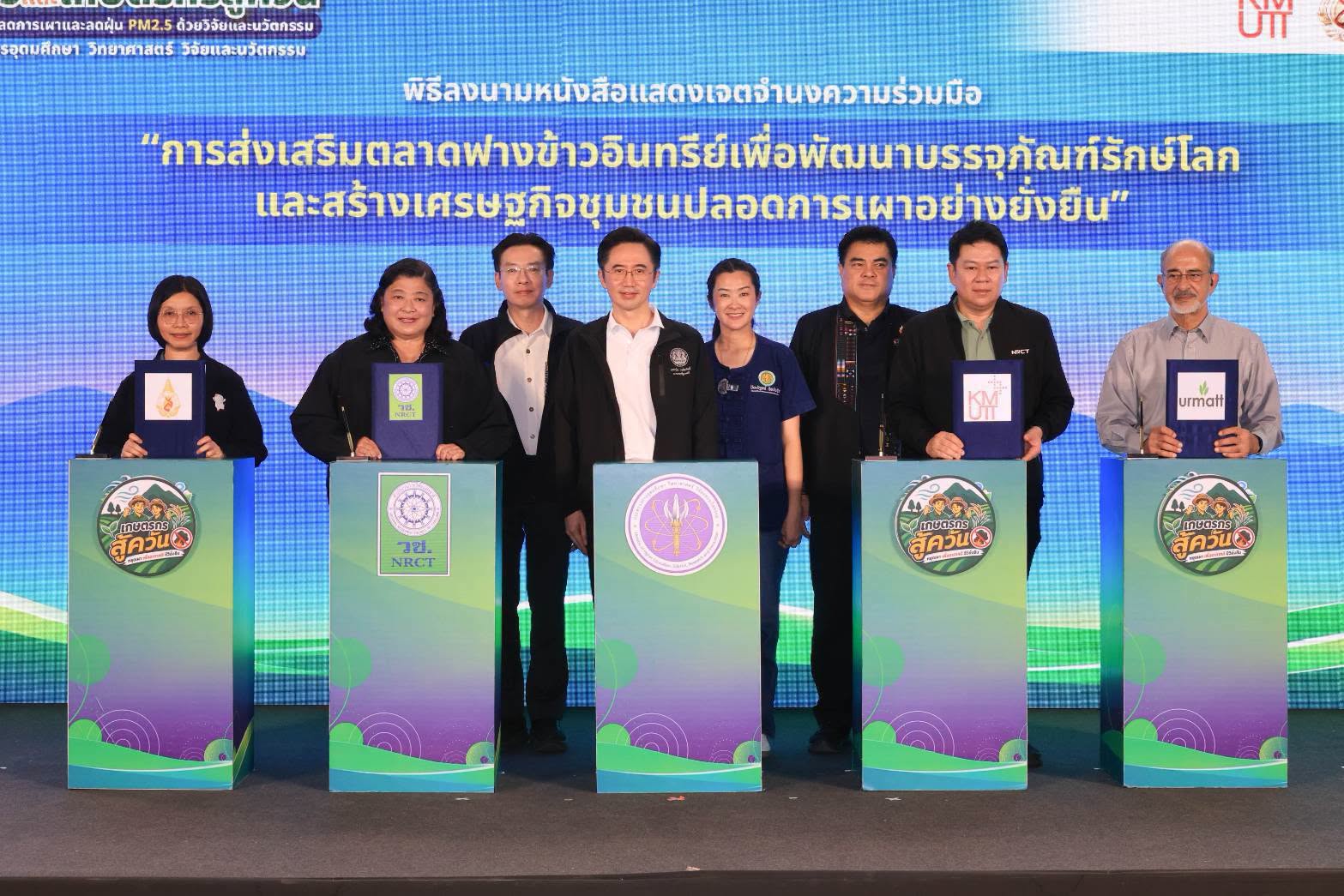
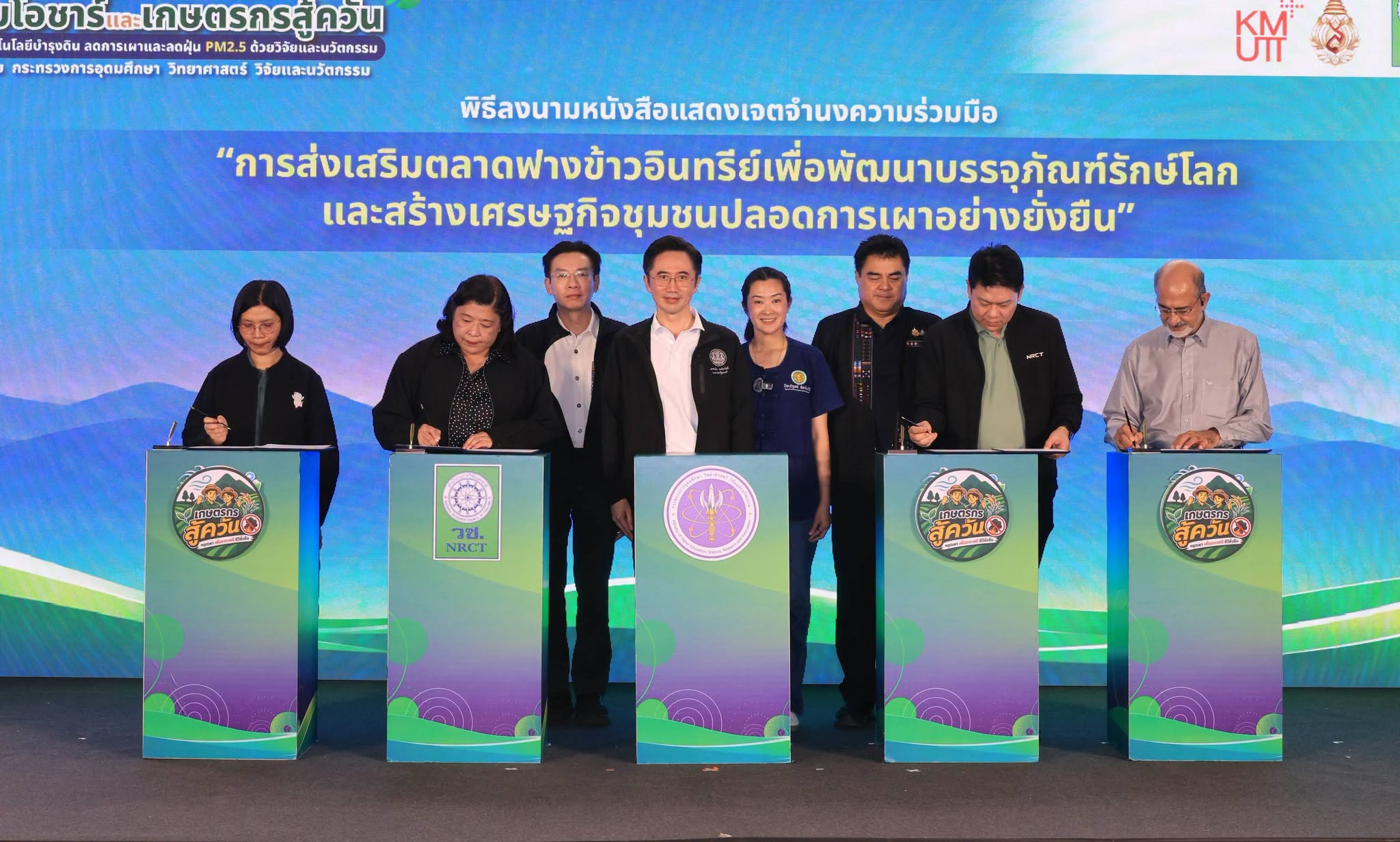
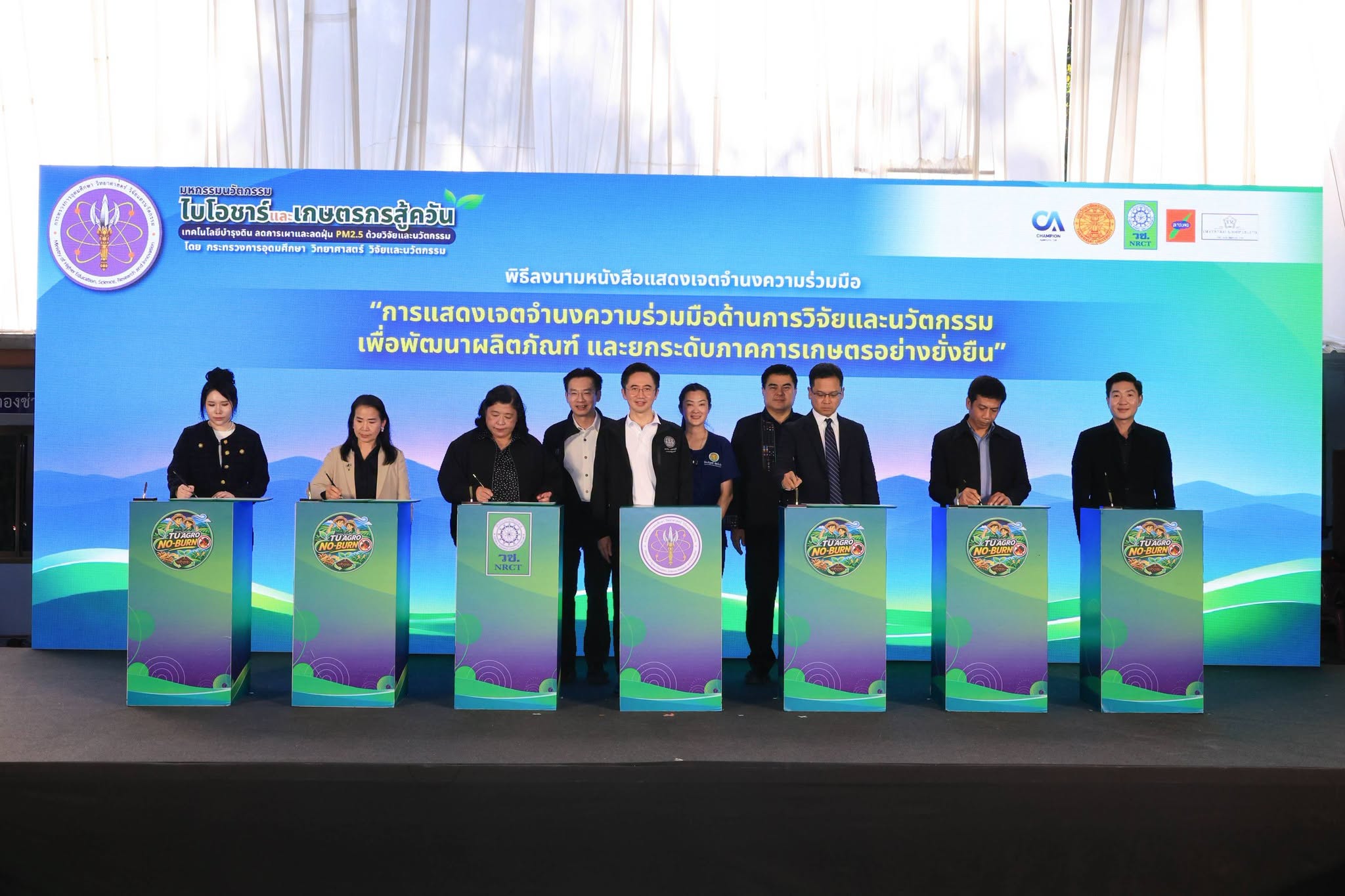
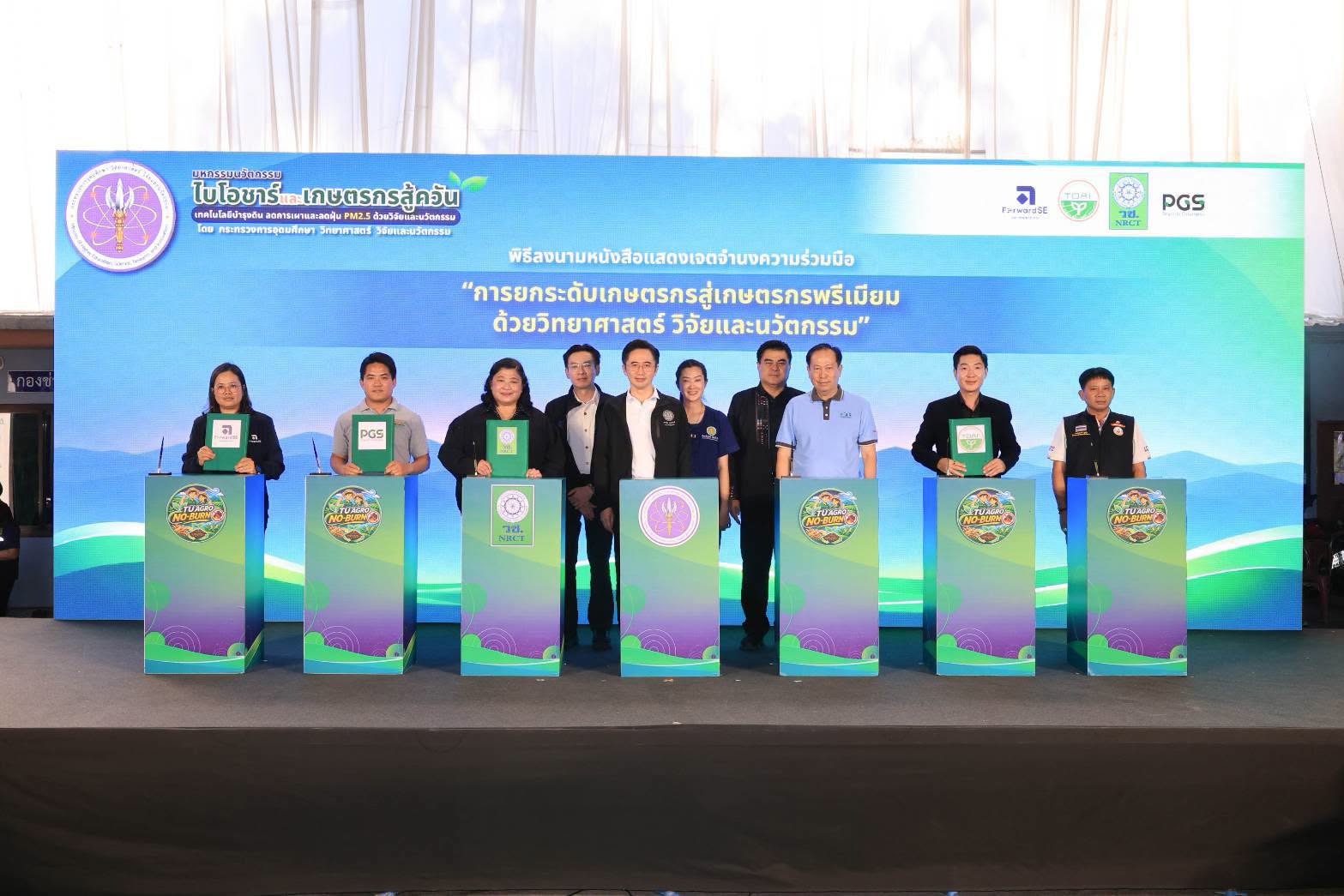
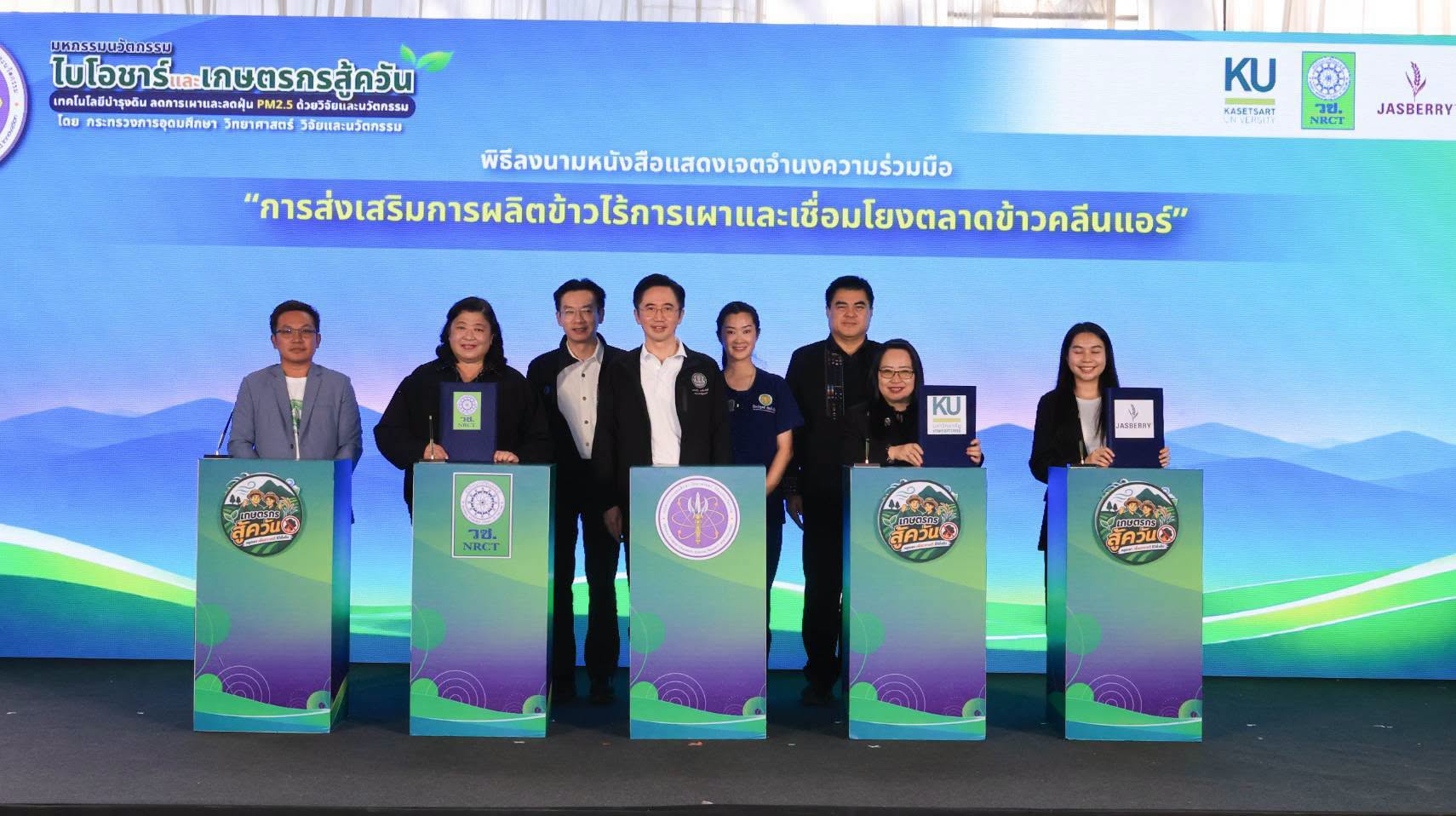
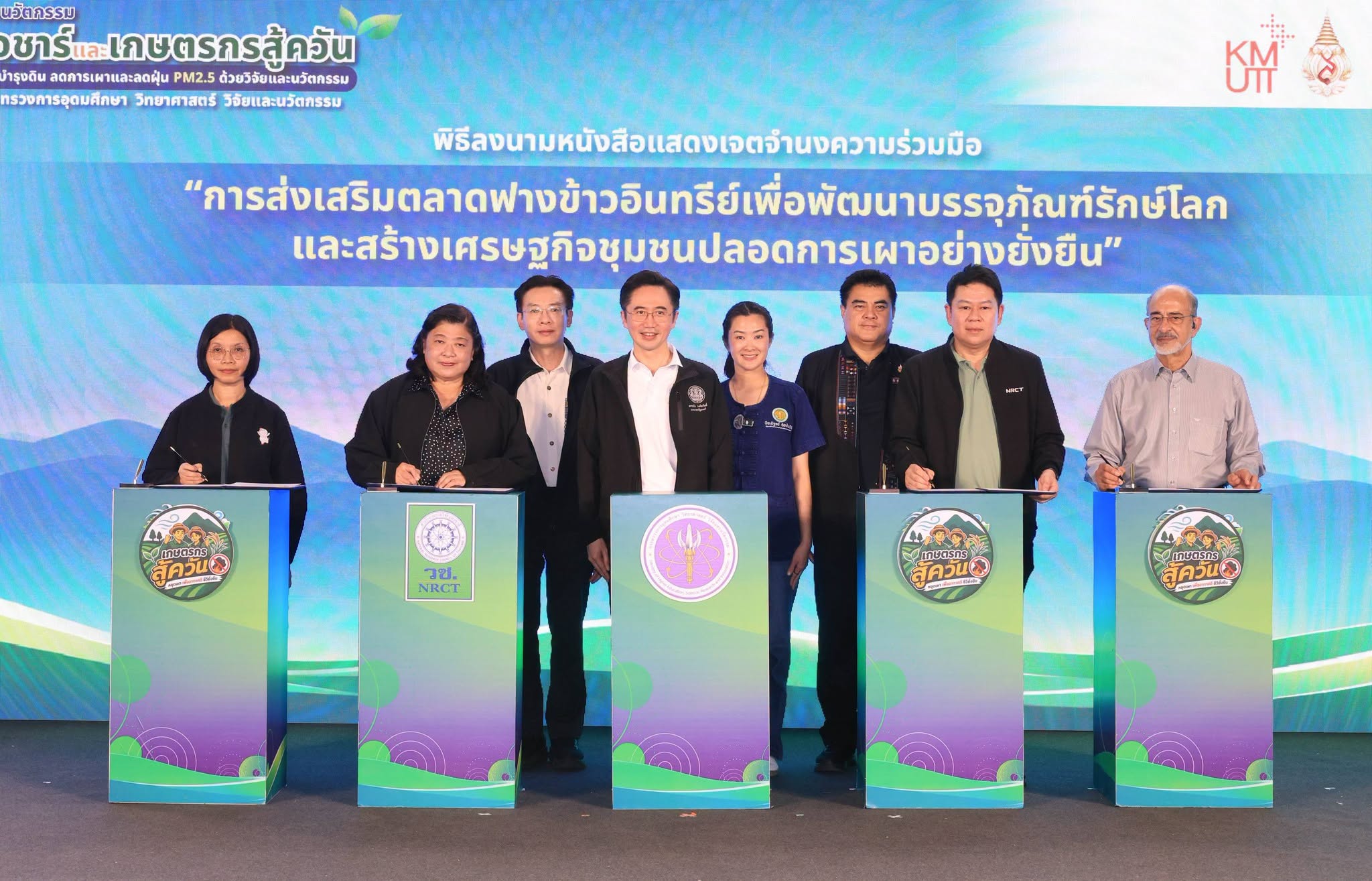
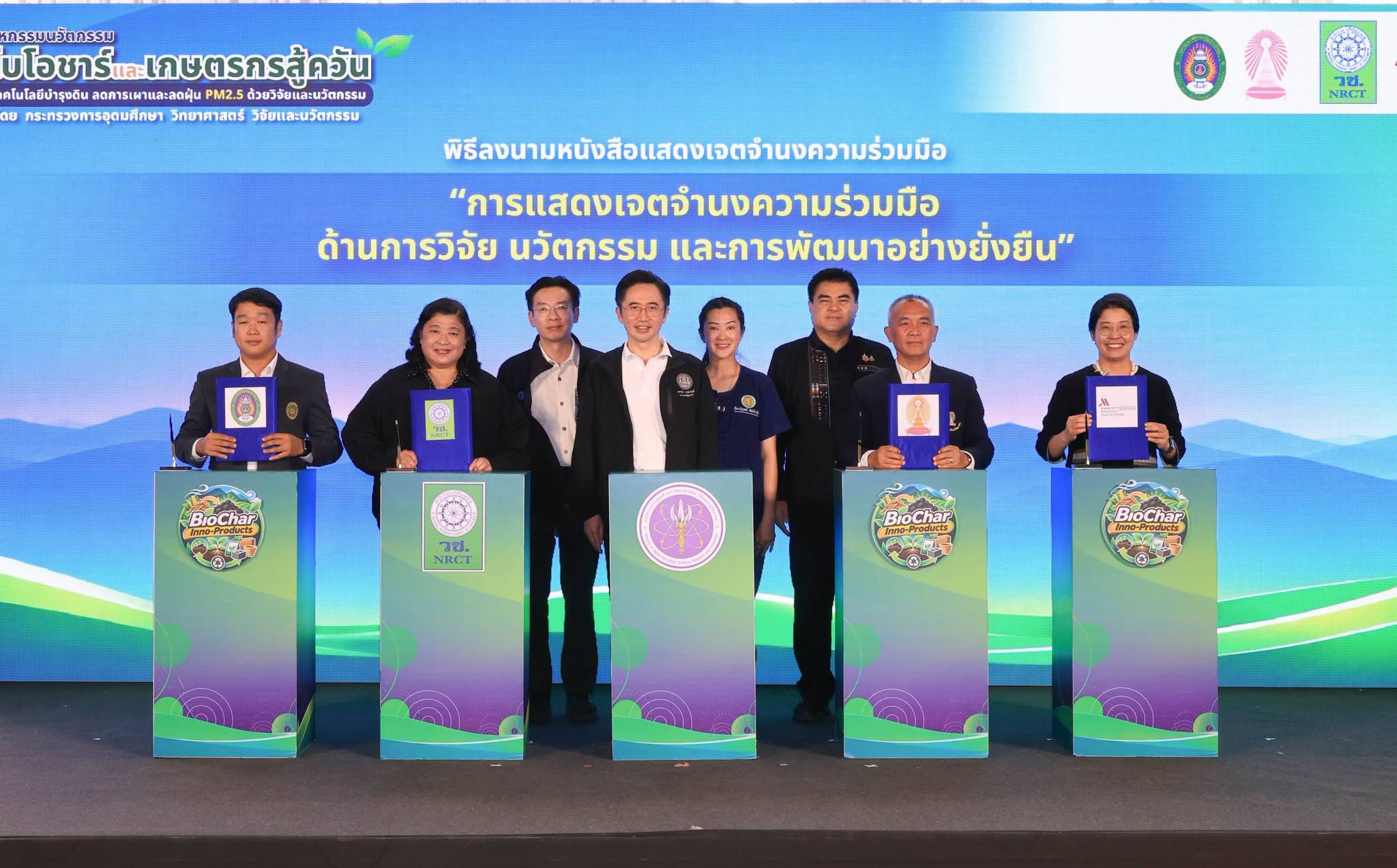
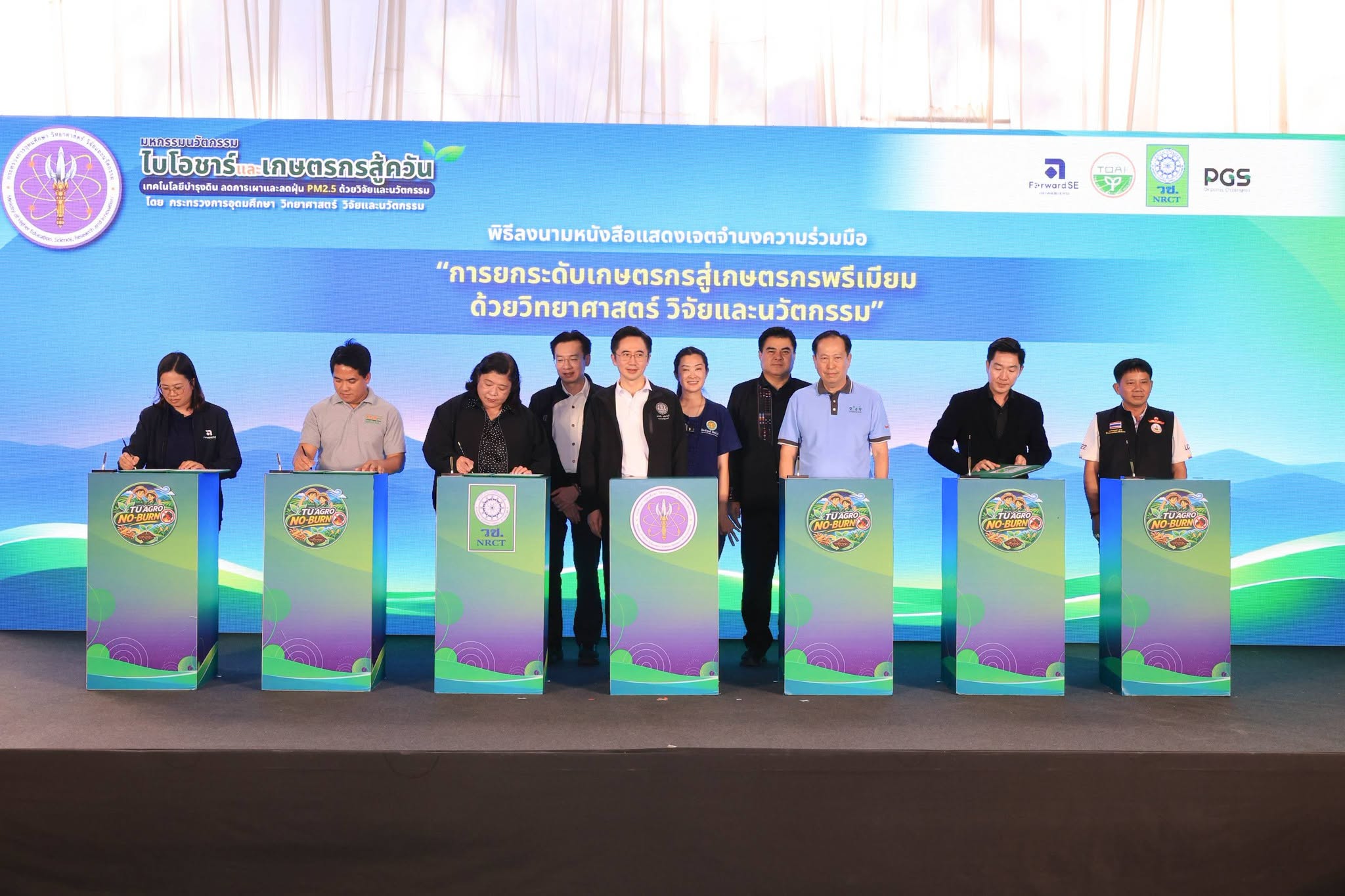
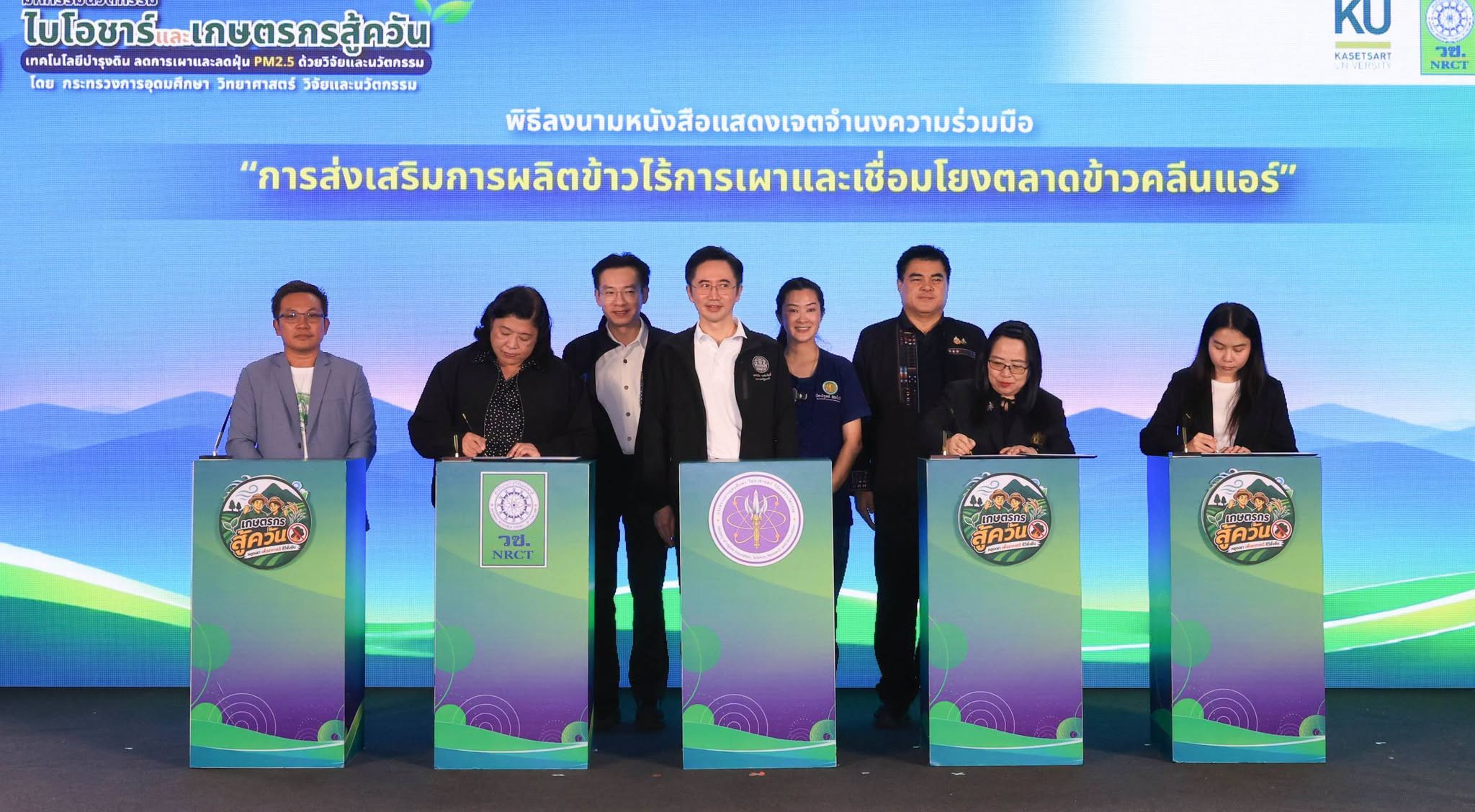
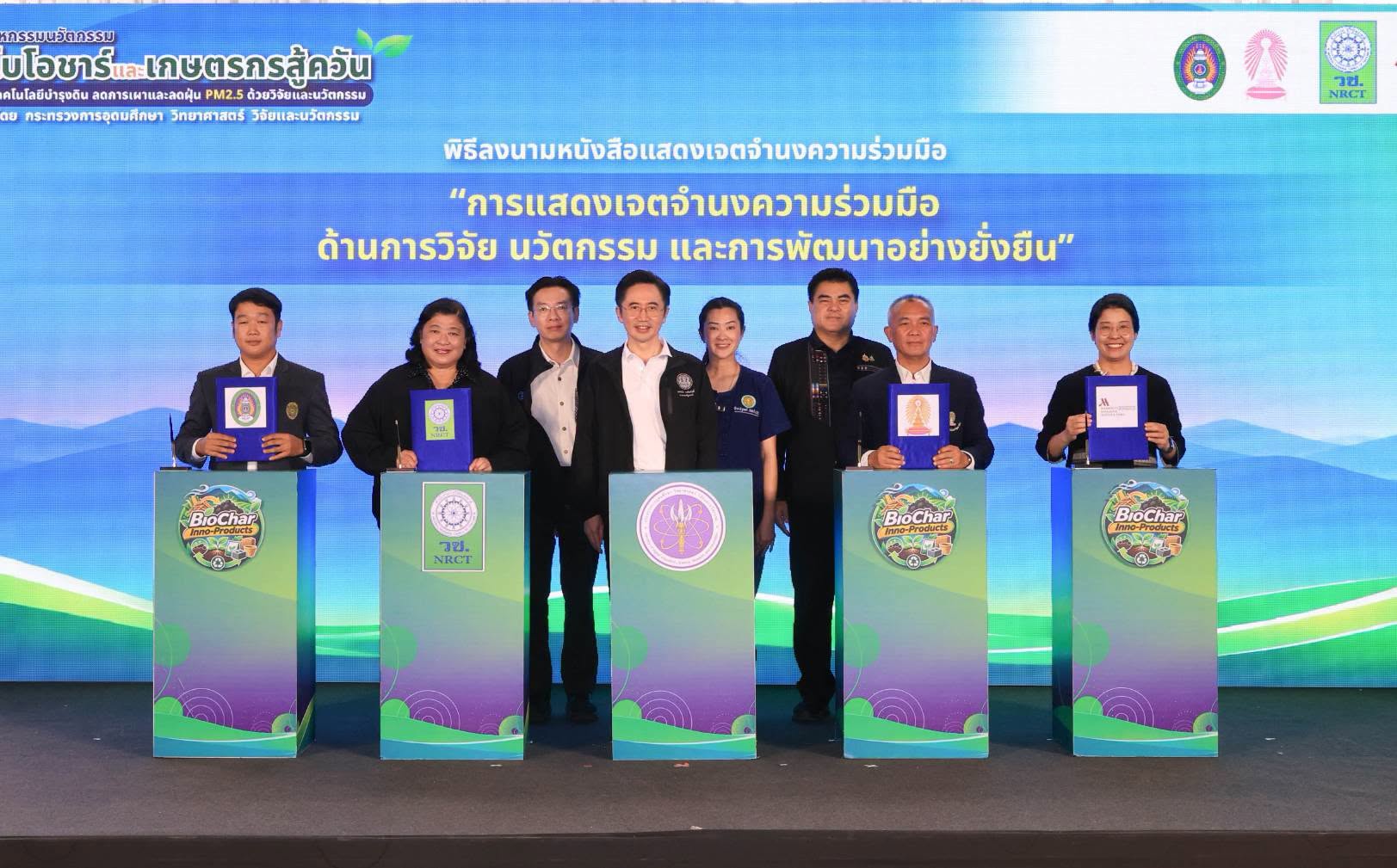
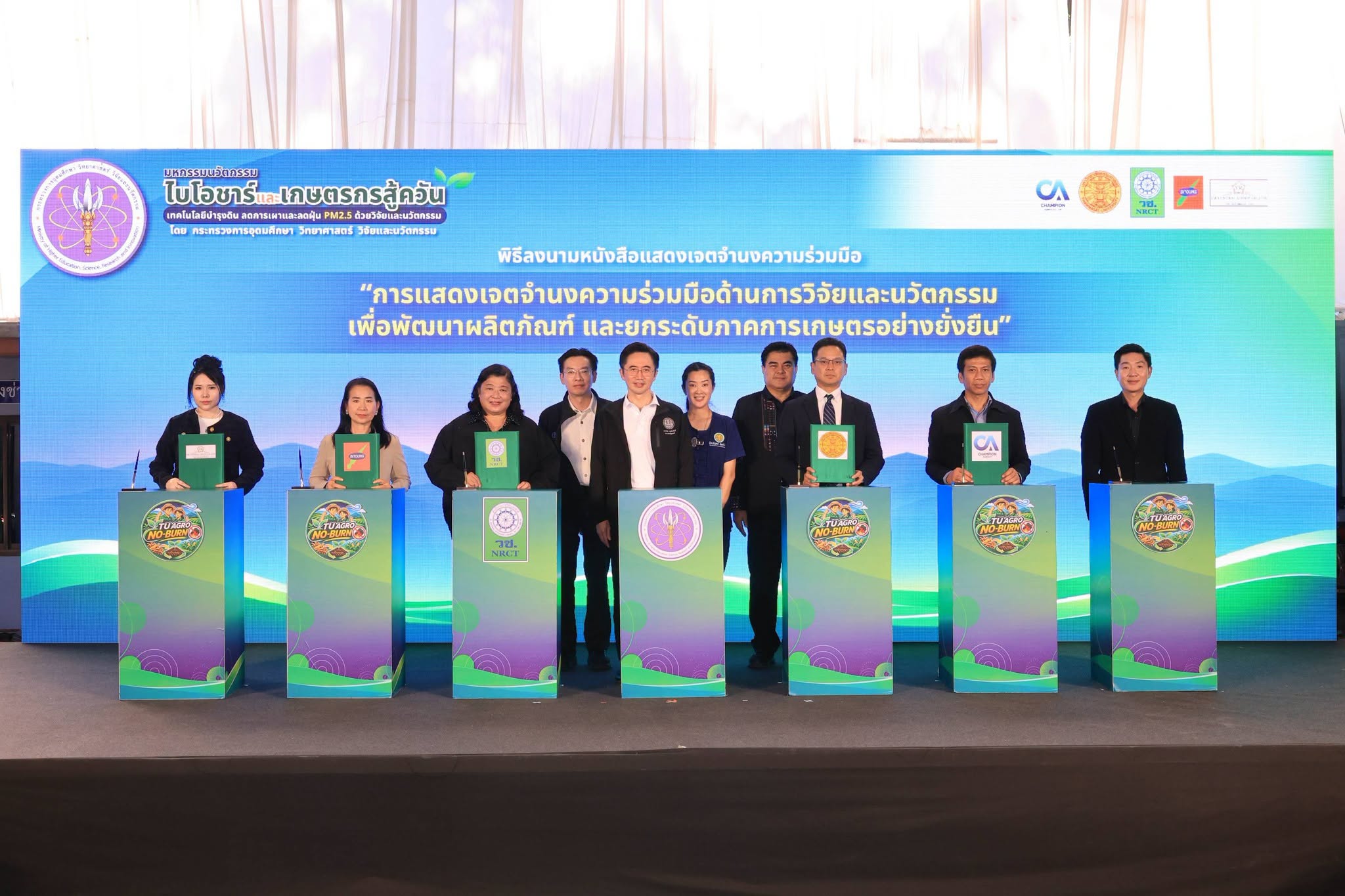
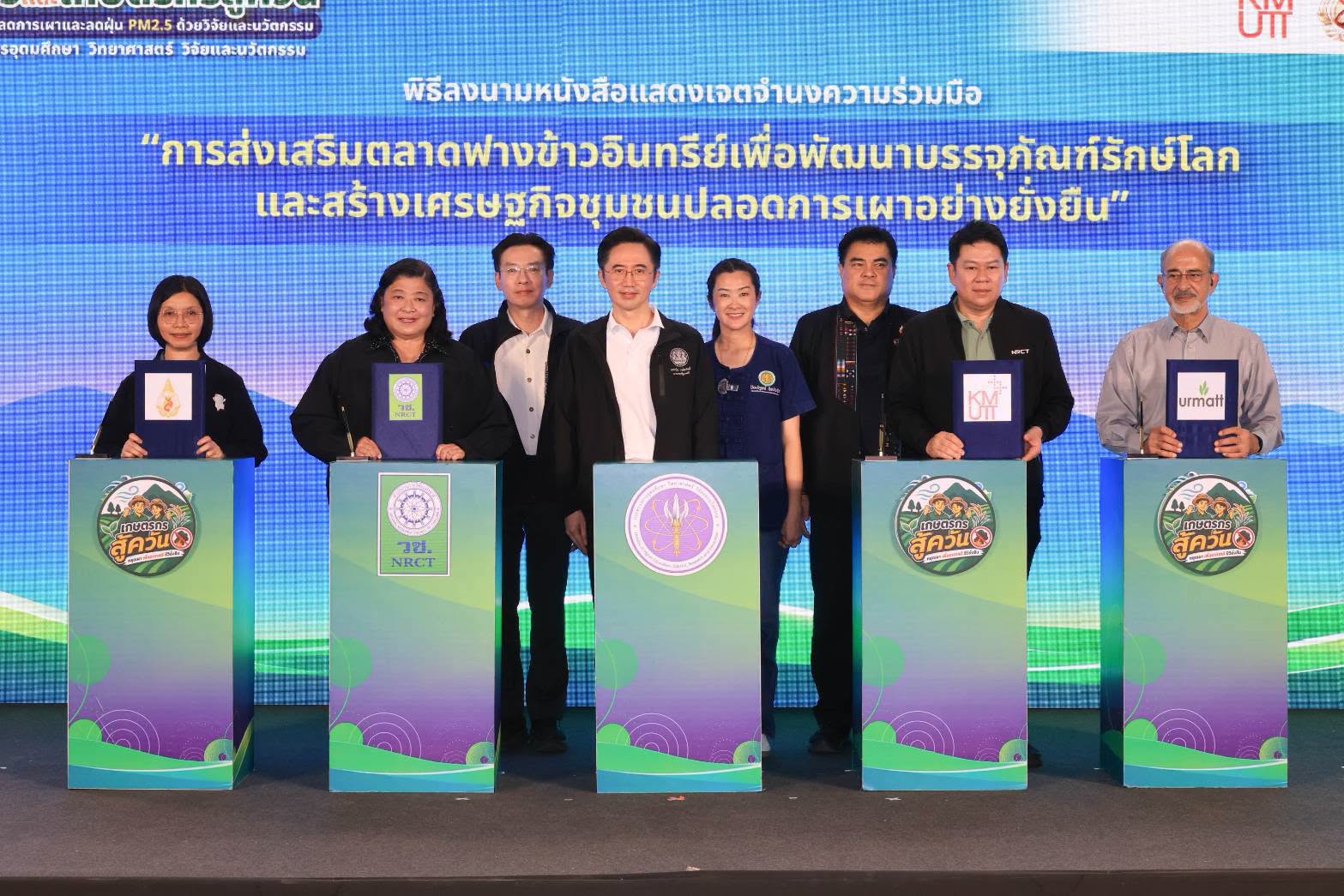
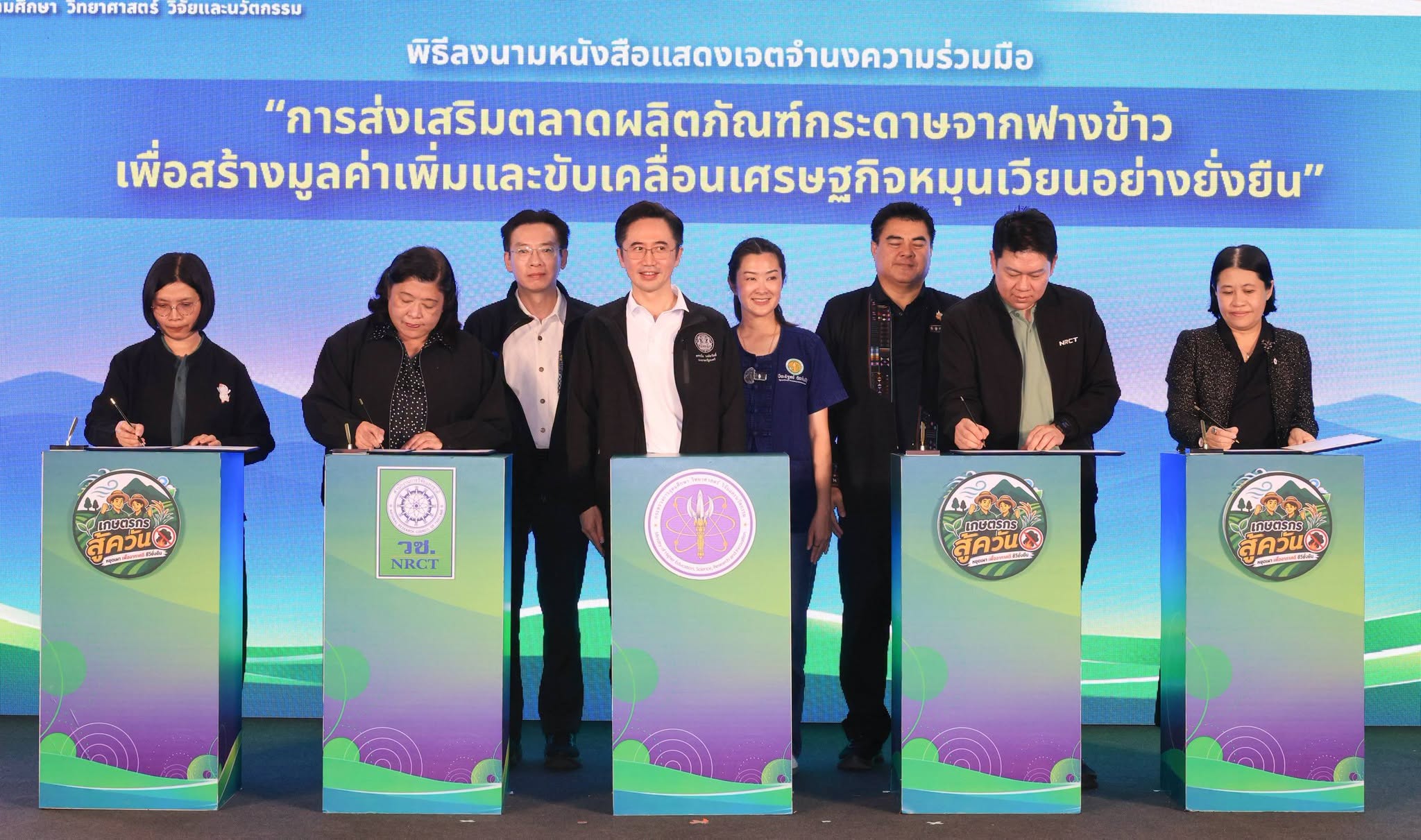
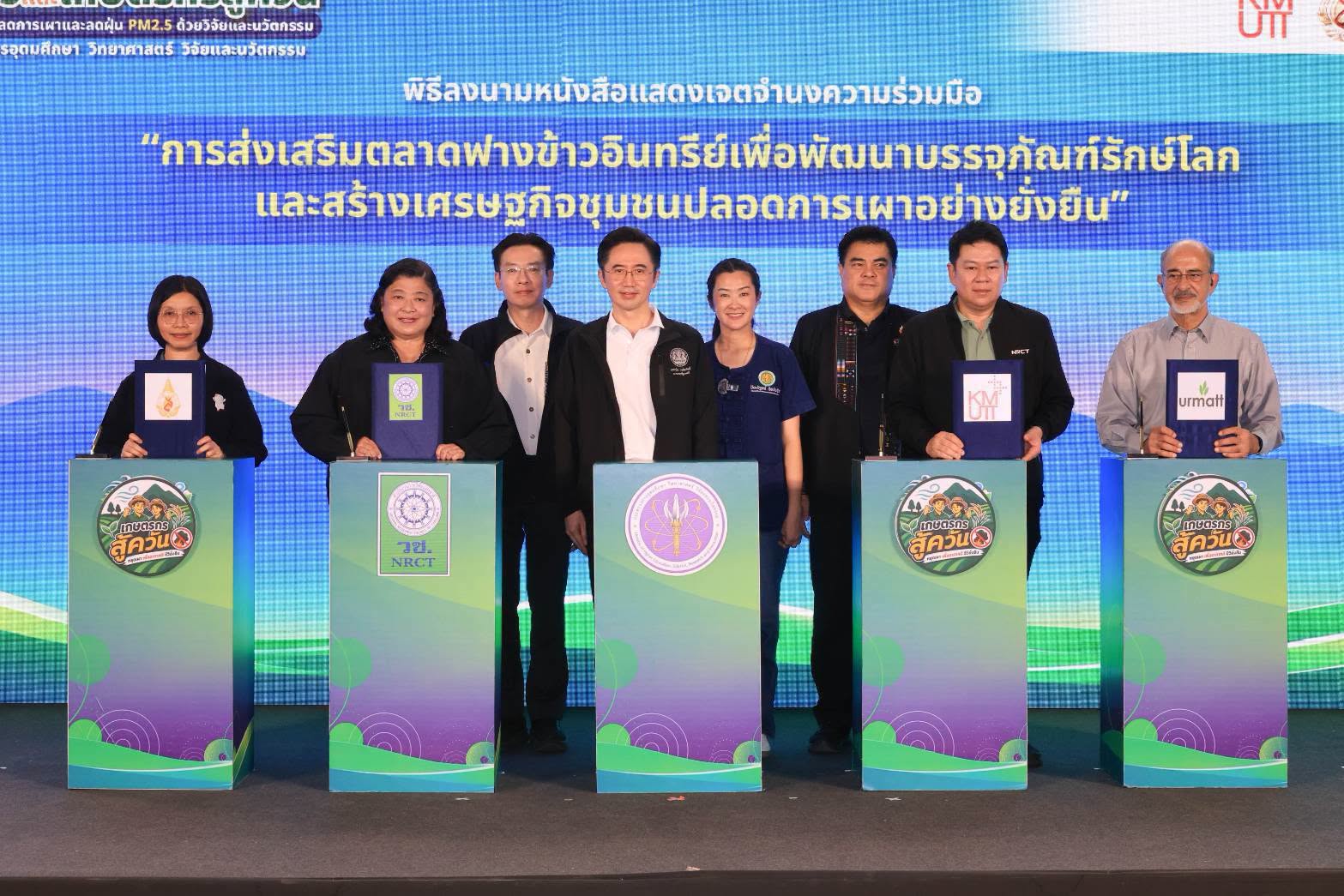
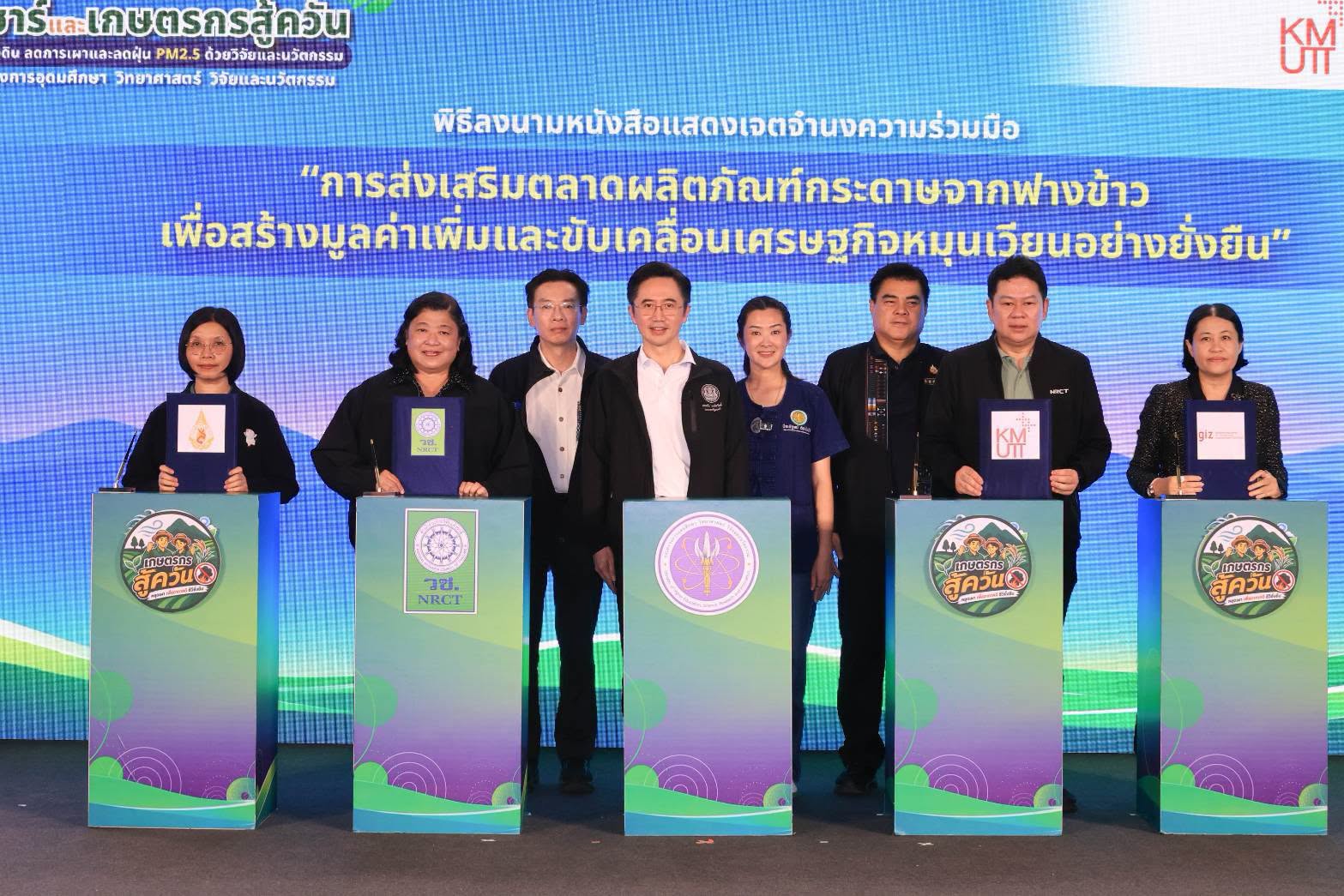
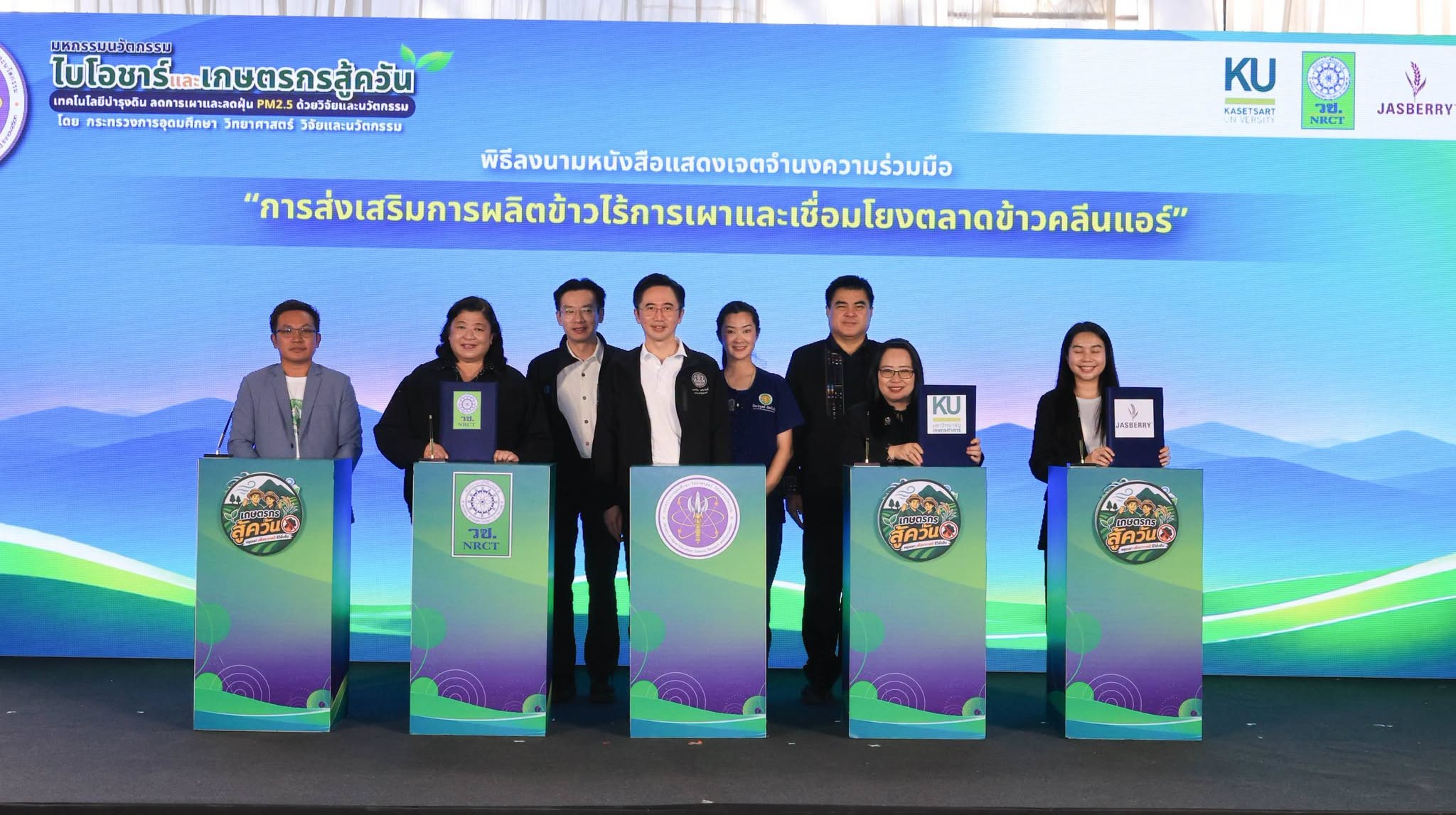
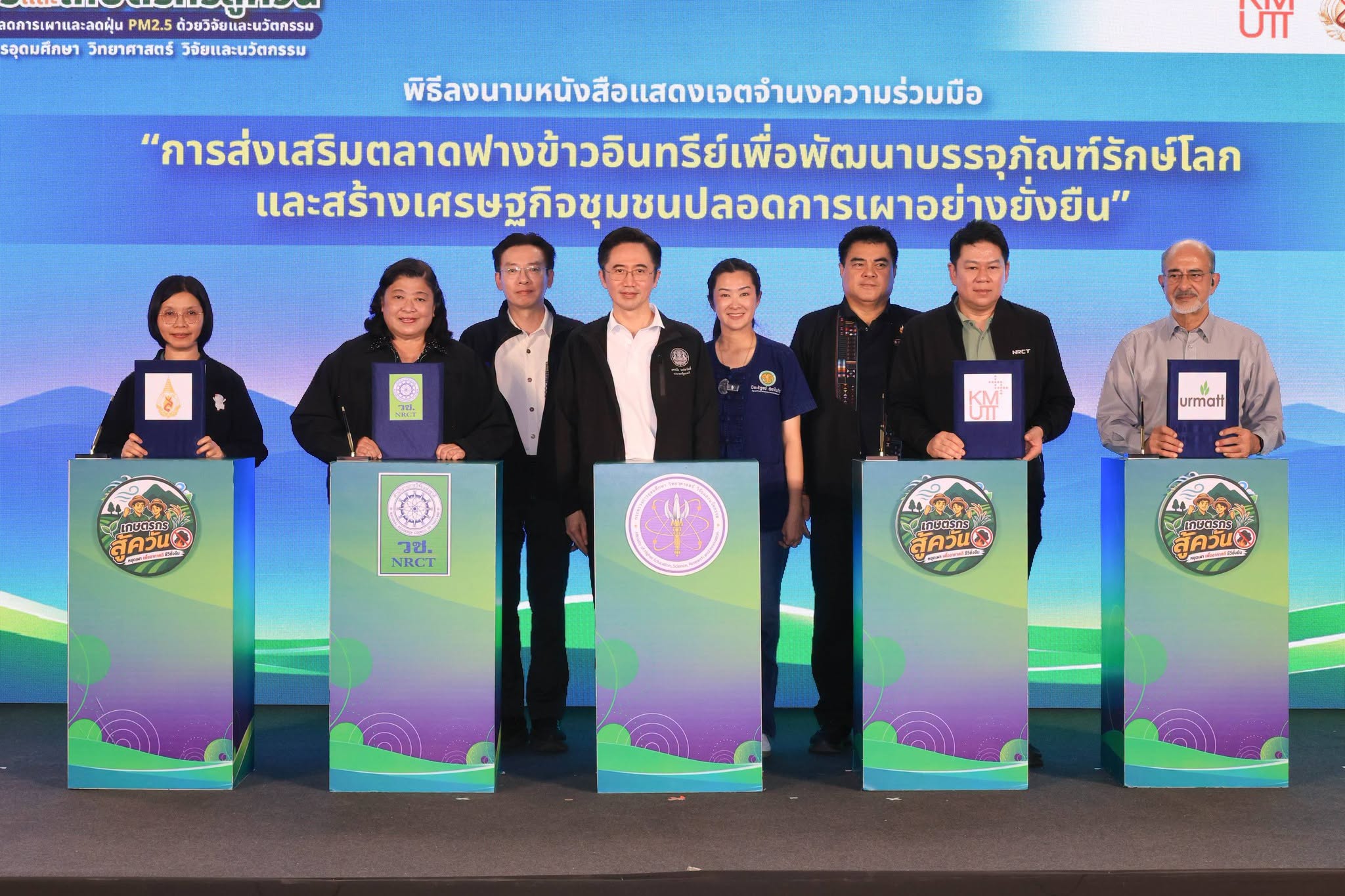
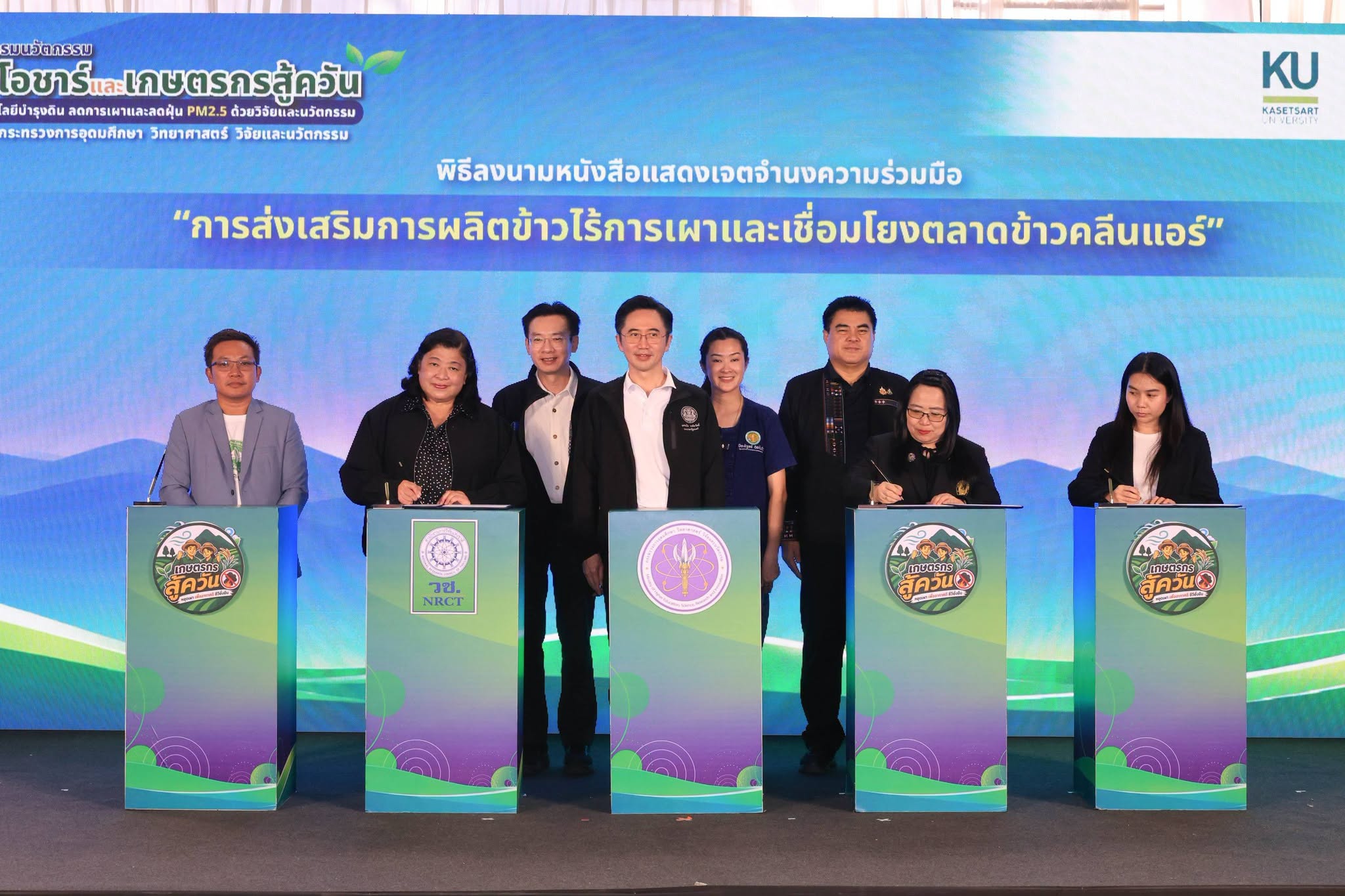
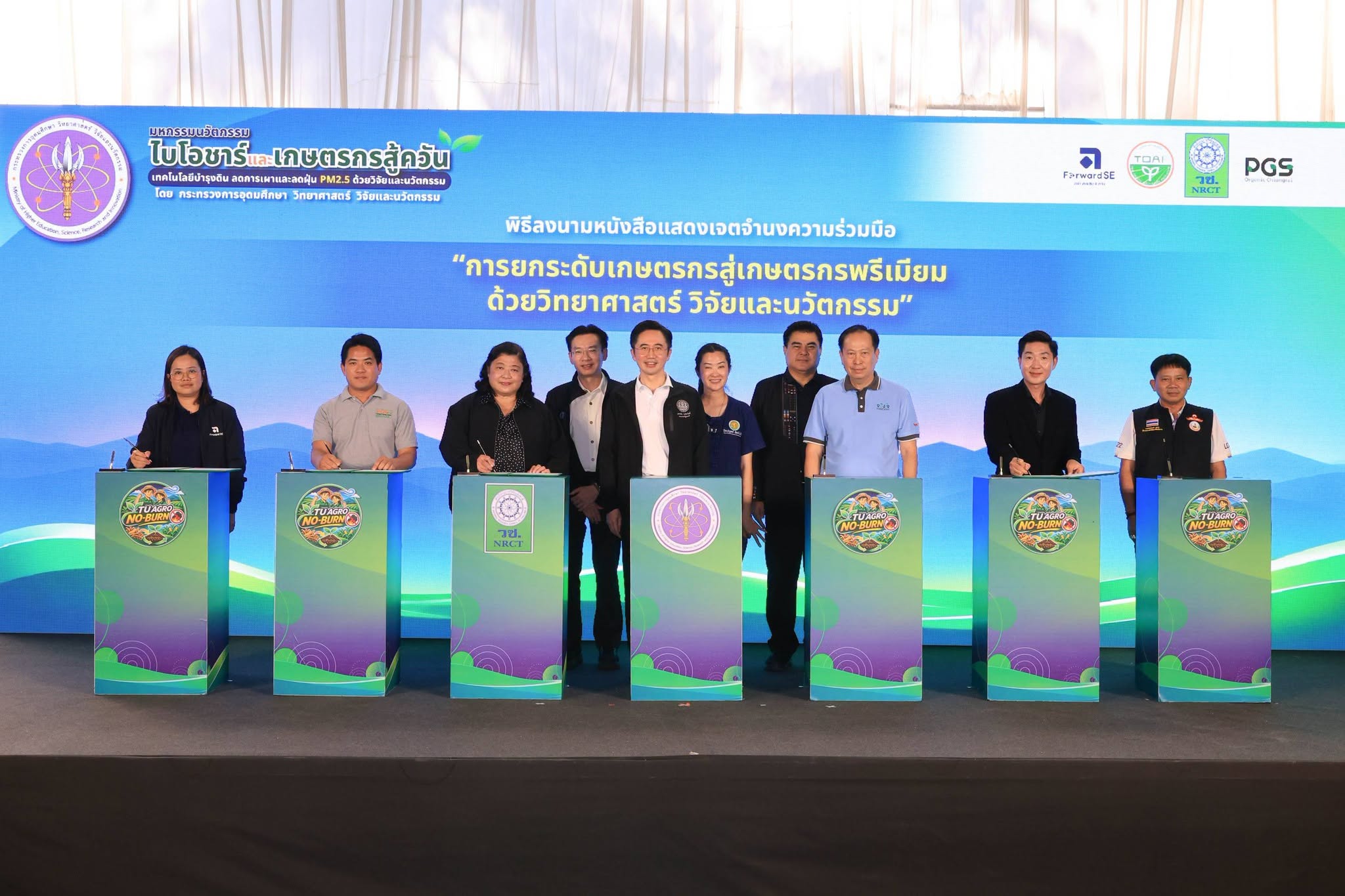
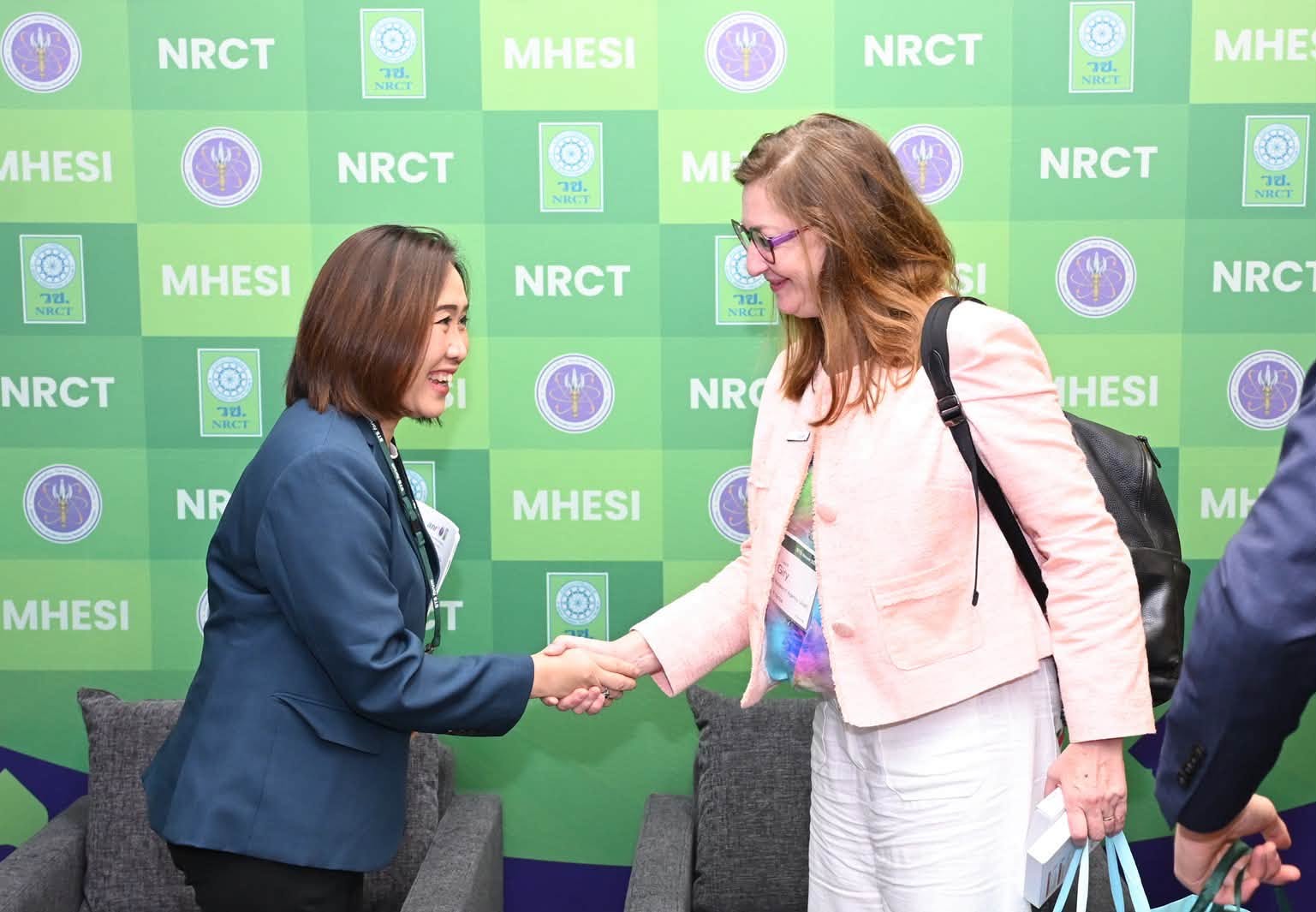
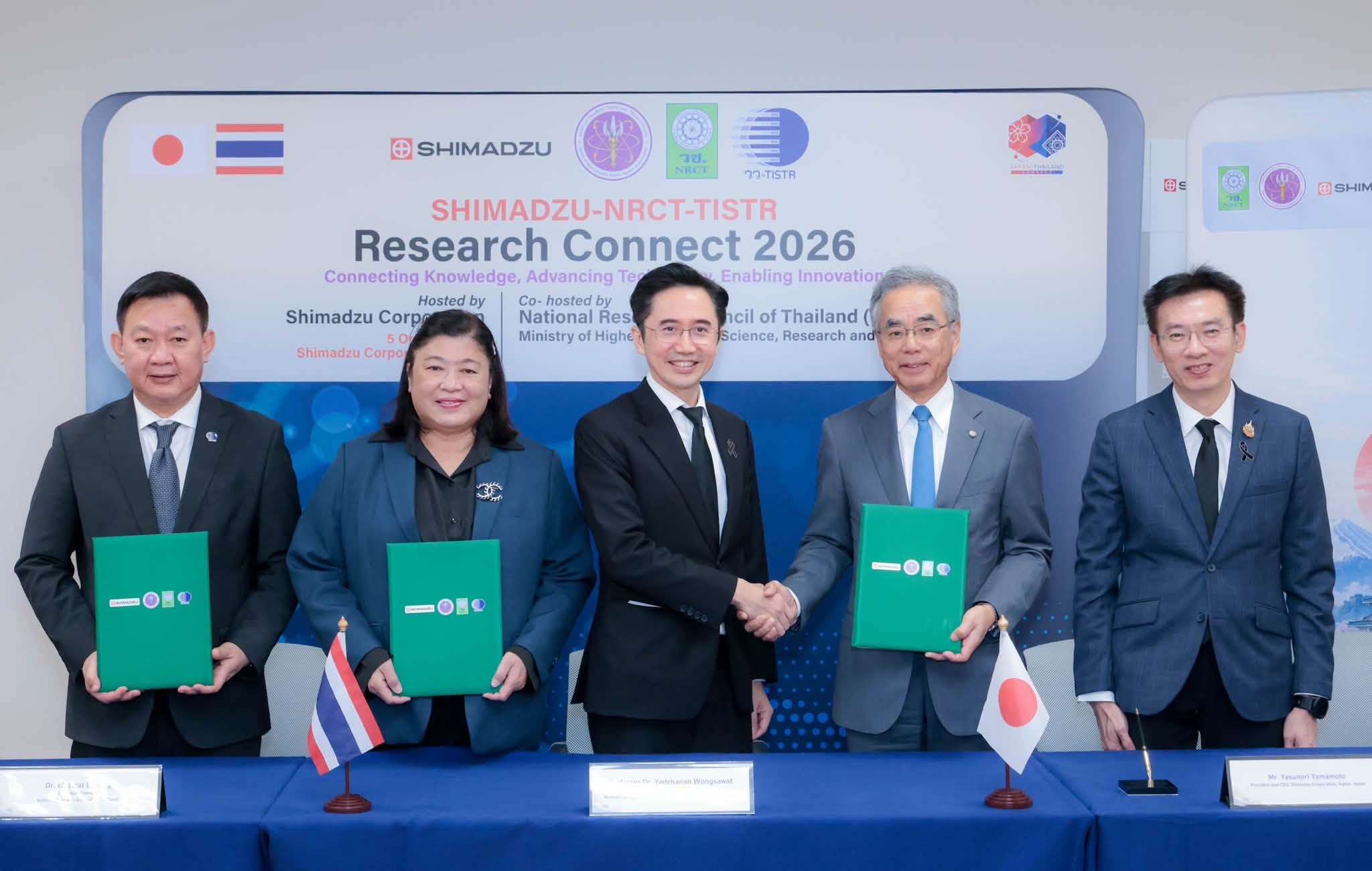
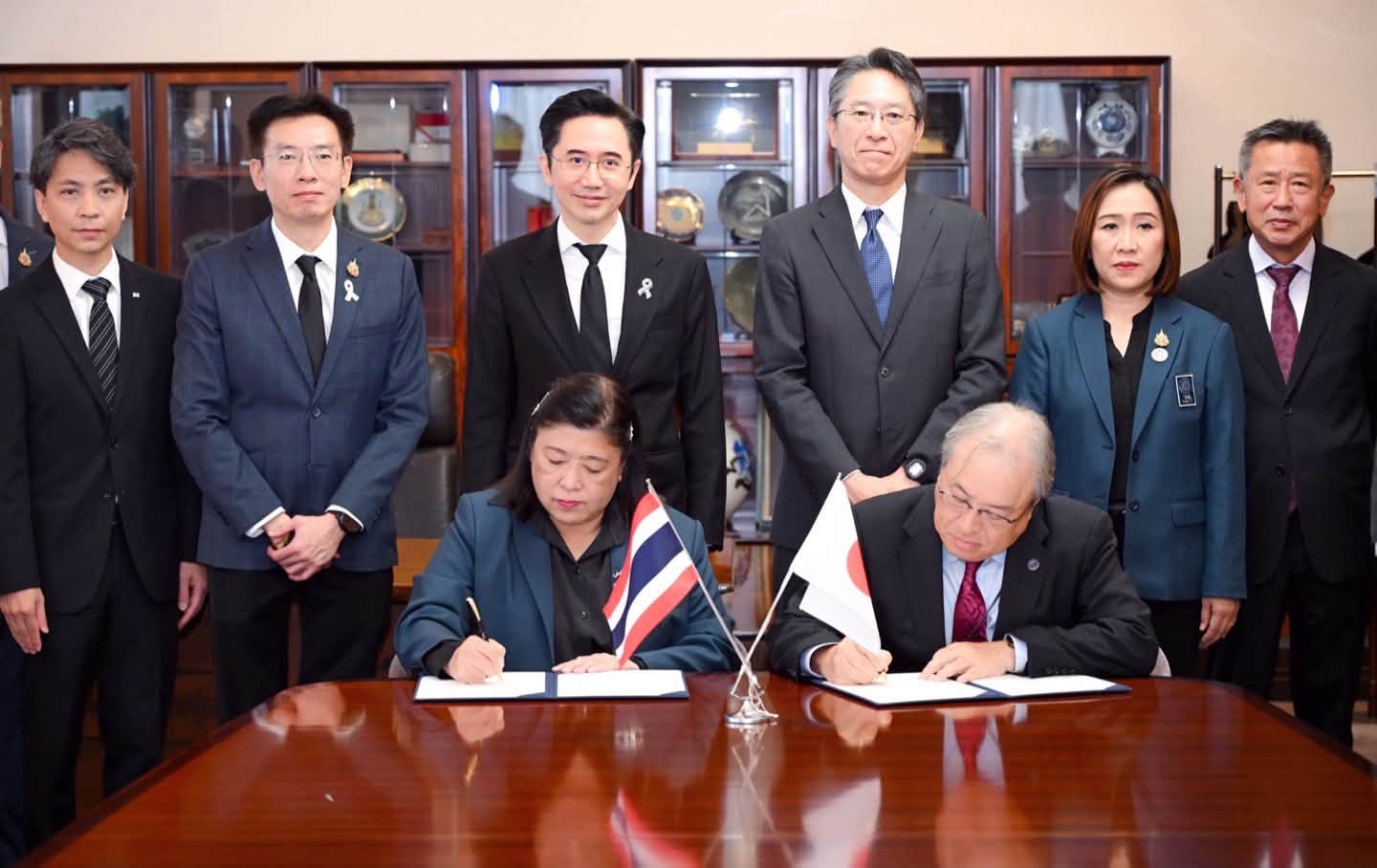
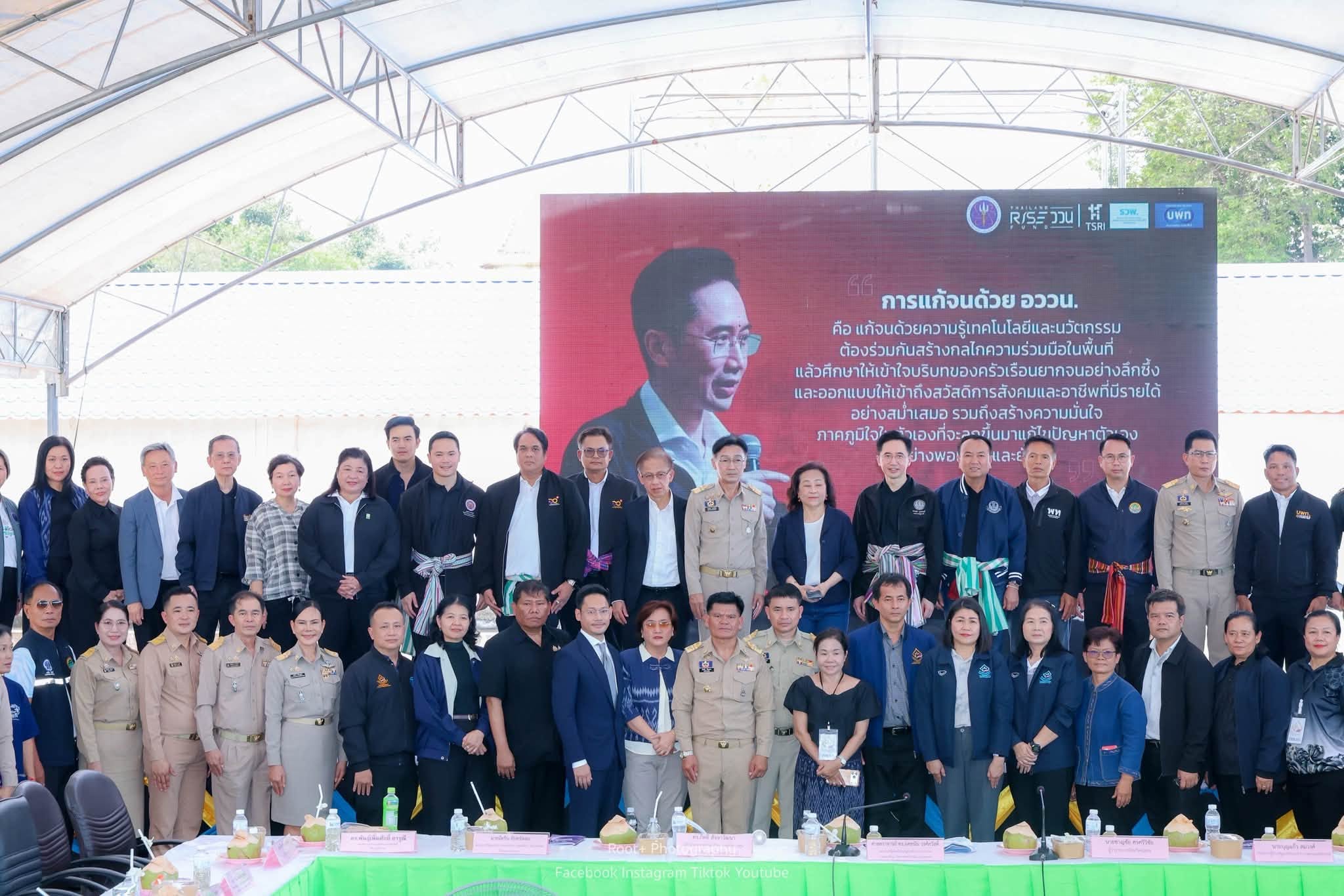
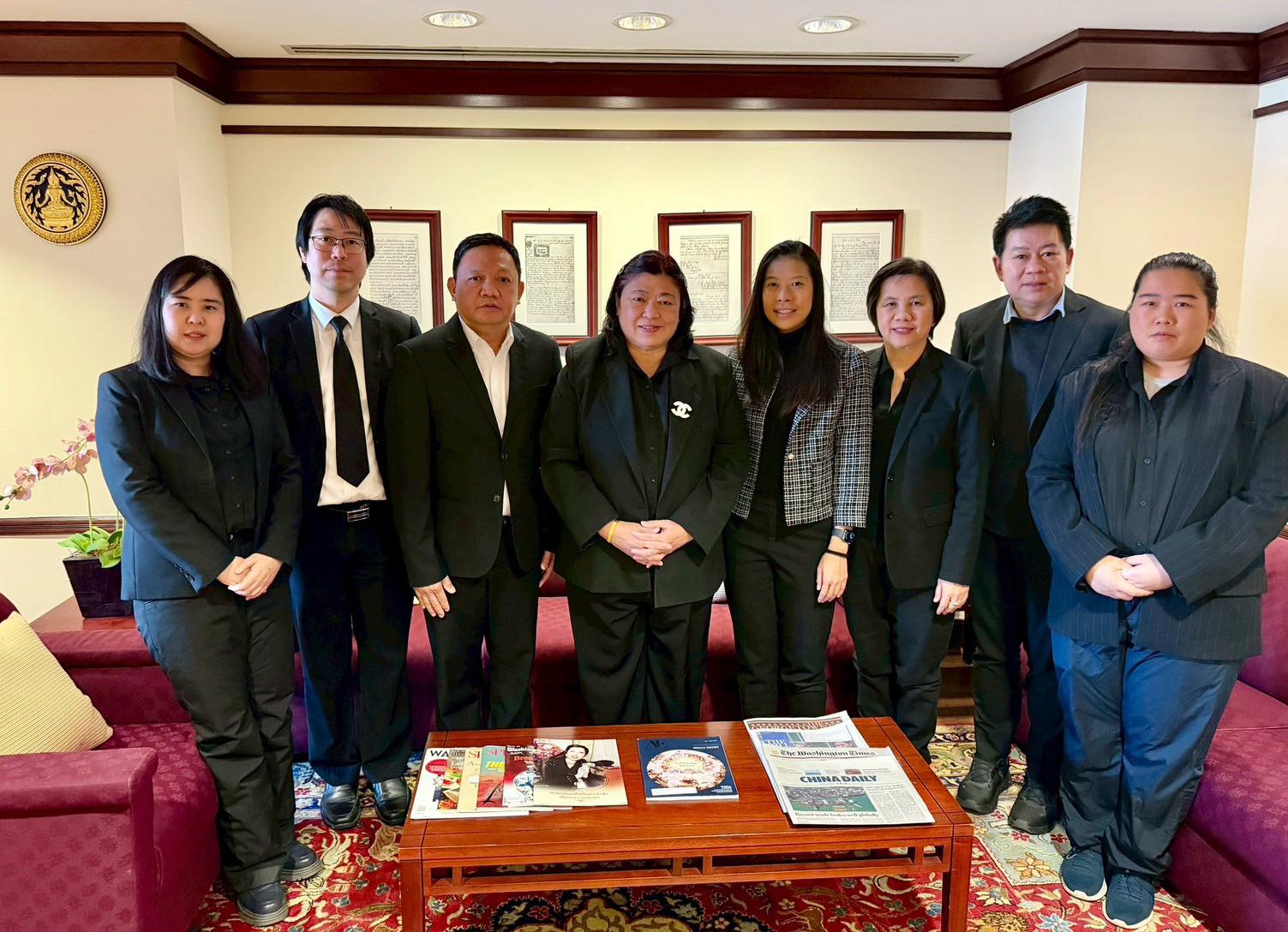
15 November 2026 – The National Research Council of Thailand (NRCT), under the Ministry of Higher Education, Science, Research and Innovation (MHESI), organized a Letter of Intent (LOI) signing ceremony to establish partnerships among NRCT, academic institutions, the private sector, and community networks. The initiative aims to promote the utilization of rice straw, develop innovative value-added products, and strengthen market linkages to support sustainable agricultural development.
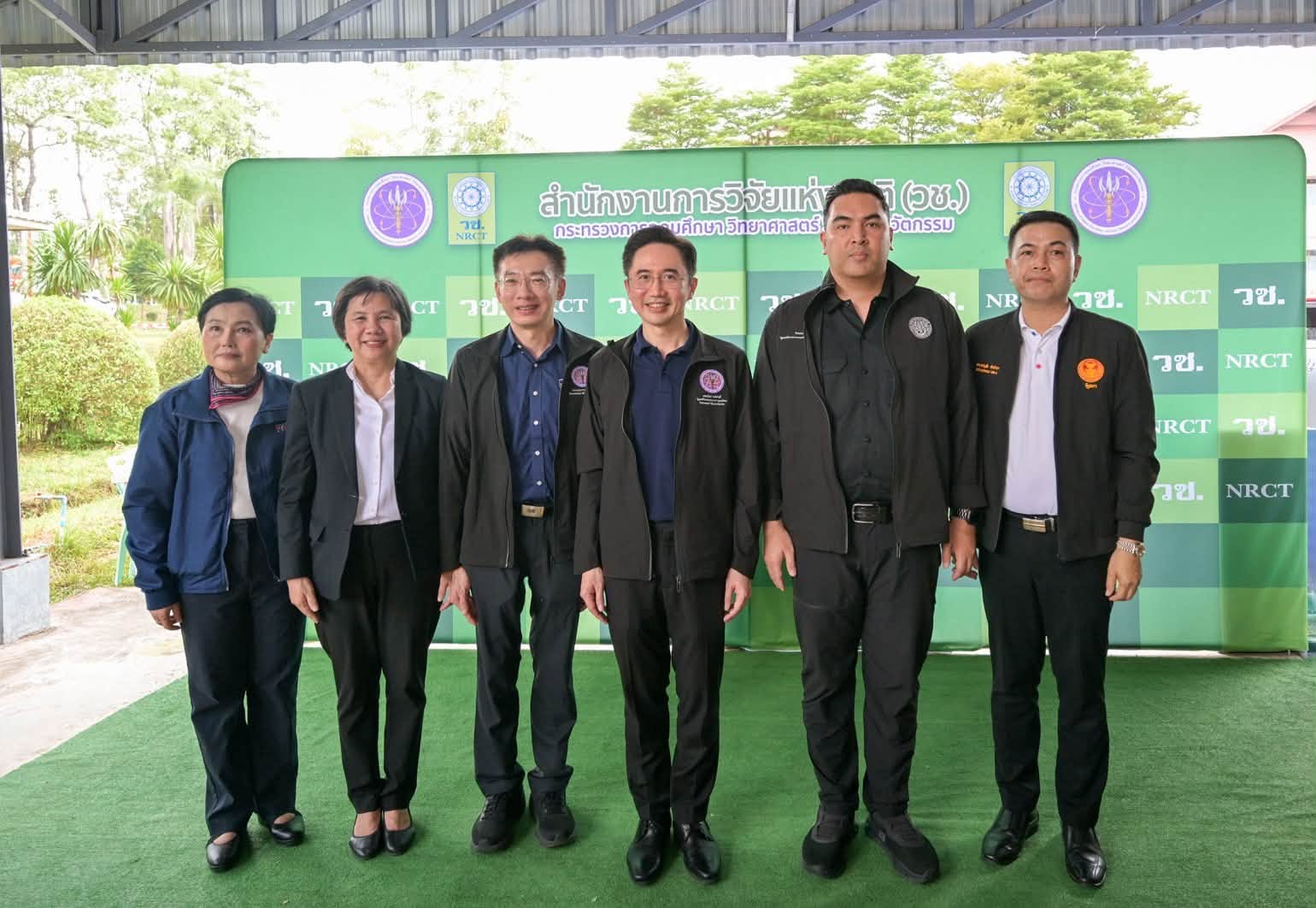
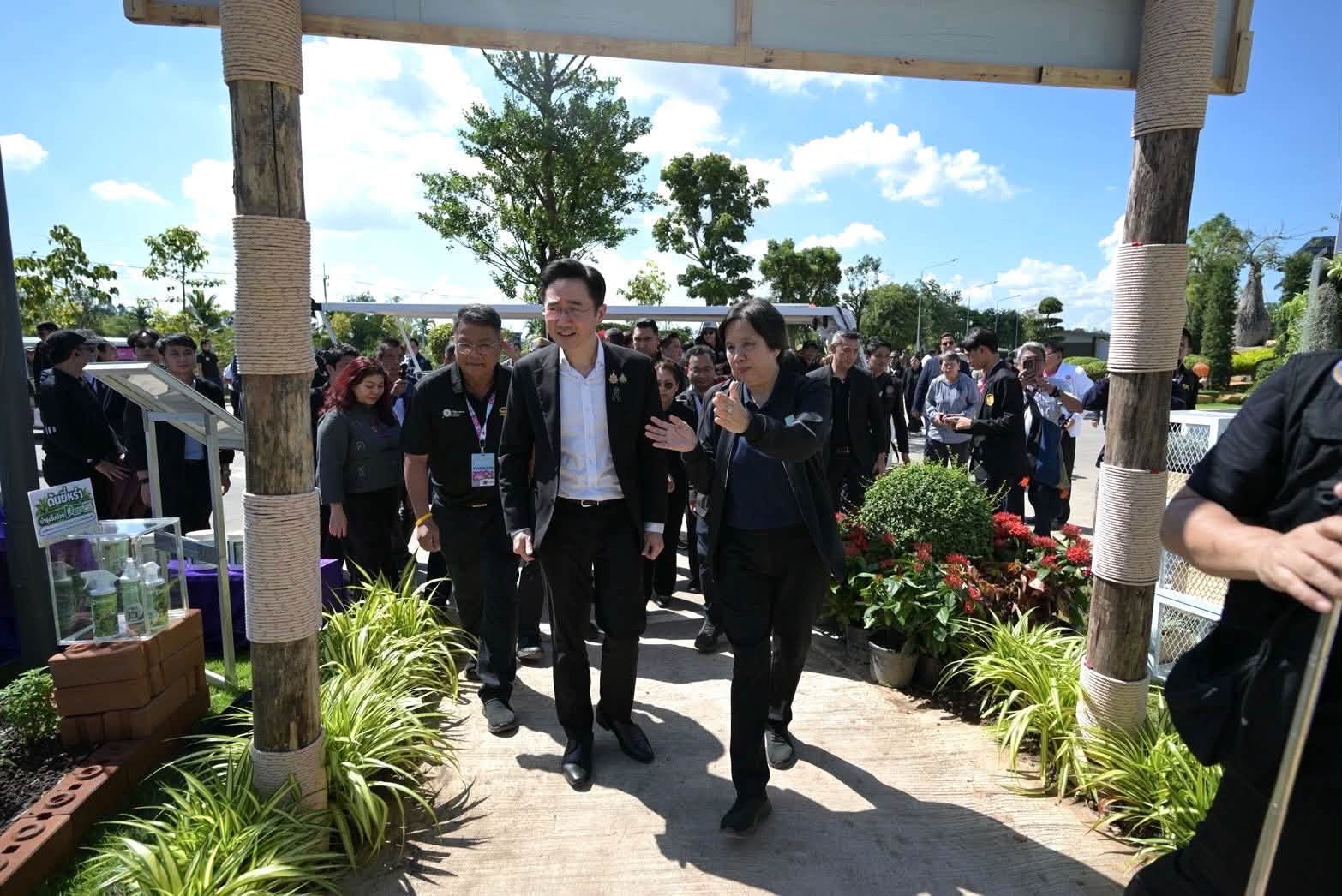
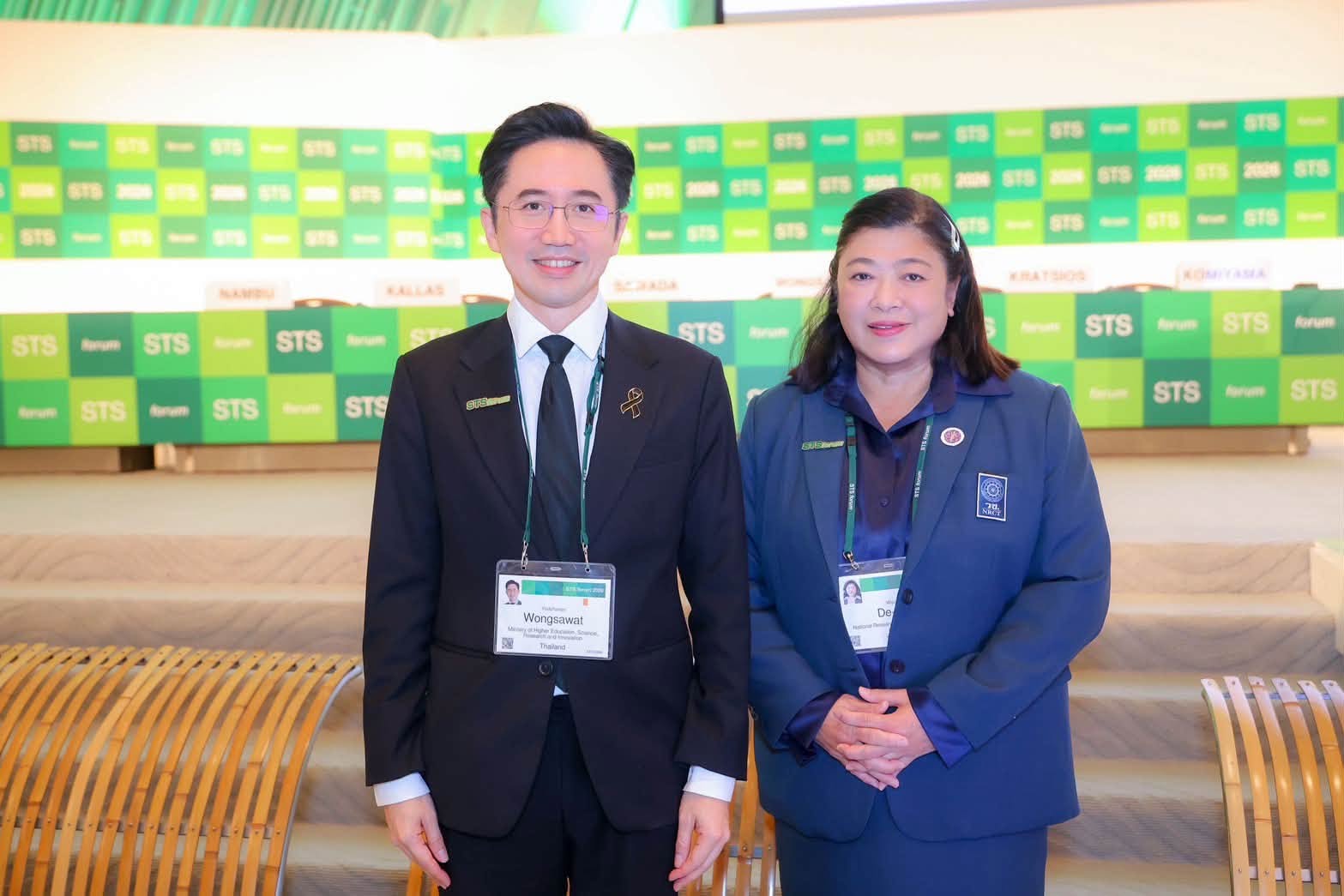
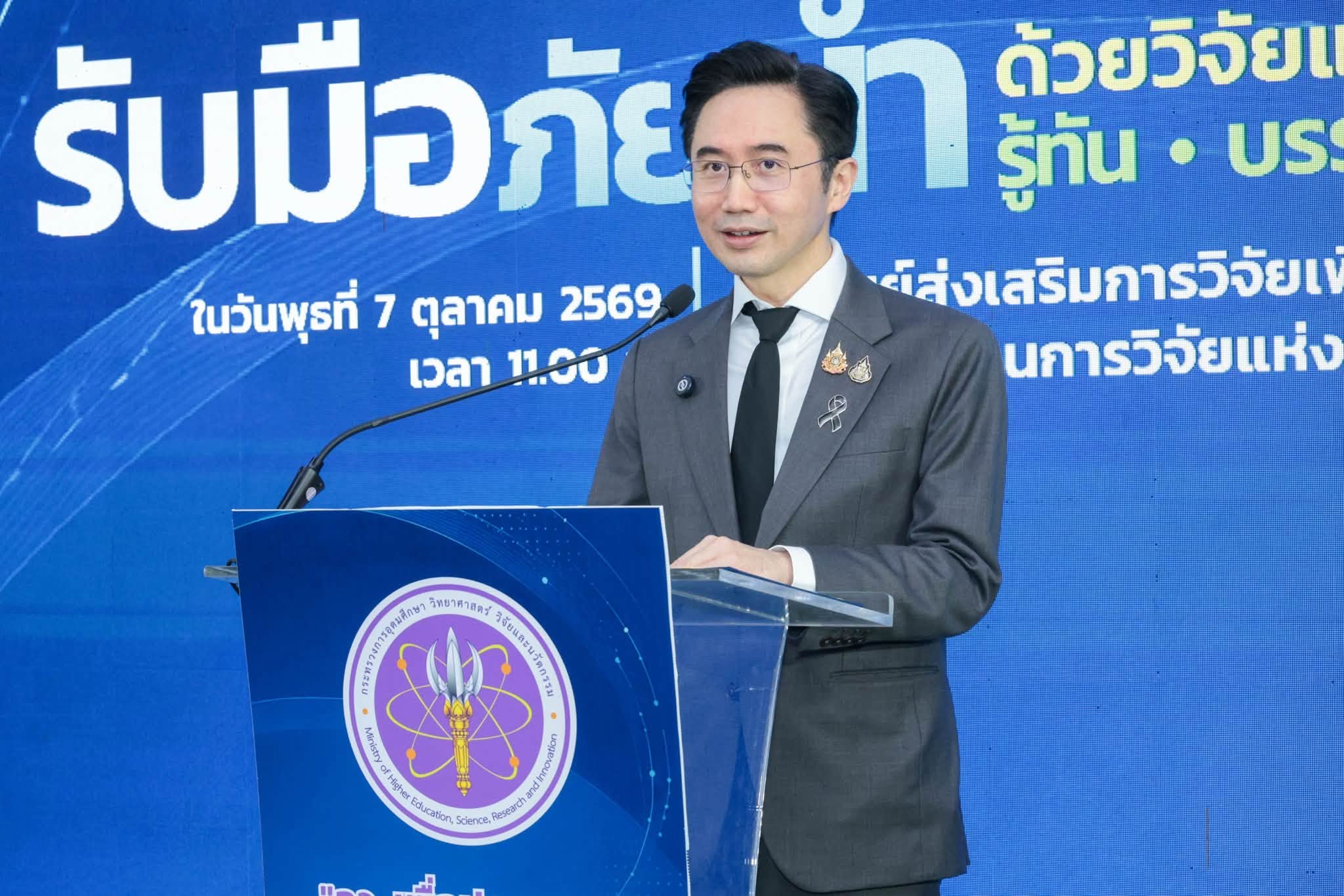
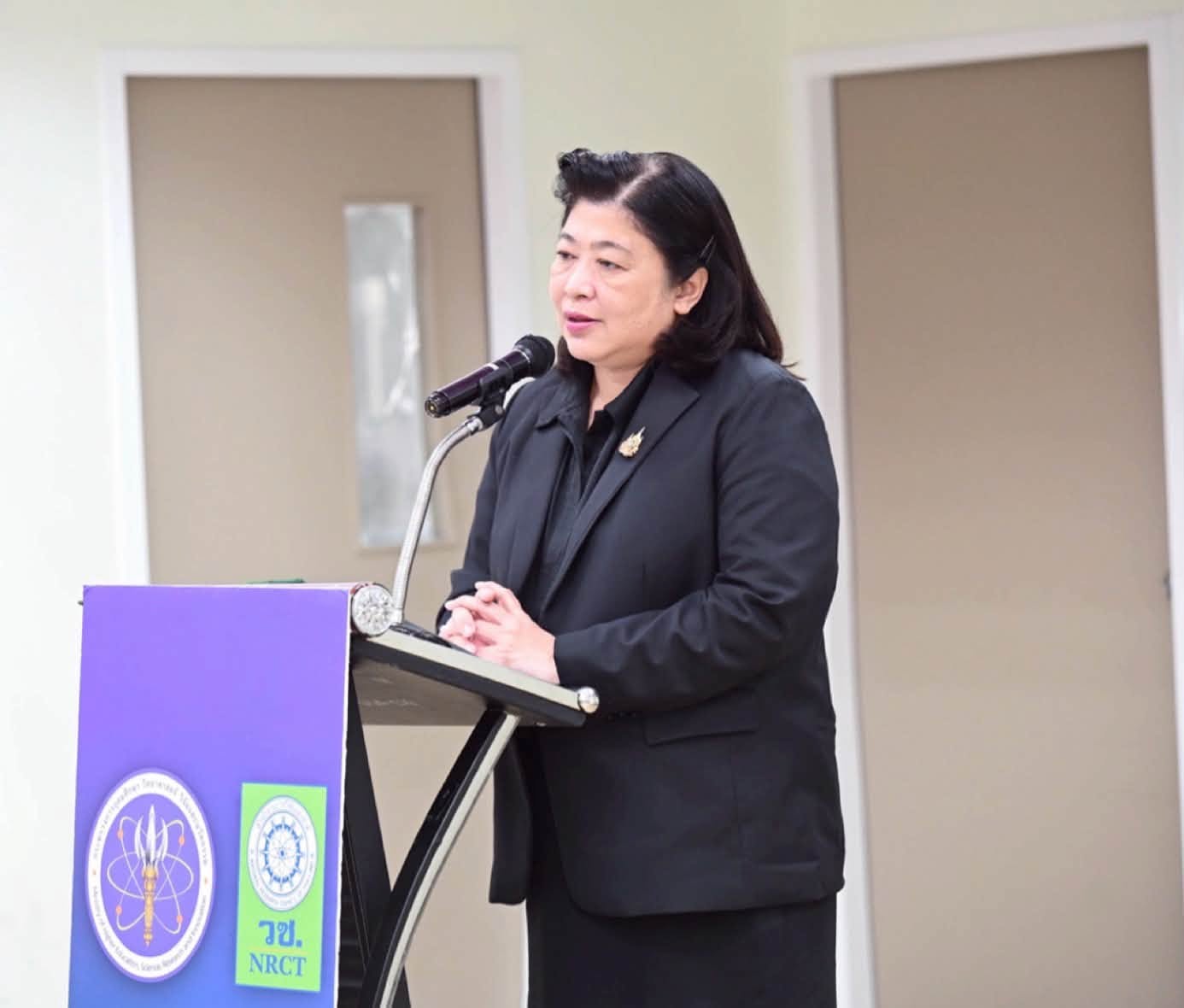
The ceremony was presided over by Prof. Dr. Yodchanan Wongsawat, Deputy Prime Minister and Minister of Higher Education, Science, Research and Innovation, and was attended by Dr. Wiparat De-ong, Executive Director of NRCT, along with researchers and representatives from relevant organizations. The signing ceremony was held at the Pha Ngam Subdistrict Administrative Organization in Wiang Chai District, Chiang Rai Province, Thailand.
The signing of the LOI marks an important step toward strengthening cooperation among government agencies, academic institutions, the private sector, and community networks. The collaboration seeks to translate scientific knowledge, technology, research, and innovation into practical applications in the agricultural sector.
In particular, the initiative focuses on promoting the productive use of rice straw and other agricultural residues as alternatives to open-field burning. It also seeks to develop innovative value-added products, expand market opportunities, and generate additional income for farmers and local communities.
The collaboration encompasses seven key areas:
1. Promoting the organic rice straw market to develop environmentally friendly packaging and support a sustainable, zero-burning community economy.
2. Promoting markets for rice straw paper products to create added value and advance a sustainable circular economy.
3. Promoting no-burning rice production and establishing market linkages for Clean Air Rice.
4. Promoting no-burning rice production and establishing market linkages for Clean Air Rice.
5. Strengthening cooperation in research, innovation, and sustainable development.
6. Advancing research and innovation collaboration to develop new products and promote sustainable agricultural development.
7. Empowering farmers to become premium farmers through science, research, and innovation.
Through these collaborative initiatives, NRCT aims to strengthen connections among research institutions, the private sector, and local communities, ensuring that research and innovation are effectively translated into practical applications. The initiative also supports sustainable agricultural practices, reduces agricultural burning, promotes the value-added utilization of agricultural residues, and creates new economic opportunities for farmers and local communities.
This collaboration reflects NRCT's commitment to advancing the practical application of research and innovation, fostering partnerships across sectors, and promoting sustainable agricultural development and inclusive economic growth in Thailand.