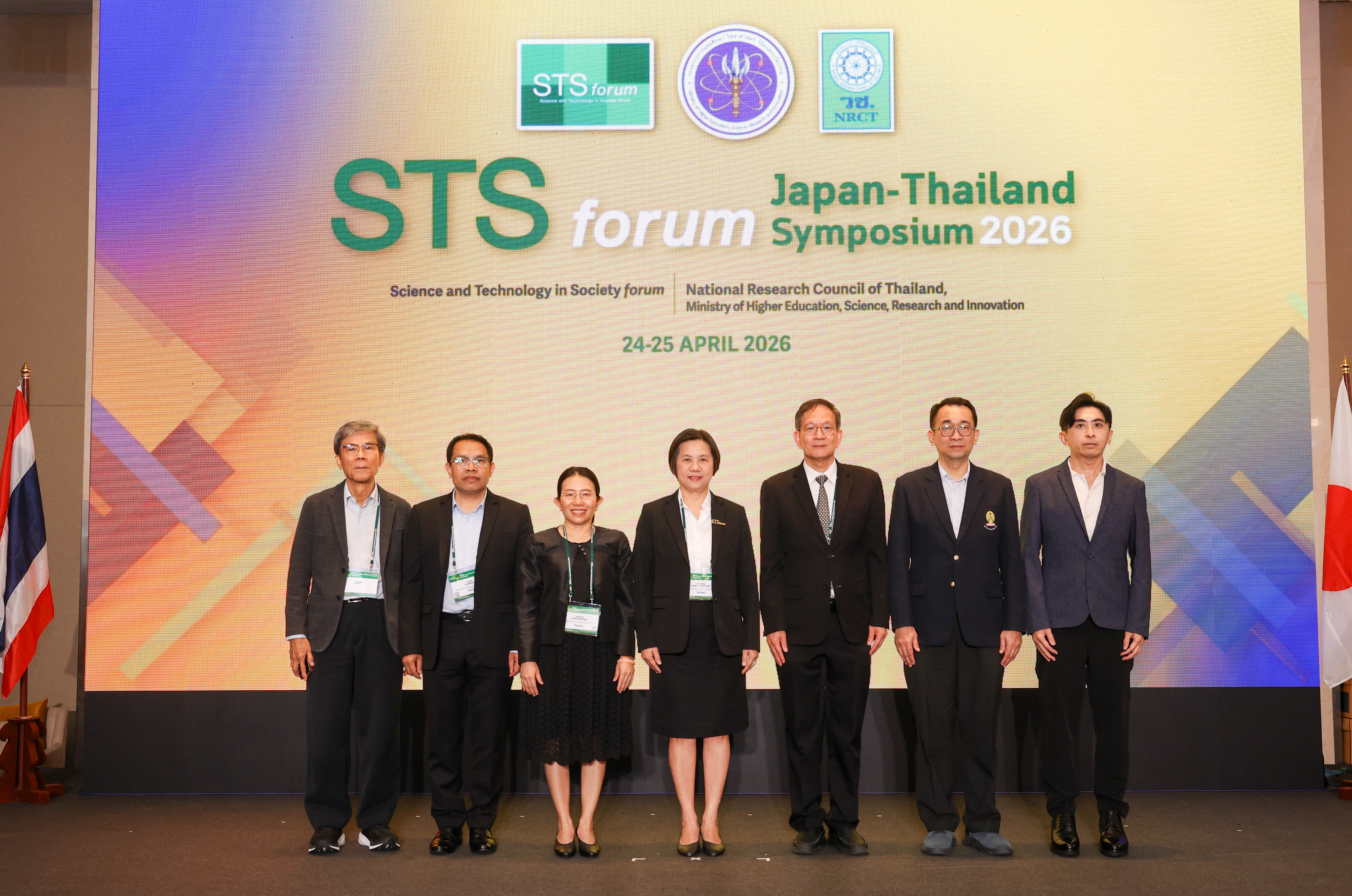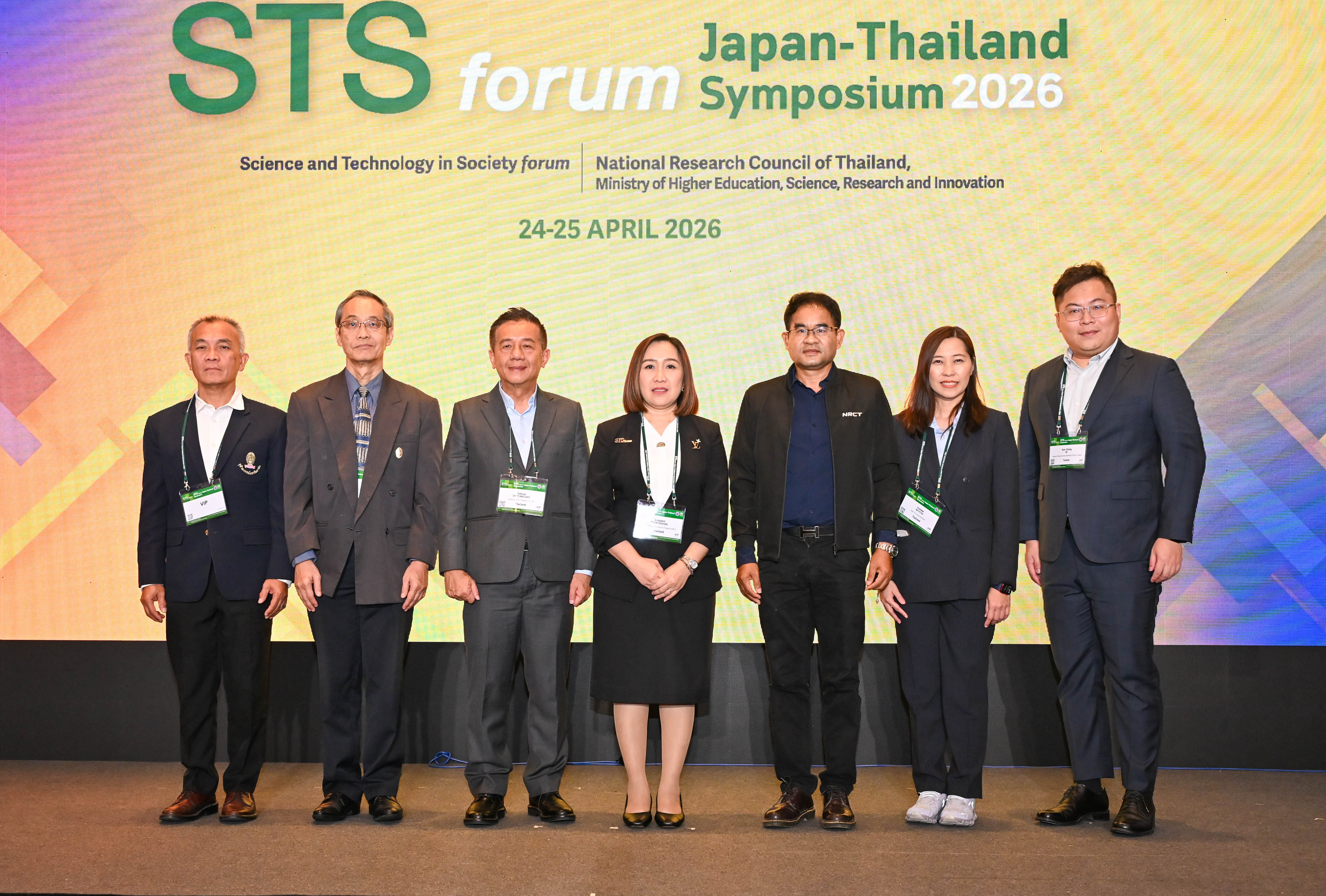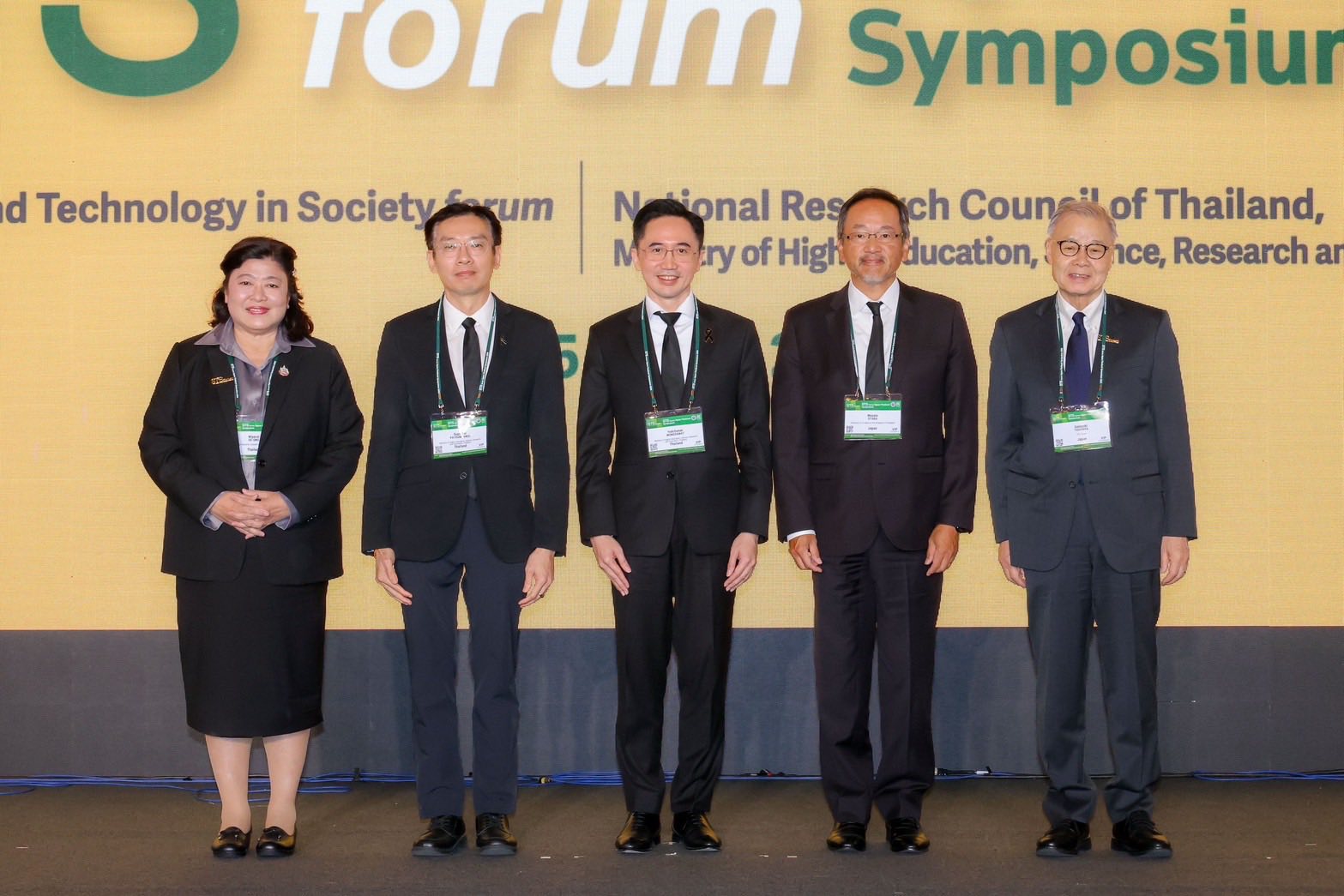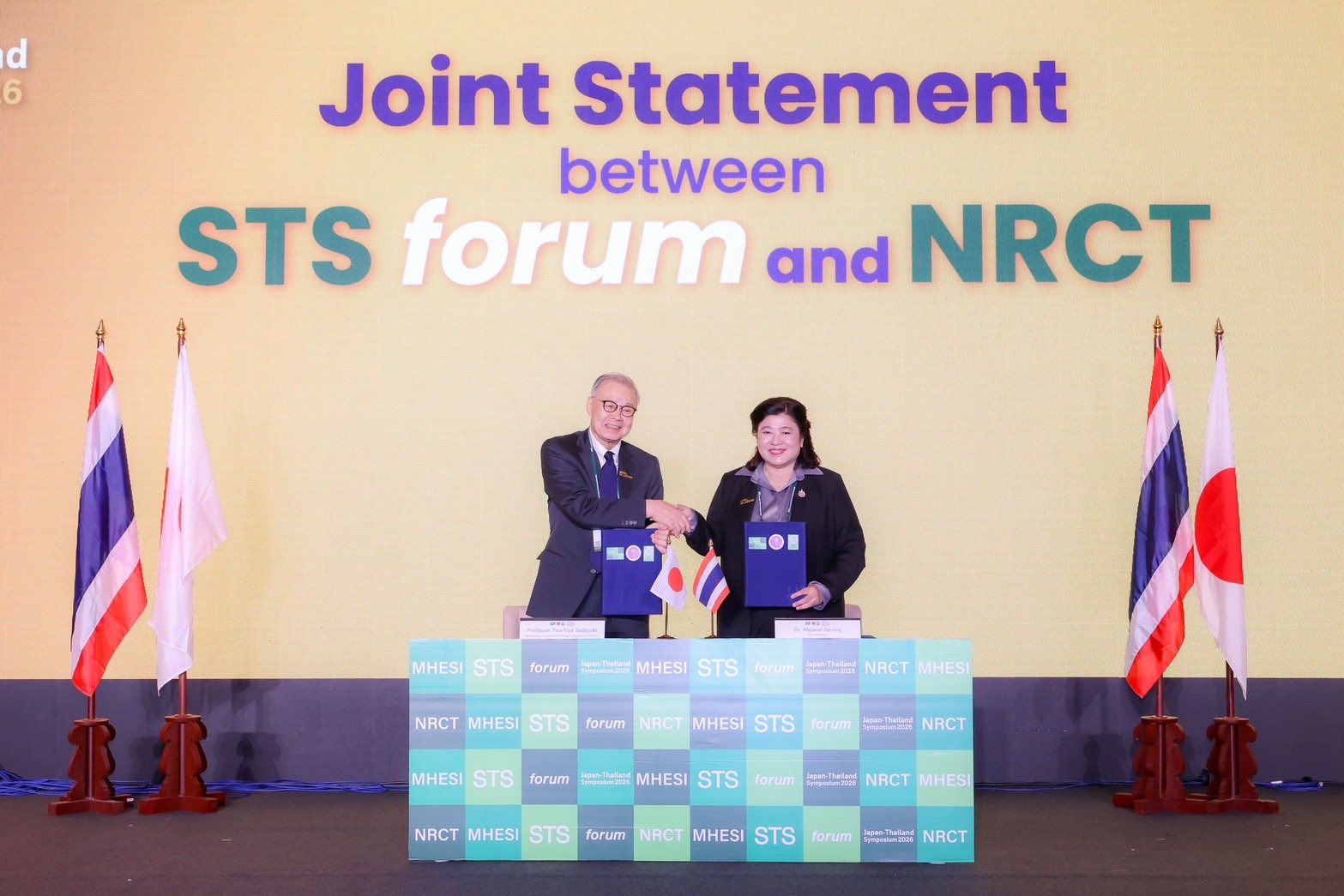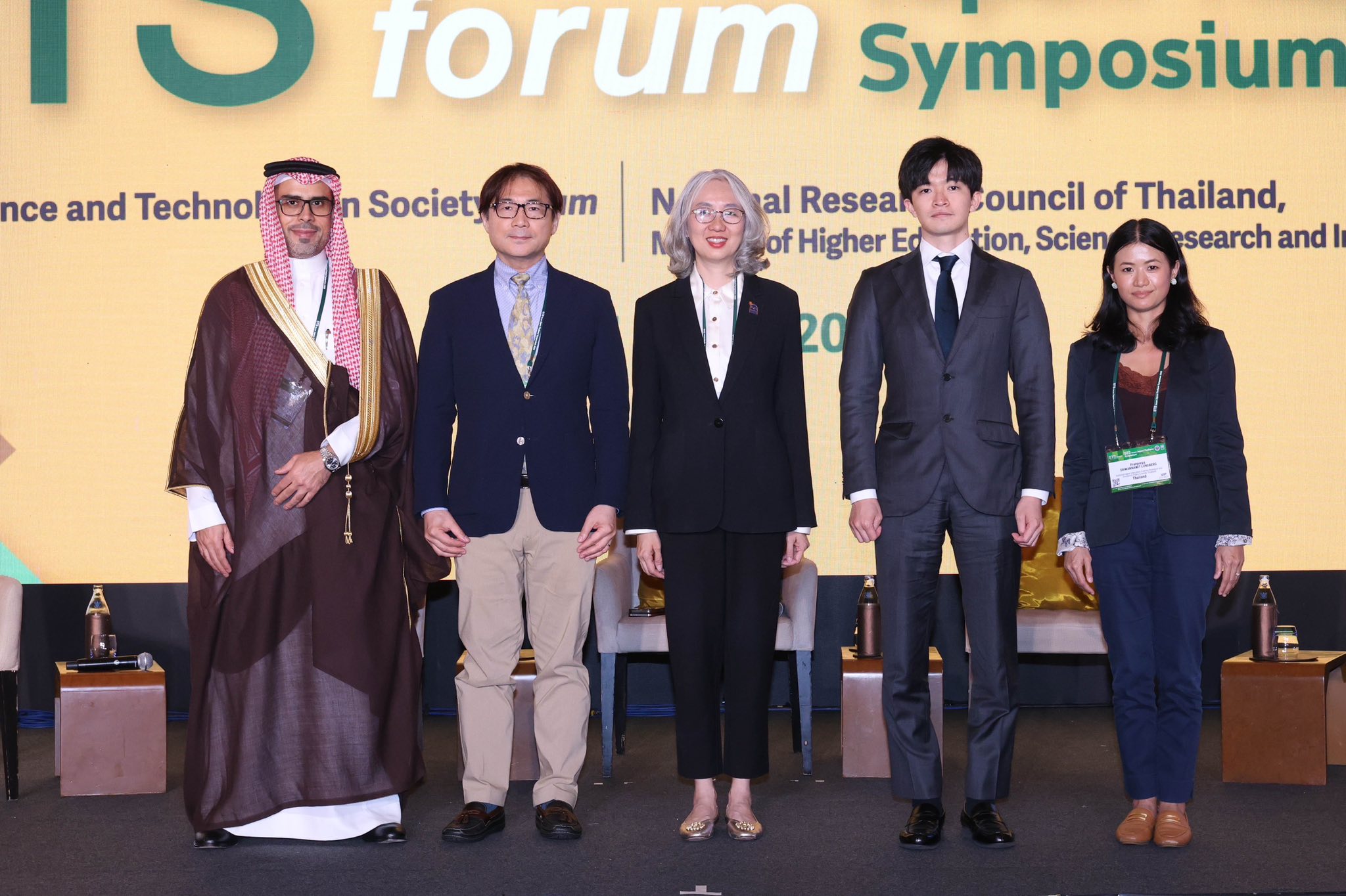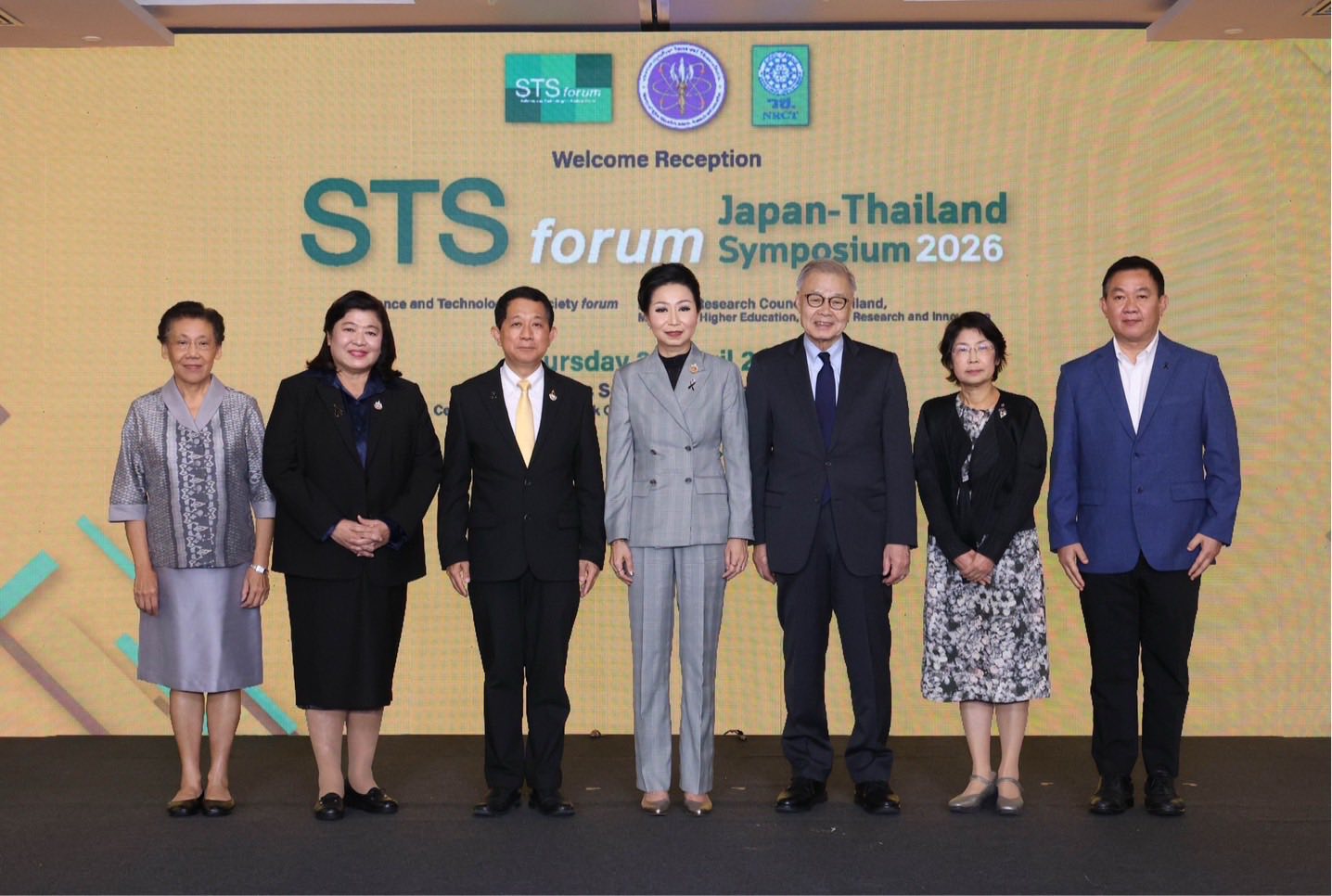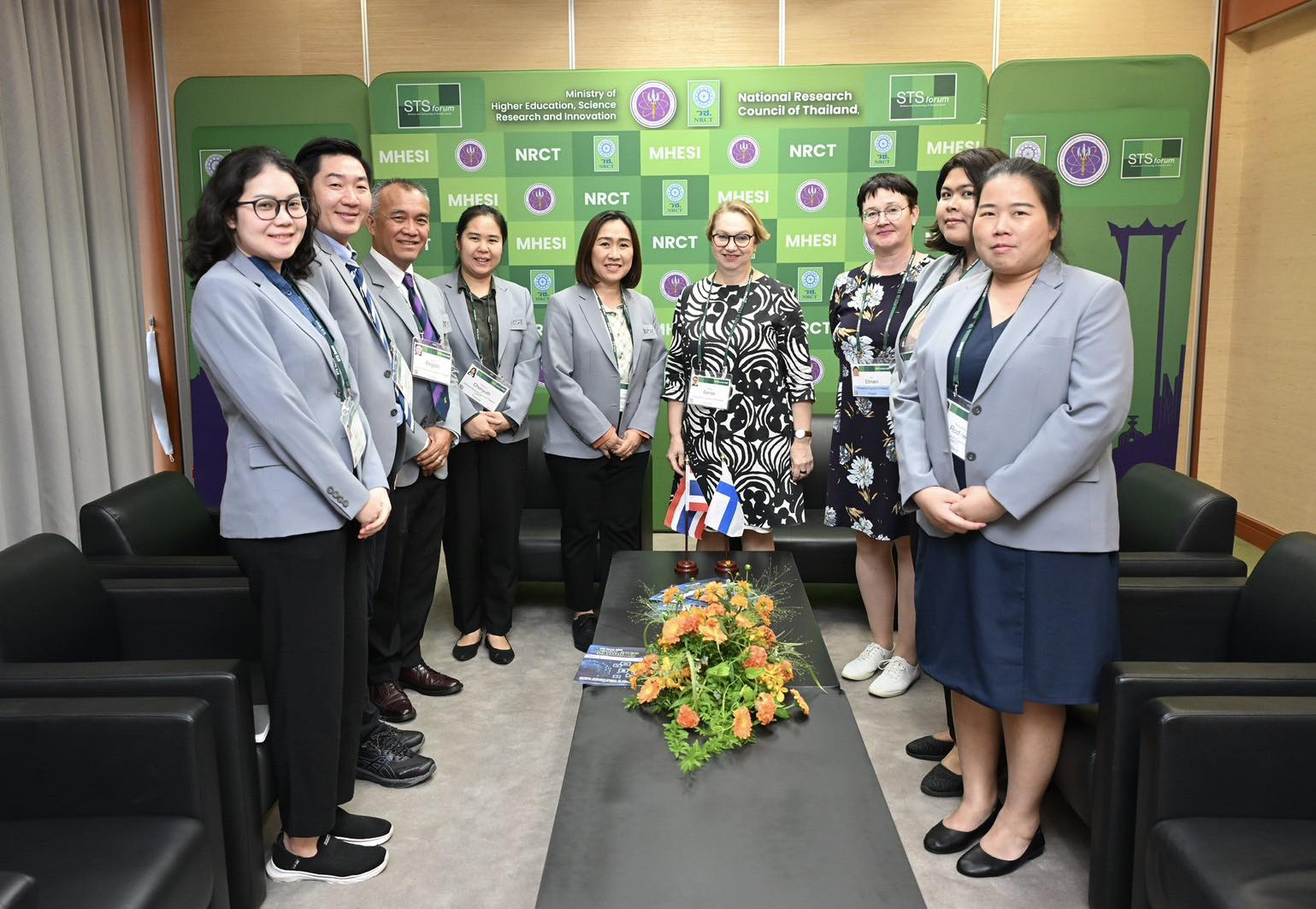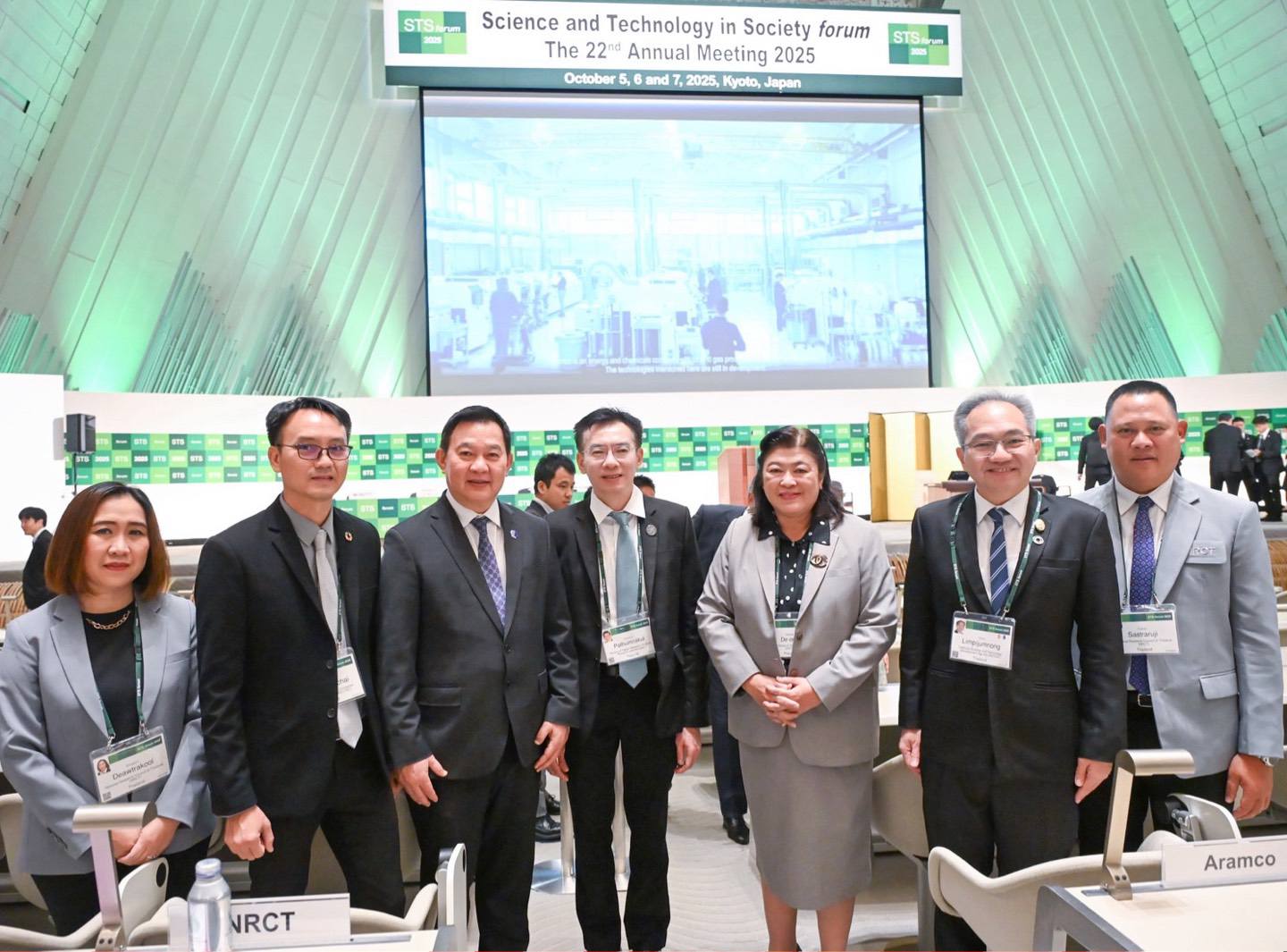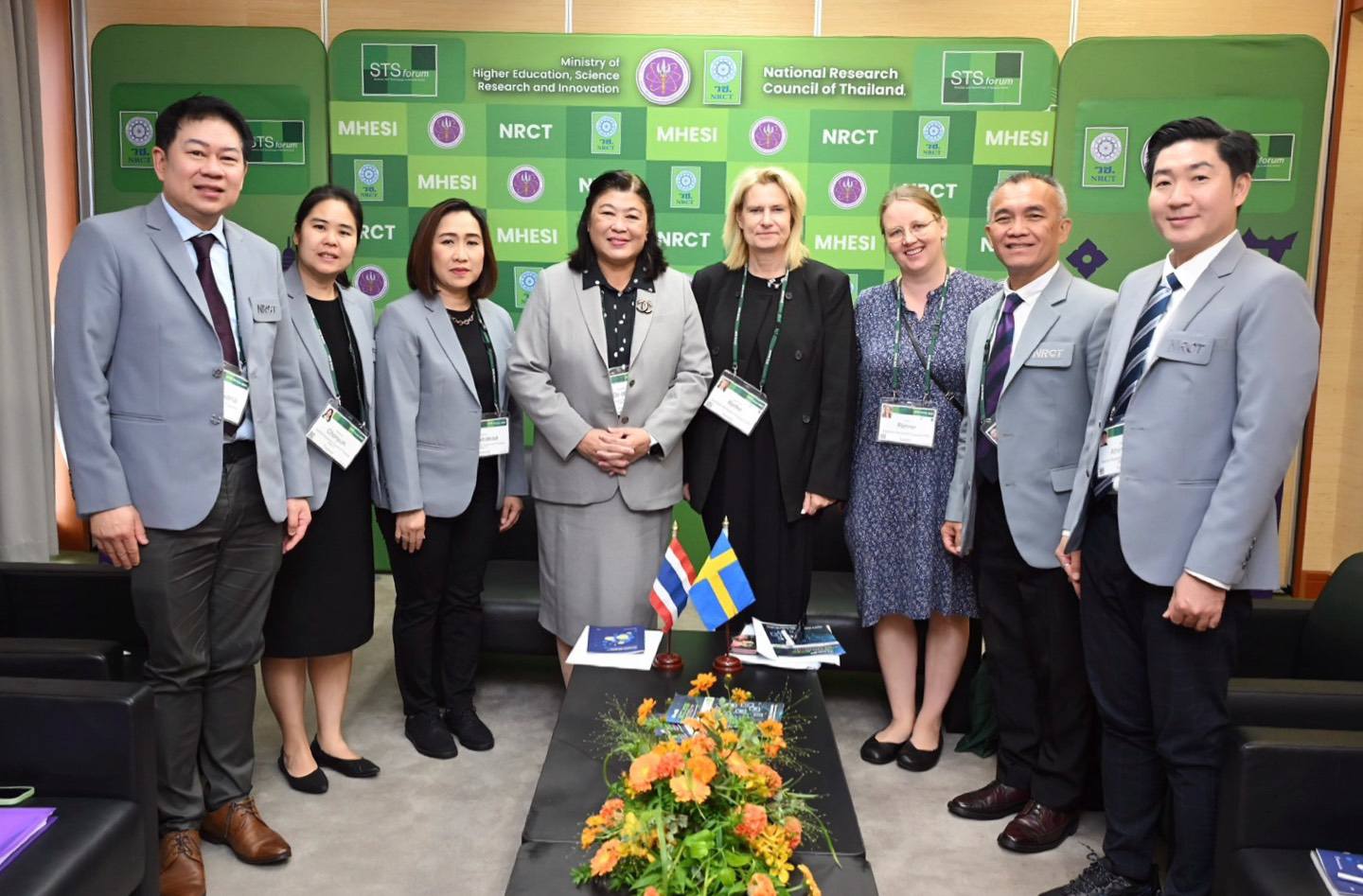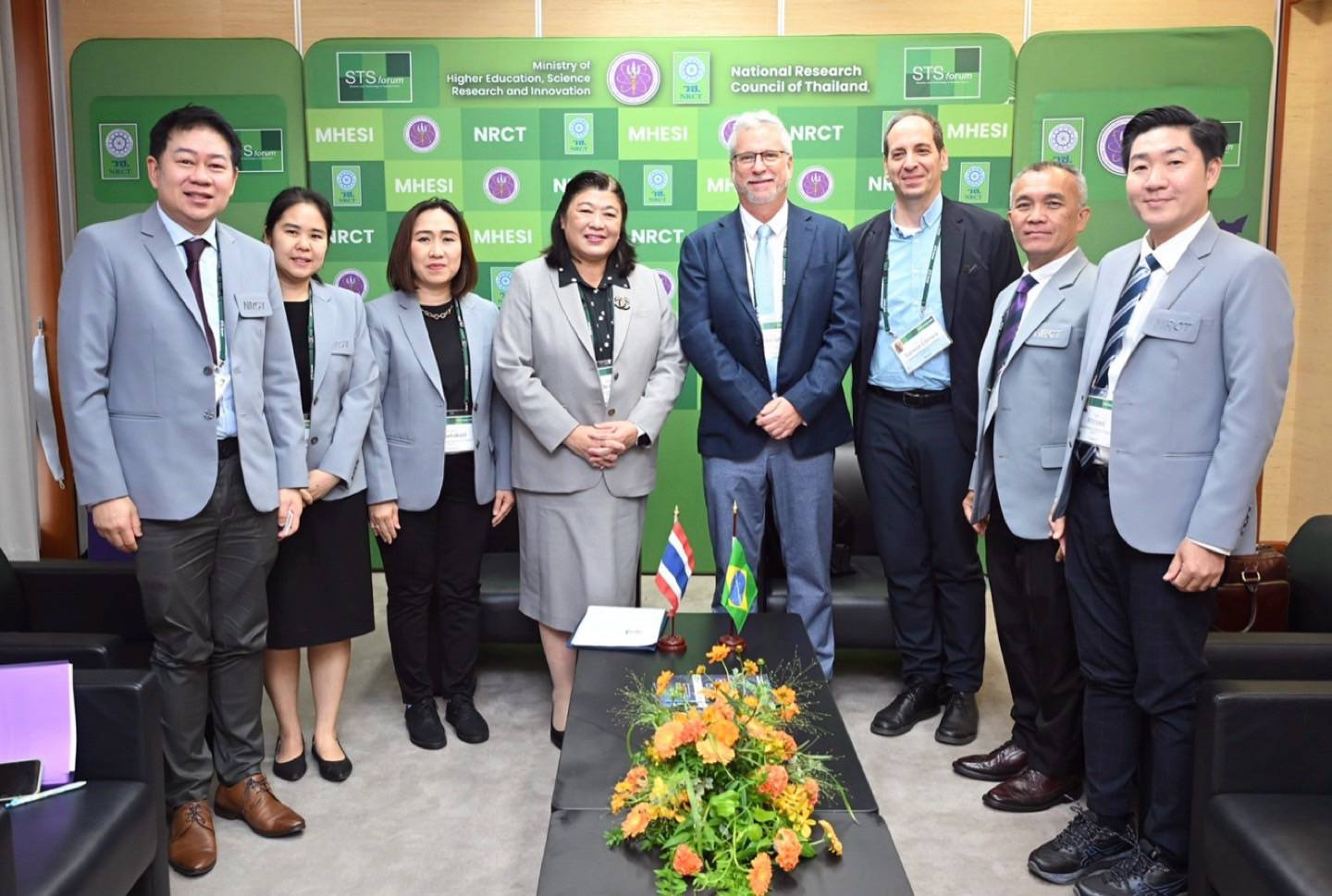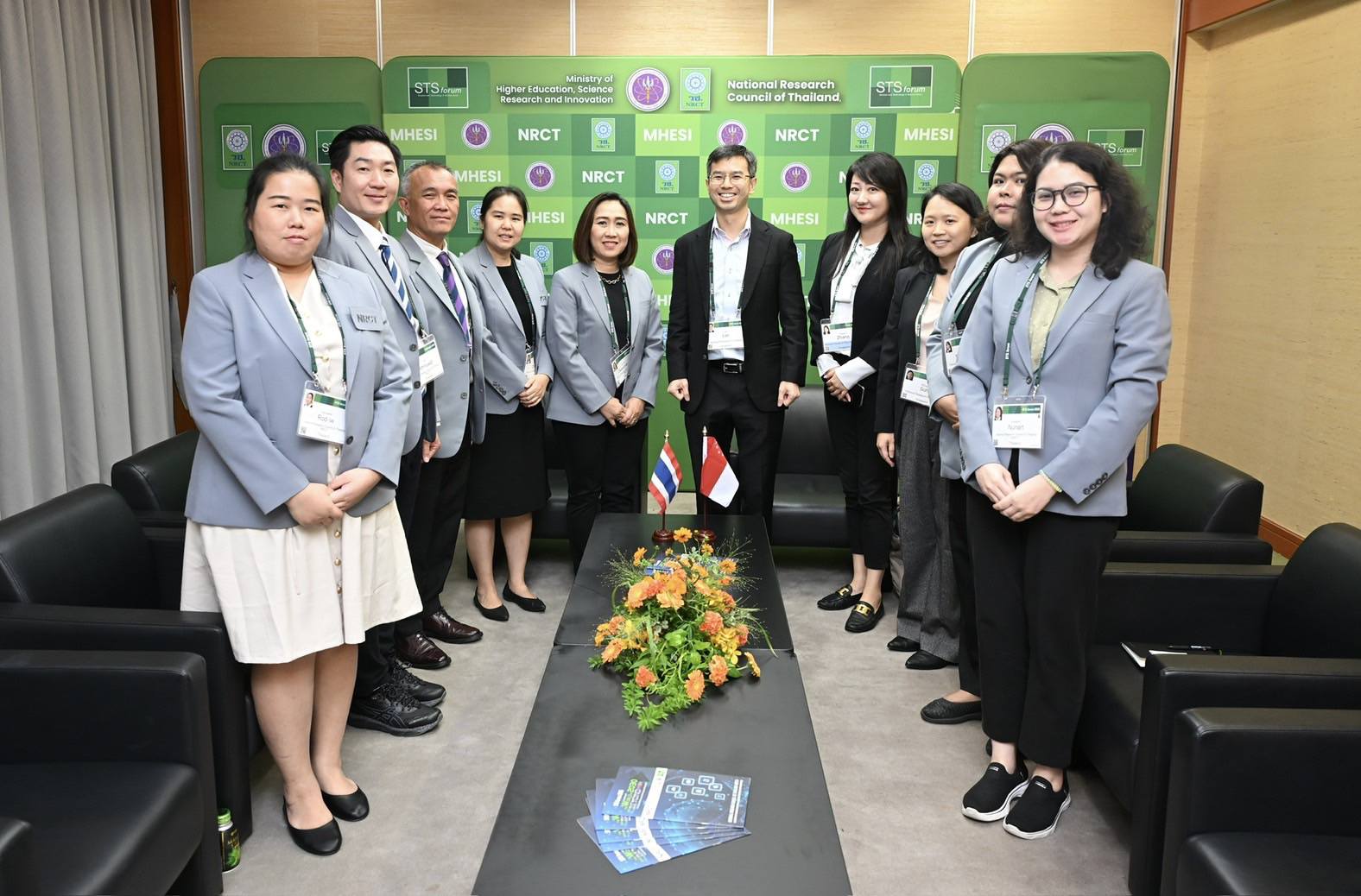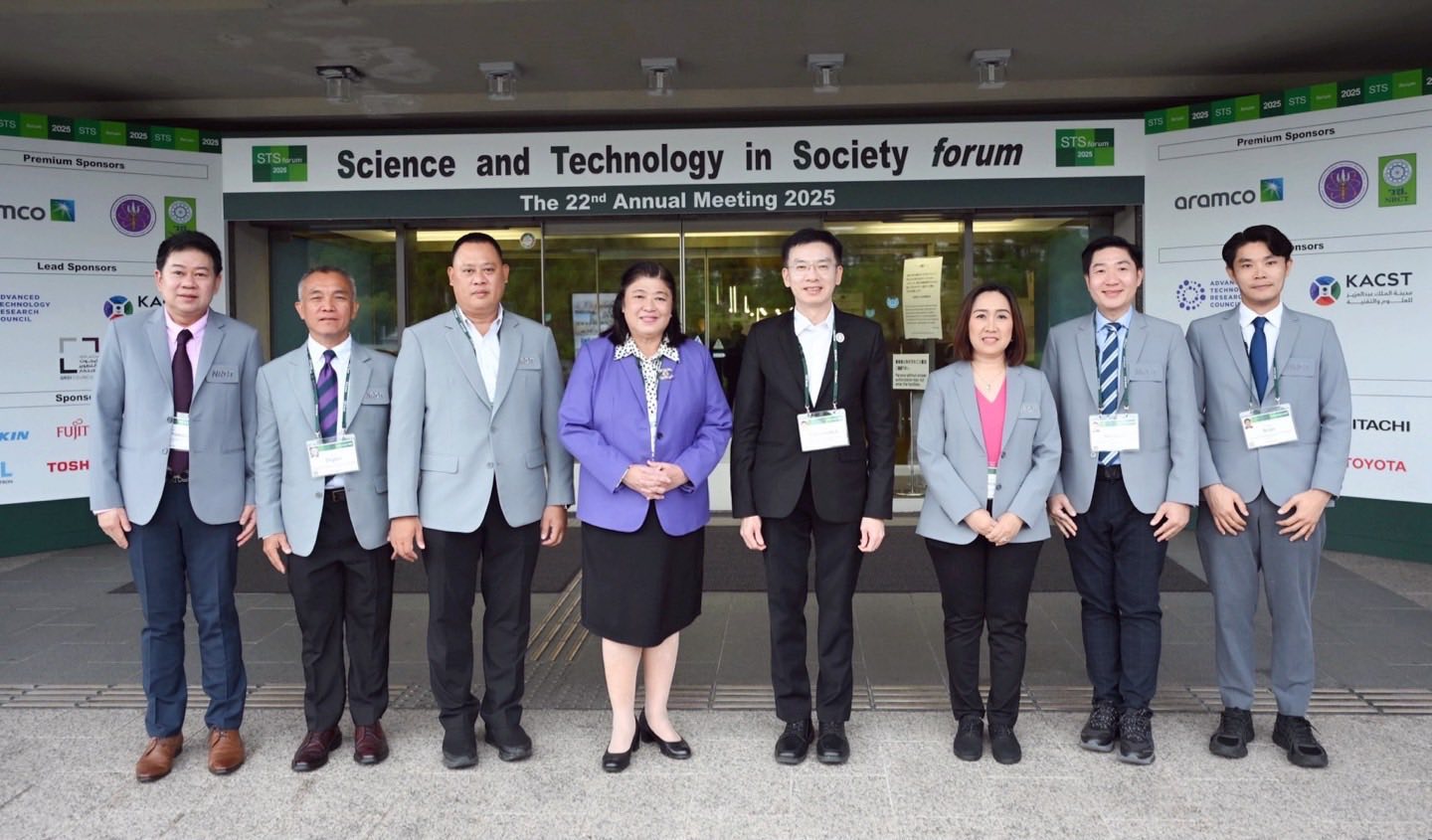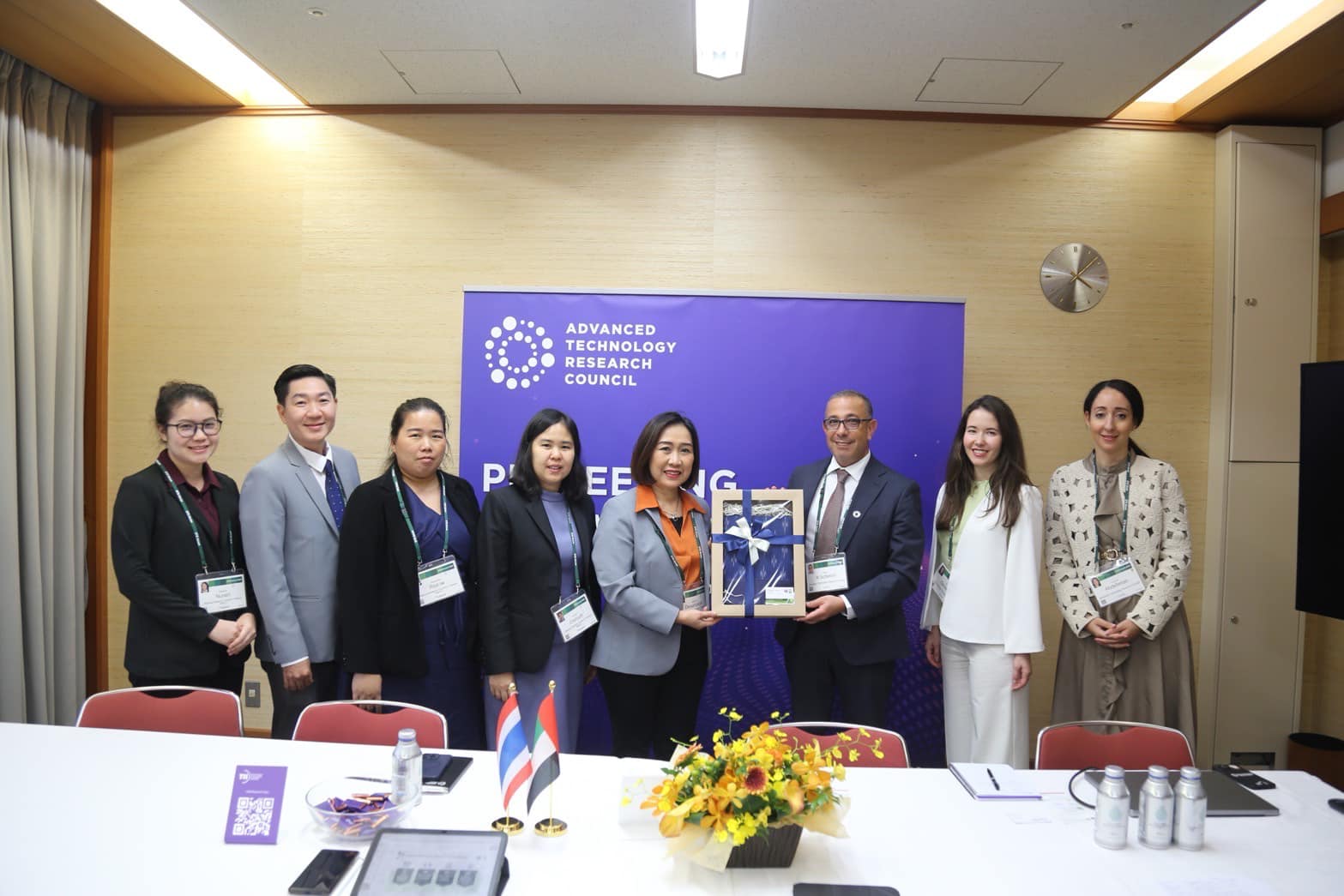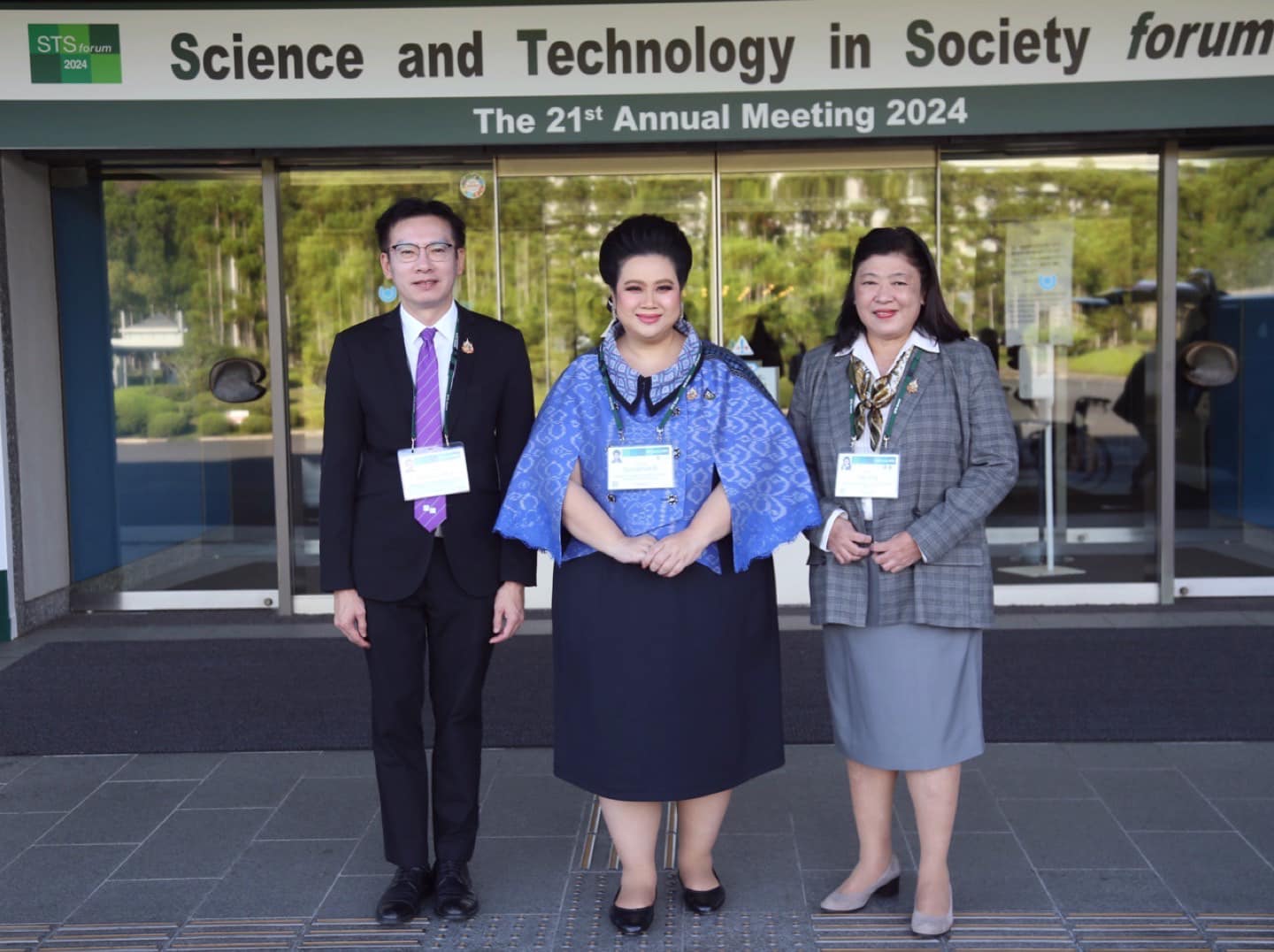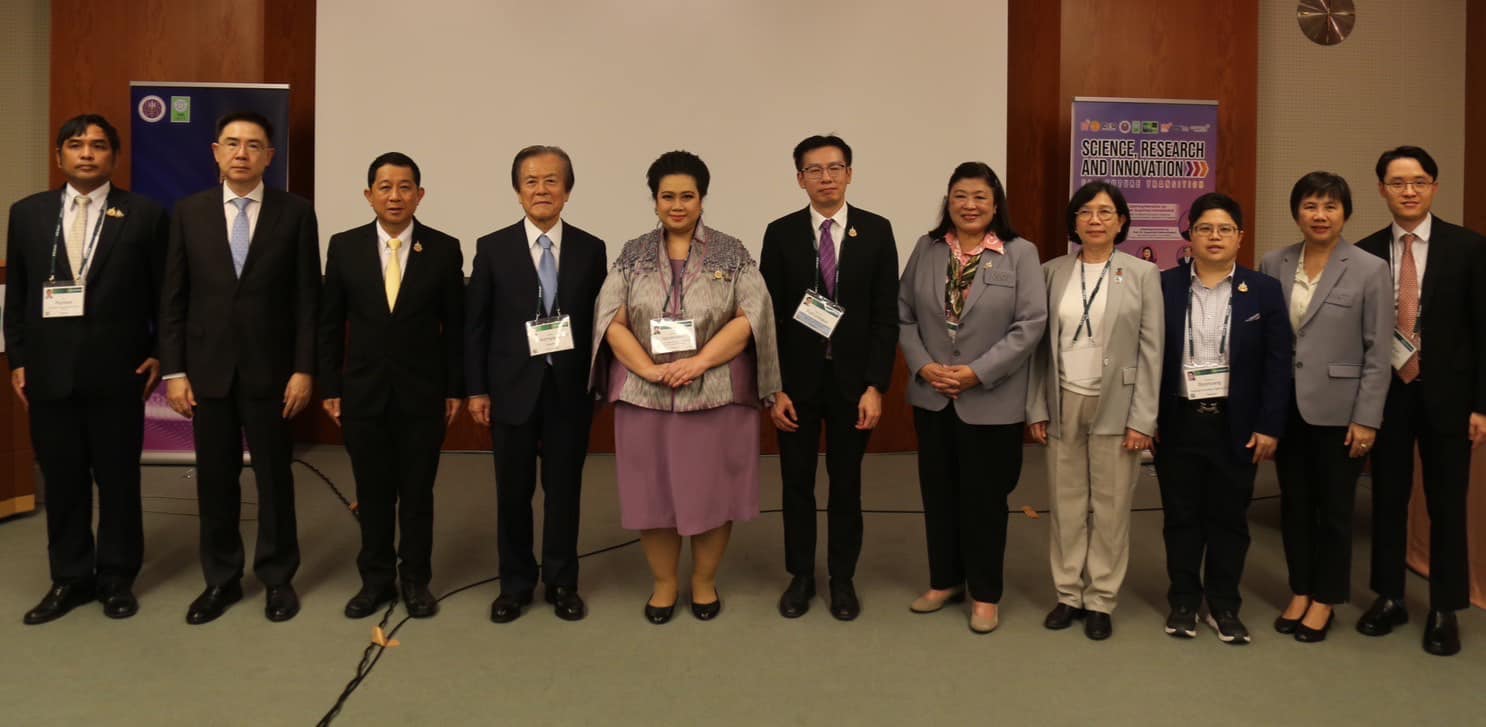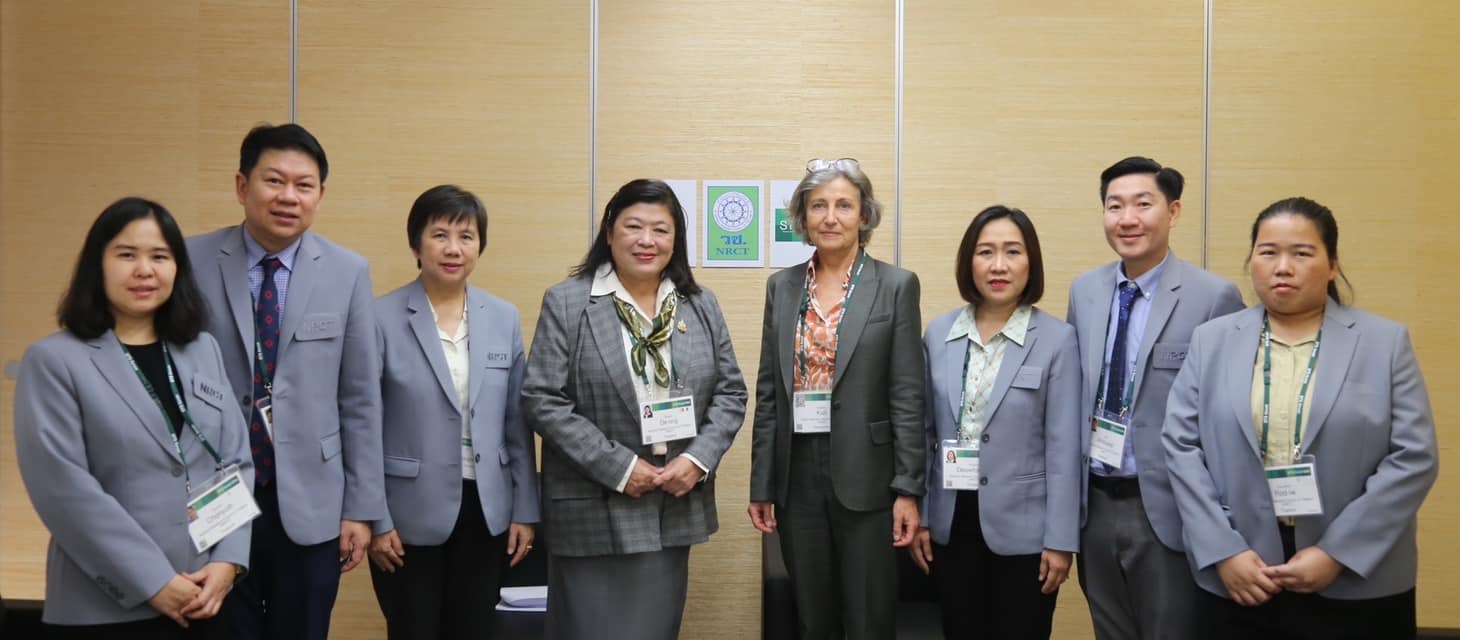
The National Research Council of Thailand (NRCT), in Collaboration with the Science and Technology in Society forum (STS forum)
25 April 2026


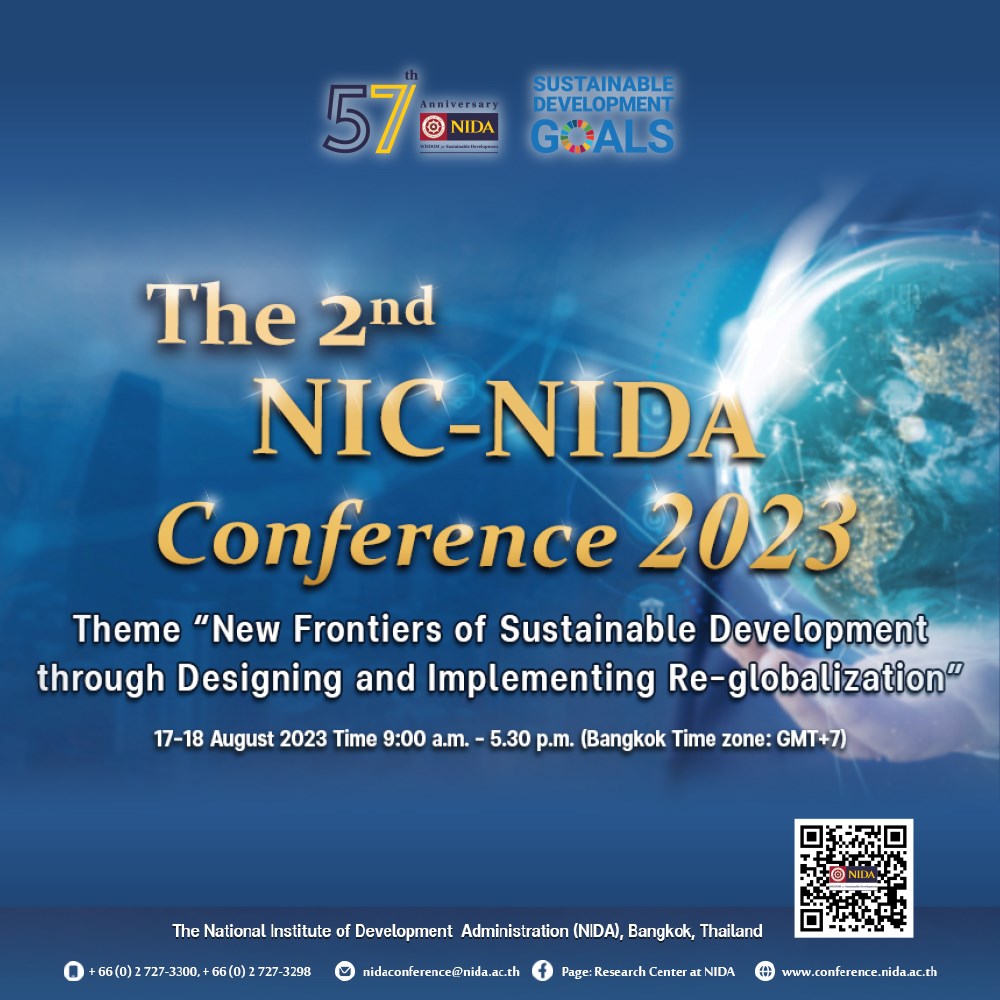
The National Research Council of Thailand (NRCT), in Collaboration with the Science and Technology in Society forum (STS forum), Organizes the International Academic Symposium “STS forum Japan-Thailand Symposium 2026,” Highlighting AI Innovation to Drive Sustainable Bio-Economy and Environmental Development
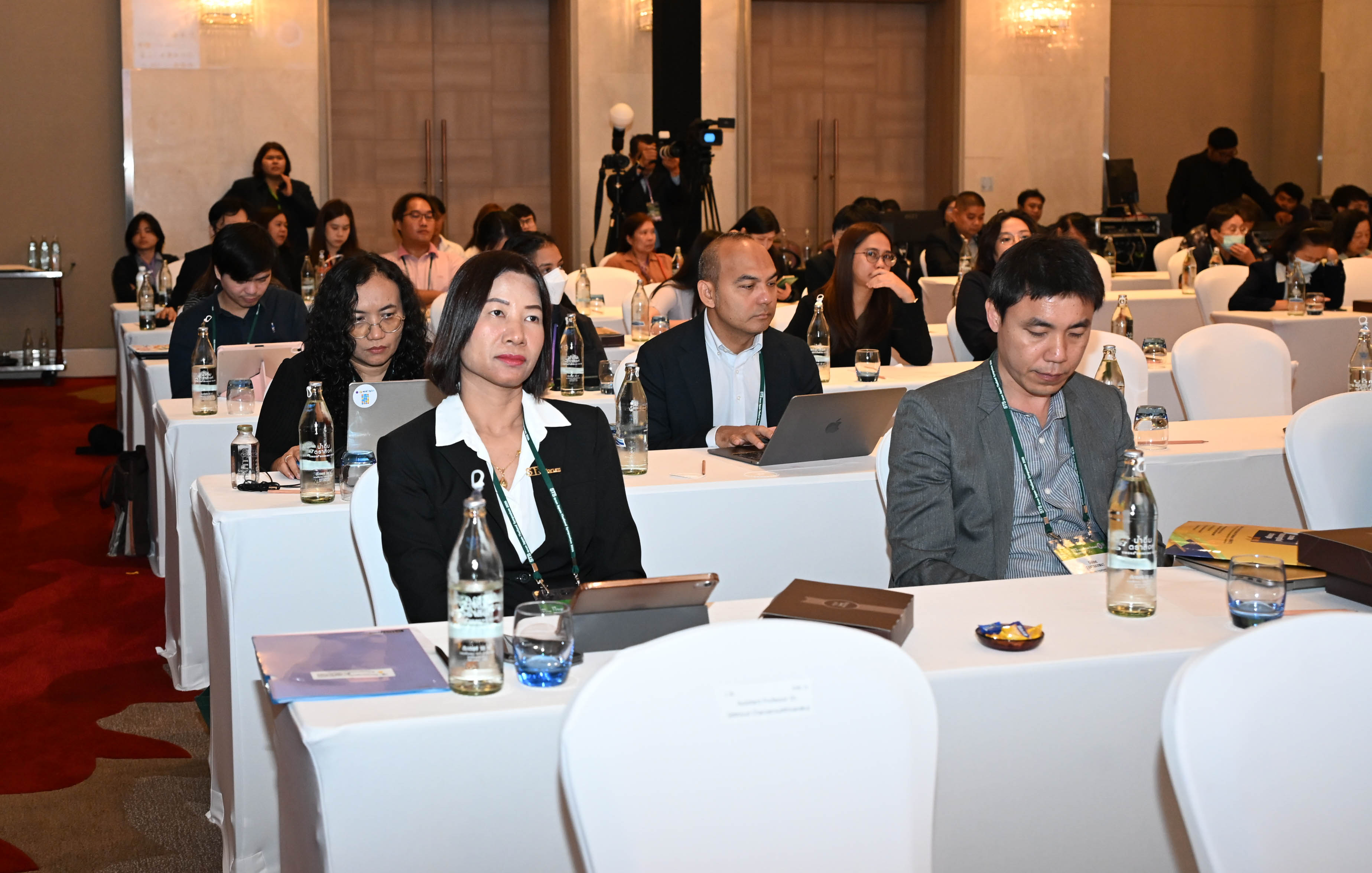
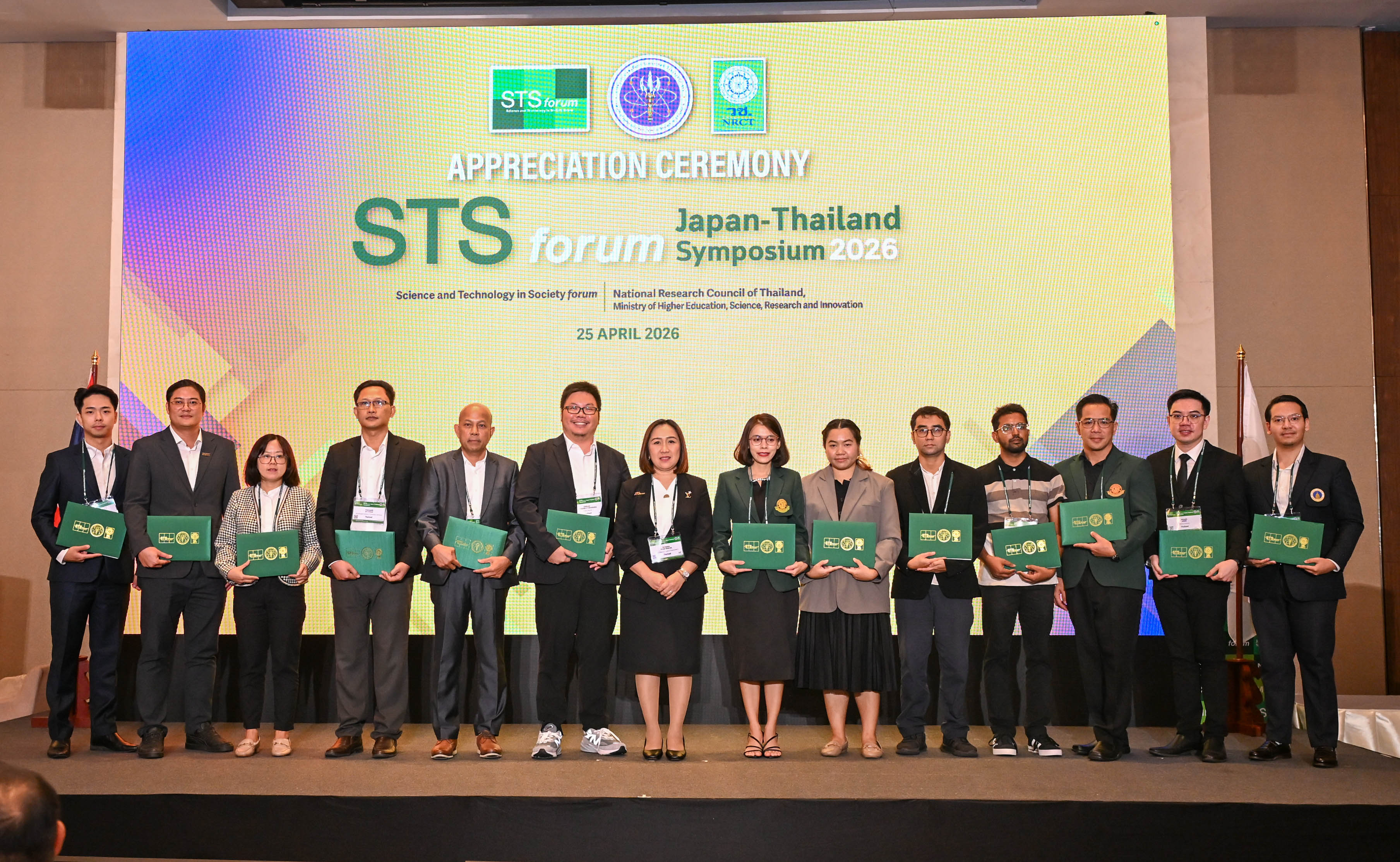
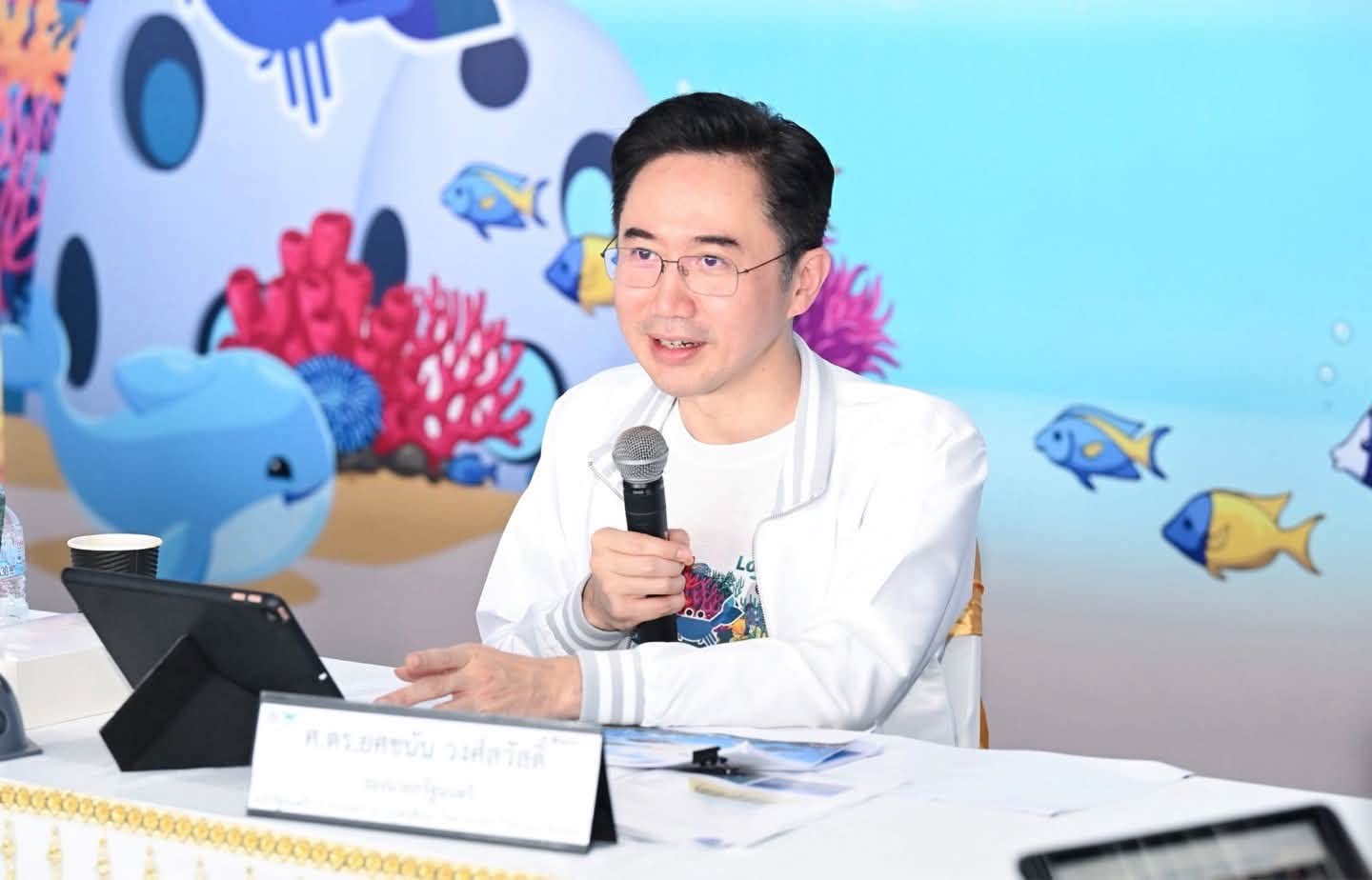
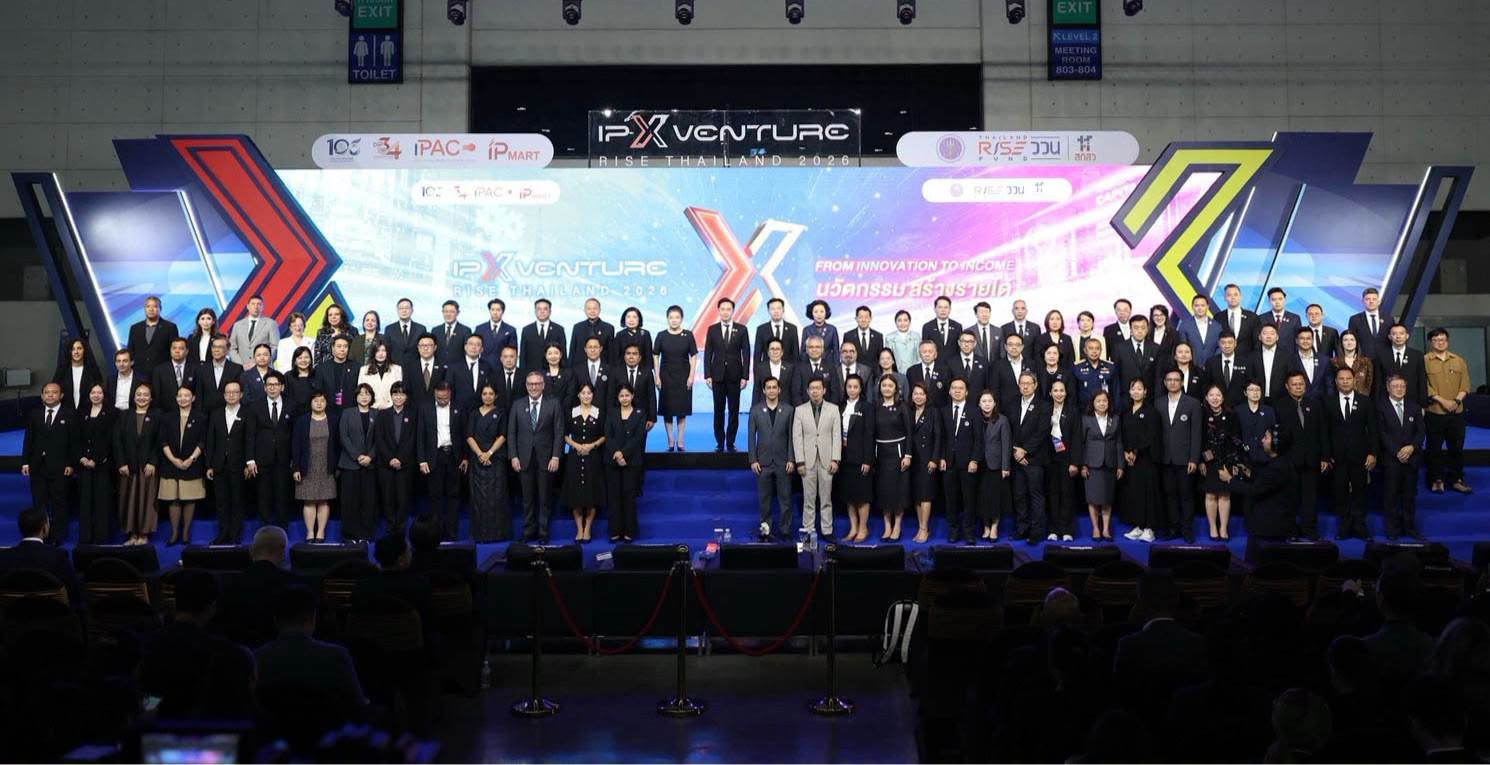
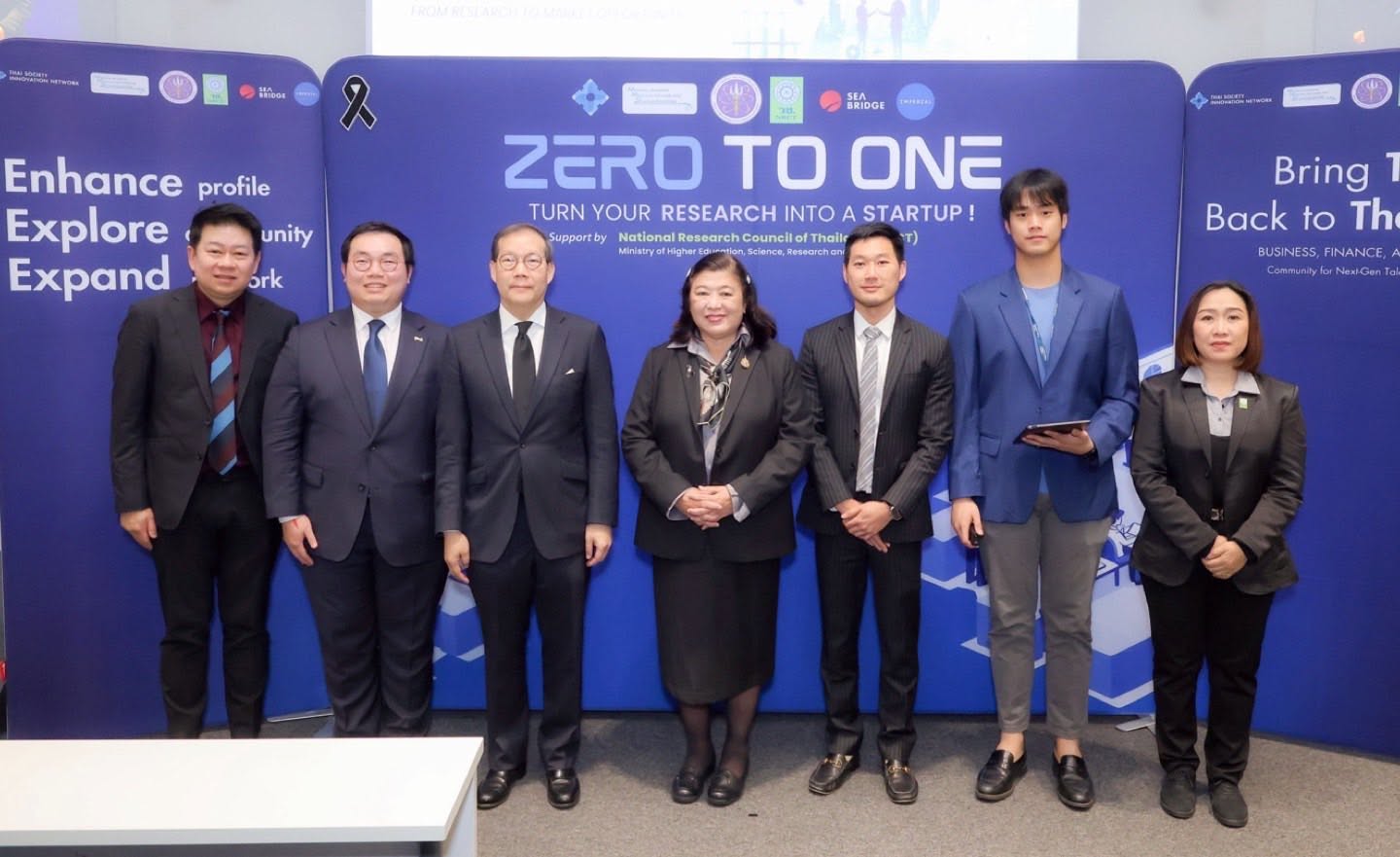
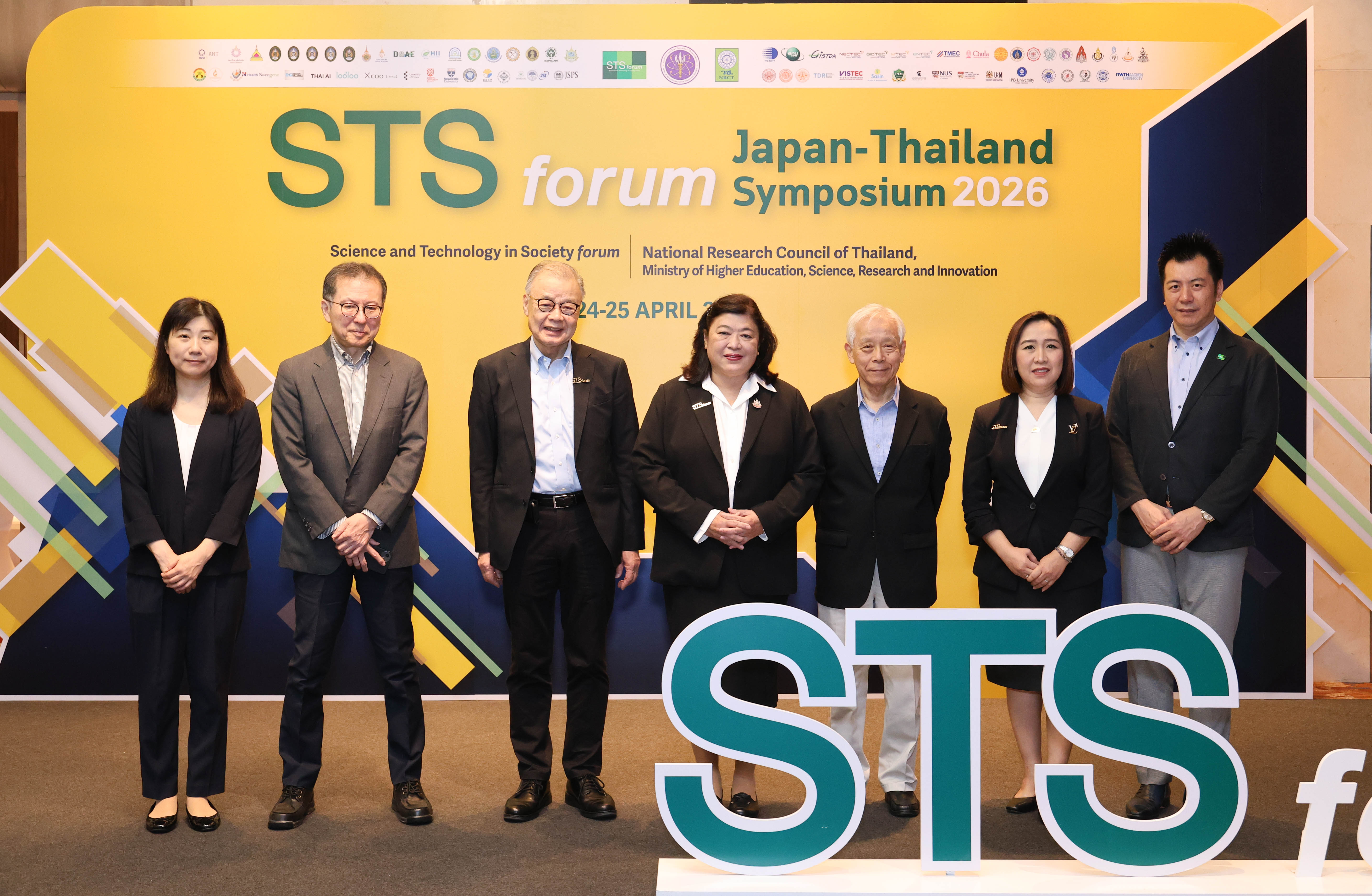
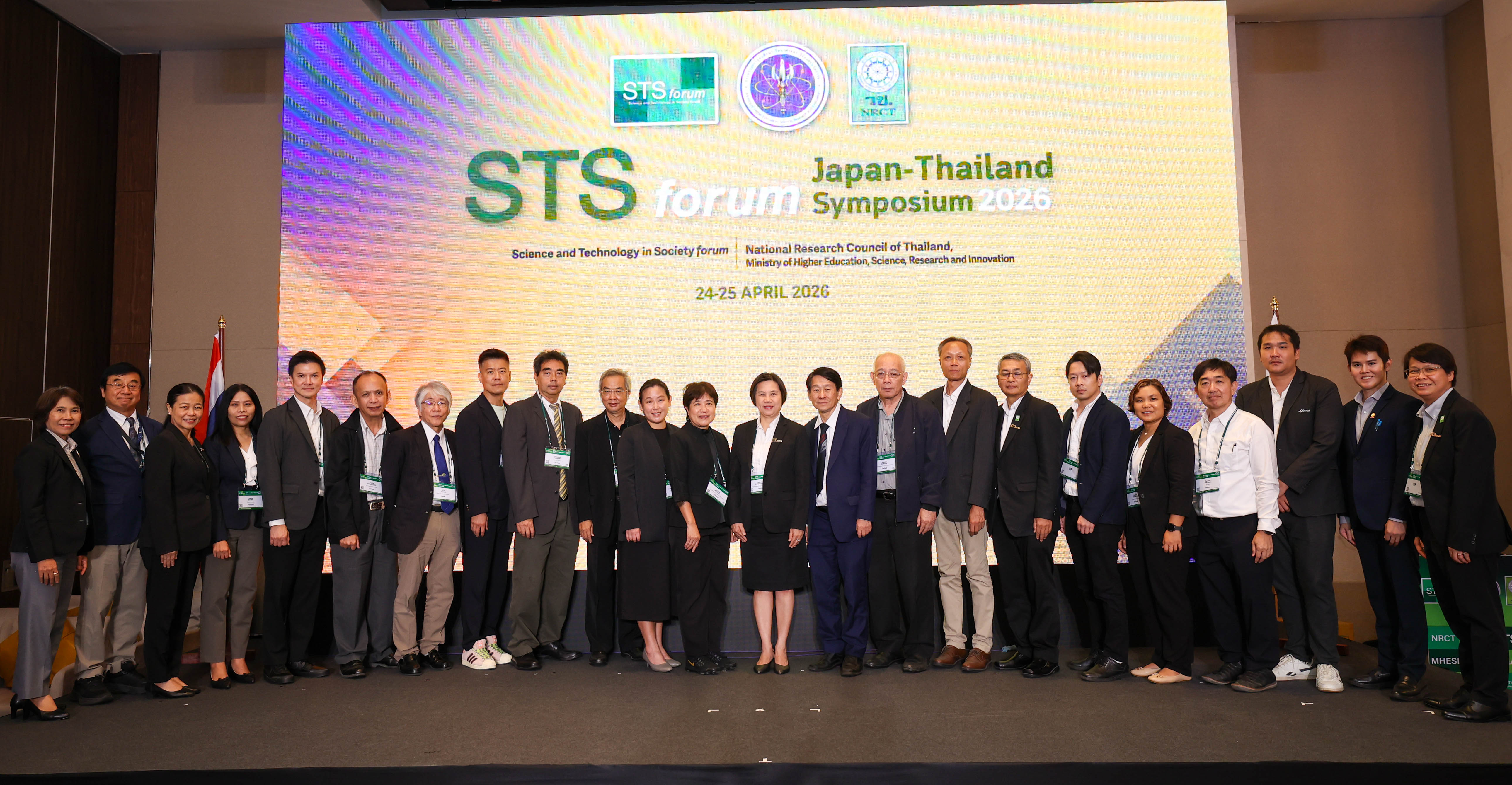
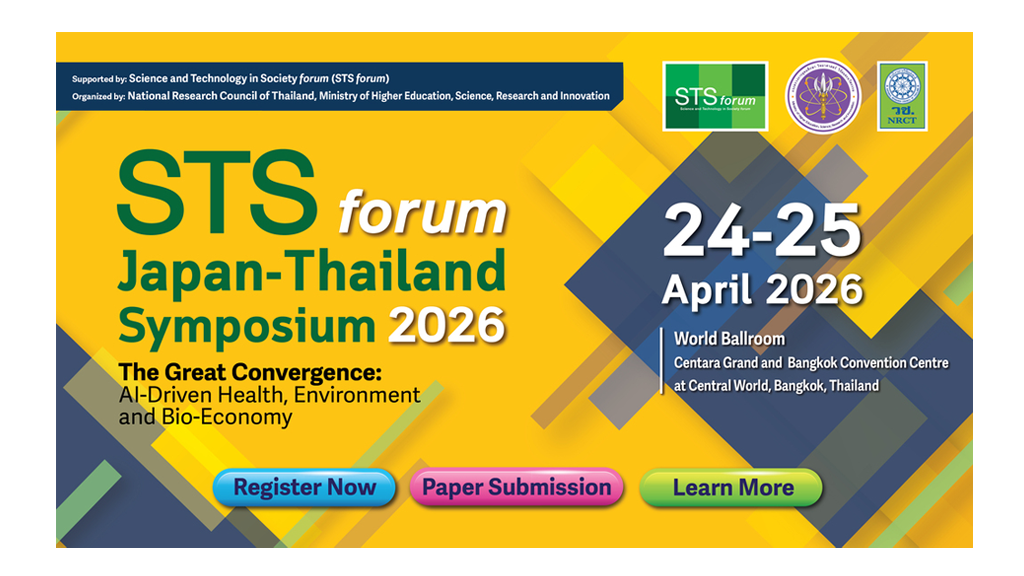
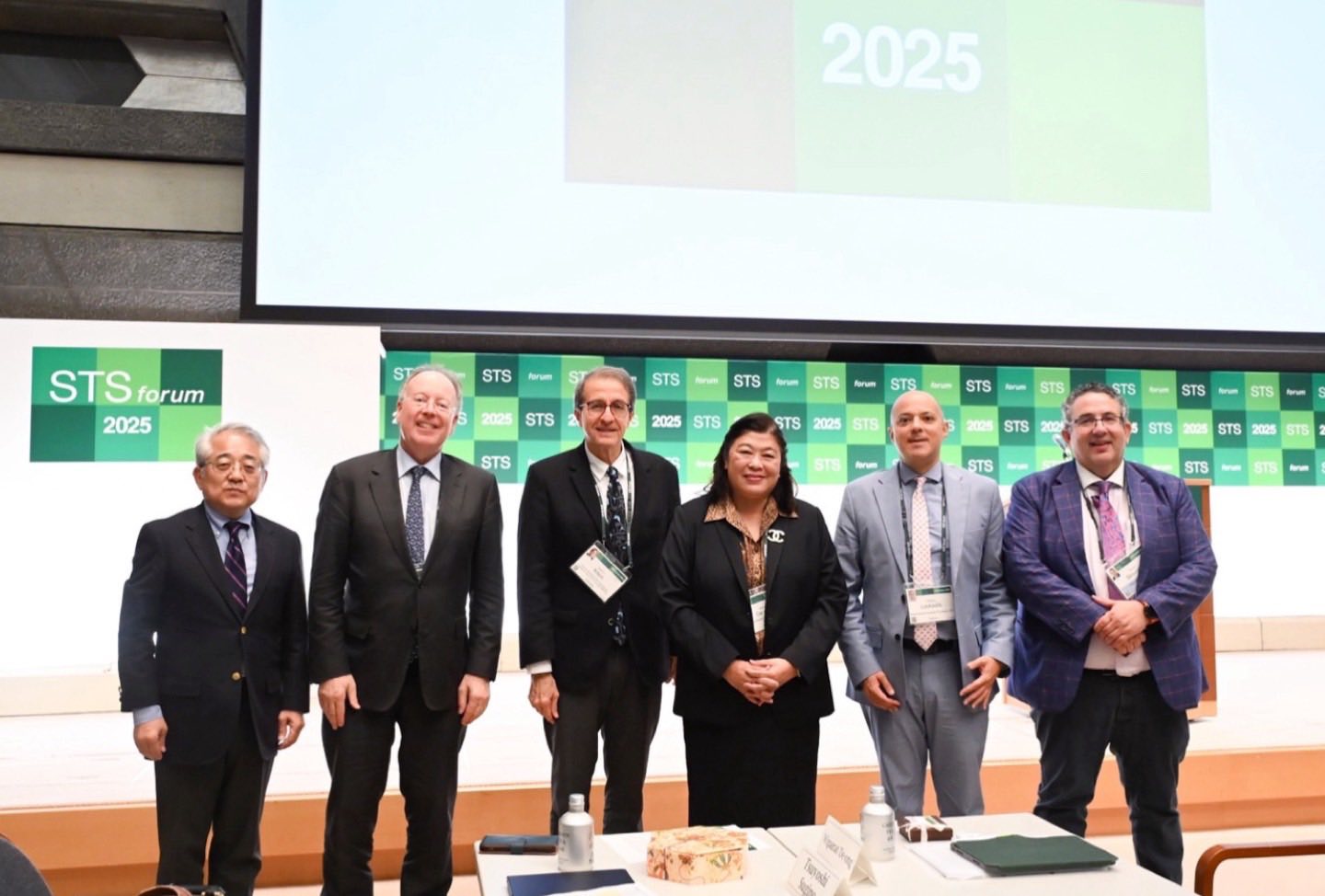
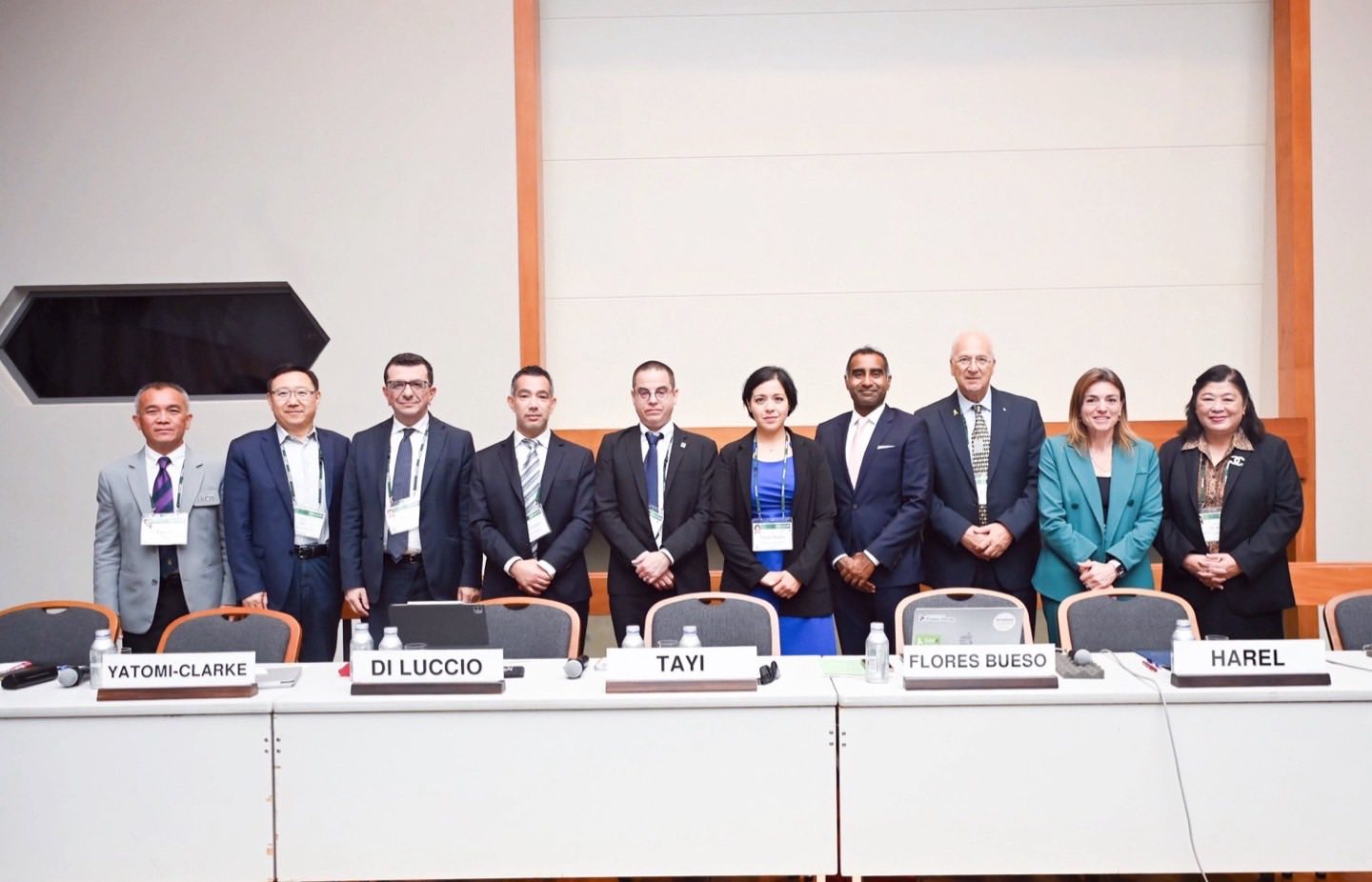
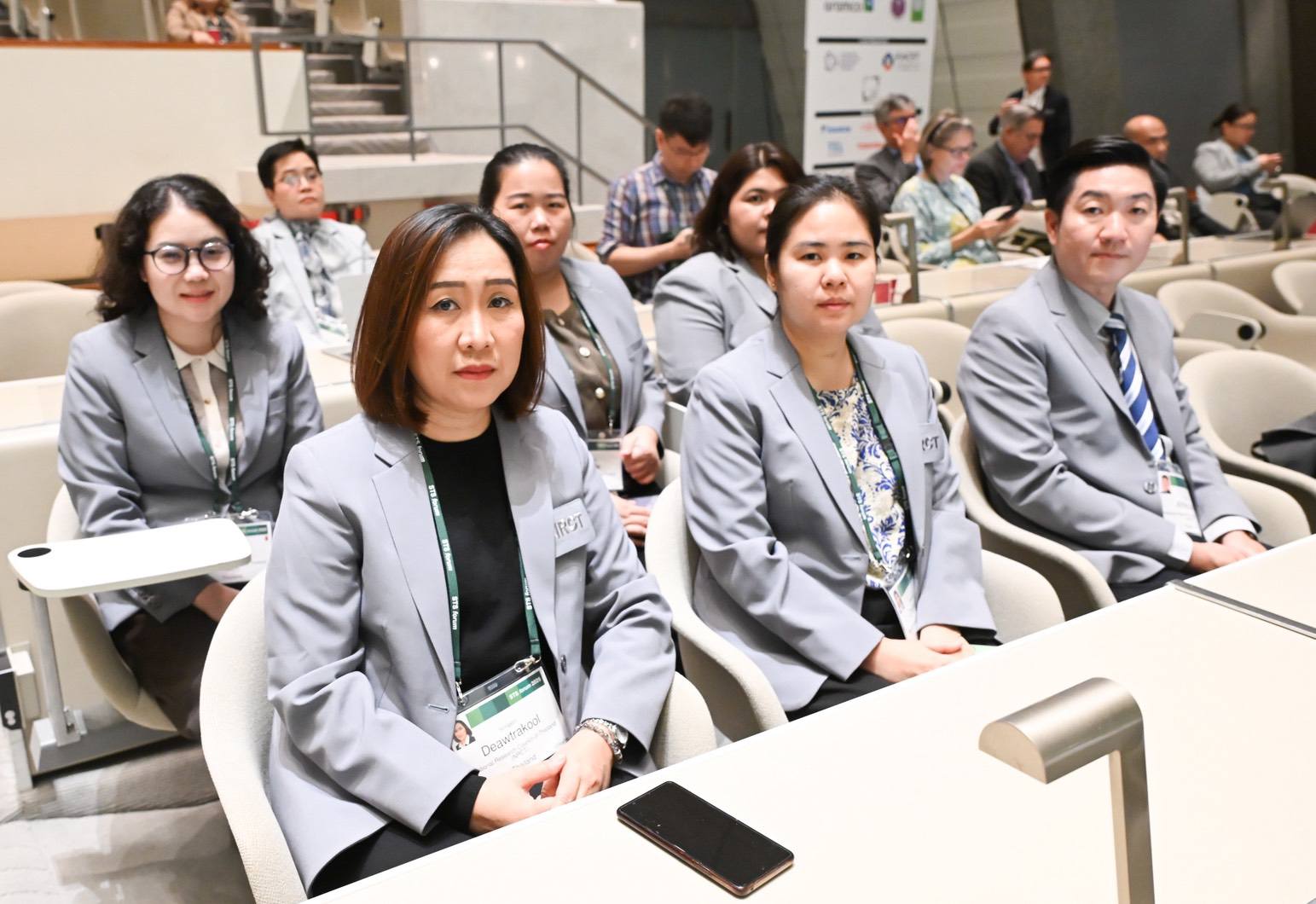
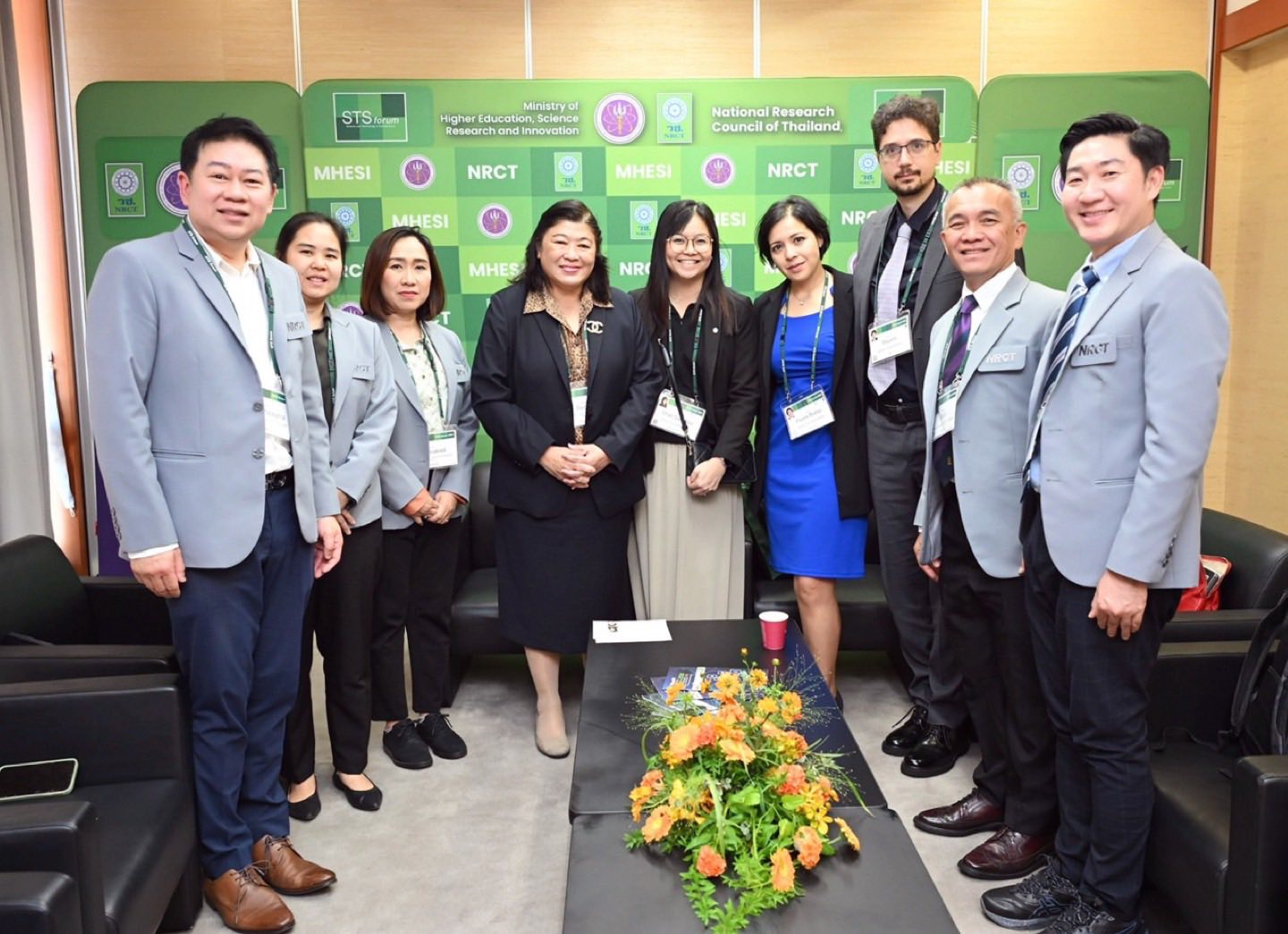
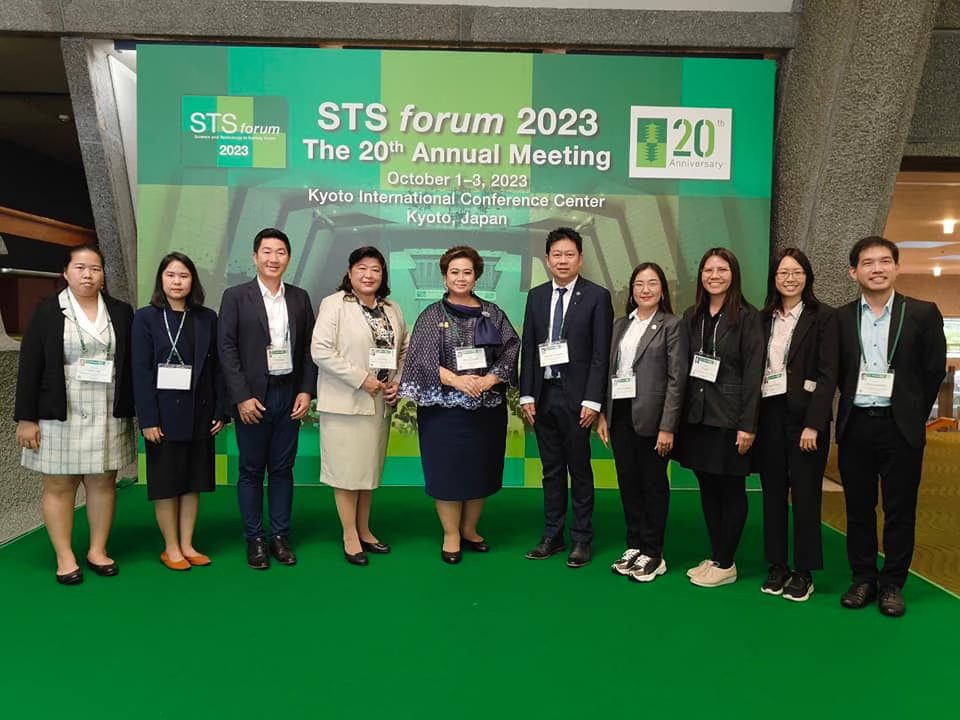
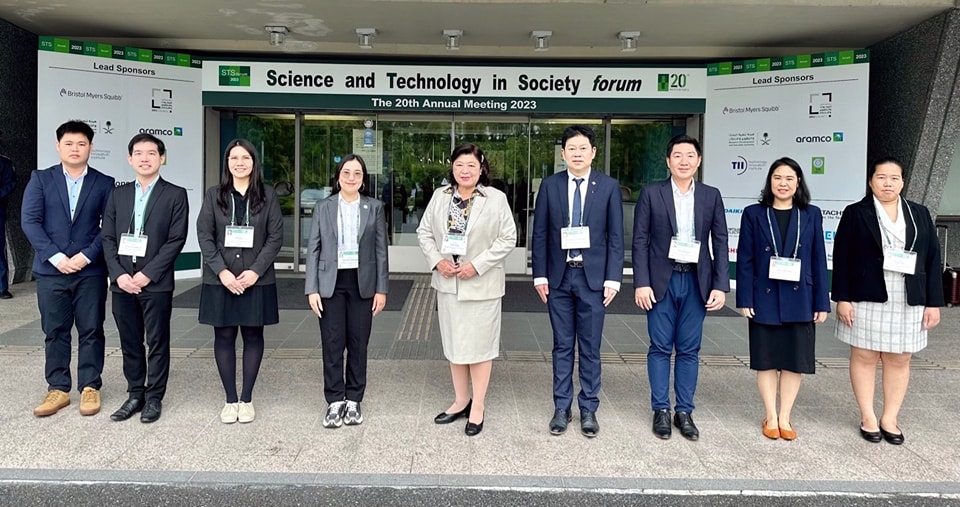
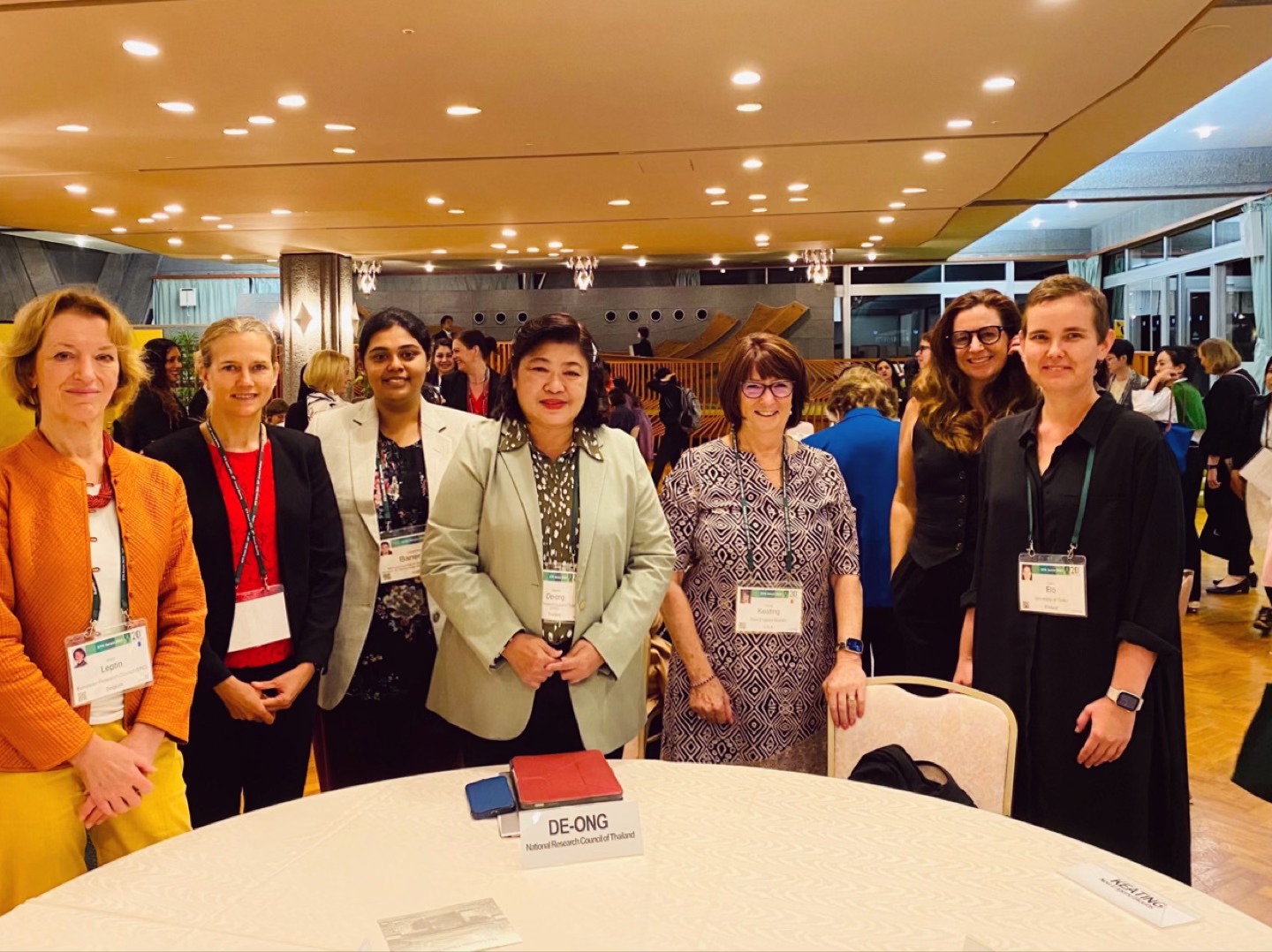
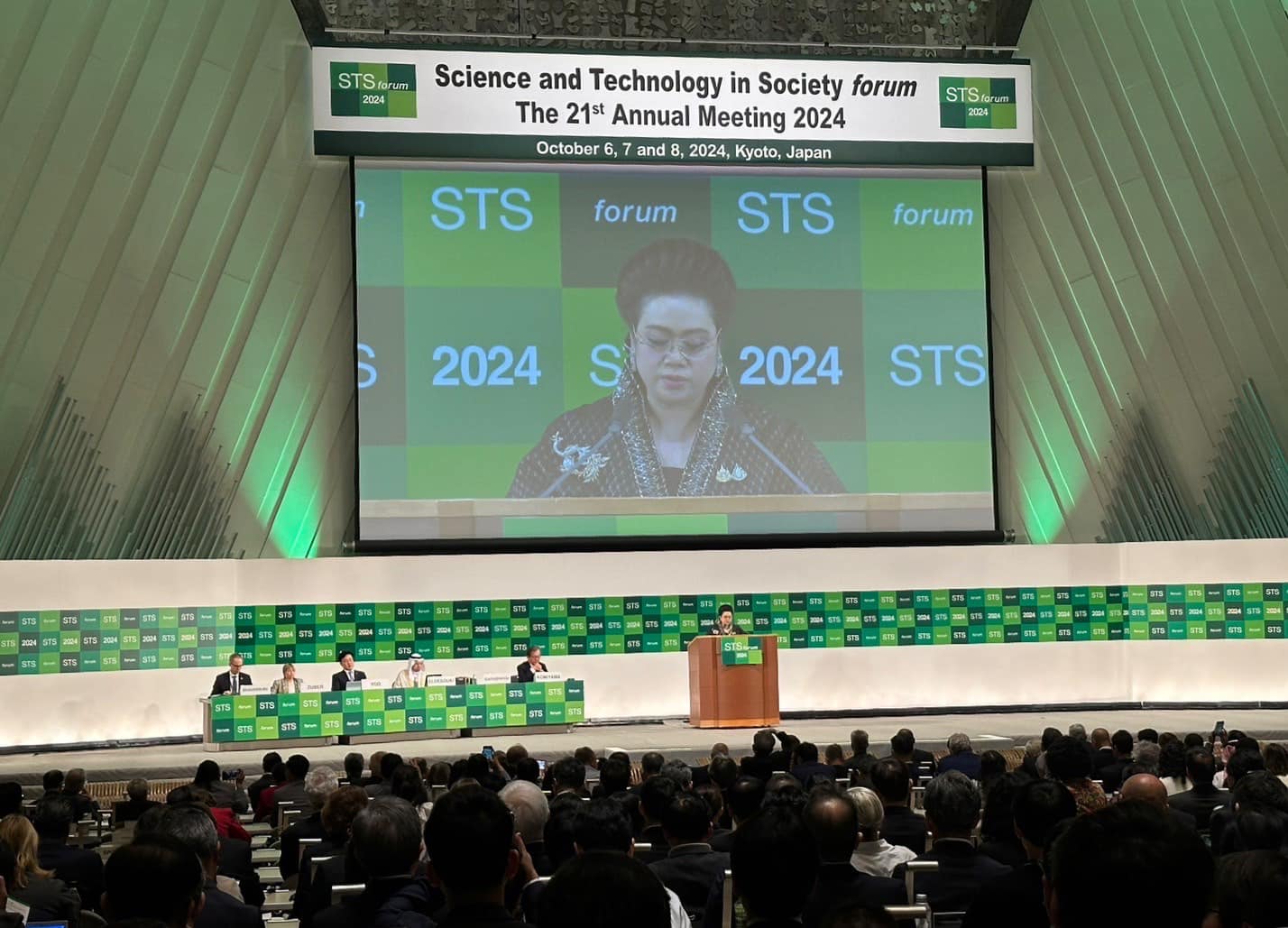
On April 25, 2026, the National Research Council of Thailand (NRCT), under the Ministry of Higher Education, Science, Research and Innovation, in collaboration with the Science and Technology in Society forum (STS forum), Japan, organized an academic presentation on the topic “AI-Driven Sensing and Deployment for Bio-Economy and Environment” as part of the STS forum Japan-Thailand Symposium 2026. The session was held at World Ballroom C, 23rd Floor, Centara Grand & Bangkok Convention Centre at CentralWorld, Bangkok, with the aim of strengthening strategic collaboration and facilitating the exchange of technological advancements between the two countries.
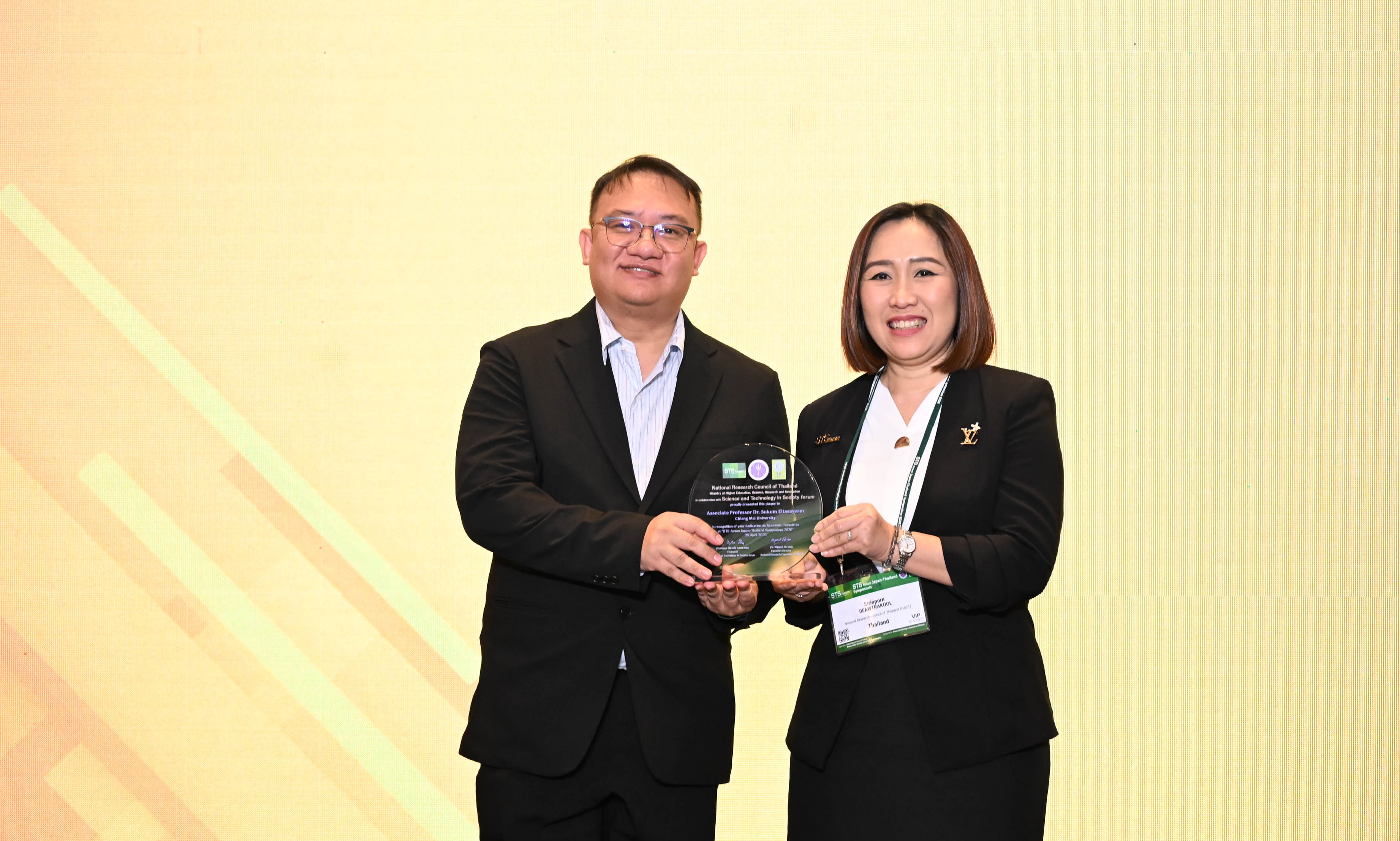
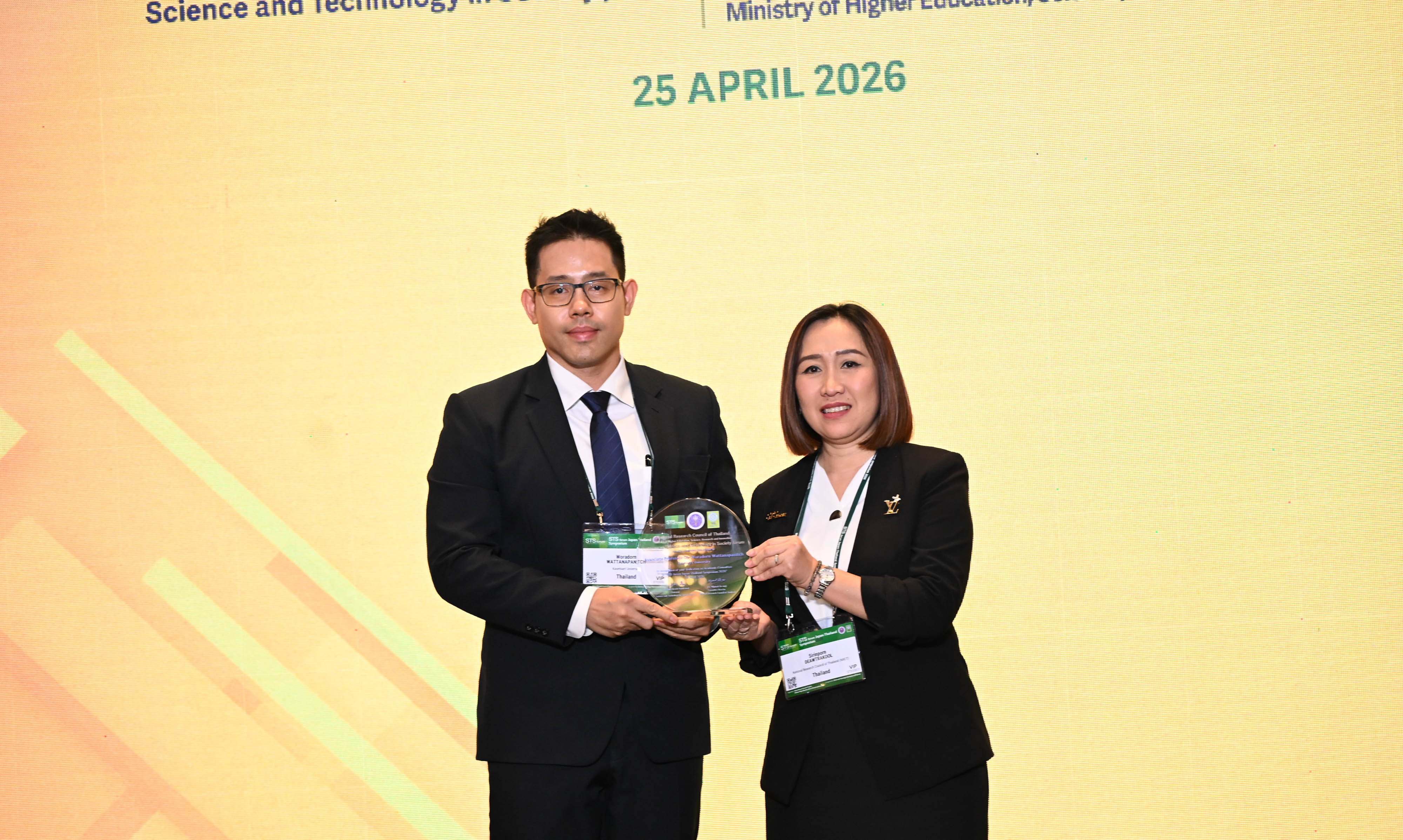
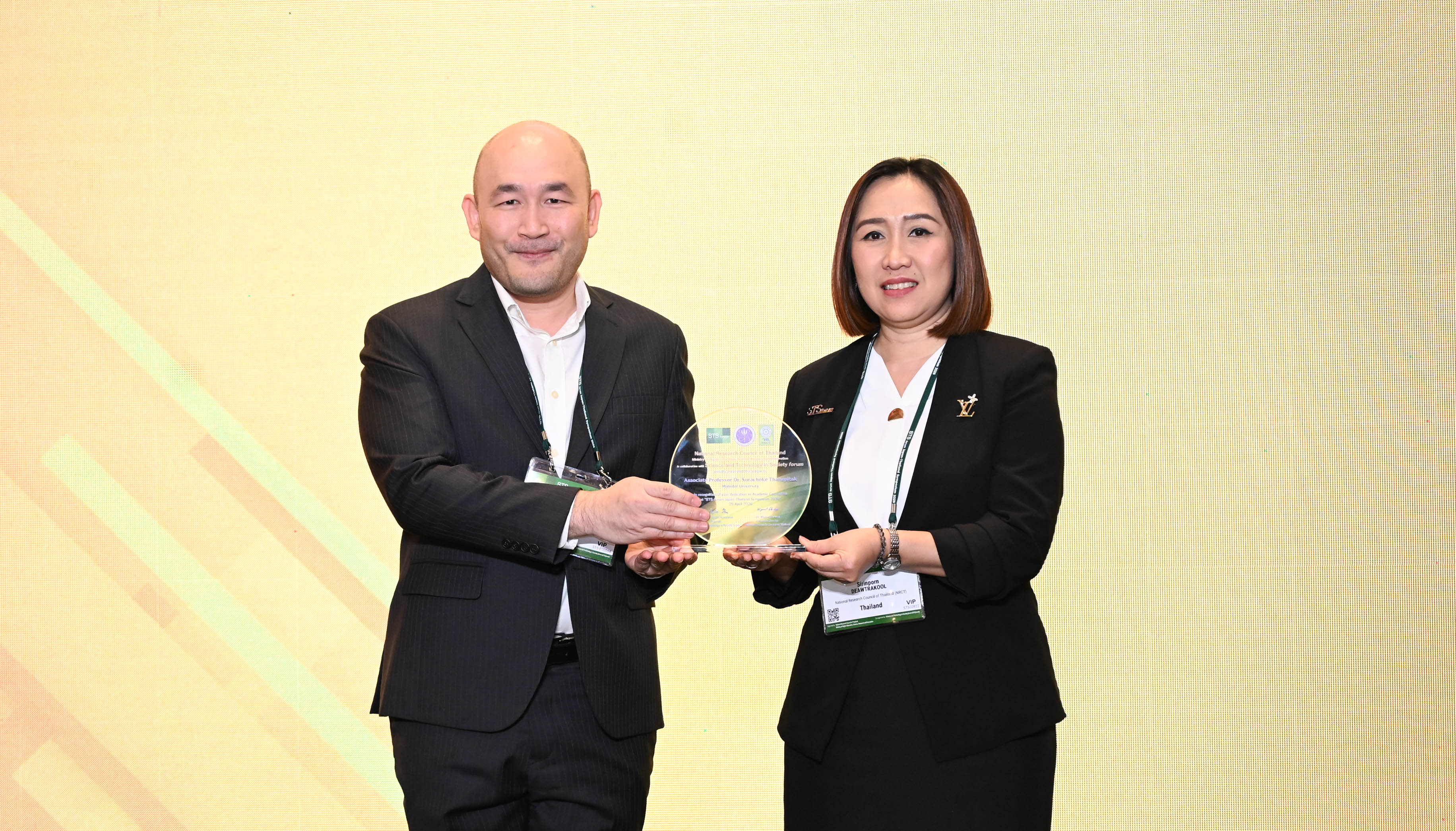
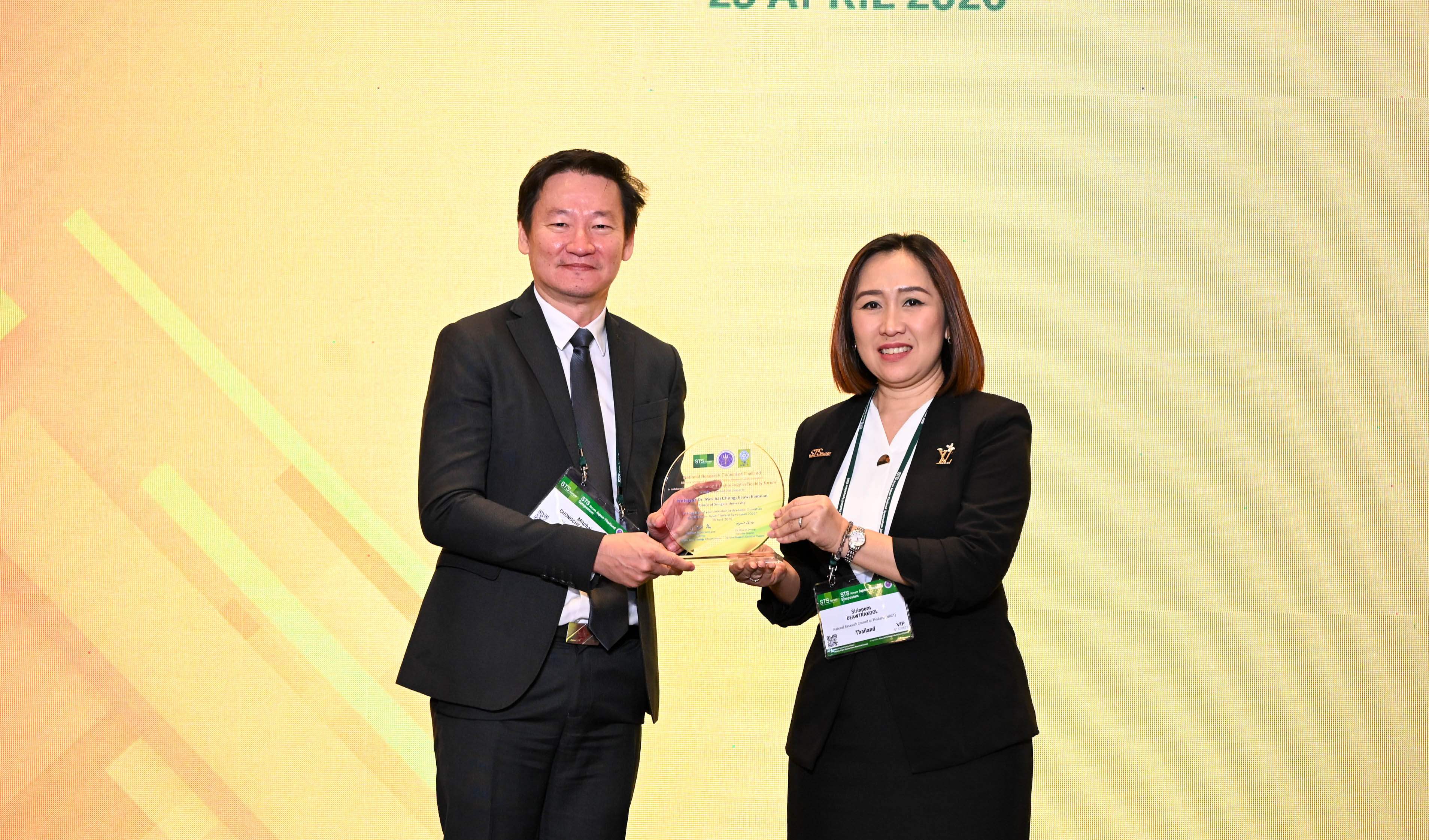
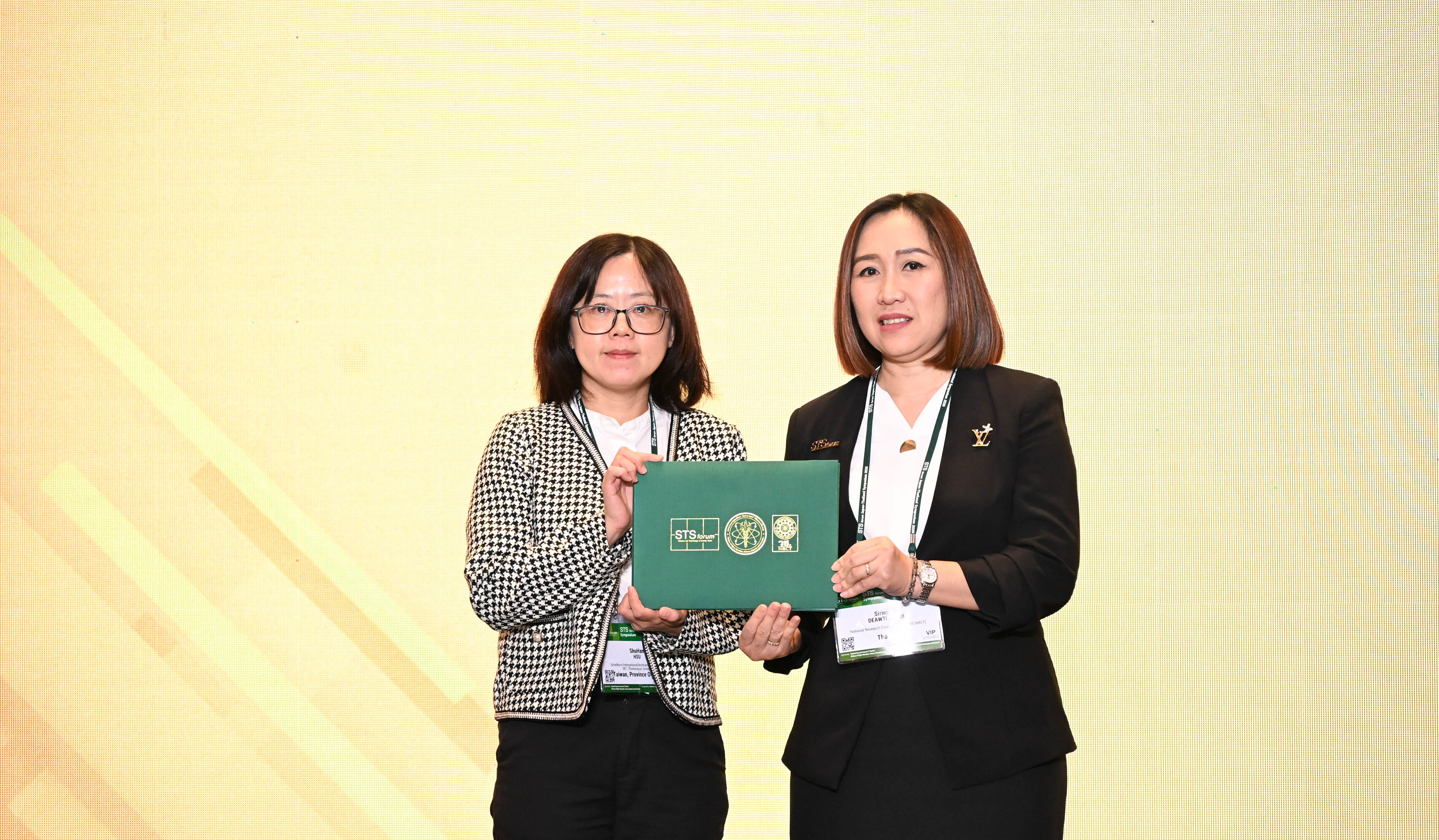
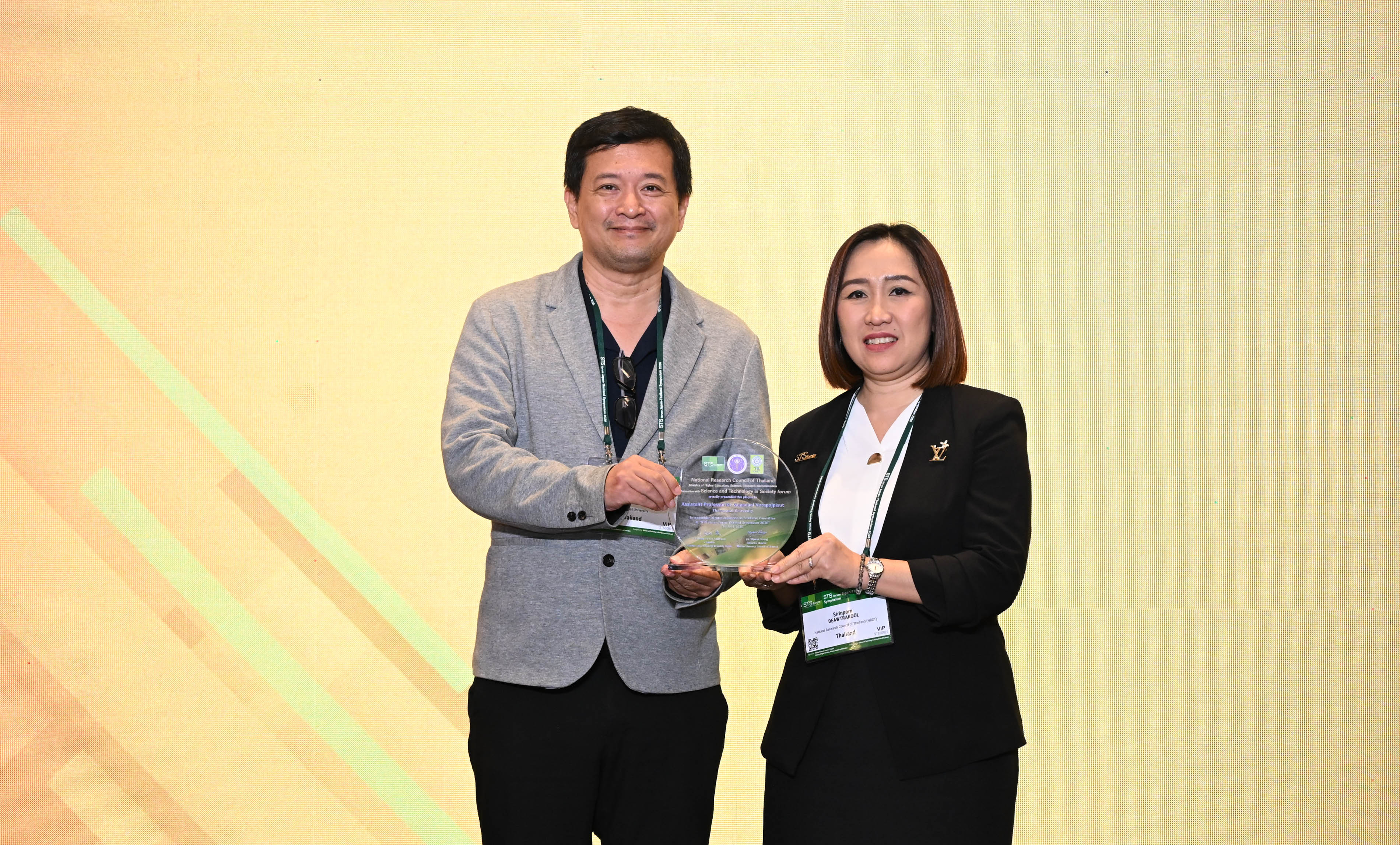
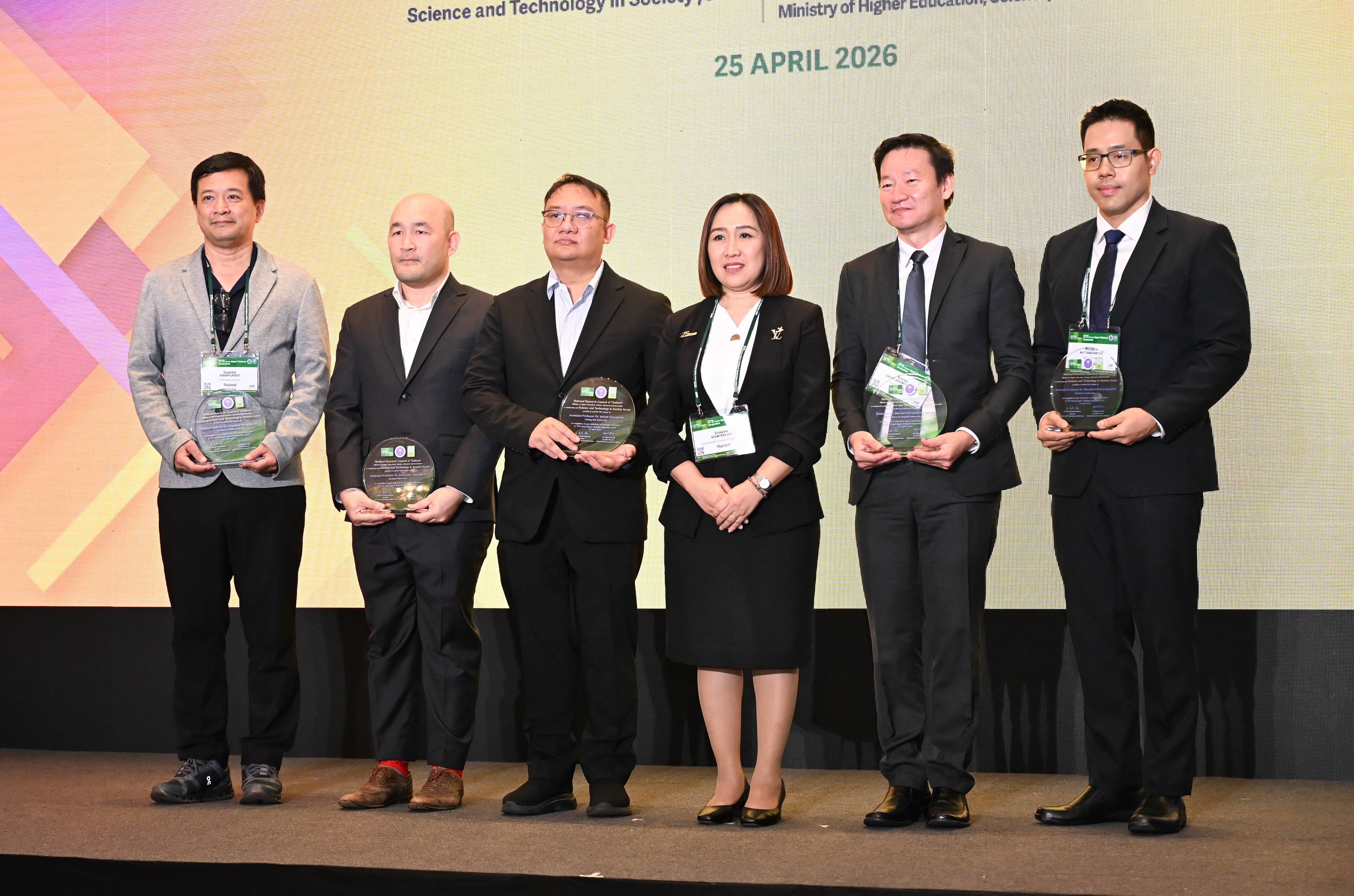
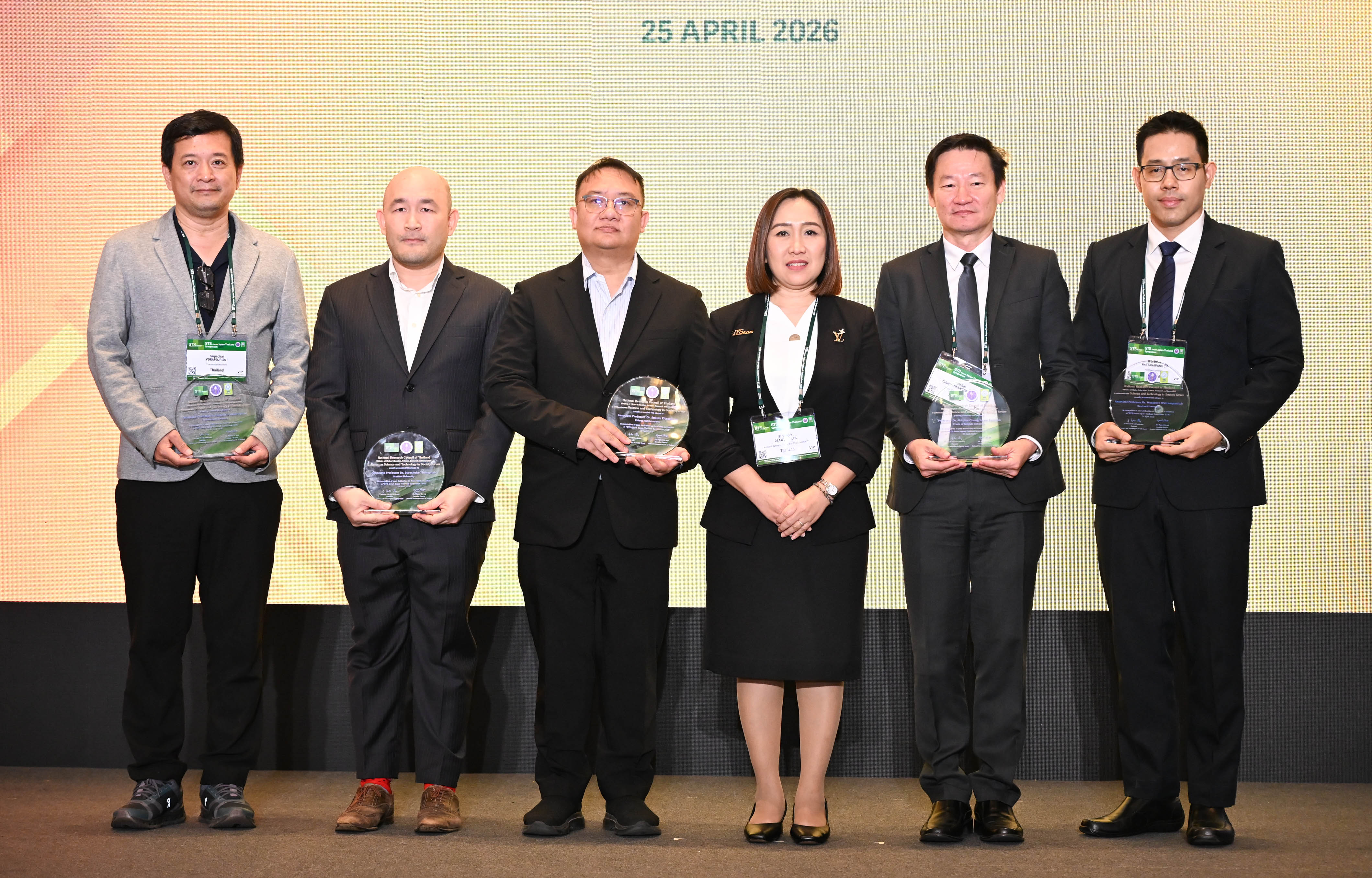
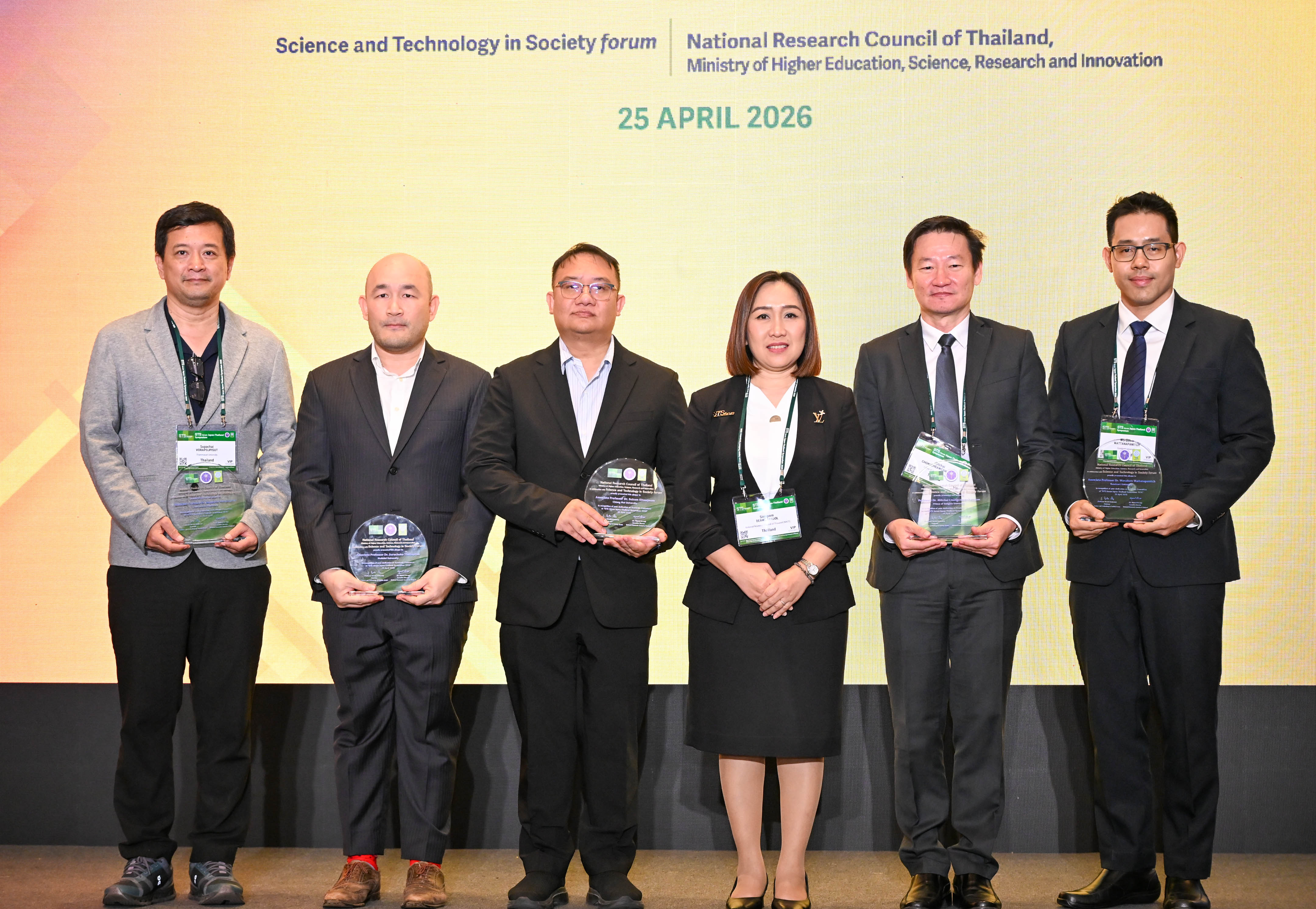
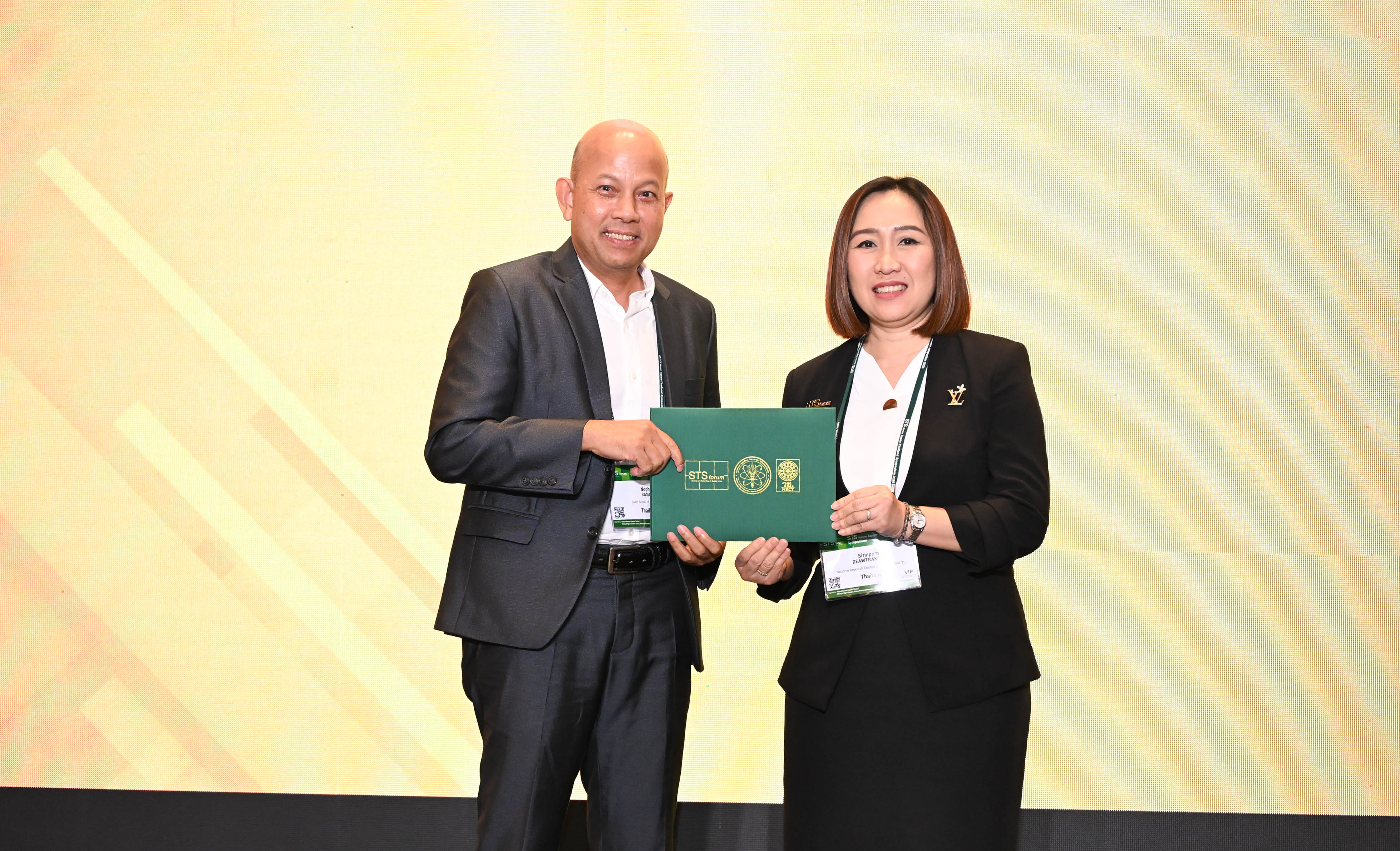
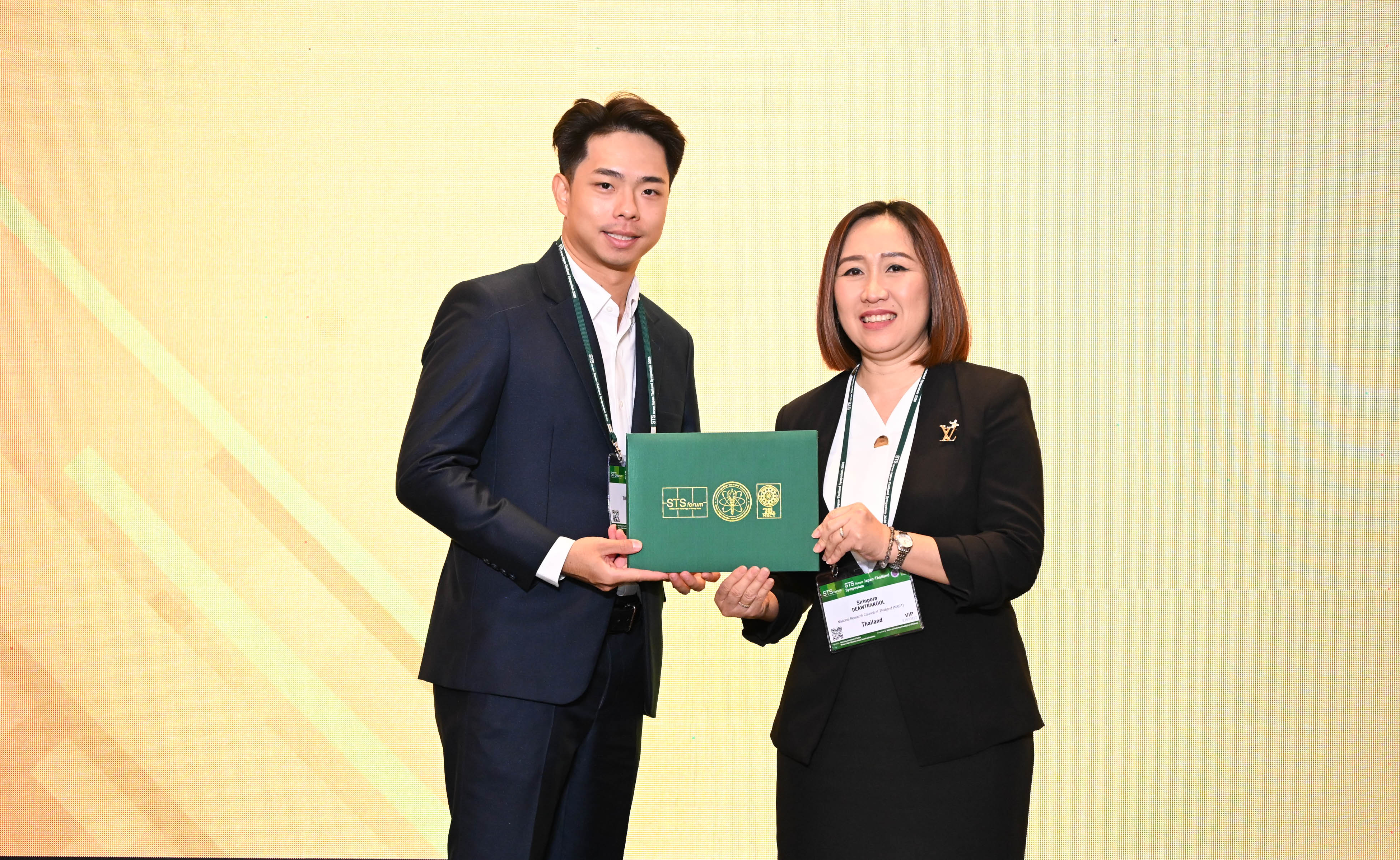
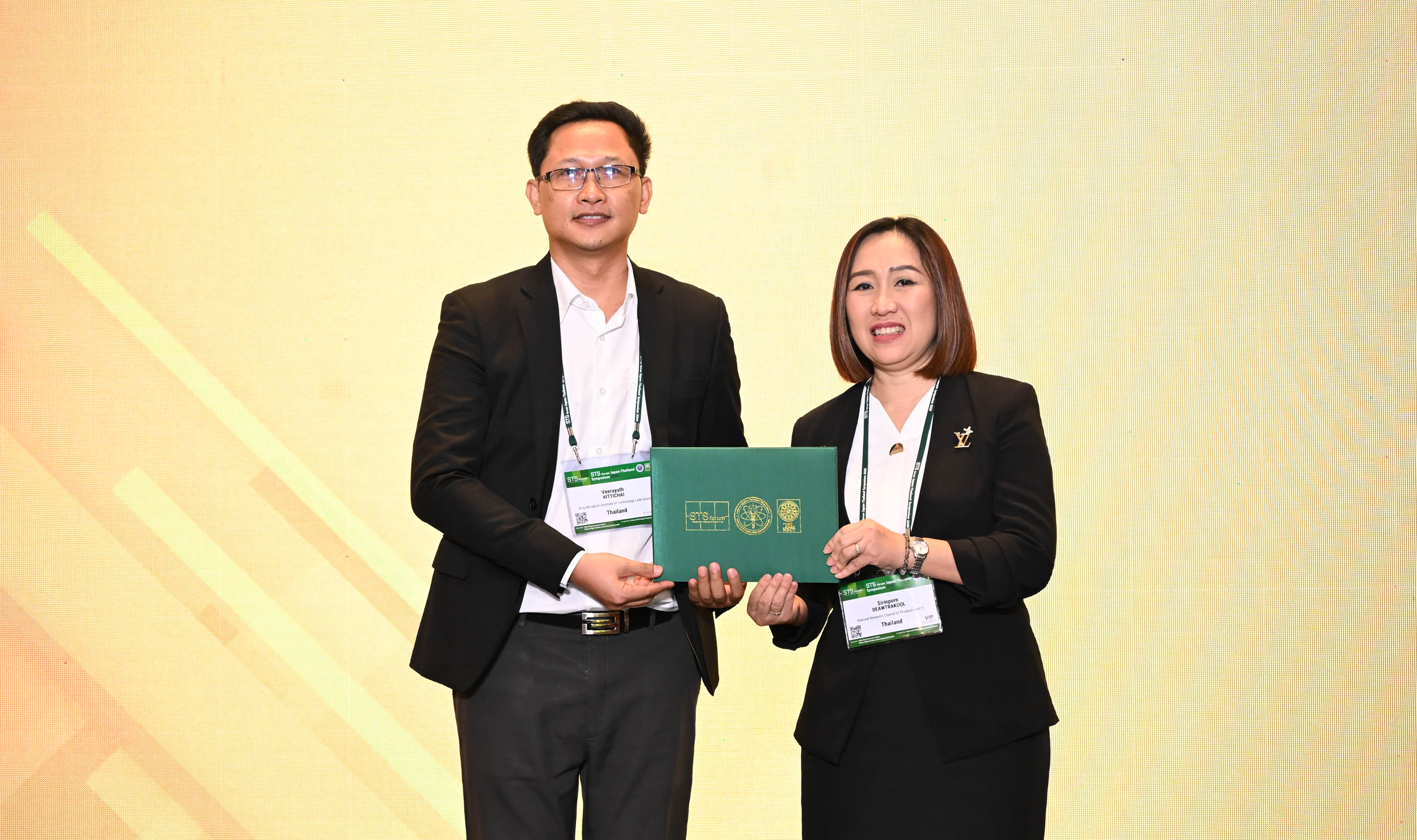
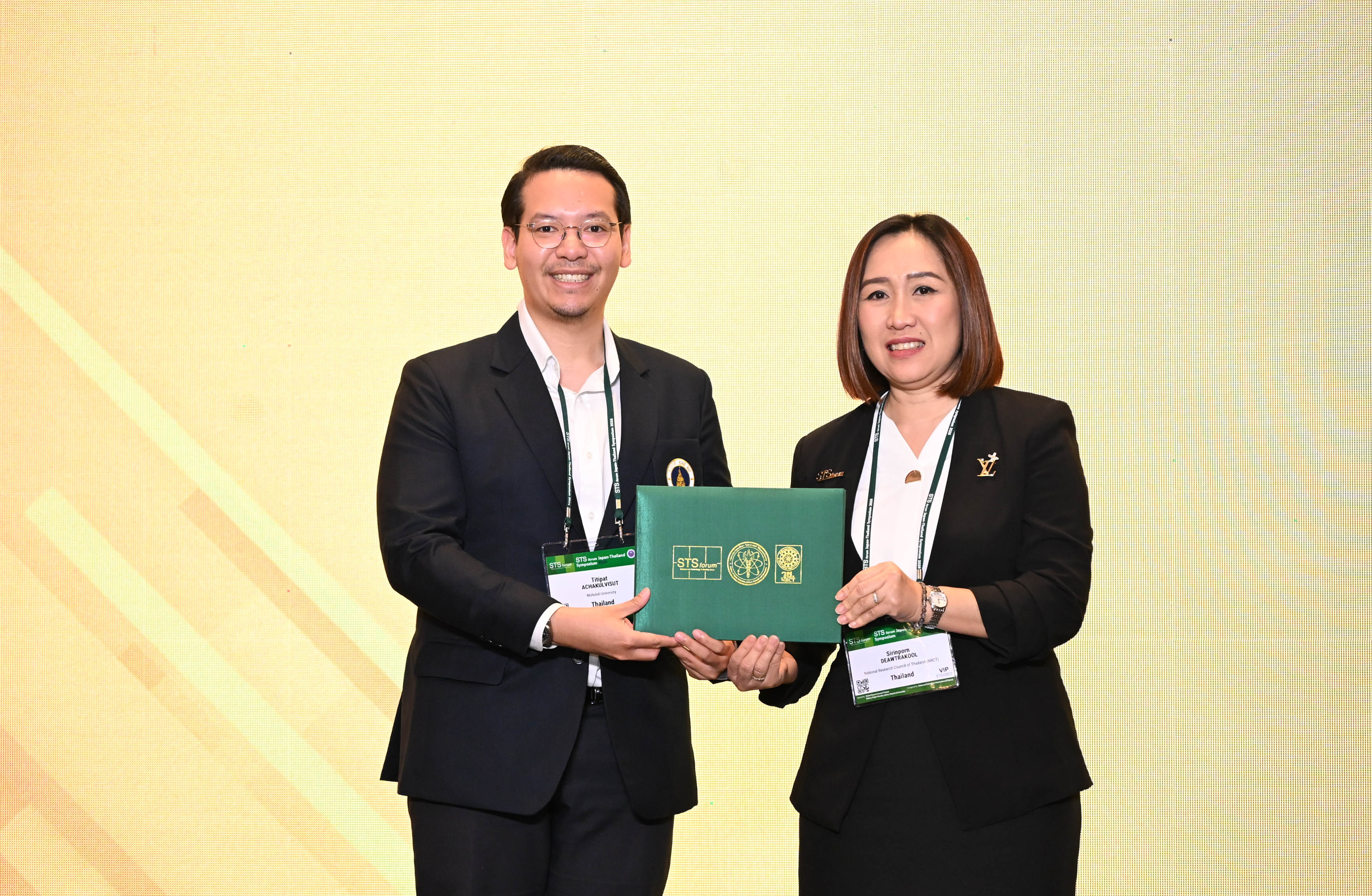
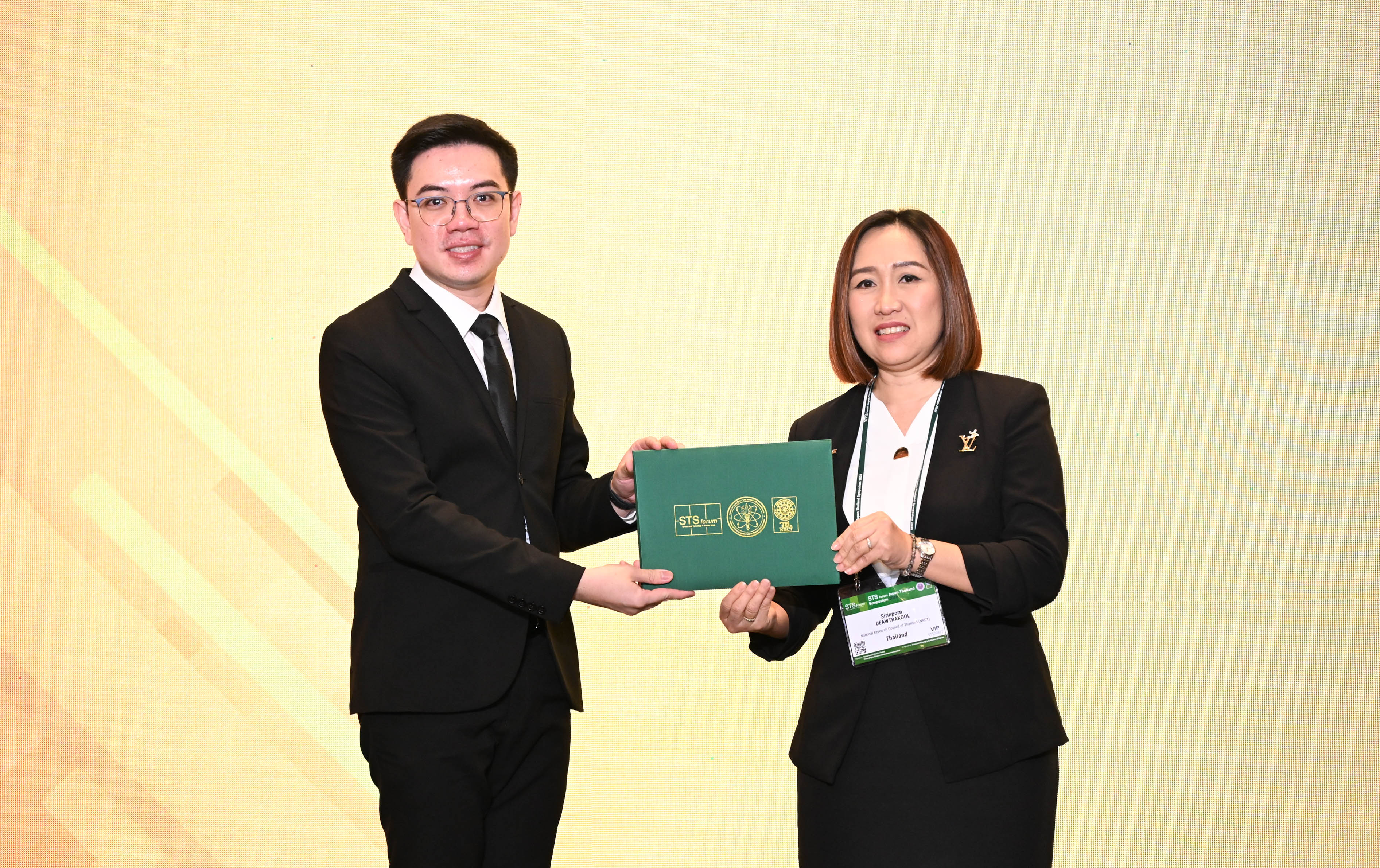
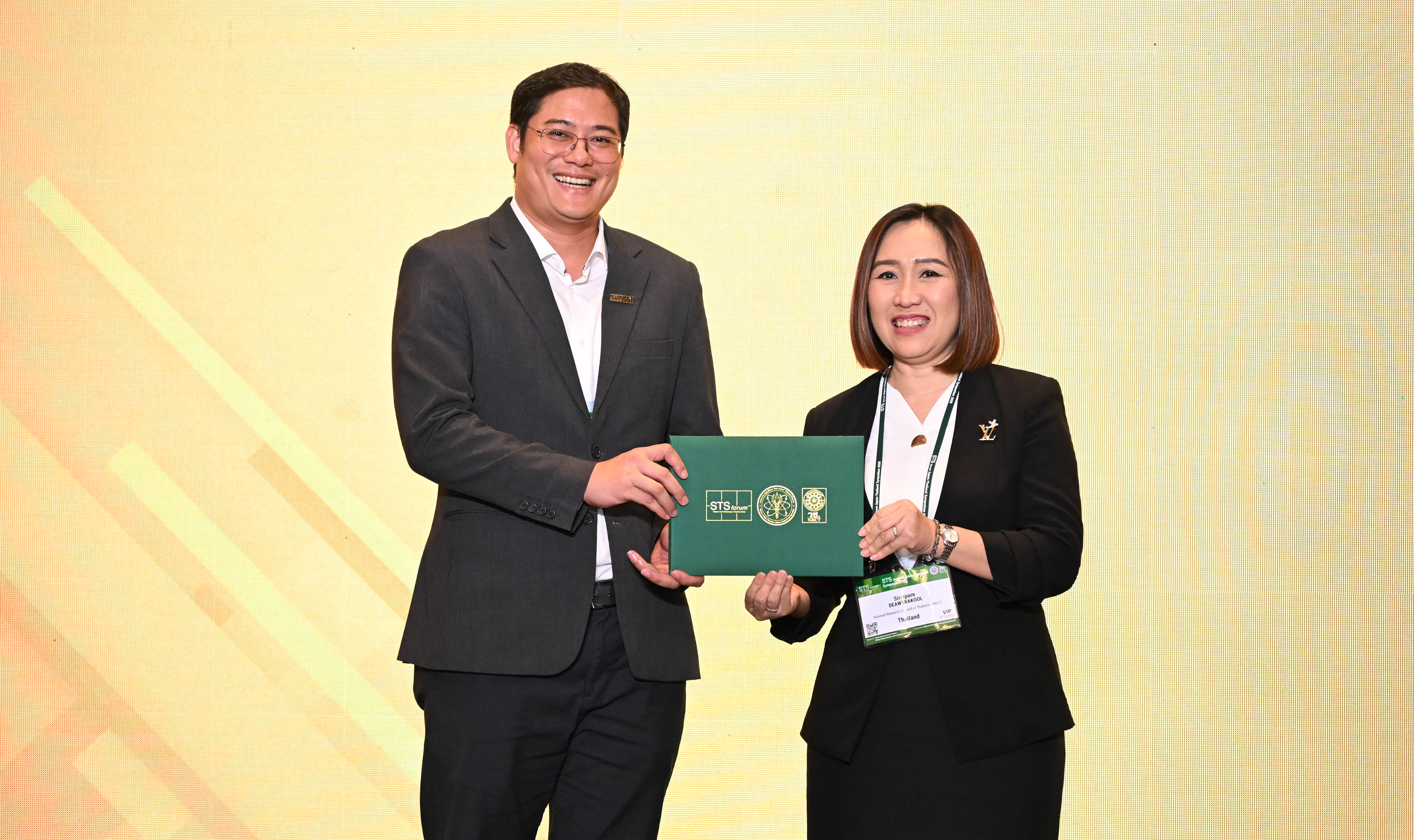
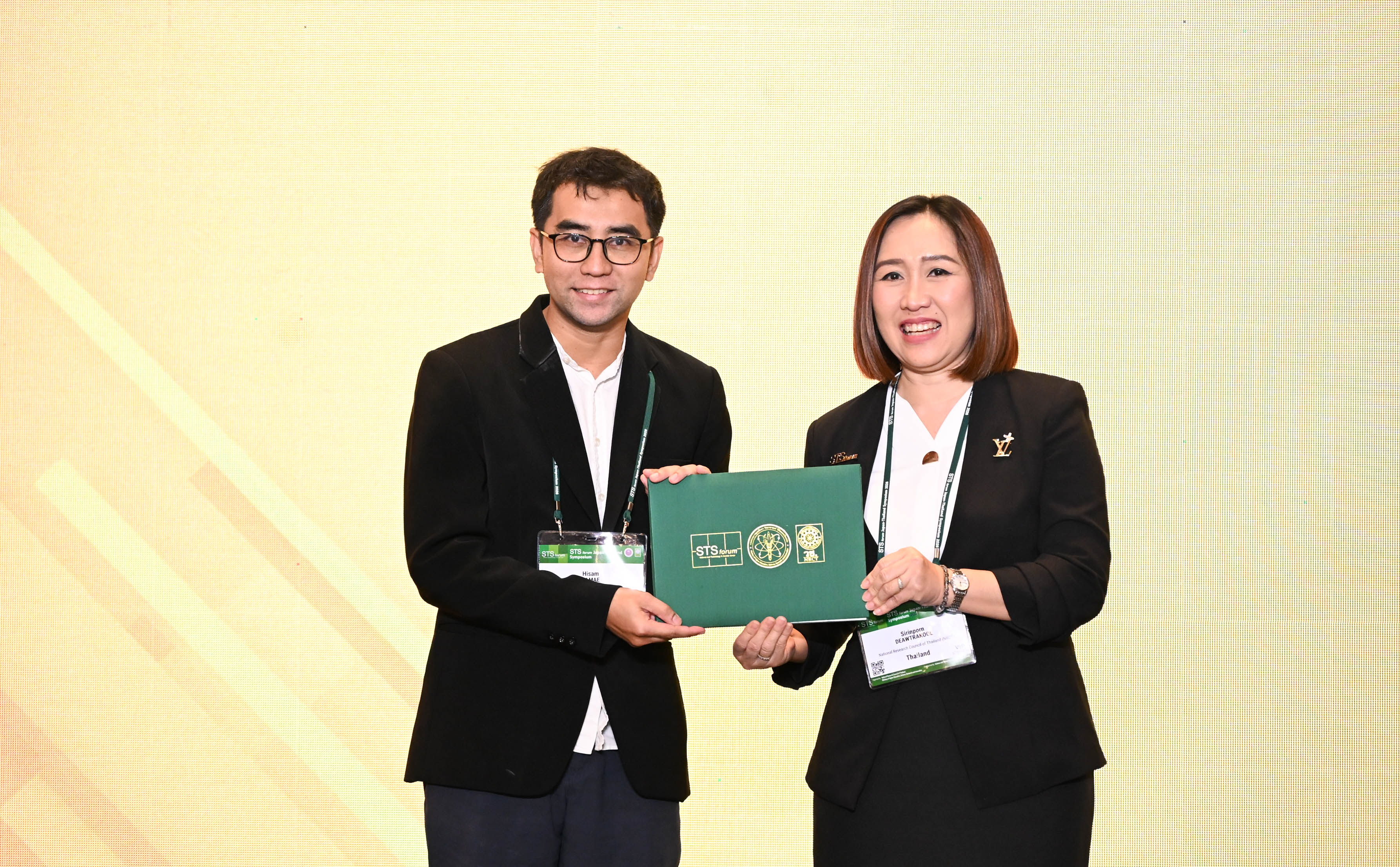
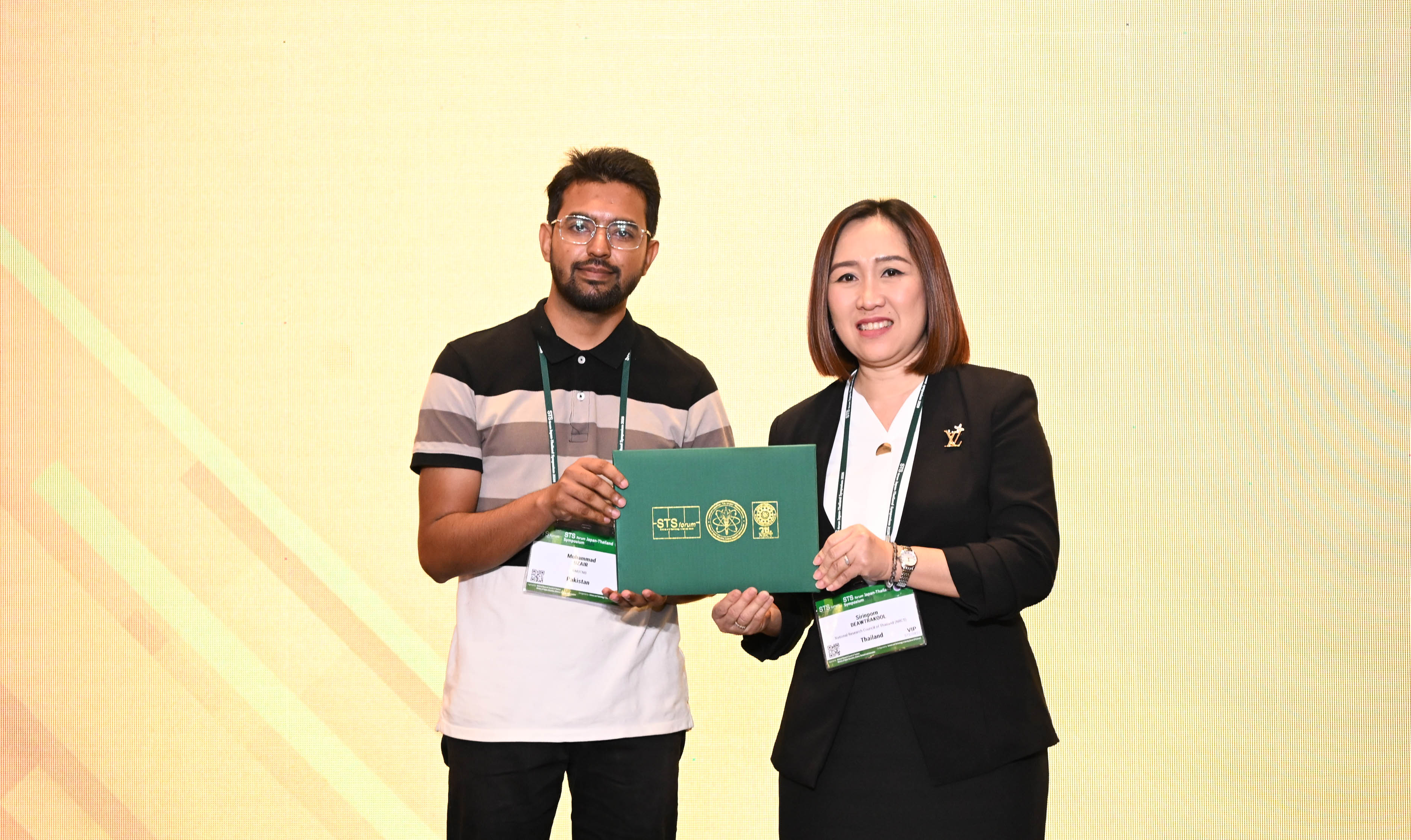
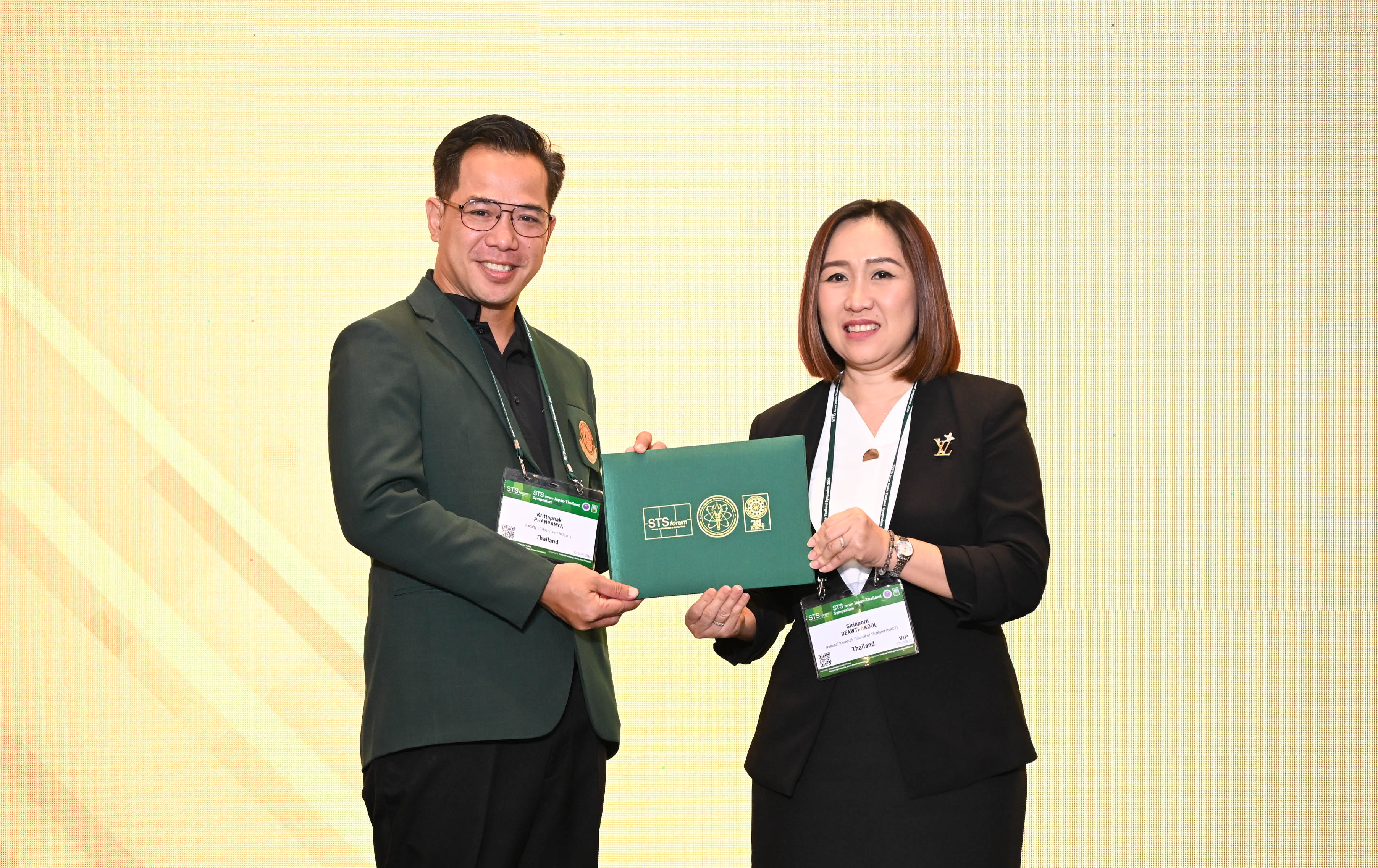
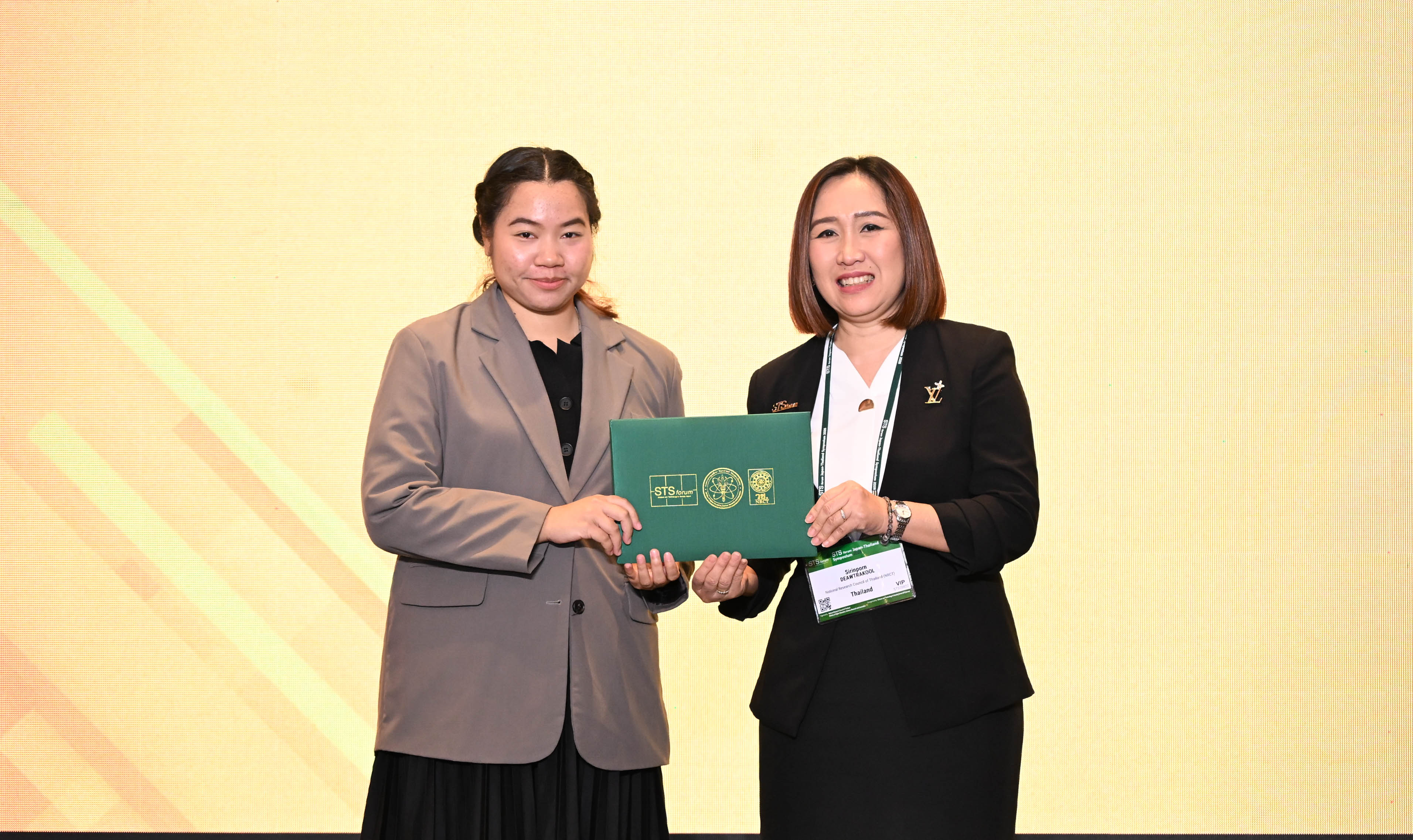
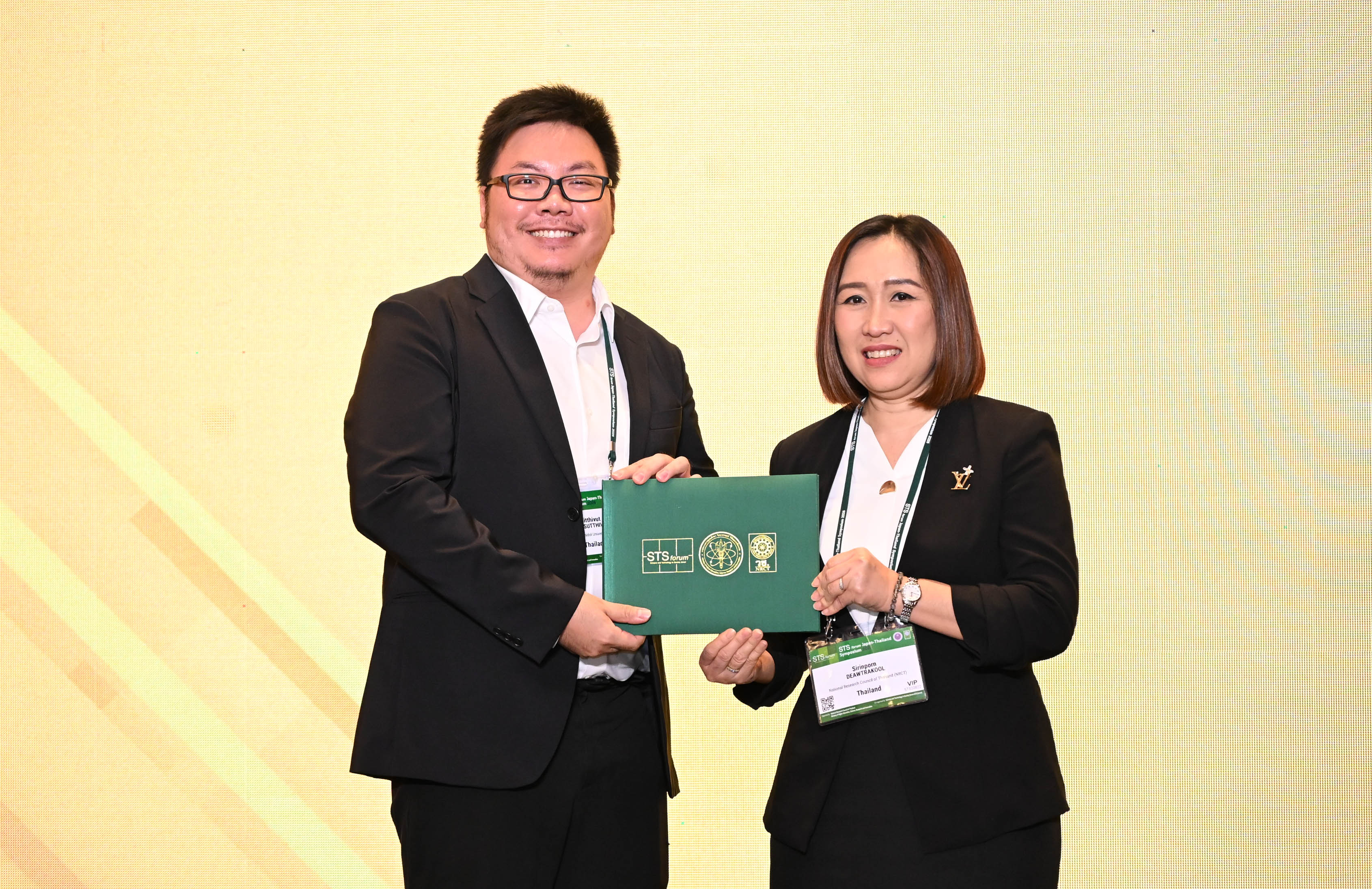
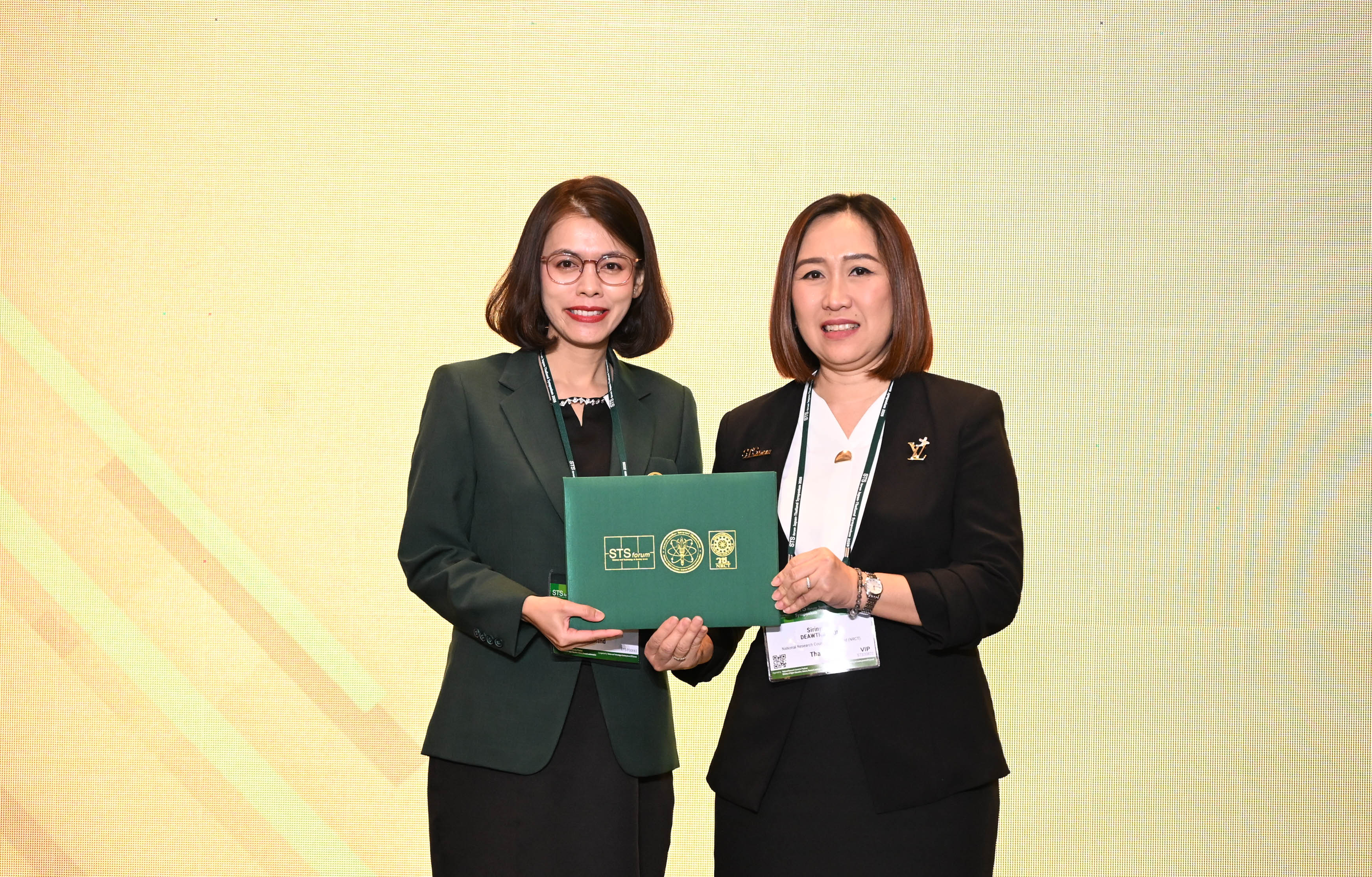
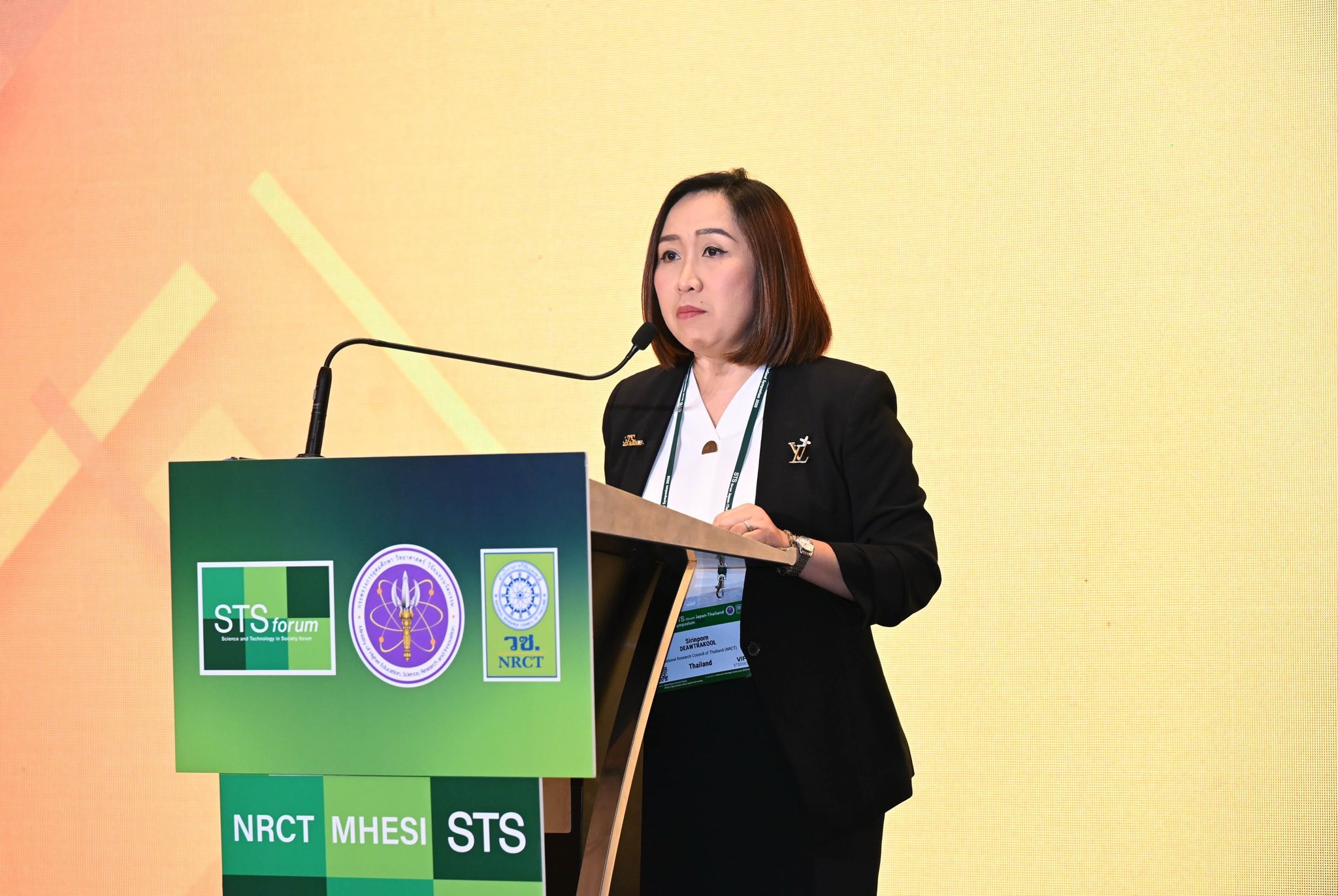
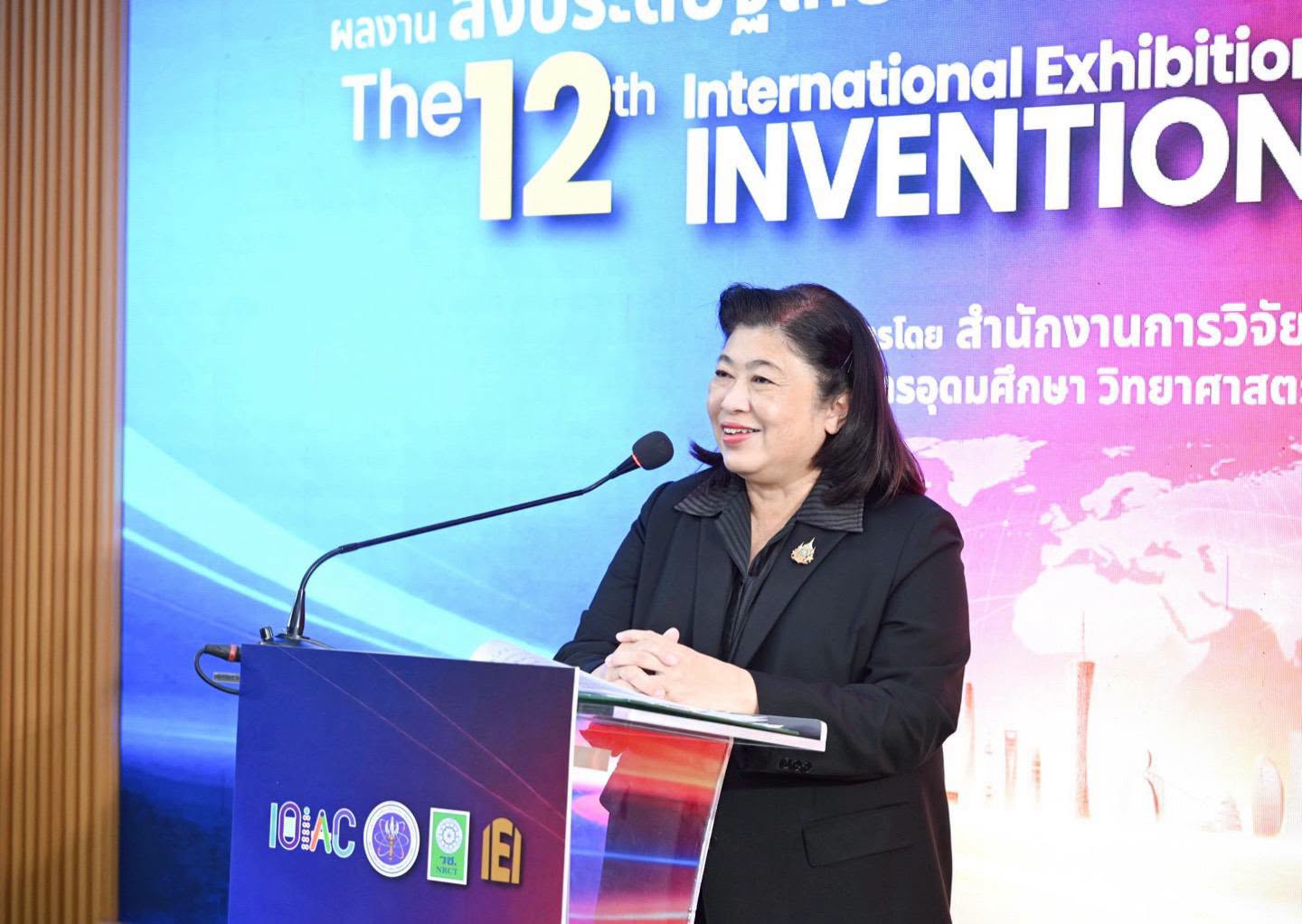
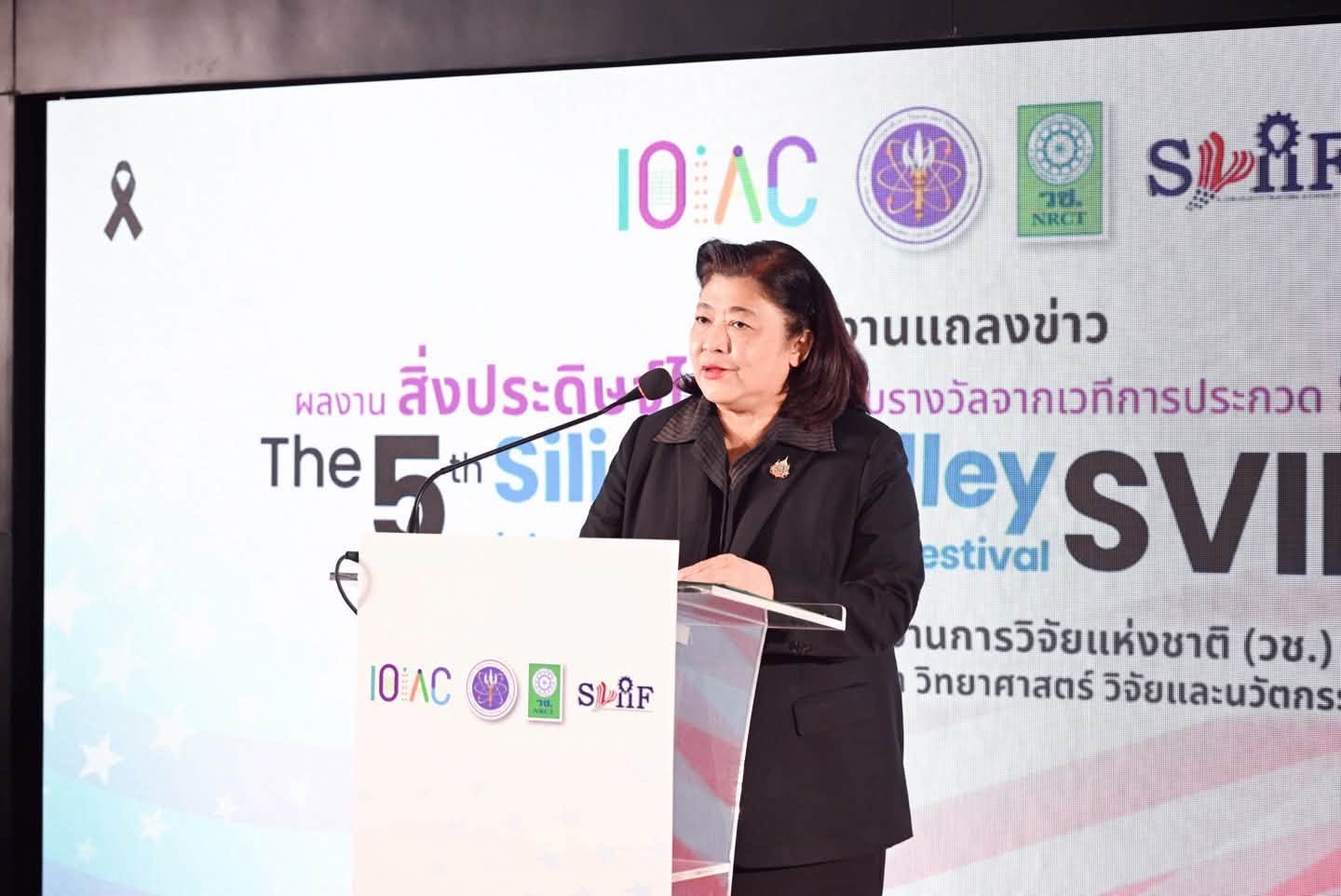
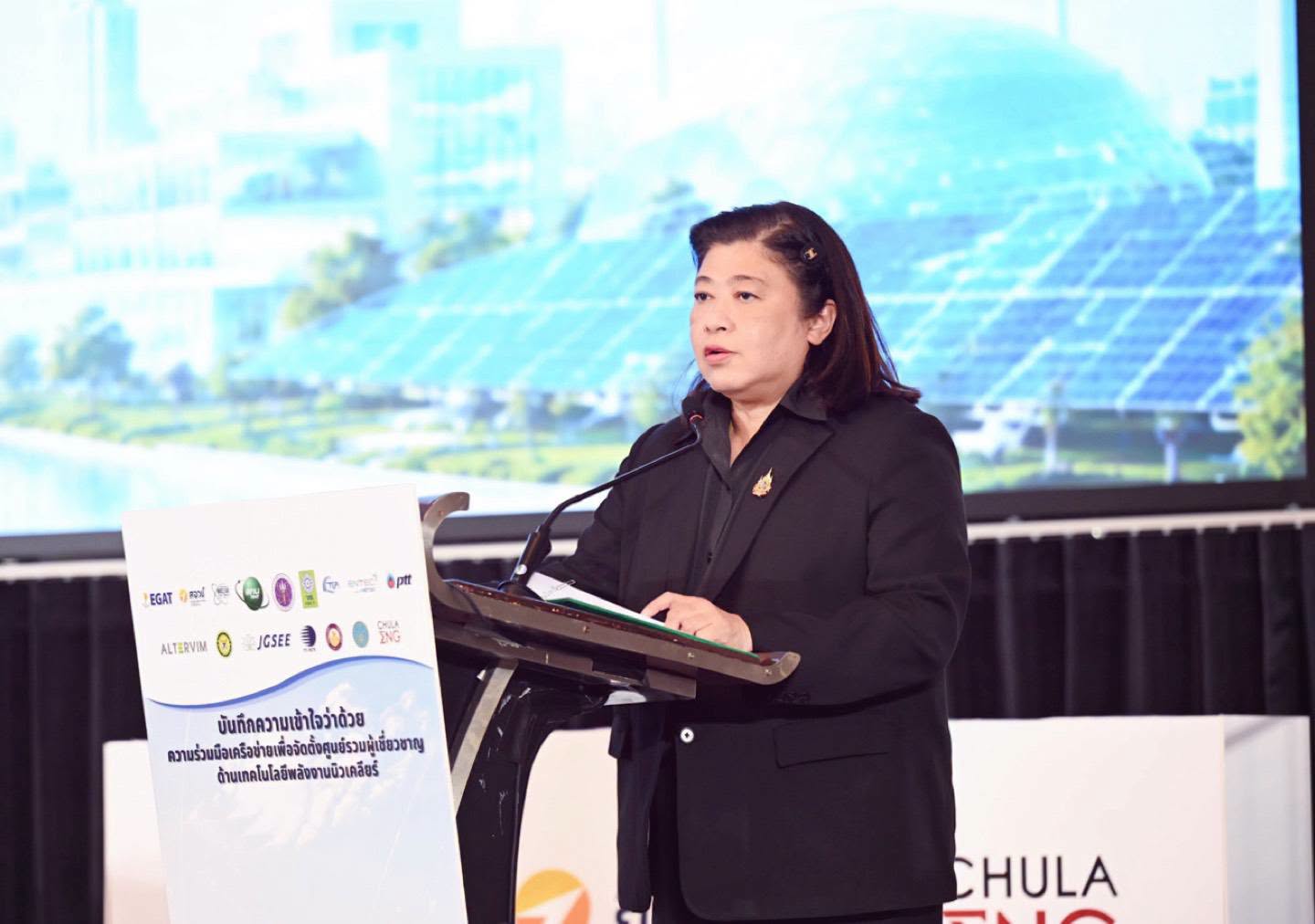
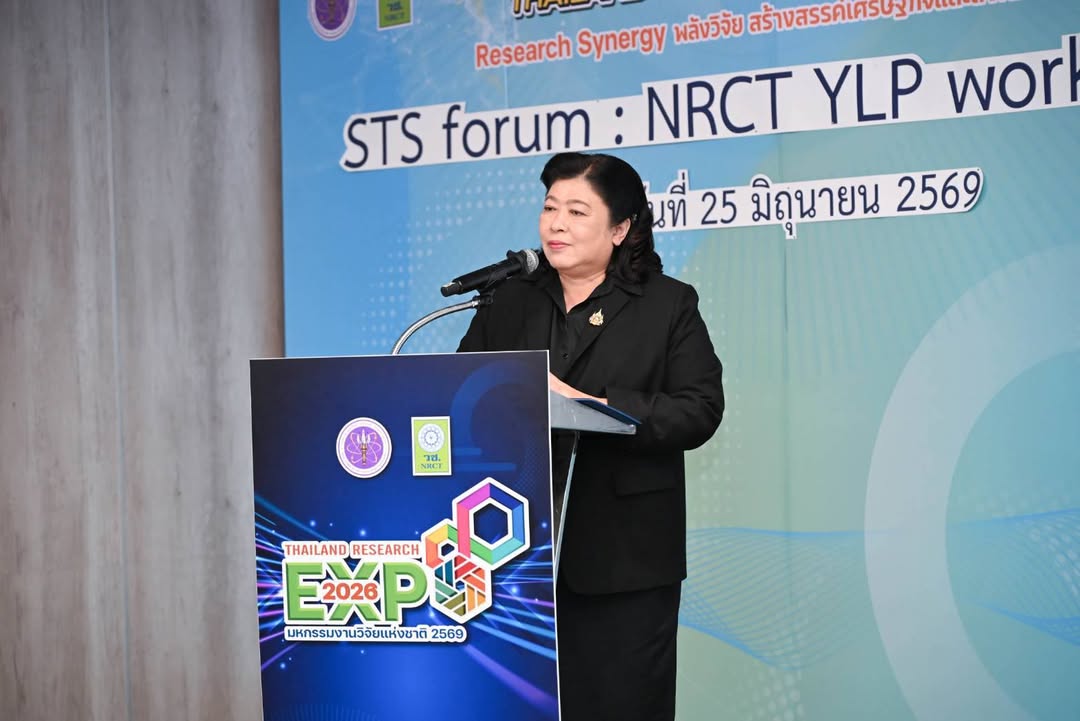
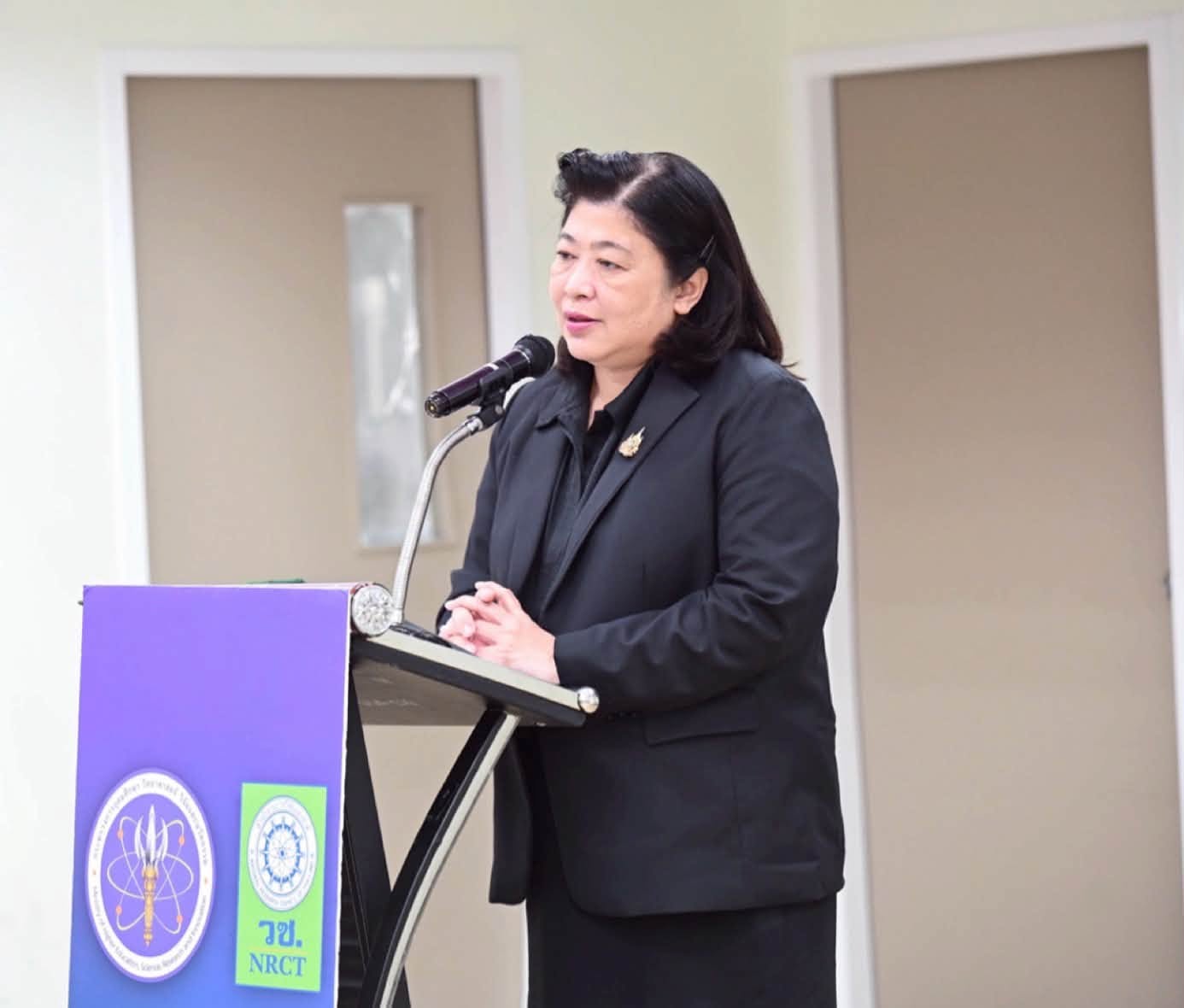
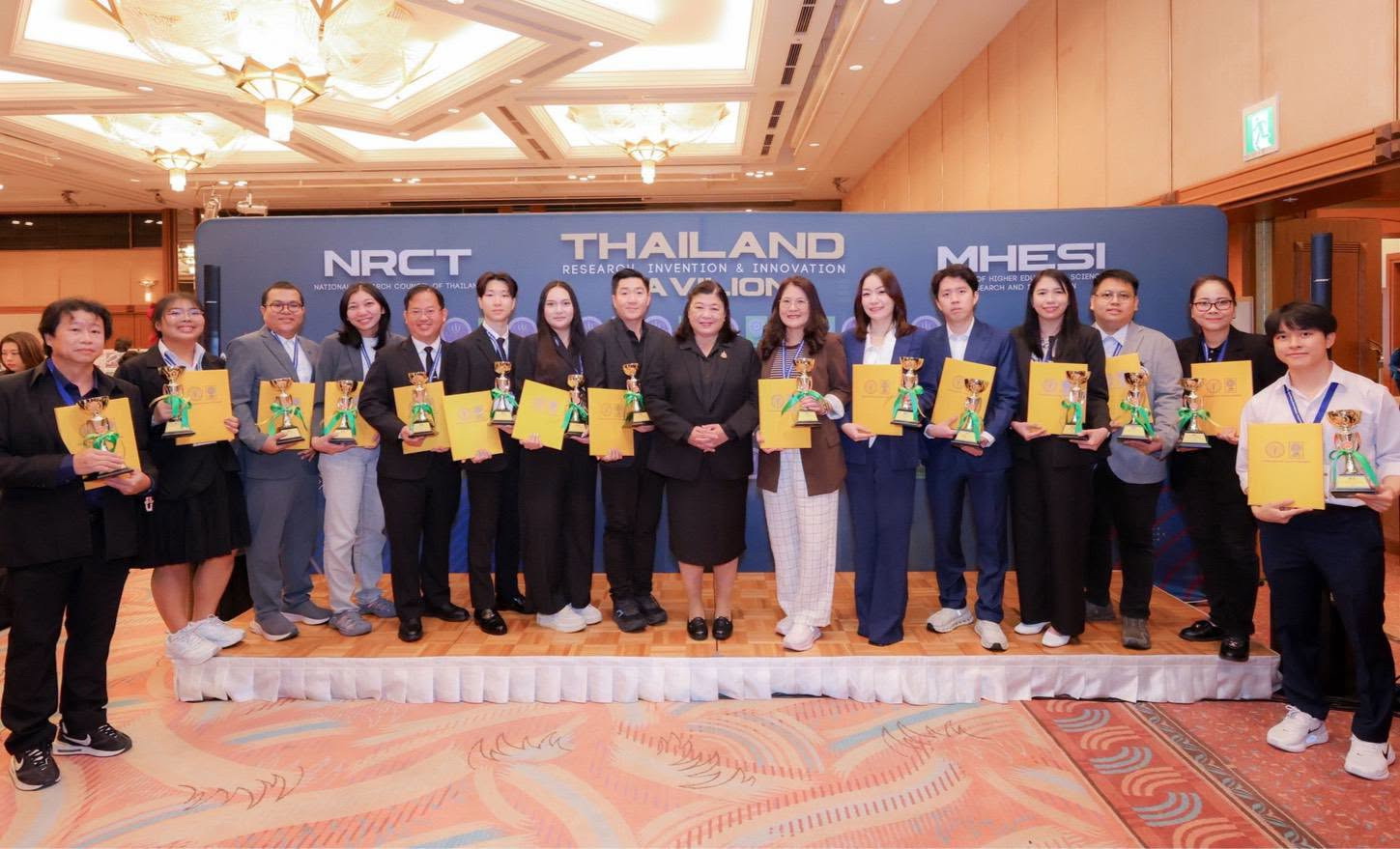
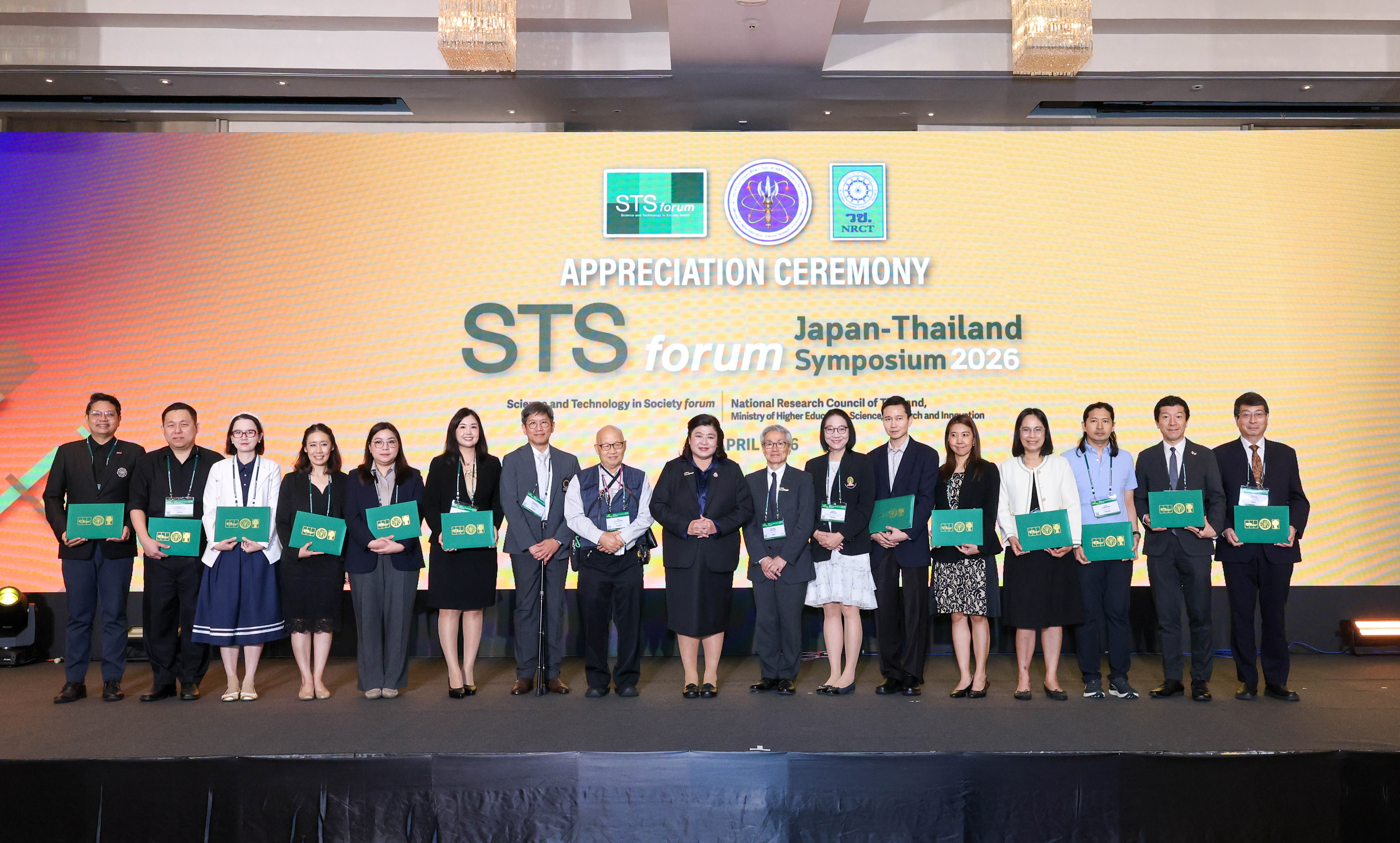
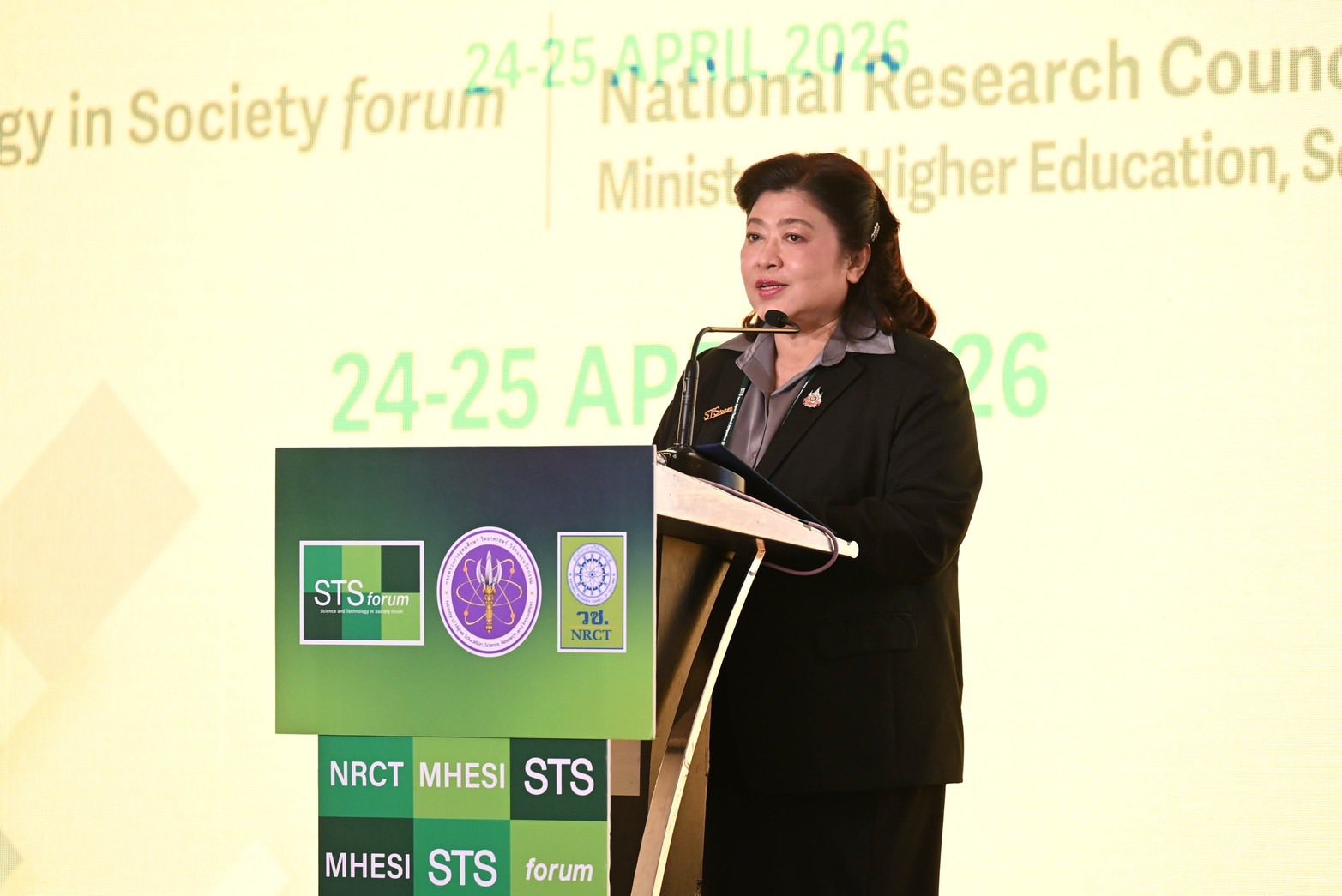
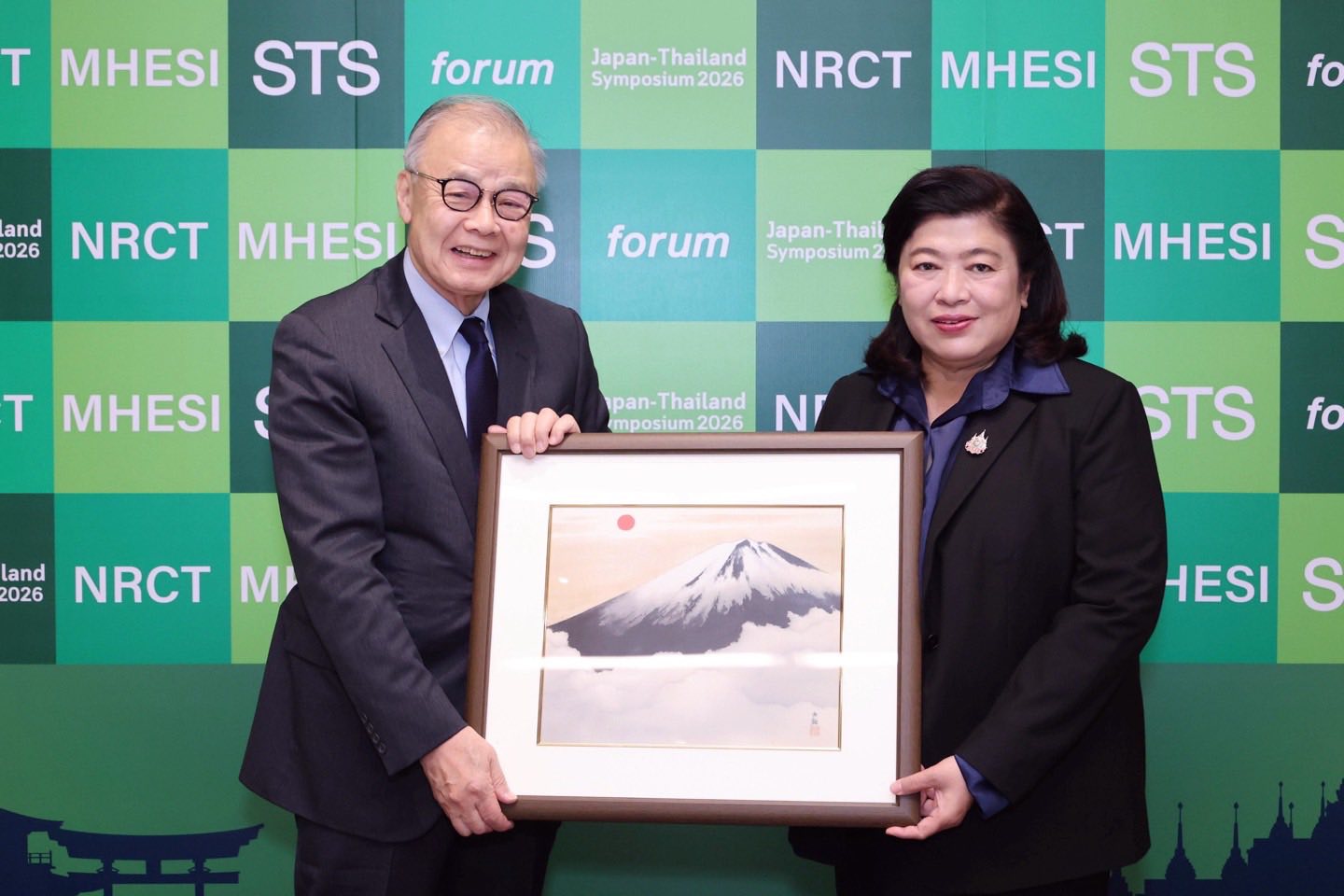
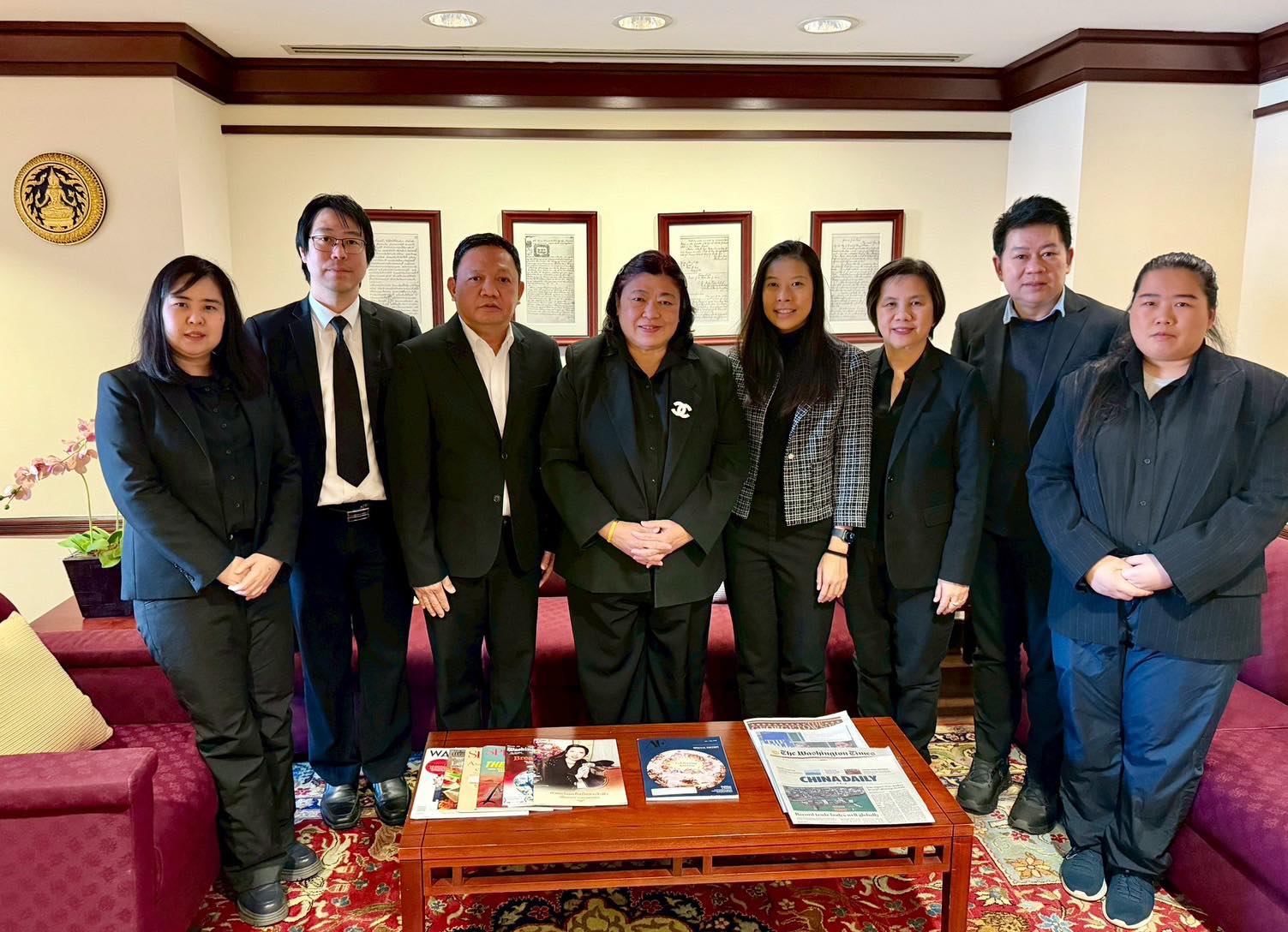
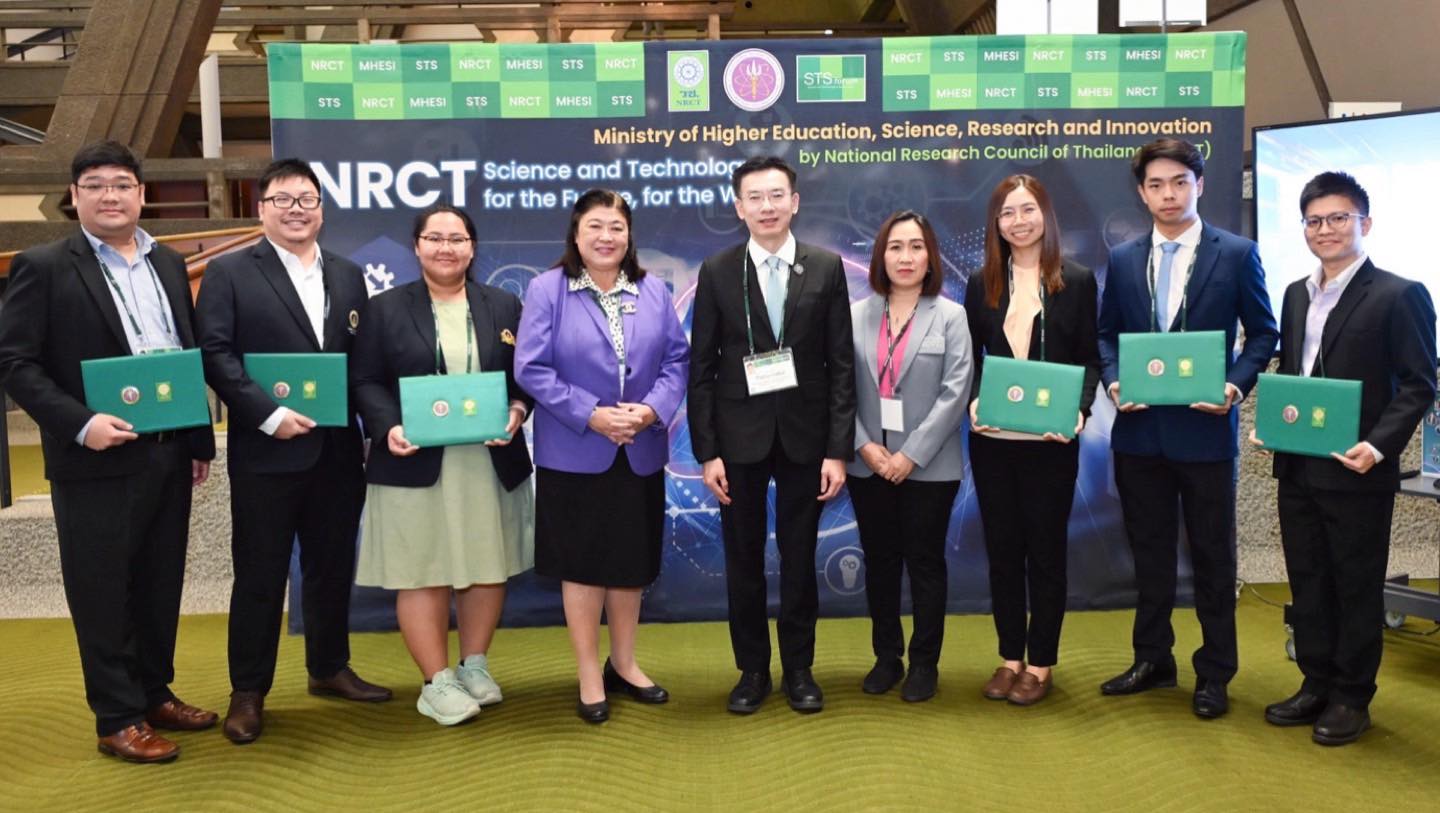
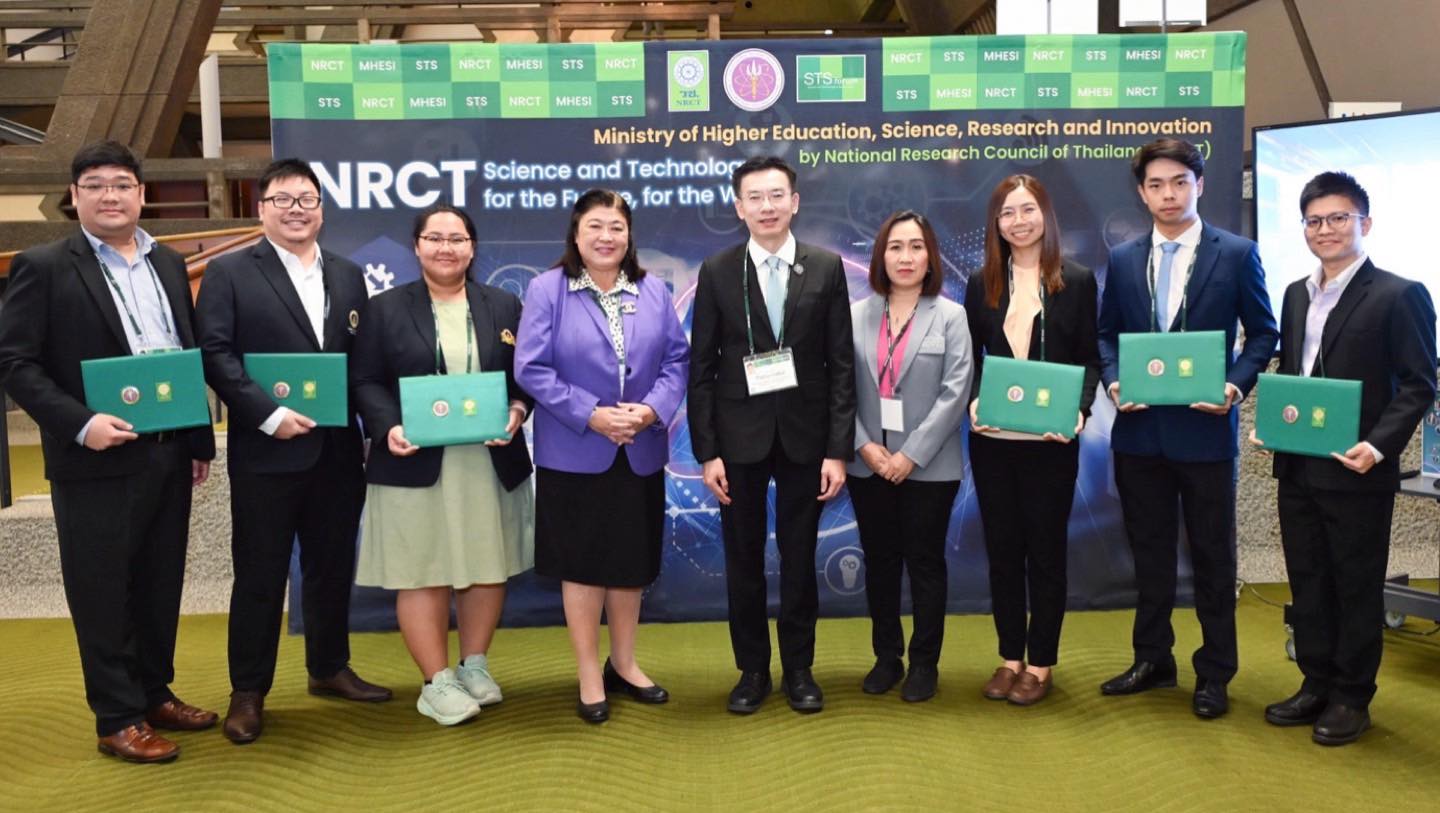
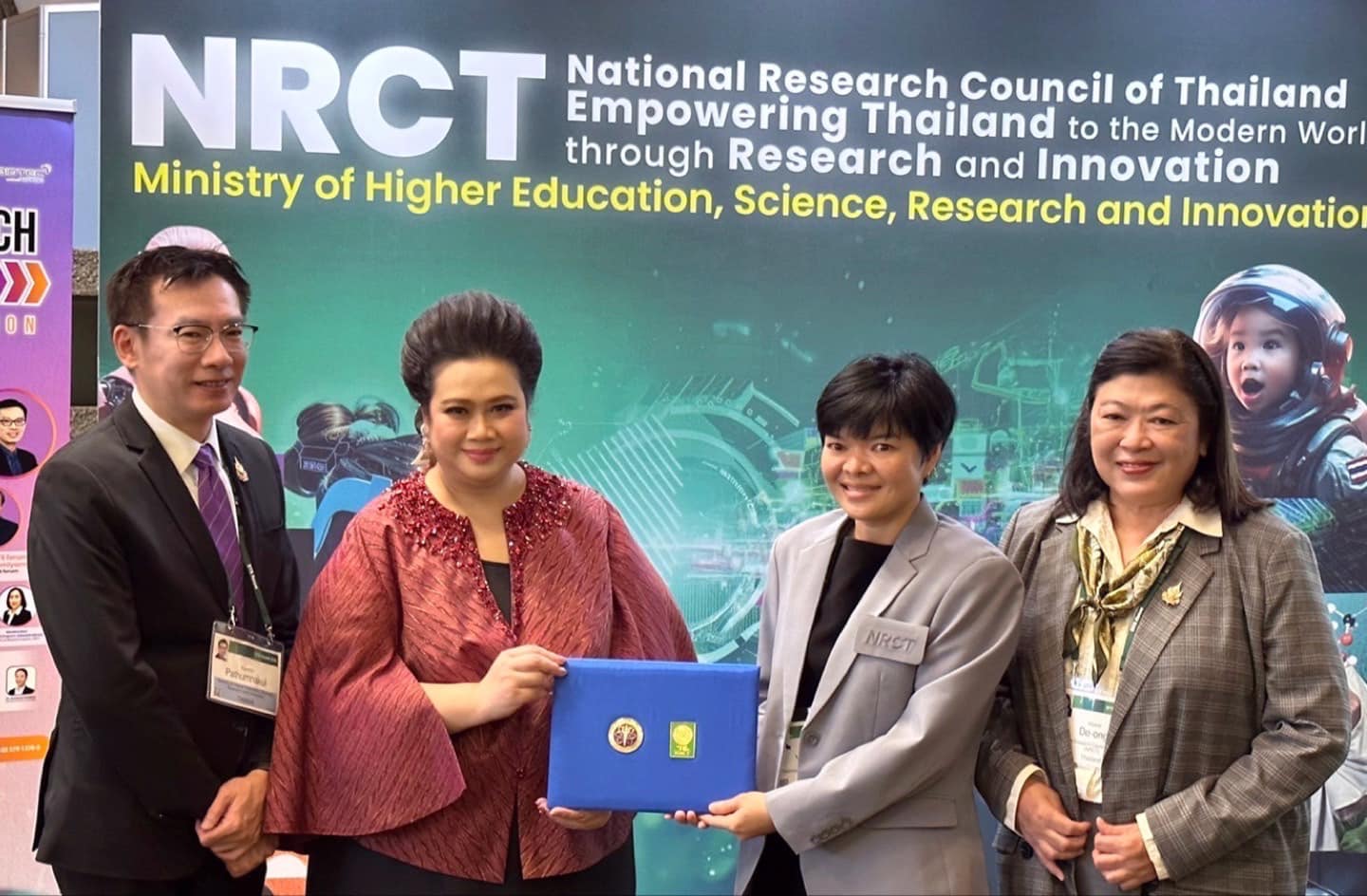
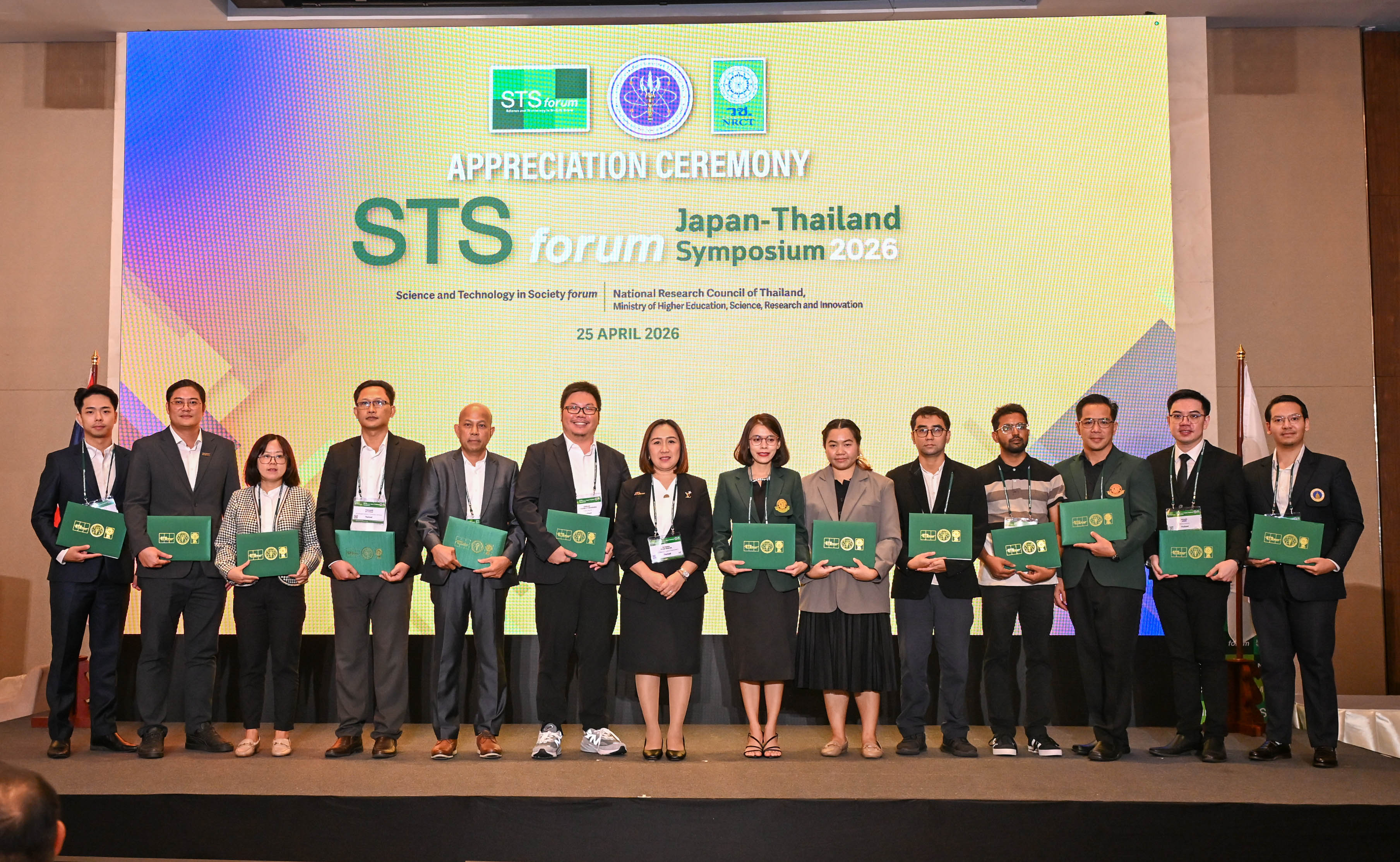
On this occasion, Dr. Wiparat De-Ong, Executive Director of the National Research Council of Thailand, assigned Ms. Sirinporn Deawtrakul, Deputy Executive Director of the NRCT, to preside over the opening ceremony and present commemorative plaques and Certificates of Appreciation to the academic committee members, keynote speakers, and co-presenters of the research works.
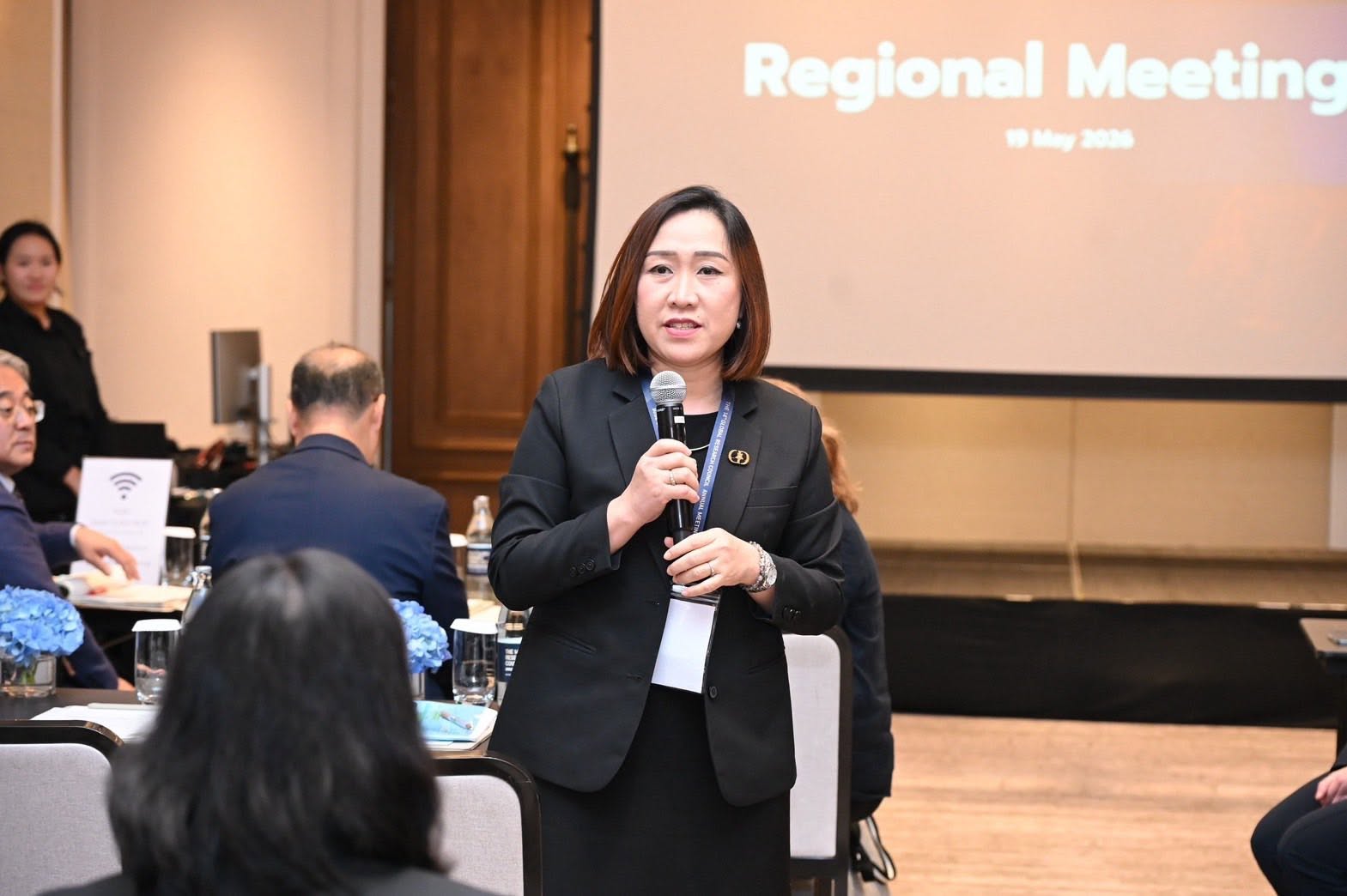
Ms. Sirinporn Deawtrakul, Deputy Executive Director of the National Research Council of Thailand, stated that this presentation reflects NRCT’s emphasis on the role of science, technology, and innovation—particularly Artificial Intelligence, advanced sensing technologies, and data-driven approaches—in addressing complex and interconnected global challenges, including public health, environmental sustainability, climate change, and energy security. She noted that the session aims to serve as a platform for academic knowledge exchange to further advance research, policy development, and practical implementation in the future. It is also expected to generate academic value and contribute to sustainable development pathways at both national and global levels.
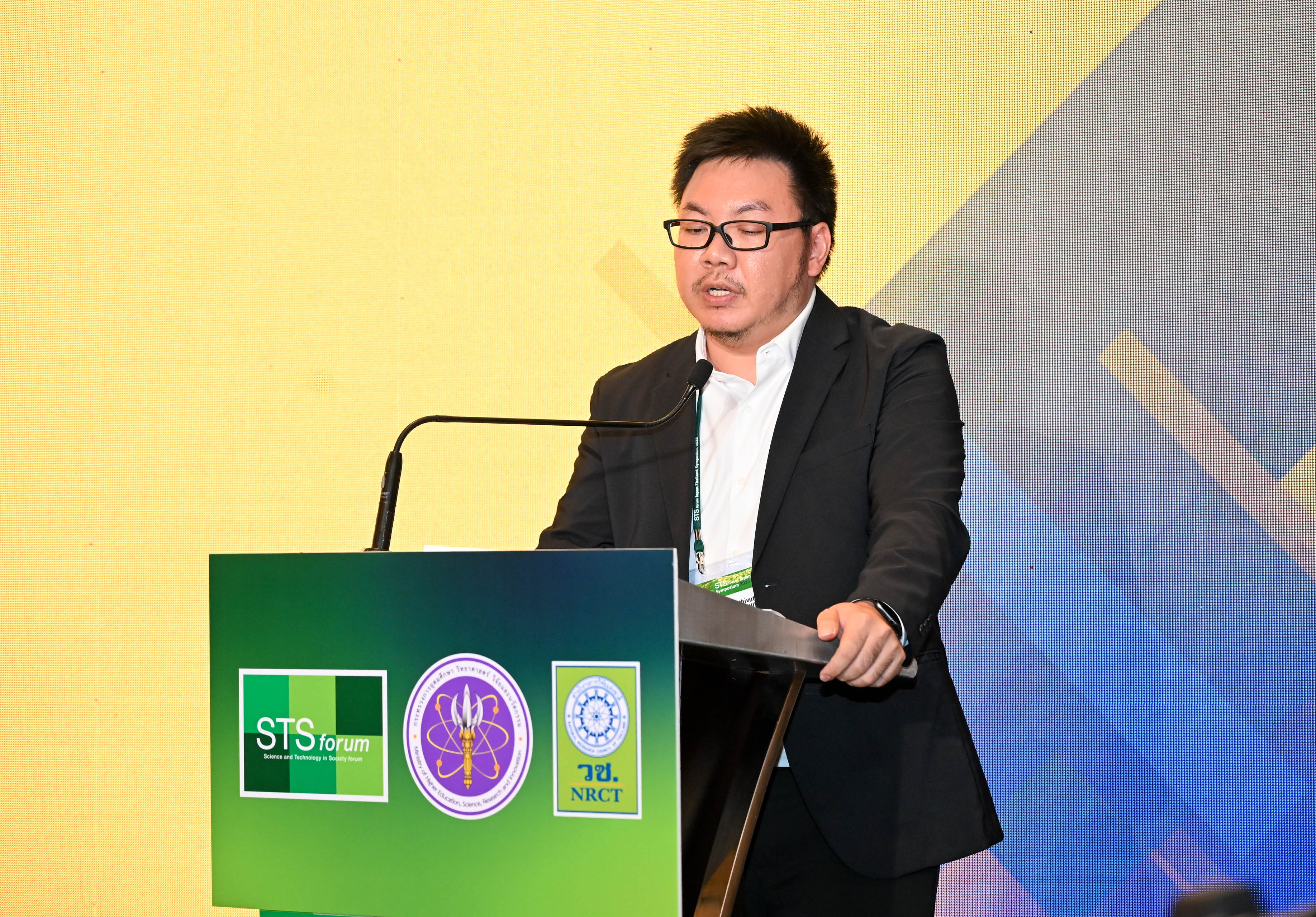
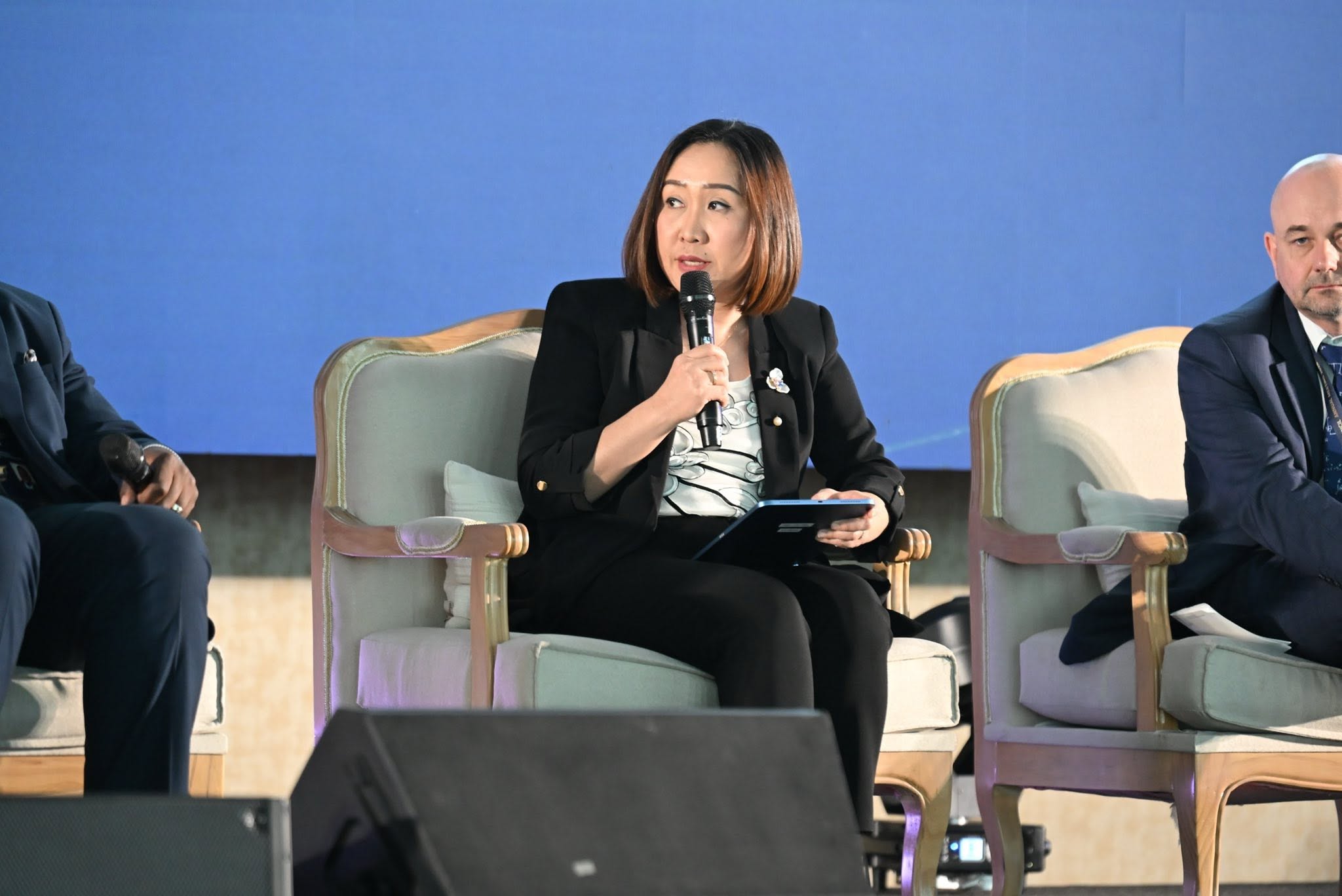
The session featured a special lecture by Dr. Chutham Sawigun from the Interuniversity Microelectronics Centre (IMEC), Belgium. This was followed by 12 oral presentations under the theme “AI-Driven Sensing and Deployment for Bio-Economy and Environment,” moderated by Associate Professor Dr. Sukum Eitssayeam of Chiang Mai University.
This international symposium aimed to serve as a high-level platform for exchanging visions and strengthening collaborative networks in research and innovation. It focuses on the application of intelligent sensing technologies and Artificial Intelligence-based data processing to enhance the management of bio-resources and address environmental challenges.
These efforts are recognized as key enablers in driving the Bio-Circular-Green (BCG) Economy and promoting long-term sustainability at the global level.