CASS and NRCT Strengthen Thailand–China Cooperation in Scientific Archaeology and Cultural Heritage Conservation
17 September 2026


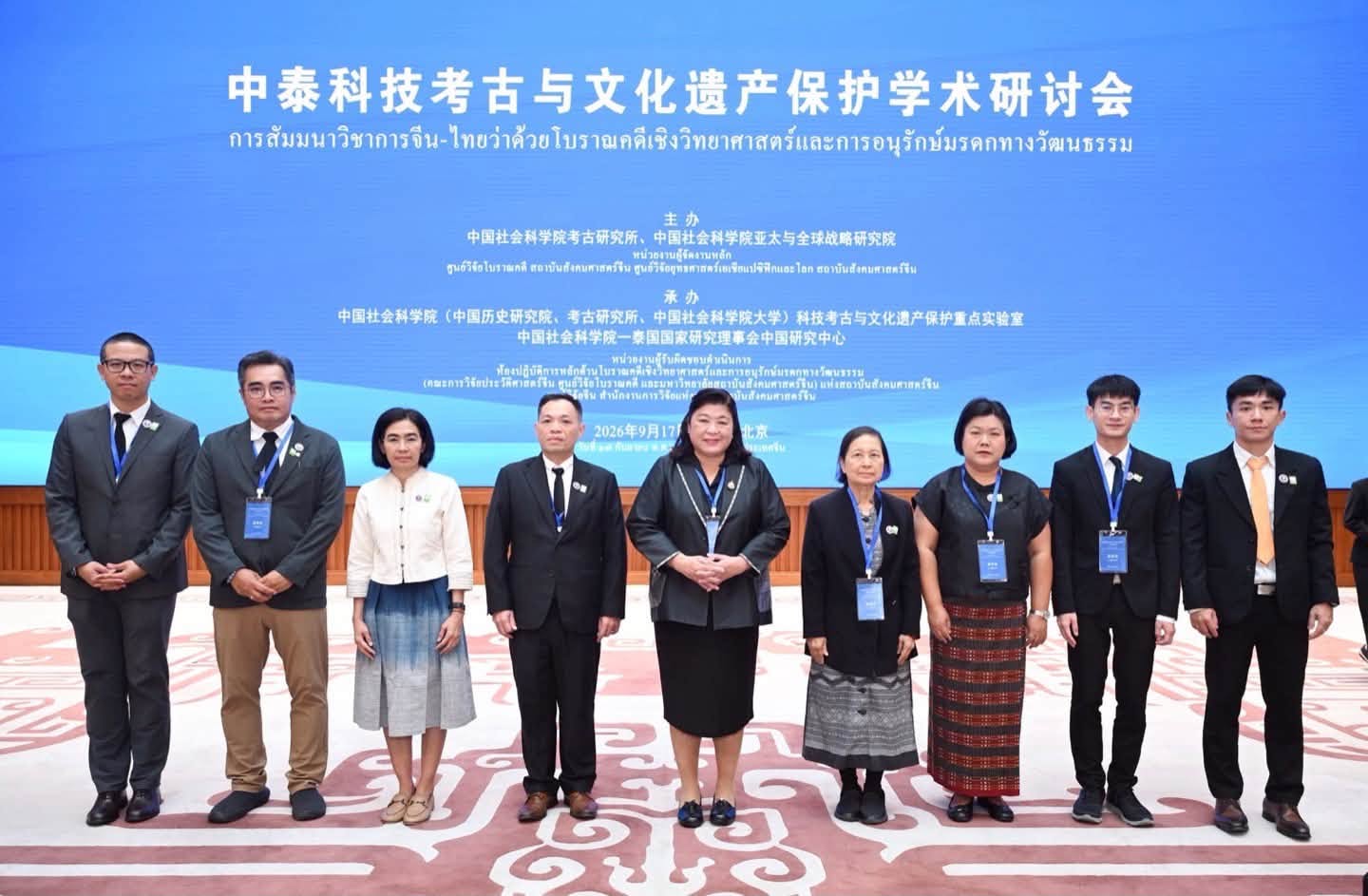
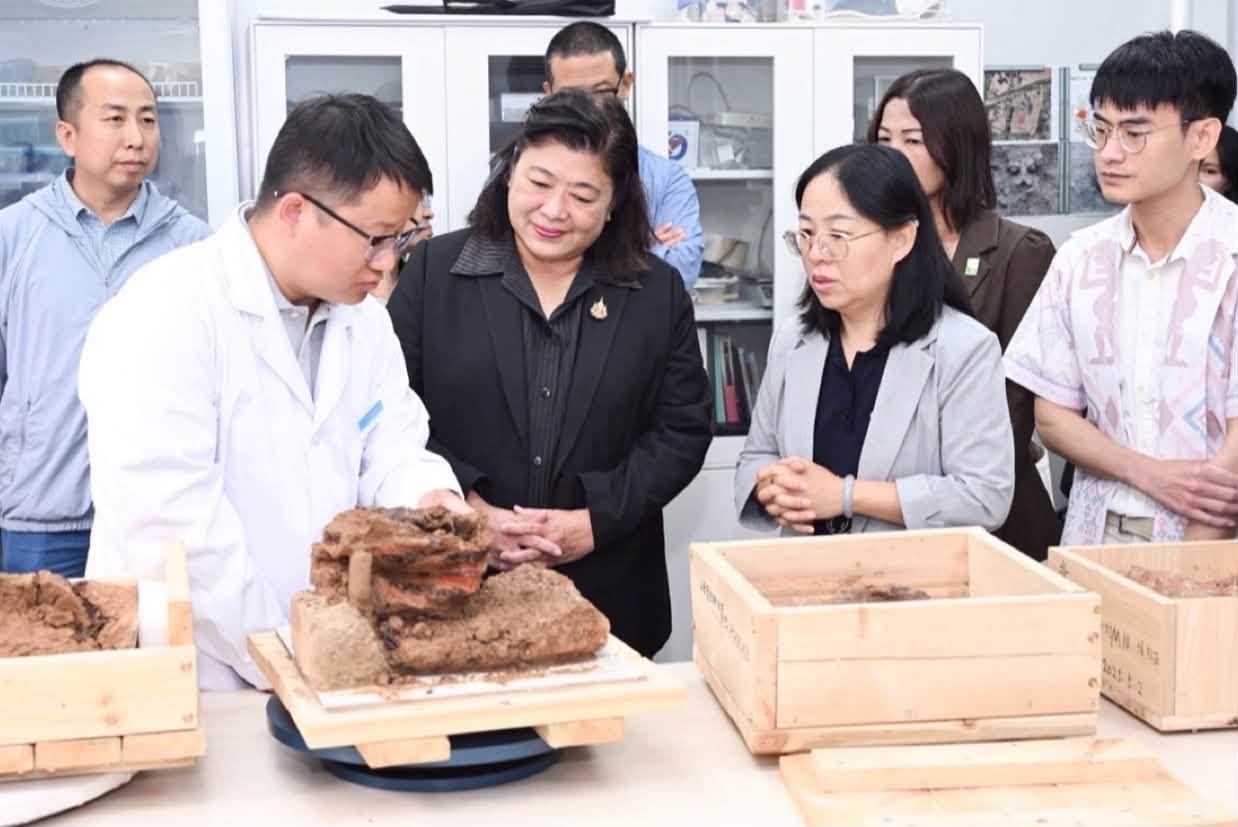
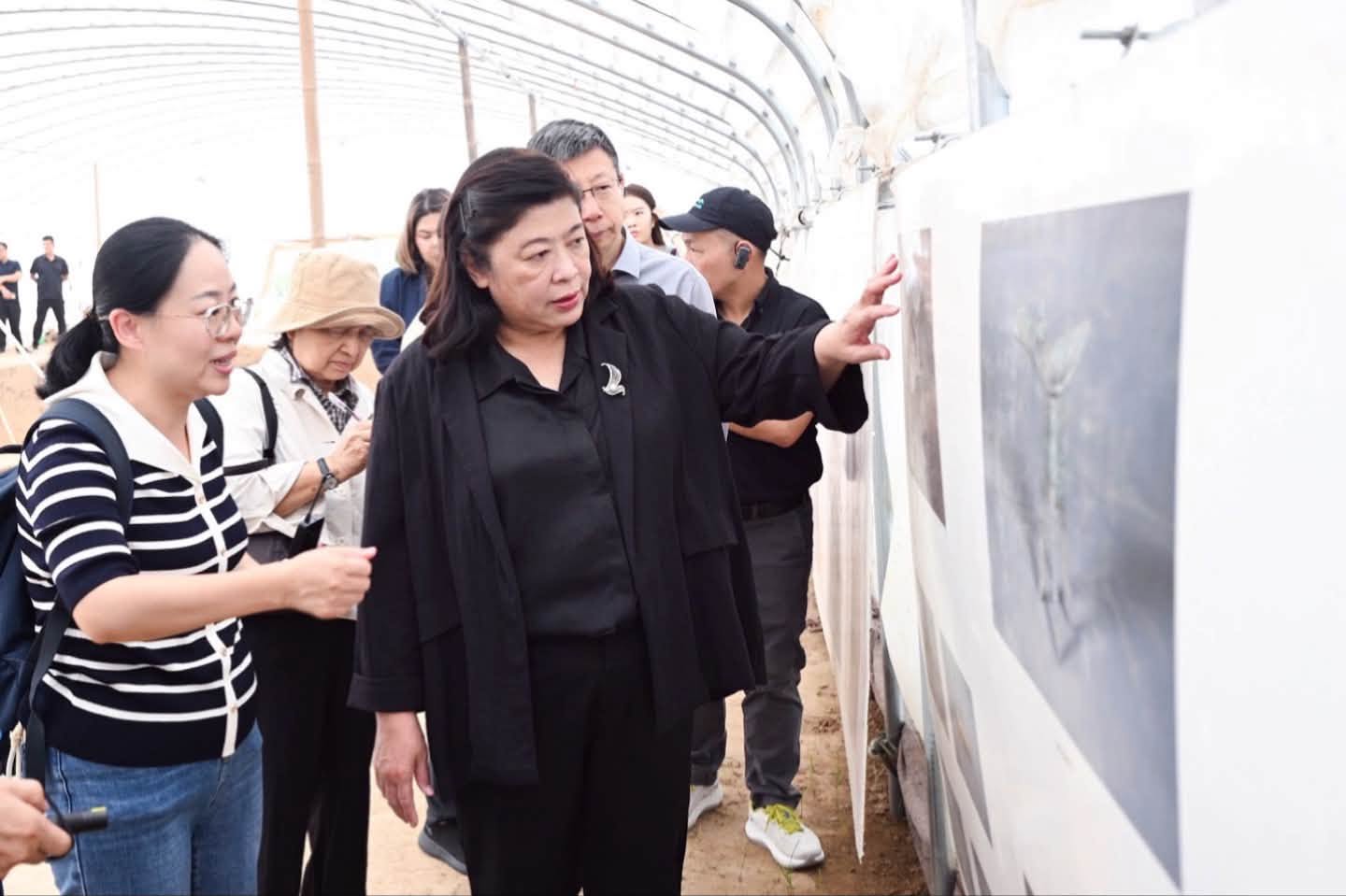
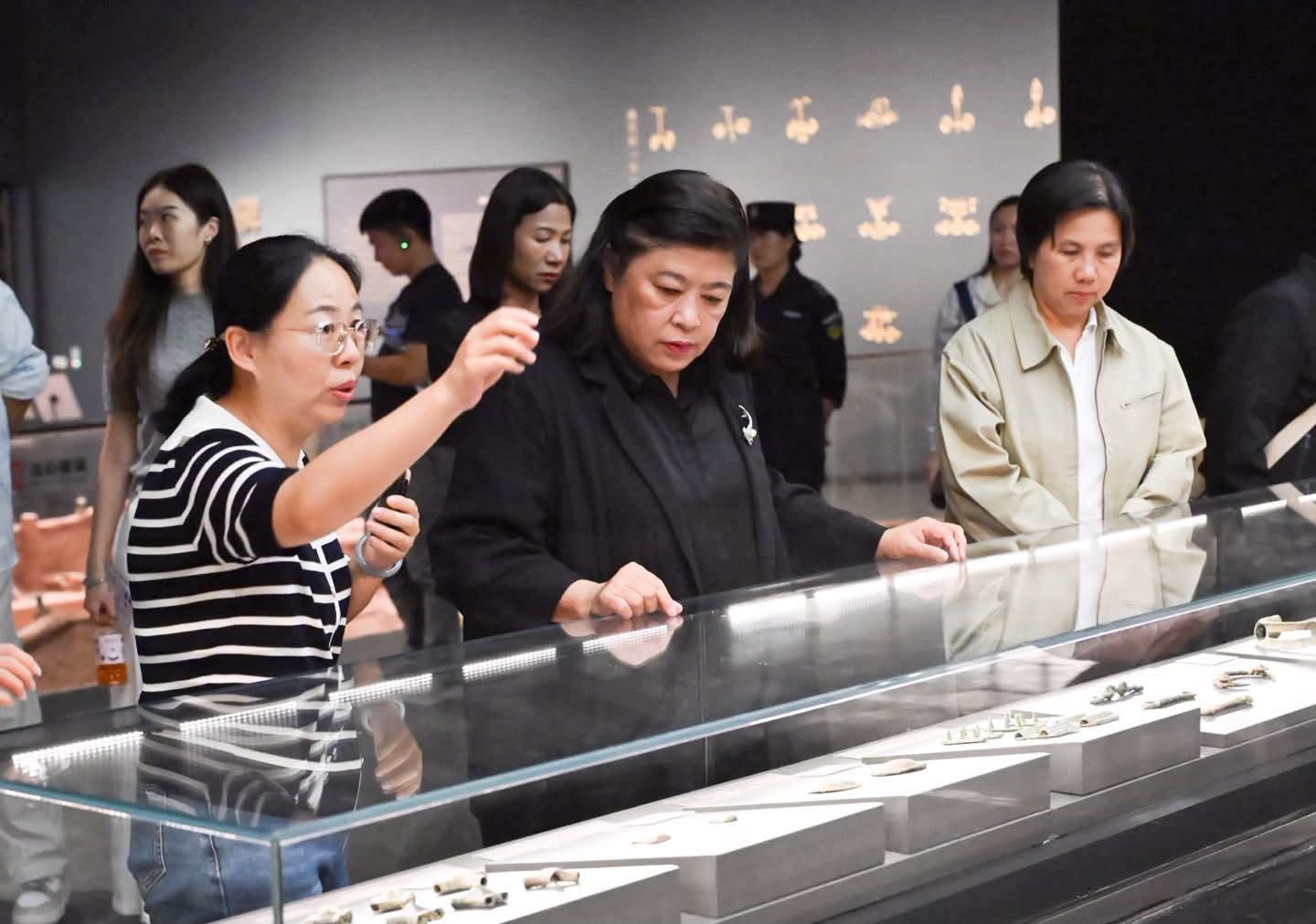
Beijing, People’s Republic of China, September 17, 2026 — The Institute of Archaeology and the Institute of Asia-Pacific and Global Strategy of the Chinese Academy of Social Sciences (CASS) jointly organized the China–Thailand Seminar on Scientific Archaeology and Cultural Heritage Conservation, held from September 16 to 20, 2026. The seminar, together with related archaeological site visits and study tours in China, formed part of the ongoing academic cooperation between CASS and the National Research Council of Thailand (NRCT), under the Ministry of Higher Education, Science, Research and Innovation (MHESI).
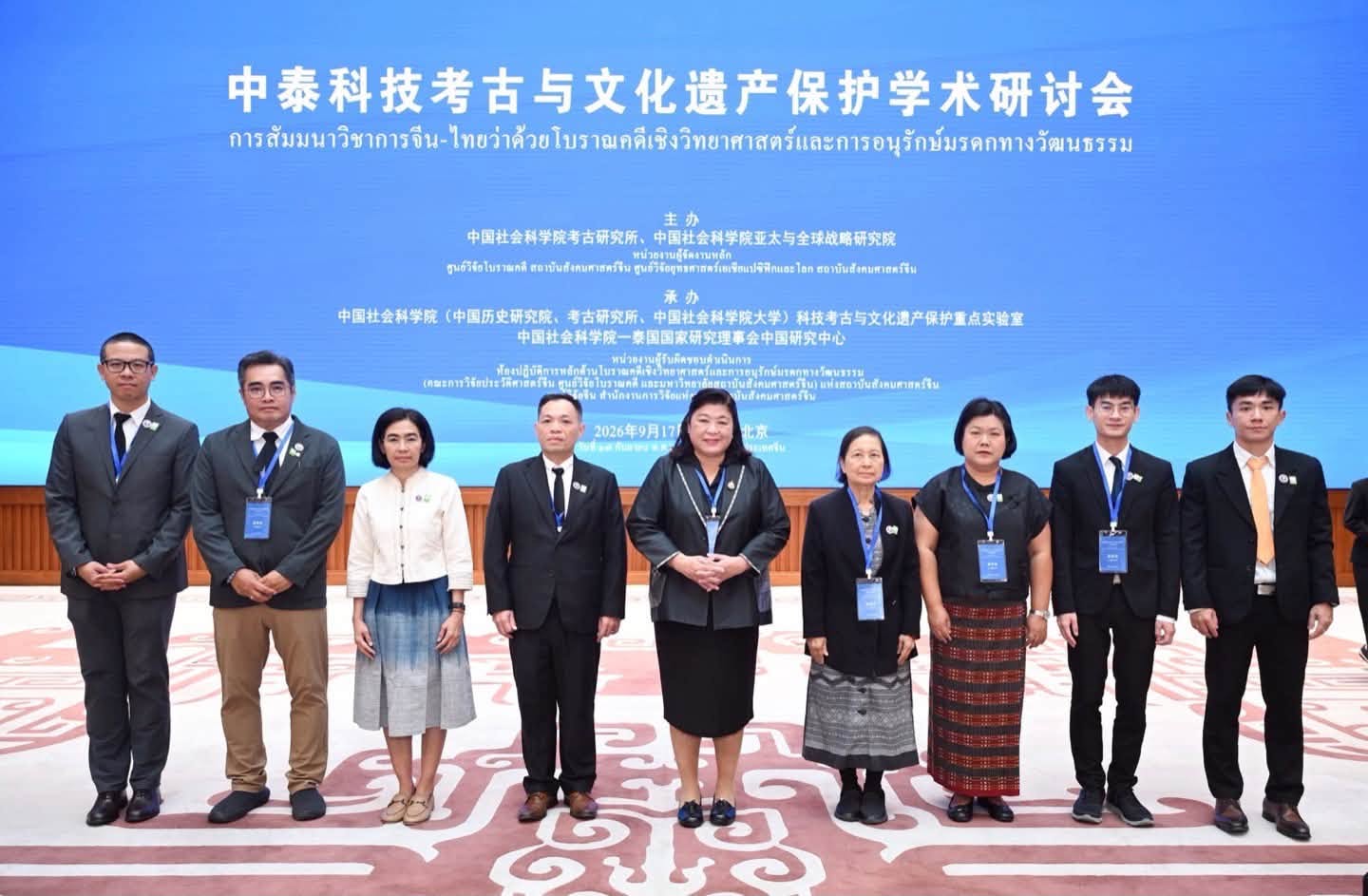
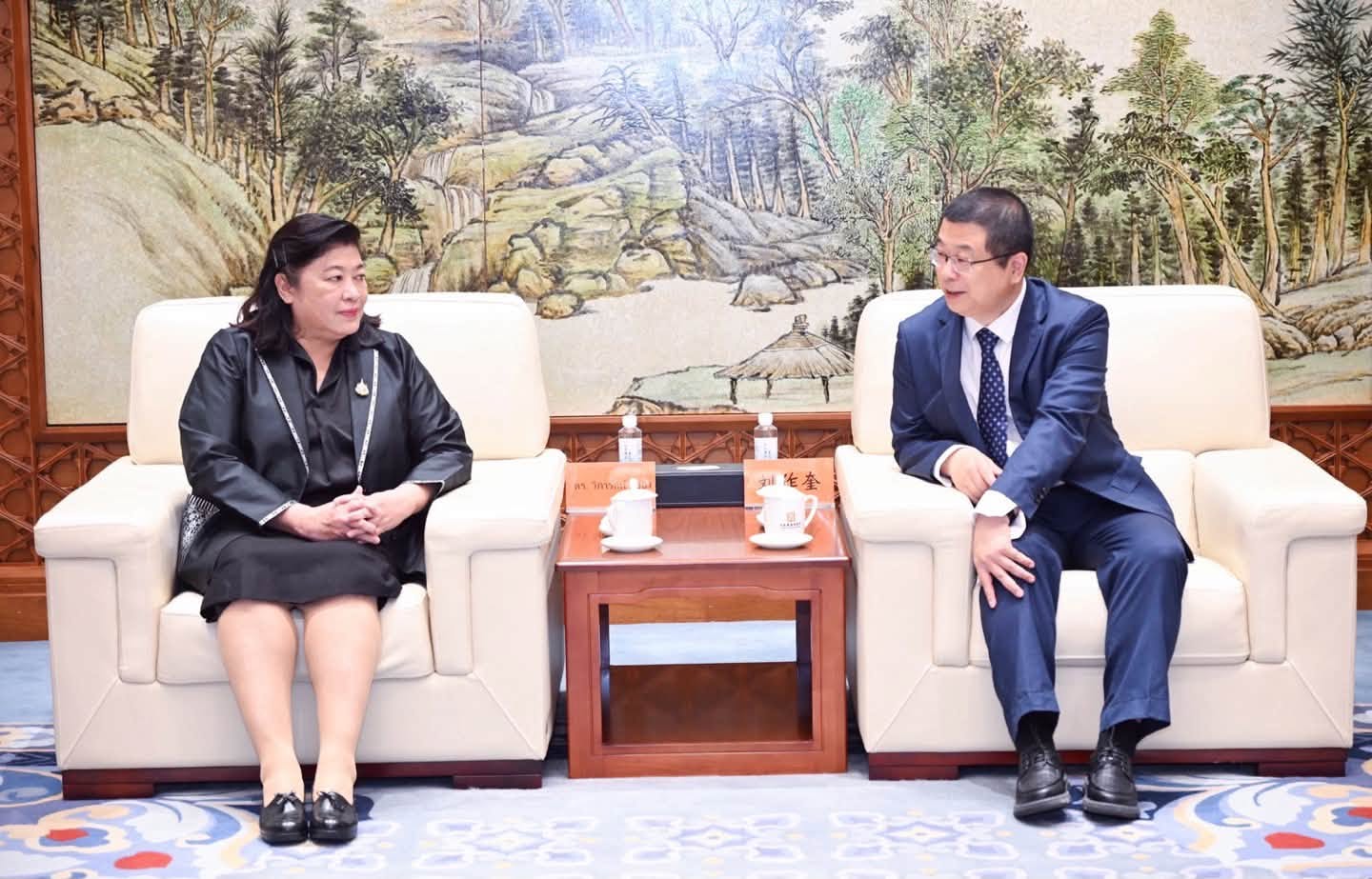
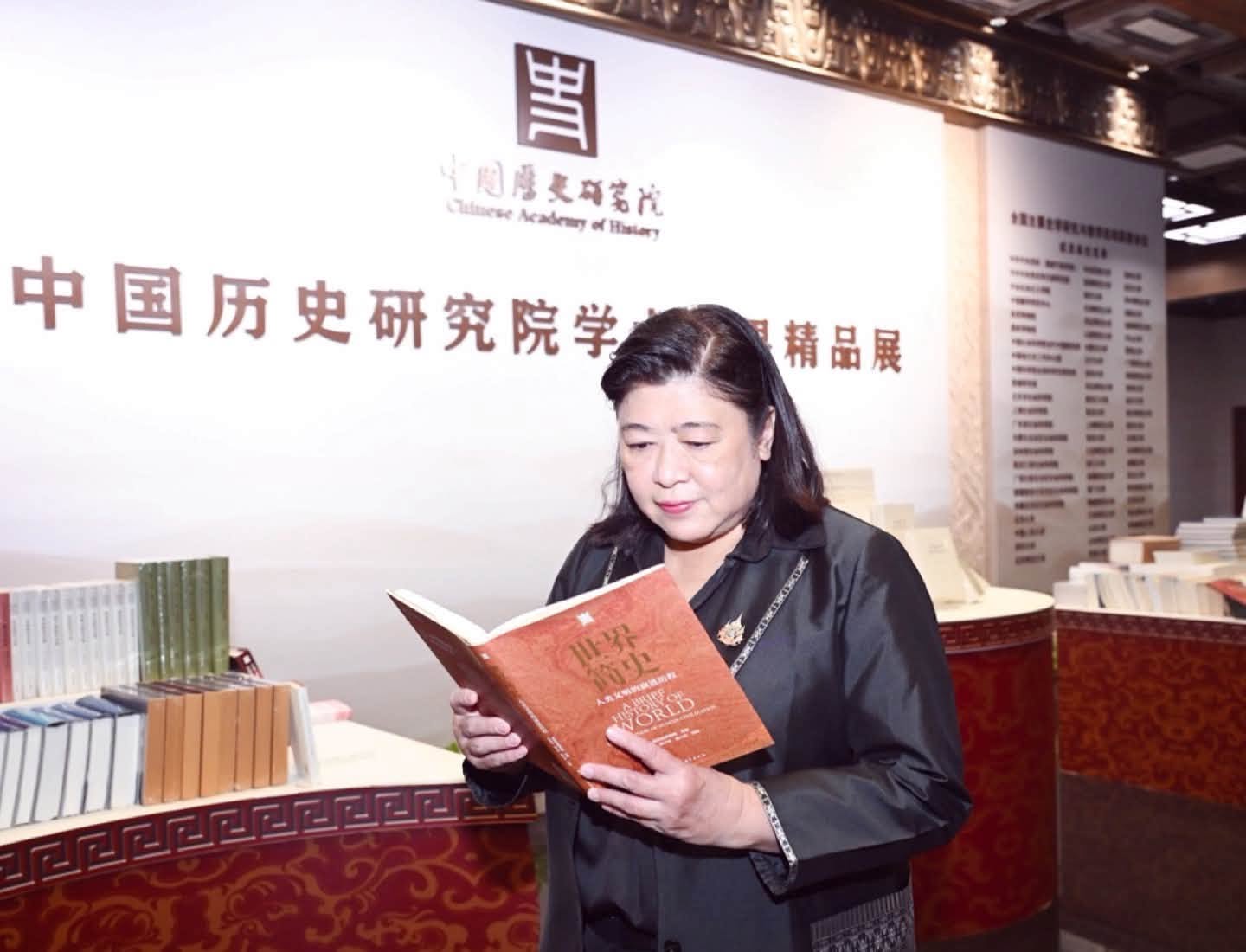
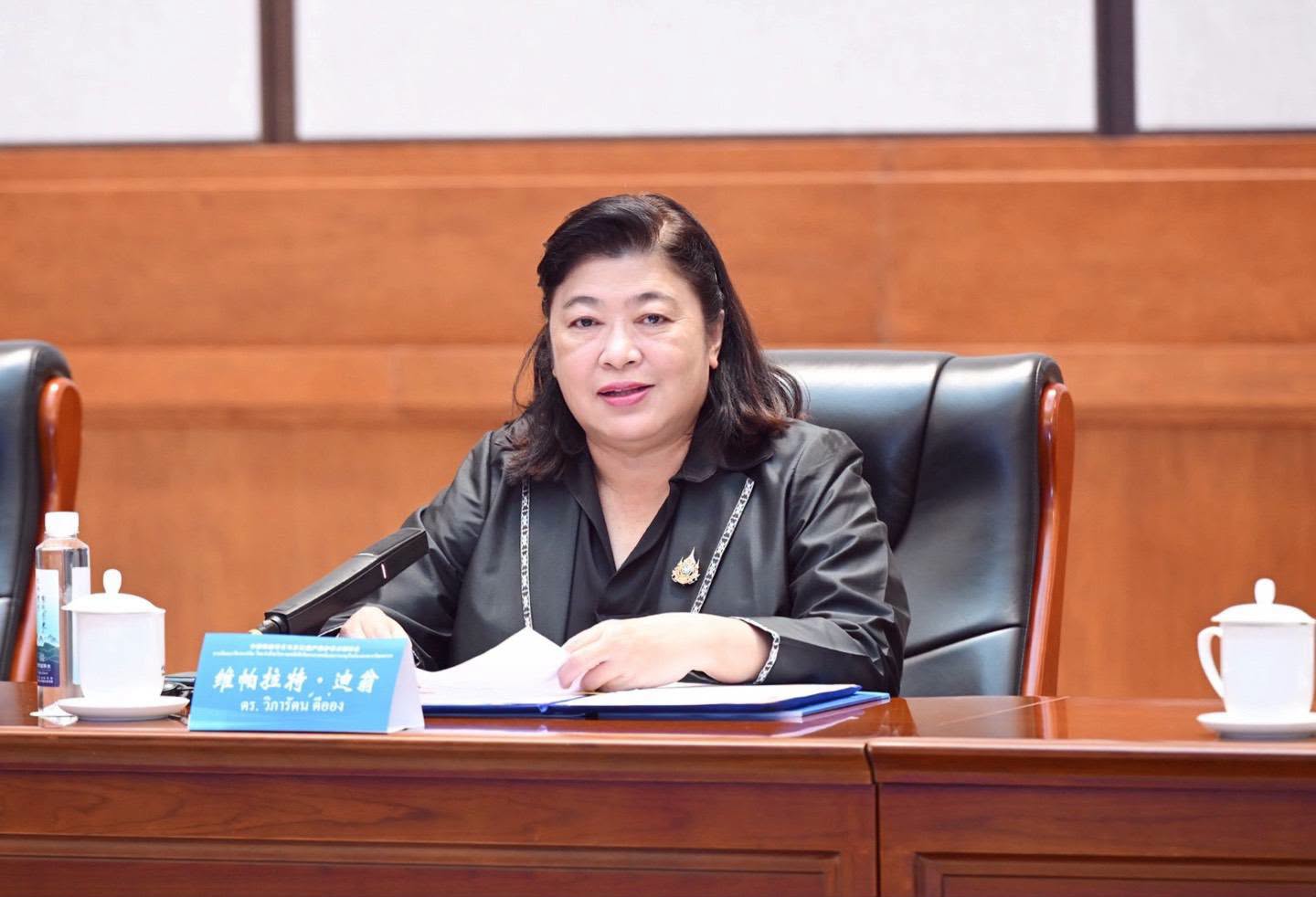
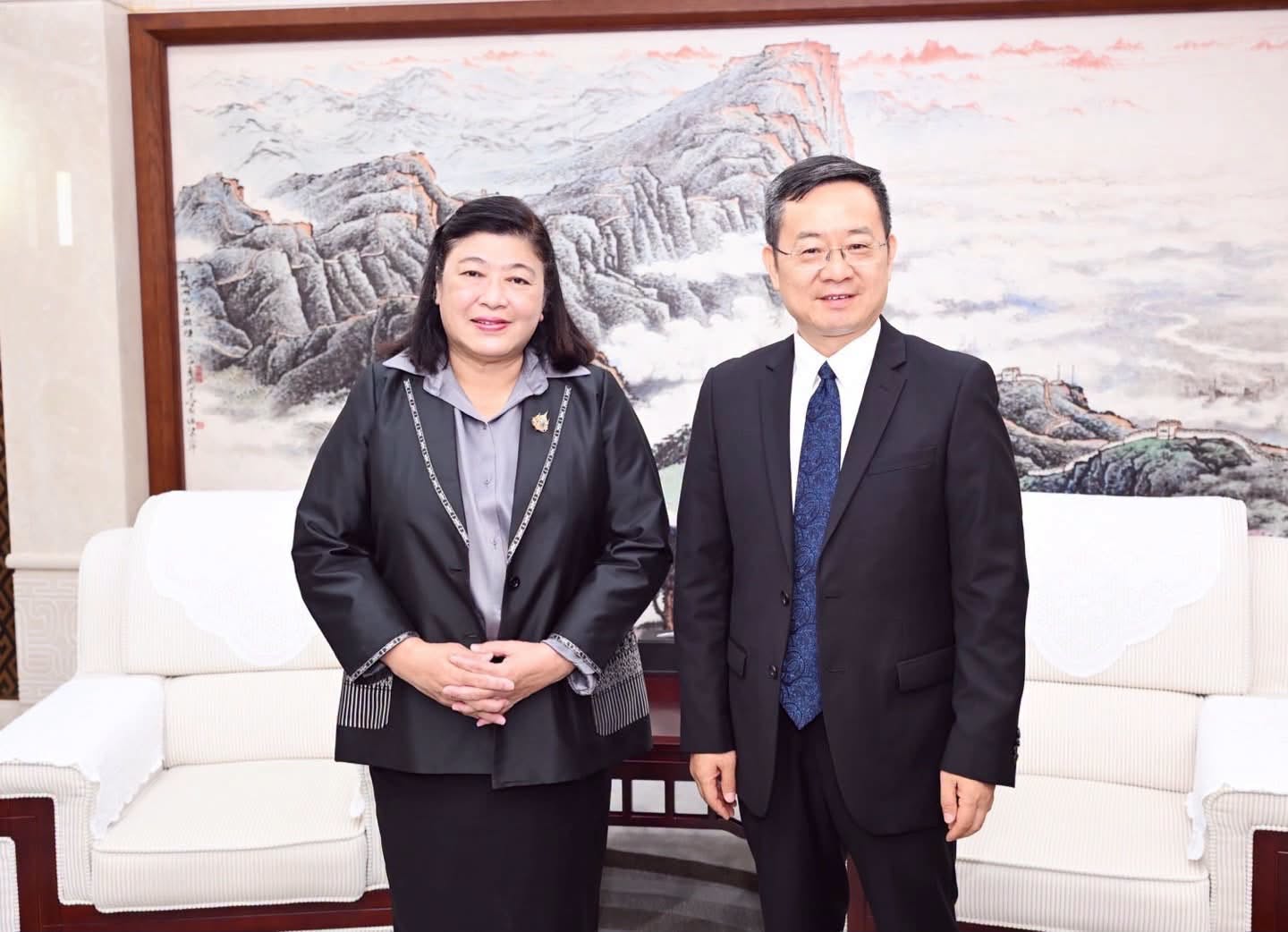
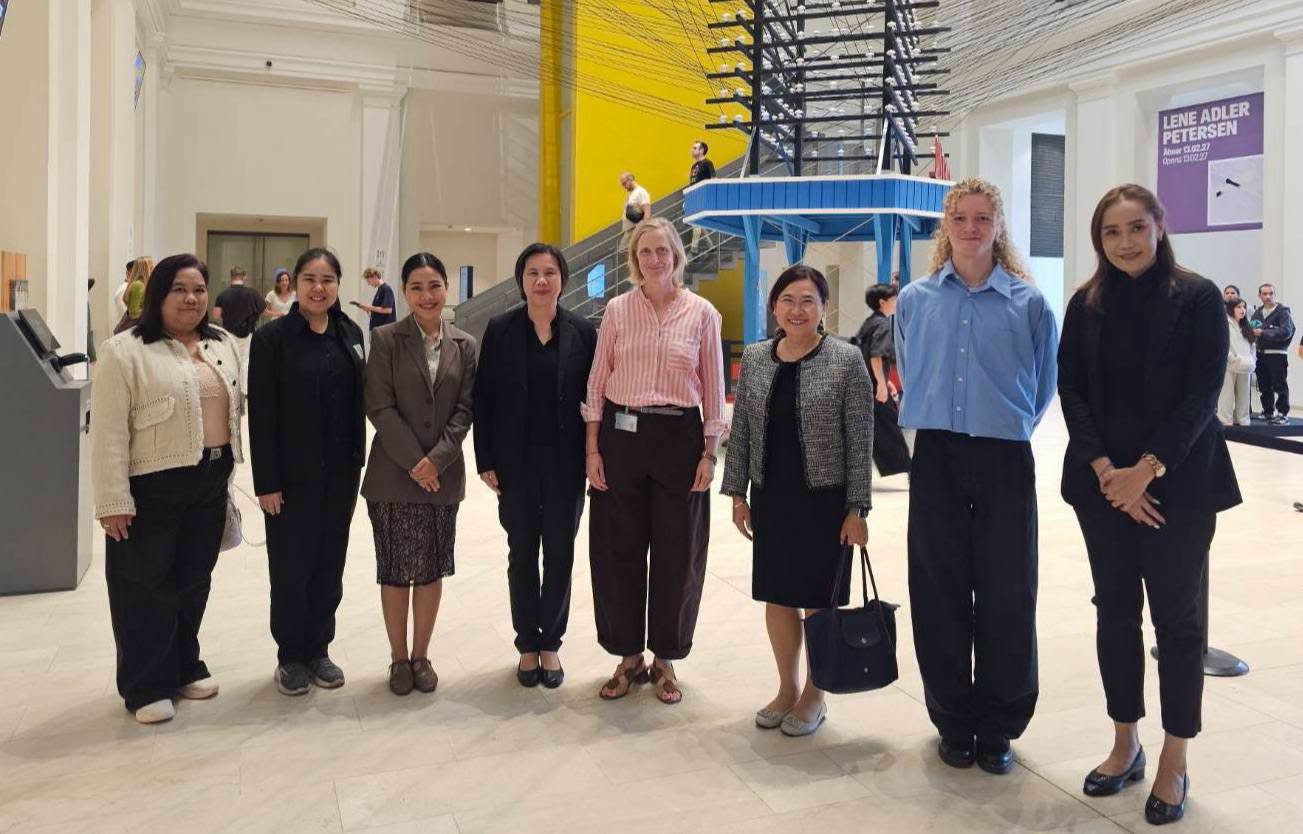
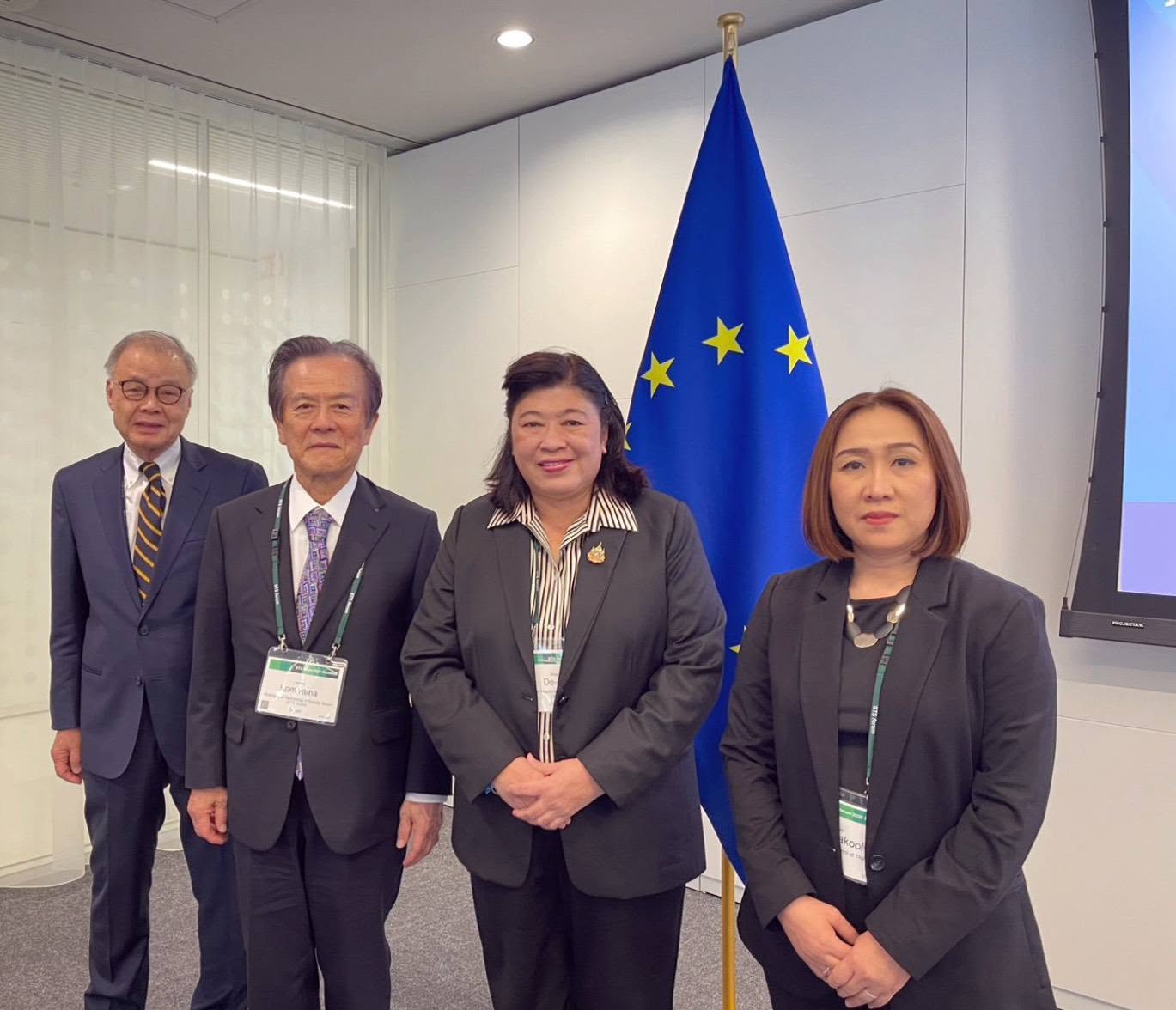
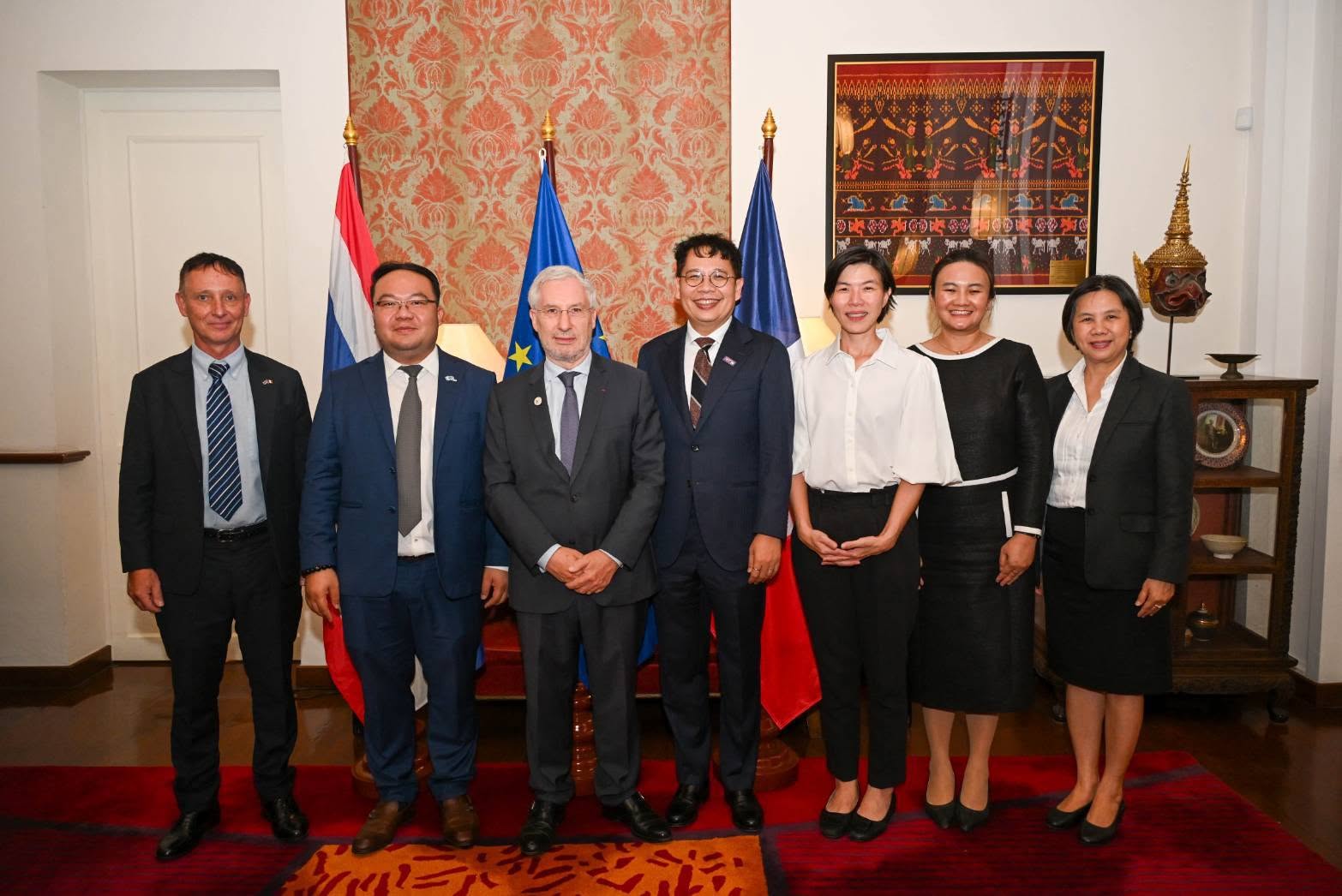
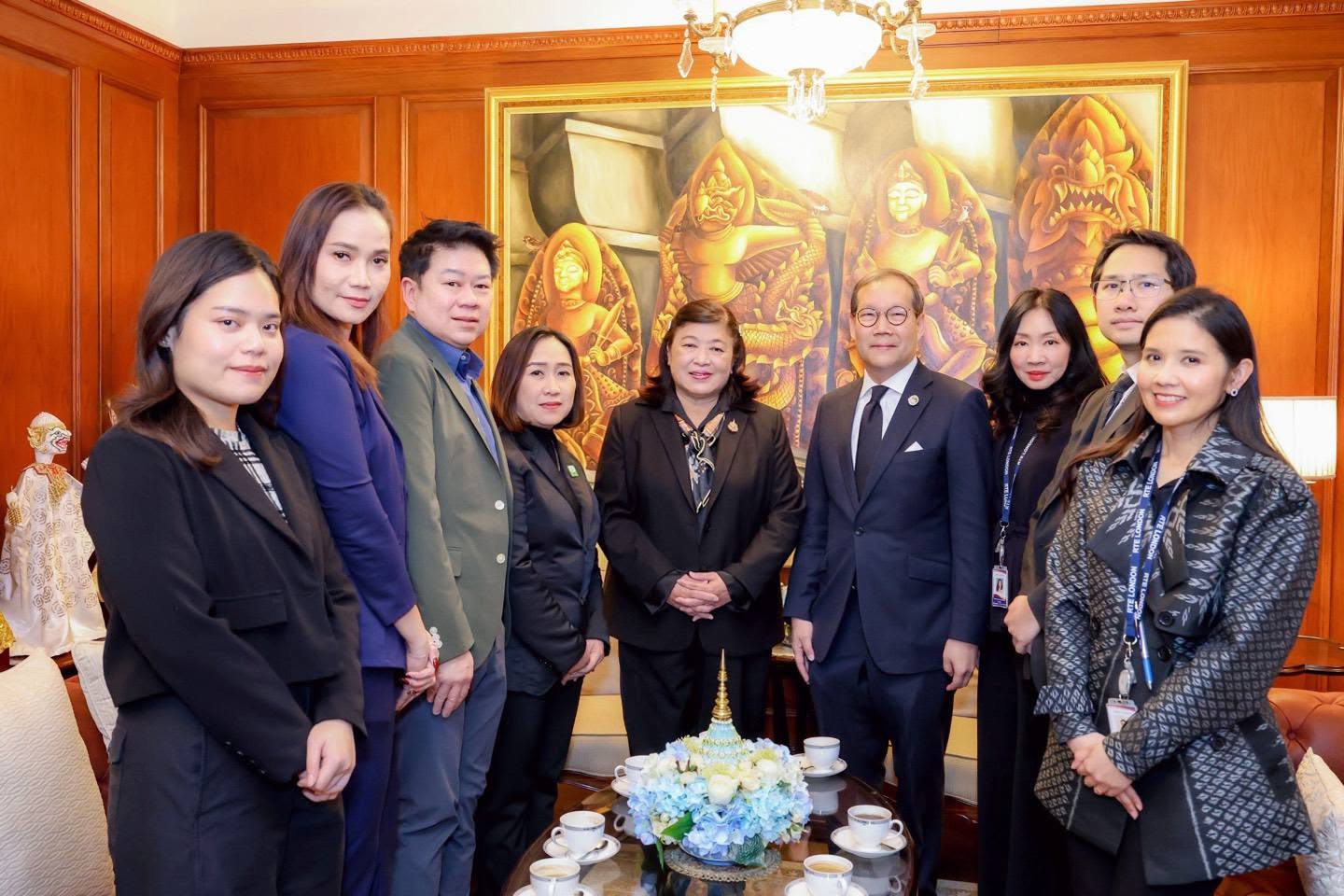
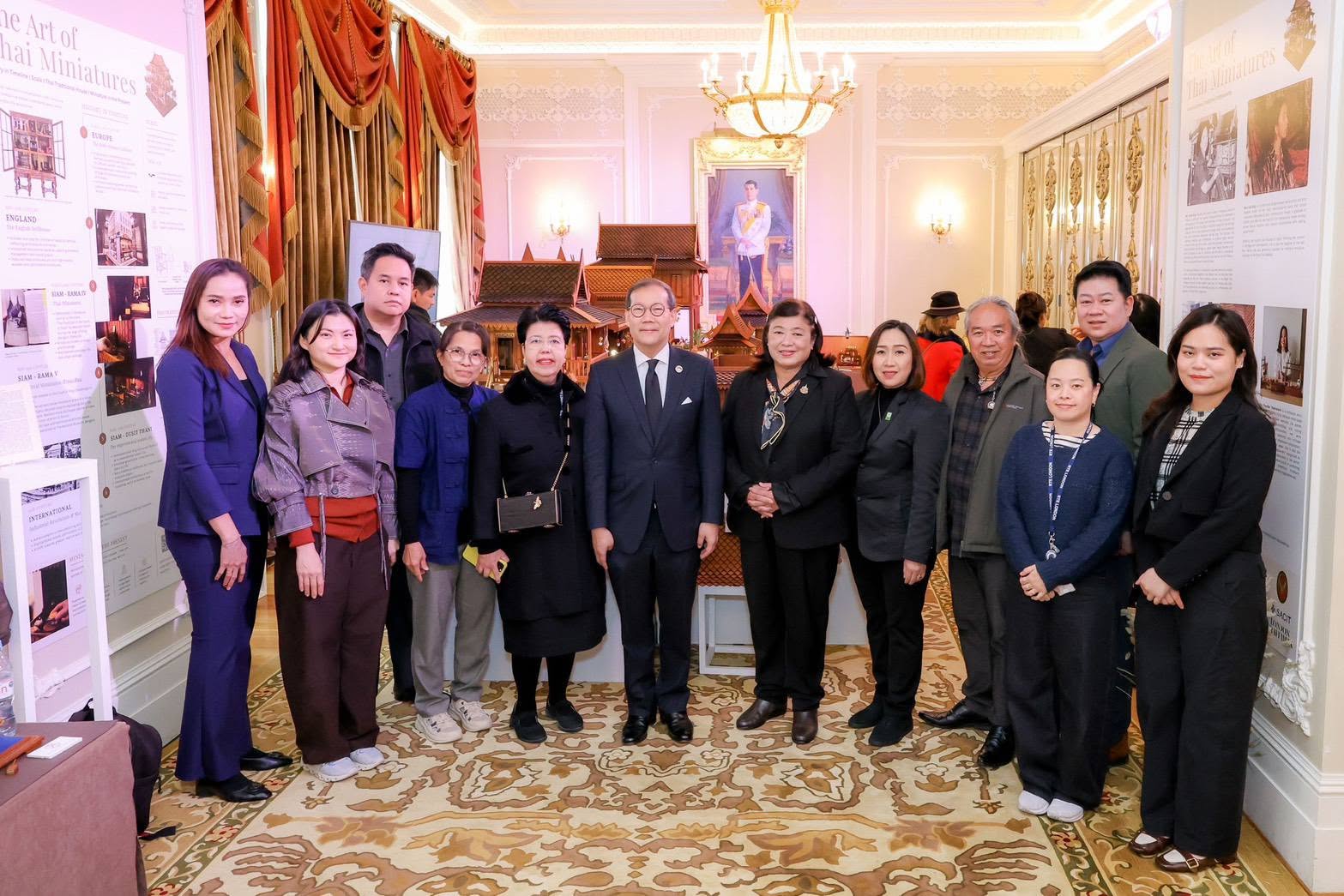
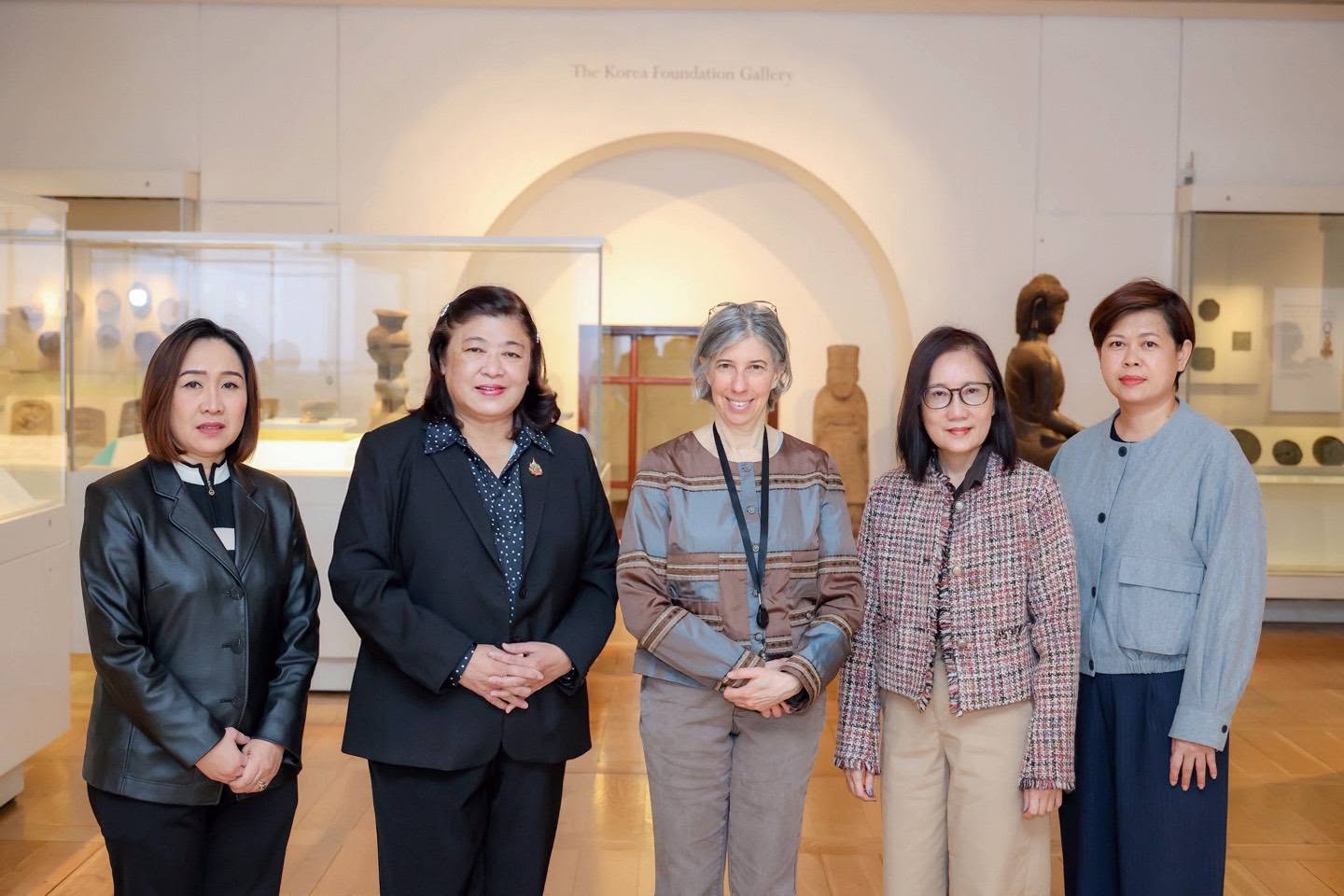
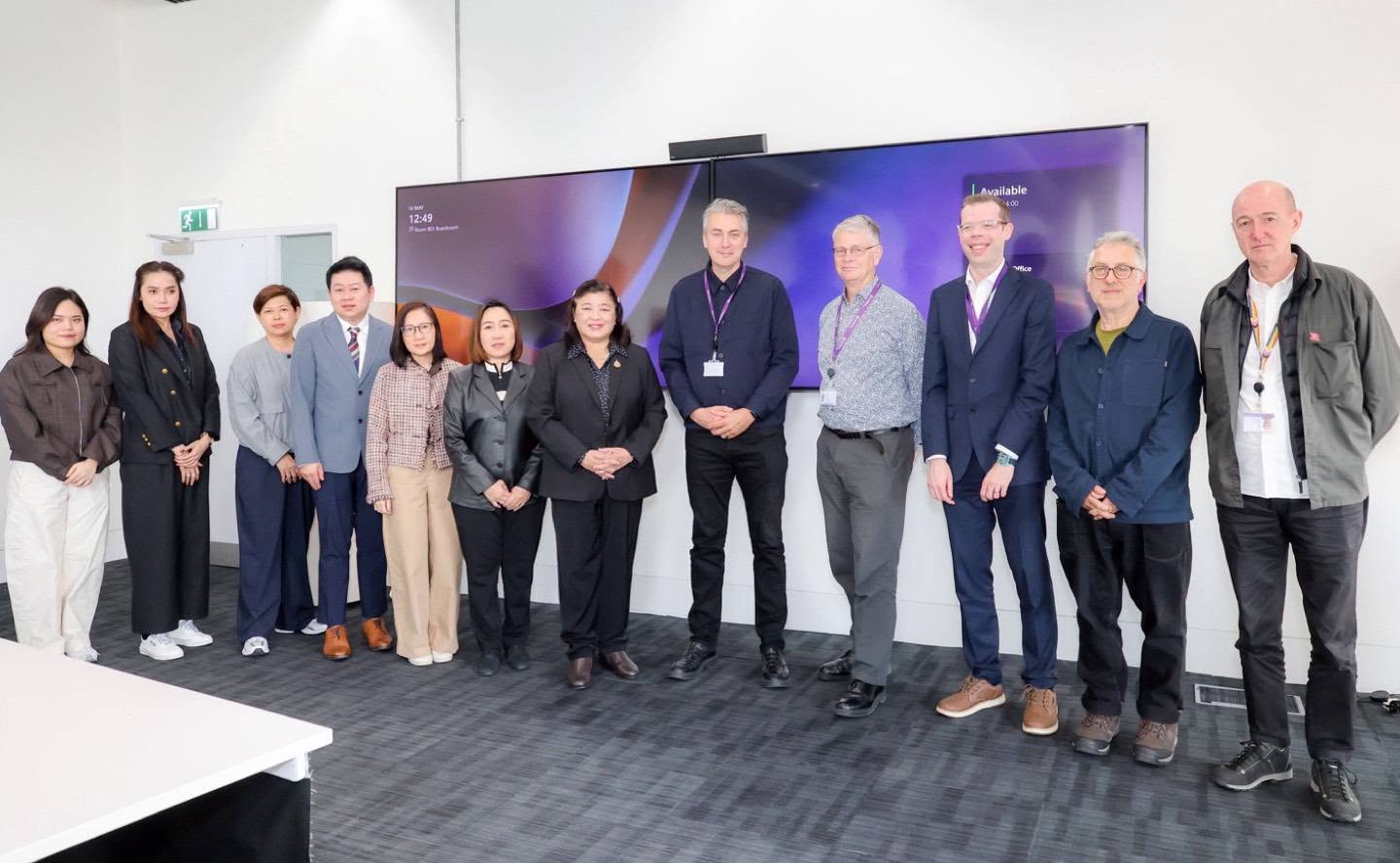
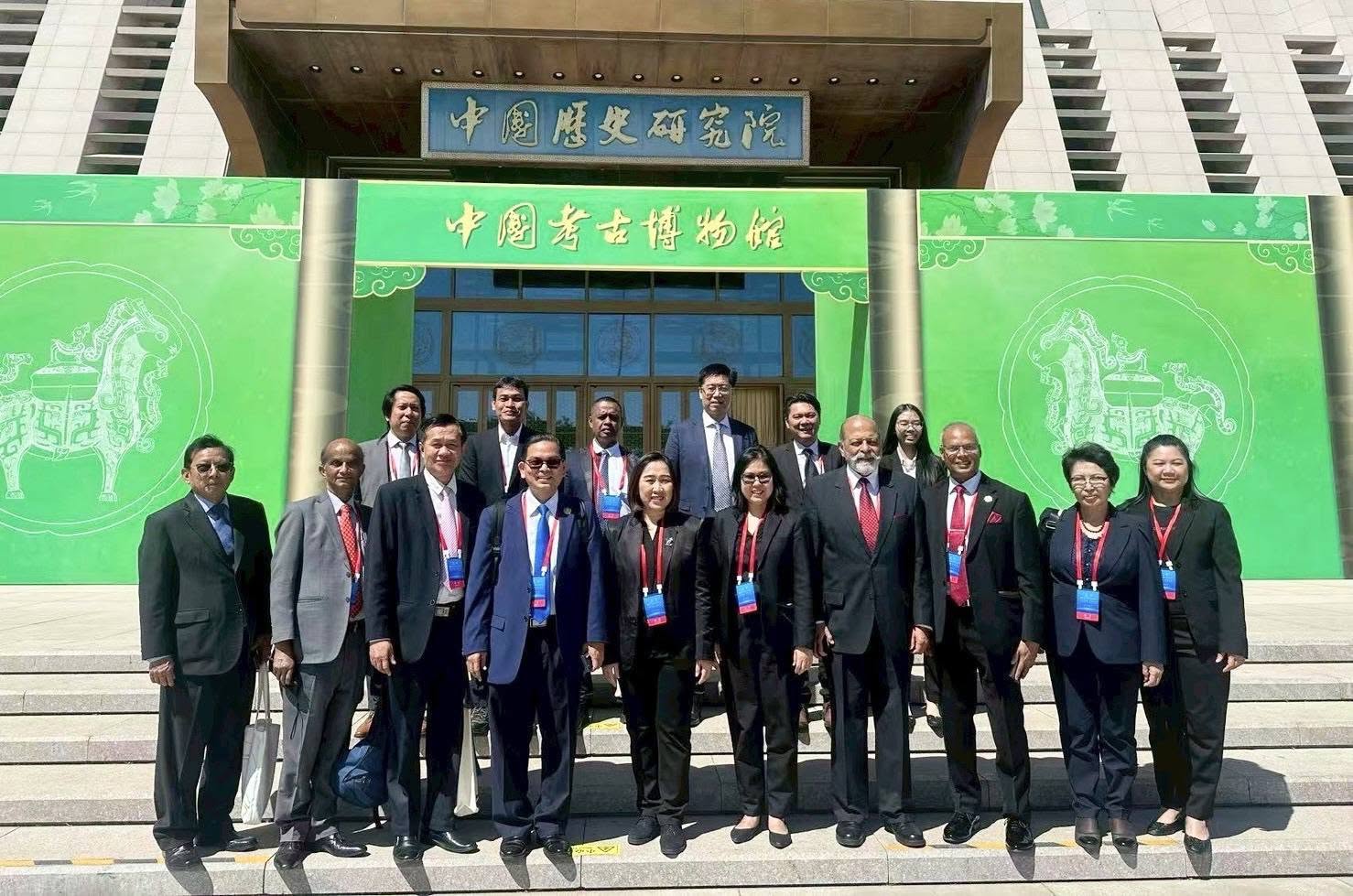
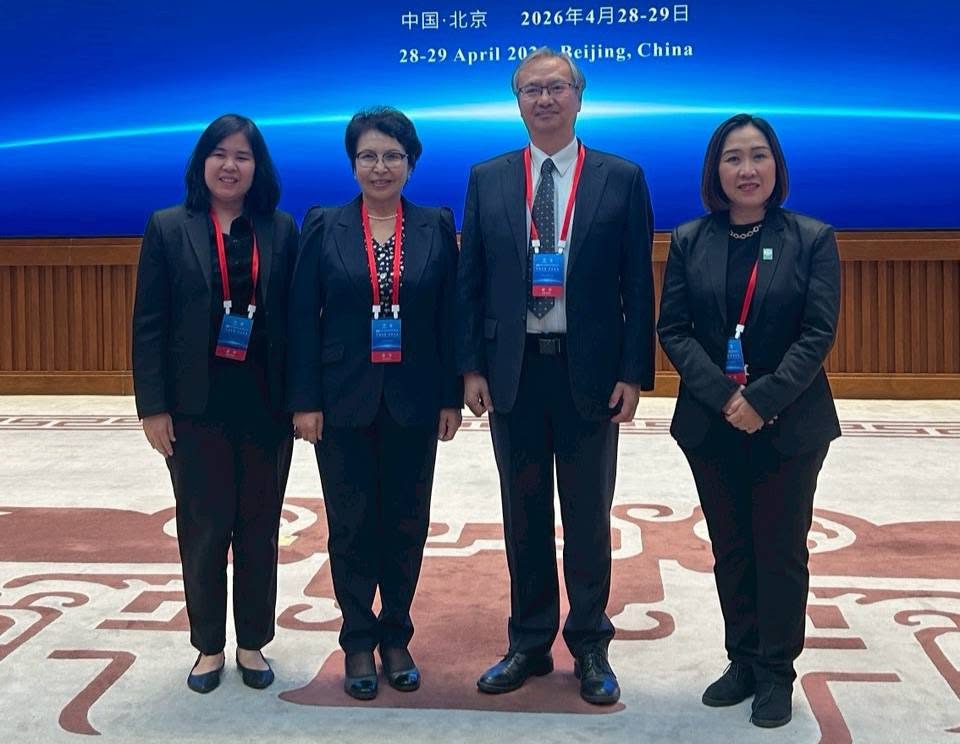
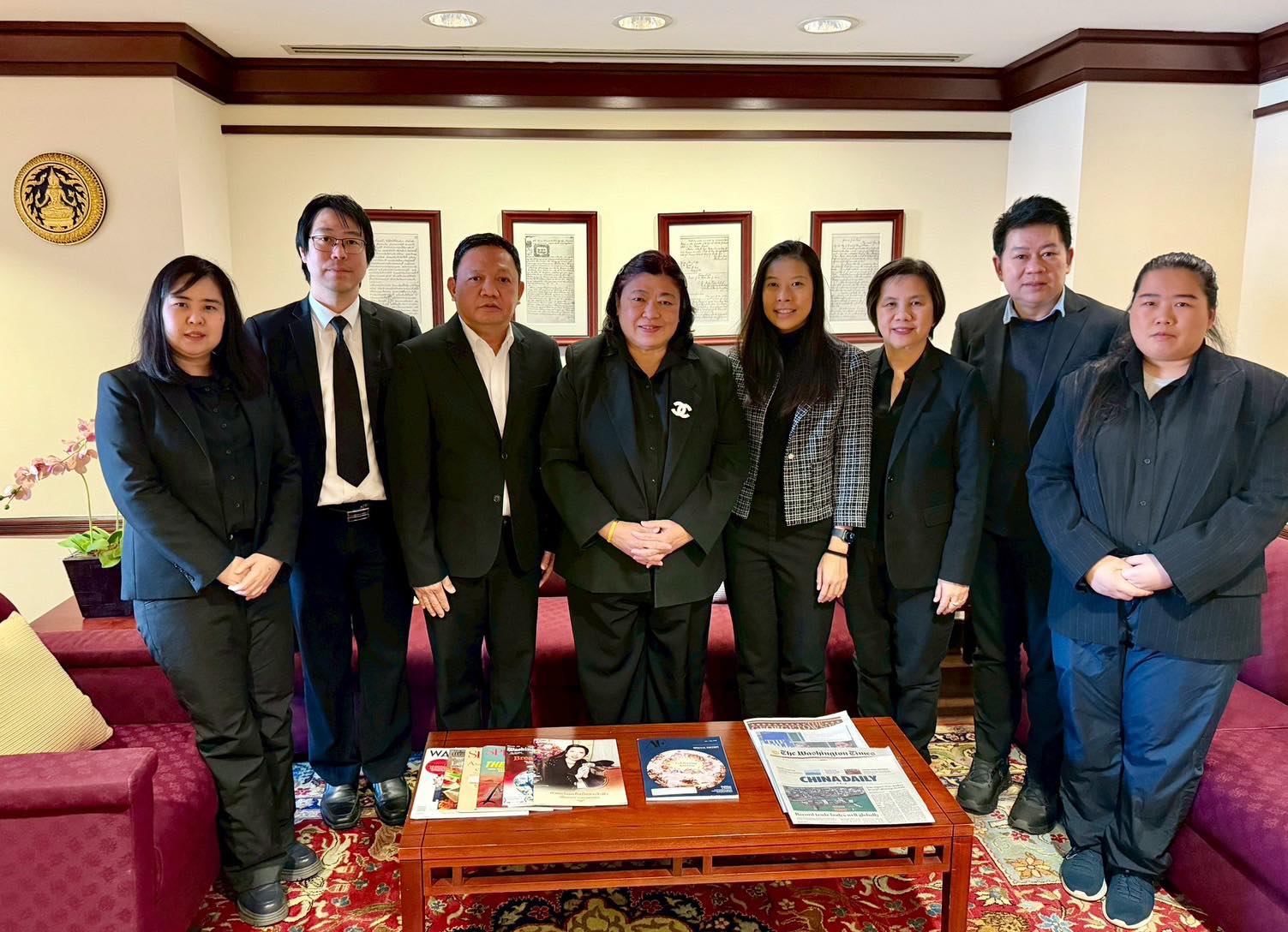
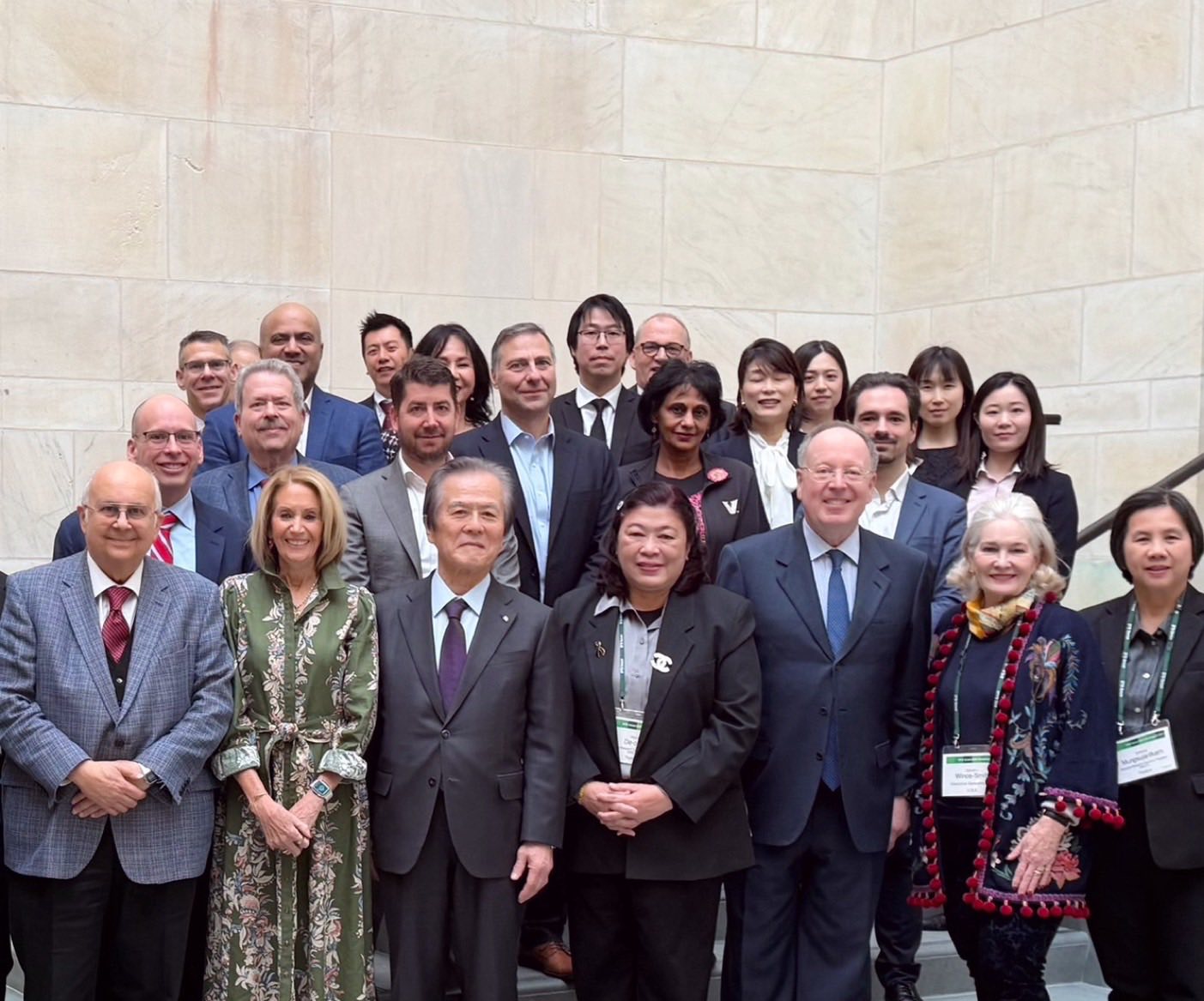
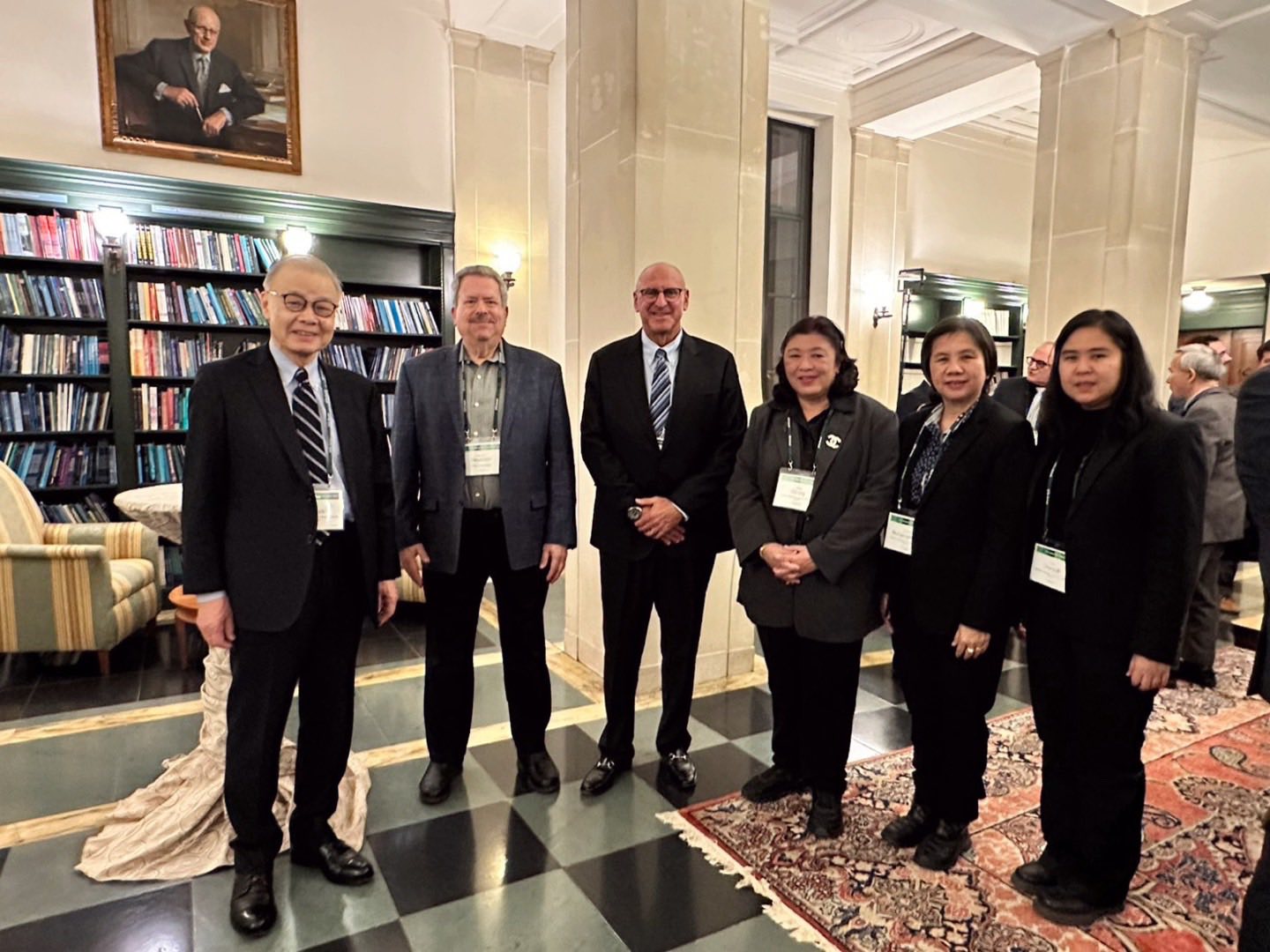
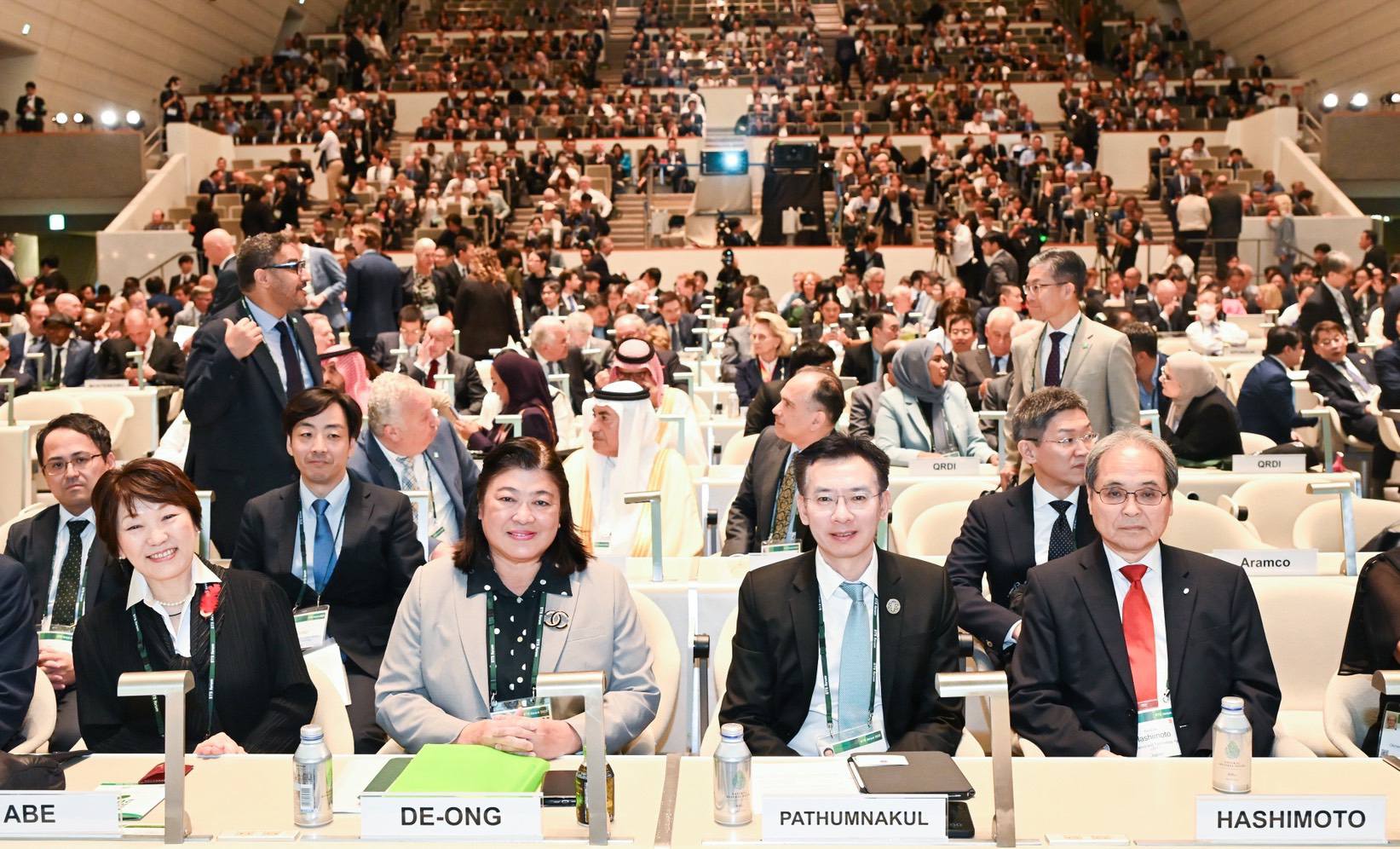
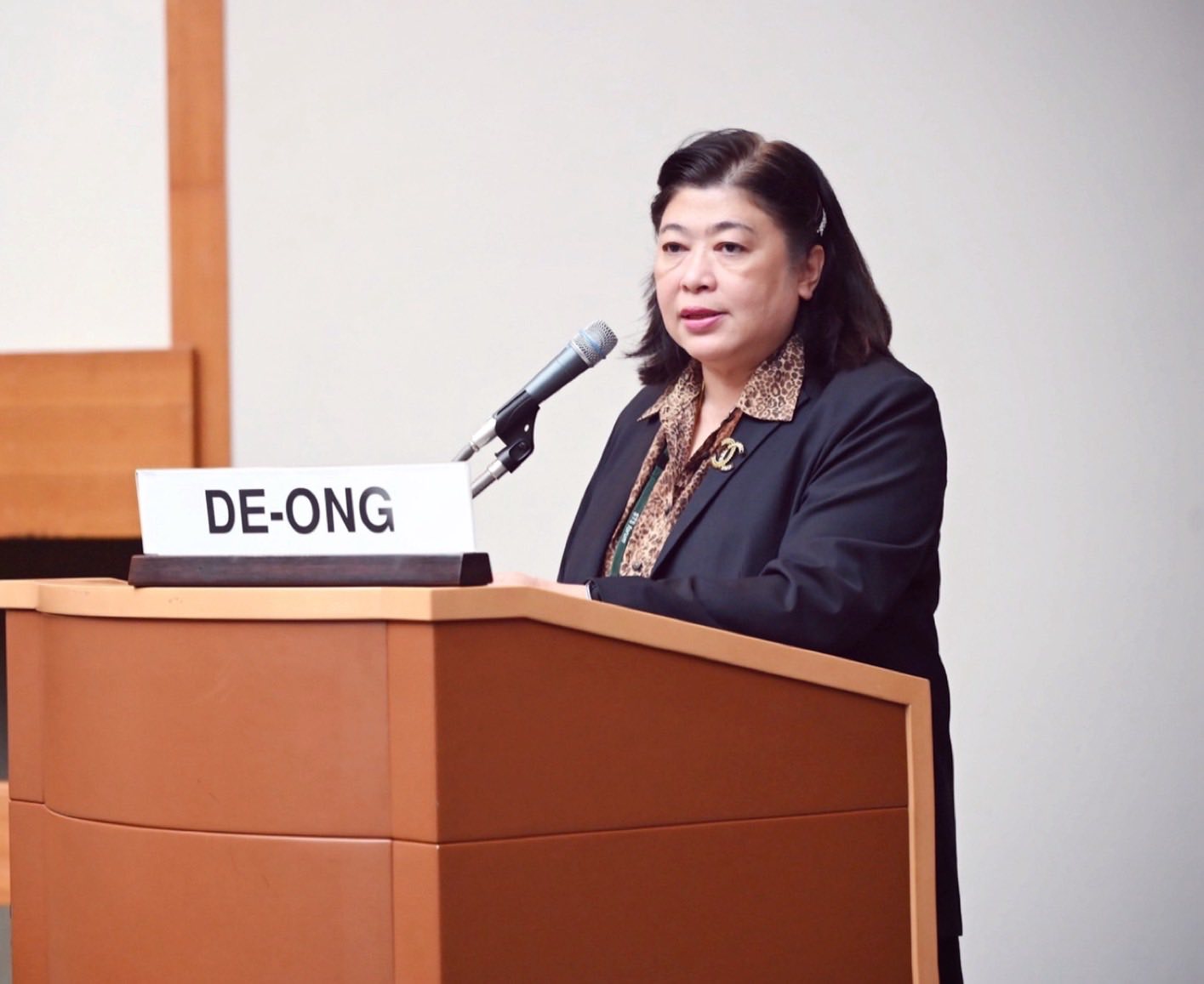
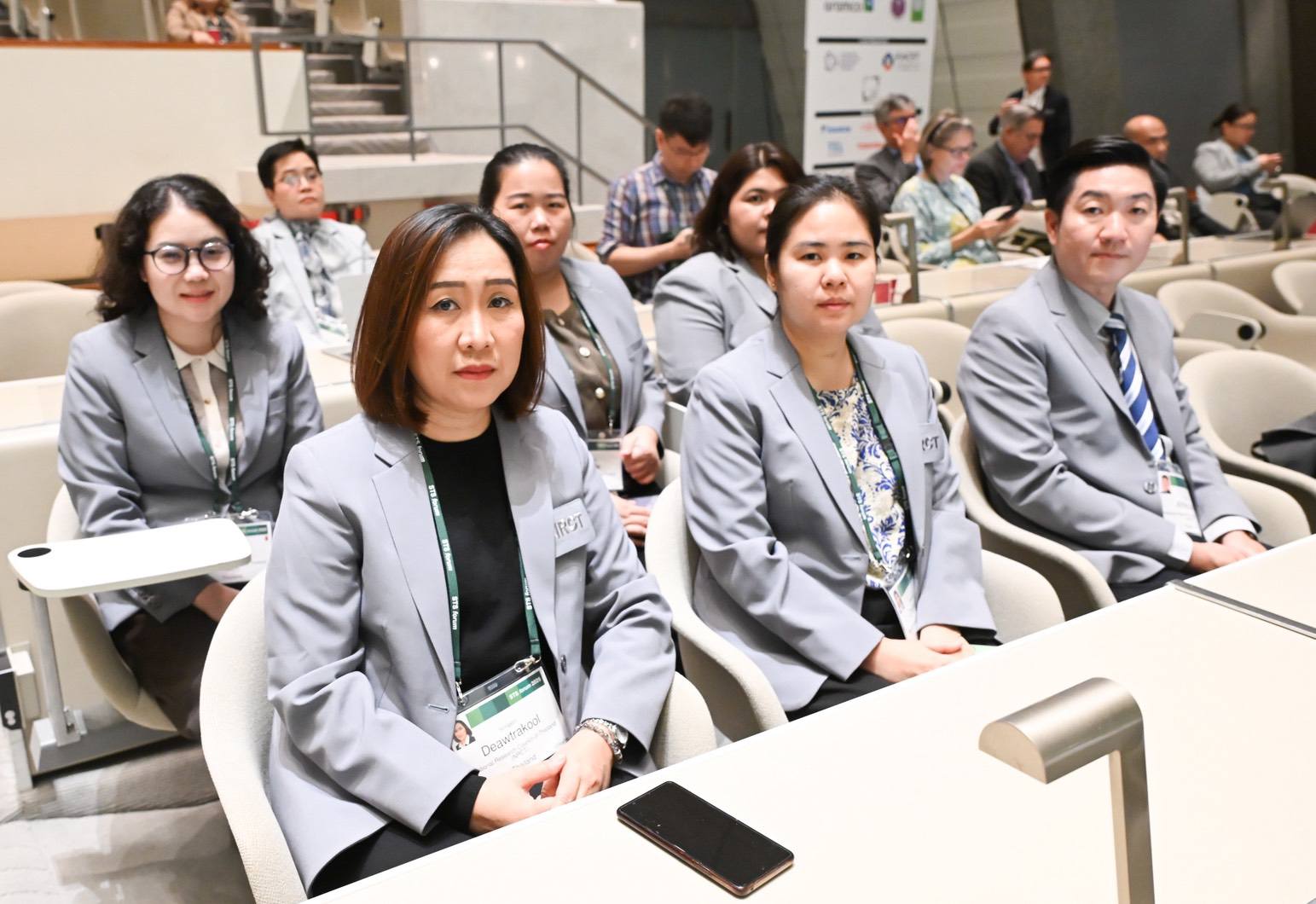
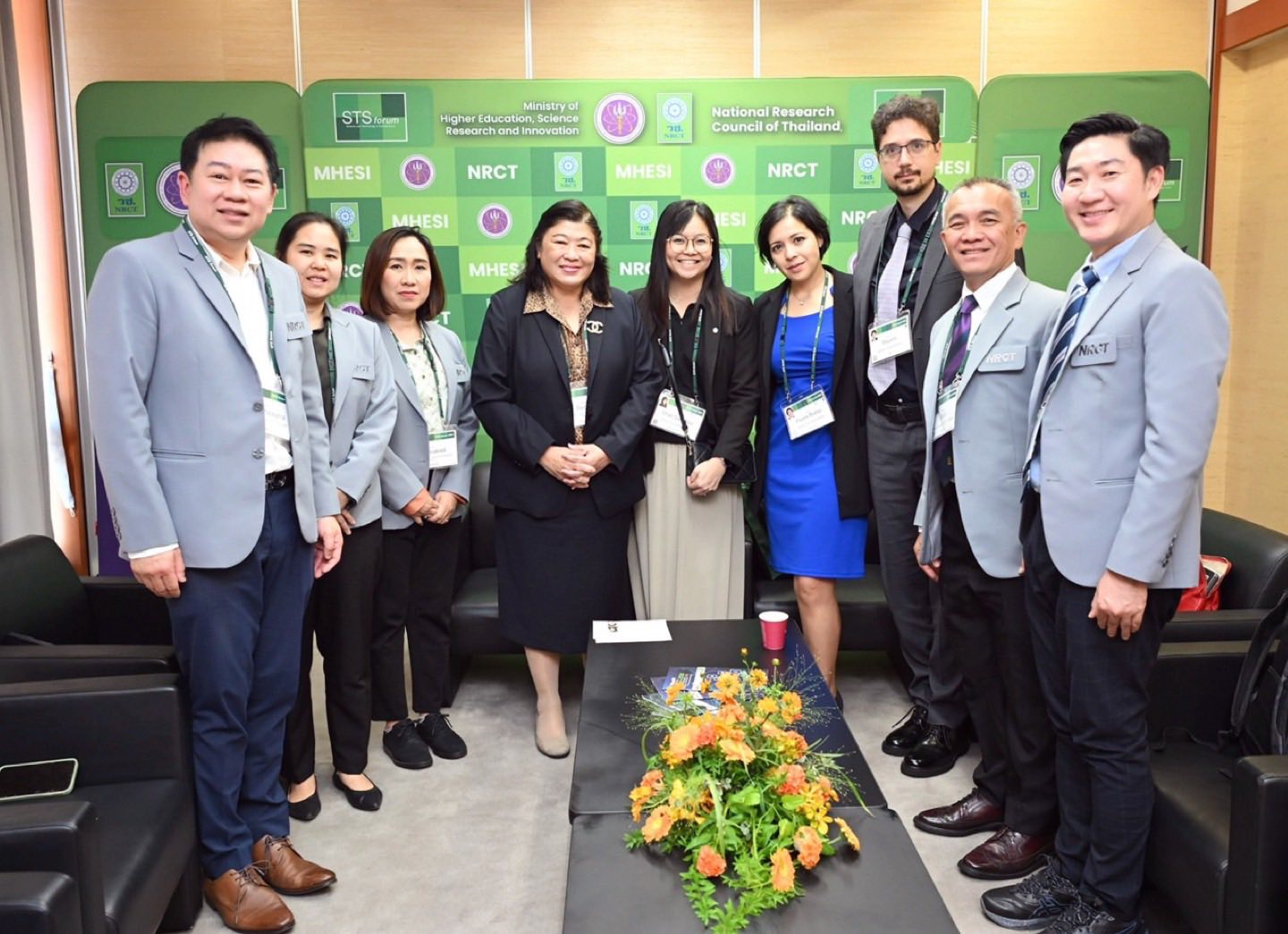
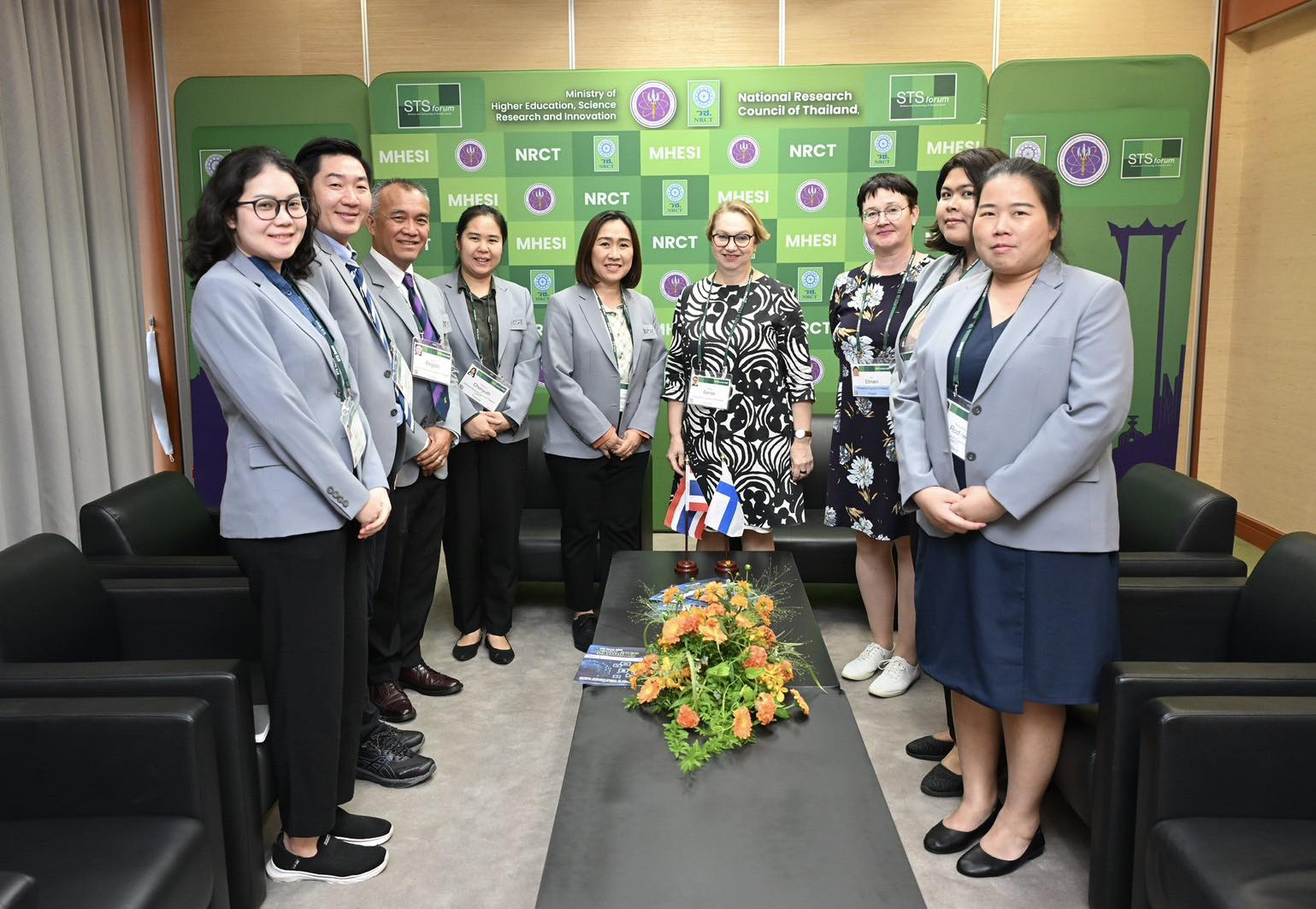
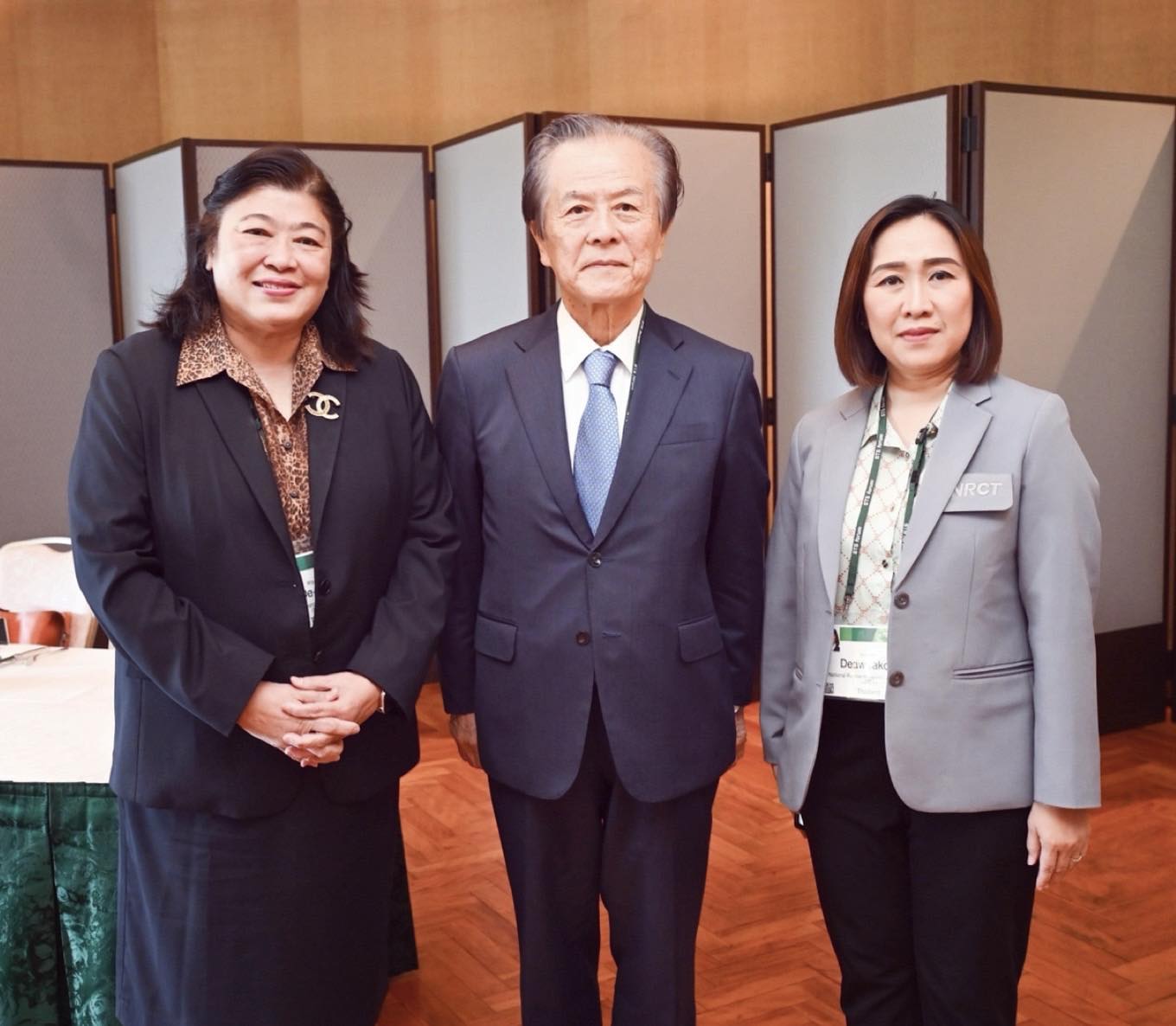
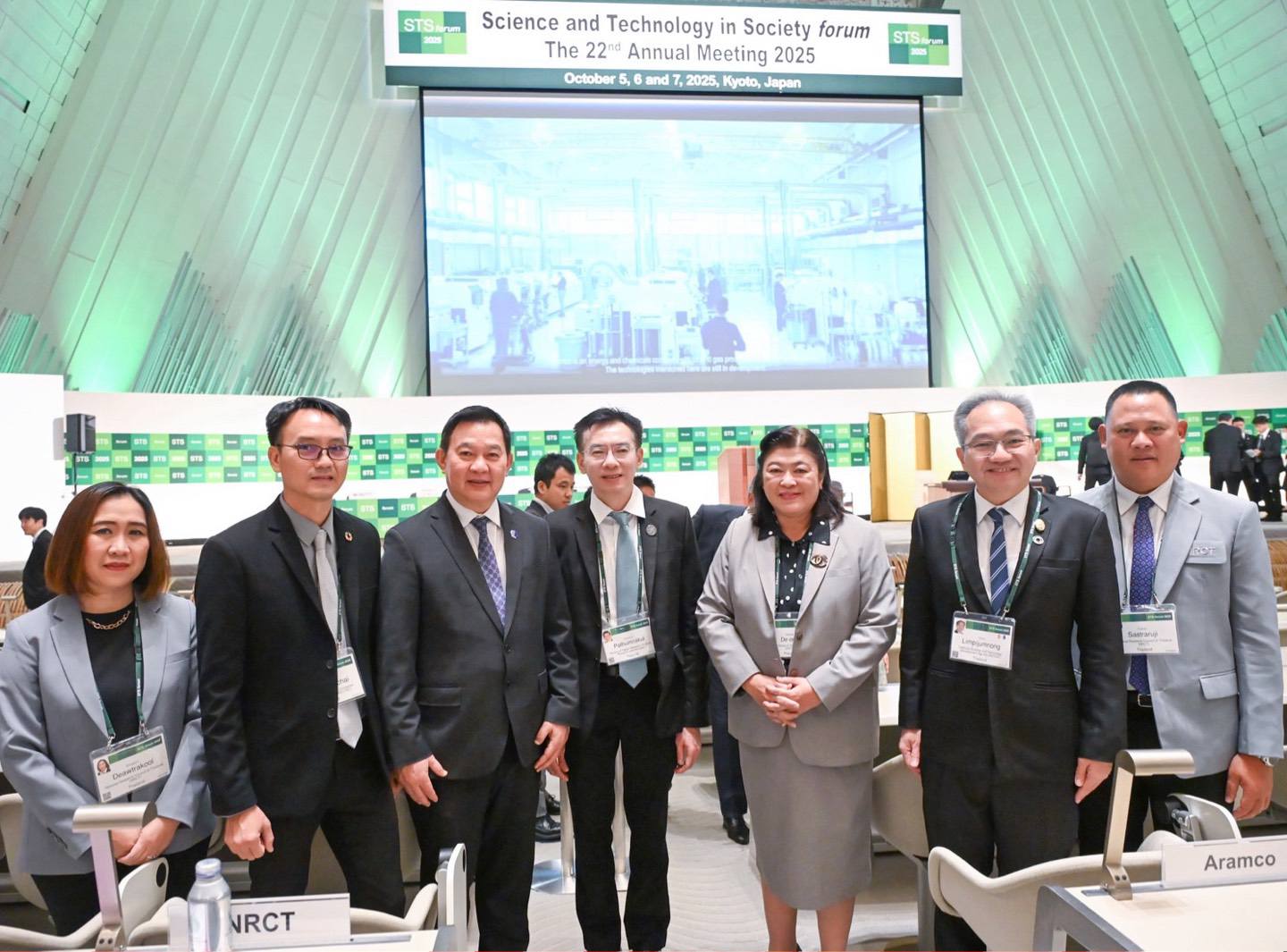
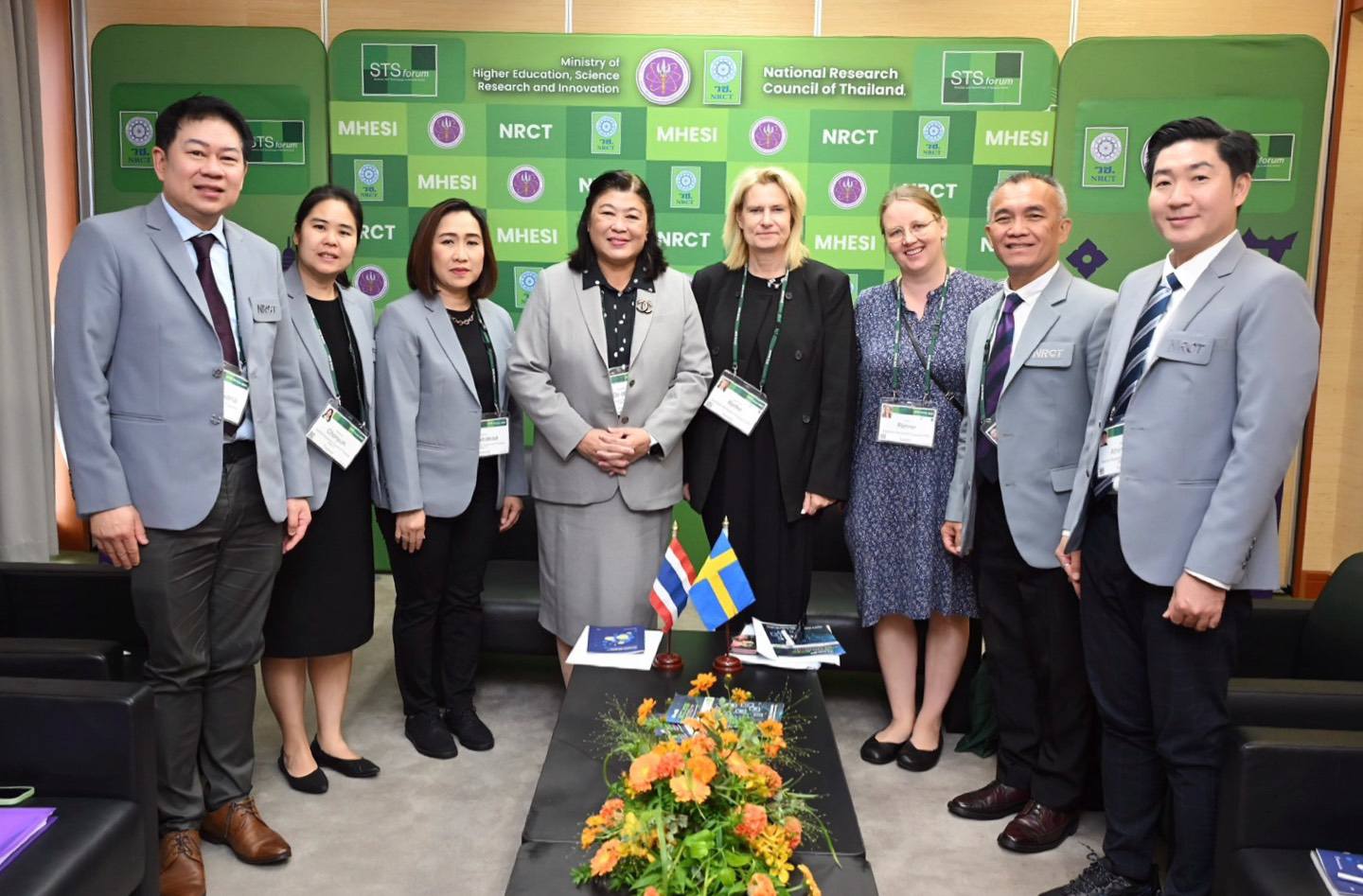
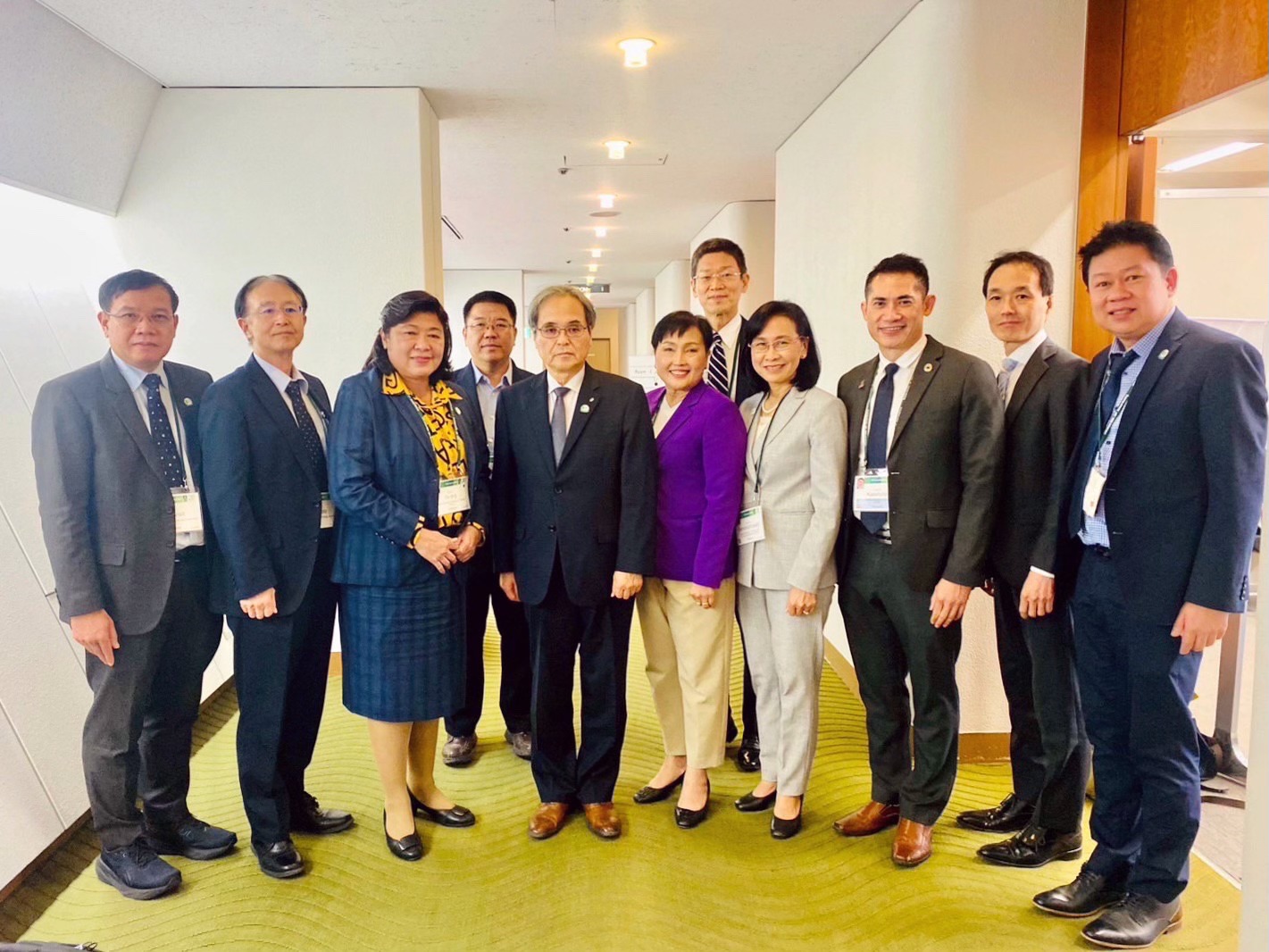
Dr. Wiparat De-ong, Executive Director of NRCT, led a delegation comprising NRCT executives, distinguished experts, and Thai archaeological specialists to participate in the seminar and related activities.
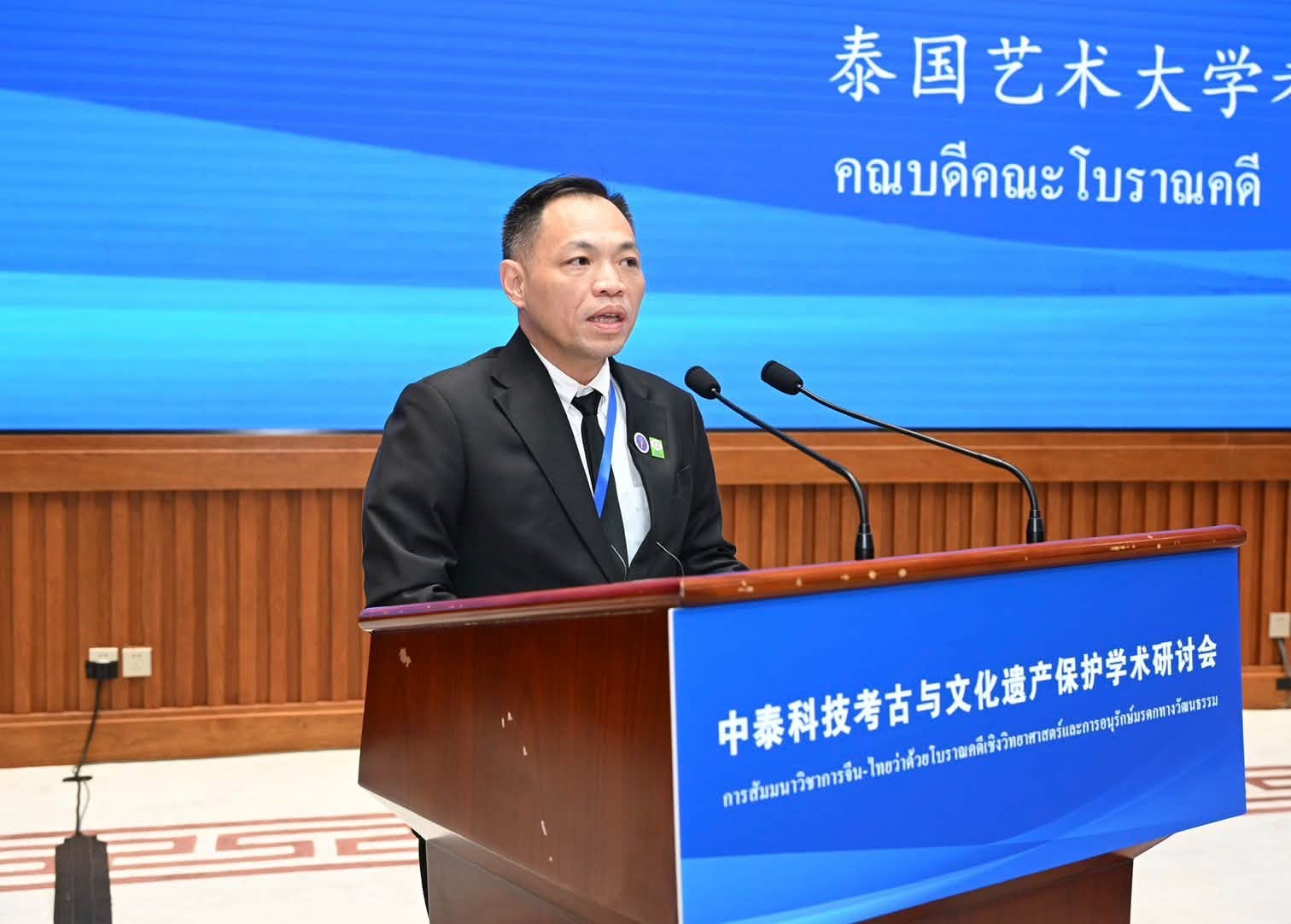
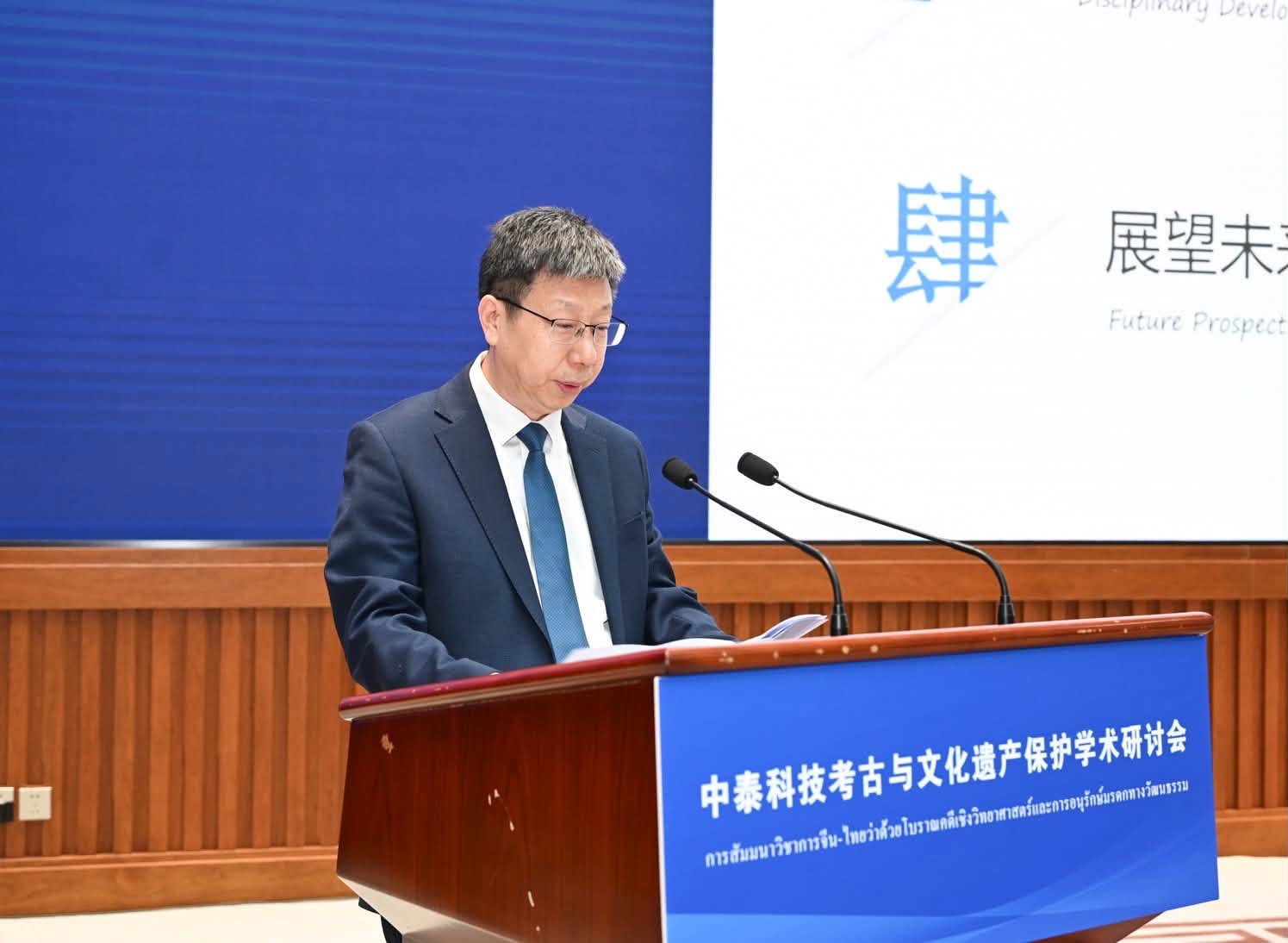
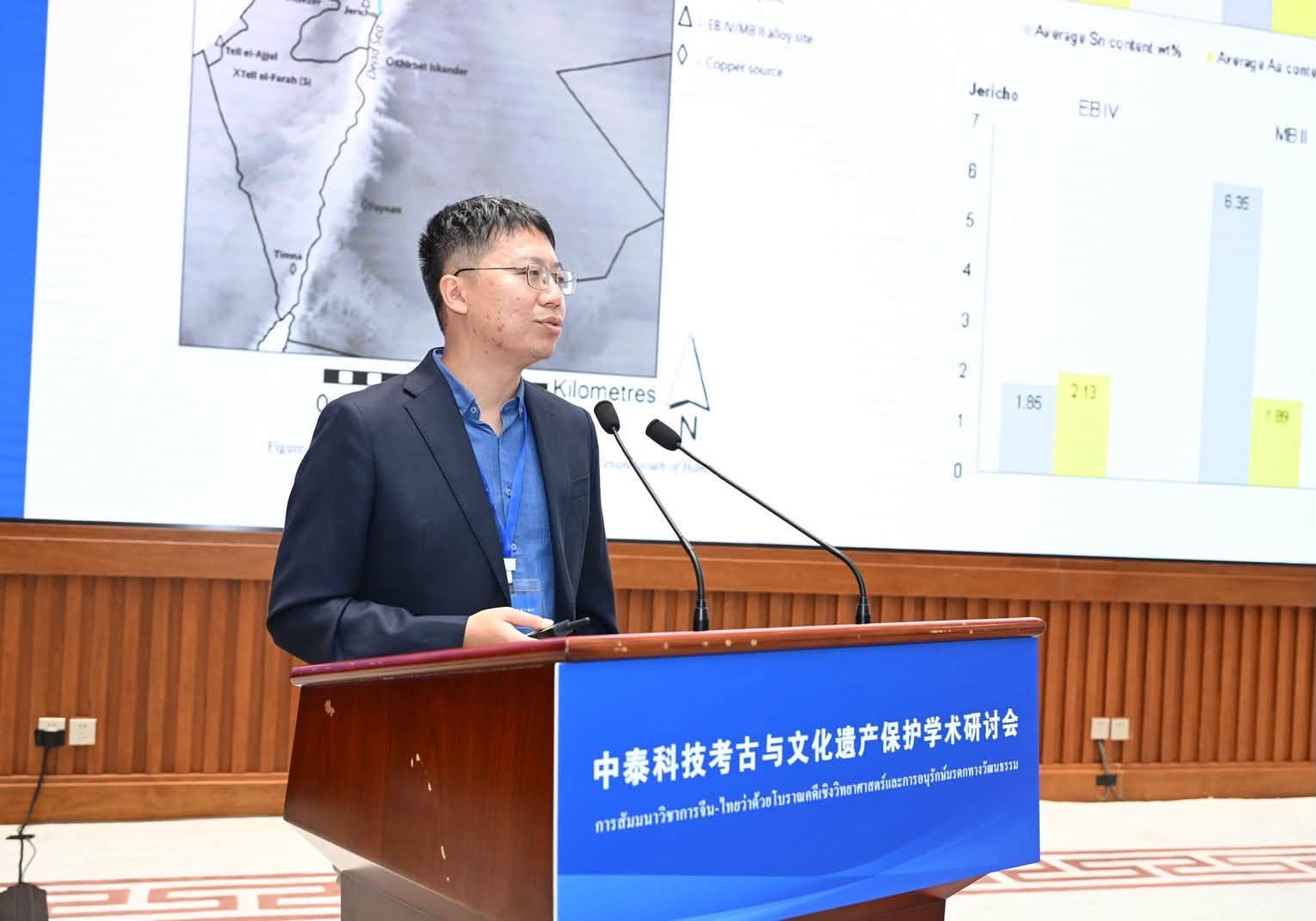
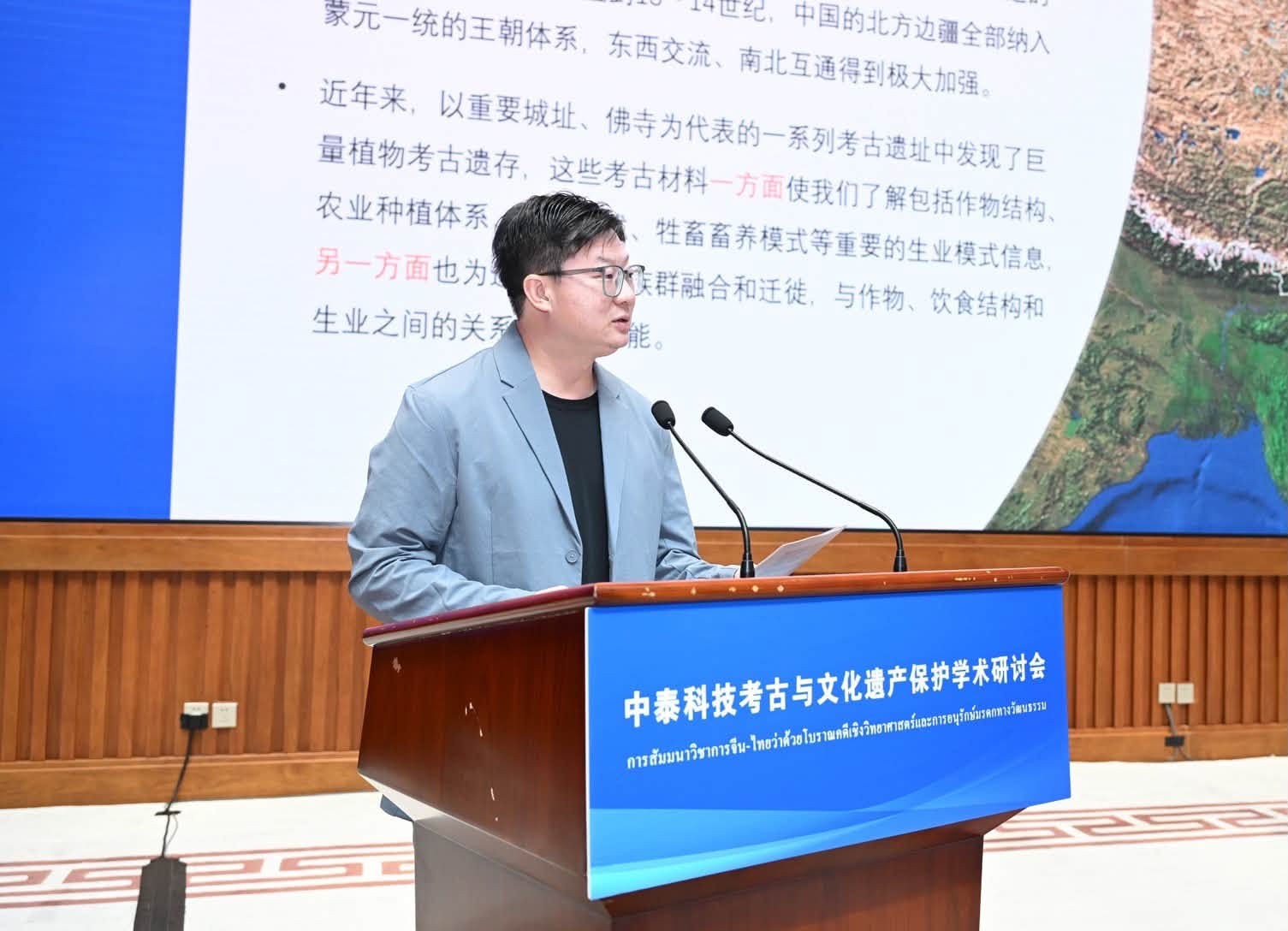
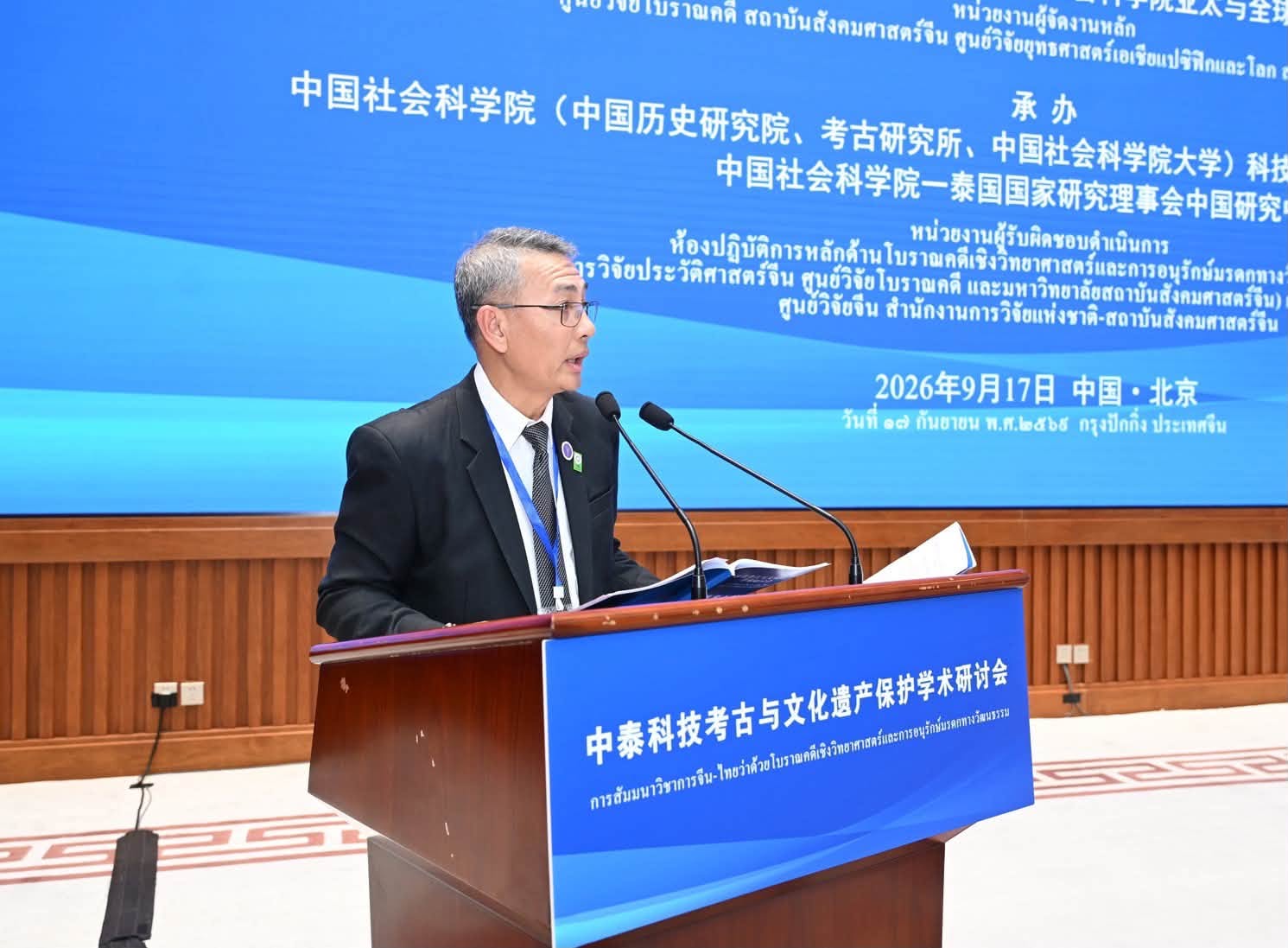
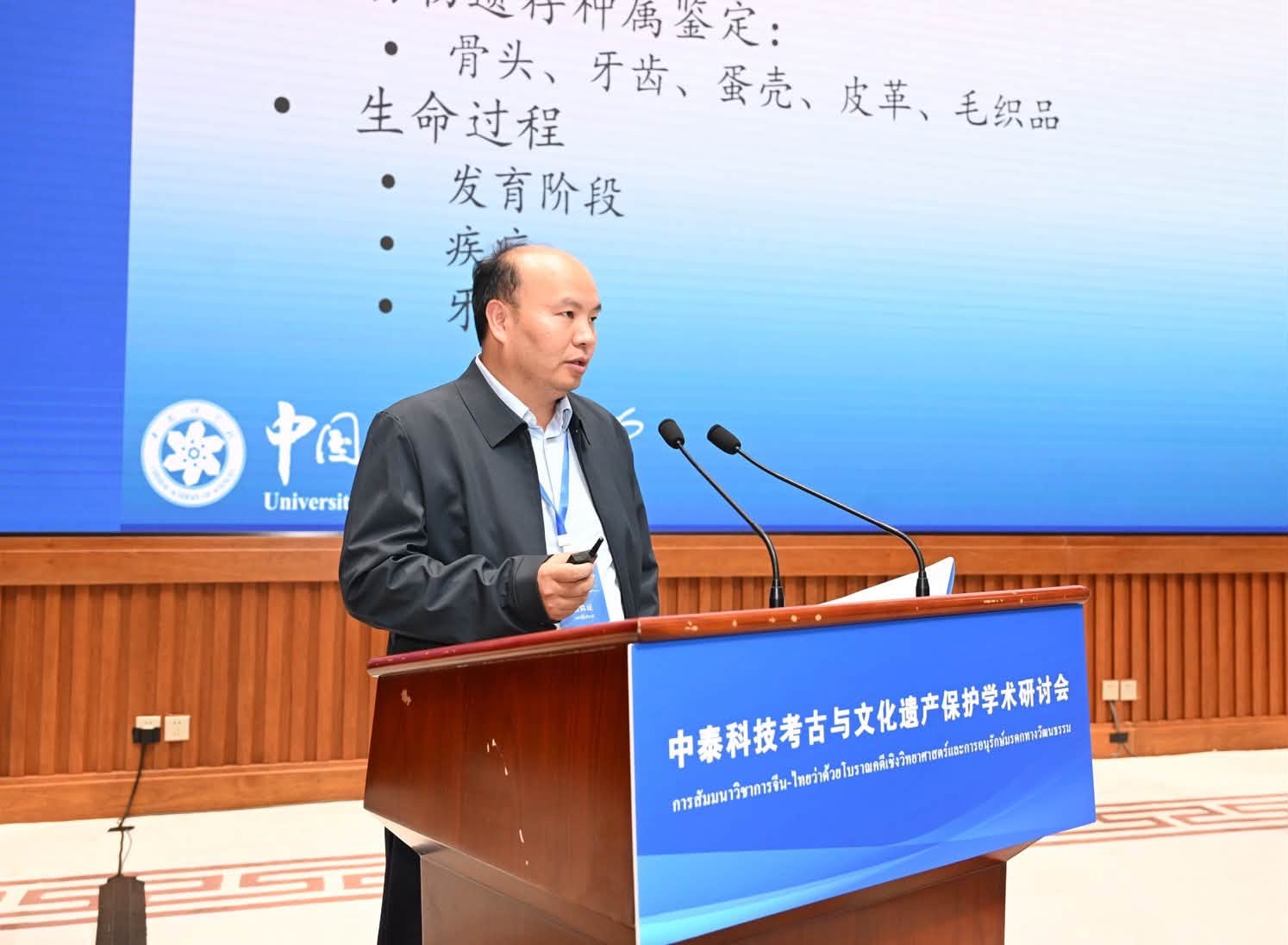
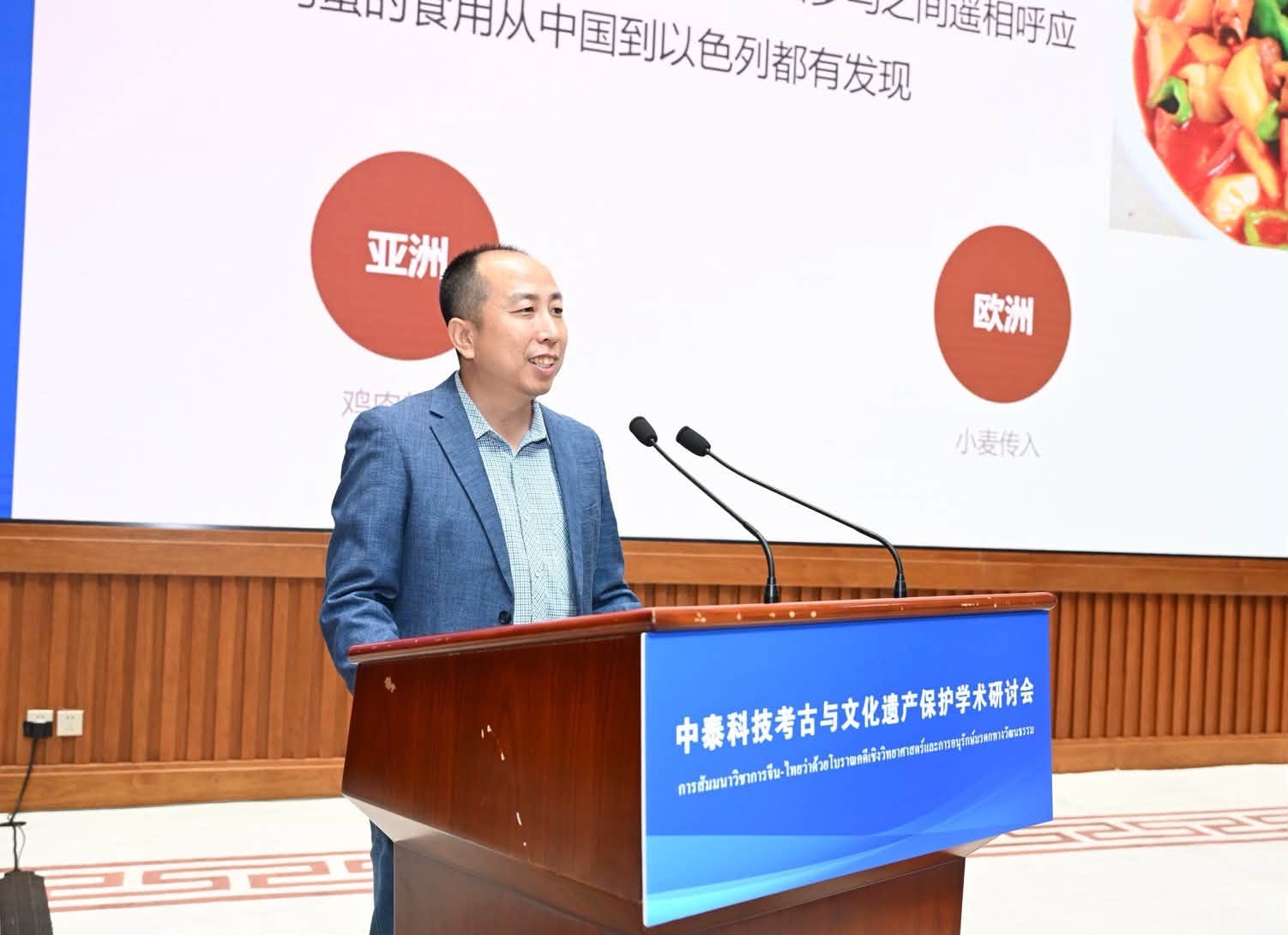
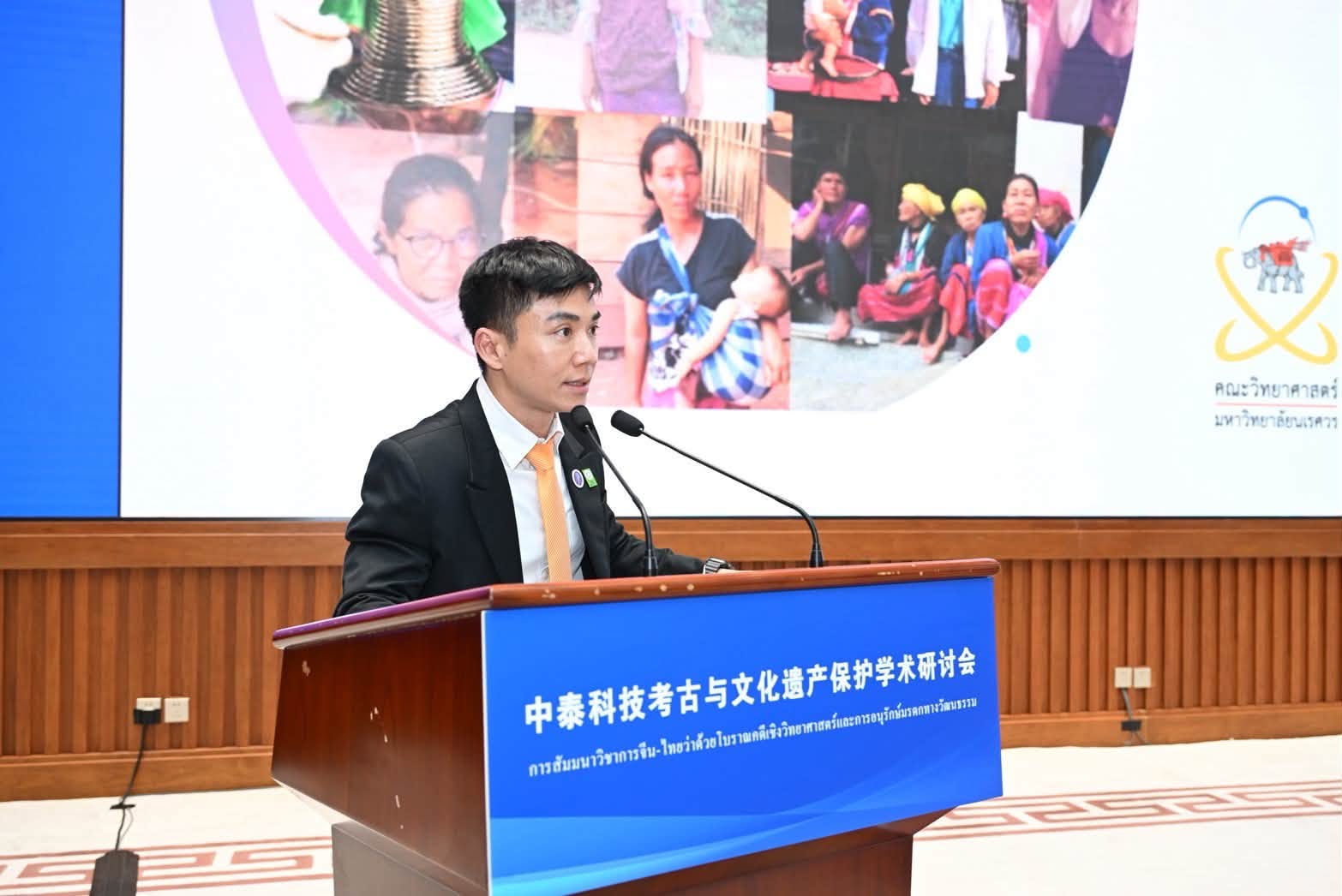
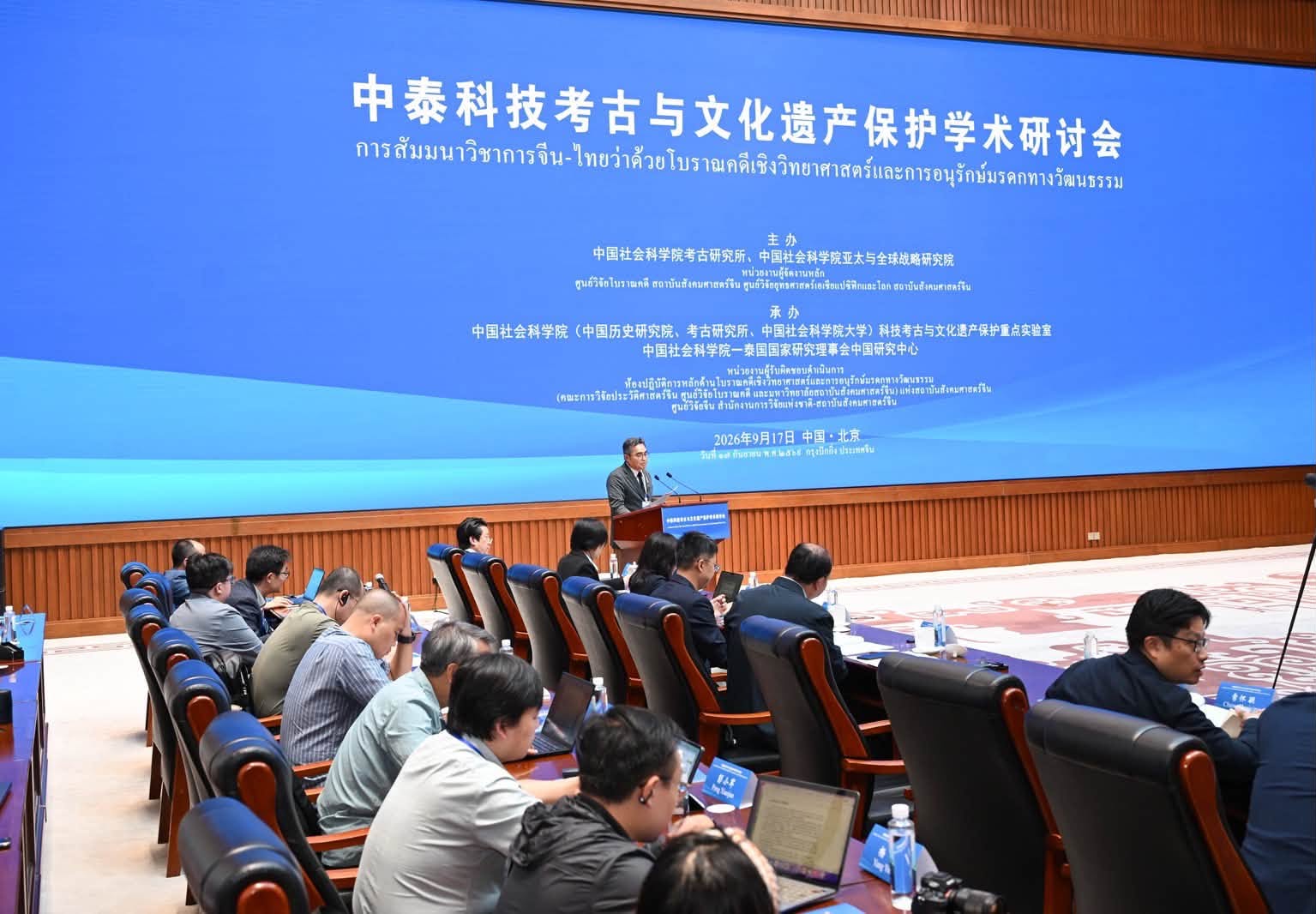
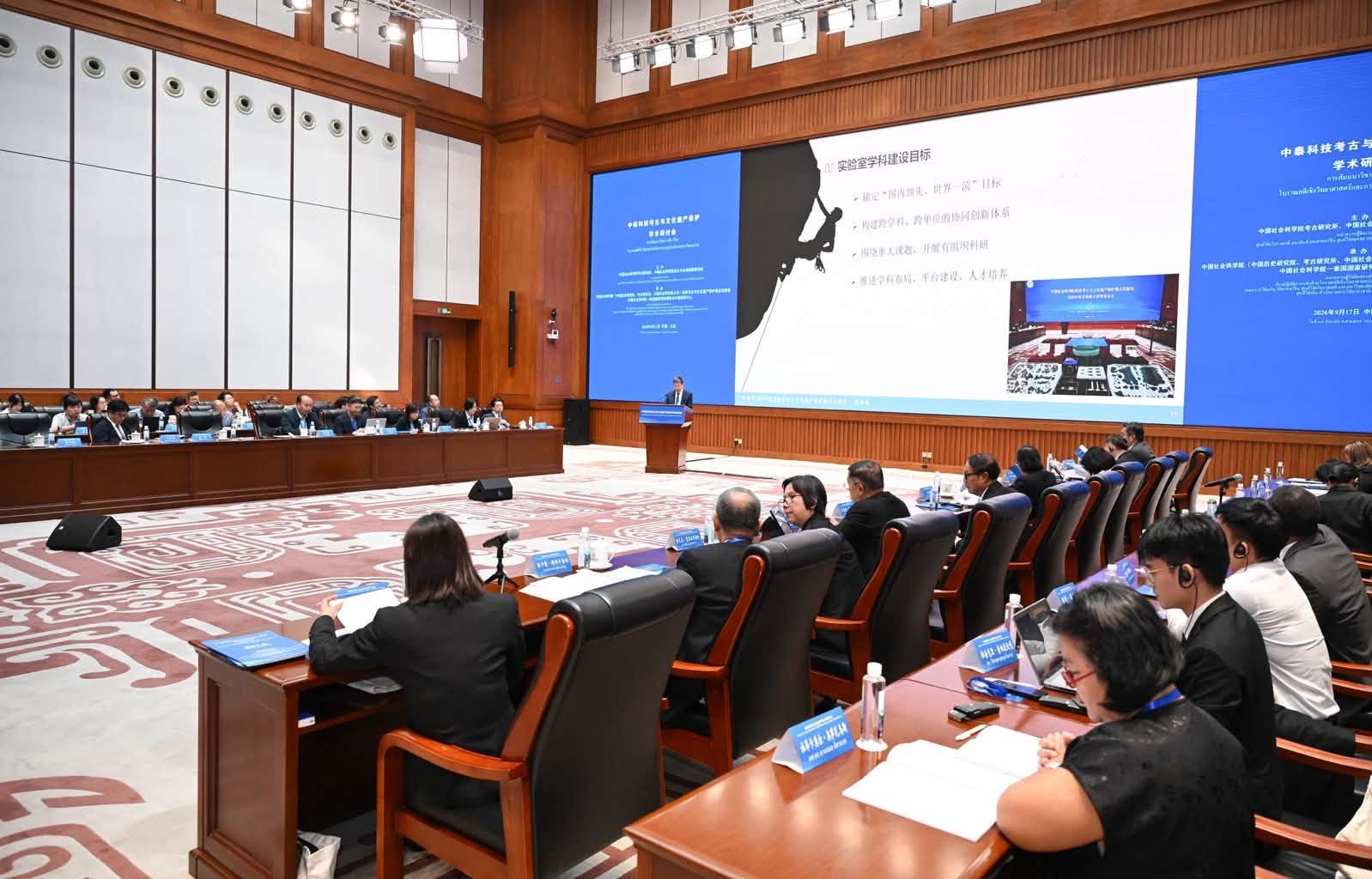
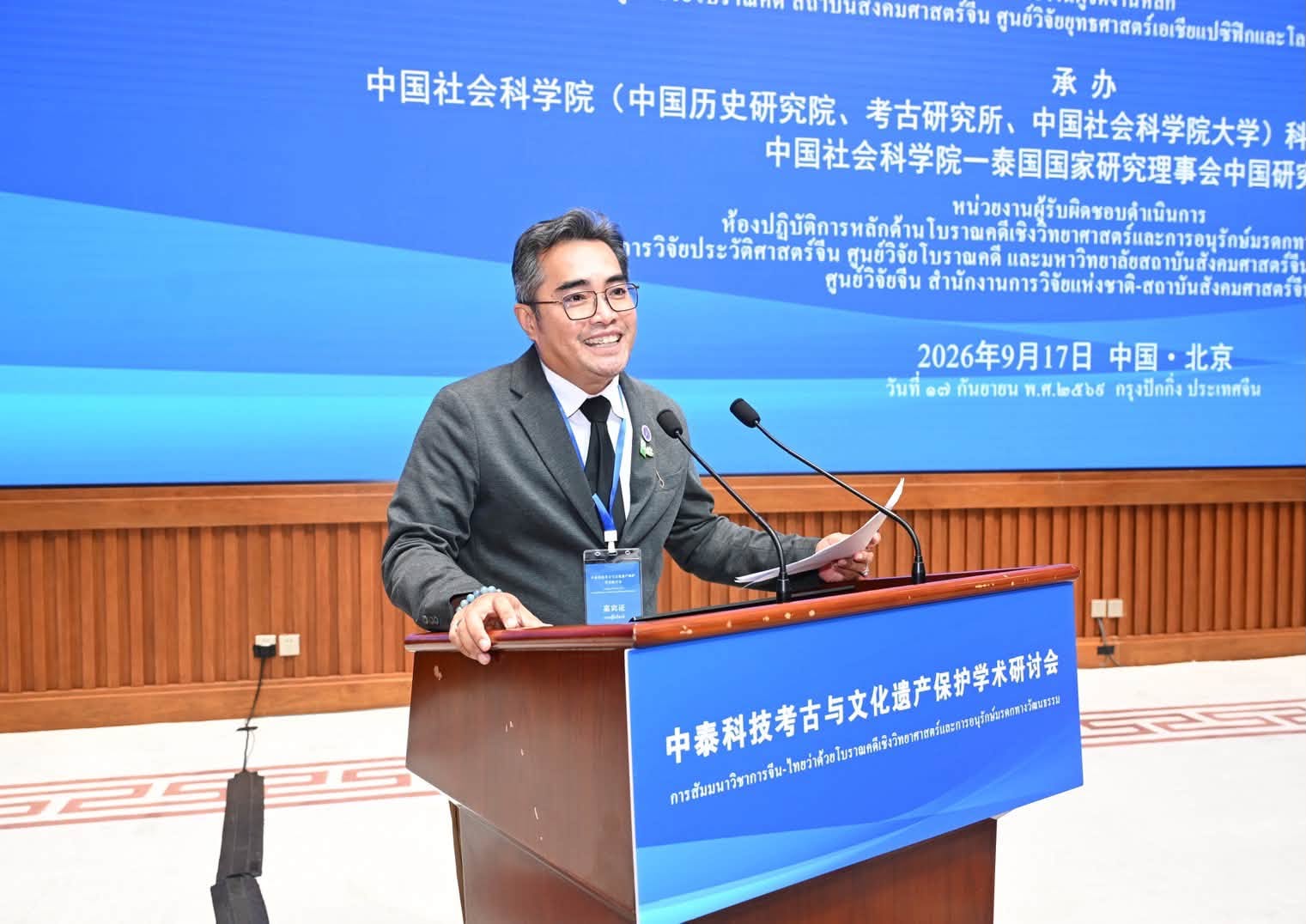
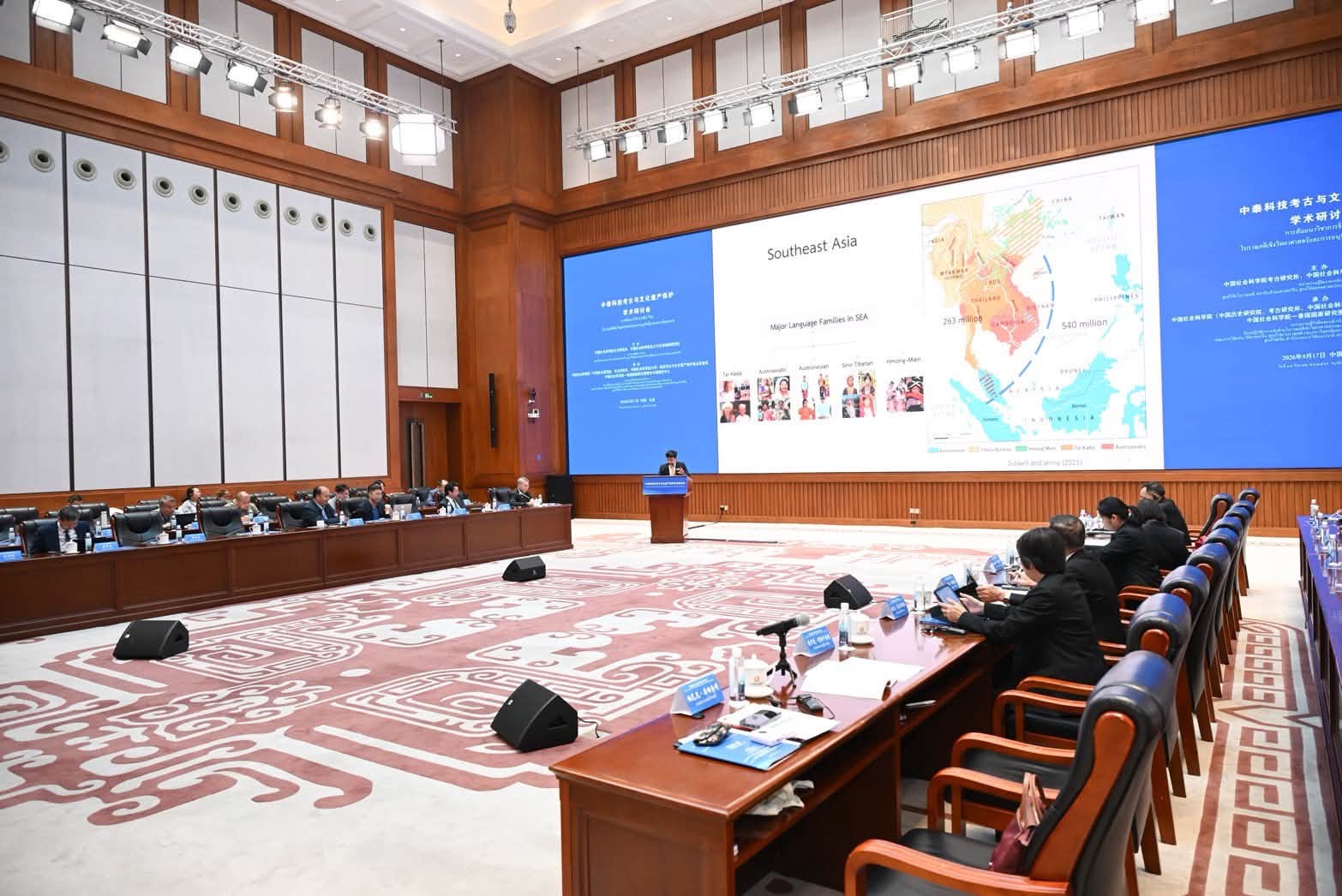
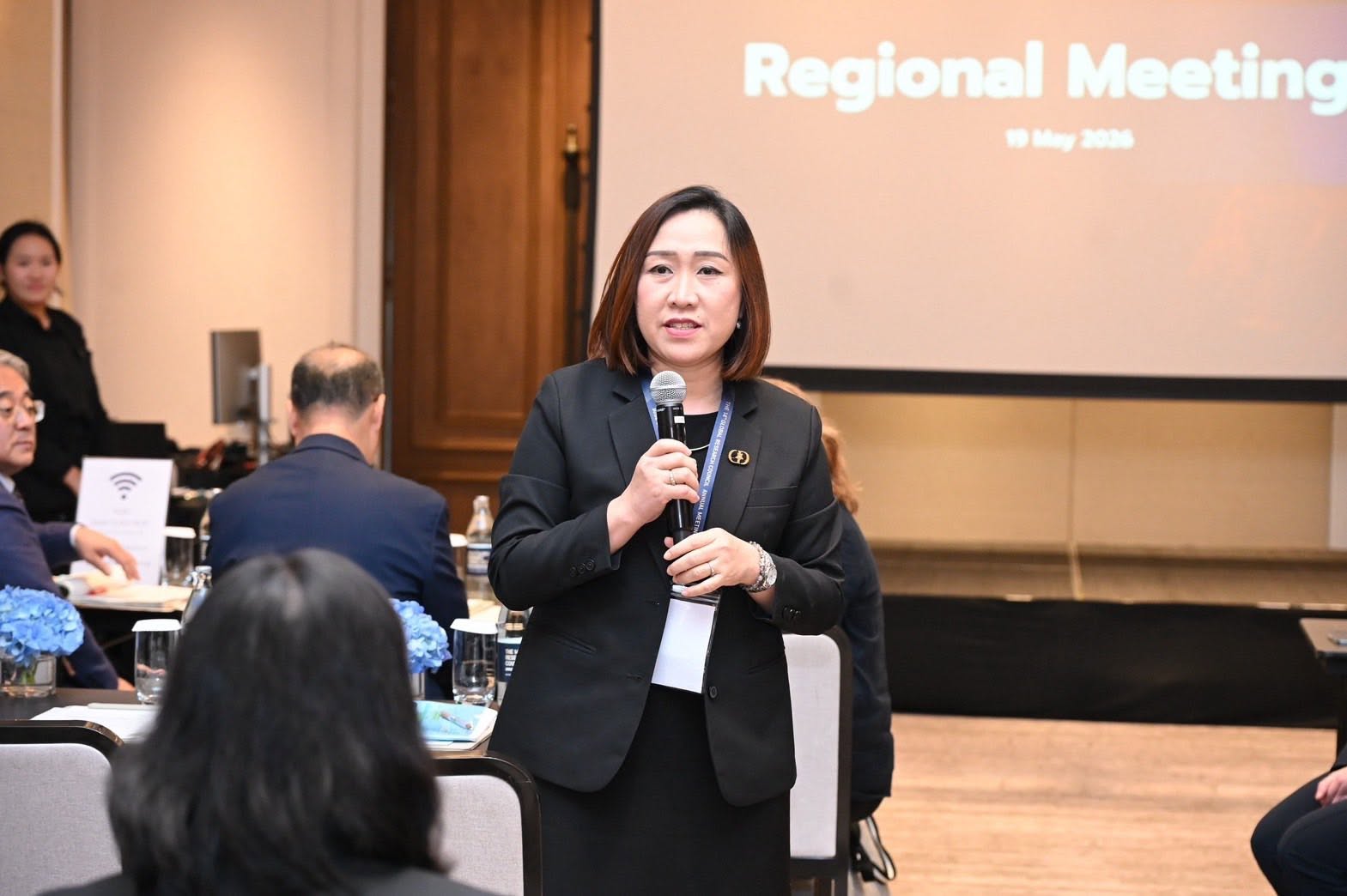
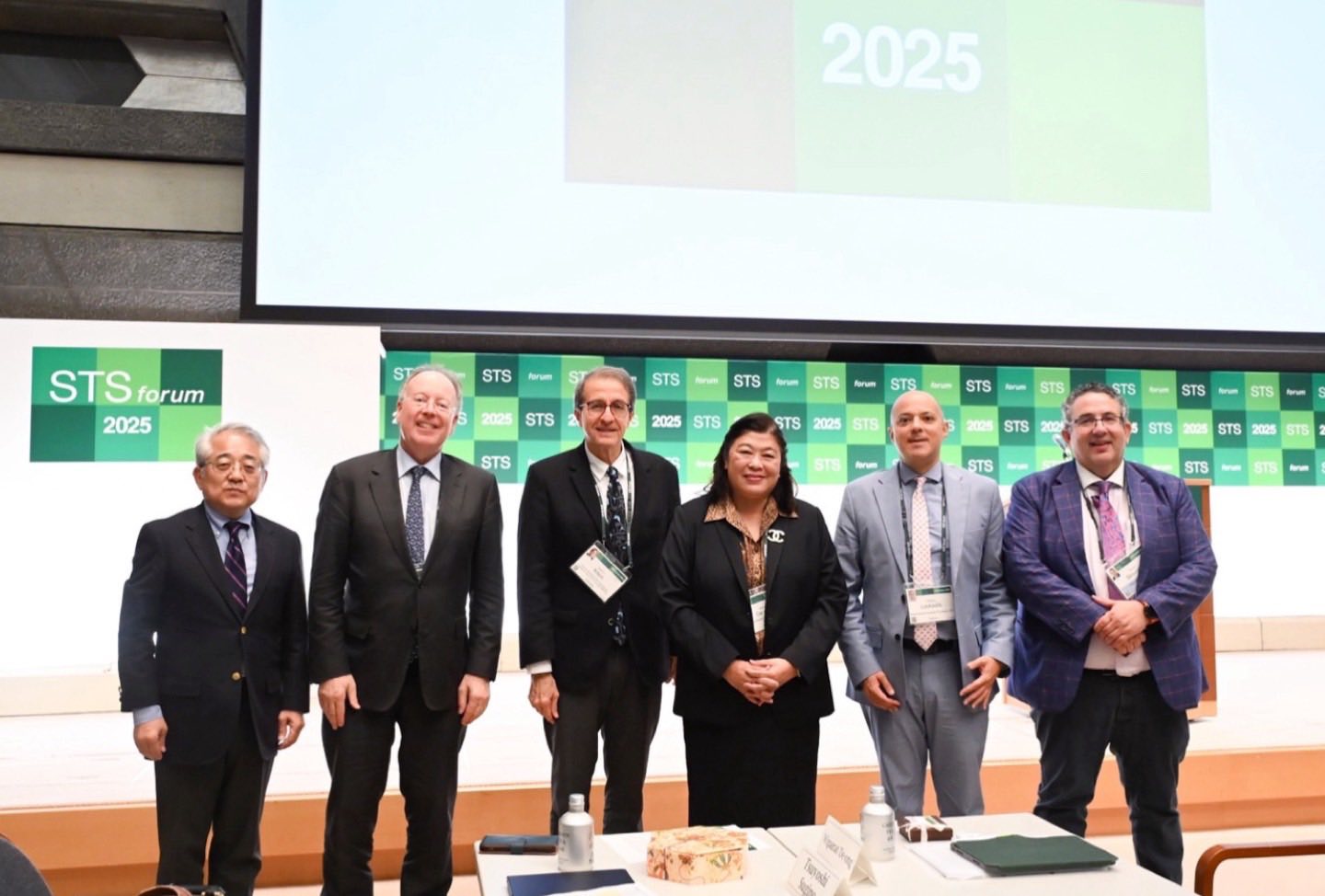
At the seminar, held on September 17, 2026, at the Chinese Academy of History in Beijing, Thai and Chinese scholars and experts exchanged knowledge and research perspectives across two key themes: “Formation and Dissemination of Ancient Resources and Technologies” and “Protection and Practices Regarding World Cultural Heritage.”
1. Formation and Dissemination of Ancient Resources and Technologies
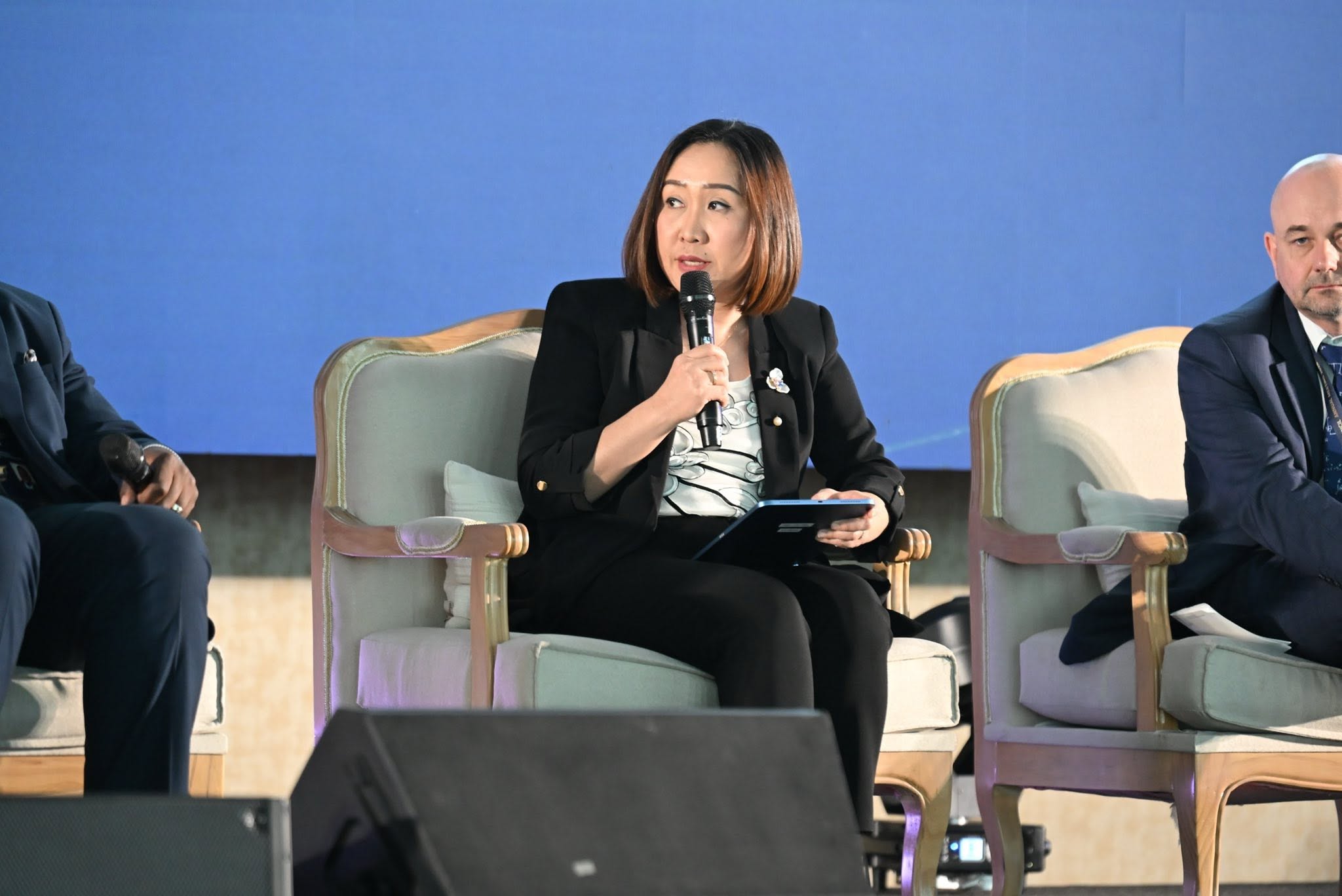
The session was moderated by Mr. Chen Xianglong, Senior Researcher and Deputy Director of the Center for Scientific and Experimental Archaeology, CASS, and Mr. Ekapong Musikacharoen, Director of the Research and Innovation Funding Management Division 3, NRCT.
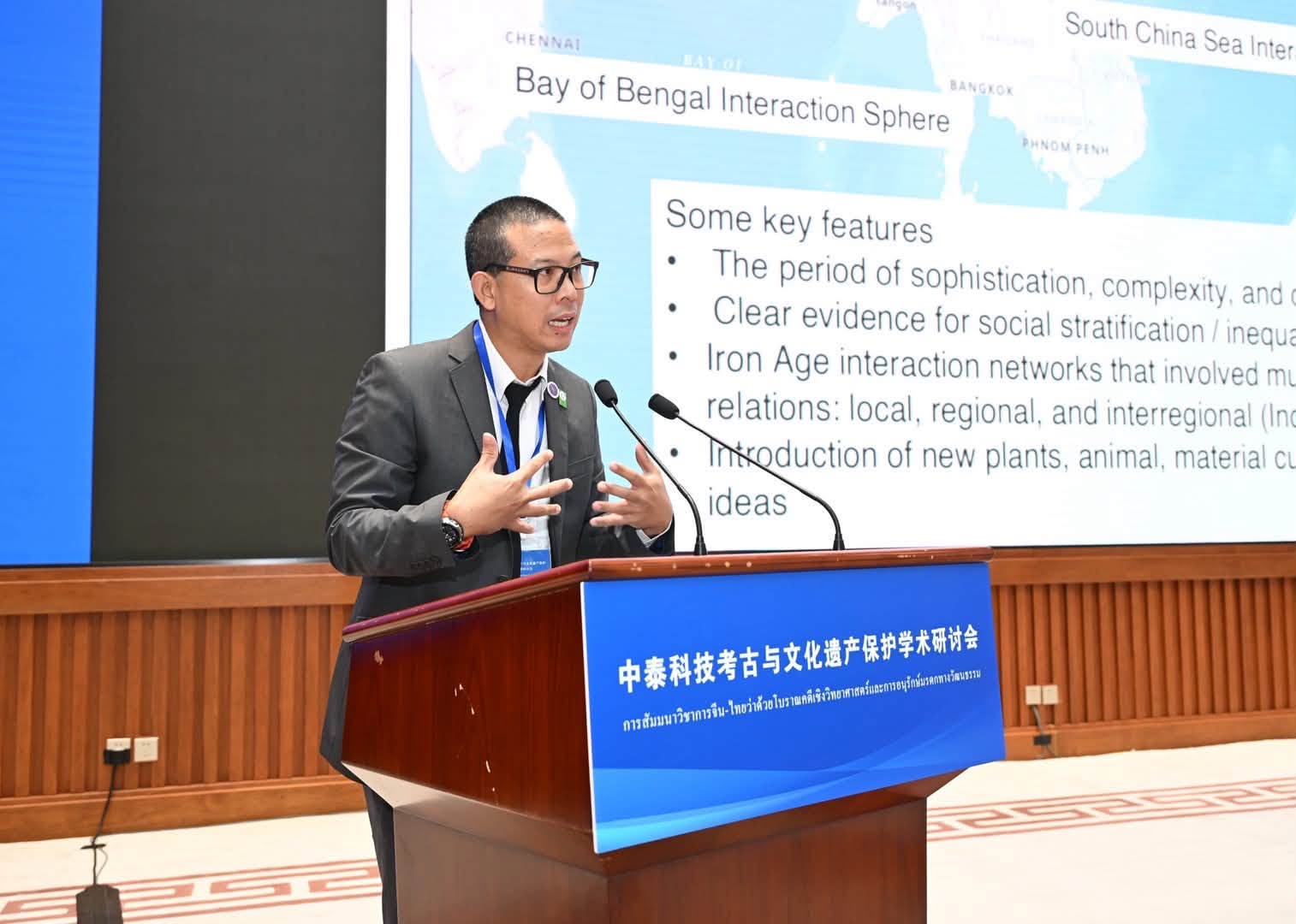
Participants discussed human development, resource utilization, and the emergence and spread of technologies in ancient societies. They explored how archaeological evidence can be integrated with scientific methods to investigate materials, production processes, resource origins, and the movement of resources and technologies. Bioarchaeological and anthropological approaches were also discussed as tools for understanding ancient lifestyles and population movements.
The Thai presentations highlighted the role of the Suvarnabhumi region as a hub for interactions and exchanges involving people, resources, and technologies. Speakers emphasized the value of combining archaeology with modern science and technology to investigate human development and historical connections between East and Southeast Asia, laying a foundation for further research and academic collaboration between Thailand and China.
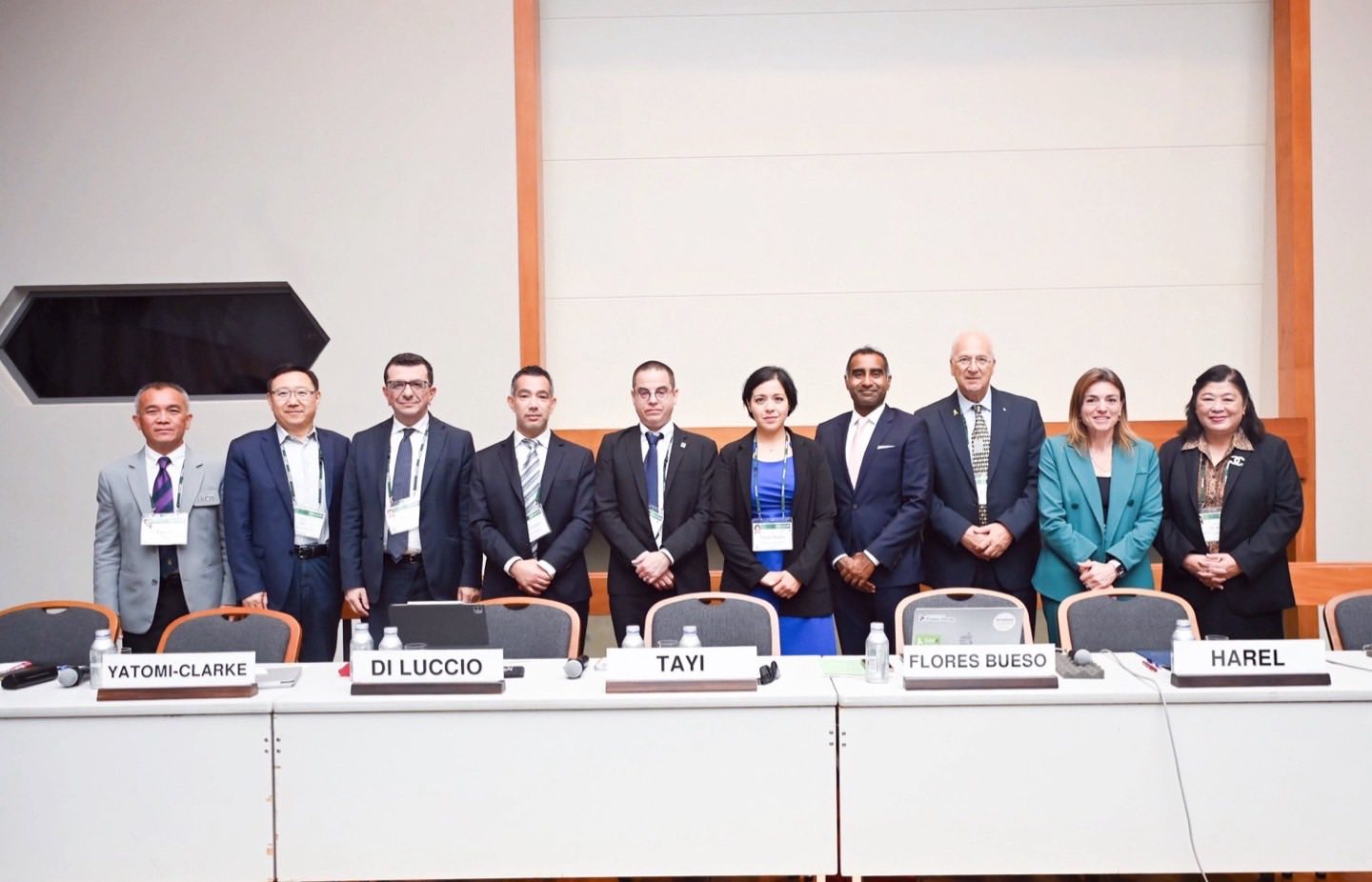
Presenters and panelists included:
2. Protection and Practices Regarding World Cultural Heritage
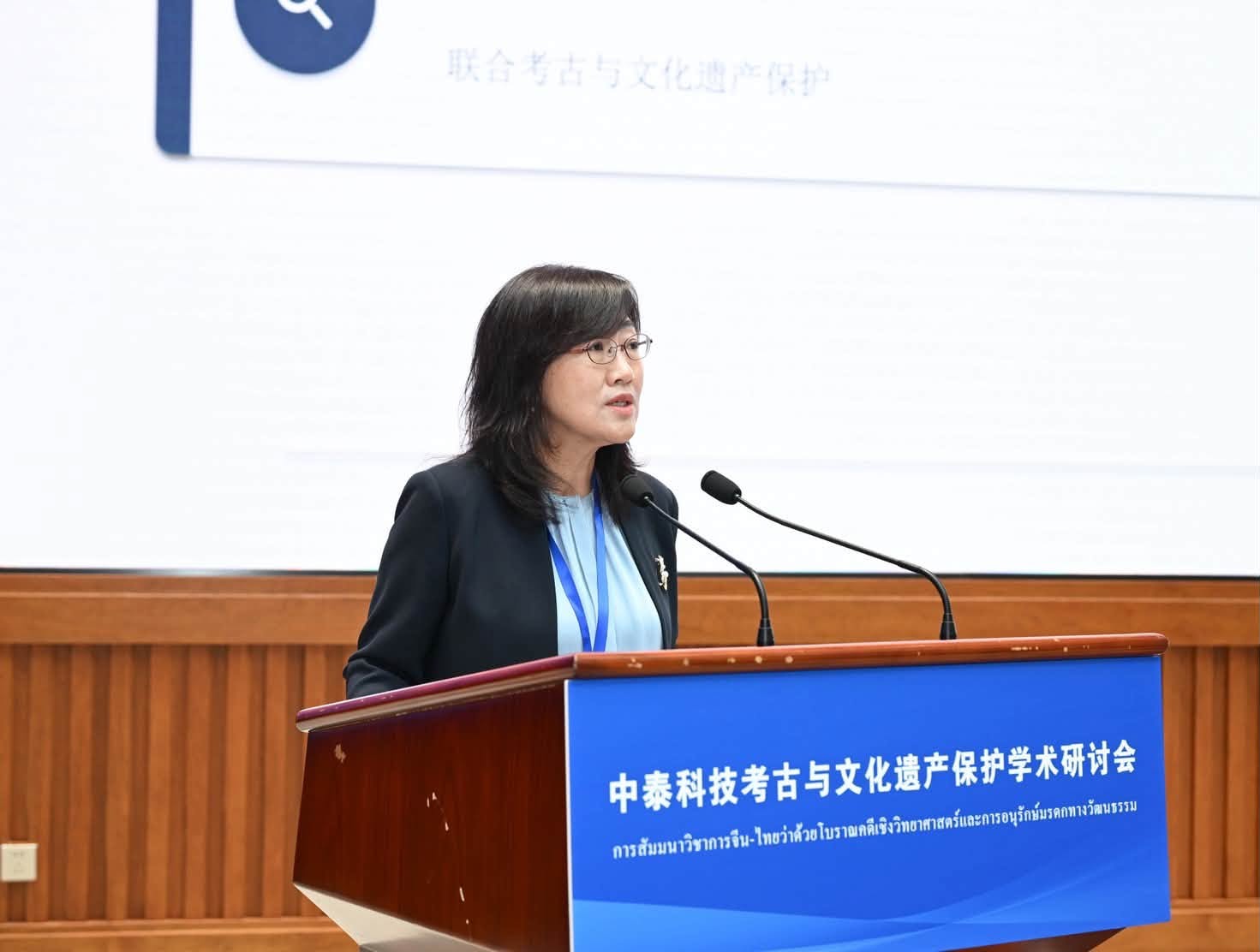
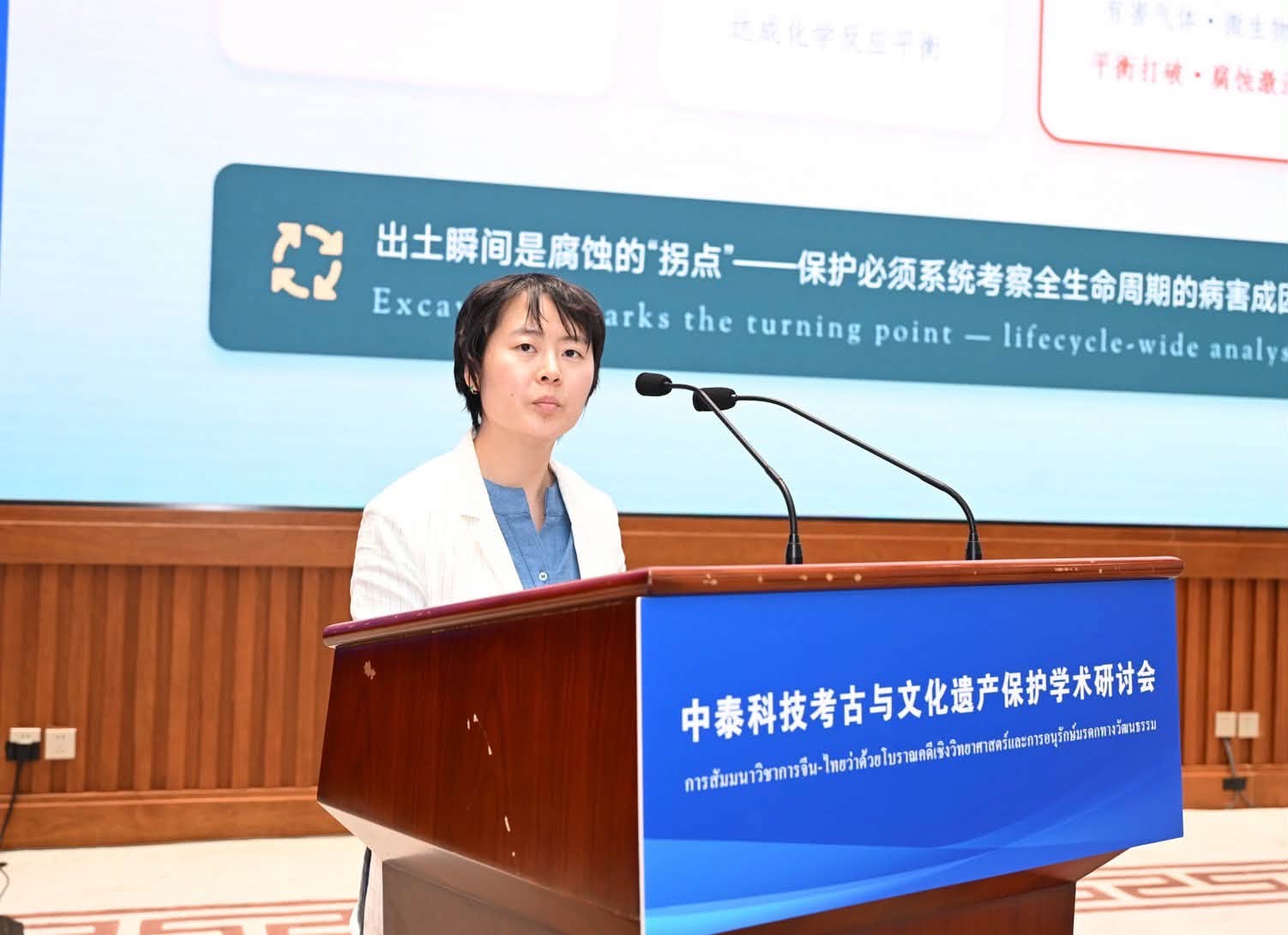
The second session was moderated by Ms. Liu Yu, Senior Researcher at CASS, and Mr. Pralong Dumrongthai, Distinguished Academic Expert at NRCT. Thai and Chinese participants exchanged concepts and practical experiences in cultural heritage conservation and protection.
Discussions focused on applying science and technology to analyze materials, assess physical conditions and deterioration factors, and develop appropriate conservation and management approaches. Participants emphasized the importance of integrating archaeology, materials science, and technology to support systematic conservation while safeguarding the authenticity and cultural significance of heritage sites and objects for future generations.
Presenters and panelists included:
Seminar Outcomes and Future Cooperation
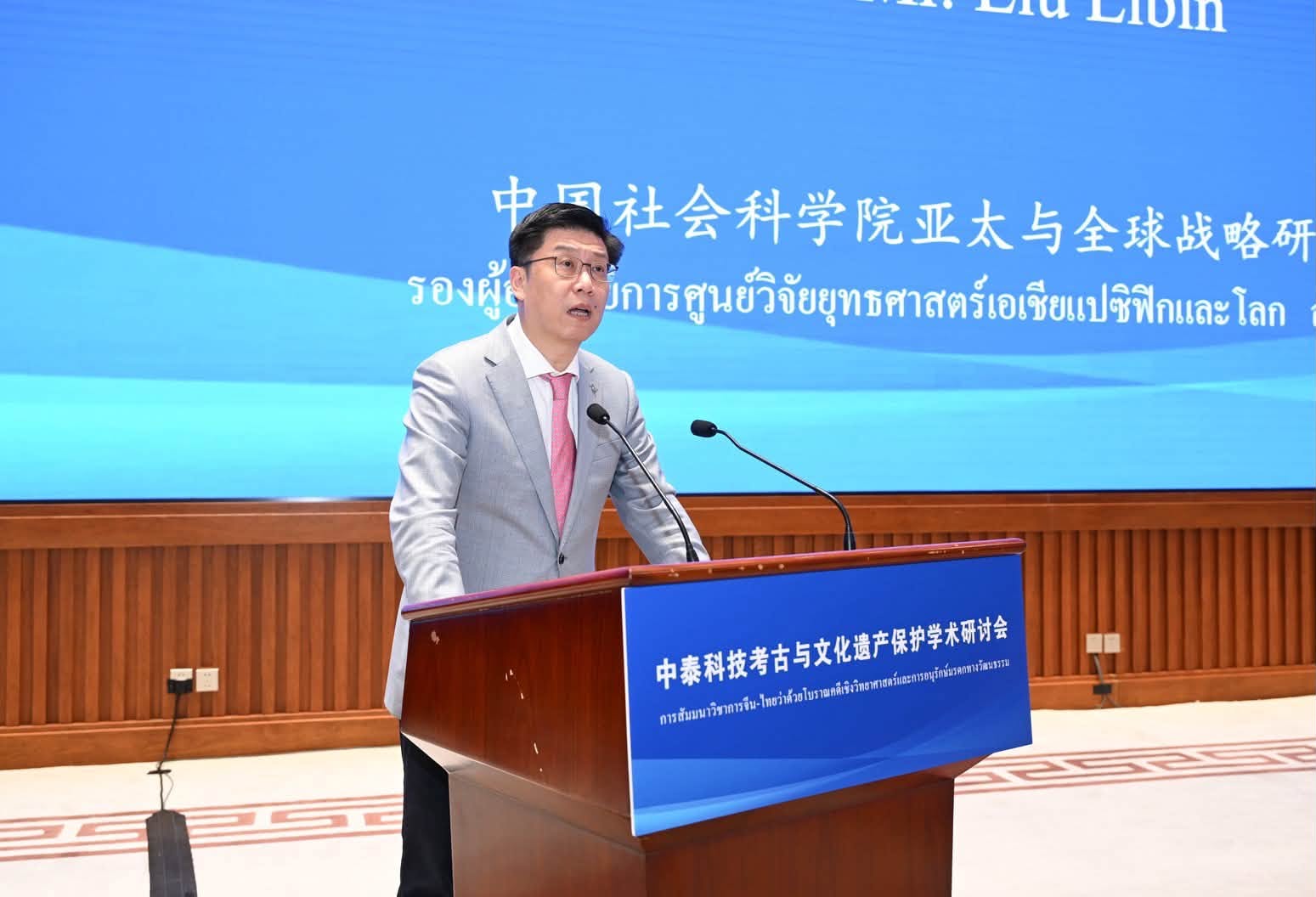
At the conclusion of the sessions, Mr. Dong Xinlin, Deputy Director of the Institute of Archaeology, CASS, and Ms. Pawanee Khamchalee, Director of the Research and Innovation Promotion and Support Division, NRCT, jointly summarized the seminar’s outcomes. Closing remarks were delivered by Prof. Liu Libin, Deputy Director of the National Institute of International Strategy (NIIS), CASS, and Ms. Saowanee Mungsujaritkan, Deputy Executive Director of NRCT.
Prof. Liu Libin highlighted three key outcomes. First, Thailand and China share challenges in protecting cultural heritage while balancing conservation with development and aligning local knowledge and practices with international standards. Second, effective cooperation requires mechanisms that integrate scientific archaeology, cultural heritage analysis, and strategic studies across disciplines. Third, sustained academic cooperation can serve as a foundation for strengthening the longstanding friendship and partnership between the two countries.
CASS expressed its intention to translate the seminar’s outcomes into practical partnerships with Thai agencies and educational institutions, with the CASS–NRCT Centre of China Studies serving as a mechanism to sustain and advance cooperation.
The seminar demonstrated the value of integrating archaeology, science, and technology to deepen understanding of archaeological evidence and cultural heritage. It also provided a platform for Thai and Chinese experts to exchange knowledge, establish professional connections, and identify opportunities for joint research, data and expertise exchange, and the application of modern scientific tools and technologies.
NRCT reaffirmed its commitment to facilitating connections among researchers and institutions in both countries and supporting the development of concrete, ongoing academic activities and collaborative research projects. Through continued cooperation with CASS, both sides aim to strengthen research capacity, nurture the next generation of researchers, and advance scientific archaeology and cultural heritage conservation through interdisciplinary knowledge and innovation.