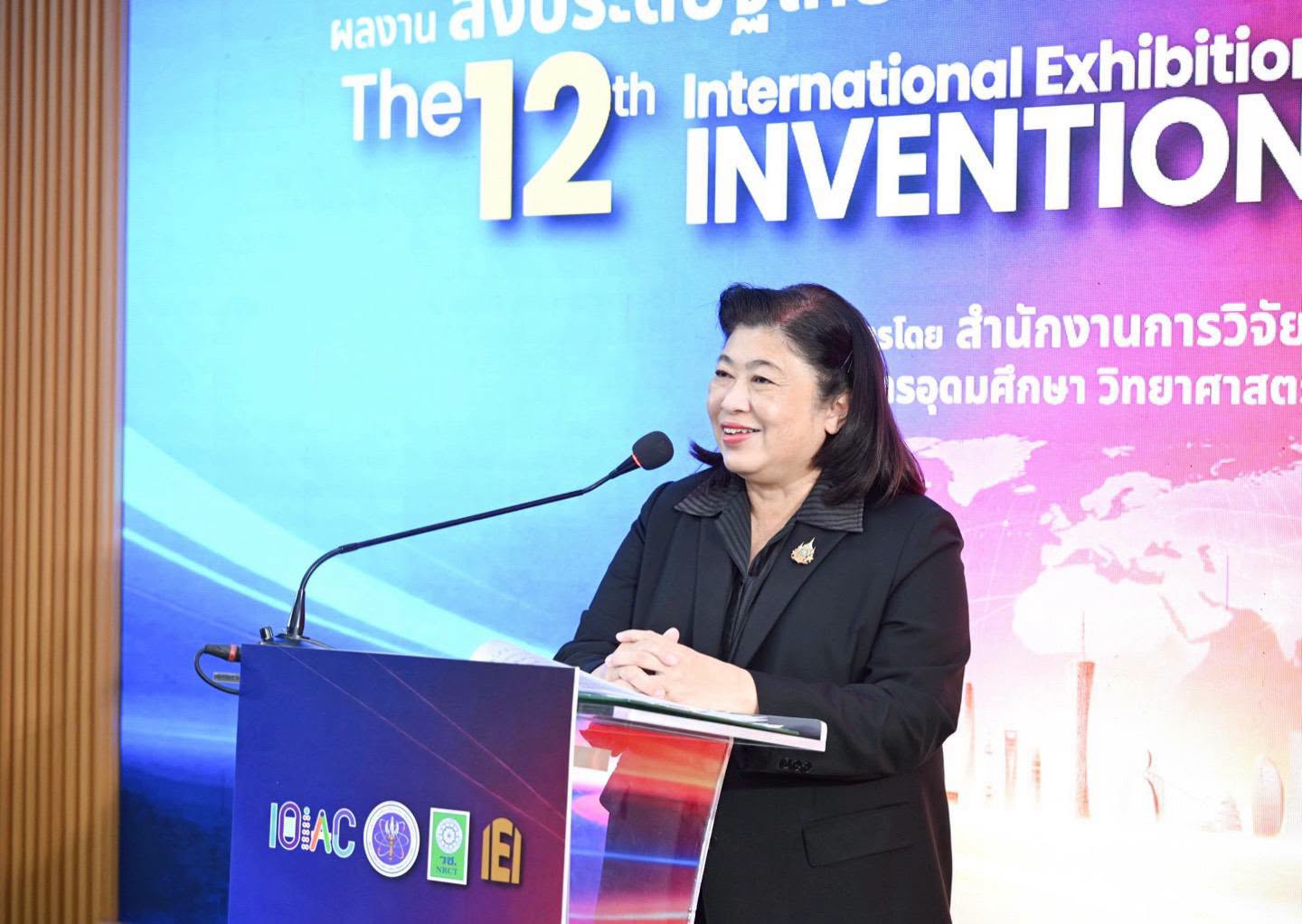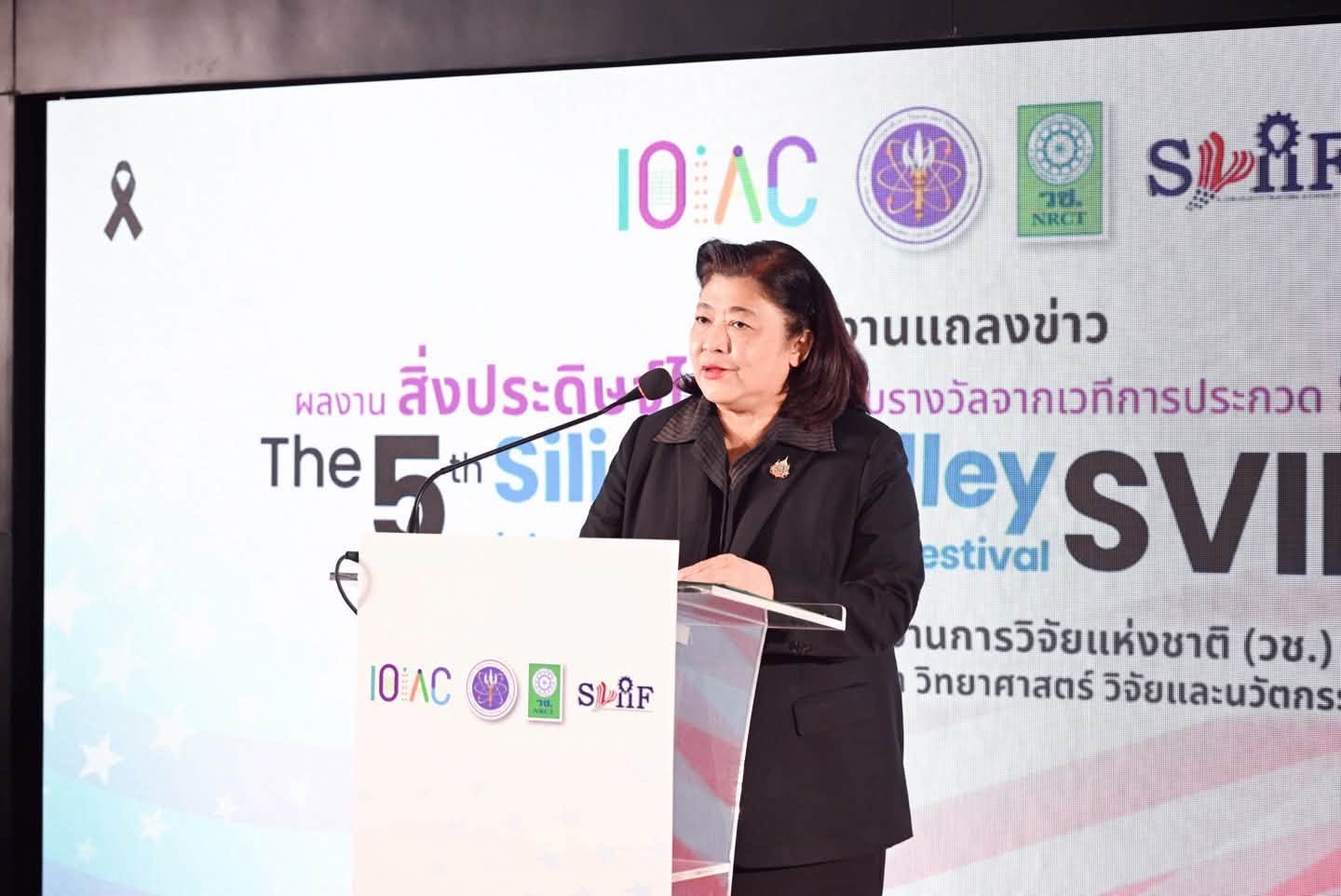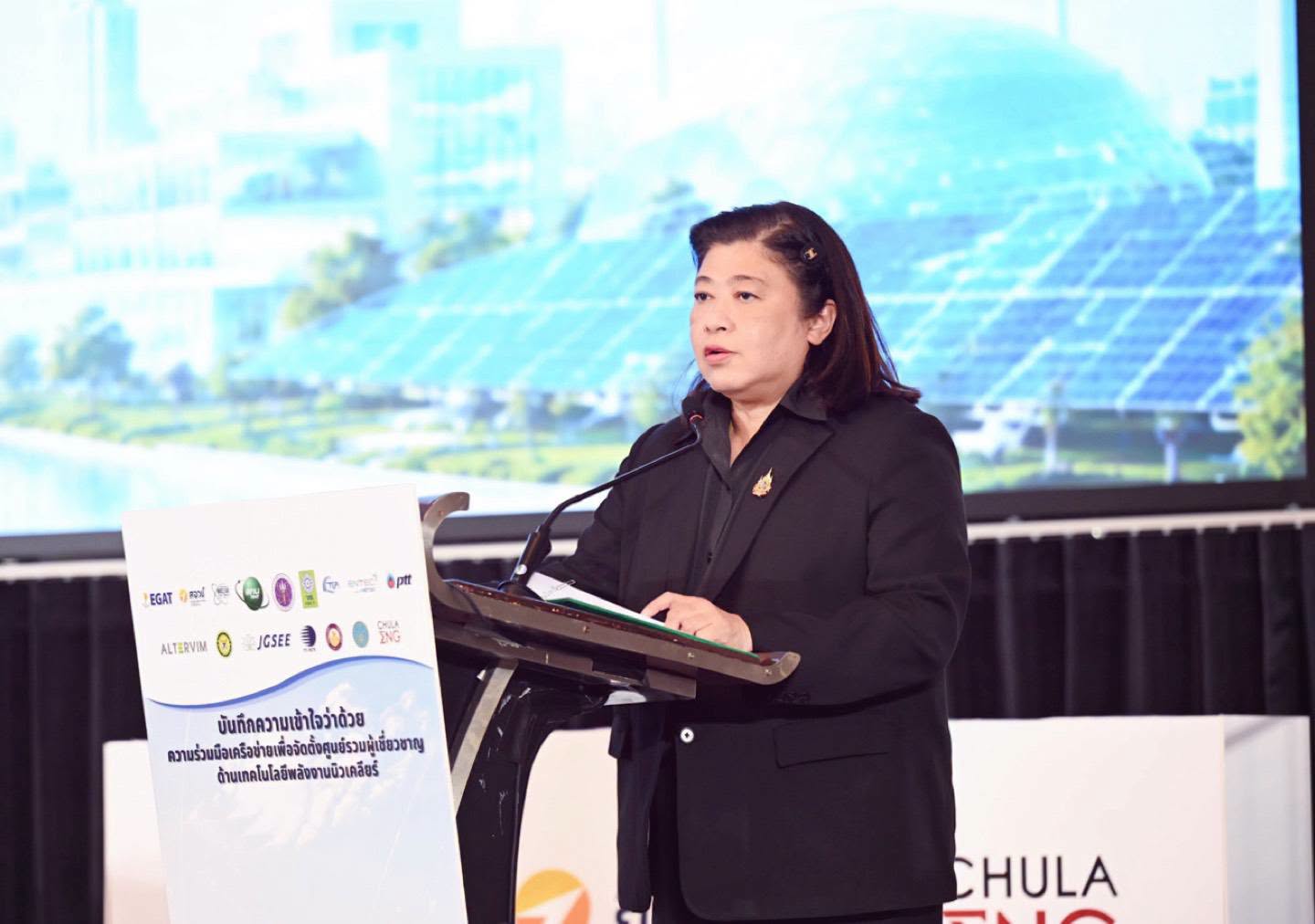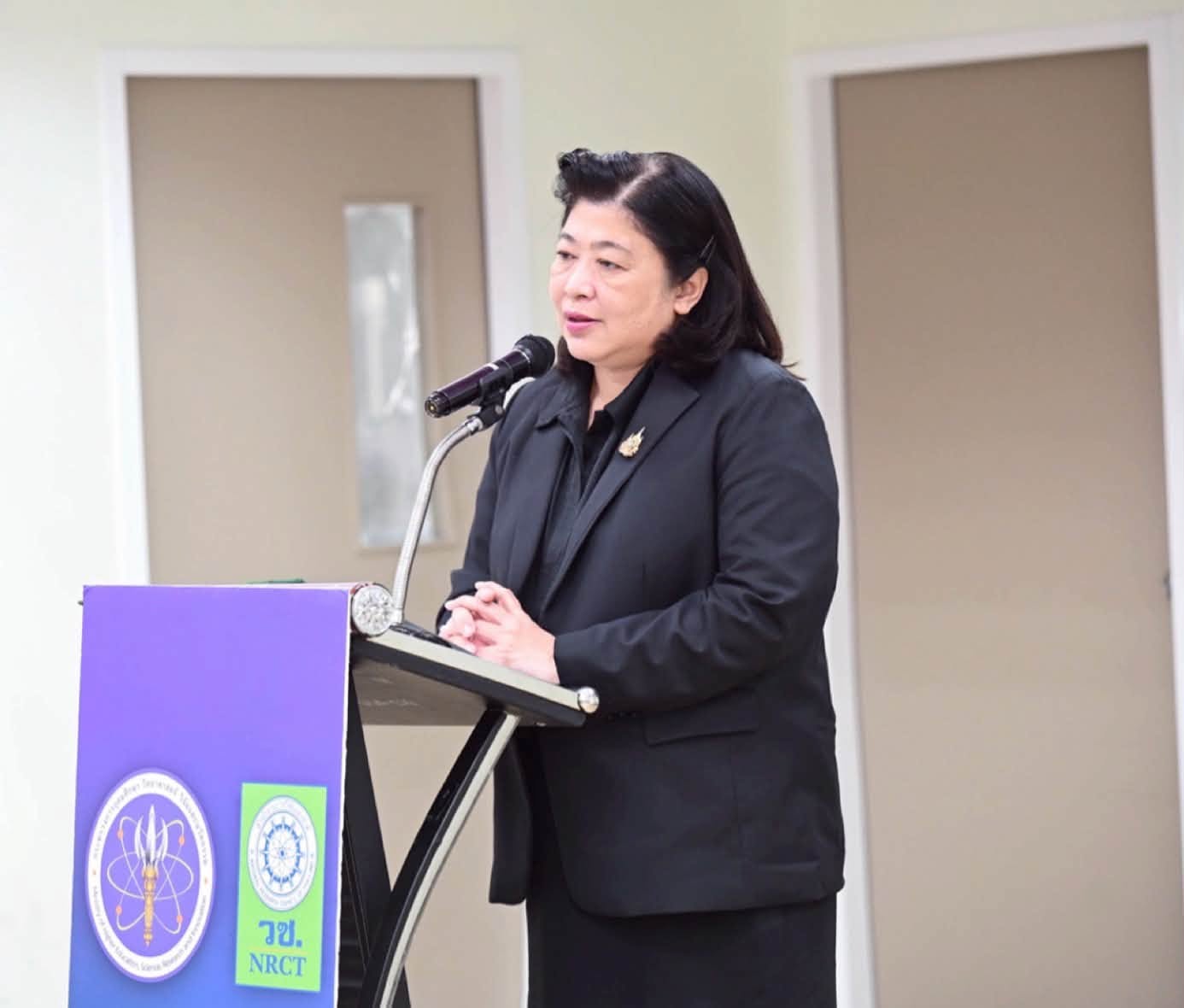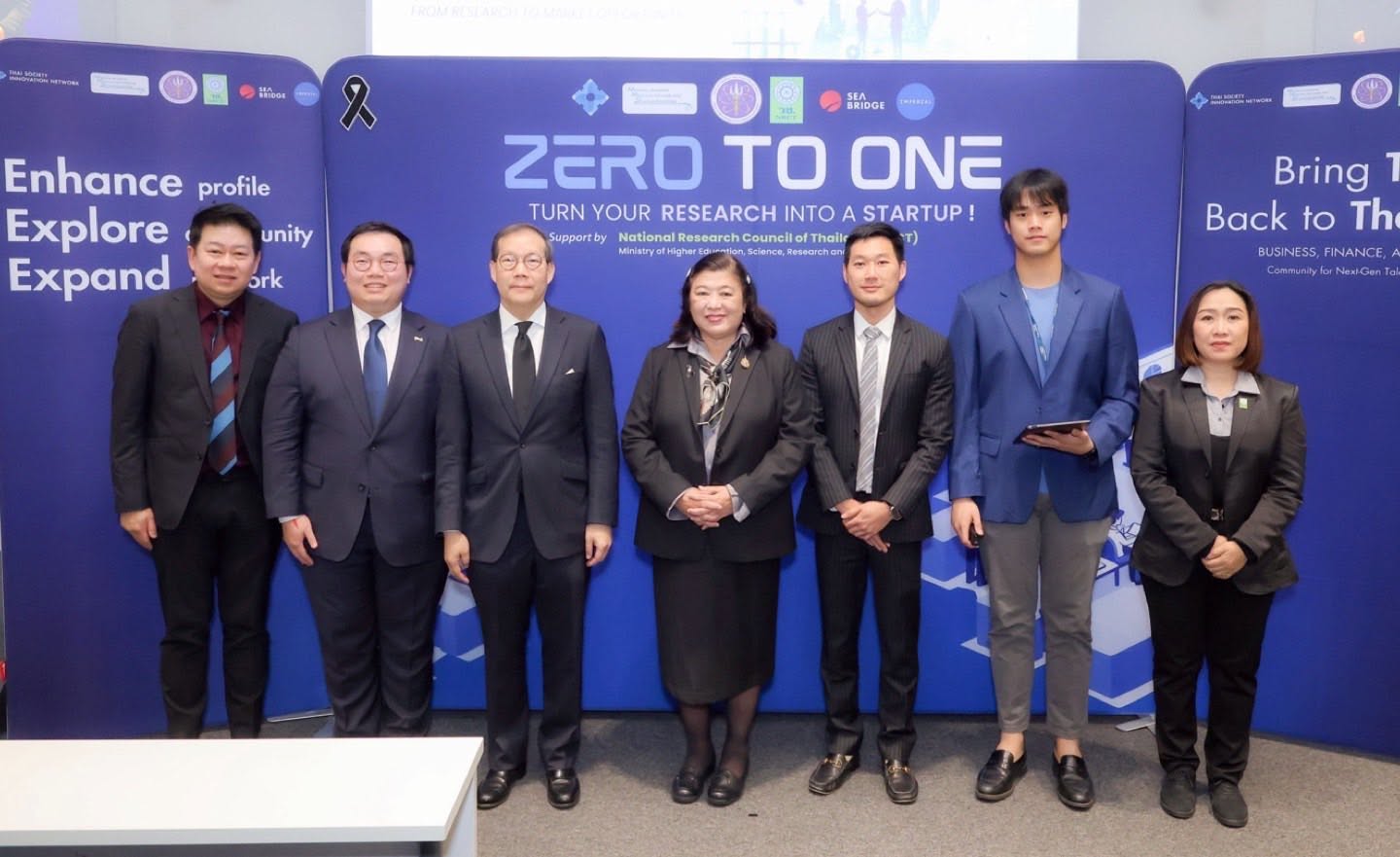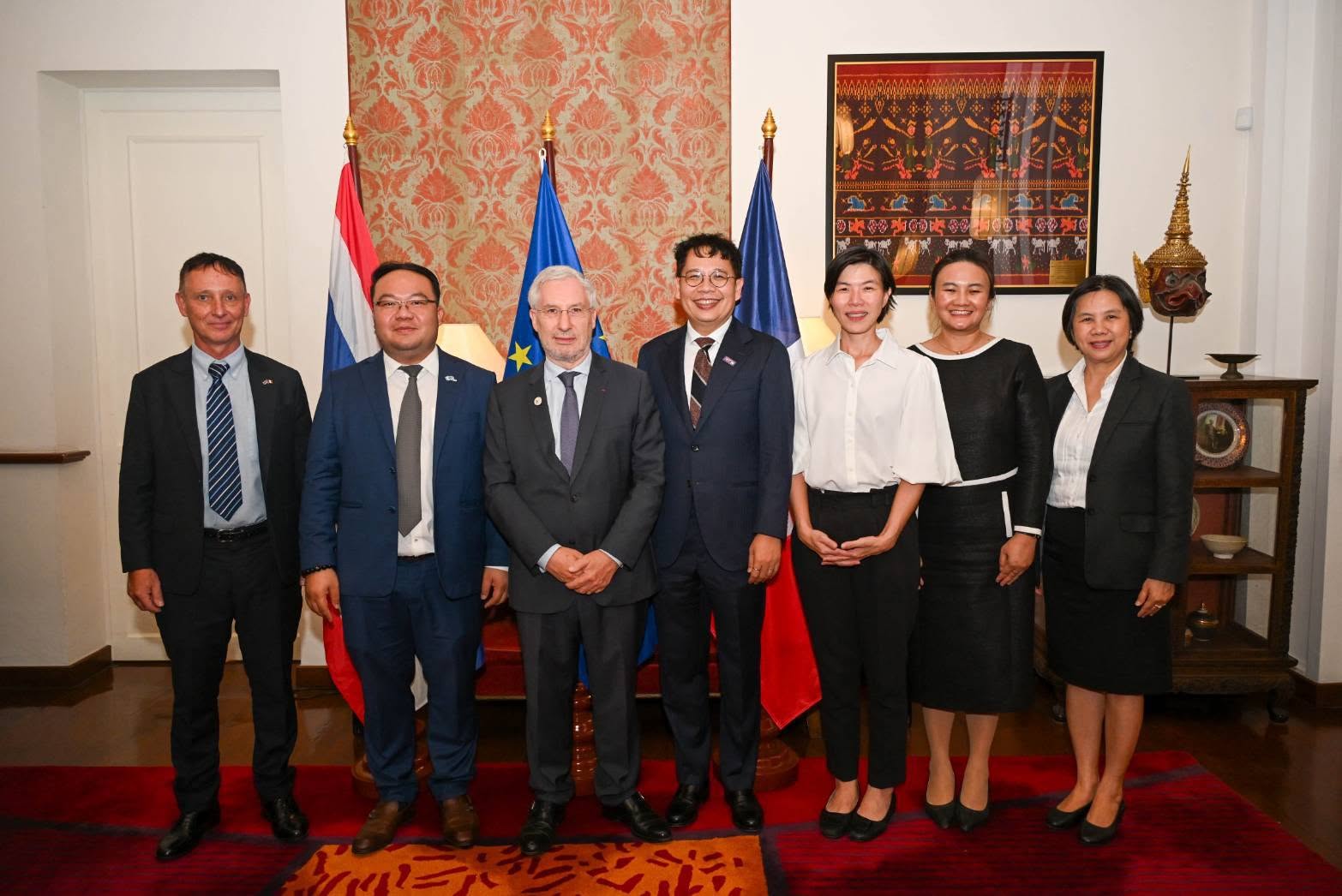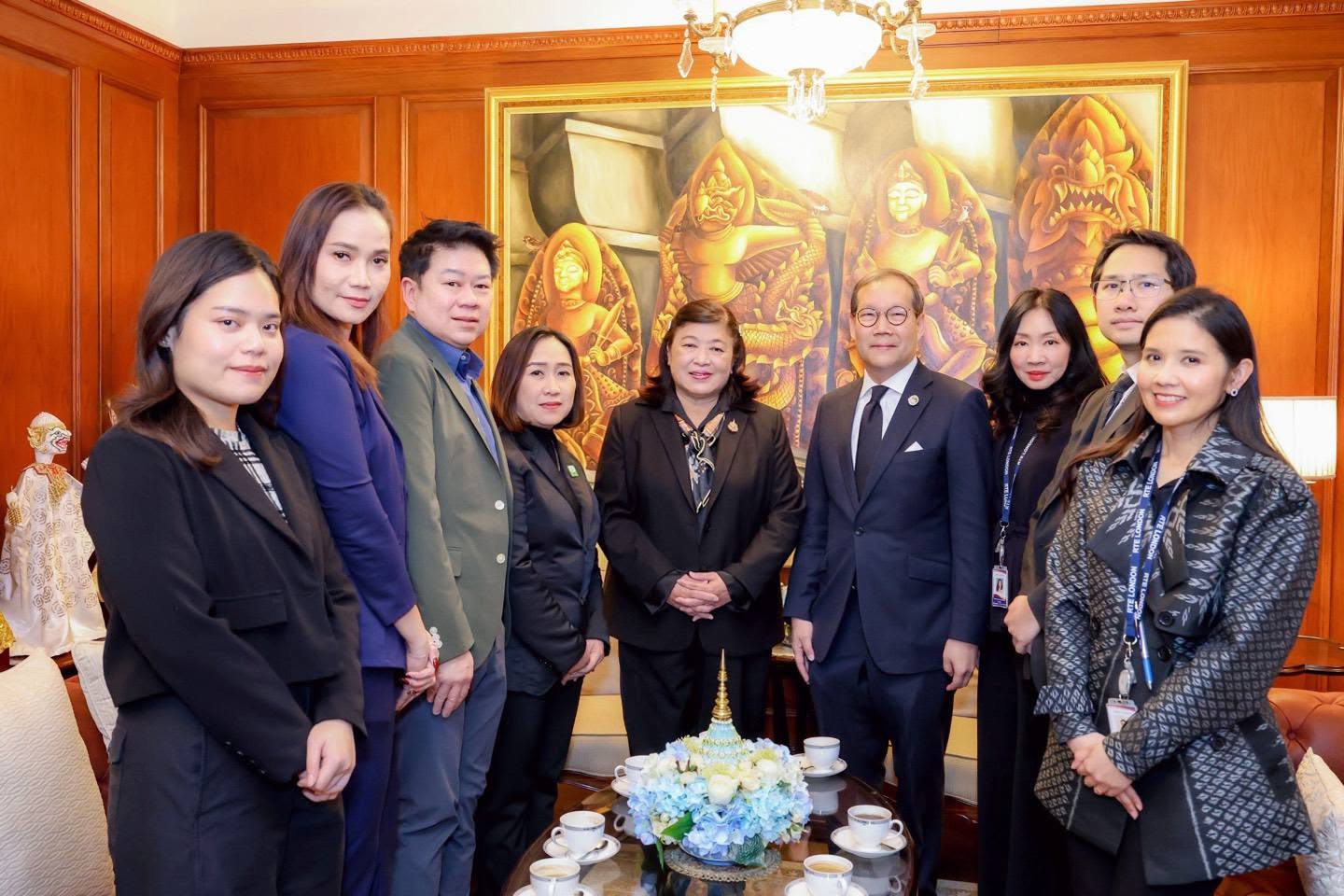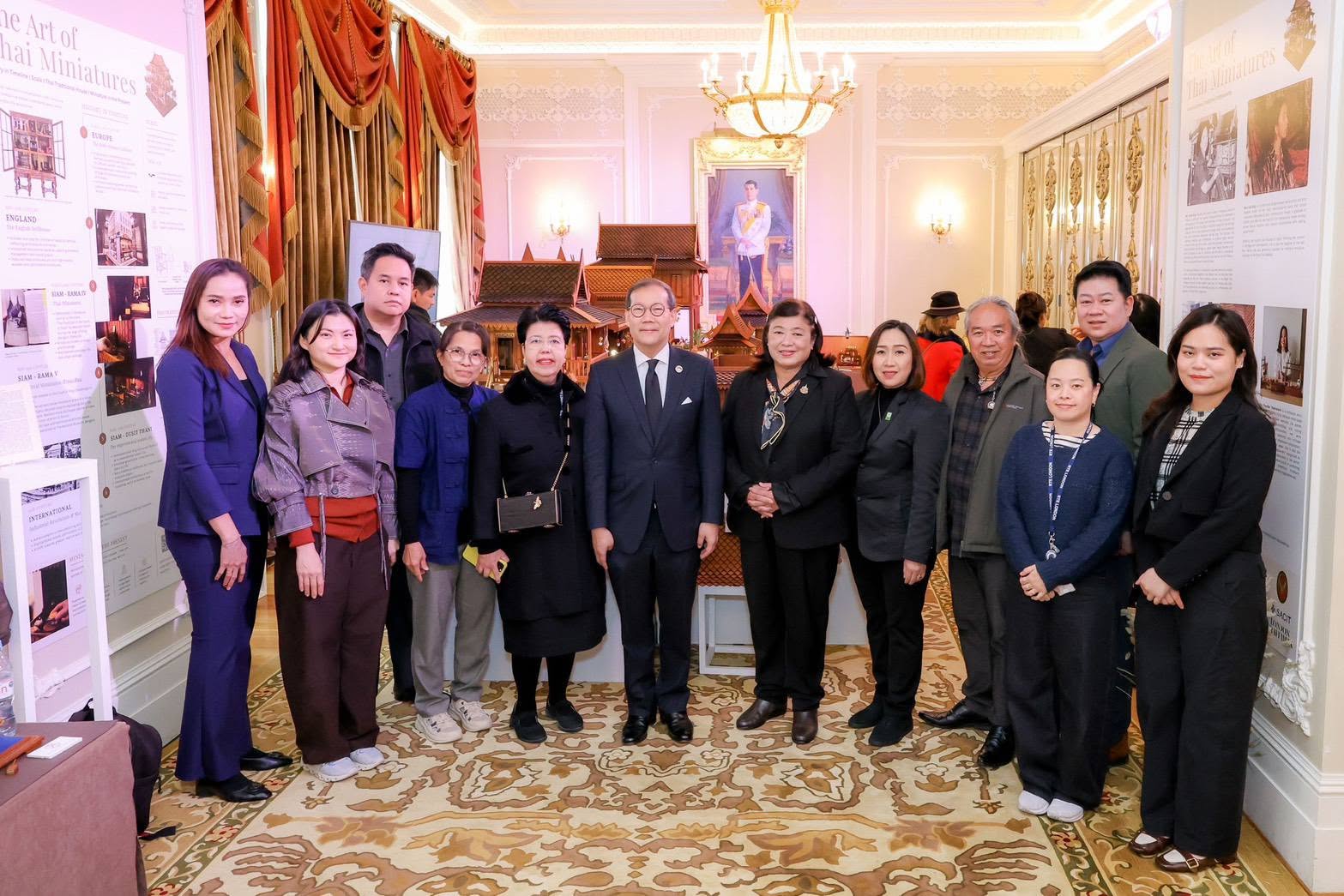
Permanent Secretary of the Ministry of Higher Education, Science, Research and Innovation delivered a special keynote address on the topic: “AI for Disaster Preparedness and Response”
5 October 2025


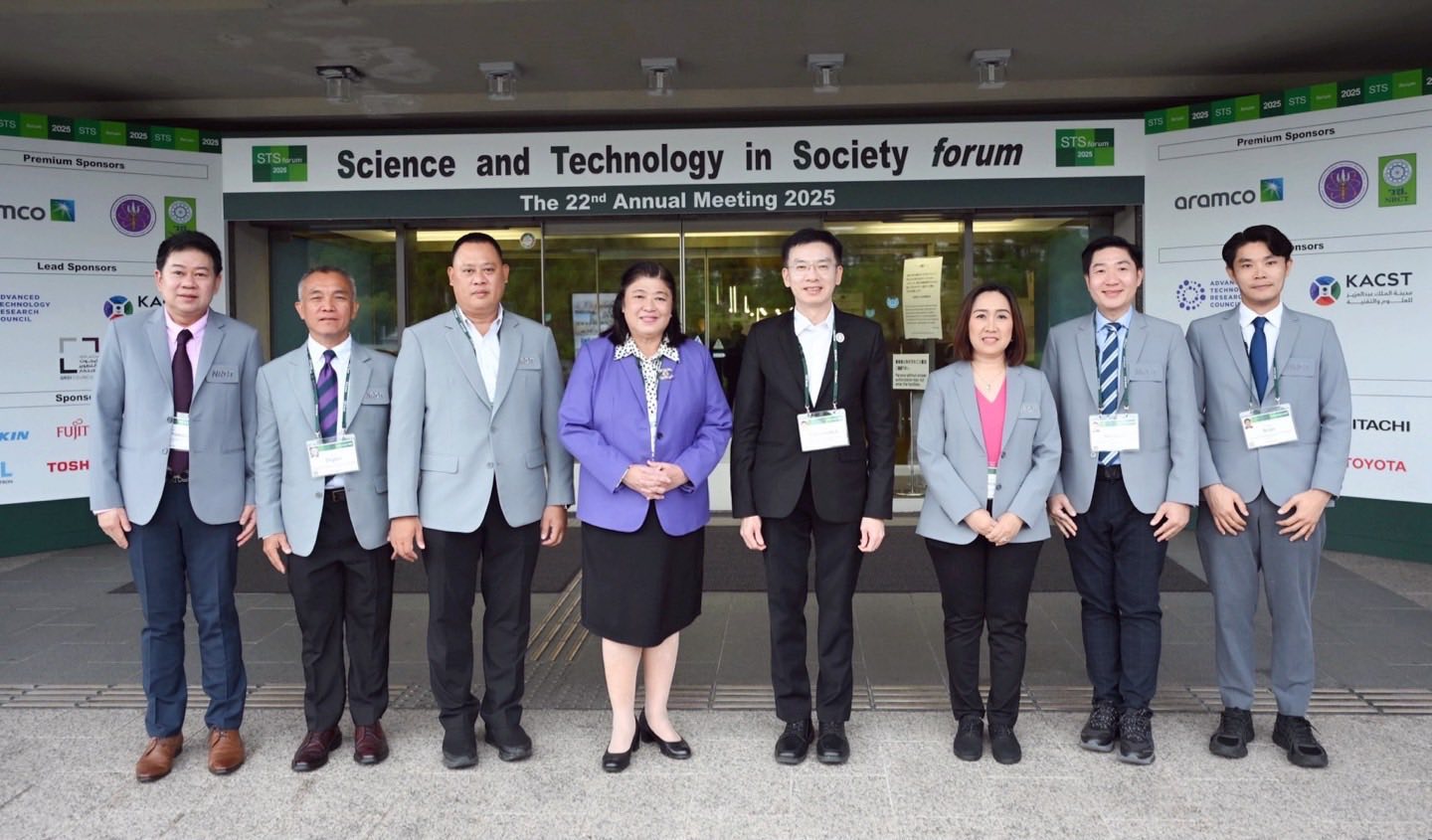
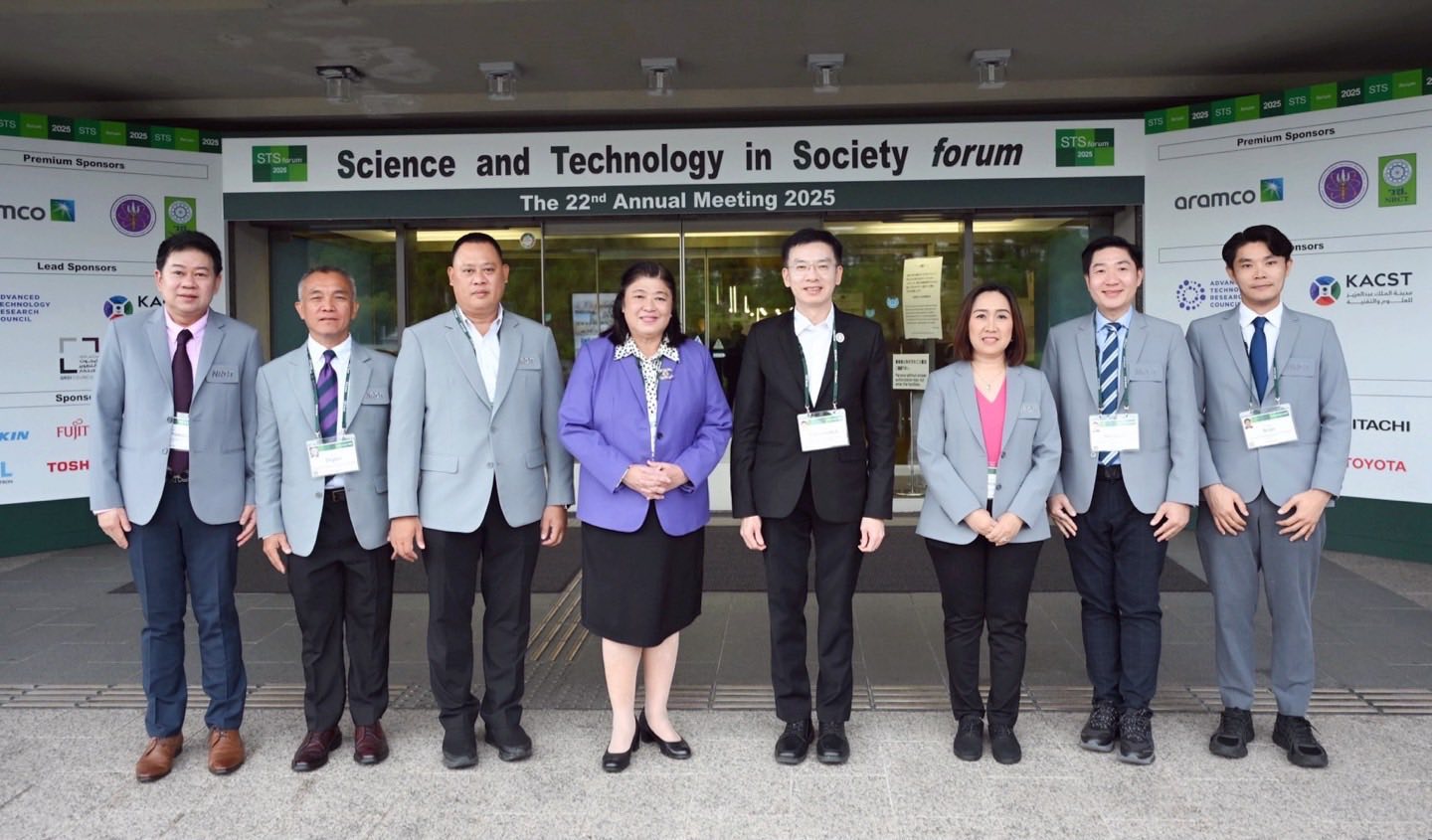
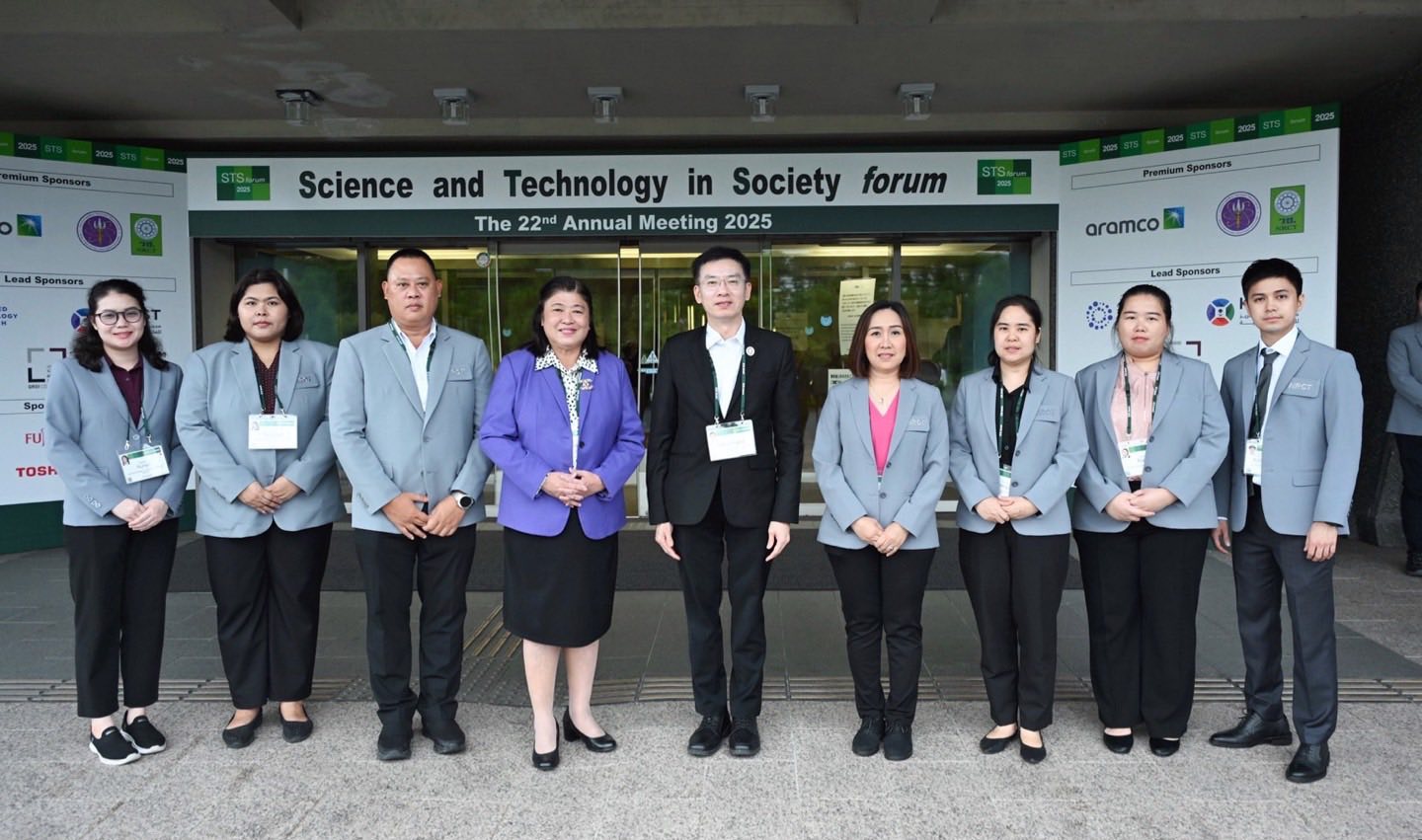
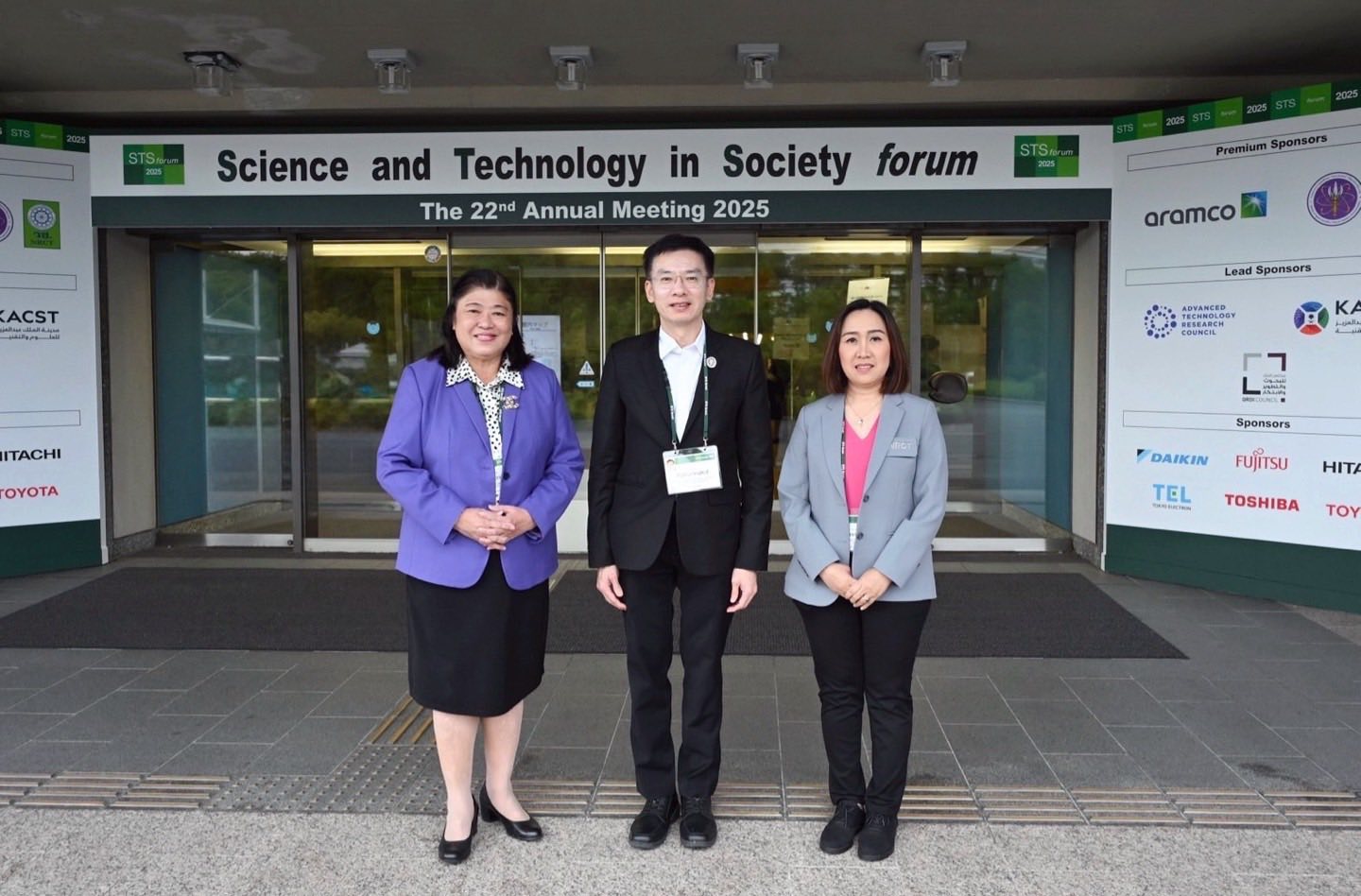
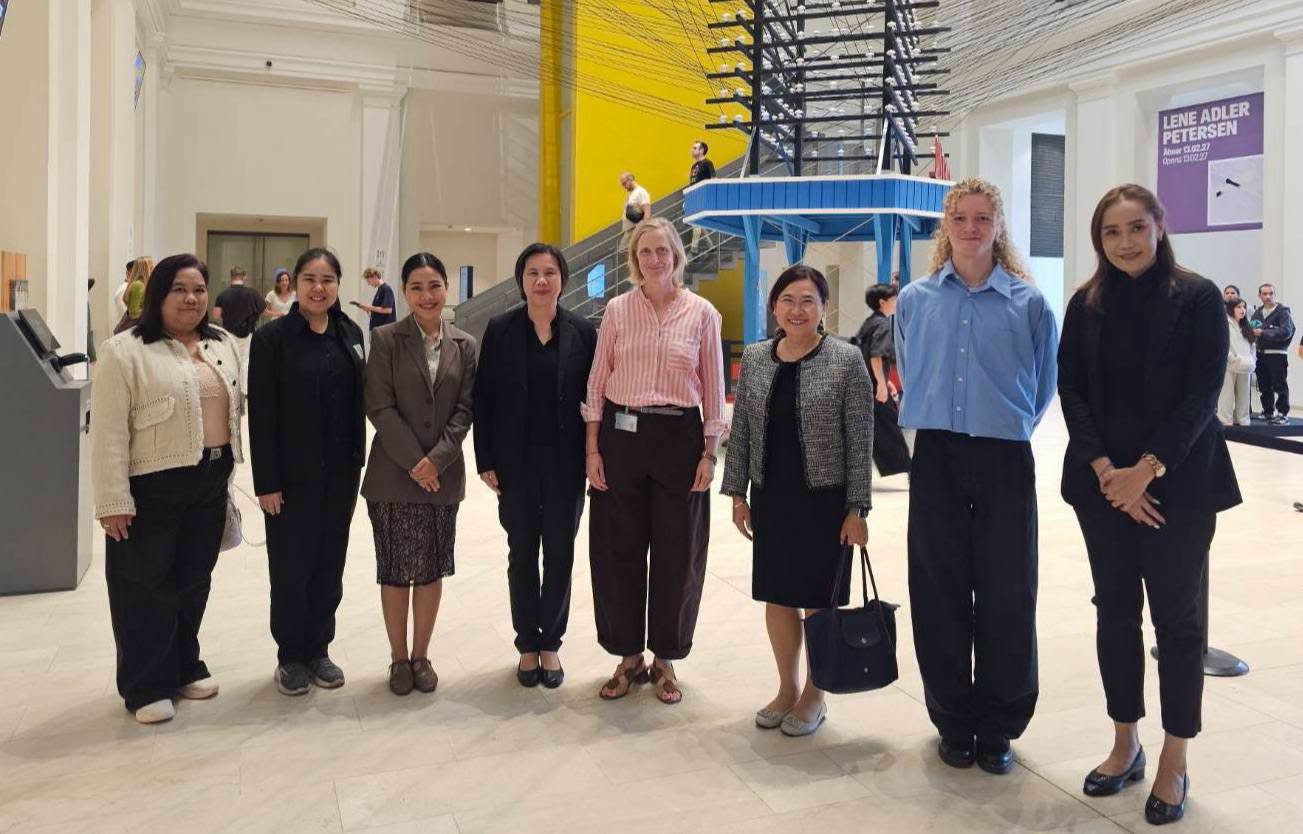
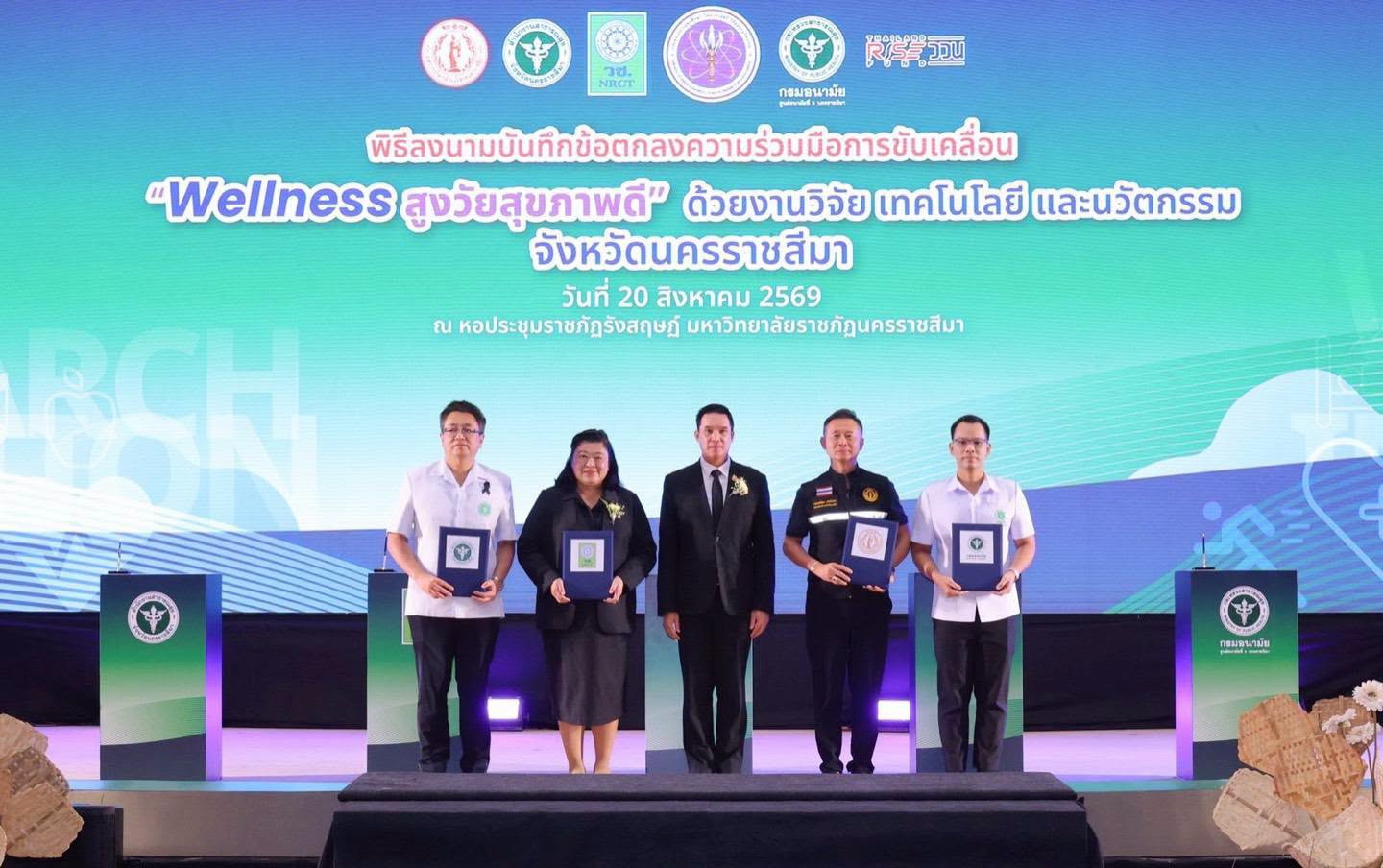
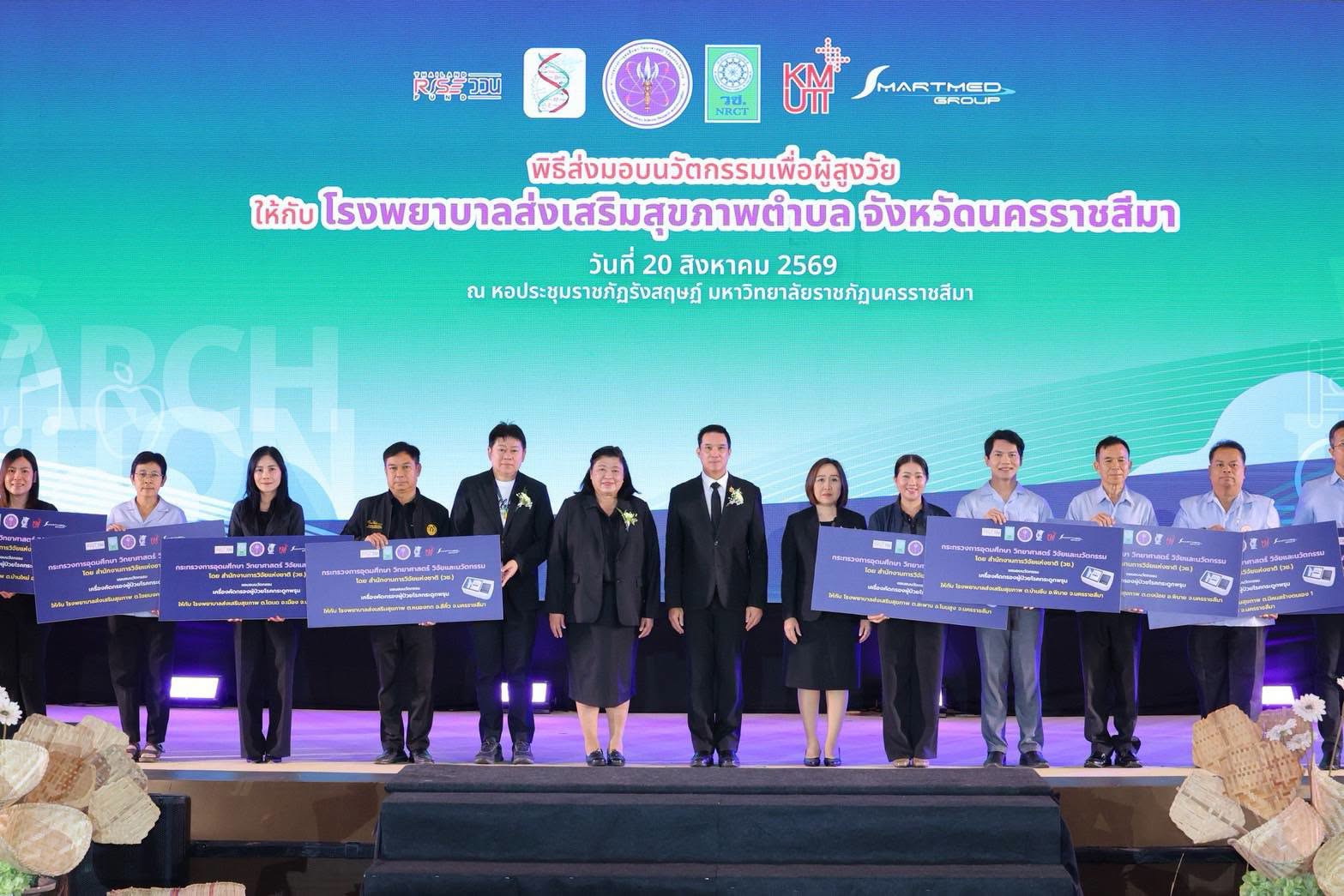
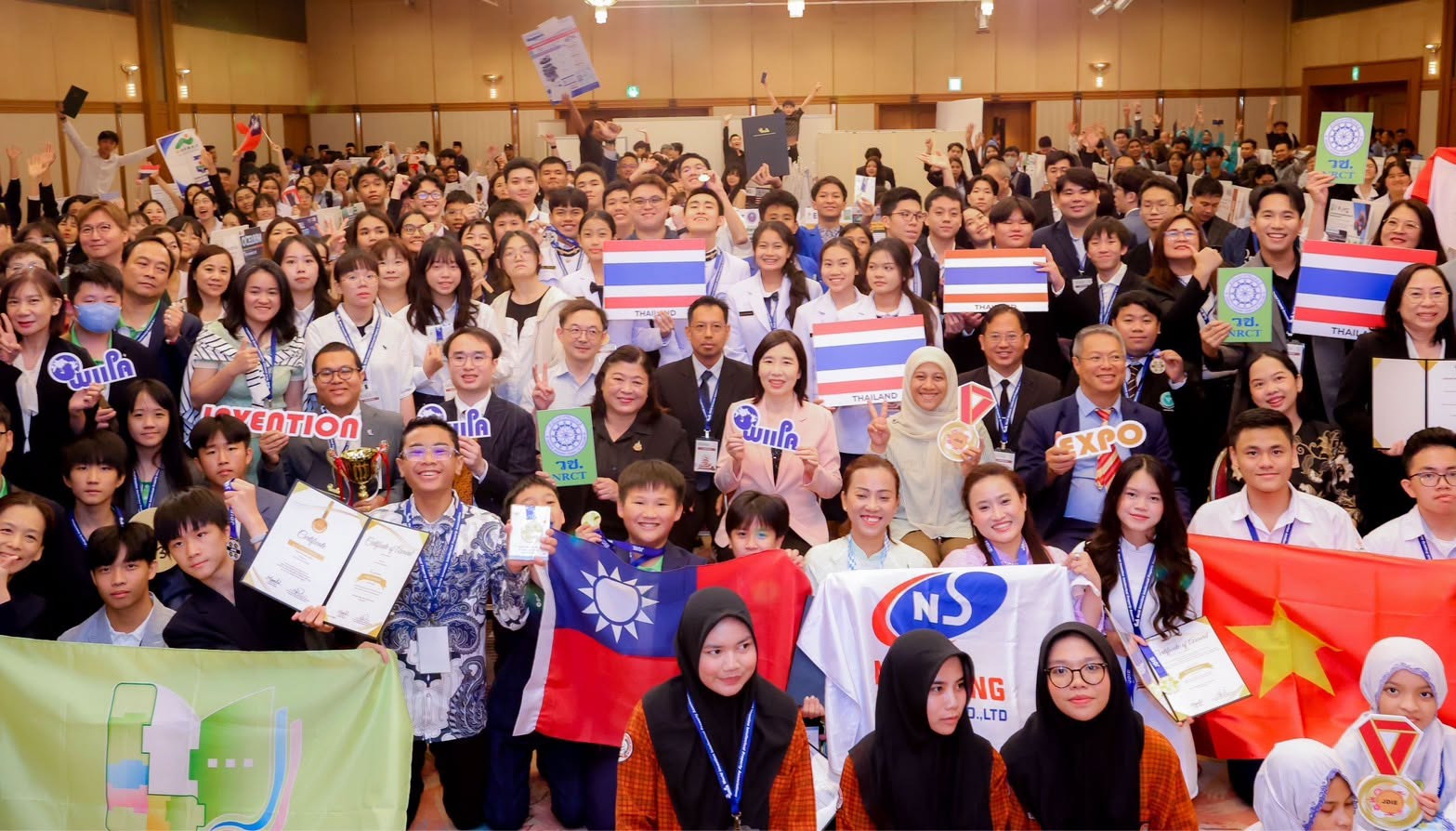
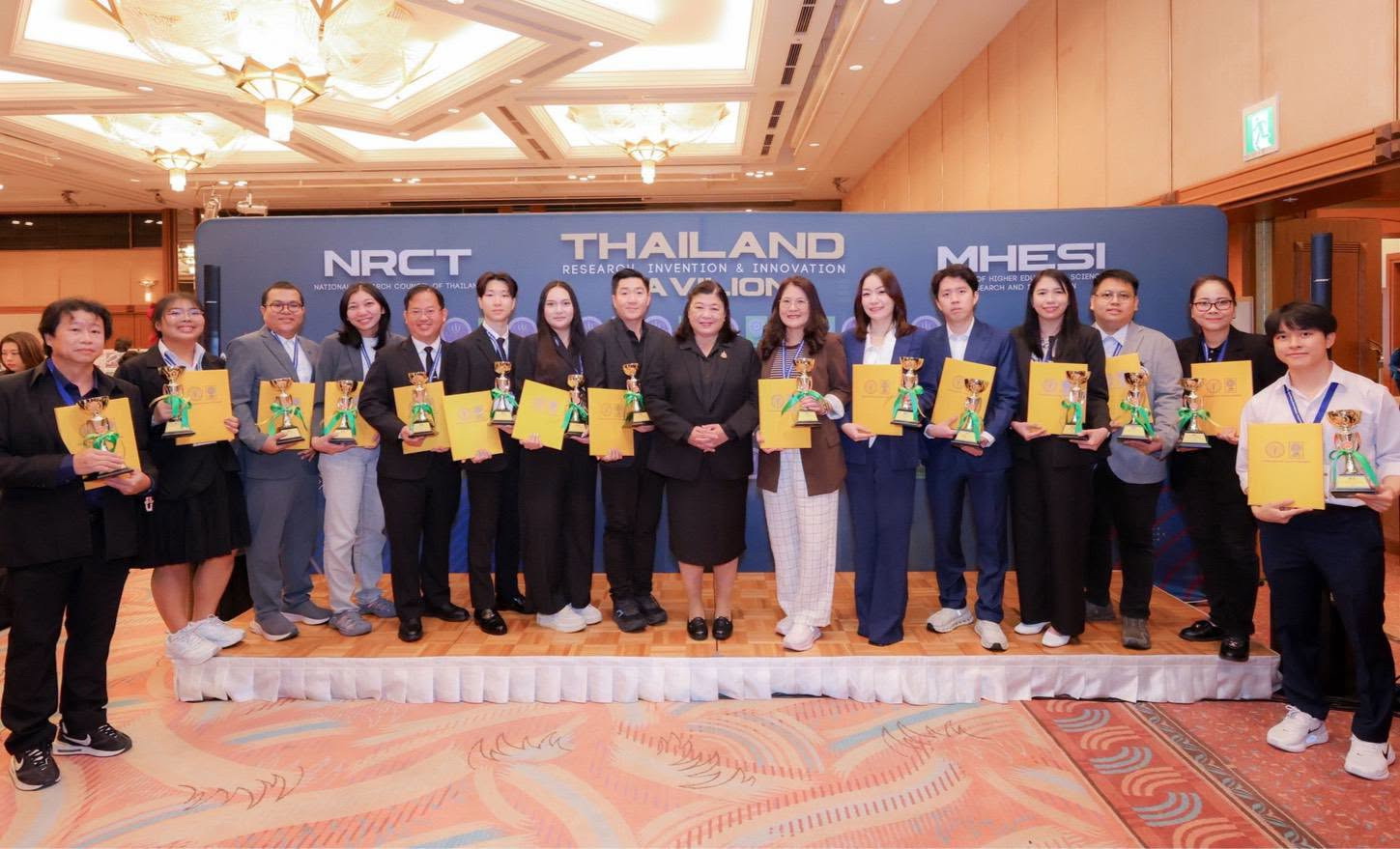
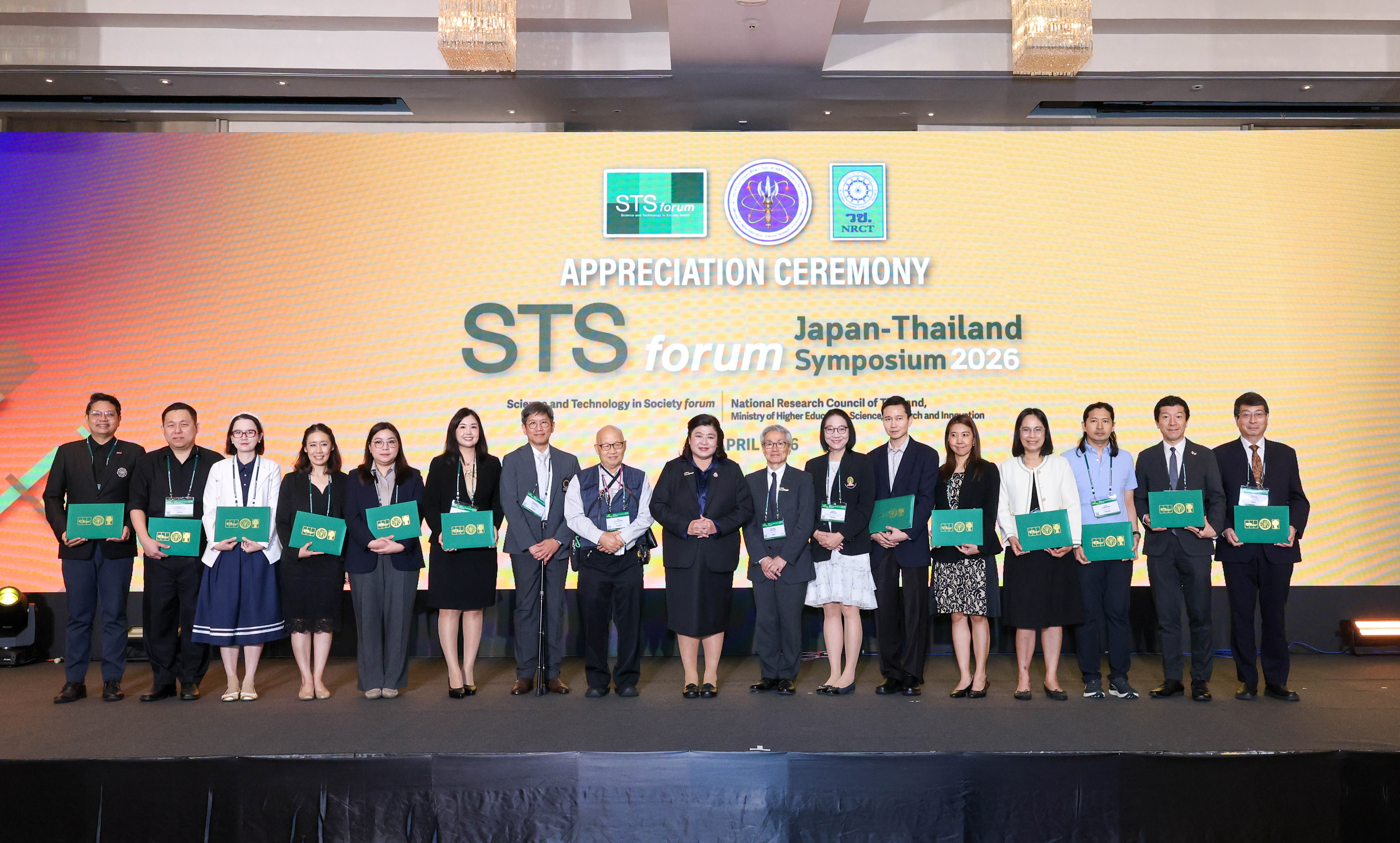
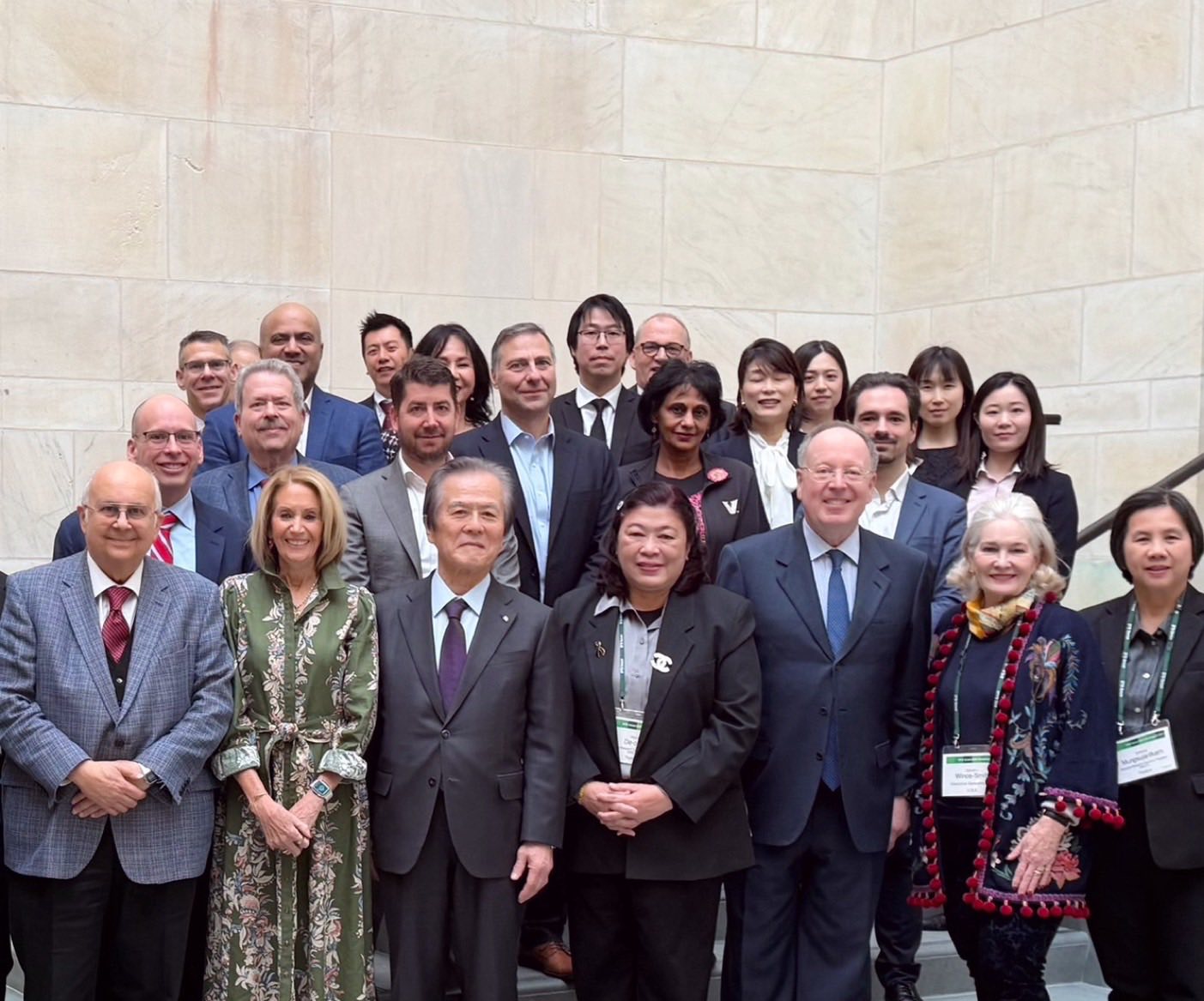
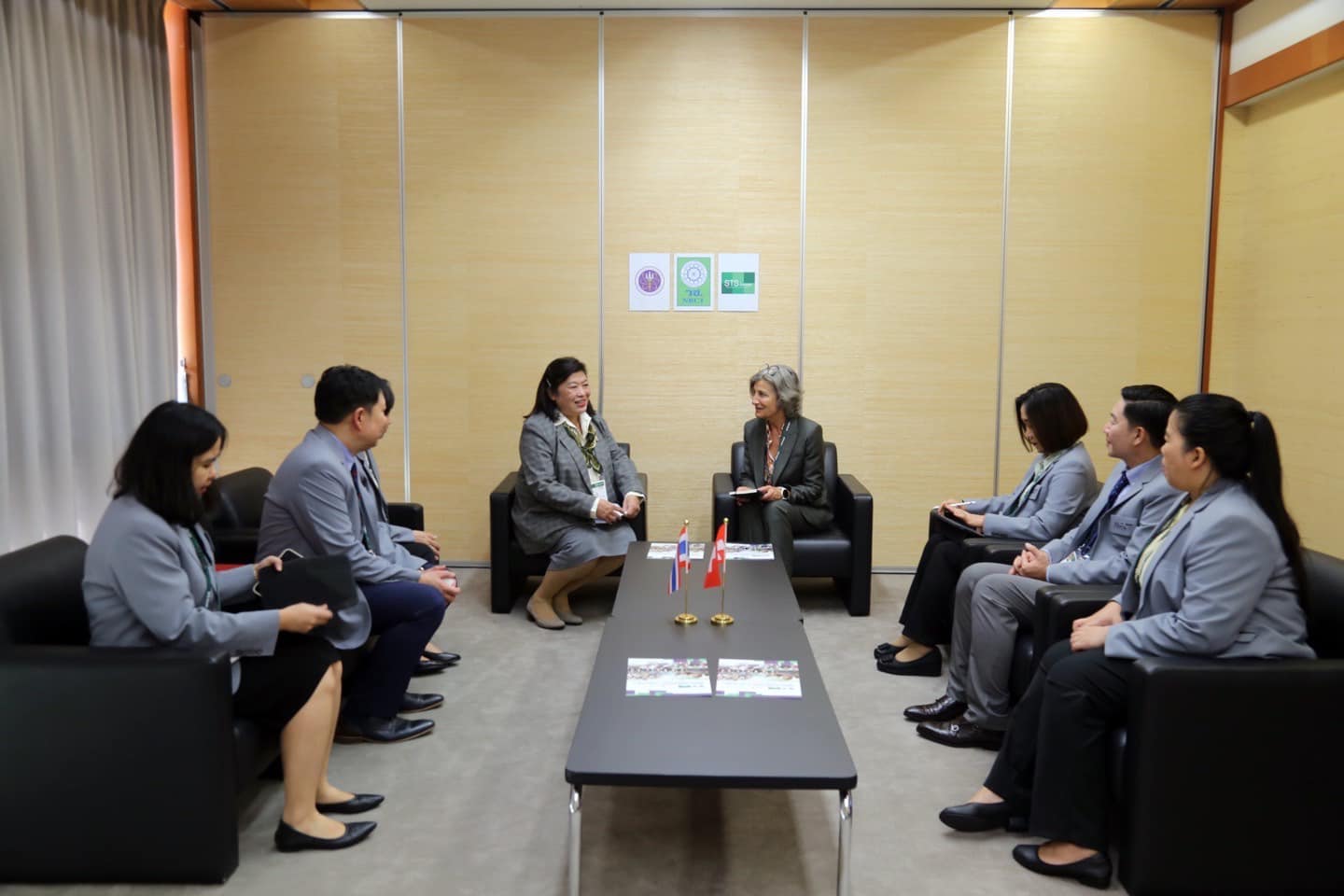
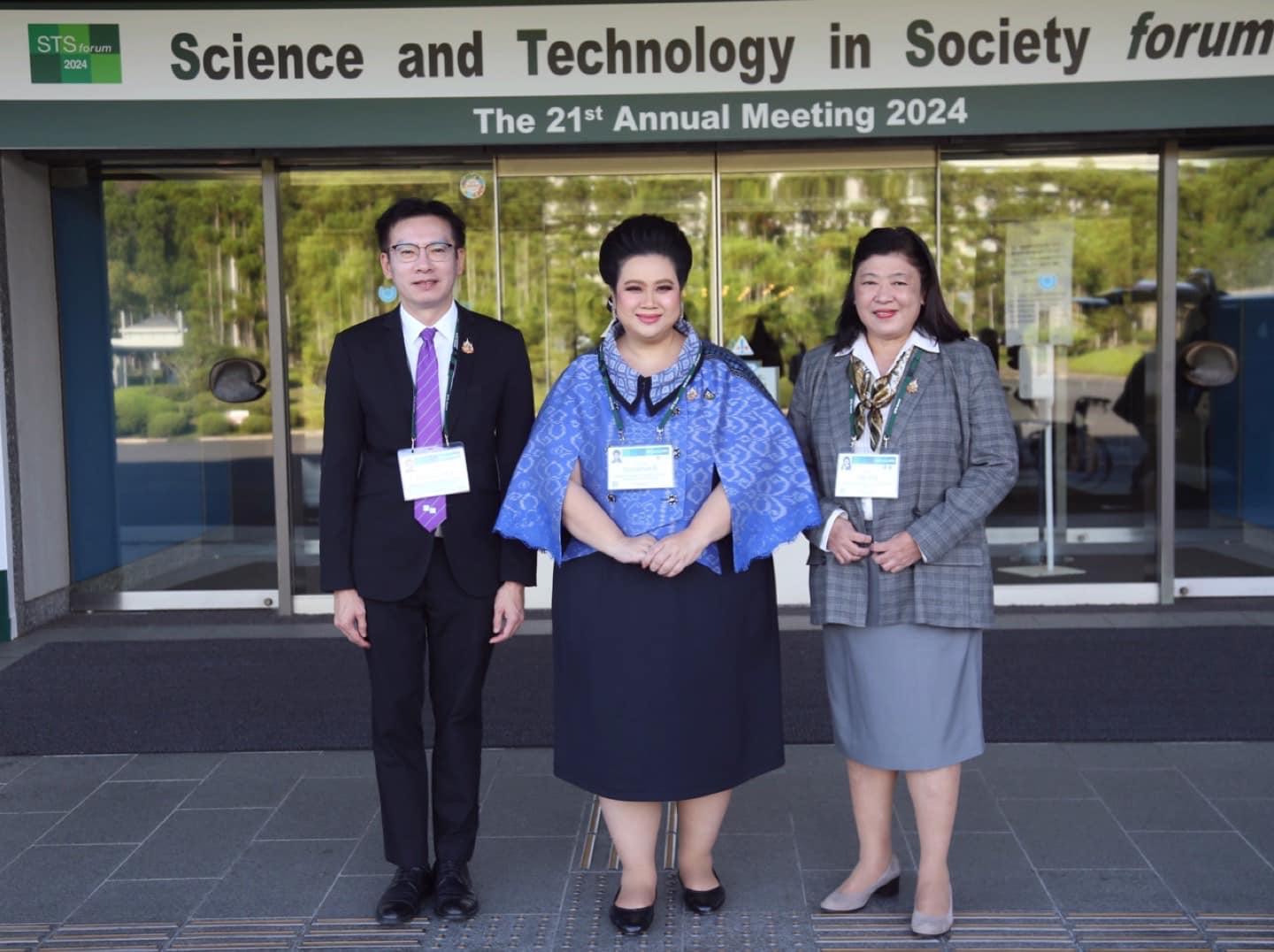
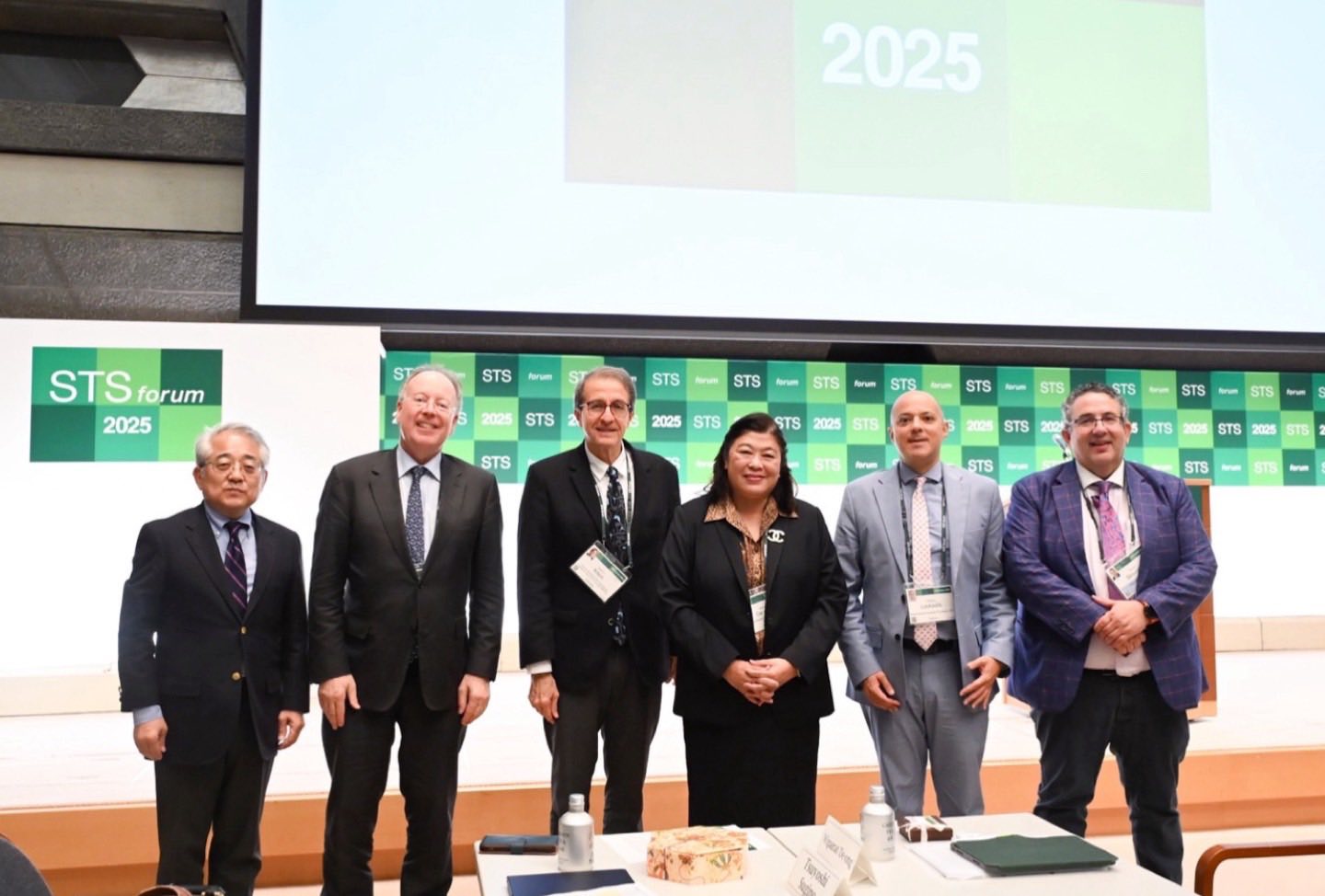
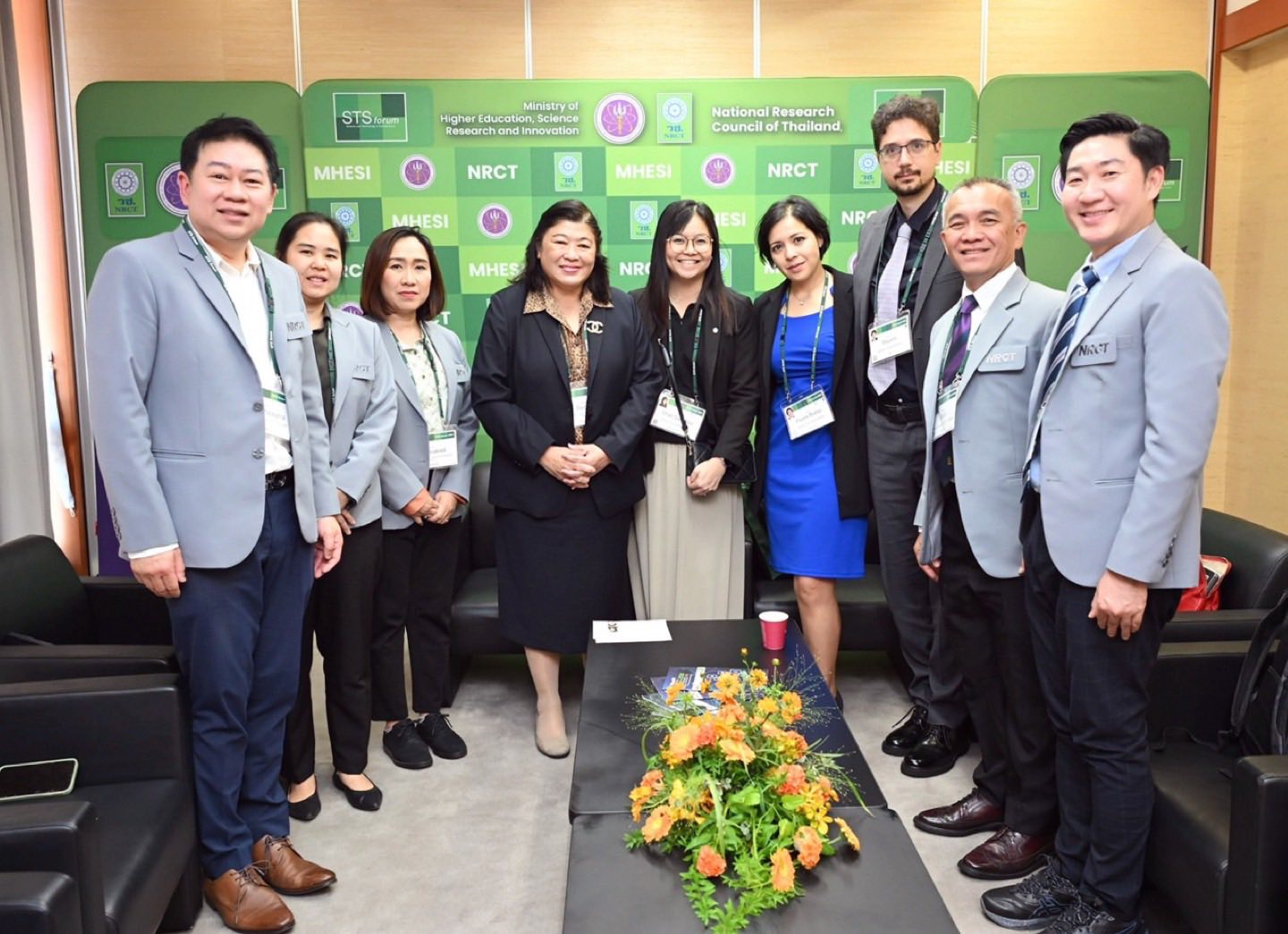
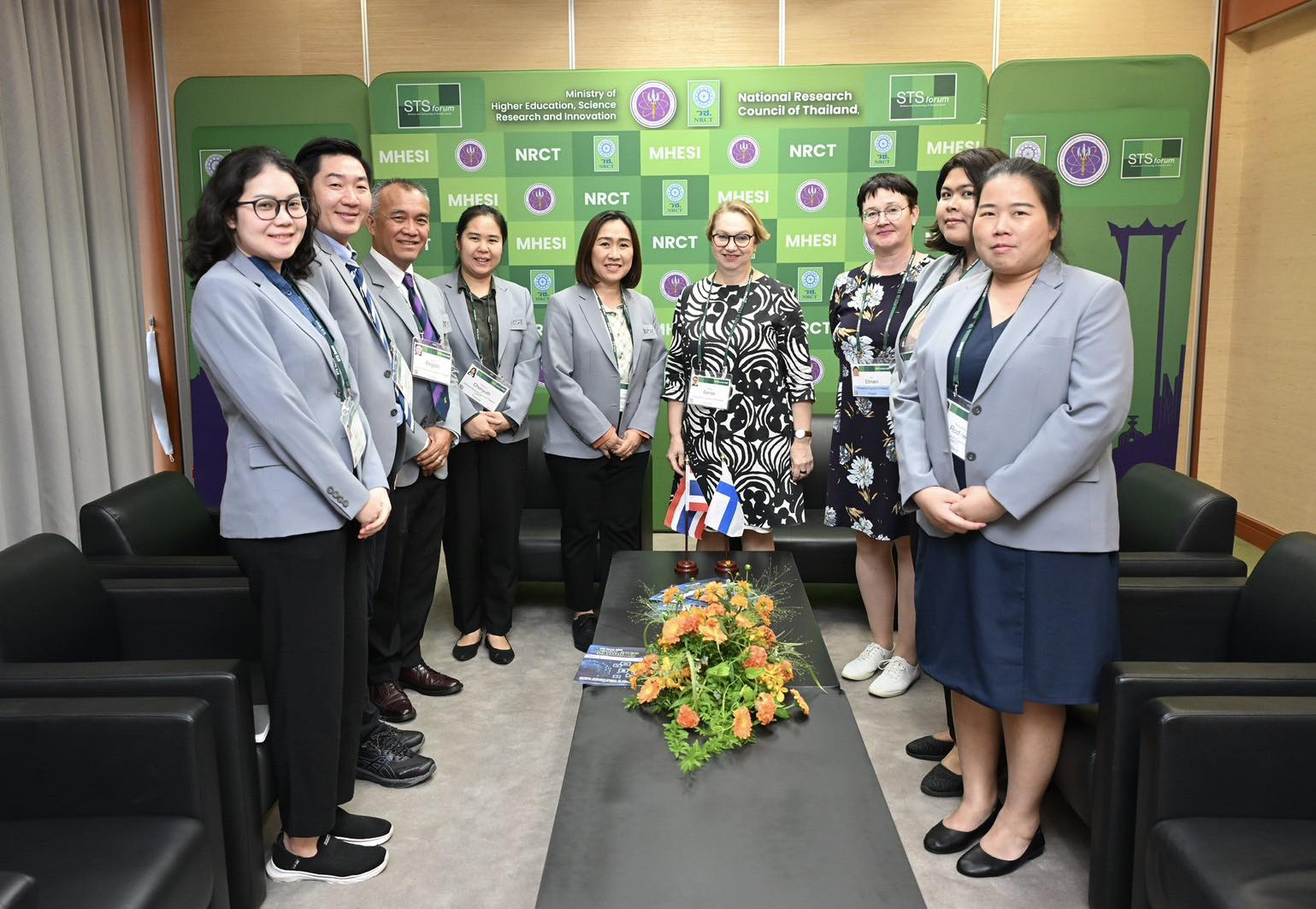
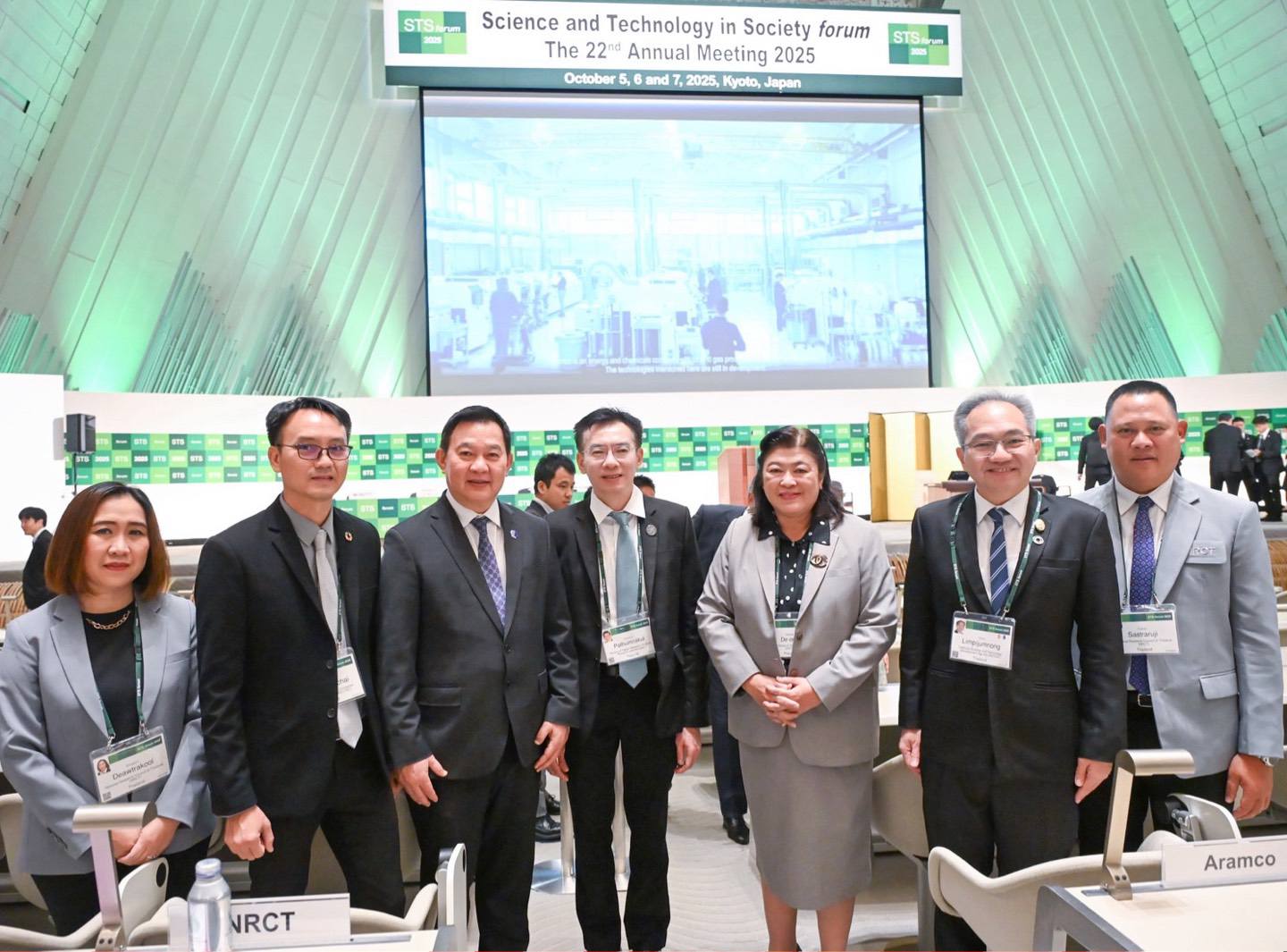
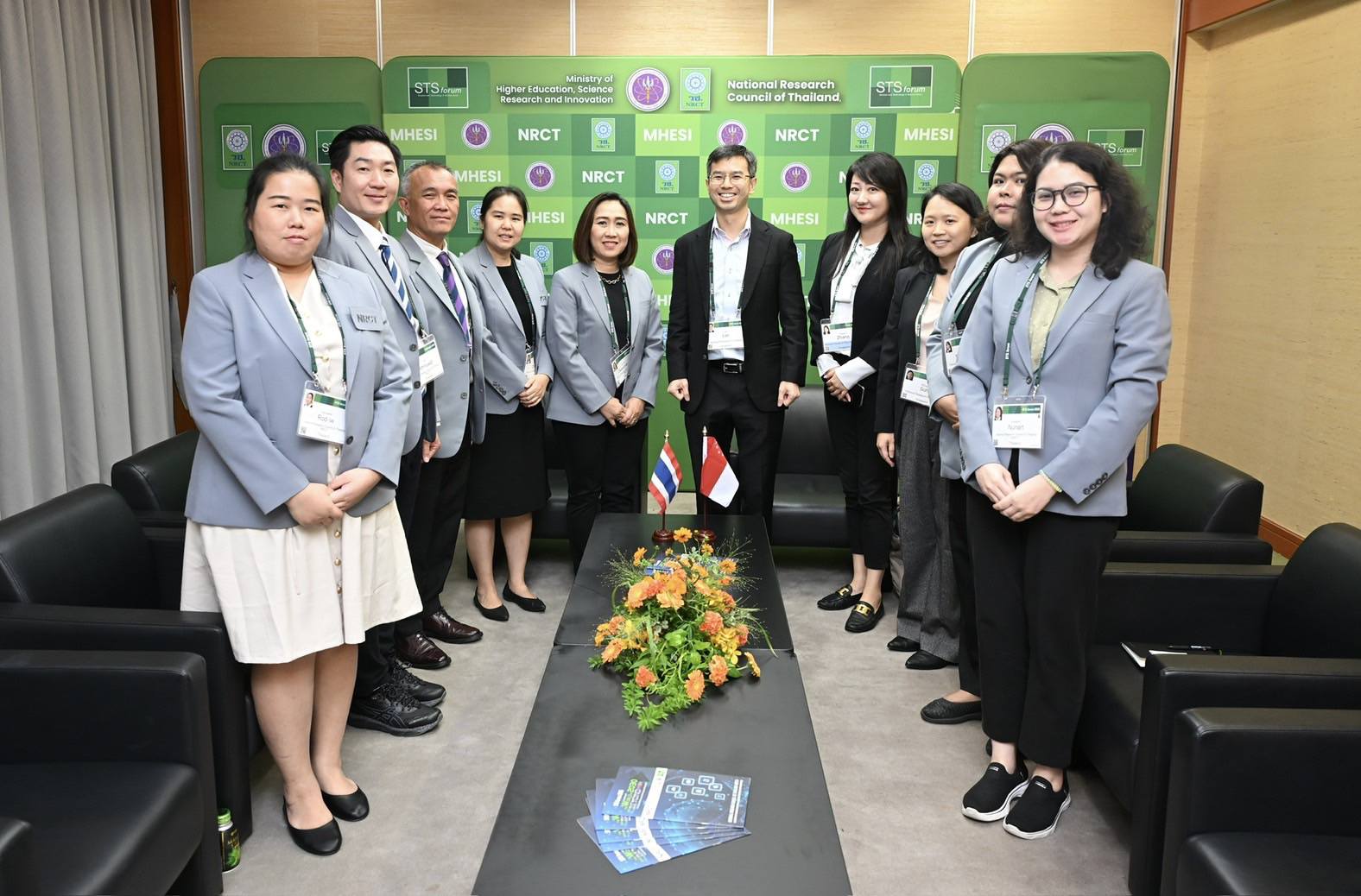
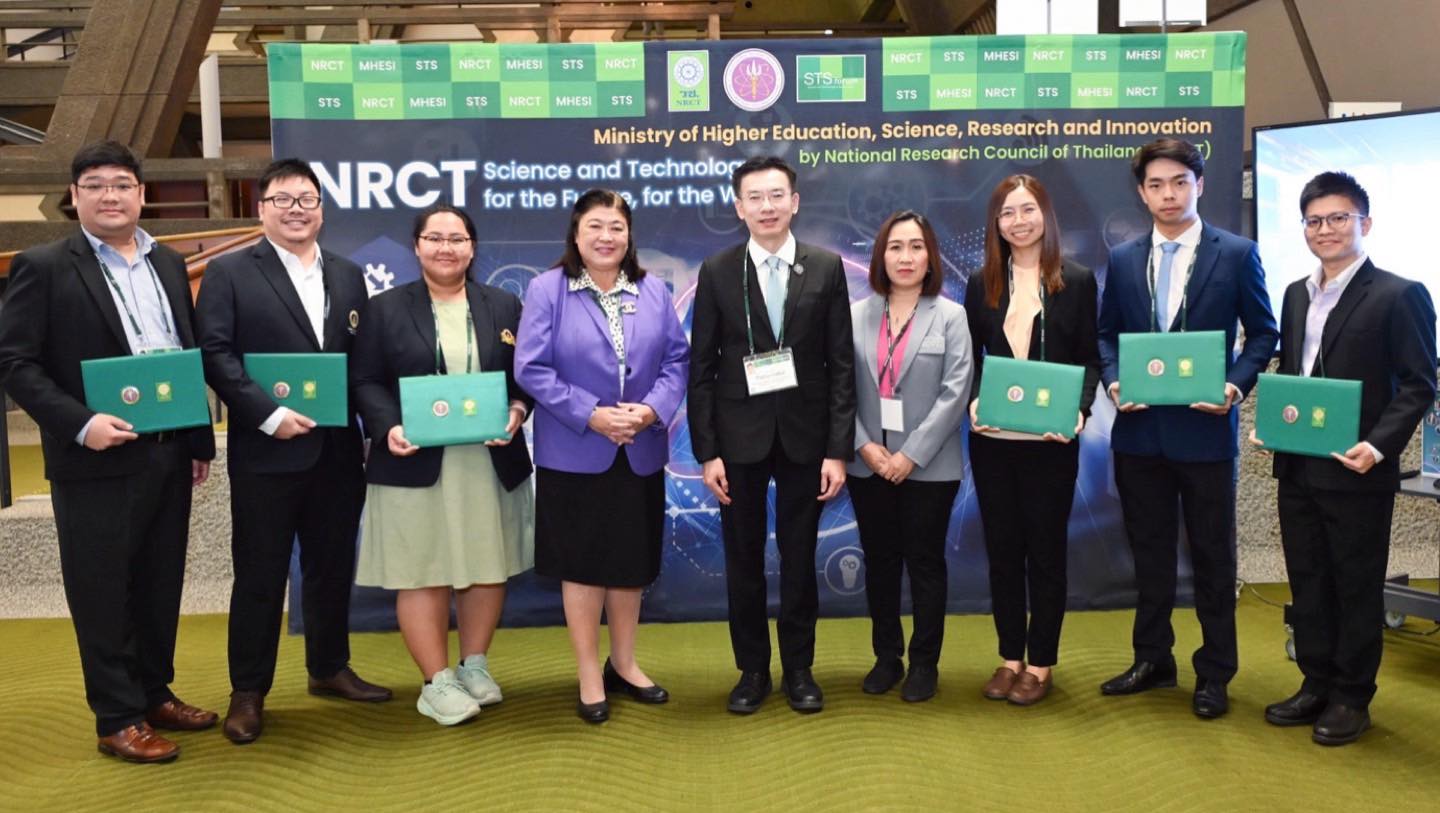
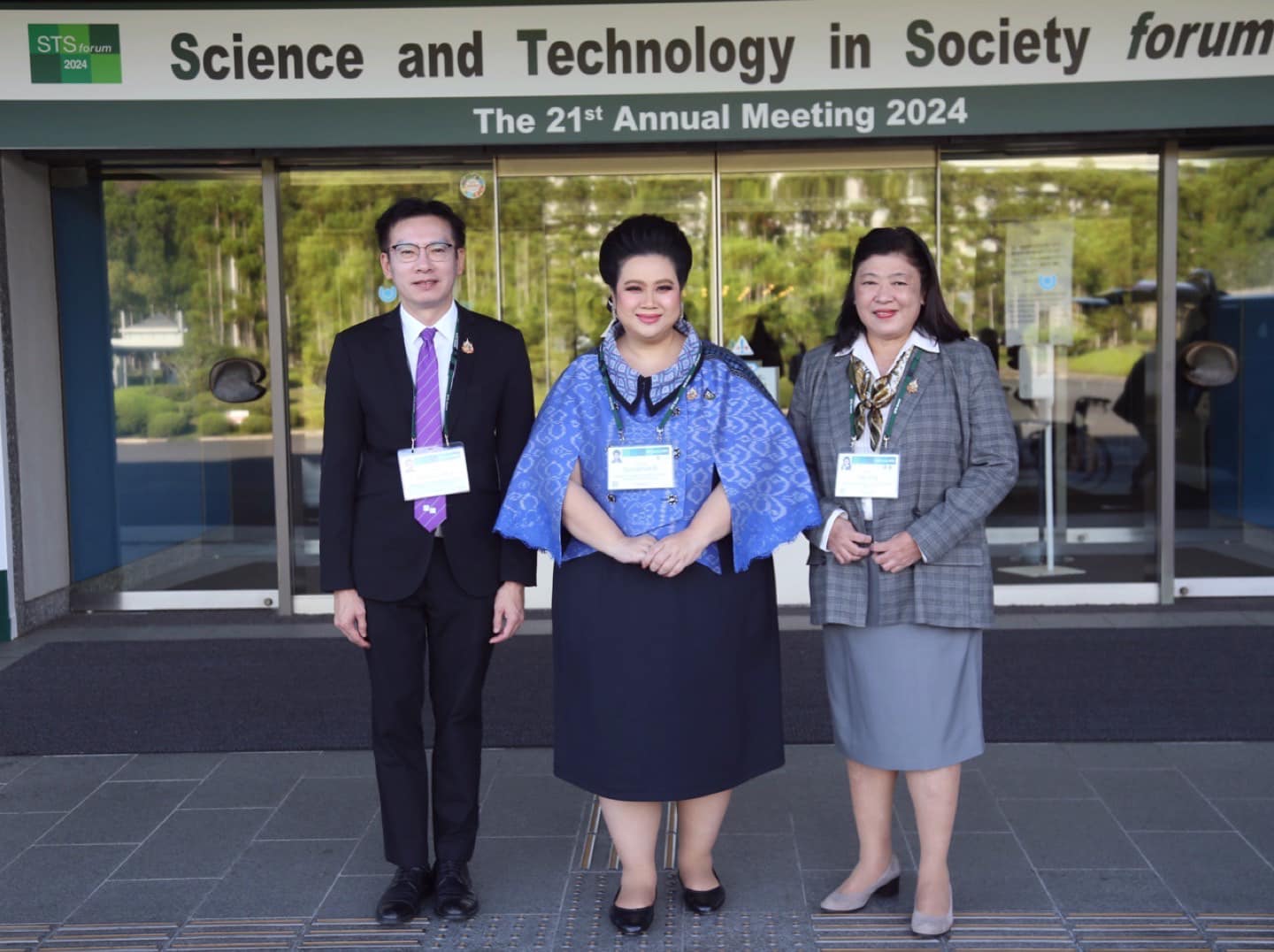
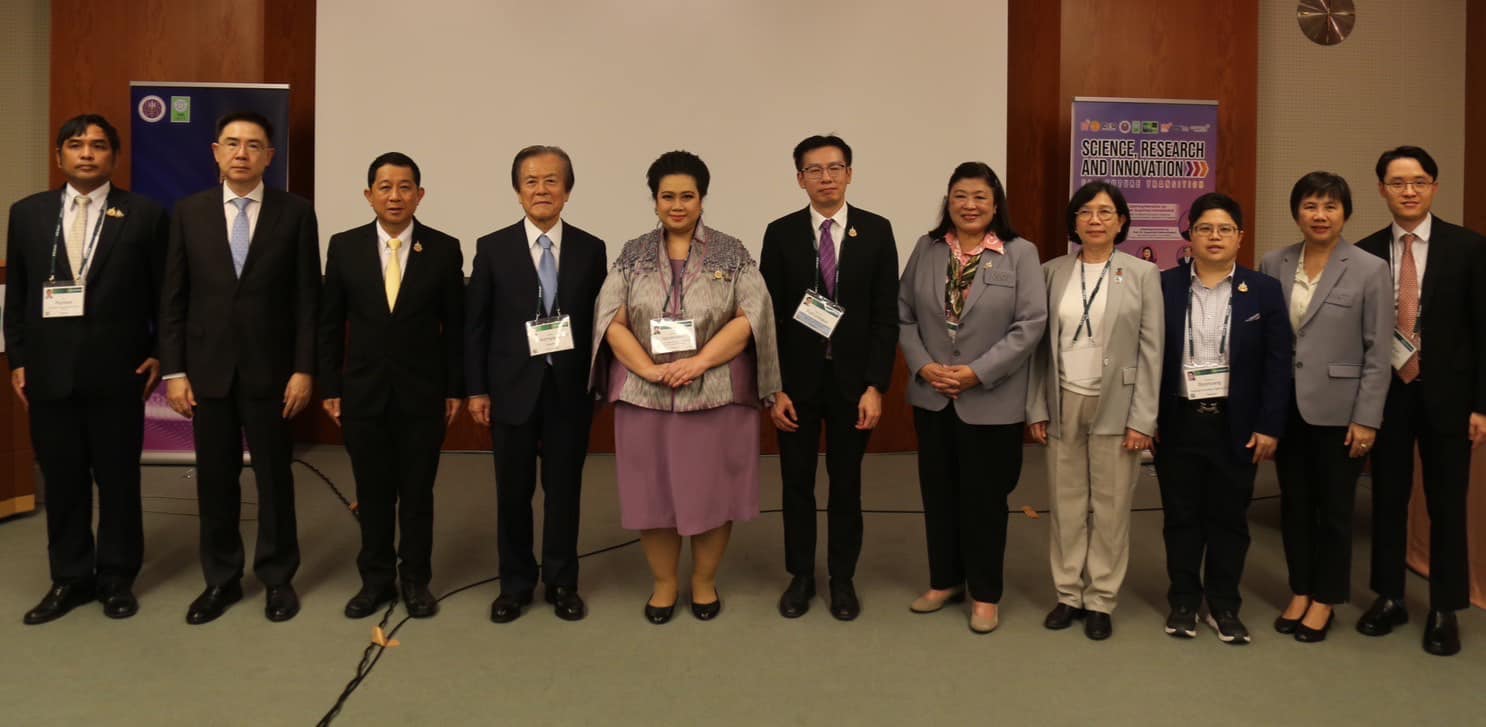
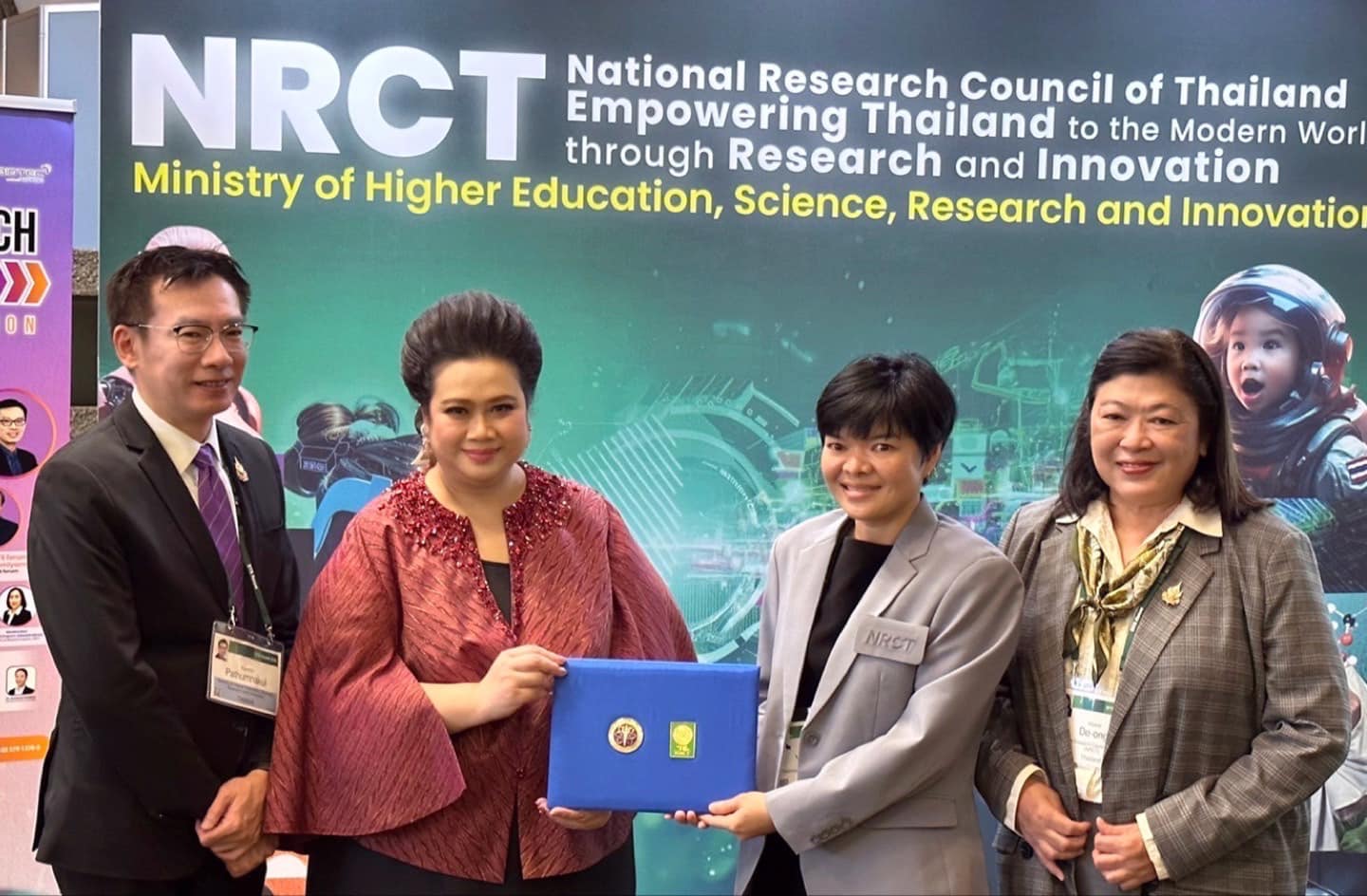
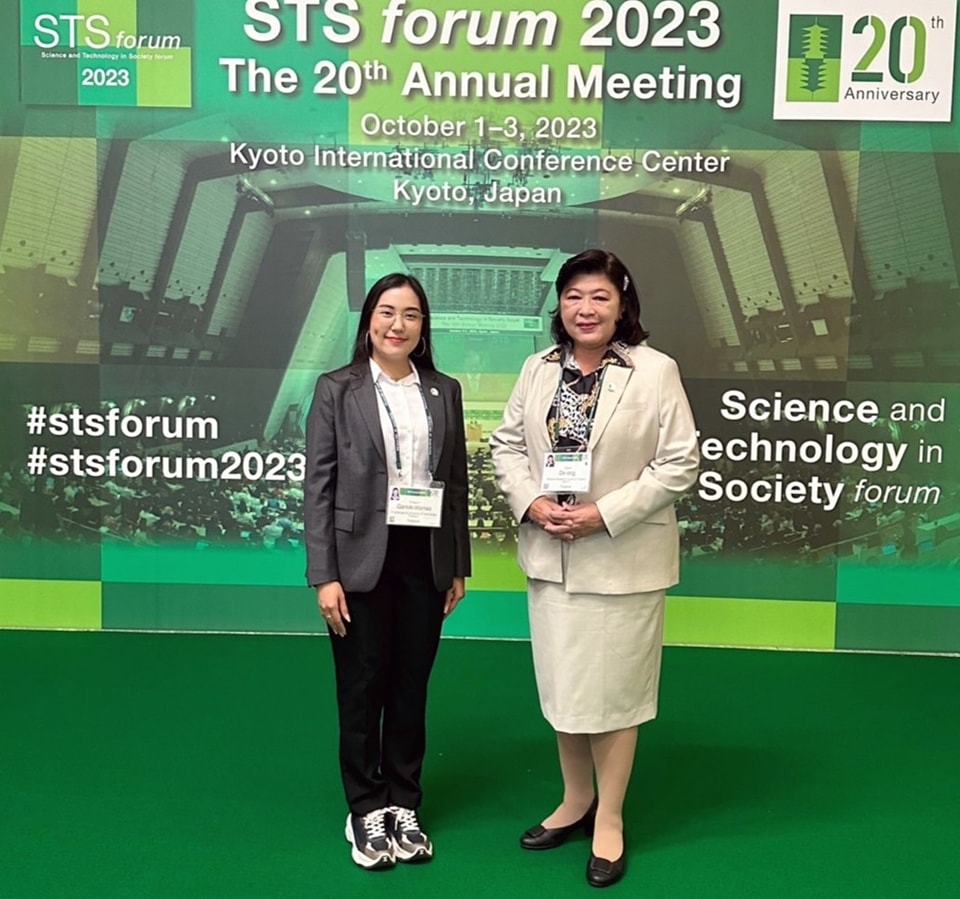
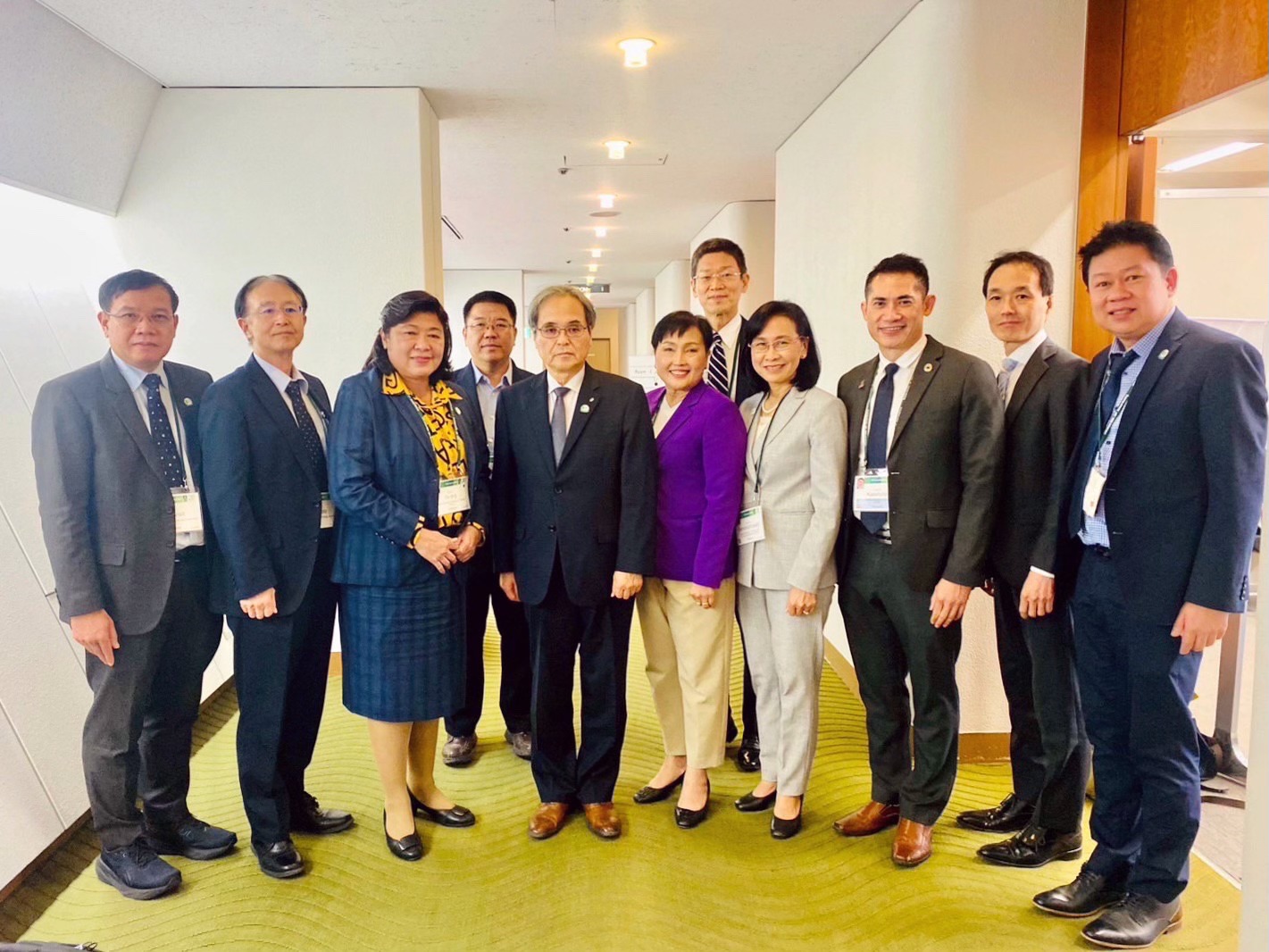
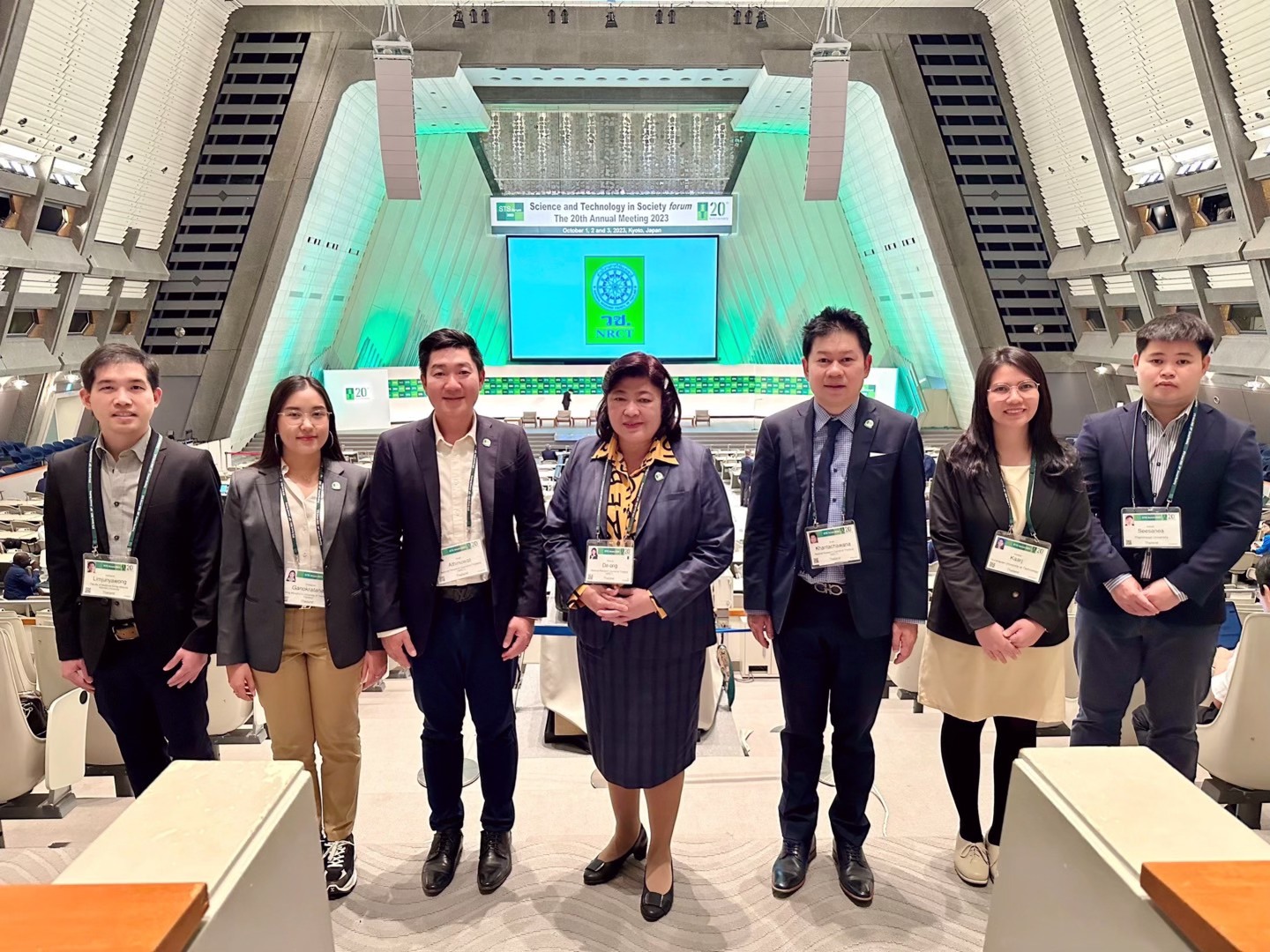
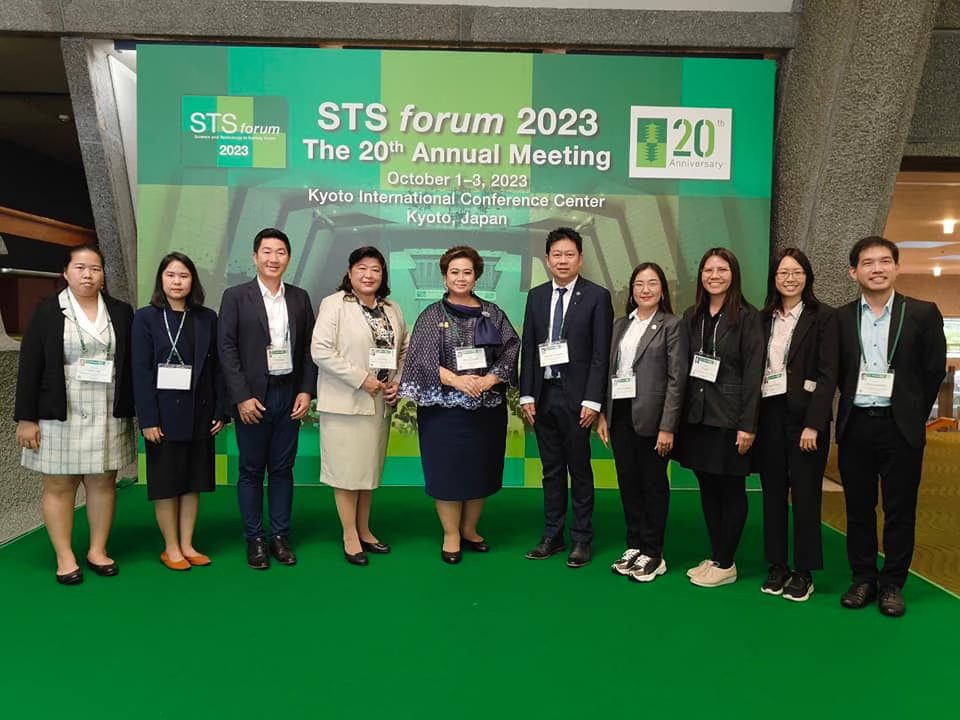
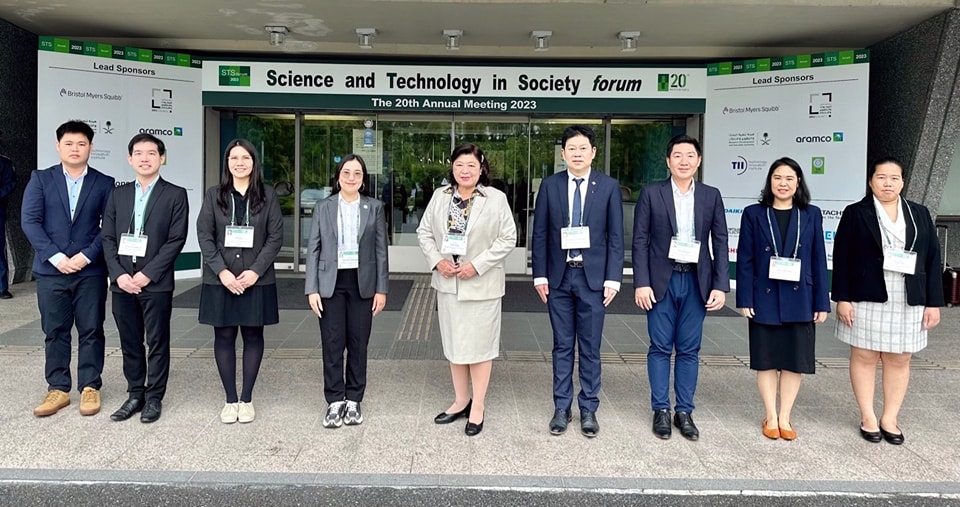
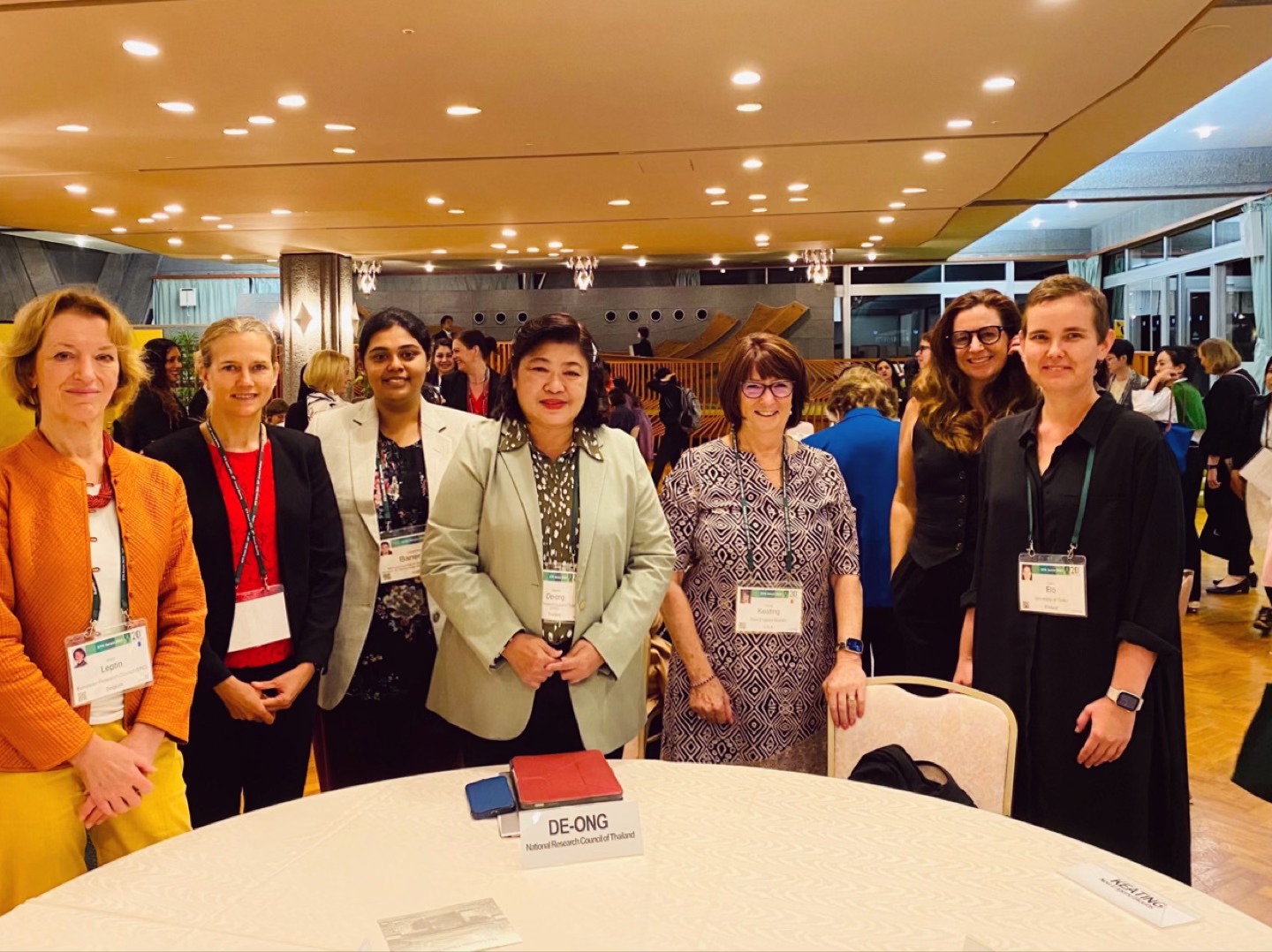
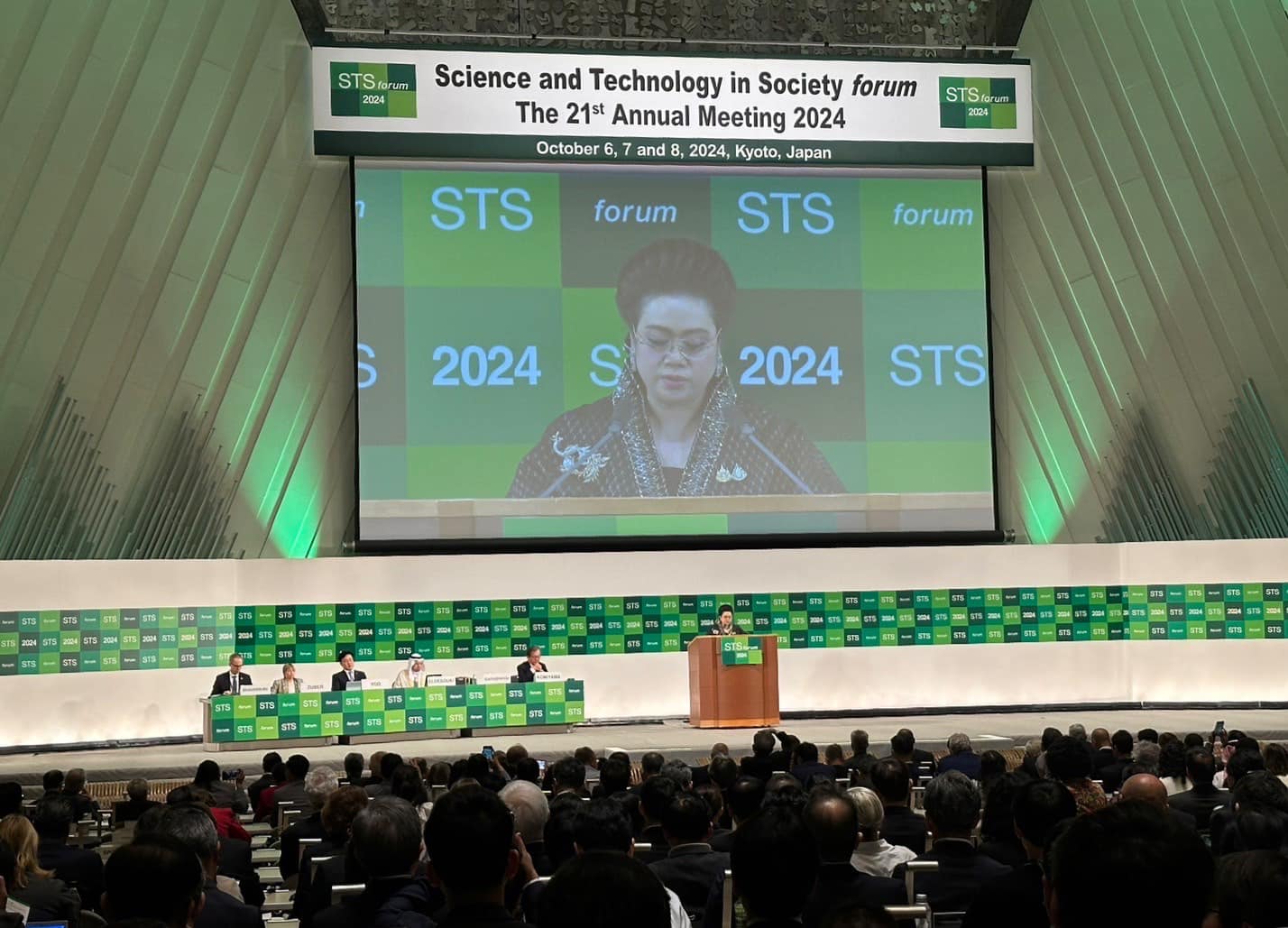
The National Research Council of Thailand (NRCT), under the Ministry of Higher Education, Science, Research and Innovation, hosted a Side Event titled “AI for Disaster Preparedness and Response” on 4 October 2025 during the STS forum 2025 – The 22nd Annual Meeting at the Kyoto International Conference Center, Kyoto, Japan.
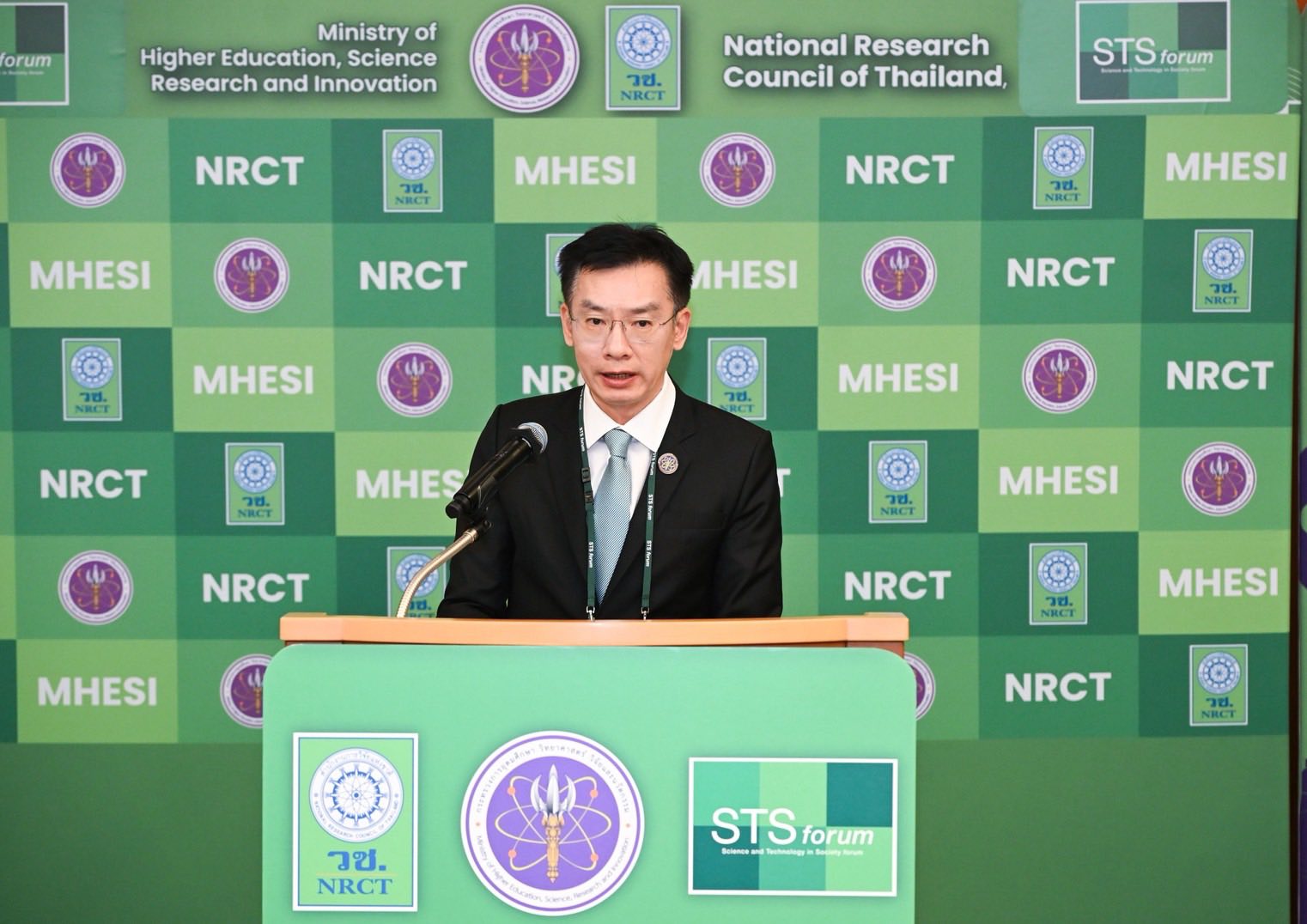
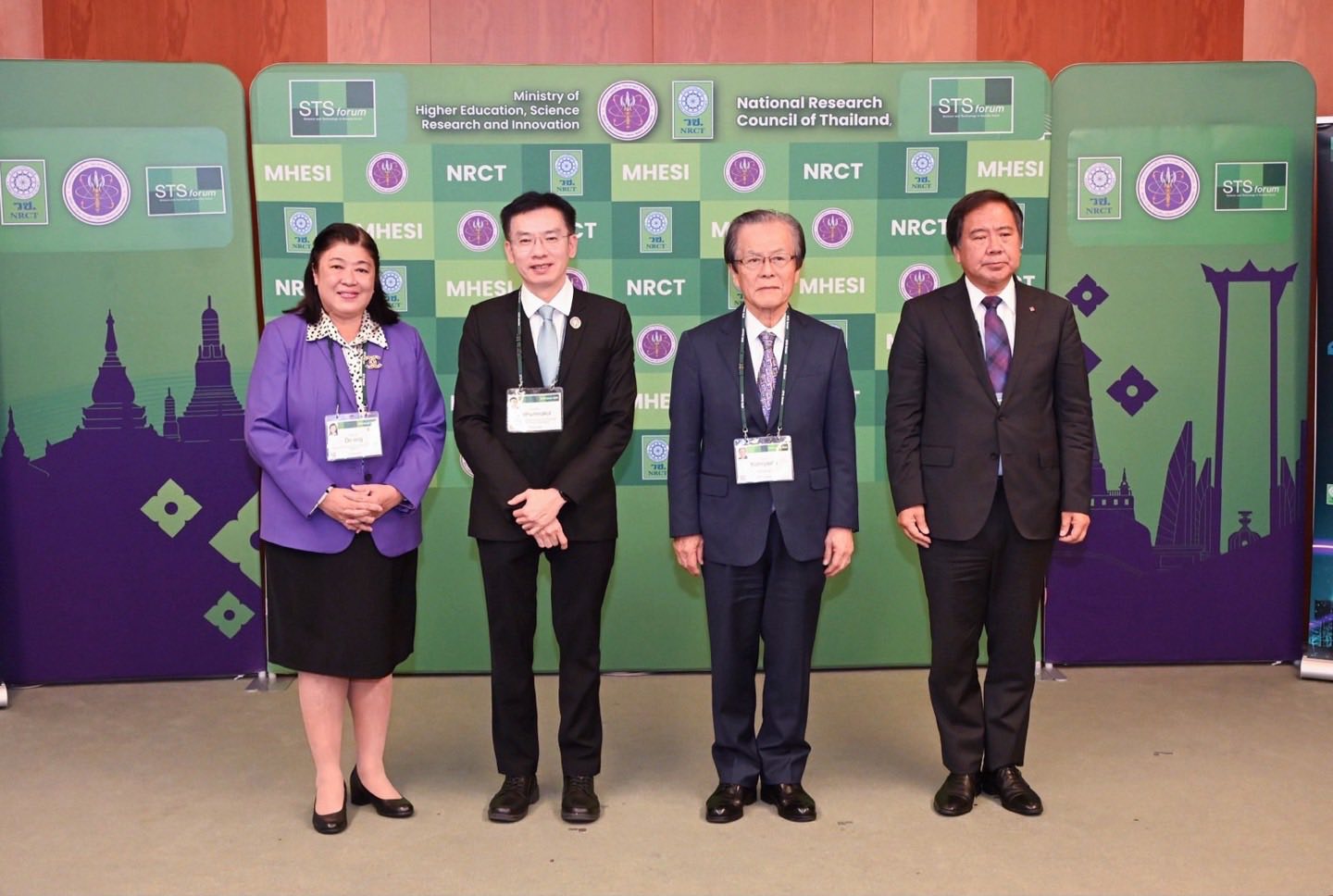
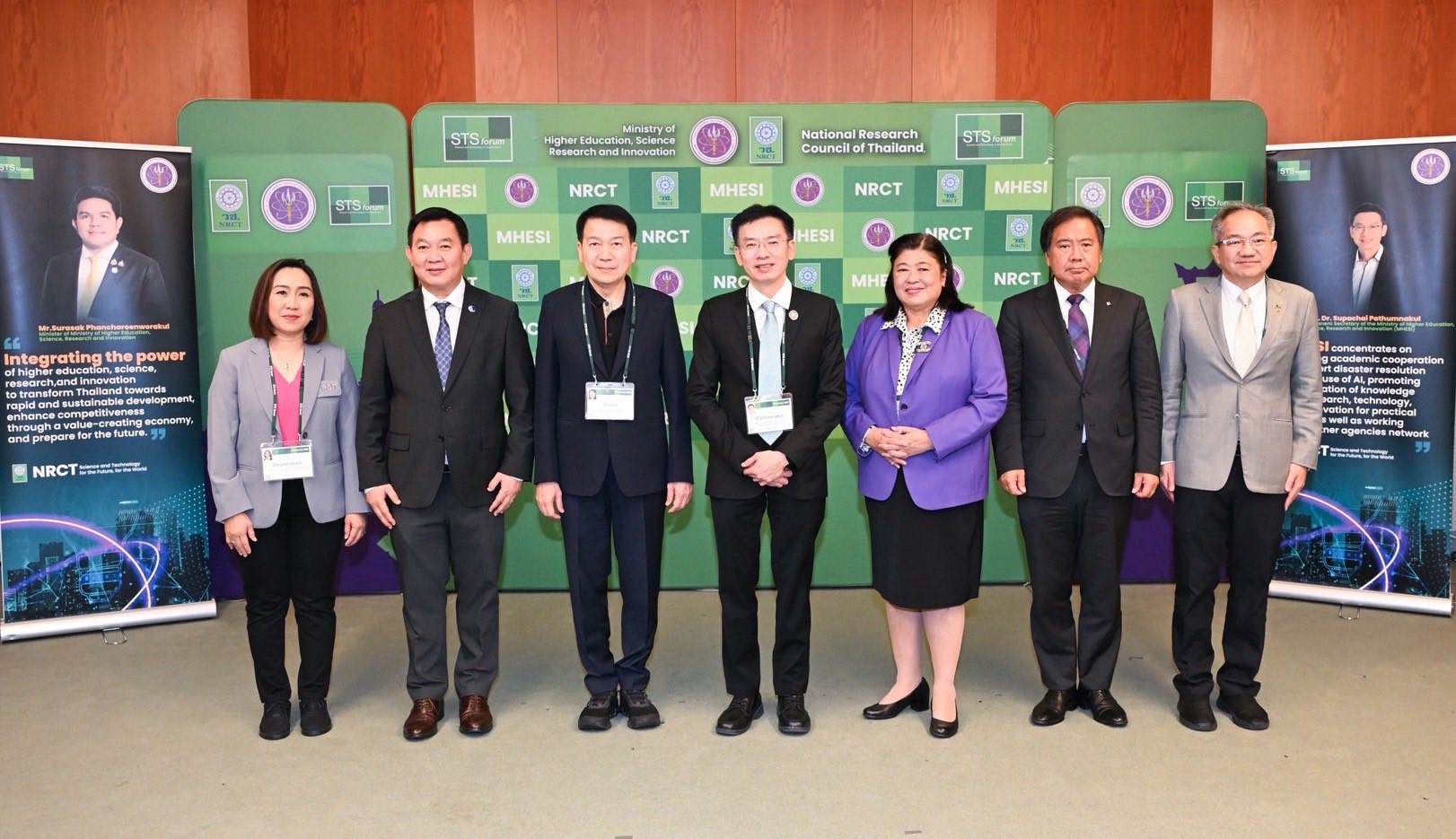
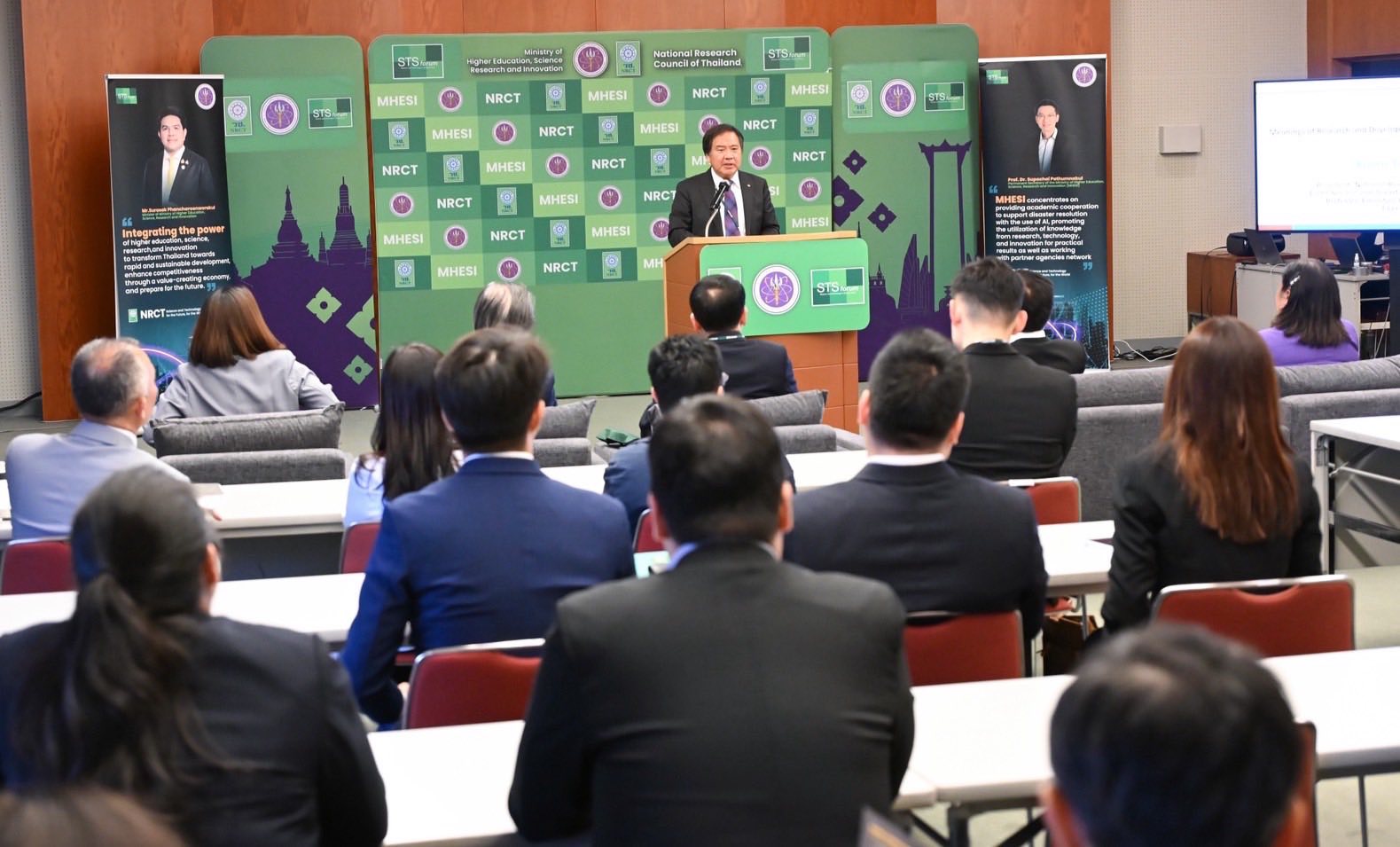
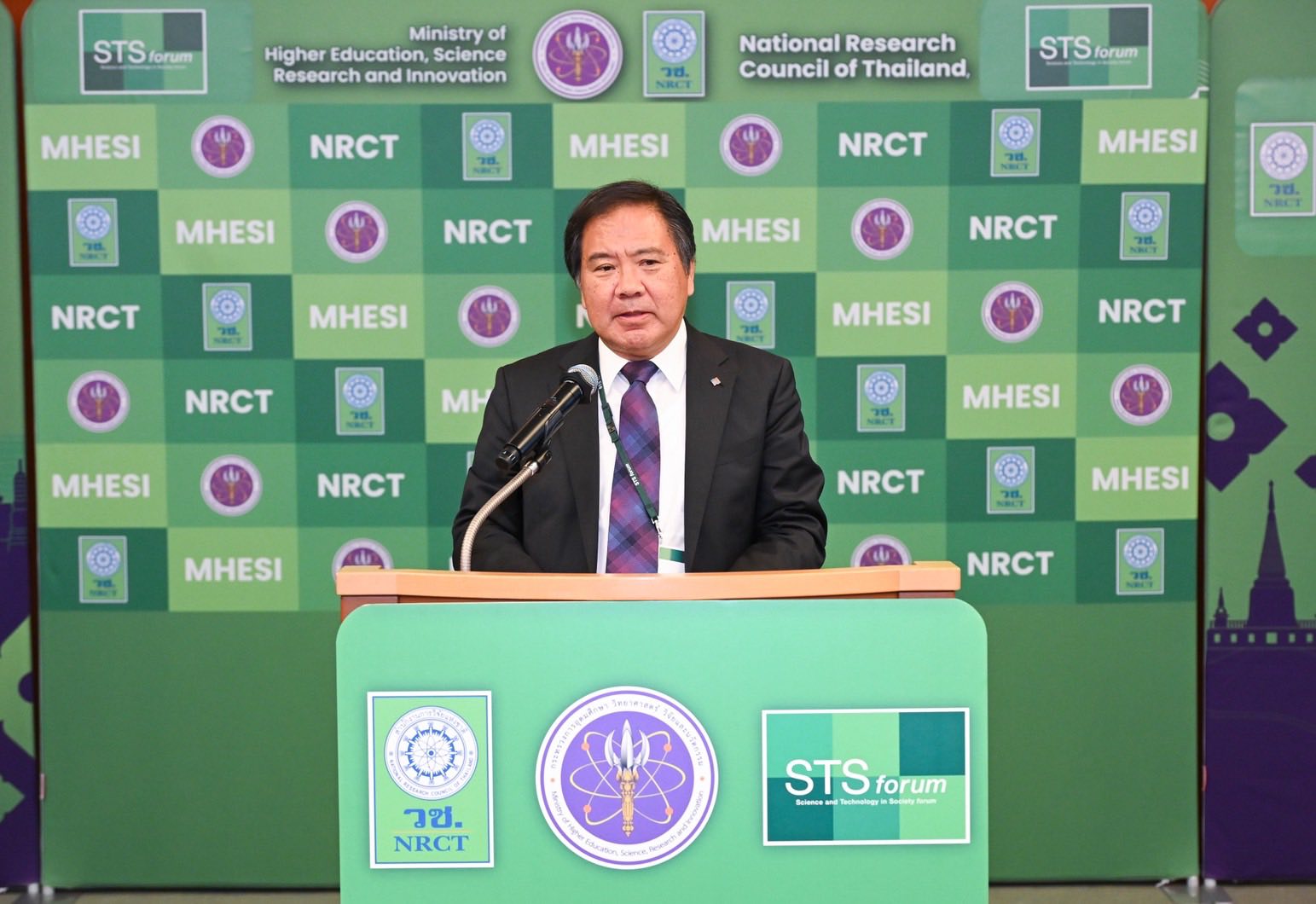
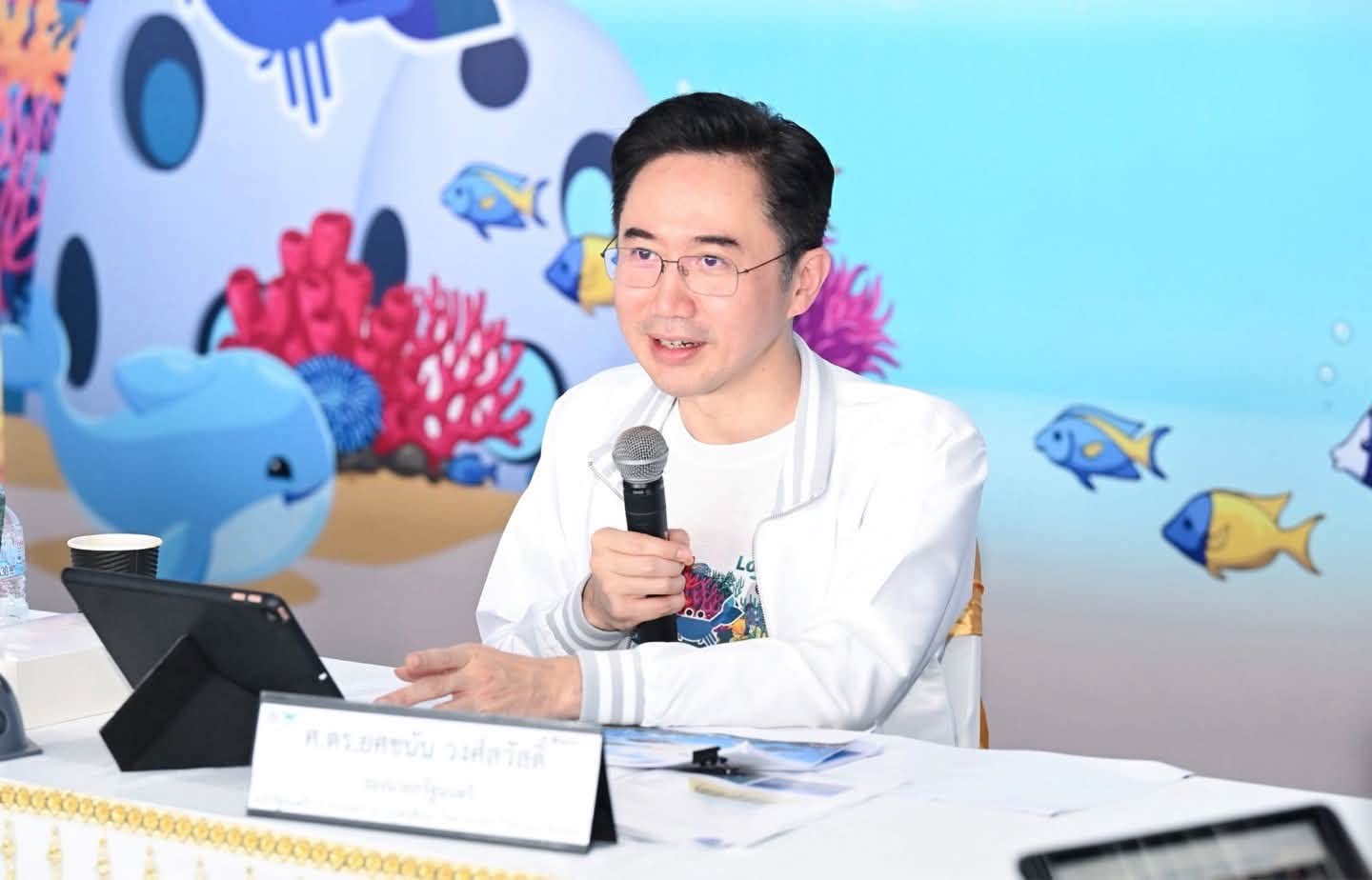
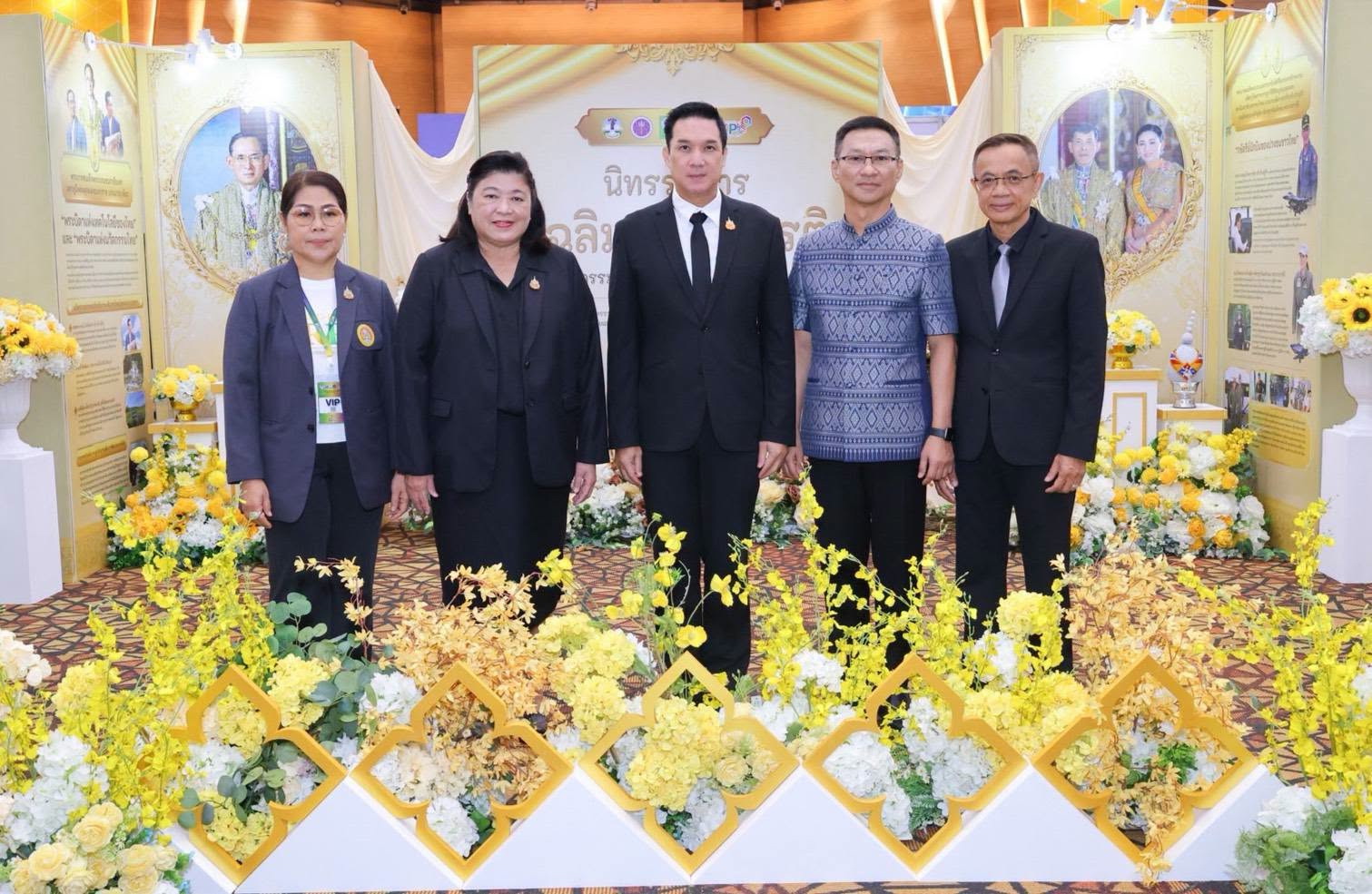
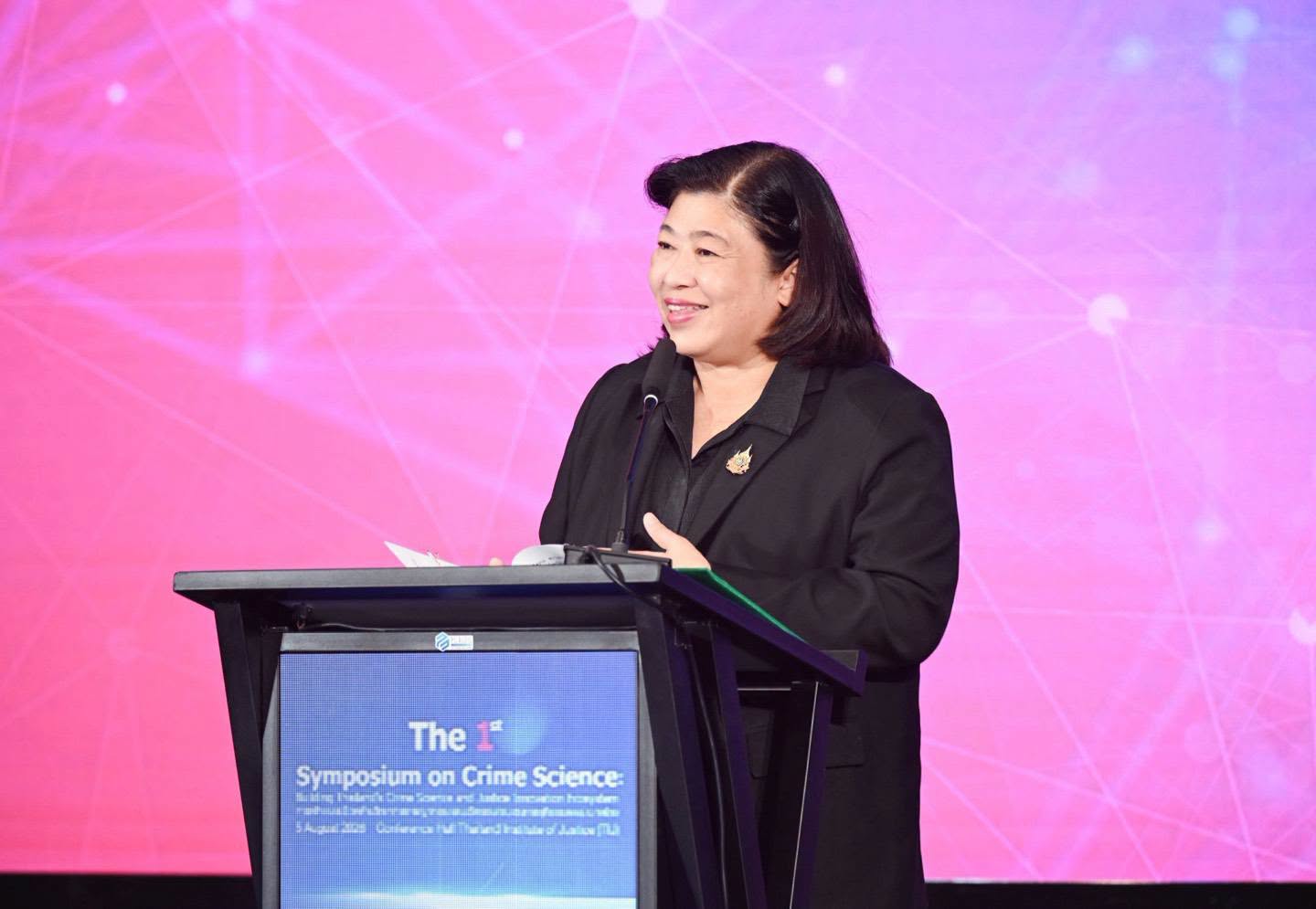
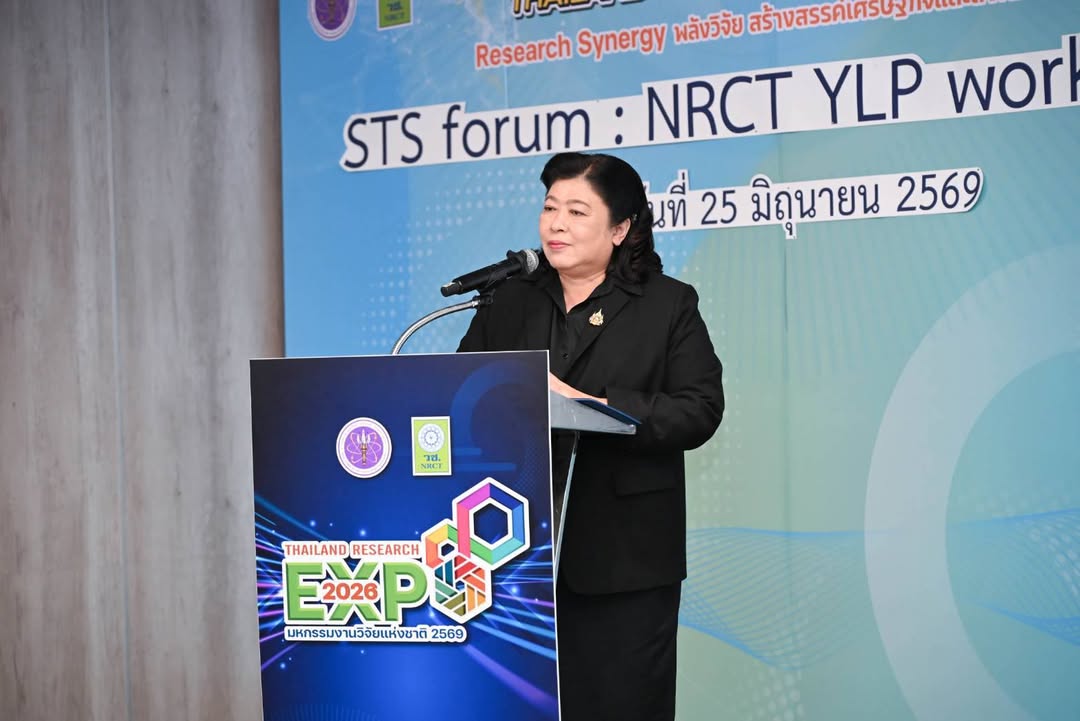
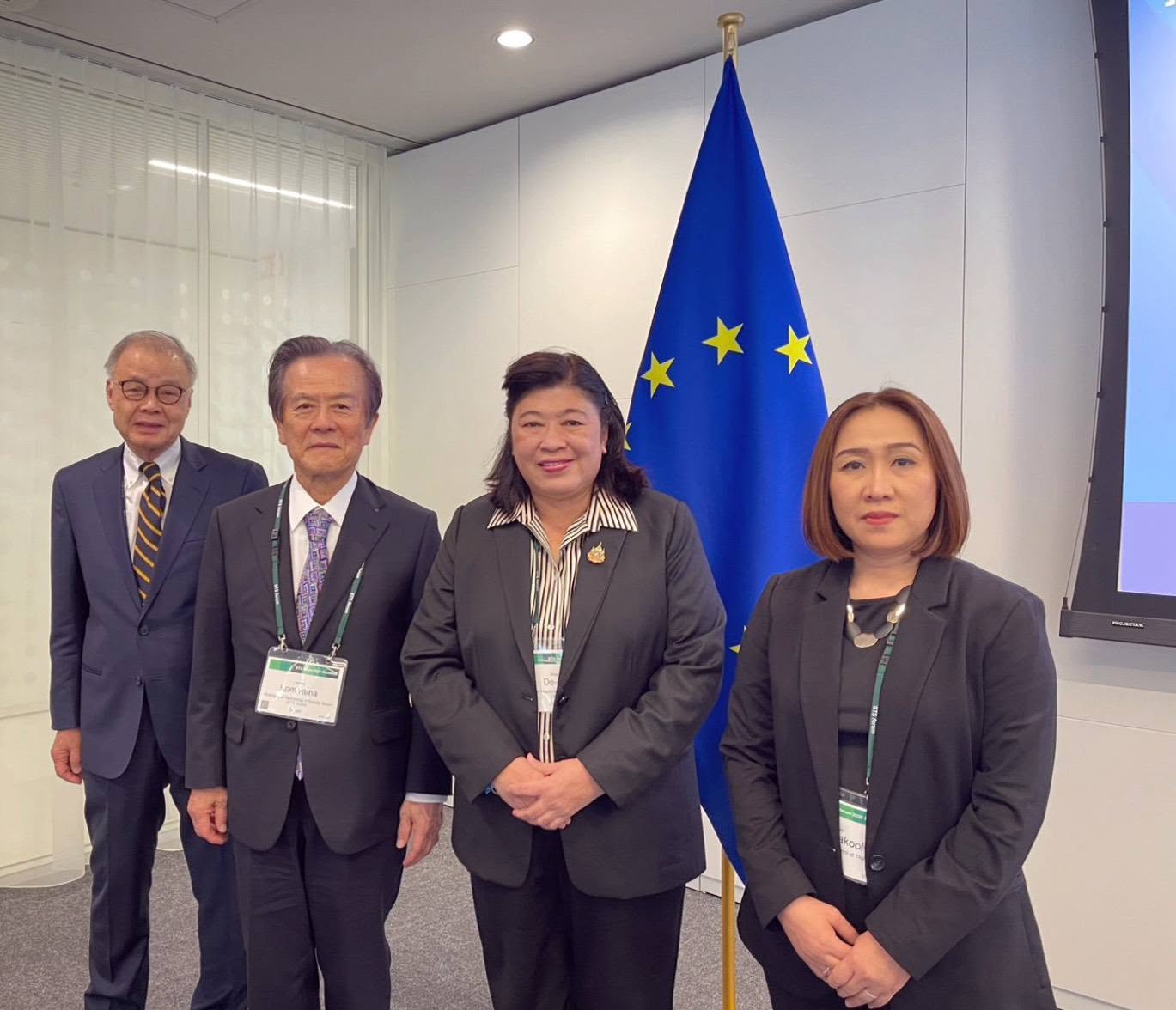
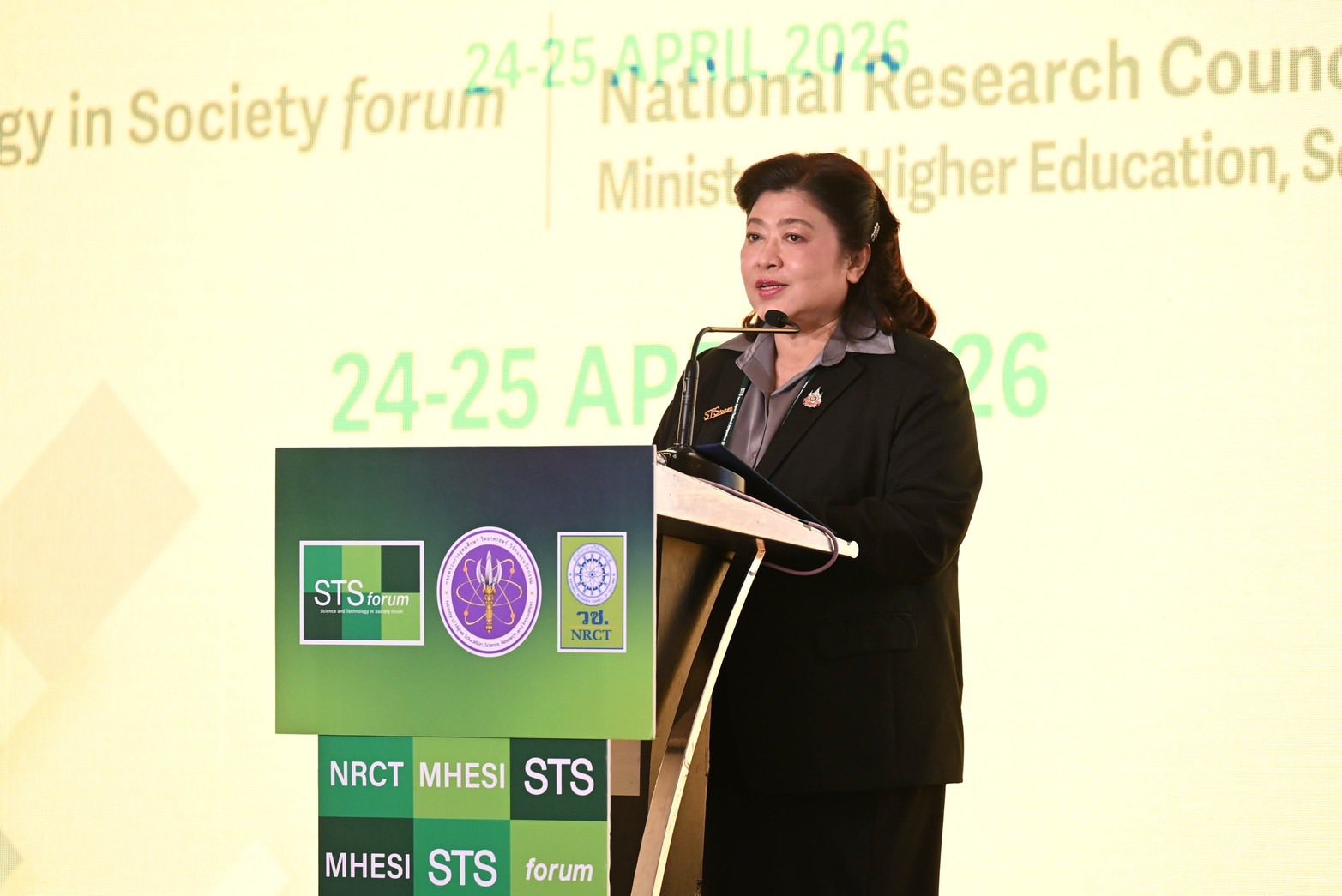
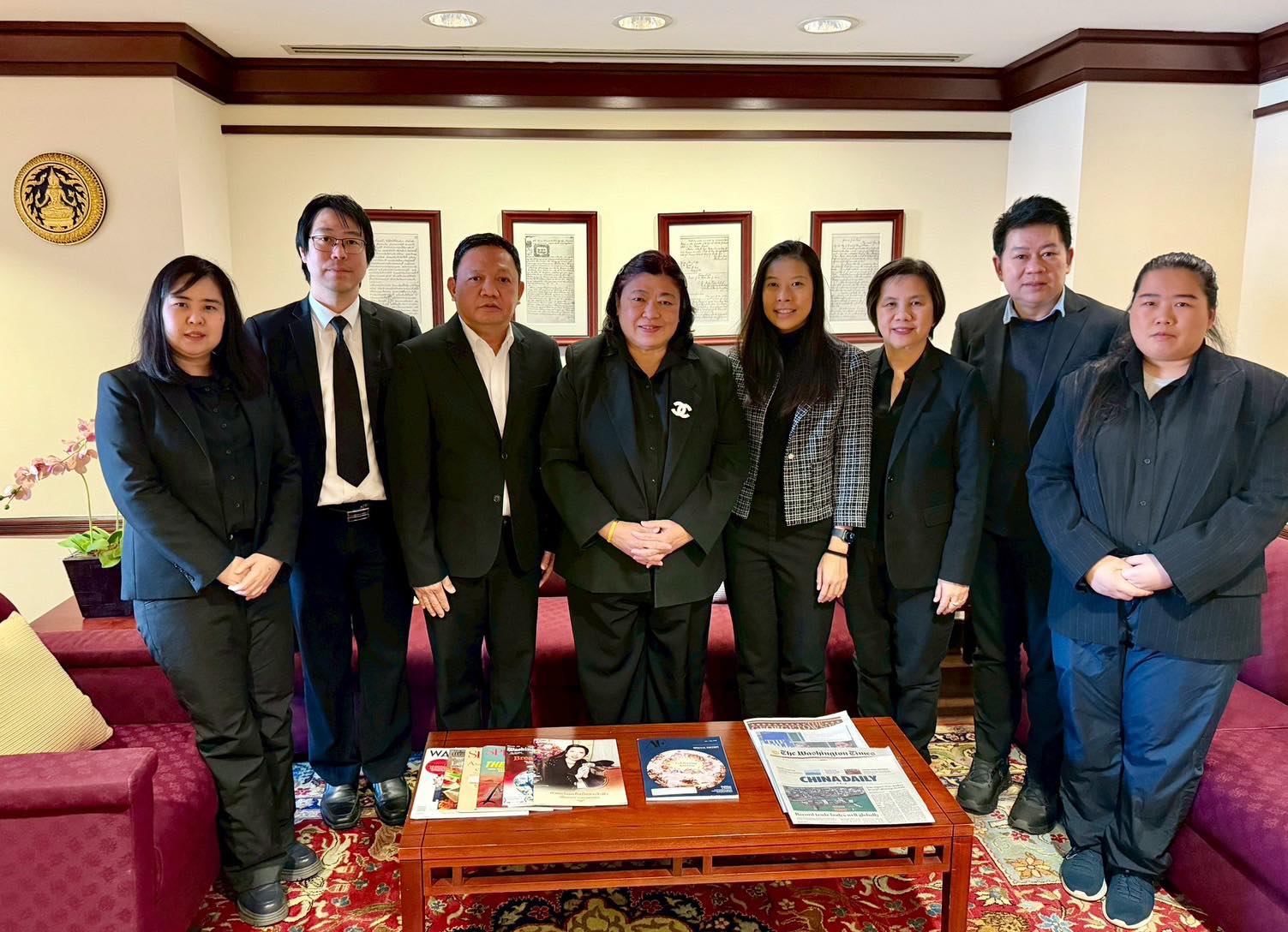
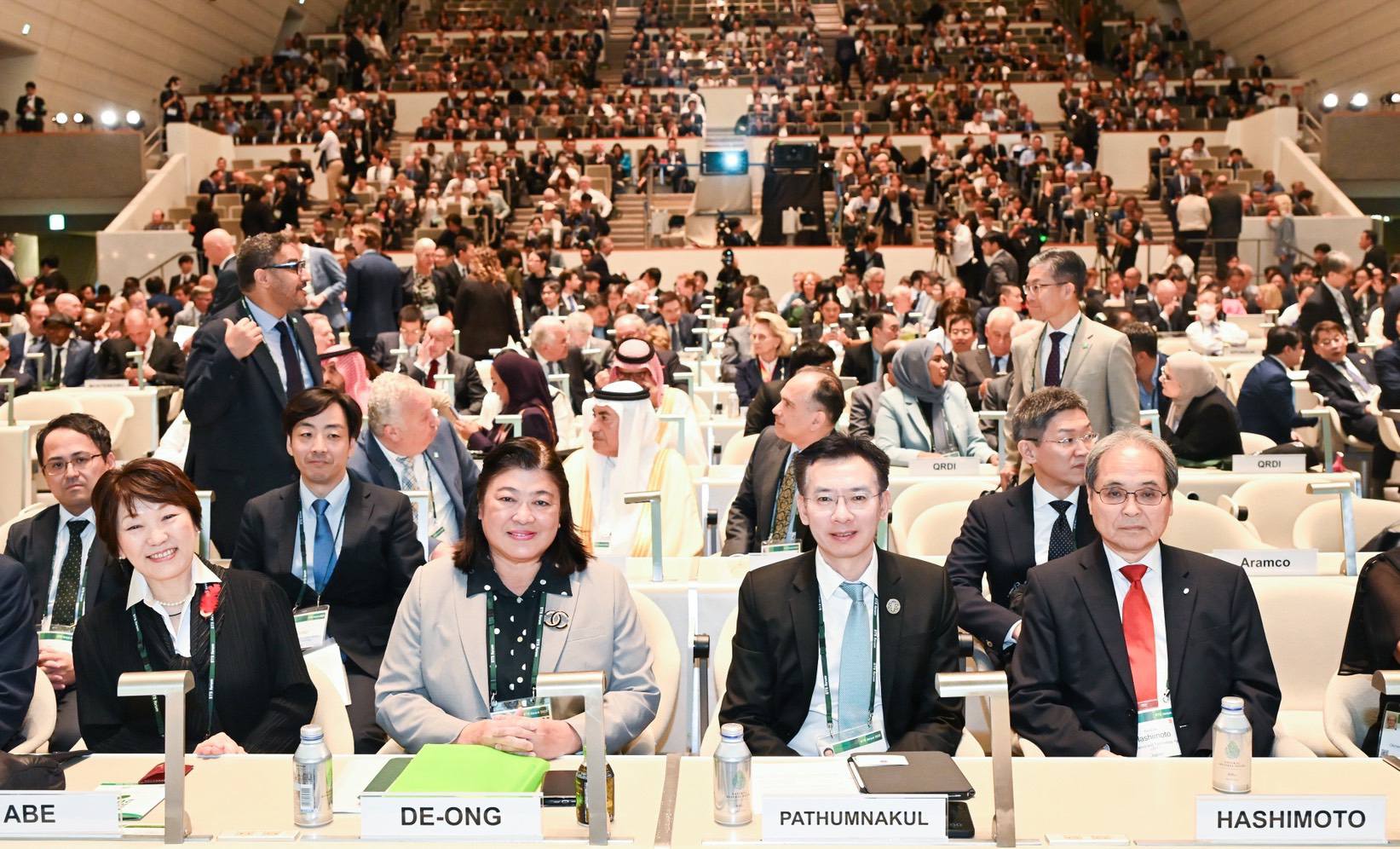
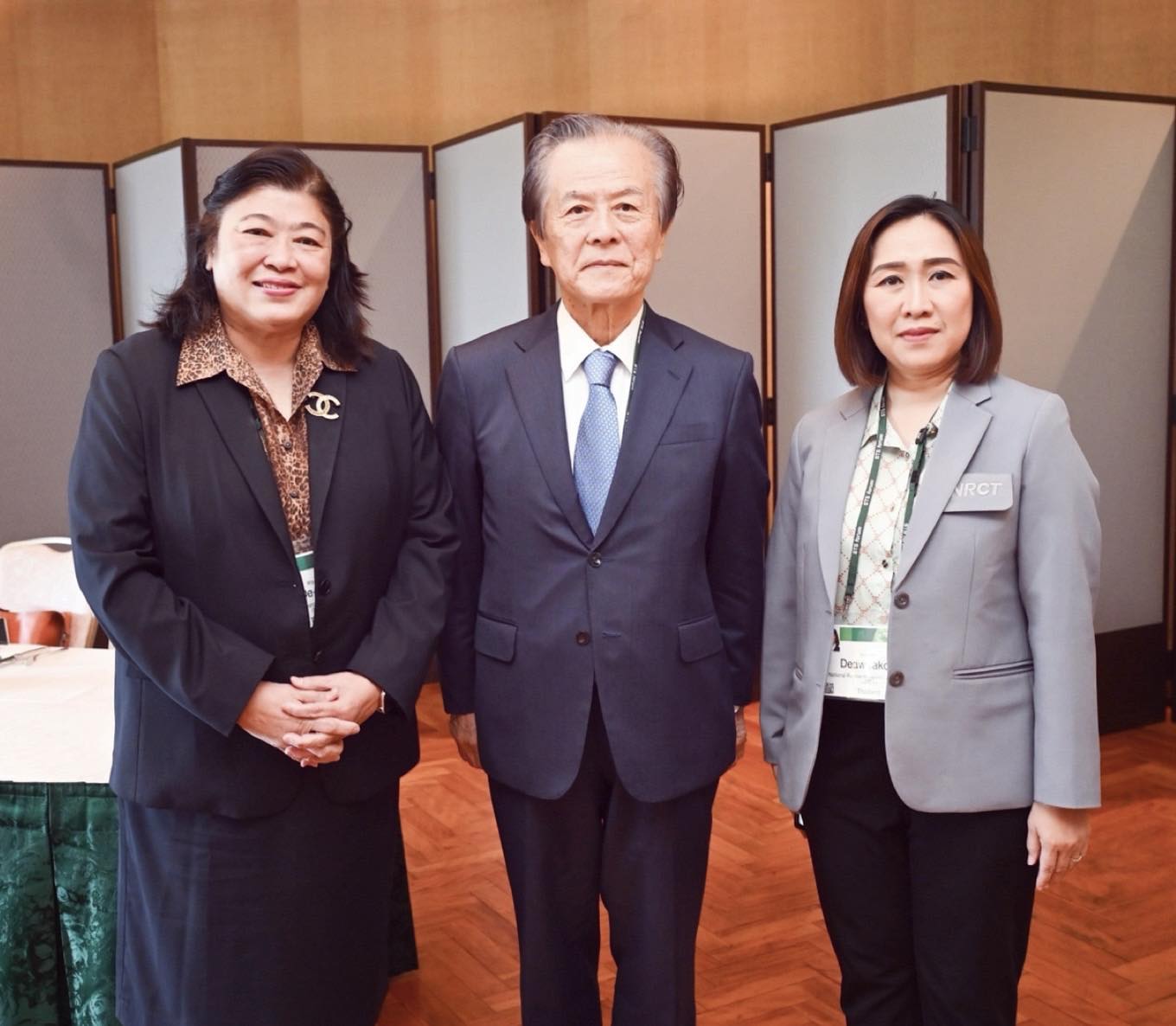
The event was presided over by Professor Dr. Supachai Pathumnakul, Permanent Secretary of the Ministry of Higher Education, Science, Research and Innovation, who delivered the opening remarks and a special keynote address. In his address, he highlighted that the increasing frequency and severity of disasters around the world in recent years show that we are facing more complex and intense natural hazards. Thailand itself has experienced floods and earthquakes. In this context, artificial intelligence (AI) plays an important role in helping societies better prepare for and respond to such crises. He also emphasized the importance of empowering the younger generation, noting that youth and emerging talents are key drivers of the future. The Ministry therefore continues to support human resource development and encourages active participation on the international stage.
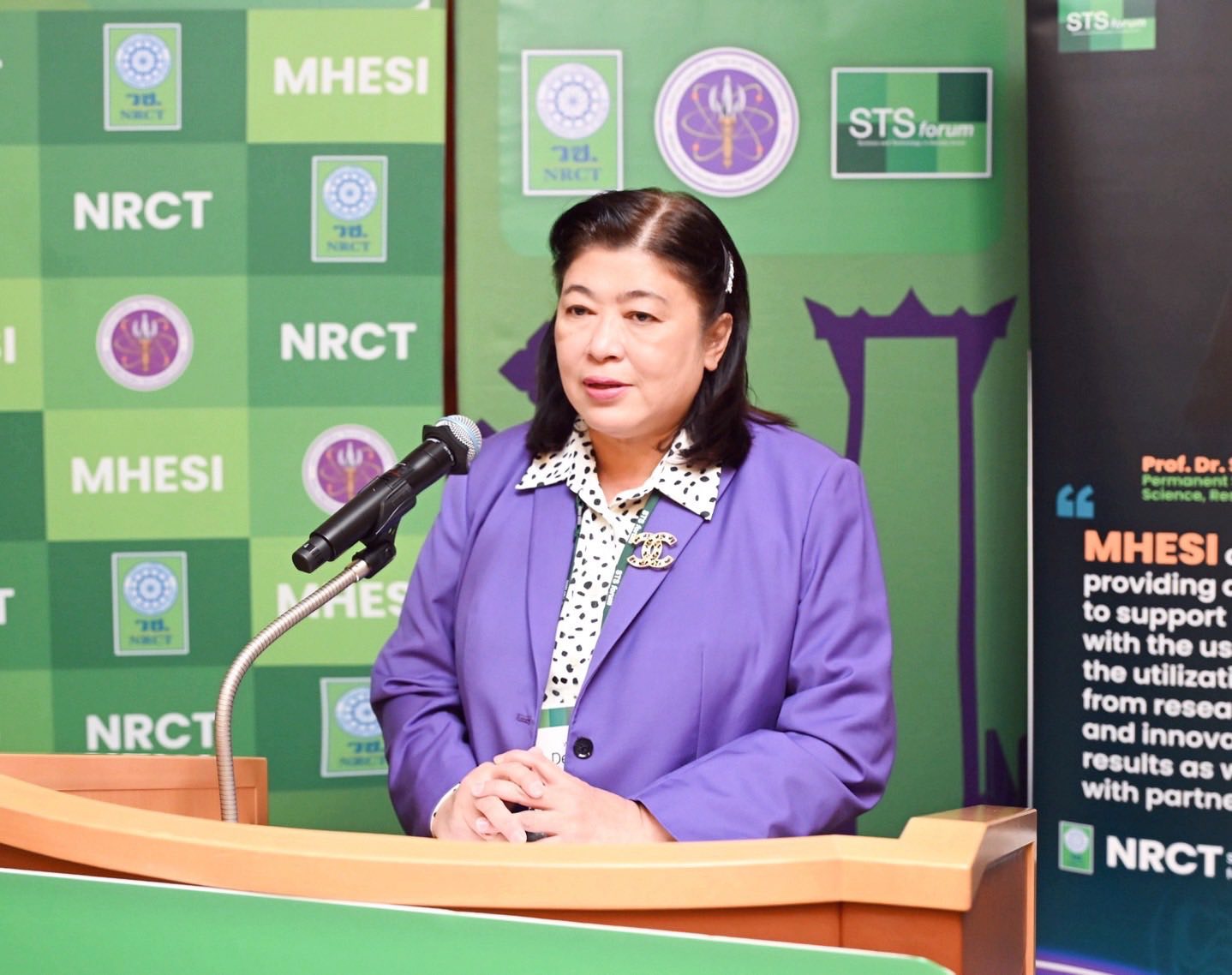
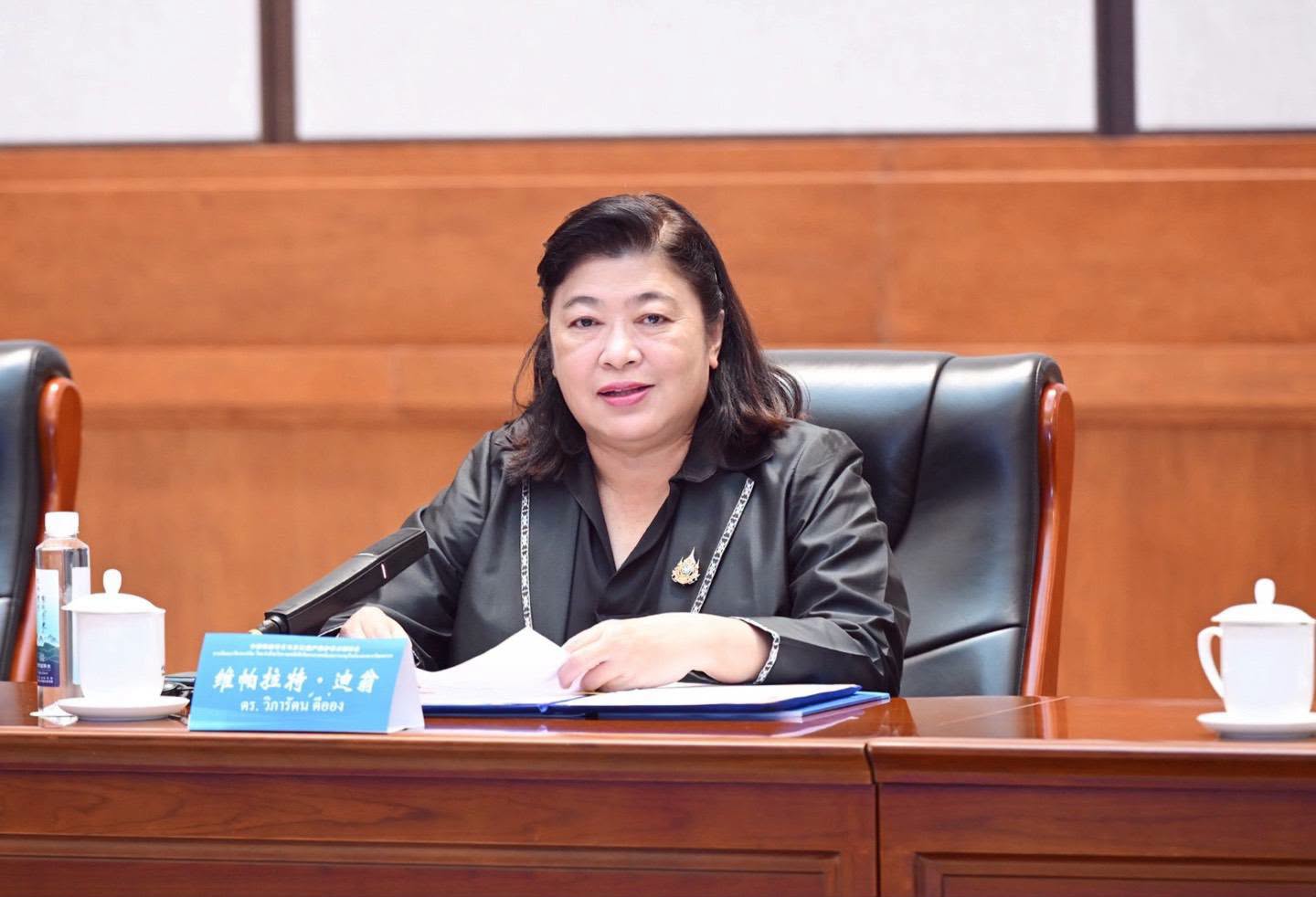
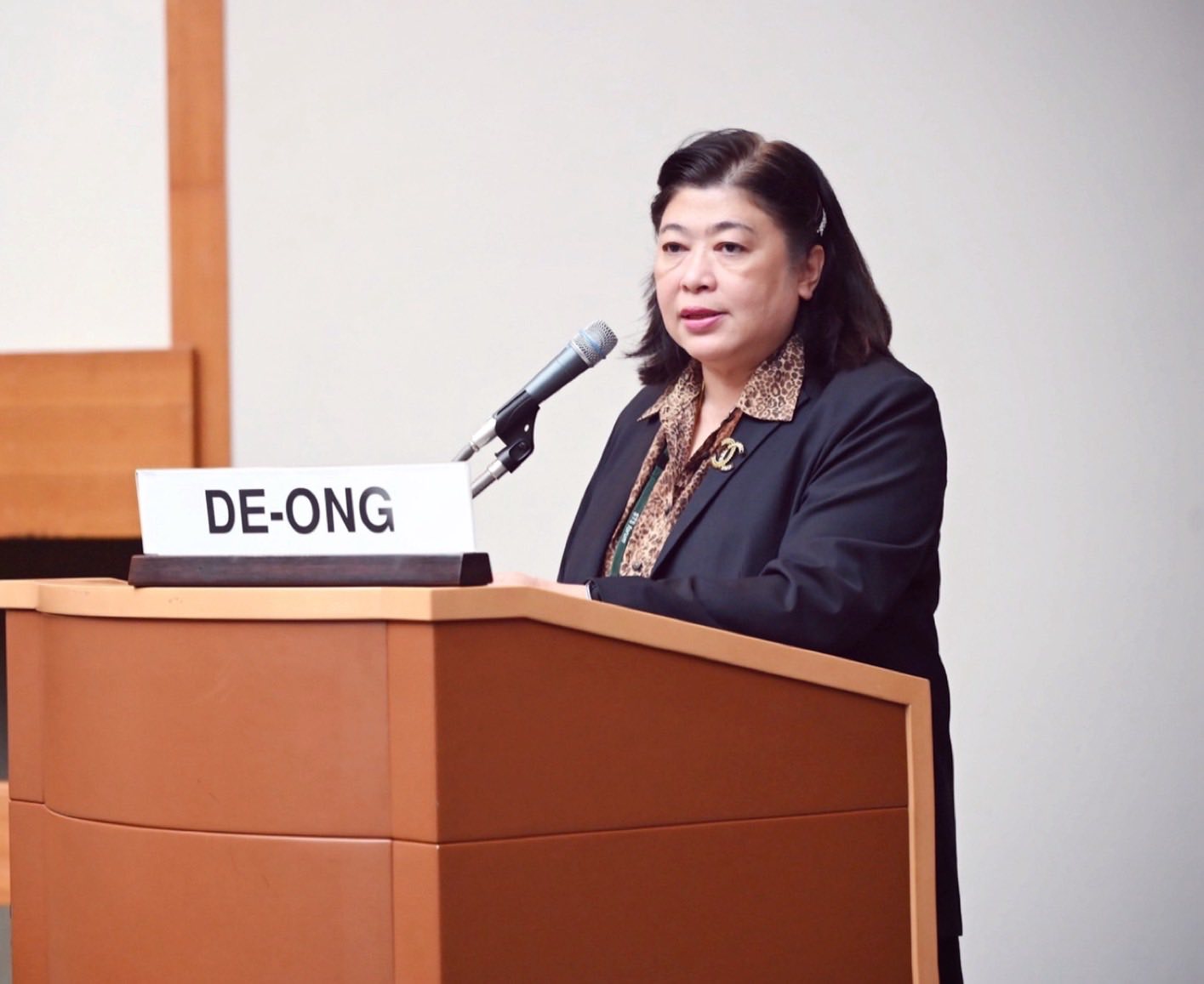
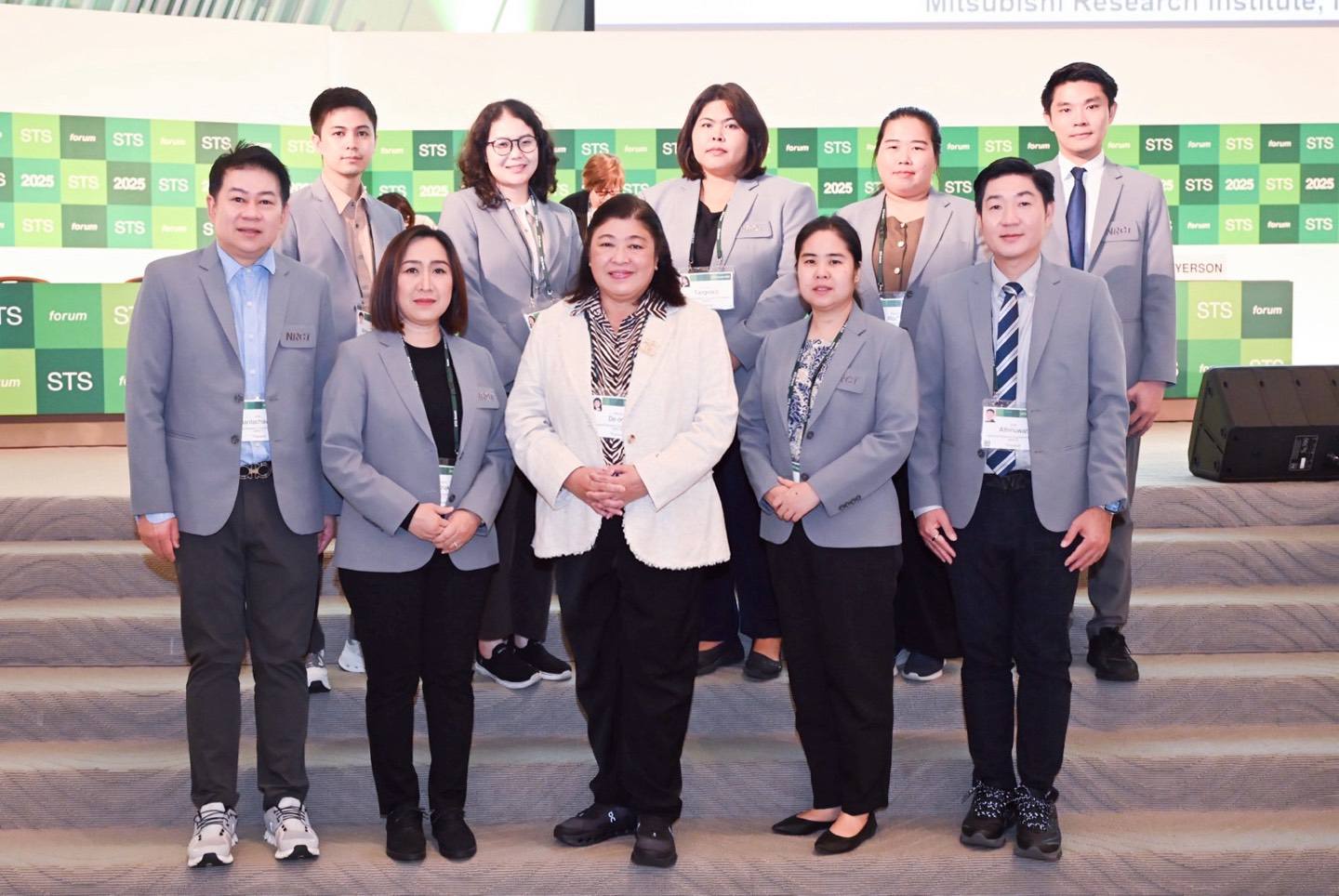
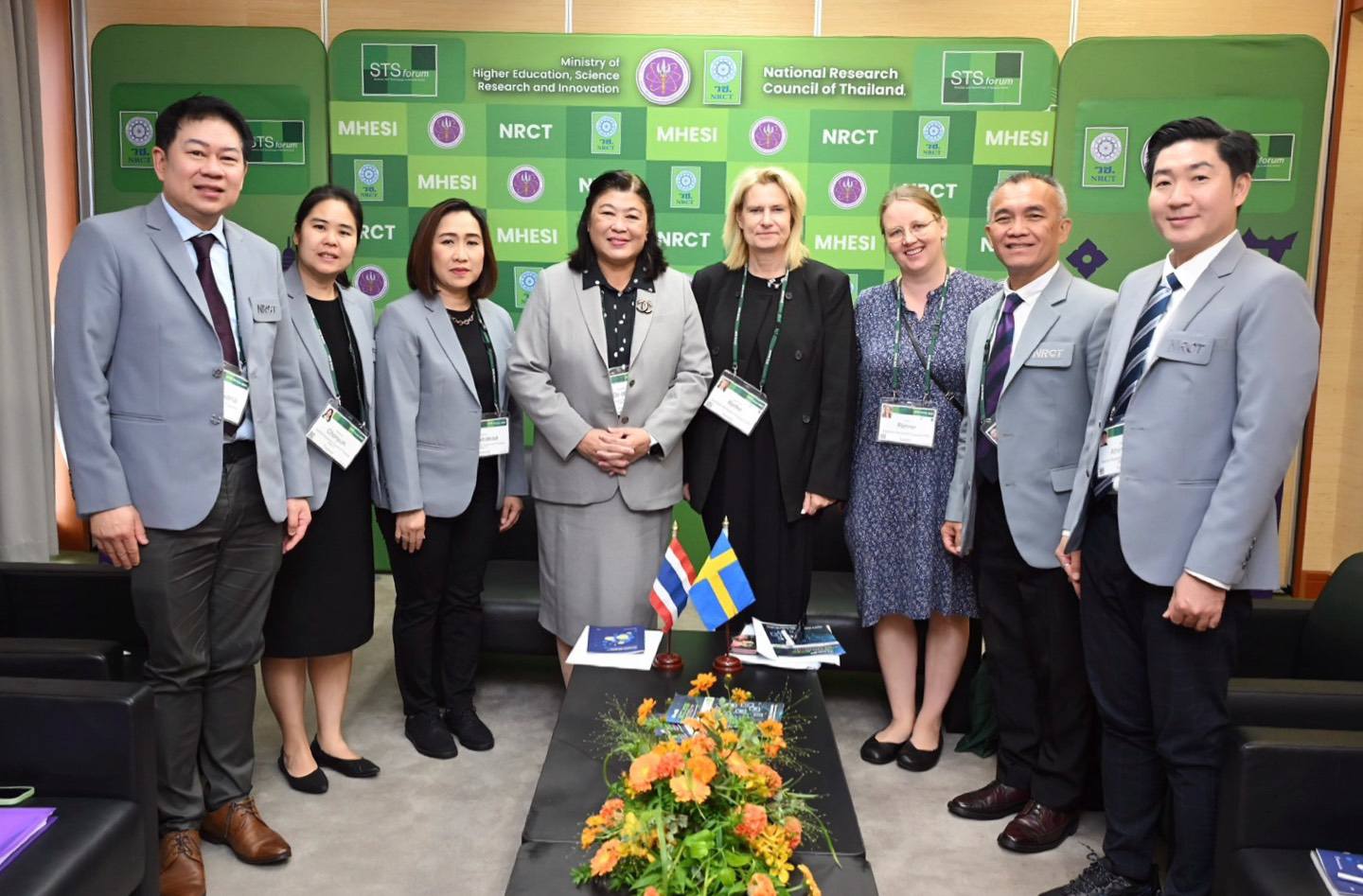
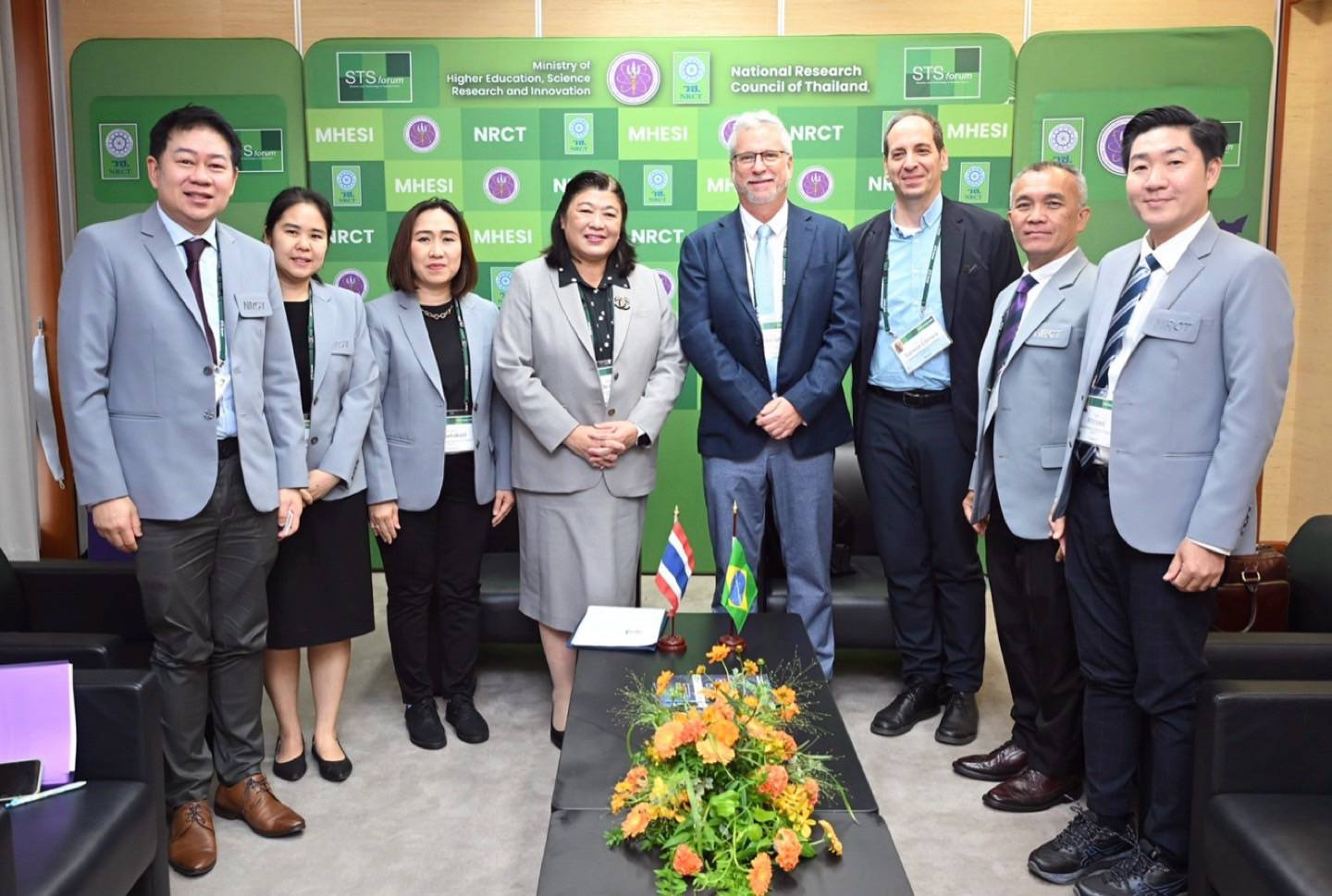
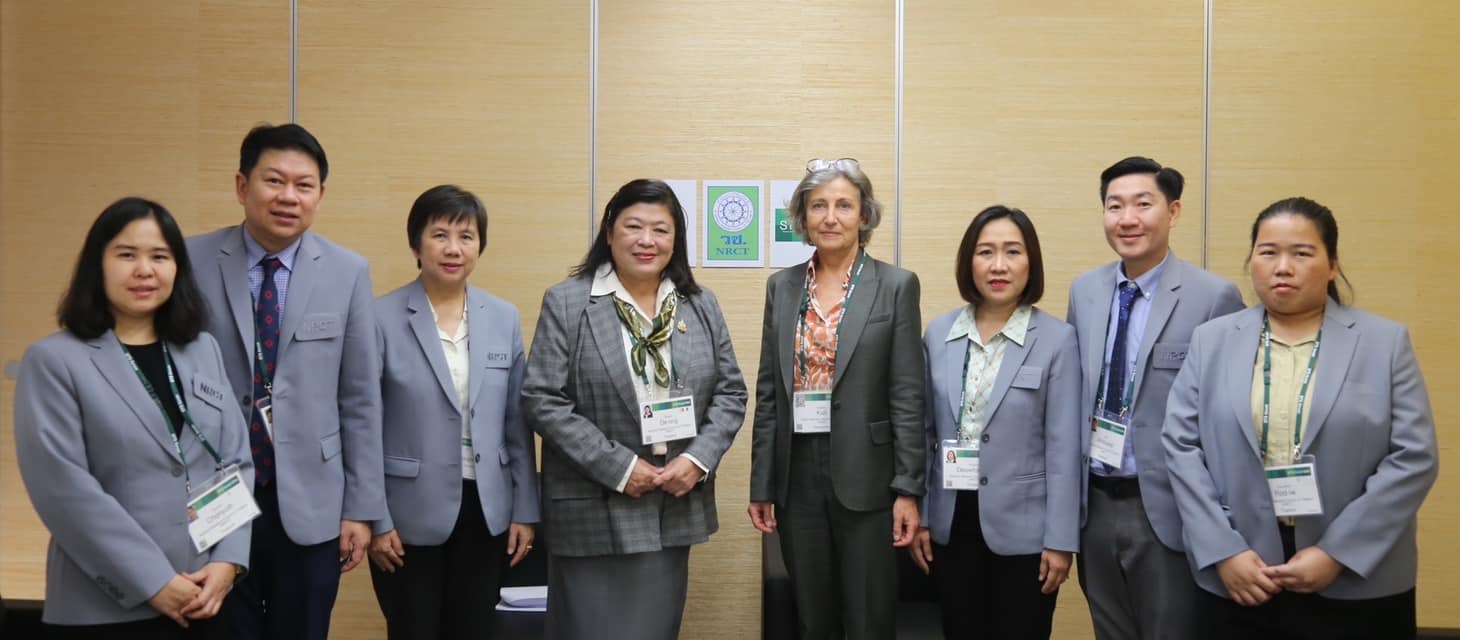
Dr. Wiparat De-ong, Executive Director of the National Research Council of Thailand (NRCT), delivered the welcome remarks. She noted that, as the country’s main funding agency for research and innovation, NRCT has continuously supported projects that apply AI to disaster forecasting and early warning systems, damage assessment, and emergency response. She also highlighted the importance of collaboration with universities, research institutions, government agencies, and international partners to ensure that technology can effectively reach and benefit the public. In addition, NRCT places strong emphasis on investing in young scientists to help build a solid and sustainable foundation for the future.
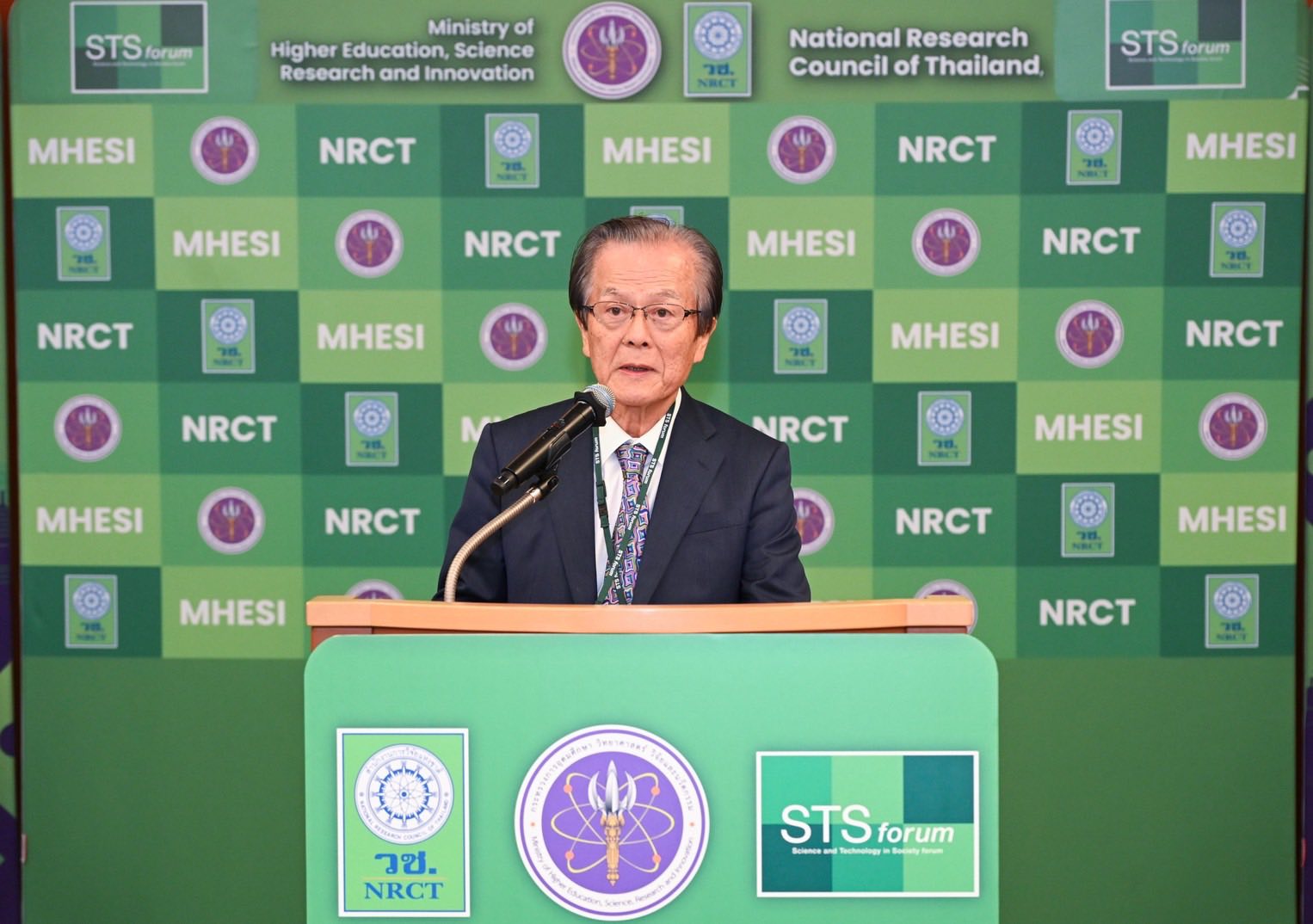
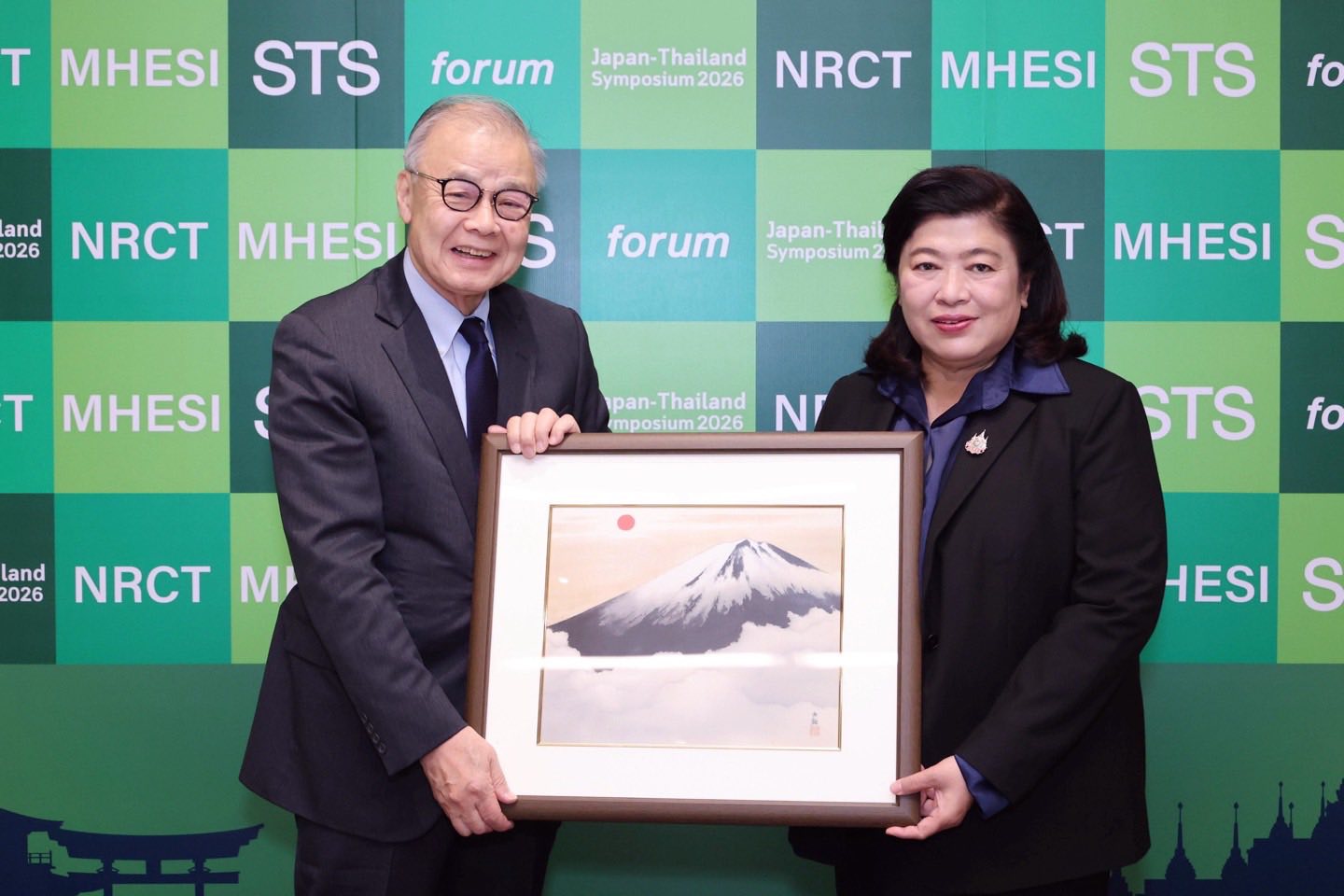
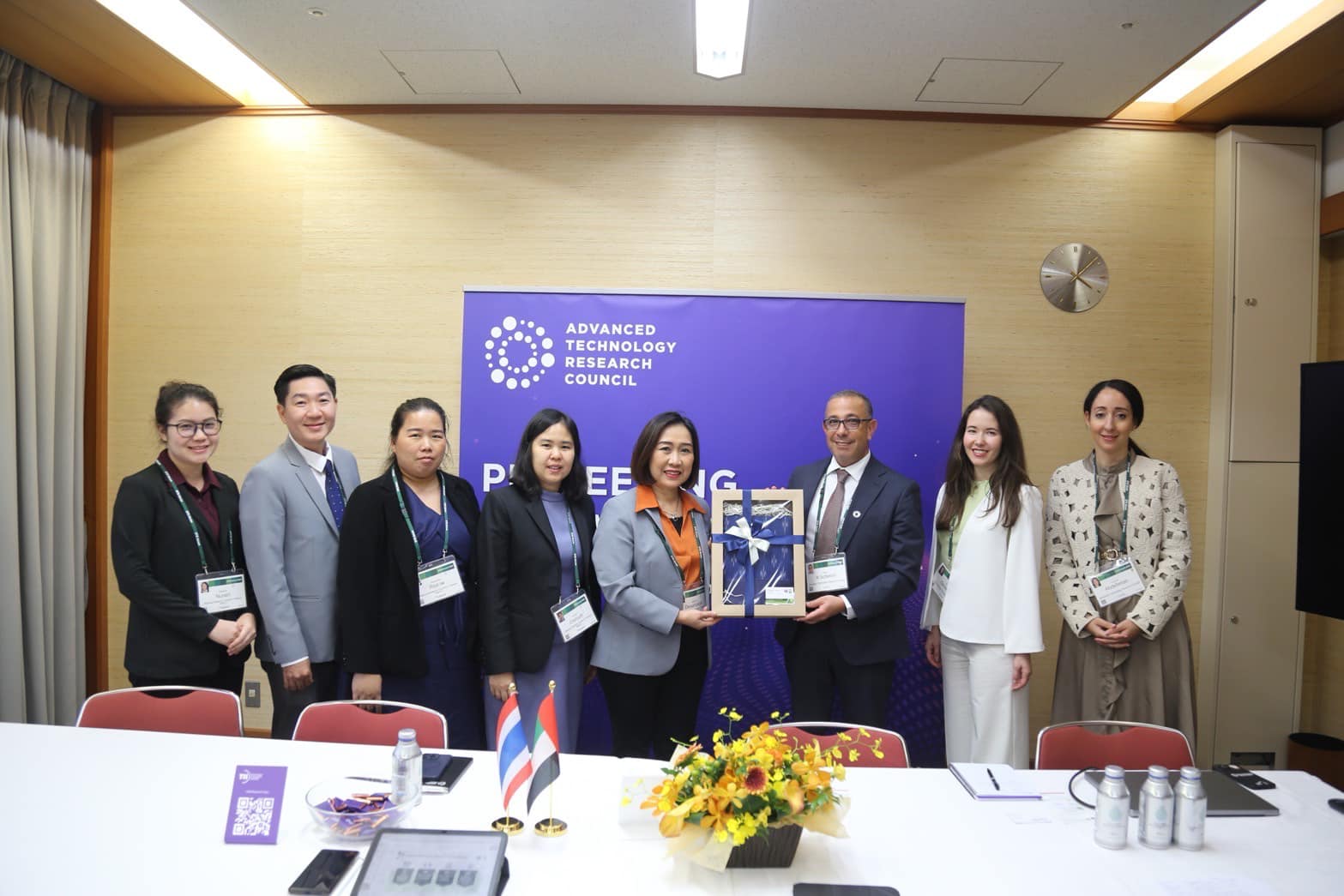
Professor Hiroshi Komiyama, Chairman of the STS forum, spoke about the ongoing cooperation between Thailand and the STS forum. He particularly referred to the 8th STS forum ASEAN–Japan Conference held in Bangkok in June 2024, which served as an important platform for policymakers, researchers, and industry leaders to exchange views on strategies for leveraging AI and green technologies.
Dr. Kaoru Takara, President of the National Research Institute for Earth Science and Disaster Resilience (NIED), Japan, emphasized that research is a key driver in generating knowledge, while development is about creating value. Both must work hand in hand to ensure that science and technology truly benefit society. Following the Kobe and Tohoku earthquakes, Japan strengthened its national disaster resilience systems. This includes the nationwide earthquake and tsunami observation network (MOWLAS) and the integrated data platform, Shared Information Platform for Disaster Management (SIP4D), to enhance rapid forecasting and early warning capabilities. Japan has also established large-scale experimental facilities such as E-Defense, as well as advanced climate simulation systems, to support research and innovation in disaster risk reduction. Dr. Takara highlighted that AI holds strong potential to improve disaster forecasting, early warning, and response. However, he stressed that it is essential to integrate “explicit knowledge,” which AI can process and utilize, with “tacit knowledge” drawn from the experience of experts. Combining both forms of knowledge will help strengthen disaster management and contribute to building a safer society.
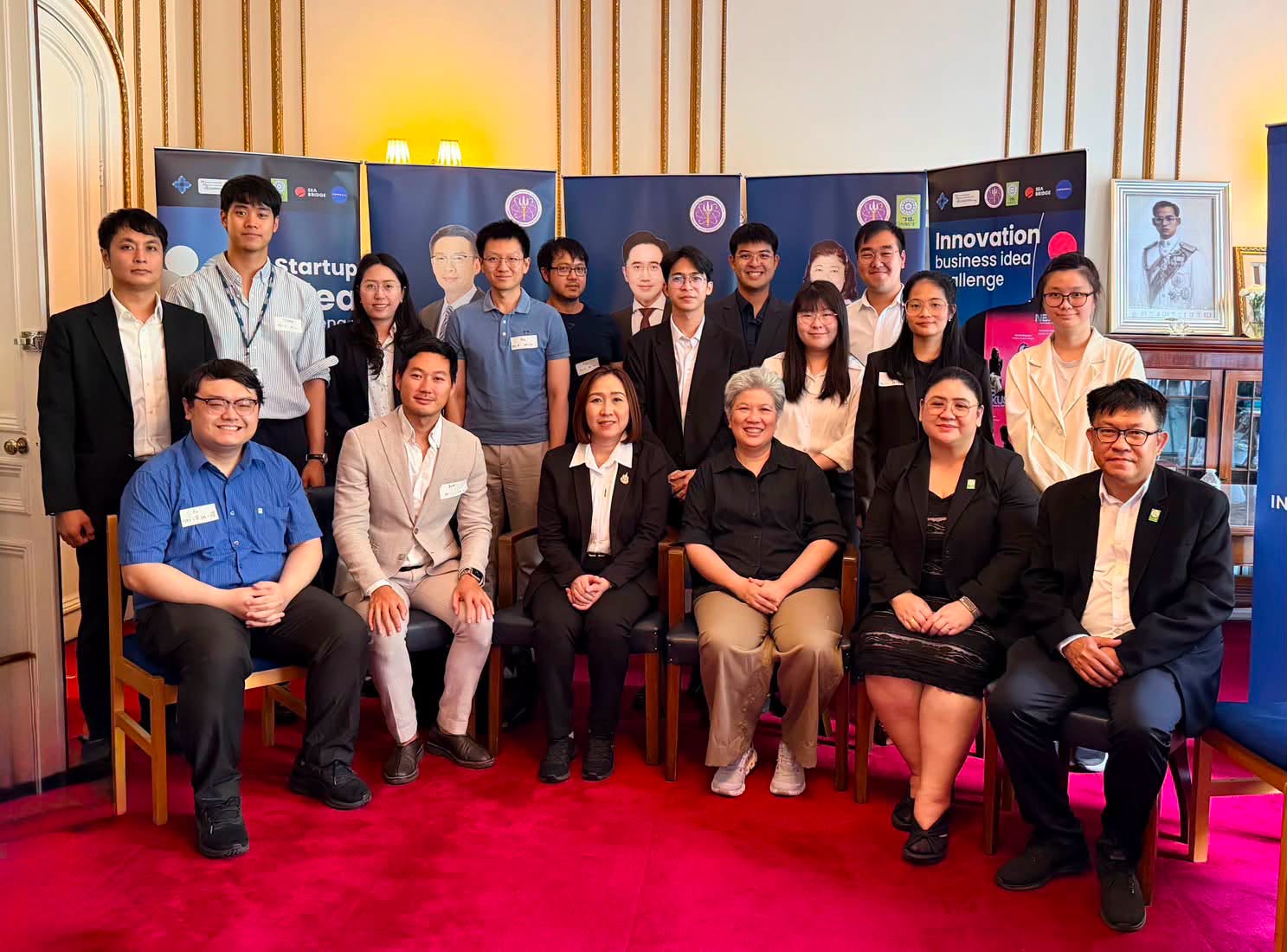
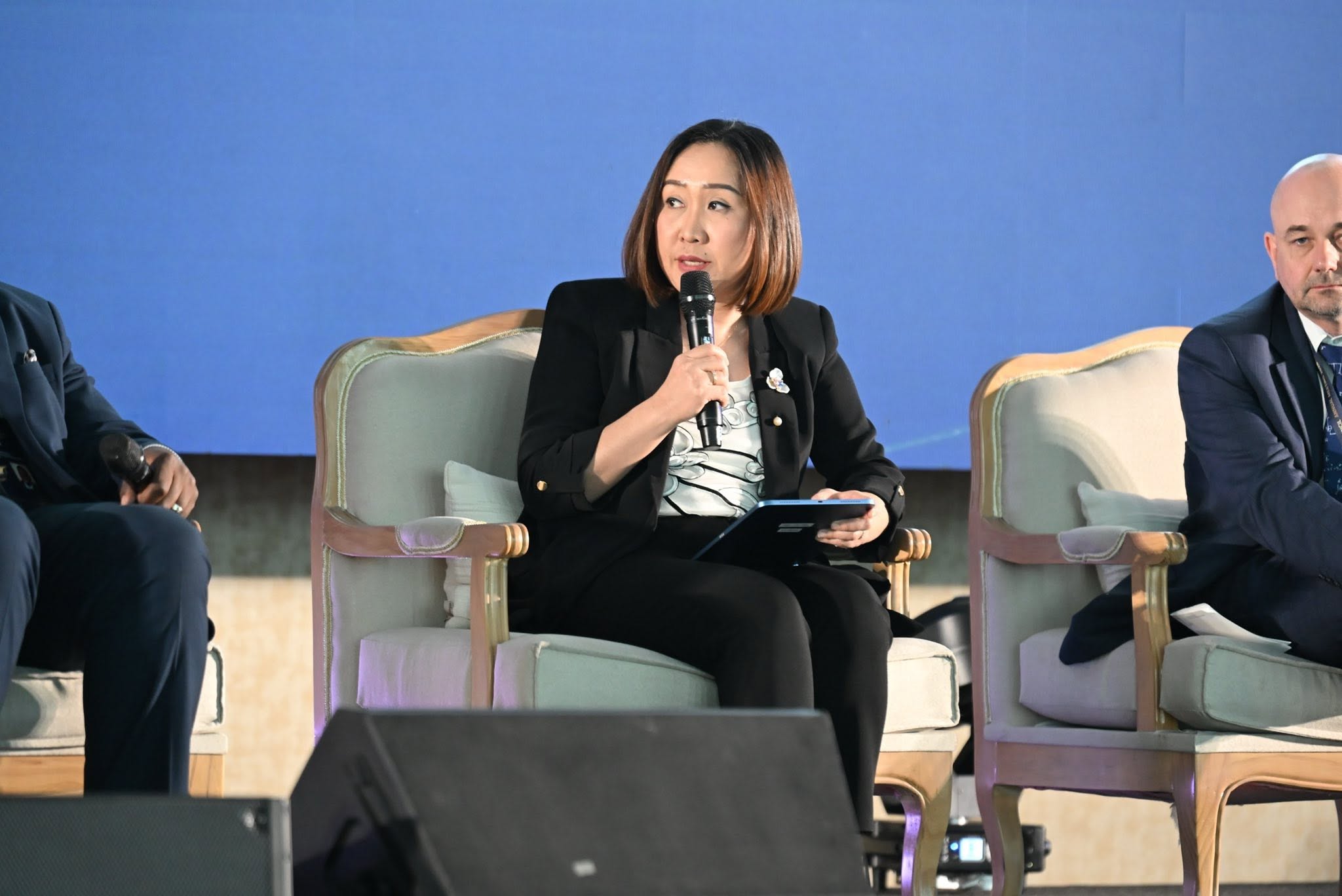
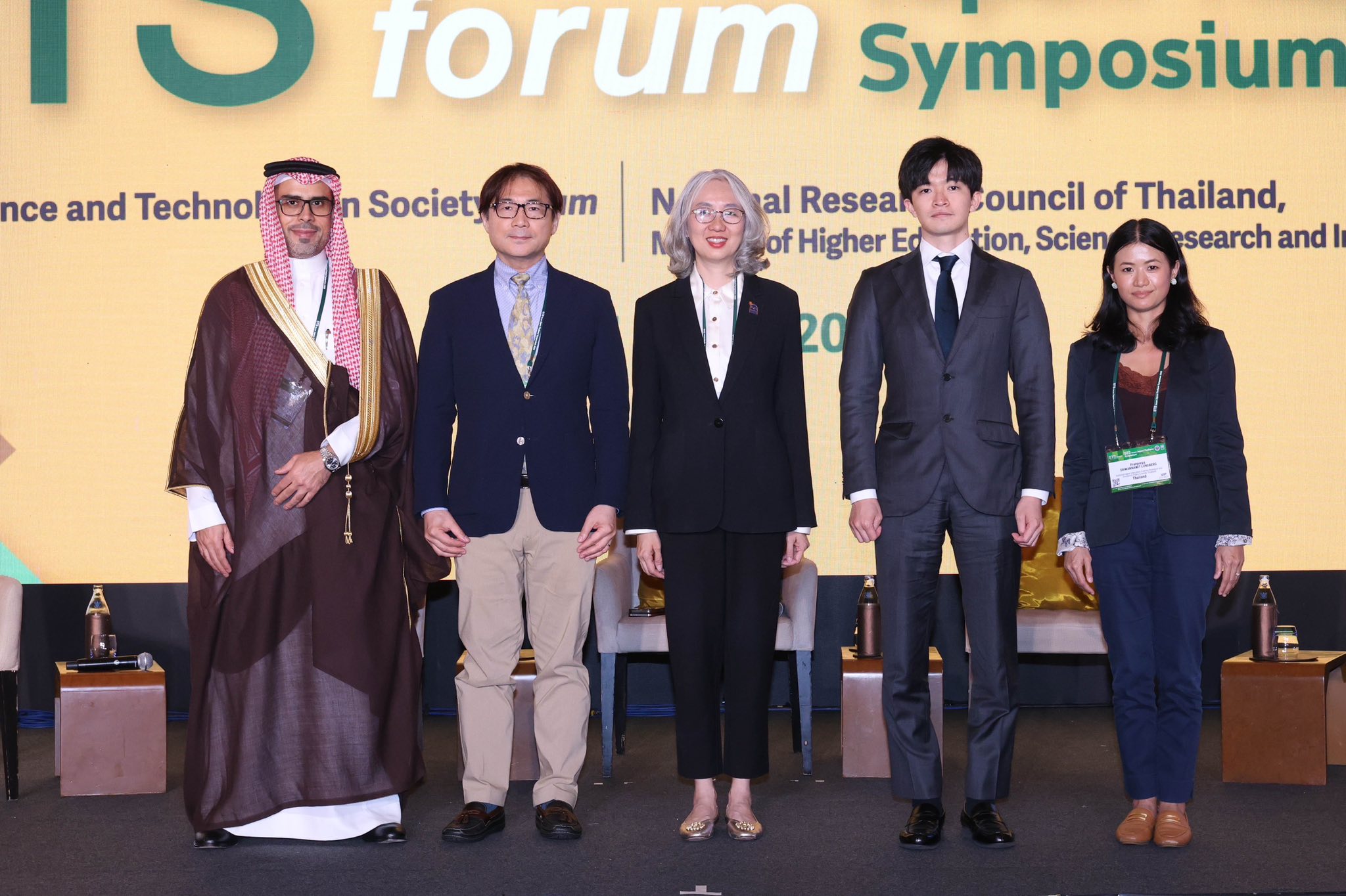
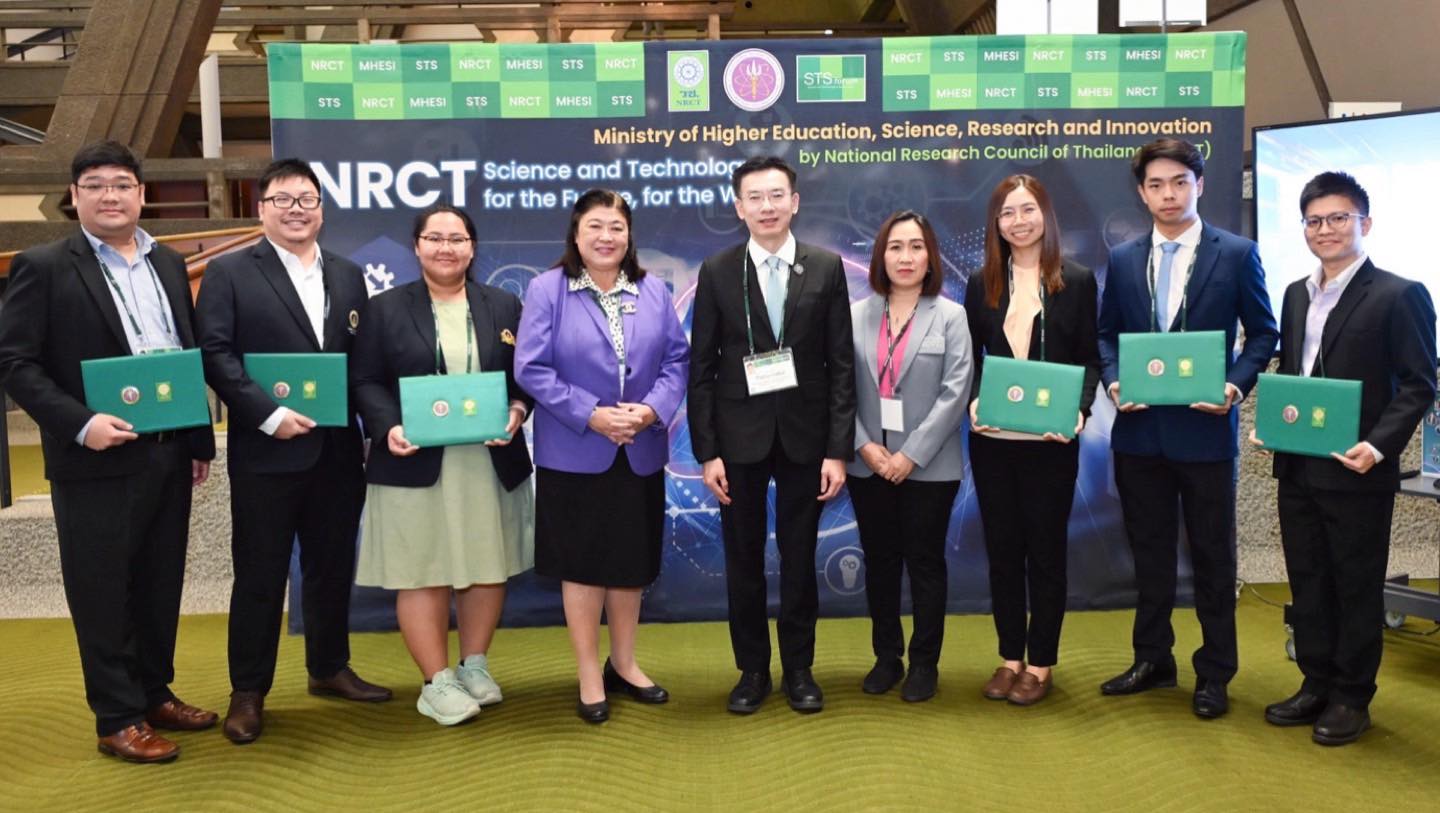
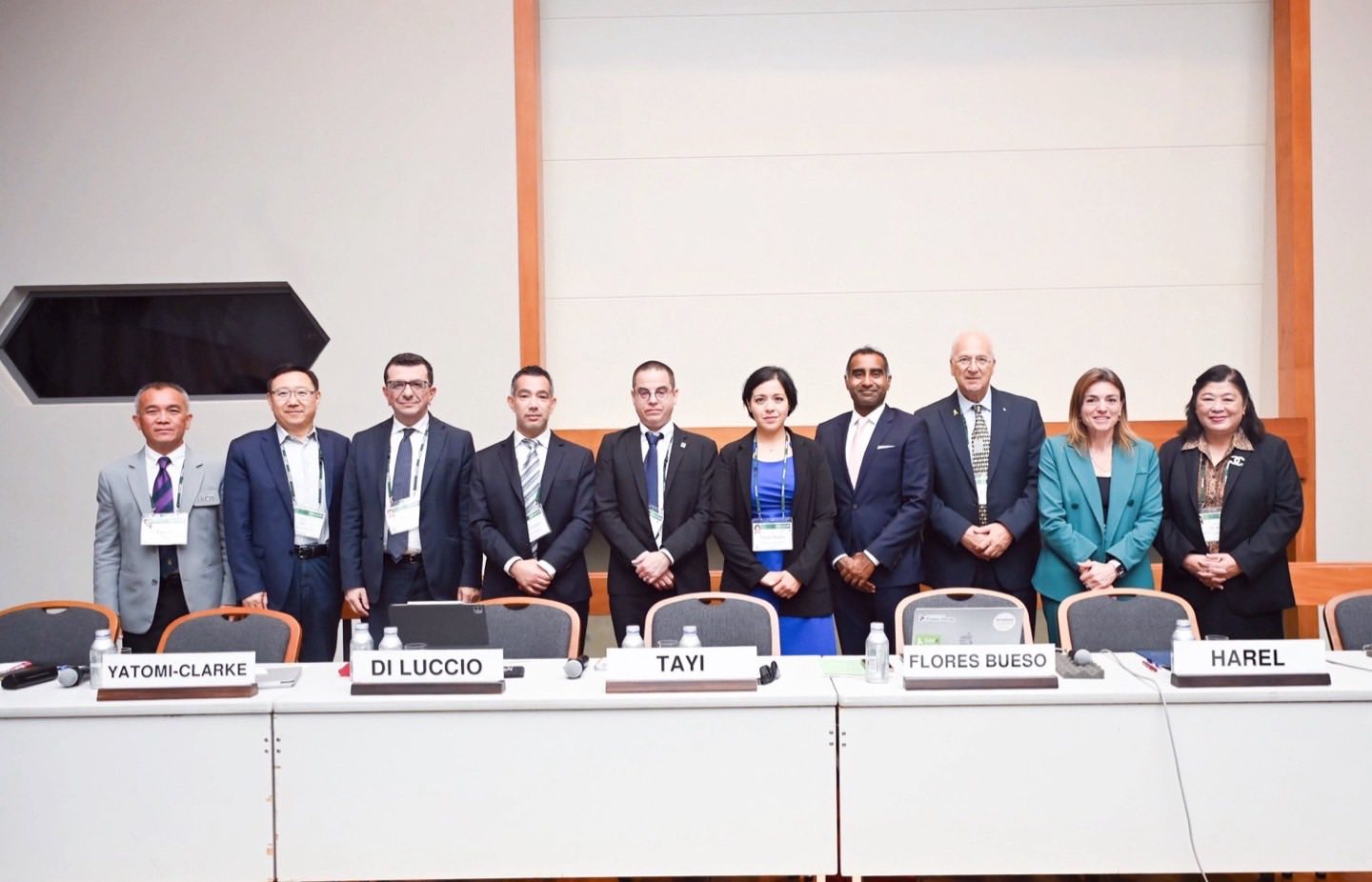
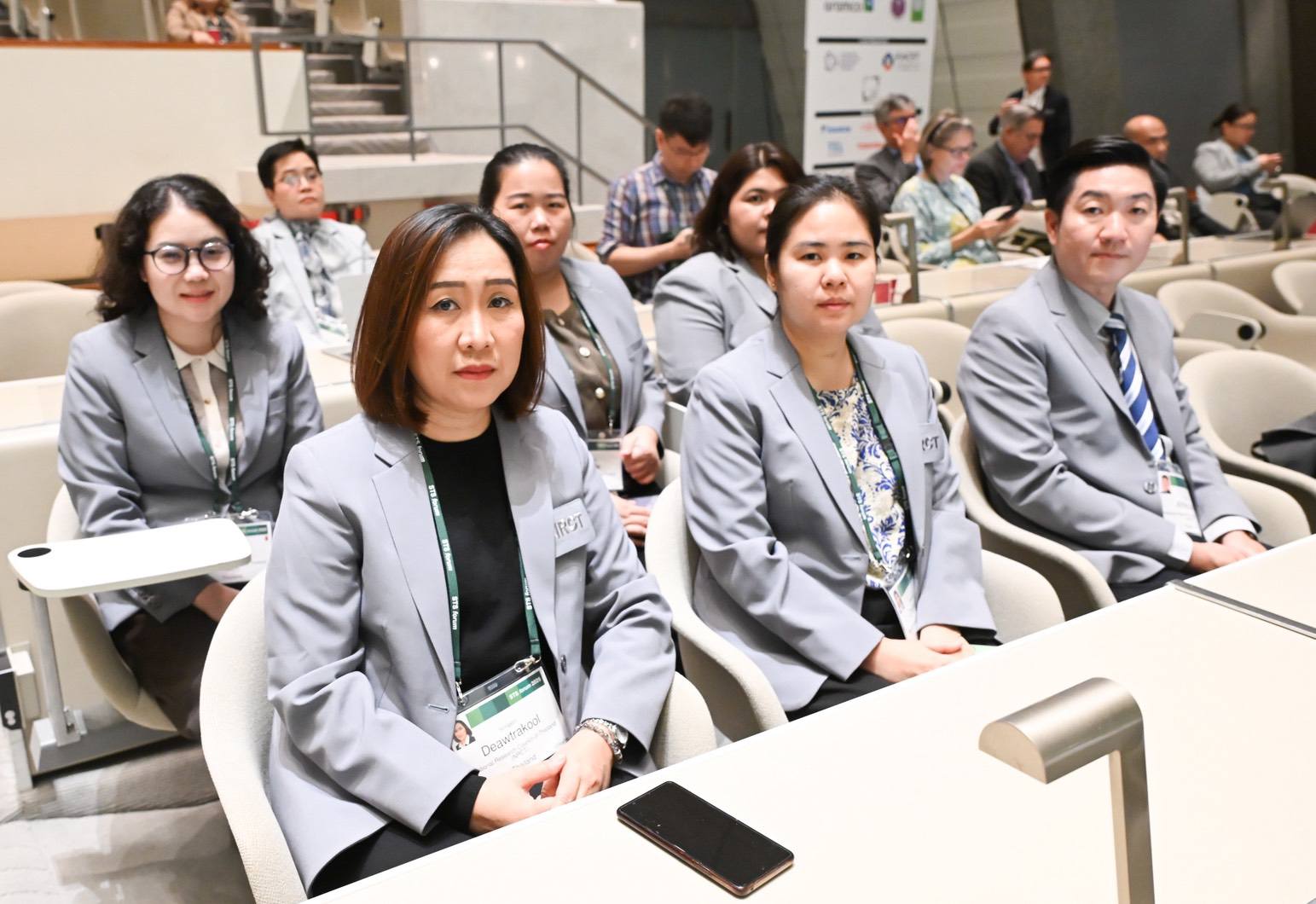
In addition, NRCT organized two panel discussions on key topics. The first session, titled “AI and Health Innovations for Disaster Preparedness,” was moderated by Ms. Sirinporn Deawtrakool, Deputy Executive Director of the National Research Council of Thailand, together with Associate Professor Dr. Anak Khantachawana, Academic Advisory Committee. The session featured participation from STS forum Young Leaders from Thailand, who joined the discussion as panelists, as follows:
1. Associate Professor Dr. Krit Charupanit Prince of Songkla University
2. Associate Professor Dr. Theerawit Wilaiprasitporn, Vidyasirimedhi Institute of Science & Technology (VISTEC)
3. Dr. Sittiprapa Isarangura, Mahidol University
The discussion concluded that AI can significantly enhance the resilience of healthcare systems in the face of disasters. Technologies such as telemedicine and home isolation during the COVID-19 pandemic enabled doctors to monitor patients remotely. In addition, AI-supported analysis of biosignals has improved disease diagnosis, while communication tools for people with hearing impairments help ensure that emergency communication is inclusive and accessible to all groups in society.
The second session, titled “Innovative Science and Technology for Disaster Resilience,” was moderated by Associate Professor Dr. Dusit Athinuwat, Academic Advisory Committee, together with Ms. Kwansiri Chonyuth, Director of the Group of International Affairs, NRCT. The discussion also featured STS forum Young Leaders from Thailand as panelists, as follows:
1. Assistant Professor Dr Sitthivut Charoensutthivarakul, Mahidol University
2. Assistant Professor Dr. Wiriya Thongsomboon, Mahasarakham University
3. Dr. Soontorn Tuntithavornwat, Mahidol University
The discussion highlighted the important role of science and technology in supporting society. Examples included the development of biosensors to monitor animal health and prevent disease outbreaks in farms, the application of chemical and biological technologies to detect pathogens and chemical leaks, and the advancement of Organ-on-Chip platforms for drug testing. These technologies can be integrated with AI and machine learning to improve the accuracy of early risk prediction.
The main objective of this event was to provide opportunities for Thailand’s young researchers to showcase their potential on the international stage, strengthen research networks with global partners, and enhance the country’s capabilities in science, technology, and innovation in preparation for an AI-driven world. The National Research Council of Thailand (NRCT) remains committed to leveraging science, research, and innovation as key forces in building a safer, more sustainable, and disaster-resilient society for the future.