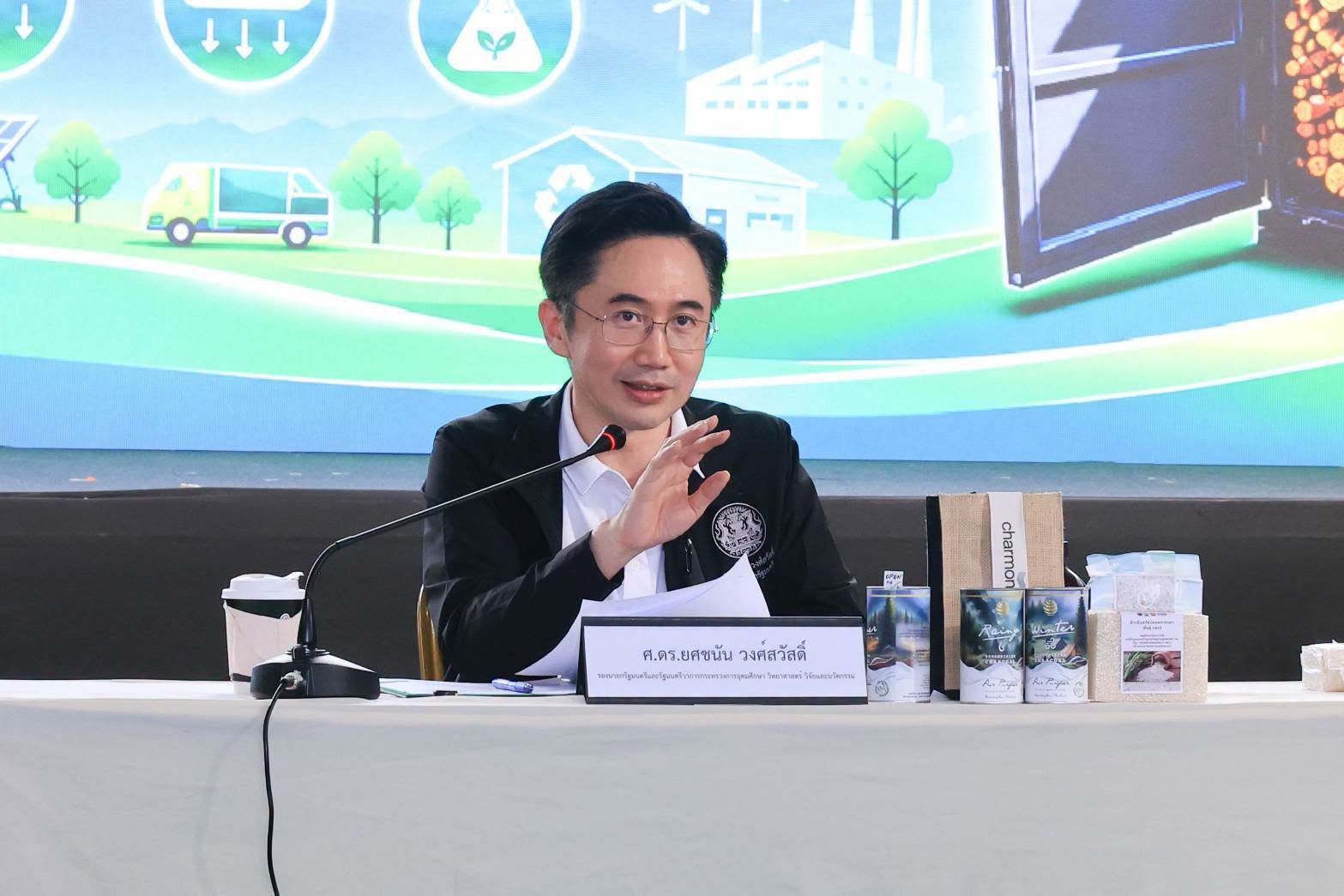
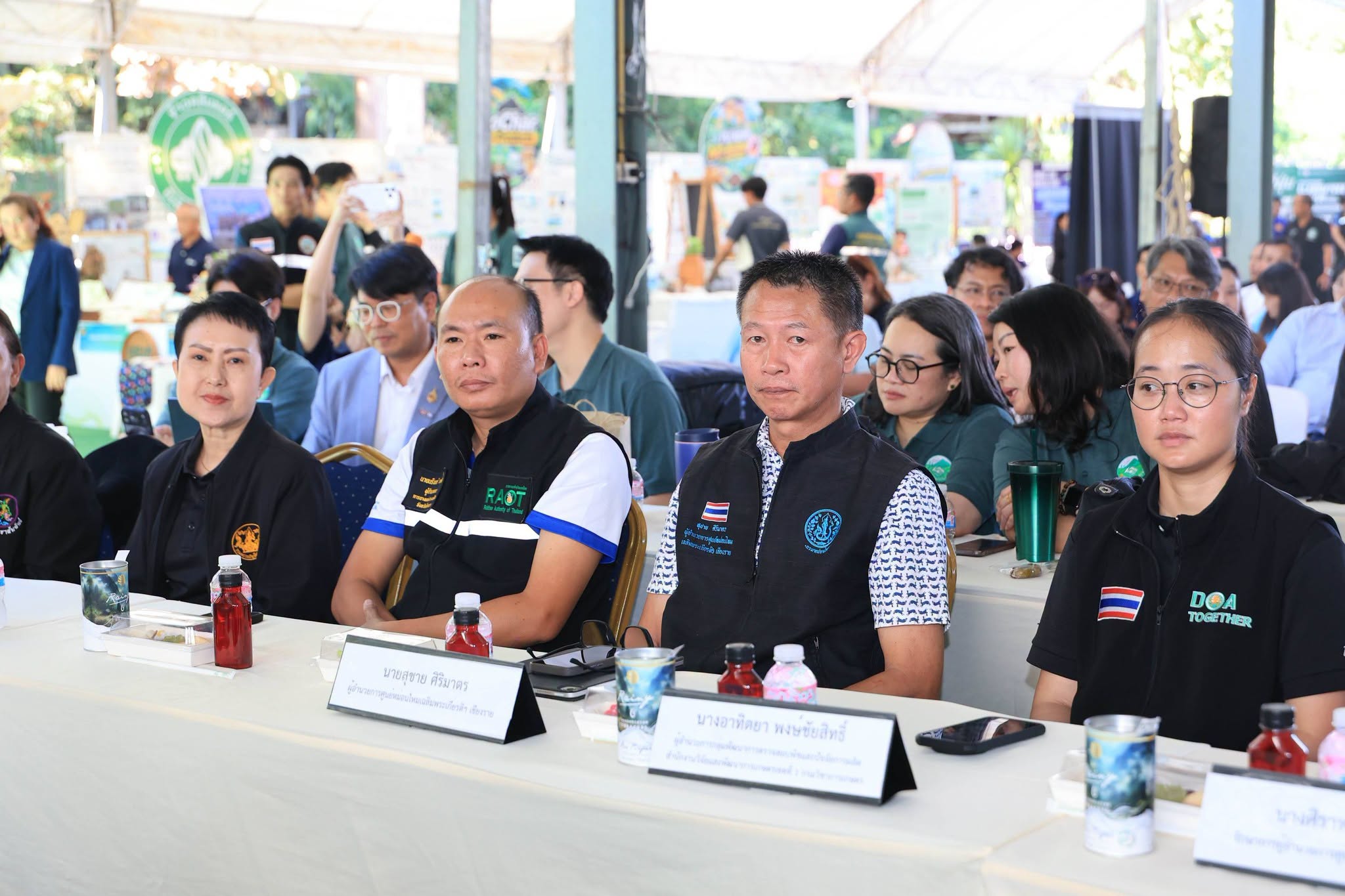
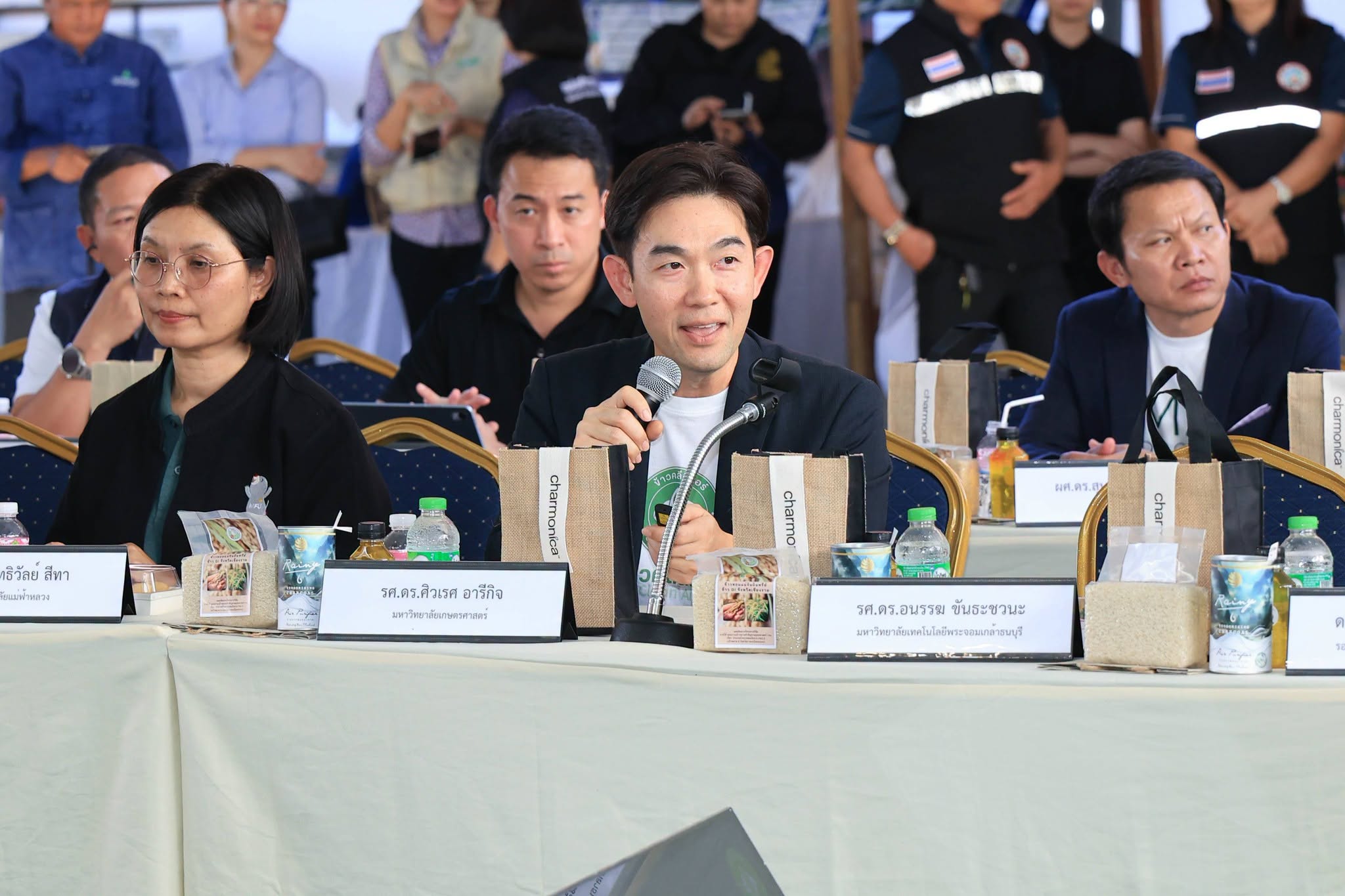
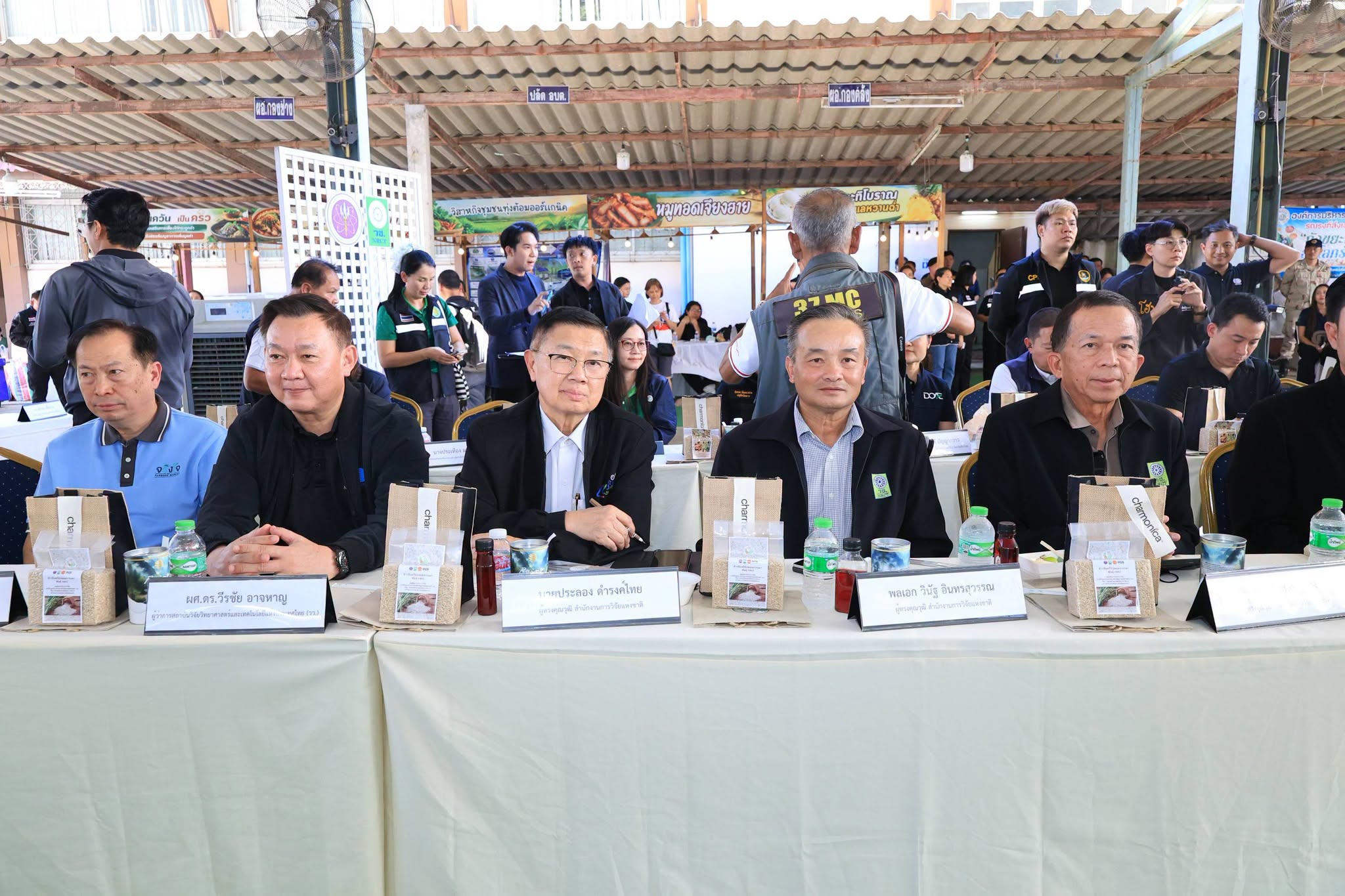
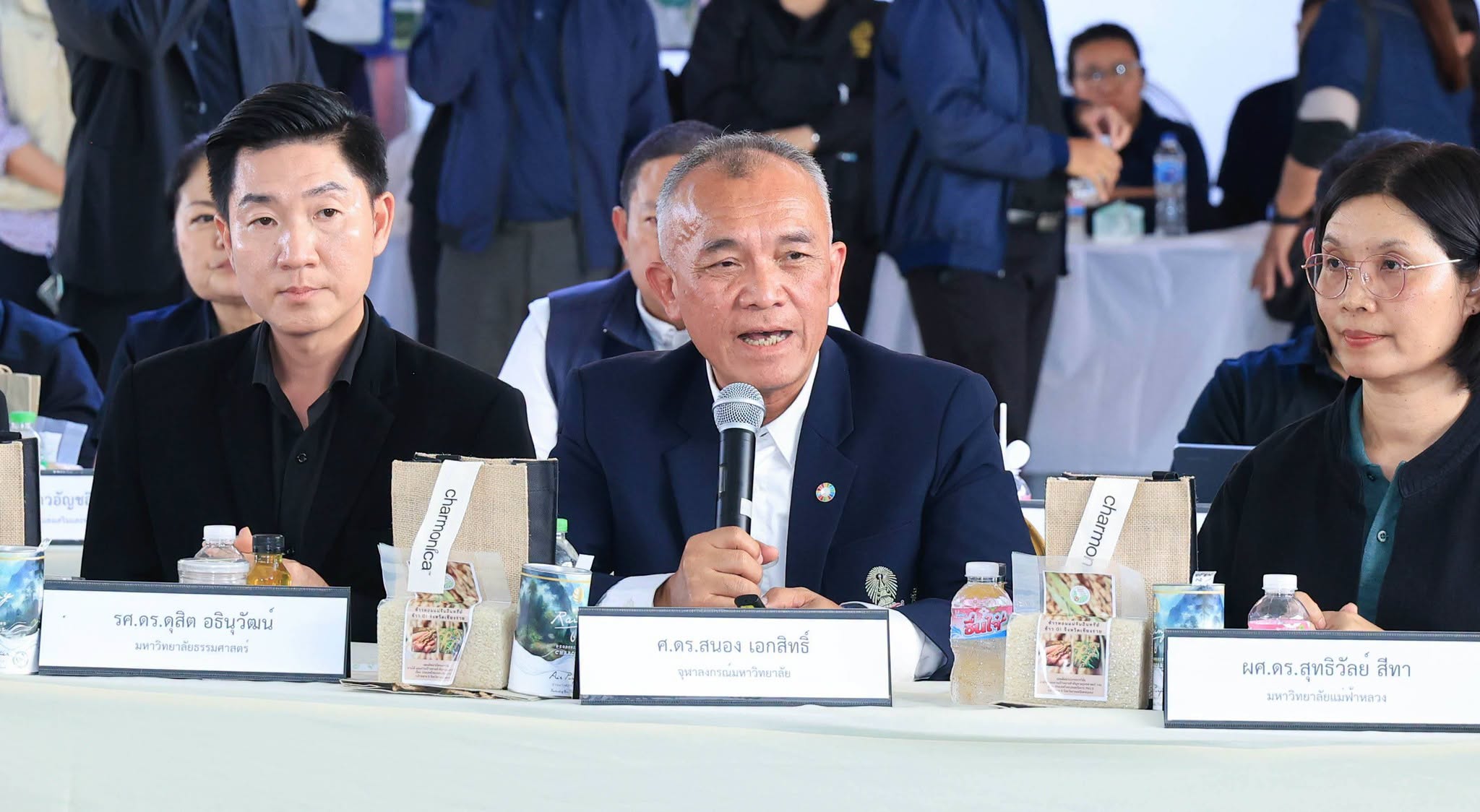
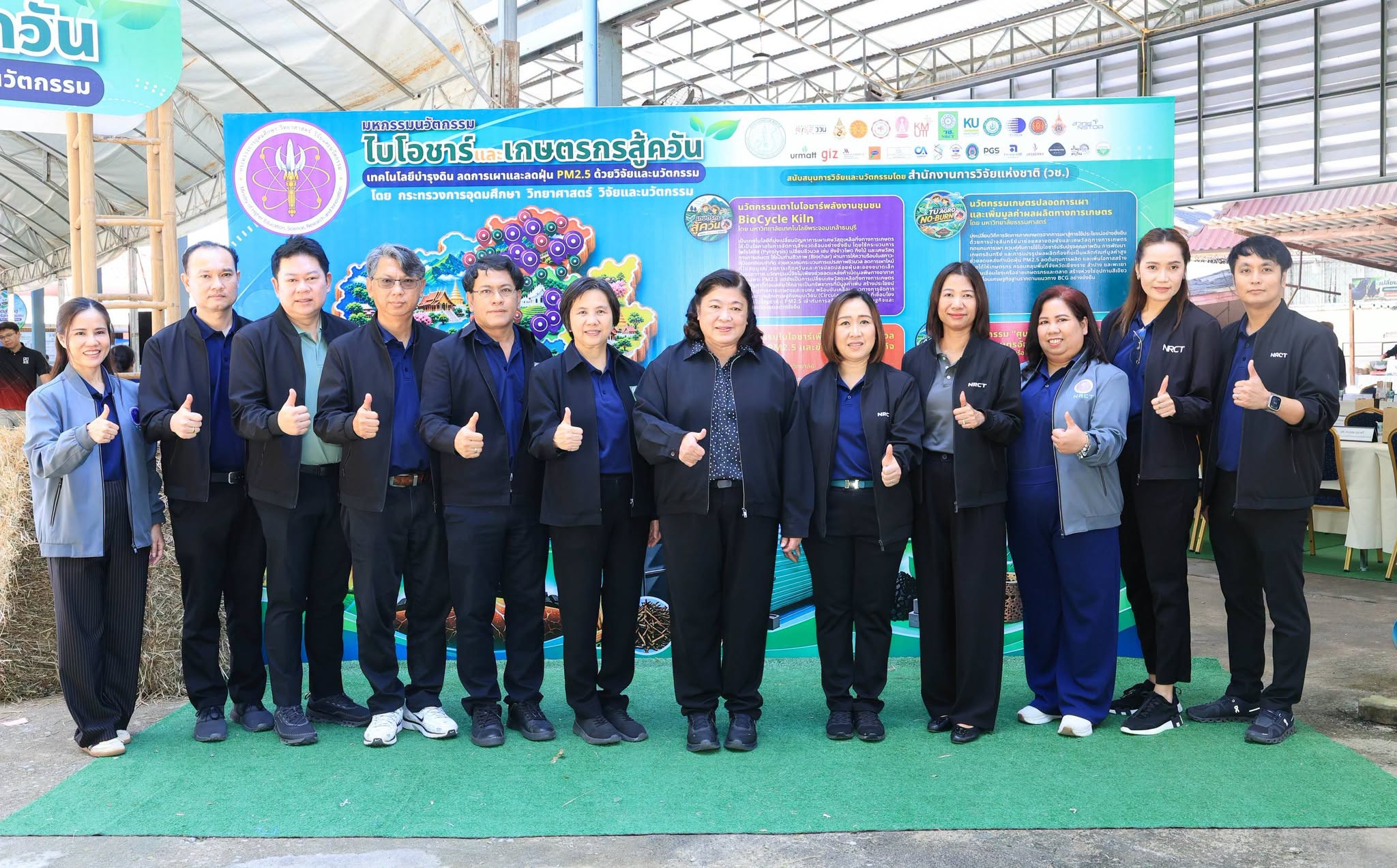
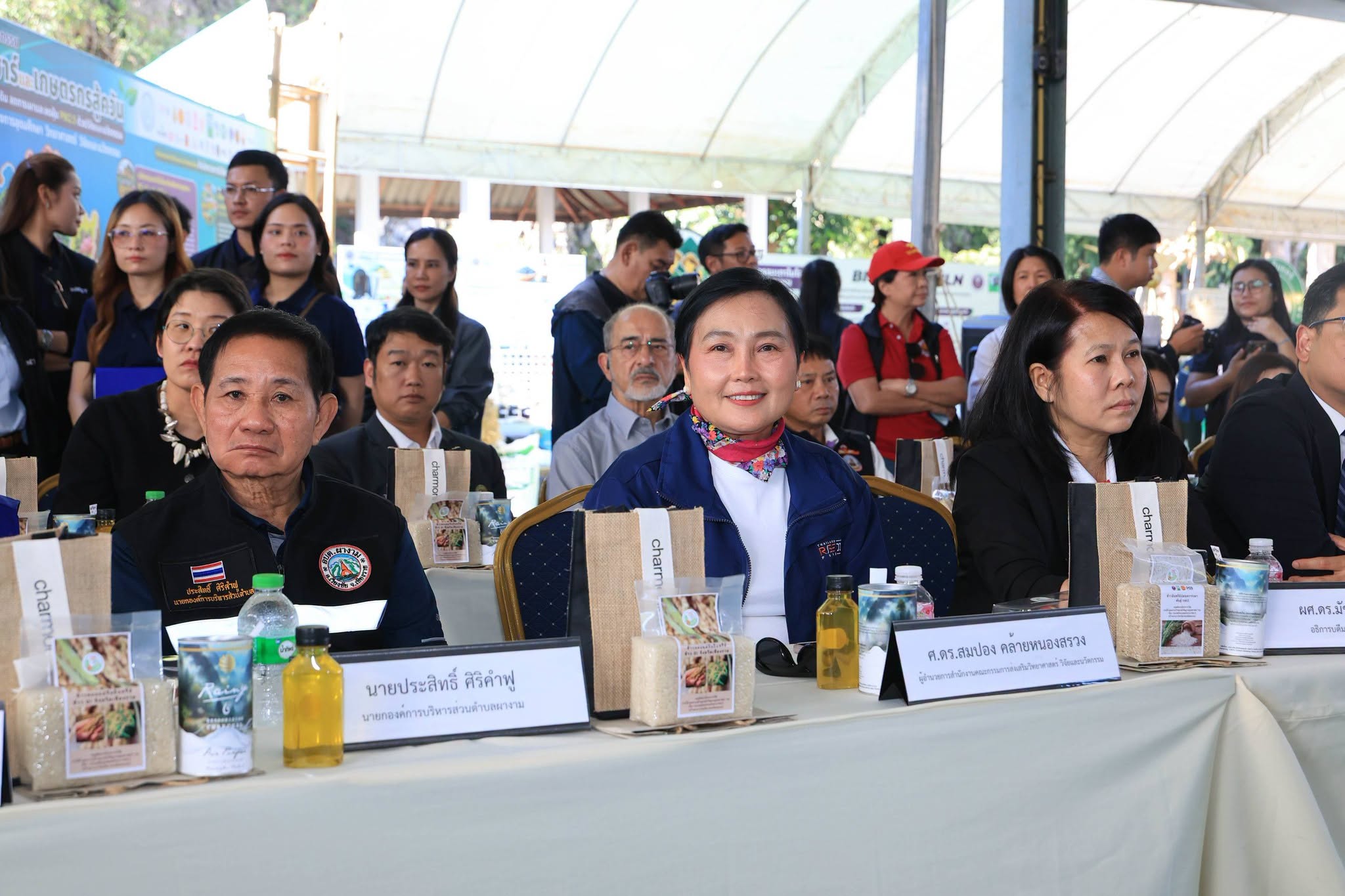
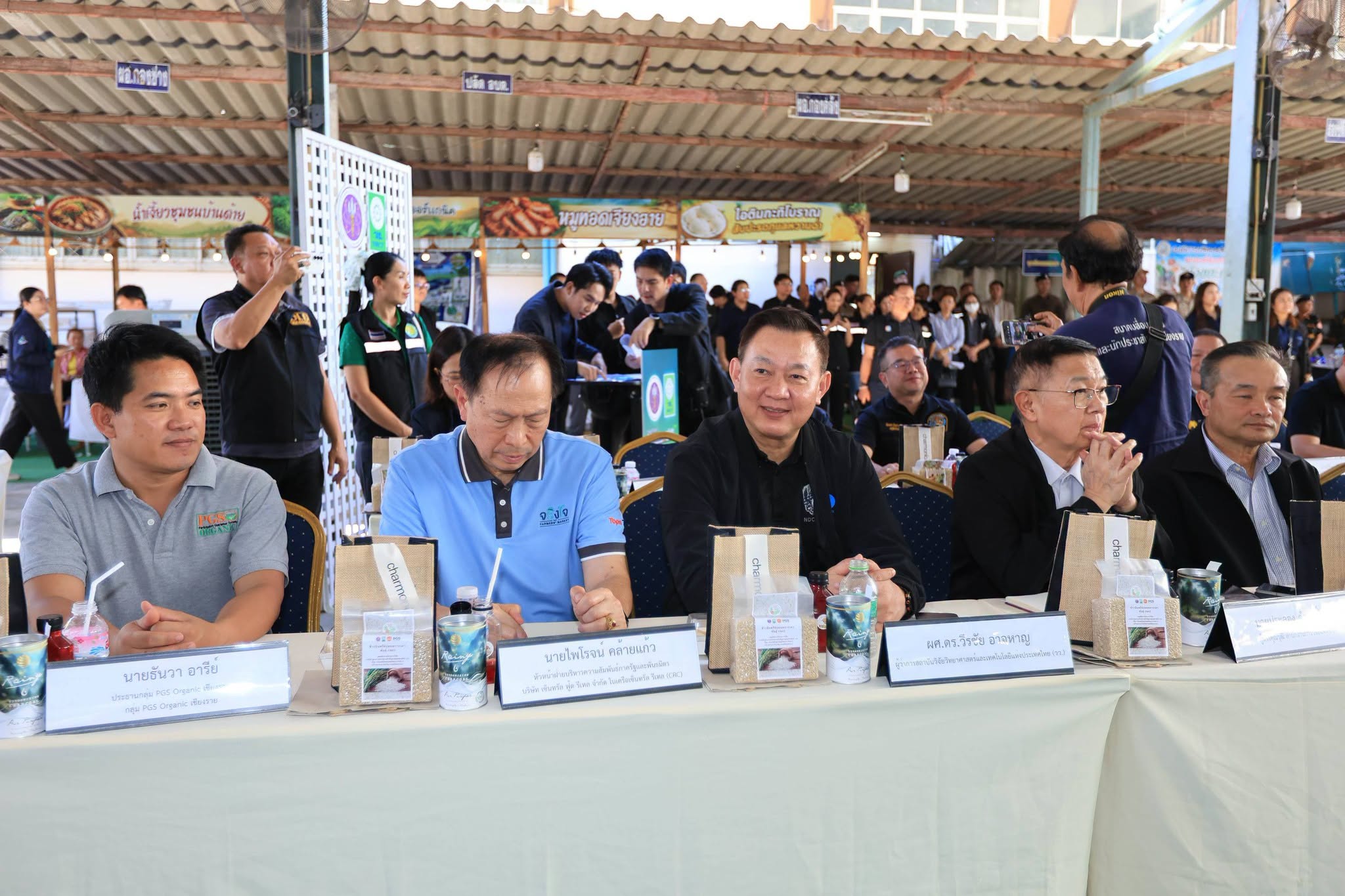
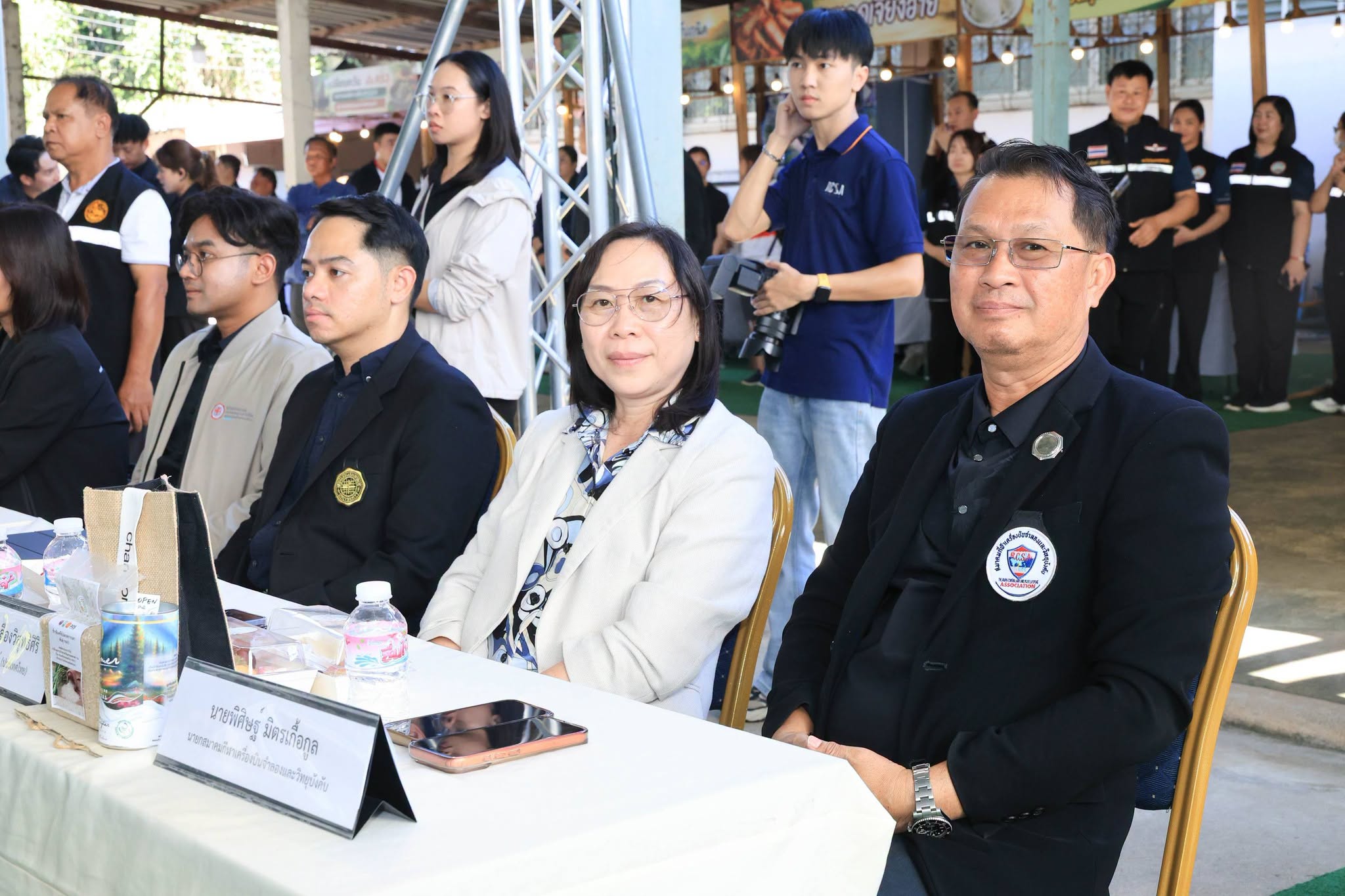
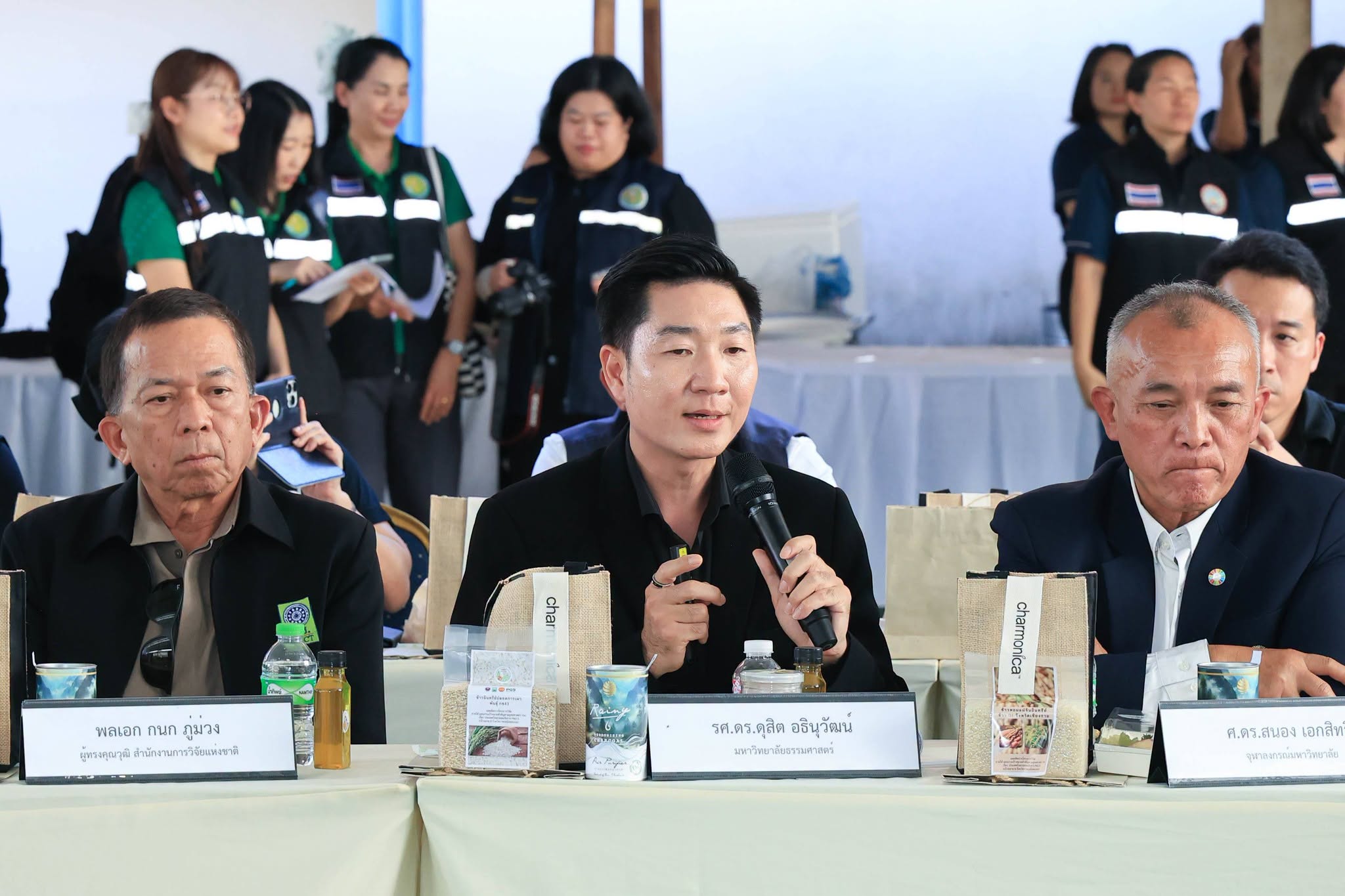
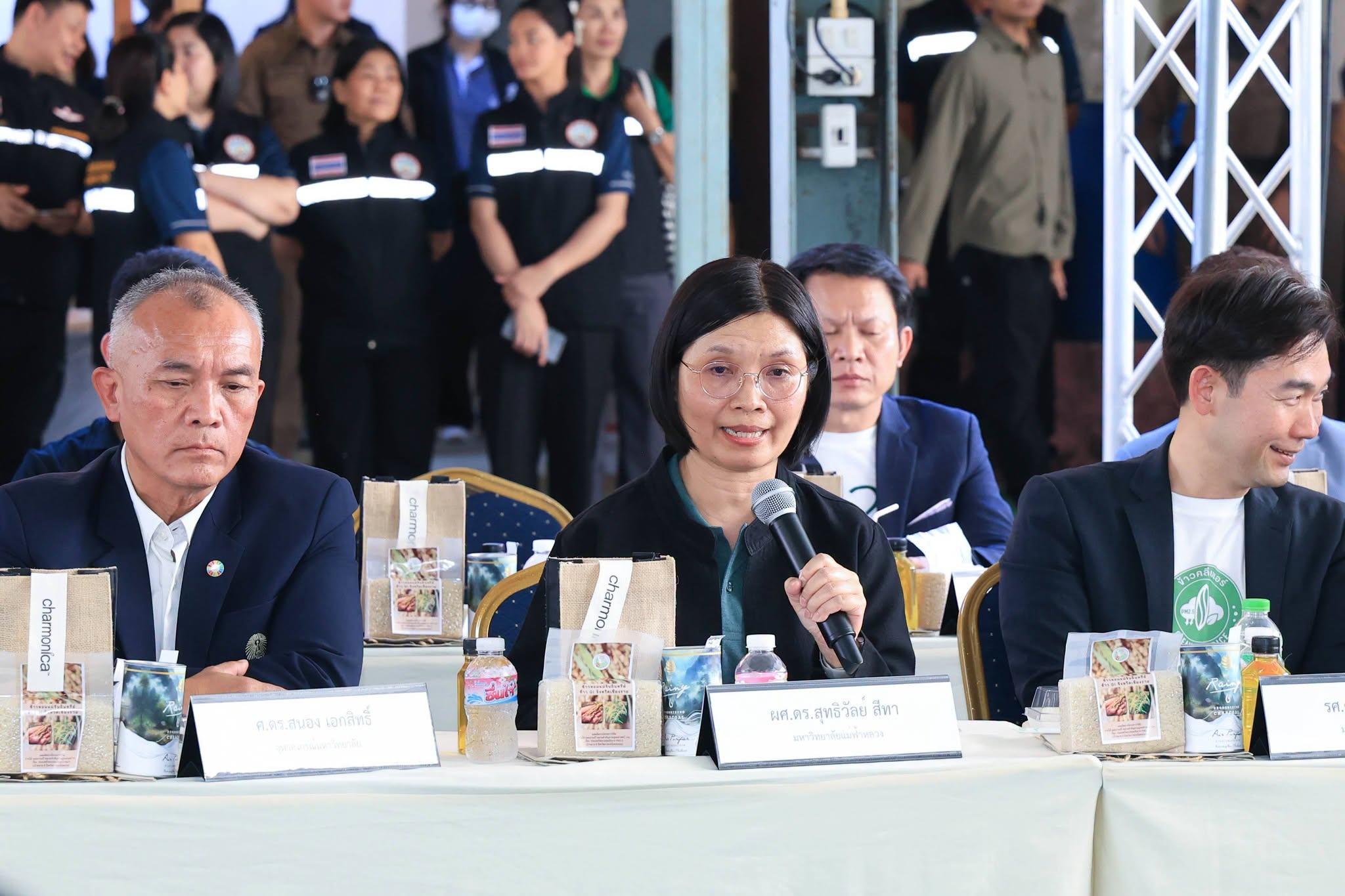
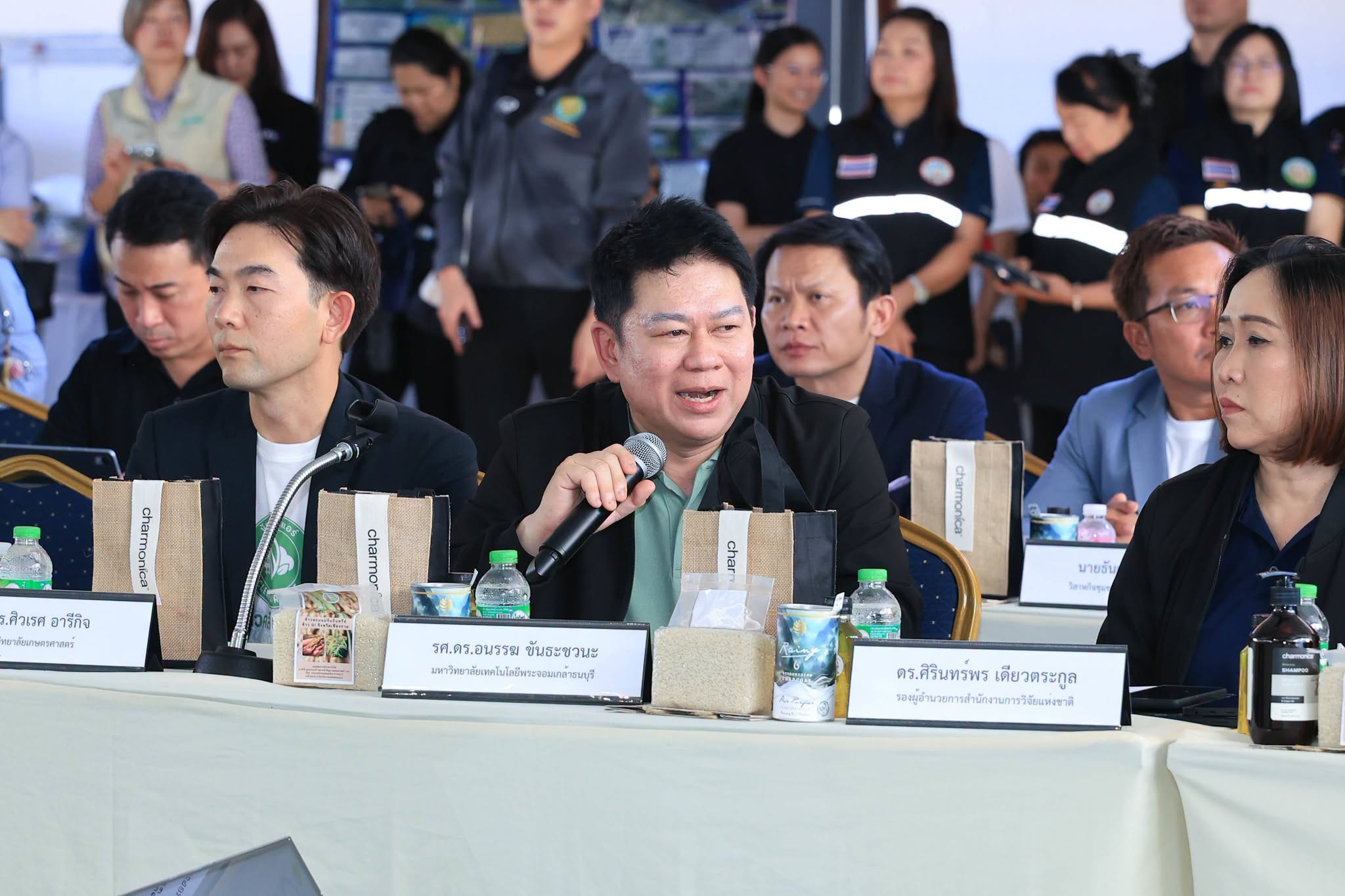
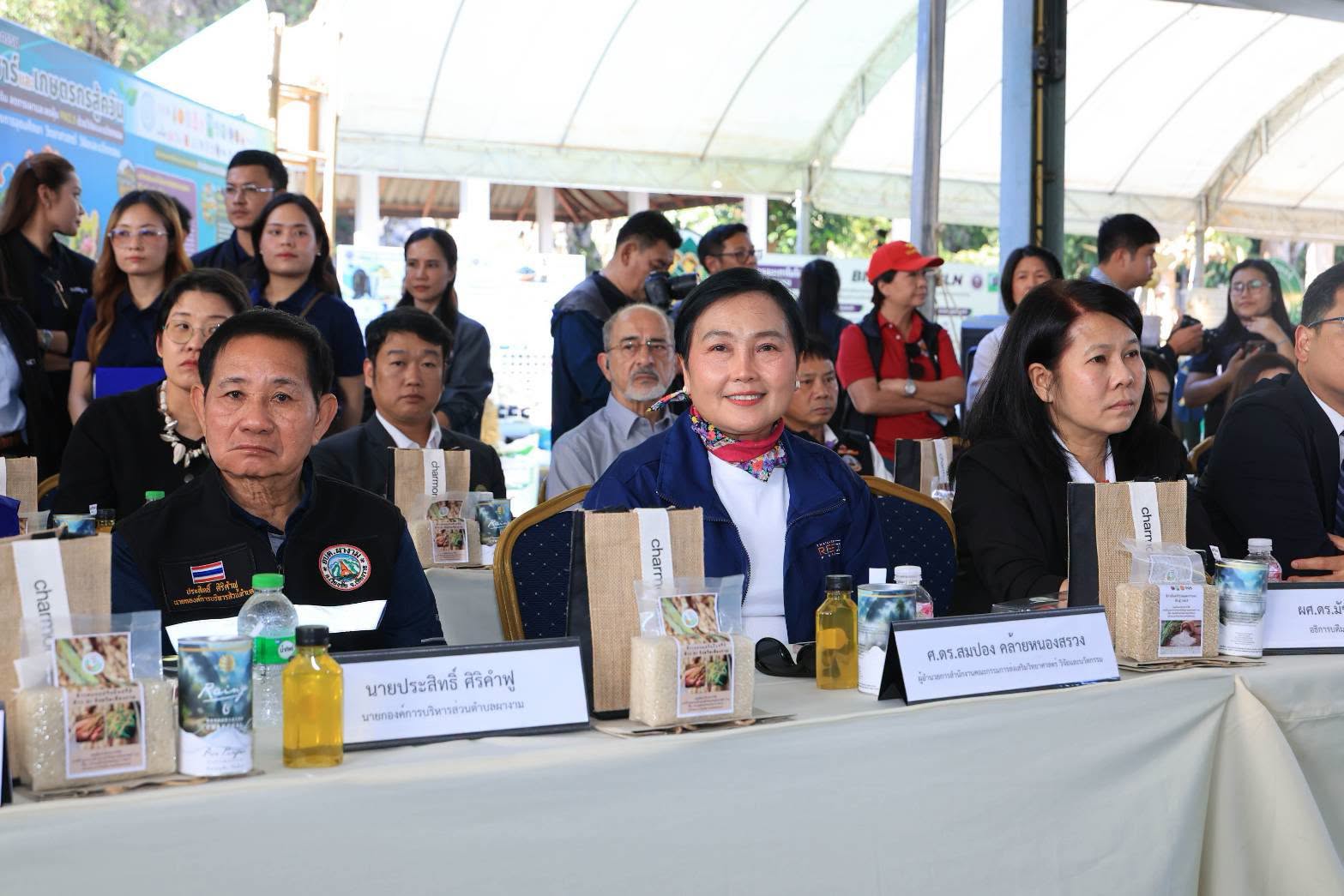
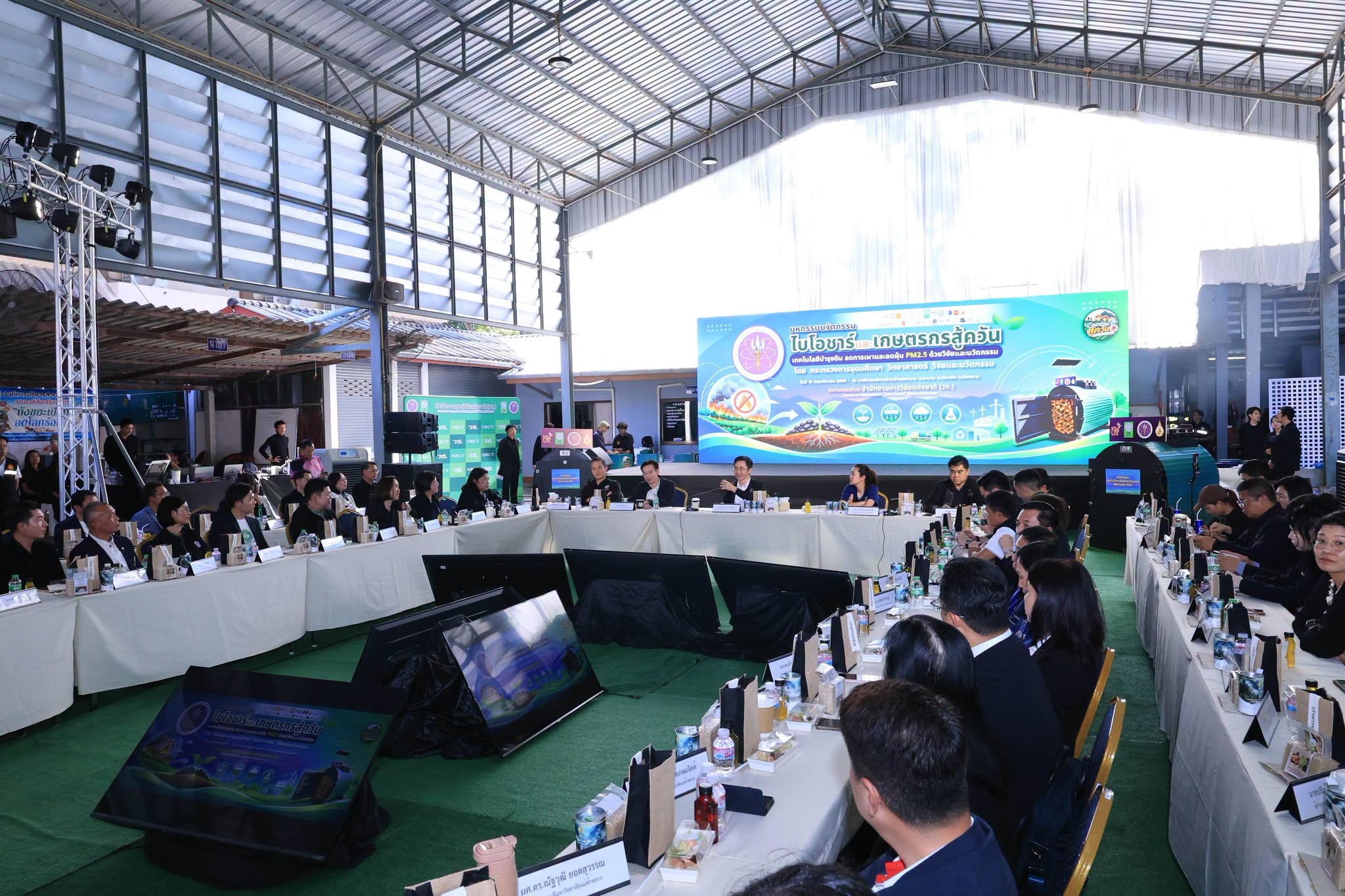
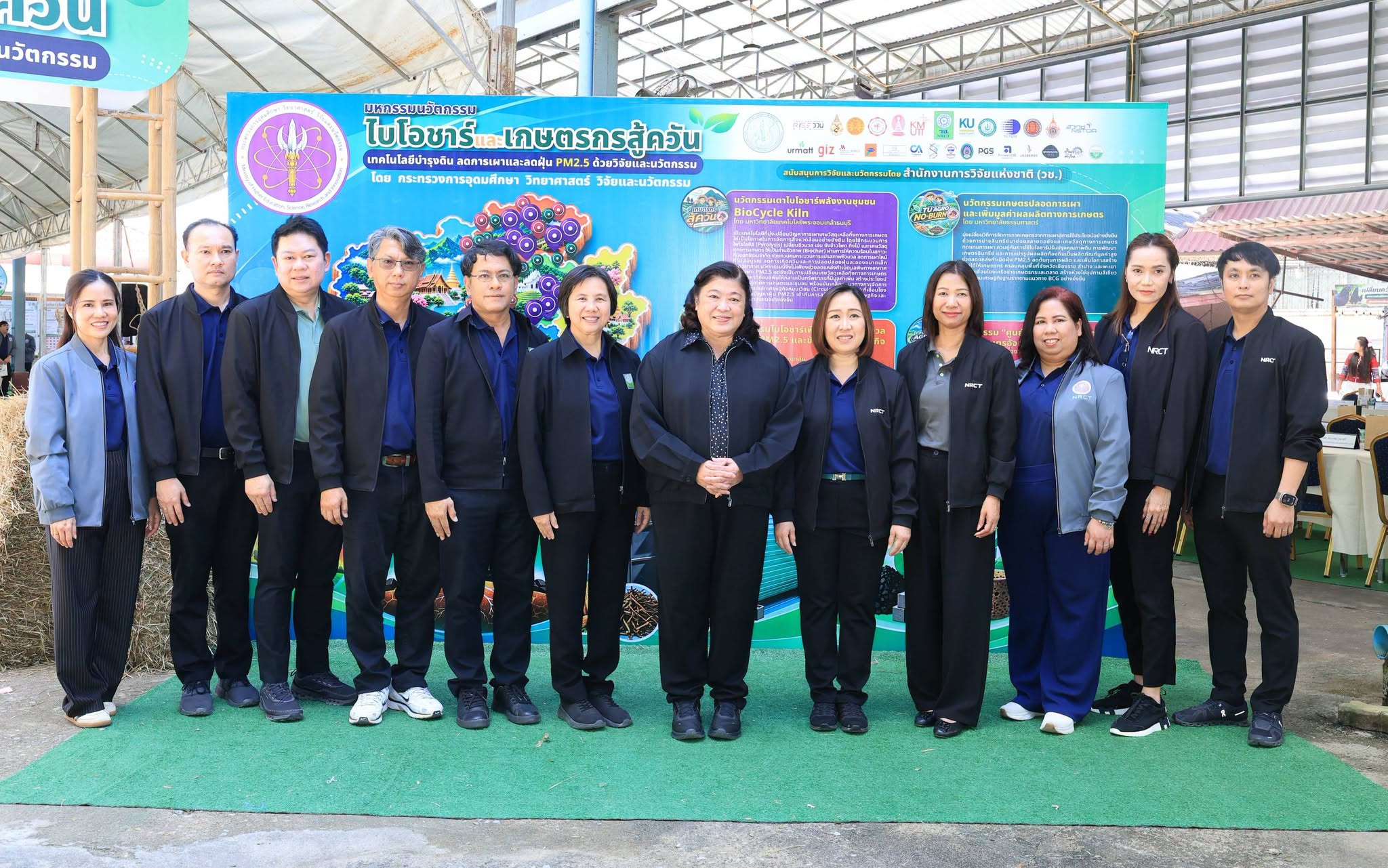
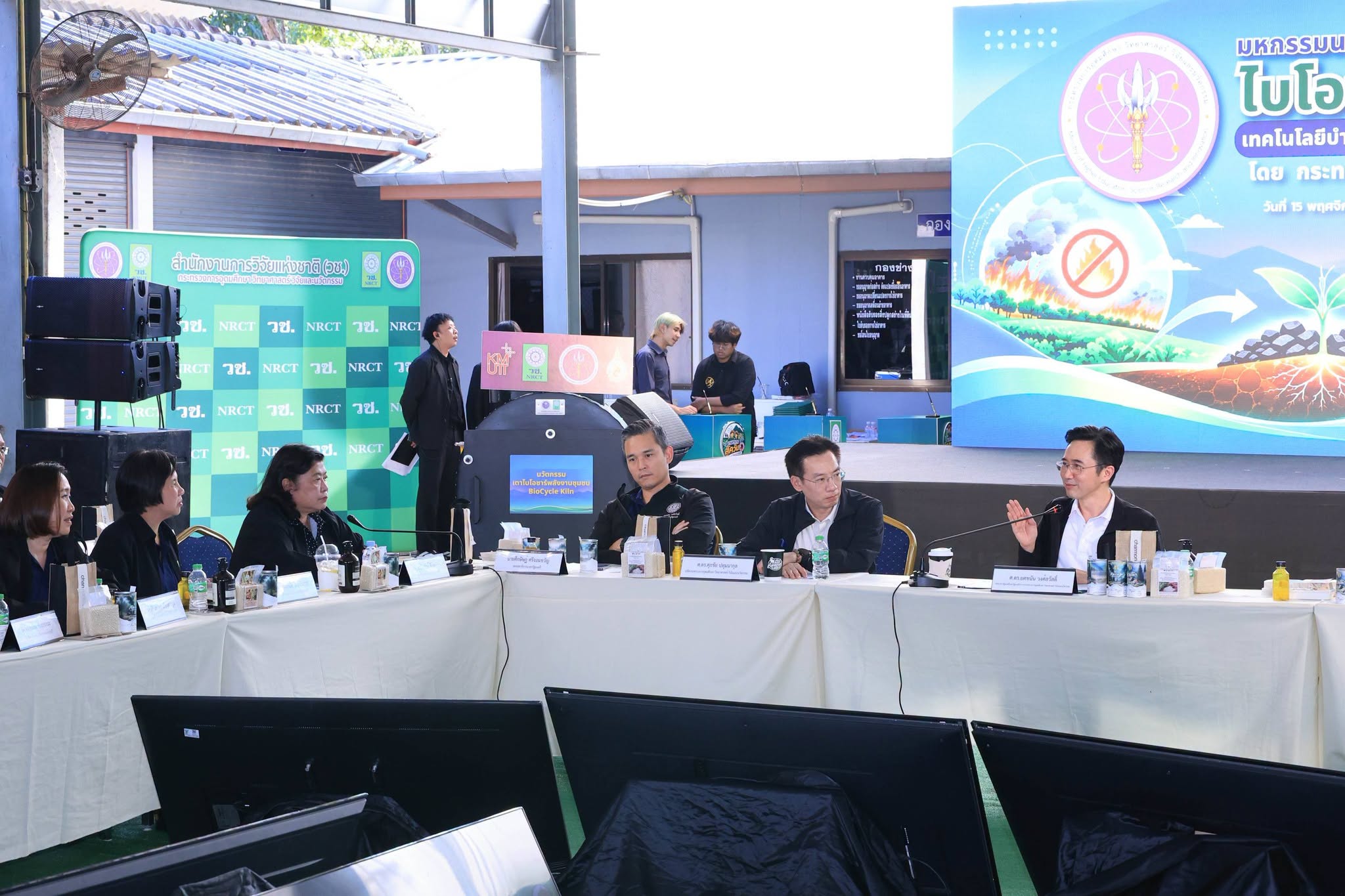
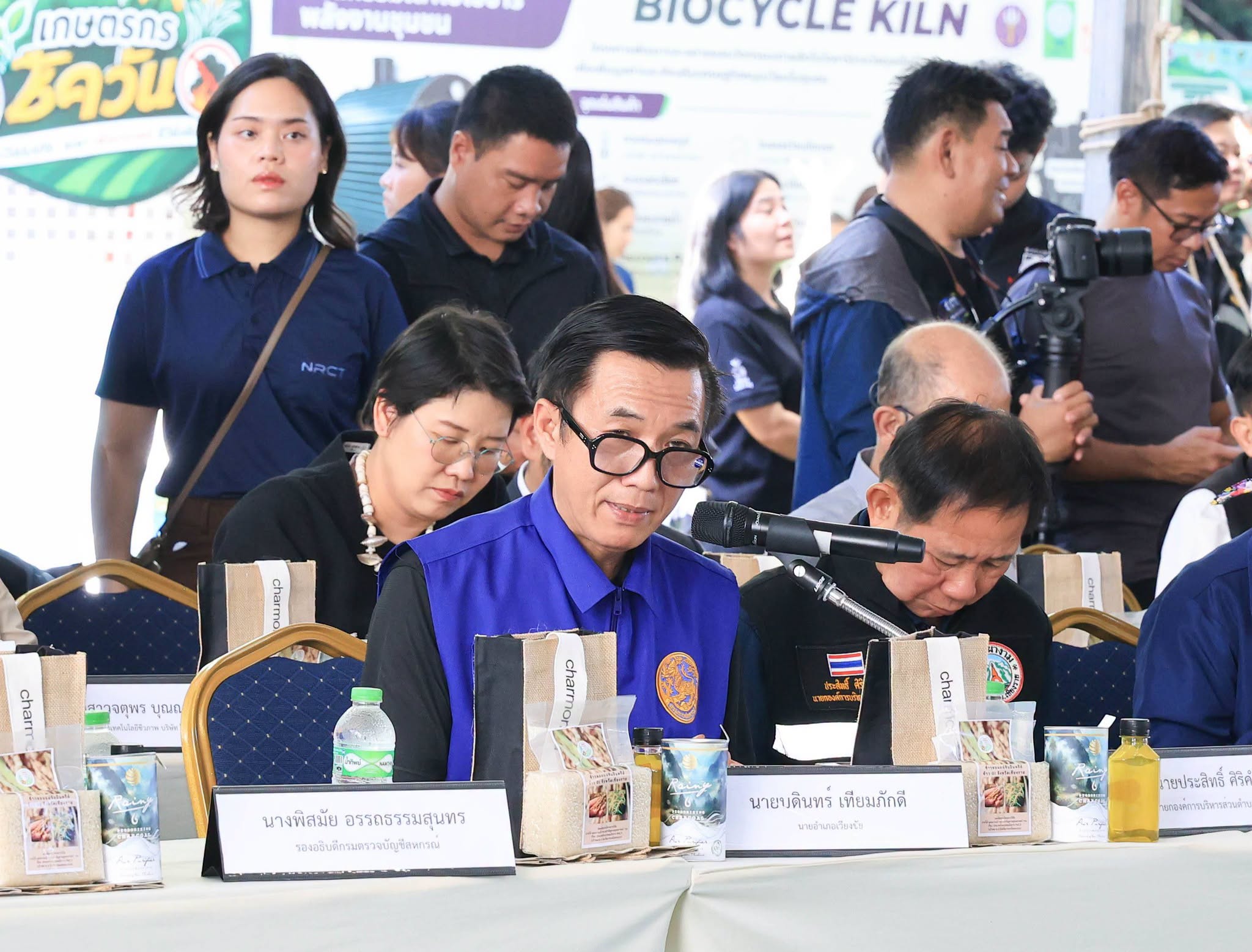
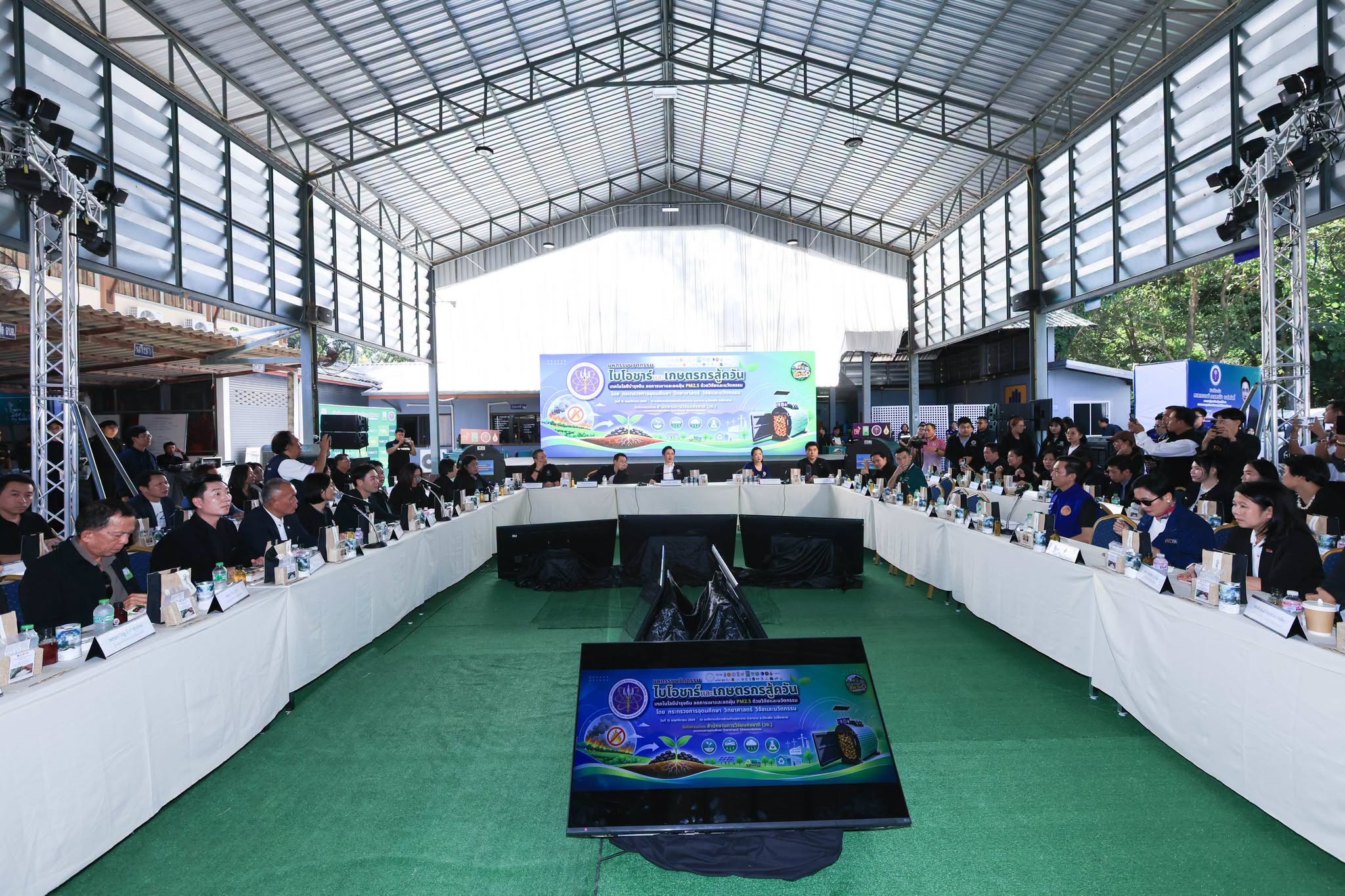
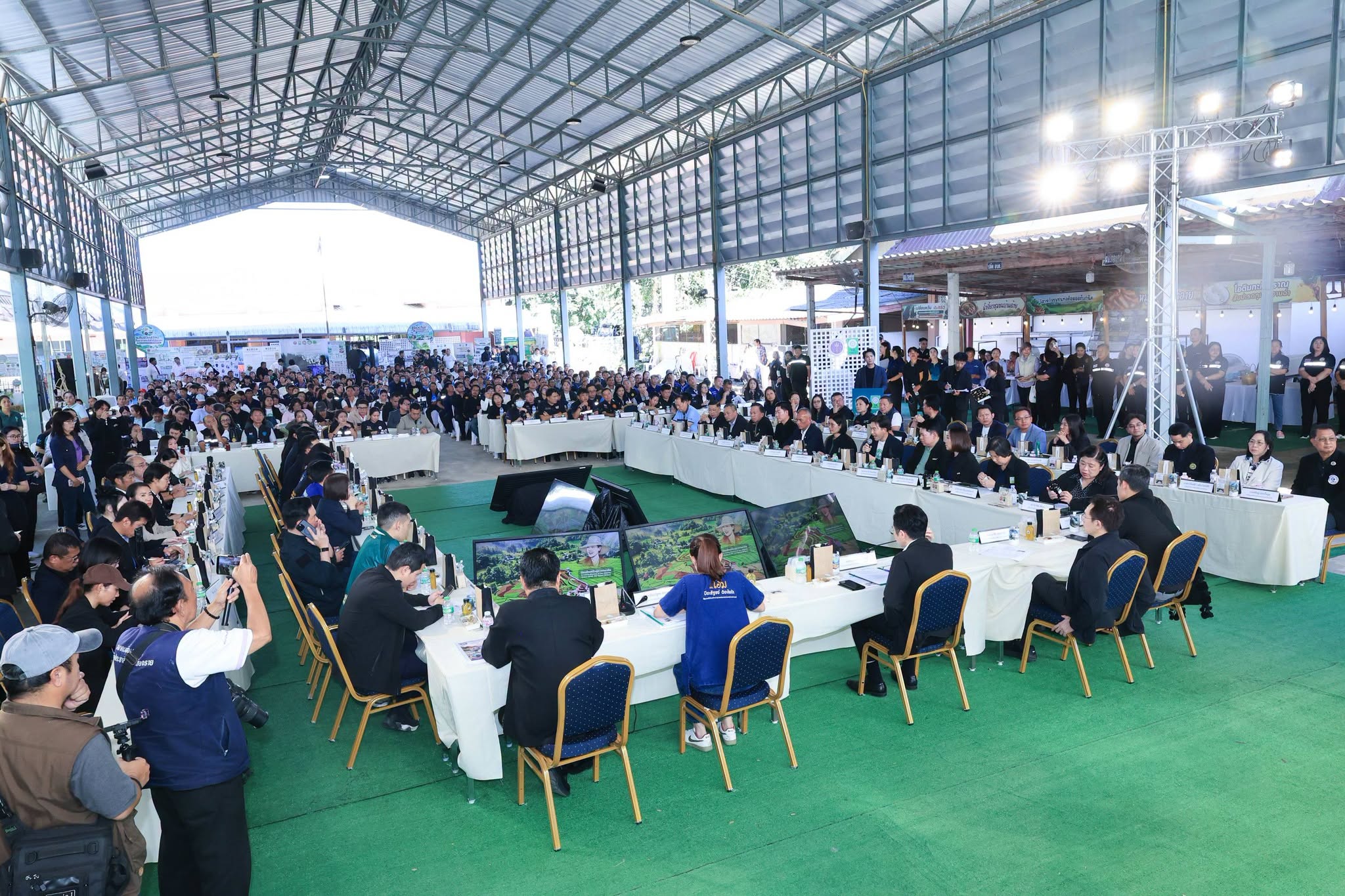
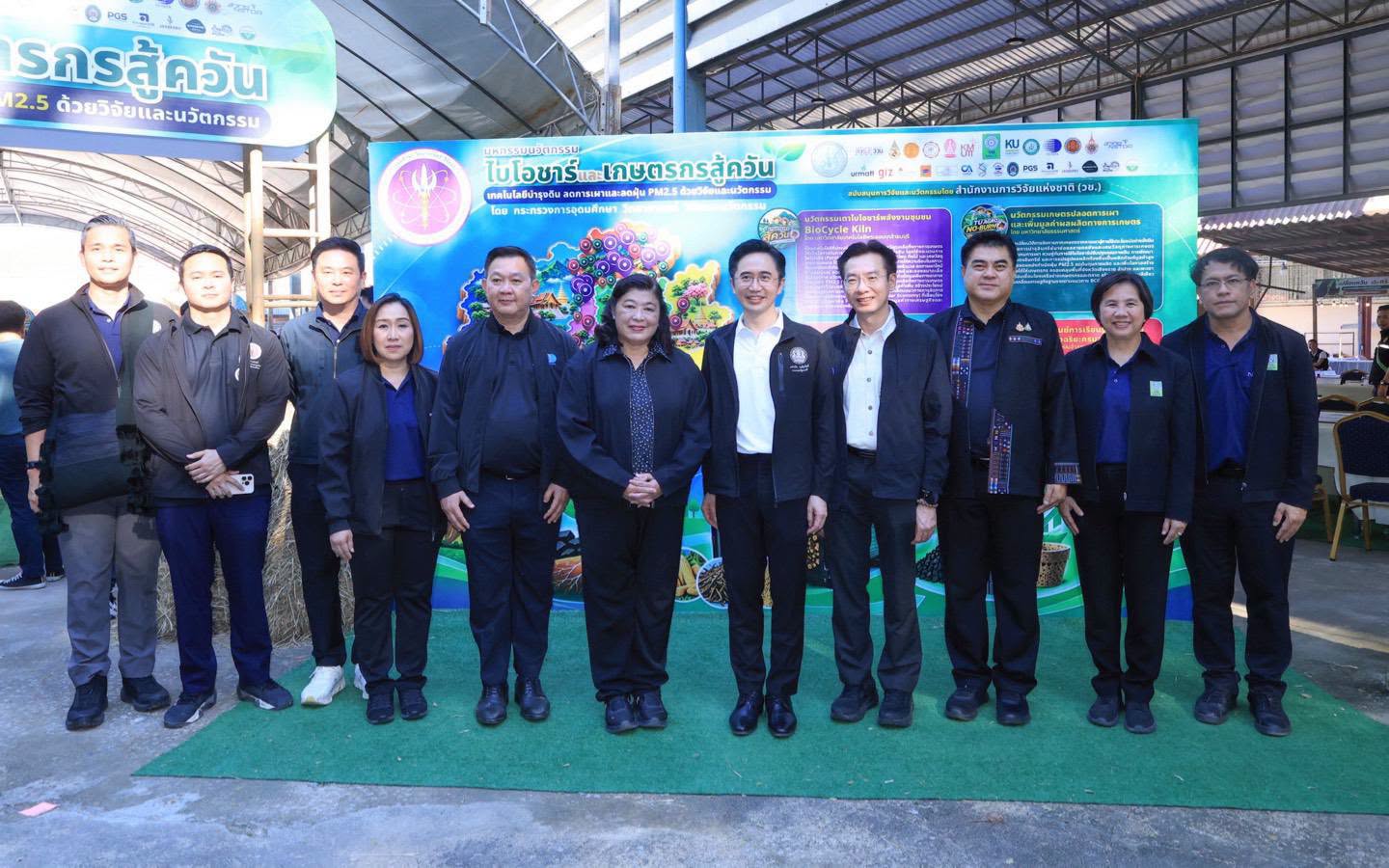
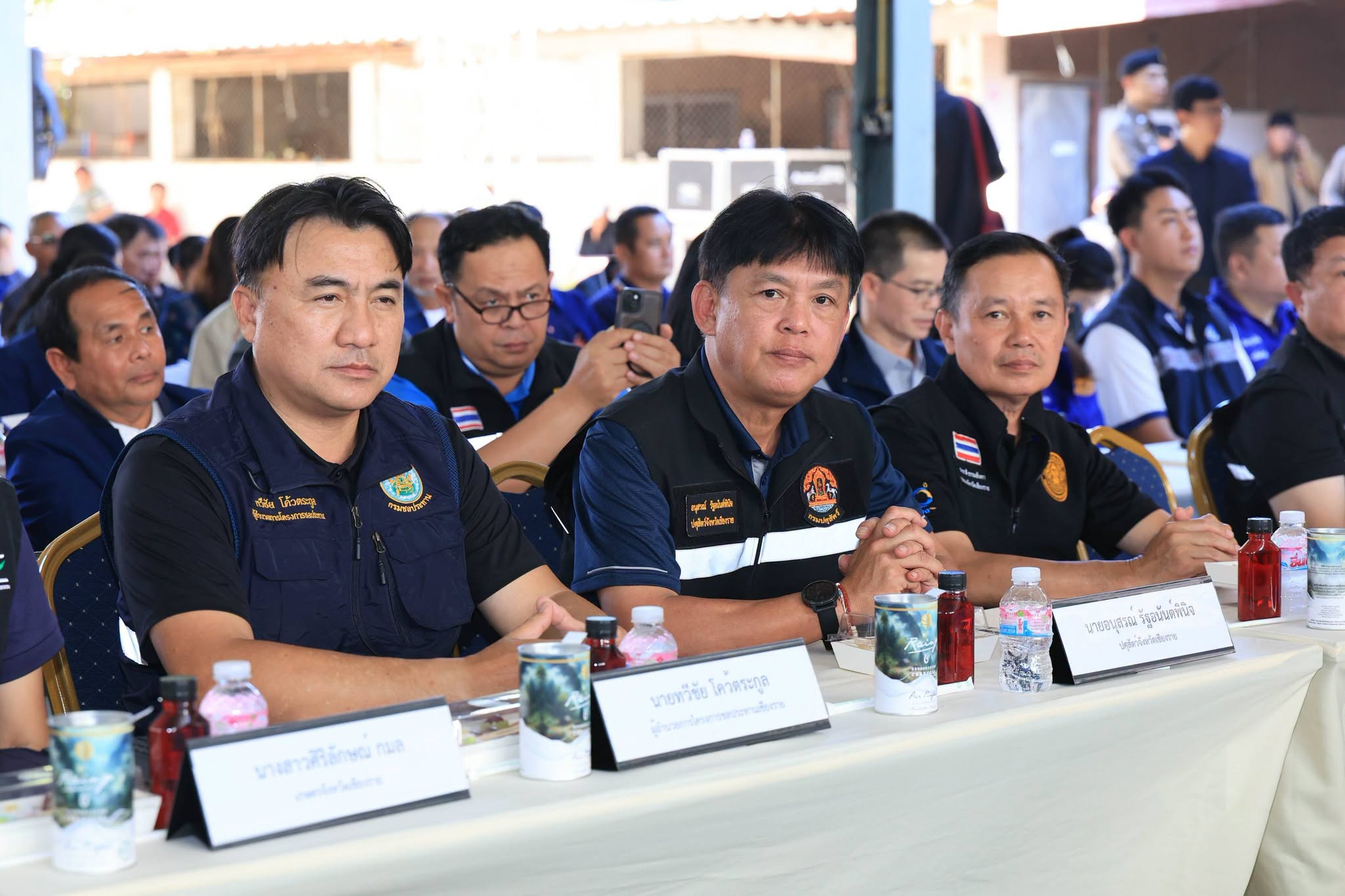
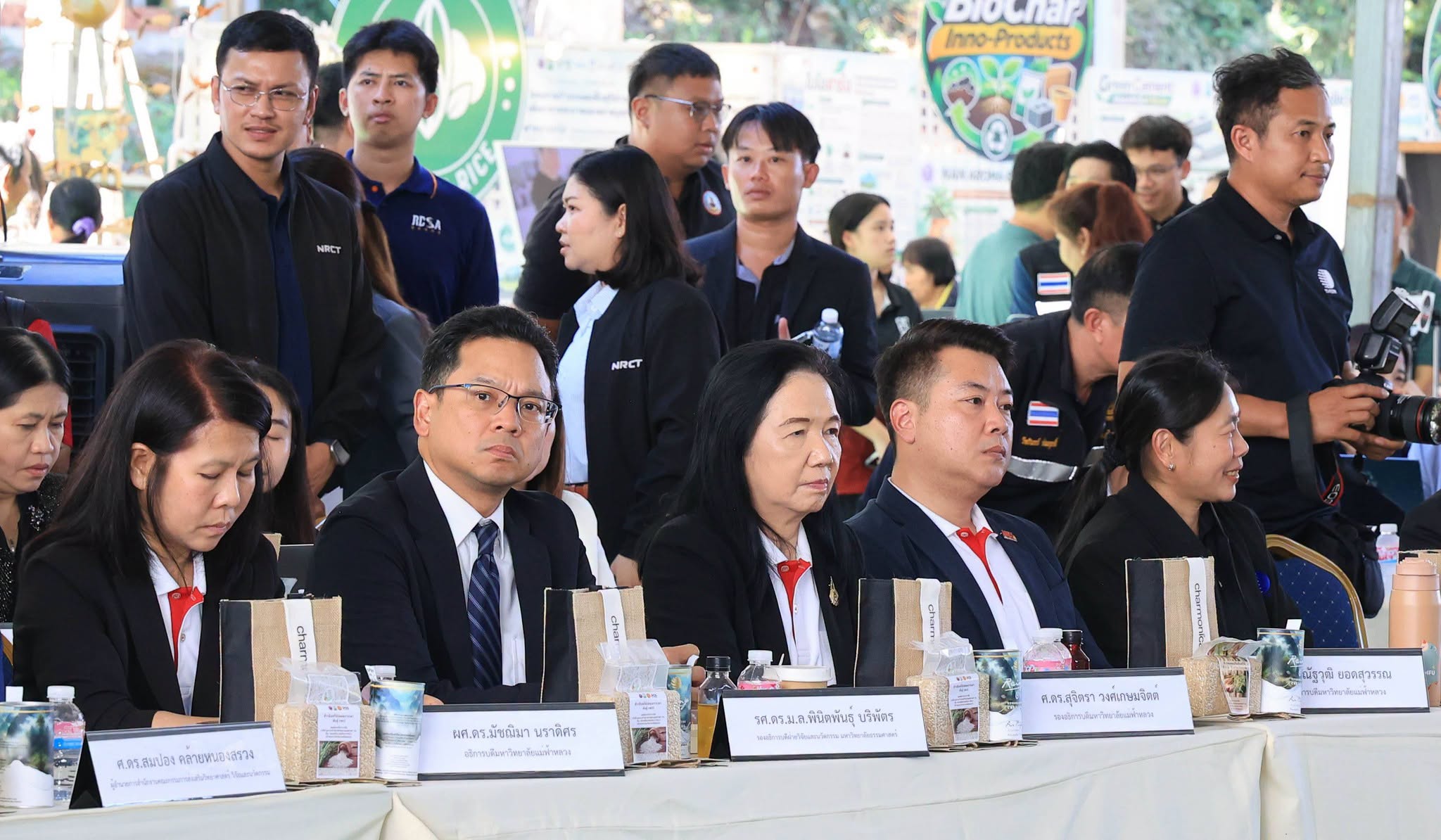
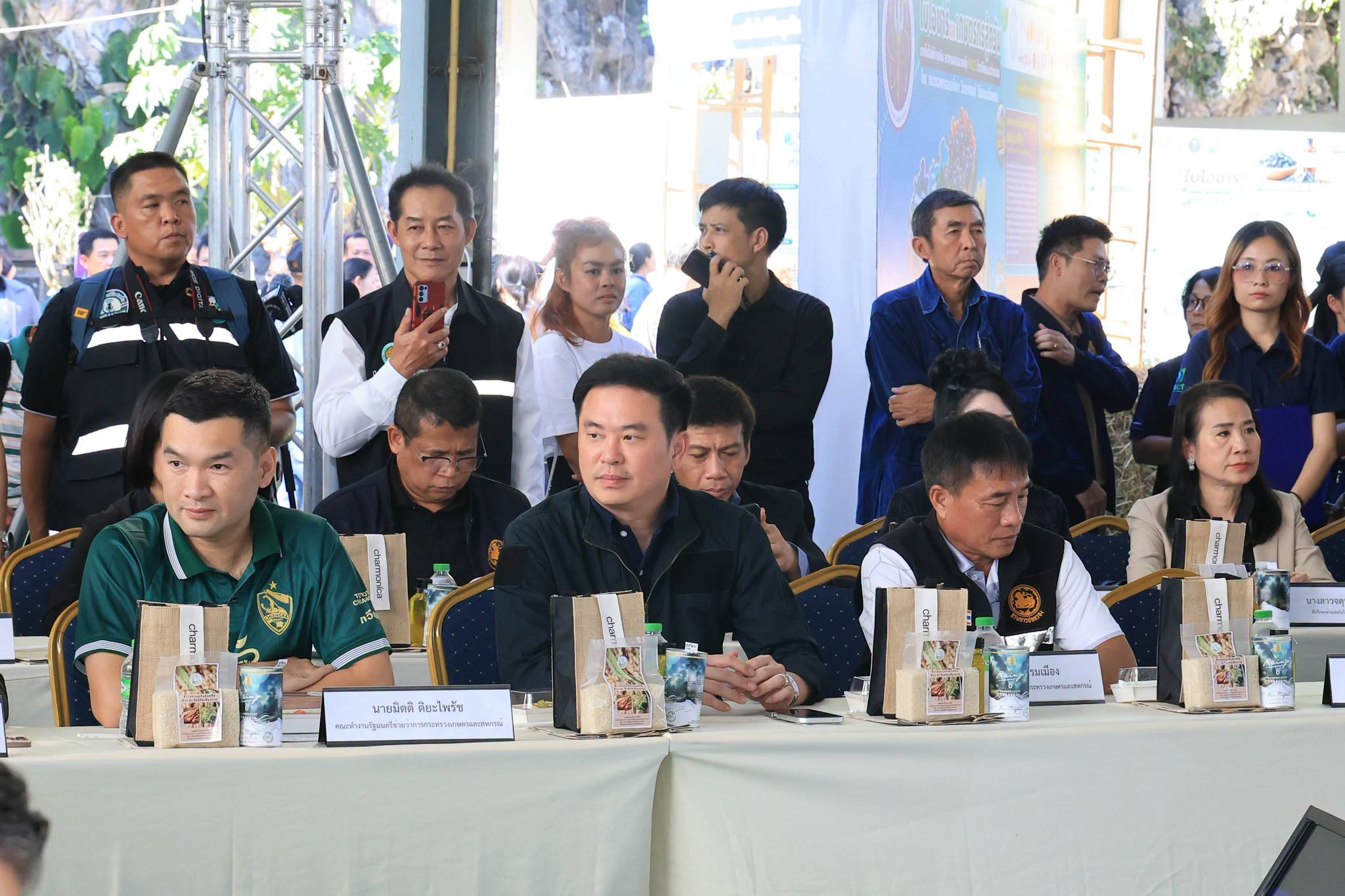
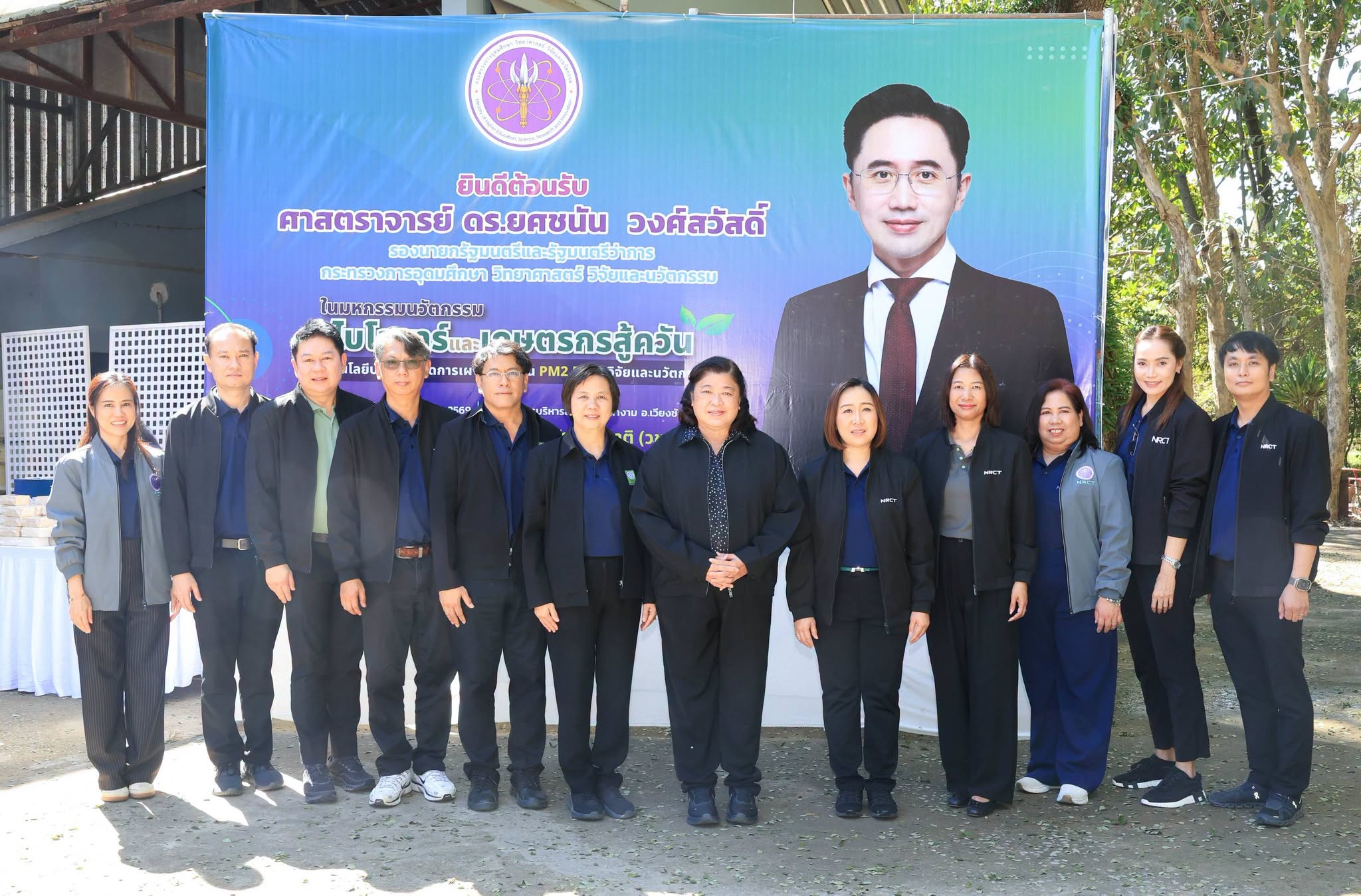
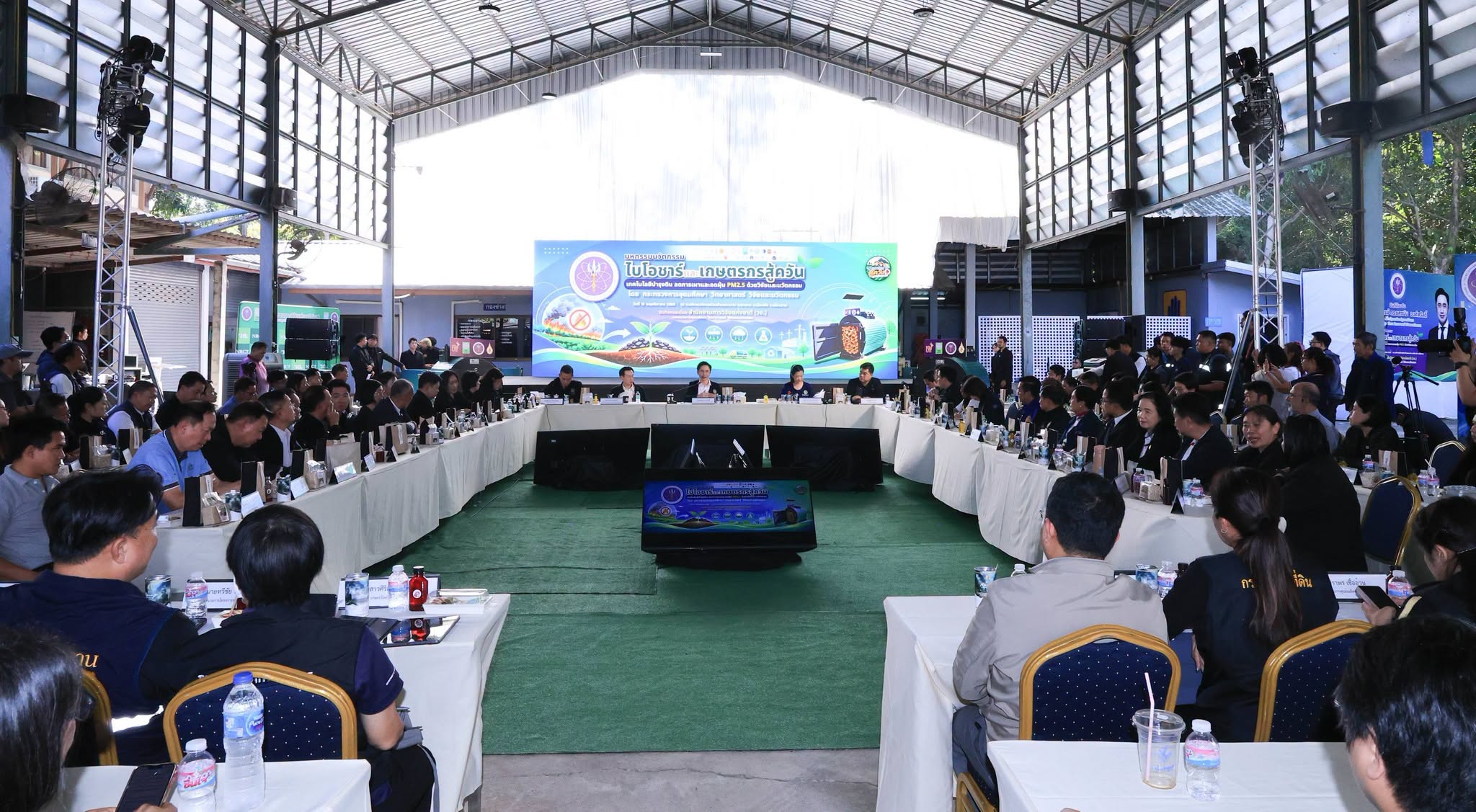
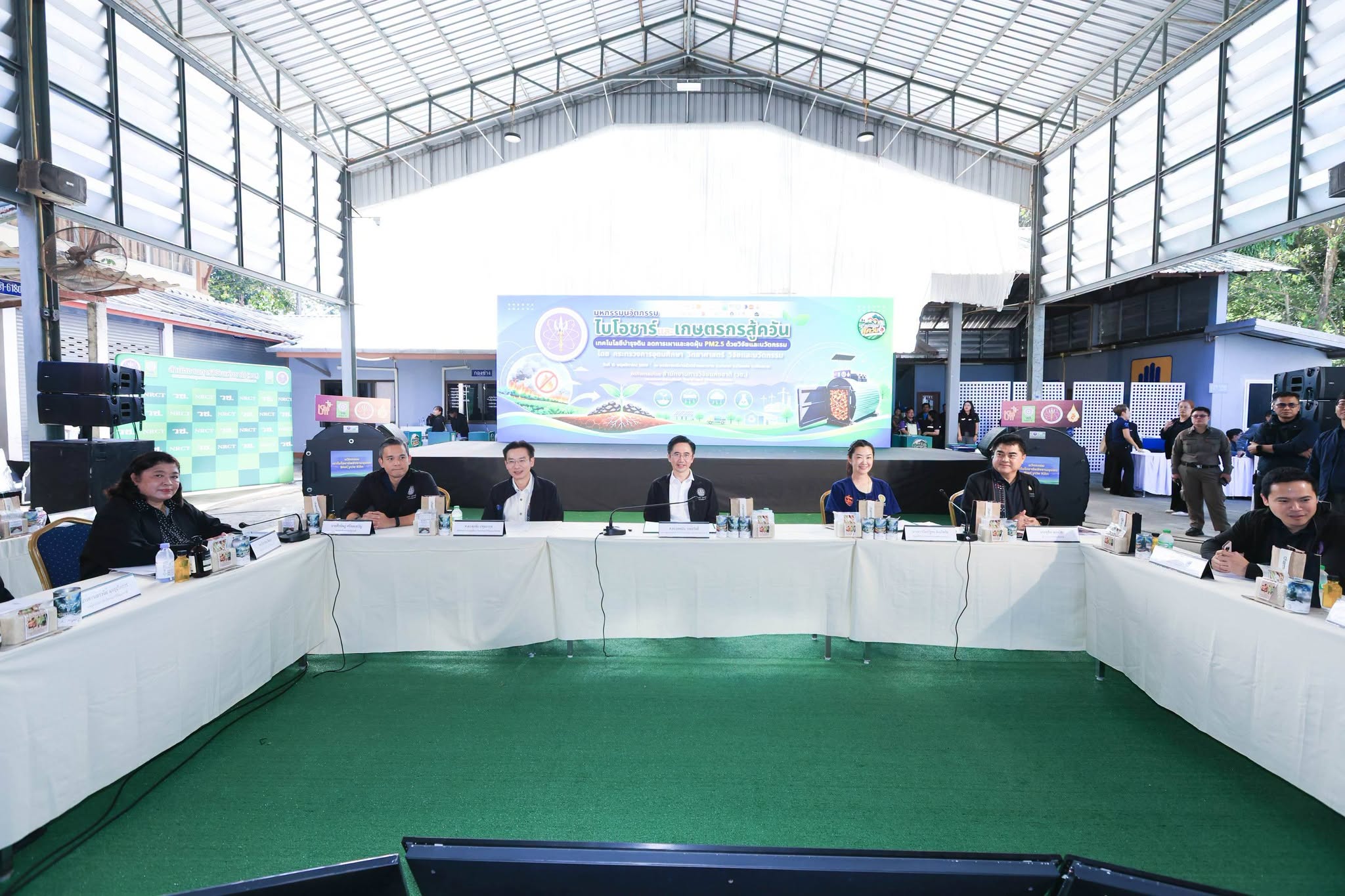
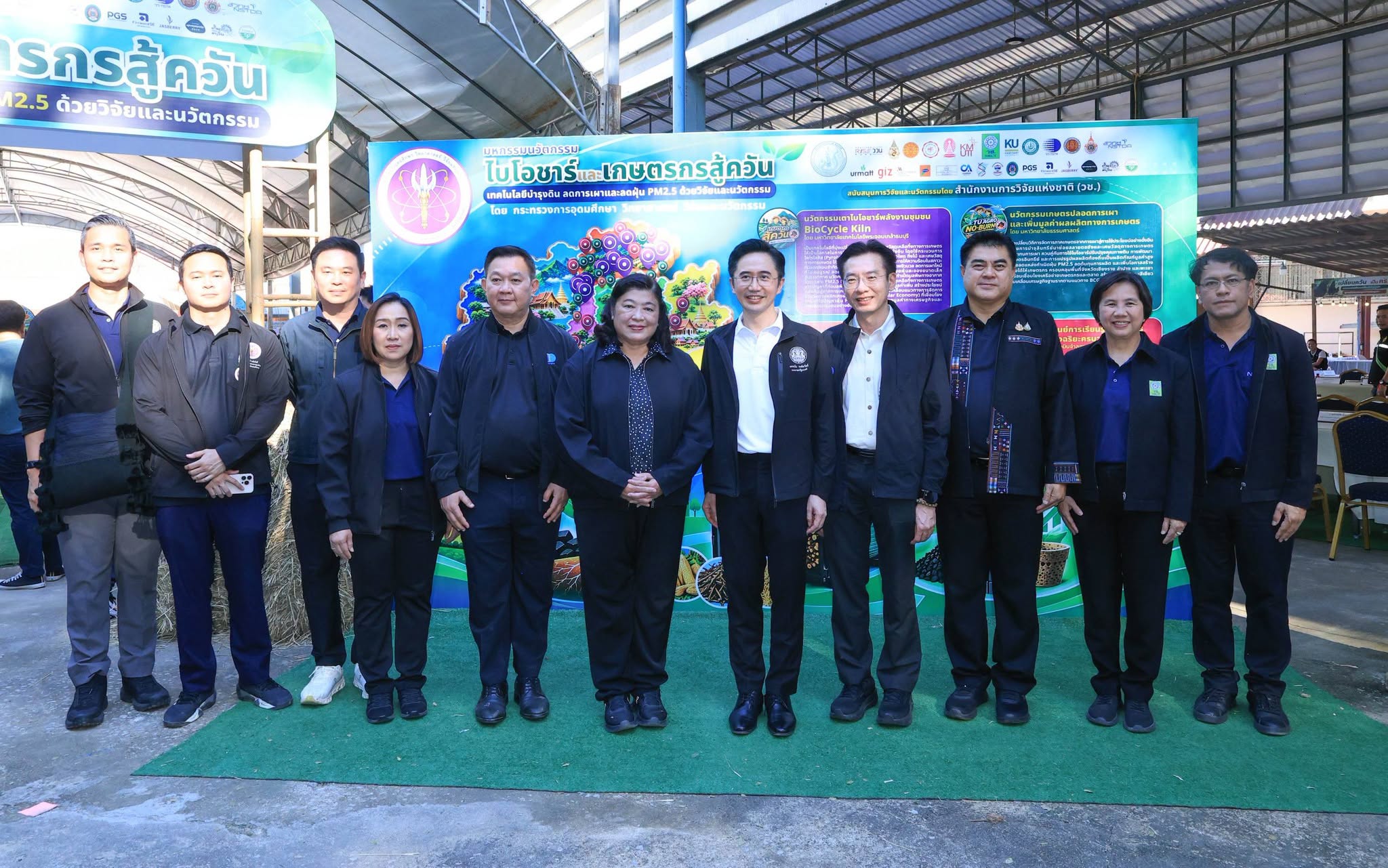
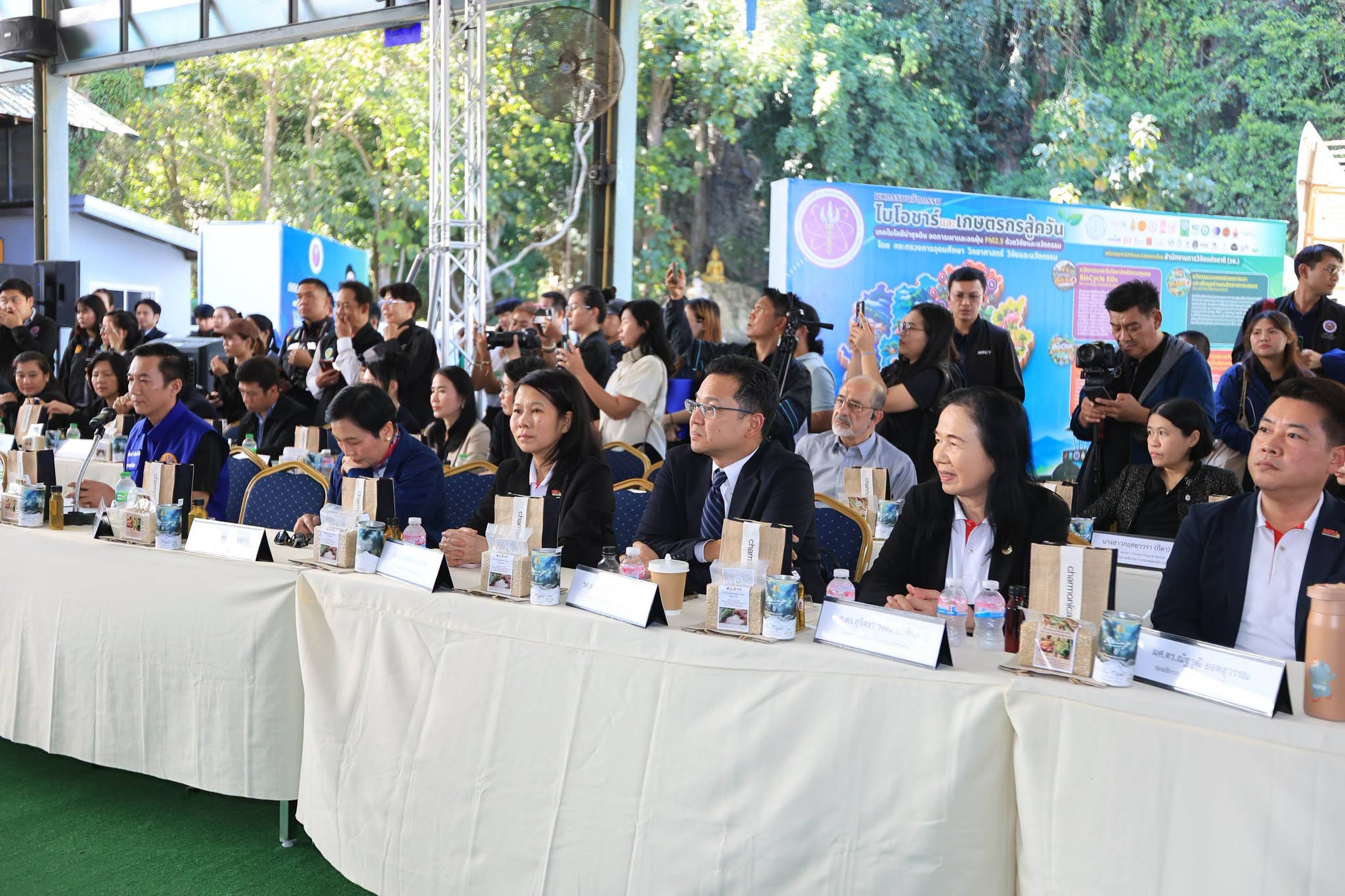
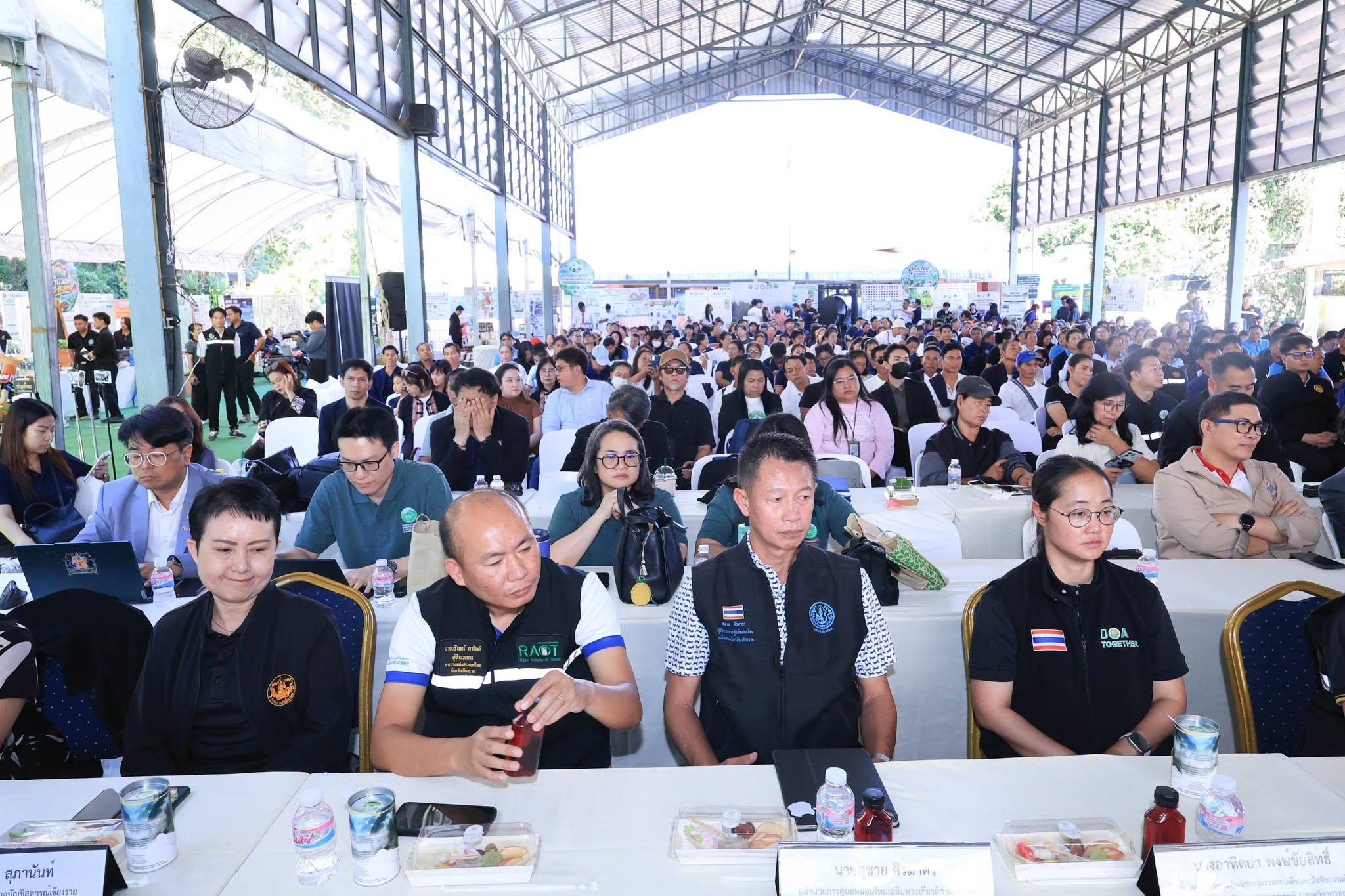
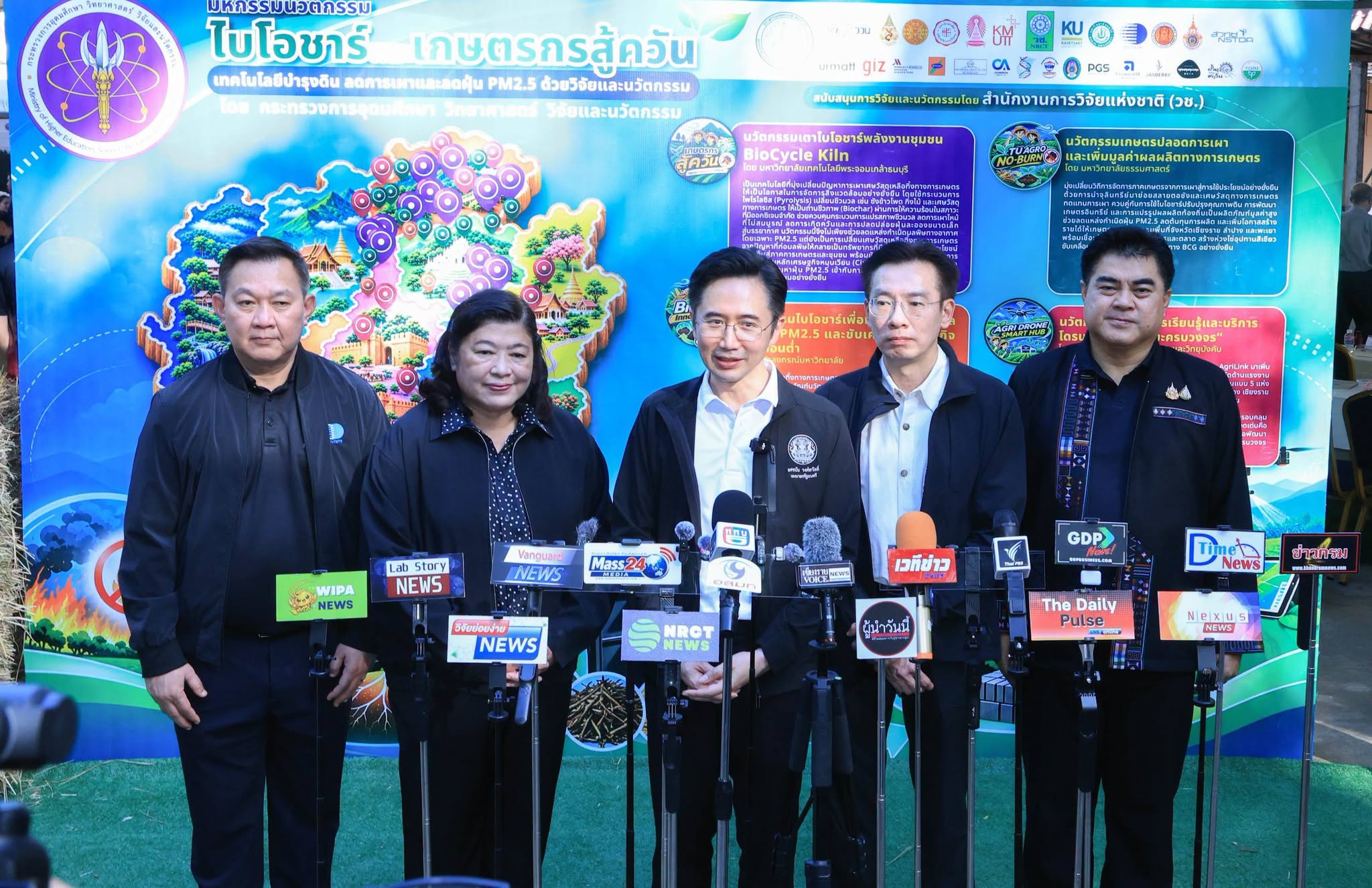
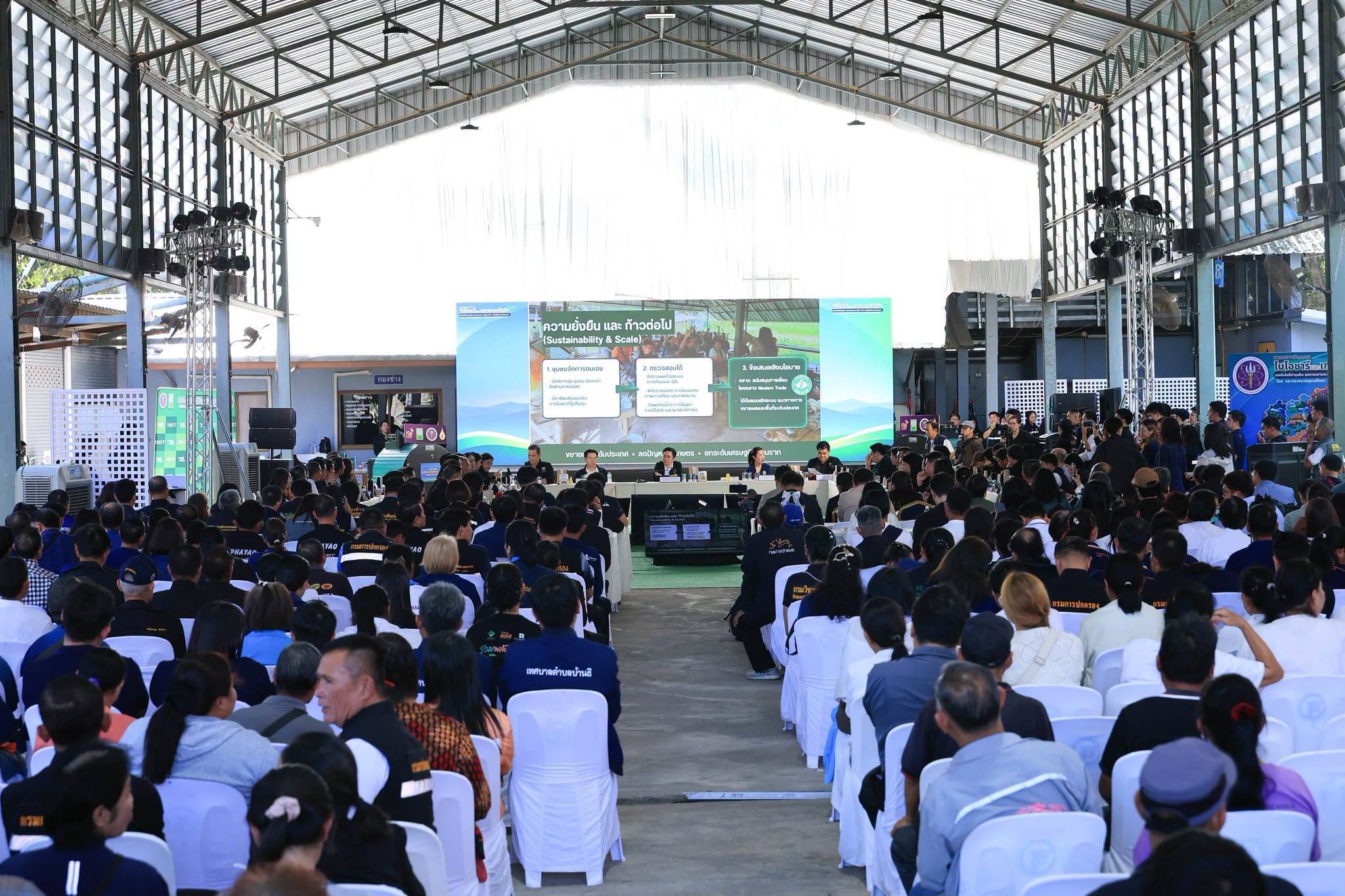
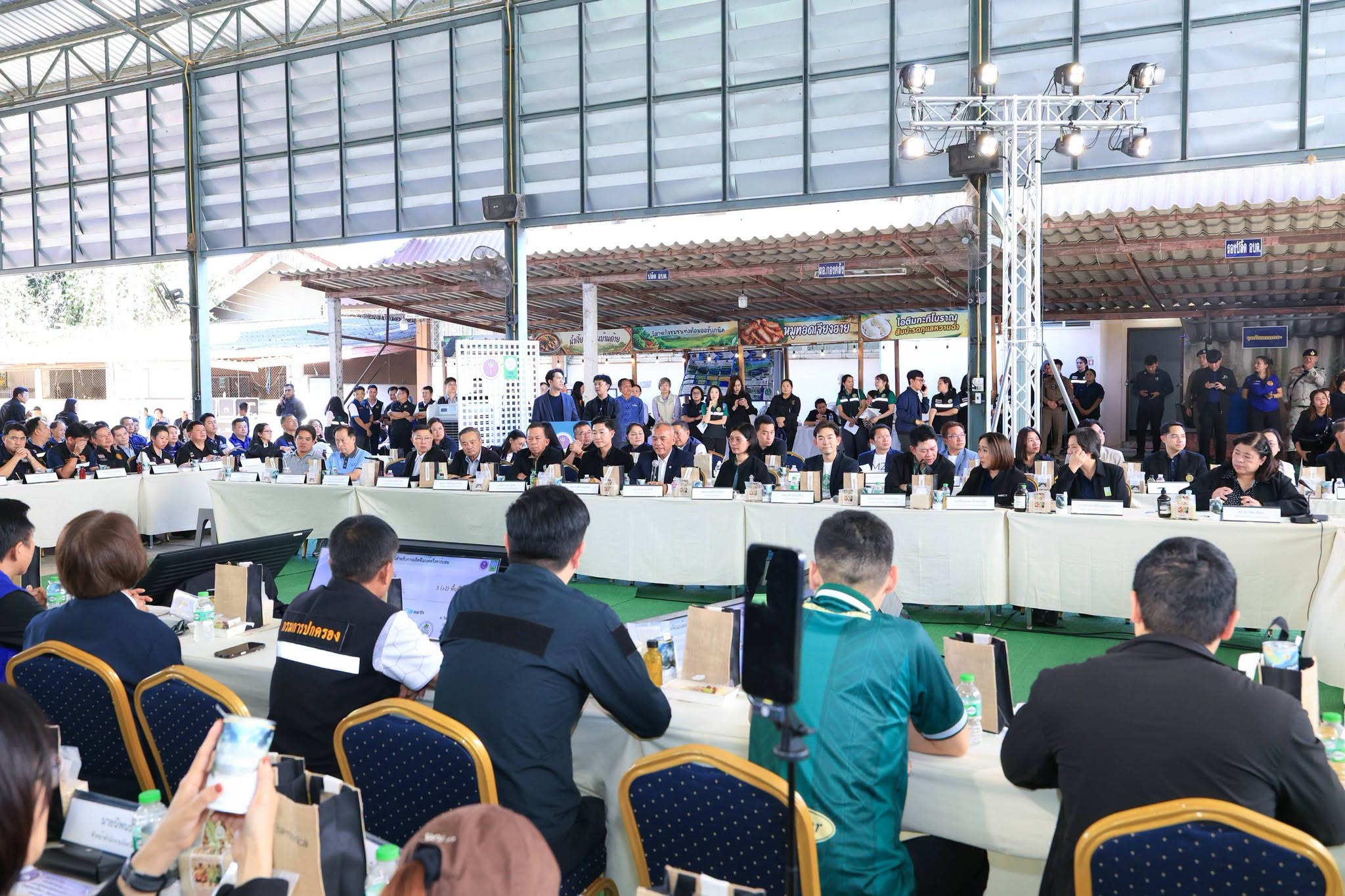
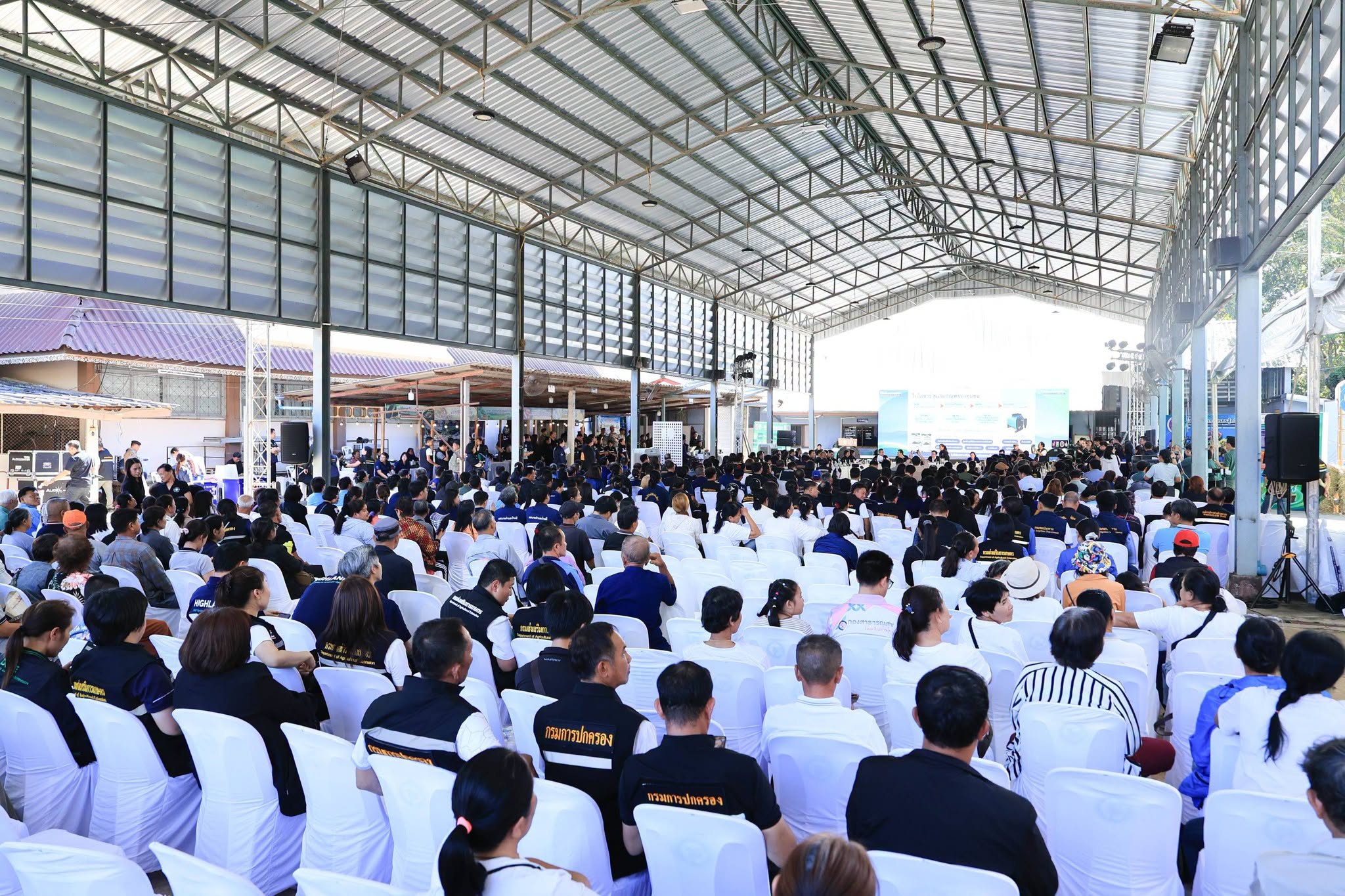
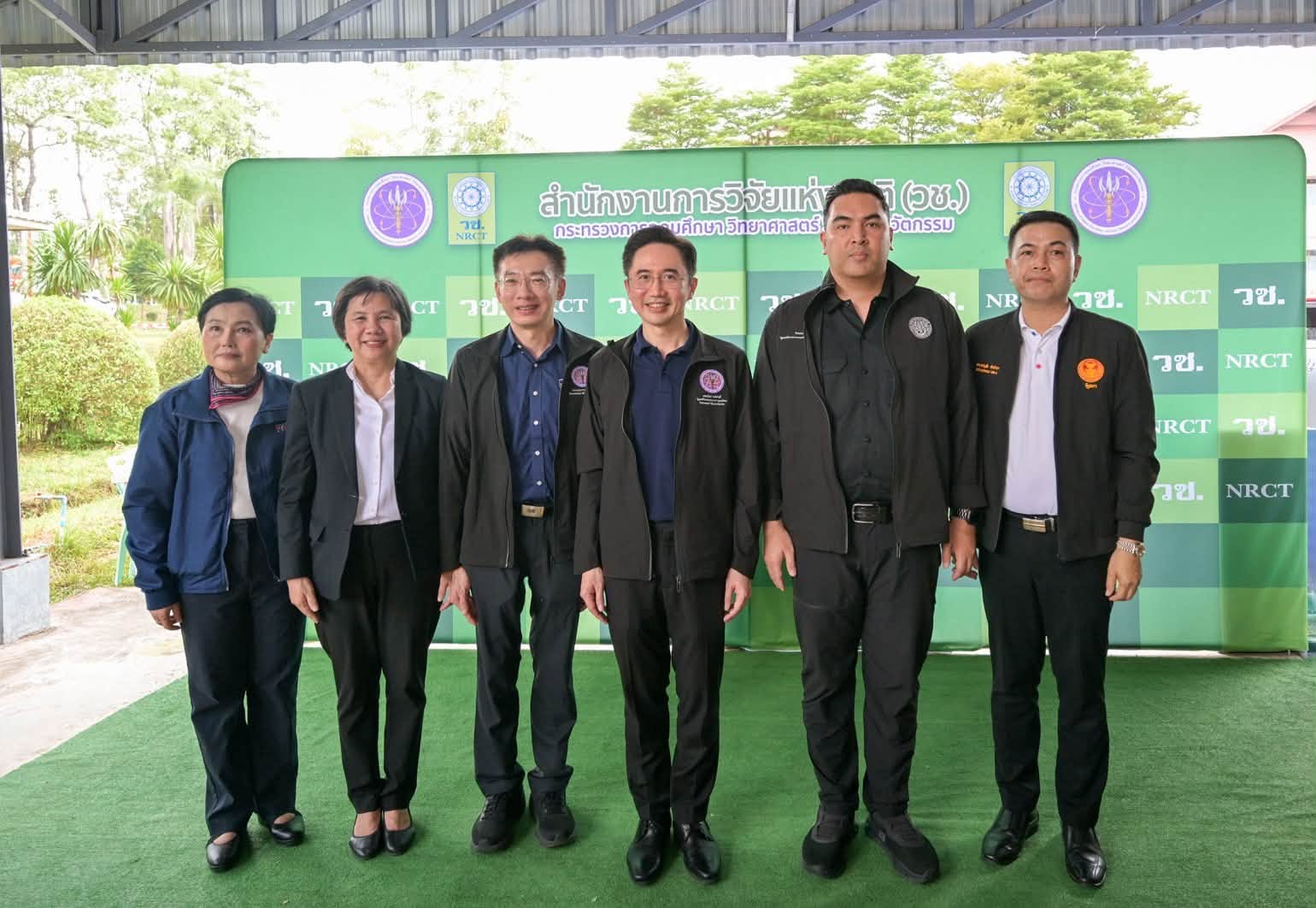
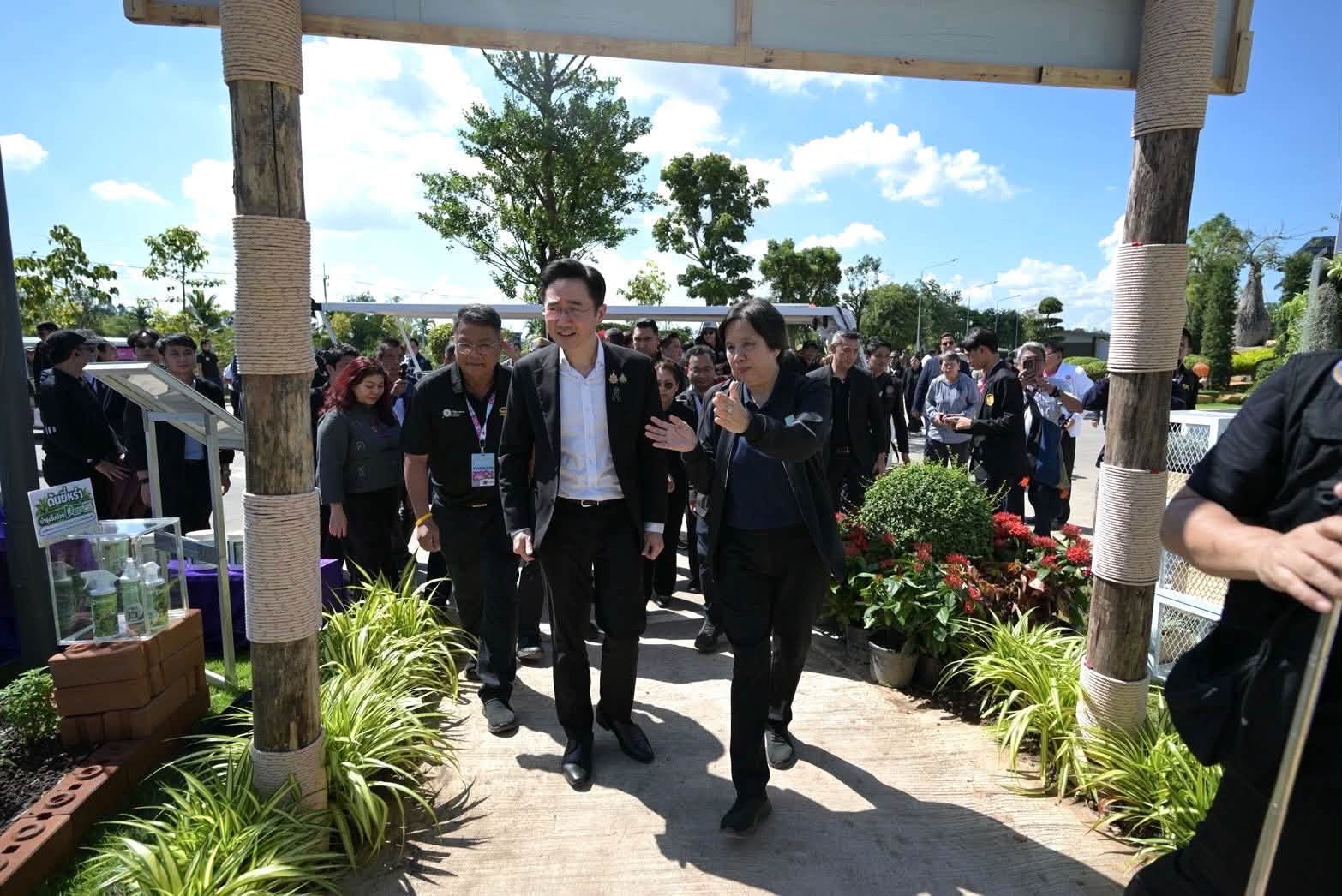
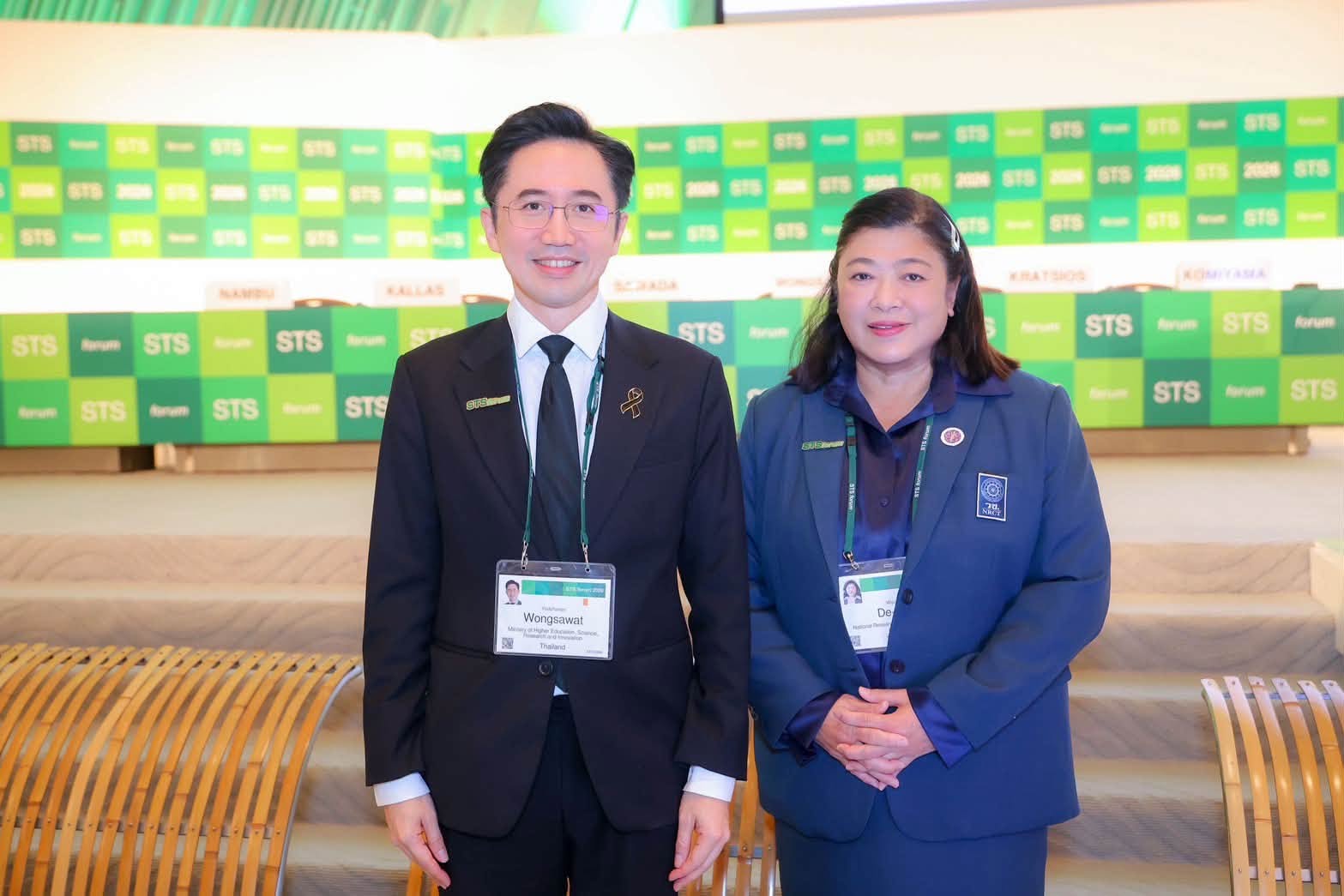
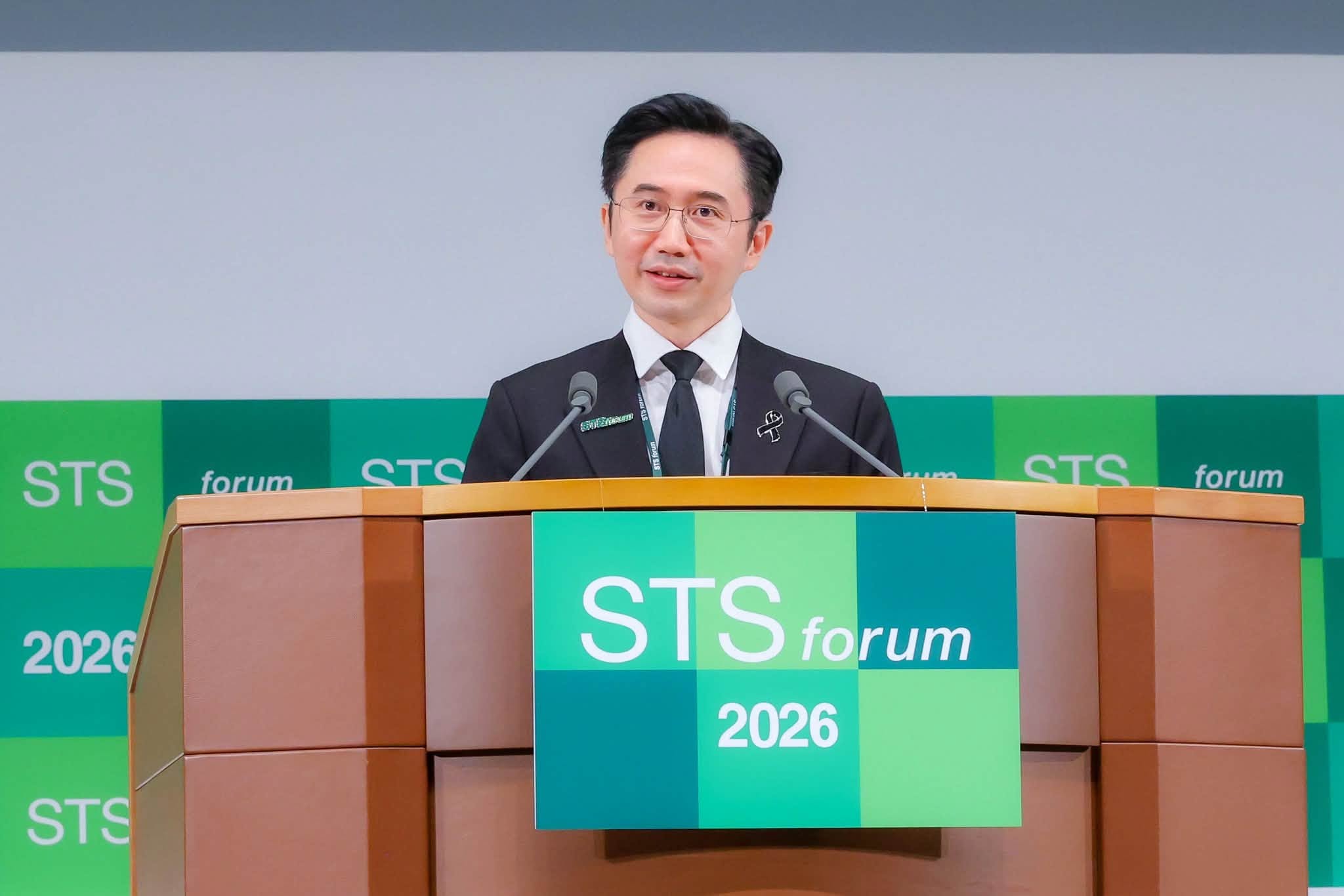
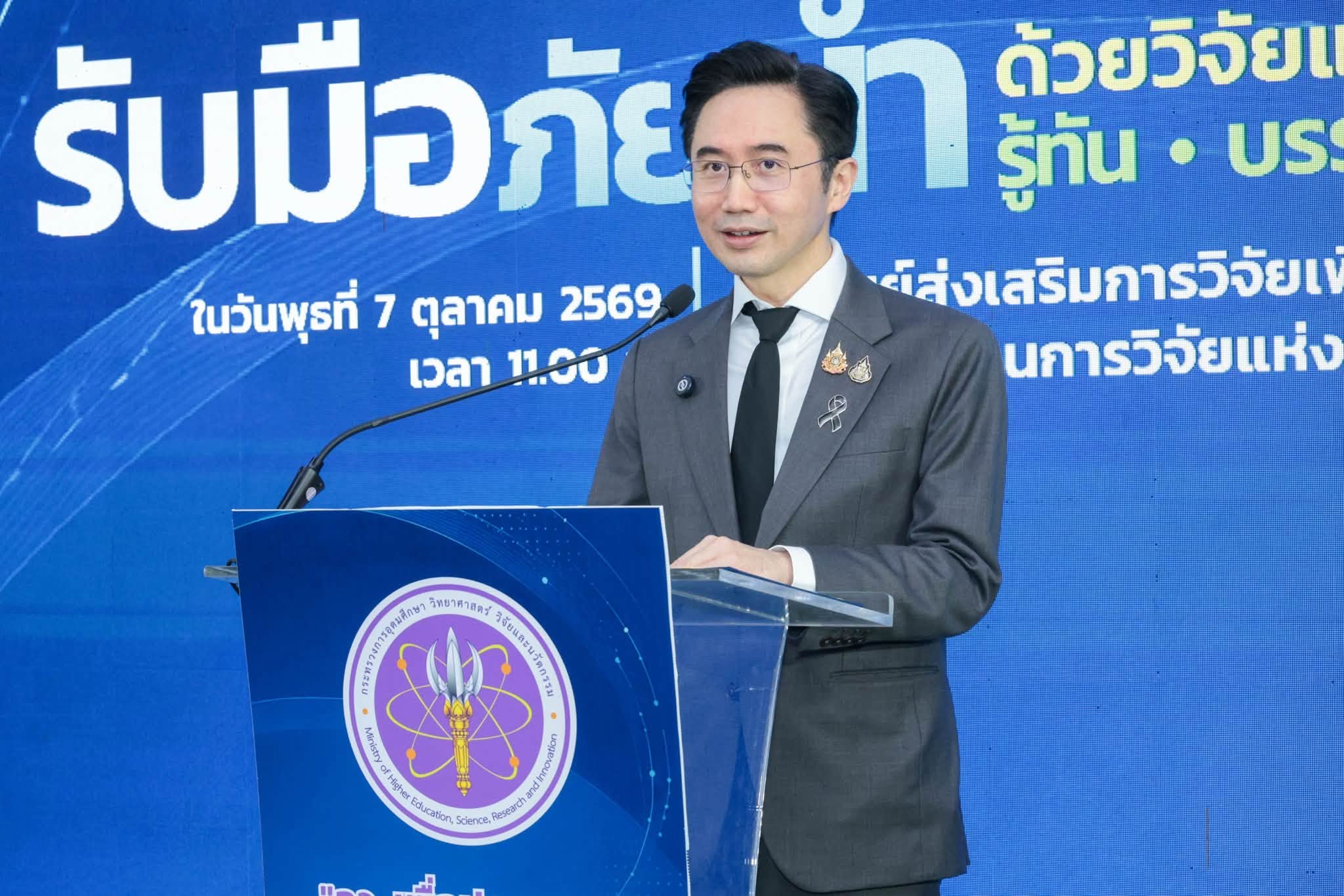
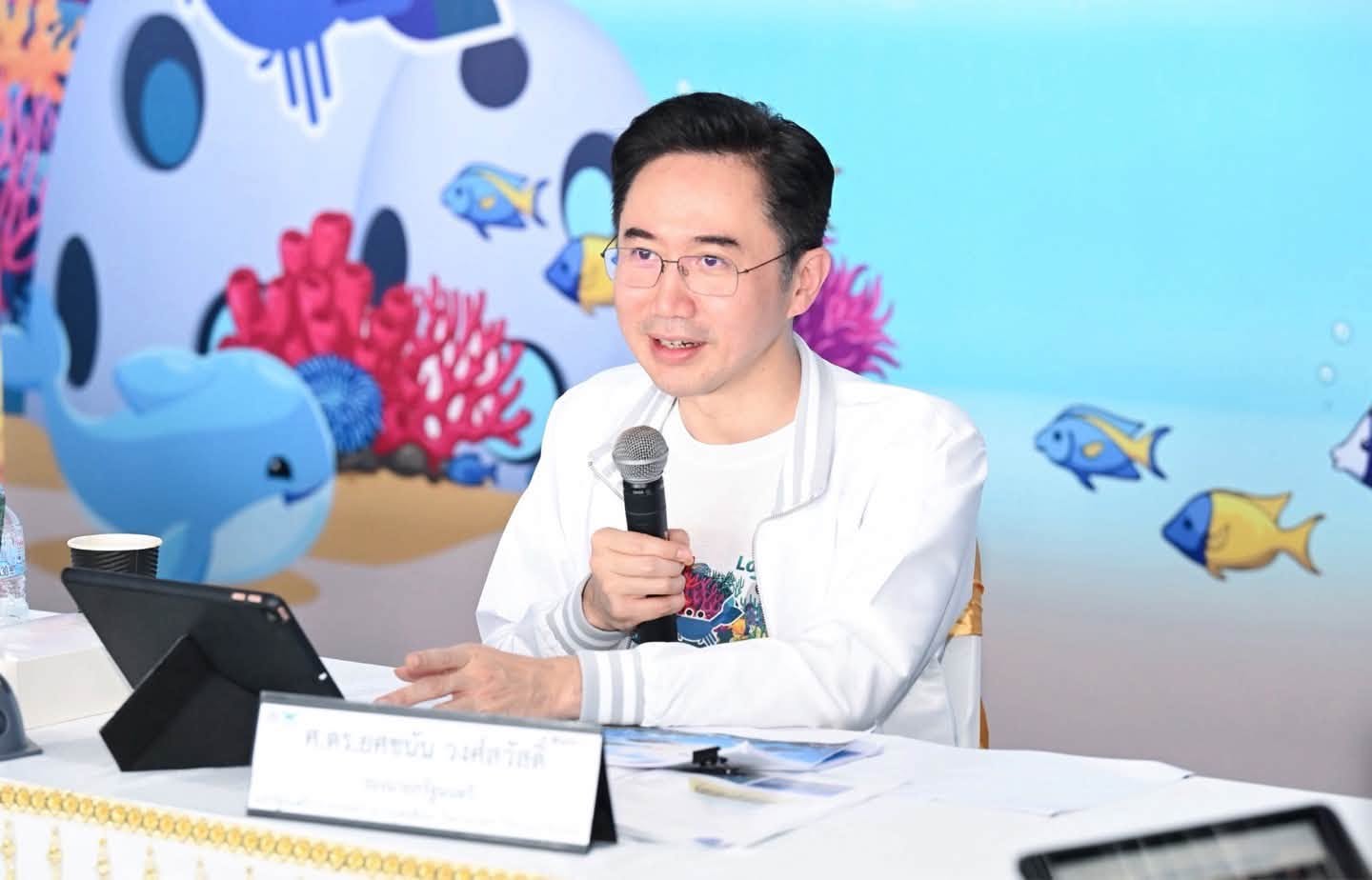
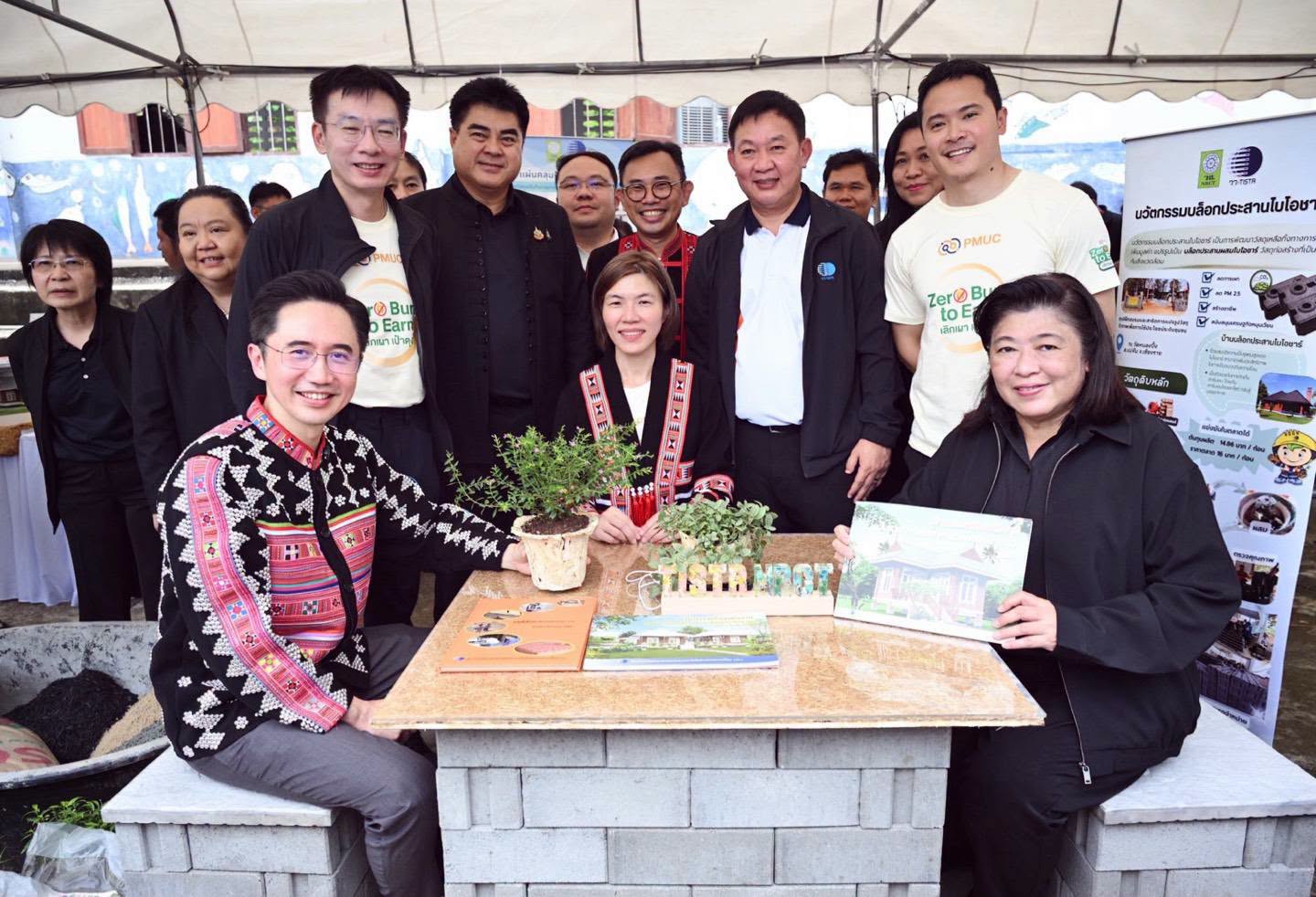
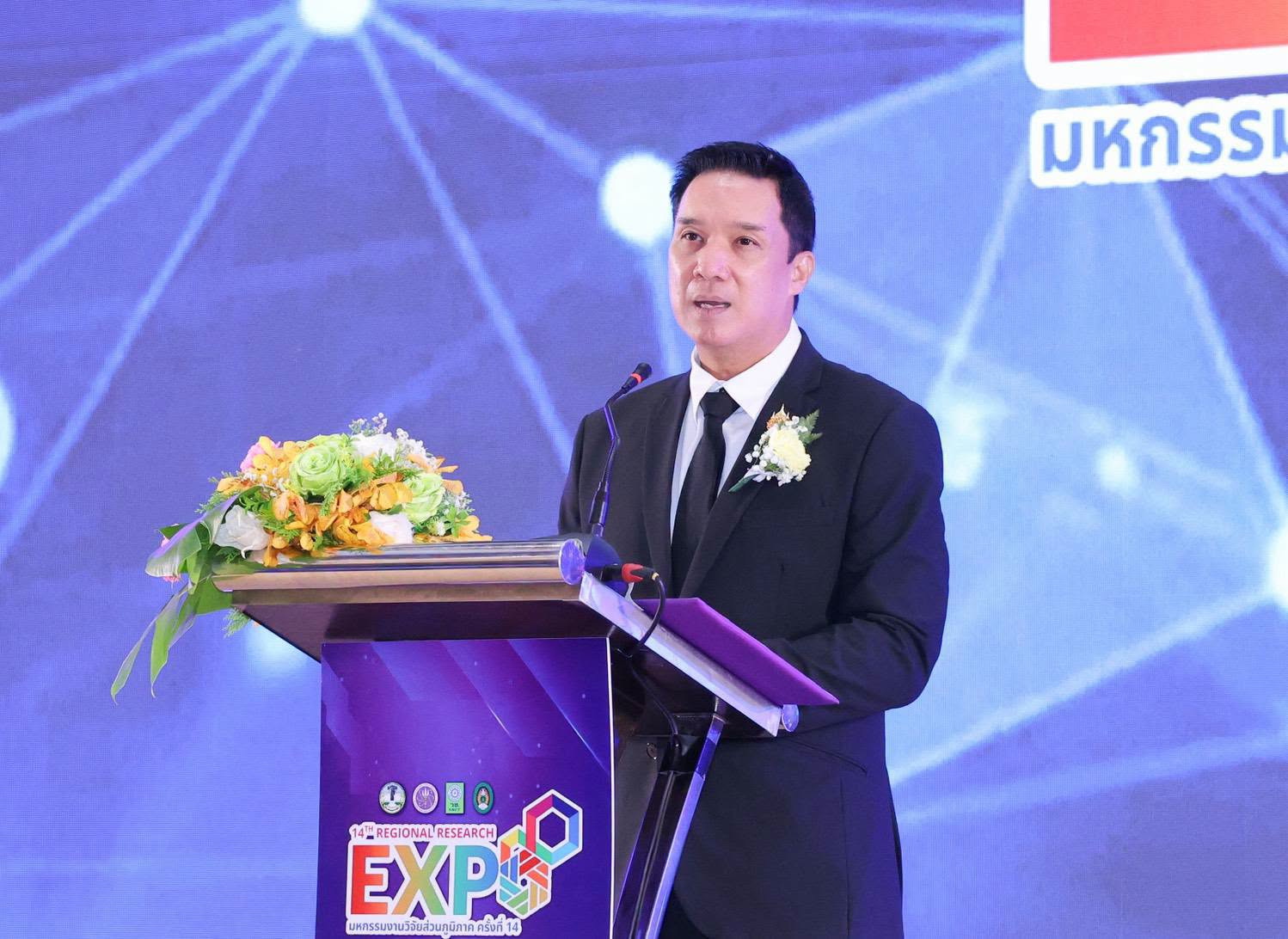
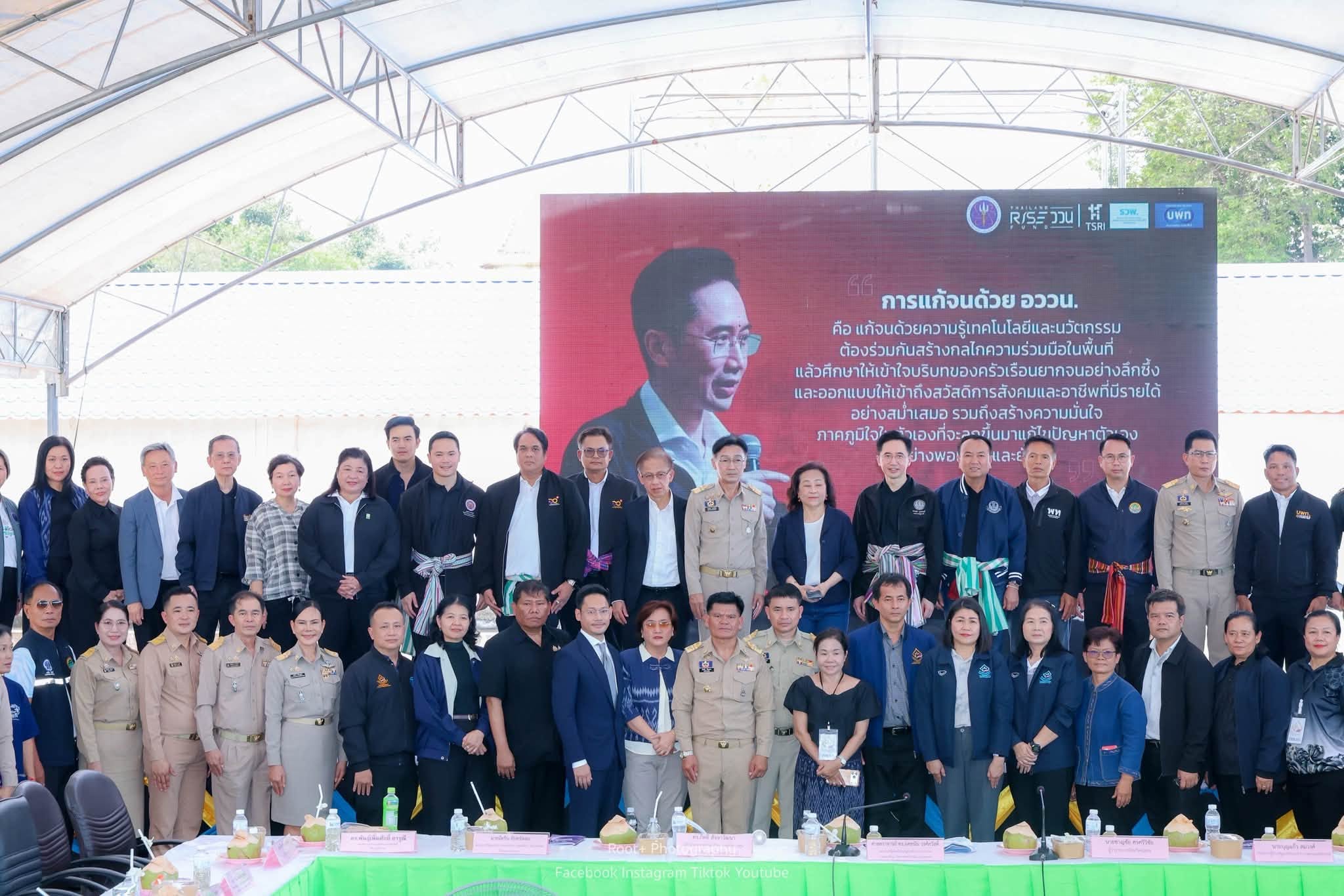
15 November 2026 – Prof. Dr. Yodchanan Wongsawat, Deputy Prime Minister and Minister of Higher Education, Science, Research and Innovation, presided over the “Biochar Innovation and Smoke-Free Farmers Festival: Soil Improvement Technology to Reduce Agricultural Burning and PM2.5 Pollution through Research and Innovation” in Chiang Rai Province, Thailand.
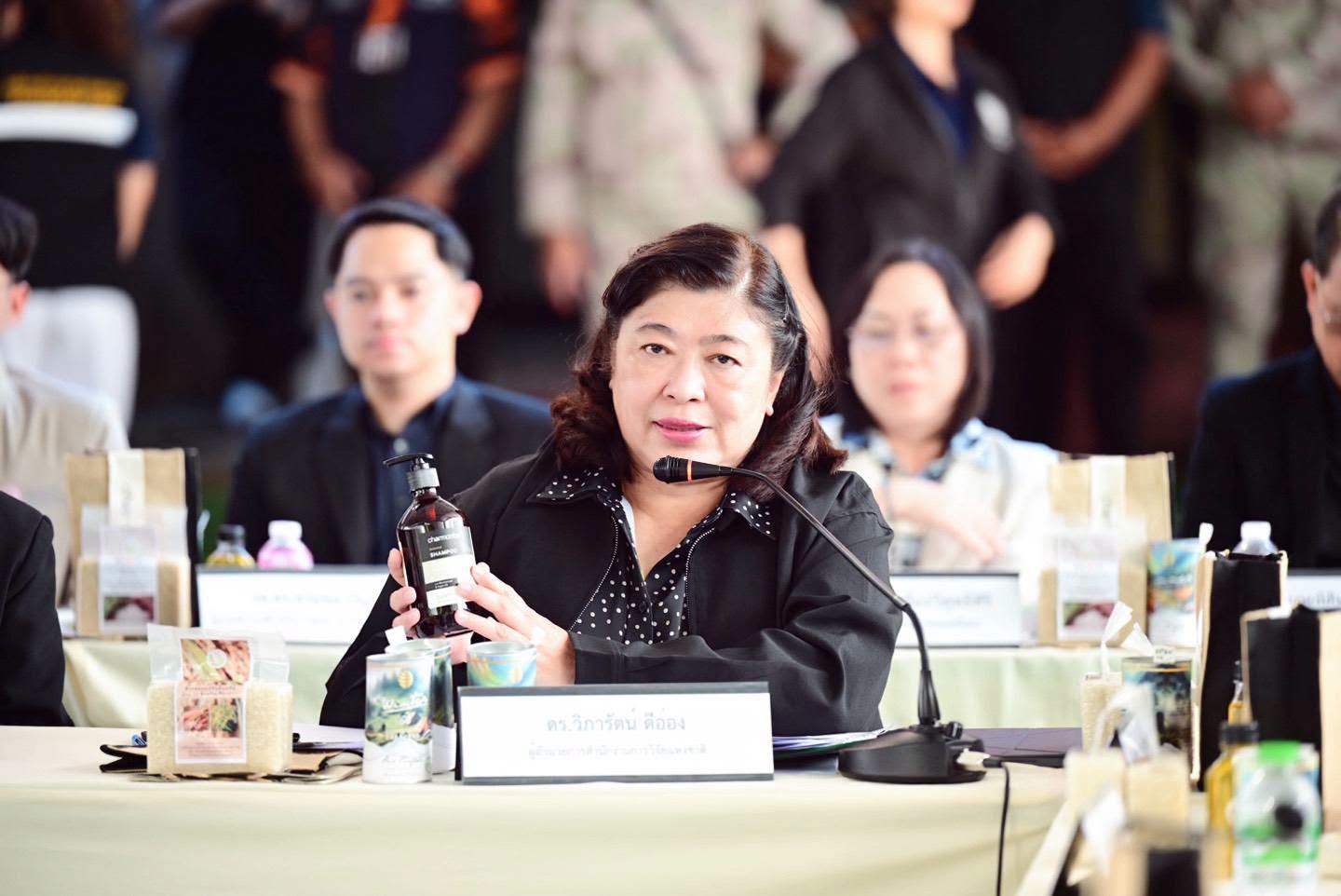
The event was attended by Ms. Piyarat Tiyapairat, Deputy Minister of Agriculture and Cooperatives; Prof. Dr. Supachai Pathumnakul, Permanent Secretary of the Ministry of Higher Education, Science, Research and Innovation (MHESI); Dr. Wiparat De-ong, Executive Director of the National Research Council of Thailand (NRCT); and representatives from government agencies, local administrations, research institutions, and beneficiary communities. The event took place at the Pha Ngam Subdistrict Administrative Organization in Wiang Chai District, Chiang Rai Province.
Prof. Dr. Yodchanan Wongsawat highlighted that PM2.5 pollution in Northern Thailand is associated with agricultural burning, forest fires, and emissions from various activities. In response, MHESI is advancing policies aimed at addressing the root causes of the problem through science, research, technology, and innovation. These efforts include promoting biochar production and soil improvement technologies as practical solutions to help farmers manage agricultural residues more sustainably.
These technologies not only provide alternatives to open-field burning but also create opportunities to generate additional income through the productive use of agricultural residues. He emphasized that successful implementation requires integrated cooperation among partner organizations and local communities to ensure effective knowledge and technology transfer to farmers, supported by concrete monitoring and evaluation mechanisms. Key indicators include reductions in agricultural burning, the extent of farmland adopting these technologies, and improvements in the quality of life of local communities.
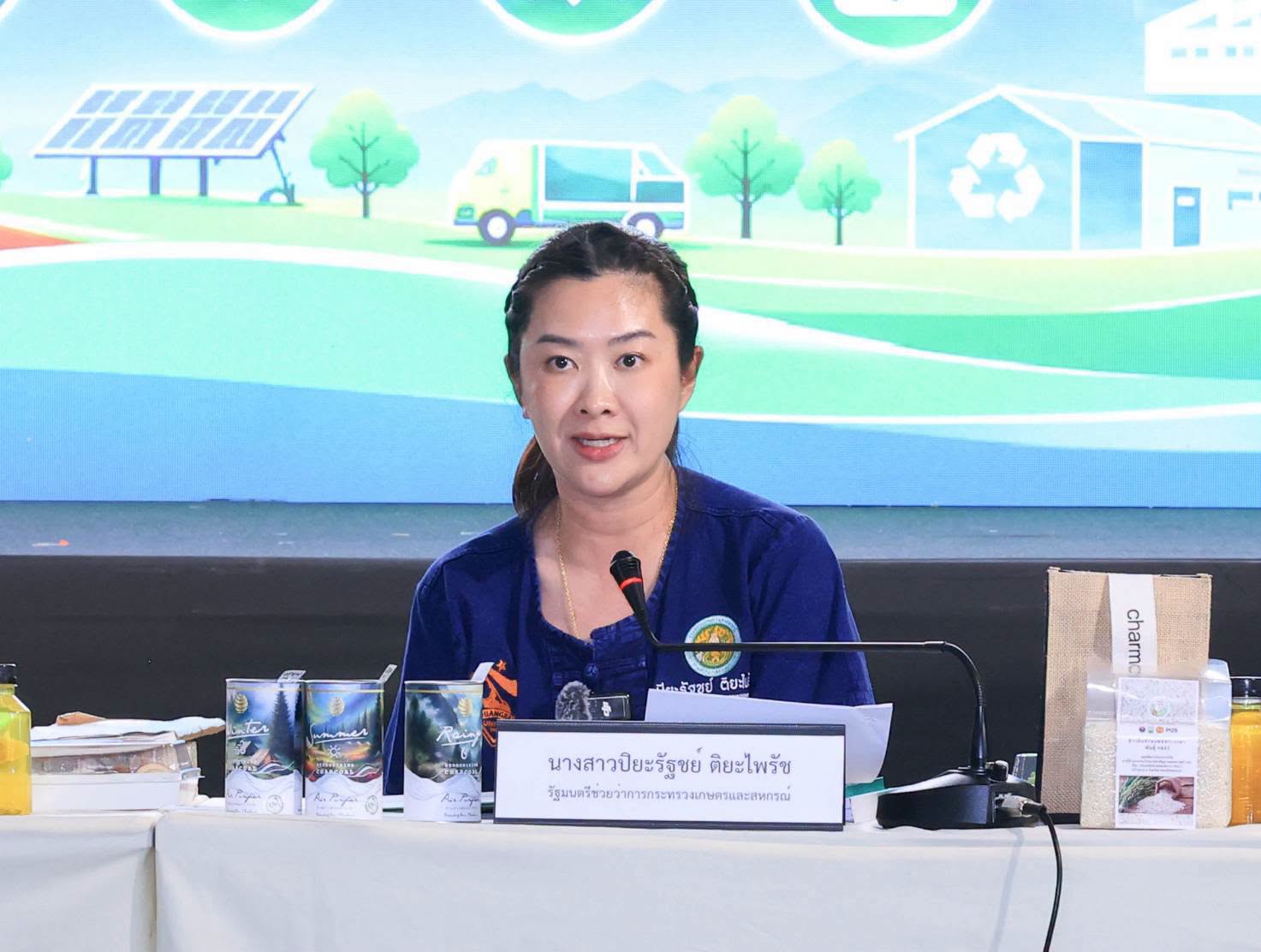
Ms. Piyarat Tiyapairat, Deputy Minister of Agriculture and Cooperatives, emphasized the Ministry's commitment to promoting agricultural practices that minimize burning while enhancing production efficiency and increasing farmers' incomes.
She noted that collaboration with MHESI would serve as an important mechanism for applying scientific knowledge, research, technology, and innovation to systematically address the underlying causes of agricultural burning. In particular, biochar production technologies offer alternative approaches to agricultural residue management, enabling more effective resource utilization and supporting the development of value-added products and services.
Furthermore, soil improvement technologies can help reduce the need for agricultural burning, increase the economic value of agricultural residues, and create additional income opportunities for farmers, ultimately contributing to sustainable improvements in their quality of life.
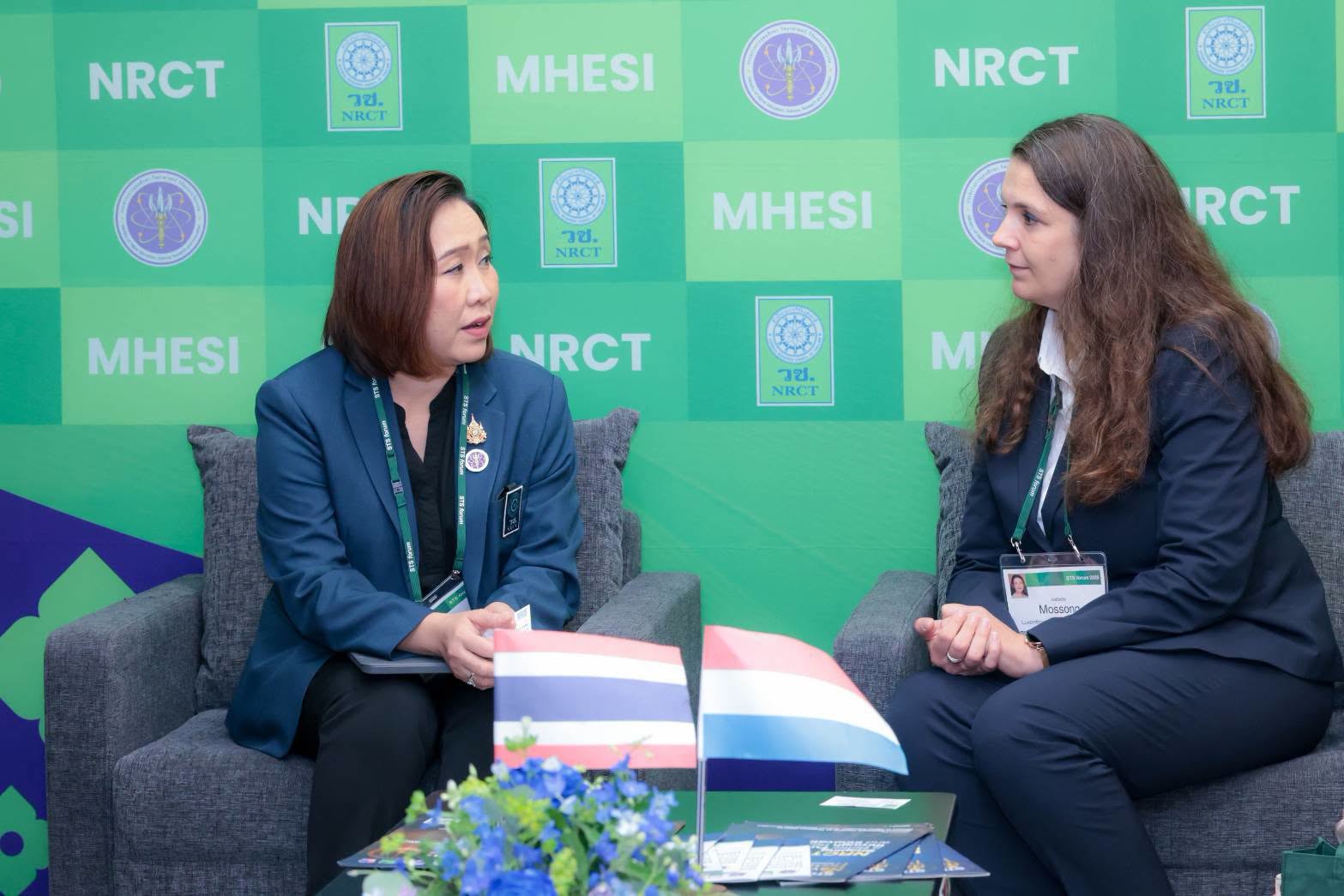
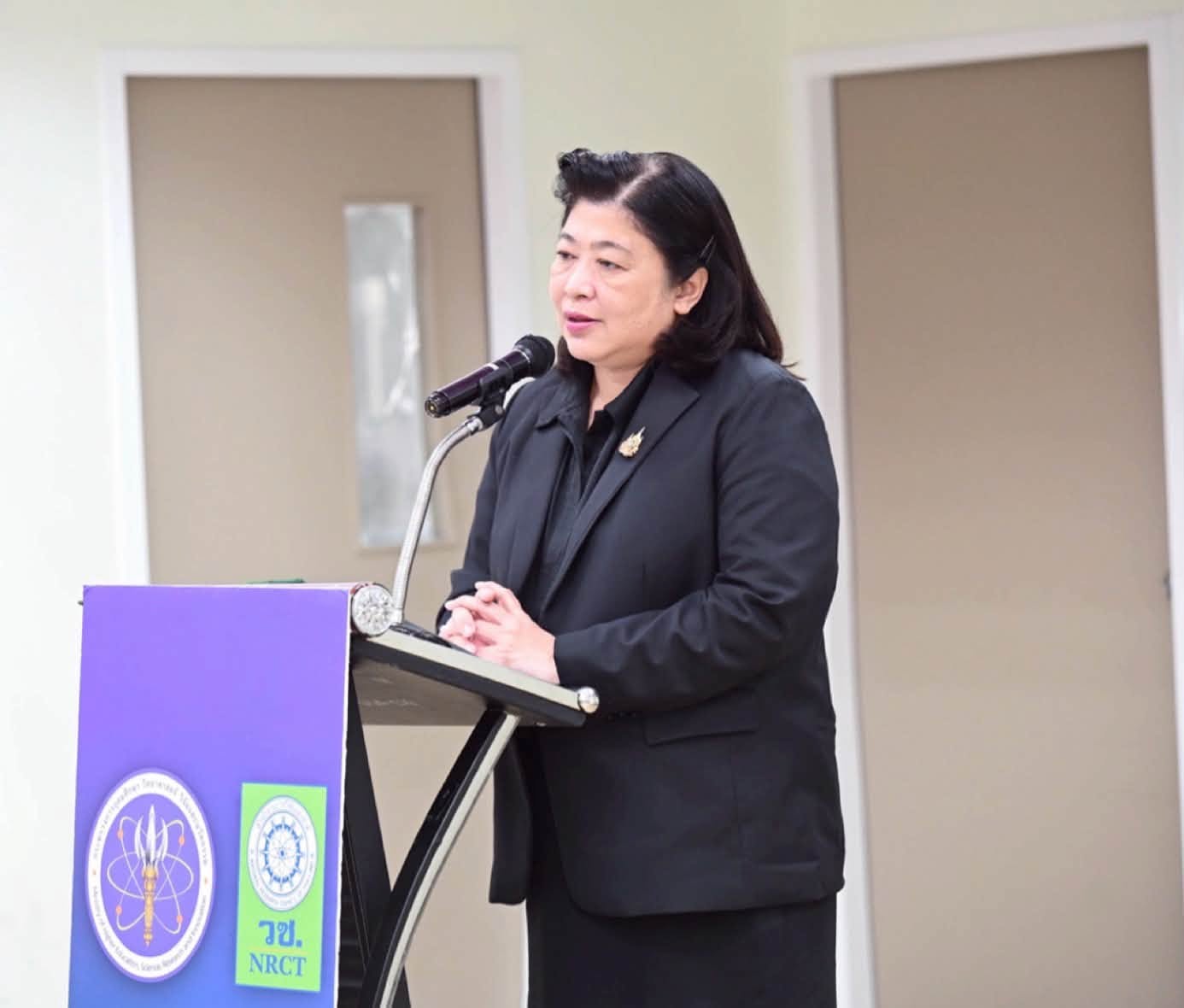
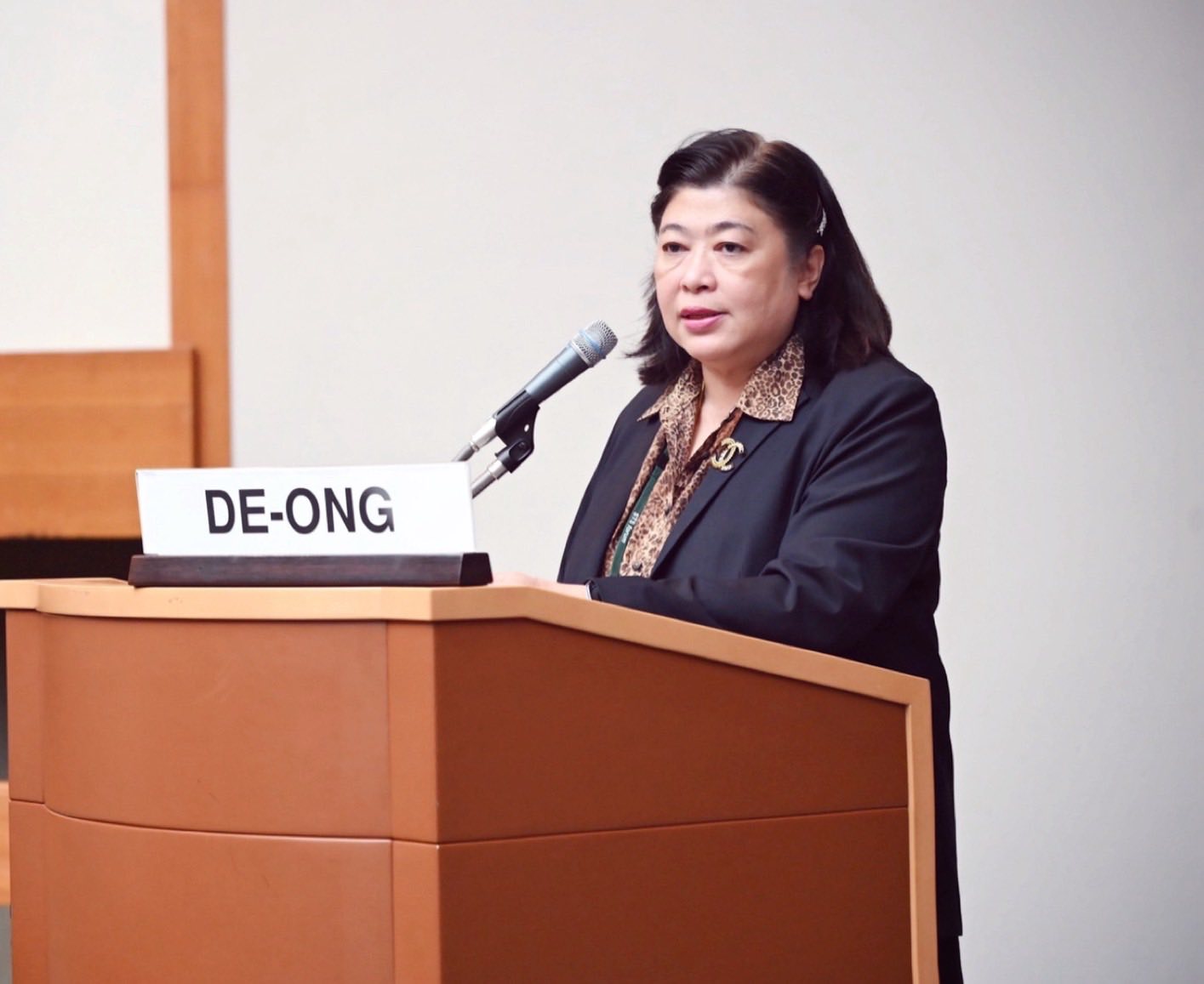
Dr. Wiparat De-ong, Executive Director of NRCT, stated that NRCT, under MHESI, serves as a research and innovation funding management agency supporting the development and application of research-based technologies to address agricultural burning and PM2.5 pollution. These efforts are designed to respond to the specific conditions and needs of local communities.
NRCT's key initiatives encompass five areas:
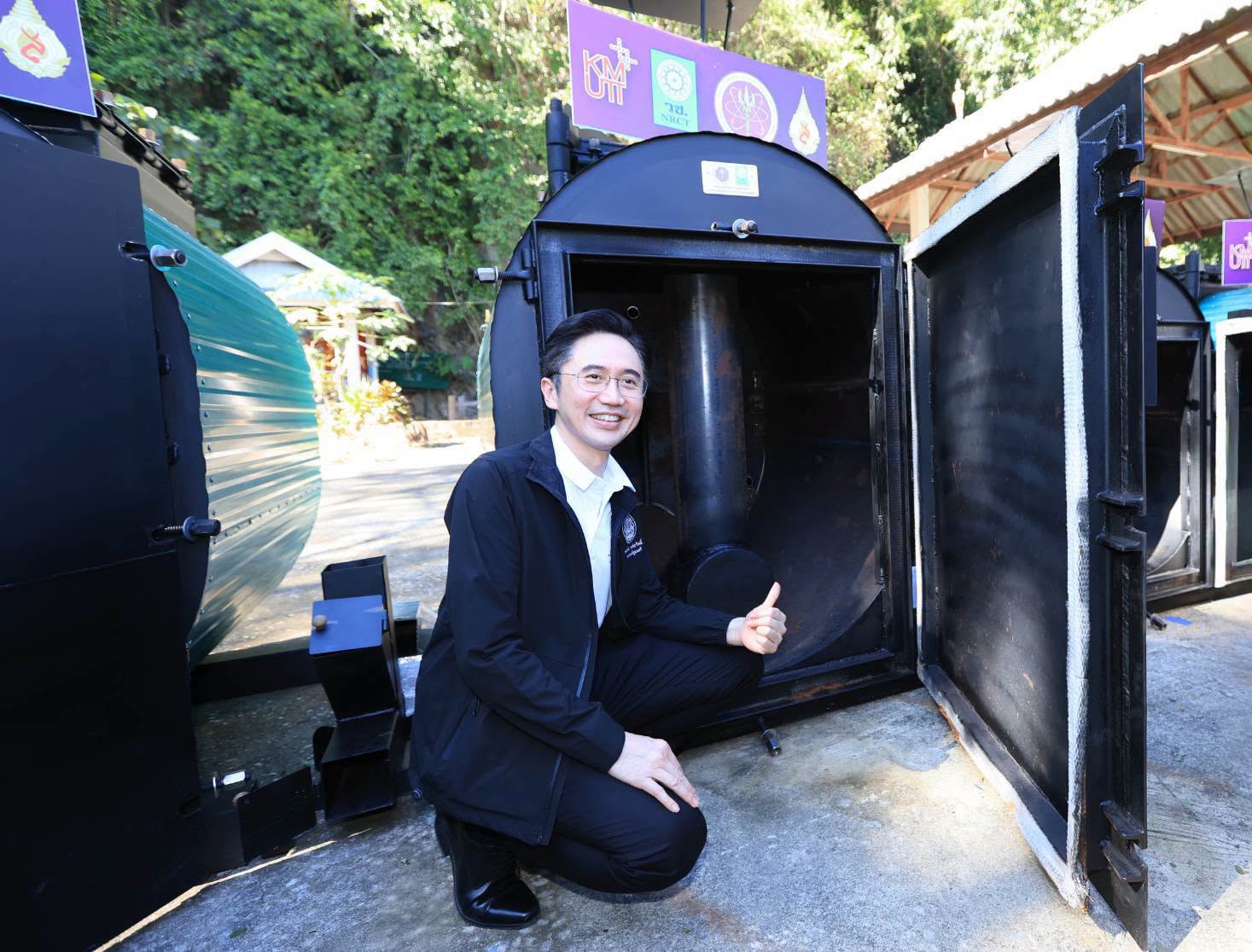
1. Community Biochar Kiln Innovation – BioCycle Kiln: Promoting the conversion of agricultural residues into biochar as an alternative to open-field burning.
2. Value-Added Products from Agricultural Biomass: Supporting the transformation of agricultural biomass into innovative biochar-based products, including carbon-sequestering cement, soil amendments, and air-purifying products.
3. Clear Tor Innovation and PLANT VAC Biofertilizer: Supporting the management and decomposition of rice straw and crop stubble without burning.
4. Clean Air Rice Production System: Promoting no-burning rice cultivation practices, soil restoration, and market linkages for high-value agricultural products.
5. High-Quality Biochar Soil Amendments and Biochar Entrepreneurship Development: Empowering farmers to become biochar entrepreneurs and promoting environmentally friendly and sustainable agricultural practices.
A representative of Wiang Chai District also highlighted Chiang Rai's efforts to promote environmentally friendly agriculture, reduce open-field burning, and encourage the application of technology and innovation to maximize the utilization of agricultural residues.
In particular, biochar production and soil improvement technologies can help transform agricultural residues into valuable resources, reduce agricultural burning, and generate additional income for farmers and local communities. Cooperation among government agencies, research institutions, the private sector, and community networks is expected to contribute to addressing PM2.5 pollution while creating long-term economic opportunities and improving local quality of life.
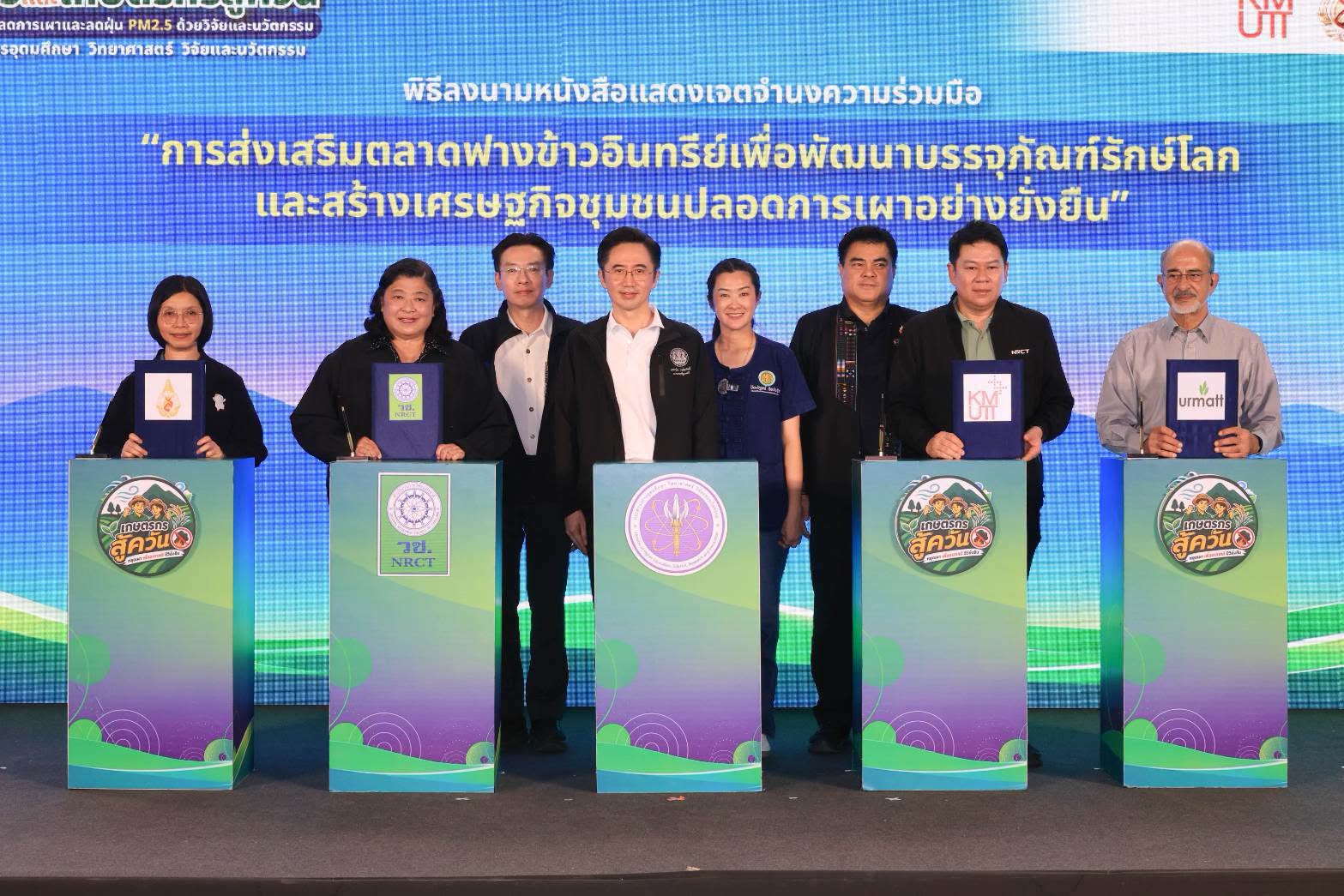
During the event, eight Letters of Intent (LOIs) were signed among NRCT, academic institutions, private sector organizations, and community networks. The agreements aim to promote markets for organic rice straw, develop value-added products from rice straw, support no-burning rice production and market linkages for Clean Air Rice, and advance research, innovation, and farmer development to improve access to sustainable high-value markets.
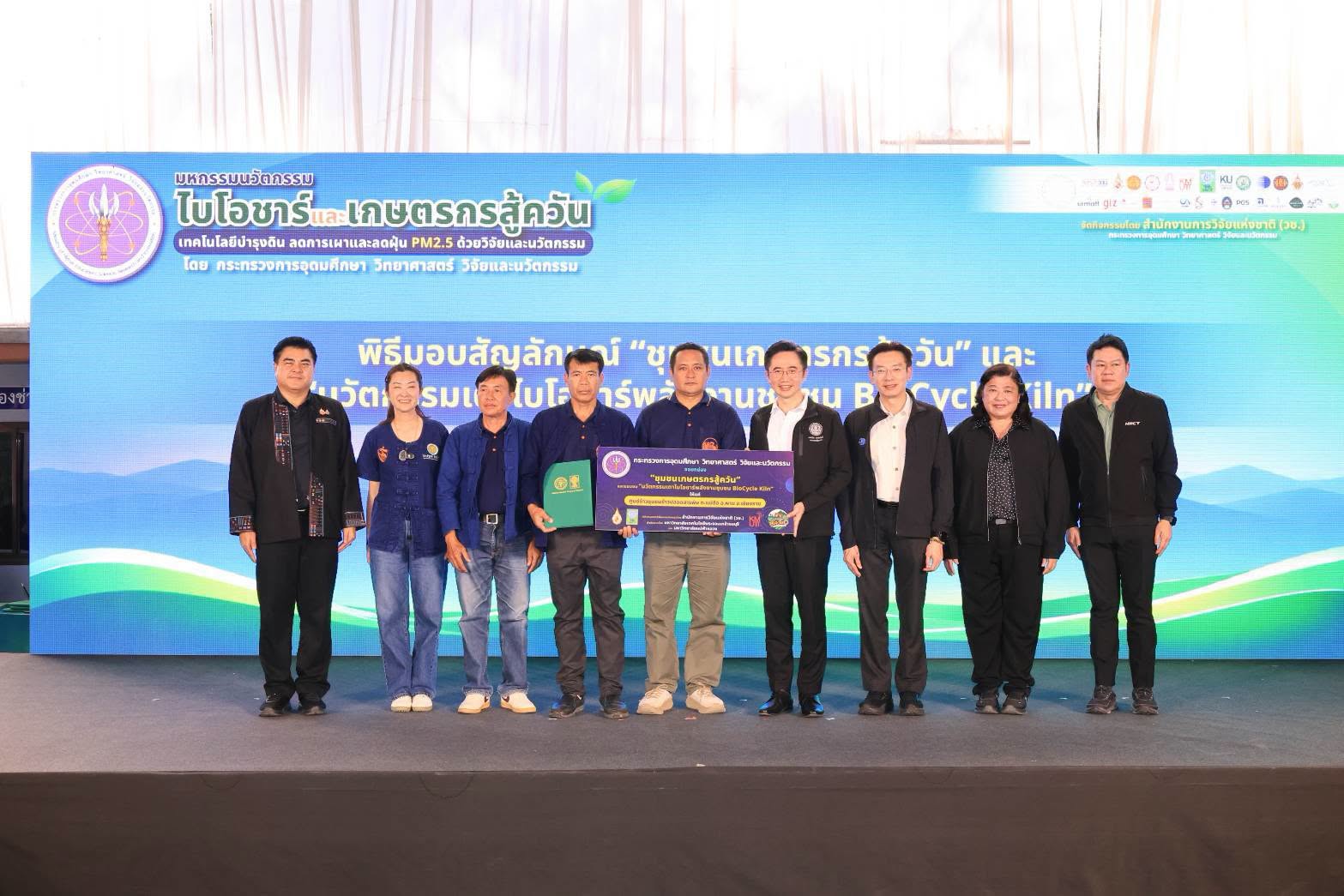
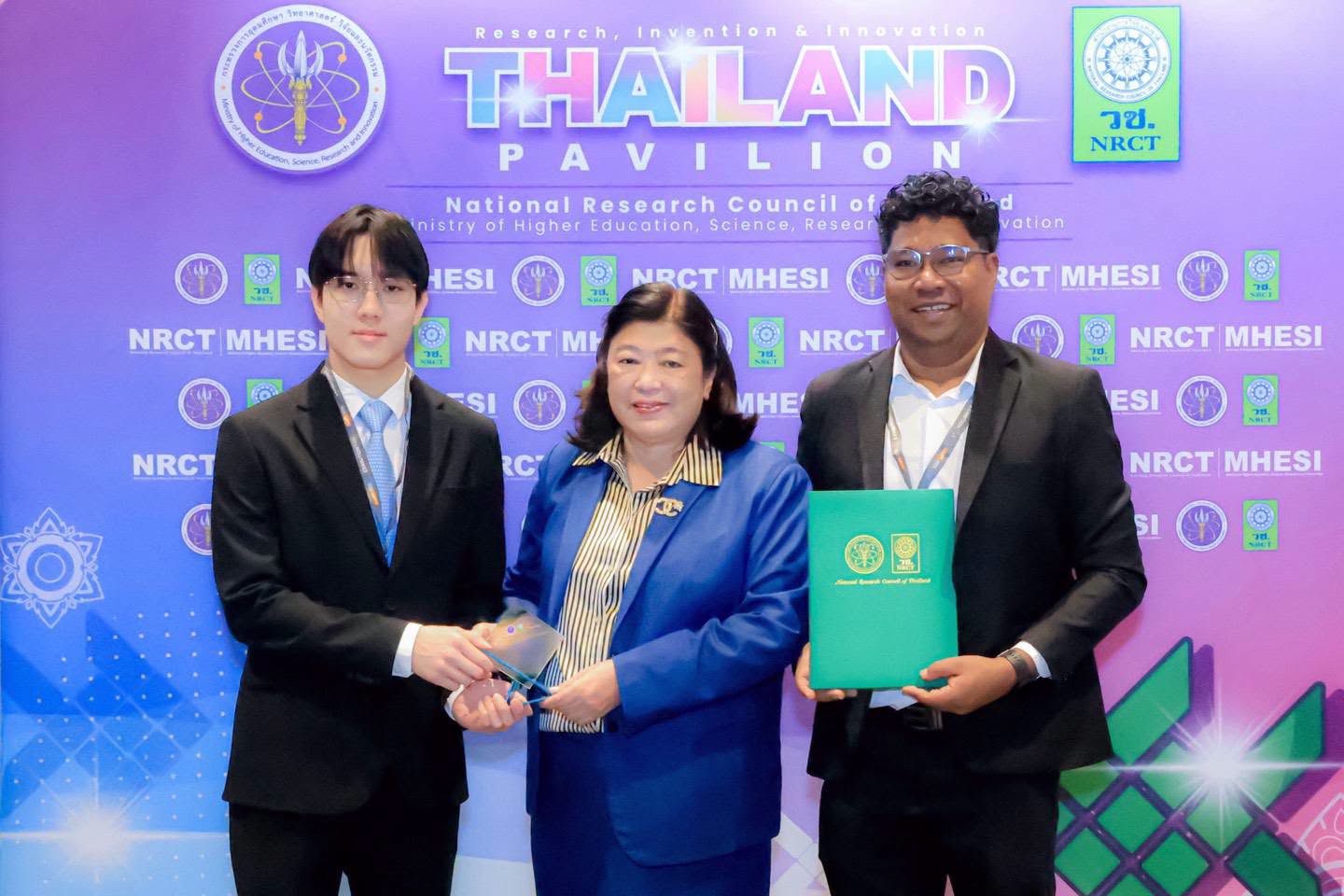
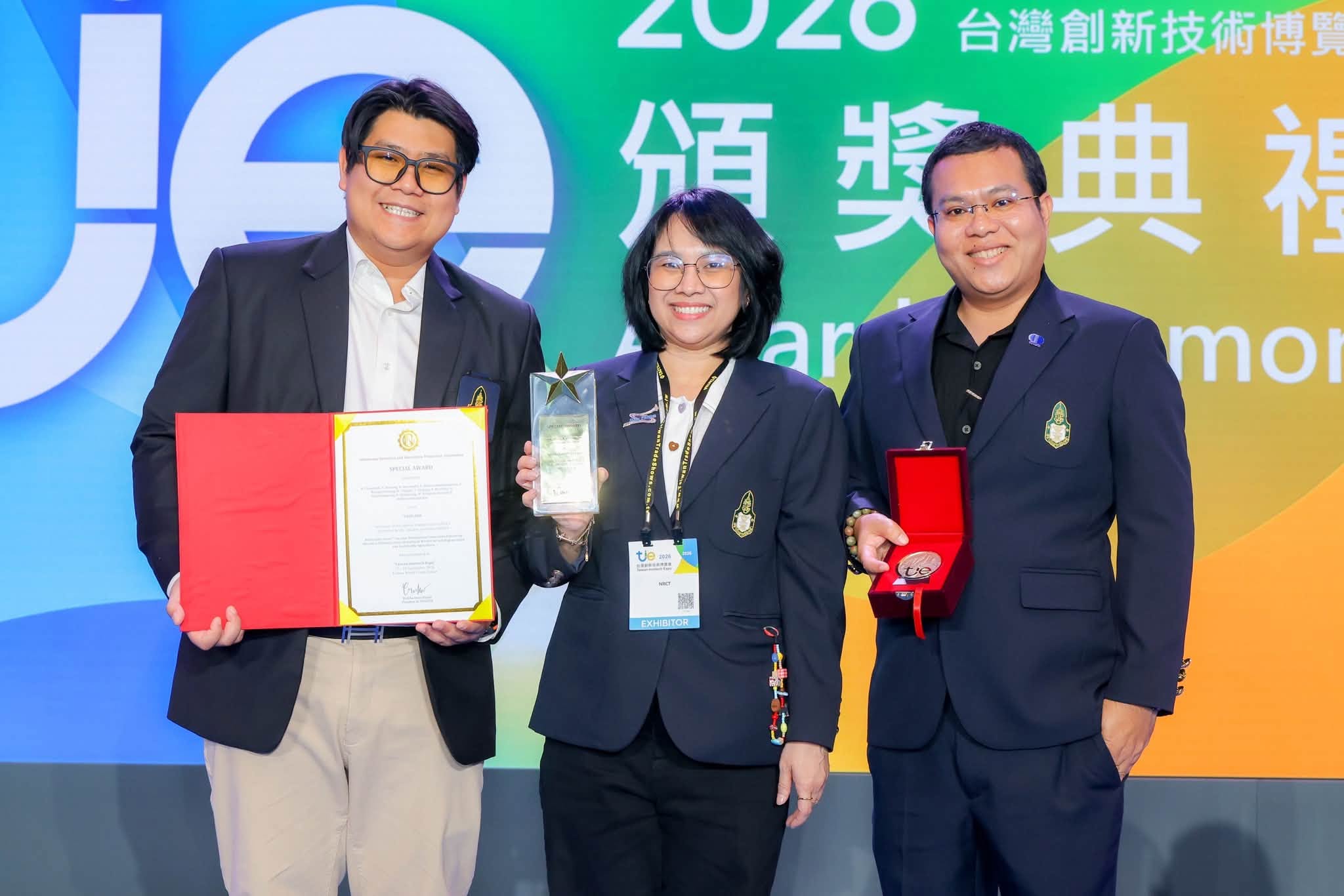
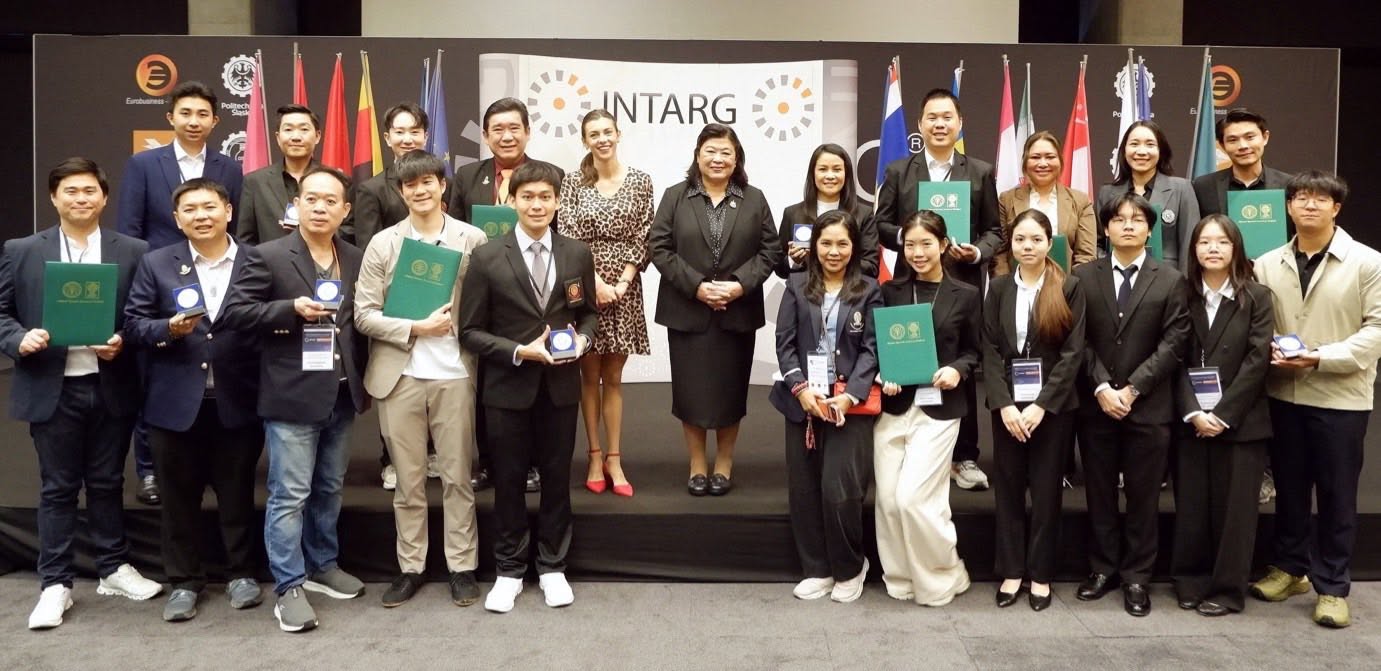
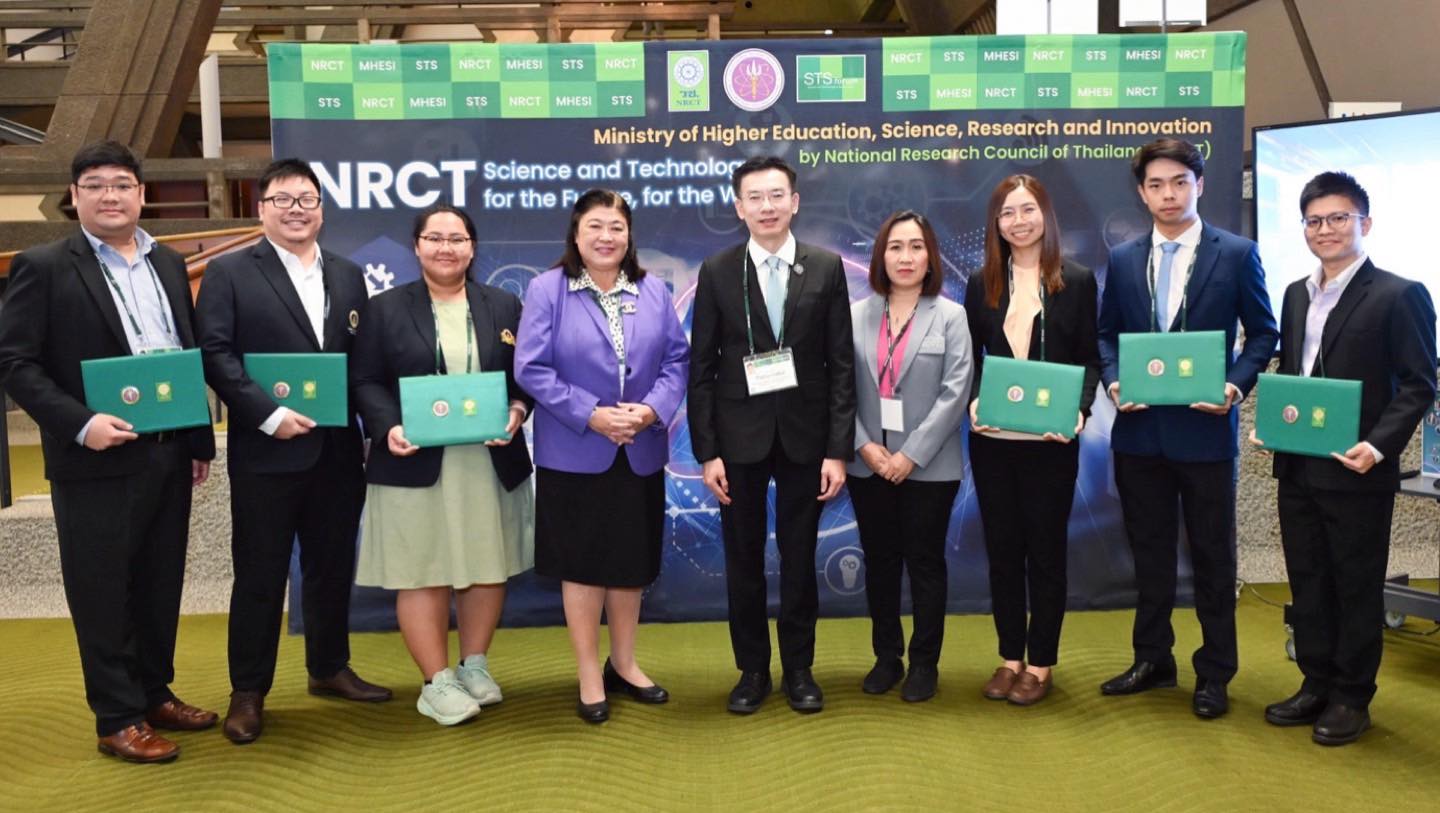
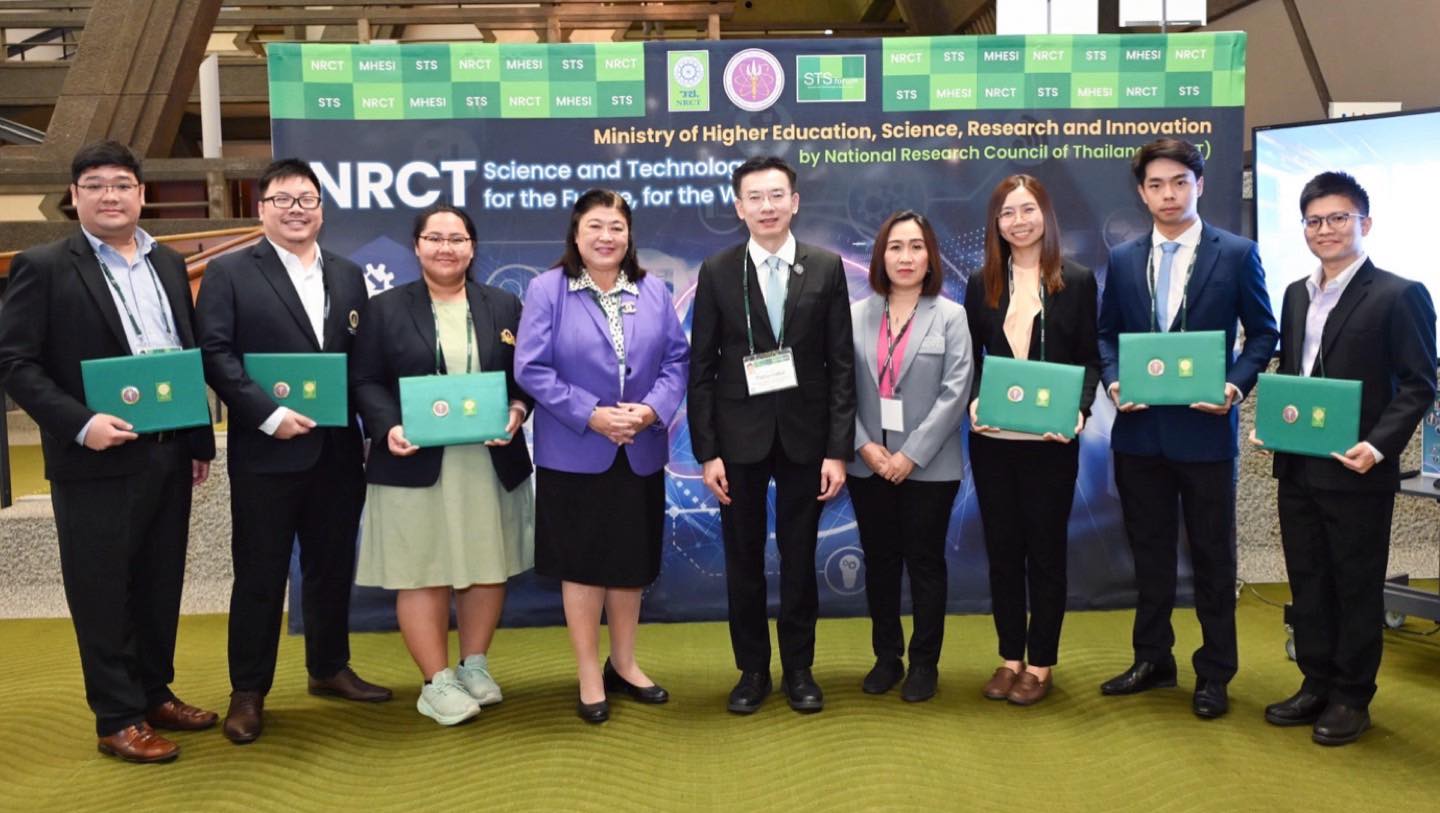
The event also featured a certificate presentation ceremony for researchers participating in the exhibition, along with the presentation of the “Smoke-Free Farming Community” recognition and the handover of the BioCycle Kiln Community Biochar Energy Innovation. Developed by a research team from King Mongkut's University of Technology Thonburi, the BioCycle Kiln was handed over to community networks and farming communities in Chiang Rai and other areas of Northern Thailand, benefiting a total of 19 communities.
In addition, several innovations and products supporting no-burning agricultural practices and the value-added utilization of agricultural residues were handed over to community networks. These included:
- Clear Tor: An innovation designed to support the decomposition of crop stubble without burning.
- Organic Vegetable Seedlings: Developed by a research team from Thammasat University.
- BioCharge: Nutrient-Enriched Biochar for Slow-Release Fertilization: Developed by a research team from Chulalongkorn University.
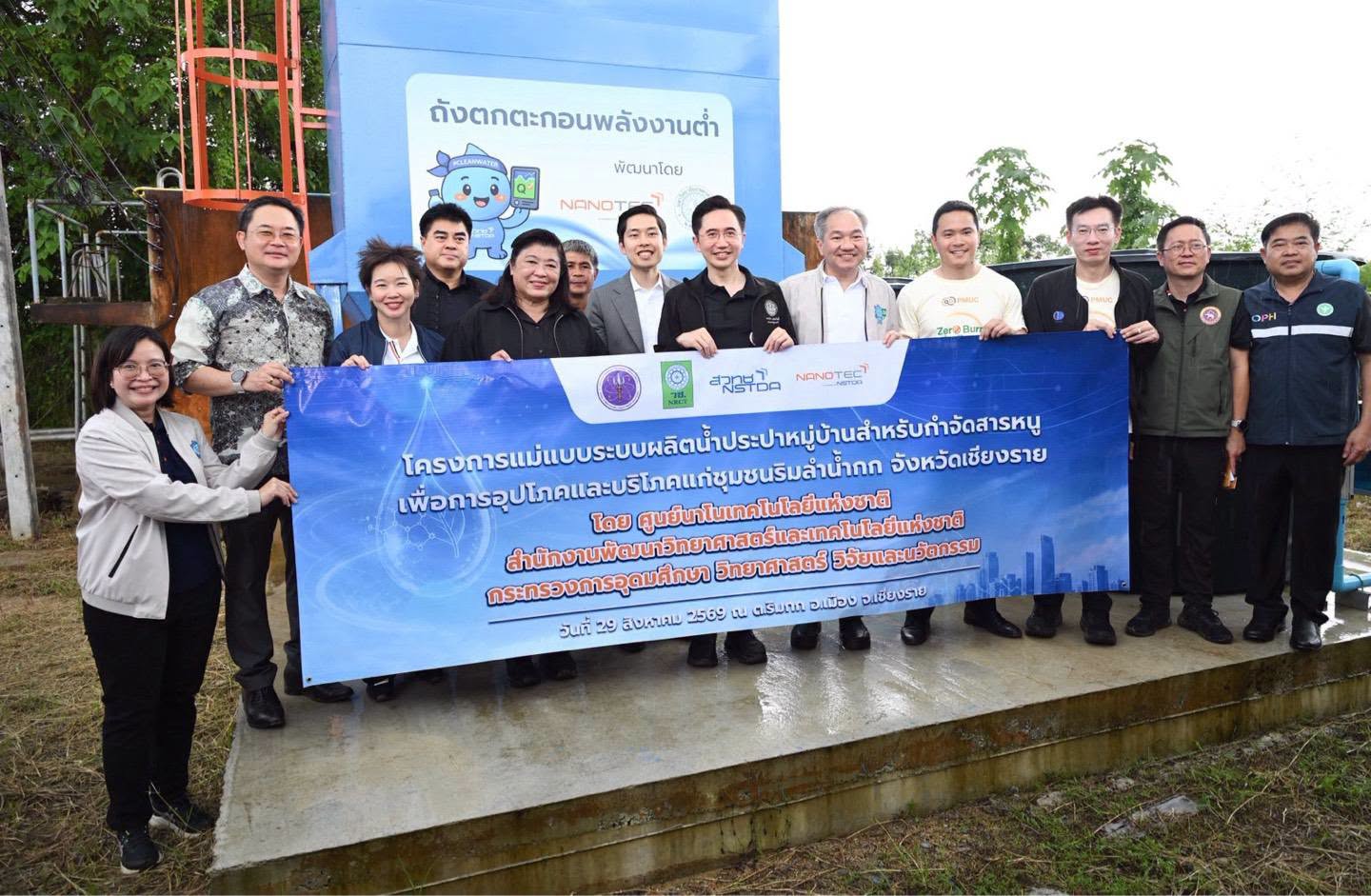
These innovations and products were distributed to a total of 14 community networks. Prof. Dr. Yodchanan Wongsawat and Ms. Piyarat Tiyapairat, Deputy Minister of Agriculture and Cooperatives, jointly participated in the handover ceremony.
Through these initiatives, NRCT and its partner organizations are advancing the practical application of research and innovation to address agricultural burning and PM2.5 pollution at their sources. By integrating science, technology, and innovation with local knowledge and community participation, these efforts aim to promote sustainable agricultural practices, improve soil quality, create added value from agricultural residues, and strengthen farmers' livelihoods and local economies in Northern Thailand.