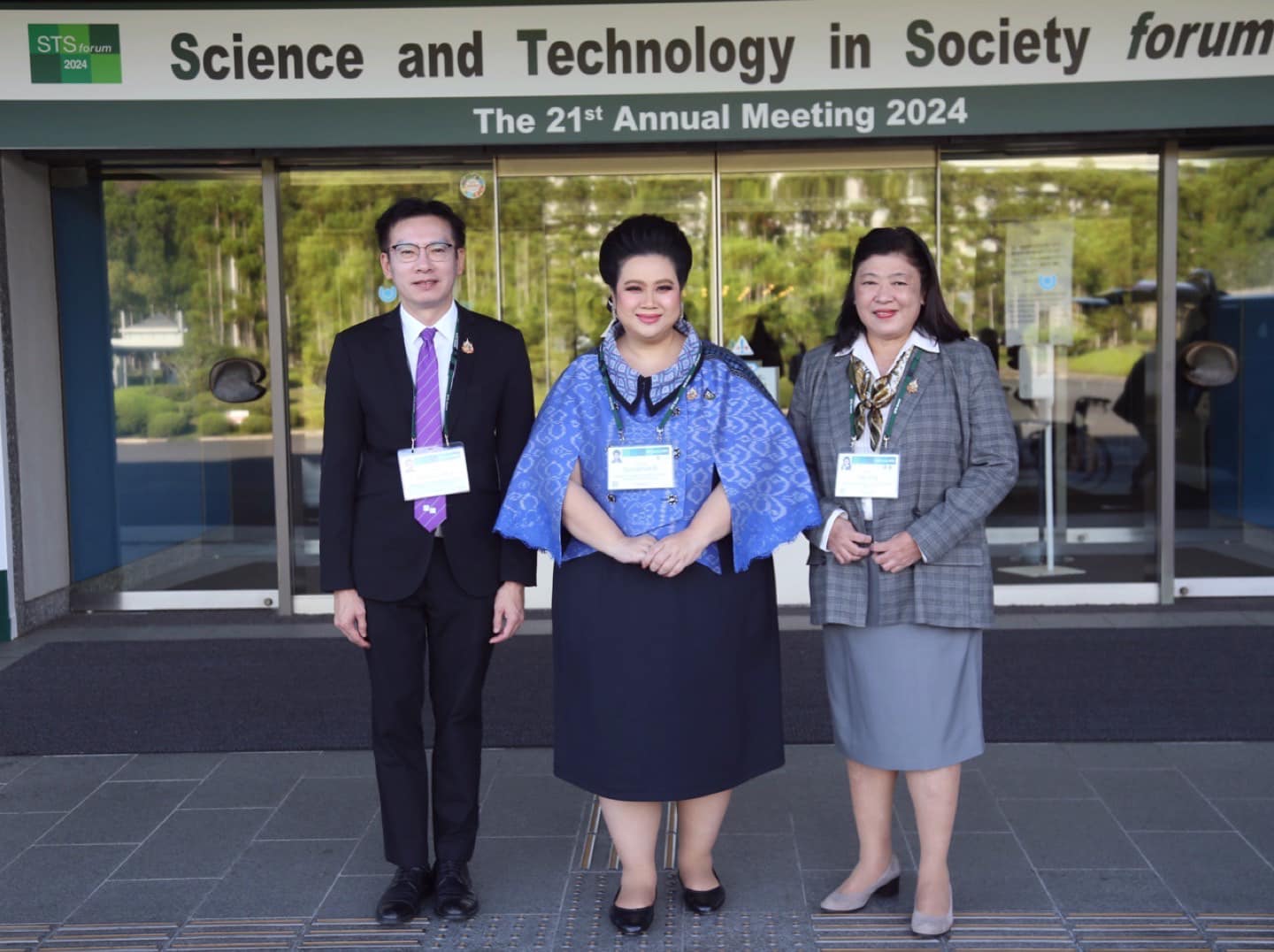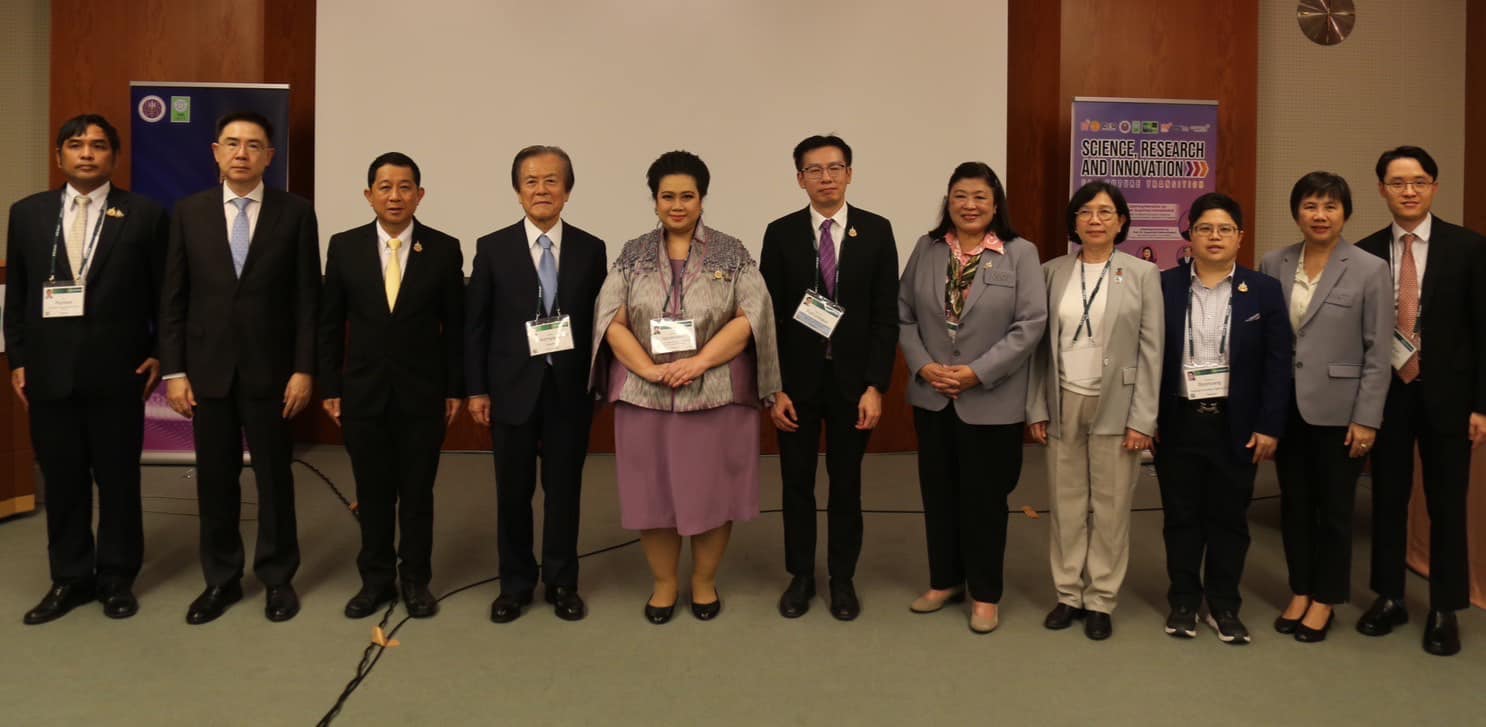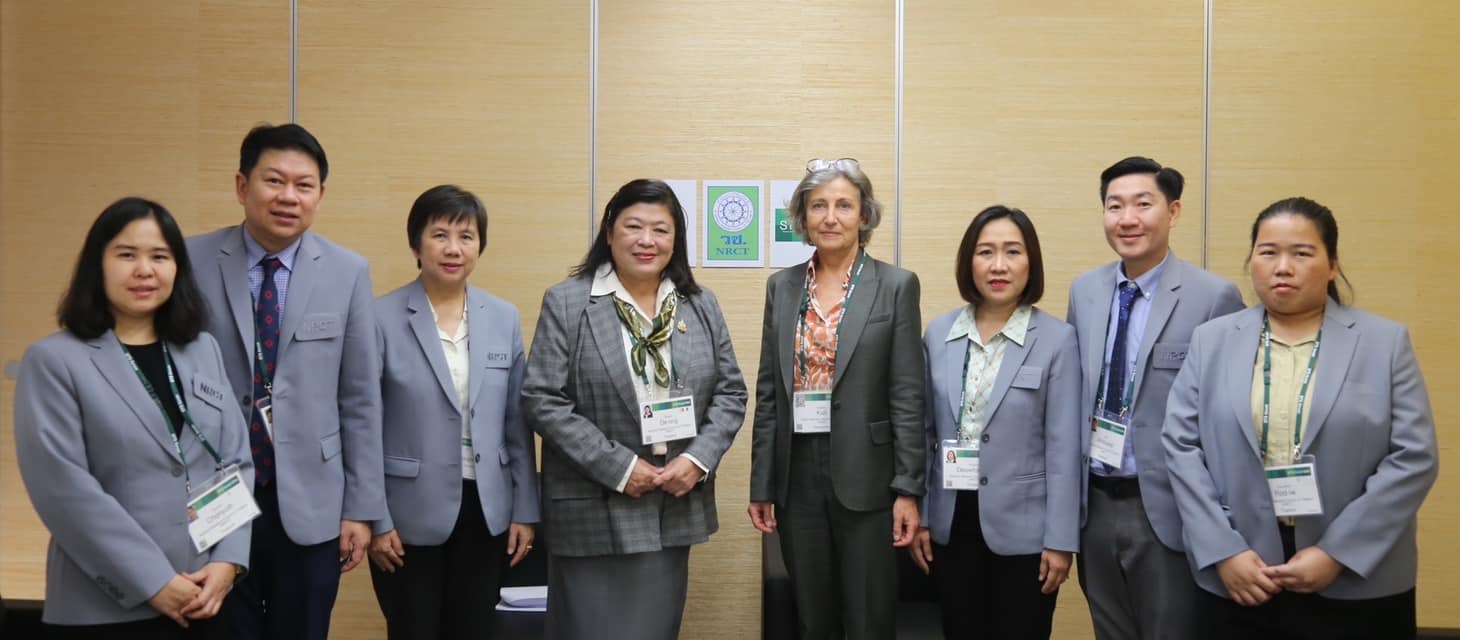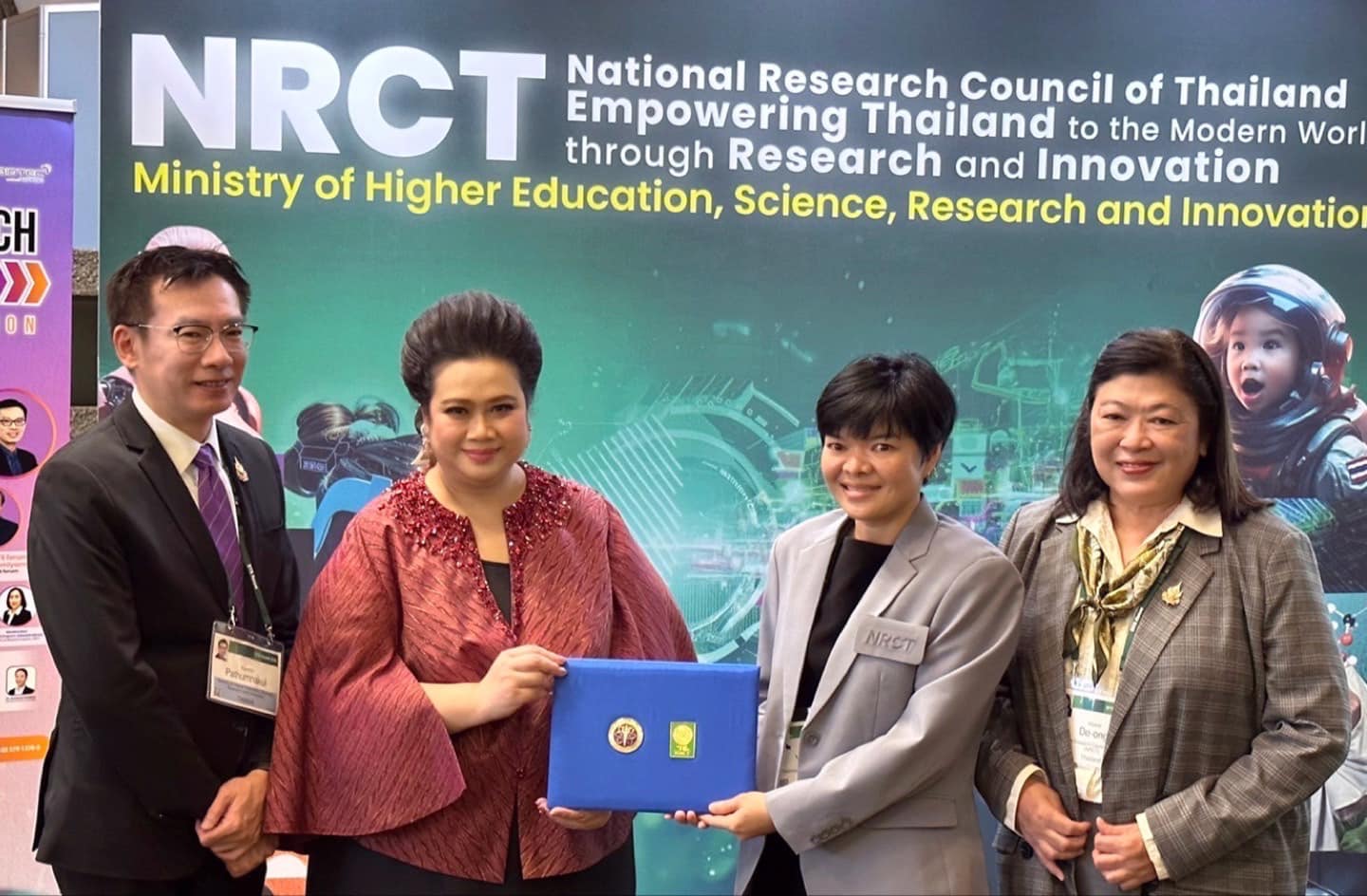
NRCT Participates in “Regional Hot Topics” Session at GRC 2026, Sharing Perspectives on Key Research Challenges in the Asia-Pacific Region
21 May 2026


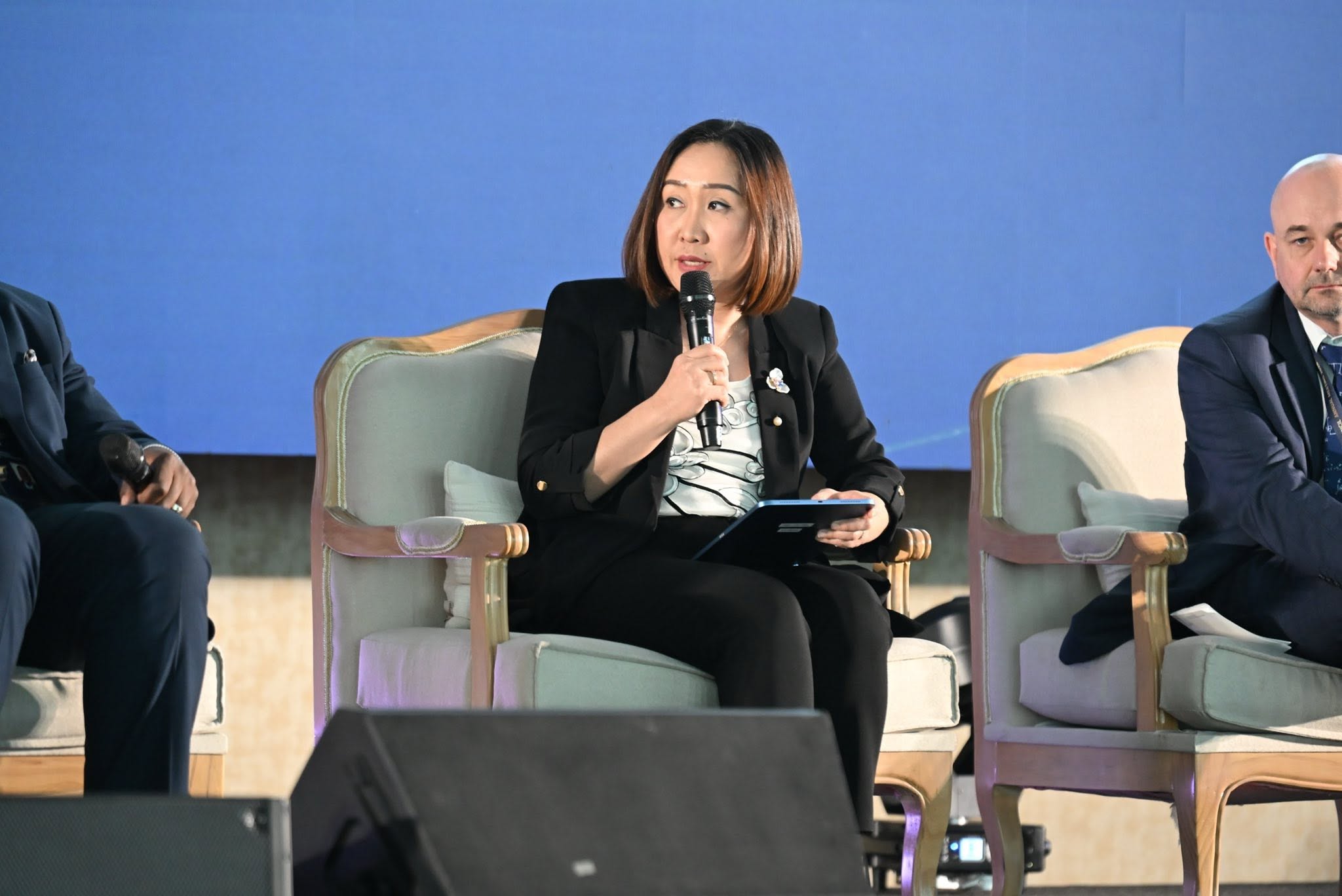
NRCT Participates in “Regional Hot Topics” Session at GRC 2026, Sharing Perspectives on Key Research Challenges in the Asia-Pacific Region
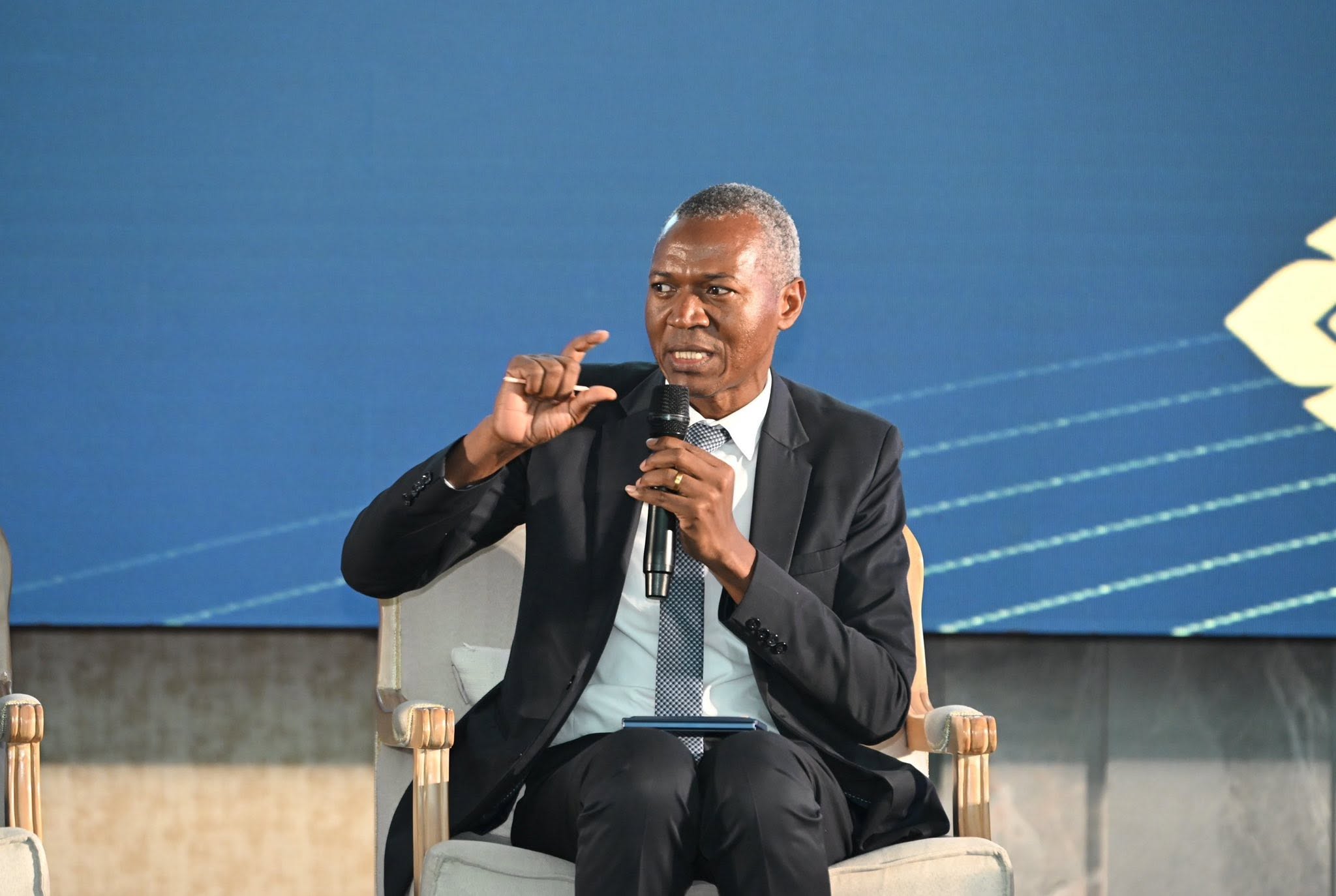
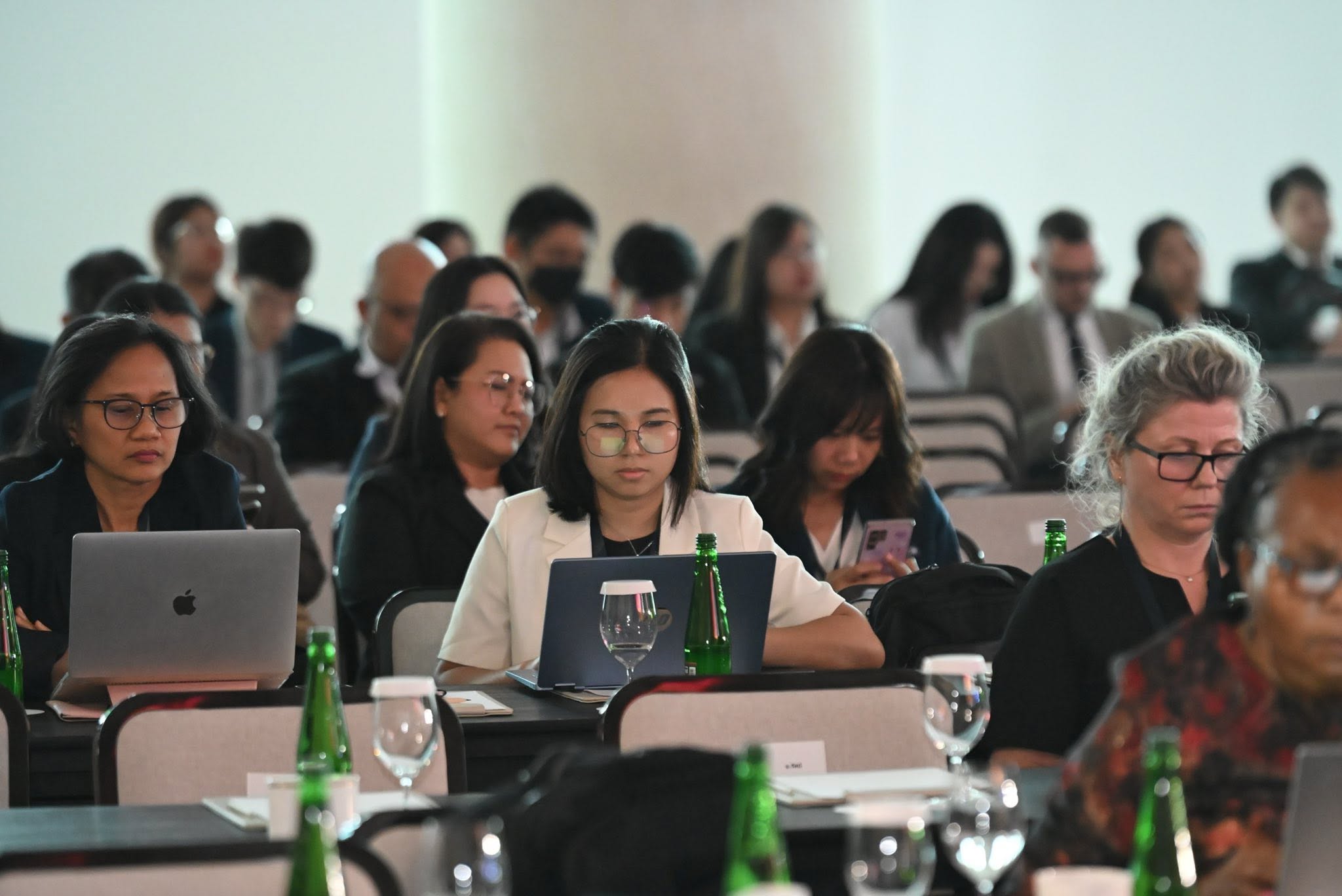
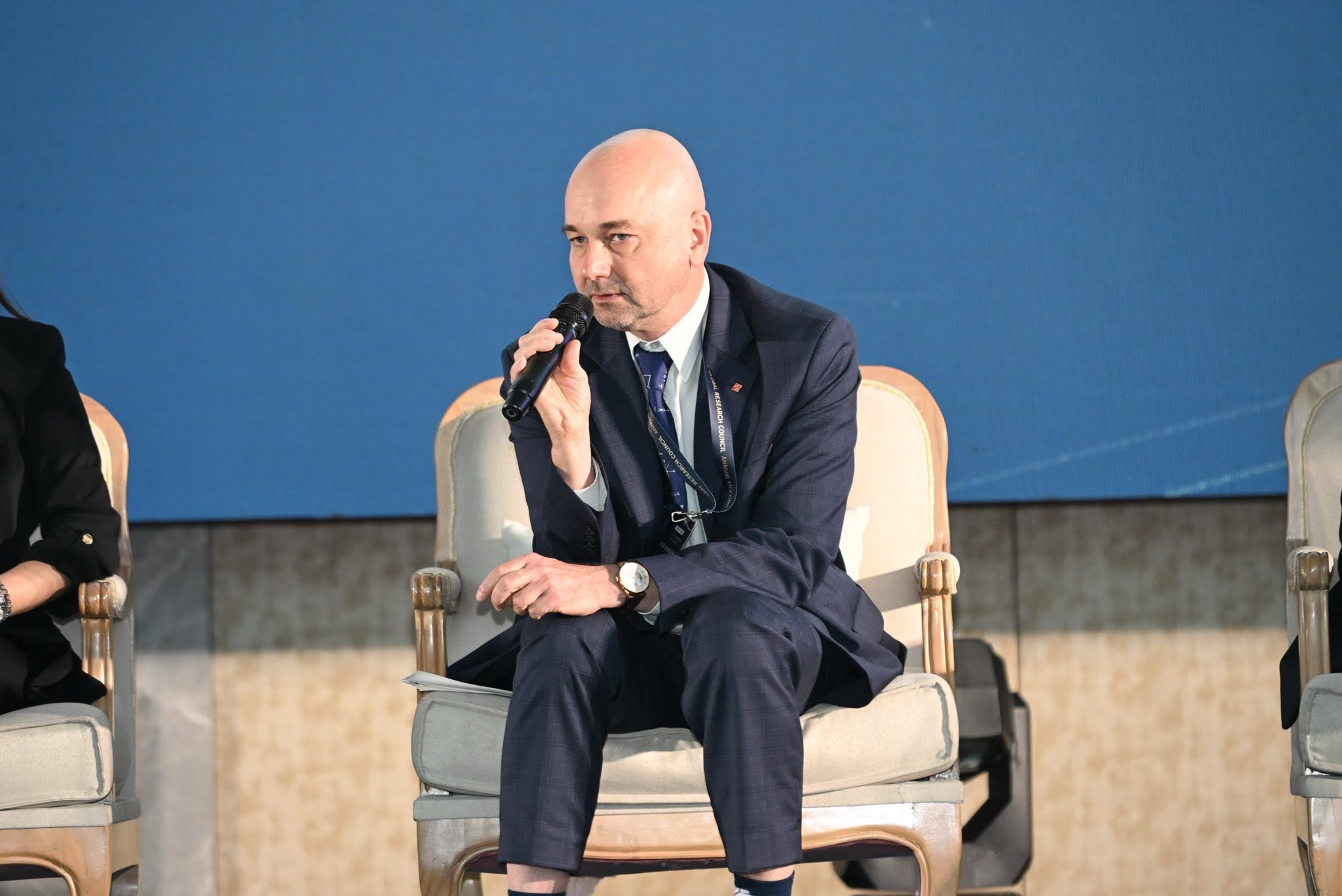
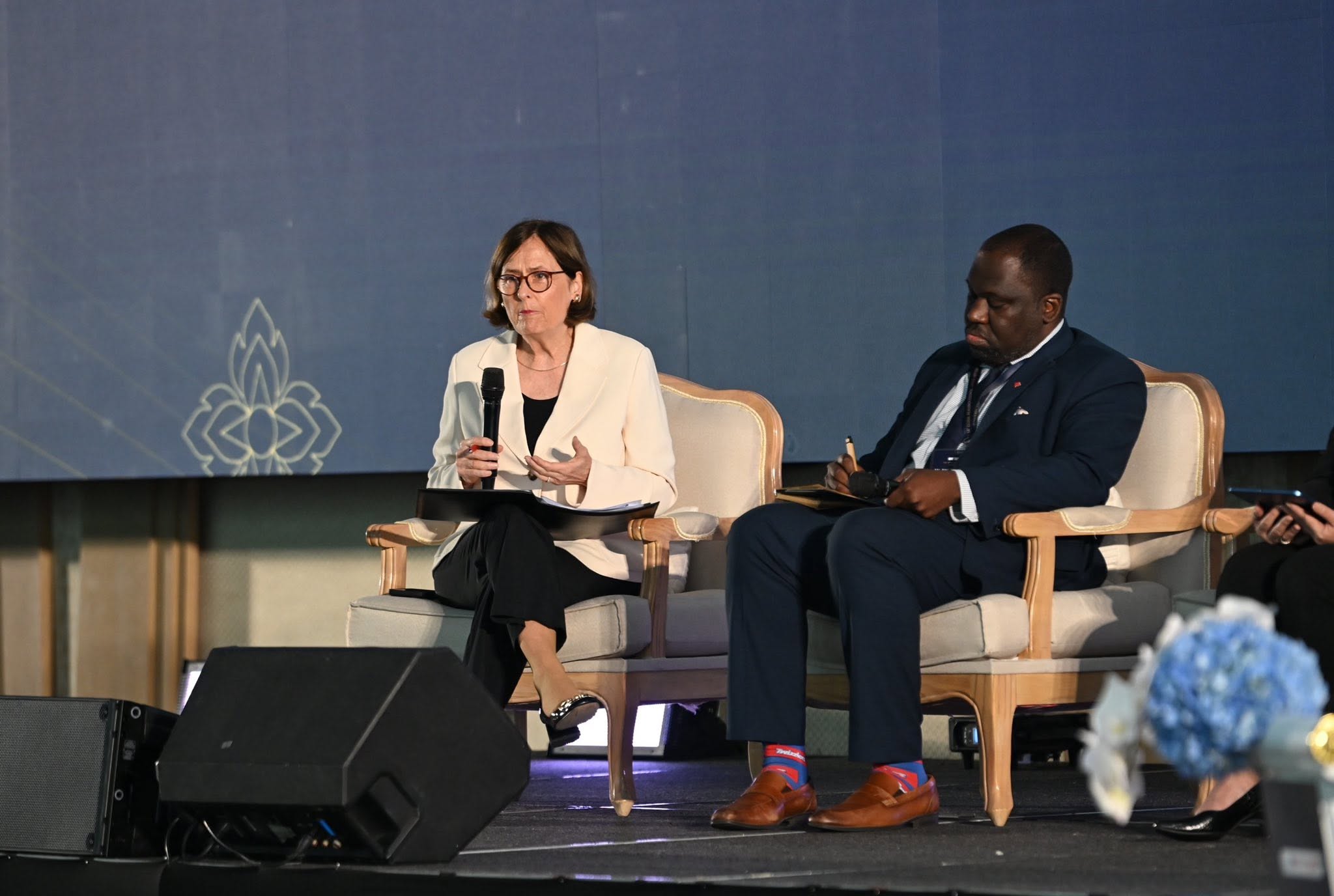
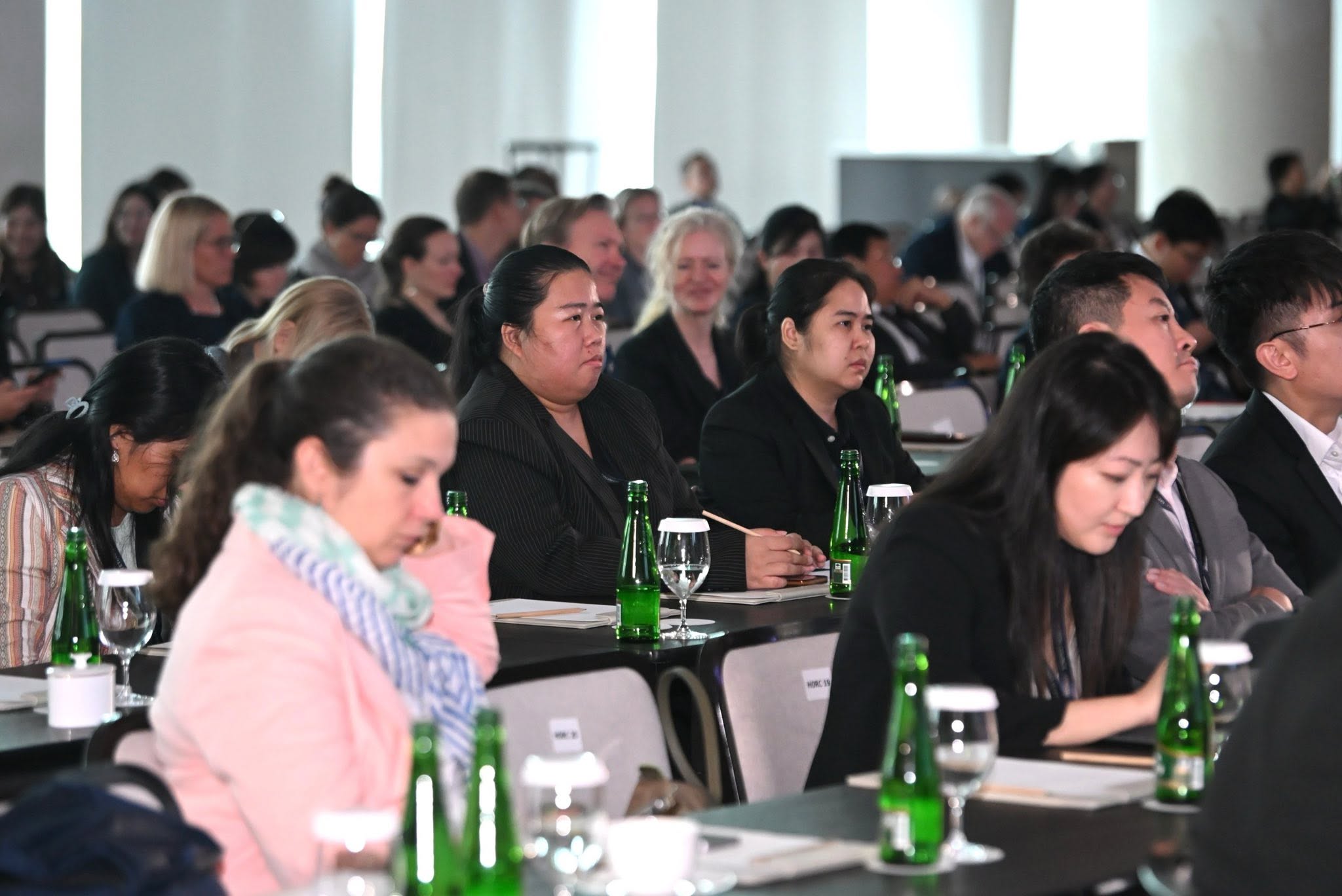
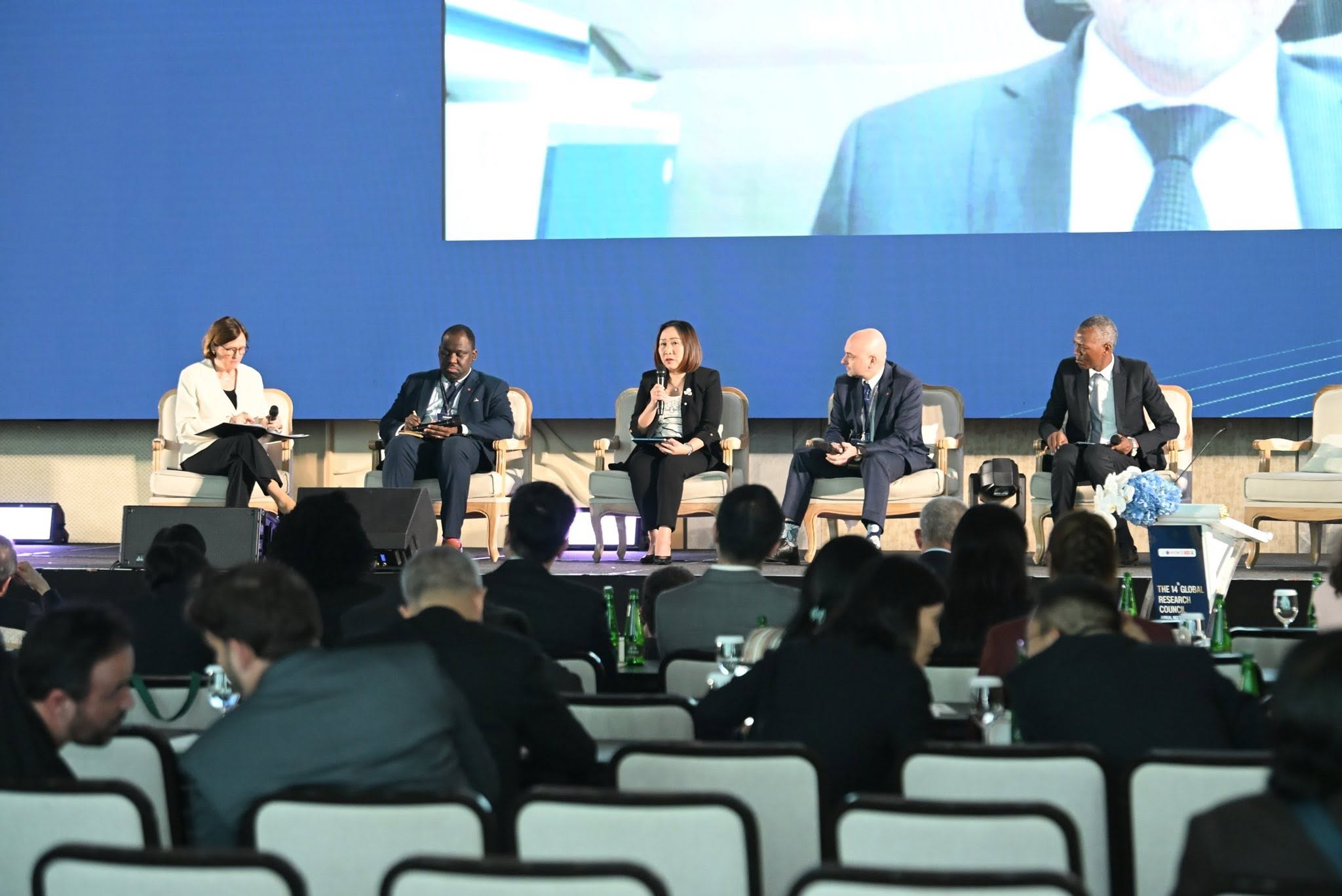
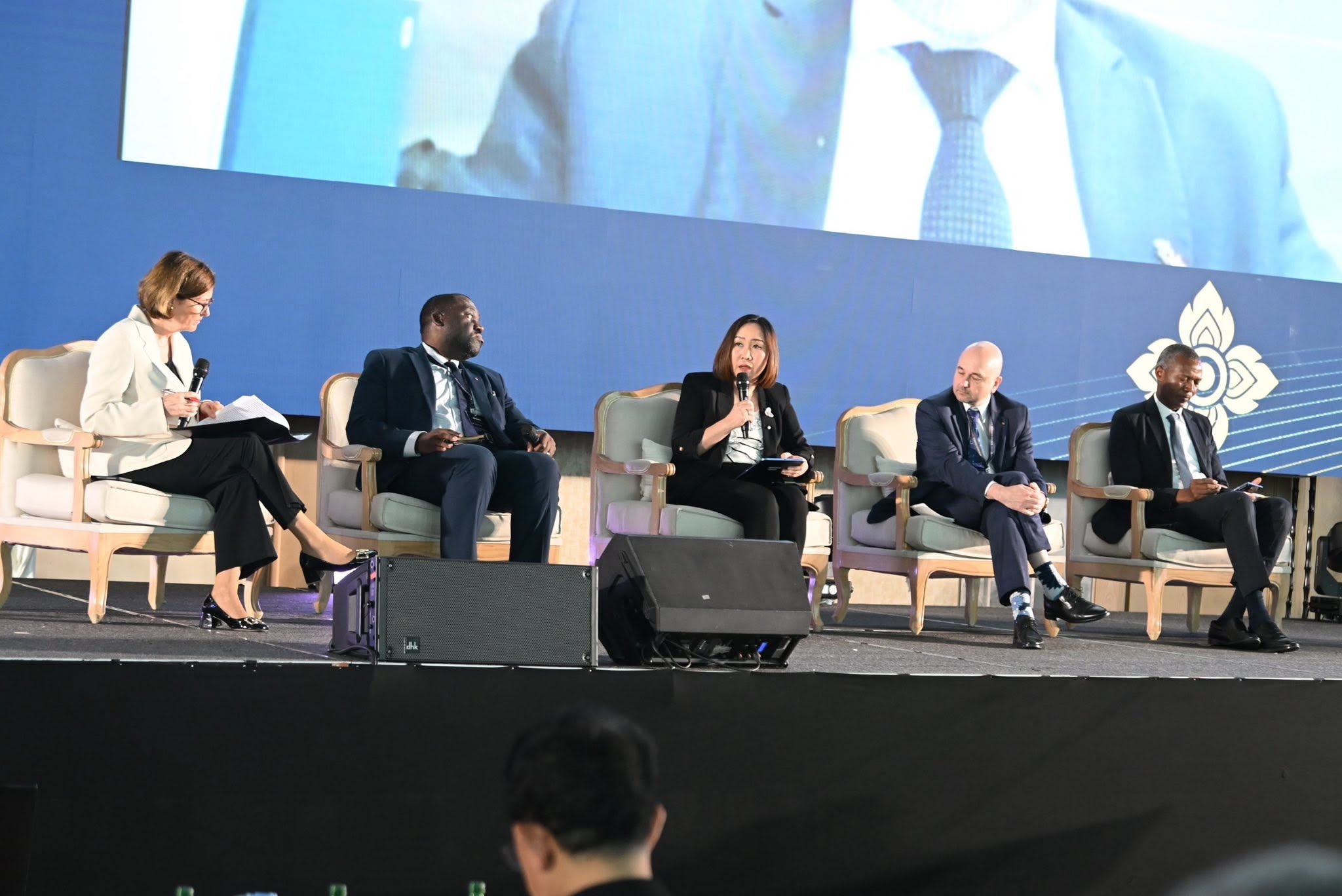
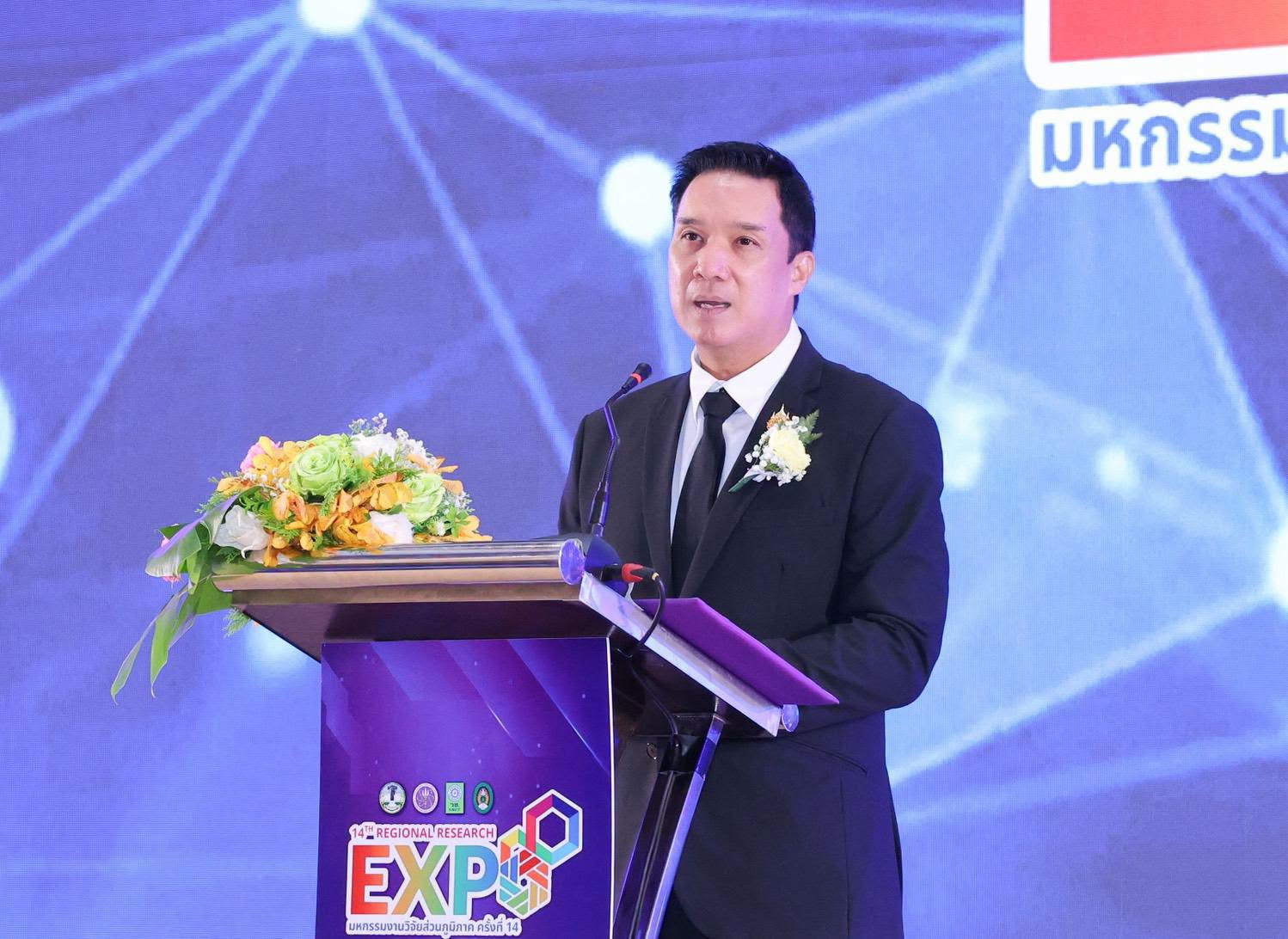
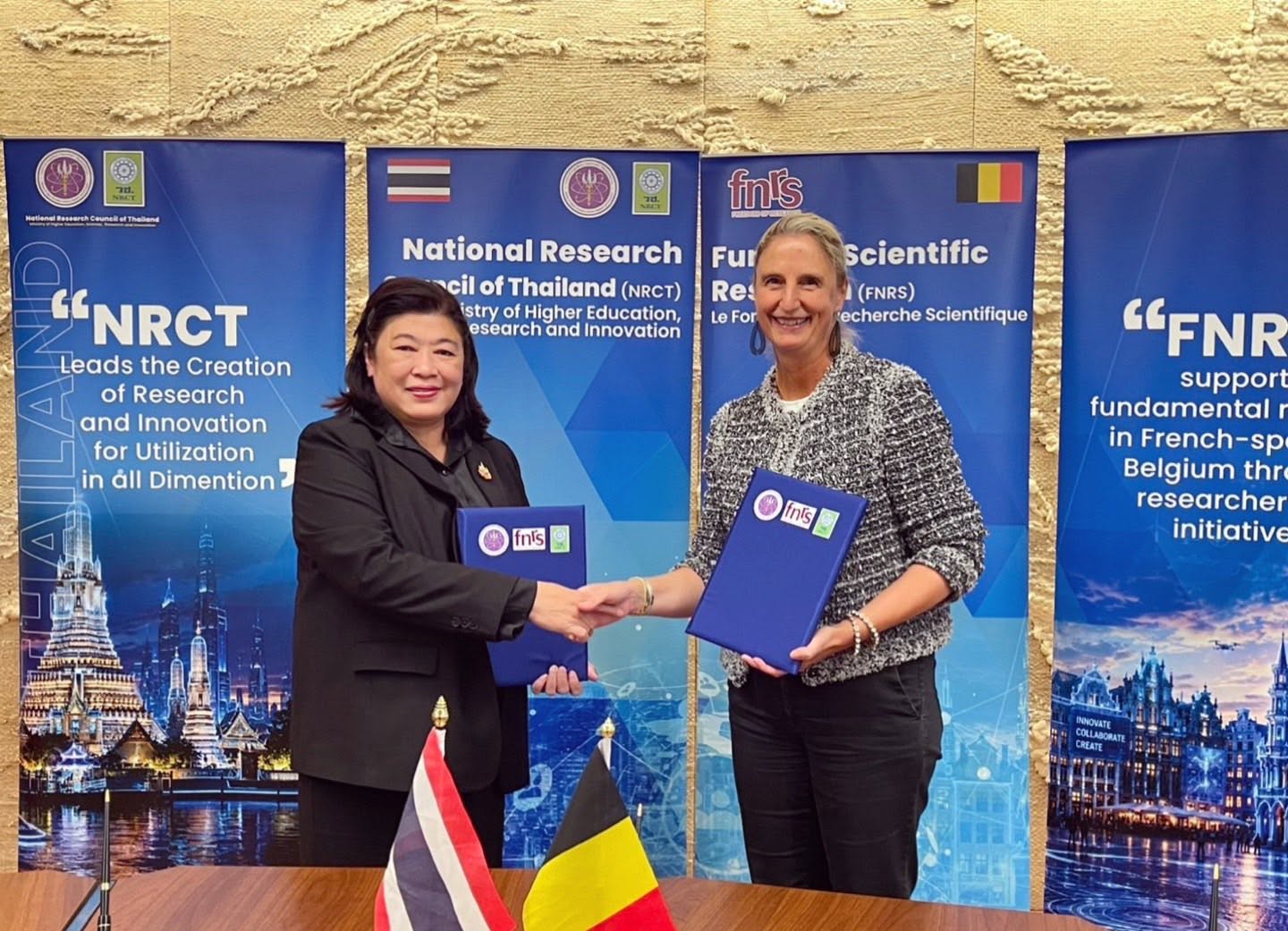
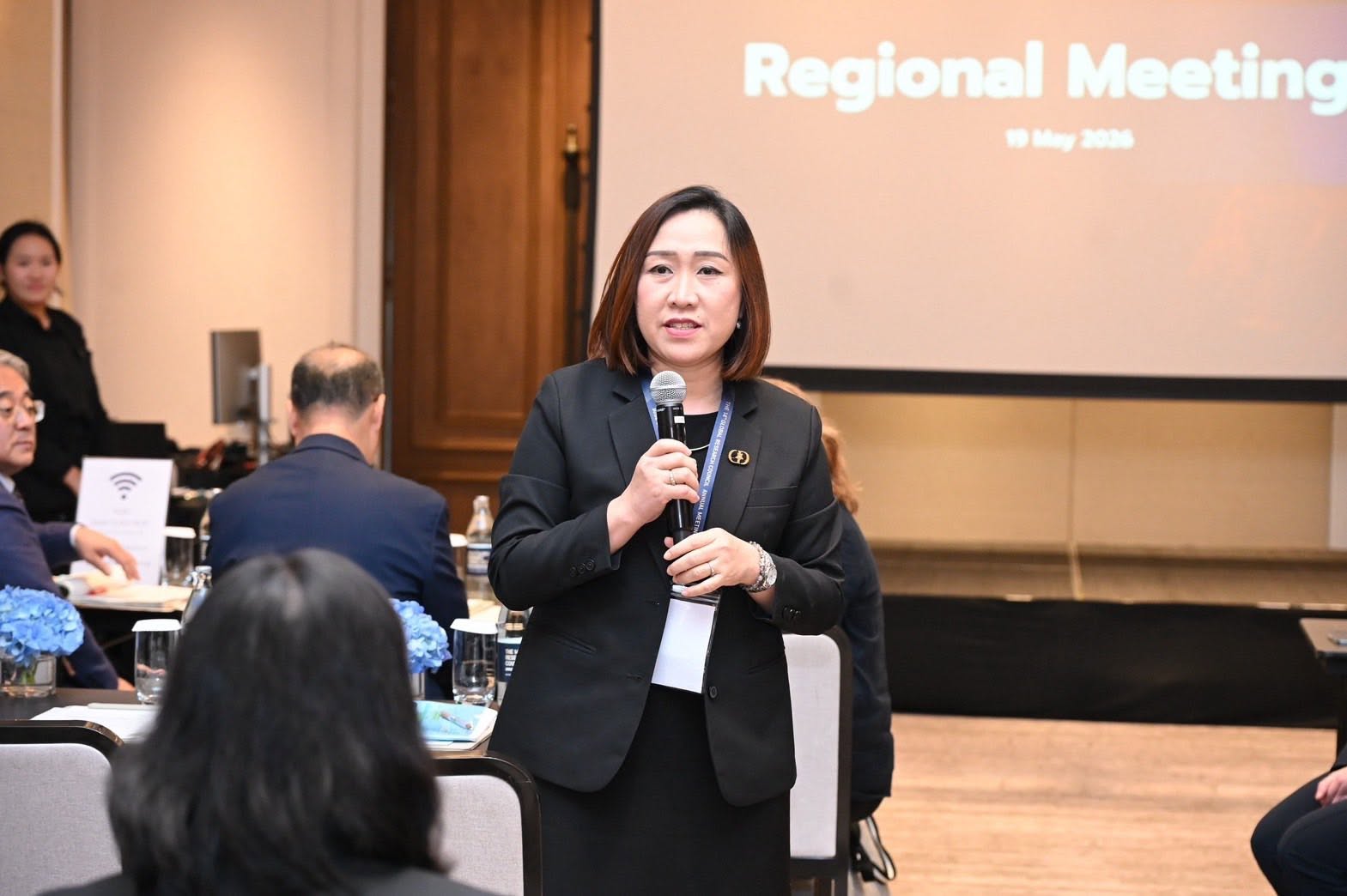
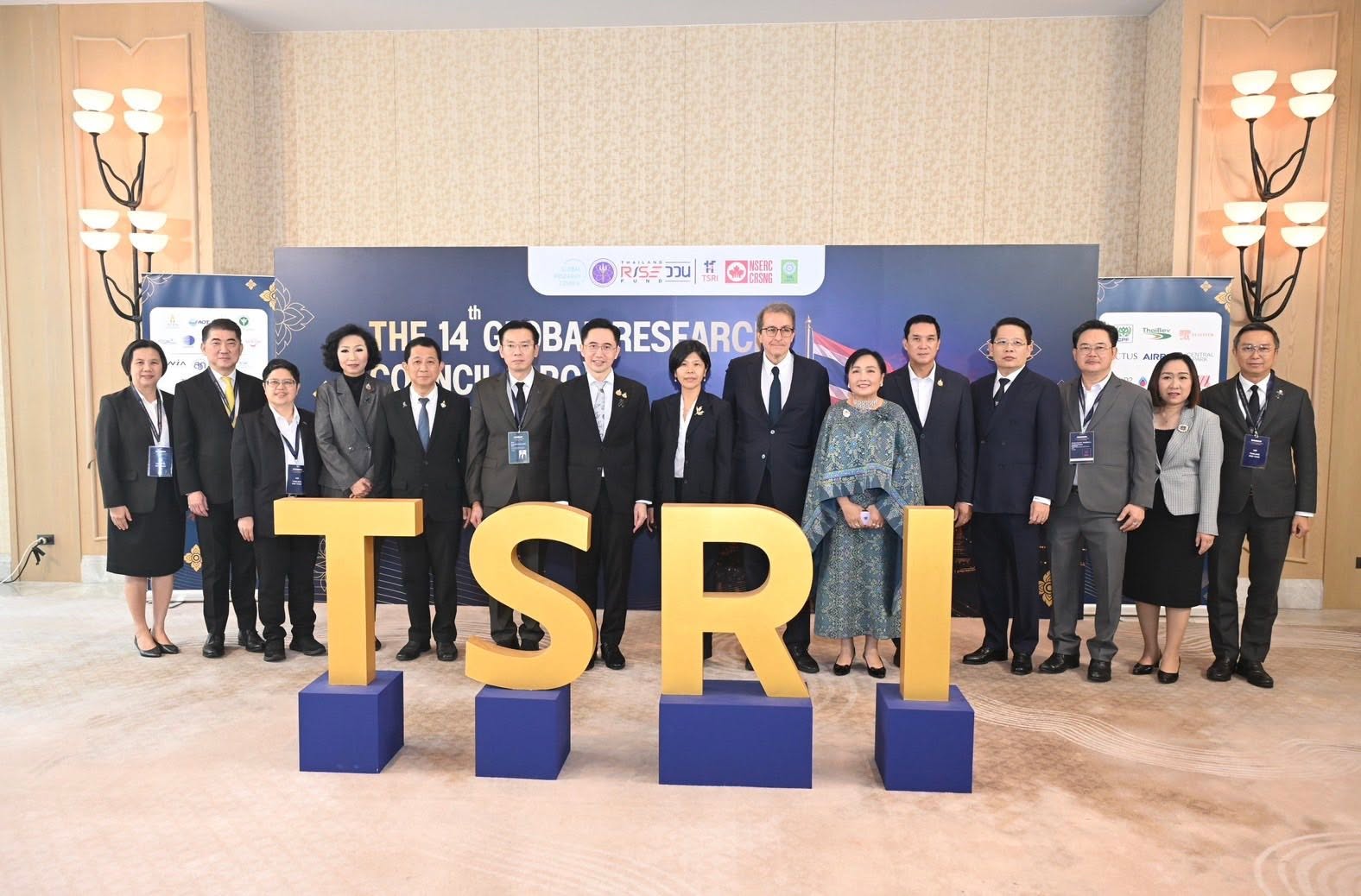
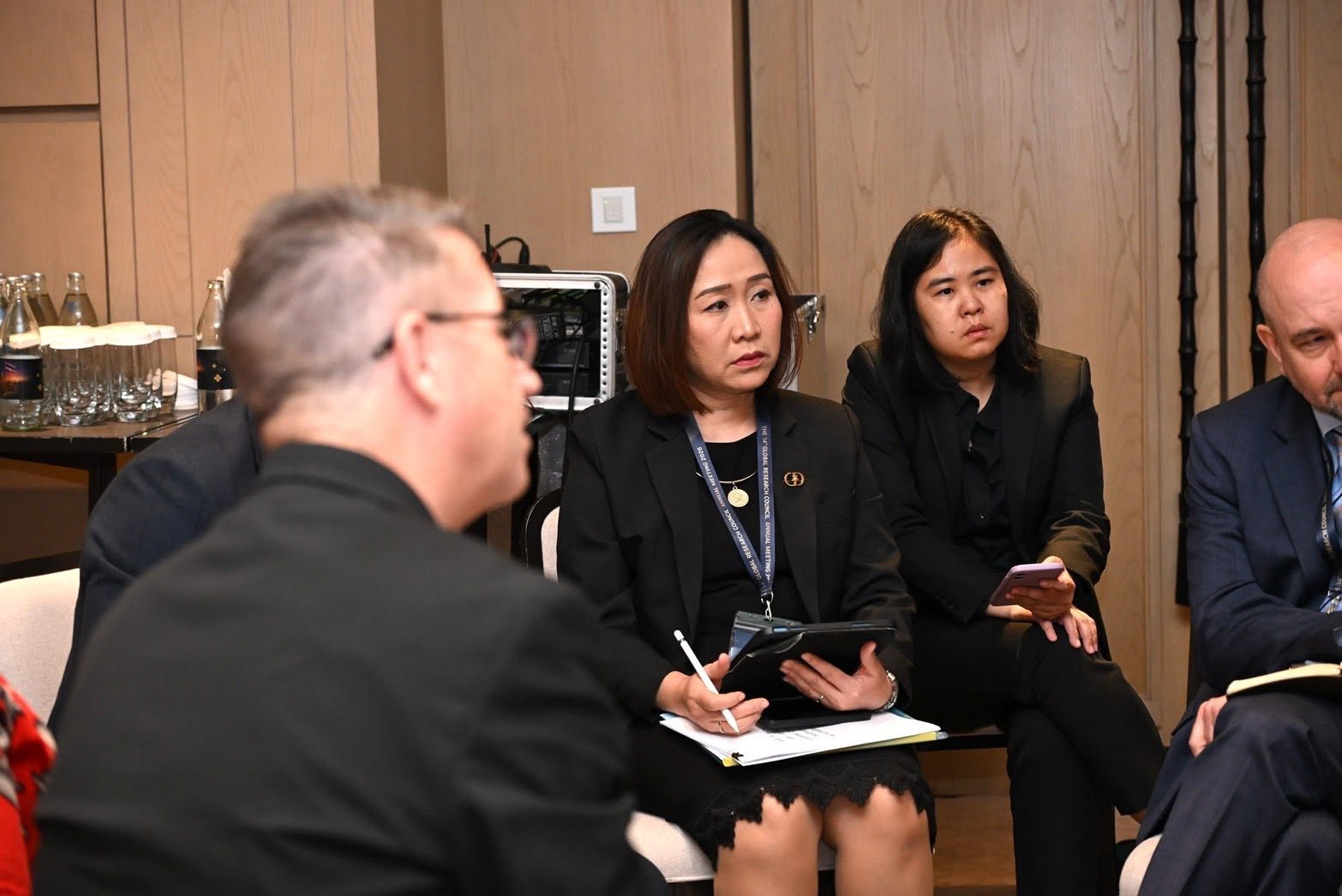
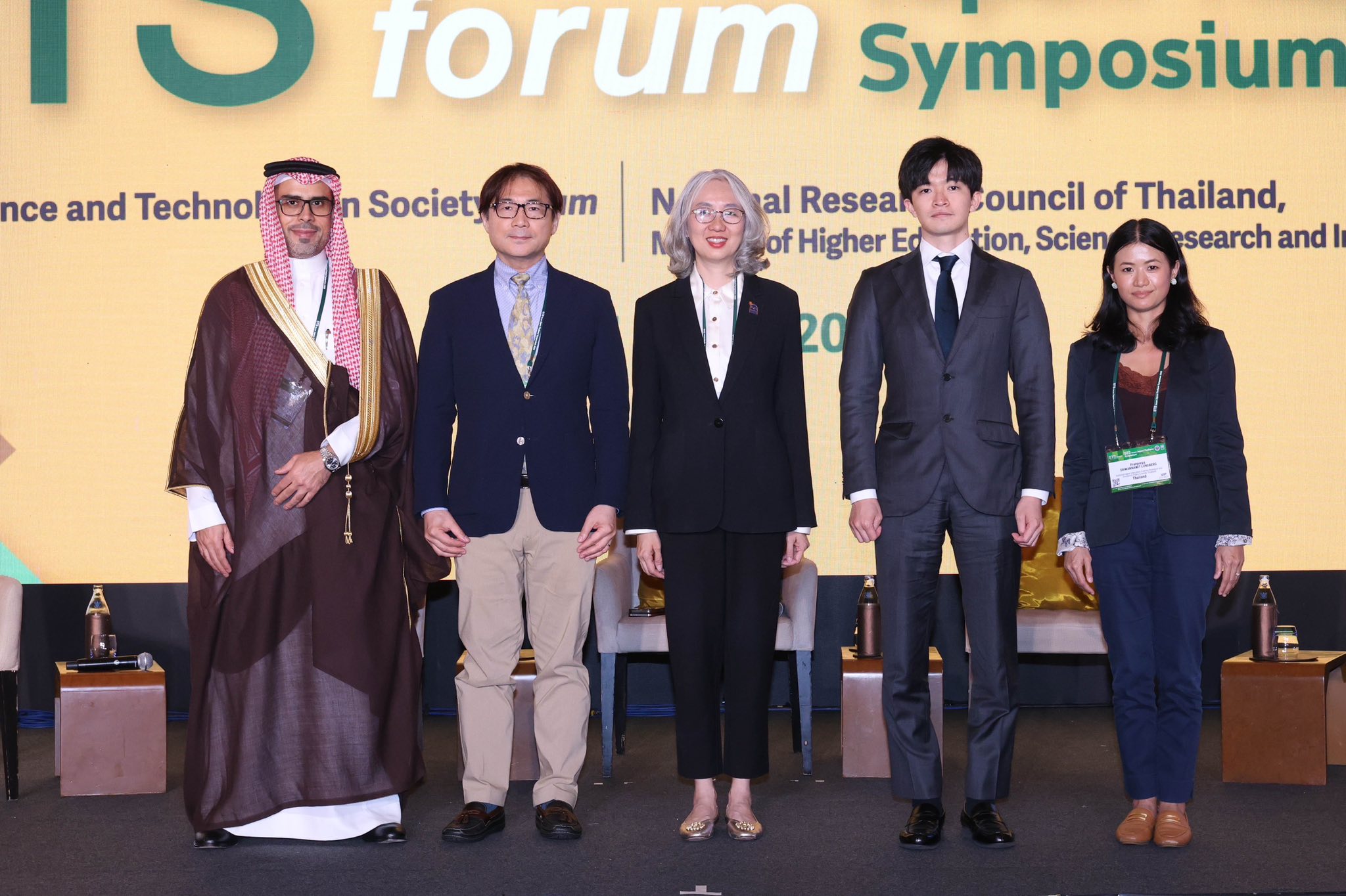
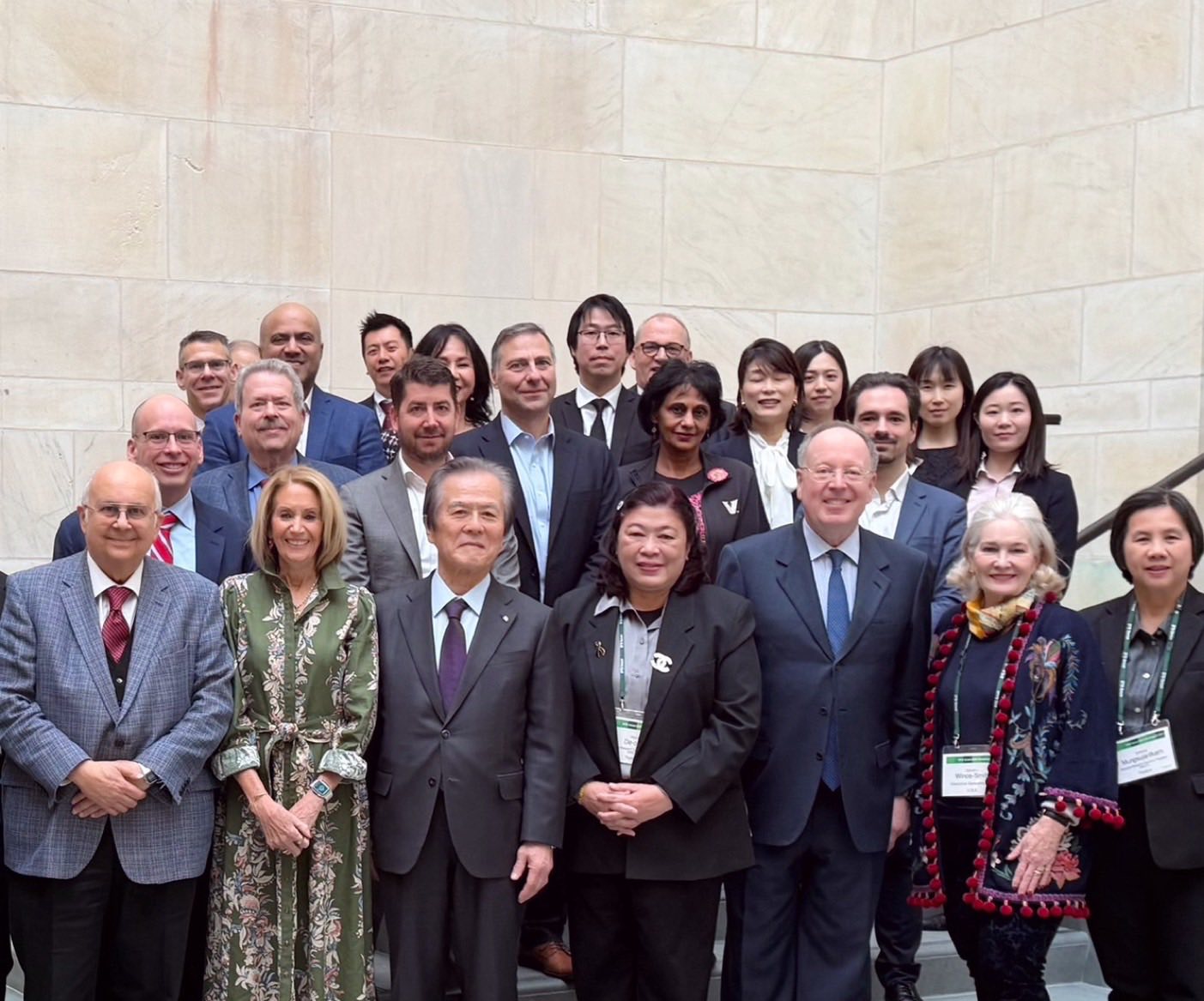
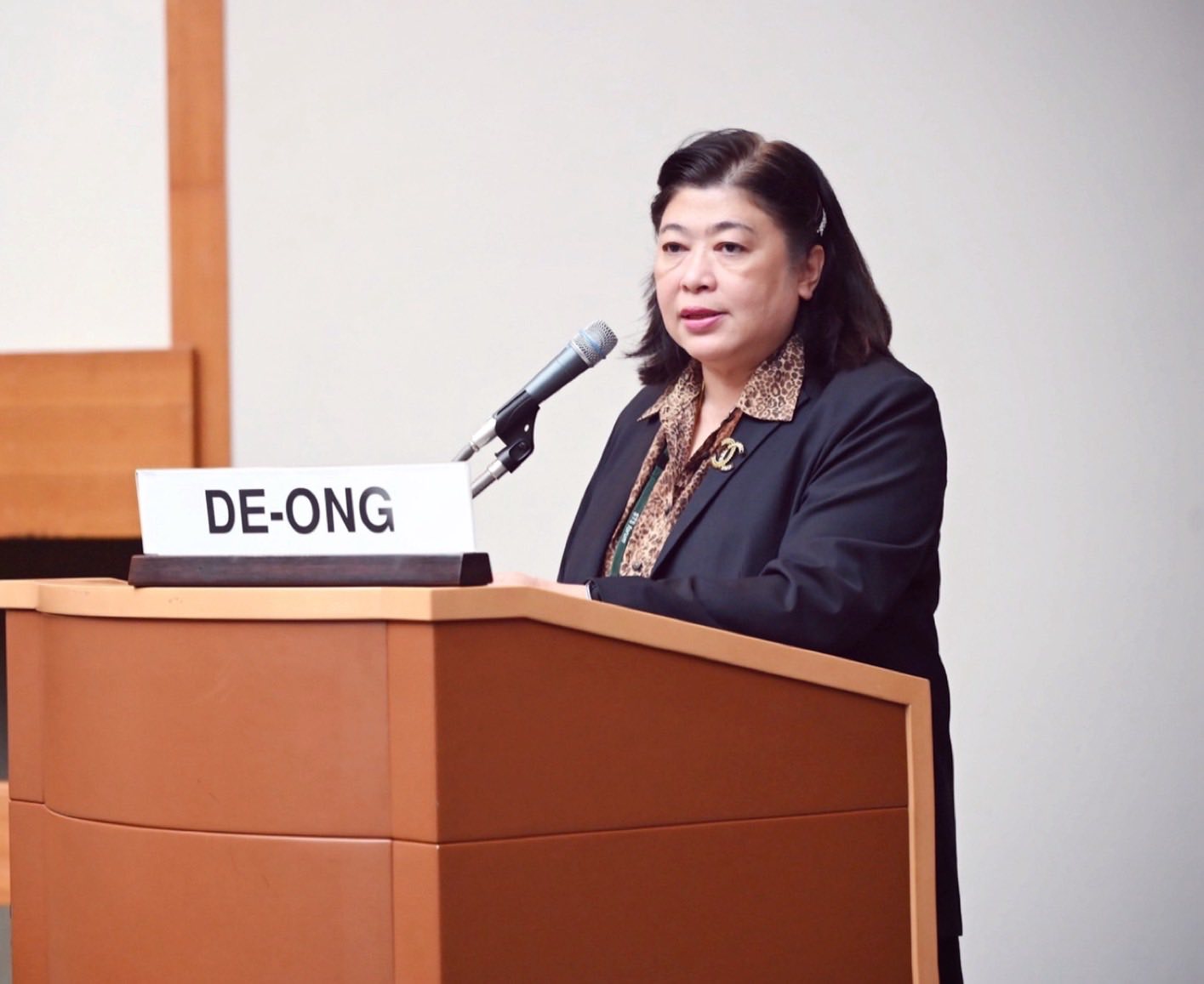
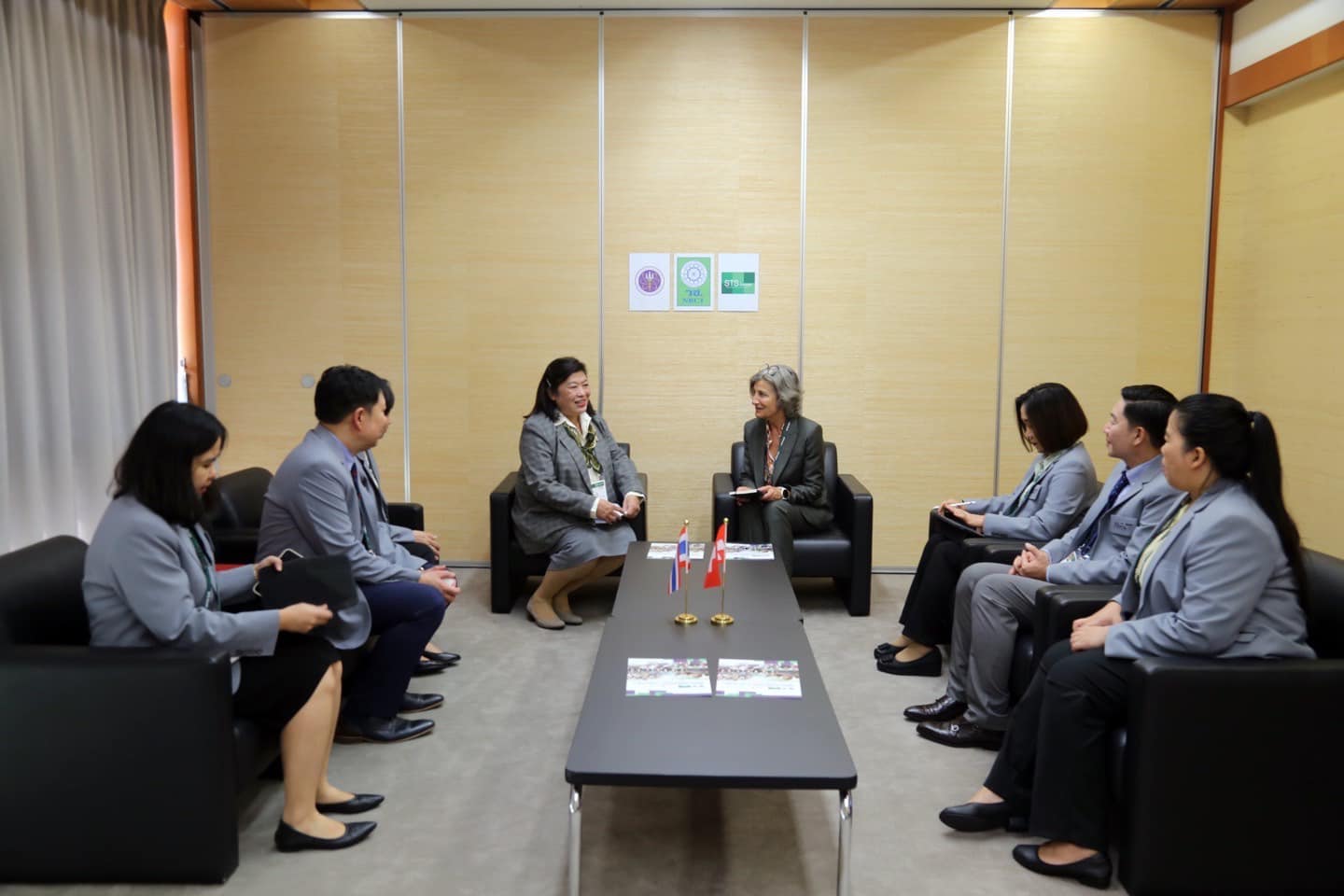
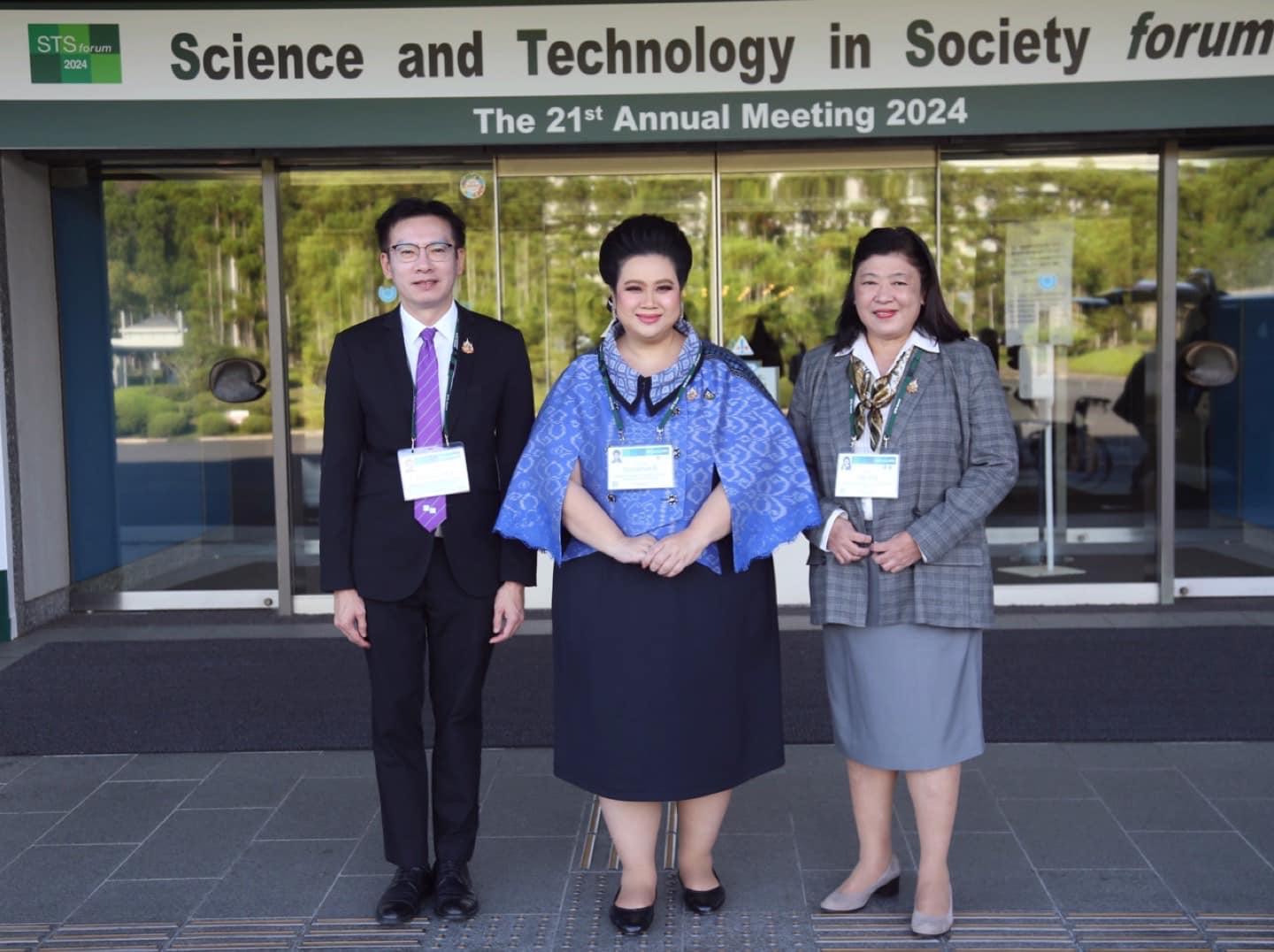
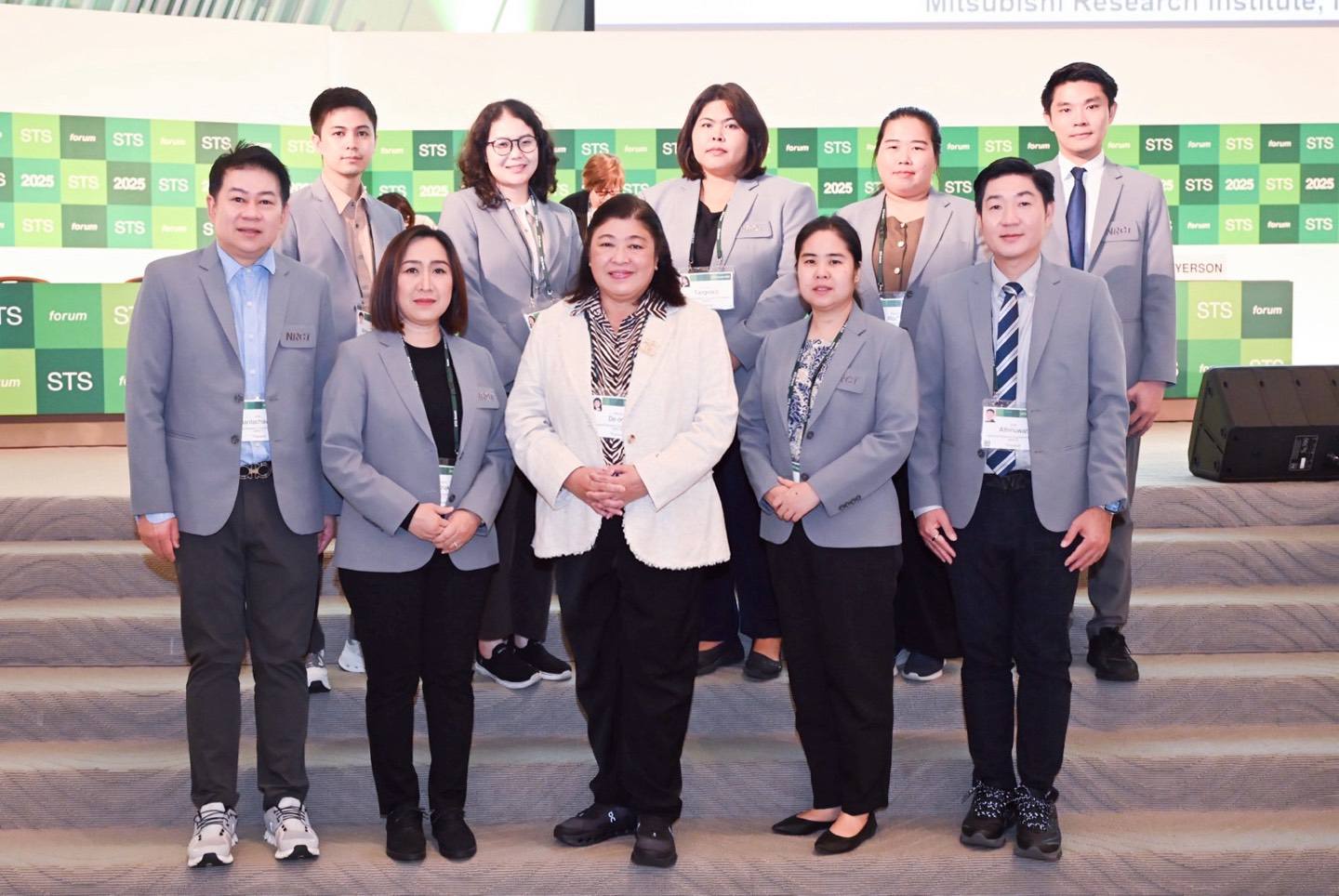
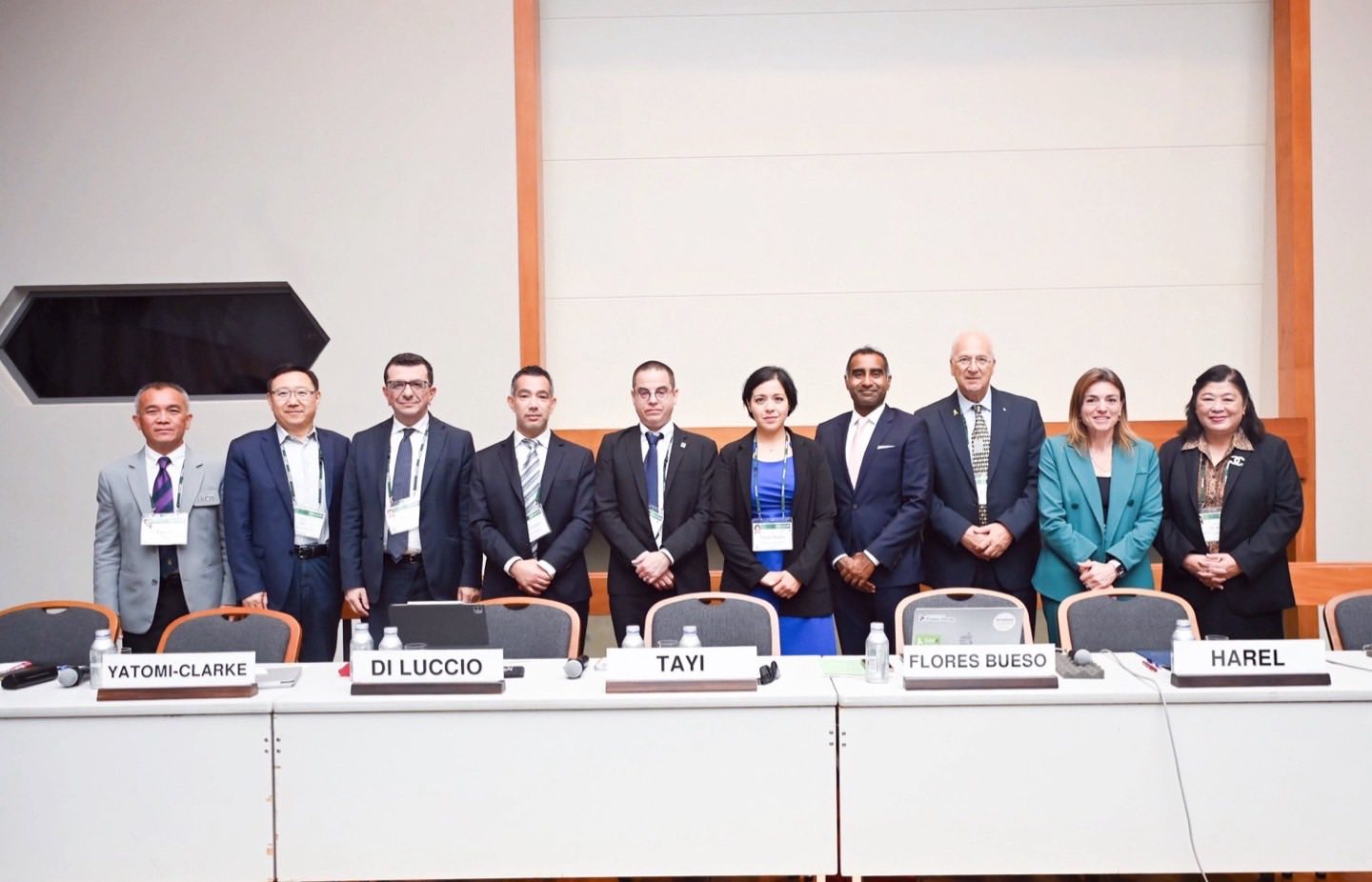
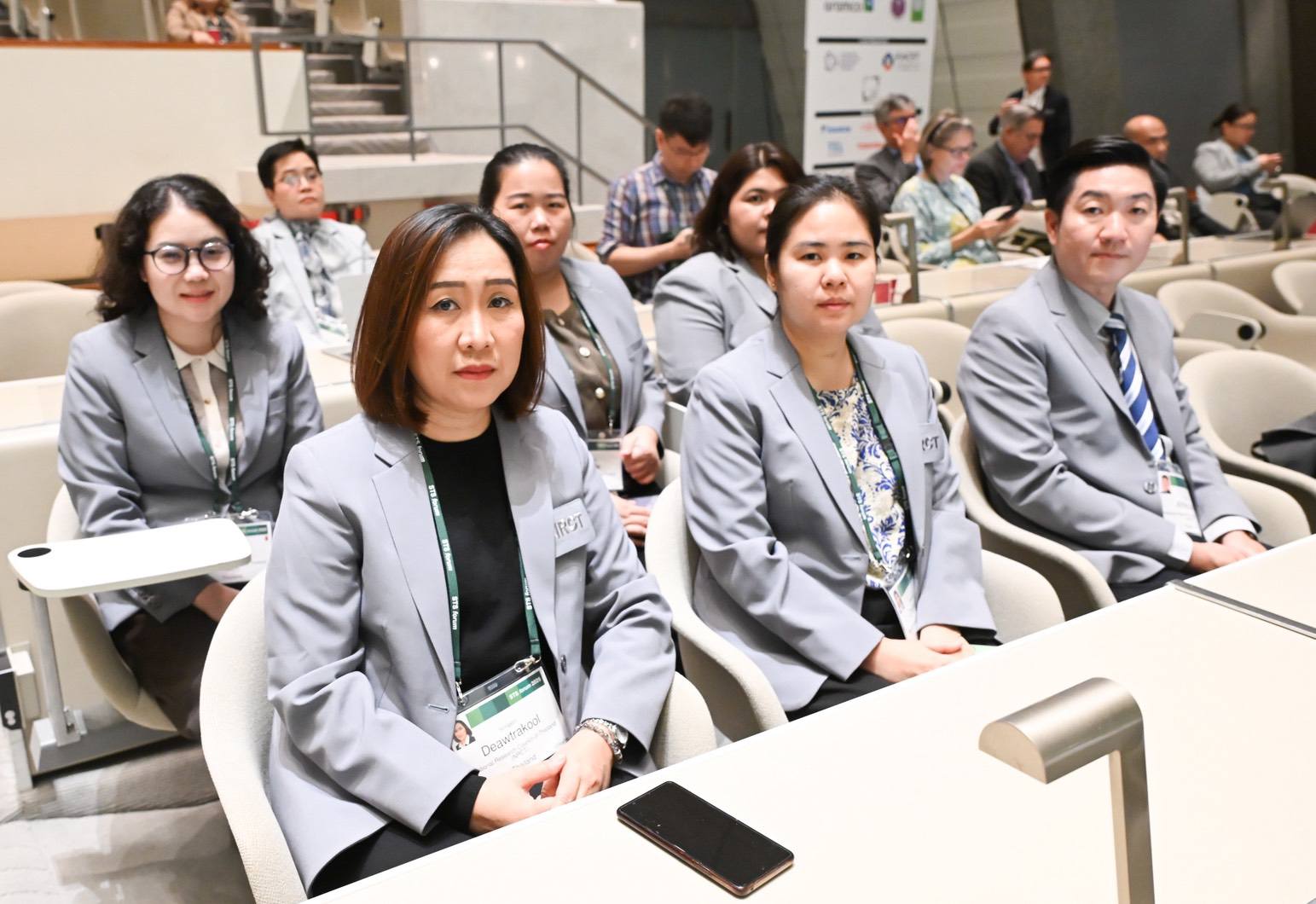
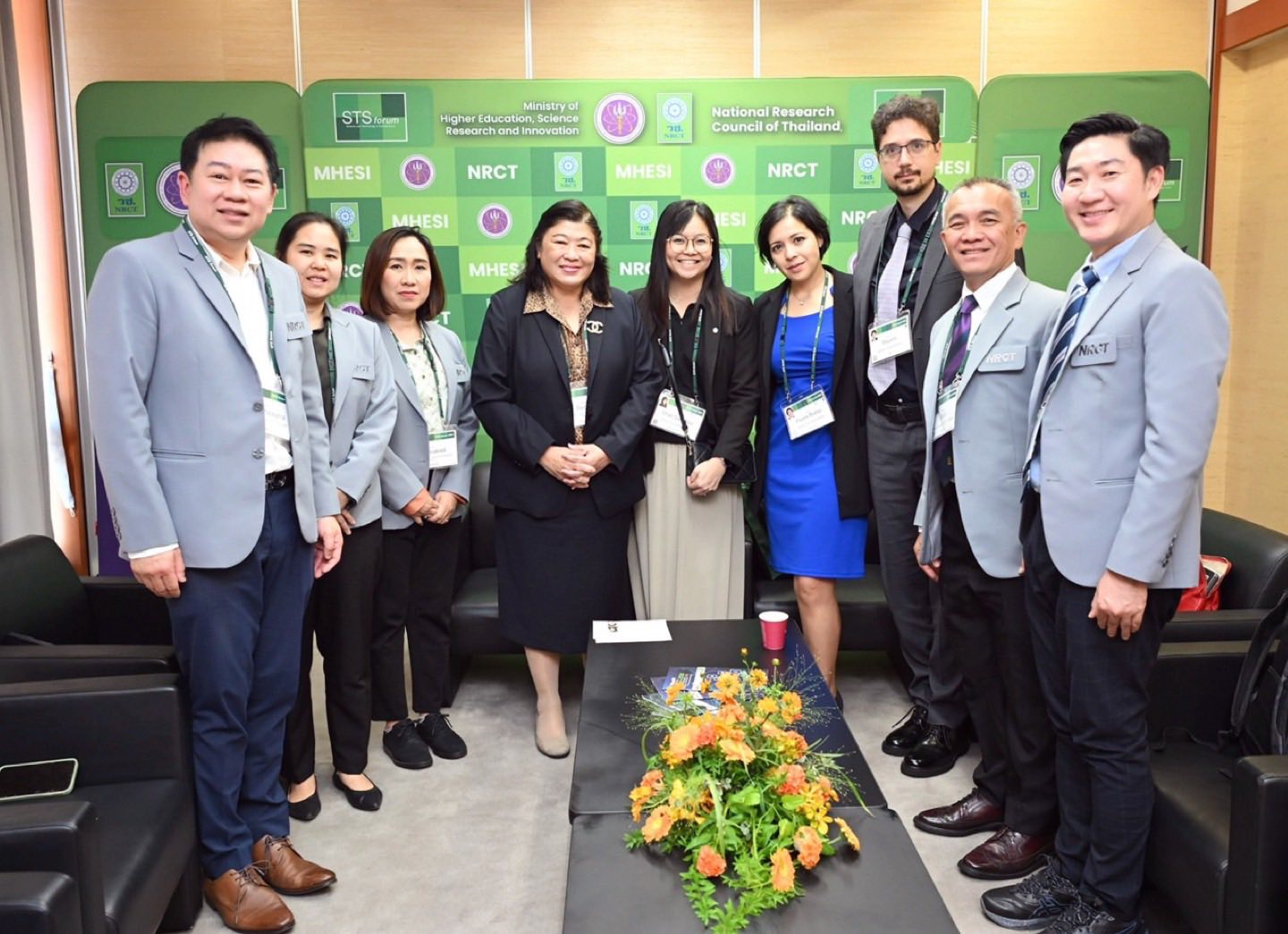
On 21 May 2026, the National Research Council of Thailand (NRCT), under the Ministry of Higher Education, Science, Research and Innovation (MHESI), participated in the “Regional Hot Topics” panel session during the 14th Global Research Council (GRC) Annual Meeting 2026 held at Dusit Thani Hotel, Bangkok, Thailand.
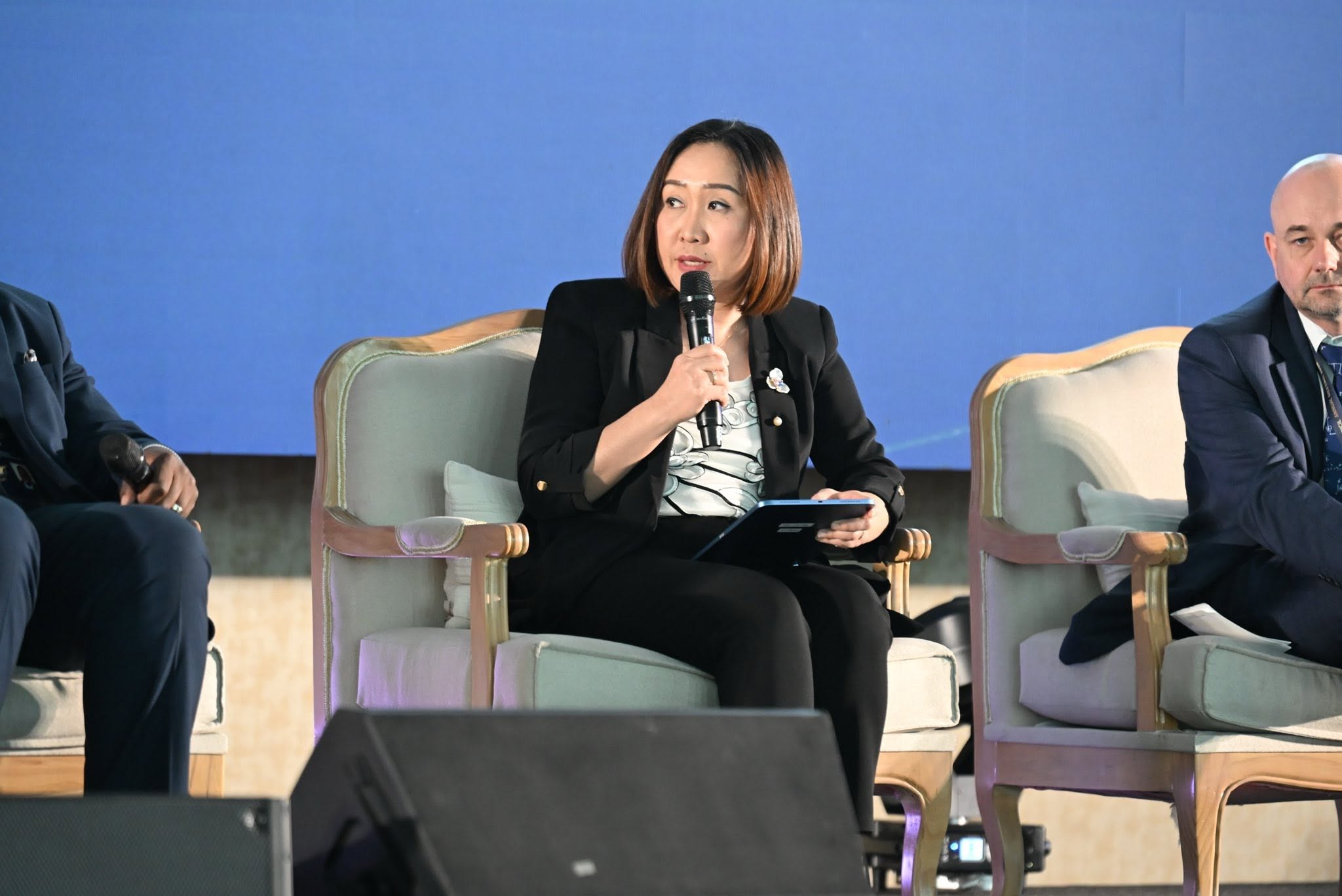
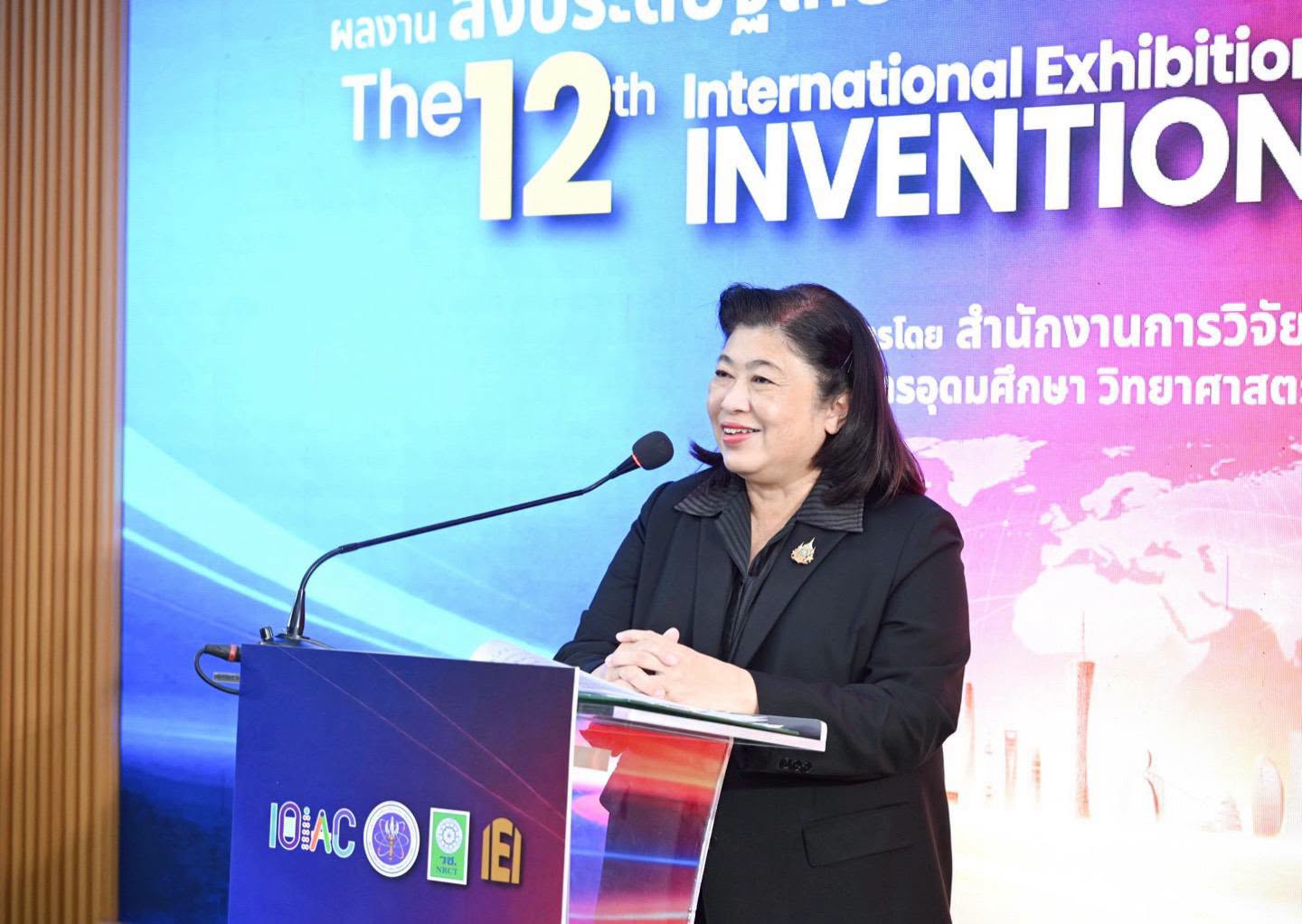
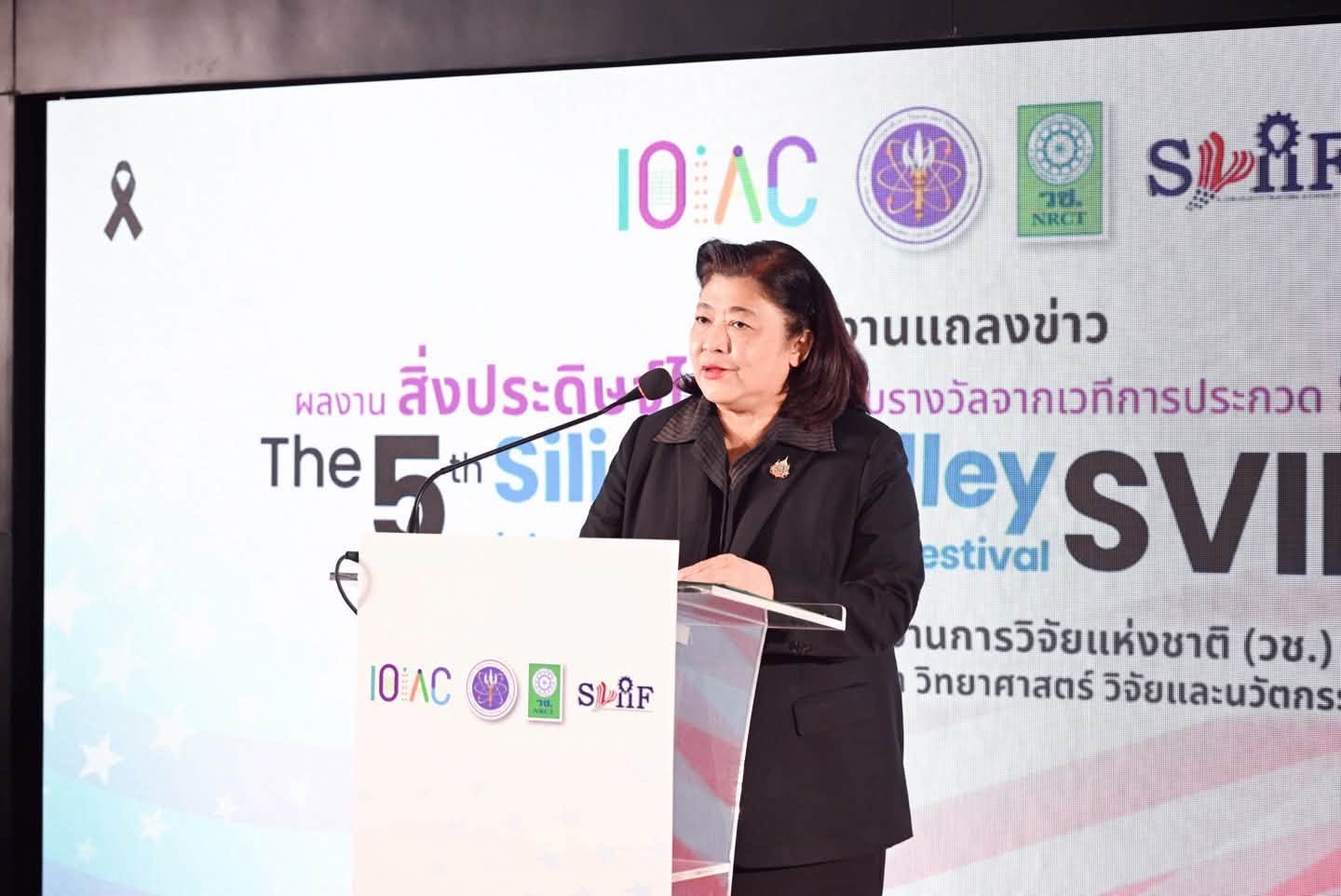
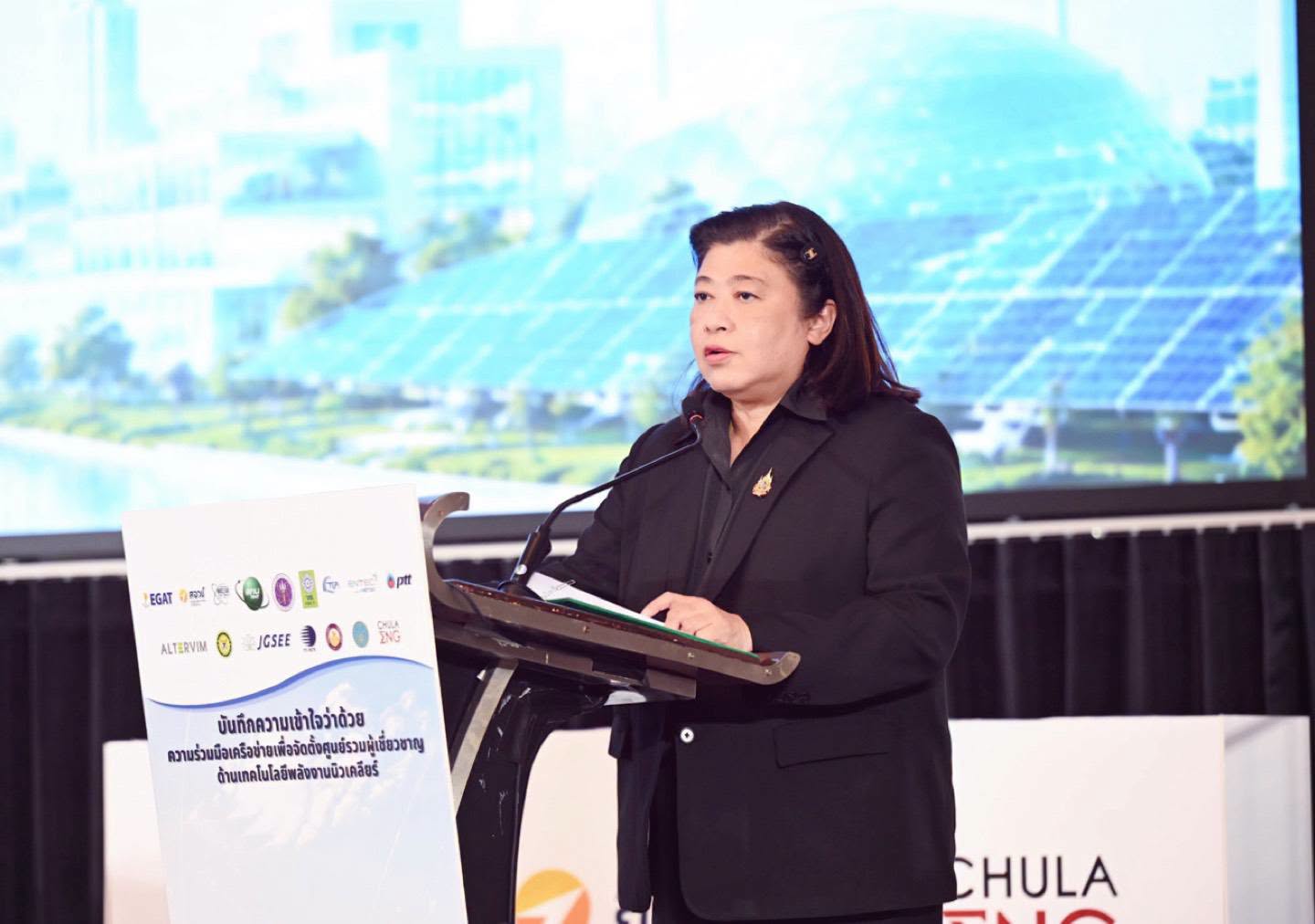
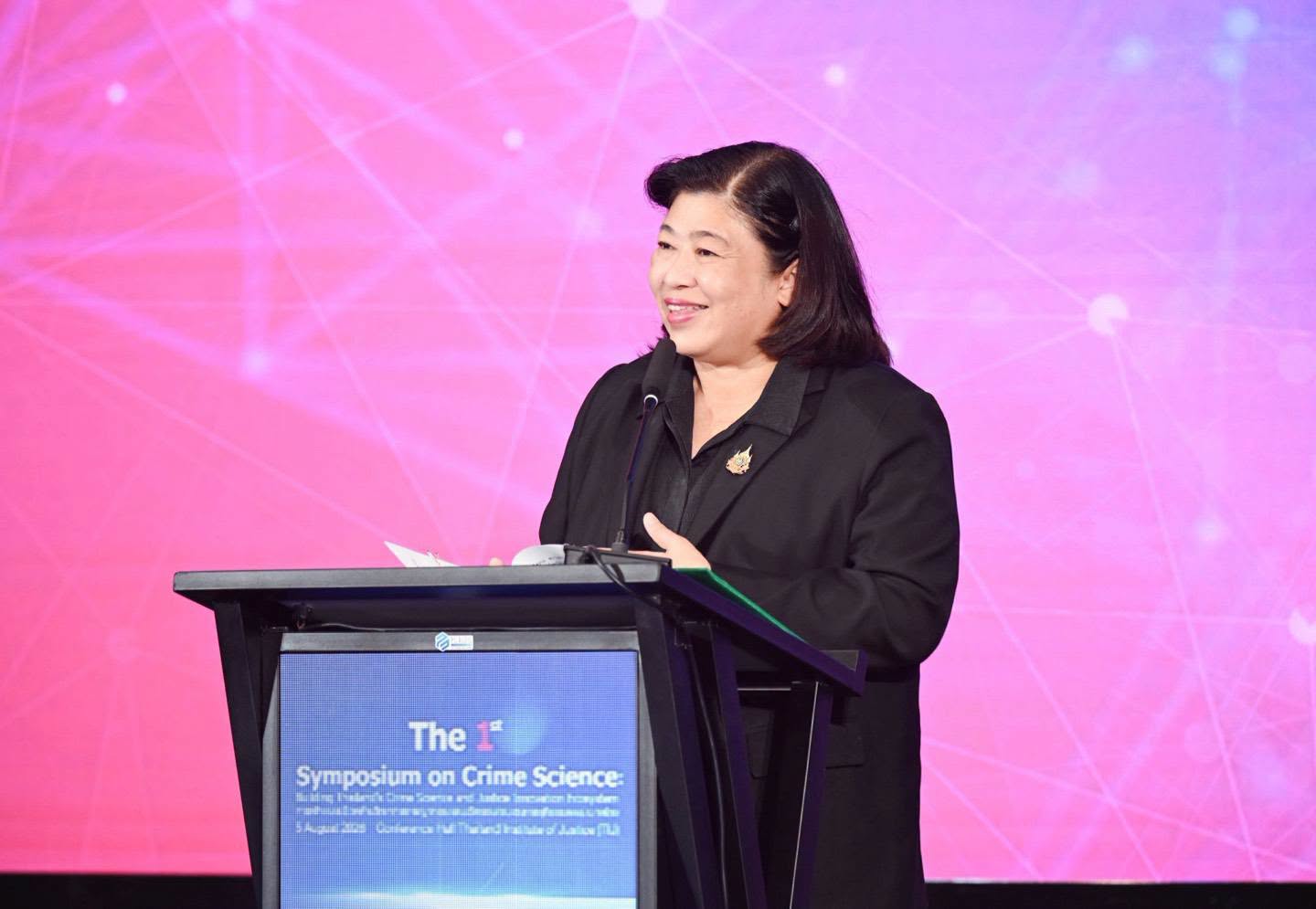
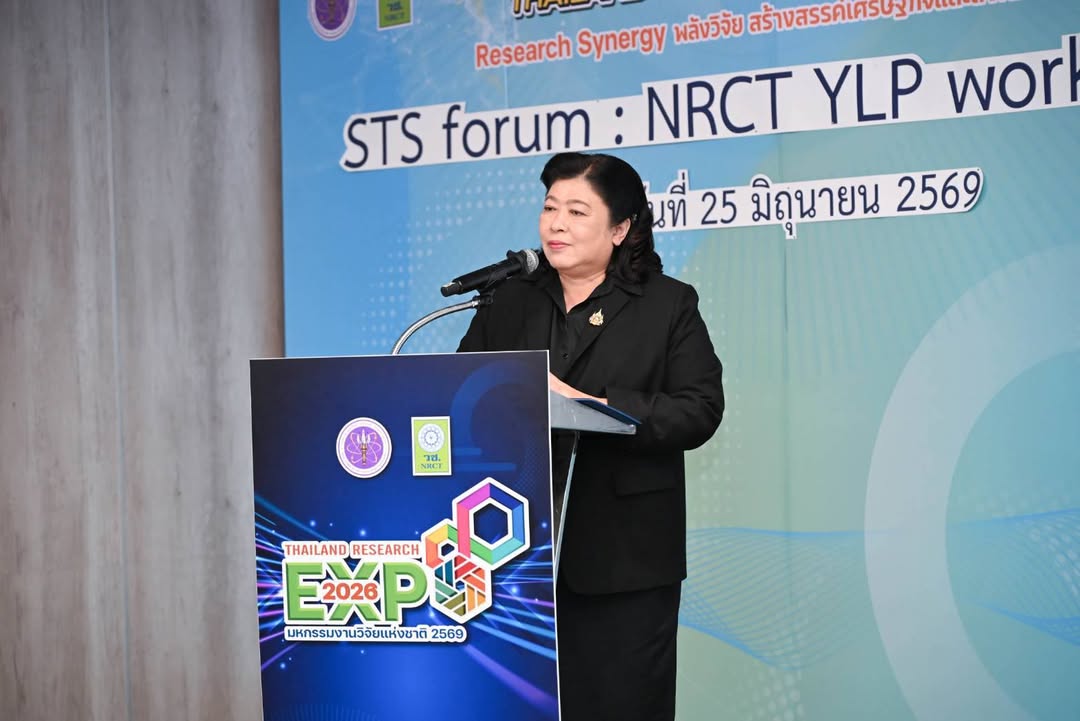
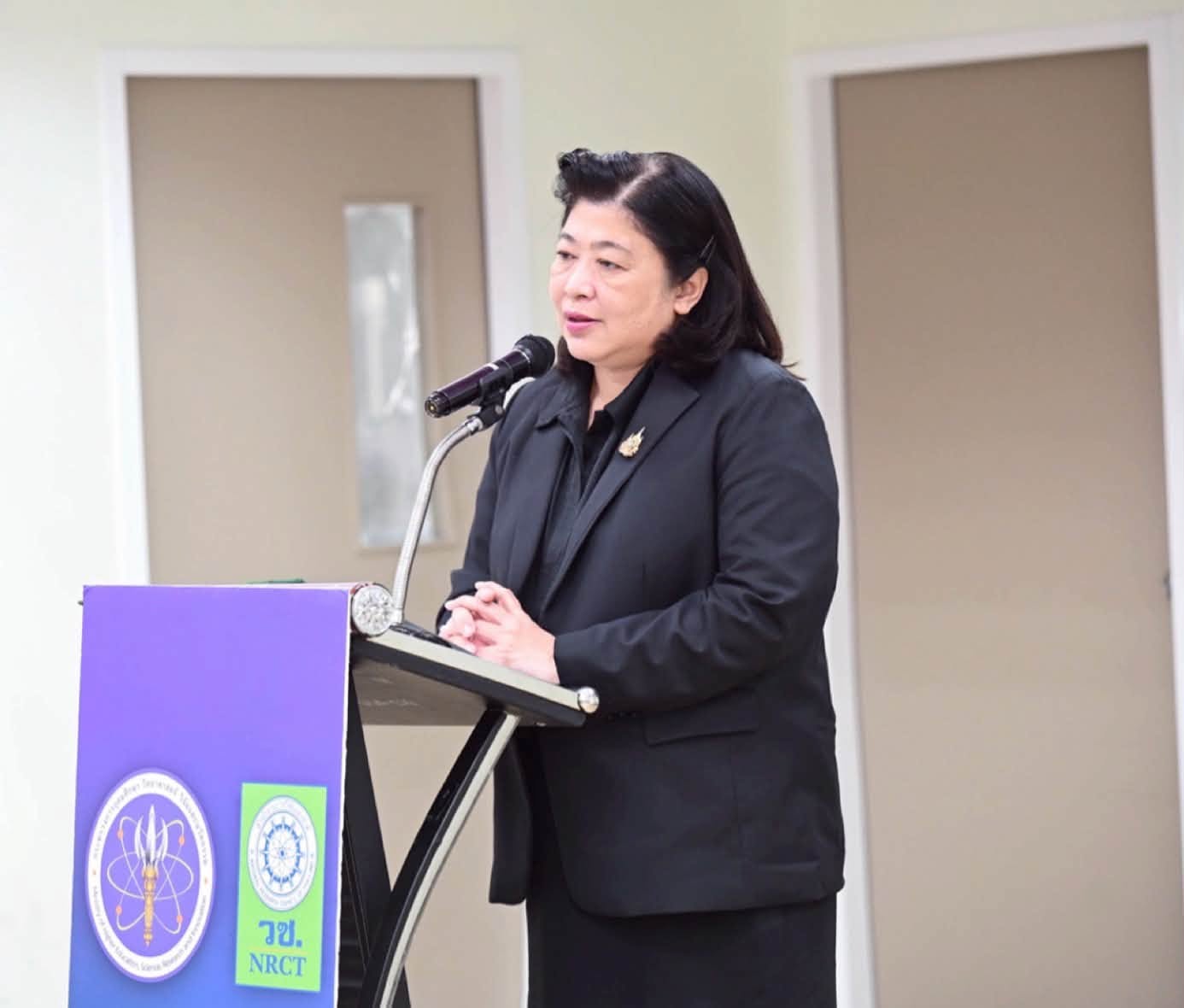
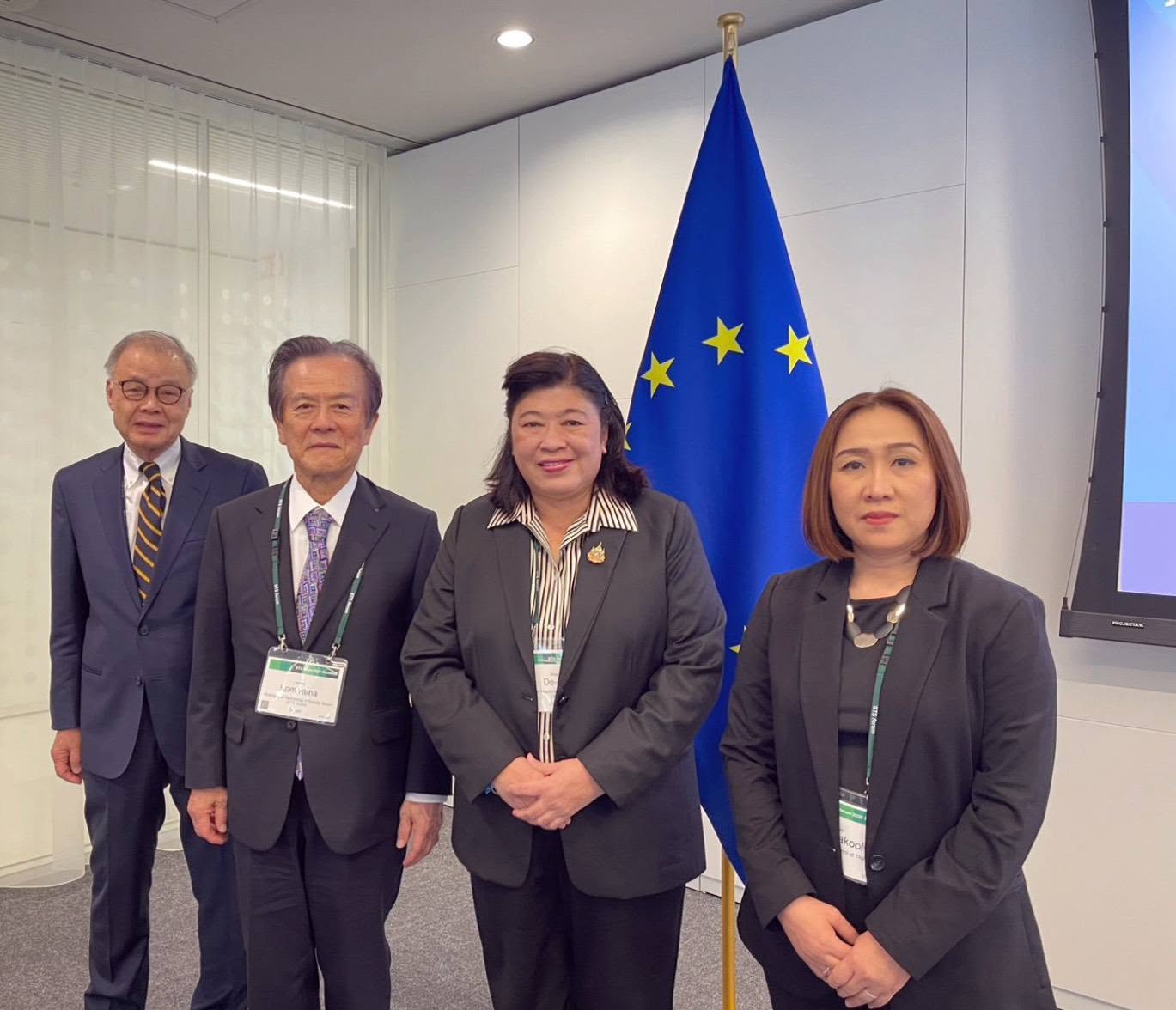
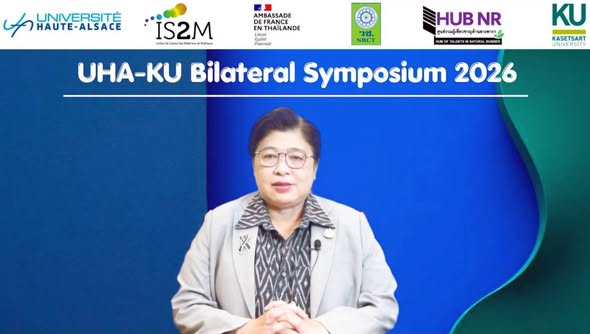
On behalf of Dr. Wiparat De-Ong, Executive Director of NRCT, Ms. Sirinporn Deawtrakul, Deputy Executive Director of NRCT, represented Thailand and the Asia-Pacific region as a panelist in the session.
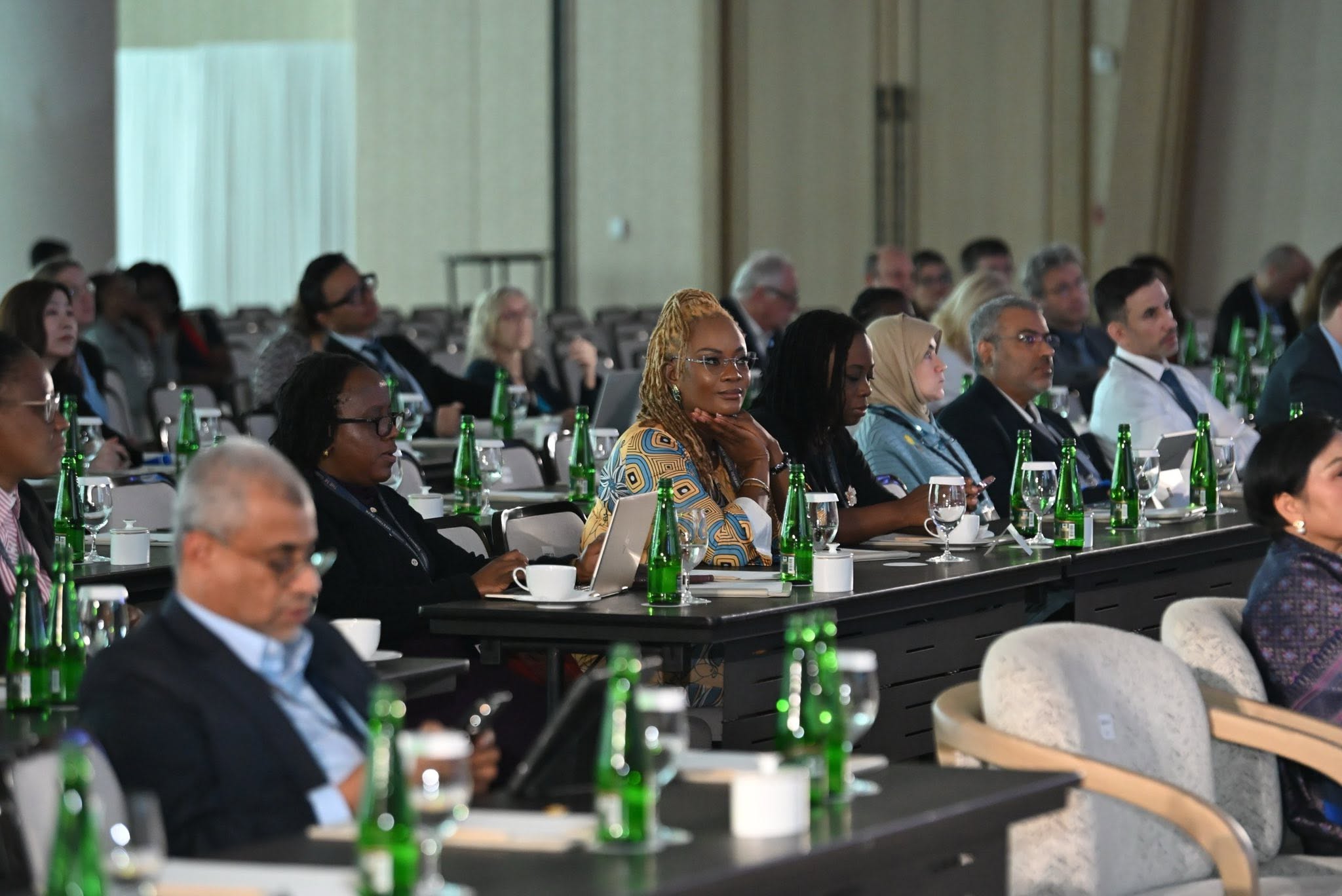
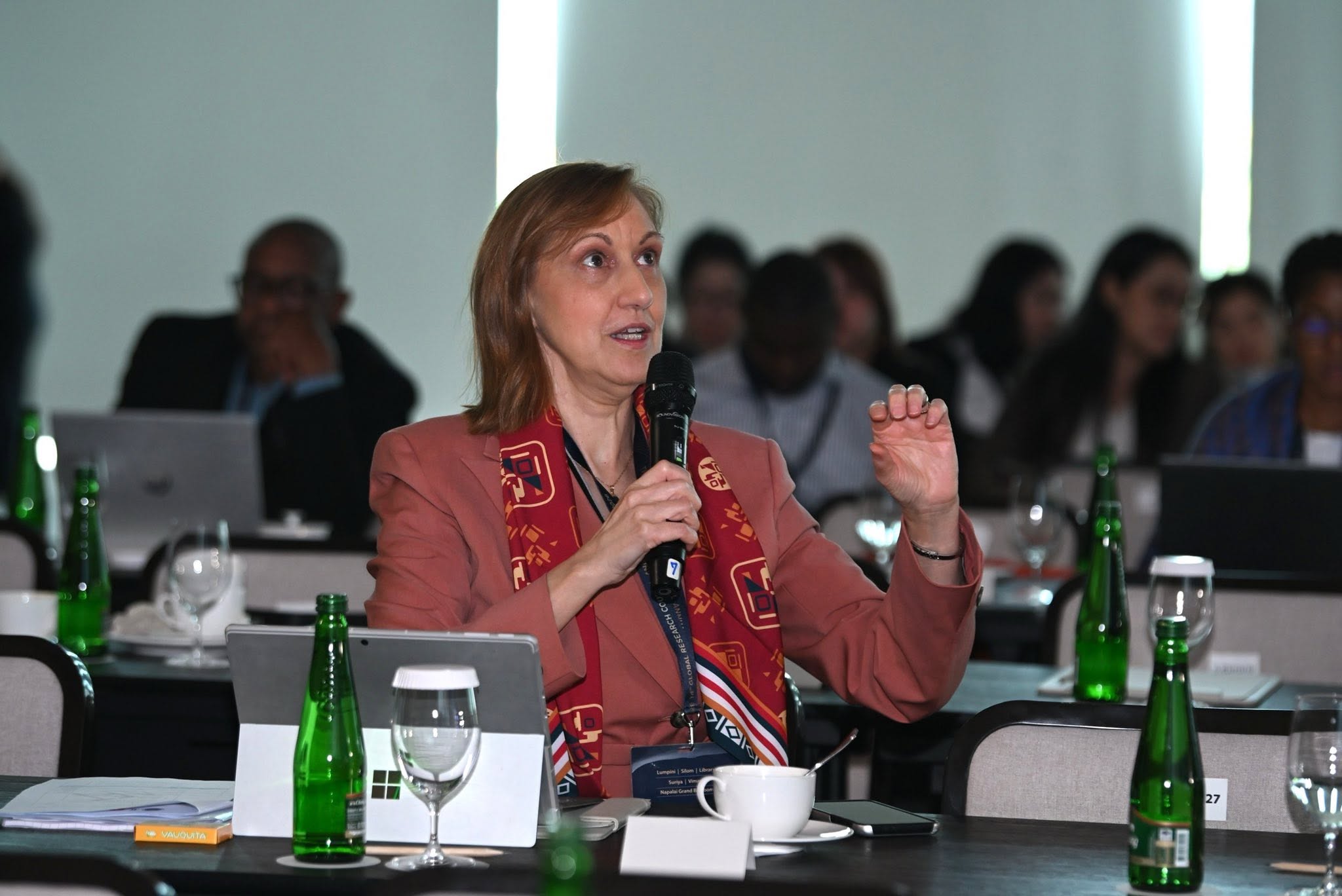
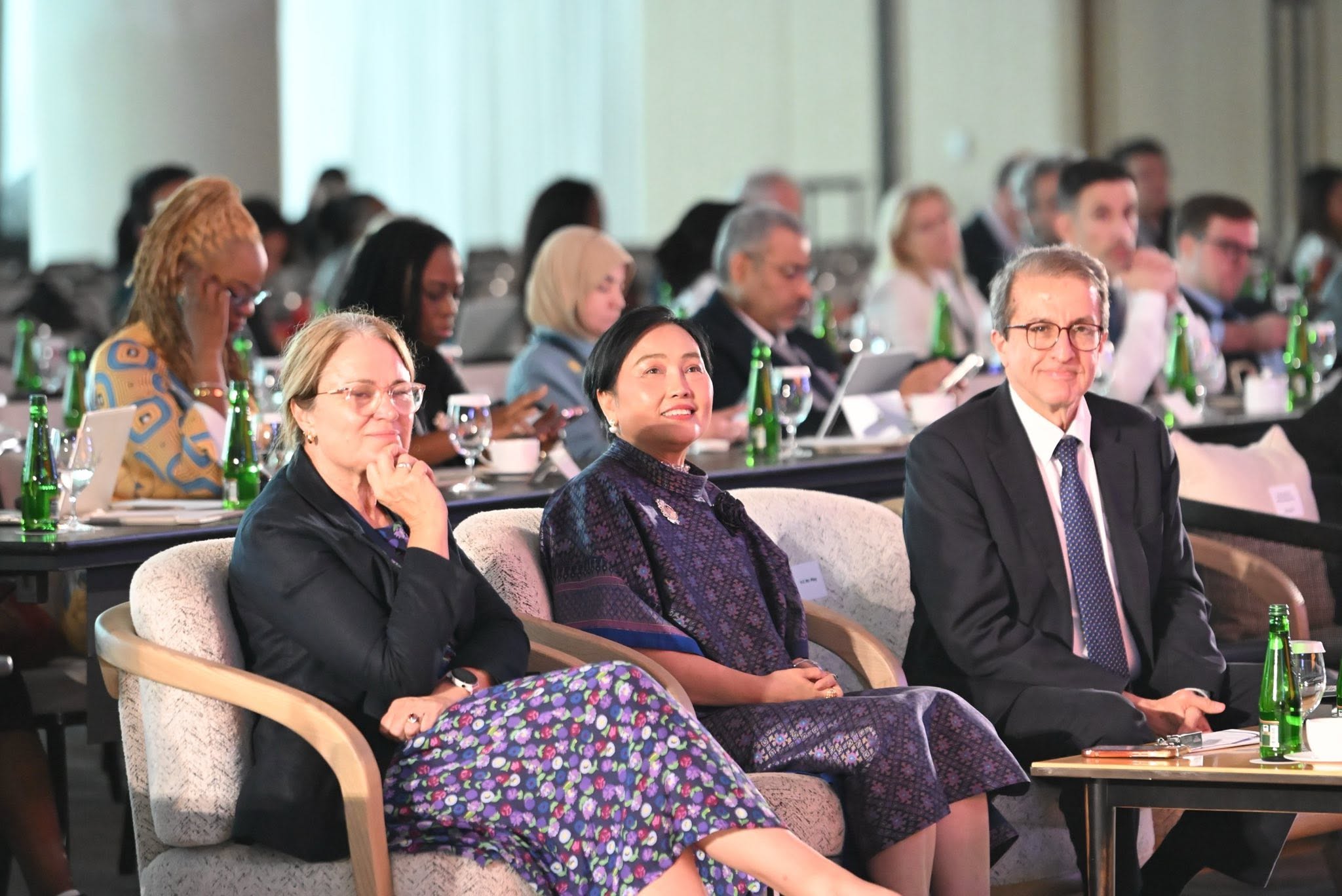
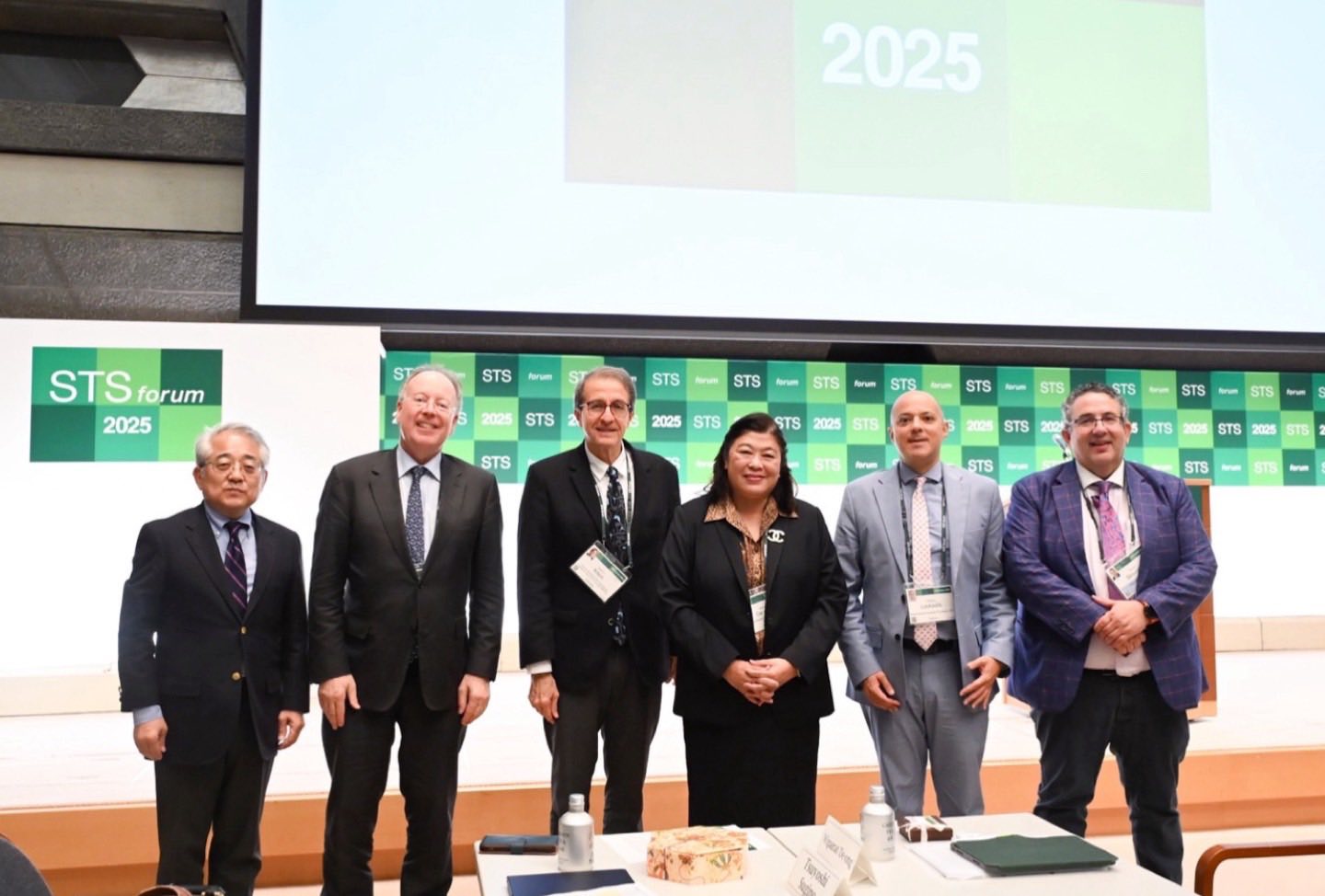
The “Regional Hot Topics” discussion provided a platform for representatives of research funding organizations from different regions to exchange perspectives on emerging trends, key priorities, and common challenges in research and innovation. The session also highlighted opportunities for international collaboration to strengthen the role of the global research community in addressing future challenges and accelerating sustainable development.
The panel featured representatives from major research funding organizations across five regions:
1.Americas
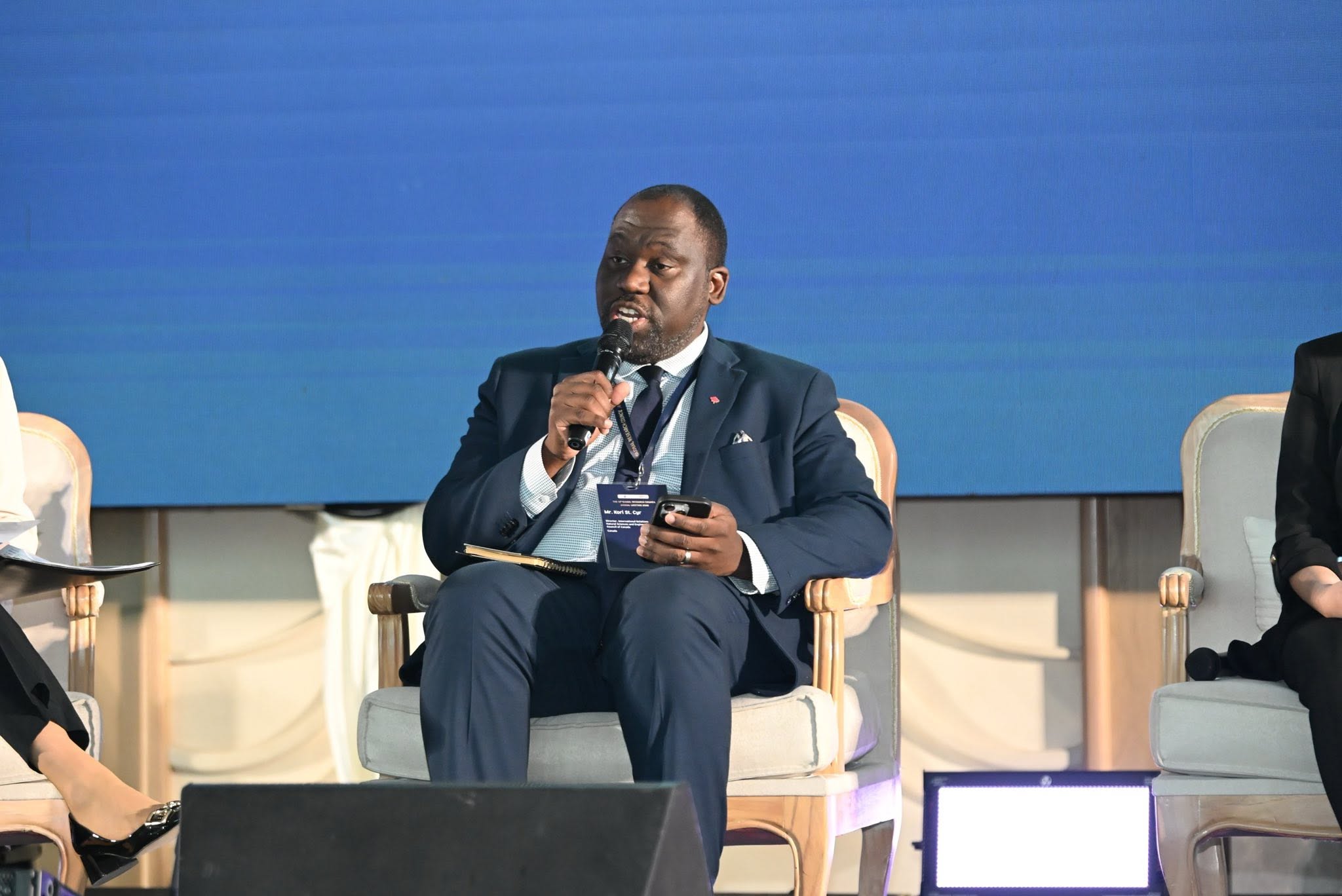
Mr. Kori St-Cyr from the Natural Sciences and Engineering Research Council of Canada (NSERC) emphasized the importance of building more agile international research collaborations, sharing research resources, advancing Open Science, and preparing for technological transformation. He also highlighted the growing role of artificial intelligence (AI) in research management and funding systems, as well as the need for sustainable investments in Open Access and Open Data infrastructures.
2.Asia-Pacific
Ms. Sirinporn Deawtrakul, Deputy Executive Director of NRCT, discussed the rapid advancement of artificial intelligence and its transformative impact on research systems, industries, public services, and society. She emphasized the importance of establishing responsible AI governance frameworks that are human-centered, ethical, and inclusive, ensuring that technological advancement benefits society while minimizing potential risks.
3.Europe
Prof. Krzysztof Jóźwiak, Director of the National Science Centre (NCN), Poland, highlighted the growing challenge posed by anti-science movements and misinformation, which undermine public trust in science. He stressed that addressing these issues requires collective action from the global scientific community to strengthen scientific literacy, evidence-based decision-making, and public engagement.
4.Middle East and North Africa (MENA)
Prof. Chadi Abdallah, Secretary General of CNRS-Lebanon, addressed the interconnected challenges of climate change, environmental degradation, and conflict-related vulnerabilities. These issues significantly affect water resources, food security, public health, energy systems, and social stability. He underscored the need for research to play a more operational role in damage assessment, crisis response, and resilience-building through the application of technologies such as artificial intelligence, geospatial information systems, and Earth observation tools.
5.Sub-Saharan Africa
Dr. Amos Nungu, Director General of the Commission for Science and Technology (COSTECH), Tanzania, emphasized the importance of making Open Science more inclusive and equitable. He noted that Open Science should extend beyond Open Access and Open Data to include recognition of indigenous and local knowledge systems, protection of community knowledge rights, meaningful stakeholder participation, and long-term investment in research infrastructure and capacity building to prevent existing inequalities from widening further.
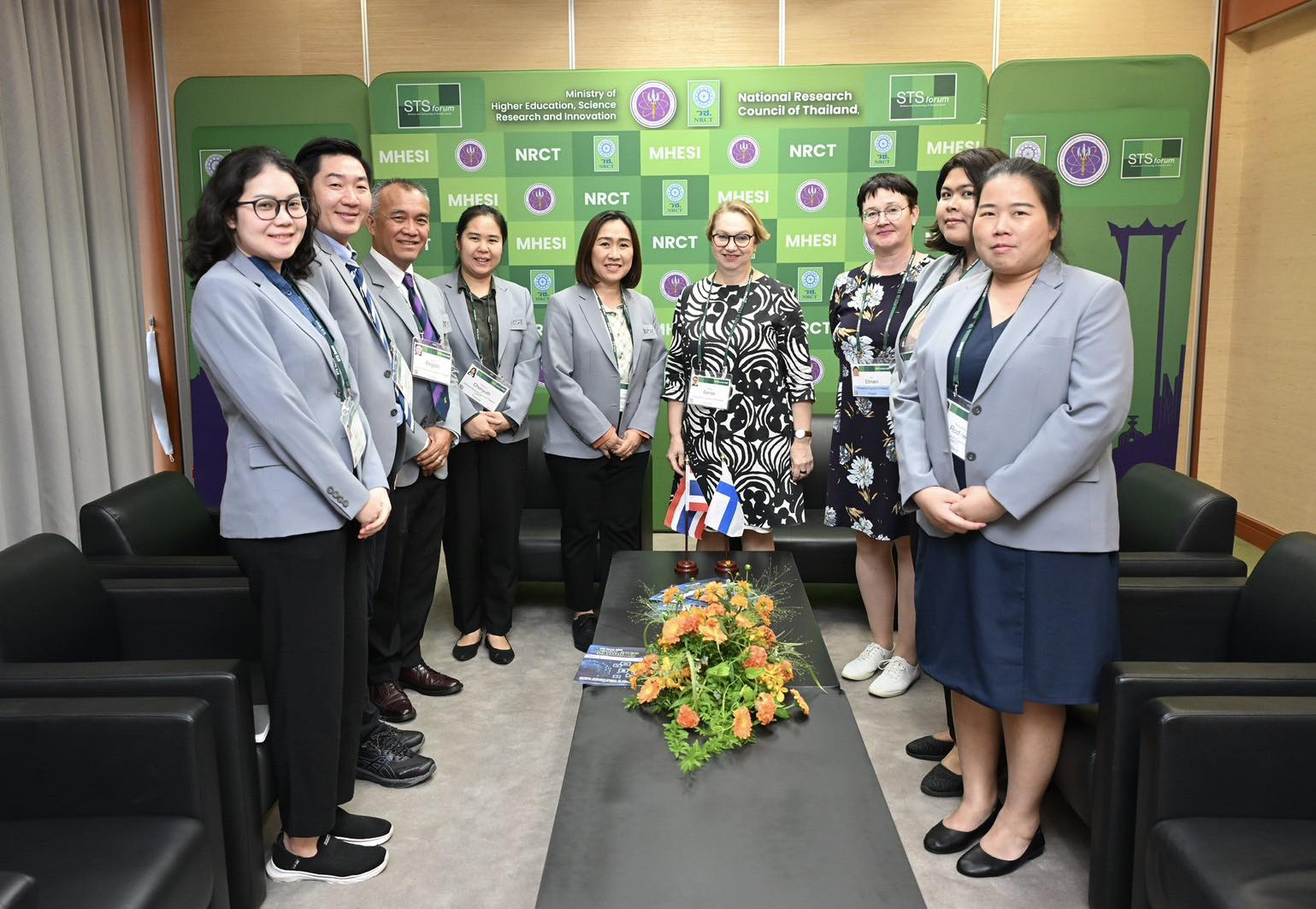
NRCT’s participation in this session reflects Thailand’s active role in advancing global dialogue on science, research, and innovation. It also demonstrates the country’s commitment to strengthening collaboration with research funding organizations worldwide to collectively address emerging global challenges and contribute to a more sustainable and resilient future.
------------------------------------------
by: National Research Council of Thailand (NRCT)