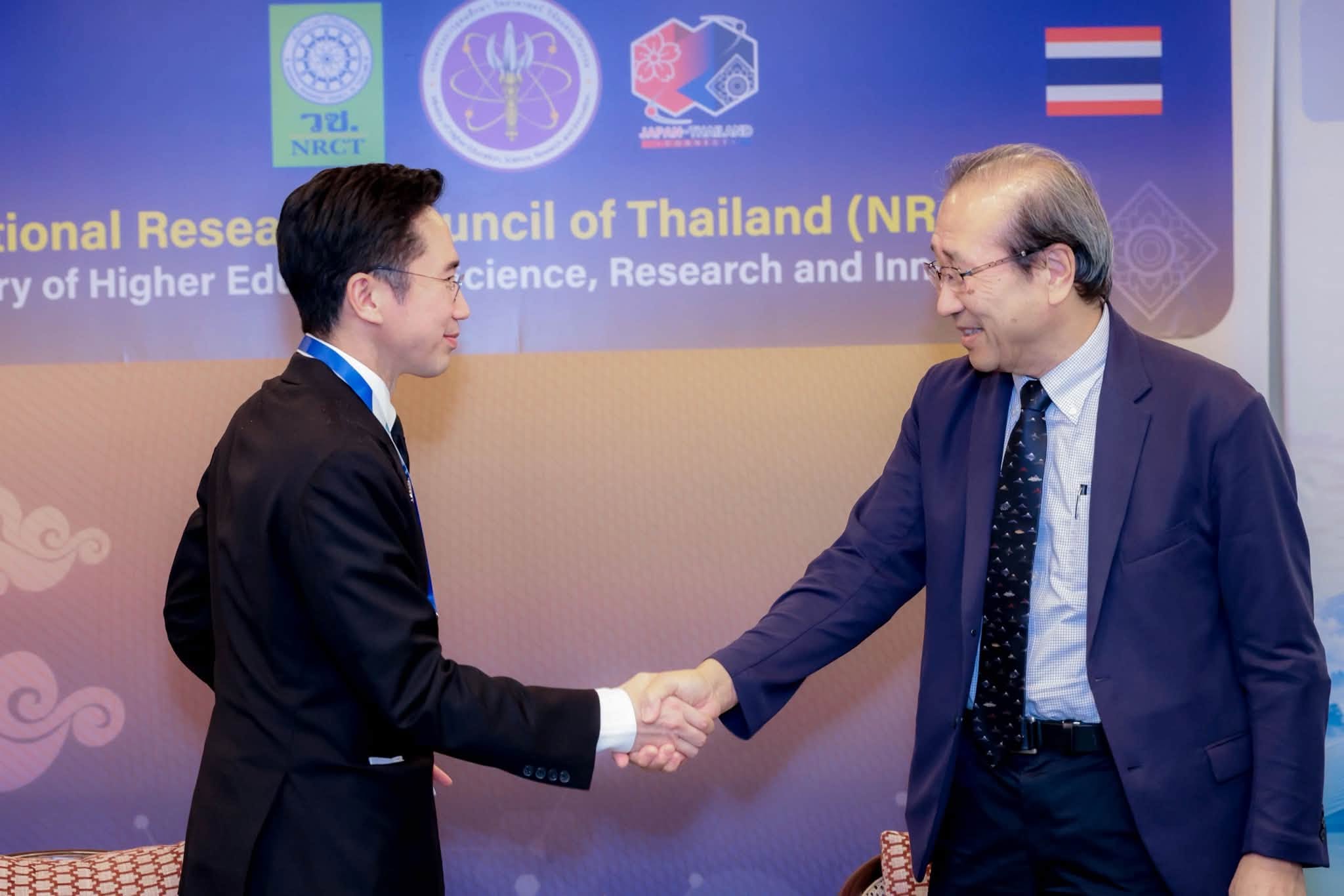
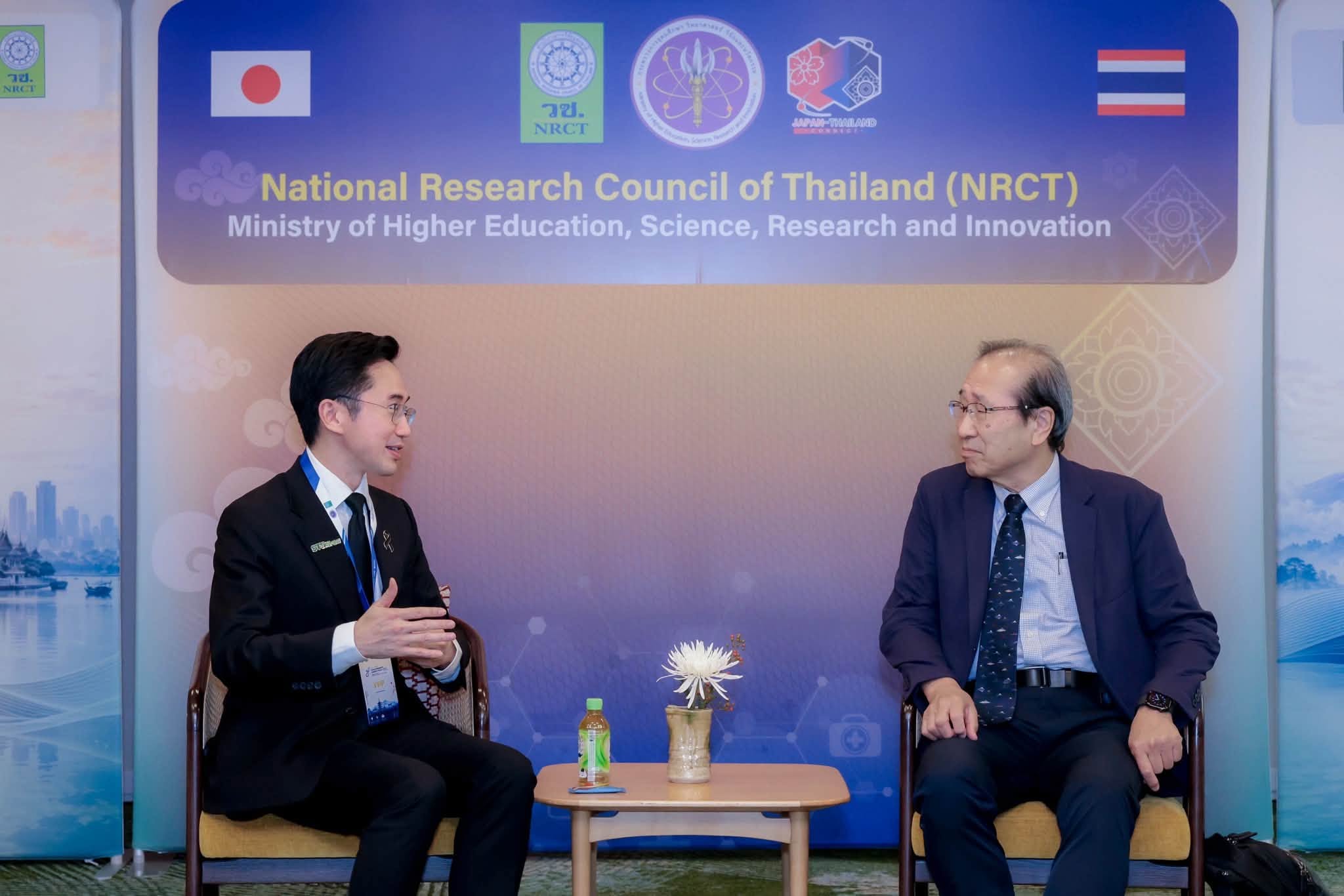
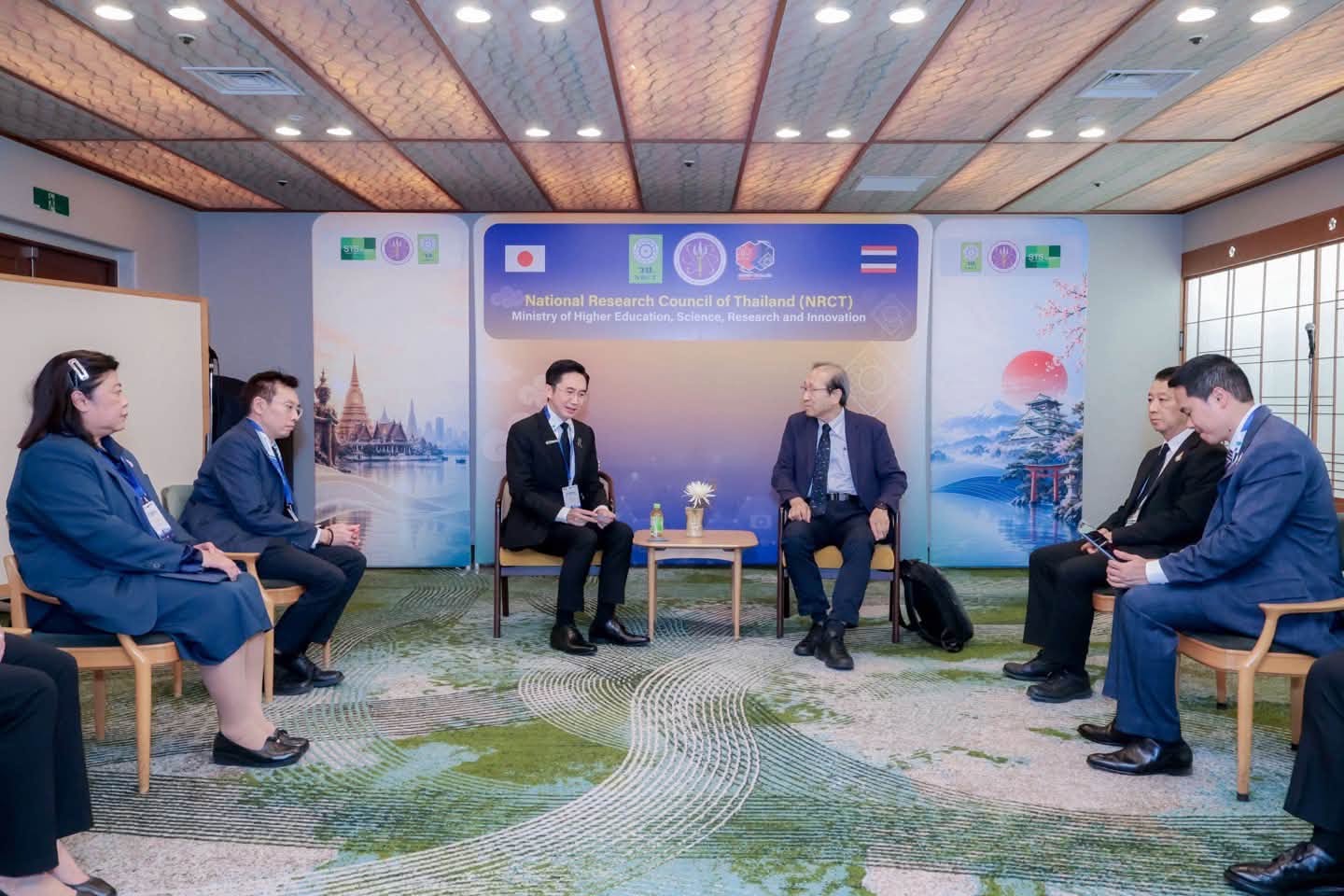
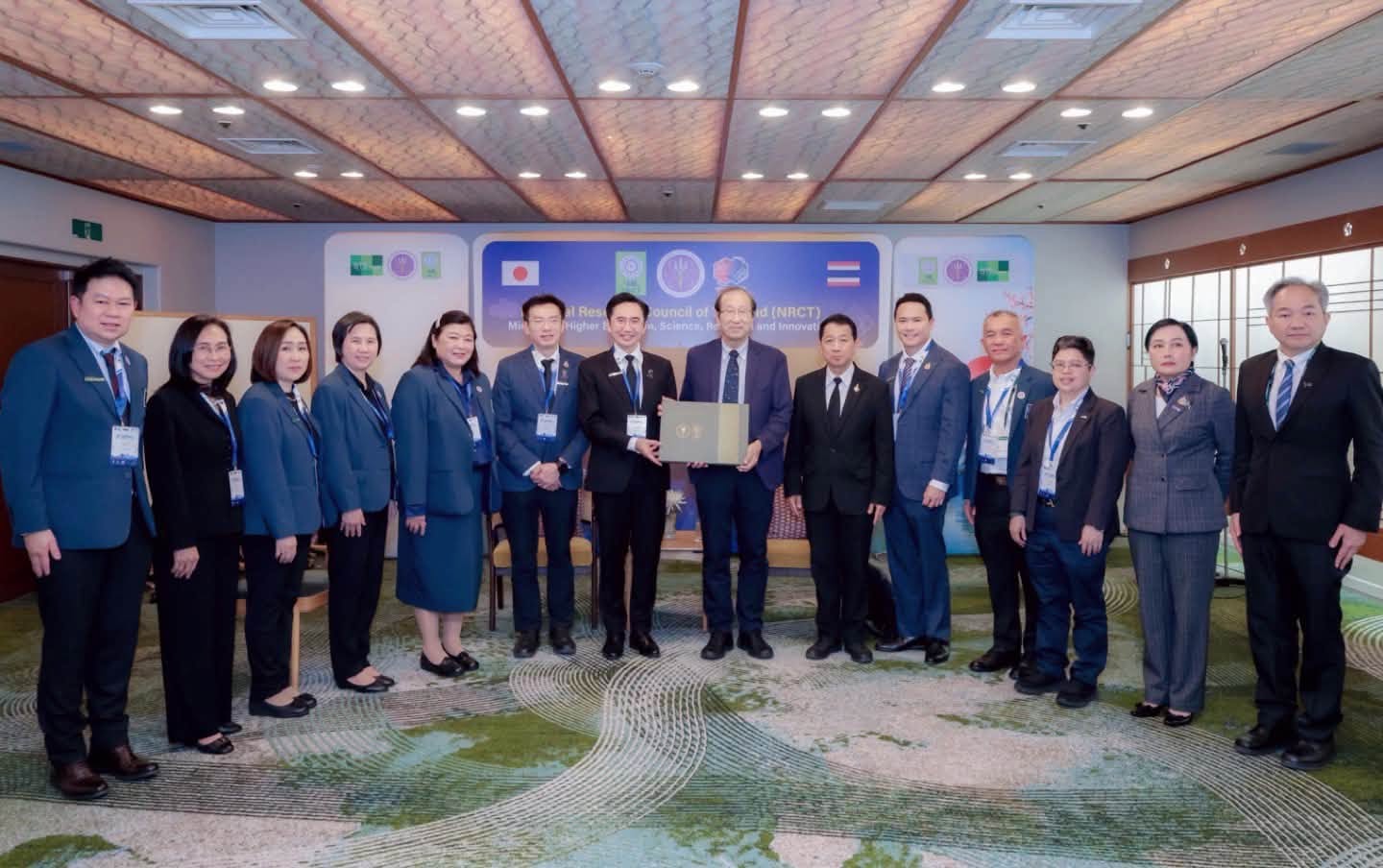
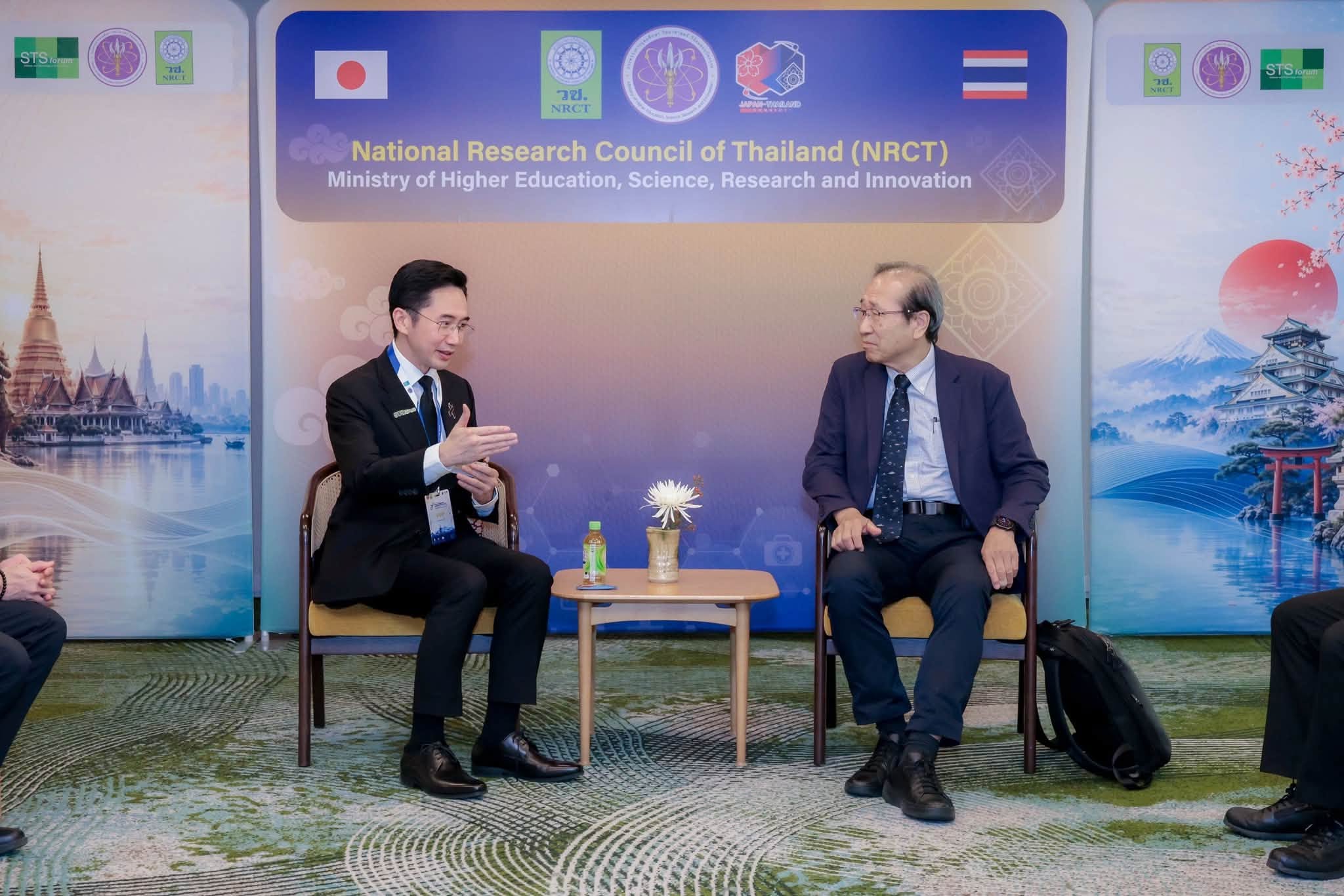
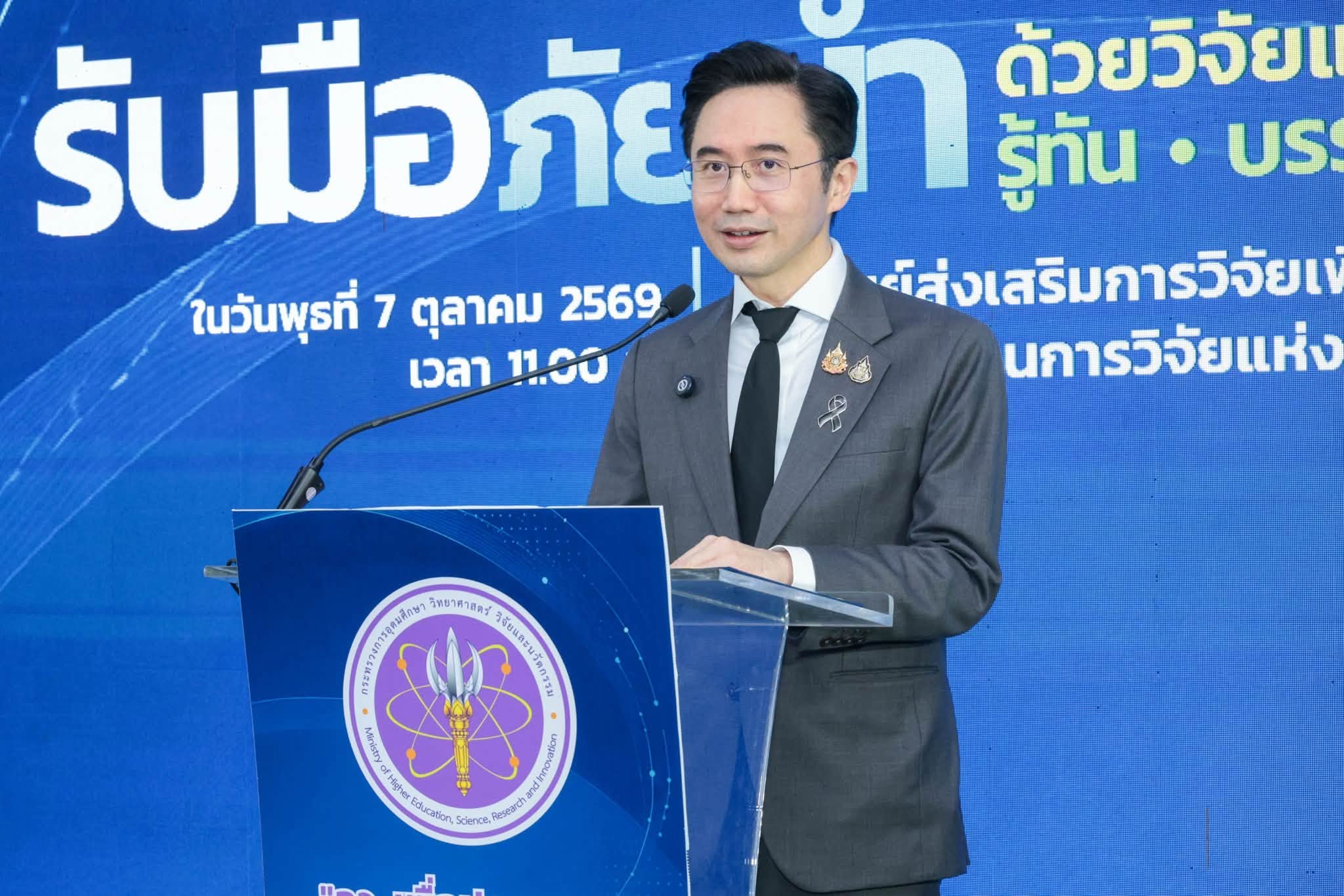
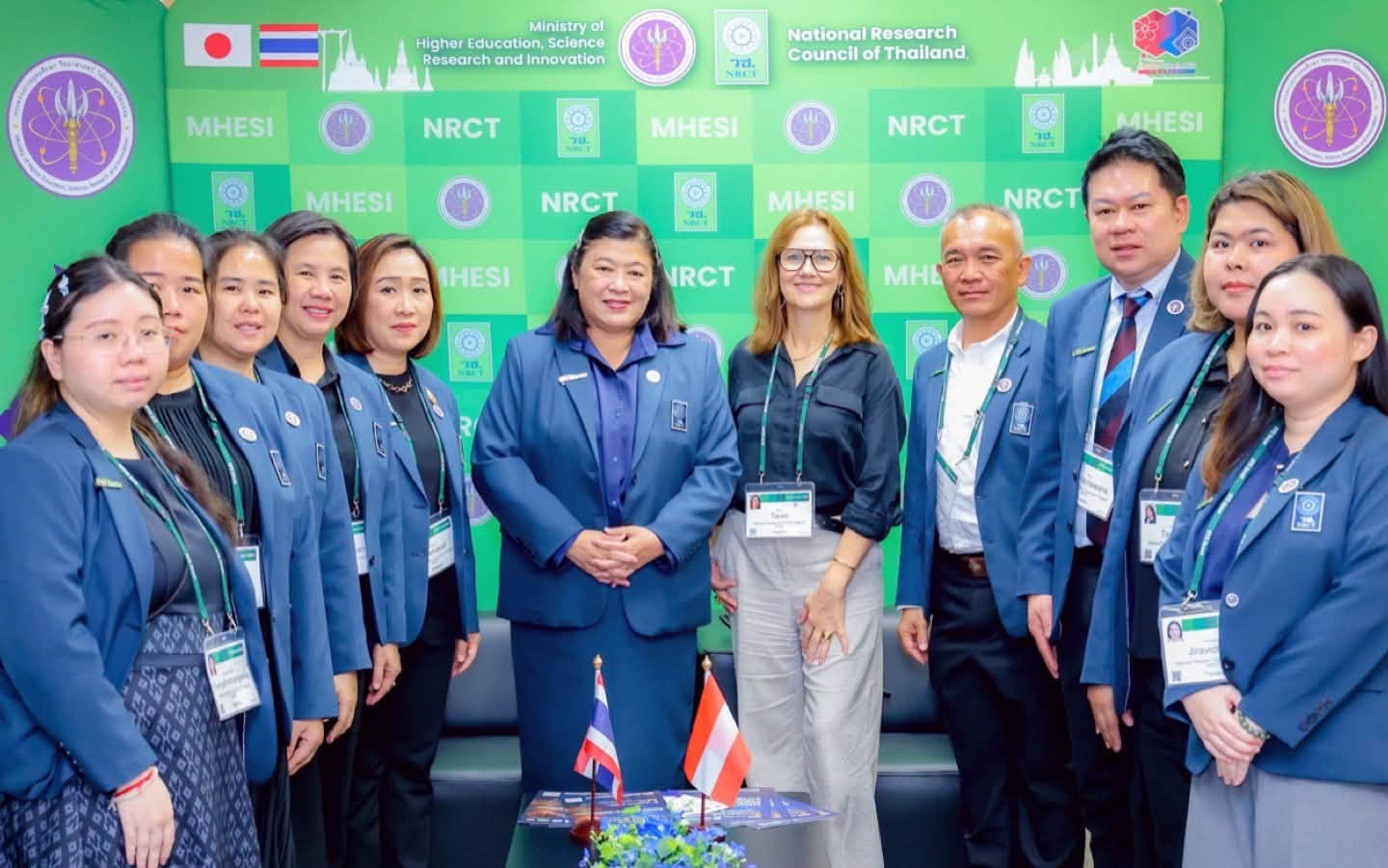
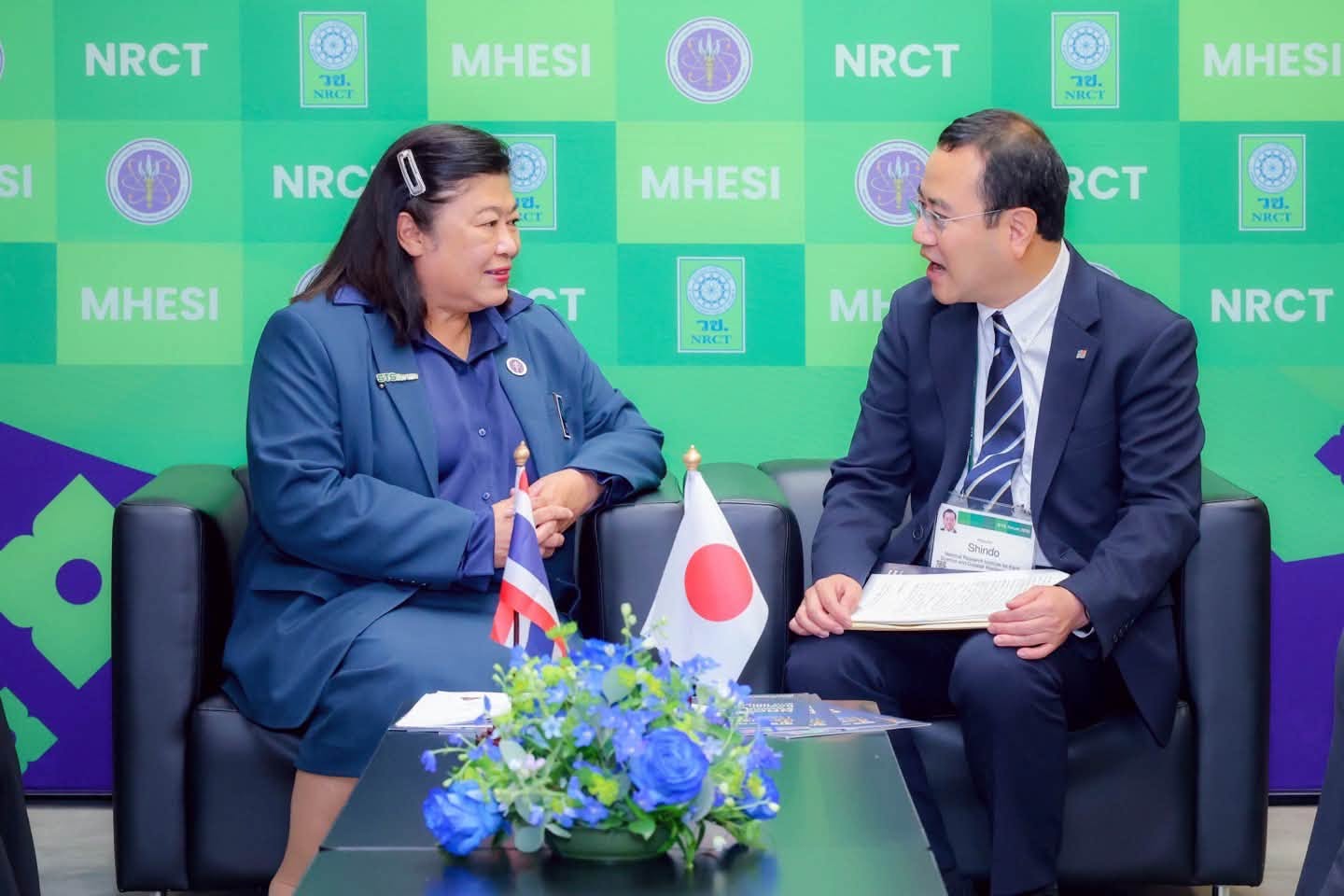
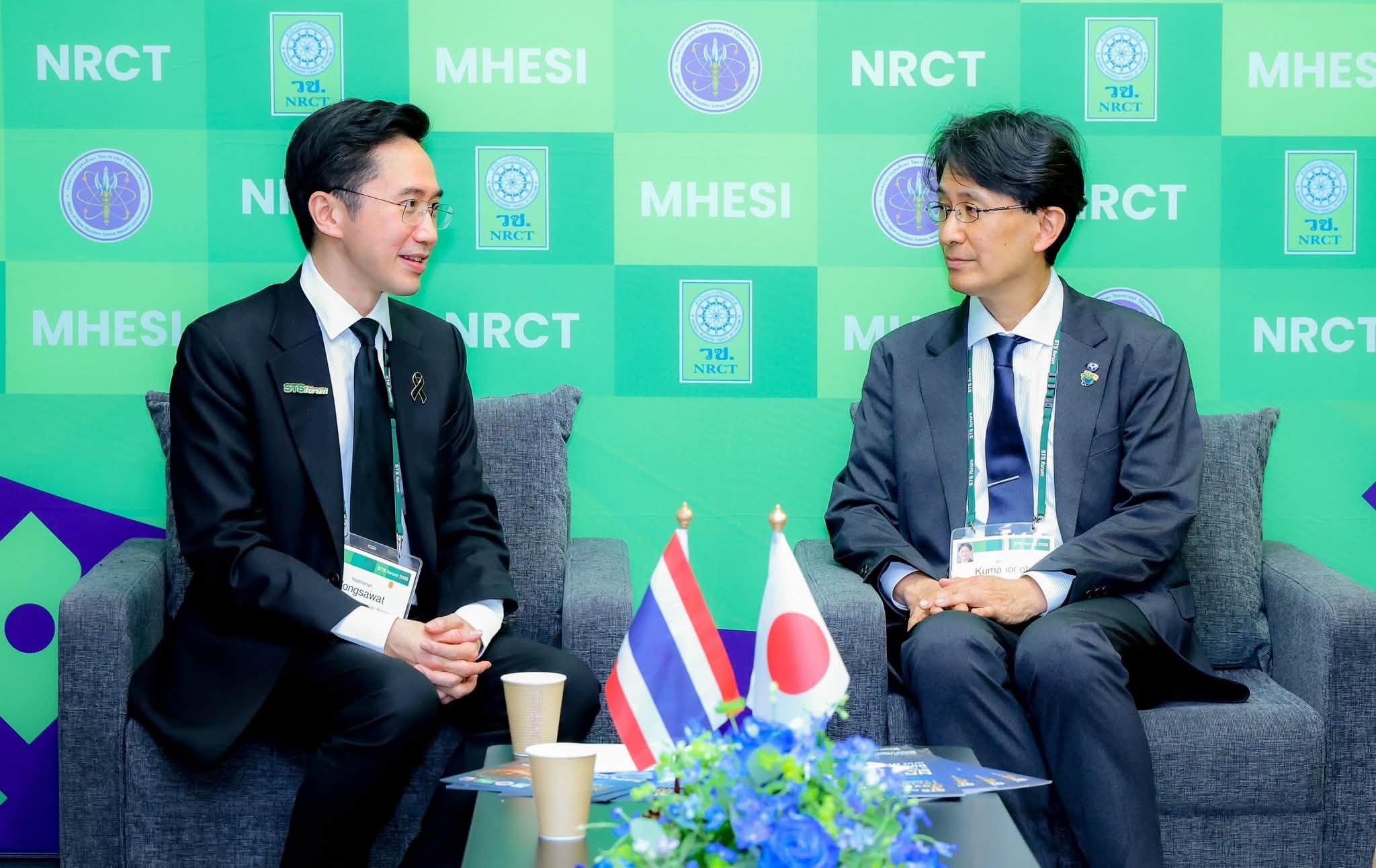
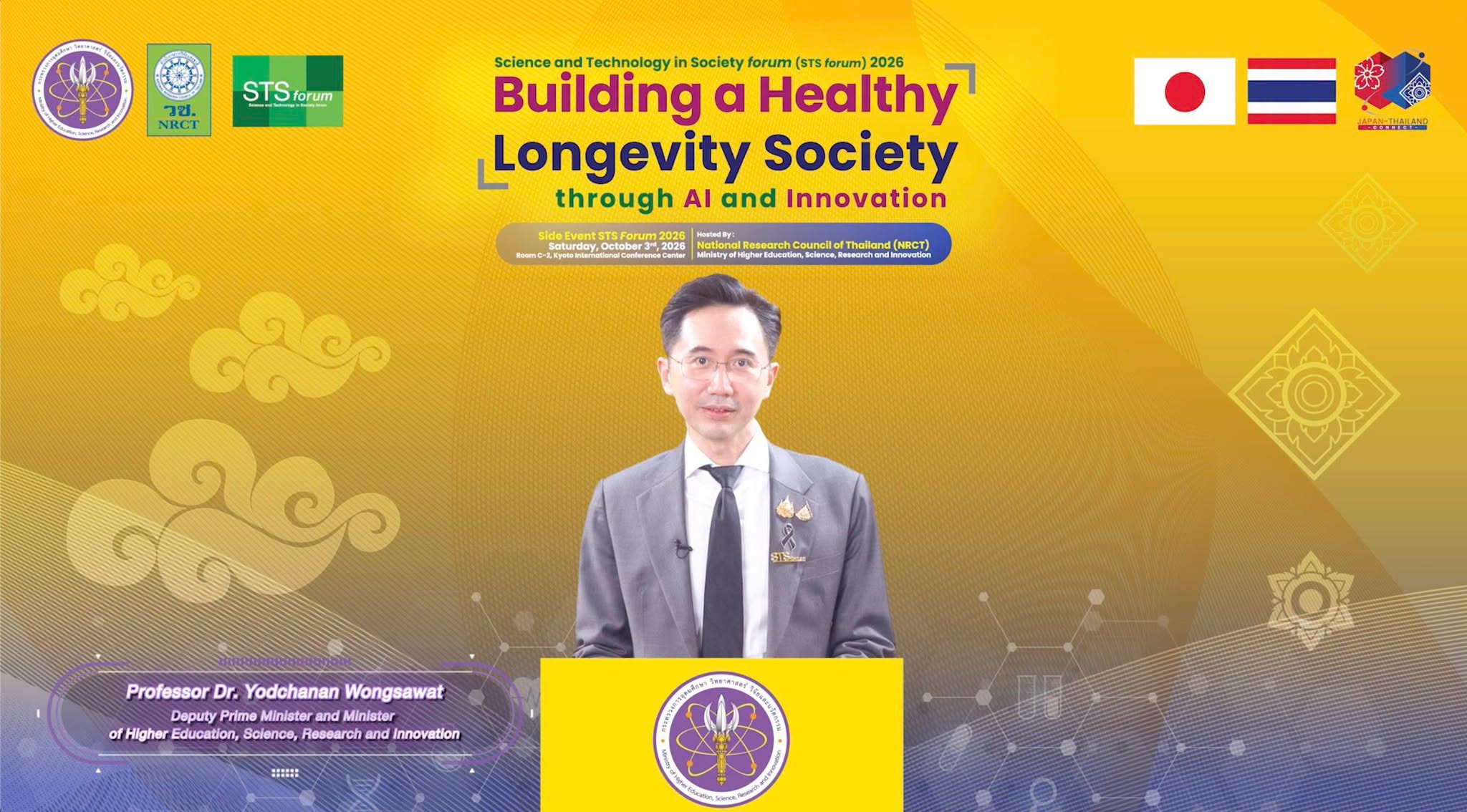
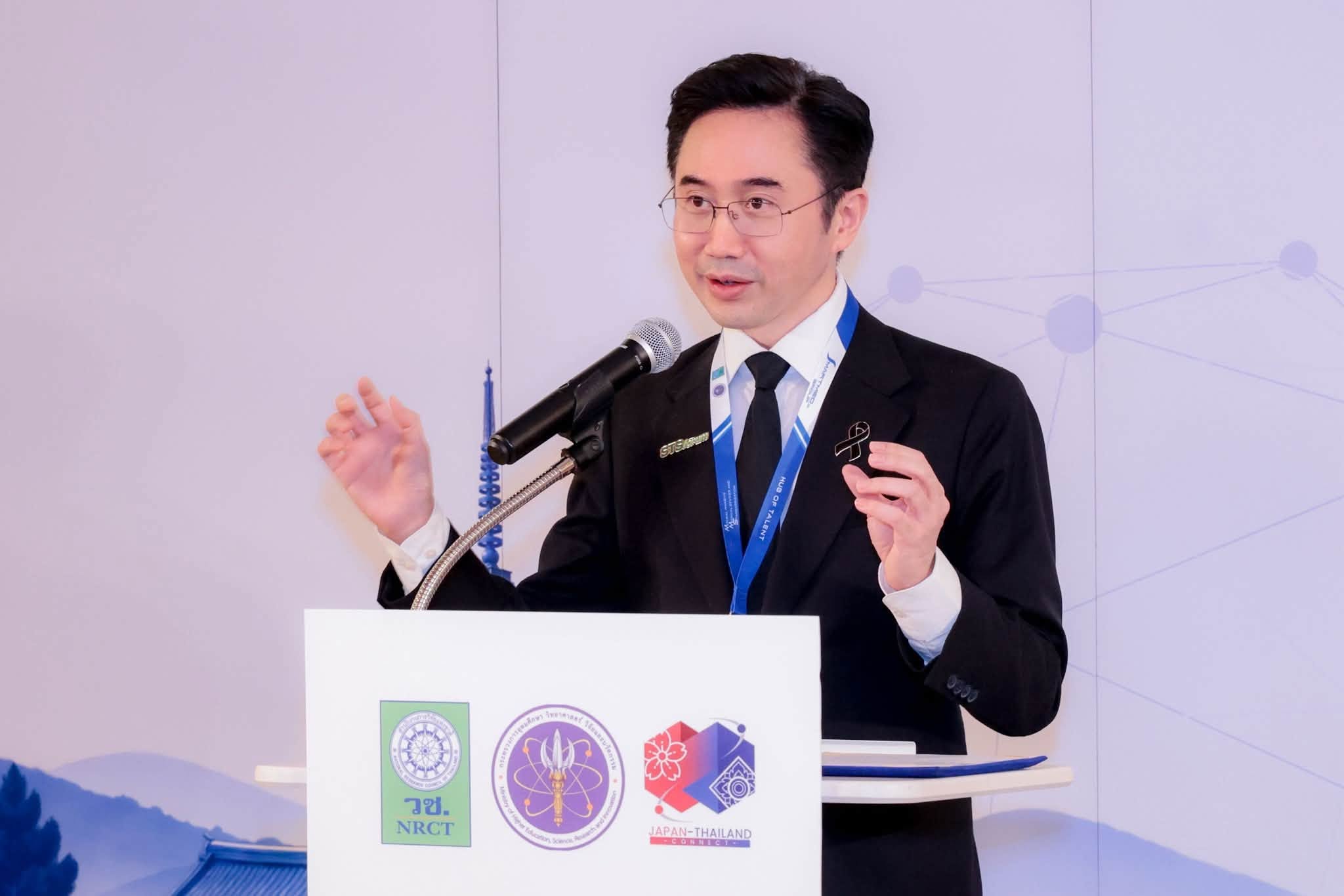
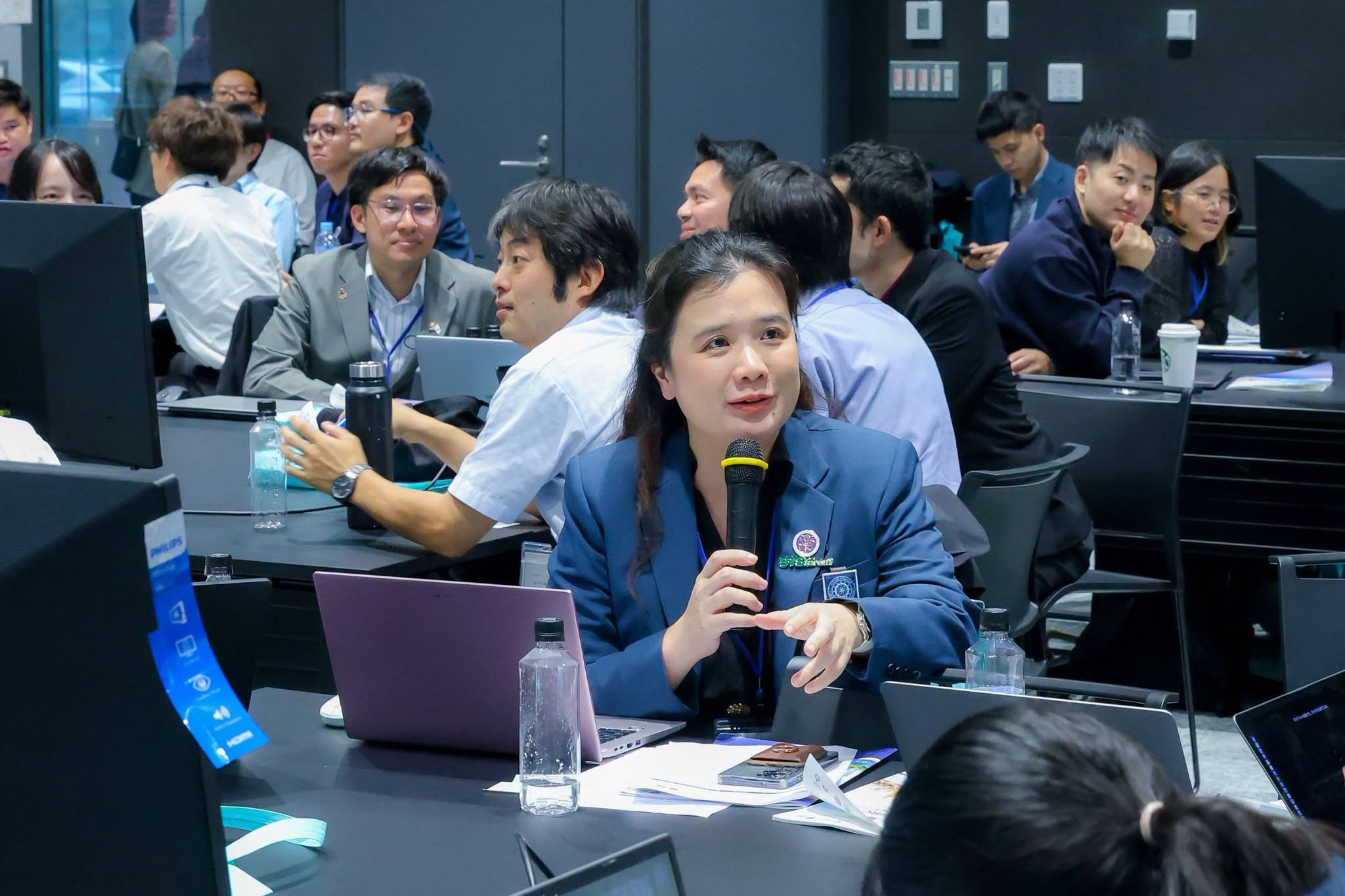
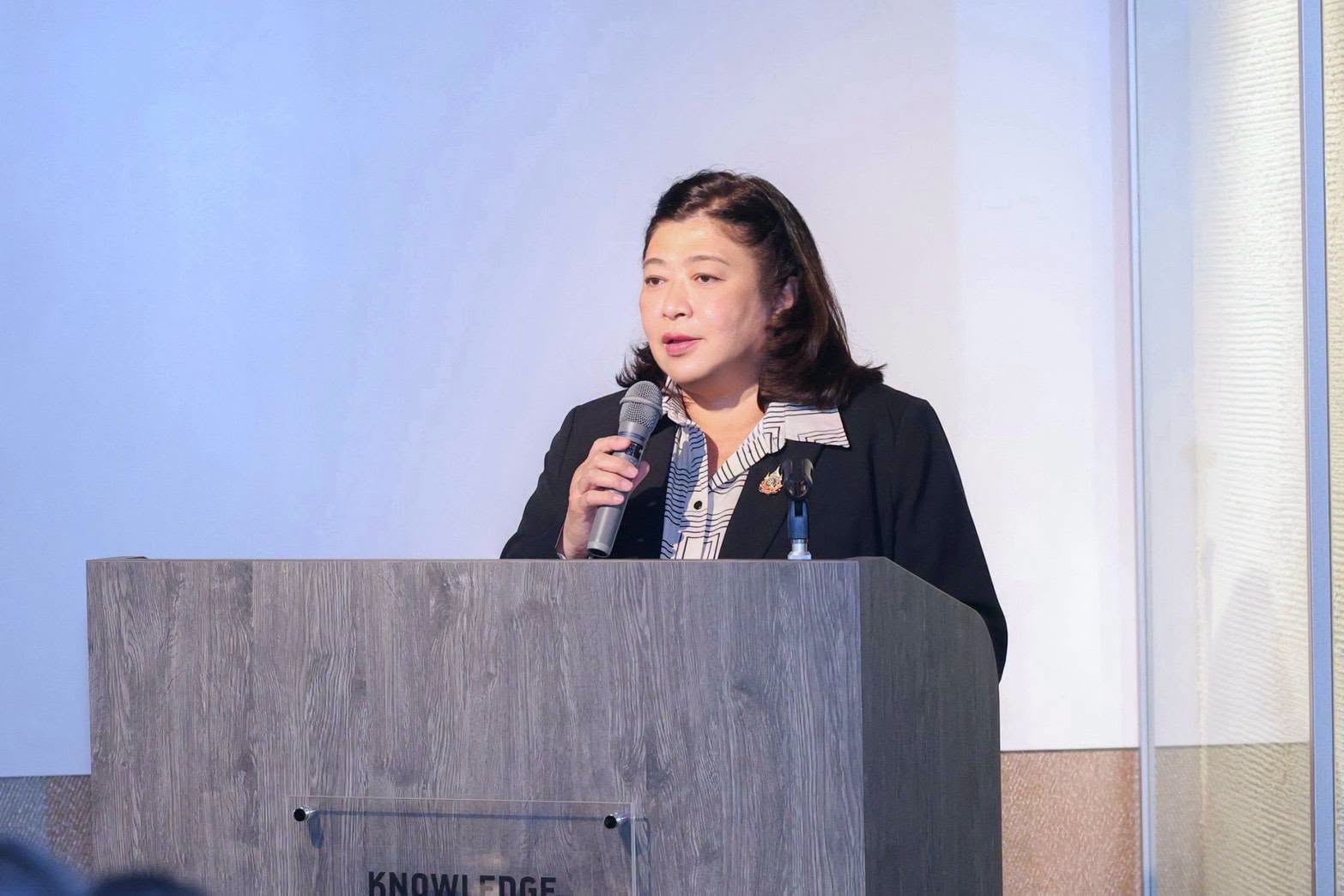
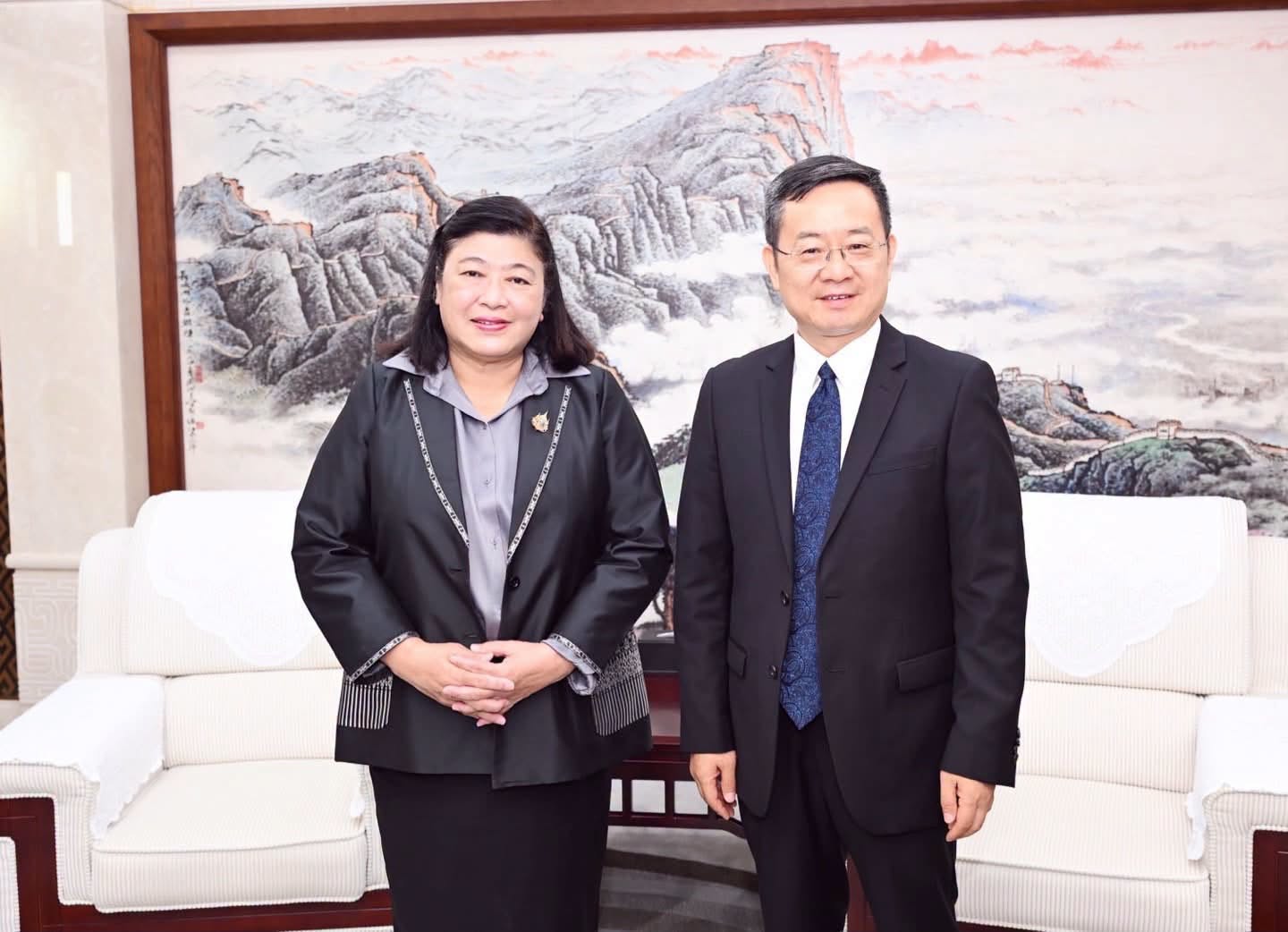
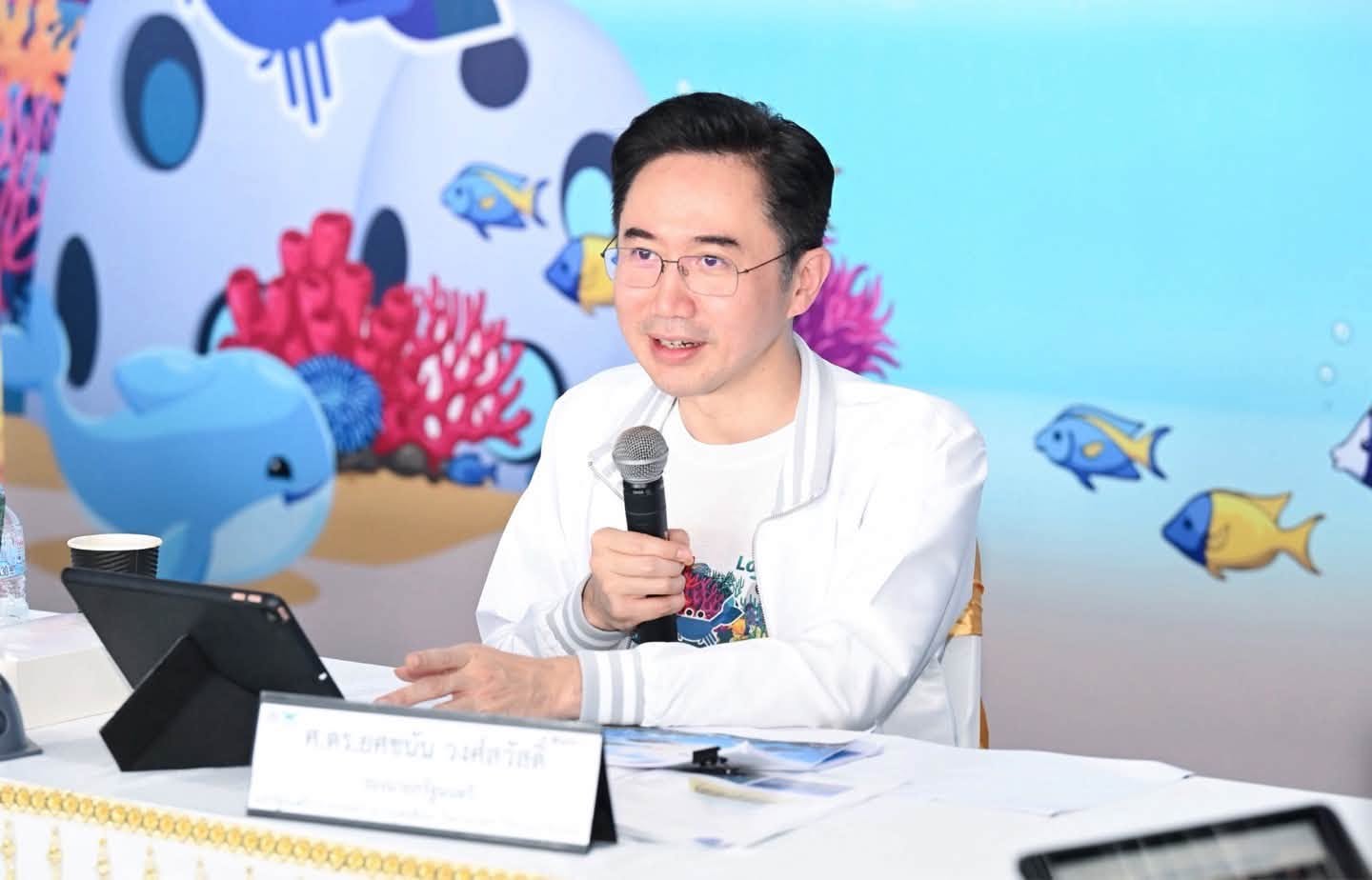
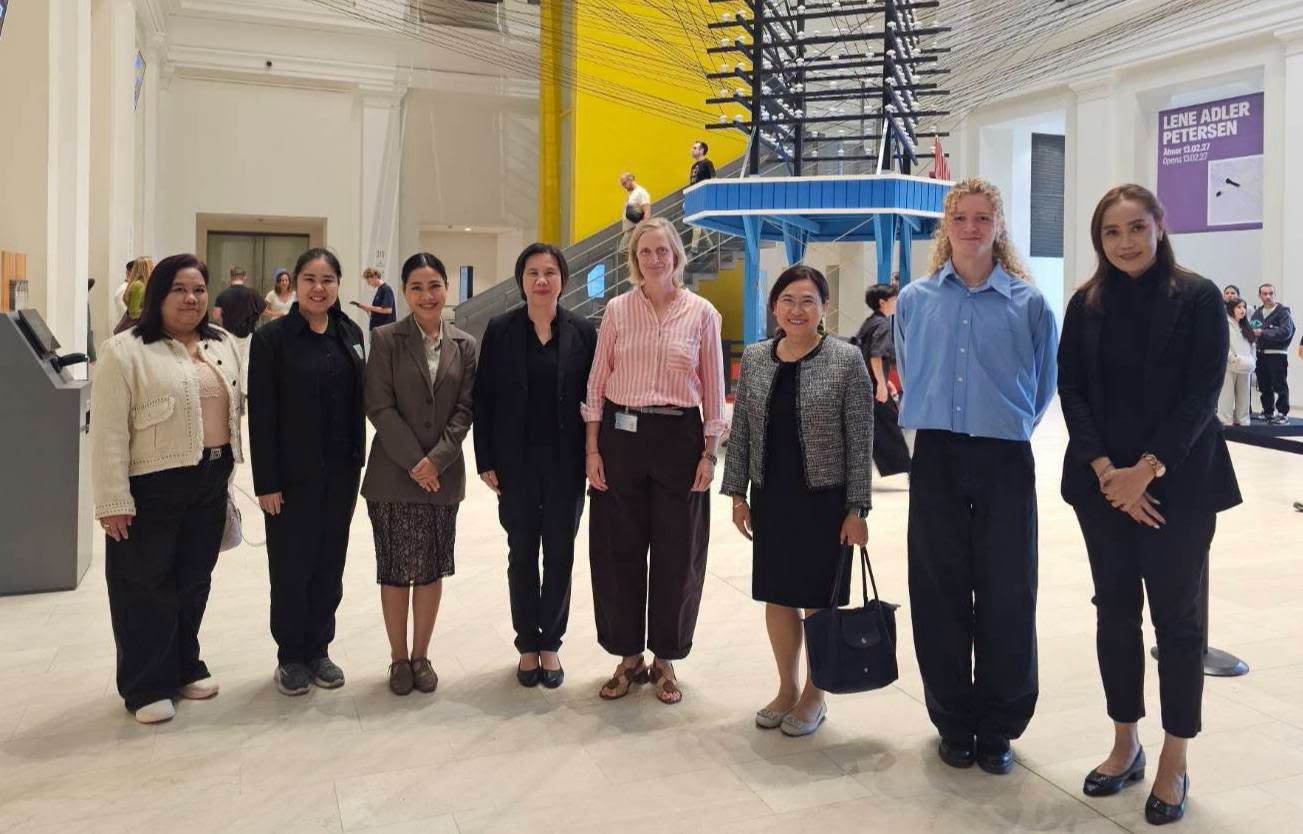
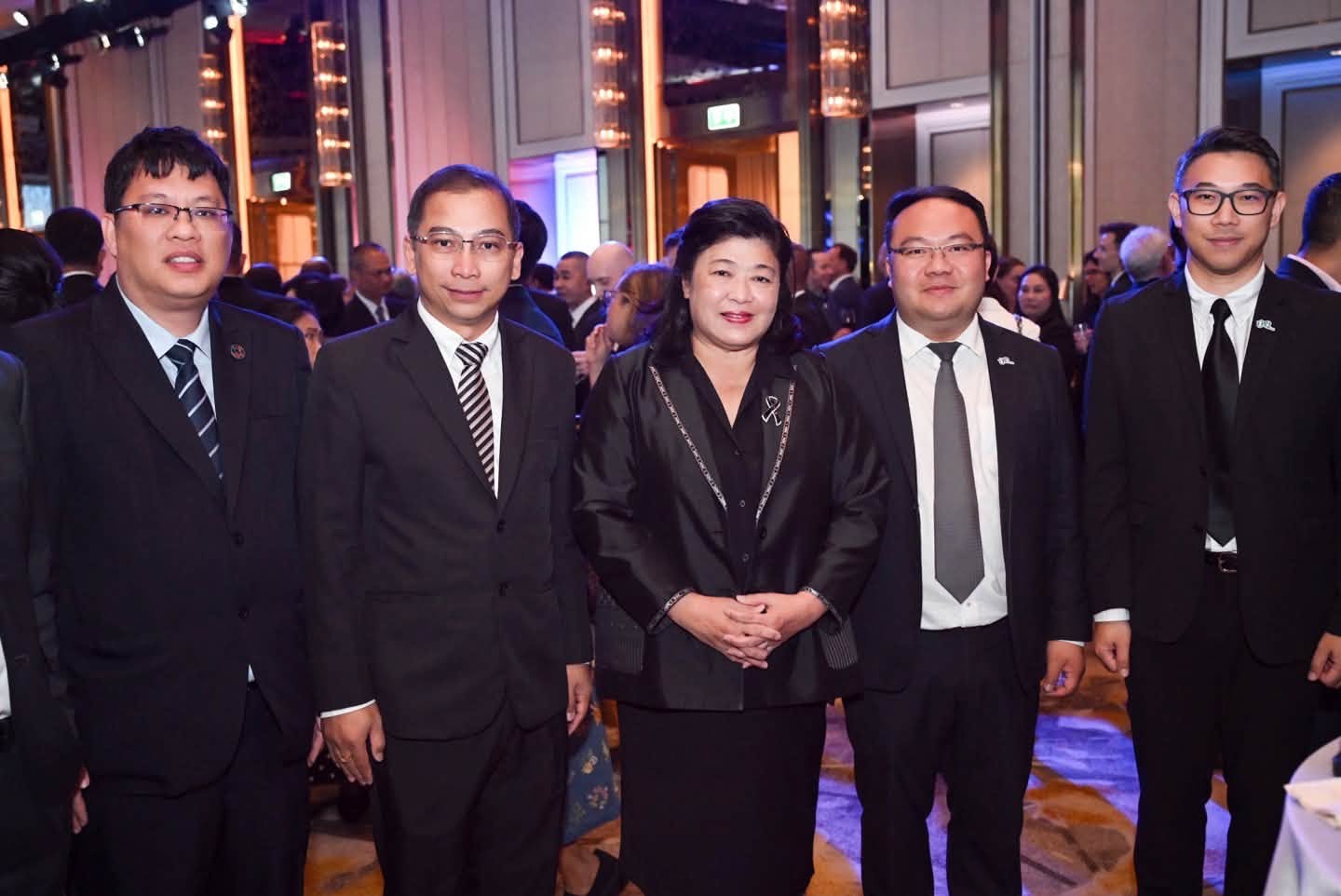
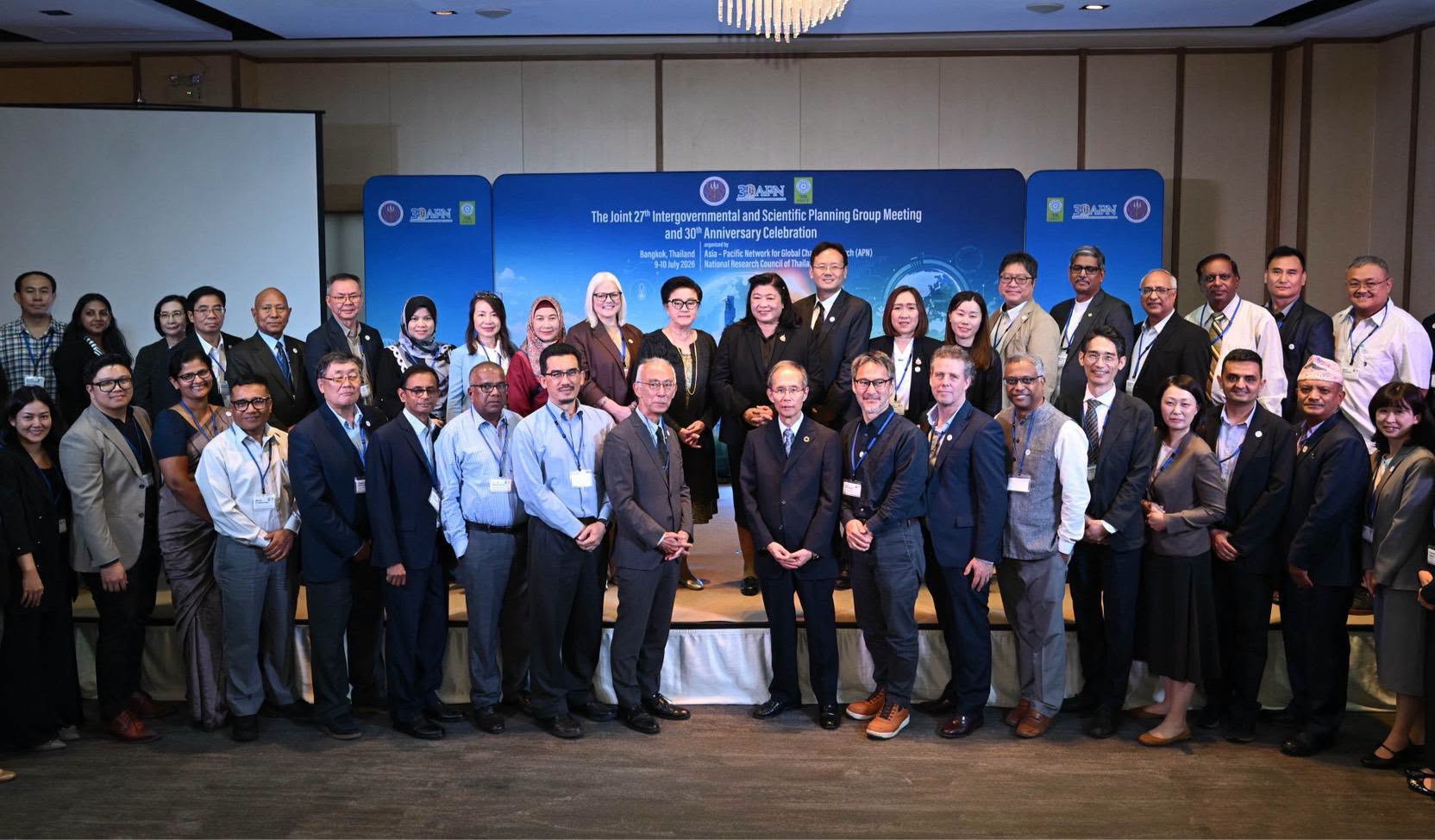
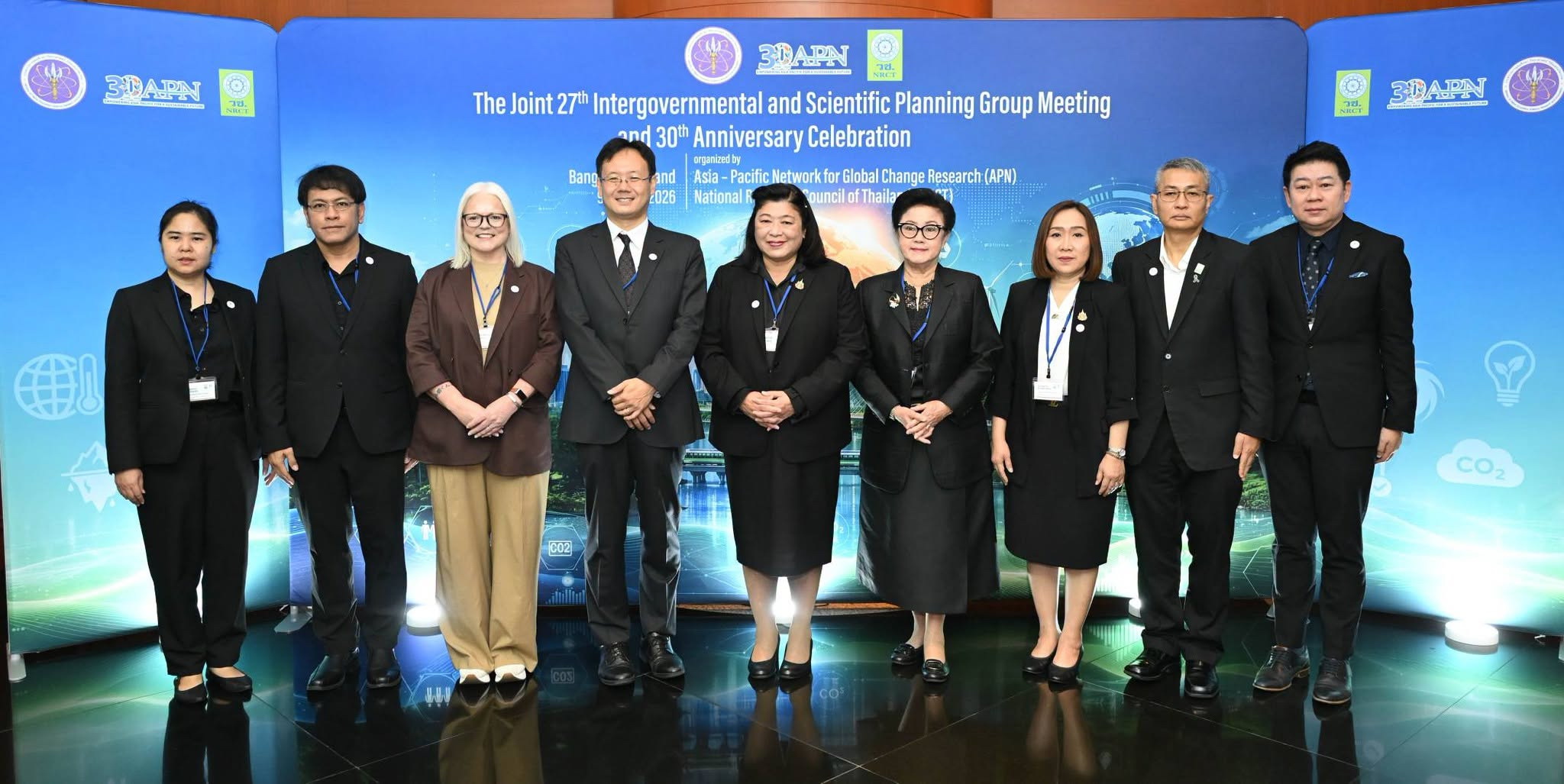
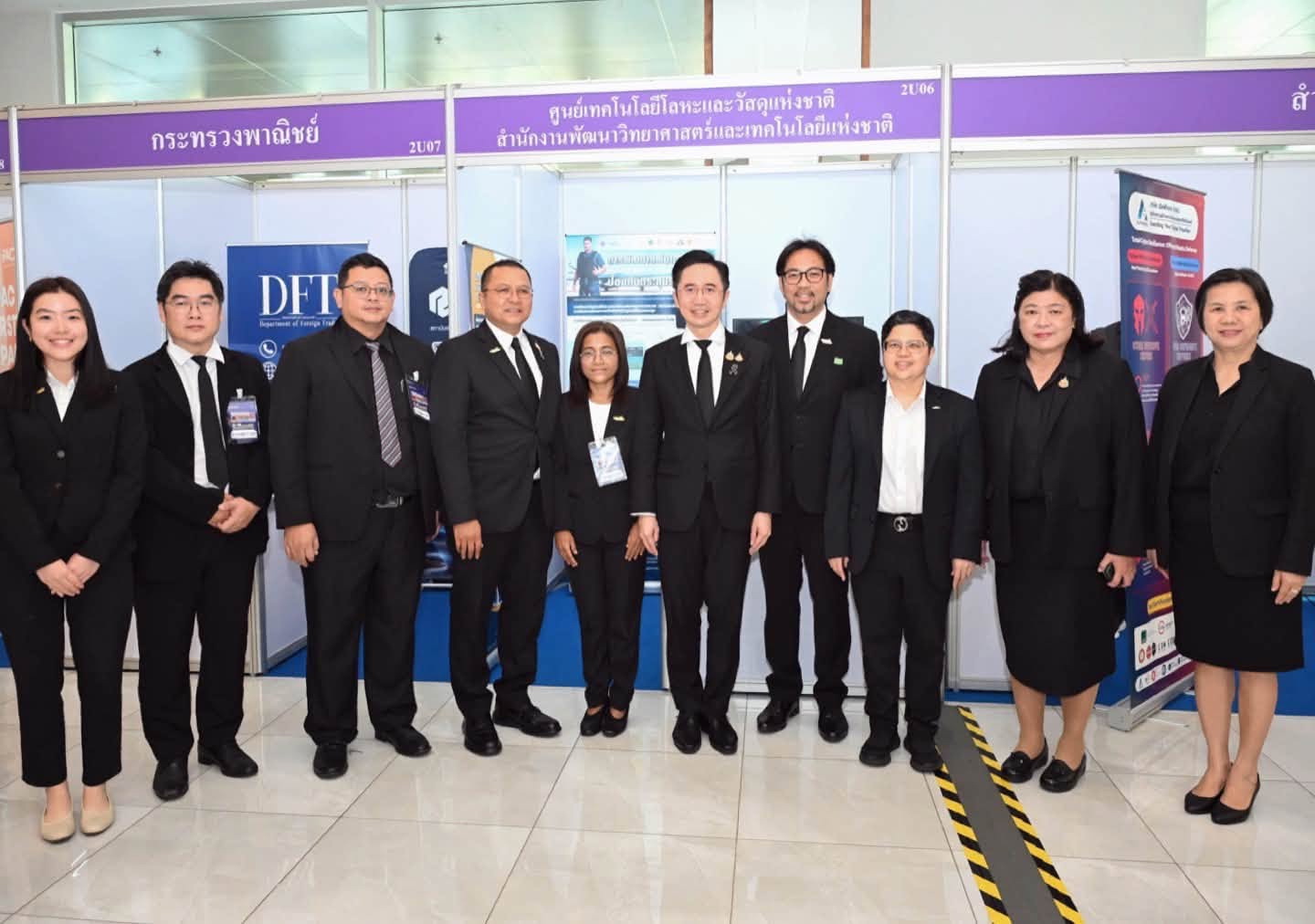
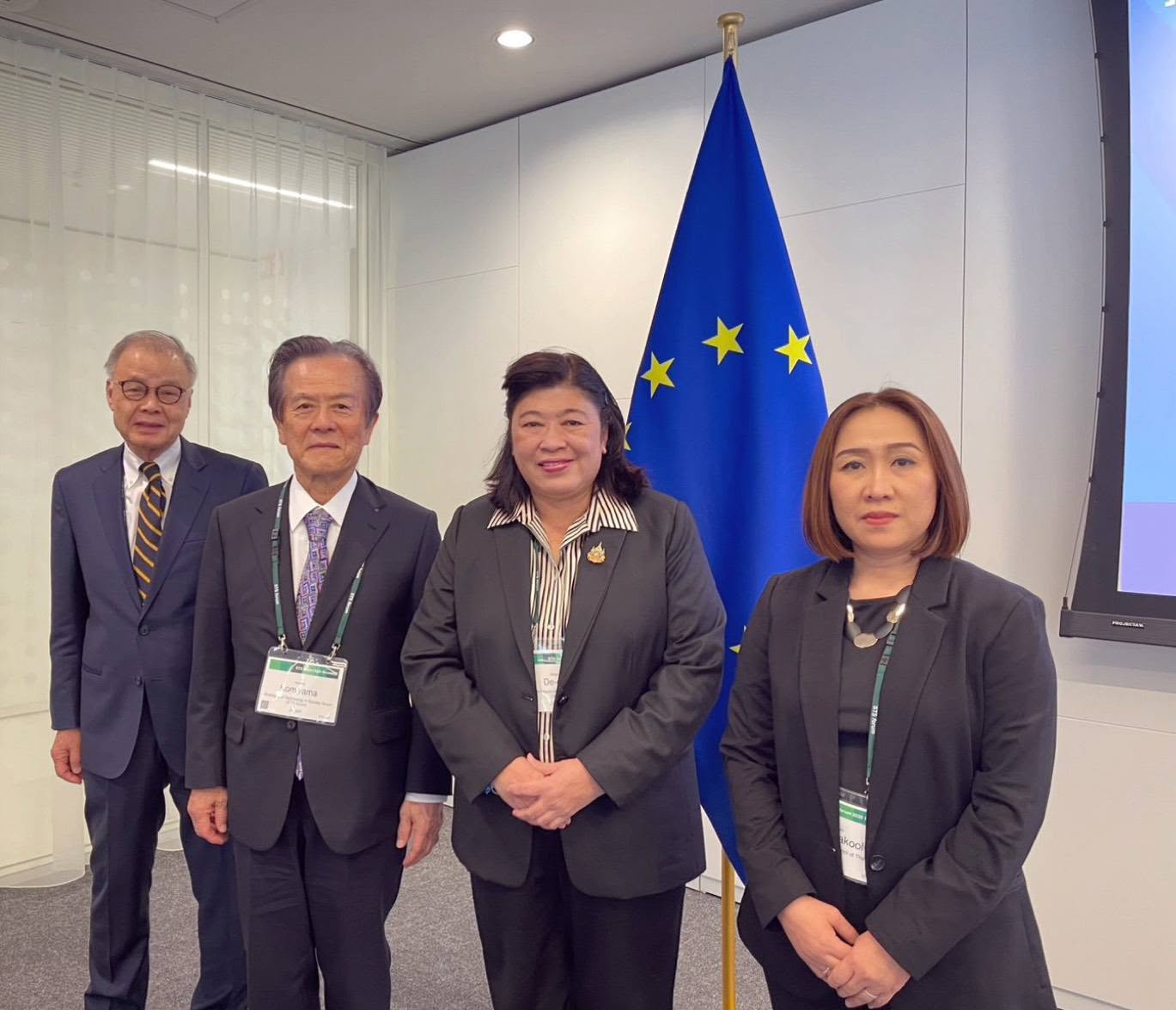
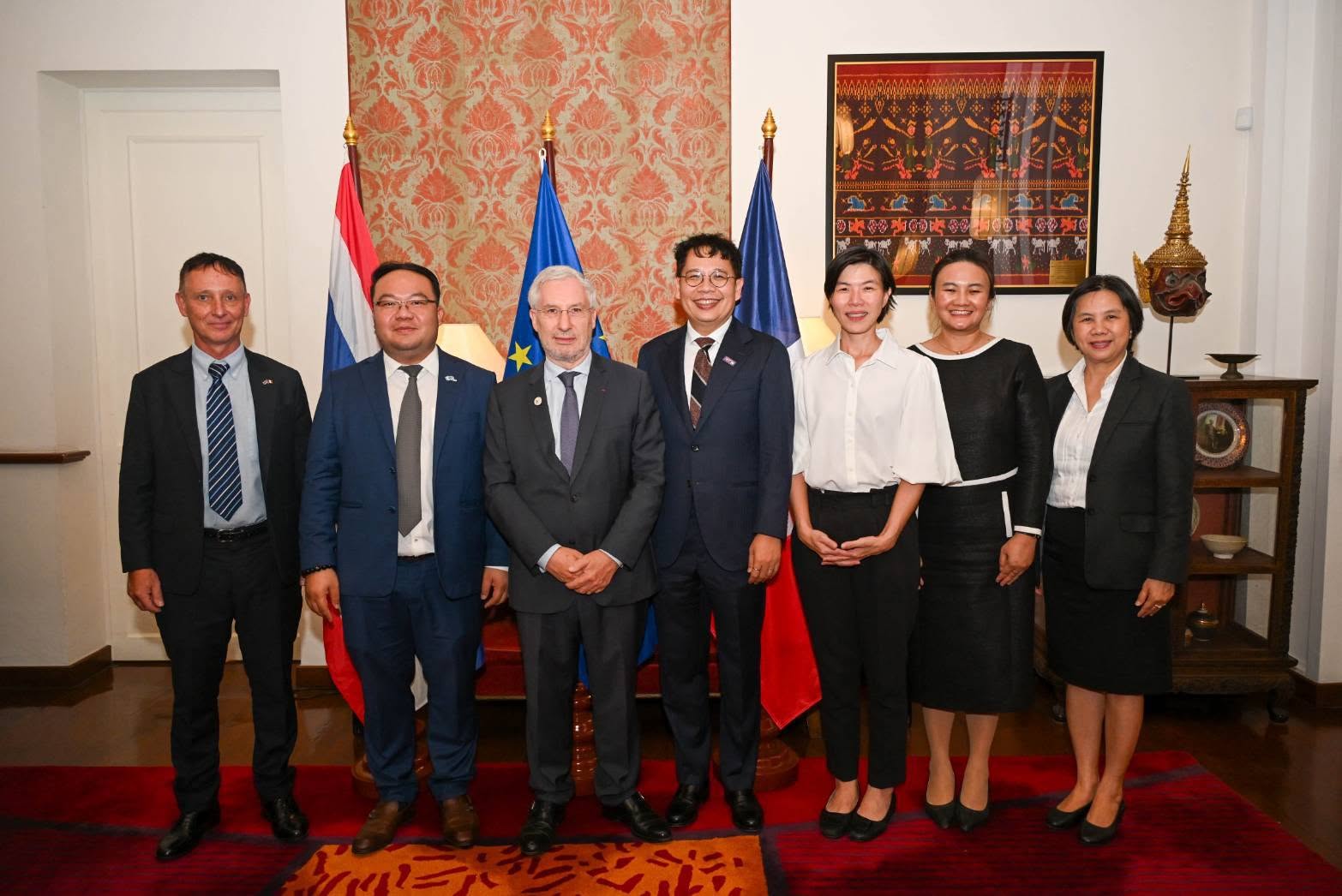
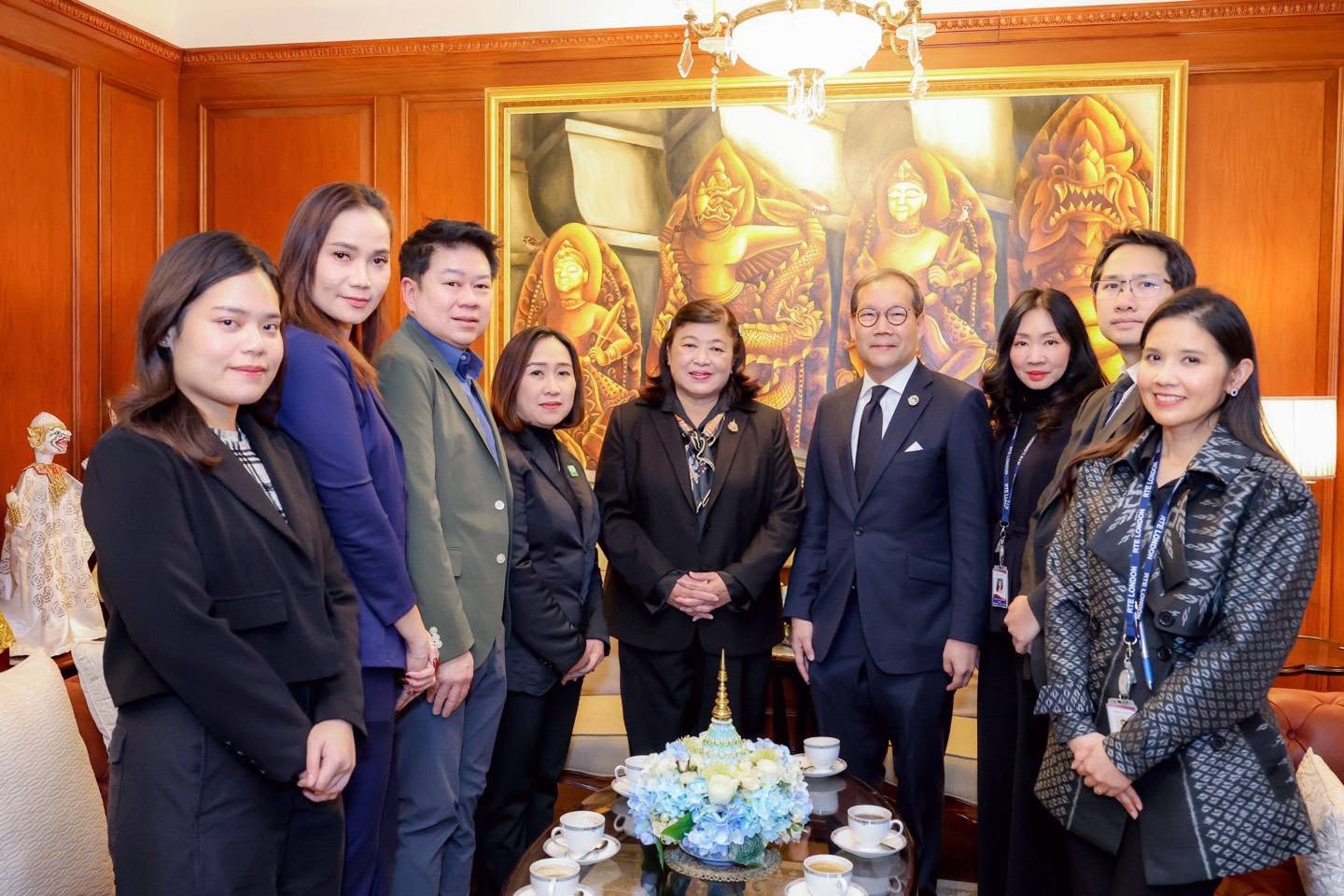
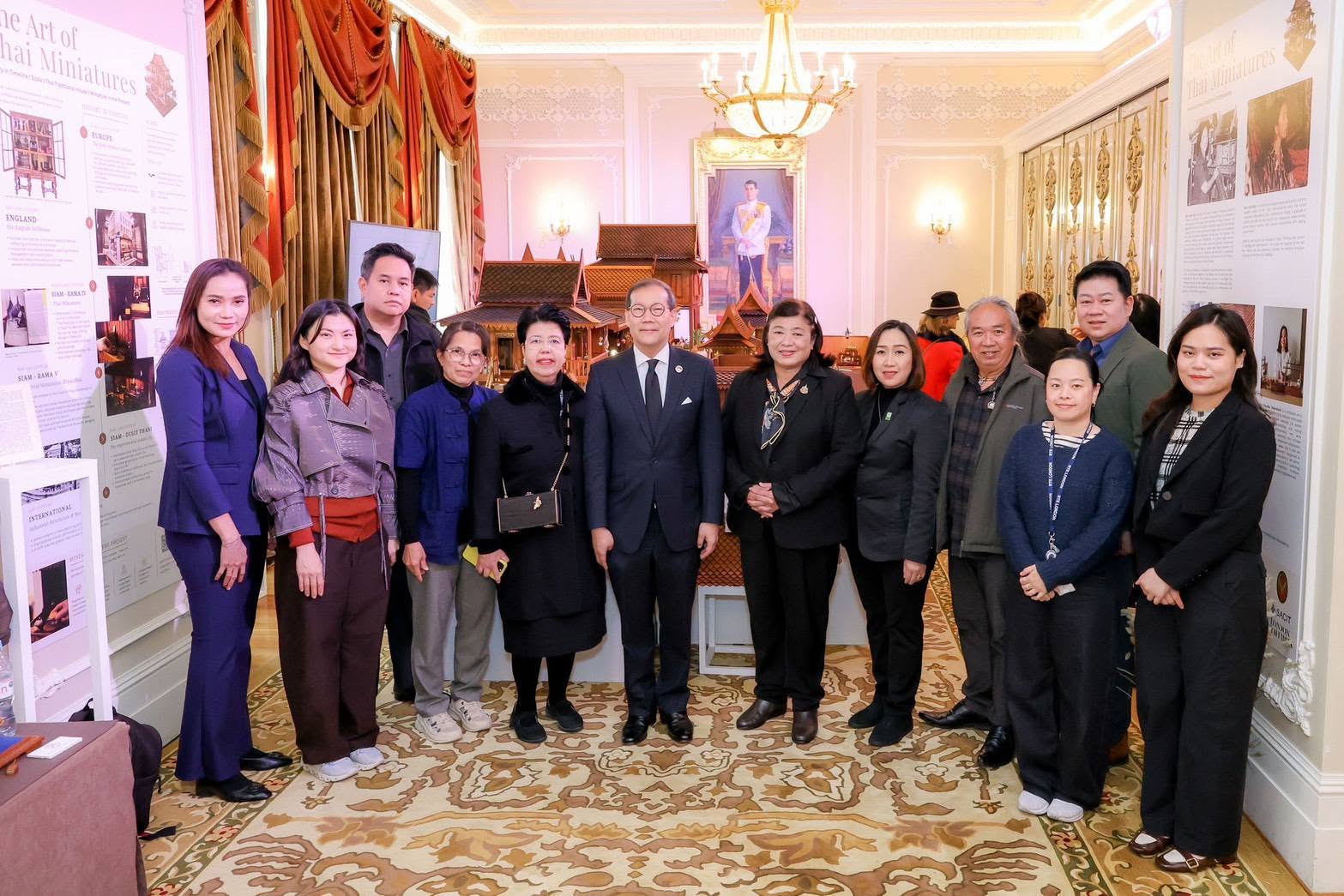
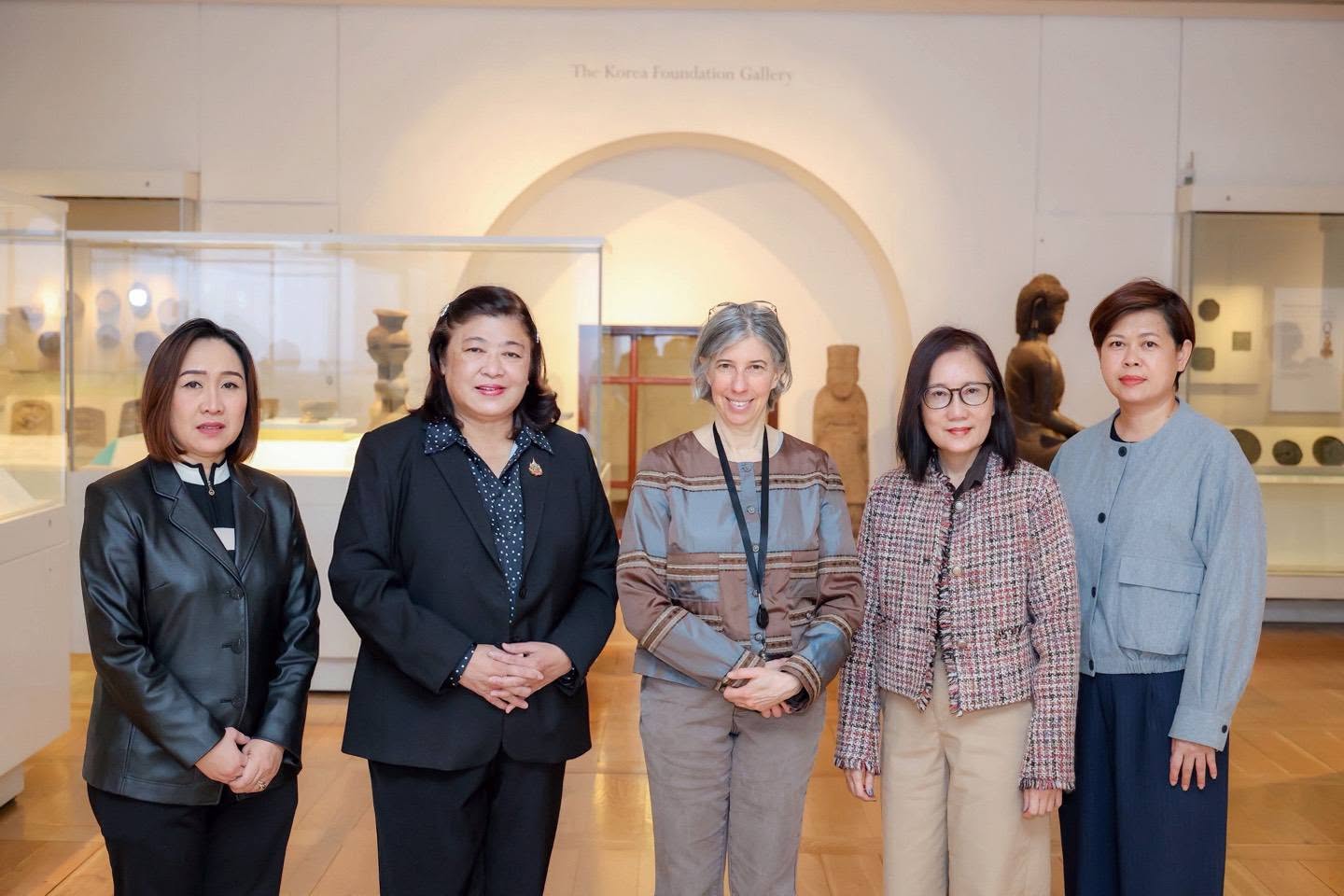
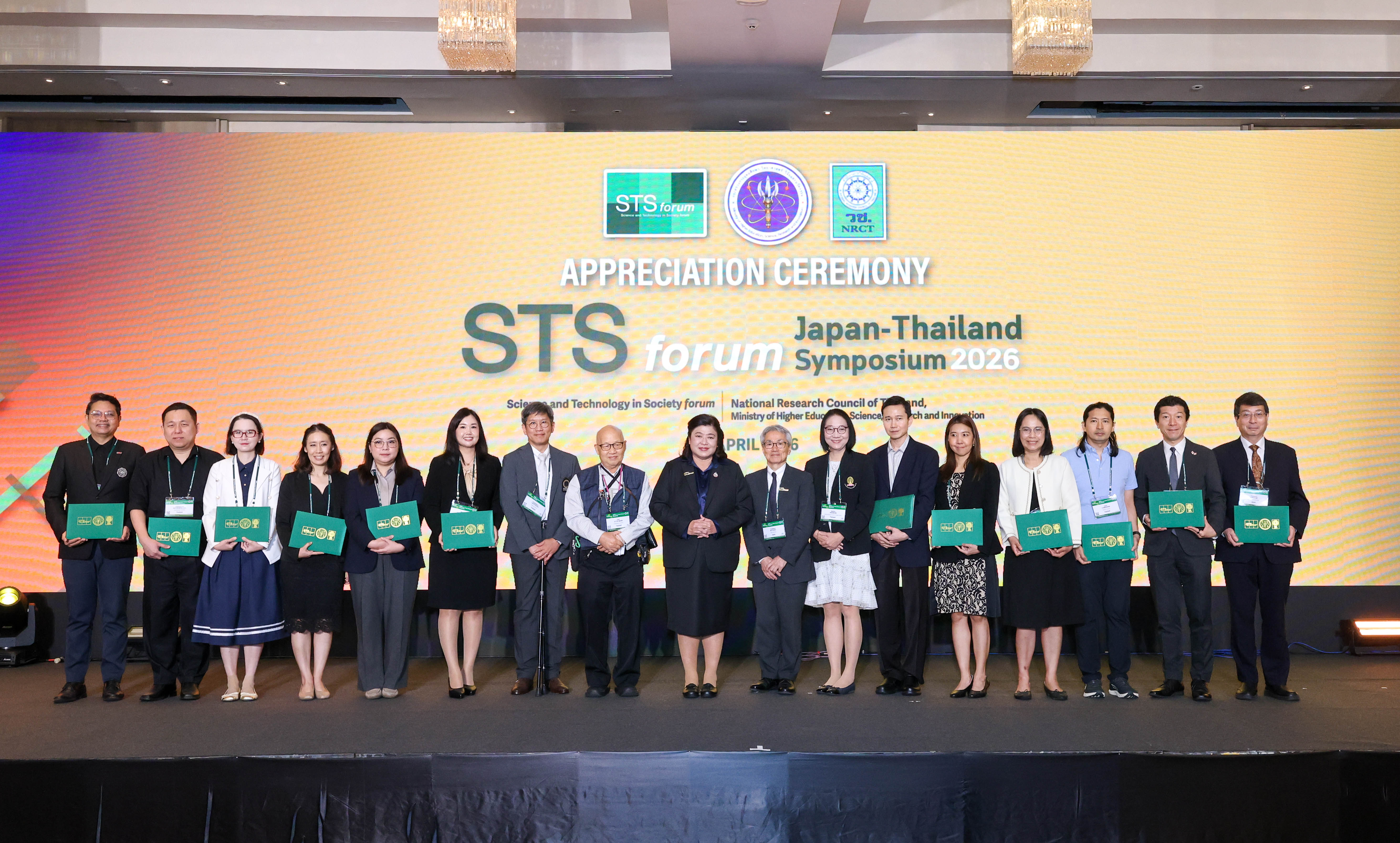
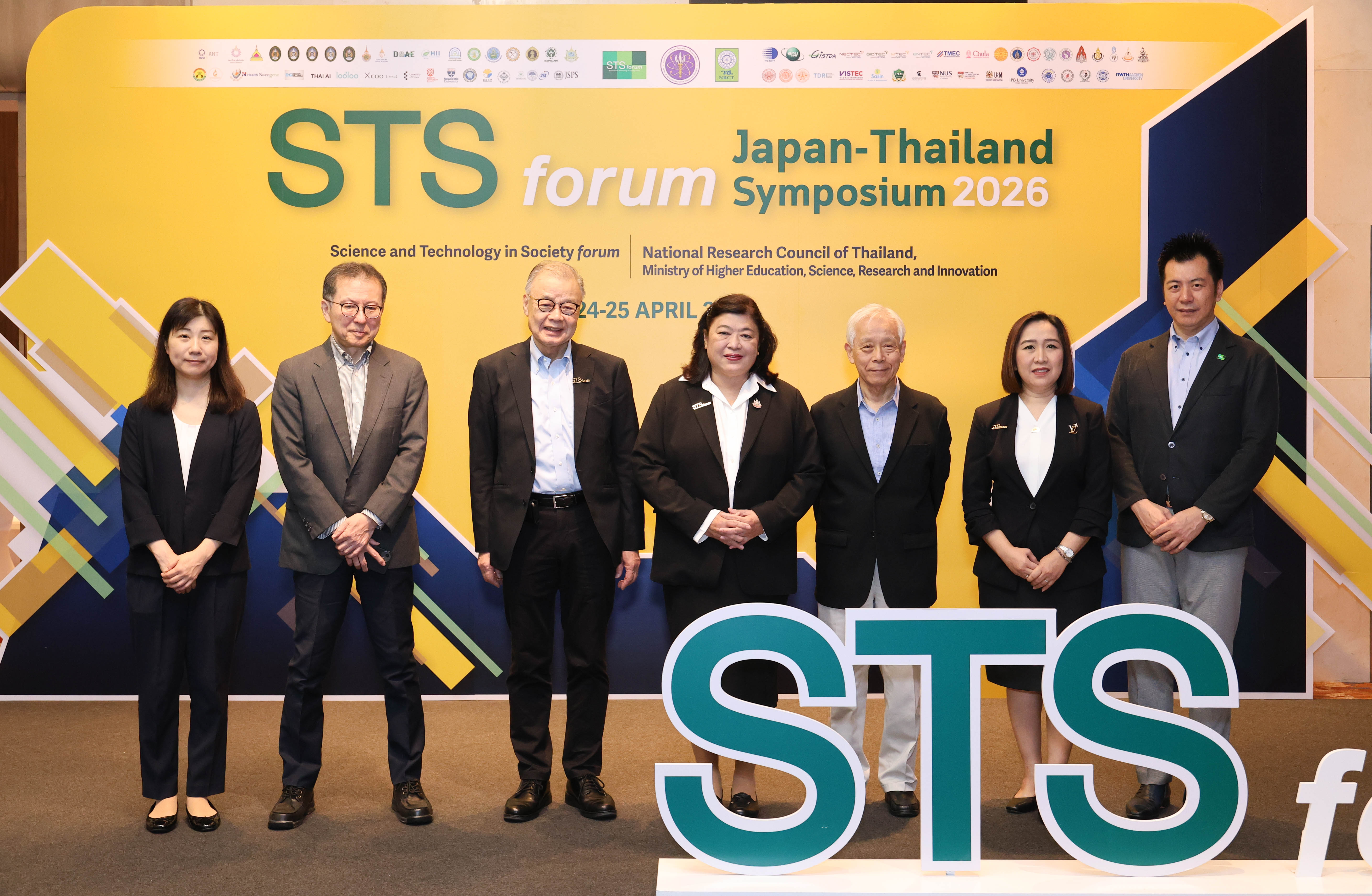
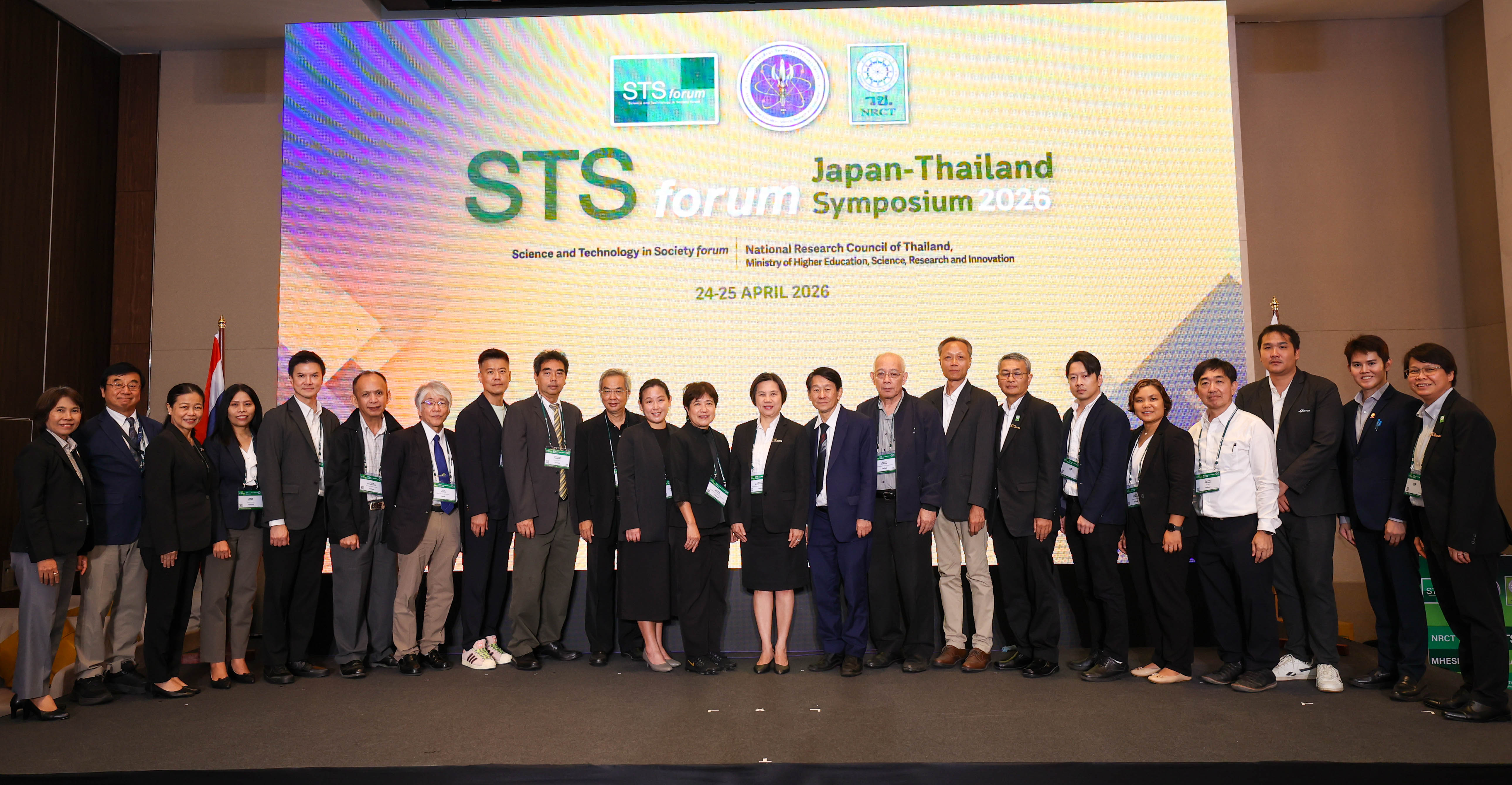
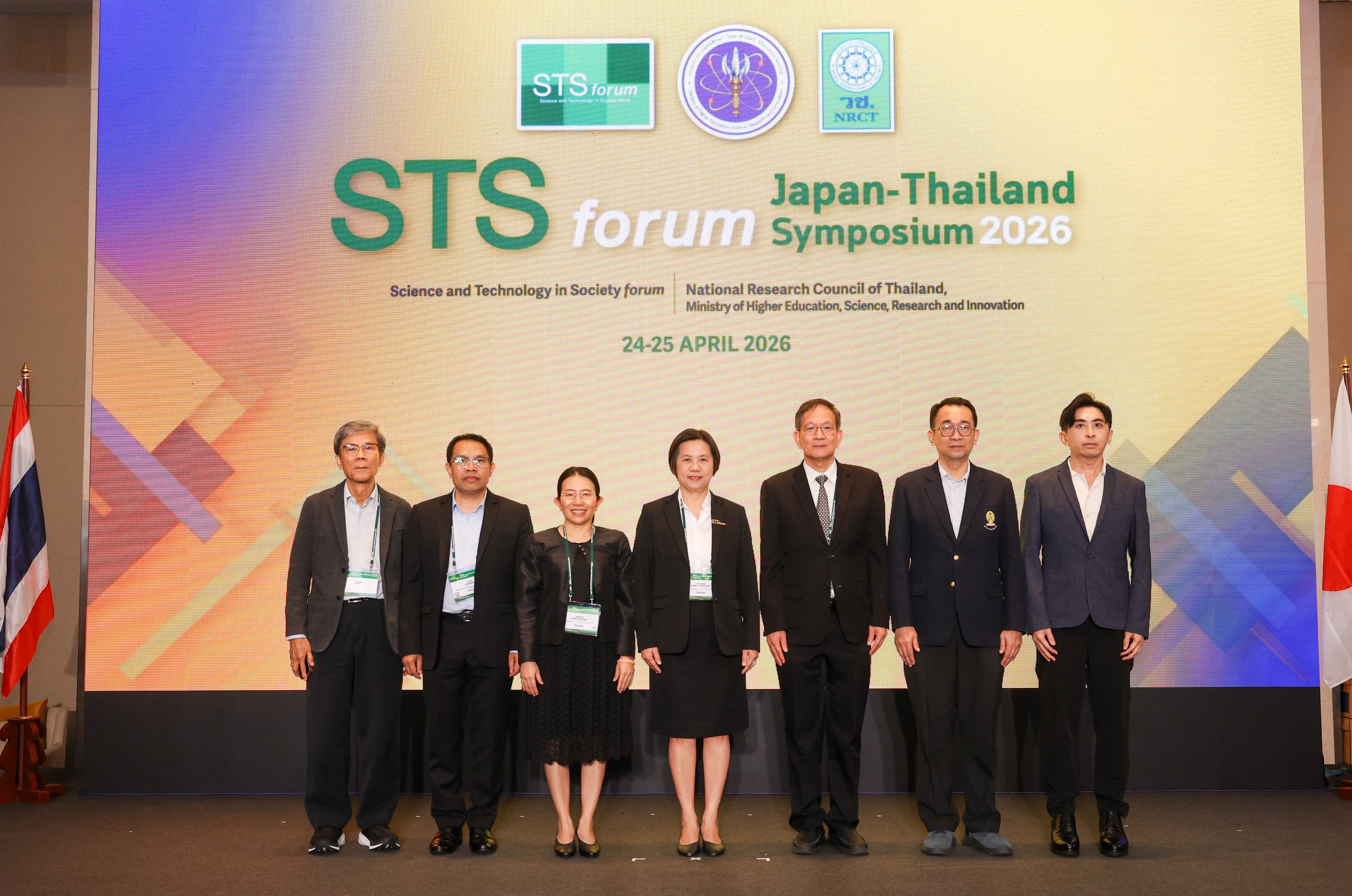
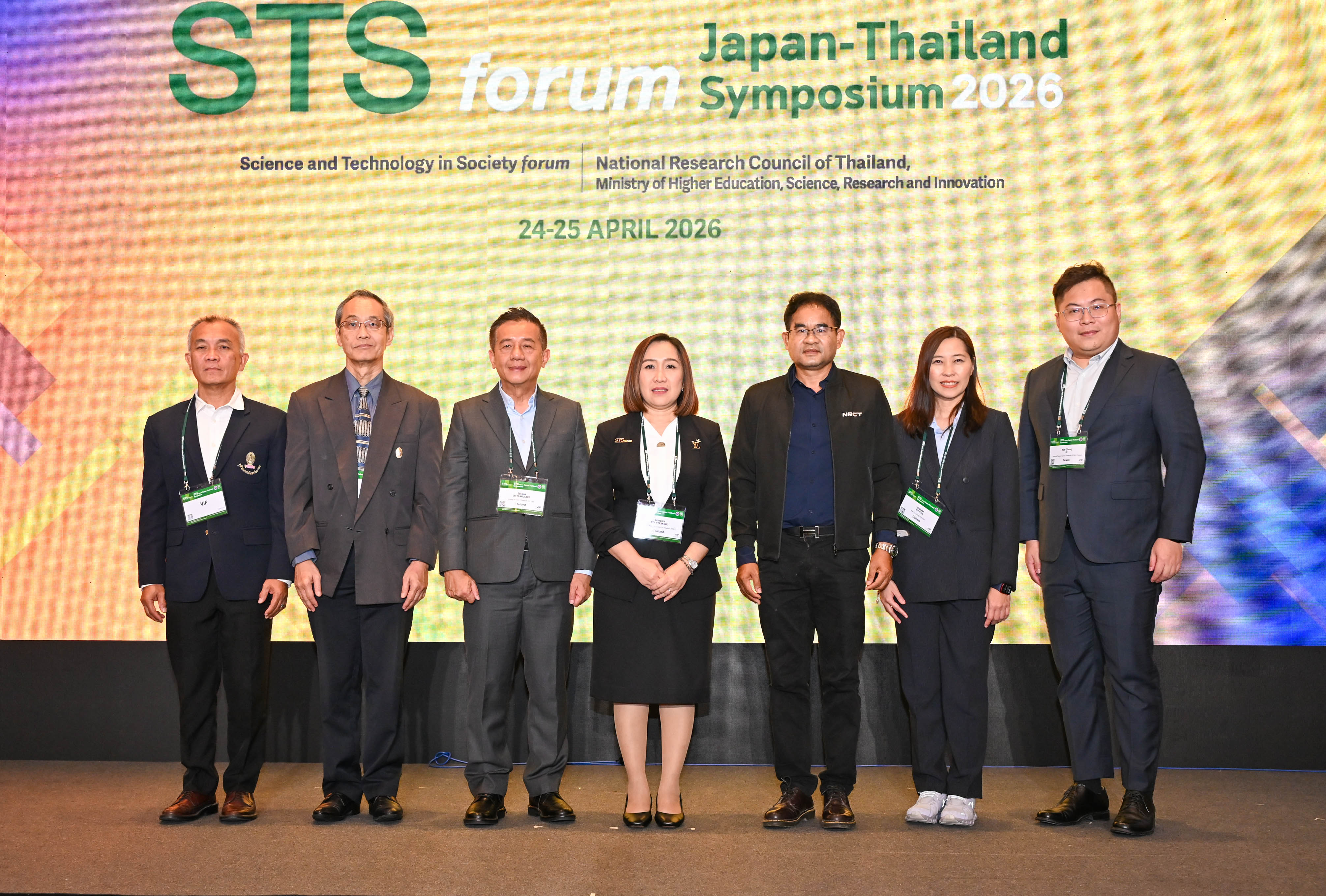
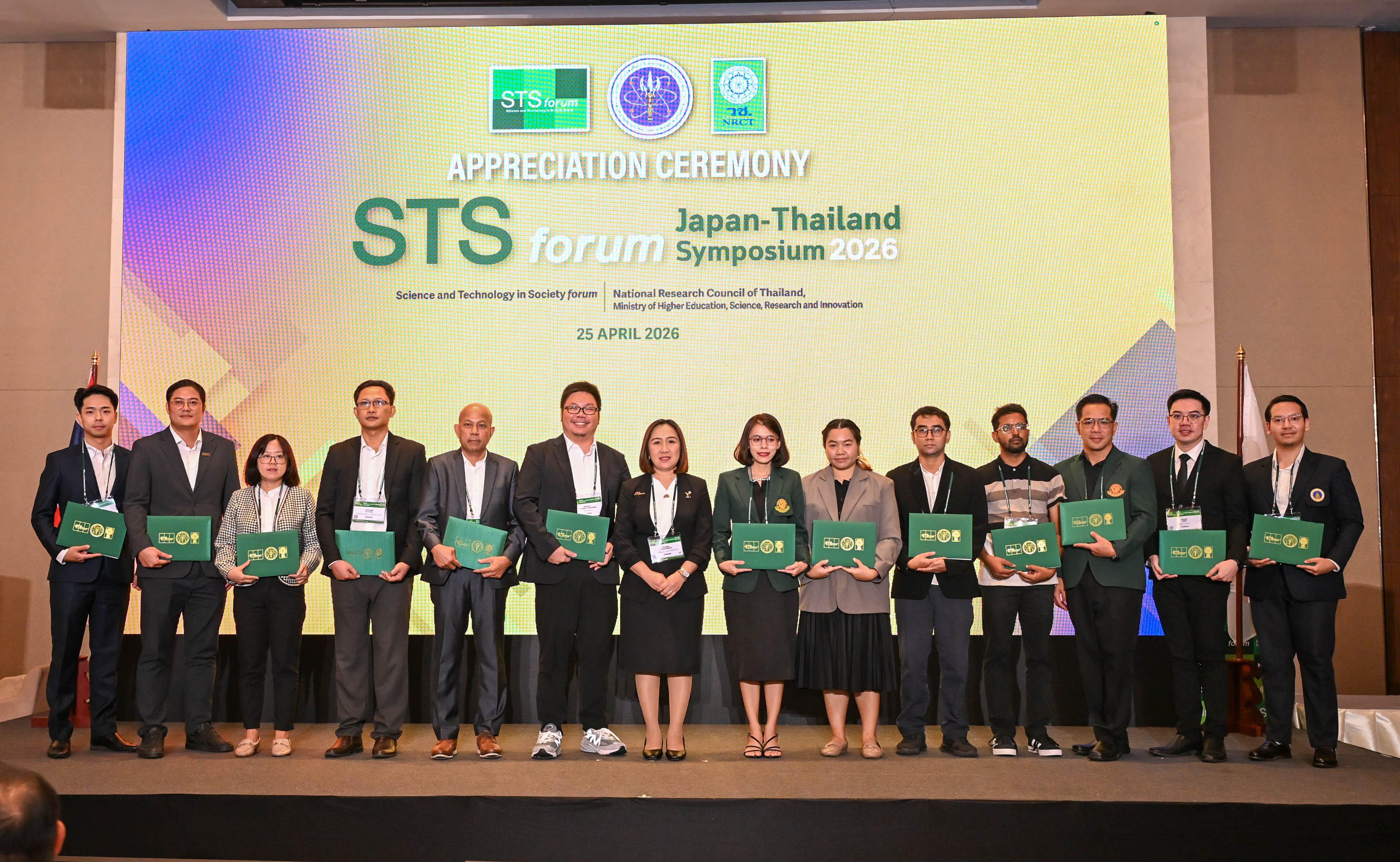
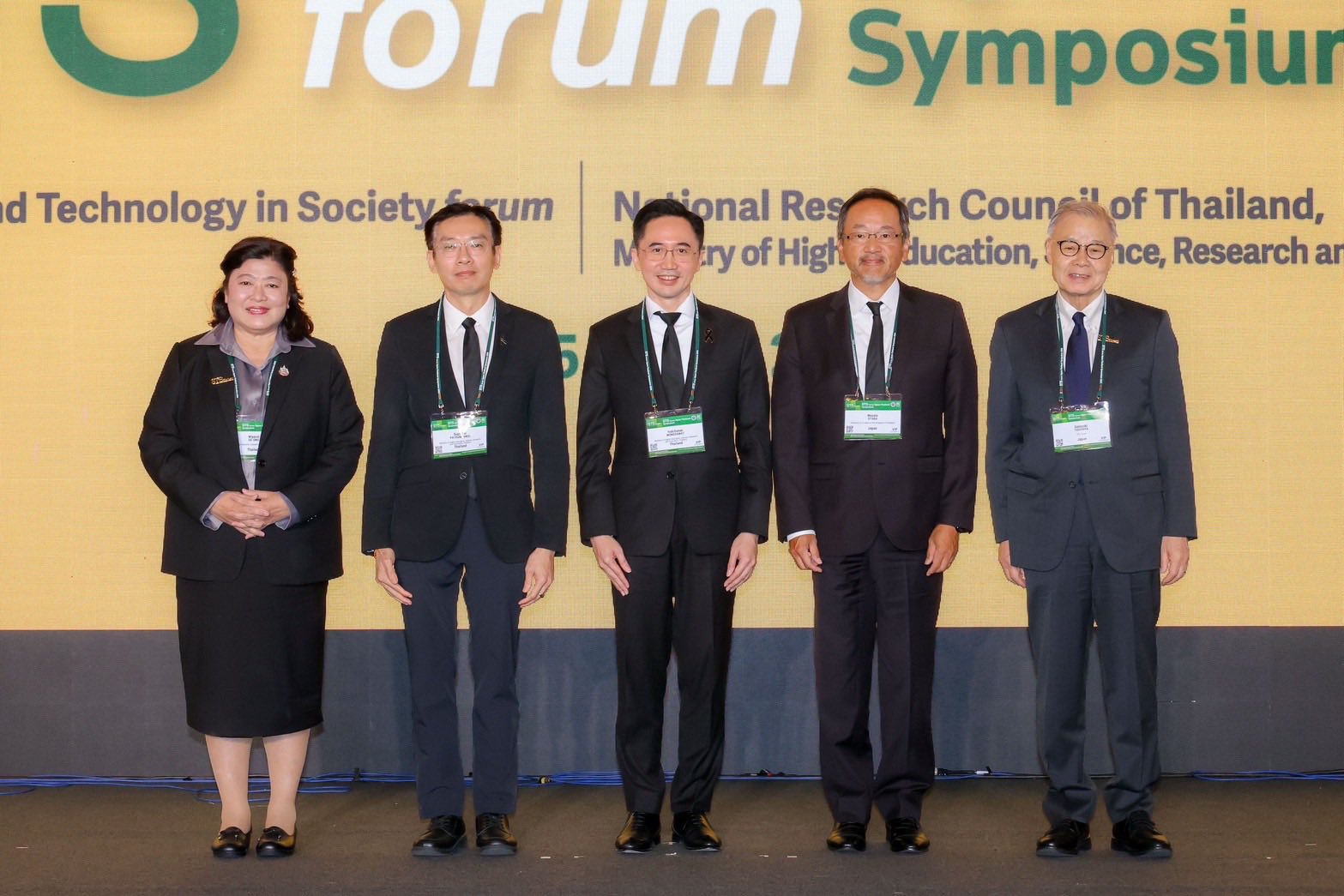
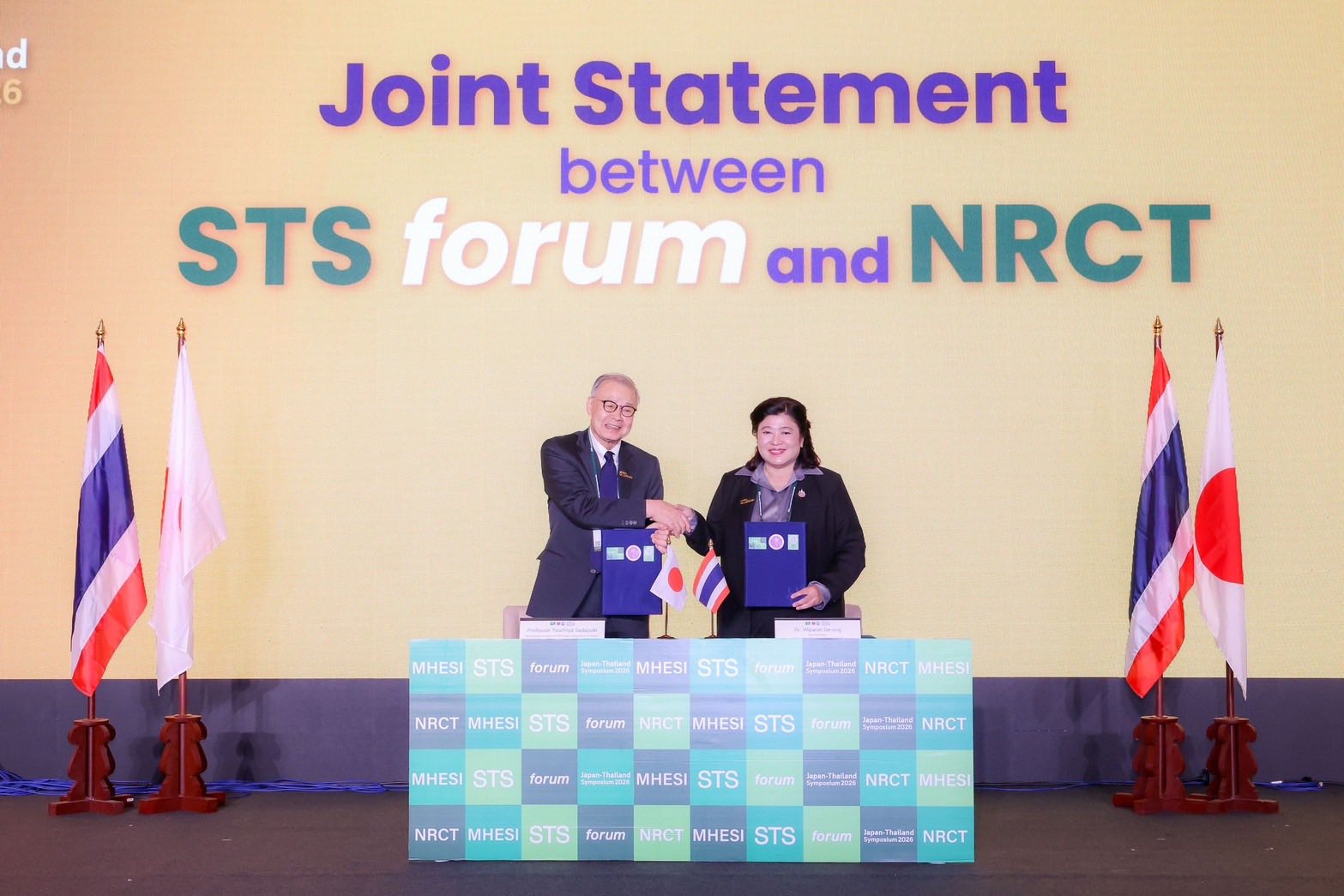
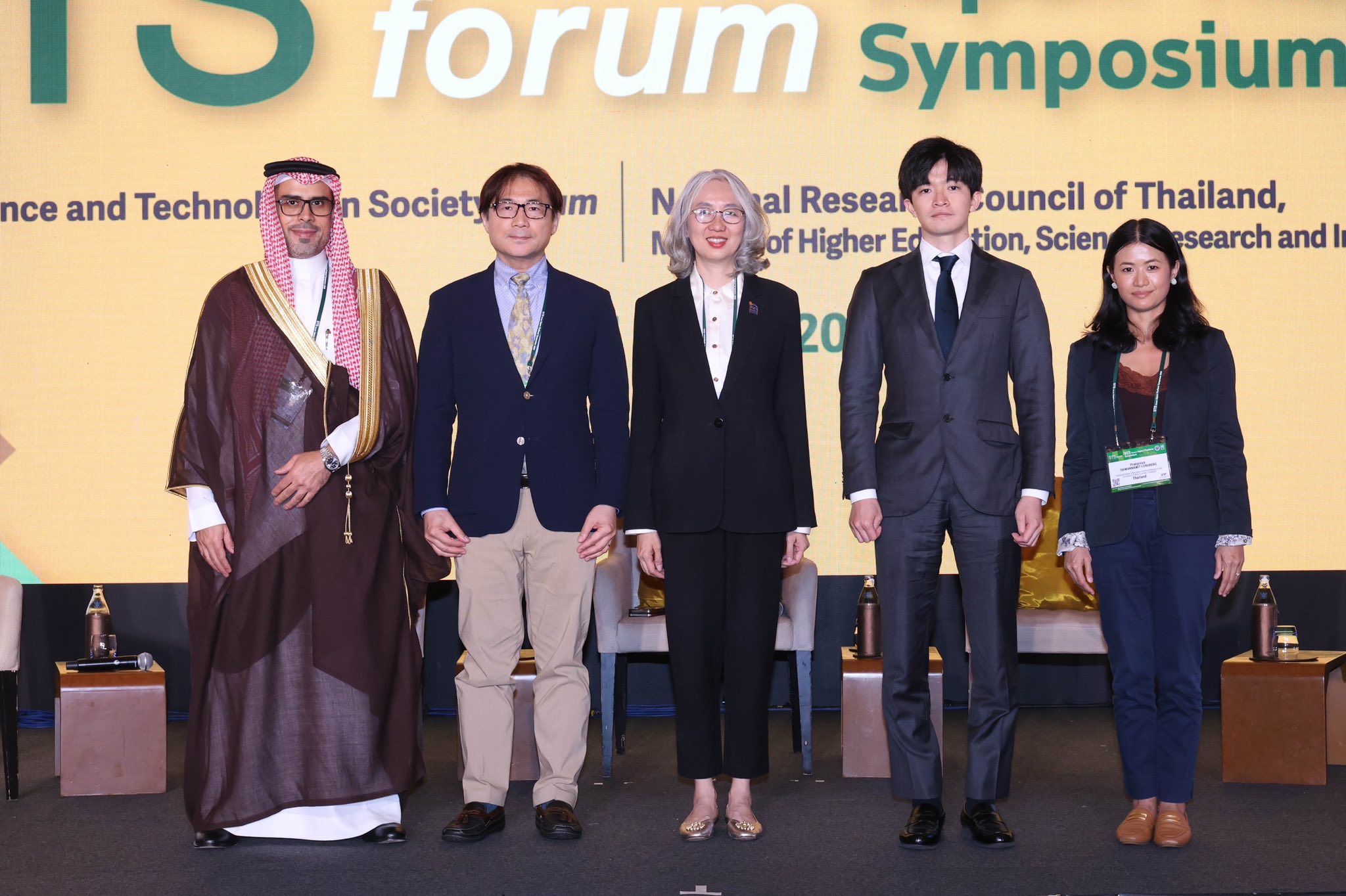
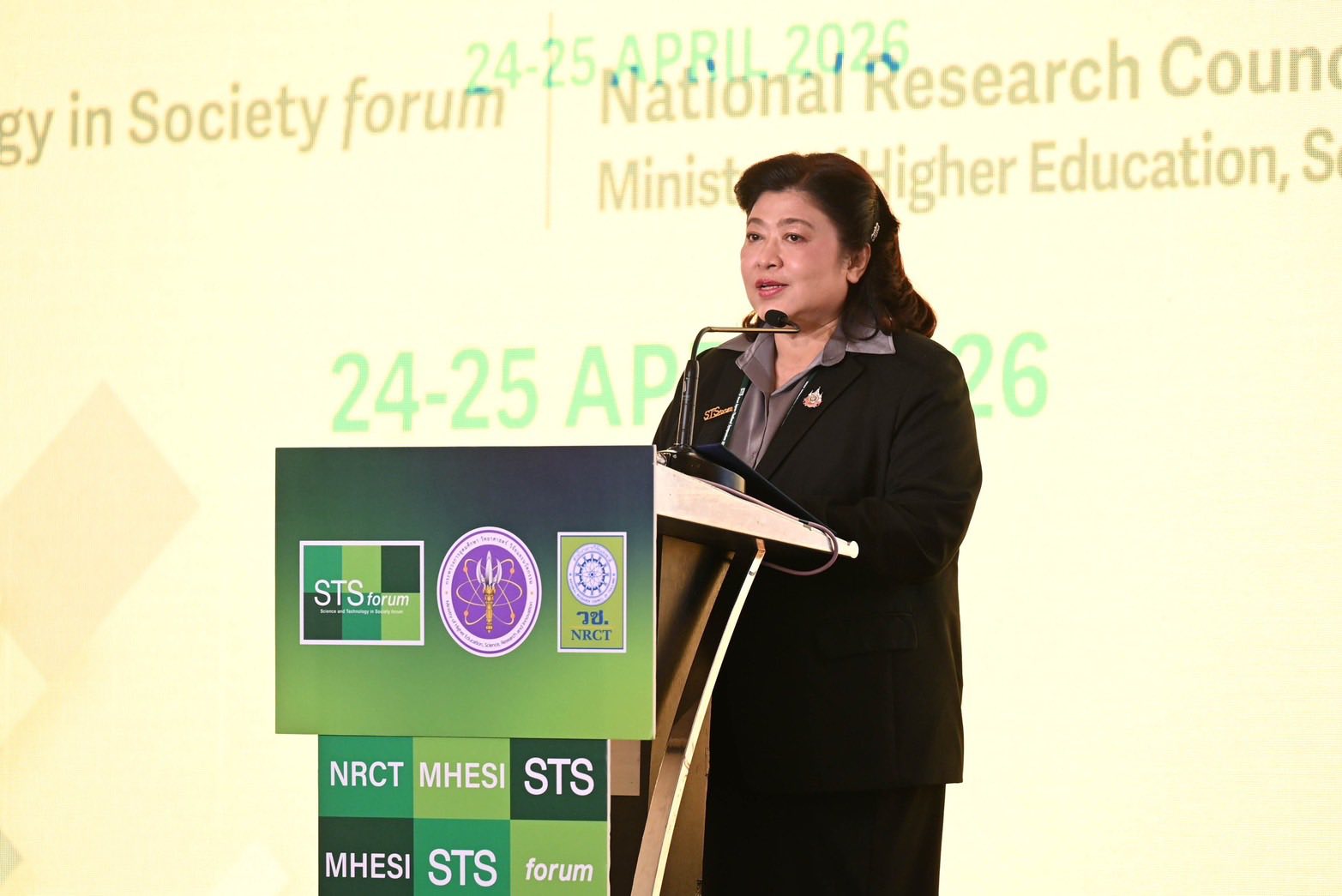
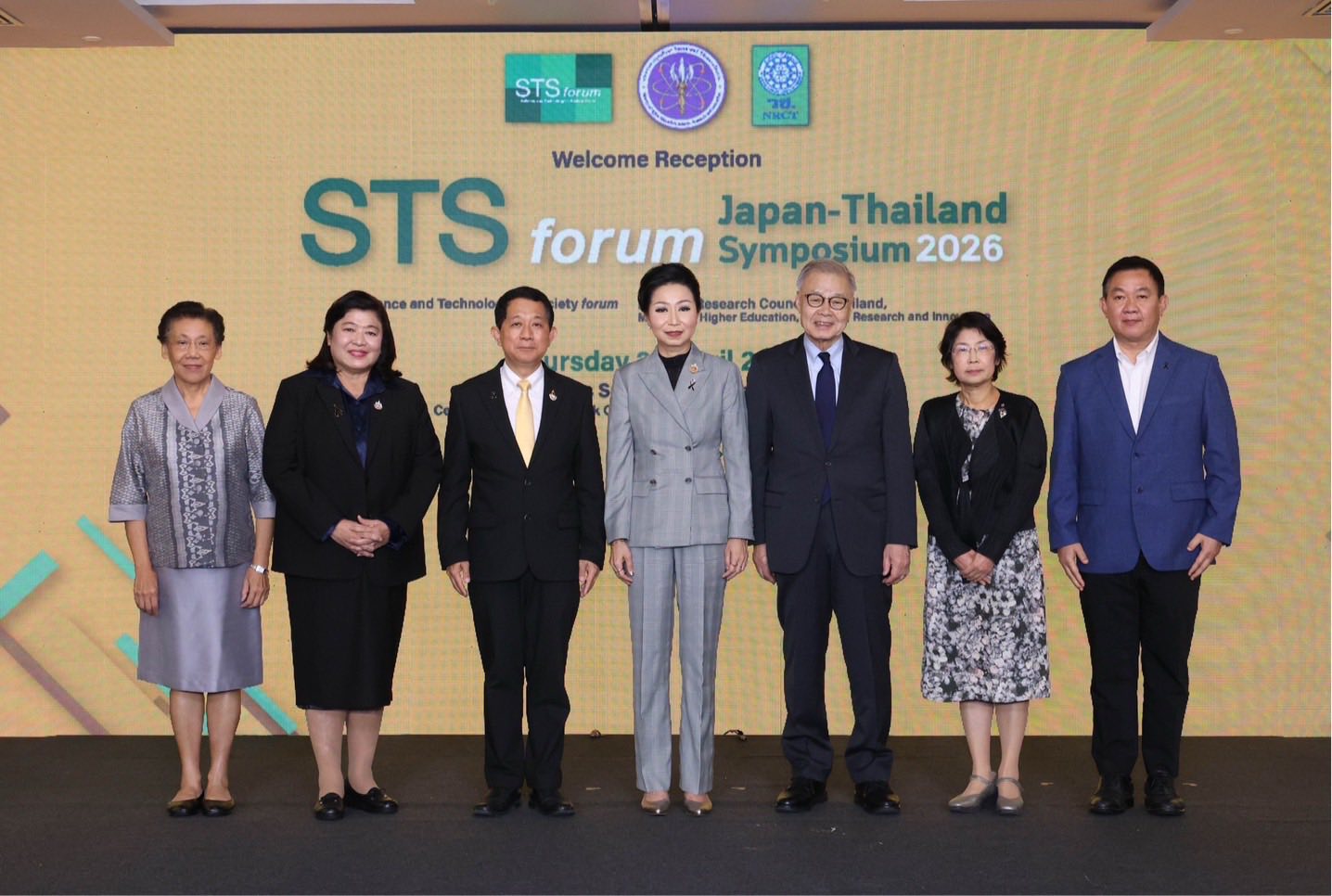
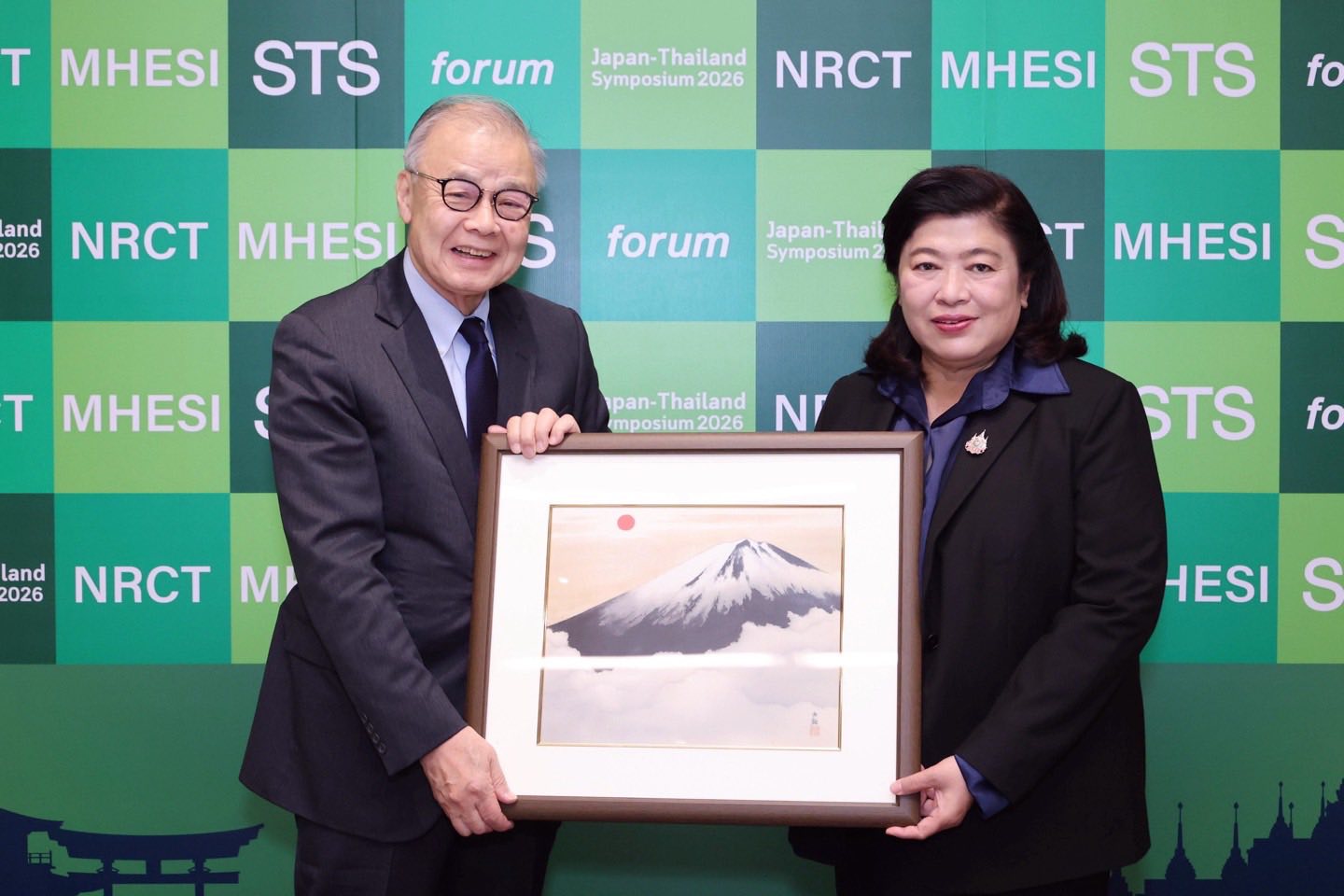
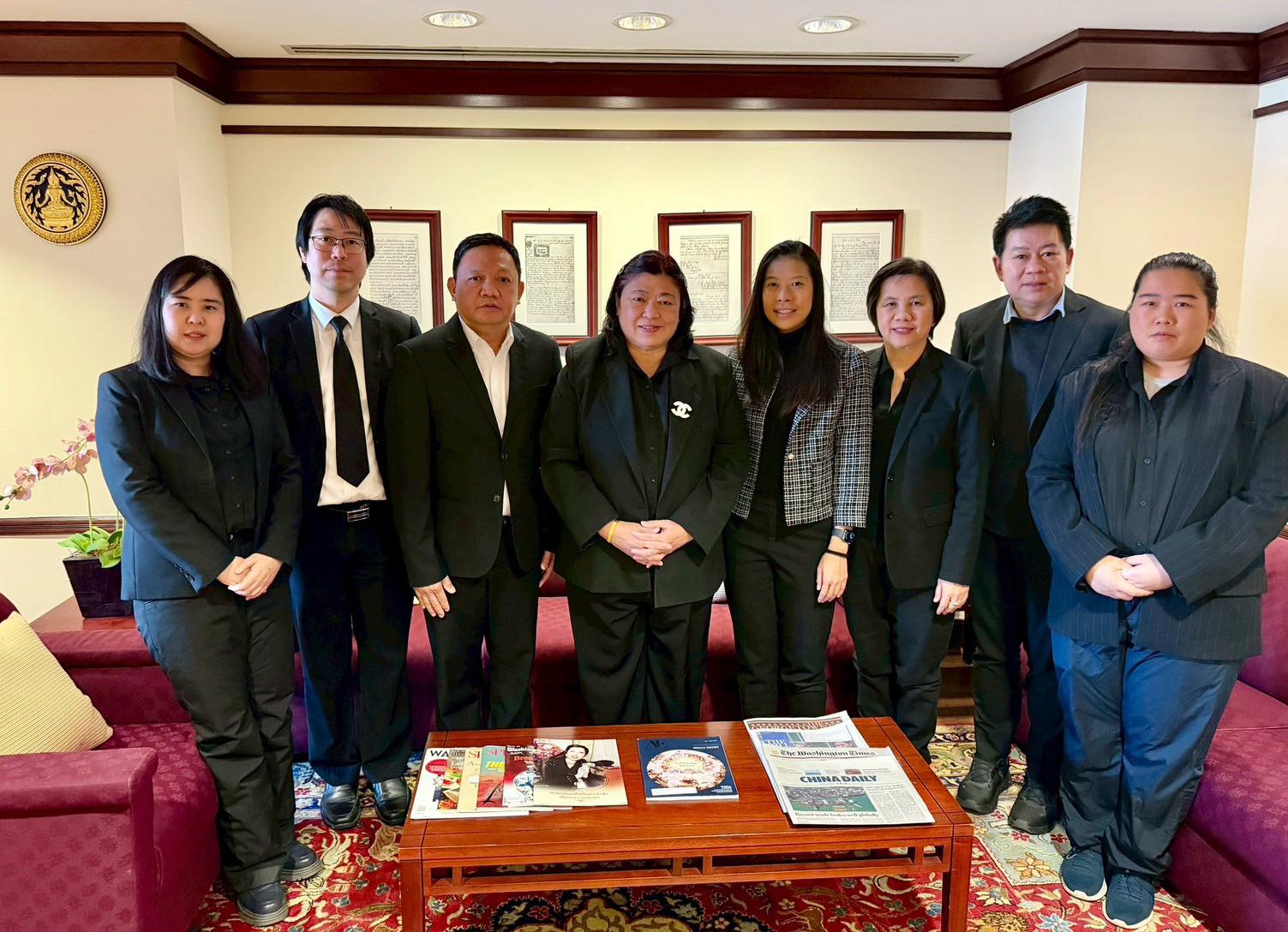
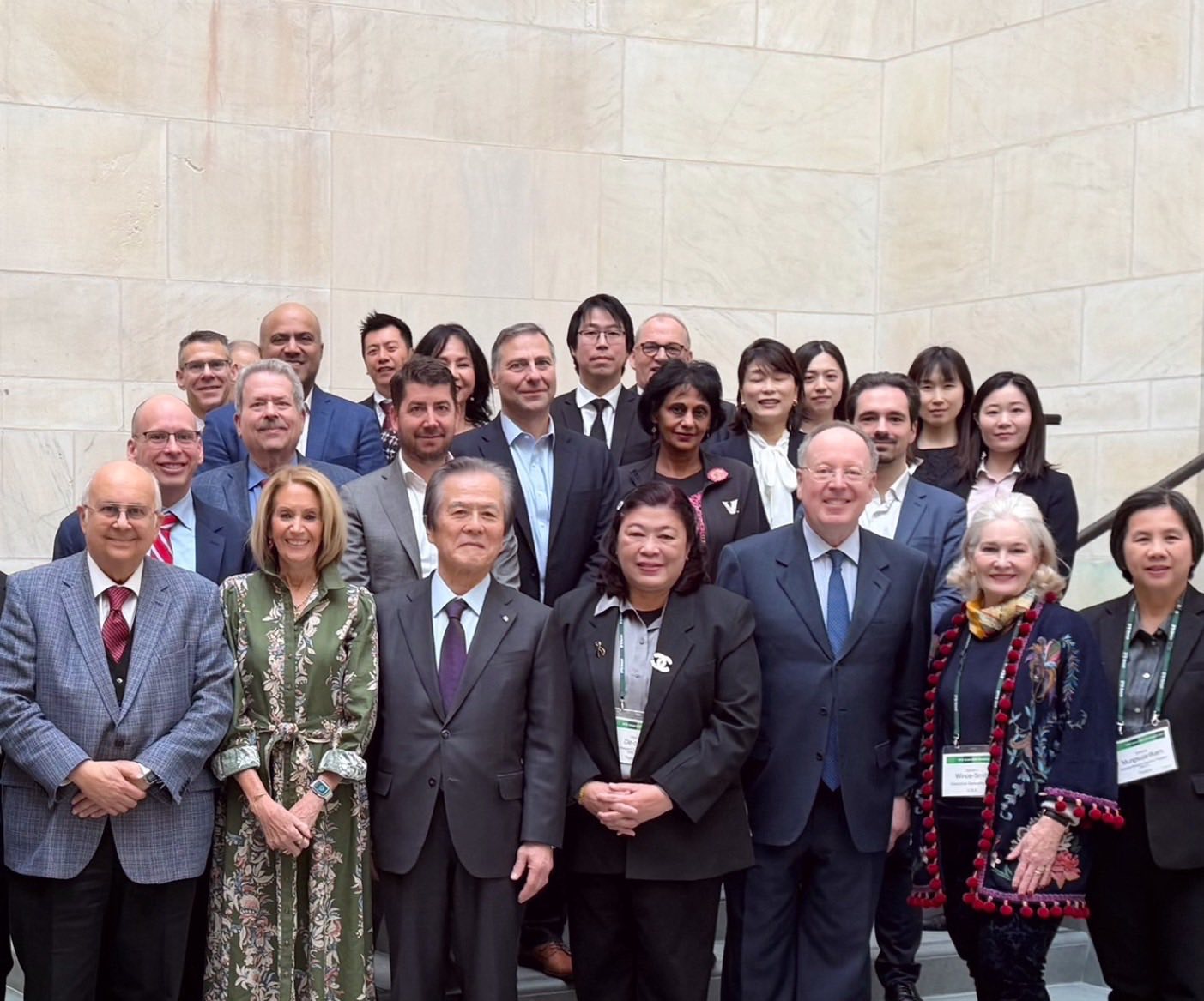
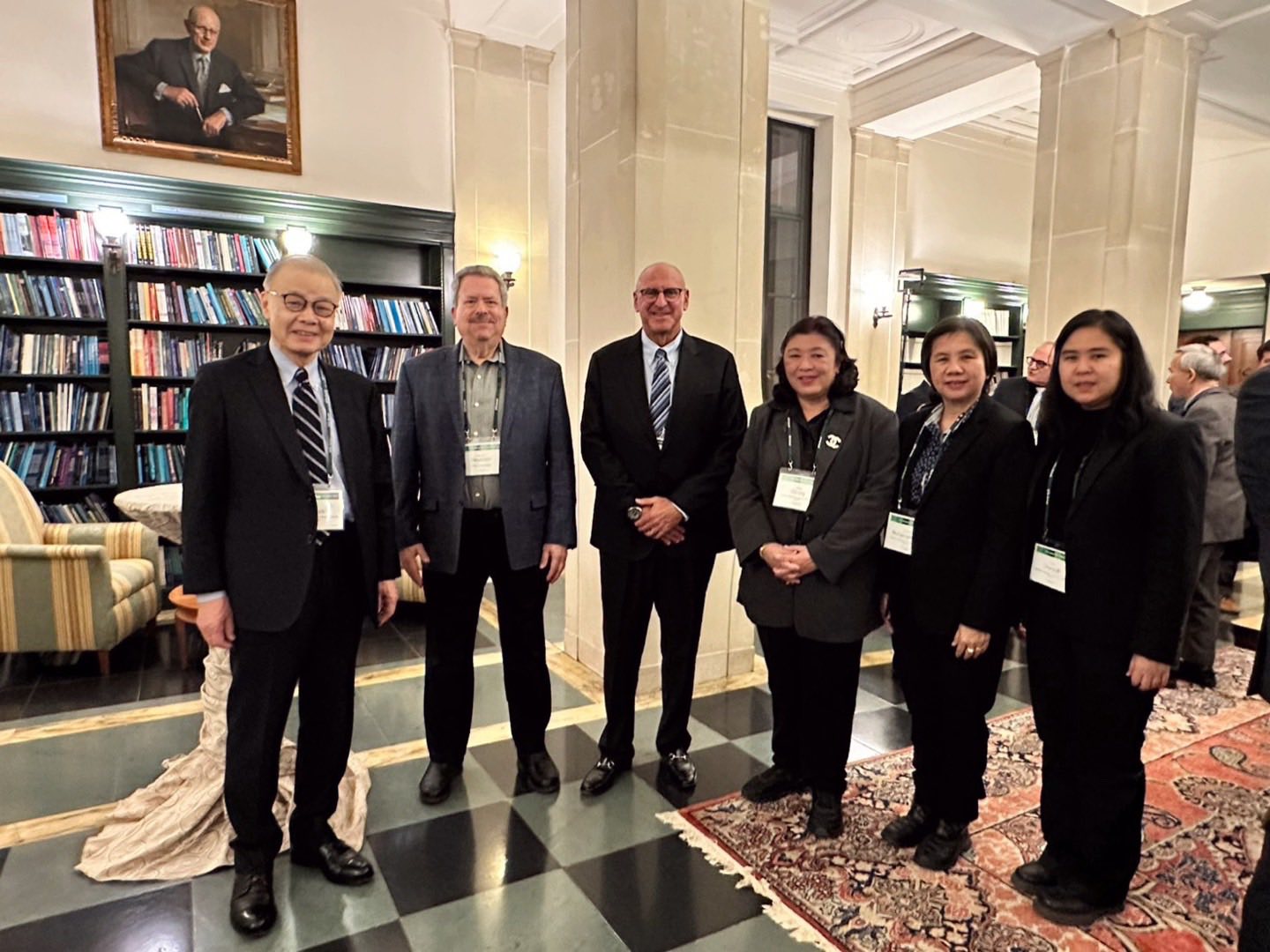
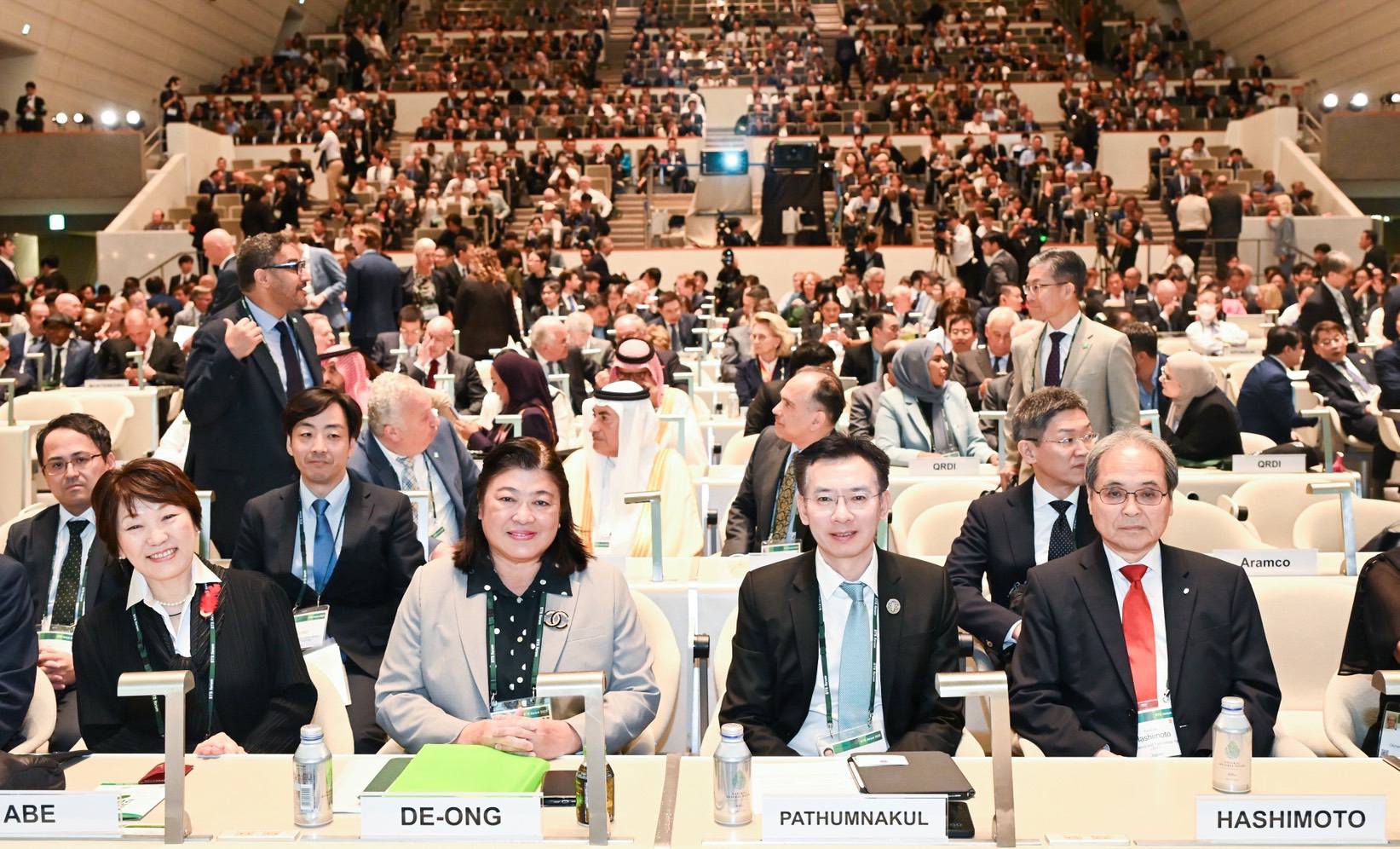
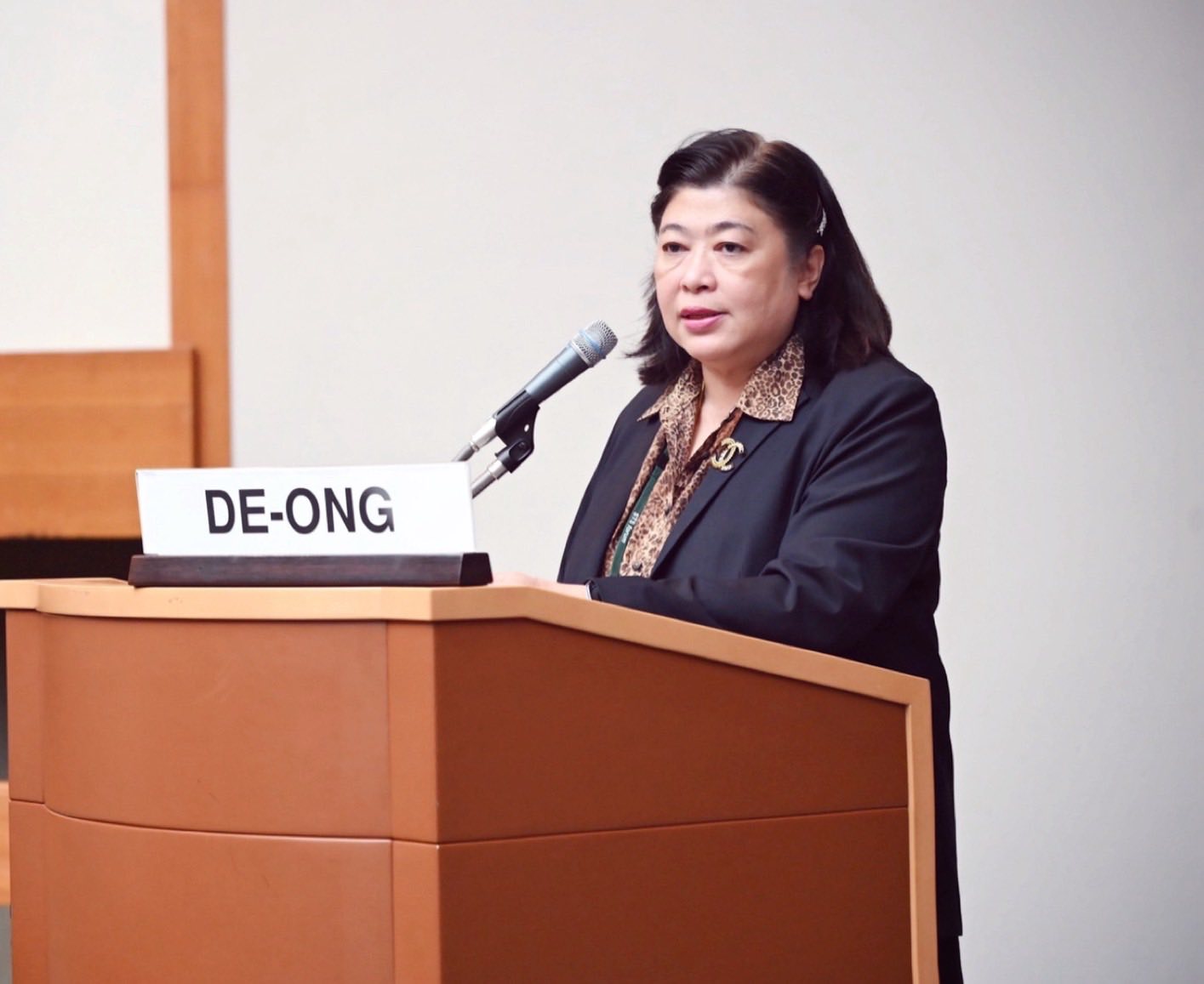
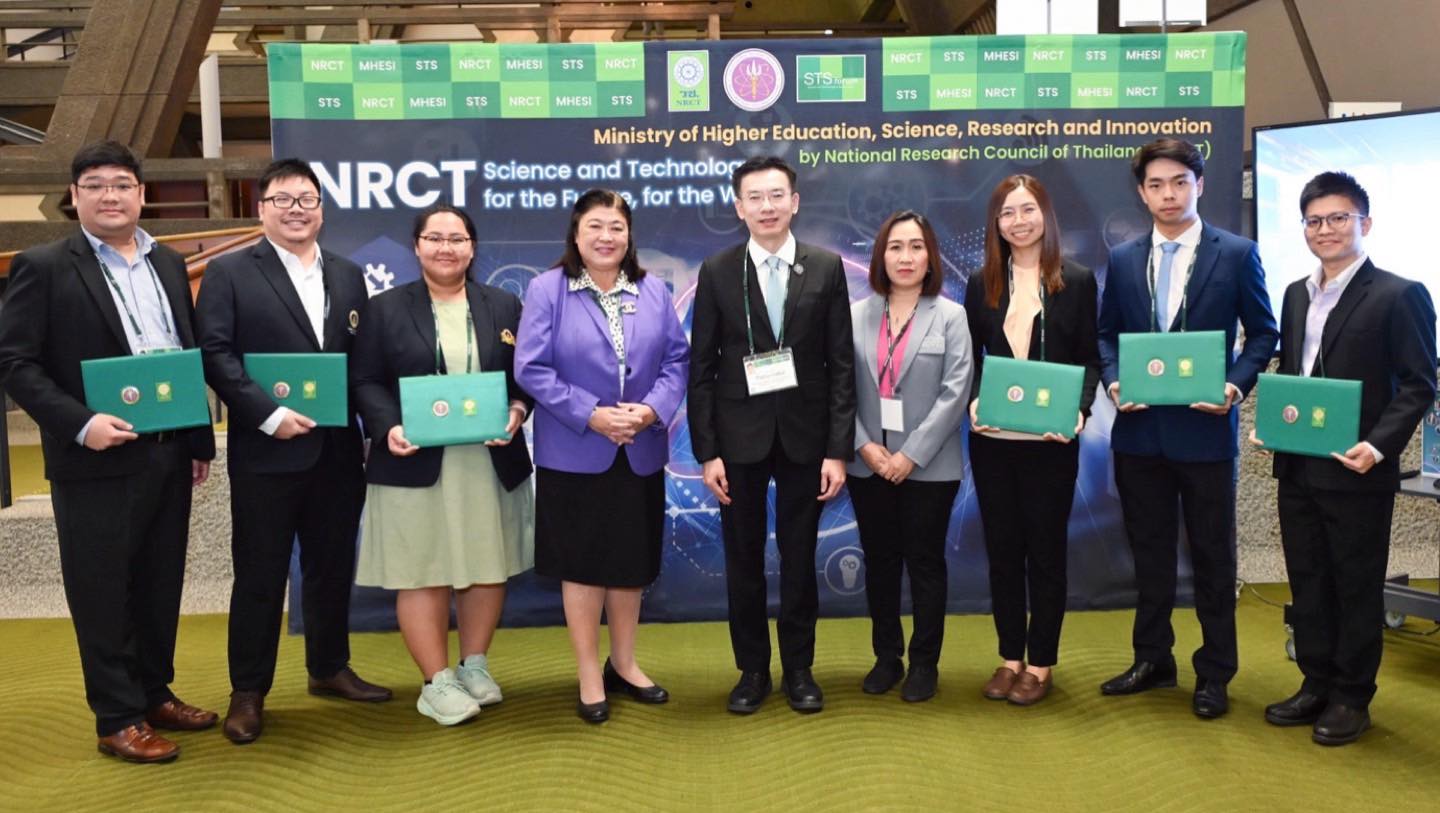
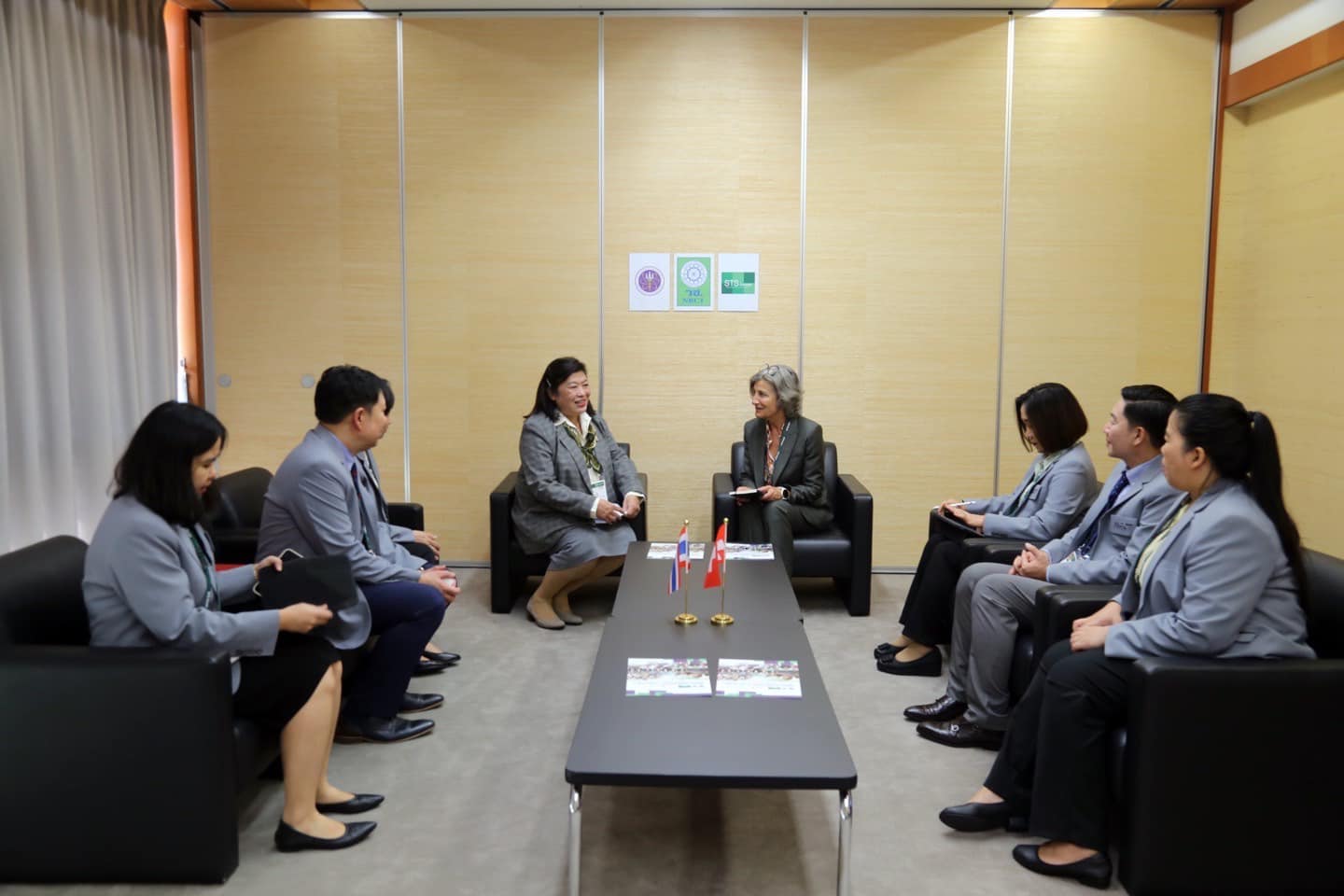
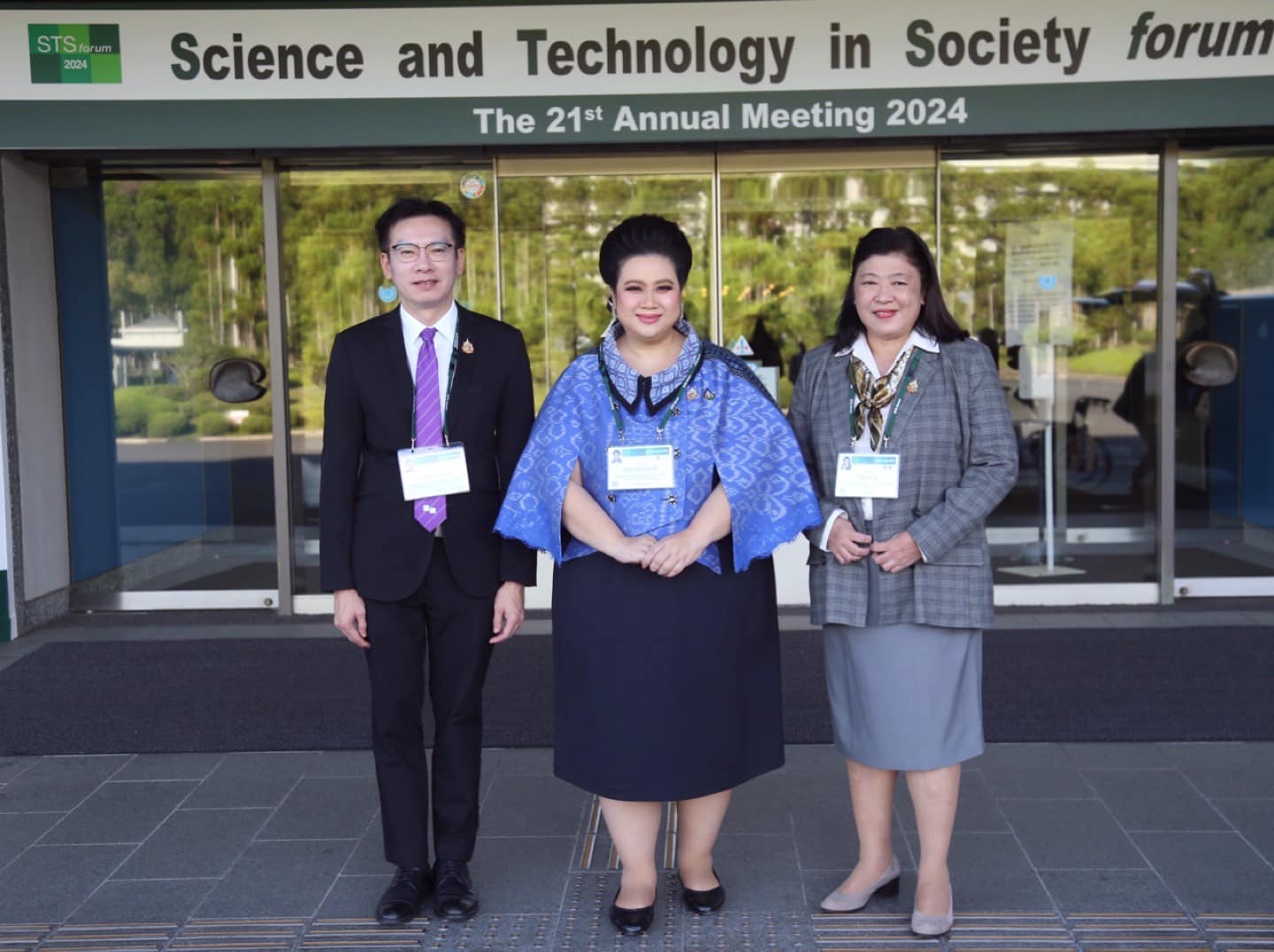
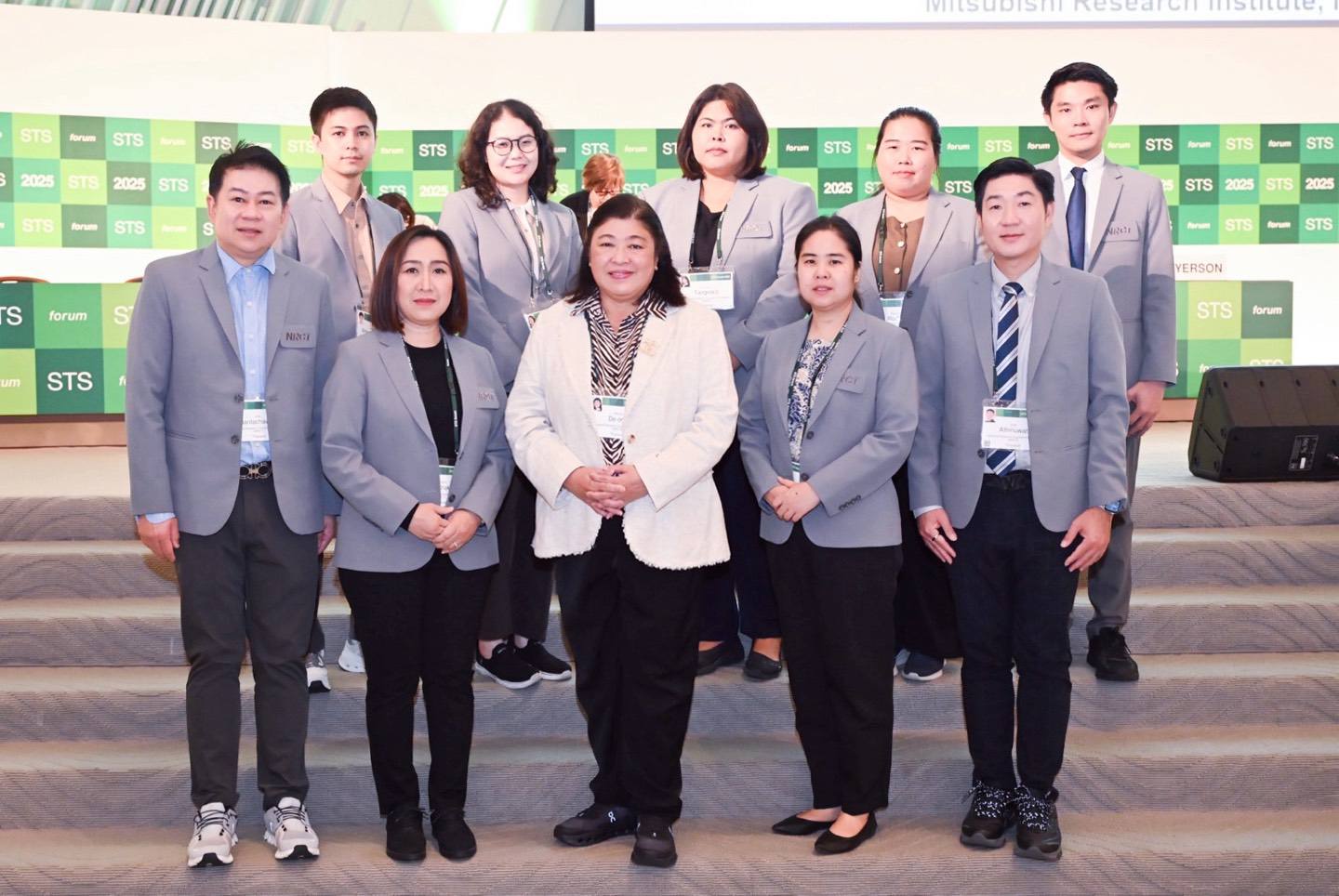
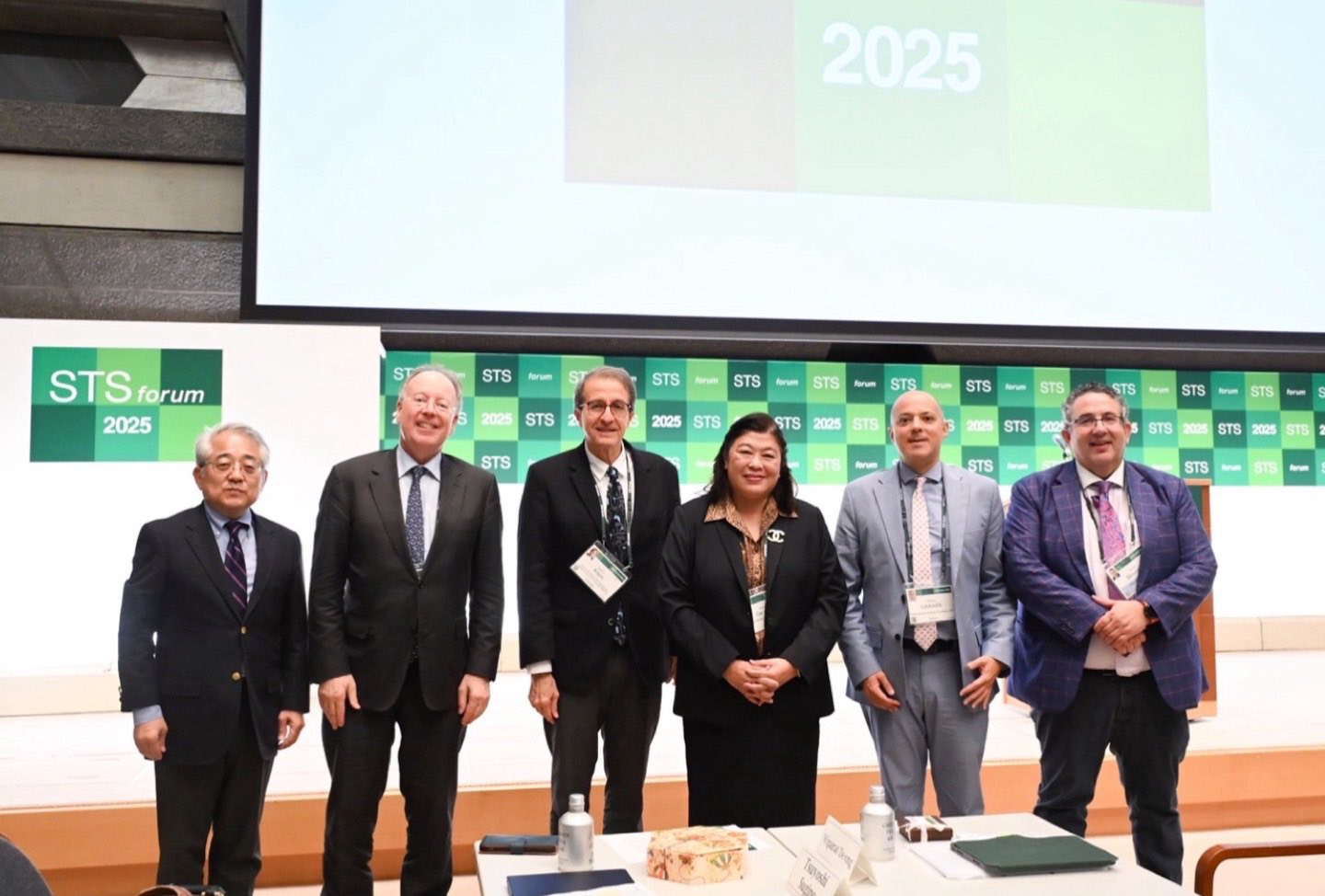
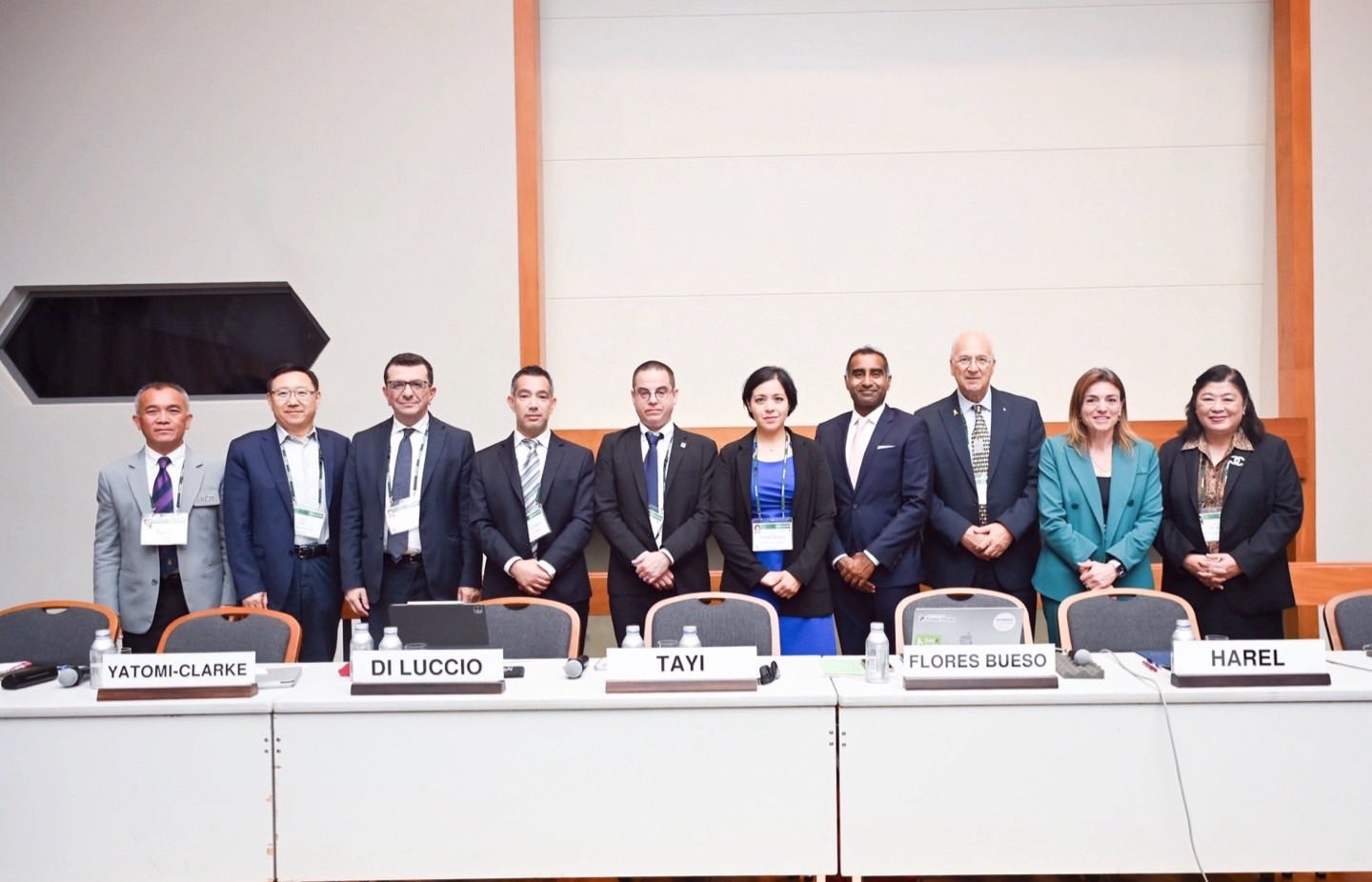
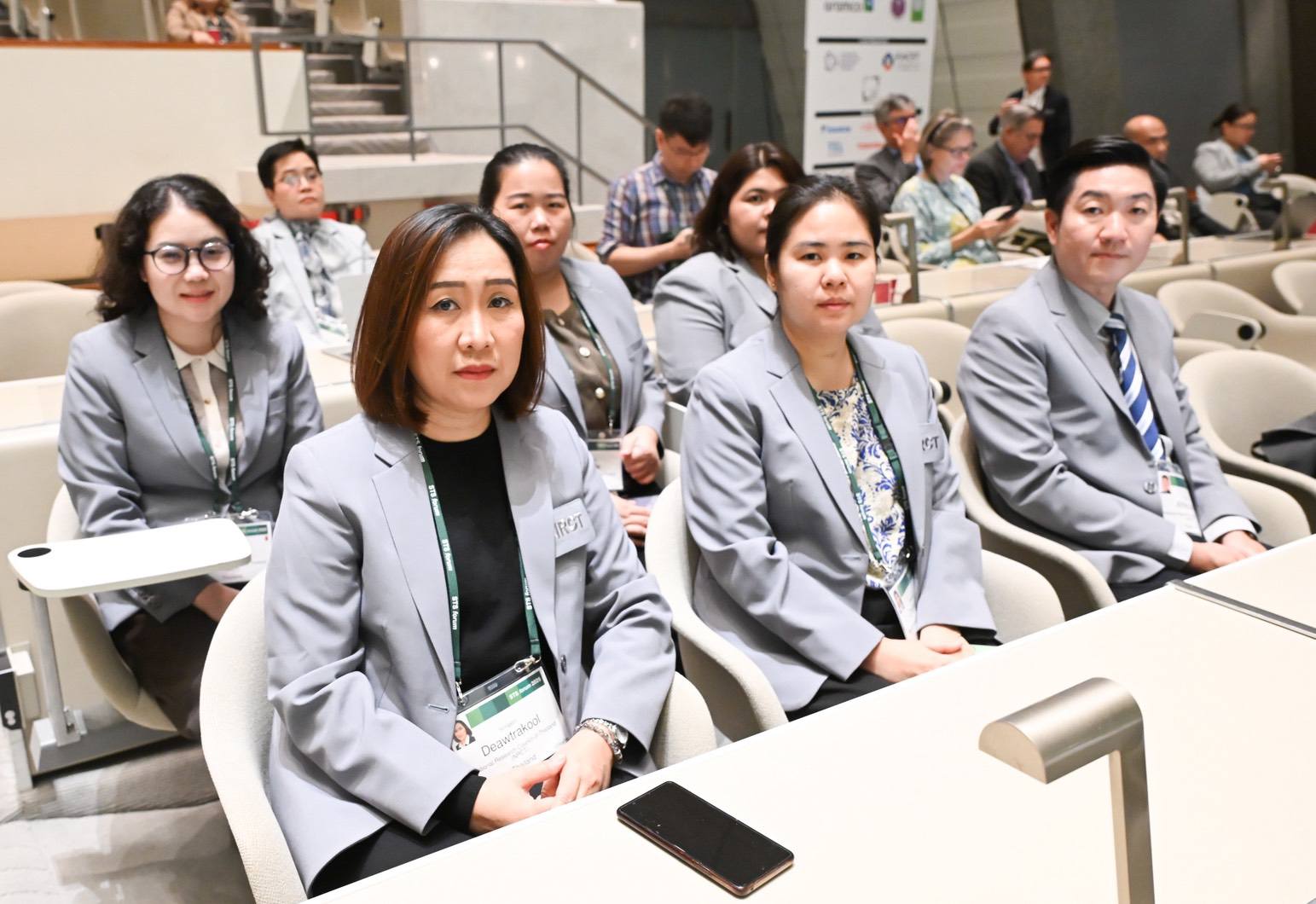
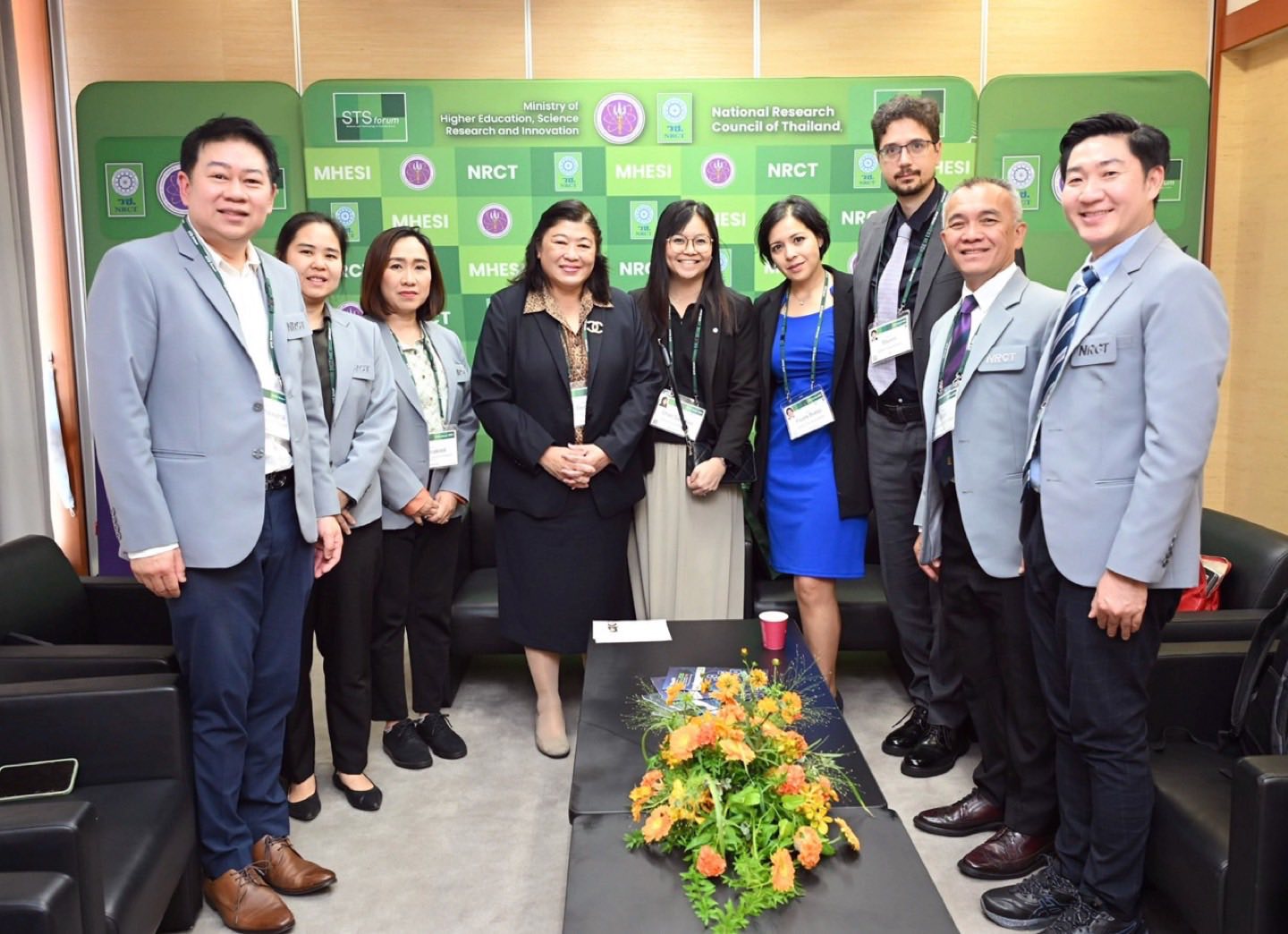
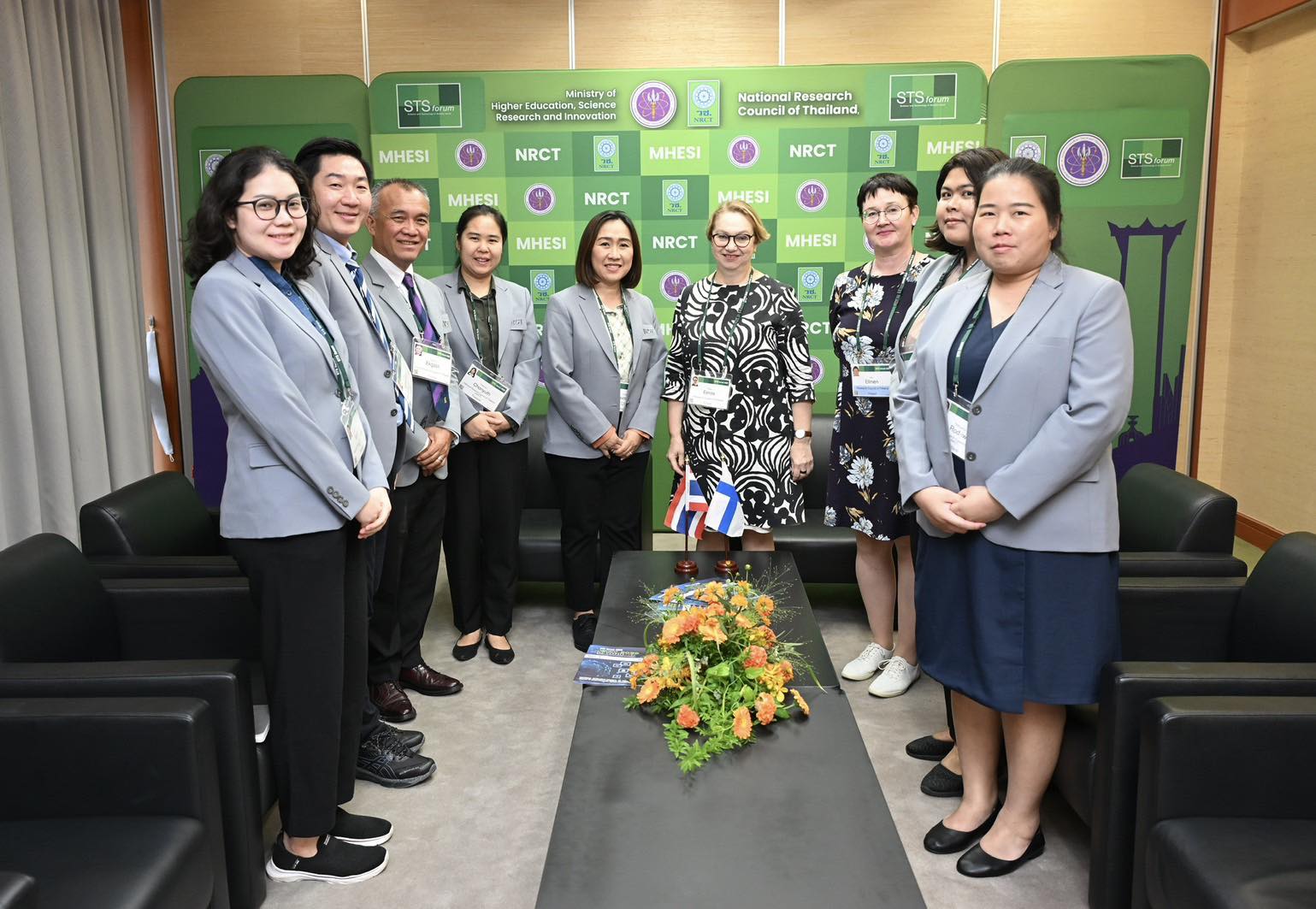
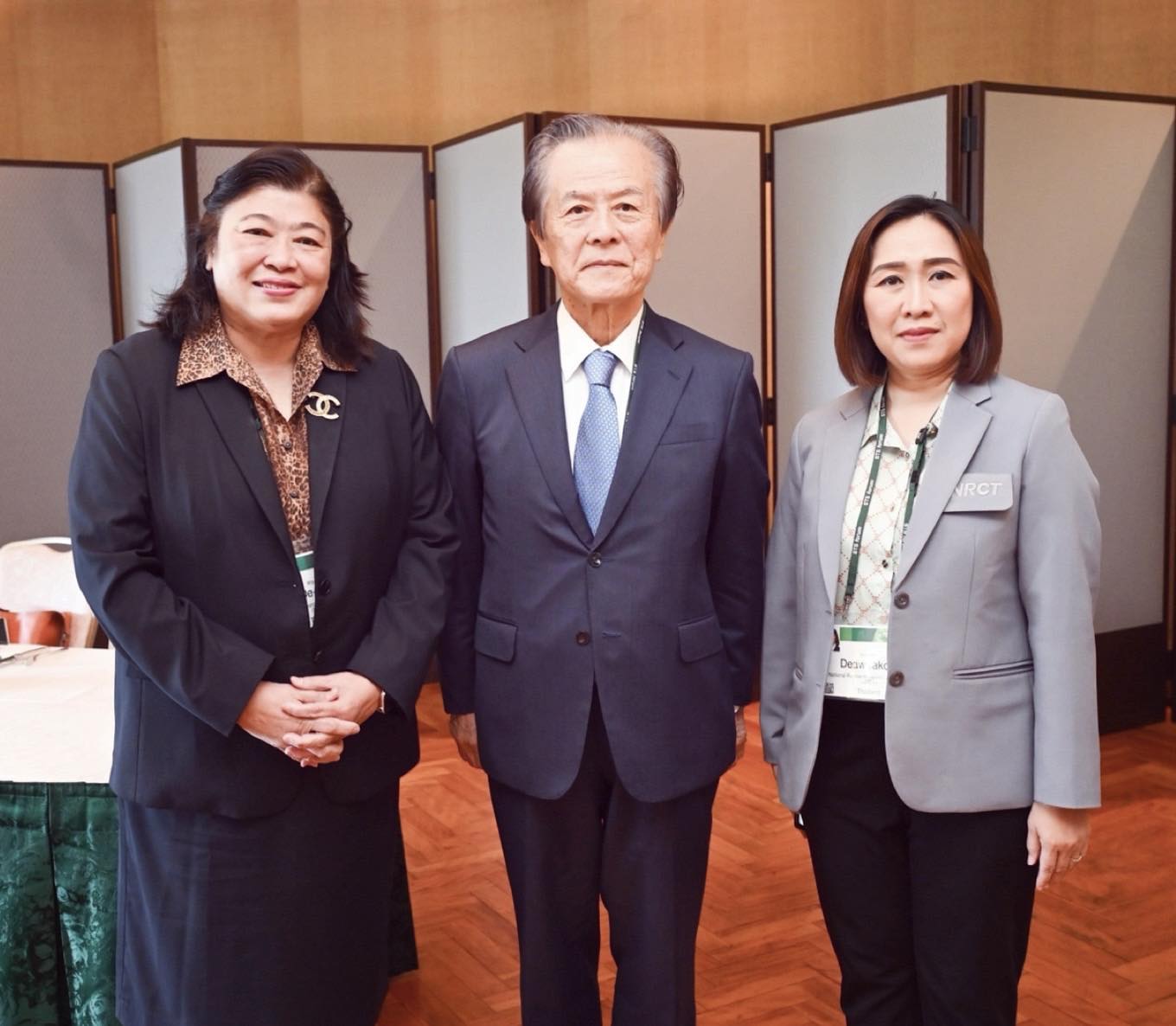
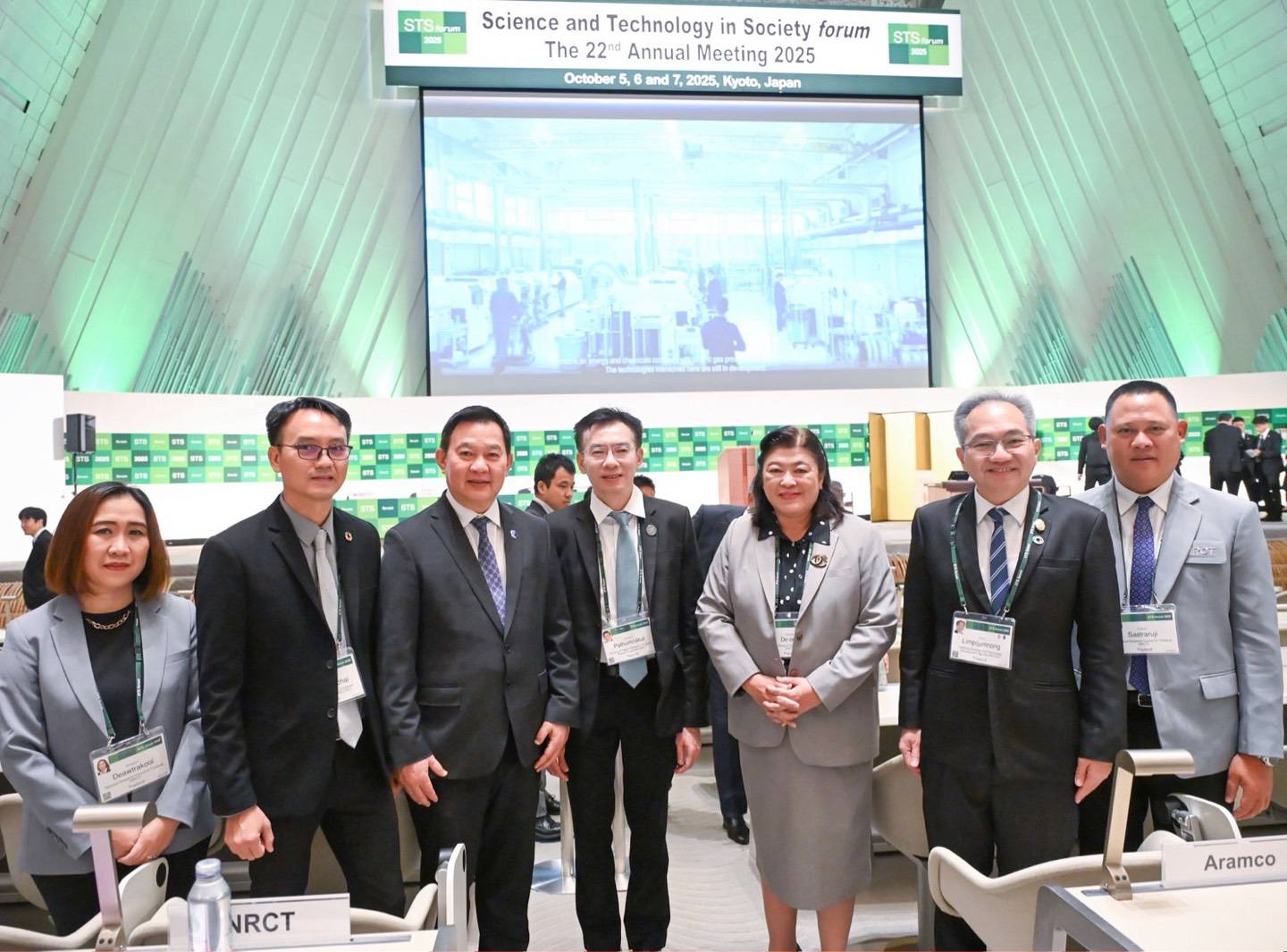
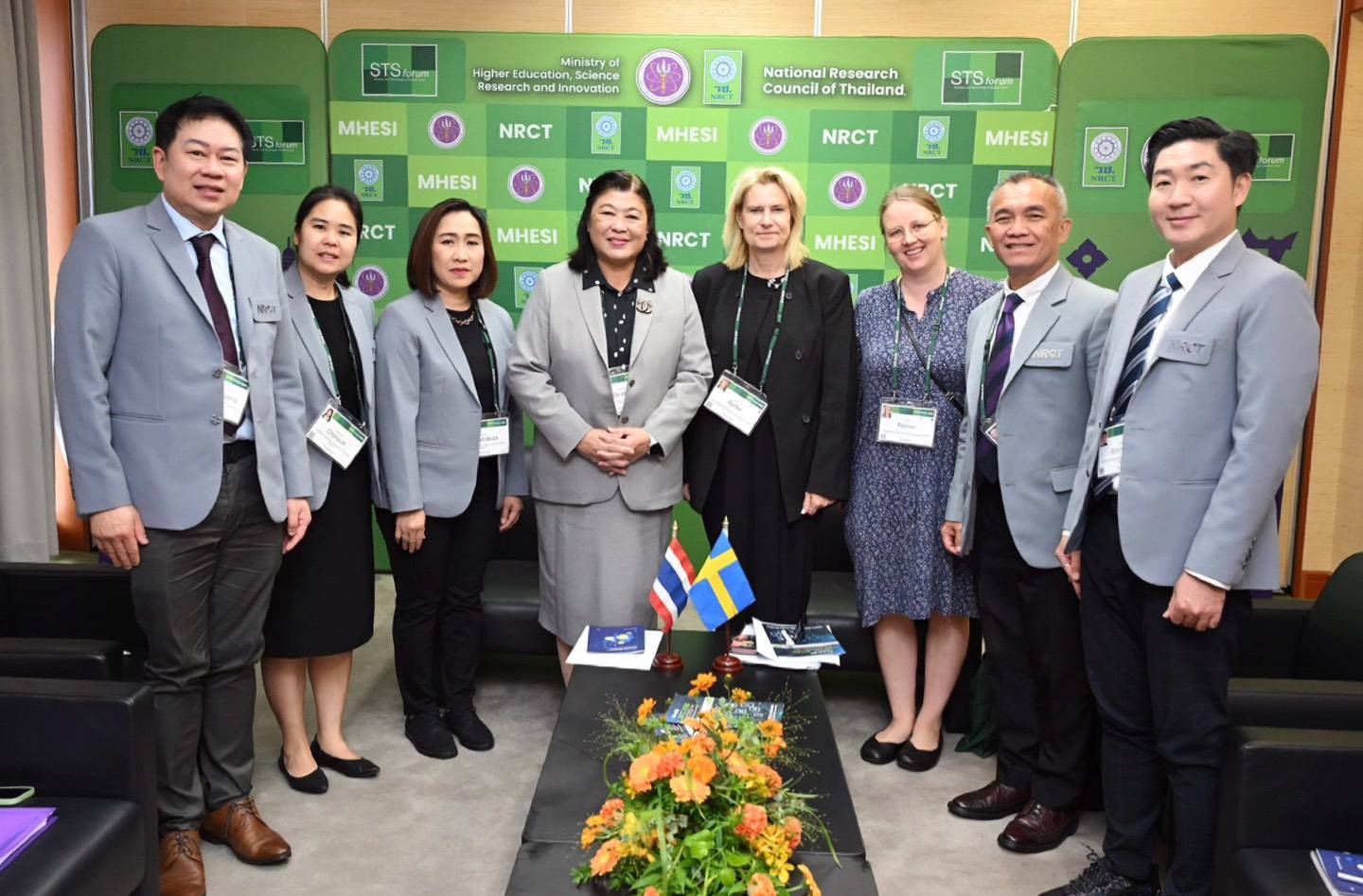
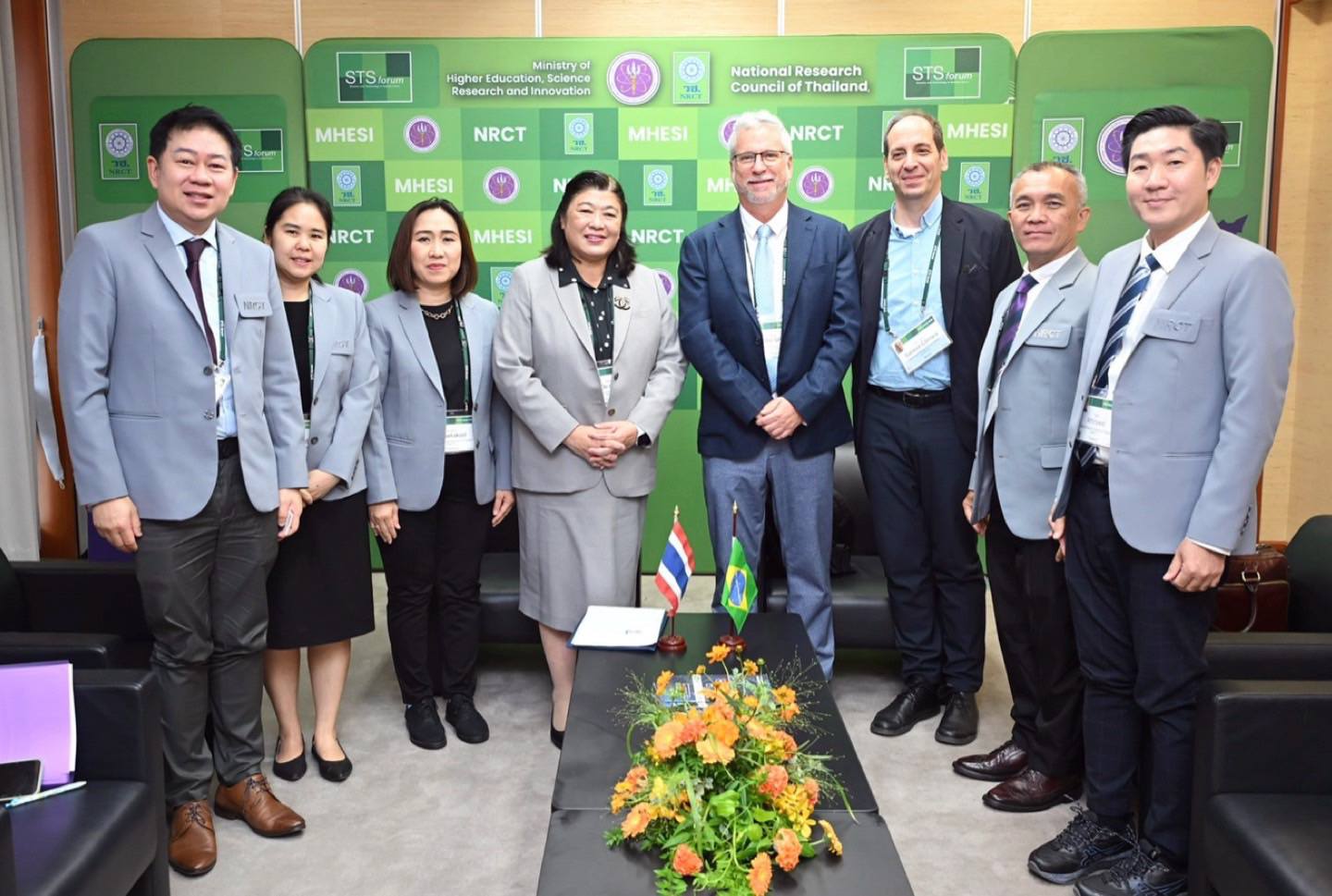
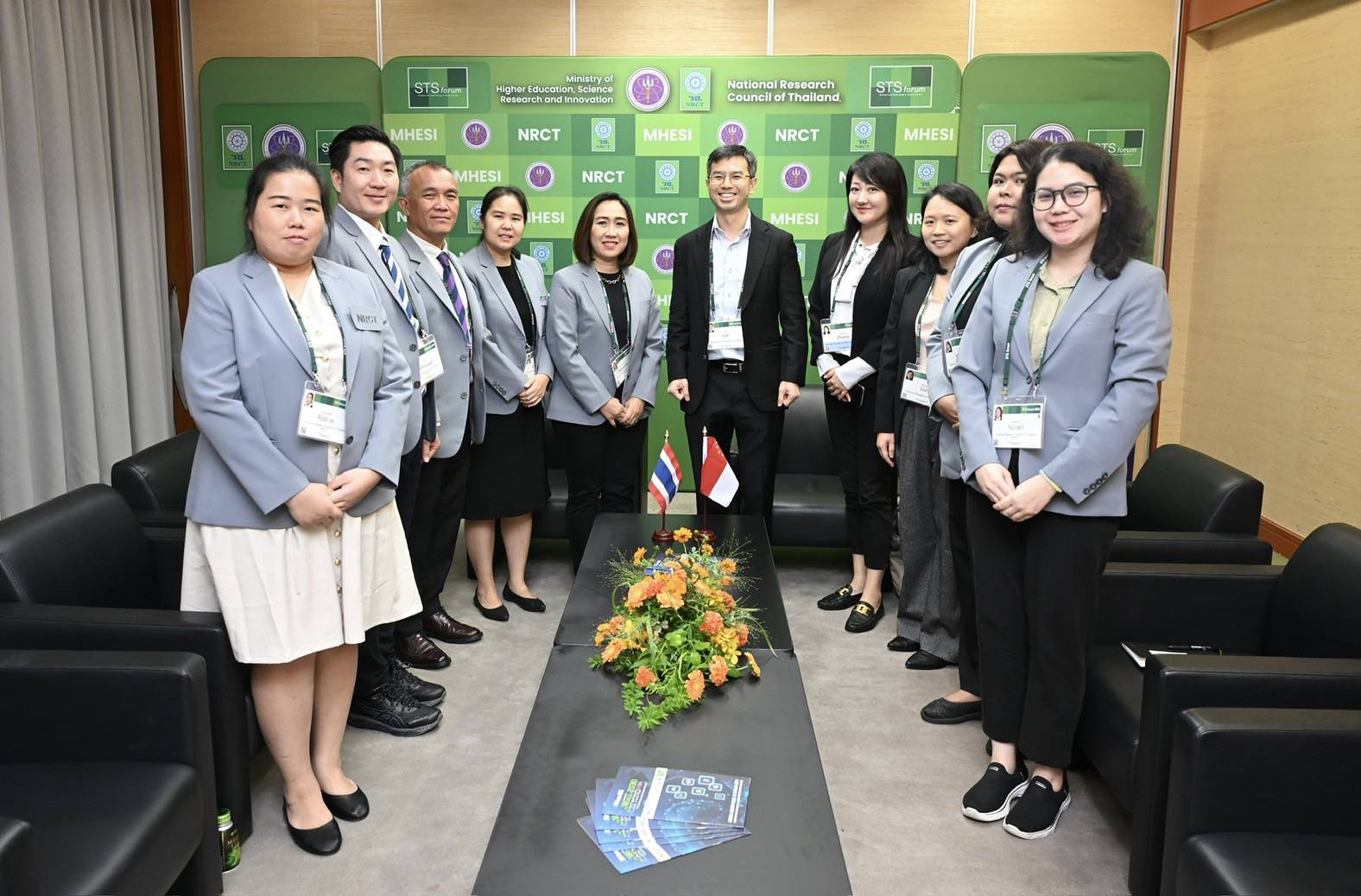
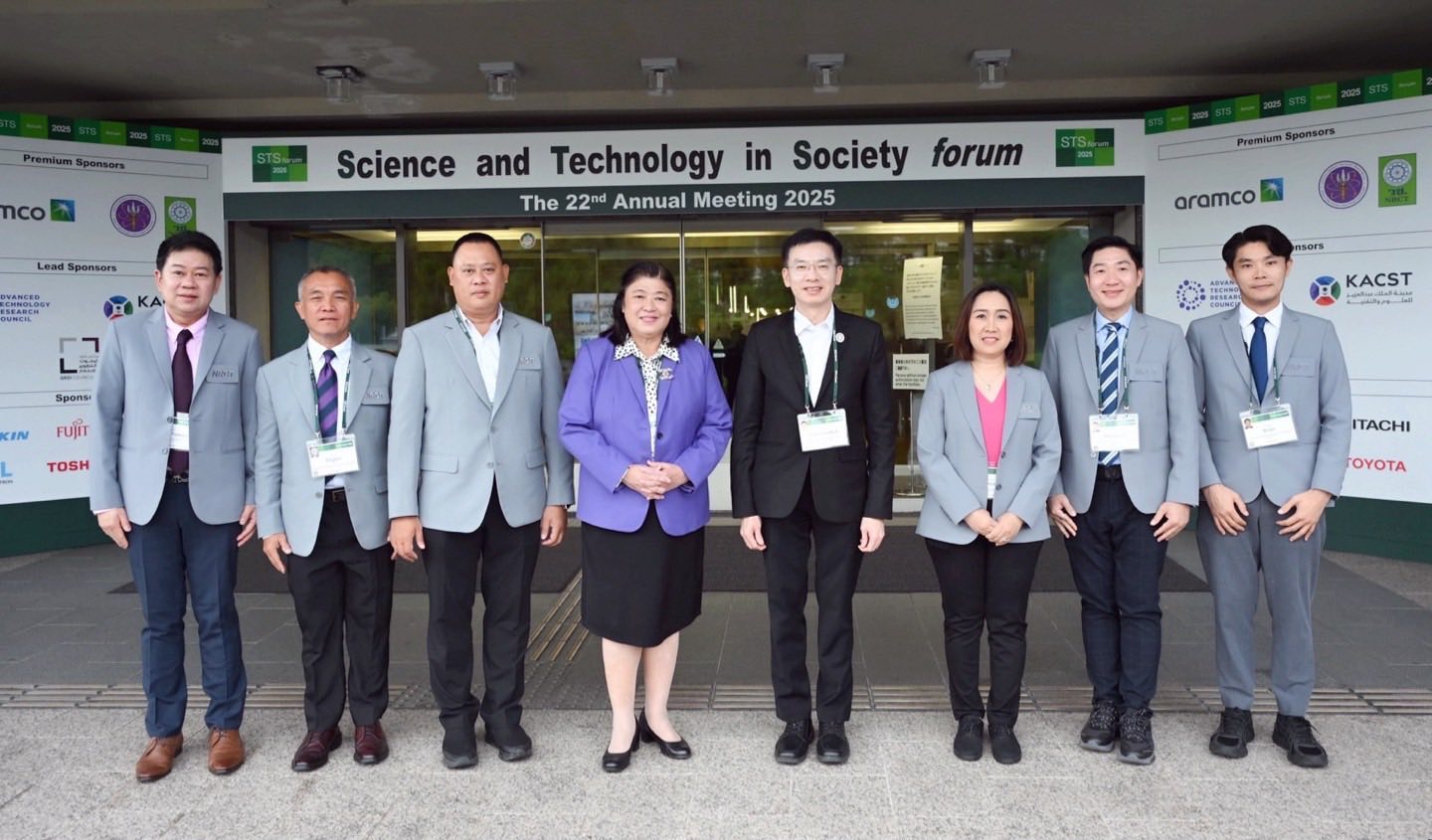
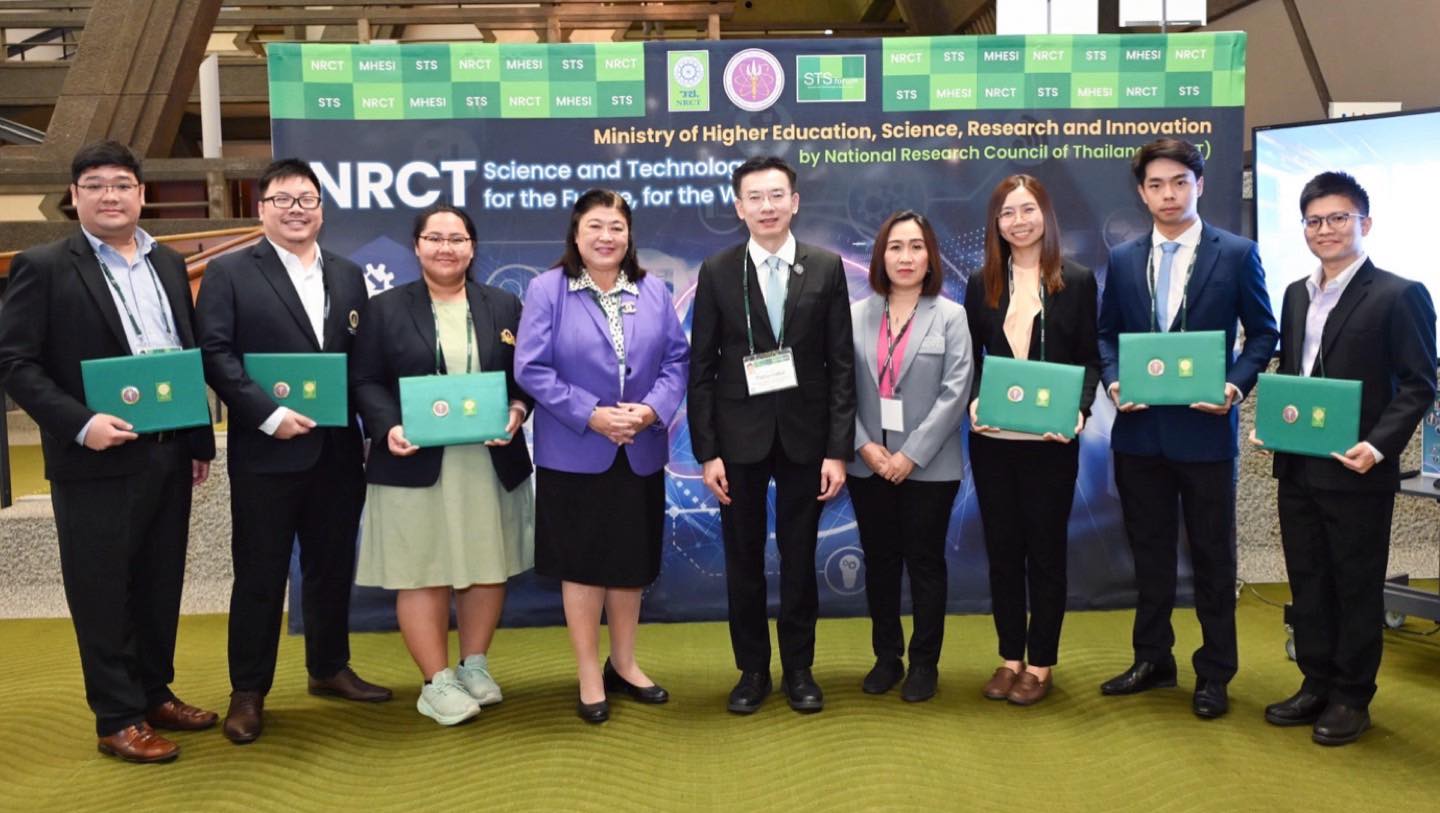
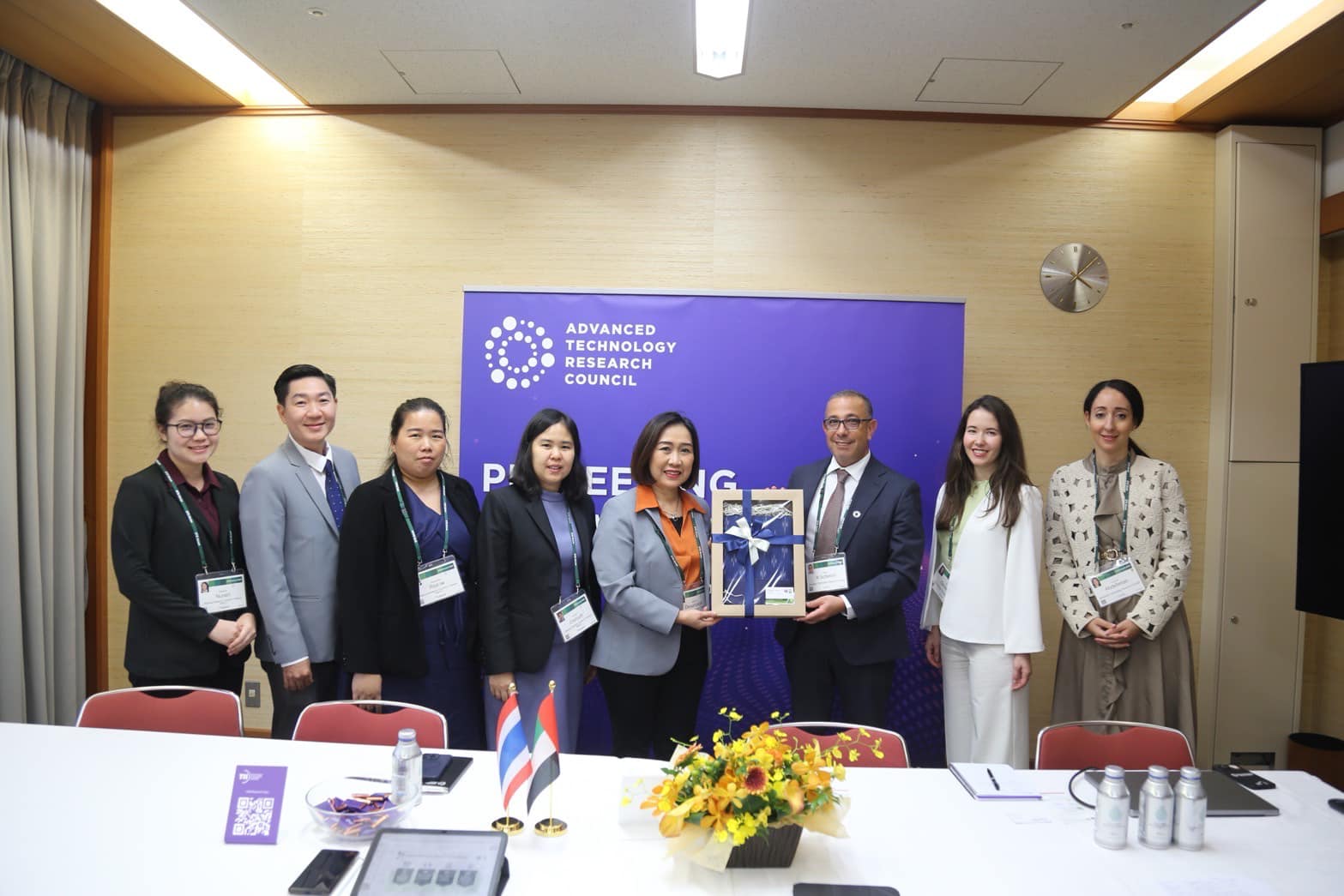
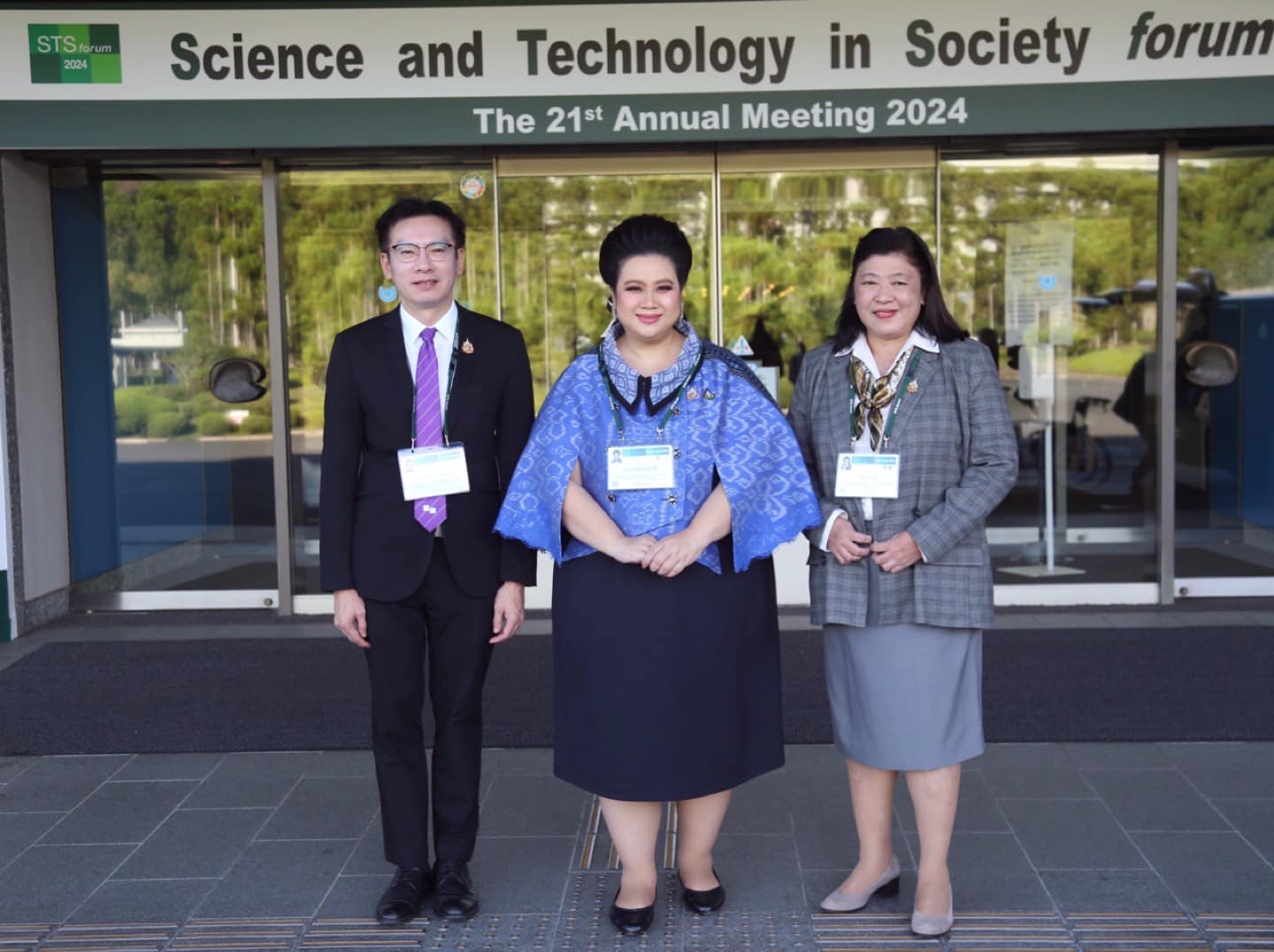
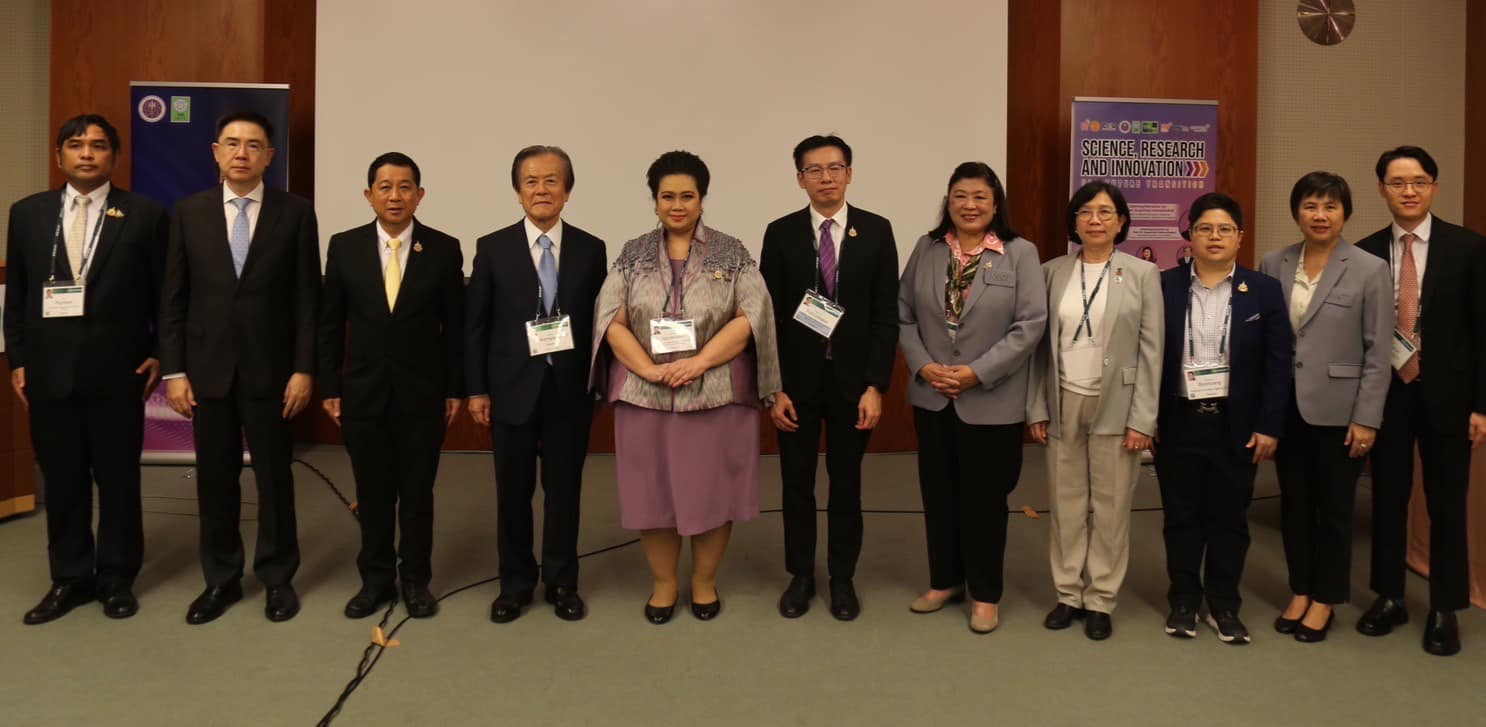
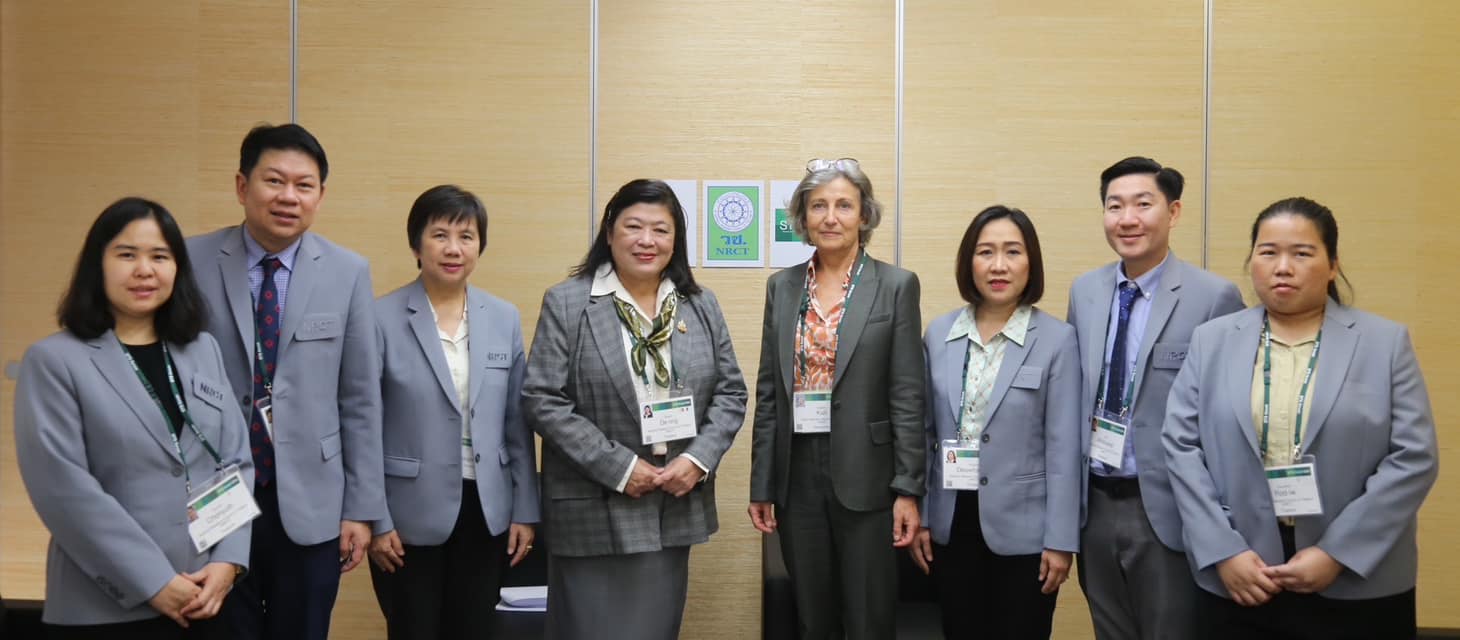
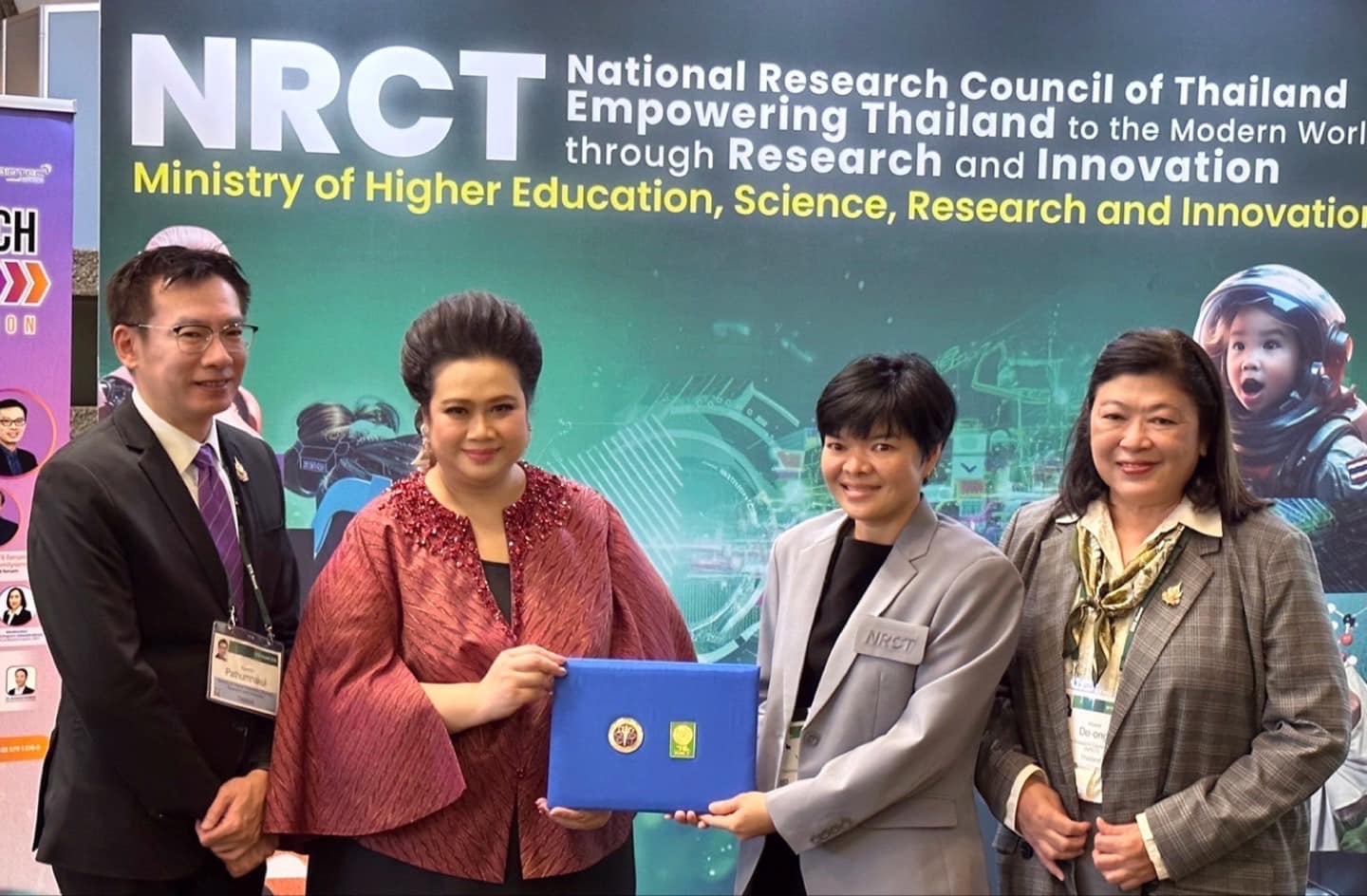
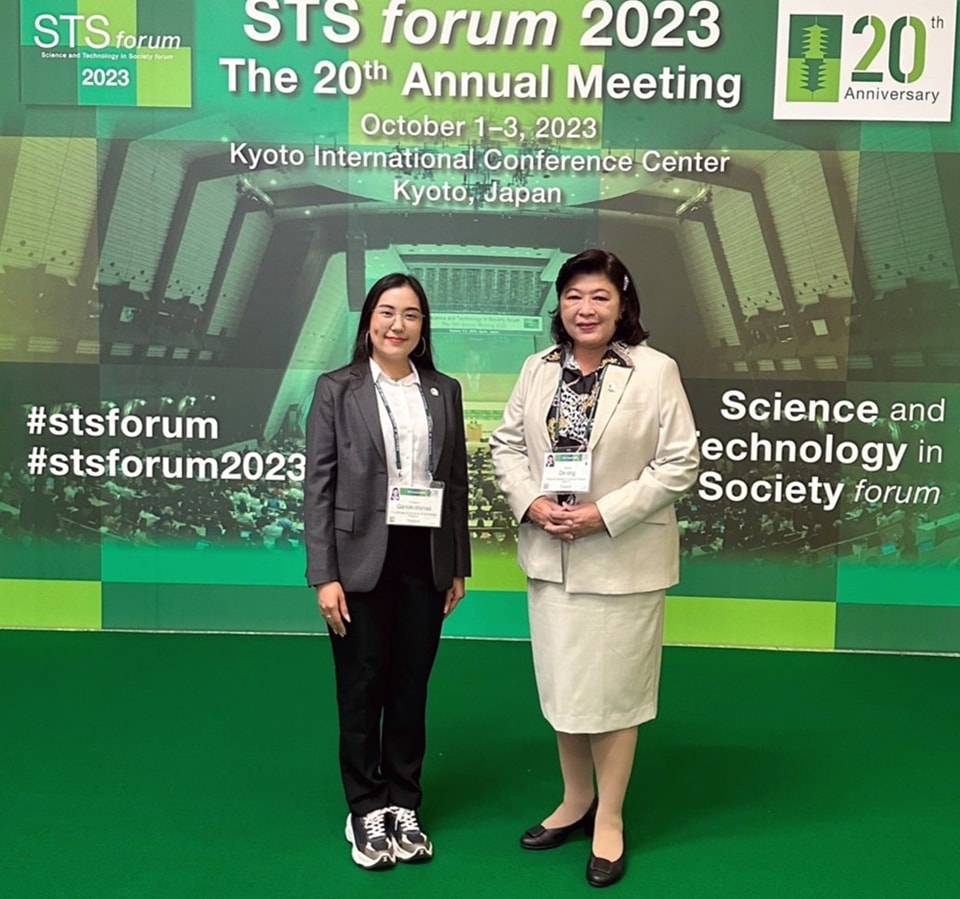
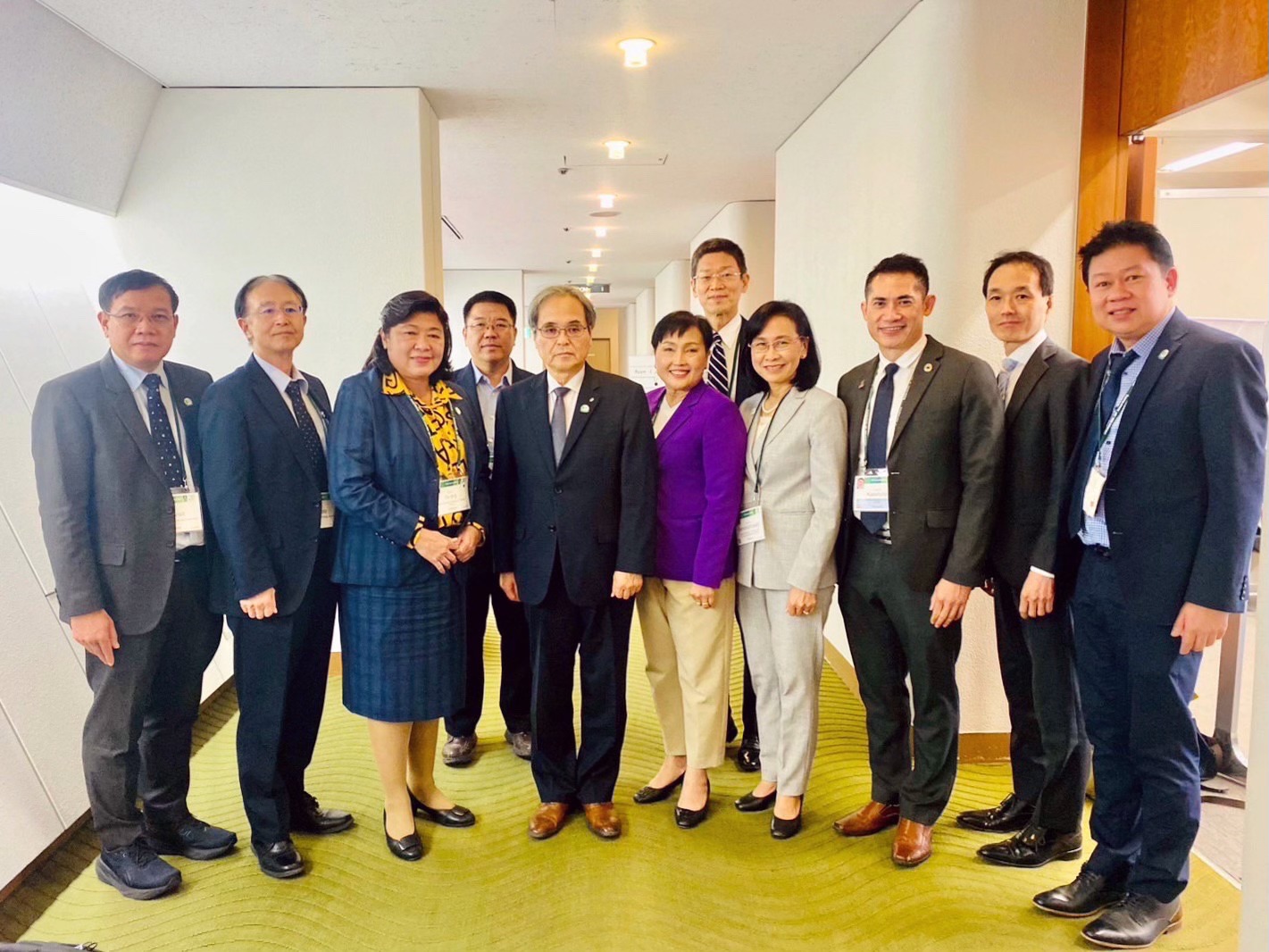
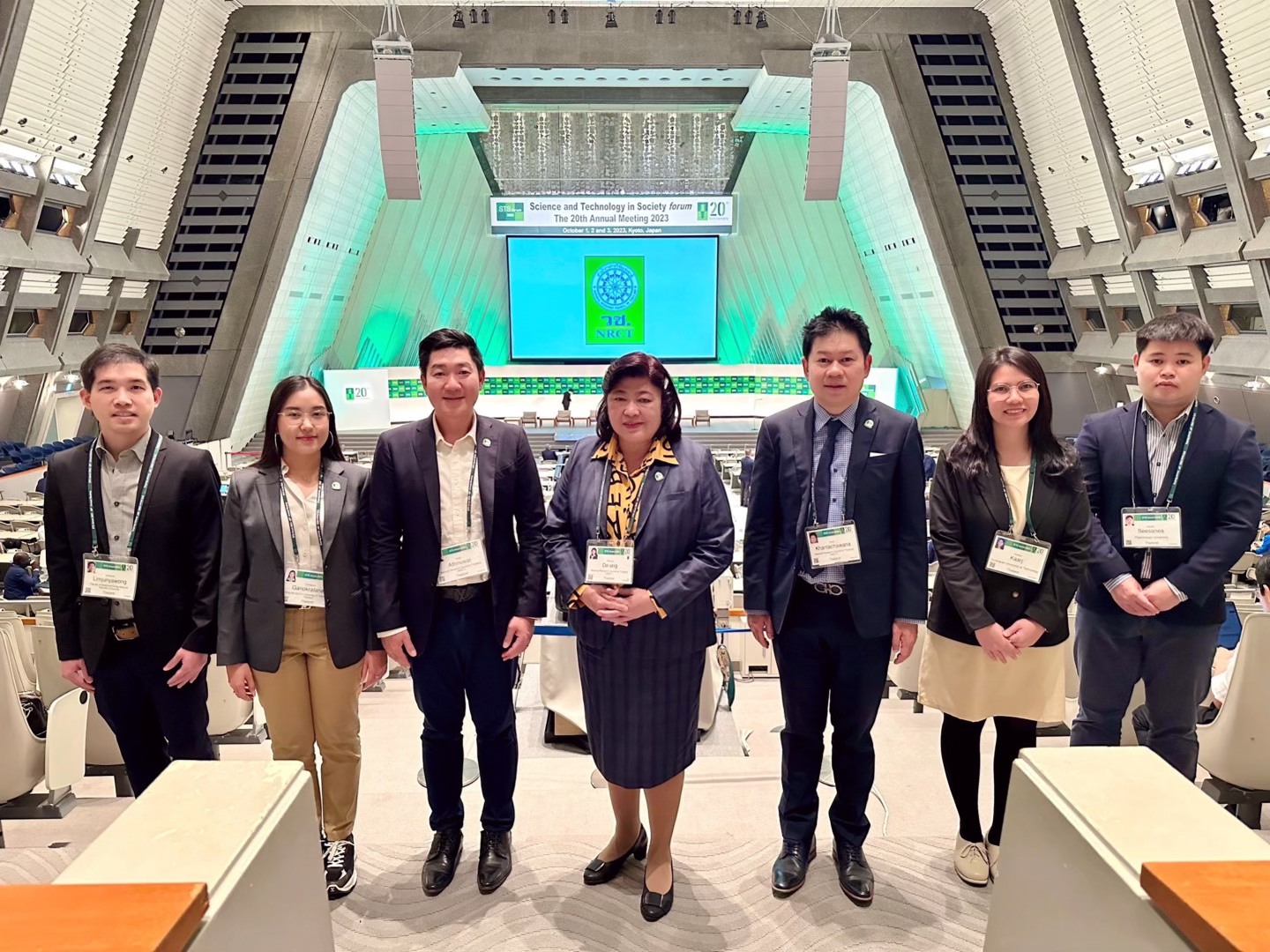
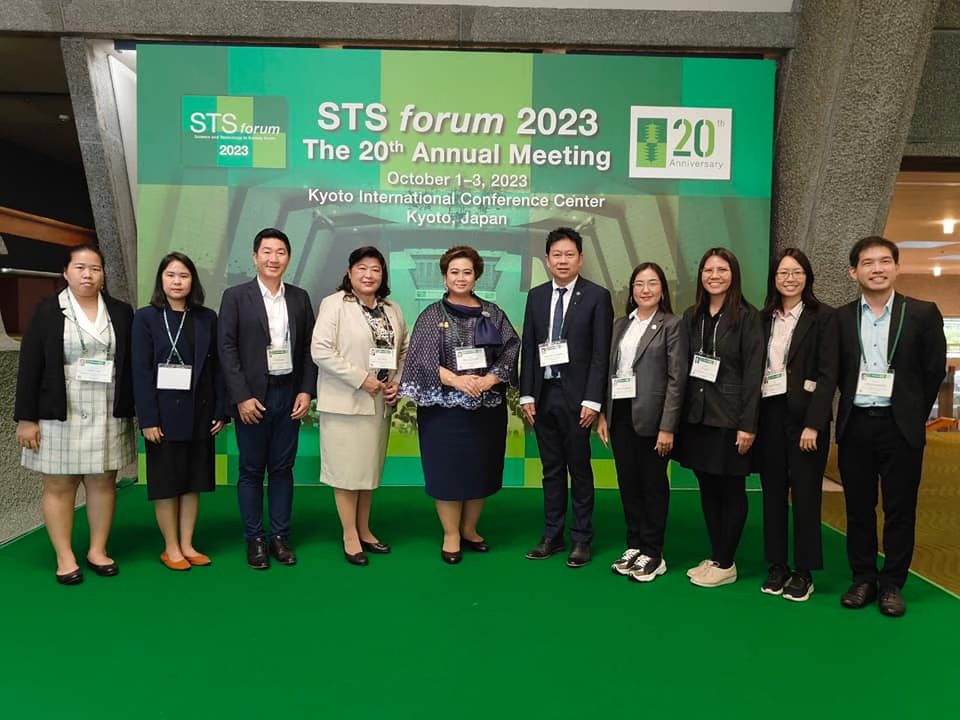
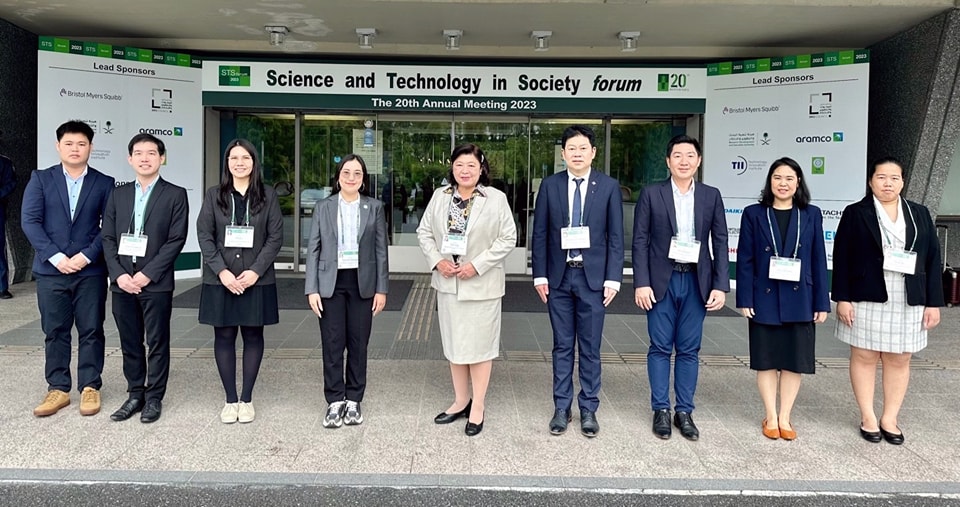
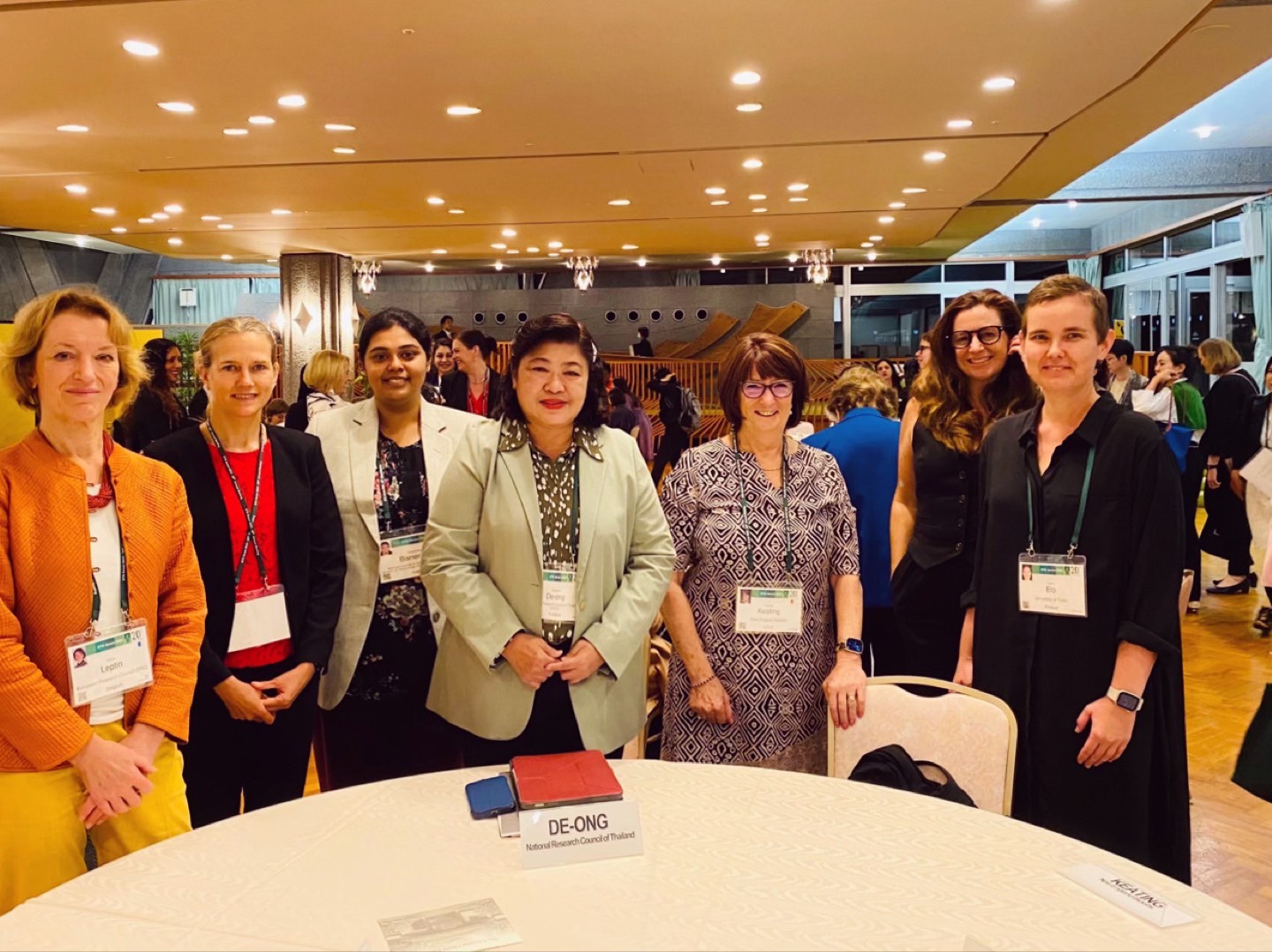
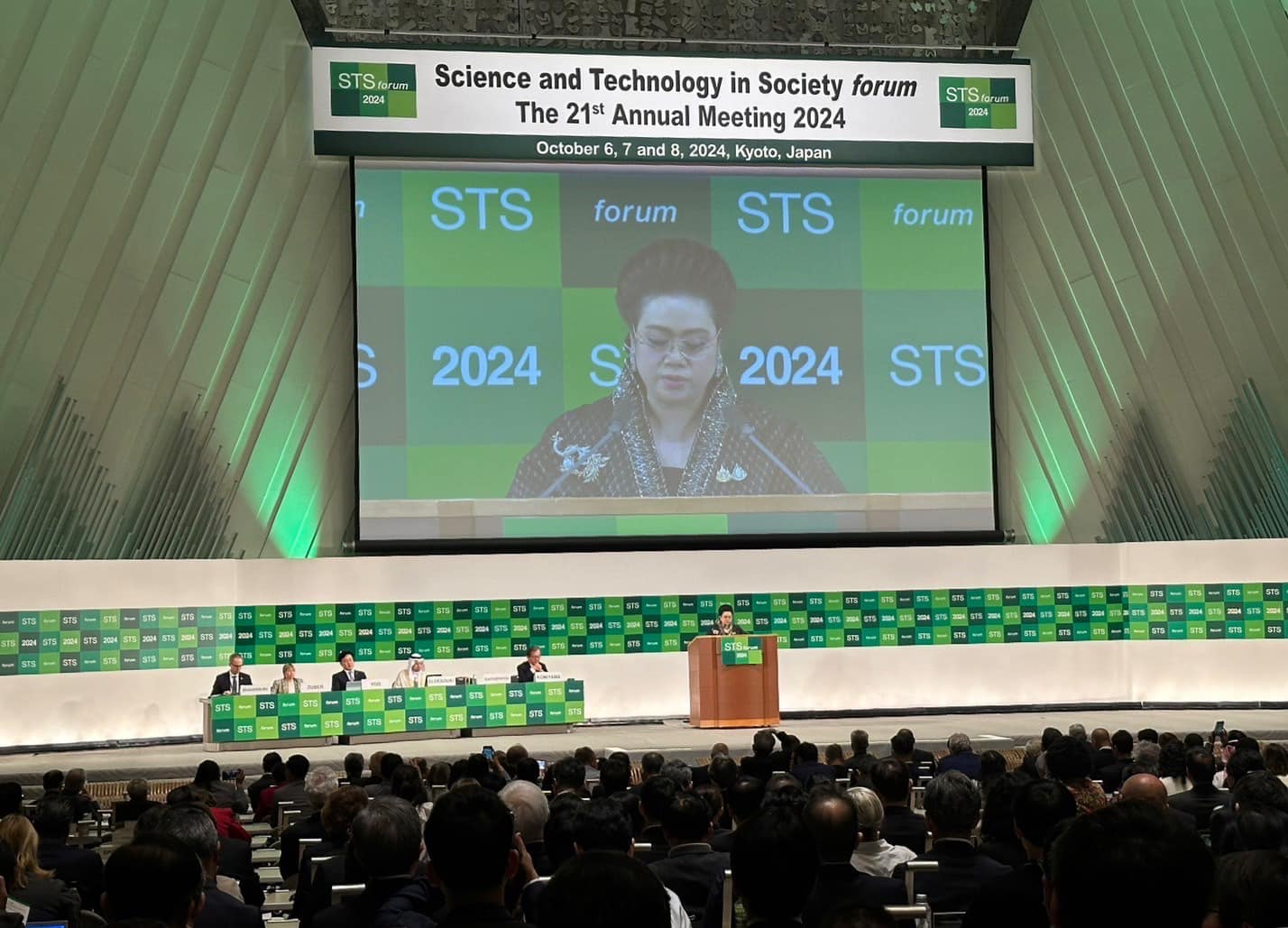
Prof. Dr. Yodchanan Wongsawat, Deputy Prime Minister and Minister of Higher Education, Science, Research and Innovation (MHESI), together with Prof. Dr. Supachai Pathumnakul, Permanent Secretary of MHESI; Mr. Chattarin Chanhom, Secretary to the Minister of MHESI; Prof. Dr. Sirirurg Songsivilai, Chairman of the National Commission on Science, Research and Innovation; Dr. Wiparat De-ong, Executive Director of the National Research Council of Thailand (NRCT); Ms. Saowanee Mungsujaritkarn and Dr. Sirinporn Deawtrakool, Deputy Executive Directors of NRCT; and other MHESI executives and NRCT academic advisory committee, met with Professor Susumu Kitagawa, a Japanese scientist and 2025 Nobel Laureate in Chemistry, to exchange views on advancing science, developing the next generation of researchers, and expanding research collaboration between Thailand and Japan.
The discussion focused on connecting leading Japanese scientists with Thailand’s research community and creating opportunities for Thai researchers, particularly young researchers, to learn from and work alongside internationally recognized scientists. Potential forms of cooperation included joint research, researcher exchanges, visiting professorships, and the development of research networks and partnerships in areas of mutual interest.
Another key focus was developing the next generation of scientific leaders through mentorship. Such opportunities can enable young researchers to learn from the experiences, perspectives, and scientific approaches of leading scientists, while encouraging creativity, independent thinking, and the confidence to explore beyond established boundaries in pursuit of new knowledge and innovation.
Professor Susumu Kitagawa of Kyoto University was awarded the 2025 Nobel Prize in Chemistry for the development of metal–organic frameworks (MOFs), porous materials whose properties can be designed for a wide range of applications. MOFs have potential applications in areas such as carbon dioxide capture, pollutant removal from water, gas storage, and harvesting water from the air in dry regions. His research illustrates how fundamental science can open new possibilities for addressing major challenges facing humanity.
The discussion also explored ways to advance frontier science in Thailand, including developing research talent, creating environments that foster creativity, and establishing essential scientific infrastructure. These elements are important for enabling researchers to test new ideas and push the boundaries of knowledge, particularly in areas such as climate change, energy, the environment, natural resources, and health.
The meeting also provided an opportunity to inspire the next generation of Thai researchers through an exchange with a world-leading scientist. The discussion highlighted the value of asking fundamental questions, thinking differently, and pursuing research continuously, while demonstrating how fundamental knowledge can ultimately contribute to innovations that benefit society and humanity.
NRCT remains committed to serving as a key mechanism for connecting Thai researchers with global scientific networks, supporting the development of young research talent, and fostering an environment that enables frontier research. These efforts aim to strengthen Thailand's capacity in science, research, and innovation and promote research outcomes that create meaningful value and impact at the international level.