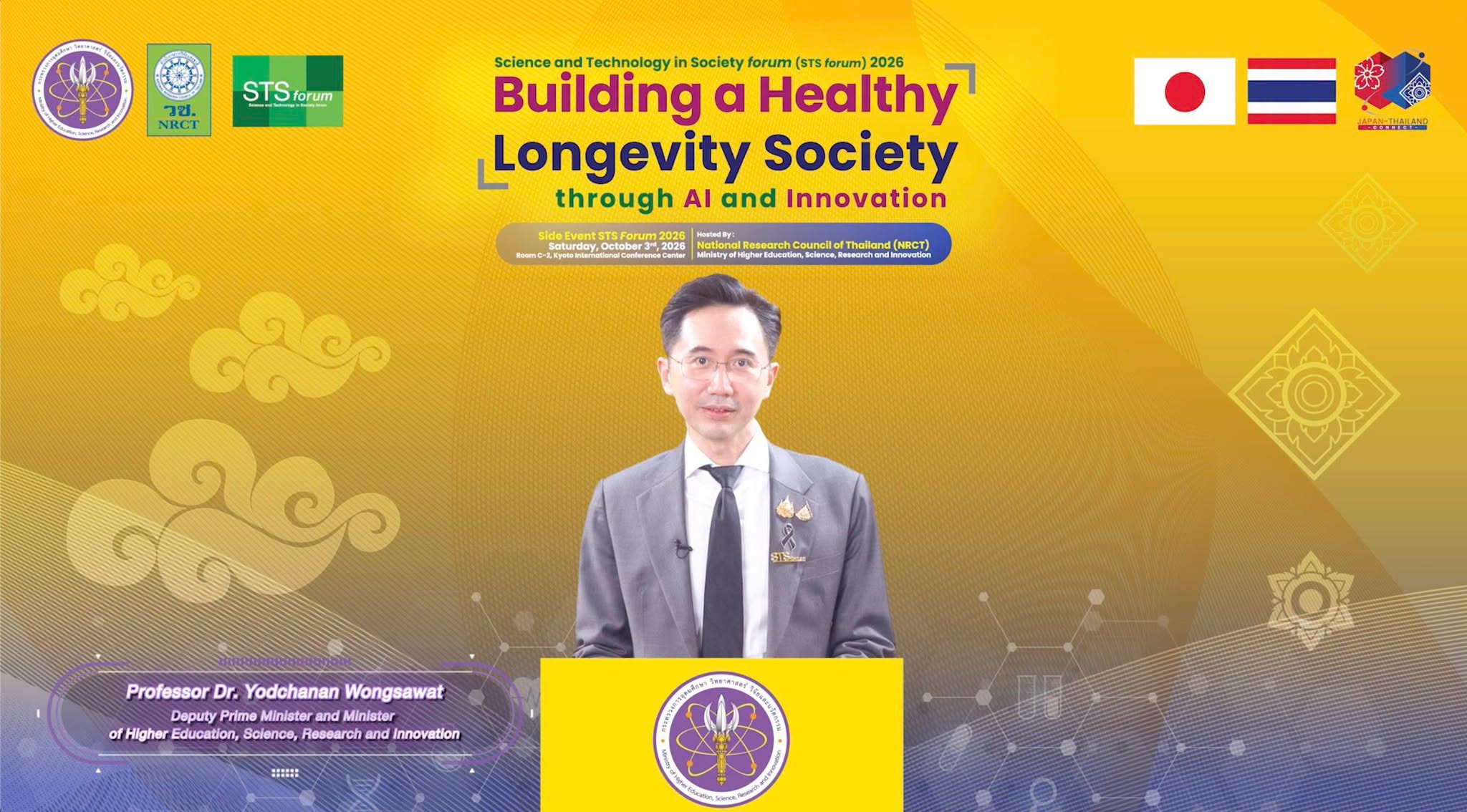
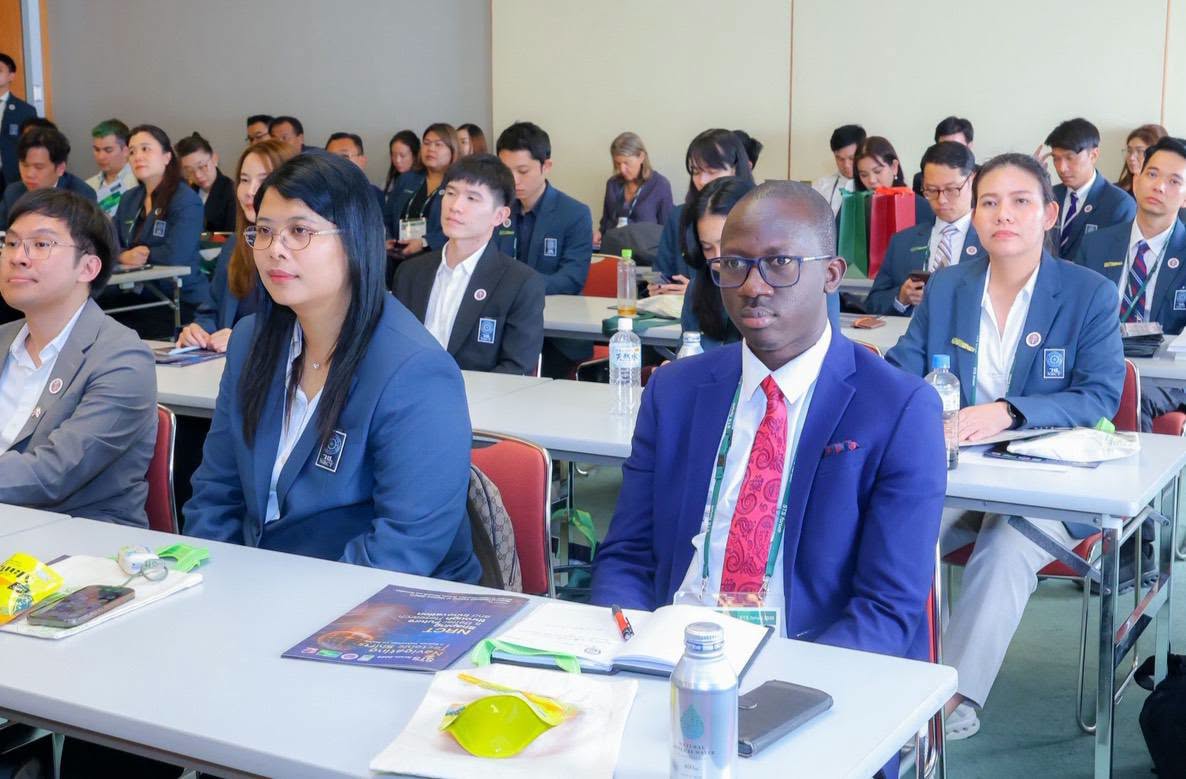
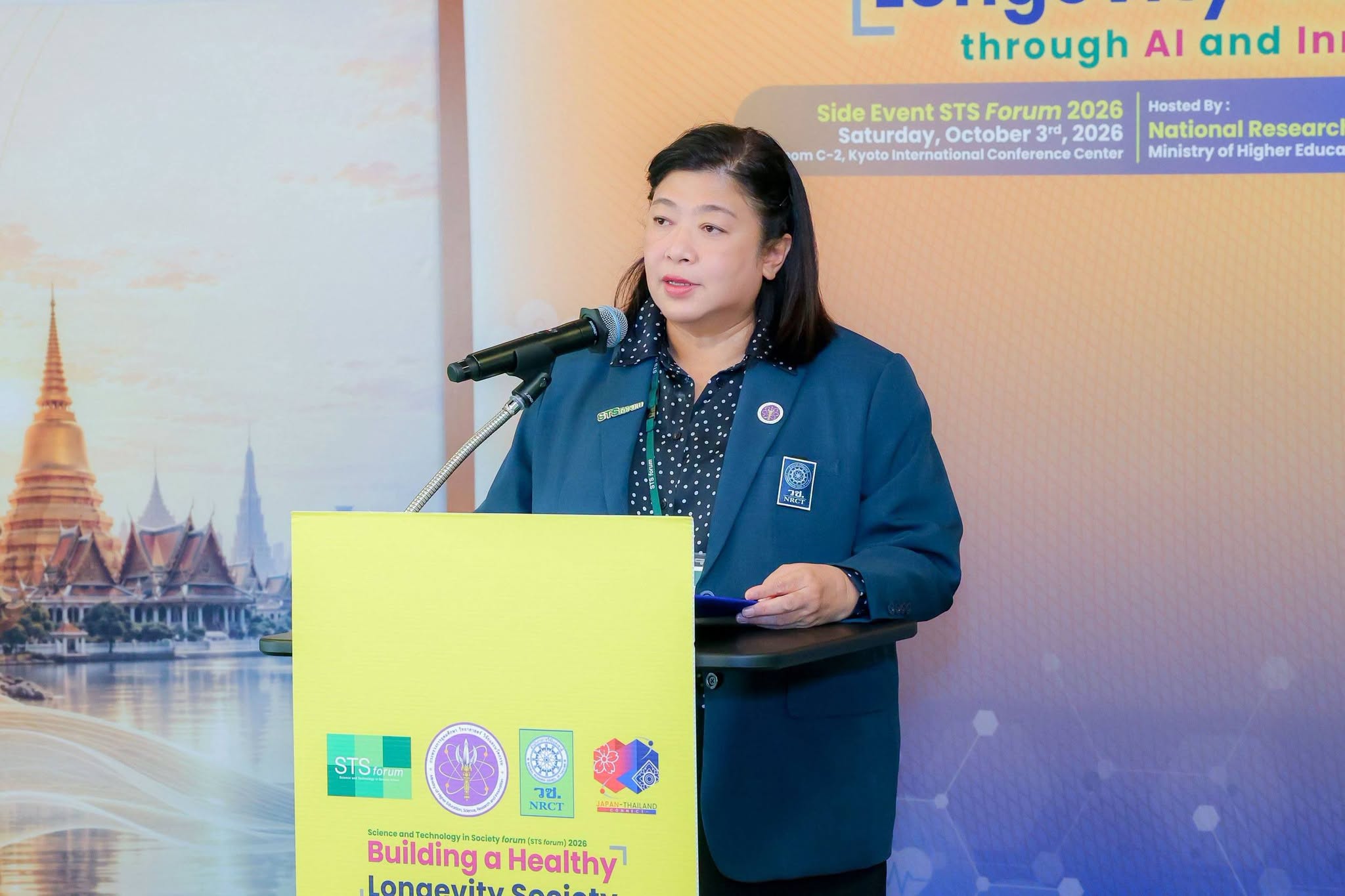
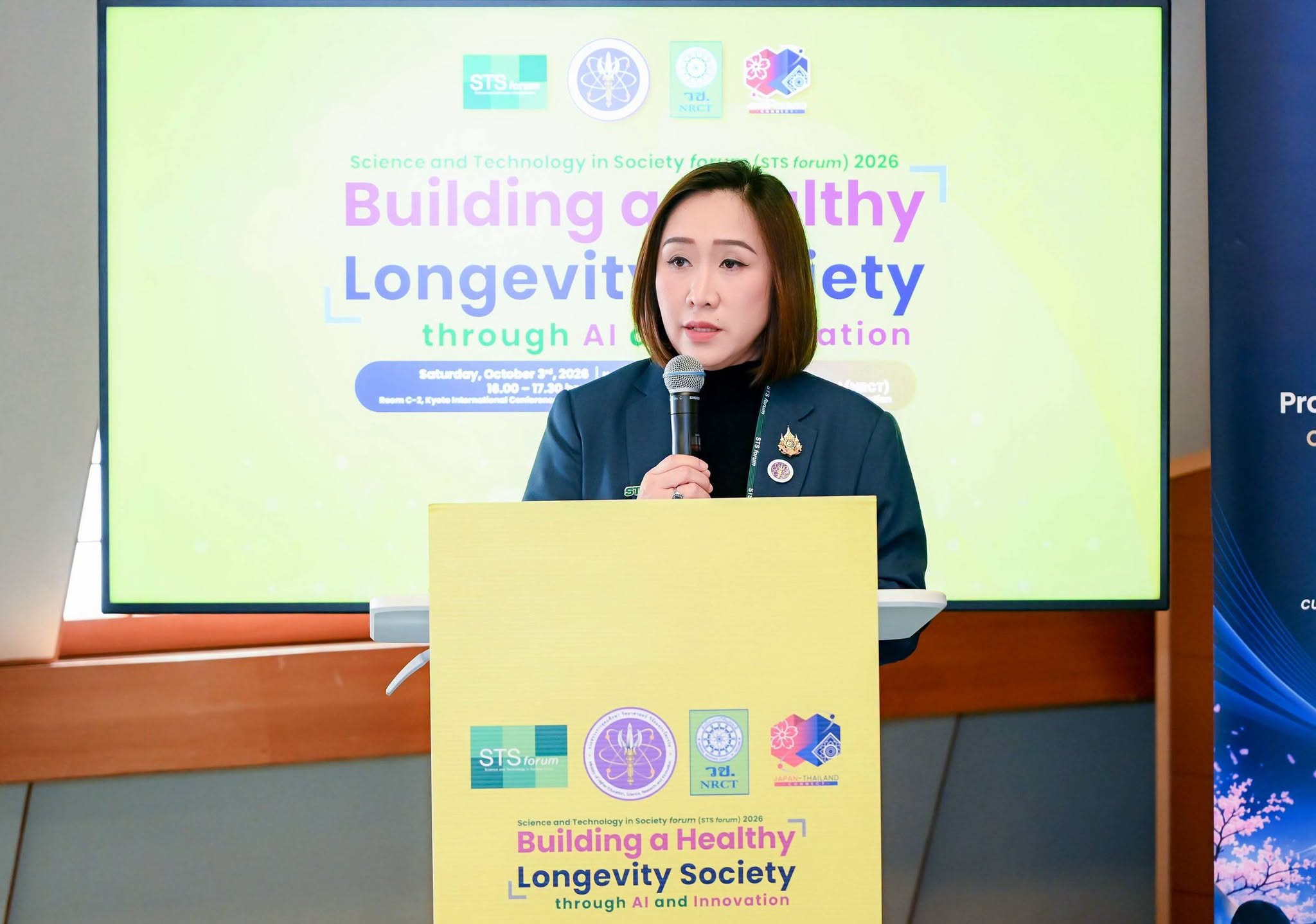
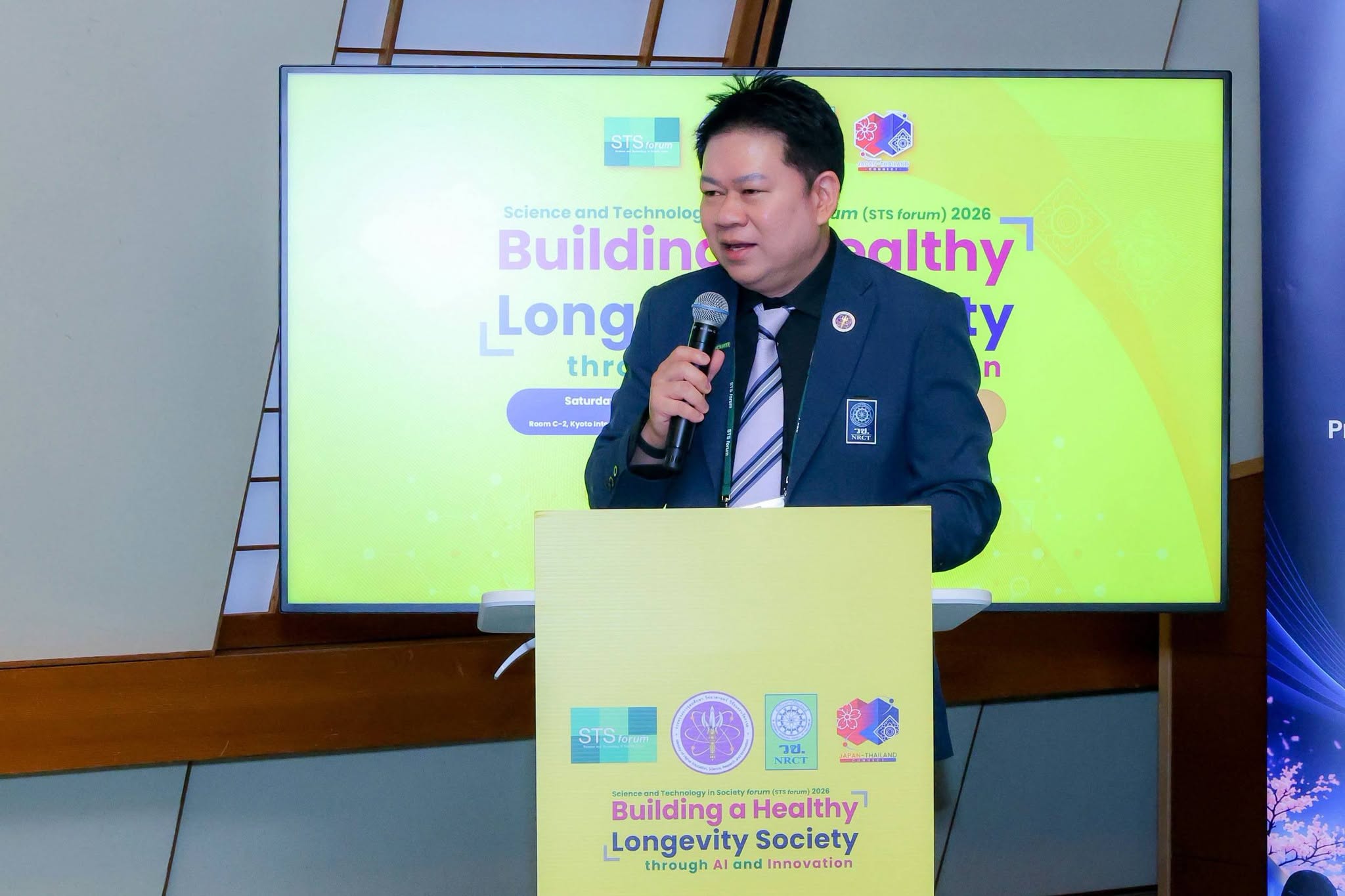
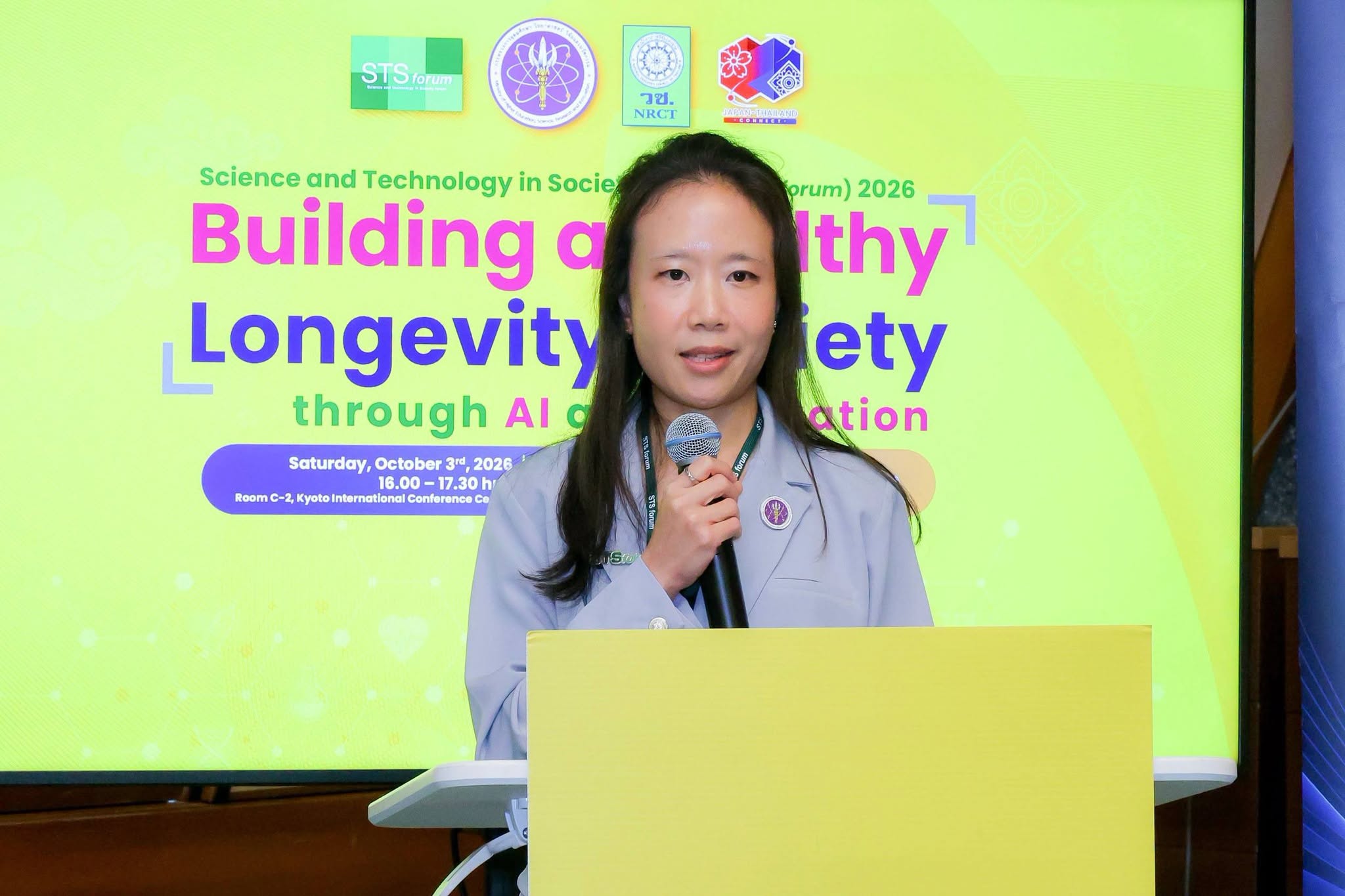
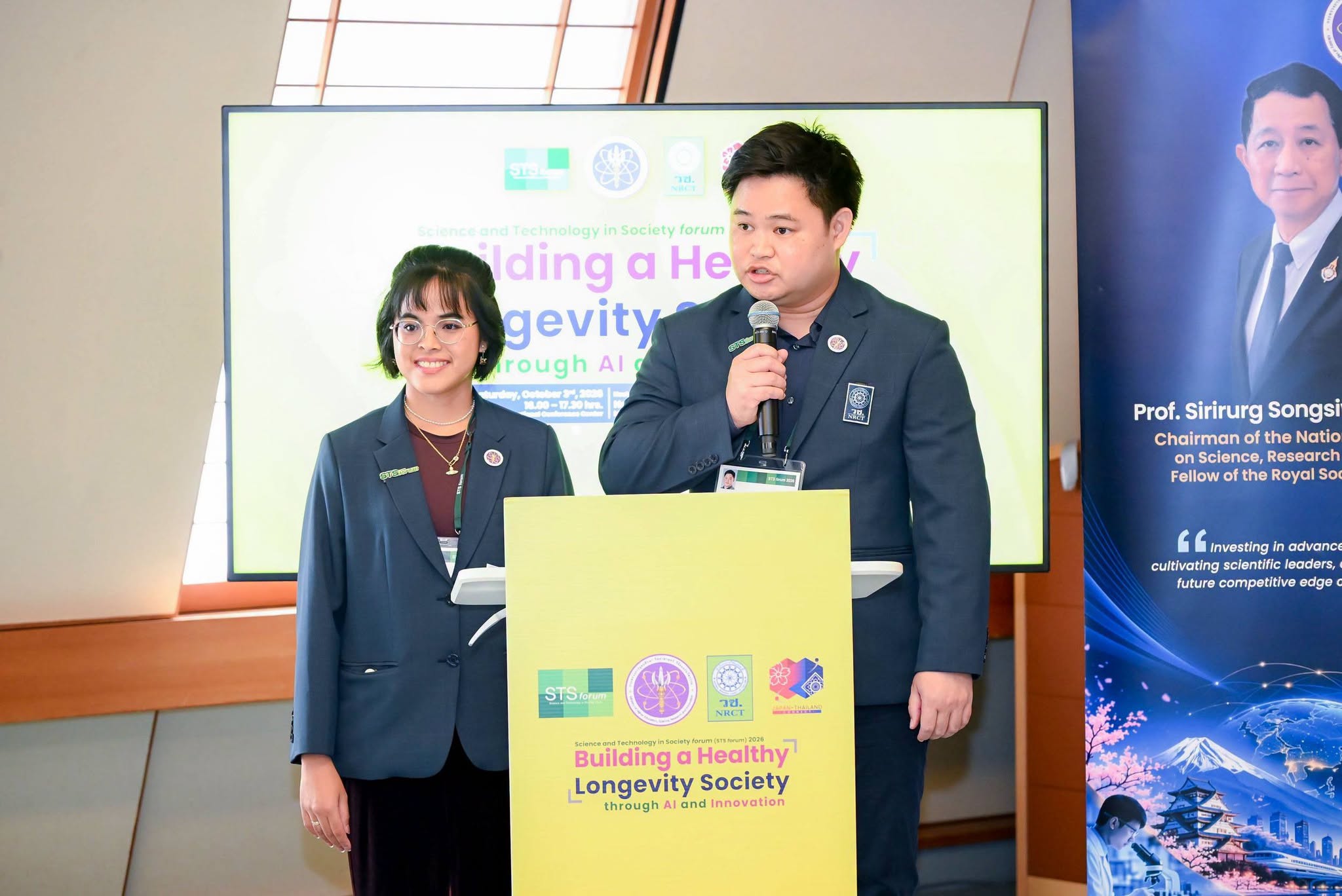
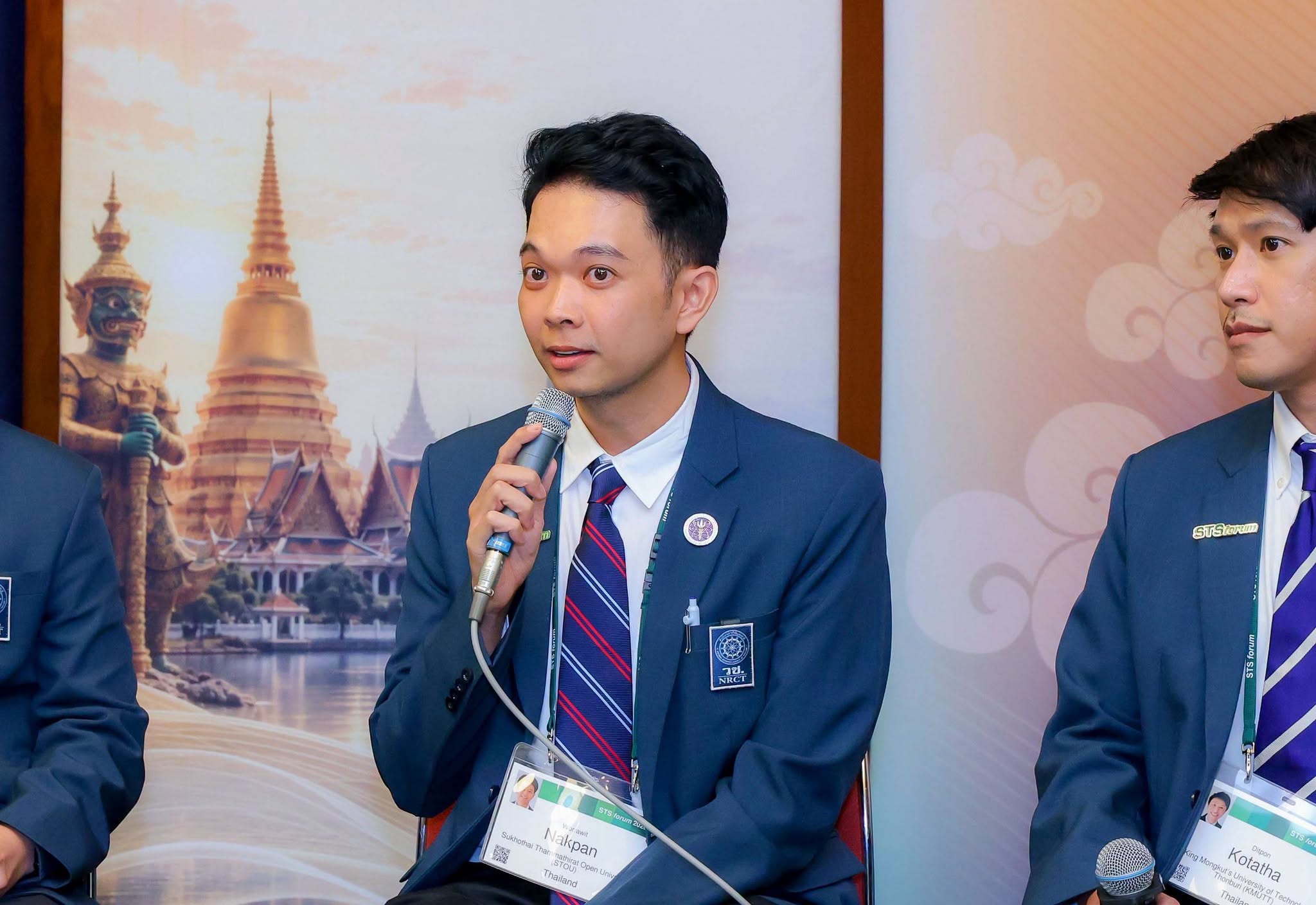
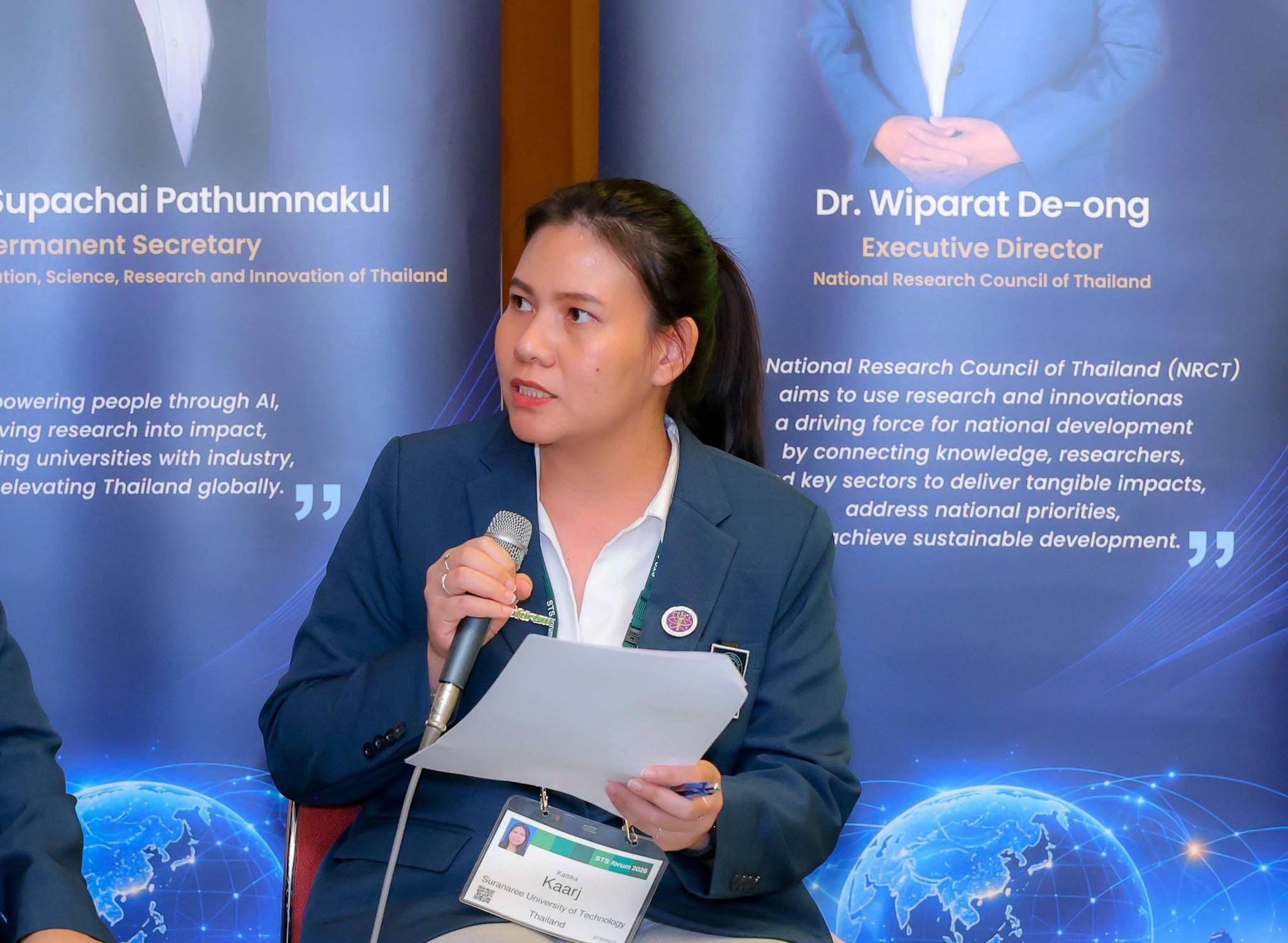
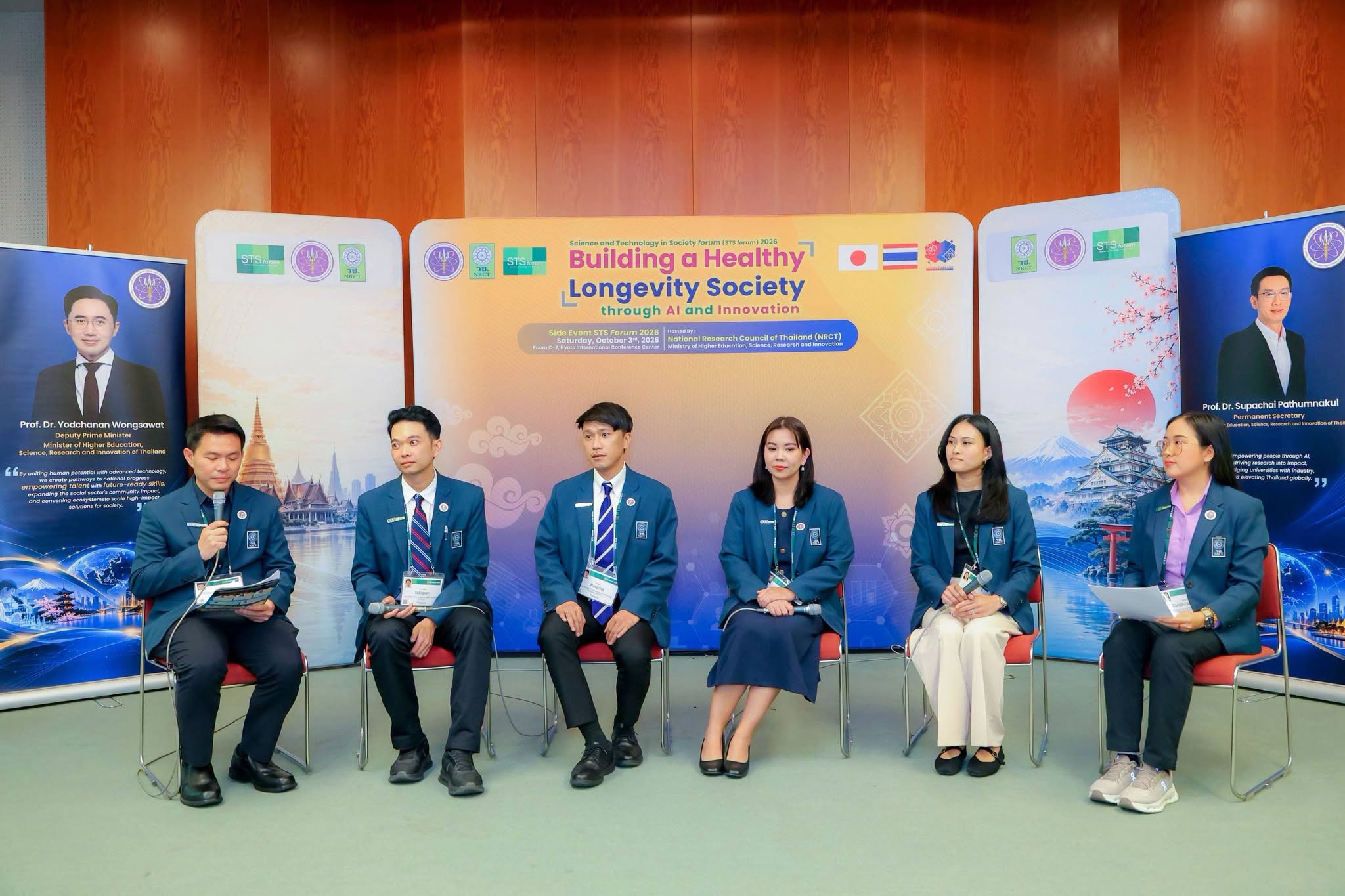
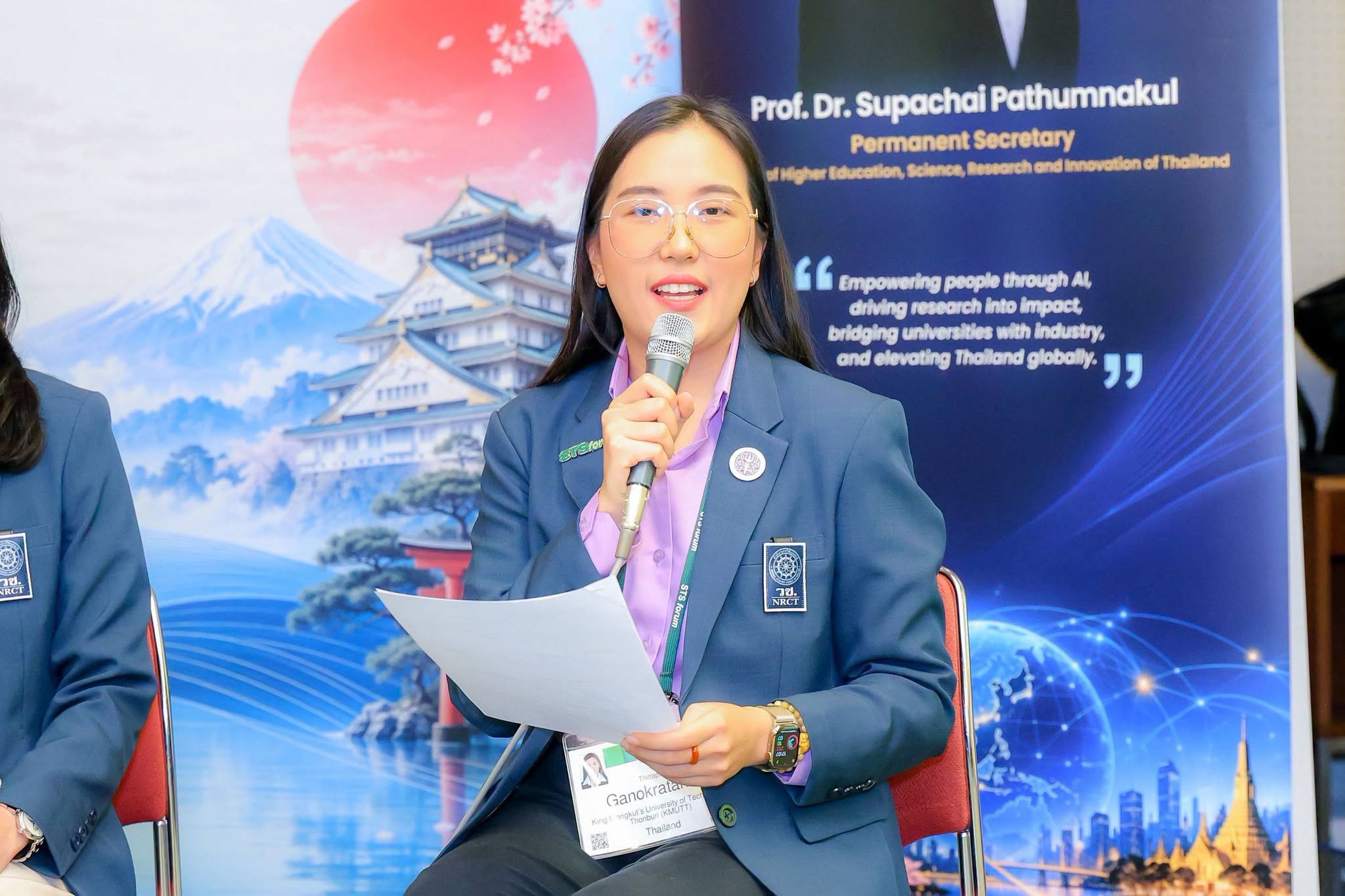
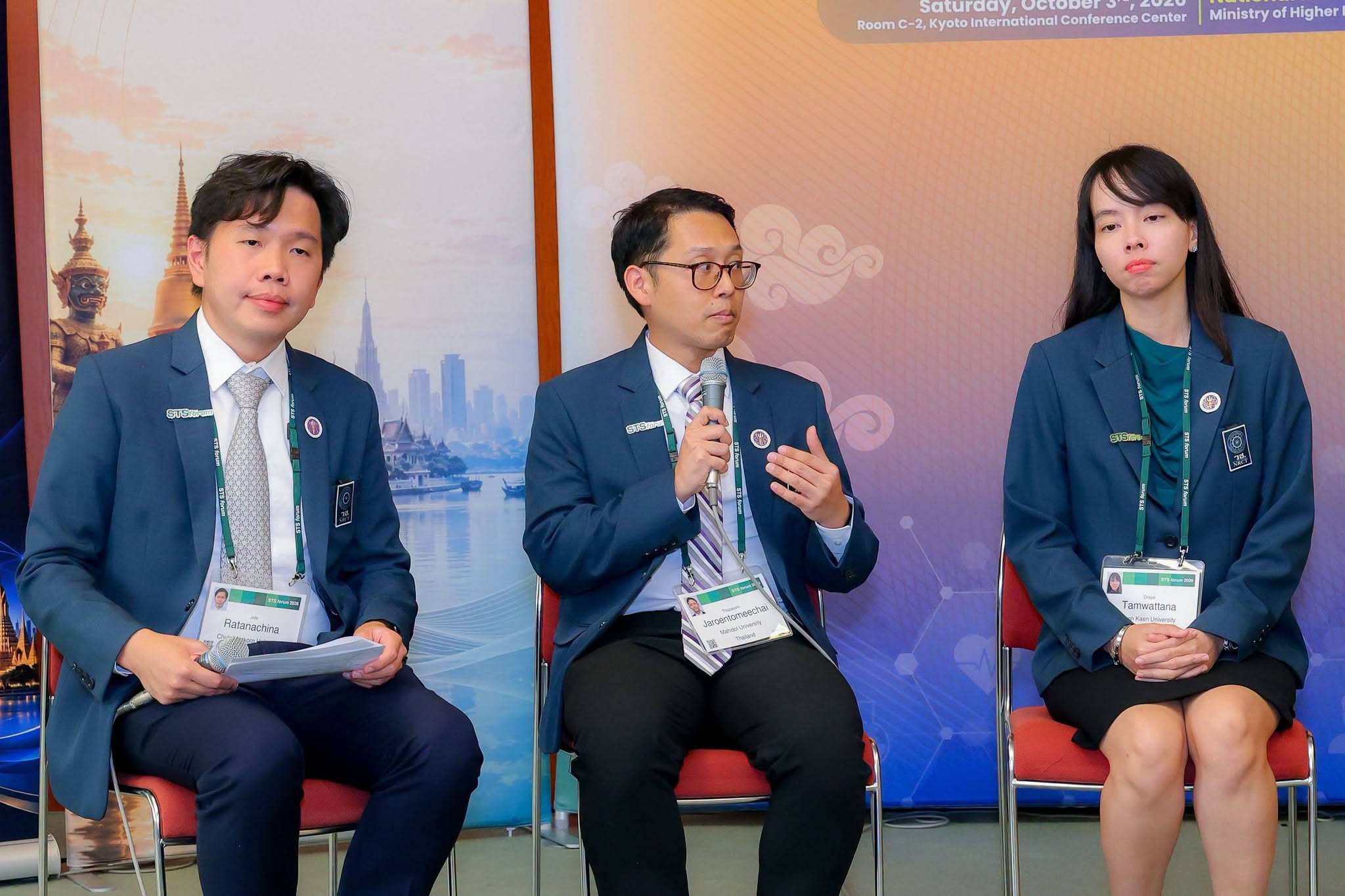
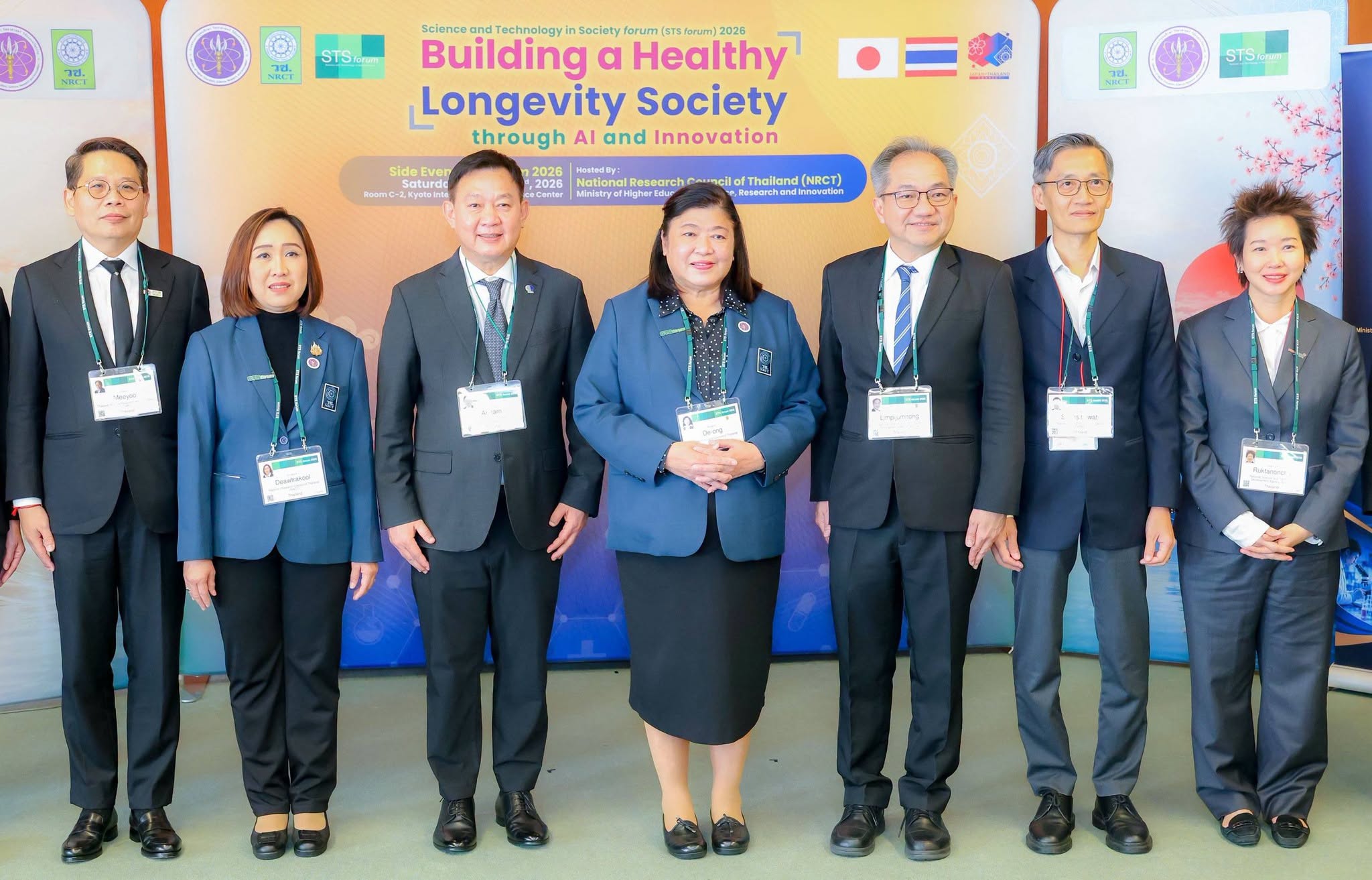
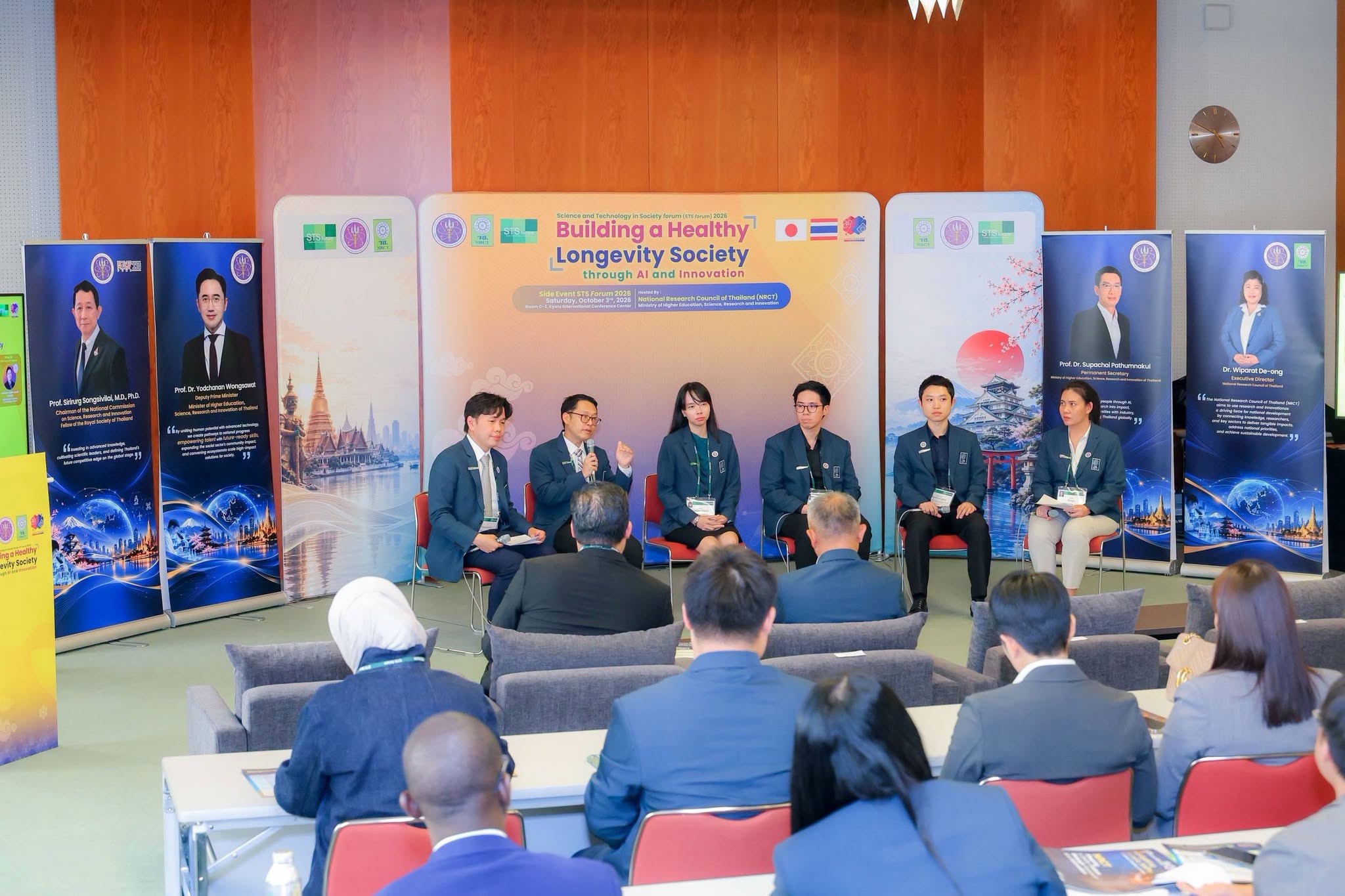
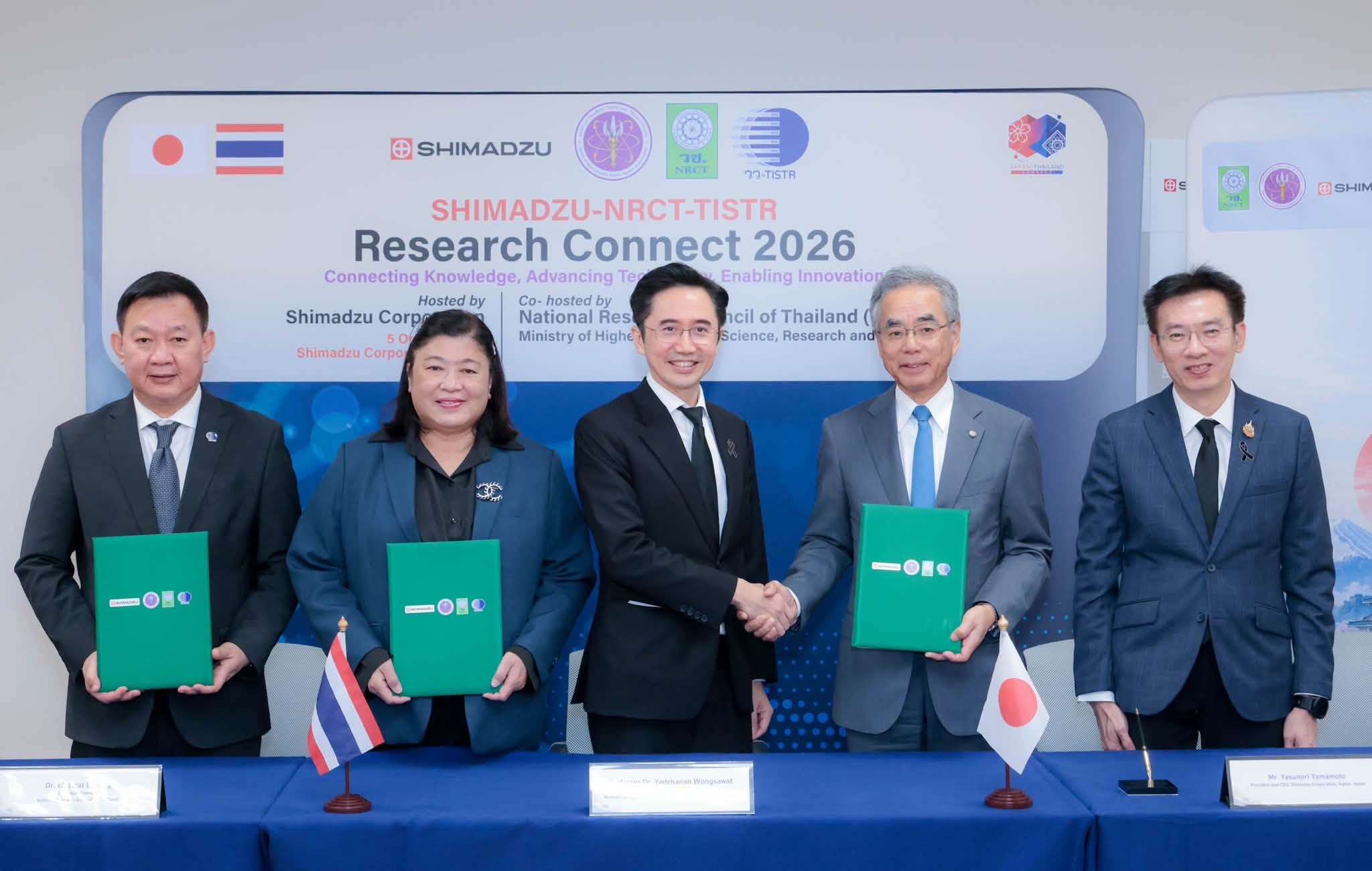
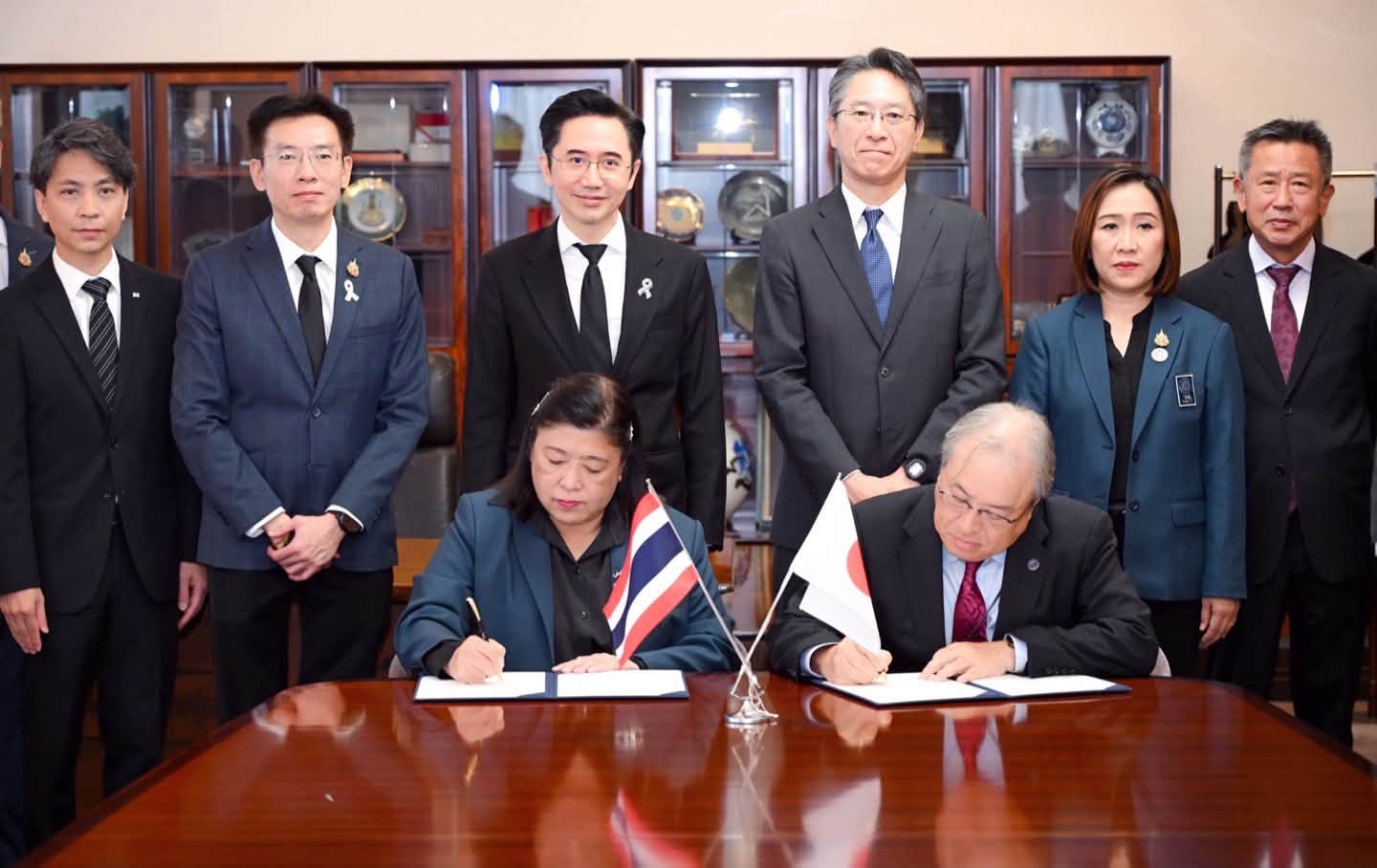
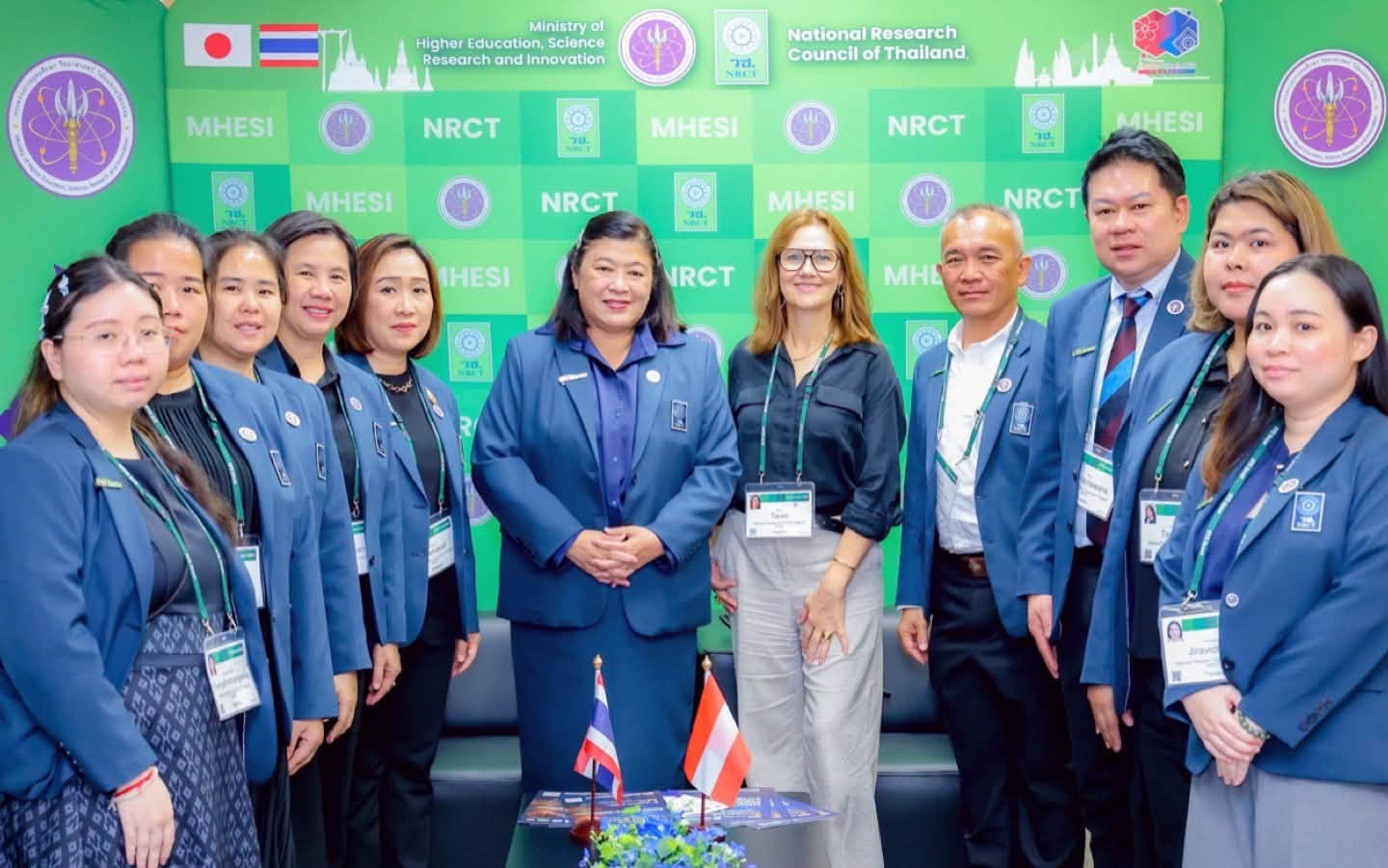
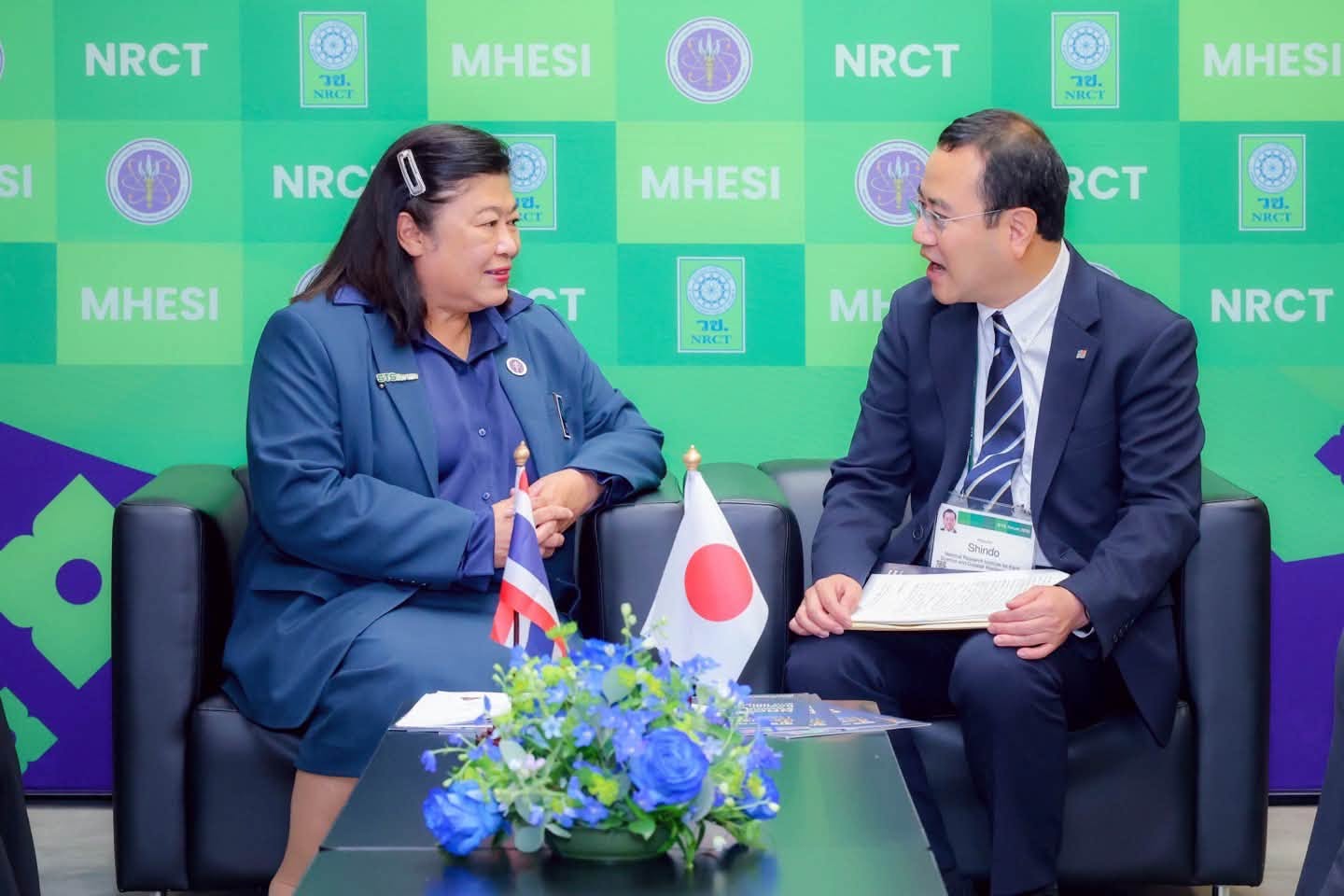
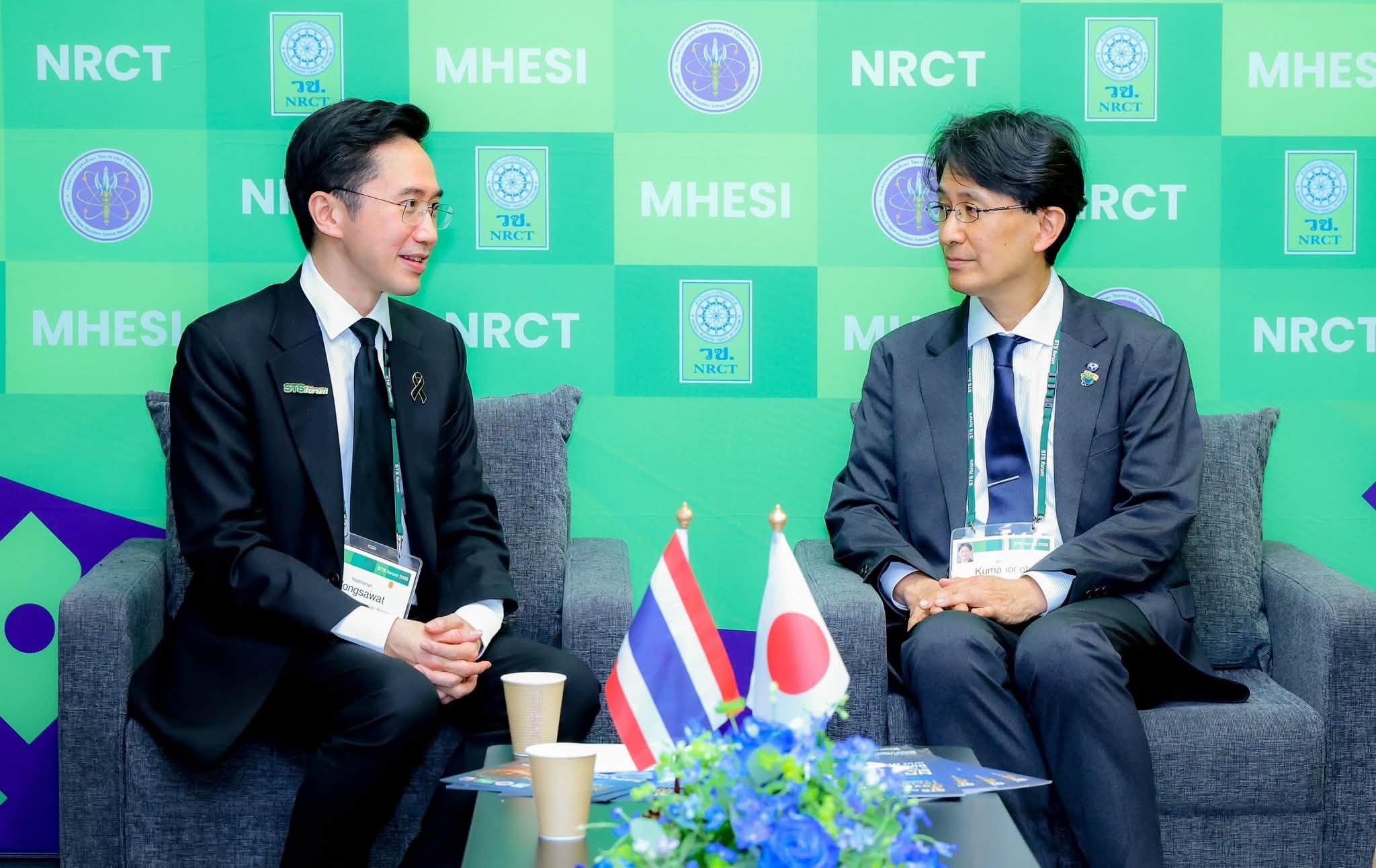
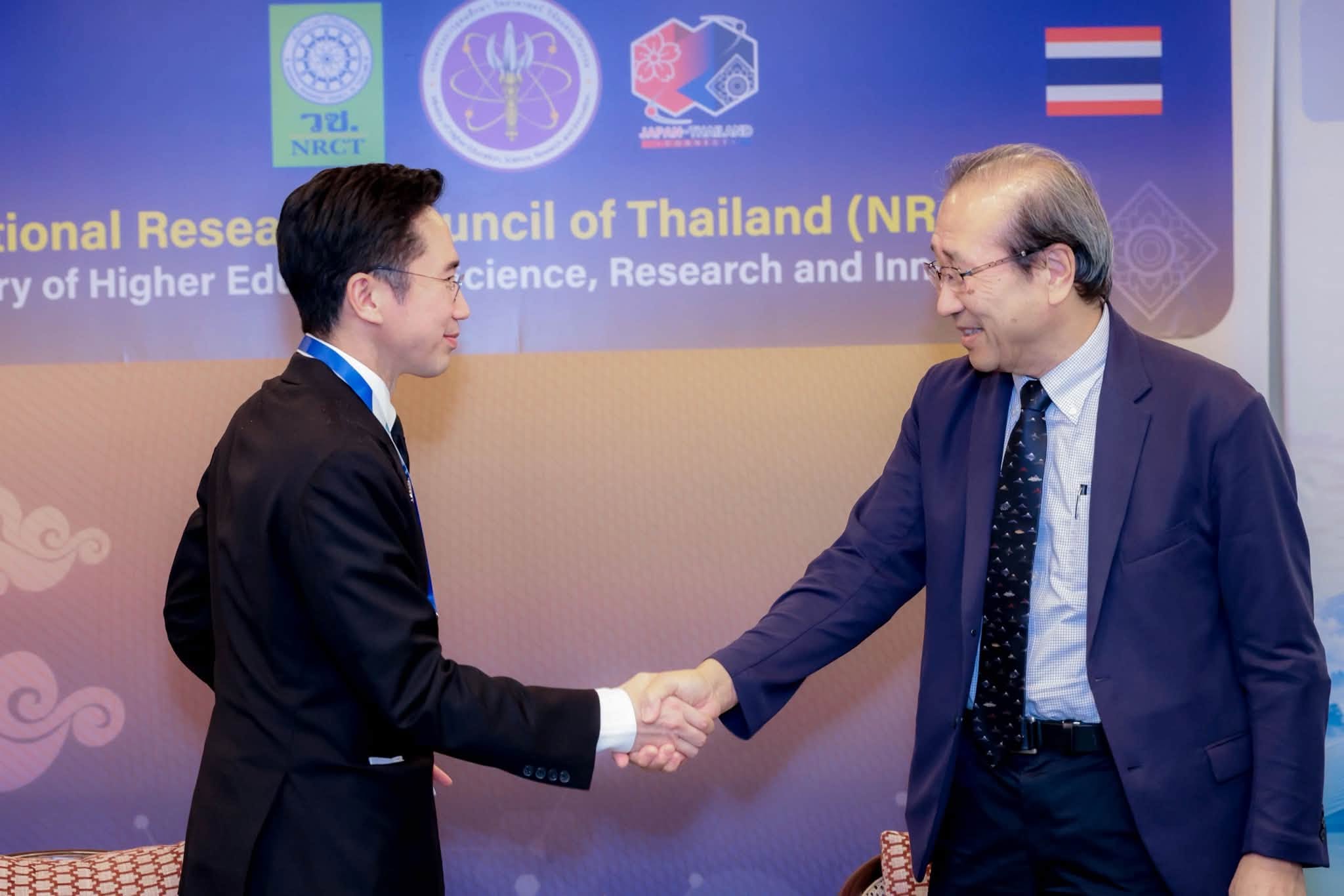
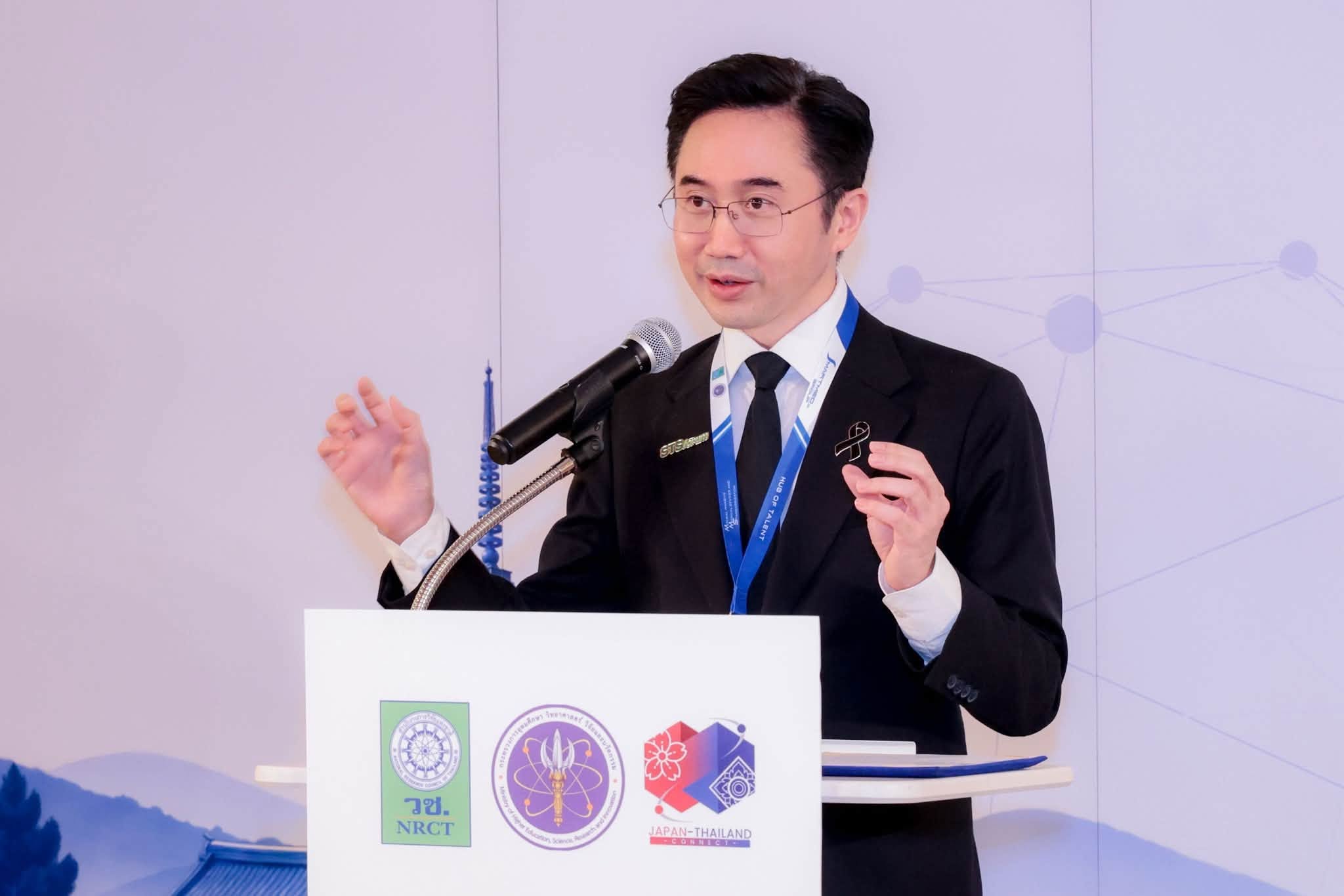
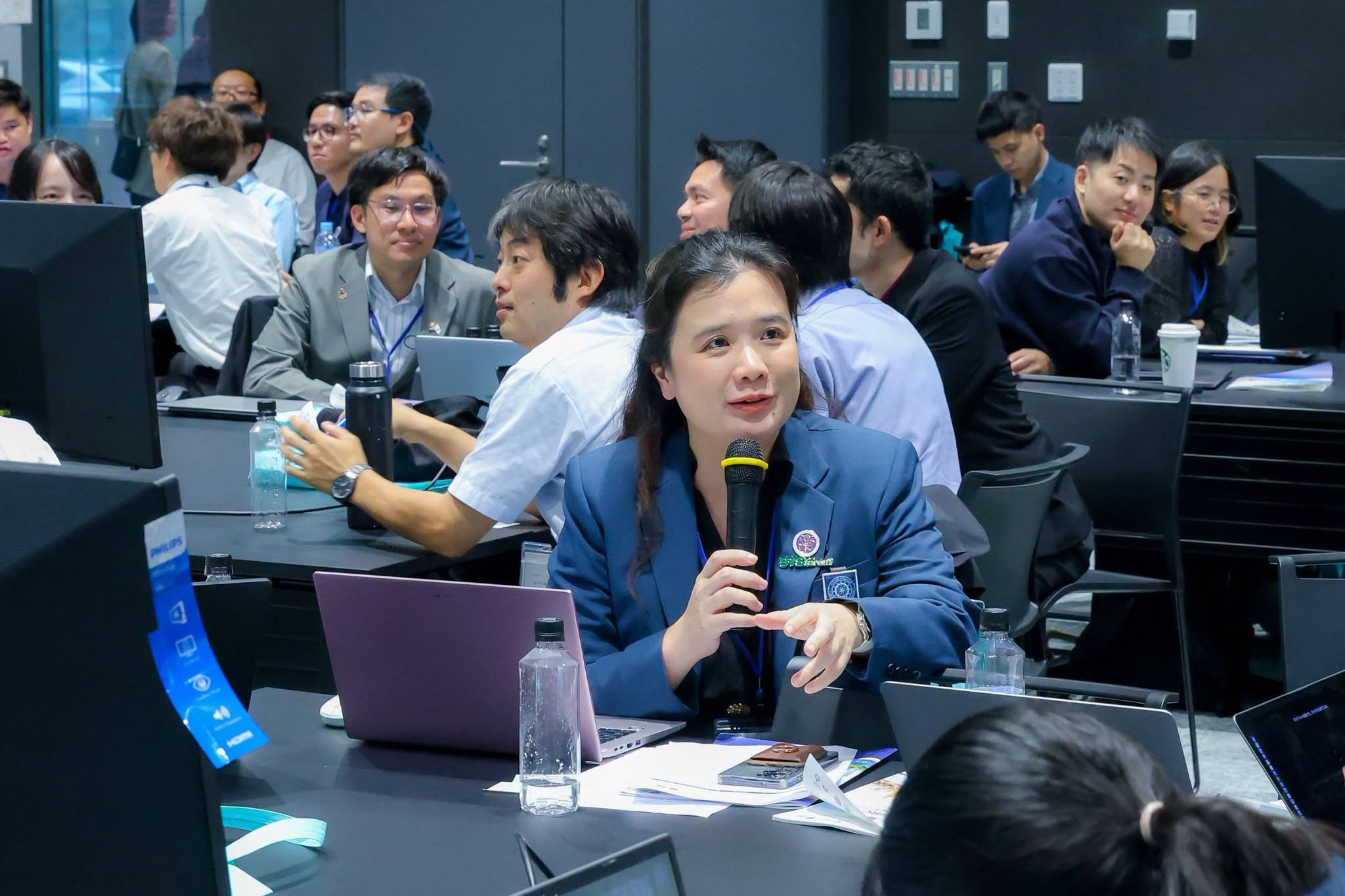
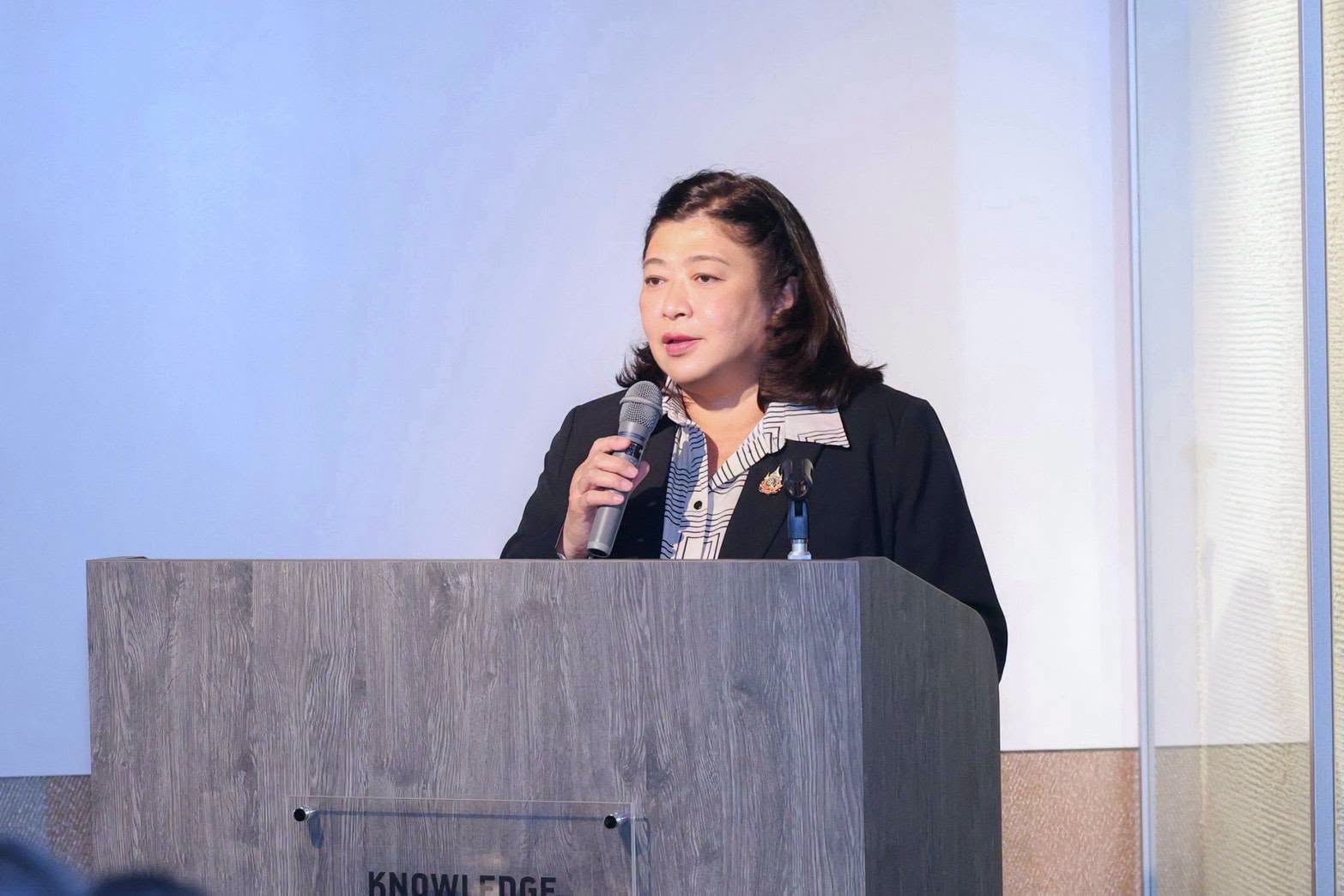
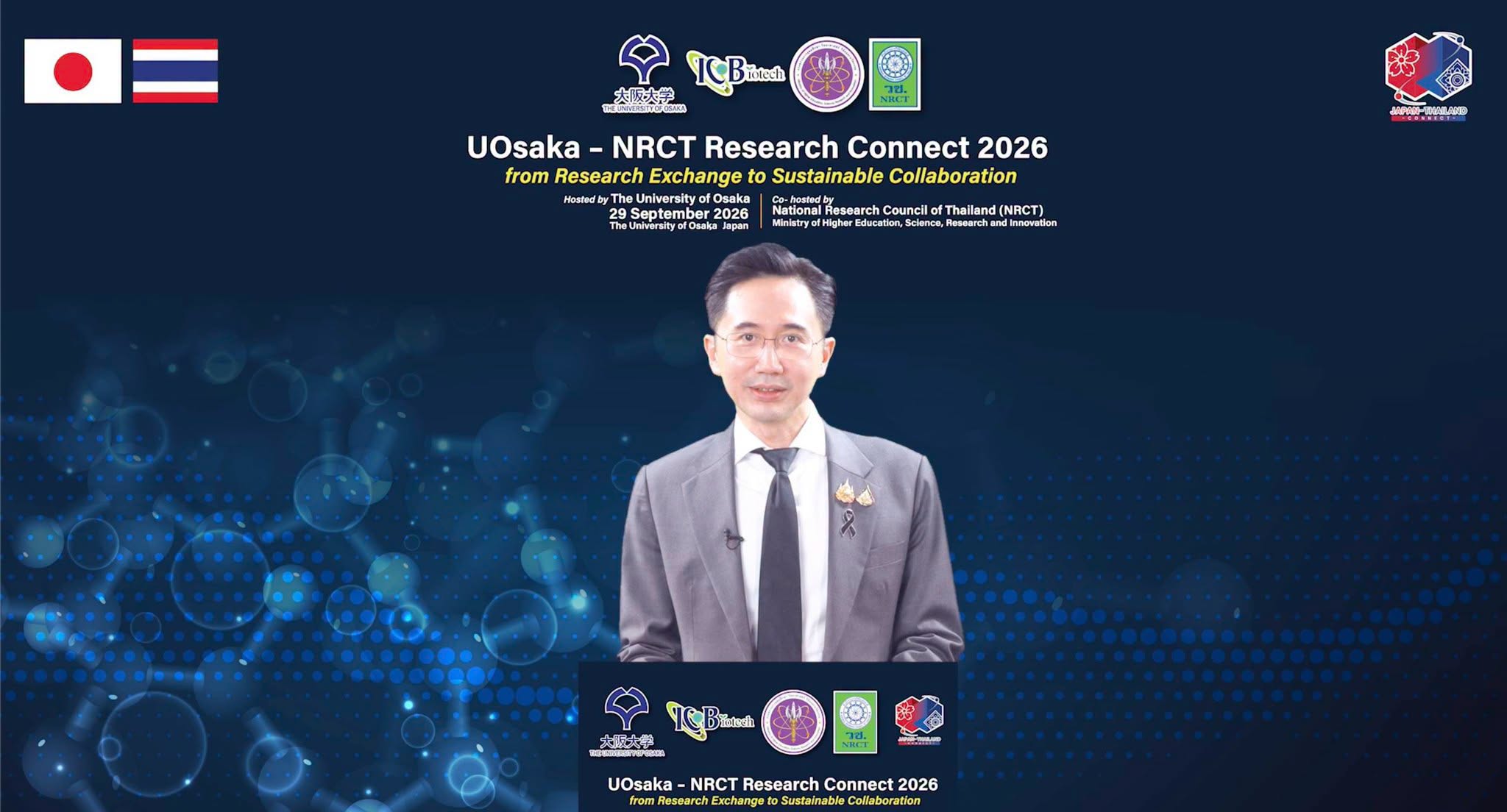
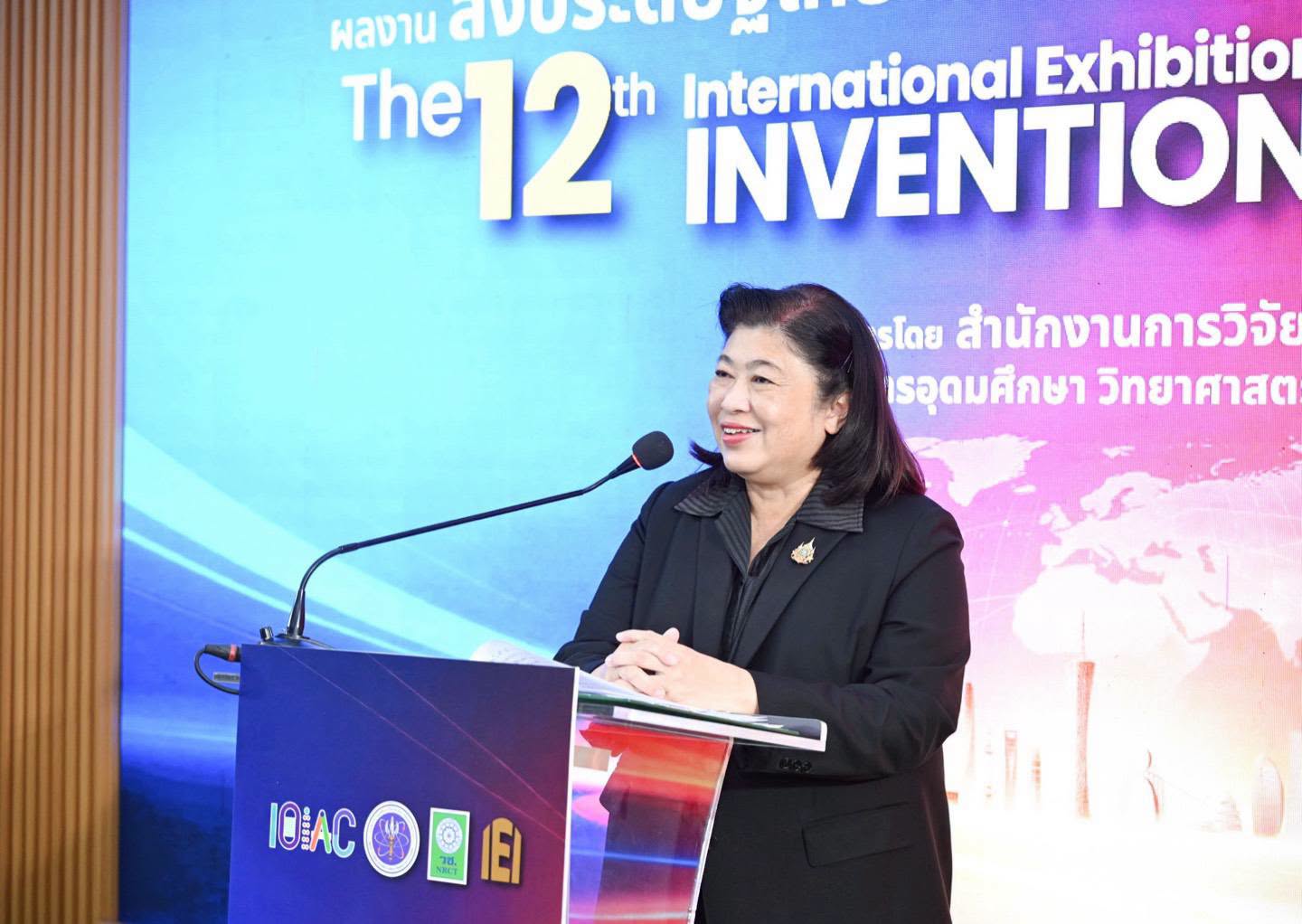
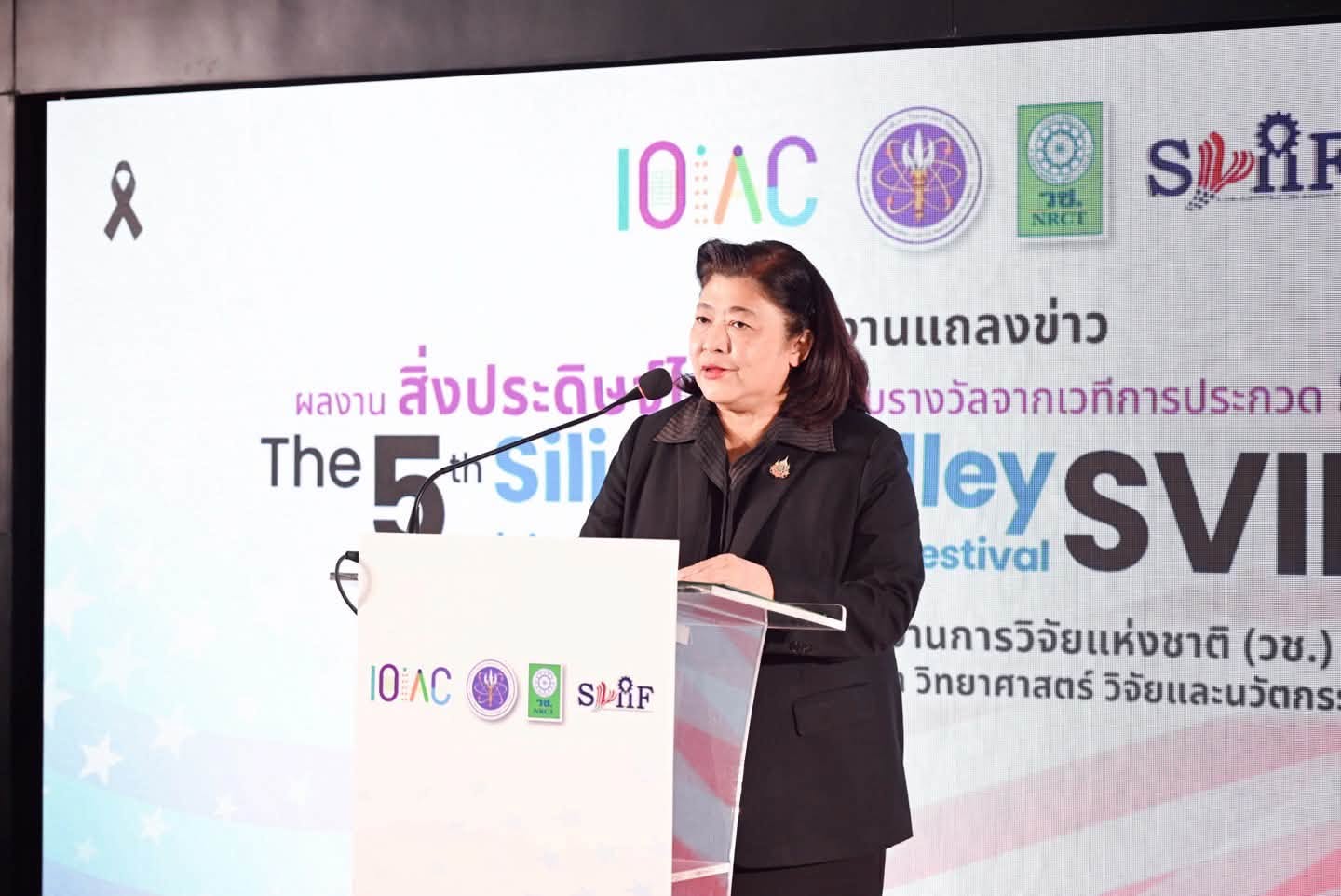
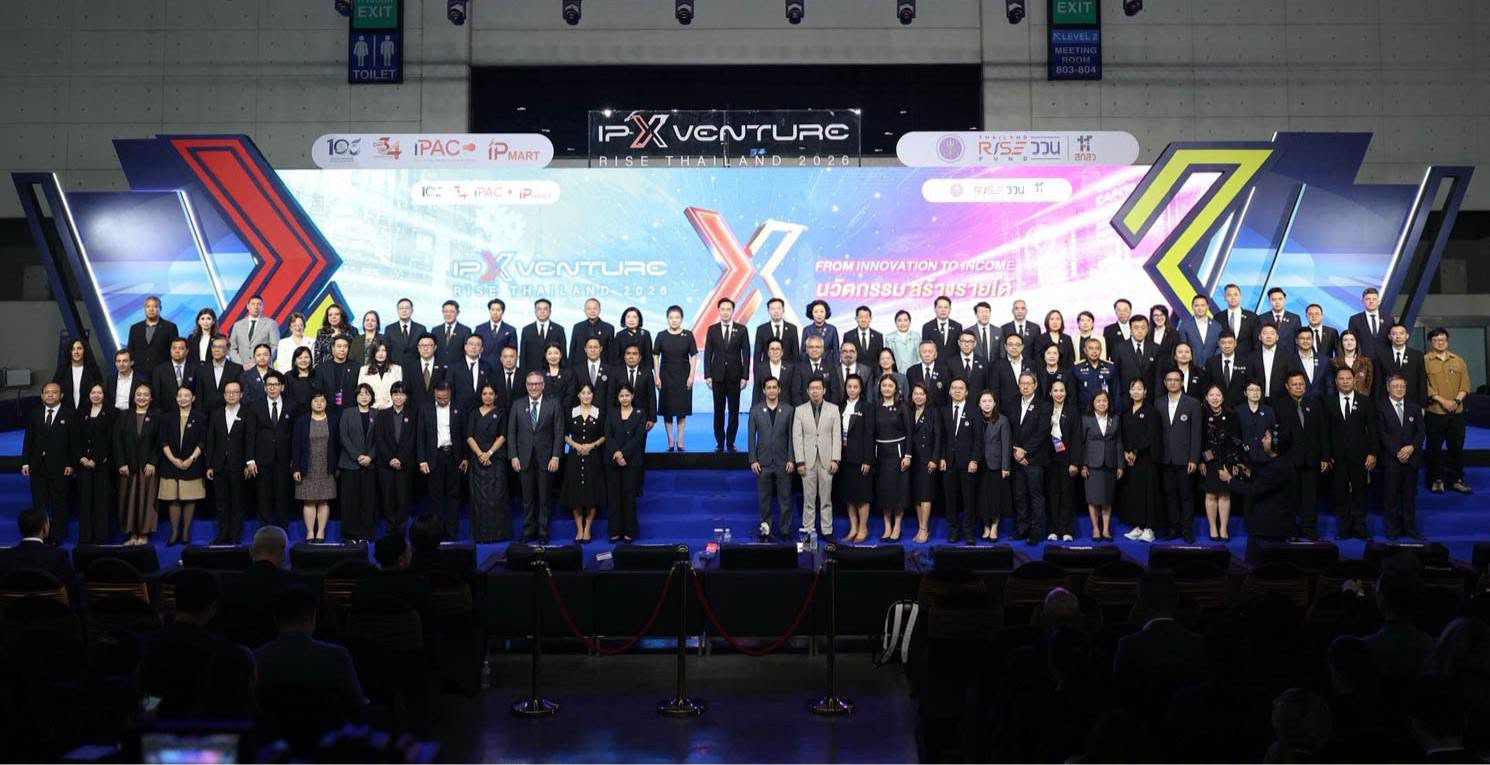
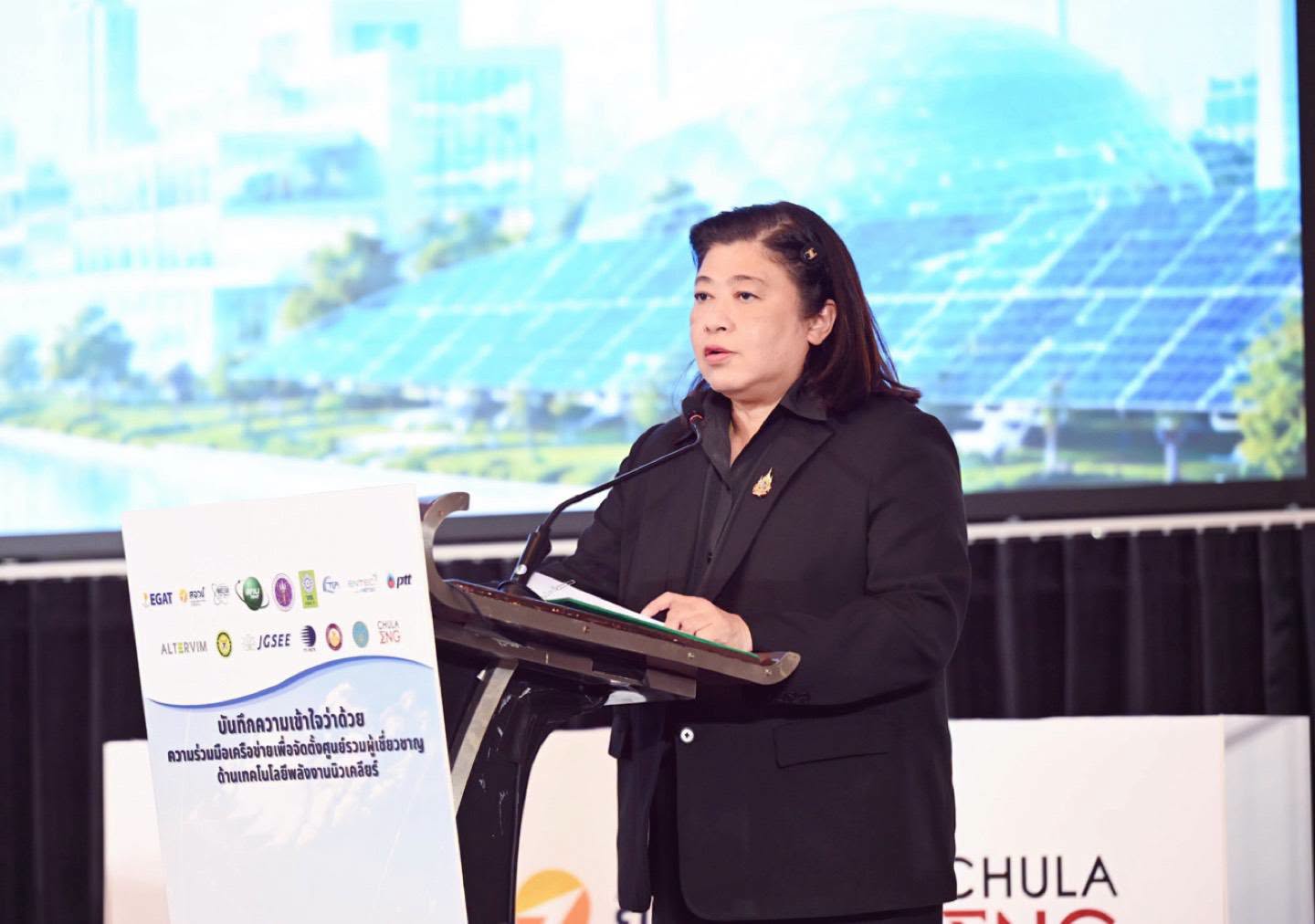
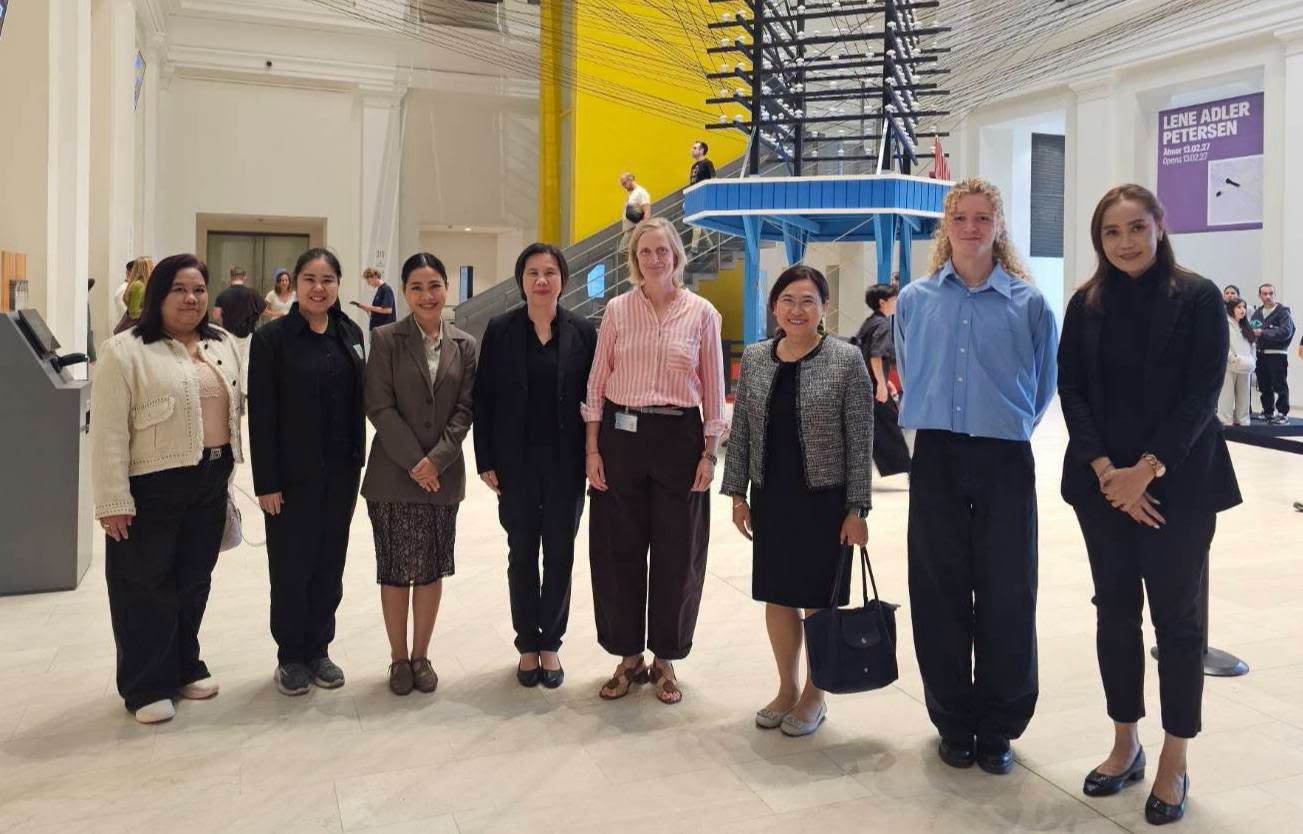
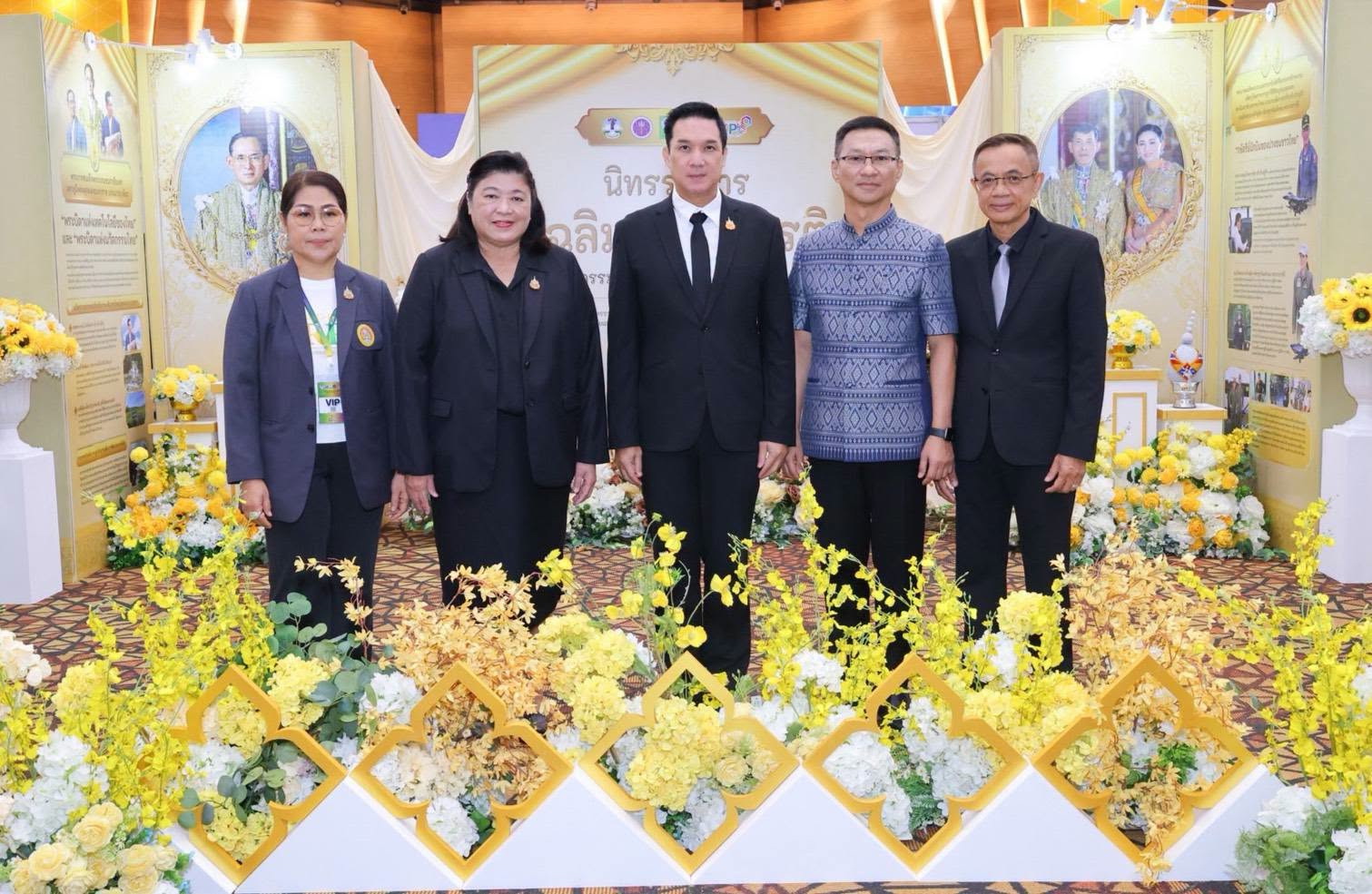
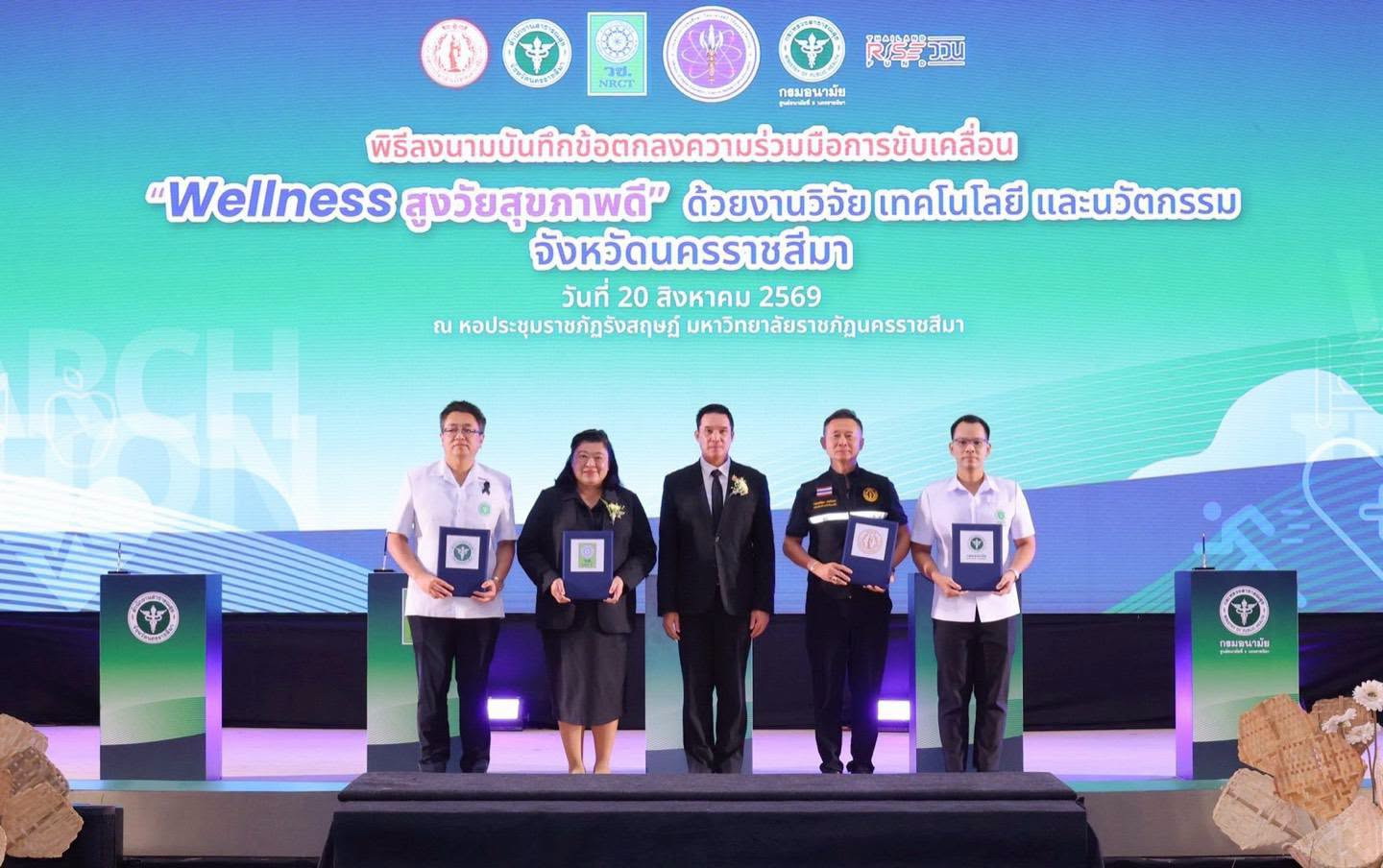
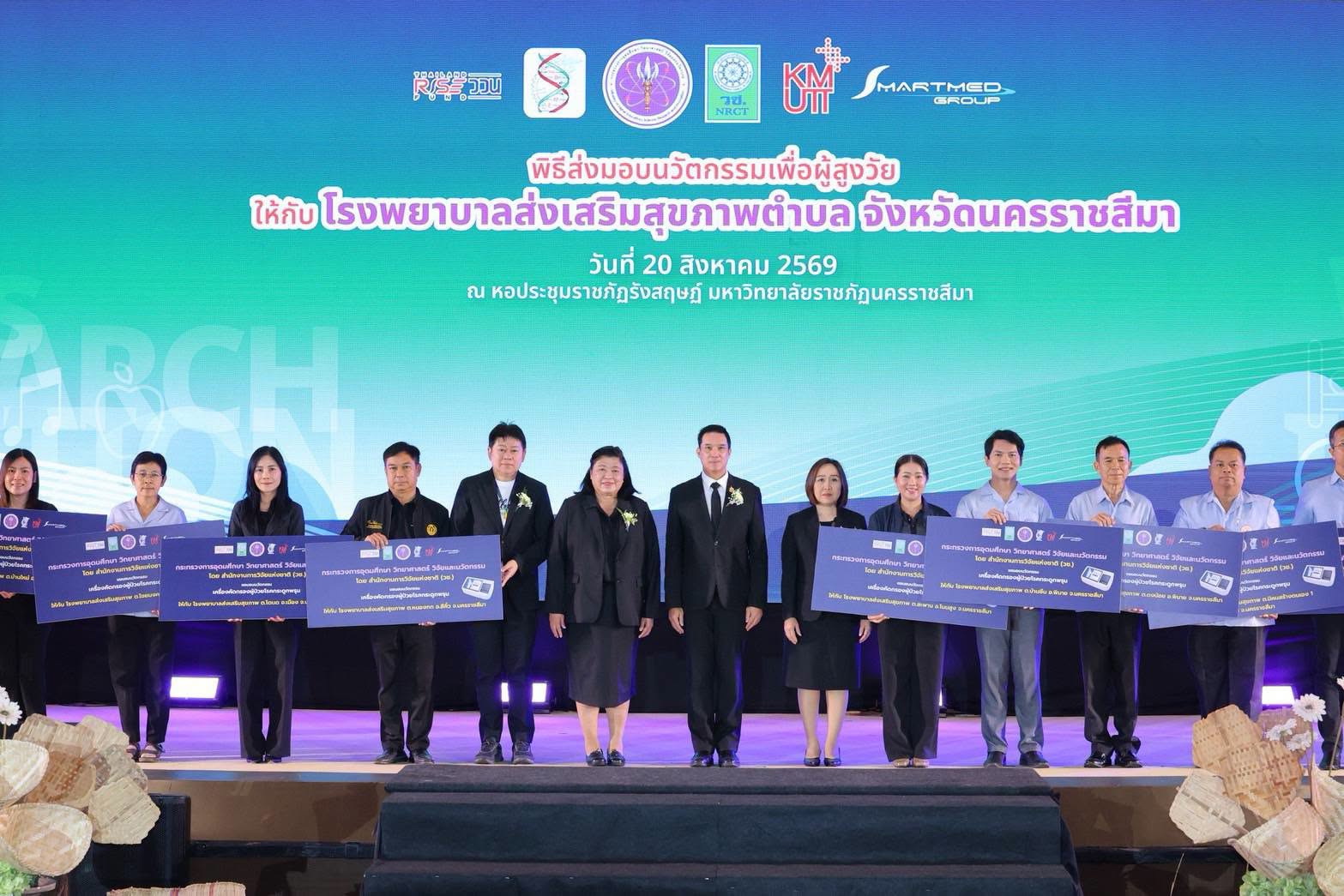
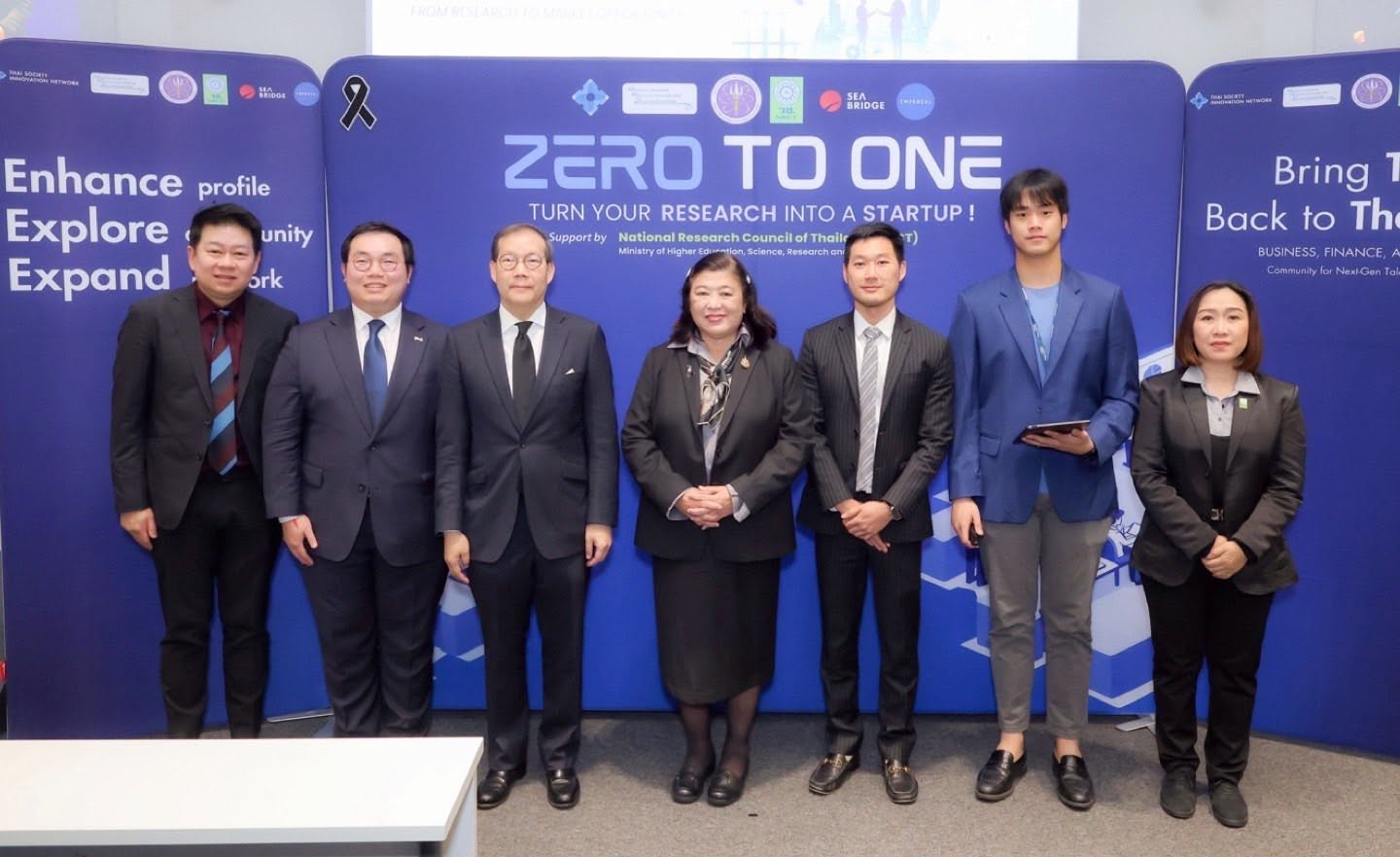
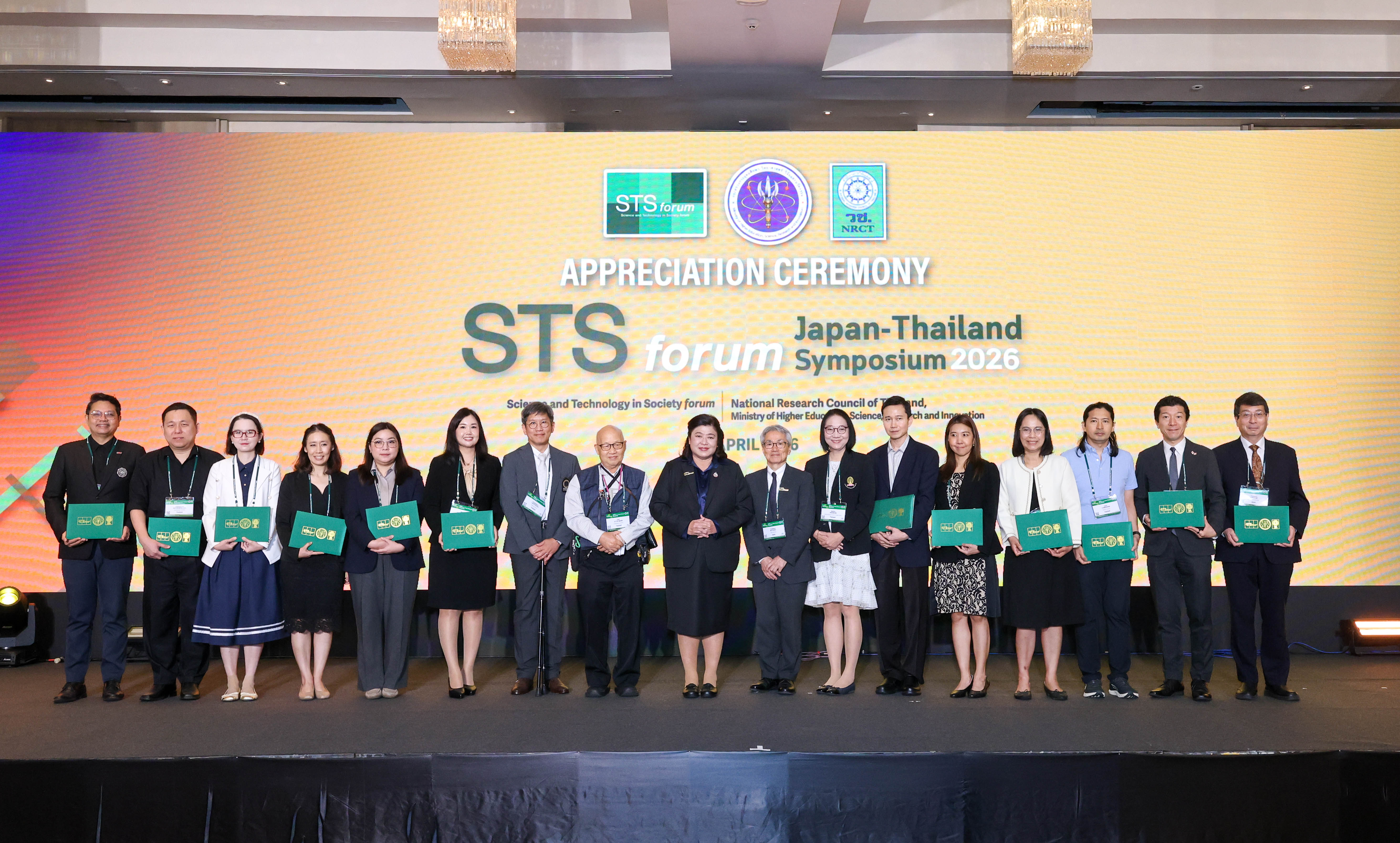
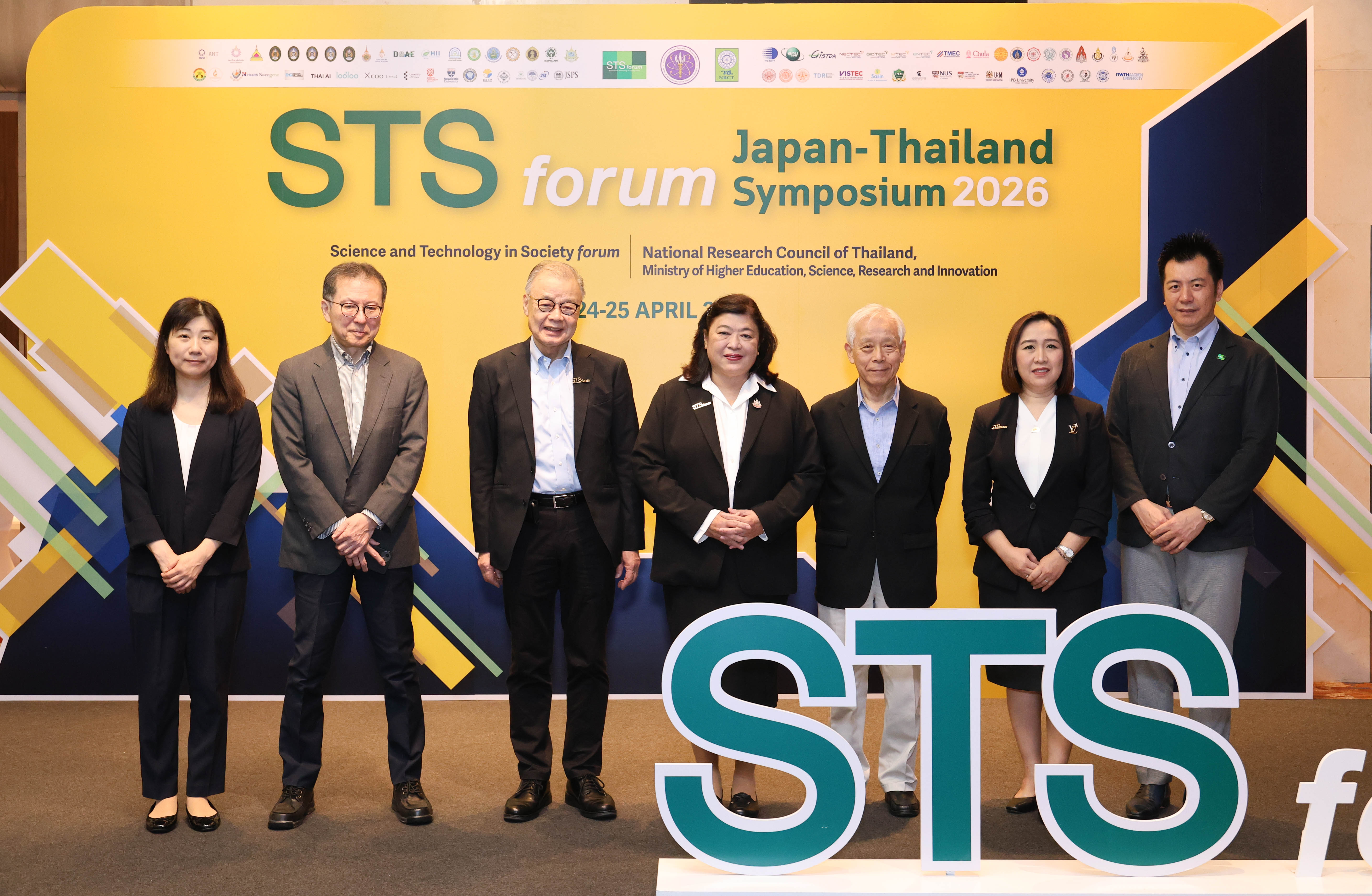
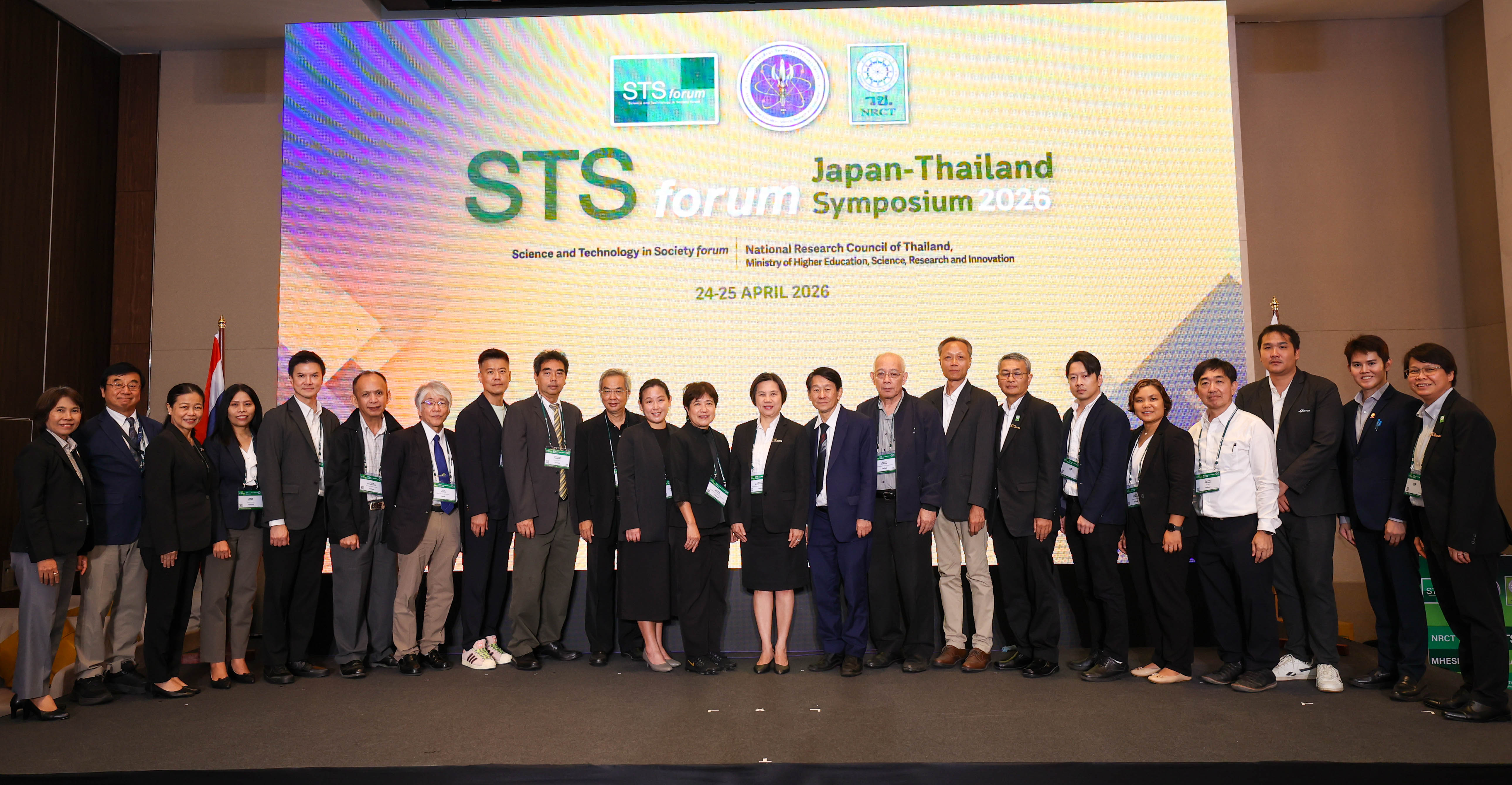
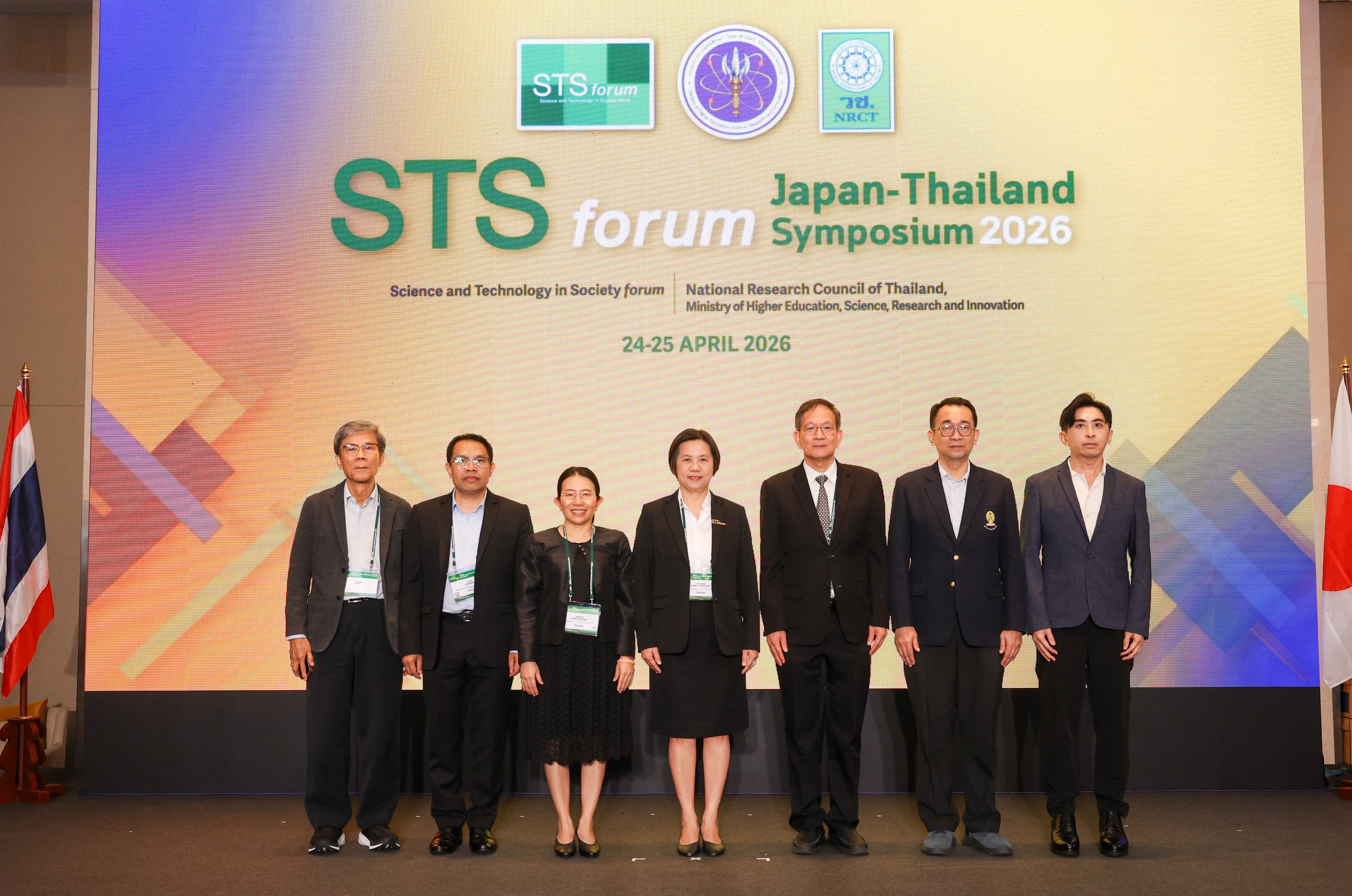
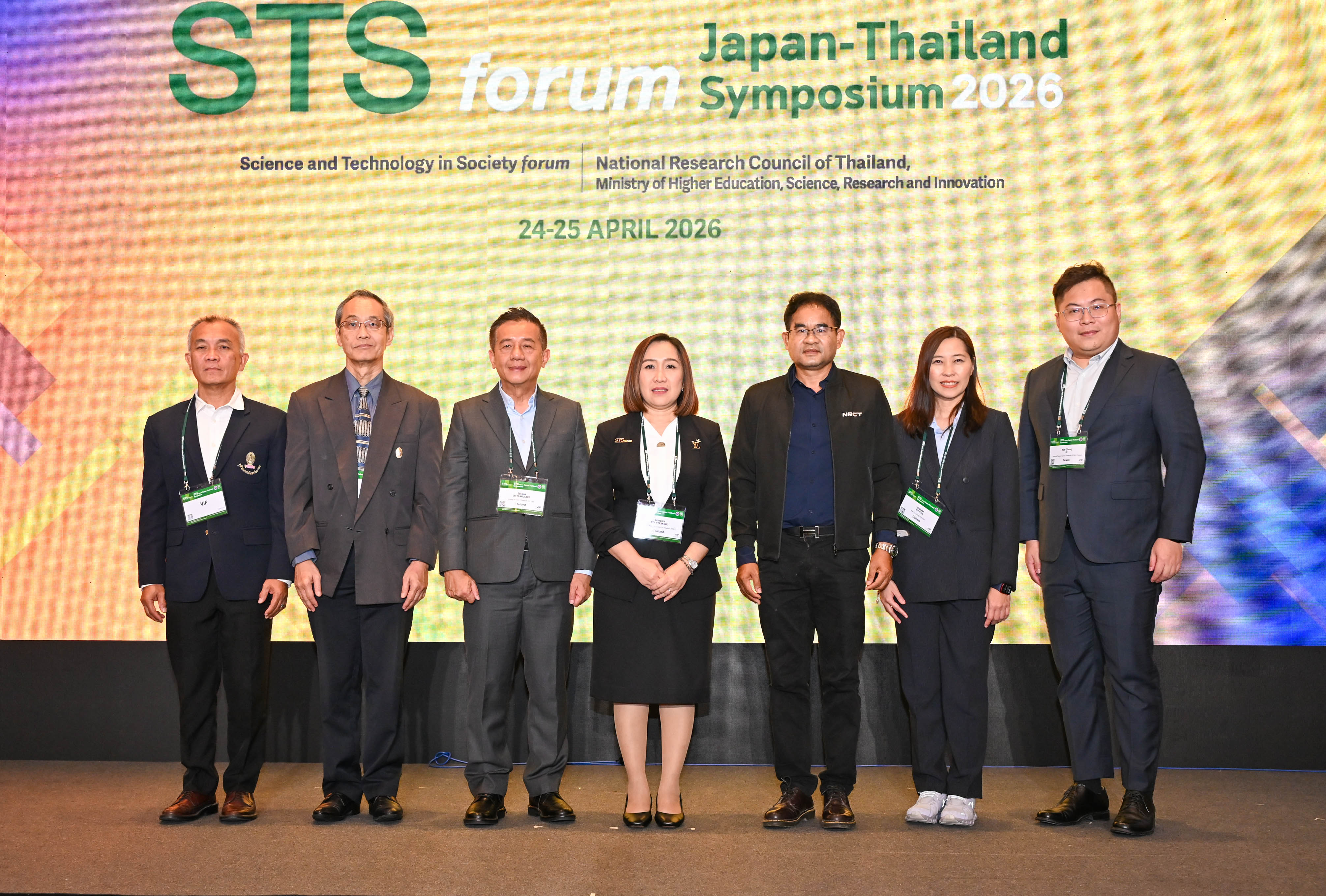
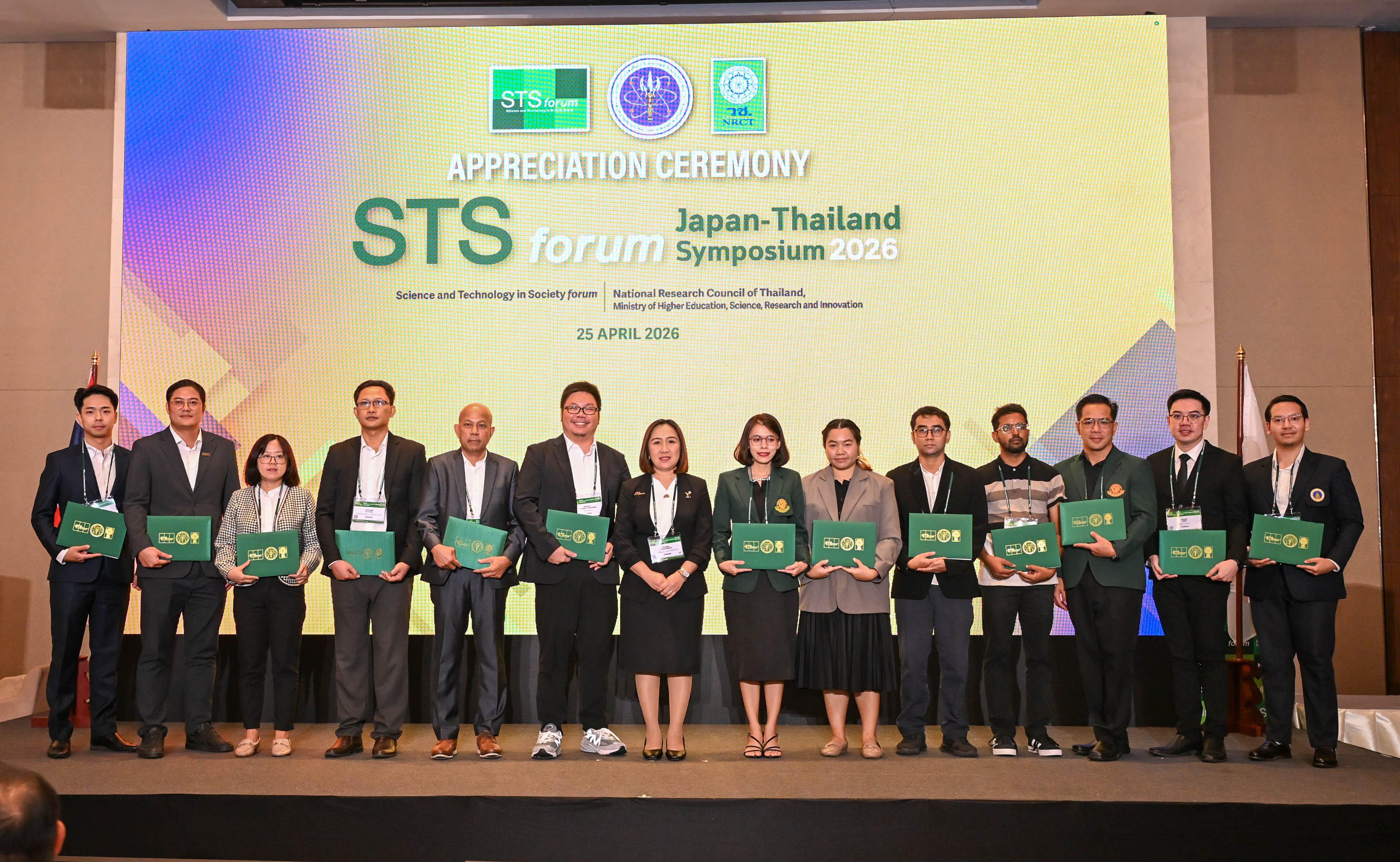
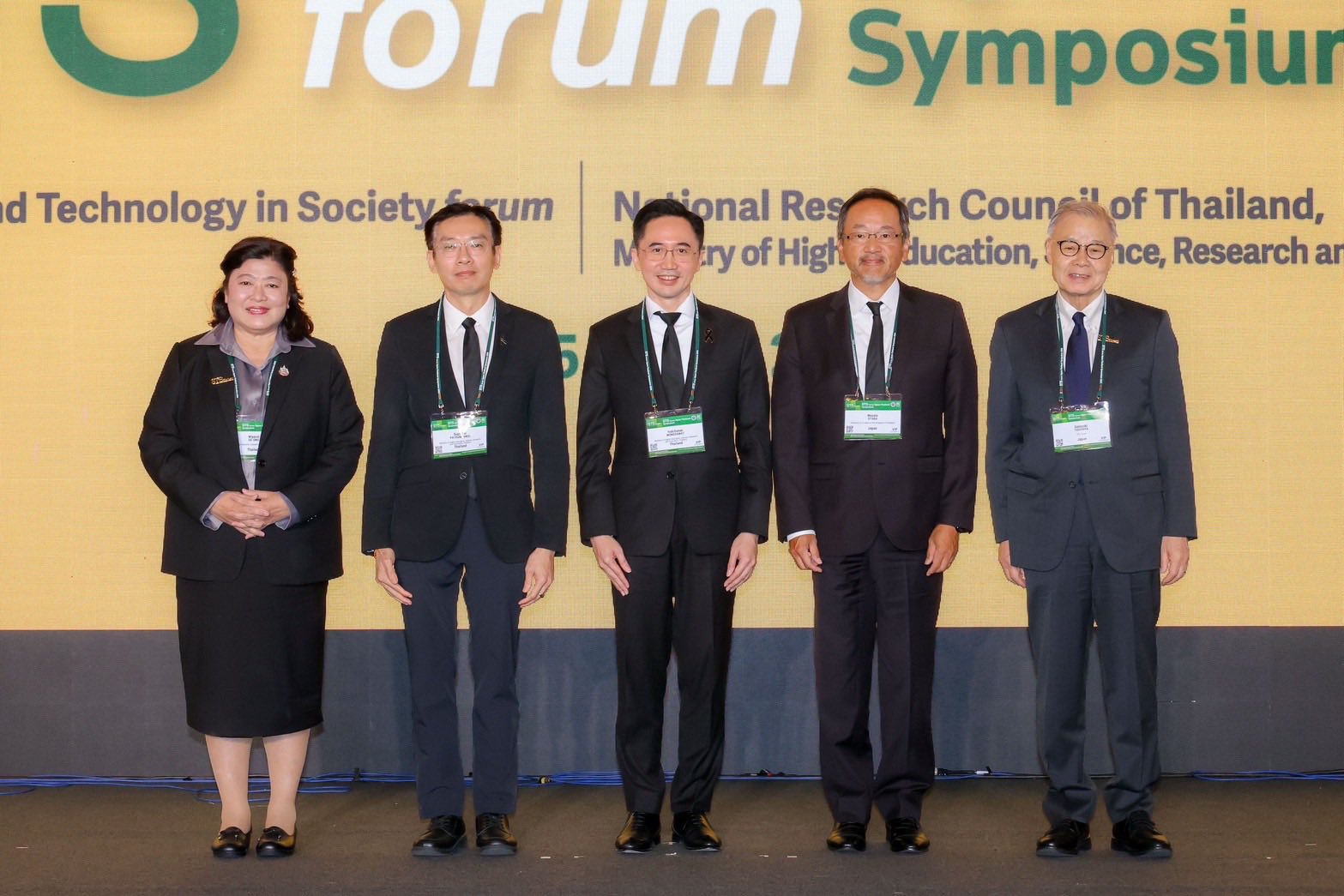
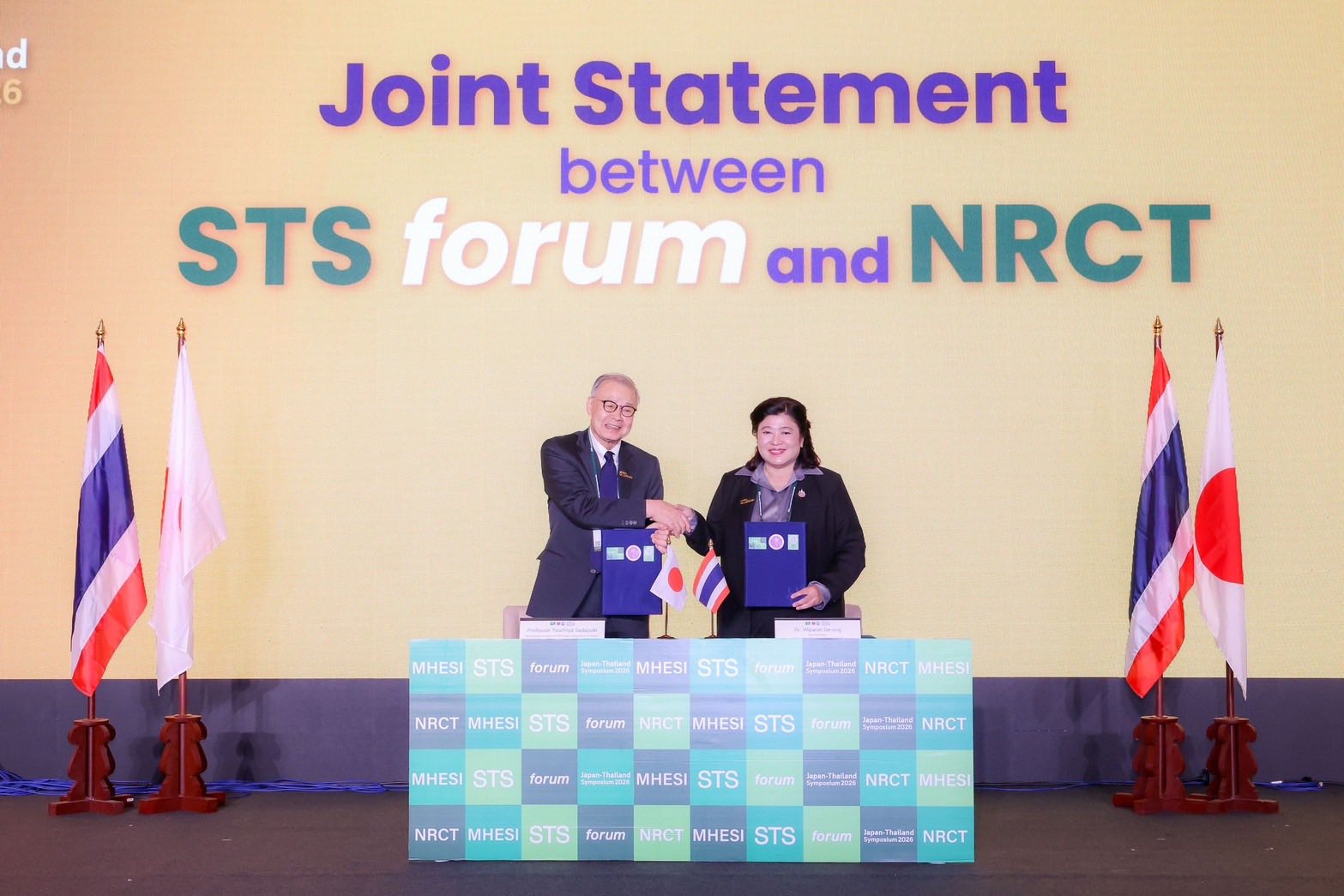
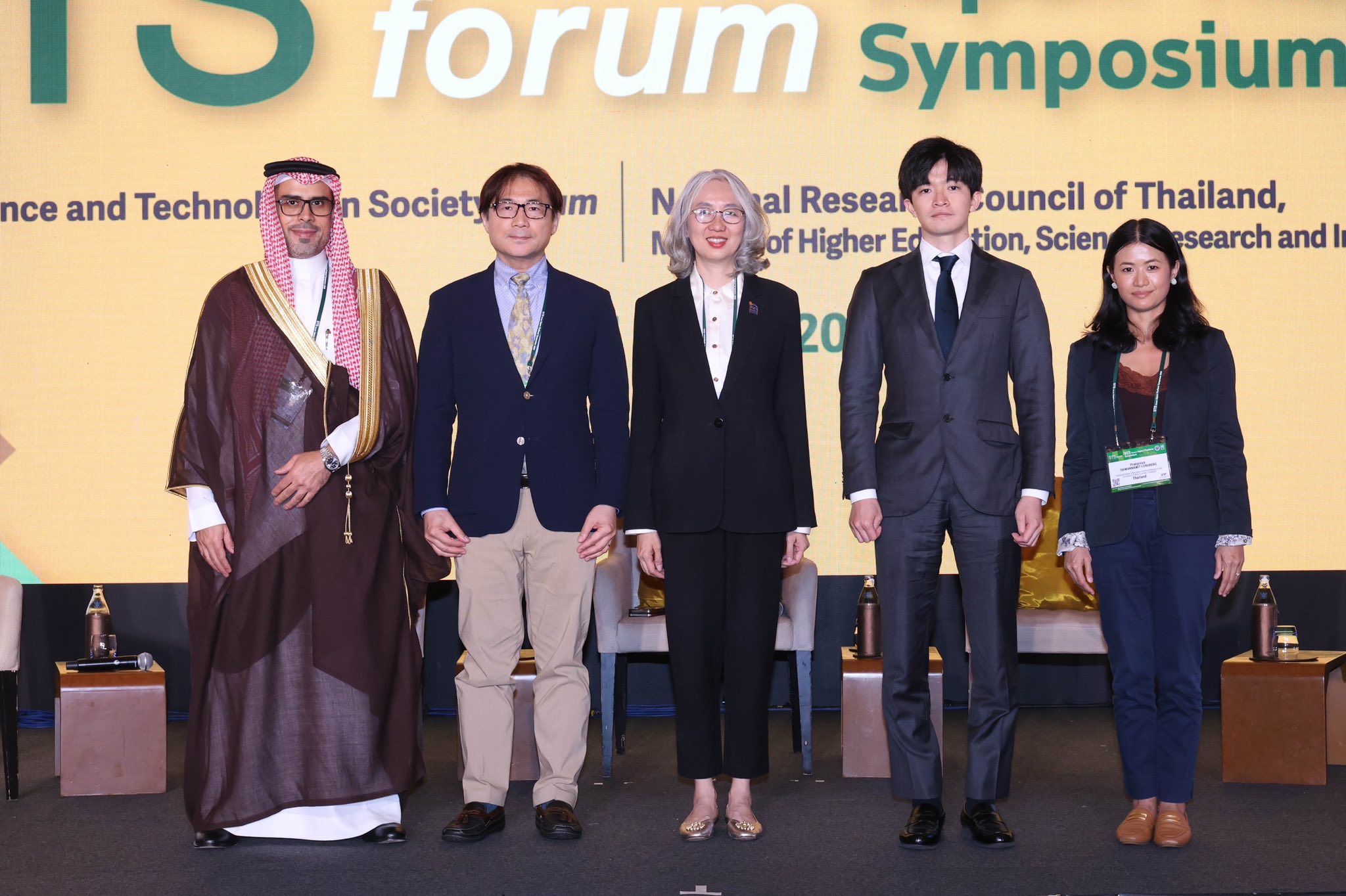
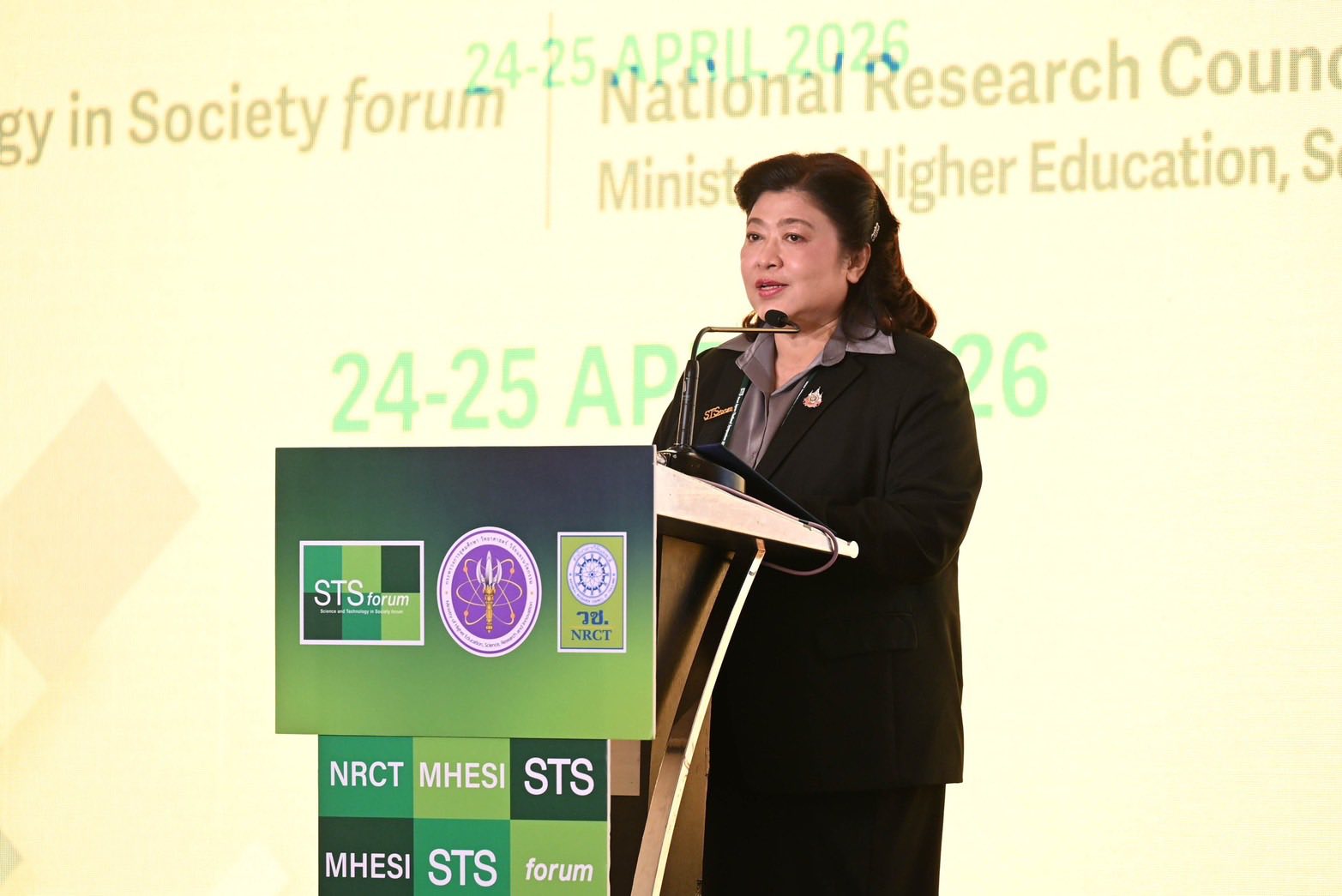
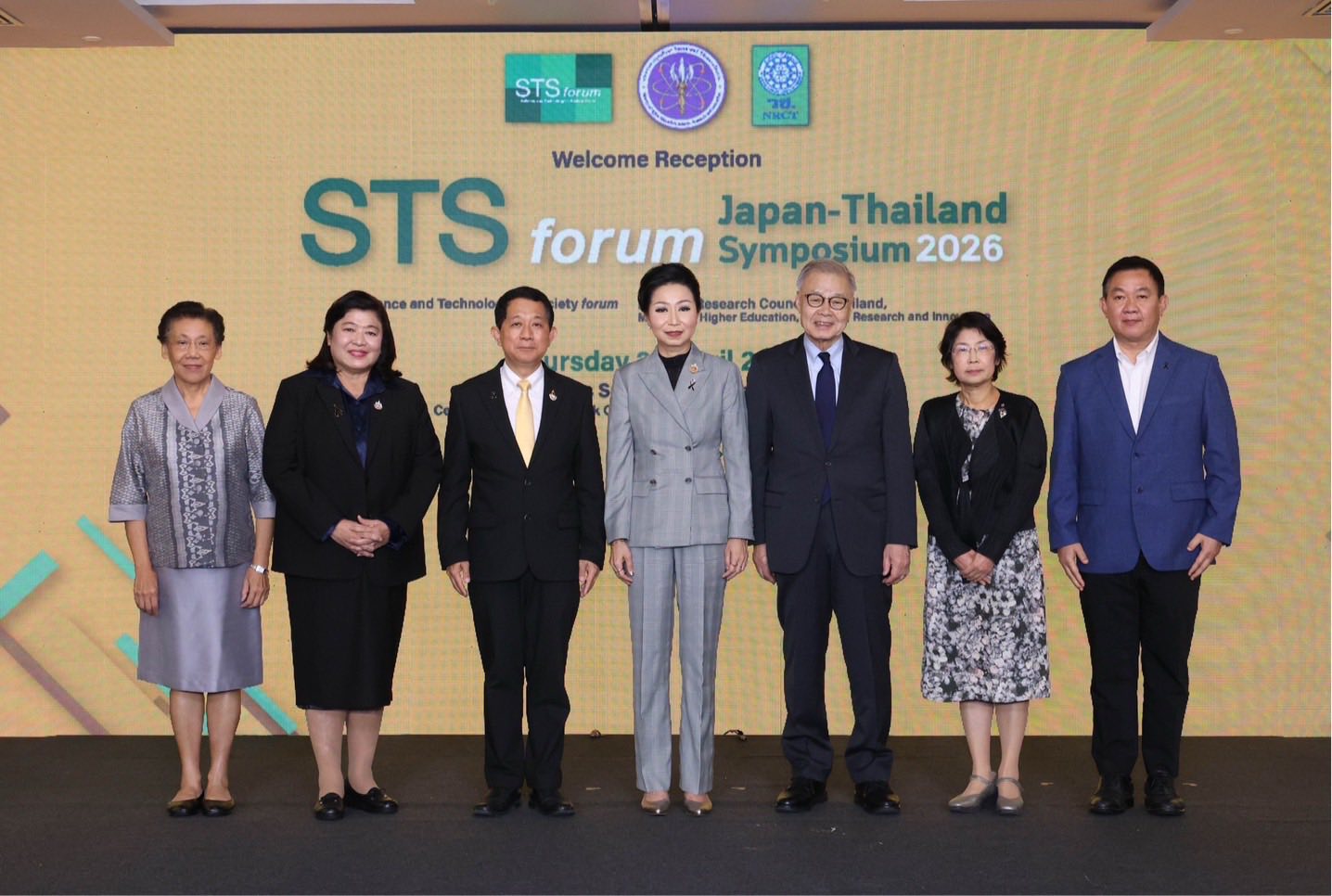
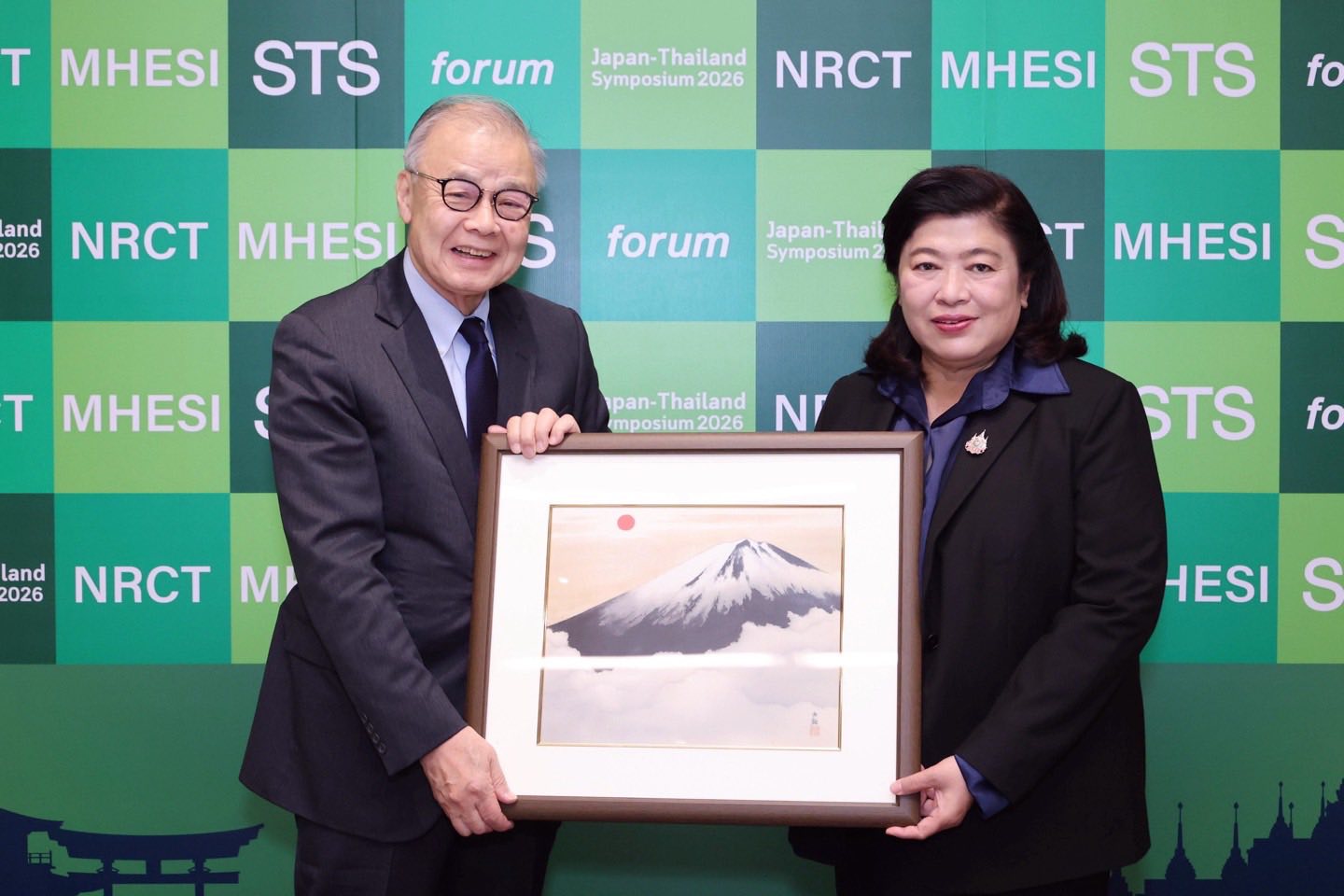
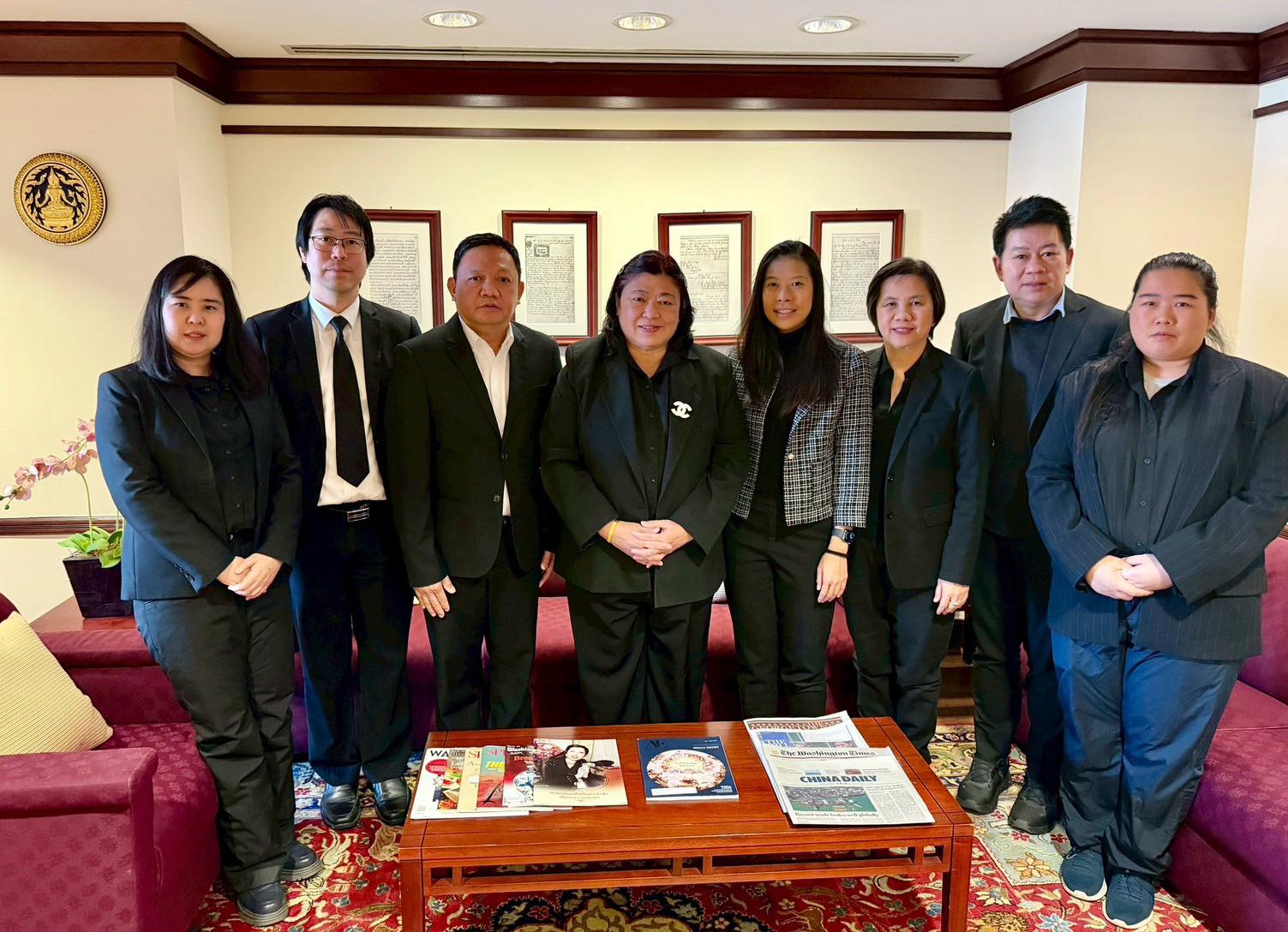
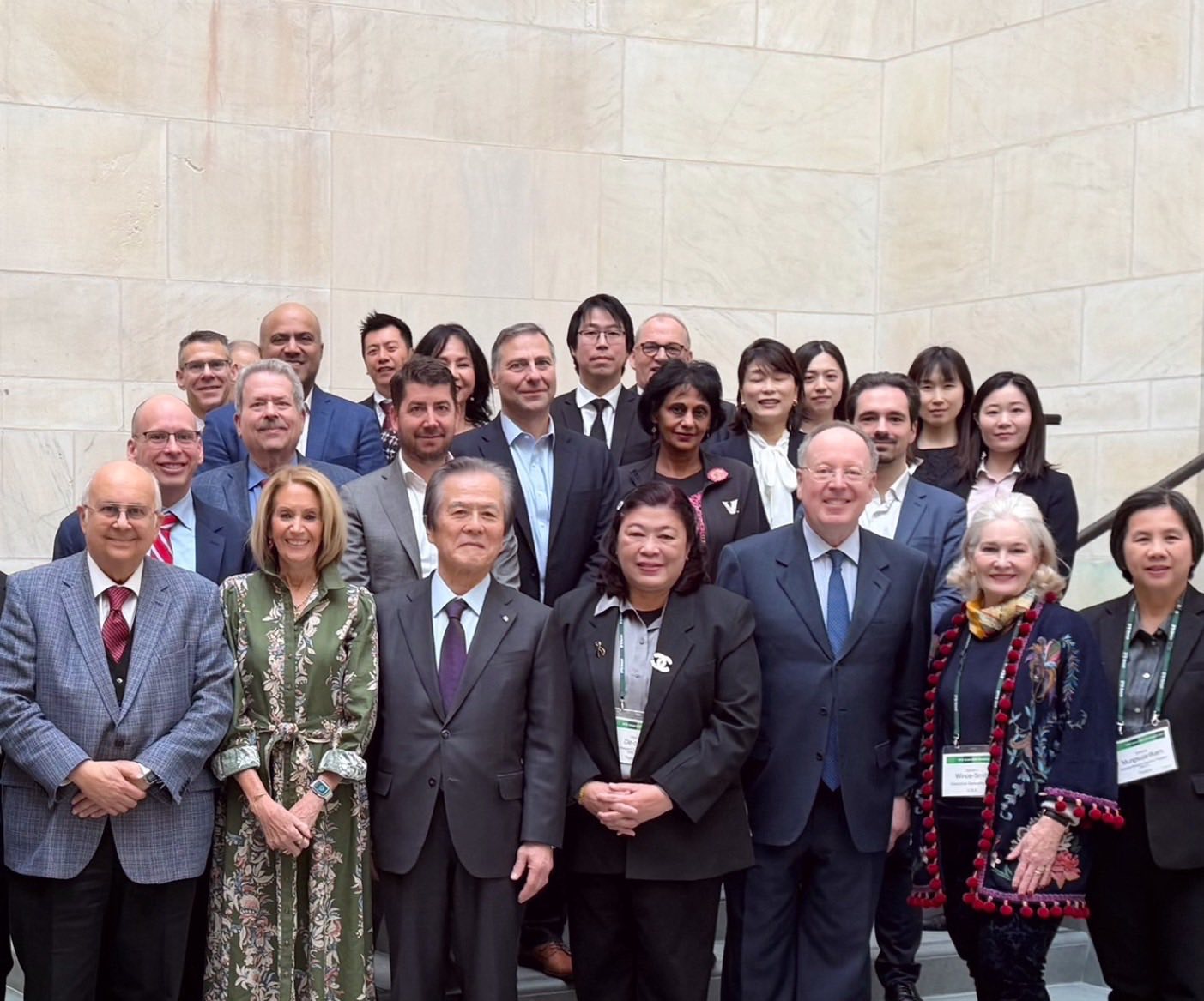
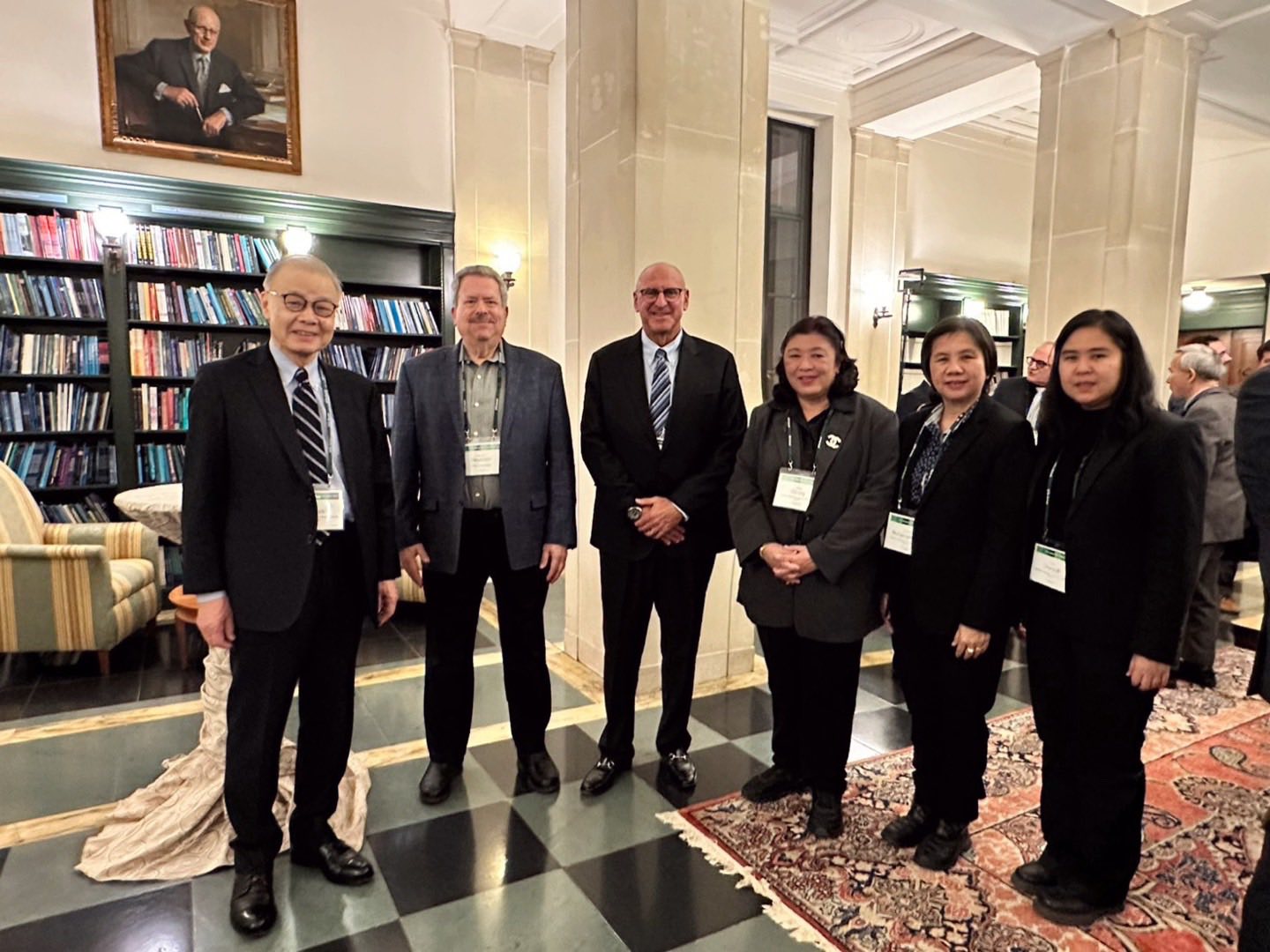
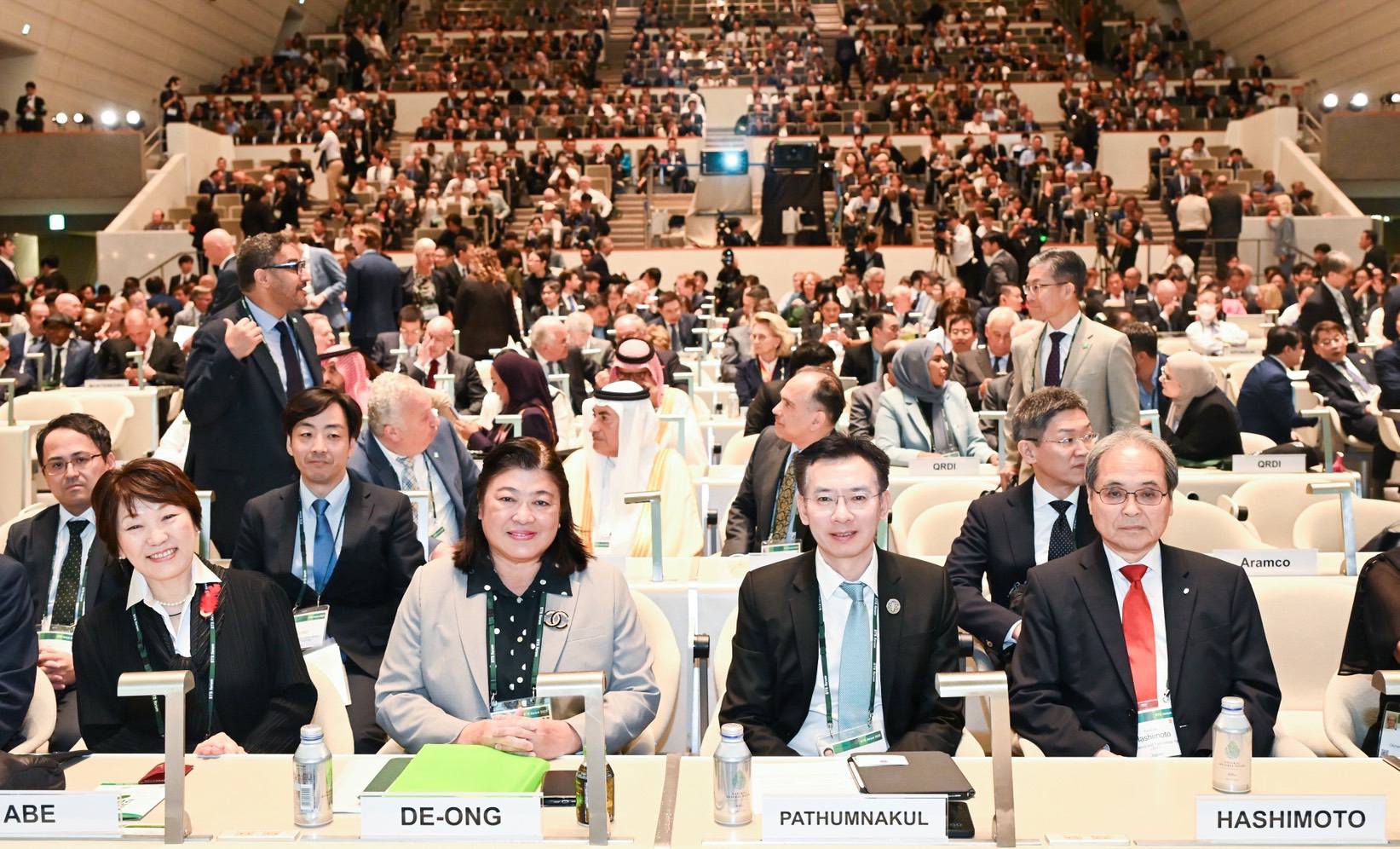
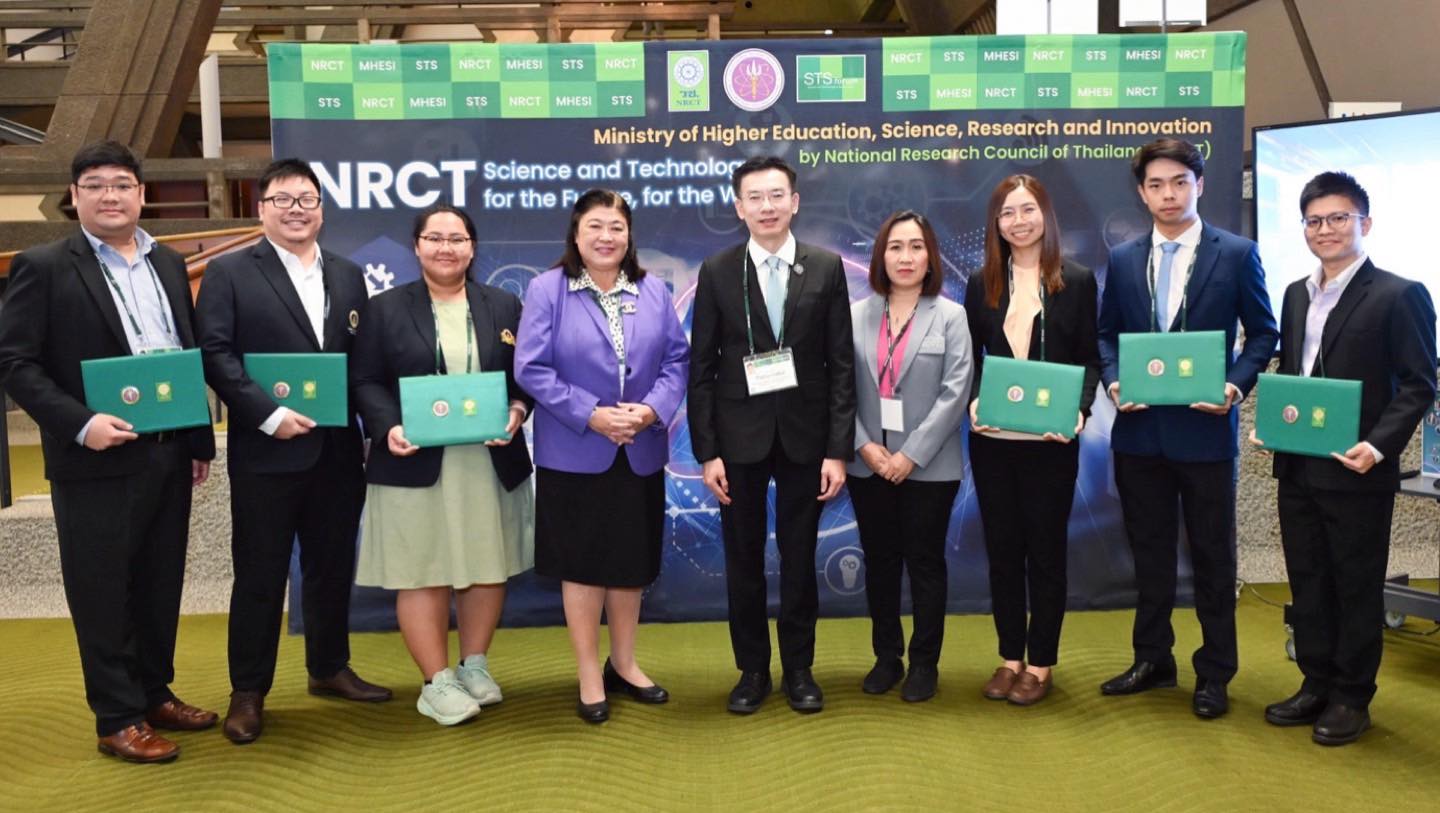
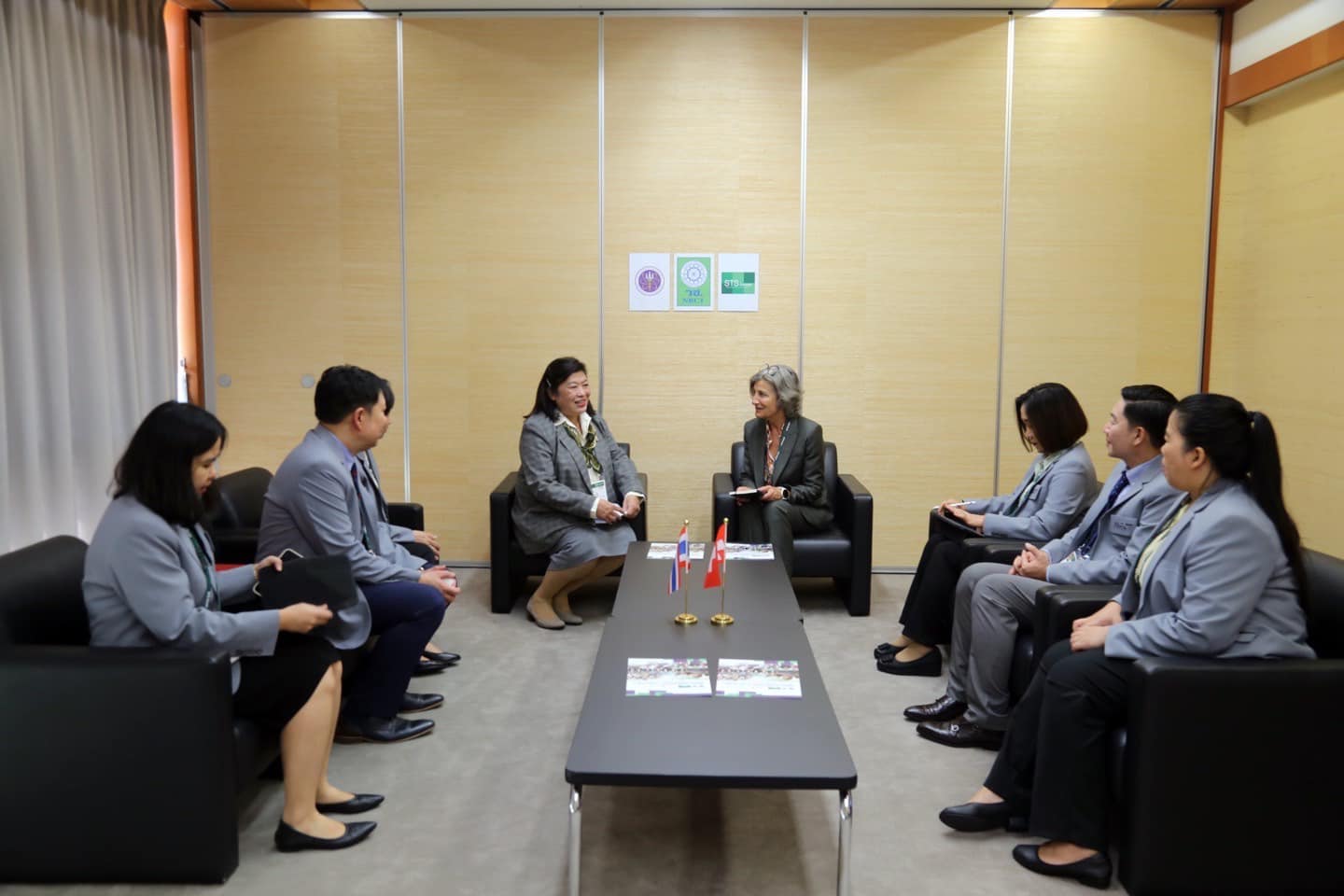
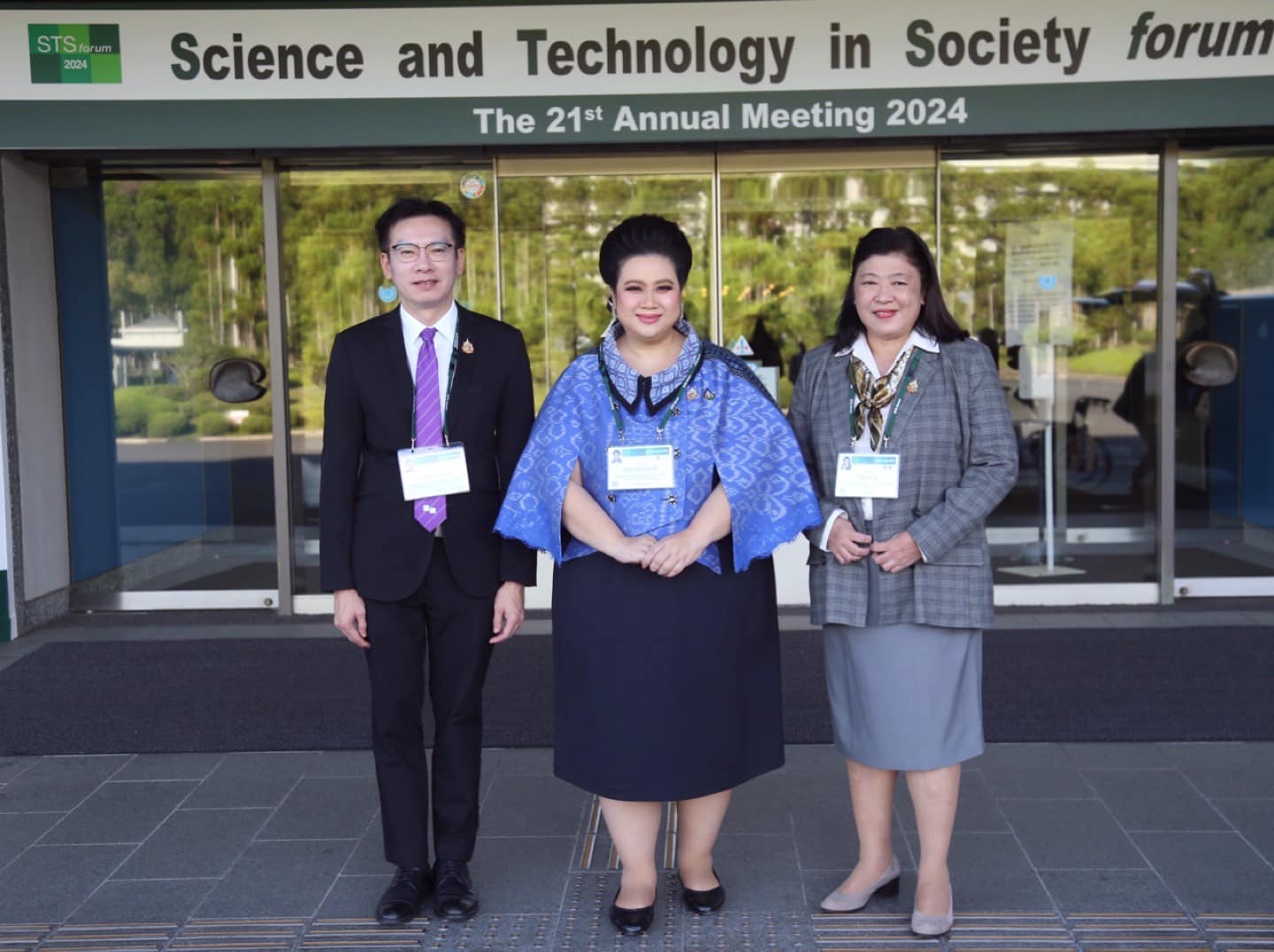
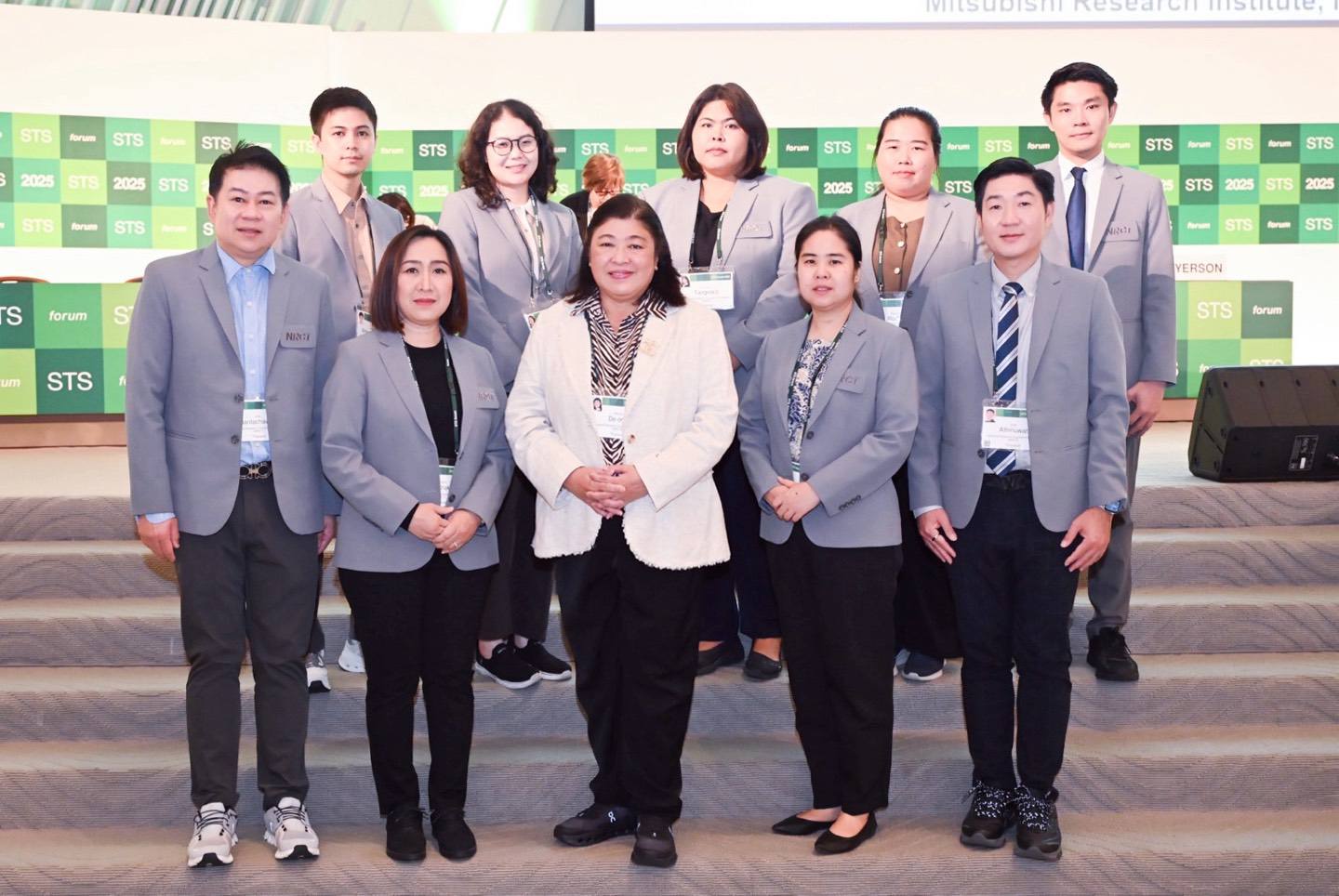
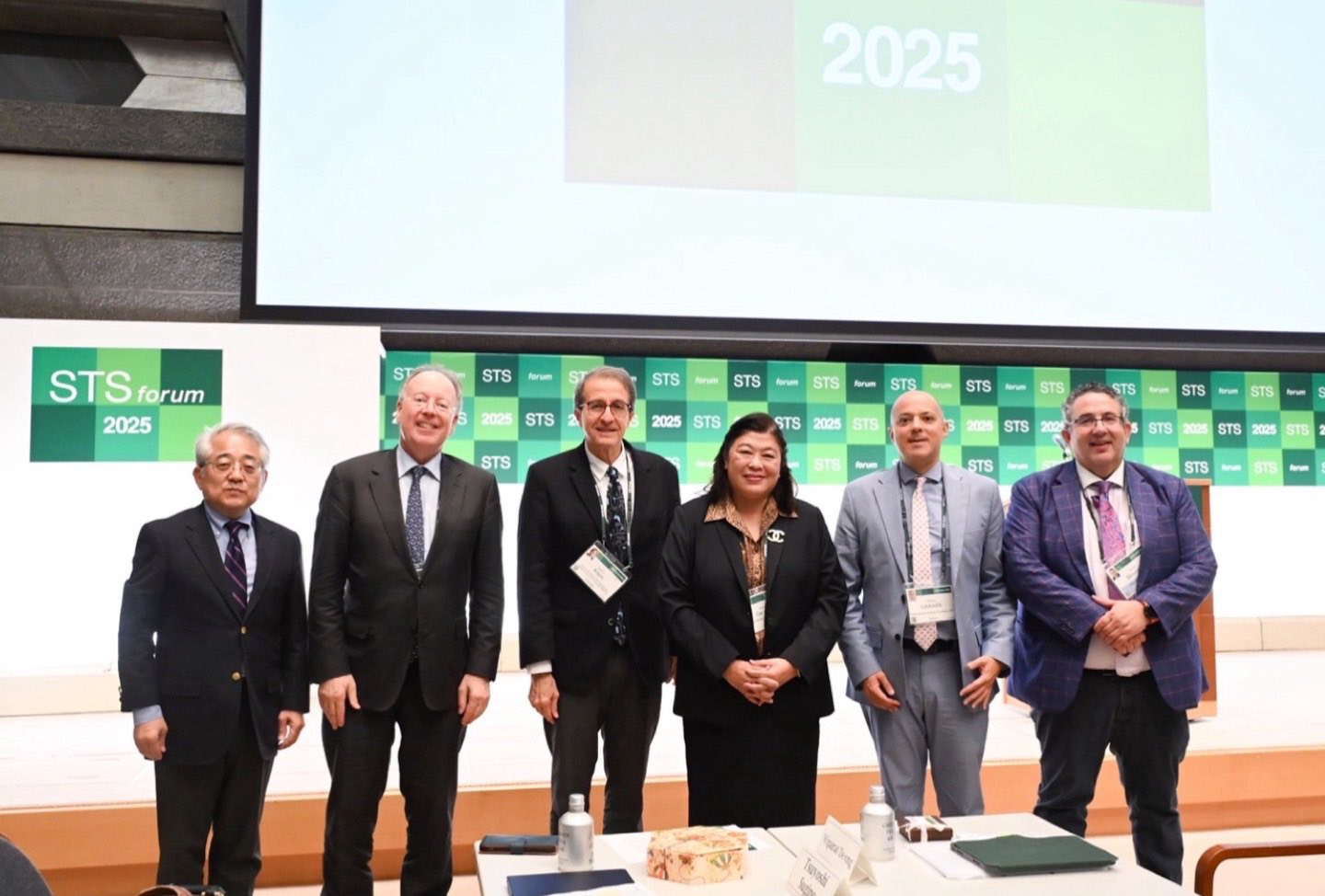
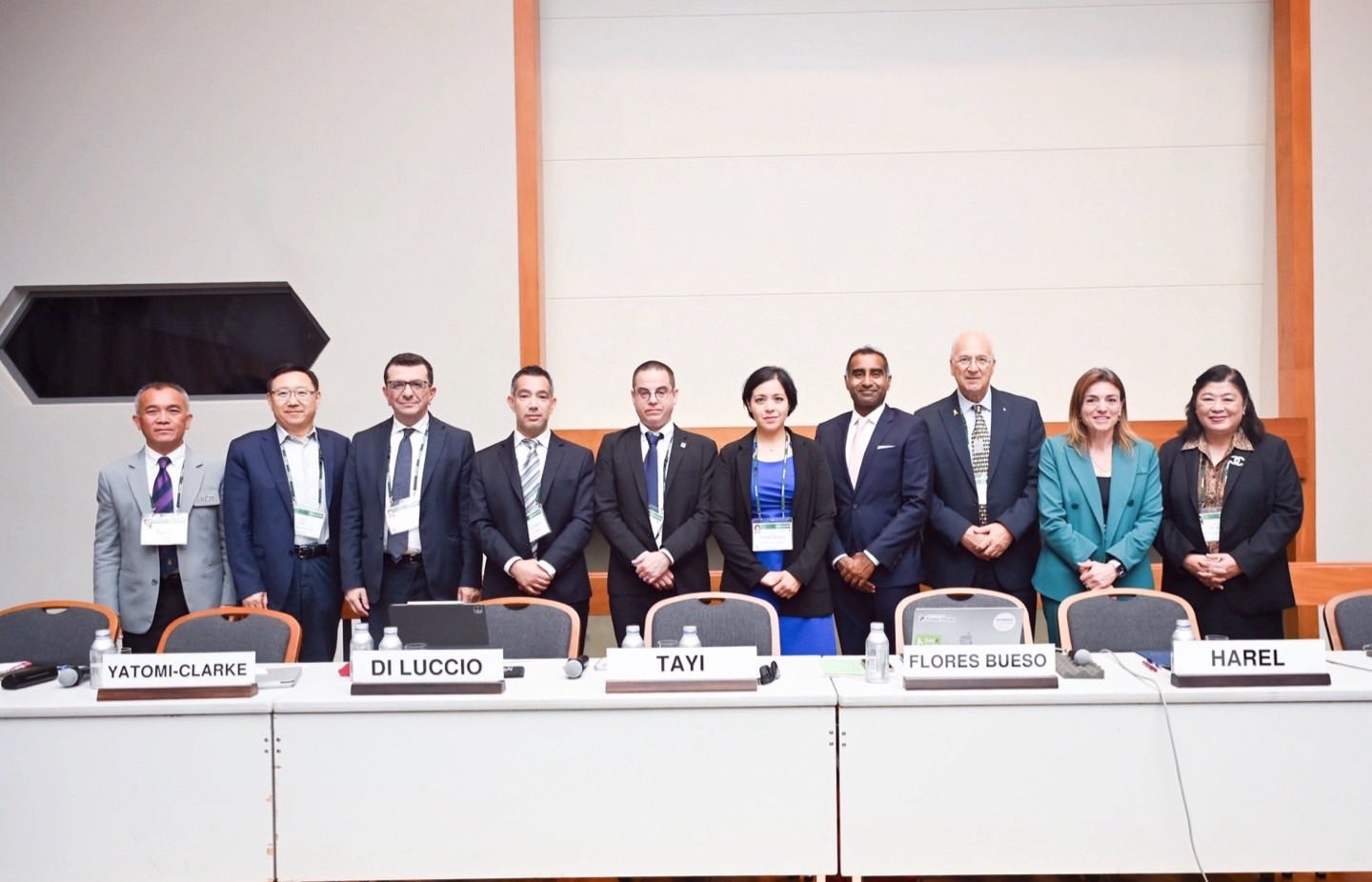
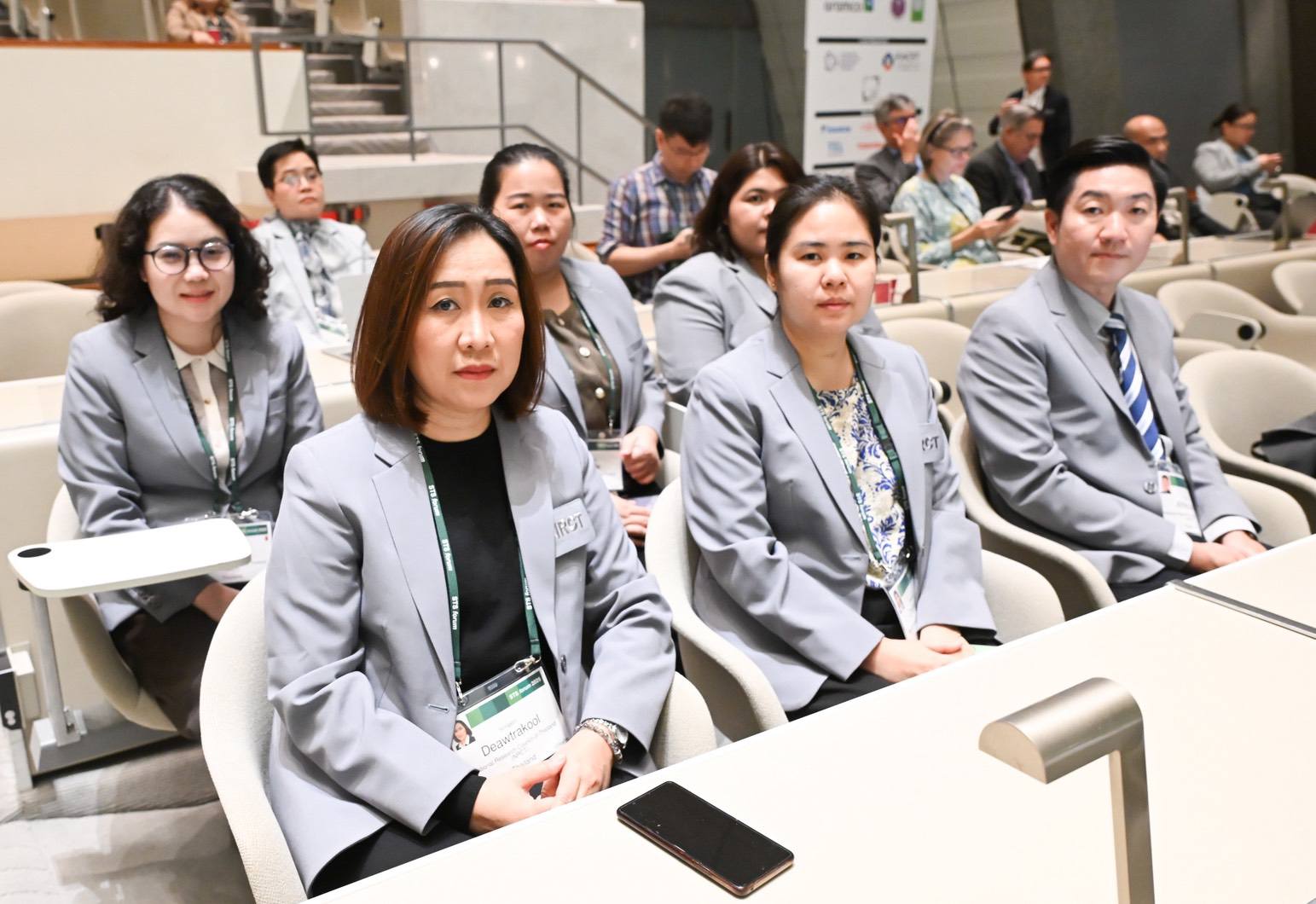
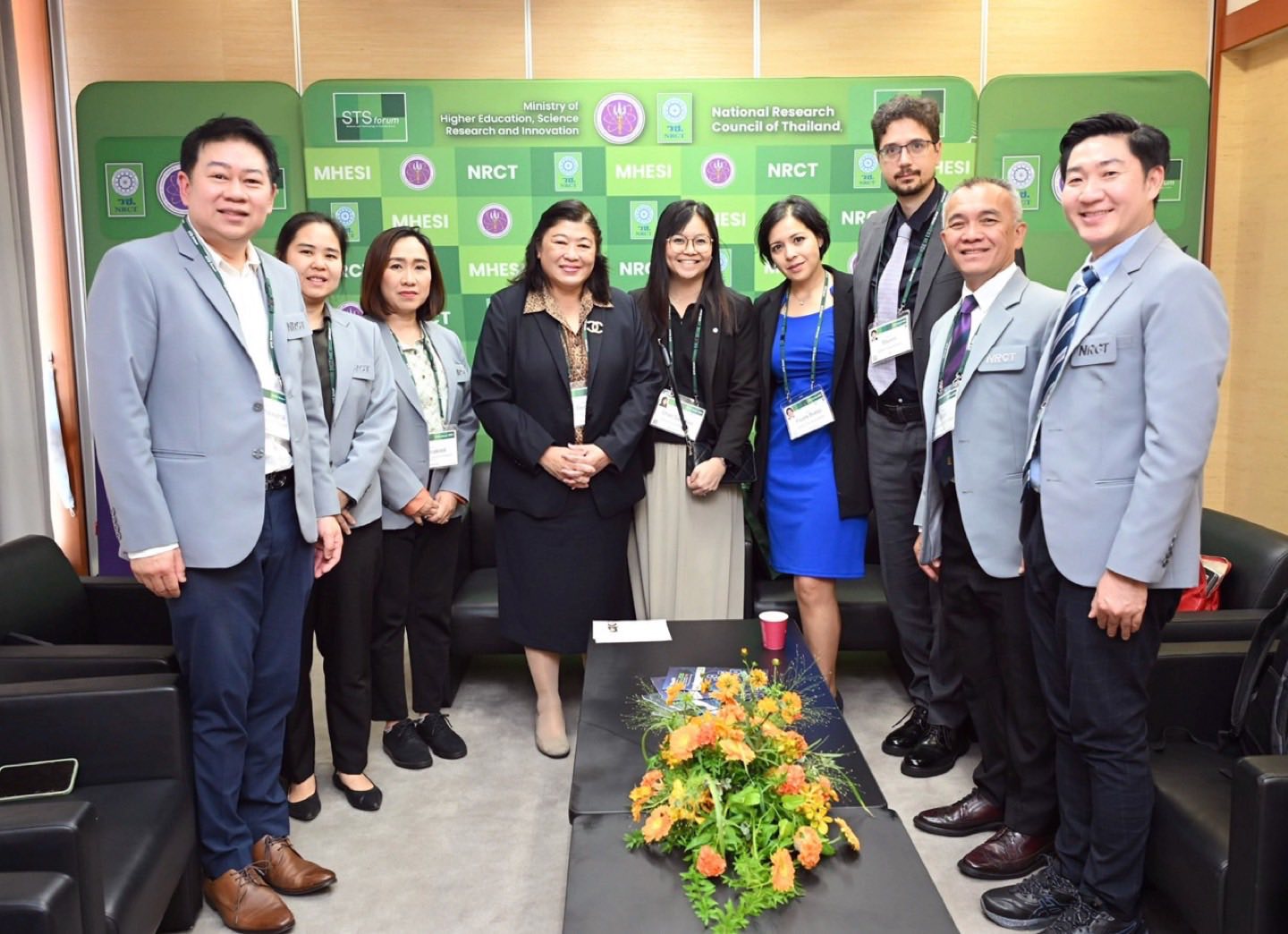
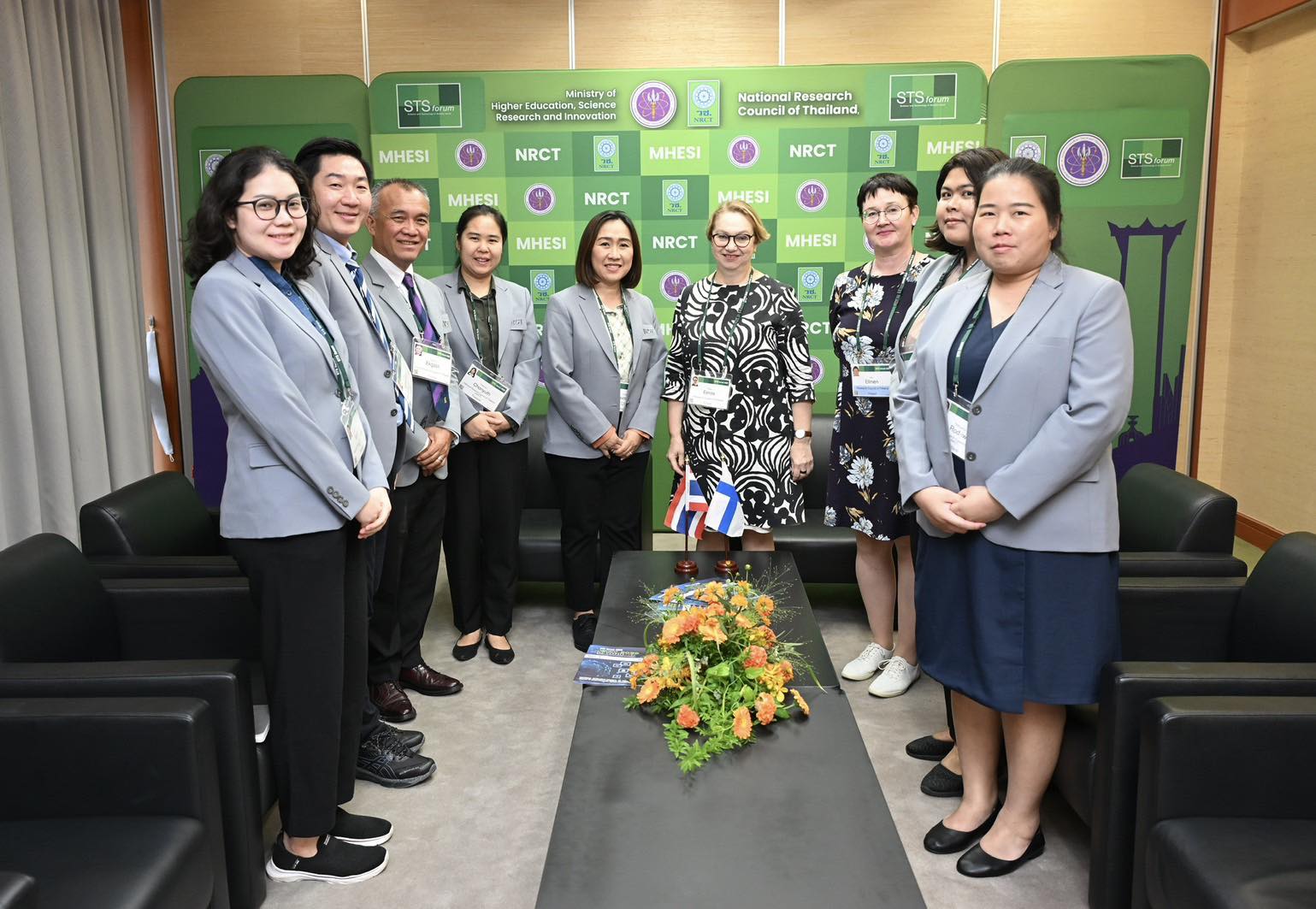
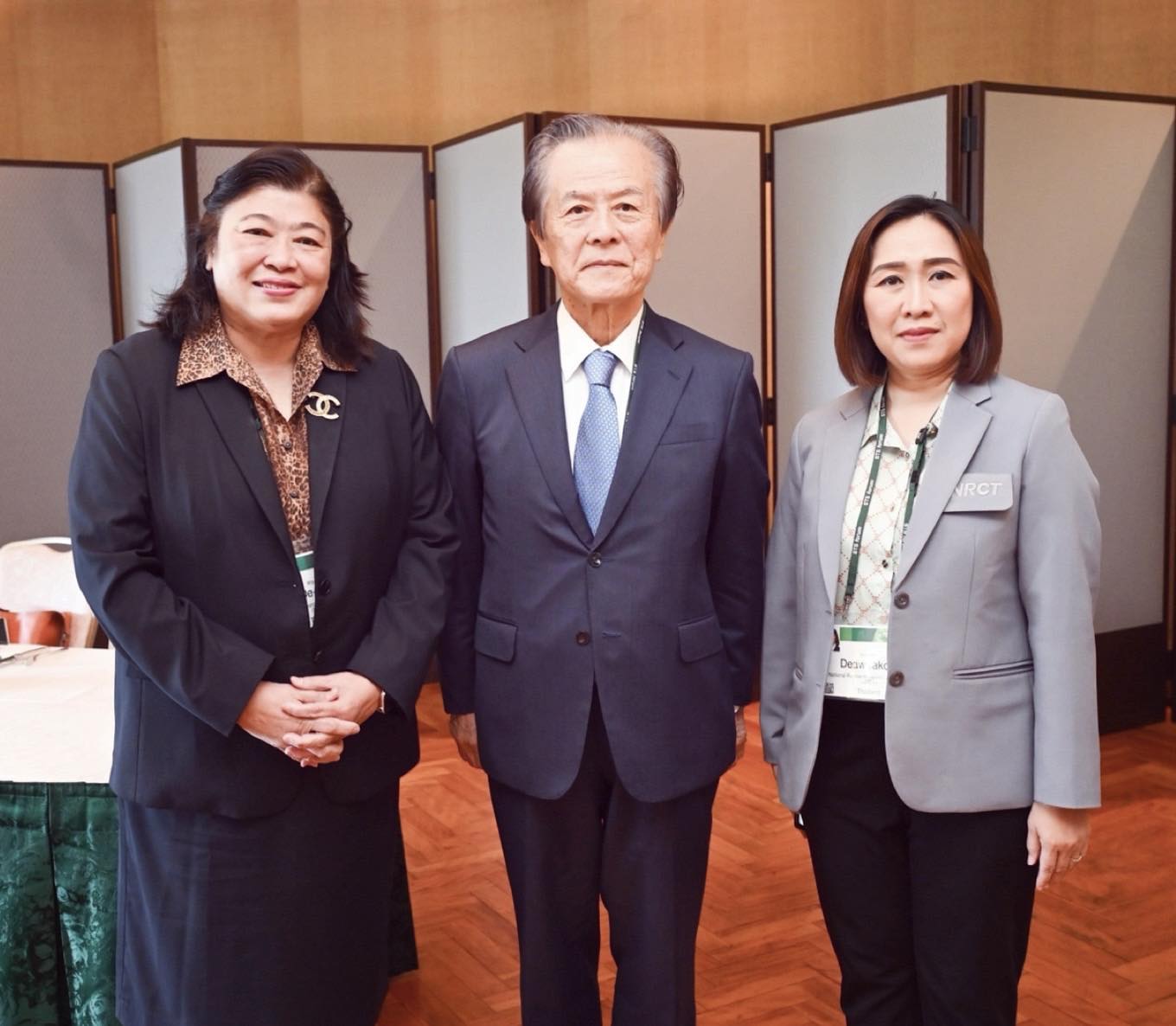
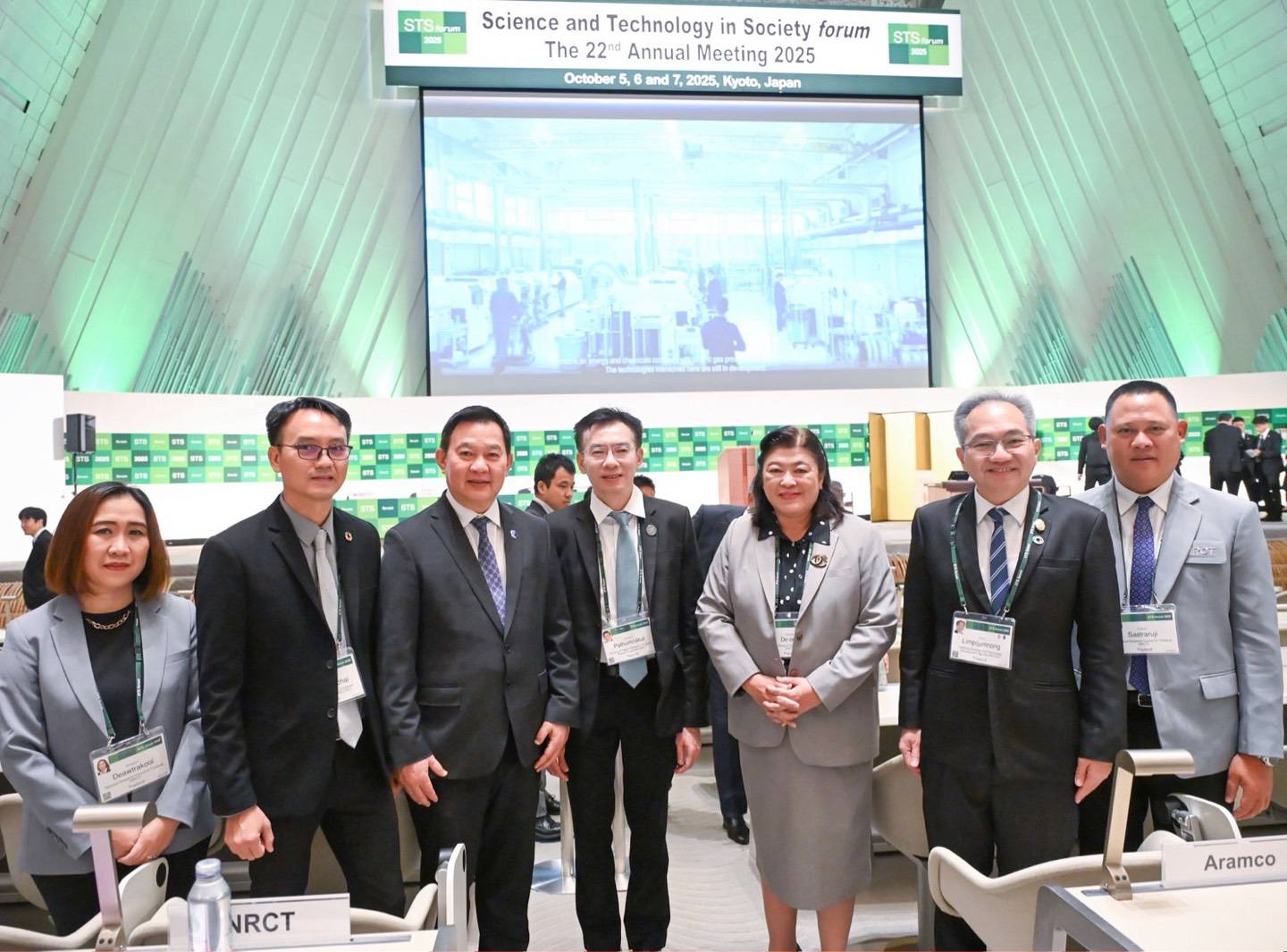
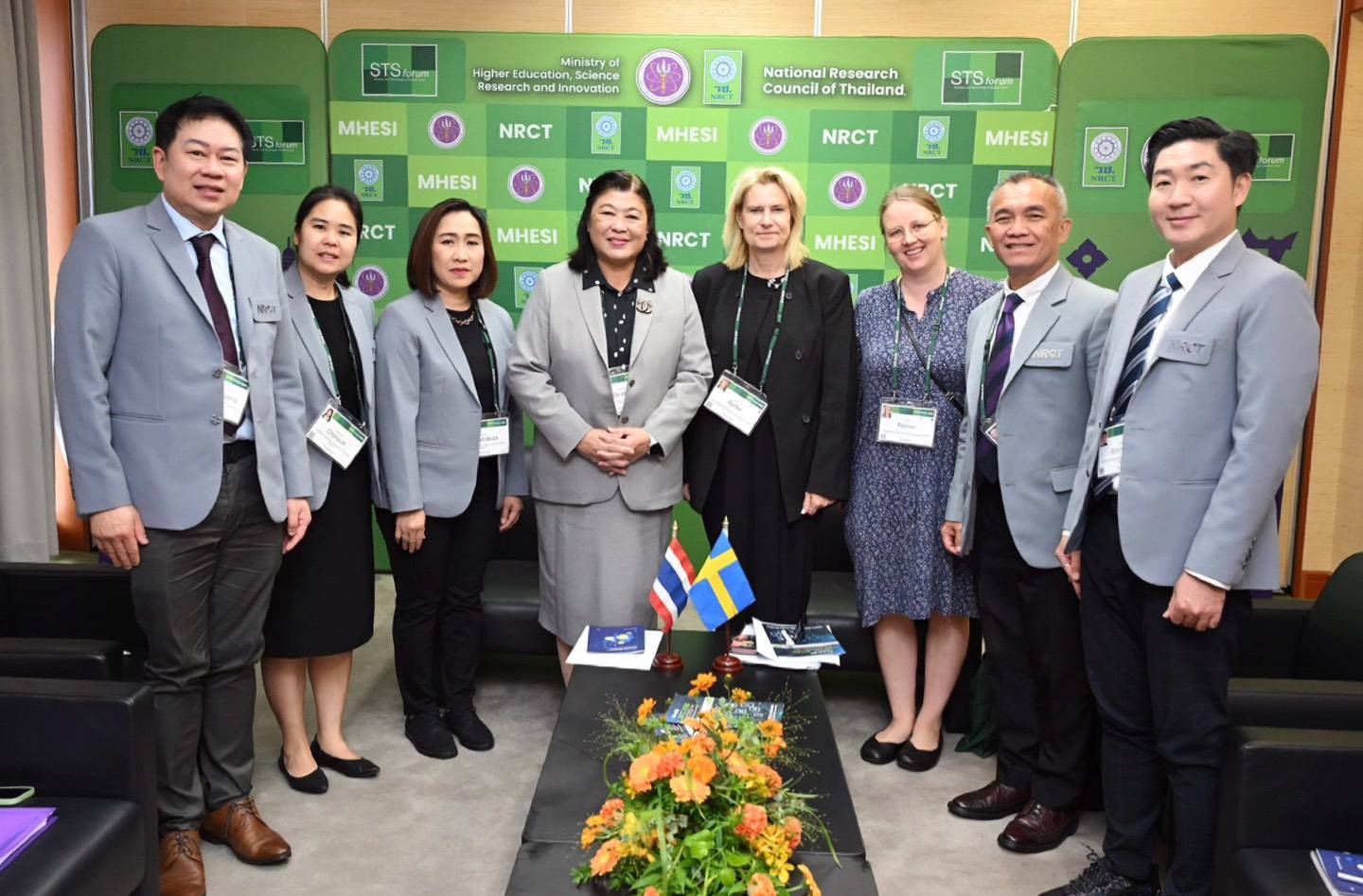
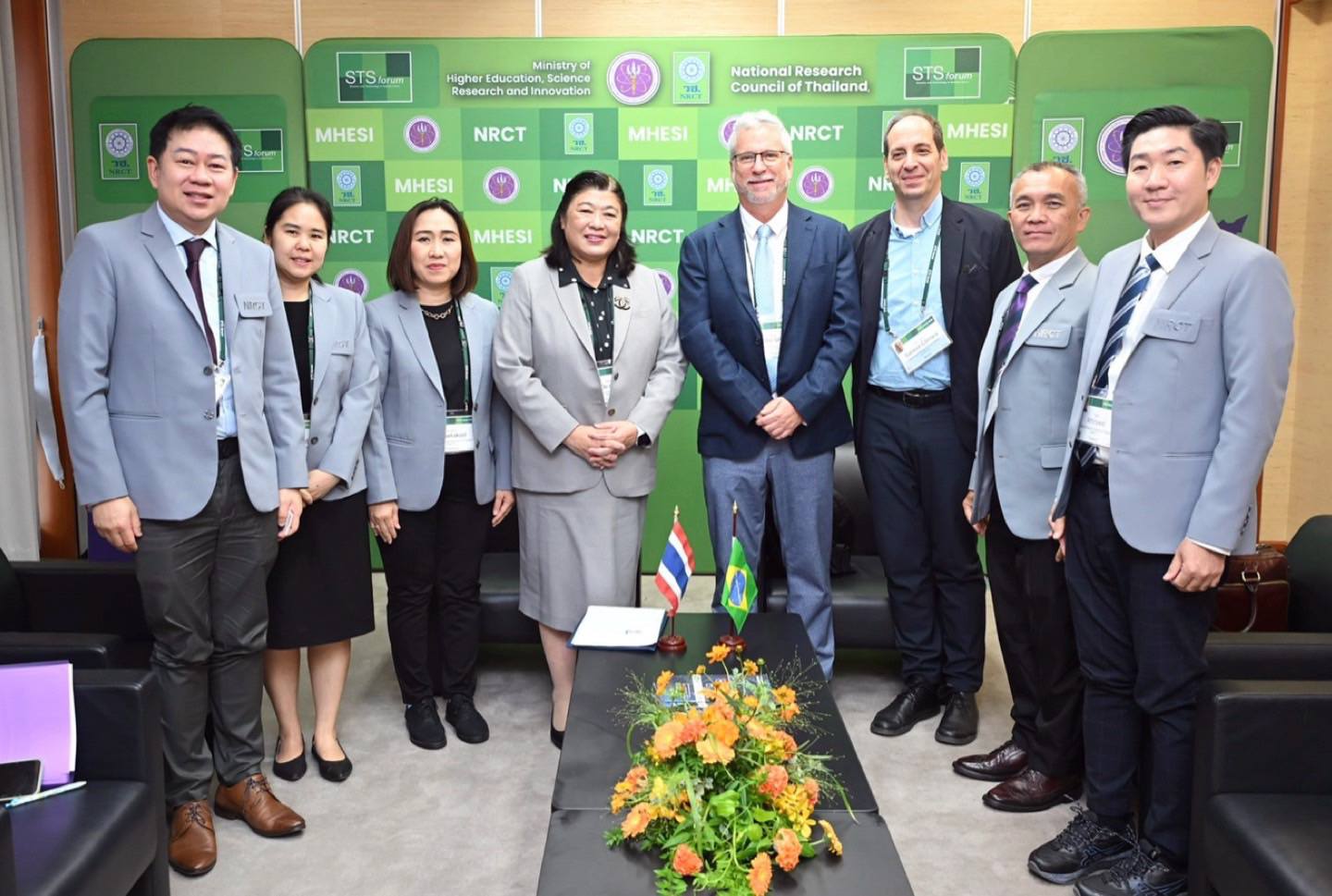
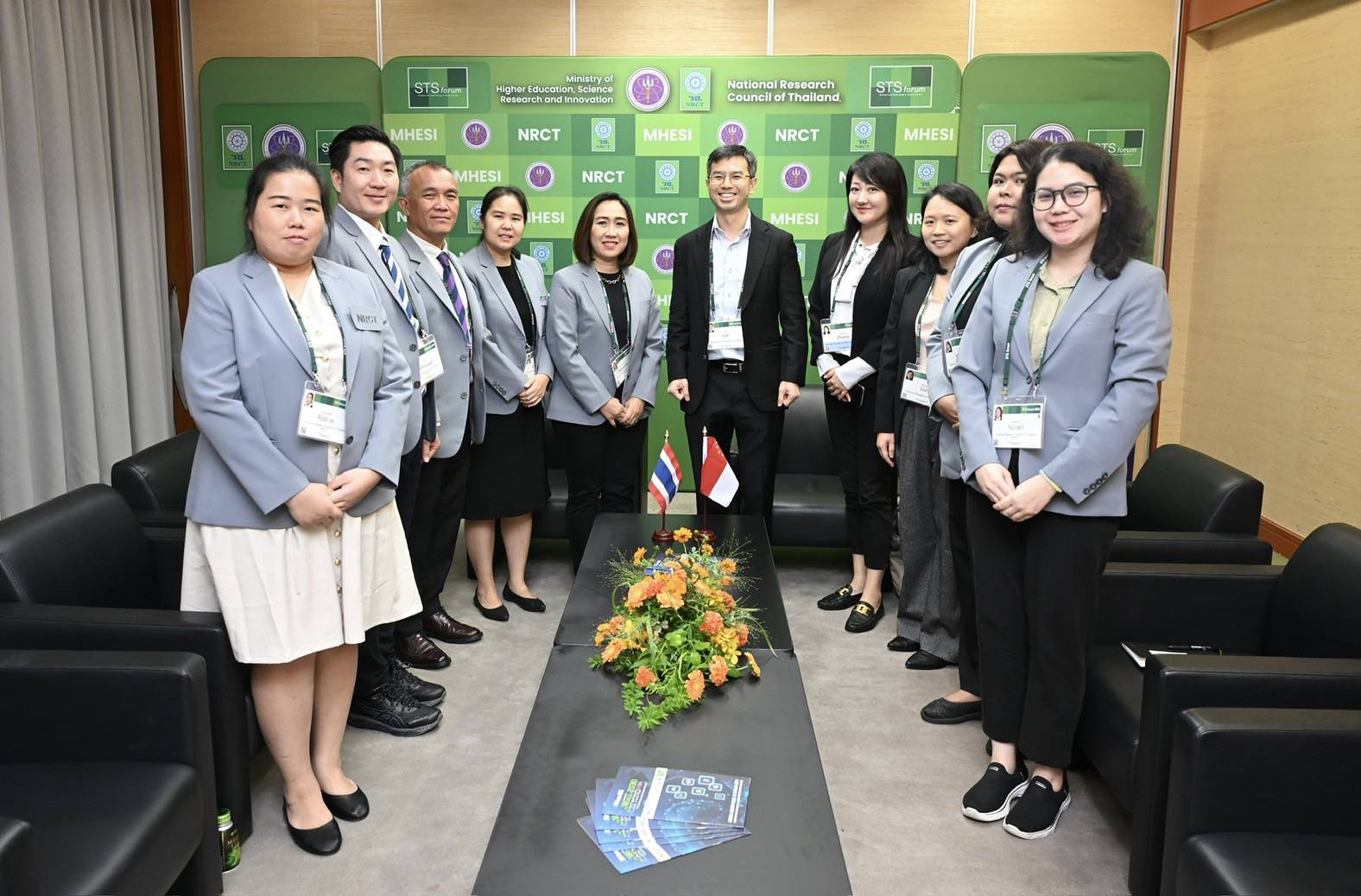
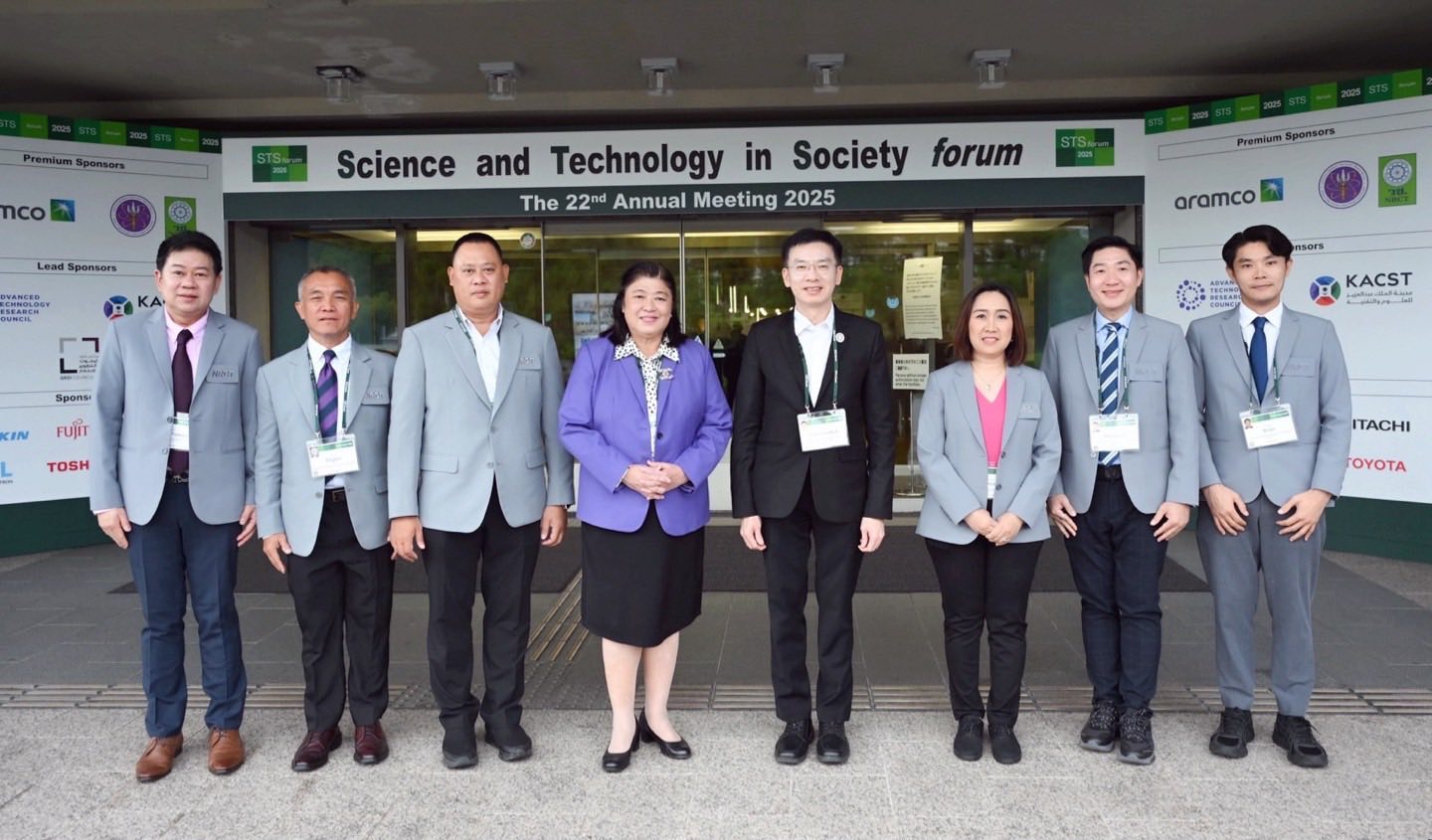
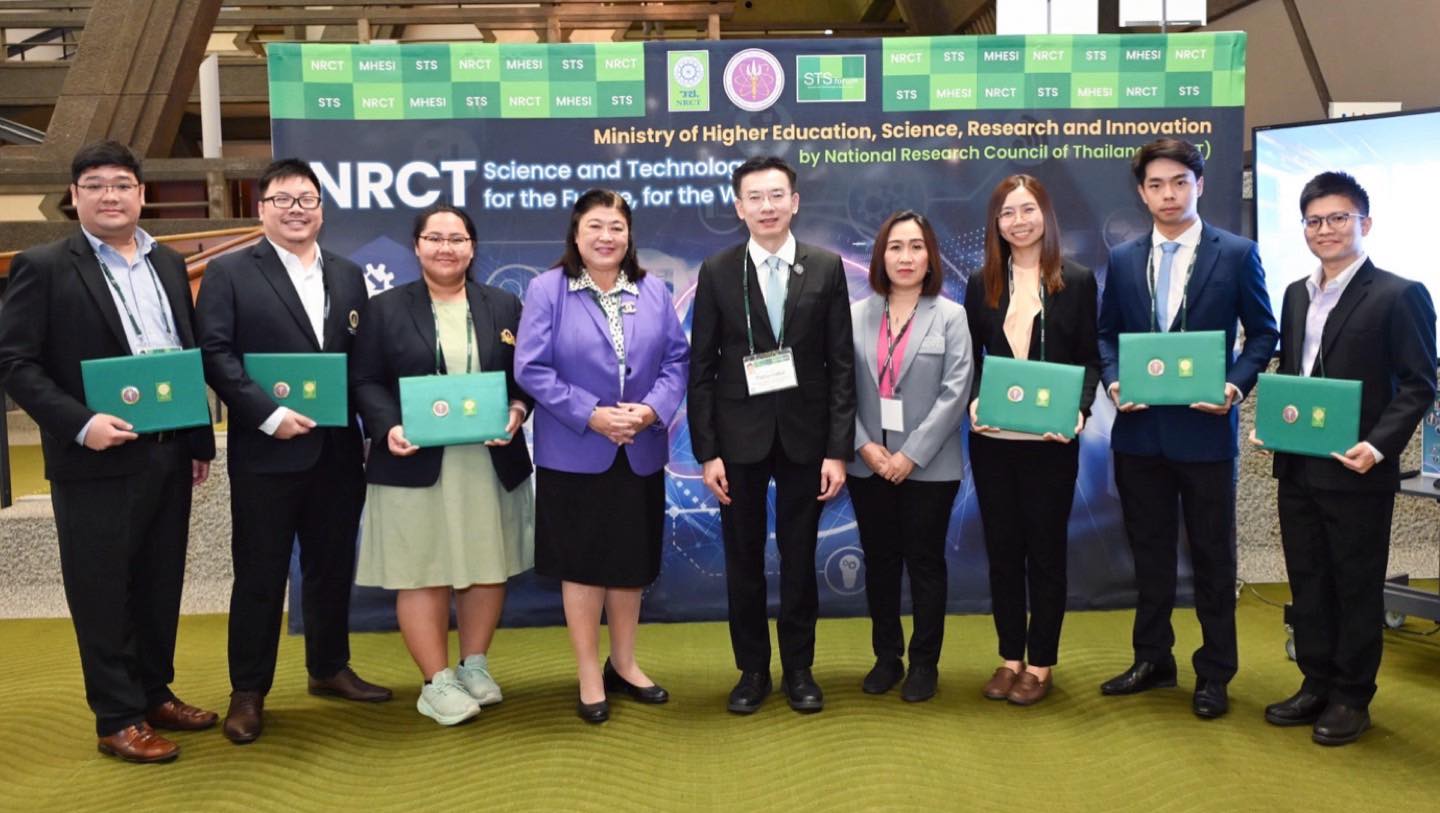
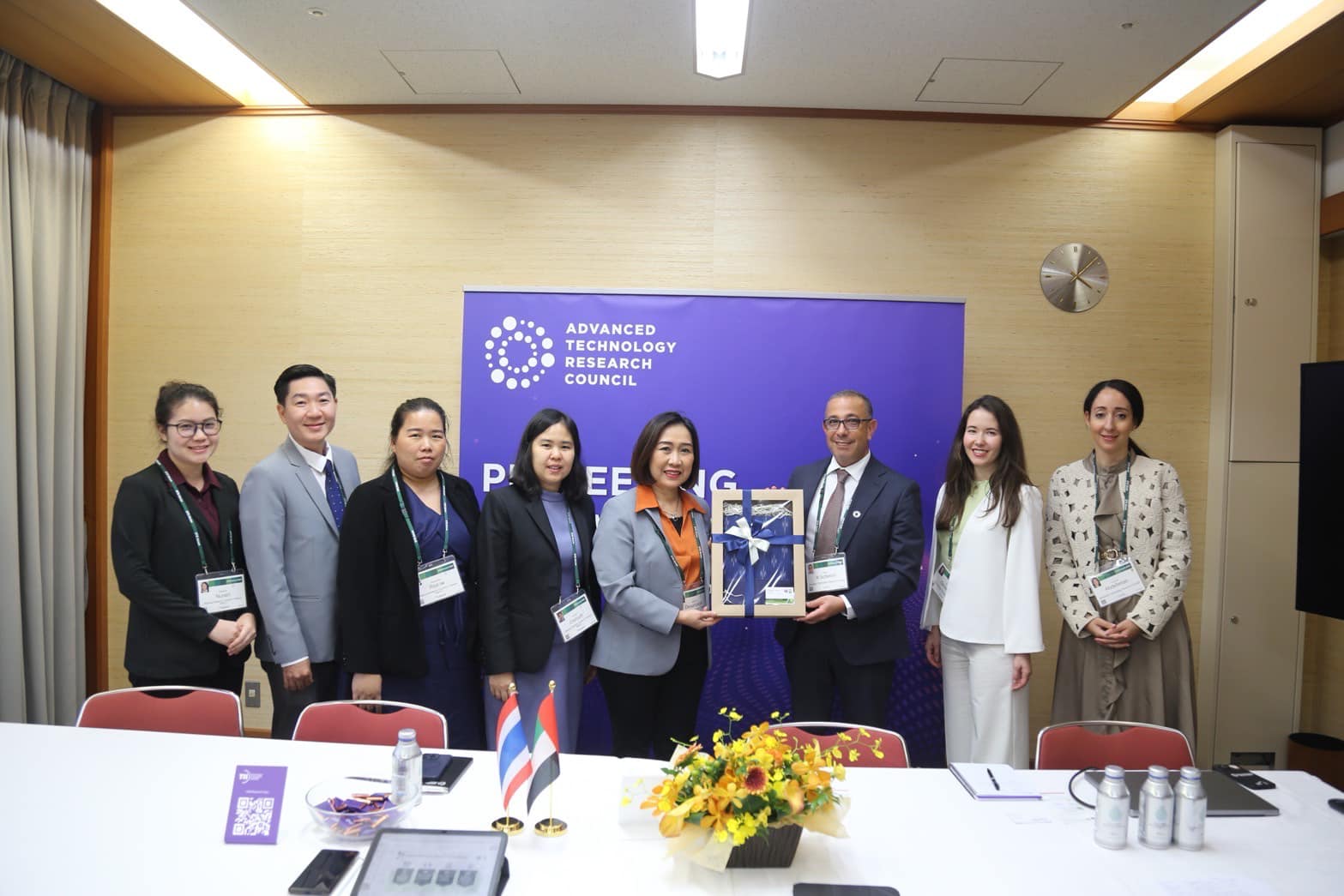
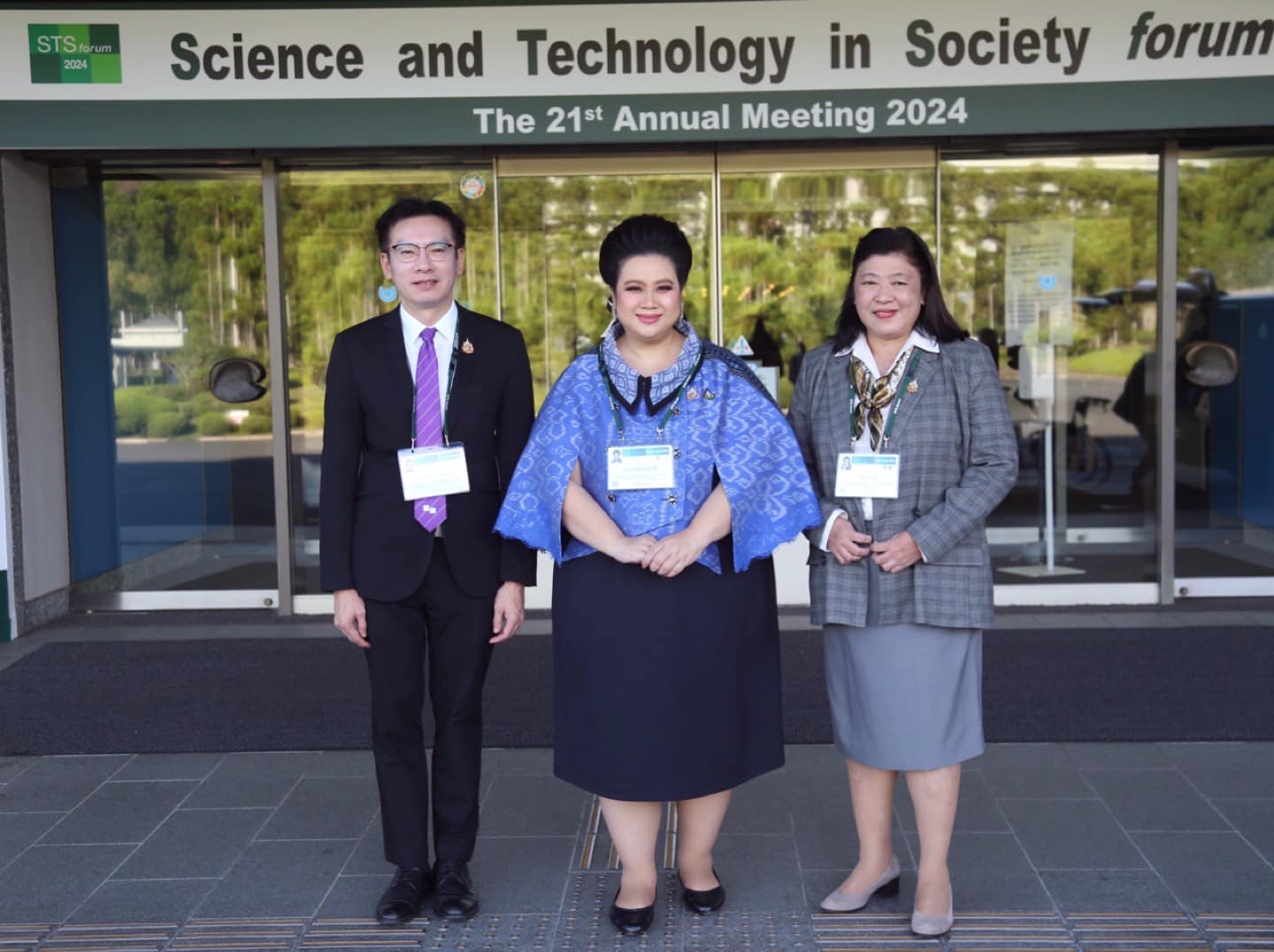
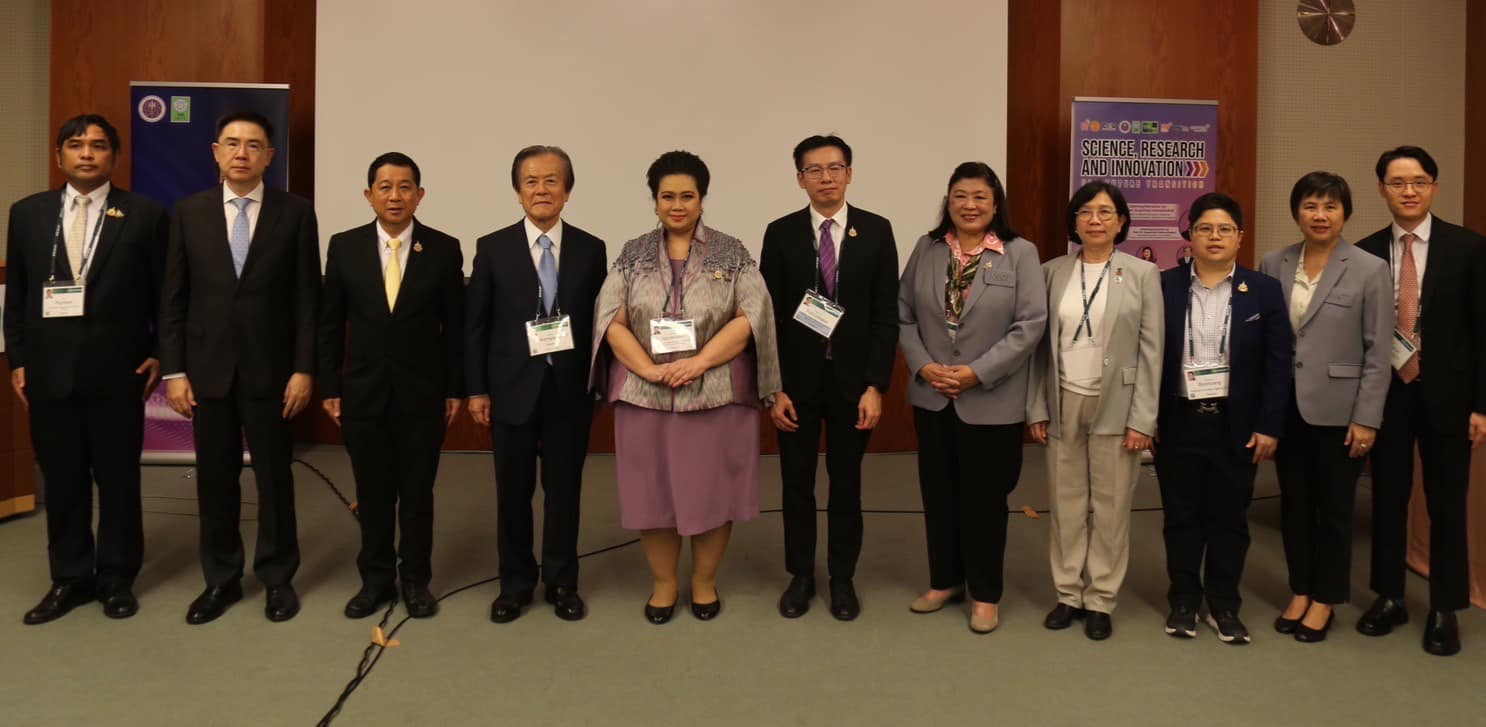
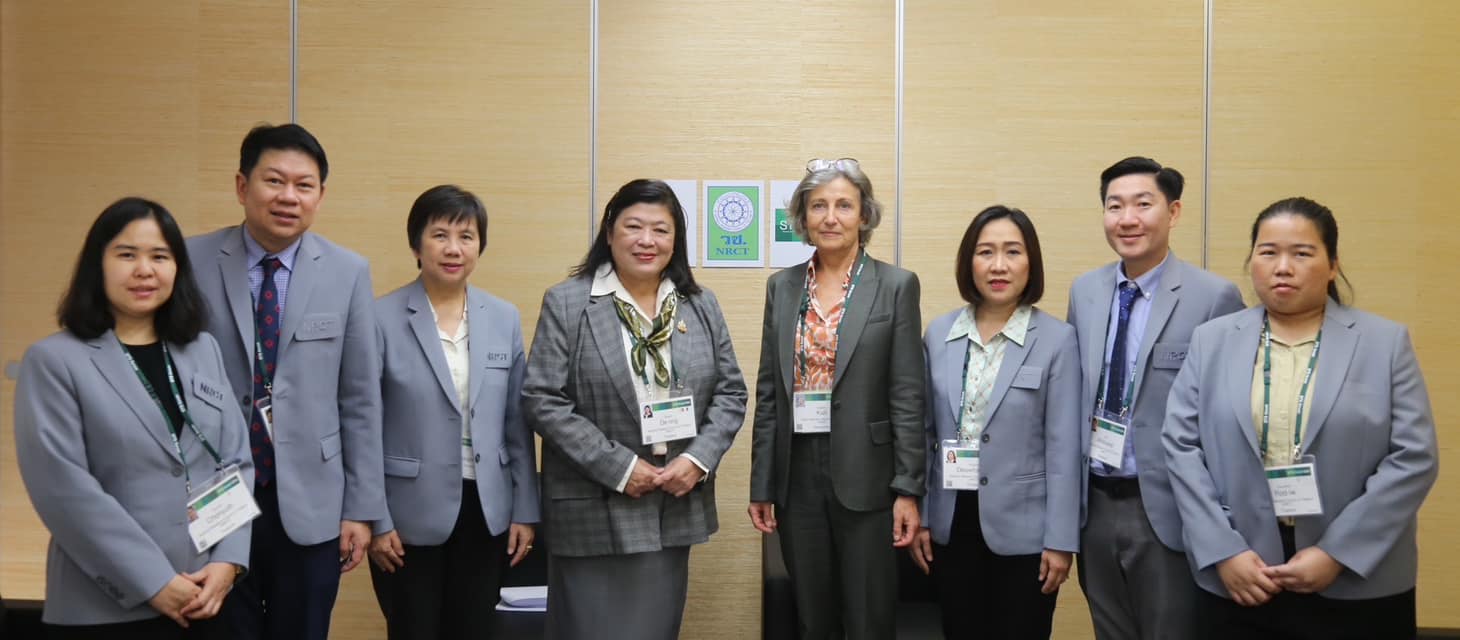
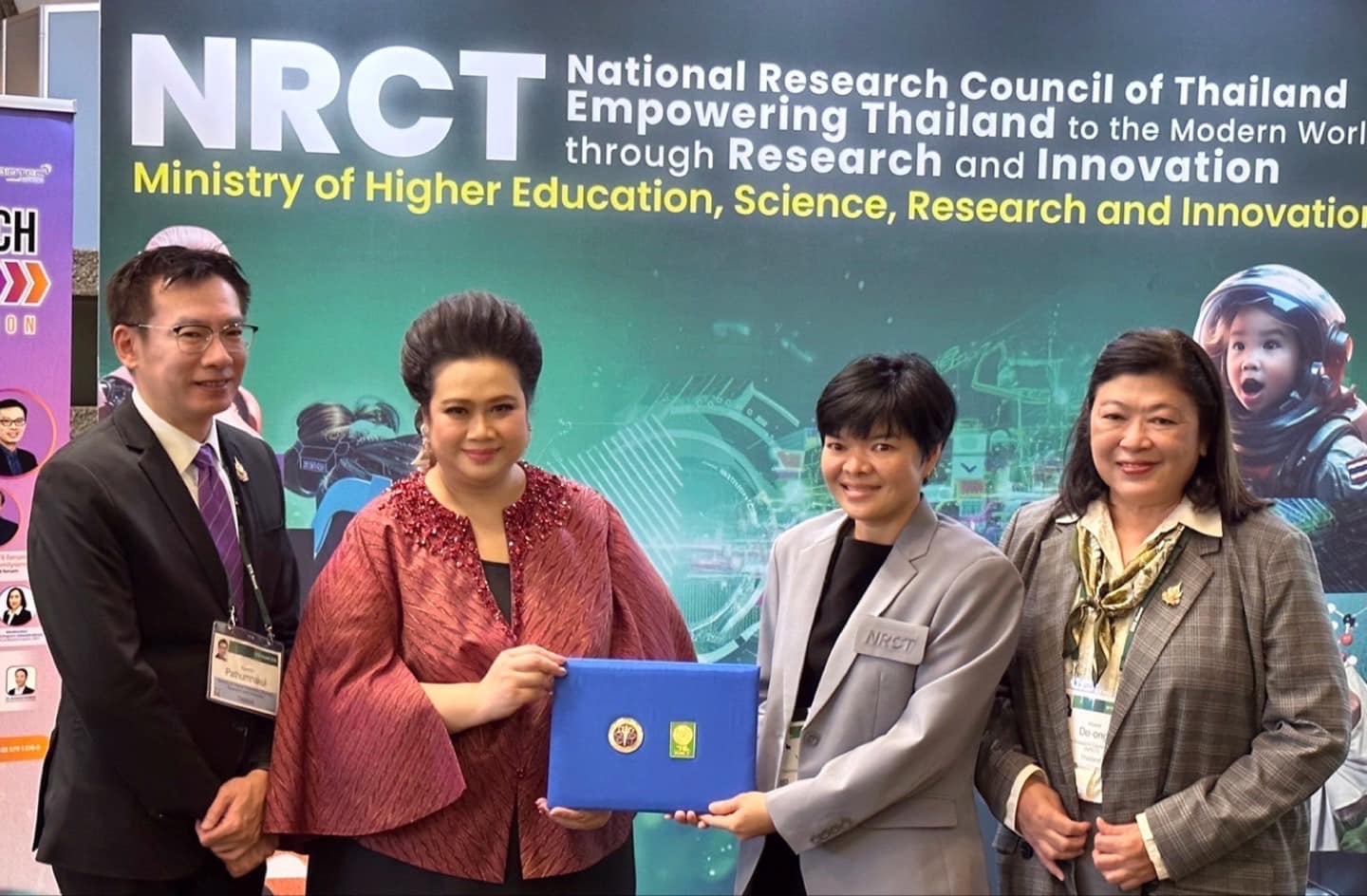
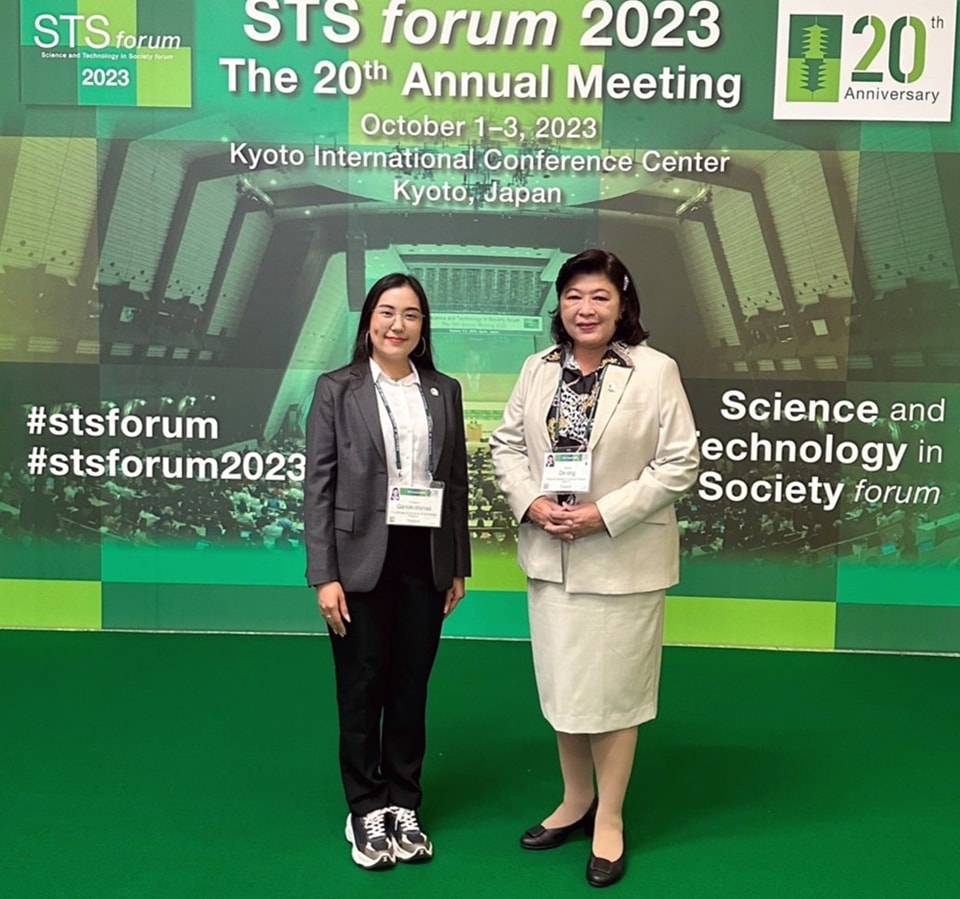
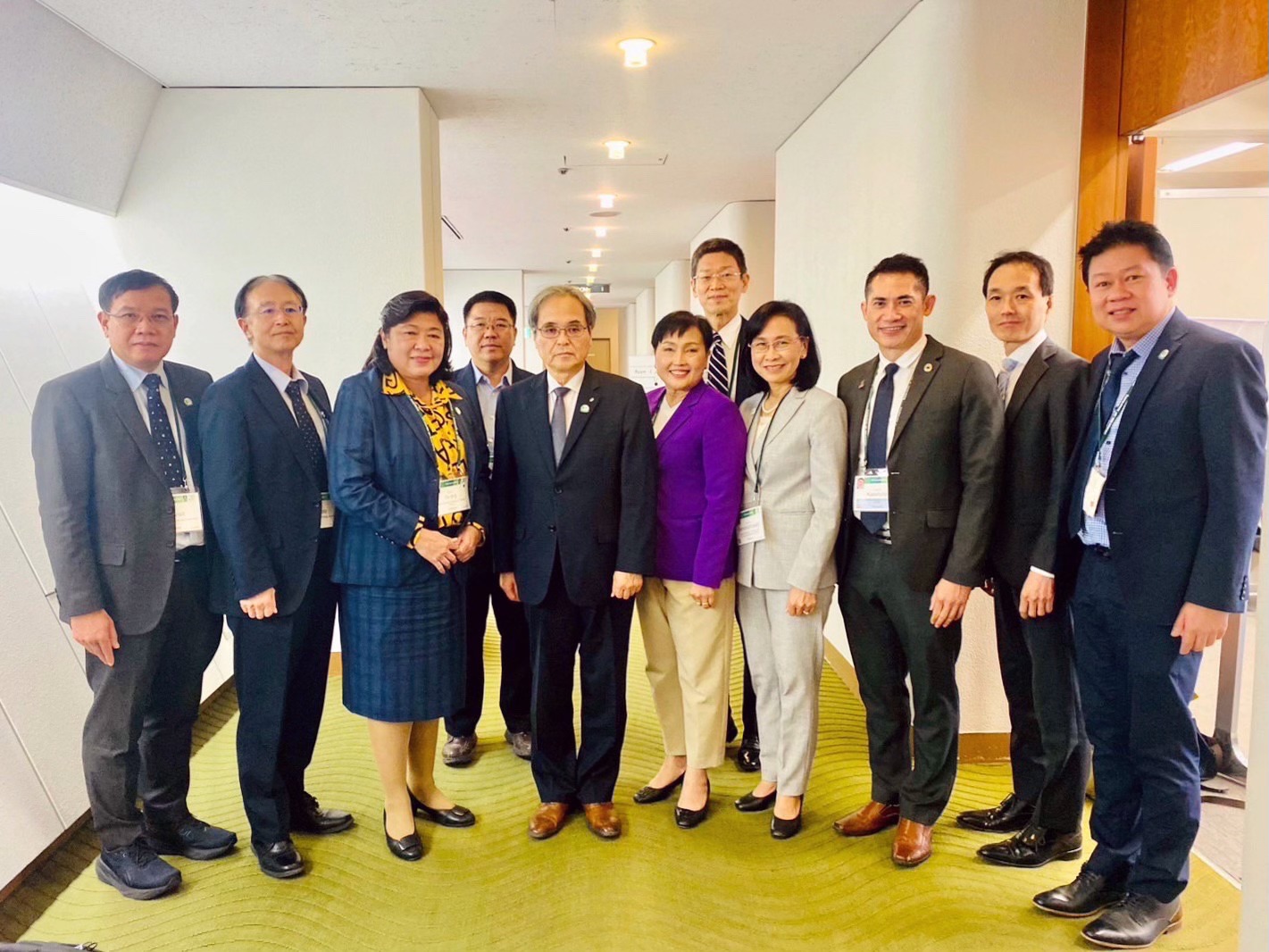
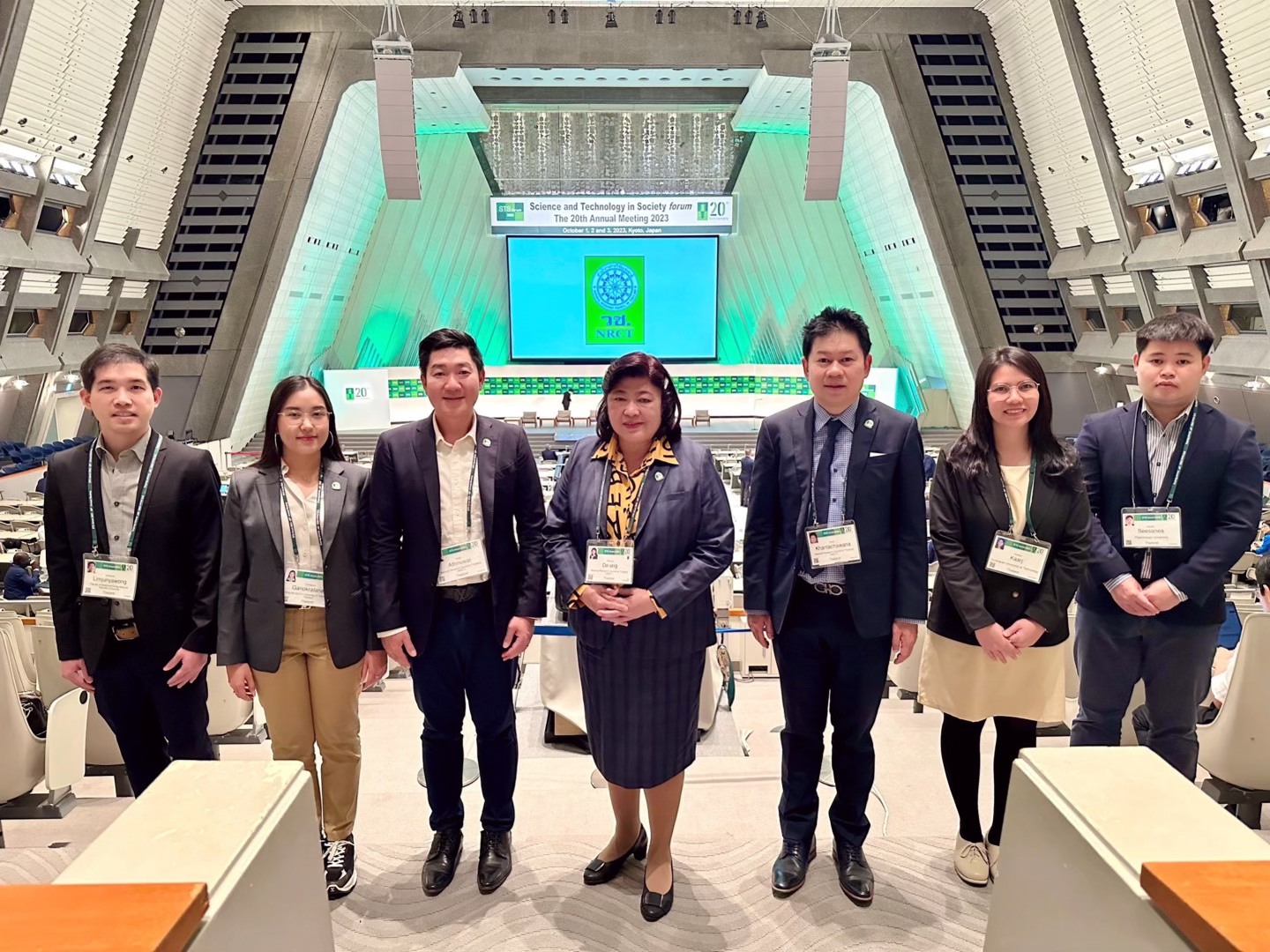
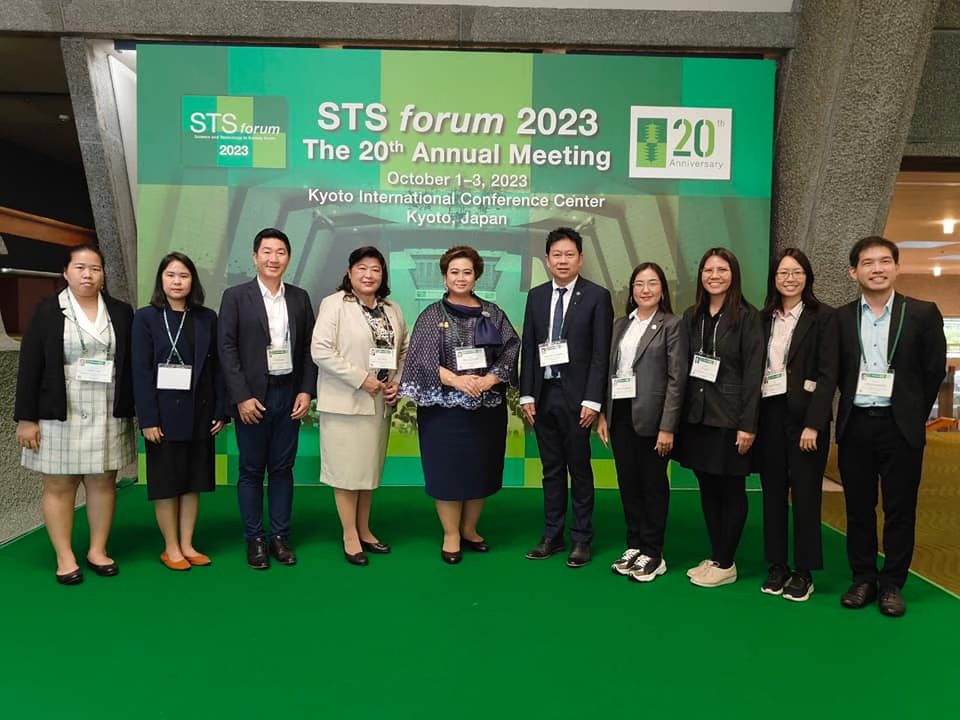
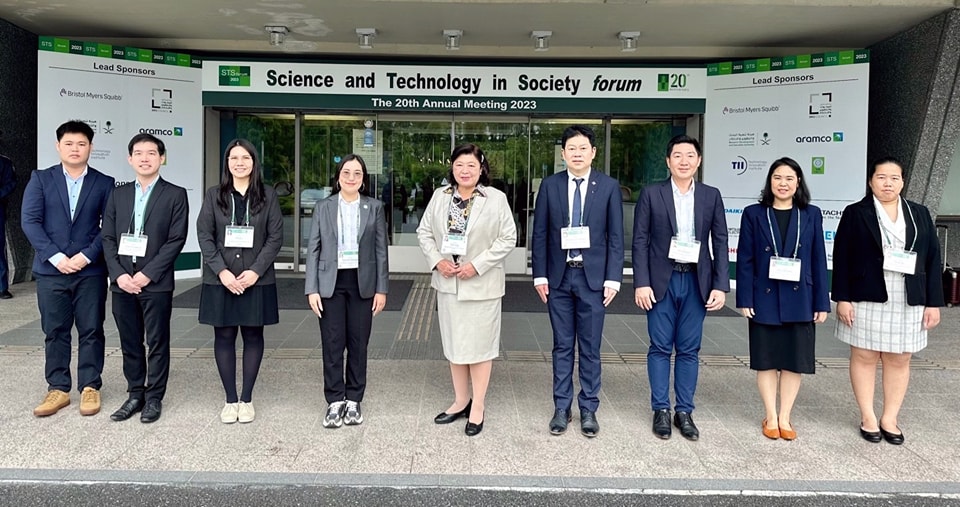
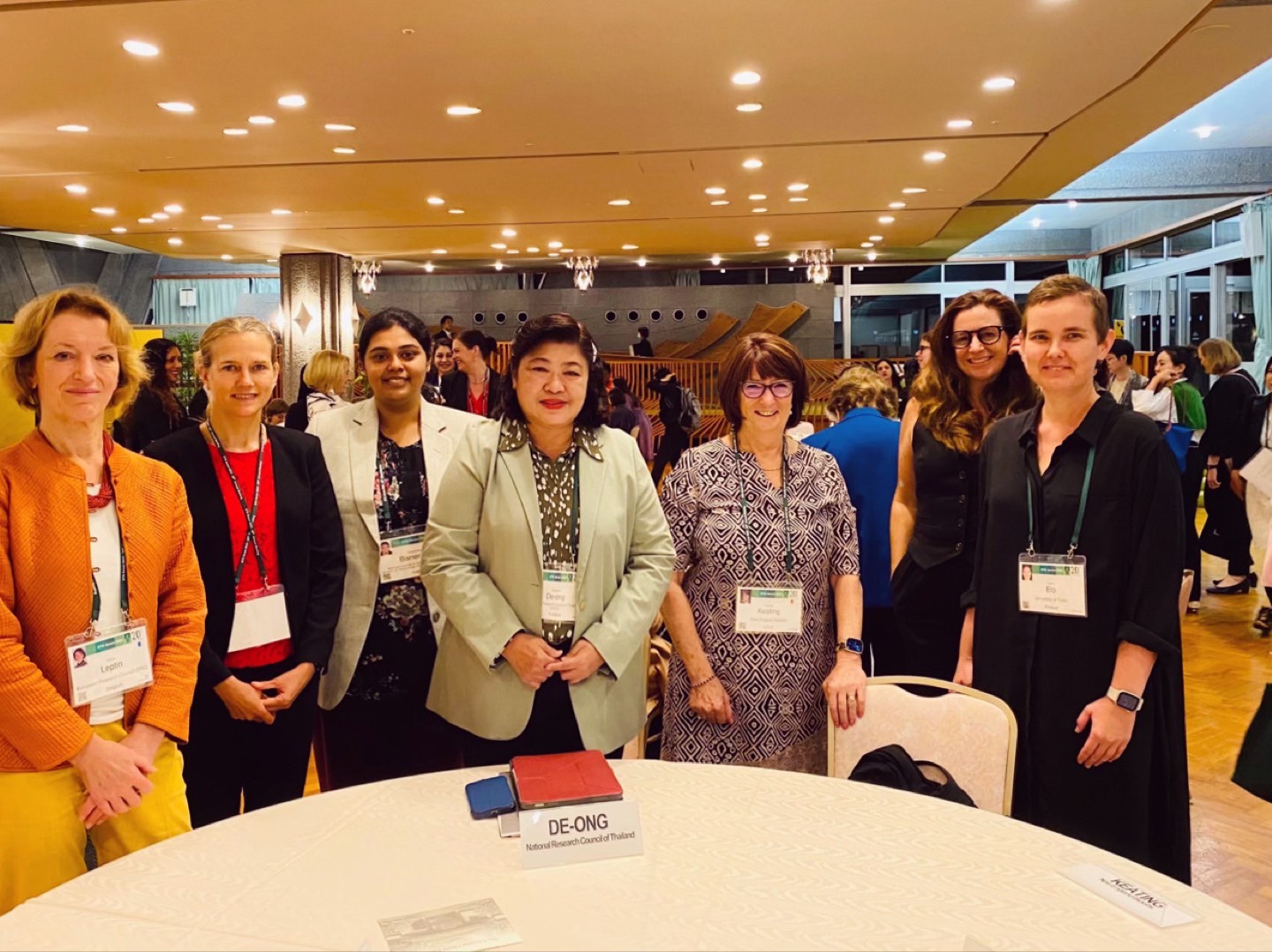
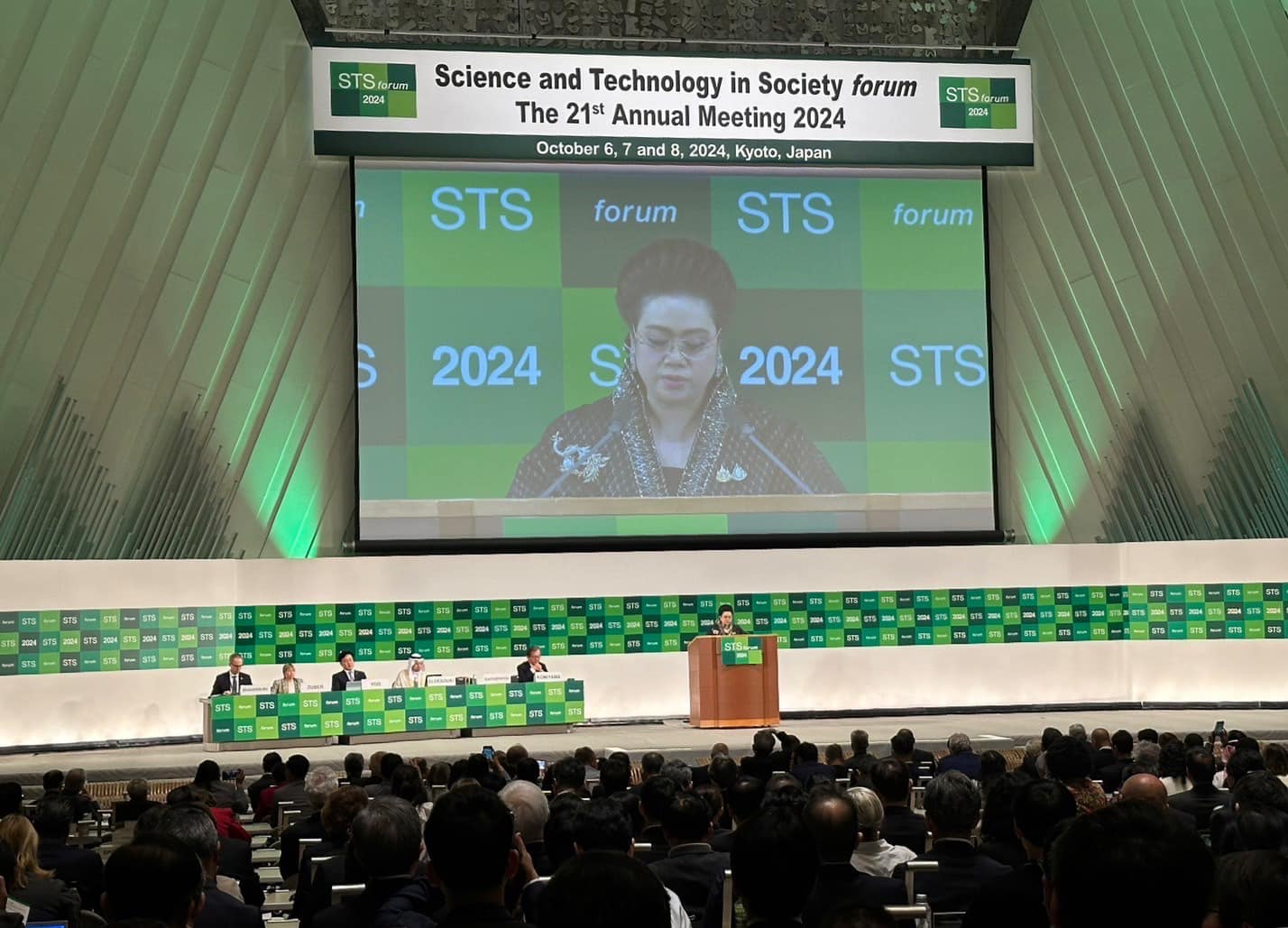
The National Research Council of Thailand (NRCT), under the Ministry of Higher Education, Science, Research and Innovation (MHESI), hosted the side event “Building a Healthy Longevity Society through AI and Innovation” as part of STS Forum 2026 – The 23rd Annual Meeting on 3 October 2026 at the Kyoto International Conference Center (ICC Kyoto), Kyoto, Japan.
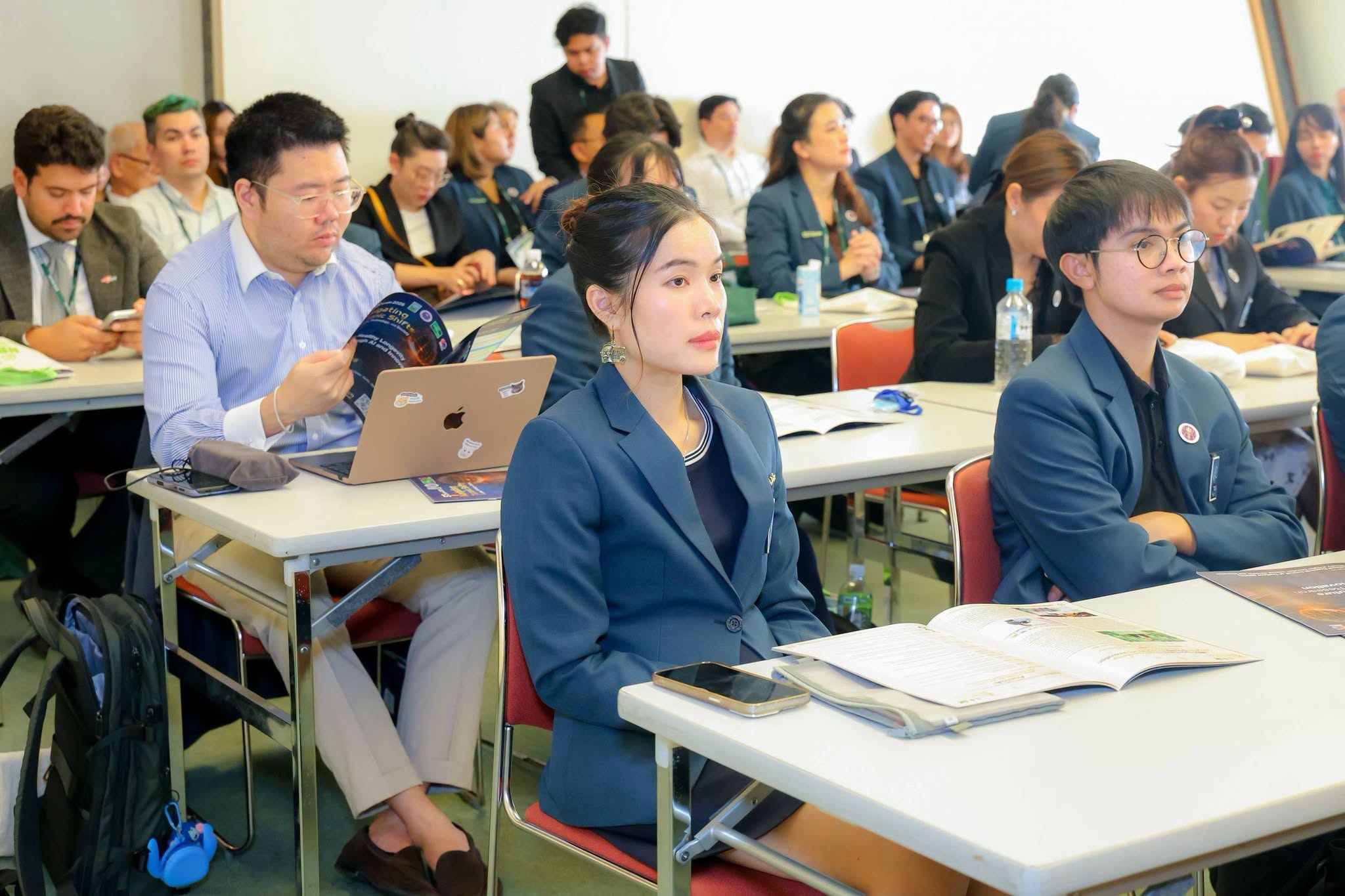
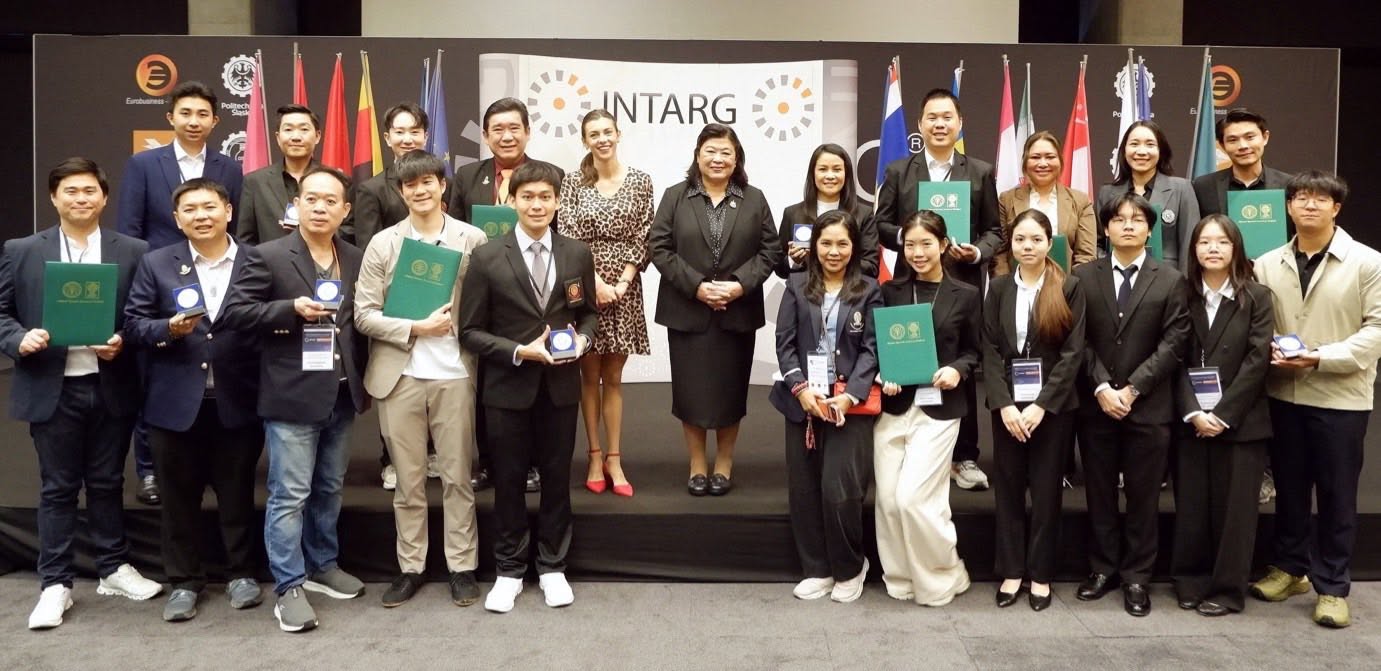
The event brought together young Thai researchers, international researchers and experts to exchange knowledge and perspectives on how science, technology and innovation can contribute to a healthy and sustainable ageing society.
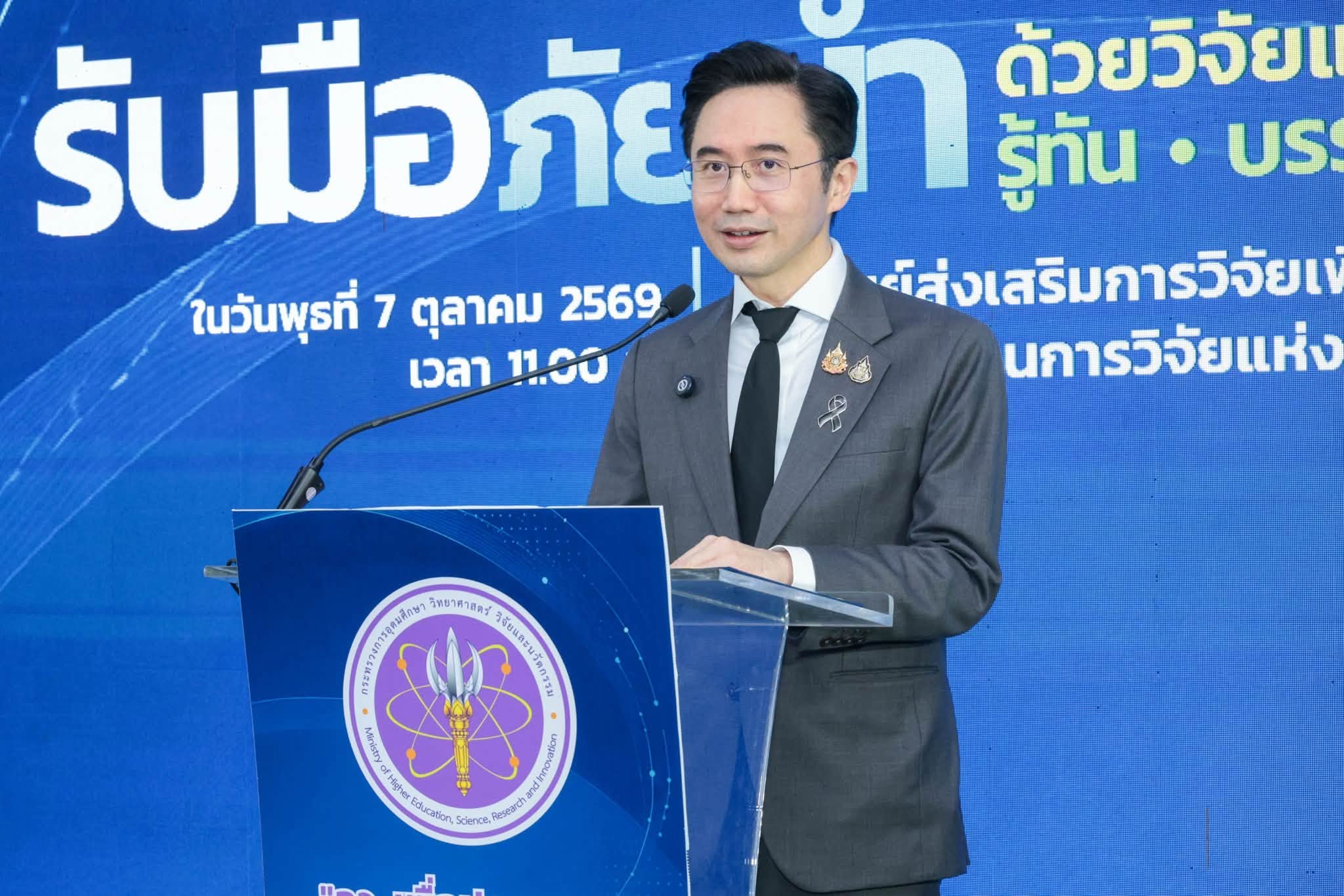
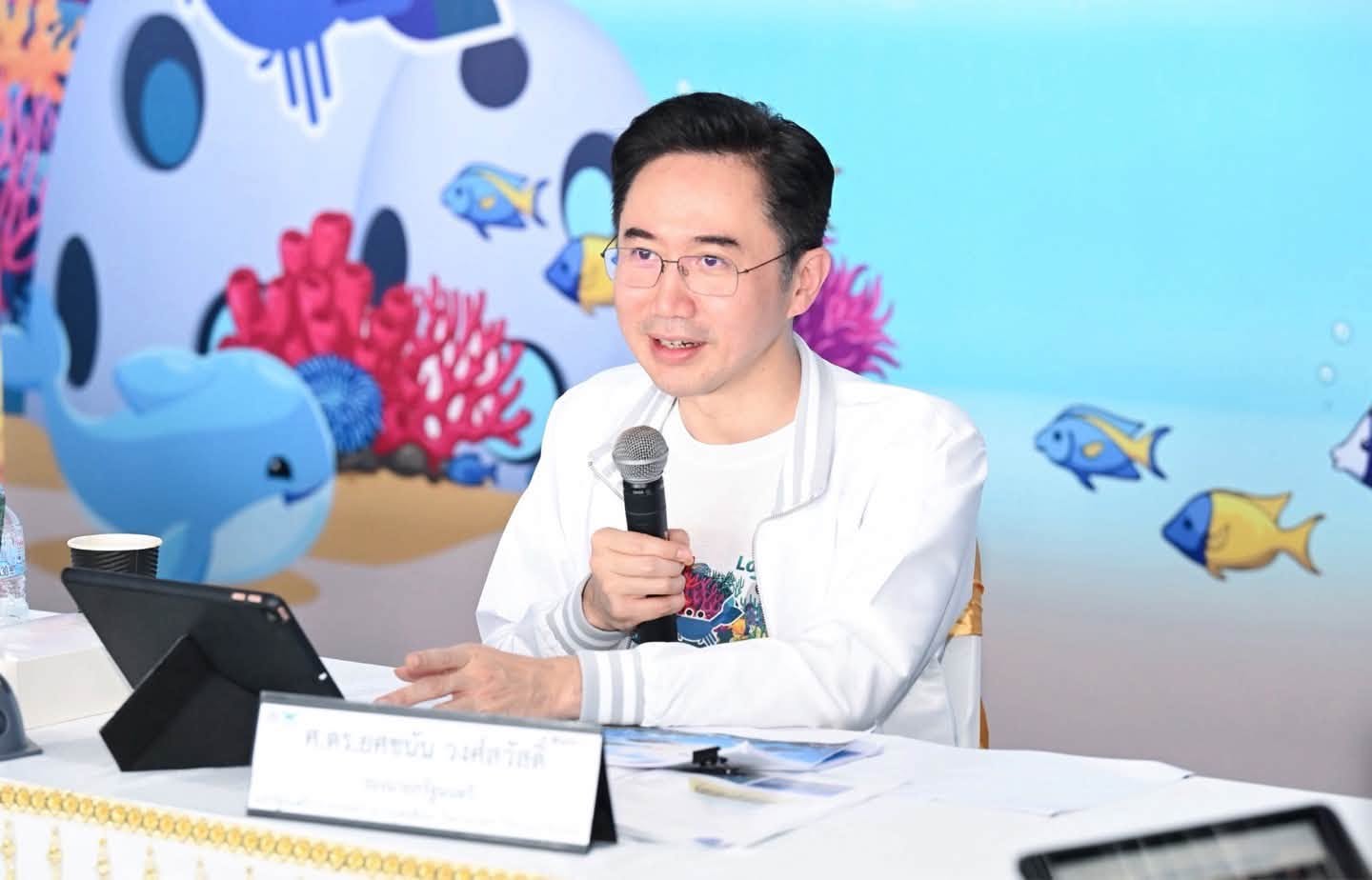
Prof. Dr. Yodchanan Wongsawat, Deputy Prime Minister and Minister of Higher Education, Science, Research and Innovation (MHESI), emphasized that healthy longevity should focus not only on extending lifespan, but also on extending healthspan so that people can maintain a good quality of life and live with dignity. AI and medical innovation can help transform healthcare from reactive care toward preventive, predictive, personalized and accessible approaches. He also stressed that technology development should remain human-centered, responsible and attentive to reducing inequality.
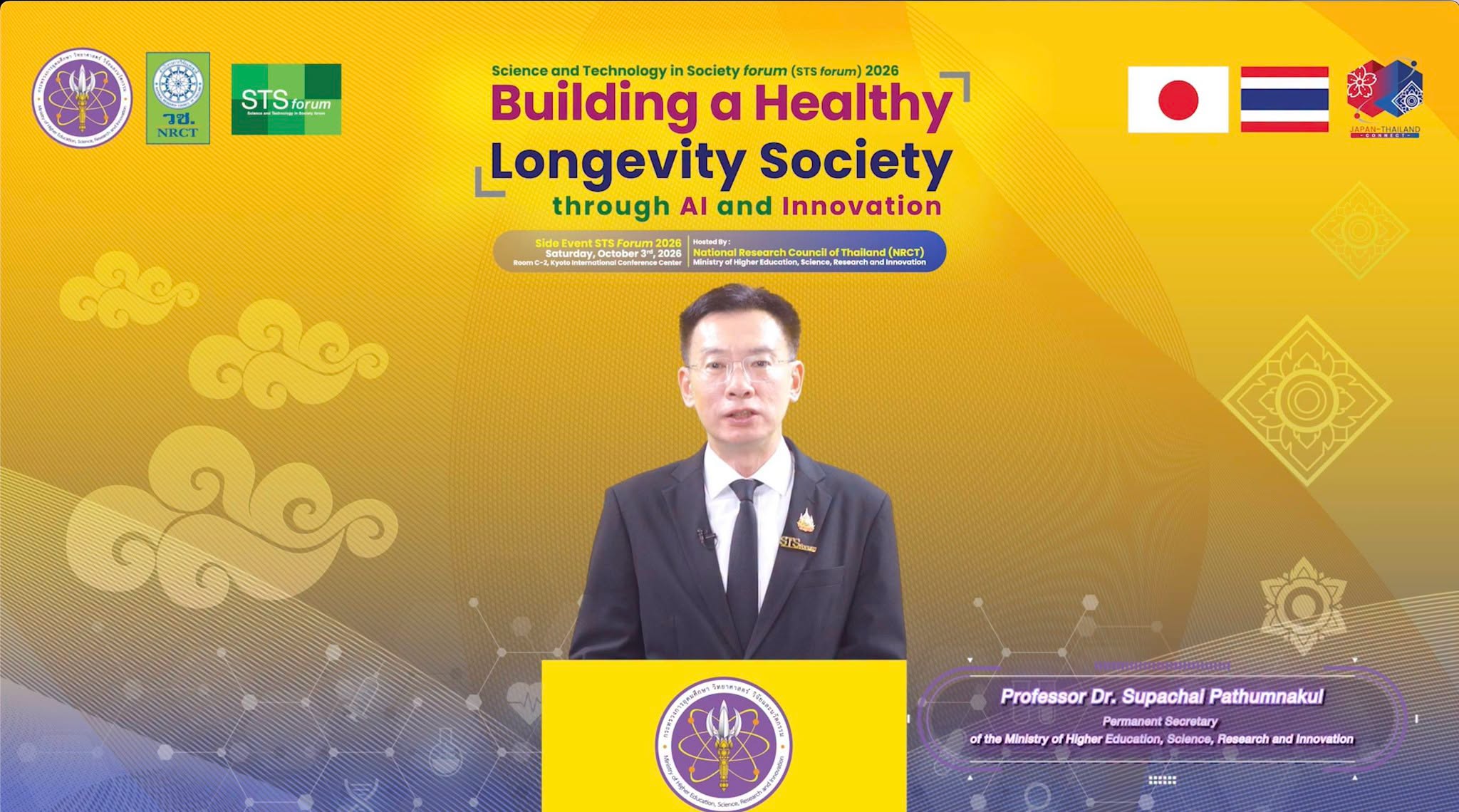
Prof. Dr. Supachai Pathumnakul, Permanent Secretary of MHESI, noted that the key challenge is not simply developing new technologies, but translating them into practical solutions that respond to real societal needs. Building a healthy ageing society therefore requires interdisciplinary knowledge and collaboration among government agencies, universities, industry, hospitals and communities. AI can support early disease detection and prevention, personalized healthcare, and solutions that enable older people to live independently and maintain a good quality of life.
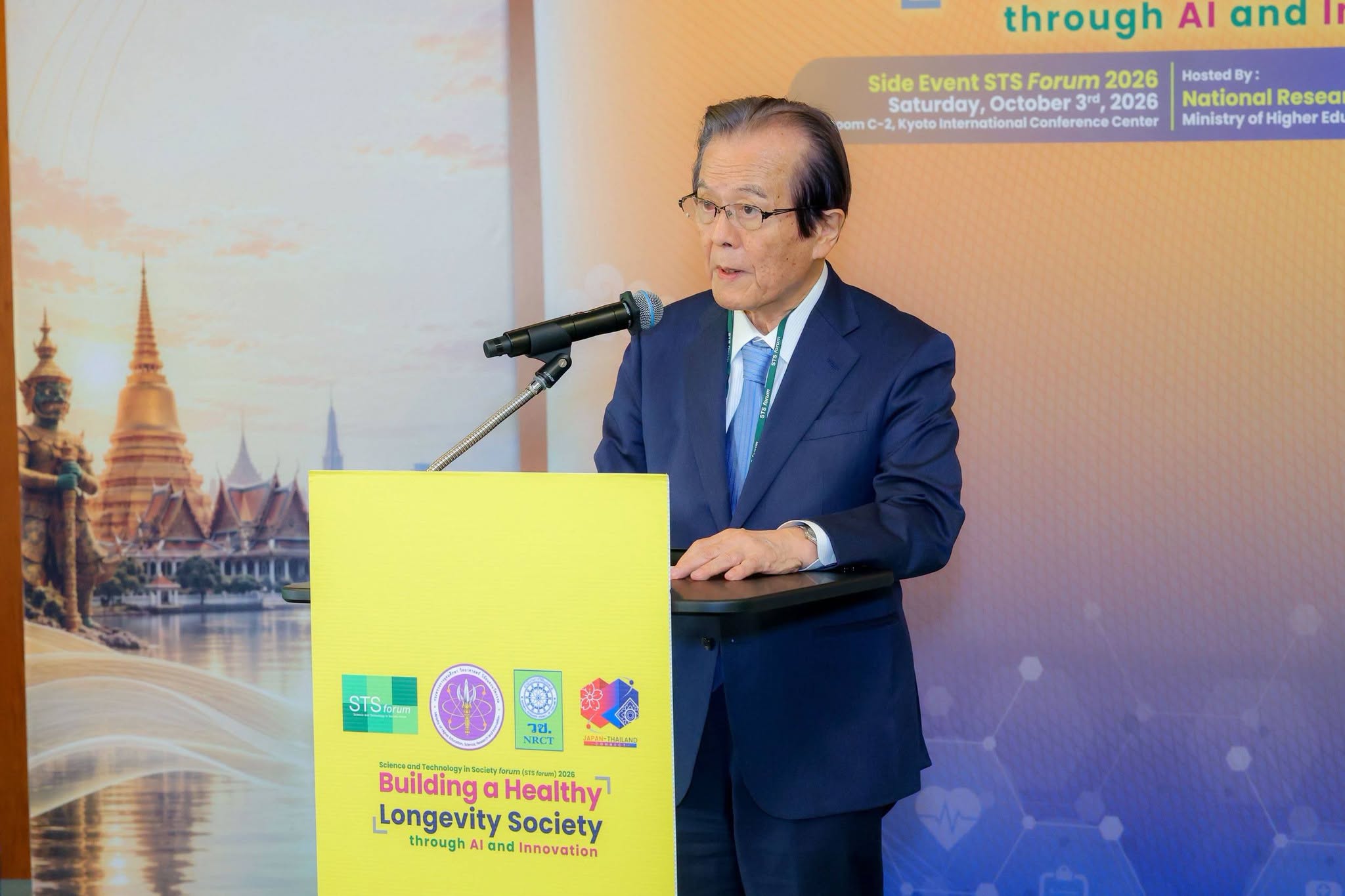
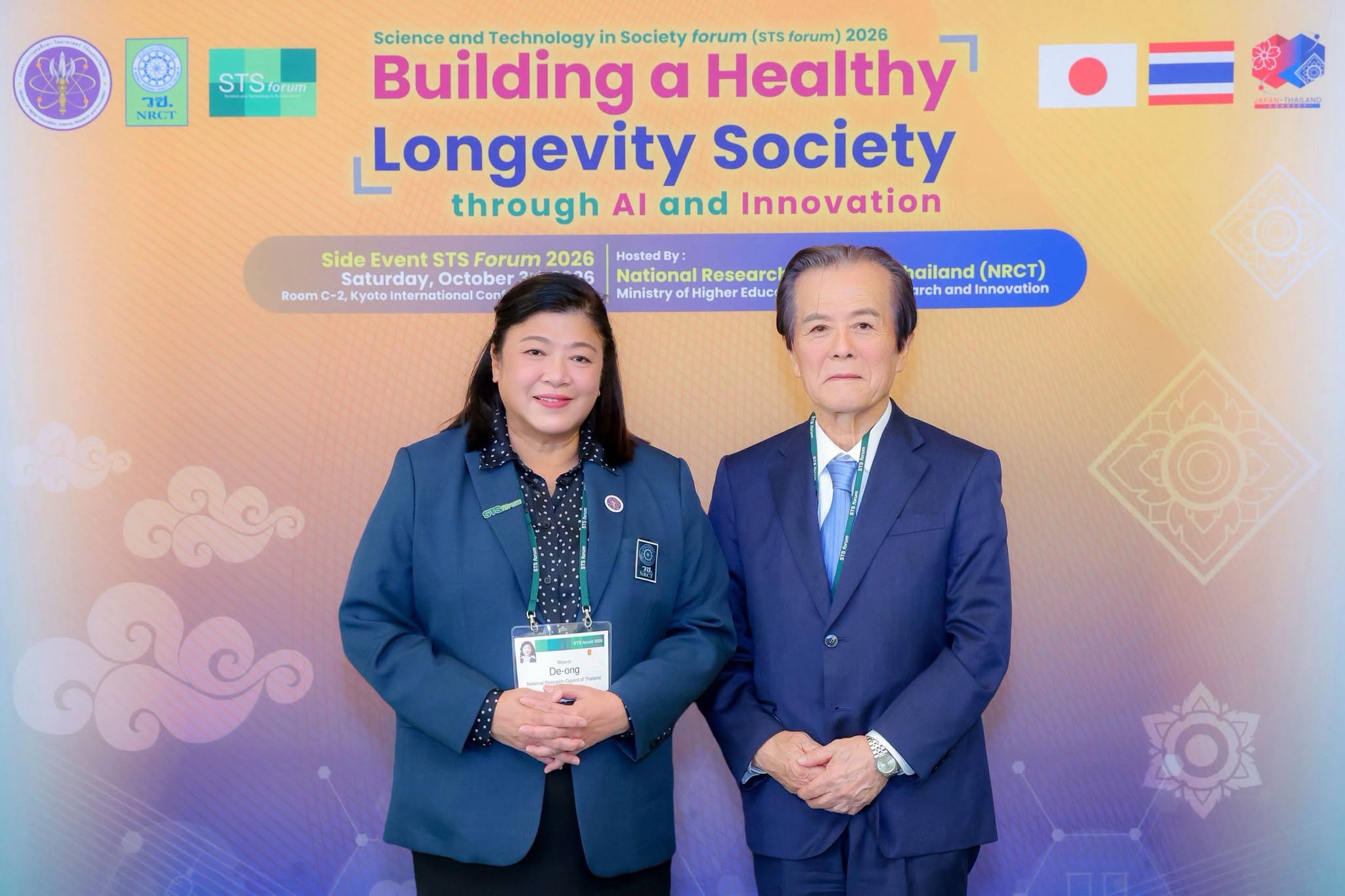
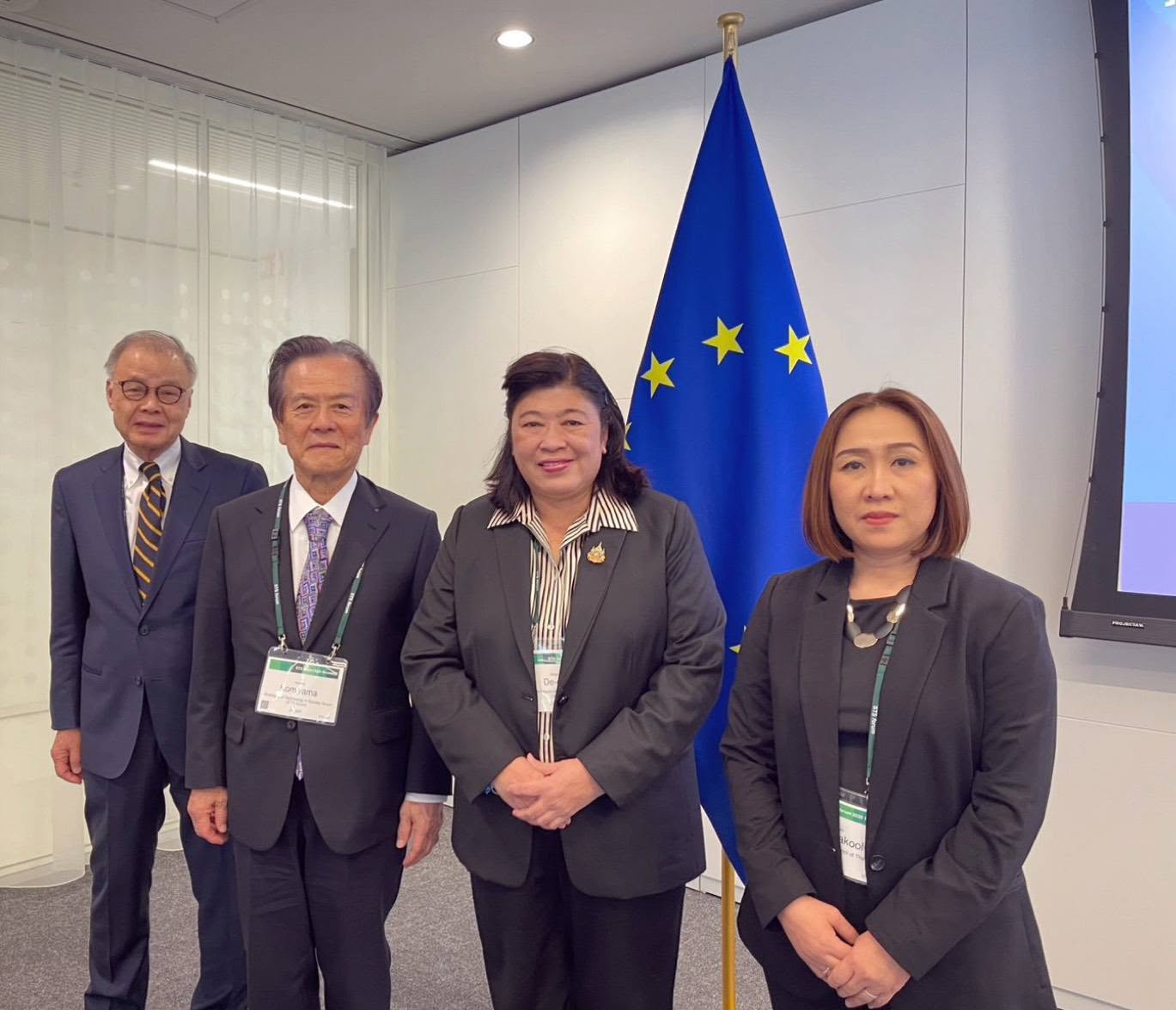
Prof. Hiroshi Komiyama, Chairman of the STS Forum, expressed appreciation to NRCT for its continued commitment to advancing science, technology and innovation in Thailand and the ASEAN region. He noted that longevity is one of the world’s major challenges, while AI, biotechnology and precision medicine are creating new opportunities to promote longer lives alongside better health and quality of life. He also emphasized that building a healthy longevity society requires attention to the human dimension alongside technological progress, with young researchers and innovators playing an important role in connecting knowledge and creating new forms of collaboration for human well-being.
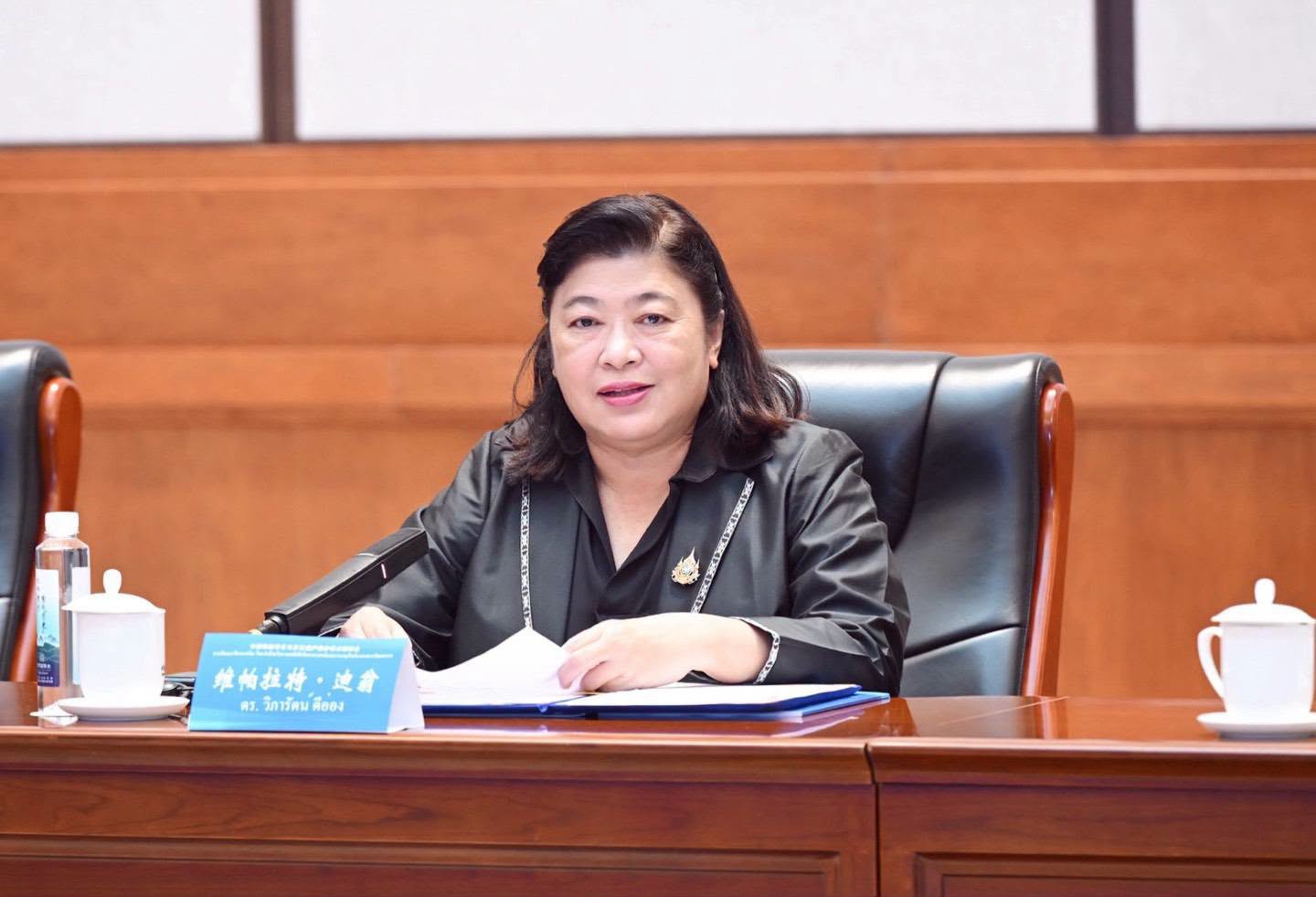
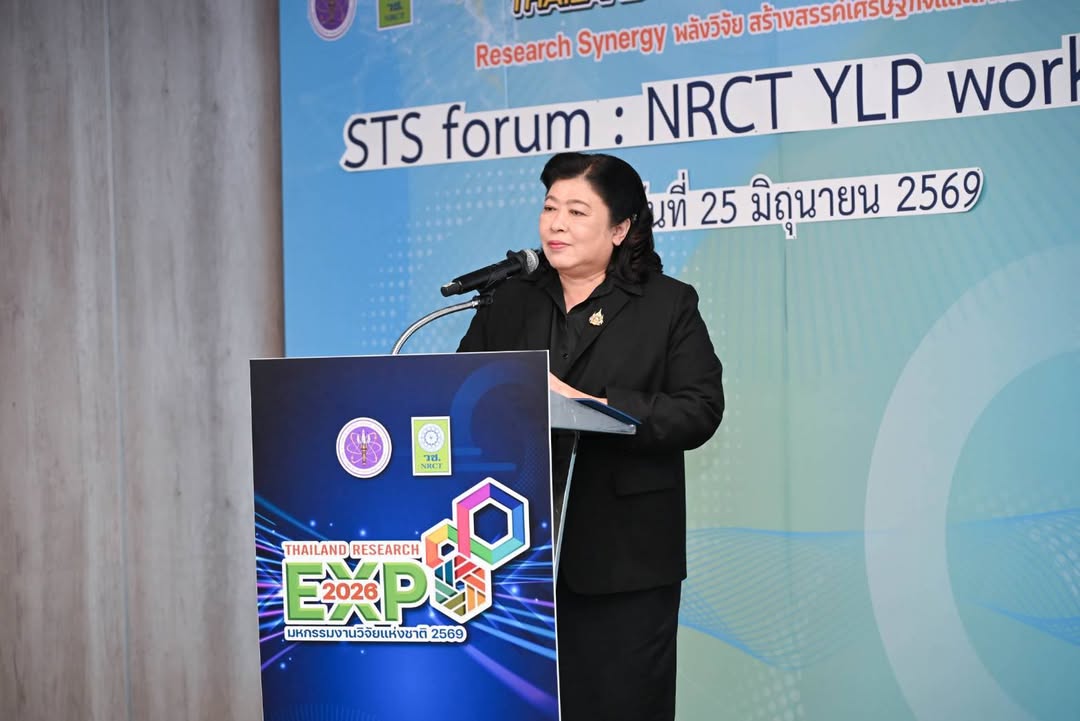
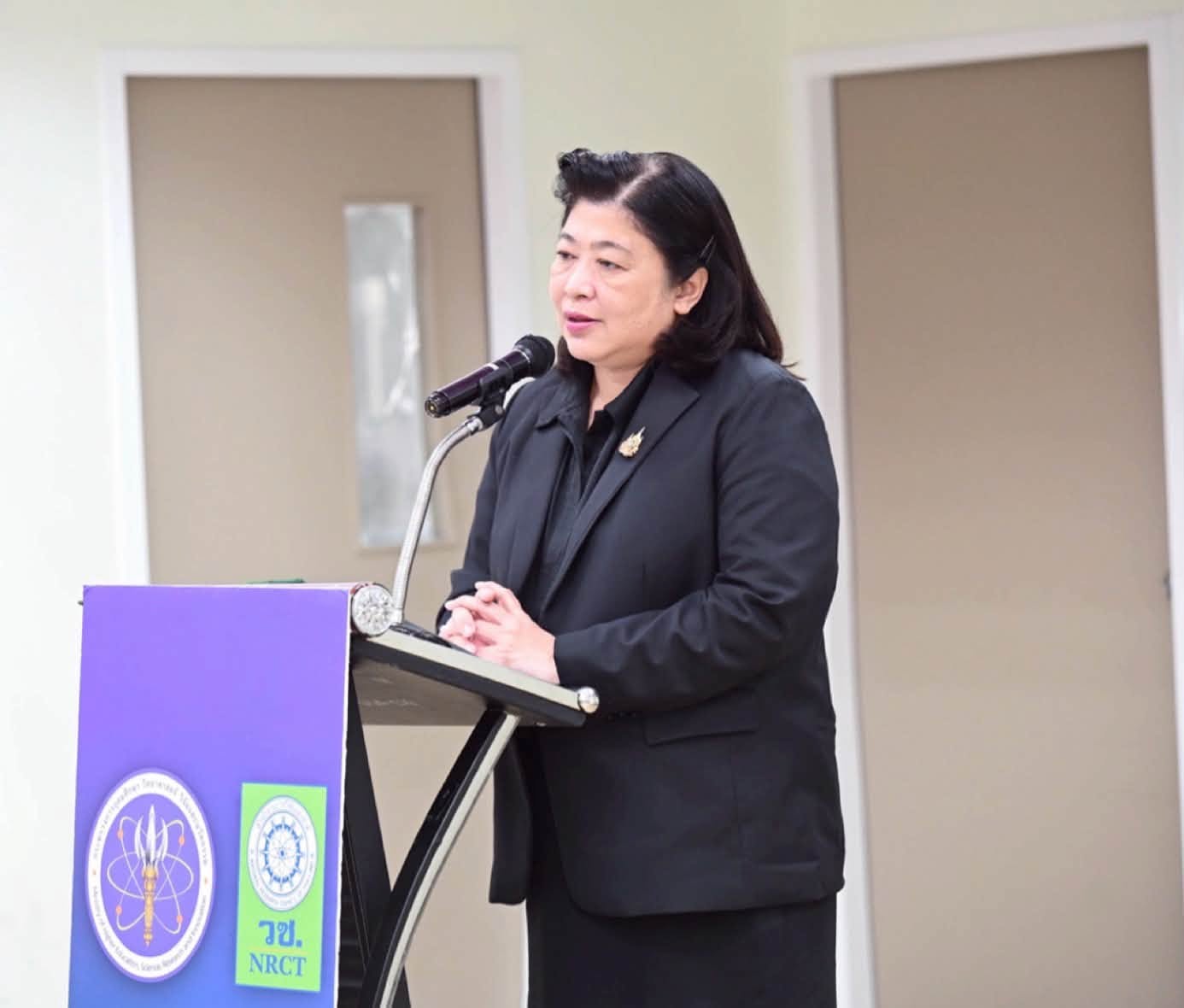
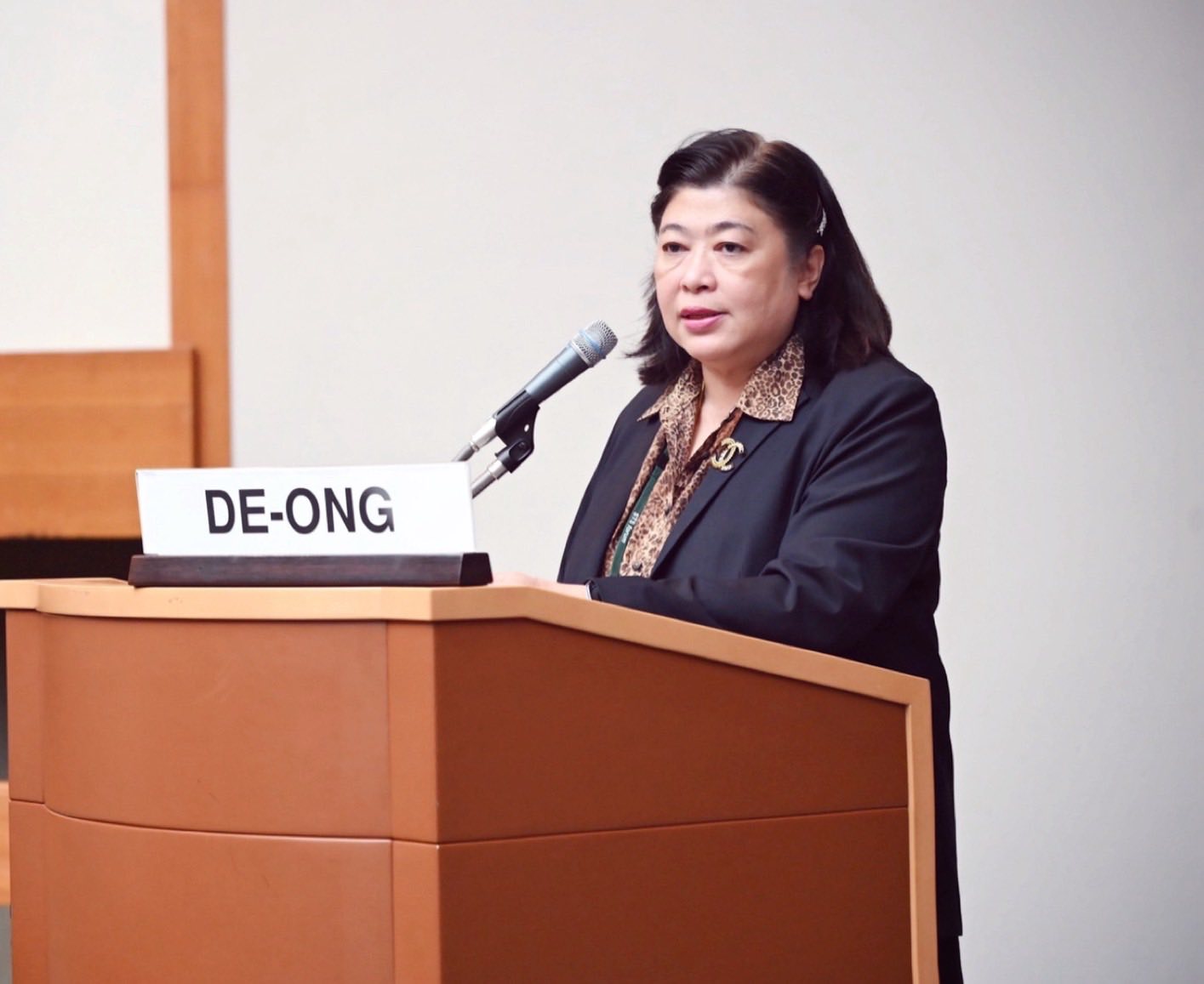
Dr. Wiparat De-ong, President of the National Research Council of Thailand, highlighted that healthy longevity requires knowledge from a wide range of fields, including AI, biotechnology, materials science, health sciences, food science, as well as social and policy perspectives. Integrating knowledge across disciplines is therefore essential to addressing the challenges of an ageing society. NRCT is committed to providing young researchers with opportunities to exchange knowledge with international networks, strengthen their capabilities, build research collaborations and translate research into benefits for society.
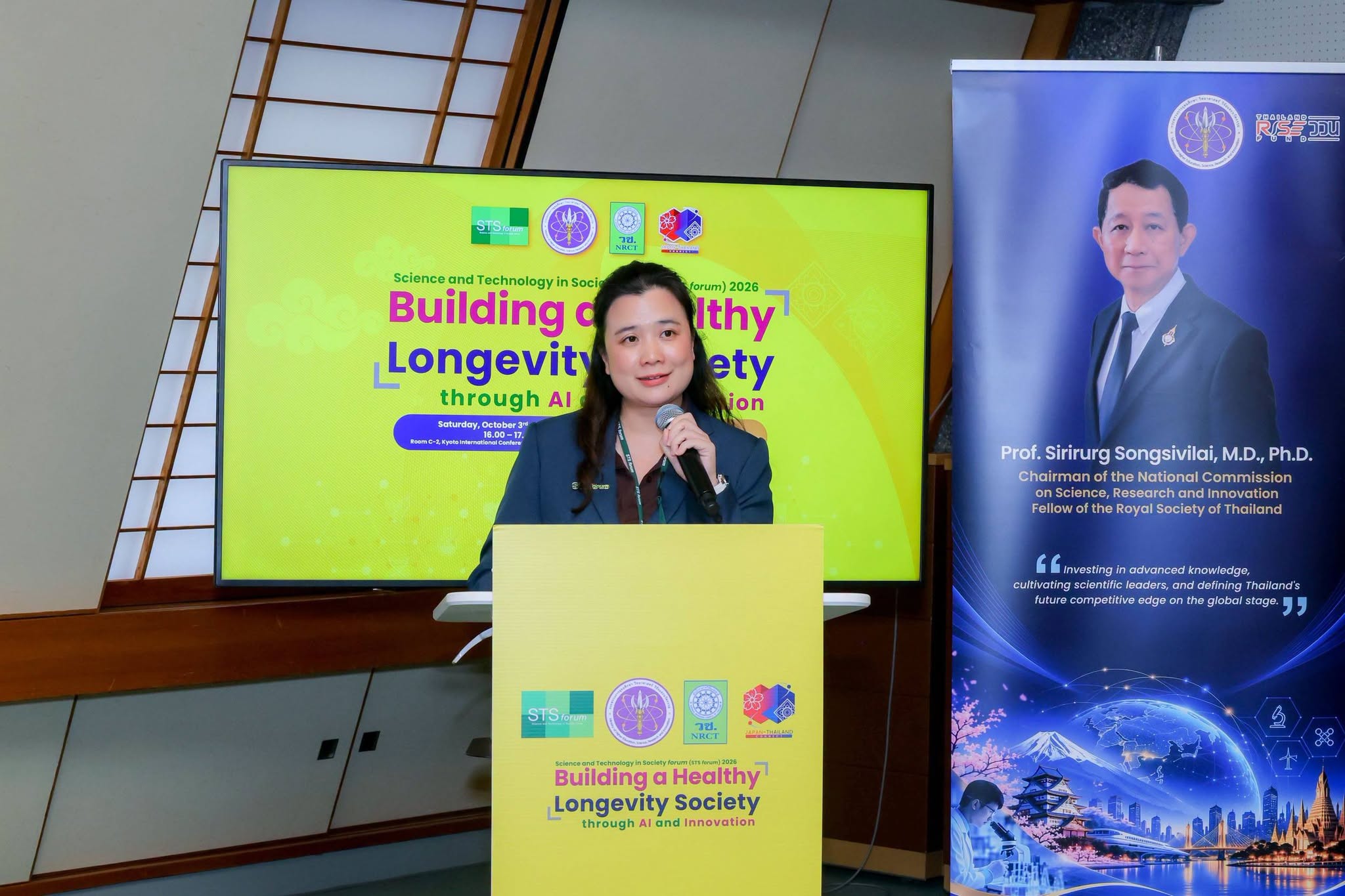
The event program and objectives were introduced by Dr. Sirinporn Diewtrakool, Deputy Director of the National Research Council of Thailand. The sessions were moderated by Asst. Prof. Dr. Adisak Seesanae of Thammasat University and Asst. Prof. Dr. Pawita Boonrat of Prince of Songkla University, Phuket Campus.
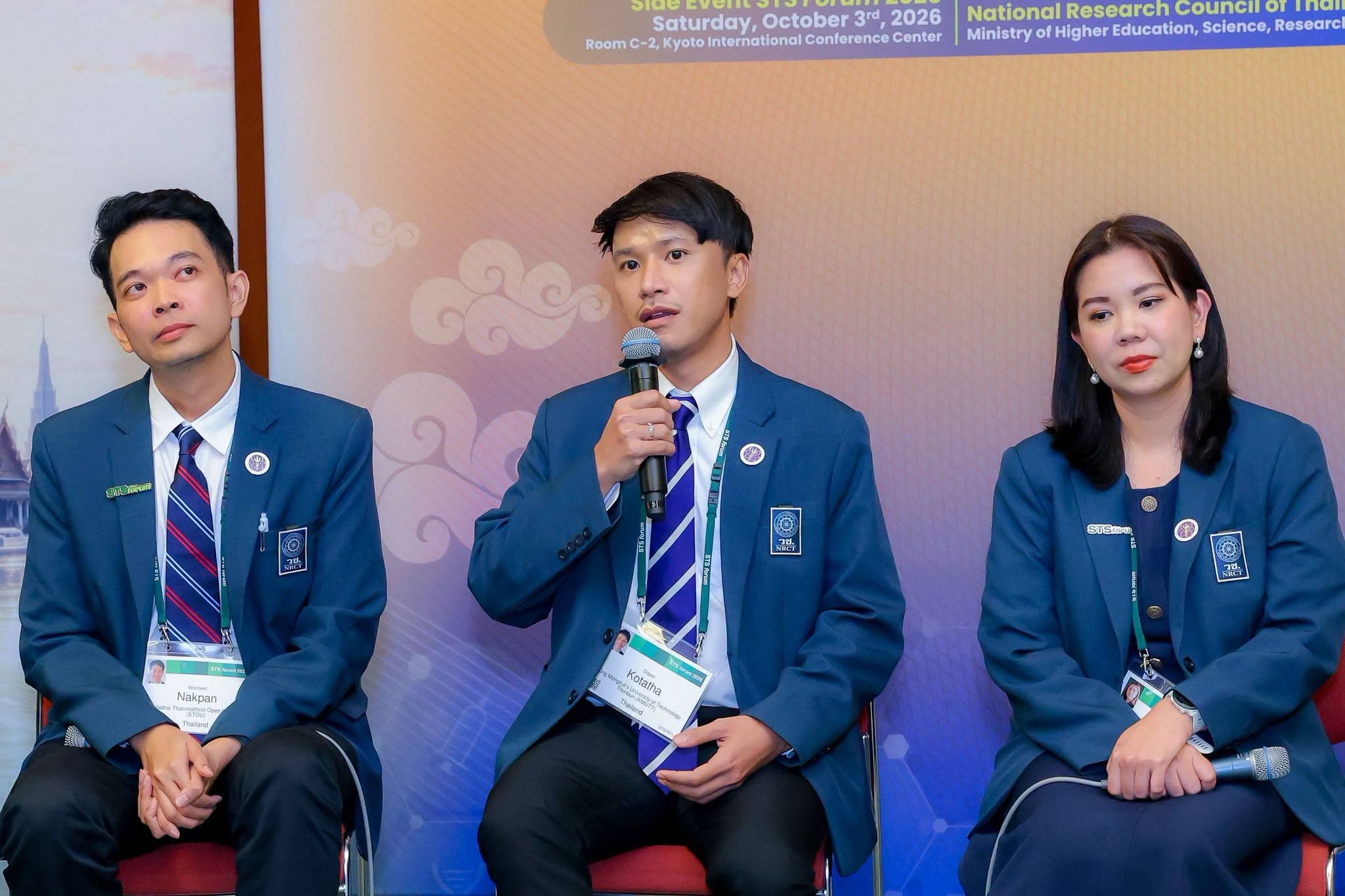
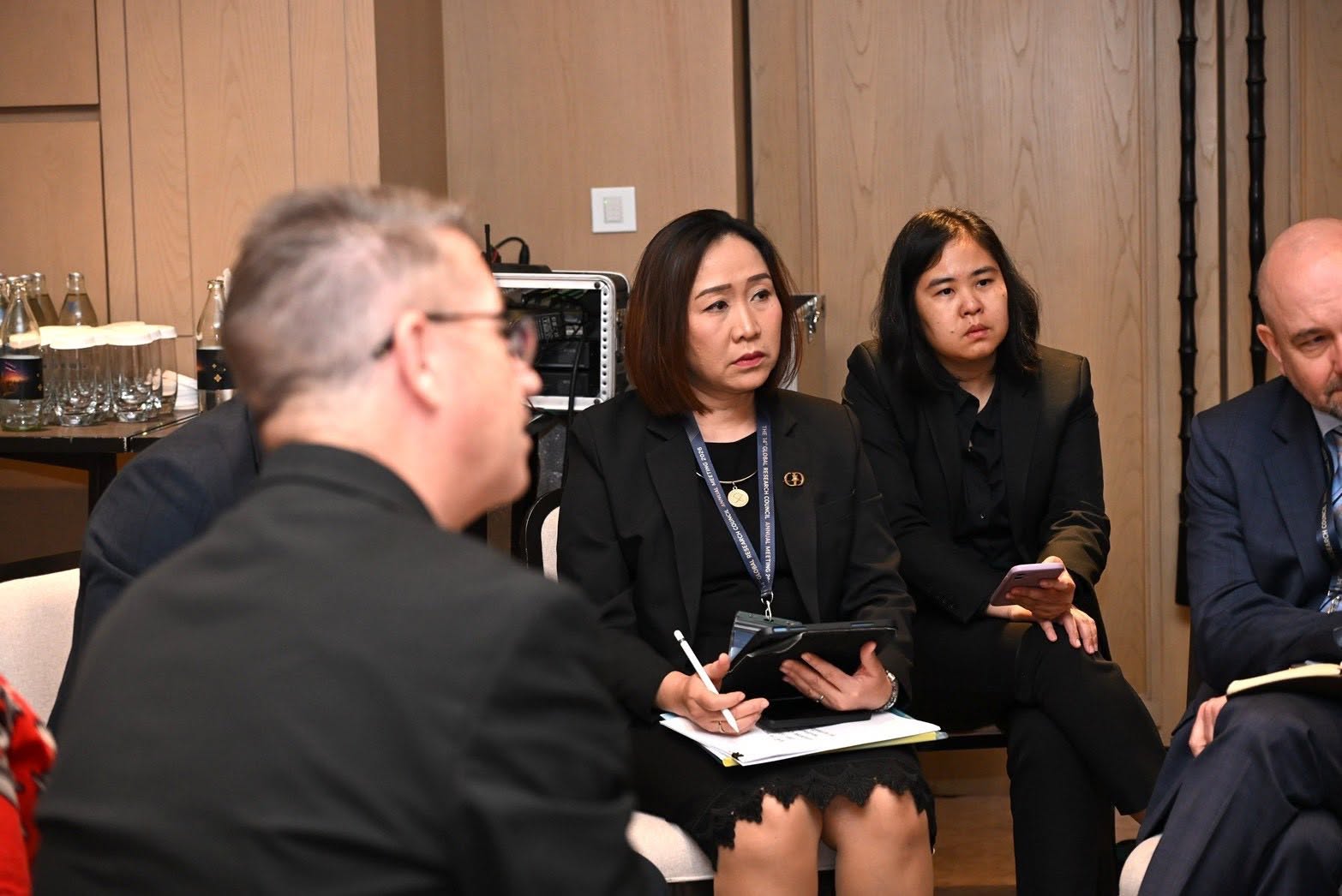
The forum featured two discussion sessions. Session 1, “How AI and Innovation Build Healthy Longevity,” explored the role of AI and innovation in promoting health and longevity. Session 2, “Practical Implementation: Intersection of Longevity Science, Technology, and Society,” focused on translating knowledge and research into practical applications, with discussions on human-centered technology development, the transition toward preventive healthcare, and the creation of collaborative ecosystems for research and innovation.
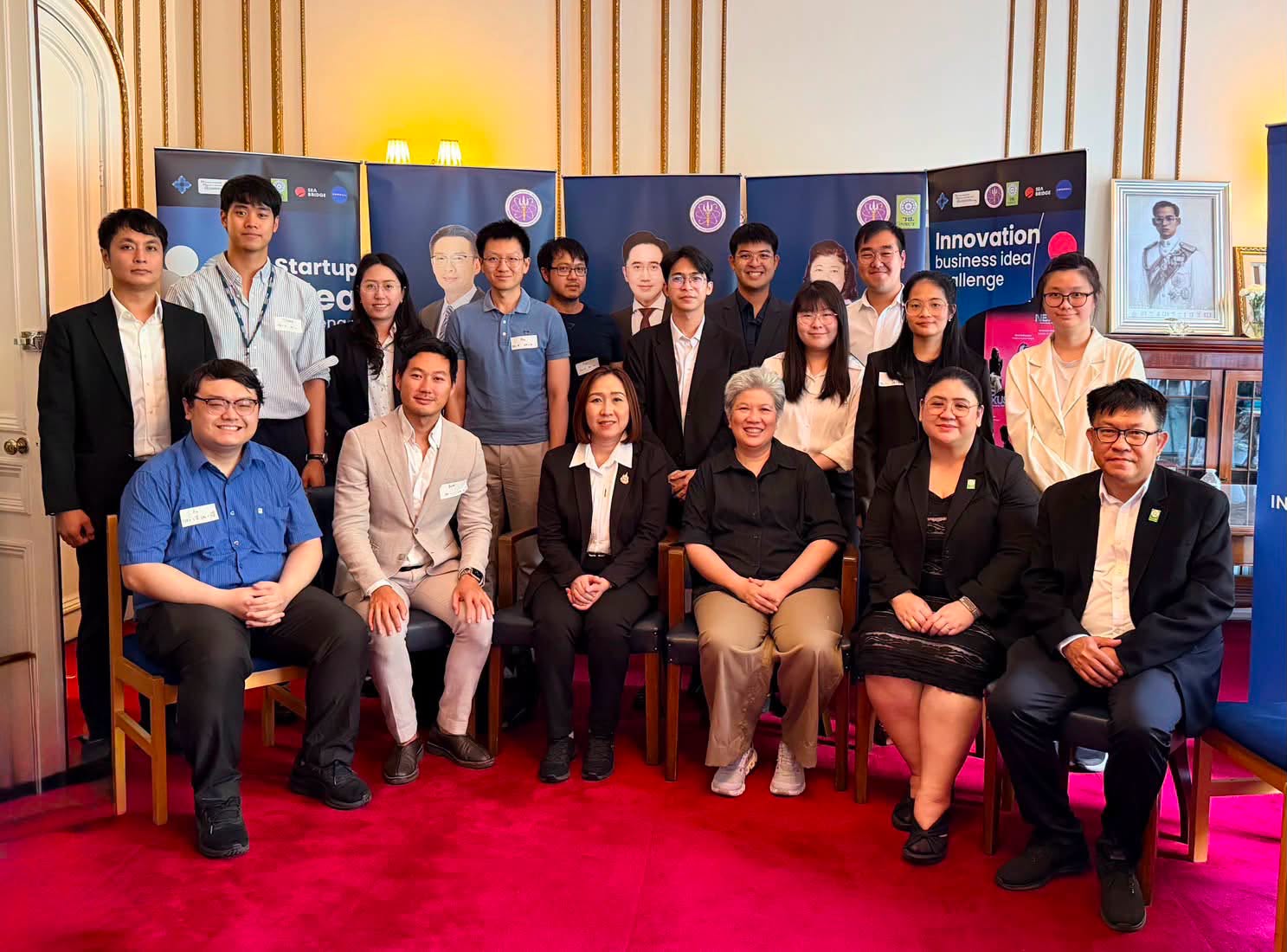
The discussions brought together Thai researchers participating in the STS forum Young Leaders Program, supported by NRCT.
Session 1: “How AI and Innovation Build Healthy Longevity”
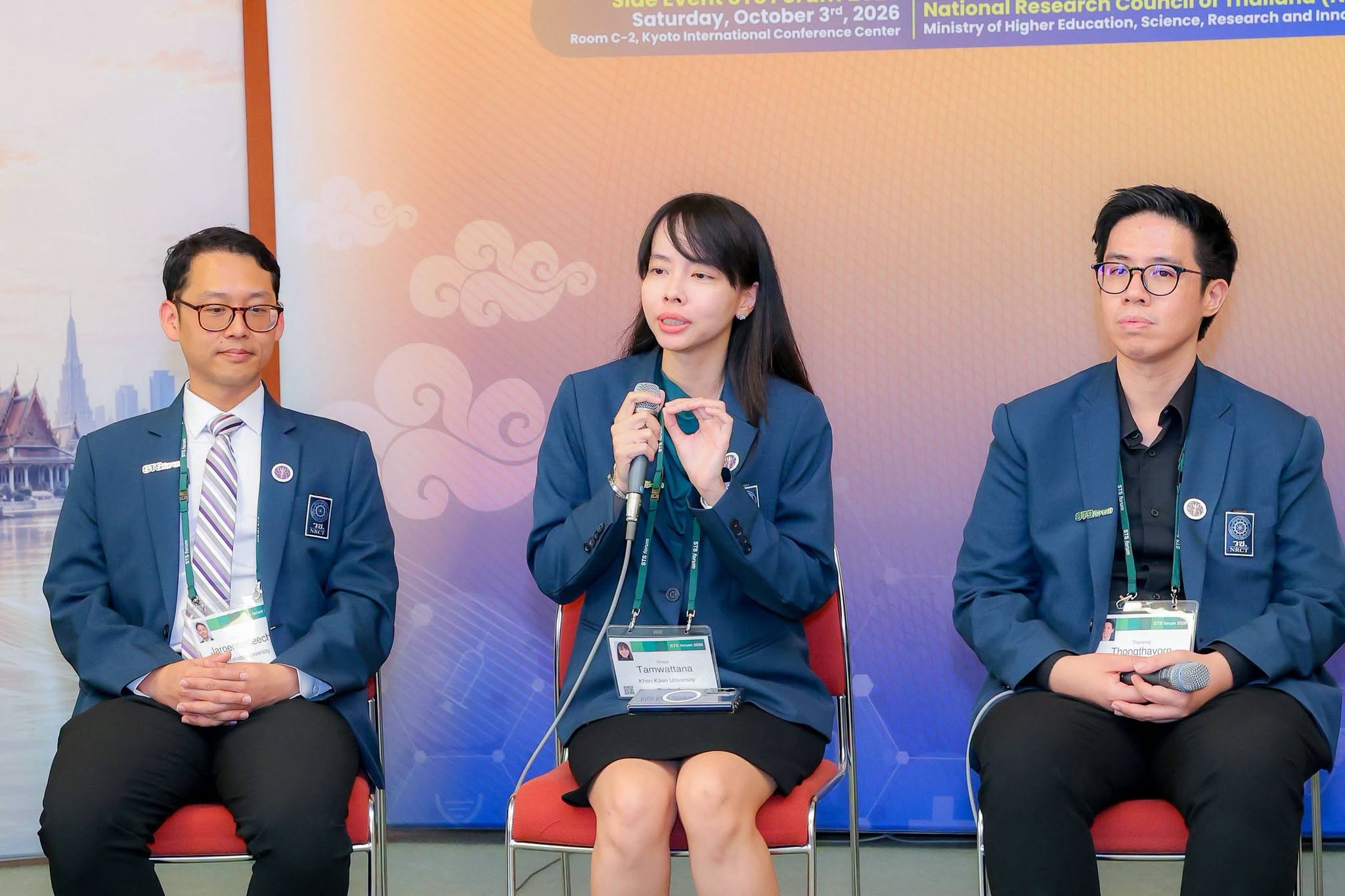
Dr. Thapakon Charoentomeechai, Faculty of Science, Mahidol University
Dr. Orapa Thaemwatthana, Faculty of Science, Khon Kaen University
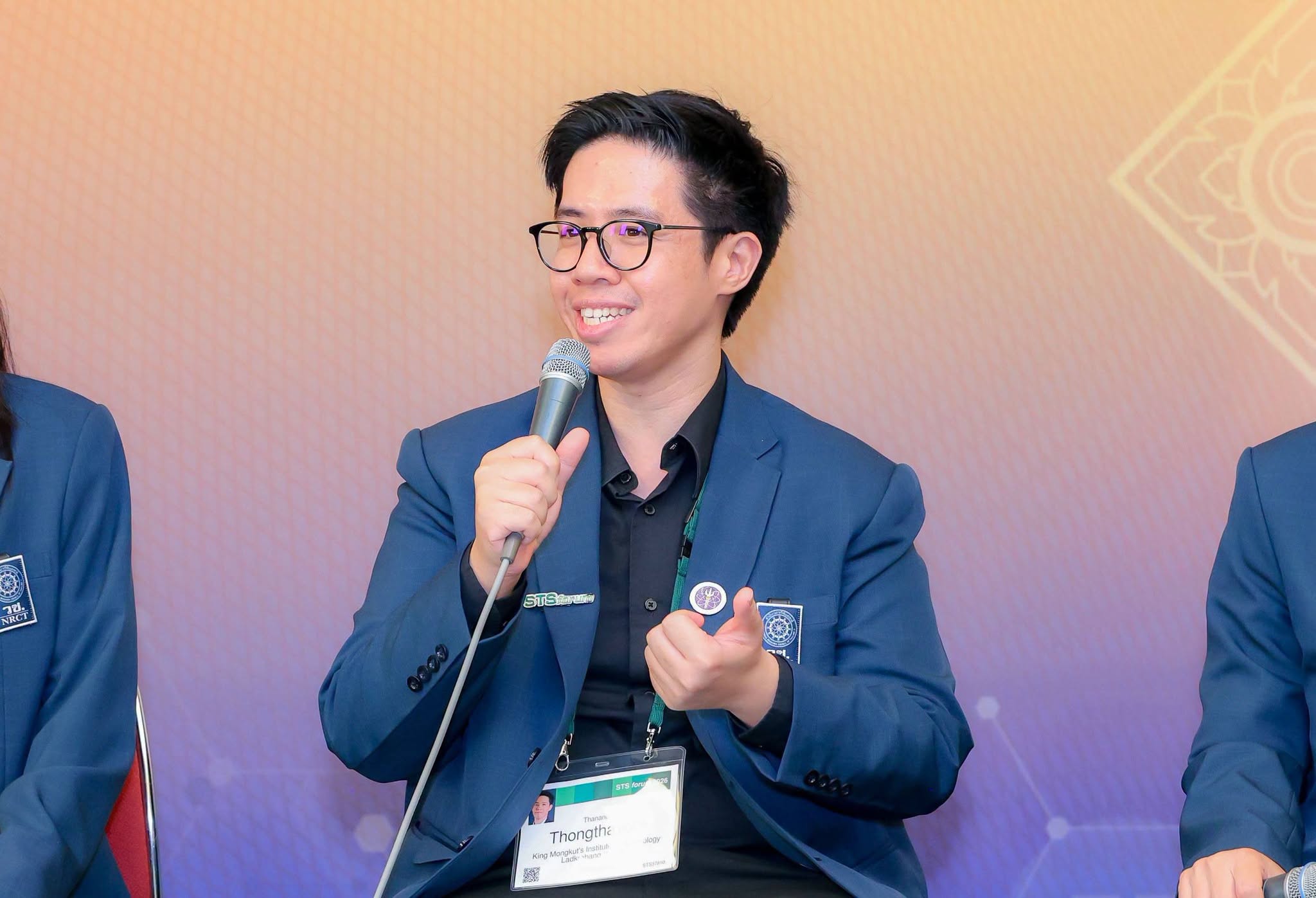
Dr. Thananop Thongthaworn, Faculty of Information Technology, King Mongkut’s Institute of Technology Ladkrabang
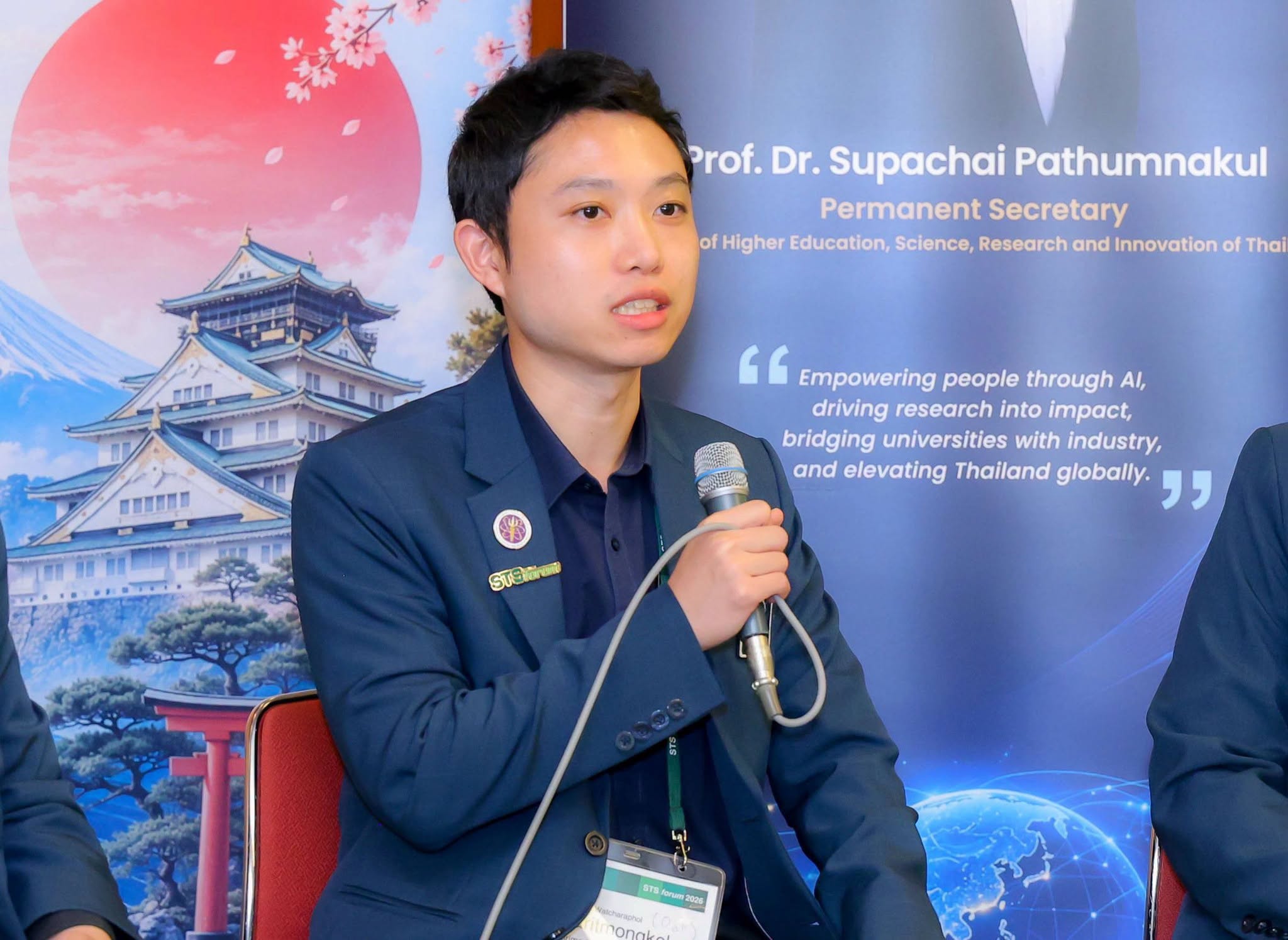
Dr. Watcharapol Pritmongkol, School of Molecular Science and Engineering, Vidyasirimedhi Institute of Science and Technology
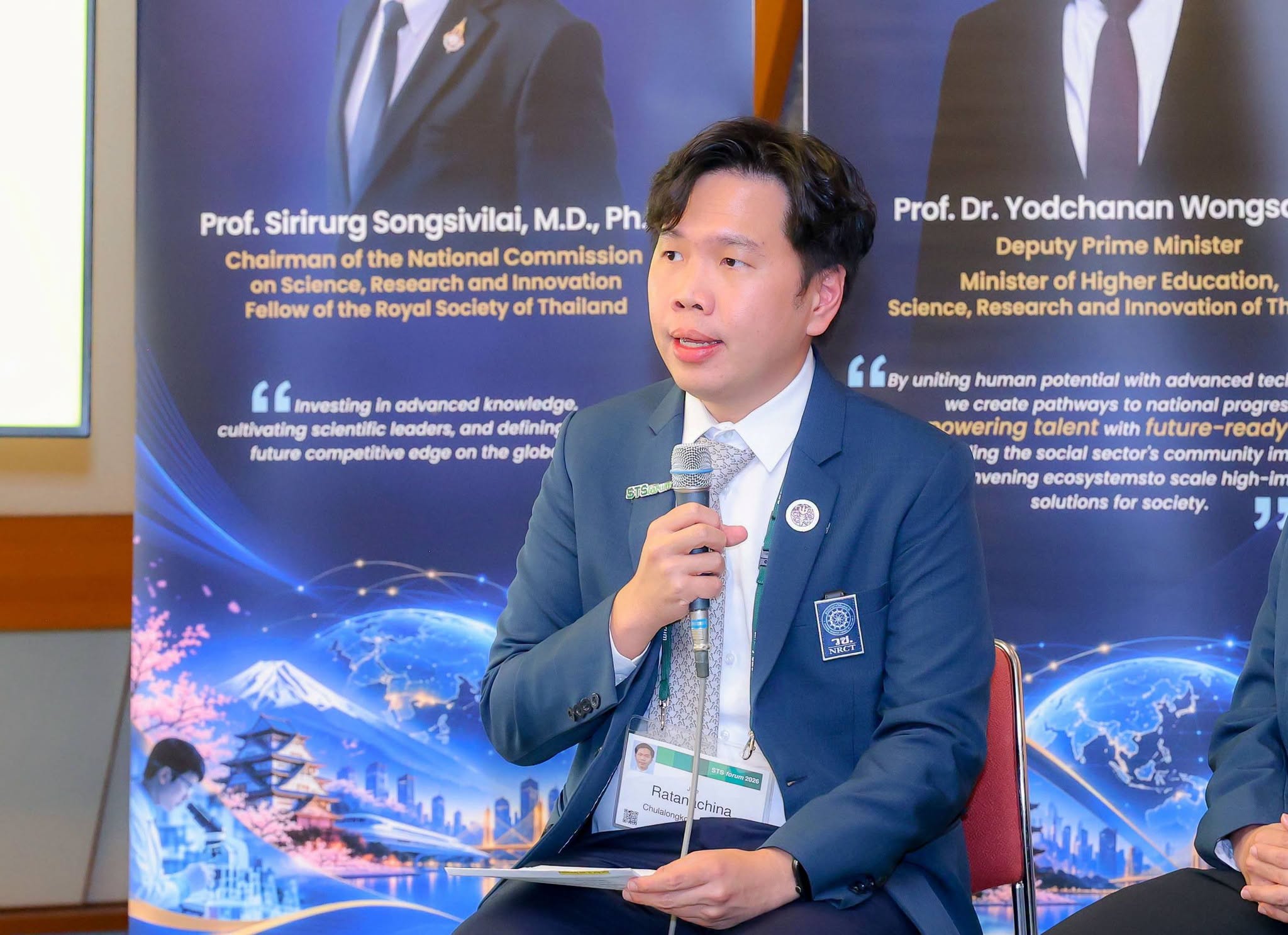
The session was moderated by Asst. Prof. Dr. Jate Ratanachina, Faculty of Medicine, Chulalongkorn University, and Asst. Prof. Dr. Kattika Kaarj, Institute of Science, Suranaree University of Technology, with Asst. Prof. Dr. Nujarin Jongruja, Faculty of Science, King Mongkut’s University of Technology Thonburi, serving as rapporteur.
Session 2: “Practical Implementation: Intersection of Longevity Science, Technology and Society”
Asst. Prof. Dr. Worrawit Nakpan, School of Health Science, Sukhothai Thammathirat Open University
Asst. Prof. Dr. Ditpon Kotatha, School of Bioresources and Technology, King Mongkut’s University of Technology Thonburi
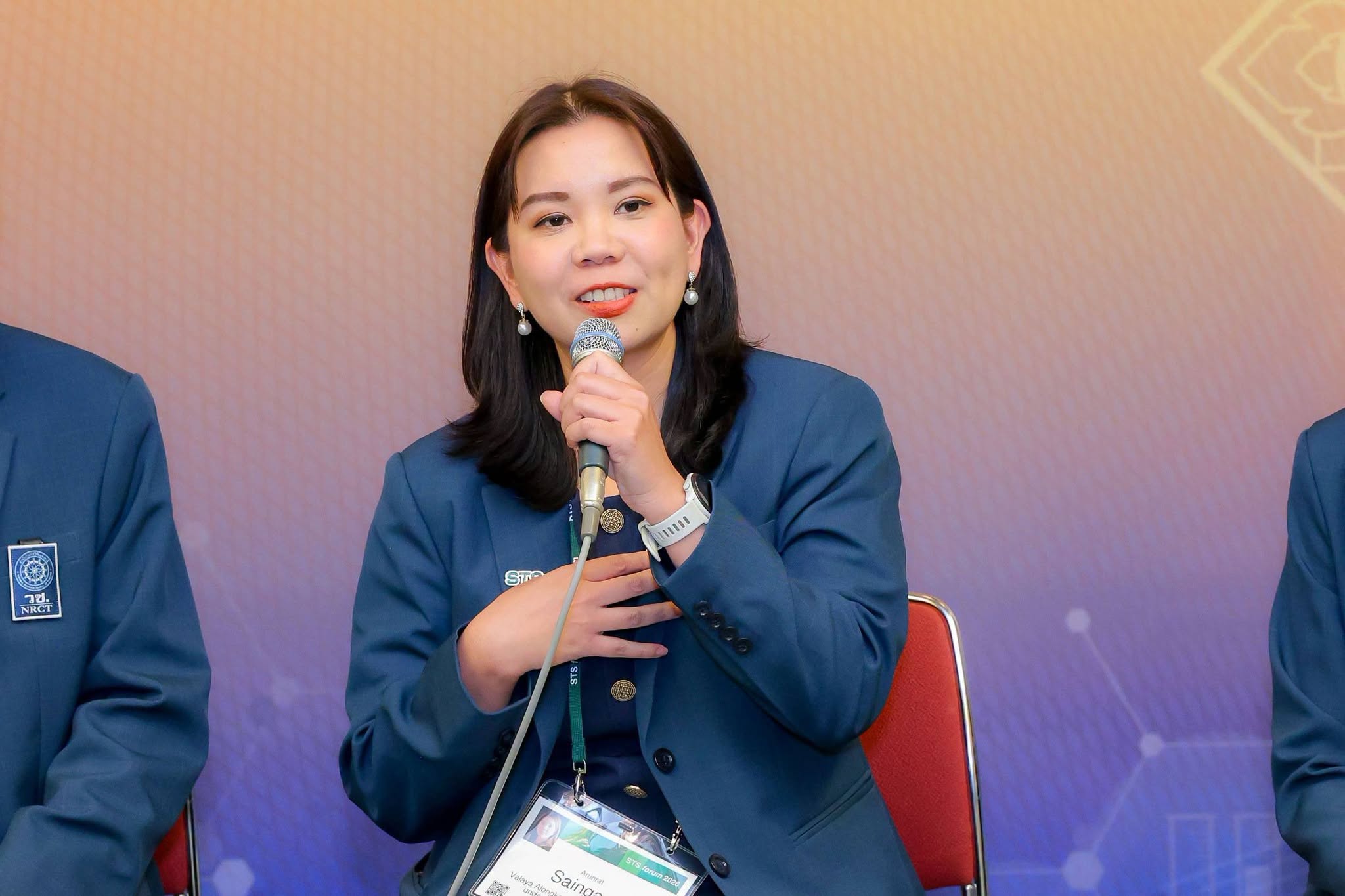
Dr. Arunrat Saingam, Faculty of Humanities and Social Sciences, Valaya Alongkorn Rajabhat University under the Royal Patronage
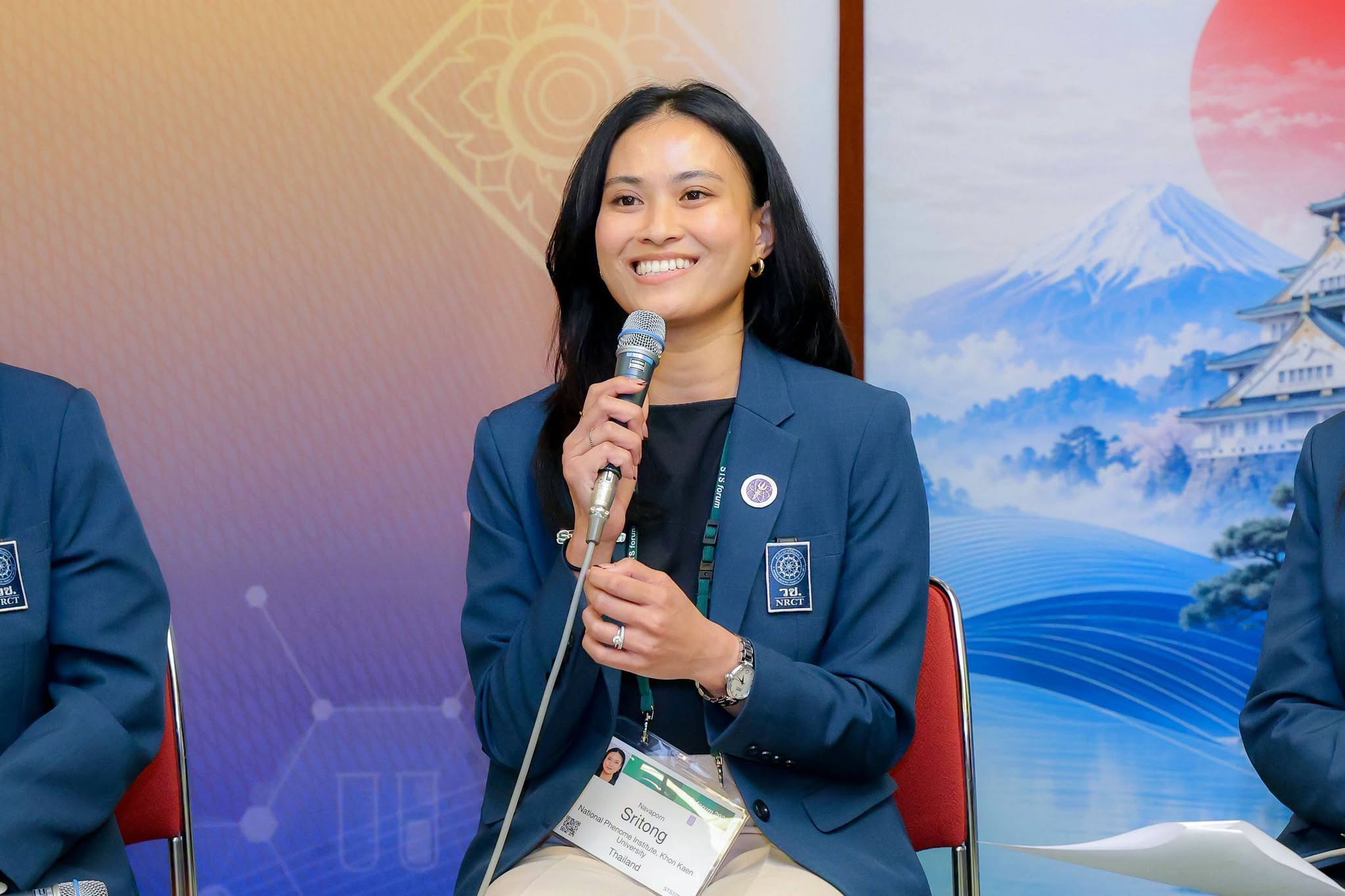
Dr. Navaporn Sritong, National Phenome Institute, Khon Kaen University
The session was moderated by Assoc. Prof. Dr. Kiadtisak Saenboonruang, Faculty of Science, Kasetsart University, and Asst. Prof. Dr. Thittaporn Ganokratanaa, Faculty of Science, King Mongkut’s University of Technology Thonburi, with Dr. Auraluck Pichitkul, School of Engineering, Suranaree University of Technology, serving as rapporteur.
Assoc. Prof. Dr. Anak Khantachawana, NRCT academic advisory committee and lecturer from the Faculty of Engineering, King Mongkut’s University of Technology Thonburi, served as the overall rapporteur and summarized key insights from the exchange of perspectives throughout the event.
The side event reflected NRCT’s role in connecting Thai knowledge and research with global science and innovation networks. It also provided a platform for Thailand’s STS forum Young Leaders to strengthen their international connections, exchange knowledge across disciplines, and develop new opportunities for research and innovation collaboration that can contribute to addressing global challenges and creating benefits for society.