NRCT Highlights Thailand’s Ambition to Become an AI Healthcare Hub at STS forum 2025
6 October 2025


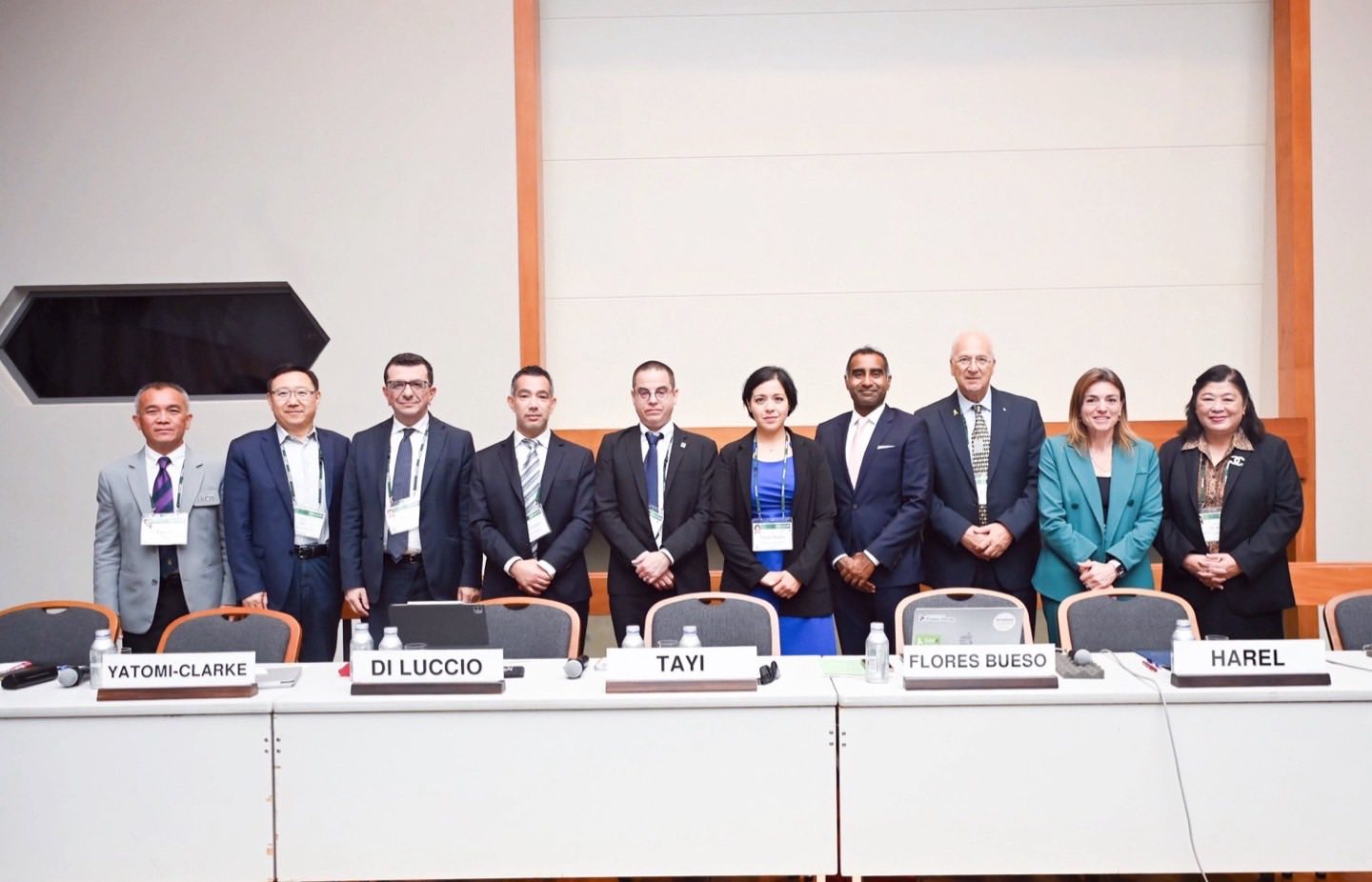
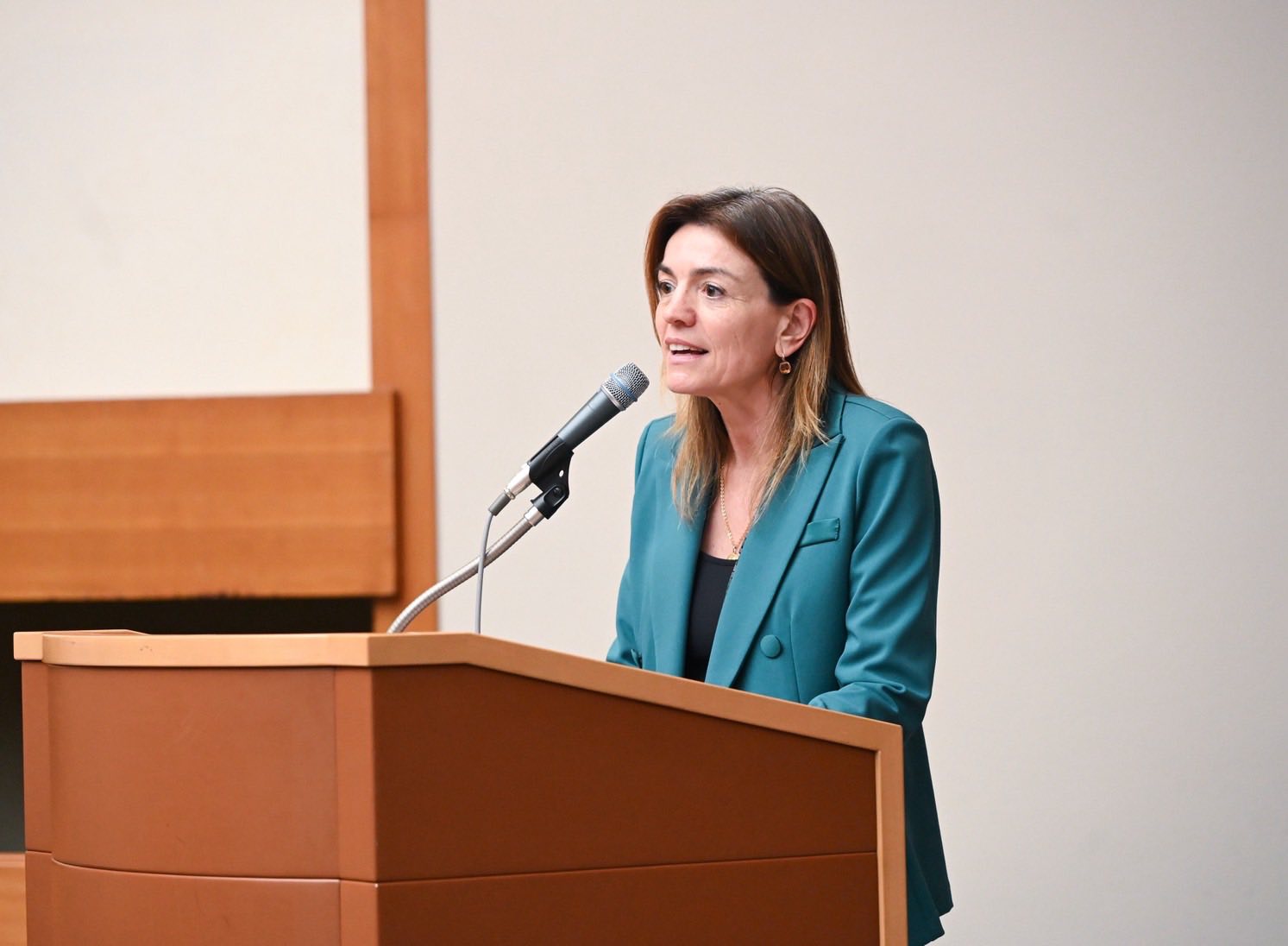
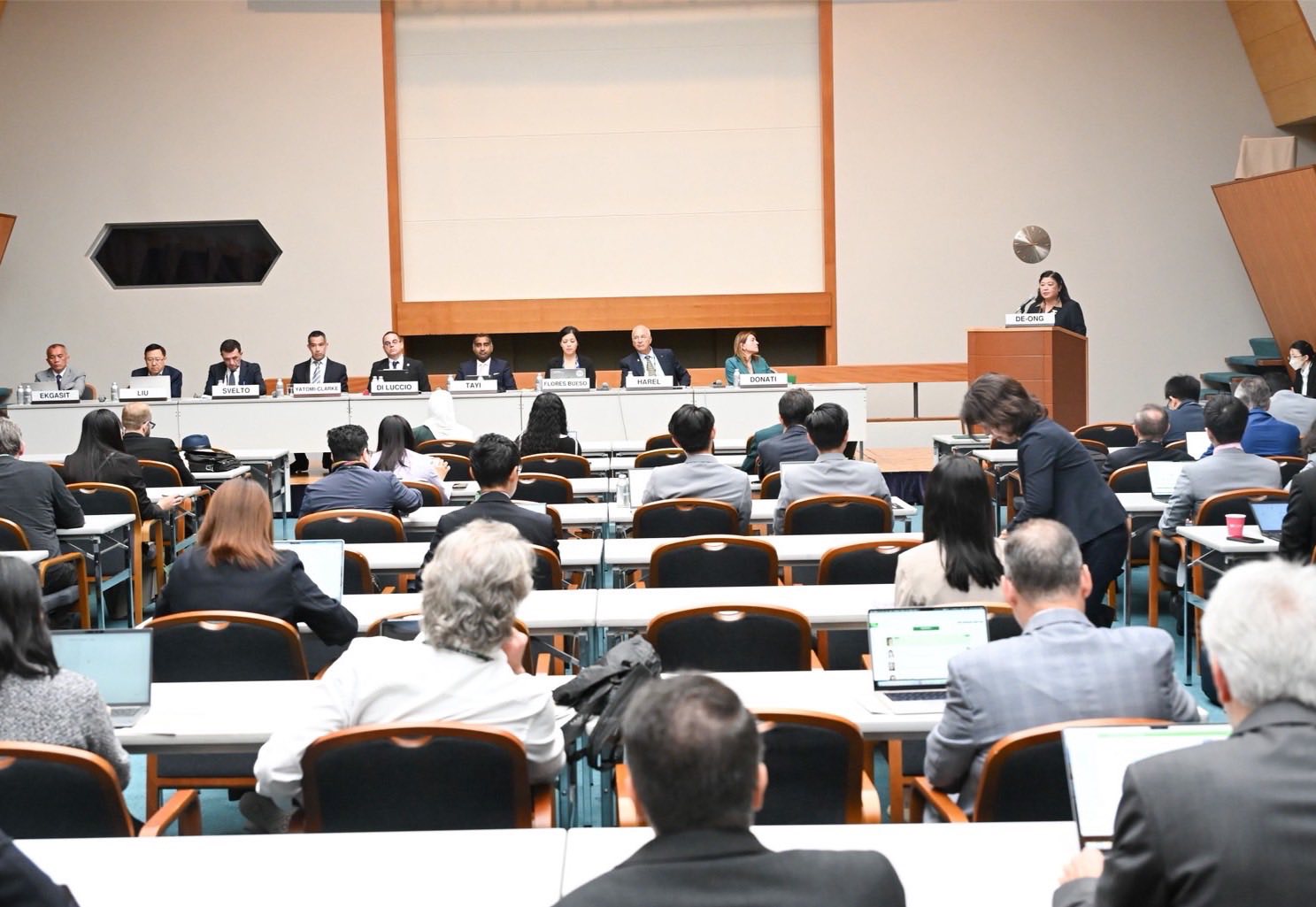
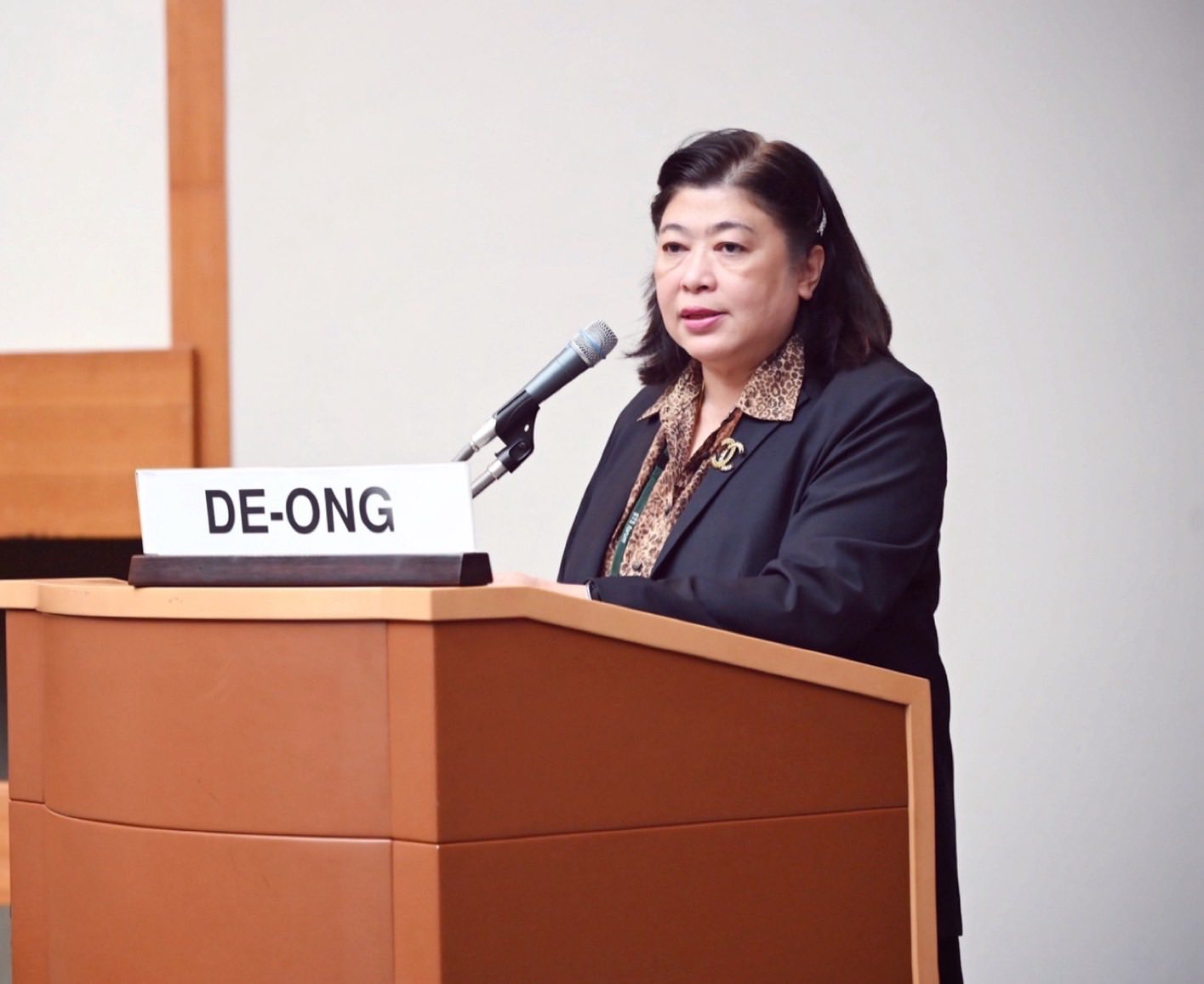
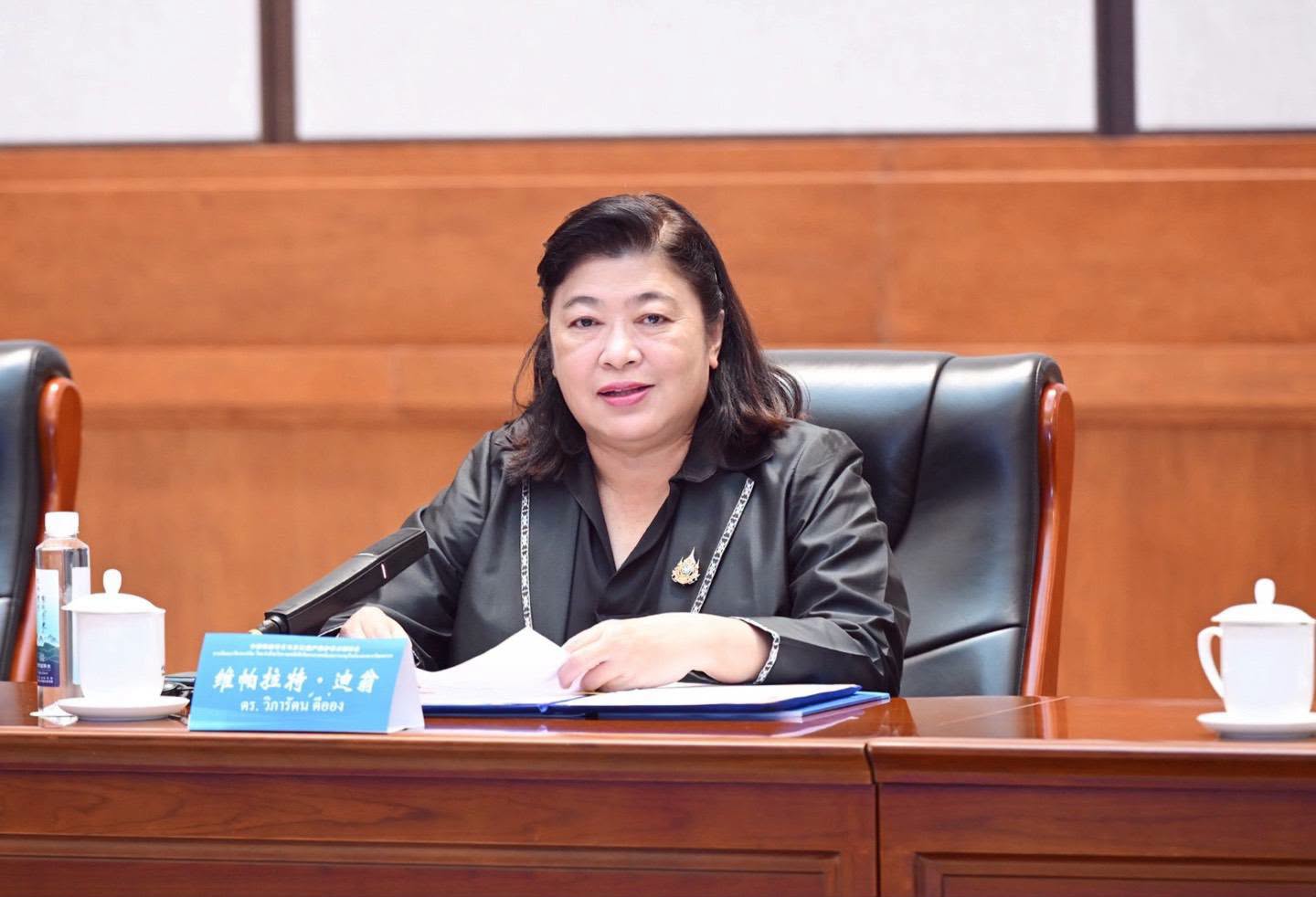
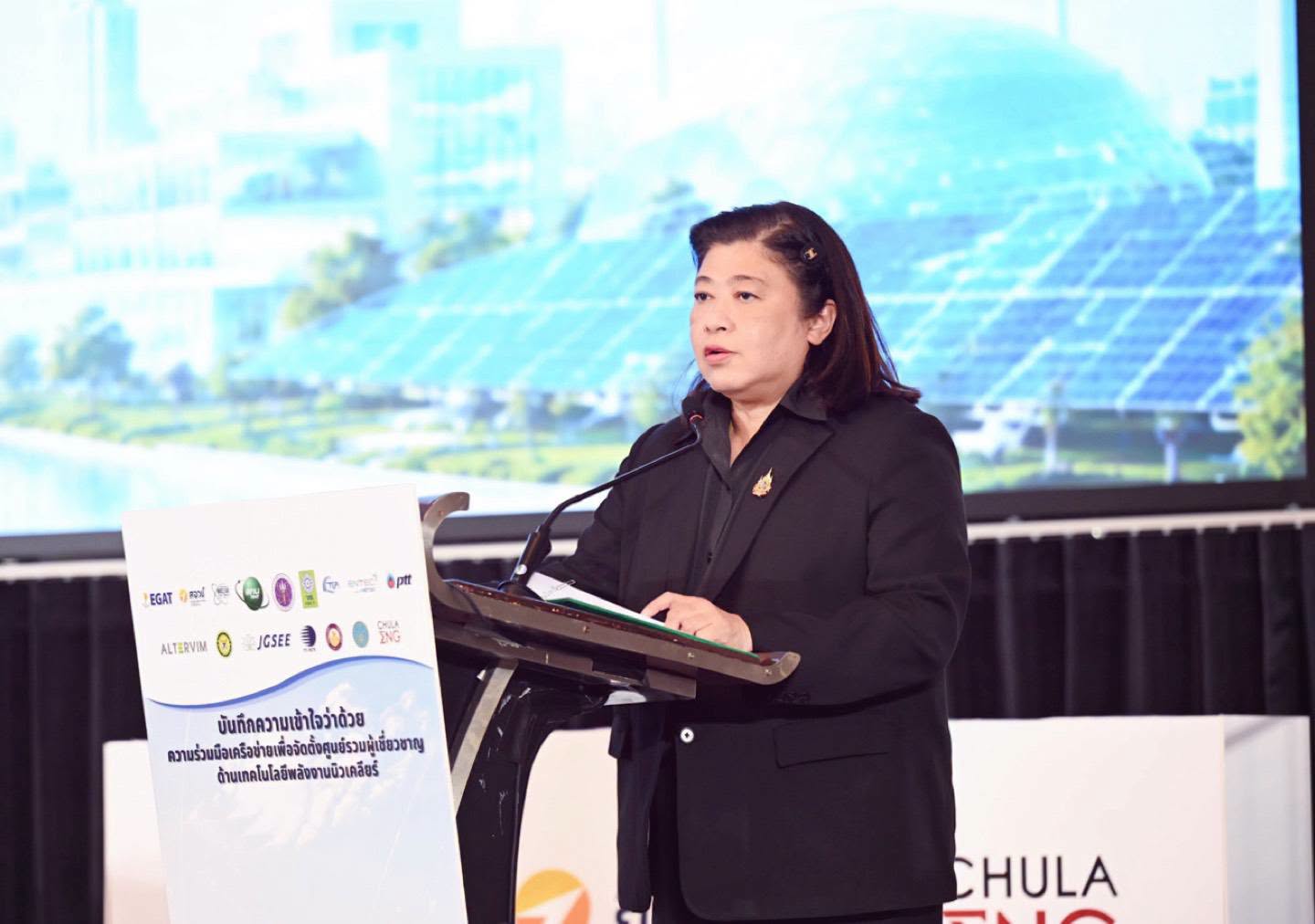
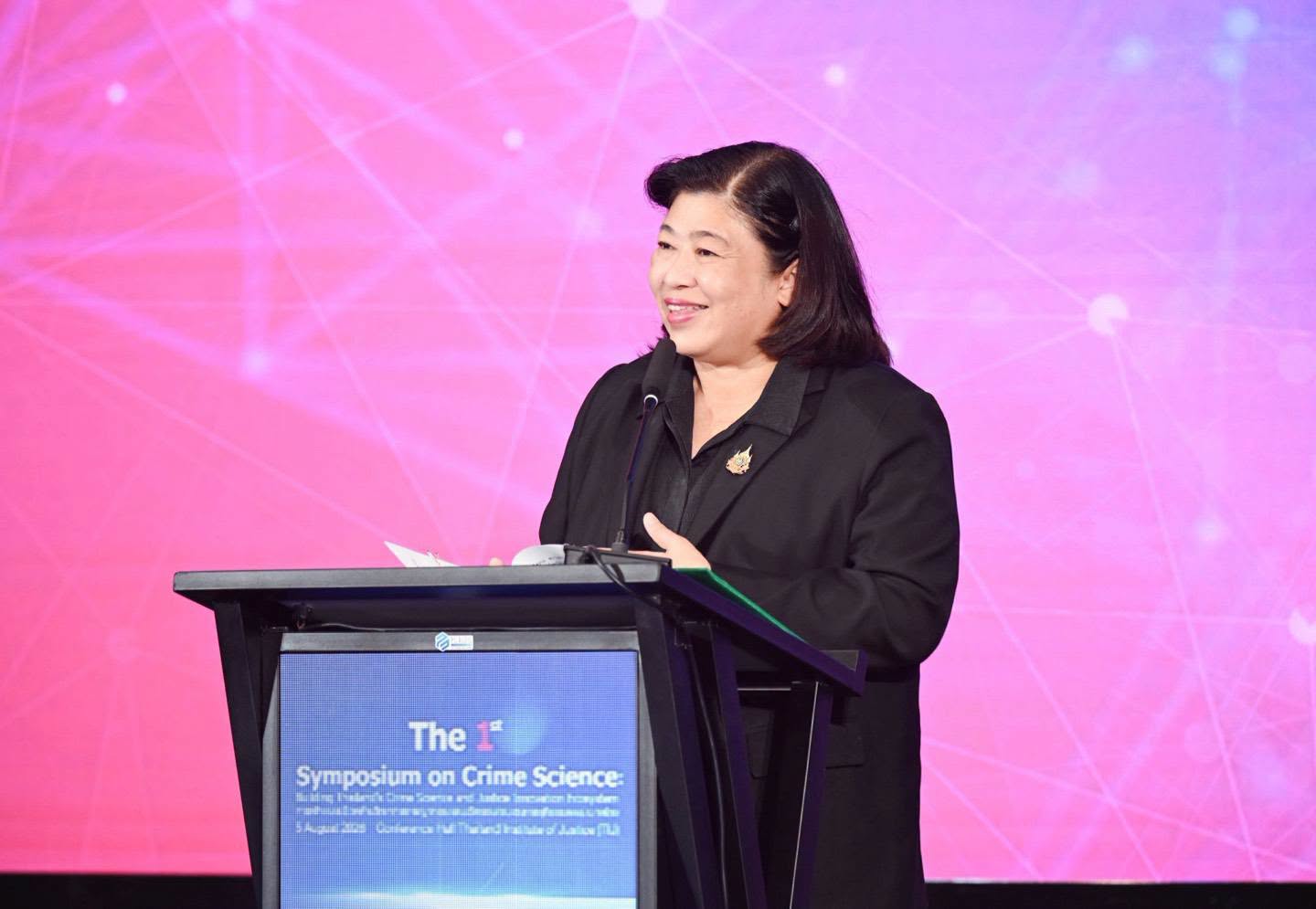
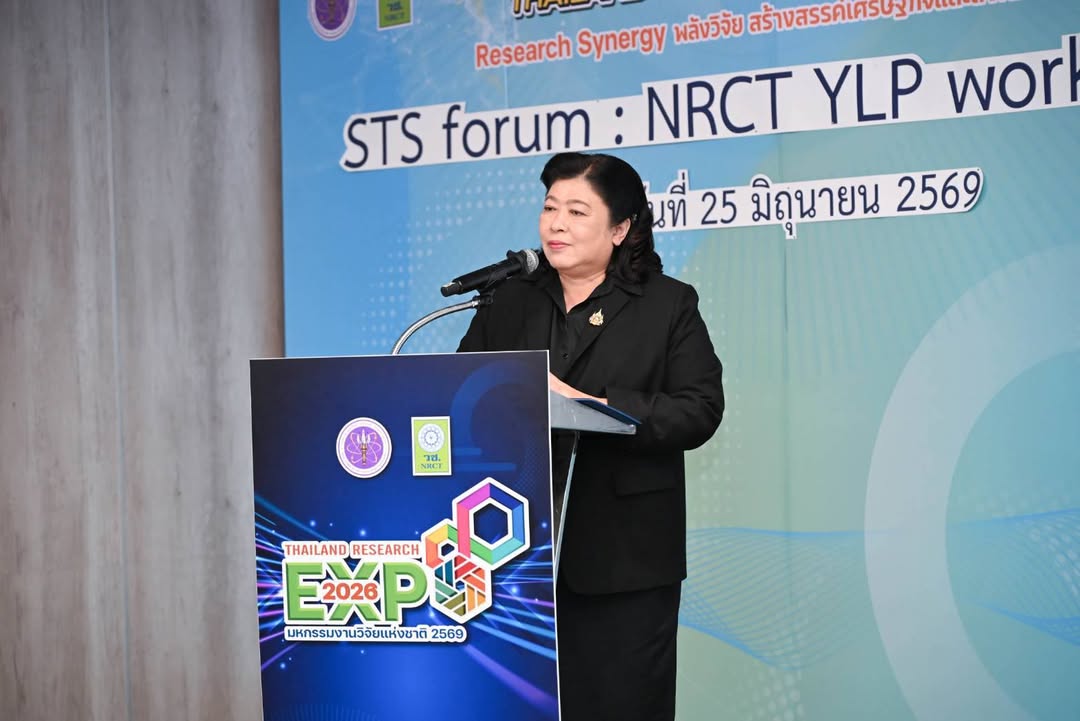
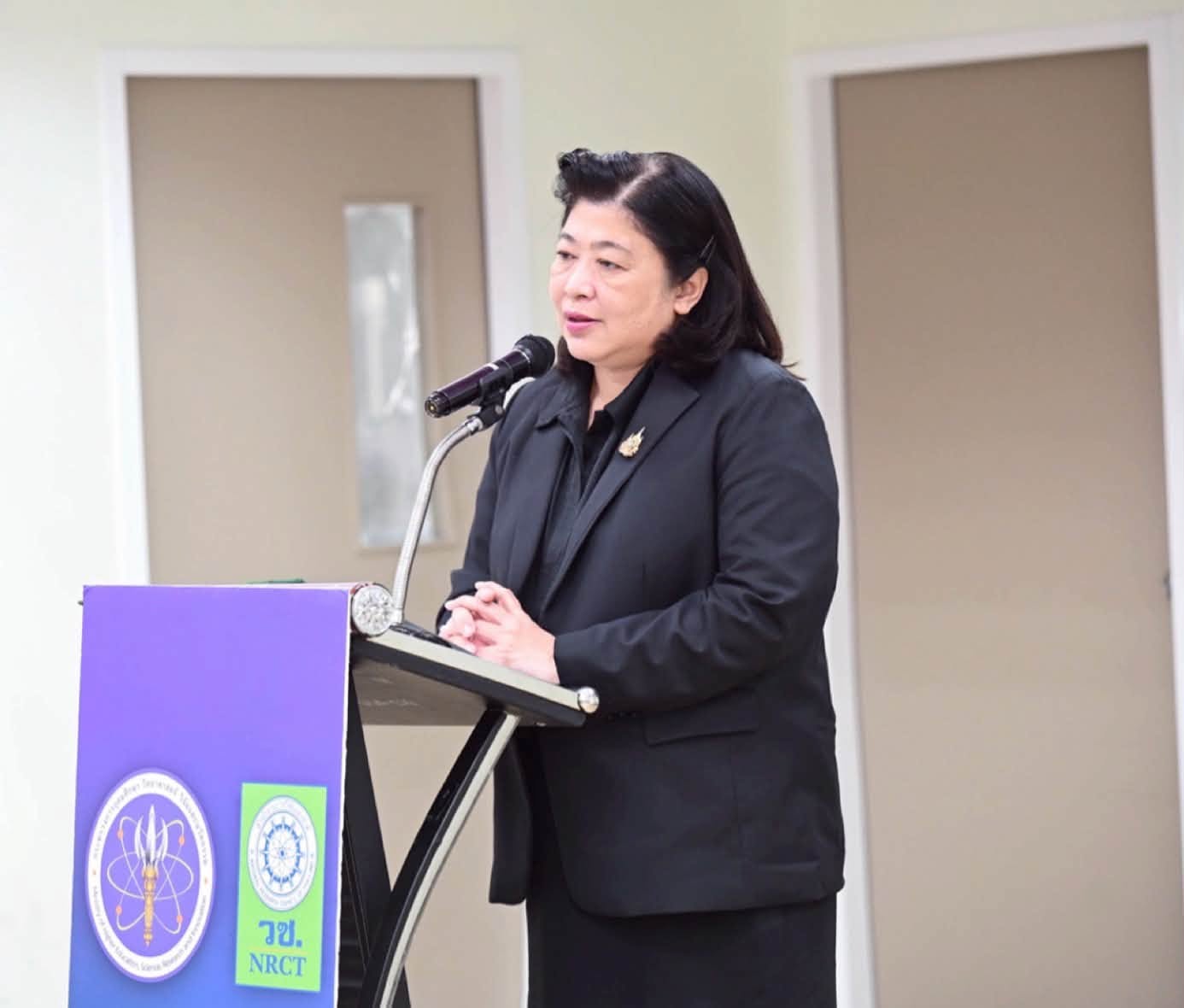
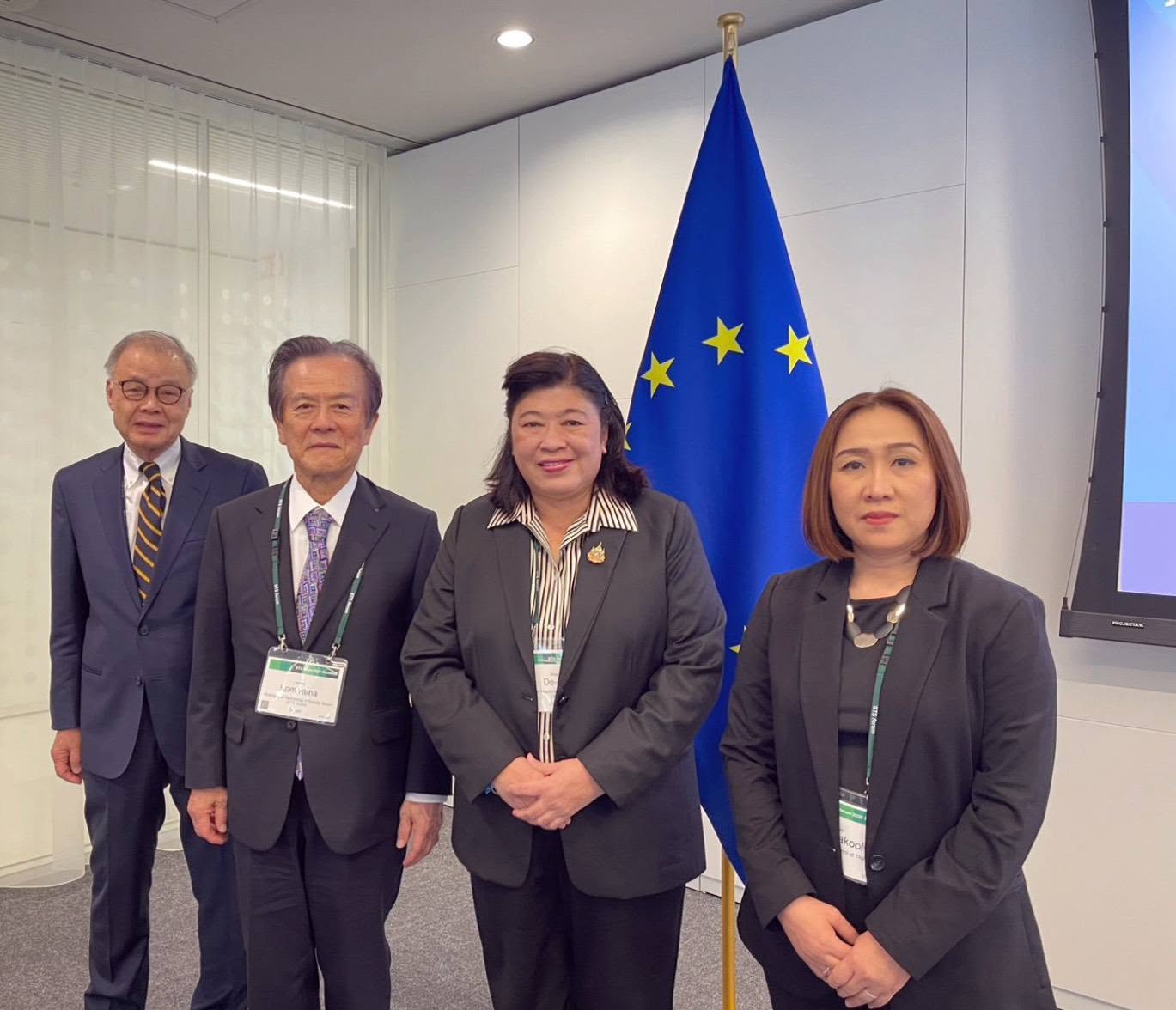
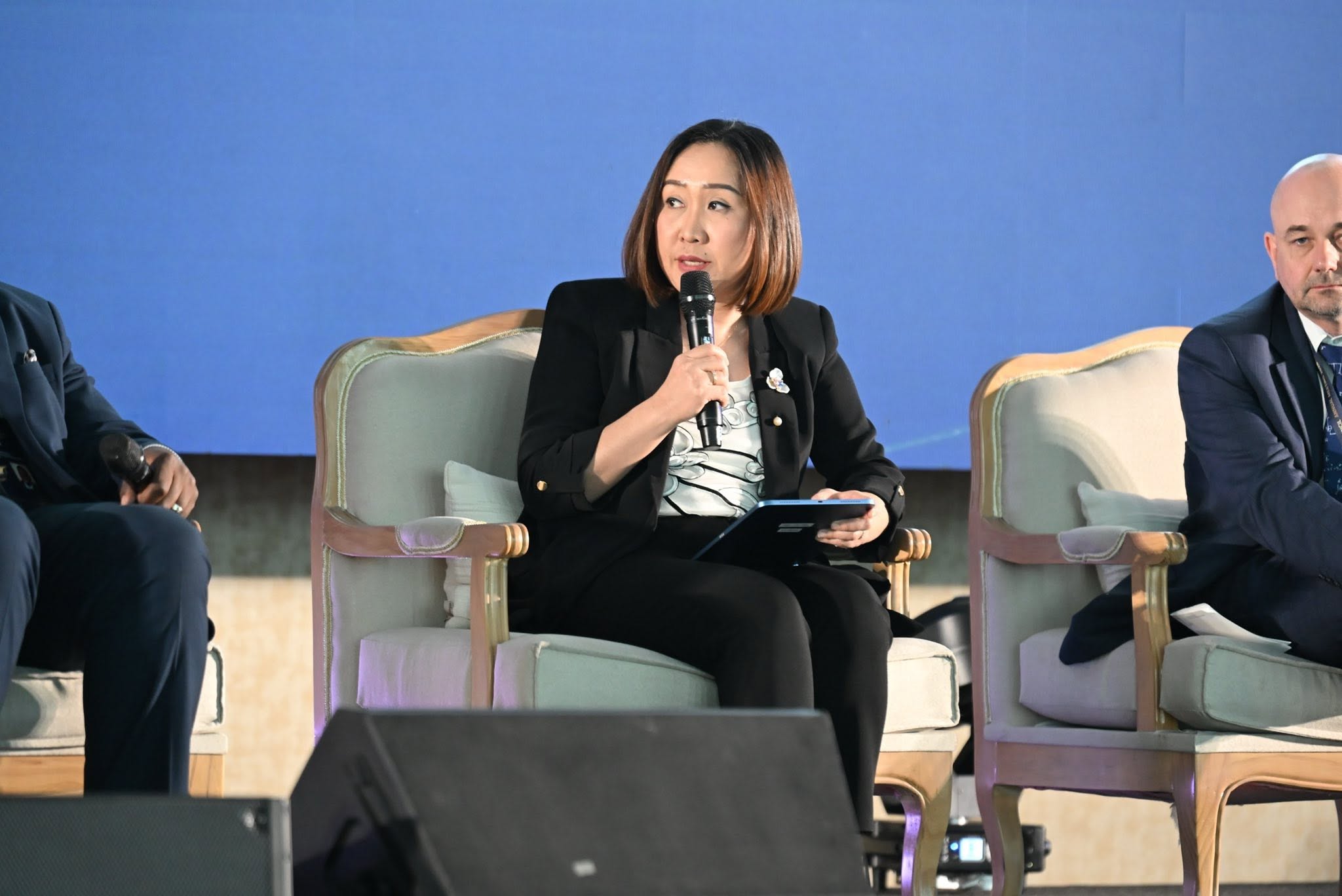
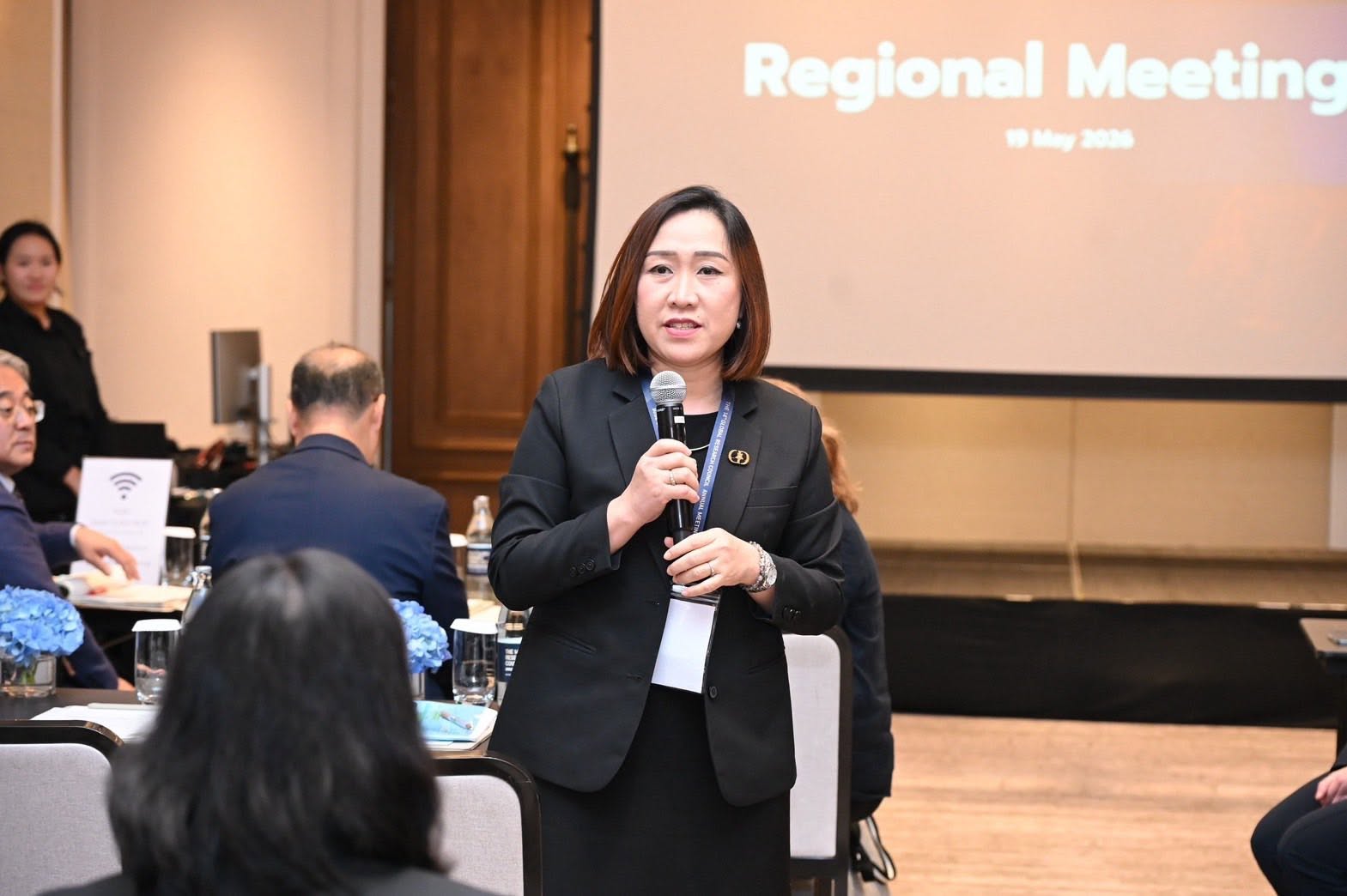
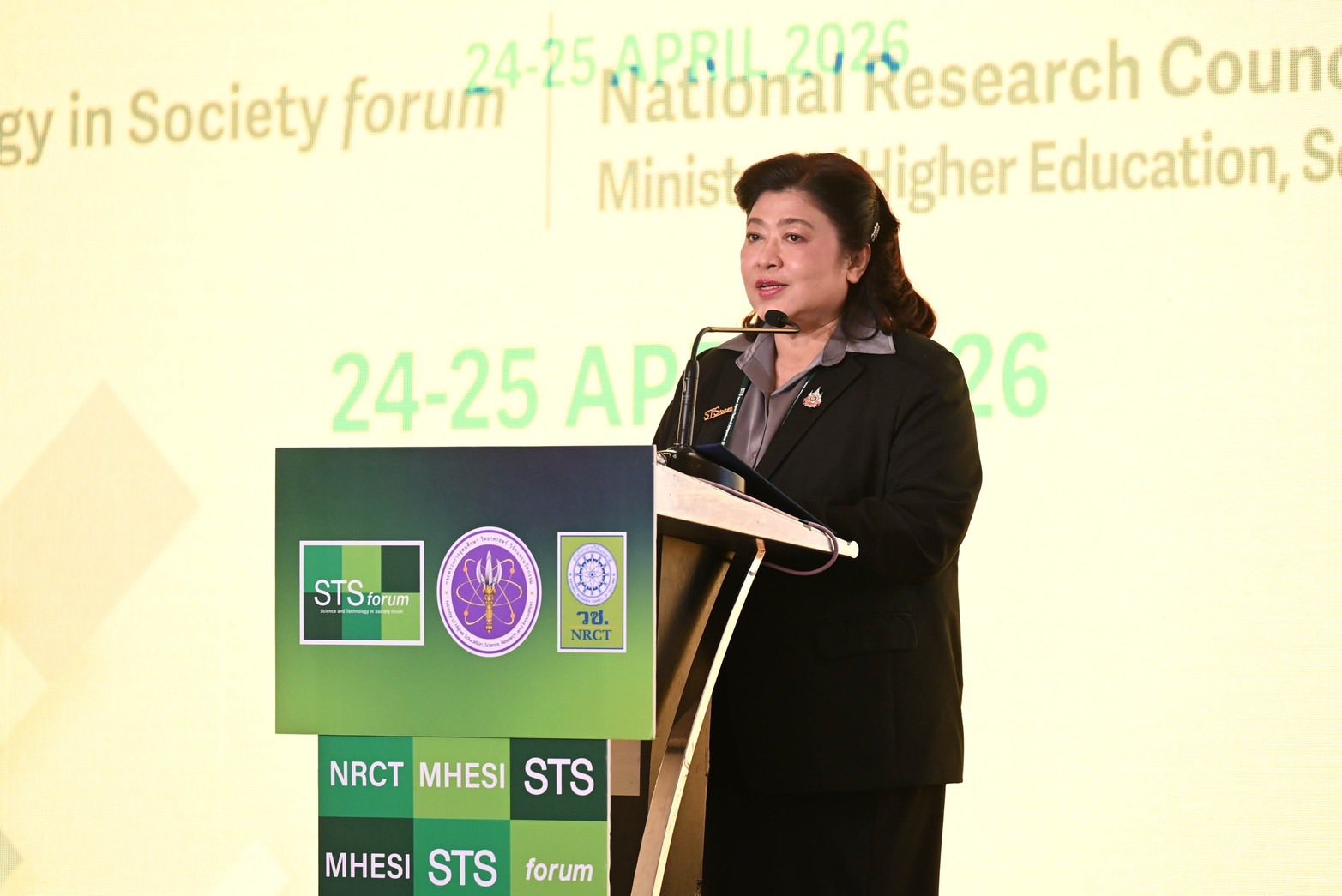
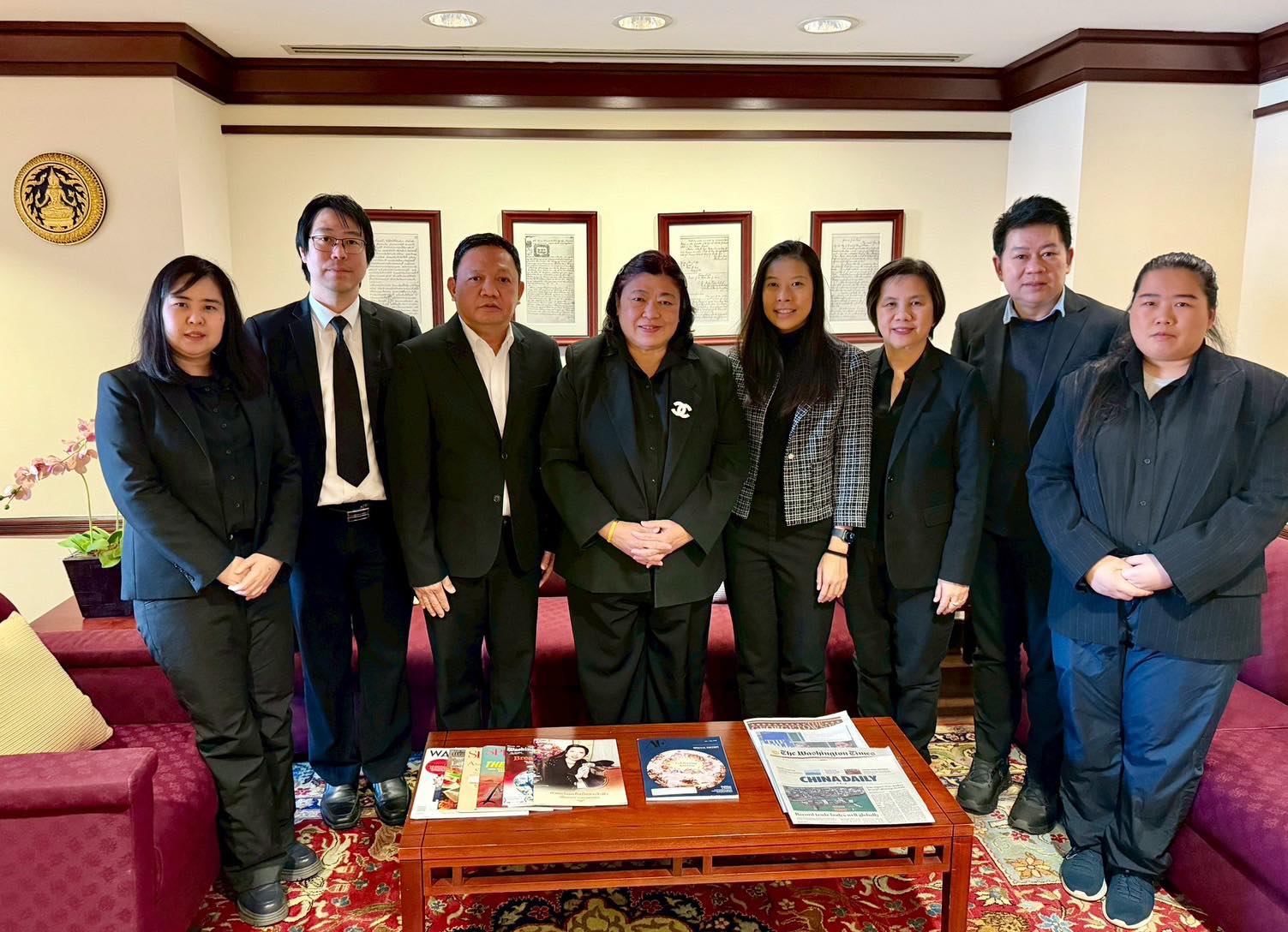
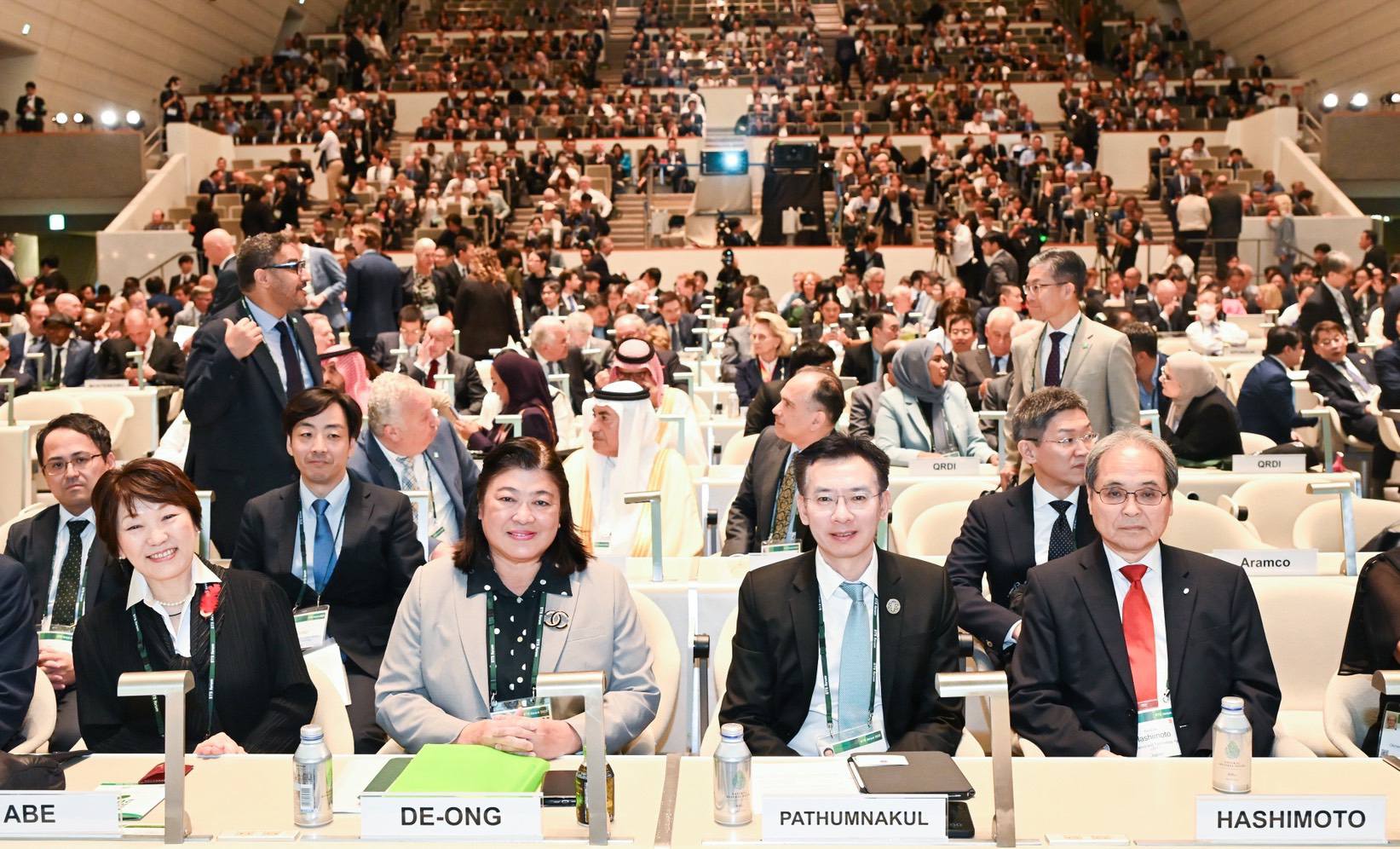
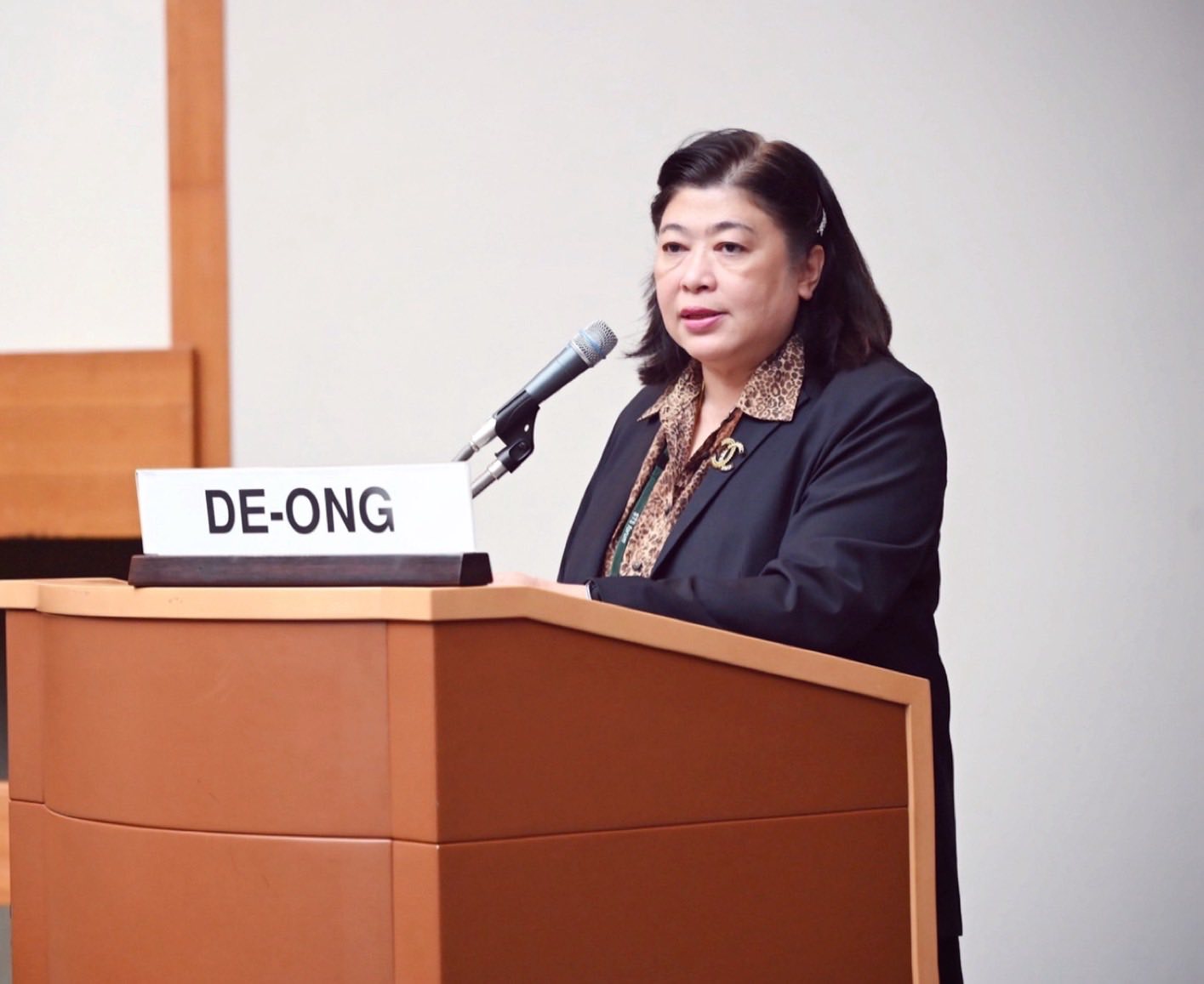
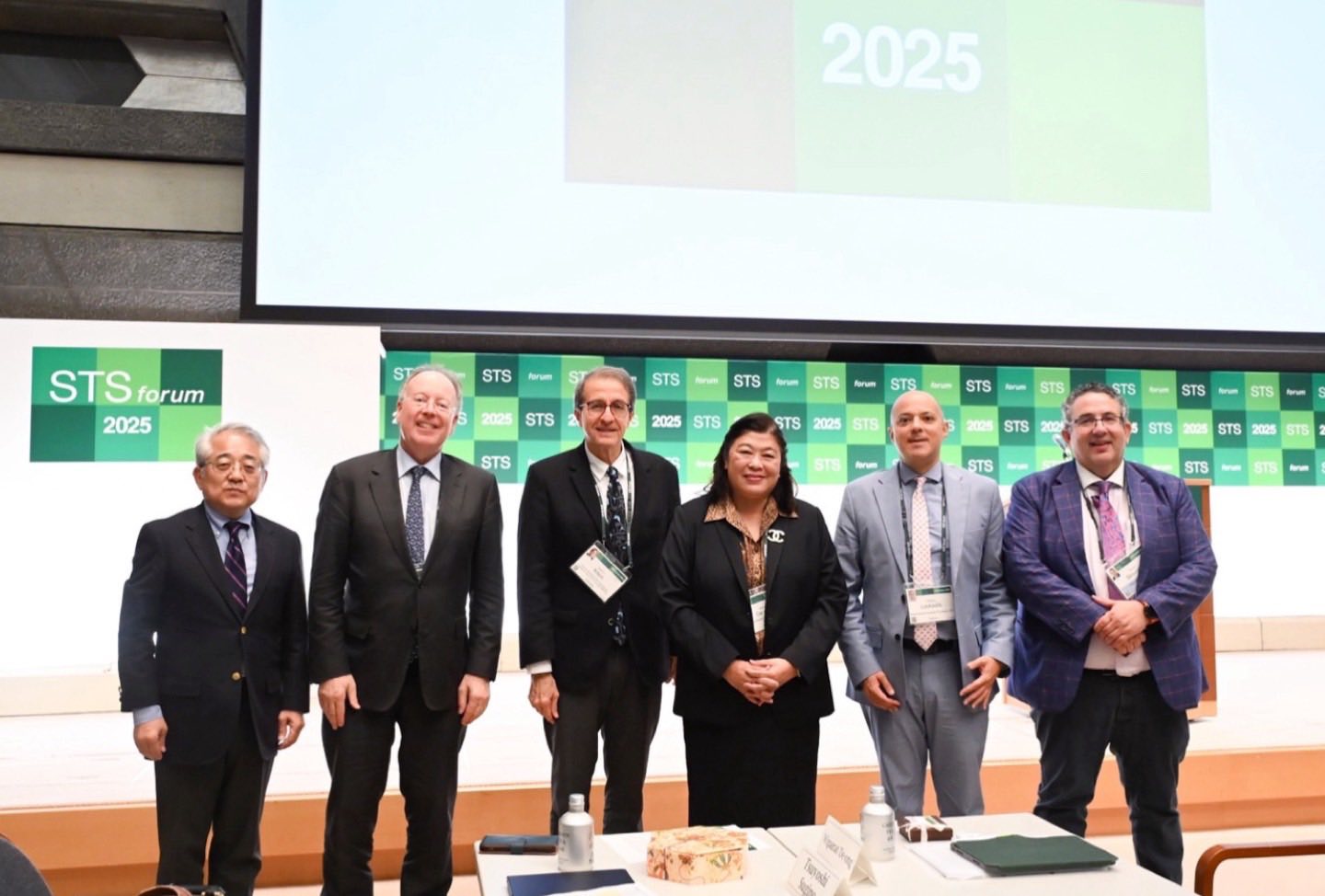
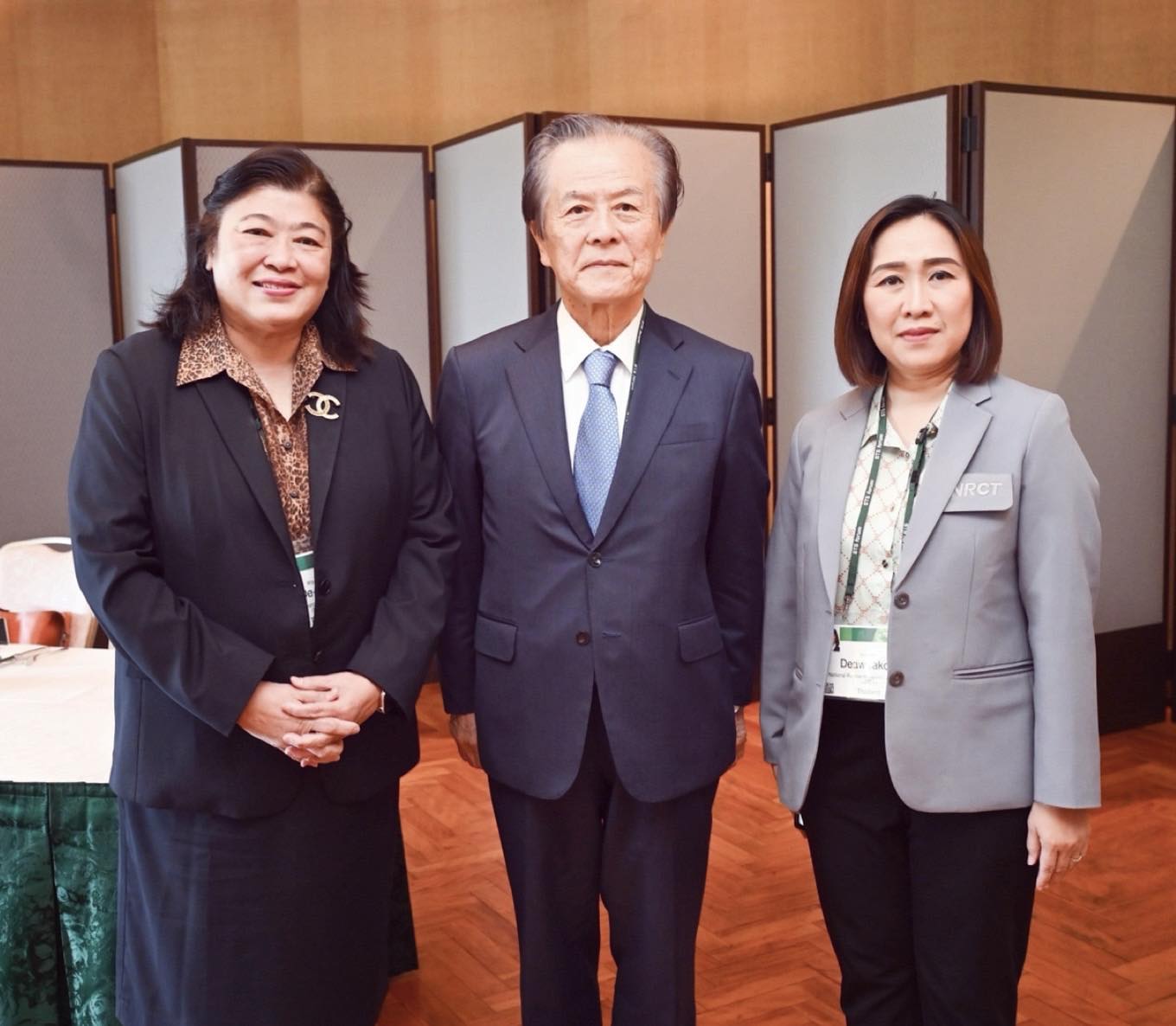
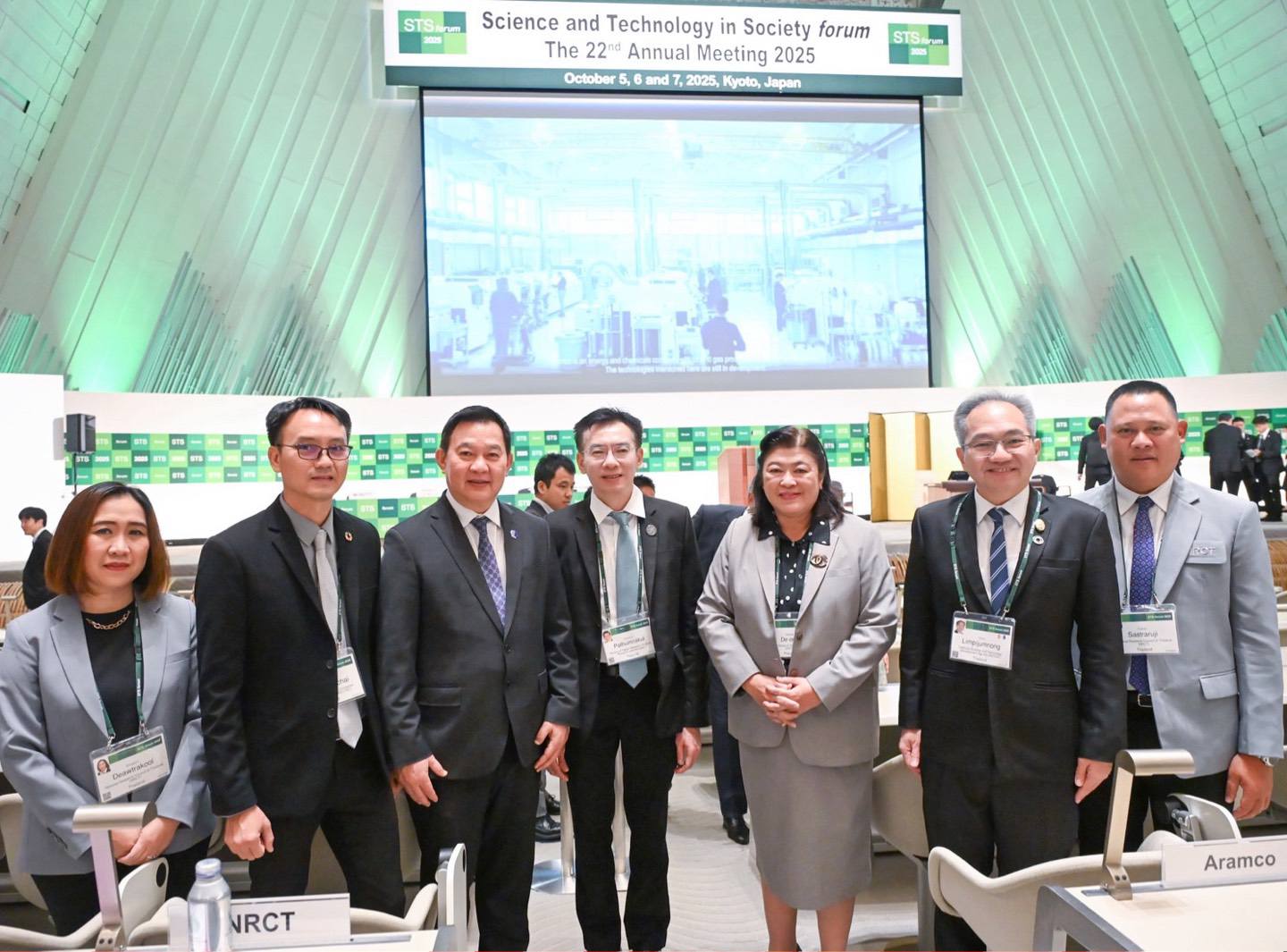
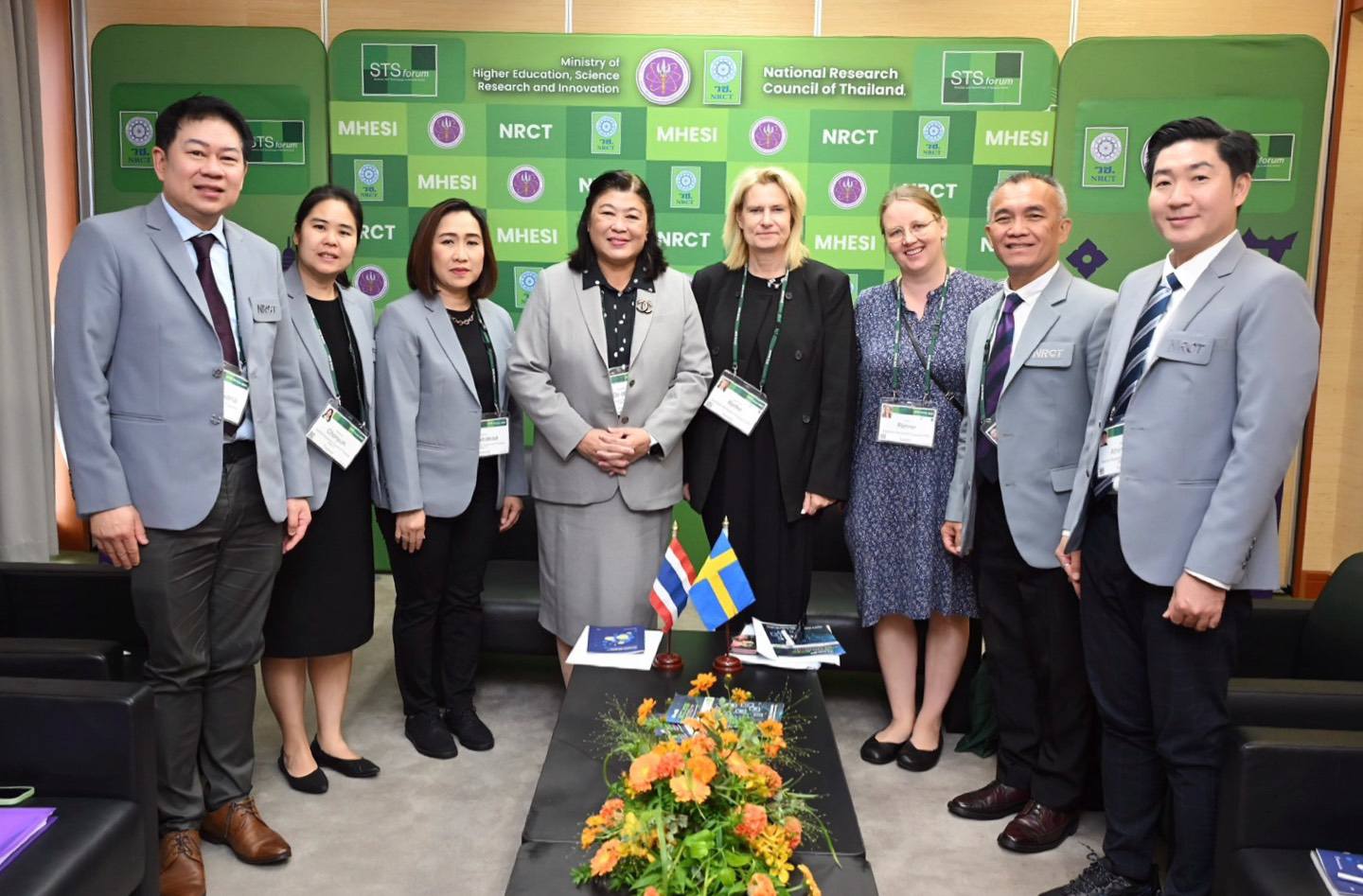
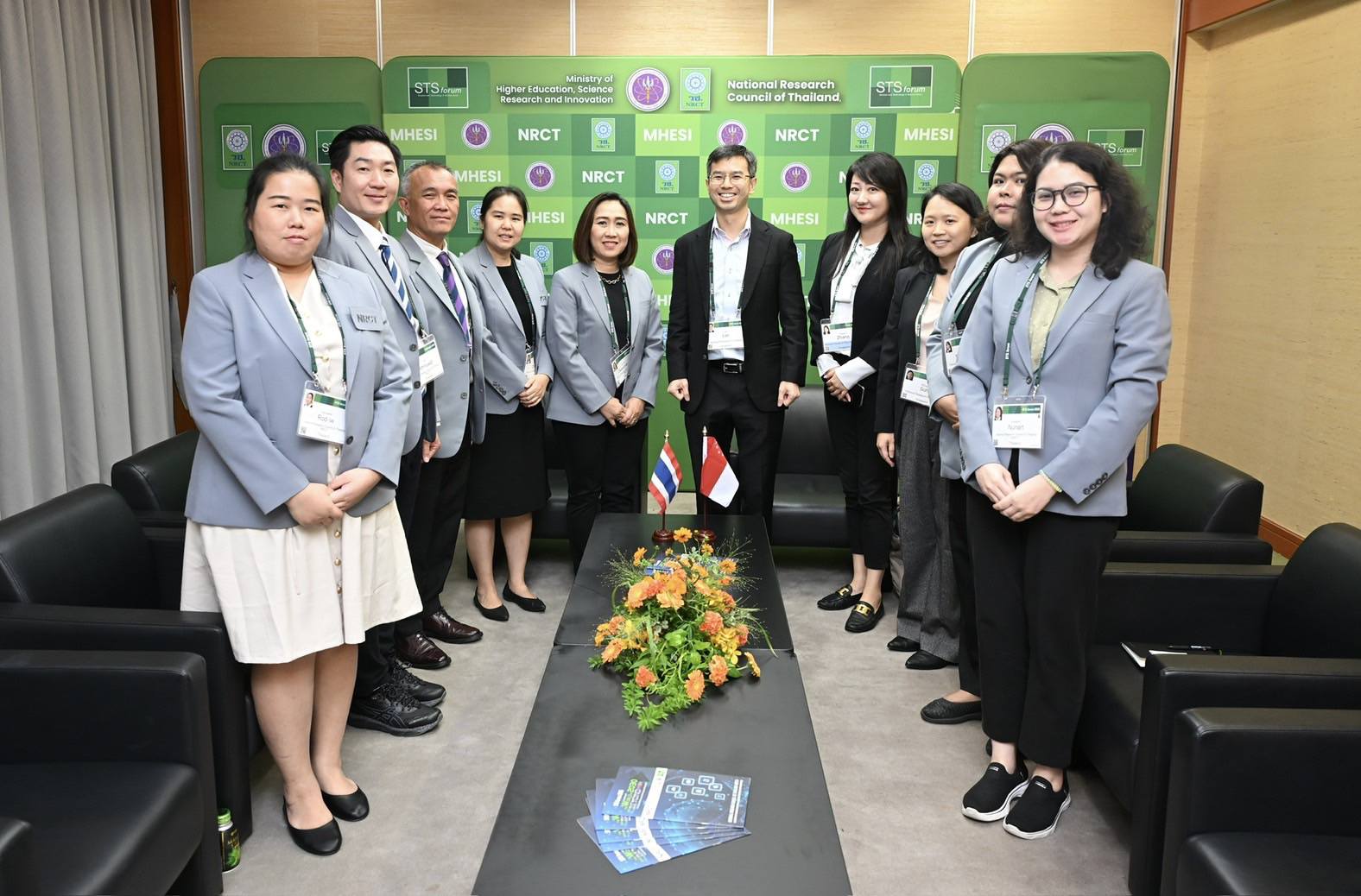
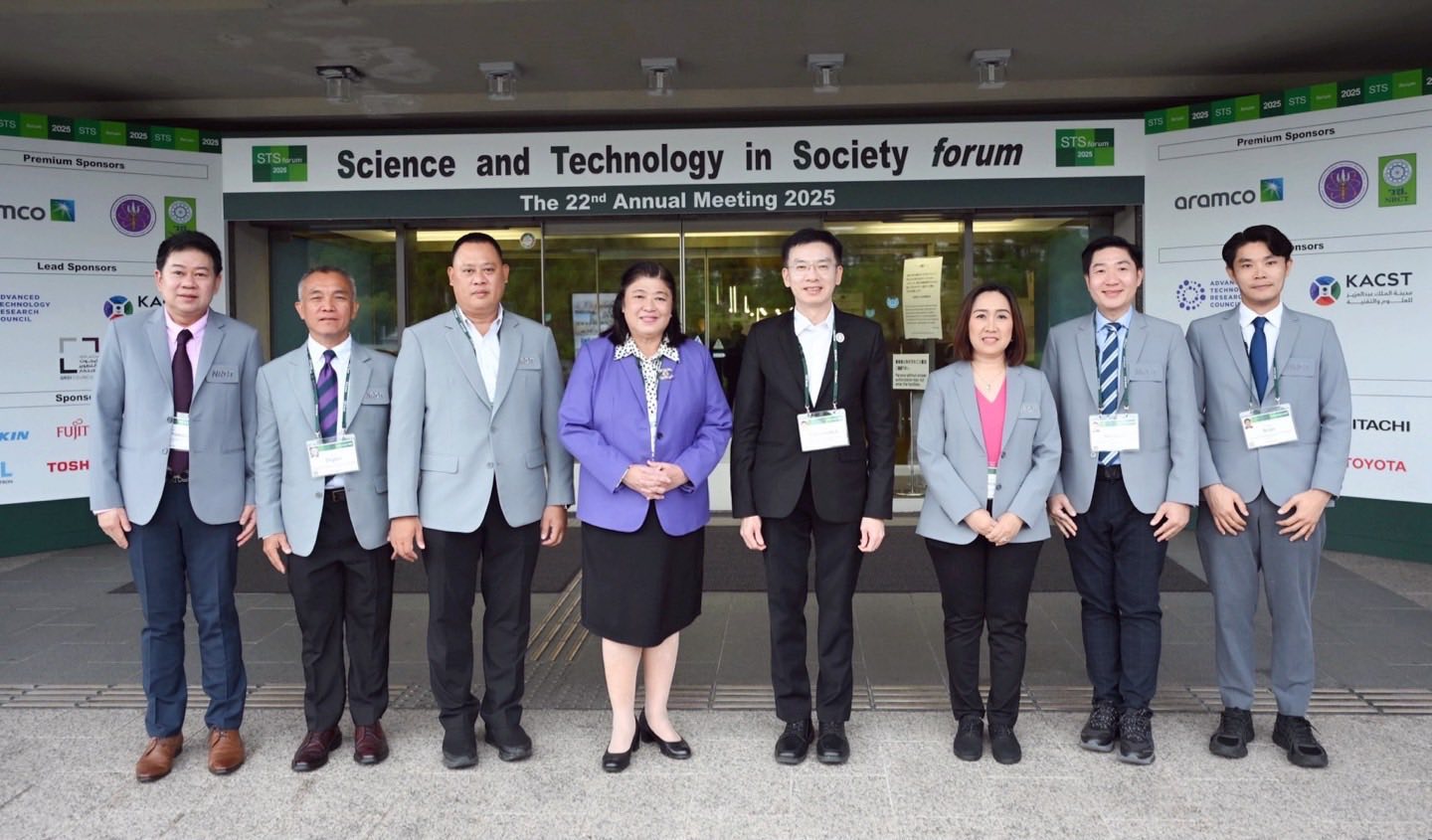
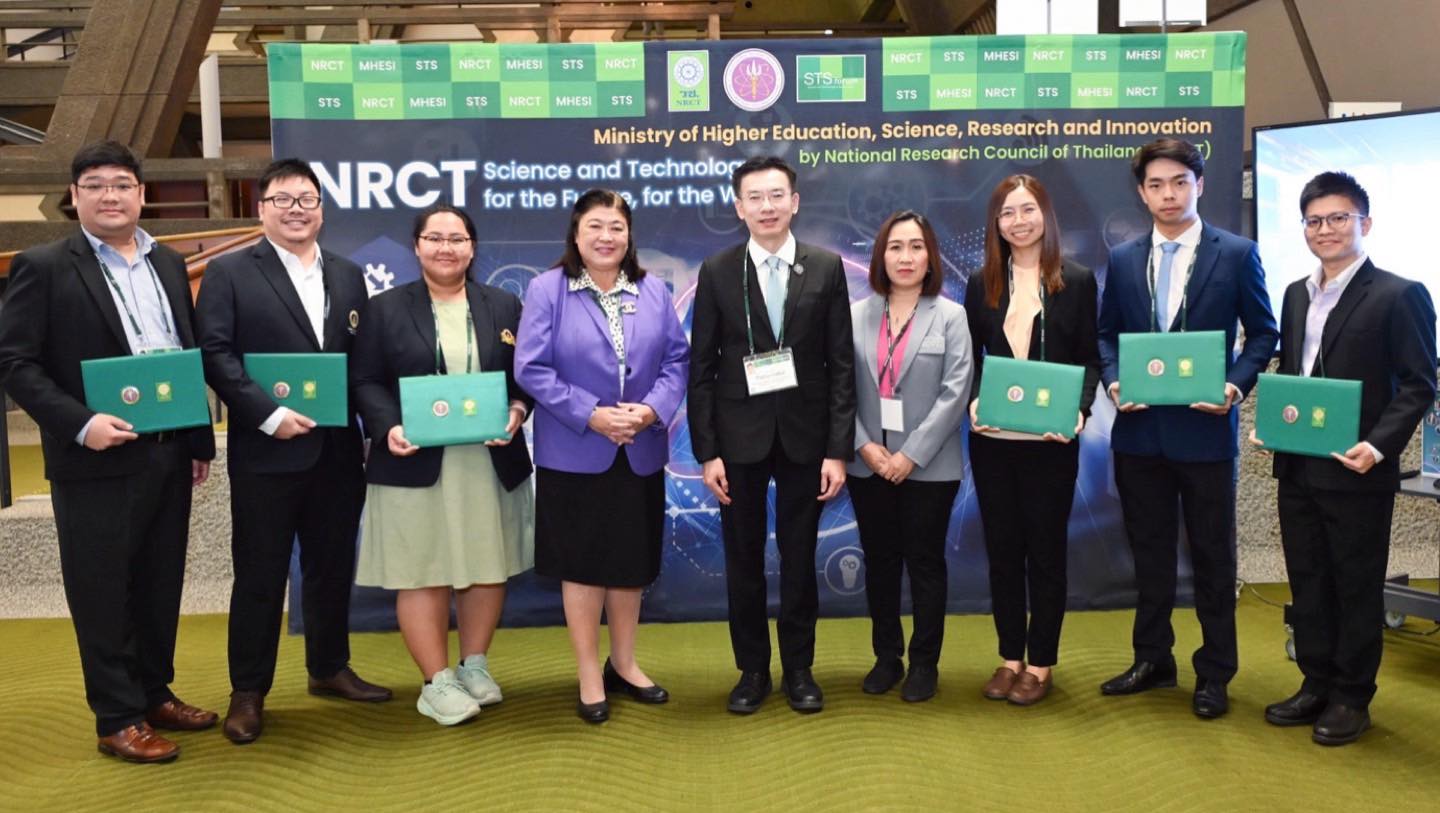
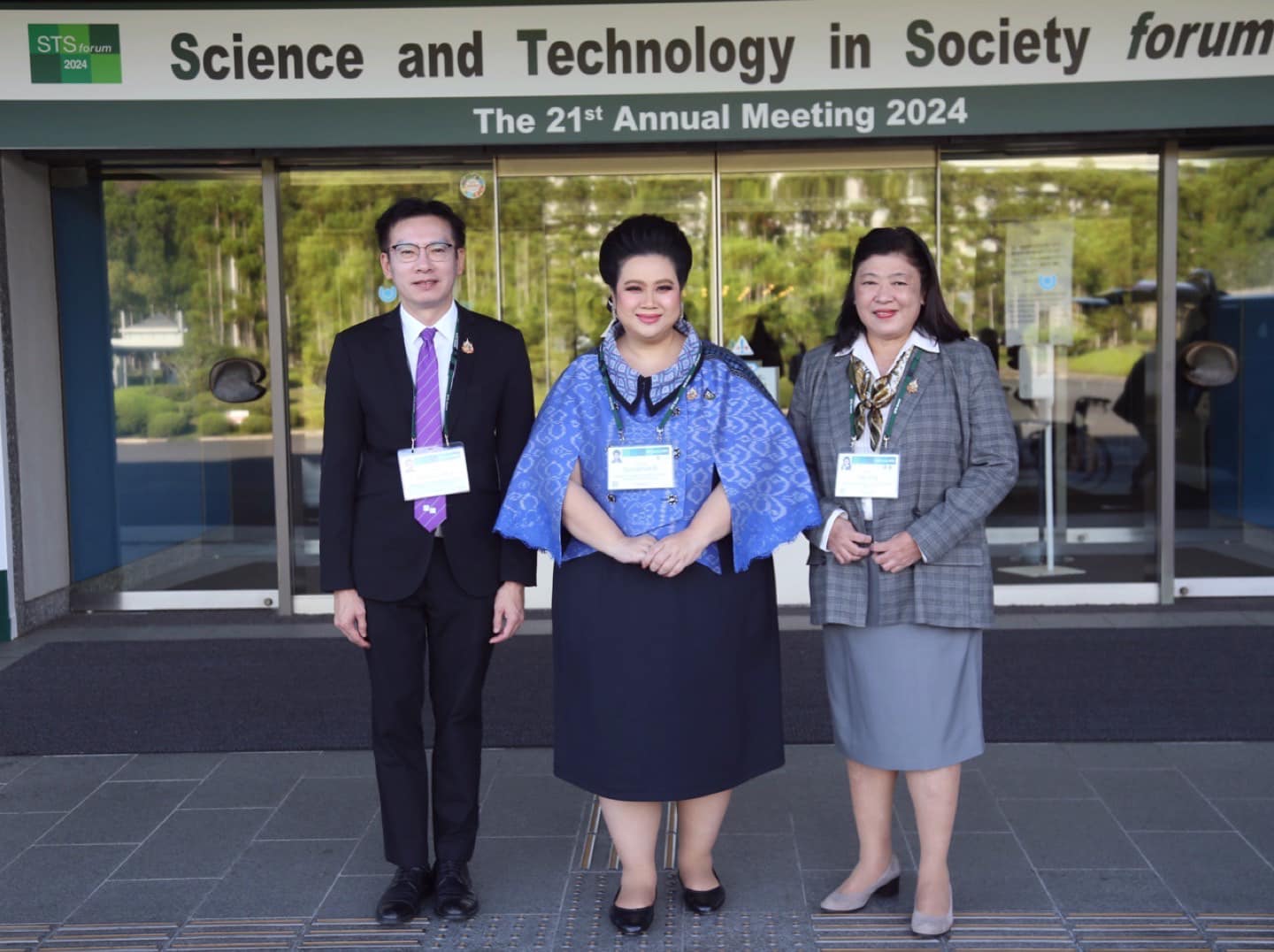
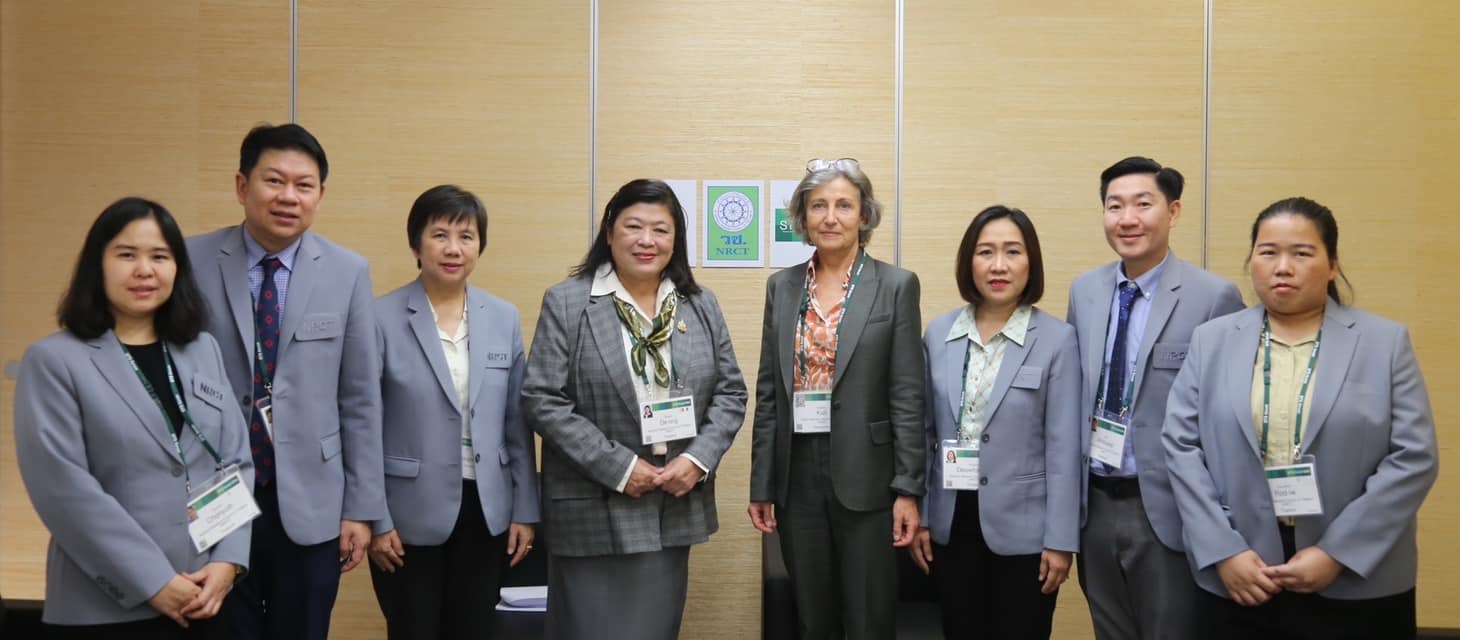
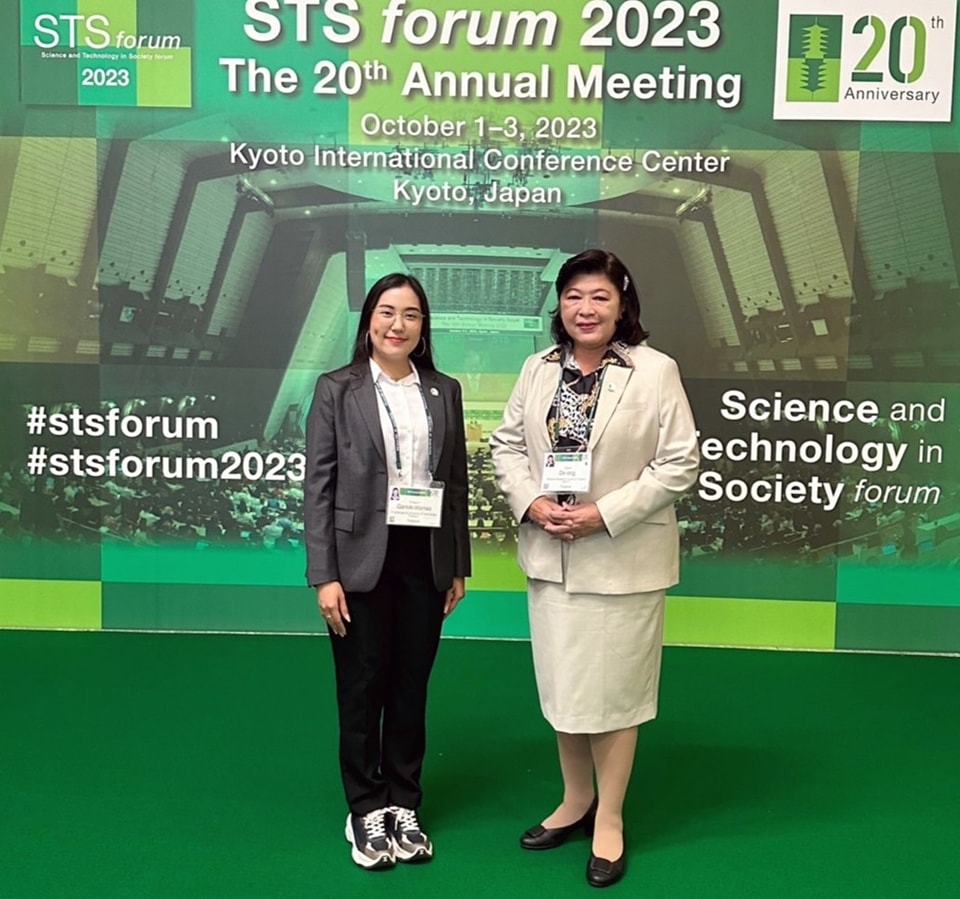
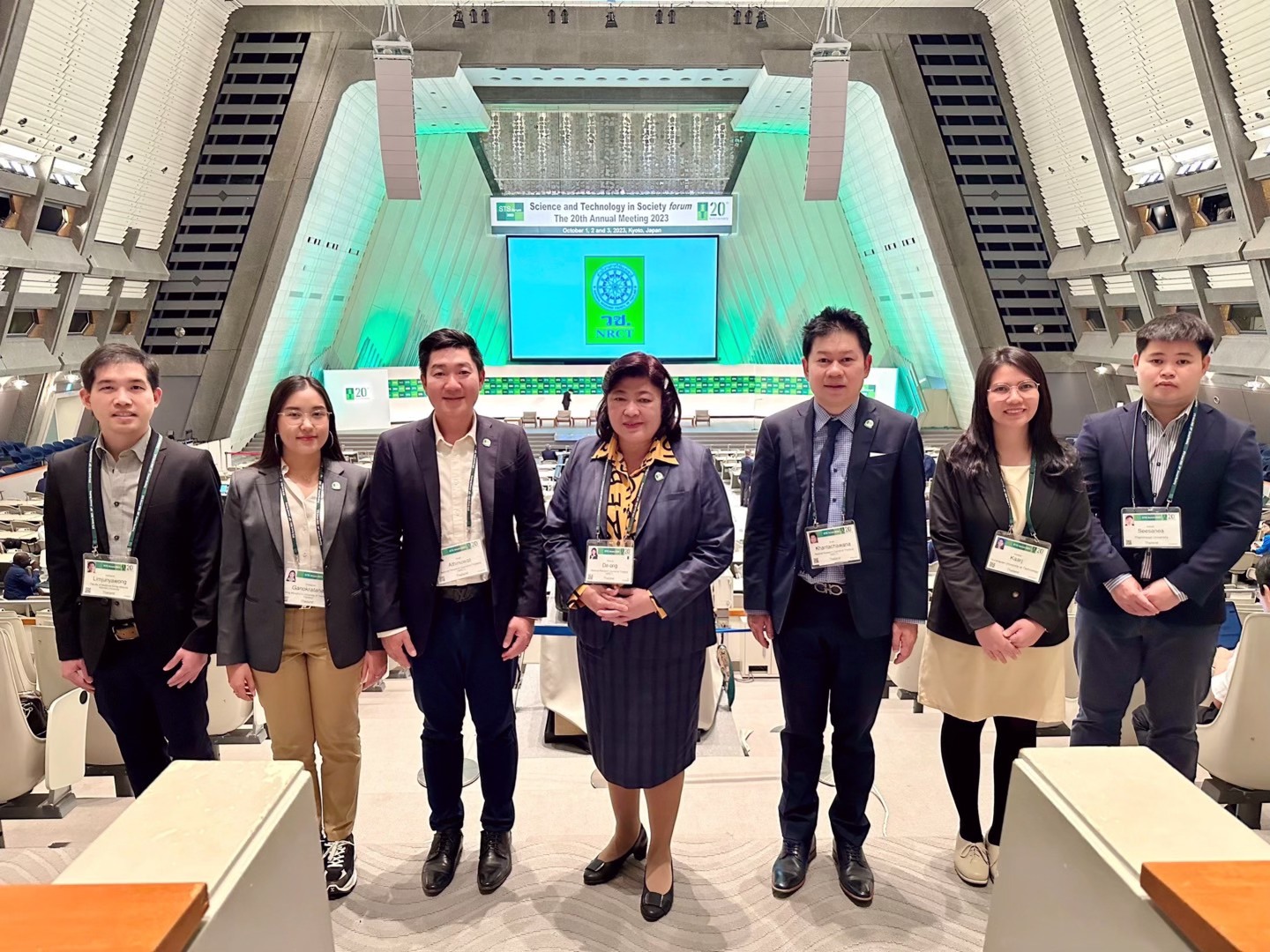
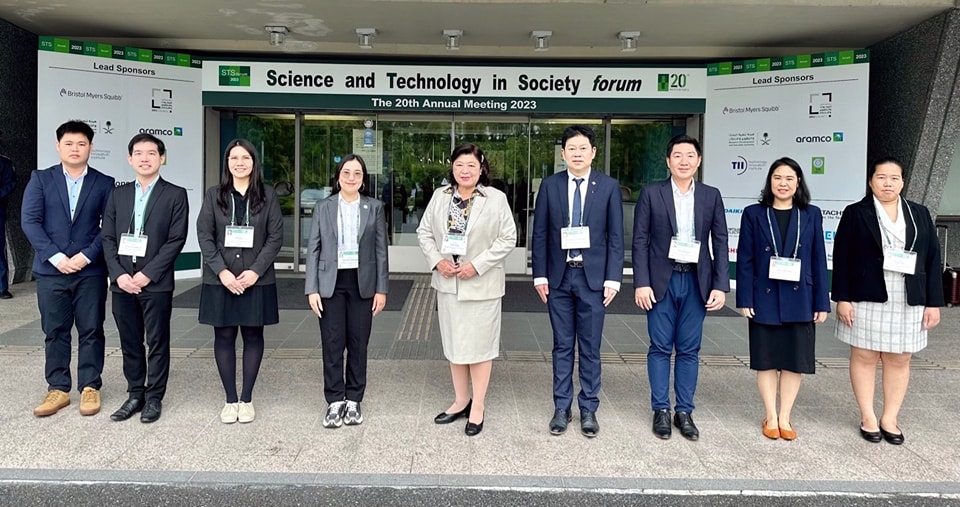
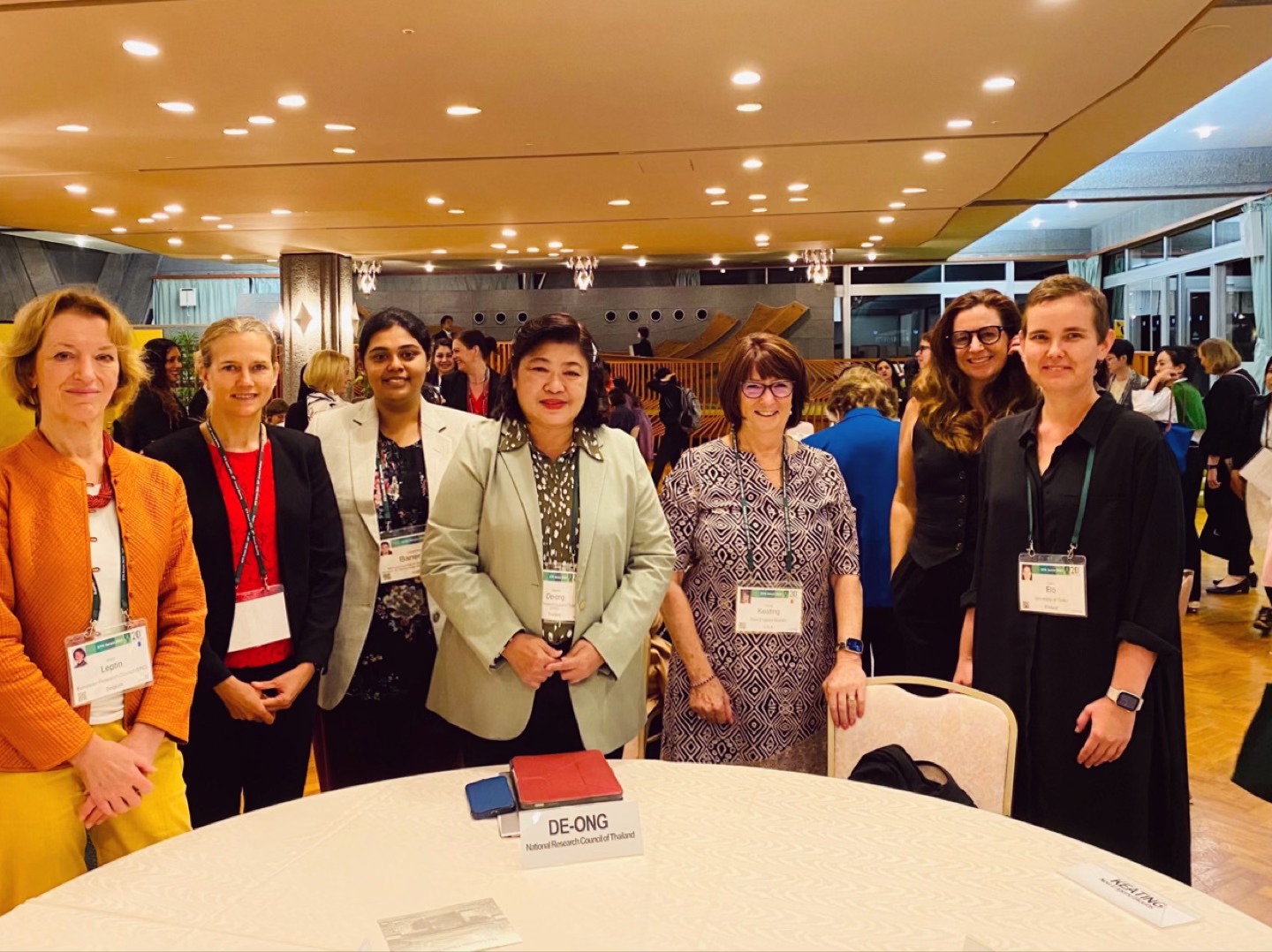
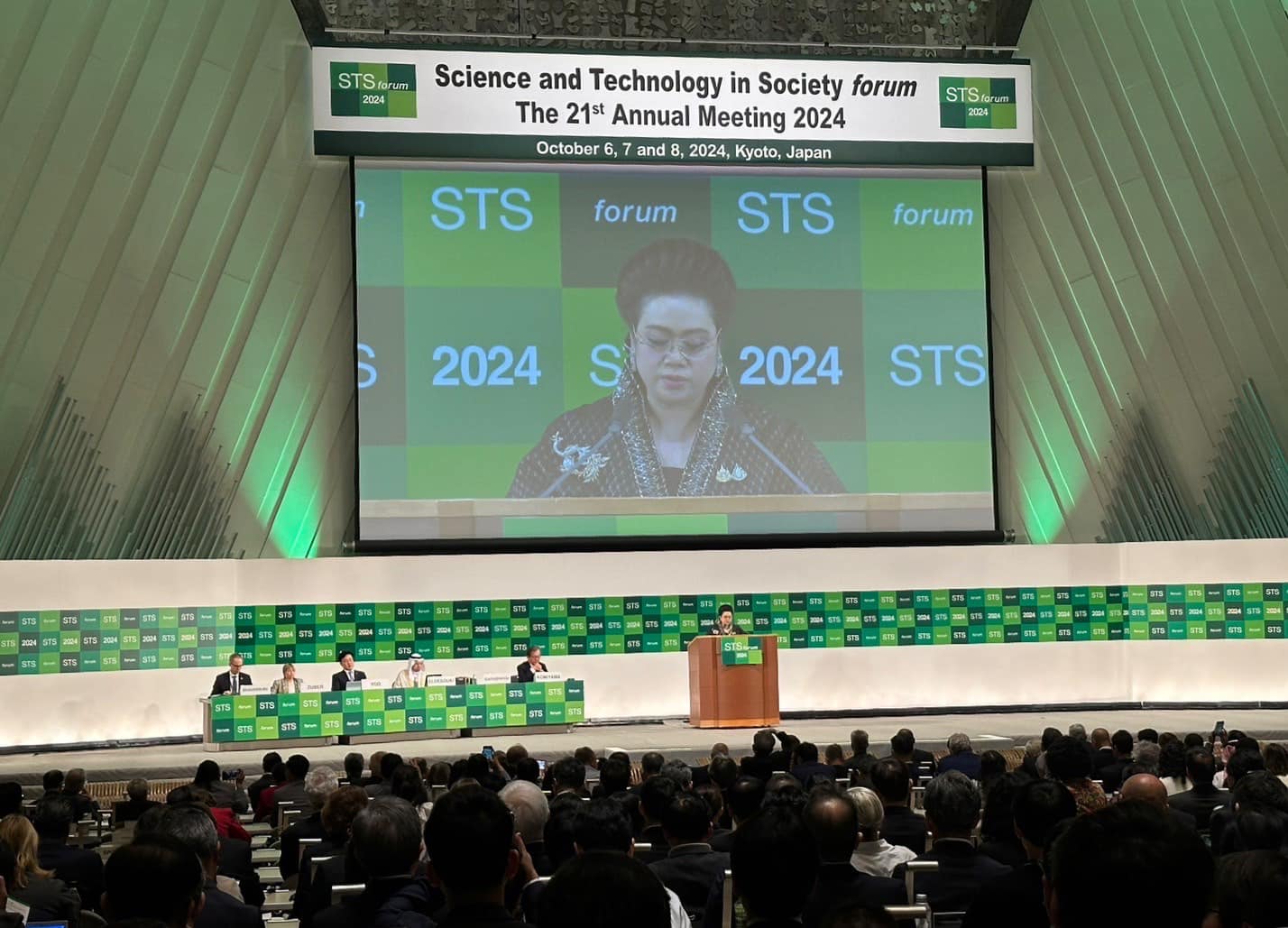
On 6 October 2025, Dr. Wiparat De-ong, Executive Director of the National Research Council of Thailand (NRCT), under the Ministry of Higher Education, Science, Research and Innovation, delivered a special keynote address on the topic “AI in Healthcare: Shaping the Future of Healthcare in Thailand” during the STS forum 2025 in Kyoto, Japan. The session was chaired by Daria Donati, Chief Scientific Officer, Genomic Medicine, Cytiva, Sweden.
Dr. Wiparat De-ong stated that Thailand is entering an aging society, with projections indicating that more than 20% of the population will be over 60 years old. This demographic shift is expected to increase healthcare expenditures to over 15% of total household spending. Meanwhile, people—particularly those in rural areas—continue to face challenges in accessing medical services.
She emphasized that AI technologies will play a pivotal role in transforming the country’s healthcare system. For example, AI-assisted diagnostics can extend medical services to remote areas, while Big Data–driven personalized medicine can help reduce unnecessary costs and improve treatment efficiency and patient outcomes.
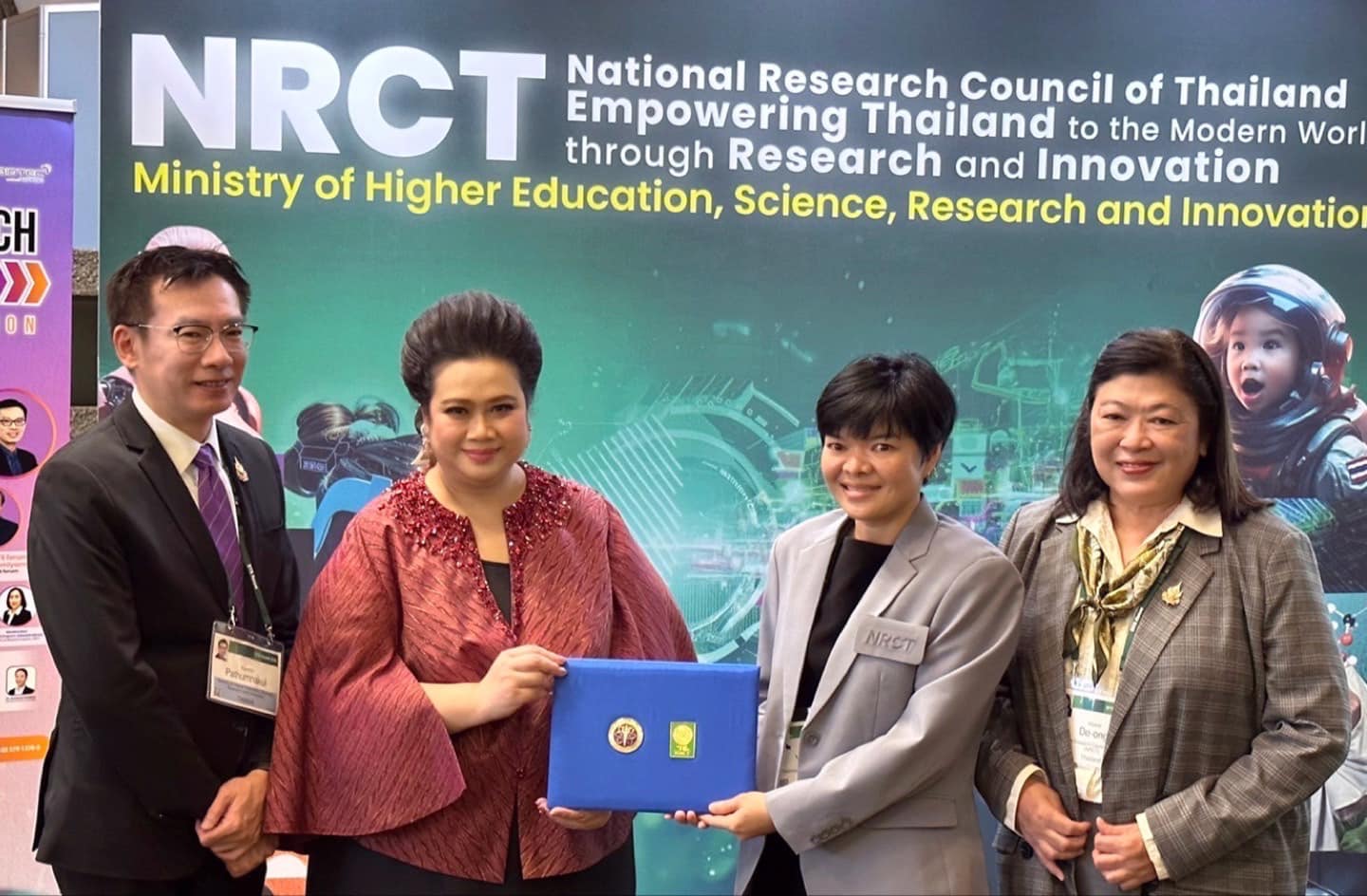
Dr. Wiparat also underscored the important role of the National Research Council of Thailand (NRCT) in supporting research and fostering both domestic and international collaboration to advance Thailand toward becoming a regional hub for AI in healthcare, guided by principles of ethics and responsible innovation.
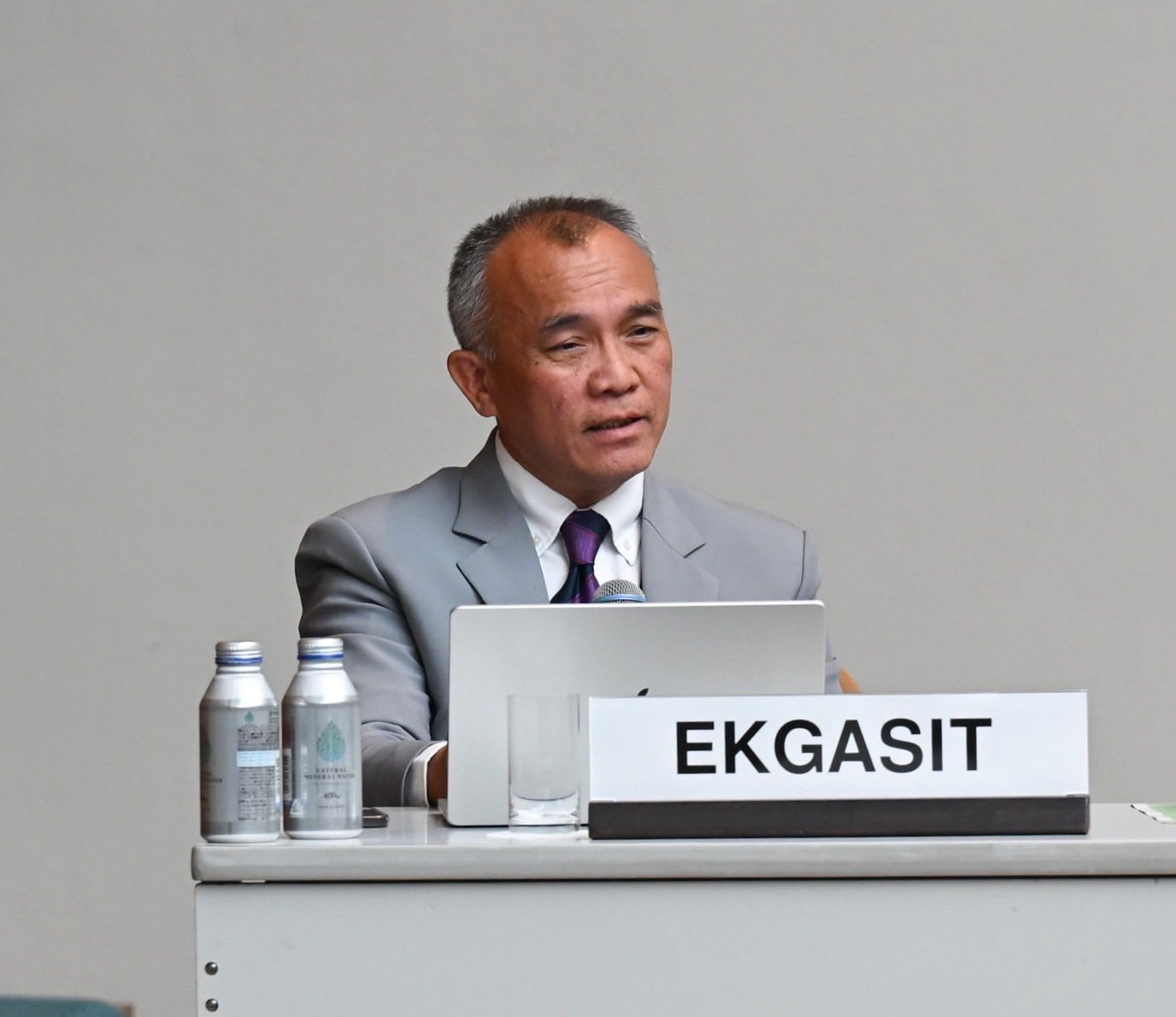
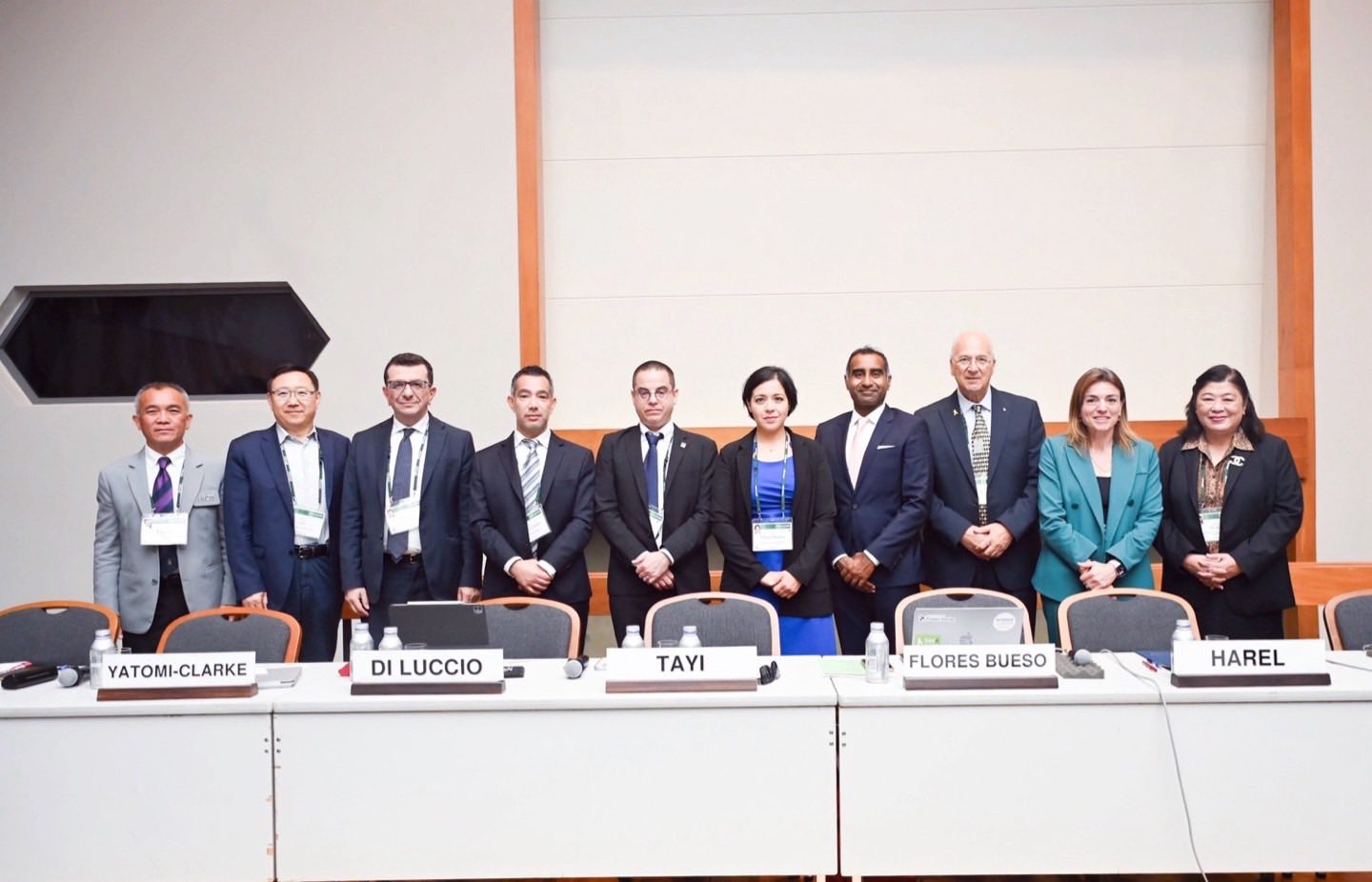
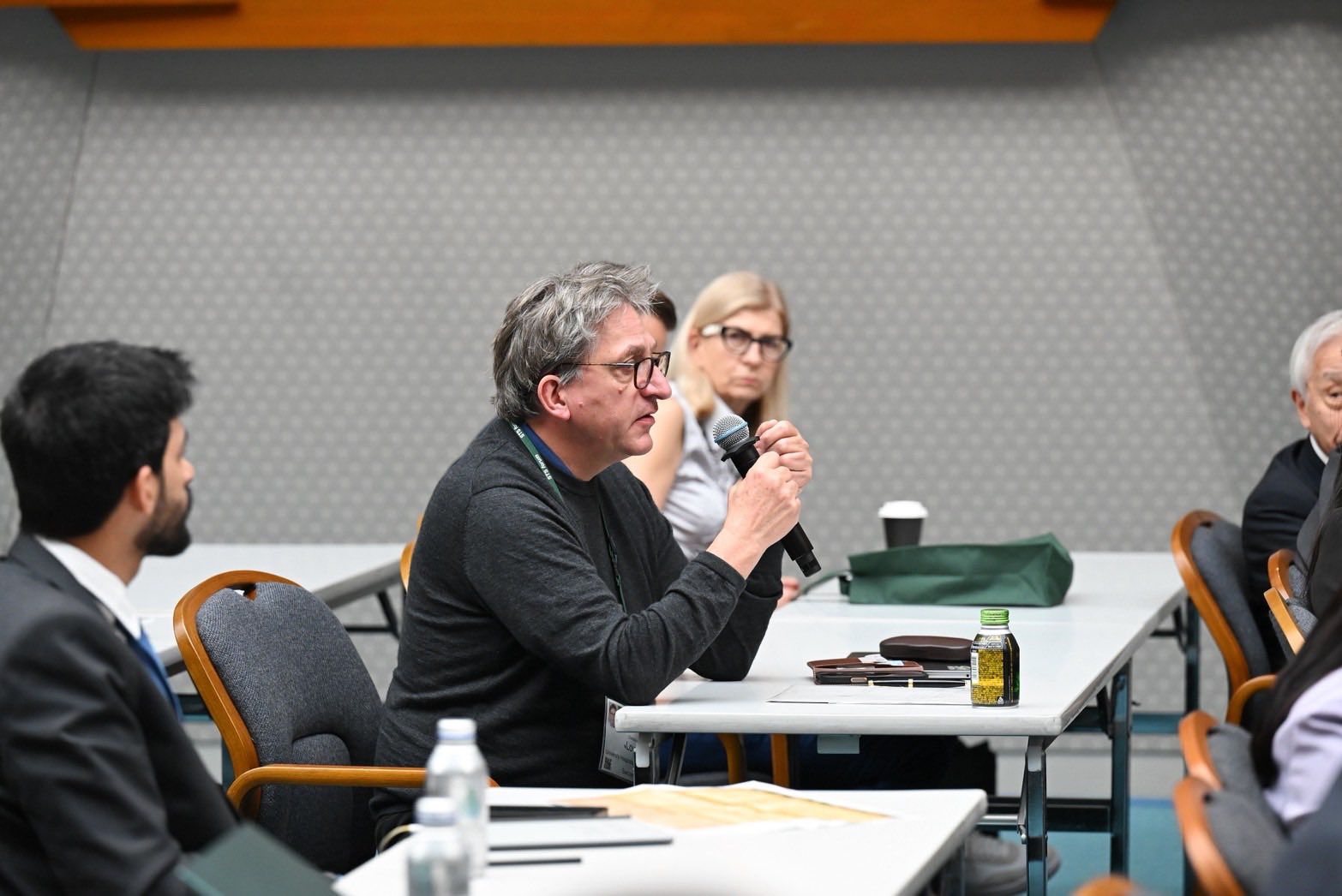
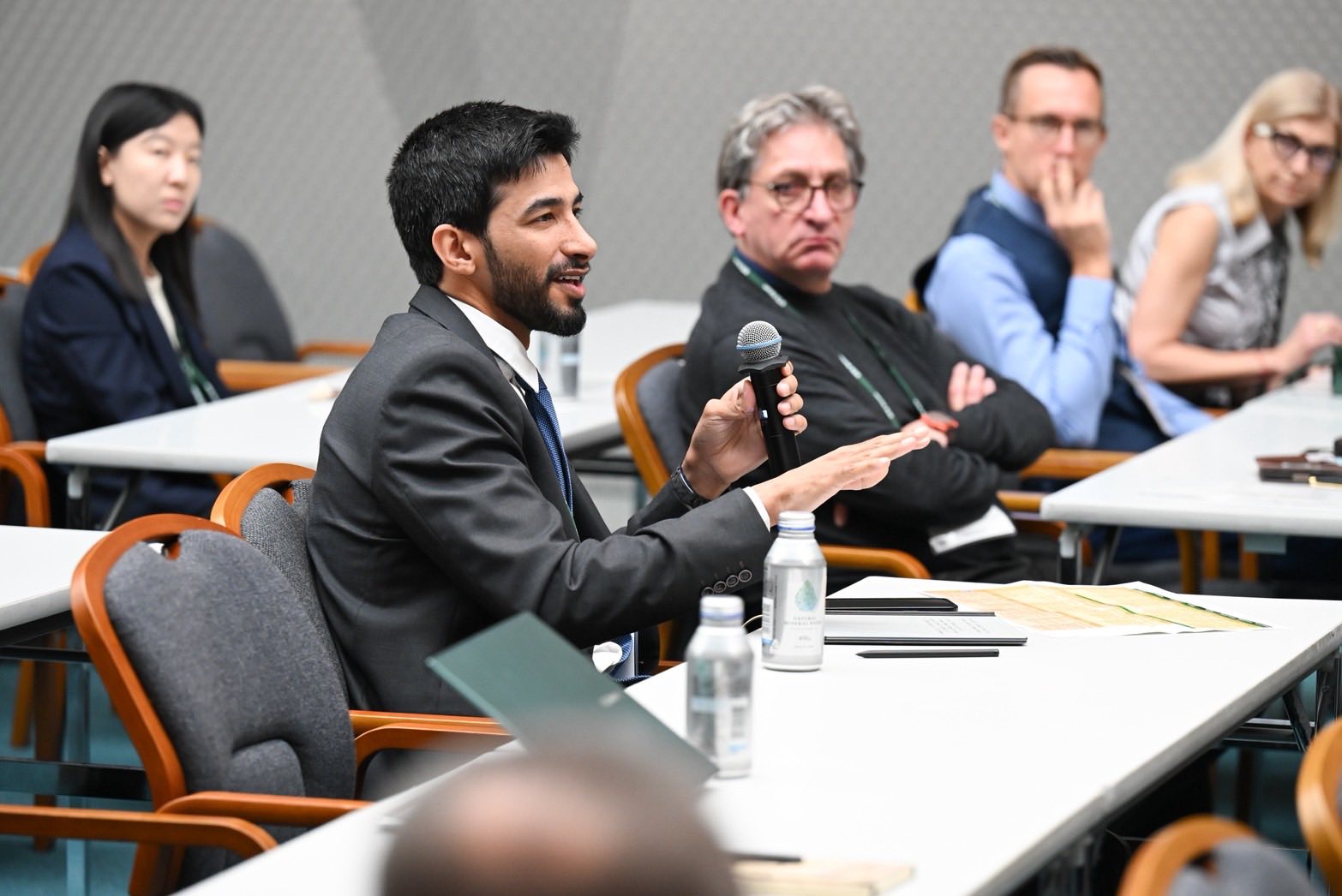
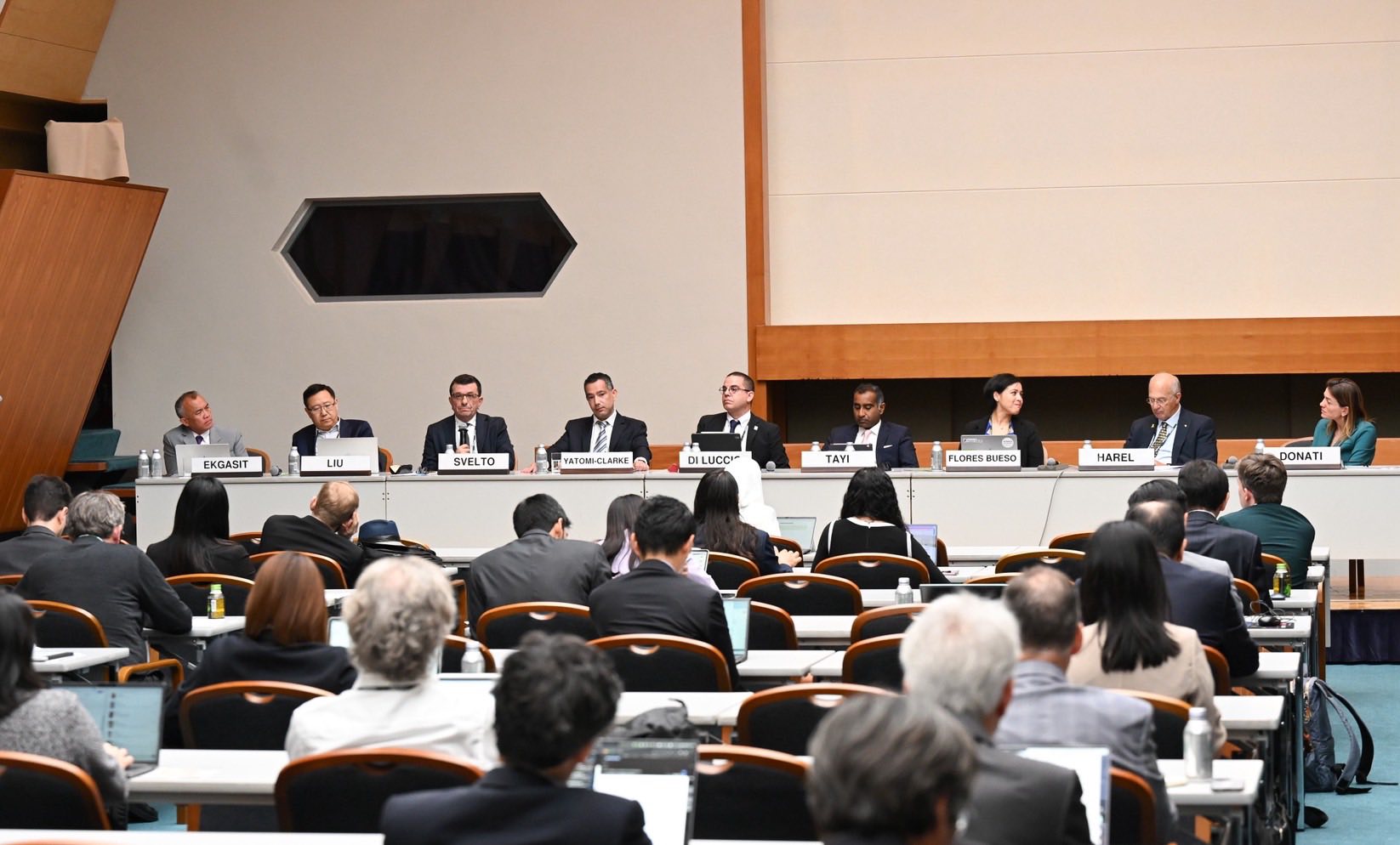
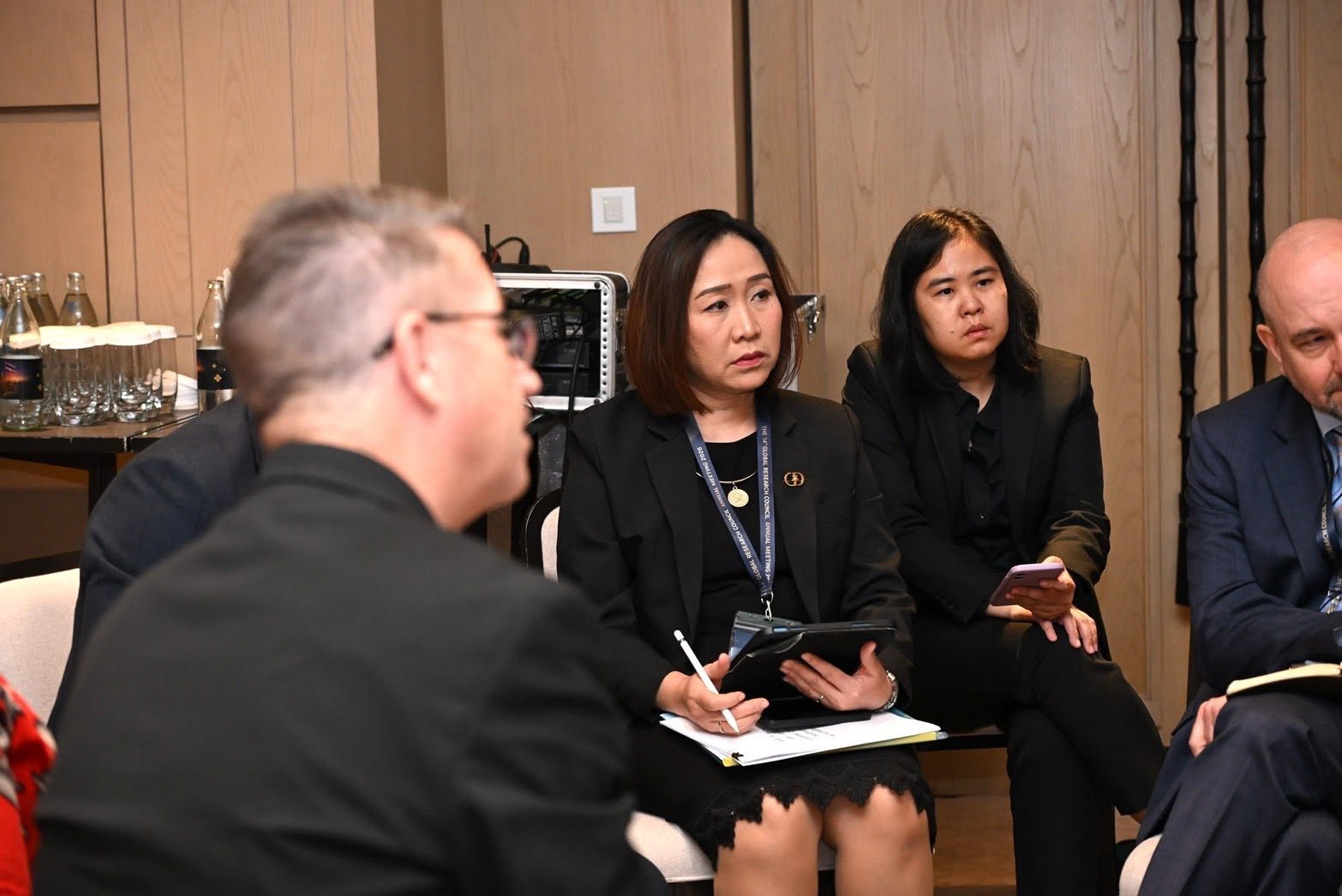
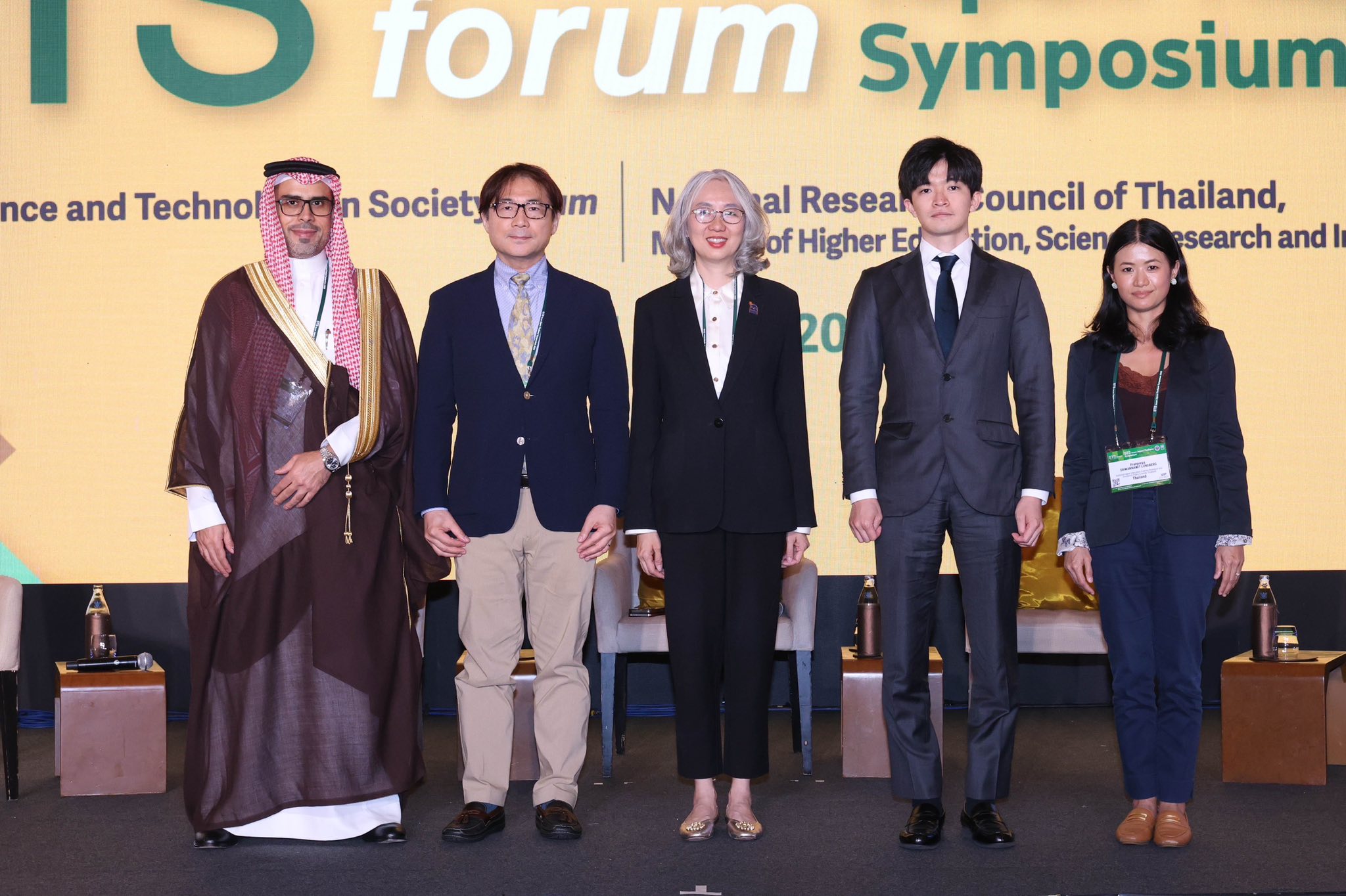
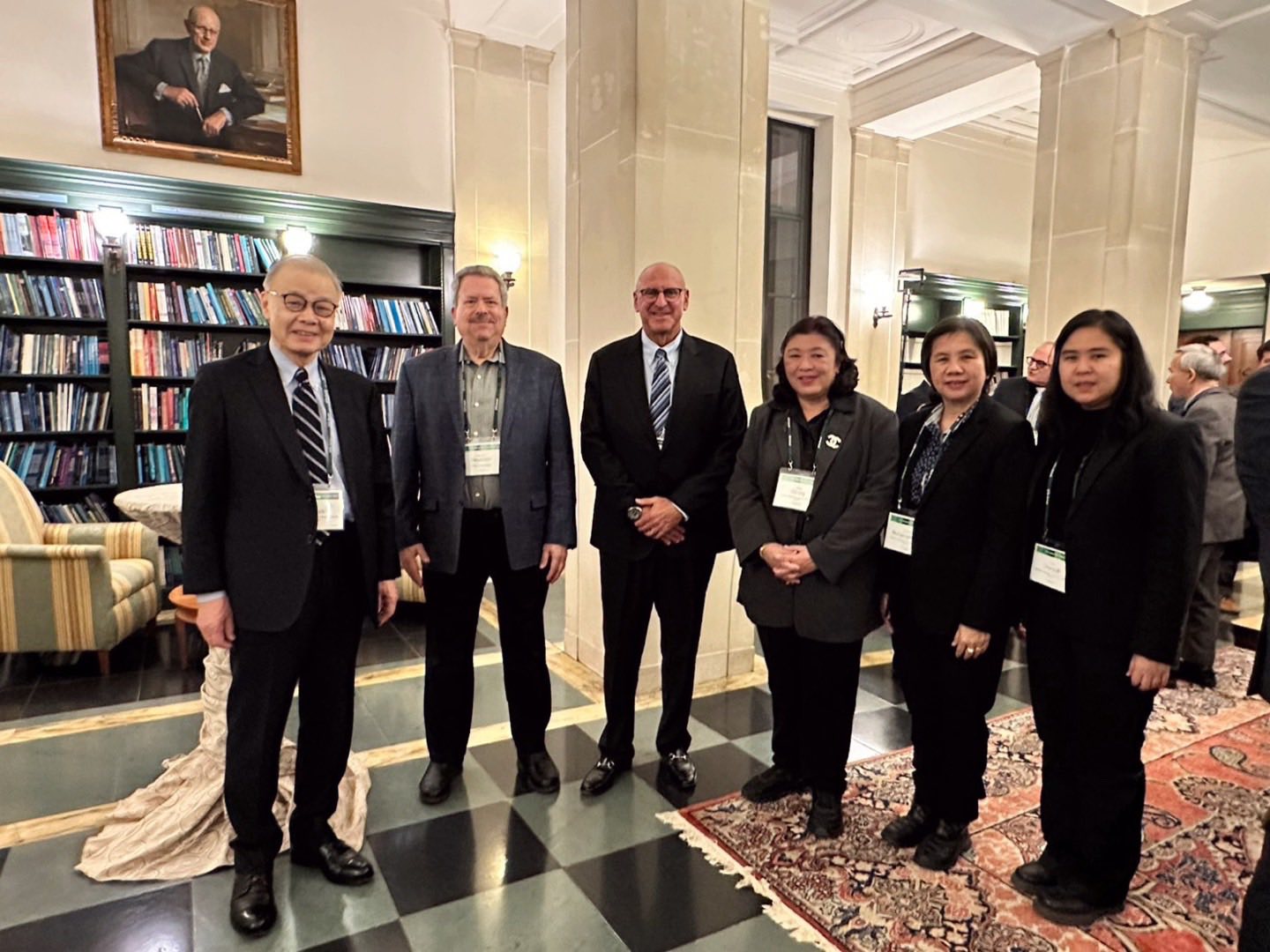
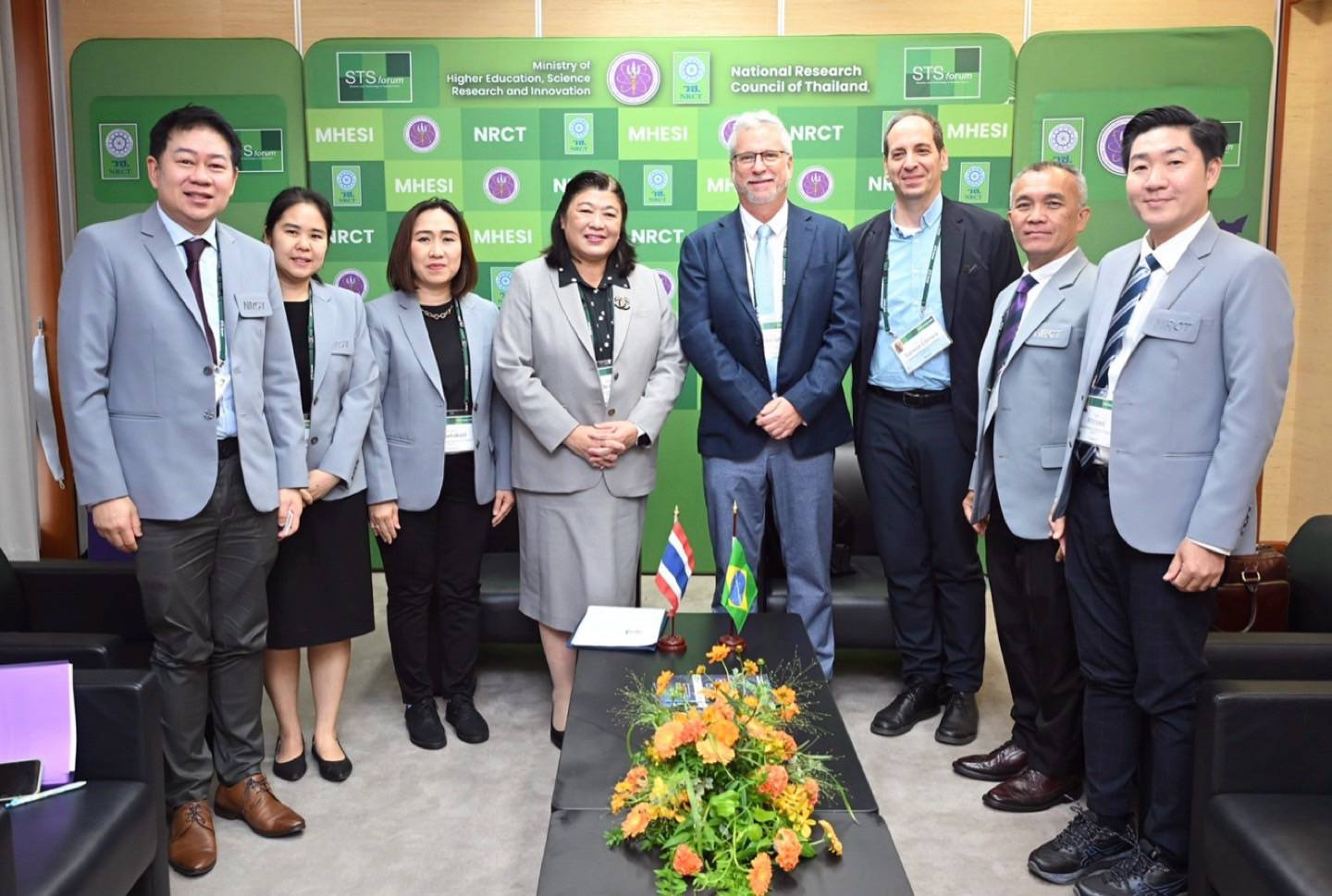
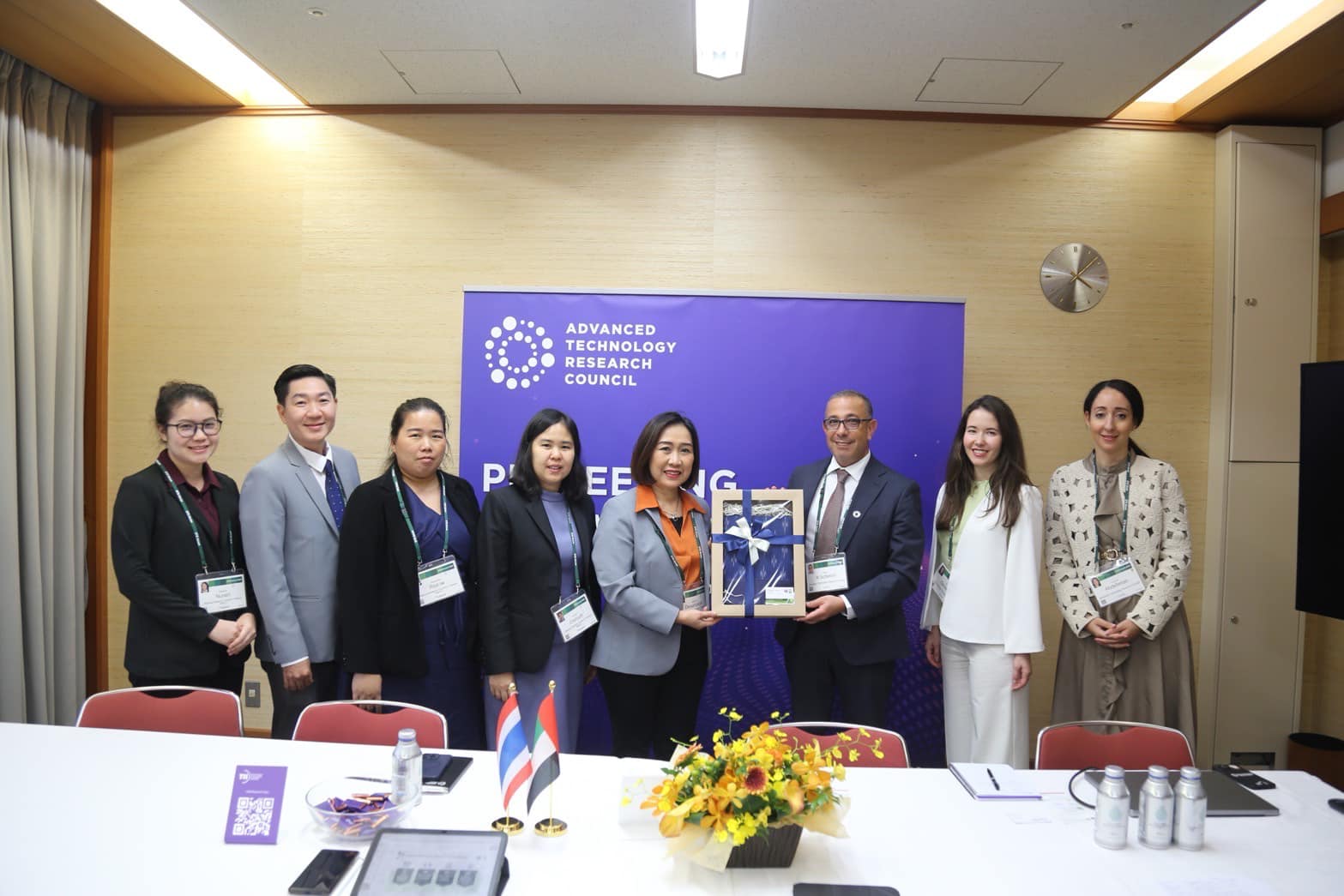
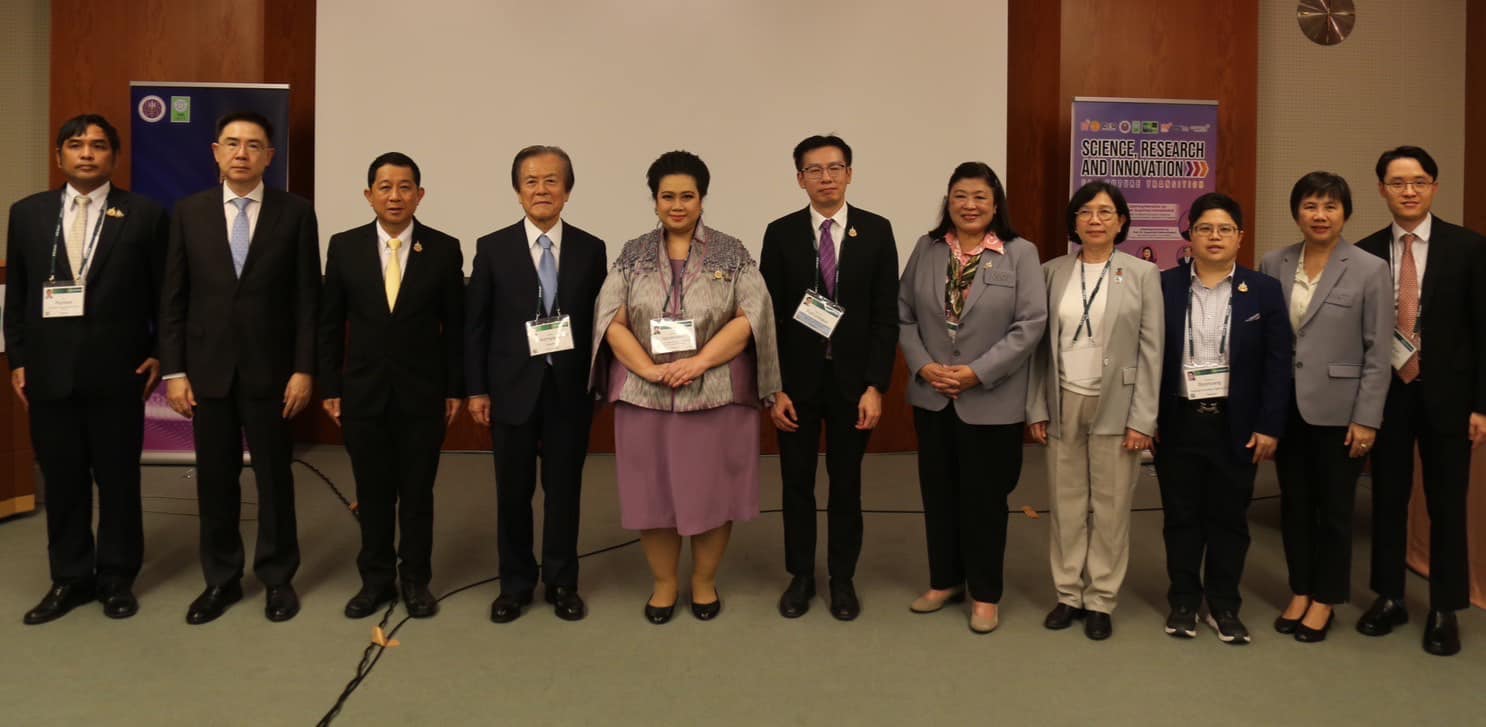
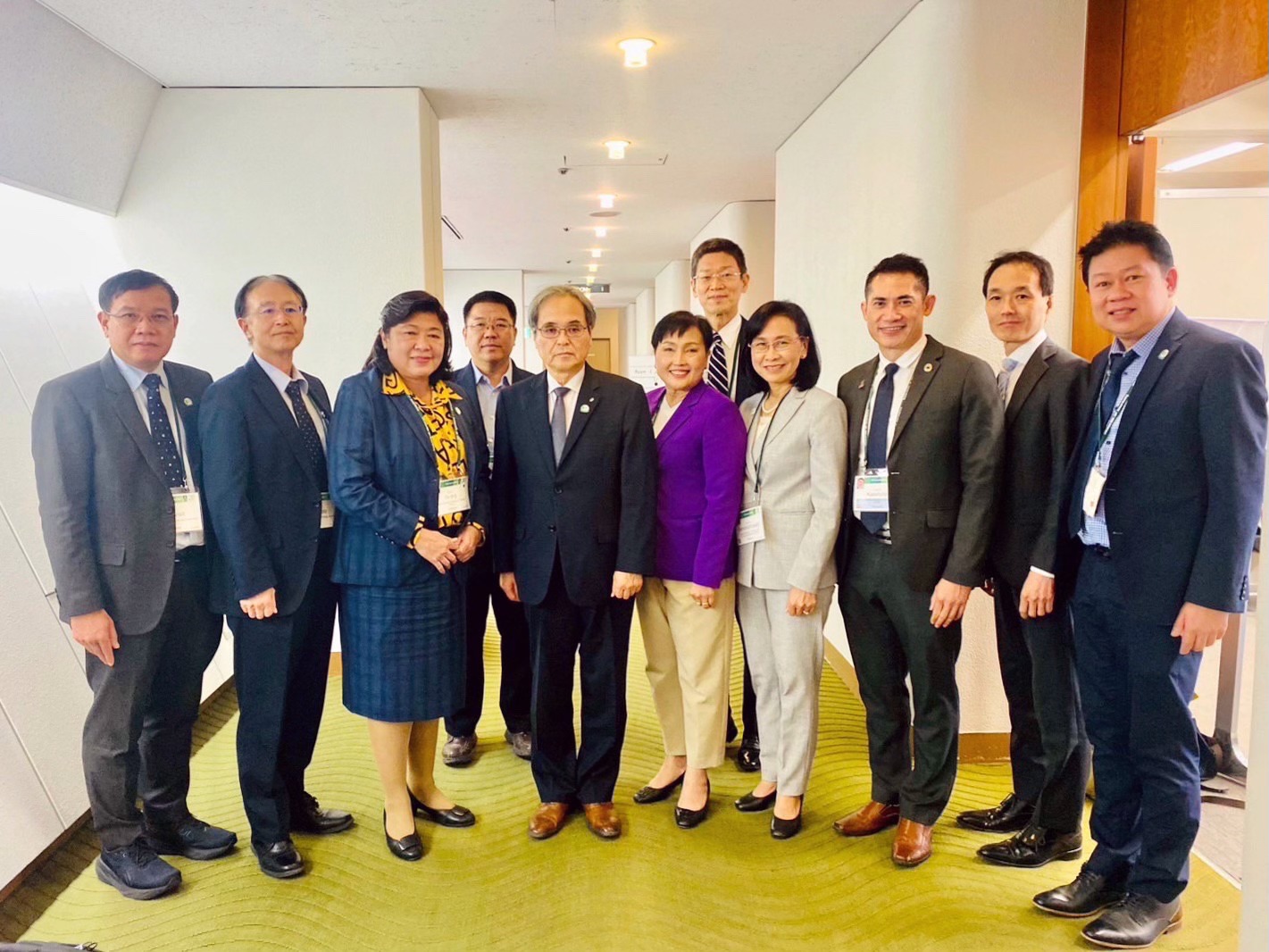
In addition, Professor Dr. Sanong Ekgasit, an academic advisory of the National Research Council of Thailand (NRCT), participated in a discussion and exchanged perspectives with executives from leading global organizations, including:
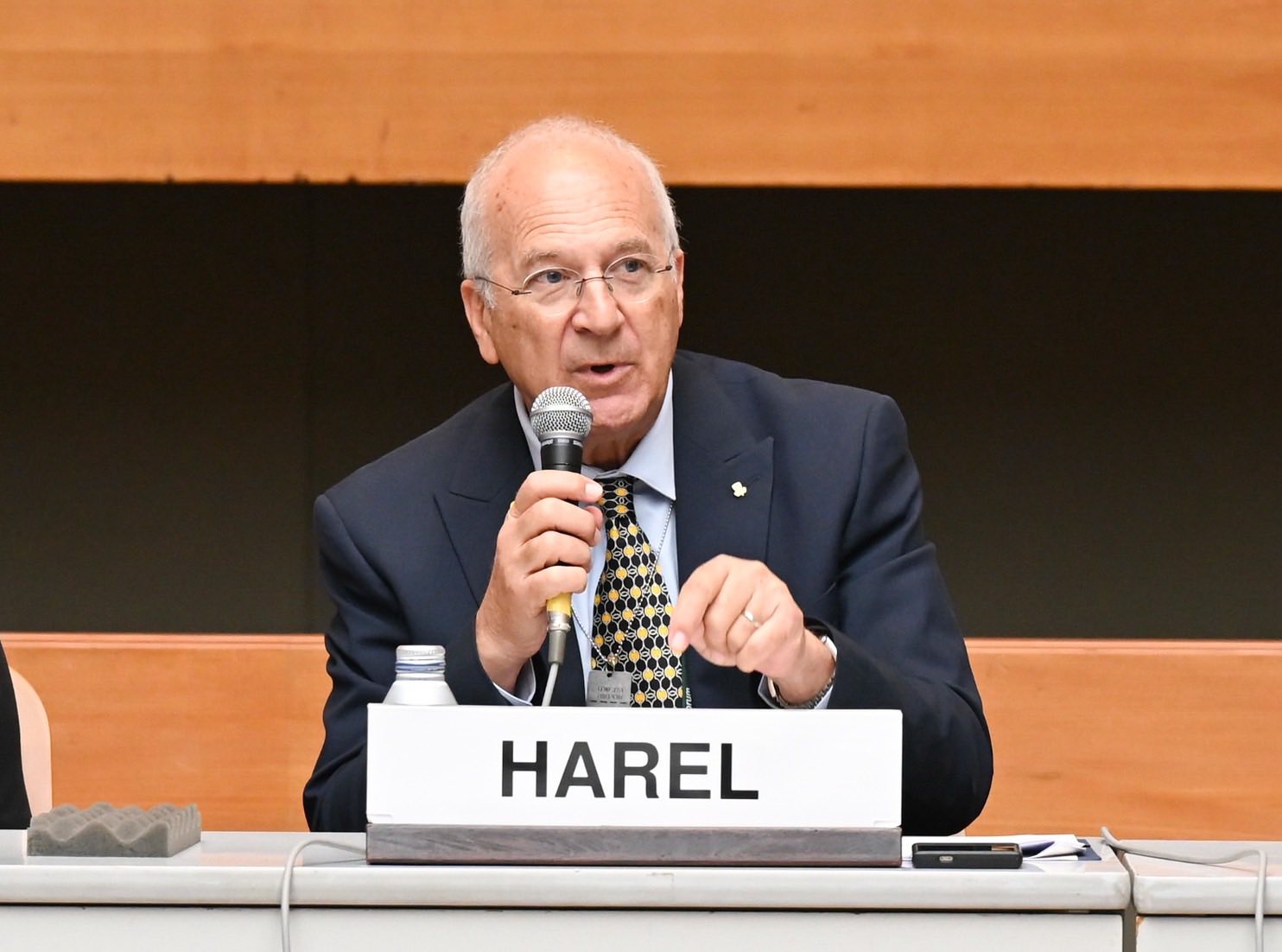
- Professor David Harel, President, Israel Academic of Sciences and Humanities
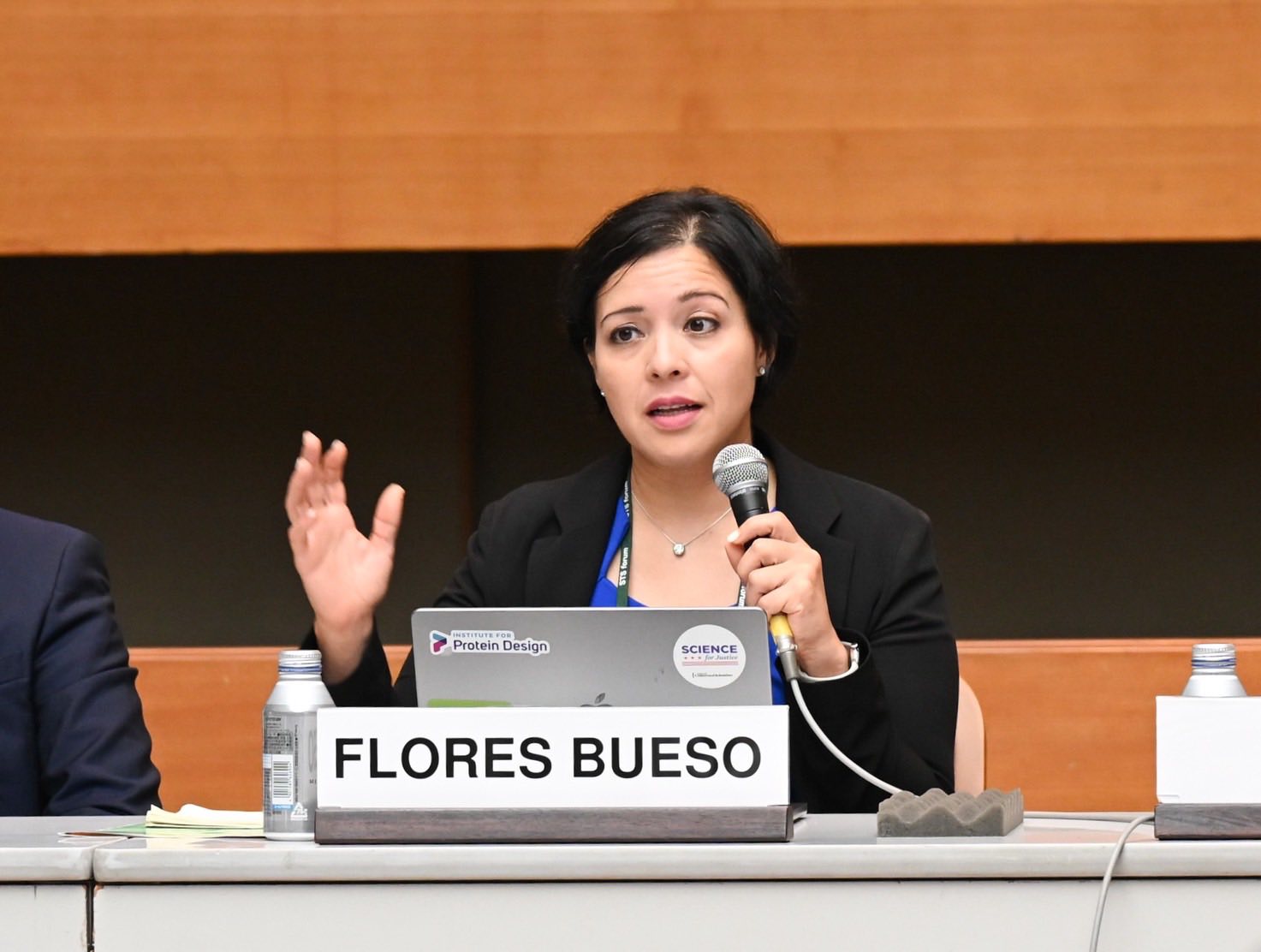
- Dr. Yensi Flores, Co-Chair, Global Young Academy
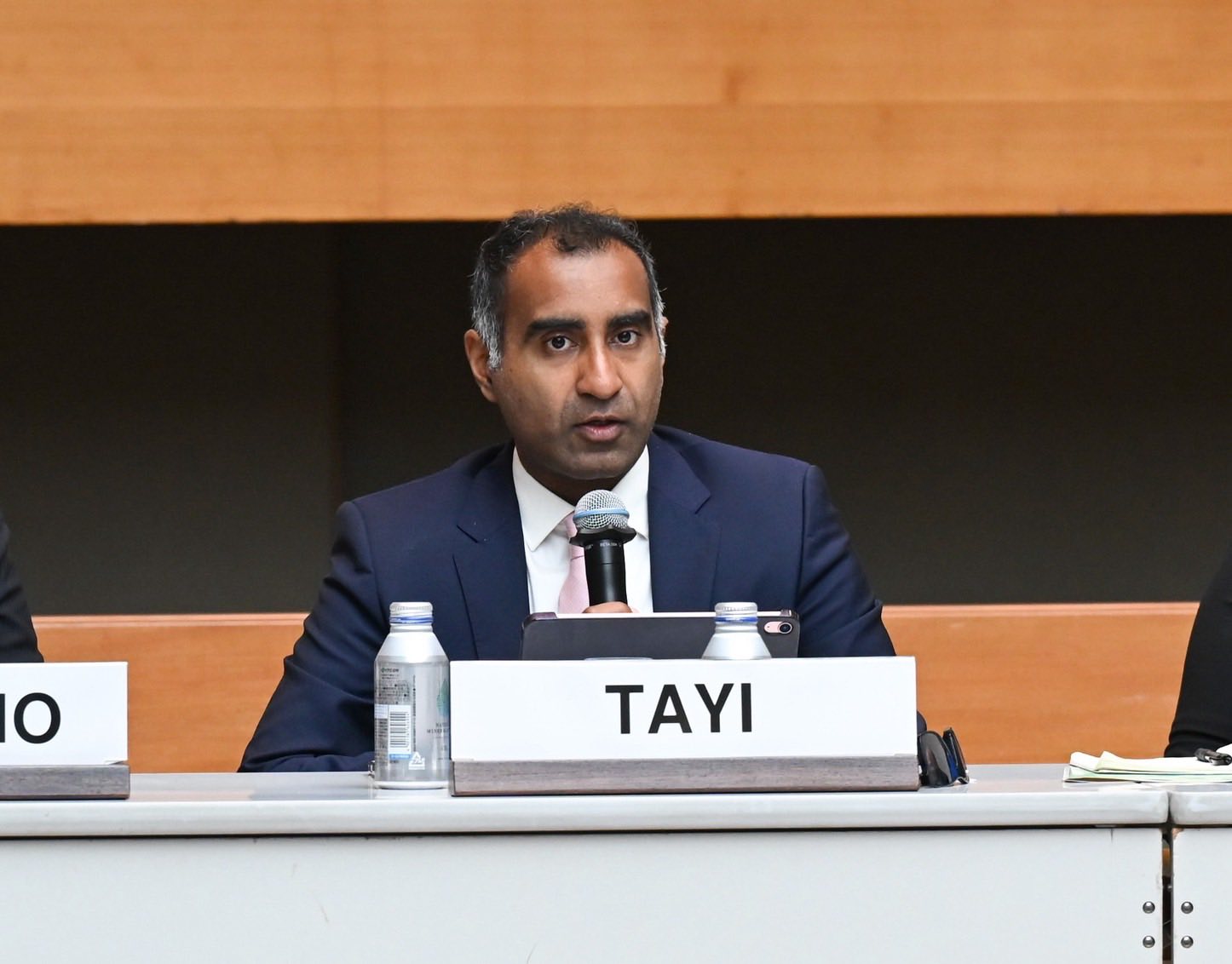
- Dr. Alok Tayi, Co-Funder and CEO, Vibe Bio
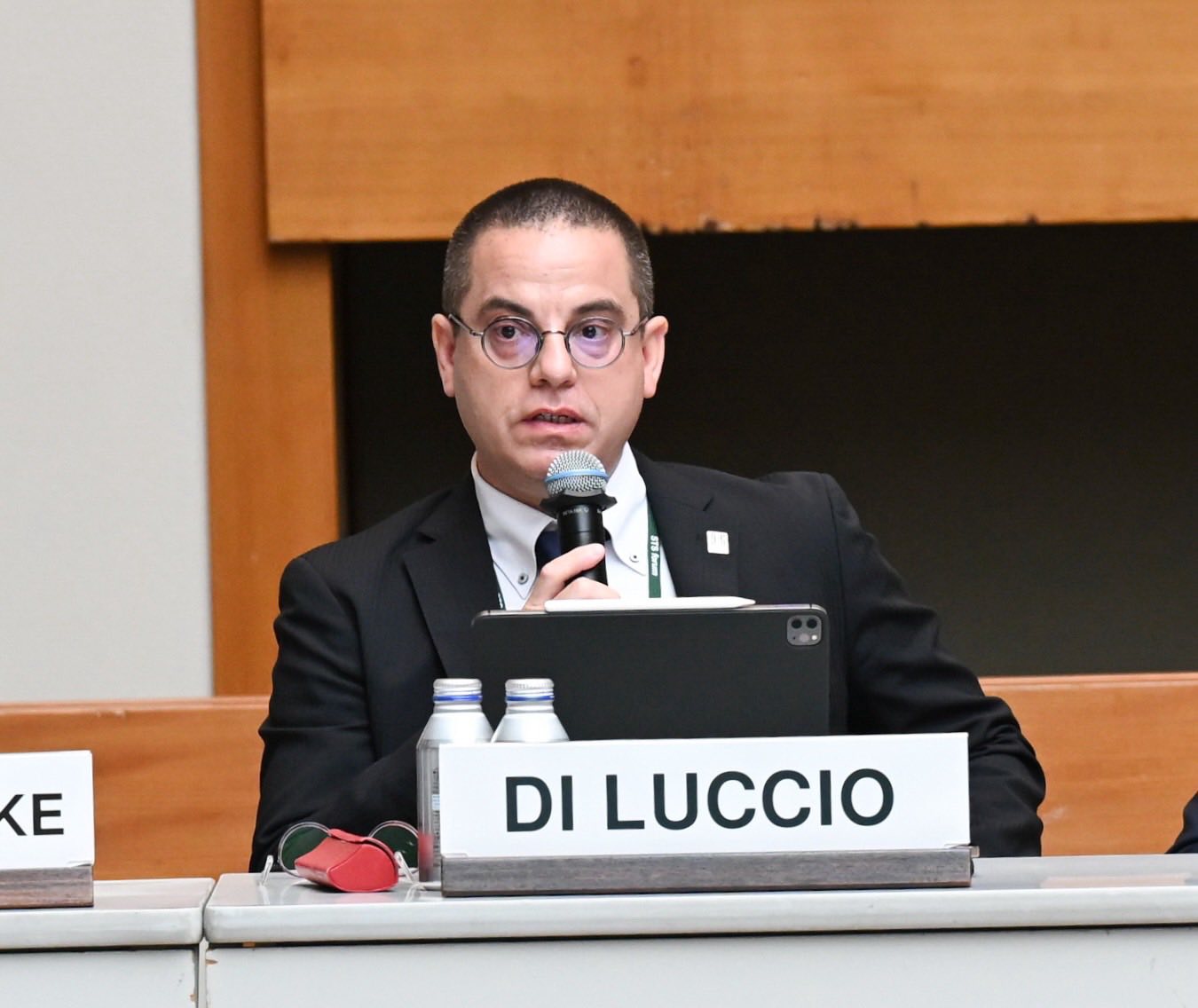
- Dr. Eric di Luccio, Director, Chief Technology Officer, Research & Development, HIROTSU BIO SCIENCE INC.
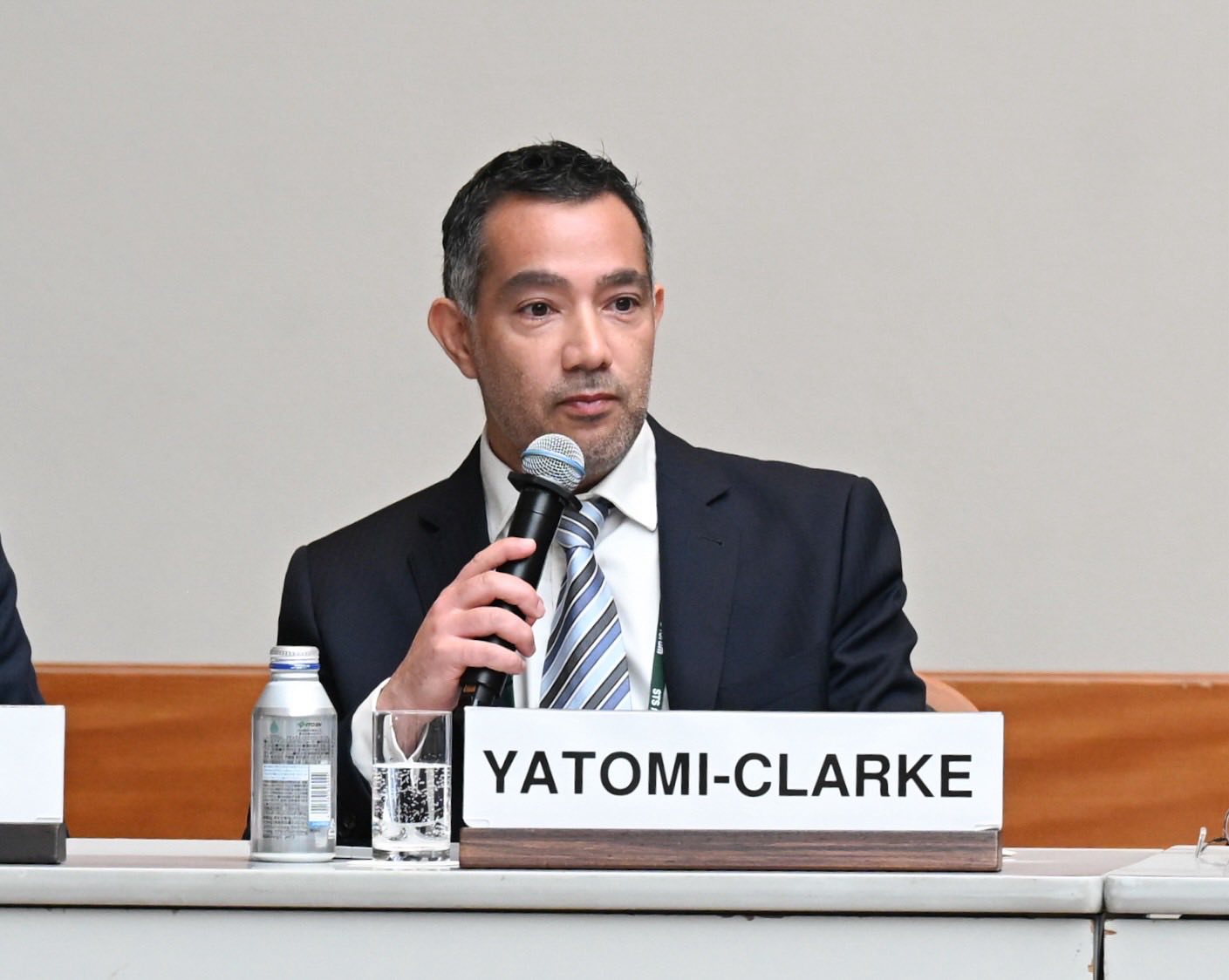
- Mr. Steven Yatomi-Clarke, CEO, AURORA Biosynthetics
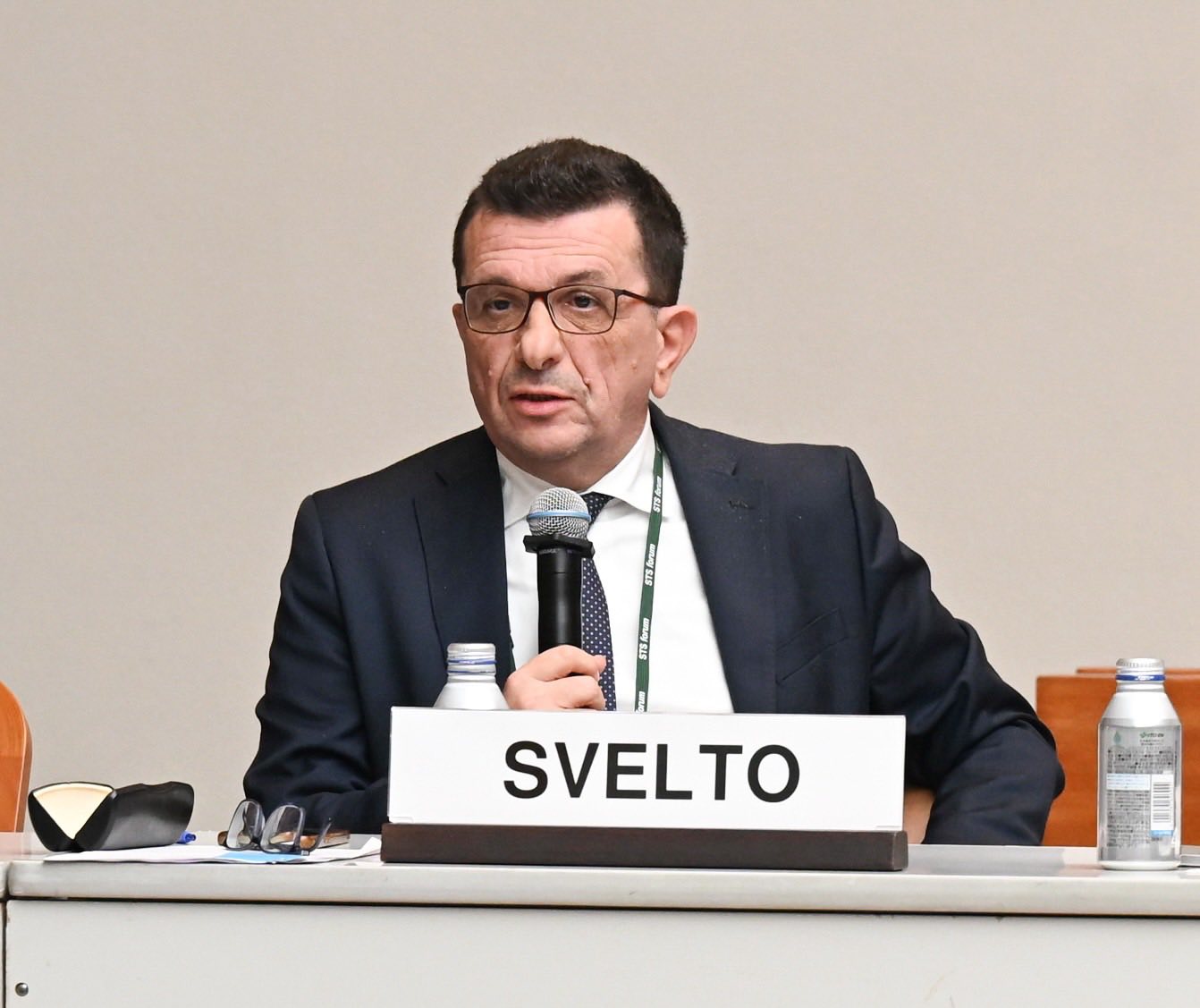
- Dr. Francesco Svelto, University of Pavia
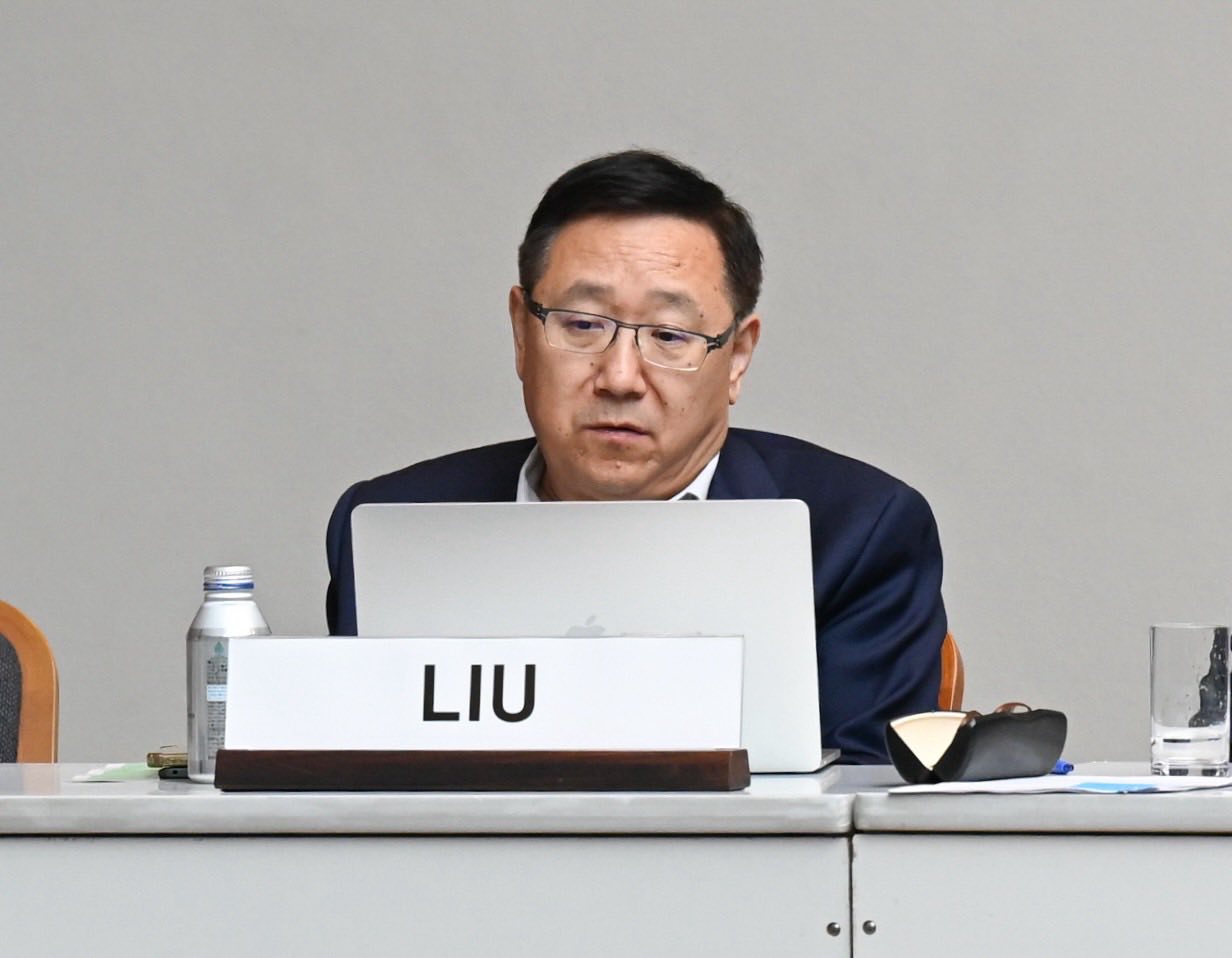
- Professor Pengtao Liu, Sciences, School of Biomedical, University of Hongkong
Professor Dr. Sanong emphasized the promotion of high-quality research that generates tangible impact, particularly in the fields of medicine, science, humanities, and sustainability. He also introduced the concept of developing an “AI-supported Grant Evaluation System” aimed at enhancing the accuracy, transparency, and efficiency of grant assessment processes. This system would integrate academic merit evaluation with Technology Readiness Levels (TRL), along with legal, ethical, and clinical trial considerations, to ensure that research outputs can be effectively translated into real societal benefits. He further highlighted examples of research projects supported by the NRCT, including:
- AI Mask
- Logistic Health
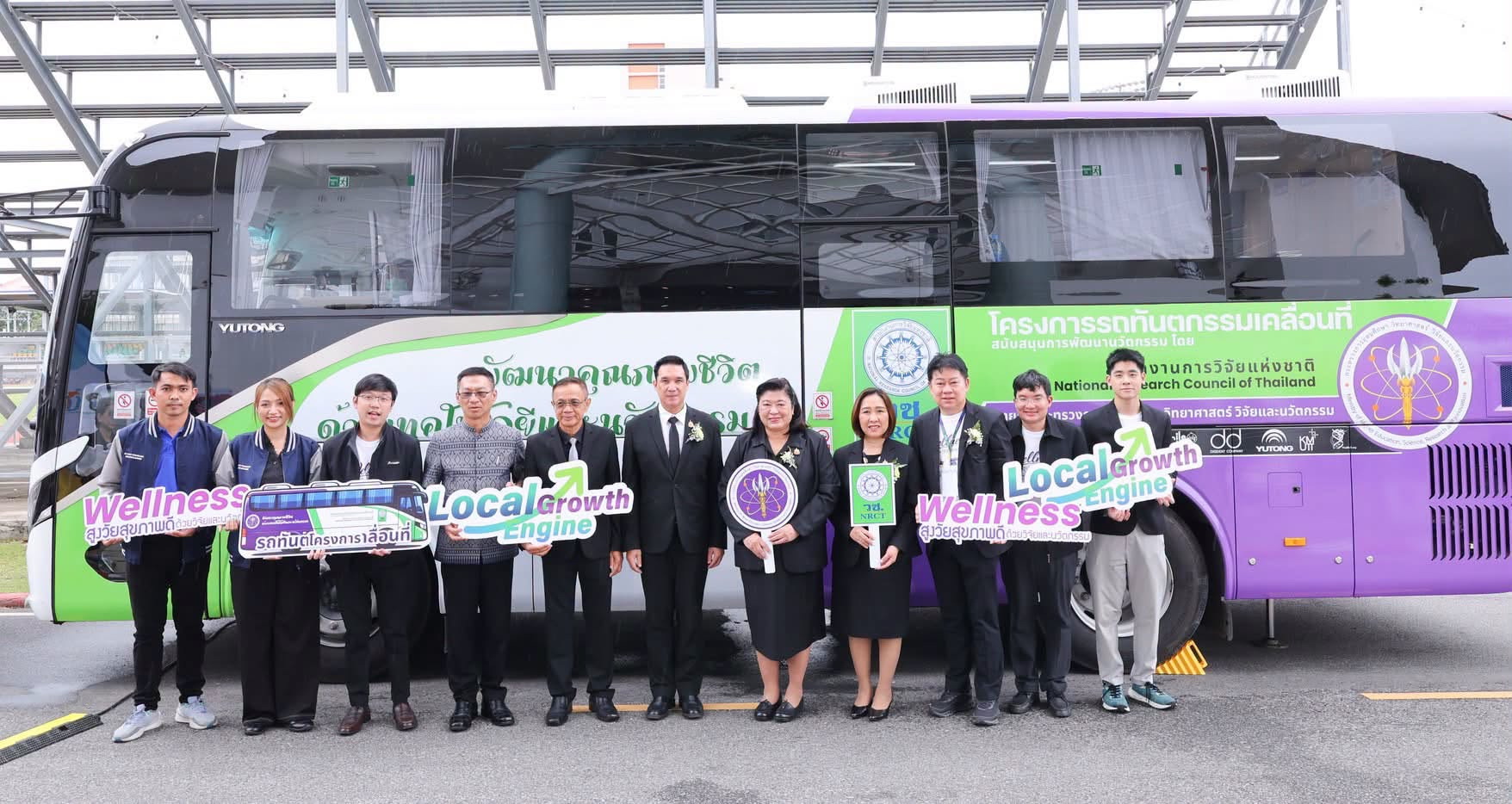
- Mobile Medical Check-up Technology
He underscored that timely research funding, combined with AI-driven evaluation mechanisms, would help improve public health, cultivate new talent, and sustainably strengthen Thailand’s innovation capacity.
At present, AI has become a key driver of innovation in healthcare and biopharmaceuticals. Collaboration among technologists, medical professionals, entrepreneurs, regulatory authorities, and scholars in science, law, and commercial domains is essential to ensuring that AI is applied effectively and responsibly.
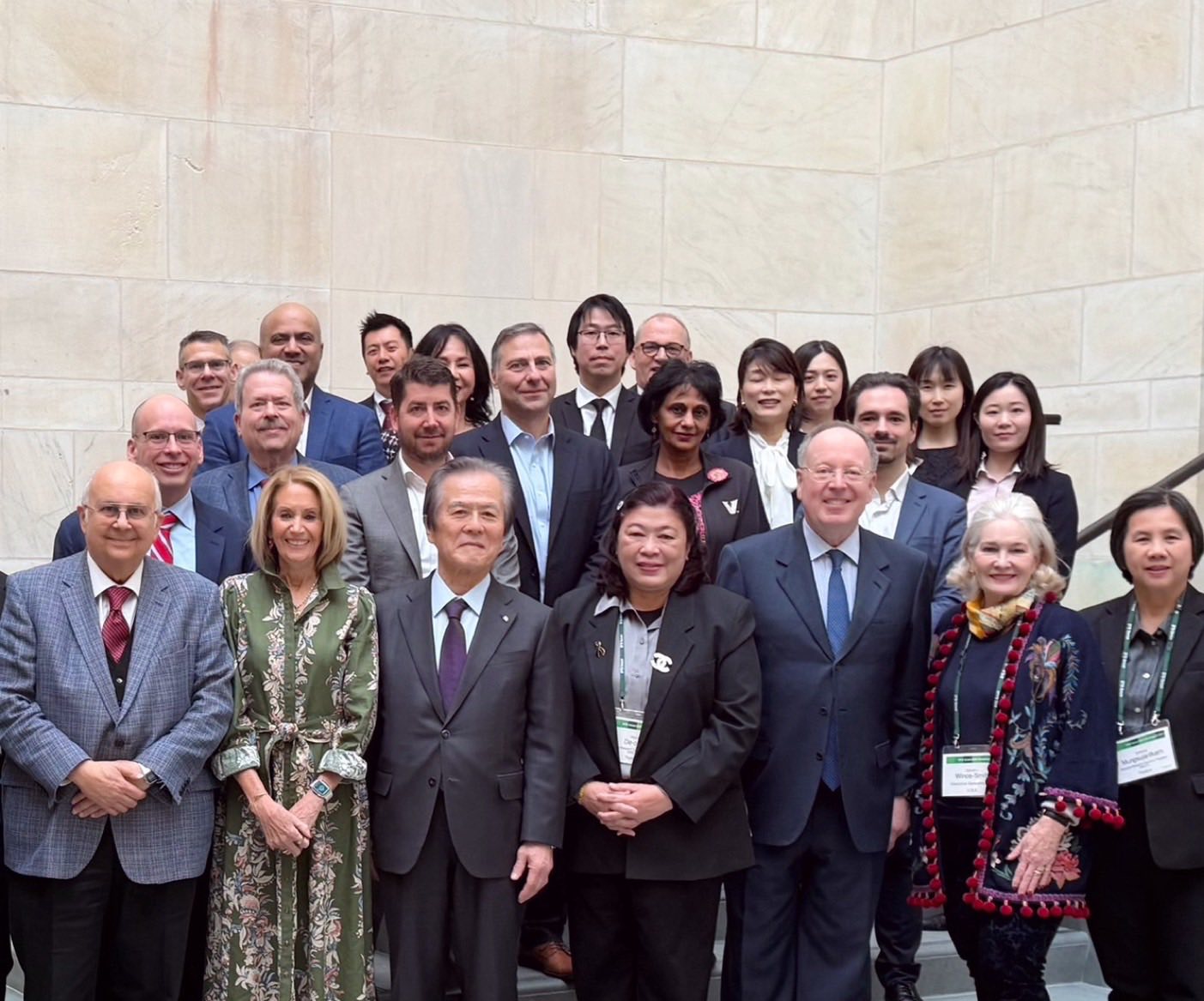
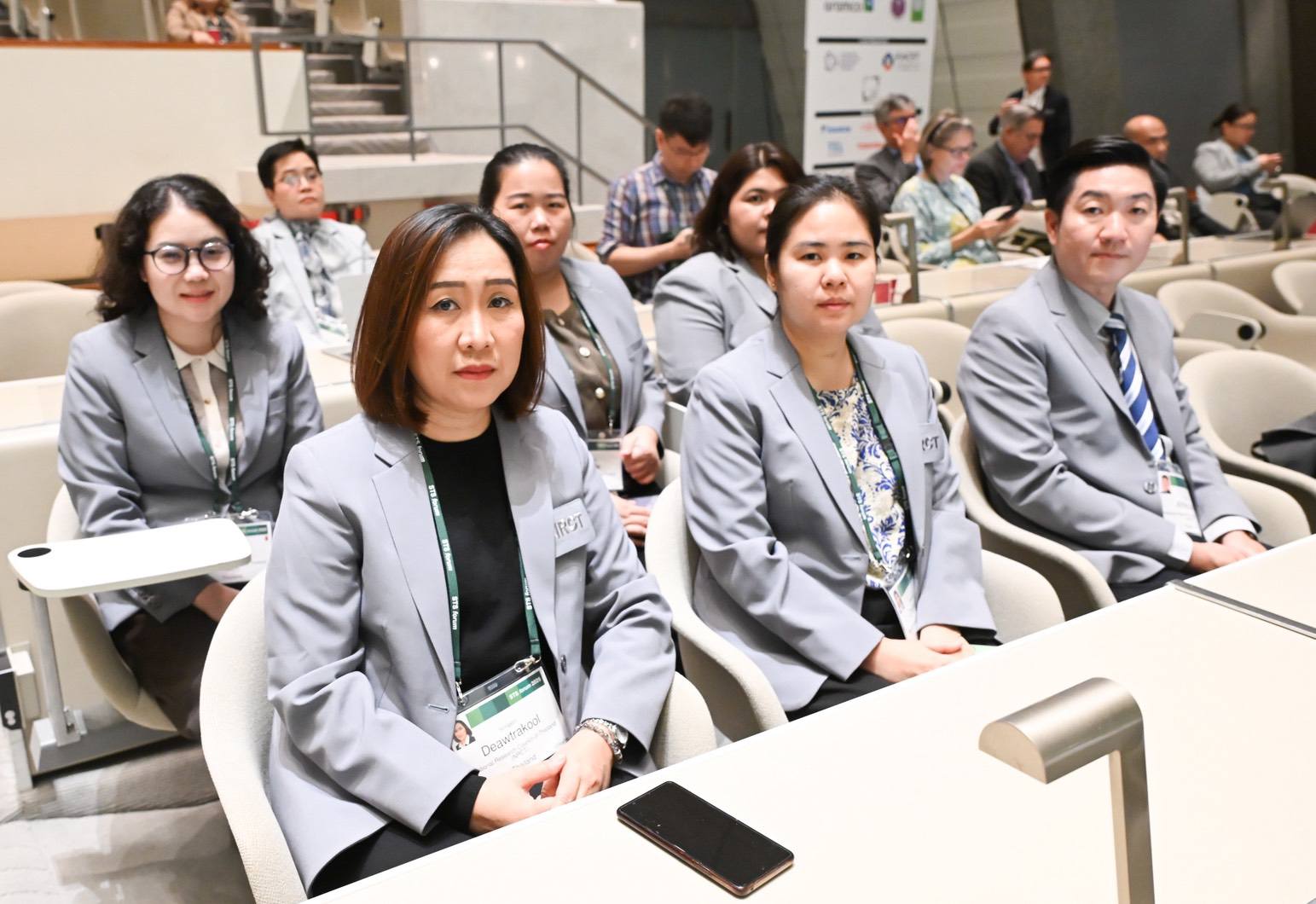
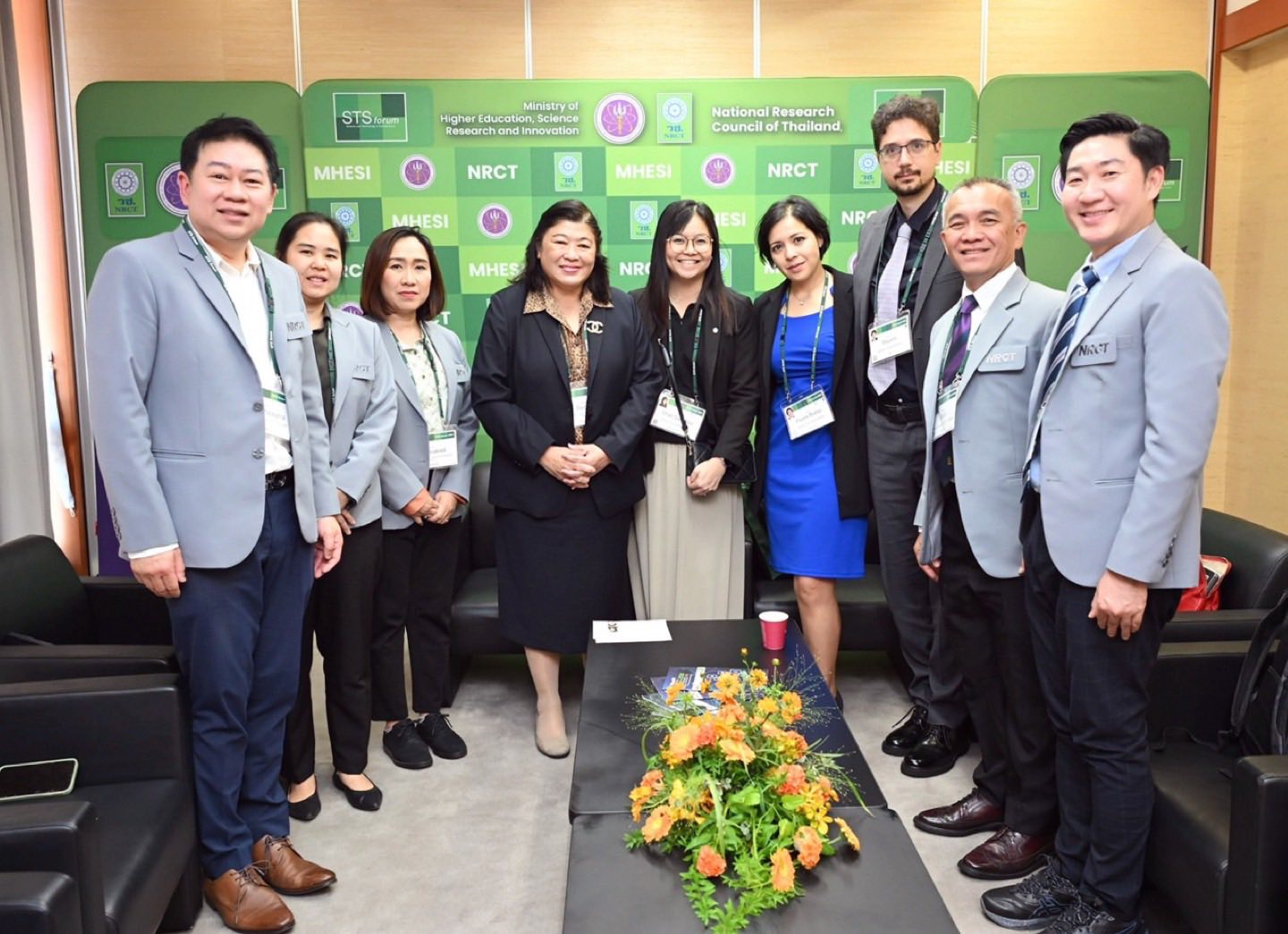
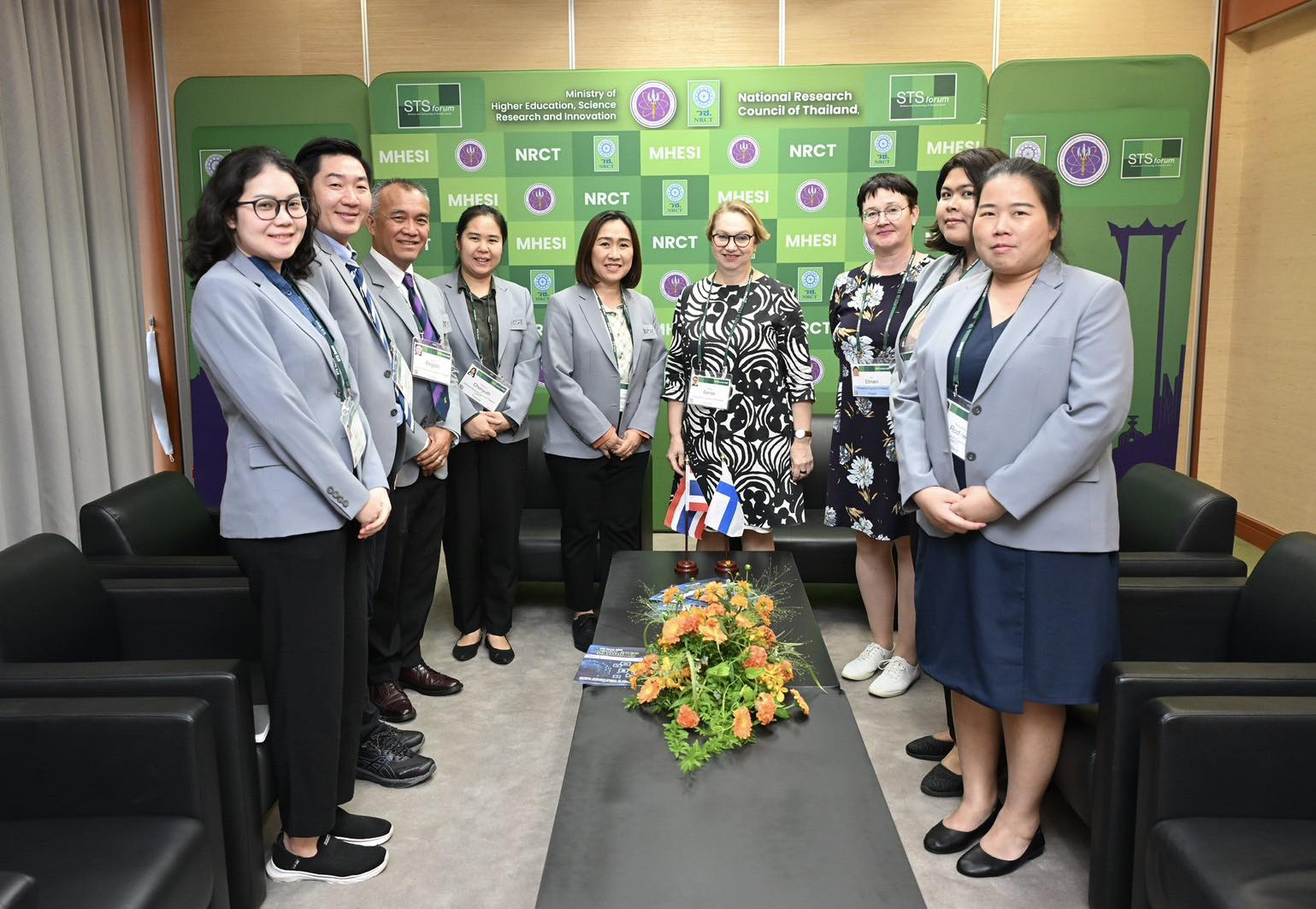
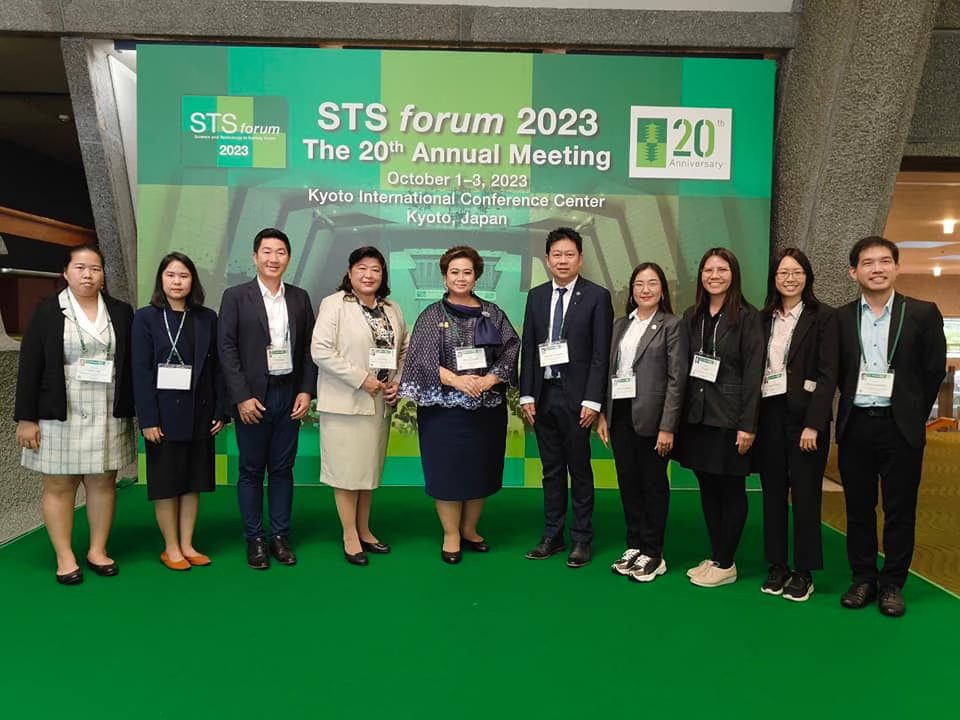
Moreover, NRCT’s participation and active role at the STS forum 2025 – The 22nd Annual Meeting reflect its strong commitment to advancing health research and innovation. This engagement aims to address the challenges of an aging society, expand access to healthcare services for all population groups, and position Thailand as an ethical and responsible AI Health Hub with a people-centered approach.