Research Standards & Ethics
18 September 2026
The National Research Council of Thailand (NRCT) promotes research standards and ethics to support the quality, integrity, safety and credibility of research in Thailand.
NRCT develops and promotes standards, guidelines and practices covering important aspects of research ethics and responsible research. These efforts support researchers and research organizations in conducting research with appropriate consideration for ethics, safety, integrity and responsibility.
NRCT promotes research standards and ethical practices across key areas of research, including:
Promoting ethical standards for research involving human participants, with consideration for their rights, dignity, safety and well-being.
Promoting appropriate standards and ethical practices for the use of animals in scientific research.
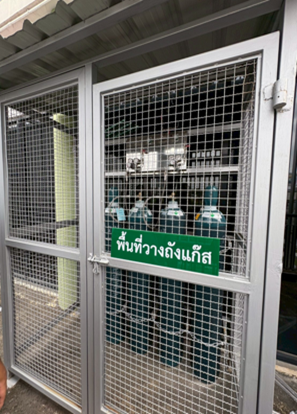
Promoting laboratory safety and appropriate practices for managing risks associated with research activities.
Supporting appropriate biosafety practices for research involving biological materials and potential biological risks.
Promoting integrity and responsible conduct in research, including awareness and prevention of research misconduct.
Promoting responsible practices in research and academic publication to support the credibility and integrity of research outputs.
Promoting ethical principles and responsible conduct among researchers as part of a strong research culture.
NRCT supports the integration of research standards and ethics into the research management process.
Through the National Research and Innovation Information System (NRIIS), relevant information and requirements concerning research standards and ethics can be incorporated into research funding and management processes.
This helps connect research standards with the way research is proposed, managed and conducted.
Research involving human participants requires appropriate consideration of research ethics and participant protection.
NRCT promotes standards and practices that support the protection of participants’ rights, dignity, safety and well-being throughout the research process.
NRCT promotes responsible and ethical practices concerning the use of animals for scientific purposes.
The work includes the development of standards and criteria for the use of wildlife in scientific research, supporting appropriate practices and consideration of animal welfare and research ethics.
NRCT promotes laboratory safety and biosafety as important components of responsible research.
These areas support researchers and research organizations in identifying and managing risks associated with laboratory activities, chemicals, biological materials and other potential hazards.
NRCT works with research institutions and related organizations to strengthen cooperation in research ethics.
The Research Ethics Network provides a platform for collaboration and knowledge exchange among organizations involved in research ethics.
The network also works with NRCT to develop practical guidance for researchers, including Guidelines for the Ethical Application of Generative AI for Researchers, supporting responsible use of generative AI while maintaining academic integrity and research ethics.
Through research standards, ethical guidelines, networks and research management processes, NRCT supports a research environment that values quality, integrity, safety and responsibility.
These efforts contribute to strengthening confidence in Thailand’s research system and promoting research that is conducted responsibly and with appropriate ethical standards.
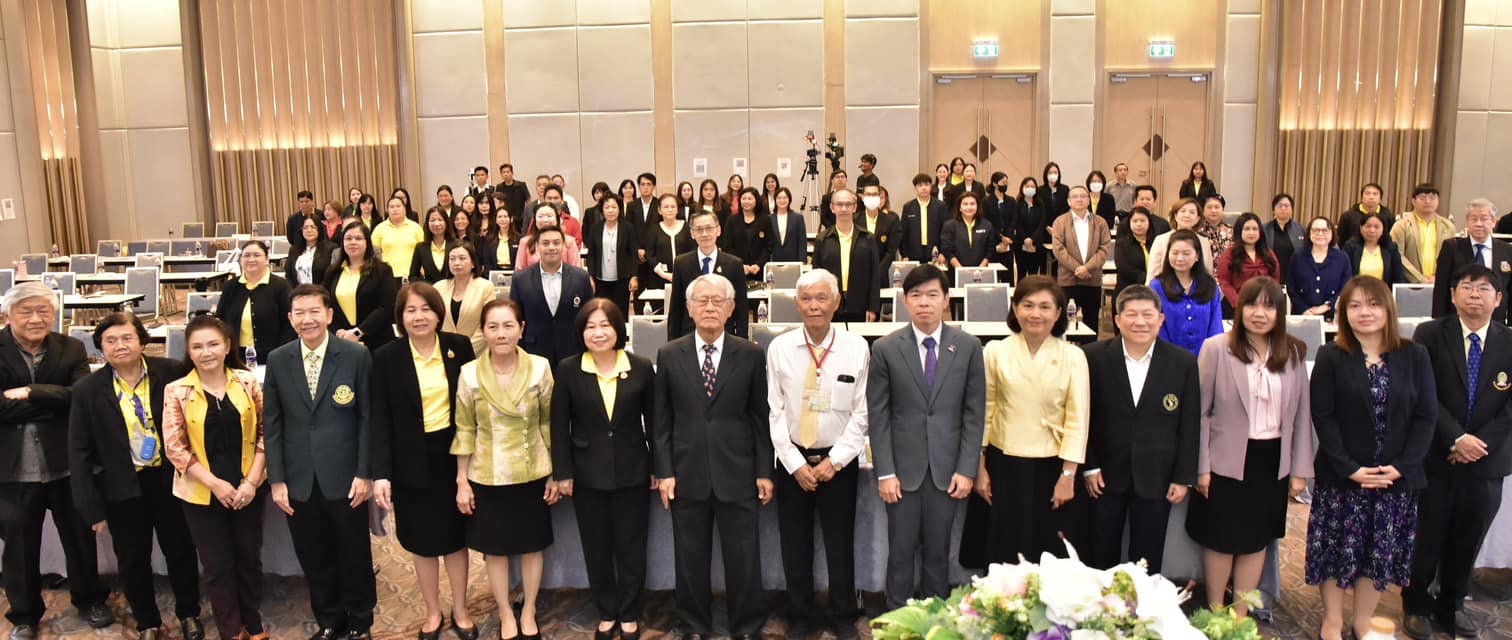
1. Research Ethics Network: Building Collective Strength to Raise Thailand's Research Standards
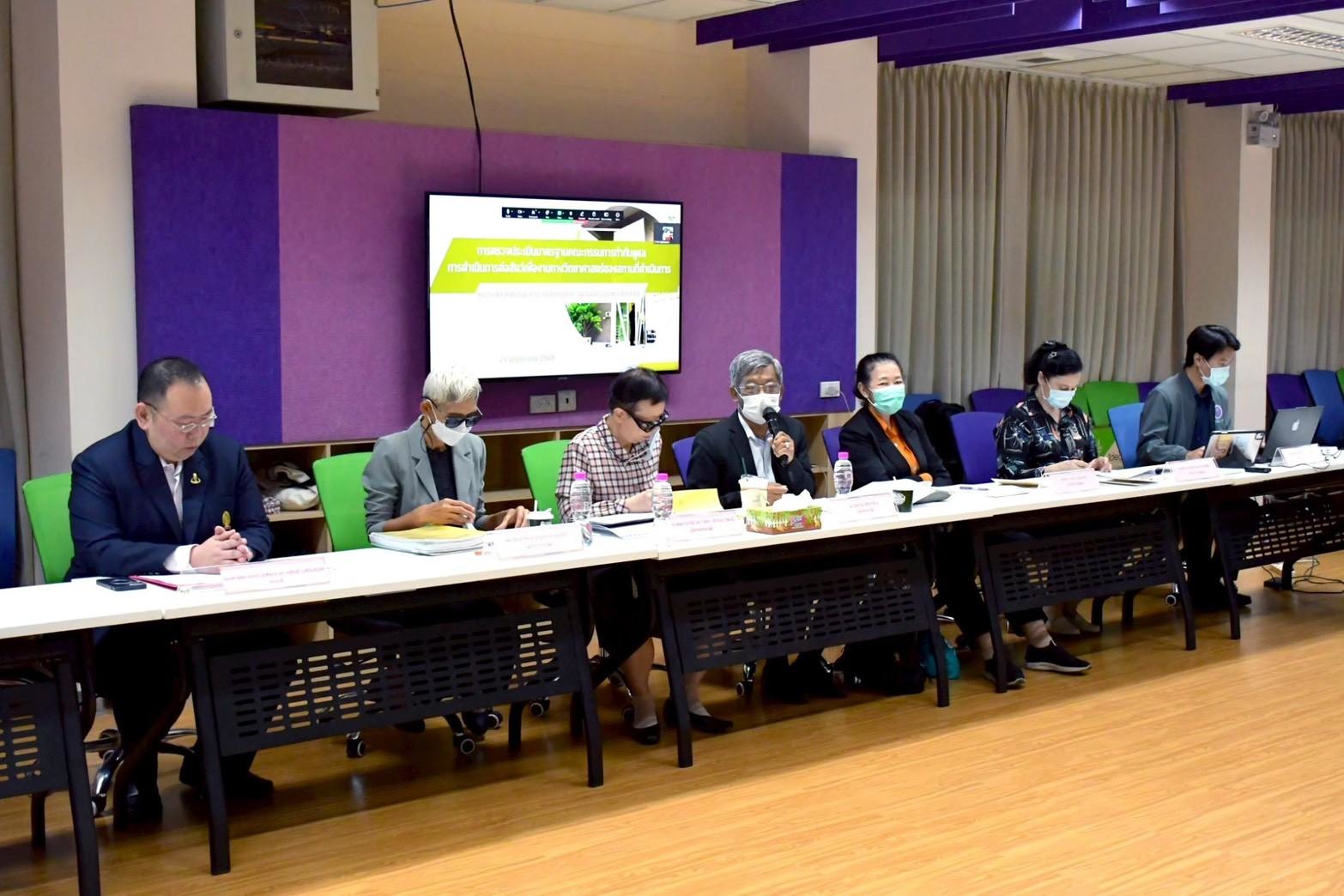
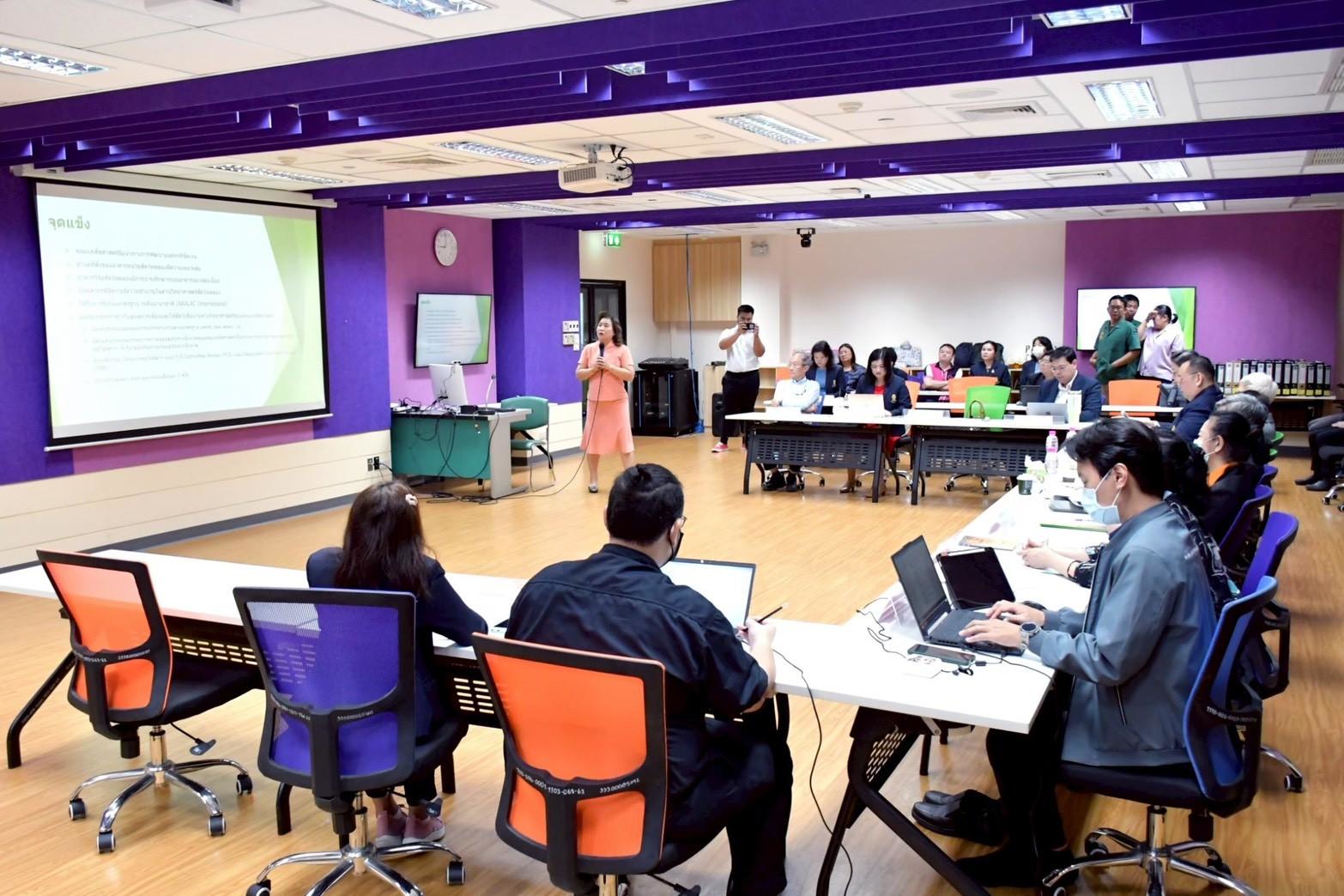
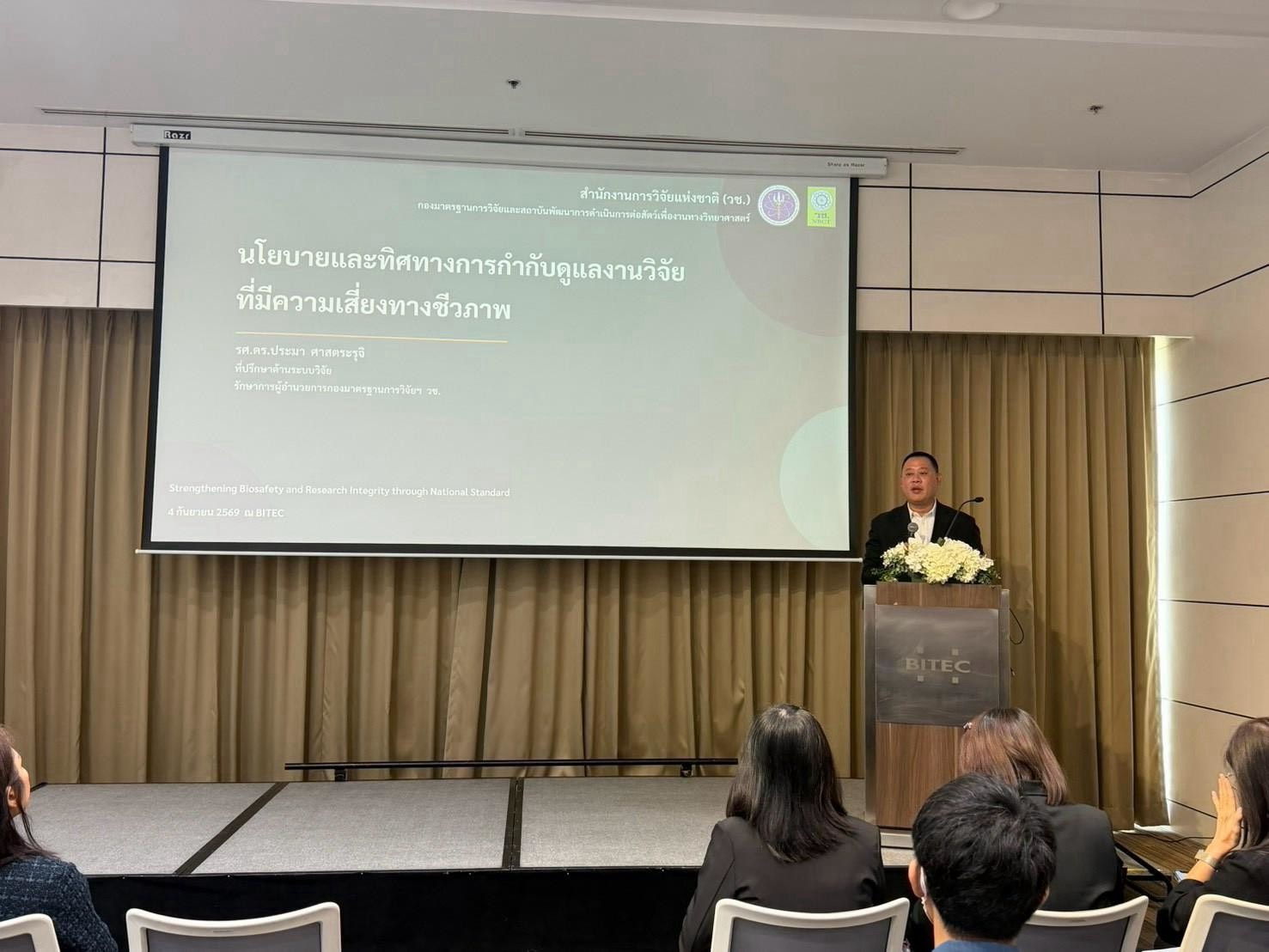
4. Peer Evaluation for Chemical Laboratories Safety Assessment and Certification: Elevating the Standards of Thai Research Laboratories toward Safety and Reliability
Laboratory work inherently involves risks, and accidents may occur if appropriate safety measures are not implemented. Therefore, ensuring that laboratories operate in accordance with safety standards to protect personnel, surrounding communities, and the environment is essential. National Research Council of Thailand (NRCT) has played a leading role in promoting the development of chemical laboratory safety management standards to promote systematic safety management, while fostering a strong laboratory safety culture.
NRCT has developed laboratory safety guidelines and the ESPReL (Enhancement of Safety Practice of Research Laboratory) Checklist, a laboratory safety assessment tool consisting of 162 checklist items covering seven key elements: (1) safety management system, (2) chemical management, (3) waste management, (4) physical characteristics of laboratory, equipment and tools, (5) hazard prevention and correction system, (6) basic knowledge about laboratory safety, and (7) record management and documentation. The checklist serves as a practical guideline for laboratory personnel to implement good safety practices and conduct self-assessments.
Furthermore, the guidelines were promoted and developed into a national standard, namely the Thai Industrial Standard (TIS 2677–2015): Safety Management System for Chemical Laboratories. This standard was subsequently revised to the Thai Conformity Assessment Standard (TCAS 11–2026): Safety Management System for Chemical Laboratories. The national standard provides a comprehensive framework that enables laboratories to systematically establish, implement, and continually improve their laboratory safety management systems through assessment and certification in accordance with the national standard.
In addition, to encourage laboratories to adopt a systematic approach to safety management, NRCT established a laboratory safety assessment and certification system based on the Peer Evaluation approach. The system employs 137 essential items from the 162-item ESPReL Checklist as the primary tool for evaluating laboratory safety conditions, combined with on-site assessments conducted by qualified experts. This assessment approach is designed not only to determine whether a laboratory meets the certification requirements, but also to promote mutual learning, the exchange of experiences, and the dissemination of best practices among laboratories. As such, it serves as an important mechanism for encouraging laboratories to initiate, strengthen, and continuously improve their laboratory safety management systems, ultimately contributing to the sustainable enhancement of laboratory safety standards at the national level.
Since the implementation of the Peer Evaluation program (2020–present), a total of 672 laboratories have undergone safety assessments, with 625 laboratories successfully achieving certification. The combination of self-assessment and expert evaluation has facilitated the continuous development of laboratory safety practices and fostered a strong culture of safety. This has led to initiatives such as the implementation of internal laboratory safety assessments and the development of certified laboratories as role models for others within their organizations. These efforts have contributed to reducing the risks of laboratory accidents and long-term occupational health hazards. Furthermore, systematic management of chemicals and hazardous waste has helped minimize environmental contamination, reduce risks to surrounding communities and ecosystems, and promote the efficient use of resources. These achievements are well aligned with the principles of sustainable development and the long-term protection of the environment.